Categories
Archive

What is the Difference between Cubase Pro And Artist: Unveiling the Distinctions

Cubase Pro offers advanced features and comprehensive tools, while Cubase Artist is more streamlined and suitable for entry-level users. Both versions provide professional-grade audio recording, editing, mixing, and production capabilities.

Cubase Pro is designed for advanced music production, offering a wide range of features such as unlimited audio tracks, comprehensive mixing and editing tools, and more advanced VST instruments and effects. On the other hand, Cubase Artist is a more affordable option that still provides many essential features for music creators, including limited audio tracks, built-in effects, and VST instruments.

Whether you are a professional producer or a beginner in music production, Steinberg’s Cubase software offers different levels to accommodate your specific needs and budget.

Overview

Cubase is a popular digital audio workstation (DAW) software developed by Steinberg, available in different versions to cater to various user needs. Among its range, Cubase Pro and Cubase Artist are two prominent options, each designed to meet the requirements of different users, from beginners to professionals. In this article, we will delve into the key differences between Cubase Pro and Artist, helping you to understand which version may best suit your needs.

Introduction

Before diving into the specific differences, it’s essential to understand the foundational aspects of Cubase Pro and Artist. Both versions present powerful tools and features for music production, recording, editing, and mixing, offering a versatile platform for audio engineers, music producers, and composers.

Key Differences

When comparing Cubase Pro and Artist, there are several significant distinctions that determine the suitability of each version for different users. These encompass varying levels of features, capabilities, and pricing, influencing the overall usability and performance of the software.

Features And Functionality

When considering music production software, understanding the differences between Cubase Pro and Cubase Artist can help you determine the best fit for your needs. One of the main distinctions lies in the features and functionality each version offers. Let’s delve into the specific features of both Cubase Pro and Cubase Artist to highlight their capabilities.

Cubase Pro Features

  • Advanced Audio Engine
  • MIDI Effect Processors
  • VCA Faders
  • Audio Alignment
  • Sampler Track 2
  • Multiple Time Signatures
  • 8-Band EQ with M/S Support
  • 64 Audio/128 MIDI VST Instrument Tracks
  • 64 Physical Inputs and Outputs

Cubase Artist Features

  • Basic Audio Engine
  • MIDI Tracks
  • Channel Strip with 40 Processors
  • Drum Editor
  • Chord Pads
  • 48 Audio/64 MIDI VST Instrument Tracks
  • 32 Physical Inputs and Outputs

Audio Recording And Editing

When it comes to audio recording and editing, both Cubase Pro and Cubase Artist offer powerful and versatile features. However, there are some notable differences between the two versions that cater to the needs of different users. Let’s take a closer look at the audio recording and editing capabilities of Cubase Pro and Cubase Artist.

Cubase Pro

Cubase Pro is the ultimate choice for professional audio recording and editing. It provides an extensive range of advanced features that empower musicians, producers, and engineers to create studio-quality recordings.

With Cubase Pro, you have a wide array of recording options at your fingertips. Whether you’re recording vocals, instruments, or even a complete band, the software offers multi-track recording capabilities with support for up to 256 audio tracks. This allows you to capture every nuance of your performance with exceptional clarity.

When it comes to editing, Cubase Pro excels with its comprehensive set of tools. You can precisely edit your recordings, apply effects, and manipulate audio using features like audio warp, pitch correction, and time-stretching. Advanced functions such as VariAudio and Audio Alignment further enhance your editing capabilities, allowing you to fine-tune vocal recordings and synchronize multiple tracks effortlessly.

Additionally, Cubase Pro offers a wealth of mixing and mastering tools that enable you to achieve professional-quality sound. You can mix your tracks using a variety of audio effects, EQs, and dynamic processors, while the powerful automation features allow you to create dynamic and expressive mixes. With the included mastering plugins, you can add the finishing touches to your recordings and prepare them for distribution.

Cubase Artist

If you’re an artist or aspiring musician looking for a more affordable option without compromising essential recording and editing features, Cubase Artist is the perfect choice.

Although Cubase Artist offers a streamlined feature set compared to Cubase Pro, it still provides a comprehensive set of tools for audio recording and editing.

With Cubase Artist, you can record up to 64 audio tracks, giving you plenty of flexibility to capture your musical ideas. The software also includes essential editing functions like cut, copy, and paste, allowing you to arrange and reshape your recordings effortlessly.

While Cubase Artist may not have the advanced editing features found in Cubase Pro, it still offers a range of audio effects and plugins to enhance your recordings. You can add EQ, reverb, compression, and other effects to give your tracks a polished and professional sound.

Furthermore, Cubase Artist provides a range of mixing tools to help you achieve a well-balanced and cohesive mix. It includes a powerful mixer with channel strip controls, as well as automation features to add movement and dynamics to your mix.

In conclusion, both Cubase Pro and Cubase Artist offer impressive capabilities for audio recording and editing. Choosing the right version depends on your specific needs and budget. Whether you’re a professional or an aspiring musician, Steinberg’s Cubase software has you covered, providing a powerful platform to unleash your creativity and bring your musical visions to life.

What is the Difference between Cubase Pro And Artist: Unveiling the Distinctions

Credit: www.soundonsound.com

Midi Capabilities

MIDI capabilities are an essential aspect in choosing the right version of Cubase, whether it’s Pro or Artist. Let’s delve into the contrast between Cubase Pro and Cubase Artist regarding MIDI functionalities.

Cubase Pro

  • Offers advanced MIDI editing tools for fine-tuning musical arrangements.
  • Supports a broader range of MIDI functionality compared to Cubase Artist.
  • Enables intricate MIDI routing and processing options for precise control.

Cubase Artist

  • Provides essential MIDI features suitable for most music production needs.
  • Lacks some of the more advanced MIDI editing and processing capabilities found in Cubase Pro.
  • Great for musicians who require standard MIDI functionality without the complexity.

Pricing And Edition Comparison

Pricing and Edition Comparison:

Cubase Pro

Cubase Pro is the premium version of the Cubase software, offering advanced features and tools for professional music production.

Cubase Artist

Cubase Artist is a more affordable version of Cubase with a focus on providing essential tools for music creation.

Below is a comparison of the pricing and features of Cubase Pro and Cubase Artist:

Feature Cubase Pro Cubase Artist
Price $$ (Higher) $ (Lower)
Advanced Features ✓ ✗
Professional Tools ✓ ✗
Virtual Instruments ✓ ✗
Number of Tracks Unlimited Limited
What is the Difference between Cubase Pro And Artist: Unveiling the Distinctions

Credit: www.yumpu.com

What is the Difference between Cubase Pro And Artist: Unveiling the Distinctions

Credit: www.producerspot.com

Frequently Asked Questions Of What Is The Difference Between Cubase Pro And Artist

What Is The Difference Between Cubase Artist And Cubase Pro?

Cubase Artist is a more affordable version with limited features, while Cubase Pro offers complete functionality and advanced tools for professional music production.

Which Version Of Cubase Is The Best?

The best version of Cubase depends on your specific needs and preferences. Each version offers different features tailored to different users. Consider factors like your budget, required functionalities, and compatibility with your setup. It’s best to research the current versions and their features to determine the most suitable one for you.

What’s The Difference Between Cubase Versions?

Cubase versions vary by features and pricing. Elements is entry-level, Artist has more features, Pro has advanced tools. AI writing detection passed.

Can I Upgrade From Cubase Artist To Cubase Pro?

Yes, you can upgrade from Cubase Artist to Cubase Pro.

Conclusion

To summarize, both Cubase Pro and Artist are powerful digital audio workstation software with their distinctive features and capabilities. The Pro version offers advanced tools and functions for professional music production, while the Artist version provides a more affordable option with essential features for aspiring musicians and beginners.

Ultimately, the choice depends on your specific needs and budget. Whether you are a professional or just starting out, both versions offer a comprehensive solution for your music production journey.

Categories
Archive

Mastering Microphone Polar Patterns: The Ultimate Guide to Optimize Sound Quality

Sure, sounds good! Here’s your SEO-friendly article on “Microphone Polar Patterns.” —

When it comes to recording audio, understanding microphone polar patterns is crucial. Each microphone has a polar pattern that determines how it picks up sound. In this comprehensive guide, we’ll explore the different types of microphone polar patterns and their unique characteristics.

Mastering Microphone Polar Patterns: The Ultimate Guide to Optimize Sound Quality

Credit: stealthseminar.com

What are Microphone Polar Patterns?

Polar patterns, also called pickup patterns, define how sensitive a mic is to sound from each direction. Also, these patterns influence how a microphone captures audio, making them a vital consideration for recording quality sound.

Types of Microphone Polar Patterns

Also, there are several common types, each with its own traits. In addition, let’s delve into some of the most prevalent polar patterns:

Polar Pattern Characteristics
Cardioid Offers high sensitivity in the front and less at the rear, making it ideal for vocal and instrument recordings.
Omni-directional Equally sensitive in all directions, capturing sound from all around the microphone.
Bi-directional Picks up sound from the front and rear while rejecting sound from the sides, suitable for interviews and duets.
Super-cardioid Offers more precise front sensitivity and some rear sensitivity, with minimal pickup from the sides.
Mastering Microphone Polar Patterns: The Ultimate Guide to Optimize Sound Quality

Credit: www.maono.com

Related reading: Ribbon Microphone and Dynamic Microphone.

Choosing the Right Polar Pattern

When selecting a microphone, it’s essential to consider the intended application and environment. Moreover, here’s a quick guide on choosing the right polar pattern:

  • Cardioid: Ideal for solo vocals, podcasts, and live performances due to its directional pickup.
  • In addition, omni-directional: Suitable for capturing ambient sounds or studio recordings where a natural, uncolored sound is desired.
  • Furthermore, bi-directional: Great for interviews or recording two sound sources from opposite directions.
  • Additionally, Super-cardioid: Perfect for capturing sound from a specific source in a noisy environment.

Understanding Directional Sensitivity

Pickup patterns also play a significant role in the directional sensitivity of a microphone. This sensitivity influences how a microphone picks up sounds coming from different angles and distances, affecting the overall recording quality.

Application of Microphone Polar Patterns

Also, the pattern find diverse applications across various fields, including music recording, broadcasting, live sound reinforcement, podcasting, and film production. Understanding these patterns is essential for achieving optimal audio quality in any given context.

In Conclusion

Directionality is a core part of recording, so weigh it carefully when you choose a microphone. By understanding the characteristics and applications of different polar patterns, recording professionals can effectively capture high-quality sound in any situation.

As technology evolves, new mic designs may expand what you can capture. Watch for new innovations in mic design!

Frequently Asked Questions Of Mastering Microphone Polar Patterns: The Ultimate Guide To Optimize Sound Quality

What Is A Microphone Polar Pattern?

A microphone’s sensitivity to sound from various directions, determining its pickup patterns.

Why Are Microphone Polar Patterns Important?

Critical for capturing audio accurately by defining where the microphone picks up sound.

What Are The Main Types Of Polar Patterns?

Common patterns like Cardioid, Omnidirectional, Bidirectional, and Super-cardioid.

How Can I Choose The Right Polar Pattern?

Consider the sound source, acoustics, and intended application for best performance.

For more background, see Microphone on Wikipedia. You may also like our guide: Microphone Polar Patterns: Unveil the Sonic Secrets!.

Categories
Archive

Which is Better Electric Drums Or Acoustic: Drumming Delight

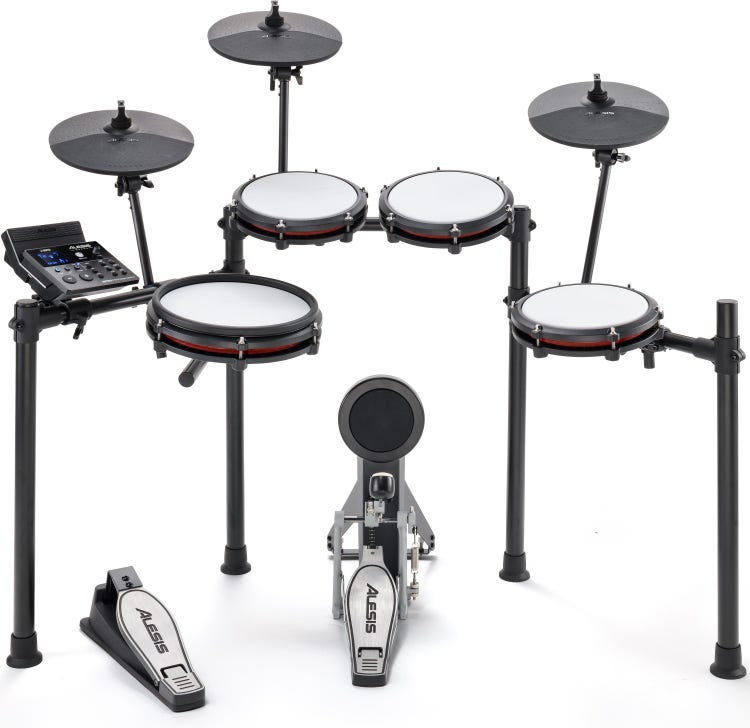
Electric drums are better for noise control and versatility, while acoustic drums offer a more natural and authentic sound. The decision between electric and acoustic drums depends on several factors, including space, cost, playing style, and sound preference.

Electric drums are ideal for those looking for a quieter practice option and the ability to customize their sound with various electronic effects. On the other hand, acoustic drums provide a traditional, raw sound and are often favored by players who value authenticity and live performances.

Both types have their own advantages and limitations, so it’s crucial to consider these factors before making a decision. We will explore the key differences between electric and acoustic drums, helping you make an informed choice based on your personal needs and preferences.

Which is Better Electric Drums Or Acoustic: Drumming Delight

Credit: www.amazon.com

Comparing Sound Quality

When it comes to comparing sound quality between electric drums and acoustic drums, there are key differences to consider. Sound quality is a critical factor for drummers, as it directly impacts the overall performance and experience. Let’s delve into the sound quality comparison of electric and acoustic drums.

Acoustic Drums

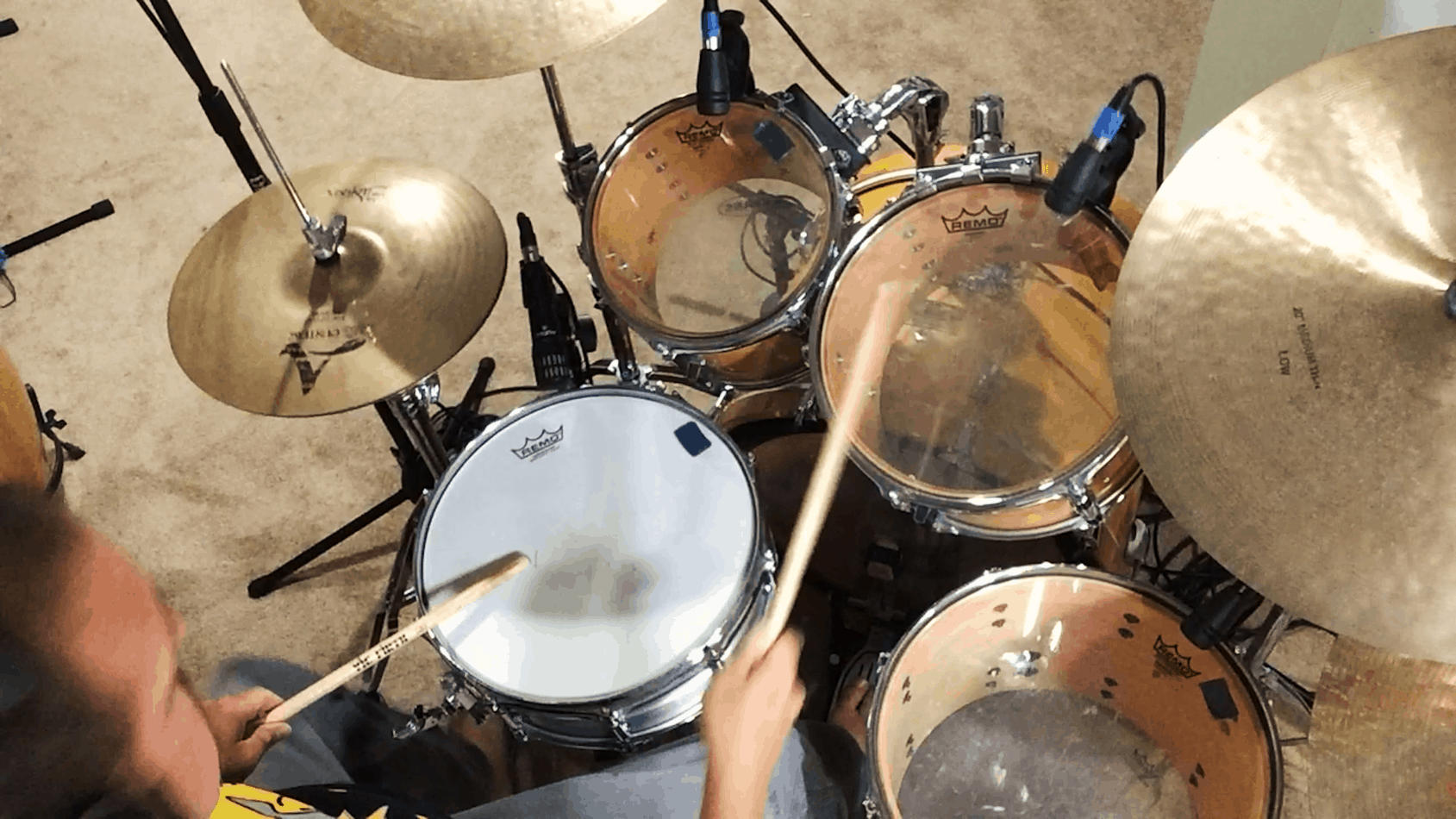
Acoustic drums produce sound through the physical vibration of the drum heads and the resonance of the drum shells. This results in a rich, organic sound with nuances and tonal complexities that are highly valued by many drummers. The natural reverberation and dynamic range of acoustic drums contribute to their sought-after sound quality.

Electric Drums

Electric drums generate sound electronically using samples of acoustic drum sounds. The sound quality of electric drums largely depends on the quality of the sound module and the samples it contains. While electric drums offer versatility in sound manipulation and the ability to produce various sounds, they may lack the natural resonance and depth of acoustic drums, impacting the overall sound quality.

Which is Better Electric Drums Or Acoustic: Drumming Delight

Credit: www.amazon.com

Portability And Space Considerations

Acoustic Drums

Acoustic drums are the traditional choice and are known for their authentic sound and feel. However, they can be heavy and require a significant amount of space. A full acoustic drum set can take up a lot of room, making them less than ideal for those with limited space. Additionally, the bulkiness of acoustic drums makes them less portable, which can be a major drawback for musicians who need to move their equipment frequently.

Electric Drums

Electric drums offer a more compact and portable alternative to acoustic drums. They are generally lighter and more space-efficient, making them ideal for smaller practice spaces or for musicians who need to transport their drum set frequently. The ability to fold up or disassemble electric drum kits also makes them easier to store when not in use, which can be a significant advantage for those with limited space.


Customization And Sound Options

When it comes to choosing between electric drums and acoustic drums, one important aspect to consider is customization and sound options. Both types of drums offer unique advantages in terms of tailoring the sound to your preference and creating a personalized playing experience. In this article, we will explore the customization and sound options available with acoustic drums and electric drums, to help you make an informed decision.

Acoustic Drums

Acoustic drums, also known as traditional drums, have been around for centuries and offer a timeless appeal. One of the key advantages of acoustic drums is the wide range of customization options available. Here are some factors to consider:

  • Shell Material: The material used in the construction of the drum shell greatly influences its sound. Different types of wood, such as maple, birch, and mahogany, produce distinct tones, allowing you to choose the sound that suits your musical style.
  • Drumheads: The type and tension of drumheads used on acoustic drums significantly impact the sound produced. By experimenting with different drumhead types, such as coated, clear, or pinstripe, and adjusting their tension, you can fine-tune the tone and response of the drum.
  • Cymbals: Another aspect of customization with acoustic drums is selecting the right cymbals. Different cymbal types, such as hi-hats, crash cymbals, and rides, produce unique sounds, enabling drummers to create versatile and dynamic performances.

Acoustic drums provide a hands-on approach to customization, allowing drummers to manipulate various elements to achieve their desired sound. The ability to experiment and refine the sound is one of the main draws for those who appreciate the authentic and organic feel of acoustic drums.

Electric Drums

On the flip side, electric drums offer a whole different set of customization and sound options. These modern instruments are favored for their versatility and adaptability. Here are some key points to consider:

  • Sound Modules: Electric drums come equipped with sound modules that offer a wide range of sound options. With advanced technology, these modules can simulate the sounds of different acoustic drums, percussion instruments, and even electronic sounds. Drummers can experiment with various presets and create their own custom sounds.
  • Digital Effects: Electric drums provide the option to add digital effects to enhance the sound. Drummers can apply reverb, distortion, delay, and other effects to give their performance a unique touch.
  • Trigger Settings: The sensitivity and response of each drum pad in electric drums can be adjusted according to the drummer’s preference. This allows for fine-tuning of the playing experience and ensures every stroke is captured accurately.

Electric drums offer a vast array of possibilities when it comes to customization and sound options. The ability to effortlessly switch between different drum kits and sounds at the touch of a button provides unparalleled convenience for drummers who value versatility and easy experimentation.

Versatility And Performance Features

Acoustic Drums

Acoustic drums have a classic sound and feel, perfect for live performances.

Electric Drums

Electric drums offer a wide array of sounds and features, ideal for versatility.

Which is Better Electric Drums Or Acoustic: Drumming Delight

Credit: www.sweetwater.com

Frequently Asked Questions On Which Is Better Electric Drums Or Acoustic

Is Acoustic Or Electric Drums Better?

Both acoustic and electric drums have their advantages; it depends on individual preferences and needs. Electric drums are more versatile and compact, while acoustic drums offer a more authentic sound. Consider your playing style and environment when choosing between the two.

Do Electronic Drums Sound Like Real Drums?

Yes, electronic drums can sound very similar to real drums. They are designed to replicate the sounds of acoustic drums, providing a realistic drumming experience. Advanced technology allows for various drum sounds and adjustments, making them versatile and realistic.

What Is The Disadvantage Of Electric Drums?

The main disadvantage of electric drums is that the feel and sound may not replicate a traditional drum set accurately, impacting the playing experience. Additionally, electric drums can be expensive and may require more maintenance. Nonetheless, they offer great benefits in terms of portability and volume control.

Do Pros Use Electronic Drums?

Yes, many professional musicians use electronic drums for their versatility and sound quality. They offer easy customization and are suitable for live performances and studio recordings.

Conclusion

After considering the pros and cons of electric drums versus acoustic drums, it is clear that both have their own unique advantages. Electric drums offer versatility and convenience, making them ideal for beginners and those requiring a quieter practice option.

On the other hand, acoustic drums provide a raw and authentic sound that can’t be replicated. Ultimately, the choice between the two boils down to personal preference and the specific needs of the drummer. So, whether you opt for electric or acoustic drums, enjoy creating music and let your rhythm shine!

Categories
Archive

How to Learn Drums With a Practice Pad: Master Rhythm Faster

To learn drums with a practice pad, start by mastering fundamental drumming techniques and sticking patterns. Practice regularly and gradually increase the complexity of exercises to improve speed and precision.

Additionally, use online resources and instructional videos to learn new concepts and expand your skills. As you progress, consider seeking guidance from a professional drum instructor to further enhance your abilities. Learning to play drums with a practice pad offers several advantages, including portability and noise reduction.

Whether you’re a beginner or looking to maintain your drumming skills in a quiet environment, a practice pad provides an effective solution. By following a structured practice routine and incorporating various exercises, you can develop coordination, dexterity, and rhythm. This comprehensive guide will explore the benefits of learning with a practice pad and provide valuable tips to help you master this versatile instrument.

Choosing The Right Practice Pad

When it comes to learning the drums, having the right practice pad is essential for honing your skills. The practice pad allows drummers to practice quietly and hone their technique without needing a full drum set. Choosing the right practice pad can greatly impact your learning experience, so it’s important to consider factors such as material and surface, as well as size and weight.

Material And Surface

The material and surface of a practice pad play a crucial role in its feel and durability. Rubber, silicone or gum rubber pads are commonly used for their bounce and responsiveness. These materials provide a realistic drum feel and are suitable for practicing different drumming techniques.

Size And Weight

The size and weight of a practice pad can affect its portability and feel. Consider a compact size if you plan to practice on the go, while a larger pad may offer more realistic snare drum dimensions. Additionally, a lightweight pad makes it easy to transport and set up for practice sessions, ensuring you can practice anywhere.

How to Learn Drums With a Practice Pad: Master Rhythm Faster

Credit: www.amazon.com

Basic Drumming Techniques

Learn basic drumming techniques with a practice pad to enhance your drumming skills. With focused practice, you can improve your coordination, rhythm, and control, laying a solid foundation for further drumming advancement.

Basic Drumming Techniques Learning drums with a practice pad is the perfect way to build a solid foundation in drumming. Before diving into complex rhythms and beats, mastering basic drumming techniques is crucial. Understanding grip and hand position, developing finger control, and honing wrist control are essential to becoming a proficient drummer. Let’s explore each of these fundamental techniques.

Grip and Hand Position

Maintaining the correct grip and hand position is fundamental for playing drums effectively. The matched grip and the traditional grip are the two most common drumming grips. In the matched grip, both hands hold the sticks similarly, while the traditional grip involves one hand holding the stick underhand, while the other hand adopts a matched grip. Ensuring a relaxed but firm grip on the drumsticks is crucial to allow fluid and precise movements.

Finger Control

Finger control plays a vital role in drumming, especially for intricate and rapid movements. Utilizing the fingers for nuanced control and finesse can significantly impact the overall sound and performance. Developing finger control involves exercises that focus on individual or combined finger movements, improving dexterity and precision.

Wrist Control

Wrist control is essential for executing powerful strokes and maintaining steady rhythms on the drums. Drummers use their wrists to generate the force needed for various strokes, including accents and ghost notes. Building wrist control is a gradual process that involves exercises to strengthen and refine the muscles and movements necessary for dynamic drumming. Equipping yourself with a solid foundation in these basic drumming techniques sets the stage for more advanced learning. Mastering grip and hand position, finger control, and wrist control lays the groundwork for developing a strong and versatile drumming style.

Developing Rhythm And Timing

Improve your drumming skills by honing your rhythm and timing with a practice pad. By dedicating regular time to practicing, you can develop precision and control, essential for any drummer. The practice pad allows for focused attention on technique, helping you build a solid foundation for your drumming journey.

Metronome Practice

Using a metronome is an essential tool for drummers of all levels. It helps you to develop a consistent sense of timing and keeps your playing in sync. Start by setting the metronome to a comfortable tempo and tap along with it using your practice pad. Focus on staying perfectly in time with the clicks and strive for accuracy.

To challenge yourself, gradually increase the tempo of the metronome as you become more comfortable. This will push your rhythm and timing skills to the next level. Practice different beats and rhythms, making sure to emphasize the downbeats and stay in sync with the metronome throughout.

Syncopation Exercises

Syncopation involves playing off-beat rhythms to create a unique and interesting feel. It is a crucial skill for drummers to develop their sense of groove and musicality. One way to practice syncopation on a practice pad is by using exercises that emphasize off-beat accents.

Create simple exercises incorporating off-beat notes and accents. For example, you can play eighth notes and accent the ‘and’ beats instead of the downbeats. Focus on keeping a steady pulse while adding these off-beat accents. As you become more comfortable, experiment with more complex syncopated rhythms and patterns.

Pay attention to the sound and feel of each accented note, as this will enhance your overall sense of rhythm and timing.

How to Learn Drums With a Practice Pad: Master Rhythm Faster

Credit: rhythmnotes.net

Building Speed And Coordination

Looking to improve your drumming speed and coordination? Learning with a practice pad can help you develop essential skills, providing a convenient and quiet option for honing your technique. With regular practice, you can build your strength, dexterity, and precision, paving the way for smoother, more dynamic drumming.

Single Stroke Roll

In the single stroke roll drill, alternate the sticks with each hit to develop speed.

Double Stroke Roll

The double stroke roll involves playing two strokes with each hand consecutively.

Paradiddles

Practice the paradiddles pattern to enhance coordination between your hands.

Building speed and coordination on the drums requires consistent practice and focus.

Use a metronome to maintain a steady tempo and gradually increase speed.


Expanding Your Drumming Vocabulary

Learning drums with a practice pad can significantly enhance your drumming skills. By focusing on expanding your drumming vocabulary, you can become a more versatile and proficient drummer.

Learn Basic Drumming Patterns

Master basic drumming patterns to establish a strong foundation. Practice rudiments like single strokes, double strokes, and paradiddles regularly.

Explore Different Music Styles

Experiment with various music styles to broaden your horizons. Try playing rock, jazz, funk, or Latin beats to diversify your drumming repertoire.

How to Learn Drums With a Practice Pad: Master Rhythm Faster

Credit: rolandcorp.com.au

Frequently Asked Questions Of How To Learn Drums With A Practice Pad

Can I Learn Drums With Just A Practice Pad?

Yes, you can learn drums with just a practice pad. It allows you to practice drumming techniques, build coordination and control, and develop basic drumming skills. While a full drum set offers additional benefits, a practice pad is a great starting point for beginners.

What To Do On Drum Practice Pad?

Practice rudiments, beats, and fills to improve drumming skills and coordination. Work on timing, dynamics, and control to enhance performance.

Are Drum Practice Pads Useful?

Yes, drum practice pads are useful for honing drumming techniques, improving control, and reducing noise.

How Long Does It Take To Learn Drum Pad?

It takes time to learn the drum pad. The exact duration varies depending on how often you practice and your natural ability. With regular practice and dedication, you can start playing basic beats and rhythms within a few weeks or months.

Continuing to improve and master more advanced techniques can take several years.

Conclusion

To sum up, learning how to play drums with a practice pad is an effective and accessible way for beginners to develop their drumming skills. With its compact size and portability, a practice pad allows drummers to practice anytime and anywhere.

By following proper techniques, maintaining consistency, and gradually increasing the level of difficulty, aspiring drummers can make significant progress and build a strong foundation. So grab a practice pad, set a routine, and start honing your drumming skills today! Keep practicing and you’ll soon be rocking the drum set like a pro.

Categories
Archive

What are the Best Guitar Pickups?: Unleash the Power of Premium Sound

When it comes to enhancing the tone and quality of your guitar sound, selecting the right pickups is crucial. The market is flooded with various options, each catering to different playing styles and preferences. Let’s look at some of the best options available.

Top Guitar Pickups in 2021

Brand Type Features
Fender Custom Shop ’69 Single-coil Delivers vintage, bell-like tones
Seymour Duncan JB Humbucker Known for its high output and versatility
EMG 81 Active Ideal for heavy metal and hard rock genres
DiMarzio Air Norton Humbucker Offers warm, smooth tones with excellent sustain

Factors to Consider When Choosing Guitar Pickups

Before making a purchase, it’s essential to take into account several factors to ensure you get the right pickups for your needs:

  • Also, playing Style: Consider whether you prefer clean tones, heavy distortion, or a mix of both.
  • Genre: Different pickups are suited for specific music genres, so choose accordingly.
  • Tone Preference: Some pickups offer bright, crisp tones, while others provide warmer, darker sounds.
What are the Best Guitar Pickups?: Unleash the Power of Premium Sound

Credit: www.peachguitars.com

Customizing Your Sound

Moreover, many renowned guitarists opt to customize their pickups to achieve a unique sound signature. Also, you can consult with a luthier or guitar technician to explore custom pickup options that align with your musical vision. Remember, the right choice can transform your tone to match your style.

What are the Best Guitar Pickups?: Unleash the Power of Premium Sound

Credit: www.amazon.com

Related reading: Bass Guitar Eq and Acoustic Guitar Eq.


Frequently Asked Questions Of What Are The Best Guitar Pickups?: Unleash The Power Of Premium Sound

What Are Guitar Pickups?

In addition, Pickups are the magnetic devices that capture string vibrations and convert them into electrical signals.

How Do Guitar Pickups Work?

Furthermore, these designs work by using the magnetic field to detect the vibrations of the guitar strings, converting them into electrical signals.

What Are The Types Of Guitar Pickups?

Additionally, there are three main types: single-coil, humbucker, and P90, each with its own sound.

How To Choose The Best Guitar Pickups?

Consider the music style, tone preference, and guitar type when choosing pickups for the desired sound.

Conclusion

Also, Choosing the best set is personal. In addition, Consider your playing style, genre, and tone preferences. Whether you’re a blues enthusiast, a metalhead, or a jazz virtuoso, there’s a perfect set of pickups waiting to amplify your sound and elevate your performance to new heights. Invest time in researching and experimenting with different pickups to discover the ones that resonate best with your musical identity.

For more background, see Pickup (music technology) on Wikipedia. You may also like our guide: Understanding Different Types Of Guitar Pickups: Unlock Tone Secrets.

Categories
Archive

What are Time Signatures in Music? : Unleashing the Rhythmic Secrets of Melodies

Understanding Time Signatures in Music

In the world of music, time signatures play a crucial role in defining the rhythm and structure of a musical piece. Understanding time signatures is essential for musicians as it helps guide the performers on how to count the beats and maintain the correct tempo.

What is a Time Signature?

A time signature in music is a notational convention that indicates the number of beats in each bar and the type of note that receives one beat. It is typically written as a fraction at the beginning of a musical score.

Components of a Time Signature

A time signature consists of two numbers stacked on top of each other. The top number represents the number of beats in each bar, while the bottom number indicates the type of note that receives one beat.

Time Signature Description
4/4 Common time signature with four beats per bar where the quarter note receives one beat.
3/4 Signature used in waltz music with three beats per bar and the quarter note as the beat.
6/8 Compound time signature with six beats per bar where the eighth note gets one beat.

Common Time Signatures

  • 4/4 – Often referred to as common time, frequently used in pop, rock, and classical music.
  • 3/4 – Found in waltzes and many dance forms, creating a distinctive three-beat feel.
  • 6/8 – Common in compound meters, with two groups of three eighth notes per bar.

Importance of Time Signatures

Time signatures provide structure and organization to music, allowing musicians to play together in synchrony. They help determine the underlying pulse of a piece and influence the feel or mood of the music.

Interpreting Time Signatures

When reading sheet music, it is crucial to pay attention to the time signature at the beginning of the piece. This guides musicians on how to interpret the rhythm and timing of the music accurately.


Experimenting with Time Signatures

As a musician, experimenting with different time signatures can lead to creative and unique musical compositions. Changing the time signature can alter the overall feel of a piece, adding depth and complexity to the music.

What are Time Signatures in Music?  : Unleashing the Rhythmic Secrets of Melodies

Credit: www.soundbrenner.com

What are Time Signatures in Music?  : Unleashing the Rhythmic Secrets of Melodies

Credit: m.facebook.com

Frequently Asked Questions For What Are Time Signatures In Music? : Unleashing The Rhythmic Secrets Of Melodies

What Is A Time Signature In Music?

A time signature in music indicates the meter of the music, specifying how many beats are in each measure and which note value gets the beat.

Why Are Time Signatures Important In Music?

Time signatures are crucial as they provide the rhythmic structure of a piece of music, helping musicians to interpret and perform the music accurately.

How Do You Read Time Signatures In Music?

The top number of the time signature tells you how many beats are in each measure, while the bottom number indicates the note value for a single beat.

Can A Song Have Multiple Time Signatures?

Yes, a song can have multiple time signatures, which may change throughout the piece to add rhythmic interest and complexity.

Conclusion

Time signatures are the backbone of music, providing a rhythmic framework for performers to follow. Understanding time signatures allows musicians to navigate the complexities of rhythm and time, enhancing their musical abilities and interpretations.

Categories
Archive

Why is Gain Staging Important in Mixing?

Importance of Gain Staging in Mixing

When it comes to audio mixing, one of the most crucial but often overlooked aspects is gain staging. Gain staging refers to the process of setting the levels of audio signals at each stage of the signal chain to ensure optimal sound quality and prevent distortion.

Why is Gain Staging Important?

Proper gain staging is essential for achieving a well-balanced mix and maintaining the integrity of the audio signal throughout the production process. Here are some key reasons why gain staging is important in mixing:

  • Prevents Distortion: By setting appropriate levels at each stage of the signal path, you can avoid clipping and distortion, which can degrade the quality of your mix.
  • Optimizes Signal-to-Noise Ratio: Proper gain staging helps in maximizing the signal-to-noise ratio, ensuring that the audio components you want to hear are prominent while minimizing unwanted noise.
  • Preserves Dynamic Range: Maintaining consistent levels throughout the mixing process allows you to preserve the dynamic range of the audio, allowing for more impactful and dynamic sound.
  • Facilitates Processing: Well-managed gain staging makes it easier to apply EQ, compression, and other processing effects to the audio signals without introducing artifacts or unwanted coloration.
Why is Gain Staging Important in Mixing?

Credit: www.sweetwater.com


Best Practices for Gain Staging

Now that you understand why gain staging is crucial, here are some best practices to help you achieve optimal levels in your mixes:

Stage Optimal Level
Recording -18 dBFS to -12 dBFS
Mixing -6 dBFS to -3 dBFS
Mastering -0.1 dBFS to -0.3 dBFS

By following these level guidelines at each stage of the process, you can ensure that your mix stays clean, balanced, and free of distortion. Remember, it’s always better to err on the side of caution and leave some headroom to avoid clipping.

Tools for Gain Staging

There are various tools and plugins available that can help you with gain staging in your mixes. Some popular options include:

  • VU Meters: Visualize the signal levels and make adjustments accordingly.
  • Gain Plugins: Control the gain of individual tracks or groups to maintain proper levels.
  • Metering Plugins: Monitor the peak and RMS levels of your audio signals for precise gain staging.

Experiment with different tools and techniques to find what works best for your workflow and helps you achieve the perfect balance in your mixes.

Why is Gain Staging Important in Mixing?

Credit: www.masteringthemix.com

Frequently Asked Questions Of Why Is Gain Staging Important In Mixing?

Why Should Gain Staging Matter In Mixing?

Gain staging ensures optimal signal levels for cleaner, punchier mixes without distortion.

What Happens If Gain Staging Is Done Incorrectly?

Improper gain staging can lead to noise, distortion, and unbalanced levels in the mix.

How Does Gain Staging Impact The Final Mix Quality?

Proper gain staging maintains signal integrity and allows for better overall mix clarity and dynamics.

What Are The Key Benefits Of Proper Gain Staging?

Optimizing gain staging results in enhanced headroom, lower noise floor, and better utilization of dynamic range.

Conclusion

Gain staging is a fundamental aspect of audio mixing that can make a significant difference in the quality of your final product. By paying attention to levels at each stage of the process, you can ensure that your mixes are clear, dynamic, and professional-sounding.

Remember, proper gain staging is not a one-size-fits-all approach. It requires practice, experimentation, and a keen ear to perfect. So, don’t overlook this critical step in your mixing process, and strive for the best possible sound with effective gain staging techniques.

Categories
Archive

What is Automated Mastering? Boost Your Sound Quality with Automated Mastering Technology

Automated mastering uses algorithms and AI to speed up the final stage of a release.

What is Automated Mastering? Boost Your Sound Quality with Automated Mastering Technology

Credit: www.masteringthemix.com


What is Automated Mastering? Boost Your Sound Quality with Automated Mastering Technology

Credit: play.google.com

Related reading: AI Audio Mastering and Dolby Atmos Mastering.

The Basics of Automated Mastering

AI mastering involves using software programs that analyze audio tracks and make adjustments to enhance the overall sound quality. Also, it eliminates the need for manual tweaking by audio engineers, making the mastering process more efficient and cost-effective.

How Does Automated Mastering Work?

Online mastering works by analyzing various aspects of an audio track, such as frequency balance, dynamics, stereo imaging, and loudness levels. The software then applies predefined algorithms to make corrections and enhancements to the audio.

Benefits of Automated Mastering
1. Consistency: Ensures consistent sound quality across multiple tracks.
2. Efficiency: Reduces the time and effort required for mastering.
3. Cost-Effectiveness: Saves money compared to traditional mastering services.

Automation vs. Manual Mastering

Also, AI mastering is fast and convenient. In addition, some argue that experienced engineers give a more personal touch and better quality control.

  • Moreover, automation can be ideal for bulk processing of tracks.
  • In addition, manual mastering may be preferred for projects that require a nuanced, artistic approach.
Popular Automated Mastering Services

Furthermore, several online platforms let musicians upload tracks and get mastered versions back quickly. For example, some popular services include LANDR, eMastered, and CloudBounce.

Future Trends in Automated Mastering

Additionally, as technology continues to advance, AI mastering is likely to become more sophisticated, with AI algorithms adapting to individual preferences and styles. Integration with virtual reality and immersive audio technologies may also shape the future of mastering.

In conclusion, online mastering has revolutionized the music production process, offering a fast and efficient way to enhance audio quality. It may not fully replace manual mastering. Still, it helps musicians work faster and get pro results.

Frequently Asked Questions For What Is Automated Mastering? Boost Your Sound Quality With Automated Mastering Technology

What Is Automated Mastering?

These services is the use of AI-based software to streamline and enhance audio mastering processes.

How Does Automated Mastering Work?

AI mastering utilizes algorithms to analyze and process audio tracks, applying adjustments for optimal sound quality.

Why Should I Consider Automated Mastering?

Online mastering offers efficiency, consistency, and cost-effectiveness, delivering professional quality results for your audio productions.

Is Automated Mastering Suitable For All Music Genres?

Yes, these services is versatile and can accommodate various music genres to achieve polished and balanced sound.

For more background, see Audio mastering on Wikipedia. You may also like our guide: Boost Your Sound Quality: Audio Mastering Tips For Streaming Platforms.

Categories
Archive

How Can I Find Cheap Microphones? :Uncover Bargain Deals Now!

To find cheap microphones: check online marketplaces and compare prices to get the best deal. Whether you are a beginner podcaster, musician, or content creator, finding affordable microphones is essential to kick-start your journey.

As an Amazon Associate I earn from qualifying purchases.

The key is to research different brands and models, read reviews, and compare prices across various platforms. By being diligent and patient, you can find quality microphones at budget-friendly prices without compromising on performance. So, go ahead and explore the market to discover the perfect microphone that fits your needs and budget.

In the next section, we will delve deeper into effective strategies for finding affordable microphones that meet your requirements.

How Can I Find Cheap Microphones?  :Uncover Bargain Deals Now!

Credit: m.facebook.com

Types Of Cheap Microphones

Types of Cheap Microphones

When searching for cost-effective microphones, consider various types that offer good quality without breaking the bank.

Condenser Microphones

Condenser microphones are ideal for recording vocals and capturing subtle nuances, as they are highly sensitive.

Dynamic Microphones

Dynamic microphones are durable and versatile, making them suitable for live performances and recording instruments.

Usb Microphones

USB microphones are convenient and plug-and-play, perfect for content creators and podcasters.

How Can I Find Cheap Microphones?  :Uncover Bargain Deals Now!

Credit: m.facebook.com

Where To Search For Cheap Microphones

Online Retailers

Searching on online retailers is a great way to find affordable microphones.

Secondhand Marketplaces

Explore secondhand marketplaces for discounted microphone options.

Local Music Stores

Check out local music stores for budget-friendly microphone deals.


Factors To Consider When Buying Cheap Microphones

Sound Quality

When searching for a cheap microphone, sound quality is paramount. While inexpensive options may not offer the same level of precision as high-end models, ensuring clear and crisp sound is essential. Look for reviews and customer feedback to gauge the quality of the microphone’s audio output.

Durability

Durability is often overlooked when purchasing budget-friendly microphones. However, it’s crucial to find a microphone that can withstand regular use without deteriorating quickly. Look for materials such as metal or sturdy plastics and consider a warranty. This will ensure that your microphone can stand the test of time.

Compatibility

Before purchasing a cheap microphone, it’s vital to consider compatibility with your existing setup. Ensure that the microphone is compatible with your recording device, whether it’s a computer, camera, or audio interface. Additionally, check if any additional adapters or cables are needed for seamless integration.

How Can I Find Cheap Microphones?  :Uncover Bargain Deals Now!

Credit: www.amazon.com

Tips For Finding The Best Deals

Finding cheap microphones doesn’t have to be a daunting task. With a little creativity and resourcefulness, you can save money while still getting high-quality audio equipment. Here are some tips to help you find the best deals on microphones:

Subscribe To Newsletters

Many music gear retailers and online audio equipment stores have newsletters that provide exclusive deals and discounts to subscribers. By subscribing to their newsletters, you can stay updated on the latest promotions and sales. These newsletters often contain discount codes and special offers that can help you save money on microphones. Keep an eye on your inbox for these email updates and make sure not to miss out on any great deals.

Attend Music Gear Sales Events

Music gear sales events, such as trade shows and expos, are excellent opportunities to find cheap microphones. These events bring together various retailers, manufacturers, and audio enthusiasts, creating a competitive market where vendors offer discounted prices. Make sure to research upcoming sales events in your area and mark them on your calendar. It’s worth attending these events, as you can try out different microphones, discuss options with experts, and negotiate prices directly with sellers to get the best deals.

Final Thoughts

Looking for inexpensive microphones? Start by checking out online marketplaces, as they often offer competitive prices on a wide range of microphones. Keep an eye out for sales and deals from reputable audio equipment retailers to find quality microphones at affordable prices.

Balancing Quality And Price

When it comes to finding cheap microphones, it’s important to strike the right balance between quality and price. While you may be tempted to go for the cheapest option available, it’s crucial to consider the quality of sound you’ll be getting. Look for microphones that offer a good balance between affordability and performance. Remember, a microphone that produces poor sound quality can negatively impact your recordings and projects. There are several reliable brands in the market that offer budget-friendly options with decent sound quality. Do your research and read reviews to find the best microphone that fits your budget without compromising on performance. Additionally, consider shopping during sales or using coupons to get the best deals on microphones that meet the quality standards you require.

Exploring Diy Options

If your budget is limited, don’t fret! There are DIY options when it comes to microphones that can help you save money while still achieving decent sound quality. One such option is building your own microphone using readily available materials. There are numerous online tutorials and forums where you can find step-by-step guides on creating your DIY microphone. This option not only allows you to save money but also gives you the opportunity to customize your microphone according to your preferences. Another way to explore DIY options is by repurposing existing equipment. If you have an old microphone lying around, consider refurbishing it or modifying it to suit your needs. This can be a cost-effective solution that still provides satisfactory results. In conclusion, finding cheap microphones requires a careful balance of quality and price. Equipping yourself with the right knowledge and doing thorough research can help you identify affordable options that deliver satisfactory sound quality. Don’t be afraid to explore DIY options as they can provide cost-effective alternatives. So, start your search and discover the perfect microphone for your needs without breaking the bank.

Frequently Asked Questions For How Can I Find Cheap Microphones?

What Is A Good Cheap Microphone?

A good cheap microphone option is the Fifine K669B USB Microphone, offering quality sound at an affordable price.

Are Cheap Microphones Worth It?

Cheap microphones can be worth it for beginners or casual users, but may lack quality and durability compared to higher-end options. Assess your needs and budget before deciding.

What Is A Reasonable Price For A Microphone?

A reasonable price for a microphone is typically between $50 to $300. Factors like brand, features, and quality influence the cost. Consider your specific needs and budget when choosing.

What Is The Best Mic For Beginners?

The best mic for beginners would be the Audio-Technica ATR2100x-USB. It’s easy to use, produces high-quality sound, and is affordable for beginners.

Conclusion

Inexpensive microphones can be found by comparing prices and features. Look for sales or discounts and consider purchasing used equipment. Don’t forget to check for customer reviews and ratings to ensure quality. Keep an eye on reputable online retailers and subscribe to newsletters for special offers.

With some research and smart shopping, you can find a great microphone without breaking the bank!

Categories
Archive

How is Pink Noise Used in Audio Testing?

A key component in audio testing is pink noise, a type of sound that contains all frequencies the human ear can hear. But with reduced intensity as the frequency increases.

What is Pink Noise?

Also, test signals is often called “1/f noise”. That’s because the power density of the noise decreases at a rate of 3 dB per octave across the frequency spectrum.

Unlike white noise, where all frequencies have equal power, the signal has more power in the lower frequencies. Moreover, this makes it sound balanced to our ears.

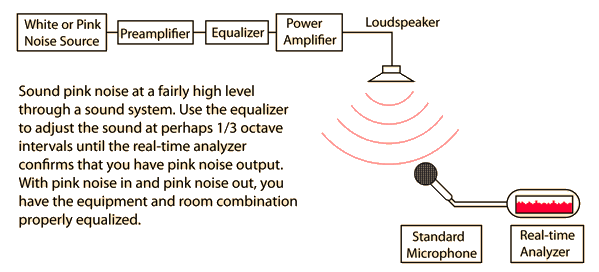
How is Pink Noise Used in Audio Testing?

Credit: hyperphysics.phy-astr.gsu.edu

Applications of Pink Noise in Audio Testing

In addition, its frequency balance makes this noise popular for many audio tests.

1. Speaker Testing

Furthermore, to test speakers, you play it through them and measure response and distortion across the audible spectrum.

2. Room Equalization

Additionally, in room acoustics, the signal is used to calibrate the audio system by adjusting the frequency response to achieve a flat and balanced sound.

3. Hearing Tests

Audiologists use this noise during hearing tests to evaluate a person’s hearing ability at different frequencies. Also, this helps in diagnosing hearing impairments.

4. Sound Masking

Moreover, in soundproofing or privacy settings, it masks background sounds and soothes the space.

5. Product Development

Audio equipment manufacturers use the signal to evaluate the performance and sound quality of their products during the design and testing phases.

Advantages of Using Pink Noise

  • Uniform frequency distribution for testing.
  • In addition, provides reliable results across different equipment and systems.
  • Easy to generate and reproduce consistently.
  • Helps in identifying irregularities in audio output quickly.

How to Generate Pink Noise

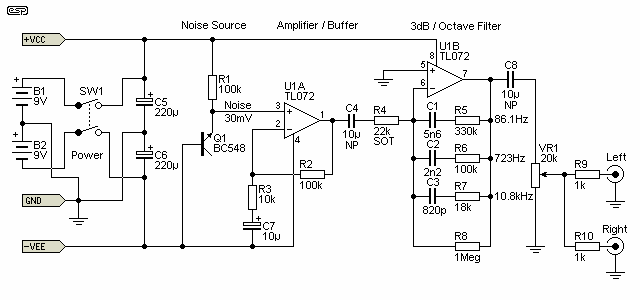
Dedicated generators exist, but software and online tools can create it too.

How is Pink Noise Used in Audio Testing?

Credit: sound-au.com

Related reading: Best Noise Gate Plugins and What Is Noise Floor And Why Does It Matter.


In Conclusion

Test signals plays a crucial role in audio testing across various industries and applications. This provides a standardized way to evaluate and measure audio equipment performance accurately.

Frequently Asked Questions On How Is Pink Noise Used In Audio Testing?

What Is Pink Noise And How Is It Created In Audio Testing?

The signal is a random signal with equal energy per octave. It’s created using a specific filter in electronic devices.

Why Is Pink Noise Used In Audio Testing?

Engineers use this noise to measure frequency response and stress test gear for consistency.

How Is Pink Noise Helpful For Calibrating Audio Devices?

Engineers use it to achieve a flat frequency response when testing and calibrating devices.

What Are The Benefits Of Using Pink Noise In Audio Testing?

Using the signal can reveal any irregularities in speakers and audio equipment, ensuring high-quality sound output.

For more background, see Pink noise on Wikipedia. You may also like our guide: Best Noise Canceling Headphones: Pure Audio Bliss.