
A ribbon microphone is a type of microphone that uses a thin piece of metal suspended between two magnets to capture sound. It has a natural and warm sound, which makes it popular in recording studios and for live performances.
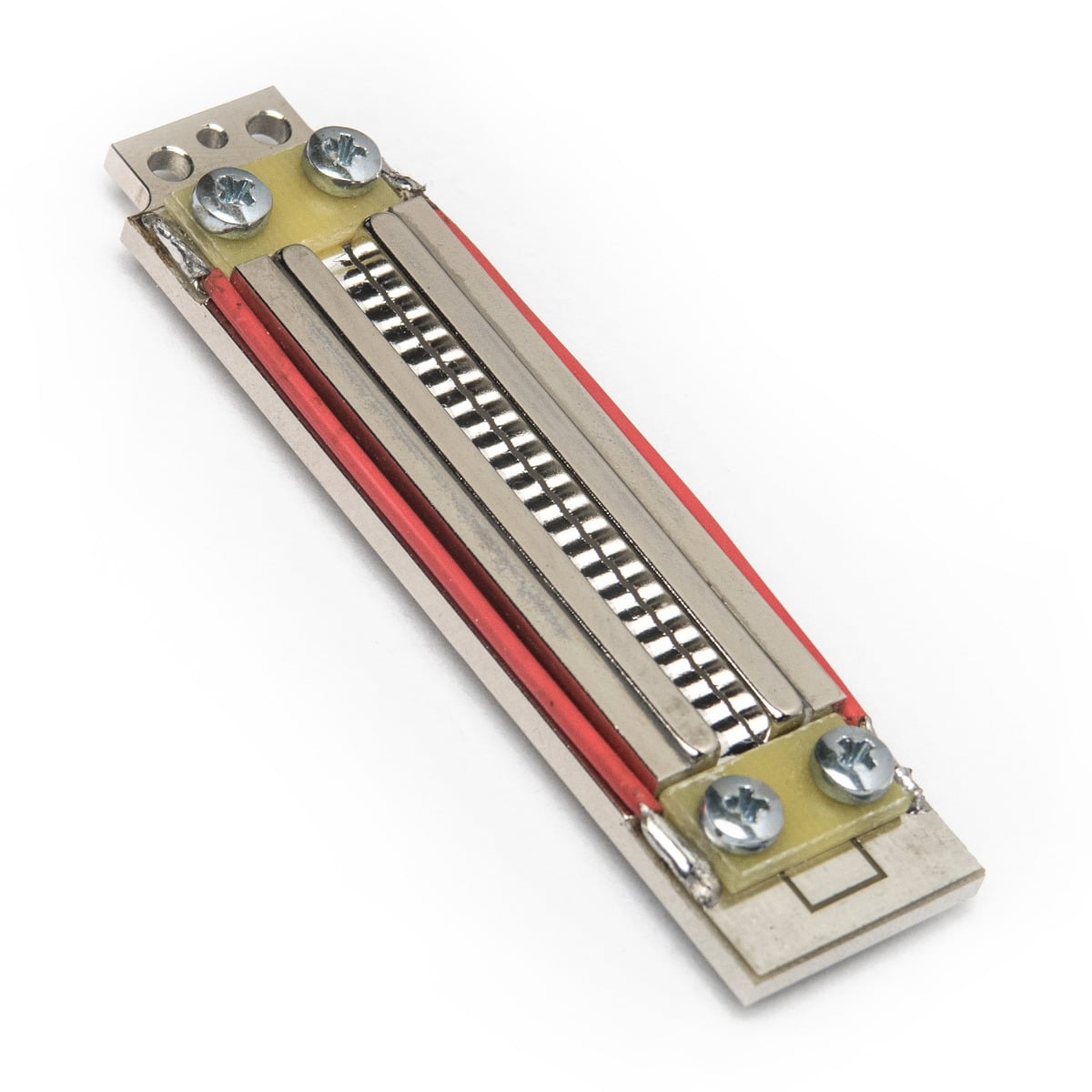
Ribbon models have been around for over 90 years and have a unique design that sets them apart from other microphones. They work by using a long, thin piece of metal called a ribbon that hangs between two magnets.
Related reading: Dynamic Microphone and Types Of Microphone. For background, see Ribbon microphone on Wikipedia.
When sound waves hit the ribbon, it vibrates and produces an electrical signal that you can amplify and record. One of the main advantages of ribbon models is their ability to capture high-frequency sounds with great detail, which makes them ideal for recording instruments such as violins, acoustic guitars, and cymbals. They are also known for producing a warm, natural sound that is highly sought after in professional recording environments. However, because of their delicate nature, they require careful handling and storage to maintain their performance.
Credit: www.bumblebeepro.com
What Is A Ribbon Microphone?
If you are wondering what a ribbon model is, then you are in the right place. A ribbon model is a type of microphone that uses a thin metal ribbon suspended in a magnetic field to pick up sound waves. This microphone has a warm, vintage sound, and many engineers in the music recording industry rely on it.
Understanding The Technology
The technology behind ribbon microphones is relatively simple. Sound waves cause the ribbon to vibrate, which creates a small electrical current that is then amplified by the microphone. The ribbon hangs between the poles of a magnetic field, and makers form it from a thin sheet of aluminum or other metal that is light and flexible enough to vibrate with the sound waves.
Ribbon models typically have a figure-eight polar pattern. This means that they pick up sound from the front and back of the microphone while rejecting sound from the sides. This makes them great for recording vocals, acoustic instruments, and other sound sources where you want to capture the natural sound of the room.
A Brief History Of Ribbon Microphones
Ribbon models have been around since the 1920s, and the movie industry first adopted them for sound recording. They were some of the first microphones that radio and television broadcasters adopted, thanks to their ability to capture sound in a natural way.
One of the most famous ribbon microphones is the RCA 44, which RCA introduced in the late 1930s. This microphone appears on many famous recordings, including songs by Frank Sinatra, Bing Crosby, and Elvis Presley. Today, musicians and recording engineers around the world still prize ribbon models for their warm, natural sound.
Advantages Of A Ribbon Microphone
Ribbon models have several advantages over other types of microphones, including a natural and warm sound, accurate transient response, and the ability to capture subtle nuances in vocal and instrument performances. These characteristics make them a popular choice for recording studios and live performances alike.
Ribbon models are highly sought after in the audio recording industry due to their unique and impressive features. They offer many advantages over their counterparts, such as dynamic and condenser microphones. Here are some advantages of a ribbon model.
Natural Sound Reproduction
One of the most significant advantages of a ribbon model is its ability to reproduce natural sounds. The ribbon technology in these microphones lets them capture sound in a way that closely mimics how the human ear hears it. The result is a warm, detailed, and natural representation of the sound, making it perfect for recording acoustic instruments like guitar, drums, vocals, and brass.
Versatility In Recording Situations
Another advantage of a ribbon model is its versatility in recording situations. These microphones are excellent for use in both studio and live settings, making them a favorite of many musicians, sound engineers, and producers. Their ability to capture natural sound makes them perfect for recording live sessions, and their durability allows them to withstand the rigors of touring. They are also great for use as drum overheads or in capturing room ambience, and their unidirectional nature means they can pick up sound from a specific direction, reducing background noise. Manufacturers build ribbon microphones for professionals and enthusiasts who need high-quality audio recordings. With natural sound reproduction and versatility in recording situations like live sessions or studio recordings, these mics might be what you need to take your recordings to the next level.
Disadvantages Of A Ribbon Microphone
Ribbon models have become increasingly popular in recording studios due to their rich, warm sound and ability to capture detailed audio. However, these microphones also come with their fair share of drawbacks. Let’s take a closer look at some of the main disadvantages of a ribbon model.
Durability And Fragility Concerns
One of the biggest concerns with ribbon models is their fragility. These microphones consist of a thin metal ribbon that can easily break or become damaged if mishandled. Unlike other microphones, ribbon models are not suited for rough situations or high-pressure sound environments.
Moreover, ribbon models are not known for their durability and can easily suffer from wear and tear over time. Factors such as humidity and temperature changes can impact their performance and make them more delicate.
Limited Frequency Response
Another disadvantage of ribbon models is their limited frequency response. These microphones have a warm, natural sound, which some people find appealing. However, due to their design, they may not capture the full frequency range of certain instruments or voices accurately. This can result in a muddier or less defined sound, which is not ideal for certain recording situations.
Additionally, ribbon models tend to exhibit more proximity effect than other microphone types, meaning that the closer they are to the sound source, the more bass they emphasize. This can be useful for certain applications, but it can also result in a boomy sound that may not always be desirable.
| Disadvantages of a Ribbon Microphone | |
|---|---|
| Durability and Fragility Concerns | Ribbon models are delicate, not suited for rough situations, and easily suffer from wear and tear over time. |
| Limited Frequency Response | Ribbon models have a warm, natural sound but may not capture the full frequency range of certain instruments or voices accurately. They also tend to exhibit more proximity effect than other microphone types. |
- Ribbon models are delicate and can easily break or become damaged if mishandled.
- Factors such as humidity and temperature changes can impact their performance and make them more fragile over time.
- Ribbon models have a limited frequency response and may not capture the full range of certain instruments or voices accurately.
- They tend to exhibit more proximity effect than other microphone types, which can result in a boomy sound that may not always be desirable.
Ribbon Microphone Vs. Other Microphone Types
When it comes to microphones, there are different types available. Each has its own set of features and benefits. The ribbon model is one such type that has been around for decades. Although it may not be as popular today as other types, it still holds a special place in the recording industry due to its unique sound quality and design.
Dynamic Vs. Ribbon Microphones
Dynamic microphones are commonly used for live performances and recording instruments such as drums and electric guitars. They are durable, affordable, and can handle high sound pressure levels. On the other hand, ribbon models are more sensitive and delicate in design. They excel at capturing the nuances of acoustic instruments such as strings and woodwinds. They are also known for their smooth and warm sound quality, making them a popular choice for vocal recordings.
Condenser Vs. Ribbon Microphones
Condenser microphones are another popular type used in recording studios. They are known for their high sensitivity and ability to capture detailed sound. While ribbon microphones are also sensitive, they differ in their design. They don’t require an external power source like condenser mics, making them more versatile and easy to use. Ribbon models also offer a natural and detailed sound with less unwanted noise and distortion, making them ideal for acoustic recordings.
In Conclusion
Overall, ribbon models differ from other types of microphones in their design and sound quality. They are more delicate in construction but offer a unique and natural sound that can enhance any recording. They may not be suitable for all recording situations, but they remain a top choice for musicians and recording engineers who prefer a warm and natural sound in their recordings.
How To Use A Ribbon Microphone
To use a ribbon model, plug it into a preamp or mixer that supplies phantom power. Position it close to the sound source for the best audio quality. Avoid subjecting it to strong winds or excessive vibrations.
If you’re looking for a microphone that can capture a warm and natural sound, a ribbon model might be just what you need. But how do you use one properly to get the best results? Proper placement and use of the right preamp and impedance considerations are key.
Proper Placement And Distance
Also, proper placement and distance are crucial when using a ribbon model. With a directional pick-up pattern and a high sensitivity to sound waves, even small changes in placement can have a significant impact on the audio recording. Here are some tips for proper ribbon microphone placement:
- Start with the microphone around 6-12 inches from the sound source to capture a full-bodied sound.
- If you want more low-end, move the microphone closer to the sound source.
- If you want more air and space in the recording, move the microphone away from the sound source.
- Always use a pop-filter between the microphone and the sound source to minimize plosives and wind noise.
Preamp And Impedance Considerations
When it comes to ribbon models, preamp and impedance considerations are important factors to keep in mind. Ribbon models require a high-gain preamp that can handle their low output levels, so always check the preamp’s gain range before use. Additionally, the impedance of the preamp can have a significant impact on the sound quality. Ribbon models have a low output impedance, so preamps with a low input impedance can cause a mismatch, resulting in a loss of signal. To avoid this, use a preamp with an input impedance of at least 1,200 ohms.
If you’re not sure, check the manufacturer specifications of both the microphone and preamp to ensure compatibility. Overall, using a ribbon model can result in a warm and natural sound, but proper usage and placement are crucial. Keep in mind the tips outlined here for proper placement and preamp and impedance considerations, and you’ll be well on your way to capturing great audio recordings.

Credit: www.micandmod.com
Famous Recordings Utilizing Ribbon Microphones
Ribbon models have been used in many famous recordings throughout history, like the RCA 44 which was featured in Elvis Presley’s ‘Jailhouse Rock’. These mics are known for producing a warm, natural sound that captures every detail of the performance.
Ribbon models have been a staple in the music recording industry for decades. Their unique sound and character make them a favorite among musicians and producers alike. There have been countless famous recordings that have utilized ribbon microphones to achieve a signature sound. In this article, we’ll highlight some of the most notable recordings that have used ribbon microphones and how they helped shape the character and uniqueness of the tracks.
Classic Rock And Roll Recordings
Ribbon models have been a key element in some of rock and roll’s most iconic recordings. One of the most notable examples is The Rolling Stones’ “Brown Sugar”. The opening riff was recorded using a ribbon model, emphasizing the grit and rawness of the guitar sound. Another classic rock song, Led Zeppelin’s “Whole Lotta Love”, also features the distinct sound of a ribbon model capturing the explosive guitar riffs and bluesy vocals. The Smashing Pumpkins’ “Siamese Dream” album also famously relies on ribbon models, delivering a warm and intimate sound to the layered guitars.
Modern And Alternative Recordings
Ribbon models are not just confined to classic rock and roll recordings. In fact, they are still widely used today across different genres, including alternative and modern music. For example, Radiohead’s critically acclaimed “In Rainbows” album heavily relied on ribbon models to capture the atmospheric and intimate sound of the tracks. Billie Eilish, who has taken the music industry by storm in recent years, also has her unique sound partly attributed to the use of ribbon models for vocals.
In addition, Bon Iver’s haunting and atmospheric “For Emma, Forever Ago” album famously utilized ribbon microphones to capture the intimate vocals and acoustic guitars. Ribbon models have played a vital role in shaping the sound and character of some of the most iconic recordings in music history. From classic rock and roll to modern and alternative music, ribbon models continue to deliver a unique sound that producers and musicians alike strive to achieve.
Top Ribbon Microphone Models
If you’re looking for a warm, natural sound for your vocals or instruments, a ribbon model is the perfect choice. With its delicate and subtle sound, it’s no wonder that ribbon models are becoming increasingly popular among artists and sound engineers alike.
Cost-effective Options For Home Studio Use
For those who are just starting out with their home studio or looking for a cost-effective option, the Rode NTR and Cascade Fat Head II are great choices. These microphones are perfect for bringing out the warmth in vocals and guitar, and their affordable price tag makes them a popular choice among hobbyists.
| Microphone | Price |
|---|---|
| Rode NTR | $799 |
| Cascade Fat Head II | $349 |
Professional-grade Models For Studio And Live Performances
For professional-grade ribbon microphones, the Royer R-121 and AEA R44 are highly recommended. These microphones are perfect for recording a range of instruments, from drums to brass instruments, and are ideal for use in a professional studio or live performance setting. The Royer R-121 is known for its high SPL handling and smooth frequency response, while the AEA R44 is famous for its classic vintage sound and stellar build quality.
| Microphone | Price |
|---|---|
| Royer R-121 | $1,295 |
| AEA R44 | $3,995 |
Whichever ribbon microphone you choose, you can be sure that it will bring out the warmth and natural sound in your recordings or live performances. So go ahead and add one to your collection today!

Credit: www.amazon.com
Conclusion And Final Thoughts
After examining the benefits and drawbacks of ribbon models, it’s clear that they are a valuable tool for recording studios and sound engineers. Their unique sound profile and sensitivity make them ideal for capturing delicate and nuanced audio sources. However, they may not be the right choice for every application, and buyers should carefully consider their intended use before making a purchase.
The Timeless Appeal Of Ribbon Microphones
Ribbon models are an excellent choice for recording a wide range of sound sources. Due to their natural sound and ability to capture all the nuances of an audio signal, they have become a favorite among recording engineers and artists alike. Whether you are recording vocals, acoustic guitar, brass instruments, or drums, a ribbon model can add warmth, depth, and character to your recordings. One of the main reasons why ribbon microphones have a timeless appeal is that they are incredibly durable and reliable. Unlike other types of microphones, they are not as susceptible to damage or wear and tear.
They can last for many years if treated properly and stored in a safe and dry place. Another reason for their popularity is that they offer a unique and distinct sound. Due to their design, ribbon microphones produce a natural and smooth sound that is often described as warm, vintage, and intimate. They can pick up subtle changes in the sound and reproduce them faithfully, resulting in a recording that is rich and dynamic.
Where To Purchase And How To Care For Your Ribbon Microphone
If you are looking to purchase a ribbon microphone, there are several reputable brands to choose from. Some of the popular brands include Royer, AEA, and Cascade. You can purchase them online or from your local music store. Before making a purchase, it’s always a good idea to do some research and read reviews from other customers to ensure that you are getting the best quality for your money. When it comes to caring for your ribbon microphone, it’s essential to handle it with care. Ribbon microphones are delicate and can be damaged easily if dropped or mishandled.
Always store your microphone in a protective case or bag when not in use. Also, avoid exposing it to extreme temperatures or humidity, as this can damage the delicate ribbon element. In conclusion, ribbon microphones are an excellent choice for anyone looking to record high-quality audio. They offer a unique and natural sound that is highly sought after in the recording industry. Whether you are a professional recording engineer or a hobbyist musician, investing in a high-quality ribbon microphone is a decision you won’t regret.
Frequently Asked Questions On Ribbon Microphone
What Are Ribbon Mics Used For?
Ribbon mics are used primarily for capturing natural and warm sound in music recordings. They excel at picking up delicate nuances in sounds like vocals, acoustic guitars, and strings. Ribbon mics have become more popular in recent years for their superior ability to capture sound in a music recording.
Are Ribbon Mics Better Than Condenser?
Both ribbon and condenser mics have their own strengths and weaknesses. Ribbon mics are known for their warm, vintage sound and are excellent for recording acoustic instruments, while condenser mics are versatile and better for capturing the nuances of vocals and high-frequencies.
Ultimately, it depends on the sound you’re looking for and the type of recording you’re doing.
What Not To Do With A Ribbon Mic?
Be careful not to expose your ribbon mic to moisture or humidity, as this can damage the ribbon. Additionally, avoid using phantom power with ribbon mics, as it can also cause damage. Handling the microphone roughly or dropping it can also harm the delicate ribbon.
Finally, do not use ribbon mics with extremely loud sources, as they may not be able to handle the high sound pressure levels.
What Is The Weakness Of A Ribbon Mic?
The weakness of a ribbon mic is its fragility and sensitivity. It can be damaged by excessive vibration or wind pressure, and its output level is lower than other types of microphones. However, it offers a unique and warm sound that is favored by many recording artists.
Conclusion
Overall, a ribbon microphone is a versatile and unique tool for recording various types of sound. Its delicate design and precise sensitivity offer a warm and natural sound that cannot be replicated by other types of microphones. While it may require extra care and maintenance, the quality of the sound it produces makes it a valuable investment for any studio or home recording setup.
By understanding how to properly use and maintain the ribbon microphone, you can elevate your recordings to a new level of audio excellence.