In the world of audio production, a VU (Volume Unit) meter is a vital tool that assists professionals in maintaining optimal audio levels. Let’s delve deeper into the significance of VU meters and why they are indispensable in the audio recording and mixing process.
What is a VU Meter?
A VU meter is a device or plugin that displays audio signal levels in volume units, providing a visual representation of the sound level being recorded or played back. It helps in monitoring and controlling the audio signal to ensure it stays within an ideal range, preventing distortions or clipping.
Credit: shop.presonus.com
Credit: floatingpoint.audio
Key Functions of a VU Meter
Monitor Audio Levels: VU meters display the average audio levels, allowing engineers to keep track of the intensity of the sound.
Prevent Distortion: By showing the audio signal’s level, VU meters help prevent distortions caused by excessively high volumes.
Set Levels: Engineers can adjust input levels based on the VU meter readings to achieve a balanced mix without overpowering or underwhelming the audio.
Calibrate Equipment: VU meters help calibrate audio equipment to ensure consistent and accurate signal levels across different devices.
Why Are VU Meters Important?
VU meters play a crucial role in audio production for several reasons:
Optimal Sound Quality: By monitoring audio levels, VU meters help maintain sound quality and prevent distortion.
Consistent Levels: They ensure consistent audio levels throughout the recording or mixing process, resulting in a balanced and professional sound.
Protects Equipment: VU meters help protect audio equipment from damage by indicating when levels are too high.
Accurate Monitoring: They provide accurate visual feedback on audio levels, allowing engineers to make informed decisions during recording and mixing.
Using VU Meters in Audio Production
When incorporating VU meters into audio production, it is essential to understand how to interpret the readings correctly:
Set a Reference Level: Establish a reference level on the VU meter to ensure consistency in monitoring audio levels.
Monitor Peaks: Keep an eye on peak levels in addition to average levels to prevent sudden spikes in volume.
Aim for -18dBFS: Aim to keep audio levels around -18dBFS on the VU meter for optimal signal-to-noise ratio.
Adjust Gain: Use VU meters to adjust gain settings on audio interfaces or mixers for optimal recording levels.
Frequently Asked Questions On What Is The Purpose Of A Vu Meter In Audio Production?
What Is A Vu Meter Used For In Audio Production?
A Vu meter is used to measure the volume level of an audio signal.
How Does A Vu Meter Help In Audio Recording?
A Vu meter helps in setting proper recording levels to avoid distortion.
Why Is It Important To Use A Vu Meter?
Using a Vu meter ensures accurate audio levels for high-quality recordings.
Can A Vu Meter Prevent Audio Distortion?
Yes, a Vu meter helps prevent audio distortion by indicating optimal recording levels.
Conclusion
From ensuring sound quality to protecting equipment and maintaining consistency, VU meters are indispensable tools in audio production. By using VU meters effectively, professionals can achieve the best audio results while avoiding potential issues such as distortion and clipping. Understanding the purpose and functions of VU meters is essential for anyone working in the field of audio production.
Reverse reverb is a technique where reverb effect is placed before the audio, creating a unique sound. It can add depth and ambiance to vocals or instruments in music production.
Also, by utilizing pre-verb creatively, you can enhance the ethereal quality of a track or create an otherworldly atmosphere. This makes your music stand out. This technique involves reversing the audio, applying a reverb effect to the reversed sound, and then flipping it back to its original direction.
Moreover, pre-verb can be a powerful tool in your production arsenal. This allows you to experiment and create captivating sonic textures that captivate listeners. Mastering this technique can help you take your music to the next level and set it apart from the rest.
Credit: soniccircus.com
Unleashing The Power Of Reverse Reverb
Creating Otherworldly Effects for Reverse Reverb
In addition, a reverse swell adds a mysterious depth to your music.
Furthermore, it evokes a sense of going backwards in time.
Mastering The Art Of Reversing
Additionally, start with a snippet of your audio to reverse.
Apply reverb and then reverse the track.
Choosing The Right Tools And Settings
When it comes to using the effect in music production, selecting the right tools and settings is crucial. Also, let’s explore the key factors in this process.
Selecting The Ideal Reverb Plugin
Moreover, consider the type of music you are producing. Choose a reverb plugin that complements the genre and style of your music.
Look for a plugin with a pre-verb feature specifically designed to create the ethereal and unique effect you desire.
In addition, ensure compatibility with your digital audio workstation (DAW) to seamlessly integrate the reverb plugin into your production workflow.
Adjusting Parameters For Optimal Results
Furthermore, experiment with the pre-delay setting to control the timing of a reverse swell effect in relation to the dry signal.
Additionally, adjust the decay time to fine-tune the length and intensity of the effect tail for a desired atmospheric effect.
Also, modify the wet/dry mix to blend the pre-verb effect with the original audio signal, finding the right balance for a professional sound.
Techniques For Seamless Integration
When incorporating pre-verb into your music production, it is essential to pay attention to the techniques that allow for seamless integration. Moreover, by skillfully blending the effect with the original sound and using it to enhance transitions and builds, you can achieve a polished and professional result.
Blending With The Original Sound
Blending pre-verb with the original sound is crucial for creating a natural, integrated effect. One effective method is to apply the pre-verb to a separate track and then adjust the volume levels to ensure a smooth and harmonious blend. This technique allows a reverse swell to complement the original sound without overpowering it.
Enhancing Transitions And Builds
Utilizing pre-verb to enhance transitions and builds can add a dynamic and captivating element to your music. By employing pre-verb on specific instruments or vocal phrases leading into a new section of the song, you can create a sense of anticipation and excitement. This technique adds depth and interest to the overall arrangement, ensuring a seamless progression throughout the composition.
Common Pitfalls And How To Avoid Them
Using a reverse swell in your music production can add a unique and captivating effect to your tracks. However, it’s important to be aware of some common pitfalls that you may encounter during the process. By understanding these challenges and implementing the right techniques, you can prevent muddiness and overwhelming effects, while maintaining clarity and balance in your music.
Preventing Muddiness And Overwhelming Effect
One of the challenges you may face when using the effect is the potential for your mix to become muddy or overly dense. To avoid this, follow these tips:
Use proper EQ: Apply EQ to the reverb tail to ensure that low frequencies are not overpowering the mix. Cutting some low-end frequencies can help prevent muddiness.
Adjust reverb decay time: Decrease the decay time of the reverb to avoid overwhelming the original sound. Too much reverb can make your mix sound cluttered.
Control the wet/dry mix: Balance the ratio between the dry and wet signals. Too much wet signal can wash out the original sound, so find the right balance to maintain clarity.
Maintaining Clarity And Balance
While pre-verb can create a fascinating effect, it’s crucial to maintain clarity and balance in your mix. Here are some techniques to achieve this:
Be mindful of the source material: Ensure that the track you are applying a reverse swell to is well-recorded and has a clear sound. If the original sound is unclear or muffled, the effect effect may not be as impactful.
Experiment with pre-delay: Adjusting the pre-delay time can help separate the original sound from the pre-verb tail. This can enhance clarity and prevent the two elements from blending together.
Consider the context: Take into account the overall mix and arrangement of your music. Make sure a reverse swell effect complements the other elements and doesn’t overpower them.
By keeping these common pitfalls in mind and implementing the appropriate techniques, you can utilize pre-verb effectively in your music production. As with any effect, experimentation and careful listening are key to achieving the desired result. So go ahead and explore the creative possibilities that pre-verb can bring to your music!
Unlocking Creativity And Innovation
Unlock your creativity and innovation in music production by learning about a reverse swell. This technique involves adding reverb to a track, reversing it, and then blending it with the original sound. Unlock new dimensions in your music with this innovative approach.
When it comes to music production, finding ways to stand out from the crowd and bring an extra layer of innovation and creativity to your tracks is crucial. One technique that can help you achieve this is the effect. By harnessing the power of pre-verb, you can add depth and intensity to your music. This creates unique soundscapes that enthrall your listeners. In this blog post, we will explore the concept of a reverse swell and how you can use it to push the boundaries of your music production.
Exploring Unique Applications
The effect, as the name suggests, involves reversing the traditional reverb effect. Instead of applying reverb to a sound to create a sense of space and openness, reverse reverb takes the tail end of a reverb and reverses it. This results in an otherworldly effect that can be used in various ways.
Here are some unique applications of reverse reverb:
Creating suspenseful intros: By applying reverse reverb to the introduction of a track, you can build anticipation and captivate your listeners from the very start.
Adding impact to vocal phrases: Reverse reverb can make vocal phrases or specific words stand out in a track. This gives them a larger-than-life presence.
Enhancing transitions: When transitioning between sections or instruments, reverse reverb can smooth out the change and create a seamless flow.
Experimenting with instrument effects: Apply reverse reverb to instruments such as guitars, synths, or drums to add an unexpected twist. This creates an entirely new sonic experience.
Pushing Boundaries For Unique Soundscapes
The beauty of reverse reverb lies in its ability to push the boundaries of traditional soundscapes. With this effect, you can transform an ordinary track into something extraordinary. By experimenting with different intensities, lengths, and placements of reverse reverb, you have the opportunity to create an immersive sonic experience that is truly unique to your music.
A great way to understand the power of reverse reverb is to listen to songs that have already incorporated this technique. Pay careful attention to how the reverse reverb enhances the overall atmosphere and impact of the track. Use these examples as inspiration, but don’t be afraid to forge your path when it comes to implementing reverse reverb in your music production.
Credit: soniccircus.com
Credit: www.avid.com
Frequently Asked Questions Of What Is Reverse Reverb And How Can I Use It In My Music Production?
How Do You Use Reverse Reverb?
To use reverse reverb, first record the audio, then apply reverb effect in reverse order for unique sound.
How Do You Use Reverb In Music Production?
To use reverb in music production, apply it to create depth and ambience, enhance vocals and instruments, and add a sense of space. Adjust settings for desired effect.
What Is Reverse Reverb Called?
Reverse reverb is often called “reverse echo” or “reverse decay. ” It is a sound effect where the audio signal is reversed before applying reverb, creating a unique, expansive sound.
Is Reverb Production Or Mixing?
Reverb is mainly used in the mixing process of audio production.
Conclusion
Incorporating reverse reverb into your music production can add depth and intrigue to your tracks. From creating atmospheric elements to enhancing vocal performances, this effect has a wide range of applications. Experiment with different settings and explore the creative possibilities to elevate your music to new heights.
Embrace the unique texture and emotion that reverse reverb brings to your sound.
Understanding Mechanical Royalties in the Music Industry
In the music industry, mechanical royalties play a crucial role in ensuring that songwriters and music publishers are compensated for the use of their music.
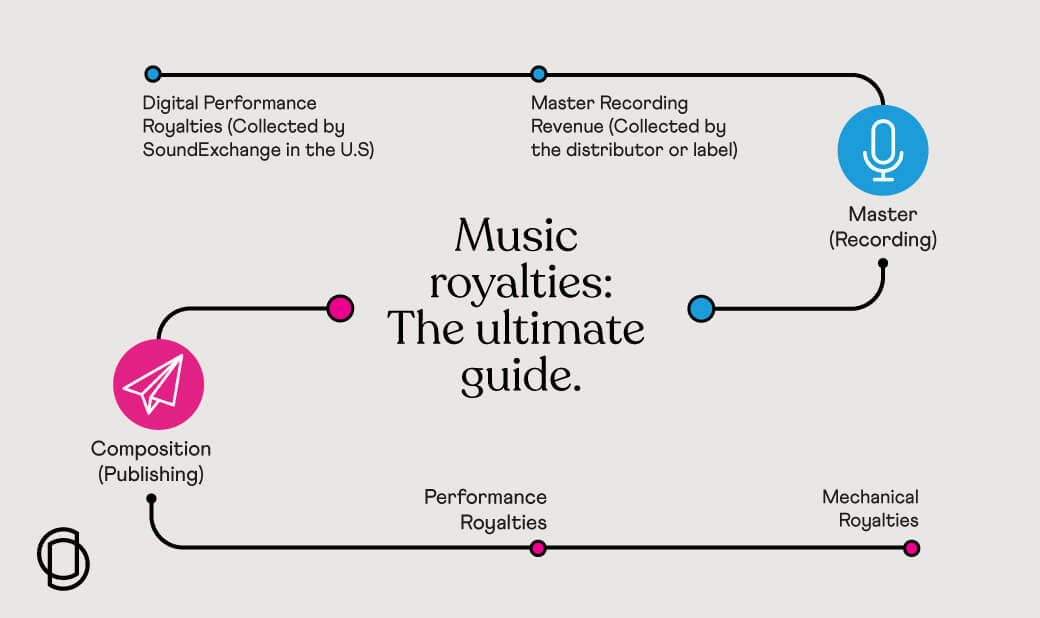
Mechanical royalties are fees paid to the songwriter and publisher whenever a copy of a musical composition is made, such as CDs, vinyl records, or digital downloads.
These royalties are set by law and typically amount to a percentage of the revenue generated from the sale or distribution of the music.
Credit: sonosuite.com
How Are Mechanical Royalties Calculated?
Mechanical royalties are usually calculated based on a statutory rate set by the government or through direct negotiation between the parties involved.
In the United States, the current statutory mechanical royalty rate is set by the Copyright Royalty Board and is adjusted periodically.
For physical formats like CDs and vinyl records, mechanical royalties are typically based on the number of units manufactured, whereas for digital downloads, the royalties are often based on a per-unit or per-stream basis.
Credit: www.warmmusic.net
Who Receives Mechanical Royalties?
It’s important to understand that mechanical royalties are paid to the songwriter, music publisher, or both, depending on the agreement in place.
The songwriter is entitled to a share of the mechanical royalties as compensation for the creation of the musical composition, while the music publisher receives a share for administering the rights to the song.
Collecting Mechanical Royalties
Collecting mechanical royalties can be a complex process, especially in the digital age where music is consumed through various platforms and services.
Songwriters and publishers often rely on collection societies, such as ASCAP, BMI, or SESAC, to collect and distribute mechanical royalties on their behalf.
These organizations help track the usage of music across different platforms and ensure that the appropriate royalties are paid to the rights holders.
Importance of Mechanical Royalties
Mechanical royalties serve as a vital source of income for songwriters and publishers, allowing them to continue creating music and sustaining their livelihoods.
By receiving fair compensation for their work, songwriters are incentivized to keep producing music, which ultimately benefits the music industry as a whole.
Conclusion
In conclusion, mechanical royalties are an essential component of the music industry, providing a means for songwriters and publishers to earn a living from their creative endeavors.
Understanding how mechanical royalties work and ensuring proper collection is crucial for all parties involved in the music creation and distribution process.
Frequently Asked Questions On What Are Mechanical Royalties In The Music Industry?
What Are Mechanical Royalties?
Mechanical royalties are payments made to songwriters and publishers for the reproduction of their music.
How Are Mechanical Royalties Calculated?
Mechanical royalties are calculated based on the number of copies of a song that are manufactured and distributed.
Who Collects Mechanical Royalties?
Mechanical royalties are typically collected by a publisher or a music rights organization on behalf of the songwriter.
Are Mechanical Royalties Different From Performance Royalties?
Yes, mechanical royalties are different from performance royalties, which are earned when a song is performed in public.
Chord progressions are the backbone of nearly all contemporary music. They are a series of chords played in a sequence that forms the harmonic framework of a song. But how exactly do chord progressions contribute to the overall sound of a song?
The Emotional Impact
Chord progressions play a pivotal role in shaping the emotional landscape of a song. Different chord progressions evoke different emotions. For instance, a minor chord progression may convey a sense of melancholy or introspection, while a major chord progression is often associated with feelings of happiness or triumph. This emotional impact greatly influences how the listener connects with the music and the story it tells.
Building Tension and Release
Chord progressions are instrumental in creating tension and release within a musical piece. The movement from a chord of tension to a chord of resolution can greatly impact the listener’s experience. This build-up of tension followed by release is a fundamental aspect of musical storytelling, and chord progressions are the tools that drive this narrative forward.
Credit: www.nytimes.com
Credit: m.facebook.com
Setting the Mood
Chord progressions contribute significantly to setting the mood of a song. Whether it’s a bright and uplifting pop song or a dark and brooding ballad, the choice of chord progressions is crucial in establishing the overall atmosphere and vibe of the music. The mood set by the chord progressions can profoundly impact the listener’s interpretation of the song’s lyrics and melodies.
Enhancing Melodic Structure
Chord progressions provide the framework upon which melodies are constructed. They form the harmonic structure that supports and complements the melodies within a song. A well-crafted chord progression can enhance the melodic structure, adding depth, complexity, and beauty to the overall composition.
Creating a Sense of Movement
Chord progressions create a sense of musical movement and direction. They guide the listener through different sections of the song, leading to climactic moments and providing a sense of resolution. This journey, facilitated by the chord progressions, is essential in keeping the listener engaged and invested in the musical narrative.
Impact on Instrumentation and Arrangement
Chord progressions directly influence the choices made in instrumental arrangements. They determine which instruments are best suited to complement the harmonic structure, leading to decisions on the use of guitars, keyboards, or other instruments to convey the desired mood and feeling. Additionally, chord progressions can inspire creative arrangements and production choices that further enhance the song’s overall sound.
Concluding Thoughts
It is clear that chord progressions are a fundamental element in shaping the overall sound of a song. Their ability to evoke emotions, build tension, set the mood, enhance melodies, create movement, and influence instrumentation makes them a powerful tool for musicians and songwriters. Understanding the impact of chord progressions allows artists to craft music that truly resonates with their audience and leaves a lasting impression.
Frequently Asked Questions On How Do Chord Progressions Contribute To A Song’s Overall Sound?
What Is The Role Of Chord Progressions In A Song?
Chord progressions form the harmonic structure and emotional foundation of a song, contributing to its overall mood and feel.
How Do Chord Progressions Create Tension And Release In Music?
By using different chords, sequences, and cadences, chord progressions can build up and resolve musical tension, providing a dynamic listening experience.
Why Are Chord Progressions Important For Songwriting?
Chord progressions help establish the song’s structure, convey emotions, and create a compelling musical backdrop for the lyrics and melody.
How Do Chord Progressions Impact The Overall Sound Of A Song?
Chord progressions shape the tonal and harmonic landscape, influencing the musical atmosphere and the listener’s emotional connection to the music.
The Pentatonic Scale is a five-note musical scale widely used in various cultures and genres. It consists of five notes per octave.
The Pentatonic Scale is versatile and popular due to its simplicity and harmonious sound. It is a fundamental building block for melodies in many styles of music, including blues, rock, jazz, and traditional folk music. Understanding the Pentatonic Scale is essential for musicians looking to enhance their improvisational skills and create engaging musical compositions.
Its universal appeal lies in its ability to evoke emotions and transcend cultural boundaries, making it a valuable tool for musicians worldwide. By mastering the Pentatonic Scale, musicians can unlock endless creative possibilities in their musical endeavors.
Credit: www.amazon.com
The Origin Of The Pentatonic Scale
The Pentatonic Scale, consisting of five notes per octave, has origins in ancient musical cultures across the globe, including China, Africa, and Europe. Its unique structure creates a versatile and universal sound that is widely used in various musical genres, making it an essential element in music composition and improvisation.
Ancient Origins
The pentatonic scale dates back to ancient civilizations as one of the oldest musical scales.
Global Presence
This musical scale has a global presence, found in diverse cultures around the world.
Credit: www.guitarplayer.com
Characteristics Of The Pentatonic Scale
The Pentatonic Scale comprises five notes, offering a versatile foundation for melodic creation. Widely used in various music genres, it provides a simple yet intricate harmonic structure, ideal for both novice and seasoned musicians.
Five Notes
Pentatonic scale consists of five distinct notes, often used in various musical genres.
Universal Appeal
This scale holds universal appeal across cultures, captivating listeners worldwide.
Application In Music
The Pentatonic scale is a fundamental musical scale that has been widely used in various musical traditions around the world. Its simple structure and universal appeal have made it an essential tool for musicians and composers. Let’s explore the application of the Pentatonic scale in different genres of music.
Traditional Music
In traditional music, the Pentatonic scale plays a crucial role. Many cultures across the globe have incorporated the Pentatonic scale into their traditional music. It has been used in the folk music of various countries, such as China, Japan, and Africa. The simplicity and versatility of the Pentatonic scale make it a staple in traditional music, allowing for easy improvisation and melodic expression.
Modern Usage
In modern music, the Pentatonic scale continues to be a significant influence. Its use can be found across a wide range of genres, including pop, rock, blues, and jazz. Many iconic melodies and guitar riffs are based on the Pentatonic scale, contributing to its enduring popularity in contemporary music. Musicians often utilize the Pentatonic scale to create memorable hooks and catchy phrases, showcasing its timeless relevance in modern compositions.
Credit: theshiftnetwork.com
Cultural Significance
The Pentatonic Scale holds immense cultural significance in music worldwide, offering a unique harmonic structure. This scale, consisting of five notes per octave, is widely used in various musical traditions, influencing genres from blues to traditional Chinese music. Its versatility and universal appeal make it a cornerstone of musical expression globally.
The Pentatonic Scale is a musical scale that has deep cultural significance across various civilizations and time periods. Its simplicity and harmonic properties have made it an integral part of music creation, leading to its influence on art and profound social impact.
Influence On Art
The Pentatonic Scale has played a significant role in shaping artistic expressions throughout history. Its unique five-note structure provides a foundation for composers and musicians to create melodies that resonate deeply with listeners. The scale’s versatility allows it to be used in a multitude of musical genres, from ancient folk songs to modern-day pop music. Its accessibility and harmonic balance have made it a cornerstone of musical composition across cultures.
Unordered list:
– Its repetitive and recognizable patterns enable artists to evoke various emotions, from tranquility to joy or melancholy, reinforcing the power of expression.
– Artists have utilized the Pentatonic Scale to create memorable and timeless compositions, standing the test of time.
– From classical composers like Mozart and Beethoven to contemporary legends like Jimi Hendrix and Bob Dylan, the scale has served as a source of inspiration and a tool for musical innovation.
– Visual artists have also found inspiration in the Pentatonic Scale, with its notes mirroring the simple and abstract beauty found in geometric shapes and patterns.
Social Impact
The cultural significance of the Pentatonic Scale extends beyond art, as it has had a profound impact on societies throughout history. Its prevalence in traditional music and rituals has helped shape cultural identities and foster a sense of community. The scale’s simplicity and universal appeal have allowed it to transcend language barriers and unite people through shared musical experiences.
Unordered list:
– The Pentatonic Scale has been an integral part of cultural practices across the globe, from ancient Chinese folk music to Native American chants and African tribal songs.
– Its use in communal celebrations and rituals reinforces cultural heritage and preserves traditions passed down through generations.
– In addition to its cultural significance, the Pentatonic Scale has been recognized for its therapeutic properties. Studies have shown that listening to or playing music based on this scale can reduce stress, promote relaxation, and enhance cognitive development.
HTML representations:
Influence on Art
– Its repetitive and recognizable patterns enable artists to evoke various emotions, from tranquility to joy or melancholy, reinforcing the power of expression.
– Artists have utilized the Pentatonic Scale to create memorable and timeless compositions, standing the test of time.
– From classical composers like Mozart and Beethoven to contemporary legends like Jimi Hendrix and Bob Dylan, the scale has served as a source of inspiration and a tool for musical innovation.
– Visual artists have also found inspiration in the Pentatonic Scale, with its notes mirroring the simple and abstract beauty found in geometric shapes and patterns.
Social Impact
– The Pentatonic Scale has been an integral part of cultural practices across the globe, from ancient Chinese folk music to Native American chants and African tribal songs.
– Its use in communal celebrations and rituals reinforces cultural heritage and preserves traditions passed down through generations.
– In addition to its cultural significance, the Pentatonic Scale has been recognized for its therapeutic properties. Studies have shown that listening to or playing music based on this scale can reduce stress, promote relaxation, and enhance cognitive development.
Pentatonic Scale In Popular Culture
Frequently Asked Questions For What Is The Pentatonic Scale?
What Are The 5 Notes In The Pentatonic Scale?
The five notes in the pentatonic scale are the 1st, 3rd, 4th, 5th, and 7th notes of the major scale.
What Is The Pentatonic Scale In Simple Terms?
The pentatonic scale is a musical scale with five notes per octave, used in various cultures around the world. It is often seen as beginner-friendly, making it popular among music enthusiasts.
Why Are The 4 And 7 Not In The Pentatonic Scale?
The 4 and 7 are not in the pentatonic scale because it consists of five notes per octave, excluding the 4th and 7th degrees of the diatonic scale.
What Is The Formula For Pentatonic Scale?
The formula for a pentatonic scale is 1, 3, 4, 5, and 7 notes of a major scale.
Conclusion
The pentatonic scale is a versatile and essential musical tool. Its simplicity and universality make it ideal for both beginner and experienced musicians. By understanding its structure and applications, you can enhance your musical creativity and expressiveness. Incorporating the pentatonic scale into your practice can lead to endless possibilities in music.
SEO-Friendly Article: What are Some Ear Training Exercises for Musicians?
Ear training is an essential skill for any musician. It helps train your ears to recognize different musical elements such as pitch, intervals, chords, and rhythms. By improving your ear training abilities, you can enhance your overall musicianship and performance. In this article, we will explore some effective ear training exercises that musicians can practice to sharpen their musical skills.
Credit: online.berklee.edu
1. Interval Recognition
Intervals are the distances between two notes. Developing a strong sense of interval recognition is crucial for musicians. Here are some exercises you can try:
Exercise
Description
Interval Identification
Listen to different intervals and identify their types (e.g., major 3rd, perfect 5th).
Interval Singing
Sing each interval that you hear, focusing on matching the pitch accurately.
Interval Melodies
Practice playing melodies that consist of various intervals to improve your recognition skills.
Credit: www.youtube.com
2. Chord Progressions
Understanding chord progressions is essential for any musician who wants to compose or accompany others. Here are some exercises to enhance your chord progression recognition:
Identify the chords in popular songs you listen to.
Play and analyze different chord progressions in various musical keys.
Transpose chord progressions to different keys to develop a deeper understanding.
3. Rhythmic Dictation
Rhythm is a fundamental element in music. Developing the ability to accurately transcribe rhythms is invaluable. Here are some exercises to improve your rhythmic dictation skills:
Listen to rhythmic patterns and notate them using musical notation.
Practice clapping or tapping along to different rhythms.
Transcribe rhythms from your favorite songs or recordings.
4. Melodic Dictation
Melodic dictation involves listening to a melody and writing it down. This exercise helps musicians develop their ability to internalize and reproduce melodies accurately. Here’s how you can practice melodic dictation:
Start with simple melodies and gradually progress to more complex ones.
Listen to short melodic phrases and write them down using musical notation.
Practice transcribing melodies from various genres of music.
5. Sight-Singing
Sight-singing is the ability to read and sing music without prior practice. It is a challenging yet beneficial skill for musicians to develop. Here are a few exercises to improve your sight-singing abilities:
Choose a piece of sheet music and sing it from start to finish without stopping.
Practice sight-singing exercises using solfege or numbers.
Engage in regular sight-singing sessions with a teacher or a fellow musician.
6. Transcription
Transcription involves listening to a piece of music and then playing or writing it down. It is an excellent exercise to refine your ear training skills while also developing your musical repertoire. Try these transcription exercises:
Transcribe solos or instrumental parts from your favorite songs or recordings.
Write down the chord progressions and melodies of songs you hear on the radio.
Transcribe rhythms and drum patterns to improve your rhythmic accuracy.
By regularly practicing these ear training exercises, musicians can improve their ability to recognize intervals, chords, rhythms, melodies, and more. Incorporate these exercises into your daily practice routine to enhance your overall musicianship and take your performances to the next level!
Frequently Asked Questions For What Are Some Ear Training Exercises For Musicians?
What Are Some Basic Ear Training Exercises?
Practicing interval recognition and melody playback are ideal exercises for improving ear training skills.
How Can Musicians Enhance Pitch Accuracy?
Musicians can enhance pitch accuracy by practicing vocal exercises, using pitch-matching tools, and playing along with tracks.
What Is The Importance Of Rhythmic Dictation?
Rhythmic dictation is crucial for musicians to develop a strong sense of rhythm and improve their musical timing.
Are There Specific Techniques To Train For Intervals?
Musicians can train for intervals by using mnemonic devices, practicing with an instrument, and ear training apps.
Plate reverb is a type of artificial reverb created using a metal plate vibrating to produce reflections of sound waves. It differs from other types of reverb like spring or digital by its unique sonic character and natural decay.
Reverberation plays a crucial role in audio production, enhancing sounds to add depth and space. Among various reverb types, plate reverb stands out for its distinctive metallic and smooth qualities. As a popular choice for recording studios, plate reverb offers a classic yet versatile sound that complements vocals, instruments, and even entire mixtures.
Understanding the differences between plate reverb and other reverb types enables producers to choose the most suitable option depending on the desired effect for their audio projects.
Credit: reverb.com
Exploring Plate Reverb
Discover the unique sound of plate reverb and its differences from other reverb types. We’ll explore its characteristics and explain how plate reverb creates distinctive spatial effects, making it a popular choice in audio production.
Exploring Plate Reverb
A Classic Reverb Technique:
Plate reverb is a classic method of creating reverberation in audio production.
How Plate Reverb Works:
When sound hits a large metal plate, vibrations are captured and transduced into a signal.
The signal then goes through amplification and equalization before being blended back with the original sound.
In plate reverb, the longer the plate, the longer the reverb decay.
This technique is beloved for its warm, lush sound that adds depth and dimension to audio tracks.
Historical Significance
Plate reverb holds a significant place in the history of audio production, having a unique impact on music recording and performance.
Early Development
Plate reverb was developed in the 1950s, using large metal plates to create a reverberation effect in audio recordings.
Integration In Music Production
Plate reverb quickly gained popularity in music production for its warm and natural sound, adding depth and dimension to recordings.
Distinct Audio Characteristics
Plate reverb is known for its distinct audio characteristics, setting it apart from other types of reverb. Its sonic qualities create a unique and captivating sound that is popular among audio engineers and musicians alike. Understanding these distinct audio characteristics can shed light on the appeal and differences of plate reverb compared to other reverb types.
Warmth And Depth
Plate reverb produces a warmth and depth that is difficult to replicate with other reverb types. The resonance and decay of the sound in a plate reverb unit create a rich and immersive sonic experience. This characteristic makes it a preferred choice for adding depth and dimension to vocals, drums, and various instruments in the recording and sound reinforcement processes.
Unique Sound Modulation
The unique sound modulation of plate reverb is another key factor that sets it apart. Unlike digital reverb units, plate reverb imparts a subtle yet distinctive modulation to the sound, adding a touch of organic movement and texture. This natural, dynamic effect contributes to plate reverb’s appeal and makes it particularly sought after for achieving a lush and natural-sounding reverb in audio production.
Credit: www.facebook.com
Modern Applications
Modern applications have significantly expanded the possibilities of plate reverb, showcasing its versatility and adaptability in various settings. From digital emulation to innovative studio techniques, plate reverb continues to evolve and find new ways to enhance the audio experience.
Digital Emulation
Digital technology has revolutionized the world of audio production, allowing engineers to recreate the classic sound of plate reverb without the need for a physical plate. Through advanced algorithms, a digital emulator can replicate the distinct characteristics and tonal qualities of a traditional plate reverb unit.
With digital emulation, you have access to an extensive range of plate reverb presets tailored to different musical genres and styles. Whether you’re working on a vibrant pop track or a moody ambient piece, you can easily experiment with various plate reverb settings to find the perfect sound.
Moreover, digital emulation provides the flexibility to tweak parameters such as decay time, pre-delay, and EQ, giving you precise control over the reverb effect. This level of customization allows you to achieve the desired ambiance and spatial depth within your mix.
Innovative Studio Techniques
In addition to digital emulation, modern studios have embraced innovative techniques that push the boundaries of traditional plate reverb. These techniques involve using the physical plate as a creative tool rather than solely relying on its natural reverb characteristics.
One such technique is the “mangling” of the plate reverb sound. Engineers manipulate the plate by using objects to strike, bow, or scrape the surface, resulting in unique and unconventional reverberation effects. This approach adds a distinct texture and character to the sound, allowing for experimental and avant-garde sonic exploration.
Furthermore, engineers often combine plate reverb with other effects and processors to create intricate and immersive spaces. By integrating delay, modulation, and filtering techniques, they can sculpt the reverb tail to fit seamlessly within the mix, enhancing depth and dimensionality.
Benefits of Modern Applications:
Provides access to a wide range of plate reverb presets
Allows precise control over reverb parameters
Enables experimentation with unconventional plate reverb techniques
Offers the ability to combine plate reverb with other effects for enhanced creativity
Modern applications of plate reverb continue to shape the sonic landscape, providing musicians, producers, and engineers with boundless possibilities. Whether through the digital realm or innovative studio techniques, plate reverb remains a crucial tool for adding depth, ambiance, and character to audio recordings.
Magical Plate Reverb In Popular Music
In the world of music, reverb is an essential effect that brings depth and ambience to a recording. It creates the illusion of space, making the sound appear as if it is reverberating in a real room or environment. Among the various types of reverb, plate reverb holds a special place in the hearts of music enthusiasts. Its unique sound and impact on popular music make it truly magical.
Iconic Recordings
Plate reverb has been used in countless iconic recordings that have shaped the landscape of popular music. From classics like The Beatles’ “Revolver” to Led Zeppelin’s “Stairway to Heaven,” plate reverb has left its sonic imprint on some of the most influential songs of all time. The lush and shimmering reverb created by the metal plates in these vintage units gives the music a sense of grandeur and spaciousness.
Impact On Music Genres
The impact of plate reverb goes beyond individual recordings; it has also played a significant role in shaping entire music genres. In the realm of rock music, plate reverb is often associated with the massive drum sounds of the ’80s. Bands like U2 and Def Leppard embraced this effect, using it to create larger-than-life drum sounds that filled arenas worldwide.
In addition to rock, plate reverb has found its place in other genres as well. In jazz, it adds a warm and vintage ambiance, enhancing the richness of the instrumental performances. In electronic music, plate reverb contributes to the ethereal and atmospheric textures that define the genre.
Overall, plate reverb has left an indelible mark on popular music, becoming an integral part of the sound we know and love. Its ability to transform a flat recording into something vibrant and alive is what makes it truly magical.
Credit: www.wavealchemy.co.uk
Frequently Asked Questions For What Is Plate Reverb And How Does It Differ From Other Types Of Reverb?
What Is The Difference Between Reverb And Plate?
Reverb creates an overall sense of space while plate reverb emulates the sound reflecting off a metal plate.
What Is A Plate Reverb?
A plate reverb is an audio effect created by vibrating a metal plate to produce reverberation in recordings.
Why Does Plate Reverb Sound So Good?
Plate reverb sounds good due to its natural decay and rich, warm tones. The sound reflects off a metal plate, creating a unique ambience that enhances the audio. This classic effect adds depth and dimension to the sound, making it a popular choice in music production.
What Are The Three Types Of Reverberation?
The three types of reverberation are early reflections, late reflections, and decay. Early reflections happen within 50 milliseconds of the original sound. Late reflections occur after 50 milliseconds, adding depth to the sound. Decay is the gradual decrease in sound intensity after the original sound ends.
Conclusion
Plate reverb creates a distinct vintage sound that differs from other reverb types. Its unique mechanics and sonic characteristics make it a sought-after effect in audio production. Understanding the differences between plate reverb and other reverb types can help you make informed decisions when designing and mixing your music.
Explore and experiment with each reverb type to unlock new creative possibilities in your sound.
Convolution reverb recreates realistic room acoustics using pre-recorded IRs. Incorporate it to enhance spatial depth in music production.
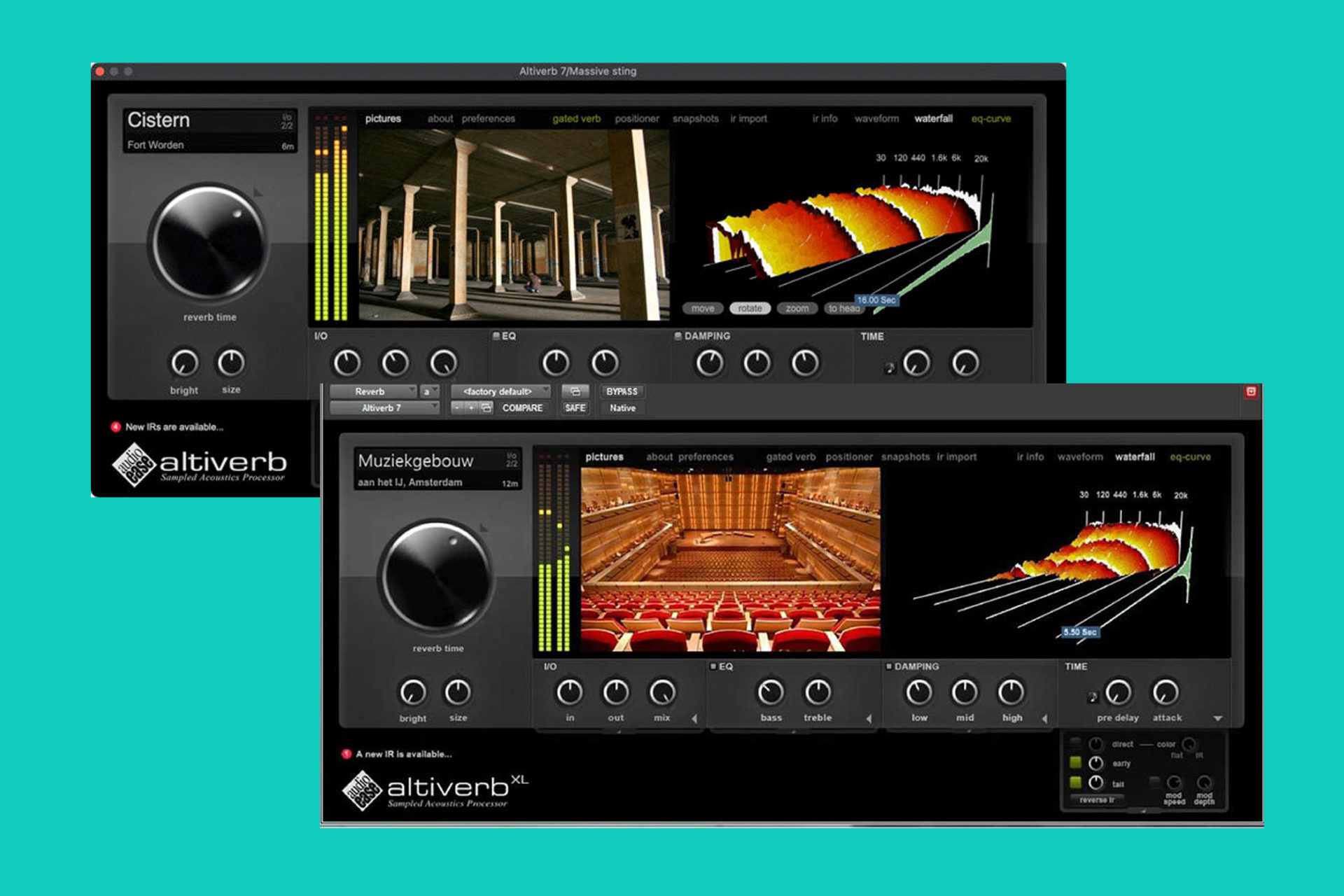
Convolution reverb is a powerful tool in music production that simulates natural room acoustics through the use of pre-recorded impulse responses (IRs). By applying convolution reverb, you can add a sense of space and depth to your audio recordings, making them sound more lifelike and immersive.
We will explore what convolution reverb is and how you can effectively utilize it to enhance the quality of your music production.
Understanding Convolution Reverb
Start of HTML code
What Is Convolution?
Convolution is a process that combines two audio signals to create a new sound.
How Convolution Reverb Works
Start of unordered list
Convolution reverb emulates the natural acoustics of real spaces.
List item 1
Works by capturing the sound of an impulse response and applying it to a signal.
List item 2
End of div element
Credit: flypaper.soundfly.com
Benefits Of Using Convolution Reverb In Music Production
Convolution reverb enhances music production by providing lifelike acoustic simulations. It adds depth and realism to audio, making it sound more natural and spacious. By integrating different reverberation profiles, you can create unique sonic textures that elevate the quality of your music production.
Realistic And Natural Reverberation
“`
Using Convolution Reverb in music production offers benefits that elevate the quality of your audio creations. One key advantage is the ability to achieve realistic and natural reverberation, creating a more immersive listening experience for your audience.
“`html
Enhanced Depth And Space In Mixes
“`
Convolution Reverb allows for enhanced depth and space in mixes by accurately simulating the acoustics of various environments. This feature helps provide a sense of three-dimensional placement for each sound element in your production.
“`html
Flexibility And Versatility
“`
The flexibility and versatility of Convolution Reverb enable you to easily customize and tailor the reverberation effects to suit different tracks and genres. This tool empowers you to experiment with diverse sonic environments and textures, adding depth and dimension to your music production.
Techniques For Mastering Convolution Reverb
Convolution reverb is a powerful technique in music production that adds realistic spatial effects to your tracks. By using impulse responses and manipulating audio signals, you can create a sense of depth and ambiance in your music, giving it a professional and immersive sound.
Mastering this technique allows you to take your music to the next level, creating a unique and captivating listening experience for your audience.
Introduction
In the world of music production, convolution reverb is a powerful tool that can transform the audio space of your tracks. It allows you to recreate the acoustics of real-world environments, adding depth, realism, and dimension to your sound. To master convolution reverb and make the most out of this effect, it is important to understand various techniques that can help you achieve the desired results. In this article, we will explore different strategies for mastering convolution reverb, including choosing the right impulse response, setting up convolution reverb plugins, adjusting parameters for the desired sound, and employing tips and tricks for blending reverb seamlessly into your mix.
Choosing The Right Impulse Response
The impulse response (IR) is the heart and soul of convolution reverb. It is essentially a recording of the acoustic characteristics of a real space or a hardware reverb unit. When using convolution reverb, selecting the right impulse response is crucial for achieving the desired sonic effect. Here are a few factors to consider while choosing the right impulse response:
Genre: Different genres of music require different types of reverb. Consider the characteristics of the genre you are producing and choose an impulse response that complements it.
Environment: Decide whether you want your track to sound like it was recorded in a large hall, a small room, or any other specific environment. This will help you narrow down your options.
Tone: Pay attention to the tonal characteristics of the impulse response. Some may have a brighter sound, while others may be warmer or more ambient. Choose one that suits your track.
Quality: Ensure that the impulse response you select is of high quality, as this can significantly impact the overall sound of your production.
Setting Up Convolution Reverb Plugins
Once you have chosen the right impulse response, the next step is to set up your convolution reverb plugin. Follow these steps to get started:
Insert the convolution reverb plugin on the track you want to apply the effect to.
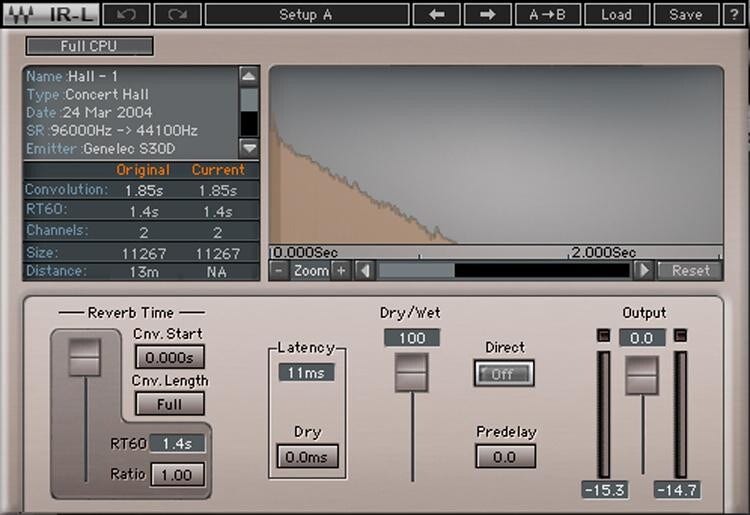
Load your chosen impulse response file into the plugin. This can usually be done by clicking on the ‘Load’ or ‘Import’ button within the plugin’s interface.
Adjust the wet/dry mix control to blend the reverb effect with the original sound. This control determines the balance between the dry (original) signal and the wet (reverberated) signal.
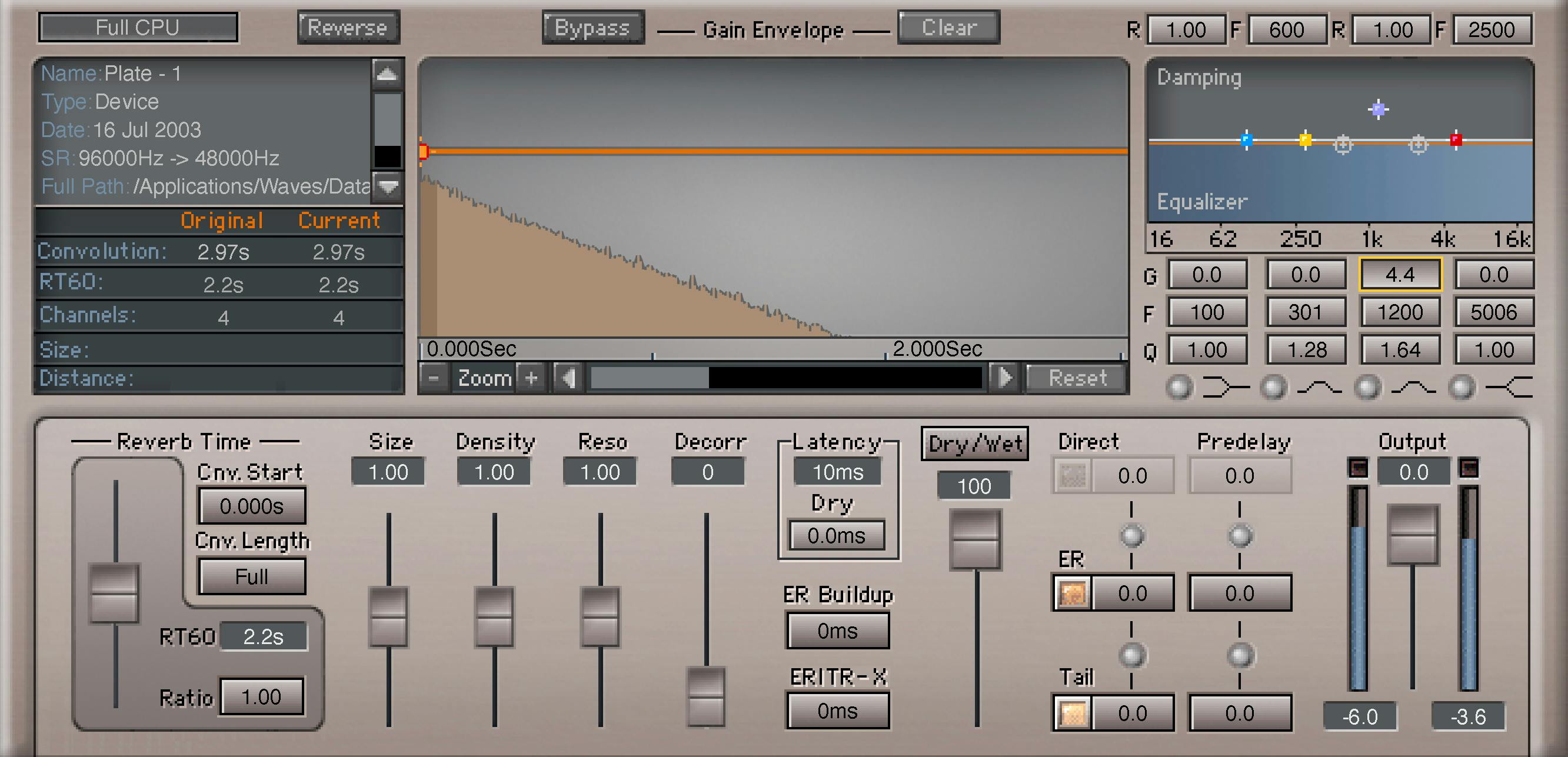
Experiment with the plugin’s settings to fine-tune the reverb effect, such as decay time, pre-delay, early reflections, and EQ options.
Adjusting Parameters For Desired Sound
After setting up the plugin, it’s time to tweak the parameters to achieve the desired sound. Here are a few key parameters to pay attention to:
Decay Time: Adjust the decay time to control how long the reverb tail lasts. Shorter decay times create a tighter and more focused sound, while longer decay times result in a more expansive and spacious sound.
Early Reflections: Fine-tune the early reflections parameter to add depth and realism to the sound. It determines how quickly the initial reflections bounce off the virtual walls of the virtual space.
Pre-Delay: Use the pre-delay control to add a slight delay before the reverb effect kicks in. This can help in achieving a clearer and more defined sound.
EQ: Many convolution reverbs come with built-in EQ options. Use these controls to shape the frequency response of the reverb, making it fit better with the rest of your mix.
Tips And Tricks For Blending Reverb Seamlessly
Blending reverb seamlessly into your mix is essential for creating a cohesive and professional sound. Here are some tips and tricks to help you achieve this:
Use Multiple Instances: Instead of applying a single instance of convolution reverb to the entire mix, consider using multiple instances on different elements. This allows you to have more control and precision over the placement of the reverb.
Automate Parameters: Automate the parameters of the reverb plugin to create dynamic changes in the reverb effect throughout your track. This can add movement and interest to your mix.
EQ and Compression: Complement the reverb with EQ and compression. Use EQ to shape the frequency response of the reverb and use compression to control the dynamics of the reverb tail.
Consider Bus Processing: Instead of applying reverb directly to individual tracks, consider using bus processing. This allows you to send multiple tracks to a common reverb bus, creating a sense of cohesion and a more unified space.
Credit: www.sweetwater.com
Creative Uses Of Convolution Reverb In Music Production
Convolution reverb is a powerful tool that can enhance the spatial qualities of your music. By simulating the reverberation of real environments, this technique can add depth, realism, and ambience to your sound. Let’s explore some creative uses of convolution reverb in music production.
Creating Ambience And Atmosphere
Convolution reverb can create a rich sense of space, from the intimate warmth of a small room to the vastness of a cathedral. By applying convolution reverb to your tracks, you can immerse your listeners in captivating sonic environments, evoking emotions and enhancing the overall atmosphere of your music.
Simulating Realistic Environments
With convolution reverb, you can accurately replicate the acoustics of real spaces, such as concert halls, theaters, or outdoor settings. By incorporating these natural reverberations into your music, you can transport your audience to different locations, enhancing the authenticity of your recordings.
Adding Character And Texture To Sounds
Convolution reverb allows you to infuse your audio with unique character and texture. Whether it’s emulating the ambiance of a vintage recording studio or adding a touch of mystical reverberation to instruments, this technique can elevate the depth and complexity of your sounds, making them more intriguing and memorable.
Credit: www.waves.com
Frequently Asked Questions Of What Is Convolution Reverb And How Can I Use It In My Music Production?
What Is The Convolution Reverb Very Useful For?
Convolution reverb is great for adding realistic spatial effects to audio, enhancing depth and richness.
What Is Convolution In Music Production?
Convolution in music production is a technique that applies the characteristics of one sound to another.
How Do You Use Reverb In Music Production?
Reverb is used in music production to create depth and spaciousness. Adjust reverb settings to control the size, decay, and tone of the effect. Apply reverb to individual tracks or the overall mix, experimenting with different settings to achieve the desired sound.
What Does A Convolver Plugin Do?
A convolver plugin is used to apply the characteristics of one audio signal to another. It can simulate the acoustics of a specific space or the sonic qualities of a piece of gear. The plugin convolves, or merges, the characteristics of two audio signals, altering the sound.
Conclusion
Convolution reverb is a powerful tool in music production, allowing you to create realistic and immersive virtual spaces. By simulating the acoustics of different environments, it adds depth and richness to your tracks. Incorporating convolution reverb into your music can elevate the listening experience and bring your compositions to life.
Embrace this technique and explore the endless possibilities it offers for enhancing your sound. Get creative and experiment with different impulses to craft unique and captivating sonic landscapes. With convolution reverb, you have the power to transport your listeners to new sonic dimensions.
To overcome writer’s block, try changing your environment or taking breaks for a fresh perspective. Engage in creative activities or brainstorming sessions to stimulate ideas and get unstuck.
Sometimes, revisiting past work or writing prompts can reignite creativity and motivation. Consistent practice and setting achievable goals can also help in overcoming this common challenge that many writers face. Remember, writer’s block is temporary, and with patience and persistence, you can break through it to continue creating impactful content.
By implementing these strategies, you can boost your productivity and creative flow, leading to more successful and fulfilling writing sessions.
Credit: www.briantracy.com
Understanding Writer’s Block
Ways to Overcome Writer’s Block
Writer’s Block can be a daunting challenge for writers, hindering their creative flow and productivity. It refers to a condition where a writer finds it difficult to produce new work or experiences a creative slowdown.
Definition Of Writer’s Block
Writer’s Block is a mental state where a writer struggles to generate new ideas or complete writing tasks, often feeling stuck or uninspired.
Common Causes Of Writer’s Block
Fear of Failure: Anxiety about not meeting personal or external expectations can lead to writer’s block.
Perfectionism: Striving for perfection can create unrealistic standards that impede the writing process.
Overwhelm: Feeling overwhelmed by the complexity of a writing project can result in a creative standstill.
External Distractions: Distractions such as social media, noise, or multitasking can disrupt focus and creativity.
Remember, understanding the root causes of writer’s block is essential to overcome it effectively.
Credit: www.wordrake.com
Recognizing The Signs Of Writer’s Block
Lack Of Inspiration
Struggling to come up with new ideas or feeling devoid of creativity.
Procrastination
Delaying the writing process, constantly finding distractions instead of writing.
Difficulty Forming Ideas
Having trouble putting thoughts into coherent sentences or paragraphs.
Feeling Overwhelmed
Sense of being swamped with tasks and unable to make progress with writing.
Effective Strategies To Overcome Writer’s Block
One effective strategy to overcome writer’s block is to take a break and engage in activities that inspire creativity, such as going for a walk or listening to music. Another way is to free write, allowing thoughts to flow without judgment.
Additionally, seeking feedback from others or changing the writing environment can help stimulate fresh ideas.
Break The Routine
One of the most effective strategies to overcome writer’s block is to break the routine. Sitting at the same desk, in the same environment, day after day, can stifle creativity and drain your inspiration.
Instead, consider changing your writing location. Visiting a library, a coffee shop, or even working outside in a park can provide a fresh perspective and stimulate new ideas. Breaking the monotony of your writing routine can help combat writer’s block and allow your creativity to flow.
Embrace Freewriting
Freewriting is a helpful technique to overcome writer’s block and unlock your creativity. The idea behind freewriting is to write continuously without worrying about grammar, punctuation, or coherence.
Simply set a timer for a specific duration, for example, 10 or 15 minutes, and start writing whatever comes to your mind. Don’t censor yourself or worry about perfection; the goal is to allow your thoughts to flow freely.
Freewriting can act as a warm-up exercise, helping to break through mental barriers and jumpstart your writing process. After freewriting, you can review what you have written and extract any valuable ideas or insights to incorporate into your work.
Set Realistic Goals
Setting realistic goals is crucial for overcoming writer’s block. Sometimes, the pressure to produce high-quality work within strict deadlines can overwhelm and block our creativity.
Instead of setting unrealistic expectations for yourself, break your writing project down into smaller, achievable goals. Focus on completing one section or task at a time, allowing yourself to build momentum and gain a sense of accomplishment.
By setting realistic goals, you can eliminate the overwhelming feeling of writer’s block and maintain a steady writing pace, ultimately resulting in a successful and enjoyable writing process.
Eliminate Distractions
Eliminating distractions is essential when trying to overcome writer’s block. Distractions can divert your focus and hinder your creativity, making it difficult to stay motivated and engaged in your writing.
To minimize distractions, create a designated writing space that is free from interruptions. Put your phone on silent or in another room, close unnecessary tabs on your computer, and let others know that you need uninterrupted time to write.
By eliminating distractions and creating a dedicated writing environment, you can fully immerse yourself in your work and overcome writer’s block more effectively.
Find Inspiration Outside Of Writing
When experiencing writer’s block, it can be helpful to find inspiration outside of writing. Engaging in activities or hobbies unrelated to your writing project can refresh your mind and spark new ideas.
Take time to read books, watch movies, visit art galleries, or explore nature. These experiences can provide a fresh perspective and introduce you to new concepts and inspirations that may enhance your writing.
Remember, inspiration can be found in unexpected places, so embrace diverse experiences to overcome writer’s block and infuse your work with creativity and originality.
Practice Mindfulness And Relaxation Techniques
Practicing mindfulness and relaxation techniques can alleviate the stress and anxiety that often contribute to writer’s block. When our minds are cluttered and overwhelmed, it becomes difficult to focus and unleash our creativity.
Consider incorporating mindfulness practices into your routine, such as meditation, deep breathing exercises, or yoga. These techniques can help calm your mind, clear mental clutter, and enhance your ability to concentrate on your writing.
By practicing mindfulness and relaxation techniques, you can create a calm and conducive mindset for overcoming writer’s block and allowing your ideas to flow freely.
Seek Support And Feedback
Seeking support and feedback from others can be instrumental in overcoming writer’s block. Discussing your writing challenges and sharing your work with trusted friends, family, or writing communities can provide valuable insights and encouragement.
Consider joining a writing group or seeking out writing workshops where you can connect with fellow writers who can offer support and constructive criticism. Engaging in conversations about writing can provide fresh perspectives, motivate you to overcome writer’s block, and inspire new ideas for your work.
Remember, you don’t have to face writer’s block alone. Seek support and feedback from others to enhance your writing process and overcome any obstacles you may encounter.
Credit: academicinside.co.uk
Boosting Creativity And Writing Flow
Boosting creativity and writing flow is essential for overcoming writer’s block. When you feel stuck, it’s important to engage in activities that can help spark your creativity and get the words flowing. Here are some effective strategies to overcome writer’s block and boost your writing flow:
Engage In Creative Exercises
One way to boost creativity and overcome writer’s block is to engage in creative exercises. These exercises can include activities such as brainstorming, mind mapping, or free-writing. By allowing your mind to freely explore ideas, you can unblock your creativity and improve your writing flow.
Try Different Writing Techniques
Experimenting with different writing techniques can help break through writer’s block. Trying out techniques like stream-of-consciousness writing, dialogue-driven storytelling, or flash fiction can stimulate your creativity and rejuvenate your writing flow.
Explore Different Environments
Writing in the same environment can lead to stagnation. Exploring different environments, such as a park, a coffee shop, or a library, can provide fresh inspiration and help you overcome writer’s block. Change of scenery can invigorate your mind and enhance your writing flow.
Read And Study
Reading and studying the works of other authors can inspire new ideas and perspectives. By immersing yourself in diverse literature, you can expand your creativity and enhance your writing flow. Take note of different writing styles and techniques that resonate with you.
Experiment With Writing Prompts
Writing prompts can serve as effective tools to overcome writer’s block. Taking a prompt and letting your mind wander can lead to exciting new paths in your writing. Use prompts to ignite your creativity and stimulate your writing flow.
Maintain A Writing Schedule
Establishing a consistent writing schedule can help foster creativity and maintain a steady writing flow. By dedicating specific time slots for writing, you train your mind to be in a creative mode during those periods, reducing the likelihood of writer’s block.
Connect With Other Writers
Networking with other writers can provide valuable support and inspiration. Joining writing groups, attending workshops, and engaging in online writing communities can offer helpful insights to overcome writer’s block. Connecting with fellow writers can motivate you and enhance your writing flow.
Dealing With Writer’s Block In The Long Term
Writer’s block can be a persistent challenge for many writers. However, there are proactive strategies that you can integrate into your long-term writing process to help overcome this obstacle. By implementing these methods, you can establish a sustainable approach to tackling writer’s block and nurture a more consistent and productive writing practice.
Take Breaks And Rest
Regular breaks and adequate rest are imperative for maintaining mental clarity and creativity. Scheduled breaks during intensive writing sessions allow your mind to recharge, reducing the likelihood of experiencing writer’s block. Incorporating short walks or mindful breathing exercises into your writing routine can also provide refreshing pauses that support continuous inspiration.
Practice Self-care
Self-care is paramount for long-term creativity. Engaging in activities that promote relaxation, such as meditation, yoga, or hobbies, nurtures overall well-being and minimizes stress that can contribute to writer’s block. Prioritizing self-care nurtures a conducive mindset for sustained writing productivity.
Explore Other Art Forms
Exploring alternative art forms, such as painting, music, or photography, can stimulate your creativity and offer new perspectives. Immersing yourself in diverse artistic expressions can inspire fresh ideas and unlock innovative approaches to your writing, effectively countering writer’s block.
Use Tools And Apps For Organization And Productivity
Leveraging tools and apps for organization and productivity streamlines your writing process. Applications that facilitate outlining, time management, and distraction-free writing environments can enhance efficiency and diminish the impact of writer’s block on a long-term basis.
Reflect And Learn From Writer’s Block
Viewing writer’s block as an opportunity for growth enables you to reflect and learn from the experience. Analyzing the underlying causes of writer’s block and identifying effective coping mechanisms equips you with valuable insights to preempt and manage future instances of creative stagnation.
Frequently Asked Questions Of What Are Some Ways To Overcome Writers Block?
How Do You Get Unstuck From A Writer’s Block?
To overcome writer’s block, take breaks, change scenery, brainstorm ideas, write freely, have a routine.
What Is Freewriting And To How Do You Overcome Writer’s Block?
Freewriting is a technique of writing without stopping to edit, helping generate ideas and creativity. To overcome writer’s block, take breaks, change surroundings, exercise, or try brainstorming techniques like mind mapping.
What Is Not A Suggested Way To Overcome Writer’s Block?
A suggested way to overcome writer’s block does not involve forcing oneself to write or using excessive amounts of caffeine or alcohol. These methods may hinder creativity and lead to further frustration.
How Do You Overcome A Writer’s Block In An Exam?
To overcome writer’s block in an exam, take deep breaths, jot down key points, and start with the easiest task. Take short breaks and stay positive to boost creativity.
Conclusion
To overcome writer’s block, it’s crucial to explore different strategies that work for you. Engaging in regular brainstorming sessions, taking breaks, and finding inspiration from various sources can boost creativity. Experimenting with different writing techniques and establishing a routine can also help in overcoming this common hurdle.
Remember, everyone experiences writer’s block, and with patience and perseverance, you can overcome it. Happy writing!
Phase cancellation is an important concept in audio production that can significantly impact sound quality. When two audio signals of the same frequency are combined but are out of phase, they can cancel each other out, resulting in a loss of volume and clarity.
There are two types of phase cancellation: constructive interference, where the signals reinforce each other, and destructive interference, where they weaken or cancel each other. Destructive interference is the main concern when it comes to audio quality.
Phase cancellation can occur in various scenarios, such as when using multiple microphones to record a single source or when mixing audio tracks in a studio. It can lead to a thin or hollow sound, loss of bass frequencies, and general muddiness in the mix.
How Phase Cancellation Happens
Phase cancellation happens when the peaks and troughs of two audio signals align out of phase, causing them to cancel each other out. This occurs because sound is a wave, and waves can either add together (constructive interference) or subtract from each other (destructive interference).
For example, if two identical audio signals are combined but one is flipped in polarity, the peaks of one signal will align with the troughs of the other, leading to destructive interference and a reduction in overall volume.
Another common scenario is when a sound source reaches two microphones at slightly different times, resulting in phase misalignment. This can happen in live sound setups or when recording instruments with multiple microphones.
Credit: www.instagram.com
Effects of Phase Cancellation on Sound Quality
Phase cancellation can have several negative effects on audio quality:
Loss of Definition: When frequencies cancel each other out, the sound can lose clarity and definition.
Thin or Hollow Sound: Phase cancellation can make the audio sound thin or hollow, lacking in depth and richness.
Loss of Bass: Low frequencies are particularly susceptible to cancellation, resulting in a weak or muddy bass response.
These effects can be especially noticeable in complex audio mixes with multiple instruments and tracks. Improper microphone placement or mixing techniques can exacerbate phase cancellation issues.
Preventing and Correcting Phase Cancellation
There are several strategies to prevent and correct phase cancellation issues:
Proper Microphone Placement: Ensuring that microphones are positioned correctly can help minimize phase issues in recording.
Phase Reversal: Flipping the polarity of one of the audio signals can sometimes correct phase cancellation problems.
Using Delay: Adjusting the timing of audio signals can help align them properly and reduce phase cancellation effects.
Additionally, using high-quality equipment and monitoring your audio mix carefully can help identify and address phase cancellation issues before they impact the final sound quality.
Credit: www.masteringthemix.com
Frequently Asked Questions For How Does Phase Cancellation Affect Audio Quality?
What Is Phase Cancellation In Audio?
Phase cancellation occurs when sound waves interfere, causing certain frequencies to cancel each other out.
How Does Phase Cancellation Affect Audio Quality?
Phase cancellation can result in loss of clarity, lowered volume, and a hollow or distant sound.
What Are The Common Causes Of Phase Cancellation?
Common causes include using multiple microphones on the same source, incorrect wiring, and improperly aligned speakers.
How Can Phase Cancellation Be Avoided In Audio Production?
Avoid phase cancellation by using the 3:1 Rule for microphone placement and checking for phase issues using phase correlation meters.
Conclusion
Phase cancellation is a common challenge in audio production that can significantly affect sound quality. Understanding how phase issues occur and implementing strategies to prevent and correct them is essential for achieving clear, balanced, and professional-sounding audio recordings and mixes.
By being aware of the potential effects of phase cancellation and taking proactive steps to mitigate them, audio engineers and producers can ensure that their final product is of the highest quality and free from unwanted artifacts caused by phase interference.