If you’re new to Reaper software and looking for a tutorial to guide you through the process, you’ve come to the right place. Reaper is a powerful digital audio workstation (DAW) that offers a wide range of features for music production, sound design, and audio editing. Learning how to navigate and make the most out of this software can greatly enhance your creative possibilities. In this article, we’ll explore various resources where you can find tutorials for using Reaper software.
1. Official Reaper Website
The official Reaper website is undoubtedly one of the best places to start your search for Reaper tutorials. The website offers an extensive knowledge base, including a comprehensive user guide, video tutorials, and community forums. The user guide provides a detailed overview of Reaper’s functions, features, and workflows, making it an essential resource for beginners. The video tutorials cover a wide range of topics, from basic navigation to advanced techniques, allowing you to learn at your own pace.
Credit: mastering.com
2. Online Video Platforms
Online video platforms such as YouTube and Vimeo are home to a plethora of Reaper tutorials created by enthusiasts, experts, and professionals. You can easily find step-by-step tutorials, tips and tricks, and in-depth explanations of specific features or techniques. Some channels even specialize in Reaper tutorials, offering a dedicated playlist for learners. Don’t forget to subscribe to your favorite channels to stay updated with new content.
3. Reaper Community Forums
The Reaper community is passionate and supportive, and their forums are an excellent place to connect with fellow users, exchange knowledge, and find tutorials. The forums have dedicated sections for tutorials and guides, where experienced users share their expertise. You can explore existing threads or create a new one to seek assistance or specific guidance. Engaging with the community will not only help you find tutorials but also provide opportunities to network and expand your knowledge base.
4. Third-Party Websites and Blogs
Various third-party websites and blogs offer Reaper tutorials and user guides. These platforms can provide different perspectives and approaches to using Reaper software. Some sites offer text-based tutorials with screenshots, while others provide downloadable resources and templates. Search for popular music production or audio engineering blogs and websites as they often have dedicated sections or articles on Reaper tutorials. Make sure to bookmark valuable resources for future reference.
5. Reaper Workshops and Courses
If you prefer a more structured learning approach, consider attending Reaper workshops or enrolling in online courses. Many music production schools, universities, and online platforms offer comprehensive courses on Reaper software. These courses often include video lessons, assignments, and quizzes to ensure you grasp the concepts and can apply them practically. Check out renowned platforms like Udemy, Coursera, or Skillshare for a wide variety of Reaper courses.
Credit: www.youtube.com
Final Thoughts
Learning how to use Reaper software effectively can significantly enhance your music production or audio editing skills. With a plethora of tutorials available, you have the flexibility to choose the platform and learning style that suits you best. Whether it’s official resources like the Reaper website or third-party platforms, take advantage of these valuable tutorials to unlock the full potential of Reaper software. Happy learning!
Frequently Asked Questions On Where Can I Find A Tutorial For Using Reaper Software?
What Are The Main Features Of Reaper Software?
Reaper software offers powerful audio recording, editing, and mixing capabilities with a customizable interface.
Is There A Free Tutorial Available For Reaper Beginners?
Yes, many online platforms offer free tutorials to help new users get started with Reaper.
How Can I Import Audio Files Into Reaper Efficiently?
You can easily import audio files into Reaper by clicking on “Insert” and selecting the audio file.
Can I Use Plugins With Reaper Software For Mixing?
Reaper supports a wide range of plugins for mixing, enhancing your audio production capabilities.
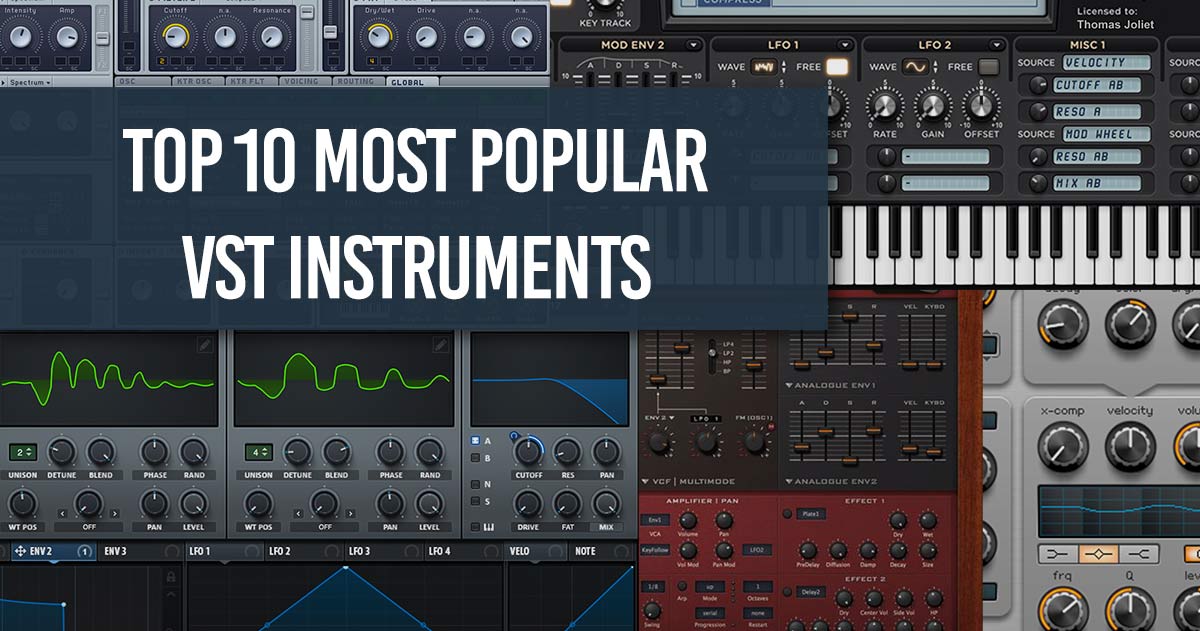
When it comes to music production, Virtual Studio Technology (VST) instruments play a crucial role in creating high-quality sounds and unique melodies. These software synthesizers and samplers have become essential tools for producers, offering a wide range of virtual instruments to enhance the creative process.
1. Serum
Serum is a popular wavetable synthesizer known for its versatile sound design capabilities. It allows users to create complex, evolving sounds that are commonly used in electronic music genres like EDM and dubstep.
2. Kontakt
Kontakt by Native Instruments is widely used for its extensive library of sampled instruments. It offers realistic emulations of acoustic instruments, making it a favorite choice for producing orchestral and cinematic music.
Credit: darkhorseinstitute.com
3. Massive
Massive is a powerful synthesizer that is favored for its deep bass and cutting-edge lead sounds. It is commonly used in genres such as techno, house, and trap for creating dynamic and impactful tracks.
4. Omnisphere
Omnisphere is a feature-rich synthesizer that offers a wide variety of sounds ranging from lush pads to intricate textures. It is a versatile tool used in various music styles, including ambient, pop, and soundtracks.
5. Sylenth1
Sylenth1 is a classic virtual analog synthesizer known for its warm and rich sound quality. It is popular among producers for its ease of use and ability to create classic sounds found in trance, house, and progressive music.
6. Nexus
Nexus is a ROMpler synthesizer that is famous for its ready-to-use presets and high-quality sounds. It is widely used in modern pop and electronic dance music (EDM) due to its quick access to professional-sounding patches.
7. Addictive Drums
Addictive Drums is a VST instrument designed specifically for realistic drum programming. It offers various drum kits and percussion instruments suitable for genres such as rock, jazz, and hip-hop.
8. FabFilter Twin 2
FabFilter Twin 2 is a versatile synthesizer known for its high-quality filters and modulation options. It is valued for its sound-shaping capabilities and is often used in electronic and experimental music productions.
9. Arturia V Collection
The Arturia V Collection is a bundle of vintage synthesizer emulations that pay homage to iconic instruments from the past. It is a go-to choice for musicians looking to recreate classic analog sounds in their productions.
Credit: www.productionmusiclive.com
10. Spitfire Audio LABS
Spitfire Audio LABS offers a range of free virtual instruments that provide high-quality orchestral and cinematic sounds. It is a great resource for composers and producers seeking realistic instrument samples for their projects.
Overall, these popular VST instruments offer a diverse range of sounds and features to inspire creativity and elevate music productions across various genres. Whether you’re a beginner or a seasoned producer, having access to these virtual instruments can enhance the quality and depth of your music compositions.
Frequently Asked Questions On What Are Some Popular Vst Instruments Used In Music Production?
What Are Vst Instruments In Music?
VST instruments are virtual software plugins used to produce music in digital audio workstations.
Why Are Vst Instruments Popular In Music Production?
VST instruments offer a wide range of sounds, effects, and flexibility, enabling musicians to create diverse and high-quality music.
How Do Vst Instruments Enhance The Music Production Process?
VST instruments provide access to an extensive library of virtual instruments, amplifiers, and effects, empowering musicians to unleash their creativity.
Can Vst Instruments Be Used Across Different Music Genres?
Yes, VST instruments cater to various music genres, such as electronic, hip-hop, rock, pop, and orchestral compositions, offering versatility to producers and composers.
When it comes to recording acoustic guitar, there are several factors to consider in order to capture the best sound possible. Whether you’re a beginner or a seasoned musician, these tips will help you achieve a high-quality recording that truly showcases the beauty of your acoustic guitar.
1. Room Selection
The first step in recording acoustic guitar is choosing the right room for the job. Ideally, you want a room with minimal background noise and good acoustics. Look for a space that has a balanced sound and avoid rooms with excessive reverb or echo.
2. Microphone Placement
Proper microphone placement is crucial in capturing the rich and balanced tone of the acoustic guitar. Start by positioning the microphone around the 12th fret, pointing towards the soundhole. Experiment with different mic distances and angles to find the sweet spot that captures the desired sound.
3. Use Multiple Microphones
An effective technique for recording acoustic guitar is to use multiple microphones. This allows you to capture different aspects of the guitar’s sound. Consider combining a close microphone on the soundhole with a room microphone to add depth and ambience to the recording.
4. Experiment with Mic Types
There are various types of microphones that can be used for recording acoustic guitar, such as condenser, dynamic, and ribbon microphones. Each type has its own unique characteristics and tonal qualities. Experiment with different mic types to find the one that best suits your acoustic guitar and desired sound.
5. Monitor the Recording
While recording, it’s important to monitor the sound to ensure optimal results. Use high-quality headphones or studio monitors to accurately gauge the recording. Pay attention to any unwanted noises, such as string squeaks or fret buzz, and make adjustments accordingly.
Credit: acousticguitar.com
Credit: www.waves.com
6. Control External Noise
Avoid external noise interference during recording sessions. Turn off fans, air conditioners, or any other sources of noise that may affect the recording. Consider using soundproofing materials to minimize background noise and reflections.
7. Use a Pop Filter
A pop filter is a screen placed in front of the microphone to prevent plosive sounds, such as “p” and “b” sounds, from distorting the recording. This accessory helps to ensure a clean and clear recording of your acoustic guitar.
8. Pay Attention to String Noise
Acoustic guitars can produce string noise, especially during fast strumming or fingerpicking. To minimize this noise, try using lighter gauge strings or applying a lubricant to the strings. Additionally, practice playing techniques that reduce the amount of string noise produced.
9. Consider Post-Processing
After recording, consider post-processing to enhance the sound of your acoustic guitar. This can include adjusting EQ settings, adding reverb or delay effects, or applying compression to even out the dynamics. Experiment with different techniques to achieve the desired sound.
10. Practice and Experiment
Recording acoustic guitar is a skill that improves with practice. Take the time to experiment with different techniques, microphone placements, and recording environments to find the combination that best captures your unique sound. Don’t be afraid to try new things and trust your ears.
By following these tips, you’ll be well on your way to recording acoustic guitar tracks that sound professional and allow the true essence of your instrument to shine through. Remember, practice makes perfect, so keep honing your recording skills to achieve the best results!
Frequently Asked Questions For What Are Some Tips For Recording Acoustic Guitar?
How Can I Get The Best Sound Recording?
To get the best sound recording of acoustic guitar, ensure a quiet environment and use high-quality microphones.
What Are Some Common Mistakes To Avoid While Recording?
Common mistakes to avoid while recording acoustic guitar include using low-quality microphones and not optimizing room acoustics.
How Can I Enhance The Recording Quality?
To enhance the recording quality, use high-quality microphones, experiment with microphone placement, and optimize room acoustics.
What Is The Ideal Room For Recording Acoustic Guitar?
The ideal room for recording acoustic guitar is a quiet, well-insulated space with minimal sound reflections.
The Haas Effect, also known as the precedence effect or the law of the first wavefront, is a psychoacoustic phenomenon that determines how humans perceive sound based on the timing and direction of arrival. This effect plays a crucial role in audio perception and is widely used in audio engineering to create a sense of width and spaciousness in recordings. In this article, we will explore the Haas Effect, its concept, and its impact on our audio perception.
The Concept of the Haas Effect
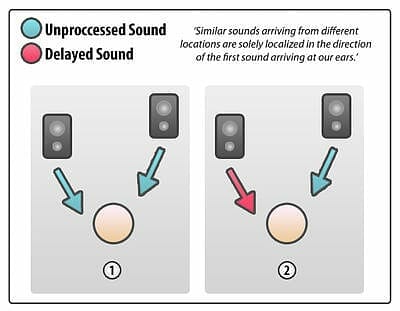
The Haas Effect is based on the idea that when two identical sounds are played simultaneously to a listener, with a slight time delay between them, the listener perceives only one sound source. The delayed sound, called the “preceding sound,” has a shorter delay time of up to approximately 30 milliseconds (ms), while the second sound, called the “following sound,” arrives within this time frame or with a longer delay. The listener predominantly localizes the perceived sound source based on the direction and timing of the preceding sound, rather than considering the following sound. This phenomenon is known as the Haas Effect.
To elaborate further, the Haas Effect states that if a sound reaches the listener’s ear within that short delay time of up to 30 ms, the listener perceives it as originating from the direction of the first sound. However, if the delay time exceeds 30 ms, the listener starts to perceive the sound as an echo or a separate sound source.
Impact on Audio Perception
The Haas Effect has a significant impact on how humans perceive audio, particularly in stereo audio recordings and sound reinforcement systems. By utilizing the Haas Effect, audio engineers can create a wideness or spaciousness effect, adding depth and realism to the sound experience. This effect helps to simulate a more natural and immersive environment, enhancing the audio quality.
Audio engineers often implement the Haas Effect by introducing a slight delay to one of the stereo channels. This creates a perceived localization of sound that is wider than the physical separation of the speakers. By manipulating the delay time and the panning position of the sound sources, engineers can control the perceived width and depth of the audio image.
Furthermore, the Haas Effect is extensively used in sound reinforcement systems to enhance the intelligibility of audio in large venues or outdoor settings. By time-aligning speakers and utilizing delay speakers, engineers can reduce echo and improve sound localization, ensuring that the sound arrives at the listener’s ears within the Haas Effect time frame. This allows for a clear and accurate sound reproduction, enhancing the overall audio perception for the audience.
Credit: output.com
Considerations and Limitations
Despite its benefits, the Haas Effect does come with some considerations and limitations that audio engineers and professionals need to be aware of. One significant consideration is the potential for phase cancellation when combining delayed and non-delayed signals. If the audio signals are not handled correctly, phase cancellation can occur, leading to a negative impact on the audio quality and the perceived stereo image.
Additionally, it is important to note that the Haas Effect can vary depending on various factors such as the listener’s environment, the sound level, and the frequency of the audio signals. Excessive use of the Haas Effect or incorporating long delay times can result in a loss of clarity and precise localization. Therefore, it is crucial for audio engineers to carefully consider these factors and use the Haas Effect sparingly and effectively.
Credit: www.eurekalert.org
In Conclusion
The Haas Effect is a psychoacoustic phenomenon that significantly impacts audio perception. By understanding and implementing this effect in audio engineering, professionals can create a sense of width, spaciousness, and immersion in stereo audio recordings and sound reinforcement systems. However, it is crucial to consider its limitations and use it judiciously to ensure optimal audio quality and localization. The Haas Effect is just one of many tools audio engineers have at their disposal to enhance the overall listening experience.
Frequently Asked Questions For What Is The Haas Effect And How Does It Impact Audio Perception?
What Is The Haas Effect?
The Haas Effect refers to the human ear’s ability to perceive a single sound as two distinct sources when heard with a slight delay.
How Does The Haas Effect Impact Audio Perception?
The Haas Effect affects the localization and spaciousness of audio, enhancing stereo imaging and creating a sense of depth in sound.
As an Amazon Associate I earn from qualifying purchases.
In the world of music and audio recording, having the right microphone can make all the difference in capturing that perfect vocal performance. Here, we will explore some of the best vocal microphones that are favored by professionals and amateurs alike for their exceptional sound quality and versatility.
1. Shure SM58
The Shure SM58 is a legendary microphone known for its durability and clear, vibrant sound. It is a staple in the industry and is favored by singers, podcasters, and live performers for its reliability and consistency.
2. Audio-Technica AT2020
The Audio-Technica AT2020 is a popular choice for those looking for a high-quality microphone at an affordable price. It delivers a smooth, natural sound that works well for a variety of vocal styles.
3. Neumann U87
For those looking for top-of-the-line quality, the Neumann U87 is a go-to microphone for many professionals. It offers pristine sound reproduction and is ideal for studio recording and broadcasting.
Credit: en-ca.sennheiser.com
4. AKG C414
The AKG C414 is a versatile microphone that is highly regarded for its transparent sound and ability to capture vocals with exceptional detail. It is a favorite among recording engineers and producers for its flexibility and reliability.
5. Rode NT1-A
The Rode NT1-A is a favorite among home studio owners and budding musicians for its clear and detailed sound reproduction. It is an excellent choice for vocals and acoustic instruments.
6. Sennheiser MD 421 II
The Sennheiser MD 421 II is a dynamic microphone known for its warm, full-bodied sound and versatility. It is often used for recording vocals, drums, and guitar amps, making it a valuable addition to any recording setup.
7. Blue Yeti
For those looking for a plug-and-play USB microphone, the Blue Yeti is a popular choice. It offers excellent sound quality and versatility, making it ideal for podcasting, streaming, and voiceover work.
Credit: www.amazon.com
Frequently Asked Questions On What Are The Best Vocal Microphones? Discover The Power Of Clear And Dynamic Sound!
What Are The Best Vocal Microphones For Live Performances?
The Shure SM58 and Sennheiser e935 are popular choices for live vocal performances.
How To Choose The Best Vocal Microphone For Recording?
Consider the microphone’s polar pattern, frequency response, and sensitivity when choosing for recording.
What Are The Key Features To Look For In Vocal Microphones?
Look for features like low self-noise, high SPL handling, and frequency response tailored for vocals.
Can I Use A Condenser Microphone For Vocal Recording?
Yes, condenser microphones are commonly used for vocal recording due to their sensitivity and detail.
Conclusion
Choosing the right vocal microphone is essential for capturing a studio-quality sound. Whether you are a professional recording artist or a hobbyist, investing in a high-quality microphone can elevate the quality of your recordings and performances. Consider your budget, recording environment, and intended use when selecting a microphone, and don’t be afraid to test out different options to find the one that best suits your needs.
As an Amazon Associate I earn from qualifying purchases.
Drum microphones play a crucial role in capturing the essence of a drum set, ensuring that each beat and cymbal crash is heard with clarity and precision. Whether you are a professional drummer or a passionate music enthusiast, investing in high-quality drum mics is essential to elevate your sound quality. Here are some of the best drum microphones that can take your drumming experience to the next level:
1. Shure SM57
The Shure SM57 is a versatile microphone that works exceptionally well on drums, particularly for recording snare drums. Its durability and high-quality sound make it a go-to choice for many drummers and recording engineers.
2. Sennheiser e604
The Sennheiser e604 is a dynamic microphone specifically designed for toms, providing excellent sound isolation and clarity. Its compact size and easy setup make it a popular choice among drummers for live performances and studio recordings.
3. AKG D112
The AKG D112 is a dynamic microphone optimized for kick drums, delivering powerful and punchy low-end frequencies. Its robust construction and superior bass response make it an ideal choice for capturing the thunderous beats of your kick drum.
4. Audix D6
The Audix D6 is another top choice for kick drums, known for its deep bass response and minimal distortion. Its tailored frequency response enhances the clarity and definition of your kick drum, making it a favorite among drummers and sound engineers.
5. Shure Beta 52A
The Shure Beta 52A is a reliable microphone for kick drums, offering extended low-frequency response and maximum sound pressure levels. Its robust design and precise sound reproduction make it a popular choice for capturing the dynamic range of your kick drum performance.
Credit: m.facebook.com
6. Audio-Technica ATM450
The Audio-Technica ATM450 is a versatile condenser microphone suitable for both overhead and cymbal miking. Its wide frequency response and low self-noise ensure accurate and detailed sound capture, making it an excellent choice for capturing the shimmering tones of your cymbals.
Credit: www.sweetwater.com
7. Neumann KM 184
The Neumann KM 184 is a high-end condenser microphone well-suited for capturing the nuances of drum overheads and room mics. Its transparent sound and exceptional detail make it a favorite among professional drummers and recording studios seeking pristine audio quality.
Frequently Asked Questions Of What Are The Best Drum Mics?: Discover The Ultimate Drumming Sound
What Are The Essential Drum Mics?
Quality kick, snare, and overhead mics are essential for capturing the full drum set sound.
How To Choose Drum Mics?
Consider the type of sound you want, drum size, and mic durability for an optimal selection.
Which Brands Offer Top Drum Mics?
Shure, Sennheiser, AKG, and Audio-Technica are renowned for their high-quality drum microphones.
Why Are Dynamic Mics Popular For Drums?
Dynamic mics handle high sound pressure levels and are excellent for capturing the punch and impact of drums.
Conclusion
Choosing the right drum microphone is essential for achieving the perfect sound quality in your drum recordings or live performances. Each of the drum mics mentioned above offers unique features and benefits that cater to different drumming styles and preferences. Whether you are looking to enhance the punch of your kick drum or capture the subtle nuances of your cymbal work, investing in quality drum mics can make a significant difference in your drumming experience.
Make sure to explore the options available and select the drum microphones that best suit your specific needs and budget. With the right combination of drum microphones, you can unlock the full potential of your drumming talent and create impressive soundscapes that resonate with your audience.
In the world of music, understanding the structure of a song is crucial. It’s like knowing the recipe that makes a hit song so catchy and memorable. Popular music often follows a typical structure that includes various sections designed to captivate listeners.
1. Introduction
The song usually starts with an introduction that sets the mood and grabs the audience’s attention. It’s like the opening paragraph of a story, luring the listeners in.
Credit: www.trinityrock.com
2. Verse
The verse is where the story unfolds. It contains the lyrics that tell the main narrative of the song. The melody may stay the same, but the lyrics change with each verse.
3. Chorus
The chorus is the heart of the song. It typically contains the main idea or message of the song and is often the most catchy and memorable part. The chorus is usually repeated several times throughout the song.
4. Bridge
The bridge serves as a contrast to the rest of the song. It provides a break from the repetition of the verse and chorus and adds an element of surprise or freshness to the music.
5. Instrumental Break
Some songs include an instrumental break where the music takes center stage without any lyrics. It allows the musicians to showcase their talents and adds a dynamic element to the song.
6. Outro
The outro is the conclusion of the song. It gives a sense of closure and often includes a fade-out or a final emphatic note that leaves a lasting impression on the listeners.
Benefits of Following a Typical Song Structure
Engages the listeners from start to finish
Makes the song more memorable and catchy
Provides a sense of familiarity and comfort to the audience
Credit: dohertymusic.weebly.com
Frequently Asked Questions Of What Is The Typical Song Structure Used In Popular Music?
What Is The Typical Song Structure In Popular Music?
Most popular songs follow a verse-chorus-verse-chorus-bridge-chorus structure.
Why Is The Verse-chorus-verse-chorus-bridge-chorus Structure So Common?
This structure creates a familiar and engaging pattern for listeners.
How Does The Verse Differ From The Chorus In A Song?
The verse typically advances the song’s story or message, while the chorus serves as the main hook.
What Is The Purpose Of The Bridge In A Song?
The bridge provides a contrast to the rest of the song and often builds towards the final chorus.
Conclusion
Understanding the typical song structure in popular music can help aspiring musicians and songwriters create music that resonates with listeners. By following this tried-and-true formula, artists can craft songs that are not only enjoyable but also have the potential to become hits.
Mixing mono in music production can enhance clarity and balance, making the sound more focused and mono-compatible. It also helps identify and fix phase issues.
When mixing mono, you ensure that your music translates well across all playback systems, providing a consistent listening experience for your audience. Additionally, mono mixing can help improve the overall impact and presence of a track, making it stand out in different environments.
By understanding the benefits of mixing in mono, you can elevate the quality of your music production and create a more professional sound that resonates with listeners.
The Advantages Of Mono Mixing
When it comes to music production, using mono mixing techniques can significantly enhance the quality of your final product. Let’s delve into the specific benefits of incorporating mono mixing in your music production process.
Enhanced Clarity And Focus
Mono mixing ensures each instrument and vocal is clearly defined in the mix.
Eliminates clutter and muddiness, leading to a more focused and impactful sound.
Improved Stereo Imaging
Implementing mono in the mix can help achieveprecise stereo imaging.
Enhances spatial depth and separation between different elements of the track.
Credit: www.rpmusicstudios.com
Impacts On The Mixing Process
Mixing mono in music production offers various benefits, including increased clarity, better focus on the core elements, and enhanced mono compatibility. It can also help in isolating and balancing individual sounds effectively, resulting in a cleaner and more defined mix.
Simplified Signal Processing
Mixing in mono simplifies signal processing, enhancing clarity and focus of the audio. It helps in identifying frequency clashes quickly and making necessary adjustments.
Balancing Instrument Levels
Mixing in mono aids in accurately balancing instrument levels, preventing issues with stereo width and ensuring a cohesive sound.
Considerations For Mono Compatibility
When it comes to music production, ensuring mono compatibility in your mix is crucial for achieving a balanced and consistent sound across different playback systems. By considering mono compatibility, you can prevent potential issues such as phase cancellation and maximize the quality and impact of your mix. In this section, we’ll explore the benefits of taking mono compatibility into account, focusing on the considerations that are key for achieving a successful mix.
Ensuring Mix Translation
To ensure your music translates well across various playback devices, mixing in mono allows you to identify any elements that might get lost or become unbalanced when the stereo image is collapsed to mono. By addressing these potential issues early in the mixing process, you can create a mix that maintains its impact and clarity regardless of the playback system. This is especially important for genres like electronic music, where a significant portion of the audience may listen through mono devices such as smartphones and mono PA systems.
Avoiding Phase Cancellation
By considering mono compatibility and avoiding phase cancellation, you can prevent the loss of sonic elements that occurs when the same audio signal is played through multiple channels with opposite phase relationships. When preparing a mix for mono playback, it’s crucial to identify and resolve any phase issues between audio tracks, ensuring that the mix remains cohesive and balanced. This approach can help maintain the clarity and impact of the mix, enhancing the overall listening experience for the audience.
Credit: www.amazon.com
Utilizing Mono As A Creative Tool
Discover the advantages of incorporating mono in music production for enhanced creativity. Mono mixing offers clarity, depth, and focus to your sound, resulting in a more impactful and dynamic final product. Elevate your audio projects with the versatile tool of mono mixing.
Fostering Artistic Limitations
Mono, when used as a creative tool in music production, has numerous benefits that can enhance the artistic process. One of these benefits is the ability to foster artistic limitations, which can push musicians to think outside the box and find innovative solutions to their creative challenges.
By mixing in mono, producers are forced to work with a single audio channel, limiting their options and forcing them to carefully craft each element to fit together harmoniously. This constraint can be a powerful catalyst for creativity, as it encourages musicians to experiment with different sounds and arrangements to achieve the desired impact.
Additionally, banning stereo options makes producers focus on the core elements of a track, such as melody, rhythm, and vocals. Removing the distractions of panning and spacial effects allows artists to concentrate on the essential components and ensures they are presented in their best light.
Creating Retro Aesthetic
Another advantage of utilizing mono in music production is the ability to create a retro aesthetic. Mono was the predominant format during the early days of music, and intentionally using mono in modern productions can evoke a nostalgic feel that resonates with listeners.
Creating a retro aesthetic can be particularly appealing for genres like rock, soul, or jazz, where the nostalgic sound is often sought after. By intentionally limiting the stereo field and focusing on a single audio channel, the overall sound becomes warmer and more intimate, recreating the authentic vintage vibe of classic recordings.
In addition, utilizing mono can enhance the cohesion and depth of a mix. By blending all elements into mono, producers can ensure that each instrument and vocal occupies their own space in the mix, reducing the risk of clashing frequencies and improving the overall clarity and balance of the track.
Maximizing The Potential In Modern Music
Discover the advantages of incorporating mono mixing in music production to enhance clarity, depth, and focus in your tracks. Through this technique, you can maximize the potential of modern music by creating a more impactful and dynamic listening experience for your audience.
Incorporating Mono Elements In Multi-channel Environments
When it comes to music production, incorporating mono elements in multi-channel environments can yield remarkable results. By strategically placing mono elements within a mix, producers can create a more immersive and dynamic listening experience for their audience.
There are several benefits to incorporating mono elements in multi-channel environments:
Better definition: By adding mono elements to a mix, music producers can enhance the definition and clarity of individual instruments and vocal tracks. This allows listeners to discern each element with greater precision, resulting in a more enjoyable and engaging music experience.
Increased depth: Mono elements can add depth and dimension to a mix, making it sound more three-dimensional. By panning mono elements strategically, producers can create a sense of space that adds a heightened level of immersion, enveloping the listener in the music.
Enhanced focus: Mono elements can help to direct the listener’s attention to specific parts of the mix. Whether it’s a lead vocal, a guitar solo, or a catchy melody, incorporating mono elements can ensure that these elements stand out and capture the listener’s focus.
Better mono compatibility: Despite the rise of stereo systems, many listening platforms still operate in mono. By including mono elements in a mix, producers can ensure that their music translates effectively across a wide range of platforms and devices, providing a consistent and enjoyable listening experience for all.
Embracing Diverse Listening Platforms
With the variety of listening platforms available today, it’s crucial for music producers to embrace this diversity and tailor their mixes accordingly. By considering the different ways in which people consume music, producers can create mixes that sound exceptional across various listening devices and environments.
Here are a few reasons why embracing diverse listening platforms is important:
Optimal sound reproduction: Each listening platform or device has its own unique characteristics and limitations. By optimizing the mix for different platforms, producers can ensure that their music sounds its best, regardless of whether it’s being played on a high-end sound system, headphones, or car speakers.
Expanded audience reach: By tailoring the mix for diverse listening platforms, producers can reach a wider audience. Whether someone is listening to music on their smartphone, computer, or in their car, an optimized mix ensures that the music resonates with listeners across various contexts.
Consistent listening experience: When people switch between different listening devices or environments, they expect a consistent and enjoyable listening experience. By considering how the mix translates on different platforms, producers can ensure that their music remains compelling and impactful, regardless of the platform.
Credit: www.amazon.com
Frequently Asked Questions For What Are The Benefits Of Mixing Mono In Music Production?
Is It Worth Mixing In Mono?
Mixing in mono can help identify and fix sound issues. It ensures better compatibility on different sound systems. This technique is useful for achieving a balanced mix.
What Is The Advantage Of Mono Audio?
Mono audio has the advantage of ensuring equal sound is heard through both ears, eliminating the need for stereo equipment. It is beneficial for individuals with hearing impairments or those using a single speaker. Mono audio also reduces data file sizes, making it easier to transmit and store.
What Does Mono Mix Do?
Mono mix is a feature that combines all audio channels into a single channel. It’s useful for ensuring compatibility with mono audio systems, preventing any channel imbalances, and delivering consistent sound across different devices and platforms.
Is Mono Audio Better For Music?
Mono audio is not better for music as it lacks depth and richness. Stereo audio provides a more immersive and realistic listening experience. It separates instruments and vocals, creating a fuller sound. For better music quality, stereo audio is preferred over mono.
Conclusion
Mixing in mono can enhance the clarity and balance of your music production. It promotes a tighter low-end and helps identify phase issues. By taking advantage of the benefits of mono mixing, you can elevate the overall quality and impact of your music.
Incorporating this approach into your production process can lead to a more professional and polished sound.
When it comes to audio, you may have heard the terms “mono” and “stereo” before. But have you ever wondered what exactly is the difference between these two? In this article, we will delve into the world of audio and explore the distinctions between mono and stereo sound.
Credit: producersources.com
What is Mono Sound?
Mono, short for monaural, refers to the reproduction of sound using a single audio channel. In simple terms, it means that all the audio signals are mixed together and played through a single speaker. Mono sound lacks spatial separation and depth, so the sound appears to come from a single point.
Monaural sound was widely used in the early days of audio technology, such as radio broadcasts and record players. It is still present today, especially in situations where audio separation is not necessary or practical. For example, phone calls or certain public announcements are often presented in mono.
What is Stereo Sound?
Stereo, on the other hand, refers to the reproduction of sound using two or more audio channels. It creates a sense of spatial audio by assigning different audio signals to different channels. Typically, stereo sound is played through two speakers, one on the left and one on the right.
The main advantage of stereo sound is its ability to provide a more immersive listening experience. It enhances the sense of depth, richness, and realism in the audio. By separating sounds and placing them in different channels, stereo sound creates a more accurate representation of how we hear in the real world.
The Differences at a Glance
Aspect
Mono Sound
Stereo Sound
Number of Audio Channels
Single channel
Two or more channels
Audio Separation
No separation, all audio mixed together
Sounds are separated and spread across channels
Spatial Representation
Aural perception from a single point
Enhanced depth and realism
Listening Experience
Less immersive
More immersive
Credit: www.headphonesty.com
When to Use Mono or Stereo Sound?
Mono sound is commonly used in specific situations where audio separation is not essential, such as telephone calls, public announcements, and certain devices with a single speaker.
Stereo sound is preferred for music recordings, movies, gaming, and other media where spatial representation and immersive listening are desired.
It’s worth mentioning that mono sound can also be created using stereo systems by summing the left and right channels together. This can be useful when ensuring compatibility with systems that only support mono playback.
In Conclusion
Now you know the distinction between mono and stereo sound. Mono sound is a single audio channel and lacks spatial separation, while stereo sound offers a more immersive and realistic hearing experience by using two or more audio channels. Understanding the differences allows you to appreciate and make informed choices when it comes to audio technology.
Whether you’re enjoying your favorite music or catching up on a movie, the choice between mono and stereo sound can greatly impact the quality of your audio experience. So, next time you’re setting up your audio system or listening to a recording, consider which option suits your preferences and the situation best.
Frequently Asked Questions On What Is The Difference Between Mono And Stereo Sound?
What Is Mono Sound?
Mono sound refers to the use of a single channel for audio output, resulting in a single sound source.
What Is Stereo Sound?
Stereo sound involves the use of two separate audio channels, providing a more immersive and realistic audio experience.
How Does Mono Affect Sound Quality?
Mono sound may lack depth and dimension compared to stereo, as it only utilizes a single audio channel.
What Are The Advantages Of Stereo Sound?
Stereo sound offers spatial audio perception, allowing for a more immersive and lifelike listening experience.
As an Amazon Associate I earn from qualifying purchases.
In the world of music production and DJing, having the right tools is essential for creating top-notch tracks and performances. One of the most versatile pieces of equipment any musician can have is a MIDI controller. MIDI controllers allow you to control various aspects of your music production software or hardware synthesizers with precision and ease. With so many options available on the market, it can be overwhelming to choose the best MIDI controller for your needs. In this article, we will explore some of the best MIDI controllers for music producers and DJs. Let’s dive in!
Credit: kraftmusic.com
1. Akai Professional MPK Mini MKII
The Akai Professional MPK Mini MKII is a compact and portable MIDI controller that packs a powerful punch. It features 25 velocity-sensitive keys, 8 backlit drum pads, and 8 assignable knobs for controlling parameters in your music software. The MPK Mini MKII also comes with a variety of software including MPC Essentials, SONiVOX Wobble, and Hybrid 3 by AIR Music Tech. This controller is perfect for music producers on the go or for those with limited space in their studio.
2. Novation Launchkey 49 MK2
For those looking for a more extensive MIDI controller with a larger keyboard, the Novation Launchkey 49 MK2 is an excellent choice. This controller features 49 full-size, velocity-sensitive keys, 16 RGB backlit drum pads, 8 rotary knobs, and dedicated transport controls. The Launchkey 49 MK2 is designed to work seamlessly with Ableton Live, making it a favorite among electronic music producers and performers. Its robust build quality and versatile features make it a great addition to any studio setup.
3. Native Instruments Komplete Kontrol S49
The Native Instruments Komplete Kontrol S49 is a premium MIDI controller designed for professional music production. It features semi-weighted Fatar keybed with aftertouch, two high-resolution color screens for browsing sounds and editing parameters, and intuitive touch strip controls. The Komplete Kontrol S49 comes bundled with the Komplete Select software package, giving you access to a wide range of instruments and effects. This controller is ideal for musicians looking for a high-quality, feature-rich MIDI controller for serious music production.
4. Arturia KeyLab 88 Essential
If you’re in need of a full-sized MIDI controller with a piano-style keybed, the Arturia KeyLab 88 Essential is an excellent option. This controller features 88 hammer action keys, 8 performance pads, 9 rotary encoders, and transport controls. The KeyLab 88 Essential also includes Analog Lab software with over 6,500 synth sounds, providing you with a vast array of sounds to work with. Whether you’re a pianist looking for a MIDI controller that feels like a real piano or a music producer in need of a versatile controller, the KeyLab 88 Essential delivers on all fronts.
Credit: www.amazon.com
5. Ableton Push 2
For those who primarily use Ableton Live for music production, the Ableton Push 2 is a must-have MIDI controller. This controller features 64 velocity and pressure-sensitive pads, a responsive touch strip for pitch bending and modulation, and a high-resolution display for easy navigation. The Push 2 seamlessly integrates with Ableton Live, allowing you to create and perform music with unparalleled control and precision. Whether you’re producing electronic music or performing live, the Ableton Push 2 is a game-changer for your workflow.
Frequently Asked Questions Of What Are The Best Midi Controllers? Unleash Your Musical Potential Now!
What Are The Advantages Of Using A Midi Controller?
MIDI controllers provide intuitive control, versatility, and seamless integration with music production software.
How To Choose The Best Midi Controller For Your Needs?
Consider factors such as budget, preferred key count, pad sensitivity, and software compatibility when selecting a MIDI controller.
What Are The Best Software To Use With Midi Controllers?
Popular software options include Ableton Live, FL Studio, and Logic Pro, all offering seamless integration and extensive MIDI mapping capabilities.
Can Midi Controllers Be Used For Live Performances?
Yes, MIDI controllers are commonly used for live performances, offering musicians hands-on control over their software instruments and effects.
Conclusion
Choosing the best MIDI controller ultimately comes down to your specific needs and preferences as a musician. Whether you’re a music producer, DJ, or performer, having a high-quality MIDI controller can significantly enhance your workflow and creativity. The above-mentioned controllers are among the best in the market, offering a wide range of features and functionalities to suit different styles of music production. Consider the key features that are important to you, such as key size, number of pads, and compatibility with your music software, when selecting the best MIDI controller for your setup. With the right MIDI controller by your side, you’ll be able to take your music production and performances to the next level.