Categories
Archive

Self Promotion As a Musician

Self-promotion for musicians involves building a strong online presence and engaging with your audience consistently. As a musician, you’re the CEO of your own personal brand.

Promoting yourself is just as important as promoting your music. In today’s digital age, establishing a recognizable and engaging online presence is crucial to success. Fortunately, with the power of social media, it has never been easier to do so.

From Facebook to Instagram to YouTube, the options for self-promotion are endless. However, posting content isn’t enough; you need to interact with your fans and build a community. That way, you can keep your audience excited and interested in your music while actively solidifying your brand identity. We’ll take a closer look at the importance of self-promotion for musicians and provide actionable tips for getting started.

Why Self Promotion Is Important For Musicians

Self-promotion is critical for musicians to reach a wider audience, establish their brand identity, and generate opportunities. By promoting themselves, musicians can increase their visibility in the industry and connect with fans and potential collaborators.

As a musician, creating and producing music is only one aspect of your job. Self-promotion is the key to attracting new listeners, building your brand, and making lasting connections in the industry. When people don’t know about your music, they can’t listen or attend your gigs. Additionally, in today’s world, where anyone can release music with the click of a button, standing out from the crowd can be a challenge. This is where self-promotion comes in.

Building Your Brand

As a musician, you are your brand and, just like any other brand, you must promote it to reach a wider audience. Today, music listeners are always on the hunt for something fresh and new, and self-promotion can help you achieve that goal. Marketing your brand will help you create a unique identity that sets you apart from other musicians and creates a lasting impression on your audience. This can result in a loyal fanbase that will follow your music throughout your career.

Reaching A Wider Audience

The world is your stage; you need to reach the right people. Self-promotion can help you do that. With the help of social media platforms, live streaming, and podcasts, you can reach a much broader audience without spending lots of money. These platforms also give you the opportunity to interact with your fans and create lasting connections. Expanding your audience reach is crucial as it can lead to more gig bookings, higher sales, and more streams globally.

Increasing Your Fanbase

Promoting your music is a powerful tool when it comes to increasing your fanbase. Regularly promoting your content on different platforms will help you reach out to different listeners globally. This will increase your chances of being discovered by new listeners who will then appreciate your love for music. Additionally, consistent promotion will keep your music in the limelight, making it easy for your fans to share your content with their own friends and family, which can lead to even more fans organically.

Making Connections In The Industry

Making connections in the music industry can be difficult, but self-promotion can help. By promoting your music and building your brand, you create a chance to be noticed by industry professionals. This can result in invites to play shows, collaborations with other musicians, and even record deals. In the music industry, networking is essential, and self-promotion is the first step to getting the right people to notice you and your music. Self-promotion is an integral part of a musician’s career. It’s an opportunity to introduce yourself to the world, create a loyal fanbase, and connect with people in the music industry. Don’t let your music go unheard; instead, promote it and share it with the world.

Self Promotion As a Musician

Credit: angelabeeching.com

Tools For Effective Self Promotion

As a musician, self-promotion is key to success. However, to promote yourself in the best possible way, you need to use the right tools. Here are some essential tools that every musician should use to promote their music effectively.

Social Media

Social media is the most powerful tool for self-promotion. As a musician, you must leverage social media platforms such as Facebook, Twitter, Instagram, and YouTube to promote your music. Share your latest tracks, upcoming gigs, and other updates with your followers. Use hashtags, tagging, and shareable content to increase your reach.

Email Marketing

Email marketing is an effective tool to communicate with your fans. Building an email list is crucial for self-promotion as a musician. Send regular updates on your latest tracks, gigs, and other news via email newsletters. You can also offer exclusive content, discounts, and early access to your fans via email to build a strong relationship with them.

Website And Blogging

Your website is your virtual home on the internet. It should showcase your music, bio, gigs, and other essential details. Use your website to promote your music to a wider audience. Blogging is another great way to promote yourself. Write blog posts related to your music, gigs, and the music industry. It will help you build authority and attract new fans.

Networking And Collaborations

Networking and collaborations with other musicians and industry professionals are essential for self-promotion. Attend music industry events, join music groups on social media, and collaborate with other musicians on new tracks. It will help you expand your reach and get noticed by a wider audience.

Tools for Effective Self Promotion
Social MediaShare your latest tracks, upcoming gigs, and other updates with your followers.
Email MarketingSend regular updates on your latest tracks, gigs, and other news via email newsletters.
Website and BloggingUse your website to promote your music and write blog posts related to your music, gigs, and the music industry.
Networking and CollaborationsAttend music industry events, join music groups on social media, and collaborate with other musicians on new tracks.
  • Promote yourself effectively using social media platforms such as Facebook, Twitter, Instagram, and YouTube.
  • Build an email list and send regular updates and exclusive content to build a strong relationship with your fans.
  • Showcase your music, gigs, and other essential details on your website, and write blog posts related to your music and the music industry.
  • Network with other musicians and industry professionals and collaborate on new tracks to expand your reach and get noticed.

Creating A Strong Online Presence

As a musician, creating a strong online presence is essential for self-promotion. Utilize social media platforms, create a website, and engage with your audience to establish a solid brand identity and reach a wider audience. Don’t underestimate the power of a strong online presence in today’s digital age.

Creating a Strong Online Presence As a musician, having a strong online presence is vital to promoting your brand and music. In today’s digital age, connecting with fans and potential listeners through various online channels can make all the difference. In this blog post, we will delve deeper into Creating a Strong Online Presence as a Musician, while focusing on Consistent Branding, Engaging Content, Interaction with Fans, and Utilizing Analytics.

Consistent Branding

Your branding is what sets you apart from other musicians and keeps fans engaged with your music. It’s important to maintain a consistent branding strategy across various platforms, including your website, social media pages, and streaming services. This includes using the same color scheme, font style, and tone of voice in your posts and banners. This helps to create a recognizable image and strengthens brand loyalty.

Engaging Content

Engaging content is key to keeping fans interested and attracting new ones. Regularly posting content that relates to your music, such as behind-the-scenes photos and videos, updates on upcoming performances and releases, and teasers of new tracks, will create a buzz and keep fans engaged. Don’t be afraid to get creative with your content, such as interactive quizzes or live Q&A sessions on social media. This will help to foster a connection with your fans and keep them invested in your music.

Interaction With Fans

Interacting with your fans is a crucial part of maintaining a strong online presence. Replying to comments, messages, and tweets, and sharing user-generated content shows that you appreciate and value your fans. This helps to create a positive relationship with your audience, making them more likely to attend your shows and buy your music. Engaging with your fans online is an investment in your long-term success.

Utilizing Analytics

Utilizing analytics helps you to understand your audience and tailor your online presence accordingly. With data on demographics, engagement rates, and website traffic, you can tweak your content and strategy to better suit your audience. This will help to increase your online engagement, leading to more fans and an increased following. Don’t be afraid to experiment with different types of content and strategies, and use analytics to assess their effectiveness. In conclusion, a strong online presence is vital to a musician’s success. Consistent branding, engaging content, interaction with fans, and utilizing analytics are all important factors to consider. By following these tips, you can create a strong digital presence that will help you stand out in a crowded music scene.

Planning And Executing A Self Promotion Strategy

As a musician, planning and executing a self-promotion strategy is crucial for success. This involves creating a strong online presence through social media and websites, building relationships with fans and industry professionals, and consistently promoting your music through various platforms.

By prioritizing self-promotion, musicians can increase their visibility and expand their reach in the music industry.

As a musician, self-promotion is crucial to building your fan base and getting your music heard by more people. But where do you start? Planning and executing a self-promotion strategy can seem daunting, but it’s worth the effort to achieve success.

Defining Your Goals

Before you start promoting your music, you need to define your goals. What do you hope to achieve? Do you want to gain more followers, book more gigs, sell more albums, or something else? Your goals should be specific, measurable, achievable, relevant, and time-bound (SMART).

Identifying Your Target Audience

Knowing your target audience is essential for effective self-promotion. Who is your music for? What kind of people are most likely to enjoy it? Once you have identified your target audience, you can tailor your marketing efforts to their interests and needs.

Allocating Your Resources

Promoting your music takes time and resources, so it’s important to allocate them wisely. Determine your budget and decide which platforms and strategies will be most effective for reaching your target audience. Consider using social media, email marketing, press releases, and live performances to get your music out there.

Measuring Your Success

To determine the success of your self-promotion efforts, you need to measure your results. Keep track of your social media followers, email subscribers, website traffic, and other metrics to see how your promotion is performing. Use this data to adjust your strategy and improve your results. In conclusion, planning and executing a self-promotion strategy requires careful consideration and effort, but it’s worth it to achieve success as a musician. By defining your goals, identifying your target audience, allocating your resources, and measuring your success, you can effectively promote your music and grow your fan base.

Mistakes To Avoid In Self Promotion

Self promotion as a musician can be tricky, but avoiding common mistakes can set you apart. Tailor your message to your audience, be authentic, and don’t oversell yourself. Build genuine connections and nurture relationships. Remember, it’s about building a fanbase, not just promoting yourself.

As a musician, self-promotion is essential for building your brand, increasing your fan base, and advancing in your career. However, there are some common mistakes you need to avoid to ensure you don’t harm your reputation, or worse, go unnoticed. In this post, we’ll explore some of the most significant blunders you can make in self-promotion and how to steer clear of them.

Overselling Yourself

You’re passionate about your music, and you should be! However, when it comes to self-promotion, there’s a fine line between promoting yourself and overselling yourself. Don’t exaggerate your abilities, your accolades, or make outrageous claims that you can’t back up. It’s essential to be confident, but ensure that you’re honest and transparent with your audience to avoid damaging your reputation in the long run.

Neglecting Your Authenticity

Authenticity is one of the most critical aspects of self-promotion. Your fans are there to engage with you because they like what you’re creating and the message you’re portraying through your music. Neglecting your authenticity and trying to conform to someone else’s vision can lead to disconnection with your fans and damage your brand. Stay true to yourself, your values, and what you represent.

Ignoring Feedback And Criticism

No matter how talented you are, or how passionate you are about your music, you’ll receive feedback and criticism. It’s essential to listen to what others say about your music. Ignoring feedback can lead to stagnation in your career. Take constructive criticism as an opportunity to evolve, hone your craft, and grow as a musician.

Not Staying Consistent

Consistency is vital in self-promotion. Having a consistent presence on social media, releasing new music regularly and engaging with your fans is crucial. Not staying consistent can result in missed opportunities and reduced long-term success. Developing a routine and sticking to it will help you stay at the top of your game. In conclusion, self-promotion is essential for your success as a musician; however, it’s easy to make mistakes. Avoiding overselling yourself, neglecting your authenticity, ignoring feedback, and criticism and not staying consistent are some of the most significant blunders to avoid. Stay true to yourself, listen to feedback, and keep a consistent presence, and watch your career grow.

Self Promotion As a Musician

Credit: www.amazon.com

Success Stories Of Self Promoting Musicians

The journey of self-promoting musicians is filled with challenges and eventual successes. By utilizing their talents and social media platforms, many musicians have gained recognition and created a loyal fan base. Their success stories serve as inspiration for aspiring musicians to make their mark in the competitive music industry.

As a musician, self-promotion is key to success. It’s a way to establish your brand, gain new fans, and potentially secure new opportunities. While it can be a daunting task, many independent artists have found success through self-promotion. In this article, we’ll explore the various methods and approaches musicians have taken to self-promote, and how it has led to success.

Case Studies Of Independent Artists

There are numerous independent artists who have achieved success through self-promotion. Take, for example, Chance the Rapper who gained notoriety by releasing his music for free and promoting it through social media. He was eventually signed to a major label, but his success was largely due to his grassroots approach to promotion. Similarly, Grimes, an indie-pop artist, gained popularity through her DIY approach to self-promotion. She created her own music videos and posters, and actively engaged with her fans, creating a strong and loyal following. These artists are just a few examples of how independent musicians can successfully self-promote.

Lessons Learned From Major Label Success

While self-promotion is an essential aspect of success for independent artists, major labels also employ various promotional tactics to boost their artists’ success. A prime example is Taylor Swift’s strategic release of her album “Folklore” during the COVID-19 pandemic, which garnered widespread attention and critical acclaim. Additionally, Beyonce’s surprise album release of “Lemonade” generated a massive buzz on social media, with fans eagerly sharing and discussing the new music. These examples show how major labels can effectively use creative and strategic promotional tactics to build anticipation and hype around their artist’s releases.

Interviews With Self Promoting Musicians

To gain more insight into successful self-promotion, it’s helpful to hear from musicians themselves. In interviews with musicians such as Hozier and Billie Eilish, they discuss the importance of authenticity and creative control when it comes to self-promoting their music. They stress the importance of staying true to oneself and utilizing social media platforms to connect with fans and build a loyal following. Hearing directly from successful musicians can provide valuable insights and inspiration for independent artists looking to self-promote.

Exploring Different Genres Of Successfully Self Promoting Musicians

Successful self-promotion isn’t limited to just one genre of music. For example, Ariana Grande has utilized her large following on social media to promote her newly released music, while heavy metal band Metallica has found success through live performances and creating a strong and dedicated fanbase. Hip-hop artists like Kendrick Lamar have utilized unique promotional tactics, like releasing surprise albums and collaborating with other popular artists, to gain widespread acclaim and attention. The diversity of strategies utilized by successful self-promoting artists highlights the importance of being flexible and creative when it comes to promotion. In conclusion, there are numerous successful self-promoting musicians who have utilized various strategies to establish themselves in the music industry. Whether through a grassroots DIY approach or strategic major label tactics, the common thread of successful self-promotion is authenticity, creativity, and a strong connection with fans.

Navigating The Challenges Of Self Promotion

Navigating the challenges of self-promotion as a musician can be tough. It’s important to find a balance between promoting yourself and not coming across as too pushy. Building an online presence, creating quality content, networking and collaborating with others in the industry can all help in your self-promotion efforts.

As a musician, self-promotion is an essential step towards establishing yourself in the industry. However, navigating the challenges of self-promotion can be daunting, particularly when it comes to managing time, budgeting resources, maintaining mental health, and balancing artistic expression with commercial success.

Time Management

As a musician, you may find that there are never enough hours in the day to accomplish everything you need to do. To ensure that you make the most of your time, it is crucial to manage it effectively. Create a schedule that includes dedicated time for self-promotion activities such as social media marketing, email campaigns, and networking. Be disciplined and stick to your schedule, prioritizing tasks that bring the most significant benefits to your career.

Budgeting Your Resources

Self-promotion requires an investment of time, effort, and money. It is essential to develop a budget for your promotional activities that balances your resources effectively. Identify the most effective promotional channels, such as paid advertising, professional photo shoots, or attending industry conferences. Ensure that you allocate enough resources to each channel to achieve the desired results while also maintaining financial stability.

Maintaining Your Mental Health

As a musician, navigating the challenges of self-promotion can be both physically and mentally draining. Ensure that you take care of your mental health by practicing mindfulness techniques, taking regular breaks, and seeking support when needed. Avoid burnout by prioritizing self-care activities such as exercise, healthy eating, and rest.

Balancing Artistic Expression And Commercial Success

One of the biggest challenges of self-promotion as a musician is finding a balance between artistic expression and commercial success. While it is essential to establish a unique artistic identity, it is also crucial to adopt a commercial mindset that focuses on achieving success in the industry. Identify your target audience and develop a promotional strategy that aligns with your artistic vision while still catering to commercial requirements. As a musician, self-promotion is an ongoing process that requires dedication, hard work, and tenacity. By navigating the challenges of self-promotion, managing your time and resources effectively, maintaining your mental health, and finding the balance between artistic expression and commercial success, you can establish yourself in the industry and achieve your career goals.

Self Promotion As a Musician

Credit: blog.bandlab.com

Embracing Self Promotion As Part Of Your Music Career

As a musician, it’s crucial to embrace self-promotion to build your career. Share your music on social media, connect with fans online, collaborate with other artists and producers, and make the most of every opportunity to showcase your talent. With dedication and hard work, self-promotion can help you reach new audiences and realize your full potential as an artist.

As a musician, self-promotion is a crucial part of your music career. While it may seem overwhelming or uncomfortable to promote yourself, it’s essential to remember that it’s all part of building your brand and growing your fanbase. In this blog post, we’ll explore how to shift your mindset towards self-promotion, incorporate it into your creative process, stay open to new and creative ideas, and continue to learn and stay motivated.

Shifting Your Mindset Towards Self Promotion

One of the biggest hurdles to overcome when it comes to self-promotion as a musician is mindset. It’s common for musicians to feel uncomfortable or even self-promoting, but it’s essential to shift your mindset. Instead of viewing it as self-promotion, think of it as sharing your passion with others. Remember that promoting your music is an investment in your career, and being confident in your talent is key to embracing self-promotion.

Incorporating Self Promotion Into Your Creative Process

Integrating self-promotion into your creative process can help you promote your music without feeling like you’re constantly selling yourself. For example, you could write behind-the-scenes blog posts or social media updates that give fans a glimpse into your creative process. You can also create teaser videos for upcoming shows or new music releases. Additionally, using eye-catching visuals, such as album art or concert posters, can help promote your music in a visually appealing way.

Being Open To New And Creative Ideas

As a musician, being open to new and creative ideas can help you stand out from the crowd. Consider using social media platforms to interact with your fans, such as asking for their input on upcoming music releases. Collaborating with other musicians or brands can also help you gain exposure and expand your fanbase. The key is to stay open to new and creative ideas that align with your brand and music.

  • Interact with fans on social media platforms
  • Collaborate with other musicians or brands
  • Stay open to new and creative ideas that align with your brand and music

Staying Motivated And Continuing To Learn

As with any career, staying motivated and continuing to learn is crucial to success as a musician. Take time to attend music workshops, conferences or networking events. By doing so, you will be able to learn new techniques, meet industry professionals and make valuable connections. Another way to stay motivated is to set realistic goals for yourself and track your progress. Celebrating small milestones along the way can help keep you motivated and on track.

  1. Attend workshops and professional events
  2. Set realistic goals and track progress
  3. Celebrate small milestones

Conclusion

Embracing self-promotion as a musician may seem daunting, but by shifting your mindset, incorporating it into your creative process, staying open to new ideas, and continuing to learn, you can promote your music confidently and successfully. Remember, promoting your music is an investment in your brand and career as a musician.

Frequently Asked Questions Of Self Promotion As A Musician

How Do I Promote Myself As A Musician?

To promote yourself as a musician, you need to focus on creating your brand image, building a social media presence, networking with other musicians, participating in local gigs/events, and producing quality content. Utilize online platforms, such as SoundCloud and YouTube, to showcase your music and connect with your target audience.

Keep your fans engaged by updating them regularly about your upcoming gigs and releases. Collaborate with other musicians to expand your reach and gain more visibility.

How Do Independent Musicians Promote Themselves?

Independent musicians can promote themselves by utilizing social media platforms such as Instagram and Facebook, creating a website to showcase their music and upcoming shows, networking with other musicians and industry professionals, playing live shows and open mics, and submitting their music to local and online radio stations.

How Do Bands Promote Themselves?

Bands can promote themselves by using social media platforms to share their music and upcoming shows, collaborating with other artists, building an email list and communicating with their fans, playing live shows, and submitting their music to music blogs and playlists.

It’s important for bands to have a strong online presence and engage with their audience to build a larger fanbase.

How Do You Brand Yourself As A Musician?

To brand yourself as a musician, you need to define your unique style and genre, create a strong visual identity with a logo, website, social media, and merch, network with other industry professionals, and consistently promote your music. It’s also important to maintain a strong online presence by regularly posting content and engaging with your fans.

Conclusion

As a musician, self-promotion is crucial for success, but it can be challenging and intimidating. With the right tools and strategies, however, it is possible to build a successful career as an independent artist. By creating a strong online presence, networking with other musicians and industry professionals, and staying true to your unique sound, you can create a lasting impact on the music industry.

So, take the first step, be confident, and promote yourself!

More in our Music marketing guide.
Categories
Archive

Do Subs Make Your Music Louder

No, subs (subwoofers) do not make your music louder. They enhance the bass and lower frequencies, providing a fuller sound, but overall volume is controlled by your amplifier or receiver.

When it comes to audio equipment, subwoofers are often a key component for delivering better sound quality. Many people believe that subs make music louder, but in reality, they are designed to improve the low-end frequencies of a track. A subwoofer is a specialized speaker that reproduces bass frequencies and adds depth to music.

While they can make music sound more full and rich, they do not necessarily make it louder. We’ll delve deeper into how subwoofers work, their impact on audio quality, and whether they can actually boost the volume of your music.

The Science Of Subwoofers

Subwoofers can make your music feel louder by producing more bass frequencies. However, the overall loudness of your music depends on various factors such as the volume levels, audio quality, and settings. The science behind subwoofers is fascinating and can significantly enhance your musical experience.

Subwoofers are a crucial part of any sound system, particularly when it comes to amplifying bass. But have you ever wondered about the science behind it? In this blog post, we’ll explore the intricate details of subwoofers and how they affect the quality of sound they produce.

How Subwoofers Affect Sound Quality

Subwoofers are primarily responsible for the reproduction of low-frequency sounds in music, which is why they are prominently used in concerts and sound systems. These low-frequency sounds or bass are created by vibrations that travel through the air and reach our ears. Subwoofers magnify these vibrations, making the bass sound louder and more extensive. However, increasing the volume of bass isn’t the only job of subwoofers. They are also responsible for producing a clear and precise sound. Subwoofers are designed to produce a single low-frequency sound from multiple woofers. The resulting sound is clear and without any distortion.

The Role Of Bass In Music

As mentioned above, subwoofers amplify the bass sound, which is an essential component of music. The bass adds a layer of depth to the music, creates a rhythm, and sets the mood for the listener. The bass is also responsible for generating emotional responses in listeners. A strong bass line can uplift the audience’s mood, whereas a subtle bass can create a mellow atmosphere. In conclusion, subwoofers play a pivotal role in making the music experience more enjoyable for listeners. Understanding the science behind subwoofers and their role in sound quality can help music enthusiasts make informed decisions when selecting a sound system. A well-designed subwoofer provides a clear and precise low-frequency sound, making the music more engaging and immersive.

Do Subs Make Your Music Louder

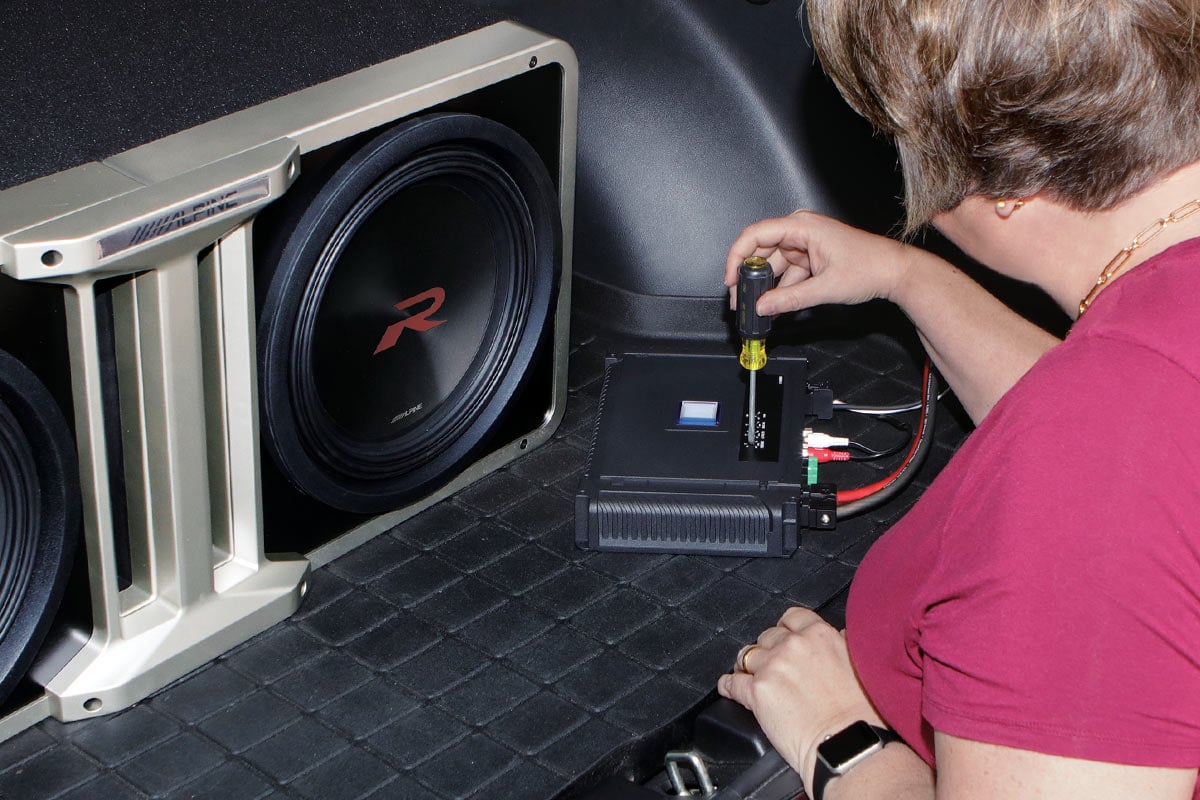
Credit: www.crutchfield.ca

Measuring Sound Levels

Subwoofers can make your music seem louder due to the powerful, bass-heavy sound they produce. However, sound levels are measured in decibels (dB), and installing a subwoofer doesn’t necessarily increase the overall volume but rather enhances the low-frequency sound.

When it comes to music, we all want it to sound as good as possible. One way to achieve this is by using a subwoofer, a type of speaker that reproduces low-frequency sounds. But does having a subwoofer make your music louder? And how can we measure sound levels to determine the impact of a subwoofer on music quality? In this post, we will explore the topic of sound levels and how they relate to subwoofers.

What Is Decibel?

Decibel (dB) is a unit used to measure the intensity of sound. It is a logarithmic scale, which means that every increase of 10 dB represents a 10-fold increase in sound intensity. For example, a sound that is 80 dB is 10 times more intense than a sound that is 70 dB. The human ear can detect sounds ranging from 0 dB (the threshold of hearing) to 140 dB (the threshold of pain).

Comparing Sound Levels

When it comes to music, we often use terms like “loudness” or “volume” to describe how loud a song is. However, these terms are subjective and can vary depending on the listener. To measure sound levels objectively, we use a sound level meter. This device measures the sound pressure level (SPL) in decibels. Let’s compare the sound levels of a song with and without a subwoofer. Assume that the sound level of the song without a subwoofer is 80 dB. When we add a subwoofer, the low-frequency sounds become more prominent, and the overall sound level may increase. Let’s say that the sound level of the song with a subwoofer is 85 dB. This means that the subwoofer has increased the sound level of the song by 5 dB. In conclusion, a subwoofer can make your music sound louder by boosting the low-frequency sounds. However, the impact on overall sound levels may vary depending on the song and the type of subwoofer used. By measuring sound levels with a sound level meter, you can objectively determine the impact of a subwoofer on your music.

Do Subs Make Music Louder?

As an audio enthusiast or music lover, you may have asked the question: “Do subs make music louder?” The answer is not a simple yes or no. To understand why, we need to examine what we mean by “loudness” and how subs enhance sound.

Defining Loudness

Before we discuss whether subs make music louder, we need to understand what we mean by “loudness.” Loudness is subjective and refers to how we perceive sound volume.

Sound volume is measured in decibels (dB), but the way we interpret volume is influenced by factors such as the source of the sound, the environment, and the listener’s hearing abilities.

How Subs Enhance Sound

Subwoofers, or “subs,” are speakers that specialize in reproducing low-frequency sounds, such as bass and drums. By adding a sub to your sound system, you can improve the overall audio quality and clarity of your music.

Subs enhance sound in several ways:

  • They improve bass response, making the music sound more natural and balanced.
  • They reduce distortion by taking some of the load off the other speakers, allowing them to reproduce mid and high-frequency sounds better.
  • They can increase the overall volume of the music by adding more low frequencies, which are often perceived as “louder” than mid and high frequencies.

Perception Vs. Reality

It’s important to note that subs don’t actually make music louder in terms of decibels. However, they can create the perception of louder music by adding more bass frequencies that our ears interpret as louder.

Additionally, playing music at high volumes can cause hearing damage, so it’s important to enjoy your music at a safe volume level regardless of whether or not you have a sub.

In conclusion, while subs don’t directly make music “louder,” they can improve the overall audio quality and clarity of your music, including creating the perception of louder music by adding more bass frequencies.

Do Subs Make Your Music Louder

Credit: www.crutchfield.com

Types Of Subwoofers

If you are an audiophile, you know that music is not just about hearing the words or notes – it’s about feeling the bass too. Did you know the right subwoofer can significantly improve the bass quality in your music? In this article, we will discuss the different types of subwoofers available in the market and which one might be right for your music setup.

Passive Vs. Powered Subwoofers

Subwoofers come in two categories: passive and powered. Passive subwoofers are unamplified, adding raw power to the system. These subwoofers need an external amplifier to work and are usually heavy and big in size. On the other hand, powered subwoofers have built-in amplifiers and are more compact. They offer their benefits, such as more precise sound and less distortion.

Sizes Of Subwoofers

Subwoofers come in various sizes, typically ranging from 8 to 15 inches. But the most common sizes are 10 and 12-inch subwoofers. Choosing the size of the subwoofer depends on the amount of power you want, your budget, and the size of your music setup. Smaller subwoofers are ideal for smaller rooms or outdoor setups, while larger subwoofers offer more power and deeper bass for larger rooms or indoor setups.

Ultimately, the type and size of the subwoofer you pick will depend on your personal preferences and requirements. Regardless of the type or size, subwoofers do make your music louder and more enjoyable by delivering greater bass depth and power.

Choosing The Right Subwoofer

If you’re looking to enhance the audio quality of your music, purchasing a subwoofer is a great option. A subwoofer is a type of speaker that produces low-frequency audio sounds such as bass. It can make your music sound fuller and more dynamic, but it’s important to choose the right subwoofer to ensure it meets your needs. Here’s what you need to know when it comes to selecting the right subwoofer for your setup.

Matching Subwoofers To Your Speakers

Before choosing a subwoofer, you need to determine if it’s compatible with your existing speakers. You want to ensure the subwoofer you choose can blend well with your speakers for optimal sound quality. Here are important factors to consider when matching subwoofers to your speakers:

  • Size of speakers: The size of your speakers can impact the type of subwoofer you require. For instance, if you have large speakers, a smaller subwoofer may not produce enough bass.
  • Power rating: The power rating of your speakers will dictate the power rating required for your subwoofer.
  • Frequency range: The frequency range of your speakers matters since it’ll determine if the subwoofer can produce the right frequency to complement your setup.

Setting Up Your Subwoofer Properly

After finding a subwoofer that matches your requirements, it’s essential to set it up correctly to get the optimal sound quality you’re looking for. Here are some tips to ensure you set up your subwoofer properly:

  1. Position your subwoofer: You want to position your subwoofer in a place free from obstructions and on a sturdy surface that won’t rattle.
  2. Adjust settings: Most subwoofers come with settings to adjust volume, frequency, and other features. You want to adjust these settings to meet your preferences and the specific needs of your setup.
  3. Calibrate: You may want to calibrate your subwoofer with your speakers to achieve the best sound quality.

By following these tips for choosing the right subwoofer and setting it up properly, your music can sound louder, fuller, and more dynamic. Make sure to consider all the factors mentioned above and take the time to adjust the settings, so you get the best sound quality possible.

Common Misconceptions

Many music enthusiasts believe that subs make their music louder, but is this really the case? Let’s address some common misconceptions about subs.

Subs Can Damage Your Hearing

One of the most prevalent myths about subs is that they can damage your hearing. Yes, subs can produce extremely loud volumes, but the truth is, any audio equipment has the potential to harm your hearing if not properly used. Subs themselves aren’t inherently harmful; rather, it’s how they are used. Always listen to music at a reasonable volume, take breaks between listening sessions, and use good-quality hearing protection devices when necessary.

Subs Are Only For Bass-heavy Music

Another common misconception about subs is that they are only suitable for bass-heavy genres, such as hip-hop or EDM. But the reality is, subs can enhance the listening experience in many music genres, including classical, jazz, and rock.

Subs can bring out the lower notes in any piece of music, no matter the genre. Whether you want to feel the deep basslines, the kick drums, or the emotion behind a singer’s voice, subs can bring out the best in any song. However, it’s important to choose the right sub for your needs. Different subs have different sizes, power ratings, and frequency ranges, so it’s essential to research what will best suit your specific music preferences.

In conclusion, while there are some misconceptions about subs, they can be a valuable addition to any music lover’s audio setup. By understanding their capabilities and limitations, you can use subs to enhance your listening experience in a way that’s safe and enjoyable for your ears.

Frequently Asked Questions On Do Subs Make Your Music Louder

Does A Subwoofer Increase Volume?

Yes, a subwoofer can increase volume. Subwoofers produce low frequency bass sounds, which can add to the overall sound experience and make the music or movie feel more immersive. However, it’s important to note that subwoofers alone cannot increase the volume of your entire system, but only enhance the bass output.

Does Music Sound Better With A Subwoofer?

Yes, music sounds better with a subwoofer. A subwoofer enhances the audio quality by adding depth and richness to the lower frequencies in the music. It allows for a more immersive experience and can bring out details that may not be audible otherwise.

Will A Subwoofer Make My Speakers Sound Better?

Yes, a subwoofer can enhance the overall audio experience by adding depth and richness to the low-frequency sounds that your speakers may not be able to produce on their own. Adding a subwoofer will improve the music’s impact, making it sound fuller.

Will 2 Subs Be Louder Than 1?

It depends on certain factors like the power and configuration of the two subs and the acoustics of the room where they are placed. Generally, two subs may provide louder, more evenly distributed bass compared to a single sub. However, it’s best to consult an expert or conduct a proper sound test to determine the best setup for your space.

Conclusion

Subs do contribute to the overall loudness of music, but they are not solely responsible for it. The amplifier and other speakers also play a significant role. It is essential to strike a balance between the bass and other frequencies to produce the best sound quality.

Therefore, when choosing a sound system, it is crucial to consider various factors such as the impedance, power handling, and sensitivity to ensure optimal performance. Ultimately, the quality of music is not just about volume but also about clarity, precision, and balance.

Categories
Archive

Is It Hard to Play the Synthesizer

Playing the synthesizer can be challenging, but it is not necessarily hard. With practice, anyone can learn to play the instrument effectively.

If you are interested in creating music with synthesizers, you may wonder if it is hard to play. While it can be challenging to master the intricacies and nuances of the instrument, it is not necessarily a difficult instrument to learn.

Many people find that the synthesizer is relatively easy to play once they become familiar with its layout and functions. As with any instrument, proficiency requires dedication and practice. We will explore what synthesizers are, how to play them, and offer tips for improving your skills. Whether you are a beginner or already have some experience with synthesizers, this guide will help you develop your playing abilities and creativity.

Is It Hard to Play the Synthesizer

Credit: www.musicradar.com

The Basics Of Playing The Synthesizer

Playing the synthesizer may seem daunting at first, but with some practice and patience, it can become a rewarding experience. While there may be a learning curve in mastering its various functions, the synth’s versatility allows for endless possibilities in creating unique and exciting sounds.

Learning to play the synthesizer may seem like a daunting task at first, but with patient dedication and practice, anyone can learn. The basic knowledge of the keyboard layout, understanding sound generation, and manipulating sound parameters are the essential aspects of playing the synthesizer.

Learning The Keyboard Layout

The keyboard of a synthesizer is similar to that of a piano, but it has additional buttons, knobs, and sliders that control various sound parameters. The standard keyboard layout consists of 88 keys, and it is important to learn the position of each key. It may take time to memorize the layout, but with patience and dedication, it can be accomplished. Once you have learned the keyboard layout, you will be able to instantly spot and play the notes with ease.

Understanding Sound Generation

Understanding sound generation is the key to playing the synthesizer. Unlike traditional instruments, synthesizers create sounds electronically, and there are several methods of sound generation. The most common methods are subtractive synthesis, frequency modulation synthesis, and wavetable synthesis. Each of these methods has unique features, and it’s important to have an understanding of them to create the desired sounds.

Manipulating Sound Parameters

Manipulating sound parameters is crucial to creating unique sounds on a synthesizer. The essential sound parameters are the filter, envelope, oscillator, and LFO. The filter allows you to shape the tone and attack of a sound. The envelope controls the dynamic behavior of a sound, such as the duration and strength of its attack, decay, sustain, and release. The oscillator produces the initial waveform that creates the sound, and the LFO modulates the sound parameters over time. With an understanding of these parameters, you can create unique and personalized sounds on your synthesizer. Learning the basics of playing the synthesizer requires practice and patience, but with dedication, anyone can master it. Understanding the keyboard layout, sound generation, and manipulating sound parameters are the fundamental aspects of playing the synthesizer, and once you have developed a good grasp of these concepts, the possibilities of creating unique sounds are endless.

Techniques For Playing The Synthesizer

Playing the synthesizer is an exciting journey, and no doubt, it can be pretty challenging. However, with the right techniques, anyone can learn to play it. In this section, we will discuss these techniques and how you can create melodies, use chords and arpeggios, improvise and jam your way around the synthesizer.

Creating Melodies

To create a melody on the synthesizer, start by practicing the keys. Create a pattern with the keys that sound good together. Once you have a pattern, repeat it to create your melody. You can also use the synthesizer’s features such as the pitch bend and modulation to make your melody even more unique.

Using Chords And Arpeggios

Chords and arpeggios are essential techniques for any synthesizer player. Chords are groups of notes played at the same time, while arpeggios are the notes of a chord played in succession. Practice playing various chords and arpeggios until you are comfortable with them. You can also experiment with different chord progressions to create your unique sound.

Improvising And Jamming

Improvising and jamming are two techniques that can help you become a better synthesizer player. Start by practicing playing along with a song and improvising to match the melody. Later, try playing without the song and experiment with different sounds and styles to create your unique sound. You can also jam with other musicians to enhance your skills.

Getting Familiar With Synthesizer Software

Playing the synthesizer may seem daunting at first, but becoming familiar with synthesizer software can make the process easier. With practice and experimentation, anyone can learn to create unique sounds and music on a synthesizer.

If you’re thinking of playing the synthesizer, you have to get familiar with synthesizer software. Choosing the right software, navigating software interfaces, and handling virtual instruments are all part of synthesizer software. In this blog post, we’ll cover these aspects in detail to help you get started.

Choosing The Right Software

Before getting into synthesizer software, you first need to choose the right one for you. Different software has different features, functionalities, and pricing structures. Here are some things to consider when selecting software:

  • Compatibility with your device’s operating system
  • The level of specialization required
  • Cost and features offered

After you’ve chosen your software, installing it will be the next thing to do. You can download the software from the developer’s website or get it from an online store like Amazon.

Navigating Software Interfaces

Software interfaces can seem intimidating at first, but with practice, they become familiar. Here are some tips on navigating software interfaces:

  • Read the documentation or user guide to familiarize yourself with the controls and settings
  • Start with simple presets or templates, and make small changes to understand the effect they have
  • Experiment with different sound styles and swap out different effects to see how they blend together

Handling Virtual Instruments

Virtual instruments are software versions of traditional musical instruments that enable you to play a wide range of sounds. Here are some tips to help you handle virtual instruments:

  • Understand the sound of each virtual instrument and how they work to create a specific sound effect.
  • Experiment with different virtual instruments to create new sounds and create your own music style
  • Consider investing in quality virtual instruments with more features, functionalities, and sound effects that can enhance your music production

In conclusion, getting familiar with synthesizer software is essential to playing the synthesizer effectively. Choosing the right software, navigating software interfaces, and handling virtual instruments are all part of the process. As you practice and continue your learning journey, you’ll gain more confidence and become more comfortable handling synthesizer software.

Tips For Becoming A Better Synthesizer Player

Playing the synthesizer can be challenging for beginners, but with practice and dedication, anyone can improve their skills. Here are some tips to become a better synthesizer player: experiment with different sounds and settings, practice regularly, learn music theory, incorporate different playing techniques, listen and learn from professionals, and stay patient and persistent.

With time and effort, you can master the synthesizer and create amazing music.

If you’re someone who is interested in learning how to play the synthesizer or if you’ve just started, it can be challenging to develop the skill. However, with persistence and practice, anyone can play it like a pro. Here are some tips that can help you become better at playing the synthesizer:

Playing With Other Musicians

One of the most effective ways to improve your skills while playing the synthesizer is to practice with other musicians. Playing in a band can help you get familiar with working in a group and learning to keep your rhythm and beat steady. It can also help you learn to listen to the other instruments and adjust your playing accordingly. Moreover, playing with other musicians can teach you new concepts and methods you would have never considered before, making you a better synthesizer player overall.

Experimenting With Different Genres

Many people believe that synthesizers are restricted to a particular genre of music such as electronic music. However, the truth is that synthesizers can be used in almost any genre, from pop to jazz to classical music. Experimenting with different styles is crucial when learning to play the synthesizer. It will allow you to learn new chords and techniques that you can apply across genres. As a result, you’ll become more versatile and be able to play with more confidence in different musical scenarios.

Practicing Regularly

Just like any other skill, practice is key to becoming proficient at playing the synthesizer. Regularly practicing for at least 15 to 20 minutes a day is more effective than practicing for a 2-3 hour session once a week. This is because the more you practice, the more muscle memory you’ll develop, and the easier it will be to play the synthesizer. Moreover, practicing regularly can help you focus on specific areas of your playing and improve them over time. In conclusion, becoming a better synthesizer player requires more than just learning the right techniques. It takes a combination of dedication, passion, and regular practice. By following these tips for becoming a better synthesizer player, you’ll be on your way to mastering the instrument and impressing everyone around you.

Common Challenges Of Learning Synthesizer

Learning to play the synthesizer can pose challenges for beginners. Common obstacles include mastering technical skills, understanding complex terminology, and experimenting with sound design. Despite these difficulties, with practice and dedication, anyone can become proficient at playing this versatile instrument.

Learning the synthesizer can be a fulfilling and enjoyable experience, but like any new skill, it comes with its own set of challenges. In this section, we will explore some of the common hurdles that beginners may encounter while learning the synthesizer and how to overcome them.

Overcoming Technical Difficulties

One of the most common challenges of learning synthesizer is overcoming technical difficulties. As a beginner, it can be overwhelming to navigate the various knobs, buttons, and settings on a synthesizer. However, with time and practice, these technical aspects can become easier to manage. To overcome technical difficulties, start by learning the basic functions of your synthesizer and experiment with different sounds and settings. Watch tutorials, read manuals, and follow other experienced synthesizer players to learn more about how to use your synthesizer effectively.

Developing Musical Creativity

Another challenge that beginners face is developing musical creativity. While synthesizers offer a wide range of sounds and possibilities, it can be difficult to turn those sounds into a cohesive piece of music. To develop musical creativity, practice playing different chord progressions, melodies, and rhythms and experiment with different combinations. Listen to various genres of music to get inspiration and try covering some of your favorite songs using your synthesizer.

Dealing With Frustration And Self-doubt

Finally, many beginners struggle with frustration and self-doubt while learning the synthesizer. It can be discouraging when progress is slow, or when it feels like you’re not making any progress at all. To deal with frustration and self-doubt, remember that learning the synthesizer is a gradual process, and everyone progresses at their own pace. Celebrate your small accomplishments and focus on the fun and joy that comes with playing music. Finally, don’t be afraid to seek out help and guidance from other musicians or instructors if you’re feeling stuck or overwhelmed. Learning the synthesizer can be challenging, but with patience, practice, and perseverance, it’s a skill that can be mastered. By overcoming technical difficulties, developing musical creativity, and dealing with frustration and self-doubt, you can become a skilled synthesizer player and enjoy the many benefits that come with creating music.

Is It Hard to Play the Synthesizer

Credit: www.reddit.com

Is It Hard to Play the Synthesizer

Credit: www.csmonitor.com

Frequently Asked Questions On Is It Hard To Play The Synthesizer

Do I Need To Learn Keyboard To Play Synth?

No, it isn’t necessary to learn keyboard to play synth, but having knowledge of keyboard and playing experience will help you in understanding and making music on the synthesizer. It will also assist in playing more complicated pieces of music and executing intricate techniques.

Is A Synthesizer A Good First Instrument?

Yes, a synthesizer can be a good first instrument for beginners. It is versatile and offers various sounds, allowing for experimentation and creativity. It is also lightweight and affordable compared to other instruments. With proper guidance and practice, anyone can learn how to play and create music with a synthesizer.

What Is The Easiest Synth To Learn?

The easiest synth to learn would be the Korg Volca series, specifically, the Volca Keys, Volca FM, and Volca Bass. They’re straightforward, affordable, and user-friendly, making them perfect for beginners.

Is Playing A Synthesizer The Same As Playing A Piano?

While both instruments produce sounds by pressing keys, playing a synthesizer involves manipulating sound waves electronically. The sound of a piano, on the other hand, is created mechanically. Additionally, synthesizers offer a wider range of sound options, but pianos offer a unique, acoustic sound and feel.

Conclusion

Playing the synthesizer is not an easy task, but it’s also not hard. With the right skills, patience, and dedication, you can master this instrument. In this blog post, we have discussed some essential techniques and tips for playing the synthesizer.

Remember, practice makes perfect, and with time, you’ll become an expert in playing the synthesizer. So, go ahead, and don’t hesitate to start your journey to becoming a great synthesizer player. Keep on practicing, and success will follow!

Categories
Archive

Will Spotify Make My Song Louder

Yes, Spotify has a feature called “Loudness Normalization” that automatically adjusts the volume of songs to a consistent level. Spotify is one of the most popular music streaming services, with millions of users worldwide.

One of the features that sets it apart from other services is Loudness Normalization, which makes sure all songs on the platform are played at a consistent volume level. This means that if your song is too quiet or too loud, Spotify will adjust it to match the other songs in its library.

However, it is important to note that this feature does not change the actual volume level of your song’s master track. To make your song louder on Spotify, you would need to adjust the master track before submitting it to the platform. We will explore the concept of loudness and how it affects the sound of your music on Spotify.

The Role Of Spotify In Loudness Normalization

When it comes to streaming music services, Spotify is one of the most popular platforms available. As a musician or songwriter, having your music included on Spotify can be a crucial aspect of your success. However, you may be wondering how Spotify affects the overall loudness of your song. This is where loudness normalization comes into play and understanding its role in the platform is essential.

The Need For Loudness Normalization

When it comes to music streaming, various platforms have different loudness levels. This can make it difficult to ensure that your music sounds consistent across all platforms. The main purpose of loudness normalization is to create an even listening experience for all users, regardless of the platform they listen on.

Loudness normalization measures the perceived loudness of a song and ensures that it falls within a standardized range. This means that no matter where users listen to your music, it will sound consistent in terms of volume. This is important because if your song is louder than others on the platform, it could lead to distorted audio or cause the listener to adjust their volume settings frequently.

How Spotify Uses Loudness Normalization

Spotify uses loudness normalization to ensure that all songs on their platform are at the same perceived loudness level. This means that even if your song has a lower or higher master volume, Spotify will adjust it so that it fits within their range. By doing this, they can provide the best possible listening experience for their users.

Spotify uses the LUFS (Loudness Units Full Scale) scale to measure the loudness of each song. The standardized loudness range for Spotify is between -14 and -9 LUFS. Therefore, Spotify adjusts the track’s overall gain relative to this range, making sure all songs on their platform meet this standard.

It’s important to note that while Spotify’s loudness normalization level can affect the overall volume, it won’t change the dynamic range of your song. In other words, if your song has quiet and loud parts, those differences will still be present after loudness normalization.

Understanding the role of Spotify in loudness normalization is essential to ensuring that your music sounds great on their platform. By adhering to the standardized range, you can ensure that users have a consistent listening experience no matter where they listen to your music.

Will Spotify Make My Song Louder

Credit: www.wikihow.com

How Loudness Normalization Affects Your Music On Spotify

Spotify is one of the most popular music streaming platforms in the world, and for music producers, it’s an essential tool for getting their music out to the masses. However, many people have started questioning whether Spotify will make their songs louder or quieter than their original recordings.

What Happens To Quiet Songs?

If you’ve produced a song with a low volume, you could be at risk of having your song being drowned out by louder tracks on Spotify. Spotify uses a feature called loudness normalization, which is the process of adjusting the volume levels of songs to make them more consistent with each other.

This means that quiet songs will be automatically boosted in volume so that they can compete with louder tracks on the platform. However, this process can also affect the dynamic range of the song, potentially causing some loss of detail in the quieter parts of the track.

What Happens To Loud Songs?

Conversely, if you’ve created a song that’s already loud, you could find that Spotify reduces the volume of your track. Spotify’s loudness normalization process works by turning down the volume of loud songs so that they don’t dominate the playlist and overpower quieter tracks.

This reduction in loudness might mean that your track loses some of its “punch,” but it should still be listenable and enjoyable for your audience.

Implications For Music Producers

For music producers, the implications of Spotify’s loudness normalization can be significant. While it’s important to create songs that sound great at any volume level, you need to be aware of how your tracks will sound when they’re being played alongside others on Spotify.

To make sure your songs sound their best on Spotify, you need to ensure that the dynamic range of your tracks is preserved even after loudness normalization. This means paying careful attention to the way you mix and master your tracks, and ensuring that they don’t suffer from excessive compression or limiting.

Ultimately, loudness normalization is a tool that Spotify uses to ensure that all songs on its platform can be enjoyed at a consistent volume level. While it might be frustrating for some music producers, it’s an essential part of making sure that everyone can enjoy music on the platform.

Maximizing Your Music’s Loudness On Spotify

Spotify is one of the most popular music streaming platforms in the world, which means it is an essential platform for aspiring musicians to showcase their talents. However, standing out on a platform that is home to millions of songs can be challenging. One of the ways to make your music stand out is by ensuring it is as loud as possible without sacrificing its quality. That’s why it’s crucial to understand how mastering, EQ, and other techniques can help you maximize your music’s loudness on Spotify.

Tips For Preparing Your Music For Streaming

Even before you upload your music to Spotify, there are several things to consider to ensure the best possible outcome. These include:

  • Compression – The goal is to have a consistent volume level so that no part of the track is too quiet or too loud.
  • Normalization – This technique increases the overall volume of a track without introducing distortion or clipping.
  • Metadata – Ensure that each track has accurate and complete metadata, including artist name, album, and genre, to help with discoverability on the platform.

The Importance Of Mastering And Eq

Mastering and EQ are critical components of music production that can significantly impact the loudness of your music on Spotify:

MasteringEQ
Mastering is the process of preparing a final mix for distribution. It involves balancing the levels of each track and adding effects such as compression, stereo widening, and limiting. Proper mastering can make your music sound louder and more polished, making it stand out on Spotify.EQ is the process of adjusting the frequency response of a track to ensure all parts of the music are audible. EQ can help make your music sound more balanced and bring out certain elements, making it sound louder without increasing the overall volume.

By using mastering and EQ, you can maximize your music’s loudness and ensure that it competes favorably with other tracks on Spotify.

Will Spotify Make My Song Louder

Credit: www.cnn.com

Other Considerations For Your Music On Spotify

Spotify does not increase volume levels of songs, but instead uses a standard level for all tracks. However, there are a few other considerations to keep in mind when uploading your music to the platform, such as ensuring correct metadata and promoting your music through playlists.

The Impact Of Compression

Compression is a process that reduces the dynamic range of a track. In simple terms, it reduces the difference between the loudest and softest parts of the song. While compression can make your music sound more polished and professional, it can also make it louder. This can be a double-edged sword as Spotify already applies compression to its streaming service.

How Audio Quality Impacts Loudness

Audio quality is vital when it comes to ensuring your music is loud and clear on Spotify. The higher the audio quality, the better the sound. Spotify supports three quality settings – Normal, High, and Very High. In general, higher quality settings offer better sound quality, but they can also use more data and take longer to load.

Why Dynamic Range Is Important

Dynamic range is the difference between the loudest and softest parts of a song. For instance, a track with a high dynamic range will have wide variations in volume compared to one with a low dynamic range. While you may want your music to be loud, it is also essential to retain its musicality by keeping its dynamic range intact. Dynamic range compression can reduce the dynamic range of your music, making it sound flat and lifeless. In conclusion, while Spotify can make your music louder, there are other factors to consider. Compression, audio quality, and dynamic range are all essential in ensuring your music stands out on the platform. As a content writer, it’s crucial to optimize your music for Spotify to help it reach a wider audience and get more plays.

Will Spotify Make My Song Louder

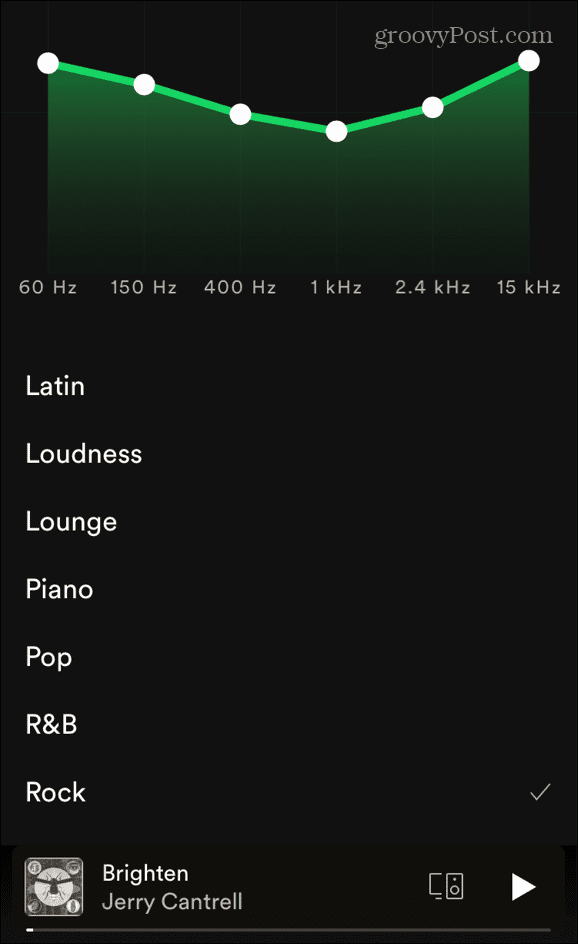
Credit: www.groovypost.com

Frequently Asked Questions For Will Spotify Make My Song Louder

Will Spotify Make My Music Louder?

No, Spotify won’t make your music louder. The loudness of your music depends on how it was recorded and mixed. Spotify does apply automatic normalization to ensure consistent volume levels across tracks.

Why Is My Music On Spotify So Quiet?

Your music might be quiet on Spotify because of the low volume level of your recording or mixing. It is recommended that you increase the loudness of your music by mastering your tracks. You can also use Spotify’s normalization feature to adjust the volume level of your music.

Does Spotify Change The Volume Of Songs?

Yes, Spotify automatically adjusts the volume of all songs to a consistent level, called “Normalization. ” This feature helps to ensure that users have a consistent listening experience without sudden increases or decreases in volume between songs.

Is There A Volume Booster For Spotify?

Yes, there are volume boosters for Spotify. You can use various apps and software such as Equalify, Boom 3D, or Volume Booster Pro to increase the volume of your music on Spotify. Simply download the app or software and follow the instructions to set it up.

Conclusion

Spotify’s normalization feature can make your song louder but it’s important to understand that there are limitations. While it can boost the overall volume, it won’t drastically change the dynamic range or quality of your recording. Additionally, focusing solely on loudness can neglect the importance of quality and musicality.

Remember to prioritize a good mix and master, and use normalization as a supplement rather than the solution to quality issues.

Categories
Archive

How To Mix Rock Vocals Top Tips

To mix rock vocals, start with proper EQ and compression settings for the vocals and the backing track. Then, adjust the levels to make the vocals stand out in the mix.

Mixing rock vocals can be a challenging task, as it requires balancing the vocals with the rest of the instrumentation to create a cohesive and dynamic sound. To achieve this, it is essential to start with proper EQ and compression settings for both the vocals and the backing track.

By addressing any problematic frequencies and applying gentle compression to the vocals, you can emphasize the singer’s tone and control their dynamic range. Additionally, adjusting the levels of the vocals in relation to the other instruments in the mix will help to ensure that the vocals are clearly audible and prominent without overwhelming the rest of the track. We will explore some top tips on how to mix rock vocals to create a professional-sounding result.

How To Mix Rock Vocals Top Tips

Credit: m.youtube.com

1. Choosing The Right Microphone

Choosing the right microphone is crucial when mixing rock vocals. Start by determining the vocalist’s range and style, then consider the microphone’s polar pattern, frequency response, and proximity effect. Experiment with placement to achieve the desired sound.

When mixing rock vocals, choosing the right microphone is crucial. The microphone is the first stage of the recording process and ultimately affects the sound quality of the final mix. There are two main types of microphones used in recording studios – condenser and dynamic microphones. Understanding the differences between these two types of microphones is essential to selecting the perfect mic for your vocalist.

Condenser Vs Dynamic Microphones

Condenser microphones are more sensitive and responsive, making them a good option for capturing a broad range of frequencies and nuances in the vocals. They are suitable for recording low-level sounds and are ideal for capturing subtleties in the vocal performance. Dynamic microphones, on the other hand, are more rugged and durable and are better suited for capturing high sound pressure levels. They are ideal for recording loud and powerful vocals.

Selecting The Perfect Mic For Your Vocalist

When selecting a microphone for your recording, it’s important to take into account the vocalist’s unique characteristics, style and vocal range. Different vocalists may require different types of microphones to achieve the right sound. For example, a singer with a mellow voice might benefit from a condenser microphone, while a singer with a powerful voice might require a dynamic microphone. Once you have taken into account the unique characteristics of your vocalist, it’s important to test out several microphones to see which one has the right sound for your recording. Keep in mind that the microphone should complement the vocalist’s voice and not overpower it. In conclusion, choosing the right microphone is critical when mixing rock vocals. The type of microphone you choose will ultimately determine the quality of the sound you capture, so take the time to understand the differences between condenser and dynamic microphones and select the perfect mic for your vocalist.

How To Mix Rock Vocals Top Tips

Credit: www.izotope.com

2. Setting Up The Recording Environment

Setting up the recording environment is a crucial step in achieving great rock vocals mixes. The right equipment and space are essential, so it’s important to consider factors like room acoustics, microphone placement, and ambient noise.

When it comes to mixing rock vocals, one of the crucial steps is setting up the recording environment. This stage needs careful planning to ensure you get the best possible audio quality and reduce the amount of time you’ll need for the mixing process. Below are the two key areas to consider when setting up your recording space.

Creating The Ideal Recording Environment

The ideal recording environment is one that is quiet, acoustically treated, and away from any external noise sources. If you’re recording in a home studio, you’ll want to choose a room that is free from ambient sounds such as traffic or children playing outside. Additionally, you’ll need to ensure that the room is acoustically treated to reduce any unwanted reflections or echoes. This can be done by adding acoustic foam panels to the walls, ceiling, and floor.

Dealing With Background Noise

Background noise is a common problem when recording in any environment. Even in a quiet room, you might experience unwanted sounds that can affect your recording quality. To deal with background noise, consider using a noise gate plugin to remove any unwanted sounds in between vocal phrases. It’s worth noting that you should be careful not to set the noise gate too aggressively as this can result in unnatural-sounding recordings. If you’re recording in a noisy environment, you might need to consider other measures such as using a dynamic microphone that can help reject background noise or moving to a different room away from any sources of external noise.

Conclusion

By taking the time to set up your recording environment correctly, you’ll save yourself time and effort in the mixing process. Creating an ideal recording environment and dealing with background noise are the two key areas to focus on when setting up your recording space. Remember to always aim for the best audio quality possible as this will make the mixing process much easier.

3. Mic Placement Techniques

Proper mic placement techniques play a crucial role when mixing rock vocals. Experimenting with distance and angle can help achieve a desired sound, whether it’s a close and intimate vibe or a wide and expansive feel.

When it comes to mixing rock vocals, microphone placement is a pivotal part of the recording process. Proper mic placement plays a key role in capturing the true essence of the vocalist’s voice, improving clarity, and reducing background noise. In this post, we’ll dive into the top 3 mic placement techniques that can make all the difference in your rock vocal mixing game.

The Importance Of Proper Mic Placement

Mic placement is essential in capturing the perfect vocal sound. Without it, you risk losing the substance and clarity of the vocals, affecting the overall quality of the record. A simple shift in mic placement can make all the difference, and it’s essential to know the proper techniques to get the best possible results.

Top 3 Mic Placement Techniques

There’s no one-size-fits-all approach when it comes to mic placement; the technique you employ will depend on the nature of the vocalist, recording environment, and personal preferences. Here are three top techniques you can consider:

  1. Close Miking
  2. Close miking is placing the microphone very close to the vocalist’s mouth while singing. This technique is perfect for capturing the detail and clarity of the vocals and reducing the impact of background noise. It’s perfect for aggressive rock vocalists who mic-slam and move around the stage while singing.
  3. Mid-range Miking
  4. Mid-range miking involves placing the mic around six to eight inches away from the vocalist’s mouth. This approach works well for vocals that require more balance, presence or when you don’t want to capture every single detail of the voice. It is perfect for capturing a smooth mid-range and adding warmth to the microphone.
  5. Room Miking
  6. Room miking entails placing the microphone back from the vocalist and facing toward the room. It’s commonly done using Omniflex microphones. This technique is effective in recording room ambience, which is great for capturing live performances that showcase the audience response, spatial effects, and environmental noise. It works great with rock songs that have big choruses, lots of backing vocals, and crowd sing-alongs.

In conclusion, these techniques may seem simple, but they can have a significant impact on the final mix. Proper mic placement helps capture the unique essence of the vocalist and provide a high-quality recording. Give them a try and see which one works best for you!

How To Mix Rock Vocals Top Tips

Credit: joeysturgistones.com

4. Equalization For Rock Vocals

Equalization is a crucial step in mixing rock vocals to achieve a well-balanced sound. A tip is to use a high-pass filter to remove unnecessary low-frequency information and adjust the midrange frequencies to enhance intelligibility.

Rock vocals need to cut through the mix and be present without being harsh. It can be a challenging task, but using the right equalizer can make all the difference.

Understanding Eq

Equalization (EQ) is a process of adjusting the balance between different frequency components in an audio signal. It is done through an equalizer, which is a device or plugin designed to manipulate certain frequencies in a sound. EQ is important for mixing rock vocals because it allows you to enhance or reduce the specific frequencies that may be causing issues.

Setting Eq For Rock Vocals

The following tips can help you set the EQ for rock vocals:

  • Boost the high frequencies: Add a boost around 5-7 kHz using a high-shelf EQ to bring clarity to the vocals.
  • Reduce harshness: If the vocals sound harsh, cut around 2-4 kHz using a dip or notch filter to remove harshness, but be careful not to overdo it.
  • Reduce muddiness: If the vocals sound muddy, cut around 250-400 Hz using a dip or notch filter to remove muddiness and improve clarity.
  • Boost presence: Add a boost around 2 kHz using a peak filter to enhance the presence of the vocals.

Remember to use your ears and make adjustments according to the specific needs of the vocals and the mix.

Conclusion

EQ is an essential tool for mixing rock vocals. By understanding how EQ works and following the tips above, you can achieve a well-balanced and present vocal mix that fits smoothly into the overall sound of the music.

5. Compressing Your Vocal Track

One of the top tips for mixing rock vocals is compressing your vocal track. This helps to even out the dynamics and make the vocals sit better in the mix, providing a polished and cohesive sound.

The Role Of Compression In Vocal Mixing

Compressing your vocal track is an important step in the mixing process as it helps to control the dynamics of the vocals. Compression reduces the difference between the loudest and quietest parts of the vocal track, making it easier to sit in the mix and ensuring that every word is audible to the listener. Without compression, the loud parts of the vocal track may overpower the rest of the instruments in the mix, making it difficult to achieve a balanced sound.

Applying Compression To Rock Vocals

When compressing your vocal track for rock music, it’s important to keep in mind that the compression should be subtle enough to maintain the natural sound of the vocals, but effective enough to control the dynamics. Here are some tips for applying compression to your rock vocals:

  • Set your threshold just above the average level of the vocal track to catch the louder parts.
  • Use a ratio of around 3:1 or 4:1 to ensure that you’re controlling the dynamics without squashing the vocals completely.
  • Set a medium attack time to capture the initial transients of the vocal performance.
  • Use a fast release time to ensure that the compression recovers quickly and doesn’t detract from the natural sound of the vocals.

Remember, compression is just one tool in your vocal mixing arsenal. Use your ears to determine how much compression your specific vocal track needs. With a bit of experimentation, you’ll find the sweet spot that ensures your rock vocals sit perfectly in the mix.

6. Adding Effects To Enhance Your Mix

Learn how to make your rock vocals sound amazing by incorporating various effects. Adding reverb, delay, and compression can help enhance your mix and give your vocals more depth and presence. Experimenting with different effects can help you find the perfect sound for your song.

Adding effects is the final step in the process of mixing rock vocals. It is what gives your mix that professional edge and makes it stand out from the crowd. The use of effects can help enhance the clarity, depth, and overall quality of your mix. In this article, we will discuss how to add effects to your mix to enhance the quality of your rock vocals. The focus of this section will be on the use of reverb, delay, and other effects.

Reverb And Delay: The Bread And Butter Of Vocal Effects

Reverb and Delay are the most commonly used effects in vocal mixing. They are known as the bread and butter of vocal effects. Reverb enhances the natural ambience of a recording and creates a sense of space and depth. It helps glue together all the elements in a mix. Reverb is used to make vocals sound more natural and to prevent them from sounding dry. Delay adds an echo to a vocal, creating the illusion of space. It can be used to create depth and space in a mix. It can also be used to enhance the rhythm and timing of a vocal performance. A common technique is to use a delay effect to create a slapback effect, which is a quick and short delay that adds a sense of dimension to the vocal.

Using Other Effects To Enhance Your Mix

Apart from reverb and delay, there are a variety of other effects that can be used to enhance your mix. These effects can add a unique character to your vocal and bring it to life. EQ is a powerful tool that can be used to shape the sound of your vocal. It can be used to boost or cut certain frequencies to enhance the clarity and tone of the vocal. Compression is another effect that is used to control the dynamic range of a vocal performance. It can help even out the volume of a vocal performance and add a sense of consistency to the mix. Other effects include chorus, flanger, and phaser. These effects can add a sense of movement and complexity to a vocal performance. They work by modulating the audio signal, creating a unique and dynamic sound. In conclusion, adding effects can greatly enhance the quality of your rock vocal mix. Reverb and delay are the most commonly used effects in vocal mixing, and other effects such as EQ, compression, and modulation can add a unique character to your vocal. With these tips and techniques, you can take your rock vocal mix to the next level.

7. Automating Your Mix

Automating your mix can be a game-changer when it comes to mixing rock vocals. By utilizing tools like compression and EQ, you can achieve a polished and professional sound that complements the overall mix. With these top tips, you’ll learn how to automate your mix effectively.

What Is Automation And Why Is It Useful?

Automating a mix refers to using automation to control various parameters of a mix, such as volume, panning, and effects, or any other audio processing effect you’ve used in your mix. Automation helps to control those parameters automatically during the song, which is especially helpful in setting the right levels in complex music sections. By automating your mix, you will make the mix sound more professional because the levels of each track will be balanced throughout the song.

Automating Volume, Panning, And Effects

One of the most popular ways to use automation is to control the volume of tracks. You can use automation to increase and decrease the volume of each track during the song. This technique helps to balance the levels of the tracks, ensuring that each track is clear and audible in the mix. Similarly, you can use automation to control the panning of each track. This effect is especially useful for creating stereo imaging in your mix. For example, you could automate the panning of a guitar performance to move from left to right as the song progresses. Automation is also helpful in controlling effects. You can use automation to apply different effects, such as reverb, delay, and chorus, to certain parts of the song. For example, you could use automation to increase the amount of reverb on the vocals in the chorus, creating a more spacious and ethereal sound.

Automating Eq And Compression

Automation is also useful when it comes to EQ and compression. For example, you could use automation to decrease the low frequencies during the verses to reduce muddiness and increase them in the chorus to add tension and power. Likewise, you could use automation to adjust the compression settings during the song to help control the dynamic range. In conclusion, automation is highly useful when it comes to mixing rock vocals. It helps to balance the levels of each track, control the panning and apply effects, and shape the tonal balance. By using automation, you can create a mix that flows smoothly, has a solid balance and sounds professional.

8. Knowing When To Outsource Your Mixing

Knowing when to outsource your mixing can be a crucial decision when it comes to achieving high-quality rock vocals. Top tips for mixing rock vocals include getting the right equipment, experimenting with different techniques, and knowing when to call in a professional for help.

The Benefits Of Hiring A Professional Mixing Engineer

When mixing vocals for your rock music, knowing when to outsource the mixing process can be a game-changer. Mixing can be extremely challenging and time-consuming, and it can take years to develop the necessary skills to do it well. By hiring a professional mixing engineer, you can alleviate the stress of mixing and ensure that your vocals are polished to perfection. There are several benefits to having a professional mixing engineer work on your vocals. Firstly, a professional mixing engineer has years of experience and the necessary training to ensure that your vocals have a professional sound. They have a keen ear for the smallest details and can make necessary adjustments to make your vocals sound amazing. Additionally, a professional mixing engineer has access to high-end equipment, which can make a significant difference in how your vocals sound. Another benefit of hiring a professional mixing engineer is that it can save you a lot of time and energy. Trying to do the mixing process yourself can be extremely daunting and time-consuming, and it can be frustrating if you are not familiar with the software or if you do not have the right equipment. By outsourcing the mixing to a professional, you can focus on other important aspects of your music, such as writing new material or performing live shows. Finally, a professional mixing engineer can provide a fresh perspective on your vocals. When mixing your own vocals, it can be easy to become attached to specific sounds or lose sight of what is best for the song. A professional mixing engineer can offer new suggestions and ideas to enhance the overall sound of the song.

How To Find The Right Mixing Engineer For Your Rock Vocals

If you do decide to outsource your mixing to a professional, it is essential to find the right mixing engineer for your rock vocals. Here are some tips to help you find the right mixing engineer for your project: 1. Research- Take time to research and find a mixing engineer who specializes in rock music and has experience working with vocals. 2. Portfolio- Do not just rely on the mixing engineer’s word. Ask for a portfolio of their previous work, which should include rock music with vocals. 3. Reviews- Check online reviews from other clients who have worked with the mixing engineer. Feedback from other clients is a good indication of the quality of work you can expect. 4. Communication- It’s essential to find a mixing engineer who is willing to communicate with you throughout the mixing process. This will ensure that you are happy with the final product. 5. Budget- Determine your budget before searching for a mixing engineer. Prices for mixing can vary greatly, and it’s important to find a mixing engineer who can work with your budget. In conclusion, outsourcing your mixing to a professional mixing engineer can be a wise decision, provided you find the right mixing engineer. By doing your research and finding a mixing engineer who specializes in rock vocals, has a proven track record of success, and is within your budget, you can ensure that your vocals are polished to perfection.

Frequently Asked Questions For How To Mix Rock Vocals Top Tips

How Do You Make Vocals Sit On Top Of Mix?

To make vocals sit on top of a mix, you can try these techniques: 1. Use EQ to boost the frequencies that make vocals stand out in the mix. 2. Use compression to control the dynamics of the vocal track. 3.

Adjust the level of the vocal track to ensure it’s not too quiet or too loud. 4. Use reverb and delay to add depth and space to the vocal. 5. Consider using sidechain compression to make the instrumental tracks duck under the vocals.

What Is The Best Way To Mix Vocals?

The best way to mix vocals is to start with proper EQ, compression, and volume adjustments. Use automation to adjust volume levels for consistency. Consider adding effects such as reverb or chorus to compliment the vocals. A/B testing your mix with a reference track can help you achieve a balanced sound.

How Do You Fit Vocals Perfectly In Mix?

To fit vocals perfectly in a mix, you need to adjust the gain, EQ, compression, and effects. The vocals should sit well in the mix without being too loud or too soft. Use automation to adjust volume and EQ if needed.

Finally, make sure the vocals don’t clash with other elements in the mix and they sound clear and distinct.

How Do You Mix High End Vocals?

To mix high end vocals, use EQ to remove unwanted frequencies, use compression to control dynamics and add consistency, add reverb and delay to create depth and space, use automation to ride levels and bring out important parts, and use a limiter to prevent clipping.

It’s important to listen critically and make adjustments until the vocals stand out and sit well in the mix.

Conclusion

To achieve the perfect rock vocal mix, it’s important to focus on the right elements in order to bring out the raw energy and emotion of the performance. With the right tools such as compression, equalization, reverb, and delay, you can shape the sound to your liking and achieve a polished and powerful mix.

Remember to pay attention to the rhythm, timing, and dynamics of the vocals to create a cohesive and impactful sound that captures the essence of rock music. Keep these tips in mind and you’ll be well on your way to crafting the perfect rock vocal mix.

More in our Vocal production guide.

Categories
Archive

How To Slam Your Drums Like A Pro

To slam your drums like a pro, focus on your timing and technique. Start by practicing with a metronome at a slower tempo and gradually increase the speed as you improve.

Use proper grip techniques and focus on hitting the drums with precision and power. With dedication and practice, you can become a skilled drummer in no time. Drumming is an energetic form of music that adds life and soul to any beat.

Whether it’s rock, pop, or jazz, drumming is an essential element that can make or break a song. To become a skilled drummer, it takes dedication, practice, and patience. With the right techniques and guidance, anyone can learn to slam their drums like a pro. We’ll cover some tips and tricks on how to improve your drumming skills and take your playing to the next level. From timing and technique to grip and gear, we’ll provide you with everything you need to know to become a successful drummer.

Essential Techniques For Slamming Drums

Learn essential techniques from veteran drummers to enhance your drumming skills and slam your drums like a pro. Master the art of rhythm, timing, and control to bring your performances to the next level.

As a drummer, you want your beats to have that extra punch that sets your music apart from the rest. To achieve this, you need to know the essential techniques for slamming your drums like a pro. In this post, we’ll cover some of the essential techniques you need to know.

Developing Wrist Control

One of the techniques you need to develop as a drummer is wrist control. You need to be able to strike the drumhead with precision and power, and wrist control is essential for this. When you develop your wrist control, you’ll be able to play faster and more accurately. To develop your wrist control, start by practicing your single strokes. Practice playing rimshots, and focus on your technique. Ensure that you’re using just the right amount of wrist motion and not tensing up your arm or shoulders. With practice, you’ll develop the fluidity you need to execute more complex patterns.

Mastering Double Bass Drum Pedal

If you want to take your drumming to the next level, you need to learn how to use a double bass drum pedal. With a double bass drum pedal, you can create more intricate and dynamic beats that will impress even the most discerning audiences. To master the double bass drum pedal, start by practicing your foot technique. You need to be able to play fast and precise patterns with both feet. Practice your exercises at a slow tempo, and build up your speed gradually. Over time, you’ll develop the coordination needed to execute complex patterns.

Practicing With A Metronome

One of the most important techniques for any drummer is practicing with a metronome. A metronome helps you keep time and develop your sense of timing. With a metronome, you can work on your timing accuracy and develop your internal clock. To practice with a metronome, start by playing a simple pattern at a slow tempo. Gradually increase the speed, making sure that you’re playing in time with the metronome. Over time, you’ll develop the timing you need to execute complex patterns. In conclusion, these essential techniques are what you need to take your drumming to the next level. By developing your wrist control, mastering the double bass drum pedal, and practicing with a metronome, you’ll be able to create more complex and dynamic patterns that will impress any audience. So grab your sticks, and let’s get slamming!

Selecting The Right Drumsticks And Heads

Choosing the right drumsticks and heads is crucial to being able to slam your drums like a pro. Make sure to consider factors such as size, weight, material, and sound quality in order to achieve the perfect combination for your playing style.

Playing drums may seem like an easy task to some, but it’s not as simple as just hitting the drum with a stick. To play like a pro, you need to first select the right drumsticks and heads. These two factors significantly impact the sound quality, tone, and projection of drums. In this blog post, we will discuss how you can select the ideal drumsticks and heads for your kit and improve your performance.

Choosing The Perfect Stick Size And Weight

Selecting the drumstick is a critical aspect of playing drums. A drumstick is an extension of your hand that allows you to produce the sound you want. Choosing the stick size and weight depends on the type of music you play, your playing style, and your comfort level. Below are some factors that you need to keep in mind while choosing the best drumsticks for your playing.

  • The Size and Weight of the Sticks: The size and weight of the drumsticks affect the overall control, speed, and sound quality. The thicker and heavier the stick, the louder the sound it produces. Lighter sticks are good for playing fast beats, but they may not project sound well. Heavy sticks are better for rock and metal music.
  • The Tip of the Sticks: The tip of the drumstick also plays a major role in sound production. Oval tips produce a warmer tone, while acorn tips are well rounded and produce a fuller sound. Teardrop tips provide a bright, sharp, and articulate tone.
  • The Material of the Sticks: Drumsticks are made of various materials, including wood, nylon, aluminum, and carbon fiber. Wooden sticks are the most common and produce a natural sound, while nylon sticks are more durable. Carbon fiber sticks are light and durable and provide more projection.

Picking The Right Drum Head Thickness And Material

Drumheads are another vital component that affects the sound quality of drums. They come in a variety of thicknesses, materials, and coatings, which can dramatically change the tone of the drums. To select the right drumhead, you need to consider the following factors.

  • The Thickness of the Drumhead: Drumheads are available in two types- single-ply and double-ply. Single-ply heads are thin, and they produce a bright sound with less sustain. Double-ply heads are thick and have a more focused sound with more sustain.
  • The Material of the Drumhead: Drumheads come in various materials, including coated, clear, and hydraulic. Coated heads produce a warmer tone, while clear heads produce a brighter sound. Hydraulic heads have oil between two layers, which deadens overtones and reduces sustain.
  • The Size of the Drumhead: The size of the drumhead also plays a significant role in the overall sound of the drum. Larger heads provide more sustain, while smaller heads produce less sustain and a tighter sound.

Selecting the right drumsticks and heads is crucial to sound like a professional drummer and make the most out of your drum kit. Keep in mind your playing style, music genre, and the type of sound you want to produce while choosing the drumsticks and heads. With the right selection, you can take your drumming skills to the next level.

Optimizing Your Drum Kit Setup

Learn how to optimize your drum kit setup and slam your drums like a pro. Discover helpful tips to maximize the potential of your drum kit and enhance your playing experience. From drum placement to tuning, this guide covers it all.

One of the most important things to consider when it comes to drumming is the setup of your drum kit. Optimizing your drum kit setup can make a big difference in your performance and help you get the most out of your drumming experience. In this post, we will take a look at how to slam your drums like a pro by focusing on the subheading of optimizing your drum kit setup. Adjusting the Drum Height and Angle: The height and angle of your drums can greatly impact your playing experience. If your drums are too high or too low, you may experience discomfort or difficulty in playing. Adjusting the drum height and angle can help prevent these issues and make playing more comfortable. To adjust the height and angle of your drum, follow these simple steps: 1. Loosen the mounting hardware that holds the drum in place. 2. Adjust the height of the drum by raising or lowering the hardware. 3. Adjust the angle of the drum by loosening the mounting hardware and rotating the drum to the desired angle. 4. Once you have found the right height and angle, tighten the mounting hardware to secure the drum in place. Tuning Your Drums for Maximum Impact: Tuning your drums is crucial for getting the best sound possible out of them. A well-tuned drum kit will sound more professional and will make it easier to play. Here’s how to tune your drums for maximum impact: 1. Start by loosening all the tension rods on the drum. 2. Use a drum key to tighten each tension rod in a star pattern, starting at the top of the drum and working your way around. 3. Once all the tension rods are snug, tap the drum near each tension rod to hear the pitch of the drum. 4. Use the drum key to adjust the tension of each tension rod until the pitch is consistent across the entire drum. By adjusting the height and angle of your drums and tuning them for maximum impact, you can optimize your drum kit setup and slam your drums like a pro.

How To Slam Your Drums Like A Pro

Credit: m.youtube.com

Exploring Different Drumming Styles

Find your inner pro drummer by exploring various drumming styles and techniques. With determination and consistent practice, you can learn how to slam your drums like a pro and create your own unique sound.

If you’re a drummer who loves to play with passion, energy, and creativity, then exploring different drumming styles is a must. You need to learn various techniques to get the correct sound and feel that fits the music genre you’re playing. Whether you’re into rock, pop, metal, jazz, or any other genre, mastering different drumming styles is essential to becoming a professional drummer. In this article, we’ll discuss various drumming styles and techniques that will help you enhance your skills and help you learn how to slam your drums like a pro.

Learning Classic Rock Beats

Classic rock beats are an essential part of drumming. They form the foundation of the music, and to be a pro, you have to learn them. Practice playing simple rock beats with a consistent rhythm. Start by keeping a steady tempo using the hi-hat, and then add more elements like the bass drum and snare. It’s crucial to master these beats as they are used in most rock songs. Learning the basic beats will allow you to improvise once you acquire more experience.

Mastering Metal Drumming Techniques

Metal drumming is all about endurance, speed, and power. To stand out as a pro-metal drummer, you need to understand the unique drumming techniques used in the genre. Blast beats, double bass drumming, and intricate fills are the trademarks of metal drumming. It requires a lot of practice to master these techniques, and it’s essential to have the proper equipment like a double bass pedal. Playing metal drums can physically be demanding, so maintain proper posture, develop proper breathing techniques, and take breaks during your practice sessions.

Experimenting With Different Genres

Learning how to play drums in different genres is vital in becoming a versatile drummer. Experiment with various genres to improve your skills and widen your playing style. For example, try jazz drumming to improve your coordination and timing. Immerse yourself in different cultures by exploring Afro-Cuban or Latin drumming. Play some funk to improve your feel and groove. When experimenting with different genres, always listen to the music that represents that style and study the drummers that are the best in the genre. In conclusion, exploring different drumming styles and techniques is an essential part of becoming a professional drummer. Learning classic rock beats, mastering metal drumming techniques, and experimenting with different genres are necessary steps to enhance your skills and become a versatile and successful drummer. Practice as much as you can, and always strive to improve your playing. With the right mindset and dedication, you can slam your drums like a pro.

Developing Your Own Unique Drumming Style

Developing your own unique drumming style requires dedication, practice and experimentation. Start by listening to a variety of genres and incorporating different rhythms into your playing. Focus on technique and keep pushing yourself to try new things, and soon you’ll be hitting your drums like a pro with your own personal flair.

Developing Your Own Unique Drumming Style: As a drummer, it’s essential to develop your own drumming style. It’s something that sets you apart from others and helps you make a name for yourself. In today’s fast-paced and dynamic world, being different and unique in your craft will take you places. That being said, developing your unique drumming style is not an easy feat. It takes time, patience, and practice. Incorporating Your Personality into Your Playing: One of the best ways to develop your unique drumming style is to incorporate your personality into your playing. It’s all about being yourself and playing the way you feel comfortable. When you play with your heart, it allows you to express yourself more freely, and that’s what makes your playing style unique. Try to create new patterns and build your beats in a way that reflects your character. This can help you come up with creative and unique ideas that no one has tried before. Experimenting with Unconventional Techniques: Experimenting with unconventional techniques is another great way to develop your unique drumming style. By trying new and unique techniques, you can create a sound that is entirely yours. You can delve into things like polyrhythms or unusual time signatures, which can add a level of complexity and excitement to your drumming style. It’s all about breaking the rules and pushing boundaries. To conclude, developing your unique drumming style requires time and patience. Incorporating your personality into your playing and experimenting with unconventional techniques can set you apart and help you create a sound that is entirely yours. Remember to always be yourself, and let your passion for drumming guide you.

How To Slam Your Drums Like A Pro

Credit: m.youtube.com

Maintaining Your Drums And Gear

Keep your drums in tip-top shape with proper maintenance. From regular cleaning to tuning and replacing drumheads, taking care of your gear will help you play like a pro and ensure your drums last for years to come.

Playing drums is not just about hitting them hard. To play like a pro, you need to take care of your drums and follow a regular maintenance routine. Maintaining your drums and gear properly can not only enhance their lifespan but also improve their sound quality. Here are some essential tips for maintaining your drums and gear to slam like a pro:

Regularly Replacing Drumheads And Cymbals

The drumheads and cymbals are the most crucial components of a drum kit. They directly affect the sound quality of your playing. Thus, it’s essential to replace them regularly when needed. Drumheads should be replaced after every 6-8 months of regular use, while cymbals can last for years but should be changed if they lose their shine and sound quality. Always choose the drumheads and cymbals that suit your playing style and music genre.

Cleaning And Properly Storing Your Gear

After every rehearsal or performance, it’s crucial to clean your gears thoroughly. This includes wiping down your drum shells, hardware, and cymbals with a soft cloth, taking apart hardware for better cleaning, and using a mild detergent to remove any dust and grime. Proper storage of your drums and gear is also essential to maintain their appearance and function, keeping them in a dry and temperature-controlled environment. Consider investing in drum cases, drum bags, and cymbal carriers to protect your gears from dust, moisture, and scratches. By following these tips, you can maintain your drums and gear and keep them functioning at their best. Remember, taking care of your gears is as important as playing them well. So, start your maintenance routine today and improve your drumming experience like a pro.

How To Slam Your Drums Like A Pro

Credit: www.masteringthemix.com

Frequently Asked Questions For How To Slam Your Drums Like A Pro

How Do I Make My Drums Sound Professional?

To make your drums sound professional, use quality drum samples, tune your drums correctly, and apply appropriate amounts of reverb and compression. Additionally, experiment with mic placement and consider the acoustics of your recording space. Finally, use EQ to enhance the tone of each drum and ensure that they sit well in the mix.

How Do Drummers Hit So Fast?

Drummers develop speed through practice, proper technique, and muscle memory. They use a variety of techniques such as finger and wrist control, rebounding, and tension release to hit the drumhead with speed and precision. Regular practice and warm-up exercises help improve their speed and endurance over time.

How Do You Hit Drums Properly?

To hit drums properly, you need to follow these tips: 1) Set up a comfortable and correct posture with your arms and shoulders relaxed. 2) Hold the drumstick properly at the fulcrum point between your thumb and index finger. 3) Strike the drumhead at the center with a controlled and consistent motion.

4) Keep practicing different rhythms, beats, and techniques to improve your skills. 5) Listen to music to build your rhythm and timing skills.

How Does Hitting A Drum Harder Make It Louder?

Hitting a drum harder generates more energy, causing the drumhead to vibrate with a greater amplitude. This increased vibration creates more sound waves, causing the sound to be louder. The sound’s intensity depends on the amount of energy applied to the drumhead.

Conclusion

Mastering drumming techniques takes time, practice, and dedication. However, with this guide, you can quickly learn what it takes to slam your drums like a pro. From the basics of drum setup to proper playing posture, these tips will help you improve your drumming skills and boost your overall performance.

Moreover, with regular practice, you can take your skills to the next level and create your unique beat that will wow any audience. Keep at it, and with time, you too can become a master drummer!

Categories
Archive

Harmony Theory Circle Of Fifths

Harmony Theory Circle of Fifths is a diagram that displays the twelve possible pitches and their corresponding key signatures arranged in a circular pattern. It is a useful tool to understand the relationship between keys and the chords they contain.

By moving clockwise, the key of the next note will add one sharp, while counterclockwise will add one flat. The chords of the corresponding keys can be easily identified by the notes within the circle. Understanding the Circle of Fifths provides a comprehensive understanding of music theory, from chord progressions to key signatures and scales.

As a musician, understanding harmony theory is essential to mastering the craft. The Circle of Fifths is a fundamental concept in music theory that provides insight into the relationships between notes, keys, and chords. We will delve into the Circle of Fifths and explore how it can be used to unlock the mysteries of music theory. We will explore the key signatures, scales, and chord progressions that can be derived from the circle. By the end, you will have a solid grounding in this essential tool for any musician.

Harmony Theory Circle Of Fifths

Credit: www.pinterest.com

Fundamentals Of The Circle Of Fifths

The Circle of Fifths is an essential tool for any music enthusiast, whether you’re a beginner or a pro. It is a diagram that represents the relationships between the 12 tones of the chromatic scale. Understanding the Circle of Fifths will help you to understand the basic principles of music theory and improve your skills in composition, improvisation, and performance. In this post, we will dig into the nitty-gritty of the Circle of Fifths and its fundamentals.

How It Works

The Circle of Fifths consists of a series of key signatures arranged in a circular fashion. Each key signature is separated by a fifth interval going clockwise. For example, the key of G is one fifth higher than the key of C. The key of D is one fifth higher than the key of G, and so on. Going counterclockwise from any given key signature will take you down a fifth interval to the next key signature. For example, the key of F is one fifth lower than the key of C. The key of Bb is one fifth lower than the key of F, and so on. When you start with the key of C major, it will get you all the way around the circle until you come back to C major, thus completing the cycle.

Why It’s Important

The Circle of Fifths is used to show the relationships between key signatures, chords, and scales, and it helps musicians to understand how different notes and chords relate to each other. By understanding the Circle of Fifths, you can analyze and transpose music, modulate between keys, create chord progressions, and improvise with ease. Additionally, the Circle of Fifths is vital for understanding harmony theory, as it illustrates the flow of chord progressions, showing how dominant chords resolve to their tonic counterparts.

Overall, the Circle of Fifths is a critical tool for anyone interested in understanding and creating music. Whether you’re a beginner or an experienced musician, mastering the Circle of Fifths will enhance your understanding of music theory and help you to create more complex, harmonious compositions. So, start exploring and experimenting with the Circle of Fifths today and take your music to the next level.

Mastering Major Keys

If you want to excel in music, it’s vital to understand the Circle of Fifths and its role in the harmony theory. Among the several key concepts associated with music theory, mastering major keys can have a significant impact on the overall sound of your compositions. Below, we’ll explore how identifying key signatures and building chords and progressions can help you become proficient in major keys.

Identifying Key Signatures

Knowing how to identify key signatures is crucial before diving deeper into chord progressions. You can find key signatures on sheet music where they indicate the key signature of the piece. The number of sharps and flats in key signatures differs depending on the major key. For instance, the key of C has no sharps or flats, and the key of G has one sharp. By memorizing the number of sharps or flats in each key, you can identify the key of the piece of sheet music you’re working on and start building complementary chords.

Building Chords And Progressions

One of the easiest ways to build chords and progressions is by following the harmonic minor scale or the natural minor scale since they have a simple and predictable sequence of chords. For example, the natural minor scale of C consists of C, D, Eb, F, G, Ab, and Bb. Following this sequence will give you the chords of C, Dm, Eb, F, G, Ab, and Bb. Furthermore, you can also build chords by following the Circle of Fifths, which is an essential tool in music theory. The Circle of Fifths displays the relationships between the 12 tones on the chromatic scale, helping musicians to understand the relationships between different chords.

Major KeysComplementary Chords
CC, Dm, Em, F, G, Am, Bdim
GG, Am, Bm, C, D, Em, F#dim
DD, Em, F#m, G, A, Bm, C#dim
AA, Bm, C#m, D, E, F#m, G#dim
EE, F#m, G#m, A, B, C#m, D#dim
BB, C#m, D#m, E, F#, G#m, A#dim
F#F#, G#m, A#m, B, C#, D#m, E#dim

Using the chart above, you can master the complementary chords to various major keys so that you can build chords and progressions easily. Once you’ve mastered these chords, you can start exploring with chord inversions and variations to add more flavor and movement to your compositions.

Diving Into Minor Keys

Understanding minor keys is crucial to becoming a well-rounded musician. While many people tend to focus on major keys, diving into minor keys can open up a world of possibilities for creating unique and compelling music. In this section, we’ll explore the concept of relative key relationships, building chords and progressions, and how they relate to the harmony theory circle of fifths.

Relative Key Relationships

One of the most important concepts to understand when exploring minor keys is relative key relationships. In music theory, every major key has a corresponding minor key that shares the same key signature. For example, the relative minor of C major is A minor, because both keys have no sharps or flats. This relationship can be seen by moving clockwise around the circle of fifths, three positions from the major key.

Building Chords And Progressions

Once you understand the relative key relationships, you can start building chords and progressions in minor keys. Just like in major keys, chords in minor keys are labeled with Roman numerals based on their position in the scale. However, the natural minor scale has a different harmonic structure than major scales, so chords and progressions in minor keys can have a distinctly different sound.

Minor keys also allow for the use of borrowed chords from the major key that shares the same key signature. For example, a song in A minor might use the C major chord, which is borrowed from the relative major key of C major. This creates a unique sound that can add interest and variety to your music.

Putting It All Together

By combining the circle of fifths, relative key relationships, and chord progressions, you can create complex and beautiful music that truly stands out. Whether you’re a seasoned musician or just starting to explore music theory, diving into minor keys is a fascinating and rewarding journey that can take your music to the next level.

Harmony Theory Circle Of Fifths

Credit: www.amazon.com

Exploring The Circle

If you’re a music enthusiast or composer, you’ve undoubtedly heard of the circle of fifths. This fundamental concept provides insight to understand chord progressions and structure in music theory. Understanding the circle of fifths is essential in creating music that impresses audiences and stands the test of time. In this blog post, we’ll explore the circle, beginning with the basics and gradually moving to more advanced topics like extended circle progressions and circle of fourths.

Circle Of Fourths

The circle of fourths provides a complementary approach to the circle of fifths. It moves clockwise, from left to right, and provides insight into the relationships between chords separated by a fourth. To explore this concept, first, locate C, and then move four notes to the right, which leads to F, the fourth note of C. This method continues around the circle, resulting in the chords separated by a fourth around the entire circle. For example, moving four notes from F leads to B-flat, and so forth.

Extended Circle Progressions

Extended circle progressions encompass a series of chords that complement each other and form the foundation of most songs. The circle begins with the primary chords of C major (C, F, and G) and builds around the circle. Extended circle progressions move in either a clockwise or counter-clockwise direction around the circle. One of the most common extended circle progressions is the ii-V-I progression, where the second note of a scale (ii) is followed by the fifth note (V) and then resolves to the first (I). This progression relies heavily on the circle, and understanding its structure is essential to creating compelling music.

Overall, the circle of fifths and its complementary circle of fourths are essential concepts when it comes to creating music that resonates with listeners. Exploring the circle of fifths in depth will not only provide insights into chord structure and progressions but will also give you the tools to create sophisticated and memorable music.

Application In Music Production

Understanding the Harmony Theory Circle of Fifths is crucial in music production. It allows producers to easily identify the key signature of a track, making it simpler to construct harmonies and melodies that are musically pleasing.

Harmony theory is a core principle in creating music. It is the art of combining different musical elements to produce a beautiful and harmonious sound. One of the essential tools in harmony theory is the Circle of Fifths, which serves as a guide to understanding the relationship between musical keys. In music production, producers can use the Circle of Fifths to produce chord progressions and composition techniques that enhance the overall musical experience. In this article, we will discuss how to apply Harmony Theory Circle of Fifths in music production with a particular focus on chord progressions and composition techniques.

Chord Progressions

Chord progressions are a series of chords played in a particular order to create a musical piece’s harmony. Producers can use the Circle of Fifths to create chord progressions with ease. The Circle represents every musical key and its corresponding chords, helping producers to explore chord progressions that work together harmoniously. For instance, producers can use the Circle of Fifths to create chord progressions that start in one key and smoothly transition to another key. This technique is useful in creating musical pieces that have a unique sound that is both appealing and harmonious.

Composition Techniques

Another way to apply the Harmony Theory Circle of Fifths in music production is by using composition techniques. Producers can use the Circle as a guide to composing melodies that work together harmoniously. For example, using the Circle, producers can compose melodies that begin in one key and finally end up in another key. This technique is called modulation, and it helps in creating musical pieces with a beautiful and sophisticated sound.
In conclusion, the Harmony Theory Circle of Fifths is an excellent tool for producers who want to create unique and harmonious musical pieces. By using the Circle, producers can create beautiful chord progressions and composition techniques that enhance the overall musical experience.

Harmony Theory Circle Of Fifths

Credit: www.productionmusiclive.com

Frequently Asked Questions On Harmony Theory Circle Of Fifths

What Is The Harmony Circle Of Fifths?

The harmony circle of fifths is a diagram used in music theory that shows the relationships between the 12 tones of the chromatic scale. It is a circular arrangement that shows the order of keys based on the interval of a perfect fifth.

The circle is used to help musicians understand chord progressions, key signature relationships, and modulations.

What Is The Circle Of Fifths In Harmonics?

The circle of fifths is a tool used in music theory to show how keys and chords are related. It’s a circular graph that shows the twelve notes of the Western musical scale, arranged in ascending fifths. Each key can be connected to its adjacent keys, and the circle can be used to figure out chord progressions and key changes in a musical composition.

What Is The Harmony Theory?

Harmony theory is a concept in music that involves the use of different notes, chords, and melodies to create a pleasing sound. It is based on the principle of combining different sounds that complement each other to form a cohesive whole.

The theory is used in various music genres including classical, jazz, and pop music.

What Is The Circle Of Fifths In Basic Music Theory?

The circle of fifths is a musical tool used in basic music theory to help musicians understand the relationships between key signatures. It shows the position of each key on a circle, with adjacent keys differing by a fifth. The circle helps musicians understand key relationships, chord progressions, and modulation.

Conclusion

The circle of fifths is a powerful tool for understanding harmony in music. As we have explored, it provides a visual representation of the relationships between different chords and keys. By using the circle of fifths in your music writing, you can enhance your compositions and create more complex harmonies.

With practice and patience, mastery of this tool can bring new depth to your musical creations. It is truly an essential knowledge for any serious musician or composer looking to take their craft to the next level.

Categories
Archive

The Magic Behind Writing Melodies

Melodies are created by combining pitch and rhythm in a way that captivates the listener. The process of writing melodies involves careful consideration of intervals, phrasing, and repetition, resulting in a memorable and emotional musical line.

Also, Melody is often the most recognizable aspect of a song or instrumental piece, and it can set a mood or convey a message on its own. Also, understanding the basic principles of melody writing can unlock a world of creative possibilities for songwriters and composers.

Related reading: Chords And Melody Writing and Ableton Live 12 Piano Roll Top Melody Chord Writing Features. For background, see the Wikipedia article on Melody.

Moreover, let’s delve deeper into the magic behind writing effective and memorable melodies.

The Art Of Writing Melodies

When it comes to music production, melody is the heart of any song. In addition, a well-crafted melody can instantly captivate the listener and stay in their head long after the song ends. But what defines a melody, and what role does it play in music? In addition, let’s explore the magic behind writing melodies and discover the art of crafting them.

Defining Melody for Writing Melodies

Furthermore, a melody can be defined as a sequence of notes played in a structured and rhythmic manner to create a specific tune. For example, it is the most prominent and recognizable part of a song that grabs the listener’s attention. Melodies can be composed of simple or complex patterns, consisting of different time signatures, pitches, and scales.

The Role Of Melody In Music

Additionally, one of the crucial roles of melody in music is to convey emotions. As a result, a well-written melody can evoke a wide range of emotions, from happiness to sadness, excitement to melancholy. Melodies can also set the tone and atmosphere of a song, and help develop the story or message behind the lyrics.

In addition to emotional connection, creating a memorable melody is essential for a song’s success. However, a captivating melody can make a song stand out from others and make it more likely to be remembered and recognized by listeners.

The Emotional Connection

Also, the emotional connection that melodies create with listeners is of utmost importance. Then, a well-crafted melody can make the listener feel, and draw them into the song’s story or message. Regardless of the genre or language, a great melody has the power to speak to people on a universal level, transcending cultural and linguistic barriers.

In conclusion, the art of crafting melodies is an intricate process that requires creativity, skill, and ingenuity. In short, melodies play a vital role in music, conveying emotions, setting the tone and atmosphere of a song, and creating a memorable experience for listeners. Moreover, as a songwriter or producer, master the art of writing melodies can make all the difference in creating a successful and impactful song.

The Building Blocks Of A Melody

In addition, Writing a memorable melody involves choosing the right combination of musical notes that emotionally resonate with the listeners. Similarly, utilizing key signatures, chord progressions, and rhythm, along with a personal touch, are some of the building blocks that contribute to crafting a truly captivating melody.

Furthermore, a melody is the heart and soul of any song. It is what we hum along, what gets stuck in our head, and what we sing in the shower. Writing a melody that grips the listener is no easy task, but with a few building blocks, anyone can create a memorable tune. In this post, we will explore the essential components that make up a melody- notes, intervals, rhythmic patterns, phrasing, and dynamics.

Notes And Intervals

Additionally, notes are the fundamental building blocks of any melody. They are the sound waves that produce a pitch. A melody can consist of a single note or a series of notes played sequentially. The melody’s pitch is determined by the distance between each note, known as intervals. Each interval has a unique name and a specific distance measured in semitones. For example, the distance between C and D is called a whole tone, while the distance between C and C# is called a semitone.

Rhythmic Patterns

Also, rhythm is a crucial aspect of melody writing. It is the foundation on which the melody is built. Rhythmic patterns refer to the duration and arrangement of notes in a melody. The rhythm sets the tone and mood of the song and can determine how it is perceived by the listener. Melodies can have different rhythmic patterns, such as syncopation, swing, or straight rhythms.

Phrasing And Dynamics

The phrasing and dynamics of a melody refer to how it is played and the different levels of intensity. Phrasing is the art of dividing the melody into phrases, each with its beginning and end, like sentences in language. Phrasing can make melodies interesting and dynamic by creating tension and resolution. Dynamics refer to the volume or intensity of a melody, from soft to loud. Dynamics can create contrast and drama in a melody, making it more captivating. In conclusion, understanding the building blocks of a melody is crucial for any songwriter or composer. It lays the groundwork for creating a memorable tune that resonates with the listener. By paying attention to notes, intervals, rhythmic patterns, phrasing, and dynamics, anyone can write a compelling melody that stands the test of time.

The Creative Process

The creative process of writing melodies is a beautiful and magical experience that requires patience, insight, and a deep understanding of music theory. Whether you’re an experienced songwriter or aspiring musician, composing a memorable melody takes time, effort, and a willingness to explore new ideas. In this post, we will explore the creative process behind writing melodies, delving into each aspect of the art to provide you with a comprehensive guide to crafting your own unique melodies.

Exploring Melodic Ideas for Writing Melodies

The first step in the creative process of writing melodies is to generate melodic ideas. To explore melody ideas, you need to find inspiration. Inspiration can come from anything, a personal experience, current events, and even other songs with their melodies. To unlock your creativity, you can start with humming a tune or otherwise making sound. Playing around with notes and chords and finding melodies that you feel good about.

Choosing The Right Key When Writing Melodies

Once you have a melody you’re excited about, the next step is to choose the right key. The right key is an important factor in the success of a melody and affects the emotion it conveys. Choosing a key that fits your melody and the intended emotion behind it is essential. Some keys are happier or brighter, while others are sadder or darker. Once you’ve selected your key, you can start experimenting with different chord progressions to find one that complements the melody you’ve created.

Developing A Theme for Writing Melodies

Developing a theme for your melody ensures that it sticks to your listener’s mind and makes it unique. The melody’s theme should be memorable and easy to hum or sing along. Ensure that it’s not too complicated or too dull, select a theme that can be customized and can make you stand out. To develop a theme, you can analyze your melody’s structure and identify its recurring patterns and motifs. Then, you can develop it by varying it, repeating it in different ways, or breaking it apart to create variations. All these add layers to your melody development.

Writing a memorable melody is the heart of songwriting. To produce a melody that catches the listener’s attention, you’ll need to be aware of all these steps that are involved. From exploring melodic ideas to chosing the right key and developing a theme, the creative process of writing melodies require a combination of musicianship and creativity. When you follow these tips, you’ll be sure to come up with a unique and memorable melody that will set you apart.

Writing Melodies People Remember

Crafting memorable melodies requires a bit of magic, creativity, and musical know-how. The process involves exploring different tones, rhythms, and chords to create a unique and unforgettable tune that listeners won’t soon forget. With a little inspiration and practice, anyone can learn the art of writing melodies that touch people’s hearts and minds.

Crafting memorable melodies is an art form that has been revered for centuries. Be it a symphony, a pop song, or a jingle, the melody is undoubtedly the most recognizable and memorable part of a composition. Melodies have the power to stir emotions, evoke memories, and set the mood for a piece of music. In this section, we will explore the magic behind writing melodies that stick with the listener.

Creating Contrast And Interest

Creating contrast and interest in a melody is crucial in captivating the listener’s attention. Using different melodic intervals, tempos, rhythms, and dynamics can add depth and complexity to a melody. A melody that follows a predictable pattern can be forgettable and lackluster. Combining contrasting elements in a melody can create intrigue and keep the listener engaged. For instance, using unexpected chord progressions or introducing a new instrument in the middle of a melody can create a memorable hook that sticks with the listener.

Adding Variation And Development for Writing Melodies

Adding variation and development in a melody can make it more interesting and memorable. Melodies that repeat themselves over and over can become tedious. Adding dynamics and variation in the melody by changing the emphasis on certain notes or adding a different rhythm can add interest to the melody. Furthermore, developing a melody by changing an octave or adding a variation in the melody can create more interest and depth in the melody.

Experimenting With Structure

Experimenting with structure is another way to write memorable melodies. A melody’s structure refers to the order in which the different parts of a melody are placed. A well-structured melody can create anticipation and add excitement to the listener. For example, using a chorus-verse-chorus structure in a pop song can make the melody catchy and memorable. Experimenting with different structures can also create unique and exciting melodies that stand out from the norm. In conclusion, crafting memorable melodies is a multi-faceted process that requires a keen ear, creativity, and patience. By adding contrast and interest, variation and development, and experimenting with structure, musicians can create melodies that stick with the listener and stand the test of time.

Finding Inspiration for Writing Melodies

When it comes to writing melodies, one of the crucial parts of the creative process is finding inspiration. Inspiration can come from a variety of sources, including personal experiences, collaboration with other musicians, and incorporating different styles.

Incorporating Different Styles

Incorporating different styles into your melody can often lead to unique and exciting sounds. Experimenting with various genres such as jazz, blues, or rock can take your melody in unexpected directions. Try listening to different music styles and find inspiration in the way other artists approach melodies.

Drawing From Personal Experience for Writing Melodies

Another way to find inspiration for your melody is to draw on personal experiences. This can be anything from a beautiful nature scene to a recent breakup. Emotions have a way of fueling creativity, and personal experiences can provide a deep well of inspiration.

Collaborating With Others

Collaboration with other musicians is an excellent way to find inspiration for your melody. Collaborators bring different perspectives and skill sets to the table, which can lead to fresh ideas and creative approaches. Working with others also provides a support system that can help to keep the creative process moving forward.

The Magic Behind Writing Melodies

Credit: www.youtube.com

Breaking The Rules for Writing Melodies

Have you ever wondered what makes a melody stick in your head? Breaking the rules when it comes to writing melodies can be the key to creating a memorable tune. Experimenting with unconventional chord progressions or unexpected rhythms can lead to unique and captivating melodies.

When it comes to music, there are several rules that are meant to guide songwriters on how to write melodies. However, as much as these rules play an essential role in music creation, there are times when songwriters need to break them to create something unique and unforgettable. Let us examine some instances when breaking the rules might be the best decision for any songwriter.

When To Depart From Tradition

Traditionally, the melody of a song follows a specific pattern and structure. However, songwriters who stick to these rules might end up creating something that has already been done before, and this makes it less appealing to the audience. Departing from tradition can result in something remarkable that can leave a lasting impression on listeners. The key is to listen to the inner voice, follow instincts, and let creativity take over.

Pushing Boundaries And Taking Risks

Songwriters who keep things too safe might end up creating something that is forgettable. Pushing boundaries and taking risks can lead to exciting results. Experiment with different approaches, change the key, play with the tempo, incorporate unusual instruments, and do anything that feels right. Keep in mind that taking risks comes with the possibility of failure, but it is this same risk that can result in something amazing.

Writing Melodies That Stick

Creating unforgettable melodies requires more than just following the rules. It requires understanding what makes a great melody and the ability to create something that captures the listener’s attention. A great melody should resonate with the listener, creating an emotional connection. Pay attention to the rhythms, harmonies, and the overall song structure. The key is to create something that is not only unique but also memorable. Breaking the rules is not just about breaking them for the sake of it. It is about understanding what rules to break that can lead to creative expression and something unique. By departing from tradition, pushing boundaries, and taking risks, songwriters can create melodies that are unforgettable, resonating with listeners for years to come.

The Impact Of Melody

Melody has an undeniable impact on music listeners worldwide. A well-written melody has the power to capture emotions, inspire, and even transport us to another place and time. The magic behind writing melodies lies in understanding the basic structure of music theory and using it to create something unique and unforgettable.

Influencing Emotion And Memory for Writing Melodies

Melodies have a powerful impact on our emotions and memory. It is the melody that creates a connection between the listener and the music. When we listen to music, we tend to associate the melody with certain emotions. Sad melodies make us sad, while happy melodies bring out happiness and joy. Melodies can also trigger memories and bring back specific moments in time. It has been seen that music can help in the recovery of stroke patients by evoking memories and emotions through the melody.

Creating Lasting Impressions

Melodies have the power to create lasting impressions. Think about your favorite song. One of the reasons it stands out is because of its melody. It is the melody that makes the song memorable and stays with us even after the song has ended. The melody is what makes the song unique and different from other songs. It is this uniqueness that creates a lasting impression on our minds.

Shaping Music History for Writing Melodies

Melodies have played a crucial role in shaping the course of music history. From Beethoven’s Moonlight Sonata to The Beatles’ Yesterday, iconic melodies have emerged as some of the most memorable pieces of music in history. Melodies have inspired countless musicians over the years, and have contributed to the evolution of music. The impact of melody can be seen in all forms of music, across cultures and genres. In conclusion, the impact of melody is undeniable. Melodies have the ability to influence our emotions and trigger memories, create lasting impressions and shape the course of music history. By understanding the magic behind writing melodies, we can create music that not only sounds great but also connects with the listener in a profound way.

Perfecting Your Craft

With melody being a crucial element of music, perfecting its creation is of utmost importance. The magic behind writing melodies lies in finding the perfect combination of notes that evoke emotion and captivate audiences. By honing your craft and experimenting with different techniques, you can master the art of creating unforgettable melodies.

Writing melodies is a skill that takes time and practice to perfect. The art of melody writing involves balancing the right notes, tempo, and rhythm to create a unique sound. However, achieving perfection doesn’t happen overnight. It takes dedication, discipline, and persistence to hone your craft and become a maestro in the world of music.

Continued Practice And Exploration

One of the most important aspects of perfecting your craft as a melody writer is to never stop practicing. Keep exploring different sounds and experimenting with various melodies. By doing so, you can identify the strengths and weaknesses of each melody as well as learn new techniques. Schedule a practice session every day, and set achievable goals. It could be as simple as learning a new melody every day or improvising a well-known tune.

Getting Feedback And Critique

Another crucial factor in crafting your skill is getting feedback and constructive criticism from others. Share your melodies with fellow musicians or mentors and ask for their honest opinions. It is essential to listen to feedback and use it to improve your craft. Some musicians use online communities and social media platforms to share their work and get feedback from their audience.

Sharing Your Melodies With The World

As you continue to refine your melody writing skills and receive positive feedback, the time may come when you want to share your work with the world. It could be through live performances or recording and sharing your work on social media platforms like YouTube or Soundcloud. When sharing your melodies, be open to constructive criticism and stay true to your unique sound. In conclusion, perfecting your melody writing craft requires consistency, exploration, and a willingness to accept constructive criticism. By practicing daily, getting feedback, and sharing your work with the world, you can develop your unique sound and become a successful music artist.

Frequently Asked Questions Of The Magic Behind Writing Melodies

What Is The Theory Behind Melody?

Melody theory involves the arrangement of musical notes in a way that creates a pleasing and memorable sequence. It is based on the concept of pitch, duration, and rhythm in music composition. A melody typically contains a series of notes with varied intervals, rhythms, and pitch that create a distinctive sound.

What Is The Concept Behind Writing Melodies?

Melody writing is the process of creating a memorable and catchy sequence of notes played one after the other. It involves choosing the right notes that blend well together to evoke a particular emotion or mood. It is an essential aspect of music composition that requires creativity, skill, and practice.

What Is The Most Important Thing To Remember When Writing A Melody?

To write a great melody, the most important thing to remember is that it should be memorable and catchy. It should also be simple, interesting, and unique to stand out from other songs. Additionally, it must fit the mood or emotion of the song and be easy to sing or play.

Why Is Melody So Important?

Melody is important because it is the main driving force in music. Melody is what makes music memorable, emotional, and expressive. A well-crafted melody can evoke powerful feelings and emotions in the listener, and it can also help to reinforce the meaning and message of a song’s lyrics.

Conclusion

In essence, writing melodies is a beautiful amalgamation of creativity, technical knowledge, and practice. It requires the ability to channel emotions and express them through music. As a songwriter, you must find inspiration from your surroundings, create a solid foundation, and experiment with different techniques.

By keeping these points in mind and nurturing your skills, you’ll be able to craft a memorable melody that resonates with your audience’s soul. So keep practicing, stay inspired, and unleash the magic of melody writing!

Categories
Archive

How To Improve Chord Progressions

To improve chord progressions, try experimenting with different chord combinations and adding textures or variations in rhythm. These techniques can help make your progressions more interesting and dynamic.

Music compositions are like a journey of chord progressions towards an ultimate destination. A chord progression is a series of chords played in a specific order, and it is the backbone of any song. Creating engaging chord progressions can be challenging, but they can make a significant difference in the emotional response of your audience.

Great chord progressions not only create a sense of depth and emotion in music but also captivate the listener’s attention. We’ll share a few tips on how to improve chord progressions for your next music composition.

Why Good Chord Progressions Are Important

Good chord progressions are the backbone of any song. They help create the mood, generate interest, and keep the listener engaged. To improve your chord progressions, experiment with different chord voicings, use inversions, and try exploring different keys and modes.

Good chord progressions are the backbone of any great song. They create emotional depth, keep the listener engaged, and can even make or break a composition. The right chord changes can add excitement, drama, or even a sense of calm to your music. On the other hand, a predictable or repetitive progression can leave your audience feeling bored or disengaged. Therefore, understanding how to improve chord progressions is essential for any musician who wants to create memorable and compelling compositions.

Creating Tension And Release

One of the key aspects of good chord progressions is the ability to create tension and release. This is done by using chords that naturally lead to other chords. For example, using a dominant chord (such as G7) before resolving to the tonic chord (such as C) creates a sense of tension that is then resolved by the tonic chord. This process not only makes the music more interesting but also creates an emotional response in the listener.

Adding Emotional Depth

Good chord progressions can also add emotional depth to your music. By using chords that are major, minor, or modal, you can create moods ranging from happy and upbeat to sad and melancholy. For example, a progression that starts with a minor chord (such as Am) can create a sense of sadness or longing, while a progression that uses major chords (such as C, G, and F) can create a feeling of joy or triumph.

Keeping The Listener Engaged

Finally, good chord progressions are essential for keeping the listener engaged. By using unexpected or unusual chord changes, you can keep the audience guessing and make them more invested in the music. Similarly, by varying the rhythm and tempo of the chords, you can create an ebb and flow that adds interest and excitement to your composition. In conclusion, good chord progressions are essential for creating memorable, emotional, and engaging music. By using techniques such as creating tension and release, adding emotional depth, and varying the rhythms and tempos, you can improve your chord progressions and take your music to the next level.

The Fundamentals Of Chord Progressions

Learn the fundamentals of chord progressions and take your music to the next level. Discover how to improve your chord progressions by experimenting with different chord structures, inversions, and melodies to create a unique and unforgettable sound.

Chord progressions form the foundation of every music composition, making them an essential aspect of music production. The chord progressions are the sequence of chords that accompany the melody of a song. A well-crafted chord progression can bring depth and excitement to any song, while a poorly structured one can sound bland and uninspiring. Therefore, it becomes pertinent to learn and understand the basics of chord progressions to create excellent music. Here are the three fundamental aspects you need to consider when improving your chord progressions:

Building Chords And Scales

Before you can understand chord progressions, it is essential to learn how to build chords and scales. Chords are, quite simply, a combination of two or more notes that are played together to create a harmony. Scales, on the other hand, are a sequence of notes played in a specific order to produce a particular sound or mood. Understanding the relationship between chords and scales will allow you to create more complex and interesting chord progressions.

Identifying Chord Progressions

Once you have mastered the basics of building chords and scales, you need to be able to identify the chord progressions used in existing music compositions. This is a critical skill that will enable you to understand how specific melodies fit with certain chord progressions, enabling you to create your unique progressions. By taking the time to analyze music, you can train your ears to recognize the different chord progressions that are used in various genres, such as rock, pop, jazz, and blues.

Working With Chord Inversions

Finally, you need to understand how to work with chord inversions to create more interesting chord progressions. A chord inversion is essentially when you change the order of the notes within a chord, which can create a different harmony and sound. By playing around with chord inversions, you can create new chord progressions that sound distinct and unique. Keep in mind that chord inversions can be used either in isolation or in conjunction with another chord progression. In conclusion, understanding the fundamentals of chord progressions is essential for every music producer and songwriter. By learning how to build chords and scales, identify chord progressions, and work with chord inversions, you can create exciting and engaging music. Remember that creating great chord progressions takes time, so don’t be afraid to experiment, play around, and try out new ideas until you find the perfect progression for your song. So go ahead and get started with creating amazing chord progressions that will keep your audience hooked!

Making Interesting Chord Choices

Learn how to improve chord progressions by making interesting chord choices. Experimenting with unique chord combinations can add depth and complexity to your music, enhancing the listener’s experience.

As a musician, you want your composition to stand out, and playing predictable chord progressions just won’t cut it. That’s where experimenting with unusual chord types comes in. In this section, we will discuss how to make interesting chord choices that will enhance the mood and feel of your music. We will cover experimenting with uncommon chord types, combining different chord progressions, and breaking musical rules.

Experimenting With Uncommon Chord Types

Uncommon chord types add color and texture to your composition. While they might sound unusual, they can create a unique sound that will capture your listener’s attention. Here are some of the uncommon chord types that you can experiment with:

  • Diminished chords
  • Augmented chords
  • Suspended chords
  • Extended chords

By including these unusual chords in your music, you can create a unique sound that will set your composition apart from others.

Combining Different Chord Progressions

Instead of sticking to one chord progression, try to combine different ones. This method can add depth and complexity to your composition. You can also try changing the order of the chords to make them sound fresh and unexpected. Here are some of the chord progressions that you can combine:

Chord ProgressionExample Key
I-IV-VKey of C: C-F-G
ii-V-IKey of C: Dm-G7-C
I-vi-IV-VKey of C: C-Am-F-G

By combining different chord progressions, you can create a unique and interesting sound that will keep your listeners engaged.

Breaking Musical Rules

Finally, don’t be afraid to break musical rules. Experiment with unusual chord progressions, use uncommon chord types, and try changing the tempo or time signature. Breaking the rules can create a unique sound that sets you apart from other musicians. But remember, breaking the rules should be done with a purpose and not just for the sake of it. So, make sure to stay true to the context and emotion of your music.

Making interesting chord choices is a crucial component of composing music. By experimenting with uncommon chord types, combining different chord progressions, and breaking musical rules, you can create a unique and engaging sound that will captivate your listeners.

Using Melody To Enhance Chord Progressions

Using melody to enhance chord progressions is a powerful but often overlooked method. By incorporating melodies into your chord progressions, you can add complexity and depth to your music. Experiment with different melodies and see how they can improve your compositions.

Chord progressions are an essential element of songwriting and music composition. Creating a catchy and engaging chord progression alone is not enough to make a great song. Melody plays a crucial role in making a chord progression memorable and captivating. In this section, we will discuss how to use melody to enhance your chord progressions.

Writing Melodies That Complement Chords

Writing a melody that complements the chords is a critical step in improving your chord progressions. A good melody should follow the chord changes and include notes from the chord. It should also include interesting turns and phrases that capture the listener’s attention. Here are a few tips to help you write melodies that complement chords.

  • Start with the chords: Understand the chords and their progression before writing the melody.
  • Use chord tones: Include notes from the chord in your melody to establish a strong connection between chord and melody.
  • Create a contour: Build an interesting melody by adding variations in pitch, volume, and duration to create a smooth flow.

By following these tips, you can create a melody that complements your chord progression and keeps the listener engaged.

Creating Contrast With Rhythm And Harmony

Contrast is essential in creating a captivating chord progression. Adding contrast can take your melody to another level. Using harmony, rhythm, and tempo variations can help you create a beautiful contrast. Here are a few ways to add contrast to your melody:

  1. Change the rhythm: Adjust the rhythm of your melody to create a distinction, e.g., by using syncopation or dotted rhythms.
  2. Variation in harmony: Change the harmony in the melody to create contrasts by using different chords or keys.
  3. Volume variation: Create distinction through variations in volume, e.g., by using crescendo or decrescendo.

Adding contrast to your melody with these techniques not only makes your melody interesting and dynamic but also separates it from the chord progression, making it more memorable.

Exploring Chord-melody Pairings

The combination of chords and melody can create a magical effect when paired well. The art of pairing chords and melodies together is called chord-melody pairing. This technique helps to merge the melody with the harmony, creating a more cohesive sound. Here are a few techniques to help you explore chord-melody pairing:

TechniqueDescription
ArpeggioPlaying a melody note from each note in the chord.
Chord ScaleCreating a melody that follows the chord scale.
Counter MelodyCreate a melody that runs parallel to the main melody, creating additional harmonies.

The art of pairing the chords and melody together is a skill that requires practice. By exploring chord melodies using these techniques, you can master chord-melody pairings and take your chord progressions to the next level.

Adding Layers To Chord Progressions

Adding layers to chord progressions is a great way to improve the overall sound and depth of your music. By incorporating different instruments or harmonies, you can create a more complex and interesting arrangement that will captivate your listeners. Experiment with different combinations and see what works best for your song.

Chord progressions form the backbone of most musical compositions, but a simple three or four chord progression can sound plain and stagnant. Adding layers to your chord progressions can take your music to the next level and make them more interesting and enjoyable. In this post, we’ll explore some techniques you can use to add depth and dimension to your chord progressions.

Incorporating Bass Lines

One of the most effective ways to add layers to your chord progressions is by incorporating bass lines. A well-crafted bass line can add groove, rhythm, and movement to your music. You can start by selecting a chord progression and then creating a bass line that complements the chords. The bassline should not only follow the root notes of the chord but also add variations and extensions. By doing this, you can create a more compelling and dynamic foundation for your music.

Including Octaves And Harmonies

Another way to add layers to your chord progression is by including octaves and harmonies. Using octave intervals can create a fuller sound, while harmonies can add complexity and richness. You can apply these techniques by either adding octaves or harmonies to your melody notes to give them more depth. As a result, your music becomes more complex and engaging.

Using Arpeggios And Broken Chords

Arpeggios and broken chords can also add layers to your chord progressions. Using arpeggios is simply playing the notes of a chord one by one. This technique can create a sense of flow and momentum in your music. Broken chords, on the other hand, involve playing the notes of a chord in a pattern. This technique adds a new dimension to your chord progressions, creating a more intricate and interesting sound.

Final Thoughts

Adding layers to your chord progressions is an effective way to elevate your music. Incorporating bass lines, including octaves and harmonies, and using arpeggios and broken chords can add depth and dimension to your music. Experiment with these techniques and see which ones work best for you. Remember, the key is to keep your chord progressions interesting and engaging.

How To Improve Chord Progressions

Credit: m.youtube.com

Arranging Chord Progressions For Different Instruments

To improve chord progressions for different instruments, consider the unique qualities of each instrument, such as its range and timbre, when arranging the chords. Experiment with various voicings and inversions to create a balanced and harmonious sound.

When it comes to writing music, arranging chord progressions to fit different instruments can be a challenge. By adjusting chord voicings for piano and keyboard, creating interesting guitar parts, and writing bass lines that support the chords, you can take your songs to the next level.

Adjusting Chord Voicings For Piano And Keyboard

To make chord progressions work for piano and keyboard, it’s important to adjust the voicings. One way to do this is by placing the root note of the chord in the left hand and playing the rest of the notes in the right hand. You can also try using inversions, where you play the notes of the chord in a different order.

Creating Interesting Guitar Parts

Guitar parts can add flavor and depth to your chord progressions. By varying the strumming pattern, you can create a more interesting and dynamic sound. Try using arpeggios, where you play each note of the chord separately, to add complexity. And don’t be afraid to experiment with different effects and techniques, such as palm muting or slide guitar.

Writing Bass Lines That Support The Chords

A good bass line can tie your chord progressions together and give your song a solid foundation. To write a bass line that supports the chords, start by playing the root note of each chord in time with the beat. Then, try adding in some passing notes, such as the 3rd or 5th of the chord, to create movement. And don’t forget to keep the rhythm tight and aligned with the drums. Overall, arranging chord progressions for different instruments takes some practice and experimentation. By adjusting chord voicings for piano and keyboard, creating interesting guitar parts, and writing bass lines that support the chords, you can create a cohesive and dynamic sound for your songs.

Applying Chord Progressions In Different Genres

Chord progressions form the backbone of many music genres, and understanding how to use them correctly can make your music sound more engaging. Different genres use different progressions, and here’s an overview of some of the most popular:

Using Chords In Pop And Rock Music

In pop and rock, chords tend to follow a fixed pattern known as the “four chord progression.” This progression typically uses four chords in a repeating pattern, making it an easy one for beginners to get to grips with. Generally, the pattern follows a structure of I-V-vi-IV, and it can be heard in many pop and rock hits, including Journey’s “Don’t Stop Believin'”.

Exploring Jazz Chord Progressions

Jazz music usually employs more complex chord progressions compared to other genres. Jazz musicians tend to use chords that feature extended harmonies, which means that they include additional notes beyond the basic triad. For example, the dominant seventh or chord extensions like 9th, 11th, and 13th. Understanding advanced chords used in Jazz like ii-V-I, Minor 2-5-1, I-IV-vi-iii-VII, III-VI-II-V, will take you higher and adds more flavor to your music.

Applying Chords In Folk And Indie Music

Folk and indie music often employ simple chord progressions that are perfect for beginners. These progressions are usually repetitive and follow a structure of I-IV-V. Songs like “With or Without You” by U2 or “Lonely Boy” by The Black Keys use this progression. The goal for using chords in Folk and Indie is to create a pleasant, relaxing, and comfortable atmosphere in your music.

Recap Of The Article

  • The four-chord progression is commonly used in pop and rock music.
  • In jazz music, extended chords like 9ths, 11ths, and 13ths are frequently used.
  • Folk and indie music use repetitive and simple chord progressions.

By exploring chord progressions in different genres, you’ll have a solid foundation to create engaging music. Each genre has its unique sound, but practicing different chord progressions can help you create fresh and exciting harmonies for your music.

How To Improve Chord Progressions

Credit: m.youtube.com

Developing Your Own Style And Sound

To improve your chord progressions and develop your own style and sound, it’s important to experiment with different chord combinations and rhythms. Practice playing with different tempos, strumming and fingerpicking patterns, and incorporating inversions and extensions into your chord progressions.

Listen to a variety of music genres and styles to gain inspiration and develop your unique sound.

Developing Your Own Style And Sound is crucial in the music industry to stand out amongst a sea of artists. To achieve this, improving your chord progressions is a must. You can start with Experimenting With Different Techniques, which is the first step towards achieving a unique sound. Creating Your Own Chord Progressions next involves choosing chords that resonate with you and fits with the melody you have in mind. Lastly, Listening To And Learning From Other Musicians can also help you get a new perspective on your music and inspire you to develop your style.

Experimenting With Different TechniquesAs a musician, you can experiment with different techniques to find the ones that work best for you. Try different chord voicings, chord inversions, and harmonies to create a unique sound. Play around with different chord progressions and see what fits with the melody you have in mind. You can try playing different genres of music as well, as this can give you a fresh perspective and allow you to incorporate those styles into your own music.
Creating Your Own Chord ProgressionsCreating Your Own Chord Progressions is a crucial aspect of developing your own sound. Start by listening to other musicians, analyze their chord progressions, and see how they fit with the melody. You can then create your own chord progressions that resonate with you. Don’t be afraid to break away from traditional chord progressions and create something entirely new. Remember, creating your own sound means taking risks and daring to be different.
Listening To And Learning From Other MusiciansListening To And Learning From Other Musicians is a vital step in developing your own style and sound. You can learn a lot by studying the chord progressions of your favorite artists, understanding how they create their signature sound. Take the time to listen to different genres and artists, attend concerts, and watch live performances. This can inspire you and help you find your own sound.

In conclusion, Developing Your Own Style And Sound is important for any musician who wants to stand out in the music industry. You can achieve this by Experimenting With Different Techniques, Creating Your Own Chord Progressions and Listening To And Learning From Other Musicians. Keep in mind, taking risks by daring to be different is crucial in the music industry and can lead to a memorable and unique sound.

Frequently Asked Questions On How To Improve Chord Progressions

How Do You Make A Powerful Chord Progression?

To make a powerful chord progression, focus on finding a compelling melody. Experiment with different chords, trying new combinations until you find the ones that work for you. Use simple, repetitive structures to ensure your progression has a strong foundation.

Don’t be afraid to experiment with dissonance or shifting chords to keep the listener engaged. Finally, remember that the more practice you have, the more confident and natural your progressions will become.

How Do You Train Chord Progressions?

Training chord progressions involves practicing and playing different chord patterns, experimenting with different variations and genres, analyzing and learning from other musicians, and utilizing resources such as chord charts and online tutorials. Consistent practice and a willingness to learn and explore can greatly improve one’s ability to play and create chord progressions.

How Can I Learn More Chord Progressions?

To learn more chord progressions, you can start by studying music theory and learning different chord types. Practice playing chords and experiment with creating your own progressions. Listen to music and analyze the chord progressions used in different songs. There are also online resources, books, and courses available for further study.

What Makes An Effective Chord Progression?

An effective chord progression should have a logical and flowing sequence of chords that create a sense of tension and release for the listener. It should also have variation and interest, but not be too complex or disorienting. The chords should complement the melody and lyrics, and fit the style and genre of the song.

Conclusion

Improving chord progressions is an essential skill for any musician looking to take their music to the next level. By following the techniques mentioned such as experimenting with alternative chords, using different rhythms, and playing with tempo, you can create more interesting and dynamic progressions.

Additionally, you should continually strive to challenge your current abilities and push the boundaries of what you know. With practice, patience, and dedication, you can craft truly unique and impressive chord progressions that will keep your listeners engaged and excited.

Categories
Archive

Inter Sample And True Peak Metering

Inter-sample and true peak metering are techniques used in audio mastering to measure peak levels and avoid digital distortion. These techniques help to ensure the quality of audio files.

Audio mastering involves the final stage of audio production, which fine-tunes recorded tracks for distribution. Inter-sample metering detects distortion that can occur when creating audio files from digital samples. It works by analyzing the spaces between samples to ensure that they do not create unwanted distortion.

On the other hand, true peak metering measures how close audio levels get to the maximum digital level before distortion occurs. This technique considers the inter-sample peaks as part of the overall peak level. Both inter-sample and true peak metering are important in mastering to ensure that audio files are of the best possible quality.

Inter Sample And True Peak Metering

Credit: ask.audio

Pros And Cons Of Inter-sample Peak Metering

Inter-sample and true peak metering can be advantageous for ensuring that audio levels do not exceed maximum limits, while also allowing for dynamic range. However, it may also result in inaccurate readings and affect the overall sound quality, so careful consideration should be taken when implementing this method.

Inter-sample peak metering is an essential tool for audio mastering. It measures peak levels that transcend the sample rate, ensuring that the final mix does not contain any digital distortion. While this technique is useful, it also has its downside. Here are some pros and cons of inter-sample peak metering:

Pros Of Inter-sample Peak Metering

  • Allows audio engineers to detect and prevent digital distortion that may not be visible through traditional peak meters
  • Helps retain the clarity and quality of the final mix
  • Makes accurate peak level measurements, essential for high-quality audio mixing and mastering
  • Assists audio engineers in complying with broadcasting and mastering standards
  • Gives audio professionals peace of mind that their final mix will not contain digital artifacts or distortions

Cons Of Inter-sample Peak Metering

  • May cause overcorrection of peak levels, leading to an overly compressed or limited mix
  • Difficult to differentiate between inter-sample peaks and true peaks
  • May not be helpful for inexperienced audio engineers unfamiliar with inter-sample metering
  • May not work with outdated audio software that does not support inter-sample peak metering

In conclusion, inter-sample peak metering is an accurate and important technique in audio mastering. While it helps retain the clarity and quality of the final mix, it can also lead to overcorrection of peak levels and may not work with outdated audio software that does not support inter-sample peak metering. Knowing the pros and cons can help audio engineers make informed decisions about when and how to use inter-sample peak metering.

Inter Sample And True Peak Metering

Credit: www.masteringthemix.com

Pros And Cons Of True Peak Metering

True peak metering is an essential tool in music production, allowing us to predict how our tracks will sound after compression and limiting. However, this technique also has its downsides, as it can sometimes cause unnecessary limiting, leading to distortion and poor sound quality.

True peak metering is a relatively recent development in audio measurement technology that ensures that there are no digital clipping issues and helps achieve the highest quality sound possible. In this section, we will discuss the advantages and disadvantages of using this technology.

Pros Of True Peak Metering

True peak metering offers several benefits that contribute to producing high-quality audio. Here are some advantages:

  • Prevents digital clipping
  • Provides accurate readings for inter-sample peaks
  • Helps detect issues that might not be noticeable beforehand
  • Assists with file format conversion
  • Ensures compatibility with modern audio distribution platforms such as Spotify, iTunes, and Tidal

The above benefits make true peak metering an essential tool for sound engineers and artists who want to produce professional, high-quality results.

Cons Of True Peak Metering

While true peak metering presents many advantages, there are also some drawbacks to the technology. Here are some cons:

  • Some plugins do not separate true peak metering from sample peak metering
  • Creates additional processing time and resources
  • May reduce the overall loudness slightly
  • May require an upgrade to the digital audio workstation( DAW)

However, the cons of true peak metering are minimal compared to the advantages, and it is vital to use this technology to achieve high fidelity results in audio production. In conclusion, true peak metering offers significantly more benefits than drawbacks, making it an essential tool for anyone involved in the audio production process.

Inter Sample And True Peak Metering

Credit: m.youtube.com

Frequently Asked Questions For Inter Sample And True Peak Metering

What Is The Difference Between True Peak And Inter Sample Peak?

True peak refers to the highest level of an audio signal, whereas inter-sample peak refers to a signal’s peak that may occur between samples during digital processing. True peak is measured by analyzing the waveform, while inter-sample peak is detected by examining the digital signal.

What Is Sample Peak And True Peak?

Sample peak refers to the highest value of the audio signal in a given sample. True peak, on the other hand, takes into account the potential distortion caused by digital-to-analog conversion and measures the highest point in the analog waveform.

In simpler terms, true peak is more precise than sample peak and ensures that the audio signal doesn’t clip or distort when played back.

What Is True Peak Metering?

True peak metering is a technique used to measure the peak levels of audio signals more accurately. It calculates the true peaks of a signal by oversampling it and taking the highest value within each sample. True peak metering helps avoid clipping and distortion in digital audio by providing a more precise measurement of peak levels.

What Is Intersample Peaks?

Intersample peaks are brief voltage spikes that exceed the maximum digital level in audio signals. They can cause distortion when converting analog to digital or when playing back digital audio. It’s essential to monitor intersample peaks to ensure optimal sound quality and prevent damage to equipment.

Conclusion

Understanding inter sample and true peak metering is critical for any audio engineer or producer. These tools effectively measure and prevent distortion, ensure compliance with broadcast standards, and overall improve the quality of audio output. Utilizing a combination of both meters can help achieve the desired loudness and clarity without sacrificing the integrity of the audio.

Keeping these concepts in mind can greatly enhance the overall audio production process.