Categories
Archive

Best Music Distribution Services

The best music distribution services include TuneCore and DistroKid. These platforms allow artists to upload and distribute their music to a variety of streaming services and digital stores.

Music distribution services have revolutionized the way musicians share their music with the world. In the past, artists had to rely on record labels to distribute their music, but now they can do it themselves using online music distribution platforms.

This has opened up opportunities for independent artists to reach a wider audience and promote their music. Two of the leading music distribution services are TuneCore and DistroKid. TuneCore offers distribution to over 150 digital stores and streaming services, while DistroKid focuses on providing a more flexible and affordable platform. Both offer straightforward pricing and user-friendly interfaces, making them popular choices for musicians looking to distribute their music independently.

Best Music Distribution Services

Credit: soundcamps.com

Top 5 Music Distribution Services

Discover the top 5 music distribution services that can help you distribute your music globally. These services offer easy-to-use platforms and provide extensive reach for your music to be listened to by a wider audience. Choose the best music distribution service that suits your needs and goals.

Are you a musician or band looking to distribute your music to the world? Music distribution services can help take your music to streaming platforms and music stores globally. But how do you know which service to choose? To help you out, we’ve compiled a list of the top five music distribution services and what they offer. DistroKid is one of the most popular music distribution services available. With a simple pricing system, DistroKid allows musicians to keep 100% of their royalties. In addition, their service is incredibly easy to use with features like instant Spotify verification and automated licensing. It also provides daily sales statistics for Spotify, Apple Music, and more. TuneCore is another popular option for music distribution services. It offers unlimited distribution with a yearly fee, allowing artists to keep 100% of their music royalties. TuneCore also provides a wide range of other services like promotion and sync licensing. CD Baby is unique because it offers physical distribution in addition to digital distribution. With CD Baby, artists can distribute CDs and vinyl records alongside their music on streaming platforms. They offer various pricing plans and also provide additional services like publishing administration and sync licensing. Symphonic Distribution’s platform provides artists with a more comprehensive suite of tools, including DIY radio campaigns, social media marketing, and playlist pitching. Symphonic Distribution offers customizable distribution plans, giving users the flexibility to choose the services they need. They also provide a royalty collection service that ensures that artists receive all of their owed royalties. AWAL is a music distribution service that helps DIY artists and record labels distribute their music to streaming platforms like Spotify, Apple Music, and YouTube. They offer personalized support and comprehensive data analytics to help artists grow their music careers. AWAL also provides playlist promotion and sync licensing services. In conclusion, choosing the right music distribution service can have a significant impact on your music career. By using one of these top five services, you can distribute your music globally and receive the royalties you deserve.

Comparison Of Services

Compare and choose the best music distribution service for your needs with our comprehensive analysis of the top options on the market. We look at factors such as pricing, user interface, quality of service, and more to help you make an informed decision.

Music distribution services provide independent artists with the opportunity to get their music heard by millions of people worldwide. With the growing number of music distribution services, it can be challenging to choose the perfect one for your music career. In this blog post, we compare the top music distribution services based on pricing, features, and revenue sharing.

Pricing

Pricing is one of the essential factors to consider when choosing a music distribution service. A service that charges a reasonable fee while still providing exceptional features is always desirable. Some music distribution services offer both free and paid plans, making it easier for beginner artists to get started with music distribution.

Features

Features are essential when comparing music distribution services. A feature-rich platform ensures that your music gets maximum exposure. Some platforms offer additional features such as in-depth analytics and branding customization, helping you to understand your audience better and boost your brand recognition.

Revenue Sharing

Revenue sharing is the process of sharing royalties with the music distribution service provider. This is another crucial factor to consider when selecting a music distribution service. Some platforms offer fixed annual fees, while others take a percentage of your earnings from music sales. Platforms that only take a percentage of sales can be advantageous for artists who are unsure of their revenue streams. In conclusion, when selecting a music distribution service, keep an eye out for pricing, features, and revenue sharing. Ensure that the service you select offers the right balance of cost, features, and revenue sharing, meeting your unique music distribution needs.

Distrokid

DistroKid is one of the best music distribution services on the market. It allows independent musicians to easily upload and sell their music on popular streaming platforms like Spotify and Apple Music. With its user-friendly interface and affordable pricing, DistroKid has become a go-to option for many artists.

DistroKid is one of the best music distribution services that helps independent artists to distribute and monetize their music worldwide. With its simple and user-friendly interface, artists can easily upload their music on various streaming platforms like Spotify, Apple Music, and Amazon Music. In this post, we will discuss DistroKid’s features, pricing, pros and cons, and how it compares to other music distribution services.

Overview

DistroKid was founded in 2013 and has quickly become one of the most popular music distribution services for independent artists. According to its website, DistroKid has helped more than 1.5 million musicians distribute their music worldwide. It claims that it is the only distributor that offers unlimited uploads for a yearly fee.

Features

DistroKid offers various features that help artists to manage their music distribution easily. These features include:

  • Unlimited uploads for a yearly fee
  • Instant delivery to over 150 music stores and streaming services
  • Integration with Shazam, Instagram, and YouTube Content ID
  • Customizable label name and artist name, as well as advanced pricing options

Pricing

DistroKid offers two pricing plans: Musician and Musician Plus. The Musician plan costs $19.99 per year and offers unlimited uploads, instant access to earnings, and customizable label and artist name. The Musician Plus plan costs $35.99 per year and provides all the features of the Musician plan along with YouTube monetization and custom hyper follow landing page.

Pros & Cons

Here are some pros and cons of using DistroKid: Pros:

  • Unlimited uploads for a yearly fee
  • Instant distribution to over 150 music stores and streaming services
  • Integration with Shazam, Instagram, and YouTube Content ID
  • Customizable label name and artist name, as well as advanced pricing options

Cons:

  • No free plan available
  • No physical distribution service available
  • No phone or email support, only live chat support available
  • Annual fee payments required to keep music online

In conclusion, DistroKid is an excellent choice for independent artists who want to distribute and monetize their music worldwide. With its user-friendly interface and affordable pricing plans, it makes music distribution simple and accessible. However, it may not be suitable for artists who require physical distribution services or dedicated phone/email support.

Tunecore

TuneCore is one of the best music distribution services available to artists looking to release their music online. Offering distribution to over 150 digital stores, TuneCore makes it easy to get your music heard by millions of potential fans worldwide.

TuneCore is a digital music distribution service that allows artists to sell their music on popular platforms such as Spotify, Apple Music, Amazon Music, and more. It was introduced in 2005 and quickly became one of the most popular music distribution services in the world. TuneCore prides itself on offering a straightforward and simple music delivery process, low-cost subscription plans that don’t eat into artist earnings, and in-depth analytics to track the success of your music. In this article, we will explore TuneCore in more depth, discussing its features, pricing, pros, and cons.

Overview

TuneCore helps independent artists reach a wider audience by distributing their music online. The music distribution service has partnered with more than 150 digital stores and streaming services worldwide, including Spotify, Apple Music, Amazon Music, and Deezer. With TuneCore, you can reach more than 200 territories and countries worldwide.

Features

TuneCore offers several useful features to its users. These include:

  • Simple and straightforward music delivery process
  • Access to more than 150 digital stores and streaming services worldwide
  • Ability to distribute cover songs and remixes legally
  • Weekly sales reports in the dashboard
  • Access to TuneCore’s in-depth analytic tools
  • Music publishing administration services to collect royalties from streaming and digital sales

Pricing

TuneCore offers various pricing plans based on the release type and single or album release, starting from $9.99 for a single release on one platform and going up to $249.99 for a worldwide release of a double album on all platforms.

Pros & Cons

Pros:

  • Access to over 150 stores and streaming platforms
  • In-depth analytic tools to measure your music’s success and weekly sales reports
  • Ability to distribute cover songs and remixes legally
  • Transparent pricing models with no hidden costs

Cons:

  • The pricing plans can be cost-prohibitive if you only want to release a single or have a limited budget
  • Limited customer support options
  • No marketing or promotional services included in the pricing plans

In conclusion, TuneCore is an excellent option for independent artists looking to distribute their music worldwide without signing with a traditional record label. The pricing plans are transparent, and you have access to analytic tools to monitor your music’s success. While TuneCore doesn’t offer marketing or promotional services, you can add these services to your release if you have extra budget.

Cd Baby

CD Baby offers reliable, user-friendly music distribution services for independent artists. With affordable pricing and global reach, it’s an excellent choice for musicians looking to put their work out there.

Overview

CD Baby is an independent music distribution platform that allows artists to sell their music on various online platforms, including Spotify, Apple Music, and Amazon Music. It has been around for over two decades, making it one of the earliest digital music distributors in the market. Today, CD Baby caters to over 750,000 artists in about 220 countries.

Features

CD Baby offers a variety of features that make it a sought-after option for independent musicians. First and foremost, it allows artists to keep all their rights and earnings. It also offers a wide range of promotional tools, including email newsletters and social media marketing, to help artists reach more fans. Moreover, CD Baby provides a host of tools to help artists manage their music distribution effectively. It offers detailed sales reports, daily trending reports, and customizable release dates to allow artists to make the most of their music releases. Additionally, CD Baby distributes music through various online platforms, including YouTube and TikTok, helping artists increase their visibility.

Pricing

CD Baby offers a range of pricing options for artists, which makes it a suitable choice for independent artists with varying needs. The distribution costs start at $12.95 per single and $29 per album. CD Baby charges a one-time setup fee of $49 for album distribution and $9.95 for single distribution. CD Baby offers basic streaming and international distribution services at no extra cost. However, additional services such as YouTube monetization and publishing administration come at an additional cost.

Pros & Cons

Like all music distribution services, CD Baby has its pros and cons. Some of the benefits include:

  • CD Baby allows artists to keep all their rights and earnings.
  • It offers a wide range of promotional tools to help artists reach more fans.
  • CD Baby provides a host of tools to help artists manage their music distribution effectively.

However, there are a few drawbacks to keep in mind:

  • CD Baby charges a one-time setup fee for album and single distribution.
  • Additional services such as YouTube monetization come at an extra cost.
  • CD Baby doesn’t have a dedicated music discovery platform like some of its competitors.

In conclusion, CD Baby is a popular music distribution service for independent artists. With its wide range of features, promotional tools, and transparent pricing, it’s an excellent option for artists who want to distribute and sell their music online.
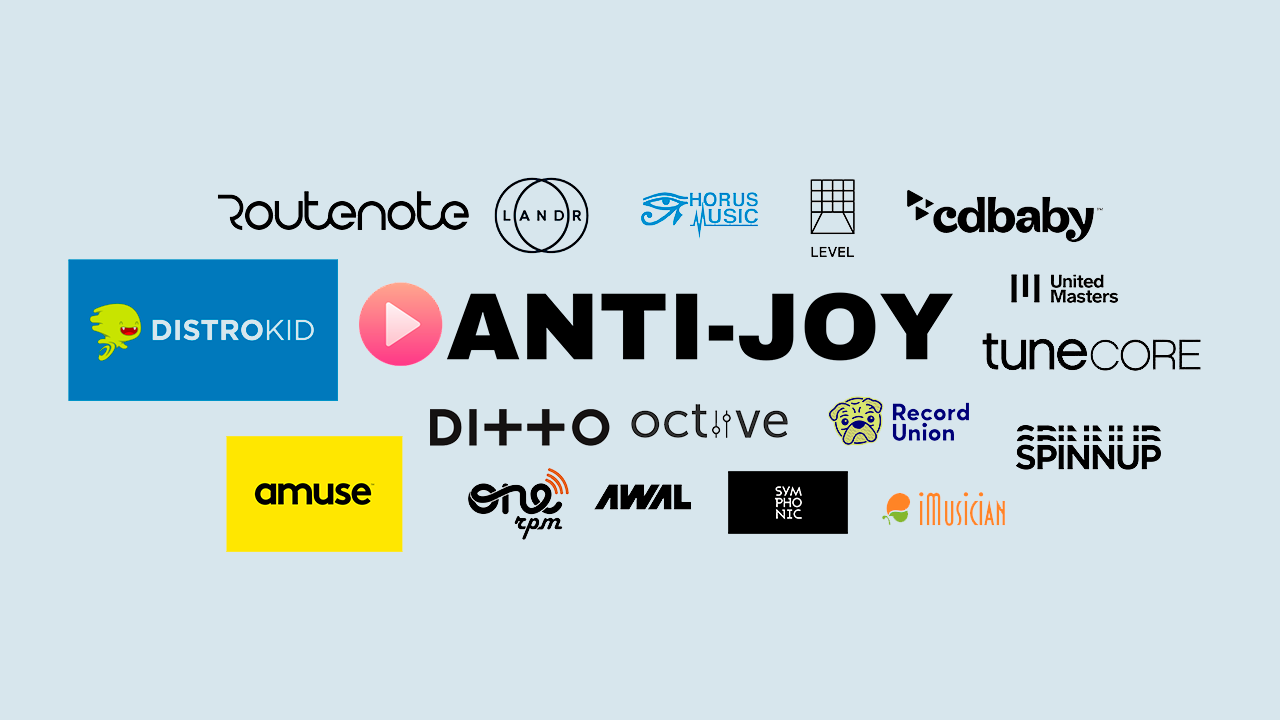
Best Music Distribution Services

Credit: medium.com

Symphonic Distribution

Symphonic Distribution is one of the best music distribution services, providing artists with full control over their music rights, metadata, and pricing. With a global network, it enables easy distribution across various platforms and has transparent reporting and analytics tools.

Overview Of Symphonic Distribution

Symphonic Distribution is a popular music distribution service that has been in the industry for over a decade. The platform offers a comprehensive suite of features to help users distribute their music on various digital platforms, including streaming services, social media, and online retailers. Symphonic Distribution is renowned for its user-friendly interface, excellent customer service, and a wide range of distribution options that accommodate different music genres and formats.

Features Of Symphonic Distribution

Symphonic Distribution offers a plethora of features that stand out from other music distribution services. Here are some of the key features of Symphonic Distribution:

  • User-friendly platform that is easy to navigate.
  • Affordable pricing plans that cater to all types of users.
  • Quick distribution process that ensures that music is available on various platforms within a short time.
  • Customized release options that allow users to choose release dates, territories, and priority stores.
  • Advanced analytics that provide users with real-time data to monitor their music’s performance on various platforms.
  • Access to sync licensing and YouTube monetization for artists who want to make money from their music on those platforms.
  • Marketing and promotion tools that enable users to pitch their music to blogs, playlists, and other music industry influencers.

Pricing Of Symphonic Distribution

Symphonic Distribution offers three pricing plans that accommodate different users’ needs. Here are the pricing plans:

Pricing PlanFeaturesPrice (Per Release)
SilverBasic distribution features$10
GoldAdvanced distribution features and YouTube monetization$30
PlatinumAll features, including sync licensing$75

Pros & Cons Of Symphonic Distribution

Here are some of the advantages and disadvantages of using Symphonic Distribution: Pros:

  • Excellent customer service and support.
  • Wide range of digital distribution options.
  • Customizable release options that cater to users’ needs.
  • Access to marketing and promotion tools.
  • Reasonable pricing plans that cater to different budgets.
  • Advanced analytics that provide real-time data to monitor music’s performance on various platforms.

Cons:

  • Sync licensing is only available for the Platinum plan.
  • YouTube monetization is only available for the Gold and Platinum plans.
  • Does not support physical distribution.

Awal

If you’re an independent musician or a music label looking for an effective way to distribute your music online, then AWAL is a great choice for you. AWAL, which stands for Artists Without a Label, is a music distribution company that provides artists with all the necessary tools and services to monetize and promote their music.

Overview

AWAL is a well-established music distribution service provider and has been in the market since 1997. The company is known for offering artists a comprehensive suite of services that cover all aspects of music distribution, promotion, and monetization. In addition to distribution, AWAL helps artists with publishing, sync licensing, and playlist pitching.

Features

AWAL’s platform offers a variety of features that can help artists take their music career to the next level. Some of the most notable features include:

  • Global distribution to major streaming services like Apple Music, Spotify, Amazon Music, and more
  • Direct payment of your revenue share without middlemen
  • Data and analytics dashboard to view detailed insights on your listeners and streaming metrics
  • Playlist pitching to industry curators and influencers
  • Social media marketing tools with advanced targeting features

Pricing

The pricing model of AWAL is quite simple and straightforward. The company charges a 15% commission on all the revenue generated from the music distribution. This means that artists get to keep 85% of the earnings, which is a higher percentage compared to other music distribution services.

Pros & Cons

Like any other music distribution service, AWAL has its pros and cons. Here are some of the advantages and disadvantages of using AWAL:

ProsCons
Direct payment of revenue share15% commission is relatively high compared to other services
Advanced analytics and data tracking toolsWebsite interface can be overwhelming for new users
Playlist pitching to industry influencersLimited customer support options

Overall, AWAL is a great music distribution service that offers a wide range of features for artists. With its comprehensive suite of tools, direct payment system, and competitive pricing, AWAL can help musicians successfully monetize and promote their music in the digital age.

Best Music Distribution Services

Credit: www.femnoise.com

Frequently Asked Questions For Best Music Distribution Services

Which Is The Best Music Distribution Service?

The best music distribution service depends on the needs of each artist. Some popular options include DistroKid, TuneCore, and CD Baby. Each offers different features and pricing, so it’s best to compare and decide based on your specific goals and budget.

Is There A Better Distributor Than Distrokid?

There are several distributors out there that offer similar services to DistroKid. It’s up to the individual to decide which one best suits their needs. Some popular options include TuneCore, CD Baby, and Symphonic Distribution.

Is Distrokid Better Than Tunecore?

Both DistroKid and TuneCore offer similar distribution services, but DistroKid has a lower annual fee and doesn’t take a percentage of your earnings. However, TuneCore provides more artist support and offers additional services like YouTube monetization. Ultimately, the better choice depends on your specific needs and preferences.

Is Distrokid Better Than Cd Baby?

DistroKid and CD Baby are both digital distribution services, but DistroKid is more affordable with faster distribution times. CD Baby charges extra fees and has slower distribution times. Ultimately, it depends on individual needs and preferences.

Conclusion

To sum up, choosing the best music distribution service is crucial for artists striving to reach a broader audience and generate revenue from their music. Each platform has its unique features, making it essential to do your due diligence when selecting one.

Consider your needs, budget, and goals before making the final decision. Keep in mind that the most expensive option may not necessarily be the best fit. With all the options available, there is undoubtedly a music distribution service that suits your needs.

Take your time, do your research, and make sure to choose wisely.

Categories
Archive

Why Most Musicians Don’T Make It

Most musicians don’t make it due to intense competition and a lack of networking opportunities. Nowadays, the music industry has become incredibly saturated, making it difficult for aspiring musicians to break through.

But why is it that some talented musicians still don’t make it even after years of dedication and commitment to their craft? There are various factors that contribute to this phenomenon. While talent is important, it’s not always enough to guarantee success in the music industry.

Other important factors include the ability to market oneself effectively, networking and building relationships with industry professionals, financial resources, and luck. Moreover, the music industry is constantly evolving, and artists need to stay up-to-date with the latest trends and technologies. We’ll explore in-depth the reasons why most musicians don’t make it and what aspiring artists can do to improve their chances of success.

Why Most Musicians Don'T Make It

Credit: davidandrewwiebe.com

Lack Of Consistency

The music industry is a competitive and cutthroat business that can be challenging to break into. Despite having the required skills and talent, most musicians fail to make a mark. There are several factors associated with it, among which the Lack of Consistency is a crucial one. Lack of consistency can manifest in several forms, including inconsistently practicing one’s craft and inconsistent promotion or branding.

Inconsistency In Practice

The music industry is highly competitive, and consistency in practice is imperative to succeed. Unfortunately, many musicians fail to practice consistently, which can impact their skills, knowledge, and creativity. Consistency in practice builds the muscle memory required for musicians to perform their best when the opportunity arises. For instance, a musician who practices regularly has better control over their instrument or vocals; hence, they are more confident and polished when performing live. Consistency is the key to master the art of music, and without mastering it, it’s hard to make it big in the industry.

Inconsistent Promotion

Another prominent reason for musician’s failure is inconsistent promotion. The music industry is primarily based on personal branding. Consistent branding and promotion are imperative for artists to create a strong brand identity and attract fans. Inconsistent promotion of music can help anyone lose track and lose the attention of potential followers. Musicians should have a strong promotion strategy with clear goals to promote their music via social media, YouTube, or music streaming platforms consistently. Consistency is the key to gaining an audience and creating a strong brand identity; without it, musicians will struggle to gain followers and reach wider audiences.

Why Most Musicians Don'T Make It

Credit: www.azquotes.com

Poor Business Acumen

Many musicians fail due to poor business acumen. Simply being talented and having good music isn’t enough to make it in the music industry. Musicians must also have a solid understanding of business and marketing in order to succeed.

Most people assume that musicians earn a lot of money, but the truth is, only a small percentage of them are successful in making a living from their music. One of the main reasons for this is the poor business acumen of musicians. In this blog post, we will focus on one of the main reasons why most musicians don’t make it, which is their inability to effectively market themselves and monetize their music.

Inability To Market Themselves

Marketing is one of the most important aspects of any business, and the music industry is no exception. Unfortunately, most musicians struggle with marketing themselves and their music effectively. Many of them believe that simply uploading their music to streaming platforms like Spotify or Soundcloud is enough to attract listeners. However, with millions of songs available online, it’s challenging for their music to stand out without proper marketing. Additionally, many musicians are not comfortable promoting themselves or their music. They find it difficult to talk about their achievements, network with industry professionals, or build relationships with their audience. As a result, they miss out on valuable opportunities that could have helped them advance their careers.

Failure To Monetize Their Music

Monetizing music is another significant challenge for musicians. Musicians often struggle to generate income from their music, especially when they’re just starting their careers. Many of them don’t know how to make money from their music beyond streaming royalties, which is often not enough to sustain their careers. Diligent musicians who wish to sell their music often struggle to find a balance between monetization and maintaining their relationships with their fans, showing some trust and giving back some support. Moreover, the music industry has experienced a massive shift in recent years, with streaming music services becoming increasingly popular, but with very low payouts for artists. As a result, many musicians are looking for alternative ways to monetize their music, but very few of them are successful because of lack of business acumen. In conclusion, while talent is vital to making it in the music industry, it’s not enough. Musicians need to leverage their business acumen to effectively market themselves and monetize their music if they want to succeed in the competitive music industry.

Unwillingness To Adapt

Many talented musicians never achieve their dream of making it to the top, despite their passion and hard work. While there can be many reasons for this, one of the main factors is an unwillingness to adapt to changing times.

Resistance To Change

One of the biggest challenges facing musicians today is the rapidly evolving music industry. With the advent of digital technology, music production, distribution, and promotion have changed drastically over the last decade. However, many musicians are still stuck in the past and are resistant to change.

  • They cling to outdated production methods and refuse to embrace new equipment and software that could improve their sound and efficiency.
  • They insist on releasing their music solely through traditional channels like CDs and vinyl, instead of leveraging digital platforms like streaming services and social media.
  • They are often reluctant to collaborate with other artists or merge genres, which can limit their appeal to a broader audience.

Refusal To Embrace New Technology

Another aspect of this unwillingness to adapt is a refusal to embrace new technology. This can include:

Old school mentality:thinking that using auto-tune or other digital tools is cheating, and that ‘real’ musicians don’t need it.
Ignoring social media:not understanding the importance of having a strong online presence in today’s music industry.
Not investing in quality recordings:being content with amateur or low-quality recordings, which can turn off potential fans and record labels alike.

While it’s understandable to want to stay true to one’s artistic vision, refusing to adapt to changes in the music industry can be a major stumbling block for aspiring musicians. Those who are willing to embrace new technology and explore new avenues for promotion and collaboration are more likely to achieve success in today’s highly competitive landscape.

Picking The Wrong Team

Many musicians dream of making it big but fail to realize the importance of picking the right team. This team includes band members, managers, publicists, and agents who play a significant role in shaping a musician’s career. Picking the wrong team can hinder a musician’s progress and lead to their downfall. Here are two common mistakes musicians make when building their team:

Choosing Incompetent Band Members

A band is only as good as its weakest link. Choosing band members who lack the skills or dedication necessary to succeed can stall a musician’s career. For example, a lead guitarist who cannot play a solo or a drummer who is always late to rehearsals will not impress agents or audiences. Likewise, band members who don’t share the same musical vision or who have personality clashes can hinder the quality of performances.

Hiring Unreliable Managers

A manager can make or break a musician’s career. A manager has the responsibility of booking gigs, handling finances, and promoting the musician to record labels and agents. Hiring an unreliable or unethical manager can damage a musician’s reputation or lead to financial losses. For example, a manager who doesn’t book enough gigs or who embezzles money from the artist can weaken the artist’s chances of success.

Therefore, it is essential to vet potential band members and managers carefully before recruiting them into a team. A musician should look for individuals who share the same vision, have the necessary skills, and display a high level of professionalism. This approach can increase the chances of success and lead to a long and fulfilling career in the music industry.

Lifestyle Choices

Most musicians fail to succeed due to poor lifestyle choices, rather than a lack of talent or effort. These include a lack of discipline, poor time management skills, substance abuse, and a tendency to prioritize short-term pleasure over long-term goals.

Musicians are often perceived as individuals who lead an exciting and glamorous lifestyle, but the reality is far from this perception. The music industry is tough, and very few musicians actually make it to the top. There are many reasons why most musicians don’t make it, and one of the biggest contributing factors is the lifestyle choices they make.

Drug And Alcohol Abuse

One of the most common lifestyle mistakes that musicians make is drug and alcohol abuse. Many musicians turn to drugs and alcohol to deal with the stress and pressure of the industry. However, this can quickly spiral out of control and lead to addiction. Drug and alcohol abuse not only affects the musician’s health but also their ability to perform on stage. It can also cause issues with relationships with band members, fans, and the music industry as a whole.

Inability To Balance Work And Play

Another lifestyle mistake that musicians make is the inability to balance work and play. The music industry is notorious for long working hours, and it’s easy for musicians to burn out quickly. However, many musicians also indulge in excessive partying and socializing, which can lead to missed rehearsals, shows, and deadlines. This lack of discipline and focus can also lead to a decline in the quality of their work, which can quickly lead to the end of their careers. In conclusion, Lifestyle Choices plays an important factor in the success of a musician. Drug and alcohol abuse, as well as an inability to balance work and play, can quickly lead to the end of a musician’s career. Musicians need to prioritize their health and well-being, as well as their work if they want to make it in the industry.

Why Most Musicians Don'T Make It

Credit: tomhess.net

Frequently Asked Questions Of Why Most Musicians Don’t Make It

Why Do So Many Musicians Never Make It?

Making it in the music industry requires more than talent. Factors like timing, luck, and connections play a significant role. Also, the industry is highly competitive and constantly shifting, making it difficult for many musicians to gain traction. The lack of consistent income and the financial burden of pursuing a music career can also lead some to give up.

What Percentage Of Musicians Don’t Make It?

The percentage of musicians who don’t make it is high and differs based on various factors, including location, genre and commitment level. According to a survey by Berklee College of Music, only about 20% of graduates earn a full-time living from music.

However, success depends on an individual’s definition of making it in the industry.

Why Do Most People Fail In The Music Industry?

Most people fail in the music industry for a variety of reasons, such as lack of talent, poor timing, inadequate promotion, financial difficulties, and fierce competition. Additionally, some may not possess the necessary determination, dedication, or persistence required to succeed.

Ultimately, success in the music industry requires talent, hard work, and the ability to adapt to changing conditions.

Why Do So Many Artists Fail?

Many artists fail because they lack business skills, networking abilities, a clear plan, and persistence. Besides, artistic professions are highly competitive industries that require constant improvement and innovation to remain relevant. Moreover, success in art is subjective and unpredictable, making it harder to secure a stable income or recognition.

Conclusion

The music industry is not for everyone. It takes talent, hard work, patience, and perseverance to succeed. Most musicians fail because they lack one or more of these qualities. However, that does not mean you should give up on your dreams.

With dedication and resilience, you can make it in the industry. Remember, success is not a destination but a journey, so keep pushing, and one day, you will make it.

Categories
Archive

Eq Mistakes You Need To Avoid

To avoid making mistakes in your EQ, ensure you avoid fixating on negative thoughts, letting emotions control you, failing to recognize others’ emotions, and neglecting your EQ skills. Developing your EQ skills is essential for both personal and professional success, as it enables you to navigate through life’s challenges and build stronger relationships.

Your emotional intelligence (EQ) is an important factor in how you relate to others, respond to situations and deal with stress. EQ involves being able to recognize, understand, manage and effectively communicate your emotions and those of others. However, there are certain EQ mistakes that you need to avoid.

We’ll explore four common EQ mistakes and provide tips on how to overcome them. By avoiding these mistakes, you’ll be better equipped to navigate through life’s challenges and build stronger, healthier relationships with others.

Eq Mistakes You Need To Avoid

Credit: www.masteringthemix.com

Not Understanding The Purpose Of Eq

EQ or Emotional Quotient refers to the ability of an individual to recognize, understand, and manage their own emotions, as well as the emotions of others. However, many people misunderstand the purpose of EQ and end up making mistakes that hinder their growth and success.

Not Recognizing The Difference Between Iq And Eq

One of the common mistakes that people make is not recognizing the difference between IQ and EQ. IQ or Intelligence Quotient refers to the ability of an individual to understand concepts and solve problems. EQ, on the other hand, is more focused on the individual’s emotional intelligence and their ability to interact with others.

While IQ is important for success, EQ is equally important, if not more so. In fact, many successful people attribute their success to their high EQ rather than their high IQ.

Focusing Only On One Aspect Of Eq

Another mistake people make is focusing only on one aspect of EQ. For example, some may think that being empathetic is the only important aspect of EQ. While empathy is important, it is not the only aspect of EQ. Other aspects such as self-awareness, self-regulation, social skills, and motivation are also important.

It is important to focus on developing all aspects of EQ rather than just one, as this will lead to a more well-rounded and successful individual.

Not Applying Eq In Real-life Situations

Lastly, many people make the mistake of not applying EQ in real-life situations. EQ is not just a theoretical concept, but something that should be applied in day-to-day interactions.

For example, if someone is in a conflict with another person, they should use their EQ skills to understand the other person’s emotions, regulate their own emotions, and find a mutually beneficial solution. This can lead to a positive outcome for both parties.

It is important to apply EQ in real-life situations rather than just talking about it, as this will lead to personal growth and success.

Lack Of Self Awareness

Avoiding the mistake of lack of self-awareness is crucial for building emotional intelligence. Being able to recognize one’s own emotions and how they impact others is essential for success in both personal and professional relationships. Developing self-awareness will help you make better decisions and improve your overall well-being.

Self-awareness is an essential element for personal and professional development. Without it, one can effortlessly engage in negative behavior or habits that might dampen their growth and productivity. Many individuals fail to reach their potential because they lack self-awareness. In this article, we’ll delve into various mistakes you need to avoid when it comes to self-awareness.

Not Recognizing One’s Emotions

Many people struggle to recognize and manage their emotions. They often allow their feelings to control their actions and decisions, leading to undesirable outcomes. Being aware of your emotions allows you to control your reactions and effectively deal with stress. Acknowledging and accepting your emotions is the first step towards effective self-management. Tip: Practice mindfulness and meditation to help you identify and manage your emotions.

Ignoring Feedback And Criticism

Another common mistake people make is ignoring feedback and criticism. Feedback is essential for growth and development and is an opportunity to learn and improve. Those who fail to accept feedback might miss the chance to identify their weaknesses and develop strategies to improve themselves. Tip: Be open to feedback, seek constructive criticism from your peers and mentors, and try to implement their suggestions.

Failing To Identify Weaknesses And Strengths

Finally, lacking self-awareness can lead to failure to identify one’s weaknesses and strengths. Understanding your strengths allows you to capitalize on them and maximize your potential. Identifying your weaknesses enables you to develop strategies for improvement, reducing the likelihood of hindrances in your personal and professional growth. Tip: Conduct a personal SWOT analysis to determine your strengths, weaknesses, opportunities, and threats. It can be an excellent tool to help you identify areas to improve upon. In conclusion, self-awareness is essential for anyone striving for personal and professional growth. By avoiding these mistakes, you can develop strong self-awareness, opening doors for opportunities in your career and personal life.

Emotional Reactivity

In order to avoid common EQ mistakes, it is important to manage emotional reactivity. This involves being mindful of our emotions and not allowing them to control our actions or reactions. Additionally, taking a step back and evaluating the situation before responding can help to avoid unnecessary conflicts.

Reacting Instead Of Responding

Emotional reactivity refers to the tendency to react quickly to situations without properly assessing them. In this case, individuals respond to situations impulsively rather than logically, and this often leads to more problems. It is important to avoid reacting emotionally to situations as it can cloud judgment and lead to negative consequences.

Letting Emotions Dictate Decisions

Emotions have a significant impact on our decision-making process. When we allow emotions to dictate our decisions, we risk making poor choices that could have long-lasting effects. It is important to be aware of our emotions and how they impact our decisions. Before making a decision, take a moment to assess how you are feeling and consider whether your emotions are influencing your judgment.

Inability To Manage Emotions In Stressful Situations

Stressful situations can trigger powerful emotions, which can be difficult to manage. When we are unable to manage our emotions in stressful situations, we risk reacting in ways that are harmful to ourselves and others. It is important to develop effective coping strategies to manage stress and emotions. Some strategies include taking deep breaths, practicing mindfulness, and seeking support from loved ones. In conclusion, emotional reactivity is a common mistake that can lead to negative consequences. By avoiding emotional reactions, being aware of how emotions impact decisions, and developing effective coping strategies, we can improve our emotional intelligence and make better decisions.

Eq Mistakes You Need To Avoid

Credit: www.production-expert.com

Inability To Empathize

When it comes to EQ mistakes, one must avoid the inability to empathize with others. Empathy is an essential skill for effective communication and building strong relationships. Being able to understand others’ emotions and perspectives is vital in both personal and professional settings.

Empathy is an essential aspect of emotional intelligence and a crucial skill to have as an individual. It enables us to connect with others on a deeper level and understand their feelings, thoughts, and perspectives. However, sometimes we may fall prey to our biases or simply fail to recognize and acknowledge the pain and struggles of others. This is where the inability to empathize can become a major EQ mistake that can impact our relationships and overall well-being. Here are some common sub-mistakes that arise from this issue:

Lack Of Active Listening Skills

Active listening involves paying attention to another person and acknowledging their perspectives and emotions. However, many people fail to actively listen to others, which can result in misunderstandings, conflicts, and a lack of trust. When we do not listen actively, we send a message to the other person that their opinions and feelings do not matter to us, which can lead to serious problems in our personal and professional relationships. To avoid this mistake, practice active listening and be genuinely interested in what someone else is saying.

Not Considering Others’ Perspectives

Another sub-mistake that stems from the inability to empathize is not considering other people’s perspectives. When we only focus on our own thoughts and feelings, we may project our assumptions onto others or make decisions that disregard their unique circumstances and experiences. This can lead to frustration, resentment, and misunderstandings, ultimately damaging our relationships and goals. To avoid this mistake, make an effort to understand others’ perspectives and include them in the decision-making process.

Inability To Connect With Others On An Emotional Level

Finally, the inability to connect with others on an emotional level can stem from a lack of empathy, leading to isolation and loneliness. When we fail to understand and express our emotions, we may struggle to form meaningful connections with others, resulting in a lack of support and positive feedback that could be crucial to our growth and well-being. To avoid this mistake, express your emotions, practice active listening and empathy, and connect with others on a deeper level. In conclusion, the inability to empathize can lead to several sub-mistakes that can harm our relationships and overall success. By practicing empathy, active listening, and considering others’ perspectives, we can cultivate healthier and more fulfilling relationships with those around us.

Poor Communication

Poor Communication: Communication plays an important role in our lives, and it is one of the most important skills we need to have in order to succeed in both personal and professional relationships. However, not everyone is skilled in communicating effectively, which can lead to misunderstandings and conflicts.

Ineffective Verbal And Nonverbal Communication:

Communication is not just about the words we say; it is also about how we say them. Ineffective verbal and nonverbal communication can lead to misunderstandings, confusion, and conflicts. For example, if someone speaks too quickly or too quietly, the listener may not understand what they are saying. Similarly, if someone avoids eye contact or uses aggressive body language, it can make the other person feel uncomfortable or intimidated.

Not Expressing Emotions Clearly:

Another common communication mistake is not expressing emotions clearly. When we don’t express ourselves clearly, it can lead to misunderstandings and conflicts. For example, if we don’t express our disappointment when someone cancels plans with us, they may think it’s okay to do so again in the future. Similarly, if we don’t express our joy and gratitude when someone does something kind for us, it may make them feel unappreciated.

Inability To Resolve Conflict Through Communication:

A third communication mistake is the inability to resolve conflict through communication. Conflict is a natural part of any relationship, and it’s important to be able to communicate effectively in order to resolve it. However, if someone lacks the skills to communicate effectively during conflicts, it can lead to resentments and broken relationships. For example, if someone avoids conflict altogether or becomes defensive and confrontational, it can prevent the two parties from finding a solution.

Eq Mistakes You Need To Avoid

Credit: mixrecordingstudio.com

Lack Of Adaptability

One of the most critical traits that people need to develop in their daily lives is adaptability, both in their personal and professional lives. For businesses, it’s even more important to keep adapting to new changes in the market, technology, or customer behavior. Unfortunately, a lot of businesses and individuals aren’t ready for unexpected shifts, resulting in poor outcomes, stalled development, and missed opportunities. Here are some mistakes to avoid due to the lack of adaptability:

Not Accepting Change

Many people struggle with accepting changes, whether it’s a new office layout, new team members, or new policies. It’s natural to feel hesitant or uncomfortable with something that’s unknown, but resisting change altogether usually doesn’t lead to positive results. People who resist change often miss out on new opportunities, to learn new skills, or to be involved in exciting projects. Change is inevitable, and being adaptable is crucial to sustaining a successful business.

Inability To Adjust To New Situations

People who are unable to adjust to new and different situations will find themselves at a disadvantage. Lack of adaptation means being unable to think on the fly, losing your cool easily, or being indecisive in situations that require quick action. It’s essential to learn how to improvise under pressure, anticipate new problems, and develop contingency plans to overcome unexpected situations. Those who can’t handle new situations may find themselves being quickly replaced in the workplace.

Rigidity In Opinions And Behaviors

Another common issue that comes with a lack of adaptability is rigidity in opinions and behaviors. Those who are unwilling to consider new information, perspectives, or change behaviors when necessary will often face limited opportunities for growth. It’s essential to be open to feedback, new ideas, and constructive criticism, which can help improve current performance or resolve issues that arise. Those who are rigid at work may find themselves stuck in a rut, losing out on promotions or opportunities for career advancement.

Overall, a lack of adaptability can lead to missed opportunities, stunted growth, and poor performance. Developing the ability to adjust to change, new situations, and flexibility in behavior is crucial. Businesses and individuals alike should prioritize building adaptability skills if they want to thrive in an ever-changing world.

Failure In Managing Stress

Managing stress can be challenging, but it’s crucial to avoid common emotional intelligence mistakes such as reacting impulsively, neglecting self-care, and failing to communicate effectively. By recognizing and avoiding these errors, you can improve your ability to manage stress and maintain your overall well-being.

Stress management is a crucial aspect of emotional well-being. It helps an individual to maintain their composure and stay grounded in challenging times. However, people tend to commit various mistakes while managing stress, leading to adverse consequences. One of the most common errors is the failure to manage stress effectively. Let’s explore some common reasons for this failure.

Lack Of Coping Mechanisms

One of the primary reasons for failing to manage stress is a lack of coping mechanisms. Coping mechanisms are strategies that individuals use to deal with stressful situations. A lack of these strategies makes it challenging to manage stress. Some examples of coping mechanisms include relaxation techniques, exercise, seeking support from friends and family, and time management. Developing healthy coping mechanisms is crucial in managing stress.

Inability To Relax And Recharge

Another vital aspect of stress management is the ability to relax and recharge. It is common for individuals to get caught up in the demands of daily life, leaving them with little or no time to unwind. This can lead to burnout, making it difficult to focus on even the tiniest tasks. Taking time to relax and recharge is essential for managing stress. It helps to refresh the mind and body, allowing individuals to manage stress more effectively.

Not Prioritizing Self-care

People with busy lifestyles tend to ignore self-care, which is essential for managing stress. Self-care means taking care of oneself mentally, physically, emotionally, and spiritually. When individuals neglect self-care, they become more susceptible to stress and anxiety. Common self-care practices include meditation, practicing gratitude, engaging in hobbies, and getting sufficient sleep. Prioritizing self-care is crucial in managing stress effectively. In conclusion, stress management is a critical aspect of emotional well-being. Avoiding the pitfalls mentioned earlier is crucial in ensuring that individuals can manage stress effectively. By developing coping mechanisms, taking time to relax and recharge, and prioritizing self-care, individuals can overcome the challenges brought on by stress.

Disregarding The Importance Of Eq In The Workplace

Emotional intelligence, or EQ, is the ability to recognize, understand, and manage our own emotions, while also being able to recognize and understand the emotions of others. Disregarding the importance of EQ in the workplace can lead to a host of problems, including decreased productivity, low employee morale, and high employee turnover rates.

Underestimating Eq’s Impact On Productivity And Employee Morale

Underestimating the impact of EQ on productivity and employee morale is a mistake that many organizations make. EQ plays a crucial role in determining how employees interact with one another, and how they handle stress and pressure on the job. Employees with high EQ are better equipped to manage their emotions in high-pressure situations, which can lead to better decision-making and increased productivity. Neglecting EQ can lead to increased stress levels among employees, low morale, and ultimately, reduced productivity.

Neglecting To Incorporate Eq Development In Employee Training

Neglecting to incorporate EQ development in employee training is another mistake that organizations often make. EQ is a skill that can be learned, and it’s crucial that organizations invest in the development of their employees’ emotional intelligence. Without adequate training, employees may struggle to recognize and manage their own emotions, and may have difficulty working with others who have different personalities and communication styles. Incorporating EQ development into employee training programs can help employees to work more effectively with others, leading to increased teamwork and collaboration.

Failing To Hire And Promote Based On Eq Abilities

Failing to hire and promote based on EQ abilities is a mistake that can have long-lasting effects on an organization. Hiring and promoting employees with high EQ can lead to a more positive work environment, increased employee engagement, and improved employee retention rates. Employees with high EQ are more likely to be effective communicators, team players, and problem solvers, all of which are crucial skills in today’s fast-paced business environment. Organizations that fail to prioritize EQ when making hiring and promotion decisions risk missing out on talented employees who have the potential to make significant contributions to the organization’s success.

Frequently Asked Questions On Eq Mistakes You Need To Avoid

Is It Bad To Have Too Much Eq?

No, it is not bad to have too much EQ (emotional quotient). In fact, having a high EQ can be beneficial as it allows individuals to manage emotions effectively and build better relationships with others. However, it is important to balance EQ with other important skills such as critical thinking and problem-solving.

Does Eq Cause Phase Issues?

Yes, EQ can cause phase issues. This happens when a frequency is boosted or cut in one channel but not in the other, creating a phase shift between the channels. It’s important to use EQ judiciously to avoid phase problems, or to use specialized tools to correct them.

Do You Need To Eq Every Track?

No, it’s not necessary to EQ every track. Whether or not you EQ a track depends on its sound quality and purpose. EQ can be used to enhance or fix the sound of a track, but it’s up to the producer’s discretion.

EQ should only be used when necessary to achieve the desired sound.

How Do I Get Better At Eq Mixing?

Practice and experience are keys to get better at EQ mixing. Begin by understanding the frequency range of various instruments and sounds. Work on boosting and cutting certain frequencies to achieve a balanced mix. Use reference tracks and analyze them to see how they handle EQ.

Experiment and trust your ears to get the best results.

Conclusion

Making a mistake is not a crime but repeating them certainly is. Avoiding EQ mistakes can be challenging, but keeping in mind the points mentioned above can be of great help. Maintaining emotional intelligence by empathizing with others, refraining from judging others, and being assertive in communication can have a profound impact on your personal and professional life.

Hence, it is essential to consistently work on your EQ skills to create a happy and well-lived life.

Categories
Archive

How Much Does Mixing a Song Cost

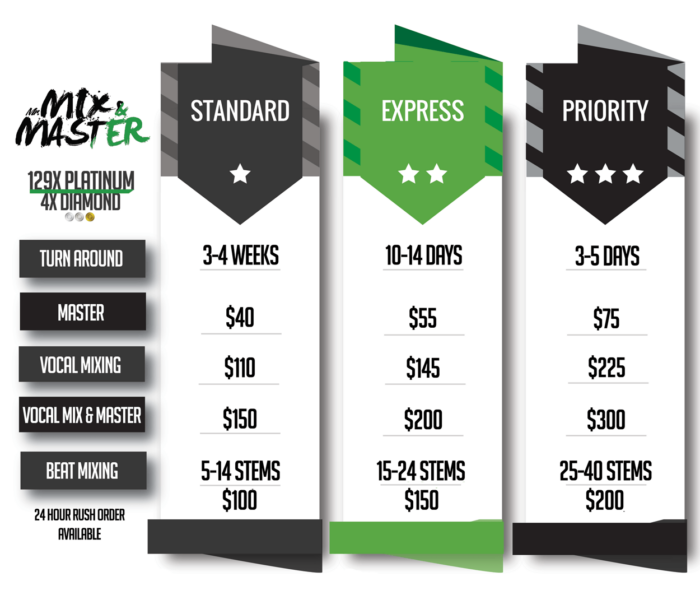
Mixing a song typically costs between $150-$500. The total cost depends on various factors such as the number of tracks, length of the song, and the experience and location of the audio engineer.

Mixing a song involves balancing, enhancing, and polishing individual instrument and vocal tracks to create a cohesive and professional sound. It’s a critical step in the music production process that can significantly impact the overall quality of the final product.

While some artists may choose to mix their songs themselves, hiring a professional audio engineer with years of experience can ensure that the mixing process is done correctly, efficiently, and effectively. We’ll delve into the factors that can affect the cost of mixing a song and what you can expect from the process.

How Much Does Mixing a Song Cost

Credit: mrmixandmaster.com

Factors Affecting Mixing Cost

Mixing a song cost depends on various factors such as the experience of the audio engineer, the complexity of the mixing tasks, the length of the track, and the equipment used. Other factors affecting the mixing cost include the number of revisions, the delivery time, and additional services like mastering.

Mixing a song involves combining individual audio tracks into a cohesive whole that sounds polished and professional. The time and effort required to achieve a great mix depend on several factors that impact the mixing cost. Let’s take a closer look at some of the most crucial factors you should consider when estimating the mixing cost.

Length Of The Song

The length of the song is a critical factor in determining the mixing cost. Simply put, the longer the song, the more time the mix engineer will need to spend on it. A mixing engineer may take anywhere from a few hours to several days or even weeks to perfect a song to the desired level, depending on the length. As such, longer songs will require more work, which will ultimately mean higher mixing costs.

Number Of Tracks

The number of tracks is another crucial factor that impacts the mixing cost. The more tracks a mix engineer has to work with, the more challenging it can be to achieve a cohesive, well-balanced mix. This is because each track must be properly balanced and blended with the other tracks to produce a great-sounding mix. As such, the more tracks in a song, the more time and effort the mix engineer has to put in, which translates to higher mixing costs.

Complexity Of The Mix

The complexity of the mix is another factor that influences the mixing cost. A straightforward acoustic song with a few tracks will likely require less effort than a complex orchestral piece with dozens of tracks. Complexity can refer to the musical arrangement, the number of instruments, the effects used, and other aspects of the mix. The more complex the mix, the more time and effort required to produce a great-sounding final product, which means higher mixing costs.

Experience Of The Engineer

Finally, the experience of the mix engineer is another factor that can impact the mixing cost. Experienced professionals may charge a premium for their services because they have spent years honing their craft and mastering various mixing techniques. However, an experienced engineer may be able to work more efficiently than a less experienced one, completing the job faster and at a lower cost. In conclusion, the length of the song, the number of tracks, the complexity of the mix, and the experience of the engineer are some of the most significant factors that affect mixing cost. By taking these factors into account, you can estimate more accurately how much a mixing job will cost and select a mix engineer who can deliver a high-quality mix within your budget.

How Much Does Mixing a Song Cost

Credit: medium.com

Cost Range For Mixing A Song

Mixing a song can cost anywhere from $100 to $1000 or even more depending on the quality of work and experience of the mixer. Factors such as number of tracks, genre, and turnaround time can also affect the cost of mixing a song.

As an indie artist, you might be in the process of recording your music and wondering how much you need to budget for mixing your songs. The answer to that question isn’t as straightforward as you might think. There are different factors that affect the cost of mixing a song.

Basic Mixing Cost

The cost of mixing a song varies depending on the studio, engineer, and the location you choose to work with. On average, the basic cost of mixing a song can range anywhere from $100 to $1000 per song. However, there are some studios that charge as little as $50 per song or as much as $10,000.

Price Variation Based On Mixing Elements

The cost of mixing a song can also vary based on the elements of the mixing process. The main elements of mixing include EQ, compression, reverb, and panning. The more elements you have in your song, the more work the engineer has to do. Consequently, this can lead to additional costs, with some studios charging an extra $50-$100 per additional element. Here’s a breakdown:

  • Basic mixing: $100-$1000
  • Additional elements: $50-$100
  • Mixing vocals: $100-$500
  • Mixing instrumental: $100-$500
  • Mixing a full album: $500-$5000

It is essential to communicate with the engineer on what needs to be done ahead of time and negotiate the cost of mixing with them. In conclusion, the cost of mixing a song can vary based on the studio you choose to work with, the engineer, and the mixing elements involved. The above estimates are not set in stone, and you can find studios that charge more or less than this range. It’s all about finding the right balance between quality and affordability.

Average Mixing Costs

Mixing a song can cost anywhere from $150 to $500, depending on the complexity of the project and the experience of the mix engineer. Average mixing costs typically fall between $300 and $400, but it’s important to do your research and find a reputable and affordable option for your needs.

Mixing a song is an important aspect of producing a quality track, and it is essential to set a budget for it. No matter your level of experience, it is crucial to understand how much money you should put aside for mixing expenses. In this blog post, we will discuss the average mixing costs and factors that influence them.

Flat Rate Mixing Fees

Many mixing engineers charge a flat rate for mixing a song. The average flat rate for mixing ranges from $100 to $1,500 per song. The cost varies depending on the mixer’s experience level and studio’s location. It is important to note that these prices may not include additional services such as mastering, revisions, and edits.

Payment Per Track Or Hourly Rates

Some mixing engineers charge per track or hourly rates. The average cost ranges from $50 to $500 per track or $50 to $200 per hour. The payment structure varies depending on the mixer’s preference, and it is important to clarify the payment structure before hiring a mixing engineer.

Cost Comparison Across Different Genres

Mixing costs vary depending on the genre of music. The more complex the track, the higher the cost. For instance, mixing a rock song with multiple instruments may cost more than mixing a simple pop track. Here is a cost comparison of different genres:

  • Pop: $100 to $500 per song
  • Hip-hop: $150 to $1000 per song
  • EDM: $250 to $1500 per song
  • Rock: $300 to $2000 per song

It is important to note that these are general estimates, and the cost may vary depending on various factors such as the mixer’s experience level and additional services required.

Conclusion

In conclusion, setting a budget for mixing costs can be challenging, but it is essential to allocate funds for it. The average mixing costs depend on various factors such as payment structure, genre of music, location, experience level, and additional services required. By understanding the average cost, you can make an informed decision when hiring a mixing engineer that fits your budget.

How Much Does Mixing a Song Cost

Credit: www.planetarygroup.com

Benefits Of Professional Mixing

If you’re a music maker or producer, you know how vital mixing is for the final sound quality of a record. Mixing ensures that each instrument, voice, and beat is blended together in a harmonious way to create the final product. While mixing is an essential element of music production, it can be quite costly. However, investing in professional mixing can have significant benefits, including:

Improved Sound Quality

Professional mixing engineers have years of experience and expertise in crafting music that sounds polished and professional. They use industry-standard tools and technologies to ensure that every track sounds clear, balanced, and tonally consistent. They can help bring out the best in your music by doing things such as adjusting the levels, adding effects, and balancing instruments and vocals. The result is a final product that sounds crisp and polished.

Consistency Across Tracks

A professional mixing engineer can ensure that all tracks on an album or EP sound consistent in tone and quality. They can create a cohesive sound across tracks by ensuring that each element is balanced and appropriately placed in the mix. This level of consistency is essential when trying to create a brand as it allows your fans to know what to expect from your music.

Increased Commercial Potential

With the widespread of online music streaming services, competition in the music industry is fierce. Investing in professional mixing can help your music stand out from the crowd. Good mixing can make your music sound more appealing to listeners, making them more likely to listen, engage, and share with their friends and family. Ultimately, this can lead to higher plays, more fans, and revenue generated from your music.

Overall, professional mixing can help take your music to the next level. While the cost may seem steep at first, the outcome can be worth it, leading to not just better sound quality but also increased commercial potential.

How To Save Money On Mixing

Mixing a song is a crucial part of music production that brings all the different elements of a track together. The cost of mixing varies depending on several factors, including the complexity of the mix, the reputation and experience of the mixing engineer, and the studio’s location.

While hiring a professional mixing engineer can be costly, there are ways to save money on mixing without sacrificing quality. You can create a DIY mix, select the right mixing engineer, and learn how to negotiate mixing costs.

Diy Mixing Tips

If you have a limited budget, you can mix your song yourself. This approach requires time, effort, and experience, but it can save you a lot of money in the long run. Here are a few tips to help you create a DIY mix:

  • Invest in quality mixing software or DAW (Digital Audio Workstation).
  • Take an online mixing course to learn the basics of EQ, compression, and other essential mixing techniques.
  • Use reference tracks to compare your mix to a professionally mixed track.
  • Take frequent breaks to maintain objectivity and prevent ear fatigue.

Selecting The Right Mixing Engineer

If you prefer to hire a mixing engineer, make sure to select the right one for your project. Here are a few factors to consider when selecting a mixing engineer:

FactorDescription
ExperienceLook for a mixing engineer with experience in your genre and style of music.
PortfolioListen to their previous work to get a sense of their mixing style and quality.
CommunicationChoose a mixing engineer who communicates well and listens to your needs and preferences.
PriceCompare the prices of different mixing engineers and choose one who fits your budget.

Negotiating Mixing Costs

Finally, if you have found a mixing engineer but their rates exceed your budget, learning how to negotiate mixing costs can help. Here are a few tips to help you get a fair price:

  1. Be honest and explain your budget limitations.
  2. Ask for a discount or a payment plan that suits your financial situation.
  3. Offer something in exchange, such as a credit on the album or future business referrals.
  4. Consider hiring a less experienced mixing engineer who may charge less.

By following these tips, you can save money on mixing a song without compromising its quality.

Frequently Asked Questions For How Much Does Mixing A Song Cost

How Much Do You Charge For Mixing A Song?

The cost of mixing a song varies depending on the complexity, length, and level of detail required. Typically, prices range from $100 to $1000 per song. Contact us for a personalized quote.

Should I Pay Someone To Mix My Song?

Yes, it can be beneficial to pay someone to mix your song if you lack the skills or equipment to do so yourself. A professional mix can greatly enhance the overall quality of your music and make it more appealing to listeners.

However, it is important to research and choose a reputable and experienced mixing engineer to ensure the best results.

How Much Does It Cost To Mix Vocals?

The cost to mix vocals can vary depending on the studio and engineer you choose. Prices can range from $50 to $500 per hour or more. Some studios also offer package deals for mixing multiple songs. It’s important to research and compare prices to find an option that fits your budget while still providing quality results.

How Much Does A Sound Mix Cost?

The cost of a sound mix varies depending on the project’s complexity, length, and the expertise of the sound mixer. Typically, the hourly rates range from $50 to $200, and a project’s total cost varies from $500 to $10,000 or more.

Conclusion

Having a professionally mixed song can breathe life into a piece of work and truly make it shine. But how much does this service really cost? The truth is, it varies depending on several factors, including the experience and skill level of the mixer, the complexity of the track, and the deadlines.

While you don’t want to sacrifice quality for cost, there are options out there that can fit within your budget. It’s essential to research and compare prices from reputable sources to ensure you get the best value for your money.

Categories
Archive

Audio Compression Explained

Audio compression is the process of reducing the dynamic range of an audio signal. It helps to keep the overall volume of a recording consistent and prevent distortion.

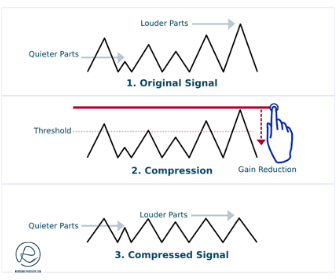
Audio compression is an essential element of music production, podcasting, and broadcasting. It is the process of reducing the dynamic range of an audio signal by decreasing the volume of loud sounds and increasing the volume of quiet ones. The dynamic range is the difference between the loudest and quietest parts of an audio recording, and compression helps to keep it in check.

Compression can also help to improve the clarity and punchiness of a recording, and to prevent distortion caused by overly loud signals. This article will explain the basics of audio compression, including how it works, why it is important, and how it is used in various contexts.

Audio Compression Explained

Credit: splice.com

What Is Audio Compression?

If you are new to audio engineering, you might have heard the term “compression” without knowing what it is. Compression is an important tool that audio engineers use to help smooth out levels and ensure that dynamics are consistent. Here is a closer look at what audio compression is, how it works, and why it is important.

Dynamic Range

When it comes to music, dynamic range is defined as the difference between the quietest and loudest parts of a track. Dynamic range provides the necessary contrast in a recording and can make the difference between an engaging listening experience and a monotonous one.

However, if dynamic range is too wide, it can make it difficult to hear certain parts of a track. This is where audio compression comes in. Audio compression helps to balance the dynamics of a track, bringing quieter sounds up and limiting the highest peak volumes. This results in a more consistent listening experience and makes it easier to hear each individual part of a track.

Why Is It Important?

Simply put, audio compression is important for two main reasons: level control and tone shaping. Compression allows engineers to control the levels of individual tracks, reducing the dynamic range and ensuring that each part is audible. Compression can also be used for tone shaping, highlighting certain frequencies while compressing others to achieve a specific sound.

Compression is particularly useful when working with vocals or drums, as these tracks can have a lot of dynamic range. By carefully compressing these tracks, engineers can bring out the best in the performance and help it sit better in the mix.

Overall, audio compression is an essential tool for any audio engineer. By providing level control and tone shaping, it ensures that tracks have a consistent, enjoyable sound that engages listeners and highlights the best parts of the performance.

Audio Compression Explained

Credit: www.musicguymixing.com

Different Types Of Audio Compression

Audio compression is a technique used to reduce the size of audio files without compromising the quality. There are two main types of audio compression: lossless and lossy. The former retains all the original data while the latter diminishes the quality in order to decrease the file size.

When it comes to audio compression, there are two main types: analog and digital compression. Analog compression dates back to the early days of recording, while digital compression is a more modern technique that has gained popularity in recent years. Let’s take a closer look at each type and how they work.

Analog Compression

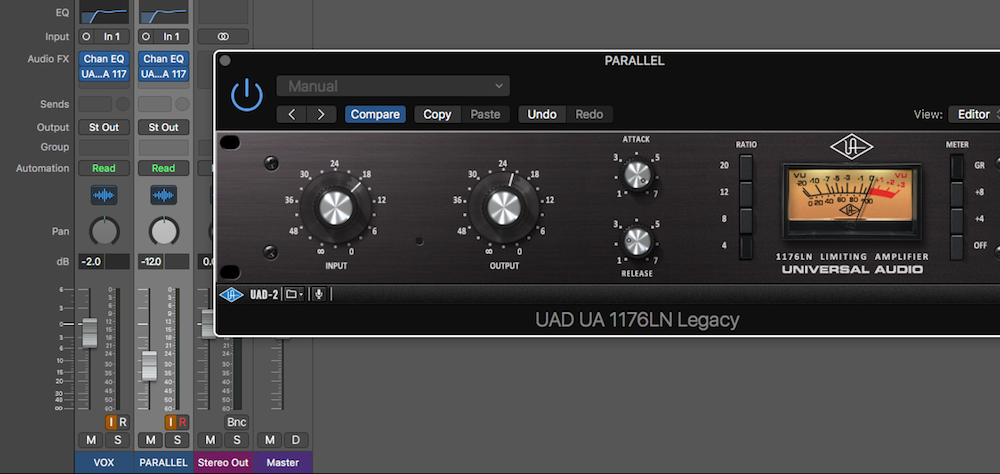
Analog compression involves using a physical device, such as a compressor or limiter, to control the dynamic range of a recorded audio signal. The device applies a varying amount of gain reduction to the audio signal based on the input level, resulting in a more consistent output level. This type of compression is often used to add warmth and character to recordings, particularly in genres like rock, blues, and jazz.

Digital Compression

Digital compression, on the other hand, uses mathematical algorithms to reduce the dynamic range of an audio signal. Unlike analog compression, which can add coloration and texture to a recording, digital compression is designed to be transparent and minimize any audible artifacts. There are various types of digital compression, including peak, RMS, and multi-band compression, each with its own unique characteristics and applications. Overall, both analog and digital compression are important techniques used in audio recording and mixing. By understanding the different types of compression available, you can choose the right tools and settings to achieve the desired sound for your project.

Understanding The Audio Compression Process

Understanding the audio compression process is essential to achieve professional-quality audio productions. Audio compression is the most commonly used audio processing technique and has been an essential tool in music production for many decades. It has played a pivotal role in making radio and television broadcasts sound even better. Understanding the various aspects of audio compression, including the threshold, ratio, attack, and release, is crucial to achieving high-quality audio production.

Threshold

The threshold is the level at which the audio compressor starts working. It is the point where the signal is too loud. A compressor only works when the input signal exceeds a certain threshold level. The threshold control typically ranges from -60 dB to 0 dB. The lower the threshold, the more the compressor will be applied to the signal. If the threshold is set too high, the compressor will not work, and the sound will not be compressed.

Ratio

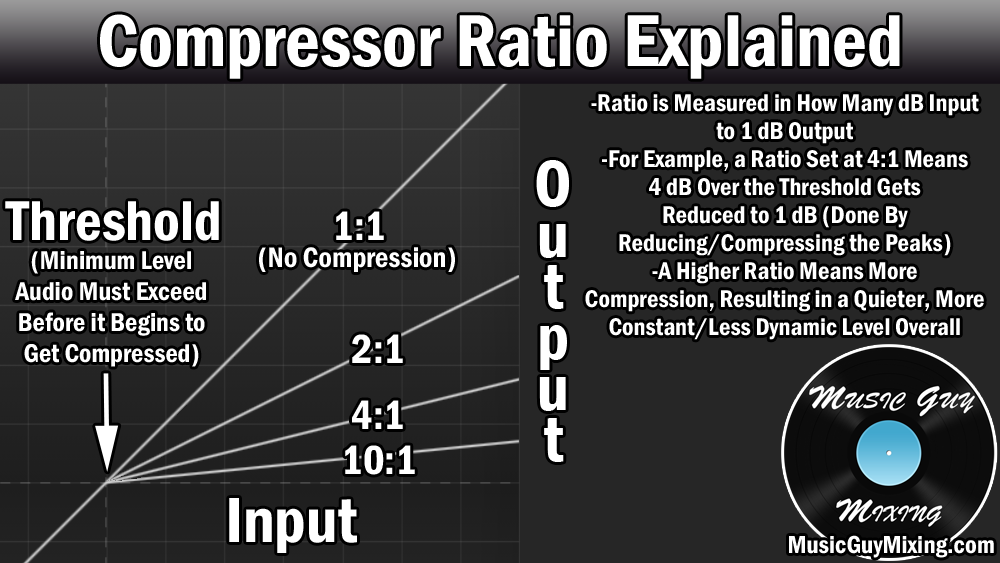
The ratio determines the amount of sound compression applied when the signal exceeds the threshold level. The ratio is usually set as a decimal, such as 2:1, 4:1, or 10:1, with the first number indicating the level of input sound, while the second number indicates the level of output sound. For example, a 2:1 ratio means that if the input signal is 2 dB above the threshold, the output signal will be only 1 dB above the threshold.

Attack And Release

The attack and release are two essential parameters of an audio compressor. The attack controls how quickly the compressor starts working once the threshold is exceeded, while the release determines how long it takes for the compressor to stop working when the signal goes below the threshold level. The attack and release times are expressed in milliseconds, and setting them correctly can make a significant difference in the audio quality.

Understanding the different aspects of audio compression is crucial in achieving professional-quality audio. The threshold, ratio, attack, and release controls are all essential in achieving the desired compression effect. Therefore, choose the right settings of these controls based on your audio requirements.

Common Audio Compression Techniques

Audio compression is one of the most critical aspects of sound engineering. Audio compression techniques are often used to improve the quality of an audio track or mix. It helps in reducing the dynamic range of sound in a recording. This process involves decreasing the volume of the loud sounds and increasing the volume of the quiet sounds. Several audio compression techniques are used in the music production industry to achieve this.

Parallel Compression

Parallel compression is a technique where the compressed signal is mixed with the original signal. It is used to create an audio effect that would not have been possible by merely using traditional compression techniques. The process involves creating a compressed copy of the original track and blending it with the original signal. The mix is adjusted to the desired tonal balance, which results in a more natural-sounding mix.

Multi-band Compression

Multi-band compression is a technique that involves dividing an audio signal into several frequency bands, compressing each band separately, and then recombining the bands. This technique allows for more specific control over the compression process, making it possible to apply different compressors to different frequency ranges. Multi-band compression is used to solve issues related to uneven dynamics or frequency response in a recording. It is particularly helpful in mastering a mix where every frequency range requires specific attention.

Applications Of Audio Compression

Audio compression is a key technique which reduces the size of digital audio files while maintaining sound quality. It can be implemented in various applications such as music streaming, podcasting, radio broadcasting, and more. The compression is done by adjusting the dynamic range of audio, resulting in a more efficient and streamlined experience for both producers and consumers.

Audio compression is a technique used to reduce the dynamic range of audio signals. It has numerous applications in various industries where high-quality audio is required. In this article, we will discuss the most common applications of audio compression, including music production and broadcasting.

Music Production

Audio compression is an essential tool in music production. It helps to ensure that all parts of a track are audible and balanced. For example, when recording a bass guitar, the notes played on the lower frets can be much quieter than those on the higher frets. Applying compression to the bass track evens out the volume, making every note audible. Audio compression is also used during the mixing and mastering stages of music production. During mastering, the final mix is compressed to ensure that it sounds consistent across different playback devices and environments. Without compression, some elements of the mix may be too quiet or too loud, making the final product sound unprofessional.

Broadcasting

Audio compression is crucial in broadcasting because it ensures that the sound stays within a specific loudness range. This is important because if there are sudden increases or decreases in volume, it can be jarring for the listener. Compression is applied to all audio that is broadcast, whether it’s music, speech, or sound effects. This ensures that everything sounds balanced, and the listener doesn’t have to constantly adjust the volume. Furthermore, different types of broadcasting require different levels of compression. For example, radio broadcasters use more compression than television broadcasters because the listener is usually further away from the speakers. In conclusion, audio compression is an integral part of music production and broadcasting. It helps to balance and even out the audio, ensuring that every part of the mix is heard clearly and consistently. Whether you are a musician, broadcaster, or sound engineer, understanding audio compression is essential for producing high-quality audio.

Audio Compression Explained

Credit: www.renegadeproducer.com

How To Use Audio Compression

Audio compression is a technique used to reduce dynamic range, making quieter sounds louder and louder sounds quieter. This helps to create a more consistent audio level and prevent distortion in recordings. Compression settings can vary depending on the desired effect and the specific audio source.

Audio compression is an essential tool to help level and enhance the quality of a recording. Proper use of audio compression can make all the difference in the final outcome of an audio track. In this section, we will discuss how to use audio compression by setting the threshold, adjusting the ratio, and other important tips and tricks.

Setting The Threshold

Setting the threshold is the first step in using audio compression. The threshold is the level at which the compressor begins to engage, lowering the volume of the audio signal. It is important to set the threshold at the right level to get the desired effect. If the threshold is too low, the compressor will be engaged too often and the audio may sound over-compressed. On the other hand, if the threshold is too high, the compressor may not engage enough, and the audio may sound uneven. A general rule of thumb is to set the threshold around the peak level of the audio track.

Adjusting The Ratio

The ratio is another important setting in audio compression. The ratio determines the amount of volume reduction that occurs when the audio signal exceeds the threshold. A higher ratio will result in more volume reduction, while a lower ratio will provide less reduction. Adjusting the ratio can help level out the audio signal and make it sound more even. However, it is important to use the ratio sparingly, as too much compression can make the audio sound unnatural and squashed.

Other Tips And Tricks

In addition to setting the threshold and adjusting the ratio, there are several other tips and tricks for using audio compression effectively. These include:

  • Using a fast attack time to allow the compressor to engage quickly when the audio signal exceeds the threshold.
  • Using a slow release time to prevent the compressor from releasing too quickly and reducing the desired effect.
  • Using makeup gain to boost the overall level of the audio track after compression.
  • Avoiding over-compression by using compression sparingly and making adjustments as needed.

By following these tips and tricks, you can use audio compression to enhance the quality of your recordings and make them sound more professional.

The Pros And Cons Of Audio Compression

Audio compression can improve the overall sound quality of music by reducing file size and providing consistency in volume levels. However, it can also result in loss of dynamic range and clarity in sound. It’s crucial to weigh the pros and cons before using audio compression techniques.

When it comes to audio compression, there are pros and cons that must be considered. Audio compression is often used in music production to even out the levels of different instruments, vocals, and frequencies to make it sound more balanced. Here are some of the benefits and drawbacks of audio compression:

Benefits

  • Helps to even out the levels of different instruments and frequencies, making the overall sound more balanced.
  • Allows for greater control over dynamics and can make a song sound more polished and professional.
  • Improves the overall loudness of the audio, making it more audible.

Drawbacks

  • Can result in a loss of sound quality and dynamics if overused.
  • May flatten the natural dynamics of the audio, making it sound less expressive and lively.
  • Can result in pumping and breathing artifacts, where the audio level jumps up and down unexpectedly.

Overall, audio compression can be a useful tool in music production when used correctly and sparingly. It can help to even out the levels and improve the overall sound quality of the audio. However, it is important to be aware of its drawbacks and use it with caution to avoid negatively affecting the dynamics and natural expression of the music.

Frequently Asked Questions Of Audio Compression Explained

Does Compressed Audio Sound Better?

Compressed audio is not necessarily better in terms of sound quality. While it can save space and bandwidth, it can also result in a loss of audio data and a reduction in sound quality. Higher bit rates and lossless compression can help mitigate this, but ultimately the quality depends on the initial recording and the compression used.

What Is The Explanation Of Audio Compression?

Audio compression is the process of reducing the size of an audio file without significantly compromising its quality. It works by removing data that is not essential to the overall sound, thereby making the file smaller and easier to stream or store.

Audio compression can have a significant impact on the quality of recorded music or voice recordings.

When Should You Compress Audio?

Audio compression should be done when the file is too large to be easily streamed or downloaded, or when certain frequencies are too loud or soft. Compression reduces the file size and makes it easier to handle, but may also result in a loss of audio quality.

What Is The Best Compression Ratio Audio?

The best compression ratio for audio depends on the specific purpose and application. Lossless compression techniques, such as FLAC and ALAC, maintain the original audio quality. For streaming or online distribution, lossy compression such as MP3 or AAC with a compression ratio of 128kbs or higher is commonly used.

Conclusion

Audio compression can make a huge difference to the overall sound quality of your audio files. It reduces the dynamic range, making it easier for listeners to hear all parts of the recording. Types of compression vary depending on the level of compression required, and whether the audio is for live performance or recording.

However, it’s important to remember that compression should be used appropriately and not overdone to avoid compromising on sound quality. Overall, understanding audio compression is an important skill for any audio professional or enthusiast.

Categories
Archive

Parallel Compression Explaned

Parallel compression is the technique of blending an uncompressed signal with a heavily compressed version of the same signal. This technique is used to control the dynamic range of a track while maintaining its original character and punch.

Parallel compression, also known as New York compression, is a technique used in audio mixing where a signal is split into two identical tracks, with one track being heavily compressed and the other remaining unaffected. The compressed signal is then blended with the original signal to create a more balanced, dynamic mix.

This technique is particularly useful in music production for achieving a full, dense sound while maintaining the clarity and punch of individual tracks. We will dive deeper into what parallel compression is, how it’s used, and some tips on how to apply it effectively.

Parallel Compression Explaned

Credit: producelikeapro.com

The Basics Of Parallel Compression

Parallel compression is a mixing technique used to bring together the best of both worlds- the dynamics of uncompressed audio and the power of compressed audio. It’s a simple yet effective way to add depth and punch to your mixes. But before we dive into how to use it, let’s first understand the basics of parallel compression.

Isolating And Duplicating The Audio Track

The first step in implementing parallel compression is to isolate the audio track you want to process and duplicate it. To do this, create a copy of the original track and place it on a separate channel. This duplicated track will be used for compression while the original track remains uncompressed.

Applying Compression To The Duplicated Track

Now that you have a copy of the original track, it’s time to add compression. Apply the desired amount of compression to the duplicated track. One useful tip is to use a higher compression ratio than you normally would use on a regular track. This way, you can create a significant difference between the compressed and uncompressed signals.

Blending The Original And Duplicated Tracks

After applying compression to the duplicated track, it’s time to blend the two tracks to create the final mix. This is achieved by adjusting the levels of both tracks until you find the perfect balance. You can use the ‘mix’ control of your compressor to blend the compressed and uncompressed tracks. Alternatively, you can use faders or a DAW’s mixer to adjust the levels of each track.

Parallel compression might seem like a complex technique, but it’s easy to implement and can significantly improve your mixes. Try it out and see the difference it can make.

Common Applications Of Parallel Compression

Parallel compression is a technique where a duplicated or parallel audio signal is compressed and mixed with the original uncompressed signal to achieve a desired dynamic range. Common applications include enhancing drum tracks, vocals, and guitar sounds to give them more presence and punch in the mix.

Parallel compression, also known as New York compression, is a popular technique used by audio engineers to add depth and definition to tracks. This technique involves blending an unprocessed signal with a heavily compressed version of the same signal, resulting in a fuller and more impactful sound. It is commonly used on drums, vocals, bass, guitar, and other instruments. Here are some common applications of parallel compression on different types of instruments:

Drums

Drums are the backbone of any music production, and parallel compression can be used to add more punch and attack to the sound. A popular technique is to blend a heavily compressed snare or kick drum with the dry signal, resulting in a bigger and more defined drum sound. Here are some tips for using parallel compression on drums:

  • Start with a ratio of 4:1 to 8:1
  • Use a fast attack and release time
  • Blend the compressed signal with the dry signal to taste
  • Use EQ to remove any unwanted frequencies

Vocals

Parallel compression can breathe new life into dull or lifeless vocals, adding warmth and depth to the sound. The key is to compress the vocal in a way that brings out the nuances in the performance without flattening the dynamics. Here are some tips for using parallel compression on vocals:

  • Start with a ratio of 3:1 to 5:1
  • Use a slower attack and release time to preserve the transients
  • Blend the compressed signal with the dry signal to taste
  • Use EQ to remove any unwanted frequencies

Bass

Parallel compression can be used on bass to add more sustain and presence to the sound. By blending a heavily compressed signal with the dry signal, you can achieve a more even and consistent volume across the notes. Here are some tips for using parallel compression on bass:

  • Start with a ratio of 4:1 to 6:1
  • Use a fast attack and release time to bring out the sustain
  • Blend the compressed signal with the dry signal to taste
  • Use EQ to remove any unwanted frequencies and boost the desired frequencies

Guitar And Other Instruments

Parallel compression can be used on any instrument that needs more definition and character. By blending a heavily compressed signal with the dry signal, you can achieve a fuller and more impactful sound. Here are some tips for using parallel compression on guitar and other instruments:

  • Start with a ratio of 4:1 to 6:1
  • Use a fast attack and release time to add definition
  • Blend the compressed signal with the dry signal to taste
  • Use EQ to remove any unwanted frequencies and boost the desired frequencies

In conclusion, parallel compression can be a powerful tool in the hands of an experienced audio engineer. By blending a heavily compressed signal with the dry signal, you can achieve a bigger, fuller, and more impactful sound on drums, vocals, bass, guitar, and other instruments. Experiment with different settings and techniques to find what works best for your tracks.

Setting Up Parallel Compression

Parallel compression is a mixing technique that helps improve the dynamics of a sound. It works by blending a heavily compressed signal with an uncompressed one, creating more sustain and fullness. By setting up parallel compression, you can add more body and depth to your mixes without sacrificing the natural dynamics of the sound.

One way to add depth and character to your mixes is by using parallel compression. By compressing a copy of your audio signal and blending it with the original, you can bring out details and add warmth without sacrificing dynamics. But how do you set up parallel compression? Let’s walk through the process step by step.

Choosing The Right Compressor Settings

When selecting a compressor for parallel compression, you’ll want to choose one with a fast attack and release time to fully capture the transients in your audio. A ratio of 4:1 or higher is often used, and a lower threshold is preferred to catch more of the audio. Adjust the makeup gain to match the volume of the uncompressed signal.

Setting The Blend And Balance Of The Tracks

To set the blend of the compressed and uncompressed tracks, start by sending them both to a bus. From there, adjust the fader of the uncompressed track until the desired level is achieved. Then, slowly increase the fader of the compressed track until you can hear its effect. Adjust the balance knob or wet/dry mix until you achieve the desired amount of parallel compression.

Adjusting For Phase Issues

Sometimes, parallel compression can cause phase issues, especially when using a stereo compressor. To avoid this, use matched settings on both channels and pay attention to the phase correlation meter. If you notice any phase issues, flip the phase on one of the channels to correct it. Alternatively, try using a multiband compressor or plugins like Waves S1 imager to isolate problematic frequencies. Parallel compression is a powerful technique that can add a lot to your mixes. By choosing the right compressor settings, setting the blend and balance of the tracks, and adjusting for phase issues, you can achieve a full, rich sound that retains all the dynamics of the original audio. Experiment with different settings and listen carefully to find the sweet spot for your mix.

Parallel Compression Explaned

Credit: www.soundonsound.com

Tips And Tricks For Parallel Compression

Parallel compression is a technique used to add more depth and dimension to audio tracks. By duplicating the original track and applying different levels of compression to each, a full and dynamic sound is achieved. Tips for parallel compression include experimenting with different compression ratios and adjusting the mix until desired results are achieved.

Parallel Compression is a technique that audio engineers have been using for years to create dynamic sound that is both clean and punchy. This method involves blending an unprocessed signal with a compressed signal of the same sound, producing an effect that is suitable for various types of music tracks. When it comes to achieving the right sound, there are a few tips and tricks for parallel compression that you should keep in mind. In this blog post, we will explain some of these tips and tricks to elevate your audio engineering skills to the next level. Experiment with Different Blending Settings Blending settings play an important role in parallel compression. You may want to experiment with different blending settings before settling on one that you like the most. You should also consider using various compressors with different settings. It will allow you to find the perfect combination that delivers the desired sound. Once you have found the right blend, try adjusting the blend control, which allows you to switch between parallel and series processing, and fine-tune the amount of parallel compression that suits your liking. Use EQ to Further Shape the Sound Equalization is an essential tool in audio engineering for shaping sounds and removing unwanted signals. It is equally important when it comes to parallel compression. You can use EQ plugins to shape sounds and remove unwanted parts, before or after parallel compression. When done correctly, EQ can help enhance the dynamics and punch of the sound. You should make an effort to experiment with the EQ settings, trying out various frequencies, and see how they affect the sound quality. You can use some of the preset EQ settings from your EQ plugin to save time and effort. Avoid Over-Compression When applying parallel compression, it is important to avoid over-compression. Over-compression can ruin the sound quality and result in a flat, unexciting sound. Make sure that the compressed signal is not too loud or dominating. Keep its volume in check, ensuring that it stays at a level that doesn’t impede the unprocessed signal. In doing so, the sound is not too cluttered or over-compressed, resulting in a more natural and dynamic sound. In conclusion, applying parallel compression requires some experimentation and finesse, but it can elevate your audio engineering game to new heights. By employing the tips above, you can confidently approach parallel compression and create exciting sounds with a dynamic punch. Remember, parallel compression is one of the most effective ways to add more depth, excitement, and dimension to your tracks. So, go ahead and experiment with these tips and tricks and see how your sound quality improves with each track you create.

Examples Of Parallel Compression In Action

Parallel compression is a common mixing technique that involves blending a compressed copy of a track with the original uncompressed version. It allows for more control over dynamically inconsistent sources. Examples of parallel compression include using it on drums to add more punch and depth, on vocals to even out levels and add sustain, and on bass to make it sound fuller and rich.

Parallel compression is a crucial mixing technique that helps you add depth and warmth to your tracks. It involves duplicating your audio track and compressing the duplicate while keeping the original track uncompressed. This technique gives you a more balanced and polished sound. Here are some examples of parallel compression in action:

Before And After Examples

One of the best ways to understand parallel compression is to hear it for yourself. So, let’s take a look at some before and after examples:

TrackOriginalParallel Compressed
Bass GuitarClick to hearClick to hear
Lead VocalsClick to hearClick to hear
DrumsClick to hearClick to hear

As you can hear, the parallel compressed tracks have a fuller and more resonant tone than the original tracks. It adds clarity to the mix while keeping the dynamics intact.

Mixing Techniques For Different Genres

Parallel compression is a versatile technique that can be used in different genres of music. Here are some mixing techniques for different genres:

  1. Rock: Use parallel compression on the drums to give them more weight and impact.
  2. Hip-Hop: Use parallel compression on the vocals to make them more prominent in the mix.
  3. Electronic: Use parallel compression on the bass to add more depth and warmth to the track.

In conclusion, parallel compression is a powerful mixing technique that can take your tracks to the next level. By using it on the right tracks and in the right way, you can add depth and warmth to your mix while keeping the dynamics intact.

Parallel Compression Explaned

Credit: www.reddit.com

Frequently Asked Questions Of Parallel Compression Explaned

Why Would You Use Parallel Compression?

Parallel compression is used to add depth and fullness to audio tracks. It involves mixing a compressed version of the track with the original, uncompressed version. This allows for more dynamic range while still maintaining a consistent and balanced sound.

What Is The Difference Between Upward Compression And Parallel Compression?

Upward compression increases the volume of quiet sounds. Parallel compression, on the other hand, involves blending the original audio signal with a compressed version. This method preserves the dynamics while adding some oomph.

How Much Gain Reduction For Parallel Compression?

A typical gain reduction for parallel compression ranges from 3 to 10dB.

What Are The Advantages Of Parallel Compressor?

Parallel compressor helps in achieving optimal energy efficiency, reduced power consumption and extended lifespan of equipment. It also provides backup units, improved performance, and better temperature control.

Conclusion

Parallel compression is a useful tool in the recording and mixing process that can add depth, power, and clarity to any sound. By blending the compressed and uncompressed signals, you can achieve a more balanced and polished mix. As with any tool, it’s important to experiment and find what works best for your specific needs.

Parallel compression may seem intimidating at first, but it’s worth incorporating into your workflow to take your mixes to the next level. So don’t be afraid to give it a try and see how it can enhance your sound.

Categories
Archive

How To Travel And Produce Music

To travel and produce music, invest in a lightweight, portable music-making setup and research music scenes in various destinations. Find ways to collaborate with local artists and record sounds unique to the location.

As a musician, combining your love for travel with your passion for music production can be a fulfilling experience. However, traveling with traditional music equipment can be a challenge. That’s why investing in a lightweight, portable music-making setup is essential.

With the right equipment, you can create music on the go, whether you’re on a train, a plane, or in a hotel room. It’s also important to research different music scenes and festivals in each destination to connect with local musicians and gain inspiration for your productions. In addition, recording sounds unique to the location can add depth and authenticity to your tracks. We’ll give you tips on how to travel and produce music seamlessly.

How To Travel And Produce Music

Credit: www.udemy.com

Choosing The Right Gear

When it comes to traveling and producing music, choosing the right gear can make a huge difference. With limited space and resources, it’s important to select equipment that is compact, lightweight, and versatile. Here are some key considerations when selecting the right gear for your travels.

Laptop Vs Desktop

A laptop is an obvious choice for traveling, but not all laptops are created equal. It’s important to choose a laptop with enough processing power and storage to handle your music production needs. Look for models with fast CPUs, plenty of RAM, and solid-state drives (SSDs) for faster file access. However, if you’re willing to sacrifice portability for power, a desktop computer can provide even better performance. Depending on your needs, it may be worth investing in a high-end desktop setup that can handle all your music production requirements.

Headphones Vs Monitors

When producing music while traveling, it’s likely that you won’t have access to a dedicated recording studio or a treated mixing room. Therefore, it’s important to choose the right listening equipment. Headphones are the obvious choice, as they are portable and provide isolation from outside noise. However, not all headphones are created equal – look for models with a flat frequency response and good noise isolation. On the other hand, if you know you’ll have access to a quiet room, you can opt for studio monitors. Monitors provide a more accurate representation of your music, but they are less portable and require more space.

Midi Controller

A MIDI controller is a must-have tool for any music producer. It allows you to control virtual instruments and software synthesizers with physical buttons, knobs, and sliders. When selecting a MIDI controller for traveling, it’s important to choose one that is small, portable, and versatile. Look for models that can be powered by USB and have a good selection of assignable controls. If you have limited space, consider a mini MIDI controller that can fit in your backpack or carry-on luggage.

Creating A Portable Set-up

Traveling and producing music can be quite a challenging task, but creating a portable set-up can make things a lot easier for you. With the right equipment and tools, you can bring your music production studio on the go and continue making great music no matter where you are.

Creating A Portable Set-Up: Travelling and making music simultaneously sounds like a dream come true for every musician. However, creating a portable set-up can be a daunting task. A portable set-up includes a reliable backpack, cables, and accessories. In this section, we will discuss how to create a portable set-up. Selecting A Reliable Backpack: It’s essential to choose a backpack that is reliable and spacious enough to carry all the necessary equipment. A backpack with multiple compartments and water-resistant material is ideal. You can also choose a backpack with wheels if you plan to carry heavyweight equipment. Carrying Cables and Accessories: The most critical aspect of a portable set-up is carrying all the necessary cables and accessories. Ensure you have an organised approach while packing your backpack. You can use cable ties or pouches to organise cables, chargers and small accessories. Always carry extra batteries and adapters. Here is a list of essential cables and accessories: – Audio Interface: It is used to connect your microphone, guitar and other instruments to your laptop or mobile device. Choose a compact audio interface that can fit in your backpack. – Microphone and Stand: If you are recording vocals, a high-quality microphone and a sturdy stand are crucial. A small diaphragm condenser microphone is ideal for travel and provides professional sound quality. – Headphones: Select lightweight and comfortable headphones that cover your ears entirely and provide noise isolation. – Portable Speakers: It’s always useful to carry portable speakers to listen to your mixes or play your music for a live audience. In conclusion, creating a portable set-up means carrying all the necessary equipment without compromising quality or compromising your journey. Choosing a reliable backpack and organising your cables and accessories will make your travel and music production experience smooth and stress-free.

Feedback Loops To Enhance Your Creativity

Traveling while producing music can enhance your creativity, and feedback loops can help improve your productions. By actively seeking out feedback and being open to constructive criticism, you can refine your music and take it to the next level. Keep in mind that feedback is a vital component of the creative process, and it’s essential to use it to your advantage.

Travelling and producing music can significantly improve your creativity. By immersing yourself in different cultures, you can discover new sounds and ideas that will help you produce unique pieces. However, exploring new environments can be challenging and might require you to venture beyond your comfort zone. Fear not, as feedback loops come in handy to enhance your creativity. Let us explore some of these feedback loops and how they can help you produce extraordinary music.

Finding Inspiration In Different Environments

Exploring different environments can be a great way to find inspiration for your music. Imagine producing music while sitting on the beach or in the midst of a busy city. The beauty of travelling is that it exposes you to different sounds, cultures, and people. Therefore, keep your eyes and ears open to the things happening around you. You can observe the street musicians or join music festivals in the areas you are visiting. Notably, learning a few local words can help you understand the music better.

Interacting With Local Artistic Communities

Interacting with local artists can help you discover the local music scene. It’s a great way to obtain their perspective on the industry, explore new techniques, and discover new music. Join local music groups, attend concerts and engage with local artists to learn about the local art scene. You may also find a new audience in the local community which can help you promote your music. Moreover, networking with fellow artists can help you expand your creativity by exploring different musical styles. To sum it up, Feedback loops play a crucial role in enhancing your creativity while travelling and producing music. By exploring new environments and interacting with local artistic communities, you can find inspiration, unlock creativity, and produce unique pieces. Keep your ears and eyes open and allow yourself to explore different sounds and cultures to produce extraordinary music.

Working On The Go

As a music producer, you might be used to having a set workspace. However, with the rise of digital technology and remote work, it’s now possible to travel and work on the go without sacrificing productivity. In this blog post, we’ll explore how to optimize your workflows while traveling, as well as how to overcome surrounding distractions to get your work done.

Productive Workflows While Traveling

When traveling, it’s essential to have a productive workflow to ensure that you can get work done efficiently. Here are some tips to help you establish a workflow:

Tip #1:Plan your schedule in advance to ensure you have enough time for work and travel. Use a calendar or scheduling app to manage your time.
Tip #2:Organize your work files in the cloud, so you can access them from anywhere. Services like Google Drive, Dropbox, and OneDrive are great for storing and sharing files.
Tip #3:Invest in portable equipment like headphones, laptops, and controllers. This will allow you to work on the go without sacrificing quality.

Overcoming Surrounding Distractions

Working while traveling can be challenging due to surrounding distractions, such as noise and unfamiliar environments. Here are some methods you can use to combat these distractions:

  1. Headphones: Noise-cancelling headphones are a lifesaver when it comes to working in noisy environments. They block out distractions and allow you to focus on your work.
  2. Find a quiet space: Look for a quiet space to work, such as a library or a coworking space. You can also work in your hotel room if it’s quiet enough.
  3. Take breaks: Taking short breaks can help refresh your mind and reduce stress. Take a walk, listen to music, or grab a snack to help you refocus and get back to work.
  4. Create a routine: Having a routine can help you establish a sense of structure and reduce distractions. Plan your work schedule and stick to it as much as possible.

By implementing these tips, you can optimize your workflows and overcome surrounding distractions while working on the go as a music producer. Keep in mind that everyone’s work style is different, so don’t be afraid to experiment and find what works best for you.

Collaborating While Traveling

Collaborating with artists around the world is a fantastic way to expand your music career, forge new creative relationships, and gain exposure to diverse music cultures. However, this can be particularly challenging when traveling as it requires effective communication tools and strategies to ensure you don’t miss any opportunities.

Collaborating With Artists Around The World

Thanks to the internet, it is now easier than ever to collaborate with musicians worldwide. One effective way to find potential collaboration partners is through social media platforms like Soundcloud, Instagram, and Facebook.

Additionally, attending music festivals or conferences can be a great way to connect with other artists and producers from around the world. You can also use online platforms, such as Facebook groups or Reddit communities, to connect with other musicians and exchange ideas.

Tools for CollaborationDescription
ZencastrRemote recording and interviews
SpliceCollaborative music production
SoundtrapVirtual music studio with real-time collaboration

Effective Communication Tool While Traveling

Good communication is vital when collaborating with other artists, especially when you are traveling. Fortunately, there are several tools and strategies that can help you maintain high-quality communication, even when you’re not in the same location as the other person.

  • Use project management tools like Trello or Asana to keep track of tasks, deadlines, and progress.
  • Use messaging apps like WhatsApp or Slack for quick and efficient communication with less important updates.
  • Use video conferencing tools like Zoom or Google Meet for important “in-person” conversations.

Ultimately, the key is to establish clear lines of communication, establish goals and timelines, and have a clear sense of what each person’s role will be in the collaboration project to ensure it’s as successful as possible.

Challenges To Look Out For

Traveling around the world while producing music sounds great, but it’s not without its challenges. One of the main challenges is finding a balance between work and play, as it can be difficult to stay focused when surrounded by new and exciting environments.

Additionally, finding adequate recording facilities or equipment can be a challenge, as can managing time zones and coordinating with collaborators.

Challenges To Look Out For: Traveling and producing music can be an exciting and enriching experience, but it also comes with its own set of challenges. In this section, we will explore the challenges to look out for when traveling and producing music. H3: Internet Constraints While Traveling When you’re on the road, or in a remote location, internet access may be unreliable or non-existent. This can make collaborating with others or accessing music production software and resources a challenge. To mitigate this, consider investing in a mobile Wi-Fi device or hotspot. It’s also advisable to download software, samples, and other resources before leaving for your trip. H3: Avoiding Mishaps With Your Gear Transporting your music gear can be a headache. There’s always the risk of losing, damaging, or having your gear stolen, especially when traveling internationally. To avoid mishaps, pack your tech in a hard-case with foam padding to minimize damage during transport. Additionally, make sure to research airline policies and regulations regarding instruments to avoid any surprises or additional fees. H3: Staying Focused While Making The Most Of Your Journey Traveling presents many distractions that can hinder your music production process. It’s essential to stay focused to make the most of your journey and produce your best work. Consider creating a detailed itinerary in advance, including designated production time slots. This will help you balance work and leisure activities. You may also want to bring noise-canceling headphones to create a studio-like environment and minimize distractions. In conclusion, traveling and producing music can be a challenging yet rewarding experience. By addressing internet constraints, avoiding mishaps with your gear, and focusing on your production goals, you can ensure a successful and fulfilling journey.

Finding Independency While Traveling

Traveling and producing music may seem like two completely opposite things, but in our modern world, it is not impossible. Many musicians nowadays travel while producing their music and even record albums while on the road. If you’re one of those who aspire to live this life, you can find freedom, flexibility, and independence by traveling. This lifestyle allows you to get inspiration from different landscapes, cultures, and lifestyles and have a unique perspective on the world.

Living A Nomadic Lifestyle

Living a nomadic lifestyle means being flexible and adaptable in your way of life. It allows you the freedom to move, experience new things, and expand your creative mind. As a musician, finding independence while traveling is one of the most important advantages to living a nomadic lifestyle. You can create your own rhythm and schedule, which can help you achieve a more balanced work-life while doing what you love most. Moreover, it allows you to work without the distractions of a fixed environment and achieve uninterrupted focus on your music.

Making Connections While Traveling For Your Music Career

When traveling, you can make a lot of connections and collaborations with musicians, producers, and DJs that are looking for creative people to work with. Take this opportunity to network at various music festivals, events, or music studios. It is so much easier to find gigs, concerts or get signed on with a record label when you have connections in different cities or countries. If you don’t have any connections, do not worry; you can build a lot of new friendships by sharing your music on various social media outlets like Facebook, Twitter, and Instagram.

Conclusion

In conclusion, finding independence while traveling is an added advantage that you can benefit from in your music career. A nomadic lifestyle as a musician allows you to find inspiration, make connections, and expand your creative mind while seeing the world. So, embrace the freedom and flexibility that come with it, discover new rhythms, and tap into your creativity while traveling.

How To Travel And Produce Music

Credit: www.youtube.com

Concluding Thoughts

After reading this article, it is clear that traveling and producing music is a challenging yet rewarding pursuit. With the right mindset, gear, and preparation, it is possible to create inspiring music while exploring the world. Successful travel and music production require careful planning and a dedicated approach.

Benefits Of Combining Travel And Music Production

The ultimate goal of combining travel and music production is to inspire creativity while experiencing all the beauty that the world has to offer. When traveling to different places, you get to interact with different cultures, tastes, and customs. These interactions can easily make for great songwriting inspiration. Your experiences can spark new creativity, ideas, and emotions that can have a positive impact on the content of your music. Traveling while producing music has several benefits, and one is that you get the chance to record unique and exotic sounds that you can blend into your music, thus creating a distinct sound that is uniquely yours. Additionally, if you’re an electronic music producer, you can play around with different beats and rhythms to come up with a melodic masterpiece inspired by the destination you find yourself in.

Versatility And Flexibility In The Music Production Scene

The production of music is a challenging undertaking, and that’s why music producers need to have the flexibility and versatility to change and adjust to new environments quickly. If, for instance, the location you planned on recording in does not have an ideal recording space, you can quickly adapt and look for alternate recording spaces. Producing music while traveling also gives you the opportunity to collaborate with other artists and musicians you meet while on the road. This way, you can share creative ideas while enjoying different cultures and locations. You can work with local artists and create music that reflects the destination and the people. Moreover, after recording your music, you can perform it for locals and get feedback and appreciation, thus building a portfolio and fan base in different parts of the world. Combining travel and music production unlocks incredible opportunities for musicians to explore new horizons and create meaningful connections that can positively influence their music. Traveling while producing music gives you a unique experience to grow artistically as you get to view the world through different lenses and perspectives, which can inspire great music.

How To Travel And Produce Music

Credit: www.productionmusiclive.com

Frequently Asked Questions Of How To Travel And Produce Music

Is There A High Demand For Music Producers?

Yes, there is a high demand for music producers due to the increased popularity of streaming services and the need for quality content. Many industries, such as film, television, and advertising, require music producers to compose and create soundtracks and other related content.

Additionally, music producers are also sought after by record labels and independent artists looking to create high-quality music.

Can I Teach Myself To Produce Music?

Yes, you can teach yourself to produce music by using online resources and tutorials. You’ll need to learn music theory, choose your equipment, practice and experiment with different software. Also, it’s essential to have a level of creativity and patience to develop your skills as a music producer.

How Difficult Is It To Produce Music?

Producing music can vary in difficulty depending on the individual’s skill level and experience. It requires technical knowledge in using music software, instrumentation, and sound engineering. Creativity and musical talent are also integral aspects. With dedication and hard work, anyone can produce music, but mastery takes years of practice.

How Do You Go About Producing A Song?

Producing a song involves several steps such as creating a melody, writing lyrics, arranging the music, recording the instruments and vocals, mixing and mastering the track. It requires creative inspiration, technical skills, collaboration, and dedication. The entire process can take weeks or months, depending on the complexity and quality of the song.

Conclusion

After reading this post on how to travel and produce music, you may have realized that it’s entirely possible to balance your passion for music with your love of travel. Whether you’re a beginner or an experienced musician, there are plenty of tools and techniques that can help you create your music from anywhere in the world.

With a little planning, creativity, and a willingness to embrace new experiences, you can not only produce music while traveling but can also enhance your creativity and inspiration. So pack your bags, grab your equipment, and hit the road – your musical adventures await!

Categories
Archive

Ear Training For Audio Engineers

Ear training is an essential skill for audio engineers to identify frequencies and distinguish sounds. This enables them to mix tracks and create high-quality audio. With regular practice, an audio engineer can develop a keen ear and accurately equalize, compress, and balance tracks.

Also, as an audio engineer, you have the responsibility of creating a musical masterpiece that sounds as smooth and flawless as possible. You cannot achieve this without having a good ear for sound. Critical listening practice is a crucial aspect of mastering your craft as an audio engineer.

Related reading: Get Music Heard and Why Learn Music Theory. For background, see the Wikipedia article on Ear training.

It involves teaching your ear to identify and distinguish frequencies in audio signals such as pitch, tone, and timbre. Moreover, with consistent practice, you can develop the ability to mix tracks with high precision and balance them. This article highlights the importance of ear practice for audio engineers and shares tips on how to improve your listening skills.

Ear Training For Audio Engineers

Credit: www.sonarworks.com

Why Ear Training Is Crucial

In addition, listening drills is crucial for audio engineers as it hones their ability to identify different frequencies, pitches, and audio nuances. Improved critical listening practice skills lead to more precise audio mixes and better sound quality.

Importance Of Ear Training For Audio Engineers

Furthermore, Ear practice is an essential aspect of becoming a successful audio engineer. Audio engineers are responsible for producing high-quality sound recordings for various applications such as music production, film, television, and radio. Without proper listening drills, an audio engineer may not hear the difference between good and bad sound quality. They also won’t know how to fix it. As an audio engineer, having a trained ear is crucial for producing the best possible sound recordings. In this post, we will discuss the importance of critical listening practice for audio engineers.

Benefits Of Having A Trained Ear

Additionally, having a trained ear is a valuable asset for any audio engineer, as it comes with various benefits. Here are some of the benefits of having a trained ear:

  • Also, ability to recognize different frequencies, tones, and pitches
  • Ability to identify and fix audio issues such as clipping, distortion, and noise
  • Moreover, ability to distinguish between different types of reverb and modulation effects
  • In addition, ability to create a balanced mix by adjusting volume levels, panning, and EQ
  • Furthermore, ability to detect subtle differences in audio quality, which helps in making informed judgments on microphone placements and audio equipment
  • Ability to communicate effectively with other professionals in the industry, such as producers, musicians, and sound designers

In conclusion, ear practice is an integral part of becoming a successful audio engineer. Additionally, developing a trained ear will help you produce high-quality sound recordings and communicate effectively with other professionals in the industry. As an audio engineer, it is important to continue refining your listening skills through regular practice and exposure to a diverse range of audio content.

Ear Training For Audio Engineers

Credit: m.youtube.com

Fundamentals Of Ear Training

Also, listening drills is a crucial skill for audio engineers. Understanding the fundamentals of critical listening practice, such as pitch recognition and interval identification, helps professionals produce high-quality audio and work more efficiently. With practice and dedication, anyone can improve their ear practice abilities and achieve excellent results.

Moreover, listening drills is an essential skill for audio engineers. It involves developing the ability to identify and manipulate different sonic elements in music. Whether you are a professional or a beginner, having a good ear and understanding of sound is essential for creating a hit track or mix. Therefore, the fundamentals of critical listening practice play a significant role in developing this essential skill.

Recognizing Different Frequencies:

In addition, recognizing different frequencies is the foundation for ear practice. Understanding and identifying frequencies helps you to EQ sounds and separates them from the rest of the mix. For instance, when you mix a drum kit, knowing the sweet spot for each drum will help you create a balanced sound. By recognizing different frequencies, you can also identify distortion and noise and solve the issues.

Developing Relative Pitch:

Furthermore, Relative pitch is the ability to identify the relationship between different notes or pitches. This skill is crucial for harmonizing, composing, and transcribing music. To develop relative pitch, start by listening to intervals and chords. With practice, you will be able to distinguish between different notes in a chord or melody.

Identifying Audio Effects:

Additionally, Audio effects can drastically change the sound of an audio track. Identifying which audio effect to use and when can create a unique and perfect mix. For instance, the use of reverb can create a sense of depth in the sound, while delay can add a sense of space. Listening drills will help you recognize how each effect changes the sound.

Understanding Stereo Imaging:

Also, Stereo imaging is the art of using panning and mixing techniques to create a sense of space and depth in a track. To master stereo imaging, you need to learn how to listen to sounds in the stereo field and position them correctly. Critical listening practice will help you identify the location of sounds in the stereo space and enable you to place them correctly in the mix. In conclusion, a good ear is an essential skill for creating professional audio mixes. Ear practice enables you to identify, manipulate, and create different sonic elements in music. With time and practice, you will master the art of listening drills. It will become easier for you to create that perfect mix.

Tools And Techniques For Ear Training

Critical listening practice is an essential practice for audio engineers. It allows them to identify different frequencies, sound qualities, and audio artifacts. Some of the tools and techniques they use for ear practice include sound isolation, frequency training, harmonic recognition, and critical listening exercises.

Listening drills is an essential skill for audio engineers as it enables them to develop a critical listening ability and identify different sounds in a mix. With critical listening practice, an audio engineer can develop their sense of frequency, timbre, and spatiality, which are paramount in producing quality recordings. To improve their hearing skills, audio engineers undertake several tools and techniques that aim to sharpen their listening skills and increase their accuracy. Here are some of the top tools and techniques for ear practice:

Using Online And Offline Ear Training Software

Online and offline listening drills software is a helpful tool for audio engineers when it comes to ear training. Most of these software programs are designed to simulate real-life audio scenarios. This makes the critical listening practice process both fun and effective. For instance, some apps have frequency filters that enable you to isolate specific frequency ranges and identify the frequency’s exact nature using visual feedback. Therefore, online and offline ear training software is useful for beginners and seasoned engineers alike. It improves your listening skills and makes you a better professional.

Focusing On Specific Frequency Ranges

Focusing on specific frequency ranges is another effective technique for ear training. When you’re mixing music, you should be able to identify different frequency ranges accurately to achieve a clearer, well-balanced audio. You can train yourself to recognize different frequency ranges by listening to reference tracks, reducing overall mix levels, and isolating a specific range while mixing. Additionally, graphic equalizers can help you detect frequency ranges that need correction, ultimately enhancing your ability to hear different sounds within audio mixes.

Training With Real-world Audio Examples

Training with real-world audio examples is a crucial method of ear training. This technique involves identifying sounds from real-life sources like cars, birds, and musical instruments. By focusing on real-world audio, you can improve your ability to identify different sounds, natural frequency ranges, and spatial positions. Moreover, real-world training hones your listening skills in an engaging and creative way. It may help you develop a more intuitive approach to audio engineering. In conclusion, the ear training tools and techniques above are essential for audio engineers. They improve your listening skills and take your work to the next level. Incorporating these techniques into your daily regimen can help you make more accurate and informed decisions while mixing, ultimately resulting in a better final product.

Applying Ear Training To Mixing And Mastering

Ear training is a critical aspect for audio engineers. It doesn’t matter if you are recording music or working on post-production. Your ability to hear sounds accurately can make all the difference in the final product. One area where ear training has significant benefits is in the mixing and mastering process. Applying ear training to mixing and mastering can help audio engineers produce better balanced and professional-sounding products.

Improving Eq And Frequency Balance

EQ is an essential tool in mixing and mastering, as it can help clean up frequencies and ensure a balanced frequency spectrum. With ear training, you can develop a better understanding of how different frequencies sound and how to use EQ to make the necessary adjustments. For instance, if you can identify the frequencies that are causing a muddy sound, you can use your knowledge of EQ to make precise corrections. This way, you can achieve a better-balanced frequency spectrum and clear up the mix.

Creating A Balanced Stereo Image

When mixing and mastering, the stereo image is just as critical as frequency balance. Ear training can help you understand the different aspects of stereo imaging better, such as panning, delays, and reverb. By improving your ear training skills, you can create a more balanced and spacious stereo image that enhances the mix.

Better Audio Compression And Expansion

Compression and expansion are significant tools in the mixing and mastering process, used to control dynamics in the mix. With ear training, you can improve your ability to hear dynamics and understand how compression and expansion affect the sound. You will be able to use compression to tighten up the mix and use expansion to bring out the quieter parts of the recording.

Fine-tuning Effects And Processing

Effects and processing can help bring out the best in a recording or mix, but it’s all too easy to go overboard with them. With ear training, you can develop a better sense of how different effects and processing techniques sound. This way, you can ensure that you’re using the right tools in the right way to achieve the desired results. By fine-tuning effects and processing, you’ll be able to add depth and character to the mix without overwhelming the original sound.

Advanced Ear Training Methods

Audio engineers can improve their ear training skills with advanced methods that go beyond traditional exercises. These methods use real-world examples and unique techniques to help identify frequencies, harmonics, and sound patterns. With advanced ear training, audio engineers can enhance their ability to create and adjust sounds with precision.

As an audio engineer, the ability to identify and correct issues with sound is crucial. Advanced ear training methods can help you take your skills to the next level. In this blog post, we will explore some powerful techniques to enhance your hearing skills and produce exceptional audio outcomes.

Training Your Ear To Detect Phase Issues

Phase issues occur when two or more audio signals combine together in an inconsistent manner, resulting in a weak sound or cancellation of certain frequencies. By training your ear to identify phase issues, you can avoid creating muddy or unclear sounds. One way to practice detecting phase issues is to listen to a stereo recording through headphones and pay attention to any phase shifts. Another method is to practice using a phase correlation meter in your mixing software to identify inconsistencies and adjust accordingly.

Mastering Advanced Eq And Dynamics Processing

Equalization (EQ) and dynamics processing are fundamental aspects of audio engineering. However, in order to master these techniques, you need to possess strong hearing skills. Advanced ear training methods can help you recognize the differences between frequencies, react faster to changes in dynamics, and improve your overall mixing abilities. One way to practice advanced EQ training is to listen to different frequencies and identify their level and characteristics, allowing you to adjust the EQ to optimize sound quality. Likewise, practicing dynamic processing can involve listening to different compression effects to understand how they’ll affect the overall sound.

Understanding The Interaction Of Multiple Audio Elements

There are many components to a single audio track, and even more which interact during multi-track recording. Train your hearing to separate each element, such as frequency range, dynamics and panning. This is crucial to producing an excellent sound. To practice this, experiment with mixing different genres and types of music. You will learn how audio elements work together and how each one works on its own.

Identifying And Correcting Common Audio Issues

Lastly, advanced ear training methods can help you identify and correct common audio issues that may arise during recording or mixing processes. Such issues may include noise, distortion, hum, and other audio deficiencies. Learn to hear these issues, and you can make quick adjustments instead of relying on guesswork. That saves you a lot of time.

Challenges And Tips For Effective Ear Training

Ear training for audio engineers can be challenging as it involves developing the ability to identify various sounds and frequencies. However, consistent practice helps a lot. Use active listening, focus on one sound at a time, and try ear training apps. These habits sharpen your skills and help you produce high-quality audio.

As an audio engineer, ear training is an essential skill that you must develop in order to be successful in your job. Ear training is the ability to identify and differentiate various components of sound, such as pitch, timbre, and frequency. However, developing this skill can be challenging due to the habituation effect. It occurs when our brains get used to certain sounds and start to ignore them. Additionally, balancing time and consistency in ear training practice can be difficult, and creating effective ear training routines can be a daunting task.

Overcoming The Habituation Effect

The habituation effect can be a major obstacle in developing your ear training skills. To overcome this, it’s important to introduce variation in your training exercises. For example, instead of always listening to the same track, try listening to different genres of music or different instruments. Another technique is to take a break and come back to the exercise later. By giving your brain a rest and coming back to the same exercise with fresh ears, you can often hear things that you missed before.

Balancing Time And Consistency In Ear Training Practice

One of the biggest challenges in ear training is balancing time and consistency. It’s important to practice regularly, but it’s also important not to overdo it and burn out. A good rule of thumb is to practice for short, consistent periods. Don’t try to cram several hours of ear training into one session.

Effective Ear Training Routines For Audio Engineers

Creating an effective ear training routine can be a daunting task, but there are several approaches that can help. One effective method is to focus on specific aspects of sound, such as frequency or timbre. By breaking down the components of sound and focusing on them individually, you can develop a more nuanced understanding of sound. Another approach is to use software or mobile apps specifically designed for ear training. These tools often provide structured exercises and progress tracking, which can make the process of ear training more manageable and rewarding. In conclusion, ear training is an essential skill for audio engineers, but it can be challenging to develop. Overcome the habituation effect, balance time and consistency, and build effective routines. This improves your ear and supports success in your career.

Ear Training For Audio Engineers

Credit: www.renegadeproducer.com

Frequently Asked Questions Of Ear Training For Audio Engineers

How Do You Train Your Ears For Music Production?

Training your ears for music production involves consistent practice and active listening, focusing on identifying different frequencies, dynamics, and spatial placement in a mix. Using reference tracks, spectrum analyzers, and various audio tools can also aid in honing your auditory skills.

What Is Ear Training Course For Audio Engineers And Musicians?

An ear training course is designed to improve the listening skills of audio engineers and musicians. It teaches them to recognize and differentiate between different sounds, pitches and tones, and to develop techniques for analyzing and identifying music. By training their ears, they can better understand the nuances and subtleties of sound and improve their overall musical and audio production abilities.

What Is The Audio Ear Training Process?

The audio ear training process is a method used to develop and improve one’s ability to recognize and differentiate various sounds and pitches in music. This process involves listening to different musical notes, chords, and melodies to train the ear to identify them accurately.

Through consistent practice, musicians can enhance their ability to hear and identify different sounds in music, which is especially helpful for those who want to be music producers, composers, or performers.

Can You Be A Self Taught Audio Engineer?

Yes, you can become a self-taught audio engineer. With many online resources available, you can learn the basics of audio engineering. These include how to mix and master tracks, record vocals, and use recording software. Some online courses even offer certification programs for self-taught engineers.

Dedication, practice, and a passion for audio engineering are key to success.

Conclusion

As an audio engineer, ear training is an essential skill to master. It allows you to identify and analyze sound accurately, resulting in better mixing and producing. Practice daily with exercises like pitch recognition, interval training, and sound differentiation. Challenge yourself by mixing unfamiliar genres and listening to tracks in different environments.

The more you train your ears, the better you become at your craft, making you a sought-after audio engineer in the industry.

Categories
Archive

Acustica Audios El Rey Review

El Rey by Acustica Audio is a powerful mixing tool for mastering engineers, offering a warm analog sound and flexible control over EQ and compression. Acustica Audio is a brand well-known in the audio industry for creating high-quality digital emulations of analog gear used in professional studios.

Their latest product, El Rey, is a mastering channel strip that promises to deliver a rich analog sound to digital recordings. The plugin features six different modules: a preamp, an EQ, a compressor, a limiter, a master control, and a stereo widener.

Each module is designed to be used in combination to shape and control your mix, giving you the freedom to achieve the sound you want. But how does El Rey actually perform in practice? In this review, we’ll take a closer look at its features, performance, and overall sound quality to help you decide if it’s worth the investment for your own productions.

El Rey Overview

El Rey, from Acustica Audio, is a powerful EQ plugin with a vintage analog sound. With its elegant design and intuitive interface, El Rey is an excellent choice for adding character and warmth to your mixes.

If you’re searching for a plugin that injects warmth, character, and musicality to your mixes, Acustica Audio’s El Rey is the right tool for you. This plugin is a modern emulation of a classic studio compressor and can deliver a classic sound that’s perfect for your tracks.

Design And Build

The El Rey has a sleek, modern design that’s both stylish and user-friendly. It’s a visually appealing plugin that offers an intuitive user interface, which makes it easy to understand and use. The plugin’s graphic interface was designed to be as realistic as possible and resembles the outer casing of the original hardware unit.

Features And Controls

El Rey boasts several features and controls that you can use to shape your audio. It offers a range of features that provide flexibility in terms of its applications. One such feature is the Dry/Wet control, which enables you to blend the compressed and uncompressed signals. Furthermore, the El Rey has adjustable controls for Attack, Release, Knee, and Input and Output gains, which gives you full control over your output’s tonality and dynamics. One of the most standout features of the plugin is its MIX control- this provides a way to blend the compressed signal with the uncompressed signal effectively. Additionally, the El Rey plugin has several presets, including different styles and levels of compression, for various kinds of audio sources. These presets can be considered as starting points in producing your signature sound. In conclusion, El Rey is a versatile plugin that can deliver analog warmth and vibe while allowing you to achieve high levels of flexibility. While it’s a plugin that is ideal for mixing and mastering purposes, it can also be used in sound design or as an effect for a guitar or warm bass line.

Acustica Audios El Rey Review

Credit: www.hollyland.com

Using El Rey

El Rey by Acustica Audio is a remarkable product that offers high-quality sound processing for audio mixing, mastering, and recording. The plugin is easy to use and provides a warm vintage analog sound that enhances the overall audio quality.

Acustica Audio’s El Rey is a versatile plug-in that allows you to add classic Californian console sound to your tracks. Once you’ve installed the plug-in, it’s time to start using it. In this section, we will go over plug-in compatibility and signal chain placement to ensure you get the most out of El Rey.

Plug-in Compatibility

Before using El Rey, it’s essential to make sure that your DAW is compatible with the plug-in. Currently, it is compatible with most DAWs, including Pro Tools, Logic Pro, and Ableton Live. You can check the software requirements on Acustica Audio’s website to ensure compatibility.

Signal Chain Placement

Once you’ve confirmed compatibility, it’s time to move onto signal chain placement. El Rey is designed to emulate a classic analog console, so it’s best to use it in the same way you would use a hardware console. Try placing it early in your signal chain to get the most out of its harmonic and saturation features. It’s worth noting that while El Rey is a channel strip plug-in, it’s best not to use it on every channel as it can quickly become overwhelming. Using El Rey is straightforward, but like any tool, it’s essential to use it correctly to get the desired results. By following the proper signal chain and making sure your DAW is compatible, you’ll be able to produce high-quality tracks with a unique Californian console sound.

El Rey Sound Quality

Acustica Audio’s El Rey is a unique plugin that offers unparalleled sound quality for your music productions. This plugin is a powerful tool that can enhance your audio tracks and add that perfect touch of warmth and character to them.

Dynamic Response

The El Rey plugin boasts a dynamic response that has been meticulously modeled to capture every nuance of your audio tracks. It provides a unique dynamic response that is both smooth and transparent. This allows your audio tracks to retain their natural character, while still adding warmth and richness to them. The dynamic response of the El Rey plugin is unparalleled and truly makes it an essential tool for any music producer.

Tone Shaping Capabilities

The El Rey plugin offers a wide range of tone shaping capabilities that allow you to sculpt your sound to perfection. The plugin features a powerful EQ that enables you to boost or cut specific frequencies with precision. It also has a drive section that adds analog-style distortion to your audio tracks for that classic warmth and edge. Additionally, you can use the plugin’s compressor to control the dynamic range of your audio tracks and add even more character to them.

Overall, the El Rey plugin is a fantastic tool for any music producer looking to add warmth and character to their audio tracks. Its dynamic response and tone shaping capabilities are unparalleled, and it is guaranteed to take your music productions to the next level. Try it out for yourself and experience the magic!

Acustica Audios El Rey Review

Credit: m.youtube.com

Comparison To Similar Plugins

When it comes to quality virtual plugins for audio mixing and mastering, Acustica Audio’s El Rey is a contender among the top choices. However, comparing its features and performance to similar plugins can help determine whether it’s the best fit for your needs. Here, we’ll take a look at how El Rey stacks up against UAD Neve 1073 Preamp & EQ and Slate Digital VMS.

Uad Neve 1073 Preamp & Eq

UAD Neve 1073 Preamp & EQ has been the go-to for many producers due to its rich tonal character and vintage sound. Despite the classic sound, UAD Neve 1073 has some limitations when it comes to frequency response. Compared to El Rey, it falls short in providing a lot of headroom and overall tonal balance. Therefore, those looking to have more control over their sound may find El Rey a better choice.

Slate Digital Vms

Slate Digital VMS is another plugin that stands in competition with El Rey. VMS offers an extensive collection of emulations of vintage microphones and preamps. While VMS’ analog-infused sound adds warmth and character, it does not come as close to replicating a classic analog sound as El Rey does. El Rey provides more depth to the audio signal, whereas VMS sound can get a bit dull or flat.

In summary, El Rey’s got a distinctive sound that makes it stand out from other plugins that try to replicate vintage sound. It’s a versatile plugin that can be adjusted across a wide range of tonal characters, making it versatile for any musical genre. With precise frequency response, headroom, and control over audio signals, El Rey is an exceptional choice for audio mixing and mastering.

User Reviews

When you are in the market for an EQ plugin, there’s a good chance that you will come across Acustica Audio’s El Rey. This highly acclaimed mixing and mastering tool has been hailed as a game-changer by producers and engineers alike. Its advanced features and sound quality are a part of the reason why users keep coming back for more.

Producer And Engineer Feedback

El Rey has been widely praised for its versatility and user-friendly interface. According to some producers, it can smooth out vocals while keeping the integrity of the recording intact. Additionally, the plugin can bring out the best in drums, bass, and guitars. Engineers also rave about how effective it is at balancing mixes.

One feature that users keep talking about is El Rey’s emulation of classic vintage gear. It is modeled after a rare EQ unit from the 1950s, providing a distinctive sound that is hard to replicate with other plugins. Some users even say that it is the closest thing to the original gear that they have ever used.

Studio Testimonials

One studio that used El Rey was impressed by how effective it was at bringing out the fullness in their mixes. They praised how convenient it was to use and the precision of the sound. Another studio owner stated that it is one of the few plugins that they can use on every mix and get excellent results every time.

ProsCons
Excellent sound qualityEasy-to-use interfaceGreat vintage emulationFrequent updatesA bit priceyCan be resource-intensiveNo built-in presets

Overall, El Rey is an outstanding EQ plugin that has received excellent user reviews. Its unique features and sound quality make it a worthy investment for any serious producer or engineer.

Acustica Audios El Rey Review

Credit: m.youtube.com

El Rey Pricing And Availability

Acustica Audio El Rey is a powerful EQ plugin that provides analog-style sound. It has dynamic equalization and harmonics features that allow users to achieve the vintage sound of hardware EQs. You can easily purchase it from Acustica Audio’s website.

Acustica Audio’s El Rey is a plugin that has been making waves in the audio industry recently due to its powerful analog sound processing capabilities and unique features. If you are looking to upgrade your audio editing game, then you may be wondering about El Rey pricing and availability. In this section, we’ll dive into all the essential details regarding El Rey’s pricing, demo availability, and plugin formats.

Plugin Formats

El Rey is available as a plugin in all major formats including VST, AU, and AAX. This ensures that the plugin is easily accessible to all DAW users across different operating systems. The plugin is compatible with both Mac and Windows. If you are already familiar with using plugins, then you will have no trouble incorporating El Rey into your workflow. Acustica Audio designed El Rey to be user-friendly and easy to use, allowing you to access your desired sound with ease.

Demo Availability

If you’re still on the fence about buying El Rey, then you may appreciate the El Rey demo period. Acustica Audio allows you to test the plugin free of charge for 14 days. During this period, you can explore and experiment with all of the features before deciding whether to purchase the plugin. The demo version is a fully functioning version of the plugin, allowing you to get a feel for what it would be like to incorporate El Rey into your production process. This is an excellent opportunity to explore the many features and capabilities of El Rey before committing to purchasing the full version.

Pricing And Availability

El Rey is available for purchase on the Acustica Audio website for $119. However, keep an eye on the website for promotional sales. Purchasing the plugin will give you a license for both desktop and mobile devices. The license offered is for a single user and is not transferable. Acustica Audio also offers a 14-day money-back guarantee, which means that if you are not satisfied with the plugin’s performance, you can return it for a full refund. In conclusion, El Rey is an excellent investment for those looking to enhance their audio processing. The plugin’s pricing is reasonable, and the demo and money-back guarantee offer a unique opportunity to explore the plugin’s possibilities.

Frequently Asked Questions On Acustica Audios El Rey Review

What Kind Of Compressor Is El Rey?

El Rey is a type of compressor that belongs to the reciprocating compressor family. It is designed to compress gases through reciprocating motion.

What Is Acustica Audios El Rey?

Acustica Audios El Rey is a software plugin for audio engineers and producers that emulates the sound of a vintage analog console. It’s known for its warm, rich sound and ability to add character to digital recordings.

What Are The Key Features Of Acustica Audios El Rey?

Some of the key features of Acustica Audios El Rey include its authentic analog sound, comprehensive controls for adjusting and shaping the sound, and compatibility with a wide range of DAWs and operating systems.

How Does Acustica Audios El Rey Compare To Other Plugins?

Compared to other plugins, Acustica Audios El Rey is known for its ability to replicate the sound of a vintage analog console with exceptional accuracy and detail. It also offers a wide range of controls for shaping the sound, making it highly customizable and versatile.

Conclusion

Acustica Audio’s El Rey is a versatile plugin that delivers a vintage analog sound that is still relevant today. Its simple interface allows for easy experimentation with different settings, providing excellent tonal control. Whether you’re a musician, producer or engineer, El Rey is a valuable addition to your toolset.

Its intuitive design and affordability make it accessible to musicians at all levels. Give it a try and experience the warmth and character of analog sound in your digital productions.

Categories
Archive

Popular Music Studio Questions

Popular Music Studio Questions can be answered in just two sentences. It is essential to have a well-equipped studio, use high-quality equipment, and have a team of experienced professionals to achieve the best outcomes for musical production.

Creating and producing music requires creativity, skill, and an understanding of the industry. Whether you’re starting a new project or looking to improve your existing setup, having the right tools is crucial. It’s essential to have a well-equipped studio, use high-quality equipment, and have a team of experienced professionals to achieve the best outcomes for musical production.

As a music producer, you are responsible for bringing together creative ideas, arranging and composing tracks, and overseeing the recording, mixing, and mastering process. We’ll answer some popular music studio questions to help you elevate your music production game.

Basic Questions

Learn everything you need to know about popular music studio questions in this informational guide. From gear and equipment to workflow and production techniques, our experts will cover the most frequently asked basic questions. Whether you’re a beginner or an experienced audio engineer, you’ll find valuable insights and advice to enhance your skills and knowledge.

As a beginner in the world of music production, you may have a lot of questions about music studios. This article aims to answer the most basic questions about music studios to give you a better understanding of what they are, how they work, and what you need to know before you start recording your music.

What Is A Music Studio?

A music studio is a space specifically designed for producing, recording, and editing music. It is a place where musicians, producers, and audio engineers come together to create high-quality recordings. At its core, a music studio consists of a recording room and a control room. The recording room is where musicians perform while the control room is where the mixing and editing take place.

What Kind Of Equipment Is Used And Why?

Music studios use a variety of equipment to capture, manipulate, and enhance audio recordings. Some of the essential equipment includes microphones, mixers, speakers, headphones, computers, audio interfaces, and digital audio workstations (DAWs). Microphones are used to capture sound, while mixers are used to adjust the different levels of sound and combine them into a cohesive track. Speakers and headphones are used to monitor the sound while recording and editing. Computers, audio interfaces, and DAWs are used to record, edit, and produce the final mix. All this equipment is used to create high-quality sounds that are perfect for commercial release.

How Are Music Studios Different From Each Other?

Music studios can differ in terms of size, equipment, and the type of music they specialize in. Big music studios have more equipment, more rooms, and better sound insulation, while smaller studios tend to be more affordable. There are also different types of music studios based on the kind of music they specialize in. For example, some studios are specifically designed for recording hip-hop or rock music, while others may specialize in classical or jazz music. Every music studio is unique, and it’s essential to find the right one that fits your needs and budget. In conclusion, understanding the basics of music studios is key to successful music production. A music studio is a space where musicians, producers, and audio engineers come together to create high-quality recordings using essential equipment such as microphones, mixers, and DAWs. Whether big or small, music studios differ in size, equipment and type of music they specialize in, making it crucial to research the right one for your needs.

Popular Music Studio Questions

Credit: www.youtube.com

Pre-production Questions

As a musician, you might have some pre-production questions before hitting the studio. Commonly asked music studio questions relate to budget, time, and the team’s experience. Additional considerations include the soundproofing, equipment, and software available at the studio.

If you’re thinking of recording your music in a studio, you may have some questions about the process. Whether you’re working with a professional engineer or producing your own music, pre-production is a crucial step that can make all the difference in the success of your project. In this post, we’ll answer some of the most common pre-production questions to help you feel confident and prepared.

What Is The Purpose Of Pre-production?

The purpose of pre-production is to plan and prepare for the actual recording process. It’s a time to arrange, rehearse, and refine your music, so that when you enter the studio, you can focus on capturing the best possible performance. Pre-production can also help you save time and money in the long run by identifying and solving potential problems before you start recording.

What Happens During Pre-production?

During pre-production, you’ll work closely with your producer or engineer to refine your music and make decisions about the recording process. This may include:

  • Arranging and rearranging the song structure
  • Choosing instruments and sounds
  • Working on lyrics and melodies
  • Creating demos and rough mixes
  • Discussing specific recording techniques and equipment

The ultimate goal of pre-production is to achieve a clear and detailed plan for the recording process, so that everyone involved knows exactly what to expect.

How To Prepare For Pre-production?

To get the most out of pre-production, it’s important to come prepared. Here are some tips to help you prepare for pre-production:

  1. Have a clear idea of your sound and style
  2. Practice your songs until you know them inside and out
  3. Identify any problem areas in your music
  4. Listen to other recordings in your genre for inspiration and reference
  5. Communicate your goals and expectations clearly with your producer or engineer

By putting in the time and effort to prepare for pre-production, you can make the most of your recording experience, and create music that meets your goals and exceeds your expectations.

Recording Questions

Popular music studio questions are a crucial aspect of recording. Whether it’s about equipment, techniques or software, understanding what to ask can develop the best possible recording experience. Common inquiries include how to mic instruments, the mixing process, and how to achieve a professional sound.

When it comes to recording music in a studio, there are a lot of technical aspects that can be daunting to understand for beginners. However, having a basic understanding of the recording process, the different types of microphones used, and common mistakes that can be made during recording can go a long way in ensuring a successful recording session. Here are some answers to frequently asked recording questions:

What Are The Different Types Of Microphones Used?

Microphones play a crucial role in the recording process as they are responsible for capturing the sound of the instruments and vocals. There are three main types of microphones that are used in a recording session: dynamic, condenser, and ribbon microphones.

  • Dynamic microphones: These are durable microphones that can handle loud sounds and are commonly used for recording drums and electric guitars.
  • Condenser microphones: These are more sensitive microphones that capture the nuances of acoustic instruments and vocals. They require a power source and are commonly used for recording vocals, acoustic guitars, and piano.
  • Ribbon microphones: These are delicate microphones that capture a warm and natural sound. They are commonly used for recording brass and woodwind instruments.

What Is The Recording Process?

The recording process consists of several steps, including:

  1. Pre-production: The initial planning stage where the artists and producers discuss the vision for the song and make necessary arrangements.
  2. Tracking: The actual recording of the instruments and vocals.
  3. Overdubbing: The process of adding additional parts to the recorded tracks.
  4. Mixing: Combining all the recorded tracks and adjusting the levels, panning, and effects to create a cohesive sound.
  5. Mastering: The final polishing stage where the overall volume and tonal balance of the tracks are adjusted to sound consistent and professional across different playback systems.

What Are Some Common Mistakes Made During Recording?

Recording mistakes can significantly affect the quality of the final product. Here are some common mistakes to avoid:

  • Poor preparation: Not having the right equipment, not rehearsing enough, or not having a clear idea of the song can lead to a disorganized and unproductive recording session.
  • Wrong mic placement: Placing the microphone too far or too close to the instrument or vocalist can result in a poorly balanced or distorted sound.
  • Overloading levels: Recording at high volumes can cause distortion and result in unusable tracks.
  • Ignoring room acoustics: The quality of the room where the recording takes place can significantly affect the sound of the recording. Not paying attention to room acoustics can result in a muddy or boomy sound.

In conclusion, having a basic understanding of the recording process, the different types of microphones used, and common recording mistakes can help create high-quality recordings. By paying attention to these recording questions, artists and producers can ensure a successful recording session.

Popular Music Studio Questions

Credit: topmusic.co

Mixing Questions

Questions about mixing music in a studio setting are common for those in the industry. From techniques to equipment, understanding how to properly mix music is a key factor in producing high-quality recordings.

As a music producer, mixing is an important stage in the creation of any piece of music. Mixing is where you take all the recorded tracks that make up a song and blend them together so that they sound like a cohesive whole. In this section, we will answer some of the most frequently asked questions about mixing, including its purpose, its effect on the final outcome of a song, and some common mixing mistakes.

What Is The Purpose Of Mixing?

Mixing serves several purposes in music production, including balancing volume levels, panning, equalizing, compressing, and adding effects to create an overall cohesive sound. The ultimate goal of mixing is to make the different elements of a song, such as vocals, drums, and guitars, sound like they belong together in the same sonic space. One key aspect of mixing is creating a sense of depth, where different elements of the song can be perceived to be coming from different parts of a virtual soundstage.

How Does Mixing Affect The Final Outcome Of A Song?

The way a song sounds after mixing can heavily influence its success. Mixing can make a poorly recorded song sound polished and professional or make a well-recorded song sound cluttered and chaotic. The way the mixing engineer balances the levels of different elements like vocals, instruments can change the emphasis, and character of the song. It can impact how easy or difficult it is for the listener to follow the lyrics or melody, which can determine whether or not the song will be a commercial success.

What Are Some Common Mistakes Made During Mixing?

Mixing is a complex process that requires skills and experience. Like any other skill, it often takes practice and trial and error to master. Some common mistakes that mixing artists make include over-compressing tracks, adding too many audio effects, or mixing in an untreated, acoustically poor environment. These mistakes can result in a song that sounds dull, lifeless, and unprofessional. While it may be tempting to try to fix everything during mixing, it’s essential to understand when to stop and how to trust your ears. One way to avoid these mistakes is through meticulous planning, execution, and good communication with the performers and recording engineers.

Overall, mixing is a crucial step in music production, and it requires a combination of technical skill, artistic expression, and personal intuition. Knowing the purpose of mixing, its effect on the final outcome of a song, and which mistakes to avoid can help you create great-sounding recordings that capture the essence of your musical vision.

Mastering Questions

Mastering questions related to popular music studios can be challenging but crucial for producing top-quality music. From microphone placement to mastering techniques, knowing the ins and outs of the studio can make a big difference in the final product.

Mastering is the final step in the music production process. It is responsible for blending all the elements of a song together, making sure it has sonic balance, and elevating the overall sound quality. If you are new to music production, you may have some mastering questions. In this section, we will answer some of the frequently asked questions about audio mastering.

What Is Mastering?

Mastering is the process of enhancing the sonic quality of a mixed audio track. It involves making a final stereo mix of the recording by adjusting levels, equalizing and compressing the audio, and adding any necessary effects. The goal of mastering is to ensure that the audio mix will sound its best on all playback systems.

What Is The Purpose Of Mastering?

The purpose of mastering is to prepare a mixed audio track for distribution. Mastering ensures that each song on an album has a consistent sound quality. It also ensures that the tracks will play well on all types of sound systems, from small headphones to large sound systems in clubs.

How Does Mastering Affect The Final Outcome Of A Song?

Audio mastering has a significant impact on the final outcome of a song. It is responsible for making sure that each element of the track, such as the vocals, bass, and drums, are balanced and sound good together. Mastering also ensures that the overall volume of the track is consistent, helping it stand out on the radio or on a streaming platform. In conclusion, mastering is a vital process for the final sound quality of a song. It is responsible for making sure that the music sounds polished, professional, and consistent across all platforms. By understanding the basics of mastering, you can ensure that you are producing high-quality music that will be enjoyed by listeners all over the world.

Industry Questions

Curious about popular music studio questions? Learn everything you need to know about the music industry, from setting up a studio to music production and everything in between. Get answers to the most common questions by industry experts.

If you’re looking to pursue a career in music, you likely have several questions about the industry. Understanding the music business can be overwhelming, as it encompasses a wide range of areas such as marketing, production, and management. In this section, we’ll address some common industry questions, including “What is the music industry?”, “How does the music industry work?”, and “How to navigate, network, and succeed in the music industry?”

What Is The Music Industry?

Music industry refers to the business and commercial aspects of music creation, production, distribution, and sales. Simply put, it is the process of creating and selling music as a product. This industry incorporates various individuals and companies, including musicians, producers, record labels, distributors, streaming services, and concert promoters, who collaborate to bring music to audiences.

How Does The Music Industry Work?

The music industry works by creating, producing, promoting, and distributing music to audiences. The process begins with the creation of music, followed by recording it in a studio, producing it with assistance from a team, mixing it, and mastering it. Record labels then promote music by marketing it to radio stations, streaming services, and other platforms. The labels also handle legal requirements and royalty payments. Additionally, artists earn money through streaming services, sales, concerts, merchandise, and other means.

How To Navigate, Network, And Succeed In The Music Industry?

Navigating the music industry can often be challenging. However, with hard work, dedication, and patience, aspiring musicians can find success. A few tips for navigating the industry include attending live shows, networking with industry professionals, collaborating with other musicians, promoting oneself on social media, seeking professional advice from industry experts, and consistently creating and promoting one’s music. To succeed in the music industry, one must stay updated on industry trends, be willing to learn, and persist even in the face of failures. In conclusion, understanding the workings of the music industry can be advantageous for any musician looking to succeed in the industry. By being aware of industry trends, establishing contacts, and promoting one’s music consistently, it becomes easier to navigate the music industry.

Popular Music Studio Questions

Credit: topmusic.co

Frequently Asked Questions On Popular Music Studio Questions

What Makes A Good Audio Studio?

A good audio studio should have high-quality equipment, excellent acoustics, and good soundproofing. It should also have experienced professionals who know how to operate the equipment and produce high-quality recordings. Additionally, the studio should offer a comfortable environment for clients to work in.

What Is Needed For A Music Studio?

Equipment such as microphones, audio interface, studio monitors, headphones, recording software, acoustic treatment materials, and musical instruments are essential for setting up a music studio. It is also important to have electrical outlets, proper lighting, and a comfortable workspace.

What Is The Ideal Music Studio Shape?

The ideal music studio shape is rectangular, with a length to width ratio of 1. 5:1 to 1. 2:1. The ceiling should be flat or slightly convex, and the walls should be parallel and free of obstructions. This shape minimizes standing waves and provides even sound distribution.

What Is The Biggest Song Studio In The World?

The biggest song studio in the world is Abbey Road Studios located in London, England. It has three main recording studios and has been a significant facility for many legendary recordings, including The Beatles.

Conclusion

Popular music studios are an essential service for aspiring musicians. By asking the right questions, individuals can choose a studio that will best suit their needs and goals. The quality of equipment, expertise of staff, and level of customer service are all factors that should be considered carefully.

Ultimately, investing time and effort into finding the perfect studio can pay off in the form of improved skills, increased creativity, and enhanced overall musical experiences.