Categories
Archive

Why is My Music Volume So Low

Your music volume may be low due to various reasons, such as incorrect settings, malfunctioning equipment, or damaged audio files. To troubleshoot and resolve the issue, you need to identify the underlying cause of the problem.

Music is an integral part of our lives and sets the stage for almost anything we do, from exercising to relaxing. But what if the volume is too low? This can be frustrating and ruin the overall experience. Low music volume is a commonly encountered problem among music lovers and can happen due to various reasons.

It can be an issue with your device settings, malfunctioning audio equipment, damaged audio files, or something else entirely. We’ll explore the various reasons why your music volume may be low and what steps you can take to fix it.
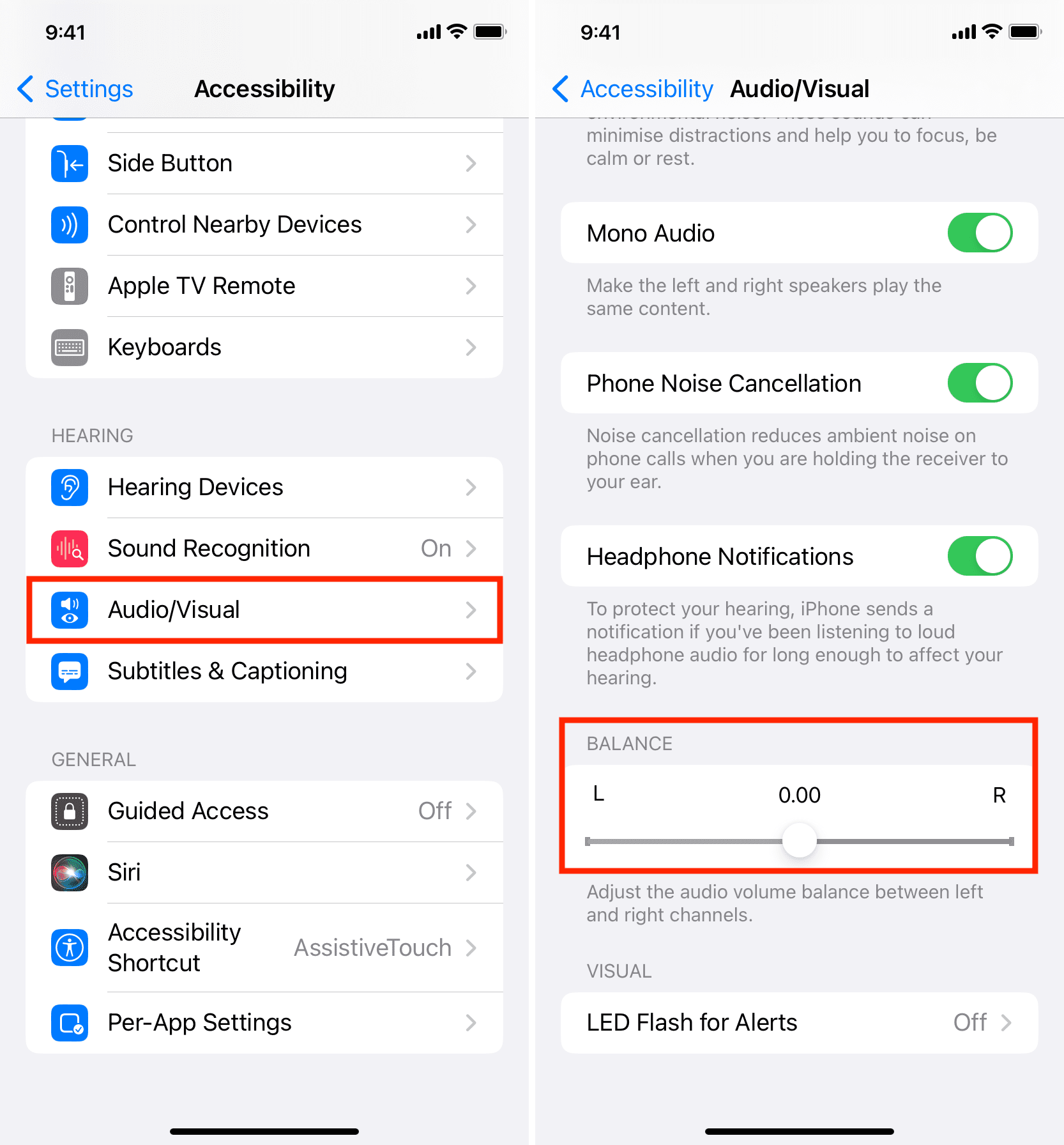
Why is My Music Volume So Low

Credit: www.idownloadblog.com

Possible Causes Of Low Music Volume

Low music volume can be caused by various factors such as software glitches, hardware issues, and misconfigured settings. In addition, damaged speakers or headphones can also lead to low music volume.

If you’re experiencing low music volume, don’t worry, you’re not alone! Low music volume is a common issue that people encounter. In this blog post, we’ll take a look at some of the possible causes of low music volume and what you can do to fix them. Below are some common issues that may be causing low music volume:

Faulty Headphones Or Speakers

Using speakers or headphones that are defective or outdated is a common cause of low music volume. If your speakers or headphones are old or damaged, they may not be working at their full potential. In addition, smaller headphones may not produce the same volume levels as larger ones. Therefore, it is highly recommended to test another set of headphones or speakers to verify whether your device is producing low volume or the issue is with your headphones/speakers.

Low Volume Settings On The Device

One of the most obvious causes of low music volume is a low volume setting on your device. If your device’s volume setting is too low, it will have an impact on the music volume. Be sure to check the volume levels on your device to ensure they are set high enough.

Audio File Quality

The quality of the audio file you’re playing may also impact the music volume. Some audio files may have low volume levels, thus reducing the volume of the music. If you’re experiencing low music volume, check the quality of the audio file being played.

Background Noise Interference

Finally, background noise can impact the music volume you’re experiencing. If you’re playing music in a noisy environment, such as outside or in a crowded area, the background noise will reduce the music’s volume. In such cases, it is recommended to try noise-canceling headphones or move to a quieter environment to enjoy your music fully. In conclusion, experiencing low music volume can be frustrating, but there are always different causes of the issue. Keep this guide handy, and the next time you experience low music volume, you will know what to check first to resolve it.

Why is My Music Volume So Low

Credit: www.imyfone.com

Troubleshooting Low Music Volume

Are you having trouble with low music volume? We all love to enjoy our favorite tunes and listen to them on repeat. But what if the sound is too low? There could be various reasons for low music volume. It can be frustrating, especially when you want to relax and unwind. Don’t worry, we’ve got you covered. Here are some ways to troubleshoot low music volume.

Check Headphones Or Speakers

Are you using headphones or speakers to listen to your music? Sometimes, a faulty headphone or speaker may be the reason for the low volume. Check if your headphones or speakers are working correctly. Try playing your music on a different device or try different headphones or speakers. If the sound is still low, move to the next solution.

Adjust Volume Settings On The Device

It is possible that the volume level on your device is set too low. Check the volume level on your device, and make sure it is not set too low. If you are using an Android device, you can check the volume level by pressing the volume button. If you are using an iPhone, you can adjust the volume level in the control center. If the volume is still low, move to the next solution.

Upgrade Audio File Quality

Low-quality audio files can result in low volume. Check the quality of your audio files. If you are streaming music, check if your connection is strong enough. If you have downloaded the music, try upgrading to high-quality audio files. High-quality files offer better sound quality, and the volume level is higher.

Eliminate Background Noise Interference

Background noise can interfere with the sound quality of your music. If you are listening to music on your phone, put it on airplane mode. This ensures that there are no interference waves that can disrupt the sound quality. You can also move to a quieter place. If you are listening to music on your laptop or desktop, close all other applications and mute notifications. This will reduce the background noise and improve the sound quality.

Tips To Improve Music Listening Experience

Improve your music listening experience by checking for low volume issues, which can be caused by an improper setup, faulty headphone or speaker connections, or software settings. Adjusting equalizer settings and adding external amplifiers can also help to enhance the volume and overall sound quality.

Tips to Improve Music Listening Experience: Music is a crucial element in our daily routine that can uplift our mood and energize us. However, nothing is more frustrating than playing your favorite jams and realizing that the music volume is too low. Fortunately, there are ways to improve your music listening experience. In this article, we will discuss four tips to help you enhance your music listening experience. Use High-Quality Headphones or Speakers: One of the main reasons why your music volume is low is due to the poor quality of headphones or speakers. Investing in high-quality headphones or speakers would significantly improve your music listening experience. Ensure your headphones/speakers are compatible with your device and deliver the sound quality that suits your preferences. Optimize Audio File Quality: Another factor that affects the volume of your music is the quality of the audio file. Music files that have low bitrate tend to sound quieter. Therefore, it’s advisable to choose music files with high bitrate whenever possible. Additionally, using lossless codecs, such as FLAC, will help enhance the overall sound quality and prevent distortion. Utilize Volume-Boosting Apps: There are several volume-boosting apps available that can increase the volume of your music. These apps work by increasing the overall volume of your device, which indirectly improves your music listening experience. However, it’s important to note that not all volume-boosting apps deliver the same quality of sound. Therefore, it’s advisable to do some research and choose a reliable app. Minimize Background Noise Distractions: Finally, background noise can also be a significant contributor to low music volume. Distractions in your environment, such as traffic, talking, or other noise, can lower your music volume. Using noise-cancelling headphones or earbuds can minimize background noise and enhance your music listening experience. In conclusion, improving your music listening experience is all about optimizing your devices and setting up your environment. Using high-quality headphones/speakers, optimizing audio file quality, utilizing volume-boosting apps, and minimizing background noise distractions can significantly enhance your music listening experience.

Why is My Music Volume So Low

Credit: www.quora.com

Health Concerns Related To High Volume Music

Music is an outlet for many people to relieve stress and anxiety, but did you know that listening to music at high volumes can have detrimental effects on your health? It’s essential to know the risks associated with listening to loud music and take appropriate measures to protect your health.

Noise-induced Hearing Loss

One of the most significant risks of listening to music at high volumes is that it can lead to noise-induced hearing loss. This type of hearing loss occurs when the sensitive hair cells in the ear become damaged due to prolonged exposure to loud music. The degree of damage depends on the frequency of the music, the volume level, and the duration of exposure. The damage may be temporary, but it can also be permanent in severe cases.

Ear Fatigue And Tinnitus

Listening to music at high volumes for extended periods can also lead to ear fatigue and tinnitus. Ear fatigue is when the ears become exhausted due to continuous exposure to loud music, leading to discomfort and even pain. Tinnitus is a ringing or buzzing in the ears, which can be temporary or permanent. It can also cause hearing loss in some severe cases.

Impact On Emotional Well-being

Studies have shown that listening to music at high volumes can negatively affect our emotional well-being. It can lead to increased anxiety and stress levels, especially if the music is aggressive or emotionally charged. This can result in irritability, difficulty concentrating, and even mood swings.

Advice For Safe Listening Habits

It’s crucial to adopt safe listening habits to avoid damaging your hearing and emotional well-being. Here are some tips:

  • Use noise-cancelling headphones to reduce external noise and avoid turning up the volume too much.
  • Take regular breaks from listening to music to allow your ears to rest.
  • Keep the volume at a safe level, not more than 60% of the maximum volume of your device.
  • Listen to music in a quiet environment to avoid distractions and external noise.
  • Use custom earplugs or earmuffs if you’re exposed to loud music for an extended period.

In conclusion, listening to music at high volumes poses a severe risk to your health. Don’t underestimate the importance of protecting your hearing and mental health. Adopt safe listening habits and take care of yourself in the long run.

Frequently Asked Questions On Why Is My Music Volume So Low

Why Is My Music So Quiet On Full Volume?

Your music may be quiet on full volume due to various reasons. It could be low-quality audio files, malfunctioning headphones/speakers, EQ settings, or outdated drivers. Check all of these to identify the root cause and fix the issue. Alternatively, you can try a volume booster app to increase the volume, but be careful not to damage your device.

Why Is My Iphone Music So Quiet?

The most common reason for iPhone music being too quiet is the volume limit setting. Check your settings and adjust to increase volume. Additionally, using headphones with noise-cancelling features or a portable speaker can also improve the audio output.

Why Is My Phone Volume So Low When Playing Music?

The phone volume may be low due to various reasons such as: the volume is turned down, the headphones or speakers are damaged, the media player settings are incorrect, or the phone’s software needs to be updated. Try adjusting the volume and checking your media player settings first, and if that doesn’t work, consider checking your headphones or speakers or updating your phone’s software.

Why Are My Songs Not Loud Enough?

Your songs might not be loud enough because of various reasons such as low volume settings, mastering techniques, or audio compression. Check if your tracks have been normalized and compressed properly. Also, make sure to evaluate the frequency distribution and adjust the EQ levels accordingly.

Additionally, listen to your mixes on different devices and sound systems to ensure an optimal sound experience.

Conclusion

Based on the above discussion, you can fix the low music volume by considering certain factors, such as hardware and software settings, equalization, background apps, and updating audio drivers. Applying these solutions will not only enhance your music listening experience but also optimize device performance.

Therefore, you should take advantage of the tips provided in this blog to enjoy loud and clear music.

Categories
Archive

Fabfilter Mastering Presets

FabFilter Mastering Presets are pre-configured settings designed to streamline the mastering process within FabFilter software. With these presets, users can achieve a professional, polished sound quickly and easily.

FabFilter is a popular software brand among music producers and sound engineers alike. Known for their high-quality plugins and intuitive interfaces, FabFilter offers innovative solutions to common audio challenges. One such solution is their collection of Mastering Presets. These presets allow users to achieve a professional-sounding master without spending hours tweaking knobs and adjusting settings.

Whether you’re a seasoned pro or an aspiring producer, FabFilter Mastering Presets can help you achieve the sound you’re looking for. With a range of options from subtle enhancements to full-on loudness maximization, these presets offer a versatile and efficient way to master your tracks.

Fabfilter Mastering Presets

Credit: m.youtube.com

Advantages Of Fabfilter Mastering Presets

Fabfilter Mastering Presets offer numerous advantages for both novice and experienced audio engineers. With well-designed presets created by industry professionals, these presets provide accurate and efficient starting points for mixing and mastering various genres. The time saved can be devoted to more creative processes, leading to a more polished and professional result.

If you are an audio engineer or music producer, you must have come across the term ‘mastering presets.’ Fabfilter is one of the industry’s leading mastering plugin developers, and they offer a vast selection of presets. In this article, we will discuss the various advantages of Fabfilter mastering presets, including efficiency in audio mastering, consistency across multiple tracks, and ease of use for both beginners and experts.

Efficiency In Audio Mastering

One of the significant advantages of using Fabfilter mastering presets is efficiency in audio mastering. It saves time by providing pre-configured settings that have been optimized for various mastering scenarios, such as boosting the bass, enhancing the clarity or removing unwanted pops. With these presets, you can speed up your workflow and achieve professional-sounding mixes without having to spend hours adjusting individual parameters manually.

Consistency Across Multiple Tracks

Another significant advantage of Fabfilter mastering presets is consistency across multiple tracks. When working on an album or an EP, it’s essential to ensure the tracks sound consistent in terms of overall loudness, tonal balance, and dynamic range. With Fabfilter presets, you can apply the same settings across all the tracks to achieve a cohesive and professional sound.

Ease Of Use For Both Beginners And Experts

Fabfilter presets offer ease of use for both beginners and experts. If you are new to mastering, the presets provide a helpful starting point, and you can gradually adjust the various parameters to your liking. For the experts, the presets are a lifesaver as it allows them to work faster while still maintaining the needed quality. Furthermore, Fabfilter plugins have a user-friendly interface that allows you to tweak and adjust parameters easily. Overall, the advantages of Fabfilter Mastering presets include efficiency, consistency, and ease of use. Whether you are a beginner or an expert, these presets can significantly improve your workflow and help you achieve professional-sounding mixes in record time.

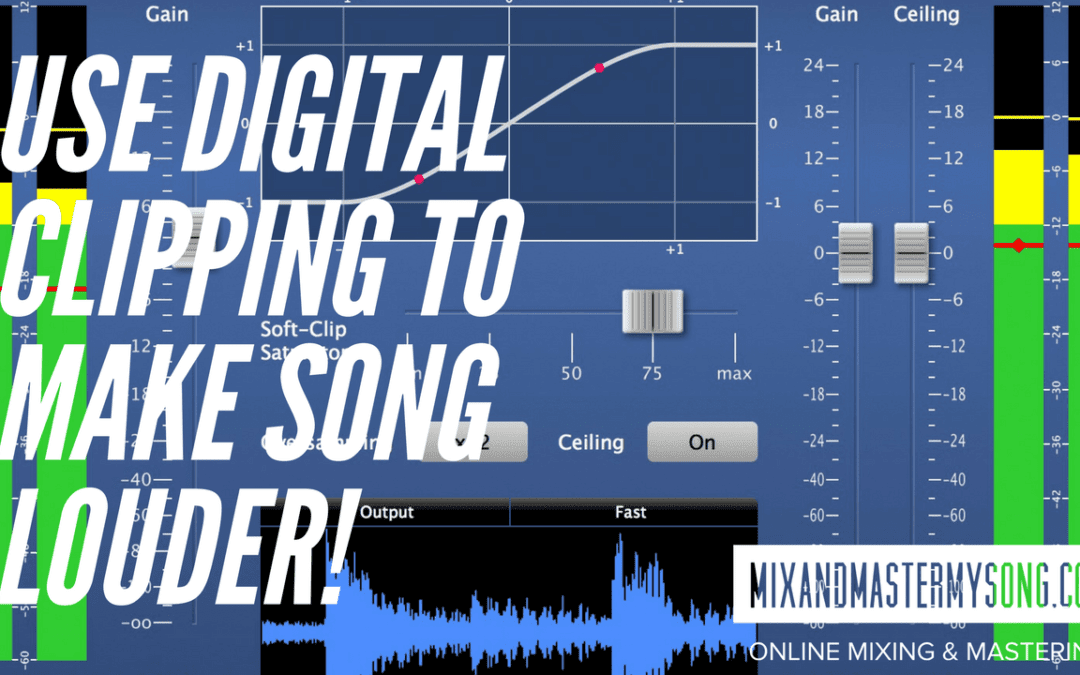
Fabfilter Mastering Presets

Credit: mixandmastermysong.com

Types Of Fabfilter Mastering Presets

Fabfilter mastering presets can save you a lot of time and effort when it comes to mastering your tracks. These presets are designed for different audio instruments, making it easier for you to achieve your desired sound in just a few clicks. Today, we will be discussing the different types of Fabfilter mastering presets. These presets are:

  • Equalizer PresetsFabfilter equalizer presets are used to adjust the levels of different frequencies in your track. This preset can help you to bring out the best in your audio by allowing you to adjust the low, mid and high frequencies as per your need.
  • Compressor PresetsFabfilter compressor presets are designed to balance the dynamic range of your audio tracks. These presets help to control the levels of the volume spikes and reduce the overall volume level of your track. They can help you to achieve a crisper and more balanced sound.
  • Limiter PresetsFabfilter limiter presets are designed to prevent your audio tracks from clipping or distorting. These presets help you to maximize the volume of your track while maintaining a consistent sound level. This preset is perfect for those who want their final mix to sound louder and punchier.
  • Multiband Compressor PresetsFabfilter multiband compressor presets are used for complex mastering tasks. The presets allow you to target specific frequency ranges to compress, so you can control any harsh or unpleasant sounds in your track better. This is a recommended preset for those who want a more professional mastering sound.

Now that you know the different types of Fabfilter mastering presets, you can easily choose the one that fits your audio needs perfectly. These presets are designed to optimize your mastering process and save you time and effort. So, give them a try and get ready to feel the difference.

How To Access And Use Fabfilter Mastering Presets

If you are looking for an easy and efficient way to improve the sound quality of your audio tracks, Fabfilter Mastering Presets is the way to go. Here, we will take you through how to access and utilize Fabfilter Mastering Presets to achieve the best results.

Accessing From The Presets Menu

Accessing the Fabfilter Mastering Presets is quite easy. All you need to do is to open the presets menu by clicking on the presets button located at the top of the interface. You will be presented with a list of available presets that you can use to enhance your audio tracks.

Customizing Presets Based On Your Needs

While the default presets may work for some, customizing them can help you achieve the sound quality you desire. You can tweak each preset based on your needs using the Fabfilter’s intuitive user interface.

You can alter EQ settings, dynamic range, stereo imaging, and other parameters to create a sound that suits your style. This is the easiest way to achieve the sound quality you need without having to go through the trouble of building your mastering chain from scratch.

Using Presets As Starting Points For Mastering

Starting your mastering process from scratch can be time-consuming and exhausting. However, with Fabfilter Mastering Presets, you can easily use them as a starting point for your mastering chain. This saves you time, and the presets can be tweaked to your preference.

The trick here is to choose the preset that best suits your audio track. You can preview each preset by playing your audio track and then selecting the preset. You can then make adjustments to achieve the sound quality you need.

Using Fabfilter Mastering Presets is a sure way to achieve high-quality sound when mastering your tracks. Whether you are a beginner or a pro, Fabfilter Mastering Presets will help you attain the sound quality you need without a hassle.

Top Fabfilter Mastering Presets For Different Genres

Discover the top Fabfilter Mastering Presets for various genres and take your music to the next level. These presets are designed by industry experts to help you achieve a professional sound easily and efficiently, saving you valuable time.

If you’re looking for a way to streamline your mastering process and get professional-grade results, you need to check out Fabfilter’s mastering presets. Designed with a focus on ease of use and high-quality sound, these presets are a favorite among audio engineers and music producers alike. In this post, we’ll take a look at the top Fabfilter mastering presets for different genres, so you can achieve the perfect sound for your tracks.

Pop

Pop music demands a bright, punchy, and polished sound that’s both energetic and smooth. The Fabfilter “Pop Mastering” preset excels in providing precisely that kind of sound. It features bright and tight EQ settings that allow your vocals and instruments to pop out of the mix, while the multiband compression glues everything together into a cohesive sound.

Rock

Rock music requires a different kind of mastering than pop music, with a focus on edgy, aggressive, and dynamic sound. The Fabfilter “Rock Mastering” preset takes care of that, with its focused and punchy EQ settings, and the aggressive compression that adds a sense of urgency to your sound. The preset also includes a limiter that allows you to boost the overall volume of your track without losing clarity.

Hip-hop

Hip-hop music is all about the groove, with a tight and punchy sound that makes you want to move your feet. Fabfilter’s “Hip Hop Mastering” preset is designed to deliver precisely that kind of sound. With a heavy emphasis on bass and percussion, the preset features tight EQ settings that allow your beats to cut through the mix while the multiband compression adds punch and groove to your sound.

Electronic

Electronic music comes in many different forms, from ambient and atmospheric to hard-hitting and aggressive. The Fabfilter “Electronic Mastering” preset is designed to handle all of these genres, with a flexible EQ and a multiband compressor that allows you to shape the sound precisely the way you want. It also features a limiter that ensures your track stays loud and clear during playback.

Classical

Classical music requires a different kind of mastering altogether, with a focus on warmth, balance, and clarity. The Fabfilter “Classical Mastering” preset handles this with ease, providing a warm and balanced EQ setting that brings out the inherent beauty of the music. The multiband compressor ensures that your orchestration is clear and well-defined, while a limiter guarantees that the track has enough volume to shine. In conclusion, mastering your tracks with the right presets can make all the difference between a mediocre track and a professional-level one. Fabfilter’s range of mastering presets offers a versatile and user-friendly way to achieve high-quality sound across different genres. Whether you’re producing pop, rock, hip-hop, electronic, or classical music, Fabfilter’s mastering presets have got you covered.

Creating Your Own Fabfilter Mastering Presets

Learn how to create your own Fabfilter mastering presets and take complete control of your audio mastering process. This expert-level tutorial will guide you through the steps of achieving a professional finish to your mixes.

As a producer or mixing engineer, you require final touch on your music to make it sound polished and professional. Fabfilter is an excellent tool that can help you achieve that. The Fabfilter Mastering Presets, with its advanced algorithms and intuitive interface, has become remarkably popular among the mixing and mastering community. In this article, we will discuss how you can create your own Fabfilter mastering presets.

Identifying Your Own Mastering Goals

Before jumping into creating your custom presets, it is essential to understand your mastering goals. Each producer has their unique mixing style, and you should have a clear vision of how you want your end product to sound. Take note of the characteristics you would like to achieve in your music, such as tonal balance, punch, clarity, loudness, width, depth, warmth, and stereo imaging. Setting your mastering goals will assist you in creating your presets effectively.

Methods For Creating And Refining Personal Presets

Now that you have identified your mastering goals, it’s time to start creating your presets. Begin by opening a new instance of Fabfilter, and adjust the parameters to achieve the desired sound you want. When creating your presets, make sure to keep the workflow simple and organized. You can add multiple modules, such as EQ, Compressor, Limiter, and Multiband Dynamics, to your mastering chain. While tweaking your presets, ensure that the final output does not damage your audio by introducing unwanted distortion or artifacts. After creating a preset, use your ears and analyze the final output to determine if any improvements are necessary. Tweak and refine the presets until they meet your mastering goals.

Tips For Using Your Custom Presets Effectively

Once you have your Fabfilter mastering preset ready, it’s time to use them effectively. One thing to keep in mind is that presets are not a one-size-fits-all solution. You should tweak your presets according to the type of music that you’re mastering. When mastering acoustic music, for example, you may want to adjust the EQ and compressor settings differently than you would for electronic music. It’s also essential to avoid over-processing your music, as this can cause fatigue to the listener’s ears. Measure the loudness of your audio accurately and match it with comparable productions. Lastly, it is critical to ensure that your custom presets have a standardized naming convention. This will make it easier to manage your presets and recall them quickly. In conclusion, creating your own Fabfilter mastering presets can help you achieve your mastering goals more efficiently and reliably. Make sure to have a clear vision of what you want to achieve before diving into creating your presets. Always strive for quality rather than quantity and remember to tweak and refine your presets until they deliver the desired result.

Fabfilter Mastering Presets

Credit: mixdichzummaster.com

Frequently Asked Questions For Fabfilter Mastering Presets

How Do You Master A Song With Fabfilter?

To master a song with FabFilter, follow these steps: 1. Start by preparing your mix and analyzing the audio with Pro-Q 3 EQ. 2. Use Pro-L 2 limiter for gain adjustment and loudness maximization. 3. Add final touches with Pro-MB multiband compressor and Pro-R reverb.

4. Use the A/B feature to compare your mastered track with the original mix. 5. Finally, export your mastered track in the right format and quality.

Where Are Fabfilter Presets?

FabFilter presets can be found inside the presets folder of the main installation folder. To access them, open your DAW, load a FabFilter plugin, and click the presets button. From there, select the folder and preset you want to use.

What Are Mastering Presets?

Mastering presets are pre-programmed settings used by audio engineers to optimize and enhance audio tracks during the mastering process. These presets provide a starting point for the engineer to achieve the desired sound and can be adjusted as needed.

Is Fabfilter The Best Eq?

FabFilter is one of the top EQs available on the market, due to its intuitive interface, precise controls, and versatile sound options. Many professional music producers and sound engineers recommend it.

Conclusion

Mastering your tracks can be a tedious task but with Fabfilter’s revolutionary mastering presets, the process becomes effortless. These presets provide a solid foundation to work with and give your tracks the polished edge they deserve. With a wide range of customization options available, these presets are perfect for both novice and seasoned audio engineers.

So, if you’re looking to up your mastering game, give Fabfilter’s presets a shot and take your tracks to the next level.

Categories
Archive

Stay Creative As a Musician

Stay creative as a musician through regular practice and exploration. As an artist, it is important to continually push yourself and try new things, whether it be experimenting with different genres or incorporating new techniques into your playing.

By staying open to new ideas and being dedicated to your craft, you can maintain your creativity and continue to grow as a musician. However, staying creative can be a challenge, especially when facing creative blocks or feeling uninspired. We will explore some strategies for keeping your creativity flowing and staying motivated as a musician.

Whether you are a beginner or an experienced musician, these tips can help you maintain your passion for music and avoid burnout.

Why Creativity Is Important For Musicians

As a musician, it is crucial to continuously enhance your musical skills and refine your craft to stand out in the industry. One way to level up as a musician is by staying creative. Creativity is not only limited to creating new songs but also extends to different aspects of music-making. In this article, we will explore the importance of creativity for musicians and how it can take your music to the next level.

Exploring The Benefits Of Being Creative

Creativity adds a new dimension to your music, giving it a unique flavor and making it more interesting. By being creative, you get to explore different musical ideas and experiment with different sounds, which can lead to new possibilities and musical discoveries. Moreover, being creative allows you to stand out from the crowd and have a unique selling point that can attract potential fans and collaborators.

Creativity also offers a way to express yourself and your individuality as an artist. It provides an opportunity to bring your personality and experiences to your music, making it more authentic and relatable. As a result, you connect more deeply with your audience and leave a lasting impression on them.

How Creativity Helps You Stand Out As A Musician

As mentioned earlier, creativity sets you apart from other musicians. By incorporating your unique ideas and sounds into your music, you create a strong brand identity that helps you stand out in the industry. Additionally, being creative shows that you are someone who is not afraid to take risks and try new things, which is a quality that people admire and respect.

Creativity also helps you to create a strong fan base by making your music more memorable. Fans are drawn to unique and interesting music, and by being creative, you give them a reason to keep coming back for more. Having a loyal fan base is essential for a successful music career, and creativity is one way to achieve it.

In conclusion, creativity is a crucial aspect of being a successful musician. It not only enhances your music but also sets you apart from other musicians and helps you to connect with your audience. By exploring different musical ideas and experimenting with your sound, you can take your music to the next level and create a unique brand identity that resonates with your fans.

Ways To Stay Inspired And Creative

As a musician, staying creative can be a challenge, but there are ways to keep the inspiration flowing. Experiment with different genres, collaborate with other artists, take breaks to avoid burnout, and continue learning and growing as a musician. Stay open-minded and don’t be afraid to take risks to explore new sounds and ideas.

As a musician, staying inspired and creative is essential for maintaining your passion and driving your career forward. But how do you stay creative and continue to innovate your music while avoiding creative burnout? There are several ways you can keep your creativity flowing, and this post will explore some of the most effective methods to help you stay at your best.

Drawing Inspiration From Different Sources

One of the key ways to stay inspired as a musician is to draw inspiration from diverse sources. Listening to different genres of music, attending live performances, watching movies, or reading books that differ from your normal preferences can help you discover new ideas that you can incorporate into your music. You can also turn to unconventional sources like nature, art, or even your personal experiences to find inspiration. The bottom line is to stay open to new experiences and ideas.

Keeping An Open Mind To New Ideas

As musicians, it’s important to maintain an open mind to new ideas. Collaborating with other musicians who have different styles and tastes from yours can open up new creative avenues and push you out of your comfort zone. Even just attending concerts or jam sessions with other music enthusiasts can expose you to new sounds and techniques. The more you expose yourself to new ideas, the more likely you will find inspiration.

Collaborating With Other Musicians

Collaborating with other musicians is one of the best ways to keep creativity flowing. Working with other people can challenge your perspective and bring out the best in your abilities. You can learn from one another, bounce ideas off each other, and challenge each other creatively. When you work with other musicians, you will not only create something new, but you will also potentially expose your music to a new audience.

Tapping Into Your Emotions

Music is an emotional art form, and tapping into your emotions can be a powerful tool in your creative arsenal. Take time to reflect on your life experiences, tap into your emotions, and channel your feelings into your music. Your music will be more authentic, and your fans will appreciate the candor that comes from an emotionally charged music experience.

Experimenting With New Instruments Or Music Styles

Finally, trying out new instruments or music styles is a great way to stay inspired and creative. Breaking away from the familiar can help bring about new ideas, techniques and can bring a new perspective into your music. You can try different instrumentation, play around with varying music styles, or blend different genres to come up with something unique and exciting. In conclusion, staying inspired and creative as a musician is a continuing process that requires effort and dedication. Drawing inspiration from different sources, keeping an open mind to new ideas, collaborating with other musicians, tapping into your emotions, and experimenting with new instruments or music styles can all help keep your creativity flowing.

Overcoming Creative Blocks

As a musician, it’s common to experience creative blocks which can hamper your productivity. To stay creative, try changing your environment, listening to different genres of music, collaborating with other artists, and taking breaks to recharge your creative energy. Embrace experimentation and embrace the journey of creating music.

As a musician, there may come a time when creative inspiration is not forthcoming. This can be frustrating and demotivating, but it’s important to remember that creative blocks are a normal part of the creative process. Overcoming these blocks requires a combination of patience, practice, and perseverance. Here are some strategies musicians can use to overcome creative blocks.

Identifying The Root Cause Of Your Block

The first step to overcoming creative block is to identify the root cause. This could be external factors like stress or lack of time or internal factors like fear or self-doubt. Once you have identified the root cause, you can start to take action to address it. For example, if you’re feeling stressed, you could try meditation or exercise to help reduce stress levels.

Using Exercises And Techniques To Unblock Creativity

There are many exercises and techniques musicians can use to unblock creativity. One popular technique is to use random word prompts to inspire new ideas. Another is to create limitations on your creative process, such as writing a song with only three chords. These limitations can help to spark new ideas and force you to think outside of your usual creative patterns.

Learning To Embrace Mistakes And Imperfections

Lastly, it’s important for musicians to learn to embrace mistakes and imperfections. No one is perfect, and mistakes can often lead to creative breakthroughs. Instead of getting discouraged by mistakes, try to approach them with curiosity and a willingness to learn. By embracing imperfections, you can let go of perfectionism and allow yourself to create freely. In conclusion, every musician experiences creative blocks at some point in their career. By identifying the root cause of your block, using exercises and techniques to unblock creativity, and learning to embrace mistakes and imperfections, you can push through these blocks and continue to create music that inspires you.

Stay Creative As a Musician

Credit: www.youtube.com

Fostering A Creative Environment

To stay creative as a musician, fostering a creative environment is crucial. This can be achieved by surrounding yourself with other creative individuals, exploring new music genres, experimenting with different instruments and sounds, and giving yourself time and space to get inspired.

Keep pushing yourself out of your comfort zone and never stop learning and growing as an artist.

As a musician, creativity is essential to your success. You need to foster a creative environment that encourages you to explore and come up with new ideas. Creating an environment that fuels your creativity can be challenging, but with the right approach, you can do it. In this blog post, we will discuss some tips on how to create a space that encourages creativity, finding a supportive community, and establishing routines that promote creativity.

Creating A Space That Encourages Creativity

Your environment plays a significant role in determining your level of creativity. Creating a space that fosters creativity can help you generate more ideas and produce better music. Here are some tips to create a space that encourages creativity:

  • Invest in quality equipment that promotes productivity and creativity.
  • Organize your space to reduce distractions and clutter.
  • Decorate your space to inspire creativity, for example, hang a musical poster or a picture of your favorite artist.
  • Ensure there are ample natural lighting and good ventilation in the room to keep your mood and energy levels up.

Finding A Supportive Community

Being part of a supportive community of musicians can help you stay motivated and inspired. A supportive community can provide feedback, share experiences, and provide opportunities for collaboration. Here are some ways to find a supportive community:

Ways to find a supportive communityDescription
Join online forums or groupsFind a forum or group with like-minded individuals. Engage actively in conversations and share your music.
Attend concerts, gigs, or showsAttending concerts and shows can be a great way to meet other musicians, exchange numbers, and establish relationships.
Join a music program or schoolJoining a music program or school can expose you to a variety of students, music genres, and instructors.

Establishing Routines That Promote Creativity

Establishing a routine or habit can be an effective way to promote creativity. By incorporating certain activities or tasks into your daily routine, you can train your brain to be more creative and productive. Here are some routines that can help promote creativity:

  1. Set aside a dedicated time each day to practice and play music
  2. Engage in physical exercise, yoga, or meditation to increase mental clarity and energy levels.
  3. Set achievable daily, weekly, and monthly milestones to monitor your progress and improve productivity.

In conclusion, fostering a creative environment that encourages exploration and new ideas is essential for musicians. Creating a space that fosters creativity, finding a supportive community, and establishing routines that promote creativity can go a long way in helping you stay creative, productive, and successful as a musician.

Putting Your Creativity Into Practice

As a musician, staying creative is imperative to your success. You can put your creativity into practice by experimenting with new techniques, collaborating with other artists, and staying open to inspiration from different sources. By continually challenging yourself to think outside the box, you will be able to produce unique and captivating music that stands out in the industry.

As a musician, it’s essential to continually develop your craft and nurture your creativity. Putting your creativity into practice involves incorporating creative elements into your performances, composing original music, improvising and adapting to the moment, and finding your unique voice as a musician.

Incorporating Creative Elements In Your Performances

Every musician has their unique style and sound. However, there are ways to incorporate creative elements into your performances to make them stand out. Whether it’s experimenting with different instruments, incorporating new genres, or collaborating with other artists, there are countless ways to take your performances to the next level. By pushing the boundaries and trying new things, you’ll keep your audience engaged and excited about your music.

Composing Original Music

Composing original music is an excellent way to showcase your creativity as a musician. Inspiration can come from anywhere – a beautiful melody you heard, a powerful phrase, or a personal experience. Don’t be afraid to experiment with different sounds and styles until you find the perfect match for your musical message. By creating original music, you’ll establish a unique sound that sets you apart from other musicians.

Improvising And Adapting To The Moment

Improvisation is an essential skill that every musician should develop. Spontaneously creating music is an exciting way to showcase your creativity while connecting with your audience. Whether it’s improvising solos, modifying arrangements, or adding new elements to your performance, improvisation allows you to stay adaptive and flexible in unexpected situations. Being able to improvise and adapt to the moment is an asset that every musician should develop.

Finding Your Unique Voice As A Musician

Finally, finding your unique voice as a musician is crucial to stand out in the industry. Your voice is not only about singing but also about expressing yourself and your message through your music. By discovering your unique style, sound, and message, you’ll establish a brand that creates an emotional connection with your audience. You’ll not only be remembered for your music, but also for the unique essence that you bring to the table. In conclusion, as a musician, you must put your creativity into practice to elevate your craft and stand out in the industry. By incorporating creative elements in your performances, composing original music, improvising and adapting to the moment, and finding your unique voice, you’ll create a brand that connects with your audience on a deeper level.

Stay Creative As a Musician

Credit: in.mashable.com

Staying Motivated To Be Creative

Staying motivated as a musician to stay creative can be a challenge. To maintain inspiration, try collaborating with others, exploring new genres and sounds, and taking breaks when needed. Remember to prioritize self-care practices to prevent burnout and maintain mental clarity.

Being creative is crucial for a musician to stay relevant and keep their fans engaged. However, it’s not easy staying motivated to create something new and innovative each time you sit down with your instrument. The desire to write a song, compose a tune, or even practice can seem daunting when you’re not motivated. But fear not, we have some strategies to help you stay creative and motivated.

Setting Goals And Objectives

Setting achievable goals and objectives can help to keep you motivated as a musician and encourage your creativity. Setting goals can help you stay focused, measure your progress, and give you a sense of accomplishment. Make sure your goals are specific, measurable, and realistic. For example, if you’re learning a new song, set a goal to master one line each day. Once you achieve that goal, move onto the next line.

Celebrating Your Wins And Accomplishments

You’ve probably heard the saying, “success breeds success.” The same principle applies to staying motivated and creative. Celebrating your wins and accomplishments, no matter how small they are, can help boost your motivation and inspire you to keep going. Celebrate those small victories by acknowledging your accomplishments to yourself, your friends, or even on social media. If you manage to write a great line, post it on Instagram. If you impress your music teacher, take a selfie with her.

Staying Curious And Always Learning

Another way to stay motivated and creative is by staying curious and always learning something new. Whether it’s learning a new instrument, exploring a different genre of music, or attending a workshop, trying new things keeps your mind fresh, challenges you, and encourages creativity. Take time to read about your favorite artists, attend concerts, and music festivals. You can also expose yourself to different art forms like films, books, paintings, or photographs. These different experiences can provide new perspectives, inspire new ideas, and fuel your motivation to create. In conclusion, to stay motivated and creative, it’s important to set achievable goals, celebrate your wins, and stay curious by maximizing your learning opportunities. Remember, motivation is not something that just happens; it needs to be nurtured and worked on daily. By adopting these strategies, you can stay motivated and inspired to create music that resonates with you and others.

Overcoming Fear And Doubt In Creativity

As a musician, staying creative is a crucial element of ensuring continued success and growth. However, fear and doubt can often creep in and hinder the creative process. Overcoming these obstacles is not always easy, but it is essential for pushing yourself as a musician and achieving your goals. In this blog post, we will explore how to understand, break down and push through self-limiting beliefs to unleash your full creative potential.

Understanding How Fear Affects Creativity

Fear is a natural human response to potential danger or failure. When it comes to creativity, fear of judgment or failure can stifle your ability to create freely. It can cause hesitation, second-guessing, and even complete creative blocks. But acknowledging your fears can help you navigate around them and gain control of your creative process.

Breaking Down Self-limiting Beliefs

Self-limiting beliefs are the negative thoughts and assumptions you have about yourself. They can make you doubt your abilities or limit your potential to grow and create as a musician. However, examining these beliefs can break them down and help you realize that they are often unfounded. Replacing them with positive affirmations can rewire your brain and help you approach your craft with confidence and renewed energy.

Pushing Through Fear And Taking Creative Risks

Pushing through fear is easier said than done, but it can be achieved by taking creative risks. These risks can allow you to step outside of your comfort zone and discover new possibilities for your music. By embracing failure as a necessary part of the creative process, you’ll learn to grow and become more resilient. Take risks that excites you and trust that your creativity will lead you in a positive direction.

In conclusion, overcoming fear and doubt in your creativity is crucial for any successful musician. By understanding how fear affects creativity, breaking down self-limiting beliefs, and pushing through fear by taking creative risks, you can unleash your full potential and create music that truly speaks to your soul.

Embracing Change And Growth In Your Creative Journey

As a musician, it’s important to embrace change and growth in your creative journey. Trying new things and stepping outside of your comfort zone can lead to unique ideas and exciting collaborations. By staying open to new experiences, you can ensure your music stays fresh and engaging for your audience.

As a musician, it’s important to stay creative and adaptable in an ever-changing industry. Embracing change and growth is essential to staying relevant and developing your skills. This means recognizing when it’s time to make a change, embracing opportunities for growth and development, and staying adaptable and open to new possibilities.

Recognizing When It’s Time For Change

Change is inevitable in any creative industry, and it’s important to recognize when it’s time to make a change in your own career. This might mean shifting your focus to a different genre of music, changing your branding or image, or even pursuing a different career path altogether. It’s important to stay true to your own creative vision and not be afraid to take risks, even if it means leaving your comfort zone. Sometimes the biggest changes can lead to the most rewarding experiences and opportunities.

Embracing Opportunities For Growth And Development

In today’s fast-paced music industry, it’s important to stay ahead of the curve and continually seek out opportunities for growth and development. This might mean learning new instruments or production techniques, collaborating with other musicians, or seeking out new performance opportunities. It’s also important to take advantage of online resources and social media platforms to connect with other musicians and fans, and to stay on top of the latest industry trends and developments.

Staying Adaptable And Open To New Possibilities

Finally, to stay creative and successful as a musician, it’s essential to stay adaptable and open to new possibilities. This means being willing to experiment with new sounds and styles, and to adapt to changing industry trends and technologies. It’s important to keep an open mind and to constantly seek out new experiences and collaborations, whether it’s working with a new producer or performing in a new venue. By staying adaptable and open to new opportunities, you’ll be able to stay creative and successful in an ever-changing industry.

Frequently Asked Questions On Stay Creative As A Musician

What Makes A Musician Creative?

A musician’s creativity is fueled by their ability to think outside the box and come up with unique and original ideas for their music. They draw inspiration from various sources and use their skills to bring their ideas to life, resulting in a unique and personalized sound.

Why Is Creativity Important For Music?

Creativity is essential for music because it allows artists to express themselves in unique ways and produce original and innovative works. It helps creates a distinctive sound and style that stands out in a crowded industry. Creative exploration also opens up new possibilities for musical composition and experimentation, leading to a more diverse and vibrant music scene.

Does Playing Music Make You More Creative?

Music has been shown to have a positive impact on the brain and can enhance creativity. It can stimulate different areas of the brain and improve cognitive function. Listening to music while performing creative tasks can also help with focus and inspiration, leading to more creative output.

How Do I Keep Myself Creative?

To keep yourself creative, try exploring new experiences, taking breaks from work, surrounding yourself with inspiration, practicing mindfulness and self-reflection, and engaging in activities that stimulate your brain. It’s essential to maintain a balance between work and leisure to keep your creativity flowing.

Conclusion

In essence, creativity should be a musician’s best friend. It’s what sets them apart from the rest and keeps them on top of their game. By being open-minded, experimenting, and listening to different genres, musicians can constantly improve and grow as artists.

Don’t be afraid to step outside of your comfort zone and push the boundaries of your craft. Remember, the sky’s the limit when it comes to creativity. So keep practicing, stay inspired, and never stop creating!

Categories
Archive

Tips for Musician Marketing

For effective musician marketing, leverage social media, engage with your fans, collaborate with other artists and actively seek press coverage. As a musician, you need a solid marketing strategy to reach your audience and grow your fanbase.

Musician marketing can be a complex and challenging task, especially in today’s digital age where the competition is intense. However, with the right strategies, musicians can effectively promote their music and stand out from the crowd. By building a strong online presence, engaging with your fans, collaborating with other artists, and getting press coverage, you can create a loyal following and grow your career.

Email marketing is still one of the strongest musician marketing channels. For more ideas, read our marketing tips for musicians and our guide to email marketing for musicians.

This article will explore some tips for musician marketing that you can implement to increase your visibility, attract new fans, and ultimately achieve success as a musician.

Musician Marketing Starts With Your Target Audience

Understanding your target audience is crucial for successful musician marketing. So, take the time to research who your audience is, what they like, and which platforms they use. This knowledge will help you create targeted content that resonates with them and increases engagement.

To achieve success as a musician, it’s crucial to know your target audience. Understanding who your music appeals to, and what exactly those individuals are looking for, is essential for crafting an effective musician marketing strategy. In this article, we’ll explore some tips for researching and identifying your target audience.

Identify Who Your Music Appeals To

If you’re a musician, you probably already have an idea of who your music appeals to. However, putting a name, face, and demographic profile to your ideal listener can help you create more effective marketing campaigns. Start by asking yourself some key questions such as:

  • What age group(s) might be drawn to my music?
  • Which genres of music interest my fans most?
  • What interests or lifestyles might my fans have in common?

By defining who your target audience is, you can then research and analyze the specific demographics and interests of that group to fine-tune your marketing approach.

Research The Demographics And Interests Of Your Audience

After defining your target audience, the next step is to discover more about the demographic and psychographic profiles of your fans. Some of the most valuable information to gather includes:

Demographic informationPsychographic information
AgeValues and beliefs
GenderLifestyle and interests
LocationAttitudes towards music and performance
OccupationMusic consumption habits

For example, you can gather this information from social media analytics, online surveys, and streaming platforms. As a result, you learn the specific needs and interests of your target audience. This allows you to tailor your marketing strategy to better connect with them.

In Conclusion

Identifying and understanding your target audience is critical to success as a musician. By defining who your music appeals to and researching your audience’s demographics and interests, you can create more effective marketing campaigns and ultimately build a loyal fan base.

musician marketing — Tips for Musician Marketing

Credit: blog.groover.co

Create A Strong Brand Image

A clear brand is the core of musician marketing. To create a strong brand image as a musician, focus on developing a unique style and persona that aligns with your music and connects with your audience. Utilize social media platforms, networking opportunities, and consistent branding elements to establish a cohesive and memorable image.

Creating a Strong Brand Image is critical when it comes to marketing for a musician. Your brand image is what sets you apart from the crowd and helps you build a loyal following. In this section, we’ll discuss three critical elements of creating a strong brand image for music marketing.

Design a memorable logo

Your logo is often the first thing people will see when they come across your music. It’s a visual representation of your brand, and it should be memorable, unique, and instantly recognizable. When designing your logo, consider your genre, target audience, and brand personality. Keep in mind that your logo will be used across all your marketing channels, so it should be adaptable to different mediums. For example, you can create your logo with online tools, or you can hire a professional designer.

Develop a consistent visual style

Using a consistent visual style across all your marketing materials helps to create a cohesive brand image. Choose a color palette, font, and photo style that aligns with your brand personality and stick to it.

This will help your audience to recognize your brand quickly. Also, your visual style should reflect your music and the emotion it conveys. Use it across all your marketing channels, including social media, website, album covers, and merchandise.

Craft a unique tone and voice

Your brand’s tone and voice are the personality of your brand that shines through your marketing efforts. It encompasses the language, messaging, and attitude you use across your marketing channels. It should align with your brand personality and target audience. In addition, a unique voice sets your music brand apart from the competition. Consider your brand persona when crafting your message, keep it consistent, and use it consistently across all your branding efforts. In conclusion, creating a strong brand image is crucial in music marketing. A memorable logo, consistent visual style, and a unique tone and voice will help establish your brand and make you stand out in a crowded industry. These elements should be present in all your marketing materials to maintain brand consistency and help your audience recognize your brand quickly.

Utilize Social Media

Social media is the busiest channel in musician marketing. Because of its reach, social media is a crucial tool for musicians. Platforms like Instagram, Facebook, and Twitter allow musicians to connect with fans, promote their music, and showcase their personalities. By consistently posting engaging content and engaging with fans, musicians can grow their following and increase their reach.

Social media offers musicians an immense potential audience for their music and brand. Utilizing social media platforms to engage with your fans, network with other artists, and promote your music can be a game-changer for your career. Here are some tips to make the most out of your social media presence as a musician.

Choose Platforms That Align With Your Brand And Audience

Choosing the right social media platforms is important for your brand’s success. First, pick platforms that fit your genre and the audience you want to reach. For example, Instagram might be a good choice if you’re targeting younger listeners. Meanwhile, LinkedIn might be more appropriate for networking with other professionals in the music industry.

Engage With Followers Through Regular Posts And Updates

Consistency is key when it comes to social media. Regularly posting and updating your followers shows that you care about their engagement and are dedicated to building your brand.

Make sure to respond to comments and messages promptly to foster a relationship with your followers. You can also use features like live videos to give your audience a behind-the-scenes look into your creative process.

Partner With Other Artists And Brands For Collaborations

Collaborating with other artists and brands is a great way to extend your reach beyond your own network. For instance, work with artists in your genre on joint projects that give followers new, exciting content. Partner with brands that align with your values and image to give your brand more credibility. Collaborations can help bring exposure to your music and grow your fan base rapidly. In conclusion, social media can be a powerful tool for musicians to build their brand, engage with fans, and promote their music. By choosing platforms that align with your brand, engaging with followers through regular updates, and partnering with other artists and brands for collaborations, you can maximize the potential of your social media presence.

Tips for Musician Marketing

Credit: blog.groover.co

Build An Email List

An email list is a musician marketing asset you fully own. Building an email list is one of the most effective tactics for musicians looking to promote their music and build a fanbase. Emails are personal, direct, and enable you to reach your audience with more targeted and relevant content.

Offer Exclusive Content And Promotions In Exchange For Email Sign-ups

One of the most successful strategies to acquire email subscribers is by offering exclusive content in exchange for their sign-up. For example, you can offer free downloads, exclusive previews, and behind-the-scenes content. Make it clear that they are signing up for exclusive content by creating a clear call-to-action (CTA) on your website and social media platforms.

Use Email Marketing To Keep Fans Updated On Shows And Releases

Email marketing is a great way to keep your fans up-to-date on tour dates, album releases, and other important updates. Also, personalize your emails with fans’ names and content that matches their interests. Keep the design simple and include clear CTAs that direct your subscribers to take action, such as ticket purchases.

Personalize Emails To Make Your Fans Feel Valued

Next, when you write to your subscribers, make them feel valued and appreciated. Use their name in your messaging, reference their favorite songs, and ask for their feedback and input. Personalization makes your fans feel special and creates a lasting connection with them.

Overall, building an email list is an effective way to market your music, build a fanbase, and keep your followers informed. By offering exclusive content and promotions, utilizing email marketing and personalization, you can grow your email list and keep fans engaged with your music.

Collaborate With Influencers

Influencers can give your musician marketing a big boost. Collaborating with influencers is a great way for musicians to market their music. By partnering with social media influencers, artists can reach a wider audience and gain new fans who may not have discovered their music otherwise.

Collaborating with influencers is a powerful way to market your music and reach wider audiences. In short, influencer marketing means teaming up with someone who has a solid following and can promote your music to their fans. By partnering with an influencer in your niche, you can expand your reach, gain valuable exposure, and attract more followers. Here are some tips for finding and collaborating with influencers in your music industry.

Identify Relevant Influencers In Your Niche

The first step in collaborating with influencers is to identify the right people to work with. You will need to find influencers who resonate with your brand and music genre. First, research social media platforms to find relevant influencers with a sizeable following and strong engagement. Then, use tools like BuzzSumo or Followerswonk to find influencers in your genre. However, evaluate each influencer carefully to make sure their values match your brand.

Reach Out To Influencers For Partnerships Or Features

Once you have identified relevant influencers, reach out to them through their social media channels or email. Be sure to introduce yourself and your music, and explain why you think collaborating with them would be valuable for both parties. Suggest possible partnership ideas, such as an exclusive song release on their platform or a sponsored post. Most importantly, keep your initial outreach message concise, personalized, and genuine.

Offer Value To Influencers To Incentivize Collaborations

To successfully collaborate with influencers, you need to offer them something of value. Influencers receive many partnership requests, so make sure to stand out from the rest with a unique proposal. Offer them a monetary compensation, promotion or a free piece of merchandise to incentivize collaborations. You can also offer them an opportunity to work on a joint project and co-create content that they’re passionate about. This approach not only helps you reach a broader audience but also represents an opportunity for exposure among new fans. By collaborating with relevant influencers, you can reach broader audiences, increase your fan base, and attract more followers. With these tips, you can make the process of finding influencers and forming partnerships easy and beneficial for both of you.

Tips for Musician Marketing

Credit: m.youtube.com

Leverage Music Streaming Services

Streaming platforms are a key part of modern musician marketing. Leveraging music streaming services is an essential tip for musician marketing. It allows you to gain access to a vast audience and build a fanbase by sharing your music, videos and updates. Make sure to have a strong presence on major platforms like Spotify, Apple Music, and SoundCloud.

Are you a musician looking to expand your reach and connect with new fans? Today, music streaming services like Spotify and Apple Music offer a wealth of opportunities for artists to get their music heard by music lovers around the world. However, simply uploading your music to these platforms is not enough. To make the most of streaming services, you need to optimize your profile and metadata and learn how to promote your music effectively. Here are some tips on how to leverage music streaming services to boost your music marketing efforts and reach new audiences.

Get Your Music On Popular Streaming Services Like Spotify And Apple Music

The first step to leveraging music streaming services is to get your music on popular platforms like Spotify and Apple Music. With millions of users worldwide, these platforms offer unparalleled opportunities to connect with music lovers from all corners of the globe. The good news is that getting your music on these platforms is relatively easy. To do this, you can use an aggregator such as DistroKid or RouteNote, or go directly through the platform’s artist portal. Once your music is uploaded, you can start optimizing your profile and metadata to improve your chances of being discovered.

Optimize Your Profile And Metadata For Search And Discovery

To get noticed on music streaming services, it’s essential to optimize your profile and metadata. Make sure your artist name, album titles, and track names are clear, concise, and easy to remember. Also, ensure that your profile picture and bio are engaging and reflect your brand image. Use relevant keywords in your metadata to help search engines and algorithms identify your music. This will increase your chances of showing up in search results and getting recommended to fans who are interested in similar music.

Promote Your Music To New Audiences Through Curated Playlists

In particular, curated playlists are one of the best ways to promote your music on streaming services. Playlists are an excellent way to get your music in front of new listeners who are interested in your genre or style. To get on playlists, you can either pitch your music to curators directly or use a tool like SubmitHub to streamline the process. Make sure you have quality music that fits the genre of the playlist and promote the playlist on your social media channels to maximize exposure. In conclusion, leveraging music streaming services can be an excellent way for musicians to connect with new fans and boost their marketing efforts. By getting your music on popular platforms like Spotify and Apple Music, optimizing your profile and metadata, and promoting your music through curated playlists, you can increase your chances of getting noticed and building a loyal fan base.

Put On Engaging Live Shows

Live shows remain one of the best forms of musician marketing. Engaging live shows are a great way for musicians to build a fan base and increase their exposure. By performing energetic, interactive shows, musicians can create a memorable experience for their audience and generate buzz for future shows and releases.

As a musician, you know how important it is to put on a great live show. Live performances are where most musicians make their money. They are also a great opportunity to connect with your fans and build your audience. But what does it take to put on an engaging live show that will keep your fans coming back for more? Here are a few tips to get you started:

Craft A Memorable Setlist That Showcases Your Best Work

Your setlist is the backbone of your live show, so you want to make sure that it’s memorable and showcases your best work. Start by choosing your strongest songs and arranging them in a way that builds energy throughout the set. Also, consider adding a cover or two that will get the crowd singing along. And don’t forget to add some variety so that the show doesn’t get repetitive or boring.

Engage With Your Audience Through Banter And Interaction

Audience engagement is key to keeping your fans entertained and invested in your performance. One of the easiest ways to engage with your audience is through banter and interaction between songs. Take a few moments to chat with the crowd, tell stories, or ask questions. Encourage them to sing along or dance, and make them feel like they are a part of the show.

Offer Unique And Memorable Experiences Like Meet And Greets Or Vip Packages

Another way to make your live shows more engaging is to offer unique and memorable experiences. In addition, meet and greets, VIP packages, and other perks make fans feel part of a special community. These experiences can also be a great way to build relationships with your fans and create loyal followers who will come back to see you time and time again. In conclusion, putting on an engaging live show requires a bit of planning and preparation. By crafting a memorable setlist, engaging with your audience, and offering unique experiences, you can create a live performance that will keep your fans coming back for more. So get out there and start putting on the show of a lifetime!

Seek Out Press Coverage

Press coverage adds credibility to your musician marketing. To boost your music career, seek out press coverage through multiple channels including online blogs, music magazines, newspapers, and radio interviews. Pitch to relevant journalists and bloggers, create a press kit with your biography, promotional images and songs, and always follow up with a thank you message.

Seeking out press coverage is essential to expand the reach and credibility of your music. The more people that know your music, the better chance you have to gain a loyal fanbase. Press coverage can come in many forms such as music journalists, album reviewers, bloggers, and music websites. Here are some tips to help you get started in seeking out press coverage and expanding your reach.

Develop Relationships With Music Journalists And Bloggers

The key to securing press coverage is to establish a relationship with music journalists and bloggers. Start by researching the writers and publications focusing on your genre of music. Follow them on social media and engage with their content. Building meaningful relationships with music journalists and bloggers can lead to favorable coverage.

Send Personalized Pitches And Press Releases

Sending personalized pitches and press releases is much more effective than a mass email blast. Next, craft pitches that are specific to each publication and journalist. Research what kind of content they typically cover and show how your music can fit into what they’re looking for.

Leverage Press Coverage To Expand Your Reach And Credibility

Once you have secured press coverage, leverage it to expand your reach and credibility. Repost articles on social media platforms and include them in your press kit for future reference. The more press coverage you have, the more likely people are to take notice of your music. In conclusion, seeking out press coverage is an important aspect of musician marketing that can help you gain more fans and increase your credibility. Develop relationships with music journalists and bloggers, send personalized pitches and press releases, and leverage press coverage to expand your reach.

Frequently Asked Questions For Tips For Musician Marketing

How To Do Marketing For A Musician?

To market a musician, start by developing an online presence through social media and a website. Utilize email lists and fan engagements to build a following. Attend concerts and events to network with potential fans and collaborators. Seek partnerships with brands and other musicians to expand your reach.

And finally, consistently create and release high-quality music and content.

How Do You Brand Yourself As A Musician?

To brand yourself as a musician, you need to start by identifying your unique selling points. Create a cohesive image across all social media platforms, website and promotional materials. Networking and collaborating with other musicians or industry professionals can also help you build your brand.

Additionally, consistently creating and sharing high-quality content is key to establishing yourself as a professional in the industry.

How Do You Write A Marketing Plan For A Musician?

To write a marketing plan for a musician, start by identifying the target audience. This creates a brand image, and setting clear goals. Develop a strategy for social media, website, and email marketing, and consider partnering with influencers and networking with industry professionals.

Continuously measure and adjust your plan based on analytics and feedback.

How Do Musicians Get Noticed?

Musicians can get noticed by building a strong social media presence and engaging with fans online. They can also play at local venues and events, collaborate with other artists, and release new music and videos consistently. Networking with industry professionals and getting involved in music communities can also help gain exposure.

Conclusion

Consistent musician marketing builds a loyal fanbase over time. Marketing yourself as a musician can be a challenging process. But with the right strategies and mindset, gaining a following is achievable. To stand out from the crowd, ensure your online presence is strong, diversify your marketing efforts, connect with your audience, and above all, be authentic.

By applying these tips, you will be on your way to success as a musician in the modern digital age.

Categories
Archive

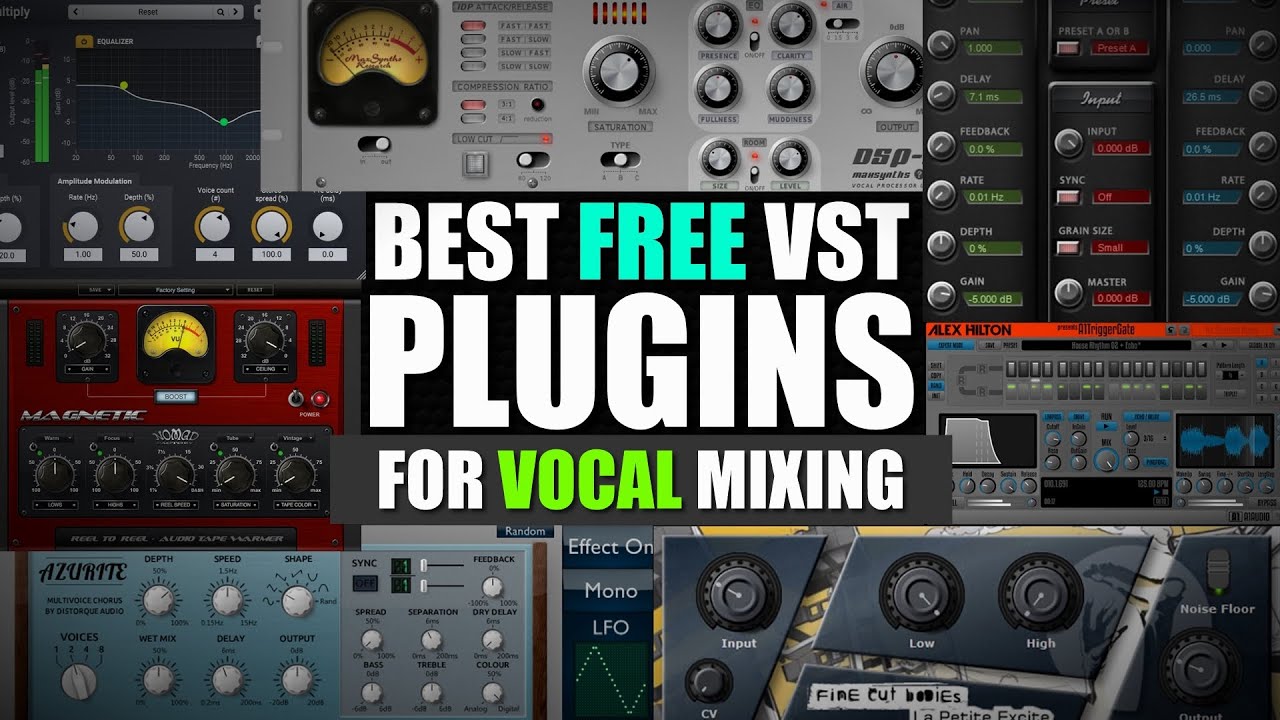
Best Free Vst Plugins For Vocals

The best free VST plugins for vocals are the LePou HYBRID amplifier, Gsnap pitch correction, and Melda Audio MAutoPitch. These plugins are perfect for enhancing vocals in music production, podcasting, or voiceover work.

Music production and content creation have become more accessible and affordable. Thanks to technology, anyone can produce music and edit audio from their homes. However, the quality of the tools used during production is essential to achieving the desired outcome.

One crucial aspect of music production is vocal enhancement. Poor vocal production can ruin an otherwise great song. This is why vocal production tools are a must-have for any music producer. Fortunately, free VST plugins are available to provide high-quality sound processing effects for vocals. We will review the best free VST plugins for vocals that can lift your sound quality to the next level.

Essential Plugins For Vocal Mixing

When it comes to mixing vocals, the right plugins can make all the difference. Plugins allow you to manipulate and shape the sound to fit your vision, achieving a polished, professional result. Here are some essential free VST plugins that you can use for vocal mixing:

Equalizer Plugins

Equalizer plugins are essential for balancing the frequency range of a vocal recording. They allow you to adjust the levels of different frequencies, boosting or cutting them as needed to achieve a balanced sound. Some popular free equalizer plugins for vocals are:

Plugin NameDescription
TDR NovaA dynamic equalizer with a wide range of features, including sidechain support and M/S processing.
Equalizer APOA free, open-source equalizer with low latency and unlimited filters.
ReaEQA versatile, fully parametric equalizer that comes with the Reaper DAW.

Compression Plugins

Compression plugins are used to smooth out the dynamic range of a vocal recording, making quieter parts louder and louder parts quieter. This creates a more consistent level and can help the vocal sit better in the mix. Some popular free compressor plugins for vocals are:

  • DC1A
  • Molot
  • TDR Kotelnikov

Reverb Plugins

Reverb plugins are used to add space and depth to a vocal recording. They simulate the sound of a room or hall, adding natural sounding reflections to the vocal. Some popular free reverb plugins for vocals are:

  1. Valhalla Supermassive
  2. OrilRiver
  3. OldSkoolVerb

By using these essential free VST plugins for vocal mixing, you can achieve a professional sound without breaking the bank. Try out different combinations and experiment with different settings to find the perfect sound for your mix.

Best Free Vocal Vst Plugins

Discover the best free VST plugins for vocals with our top picks that offer unique sounds, versatile features, and high-quality results. These plugins are perfect for any musician or producer looking to enhance their vocal recordings without breaking the bank.

Vocal processing is one of the most important aspects of music production. To make vocals sound more engaging and impactful, producers often use various effects. VST plugins are the most commonly used tools for adding these effects. But, most VST plugins come at a cost. Luckily, there are a few high-quality free VST plugins available that can be used for vocal processing. In this post, we’ll be discussing the best free vocal VST plugins that can elevate your vocal processing game.

Gsnap

GSnap is a free pitch correction plugin that can be used for both subtle corrections and for creating the popular T-Pain/Cher effect. It works by analyzing the incoming audio signal and then applies pitch correction according to the user’s settings. GSnap offers accurate pitch correction and an intuitive interface that makes it easy to use. With GSnap, you can correct the pitch of your vocals and achieve a more professional sound.

Mequalizer

MEqualizer is one of the best free equalizer plugins available. It offers 7 EQ algorithms and 8 filter types, which makes it extremely versatile. MEqualizer also offers advanced visualization tools that allow users to see the changes they’re making in real-time. This makes it easy to identify and remove any offending frequency peaks in your vocal recordings.

Ott

OTT is a free multiband compressor plugin that can be used to add depth and density to your vocals. It works by splitting audio into multiple frequency bands and then compresses each band separately. This ensures that the compression is even across all frequencies, resulting in a more balanced sound. Additionally, OTT has a simple and easy-to-use interface that makes it perfect for beginners. In conclusion, these are the best free VST plugins for vocals that can take your vocal processing to the next level. With GSnap, MEqualizer, and OTT, you’ll have the tools you need to correct pitch, equalize your tones, and add depth to your tracks. So, download these plugins and start producing amazing vocal recordings today.

Gsnap Vst Plugin

GSnap VST Plugin is one of the best free VST plugins for vocals, compatible with Windows operating system. It offers auto-tune capability along with pitch correction features for an enhanced vocal recording experience, making it an ideal tool for amateurs and professionals alike.

GSnap Vst Plugin is a free pitch correction plugin that has become a go-to tool for producers and musicians looking to achieve professional-sounding vocal tracks without breaking the bank. With features that rival many of the paid alternatives, GSnap is a popular choice for those starting out in music production or those who simply want a reliable plugin for their vocal tracks.

Features

GSnap has a range of features that make it a versatile tool for pitch correction. It allows you to adjust the pitch of individual notes in a vocal track, while also correcting overall pitch issues throughout the track. This powerful plugin also lets you customize the retune speed to better suit your vocal style and adjust the correction amount to match the key of a song. Additionally, GSnap has a MIDI control option for users who prefer to make adjustments using a MIDI keyboard.

How To Use

Using the GSnap Vst Plugin is simple. After downloading and installing the plugin, add it to your vocal track in your digital audio workstation (DAW). From there, you can adjust the settings to your liking. To make pitch corrections, simply enable the correction option and adjust the retune speed and correction amount until you achieve the desired effect. Experimenting with these settings can help you create unique vocal effects that make your tracks stand out. Overall, GSnap is a valuable tool for vocal producers, especially those looking to improve the quality of their tracks without investing in expensive equipment or plugins. The plugin’s user-friendly interface and range of features make it an accessible starting point for anyone interested in music production, while its versatility ensures that more experienced producers can achieve professional results as well.

Best Free Vst Plugins For Vocals

Credit: www.schoolofbollywoodmusic.com

Mequalizer Vst Plugin

MEqualizer Vst Plugin is one of the best free VST plugins for vocals. With its advanced graphical interface, numerous filter types, and versatile routing, it offers a powerful tool for enhancing and shaping vocal tracks.

MEqualizer Vst plugin is a highly versatile and powerful tool for anyone looking to enhance their vocal mixing game. With its comprehensive range of features, it is one of the most popular free VST plugins for vocals available today.

Features:

MEqualizer boasts an impressive range of features that make it an ideal tool for vocal mixing. Some of its key features include:

  • Up to 8 channels surround processing
  • 64-bit processing and an unlimited sampling rate
  • Cross-channel spectrum analysis
  • Automatic gain compensation (AGC)
  • 4 global modulators
  • M/S, single-channel, up to 8 channels surround processing
  • Independent channel linking
  • High-quality oversampling

How To Use:

Using MEqualizer is extremely simple and straightforward. Here’s a step-by-step guide to using MEqualizer to enhance your vocal tracks:

  1. Open MEqualizer in your digital audio workstation (DAW).
  2. Load the vocal track you wish to process into MEqualizer.
  3. Select the vocal preset that suits your needs from the preset library. Note: You can always tweak the values to create a custom preset.
  4. Make adjustments using the controls provided, depending on the needs of your mix.
  5. Use the output gain control to match the MEqualizer’s output level with the input level.
  6. Save your modified track.

In conclusion, MEqualizer Vst plugin is a versatile and powerful tool for enhancing vocals. Its comprehensive range of features makes it an ideal tool for vocal mixing and the simple steps provided on how to use it make it easy to use for beginners and experts alike. Try it out today and take your vocal mixing game to the next level.

Ott Vst Plugin

OTT is a top-notch free VST plugin for vocals that provides dynamic processing. It’s available in both 32 and 64-bit versions, and works well in most DAWs.

OTT Vst Plugin, short for ‘Over The Top’, is a dynamic range compressor that can be used as a vocal processor or as a mastering tool. This plugin features a wide range of controls, including depth, time, and output gain, that allows you to dial in the perfect amount of compression for your specific needs. In this article, we’ll review the features and benefits of using the OTT Vst plugin for vocals.

Features

The OTT Vst plugin is popular among music producers and engineers because of its versatile features. It enhances the overall dynamics of a vocal track and can be used to enhance the natural tone of a vocal. Below are some of the features that make this plugin a standout:

  • Multi-band compression
  • Presence control
  • Output gain control
  • Depth control for compression intensity
  • Time control for attack and release times

How To Use

Using the OTT Vst plugin for vocals is relatively easy if you know what you’re doing. Here’s a step-by-step guide to using this plugin:

  1. Insert the OTT Vst plugin into your vocal track, either on the insert or bus.
  2. Adjust the Depth, Time, and Output Gain controls to your liking.
  3. Use the Presence control to add brightness to the vocal.
  4. Check the gain reduction meter to ensure that the compression is not too intense.
  5. Make fine adjustments to the controls until you achieve the desired sound.

In conclusion, the OTT Vst plugin is an incredibly versatile tool that can help you achieve the perfect vocal sound in your mix. Its dynamic range compression capabilities make it an ideal vocal processor or mastering tool. With its numerous controls and easy-to-use interface, you’ll be able to dial in the perfect amount of compression and tone for your vocals.

Best Free Vst Plugins For Vocals

Credit: m.youtube.com

Best Free Vst Plugins For Vocals

Credit: emastered.com

Frequently Asked Questions Of Best Free Vst Plugins For Vocals

What Vocal Plugins Does Travis Scott Use?

Travis Scott uses the auto-tune plugins Antares Auto-Tune Pro and Waves Tune Real-Time for his vocals. These plugins help correct pitch and add desired vocal effects, contributing to his signature sound.

What Are The Best Plugins For Mixing Vocals Free?

The best free plugins for mixing vocal include Tal-Reverb-4, Klanghelm DC1A, Melda MFreeFXBundle, Acon Digital Multiply, and Voxengo OldSkoolVerb. These plugins provide various features such as effects, EQ, compression, reverb, and saturation to improve vocal clarity and quality.

What Is The Best Free Vocal Doubler Plugin?

The best free vocal doubler plugin is Tal Dub-III. It is user-friendly and offers a wide range of options to enhance vocal performances. Tal Dub-III also has a simple interface and is compatible with Windows and macOS.

What Is The Best Vst Plugin For Vocals?

The best VST plugin for vocals is subjective and depends on personal preference, but some popular options are Antares Auto-Tune, Waves Tune, and Melodyne. These plugins offer pitch correction, time alignment, and various other effects to enhance vocal performances.

Conclusion

The above-listed free VST plugins for vocals are a great asset to any music production studio. These tools offer a range of features and effects that are sure to enhance the quality of your vocal recordings. By utilizing any of these free plugins, you can bring out the best in your vocal tracks and take your productions to the next level.

So why wait? Download and start using these plugins today to create professional-sounding vocal recordings for your music projects.

Categories
Archive

How to Make Your Song Louder

To make your song louder, increase the gain and compression while reducing the dynamic range. This will boost the overall volume without sacrificing quality or creating distortion.

As a music lover, you are always trying to find ways to take your tracks to the next level. However, you may be struggling to make your song louder without damaging its quality. There is a lot of misinformation out there about the best ways to boost your volume levels, but the truth is that it’s all about balance.

We will explore the most effective methods for increasing the volume of your tracks while maintaining their clarity and musicality. Whether you are a beginner or an experienced producer, mastering these techniques will help you create professional-quality music that sounds great on any system.

Step 1: Eq Your Track

If you want your song to sound louder, it’s important to use EQ (equalization) to balance and shape the overall sound of your track. EQ is used to adjust the frequencies of different instruments and sounds in your mix, making sure each one sits well together and nothing is fighting for space. In this step-by-step guide, we’ll show you how to EQ your track to make it sound louder and more professional.

Using A High Pass Filter

One of the first things you should do when EQing your track is to use a high-pass filter to cut out any low-frequency rumble or noise that can muddy up your mix and eat up headroom. Headroom is the amount of space you have left before your mix clips and distorts, so it’s important to free up as much of it as possible.

FrequencyInstrument/Effect
20-40HzKick drum
60-120HzBass guitar, low-end vocals
120-250HzSnare drum, guitar power chords, male vocals
250-500HzToms, guitar mid-range, female vocals
500-2kHzGuitars, keyboards, horns, mid-range vocals
2-4kHzPiano, cymbals, high-end vocals
4-20kHzCymbals, high-end percussion

As a general rule of thumb, you can use a high-pass filter to remove anything below 20Hz or so, but this will depend on your mix. Use your ears to find any rumble or noise that doesn’t add anything to the overall sound and cut it out.

Using A Low Shelf Filter

Another trick for making your track sound louder is to use a low-shelf filter to boost the low-frequency range. This can give your mix a sense of weight and power without making it sound muddy or boomy.

  1. First, set your low-shelf filter to around 100Hz and boost it by a few dB.
  2. Listen to your mix and adjust the boost until you find a sweet spot.
  3. Be careful not to overdo it, as too much bass can make your mix sound flabby or distorted.

Remember, these EQ techniques are just the beginning. Experiment with different settings and adjustments to find the right sound for your mix. With a little patience and practice, you can make your song sound louder, clearer, and more professional.

How to Make Your Song Louder

Credit: www.youtube.com

Step 2: Compress Your Track

In step one, we discussed how to equalize the different audio levels of your song. After this step, your track will already be louder than before, but it’s not enough to make your song loud enough to grab the listener’s attention. In this post, we will discuss Step 2 of making your song louder – Compressing Your Track.

Setting The Threshold

The first step to compressing your track is to set the threshold. Threshold is the point at which compression begins and is the most crucial setting in compression. By reducing the threshold, you can increase the apparent volume of the entire track.

However, be cautious when adjusting the threshold. Too much compression can produce unwanted distortion and cause your song to sound unnatural. Remember, the purpose of compression is to make the track louder but still retain a natural and dynamic sound.

Adjusting Attack And Release

Once you have set your threshold, the next step is to adjust the attack and release. Attack is the time it takes for the compressor to start working on the audio, while release is the time it takes for the compressor to stop working on the audio. These settings can make a significant difference in the overall sound of your song.

If the attack time is too long, it will take too long for the compressor to start working, and too short an attack time can cause unwanted distortion. Similarly, a long release time can cause your song to sound unnatural, whereas a short release time can lead to over-compression. Finding the right balance is key.

Using A Limiter

Finally, to maximize the loudness of your song, use a limiter. A limiter is a type of compressor that limits the maximum volume of your song. By setting the gain of the limiter to the maximum possible, you can increase the perceived loudness of your song without distorting it.

However, like compression, be cautious when using a limiter as too much limiting can cause “pumping,” which is the unpleasant effect of the audio level continuously increasing and decreasing. You want to aim for a perfect balance of loudness and dynamics.

In conclusion, compressing your track is a vital step in making your song louder. Make sure to start by setting the threshold correctly, adjust the attack and release to your preference, and use a limiter to maximize the loudness of your track while retaining its dynamics.

Step 3: Add Harmonic Saturation

One effective way to make your song louder is by adding harmonic saturation. This technique adds character and warmth to your mix, making it sound more vibrant and full-bodied. Harmonic saturation also helps to enhance the perceived loudness of your song without actually increasing its volume, making it perfect for creating a fuller, more impactful sound.

If you’ve already used compression and EQ techniques to make your song as loud as possible, but it still lacks that final oomph, then it’s time to consider adding harmonic saturation. This process involves introducing subtle distortion to your audio signal, creating additional harmonics that enhance the perceived loudness and fullness of your mix. Here are two popular ways to add harmonic saturation:

Using A Tape Simulator

Tape simulation plugins have become increasingly popular in recent years, as producers have rediscovered the warmth and character of analog recording techniques. Many of these plugins also include options for adding harmonic saturation, allowing you to mimic the sound of tape saturation without the need for physical tape. By applying small amounts of saturation to individual tracks or to the overall mix, you can add harmonics and warmth that enhance the perceived loudness without sacrificing clarity.

Using A Harmonic Exciter

Harmonic exciters are another popular way to add saturation and warmth to your mix. These plugins work by analyzing your audio signal and adding additional harmonic content at specific frequencies, creating a fuller and brighter sound. Some exciters also offer control over the amount and type of saturation applied, allowing you to fine-tune the effect to fit your mix. When using an exciter, it’s important to be subtle – too much saturation can quickly lead to a harsh and unpleasant sound. By experimenting with different types and amounts of harmonic saturation, you can achieve a fuller and louder mix without sacrificing clarity or dynamics. Just remember to use these techniques sparingly and always trust your ears when making adjustments to your mix.

How to Make Your Song Louder

Credit: www.mixinglessons.com

Step 4: Use Stereo Imaging

One effective way to make your song sound louder is by using stereo imaging. By panning different elements of the mix to the left or right channels, you can create a wider, more dynamic sound that fills up the sonic space and grabs the listener’s attention.

If you want to make your song louder, stereo imaging can help. This technique adds depth to your track by creating a more complex stereo image. Instead of a narrow or mono-sounding track, listeners will hear a wide and expansive soundscape that fully surrounds them. Here are two ways to use stereo imaging:

Adjusting The Width

One way to make your song louder using stereo imaging is to adjust the width. You can make your track wider using a stereo enhancement tool found in most DAWs. This tool separates the sound into two channels, left and right, and allows you to adjust the level of each channel. By increasing the level of one channel and decreasing the other, you create a wider sound. For instance, you can take the lead vocal and pan it slightly to the left ear, while placing the guitar on the right ear. You can also widen the reverb or delay on the snare or vocal. A wider track can greatly enhance your song and make it sound larger than life.

Using A Stereo Enhancer

Another way to make your song louder with stereo imaging is to use a stereo enhancer. This plugin is designed to add more stereo width, depth, and presence to your mix. It can also help to bring out the individual elements and improve the overall clarity of your track. You can use this plugin to further enhance the stereo information in your tracks. For example, you can use it to add a subtle amount of stereo reverb to your vocal or widen the stereo image of your drum overheads. However, it is important to use this tool with caution because too much stereo widening can create phasing and other undesirable artifacts. In summary, using stereo imaging is a great way to make your song louder and give it a more spacious and detailed sound. By adjusting the width and using a stereo enhancer, you can enhance the stereo image of your tracks and add more depth to your overall mix.

Step 5: Maximize Loudness With A Brickwall Limiter

To make your song louder, maximize loudness with a brickwall limiter. This tool will help you reach the desired volume for your track while preventing clipping and distortion. Ensure that you use it appropriately and sparingly to get the best results.

If you want your song to stand out and be heard, you need to ensure that it is properly mastered and maximized for loudness. By using a brickwall limiter, you can push the volume of your song to its maximum level without causing any distortion. Here’s how you can use a brickwall limiter to maximize loudness for your song:

Setting Your Levels

Before applying a brickwall limiter to your track, it’s important to ensure that the levels are set correctly. This means you need to adjust the volume of each element in the mix, such as drums, vocals, bass, and other instruments, so that they are balanced and sit well with each other. To do this, you can use a level meter to monitor the volume of each element and adjust accordingly.

Using A True Peak Limiter

A true peak limiter is a type of brickwall limiter that ensures the output does not exceed the maximum peak level allowed by digital audio. This is important because if the peak level exceeds the limit, it can cause distortion and clipping in your song. By using a true peak limiter, you can ensure that your song is maximized for loudness without compromising on quality.

Adjusting The Threshold And Ceiling

When using a brickwall limiter, it’s important to adjust the threshold and ceiling settings to achieve the desired level of loudness. The threshold determines at what point the limiter will start affecting the volume of your track, while the ceiling sets the maximum level that the limiter will allow your track to reach. It’s important to experiment with these settings to find the sweet spot that provides the right amount of loudness without causing any distortion.

Using Multiband Compression In Combination With A Brickwall Limiter

If you want to achieve even greater loudness, you can use multiband compression in combination with a brickwall limiter. Multiband compression allows you to target specific frequency ranges, such as the bass, midrange, and treble, and apply compression to those ranges individually. This can help to further enhance the loudness of your track while maintaining its overall balance and clarity. To summarize, by using a brickwall limiter, you can maximize the loudness of your song without causing any distortion or compromising on quality. By adjusting the threshold and ceiling settings, using a true peak limiter, and experimenting with multiband compression, you can achieve the perfect balance of loudness and clarity for your track.

How to Make Your Song Louder

Credit: mixandmastermysong.com

Frequently Asked Questions On How To Make Your Song Louder

How Can I Increase The Loudness Of A Song?

To increase the loudness of a song, you can use various tools and techniques like dynamic range compression, limiting, EQ adjustments, and volume normalization. But it’s important to use them judiciously and avoid overcompression and distortion. It’s also advisable to mix and master your tracks at a higher volume to begin with.

What Makes Music Louder?

Music can be made louder by increasing the volume or amplitude of the sound waves produced. This is typically achieved through the use of amplifiers, speakers, or sound systems. Louder music creates greater auditory stimulation and can be perceived as more exciting or energetic.

However, prolonged exposure to excessive noise levels can also lead to hearing damage.

Why Are My Songs Not Loud Enough?

Your songs may not be loud enough because of several reasons like low-quality equipment, improper gain staging, lack of compression, and mastering. These issues can impact the levels of your tracks, making it sound weak. Consider investing in high-quality gear, adjusting gain levels, compressing the tracks, and mastering them before release.

How Do I Make My Volume Louder?

To make your volume louder, you can try increasing the volume directly on the device or using an external speaker. Another option is to adjust the equalizer settings to boost the volume. Some devices also have a loudness option or a volume boost feature that can be turned on to increase the volume.

Conclusion

All in all, enhancing the loudness of your song may seem like a daunting task, but with the right use of tools and techniques, it can be a breeze. Whether you want your song to stand out in a crowded music market or simply want a better listening experience, following these steps will truly make a difference.

Remember to have patience and experiment until you find the perfect balance. So go ahead, let your music speak louder than words!

Categories
Archive

Find Spotify Playlist Curators

To find Spotify playlist curators, use resources like PlaylistPush, SubmitHub, and Soundplate. These platforms connect artists with relevant playlist curators in their genre.

Also, Spotify has become a go-to music streaming platform, and for artists, getting their tracks featured on popular playlists can lead to wider exposure and more streams. However, finding the right curators can be a daunting task. Fortunately, there are several resources available online that can help connect artists with relevant playlist editors.

Related reading: Different Types Of Spotify Playlists and How To Get Your Music Featured On Spotify Playlists. For background, see the official Artists website.

Moreover, PlaylistPush, SubmitHub, and Soundplate are just a few examples of platforms that offer opportunities for artists to submit their music and pitch to curators in their genre. We’ll dive deep into how these platforms work. You’ll also get tips for using them to land your music on a Spotify playlist.

Find Spotify Playlist Curators

Credit: www.youtube.com

How To Find Spotify Playlist Curators

If you’re an artist or a new music enthusiast, Spotify playlists can be your ultimate ticket to gaining exposure and finding new music. In this blog post, we’ll explore the best ways to find Spotify playlist curators to get your music heard by millions. Here are some effective methods to find Spotify playlist curators:

Using Spotify Playlist Search

Furthermore, Spotify has an in-built search function that allows anyone to search for playlists that match their interests. You can use keywords that describe your music genre, mood, tempo, and more to narrow down your search results. This method is ideal for those who have a clear idea of what type of playlists they want to feature in.

Looking For Online Directories

Additionally, several online directories have a list of Spotify playlist curators. These directories usually categorize playlists according to music genres. This makes it easier for you to find which playlists align with your music genre. Some of the most popular directories include Soundplate, Indiemono, and Playlist Push.

Using Playlist Curator Websites

Also, several websites help artists find and connect with Spotify playlist curators. These sites act as intermediaries between artists and curators and can be a great way to gain exposure. Examples of these websites include Playlist Pump, Submithub, and SubmitHub.

Using Social Media Platforms

Moreover, Social media platforms are an excellent way to make new connections. You can use them to find new playlist curators. Use hashtags related to your music genre. You may end up stumbling upon a curator’s profile, making it an excellent way to find and connect with new people.

Find Spotify Playlist Curators

Credit: blog.boostcollective.ca

Things To Consider When Finding Spotify Playlist Curators

In addition, Do you want your music heard on Spotify? One of the best ways to grow streams and followers is a spot on playlists curated by influencers. However, finding the right playlist curators can be a daunting task. Here are some tips to help you find the best playlists for your music.

Relevance

  • Furthermore, make sure the playlist is relevant to your genre and style.
  • Additionally, check if the playlist has a specific theme or mood that matches your music.
  • Also, research the curator’s profile and see if they have a history of curating playlists similar to your music.

Popularity

  • Moreover, Search for playlists with a large number of followers as they are more likely to generate more streams for your music.
  • In addition, look for playlists that have a significant number of likes and shares as it indicates that the curator has a strong fan base.

Engagement

  • Check if the curator interacts with their followers and responds to comments or messages.
  • Look for playlists that are updated frequently as it means that the curator is actively engaging with their audience.
  • Look at the number of plays and audience engagement of the playlists to see if the followers are active and engaged with the playlist.

Terms And Conditions

Before submitting your music to a playlist curator, make sure you read and understand their terms and conditions. Some curators may charge a fee for submissions, while others may have specific criteria that need to be met.

Remember, playlist curators differ a lot in quality and reach. Make sure you do your research and find the ones that are relevant, popular, engaging, and have fair terms and conditions.

How To Approach Spotify Playlist Curators

Approaching Spotify Playlist curators can be a bit tricky, but with the right steps, you can increase your chances of success. The first step is to find them. You can do this through Spotify’s search function, social media, or third-party websites.

Once you’ve found the curators, it’s important to personalize your pitch, provide a brief introduction, and clearly explain why your music would be a good fit for their playlist.

Creating a playlist on Spotify can have great benefits for musicians and their team. But it’s often tough to get noticed. Connecting with Spotify playlist curators can be an effective way to reach new listeners. However, it’s important to approach these curators in the right way.

Customize Your Approach

One thing to keep in mind is that not all Spotify playlist curators are the same. Each of these curators has their own interests and motivations when it comes to adding tracks to their playlists. When reaching out, it’s essential to understand their preferences. Take the time to review their playlists, read their bios, and learn about their overall vibe. Then, customize the approach accordingly.

Show Genuine Interest

Before pitching anything, it’s essential to build rapport with Spotify playlist curators. A great way to do this is by showing genuine interest in their playlists. Start by leaving meaningful comments on their playlists, sharing their playlists on social media, or engaging with them on their preferred platform. If curators see that you appreciate their curation skills, they’re more likely to consider your music for their playlist.

Pitch Your Playlist

When it comes time to pitch your playlist, be strategic and creative. Begin by introducing yourself and your music. Keep it simple and straightforward. Then, pitch your playlist in detail. Talk about what inspired the playlist, what kind of music it features, and how it aligns with the curator’s interests. Be specific and avoid buzzwords. Finally, include a call to action politely asking the curator to consider adding your tracks to their playlist.

Conclusion

In conclusion, reaching out to Spotify playlist curators can be a great way to get your music in front of new audiences. However, it’s essential to do it the right way. Customizing your approach, showing genuine interest, and pitching your playlist creatively can be the key to success. So, start building relationships and reach out to the curators that you feel are the best fit for your music.

Find Spotify Playlist Curators

Credit: twostorymelody.com

Benefits Of Working With Spotify Playlist Curators

Working with Spotify playlist curators can significantly increase your chances of getting your music heard by a wider audience. Find the right curators for your genre, and you can boost your plays and followers. That also raises your chances of getting noticed by record labels and industry professionals.

Looking to increase visibility, gain credibility, and get more streams on Spotify? Working with Spotify playlist curators may be your answer. These curators are individuals who create and manage playlists on this popular music streaming platform. Collaborating with these curators can have tremendous benefits for your music career and get your music in front of the right audience.

Increased Visibility

When you work with Spotify playlist curators, you get more visibility for your music. Playlists are an excellent way to get discovered by users who might not have heard of you before. When your songs are added to playlists, they become more discoverable. This gives them a higher chance of being played and shared by the listener. This can result in more streams and gaining new followers.

Credibility Boost

Getting your music added to a popular playlist can help boost your credibility. A playlist curator’s stamp of approval can show your music is worthy of being recognized, increasing your chances of gaining more followers and getting noticed by other curators on the platform.

More Streams And Followers

When you work with Spotify playlist curators, you get the chance to reach a wider audience, leading to more streams and followers. By collaborating with curators that cater to your desired niche, you can get your music in front of people who are interested in it, making it more likely for them to follow your account and share your music with others. In conclusion, working with Spotify playlist curators can have significant benefits for music artists looking to increase their visibility, boost their credibility, and gain more streams and followers on the platform. By collaborating with curators that cater to your niche, you can reach a new audience, increase your chances of being discovered, and gain credibility in the industry.

Frequently Asked Questions On Find Spotify Playlist Curators

How Do I Contact A Spotify Playlist Curator?

To contact a Spotify playlist curator, you can search for their contact information on social media or other online platforms. Some curators also provide contact details on their playlist descriptions. Additionally, you can submit your music through Spotify for Artists or a third-party playlist pitching service.

How Do I Find Editorial Curators On Spotify?

To find editorial curators on Spotify, simply go to the Browse tab, then select ‘Discover’ and click on ‘Playlists. ‘ Here you can browse through playlists created by Spotify’s editorial team, as well as guest curators like artists and tastemakers.

Who Curates Official Spotify Playlists?

Spotify curates its official playlists through its in-house editorial team, who work to find and share new, popular, and emerging music across various genres and moods. They also collaborate with outside partners, such as record labels, artists, and other music industry professionals, to create the best playlists possible for its users.

How Do You Get On Spotify Curated Playlist?

To get on a Spotify curated playlist, you must follow these guidelines: 1. Have great music. 2. Ensure your artist profile on Spotify is complete and verified. 3. Promote your music and engage with listeners. 4. Pitch your music to Spotify curators through Spotify for Artists.

5. Build your own following and playlist presence on the platform.

Conclusion

Finding Spotify playlist curators can be a challenging task but with these methods, it can be made easier. Utilizing social media, playlist submission websites, and other online resources can help you connect with the right curators for your music. Remember to personalize your outreach and always remain professional.

By incorporating these tips, you can increase your chances of getting your music featured on popular Spotify playlists and gain more exposure for your work.

Categories
Archive

Stem Mastering A Country Rock Track

To stem master a country rock track, mix the individual tracks of the song into a stereo file without adding any processing to maintain the integrity of the mix. Stem mastering is an effective technique used in music production to achieve a balanced and polished sound.

It involves grouping and exporting individual tracks of a song, such as the drums, bass, guitars, vocals, and other instruments, and mixing them together into a stereo file. By doing this, engineers can apply a few final adjustments and tweaks to the mix without altering the original sound significantly.

For background, see audio mastering on Wikipedia and our guide to mastering vs stem mastering. You may also like mixing country music and stem mastering a pop song.

Stem mastering a country rock track requires particular attention to detail to bring out the unique country rock sound’s characteristics while keeping in mind the genre’s warmth and style. We will explore some tips and tricks to stem master a country rock track and make it sound professional yet authentic.

Preparation For Stem Mastering

To prepare a country rock track for stem mastering, first make sure you recorded every track cleanly and that all tracks stay in sync. Next, process each track to remove unwanted noise and refine the tonal balance. The result is a polished, professional-sounding mix.

Track Analysis

Before beginning the stem mastering process for a country rock track, it is essential to conduct a thorough track analysis. Listen to every part of the track and note any issues you need to fix. Some of the factors to consider during track analysis are:

  • Clipping or distortion in individual channels.
  • Imbalances in levels across different sections of the track.
  • Issues with the arrangement or timing of different parts of the track.
  • Possible use of automation to improve the dynamics of the mix.

Mix Analysis

Once you have conducted a thorough track analysis, the next step is to analyze the mix. This involves listening to the overall balance of the mix and addressing any problems. Some of the factors to consider during mix analysis are:

  • Checking that the EQ settings are appropriate for each instrument and for the overall mix.
  • Making sure the compression settings suit each instrument and the overall mix.
  • Checking for any phase issues in the mix.
  • Reviewing the stereo image and adjusting panning if necessary.

Stem Preparation

After completing the track and mix analysis, it is time to prepare the stems for mastering. This involves grouping related tracks together, such as all the drums or all the guitars, and exporting them as separate files. Some tips for preparing the stems include:

  • Exporting the stems at the same volume level to avoid any sudden changes in levels during the mastering process.
  • Adding a small amount of headroom to each stem to avoid any clipping during the mastering process.
  • Naming the files clearly and consistently to avoid confusion during the mastering process.

By completing a thorough track analysis, mix analysis, and stem preparation, you can ensure the best possible results from the stem mastering process for your country rock track.

Stem Mastering Process

Stem Mastering is the process of creating a final mix by processing groups of related audio tracks, called “stems.” It allows engineers to have more flexibility in the mastering stage. This gives them greater control of the final sound. In this blog post, we will explore the Stem Mastering process of a Country Rock track.

Setting Up Your Session

Before starting the Stem Mastering process, set up your session by importing the individual audio tracks into your DAW. Group together related tracks such as drums, bass, guitars, vocals, and backing vocals. Once you have grouped the tracks, route them to auxiliary bus channels and create a stereo mix for each group. This will allow you to apply processing to each group independently during the Stem Mastering process.

Eq Processing

EQ Processing is essential for balancing and enhancing the sound of each stem group. Use high-pass filters on non-bass instruments to remove low-end rumble. Then boost the upper-mids for vocals and guitars, and reduce the lower-mids for bass and kick. Be careful not to overdo the EQ, as it can result in an unnatural sound.

Compression Processing

Compression Processing evens out the dynamics of each stem group and brings a more consistent volume level. Use a gentle compression ratio to ensure the integrity of the original performance is not lost. Compression can also bring out the sustain in vocals and help glue the instruments together.

Stereo Widening

Stereo Widening is a technique used to create more spaciousness in your mix. Use stereo wideners to enhance stereo imaging for guitars and vocals, and make a subtle difference that truly makes a difference.

Harmonic Excitement

Harmonic Excitement adds warmth and character to your music. Use saturation plugins to inject subtle harmonics into stems such as vocals, guitars, and drums. This process enhances the overall texture of the track and creates a more exciting, engaging sound.

Limiting

Limiting is the final step in the mastering chain. It prevents clipping and keeps the overall volume consistent. Use a limiter to bring up the overall volume and allow the track to compete with commercial-level releases.

Adding Analog Warmth

Adding Analog Warmth can be a loved concept as it brings a more ‘analog’ sound to the final mix. Use tube amp simulation plugins or tape saturation plugins to inject warmth into the different stem groups. This gives more character, color, and depth to your mix.

The Stem Mastering process in Country Rock music brings out the best in each stem group. This creates a final mix that is balanced, consistent, and exciting. By following the steps outlined above, you can create a dynamic, engaging track that will stand out in a crowded musical landscape.

Tips For Successful Stem Mastering Of Country Rock Track

Achieving a successful stem mastering of a country rock track requires attention to detail. Keep the stem balance consistent and the tonal balance correct. Also, set an appropriate stereo width and control the dynamic range. Attention to these factors will produce a polished, cohesive mix.

Stem mastering is an effective way of refining and polishing your country rock tracks. This makes them sound professional and polished. It breaks the audio into stems, such as drums, vocals, and guitars. You then process each one separately for greater control and flexibility. In this post, we’ll share some essential tips for a successful stem mastering of your country rock track.

Setting Up Your Studio Environment

Before diving into stem mastering, it is crucial to ensure that your studio environment is suitable. That includes your acoustics, reference monitors, and listening environment. An untreated room gives you inaccurate sound. As a result, it is hard to make the right mastering decisions. Therefore, invest in soundproofing and acoustic treatment to optimize your environment.

Getting the Right Stem Mixes

The quality of your stem mixes can significantly impact the overall sound quality of your master. Consider sending your tracks to a professional mix engineer, who can balance, EQ, and compress them correctly. This should result in a smoother and more natural sounding master while also making the stem mastering process more manageable. Also, don’t forget to import your stems into your DAW at the correct level to avoid clipping or distortion.

Maintaining Clarity and Balance

One of the main goals of stem mastering is to ensure clarity and balance in your track.

Pay attention to the levels of each stem and how they interact with the others. This can help you maintain a consistent and appealing balance, allowing your mix to breathe. Also, avoid overdoing any processing, including compression and limiting, as it can affect the overall clarity.

Identifying and Addressing Problematic Frequencies

Country rock tracks tend to have specific frequency ranges that are most vital to their sound. Identifying and addressing problematic frequencies is a vital step in getting a fantastic master. Use EQ to carefully cut or boost these frequencies. However, avoid over-processing, because it can make the mix harsh or distorted.

Avoiding Over-processing

Over-processing can be a pitfall to stem mastering. So, watch how much processing you apply to each stem. Over-processing can result in an unnatural, over-compressed sound with a reduced dynamic range. Therefore, process each stem only as much as it needs to keep its natural sound.

In conclusion, mastering your country rock track using stem mastering techniques can significantly enhance its overall sound quality and presence. By following the tips above, you can ensure that your tracks are clear, balanced, and professional sounding. Put these tips to work, and you’ll be well on your way to a fantastic country rock master.

stem mastering — Stem Mastering A Country Rock Track

Credit: www.masteringthemix.com

Frequently Asked Questions Of Stem Mastering A Country Rock Track

Is Stem Mastering Better?

Stem mastering is a technique where individual tracks or “stems” are mixed down and then mastered. It can offer more control and flexibility, particularly in genres that have a lot of layers and complex arrangements. However, whether it is better or not depends on various factors like the genre of music, the quality of the recordings, and the experience of the mastering engineer.

How Do You Stem Master A Song?

To stem master a song, you need to isolate the instrumental parts, vocals, and other elements using a digital audio workstation. Then, adjust the levels, EQ, and compression to create a balanced mix. Finally, export the stereo mix and the individual stems for future editing.

What Is Stem Mastering?

Stem mastering is a process of mastering a track with the use of stems instead of a stereo mix. Stems are individual audio files that consist of multitrack recordings of vocals, drums, guitars, etc. This technique gives more control to the mastering engineer and leads to better sound quality.

What Are The Benefits Of Stem Mastering?

Stem mastering allows for better control over the mix and can help fix issues that were not detected during mixing. It also provides more flexibility for the mastering engineer to enhance each element of the track. Stem mastering helps to achieve a professional sound for your music.

Conclusion

The process of stem mastering a country rock track has proven to be highly effective in bringing out the best in a mix. By dividing the mix into manageable stems, audio engineers can carefully balance and enhance each component of the song.

With more control over the mix, you get a higher-quality final product that has a real impact on the listener. So if you’re looking to create a polished, professional-sounding track, consider stem mastering as a valuable tool in your mixing arsenal.

Categories
Archive

Ssl Xlogic G Series Compressor

The SSL Xlogic G Series Compressor is a high-quality studio compressor designed for professional audio processing. It offers excellent sound quality and precise control over your audio signal.

This compressor is ideal for a wide range of applications, from mixing and mastering to live sound reinforcement and broadcast applications. When used in conjunction with the SSL G-Series console, this compressor provides an exceptionally warm and punchy sound that many engineers and producers have come to love.

It features an intuitive interface with simple controls for easy operation and an LED metering system for accurate level monitoring. Whether you’re a professional engineer or a home studio enthusiast, the SSL Xlogic G Series Compressor is an excellent tool for any audio processing task.

Ssl Xlogic G Series Compressor

Credit: www.sweetwater.com

Technical Specifications

The SSL XLogic G Series Compressor is a high-quality compressor designed for professional audio applications. It features a Class-A design with a variable ratio, attack, and release time, making it a versatile and powerful tool for any audio engineer. With its advanced technical specifications, the SSL XLogic G Series Compressor is trusted by top engineers in the industry.

When it comes to professional audio equipment, the SSL Xlogic G Series Compressor is one of the most sought-after compressor units in the market. It is packed with features that provide exceptional audio quality and a wealth of options that allow sound engineers to fine-tune their work to perfection. In this section, we’ll take a closer look at the technical specifications of this compressor and examine the design, controls, and connectivity.

Design

The SSL Xlogic G Series Compressor is a rack-mounted unit that is built to last. Its all-metal chassis is rugged and durable, able to withstand the rigors of daily use. The unit’s dimensions are 483mm x 44mm x 225mm (WxHxD), making it a standard 19-inch size that can fit in most racks. The front panel features a classic G Series design with a large VU meter, five LEDs, and several controls.

Controls

One of the standout features of the SSL Xlogic G Series Compressor is its extensive selection of controls. It offers attack and release times that range from 0.1ms to 30ms, a high-pass filter with a frequency range of 30Hz to 400Hz, and a variable ratio that can be set from 1:1 to 8:1. The threshold control can be set from -20dB to +20dB, and the makeup gain can be adjusted from 0dB to 20dB. There is also a switchable side-chain filter that allows engineers to apply compression selectively.

Connectivity

The SSL Xlogic G Series Compressor offers a wide range of connectivity options that make it easy to integrate into any studio setup. It features balanced XLR inputs and outputs, as well as unbalanced TRS inputs and outputs. There is also a 1/4-inch external side chain input that can be used to trigger the compressor from an external source. The unit operates on standard 120V or 230V AC power and consumes 10 watts. In conclusion, the SSL Xlogic G Series Compressor is a formidable piece of equipment that delivers exceptional audio quality and a wealth of options for sound engineers. Its rugged design, extensive controls, and wide range of connectivity options make it a popular choice in professional recording studios worldwide.

Ssl Xlogic G Series Compressor

Credit: reverb.com

Features Of Ssl Xlogic G Series Compressor

The SSL Xlogic G Series Compressor boasts a range of features, including adjustable attack and release times, a high-pass filter and bypass switch, making it a versatile tool for mixing and mastering engineers. Its VCA-based compression provides a transparent sound that can add warmth and depth to any audio signal.

SSL Xlogic G Series Compressor is an excellent equipment known for its impressive audio performance and reliable features. The compressor stands out from its competitors thanks to its versatile settings, which make it ideal for different recording situations and styles.

Vca Compression

One of the most prominent features of SSL Xlogic G Series Compressor is its Voltage Controlled Amplifier compression, or VCA. This feature allows you to adjust the compression level based on the audio signal’s volume, resulting in a consistent output. VCA compression is a popular technique widely used in professional recording studios worldwide.

External Sidechain

Another excellent feature of SSL Xlogic G Series Compressor is its external sidechain. This feature allows you to use an external signal to trigger the compressor, enhancing the compressed audio’s accuracy and flexibility. The compressor’s external sidechain feature gives you more control over audio dynamics, allowing you to create more expressive and powerful sounds.

Auto Release Function

SSL Xlogic G Series Compressor also features an Auto Release function, which automatically adjusts the compression release time to match the audio signal’s characteristics. This feature ensures that the compressor operates smoothly and efficiently without causing distortion or other unwanted audio artifacts. Additionally, the Auto Release function is a perfect tool for novices and professionals alike, allowing them to focus more on the recording process. In conclusion, SSL Xlogic G Series Compressor is a versatile and reliable equipment that can help you achieve studio-quality recordings. Its VCA compression, external sidechain, and Auto Release function are just some of the features that make it stand out from the competition. If you’re looking for a compressor that can help you create the perfect audio, then the SSL Xlogic G Series Compressor should be at the top of your list.

Benefits Of Ssl Xlogic G Series Compressor

If you are an audio professional looking for an exceptional compression unit for your recording or mixing studio, SSL Xlogic G Series Compressor is the perfect tool. This compressor delivers unparalleled sound quality and ease of use that you won’t find in any other compressor unit in the market. Below are some key benefits of using the SSL Xlogic G Series Compressor:

Improved Sound Quality

The SSL Xlogic G Series Compressor has an impeccable reputation in the audio industry for its amazing sound quality. It is meticulously designed to preserve the original character of the audio signal while effectively controlling dynamic range. It creates a cohesive sound by controlling the peak signals while blending them with the softest signals. The compressor enhances the warmth, depth, and presence of the sound by adding subtle harmonics, which gives it an analog feel.

Ease Of Use

The SSL Xlogic G Series Compressor is remarkably user-friendly, both in terms of hardware and software. The user interface of the hardware unit is intuitively designed, enabling you to fine-tune the compression settings with ease. The control knobs are strategically placed for ease of reach and can be turned with a delicate touch, allowing you to adjust the settings accurately. Moreover, the compressor comes with easy-to-use software, giving you total control over the settings, and allowing you to make corrections quickly.

The SSL Xlogic G Series Compressor is an audio professional’s dream come true. The combination of its exceptional sound quality and ease of use makes it a must-have tool for every studio. Invest in the SSL Xlogic G series compressor, and you’ll be sure to enhance your sound quality by leaps and bounds.

Ssl Xlogic G Series Compressor

Credit: www.musicstore.de

Ssl Xlogic G Series Compressor Applications

The SSL Xlogic G Series Compressor is a versatile tool for a range of audio applications, from transparent compression to intense “glueing” of mix elements. Its variable attack and release times, as well as threshold and ratio controls, make it ideal for use in mixing and mastering studios, as well as live sound environments.

The SSL Xlogic G Series Compressor is a versatile tool that has made its way to professional recording studios and live sound production. Its unique features and superior sound quality make it stand out from the rest of the compressors in the market. In this section, we will dive into the different applications of this compressor in the music industry.

Recording Studios

SSL Xlogic G Series Compressor is an excellent tool for recording studios. It is perfect for shaping sound and adding dynamics to a track, which is why it has become an indispensable tool in modern music production. The compressor’s superior sound and clarity have made it the go-to compressor for many professional audio engineers. The SSL Xlogic G Series Compressor can be used in multiple ways in the recording studio:

  • As a master compressor for the mixing console
  • On a stereo drum bus to compress the whole mix
  • On bass and guitar tracks to add sustain and warmth to the sound
  • On vocals to achieve warm and consistent levels

The SSL Xlogic G Series Compressor adds a unique character to the sound, and its versatile features make it an essential tool in every recording studio.

Live Sound Production

The SSL Xlogic G Series Compressor is not only limited to recording studios—it’s also an excellent tool for live sound production. The compressor’s fast attack and release times make it ideal for live sound applications, where it can help control dynamic range and prevent feedback. The SSL Xlogic G Series Compressor can be used in the following ways in live sound:

  • On the main mix bus to keep the levels consistent
  • On individual channels to control sudden spikes in volume
  • On drum channels to achieve a tight and punchy sound
  • On vocals to control feedback and achieve consistent levels

The SSL Xlogic G Series Compressor is ideal for live sound applications due to its superior sound quality and fast response times.

Conclusion

The SSL Xlogic G Series Compressor is a versatile tool that has found its application in modern music production. Its superior sound quality and versatile features make it an indispensable tool in recording studios and live sound production. Whether it’s shaping sound or adding dynamics to a track, the SSL Xlogic G Series Compressor gets the job done with superior precision and sound quality.

Frequently Asked Questions For Ssl Xlogic G Series Compressor

What Type Of Compressor Is The Ssl Bus Compressor?

The SSL bus compressor is a type of VCA (Voltage Controlled Amplifier) stereo bus compressor, originally produced by Solid State Logic for their mixing consoles. It is renowned for its smooth and transparent compression, and is widely used in professional music production.

What Type Of Compressor Is The Neve 33609?

The Neve 33609 is a classic analog compressor that uses discrete transistor technology.

What Is The Ssl Xlogic G Series Compressor?

The SSL Xlogic G Series Compressor is a studio-grade signal
processor designed for use in professional recording and mixing environments. It is known for its exceptional sound quality, versatility, and reliability.

How Does The Ssl Xlogic G Series Compressor Work?

The SSL Xlogic G Series Compressor works by reducing the dynamic range of the
audio signal passing through it. This results in a more consistent and controlled
sound, making it easier to mix and master the audio.

Conclusion

As we conclude our analysis of the SSL XLogic G Series compressor, it is clear that this device is a top-notch piece of audio equipment. Its versatile functionality, transparent sound quality, and simple-to-use interface make it an industry standard among music producers and engineers.

With its robust build and reliable performance, the SSL XLogic G Series compressor is a must-have for anyone looking to take their music productions to the next level. So, if you’re looking to enhance your music production workflow, give the SSL XLogic G Series compressor a try!

For more background, see Solid State Logic on Wikipedia.

Categories
Archive

Lynx Hilo Mastering Converter

The Lynx Hilo Mastering Converter is a high-quality audio interface and converter that offers exceptional sound quality and a range of powerful features. Featuring precision audio conversion and a range of input and output options, the Hilo is a versatile and reliable solution for mastering engineers, recording studios, and audiophiles.

If you’re looking for a premium, professional-grade audio interface for your studio or mastering setup, the Lynx Hilo Mastering Converter is an excellent choice. With exceptional sound quality, powerful conversion capabilities, and a range of input and output options, the Hilo offers everything you need to create top-quality recordings and audio masters.

Whether you’re a professional mastering engineer or a serious audiophile, the Hilo is a versatile and reliable solution that delivers exceptional value and performance.

Lynx Hilo Mastering Converter

Credit: www.youtube.com

Benefits Of The Lynx Hilo Mastering Converter

If you’re in the market for a mastering converter, the Lynx Hilo should be on your radar. Not only does it offer superior sound quality, but it also provides flexible connectivity options and precise metering capabilities.

Superior Sound Quality

The Lynx Hilo’s sound quality is unparalleled. It boasts a dynamic range of 120dB and a THD+N of -114dB, making it one of the cleanest and most transparent converters on the market. The Hilo also features SynchroLock technology, which eliminates jitter and provides a stable clock source, resulting in a more accurate and detailed sound.

Flexible Connectivity

The Lynx Hilo offers a wide range of connectivity options, making it a versatile tool in any studio setup. It can connect to your computer via USB, Thunderbolt, FireWire, or even an optional Dante module. In addition, it has two sets of analog inputs and outputs, as well as digital I/O, allowing you to integrate it seamlessly with your existing gear.

Precise Metering

The Lynx Hilo features a high-resolution LCD display that provides accurate metering of input and output levels, as well as sample rate, clock source, and other important parameters. The Hilo also has a built-in spectrum analyzer and real-time analyzer, which can help you diagnose and fix any issues in your audio signal.

Overall, the Lynx Hilo is a powerful and reliable mastering converter that will help you achieve the best possible sound quality in your recordings. Its superior sound quality, flexible connectivity options, and precise metering capabilities make it a must-have tool for any serious audio professional.

Features Of The Lynx Hilo Mastering Converter

The Lynx Hilo Mastering Converter is a high-quality audio interface that is widely considered to be one of the best options out there. It offers exceptional sound quality and a range of features that make it ideal for professional audio work. Here are some of the key features of this incredible piece of audio equipment.

Analog And Digital I/o

The Lynx Hilo Mastering Converter features a wide range of analog and digital inputs and outputs, making it incredibly versatile and perfect for use in a variety of different settings. The analog inputs and outputs include XLR, TRS, and RCA connectors, making it easy to connect the Lynx Hilo to a range of different audio devices. The digital inputs and outputs include AES/EBU, S/PDIF, and USB connections, ensuring that the Lynx Hilo is compatible with a wide range of digital audio equipment.

Headphone Amp With Volume Control

The Lynx Hilo Mastering Converter also features a powerful headphone amplifier that provides exceptional clarity and fidelity. The headphone amplifier is built into the Lynx Hilo and features its own volume control, allowing you to easily adjust the volume of your headphones without having to adjust the overall volume of your audio system. This makes it perfect for use in busy recording studios or other environments where it may be difficult to hear your audio output over background noise.

Assignable Touch Screen Controls

The Lynx Hilo Mastering Converter features an intuitive touch screen interface that allows you to easily navigate through its various features and settings. The touch screen controls are assignable, allowing you to customize the Lynx Hilo to your specific needs and preferences. This makes it incredibly easy to use, even if you are not familiar with audio equipment or mixing consoles.

Overall, the Lynx Hilo Mastering Converter is an exceptional piece of audio equipment that is packed full of features and offers exceptional sound quality. Whether you are a professional audio engineer or a hobbyist, the Lynx Hilo is an excellent choice that is sure to exceed your expectations.

Lynx Hilo Vs Other Mastering Converters

When it comes to audio mastering, having a high-quality converter is essential for achieving the best possible sound. The Lynx Hilo Mastering Converter is a popular option among audio engineers, but how does it compare to other mastering converters on the market?

Sound Quality

The Lynx Hilo is known for its pristine sound quality. It boasts a dynamic range of 120 dB and a low distortion rate of 0.0004%, making it one of the most transparent converters available. This means that the audio signal is passed through the converter without any added coloration or distortion, resulting in a pure and natural sound.

Versatility

Not only is the Lynx Hilo a mastering converter, but it also functions as a preamp, headphone amplifier, and monitor controller. This added versatility makes it a convenient and practical tool for any audio engineer. It supports multiple input and output formats, including USB, AES/EBU, S/PDIF, and analog, making it easy to integrate into any studio setup.

Ease Of Use

The Lynx Hilo’s user interface is intuitive and straightforward. Its large LCD screen and rotary encoder make it easy to navigate and adjust settings. It also comes with a software application that allows for even more precise control and customization.

In conclusion, the Lynx Hilo Mastering Converter stands out from other mastering converters for its exceptional sound quality, versatility, and ease of use. Whether you’re a professional audio engineer or a home studio enthusiast, the Lynx Hilo is a great investment for achieving high-quality audio mastering.

Lynx Hilo Mastering Converter

Credit: www.frontendaudio.com

Tips For Using The Lynx Hilo Mastering Converter

Discover the full potential of the Lynx Hilo Mastering Converter with these essential tips. From optimizing your signal flow to fine-tuning the signal levels, this versatile tool will help you achieve studio-quality sound on your projects.

Are you ready to take your music productions to the next level? Look no further than the Lynx Hilo Mastering Converter. This high-end piece of audio equipment gives you unparalleled control over your sound, allowing you to fine-tune your mixes with precision and accuracy. To help you make the most of this powerful tool, we’ve put together some tips for using the Lynx Hilo Mastering Converter:

Calibrating Your System

Before you start using the Lynx Hilo Mastering Converter, it’s important to calibrate your system. This will ensure that your audio is as accurate and transparent as possible, so you can make informed decisions about your mix. To calibrate your system, you’ll need to set the output level of your Lynx Hilo to match the reference level of your studio monitors. You can do this using the calibration feature in the Lynx Hilo Control Panel. Make sure to follow the instructions carefully to achieve the best results.

Optimizing Signal Flow

Another key consideration when using the Lynx Hilo Mastering Converter is signal flow. You want to make sure that your audio is flowing through the device in the most efficient and effective way possible, to minimize any potential distortion or noise. One way to optimize your signal flow is to use balanced cables wherever possible. Balanced cables help minimize interference and reduce noise, resulting in cleaner audio. You should also pay close attention to the gain staging of your audio. Make sure your levels are set appropriately throughout your signal chain, so you’re not overloading any components or introducing unnecessary noise.

Using The Touch Screen

Finally, the Lynx Hilo Mastering Converter comes equipped with a full-color touch screen, which gives you quick and easy access to all your controls and settings. Take the time to familiarize yourself with the touch screen interface, so you can navigate it with ease. One great feature of the touch screen is the ability to save and recall preset configurations. This can be incredibly useful if you have multiple projects with different requirements, as you can quickly switch between setups at the touch of a button. With these tips and tricks, you’ll be well on your way to mastering your audio like a pro with the Lynx Hilo Mastering Converter!

Frequently Asked Questions For Lynx Hilo Mastering Converter

Is Lynx Hilo Worth It?

Yes, Lynx Hilo is definitely worth it. It is a high-end digital-to-analog converter that delivers exceptional sound quality. Its versatile features make it perfect for both professional and home use. Plus, the device is reliable, durable and long-lasting, which makes it a great investment for audiophiles and music enthusiasts.

What Is The Input Level Of Lynx Hilo?

The input level of Lynx Hilo could be either +4dBu or -10dBV, which is selectable via software.

What Is Lynx Hilo?

Lynx Hilo is a high-end audio converter that is suitable for professional studio recordings, mastering, and audio post-production. It offers easy connectivity with various digital interfaces, including USB, AES/EBU, SPDIF, and ADAT. It also features a built-in headphone amplifier, on-board mixer, and a touch screen for easy control.

What Is Lynx Hilo Mastering Converter?

The Lynx Hilo Mastering Converter is a high-performance audio converter that offers premium sound quality, a wide range of connectivity options and advanced audio features.

Conclusion

The Lynx Hilo Mastering Converter is a true powerhouse when it comes to audio conversion. Its sleek design and high-quality components make it a top-performing option for any professional audio engineer. With its ability to work with various digital audio workstations and formats, the Lynx Hilo Mastering Converter stands out as a versatile and reliable tool in the industry.

Its ability to handle multiple functions and produce high-quality sound makes it a valuable investment for any recording studio or musician.