Categories
Archive

How To Use Auto Tune As A Pro

To use Auto-Tune as a pro, familiarize yourself with its controls and settings, then subtly adjust the pitch correction to achieve a natural-sounding result. Auto-Tune is an audio plugin that adjusts the pitch of a vocalist or instrument, resulting in a smoother and more polished sound.

This software has been used on countless hit songs to correct pitch issues or create unique vocal effects. It can be a powerful tool when used appropriately, but can also be overused and result in a robotic, unnatural sound. As with any tool in music production, understanding its capabilities and limitations is key to achieving professional results.

We will explore how to use Auto-Tune effectively to enhance your recordings.

Understanding Auto-tune

Auto-Tune is an innovative tool that can enhance the quality of music by correcting pitch and tempo. As a pro, understanding how to use Auto-Tune properly can help you create beautiful melodies and richer harmonies that sound professional.

As a musician or producer, you have probably heard of Auto-Tune, a tool used to correct pitch errors in vocal performances. However, there is much more to Auto-Tune than just pitch correction. Understanding the different types of Auto-Tune tools and how they work can help you get the most out of this powerful software.

Different Types Of Auto-tune Tools

Auto-Tune comes in several different versions, each with its own set of features and capabilities. Here are the most commonly used types of Auto-Tune tools:

TypeDescription
Auto-Tune ProThe most advanced version of Auto-Tune, offering the most features and control.
Auto-Tune ArtistA simplified version of Auto-Tune, designed specifically for singers.
Auto-Tune AccessA lighter version of Auto-Tune with fewer features, ideal for beginners or those on a budget.

How Auto-tune Works

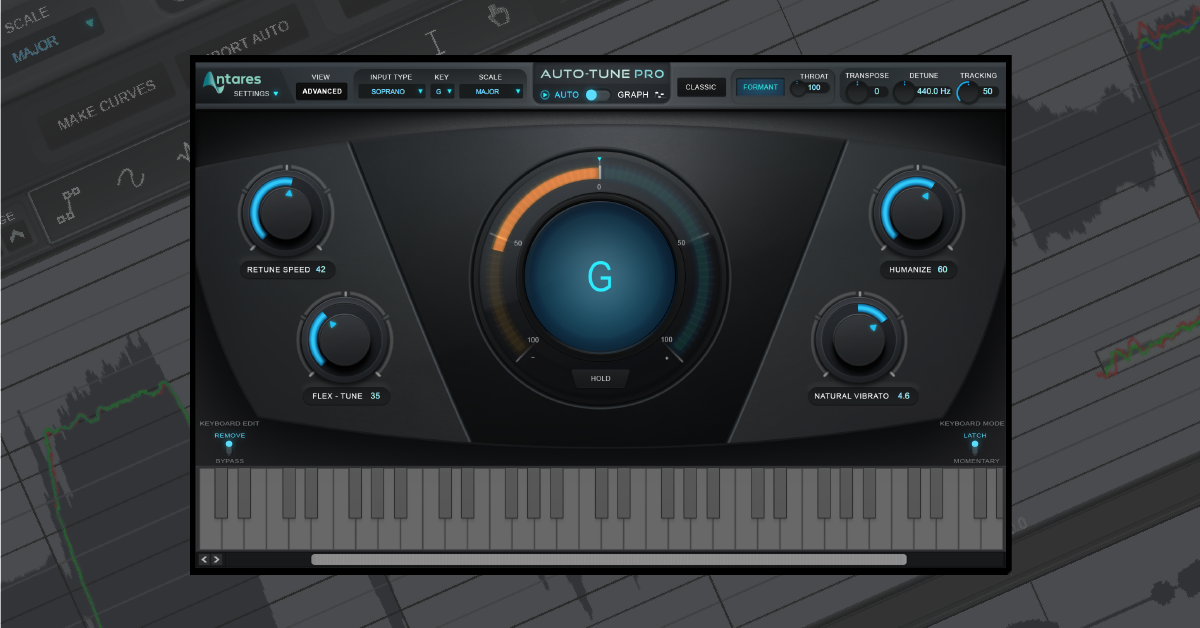
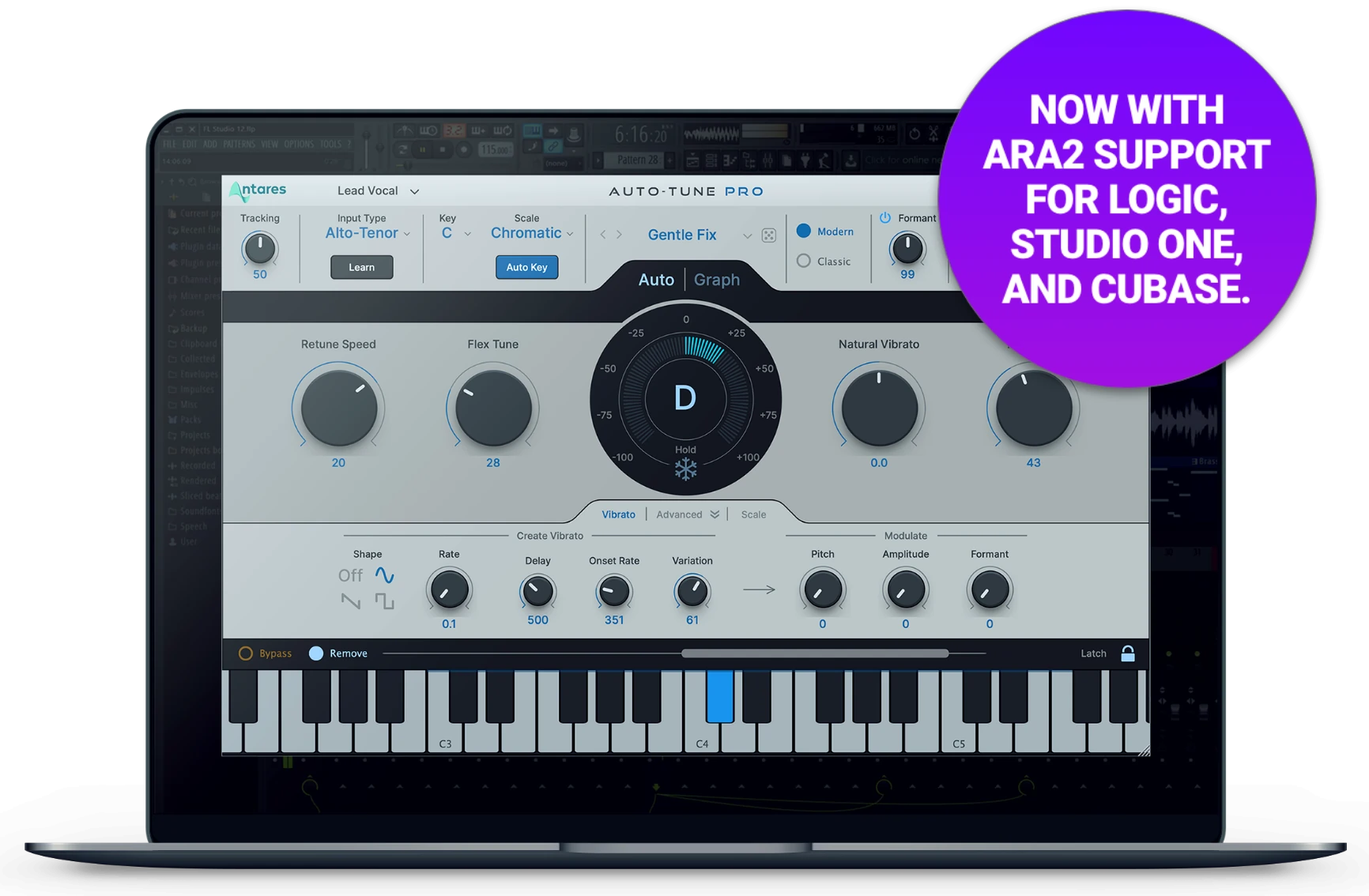
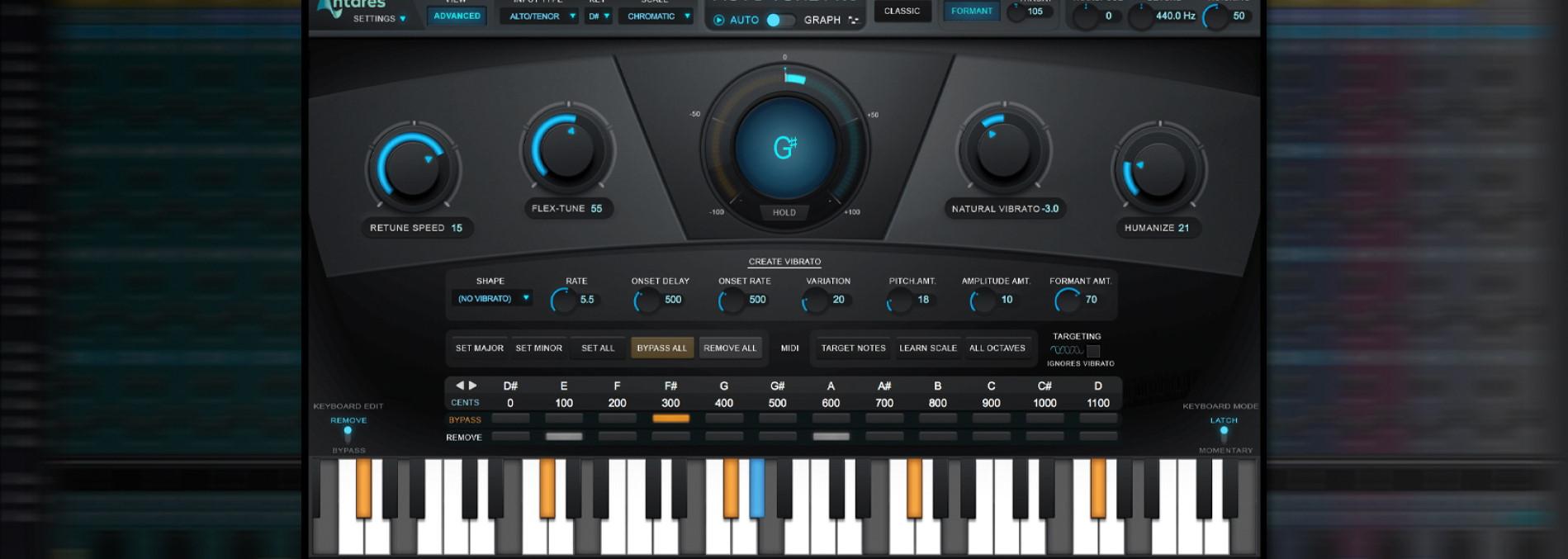
Auto-Tune works by analyzing the pitch of a vocal performance and then correcting any errors in real-time. This is achieved through a process called pitch shifting, where Auto-Tune alters the pitch of the incoming signal to match a pre-defined scale or key. When using Auto-Tune, it is important to set the correct key and scale for your song to ensure that the pitch correction is accurate. You can also adjust the speed and depth of the pitch correction to achieve the desired effect. In addition to pitch correction, Auto-Tune also offers a range of other features, such as formant shifting, throat modeling, and vibrato control. These tools allow you to create a wide range of vocal effects and styles, from subtle pitch correction to extreme robotic vocals. By understanding the different types of Auto-Tune tools and how they work, you can take your vocal recordings to the next level, achieving professional-quality results that are sure to impress.
How To Use Auto Tune As A Pro

Credit: www.antarestech.com

Setting Up Auto-tune

If you’re an audio producer, engineer or a singer, you’re probably familiar with the term “Auto-Tune”. As the name suggests, it’s a tool that can automatically tune your vocals to the right pitch, making them sound more professional and pitch-perfect. Setting up Auto-Tune might seem like a daunting task at first, but with a few simple steps, you can be on your way to using Auto-Tune like a pro.

Installing Auto-tune Plugin

  • To use Auto-Tune, you need to first install the Auto-Tune plugin on your computer. You can buy it from the official Antares website or a licensed vendor.
  • Once you have downloaded the Auto-Tune plugin, unzip the file and run the installer. Follow the prompts and choose your preferred VST folder location.
  • After the installation is complete, launch your digital audio workstation (DAW) and navigate to your plugins folder. Auto-Tune should now appear in your plugin list.

Setting Up Auto-tune In Your Daw

  1. Open your DAW and create a new track. In your track settings, choose the input source from your audio interface or microphone.
  2. Select Auto-Tune from your DAW’s plugin list and drag it to your track’s insert slot. This will open up the Auto-Tune interface.
  3. Choose your desired key and scale from the drop-down menus in the Auto-Tune interface. You can also adjust the retune speed and vibrato settings to your liking.
  4. Sing or record your vocal part, and you should notice that Auto-Tune is correcting your pitch in real-time.
  5. After recording your vocals, you can fine-tune the pitch correction by adjusting the retune speed and other settings.

With these simple steps, you should be able to set up Auto-Tune without any hassle. Remember, Auto-Tune is a tool that requires a bit of experience to master, so keep practicing and experimenting with different settings. Happy tuning!

How To Use Auto-tune For Pitch Correction

Auto-Tune is commonly used for pitch correction in music production. To use it like a pro, one must first understand how it works, adjust the settings to their liking, and use it sparingly to avoid sounding overly processed.

As a music producer or engineer, pitch correction is crucial when it comes to producing great sound. That’s where Auto-Tune comes in handy. If used correctly, Auto-Tune can polish an unpolished vocal performance to a professional level. However, using it requires some technical know-how. Here’s a step-by-step guide to help you use Auto-Tune as a pro.

Preparing Your Audio Track

Before using Auto-Tune, you need to prepare your audio track. First, ensure that the audio file is saved in a lossless format. You can use popular file formats such as WAV or AIFF. Then, adjust the volume of the track to ensure everything is audible. Finally, remove any unwanted noise using an equalizer or noise gate.

Selecting The Right Correction Type

Next, you need to choose the right type of correction for your audio track. Auto-Tune offers several modes including Auto, Graph, Classic, and Humanize. The Auto mode is the most commonly used, but you can experiment with other modes to find the best fit for your audio. Each mode offers different options to alter different characteristics of the sound.

Adjusting Key And Scale Settings

After selecting the correction type, it’s important to adjust the key and scale settings. The key setting should match the key of the song, while the scale setting should match the type of scale you are using. Auto-Tune has several preset scale settings that you can choose from. However, if you’re using a less common scale type, you can manually adjust it using the Graph mode.

Making Manual Corrections

Finally, after adjusting the key and scale settings, it’s time to make manual corrections to your voice track. This process involves using the Graph mode to create a pitch curve. The pitch curve ensures that the voice track is in tune with the key and scale of the song. You can make corrections by moving the pitch line up or down as needed. It’s important to note that while Auto-Tune can correct pitch, it can’t fix poor vibrato or timing issues. Using Auto-Tune for pitch correction can transform your audio tracks from mediocre to professional. Follow these simple steps to ensure that you get the most out of Auto-Tune for your music production needs.

How To Use Auto-tune Creatively

Auto-Tune can be used creatively to enhance vocals, add unique effects, and make pitch corrections. By experimenting with different settings and techniques, you can use auto-tune like a pro to bring your music to the next level.

Auto-Tune has been a popular tool for correcting pitch issues in music for years. However, there are numerous creative ways to use Auto-Tune beyond pitch correction that can enhance your music production skills. By using this software creatively, you can take your music production to the next level. In this blog post, we’ll explore how you can use Auto-Tune creatively. We’ll discuss how to use it for vocals, non-vocal tracks, and creating unique harmonies. Below are the instructions for each method. Creating Vocal Effects with Auto-Tune Auto-Tune is most commonly used for pitch correction in vocals. However, it can also be used to create unique vocal effects that add depth and character to your music. Here’s how you can use Auto-Tune creatively for vocal effects: – Create robotic vocals by setting the retune speed to 0 and adjusting the key and scale to match your track. – Use the formant control to create a “chipmunk” or “monster” effect. – Experiment with the humanize function to add a more natural feel to your vocals. – Adjust the vibrato and throat controls to create more expressive vocals. Using Auto-Tune on Non-Vocal Tracks Although Auto-Tune is designed for vocals, it can also be used creatively on non-vocal tracks to add a unique sound to your music. Here’s how you can use Auto-Tune creatively on non-vocal tracks: – Use Auto-Tune on guitar or other instruments to create a robotic or synthesized sound. – Use Auto-Tune as an EQ tool to cut certain frequencies from tracks that clash with other instruments. – Use Auto-Tune on percussion tracks to create interesting pitch variations. Creating Unique Harmonies with Auto-Tune Auto-Tune can also be used creatively to create unique harmonies that can add extra depth and texture to your music. Here’s how you can use Auto-Tune creatively to create harmonies: – Use the “Graph Mode” to create custom pitch curves to harmonize with your main vocal melody. – Use the “Key Correction” setting to automatically generate harmonies based on your main vocal melody. In conclusion, Auto-Tune isn’t just a tool for correcting pitch issues. With the creative techniques discussed in this blog, you can use Auto-Tune to enhance your music production skills and create unique, interesting sounds. By using these techniques, you’ll set yourself apart from other music producers and take your music to the next level.

Best Practices For Using Auto-tune

Want to use Auto-Tune like a pro? Here are some best practices you need to follow. Firstly, familiarize yourself with the features. Secondly, use it only to enhance your voice, not to mask it. Lastly, make sure you’re using the correct key and scale to avoid any off-pitch notes.

Auto-Tune is an indispensable tool for both professional and novice music producers. It enables you to correct pitch inaccuracies, maintain consistent pitch throughout the track, and give your vocals a polished sound. However, like any tool, it can be overused, leading to unnatural-sounding vocals which can detract from the overall quality of the track. In this article, we will explore the best practices for using Auto-Tune effectively and avoiding common pitfalls that can detract from your music’s quality.

Avoiding Overuse And Artifacts

When using Auto-Tune, it is essential to strike a balance between correcting pitch inaccuracies and retaining the natural sound of the vocals. Overuse of the tool can result in a robotic-sounding voice, which can detract from the overall quality of the track. Here are some tips to avoid overuse and artifacts:

  • Maintain a natural pitch range: Avoid setting the correction to the extremes of the pitch range. This can result in a noticeable robotic voice.
  • Use a slower correction speed: A slower correction speed will sound more natural, while a fast correction speed can produce noticeable artifacts.
  • Adjust the retune speed: A low retune speed will result in a natural-sounding voice, while a high retune speed can produce noticeable artifacts.

Using Auto-tune To Enhance Rather Than Fix

Auto-Tune can be used to enhance the quality of your vocals, but it should not be relied on to fix pitch accuracy issues that can be resolved by the singer. Here are some tips to ensure you are using Auto-Tune to enhance rather than fix:

  1. Record dry vocals: Recording dry vocals without any effects will help you capture the natural sound of the singer’s voice.
  2. Mix the natural and Auto-Tuned vocals: Mixing the natural and Auto-Tuned vocals will help you achieve a more natural-sounding voice. This will also help avoid overuse of the tool.
  3. Use Auto-Tune to adjust the pitch only slightly: Using Auto-Tune to adjust the pitch only slightly will help you achieve a more natural-sounding voice by retaining the nuances of the singer’s voice.

Using Auto-tune In Combination With Other Effects

Auto-Tune can be used in combination with other effects to achieve various vocal effects. Here are some tips for using Auto-Tune in combination with other effects:

EffectTips
ReverbUse reverb to create a spacious and natural sound. Adjust the wet/dry mix to achieve the desired effect.
DelayUse delay to create an echo effect. Adjust the feedback and timing parameters to achieve the desired effect.
CompressionUse compression to even out the vocal track. Adjust the threshold, ratio, and attack parameters to achieve the desired effect.

In conclusion, Auto-Tune is a powerful tool for enhancing the vocals in your music tracks. By following these best practices, you can achieve a more natural-sounding voice and avoid common pitfalls that can detract from the overall quality of the track.
How To Use Auto Tune As A Pro

Credit: majormixing.com

How To Use Auto Tune As A Pro

Credit: www.sweetwater.com

Frequently Asked Questions On How To Use Auto Tune As A Pro

How Do I Activate Autotune Pro?

To activate Autotune Pro, you need to follow these steps: 1. Download and install the software 2. Open your DAW or recording software 3. Insert Autotune Pro onto your desired track 4. Enter your activation code or use iLok 5.

Activate the software and start using it.

How Do You Autotune Professionally?

Autotuning professionally requires a good quality autotune plugin, understanding pitch correction, properly setting the key and scale of the track, adjusting the retune speed and sensitivity, avoiding excessive autotune, and adding some human touch to the performance. Practice and experimentation are also necessary for achieving desired results.

Do Professionals Use Autotune?

Yes, professionals do use autotune when recording music. Autotune helps to correct pitch issues and make the vocals sound smoother and more polished. However, it’s important to note that not all professionals use autotune and some prefer to record without it to maintain a more natural sound.

How Do I Use Autotune Pro In Pro Tools?

To use Auto-Tune Pro in Pro Tools, you first need to install and authorize the plugin. Then, create a new track, insert the Auto-Tune plugin, and choose a preset or adjust the settings to your liking. You can then apply the effect to the track during recording or after the fact.

Conclusion

Auto-Tune is a powerful tool for any music producer or artist. With the right approach, you can use it like a pro to enhance your music and take your career to the next level. Remember to use it creatively, and don’t overuse it to the point where it becomes a crutch.

Learning how to use Auto-Tune is just one piece of the puzzle, but with the right mindset and hard work, you can produce music that will captivate your audience and take your career to new heights. Happy tuning!

Categories
Archive

How To Sell Your Music On Itunes

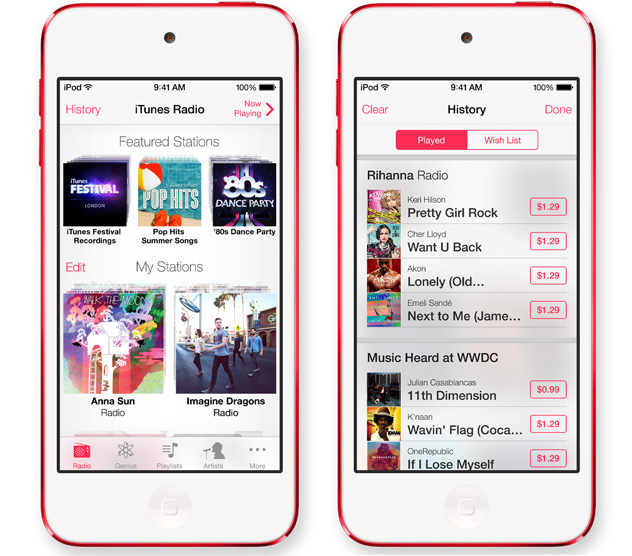
To sell your music on iTunes, create an Apple Music Connect account and submit your music through a distributor like TuneCore or CD Baby. Selling your music on iTunes can be a profitable way for musicians to gain exposure and earn income.

With over 800 million active users, iTunes is one of the largest music marketplaces in the world. To get started, musicians must first create an Apple Music Connect account and then submit their music through a distributor like TuneCore or CD Baby.

These distributors will handle the technical aspects of uploading and distributing your music to iTunes, leaving you free to focus on promoting your music and connecting with your fans. Once your music is live on iTunes, you can track sales and revenue using the Apple Music for Artists dashboard. With the right strategy and approach, selling your music on iTunes can help you build your fanbase and achieve your music career goals.

How To Sell Your Music On Itunes

Credit: www.youtube.com

Create An Artist Profile

To sell your music on iTunes, it is important to create an artist profile which includes high-quality images, a biography, discography, and other relevant information. This will make it easier for fans to find and access your music, thereby increasing your chances of generating sales and building a successful music career.

Creating an artist profile on iTunes is an essential step in selling your music on the platform. With a well-optimized profile, you increase your chances of being discovered by potential fans. Here’s a step-by-step guide on how to create your artist profile:

Sign Up For An Apple Music Membership

To create an artist profile on iTunes, you must have an Apple Music membership. Signing up for an account is easy and straightforward. You can either sign up through the Apple Music application or the iTunes app. However, note that Apple Music requires a subscription fee, which you should account for when pricing your music.

Submit Your Music And Artwork

After signing up for an Apple Music membership, you can now submit your music and artwork. You can do this through the iTunes Connect portal, which is accessible via your Apple Music account. To submit your music, you’ll need to provide information such as the artist name, album title, release date, and genre. Additionally, you’ll need to upload the artwork to accompany your music. Make sure the artwork is of high quality and relevant to your music.

Optimize Your Profile For Discoverability

Once you’ve submitted your music and artwork, the next step is to optimize your profile for discoverability. This involves providing relevant information about yourself and your music, such as your bio and social media links. Additionally, you should use relevant keywords when describing your music to make it easier for fans to find your music through search. In conclusion, creating an artist profile on iTunes is a straightforward process that requires an Apple Music membership. By following the steps outlined above, you can increase the chances of your music being discovered by potential fans.

Prepare Your Music For Distribution

Ready to sell your music on iTunes? Before you distribute your music, ensure it’s properly mixed and mastered, and that you have the necessary artwork. Choose an aggregator, and create an account with them. Upload your music and fill out the necessary details.

Once that’s done, your music will be available to millions of potential listeners worldwide.

With over 800 million active users worldwide, iTunes is one of the most popular and widely-used digital distribution platforms for music. If you want to sell your music on iTunes, it’s important to ensure that your music is properly prepared for distribution. Here are some key steps to take to prepare your music for distribution on iTunes.

Format Your Music For Itunes

Before your music can be distributed on iTunes, it needs to be formatted to meet their specific requirements. This includes having your music in a high-quality, lossless audio format such as WAV or AIFF, with a minimum resolution of 16-bit/44.1 kHz. iTunes also accepts other formats such as MP3, AAC, and Apple Lossless, but make sure to check their guidelines for the specific requirements.

Set Your Music Release Date

Setting a release date for your music is an important step in preparing for distribution on iTunes. This allows you to build anticipation for your music and promote it leading up to the release. When choosing a release date, consider factors such as timing with other music releases, holidays, and special events. Consider setting your release date a few weeks in the future to allow time for pre-order sales and promotional efforts.

Choose A Distribution Service

In order to sell your music on iTunes, you will need to use a distribution service that is approved by Apple. There are many distribution services available, so do your research and choose one that offers the best value for your needs. Some popular distribution services for iTunes include CD Baby, TuneCore, and DistroKid. These services will handle the technical aspects of getting your music on iTunes, including formatting, metadata, and uploading. In conclusion, preparing your music for distribution on iTunes requires attention to detail and careful planning. By formatting your music correctly, setting a release date, and choosing a reliable distribution service, you can ensure that your music is ready to be heard by millions of listeners around the world.

Distribute Your Music

Learn how to distribute your music and sell it on iTunes with our step-by-step guide. By following the proper guidelines and requirements, you can get your music out to a wider audience and start generating revenue from your passion.

Now that you have created your music, it’s time to get it out there and start selling. iTunes is an excellent platform to distribute your music and reach a global audience. The process of distributing your music on iTunes is relatively straightforward, and you can start selling your music within a few weeks.

Select Your Preferred Distribution Channels

Before you begin distributing your music on iTunes, you must choose a reliable distribution service that can help you upload your music and manage its distribution. Some of the most popular distribution services include TuneCore, CD Baby, DistroKid, and RouteNote. These services will help you distribute your music to various online stores and streaming sites, including iTunes.

Agree To Terms And Conditions

When you choose a distribution service, you will have to agree to their terms and conditions. It’s essential to read and understand these terms before signing up with any distribution service. Some distribution services may take commission fees or charge an upfront fee for their services. Make sure you understand the terms and conditions of the distribution service before moving forward.

Upload Your Music

After choosing a distribution service, you can begin uploading your music to the platform. You can usually upload your music in various formats, such as MP3, FLAC, WAV, and others. Some distribution services may require you to upload your music to their platform directly, while others may require you to use a third-party platform such as Dropbox or Google Drive. Make sure you have all the necessary information, including your album artwork, metadata, and audio files.

Conclusion

Distributing your music on iTunes can be a great way to reach a global audience and start selling your music. It’s essential to choose a reliable distribution service, understand their terms and conditions, and have all the necessary information before uploading your music. With a little patience and effort, you can start making money selling your music on iTunes.

Promote Your Music

Selling your music on iTunes is a great way to get your work in front of a wider audience. To get started, you’ll need to first create an account with Apple Music, upload your music, set a price, and then promote it through social media and other online platforms to increase sales.

As an artist, it is crucial to promote your music to reach your target audience and sell it on iTunes. Successful promotion requires a well-crafted promotional strategy incorporating the use of social media and collaboration with other artists. Here is a breakdown of how to promote your music:

Create A Promotional Strategy

A promotional strategy is a comprehensive plan for marketing and promoting your music to potential fans. To create a promotional strategy, you need to identify your target audience, define your brand, and set achievable goals. Your promotional strategy should include elements such as your budget, timeline, and the channels you will use to promote your music.

Use Social Media To Connect With Fans

Social media platforms provide an excellent opportunity to connect with fans and promote your music to new audiences. You can use social media platforms to create engagement, share music videos, clips, and images. Social media channels such as Facebook, Instagram, Twitter, TikTok, and others have become vital tools for marketing, connecting with fans, and promoting music.

Collaborate With Other Artists

Another effective form of promotion is collaborating with other artists. Collaborating with other artists not only helps expose your music to new audiences but also helps to develop new ideas and music styles. Collaborations can be in the form of remixes, features, or even joint performances. Working with other artists is a mutually beneficial strategy that can result in increased exposure and sales. In conclusion, promoting your music is an essential part of selling it on iTunes. A comprehensive promotional strategy, effective use of social media, and collaboration with other artists can help increase your fan base, boost your music sales, and ultimately lead to greater commercial success.

Monitor Your Sales And Performance

To effectively sell your music on iTunes, it is important to monitor your sales and performance. Keeping track of your audience’s preference and adjusting accordingly can increase your success on the platform.

Selling your music on iTunes requires a lot of effort, including monitoring your sales and performance. It is crucial to keep track of how many downloads and streams you are getting across all platforms, not just iTunes. This helps you understand your audience and adjust your marketing strategies accordingly.

Track Your Sales Data

Tracking your sales data is crucial to understanding your audience. You should monitor your sales data daily, weekly, monthly, and quarterly. This allows you to spot trends and understand which marketing campaigns are working best. You can track your sales data using various analytical tools such as Google Analytics, TuneCore, or CD Baby’s sales reports.

Analyze Your Marketing Techniques

Marketing techniques are essential for promoting and selling your music. Analyzing your marketing techniques allows you to identify which tactics are working best for you. You can use metrics such as conversion rates, click-through rates, and engagement rates to enhance and refine your marketing campaigns.

Adjust Your Promotional Strategy

After analyzing your marketing techniques, you may need to adjust your promotional strategy. This can include modifying your pricing strategies, creating new marketing campaigns or working with influencers or bloggers. If your music isn’t selling as well as you had hoped, it might be time to adjust your promotional strategy. To conclude, monitoring your sales and performance is a crucial step for selling music on iTunes and other platforms. By tracking your sales data, analyzing your marketing techniques, and adjusting your promotional strategy, you can optimize your sales and generate revenue.

How To Sell Your Music On Itunes

Credit: www.supremetracks.com

Maximize Your Royalties

Maximize your earnings by selling your music on iTunes. With its large audience and user-friendly platform, iTunes allows you to reach a wider audience and earn royalties from your music sales.

Selling your music on iTunes can be a great source of income for artists. However, if you want to make the most out of your sales, it’s important to maximize your royalties. In this article, we’ll cover three ways to do just that: registering your songwriting credits, joining a performing rights organization, and optimizing your pricing strategy.

Register Your Songwriting Credits

As an artist, it’s important to protect your work. One way to do that is by registering your songwriting credits. This will ensure that you receive the royalties you’re entitled to. To register your credits, you’ll need to provide the names of all the songwriters involved in creating the song, as well as their percentage of ownership. You can do this through organizations like ASCAP or BMI.

Join A Performing Rights Organization

Another way to protect your work and maximize your royalties is by joining a performing rights organization (PRO). PROs help artists collect performance royalties when their music is played on the radio, in a public place, or even online. Some of the most popular PROs include ASCAP, BMI, and SESAC. Once you join a PRO, they will work on your behalf to collect your royalties and ensure that you’re paid what you’re owed.

Optimize Your Pricing Strategy

Finally, it’s important to optimize your pricing strategy to maximize your royalties. While it may be tempting to set a low price for your music in order to sell more copies, this can actually hurt your overall earnings. Instead, consider the value of your work and set a fair price that reflects that value. You may also want to experiment with different pricing strategies, such as offering a discount for buying an entire album instead of just one song. By following these tips, you can maximize your royalties and make the most out of your music sales on iTunes. Remember to protect your work, join a PRO, and set a fair price for your music to ensure that you’re paid what you’re owed.

Maintain Your Music Catalog

To sell your music on iTunes, it’s crucial to maintain a comprehensive catalog of your music. Ensure that your music is of high quality and meets the platform’s requirements. Follow iTunes guidelines for formatting, pricing, and metadata to optimize your songs’ visibility and attract potential customers.

Maintaining your music catalog is an essential part of selling your music on iTunes. Your music catalog is like your online store, and you need to ensure that it is updated, organized and free from infringement. The catalog is your representation in front of iTunes customers and business partners. It should clearly depict the availability of your music, and when the music pieces were released. This blog post takes a closer look at the three ways to maintain your music catalog effectively.

Keep Your Music Updated

Keeping your music catalog updated is critical to its success on iTunes. Updating your music catalog regularly makes it easy for the customers to find and purchase your music. The more frequently you update your catalog, the more chances you have of getting discovered. You need to update your catalog not only with new releases but also with any changes to the existing music pieces. Updates could include changes to the artwork, album title, track order, or any additional details like composers, lyricists, and publishers.

Make Changes As Needed

Making changes to your music catalog as needed is crucial to ensure that your content remains relevant and up-to-date. If there is a significant change in your music career, like a new album launch or a departure from a previous record label, you should make changes to your catalog. You should also make changes if there any new guidelines or policies set by iTunes regarding the uploads or editing of music catalog. Ongoing changes keep your catalog fresh and organized, which facilitates a better user experience.

Monitor Your Catalog For Infringement

iTunes has strict policies regarding content copyright infringement. It is crucial to monitor your music catalog regularly and ensure that there are no infringements of legal rights. Monitoring your catalog fends off any potential legal issues that could arise from using copyrighted material without proper authorization. You can utilize third-party services that specialize in monitoring and detecting infringement. Regular catalog monitoring prevents legal backlash and keeps your music career on track. In conclusion, maintaining your music catalog is a vital aspect of selling your music on iTunes. Keeping your catalog updated, making changes as needed and monitoring for infringement are three ways to effectively maintain your music catalog. The quality, accuracy, and organization of your catalog enable a better user experience on iTunes and ultimately contribute to your long-term success as an artist or music publisher.

How To Sell Your Music On Itunes

Credit: musicdigi.com

Frequently Asked Questions Of How To Sell Your Music On Itunes

How Do I Sell My Own Music On Itunes?

Selling music on iTunes is a simple process. You need to sign up for an iTunes Connect account and provide your music files, artwork, and other relevant information. Apple will then review and approve your content before it is made available for sale on the iTunes Store.

You can earn revenue based on the number of downloads and streams of your songs.

Can You Still Sell Music On Itunes?

Yes, you can still sell music on iTunes. Despite the rise of other music platforms, iTunes remains a popular choice for music distribution and sales. To do so, you’ll need to utilize a third-party distributor or aggregator to get your music onto the platform.

How Much Does It Cost To Publish A Song On Itunes?

The cost to publish a song on iTunes varies based on your distributor, but it typically ranges from $9. 99 to $29. 99 for an album and $0. 99 to $1. 29 for a single. Additionally, you may need to pay a yearly fee to keep your music on the platform.

How Much Does Itunes Pay For A Song?

The amount iTunes pays for a song depends on the country such as $0. 099 in the US and £0. 79 in the UK. The payment is split between the copyright holder, typically the record label, and the artist. The rate per stream is also influenced by the type of Apple Music subscription.

Conclusion

To summarize, selling your music on iTunes is easy with the right approach. By following the steps explained above, you can start earning money from your music in no time. Keep in mind that promoting your music is equally important as having it available on iTunes.

Make sure to market your music effectively to maximize your sales. With iTunes’ vast reach and user base, selling your music on this platform can take your music career to new heights.

Categories
Archive

Ways To Make A Good Mix Great

To make a good mix great, focus on EQing each instrument, using effects sparingly, paying attention to dynamics, and creating space in the mix. Achieving these objectives is key to optimizing a mix.

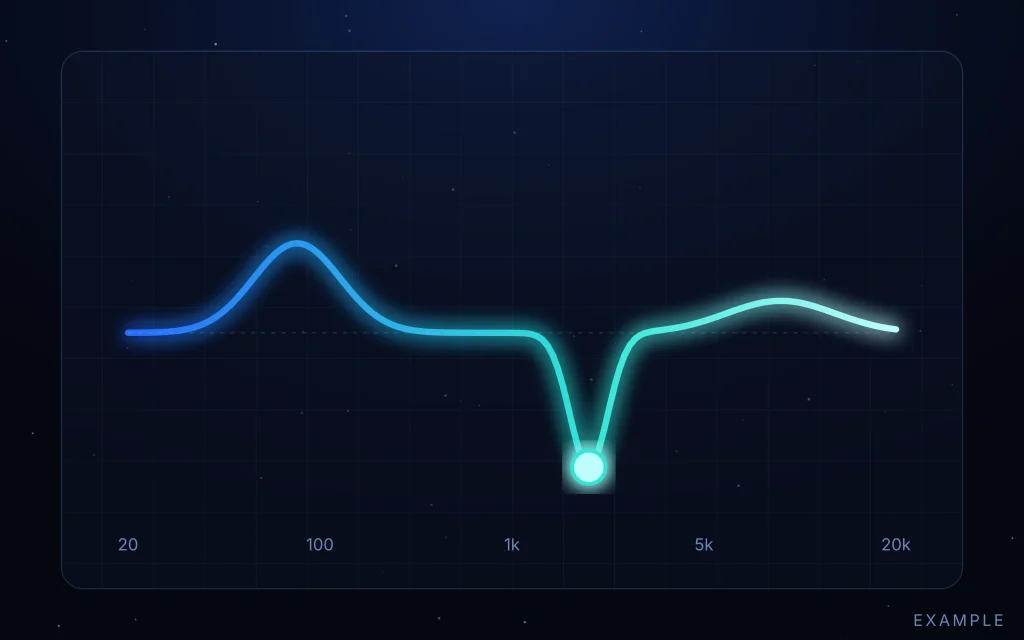
EQ curve with a narrow cut, one way to make a good mix great

Also, a well-mixed song can make or break a music project. It takes skill, knowledge, and experience to create a mix that enhances and supports a song’s elements while translating the artist’s vision and emotions to its listeners. Whether you are an experienced mixer or a beginner, taking the necessary steps to improve your track can help you achieve success with your music.

Related reading: what defines a strong mixdown and how to prep a mixing session. For background, see the Wikipedia article on Audio mixing.

We will go through the proven ways to take a mix further. Moreover, by implementing these tips, you can bring your music to the next level and captivate your listeners.

Start With A Strong Foundation to Make a Good Mix Great

When it comes to creating a great mix, one of the most important things is to start with a strong foundation. This means paying attention to the basics before you start adding in all the bells and whistles. In addition, by getting your foundation right, you can ensure that your song will sound great from the very beginning.

Leveling And Panning to Make a Good Mix Great

One of the first things you need to do when creating a mix is to level out your tracks and pan them appropriately. Furthermore, this means making sure that each element in the track is at the correct volume level and is spread out across the stereo field in a way that makes sense. Here are a few tips to help you get the leveling and panning right:

  • Use panning to create space in your song. For example, if you have a guitar track on the left side of the track, you might want to pan another element, like a keyboard, to the right side of the mix.
  • Make sure that each element is at the right volume level. You don’t want anything to be too loud or too quiet in relation to the other elements in the song.
  • Use automation to make changes to the volume levels and panning as the track progresses.

Eq And Compression

Once you have your levels and panning sorted out, the next step is to work on the EQ and compression for each element in the song. This means making sure that each instrument sounds clear and balanced. That everything is sitting in the right frequency range. Here are a few tips to help you get the EQ and compression right:

  • Use EQ to cut out any unwanted frequencies from each instrument. For example, if you have a guitar track that sounds a bit muddy, you might want to cut out some of the low-end frequencies to make it sound clearer.
  • Use compression to even out the dynamics of each instrument. This means making sure that the quiet parts of a track are still audible. Meanwhile, the loud parts don’t overpower everything else in the track.
  • Be careful not to overdo it with either EQ or compression. Too much of either can make a track sound unnatural and artificial.

Spice It Up With Effects

Adding effects to your song can spice it up and take it to the next level. From reverb and delay to distortion and modulation, using effects can improve a mix and add depth and interest to your music.

There’s no denying that the right effects can take a good mix to the next level. With the right tweaking, you can create a rich and memorable sound. Adding effects can be difficult, but with a bit of know-how, you can create an effect that compliments your music. In this post, we’ll go over three different effects that can help spice up your track. These are reverb and delay, distortion and saturation, and chorus and flanger.

Reverb And Delay

Reverb and delay are great effects that can create depth and space in your music. They add an ambient quality to your song that can help glue all the elements together. Reverb and delay can be used to add a sense of realism to your songs and create the illusion of a larger performance space. Different types of reverb and delay can achieve different feels, so try out a few to see what you prefer.

Distortion And Saturation

Distortion and saturation are common effects that can add grit and warmth to your track. Both effects can be used to add character to individual elements in your song, such as drums or guitars. You can control the amount of distortion and saturation to achieve exactly the sound you’re after. Be careful not to go overboard with these effects, as they can quickly become overwhelming.

Chorus And Flanger

Additionally, chorus and flanger add modulation effects to your track. Chorus creates a thick, lush sound by duplicating the original sound and slightly altering the pitch and timing. Flanger creates a sweeping sound by duplicating and then delaying the original sound. Both effects can be used to create movement in your song or to add an otherworldly quality to individual elements. In conclusion, effects can be the key to unlocking the potential of your track. Reverb and delay can add space and realism, distortion and saturation can add grit and warmth, and chorus and flanger can add modulation and movement. Use these effects sparingly and tastefully to take your song from good to great.

Add Dimension With Automation to Make a Good Mix Great

Adding dimension to your track with automation can take it from good to great. Utilizing tools like volume automation, EQ automation, and panning automation can bring depth and movement to your song. This makes it more dynamic and engaging for the listener.

Automation is one of the most powerful tools in music production, capable of adding depth and complexity to your track. When used correctly, automation can create an immersive listening experience that transports your audience to a new level of sonic bliss. In this blog post, we’ll explore how to use automation to take your good mix to great.

Volume And Pan Automation

Volume and pan automation are the most fundamental types of automation in a mix. They are used to create movement and space within the stereo field. By automating the volume and pan of individual tracks, you can bring them forward or push them back in the song. This creates a sense of depth and dimension.

  • Use volume automation to emphasize important parts of a song, such as a vocal or guitar solo.
  • Use pan automation to create space within the track, pushing individual tracks to the left or right to create a wide soundscape.
  • Remember to use these tools subtly, as too much automation can result in a muddy and confusing mix.

Filter And Effect Automation

Filter and effect automation is another powerful way to add dimension to your song. By automating effects such as reverb, delay, and filters, you can create a dynamic and evolving soundscape that keeps the listener engaged from beginning to end.

  • Use filter automation to gradually bring in or cut out frequencies, creating a sense of tension and release.
  • Use effect automation to create movement, such as gradually increasing the level of a delay effect over time.
  • Remember to use these tools sparingly, as too much automation can quickly become overwhelming.

Incorporating automation into your track can take it from good to great. By using volume and pan automation to create depth and filter and effect automation to add movement and interest, you can craft a sonic landscape that keeps your listeners engaged from beginning to end. Remember to use these tools thoughtfully, as too much automation can quickly become overwhelming.

Pay Attention To Arrangement to Make a Good Mix Great

Successful mixing requires careful attention to the arrangement of each element in the track. Ensuring that the different parts complement each other and fit together seamlessly is key to creating a great mix. By paying attention to arrangement, you can elevate your song to the next level and create a cohesive, balanced sound.

Arrangement is critical to making a good mix great. You must properly order your track elements to guarantee that they work together seamlessly. To create a fantastic mix, you should consider paying close attention to the arrangement. Here are some important methods to consider:

Create Contrast to Make a Good Mix Great

When arranging your song, it’s essential to create contrast between different components. Your track will sound dull and boring if you use the same instruments, sounds, and rhythms throughout. By varying the volume, tone, and rhythm of your instruments, you can create unique sections and make your song more musically appealing.

Build To The Drop to Make a Good Mix Great

When designing the layout of your track, keep in mind that the ultimate goal is to build up to the drop. It’s critical to gradually raise the volume, tone, and rhythm in the song in order to create a feeling of anticipation before the climax. By doing so, you’ll keep your listeners engaged and eager for the most critical section of the track, whether it’s a chorus, hook, or drop.

Simplify And Declutter

A simple and clean arrangement can often be the most successful. Instead of overcrowding the track with numerous components and sounds, think about removing some elements and leaving space for important components to shine. You don’t have to include everything and the kitchen sink in your song; instead, focus on keeping it simple and effective. Regardless, you must ensure that each component has its designated section in the track and that they all complement one another. It’s critical to declutter the song of any non-essential elements in order to help the critical components stand out. By giving each section its own time in the spotlight, you will be able to create a more refined and cohesive mix.

Pay Attention To The Low End to Make a Good Mix Great

When it comes to mixing audio tracks, paying attention to the low end is crucial. The low end provides the foundation for the rest of the track, and if it’s not given the proper attention, the entire mix can suffer. In this blog post, we will outline some ways to take a mix further by focusing on the low end.

Cutting And Boosting to Make a Good Mix Great

One of the most effective ways to improve the low end of a mix is by cutting and boosting frequencies. In the low end, it’s common to have frequencies that clash with each other and make the song muddy. By cutting out the problematic frequencies with an EQ, you can clean up the track and make room for the other elements. Boosting certain frequencies can also give the kick and bass more punch and presence, but be careful not to overdo it as it can make the song too boomy or overpowering.

Sidechain Compression

Sidechain compression is another technique that can help improve the low end. By sidechaining the bass or kick to other elements in the track, such as synths or vocals, you can create more space for the important low-end elements. When the bass or kick hits, the other elements will be temporarily attenuated. This gives the low-end elements more room to shine. This technique is commonly used in dance music genres and can be achieved using a compressor or plugin.

Layering And Texture to Make a Good Mix Great

Layering and texture can also help improve the low end of a mix. By layering multiple bass or kick samples together, you can create a more prominent and rich low end. Be sure to choose samples that complement each other and don’t clash. Texture can be added using effects such as distortion, saturation, or reverb. This can add warmth and character to the low end. Experiment and find what works best for your song!

Do’sDont’s
Use a spectrum analyzer to help pinpoint problem frequenciesBalance the volumes of the elements in the mixUse reference tracks to help guide you in creating a balanced mixUse headphones and monitors to check the track in different environmentsOver-boosting or cutting frequenciesUsing too many low-end elements that clash with each otherIgnoring the low end altogetherNot checking the song in different environments

Focusing on the low end can make a big difference in the overall quality of a mix. By cutting and boosting frequencies, using sidechain compression, and adding layers and texture, you can create a rich and balanced low end that supports the rest of the track. Keep in mind the do’s and dont’s of low end mixing and always trust your ears!

Maintain The Right Levels to Make a Good Mix Great

Maintaining the right levels is crucial to making a good mix great. Whether it’s the levels of vocals, instruments or effects, each element should be carefully balanced to achieve a cohesive sound. The key is to listen carefully and adjust accordingly.

Maintain the Right Levels: One of the most important factors in achieving a great mix is maintaining the right levels. If the levels are off, it can result in a muddy or distorted sound. Here are some ways to achieve the perfect levels: Monitoring Levels: It is important to have an accurate monitoring system to ensure the levels are just right. Use high-quality studio monitors or headphones to accurately hear the song. Take breaks from mixing to rest your ears so that you can hear subtle changes in levels.

Gain Staging: Gain staging is the act of adjusting each track’s volume levels before mixing. To achieve an optimal mix, it is important to have each track sitting at the proper gain level and not clipping. Make sure to adjust the levels at the source first so that when it comes to the track, all levels are what you need them to be. Mix Bus Processing: Mix bus processing involves applying effects to the entire mix rather than individual tracks. It helps to unify the different elements of the song and achieve a polished sound.

Practical Tips to Make a Good Mix Great

Use EQ to adjust the frequency balance and compression to control dynamics. Be sure to apply mix bus processing methodically to avoid over-processing the track. In conclusion, maintaining the right levels is crucial to making a good mix great. Use these tips for monitoring levels, gain staging, and mix bus processing to help you achieve the optimal levels in your song.

Consider Context

Consider context: The key to making a good mix great is understanding the context. Contextualizing the music you are mixing gives you a better idea of how to manipulate key elements such as EQ, compression, reverb, and panning. It also helps to make the track sound more professional and engaging. Here are some ways to consider context when mixing:

Genre Norms:

Every music genre has an established set of norms that define its sound and style. Knowing these norms will give you a better idea of how to mix a particular genre. For instance, hip-hop tracks often have heavy bass and aggressive compression, while jazz tracks are usually more dynamic and spacious. Use genre norms as a starting point for mixing, but don’t be afraid to experiment and add your unique touch to the song.

Platform And Listening Environment:

The platform and listening environment also affect how a mix sounds. Mixing for streaming services, such as Spotify and Apple Music, is different from mixing for radio because of loudness normalization. Also, the listening environment, whether it’s a car, headphones, or a club, affects how the mix is perceived. A good mix should be suitable for the platform and listening environment in which it is intended to be played.

End Listener Experience:

The ultimate goal of a good mix is to provide an enjoyable listening experience for the end listener. You should always keep in mind that the music is for the listener, not for yourself. Think about the emotions that the music evokes and tailor the mix accordingly. This includes paying attention to song arrangement. This ensures each instrument has its space in the mix, avoiding harsh frequencies, and ensuring vocals can be heard clearly. Always strive to deliver a mix that moves the listener emotionally and captures their attention.

In summary, contextualizing your mix is crucial to making it sound great. Genre norms, platform and listening environment, and end listener experience are essential factors to consider when mixing. By keeping these factors in mind, you can create a mix that not only sounds professional but also moves listeners emotionally.

Collaborate And Iterate

Collaborating and iterating are crucial ways to enhance the quality of a mix. Musicians and sound engineers should work together, experiment with different sound variations, and make incremental changes to achieve an outstanding mix that satisfies their vision.

Collaboration and iteration are two key components that can take a good mix to the next level. When you collaborate with other professionals in the music industry, whether they’re artists, producers, or engineers, it opens up a whole new world of possibilities. Not only does it give you fresh perspectives, ideas, and techniques. But it also provides an opportunity to learn and grow as a professional. Iteration, on the other hand, is the process of making gradual improvements to your mix until it meets the desired outcome. By continuously refining and adjusting your mix, you can achieve a level of perfection that will impress your clients and listeners.

Solicit Feedback

One way to collaborate and iterate your mix is by soliciting feedback from other professionals. Ask for their insights, ideas and suggestions. This can be done through feedback forms or in-person consultations. The feedback you receive can help you identify areas where improvement is needed, and give you a new perspective to consider. With this type of collaboration, you’ll be able to tailor your mix to fit your client’s needs and preferences.

Try New Ideas

Another way to spark collaboration and iteration is to try new ideas to see how they fit into your mix. Experiment with different techniques, sounds, arrangements, and effects. It may take some trial and error, but the key is to keep trying until you find something that works. You can also seek out inspiration from other sources, such as other musicians, films, or even nature. These new ideas will help you push beyond your comfort zone and break creative boundaries.

Push Towards Perfection

The final step in collaborative and iterative mix is to push yourself towards perfection. This means aiming to achieve a mix that reaches the highest level of quality and excellence possible. It requires constant adjustments, refinements, and improvements until you achieve a polished product. One way to push towards perfection is to set specific goals for your mix, such as balancing levels, removing clutter, and eliminating distortion. By setting goals and achieving them one by one, you’ll be able to create a mix that not only sounds good but also meets the specific needs of your client and listeners.

Collaboration and iteration are two essential parts of creating a great mix. By soliciting feedback, trying new ideas, and pushing towards perfection, you can elevate your mix from good to great. Be sure to keep an open mind, remain patient, and never be afraid to experiment and take risks. With these essential steps, you’ll be able to create a mix that not only satisfies your client but also leaves a lasting impression on listeners.

Frequently Asked Questions On Ways To Make A Good Mix Great

How Do You Make A Perfect Mix?

To make a perfect mix, follow these guidelines: 1. Use quality equipment and software. 2. Start with good source materials. 3. Ensure balance and clarity by adjusting levels and EQ. 4. Pay attention to timing and transitions. 5. Continuously compare and adjust until satisfied with the final product.

How Do You Make A Good Mix?

To make a good mix, start with a clear understanding of the song and genre. Use EQ to balance frequencies between tracks and pan instruments to create space. Use effects sparingly and adjust levels carefully to bring out the best in each element.

Don’t forget to listen on a variety of speakers to ensure a balanced sound.

How Can I Make My Mix Sound Better?

To make your mix sound better, first ensure that all the instruments are properly tuned and in key. Then, use EQ to balance the frequencies and make sure each sound has its own space. Use compression to control the dynamics and add depth with reverb and delay.

Lastly, make sure the mix is properly leveled and panned.

What Does A Good Mix Consist Of?

A good mix should have the right balance of all the elements present in a song. This includes the volume and clarity of each instrument, vocals, effects, and the overall sound quality. A good mix should also ensure that each element is heard clearly, without one overpowering the others.

Finally, a good mix should sound pleasant to the listener and enhance the overall listening experience.

Conclusion

In order to improve a mix, it’s important to keep in mind the importance of balance, energy, and flow. Utilizing the right tools and techniques, such as EQ, compression, and automation, can help create a cohesive and dynamic track.

By taking the time to properly mix and master your music, you can improve the listener’s experience and ultimately make your music stand out. Remember, mixing is both an art and a skill that requires practice and dedication, but the end result is worth the effort.

So get out there, experiment, and make your mix great!

Categories
Archive

Pro Tools First Volume Automation

Pro Tools First Volume Automation can be achieved using the volume line tool or by drawing volume breakpoints, allowing you to adjust the volume levels of individual tracks. Pro Tools First is a free version of the professional audio editing software Pro Tools, offering users limited features.

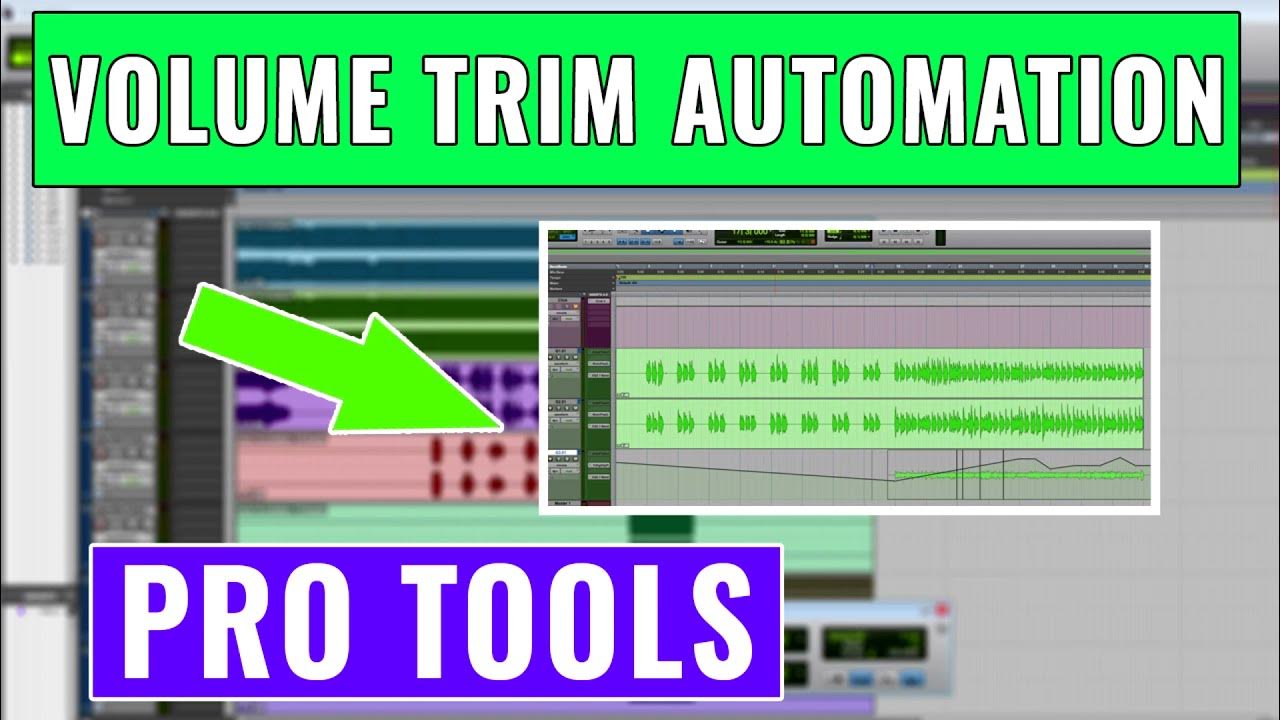
One of the essential functions in audio mixing and editing is volume automation. Volume automation allows you to control the volume levels of individual tracks, creating dynamic changes throughout a song or project. In Pro Tools First, volume automation can be achieved using the volume line tool or by drawing volume breakpoints.

The volume line tool allows you to draw a smooth curve to adjust the volume levels over time, while the volume breakpoints enable you to specify precise volume levels at specific points in the track. By using these volume automation techniques, you can create a more immersive and polished audio project with Pro Tools First.

Understanding Volume Automation

Volume automation is an essential tool in Pro Tools First. It allows you to adjust the volume levels of different parts of your track to enhance your overall sound. With this feature, you can create a more dynamic and polished track.

Understanding Volume Automation When it comes to mixing and producing music, Pro Tools First is a powerful tool to have in your arsenal. One of the most essential features of Pro Tools First is volume automation. In this section, we’ll delve into what volume automation is and why it’s important in music production. H3: What is Volume Automation? Volume automation is the process of adjusting the sound levels of various tracks to create a balanced mix. With volume automation, you can adjust the volume of each track at different parts of the song to bring out the best possible sound. This helps the listener perceive the music as a cohesive whole and helps ensure that no one track is overpowering the others. H3: Why is Volume Automation important? Volume automation is important because it helps create a professional-sounding mix. If you’re new to music production, you might be tempted to set the volume levels of your tracks once and leave them as they are throughout the song. However, this can result in a mix that’s unbalanced or even unlistenable. With volume automation, you can create a mix that sounds good from start to finish. It is one of the most basic yet effective techniques for creating a professional-sounding mix. In conclusion, volume automation is a fundamental part of music production that can make a significant difference to the quality of a mix. By utilizing this feature in Pro Tools First, you can create a balanced and professional-sounding mix that your audience will love.

Pro Tools First Volume Automation

Credit: m.youtube.com

Using The Volume Automation Feature In Pro Tools First

Learn to manipulate volume levels in Pro Tools First with the Volume Automation feature. With this tool, you can bring tracks to life by changing volume levels over time, adding drama and dimension to your recordings.

Using the Volume Automation Feature in Pro Tools First Accessing the Volume Automation feature: To use the Volume Automation feature in Pro Tools First, you need to open your session and select the track you want to work on. Then, locate the automation button on the top of your screen. Click on it and select “Volume” from the available options. This will enable the Volume Automation feature. You can also use the “A” shortcut key on your keyboard to access the automation feature quickly. Creating Volume Automation: Once you have accessed the Volume Automation feature, creating automation is very simple. You can create Volume Automation for an entire track or a section of it. To create automation, click on the “Line” button located on the left-hand side of the Volume Automation graph. Then, click on any point of the graph to create a node. By dragging the node, you can adjust the volume level according to your preferences. Editing Volume Automation: Editing Volume Automation is just as easy as creating it. To edit Volume Automation, select the “Grabber” tool from the toolbar and click on the node that you want to edit. Then, drag and drop it to the new position to create a new volume level. You can also adjust the volume level of Volume Automation by dragging the Line of the graph. Deleting Volume Automation: To delete Volume Automation, you need to select the automation line you wish to delete and press the delete button on your keyboard. If you want to delete an individual node instead, simply click on the node you wish to remove and press the delete button. You can use this feature to remove unwanted Volume Automation from your track. In conclusion, the Volume Automation feature in Pro Tools First is a powerful tool that allows you to create, edit and delete Volume Automation to suit your preferences. By using the automation features, you can make your tracks sound professional and polished.

Tips For Using Volume Automation In Pro Tools First

Learn how to enhance your Pro Tools First mixes with volume automation. From creating smooth fade-ins and fade-outs to adjusting levels for specific sections, these tips will help you take your music production to the next level.

Volume automation is a powerful tool in Pro Tools First that can significantly enhance your mixes. This comprehensive guide will provide actionable tips and tricks for effectively using volume automation in Pro Tools First. Here are three tips to get you started:

Start With Small Adjustments

When starting with volume automation, it’s essential to begin with small adjustments. A slight boost or reduction in volume can make a huge difference in the mix. It’s also important to listen to the mix while making adjustments. This allows you to determine how the automation affects the mix. To manually set the volume, select the volume tool, press and drag on the volume line.

Use Multiple Automation Techniques

Pro Tools First has several automation techniques that you can use to enhance your mixes. You can use clip-based automation to apply volume changes specifically to a clip. You can also use track-based automation to make adjustments to a specific track. Additionally, you can use group-based automation to make adjustments to multiple tracks at the same time. It is important to understand which techniques to use for which task. A combination of these techniques will enhance the precision of your volume automation.

Experiment With Different Shapes And Curves

One of the most significant advantages of volume automation in Pro Tools First is you can adjust the shape and curve of the volume changes. Experiment with different curves such as linear, S-curve, and logarithmic, depending on your needs. A linear curve, for example, creates a consistent increase or decrease in volume, while an S-curve creates a more gradual level shift. Different shapes and curves allow for greater control, shapeliness and precision in your automation.

Conclusion

By using these tips, you’ll be able to effectively use volume automation in Pro Tools First. Start with small adjustments, use multiple automation techniques, and experiment with different shapes and curves for precision control over your mix. These techniques will ultimately lead to a more professional-sounding mix that fits perfectly with the tone of your project.

Pro Tools First Volume Automation

Credit: www.mixinglessons.com

Common Volume Automation Mistakes To Avoid

Avoid falling into common volume automation mistakes in Pro Tools First by keeping in mind the importance of accuracy, consistency, and creativity. Make sure to clearly identify your automation points and utilize a variety of techniques to add depth and dynamics to your mix.

Pro Tools First Volume Automation is one of the most essential tools in music production, but it is also one that can easily be misused. When not used correctly, volume automation can ruin a mix and cause more harm than good. In this section, we will discuss some common volume automation mistakes to avoid when using Pro Tools First.

Overusing Volume Automation

When it comes to volume automation, less is often more. Overusing volume automation can lead to a mix that sounds choppy and unnatural. It’s important to ask yourself if volume automation is really necessary for a particular track or section of a mix. If a track sounds fine without automation, then don’t feel compelled to use it. It’s better to use volume automation sparingly and only when it adds value to the mix.

Ignoring The Rest Of The Mix

Another common mistake is ignoring the rest of the mix when applying volume automation. It’s easy to get lost in automating a particular track and forget about how it fits into the overall mix. Make sure to listen to the entire mix and keep the big picture in mind. You don’t want to have a track that is too loud or too quiet in comparison to the rest of the mix.

Single-point Volume Changes

Another common mistake is making single-point volume changes. While these changes can be effective at times, they can also make a track sound artificial and unmusical. It’s better to make gradual volume changes that mimic the natural ebb and flow of music.

Using Volume Automation To Fix Problems

Volume automation should be used to enhance a mix, not fix problems. If a track is too loud or too quiet, adjusting the volume fader is often a better solution than volume automation. Automation should be used to add depth and dimension to a mix, not to fix issues that could be solved in other ways.

Conclusion

By avoiding these common volume automation mistakes, you can create a mix that sounds natural and dynamic. Remember to use volume automation sparingly, keep the big picture in mind, and make gradual volume changes that enhance the overall musicality of your mix.

Pro Tools First Volume Automation

Credit: soundflow.org

Frequently Asked Questions On Pro Tools First Volume Automation

How Do I Automate Volume In Pro Tools?

To automate volume in Pro Tools, you can use the volume automation feature. First, click on the track you want to automate, then select “Volume” from the automation drop-down menu. Draw in the volume changes where you want them using the automation pencil tool.

You can also adjust the volume using the fader in the mix window.

Why Is Pro Tools First Discontinued?

Avid discontinued Pro Tools First to streamline their product offerings and to focus on providing a better experience for their paying customers. Additionally, they wanted to provide a more modern audio interface. Existing users can continue to use the software, but it will no longer be available for download.

What Is The Shortcut For Volume Automation In Pro Tools?

To automate volume in Pro Tools, press “A” to activate the volume automation tool, then click and drag on the volume line in the track. You can adjust the shape and level of the automation using the various tools and settings.

What Is The Difference Between Clip Gain And Volume Automation?

Clip gain adjusts the level of audio clips before they enter the mix, and volume automation changes the volume of individual audio clips or tracks during the mix. Clip gain is static, whereas volume automation can be dynamic and adjusted over time.

Conclusion

To sum up, Pro Tools First Volume Automation is an important feature for any audio engineer or hobbyist. It allows for precise control over the levels of individual tracks in a mix, giving your music a more professional sound. By automating volume changes, you can create dynamic and engaging mixes that keep your listeners engaged from start to finish.

Whether you are producing music for fun or professionally, mastering volume automation is a crucial skill to have in your toolkit. So, start practicing today and take your mixes to the next level!

Categories
Archive

Marketing Tips For Musicians

Marketing tips for musicians include utilizing social media, building an email list, collaborating with other artists, and creating a visually engaging website. For musicians, having raw talent is only one element of success.

To really make it in the industry, you need to have an understanding of how to market yourself and your music. This means creating a brand, reaching out to fans and potential collaborators on social media, building an email list to stay in touch with fans, and creating a visually appealing website to showcase your music and upcoming events.

With so much competition in the industry, it can be tough to stand out, but by using these marketing tips, you can increase your visibility and build a loyal fan base.

Marketing Tips For Musicians

Credit: blog.groover.co

Build A Loyal Fan Base

As a musician, one of your primary goals should be to build a fan base that will support and engage with your music for the long haul. A loyal fan base not only helps to increase sales and streams, but it can also lead to more opportunities for tours, collaborations, and sponsorships. With the right marketing strategies in place, you can create a devoted following that will stick by your side throughout your music career.

Connect With Fans Through Social Media

Social media is a powerful marketing tool for musicians to connect with their fans on a more personal level. Platforms such as Facebook, Instagram, and Twitter allow you to share updates on your music and connect with fans in real-time. Create a social media calendar to stay on top of your posts and engage with your audience by responding to comments and messages. Consider hosting live Q&A sessions, virtual concerts, or giveaways to deepen your connection with your fans.

Create And Share Your Own Content

Create content that adds value to your fans and showcases your talent outside of music. This can include behind-the-scenes footage, vlogs, or merchandise giveaways. Share valuable content that gives fans a glimpse into your life both on and off stage. Utilize platforms such as YouTube, TikTok, and Snapchat to create engaging content that will entertain and inform your listeners.

Offer Exclusive Perks For Your Biggest Fans

Exclusive incentives can make your fans feel appreciated and connected with your music. Consider offering early access to album releases, merchandise discounts, or personalized messages as a reward for your biggest supporters. You can use platforms like Patreon or Kickstarter to offer your fans exclusive perks and rewards in exchange for their support. By offering fans an experience unique to your music, you can deepen their loyalty towards your brand.

By implementing these marketing strategies and consistently engaging with your fans, you can establish a dedicated fan base that will support you throughout your music career.

Marketing Tips For Musicians

Credit: www.amazon.com

Collaborate With Other Artists

Collaborating with other artists is a great way to expand your fan base and reach new audiences. By teaming up with musicians in your genre or related genres, you can cross-promote each other’s music, share resources, and even create new music together.

This type of collaboration can also lead to opportunities for gigs, interviews, and social media exposure.

Collaboration with other artists is a fantastic way to broaden your audience, increase your reach, and grow your fan-base. Finding like-minded musicians to work with can take your music to new heights while also building relationships within the industry. In this article, we will explore two ways to collaborate with other artists to amplify your music.

Find Like-minded Musicians To Work With

Finding musicians with similar interests and styles is crucial when it comes to collaborating. It’s essential to work with artists whose style and music will complement your own. Therefore, you should look for musicians who have a similar genre or vibe to yours. For instance, if you’re a pop artist, consider collaborating with an R&B artist, or if you’re a rock musician, consider working with a metal band. One of the best ways to find like-minded musicians is by networking and attending industry events. You can also use social media platforms such as Facebook, Twitter, or Instagram to discover and connect with artists who suit your style. Another option is to join online communities of local artists.

Cross-promote Each Other’s Music

Once you find artists to collaborate with, you can cross-promote each other’s music to create buzz around your mutual projects. This involves sharing each other’s work on social media platforms, music blogs, or any other platform where your music can be discovered. Cross-promoting might entail featuring each other’s music in your playlists, sharing each other’s links, or posting about upcoming projects you’re working on together. This way, both you and your collaborator can attract new fans and introduce your music to a broader audience. Make sure you and your collaborator actively promote and share the music continuously to ensure maximum exposure. By doing so, you can build a relationship with the audience that can translate into more exposure and future collaborations.

Conclusion

Collaborating with like-minded musicians and cross-promoting each other’s music can be beneficial for growing your fan base and enhancing your music. Through networking and social media platforms, you can find and connect with other artists that suit your style and work together on musical projects. By cross-promoting each other’s music, you can reach new audiences and establish relationships with them that may lead to future collaborations.

Utilize Email Marketing

Email marketing is a great way to reach and engage your fans as a musician. By collecting the email addresses of your fans, you can segment your audience and send personalized messages about your upcoming shows, new music releases, and merchandise promotions.

Use catchy subject lines and visually appealing email templates to make your emails stand out in your fans’ inboxes.

Collect Email Addresses At Shows And Online

One of the most effective ways for musicians to connect with their fans is through email marketing. Start by collecting email addresses both at live shows and online. Have a sign-up sheet at your merch table and make sure your website has an opt-in form for visitors to subscribe to your emails.

Send Regular Updates About New Music And Upcoming Shows

It’s important to stay top of mind with your fans and keep them informed of any new music or upcoming shows. Regularly send email updates to your subscribers with exclusive content, behind-the-scenes looks, and previews of your latest songs. This will keep them engaged and build anticipation for your next performance.

Offer Special Deals And Discounts For Fans On Your Email List

Make your fans feel special by offering them exclusive deals and discounts through your email list. Consider providing early access to concert tickets, meet and greets, or even special merch. This shows your fans that you appreciate their support and can make them more likely to purchase music or attend shows in the future. Utilizing email marketing can be a powerful tool for musicians looking to build and maintain relationships with fans. By collecting email addresses, sending regular updates, and offering special deals and discounts, you can keep your fans engaged and excited about your music career.

Make Use Of Video Content

As a musician, using video content can be a powerful marketing tool. Post videos on social media platforms like YouTube, Facebook, and Instagram to showcase your music, share behind-the-scenes moments, and connect with your audience. Incorporating videos into your marketing strategy can increase engagement, brand awareness, and ultimately lead to more fans and supporters.

As a musician, it’s always important to find new ways to promote your music and reach a wider audience. One of the most effective ways to do this in today’s digital world is through video content. Creating engaging, visual content can help you connect with your fans on a deeper level and increase your reach in ways that other types of content can’t. In this post, we’ll take a closer look at some of the ways you can make use of video content to promote your music, including creating music videos, filming behind-the-scenes content, and live streaming shows and events.

Create Music Videos

One of the most obvious ways to make use of video content is by creating music videos. Not only do music videos add a visual component to your music, but they also give listeners a glimpse into your personality and style. When creating a music video, be sure to think about your target audience and what they would enjoy seeing. For example, if you’re a rock band, you may want to create a music video with an edgier, more rebellious vibe, while a pop artist may want to focus on bright colors and catchy dance moves.

Film Behind-the-scenes Content

Another way to utilize video content is by filming behind-the-scenes content. Fans love getting a peek behind the curtain and seeing what goes into creating their favorite music. You can film everything from recording sessions to backstage interviews, giving your fans an up-close-and-personal look at your creative process. This can help build a stronger connection between you and your fans, as they feel like they’re part of the journey with you.

Live Stream Shows And Events

Finally, live streaming shows and events is an excellent way to make use of video content. Not only does this allow fans who can’t attend your shows in person to still be a part of the experience, but it also opens up new audiences in different parts of the world. When live streaming, make sure you have a good internet connection and that your sound quality is top-notch. You may also want to consider adding interactive elements, such as a Q&A session or live chat, to make the experience even more engaging for your fans. In conclusion, video content is a powerful and effective way for musicians to reach new audiences and connect with their fans. By creating music videos, filming behind-the-scenes content, and live streaming shows and events, you can take your music marketing strategy to the next level and stand out in a crowded music industry.

Offer Merchandise

One effective marketing tip for musicians is to offer merchandise as a way to increase revenue and promote your brand. This can include items such as t-shirts, posters, and albums, which can be sold at concerts or through an online store.

Utilizing social media platforms can also help promote your merchandise and reach a wider audience.

As a musician, offering merchandise can be a great way to increase your revenue streams while promoting your brand. With the right products, you can engage with your fans and create a communal experience. Here are some merchandise ideas that can help take your music career to the next level.

Design And Sell T-shirts And Other Clothing Items

Designing and selling t-shirts is a great way to offer a product that your fans can wear to show support. You can get creative with your designs and incorporate your band logo or song lyrics. Consider reaching out to a graphic designer who can help bring your ideas to life. Once designed, you can easily list your products on your website or through a third-party merchandise retailer like Bandcamp or Merchbar to make the sales process a breeze.

Sell Physical Copies Of Your Music

In today’s digital age, many music fans still appreciate physical copies of music. Consider producing CDs, vinyl, or even cassette tapes of your album or EP. These physical copies can be sold at live shows, on your website, or through a merchandise retailer. Be sure to get creative with the packaging, including artwork and liner notes that enhance the overall experience for your fans.

Offer Limited Edition Or Signed Items For Big Fans

For your biggest and most dedicated fans, offering limited edition or signed merchandise can go a long way towards building loyalty. Consider creating a limited run of exclusive products that are only available for a short time or in limited quantities. These items can range from signed albums and concert posters to personalized shoutouts or virtual meet-and-greets. By offering more value to your most committed fans, you can foster a sense of community and drive engagement. In conclusion, offering merchandise can be a smart way for musicians to extend their brand, foster community and grow their income streams. By applying the tips mentioned above, you can get started on creating a line of merchandise that fans will love while strengthening your connection with supporters and driving revenue.

Partner With Local Businesses

Collaborating with local businesses is a smart marketing strategy for musicians. By partnering with cafes, bars or art galleries, you can reach more potential fans and build your brand through live performances, collaborations, and social media promotion. It’s a win-win situation for both parties, as the businesses benefit from increased foot traffic and exposure too.

Partnering with local businesses is an excellent way for up-and-coming musicians to reach a wider audience and build a reputation in their local community. By working with other companies that share your target demographic, you can leverage their marketing channels and create mutually beneficial relationships.

Perform At Local Events And Venues

One effective way to connect with local businesses is to perform at their events or in their venues. Not only will this get your music in front of a new audience, but it also provides an opportunity to network with other business owners and industry professionals. You can use these connections to secure future gigs and build long-term relationships that will help your music career grow.

Partner With Local Businesses To Cross-promote

In addition to performing at local events, consider partnering with businesses to cross-promote each other’s offerings. For example, a music store could offer a discount on instruments to customers who attend your shows, and in exchange, you could promote their store on your social media channels or include their logo on your promotional materials. This type of collaboration can help increase both your visibility and revenue.

Build Relationships Within Your Local Community

Finally, don’t underestimate the power of building relationships within your local community. Attend local events, participate in community service projects, and get to know other business owners and residents in your area. Not only will this allow you to make personal connections, but it can also lead to gig opportunities and promotional partnerships down the line. In conclusion, partnering with local businesses is a smart way for musicians to build their fanbase, increase their reach, and create meaningful connections within their community. By performing at local events, cross-promoting with other businesses, and building relationships in your area, you can take your music career to the next level.

Harness The Power Of Influencer Marketing

Harness the strength of influencer marketing to boost your music career. Collaborate with influencers in your niche to reach a larger audience and gain credibility. With the right strategy, influencer marketing can be a game-changer for musicians looking to expand their fan base.

In today’s digital age, it’s essential for musicians to utilize effective marketing strategies to gain a foothold in the industry and reach a wider audience. One strategy that has proven to be immensely successful is influencer marketing. By partnering with bloggers and social media personalities, you can leverage their already-established audiences to promote your music. Here are three key ways to harness the power of influencer marketing and help your music take center stage.

Partner With Bloggers And Social Media Personalities

Bloggers and social media personalities have a strong following, and their followers trust them and their recommendations. Partnering with them can help you reach a wider audience that is already interested in your genre of music. Look for bloggers and personalities that cater to your niche and have a significant following. Reach out to them through email or social media, and offer a partnership that is beneficial to both parties. You can offer to perform at their events, create sponsored content, or provide free merch in exchange for promotion.

Ask Fans To Share Your Music On Their Own Platforms

Your fans are your strongest assets, and they can help you with marketing efforts. Encourage them to share your music on their social media platforms, blogs, or websites. You can offer them exclusive content, such as behind-the-scenes footage, backstage passes, or early access to your next song. Make sure to engage with your fans, respond to their comments, and express your gratitude for their support.

Find Opportunities To Reach New Audiences Through Influencer Marketing

Influencer marketing can help you reach new audiences that you may not have reached otherwise. Look for opportunities to collaborate with influencers outside of your niche, or partner with brands that align with your values. With the right influencer marketing strategy, you can boost your visibility, increase your fan base, and cement your place in the industry. In conclusion, influencer marketing is a powerful tool that can help musicians reach new audiences, expand their fan base and enhance their brand recognition. By working with bloggers, social media personalities, and leveraging the power of your fans, musicians can promote their music and grow their following in no time.

Take Advantage Of Live Streaming

Streaming live concerts is an effective marketing strategy for musicians. Through live streaming, artists can connect with fans all over the world, build a following, and increase revenue. With the prevalence of social media and online platforms, musicians can easily take advantage of this marketing tip to reach a wider audience and establish themselves in the industry.

As a musician, one of the most important aspects of your career is getting your music in front of an audience. While traditional methods such as touring, television appearances, and radio play are still relevant, you should also consider taking advantage of live streaming. The pandemic has also made it a necessity for artists to consider live streaming as a viable way to reach out to their fans. In this post, we will discuss how live streaming can help you grow your fan base and increase your visibility online.

Broadcast Live Performances And Shows

One of the best ways to use live streaming to your advantage is by broadcasting live performances and shows. Platforms like Facebook, Instagram, and YouTube, offer live streaming options that you can use to reach out to your fans. Here are some tips for making the most out of your broadcast:

  • Choose a good location with good lighting and audio quality
  • Make sure your fans are aware of the live stream beforehand so they can tune in
  • Interact with your fans during the performance by answering their questions or giving shoutouts
  • Provide links to buy merchandise or your music during the stream

Host Q&a Sessions With Fans

Apart from live performances, you can also use live streaming to host Q&A sessions with your fans. Fans love interacting with their favorite artists, and this presents a perfect opportunity for them to ask questions about you and your music. Here are some tips for hosting successful Q&A sessions:

  • Choose a good location with good lighting and audio quality
  • Choose a good time when your fans are likely to be available
  • Encourage your fans to submit their questions beforehand and prepare your answers
  • Make the session fun and interactive by including polls and other engagement tools

Create A Sense Of Community Through Live Streaming

Live streaming also presents a perfect opportunity to create a sense of community among your fans. You can use the live streaming session to connect with your fans, share your music journey and get feedback on your music. Here are some tips for using live streaming to create a sense of community:

  • Ask for feedback on your new music or any other projects you are working on
  • Share personal stories and anecdotes about your life and music
  • Encourage your fans to share their own stories and experiences related to your music
  • Use the live streaming session as a way to thank your fans for their support and loyalty

In conclusion, live streaming provides an excellent way for musicians to grow their fan base and increase their visibility. By following these tips, you can use live streaming to your advantage and connect better with your fans. So, what are you waiting for? Start live streaming your music today and see the difference it can make.

Marketing Tips For Musicians

Credit: blog.groover.co

Frequently Asked Questions For Marketing Tips For Musicians

How To Do Marketing For A Musician?

To promote a musician, you can use various marketing techniques like social media ads, influencer marketing, email marketing, gigs, and events. Make sure to focus on building a strong brand image, establishing a strong social media presence, and using targeted advertising to reach the right audience.

Additionally, collaborations with other musicians and industry professionals can also aid in promoting an artist.

How Do You Brand Yourself As A Musician?

To brand yourself as a musician, focus on creating a unique image and persona. Develop a distinctive style for your music and use social media to get your music out there. Connect with other musicians and music industry professionals to build your network.

Perform live whenever possible and make sure your branding is consistent across all channels.

How Do You Write A Marketing Plan For A Musician?

To write a marketing plan for a musician, start by identifying the target audience and developing a unique brand image. Utilize social media platforms and email marketing to engage with fans and promote new music releases. Consider collaborating with other musicians and participating in live performances to expand the audience reach.

Finally, continuously analyze and adjust the plan to ensure its effectiveness.

How Do Musicians Get Noticed?

Musicians can get noticed by promoting themselves online through social media and blogs, collaborating with others, performing live, submitting their music to blogs and streaming services, and creating engaging content like music videos. Building a strong brand and networking within the industry can also help get their music heard.

Conclusion

After considering the various marketing tips discussed above, it is clear that musicians can take several steps to enhance their promotion and reach a larger audience. Researching and identifying the target audience, creating engaging content, and using social media and email marketing effectively are some of the strategies that can make a big impact.

With the right approach and continued efforts, musicians can improve their online presence and build a loyal fan base. By implementing these marketing techniques, you can gain more exposure and maximize your potential for success in the music industry.

Categories
Archive

Professional And Amateur Mixing

Professional mixing refers to experienced individuals who mix music tracks for a living, while amateur mixing refers to self-taught or inexperienced individuals. Mixing music is the process of combining multiple tracks into a single stereo track.

Professional and amateur mixing both have their benefits and drawbacks, and it ultimately comes down to personal preference and budget. Professional mixing involves working with a team of experts, including a mix engineer, who can handle the technical aspects of the mixing process.

This allows musicians to focus solely on the creative aspects of their music. Professional mixing can also produce high-quality results and is ideal for musicians looking to achieve a polished sound. Amateur mixing, on the other hand, is often done by self-taught individuals or musicians with limited resources. While it may not produce the same level of quality as professional mixing, it does allow for complete creative control and is often more cost-efficient. Additionally, amateur mixing can be a great learning experience for those looking to improve their mixing skills.

Professional And Amateur Mixing

Credit: m.youtube.com

Professional Vs Amateur Mixing

Mixing is one of the most important aspects of music production, and it can make or break a song. There are two main types of mixing: professional and amateur. Professional mixing is done by seasoned mixing engineers with years of experience, while amateur mixing is done by individuals who are just starting out or have limited experience in the field. Let’s take a closer look at the differences between professional and amateur mixing.

Skill And Experience

The most significant difference between professional and amateur mixing is the level of skill and experience. Professional mixing engineers have spent years perfecting their craft and have a deep understanding of the technical and creative aspects of mixing. They know how to balance the tracks, add effects, and create the desired sound. On the other hand, amateur mixers may lack the necessary skills and experience to achieve a polished and professional mix.

Tools And Equipment

Professional studios have advanced equipment and tools that allow mixing engineers to achieve high-quality mixes. Industry-standard software, hardware, and monitoring systems are just some examples of the tools that professionals use. Additionally, they have access to high-end plugins and hardware, which provide more precise control over the sound. Amateurs, on the other hand, may not have access to such equipment and have to rely on budget-friendly alternatives.

Time And Cost

Professional mixing can be a time-consuming and expensive process. It requires a significant investment of time and effort to achieve a polished mix that meets the industry standards. Additionally, hiring a professional mixer can be expensive, especially for independent artists on a limited budget. On the contrary, amateur mixing can be done at a lower cost and can be completed in a shorter amount of time. However, compromising on quality may harm the final output.

ProfessionalAmateur
High level of skill and experienceLess experience and skill in mixing
Advanced tools and equipmentLack of access to professional tools
Time-consuming and expensiveLow cost and faster turnaround

In conclusion, professional mixing and amateur mixing are two different approaches to music production. Hiring a professional mixer can help produce high-quality, polished mixes but can be expensive. On the other hand, amateur mixing can be done at a lower cost, but it often takes longer, and the final output is not as polished as a professional mix. When it comes to mixing, it’s essential to consider the level of skill, tools, and budget to make an informed decision.

Challenges Of Amateur Mixing

Amateur mixing poses challenges for sound professionals. Inexperienced mixers often struggle with proper use of equalization, balancing, and dynamics processing. Additionally, a lack of proper monitoring equipment and room acoustics can cause issues in the final mix.

Professional mixing requires a blend of technical skills, creativity, and experience. While anyone can try their hand at mixing, amateur mixing presents a range of challenges. In this post, we’ll explore some of the common challenges that amateur mixers face.

Lack Of Training

Mixing is not just about turning knobs and pushing buttons. It requires technical knowledge and an understanding of sound. Professional mixers undergo extensive training to understand the nuances of music production, mastering, and mixing. However, amateurs may not have access to this level of training, which can result in poor quality mixes. Without proper training, amateurs may not know how to tweak sound waves and apply EQ to achieve clarity.

Inadequate Tools And Equipment

Mixing requires a set of specialized tools and equipment. Professionals have access to high-end mixing software, speakers, and techniques that allow them to achieve superior sound quality. On the other hand, amateurs may lack the necessary resources to invest in high-end equipment. As a result, they may be unable to achieve the same level of precision and quality as professionals.

Limited Time And Resources

Mixing can be a time and resource-intensive process. Professionals often spend hours or even days working on a single track, experimenting with different settings, and fine-tuning the mix. Amateurs, on the other hand, may not have the luxury of time. They may also lack the resources to hire professional mixers or invest in the necessary equipment. This can lead to rushed and sub-par mixes. In conclusion, mixing is not an easy task. It requires extensive knowledge, skill, and resources. Amateur mixers may face challenges due to lack of training, inadequate tools and equipment, and limited time and resources. However, with proper training, investment in quality equipment, and practice, amateurs can overcome these challenges and become proficient at mixing.

Benefits Of Professional Mixing

Music mixing is an essential part of the music production process. It can make or break a song, which is why it is crucial to ensure that you choose the right mixing method. While amateur mixing may seem like a cost-effective option, it often results in subpar quality. That’s where professional mixing comes in. Here are some of the benefits of opting for professional mixing.

Industry Experience And Skill

Professional mixing engineers have years of experience and training in the music industry. They have refined their skills over time and have an ear for what sounds good in music. They know how to make your vocals sound crisp and clear and how to balance different instruments to create a harmonious final product. Their expertise in sound engineering can help take your music to the next level and ensure that it stands out in today’s competitive market.

State-of-the-art Equipment

Professional mixing studios invest in high-quality equipment to make sure that the final output is of top-notch quality. They have access to the latest mixing software, plug-ins, and hardware equipment to give your music a professional touch. Professional mixing studios have invested in acoustic treatment for their studios, which enables them to control the room acoustics and create a more accurate and balanced sound. All of these factors can contribute to the final sound quality of your music.

Time And Cost Savings

Professional mixing engineers can save you a lot of time and money in the long run. With their expertise, they can get the job done faster and with fewer errors. Amateur mixing may require multiple remixes, which can end up being a costly process. With professional mixing, you get it right the first time. Plus, you won’t have to invest in expensive studio equipment and software licenses, which can be a big expense for independent musicians.

Professional mixing can make all the difference in your music career. With industry experience, state-of-the-art equipment, and time and cost savings, it is an investment that is worth making. Choosing a professional mixing engineer can take your music to the next level and help you stand out in a crowded and competitive market.

Professional And Amateur Mixing

Credit: m.youtube.com

Hiring A Professional Mixing Engineer

Hiring a professional mixing engineer can make a difference between an amateur and a professional-sounding track. Professional mixing enhances the sound quality of the track and provides a clean mix that is ready for distribution. Trusting an expert ensures a higher chance of success and satisfaction for your music.

As a musician or content creator, you want your work to sound great, and a professional mixing engineer can help you achieve that. While amateur mixing can be a fun and creative process, it does not always yield the best results. In contrast, a professional mixing engineer can bring years of experience and expertise to the table, giving you polished, high-quality audio that stands out. In this blog post, we will discuss hiring a professional mixing engineer and what you need to consider before making your decision.

Researching Potential Engineers

Before you hire a professional mixing engineer, it’s essential to research and find potential candidates. A simple Google search can provide you with a list of mixing engineers. You can also ask for recommendations from fellow musicians or content creators. When you have a list of potential engineers, check out their websites, social media pages, and online portfolios. This step will allow you to get a sense of their work and see if their style matches what you are looking for.

Evaluating Their Work

Once you have narrowed down your list of potential engineers, it’s time to evaluate their work. When listening to their portfolio, try to pay attention to details like clarity, balance, and overall sound quality. Consider their ability to mix different genres of music or sound for various formats, like podcasts or videos. Outlining specific qualities you are looking for in a mixing engineer can help you make your decision.

Setting Realistic Expectations

Before you hire a professional mixing engineer, it’s essential to set realistic expectations. While a professional mixing engineer can indeed elevate your audio quality, they cannot work miracles. If your audio is poorly recorded or has extraneous sound, it may be challenging to obtain a high-quality final product. Additionally, be mindful of timelines and budget when hiring a professional mixing engineer. In conclusion, a professional mixing engineer can help bring your music or content to the next level. By researching potential engineers, evaluating their work, and setting realistic expectations, you can find the best fit for your project. Remember, the extra money spent on hiring a professional can make all the difference in the final product’s quality.

https://www.youtube.com/watch?v=QiBmQuz9yr4

Diy Mixing Tips

Mixing is a crucial element in producing a high-quality audio recording. Regardless of whether you’re an amateur or a professional mixer, learning DIY mixing tips is essential to bring out the best in your tracks. Here are some tips that can help you improve your mixing skills:

Investing In Quality Software And Plugins

The first step in effective DIY mixing is to invest in quality software and plugins. Good software ensures the best audio mixing experience with updated features that enhance sound clarity and add depth to your track. Old software may lack the updated features and could also decrease the overall quality. The use of advanced plugins can further help you augment sound effects, reduce noise, or add some unique effects to your mix. Remember, the more advanced your software is, the better the mix will sound!

Learning Basic Techniques

It’s advisable to start with the basic techniques and keep practicing until you perfect them. Start with EQ, compression, and levels; it will give you a solid foundation on which to build. A handy trick of the trade is to use low and high-pass filters to remove unwanted frequencies. Adding automated effects such as panning, auto-pan, chorus, or reverb will add more depth to the track. Remember, the key to a quality mix depends on the attention to detail given to each sound characteristic.

Seeking Feedback From Peers

Seeking feedback from peers is an essential part of the mix creation process. Once you finish the mix, submit it to the online community of music makers or send it to a few trusted peers to review it. Feedback will help point out specific areas of the mix that need improvement. Take criticism positively, use it to learn, and come up with new techniques to improve your next mix. Make it your goal to create a sound that can be played on many platforms and listened to for decades.

In conclusion, mixing is a crucial part of the recording process that requires patience, practice, and attention to detail. By investing in quality software and plugins, learning the basic techniques, and seeking feedback from peers, you can make great strides in your DIY mixing. But don’t stop there! Keep on learning and experimenting with new techniques to create a sound that is unique and appealing to a wider audience. Your skills will only get better with time.

Professional And Amateur Mixing

Credit: tommydecibel.com

Frequently Asked Questions For Professional And Amateur Mixing

Should I Get My Song Professionally Mixed And Mastered?

Yes, it is highly recommended to get your song professionally mixed and mastered for optimal sound quality and overall impact. Professional mixing and mastering can enhance the clarity, depth, and balance of your music, making it stand out and compete in today’s market.

A professional engineer can also ensure your track meets industry standards and sounds great on all playback devices.

How Much Does It Cost To Professionally Mix And Master A Song?

Professional mixing and mastering costs vary widely, but typically range from $300 to $1,000 per song. Factors that can affect the price include the engineer’s experience and reputation, the complexity of the mix, and the number of revisions needed.

How Long Does A Professional Mix Take?

The duration of a professional mix relies on various factors. The complexity of the track, the number of instruments, the quality of the production and the desired style all have an impact on the time it takes to produce a mix.

Generally, a professional mix can take anywhere from a few hours to a few weeks to complete.

How Do You Mix And Master Professionally?

To mix and master professionally, you need to start by properly organizing your tracks and editing them as needed. You should also use effects and EQ to enhance the sound and create a balanced mix. Once your mix sounds good, you can then master it by adjusting the levels and adding compression and limiting to create a final, polished sound.

It’s important to have a good ear and use the right tools to ensure the highest quality result.

Conclusion

To conclude, there is a clear distinction between professional and amateur mixing. Professionals have the experience, knowledge, and tools to create polished and high-quality mixes that can take your music to the next level. However, that doesn’t mean that amateur mixing can’t produce great results with dedication, practice, and the right techniques.

As with anything, it takes time and effort to master the craft, but with the right mindset and approach, anyone can improve their mixing skills and create amazing sounding tracks. Keep experimenting and learning, and you’ll be on your way to becoming a pro yourself!

Categories
Archive

Marketing in the Music Industry

Marketing in the music industry involves promoting and selling music products using various tactics to reach a target audience. In today’s digital age, technology has transformed the way the music industry operates. This makes it easier for artists to connect with their fans and reach new audiences through social media, streaming services, and online marketing campaigns.

Also, the music industry is a dynamic and ever-changing business. While the goal remains the same – to promote and sell music – the methods and techniques used to achieve this have evolved. In the past, record labels were responsible for most of the marketing for an artist.

Related reading: Tips for Musician Marketing and How Does Music Marketing Work. For background, see the Wikipedia article on Music industry.

However, with the advent of social media and streaming services, artists now have more control over their marketing strategies. Moreover, today, marketing in the music industry is about building relationships with fans and using technology to reach new audiences. Social media platforms like Instagram, Twitter, and TikTok are essential tools for artists to connect with fans and promote their music. With the help of online marketing campaigns, artists can target specific audiences and track their progress in real-time. This allows for more effective marketing strategies. Marketing in the music industry is about connecting with fans and reaching new audiences through the use of technology and marketing tactics. As the industry continues to change and evolve, artists must adapt their marketing strategies accordingly to stay relevant and successful.

The Evolution Of Music Industry Marketing

The music industry has experienced a significant transformation in marketing techniques since the pre-internet era to the digital age, and the current state. In addition, as technology advances, new opportunities and challenges arise, leading to changes in how artists, labels, and marketers approach music promotion. In this blog, we will explore the evolution of music industry marketing, focusing on the techniques used in the pre-internet era, digital age, and the current state.

Pre-internet Era

The pre-internet era refers to the period before the widespread availability of the internet. During this era, music marketing was limited to traditional methods such as radio airplay, music videos, and print advertisements. Furthermore, the primary goal of marketing was to increase record sales. Labels got the music played on radio stations and reached buyers through print ads in specialty magazines.

However, marketing through radio airplay was challenging, as station managers controlled what was played. Additionally, this provides an advantage to established artists with big record labels. This posed a significant challenge to upcoming artists and smaller record labels, who had limited resources for marketing. In addition, access to data was minimal. This makes it challenging to measure the success of marketing campaigns, although album sales were a key metric.

Digital Age

Also, the digitization of music in the 21st century brought about significant changes in the music industry’s marketing techniques. Digital marketing methods such as email marketing, social media marketing, and influencer marketing emerged as key strategies for promoting music.

Moreover, email marketing allowed record labels to reach fans directly. This provides an opportunity to personalize messages and tailor promotions to specific demographics. Social media marketing enabled record labels to establish closer relationships with fans and create more opportunities for engagement. Influencer marketing, on the other hand, allowed artists to collaborate with social media influencers to reach a larger audience.

The digital age also provided access to data analytics that enabled record labels to track and measure the success of marketing campaigns. In addition, sales metrics were replaced by digital music platforms’ streaming metrics. This provides artists and record labels with real-time data on the number of plays and downloads.

Current State

Furthermore, the current state of music industry marketing is a hybrid of traditional and digital marketing techniques. Record labels continue to use traditional marketing methods such as radio airplay, music videos, and print advertisements. However, the emphasis has shifted towards innovative digital marketing techniques such as live streaming, podcast advertising, and augmented reality experiences.

Additionally, live streaming has taken center stage, with artists performing live online shows, fan Q&A sessions, and album launches. Podcast advertising has emerged as an effective marketing strategy, especially for reaching a younger audience. Augmented reality experiences have allowed fans to interact with artists and their music in new and exciting ways.

In conclusion, the music industry’s marketing techniques have evolved significantly, from the pre-internet era’s limited traditional methods to the digital age’s innovative strategies. Also, today, music marketing blends traditional and digital methods. Live streaming, podcast advertising, and augmented reality experiences get special emphasis.

Marketing Strategies For Musicians

Moreover, Musicians need to market themselves effectively in order to succeed in the competitive music industry. By utilizing various marketing strategies such as social media, collaborations, and live performances, musicians can increase their visibility and reach their target audience.

In addition, as a musician, it’s not enough to simply create music. A successful music career also requires effective marketing strategies. In today’s digital age, there are endless marketing avenues available to musicians. Here are some of the top strategies for marketing in the music industry.

Social Media Marketing

Furthermore, social media is a powerful tool for musicians. Platforms like Facebook, Instagram, Twitter, and TikTok allow musicians to create a strong online presence and connect with their fans. It’s important to use social media regularly and consistently to build your brand and engage with your audience. Some tips for effective social media marketing include:

  • Sharing content regularly
  • Additionally, interacting with fans through comments and direct messages
  • Posting behind-the-scenes content
  • Using hashtags to increase visibility
  • Also, collaborating with other musicians or influencers

Event Sponsorship

Another effective marketing strategy is to seek out event sponsorships. Whether it’s a local concert, music festival, or charity event, sponsoring an event can help increase visibility and build your brand. When considering event sponsorship, it’s important to choose events that align with your brand and target audience. Some potential benefits of event sponsorship include:

  • Your logo and brand being displayed at the event
  • Opportunities for live performances or speaking engagements
  • Networking opportunities with other industry professionals
  • Increased media coverage and publicity

Brand Partnerships

Partnering with other brands can also be an effective marketing strategy for musicians. Collaborating with well-established brands can help increase your credibility and visibility in the industry. Some potential brand partnerships could include music gear companies, clothing brands, or lifestyle brands. Some benefits of brand partnerships include:

  • Gaining access to a new audience
  • Increased exposure through joint marketing campaigns
  • Access to exclusive resources or opportunities
  • Potential for increased revenue through product sales or endorsements

Overall, implementing effective marketing strategies is crucial for success in the music industry. By leveraging social media, seeking out event sponsorships, and partnering with other brands, musicians can build their brand, grow their audience, and achieve long-term success.

Building A Strong Brand As A Musician

As a musician, building a strong brand is essential for success in the highly competitive music industry. Effective marketing strategies, such as social media promotion and live performance exposure, can help artists establish their unique image and personality, and grow a loyal audience.

As a musician, building a strong brand is crucial to your success in the highly competitive music industry. Your brand represents who you are as a musician and what you stand for. This makes it essential to establish a unique image and create consistent storytelling throughout all your marketing efforts. Additionally, engaging with your fans is key to building a strong brand, as it encourages loyalty and helps you connect with your audience in a meaningful way.

Establishing A Unique Image for Music Industry Marketing

Your image as a musician can be the first thing that sets you apart from your competitors. This makes it essential to establish a unique image that resonates with your target audience. Your image can encompass your personal style, your music genre, your stage presence, and even your personality. To establish a unique image, you should consider your target audience’s preferences and interests and select a style that resonates with them. For instance, if your target audience is younger, you may want to concentrate on a modern and trendy image.

Consistent Storytelling

Consistent storytelling across all your marketing efforts can help create a cohesive image and brand identity. Your story should include your music journey, what inspired you, and what drives you as a musician. When crafting your brand story, remember to concentrate on the key things that make you unique. With consistent storytelling, your fans can engage with and relate to your story, which can help establish long-term loyalty and make you stand out in a crowded industry.

Engaging With Fans for Music Industry Marketing

Engaging with your fans is one of the most critical factors when it comes to building a strong brand as a musician. Fans want to feel connected to their favourite musicians and have a sense of exclusive access to their world. You can engage your fans by using various social media platforms, hosting fan events, and responding to fan questions and inquiries promptly. Your fans can also help you generate buzz around your brand. They give feedback, share your content, and spread the word about upcoming projects to their friends and followers.

In conclusion, building a strong brand as a musician takes more than your talent, but also necessitates careful crafting of your image, consistent storytelling, and engagement with your fans. A strong brand can undoubtedly help you solidify your position in the music industry and maximize your chances of success.

Marketing in the Music Industry

Credit: www.semanticscholar.org

The Importance Of Data-driven Marketing In Music

Data-driven marketing is crucial in the music industry to engage with listeners in a personalized way, promote new releases, and increase revenue through targeted advertising. By analyzing user data and behavior, music marketers can tailor campaigns to specific audiences, leading to better engagement and higher sales.

In today’s digital age, data is everything. It helps businesses make informed decisions, gain insights, and measure success. The music industry is no exception to this rule. By using data-driven marketing strategies, artists and record labels can understand their audience better and create content that resonates with them. But why is data-driven marketing so crucial in the music industry? Let’s take a closer look.

Using Data To Inform Marketing Decisions

Gone are the days when gut feeling and intuition were the primary tools for marketing decisions. These days, marketing decisions rely on data analysis. For instance, record labels can use big data to analyze the listening habits of their audiences, including the most popular streaming platforms where users listen to music. Data can also show the performance of certain songs, albums, and artists based on various metrics. Armed with this information, music marketers can target their promotions more effectively.

Tools For Tracking Success

There are various tools available to help music marketers track and measure their marketing success. These tools range from simple analytics dashboards to more in-depth marketing automation software. Analytics dashboards like YouTube Studio and Spotify for Artists can provide a wealth of data about an artist’s audience, including listener demographics, top-performing songs, and location. Moreover, marketing automation software like Marketo can help music marketers nurture their leads, analyze data, and deliver more effective campaigns. In addition, social media monitoring tools like Hootsuite and Sprout Social give insight into audience behavior and social media trends in real-time.

Measuring Return On Investment for Music Industry Marketing

Music marketing campaigns require a significant investment of money, time, and resources. So, it’s crucial to measure the ROI (return on investment) to see if the campaigns are successful. Data can help music marketers measure ROI effectively. By using tools like Google Analytics or custom analytics dashboards, they can track and measure various metrics, including website traffic, social media engagement, and sales. Understanding these metrics makes it easier to adjust marketing strategies to optimize performance and improve ROI over time. By analyzing data and taking informed actions, music marketers can maximize impact and drive revenue growth.

In conclusion, data-driven marketing is crucial in the music industry to stay ahead of the competition. Music marketers use data to inform decisions, track campaign results with various tools, and measure ROI with custom analytics. That insight helps them create content that resonates with their audience. With data, music marketers have the power to deliver engaging content, maximize their impact, and drive revenue growth.

Navigating The Challenges Of Music Industry Marketing

Marketing in the music industry presents a unique set of challenges, from promoting to the right audience to keeping up with evolving technology and social media platforms. Navigating these obstacles can be an ongoing process, but with a well-crafted plan and a thorough understanding of the target market, success is attainable.

Marketing in the music industry can be a difficult task. With countless artists fighting for the attention of fans, it can be challenging to establish your brand and stand out in a crowded market. In addition, balancing creative vision with marketability and working with industry gatekeepers can present obstacles for even the most talented musicians. However, by implementing a strategic marketing plan, artists can overcome these hurdles and achieve success in the industry.

Standing Out In A Crowded Market

In an industry as competitive as music, it’s important to stand out from the crowd. A strong brand is essential to achieving this. Whether you’re an established artist or just starting out, it’s crucial to establish what sets you apart from others. An effective way to do this is to focus on your unique qualities and incorporate them into your marketing strategy. This could include anything from your personal story to your specific sound or style. Once you’ve identified your unique selling point, it’s important to consistently convey your message across all marketing channels.

Balancing Creative Vision With Marketability

Another significant challenge in music industry marketing is balancing your creative vision with marketability. While it’s important to stay true to your art and maintain creative control, it’s equally important to appeal to your target audience and strive for commercial success. A way to strike this balance is to incorporate elements of marketability into your creative vision. This could involve collaborating with other artists who complement your style or genre, or incorporating popular trends into your music while maintaining your artistic integrity.

Working With Industry Gatekeepers

Navigating the complex web of industry gatekeepers, from record labels to radio stations, can also be challenging. However, building relationships and networking is key to success in the music industry. A way to do this is by attending industry events, meeting key players, and building your personal brand. Ultimately, learn what industry gatekeepers need and expect, and show clearly how you can meet it. That builds strong relationships and improves your chances of success. In short, marketing in the music industry poses unique challenges, but a well-planned and executed strategy can overcome them. Musicians need to stand out in a crowded market, balance creative vision with marketability, and work well with industry gatekeepers. Emerging and established artists who do this can find success in the dynamic world of music.

Marketing in the Music Industry

Credit: haulixdaily.com

Success Stories In Music Industry Marketing

Music industry marketing has witnessed remarkable success stories in recent times. From innovative digital campaigns to leveraging social media platforms, musicians are promoting their work to a wider audience than ever before. Some of the most successful campaigns have been a result of careful planning, audience targeting and collaboration with influencers.

The music industry is constantly evolving and with new technologies, artists and their teams need to be creative in order to stand out in the crowd. With the increasing importance of digital marketing, artists have been able to connect with their fans in an entirely new way. This has given way to unique marketing strategies that have proven to be both innovative and successful. In this blog post, we look at success stories in music industry marketing. These campaigns helped artists build stronger brands, improve fan engagement and increase revenue.

Case Studies Of Successful Campaigns

One such success story is the 2013 campaign of Pharrell Williams’ song “Happy”. In collaboration with his record label and a media agency, Pharrell created the world’s first ever 24-hour music video that featured people dancing to the song across the globe. The campaign turned into a viral sensation and broke all records. The campaign generated over 600 million views on YouTube and the song topped charts in more than 20 countries. It also became the best-selling song of 2014 in the United States alone, with over 6.4 million downloads.

Artists Who Have Built Strong Brands

One of the most successful music industry brands is Beyonce. Beyonce has built her brand in a step by step manner, starting with her music and gradually branching out into fashion, film, and philanthropy. She has created her own record label and management company, and is in control of her image and music distribution. She is considered to be one of the most influential women in the music industry, with millions of fans all over the world.

Innovative New Marketing Approaches

An innovative marketing approach is the trend towards using social media platforms. Shawn Mendes, a Canadian singer-songwriter, is one such artist who has gained a massive following on social media. Using platforms such as Twitter, Instagram and TikTok, Shawn Mendes has been able to share his music, behind-the-scenes moments, and interact with his fans. He has also launched campaigns using social media to announce releases and to connect with his audience in a more personal way. This approach has helped him generate an enormous fan base and sell millions of records.

In conclusion, these success stories in the music industry marketing have shown that innovation, creativity, and personal connection are essential to engage with fans and increase revenue. These examples highlight how creativity can be brought to life by integrating with digital technologies, social networks, and engaging with fans on a more personal level.

The Future Of Marketing In The Music Industry

The music industry is rapidly evolving and with it, so is the way music is marketed. In the future, marketing in the music industry will rely heavily on social media and online platforms to connect with fans and promote music.

Additionally, data analytics will be key in understanding consumer behavior and tailoring marketing strategies accordingly.

The music industry has come a long way, and it is continuously evolving. The way musicians market their music and interact with fans is rapidly changing. As technology such as social media platforms and streaming services significantly impact the music industry, marketing strategies have to be modified. Marketers must therefore keep up with the latest trends and changes to be able to compete effectively.

Anticipated Trends And Changes

One significant trend set to transform music marketing strategies is the rise of virtual and augmented reality technology. As artists continue to look for innovative ways to engage their audience, virtual and augmented reality offer a unique opportunity to create immersive experiences for music fans. Additionally, there is also a shift towards creating more localized music and tour promotion. Thanks to social media and streaming platforms, smaller artists can easily promote their music to niche audiences, making it possible to gain a global following.

The Impact Of Emerging Technologies

Emerging technologies are reshaping marketing in the music industry. For instance, machine learning and AI are creating opportunities for record labels, marketers, and fans. This technology enables labels to analyze data and better target their audience based on their preferences, location, and behaviors. On the other hand, it provides fans with a more personalized experience by suggesting new music, concert tickets, and merchandise based on their listening habits.

The Role Of Marketing In The Future Of Music

Marketing’s role in shaping the future of the music industry cannot be overstated. As the industry continues to evolve, the need for customized marketing strategies tailored to specific audiences will be paramount. For example, marketers will have to create unique promotions for targeted demographics. Artists themselves will also have to embrace marketing and connect with their fans more directly. This will require them to understand digital marketing trends and adapt to them, making marketing an essential part of the future of the music industry.

In conclusion, the future of marketing in the music industry will be determined by advancements in technology and shifts in marketing strategies. The industry’s stakeholders need to keep up with these changes to remain competitive, relevant, and profitable. By utilizing new technology and customizing marketing strategies, the music industry can continue to thrive, producing great music, and connecting with fans around the world.

Marketing in the Music Industry

Credit: www.brandingmag.com

Frequently Asked Questions On Marketing In The Music Industry

How Is Marketing Used In The Music Industry?

Marketing is essential in the music industry to promote artists, increase album or song sales, and enhance fan engagement. It involves various tactics such as social media marketing, touring, music videos, radio promotion, and endorsements. Effective marketing campaigns attract new fans and keep existing ones engaged.

What Are The 4 P’s Of Music Marketing?

The 4 P’s of music marketing are product, price, place, and promotion. These elements are crucial for developing a successful music marketing strategy. The product refers to the music itself, and the price is the cost of the music. The place is where the music is sold and promoted. Promotion covers advertising and publicizing the music to the target audience.

How Do I Get Into The Music Industry As A Marketer?

To get into the music industry as a marketer, start by networking and studying trends and strategies. Internships or entry-level positions then give you hands-on experience. Additionally, a strong understanding of social media and technology is essential in today’s digital landscape.

It’s also important to have a passion for music and a willingness to adapt to the ever-changing industry.

Can You Work In The Music Industry With A Marketing Degree?

Yes, you can work in the music industry with a marketing degree. A marketing degree can be beneficial in various areas of the music industry such as promotions, advertising, public relations and branding. Your knowledge in consumer behavior and marketing strategy can be applied to music campaigns to reach a wider audience and create an engaged fan base.

Conclusion

Marketing in the music industry is an ever-evolving field. With the advent of social media platforms, the opportunities for artists to promote themselves have grown exponentially. As the industry continues to shift and adapt, implementing new marketing strategies and staying on top of trends will be crucial to remain competitive.

By prioritizing the fan experience and utilizing data-driven insights, artists and marketers alike can create successful campaigns that resonate with audiences and drive success in this dynamic industry.

More in our Music marketing guide.

Categories
Archive

Most Popular Vst Synthesizers

The most popular VST synthesizers are Serum and Sylenth1. These two synthesizers are widely used in the music production industry due to their versatility and high-quality sound production.

Serum, created by Xfer Records, offers a range of features including advanced wavetable synthesis, powerful modulation options, and intuitive workflow. Sylenth1, created by Lennar Digital, is known for its warm and rich analog-like sound, ease of use, and extensive preset library.

Both of these synthesizers have become go-to choices for producers and musicians worldwide. In recent years, the use of virtual synthesizers or VSTs has skyrocketed due to their cost-effective advantage compared to traditional hardware synthesizers. With the extensive development of technology in the music production industry, virtual instruments have become increasingly popular for their accessibility, versatility, and sound quality. We will dive into the most popular VST synthesizers, their unique features, and why they have become a staple in modern music production.

Top 5 Most Popular Vst Synthesizers In 2021

Discover the top 5 most popular VST synthesizers of 2021 that are dominating the music industry. These synthesizers offer versatile sounds and features that allow music enthusiasts to create unique compositions and bring their creative vision to life.

If you’re into music production, then you know the impact that virtual instrument plugins have on your creative process. A virtual instrument plugin can recreate the sounds of physical instruments, and VST synthesizers have become a popular addition to a music producer’s toolkit. Many VST synthesizers claim to be the best in the market, but we have compiled the top 5 most popular VST synthesizers in 2021 for you. Let’s get started! Serum is one of the most popular VST synthesizers in the market, and with good reason. This synthesizer is well-loved for its intuitiveness, high-quality sounds, and versatility, making it an all-in-one solution for music producers. Serum has a modern and clean design, with a user-friendly interface that allows producers to create complex sounds within seconds. Its wavetable synthesis makes it easy to design complex waveforms, and its intuitive modulation system provides endless sound design possibilities. Massive X is a brand-new synth recently released by Native Instruments, and it has become an instant hit with music producers. It is the updated version of the classic Massive synthesizer, and it comes with a new modern design and loads of new features. Its advanced wavetable engine is capable of producing complex modulation signals, twisting waveforms into distorted and unique sounds. It also comes with a powerful arpeggiator, randomize function, and a wide range of effects, making it a versatile instrument for any genre. Sylenth1 is a popular virtual analog synthesizer that has been a favorite of many producers for years. It is known for its clear and warm sound, making it suitable for various genres of music. Sylenth1 has four oscillators, each capable of producing a variety of waveforms, and the ability to create complex sounds. Its straightforward interface and easy-to-use oscillator, filter, and modulation controllers make it an ideal synth for beginners. Arturia is well-known for its quality analog synth emulations, and the V Collection 8 is no exception. It is a bundle of 28 classic synths, including the famous ARP 2600, Minimoog, and Prophet 5. With their true-to-life sound and vintage interface designs, these synths are perfect for those looking for classic analogue sounds. The pros of the V Collection 8 are that it offers quality over quantity, and it’s a great value for money investment for those looking for a collection of classic analog synths. Omnisphere 2.6 is a multi-timbral synthesizer that combines a wide range of synthesis techniques, including wavetable, granular, and sample-based synthesis, to create unique and complex sounds. One of its standout features is its sound library, which includes over 14,000 sounds, making it one of the largest sound libraries in the market. The interface is user-friendly, and its powerful modulation system allows producers to create complex sounds with ease. Overall, Omnisphere 2 is a great synth for those who want to create unique sounds without spending hours designing complex sounds. In conclusion, these are just a few of the most popular VST synthesizers in the market today. Each synth has its unique features, and the decision on which to use depends on your music production needs. We recommend downloading a demo version of any of these synths to help you make an informed choice.

Most Popular Vst Synthesizers

Credit: www.musicradar.com

Serum

Serum is among the most popular VST synthesizers, renowned for its unique wavetable synthesis approach and intuitive interface. It contains a vast array of high-quality presets ranging from hard-hitting basses to melodic pads and leads that have made it a favorite among producers in various electronic music genres.

Overview

Serum is a powerful virtual synthesizer plugin used by many music producers and sound designers. It is designed by Steve Duda and developed by Xfer Records, known for its intuitive user interface and advanced wavetable synthesis capabilities. It is one of the most popular VST synthesizers that has a unique and distinctive sound.

Features

Serum has a wide variety of features that make it a must-have tool for music producers and sound designers. Some of its key features include:

  • Advanced wavetable synthesis capabilities
  • Intuitive user interface and easy-to-use workflow
  • Custom wavetable creation and editing
  • Ability to import audio files as wavetables
  • Dual wavetable oscillators with multiple modes
  • Visual and creative effects processing
  • Real-time wavetable manipulation and morphing

Pros And Cons

Serum has its advantages and disadvantages that should be considered before incorporating it into a music production workflow. Pros:

  • Easy-to-use interface and workflow
  • Advanced wavetable synthesis capabilities
  • Custom wavetable creation and editing
  • Real-time wavetable manipulation and morphing
  • Wide variety of complex effects processing
  • Many presets to choose from

Cons:

  • Can be expensive for some users
  • Requires a powerful computer to run smoothly
  • May take time to master and fully utilize all of its features

In conclusion, Serum is a fantastic virtual synthesizer that offers advanced wavetable synthesis capabilities and an intuitive interface. While it can be expensive and requires a powerful computer to run smoothly, it is a must-have tool for music producers and sound designers looking for unique, distinctive sounds for their productions.

Massive X

If you’re a music producer or sound designer, you are probably familiar with VST synthesizers, a type of software synthesizer that runs as a plugin within a digital audio workstation. VST stands for Virtual Studio Technology and is used by professionals and beginners alike to create unique sounds and music. In this article, we’ll take a closer look at one of the most popular VST synthesizers, Massive X.

Overview

Massive X is a software synthesizer developed by Native Instruments. It is a powerful tool for creating sounds and music that can be used in various genres such as EDM, hip-hop, and pop. One of the most significant improvements made in Massive X is the upgraded sound engine, which allows for complex sound design and synthesis. The interface is user-friendly and allows for easy modulation and sound manipulation. Additionally, Massive X provides extensive libraries of presets, allowing for quick access to sounds and inspiration for your music production.

Features

Massive X comes loaded with features that offer nearly limitless possibilities for sound design. Some of its key features include:

FeatureDescription
Two Wavetable OscillatorsAbility to blend wavetables and add noise for complex sound creation.
Intuitive ModulationFlexible drag-and-drop routing, as well as macro controls that adjust multiple parameters at once.
Wide Range of FiltersComes with 25 filters that can be combined for endless sound shapes.
Over 125+ WaveformsReady-to-use waveforms that can be used as starting points for complex sound design.
Advanced EffectsOffers a range of effects, including reverb, delay, distortion, and more.

Pros And Cons

Like any synthesizer, Massive X has its pros and cons. Here are some of them:

Pros

  • Powerful sound engine for complex sound design.
  • User-friendly interface, making it easy for beginners to use.
  • Abundance of presets for quick music production.
  • Flexible modulation options that allow for extensive sound manipulation.

Cons

  • Can be CPU-intensive, especially when using multiple instances.
  • Requires a bit of a learning curve to fully utilize its potential.
  • Not budget-friendly compared to other VSTs in the market.

Overall, Massive X is one of the most powerful and versatile synthesizers on the market, and its features and sound engine make it a top choice for professionals, sound designers, and music producers. While it may not be the most budget-friendly option, the investment is worth it considering the vast possibilities it offers for sound design and manipulation.

Most Popular Vst Synthesizers

Credit: professionalcomposers.com

Sylenth1

Sylenth1 is a virtual analog VSTi synthesizer plugin that has been around for quite some time and was popularized by its use in many electronic dance music productions. It continues to be one of the most popular VST synthesizers available in the market today for both Windows and macOS platforms.

Overview

Sylenth1 boasts of having four oscillators that can generate high-quality sounds, each with up to eight stereo voices. It comes with 16 polyphonic notes, and each oscillator can produce up to 512 unique waveforms. The plugin has 2 state of the art analog-sounding filter sections, and 2 ADSR envelopes and 2 LFO’s, which can all be synced to the host tempo.

Features

The plugin gives you a choice of 7 different types of high-quality sound effects that include distortion, chorus, reverb, phaser, equalizer, delay, and compressor. Sylenth1 also has a dual-keyboard mode allowing users to play multiple notes at once which can produce some dramatic musical effects.

The user interface is intuitive, and users can manipulate the sound via built-in knobs and buttons that emulate the traditional analog synthesizer setups. Additionally, the plugin is highly optimized, ensuring that it places a low load on system resources, making it ideal for live performances and studio recording.

Pros And Cons

Like any other product, Sylenth1 has its advantages and disadvantages. Here are some of its pros and cons:

ProsCons
– High-quality sounds– Limited modulation routing options
– User-friendly interface– No patch transfer option
– Low CPU usage– The interface may appear dated to some users
– Multiple sound settings and effects

If you decide to use Sylenth1 for your music production, you will be getting a reliable and powerful virtual analog synthesizer that will give you excellent sounds and a lot of flexibility in sound manipulation. Despite its limitations in some areas, Sylenth1 remains a top choice for many electronic musicians and producers worldwide.

Arturia V Collection 8

Arturia V Collection 8 is a popular VST synthesizer package containing 28 classic instruments. It offers a vast range of features, including new sound engines, advanced modulation possibilities, and improved workflow, making it a must-have for music producers.

Overview

Arturia V Collection 8 is a popular software suite of virtual synthesizers that offer a vast array of sounds and features to create music with. This collection comprises 28 emulations of classic instruments, including iconic synths like the ARP 2600, MiniMoog, and the Roland Jupiter-8. The Arturia V Collection 8 is renowned for its high-quality sound and versatility, making it a must-have for music producers and sound designers.

Features

Among the standout features of the Arturia V Collection 8 is the ability to create and save your sounds easily. Each instrument comes with its intuitive software interface that mimics the look and feel of the original hardware version, making it easy to navigate. Additionally, the collection offers a wide range of presets to choose from, ensuring that you can start creating music right out of the box. With its virtual keyboard, you can quickly play tunes without having to be a skilled pianist.

Pros And Cons

Before making a decision on whether to invest in the Arturia V Collection 8, it is important to weigh its pros and cons. Pros:

  • 28 classic instrument emulations in one package, saving money in the long run.
  • User-friendly interfaces that mimic the original hardware synths.
  • High-quality sound and versatile features give you endless creative possibilities.
  • Quickly create and save your sounds.
  • A wide range of presets to choose from.

Cons:

  • The Arturia V Collection 8 may not be suitable for beginners due to its complex features.
  • It requires a powerful computer system to run smoothly.
  • It’s relatively expensive, especially for smaller music producers and hobbyists.

In conclusion, the Arturia V Collection 8 is a must-have software suite for music producers looking to create high-quality sounds and explore diverse musical palettes. Its vast range of classic instrument emulations and versatile features make it an ideal choice for sound designers and professional musicians. Despite its relatively high price tag, the Arturia V Collection 8 is a worthwhile investment in the long run.

Most Popular Vst Synthesizers

Credit: mixedinkey.com

Omnisphere 2.6

Omnisphere 2.6 is one of the most popular VST synthesizers available in the market today. It is a feature-packed software synthesizer that has been used in numerous hit records and movie soundtracks. In this post, we will take a look at the features, pros, and cons of Omnisphere 2.6.

Overview

Omnisphere 2.6 is a software synthesizer developed by Spectrasonics. It is a virtual instrument that is designed to create a wide range of sounds, from classic analog to futuristic digital sounds. Omnisphere 2.6 is a powerful VST plug-in that is used by many music producers, composers, and sound designers all over the world.

Features

FeaturesDetails
SoundsOmnisphere 2.6 comes with over 14,000 sounds that cover all genres and styles of music.
Synthesis EnginesOmnisphere 2.6 has multiple synthesis engines, including wavetable, granular, sample-based, and more, allowing for endless sound design possibilities.
MIDI LearnMIDI Learn allows for easy mapping of any parameter to a MIDI controller, making it easy to tweak and control sounds during a live performance.
ArpeggiatorOmnisphere’s arpeggiator is highly customizable and can create complex and intricate patterns with ease.
EffectsOmnisphere 2.6 comes with a built-in effects rack that includes a wide range of high-quality effects, such as reverb, delay, distortion, and more.

Pros And Cons

  • Pros:
    • Omnisphere 2.6 is incredibly versatile and can create a wide range of sounds.
    • The interface is user-friendly and easy to navigate.
    • The built-in effects rack is high-quality and customizable.
    • The arpeggiator is highly versatile and can create complex and intricate patterns.
  • Cons:
    • Omnisphere 2.6 is resource-intensive and requires a powerful computer to run smoothly.
    • The price may be prohibitive for some people.

In conclusion, Omnisphere 2.6 is a powerful and versatile VST plug-in that is used by music producers, composers, and sound designers all over the world. It has a wide range of features and sounds, but it does require a powerful computer to run smoothly. If you’re looking for a high-quality software synthesizer with endless sound design possibilities, Omnisphere 2.6 is definitely worth checking out.

Frequently Asked Questions On Most Popular Vst Synthesizers

What Is The Most Popular Synth Plugin?

The most popular synth plugin is Omnisphere, developed by Spectrasonics. It offers a vast sound library, advanced synthesis capabilities, and intuitive sound design tools. Omnisphere is highly regarded among music producers and composers for its versatility across different genres and styles.

What Is The Most Popular Vst?

The most popular VST is subjective and depends on personal preferences, but some of the highly rated VSTs include Serum, Massive, Kontakt, Sylenth1, and Omnisphere.

What Vsts Do Pros Use?

Professionals use a variety of VSTs based on their personal preferences and requirements. Some popular VSTs among pros include Omnisphere, Kontakt, Serum, Waves plugins, FabFilter, and many others. Ultimately, it depends on the specific needs of the project and the individual’s workflow.

What Is The Most Flexible Synth Vst?

Serum is widely considered the most flexible synth VST. Its intuitive interface and extensive modulation capabilities make it a favorite among producers and sound designers alike. Serum offers a vast array of waveforms and effects, providing limitless possibilities for creative expression.

Conclusion

To sum up, VST synthesizers have become an indispensable tool for modern music production. From classic to futuristic sounds, there’s something for every type of musician. The popularity of VSTs has created a healthy competition among developers to create new and exciting products.

Whether it’s Serum, Massive, Sylenth1, or any other synth, they all have something unique to offer. By exploring the possibilities of these VSTs, you can take your music production to new heights and unleash your creativity like never before.

Categories
Archive

How To Choose Your Headphones

To choose your headphones, first consider your budget and preferred features. Then, determine your preferred style and intended use.

When it comes to purchasing headphones, it can be overwhelming to navigate through the various options available on the market today. From over-ear to earbuds, noise-cancelling to Bluetooth-enabled, there are many factors to consider. However, by establishing your budget and preferred features upfront, you can narrow down your options.

Related reading: Mix With Headphones and Best Studio Headphones. For background, see the Wikipedia article on Headphones.

Additionally, determining your preferred style and intended use will help ensure that you choose headphones that align with your lifestyle. We will explore how to choose the right headphones to fit your needs and enhance your listening experience. So, let’s dive in.

How To Choose Your Headphones

Credit: www.youtube.com

Consider Your Needs to Choose Headphones

Before you start looking for headphones, it’s important to determine what you need them for. This will help you narrow down your choices and find the headphones that are right for you. Here are some factors to consider:

Type Of Use to Choose Headphones

Are you going to be using your headphones primarily for listening to music, watching movies, or making phone calls? Different types of headphones are geared towards different uses, so it’s important to choose the right type for your needs.

For example, if you’re going to be using your headphones to listen to music while you work out, you may want to look for headphones that are sweat-proof and water-resistant. On the other hand, if you’re going to be using your headphones primarily for making phone calls, you may want to choose headphones that have a built-in microphone for clear call quality.

Wired Or Wireless to Choose Headphones

Another important consideration is whether you want wired or wireless headphones. Wired headphones offer a reliable, consistent connection with your device, but can be limiting in terms of range of motion. Wireless headphones, on the other hand, offer freedom of movement and are great for use during exercise and other activities, but may be subject to connectivity issues.

If you decide to go with wireless headphones, you’ll need to choose between Bluetooth and RF (radio frequency) technology. Bluetooth headphones are the most common type of wireless headphones and are compatible with most devices. RF headphones offer a longer range of connectivity, making them a good choice for use in large rooms or other environments where you need to move around.

Noise Cancellation

Finally, consider whether you need noise-canceling headphones or not. If you’re going to be using your headphones in noisy environments, like on a plane or in a busy office, noise-canceling headphones can help block out background noise and provide a more enjoyable listening experience. If you don’t need noise cancellation, you can save money by choosing headphones without this feature.

By considering your needs before you start shopping for headphones, you’ll be able to find the right pair for your specific use case.

How To Choose Your Headphones

Credit: www.linkedin.com

Focus On Features to Choose Headphones

When selecting headphones, it’s important to focus on features like sound quality, noise-canceling capabilities, comfort, and durability. Consider your lifestyle and preferences to choose the perfect pair for you.

When it comes to choosing headphones, there are many factors to consider. One of the most important aspects is the features of the headphones, which can greatly affect the quality of the audio. Here are some key features to focus on when choosing headphones:

Frequency Response

The frequency response is the range of audio frequencies that the headphones can reproduce. It is measured in Hertz (Hz) and indicates what pitches the headphones can produce. A wider frequency response generally means richer and more accurate audio. For example, standard headphones have a frequency range of about 20Hz to 20kHz, which is the range of human hearing.

Impedance

Impedance is a measure of electrical resistance in the headphones that affects how much power is required to drive the headphones. It is measured in Ohms and can impact the volume and clarity of the audio. Lower impedance headphones require less power to drive but may sacrifice some sound quality, while higher impedance headphones require more power but can produce clearer and more detailed audio.

Driver Size

The driver is the component of the headphones that creates the sound waves. A larger driver generally produces better sound quality and a richer bass, but it can also make the headphones heavier and bulkier. The most common driver size is 40mm, but some high-end headphones may have larger drivers.

Sensitivity

Sensitivity refers to how efficiently the headphones convert electrical signals into audio. It is measured in decibels (dB) and determines how loud the headphones can get. A higher sensitivity means the headphones can produce louder audio with less power. It is an important factor to consider for those who like to listen to music at higher volumes, but it can also lead to distortion if the headphones are pushed beyond their capacity.

Comfort

Of course, it’s important to consider comfort when choosing headphones, especially if you plan to wear them for long periods of time. Comfortable headphones should fit well and provide adequate cushioning, especially around the ear cups. Over-ear headphones are generally considered the most comfortable, but there are also many comfortable in-ear and on-ear options available. By focusing on these key features, you can choose headphones that provide the best audio quality and fit for your needs.

Set Your Budget to Choose Headphones

When choosing headphones, it’s crucial to establish a budget beforehand to narrow down the options. Consider what features and sound quality are most important and balance them with your financial limitations. Remember, investing in a good pair of headphones can greatly enhance your listening experience, so it’s worth the effort to find the right fit for you.

When it comes to choosing headphones, the first thing you should do is set your budget. Whether you’re looking for a low-budget pair for everyday use or a premium pair for audiophile-grade listening, there are headphones for every budget.

Low Budget

If you’re on a tight budget, don’t worry! You can still get great headphones without breaking the bank. In fact, there are plenty of headphones available for less than $50 that offer decent sound quality. Headphones in this price range are ideal for casual listening, gaming or watching movies. When choosing headphones on a low budget, you need to prioritize a few things. First and foremost, you want a reliable pair that will last. Secondly, you need to look for comfortable headphones with a decent sound quality. Lastly, pay attention to noise isolation and make sure it meets your requirement.

Mid-range Budget

If you have a bit more to spend, you can expect even better sound quality with more features to choose from. Headphones in the $100-$200 range offer a range of features including noise-cancelling, long battery life and better sound quality. When buying headphones with mid-range budget, it’s crucial to get a clear idea of what you want. Whether it’s a pair of in-ear headphones or over-ear ones, noise-cancelling features or long battery life. Pay attention to the build quality, comfort level, and the overall sound signature before making a final decision.

Premium Budget

For the audiophile listeners who want nothing but the best, premium headphones are the ultimate choice. With excellent sound quality, comfort, and noise-cancelling features, these headphones are worth investing in if sound quality is your top priority. When buying premium headphones, it’s essential to look at the fine details of the design, build, comfort level, and sound quality. Many high-end headphones offer customizable sound options allowing users to tweak the headphone’s sound signature to their liking, and the noise-cancelling technology allows for a fully immersive, high-quality audio experience.

The Bottom Line

Choosing the perfect headphones for you can depend on your budget and personal preferences, but by setting your budget, you can narrow down your choices to a range that suits you. Whether you’re shopping for low-budget, mid-range, or premium headphones, there’s a pair out there for everyone at every budget.

Compare The Brands to Choose Headphones

Choosing the right headphones can be a daunting task. With so many brands on the market, it can be challenging to know which ones will suit your needs best. That’s where Compare The Brands comes in, offering comprehensive comparisons that allow you to make an informed decision.

Compare The Brands: Now that you’ve identified your personal preferences for style and fit, it’s time to consider the different brands available and compare their features and benefits to choose the perfect headphones for you. With various brands providing similar features, we decided to compare four popular headphone brands: Apple, Bose, Sony, and Sennheiser. Apple: Apple’s AirPods had a significant impact on the wireless headphone market, with their popularity deeming them a household name. The latest AirPods Pro offers high-quality sound, noise-canceling capabilities, and transparency mode. Additionally, Apple headphones integrate well with other Apple products.

Practical Tips to Choose Headphones

Bose: Bose is well known for its noise-canceling technology. The Bose QuietComfort 35 is the flagship model for over-ear, wireless headphones, providing clear sound quality, noise-canceling capability, and a built-in Google Assistant or Alexa. Sony: Sony’s WH-1000XM4 is a rival to the Bose QuietComfort 35. It comes with a more extended battery life, noise-canceling capabilities, touch-sensitive controls, and one-touch access to Google Assistant or Alexa. Additionally, Sony invested in the 360 Reality Audio technology, which simulates a surround sound experience. Sennheiser: Sennheiser’s Momentum 3 Wireless is a premium noise-canceling headphone with an emphasis on sound quality and comfort.

Sennheiser invested in the Transparent Hearing feature, which enables the user to listen to their surroundings when necessary, while still wearing the headphones. Additionally, the Momentum 3 is equipped with Tile Bluetooth trackers, which help locate misplaced headphones. Overall, each brand excels in specific areas, so it’s crucial to determine what qualities are most important to you when deciding on the perfect headphones.

Read Reviews

Reading reviews is a crucial step in selecting the right headphones for you. By hearing the experiences of others, you gain valuable insight into product features, durability, and overall satisfaction. Don’t overlook this step in your search for the perfect headphones.

When it comes to buying headphones, reading reviews can help you make the best decision. Reviews give you an idea about the features of the headphones, their sound quality, comfort level, and even the durability.

Professional Reviews

Professional reviews are written by experts in the field who have tested and used the product. These reviews are usually found on reputable tech websites or magazines. Reading professional reviews can give you valuable insight into the headphones’ technical specifications and performance.

Customer Reviews

Another type of review to consider is customer reviews. These are reviews written by people who have purchased and used the headphones. Customer reviews offer a glimpse into the user experience and are often more honest and thorough than professional reviews. When reading customer reviews, keep in mind that not all reviews are genuine. Some reviews may be fake or biased, so it’s important to read a variety of reviews and take note of common feedback. Additionally, look for reviews from people with similar tastes or needs to yours.

In conclusion, reading reviews is an important step when choosing your headphones. Professional reviews give you technical specifications and performance information, while customer reviews offer honest feedback on the user experience. However, don’t solely rely on reviews, as personal preference is subjective and unique to each individual. By considering both professional and customer reviews, you can make an informed decision about which headphones will suit your needs best.

Decide Where To Buy to Choose Headphones

HTML Response:

Once you have determined the desired features, and budget specification for your headphones, you need to decide where to buy them. In this digital age, you have two options: online or in-store.

Online Or In-store?

Choosing between online or in-store purchasing of headphones lies upon personal preferences and convenience. Consider the following pros and cons:

Online Purchase

  • Pros:
    • Convenience: you can shop online anytime, anywhere.
    • Greater selection: you can choose from a vast selection of headphones, with easy and quick access to reviews for each one.
    • Cost-effective: online prices are usually lower than in-store prices.
    • Free shipping: Most retailers offer free delivery options.
  • Cons:
    • You cannot test headphones’ sound quality and fit before purchasing them.
    • Lack of customer service experience compared to in-store shopping.
    • Waiting period: Shipping time may vary depending on the retailer or the located country.
    • Online shopping may lead to impulse buying and higher chances of return.

In-store Purchase

  • Pros:
    • Ability to test headphones before purchasing them: You can try on as many headphones as needed to ensure the sound quality and comfort level meet your expectations.
    • Personal attention: Retailers provide customer service in-store, and you can ask for recommendations or have any doubts cleared related to headphones.
    • Immediate purchase: You can purchase the headphones, right then and there without a waiting period.
    • Networking and social experience: You can build connections and meet new individuals who share your music interests.
  • Cons:
    • Cost: In-store prices are higher compared to online prices.
    • Distance: Some may not have an authorized dealer nearby.
    • Less selection: The retailers stock is limited one brand or few headphones model.

Putting It Into Practice to Choose Headphones

Once you have decided where to buy, make sure to purchase from authorized dealers.

Authorized Dealers

Ensure you are purchasing headphones from authorized dealers. An authorized dealer is a retailer who has the manufacturer’s authorization to sell their products. The main benefit of buying from authorized dealers is the warranty. If the headphones malfunction or do not perform as advertised, authorized dealers can help you with getting a replacement or repair under warranty. Unauthorized dealers may sell counterfeit headphones or defective headphones with flawed hardware or limited warranty coverage.

Test Before You Buy

Shopping for headphones can be a daunting task. With so many options available at different price points, it can be easy to get overwhelmed by the sheer number of choices. However, one of the best ways to ensure that you find the right headphones for your needs is by testing them out before making a purchase. Here are a few things to consider when sampling music, testing fit and comfort, and making the final decision on which headphones to buy.

Sampling Music to Choose Headphones

The most important aspect of any headphones is the sound quality. While specifications such as frequency response range and driver size can be helpful, they don’t always provide a complete picture of how the headphones will perform in real-world listening situations. That’s why it’s crucial to sample music through the headphones you’re considering.

  • Listen to a variety of music genres to get a sense of how the headphones handle different types of sound.
  • Pick songs or audio tracks that you’re familiar with so you can easily identify any sonic differences between headphones.
  • Pay attention to the low end (bass), midrange (vocals and instruments), and high end (treble) to evaluate the headphones’ overall sound balance.

By sampling music in this way, you’ll be able to compare and contrast the sound quality of different headphones to find the one that best suits your preferences.

Testing Fit And Comfort to Choose Headphones

Another important factor to consider when choosing headphones is how they fit and feel on your head. Uncomfortable headphones can cause fatigue and irritation over time, which can be especially problematic if you plan on using them for extended periods of time. Here are a few things to consider when testing the fit and comfort of headphones:

  • Look for headphones with adjustable headbands and ear cups to ensure the perfect fit for your head size.
  • Evaluate the material used for the ear pads and headband, as they can affect overall comfort. Memory foam and leatherette materials are typically more comfortable than stiff plastic or rubber.
  • Wear the headphones for a significant period of time to see how they feel. If they cause discomfort or pain, they may not be the right choice for you.

Remember, you’ll be wearing these headphones for extended periods, so it’s essential to find a pair that feels comfortable for you personally.

By testing the sound quality and fit/comfort of different headphones, you’ll be well on your way to finding the perfect pair for your needs. Don’t be afraid to take your time and try out multiple pairs to find the one that checks all the boxes.

How To Choose Your Headphones

Credit: www.shure.com

Make The Purchase

Selecting the perfect pair of headphones may seem daunting, but following these simple tips can help. Consider the type of headphones, quality of sound, comfort, and overall design to ensure the best listening experience.

Making the right headphones purchase can ensure the best audio experience while considering the appropriate budget. Once the buyer has evaluated the various aspects of choosing headphones, the final step is making the purchase. Here are some considerations to keep in mind:

Warranty

When making a significant investment, ensuring the safety of products is essential. Selecting headphones with a warranty can offer peace of mind, especially in case of potential issues. While purchasing, check the warranty details and understand the terms and conditions. This step can help avoid any future expenses in the event of any damage or defects.

Accessories

Some headphones come with accessories that enhance the experience. These add-ons could be a carrying case, extra ear cushions, and adapter cables. However, it is vital to determine which accessories are essential and whether they increase the overall cost.

Follow-up Care

Like all electronic appliances, headphones require maintenance. Therefore, it is essential to follow the manufacturer’s instructions on how to care for the headphones. Additionally, contacting customer support for product information and queries is a significant step in post-purchase care. Making a headphone purchase can be overwhelming, but keeping these considerations in mind can help customers make an informed decision.

Frequently Asked Questions For How To Choose Your Headphones

How Do I Choose A Good Headphone?

To choose a good headphone, consider the following factors: 1. Sound quality: Look for headphones with high-quality sound and bass. 2. Comfort: Choose headphones that are comfortable to wear for extended periods. 3. Design: Pick headphones with a design that suits your style and purpose.

4. Durability: Choose headphones that are durable and can withstand wear and tear. 5. Price: Consider your budget and choose headphones that offer good value for money.

How Do I Choose Between Headphones?

To choose between headphones, consider what features are important to you such as noise cancelling, wireless connectivity, and comfort. Think about how and where you will use them and read reviews from trusted sources. It’s also important to set a budget and compare prices from different brands.

How Do I Choose The Best Earphones?

To choose the best earphones, consider the following: 1. Sound quality 2. Comfort and fit 3. Durability and build quality 4. Compatibility with your device 5. Price and value for money Ensure that you test the earphones and read reviews before making a purchase.

Which Kind Of Headphones Are Best For Your Ears?

Over-ear headphones offer the best sound quality for your ears. They block outside noise making it easier to hear what you’re listening to at a lower volume, reducing ear strain. Additionally, using headphones with a low sound pressure level (SPL) are better for your hearing.

Conclusion

Headphones have become an essential accessory for everyone, from music enthusiasts to professionals. With the vast range of options available in the market, choosing the right pair can be a daunting task. However, by keeping in mind the factors such as type, sound quality, comfort, and budget, you can make an informed decision.

The right headphones can make a world of difference in your overall listening experience, so take your time and choose wisely. Happy shopping!

More in our Headphones & monitors guide.

Categories
Archive

Where Should I Promote My Music

To promote your music, you should utilize social media platforms and music distribution websites. Social media platforms like Instagram, Facebook, Twitter, and TikTok allow you to create a following, connect with fans, and share music instantly.

Music distribution websites like SoundCloud, Bandcamp, and DistroKid help you upload and release your music to various streaming platforms like Spotify, Apple Music, and Amazon Music. Utilizing both social media and music distribution websites can help you reach a wider audience and gain more exposure for your music.

Music promotion can be a daunting task, especially for independent artists who are just starting out. However, thanks to the internet and social media, promoting your music has become much more manageable. By utilizing multiple platforms, independent artists can connect with fans and reach a broader audience with ease. We will discuss different ways to promote your music and platforms to help you do it. Whether you’re a singer-songwriter, a DJ, or a band, you can use these tips to boost your online presence and get your music out there.

Social Media Platforms

Social media platforms like Instagram, Twitter, Facebook and YouTube offer a great way to promote your music and reach a wider audience. Each platform has its own unique features and tools for sharing your music, so it’s important to choose the ones that align with your target audience and goals.

With the right approach and strategy, you can successfully promote your music on social media.

Social media platforms are one of the most effective ways to promote your music and increase your fan base. The right use of social media platforms can help you to connect with your audience directly and promote your music to a large audience. However, it can be overwhelming to decide which social media platforms to use. In this blog post, we will discuss the three most popular social media platforms for musicians: Facebook, Instagram, and Twitter.

Facebook

Facebook is one of the most widely used social media platforms in the world, with over 2.8 billion active users. It is an excellent platform for musicians, as it allows you to connect with fans, promote your music, and share updates about your career. To make the most out of Facebook, here are a few tips:

  • Create a Facebook page for your music with an engaging cover photo and profile picture.
  • Share updates about your music, upcoming shows, and behind-the-scenes glimpses.
  • Create and share quality content such as music videos, live performances, and photos.
  • Run Facebook ads to reach a larger audience and promote your music.

Instagram

Instagram is a visual platform that allows you to share photos, videos, and stories. It has over 1 billion monthly active users, making it an excellent platform to showcase your music visually. Here are some tips for using Instagram to promote your music:

  • Create a professional Instagram account and follow other musicians and influencers in your genre.
  • Share behind-the-scenes glimpses, teasers of upcoming music, and performance photos and videos.
  • Use relevant hashtags to reach a larger audience and get discovered.
  • Run Instagram ads to reach a larger audience and promote your music.

Twitter

Twitter is a fast-paced platform where you can share short messages, links, and photos with your followers. It has over 330 million monthly active users and is an excellent platform for musicians to connect with fans and promote their music. Here are some tips for using Twitter:

  • Create a Twitter account for your music and follow other musicians and influencers in your genre.
  • Tweet updates about your music, upcoming shows, and behind-the-scenes glimpses.
  • Use relevant hashtags to reach a larger audience and get discovered.
  • Retweet and engage with your fans to build a loyal fan base.

Music Streaming Platforms

Promote your music on popular music streaming platforms such as Spotify, Apple Music, and YouTube Music. These platforms have large user bases and offer features such as playlists and algorithmic recommendations that can help get your music noticed.

As the world continues to embrace the digital age, the way we access music has changed significantly. Gone are the days when people had to buy physical CDs and cassettes. Now, all you need is an internet connection and access to a music streaming platform. These platforms allow you to access a plethora of music on demand from your favorite artists. In this post, we’ll be examining some of the most popular music streaming platforms and how to promote your music on them.

Spotify

Spotify is a Swedish music streaming platform with over 356 million monthly active users as of March 2021. It is one of the most popular music streaming platforms in the world, making it a great place for artists to promote their music. Spotify offers a wide range of marketing tools for artists, including artist profiles, playlist placement, and social media sharing. With over 2 million playlists, you can easily submit your music to relevant playlists to reach new listeners. Additionally, Spotify offers a data-driven approach to promotions, allowing artists to target specific demographics or markets.

Apple Music

Apple Music is another popular music streaming platform with over 60 million subscribers worldwide. While it might not have as many users as Spotify, Apple Music offers unique benefits to artists. With the Apple Music for Artists program, artists can access data about their listeners, such as demographics, location, and song performance. This data can help artists make informed decisions about their marketing strategies. Additionally, artists can submit their music to exclusive playlists curated by Apple Music’s editorial team.

Soundcloud

SoundCloud is a music streaming platform that focuses on independent and upcoming artists. As of 2021, SoundCloud had over 76 million registered users, with over 200 million tracks available on the platform. One of the most significant advantages of SoundCloud is that artists can upload their music directly to the platform without the need for a distributor. Additionally, SoundCloud allows artists to connect with their listeners through comments, which can be a valuable tool for building a fanbase. In conclusion, music streaming platforms are valuable tools for artists looking to promote their music. While Spotify, Apple Music, and SoundCloud are some of the most popular platforms, they are not the only options available. As an artist, it’s essential to choose the platform that aligns with your goals and target audience. By utilizing the marketing tools available on these platforms, you can reach new listeners, build your fanbase, and grow your music career.

Video Sharing Platforms

To promote your music, video sharing platforms such as YouTube and Vimeo are great options. These platforms allow you to showcase your work to a massive audience and connect with your fans on a personal level. It’s essential to create engaging content to drive traffic to your music and increase your visibility.

Video sharing platforms have revolutionized the music industry, making it possible for artists to reach a global audience with just a few clicks. With millions of users accessing these platforms daily, it is the perfect place to promote your music. However, with so many video sharing platforms available, it can be overwhelming for upcoming artists to determine which platforms will best suit their music. In this post, we’ll take a closer look at two major video sharing platforms – YouTube and Vimeo – and help you determine which one is best for your music career.

Youtube

As the second-most visited website in the world and the go-to platform for video-sharing content, YouTube is the most popular video sharing platform for music promotion. With over 2 billion monthly active users, YouTube provides an extensive audience base where artists can showcase their music and connect with fans worldwide. With YouTube, you can create your channel for free and upload any music videos, live performances, and behind-the-scenes footage, making it a versatile platform for artists to evolve their music promotion strategy gradually. Here are some advantages of promoting your music on YouTube:

  • You can monetize your videos and earn money through ads.
  • You can connect your YouTube channel to Google AdWords for video to reach a broader audience.
  • YouTube has extensive SEO capabilities, making it easier for people to discover your music through search engines.
  • You can collaborate with other artists, who share the same niche and grow your fan base together.

Vimeo

Vimeo is another video-sharing platform that is popular among artists for promoting their music and the quality of uploaded content. Although Vimeo has a significantly smaller audience, it is a perfect platform for artists who value quality over quantity. With Vimeo, you can upload high-quality videos with no ads and control your content properly. Here are some advantages of promoting your music on Vimeo:

  • It is an excellent platform for showcasing high-quality music videos and short films.
  • With Vimeo, you can choose to host your music videos without any ads.
  • The platform offers advanced analytic tools, making it easier to track your video’s performance.
  • You can customize your video player and embed to match your brand or music website design.

In conclusion, both YouTube and Vimeo offer unique advantages to artists looking to promote their music to a broader audience. While YouTube provides a broader audience, Vimeo offers premium features and control over your content quality. Depending on your goals, type of music, and budget, you can choose the platform that best suits your music career.

Where Should I Promote My Music

Credit: m.youtube.com

Online Music Communities

Online music communities are the perfect place to promote your music because they offer you a platform where you can connect with music lovers and industry experts. By sharing your music on these platforms, you can build a fan base, get feedback on your work, and engage with other musicians.

As a musician, it is essential to reach out to the right audience and create a fan base. One way to achieve that is to promote your music on social media and in online music communities. Building connections here can help you gain more listeners, receive feedback, and create a loyal fan base. Here are some online music communities that you can consider for promoting your music.

Reddit

Reddit has several music communities where you can connect with fans and fellow artists. The subreddit “/r/music” has over 27 million subscribers, where you can post your original music and receive feedback and exposure. Additionally, “wearethemusicmakers” is a subreddit where independent musicians share knowledge, ask questions, and collaborate. You can make use of Reddit by engaging with your audience and being an active participant in these communities. Comment and provide feedback on other artists’ work and share your music when there is an opportunity to do so.

Discogs

When it comes to promoting vinyl records and niche music, Discogs is an excellent platform to reach out to your target audience. Discogs offers a marketplace for vinyl records, CDs, cassettes, and more. As an artist, it is free to create a profile and add your releases to the platform. You can also use the platform to connect with fans and sell your records directly.

Last.fm

Last.fm is a music streaming platform that doubles as a community where users can create a profile, listen to music, and discover new artists. As an artist, you can create a profile, upload your music, and tag it to make it visible to more users. Moreover, the platform also allows you to see user’s listening history and recommend similar artists. In conclusion, online music communities are excellent places to promote your music and build your fan base. Whether you’re using Reddit to connect with fans or platforms like Discogs and Last.fm to reach out to your target audience, make sure to engage actively and interact with listeners to build your fan base.

Live Performances

To promote your music, live performances are a great way to get noticed. Find local venues and events to showcase your talent. Social media platforms and music streaming services can help you spread the word and attract new fans.

Live performances are a crucial element in promoting your music career. They offer you an opportunity to showcase your talent, connect with new audiences, and create a following. In this section, we’ll look at local venues, festivals, and concerts as some of the places you can promote your music through live performances.

Local Venues

Playing at local venues is an excellent way to promote your music and grow your following. Local venues provide you with a platform to engage with an audience who are interested in new sounds and support up-and-coming artists. When considering local venues, think about places where people go to enjoy live music, such as bars, cafes, and clubs. Research which venues in your area are popular for live music. Reach out to the venue managers, or bookers to schedule a gig. If you are new to the music scene or have not yet gained a following, consider starting small and playing gigs where you can easily attract an audience, such as open mic nights. You can also collaborate with other local musicians to organize joint shows to increase awareness and build a fan base.

Festivals

Music festivals are another great opportunity to promote your music. They provide a platform for musicians to perform in front of large audiences and attract a broad range of fans. If you are new to the festival scene, start by applying to local festivals to gain experience. When applying for festivals, research which festivals you would like to play at and submit your application early. Most festivals receive high numbers of applications, so it is essential to make your application stand out. Provide detailed information about your music and past performances, and don’t forget to include links to your website or social media pages.

Concerts

Concerts provide an excellent opportunity for musicians to connect with their fans and promote their music. When considering concerts, think about venues that cater to your audience’s interests and preferences. Consider partnering with another band or artist to attract new fans who are interested in different sounds. Organize your concert well in advance and promote it vigorously. Use social media platforms such as Facebook, Instagram, and Twitter to advertise your event and create a buzz around it. You can also create posters and flyers for your concert and distribute them in your local area. In conclusion, live performances offer a powerful way to promote your music. By performing at local venues, festivals, and concerts, you can connect with new audiences and gain a following. Remember, promoting your music is a journey, so be patient, persistent, and always strive to improve your craft.

Blog And Music Review Sites

Blog and music review sites can be a great way to promote your music to a wider audience. By submitting your music to these websites, you can gain exposure and potentially attract new fans to your music.

Blog and music review sites are valuable resources for promoting your music. By harnessing the power of music blogs, you can increase your reach and find new audiences for your music. Pitchfork, Consequence of Sound, and Stereogum are three of the more prominent music review sites on the internet, and by getting your music featured on these sites, you can increase your exposure and reach new fans.

Pitchfork

Pitchfork is one of the most influential music review sites on the internet. Known for its critical analysis, Pitchfork has a massive following among music fans and industry insiders alike. Getting your music featured on Pitchfork is no easy feat, but if you can pull it off, the payoff can be huge. For unsigned or unknown artists, getting your music reviewed by Pitchfork can be a game-changer.

Consequence Of Sound

Consequence of Sound is another influential music review site that has been making waves in recent years. With a focus on community and inclusivity, Consequence of Sound is a great option for artists who are looking to get their music in front of a wider audience. The site covers a wide range of genres and has a growing reputation as a trusted source for music news and reviews.

Stereogum

Stereogum is a music blog that has been around since 2002. The site has a reputation for being a tastemaker in the indie music scene, and getting featured on Stereogum can be a huge boost for an emerging artist. Stereogum covers a wide range of genres, from indie rock and pop to hip-hop and R&B, which makes it a great option if your music doesn’t fit neatly into one specific genre. In conclusion, getting your music featured on a blog or music review site is a great way to increase your visibility and reach new audiences. By targeting sites like Pitchfork, Consequence of Sound, and Stereogum, you can increase your chances of getting your music in front of the right people. Whether you’re an established artist or a new up-and-comer, don’t overlook the power of music blogs and review sites when it comes to promoting your music.

Collaborations With Other Artists

Collaborating with other artists can help promote your music to a new audience. Utilizing social media platforms such as Instagram and TikTok to showcase your collaborative work can also increase your visibility and attract new listeners.

Collaborating with other musicians is an excellent way to promote your music and get your name out to a broader audience. Music collaborations can enhance your credibility in the industry and show your fans a different side of your music. Collaborating with other artists also provides an opportunity to exchange ideas and gain industry knowledge. Below, we will discuss two ways you can collaborate with artists: Local Musicians and Online Collaborations.

Local Musicians

Collaborating with local musicians is a great way to gain exposure within your community. It provides an opportunity to network with other artists and build connections with fans. Collaborating with other local musicians opens up opportunities to perform together, share audiences, and support each other’s projects. To find local musicians to collaborate with, consider attending open mic nights, music festivals, and connecting with musicians through social media platforms like Facebook and Twitter.

Online Collaborations

With the internet, collaborations are no longer limited to just musicians in your local area. Online collaborations provide an opportunity to work with musicians from different parts of the world. Social media platforms like Instagram and YouTube have created a space where musicians can connect with each other, build collaborations, and produce music together. Collaborating with online musicians allows you to experiment with different styles and genres and can lead to a broader and more diverse audience base. You can find musicians to collaborate with on social media platforms, music forums, and by attending virtual music events. In conclusion, collaborating with other artists provides an opportunity to enhance your music career and reach new audiences. Collaborating with local musicians allows you to gain exposure in your community while collaborating with online musicians provides the opportunity to collaborate with artists from different parts of the world. By networking with other artists, collaborating, and building online relationships, artists can gain industry knowledge, fans, and reach new heights in their music career.

Where Should I Promote My Music

Credit: appinstitute.com

Traditional Media Outlets

Traditional media outlets are still important for musicians who want to get their music heard by a wider audience. These outlets include radio, TV, and newspapers. While many people may think that traditional media is dead, it still has a large audience and can be an effective way to promote your music.

Radio

Radio is one of the most popular traditional media outlets for musicians. It has a large audience and can reach people in their cars, homes, and workplaces. To promote your music on radio, you can reach out to DJs and music directors at local and national stations. You can also send them your music and ask for airplay. It’s important to research the station and their audience before reaching out to ensure that your music is a good fit for their programming.

Tv

Television is another traditional media outlet that can be effective for music promotion. You can try to get your music featured on music-related TV shows or on local news and lifestyle shows. You can also reach out to TV producers and offer your music for use in TV shows, movies, and commercials. Again, it’s important to research the show and their audience before reaching out to ensure that your music is a good fit.

Newspapers

Newspapers are still read by millions of people every day, so getting your music reviewed or featured in a newspaper can be a great way to reach a wider audience. You can reach out to music editors and writers at local and national newspapers and offer them your music for review or feature. It’s important to research the newspaper and their audience before reaching out to ensure that your music is a good fit for their readers.

In conclusion, traditional media outlets can still be an effective way to promote your music. By targeting radio, TV, and newspapers, you can reach a wider audience and gain more exposure for your music. It’s important to do your research and ensure that your music is a good fit for the outlet and their audience.

Where Should I Promote My Music

Credit: blog.groover.co

Frequently Asked Questions Of Where Should I Promote My Music

Where Can I Promote My Own Music?

You can promote your own music on various digital platforms such as social media (Facebook, Twitter, Instagram), music streaming sites (Spotify, SoundCloud), YouTube, and music blogs. Collaborating with other musicians and performing live shows can also help increase your exposure.

What Is The Best Platform To Promote Music?

The best platform to promote music depends on the target audience and genre. Some popular options include social media sites like Instagram, Twitter and Facebook, as well as music streaming services like Spotify, SoundCloud and YouTube. It’s important to build a strong online presence and engage with fans to increase visibility.

What Is The Best Way To Market My Music?

The best way to market your music is by creating a strong online presence through social media platforms such as Instagram, YouTube and Facebook. Collaborate with other artists, participate in events and performances, and make use of targeted advertising. Networking with industry professionals and building a solid fan base can also help boost your music marketing efforts.

How Do I Get My Music Noticed?

To get your music noticed, follow these 5 guidelines: 1. Utilize social media to share your music and build a following. 2. Collaborate with other musicians and industry professionals. 3. Play live shows and network with other musicians and fans.

4. Submit your music to blogs, playlists, and radio stations. 5. Consider hiring a publicist or promoter to help promote your music to a wider audience.

Conclusion

To sum it up, promoting your music is vital to success, but choosing where to do it can be overwhelming. With social media platforms, streaming services, and established music blogs available, it’s important to allocate your time and resources effectively.

It’s best to start with platforms that have the most engagement from your target audience, utilize email lists to stay in touch with fans, and collaborate with established influencers in the industry. Remember to be consistent with your efforts and creative in your approaches, and success will follow.

More in our Music marketing guide.