Categories
Archive

Unlock Superior Sound: Best Audio Mastering Tools for Producers

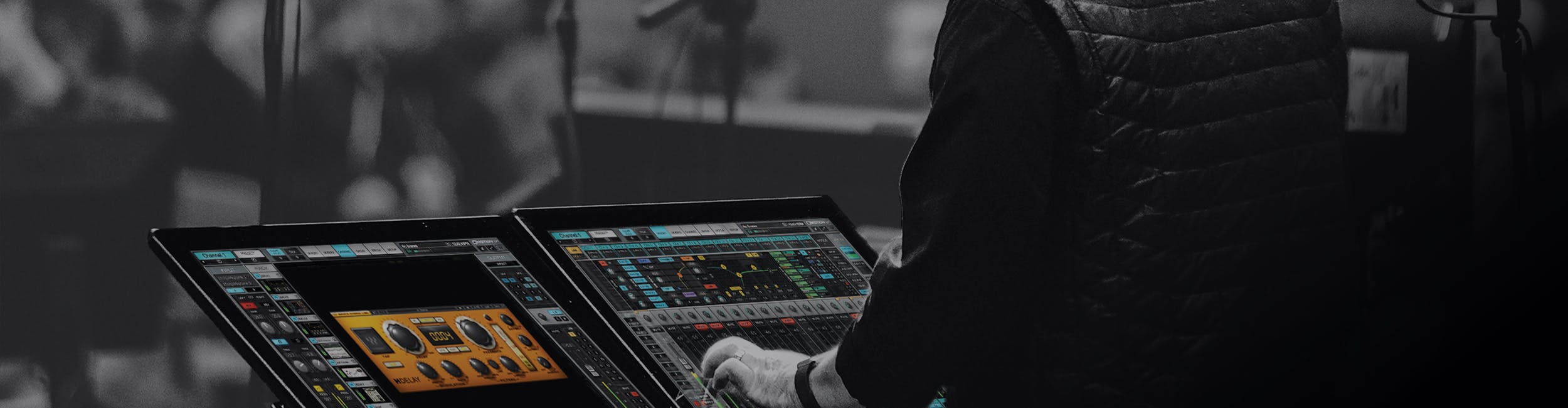
For best audio mastering tools, consider using Izotope Ozone and FabFilter Pro-L 2. These tools offer advanced features for professional mastering.


Audio mastering is a crucial final step in the music production process that ensures your tracks sound polished and balanced across all devices and platforms. Using the right mastering tools can greatly enhance the overall quality of your music by fine-tuning the dynamics, EQ, and stereo imaging.


Izotope Ozone and FabFilter Pro-L 2 are widely recognized in the industry for their precision and versatility, making them popular choices among music producers and engineers. With their comprehensive set of tools and intuitive interfaces, these software can help you achieve professional-sounding masters for your music productions.
Unlock Superior Sound: Best Audio Mastering Tools for Producers


Credit: www.waves.com


Mastering Tools For Producers

Mastering tools play a crucial role in fine-tuning audio tracks to achieve professional-quality sound. For producers, having the right mastering tools is essential to ensure that their music stands out in a competitive industry. Let’s explore the different types of mastering tools that are ideal for producers.

Types Of Audio Mastering Tools

  • Equalizers: Adjust frequencies to enhance clarity and balance.
  • Compressors: Control dynamics for a more polished sound.
  • Limiters: Prevent clipping and set the overall volume limit.

Importance Of High-quality Mastering

  1. Enhanced Sound: Achieve a professional and polished audio output.
  2. Consistency: Ensure all tracks maintain a uniform quality and tone.
  3. Stand Out: Make your music competitive and captivating to listeners.

Key Features To Consider

Choosing the right audio mastering tool is crucial for achieving professional-quality sound. When exploring the best options, it’s essential to focus on the key features that will have the most impact on your final audio output. Below, we delve into the key features to consider when selecting an audio mastering tool.

Audio Quality Enhancement

Enhancing audio quality is paramount when selecting an audio mastering tool. Look for features such as multiband compression and equalization to fine-tune your sound and bring out the best in your audio tracks.

Compatibility And Integration

Ensure that the audio mastering tool is compatible with your DAW (Digital Audio Workstation) and integrates seamlessly into your workflow. Compatibility with various file formats and third-party plugins is also essential for a smooth mastering process.


Top Audio Mastering Software

Audio mastering software plays a crucial role in refining and enhancing the quality of music tracks. With an array of options available, it can be daunting to choose the right one. Here are three top-notch audio mastering tools that are highly regarded in the industry:

Pro Tools

Pro Tools, developed by Avid Technology, is a renowned digital audio editing software used in professional studios worldwide. This software offers a comprehensive suite of mastering tools, making it a favorite among sound engineers and music producers.

Izotope Ozone

iZotope Ozone is a powerful all-in-one mastering software that combines numerous features such as EQ, dynamics, and harmonic exciter, providing users with a complete solution for audio mastering.

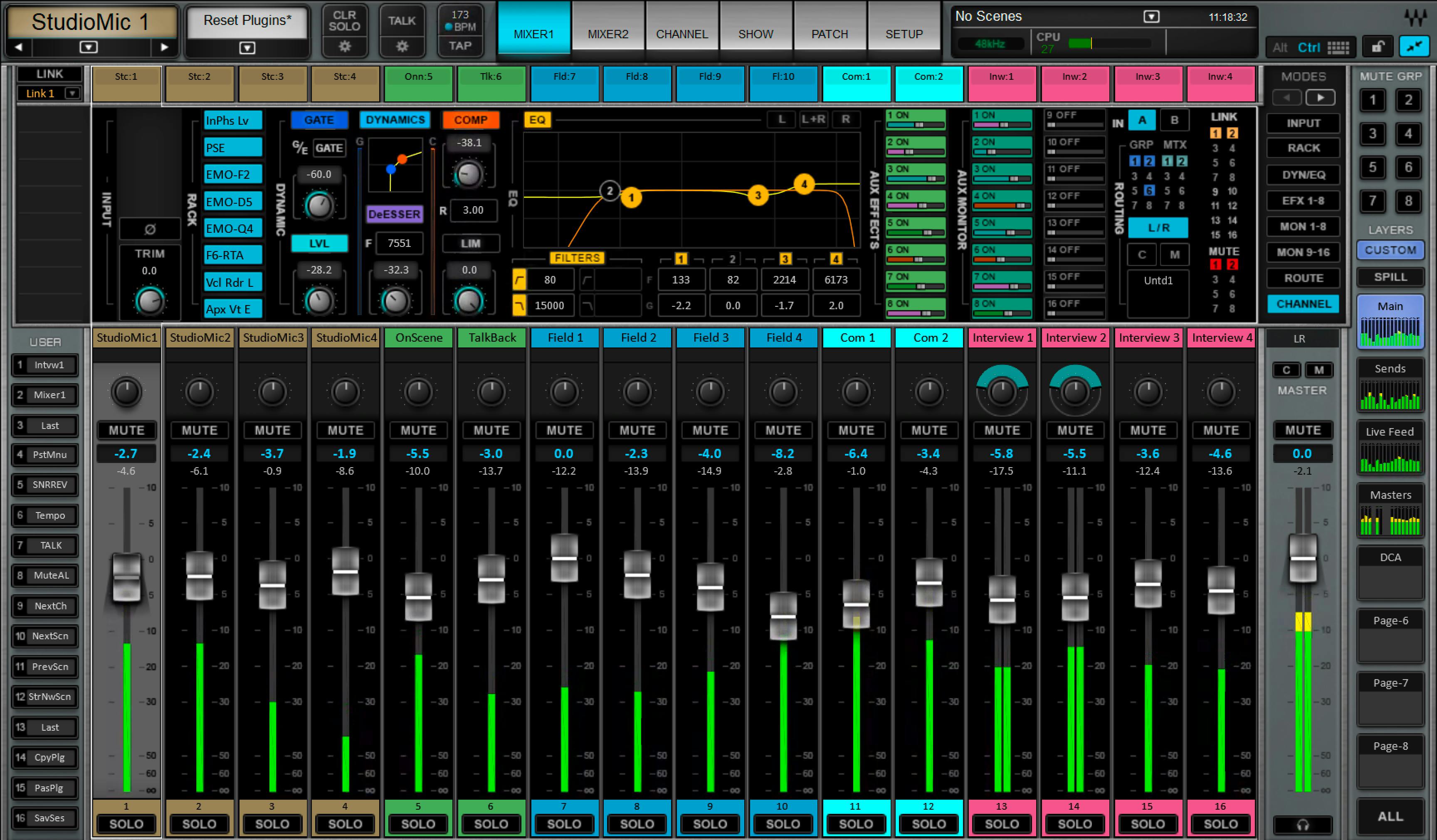
Waves Abbey Road Tg Mastering Chain

Waves Abbey Road TG Mastering Chain is an esteemed audio mastering plugin developed in collaboration with Abbey Road Studios. It emulates the vintage EMI TG12410 transfer console, offering a unique and authentic analog sound.
Unlock Superior Sound: Best Audio Mastering Tools for Producers


Credit: www.waves.com


Hardware Vs. Software

When it comes to audio mastering, choosing the right tools is crucial for achieving professional-quality sound. One decision most engineers and producers face is whether to utilize hardware or software for their mastering process. Understanding the advantages of each option can help you make an informed choice that suits your specific needs and preferences.

Advantages Of Hardware Mastering Tools

Hardware mastering tools have long been valued by audio professionals for their exceptional sound quality and tactile benefits. Here are some key advantages of using hardware tools for your audio mastering:

  1. Unparalleled Sound Quality: Hardware tools are renowned for delivering pristine audio results, characterized by warmth, depth, and clarity that software often struggles to replicate.
  2. Tactile Control: With hardware tools, you have physical knobs, buttons, and faders at your fingertips. This hands-on approach enables precise adjustments and real-time manipulation, offering a more intuitive and gratifying mastering experience.
  3. Signal Path Options: Hardware processors often provide a range of signal path options, allowing you to customize the audio signal flow to suit specific mastering goals. This flexibility enables experimentation and ensures tailored outcomes.
  4. Sonic Character: Many hardware mastering tools possess their own unique sonic character, imparting a distinct flavor to the audio. This can add a desirable analog warmth or coloration, lending a touch of vintage charm to your master.

Benefits Of Software Mastering Tools

Software mastering tools have made remarkable advancements, earning their place as indispensable resources for many audio professionals. Here are some key benefits that software tools offer in the realm of audio mastering:

  • Vast Range of Options: Software tools provide an extensive selection of plugins and processors that cater to virtually every element of the mastering process. This versatility allows you to experiment with different techniques, analyze audio in-depth, and implement precise adjustments with ease.
  • Cost-Effectiveness: Compared to investing in individual hardware mastering units, software mastering tools present a more affordable alternative. Software options can be significantly less expensive while still delivering exceptional audio quality.
  • Convenience and Portability: With software tools, you have the convenience of compatibility with your existing computer setup. This portability facilitates easy travel, collaborative work, and quick access to your favorite mastering plugins wherever you are.
  • Ease of Automation: Software mastering tools often provide advanced automation functions, granting you greater control over the mastering process. This feature allows for precise and repeatable adjustments, saving time during repetitive tasks and ensuring consistency across multiple tracks.

Whichever option you choose for your audio mastering needs, hardware or software, it’s important to consider your specific requirements, workflow, and sonic goals. Many professionals opt for a hybrid approach, leveraging the unique advantages of both hardware and software tools to achieve the best possible mastering results. Ultimately, the right audio mastering tools are those that enable you to express your creativity, enhance the sonic qualities of your music, and bring your artistic vision to life.

Mastering Best Practices

Mastering is a crucial step in the audio production process that enhances the overall quality and ensures your music is optimized for various listening environments. To achieve the best results, it is essential to follow certain best practices. In this section, we will explore two key aspects of audio mastering: loudness and dynamic range, as well as maintaining compatibility across different devices.

Understanding Loudness And Dynamic Range

Loudness and dynamic range are fundamental elements to consider during the audio mastering process. Loudness refers to the perceived volume level of your music, while dynamic range defines the difference between the softest and loudest parts of a track. Let’s take a closer look at each:

Loudness:

  • Aim for a moderate level of loudness that is pleasing to the listener without sacrificing audio quality.
  • Avoid excessive loudness, as it can lead to distortion and listener fatigue.
  • Use a trusted loudness meter to ensure your tracks adhere to industry-standard loudness levels.

Dynamic Range:

  • Preserve the natural dynamics of your music by maintaining an appropriate dynamic range.
  • Avoid over-compression, which can result in a loss of depth and musicality.
  • Consider using multi-band compression to fine-tune the dynamic range of different frequency bands.

Ensuring Compatibility Across Devices

With the ever-increasing number of devices available for music consumption, it’s crucial to ensure that your mastered audio sounds consistent and translates well across various platforms. Here are some key tips for achieving compatibility:

  • Test your mastered tracks on different speakers, headphones, and playback systems to identify any potential issues.
  • Listen to your music in different environments to understand how it translates in different acoustic settings.
  • Utilize reference tracks that are well-mastered and representative of the genre you’re working in, to compare and benchmark your own music.
  • Regularly update your monitoring system to ensure accuracy and reliability.

By being mindful of loudness, dynamic range, and device compatibility, you’ll be able to master your audio in a way that captures its full potential and provides an enjoyable listening experience for your audience.

Unlock Superior Sound: Best Audio Mastering Tools for Producers


Credit: www.avid.com


Frequently Asked Questions For Best Audio Mastering Tools


What Are The Benefits Of Using Audio Mastering Tools?


Audio mastering tools help enhance the overall sound quality, balance frequencies, and ensure consistency across different platforms. They also add depth, improve clarity, and optimize the audio for different playback systems, making it sound professional and polished.


Which Audio Mastering Tools Are Recommended By Experts?


Some popular audio mastering tools recommended by experts include iZotope Ozone, WaveLab, FabFilter Pro-L, and T-RackS. These tools offer a wide range of features like EQ, compression, stereo imaging, and mastering-specific processors, allowing professionals to achieve superior audio quality.


Are There Free Audio Mastering Tools Available?


Yes, there are free audio mastering tools available, such as Audacity, Ozone Imager, and TDR Nova. While they may not have all the advanced features of paid tools, they still offer basic mastering capabilities and are a good starting point for beginners or those on a limited budget.


Conclusion


The best audio mastering tools can significantly elevate the quality of your sound production. By utilizing these advanced software and hardware, you can achieve professional-level results and enhance the overall impact of your music. Investing in the right mastering tools is crucial for any serious audio engineer or musician.


These tools provide the necessary resources to fine-tune and perfect your audio recordings, ensuring they stand out in today’s competitive industry.

Categories
Archive

Band Merch Ideas: Boost Your Sales with These Eye-Catching Creations

For band merch ideas, consider unique designs, limited editions, and collaborations with artists for exclusivity. When creating merchandise, remember to align with your band’s brand and appeal to your target audience.


A well-thought-out merch strategy can boost fan engagement and generate additional revenue for your band. By offering high-quality, visually appealing merchandise, you can create a strong connection with your fans and increase brand loyalty. In this competitive market, innovative merch ideas can set your band apart and drive success in the music industry.

Band Merch Ideas: Boost Your Sales with These Eye-Catching Creations


Credit: bandzoogle.com


Creative Band Merch Ideas

Unleash your band’s creativity through unique merchandise that fans will love! From limited edition items to interactive goodies, here are some innovative band merch ideas to set you apart.

Limited Edition Items

Offer limited edition band merchandise to create a sense of exclusivity among fans.

  • Custom-designed T-shirts in limited quantities
  • Exclusive vinyl records with personalized packaging
  • Handcrafted collectible pins featuring band logos

Interactive Merchandise

Engage fans with interactive band merchandise that goes beyond the ordinary.

  1. Augmented reality posters that come to life with a mobile app
  2. Custom band playlists on USB drives for an immersive fan experience
  3. Interactive band-themed puzzles and games for fans to enjoy

Elevate your band merch game with these creative ideas to connect with your fans like never before!

Designs And Branding

When creating band merch, focusing on Artistic and Unique Designs can make a significant impact in attracting fans.

Artistic And Unique Designs

Bring creativity to life by designing artistic and unique band merch that stands out from the crowd.

Branding Integration

Ensure Branding Integration acquires a cohesive look across all your merch items for brand recognition.

Marketing Strategies

When it comes to marketing your band merchandise, it’s essential to have a well-thought-out strategy in place. Effective marketing can significantly impact the success of your band merch, increasing sales and brand visibility. Implementing the right marketing strategies can help you reach a wider audience and build a loyal fan base. Below are some key marketing strategies that can be utilized to promote your band merchandise.

Social Media Promotion

Social media platforms are powerful tools for promoting band merchandise. Utilize platforms like Instagram, Facebook, and Twitter to showcase your merchandise, engage with fans, and drive sales. Create visually appealing posts and stories showcasing your merchandise, including behind-the-scenes content and fan-generated photos. Use relevant hashtags and encourage user-generated content to increase visibility.

Collaborations And Giveaways

Collaborating with other artists, influencers, or brands can expand your reach and appeal to a wider audience. Consider partnering with artists who share a similar fan base or collaborating with popular influencers to promote your merchandise. Hosting giveaways on social media can also generate buzz and excitement, encouraging fans to participate and share your merchandise with their followers.

Band Merch Ideas: Boost Your Sales with These Eye-Catching Creations


Credit: www.dishafashioninstitute.com


Innovative Product Offerings

When it comes to band merch ideas, it’s crucial to think outside the box and offer innovative products that not only resonate with fans but also provide additional value. By offering functional merchandise and customized packaging, bands can create a unique and memorable experience for their supporters. Let’s explore these ideas in more detail:

Functional Merchandise

One way to stand out in the competitive world of band merchandise is by offering functional items that fans can use in their daily lives. Gone are the days when t-shirts and posters were the only options available. Now, bands can get creative and offer a range of products that cater to different needs and preferences.

Consider offering items like:

  • Phone cases
  • Reusable water bottles
  • Beanies or caps
  • Backpacks
  • Enamel pins

These functional merchandise options not only provide value to fans but also serve as a constant reminder of their favorite band.

Customized Packaging

Packaging plays a significant role in creating a memorable unboxing experience for fans. By offering customized packaging, bands can make their merchandise feel even more special. It’s an opportunity to showcase their brand identity and create a lasting impression.

Some ideas for customized packaging include:

  • Personalized boxes with the band’s logo and artwork
  • Thank you cards or handwritten notes
  • Stickers or decals
  • Exclusive band-related content, such as a digital download or access to behind-the-scenes footage

By paying attention to the smaller details like packaging, bands can create a more immersive and engaging experience for their fans.

Customer Engagement

Engaging with your customers is crucial for any business, and band merch offers the perfect opportunity to create a strong connection with your fans. By offering exclusive fan experiences and merchandise bundles, you can take your customer engagement to a whole new level.

Exclusive Fan Experiences

One of the most effective ways to engage with your fans is by offering exclusive experiences that make them feel special and connected to your band. This could include backstage meet-and-greets, VIP passes to concerts, or even personalized messages from band members. By offering these unique experiences, you not only give your fans something to be excited about but also make them feel valued and appreciated.

Merchandise Bundles

Merchandise bundles are another great way to engage with your customers. By offering a bundle of your band merchandise, you can create a sense of exclusivity and encourage fans to make a purchase. These bundles can include a combination of items such as t-shirts, posters, stickers, or even limited edition items. Not only do merchandise bundles entice fans to buy more, but they also provide an opportunity for you to showcase different products and increase brand visibility.

Band Merch Ideas: Boost Your Sales with These Eye-Catching Creations


Credit: www.lalal.ai


Frequently Asked Questions On Band Merch Ideas


What Are Some Popular Band Merch Ideas?


Band merch ideas can include t-shirts, hoodies, hats, posters, and stickers featuring the band’s logo or album artwork. Other popular ideas can be custom pins, keychains, and even limited edition vinyl records. The key is to offer unique and high-quality merchandise that fans will be proud to wear or display.


How Can Band Merch Help Promote A Music Brand?


Band merch serves as walking advertisements for a music brand, helping to spread awareness and attract new fans. When fans wear or use band merchandise, they are essentially endorsing the brand and creating valuable word-of-mouth promotion. Additionally, selling band merch can also provide a source of revenue for musicians.


Where Can I Find Inspiration For Band Merch Designs?


Inspiration for band merch designs can be found in various places. Start by researching popular band merchandise from other successful artists in the same genre. Attend live shows and observe what kind of merchandise fans are drawn to. Additionally, involve fans in the design process by conducting surveys or asking for input on social media platforms.


Conclusion


To sum up, band merch is a great way to connect with fans and promote your music. Whether it’s creating custom t-shirts, unique accessories, or limited edition vinyl, the possibilities are endless. By offering innovative and memorable merchandise, you can enhance the fan experience and generate additional revenue for your band.


Don’t miss out on this valuable opportunity!


Categories
Archive

How Online Recording Works: Unveiling the Magic of Virtual Sound Capture

Online recording works by capturing audio or video content through a digital device and saving it on a remote server for easy access and sharing. This process allows users to store, organize, and distribute their recordings over the internet.


In today’s digital age, online recording has revolutionized the way we create and consume audio and video content. Whether it’s recording a podcast, a virtual meeting, or a music track, the convenience and accessibility of online recording have made it a popular choice for individuals and businesses alike.


With just a few clicks, users can capture high-quality recordings that can be easily stored in the cloud and accessed from anywhere with an internet connection. This technology has opened up a world of possibilities for content creators and collaborators, enabling seamless communication and creativity across the globe.

How Online Recording Works: Unveiling the Magic of Virtual Sound Capture


Credit: www.nytimes.com


The Basics Of Online Recording

Setting Up Virtual Sound Capture

Virtual sound capture involves configuring software to record audio from your device’s sound card.

Choosing The Right Software And Hardware

Invest in quality audio recording software and hardware to ensure high-quality output.

How Online Recording Works: Unveiling the Magic of Virtual Sound Capture


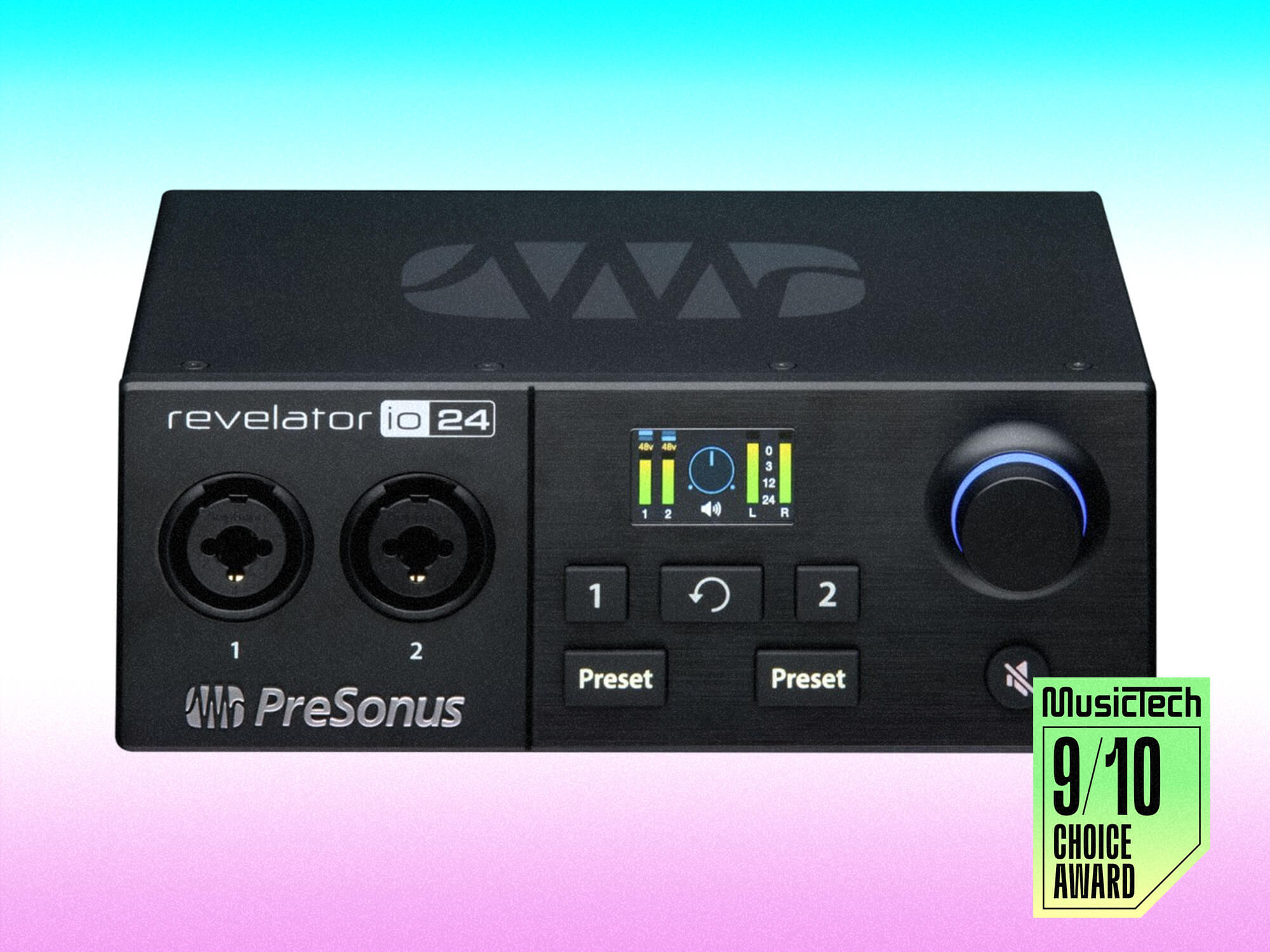
Credit: musictech.com


Navigating Virtual Studio Environments

Exploring the world of online recording involves navigating virtual studio environments where creativity and technology merge seamlessly.

Understanding Virtual Interfaces

Virtual interfaces in online recording mimic traditional studio setups in a digital space, offering artists familiar tools and controls.

Utilizing Digital Signal Processing

Digital Signal Processing (DSP) enhances audio quality through real-time adjustments to sound elements like pitch and tone.

Collaborative Online Recording

Collaborative online recording allows musicians and audio professionals to work together in real-time from different locations. This innovative approach has revolutionized the music production process, enabling seamless collaboration and creativity regardless of geographical barriers. With the advent of advanced online recording tools, collaborating on music projects has become more accessible and efficient than ever before.

Real-time Remote Sessions

Real-time remote sessions in online recording enable artists to simultaneously contribute to a project while being physically apart. Through specialized software and cloud-based platforms, multiple individuals can record their parts in sync, fostering a cohesive musical experience. This real-time collaboration empowers musicians to craft complex compositions as if they were in the same studio, sparking dynamic creativity and seamless synergy.

Overcoming Latency Challenges

Despite the inherent challenges of latency, modern online recording solutions have made significant strides in overcoming this obstacle. By employing advanced synchronization algorithms and optimizing network performance, platforms can mitigate latency issues, ensuring that contributors experience minimal delay during recording sessions. As a result, musicians can maintain a natural, uninterrupted flow while interacting and performing remotely, preserving the integrity of their musical expression.

Security And Privacy Considerations


When it comes to online recording, it’s crucial to consider security and privacy. Understanding how online recording works involves being aware of potential risks and safeguarding sensitive information. Implementing strong encryption and access controls can help mitigate security and privacy concerns in online recording processes.

Protecting Data And Intellectual Property

When it comes to online recording, security and privacy considerations are paramount. Protecting your data and intellectual property should be a top priority. With the rise of remote work and digital collaboration, it is crucial to ensure that your recordings are safeguarded from unauthorized access. To protect your data and intellectual property, follow these best practices: 1. Use strong encryption: Encrypting your recordings using strong encryption algorithms adds an extra layer of security. It ensures that only authorized individuals can access and decipher the recorded content. 2. Implement user authentication: User authentication protocols allow only authorized individuals to access the recordings. Implementing usernames, passwords, and multi-factor authentication adds an extra level of security and prevents unauthorized access. 3. Control access permissions: Limiting access to your recordings based on user roles and permissions ensures that only the necessary personnel can view or modify the recorded content. This helps protect sensitive data and ensures that intellectual property remains secure. 4. Regularly update security measures: Keep your recording software and any associated applications up to date. Regular updates often include security patches that address newly discovered vulnerabilities, helping to keep your recordings secure. 5. Monitor and audit activity: Regularly monitor and review the activity logs of your recording system. This allows you to detect any suspicious or unauthorized access attempts. By auditing the activity, you can identify potential security breaches and take appropriate actions to mitigate any risks.

Ensuring Secure Communication Channels

The transmission of your recordings over the internet requires secure communication channels to protect the content from interception and unauthorized access. To ensure secure communication channels: 1. Use secure protocols: Utilize secure communication protocols such as Secure Sockets Layer (SSL) or Transport Layer Security (TLS). These protocols encrypt the data being transmitted, making it difficult for unauthorized individuals to intercept or tamper with the recordings. 2. Employ firewalls and VPNs: Firewalls act as a barrier between your network and the internet, monitoring and blocking any malicious traffic that could compromise your recordings. Virtual Private Networks (VPNs) provide an encrypted connection from your device to the recording server, adding an extra layer of security. 3. Secure cloud storage: If you choose to store your recordings in the cloud, ensure that the cloud storage provider offers robust security measures. Look for providers that offer encryption, access controls, and regular security audits to protect your recorded content. 4. Train employees on secure practices: Educate your employees on secure communication practices, emphasizing the importance of not sharing sensitive information or credentials over insecure channels. Regularly remind them to use secure communication channels when accessing or transmitting recorded data. 5. Regularly test vulnerabilities: Conduct regular vulnerability assessments and penetration testing to identify any potential weaknesses in your recording system’s security. Regular testing helps uncover vulnerabilities before they can be exploited by malicious actors. By following these security and privacy considerations, you can ensure that your online recordings remain protected, safeguarding your data and intellectual property from unauthorized access.


The Future Of Online Recording

As technology continues to advance, the world of music production is witnessing a significant shift towards the online realm. With the emergence of cutting-edge virtual sound capture technology, the future of online recording looks promising. This article will delve into the advancements in virtual sound capture technology and its impact on the music industry.

Advancements In Virtual Sound Capture Technology

The advancements in virtual sound capture technology have revolutionized the way recordings are made. With the advent of virtual microphones and digital audio workstations, musicians and producers now have access to a wide range of versatile tools that were previously only available in a traditional studio setting.

Virtual microphones, powered by AI algorithms, can emulate the characteristics of different microphone models with remarkable accuracy. This allows artists to experiment with various microphone placements and tailor their sound to achieve the desired tonal quality – all within the convenience of their own space.

Additionally, virtual sound capture technology has enabled real-time collaboration between musicians located in different parts of the world. Through high-speed internet connections and cloud-based platforms, artists can now connect and record together effortlessly, adding a new dimension to the creative process.

Impact On The Music Industry

The introduction of online recording has had a profound impact on the music industry. It has democratized the recording process, eliminating geographical constraints and leveling the playing field for aspiring musicians worldwide.

Online recording has made it possible for artists to work with top-tier producers and engineers, regardless of their physical location. This has opened up new opportunities for collaboration, enabling artists to access a global talent pool and create music that transcends boundaries.

Moreover, online recording offers significant cost savings compared to traditional studio sessions. Artists no longer need to bear the expenses of travel, accommodation, and studio rental. Instead, they can invest in high-quality recording equipment for their home setup and achieve professional-level results.

The convenience and accessibility of online recording have also accelerated the pace of music production. Artists can now release content more frequently, catering to the growing demand for fresh and diverse music. This has fostered a vibrant online music scene, where independent musicians can thrive and connect directly with their audience.

In conclusion, the future of online recording holds immense potential for musicians and the music industry as a whole. Advancements in virtual sound capture technology continue to push the boundaries of creativity and collaboration. As more artists embrace this digital revolution, we can expect a dynamic and evolving landscape that sets the stage for innovative music production.

How Online Recording Works: Unveiling the Magic of Virtual Sound Capture


Credit: www.synthesia.io


Frequently Asked Questions Of How Online Recording Works


How Does Online Recording Work?


Online recording works by capturing audio or video content using recording software or tools. These tools allow users to record their voice or visuals and save them as digital files. The recorded content can then be stored, shared, or edited as needed.


Online recording enables remote collaboration, podcasting, video conferencing, and more.


What Are The Benefits Of Online Recording?


There are several benefits to online recording. It allows for easy and convenient creation of audio or video content from anywhere with an internet connection. It eliminates the need for expensive studio equipment and can be done using simple tools and software.


Online recording also enables remote collaboration, saves time and cost, and provides flexibility for content creators.


How Can I Record Audio Online?


To record audio online, you can use various tools and platforms such as online audio recorders, voice recording apps, or specialized recording software. These tools typically require a microphone and an internet connection. You can simply open the tool, choose the audio input source, and start recording.


After recording, you can save the file and edit it if needed.


Can I Record Videos Online?


Yes, you can record videos online using video recording software or online platforms. These tools allow you to capture video using your device’s camera or webcam. You can adjust settings such as resolution, frame rate, and audio input. Once the recording is complete, you can save the video file and edit it as per your requirements.


Online video recording is widely used for video blogs, tutorials, and presentations.


Conclusion


To sum up, online recording has revolutionized the music industry by providing accessible and efficient tools for artists to create high-quality music. With the advent of technology, musicians can produce and distribute their work worldwide, bridging the gap between creativity and audience.


Advancements in online recording have granted unparalleled convenience and democratized the music-making process.

Categories
Archive

Vocal Mixing : Master the Art of Flawless Sound

Vocal mixing is the process of adjusting and balancing different elements of a vocal track. It involves enhancing the clarity, volume, and presence of vocals in a mix to achieve a polished sound.


Vocal mixing plays a crucial role in the overall quality of a music production, as vocals are often the focal point of a song. By using techniques such as EQ, compression, reverb, and panning, engineers can achieve a professional and cohesive vocal sound that seamlessly blends with the music.


Understanding the nuances of vocal mixing and having a keen ear for detail are essential skills for any audio engineer or music producer. We will delve deeper into the art of vocal mixing and explore some tips and tricks to help you achieve outstanding vocal tracks.

Vocal Mixing  : Master the Art of Flawless Sound


Credit: www.marklemaire.com


The Importance Of Vocal Mixing

Vocal mixing plays a crucial role in the overall quality of a music track. It enhances the clarity and tone of the vocals, making them stand out in the mix. Proper vocal mixing can elevate a song to new heights, captivating listeners and creating a memorable auditory experience.

Enhancing Clarity

Clear vocals are essential for effective communication of the lyrics. Proper vocal mixing can remove unwanted background noises and excessive reverberation, ensuring that the vocals are crisp and distinct in the mix.

Balancing Tone

Balanced tone in vocals is crucial for a harmonious listening experience. Through vocal mixing, the tone of the vocals can be adjusted to complement the instrumental elements of the track, achieving a sonically cohesive sound.

Vocal Mixing  : Master the Art of Flawless Sound


Credit: www.amazon.com


Key Elements Of Vocal Mixing


Vocal mixing is crucial for creating a professional sound in music production. It involves various components that contribute to achieving a balanced and polished vocal track.

Eq And Frequency Adjustments

EQ helps enhance the clarity and tonal balance of vocals. Frequent adjustments are necessary to eliminate unwanted frequencies and emphasize the vocal’s strengths.

Dynamic Range Compression

Compression aids in maintaining consistent vocal levels. It controls peaks and smoothens out dynamics for a more even performance.


Strategies For Perfect Vocal Mixing

Vocal mixing is a crucial aspect of music production, as it can make or break a song. To achieve the perfect vocal mix, you need to employ effective strategies that enhance the clarity, presence, and depth of the vocals within the overall mix.

Using Sends And Returns Effectively

Utilizing sends and returns effectively allows you to apply various effects to the vocal track without altering the original signal. By sending a portion of the vocal signal to a designated effects channel, such as reverb or delay, you can blend the processed signal back into the mix. This approach maintains the integrity of the dry vocal while adding the desired effects.

Applying Reverb And Delay

Reverb and delay are essential tools for creating depth and atmosphere in vocal mixes. When applying reverb, consider the room size, decay time, and pre-delay to tailor the ambience to the track. Similarly, with delay, adjust the feedback, timing, and stereo placement to enhance the vocal without overpowering it. Finding the right balance is key to achieving a natural and cohesive vocal sound.

Common Mistakes To Avoid

When it comes to vocal mixing, there are a few common mistakes that many beginners make. These mistakes can significantly impact the quality and clarity of the vocals in your mix. By being aware of these mistakes and avoiding them, you can ensure that your vocal tracks shine in your final mix.

Over-processing Vocals

One of the most common mistakes that producers make when mixing vocals is over-processing them. It’s easy to get carried away with plugins and effects, thinking that more is better. However, this can actually result in vocals that sound unnatural and strained.

Some common signs of over-processing vocals include excessive reverb or delay, heavy compression that squashes the dynamics of the vocal, and excessive use of pitch correction. While these tools can be used to enhance vocals, it’s important to use them subtly and in moderation.

Instead of piling on a bunch of plugins, focus on using a few well-selected effects that enhance the natural qualities of the vocal. Experiment with different settings and listen carefully to how each effect affects the overall sound. Sometimes, less is more when it comes to vocal processing.

Ignoring Phase And Stereo Imaging

Phase cancellation and stereo imaging are two crucial aspects of vocal mixing that are often overlooked. Ignoring these elements can result in a mix where the vocals don’t sit well in the stereo field and lack depth and clarity.

Phase cancellation occurs when two or more audio signals are out of phase with each other, causing certain frequencies to cancel each other out. This can result in a thin and weak vocal sound. To avoid phase cancellation issues, make sure that all vocal tracks are in phase with each other and with the rest of the mix.

Stereo imaging is another important factor to consider when mixing vocals. By panning different vocal tracks and using stereo widening techniques, you can create a more spacious and immersive vocal sound. Experiment with the placement of vocal tracks in the stereo field to achieve a balanced and wide sound.

Additionally, be mindful of the overall balance between the lead vocals and any backing vocals or harmonies. It’s important to ensure that each element is audible and sits well together in the mix without overpowering or getting buried.

Advanced Techniques For Professional Results

If you want to take your vocal mixing skills to the next level, mastering advanced techniques is crucial for achieving professional results. In this blog post, we will explore two key methods: Parallel Processing and Vocal Automation.

Parallel Processing

One of the most powerful techniques in vocal mixing is parallel processing, which involves blending multiple instances of the same vocal track to create a fuller and more dynamic sound. To implement this technique, follow these steps:

  1. Create a duplicate of your original vocal track.
  2. Apply different processing chains to each duplicate, such as compression, EQ, and saturation.
  3. Adjust the volume of the duplicate tracks to blend them seamlessly with the original vocal track.
  4. Group all the vocal tracks together and experiment with different balance settings to find the perfect blend of the processed and unprocessed vocals.

Parallel processing allows you to enhance specific frequency ranges, add warmth, and bring out the nuances in the vocal performance. Remember to frequently listen to your mix in mono to ensure the processing remains intact and doesn’t create phase cancellation issues.

Vocal Automation

Vocal automation is another advanced technique that can greatly enhance the clarity and expressiveness of your vocals. By automating various parameters throughout the song, you can achieve a more dynamic and captivating vocal performance. Here are some key steps to follow:

  1. Identify sections of the song where you want to emphasize certain lyrics or phrases.
  2. Use automation envelopes to control the volume, panning, EQ, and effects of the vocal track within those sections.
  3. Experiment with gradual volume increases or decreases to create tension or highlight emotional moments.
  4. Apply automation to create stereo width by automating the panning of harmonized background vocals.

Vocal automation adds a professional touch to your mix by allowing you to guide the listener’s attention and create a sense of movement throughout the song. Take your time to fine-tune the automation curves and transitions for seamless and natural-sounding changes.

Vocal Mixing  : Master the Art of Flawless Sound


Credit: www.facebook.com


Frequently Asked Questions Of Vocal Mixing


Q: What Is Vocal Mixing?


A: Vocal mixing is the process of balancing and enhancing the vocals in a music production. It involves adjusting levels, applying effects, and addressing any issues with the vocal recordings to achieve a polished and professional sound.


Q: Why Is Vocal Mixing Important?


A: Vocal mixing is crucial because vocals are often the focal point of a song. Proper mixing ensures that the vocals are clear, well-balanced with the other elements, and convey the intended emotions. It brings clarity, depth, and impact to the vocals, enhancing the overall listening experience.


Q: What Are Some Common Vocal Mixing Techniques?


A: Some common vocal mixing techniques include adjusting the levels, panning, EQing to enhance or cut certain frequencies, adding compression to control dynamics, applying reverb and delay for space, and using automation to create movement and impact in the vocals.


Q: How Can I Make The Vocals Stand Out In A Mix?


A: To make the vocals stand out in a mix, you can try techniques like boosting the midrange frequencies, reducing masking elements in the mix, applying light compression, using effects like saturation or harmonizers, and using automation to bring attention to important lyrics or phrases.


Conclusion


Vocal mixing is crucial for creating a professional and captivating sound. By applying the techniques and tips discussed in this blog post, you can enhance the quality and clarity of vocals in your music productions. Mastering the art of vocal mixing will undoubtedly add a competitive edge to your sound and help you stand out in the music industry.

Categories
Archive

Why You Need Pop Filters: The Secret to Clear, Professional Audio

Pop filters are essential to reduce popping sounds in recordings for clearer audio quality. They prevent plosives from distorting sound.


Pop filters are a must-have tool for anyone looking to improve the quality of their audio recordings. By effectively reducing unwanted popping sounds caused by the forceful expulsion of air when pronouncing certain consonants, pop filters enhance the clarity and overall professionalism of the audio.


Whether you are a podcaster, musician, voice-over artist, or content creator, using pop filters can significantly elevate the standard of your recordings. We will explore the importance of pop filters in various scenarios and how they contribute to producing top-notch audio content.

Why You Need Pop Filters: The Secret to Clear, Professional Audio


Credit: www.amazon.com


The Importance Of Pop Filters

When recording audio, pop filters are essential tools that can make a significant difference in the overall quality of your sound. Pop filters help eliminate unwanted plosive sounds, improve vocal clarity, and enhance the overall listening experience.

Preventing Plosive Sounds

Plosive sounds, such as the “p” and “b” sounds, can cause distortion and affect the clarity of your recordings. A pop filter acts as a barrier, dispersing the air and preventing these sounds from reaching the microphone directly.

Improving Vocal Clarity

Pop filters help in maintaining a consistent distance between the microphone and the vocalist, reducing any sudden spikes in volume. This leads to improved vocal clarity and a more balanced sound output.

Types Of Pop Filters

There are two main types of pop filters commonly used in audio recording: Nylon Mesh Filters and Foam Filters.

Nylon Mesh Filters

Nylon mesh filters, also known as fabric pop filters, are made of a fine nylon mesh stretched over a circular frame. They effectively diffuse strong bursts of air from vocal plosives.

Foam Filters

Foam filters, on the other hand, consist of a thick layer of foam encased in a frame. They are excellent at reducing plosives and high-frequency sounds without overly affecting the overall sound quality.

How To Choose The Right Pop Filter

When it comes to choosing the right pop filter, there are a few key factors to consider to ensure that you make the best choice for your recording setup. From the type of microphone you use to your budget and the durability of the pop filter, each consideration plays a significant role in your decision-making process.

Consideration Of Microphone Type

The type of microphone you use can influence the pop filter you choose. For condenser microphones, a double-layered nylon pop filter can effectively reduce plosive sounds while maintaining the natural tone of the vocals. On the other hand, dynamic microphones may benefit from a metal mesh pop filter that offers durable protection against strong airflow and pops.

Factor In Budget And Durability

Your budget plays a crucial role in determining the pop filter that is right for you. While there are affordable options available, investing in a durable pop filter can ensure longevity and consistent performance, ultimately saving you money in the long run. By factoring in the durability of the pop filter, you can avoid frequent replacements and maintain high-quality recordings.

Why You Need Pop Filters: The Secret to Clear, Professional Audio


Credit: www.guitarcenter.com


Using Pop Filters Effectively

A pop filter is an essential tool for any recording setup, whether you are a professional musician or a podcast enthusiast. These handy accessories can significantly improve the quality of your audio recordings by reducing plosive sounds caused by hard consonants like “p” and “b”. However, to maximize the benefits of a pop filter, it is crucial to use it effectively. In this article, we will explore proper placement techniques and share tips for maintenance.

Proper Placement Techniques

Placing your pop filter correctly is key to achieve the best results. The primary purpose of a pop filter is to act as a physical barrier between your microphone and your mouth, minimizing the impact of plosives on the microphone’s diaphragm. Follow these proper placement techniques to obtain optimal performance:

  • Position the pop filter approximately two to six inches away from the microphone, ensuring it covers the entire diameter of the microphone.
  • Angle the pop filter slightly downward, pointing it towards the center of the microphone.
  • Make sure the pop filter is secure and tightly fastened to a stand or boom arm.

By adhering to these placement techniques, you can effectively reduce plosives and prevent unwanted distortion, resulting in crystal-clear recordings.

Tips For Maintenance

To ensure that your pop filter continues to serve you well, it is essential to maintain and clean it regularly. Here are some simple tips for proper pop filter maintenance:

  1. Wipe the pop filter with a soft, lint-free cloth after each use to remove any saliva, dust, or debris.
  2. Avoid using harsh cleaners or solvents that may damage the filter material.
  3. If your pop filter has a removable screen or filter, consider washing it with mild soap and water, allowing it to air dry.
  4. Inspect the pop filter regularly for any signs of wear or tear, such as loose threads or holes. If you notice any damage, it may be time to replace the filter.

By following these maintenance tips, you can extend the lifespan of your pop filter and ensure it continues to provide optimal performance in your recordings.

Pop Filters In Different Settings


Pop filters are essential in various settings to minimize popping and unwanted noises in recordings. These filters effectively enhance vocal quality for podcasting, singing, or voiceover work. Whether in a studio or home environment, pop filters ensure clear and professional audio output.

Pop filters are essential tools for achieving clean and professional audio recordings. While their primary purpose is to minimize the harsh plosive sounds caused by the pronunciation of certain letters, such as “p” and “b”, pop filters have a significant impact on the overall recording quality. Moreover, pop filters are invaluable in various audio settings, such as recording studios and live performances. By understanding their role in different environments, you can optimize your audio setup for the best results.

Recording Studios

Recording studios are the birthplace of many great songs and podcasts. These controlled environments are specifically designed to capture sound with utmost clarity and precision. When it comes to recording vocals, pop filters play a vital role in ensuring clean and distortion-free recordings. By strategically positioning a pop filter between the microphone and the performer, unwanted plosive bursts are effectively diffused, resulting in a more natural and pleasing sound.

In recording studios, every detail is meticulously addressed to produce professional-grade audio. With a pop filter in place, audio engineers can focus on capturing the nuances of the performance, rather than spending precious time on post-production editing to remove unwanted pops and low-frequency rumble. Moreover, the use of pop filters in recording studios helps maintain consistency in vocal recordings, as the integration of these filters becomes part of the standardized equipment setup.

Live Performances

Live performances, such as concerts and speaking engagements, pose unique challenges when it comes to audio quality. While stage performers rely on powerful sound systems to project their voices to a large audience, the presence of plosive bursts can hinder the clarity and intelligibility of their vocals. This is where pop filters come to the rescue.

In live performances, pop filters provide a practical solution to the challenges posed by plosive bursts. By incorporating pop filters into live sound setups, performers can deliver their messages with crisp and clear vocals, free from distracting pops and puffs of air. This is particularly important when addressing large crowds, where every word matters and capturing the attention of listeners is crucial. Pop filters ensure that the impact of a live performance is enhanced, allowing the audience to fully engage with the content.

Furthermore, the use of pop filters in live performances helps prevent feedback issues, often caused by the exaggerated bass response resulting from plosive sounds. By eliminating these unwanted bursts of low-frequency energy, pop filters contribute to a more controlled sound, ultimately enhancing the overall listening experience for the audience.

Why You Need Pop Filters: The Secret to Clear, Professional Audio


Credit: www.walmart.com


Frequently Asked Questions For Why You Need Pop Filters


Why Are Pop Filters Important For Recording Vocals?


Pop filters are essential for recording vocals as they help reduce plosive sounds caused by certain consonant sounds like ‘p’ and ‘b’. They prevent these explosive noises from distorting the microphone and result in a cleaner and more professional sound quality.


How Do Pop Filters Work?


Pop filters work by creating a physical barrier between the vocalist and the microphone. They are made of a fine mesh or nylon material that acts as a filter for plosive sounds. As the vocalist speaks or sings, the bursts of air are diffused by the pop filter, reducing the impact on the microphone and minimizing unwanted noise.


Are Pop Filters Necessary For Podcasting?


Yes, pop filters are highly recommended for podcasting. Podcasters speak closely to the microphone, increasing the likelihood of plosive sounds. Pop filters help in preventing these sounds from being recorded, resulting in clearer audio quality and a more pleasant listening experience for your audience.


Can Pop Filters Be Used With Usb Microphones?


Yes, pop filters can be used with USB microphones. They are designed to fit easily onto the microphone stand or mount, and can be adjusted according to your needs. Using a pop filter with a USB microphone helps eliminate plosive sounds and ensures better audio quality for your recordings.


Conclusion


To sum up, pop filters are essential tools for enhancing the quality of your audio recordings. By reducing unwanted noises and distortions, pop filters allow for clearer and more professional sound output. With the potential to elevate the overall production value of your content, investing in pop filters is a prudent choice for any aspiring or seasoned content creator.


Categories
Archive

Best Studio Speakers: Unleash the Power of Sound

As an Amazon Associate I earn from qualifying purchases.

For the best studio speakers, consider brands like Adam Audio and Genelec. These brands offer exceptional sound quality and reliability.


Studio speakers are crucial tools for music producers and audio engineers alike. They need high-quality speakers to accurately hear and mix their work. With the right studio speakers, producers can ensure that their music sounds great across all devices and platforms.


Adam Audio and Genelec are known for their precision and clarity, making them top choices for professionals in the industry. Investing in quality studio speakers can elevate the overall sound production and deliver a more polished final product.

Best Studio Speakers: Unleash the Power of Sound


Credit: vocal.media


The Importance Of Studio Speakers

Studio speakers are essential tools that play a crucial role in a professional audio setup. They are the medium through which sound is accurately reproduced for critical evaluation by producers, musicians, and audio engineers.

Improving Sound Quality

Quality studio speakers are designed to produce high-fidelity sound, enhancing the overall listening experience. They help in deciphering intricate details in music, ensuring a well-balanced mix.

Accurate Audio Reproduction

Studio speakers provide a faithful reproduction of audio, translating the recorded sound into what the artist intended. This clarity helps in identifying flaws and making precise adjustments.

Best Studio Speakers: Unleash the Power of Sound


Credit: dreamediaav.com


Key Features To Look For

When choosing studio speakers, it’s essential to pay close attention to specific key features that can significantly impact your audio experience. Here are the crucial factors you should consider:

Frequency Response

The frequency response of studio speakers determines the range of audio frequencies they can reproduce. Look for speakers with a broad frequency range to ensure accurate representation of lows, mids, and highs in your audio.

Power Handling

Power handling indicates the maximum amount of power a speaker can handle without distortion. Pay attention to both the RMS (continuous power handling) and peak power ratings to ensure your speakers can handle the power output of your studio equipment.


Top Studio Speaker Brands

When it comes to setting up a professional studio, having the right studio speakers is crucial. The quality of studio speakers can significantly affect the sound production and overall output of any studio. With many brands in the market, it’s important to know about the top studio speaker brands that are leading the industry with their innovative designs and exceptional performance.

Industry Leaders

When it comes to studio speakers, there are a few brands that have consistently proven to be industry leaders in providing high-quality sound reproduction and durability. These top brands have gained a strong reputation among audio engineers and music producers for their ability to deliver accurate and reliable sound output in studio environments.

Innovative Designs

Top studio speaker brands are known for their innovative designs that incorporate advanced technologies and engineering to enhance the overall studio listening experience. These brands prioritize creating studio speakers that offer exceptional clarity, precise frequency response, and a wide dynamic range, while also integrating unique design elements that complement studio aesthetics.

Setting Up Your Studio Speakers

Setting up your studio speakers correctly is crucial for achieving the best sound quality in your recording space. In this section, we will discuss two important considerations: room acoustics and optimizing speaker placement.

Room Acoustics Considerations

Room acoustics play a vital role in how your studio speakers perform. The size, shape, and materials of your room influence how sound waves interact and behave. Consider the following room acoustic factors:

  • Room Size: Smaller rooms can have more prominent low-frequency issues, while larger rooms might suffer from echo and reverberation.
  • Room Shape: Irregularly shaped rooms can cause sound reflections and standing waves, leading to uneven sound reproduction.
  • Room Materials: Hard surfaces like concrete or glass can create excessive reflections, while softer materials like carpets and curtains can absorb sound waves, potentially causing a dull sound.

To optimize room acoustics, consider incorporating sound-absorbing materials to minimize unwanted reflections. Acoustic panels, bass traps, and diffusers can help create a more balanced sound environment.

Optimizing Speaker Placement

Proper speaker placement is essential to achieve accurate and balanced sound reproduction. Here are some guidelines to optimize the placement of your studio speakers:

  1. Speaker Position: Place your speakers so that they form an equilateral triangle with your listening position. This arrangement enhances stereo imaging and provides a balanced listening experience.
  2. Distance from Wall: Keep the speakers away from walls to minimize bass buildup and interference. A good starting point is to position them at least a foot away from the back wall.
  3. Angle and Tilt: Angle the speakers slightly towards your listening position, typically pointing them towards your ears. Tilting them slightly upwards can help improve the high-frequency response.
  4. Isolation: Use speaker isolation pads or stands to decouple the speakers from the surface they are placed on. This minimizes vibrations and prevents interference.

Remember to experiment with speaker placement and consider the unique characteristics of your room. Small adjustments can make a significant difference in the overall sound quality and listening experience.

Maintaining Your Studio Speakers


To keep your studio speakers in top-notch condition, regularly clean and dust the surfaces to prevent buildup. Be cautious when adjusting volume levels to avoid distortion and potential damage. Additionally, periodically check and tighten any loose connections to ensure optimal performance and longevity of your best studio speakers.

Introduction: Maintaining Your Studio Speakers As a professional in the audio production industry, your studio speakers are vital tools that ensure the accuracy and quality of your work. To get the best performance and longevity out of your studio speakers, it is crucial to give them proper care and attention. In this section, we will explore two important aspects of maintaining your studio speakers: cleaning and care tips, and troubleshooting common issues. H3: Cleaning and Care Tips Regular cleaning and proper care of your studio speakers not only improve their performance but also extend their lifespan. Here are some essential cleaning and care tips to keep in mind: 1. Dusting: Dust accumulation can affect sound quality. Regularly dust your speakers using a dry, soft cloth to remove any loose particles. 2. Cleaning the grilles: The grilles of your studio speakers can accumulate dirt and grime over time. Remove the grilles gently and clean them using a mild detergent and warm water solution. Rinse thoroughly and let them air dry before reattaching. 3. Avoid using harsh chemicals: When cleaning your speakers, avoid using abrasive or harsh cleaning solutions as they can damage the speaker’s finish. Stick to mild cleaners specifically designed for audio equipment. 4. Cable management: Proper cable management not only keeps your studio space organized but also prevents tripping hazards. Use cable ties or clips to secure the cables and avoid placing them near heat sources or sharp edges. 5. Protect against humidity: Excessive humidity can cause damage to your studio speakers. Consider using dehumidifiers or placing silica gel packets near your speakers to absorb moisture. H3: Troubleshooting Common Issues Even with proper care, studio speakers can experience issues. Here are some common problems you may encounter and their possible solutions: 1. Distorted sound: Distorted sound can be caused by various factors such as damaged cables or blown speakers. Check the cables for any visible damage or loose connections. If the problem persists, professional repair may be required. 2. No sound: If you’re not getting any sound from your studio speakers, ensure that they are properly connected to the audio source and that the volume is turned up. Test other audio sources or cables to rule out connectivity issues. 3. Unbalanced sound: If one speaker sounds noticeably louder or softer than the other, ensure that the balance control is set correctly. If the issue persists, check the speaker placement for any obstructions or try swapping the speakers to determine if the problem lies with the speaker or the audio source. Conclusion: Regular cleaning and proper care of your studio speakers are essential to maintain their optimal performance and longevity. By following the cleaning and care tips mentioned above and addressing common issues promptly, you can ensure that your studio speakers continue to deliver excellent sound quality for years to come. Remember, a little maintenance goes a long way in preserving the investment you’ve made in your audio production setup.

Best Studio Speakers: Unleash the Power of Sound


Credit: m.facebook.com


Frequently Asked Questions On Best Studio Speakers


What Are The Best Studio Speakers For Music Production?


The best studio speakers for music production are the ones that provide accurate and detailed sound reproduction. Some popular options include the Yamaha HS8, KRK Rokit 5, and JBL LSR305. These speakers offer a flat frequency response and good imaging, allowing producers to hear every detail in their mixes.


How Do Studio Speakers Differ From Regular Speakers?


Studio speakers, also known as reference monitors, are specifically designed for accurate audio reproduction. They have a flat frequency response, meaning they don’t color the sound. Regular speakers, on the other hand, are often tuned to enhance certain frequencies and may not provide an accurate representation of the audio.


What Size Studio Speakers Should I Choose?


The size of the studio speakers depends on the size of your listening environment and your personal preference. If you have a small studio or a bedroom setup, compact speakers like the Yamaha HS5 or KRK Rokit 4 might be sufficient.


For larger studios, you may opt for larger speakers like the Yamaha HS8 or JBL LSR308 for a fuller sound.


Can Studio Monitor Speakers Be Used For Other Purposes?


While studio monitor speakers are designed for accurate audio reproduction, they can be used for other purposes as well. They are great for listening to music, watching movies, and gaming, as they provide a detailed and balanced sound. However, if you’re looking for speakers with enhanced bass or a more colored sound, consumer-oriented speakers might be a better choice.


Conclusion


To sum up, choosing the best studio speakers is crucial for any music enthusiast. Investing in high-quality, powerful speakers can significantly improve your music production experience. Consider factors such as sound quality, frequency response, and overall performance to find the perfect studio speakers for your needs.


With the right speakers, you can take your studio setup to new heights and enjoy a more immersive musical journey.

Categories
Archive

Drum Recording Tricks : Boost Your Studio Sessions

For drum recording tricks, consider mic placement and room acoustics for optimal sound quality. Experimenting with different microphone types can also enhance the overall drum recording experience.


Drum recording is a crucial aspect of capturing the energy and dynamics of a live performance. By utilizing various techniques and equipment, you can achieve a professional and polished drum sound in your recordings. Whether you are working in a professional studio or a home setup, understanding how to optimize mic placements and leverage the room acoustics can make a significant difference in the final outcome.


In addition, exploring different types of microphones and experimenting with their placements can help you achieve a unique and high-quality drum recording that complements your music seamlessly.

Drum Recording Tricks : Boost Your Studio Sessions


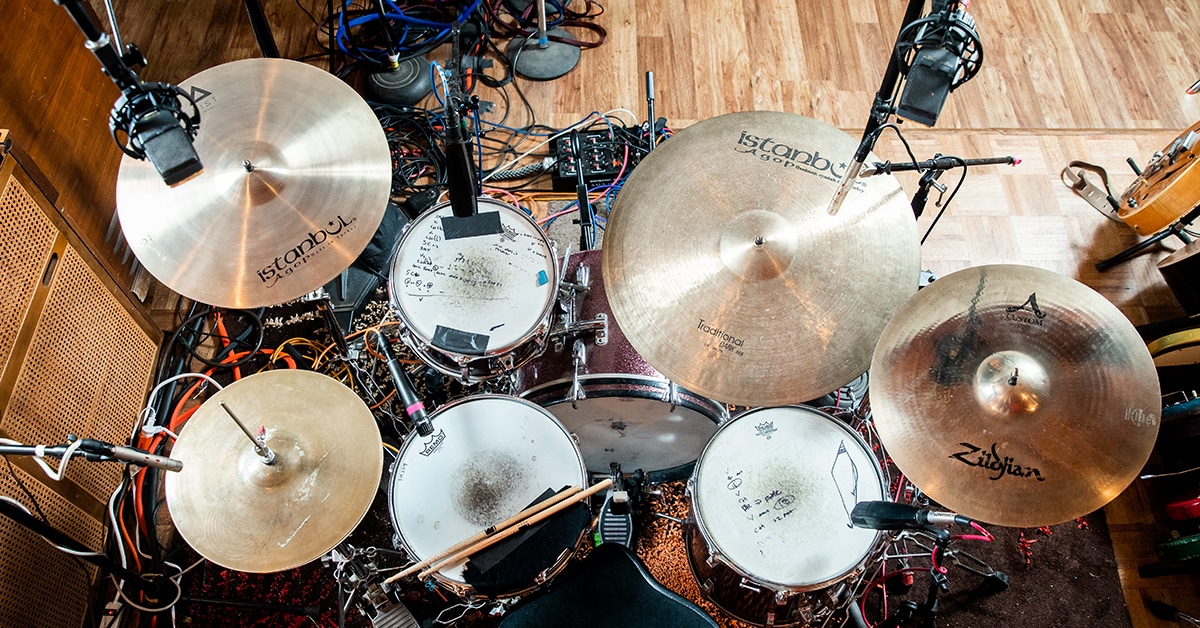
Credit: www.guitarcenter.com


H2

When recording drums, certain tricks can make a big difference in the final sound. Whether you are aiming for clarity, punch, or a specific vibe, these strategies can elevate your drum recordings to the next level.

Mixing And Blending Drum Tracks

To achieve a well-balanced drum mix, blend the individual drum tracks together. Use EQ to carve out space for each drum element, emphasizing crucial frequencies. Utilize compression to control dynamics and ensure a consistent sound throughout the track.

Mastering Drum Tracks For Clarity And Punch

When mastering drum tracks, focus on enhancing clarity and adding punch. Experiment with different levels of saturation to add warmth and presence to the drums. Utilize parallel compression techniques to bring out the nuances of the drum performance.

Drum Recording Tricks : Boost Your Studio Sessions


Credit: insideblackbird.com


Drum Recording Tricks : Boost Your Studio Sessions


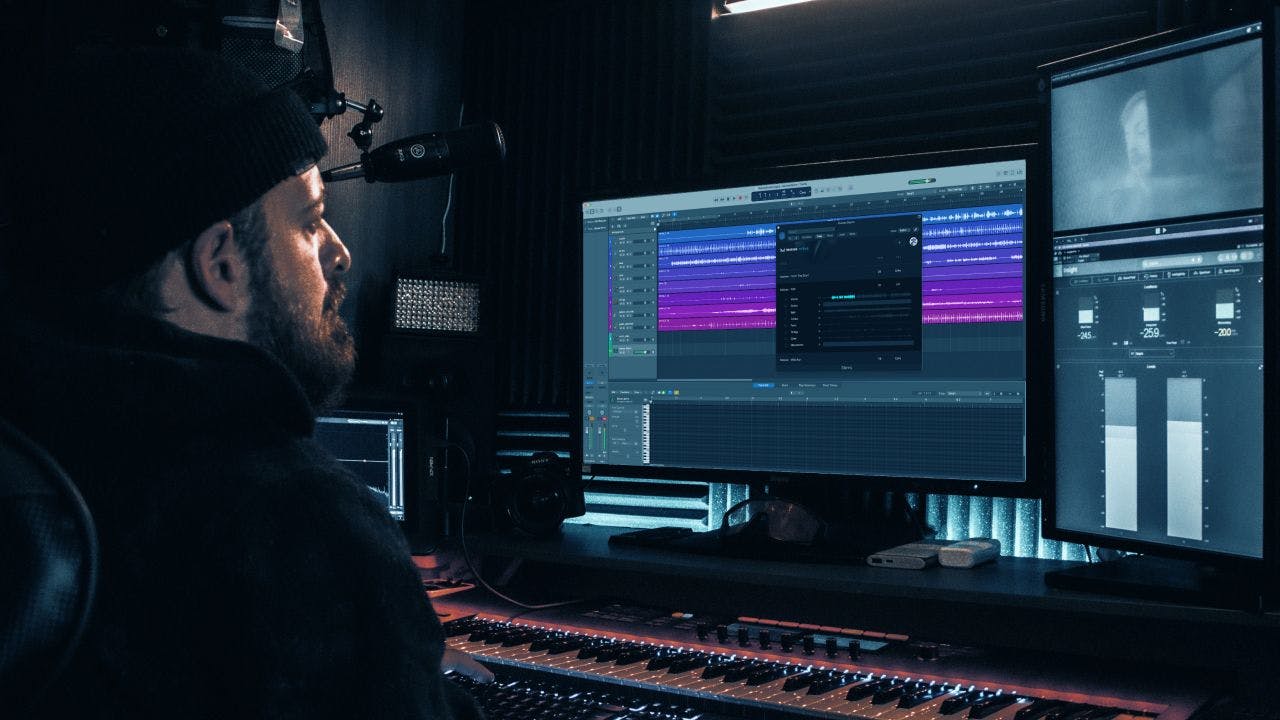
Credit: www.ableton.com


Frequently Asked Questions Of Drum Recording Tricks


Can You Give Me Some Tips For Recording Drums In A Small Space?


Sure! To record drums in a small space, focus on mic placement and room treatment. Use close miking techniques, experiment with different microphones, and consider adding soundproofing materials. Additionally, using a smaller drum kit and incorporating digital drums or drum triggers can help minimize space limitations.


What Are Some Ways To Get A Clear Drum Sound During Recording?


To get a clear drum sound during recording, ensure proper mic placement and use the right microphones for each drum. Experiment with different microphone positions to find the sweet spot for each drum. It’s also important to use quality preamps and a good room with minimal reflections.


Proper tuning of the drums and using quality drum heads can significantly improve clarity as well.


How Can I Prevent Bleed When Recording Drums?


To prevent bleed during drum recording, use isolation techniques like drum shields or gobos to separate the drums. Additionally, use noise gates or online drum samples to minimize bleed in individual drum tracks. Proper mic choice and positioning can also help reduce bleed.


If possible, record drums in a larger room or use a separate room to isolate the drums from other instruments.


Conclusion


To sum up, using the right miking techniques and experimenting with different placements can significantly enhance the quality of drum recordings. Employing a combination of close and ambient mics, along with strategic room acoustics, can create a rich and dynamic sound.


With these drum recording tricks, you can take your music production to the next level.


Categories
Archive

5 Secrets To Make Your Voice Sound Better : Unlock Your Vocal Potential

Unlock the 5 secrets to enhance your voice’s quality and make it sound better. Implement these techniques today.


Do you want to improve your voice quality and sound more confident when speaking or singing? Mastering the art of vocal projection and control is crucial for effective communication and performance. By incorporating specific tips and exercises into your routine, you can make significant improvements in your vocal delivery and overall sound.


Whether you are a professional singer, public speaker, or simply want to enhance your voice for personal reasons, these secrets will help you unlock the full potential of your voice. Stay tuned as we delve into the five essential secrets that will transform your vocal abilities and make your voice sound better than ever before.


Discover Your Natural Voice

To sound better, it’s crucial to discover your natural voice. By understanding your unique sound and embracing your natural tone, you can enhance your vocal quality significantly.

Understand Your Unique Sound

  • Listen to recordings of yourself speaking or singing to identify strengths and areas for improvement.
  • Experiment with different vocal exercises to explore the full range and capabilities of your voice.
  • Seek feedback from vocal coaches or experienced singers to gain insights into your distinctive sound.

Embrace Your Natural Tone

  1. Acknowledge and accept the unique qualities of your voice, avoiding comparisons to others.
  2. Practice vocal exercises that emphasize and enhance your natural tone instead of forcing artificial changes.
  3. Experiment with different styles and genres to find where your natural voice shines the brightest.
5 Secrets To Make Your Voice Sound Better : Unlock Your Vocal Potential


Credit: moises.ai


Master Vocal Technique

Master Vocal Technique: When it comes to improving your voice, mastering vocal technique is essential.

Breath Control And Support

Breath Control: Practice breathing exercises to improve your vocal performance.

Vocal Warm-ups And Exercises

Vocal Warm-Ups: Start your practice routine with gentle vocal warm-ups to prepare your voice.

Develop Your Artistry


Enhance your vocal skills with these 5 secrets to improve your voice. Learn techniques and exercises to develop your artistry and make your voice sound better. Discover insider tips to refine your vocal performance and stand out as a singer.

Develop Your Artistry When it comes to improving your voice, developing your artistry is essential. This involves exploring different musical styles and learning performance techniques.to make your voice sound better.

Explore Different Musical Styles

Exploring different musical styles not only enhances your vocal abilities but also lets you find your unique style. By experimenting with various genres, such as pop, jazz, rock, or classical, you can improve your vocal range and tone. This exposure can also help you develop versatility and adaptability in your singing, which can enrich your overall artistry.

Learn Performance Techniques

Mastering performance techniques is crucial for honing your vocal skills. By understanding breathing exercises, stage presence, and microphone techniques, you can deliver a more impactful performance. Learning vocal warm-ups and proper posture also contributes to the overall improvement of your voice. In addition, harnessing the power of storytelling and emotional expression through your singing can captivate and connect with your audience on a deeper level. By incorporating these techniques, you can elevate your vocal performances and create a lasting impression with your audience.

Utilize Technology For Improvement

In today’s digital age, technology has made it easier than ever to improve various aspects of our lives, including our vocal skills. When it comes to making your voice sound better, technology offers a range of tools and techniques that can take your singing or speaking abilities to the next level. By harnessing the power of technology, you can enhance your voice, identify areas for improvement, and work towards achieving a clearer and more confident vocal delivery.

Recording And Analyzing Your Voice

One of the first steps in improving your voice is to record and analyze it to gain a better understanding of your strengths and weaknesses. Recording yourself allows you to listen back and identify areas that need improvement. Whether you’re practicing singing or delivering a speech, this simple technique can be incredibly valuable.

Here are a few tips to get the most out of recording and analyzing your voice:

  • Find a quiet space with minimal background noise to ensure accurate recordings.
  • Invest in a good quality microphone that captures your voice accurately.
  • Record yourself performing different vocal exercises or speaking various sentences to assess your range, tonality, and clarity.
  • Listen to the recordings with a critical ear, taking note of areas where you can improve.

Using Vocal Enhancement Tools

Vocal enhancement tools offer a range of features and functionalities designed to improve your voice. These tools can help you refine your pitch, correct any vocal imperfections, and enhance overall sound quality. Incorporating these tools into your practice routine can make a significant difference in how your voice sounds.

Some popular vocal enhancement tools include:

  1. Vocal processors: These devices allow you to experiment with various vocal effects, such as reverb, echo, and harmonies, adding depth and richness to your voice.
  2. Auto-tune software: Auto-tune technology can help correct pitch issues and create a more polished vocal performance.
  3. Equalizers: By adjusting the frequency levels, equalizers can enhance the overall clarity and balance of your voice.

Exploring these vocal enhancement tools and integrating them into your practice sessions can help you achieve a professional-sounding voice.

Maintain Vocal Health


Discover simple ways to enhance your vocal quality with these 5 expert tips for maintaining vocal health. Learn how to make your voice sound better effortlessly. Mastering these secrets can help you unleash the full potential of your voice.

Proper Hydration And Diet

One of the most essential aspects of maintaining vocal health is proper hydration. It’s vital to drink enough water throughout the day to keep your vocal cords moisturized. Staying hydrated helps prevent dryness, which can lead to vocal strain and discomfort. Additionally, maintaining a balanced diet rich in fruits and vegetables provides the necessary nutrients to support the health of your vocal cords.

Avoiding Vocal Strain

Vocal strain can be detrimental to your voice and hinder your overall performance. To avoid this, it’s crucial to practice proper vocal technique and avoid excessive shouting or screaming. Take breaks when needed, as overusing your voice can lead to strain and potential long-term damage. Using proper breath control and engaging your diaphragm while speaking or singing can also help prevent strain.

Proper Rest And Recovery

Resting and allowing your voice to recover is essential to maintain vocal health. Just like any other muscle in your body, your vocal cords need time to rest and repair after extended use. Ensure you get enough sleep each night and limit activities that may strain your voice, especially if you’ve been using it extensively. Adequate rest helps in preventing vocal fatigue and promotes overall vocal health.

Warm-up And Vocal Exercises

Before utilizing your voice for an extended period, it’s essential to warm up your vocal cords and muscles. Engaging in simple warm-up exercises, such as humming or gentle vocalization, prepares your voice for optimal performance. Additionally, incorporating regular vocal exercises into your routine can strengthen your vocal cords, improve control, and expand your vocal range.

Avoiding Harmful Substances

Certain substances can have a negative impact on your vocal health. Smoking, for instance, can cause damage to your vocal cords and lead to a hoarse or raspy voice. Similarly, excessive consumption of alcohol and caffeine can dehydrate your body, including your vocal cords. It’s best to avoid these harmful substances for the sake of your vocal health.

5 Secrets To Make Your Voice Sound Better : Unlock Your Vocal Potential


Credit: www.facebook.com


5 Secrets To Make Your Voice Sound Better : Unlock Your Vocal Potential


Credit: www.youtube.com


Frequently Asked Questions Of 5 Secrets To Make Your Voice Sound Better


How Can I Improve My Voice Quality?


To improve your voice quality, you can practice vocal exercises, work on your breathing technique, stay hydrated, and avoid straining your voice. Regularly singing or speaking in your preferred vocal range can also help strengthen your voice.


Are There Any Home Remedies To Enhance My Voice?


Yes, you can try several home remedies to enhance your voice. Honey and warm water can soothe your vocal cords, while gargling with saltwater can reduce inflammation. A steam inhalation with essential oils like eucalyptus can also help keep your vocal cords moisturized.


How Can I Avoid Strain While Speaking?


To avoid strain while speaking, make sure to warm up your vocal cords before any lengthy speaking engagements. Take breaks to rest your voice and avoid shouting or yelling. Maintain good posture and use your diaphragm to project your voice, rather than straining your throat muscles.


Conclusion


To sum up, these 5 secrets provide a comprehensive guide to enhance your voice quality. Practice and patience are key to improving your vocal skills. By implementing the techniques outlined in this post, you can elevate your voice to the next level.


Embrace consistency and dedication to unleash the full potential of your voice.


Categories
Archive

Best Music Business Books : Unlock Your Success

If you’re in the music industry, books like “All You Need to Know About the Music Business” by Donald Passman and “Music Business Handbook and Career Guide” by David Baskerville are essential reads. These books offer invaluable insights for navigating the complex world of music business, covering everything from contracts to marketing strategies.


Additionally, they provide practical advice for aspiring musicians, managers, and industry professionals looking to succeed in the competitive music landscape. Whether you’re a newcomer or a seasoned veteran, these books are indispensable resources for understanding the ins and outs of the music business and achieving long-term success.


The Music Industry Landscape

The music industry landscape is ever-evolving, with new trends shaping the business constantly.

Evolution Of The Music Industry

With the rise of digital technology, the music industry has faced significant changes.

Physical sales have declined, giving way to digital streaming services and online platforms.

Artists now have more control over their music, distribution, and marketing strategies.

Current Trends In The Music Business

  • Streaming services like Spotify and Apple Music have become dominant players.
  • Live performances and merchandise sales are increasingly crucial for artists’ revenue.
  • The influence of social media in promoting music and engaging fans continues to grow.

Essential Business Skills For Musicians

As a musician, mastering essential business skills is crucial for success in the music industry. Two key areas that musicians should focus on are Marketing and Branding and Financial Management.

Marketing And Branding

Marketing and branding are vital for musicians to create a strong presence and connect with their audience.

  • Utilize social media to promote your music and engage with fans.
  • Create a unique brand that reflects your music and resonates with your target audience.
  • Collaborate with influencers to expand your reach and gain exposure.

Financial Management

Financial management is essential for musicians to sustain their careers and make informed decisions.

  1. Track your income and expenses to maintain financial stability.
  2. Set a budget for recording, marketing, and touring expenses.
  3. Invest in financial literacy to understand contracts and royalty agreements.


Successful Strategies From Industry Leaders

When it comes to building a successful career in the music business, learning from industry leaders can provide invaluable insights. These leaders have navigated the challenges of the industry and achieved remarkable success through their innovative strategies and steadfast dedication. By delving into the experiences and expertise of these trailblazers, aspiring music entrepreneurs and industry professionals can gain knowledge and inspiration to propel their careers forward.

Case Studies Of Music Entrepreneurs

Exploring real-life case studies of music entrepreneurs offers a wealth of knowledge and inspiration for those seeking to carve their path in the industry. These case studies delve into the journeys of individuals who have successfully established their ventures, providing actionable insights into the strategies, challenges, and triumphs experienced along the way. By immersing in these narratives, aspiring entrepreneurs can glean practical wisdom and apply it to their endeavors.

Insights From Top Music Executives

Gaining insights from top music executives unveils the inner workings of the industry and the strategies that have propelled their success. These leaders offer candid perspectives on industry trends, effective business approaches, and the dynamic nature of the music marketplace. Their valuable insights provide a comprehensive understanding of the industry landscape, empowering professionals to adapt, innovate, and thrive amid the evolving music business environment.

Best Music Business Books  : Unlock Your Success


Credit: www.ft.com


Legal And Contractual Understanding In Music

For any aspiring musician or music industry professional, having a solid understanding of the legal and contractual aspects of the business is crucial. In an industry that relies heavily on contracts and intellectual property rights, knowing the ins and outs of music-specific legal concepts is vital for success. This blog post will dive into two key areas of legal and contractual understanding in music: copyright and royalties, and navigating recording contracts.

Copyright And Royalties

Understanding copyright and royalties is essential in the music industry. By grasping these concepts, musicians can protect their work, ensure fair compensation, and navigate the complexities of the industry. Copyright grants exclusive rights to the creators of original musical works, allowing them to control the use and distribution of their music.

Key Points about Copyright and Royalties
Copyright Royalties
Protects the creators’ rights Ensure appropriate compensation for the use of music
Applies to original musical works Can be earned through performances, streaming, and sales
Allows control over distribution and usage Dependent on licensing agreements and contracts

There are different types of royalties, such as mechanical royalties, performance royalties, and synchronization royalties, each pertaining to specific uses of music. Educating oneself about these different types is crucial for musicians seeking fair compensation for their work.

Navigating Recording Contracts

Signing a recording contract can be a milestone in a musician’s career, but it is important to approach such contracts with caution and understanding. Navigating the complex world of recording contracts is essential to protect artists’ interests and ensure a fair deal.

  1. Seek legal advice: Consulting an experienced music lawyer is crucial before signing any recording contract. A legal professional can explain the terms, negotiate favorable conditions, and protect the artist’s rights.
  2. Understanding the key terms: Recording contracts come with various terms and clauses that can impact an artist’s career, such as the length of the contract, royalty rates, and distribution rights. Familiarizing oneself with these terms can empower artists to negotiate better deals.
  3. Avoiding unfavorable clauses: Some recording contracts may contain unfavorable clauses that limit an artist’s creative freedom or bind them to unfair terms. Being aware of potential red flags and understanding how to negotiate or avoid them is vital.
  4. Contract termination and legal remedies: Understanding the provisions related to contract termination and available legal remedies is essential in case the relationship with a label or distributor turns sour. Artists need to know their options and how to protect their music.

By having a solid understanding of the legal and contractual aspects of the music business, musicians can navigate the industry with confidence, protect their rights, and ensure fair compensation for their creative work.

Effective Marketing And Promotion Techniques


Discover the best music business books to level up your marketing and promotion techniques. Dive into insightful strategies and expert advice and master the art of effective music business promotion. These books offer practical tips and proven methods to enhance your marketing skills and take your music career to the next level.

Social Media And Digital Marketing

With the evolution of technology and the rise of social media platforms, marketing and promotion in the music industry have transformed significantly. Artists and music professionals now have a plethora of tools and techniques at their disposal to effectively reach and engage with their target audience. Social media and digital marketing have become an integral part of every successful music marketing strategy.

The Power of Social Media

Social media platforms such as Facebook, Instagram, Twitter, and YouTube have revolutionized the way musicians promote their music and connect with their fans. These platforms allow artists to engage with their audience on a more personal level and provide a direct line of communication. – Artists can share updates about their latest releases, upcoming shows, and behind-the-scenes insights to keep their fans informed and engaged. – Social media provides a platform for musicians to showcase their talent through live performances, music videos, and interviews, creating a deeper connection with their audience. – Interacting with fans through comments, direct messages, and shout-outs can help build a loyal fan base and create a sense of community around the artist’s music.

Digital Marketing Strategies

In addition to social media, digital marketing encompasses various strategies and techniques that can further enhance an artist’s online presence and visibility. Some effective digital marketing techniques include: – Search Engine Optimization (SEO): Optimizing an artist’s website and online content with relevant keywords helps improve their search engine rankings and makes it easier for fans to discover their music. – Email Marketing: Building an email list and sending regular newsletters allows artists to directly reach out to their fans with exclusive content, updates, and promotions. – Influencer Marketing: Collaborating with influential bloggers, vloggers, and social media personalities in the music industry can help expand an artist’s reach and gain exposure to new audiences. – Content Marketing: Creating valuable and engaging content such as blog posts, videos, and podcasts not only establishes an artist’s authority but also attracts and retains fans.

Building A Strong Fan Base

Building a strong fan base is crucial for the success and longevity of any musician’s career. A loyal and engaged fan base not only supports the artist financially but also acts as advocates, spreading their music to a wider audience. Here are some strategies to create and nurture a strong fan base:

Engagement and Interaction

– Regularly interacting with fans through social media, responding to comments and messages, and incorporating their feedback can make them feel valued and appreciated. – Organizing meet-and-greets, fan contests, and exclusive events gives fans an opportunity to connect with the artist on a more personal level and fosters a sense of belonging. – Providing exclusive content and behind-the-scenes access to the creative process and journey can make fans feel like insiders and build a deeper connection with the artist.

Consistent Branding

– Creating a consistent brand image across all platforms, including social media profiles, websites, album artwork, and merchandise, helps fans easily recognize and associate with the artist. – Developing a unique and authentic persona that aligns with the artist’s music and values can help differentiate them from the competition and resonate with their target audience.

Live Performances and Tours

– Performing live showcases an artist’s talent and allows them to connect with fans on an emotional level. Regularly performing at local venues and embarking on tours can help expand their fan base and reach new audiences. Incorporating these effective marketing and promotion techniques, artists and music industry professionals can successfully navigate the competitive landscape while building a strong and loyal fan base.

Best Music Business Books  : Unlock Your Success


Credit: www.ft.com


Best Music Business Books  : Unlock Your Success


Credit: www.mayple.com


Frequently Asked Questions For Best Music Business Books


What Are The Best Music Business Books For Beginners?


There are several great music business books for beginners, including “All You Need to Know About the Music Business” by Donald S. Passman and “Music Business For Dummies” by Loren Weisman. These books cover important topics like contracts, royalties, and marketing, making them invaluable resources for newcomers to the industry.


Which Music Business Books Are Recommended For Independent Artists?


Independent artists can benefit from books like “How to Make It in the New Music Business” by Ari Herstand, which offers practical advice on everything from building a fanbase to self-promotion. “The Artist’s Guide to Success in the Music Business” by Loren Weisman is also highly recommended, covering topics like DIY marketing and distribution.


Are There Any Music Business Books That Focus On Music Marketing?


Yes, there are several music business books that specifically focus on music marketing. “Your Band Is a Virus” by James Moore is a highly recommended book that offers innovative strategies for promoting your music and building a fanbase. Another great option is “Music Marketing for the DIY Musician” by Bobby Borg, which covers everything from social media marketing to touring strategies.


Conclusion


These recommended music business books offer valuable insights and actionable strategies for aspiring professionals and industry veterans alike. Whether you’re looking to enhance your marketing skills, improve your financial management, or navigate the ever-changing landscape of the business, these books provide a wealth of knowledge.


By incorporating the lessons learned from these resources, you can elevate your music career to new heights.

Categories
Archive

How To Sound Pro In A Home Studio: Unleash Your Inner Recording Maestro

To sound professional in a home studio, invest in quality microphones and soundproofing materials. Set up proper acoustic treatment for optimal sound quality.


Creating a conducive recording environment is key to achieving professional-sounding audio recordings in a home studio. By implementing effective soundproofing and using high-quality equipment, you can enhance the overall production value of your recordings. With attention to detail and a focus on creating a professional atmosphere, you can elevate the quality of your home studio recordings and impress your audience with the level of professionalism in your sound.


Setting Up Your Home Studio

Creating a professional sound in your home studio is crucial for high-quality recordings. Starting with the right equipment and optimizing your space is key.

Choosing The Right Equipment

  • Invest in a quality microphone for clear audio capture.
  • Consider a pop filter to reduce unwanted noise during vocals.
  • Opt for studio headphones with accurate sound reproduction.
  • Select a reliable audio interface to connect your equipment.

Optimizing Your Space

  1. Position your desk and monitors for optimal listening conditions.
  2. Acoustic treatment like sound panels can improve sound clarity.
  3. Organize cables and eliminate clutter for a clean workspace.
  4. Maximize natural light and minimize background noise for better recordings.

Mastering The Basics Of Sound Recording

Understanding Microphones And Their Uses

Microphones are essential tools for capturing audio in a home studio setup. Dynamic microphones are durable and great for loud sound sources like drums, while condenser microphones are more sensitive and ideal for vocals and acoustic instruments.

Exploring Recording Techniques

Experiment with mic placement to find the optimal sound for different instruments. Close-miking captures direct sound, while room miking adds ambiance. Utilize isolation booths for clean recordings.

Mixing And Editing Like A Pro

In the world of home studio recording, achieving professional-quality mixing and editing is essential for creating a polished and engaging final product. To sound like a pro in your home studio, it’s crucial to master the art of mixing and editing. This involves utilizing mixing software effectively and honing your editing skills to ensure your recordings sound top-notch.

Utilizing Mixing Software Effectively

When it comes to achieving a professional sound in your home studio, utilizing mixing software effectively is paramount. By familiarizing yourself with the features and functionalities of your chosen mixing software, you can enhance the quality of your recordings. Take the time to learn about EQ, compression, reverb, and other essential tools to craft a well-balanced and dynamic mix.

Mastering The Art Of Editing

Mastering the art of editing is crucial for achieving a professional sound in your home studio. Polishing your recordings through precise editing can make a significant difference in the overall quality of your work. Whether it’s trimming unnecessary silence, aligning tracks, or removing background noise, refining your editing skills is essential for producing pro-level recordings.

How To Sound Pro In A Home Studio: Unleash Your Inner Recording Maestro


Credit: www.nytimes.com


Understanding Acoustics And Sound Quality


Enhance your home studio’s sound quality by understanding acoustics. Optimize your space for a pro sound with strategic placement of sound-absorbing materials and proper room treatment. Achieve professional-level sound in your home studio by mastering acoustics for impeccable sound quality.

Understanding Acoustics and Sound Quality Creating an Acoustically Sound Environment To sound like a pro in your home studio, it’s crucial to create an acoustically sound environment. This means taking into account the way sound waves interact with the surfaces in your studio to minimize unwanted reflections and echoes. The key is to achieve a balanced sound that accurately represents the audio you’re recording or producing. One way to achieve this is by strategically placing acoustic panels on the walls. These panels are designed to absorb excess sound reflections and prevent sound from bouncing around the room. By placing these panels in strategic locations, such as on the walls behind your speakers or in the corners of the room, you can significantly improve the quality of your recordings and mixes. Another important consideration is the positioning of your speakers. Place them at an equal distance from the side walls, creating an equilateral triangle between you and the speakers. This setup helps achieve a balanced stereo image and improves the accuracy of your sound. Enhancing Sound Quality Once you’ve created an acoustically sound environment, the next step is to enhance the sound quality in your home studio. This involves paying attention to factors like microphone technique, proper gain staging, and using quality audio equipment. When it comes to microphone technique, it’s important to position the microphone correctly to capture the desired sound accurately. Experiment with different microphone placements to find the sweet spot that works best for your specific setup and the sound you’re aiming to achieve. Proper gain staging is also essential for achieving optimal sound quality. This involves setting the input gain levels of your audio interface and other equipment to prevent distortion and ensure a clean and clear signal. Avoid setting the levels too high or too low, and always monitor the input and output levels to ensure they are within the recommended range. Lastly, investing in quality audio equipment can greatly improve the sound quality in your home studio. This includes using high-quality microphones, monitors, headphones, and audio interfaces. While it may come at a higher cost, the difference in sound quality is worth it and can elevate your recordings and mixes to the next level. In conclusion, understanding the fundamentals of acoustics and sound quality is crucial for sounding like a pro in your home studio. By creating an acoustically sound environment and enhancing the sound quality through proper techniques and quality equipment, you can achieve professional-sounding results right from the comfort of your own home. Remember, paying attention to these details will make a significant difference in the overall sound of your recordings and mixes.


Polishing Your Final Product

Once you have completed the recording and mixing processes, it’s time to give your home studio production that professional touch. This final step, known as post-production, involves a series of techniques and tools that will elevate your sound to the next level. By mastering the art of post-production and delivering professional results, you can ensure that your music or audio project sounds polished and refined. Here are some essential tips to help you achieve this:

Mastering The Art Of Post-production

Post-production is where you can fine-tune and enhance your audio recordings. It involves several key elements that contribute to the overall quality of your final product:

  1. Editing: Go through your recording and remove any unwanted noises, mistakes, or distractions. This can include clicks, pops, breath sounds, or other background noises.
  2. Equalization (EQ): Use EQ to balance the frequency spectrum of your audio, ensuring that each element has its own space and does not overpower the others.
  3. Compression: Apply compression to even out the dynamic range of your audio, making it sound more consistent and professional. This technique helps to control peaks and boosts softer sounds.
  4. Reverb and Delay: Adding a touch of reverb or delay can give your audio a sense of space and depth. It adds a professional sheen and creates a cohesive sound.
  5. Stereo Imaging: Adjust the stereo field to create a wider, more immersive sound. This technique can enhance the spatial characteristics of your recordings.

Delivering Professional Results

To ensure that your final product meets the standards of a professional studio recording, there are a few additional steps to consider:

  • Mastering: This is the final stage of post-production and involves optimizing the overall sound of your audio. It includes adjusting levels, adding final touches, and preparing the tracks for distribution.
  • Quality Check: Always listen to your finished product on different speakers and devices to ensure it translates well across various playback systems.
  • Reference Tracks: Use professionally produced tracks as references to compare the overall sound, loudness, and balance of your recording.
  • Collaboration: Seek feedback from trusted ears, such as fellow musicians or sound engineers, to gain valuable insights and improve your final product.

By paying attention to these post-production techniques and delivering professional results, you can take your home studio recordings to the next level of professionalism and ensure that your music or audio project stands out in the competitive landscape.

How To Sound Pro In A Home Studio: Unleash Your Inner Recording Maestro


Credit: insidetherecordingstudio.podbean.com


How To Sound Pro In A Home Studio: Unleash Your Inner Recording Maestro


Credit: www.facebook.com


Frequently Asked Questions On How To Sound Pro In A Home Studio


What Equipment Do I Need For A Home Studio?


To sound pro in a home studio, you’ll need essential equipment like a microphone, headphones, audio interface, and recording software. Investing in acoustic treatment and a good monitor speaker can further enhance the sound quality in your studio.


How Can I Improve The Acoustics In My Home Studio?


Improving the acoustics in your home studio can be achieved by using acoustic panels, bass traps, diffusers, and soundproofing materials. Proper speaker placement and reducing echo and reverberations can significantly improve the sound quality in your studio.


How Can I Minimize Background Noise In My Recordings?


To minimize background noise in your recordings, ensure a quiet environment by closing windows, turning off fans or any noisy appliances. Use a pop filter to reduce plosive sounds and a noise gate to eliminate unwanted background noise during silent parts of the recording.


How Can I Make My Vocals Sound Professional In A Home Studio?


To make your vocals sound professional in a home studio, focus on good microphone technique, use a quality microphone, and experiment with microphone placement. Proper editing and mixing techniques such as EQ, compression, and reverb can also help enhance the overall quality and sound of your vocals.


Conclusion


To sum up, honing your audio skills in a home studio can elevate your sound to a professional level. By mastering microphone technique, acoustics, and recording software, you can create high-quality audio productions from the comfort of your own space.


With dedication and practice, you’ll be well on your way to sounding like a pro in no time.