Categories
Archive

Loudness Lufs Vs Rms Vs Dbfs: Unleashing the Power of Sound

Loudness, LUFS, RMS, and dBFS are audio measurement scales used to quantify sound levels and dynamics accurately. LUFS measures perceived loudness, RMS represents average signal levels, and dBFS denotes digital amplitude levels.


When it comes to audio production and mastering, understanding the differences between Loudness LUFS, RMS, and dBFS is crucial. Each measurement scale plays a unique role in ensuring optimal sound quality and consistency in a audio recording or mix. By grasping the nuances of these metrics, audio engineers can effectively manage sound dynamics, loudness levels, and overall quality, resulting in a professional and polished audio product.


Let’s delve deeper into the significance of Loudness LUFS, RMS, and dBFS in modern audio production.

Loudness Lufs Vs Rms Vs Dbfs: Unleashing the Power of Sound


Credit: ask.audio


The Science Of Sound Measurement


Explore the science of sound measurement with a focus on loudness LUFS, RMS, and dBFS. Understand the differences and applications of these measurements in audio engineering and production. Learn how to accurately measure and control sound levels for optimal audio quality.

Understanding Loudness Lufs

Loudness LUFS measures the perceived loudness of audio signals.

Loudness LUFS accounts for human perception of sound and not just peak levels.

Exploring Rms And Dbfs

RMS quantifies the average power of an audio signal over time.

dBFS measures the peak level of a digital audio signal relative to the maximum possible level.

RMS and dBFS are essential metrics in audio production for dynamic range control.

Loudness Lufs Vs Rms Vs Dbfs: Unleashing the Power of Sound


Credit: ask.audio


Applications In Audio Production

Loudness LUFS Vs RMS Vs dBFS have various applications in audio production that are essential for creating high-quality music and audio content.

Using Lufs For Streaming Platforms

LUFS is crucial for ensuring consistent audio levels across different tracks on streaming platforms like Spotify and Apple Music.

Rms And Dbfs In Mixing And Mastering

RMS and dBFS play a significant role in the mixing and mastering process to maintain optimal audio levels and prevent clipping.

Understanding Perception Of Loudness

The sound and loudness of an audio signal are crucial components when it comes to engaging an audience’s auditory experience. Understanding the perception of loudness in terms of Loudness LUFS vs RMS vs dBFS can significantly impact how your content is perceived.

Psychoacoustic Effects On Perception

Psychoacoustics, the study of how humans perceive sound, plays a vital role in how loudness is interpreted. Certain frequencies and amplitude levels can have differing effects on the human ear, impacting how loud a sound is perceived to be. This understanding is essential when striving to create content that resonates with your audience.

Impact On Audience Experience

The perception of loudness, whether measured in LUFS, RMS, or dBFS, directly influences the audience’s overall experience. By optimizing and understanding these measures, you can ensure that your content makes the desired impact, leaving a lasting impression on your audience.

Loudness Wars And Industry Standards

When it comes to the world of audio production and mastering, understanding the concepts of loudness LUFS, RMS, and dBFS is crucial. These terms play a significant role in achieving the desired sound quality and ensuring that the audio tracks are consistent across various platforms and formats. Additionally, the presence of loudness wars and the need for industry standards make it all the more important to grasp the differences and implications of these measurements.

Effects Of Competitive Loudness Maximization

One of the primary reasons behind the loudness wars is the desire for songs to be played at a consistent, high-volume level. Music producers and artists strive to make their tracks stand out in the crowd, often by pushing them to the limit of loudness. However, this competitive loudness maximization has its consequences. The overall sound quality may become compromised with increased distortion, reduced dynamics, and less headroom for the audio to breathe.

This pursuit of extreme loudness can also create problems in the broadcasting or streaming domain. Platforms like Spotify and YouTube may dynamically adjust the loudness of tracks to maintain a consistent listening experience for their users. As a result, if a track is already pushed to its maximum loudness, it may end up sounding overly compressed or even be attenuated, losing its impact compared to other tracks with more balanced loudness levels.

Evolving Standards And Recommendations

In response to the negative effects of the loudness wars, there have been evolving standards and recommendations established within the audio industry. These guidelines are aimed at achieving a more balanced and consistent audio experience for listeners across various platforms and devices.

One of the significant developments in recent years is the introduction of Loudness Units Full Scale (LUFS). LUFS is a measurement that takes into account the perceived loudness of an audio track and helps regulate its levels. By utilizing LUFS, audio professionals can maintain a more consistent loudness level across different tracks, ensuring a smoother transition between songs and preventing listener fatigue.

Another important metric is the Root Mean Square (RMS) which provides insight into the average power of an audio waveform. By monitoring and controlling RMS levels, engineers can effectively balance the dynamics of a track without sacrificing its overall loudness or causing undesirable distortion.

Lastly, we have Decibels Full Scale (dBFS), which represents the digital resolution of an audio signal. Understanding dBFS is crucial in avoiding clipping and ensuring that audio remains within the designated range of digital representation.

In conclusion, the loudness wars and the ongoing pursuit of industry standards have highlighted the importance of understanding and implementing measurements like LUFS, RMS, and dBFS. By adhering to these guidelines, audio professionals can achieve a more balanced and dynamic sound, ultimately enhancing the listening experience for audiences worldwide.

Optimizing Sound For Various Platforms

When it comes to sound optimization for different media platforms, understanding the concepts of Loudness LUFS, RMS, and dBFS is crucial. These parameters play a vital role in ensuring that your audio content sounds optimal and consistent across various platforms. However, adapting your sound to different media can be a challenge. In this article, we will explore the importance of adapting loudness for different media and discuss the challenges and solutions in sound optimization.

Adapting Loudness For Different Media

Adapting the loudness of your audio content according to the requirements of different media platforms is essential to provide an enjoyable listening experience to your audience. Each platform has specific loudness standards that content creators must adhere to in order to ensure that their audio content is compatible and consistent with the rest of the content on that platform.

Here are some common loudness standards for different media platforms:

Media Platform Loudness Standard
Television Broadcast -23 LUFS
Streaming Platforms (e.g., Spotify) -14 LUFS
YouTube -13 LUFS

By adjusting the loudness levels of your audio content, you can ensure that it meets the loudness requirements of the platform it will be published on. This way, your content will have a consistent volume level, regardless of where it is being played.

Challenges And Solutions In Sound Optimization

Optimizing sound for different media platforms can be challenging due to the varying loudness requirements and the technical constraints imposed by each platform. Here are some common challenges and their corresponding solutions:

  1. Challenge: Limited Dynamic Range

Solution: Utilize dynamic range compression techniques to reduce the difference between the softest and loudest parts of your audio content. This helps maintain a consistent volume level throughout, ensuring that no parts are too soft or too loud.

  1. Challenge: Audio Clipping

Solution: Avoid clipping by carefully managing the peaks and ensuring that the loudest parts of your audio do not exceed the maximum allowable level. This can be achieved through peak limiting or using dynamic range compression techniques.

  1. Challenge: Compatibility with Different Devices

Solution: Test your audio content on different devices and platforms to ensure that it sounds good and is compatible across all. Consider using a reference system or software that simulates different listening environments to accurately assess the sound quality.

With these solutions in mind, you can overcome the challenges of sound optimization for different media platforms and deliver an exceptional audio experience to your audience.

Loudness Lufs Vs Rms Vs Dbfs: Unleashing the Power of Sound


Credit: www.audiomixingmastering.com


Frequently Asked Questions Of Loudness Lufs Vs Rms Vs Dbfs


What Is The Difference Between Loudness Lufs, Rms, And Dbfs?


Loudness LUFS is a measure of perceived loudness in audio, RMS is a measure of the average power, and dBFS is a measure of the digital level. LUFS tells you how loud something sounds, RMS measures the average loudness over time, and dBFS tells you the digital level of the audio signal.


Why Are Loudness Lufs, Rms, And Dbfs Important In Audio Production?


Loudness LUFS, RMS, and dBFS are important in audio production to ensure consistency in volume levels, avoid distortion, and meet broadcasting standards. They help achieve balanced and professional-sounding audio across different platforms and devices.


How Do I Measure Loudness Lufs, Rms, And Dbfs?


Loudness LUFS is measured using specialized loudness meters, such as the ITU-R BS. 1770 standard. RMS can be calculated using audio software or plugins that provide RMS measurements. DBFS is the digital value of an audio signal, typically displayed on meters in digital audio workstations.


Can Loudness Lufs, Rms, And Dbfs Affect The Quality Of My Audio?


Loudness LUFS, RMS, and dBFS themselves do not affect the quality of the audio. However, improper management of these measurements can lead to audio that sounds too loud, distorted, or lacking in dynamic range. It is important to understand and use these measurements effectively to maintain the desired audio quality.


Conclusion


Understanding the differences between loudness LUFS, RMS, and dBFS is crucial for audio professionals. Each measurement serves its own purpose, and knowing how to use them effectively can greatly improve the quality of your audio productions. By mastering these concepts, you can ensure that your music and sound projects meet industry standards and sound fantastic across all platforms.
 

Categories
Archive

How To Master A Song: Unlock the Secrets of Professional Audio Mixing

To master a song, use EQ, dynamics processing, and spatial effects in a DAW. Practice is key to mastering songs effectively.


Mastering a song is a crucial step in the music production process that involves enhancing the overall sound quality and ensuring consistency across different platforms. By utilizing tools like equalization (EQ), compression, limiting, and reverb, you can achieve a polished and professional-sounding final product.


Understanding how to balance these elements and make subtle adjustments to enhance the clarity, depth, and dynamics of the song is essential. Additionally, it’s important to test the mastered track on various playback systems to ensure it translates well across different devices. With practice and attention to detail, mastering a song can elevate its quality and appeal to listeners.


The Importance Of Song Mastering

Setting The Stage For Success

Mastering is crucial for achieving optimal sound quality and ensuring your song stands out.

It involves refining the overall balance, clarity, and consistency of the audio track.

Enhancing The Listening Experience

Mastering enhances the dynamics and depth of the music, making it more enjoyable to listen to.

It ensures that the song sounds cohesive and professional across different playback systems.

How To Master A Song: Unlock the Secrets of Professional Audio Mixing


Credit: brendandekora.com


Understanding The Basics Of Audio Mixing

Mastering a song involves mastering the art of audio mixing. It’s crucial to delve into the fundamentals of audio mixing for a polished final product.

Balancing Levels And Frequencies

  • Balancing levels ensures every instrument is heard distinctly.
  • Adjust frequencies to prevent any clashes in the sound.

Utilizing Audio Effects

  1. Reverb and delay can add depth and space to the sound.
  2. Use compression to even out the dynamic range.

Advanced Techniques For Mastering

Advanced techniques for mastering are essential to bring out the best in a song and make it stand out. These techniques, when used with precision, can elevate the quality of the music to a professional level. Below, we’ll dive into two advanced mastering techniques—Dynamic Range Compression and Stereo Widening and Imaging.

Dynamic Range Compression

Dynamic Range Compression (DRC) is a vital tool in mastering, allowing you to control the dynamic range of a sound. It reduces the volume of loud sounds or amplifies quiet sounds by compressing the dynamic range. When used effectively, DRC can make a song sound cohesive and well-balanced. It helps in preventing parts of the track from being too loud while maintaining perceptible soft passages.

Stereo Widening And Imaging

Stereo Widening and Imaging is an advanced mastering technique used to enhance the stereo image of a mix, ultimately providing a wider and more immersive sound. This process can be achieved by utilizing tools such as stereo wideners, panning, and spatial effects. By implementing Stereo Widening and Imaging, you can create a sense of depth and space within the mix, making it more engaging for the listener.

How To Master A Song: Unlock the Secrets of Professional Audio Mixing


Credit: grahamenglish.com


Utilizing Professional Tools And Software

When it comes to mastering a song, utilizing professional tools and software is crucial to achieve the best results. The right tools can make all the difference in ensuring that your final product sounds polished and professional.

Choosing The Right Digital Audio Workstation

Selecting the appropriate digital audio workstation (DAW) is the first step in mastering a song. A DAW is a software application that allows you to record, edit, and mix audio tracks. It provides a range of tools and features specifically designed for audio production.

There are several popular DAW options available, each with its own strengths and weaknesses. Some commonly used DAWs include:

DAW Description
Ableton Live A versatile DAW favored by electronic music producers for its live performance capabilities.
Pro Tools A standard in the music industry, Pro Tools offers a wide range of features and is known for its professional-quality audio editing and mixing.
Logic Pro Created by Apple, Logic Pro is popular among Mac users and offers a comprehensive set of tools for music production and mixing.

When choosing a DAW, consider factors such as your budget, compatibility with your operating system, and the specific features and workflow that suit your needs. It’s essential to select a DAW that you feel comfortable using, as mastering requires a deep understanding of the software.

Essential Plugins For Mastering

In addition to a reliable DAW, incorporating essential plugins into your mastering process can significantly enhance the quality of your final mix. Plugins are software components that perform specific functions within your DAW, such as equalization, compression, and stereo imaging.

Here are some essential plugins to consider for mastering:

  1. EQ Plugin: An equalizer plugin allows you to adjust the frequency balance of your mix, helping to enhance clarity and remove any unwanted frequencies.
  2. Compressor Plugin: A compressor plugin helps to control the dynamic range of your mix, ensuring that the quieter parts are audible while preventing clipping and distortion.
  3. Limiter Plugin: A limiter plugin sets an upper limit on the overall volume of your mix, preventing any clipping and providing a polished, commercial loudness.
  4. Stereo Imaging Plugin: A stereo imaging plugin enables you to manipulate the stereo width and depth of your mix, allowing for a more immersive and balanced sound.
  5. Reverb Plugin: A reverb plugin adds a sense of space and depth to your mix, creating a natural or artificial reverberation effect.

These are just a few examples of essential plugins used in the mastering process. There are numerous options available, and experimentation is key in finding the ones that best suit your style and desired sound.

By utilizing professional tools and software, such as the right DAW and essential plugins, you can take your mastering skills to the next level and achieve the polished sound you desire for your songs.


Crafting A Masterpiece: Practical Tips And Best Practices

Welcome to the world of audio mastering, where every knob twist and tweak can transform a good song into a masterpiece. Crafting a masterpiece requires a keen ear, a deep understanding of the art, and a range of practical tips and best practices. In this blog post, we will explore the essential steps to take when mastering a song, focusing on preparing the mix for mastering and tailoring the master for different distribution platforms.

Preparing The Mix For Mastering:

Before diving into the mastering process, it is crucial to ensure that the mix is in its best possible shape. While mixing and mastering are distinct stages, a well-balanced mix acts as a solid foundation for the mastering engineer to work on. Here are some practical tips to prepare the mix for mastering:

  1. Aim for a dynamic mix: Avoid excessive volume, and give each element in the mix enough space to breathe.
  2. Pay attention to frequency balance: Ensure that different elements occupy different frequency ranges, preventing masking and muddiness.
  3. Remove any unwanted noise or artifacts: Clean up any clicks, pops, hisses, or background noise from the mix.
  4. Check for phase issues: Listen for any phase cancellation or comb filtering problems that may arise from conflicting audio sources.
  5. Create headroom: Leave enough headroom in the mix to prevent clipping and allow the mastering engineer to apply dynamic processing.

Mastering For Different Distribution Platforms:

Once the mix is ready, it’s time to delve into the realm of mastering. However, it’s important to remember that different distribution platforms may have their own unique requirements and specifications. To ensure your master sounds optimal across various platforms, consider the following:

Distribution Platform Recommended Formats Mastering Considerations
Streaming Platforms (e.g., Spotify, Apple Music) Lossy formats (MP3, AAC) Pay attention to loudness normalization and avoid excessive peak limiting to prevent distortion.
CD Releases 16-bit WAV or FLAC Ensure the master is optimized for optimal CD playback, considering the overall loudness and track sequencing for a cohesive listening experience.
Vinyl Records 16-bit WAV or FLAC Be mindful of the dynamic range and avoid excessive low-end energy, as it can cause tracking issues and affect the playback quality.

By tailoring your masters to these different platforms, you can maximize the listening experience and ensure your song translates well across digital and physical mediums.

How To Master A Song: Unlock the Secrets of Professional Audio Mixing


Credit: www.youtube.com


Frequently Asked Questions Of How To Master A Song


How Does Mastering Affect The Overall Sound Quality Of A Song?


Mastering is the final step in the music production process. It enhances the sound quality of a song by balancing, equalizing, and optimizing the audio for different playback systems. It ensures that the song sounds consistent, polished, and professional across various platforms.


What Tools And Software Are Commonly Used For Mastering?


Professional mastering engineers use a variety of tools and software to master songs. Some popular ones include Digital Audio Workstations (DAWs) like Pro Tools and Logic Pro, plugins such as EQs and compressors, and specialized mastering software like iZotope Ozone.


These tools help achieve precise control over the song’s sound and dynamics.


Can I Master My Own Songs At Home Without Professional Equipment?


Yes, you can master your own songs at home using a computer and quality headphones or monitors. While professional equipment and acoustical treatments are beneficial, there are affordable options available for home studios. It’s important to educate yourself on mastering techniques, use reference tracks, and trust your ears to achieve satisfactory results.


Conclusion


Mastering a song is a crucial part of the music production process. By understanding the fundamentals and utilizing the right tools, mastering can elevate your music to new heights. With careful attention to detail and a commitment to the craft, you can achieve professional, high-quality results.


Embrace the journey of mastering, and let your creativity shine through your music.

Categories
Archive

Music Career: Unlocking the Secrets to Exponential Growth

A music career requires talent, dedication, networking, and perseverance to succeed in the competitive industry. Building a successful music career involves honing your skills, networking with industry professionals, creating a strong personal brand, and continuously promoting yourself and your music.


By mastering these key aspects, musicians can increase their visibility, attract opportunities, and build a thriving career in the music industry. A solid foundation in these areas can pave the way for long-term success and fulfillment in the dynamic world of music.


Talent and hard work are essential, but strategic planning and effective promotion are equally crucial for achieving longevity and recognition in the music industry.


The Power Of Branding

Establishing a strong personal brand is key in the music industry. It sets you apart from others and creates a memorable image for your audience.

Creating A Compelling Personal Brand

A compelling personal brand encompasses your unique style, values, and persona. It helps you connect with your fans and stand out in a crowded market.

Building An Online Presence

Having a strong online presence is essential for musicians. It allows you to reach a wider audience and engage with fans on various platforms.


Credit: www.amazon.com


Mastering Social Media

Social media is a powerful tool for aspiring musicians to connect with fans and grow their careers.

Utilizing Platforms Effectively

Choose platforms where your target audience is most active.

Create consistent and authentic content that showcases your music and personality.

Use hashtags strategically to reach a wider audience.

Engaging With Your Audience

Respond promptly to comments and messages to foster a community.

Run contests or giveaways to incentivize engagement.

Share behind-the-scenes glimpses to make fans feel connected.


Effective Networking

Effective networking is a vital aspect of building a successful music career. It involves forming and nurturing connections within the industry to open up opportunities for collaboration, exposure, and career advancement.

Creating Meaningful Connections

When networking in the music industry, focus on creating genuine and meaningful connections rather than just superficial ones. Engage with fellow musicians, industry professionals, and fans in a way that fosters mutual respect and support. Building trust and rapport with others can lead to long-lasting and beneficial relationships.

Navigating Industry Events

Industry events, such as music conferences and festivals, offer excellent networking opportunities. To make the most of these events, it’s crucial to approach them with a strategic mindset. Identify key individuals or organizations you want to connect with and proactively seek them out during the event. Engage in authentic conversations and exchange contact information to follow up afterward.

Music Career: Unlocking the Secrets to Exponential Growth


Credit: www.amazon.com


Strategic Marketing


Strategic marketing is essential for musicians to promote their music career effectively. It involves identifying target audiences, developing unique branding, and deploying tailored promotional strategies to increase visibility and engage with fans. By leveraging data-driven insights and trends, artists can strategically position themselves in the competitive music industry.

Utilizing Digital Marketing Tools

Utilizing digital marketing tools is essential for musicians to expand their reach and build a successful music career. In today’s digital age, artists have a wide range of tools at their disposal to connect with their audience and promote their music. These tools help musicians in various aspects of their marketing strategy, from creating engaging content to measuring the impact of their campaigns.

One of the most important digital marketing tools for musicians is social media. Platforms like Facebook, Instagram, and Twitter allow artists to share updates, connect with fans, and promote their music. Through strategic content creation and regular engagement, musicians can grow their following and create a loyal fan base.

In addition to social media, musicians can also utilize email marketing to stay in touch with their fans. Building an email list allows artists to communicate directly with their audience, send out newsletters, and promote upcoming releases or shows. Email marketing is a powerful tool for nurturing relationships with fans and driving them to take action.

Furthermore, search engine optimization (SEO) plays a crucial role in digital marketing for musicians. By optimizing their website and content for relevant keywords, musicians can improve their visibility on search engines and attract organic traffic. This can lead to increased exposure, more fans, and opportunities for collaboration.

Developing A Marketing Plan

Developing a comprehensive marketing plan is vital for musicians who want to succeed in the highly competitive music industry. A solid plan ensures that artists can effectively promote their music and reach their target audience. Here are some key steps to consider when developing a marketing plan:

  1. Identify your target audience: Before implementing any marketing strategies, it’s crucial to define your target audience. Understanding your audience’s demographics, preferences, and interests will help you tailor your approach and connect on a deeper level.
  2. Set clear goals: Establish specific, measurable goals that align with your overall career objectives. These goals could include increasing social media followers, boosting streaming numbers, or securing more live performances.
  3. Research your competitors: Analyzing the strategies and tactics of successful artists in your genre can provide valuable insights and help you identify gaps or untapped opportunities in the market.
  4. Create a budget: Determine how much you are willing to allocate to your marketing efforts. This will help you prioritize your activities and make informed decisions about which avenues to pursue.
  5. Select the right channels: Consider the most effective channels to reach your target audience. This could include social media platforms, music streaming services, online communities, or local venues.
  6. Implement and evaluate: Once your marketing plan is in motion, regularly assess the results and make adjustments as needed. Use analytics tools to track your progress, measure the effectiveness of different strategies, and refine your approach accordingly.

By following these steps and continuously optimizing your marketing efforts, you can maximize your chances of success in the music industry. Strategic marketing, accompanied by a strong passion for your craft, will help you build a thriving music career and capture the attention of your desired audience.

Monetizing Your Talent

Monetizing your talent is the key to sustaining a successful career in the music industry. By finding ways to generate income from your musical abilities, you can establish a stable financial foundation that allows you to focus on your artistry. In this article, we will explore some effective strategies for monetizing your talent and turning your passion for music into a profitable profession.

Diversifying Income Streams

One of the most important concepts to grasp when it comes to monetizing your talent in the music industry is the need to diversify your income streams. Relying solely on one source of income can be risky and unpredictable, as the music industry is ever-changing. By diversifying your income streams, you can mitigate this risk and create multiple revenue sources that can support you throughout your career.

There are various ways to diversify your income streams as a musician:

  • Performing Live Shows: Live performances are a great way to earn money while showcasing your talent. By booking gigs at local venues, festivals, and events, you can generate income through ticket sales, merchandise sales, and even sponsorship deals.
  • Streaming and Digital Sales: With the rise of streaming platforms and digital music stores, artists can now earn royalties based on the number of plays and downloads their music receives online. Distributing your music through platforms like Spotify, Apple Music, and Bandcamp can help you reach a wider audience and generate income.
  • Sync Licensing: Sync licensing involves licensing your music to be used in various media productions such as films, TV shows, commercials, and video games. By securing sync placements, you can earn substantial royalties and exposure.

Negotiating Contracts And Deals

Another crucial aspect of monetizing your talent is the ability to negotiate favorable contracts and deals. As a musician, you may encounter opportunities to collaborate with other artists, work with record labels, sign publishing agreements, or engage in endorsement deals. It is important to approach these negotiations strategically to ensure that you receive fair compensation and maximize your earning potential.

When negotiating contracts and deals, keep the following in mind:

  1. Understand your worth and value. Research industry standards and ensure that your compensation aligns with your skills and contribution.
  2. Seek legal advice. Consulting with a music attorney can help you navigate complex contracts and protect your rights as an artist.
  3. Consider the long-term implications. Evaluate the potential benefits and drawbacks of each opportunity before making a decision. Don’t prioritize short-term gains over long-term success.

By honing your negotiation skills and approaching each opportunity with a business mindset, you can secure better deals and contracts that reflect the value of your talent.

Music Career: Unlocking the Secrets to Exponential Growth


Credit: medium.com


Frequently Asked Questions Of Music Career


Q: What Skills Do You Need For A Successful Music Career?


A: To have a successful music career, you need a combination of talent, dedication, and hard work. Developing your musical skills, such as playing an instrument or singing, is crucial. Additionally, having a strong work ethic, networking skills, and the ability to adapt to changing trends in the music industry will greatly increase your chances of success.


Q: How Do You Get Started In The Music Industry?


A: Getting started in the music industry requires a few key steps. Firstly, focus on honing your musical skills and creating high-quality music. Then, build a strong online presence by creating a website and using social media platforms to share your music.


Networking with industry professionals, attending music events, and seeking opportunities for collaborations can also help kickstart your music career.


Q: What Are The Different Career Options In The Music Industry?


A: The music industry offers a wide variety of career options. Some popular choices include becoming a musician, singer, songwriter, music producer, sound engineer, music manager, or music teacher. Additionally, careers in music marketing, music journalism, music therapy, and music licensing are also viable options.


It’s important to explore different paths and find the one that best suits your interests and skills.


Q: How Important Is Social Media For A Music Career?


A: Social media has become an essential tool for musicians to promote their music and connect with fans. It provides a platform to share updates, engage with followers, and reach a global audience. By leveraging social media platforms like Instagram, Facebook, Twitter, and YouTube, musicians can interact with fans, showcase their talent, and create a strong online presence, which can significantly boost their music career.


Conclusion


To sum up, a successful music career requires dedication, perseverance, and a strategic approach. By continuing to refine your craft, establish a strong online presence, and network with industry professionals, you can pave the way for a fulfilling career in music.


Embrace the challenges and opportunities that come your way, and remember that authenticity and hard work are key to achieving your goals.

Categories
Archive

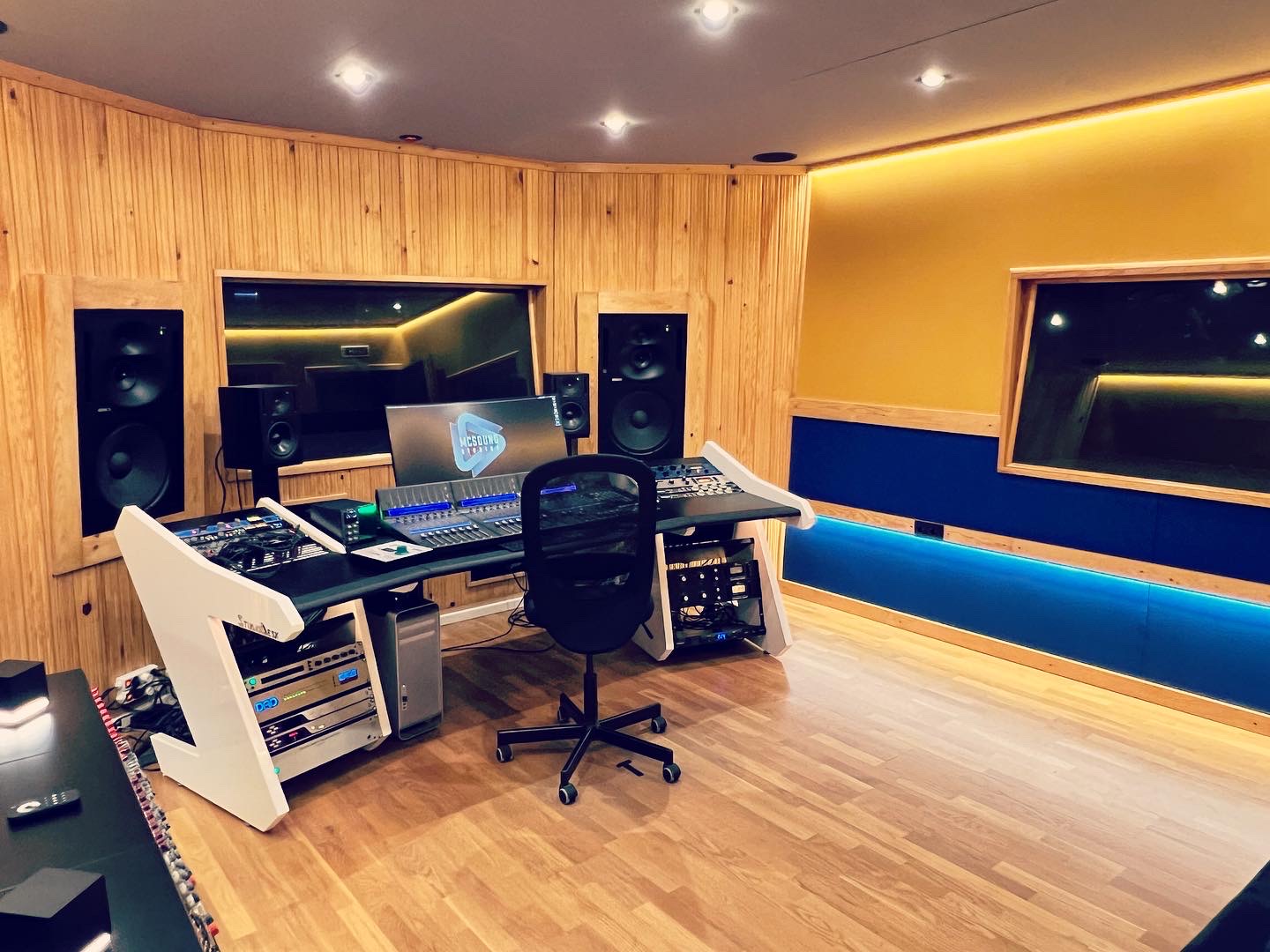
How To Make A Home Studio: Unlock Your Creative Potential

To make a home studio, select a quiet space, invest in good equipment, consider lighting and soundproofing. Creating a functional home studio requires careful planning and the right tools for the job.


A well-designed home studio can provide a versatile space for various creative projects, whether it’s recording music, filming videos, or conducting remote meetings. By following some essential steps, you can set up a professional-quality studio in the comfort of your home.


With the right equipment and setup, you can unleash your creativity and produce high-quality content without leaving your house.


Choosing The Right Space


When setting up a home studio, choosing the right space is crucial. Look for a room with good natural light and minimal noise. Consider the size and layout to accommodate your equipment and create an inspiring environment for your creative work.

Assessing Available Space

Look for a room with ample area for your equipment and movement.

  • Measure the dimensions to ensure it fits your studio needs.

Considering Noise And Soundproofing

Ensure the space is conducive for recording quality sound.

  • Check for outside noise levels like traffic or neighbors.
  • Invest in soundproofing materials like acoustic panels.


Credit: www.rosehewartson.com


Setting Up Essential Equipment

Creating a home studio requires carefully selecting key equipment to ensure quality audio and video production. Start by focusing on:

Selecting Audio And Video Gear

  • Microphone: Choose a high-quality microphone that suits your recording needs.
  • Camera: Invest in a good camera for high-definition video production.
  • Lighting: Proper lighting is essential for clear and well-lit recordings.

Creating A Functional Workstation

  • Desk Setup: Organize your workstation for easy access to equipment and a comfortable workflow.
  • Acoustic Treatment: Enhance sound quality with acoustic panels or foam to reduce echo and background noise.
  • Cable Management: Keep cables tidy and labeled to avoid clutter and confusion.

Optimizing Lighting And Acoustics

Optimizing lighting and acoustics is crucial for creating a high-quality home studio. To ensure the best results for your recordings, it’s essential to focus on creating proper lighting conditions and improving room acoustics. Let’s explore these two key aspects in more detail.

Creating Proper Lighting Conditions

When setting up a home studio, it’s important to consider the lighting conditions carefully. Good lighting not only enhances the overall visual appeal of your recordings but also ensures better image quality. Ideally, natural light should be utilized, but if natural light is not available, artificial lighting options such as LED panels and softboxes can be used to create a well-lit environment. Position the lights strategically to minimize shadows and eliminate any harsh contrasts. Take into account the type of content you will be creating to determine the most suitable lighting setup.

Improving Room Acoustics

A well-designed home studio should have proper acoustic treatment to minimize any unwanted echoes and reverberation. Strategically place sound-absorbing materials such as acoustic panels, bass traps, and diffusers to eliminate reflections and improve the overall sound quality. Additionally, consider using thick curtains, carpets, and furniture to reduce noise reflections and enhance the acoustics within the room. Experiment with the placement of your recording equipment and sound-absorbing materials to find the most effective arrangement for minimizing sound reflections.

Designing The Creative Environment


Creating a conducive space for a home studio involves strategic design and organization. Maximizing natural light, incorporating inspiring decor, and optimizing storage solutions are key elements. By curating a space that fosters creativity, individuals can enhance their productivity and enjoyment of the artistic process.

Personalizing The Studio Space

One of the most important aspects of designing a home studio is personalizing the space to suit your creative needs.

As an artist or creative professional, you want a studio that reflects your unique style and personality. Add a touch of personality to your studio by incorporating personal items such as artwork, photographs, or favorite mementos. These elements will not only make your studio space feel more inviting but also serve as a source of inspiration during your creative process.

Incorporating Inspirational Elements

A well-designed home studio is not just about functionality; it should also be a space that inspires and motivates you. To create an environment that sparks creativity, consider incorporating inspirational elements.

Start by choosing colors that evoke the mood and atmosphere you want to create. For instance, cool blues can promote calmness and focus, while bold and vibrant colors like red or yellow can energize and stimulate creative thinking. Additionally, natural light can have a profound impact on creativity, so maximize the amount of natural light in your studio by positioning your workspace near windows or using sheer curtains to allow the light to filter in.

Another way to incorporate inspirational elements is by displaying artwork or objects that inspire you. Surround yourself with pieces that reflect your artistic style or objects that hold sentimental value. These visuals will ignite your imagination and keep you motivated throughout your creative journey.

Lastly, don’t forget about the importance of organization in your studio. Maintain a clutter-free workspace by utilizing storage solutions such as shelves, bins, or drawers. A well-organized studio promotes focus and allows you to easily access your materials, making the creative process more efficient and enjoyable.


Maximizing Efficiency And Workflow

Introduction:

When it comes to creating a home studio, one of the key factors to consider is maximizing efficiency and workflow. The more streamlined and organized your studio is, the easier it will be to focus on your creative processes. In this article, we will explore some practical tips and techniques to help you optimize your home studio setup.

Organizing Cables And Accessories

Keeping cables and accessories organized is crucial for a smooth workflow in your home studio. Here are a few simple yet effective ways to keep your cables tangle-free and your accessories easily accessible:

  • Use cable management solutions such as cable ties, cord organizers, or cable sleeves to keep your cables neatly bundled. This not only prevents them from tangling but also makes it easier to identify and connect the right cables when needed.
  • Label your cables using color-coded tags or tape. This will save you time searching for the right cable and ensure efficient setup and disassembly.
  • Invest in a cable management tray or box to keep all your cables, adapters, and other accessories in one place. This will not only declutter your workspace but also protect your cables from damage.
  • Consider using cable clips or hooks to secure cables along the walls or under your desk. This not only prevents tripping hazards but also helps maintain a clean and organized appearance.

Streamlining Creative Processes

To optimize your creative processes and enhance your workflow, there are a few strategies you can implement in your home studio:

  1. Arrange your equipment and instruments in a logical order to minimize the time spent searching for what you need. Place frequently used items within arm’s reach.
  2. Use color-coded labels or stickers to mark the controls and settings on your equipment. This allows you to quickly adjust settings without having to spend time figuring them out.
  3. Create templates or presets for your audio software to save time on repetitive tasks. Whether it’s a specific drum sound or vocal effect, having presets readily available can speed up your workflow significantly.
  4. Invest in a well-designed ergonomic chair and desk setup. This can prevent fatigue and discomfort, allowing you to work longer and more efficiently.

By implementing these techniques and maintaining an organized and efficient home studio, you can ensure that your focus remains on what truly matters – your creative endeavors.

How To Make A Home Studio: Unlock Your Creative Potential


Credit: www.levelsmusicproduction.com


How To Make A Home Studio: Unlock Your Creative Potential


Credit: www.barnesandnoble.com


Frequently Asked Questions Of How To Make A Home Studio


What Are The Essential Equipments Needed For A Home Studio?


To set up a home studio, you’ll need a good quality microphone, headphones, audio interface, and a computer with recording software. Additionally, invest in acoustic treatment to control the sound reflections and improve audio quality.


How Can I Choose The Right Location For My Home Studio?


Choose a quiet room with minimal external noise and good sound insulation. Avoid areas with high foot traffic or nearby noisy appliances. If possible, opt for a room with good natural lighting and enough space for your equipment and instruments.


What Software Can I Use For Recording In A Home Studio?


There are several recording software options available, such as Pro Tools, Logic Pro, Ableton Live, and FL Studio. Consider your needs, budget, and ease of use when selecting the software. Many software offer free trials, so test them out to find the one that suits your requirements.


Conclusion


Setting up a home studio can be a fun and rewarding experience. With the right equipment and a bit of creativity, you can create high-quality audio and video content from the comfort of your own home. Remember to prioritize soundproofing and lighting for optimal results.


Whether you’re a podcaster, musician, or content creator, a well-designed home studio can make a significant difference in the quality of your work.

Categories
Archive

Double Tracking Vocals: Master the Art and Elevate Your Music

Double tracking vocals involves recording a vocal part twice and layering the two recordings together for a fuller sound. This technique enhances the richness and depth of vocals, creating a more impactful and professional final product.


When double tracking vocals, it’s essential to ensure the singer delivers a consistent performance each time to avoid discrepancies in timing and pitch. By carefully aligning the two vocal tracks, you can achieve a cohesive and harmonious blend that elevates the overall quality of the song.


This method adds depth and texture to the vocals, making them stand out in the mix and captivating listeners. Double tracking vocals is a common practice in music production across various genres, offering a simple yet effective way to enhance the vocal sound and create a more dynamic listening experience.

Double Tracking Vocals: Master the Art and Elevate Your Music


Credit: www.modern-musician.com


Mastering Double Tracking Vocals


Double tracking vocals adds depth and richness to your sound. By layering multiple vocal takes, you can create a fuller and more dynamic sound. Mastering this technique involves careful attention to timing, pitch, and panning to achieve a seamless and professional result.

The Benefits Of Double Tracking

Enhances vocal depth and richness.

Creates a fuller sound in the mix.

Increases overall vocal presence.

Choosing The Right Sections To Double Track

Focus on choruses and key phrases.

Avoid doubling verses or intricate melodies.

Experiment with different vocal combinations.

Creating Depth And Fullness

Utilizing Different Takes

Double tracking vocals involves recording the same vocal performance multiple times.

  • This technique is used to create a thicker, more lush sound.

Recording various takes allows for subtle differences in phrasing and tone.

  1. Combining these takes enhances the overall depth of the vocal track.

Experimenting With Panning

Panning refers to the placement of audio signals in the stereo field.

  • By panning different vocal tracks to the left and right channels,
  • A sense of width and spaciousness is achieved,

Through careful panning adjustments, vocals can be positioned to complement each other.

This creates a balanced and immersive listening experience for the audience.

Technical Considerations

When double tracking vocals, technical considerations are crucial for achieving a professional and polished sound. These considerations include mic choice and placement, as well as editing and synchronization methods. Paying attention to these technical details can elevate your vocal recordings and contribute to a cohesive, sonically pleasing result.

Mic Choice And Placement

When double tracking vocals, mic choice and placement play a pivotal role in capturing the best possible sound. Select a condenser microphone known for its sensitivity and clarity, as it can effectively capture the nuances of the vocal performance. Position the microphone slightly off-center from the vocalist’s mouth to minimize plosives and sibilance while maintaining a balanced sound.

Editing And Synchronization

After capturing the vocal performances, precise editing and synchronization are essential for combining the double-tracked vocals seamlessly. Utilize a digital audio workstation (DAW) such as Pro Tools or Logic Pro for detailed editing. Align the waveforms of each vocal take to ensure tight synchronization and mitigate any timing discrepancies. Pay attention to the phase relationship between the tracks to prevent any potential cancellation or comb-filtering issues.

Double Tracking Vocals: Master the Art and Elevate Your Music


Credit: m.facebook.com


Avoiding Common Pitfalls

Double tracking vocals is a popular technique in the music production industry for creating a fuller and more impactful sound. However, it is essential to navigate potential pitfalls to achieve the desired results. In this section, we will explore two crucial aspects to consider when double tracking vocals: maintaining consistency and preventing phase issues.

Maintaining Consistency

Consistency is key when it comes to double tracking vocals. By ensuring that both vocal tracks are recorded and performed in a consistent manner, you can prevent any jarring differences that might arise between the two tracks. Here are some effective strategies to maintain consistency:

  1. Use the same microphone: Using the same microphone for both vocal recordings helps maintain a consistent tone and timbre throughout the tracks.
  2. Match the recording environment: Pay attention to the recording environment to ensure it remains consistent for both vocal takes. This includes factors such as room acoustics, background noise, and microphone placement.
  3. Adopt similar vocal techniques: Encourage the singer to perform both vocal tracks with a similar style, dynamics, and delivery. This helps in achieving a cohesive and unified sound.

Preventing Phase Issues

Phase issues can occur when combining the two double-tracked vocal recordings. If left unaddressed, these problems can result in a thin or canceled-out sound. To prevent phase issues, consider the following techniques:

  • Adjust track alignment: Aligning the two vocal tracks using editing software can help ensure that their waveforms are in phase. This can be done by slightly shifting one track earlier or later in time.
  • Monitor in mono: Listen to the combined vocal tracks in mono to identify any phase cancellation. If the sound becomes significantly weaker, it indicates a phase issue that needs correction.
  • Apply corrective EQ: Use equalization to identify and fix any frequency clashes or imbalances between the double-tracked vocals. This will help preserve clarity and ensure each vocal stands out.

By maintaining consistency and preventing phase issues, double tracking vocals can elevate your music production to new heights. Remember, experimentation and careful listening are essential to achieving the desired results. Implement these techniques and unleash the full potential of double tracking vocals in your recordings.


Exploring Creative Applications


Discover the art of double tracking vocals, a technique that adds depth and richness to your music productions. Experiment with creative applications to enhance your sound and create a unique listening experience. Experiment and enjoy the new dimensions your vocals can achieve through this innovative method.

Double tracking vocals is a technique that has been used in the music industry for decades. It involves recording multiple takes of the same vocal part and layering them together to create a fuller and richer sound. While double tracking is commonly used to create a sense of depth and thickness in vocals, its creative applications go beyond simply making the vocals sound bigger.

Harmonizing With Double Track

One of the most powerful ways to utilize double tracking vocals is by using it to create harmonies. By recording a second vocal take and slightly altering the melody or pitch, you can instantly create a beautiful harmony that adds depth and emotion to the song. Whether you want to create a simple two-part harmony or experiment with complex vocal arrangements, double tracking is a versatile tool for exploring new harmonic possibilities.

Doubling For Emphasis

Another creative application of double tracking vocals is using it to emphasize certain words or phrases in a song. By doubling specific sections of the vocal performance and panning them to different positions in the stereo field, you can draw the listener’s attention to key moments in the lyrics. This technique adds impact and emphasis to the vocals, making them stand out and leaving a lasting impression on the listener.

Double Tracking Vocals: Master the Art and Elevate Your Music


Credit: www.practical-music-production.com


Frequently Asked Questions For Double Tracking Vocals


Can Double Tracking Vocals Improve The Overall Sound Quality?


Double tracking vocals can greatly enhance the sound quality of a recording. It adds depth, richness, and a fuller sound to the vocals, making them more impactful and professional.


How Does Double Tracking Vocals Work?


Double tracking vocals involves recording multiple takes of the same vocal part and layering them together. This creates a thicker and more textured sound by filling in gaps and adding subtle variations to the performance.


What Are The Benefits Of Double Tracking Vocals?


Double tracking vocals can help to create a more polished and professional sound. It adds depth and richness to the vocals, making them stand out in the mix and creating a more impactful and engaging listening experience for the audience.


Conclusion


As you can see, double tracking vocals can significantly enhance the depth and richness of your recordings. By following these techniques, you can achieve a professional and captivating sound that will undoubtedly captivate your audience. Experiment with different settings to find the perfect balance for your unique style and enjoy the enhanced vocal presence in your music.

Categories
Archive

How Much Do Beats Sell For : Unveiling the Pricing Secrets

Beats by Dre headphones retail for $100 to $600. The price varies based on the model and features.


Listening to music has become an essential part of many people’s daily routines. Whether you’re working out at the gym, commuting to work, or simply relaxing at home, having a good pair of headphones can enhance the listening experience. Beats by Dre headphones have gained popularity for their stylish design and high-quality sound.


With prices ranging from $100 to $600, these headphones cater to a wide range of budgets and preferences. We will explore the different models of Beats headphones and discuss their features and prices to help you choose the perfect pair for your needs. Let’s dive in and discover which Beats headphones are the right fit for you.


Credit: www.ebay.com


The Beats Brand

Beats by Dr. Dre, commonly known as Beats, is a premium audio brand that has garnered immense popularity worldwide. Recognizable for their sleek design and superior sound quality, Beats headphones and speakers have become a status symbol for music enthusiasts.

History And Background

Founded in 2006 by hip-hop artist Dr. Dre and music producer Jimmy Iovine, Beats revolutionized the audio industry by combining style and performance. Apple acquired the brand in 2014, further solidifying its position in the market.

Market Positioning

  • Premium Pricing: Beats products are positioned as high-end audio equipment, commanding premium prices in the market.
  • Celebrity Endorsements: The brand’s association with celebrities and influencers contributes to its allure and premium image.
  • Targeted Marketing: Beats strategically targets a younger, fashion-conscious demographic through savvy marketing campaigns.

“` Note: This HTML content is optimized for WordPress and includes SEO-friendly strategies in the description of ‘The Beats Brand’.


Credit: www.facebook.com


Factors Affecting Pricing

Selling prices of Beats headphones are influenced by various factors:

Brand Image And Perception

Beats earn premium prices due to strong brand perception and celebrity endorsements.

Cost Of Production

Quality components contribute to higher prices.

Competition

Competing brands may offer similar features at lower prices.


Pricing Strategies


Beats pricing strategies vary based on factors like product features, target market, and positioning. Prices typically range from $99 for entry-level models to $349 for premium options. The company employs premium pricing to reflect its brand image and product quality while staying competitive in the market.

Premium Pricing

` Beats by Dre has mastered the art of premium pricing, positioning their headphones as a status symbol. The exclusive feel and high-quality sound justify their higher price point. This strategy appeals to customers who associate higher prices with superior quality. The premium pricing approach allows Beats to maintain a strong brand image and cater to a more affluent target market. `

Promotional Pricing

` To create excitement and drive sales, Beats frequently employs promotional pricing tactics. This includes limited-time discounts, bundle deals, and seasonal sales. By offering special promotions, Beats can attract budget-conscious consumers while encouraging impulse purchases. These strategies help increase brand visibility and stimulate demand for their products, ultimately amplifying their market presence and sales numbers. `

Psychological Pricing

` Beats also utilizes psychological pricing techniques, such as setting prices just below a round number (e.g., $199.99 instead of $200). This subtle adjustment can create the perception of a lower price, influencing consumer purchasing behavior. Additionally, using odd pricing numbers can convey a sense of value and affordability. Through psychological pricing, Beats taps into the subconscious drivers that influence buying decisions, effectively maximizing their sales potential. Overall, each pricing strategy employed by Beats plays a crucial role in attracting and retaining customers while maximizing profitability. By leveraging premium, promotional, and psychological pricing methods, Beats ensures a diverse appeal to different consumer segments, contributing to their reputation as a market leader in the audio industry.

Beats Product Range

Beats by Dre is a reputable brand known for its high-quality audio products. The Beats product range consists of headphones, speakers, and accessories, each offering unique features and a premium audio experience.

Headphones

When it comes to headphones, Beats offers a wide variety of options to cater to different needs and preferences. From the popular Beats Solo series to the elite Beats Studio line, there is a headphone for everyone. The Beats Solo headphones are perfect for on-the-go music enthusiasts, while the Beats Studio headphones provide exceptional noise-cancellation capabilities, allowing you to immerse yourself in your favorite tunes.

Speakers

If you’re looking to enhance your audio experience at home or during social gatherings, Beats speakers are a great choice. The Beats Pill speaker is a compact and portable option with powerful sound quality. It’s perfect for taking your music anywhere you go. For those seeking a more robust audio solution, the Beats Pill XL delivers big, bold sound that fills any room with immersive music.

Accessories

Beats also offers a range of stylish and functional accessories to complement their audio products. Whether you’re looking for wireless adapters, charging cables, or carrying cases, Beats has you covered. Their accessories are designed to seamlessly integrate with their headphones and speakers, ensuring a hassle-free experience.

In conclusion, the Beats product range offers headphones, speakers, and accessories that cater to different audio needs. With their commitment to delivering premium sound quality and sleek designs, Beats continues to be a popular choice among music lovers.

Impact Of Pricing On Sales

When it comes to selling Beats headphones, pricing plays a vital role in driving sales. The price of a product directly influences consumer behavior and impacts the overall performance of a brand in the global market. In this section, we will discuss the relationship between pricing and sales, examining consumer behavior and global market trends.

Consumer Behavior

Consumer behavior is greatly influenced by the price of a product. When considering the purchase of Beats headphones, consumers tend to evaluate the quality and features alongside the price tag. Priced too high, and the product may be perceived as unaffordable or overpriced, resulting in potential buyers opting for alternative options. Conversely, a lower price point may lead consumers to question the quality and performance of the headphones. Therefore, finding the right balance in pricing is crucial to attracting and retaining customers.

Moreover, pricing can also create a sense of exclusivity or luxury. By positioning Beats headphones at a higher price range, the brand appeals to consumers who associate higher prices with superior quality and status. This pricing strategy may create a perception that Beats headphones are a premium product, further driving sales among the target market segment seeking a high-end audio experience.

Global Market Trends

Understanding global market trends is essential to determining the pricing strategy for Beats headphones. Different regions and countries have diverse economic conditions, purchasing power, and preferences. Market research plays a crucial role in identifying the optimum price point for each market segment.

For instance, in emerging markets where price sensitivity is high, setting a competitive price can enable Beats to penetrate these markets and gain market share. On the other hand, in developed markets with high disposable income, setting a slightly higher price may reinforce the perception of exclusivity and luxury.

Furthermore, it is important to analyze the pricing strategies of competitors in the global market. By studying the pricing patterns of rival brands, Beats can identify opportunities for differentiation based on pricing and product quality. This knowledge allows the brand to position itself effectively and influence consumer buying decisions.

In conclusion, the impact of pricing on sales for Beats headphones is significant. Consumer behavior is influenced by pricing, with consumers evaluating the quality and value provided before making a purchase decision. Global market trends also play a critical role in determining the optimum price point for each market segment. By carefully considering pricing strategies and analyzing the competition, Beats can maximize sales and maintain its position as a leading brand in the audio industry.

How Much Do Beats Sell For  : Unveiling the Pricing Secrets


Credit: eightify.app


Frequently Asked Questions On How Much Do Beats Sell For


How Much Do Beats Sell For?


Beats headphones range in price depending on the model and features. The prices can vary from around $100 to over $500. The cost is influenced by factors such as the type of headphones, wireless capabilities, noise-canceling technology, and brand recognition.


It’s important to consider your budget and desired features when purchasing Beats headphones.


Are Beats Headphones Worth The Price?


Beats headphones are known for their stylish design and powerful sound quality. While they may be more expensive compared to other headphone brands, many users find that the superior audio experience and durability make them worth the investment. Ultimately, the worth of Beats headphones depends on your personal preferences and priorities.


What Makes Beats Headphones Different?


Beats headphones are distinguished by their emphasis on bass-heavy sound, sleek design, and brand recognition. They are popular among music enthusiasts who enjoy genres such as hip-hop and electronic music. Beats also offer various models with features like wireless connectivity, active noise cancellation, and comfortable over-ear or in-ear designs.


Do Beats Headphones Come With A Warranty?


Yes, Beats headphones typically come with a warranty. The warranty duration may vary depending on the model and region. It is recommended to check the specific warranty details provided by the manufacturer or retailer when purchasing Beats headphones. Registering your product may also extend the warranty coverage.


Conclusion


In the dynamic music industry, Beats by Dre headphones have carved a niche for themselves. The exclusivity and high-quality audio output of Beats are reflected in their premium pricing. By understanding the intricacies of the market, consumers can make informed decisions when it comes to purchasing Beats products.


With the insights provided, individuals are equipped to explore the world of Beats and find the perfect product that aligns with their preferences and budget.

Categories
Archive

Home Recording Tips For First Timers: Unleashing Your Studio Potential

For first-time home recording, invest in good quality microphone and headphones. Choose a quiet recording space.


Are you a beginner looking to set up your home recording studio but feeling overwhelmed? Not to worry, as we are here to guide you through some essential tips and tricks to get you started on the right track. Setting up a home recording space can be both exciting and challenging, especially if you’re new to the world of audio recording.


But fear not, with the right tools and knowledge, you’ll be well on your way to producing professional-quality recordings from the comfort of your home. Let’s explore some valuable tips to help you kickstart your home recording journey with confidence.

Home Recording Tips For First Timers: Unleashing Your Studio Potential


Credit: www.studiodesk.net


Setting Up Your Home Studio

Setting Up Your Home Studio:

Choosing The Right Space

When starting your home recording journey, select a quiet room with minimal external noise.

Essential Equipment

  • Invest in a quality microphone for crisp audio.
  • Acquire a digital audio workstation (DAW) software for recording.
  • Consider purchasing studio headphones for accurate monitoring.
Home Recording Tips For First Timers: Unleashing Your Studio Potential


Credit: bookauthority.org


Understanding Audio Recording Basics

When starting with home recording, it’s essential to grasp the audio recording basics to achieve high-quality results. Understanding fundamental concepts like microphones and recording techniques is crucial.

Micrphones And Their Uses

Microphones are vital tools for capturing sound. Dynamic mics are ideal for loud instruments, while condenser mics are sensitive and great for vocals.

Recording Techniques

Position your microphone correctly to capture the best sound. Use close miking for individual instruments and ambient miking for room sound.


Mastering The Art Of Mixing And Editing

Mastering the art of mixing and editing is a vital skill for home recording enthusiasts. Achieving professional-sounding audio relies on effectively balancing levels, applying appropriate EQ, and using editing software to refine the final product. In this section, we will delve into valuable tips and techniques for honing your mixing and editing abilities, ensuring your recordings reach their full potential.

Balancing Levels And Eq

Adjusting the levels and equalization of audio tracks is fundamental to creating a polished and cohesive sound. Begin by balancing the individual levels of each track, ensuring they harmonize seamlessly. Utilize the EQ settings to fine-tune the frequency content of each track, eliminating any unwanted frequencies and enhancing the desired sonic characteristics. Mastering the art of balancing levels and EQ will result in a more professional and balanced mix.

Utilizing Editing Software

Editing software plays a crucial role in refining and perfecting recorded audio. Learn to utilize the various tools and features offered by your chosen editing software, such as cutting, trimming, and applying effects. Take advantage of the software’s capabilities to remove any imperfections, correct timing issues, and enhance the overall audio quality. By utilizing editing software effectively, you can elevate your recordings to a higher standard.

Incorporating Creative Sound Effects

When it comes to home recording, one of the most exciting aspects is incorporating creative sound effects. By adding unique and engaging sound effects to your recordings, you can take your projects to a whole new level. In this article, we will explore different ways you can incorporate sound effects into your home recordings, from exploring virtual instruments to adding depth with effects.

Exploring Virtual Instruments

Virtual instruments are a fantastic way to incorporate creative sound effects into your home recordings. These software-based instruments offer a wide range of sounds and are easily accessible. By exploring different virtual instruments, you can add unique textures and melodies to your recordings. Whether you’re looking for a realistic piano sound or an otherworldly synth, virtual instruments have got you covered. Here are a few popular virtual instruments you can explore:

  • Native Instruments Kontakt
  • Xfer Serum
  • Spectrasonics Omnisphere
  • Arturia V Collection

Adding Depth With Effects

Effects play a crucial role in adding depth and dimension to your sound effects. There are various effects you can experiment with, each offering a unique sonic enhancement. By applying effects to your recordings, you can create a rich and immersive experience for your listeners. Here are some effects you can try:

  • Reverb: Adds spaciousness and simulates different acoustical environments.
  • Delay: Creates repetition of sound, adding a sense of space and depth.
  • Chorus: Produces a thicker sound by creating multiple, slightly detuned and time-delayed copies of the original signal.
  • Flanger: Adds a swirling, “whooshing” effect by combining two identical signals and shifting the phase of one.

By experimenting with different effects, you can truly elevate your sound effects and make them stand out. Remember, the key is to strike a balance between using effects to enhance your recordings and ensuring they don’t overpower the main elements of your track.

Perfecting Your Final Product

When it comes to home recording, perfecting your final product is the ultimate goal. After spending hours capturing and editing your audio, it’s time to take your project to the next level. In this section, we will discuss two crucial steps – Understanding Mastering and Seeking Feedback and Revisions – that will help you refine your recording and ensure a professional-sounding outcome.

Understanding Mastering

Mastering is the final step in the audio production process. This is where your individual tracks are balanced, polished, and prepared for distribution. It involves techniques such as equalization, compression, and stereo enhancement to enhance the overall clarity, loudness, and dynamics of your music.

Here are a few key tips to keep in mind when mastering your home recordings:

  1. Ensure proper gain staging to prevent distortion and clipping.
  2. Apply equalization to fix any tonal imbalances and make your tracks sound cohesive.
  3. Use compression to control the dynamic range and ensure consistency in volume.
  4. Add reverb or other effects to create depth and space within your mix.
  5. Experiment with stereo widening techniques to give your recordings a wider soundstage.
  6. Consider using a mastering plugin or hiring a professional mastering engineer for optimal results.

Seeking Feedback And Revisions

One of the most important aspects of perfecting your final product is getting feedback and making revisions based on constructive criticism. It’s easy to become attached to your own work and overlook areas that could be improved. Seeking input from others who have a fresh perspective can provide valuable insights and help you refine your recording.

Here are a few strategies to seek feedback and implement revisions effectively:

  • Share your recording with fellow musicians, producers, or audio enthusiasts and ask for their honest opinions.
  • Consider joining online communities or forums dedicated to home recording, where you can submit your recordings for critique.
  • Take note of specific areas for improvement mentioned by your reviewers and experiment with different techniques to address them.
  • Don’t be afraid to make revisions and try new approaches based on the feedback you receive.
  • Test your revised recording on different playback systems to ensure it translates well across various devices and environments.

Remember, perfecting your final product is an ongoing process. Be open to feedback, continue learning, and don’t be afraid to experiment with different techniques. With time and practice, your home recordings will reach a professional level that you can be proud of.

Home Recording Tips For First Timers: Unleashing Your Studio Potential


Credit: insidetherecordingstudio.podbean.com


Frequently Asked Questions For Home Recording Tips For First Timers


What Equipment Do I Need To Start Recording At Home?


To start recording at home, you’ll need a computer, audio interface, microphone, headphones, and recording software. Make sure to choose equipment that suits your needs and budget.


How Can I Soundproof My Home Recording Studio On A Budget?


To soundproof your home studio on a budget, you can use thick curtains, carpeting, acoustic panels, and foam insulation. These materials help reduce outside noise and echoes, resulting in cleaner recordings.


What Are Some Tips For Getting The Best Vocal Recordings At Home?


To get the best vocal recordings at home, choose a quiet room, use a pop filter, position your microphone correctly, and experiment with different mic placements. Also, practice good vocal techniques and warm up before recording to achieve optimal results.


Conclusion


Home recording can be an exciting and fulfilling experience for first-timers. By following these tips, you can create professional-quality recordings from the comfort of your own space. With a focus on room acoustics, equipment selection, and soundproofing, you can optimize your home studio for a successful recording journey.


Embrace the process and enjoy the creative freedom that home recording offers.

Categories
Archive

How To Effortlessly Zip Up Multiple Wav Files: The Ultimate Guide

To zip up multiple WAV files, simply select all files, right-click, and choose “Compress” or “Add to ZIP.” Zipping files reduces file size for easier sharing and storage.


Zipping WAV files is a convenient way to compress multiple audio files into a single, more manageable file for transportation or storage. This process is especially useful for sending large audio files via email or uploading to cloud storage platforms.


By creating a ZIP archive of WAV files, you can save disk space and make it easier to organize and transfer your audio recordings. Follow the steps below to quickly zip up multiple WAV files on your computer.

How To Effortlessly Zip Up Multiple Wav Files: The Ultimate Guide


Credit: riverside.fm


Choosing The Right Software

When it comes to zipping up multiple WAV files, choosing the right software is crucial for a smooth and efficient process.

Comparing Popular Software

Before making a choice, it’s essential to compare popular software options available for zipping WAV files.

Features To Look For

  • User-friendly interface: Ensures easy navigation and operation.
  • Batch processing: Ability to zip multiple files simultaneously.
  • Compression options: Choose compression levels for file size reduction.
  • File format support: Ensure compatibility with WAV files.
  • Speed and efficiency: Quick processing to save time.

When selecting software, consider key features to look for to meet your specific needs.

How To Effortlessly Zip Up Multiple Wav Files: The Ultimate Guide


Credit: restream.io


Preparing Your Wav Files

Organizing Files Properly

Before zipping up multiple WAV files, ensure they are organized in a dedicated folder.

  • Create a new folder on your computer for the WAV files you want to zip up
  • Rename each WAV file to easily identify its content
  • Arrange the files in the order you want them to appear after unzipping

Checking For Compatibility

Make sure all your WAV files are in the correct format and quality for compatibility.

  1. Verify that all WAV files are in the standard format
  2. Check the audio quality to ensure no distortions
  3. Confirm the file size to ensure it can be zipped efficiently

Effortless Zipping Process

Zipping up multiple WAV files can be an effortless process when you know the right tools and techniques. With the right approach, you can streamline the process and save time while ensuring the integrity of your audio files. One way to achieve this is by utilizing batch processing and customizing compression settings. Let’s delve into these methods to discover how you can effortlessly zip up multiple WAV files.

Utilizing Batch Processing

Batch processing is a powerful method to zip up multiple WAV files with ease. By leveraging this approach, you can select all the WAV files you want to zip, and with a few clicks, the zipping process can be initiated for all the selected files simultaneously. This not only saves time but also eliminates the need to zip each file individually, streamlining your workflow.

Customizing Compression Settings

When zipping up multiple WAV files, customizing compression settings allows you to optimize the file size while maintaining the desired audio quality. Whether you need to reduce file size for storage or optimize for transmission, adjusting compression settings enables you to achieve the perfect balance between file size and audio quality. By customizing these settings, you can tailor the zipping process to meet your specific requirements.

Ensuring Quality And Integrity


To efficiently zip up multiple WAV files, you can use file compression tools such as WinZip, 7-Zip, or WinRAR. Simply select the files, right-click, and choose the “Add to ZIP” option. This process maintains the quality and integrity of the original files while reducing their overall size for easy storage and sharing.

Testing The Zipped Wav Files

Before sharing or archiving multiple Wav files, it is crucial to test the zipped files to ensure their integrity and quality. Testing the zipped Wav files involves verifying that the files have correctly compressed and retained their audio data without any loss of quality. By following the steps outlined below, you can easily test the zipped Wav files and ensure they are error-free.

  1. Extract the zipped Wav files to a designated folder on your computer.
  2. Select a representative Wav file from the extracted folder and play it back using an audio player.
  3. Listen carefully to the audio playback to ensure there are no skipped or distorted parts of the audio files.
  4. If you detect any issues with the audio playback, it may indicate a problem with the compression process or the original Wav files.
  5. Compare the audio quality of the zipped Wav file to the original uncompressed Wav files to ensure there is no noticeable loss of sound fidelity.

Addressing Potential Issues

During the zipping process, certain issues may arise that can affect the quality and integrity of the Wav files. By being aware of these potential issues and taking appropriate measures, you can overcome them and maintain the desired audio quality.

Potential Issues Solution
Corrupted or missing Wav files after extraction. Double-check the zipped file for completeness and try extracting it again. If the issue persists, consider using a different compression program.
Incompatibility with audio players. Use a widely supported audio format, such as Wav, to ensure compatibility across different players and systems.
Loss of audio quality during compression. Ensure the compression settings are properly configured to retain the original audio quality. Experiment with different compression ratios if necessary.

By diligently testing the zipped Wav files and addressing potential issues, you can guarantee the quality and integrity of your audio files. This ensures that your recipients or future reference will be able to enjoy the sound as intended, without any drawbacks caused by the compression process.


Additional Tips And Resources

In this section, we will explore some additional tips and resources to help you optimize the process of zipping up multiple WAV files efficiently. From file naming conventions to support communities, we’ve got you covered.


Optimizing File Naming Conventions

When working with multiple WAV files, creating an organized file naming convention is vital. Here are a few tips to optimize your file naming conventions:

  • Use descriptive names: Ensure that your file names clearly indicate the content or purpose of each WAV file. This will make it easier for you to locate specific files later on.
  • Include relevant information: Consider including additional details such as the date, the project name, or a version number in your file names.
  • Use consistent formatting: Establish a standard format for your file names and stick to it throughout your projects. Consistency will help streamline your workflow and avoid confusion.


Exploring Support Communities

When you encounter challenges or have questions while zipping up multiple WAV files, support communities can be a valuable resource. Here are a few popular support communities you can turn to:

Support Community Description
Stack Overflow An online community of developers where you can post questions and receive help from experts in the field.
Reddit Subreddits dedicated to audio editing or file management can provide valuable insights and solutions to specific issues.
Online Forums Websites like Gearslutz or AVSForum have active communities where you can seek advice, share experiences, and find solutions to common problems.

Remember to utilize these support communities wisely and appreciate the knowledge and expertise shared by fellow community members. By engaging with these communities, you can gain new insights, resolve challenges, and enhance your skills when it comes to zipping up multiple WAV files.

How To Effortlessly Zip Up Multiple Wav Files: The Ultimate Guide


Credit: dewesoft.com


Frequently Asked Questions On How To Zip Up Multiple Wav Files


How Can I Zip Up Multiple Wav Files?


To zip up multiple WAV files, you can use file compression software like WinZip or 7-Zip. Simply select all the WAV files you want to zip, right-click, and choose the option to compress them into a ZIP file. This will make it easier to share or store multiple files together in a single compressed file.


Why Should I Zip Wav Files?


Zipping WAV files can help to reduce file size, making it quicker and more efficient to transfer or store multiple files. By compressing the files into a single ZIP file, you can save disk space and ensure that all related WAV files are kept together, making it easier to organize and manage your files.


What Is The Advantage Of Using Wav Files?


WAV files are an uncompressed audio format that offers high-quality sound reproduction. They are widely supported and compatible with various audio editing programs and devices. By using WAV files, you can preserve the original audio fidelity without any loss of quality, making them ideal for professional audio production and recording purposes.


Conclusion


Zipping up multiple WAV files can greatly simplify the process of file sharing and storage. By following the simple steps outlined in this post, you can efficiently compress and organize your audio files for easier management. With the right tools and knowledge, you can save time and effort in handling multiple WAV files.

Categories
Archive

The Future Of Radio : Exploring the Next Wave of Audio Innovation

The future of radio lies in digital streaming and personalized content to cater to evolving listener preferences. With advancements in technology, radio is shifting towards online platforms offering tailored experiences.


This shift is reshaping how audiences engage with radio content, leading to a more interactive and immersive listening experience. Additionally, the use of data analytics is helping radio stations understand their audiences better, allowing for targeted content creation and improved listener engagement.


As technology continues to evolve, the future of radio looks bright with endless opportunities for innovation and growth.

The Future Of Radio  : Exploring the Next Wave of Audio Innovation


Credit: www.routledge.com


New Streaming Technologies

As the landscape of radio continues to evolve, the rise of new streaming technologies is reshaping the way we consume audio content. These advancements are opening up new possibilities for listeners, offering greater flexibility and interactivity than ever before.

Podcasting Revolution

The podcasting revolution has transformed the radio industry, allowing individuals and organizations to create and distribute audio content on a global scale. Podcasts offer on-demand access to a wide range of topics, catering to diverse interests and preferences.

Interactive And Personalized Content

With interactive and personalized content, listeners can engage with radio programs in a more immersive way, providing feedback, participating in discussions, and customizing their listening experience. This level of interactivity enhances listener engagement and loyalty.


Credit: www.wbur.org


Integration Of Ai And Radio

The Future Of Radio: The integration of AI and Radio is revolutionizing the way we consume audio content. One of the key aspects of this transformation is the Integration of AI and Radio.

Ai-driven Content Curation

Incorporating AI technology into radio broadcasting allows for personalized content curation based on user preferences.

Enhanced User Experience

By leveraging AI algorithms, radio stations can offer listeners a more seamless and tailored experience.


Emergence Of Smart Speakers

With the rapid technological advancements, the emergence of smart speakers has reshaped the landscape of radio broadcasting. The integration of voice-activated assistants and seamless access to content has revolutionized the way consumers interact with radio, marking a significant shift towards a more intuitive and personalized listening experience.

Voice-activated Radio

Voice-activated radio represents a pivotal advancement in the medium, allowing users to control and navigate through radio channels or podcasts using voice commands. This hands-free functionality not only enhances convenience but also opens up new possibilities for accessibility, especially for individuals with disabilities.

Seamless Content Access

Seamless content access further amplifies the appeal of smart speakers, enabling users to instantly tune into their favorite stations or podcasts with a simple voice request. This streamlined accessibility eliminates the need for manual browsing and empowers users to effortlessly discover new content based on their preferences and interests.

Monetizing Digital Audio


The future of radio lies in monetizing digital audio, presenting opportunities for revenue growth. Digital platforms enable targeted advertising and subscription models to drive profitability and better audience engagement. Adapting to the digital landscape is essential for radio stations to thrive in the evolving media industry.

Monetizing digital audio has become a crucial aspect of the radio industry in recent years. As traditional radio continues to transition into the digital space, finding effective ways to generate revenue through digital audio content has become vital for broadcasters. This article explores two key methods of monetization: targeted advertisements and subscription models.

Targeted Advertisements

Targeted advertisements have revolutionized the way advertisers connect with their intended audiences. Unlike traditional radio, where ads are broadcast to a wide and varied listener base, digital audio platforms allow for precise targeting based on user demographics and listening habits. Advertisers can now ensure their messages reach the right people at the right time, enhancing the effectiveness of their campaigns. One of the significant advantages of targeted advertisements is their ability to offer personalized messages to individual listeners. By analyzing user data such as listening history and location, advertisers can tailor their ads to resonate with specific interests or local preferences. This level of personalization not only improves the user experience but also increases advertisement relevancy, making it more likely for listeners to engage with the content. In addition to personalization, targeted advertisements also provide valuable metrics and insights for advertisers. By tracking impressions, click-through rates, and conversions, advertisers can measure the success of their campaigns and make data-driven optimizations. This level of transparency and accountability helps advertisers maximize their return on investment and refine their ad strategies over time.

Subscription Models

Subscription models offer another avenue for monetizing digital audio content. With a subscription-based approach, radio broadcasters can generate revenue directly from their listeners. This model removes the reliance on traditional advertising and opens up new opportunities for the industry. By providing exclusive content or additional features to subscribers, broadcasters can incentivize users to upgrade their listening experience. This could include access to ad-free streams, exclusive interviews, early access to new episodes, or even interactive elements such as live chats with hosts. Subscriptions allow broadcasters to create a sense of exclusivity and value for their most dedicated listeners. Moreover, subscription models provide a steady and predictable source of income for broadcasters. Rather than relying solely on fluctuations in advertising revenue, subscriptions offer a more stable financial base. This stability enables broadcasters to invest in content production, improve infrastructure, and further enhance the overall user experience. With advancements in technology and changing consumer behaviors, the future of radio lies in effectively monetizing digital audio. By utilizing targeted advertisements and subscription models, broadcasters can create sustainable revenue streams while delivering tailored content to their listeners. As the digital audio landscape continues to evolve, these monetization strategies will play a crucial role in ensuring the growth and profitability of the radio industry.

Challenges And Opportunities

Radio has come a long way since its inception and continues to be a powerful medium for communication and entertainment. However, like any other industry, the radio industry also faces its fair share of challenges and opportunities in the digital age. Let’s explore the key challenges and opportunities that lie ahead for radio broadcasters.

Adapting To Changing Consumer Behavior

As technology evolves, consumer behavior and preferences are constantly changing. In order to stay relevant, radio broadcasters need to adapt their strategies and offerings to meet the demands of the modern listener. This requires embracing digital platforms and expanding their presence beyond traditional FM or AM frequencies.

Furthermore, with the rise of streaming services and on-demand audio content, radio broadcasters need to find ways to engage with audiences who have become accustomed to personalized and convenient experiences. Utilizing podcasting, creating exclusive content, and developing interactive applications are just a few ways radio can adapt to changing consumer behavior.

Maintaining Audio Quality

One of the key strengths of radio is its ability to deliver high-quality audio content. However, in an increasingly digital landscape, maintaining audio quality presents a challenge. With the proliferation of low-quality audio content on various platforms, it is crucial for radio broadcasters to prioritize the delivery of crisp, clear, and captivating sound.

To achieve this, broadcasters should invest in high-quality recording and transmission equipment, pay attention to audio compression standards, and ensure reliable signal reception. Additionally, radio stations can capitalize on emerging technologies like HD Radio to enhance audio quality and provide an immersive listening experience to their audience.

Maximizing Digital Marketing Opportunities

With the rise of digital platforms, radio broadcasters have access to a wider range of marketing opportunities. Online advertising and social media platforms provide avenues for reaching new audiences and connecting with existing ones in a more targeted and engaging way.

Broadcasters can leverage digital marketing strategies such as search engine optimization (SEO), social media advertising, and content marketing to promote their shows, engage with listeners, and increase brand awareness. By embracing these opportunities, radio broadcasters can expand their reach and attract a larger audience in the digital landscape.

Embracing Interactive And Locally-relevant Content

In today’s media landscape, audience engagement is crucial, and radio broadcasters have the unique ability to foster meaningful connections with their listeners. By embracing interactive content formats and incorporating interactive elements in their shows, radio broadcasters can provide a more immersive and personalized experience for their audience.

Furthermore, radio’s advantage lies in its local connection. By creating content that is locally relevant and resonates with the community, broadcasters can cultivate a loyal and dedicated listener base. This can be done through featuring local artists, highlighting community events, and inviting listener participation through contests and call-ins.

In conclusion, radio broadcasters face challenges in adapting to changing consumer behavior, maintaining audio quality, and maximizing digital marketing opportunities. However, by embracing these challenges as opportunities, radio can continue to evolve and thrive in the ever-changing media landscape.

The Future Of Radio  : Exploring the Next Wave of Audio Innovation


Credit: www.itspmagazine.com


Frequently Asked Questions Of The Future Of Radio


What Is The Future Of Radio Broadcasting?


The future of radio broadcasting is increasingly digital, with advancements in streaming technology and podcasting. This allows for more personalized and on-demand content, as well as convenient listening across devices. Traditional radio will likely continue to coexist with digital platforms, appealing to different audience preferences.


How Will Radio Adapt To Changing Technology?


Radio will adapt to changing technology by embracing digital platforms, such as live streaming and podcasting. This allows for greater interactivity, personalized content, and convenient access across devices. Additionally, advancements in smart speakers and voice assistants will further integrate radio into smart homes and cars.


Will Traditional Radio Become Obsolete?


While traditional radio faces competition from digital platforms, it is unlikely to become completely obsolete. Traditional radio still holds appeal for listeners who enjoy curated playlists, local news, and live broadcasts. Additionally, radio broadcasters have adapted by integrating digital platforms to reach a wider audience and stay relevant in the evolving media landscape.


Conclusion


In the rapidly evolving digital landscape, radio continues to adapt and thrive as a powerful medium for communication and entertainment. With technological innovations shaping its future, radio is set to become more interactive and personalized, connecting with audiences in new and exciting ways.


As we embrace these changes, it’s clear that radio will remain a vital part of our lives, providing unique and engaging content for years to come.

Categories
Archive

Unlock Superior Sound: Best Audio Mastering Tools for Producers

For best audio mastering tools, consider using Izotope Ozone and FabFilter Pro-L 2. These tools offer advanced features for professional mastering.


Audio mastering is a crucial final step in the music production process that ensures your tracks sound polished and balanced across all devices and platforms. Using the right mastering tools can greatly enhance the overall quality of your music by fine-tuning the dynamics, EQ, and stereo imaging.


Izotope Ozone and FabFilter Pro-L 2 are widely recognized in the industry for their precision and versatility, making them popular choices among music producers and engineers. With their comprehensive set of tools and intuitive interfaces, these software can help you achieve professional-sounding masters for your music productions.

Unlock Superior Sound: Best Audio Mastering Tools for Producers


Credit: www.waves.com


Mastering Tools For Producers

Mastering tools play a crucial role in fine-tuning audio tracks to achieve professional-quality sound. For producers, having the right mastering tools is essential to ensure that their music stands out in a competitive industry. Let’s explore the different types of mastering tools that are ideal for producers.

Types Of Audio Mastering Tools

  • Equalizers: Adjust frequencies to enhance clarity and balance.
  • Compressors: Control dynamics for a more polished sound.
  • Limiters: Prevent clipping and set the overall volume limit.

Importance Of High-quality Mastering

  1. Enhanced Sound: Achieve a professional and polished audio output.
  2. Consistency: Ensure all tracks maintain a uniform quality and tone.
  3. Stand Out: Make your music competitive and captivating to listeners.

Key Features To Consider

Choosing the right audio mastering tool is crucial for achieving professional-quality sound. When exploring the best options, it’s essential to focus on the key features that will have the most impact on your final audio output. Below, we delve into the key features to consider when selecting an audio mastering tool.

Audio Quality Enhancement

Enhancing audio quality is paramount when selecting an audio mastering tool. Look for features such as multiband compression and equalization to fine-tune your sound and bring out the best in your audio tracks.

Compatibility And Integration

Ensure that the audio mastering tool is compatible with your DAW (Digital Audio Workstation) and integrates seamlessly into your workflow. Compatibility with various file formats and third-party plugins is also essential for a smooth mastering process.


Top Audio Mastering Software

Audio mastering software plays a crucial role in refining and enhancing the quality of music tracks. With an array of options available, it can be daunting to choose the right one. Here are three top-notch audio mastering tools that are highly regarded in the industry:

Pro Tools

Pro Tools, developed by Avid Technology, is a renowned digital audio editing software used in professional studios worldwide. This software offers a comprehensive suite of mastering tools, making it a favorite among sound engineers and music producers.

Izotope Ozone

iZotope Ozone is a powerful all-in-one mastering software that combines numerous features such as EQ, dynamics, and harmonic exciter, providing users with a complete solution for audio mastering.

Waves Abbey Road Tg Mastering Chain

Waves Abbey Road TG Mastering Chain is an esteemed audio mastering plugin developed in collaboration with Abbey Road Studios. It emulates the vintage EMI TG12410 transfer console, offering a unique and authentic analog sound.

Unlock Superior Sound: Best Audio Mastering Tools for Producers


Credit: www.waves.com


Hardware Vs. Software

When it comes to audio mastering, choosing the right tools is crucial for achieving professional-quality sound. One decision most engineers and producers face is whether to utilize hardware or software for their mastering process. Understanding the advantages of each option can help you make an informed choice that suits your specific needs and preferences.

Advantages Of Hardware Mastering Tools

Hardware mastering tools have long been valued by audio professionals for their exceptional sound quality and tactile benefits. Here are some key advantages of using hardware tools for your audio mastering:

  1. Unparalleled Sound Quality: Hardware tools are renowned for delivering pristine audio results, characterized by warmth, depth, and clarity that software often struggles to replicate.
  2. Tactile Control: With hardware tools, you have physical knobs, buttons, and faders at your fingertips. This hands-on approach enables precise adjustments and real-time manipulation, offering a more intuitive and gratifying mastering experience.
  3. Signal Path Options: Hardware processors often provide a range of signal path options, allowing you to customize the audio signal flow to suit specific mastering goals. This flexibility enables experimentation and ensures tailored outcomes.
  4. Sonic Character: Many hardware mastering tools possess their own unique sonic character, imparting a distinct flavor to the audio. This can add a desirable analog warmth or coloration, lending a touch of vintage charm to your master.

Benefits Of Software Mastering Tools

Software mastering tools have made remarkable advancements, earning their place as indispensable resources for many audio professionals. Here are some key benefits that software tools offer in the realm of audio mastering:

  • Vast Range of Options: Software tools provide an extensive selection of plugins and processors that cater to virtually every element of the mastering process. This versatility allows you to experiment with different techniques, analyze audio in-depth, and implement precise adjustments with ease.
  • Cost-Effectiveness: Compared to investing in individual hardware mastering units, software mastering tools present a more affordable alternative. Software options can be significantly less expensive while still delivering exceptional audio quality.
  • Convenience and Portability: With software tools, you have the convenience of compatibility with your existing computer setup. This portability facilitates easy travel, collaborative work, and quick access to your favorite mastering plugins wherever you are.
  • Ease of Automation: Software mastering tools often provide advanced automation functions, granting you greater control over the mastering process. This feature allows for precise and repeatable adjustments, saving time during repetitive tasks and ensuring consistency across multiple tracks.

Whichever option you choose for your audio mastering needs, hardware or software, it’s important to consider your specific requirements, workflow, and sonic goals. Many professionals opt for a hybrid approach, leveraging the unique advantages of both hardware and software tools to achieve the best possible mastering results. Ultimately, the right audio mastering tools are those that enable you to express your creativity, enhance the sonic qualities of your music, and bring your artistic vision to life.

Mastering Best Practices

Mastering is a crucial step in the audio production process that enhances the overall quality and ensures your music is optimized for various listening environments. To achieve the best results, it is essential to follow certain best practices. In this section, we will explore two key aspects of audio mastering: loudness and dynamic range, as well as maintaining compatibility across different devices.

Understanding Loudness And Dynamic Range

Loudness and dynamic range are fundamental elements to consider during the audio mastering process. Loudness refers to the perceived volume level of your music, while dynamic range defines the difference between the softest and loudest parts of a track. Let’s take a closer look at each:

Loudness:

  • Aim for a moderate level of loudness that is pleasing to the listener without sacrificing audio quality.
  • Avoid excessive loudness, as it can lead to distortion and listener fatigue.
  • Use a trusted loudness meter to ensure your tracks adhere to industry-standard loudness levels.

Dynamic Range:

  • Preserve the natural dynamics of your music by maintaining an appropriate dynamic range.
  • Avoid over-compression, which can result in a loss of depth and musicality.
  • Consider using multi-band compression to fine-tune the dynamic range of different frequency bands.

Ensuring Compatibility Across Devices

With the ever-increasing number of devices available for music consumption, it’s crucial to ensure that your mastered audio sounds consistent and translates well across various platforms. Here are some key tips for achieving compatibility:

  • Test your mastered tracks on different speakers, headphones, and playback systems to identify any potential issues.
  • Listen to your music in different environments to understand how it translates in different acoustic settings.
  • Utilize reference tracks that are well-mastered and representative of the genre you’re working in, to compare and benchmark your own music.
  • Regularly update your monitoring system to ensure accuracy and reliability.

By being mindful of loudness, dynamic range, and device compatibility, you’ll be able to master your audio in a way that captures its full potential and provides an enjoyable listening experience for your audience.

Unlock Superior Sound: Best Audio Mastering Tools for Producers


Credit: www.avid.com


Frequently Asked Questions For Best Audio Mastering Tools


What Are The Benefits Of Using Audio Mastering Tools?


Audio mastering tools help enhance the overall sound quality, balance frequencies, and ensure consistency across different platforms. They also add depth, improve clarity, and optimize the audio for different playback systems, making it sound professional and polished.


Which Audio Mastering Tools Are Recommended By Experts?


Some popular audio mastering tools recommended by experts include iZotope Ozone, WaveLab, FabFilter Pro-L, and T-RackS. These tools offer a wide range of features like EQ, compression, stereo imaging, and mastering-specific processors, allowing professionals to achieve superior audio quality.


Are There Free Audio Mastering Tools Available?


Yes, there are free audio mastering tools available, such as Audacity, Ozone Imager, and TDR Nova. While they may not have all the advanced features of paid tools, they still offer basic mastering capabilities and are a good starting point for beginners or those on a limited budget.


Conclusion


The best audio mastering tools can significantly elevate the quality of your sound production. By utilizing these advanced software and hardware, you can achieve professional-level results and enhance the overall impact of your music. Investing in the right mastering tools is crucial for any serious audio engineer or musician.


These tools provide the necessary resources to fine-tune and perfect your audio recordings, ensuring they stand out in today’s competitive industry.