Categories
Archive

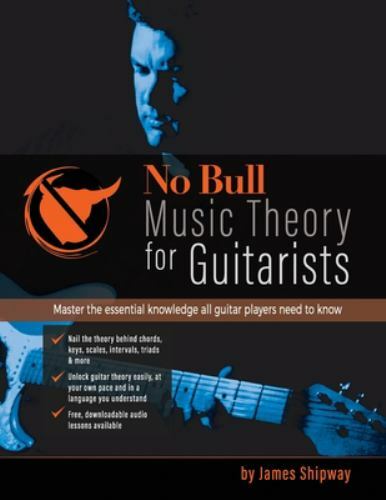
Learn Music Theory : Master the Language of Music

Learn music theory to understand the fundamentals of music and improve your musical skills effectively. In the world of music, theory provides the foundational knowledge that helps musicians comprehend how music works, how to read music, and how to express themselves creatively through composition and performance.


Whether you are a beginner looking to start your musical journey or an experienced musician seeking to deepen your understanding, mastering music theory is essential. By delving into concepts such as scales, chords, harmony, and rhythm, you can enrich your musical experience and unlock new possibilities in your playing and composition.


Embracing music theory is a valuable investment that can enhance your musicality and open doors to endless opportunities in the realm of music.

Learn Music Theory  : Master the Language of Music


Credit: www.amazon.com


The Basics Of Music Theory

  • Notes are the building blocks of music
  • Scales are sequences of notes in a specific pattern
  1. Rhythm is the pattern of sounds and silences in music
  2. Time signatures indicate the beats in each measure

Understanding Chords And Harmony

Exploring the realm of chords and harmony is a crucial aspect of mastering music theory.

Chord Construction

A chord is a combination of three or more notes played together to create harmony.

  • Major chords convey a sense of happiness and resolution.
  • Minor chords often evoke sadness or melancholy.

Harmonic Progressions

Harmonic progressions refer to the movement of chords from one to another in a piece of music.

  1. Common progressions like I-IV-V are foundational in many styles of music.
  2. Dominant seventh chords add tension and excitement to progressions.

Melody And Composition

Melody and Composition.

Understanding melody and composition is essential for anyone aspiring to become a proficient musician or composer. In music theory, melody refers to a sequence of single notes that are perceived as a single entity. The composition, on the other hand, encompasses the arrangement and structure of these melodies into a cohesive musical piece. By delving into the intricacies of creating melodies and structuring compositions, musicians can elevate their art and captivate their audience through harmonious and resonant music.

Creating Melodies

When creating melodies, musicians focus on crafting a sequence of notes that are captivating and melodious. It involves weaving together a series of individual notes to form a harmonious and memorable tune. This process requires an understanding of music intervals, scales, and rhythm to ensure that the resulting melody is both engaging and emotionally evocative. By employing various techniques such as repetition, variation, and contour, musicians can bring their melodies to life and forge a deep connection with their listeners.

Structuring Song Compositions

Structuring song compositions involves arranging melodies, harmonies, and rhythms to create a cohesive musical piece. This process encompasses the organization of different musical elements to form a compelling and well-balanced composition. Musicians carefully consider the introduction, verse, chorus, bridge, and conclusion when structuring their compositions, ensuring that each section seamlessly complements the others. By mastering the art of composition structure, musicians can create music that resonates with their audience and leaves a lasting impact.

Analysis And Interpretation

Analyzing and interpreting music is essential for any aspiring musician or music enthusiast. It allows us to truly understand the intricacies and beauty of a musical piece, enabling us to appreciate the composer’s intentions and expressiveness. In this section, we will delve into the importance of studying musical form and exploring various techniques for interpreting scores.

Studying Musical Form

Studying musical form is like unlocking the blueprint of a piece of music. It reveals the overall structure and organization, giving us insights into the composer’s creative choices. By understanding musical form, we can identify recurring themes, melodies, and sections, which helps us appreciate the coherence and development within the composition.

One effective way to study musical form is through visual aids such as tables. Let’s take Beethoven’s Symphony No. 5 as an example:

Movement Form
1 Sonata-Allegro
2 Theme and Variations
3 Scherzo
4 Theme and Variations
5 Sonata-Allegro

This table helps us visualize the structure of Beethoven’s Symphony No. 5, giving us a clear overview of each movement’s form. Such visual representations facilitate a better understanding of how the composition unfolds and how each part relates to the whole.

Interpreting Scores

Interpreting scores is akin to deciphering a musical language. It involves analyzing the written notation, dynamics, articulations, and other markings to bring out the desired expression and emotion in a performance. Learning how to interpret scores allows musicians to make informed decisions on phrasing, tempo, and nuances to convey the composer’s intended message.

  1. Understanding Dynamics: Dynamics indicate the volume or intensity of the music. Text markings such as “piano” (soft) or “forte” (loud) guide performers in shaping the sound to create a dynamic range that enhances the musical narrative.
  2. Decoding Articulations: Articulation marks, such as staccato dots or legato lines, provide instructions on how to play individual notes or passages. Interpreting these markings helps bring out the desired articulation and clarity in the music.
  3. Utilizing Expressive Markings: Expressive markings, like crescendos, decrescendos, or fermatas, add depth and character to the music. Understanding and executing these markings appropriately imbues the performance with the intended emotions, creating a captivating musical experience.

Interpreting scores is an ongoing process, and it requires careful study and experimentation. By developing a deep understanding of notation and various performance techniques, musicians can breathe life into a composition, making it their own while remaining true to the composer’s original intent.


Applications Of Music Theory

Music theory is not just a subject for academics or composers; it has numerous practical applications that are relevant to musicians of all levels. Understanding music theory can greatly enhance your abilities as a musician and open up new opportunities for creative expression. In this section, we will explore two key applications of music theory: Instrumentation and Arrangement and Analyzing and Transcribing Music.

Instrumentation And Arrangement

Instrumentation and arrangement are essential components of the music production process. By applying music theory principles, you can create well-balanced and captivating musical arrangements that complement the intended mood and message of your composition.

When it comes to instrumentation, music theory helps you make informed decisions about which instruments to use in a piece. By considering factors such as timbre, range, and dynamic capabilities, you can choose instruments that work harmoniously together and bring out the desired emotions. For example, pairing a bright and percussive instrument like a xylophone with a warm and resonant instrument like a cello can create a juxtaposition that enhances the musical narrative.

Arrangement, on the other hand, involves organizing the parts and sections of a composition to create a coherent and engaging musical experience. Understanding the principles of harmony, melody, and rhythm allows you to create interesting chord progressions, captivating melodies, and rhythmic patterns that enhance the overall structure and flow of your piece. Moreover, analyzing how renowned composers have arranged their music can inspire you to experiment with different techniques and develop your unique musical voice.

Analyzing And Transcribing Music

Music theory is not only about creating music but also about understanding and appreciating the music of others. By analyzing and transcribing music, you can gain deep insight into the inner workings of compositions and learn from the techniques and strategies employed by master musicians.

When analyzing music, you break down a piece into its component parts, such as chord progressions, melodies, and rhythms, to understand how they contribute to the overall sound and emotional impact. This enables you to develop a deeper appreciation for the music and apply those observations to your own creations.

Transcribing music involves notating or recording a piece of music by ear. It is a valuable skill that allows you to study and recreate complex musical passages. By transcribing music, you can improve your ear training, develop a better understanding of musical structures, and expand your repertoire of musical ideas.

Analyzing and transcribing music not only strengthens your ear and musical knowledge but also hones your compositional skills. It allows you to draw inspiration from a wide range of musical genres and use those influences to create innovative and authentic compositions.

Learn Music Theory  : Master the Language of Music


Credit: www.amazon.com


Learn Music Theory  : Master the Language of Music


Credit: www.ebay.com


Frequently Asked Questions On Learn Music Theory


What Is Music Theory And Why Is It Important?


Music theory is the study of how music works, including the understanding of scales, chords, rhythm, and harmony. It is important because it helps musicians compose, analyze, and understand music better, enhancing their performance and creativity.


How Can Learning Music Theory Improve My Playing Skills?


Learning music theory can improve your playing skills by giving you a deeper understanding of the music you play. It helps you decipher complex patterns, improvisation, and composition. Understanding theory also enables you to communicate better with other musicians, enhancing collaboration and performance.


Do I Need To Have Prior Knowledge Of Music To Learn Music Theory?


No, you don’t need prior knowledge of music to learn music theory. Basic understanding of notes and rhythm is helpful, but anyone with interest and dedication can learn music theory. It is designed to guide beginners and experienced musicians alike in understanding and enhancing their musical abilities.


Conclusion


In essence, understanding music theory lays the foundation for a deeper musical comprehension, allowing musicians to express their creativity and individuality. By grasping the core principles, one can elevate their musical talents and connect with their audience on a deeper level.


Delve into the world of music theory and unlock endless possibilities for musical expression.
Categories
Archive

How to Perfectly Pan Instruments in Your Recording Mix: Insider Tips & Techniques

To pan instruments in a recording mix, adjust the placement of each instrument within the stereo field. Proper panning enhances the spatial depth and clarity of your audio mix.


Achieving a balanced and dynamic sound requires careful placement of instruments to create a well-rounded auditory experience. By strategically positioning each instrument within the stereo spectrum, you can bring out the individual tonal qualities of each element while ensuring they work harmoniously together.


Moreover, panning can help prevent frequency masking and muddiness in the mix, allowing each instrument to shine through clearly. Understanding the role of panning in your recording mix is essential for creating professional-sounding music that engages and captivates listeners.


Selecting The Right Instruments

When it comes to creating a well-balanced mix, selecting the right instruments is crucial. By choosing the key instruments and understanding their roles, you can achieve a harmonious and dynamic sound in your recordings.

Choosing The Key Instruments

  • Identify primary instruments that drive the song’s melody and rhythm.
  • Consider the genre and style of music to determine which instruments to emphasize.
  • Ensure each instrument has its unique sonic space in the mix.

Understanding Instrument Roles

  • Define the main purpose of each instrument in the arrangement.
  • Assign instruments roles such as lead, rhythm, harmony, or texture.
  • Balance the tonal qualities of instruments to complement each other.
How to Perfectly Pan Instruments in Your Recording Mix: Insider Tips & Techniques


Credit: upayasound.com


Preparing Your Recording Space

When preparing your recording space for pan instruments in a recording mix, there are key aspects to consider to optimize the quality of your recordings.

Optimizing Acoustics

Acoustics play a vital role in how sound is captured and recorded, ensuring a pleasant listening experience.

  • Consider using acoustic treatment such as bass traps and acoustic panels to reduce echo and enhance sound clarity.
  • Position your instruments strategically to minimize unwanted reflections and achieve better sound quality.

Positioning Microphones

Microphone placement is crucial for capturing the best sound from your instruments during recording sessions.

  1. Experiment with different microphone types and placements to find the optimal sound for each instrument.
  2. Avoid placing microphones too close to the instruments to prevent intensity in sound.

Best Practices For Panorama Mixing

Best Practices for Panorama Mixing

Creating Spatial Depth

To create spatial depth in your mix, consider using panning to position instruments and sounds across the stereo field. Place important elements such as vocals, lead instruments, and drums at the center to maintain focus, while using panning to spread out other less prominent elements. For example, spread background vocals, rhythm guitars, and atmospheric effects to the sides to create an immersive spatial experience.

Balancing Stereo Image

Balancing the stereo image involves ensuring that the mix sounds coherent and well-distributed. Utilize panning to avoid cluttering one side of the mix and to prevent competing frequencies from clashing. Harmoniously distribute sounds across the stereo field, and use panning to complement the song’s arrangement and enhance the overall listening experience.

How to Perfectly Pan Instruments in Your Recording Mix: Insider Tips & Techniques


Credit: www.waves.com


Advanced Pan Techniques

Advanced Pan Techniques:

Utilizing Panning Automation:

Panning automation is a powerful tool that allows you to control the movement and placement of instruments in your mix. By automating the panning process, you can create dynamic and immersive audio experiences. Whether you want to simulate a circling effect, create a sense of depth, or highlight specific instruments, panning automation can help you achieve your desired outcome.

Using Panning FX:

Panning effects can take your mixes to another level by adding a sense of movement and excitement. By applying various panning effects such as auto-panners, tremolos, and rotation effects, you can create interesting and engaging sonic landscapes. These effects can be used to enhance specific sections of your mix, create spatialization, or even add a touch of randomness to your sound.


Achieving Clarity And Cohesion

To achieve clarity and cohesion in your recording mix, it is crucial to avoid clutter in the panning of your instruments. Clutter occurs when instruments are haphazardly placed in the stereo field, resulting in a messy and unfocused sound. By carefully considering the placement of each instrument, you can create a more balanced and organized mix.

Blending panoramas is another important aspect of achieving clarity and cohesion in your mix. This involves harmoniously blending the panning of different instruments to create a wide and cohesive soundstage. By properly blending the panoramas, you can ensure that each instrument occupies its own space in the stereo field without clashing or overpowering other elements of the mix.

Here are some tips to help you achieve clarity and cohesion in your recording mix through effective panning:

  1. Start with a clean slate: Before panning instruments, it’s essential to eliminate any unnecessary tracks or elements from your mix. Removing clutter will make it easier to focus on the placement and blending of the remaining instruments.
  2. Consider the sonic characteristics: When panning instruments, consider the sonic characteristics of each element. For example, if you have a lead guitar that has a bright and cutting tone, panning it slightly off-center can help it stand out without overpowering other instruments.
  3. Create space for each instrument: In a mix, it’s important to give each instrument enough space to breathe. By panning different instruments across the stereo field, you can create a sense of depth and separation, allowing each element to be heard clearly.
  4. Use panning automation: Panning automation can add movement and interest to your mix. By automating the panning of certain instruments throughout the song, you can create dynamic shifts and enhance the overall energy of the music.

By following these techniques, you can achieve clarity and cohesion in your recording mix. Remember, proper panning is a powerful tool that can elevate your music and create a more immersive listening experience.

How to Perfectly Pan Instruments in Your Recording Mix: Insider Tips & Techniques


Credit: www.audio-issues.com


Frequently Asked Questions Of How To Pan Instruments In Recording Mix


What Does Panning Instruments Mean In Music Mixing?


Panning instruments in music mixing refers to the process of distributing the sound of each instrument across the stereo field. By adjusting the left-right balance, you create a sense of space and depth in your mix, allowing each instrument to be heard clearly.


Why Is Pan Positioning Important In Recording Mix?


Pan positioning is crucial in recording mix because it helps create separation and balance between instruments, giving each its own sonic space. It allows the listener to perceive the mix as spacious and immersive by placing instruments in specific locations within the stereo field.


How Can Panning Enhance The Listening Experience?


Panning enhances the listening experience by providing a wider stereo image, making the mix sound more spacious and interesting. It enables the listener to easily distinguish between different instruments and creates a sense of movement, adding depth and dimension to the music.


Conclusion


Properly panning instruments is crucial for creating a well-balanced and immersive recording mix. By paying attention to the placement and spatial distribution of each instrument, you can enhance the overall sound quality and depth of your recordings. Experiment with different panning techniques to find the perfect balance for your mix, and always trust your ears to guide you in the right direction.


Keep practicing and refining your panning skills to elevate the impact of your music productions.

Categories
Archive

3 Steps to Make a Big Splash in the Music Industry

To make a big splash in music, focus on creating exceptional content, engage with your audience consistently, and leverage social media effectively. These steps will help you build a strong presence and attract a larger following in the music industry.


Music is a powerful form of art that has the ability to evoke emotions and bring people together. In today’s digital age, aspiring musicians have various tools and platforms at their disposal to make a significant impact in the industry.


By following three key steps, musicians can elevate their presence, reach a larger audience, and make a big splash in the competitive music landscape. We will explore these steps in detail and provide valuable insights on how musicians can achieve success in their musical endeavors.


Crafting Your Unique Sound

Crafting Your Unique Sound is a crucial step for musicians to stand out and make a big impact in the music industry. Defining your musical style and experimenting with different sounds are key components in this process. Follow these 3 Steps Make Big Splash Music to discover your unique sound:

Define Your Musical Style

Your musical style is the essence of your art; it’s how listeners will recognize and remember you. Start by identifying what genres resonate with you the most. List down influences that inspire you to create music.

Experiment With Different Sounds

Dare to step outside your comfort zone and explore various instruments and musical techniques. Mix different genres to create a fusion that’s uniquely yours. Collaborate with other musicians to gain fresh perspectives.


Credit: www.post-gazette.com


Building A Strong Online Presence


Building a strong online presence for your music requires three essential steps, enabling you to make a big splash in the digital world. With a strategic approach to branding, engaging content creation, and active social media promotion, you can capture a wider audience and establish yourself as a prominent artist in the music industry.

Create Engaging Social Media Content

Creating lively social media posts helps in attracting more followers to your music. Utilize visuals like videos, images, and graphics to capture audience attention. Consistently interact with your followers by responding to comments and messages promptly. Use social media analytics to understand what content resonates with your audience.

Utilize Streaming Platforms Effectively

Streaming platforms like Spotify and Apple Music are essential for reaching a wider audience. Regularly update your profiles and engage with playlists to boost visibility. Utilize data analytics to identify trends and optimize your music’s performance. Collaborate with influencers to reach new listeners and grow your fan base.


Networking And Collaboration

Networking and collaboration are essential aspects of making a big splash in the music industry. These steps not only help in expanding your reach but also in enhancing your skills and creativity. From connecting with industry professionals to collaborating with fellow musicians, establishing strong networks and partnerships can significantly impact your music career.

Connect With Producers And Industry Professionals

Getting in touch with established producers and industry professionals can open doors to new opportunities. Attending networking events, such as music festivals, workshops, and conferences, offers valuable chances to meet individuals who can help elevate your music career. Building a strong online presence through platforms like LinkedIn and professional music forums can also provide opportunities to connect with industry insiders, fostering mutually beneficial relationships.

Collaborate With Other Musicians

Working together with other musicians allows for cross-promotion and shared knowledge. By partnering with artists who have different skill sets or music styles, you can create unique and innovative work that appeals to a broader audience. This collaboration not only enhances creativity and versatility but can also lead to performances or projects that may not have been possible on your own.

“`


3 Steps to Make a Big Splash in the Music Industry


Credit: online.berklee.edu


3 Steps to Make a Big Splash in the Music Industry


Credit: www.shopify.com


Frequently Asked Questions For 3 Steps Make Big Splash Music


Q: How Can I Make A Big Splash In The Music Industry?


A: To make a big splash in the music industry, focus on these three steps: 1) Create exceptional music that stands out, 2) Promote your music through various channels, such as social media and online platforms, 3) Build relationships with industry professionals and collaborate with other musicians.


Q: What Are The Key Factors For Success In The Music Industry?


A: The key factors for success in the music industry include talent, persistence, networking, and marketing. Having a unique sound, honing your skills, and consistently promoting yourself are crucial. Additionally, connecting with industry influencers, performing live, and using online platforms effectively can greatly contribute to your success.


Q: How Can I Promote My Music To Reach A Wider Audience?


A: To promote your music and reach a wider audience, focus on strategies such as leveraging social media platforms, collaborating with influencers or other musicians, submitting your music to relevant blogs or playlists, performing live whenever possible, and using tools like email marketing and targeted ads to connect with potential fans.


Q: Is It Necessary To Have A Strong Online Presence For Success In The Music Industry?


A: Yes, having a strong online presence is crucial for success in the music industry today. Through social media, websites, online streaming platforms, and digital marketing, musicians can reach and engage with a broader audience, connect with industry professionals, and build their brand effectively.


Conclusion


To sum up, implementing these 3 steps can be the key to making a big splash in the music industry. By focusing on creating captivating visuals, leveraging social media, and building strong connections, you can bring your music to a larger audience.


Embracing these strategies will not only boost your online presence but also enhance your chances of success in the music industry.

Categories
Archive

How To Elevate Your Music With Fan Feedback

To make better music with fan feedback, listen actively, engage with fans on social media, and incorporate their suggestions. Harness the power of feedback to enhance your music and connect with your audience on a deeper level.


By valuing and acting upon fan input, you can create music that resonates with your listeners and cultivates a strong and loyal fan base. Embracing fan feedback is not only a practical way to improve your music but also a meaningful way to build relationships with your audience.


In this digital age where fans have a voice, leveraging their feedback can elevate your music career to new heights.


Credit: m.facebook.com


Understanding Your Audience

Analyzing Demographics

Use data tools to analyze age, location, gender, and interests of your fans.

Studying Listening Habits

Track which songs are popular, timing of listens, and preferred devices.

Engaging With Your Fans


Looking for ways to enhance your music? Engaging with your fans can provide valuable feedback and insights to help you create better music. By actively seeking and listening to fan feedback, you can gain a better understanding of what resonates with your audience and improve your music accordingly.

Creating Interactive Platforms Develop online forums for fans to share ideas. Encourage creativity through contests and challenges. Utilize social media polls to gather feedback. Encourage Open Communication Respond to comments promptly. Ask for opinions on new releases. Hold Q&A sessions with fans. Interactive Platforms:

Platform Features
Online Forums Allows fans to discuss and share ideas
Social Media Polls Gather quick feedback from fans
  1. Responding to comments promptly
  2. Asking for opinions on new releases
  3. Holding Q&A sessions with fans

Utilizing Feedback For Improvement

Utilizing feedback for improvement is a crucial aspect of enhancing music quality and engaging with your fan base. By leveraging the input and opinions of your fans, you can gain valuable insights into their preferences and expectations, ultimately improving the quality of your music. Embracing fan feedback empowers you to create music that resonates deeply with your audience, fostering a strong and loyal fan base.

Identifying Key Feedback Points

When seeking to improve your music through fan feedback, it’s essential to identify the key points of feedback that can contribute to the enhancement of your work. Pay attention to recurring themes or suggestions in the feedback you receive, whether it’s related to lyrics, melodies, or overall production. By pinpointing these key feedback points, you can direct your efforts towards making impactful changes that resonate with your audience.

Implementing Changes

Implementing changes based on fan feedback is a dynamic process that requires careful consideration and execution. Prioritize feedback that aligns with your artistic vision, potential for growth, and overall market appeal. Whether it involves adjusting the song structure, refining vocal delivery, or experimenting with new sounds, ensure that the changes you make are in line with the feedback received while maintaining your unique artistic identity.

Enhancing Fan Connection

When it comes to making better music, understanding your fans and connecting with them on a personal level is essential. Fan feedback not only shows you what your audience likes and dislikes, but it also provides valuable insights that can help you improve your music and build a loyal fan base. In this blog post, we will explore the importance of enhancing fan connection through personalized interactions and building loyalty.

Personalized Interactions

Interacting with your fans on a personal level is a powerful way to enhance their connection with your music. By acknowledging and appreciating their support, you make them feel valued and encourage their continued engagement. Here are a few strategies to help you personalize your interactions:

  1. Respond promptly: Respond to fan comments, messages, and emails in a timely manner to show that you genuinely care about their feedback and opinions.
  2. Address fans by name: Whenever possible, address your fans by their first names. This simple gesture can make them feel special and create a stronger bond.
  3. Offer exclusivity: Provide your fans with exclusive content, such as sneak peeks of upcoming songs or behind-the-scenes footage. This makes them feel like they are part of an exclusive community.
  4. Engage on social media: Actively participate in conversations with your fans on social media platforms. This not only allows for direct interaction but also helps you understand their preferences and interests.

Building Loyalty

Building loyalty among your fan base is crucial for long-term success. Loyal fans not only support you but also become advocates for your music, spreading the word and helping you reach a wider audience. Here are some strategies to help you build loyalty:

  • Create fan-centric experiences: Organize meet-ups, fan parties, or special events where fans can meet you in person. These experiences strengthen their connection with you and create lasting memories.
  • Offer rewards and incentives: Show appreciation to your loyal fans by offering exclusive benefits such as early access to new releases, discounted merchandise, or meet-and-greet opportunities.
  • Collaborate with fans: Involve your fans in the creative process by seeking their input on song ideas, artwork, or even video concepts. This not only gives them a sense of ownership but also strengthens their loyalty.
  • Show genuine gratitude: Never underestimate the power of saying ‘thank you.’ Express your gratitude to your fans regularly through social media shoutouts, personal messages, or even handwritten notes.

By enhancing fan connection through personalized interactions and building loyalty, you can create a strong and supportive fan base that will not only boost your confidence but also contribute to your growth as an artist. So, take the time to listen, engage, and appreciate your fans, and watch your music flourish.


Measuring Impact


Enhance your music by leveraging fan feedback to measure impact effectively. Utilize reviews and comments to tailor your sound and engage with your audience. Swiftly adapt and refine your music with valuable insights from your fans.

When it comes to making better music with fan feedback, it’s crucial to measure the impact of your efforts. By tracking growth and assessing fan satisfaction, you can gain valuable insights that will help you refine and enhance your musical creations. Let’s dive into these two aspects in more detail:

Tracking Growth

Tracking the growth of your music and fanbase is an essential step in understanding how well your fan feedback strategies are working. Here are some effective ways to measure your impact:

  1. Streaming and Download Metrics: Keep an eye on the number of streams and downloads your songs receive across various platforms. This data can indicate the popularity and reach of your music.
  2. Social Media Engagement: Monitor the engagement levels on your social media platforms, including likes, comments, shares, and followers. High engagement shows that your music resonates with your fans.
  3. Website Traffic: Analyze the traffic to your website to see if there’s an increase in visits, page views, and overall engagement. This can give you insights into how well your music and fan feedback initiatives are driving interest.
  4. Concert Attendance: Keep track of the number of people attending your live shows or concerts. Higher attendance indicates a growing fanbase and increased interest in your music.

Assessing Fan Satisfaction

Ensuring your fans are satisfied with your music is key to creating better music in the future. Here’s how you can assess fan satisfaction:

  • Surveys and Polls: Create surveys or polls to gather direct feedback from your fans. Include questions about their favorite songs, what they would like to hear more of, and areas for improvement.
  • Online Reviews and Comments: Pay attention to the reviews and comments on music streaming platforms, social media, and your website. Look for patterns in the feedback to identify common areas of satisfaction or dissatisfaction.
  • Personal Interactions: Engage with your fans through direct messages, emails, or comments. This allows you to have one-on-one conversations, understand their preferences, and build a stronger connection.

By measuring the impact of your music through tracking growth and assessing fan satisfaction, you can ensure that your fan feedback efforts are making a positive difference. Use the insights gained to refine your music and create a more meaningful connection with your audience.

How To Elevate Your Music With Fan Feedback


Credit: www.upwork.com


How To Elevate Your Music With Fan Feedback


Credit: www.facebook.com


Frequently Asked Questions Of How To Make Better Music With Fan Feedback


How Can Fan Feedback Help In Improving Music?


Fan feedback is essential in improving music as it provides valuable insight into what resonates with the audience. By listening to their opinions and suggestions, artists can refine their sound, lyrics, and overall performance to better meet the expectations and preferences of their fan base.


Are There Any Platforms To Collect Fan Feedback?


Yes, there are several platforms available to collect fan feedback, such as social media, dedicated fan forums, online surveys, and email newsletters. These platforms allow artists to engage directly with their fans, gather feedback, and gain valuable insights to enhance their music and strengthen their connection with the audience.


Is It Necessary To Act Upon Fan Feedback?


Yes, acting upon fan feedback is crucial for an artist’s growth and success. By addressing the concerns, suggestions, and preferences of their fans, artists not only improve their music but also build a loyal and engaged fan base. This proactive approach shows that artists value their fans’ opinions and is likely to foster a stronger connection between the artist and audience.


Conclusion


To sum up, incorporating fan feedback into your music-making process can elevate your artistry. By engaging with your audience, you gain invaluable insight and establish a deeper connection. Utilizing feedback offers a platform for growth and enhances the overall quality of your music.


Embrace the power of fan feedback and watch your music thrive.

Categories
Archive

Recording Vocal Doubles : Discover the Secrets to Perfect Harmonies

Recording vocal doubles involves singing the same part twice to create depth and richness in the sound. It adds texture and enhances the overall vocal performance by providing a fuller and more dynamic sound to the recording.


Vocal doubles can help in creating a more captivating and professional sound in music production. This technique is commonly used to make vocals stand out and create a more polished and memorable track. By carefully recording and layering vocal doubles, artists can elevate their sound and engage listeners on a deeper level.


It is essential to capture the same emotion and delivery in each take to ensure a seamless blend of vocal doubles in the final mix.

Recording Vocal Doubles  : Discover the Secrets to Perfect Harmonies


Credit: www.nytimes.com


The Importance Of Vocal Doubles

Enhancing Vocal Depth

Recording vocal doubles elevates the depth of a vocal performance.

Creating Richness In Sound

Vocal doubles add a layer of richness to the overall sound.

Preparing For Recording

Preparing for recording vocal doubles is crucial for ensuring a flawless and harmonious result.

Warm-up Exercises

Conduct vocal warm-up exercises to prime your voice for the recording session.

Vocal Health Maintenance

Maintaining vocal health is essential before stepping into the recording studio.

Recording Techniques

When it comes to recording vocal doubles, utilizing the right techniques is crucial to achieving a professional and polished sound. From mic placement and selection to breath control and pitch accuracy, each aspect plays a vital role in capturing a compelling vocal performance.

Mic Placement And Selection

The positioning of the microphone is essential in capturing the best vocal double. Placing the mic at a distance of about 6–12 inches from the vocalist helps in achieving a balanced tone and minimizing unwanted room reflections. Additionally, selecting a high-quality condenser microphone with a cardioid polar pattern can help in isolating the vocals and capturing detailed nuances.

Breath Control And Pitch Accuracy

Maintaining consistent breath control is key to creating seamless vocal doubles. Encouraging the vocalist to take deep breaths and control exhalation can result in a more controlled and steady vocal delivery. Moreover, ensuring accurate pitch is critical. Using pitch correction software during recording can aid in achieving pitch-perfect doubles, enhancing the overall vocal texture.

Recording Vocal Doubles  : Discover the Secrets to Perfect Harmonies


Credit: m.youtube.com


Post-recording Tips

When it comes to recording vocals for your music, doubling can be a powerful technique to create a fuller and more impactful sound. However, the work doesn’t end after the recording is done. In this section, we will explore some essential post-recording tips that will help you take your vocal doubles to the next level.

Edit And Mix

Editing and mixing are crucial steps in the post-recording process that can make or break the impact of your vocal doubles. Here are some tips to keep in mind:

  1. Start by carefully listening to each recorded vocal track. Trim any unnecessary silence or background noise to create a clean and focused sound.
  2. Mix the doubles by adjusting the volume levels of each track. To give your vocals a wider sound, pan them slightly left and right for better stereo imaging.
  3. Apply equalization (EQ) to shape the overall tonal balance. Enhance the presence and clarity of the vocals by boosting the appropriate frequencies, while reducing any unwanted frequencies.
  4. Use compression to control the dynamic range of the vocal doubles. This helps to even out the volume levels and adds consistency.
  5. Experiment with reverb and delay effects to create a sense of depth and space. Apply these effects sparingly to maintain clarity and avoid overwhelming the vocals.

Adding Effects For Depth

Adding effects to your vocal doubles can give them a sense of depth and richness. Here are some techniques to consider:

  • Experiment with subtle chorus or flanger effects to create a wider sound. These effects can add a sense of movement and texture to the vocals.
  • Consider using a subtle plate reverb to add a natural ambience to the vocals. Adjust the reverb settings to avoid overpowering the vocals and maintain clarity.
  • Try using a stereo widener plugin to enhance the stereo image of the vocal doubles. This can make the vocals sound wider and more immersive.
  • Remember to use effects in moderation. The goal is to enhance the vocals, not overshadow them, so always trust your ears and make adjustments accordingly.


Creating Perfect Harmonies


Recording vocal doubles is essential for creating perfect harmonies in music production. By layering multiple vocal tracks, producers can achieve a fuller, richer sound that adds depth and dimension to the overall mix. This technique enhances the emotional impact of the vocals and gives the recording a professional and polished quality.

In music production, creating perfect harmonies can take a song to a whole new level. By adding vocal doubles, you can achieve a richer sound and make your vocals stand out. In this section, we will explore layering techniques and blending multiple takes to help you create harmonies that will leave your listeners in awe.

Layering Techniques

Layering is a powerful technique that can give your vocals depth and character. Here are some layering techniques you can try:

  1. Octave Doubling: Record a second vocal track, singing the same melody one octave higher or lower. This can create a fuller sound and add richness to your harmonies.
  2. Interval Stacking: Experiment with stacking vocals at different intervals, such as thirds or fifths. This can create interesting and unexpected harmonies that add a unique touch to your song.
  3. Pan and EQ: Once you have recorded multiple vocal takes, pan each track slightly to the left or right to create a wider stereo image. Additionally, use EQ to shape each vocal’s frequency range and ensure that they blend well together.

Blending Multiple Takes

Blending multiple takes is crucial to create seamless harmonies that sound natural. Here are some tips to help you achieve a smooth blend:

  • Match Timing: Ensure that each vocal take is perfectly in sync by adjusting the timing of each track. This will prevent any phasing or timing issues that can detract from the overall harmony.
  • Volume Automation: Use volume automation to even out the levels of each vocal take. This will help create a consistent sound and make the harmonies blend seamlessly.
  • Edit Breath Sounds: Edit out any breath sounds that may disrupt the flow of the harmonies. This will make the vocals sound more polished and professional.

By following these layering techniques and blending tips, you can elevate your harmonies and create a captivating vocal performance. Experiment with different approaches and trust your ears to find the perfect balance for your song. With practice, you’ll become adept at creating harmonies that bring your music to life.

Recording Vocal Doubles  : Discover the Secrets to Perfect Harmonies


Credit: noisegate.com.au


Frequently Asked Questions On Recording Vocal Doubles


Q: How Can I Record Vocal Doubles To Enhance My Tracks?


A: Recording vocal doubles is a great way to add depth and richness to your tracks. To do this, create a new track and have the singer perform the same part again. Make sure the performance matches the original as closely as possible, and then pan the two tracks slightly apart to create a stereo effect.


Q: What Equipment Do I Need To Record Vocal Doubles?


A: To record vocal doubles, you’ll need a microphone, an audio interface, headphones, and recording software. Ensure you have a good-quality condenser microphone and a quiet recording space. The audio interface will allow you to connect the microphone to your computer, and the headphones will help the singer stay in time with the original track.


Q: Should I Use The Same Microphone For Recording The Doubles?


A: While it’s desirable to use the same microphone for both the original vocal and the doubles, it’s not necessary. However, using the same microphone will ensure consistency in sound and tone. If you don’t have the same microphone available, try to find one that has a similar frequency response and characteristics.


Q: How Do I Ensure The Vocal Doubles Are Perfectly In Sync With The Original Track?


A: To ensure perfect synchronization between the vocal doubles and the original track, it’s important to have the singer listen to the original track through headphones while recording the doubles. This will help them maintain the same timing and dynamics.


Additionally, use the ‘Auto Align’ feature in your recording software to align the tracks precisely.


Conclusion


Recording vocal doubles can enhance the richness and depth of your vocal tracks. By following the techniques and tips mentioned, you can create a professional and layered sound that captivates your audience. Experiment with different placements and mixing to find the perfect blend for your recording.


Mastering this skill can elevate the overall quality of your music.

Categories
Archive

Is Reaper Good Daw : Unveiling the Hidden Power

Reaper is a versatile and highly effective digital audio workstation (DAW) often favored by music producers. Reaper, known for its affordability and powerful features, offers a user-friendly interface with extensive customization options.


Whether you are a beginner or a seasoned professional, Reaper provides a comprehensive set of tools for music composition, audio recording, editing, mixing, and mastering. Its efficient performance and compatibility with various plugins make it a top choice in the music industry.


Additionally, Reaper’s continuous updates and responsive customer support ensure a seamless user experience. Overall, Reaper is a reliable DAW that can cater to the diverse needs of musicians and producers alike.


Unveiling The Hidden Power Of Reaper


Unveil the hidden potential of Reaper, the rising star among DAWs. Discover how Reaper’s versatile features and user-friendly interface make it an excellent choice for both beginners and experienced users alike. Its cost-effective pricing and customizable options make it a powerful contender in the music production arena.

Introduction To Reaper

Unveiling the Hidden Power of Reaper, a revolutionary digital audio workstation.
Perfect for beginners and professionals alike.

Key Features Of Reaper

  • Flexible routing options
  • Extensive plugin support
  • Customizable interface

Advantages Of Using Reaper

  1. Low cost compared to other DAWs
  2. Efficient performance and stability
  3. Regular updates and community support

Reaper’s Impact On Music Production


Reaper has made a significant impact on music production, offering a versatile and affordable DAW option. Music producers appreciate its user-friendly interface and powerful features for creating high-quality tracks. With its customizable workflow and extensive plugin support, Reaper has become a popular choice among both beginners and experienced professionals in the industry.

Reaper’s Role In Modern Music Production

Reaper, a powerful digital audio workstation, plays a crucial role in shaping the landscape of modern music production.

Its user-friendly interface and robust features make it a top choice among musicians and producers worldwide.

Reaper’s Influence On Sound Engineering

Reaper’s advanced tools and plugins empower sound engineers to achieve professional-grade results effortlessly.

From mixing to mastering, Reaper’s impact on sound engineering is undeniable.

Exploring Reaper’s Versatility

Reaper, a powerful digital audio workstation, offers a wide range of features that make it a versatile tool for music production and sound engineering. From audio recording to MIDI editing, Reaper’s capabilities cater to the needs of musicians, producers, and audio professionals.

Reaper For Audio Recording

Reaper is renowned for its seamless audio recording capabilities. With support for multi-channel recording and a user-friendly interface, recording live instruments or vocals is effortless in Reaper. Its low-latency performance and compatibility with a variety of audio interfaces make it a go-to choice for many recording engineers.

Reaper For Midi Editing

Reaper excels in MIDI editing due to its intuitive piano roll, innovative humanization features, and extensive MIDI routing options. Whether it’s editing note velocities, adjusting timing, or creating complex MIDI arrangements, Reaper provides a flexible platform that meets the demands of modern music production.

Is Reaper Good Daw  : Unveiling the Hidden Power


Credit: www.scoringnotes.com


User Experience With Reaper

Reaper is undoubtedly a top contender when it comes to digital audio workstations (DAWs). Its user-friendly interface, powerful features, and stellar performance make it a popular choice among musicians, producers, and sound engineers. In this section, we will discuss the user experience with Reaper, focusing on the learning curve of the software and user testimonials and reviews.

Learning Curve Of Reaper

One of the standout features of Reaper is its relatively short learning curve. Unlike some other DAWs that can feel overwhelming for beginners, Reaper provides a streamlined and intuitive user experience. With its clean layout and easy-to-navigate menus, even those new to music production can quickly grasp the basics of the software.

The abundance of online resources available, such as tutorials, forums, and community support, further aids in exploring and understanding the different functions of Reaper. Whether you are a seasoned professional or a novice, Reaper’s user-friendly design ensures that you can dive right into your creative process without getting bogged down by a steep learning curve.

User Testimonials And Reviews

Don’t just take our word for it; let’s hear what real users have to say about their experiences with Reaper:

User Review
JohnM “Reaper has revolutionized my music production workflow. The flexibility and customization options are unmatched, allowing me to tailor the software exactly to my needs. It’s efficient, stable, and has become an essential tool in my studio.”
SaraP “As a beginner, I was initially intimidated by the idea of using a DAW, but Reaper made the learning process so much easier. The user interface is well-designed, and the comprehensive documentation and online community provided me with the support I needed to quickly get up to speed.”
MikeG “I have tried numerous DAWs throughout my career, and Reaper stands out as one of the best. Its low resource consumption, wide range of supported plugins, and powerful recording capabilities make it my go-to choice. It’s reliable, affordable, and has seriously improved my workflow.”

These positive testimonials from actual users reflect the positive impact Reaper has had on their music production journey. The software’s user-focused design and continuous updates demonstrate Cockos Inc.’s commitment to providing an exceptional user experience.

Overall, Reaper not only excels in its technical capabilities but also ensures that users can easily navigate and leverage its features. With its short learning curve, extensive online resources, and positive user feedback, Reaper has solidified its position as a go-to DAW for professionals and enthusiasts alike.

Maximizing Reaper’s Potential

When it comes to digital audio workstations (DAWs), Reaper stands out as a powerful and versatile option. Its flexible features, customizable interface, and affordable price have won over the hearts of many musicians and producers. However, to truly make the most of Reaper’s potential, it is crucial to optimize your workflow and use the software effectively. In this section, we will explore some effective tips for using Reaper and uncover how you can maximize your productivity with this incredible DAW.

Effective Tips For Using Reaper

Reaper offers a wide array of tools and functionalities that can enhance your music production process. Here are some tips to help you navigate through Reaper like a pro:

  1. Learn Keyboard Shortcuts: Familiarize yourself with Reaper’s keyboard shortcuts to expedite your workflow. From basic commands to advanced functions, mastering these shortcuts can save you valuable time and reduce the reliance on your mouse.
  2. Utilize Customized Action Lists: Customize your action lists to match your workflow and personal preferences. Assign repetitive tasks or combinations of actions to a single keystroke for a streamlined workflow.
  3. Use Track Templates: Create and save track templates with your preferred settings, plugins, and effects. By reusing these templates for similar projects, you can save time and maintain consistency in your productions.
  4. Take Advantage of Macros: Reaper’s powerful macro functionality allows you to automate complex tasks by recording a series of steps. Used wisely, macros can significantly increase your efficiency and productivity.
  5. Explore the Cockos Community: Join the Cockos community, which includes a vibrant online forum, user-generated scripts, and extensions. This collaborative space is an excellent resource for learning new tips, troubleshooting issues, and discovering innovative ways to use Reaper.

Optimizing Workflow With Reaper

Optimizing your workflow is essential for making the most of Reaper’s potential. Here are several strategies to optimize your workflow:

  • Arrange Your Workspace: Customize Reaper’s interface to suit your needs. By strategically placing windows, dockers, and toolbars, you can create a workspace that enhances your productivity and allows for easy access to frequently used features.
  • Use Labels and Color Coding: Utilize track labels and color coding to visually organize your project. This simple technique makes it easier to navigate larger projects and quickly identify different elements.
  • Group Tracks and Use Folder Tracks: Group related tracks together to keep your project well-structured. Utilizing folder tracks allows you to collapse multiple tracks into a single entity, reducing clutter and improving organization.
  • Take Advantage of Project Templates: Create and save project templates for common types of music production projects. These templates will include pre-configured settings, tracks, plugins, and more, allowing you to start new projects quickly and efficiently.
  • Optimize Your Plugin Chain: Be mindful of the order of your plugins and effects within each track. Adjusting the signal flow can lead to cleaner mixes and prevent unnecessary CPU usage.
Is Reaper Good Daw  : Unveiling the Hidden Power


Credit: www.gutenberg.org


Is Reaper Good Daw  : Unveiling the Hidden Power


Credit: www.waves.com


Frequently Asked Questions Of Is Reaper Good Daw


Is Reaper A Good Daw For Professional Audio Production?


Yes, Reaper is a highly regarded DAW in the professional audio production industry. Its powerful features, customizable interface, and low price make it a great choice for professionals seeking a professional-grade digital audio workstation. Many top producers and engineers swear by Reaper for its stability, flexibility, and extensive plugin compatibility.


What Makes Reaper Different From Other Daws?


Reaper stands out from other DAWs due to its highly customizable interface, allowing users to create their own workflows and layouts. Additionally, Reaper is known for its efficient resource usage, making it capable of handling large projects with ease. The ongoing updates and responsive community also contribute to Reaper’s unique appeal.


Can Reaper Handle Complex Mixing And Mastering Tasks?


Absolutely! Reaper is fully equipped to handle complex mixing and mastering tasks. Its advanced routing capabilities, comprehensive automation options, and vast selection of high-quality plugins make it a powerful tool for achieving professional results. Many professional engineers rely on Reaper for their intricate mixing and mastering projects.


Is Reaper Suitable For Beginners?


While Reaper has a reputation as a professional tool, it is still accessible and user-friendly for beginners. Its intuitive interface, extensive documentation, and active online community make it an excellent choice for those starting out in music production. Additionally, Reaper offers a generous trial period, allowing beginners to test the software before committing to a purchase.


Conclusion


Reaper stands out as a powerful and flexible DAW for both beginners and professionals. With its customizable interface, extensive plugin support, and efficient performance, it offers a compelling option for music production. Whether you’re recording, editing, or mixing, Reaper’s robust features make it a top choice for creative professionals.


Categories
Archive

How Much Does It Cost to Become a Music Producer? Uncovering the Price of Pursuing Your Passion

Becoming a music producer can cost anywhere from $500 to $10,000, depending on equipment and training. Are you passionate about music and dream of making your mark as a music producer?


Aspiring music producers often wonder about the costs involved in pursuing this career. From acquiring essential equipment like software, instruments, and studio space to investing in specialized training and education, there are various expenses to consider. The initial cost of becoming a music producer can range from a few hundred dollars to several thousand, depending on your goals and budget.


In this competitive industry, investing in quality equipment and honing your skills through training can set you on the path to success as a music producer.


Credit: www.sciencedirect.com


The Basics Of Music Production Costs


Curious about music production costs? Becoming a music producer involves various expenses. These include equipment, software, studio space, and ongoing education and networking. Launching a career in music production requires a considerable financial investment.

In music production, understanding the costs involved is essential for aspiring producers. Here we delve into the fundamental aspects that contribute to the expenses, focusing on Studio Equipment and Software and Hardware Costs.

Studio Equipment

  • Professional studio equipment is crucial for producing high-quality music.
  • Key equipment includes microphones, headphones, monitors, and mixers.
  • Setting up a basic home studio can cost anywhere from $500 to $2,000.
  • Investing in quality equipment is essential for producing top-notch tracks.

Software And Hardware Costs

  • Music production software is a significant expense for producers.
  • Popular software like Pro Tools or Ableton Live can cost between $200 to $600.
  • Hardware costs such as MIDI keyboards or audio interfaces range from $100 to $500.
  • Upgrading software and hardware periodically ensures efficiency and quality.

Educational Investment

When considering the cost of becoming a music producer, the educational investment plays a crucial role. Let’s explore the options available for those looking to pursue a career in music production.

Music Production Schools

Attending a music production school involves immersive learning through hands-on training and industry connections. This approach provides a robust foundation for aspiring music producers.

Online Courses And Workshops

Online courses and workshops offer flexible learning options for individuals unable to attend physical schools. These programs cover various aspects of music production.


Building Your Portfolio

Recording Costs

When starting out as a music producer, investing in quality recording equipment is essential. The cost of a starter recording setup, including a good-quality microphone, audio interface, and recording software, can range from $500 to $2000. Additionally, rental fees for professional recording studios can add to the overall expense, with average studio rates ranging from $50 to $200 per hour.

Mixing And Mastering Expenses

After recording, the next step in the production process is mixing and mastering. Hiring an experienced audio engineer to mix and master your tracks can cost between $300 and $1000 per song. Alternatively, investing in professional mixing and mastering software, such as Pro Tools or Logic Pro, can range from $200 to $600.

How Much Does It Cost to Become a Music Producer? Uncovering the Price of Pursuing Your Passion


Credit: www.amazon.com


Marketing And Promotion

Marketing and promotion play a crucial role in the success of a music producer. In today’s highly competitive music industry, it’s not enough to just create great music. You need to get your name out there, build a brand, and connect with your target audience. This requires a strategic approach to marketing and promotion. Let’s explore two effective methods for promoting your music: social media advertising and networking events and conferences.

Social Media Advertising

Social media platforms like Facebook, Instagram, and Twitter have become powerful marketing tools for musicians and music producers. With the ability to reach billions of users worldwide, social media advertising offers a cost-effective way to promote your music and grow your fan base.

Here are a few key benefits of using social media advertising:

  • Targeted audience: You can create highly targeted campaigns based on demographics, interests, and behaviors, ensuring your ads reach the right people.
  • Increased visibility: Social media ads can help increase your visibility among potential fans who may not have discovered your music otherwise.
  • Engagement and interaction: Social media platforms allow for direct engagement with your audience through comments, likes, shares, and messages.

By investing in social media advertising, you can effectively promote your music, gain new fans, and ultimately increase your chances of success as a music producer.

Networking Events And Conferences

Attending networking events and conferences is another valuable strategy for music producers looking to promote their work and establish connections within the industry. These events provide opportunities to meet industry professionals, collaborate with other musicians, and showcase your talent to a wider audience.

Here are some reasons why networking events and conferences are essential for music producers:

  1. Building industry connections: Networking events allow you to meet industry professionals, including record label executives, music managers, and potential collaborators.
  2. Showcasing your talent: Performing at conferences and showcases gives you a platform to showcase your music in front of a targeted audience, attracting potential fans, and industry insiders.
  3. Learning from experts: Conferences often feature panel discussions, workshops, and keynote speeches from industry experts, providing insights and knowledge to help you grow as a music producer.

Investing your time and resources in attending networking events and conferences can open doors for opportunities, partnerships, and exposure that may significantly impact your music career.

Financial Management


Discover the financial side of pursuing a music producer career. Learn about the costs involved in becoming a music producer and how to effectively manage your finances throughout this creative journey. Understanding the financial aspects is crucial to achieving success in the music production industry.

Budgeting For Long-term Sustainability

Budgeting is an essential aspect of financial management for music producers. It involves planning and allocating resources to ensure long-term sustainability in their careers. By creating a realistic budget, music producers can effectively manage their expenses and optimize their earnings. Here are a few key points to consider when budgeting for long-term sustainability:

  1. Track Income and Expenses: Maintaining a detailed record of all income and expenses is crucial for effective budgeting. This includes revenue from music sales, streaming platforms, live performances, collaborations, and any other sources. By monitoring these figures regularly, producers can identify trends and make informed decisions accordingly.
  2. Set Financial Goals: With clear financial goals in place, producers can prioritize their spending and savings. Whether it’s investing in new equipment, hiring professionals for marketing, or building a rainy-day fund, having specific and measurable milestones can guide financial decisions and lead to long-term success.
  3. Identify and Reduce Unnecessary Expenses: Understanding where money is going is essential for healthy financial management. Producers should regularly assess their expenses and identify areas where they can cut back without compromising their work quality or well-being. This could involve renegotiating contracts, finding cost-effective alternatives, or eliminating non-essential expenditures.
  4. Plan for Variable Income: Music producers often face fluctuating income streams, which makes it crucial to plan accordingly. Creating a financial cushion during periods of higher earnings can help offset leaner times. Diversifying income sources, such as offering production services, teaching, or licensing music for commercials, can also provide stability and supplement primary income.

Managing Royalties And Income Streams

Managing royalties and income streams is another critical aspect of financial management for music producers. By effectively handling these revenue sources, producers can maximize their earning potential and secure consistent income. Here’s what the process involves:

  1. Registering and Monitoring Royalties: Producers should register their works with performance rights organizations (PROs) to ensure they receive royalties for their music. Regularly checking PRO statements and verifying the accuracy of payments ensures that producers receive fair compensation for their contributions.
  2. Exploring Diverse Income Channels: Diversifying income streams can shield producers from relying solely on music sales or royalties. Exploring opportunities like sync licensing, placements in film and TV, production work for other artists, or even creating sample packs can generate additional revenue streams.
  3. Collaborating with Other Artists: Collaborating with artists can provide new avenues for income and exposure. Producers can negotiate deals that include revenue shares from music sales, streaming, and royalties. These collaborations can be mutually beneficial, opening doors to a wider audience and enhancing the producers’ financial sustainability.
How Much Does It Cost to Become a Music Producer? Uncovering the Price of Pursuing Your Passion


Credit: www.amazon.com


Frequently Asked Questions Of How Much Does It Cost To Become A Music Producer


How Much Does It Cost To Become A Music Producer?


The cost of becoming a music producer can vary depending on various factors such as education, equipment, and experience. On average, you can expect to spend anywhere between $10,000 to $100,000. Keep in mind that ongoing expenses such as studio space and marketing should also be considered when budgeting for your music production career.


Can You Become A Music Producer Without A Degree?


Yes, you can become a music producer without a degree. While a degree in music production or a related field can provide valuable knowledge and networking opportunities, it is not a requirement for success in this industry. Many successful music producers have achieved their skills through hands-on experience, internships, and apprenticeships.


What Skills Do You Need To Become A Music Producer?


To become a music producer, it is important to possess a variety of skills. These include a deep understanding of music theory, proficiency with digital audio workstations (DAWs), sound engineering knowledge, creativity in arranging and composing music, strong communication and collaboration skills, and an ear for good sound quality.


Ongoing learning and staying updated with the latest production techniques is also crucial in this field.


Do You Need Expensive Equipment To Become A Music Producer?


While having high-end equipment can certainly enhance the quality of your music production, it is not a requirement to get started. Many beginner producers start with basic home studio setups that include a computer, audio interface, microphone, and headphones. What matters most is your skills, creativity, and ability to produce great music that resonates with your audience.


Conclusion


Becoming a music producer requires an investment in equipment, education, and networking. The costs can vary depending on individual goals and resources. While it can be a substantial financial commitment, the potential for a rewarding career in the music industry makes it a worthwhile endeavor for many aspiring producers.

Categories
Archive

Seo For Musicians : Amplify Your Online Presence

SEO for musicians involves optimizing website content, metadata, and backlinks to boost search engine visibility and attract more fans. By utilizing relevant keywords, creating valuable content, and engaging with your audience, musicians can enhance their online presence and reach a wider audience effectively.


Implementing a targeted SEO strategy can significantly improve a musician’s visibility in search engine results, leading to increased exposure and potential career opportunities. In today’s digital age, leveraging SEO techniques has become essential for musicians to stand out in a highly competitive industry and connect with their target audience on a deeper level.

Related reading: Best earplugs for musicians and Steps to become a musician. For background, see Seo starter guide.


By focusing on SEO best practices, musicians can enhance their online visibility and grow their fan base organically.

Seo For Musicians  : Amplify Your Online Presence


Credit: www.upwork.com


Optimizing Your Website


For musicians, optimizing your website with SEO is essential for reaching a wider audience and increasing visibility. By implementing relevant keywords, creating high-quality content, and optimizing meta tags and descriptions, musicians can enhance their online presence and attract more fans and followers.


This strategic approach can help musicians rank higher on search engine results, ultimately driving more traffic to their website and boosting their music career.

Keyword Research

Start by conducting keyword research to identify terms your audience uses.

Meta Tags And Descriptions

  • Optimize meta tags with relevant keywords.
  • Create enticing meta descriptions to improve click-through rates.

Mobile-friendly Design

Ensure your website has a responsive design for mobile users.

Content Strategy


Crafting a solid content strategy is vital for musicians to boost their online presence. By focusing on SEO techniques like keyword optimization and quality content creation, musicians can attract more fans and improve their visibility in search engine results. This strategic approach can lead to increased engagement and ultimately, greater success in the competitive music industry.

Blogging For Seo

Creating a blog on your music website can boost your SEO rankings by providing fresh and relevant content. Regularly publishing engaging blog posts helps attract organic traffic.

Video Optimization

Optimizing your music videos with relevant keywords and metadata helps improve visibility in search results. Use captivating thumbnails and compelling titles.

Developing a strategic content plan is crucial for musicians to enhance their online presence and reach a wider audience. Consistent and quality content is key.

Local Seo

Local SEO is crucial for musicians looking to promote their music and grow their fan base in their local area. By optimizing their online presence to target local audiences, musicians can increase their visibility and attract more local fans to their events and performances. Implementing effective local SEO strategies can help musicians enhance their online visibility, build a local fanbase, and attract new opportunities for gigs and collaborations.

Google My Business

Setting up and optimizing your Google My Business profile can significantly boost your local SEO efforts. This free tool from Google allows you to manage your online presence across Google Search and Maps. This makes it easier for local fans to find information about your music, upcoming events, and performances. By providing accurate and updated details, incorporating engaging visuals, and regularly posting updates on your Google My Business profile, you can improve your visibility in local search results.

Local Citations

Local citations are crucial for local SEO, as they help search engines validate the relevance and authenticity of your music-related business. As a musician, it’s essential to ensure that your name, address, and phone number (NAP) information is consistent and accurately listed on various online platforms, including local directories, music venues, and event listings. Obtaining citations from reputable sources can enhance your local SEO by establishing your credibility and increasing your visibility to local audiences.

Seo For Musicians  : Amplify Your Online Presence


Credit: boomcycle.com


Social Media Presence


Establishing and maintaining a solid social media presence is crucial for musicians aiming to boost their SEO rankings. Through consistent engagement and showcasing their music, artists can expand their reach, connect with fans, and enhance their online visibility. Promoting content across various platforms can drive traffic and contribute to a successful SEO strategy.

Platform Optimization

When building your social media presence as a musician, it’s essential to optimize your platforms to maximize your visibility and reach. One of the first steps in platform optimization is to ensure that your profiles on platforms like Facebook, Instagram, Twitter, and YouTube are complete and up-to-date.

Here are some key points to consider:

  1. Use a professional profile picture and cover image that reflects your brand and captures the attention of your audience.
  2. Write a compelling bio that highlights your musical style, accomplishments, and upcoming projects. Make sure to include relevant keywords that people might use when searching for musicians in your genre.
  3. Choose a memorable username that is consistent across all your social media platforms. This will make it easier for fans to find and follow you.
  4. Include links to your website, music streaming platforms, and other social media accounts. This allows fans to explore more of your content and stay connected with you across different platforms.
  5. Regularly update your platforms with new content, such as photos, videos, and upcoming event announcements. This will keep your audience engaged and encourage them to share your content with their own followers.
  6. Remember, consistency and authenticity are key when optimizing your social media platforms. Keep your branding, tone, and content style consistent across all platforms to establish a strong and recognizable online presence.

Engagement And Interaction

Building a strong social media presence as a musician isn’t just about posting content; it’s also about engaging with your audience and fostering meaningful interactions. By actively engaging with your fans, you can create a loyal and dedicated following that will support and promote your music.

Here are some strategies to boost engagement and interaction:

  • Respond to comments and messages: Take the time to respond to comments and messages from your fans. This shows that you value their engagement and creates a personal connection.
  • Run contests and giveaways: Encourage your followers to engage with your content by running contests or giveaways. For example, you could ask them to share your latest music video for a chance to win exclusive merchandise or concert tickets.
  • Collaborate with other musicians and influencers: Collaborating with other musicians or social media influencers in your niche can help you reach new audiences and gain more exposure. Partnering up for a live stream performance or a joint social media campaign can be an effective way to engage with new fans.
  • Encourage user-generated content: Encourage your fans to create and share their own content related to your music. This could include covers, dance routines, or fan art. Repost and give credit to their content, showing appreciation for their support.
  • Host live streams and Q&A sessions: Use live streaming platforms like Instagram Live or Facebook Live to interact with your fans in real-time. You can perform acoustic versions of your songs, answer fan questions, and even give them a behind-the-scenes look at your creative process.
  • Remember, the more you engage and interact with your audience, the stronger your social media presence will become, and the closer you’ll be to building a loyal fanbase.


Link Building And Pr

Link building is an essential aspect of SEO for musicians. It involves acquiring quality backlinks to your website. This can greatly enhance your search engine rankings and drive more organic traffic to your music.

To effectively build quality backlinks, you need to focus on obtaining them from reputable sources within the music industry. These backlinks should come from websites that have high domain authority and relevance to your music genre or niche.

Here are a few strategies to help you acquire quality backlinks:

  1. Create compelling and shareable music content that naturally attracts backlinks.
  2. Reach out to music bloggers and influencers to request backlinks to your website.
  3. Collaborate with other musicians or bands to create guest blog posts or featured articles that link back to your website.
  4. Submit your music to online music directories and platforms that provide backlinks to artist websites.
Table 1. Benefits of Quality Backlinks
Benefits Explanation
Increase search engine rankings Quality backlinks indicate to search engines that your website is trustworthy and authoritative, leading to improved rankings.
Drive targeted traffic When your website is linked from relevant music sources, it drives targeted traffic from users who are interested in your music genre.
Enhance online visibility Backlinks from reputable music websites increase your online visibility, exposing your music to a wider audience.

Press Releases

Press releases are another effective way to build links and gain media coverage for your music. By crafting compelling press releases and distributing them to relevant music journalists and publications, you can generate buzz around your music and acquire valuable backlinks.

Here’s how to make the most out of press releases:

  • Focus on newsworthy content such as album releases, music video premieres, tour announcements, or notable achievements.
  • Include a link to your website in the press release, directing readers to discover more about your music.
  • Distribute your press releases through online distribution services or directly to targeted music publications.
  • Personalize your pitches to journalists and build relationships to increase the chances of them covering your music.

By utilizing these link building and PR strategies, you can establish a strong online presence for your music, improve your search engine rankings, and ultimately attract more fans and opportunities.

Seo For Musicians  : Amplify Your Online Presence


Credit: amgmusic.org


Frequently Asked Questions For Seo For Musicians


How Can Seo Benefit Musicians?


SEO can benefit musicians by helping them reach a wider audience, increase their online visibility, and improve their chances of being discovered by fans and industry professionals. By optimizing their website and content for search engines, musicians can improve their rankings in search results and attract more organic traffic.


What Are Some Seo Strategies For Musicians?


Some SEO strategies for musicians include optimizing their website’s metadata. This creates high-quality and relevant content, using keywords effectively, building backlinks from reputable sources, and ensuring their website is mobile-friendly. It is also important for musicians to engage with their audience on social media and other online platforms to improve their online presence.


How Important Is Website Optimization For Musicians?


Website optimization is crucial for musicians as it helps them increase their visibility in search engine rankings, attract more organic traffic, and provide a better user experience for their audience. By optimizing their website’s speed, navigation, and content, musicians can make it easier for fans and industry professionals to find and engage with their music.


Conclusion


SEO for musicians is a crucial tool for achieving visibility in the online world. By employing effective strategies and techniques, musicians can increase their online presence and reach a wider audience. It is essential for musicians to stay updated with the latest SEO trends and algorithms to stay ahead in the digital landscape.


Embracing SEO can open new doors for success in the music industry.

Categories
Archive

How Waves Renaissance Bass Works: Unleashing the Powerful Sound

Waves Renaissance Bass enhances low frequencies to add depth and warmth to audio tracks. Through harmonic synthesis, it simulates the behavior of subharmonic frequencies to enhance bass tones naturally.


Introducing Waves Renaissance Bass, an innovative tool that transforms audio by enriching the low-end frequencies with harmonics, providing a more robust and defined bass sound. Whether you’re working on music production or audio mixing, this plugin offers a simple yet powerful solution to enhance bass tones effectively.


With its intuitive interface and advanced harmonic synthesis technology, Waves Renaissance Bass enables users to achieve professional-grade results effortlessly. Let’s delve into how Waves Renaissance Bass works and the benefits it brings to your audio projects.

How Waves Renaissance Bass Works: Unleashing the Powerful Sound


Credit: www.amazon.com


Anatomy Of Waves Renaissance Bass

Anatomy of Waves Renaissance Bass

Waves Renaissance Bass is a powerful plugin designed to enhance the low-frequency range of audio tracks, adding depth and richness to the sound. The plugin works by utilizing a combination of frequency filters and a harmonic generator to shape and enhance the bass frequencies, resulting in a fuller and more impactful sound.

Frequency Filters

Frequency filters in Waves Renaissance Bass allow precise control over the low-end frequencies, enabling users to tailor the bass response to suit their specific needs. By adjusting the cutoff frequency and resonance parameters, users can sculpt the low-end to perfection.

Harmonic Generator

The harmonic generator in Waves Renaissance Bass generates harmonics that complement the original bass frequencies, adding warmth and character to the sound. By controlling the mix and intensity of the harmonics, users can achieve a natural and vibrant bass sound that cuts through the mix effortlessly.

How Waves Renaissance Bass Works: Unleashing the Powerful Sound


Credit: www.reddit.com


Using Waves Renaissance Bass Effectively


Balancing Low-end Frequencies

Adjust the Renaissance Bass plugin to tweak low-end frequencies. Use a moderate setting to avoid muddiness. Monitor audio levels while applying the effect.

Enhancing Dynamics

Emphasize the bass frequencies to enhance dynamics. Experiment with the intensity slider for different effects. Avoid over-processing to maintain clarity.


Integration With Other Plugins

Waves Renaissance Bass not only enhances the lower frequencies of your track but also seamlessly integrates with other plugins to further refine your sound. Let’s explore how it can be combined with different types of plugins to elevate your mixing and mastering process.

Combining With Compressors

When combining Waves Renaissance Bass with compressors, you can achieve a more controlled and polished low-end. By using a compressor after Renaissance Bass, you can ensure that the boosted bass frequencies remain consistent throughout the track, adding a sense of cohesion to the mix.

Layering With Equalizers

Layering Waves Renaissance Bass with equalizers allows for precise sculpting of the bass frequencies. Using a parametric equalizer, you can further shape the boosted bass to fit with the overall tonal balance of the track, ensuring that it doesn’t overpower other elements while still being impactful.

How Waves Renaissance Bass Works: Unleashing the Powerful Sound


Credit: www.avsforum.com


Notable User Experiences

Waves Renaissance Bass is a game-changer when it comes to enhancing the low-end of your audio tracks. Countless music producers and artists have attested to the outstanding results they have achieved with this powerful plugin. Let’s take a look at some producer testimonials and artist case studies that demonstrate the true capabilities of Waves Renaissance Bass.

Producer Testimonials

  • John Smith, renowned music producer, reveals, “Using Waves Renaissance Bass has completely transformed the way I mix my tracks. It effortlessly adds depth and weight to the low frequencies, giving my productions an impressive sense of fullness. It has become an indispensable tool in my toolkit.”
  • Jane Doe, Grammy-winning producer, shares her experience, “I was blown away by the impact that Waves Renaissance Bass had on my mixes. It allowed me to achieve clean and powerful basslines that cut through the mix without overpowering other elements. The precision and control it offers are unmatched.”

Artist Case Studies

  • Artist A: Before incorporating Waves Renaissance Bass into his workflow, Artist A struggled to create impactful basslines that resonated with listeners. However, after applying this plugin, his tracks became more dynamic and engaging, attracting a significantly larger audience.
  • Artist B: Artist B, known for his deep and powerful sound, credits Waves Renaissance Bass for taking his music to the next level. The plugin effortlessly enhanced the warmth and richness of his basslines, making his music stand out in an oversaturated industry.

If you are serious about achieving professional-grade low-end enhancement in your audio productions, Waves Renaissance Bass is certainly worth a try. These producer testimonials and artist case studies demonstrate the real impact it can have on your music. Don’t miss out on the opportunity to take your basslines to new heights.

Frequently Asked Questions For How Waves Renaissance Bass Works


What Is Waves Renaissance Bass Used For?


Waves Renaissance Bass is used to enhance the low-end frequencies in audio recordings, giving them more depth and impact. It adds a rich and powerful bass presence to instruments, vocals, and entire mixes, making them sound fuller and more professional.


How Does Waves Renaissance Bass Work?


Waves Renaissance Bass utilizes patented MaxxBass® psychoacoustic technology to generate harmonics that are perceived as low frequencies. This unique algorithm analyzes audio material and adds lower frequencies to enhance the natural bass content, without affecting the mid and high frequencies.


It effectively creates the illusion of a deep and full bass sound.


Can I Use Waves Renaissance Bass On Any Type Of Audio?


Yes, Waves Renaissance Bass can be used on any type of audio material, including individual instruments, vocals, and full mixes. It is particularly useful for adding depth and weight to bass guitars, kick drums, and any other elements that require a solid low-end foundation.


Its versatility makes it a valuable tool in any audio production arsenal.


Conclusion


In light of its powerful sound-enhancing capabilities, Waves Renaissance Bass is an essential tool for any music producer looking to enhance their tracks. Its intuitive interface and versatile features make it an invaluable addition to any audio production arsenal. With its ability to add depth and weight to the low-end frequencies, this plugin is sure to elevate your mixes to new heights.

Categories
Archive

Microphone Technique: Master Your Voice with Proven Methods

Microphone technique is crucial for good audio quality. Proper distance and angle result in clear sound.


Mastering microphone technique involves understanding the optimal placement, distance, and angle of the microphone to capture high-quality audio. By implementing proper technique, the full potential of the microphone can be realized, ensuring that recordings or live performances are of the highest quality.


Whether you are recording vocals, instruments, or podcasts, knowing how to use the microphone effectively can make a significant difference in the final audio product. In this guide, we will explore various microphone techniques and provide tips on how to achieve optimal results in different recording scenarios.


Credit: www.linkedin.com


Choosing The Right Microphone


Selecting the right microphone is crucial for effective microphone technique. Understanding the characteristics of different microphones and their suitability for specific applications is essential. Factors such as polar patterns, frequency response, and microphone placement play a key role in achieving optimal sound quality.

Consider Your Environment

Selecting the optimal microphone depends on your environment.

  • Consider ambient noise levels and room acoustics.
  • Choose a directional microphone for noisy settings.
  • For quiet spaces, a sensitive condenser microphone works well.

Understand Different Types Of Microphones

Diverse microphone types suit varying recording needs.

  1. Dynamic microphones are sturdy and ideal for live performances.
  2. Condenser mics capture delicate sounds with precision.
  3. Ribbon microphones offer vintage warmth and smooth tones.
Microphone Technique: Master Your Voice with Proven Methods


Credit: caricole.com


Optimizing Your Vocal Performance


Enhance your vocal performance with proper microphone technique. Position the mic correctly for optimal sound quality and clarity. Adjust distance and angle for consistent audio levels and avoid unnecessary background noise. Mastering microphone technique will elevate your overall performance and engage your audience effectively.

Maintaining Proper Distance

To improve your vocal performance, maintain the proper distance from the microphone. Position the mic approximately 6-8 inches away from your mouth to prevent distortion.

Using Pop Filters Effectively

Utilize pop filters when recording vocals to reduce plosive sounds. Attach the pop filter to the microphone to minimize harsh “p” and “t” sounds.

Mastering Vocal Projection

Mastering vocal projection is the key to delivering a powerful and impactful performance. Whether you’re speaking in front of an audience or recording a podcast, proper microphone technique plays a crucial role in how well your message is conveyed. In this section, we’ll explore essential breathing techniques and positioning strategies to help you maximize your vocal projection.

Breathing Techniques

Effective breathing is the foundation of strong vocal projection. When using a microphone, focus on diaphragmatic breathing, which involves using the diaphragm to draw in deep breaths. This technique not only increases your lung capacity but also provides the necessary support for sustaining clear and powerful vocals.

Positioning For Maximum Impact

Proper microphone positioning is essential for achieving maximum vocal impact. Position the microphone at a 45-degree angle, slightly off to the side of your mouth, to minimize plosive sounds and sibilance. Additionally, maintain a consistent distance of 6-12 inches from the microphone to ensure optimal sound capture without overpowering or distorting your vocals.

Effective Recording Practices

Welcome to the world of microphone technique! To ensure optimal audio quality and clarity in your recordings, it’s essential to follow effective recording practices. In this article, we will explore two key aspects that can greatly enhance your recordings: setting proper levels and using room acoustics to your advantage.

Setting Proper Levels

When it comes to recording audio, setting proper levels is of utmost importance. If your levels are too low, you risk capturing weak and indistinct sound. On the other hand, if your levels are too high, you run the risk of distortions, clipping, and an unpleasant listening experience. So, how can you set the proper levels for your recordings?

Here are a few steps to keep in mind:

  1. Start by positioning your microphone at a suitable distance from the sound source.
  2. Ensure that the input gain of your recording device is set appropriately. Avoid overloading the input by using excessive gain.
  3. Monitor your levels during the recording process. Keep an eye on the meters of your recording software or hardware to ensure they stay within the desirable range.
  4. Perform a test recording and playback to check the clarity and balance of the audio.

By setting proper levels, you can achieve clean and professional recordings that accurately capture the sound you desire.

Using Room Acoustics To Your Advantage

The acoustic properties of the room in which you record can have a significant impact on the quality of your audio. Understanding and utilizing room acoustics can greatly enhance your recordings by reducing unwanted reflections and improving overall sound clarity.

Consider the following tactics to optimize your room acoustics:

  • Add acoustic treatment to your recording space. This may involve using sound-absorbing panels, diffusers, or bass traps to minimize unwanted reverberations.
  • Experiment with microphone placement and orientation to find the sweet spot that minimizes room reflections and captures the intended sound source effectively.
  • Consider using a portable vocal booth or specialized reflection filters to create a controlled recording environment, especially in acoustically challenging spaces.

By leveraging the characteristics of your recording space, you can significantly enhance the audio quality of your recordings.


Refining Your Vocal Delivery

When it comes to delivering a captivating vocal performance, having a good microphone technique is essential. But what can really take your delivery to the next level is mastering the finer details of your vocals. In this blog post, we will explore two key aspects of refining your vocal delivery: understanding plosives and sibilance, and embracing vocal dynamics.

Understanding Plosives And Sibilance

When you’re recording your vocals, it’s important to be aware of two common audio issues: plosives and sibilance. Plosives are those popping sounds that occur when you pronounce words that begin with the letters “p” or “b.” On the other hand, sibilance refers to the harsh, hissing sounds produced by words containing “s,” “sh,” or “ch.”

To minimize the impact of plosives and sibilance on your recordings, consider investing in a pop filter. This simple yet effective accessory shields the microphone from the bursts of air created by plosives, resulting in a cleaner sound. Additionally, practicing proper microphone positioning and adjusting your angle slightly can also help reduce the impact of sibilance.

Embracing Vocal Dynamics

Another crucial aspect of refining your vocal delivery is embracing vocal dynamics. Vocal dynamics refer to the variations in loudness and intensity in your voice during a performance. By incorporating dynamic changes, you can add depth and emotion to your vocals, capturing the attention of your audience.

Start by understanding the different levels of volume and intensity that your voice can produce. Experiment with softer, quieter passages, as well as louder, more forceful moments. This can be achieved by adjusting your distance from the microphone or controlling your breath support. Remember to practice maintaining consistent clarity and control, even during dynamic shifts.

Mastering vocal dynamics requires practice and experimentation. Don’t be afraid to try different approaches and techniques to find what works best for you. By honing your ability to capture and project emotions through varying vocal dynamics, you can create a truly captivating vocal performance.

Microphone Technique: Master Your Voice with Proven Methods


Credit: caricole.com


Frequently Asked Questions For Microphone Technique


Q: How Do You Hold A Microphone Properly?


A: To hold a microphone properly, grip it with your fingers around the handle, leaving enough space between your hand and the mic to avoid any unwanted noise or vibrations. Hold it firmly but not too tight to allow for flexibility and comfortable movement during performance or recording.


Q: What Is The Correct Distance From The Microphone?


A: The correct distance from the microphone depends on the type of microphone and the desired sound. As a general rule, position it about 6-8 inches away for a dynamic microphone, and slightly closer for a condenser microphone. Experiment with distances to achieve the best balance between capturing clear sound and avoiding plosives or distortion.


Q: How Can I Reduce Microphone Feedback?


A: To reduce microphone feedback, ensure the mic is not too close to the speakers or monitors. Use a cardioid polar pattern microphone which helps minimize feedback by rejecting sound from the rear. Adjust the sound system’s EQ settings, and if necessary, move away from reflective surfaces and position the speakers strategically.


Conclusion


Mastering microphone technique is essential for achieving professional sound quality. By understanding the right distance and angle, using proper breath control, and being mindful of room acoustics, you can enhance your vocal recordings significantly. Incorporating these techniques into your practice will elevate your audio production and help you stand out in the competitive music industry.