Categories
Archive

Best Delay Plugins : Unleash the Ultimate Sound Quality

Looking for the best delay plugins? FabFilter Timeless 3 and Soundtoys Echoboy are top choices.


These plugins offer versatile features and high-quality sound, making them popular among music producers and engineers. When it comes to creating depth and space in your mix, delay plugins play a crucial role. They can add movement, texture, and ambience to your tracks, enhancing the overall sound and creating a professional mix.


FabFilter Timeless 3 and Soundtoys Echoboy are renowned for their user-friendly interfaces, customizable settings, and unique sound-shaping capabilities. Whether you’re working on a vocal track, guitar riff, or electronic production, these plugins can elevate your music to the next level. Experience seamless integration and creativity with these top delay plugins.

Best Delay Plugins  : Unleash the Ultimate Sound Quality


Credit: www.perfectcircuit.com


Choosing The Right Delay Plugin

When using delay plugins, selecting the ideal one for your project can greatly impact the overall sound and feel. This process requires careful consideration to ensure the perfect match between the plugin and your music.

Understanding Different Types Of Delay

  • Analog Delay: Recreates vintage warmth and character.
  • Digital Delay: Offers precise timing and crisp repeats.
  • Tape Delay: Emulates the rich sounds of vintage tape machines.

Factors To Consider When Choosing A Delay Plugin

  • Sound Quality: Ensure the plugin complements your desired atmosphere and style.
  • User Interface: Opt for a plugin with an intuitive interface for seamless workflow.
  • Customization Options: Look for plugins that provide a range of adjustable parameters.
  • Compatibility: Check if the plugin is compatible with your DAW for smooth integration.
  • Budget: Consider the cost of the plugin in relation to its features and your requirements.

Top Delay Plugins In The Market

Discover the top delay plugins that are making waves in the music production industry. From classic analog emulations to cutting-edge digital delays, these plugins offer a wide range of features to enhance your sound.

Classic Analog Emulation

Experience the warmth and character of vintage analog delays with these top plugins:

  • Replika by Native Instruments – A versatile delay plugin that replicates the classic sound of analog tape delays.
  • Satin by u-he – Emulates the characteristics of tape echo machines with added creative features.

Cutting-edge Digital Delays

Explore the power and precision of modern digital delay plugins:

  1. EchoBoy by SoundToys – A go-to plugin for lush, expansive delays and creative effects.
  2. Valhalla Delay by Valhalla DSP – Offers a wide range of delay styles with customizable parameters for unique sounds.


Maximizing Sound Quality With Delay Plugins

When it comes to maximizing sound quality, delay plugins play a crucial role in giving your music that extra depth and richness. These tools enable you to create immersive soundscapes by carefully manipulating the time, feedback, and tonal characteristics of an audio signal. In this article, we’ll explore how you can harness the power of delay plugins to elevate the quality of your sound productions.

Utilizing Parameters Effectively

Delay plugins offer a range of parameters that can significantly impact the overall sound quality. By optimizing these parameters, you can achieve a more refined and polished output. Let’s take a closer look at some key parameters:

  • Delay Time: Adjusting the delay time allows you to create rhythmic patterns or subtle echoes, lending an expressive dimension to your sound.
  • Feedback: Controlling the level of feedback can add complexity and depth to the sound, but it should be used judiciously to avoid unwanted audio artifacts.
  • Filtering: Many delay plugins include filtering options to sculpt the tonal characteristics of the delayed signal, contributing to a more cohesive and harmonious sound.

Creative Applications For Unique Sounds

Delay plugins can be harnessed in innovative ways to craft unique and captivating sounds. Here are some creative applications:

  1. Spatial Enhancement: Utilize delay effects to create a sense of space and depth within your audio mix, enhancing the immersive qualities of the sound.
  2. Embellishments: Experiment with rhythmic delays to introduce dynamic embellishments, adding texture and interest to your compositions.
  3. Infinite Feedback Loop: Implementing an infinite feedback loop can generate atmospheric textures and evolving soundscapes, offering an experimental approach to sound design.
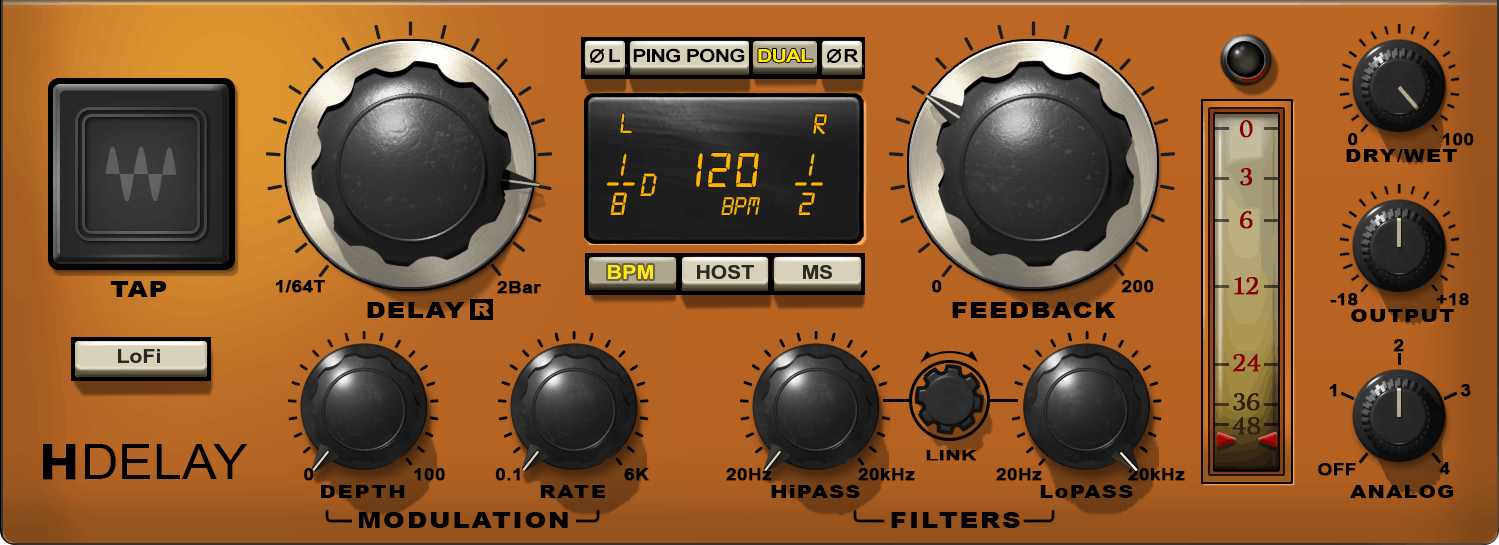
Best Delay Plugins  : Unleash the Ultimate Sound Quality


Credit: www.waves.com


Expert Tips For Using Delay Plugins

Synching Delays With The Mix

When it comes to using delay plugins effectively, one crucial tip is to sync the delays with the overall mix. This means making sure the delays align with the tempo and rhythm of the track to create a cohesive sound. Here’s how you can achieve this:

  1. Start by adjusting the delay time to match the tempo of your music. If you’re working in seconds, it’s important to calculate the note value that corresponds to the desired delay time. For instance, a quarter note corresponds to 0.25 seconds for a tempo of 120 BPM.
  2. Experiment with different feedback and decay settings to find the right balance. Too much feedback can quickly clutter up the mix, while too little may not create the desired echo effect. Finding the sweet spot is key.
  3. Consider using the sync option available in most delay plugins to automatically sync the delay time to the project tempo. This can save you time and ensure a tighter synchronization.
  4. Remember to also adjust the level of the delay in the mix. You want the delay to be audible and contribute to the overall sound without overpowering the main elements of the track.

Creating Depth And Texture

Adding depth and texture with delay plugins can elevate your mixes to a whole new level. Here are some expert tips to help you achieve this:

  • Experiment with different delay types. From tape delays to ping-pong delays and stereo delays, each type offers its own unique characteristics that can help add depth and width to your mix.
  • Try using multiple instances of delay plugins on different elements of the mix. This can create an immersive and three-dimensional soundstage.
  • Consider automating the delay parameters to add movement and variation to your tracks. Modulating the delay time, feedback, or even the filter settings can introduce interesting textures and evolving effects.
  • Use EQ and filtering to shape the delayed signal. This can help prevent clashing frequencies between the original sound and the delay, as well as shape the character and tone of the delay effect.

The Future Of Delay Plugins

The future of delay plugins is filled with exciting advancements in technology and integration with emerging audio platforms. These developments are revolutionizing the possibilities for musicians, producers, and sound engineers.

Advancements In Delay Technology

New delay plugins are pushing the boundaries of what was previously thought possible. With groundbreaking features and improvements, these plugins are taking the world by storm.

Some of the key advancements in delay technology include:

  • Improved algorithms that offer unparalleled precision and clarity.
  • Enhanced control over delay parameters, allowing for more creative sound manipulation.
  • Intelligent automation features that make it easier than ever to achieve professional-level results.
  • Integration with other plugins and software, expanding the possibilities even further.

These advancements in delay technology are empowering musicians and producers to create innovative and mesmerizing soundscapes.

Integration With Emerging Audio Platforms

As the world of audio production continues to evolve, delay plugins are adapting to meet the demands of emerging audio platforms.

Here are some of the ways delay plugins are integrating with these platforms:

  1. Compatibility with popular digital audio workstations (DAWs), ensuring seamless integration into existing workflows.
  2. Support for virtual reality (VR) and augmented reality (AR) audio, enriching immersive experiences.
  3. Integration with online collaboration platforms, allowing musicians to collaborate in real-time regardless of their physical location.
  4. Compatibility with mobile devices, empowering musicians and producers to create on the go.

This integration with emerging audio platforms is opening up new avenues for creativity and collaboration, propelling the delay plugin industry forward.

Best Delay Plugins  : Unleash the Ultimate Sound Quality


Credit: synthanatomy.com


Frequently Asked Questions Of Best Delay Plugins


Q: What Are The Best Delay Plugins For Professional Audio Mixing?


A: The best delay plugins for professional audio mixing include Waves H-Delay, Soundtoys EchoBoy, and FabFilter Timeless. These plugins offer a wide range of delay effects, precise control over parameters, and excellent sound quality, making them popular choices among audio professionals.


Q: How Do Delay Plugins Improve Audio Tracks?


A: Delay plugins enhance audio tracks by creating depth and dimension. They can add spaciousness, create echoes, and emulate various acoustic environments. By adjusting parameters such as delay time, feedback, and modulation, users can achieve unique and immersive audio effects that enhance the overall mix.


Q: Can Delay Plugins Be Used Creatively In Music Production?


A: Absolutely! Delay plugins are widely used for creative purposes in music production. They can be used to create rhythmic patterns, enhance vocals, add texture and movement to instruments, and create complex soundscapes. With the right settings and experimentation, delay plugins can bring a new level of creativity to your music.


Conclusion


To sum up, these delay plugins offer an array of diverse and versatile features that cater to the needs of every music producer. With their user-friendly interfaces and powerful capabilities, they provide an unparalleled level of creativity and innovation. Whether you’re a beginner or a seasoned professional, these plugins can undoubtedly elevate your music production to new heights.

Categories
Archive

Building Your Confidence As A Songwriter

To build confidence as a songwriter, practice consistently and seek feedback from trusted sources. Building your confidence as a songwriter is crucial to unlocking your full potential in the music industry.


Confidence allows you to own your unique voice, embrace vulnerability, and share your creativity fearlessly. By honing your craft through regular writing sessions and receiving constructive criticism, you can grow and improve as a songwriter. Embrace the journey of self-discovery, believe in your talent, and trust in your ability to connect with your audience through authentic storytelling.


With dedication and persistence, you can cultivate the confidence needed to succeed in the competitive world of songwriting.


Finding Your Creative Voice

When building your confidence as a songwriter, finding your creative voice is essential. This process involves exploring your unique style and embracing your personal narrative.

Exploring Your Unique Style

To discover your unique style, experiment with different genres and techniques.

  • Listen to a variety of music for inspiration.
  • Try incorporating different instruments or sounds into your songs.

Embracing Your Personal Narrative

Your personal experiences and emotions can fuel authentic and compelling songwriting.

  1. Reflect on your own life and what matters to you.
  2. Use your feelings as a source of creativity and expression.
Building Your Confidence As A Songwriter: Unleash Your Musical Potential


Credit: fastercapital.com


Overcoming Self-doubt

Confronting Inner Critic

As a songwriter, facing your inner critic head-on is crucial. Acknowledge your doubts but don’t let them control you. Challenge negative thoughts with positive affirmations.

Celebrating Small Victories

Don’t overlook the power of small wins. Each completed song, every lyric written, is a victory. Recognize your progress and celebrate it.


Effective Songwriting Techniques

Building confidence as a songwriter involves mastering effective songwriting techniques. Crafting memorable melodies, mastering lyric composition, and understanding the art of storytelling through music are key elements in creating impactful songs.

Crafting Memorable Melodies

Crafting memorable melodies is crucial for a successful song. A catchy melody can make your song stand out. Use repetition to make the melody stick in the listener’s mind. Experiment with different chord progressions and rhythms to create a unique sound. Strive to evoke emotion through your melody, as this can deeply resonate with your audience.

Mastering Lyric Composition

Mastering lyric composition is an essential skill for every songwriter. Tell a story through your lyrics to captivate your audience. Focus on imagery and emotions to create a powerful connection. Use metaphor and symbolism to add depth and complexity to your lyrics. Ensure that the lyrics fit the melody harmoniously to create a cohesive piece of music.

Expanding Your Musical Horizons


Discover new ways to boost your confidence as a songwriter and expand your musical horizons. Learn effective techniques to unleash your creativity and enhance your songwriting skills, allowing you to confidently express your artistry and captivate your audience with compelling melodies and lyrics.

Incorporating Different Genres

Expanding your musical horizons as a songwriter can greatly enhance your creativity and captivate a wider audience. Incorporating different genres into your songwriting repertoire allows you to explore new styles, rhythms, and melodies, pushing the boundaries of your artistic expression.

By stepping outside of your comfort zone and experimenting with various genres, you’ll develop a unique sound that sets you apart from other songwriters. Blend elements of rock, pop, folk, jazz, or even hip-hop into your compositions to create a fresh and dynamic sound that resonates with your listeners.

Consider incorporating diverse instrumentation that complements the genre you’re exploring. For example, if you’re dabbling in jazz, try incorporating brass instruments like trumpets or saxophones to add a touch of sophistication and create a jazzy ambiance in your song.

Moreover, lyrical variations also play a vital role in incorporating different genres. Experiment with diverse themes and storytelling techniques to match the emotions and atmosphere of each genre you explore.

Collaborating With Diverse Artists

Collaborating with diverse artists is an excellent way to expand your musical horizons and take your songwriting skills to new heights. By working with musicians from various backgrounds and genres, you’ll gain fresh perspectives and insights, allowing you to tap into a vast pool of creative ideas.

Teaming up with artists who have different musical influences will expose you to new rhythms, melodies, and production techniques. Collaborate with vocalists who have unique vocal styles or instrumentalists proficient in a genre you want to explore further, and let their individuality enhance your songwriting process.

Furthermore, diverse collaborations can help you reach new audiences who may not have discovered your music otherwise. By featuring artists from different genres on your tracks or even co-writing with them, you’ll attract their fan base and expand your own, broadening your exposure and opportunities.

In conclusion, expanding your musical horizons by incorporating different genres and collaborating with diverse artists is essential for growth as a songwriter. It allows you to tap into your creativity, discover new sounds, and build a loyal fan base. So, don’t be afraid to step out of your comfort zone and explore the limitless possibilities awaiting you on the musical landscape.

Nurturing Your Artistic Growth

When it comes to nurturing your artistic growth as a songwriter, there are several key factors to consider that can help you build your confidence. Seeking feedback and critique and staying inspired amid challenges are two crucial aspects that can greatly contribute to your development as a songwriter.

Seeking Feedback And Critique

One of the most effective ways to improve as a songwriter is to seek feedback and critique from others. While it may feel intimidating to share your work with others, this process can provide you with invaluable insight into your strengths and areas for improvement.

Constructive feedback can help you identify elements of your songwriting that resonate with listeners and those that may need some refining. Additionally, having a fresh set of ears can help you spot any inconsistencies or gaps in your song structure or melody.

To seek feedback, consider reaching out to fellow songwriters, musicians, or music industry professionals. They can offer valuable feedback based on their own experiences and expertise. Online communities and songwriting forums can also provide a platform to share your work and receive feedback from a diverse range of perspectives.

Staying Inspired Amid Challenges

Songwriting can sometimes be a challenging journey, and it’s important to find ways to stay inspired and motivated throughout the process. Here are a few strategies to help you overcome creative blocks and stay inspired:

  1. Explore Different Genres and Styles: Broadening your musical horizons by exploring different genres and styles can help you generate fresh ideas and inspiration.
  2. Collaborate with Other Artists: Collaborating with other songwriters and musicians not only allows you to learn from their expertise but also provides a new perspective on your own work.
  3. Keep a Song Idea Journal: Carry a small notebook or use a note-taking app on your phone to jot down song ideas, lyrics, chord progressions, or melodies that come to mind throughout the day. This way, you won’t lose any potential ideas that could be developed into full songs later.
  4. Take Breaks and Reset: Sometimes, stepping away from your songwriting for a short period can help clear your mind and allow you to approach your work with a fresh perspective. Engage in activities that you enjoy and that inspire you outside of music.
  5. Attend Live Music Performances: Watching live performances can ignite your creativity and expose you to new ways of expressing yourself through music. It can also serve as a reminder of the power of music and the impact it can have on both the performer and the audience.

By actively seeking feedback and critique and finding ways to remain inspired, you can nurture your artistic growth as a songwriter and continue to develop your skills and confidence in your craft. Remember, don’t be afraid to share your work and explore new avenues for creativity!

Building Your Confidence As A Songwriter: Unleash Your Musical Potential


Credit: www.facebook.com


Building Your Confidence As A Songwriter: Unleash Your Musical Potential


Credit: www.startribune.com


Frequently Asked Questions Of Building Your Confidence As A Songwriter


How Can I Overcome Writer’s Block And Boost My Confidence As A Songwriter?


To overcome writer’s block, try new writing exercises and techniques, collaborate with other songwriters, and seek inspiration from different sources. Building confidence as a songwriter requires practice, performing live, getting feedback, and believing in your unique voice and style.


What Are Some Common Challenges Faced By Songwriters And How Can I Overcome Them?


Common challenges for songwriters include self-doubt, lack of inspiration, and fear of rejection. To overcome these challenges, surround yourself with supportive people, engage in regular songwriting exercises, and remember that every songwriting experience, regardless of the outcome, is a valuable learning opportunity.


How Can I Improve My Lyric Writing Skills And Become A More Confident Songwriter?


Improving lyric writing skills involves studying the works of other successful songwriters, analyzing lyrics to understand their techniques, and practicing writing lyrics regularly. Additionally, attending workshops or courses focused on lyric writing can provide valuable guidance and feedback to help boost your confidence as a songwriter.


Conclusion


Building your confidence as a songwriter is a journey of self-discovery and growth. By embracing vulnerability, honing your skills, seeking feedback, and staying true to your unique voice, you can overcome self-doubt and unleash your creativity. Remember, confidence is not a destination but a continuous process of growth and self-expression.

Categories
Archive

Writing Songs: Master the Art with These Power Tips

To write songs, begin with a catchy melody and lyrics that resonate with emotions and experiences. Crafting relatable and memorable hooks can greatly enhance the impact of your song.


Combine storytelling with unique perspectives to create a song that stands out and connects with listeners on a deep level. Writing songs requires a blend of creativity, emotions, and storytelling skills. Whether you are expressing personal experiences, emotions, or conveying a message, songwriting is a powerful medium to connect with others.


Drawing inspiration from life events, relationships, or observations can help create authentic and compelling lyrics. By focusing on creating a strong melody and meaningful lyrics, you can craft songs that resonate with your audience and leave a lasting impression. Remember, practice and experimentation are key to honing your songwriting craft.


Credit: www.wired.com


Understanding Songwriting

Finding Inspiration

Seek creativity within experiences.

  • Observe surroundings for ideas.
  • Listen to diverse music genres.

Understanding Song Structure

Identify key song elements clearly.

  1. Verse, chorus, bridge, and hook.
  2. Utilize repeating patterns.

Lyrics And Melody

When it comes to songwriting, the lyrics and melody are the heart and soul of a great song. Crafting meaningful lyrics and creating catchy melodies are essential elements that make a song memorable and impactful.

Crafting Meaningful Lyrics

Meaningful lyrics have the power to resonate with listeners on a deep emotional level. They convey stories, emotions, and messages that connect with the audience. To craft meaningful lyrics, focus on telling a compelling story, expressing genuine emotions, and using vivid imagery.

Creating Catchy Melodies

Catchy melodies are what make a song instantly recognizable and unforgettable. A strong melody captures the listener’s attention and keeps them engaged from start to finish. To create catchy melodies, experiment with different rhythms, scales, and chord progressions. Keep it simple, yet memorable.

Music Composition


A vital aspect of music composition is the art of writing songs. This process involves crafting melodies, harmonies, and lyrics to convey emotion and tell stories. Through creativity and skill, songwriters bring their ideas to life, contributing to the diverse world of music.

Harmonizing Instruments

When composing music, the harmonization of instruments is crucial. It involves blending different musical tones produced by various instruments to create a pleasing sound. By experimenting with the combination of instruments, you can achieve a unique and complex texture that adds depth to your composition. This process allows you to explore different timbres and create a rich sonic landscape.

Exploring Chord Progressions

Another essential aspect of music composition is exploring chord progressions. By experimenting with different chord sequences, you can evoke various emotions and moods in your music. It’s important to understand the relationship between chords and how they can create tension, resolution, or convey a specific atmosphere to the listener. Through this exploration, you can craft captivating melodies and harmonies that resonate with the audience.


Credit: m.facebook.com


Arrangement And Production

Arrangement and production are critical aspects of creating a well-crafted song. They play a vital role in creating the desired musical impact and conveying the intended emotions to the listener. Let’s explore two important aspects of arrangement and production in songwriting: balancing instruments and vocals, and utilizing studio techniques.

Balancing Instruments And Vocals

When it comes to song arrangement, finding the right balance between instruments and vocals is essential. Each element should complement and enhance one another, creating a harmonious blend. Here are some tips to achieve this:

  • Ensure that the vocals are clear and prominent, allowing the listener to connect with the lyrics and melody.
  • Consider the dynamics of your song. Use volume variations to emphasize certain sections and guide the listener’s focus.
  • Avoid overcrowding the mix with too many instruments. Each instrument should serve a purpose and contribute to the overall sound.
  • Experiment with panning and stereo imaging to give each instrument its own space in the audio spectrum.
  • Use EQ and compression to tame any frequencies that might clash and adjust the dynamic range of each instrument.

Utilizing Studio Techniques

Once you have a solid arrangement, it’s time to dive into the production phase. Studio techniques can elevate your song to new heights by adding depth, texture, and richness. Here are some techniques to consider:

  1. Layering: Experiment with layering multiple tracks of the same instrument to create a fuller and richer sound.
  2. Effects: Utilize effects such as reverb, delay, and chorus to add spatial and tonal characteristics to your tracks.
  3. Mixing: Pay attention to the balance of each instrument, adjusting the volume, panning, and EQ to achieve a cohesive mix.
  4. Mastering: Once your song is mixed, the final touch is mastering. This process involves fine-tuning the overall sound and preparing the track for distribution.
  5. Automation: Use automation to control the volume, panning, and effects over time, adding movement and dynamics to your song.

Remember, arrangement and production play a crucial role in shaping the impact of your song. With careful consideration, experimentation, and the utilization of studio techniques, you can bring out the best in your composition and create an immersive musical experience for your listeners.

Refining Your Craft

As a songwriter, refining your craft is essential for growth and success. It’s more than just coming up with catchy melodies and heartfelt lyrics. It’s about constantly seeking feedback, engaging in continual practice, and embracing opportunities for improvement. By honing your skills and pushing your creative boundaries, you can elevate your songwriting to new heights.

Seeking Feedback

Feedback from others can provide invaluable insights into your songwriting. Allow yourself to be open to constructive criticism, as it can help you see your work from a different perspective. Share your songs with trusted friends, fellow songwriters, or even online communities dedicated to music. Take note of their suggestions and consider ways to incorporate them into your writing process. Remember, feedback is not a reflection of your worth as an artist, but rather an opportunity for growth.

Continual Practice And Improvement

Just like any skill, songwriting requires consistent practice to refine and improve. Make it a habit to set aside dedicated time each day to work on your craft. Experiment with different song structures, chord progressions, and lyrical techniques. Challenge yourself to write in unfamiliar genres or explore new themes. By continually practicing and pushing your creative boundaries, you’ll develop a distinct style and strengthen your songwriting abilities.

Below are a few tips for effective practice:

  1. Set specific goals for each practice session, such as writing a verse or experimenting with a new chord progression.
  2. Utilize songwriting exercises or prompts to spark creativity and overcome writer’s block.
  3. Study songs from different genres and analyze their structures, melodies, and lyrics to expand your musical knowledge.
  4. Participate in songwriting challenges or competitions to push yourself out of your comfort zone and gain valuable experience.

By practicing consistently and challenging yourself, you’ll see significant growth in your songwriting abilities over time.

Writing Songs: Master the Art with These Power Tips


Credit: www.amazon.sg


Frequently Asked Questions For Writing Songs


How Do You Start Writing A Song?


To start writing a song, think of a catchy melody or chord progression that captures your emotions. Then, brainstorm lyrics that convey a personal message or story. Experiment with different rhyme schemes and song structures until you find the perfect fit for your song.


What Makes A Good Song Lyric?


Good song lyrics are relatable, emotionally impactful, and contain vivid imagery. They should connect with listeners on a deep level and evoke strong emotions. Additionally, using clever wordplay, metaphors, and storytelling techniques can make lyrics memorable and engaging.


How Can I Improve My Songwriting Skills?


To improve your songwriting skills, practice regularly, listen to a wide range of music genres, and analyze the songwriting techniques used by your favorite artists. Experiment with different chord progressions, song structures, and lyric-writing techniques. Seeking feedback from others and attending songwriting workshops can also help you grow as a songwriter.


Conclusion


To sum up, songwriting is an art form that requires creativity, emotion, and skill. By understanding the basic components of song structure and lyrics, as well as tapping into personal experiences, anyone can start writing their own songs. With practice and dedication, you can develop your own unique style and make a meaningful impact with your music.


Categories
Archive

Audio Mastering Role: Maximizing the Sonic Impact

Audio mastering involves enhancing the final mix for balance, clarity, and overall quality before distribution. It focuses on optimizing the audio for various formats and playback systems to ensure the best listening experience.


Mastering engineers use specialized equipment and techniques to achieve the desired sound consistency and quality across different devices and platforms. By adjusting levels, equalization, and dynamics, they fine-tune the audio to make it sound polished and professional. The goal of audio mastering is to make the music or audio content sound its best and compete effectively in the market.


Mastering plays a crucial role in the production process to elevate the overall sonic quality of the final product.

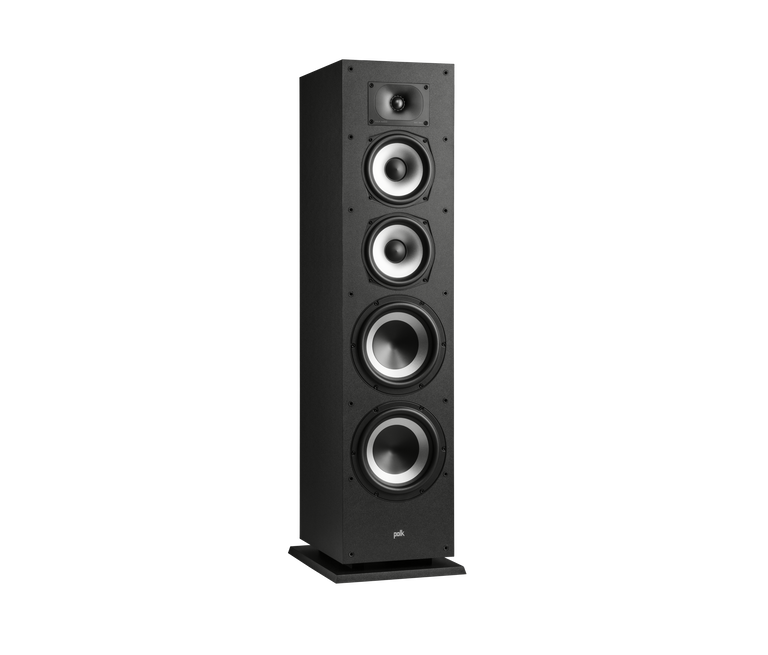
Audio Mastering Role: Maximizing the Sonic Impact


Credit: www.polkaudio.com


The Basics Of Audio Mastering

Audio mastering is a crucial final step in the music production process that polishes and enhances a recording to achieve optimal sound quality across different playback systems.

The Purpose Of Audio Mastering

Audio mastering aims to unify the overall sound, ensure consistency, and prepare the track for distribution, making it stand out and sound professional.

Key Elements Of Audio Mastering

  • Equalization: Balancing frequencies to enhance clarity and tonal balance.
  • Compression: Controlling dynamic range for a more balanced sound.
  • Stereo Enhancement: Widening the stereo image for a more immersive experience.
  • Loudness Maximization: Ensuring the track reaches optimal volume levels without distortion.

The Role Of Audio Mastering In Maximizing Sonic Impact

Audio mastering plays a crucial role in maximizing sonic impact, enhancing the overall quality of audio productions.

Enhancing Clarity And Definition

Audio mastering significantly helps enhance the clarity and definition of each sound, making it crisp and clear.

Balancing And Optimizing Audio Levels

Mastering also focuses on balancing and optimizing audio levels to ensure a consistent and balanced listening experience.

Tools And Techniques Used In Audio Mastering

Audio mastering is a crucial step in the music production process, where the final touches are added to ensure the audio is polished and ready for distribution. This involves a variety of tools and techniques that are utilized by mastering engineers to enhance the overall sound quality, dynamic range, and overall balance of the audio. Understanding the tools and techniques used in audio mastering is essential for achieving a professional and impactful final product.

Use Of Equalization And Compression

Equalization is a fundamental tool in audio mastering, used to adjust the frequency balance of the audio. It enables engineers to boost or cut specific frequencies to refine the tonal characteristics of the sound. Compression is another essential component, which helps to control the dynamic range of the audio, ensuring that the loud and quiet parts are balanced. These tools are employed to refine the overall clarity, warmth, and cohesiveness of the audio, ultimately enhancing the listening experience.

Implementation Of Stereo Imaging

Stereo imaging plays a crucial role in audio mastering, as it focuses on enhancing the spatial distribution of the audio across the stereo field. Engineers use specialized tools and techniques to manipulate the stereo width, placement, and depth of the audio elements, creating a more immersive and expansive soundstage. Techniques such as panning, stereo enhancement, and spatial effects are employed to optimize the positioning and movement of the audio, adding depth and dimension to the final mix.

The Impact Of Audio Mastering On Different Audio Formats

Audio mastering is a crucial step in the music production process that can significantly influence the sound quality across various audio formats. Each format involves unique considerations and techniques to maximize impact and ensure audio quality. Let’s explore the impact of audio mastering on different audio formats:

Maximizing Impact In Digital Formats

With the rise of digital music consumption, it’s essential to optimize audio mastering for these formats, such as streaming platforms, online downloads, and digital distribution. The goal is to provide a compelling listening experience to a broad range of listeners, regardless of their playback devices and sound systems.

  • Digital mastering focuses on achieving balance, clarity, and dynamics that translate well across different platforms.
  • A mastering engineer meticulously fine-tunes the audio quality, making adjustments to the overall tonal balance, stereo imaging, and volume levels.
  • Special attention is given to the optimization of audio formats that use lossy compression algorithms, like MP3 or AAC, to minimize any potential artifacts that could degrade the listening experience.
  • By utilizing specific techniques and tools, such as equalization, compression, and limiting, the mastering engineer ensures that the audio retains its sonic integrity while sounding exceptional across various digital platforms.

Ensuring Quality In Vinyl And Cd Formats

Vinyl records and CDs have their own unique sonic characteristics and playback considerations compared to digital formats. Despite being analog formats, audio mastering plays a vital role in delivering top-notch quality to the listener.

  • For vinyl records, the mastering process involves additional considerations to account for the limitations of the medium, such as groove spacing and the physical properties of the record player’s stylus.
  • The mastering engineer adjusts the frequency response and dynamic range to optimize audio fidelity, ensuring a clean and balanced sound on vinyl.
  • CD mastering focuses on delivering the highest possible audio quality, taking full advantage of the format’s digital nature and ability to reproduce a wide frequency range.
  • With careful attention to detail, the mastering engineer ensures that the CD audio translates accurately, providing a faithful representation of the original recording.

The Future Of Audio Mastering

As technology advances and consumer preferences evolve, the world of audio mastering is constantly changing. The future holds exciting possibilities for audio engineers and producers, with new technologies and shifting listening preferences paving the way for innovation and creativity. In this article, we delve into the future of audio mastering, exploring the crucial role it plays in the music industry and how it is adapting to meet the challenges and opportunities ahead.

Incorporating New Technologies

With the rapid growth of technology, audio mastering is harnessing innovative tools and techniques to enhance the quality and impact of music. One such trend is the use of Artificial Intelligence (AI) in the mastering process. AI algorithms analyze vast amounts of data to automatically tune tracks, optimizing the sound for different playback systems. This not only saves time but also allows for more precise adjustments, resulting in polished and professional-sounding tracks.

Benefits of Incorporating New Technologies:
Time-saving and efficient mastering process
Improved precision in adjusting tracks
Polished and professional-sounding music

In addition to AI, Virtual Reality (VR) and Augmented Reality (AR) technologies are opening up new possibilities for audio engineers. VR allows for immersive audio experiences, where listeners are transported to virtual environments through sound. On the other hand, AR enables artists and engineers to manipulate audio elements in real-time, creating interactive and dynamic musical performances.

Adapting To Changing Listening Preferences

  • The rise of streaming platforms has revolutionized how people consume music.
  • Listeners expect high-quality audio that can seamlessly adapt to different devices and environments.
  • Audio mastering professionals are now faced with the challenge of catering to the preferences of listeners who often enjoy music on wireless earbuds, smartphones, and various other portable devices.

To meet these changing preferences, audio mastering engineers need to focus on optimizing tracks for specific playback systems, ensuring that the music sounds great regardless of the platform. This involves meticulous adjustments in levels, dynamics, and equalization to maximize the impact of each song regardless of the listening setup.

The future of audio mastering is undeniably exciting and filled with opportunities. By embracing new technologies and adapting to evolving listening preferences, audio engineers can continue to deliver exceptional sound quality and enhance the overall music listening experience.

Audio Mastering Role: Maximizing the Sonic Impact


Credit: issuu.com


Audio Mastering Role: Maximizing the Sonic Impact


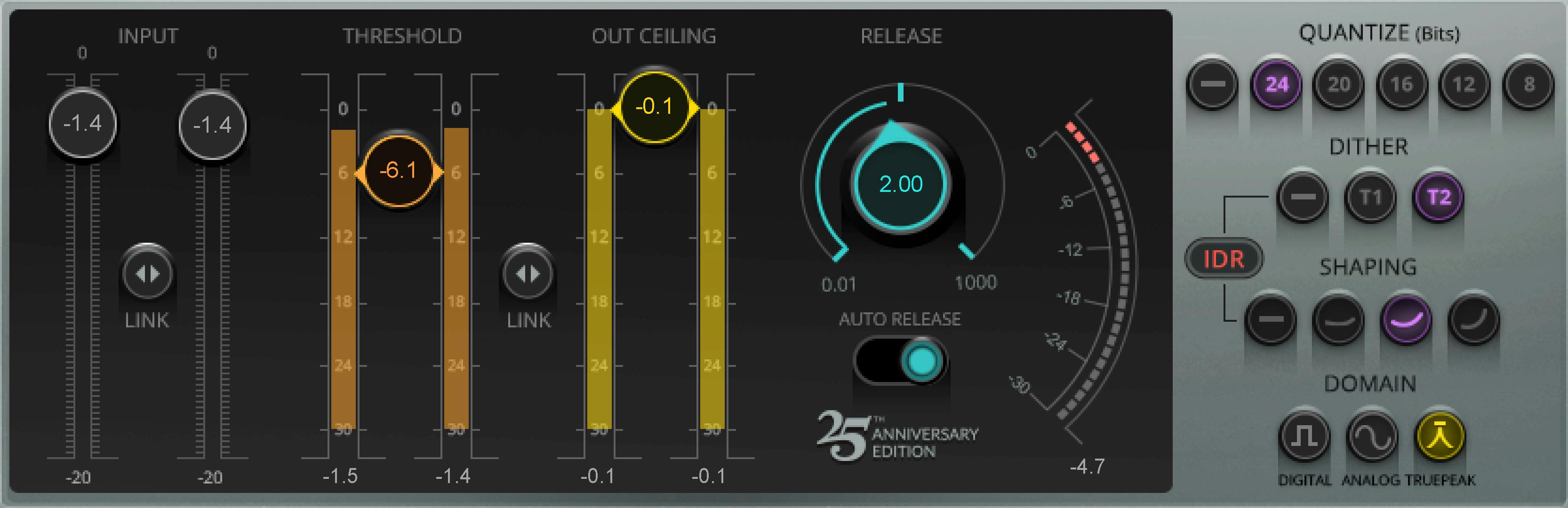
Credit: www.waves.com


Frequently Asked Questions On Audio Mastering Role


What Is The Role Of Audio Mastering?


Audio mastering is the final step in the music production process. It involves optimizing the audio quality, balance, and clarity of a song or album. Through techniques like equalization, compression, and stereo enhancement, audio mastering ensures that the final product sounds polished and professional.


Why Is Audio Mastering Important?


Audio mastering is important because it enhances the overall sound quality of a song or album. It balances the different elements of the audio, improves the dynamic range, and ensures consistency across different playback systems. Without mastering, the final product may sound unbalanced, lack clarity, or not meet industry standards.


Can I Master My Own Audio?


While it is possible to master your own audio, it’s recommended to hire a professional audio mastering engineer. They have the necessary experience, technical knowledge, and specialized tools to achieve the best results. Professional mastering ensures that your audio meets industry standards and sounds its best on all playback systems.


Conclusion


Audio mastering plays a crucial role in bringing out the best in your music. By enhancing the overall sound quality and ensuring consistency across different playback systems, mastering elevates the listening experience for your audience. With the right mastering techniques, you can achieve a professional and polished sound that sets your music apart.


Categories
Archive

Unlocking the Power: How Song Copyright Royalties Work

Song copyright royalties work by granting the rights to use a song in exchange for royalty payments based on usage. Musicians receive royalties when their songs are played, streamed, or used in various ways, ensuring they receive compensation for their work.


Copyright royalties are vital for artists to earn a living from their music and protect their intellectual property rights. Music creators rely on these royalties to support their careers and continue producing new music. Understanding how song copyright royalties work helps musicians navigate the complex music industry landscape and ensure they are fairly compensated for their creative contributions.


In a highly competitive market, receiving proper royalties is crucial for artists to sustain their livelihood and foster a thriving music industry ecosystem.


Credit: m.facebook.com


The Basics Of Song Copyrights

Introduction: Understanding the basics of song copyrights is crucial for artists and creators. From protecting unique melodies to earning royalties, copyright laws play a vital role in the music industry.

What Is A Copyright?

A copyright gives the creator exclusive rights to their work, preventing others from using it without permission.

Key Points: Exclusive Rights Protection
Role: Prevent unauthorized use Secure original creations

How Song Copyrights Work

  • Song copyrights protect musical compositions, lyrics, and arrangements.
  • Creators earn royalties when their songs are played on radio, streamed, or performed live.
  • Performance Rights Organizations (PROs) collect royalties on behalf of artists.


Credit: m.facebook.com


Understanding Royalties

`Understanding royalties in the context of song copyrights is crucial for artists and creators. Royalties are the payments made to rights holders for the use of their music. `

`types Of Royalties`

`There are various types of royalties that artists can earn, such as performance royalties, mechanical royalties, and sync royalties. `

`Performance royalties are earned when a song is performed live or played on the radio. `

`Mechanical royalties are generated from the reproduction and distribution of music, whether through CDs, downloads, or streaming. `

`Sync royalties come from using music in TV shows, movies, commercials, or any other visual media. `

`calculating Royalties`

`To calculate royalties, various factors come into play, including the type of royalty, the usage of the music, and the agreements in place. `

`Royalties are typically calculated based on percentages of revenue generated from the music’s usage. `

`Detailed record-keeping is essential to ensure accurate calculations of royalties owed to artists. `

`Understanding how royalties work is vital for artists to protect their rights and ensure they are fairly compensated for their creative work. `


The Role Of Performing Rights Organizations

What Are Pros?

PROs, or Performing Rights Organizations, are entities that represent songwriters, composers, and music publishers in the collection and distribution of royalties for public performances of their music.

How Pros Collect And Distribute Royalties

PROs collect royalties from various sources, such as radio, television, streaming services, live performances, and more, and then distribute these royalties to their affiliated members.

Unlocking the Power: How Song Copyright Royalties Work


Credit: fastercapital.com


Challenges And Controversies

Song copyright royalties work is not without its fair share of challenges and controversies. From streaming services and royalties to copyright infringement issues, the music industry grapples with various complexities in ensuring that songwriters and artists receive fair compensation for their work. Let’s dive deeper into these contentious topics.

Streaming Services And Royalties

The rise of streaming services has revolutionized the way we consume music. However, the introduction of this new format has led to a host of challenges when it comes to determining and distributing royalties to artists. Streaming services like Spotify and Apple Music typically pay artists based on the number of times their songs are streamed. While this may seem straightforward, the actual calculation and distribution of these royalties can be a point of contention.

One of the primary concerns is the low payout rate that artists receive from streaming services. Due to the vast libraries of songs available on these platforms and the sheer number of users, individual streams often generate only small fractions of cents. As a result, artists, particularly independent ones or those with smaller fan bases, may struggle to earn a substantial income from streaming royalties alone.

Furthermore, streaming services also face criticism for their algorithms and recommendation systems that favor popular and mainstream tracks. This means that lesser-known artists might find it challenging to gain exposure and generate sufficient streams to earn significant royalties. There have been ongoing debates about the need for fairer algorithms that prioritize diversity and independent artists.

Copyright Infringement Issues

Another contentious aspect of song copyright royalties lies in dealing with copyright infringement issues. With the easy accessibility of music online, unauthorized use and distribution of copyrighted songs have become prevalent.

Music piracy and illegal downloading continue to pose a significant challenge for the music industry. This widespread practice of copyright infringement not only affects artists’ revenue but also diminishes the overall value and integrity of their work.

To combat copyright infringement, legal measures such as Digital Millennium Copyright Act (DMCA) have been put in place. The DMCA allows copyright holders to issue takedown notices to websites and platforms hosting unauthorized copies of their work. However, the effectiveness of these measures remains a topic of debate, with some arguing that they are not stringent enough to protect artists’ interests.

In conclusion, streaming services and copyright infringement pose significant challenges and controversies for song copyright royalties. As the industry continues to evolve, it becomes crucial to find equitable solutions that ensure fair compensation for artists and protect their creative rights.

Ensuring Fair Compensation

Ensuring fair compensation is a vital aspect of song copyright royalties. Songwriters invest their time, talent, and creativity into crafting captivating melodies and meaningful lyrics. It is crucial that they receive proper compensation for their work, enabling them to continue producing exceptional music.

Advocacy For Songwriters

Songwriters need advocates to ensure they receive fair compensation for their creative efforts. These advocates work tirelessly to support the rights of songwriters and composers, advocating for fair royalty rates and protecting their intellectual property. They collaborate with industry organizations, government bodies, and legal entities to establish and enforce regulations that protect songwriters’ financial interests.

The Future Of Song Copyright Royalties

The future of song copyright royalties holds promising opportunities for songwriters and composers. With the rise of digital streaming platforms and online music distribution, more avenues for revenue generation have opened up. However, these new technologies also bring challenges, as royalty discrepancies and unfair compensation practices can arise.

To address these challenges, industry leaders are continually working towards innovative solutions. This includes implementing technology-driven systems for accurate tracking and distribution of royalties. Digital platforms and blockchain technology have the potential to revolutionize the way royalties are managed, ensuring that songwriters receive their fair share.

Furthermore, the growing awareness and recognition of the value of songwriters in the music industry are driving changes in royalty structures. Advocacy groups and industry associations are pushing for fairer deals and more equitable revenue distribution, ultimately aiming to establish a system that rewards songwriters commensurate with the impact of their creations.

In conclusion, ensuring fair compensation for song copyright royalties is critical for supporting the livelihoods of songwriters and composers. By advocating for their rights and embracing technological advancements, we can build a future where creators are properly rewarded for their artistry and continue to enrich our lives with their music.

Frequently Asked Questions Of Song Copyright Royalties Work


What Are Song Copyright Royalties?


Song copyright royalties are fees paid to songwriters, composers, and publishers for the use of their music. It gives them the right to earn money from their creations and ensures that they are compensated when their songs are played or used in various ways, such as on the radio, in movies, or through streaming platforms.


How Do Song Copyright Royalties Work?


Song copyright royalties work by tracking the usage of songs and collecting fees from those who use them. Performance rights organizations (PROs) like ASCAP, BMI, and SESAC collect these fees and distribute them to the songwriters and publishers. The amount of royalties earned depends on factors like the popularity of the song, the number of times it is played, and the type of usage.


Do Songwriters Get Paid Royalties?


Yes, songwriters do get paid royalties. When their songs are played on the radio, in concert venues, on streaming platforms, or in other public settings, performance rights organizations collect fees on their behalf. These organizations distribute the collected royalties to the songwriters based on factors like the popularity and usage of their songs.


This ensures that songwriters receive compensation for their creative work.


Conclusion


To sum up, understanding song copyright royalties is crucial for artists and composers. It ensures fair compensation for their creative work. By navigating the intricacies of music copyrights, creators can protect their intellectual property and maximize their earnings. Embracing the evolving landscape of digital streaming and licensing is essential for long-term success in the music industry.

Categories
Archive

What Do Eq Numbers Mean : Demystifying the Mystery

Eq numbers in SEO refer to the position of a webpage in search engine results for specific keywords. They provide insight into a site’s visibility online.


Understanding EQ numbers is essential for optimizing your website’s performance and increasing organic traffic to your site. By evaluating your EQ numbers, you can track your progress, identify areas for improvement, and stay ahead of the competition in the digital landscape.


Proper analysis and utilization of these numbers can lead to enhanced search engine rankings and improved online presence for your business.

What Do Eq Numbers Mean  : Demystifying the Mystery


Credit: research.checkpoint.com


Deciphering Eq Numbers


Deciphering Eq Numbers can provide valuable insights into a company’s financial health. These numbers represent a company’s performance and can help investors make informed decisions. Understanding Eq Numbers is crucial for evaluating a company’s stability and growth potential.

Breaking Down The Terminology

Eq numbers refer to the numerical values assigned to individual components of an equalizer.

Each number signifies a specific frequency band or parameter that can be adjusted to alter sound frequencies.

Understanding these numbers is key to effectively using an equalizer for audio optimization.

Understanding The Components

  • Low frequencies: Lower Eq numbers typically correspond to bass frequencies.
  • High frequencies: Higher Eq numbers are associated with treble frequencies.
  • Mid-range frequencies: Mid-range Eq numbers regulate frequencies in between low and high ranges.
Component Eq Number Range
Low frequencies 20-200 Hz
Mid-range frequencies 200-2,000 Hz
High frequencies 2,000-20,000 Hz

Adjusting Eq numbers allows you to fine-tune the audio output to suit your preferences or specific audio requirements.

By altering these numbers, you can enhance clarity, depth, and balance in the sound produced.

Importance Of Eq Numbers

Eq numbers are crucial in determining the quality and performance of products.

Impact On Product Quality

Higher eq numbers indicate superior quality and efficiency of products.

Eq numbers are directly linked to the overall performance and durability of items.

Manufacturers strive to achieve high eq numbers to showcase excellence in their products.

Significance In Consumer Decision-making

  • Consumers rely on eq numbers to make informed purchase decisions.
  • Understanding eq numbers gives consumers confidence in their choices.
  • Eq numbers serve as a key factor influencing consumer preferences.

How Eq Numbers Are Assigned

When it comes to understanding EQ numbers, it’s essential to grasp how these numbers are assigned. EQ numbers are assigned based on specific criteria and industry standards, aiming to provide consumers with transparent information about a product’s energy efficiency.

Criteria For Evaluation

The assignment of EQ numbers is based on various criteria for evaluation. These criteria may include the energy consumption of the product, its environmental impact, and its efficiency in comparison to similar products.

Role Of Industry Standards

The industry standards play a crucial role in determining EQ numbers. These standards ensure that the evaluation process is consistent and reliable across different products and brands, allowing consumers to make informed decisions based on standardized data.

What Do Eq Numbers Mean  : Demystifying the Mystery


Credit: towardsdatascience.com


Interpreting Eq Numbers

Eq numbers are a valuable tool in measuring and comparing audio equipment. They provide an objective assessment of an audio device’s performance in various frequency ranges and indicate how accurately it reproduces sound. Understanding the meaning behind these numbers is crucial in making informed decisions when it comes to selecting the right audio equipment for your needs.

Decoding Relative Scale

The eq numbers are represented on a relative scale, with 0 dB being the reference point. Positive eq numbers indicate that the audio device amplifies the sound in that frequency range, while negative numbers indicate attenuation or reduction in sound level. For example, an eq value of +3 dB means the audio device amplifies the sound by 3 decibels in that specific frequency range, enhancing its presence. On the other hand, a value of -3 dB indicates a reduction in sound level by 3 decibels, resulting in a quieter output in that range.

Implications For Performance

Eq numbers provide valuable insights into how an audio device performs in different frequency ranges, allowing users to tailor the sound to their preferences. The eq values give an indication of an audio device’s ability to reproduce specific frequencies accurately. For instance, if an audio device has a higher eq number in the mid-frequency range, it means it amplifies those frequencies, resulting in a more pronounced and forward sound. Conversely, if the eq values are lower in a particular range, it indicates a quieter output or less emphasis on those frequencies.

Understanding the implications of eq numbers on performance helps users make informed decisions and find the audio equipment that best suits their needs. Whether you prefer a more balanced sound or emphasize on specific frequency ranges, eq numbers provide valuable information to guide your choices.

Evolving Eq Number Systems

Eq numbers, also known as equivalence numbers, play a crucial role in various fields such as electronics, mathematics, and computer science. These numbers are a representation of a relative value or comparison between two or more elements. Over time, the concept of eq numbers has evolved, adapting to technological advancements and changing consumer needs.

  • Influence Of Technological Advancements

    Technological advancements have had a significant impact on the development of eq number systems. The introduction of computers and calculators revolutionized the way eq numbers are calculated and utilized. Complex algorithms and sophisticated software programs made it easier to perform intricate calculations and analyze large sets of data.

  • Adaptation To Changing Consumer Needs

    As technology continues to evolve, consumer needs and expectations also change. Eq number systems have adapted to these changing needs by becoming more user-friendly and accessible. With the rise of mobile devices, eq number applications and tools have been developed to provide quick and easy access to eq number calculations on-the-go.

What Do Eq Numbers Mean  : Demystifying the Mystery


Credit: www.mdpi.com


Frequently Asked Questions Of What Do Eq Numbers Mean


What Are Eq Numbers And How Are They Used In Audio?


EQ numbers, also known as equalization numbers, are used in audio to adjust the frequency response of a sound. By boosting or cutting certain frequencies, EQ numbers allow audio engineers to shape the tone and balance of a recording or live sound.


They are essential tools in achieving the desired sound quality.


Can Eq Numbers Improve The Clarity Of Vocals?


Yes, EQ numbers can greatly improve the clarity of vocals. By boosting the frequencies that emphasize the natural characteristics of a voice and reducing frequencies that cause muddiness or harshness, EQ can make the vocals stand out in the mix.


This enhances intelligibility and ensures the vocals cut through the instruments and other sounds effectively.


How Do Eq Numbers Affect Bass And Treble?


EQ numbers can have a significant impact on bass and treble frequencies. By increasing the EQ numbers in the low frequencies, such as the 60-120 Hz range, the bass can sound more pronounced. Conversely, reducing EQ numbers in the high frequencies, like the 8-16 kHz range, can soften the treble and create a smoother sound.


Finding the right balance is crucial for a pleasing audio experience.


Should I Use Eq Numbers To Fix Recording Issues?


EQ numbers can be used to correct certain recording issues but are not a magical solution for all problems. EQ can help address minor imbalances in the mix, such as boosting a muddy-sounding guitar or reducing sibilance in vocals. However, it is important to fix major recording issues at the source instead of relying solely on EQ.


Professional studio setup and proper microphone placement are key to achieving good recordings.


Conclusion


Understanding EQ numbers is crucial for making informed decisions when it comes to audio equipment. By knowing the meaning and impact of EQ numbers, you can fine-tune your sound to perfection. Whether you’re a musician, audio engineer, or simply an enthusiast, grasping EQ numbers will empower you to achieve the best possible audio experience.


Embrace the power of EQ numbers and enhance your sound today.


Categories
Archive

Free Online Mastering And Mixing : Unleash Your Audio’s Full Potential

Online platforms offer free mastering and mixing services, allowing artists to enhance their audio quality. These tools optimize sound levels and improve overall production value.


Engaging with these resources can elevate the quality of your music to professional standards, all from the convenience of your own home studio. This accessible technology democratizes the process of audio mastering and mixing, empowering musicians of all levels to achieve polished and professional sounding tracks without the need for expensive equipment or technical skills.


By leveraging these free online mastering and mixing services, artists can take their music to the next level and reach a broader audience with high-quality, professional-grade sound.

Free Online Mastering And Mixing  : Unleash Your Audio's Full Potential


Credit: www.waves.com


The Art Of Mastering

“` The art of mastering in audio production is a delicate process that involves enhancing the overall quality and clarity of a track. Mastering involves fine-tuning a mix to achieve a polished and professional sound. It is the final step before a song is ready for distribution or release. Mastering vs. Mixing differ in that mixing focuses on balancing individual tracks, while mastering aims to refine and optimize the entire mix for a cohesive and consistent sound. In mastering, clarity and balance are essential. Key elements of mastering include: – Equalization: Adjusting the frequency balance to enhance clarity and cohesion. – Compression: Controlling the dynamics to ensure a consistent and balanced sound. – Stereo Widening: Expanding the stereo image to create depth and dimension. – Loudness Normalization: Ensuring the track is at an optimal volume level for a seamless listening experience. – Sequencing: Arranging and spacing tracks for a cohesive flow in an album or playlist. Mastering is a crucial step in the production process that can elevate the quality of your music and make it stand out in a crowded digital landscape.

Free Online Mastering And Mixing  : Unleash Your Audio's Full Potential


Credit: www.amazon.com


Benefits Of Online Mastering

Online mastering offers various advantages to musicians and producers, making it a popular choice in the music industry.

Convenience

Online mastering provides easy and quick access to professional services without the need to be physically present at a studio.

Access To Expertise

Through online mastering, artists can tap into the skills of experienced mastering engineers from anywhere in the world.


Choosing The Right Online Mastering Service

When it comes to choosing the right online mastering service for your music, there are several key factors to consider. With the myriad of options available, it’s essential to find a service that not only meets your technical needs but also delivers high-quality results. To help you make an informed decision, we’ll explore the critical aspects to look for when selecting a free online mastering and mixing service.

Experience And Reputation

One of the most important factors to consider when choosing an online mastering service is the provider’s experience and reputation. Look for a service with a solid track record in the music industry and a history of working with reputable artists and record labels. This experience ensures that the service has the necessary expertise to handle your music with care and precision.

Sample Evaluation

Before committing to an online mastering service, it’s crucial to evaluate the quality of their work. Look for platforms that offer sample evaluations, allowing you to submit a portion of your music for mastering before making a final decision. This allows you to assess the service’s capabilities and ensure that their approach aligns with your artistic vision.

Free Online Mastering And Mixing  : Unleash Your Audio's Full Potential


Credit: www.facebook.com


Preparing Your Tracks For Online Mastering

In order to achieve professional-quality sound when using free online mastering and mixing services, it’s important to properly prepare your tracks. This involves organizing your sessions, dealing with noise and distortion, and ensuring your tracks are ready for the mastering process. By following these steps, you can improve the overall sound of your tracks and enhance the final output.

Organizing Your Sessions

Properly organizing your sessions can greatly simplify the online mastering and mixing process. To do this:

  • Label your tracks clearly, using descriptive names for each instrument or vocal.
  • Arrange your tracks in a logical order that matches your intended mix, making it easier to navigate during the mastering phase.
  • Group related tracks together, such as drums or backing vocals, to enable better control and processing during the mixing stage.
  • Remove any unused or unnecessary tracks to declutter your session and save processing power.

Dealing With Noise And Distortion

Noise and distortion can significantly affect the quality of your tracks. Therefore, it’s essential to address these issues before sending your tracks for online mastering. Here’s how to effectively deal with noise and distortion:

  1. Clean up any unwanted background noise by using noise reduction plugins or tools.
  2. Identify and eliminate any unwanted pops, clicks, or clipping in your recordings, as these can cause distortion.
  3. Ensure optimal gain staging by setting appropriate levels for each track, avoiding excessive clipping or distortion during the mixing process.
  4. Use high-quality plugins and effects to reduce noise and enhance the overall clarity of your tracks.

By addressing noise and distortion issues upfront, you can greatly improve the overall sound quality of your tracks, resulting in a more polished and professional final product.

Maximizing The Potential Of Your Audio

Maximizing the potential of your audio is crucial for creating professional-quality music. Whether you’re a musician, podcaster, or sound engineer, harnessing the power of free online mastering and mixing tools can take your audio to the next level. These tools offer a range of features and techniques to enhance your tracks, allowing you to achieve a polished and balanced sound. In this article, we will explore two key elements in audio production – Understanding Loudness Standards and Utilizing EQ and Compression.

Understanding Loudness Standards

Loudness standards play a significant role in maintaining consistency across different audio platforms. When you listen to audio on various devices, such as headphones, speakers, or car stereos, you expect it to sound equally loud and balanced. This is where loudness standards come into play. They ensure that your audio is optimized to sound great on different media without any drastic volume differences.

One popular loudness standard is the Integrated Loudness measurement, expressed in LUFS (Loudness Units Full Scale). This measurement takes into account the average loudness of your audio over time and ensures it meets the industry standard. By utilizing free online mastering and mixing tools, you can easily analyze and adjust the loudness of your tracks to adhere to these standards.

Utilizing Eq And Compression

EQ (Equalization) and compression are fundamental tools in audio production that can make a world of difference in your final mix. EQ allows you to shape the frequency response of each individual track, emphasizing or reducing specific frequencies. By doing so, you can ensure that every element of your audio, from vocals to instruments, occupies its rightful place in the mix. This creates a balanced and clear sound.

Compression, on the other hand, helps control the dynamic range of your audio. It smooths out any peaks and valleys in volume levels, resulting in a more consistent and controlled sound. By using free online mastering and mixing tools, you can apply EQ and compression to individual tracks or the overall mix, giving your audio the professional touch it deserves. These tools often come with pre-set settings that can serve as a starting point, or you can experiment and fine-tune to achieve the desired sound.

Remember, the goal of maximizing your audio’s potential is to create a captivating listening experience. By understanding loudness standards and utilizing EQ and compression effectively, you can achieve a well-balanced, polished, and professional sound that captivates your audience’s attention.

Frequently Asked Questions On Free Online Mastering And Mixing


Can I Master And Mix My Music For Free Online?


Yes, there are several online tools and platforms that offer free mastering and mixing services for your music. These tools use advanced algorithms to enhance the sound quality of your tracks and allow you to mix them to your desired levels.


Keep in mind that these free services may have limitations compared to paid professional mastering and mixing services.


How Does Online Mastering And Mixing Work?


Online mastering and mixing platforms typically require you to upload your audio files to their website. These platforms then use specialized algorithms and processes to enhance the sound quality of your tracks and allow you to adjust the various elements of the mix.


Once you are satisfied with the results, you can download the final mastered and mixed tracks.


What Are The Benefits Of Online Mastering And Mixing?


One of the main benefits of online mastering and mixing is convenience. You can access these services from anywhere with an internet connection and without the need for expensive studio equipment. Additionally, online platforms often offer a quick turnaround time, allowing you to get your music mastered and mixed in a timely manner.


Can Online Mastering And Mixing Match Professional Studio Quality?


While online mastering and mixing services have come a long way in terms of quality, they may not match the level of expertise and precision offered by professional studios. These services can certainly enhance the overall sound of your tracks, but for a truly polished and professional result, it is advisable to work with trained audio engineers in a professional studio environment.


Conclusion


In a nutshell, free online mastering and mixing services offer musicians and content creators an accessible, cost-effective solution to enhance the quality of their work. By harnessing the power of digital technology, artists can now achieve professional-level sound without breaking the bank.


This democratization of audio production truly revolutionizes the creative landscape.

Categories
Archive

Multitracks Vs Stems: Knowing the Difference

Multitracks are individual tracks of a song, while stems are consolidated versions of tracks. Multitracks offer more control and versatility for mixing and editing.


Stems provide a simpler, ready-to-use version of the song for quick production or remixing. Understanding the differences between multitracks and stems can help artists and producers choose the best option for their projects. Both formats have their own advantages and use cases, depending on the specific needs of the project.


Whether working on a complex mix or a quick remix, knowing when to use multitracks or stems is crucial for achieving the desired results in music production.

Multitracks Vs Stems: Unveiling the Ultimate Music Production Powerhouse


Credit: www.calameo.com


The Difference

The Difference:

When working with audio tracks, understanding the distinction between multitracks and stems is crucial. These two terms are often used interchangeably but have significant differences in the world of music production.

Definition

Multitracks refer to separated audio tracks that contain individual elements of a song, such as vocals, drums, guitars, and keyboards. On the other hand, stems are submixes of grouped instruments or parts of a song, like backing vocals or percussion.

Characteristics

  • Multitracks provide complete control over each element of a song, allowing for in-depth mixing and editing.
  • Stems are premixed groups of instruments, streamlining the production process by offering ready-to-use components.
  • Multitracks offer flexibility for detailed adjustments, while stems are convenient for quick and efficient mixing.

Advantages

Multitracks vs Stems: Understanding the advantages will help you make informed choices for your music projects.

Flexibility

Increased flexibility in manipulating individual tracks allows for precise adjustments.

Customization

Customization of specific elements to tailor the sound to your unique preferences.

Disadvantages


Multitracks offer more flexibility and control over individual elements of a song, while stems provide a simpler, consolidated version. However, one disadvantage of multitracks is the larger file size, which can be a challenge to handle and require more processing power.

While multitracks and stems have numerous benefits, there are several disadvantages to consider. Understanding these drawbacks is crucial for making informed decisions when choosing between the two.

File Size

Working with multitracks or stems can result in large file sizes, especially when dealing with high-resolution audio. This can lead to storage issues and longer upload and download times, impacting productivity.

Complexity

Managing multiple tracks or stems can introduce complexity, particularly when trying to synchronize different elements or effects. This complexity may require additional time and effort to ensure a seamless integration of the components.

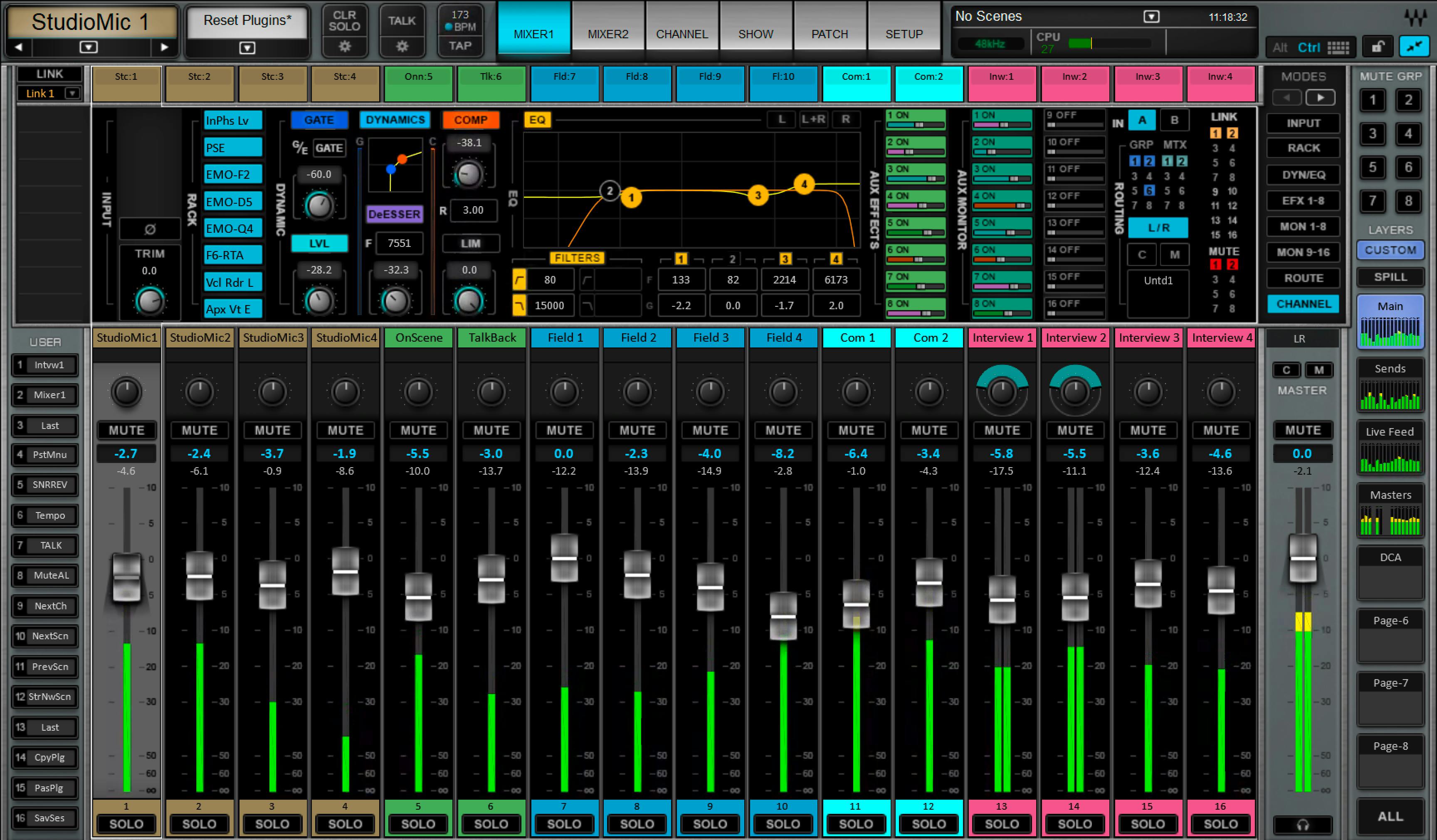
Multitracks Vs Stems: Unveiling the Ultimate Music Production Powerhouse


Credit: www.mellostudio.com


Best Practices

When it comes to working with multitracks and stems, following a set of best practices is essential to ensure a smooth and efficient workflow. Whether you are organizing your files, mixing the tracks, or ensuring the highest quality output, adhering to these guidelines will help you achieve optimal results. In this article, we will explore the best practices for organizing and mixing multitracks and stems, providing you with the necessary knowledge to enhance your audio production process.

Organizing

Proper organization of your multitracks and stems is fundamental to maintain clarity and efficiency throughout the production process. Here are some best practices:

  1. Create a dedicated folder for each project, naming it in a way that provides a clear identification of the content inside. Include the song name, artist, and version for easy reference.
  2. Within the project folder, create subfolders for different sections of the song, such as drums, vocals, guitars, and so on. This will help you locate specific tracks quickly.
  3. Ensure all file names are descriptive and consistent, including the track name, instrument, and version if applicable. This will prevent confusion and make it easier to navigate through the files.
  4. Consider using color-coding or labeling to visually distinguish between different types of tracks. For example, you can assign specific colors to vocal tracks, instrumental tracks, or effect tracks, making them more identifiable at a glance.
  5. Keep all associated files, such as MIDI files, lyric sheets, or session notes, organized within the same project folder. This will provide a comprehensive overview of the project and allow for easy access to relevant materials.

Mixing

The mixing phase is where you blend all the individual tracks to create a cohesive and balanced sound. Here are some best practices to consider:

  1. Start by setting proper gain levels for each track. Ensure that no individual track is clipping or too soft, as this can affect the overall mix quality. Use tools like gain staging to achieve optimal levels.
  2. Take advantage of panning to create a spacious and immersive sonic landscape. Experiment with different positions for each instrument to achieve the desired stereo width.
  3. Apply EQ to each track to remove any unwanted frequencies and enhance the tonal balance. Focus on subtractive EQ techniques to carve out space for each instrument in the mix.
  4. Utilize compression to control the dynamics and ensure a consistent volume level. Apply compression subtly to avoid squashing the dynamics of the music.
  5. Add effects strategically to enhance the overall sound. Use reverbs and delays to create depth, and apply modulation effects sparingly and tastefully.
  6. Regularly reference your mix on different audio systems and devices to ensure it translates well across a variety of playback environments.
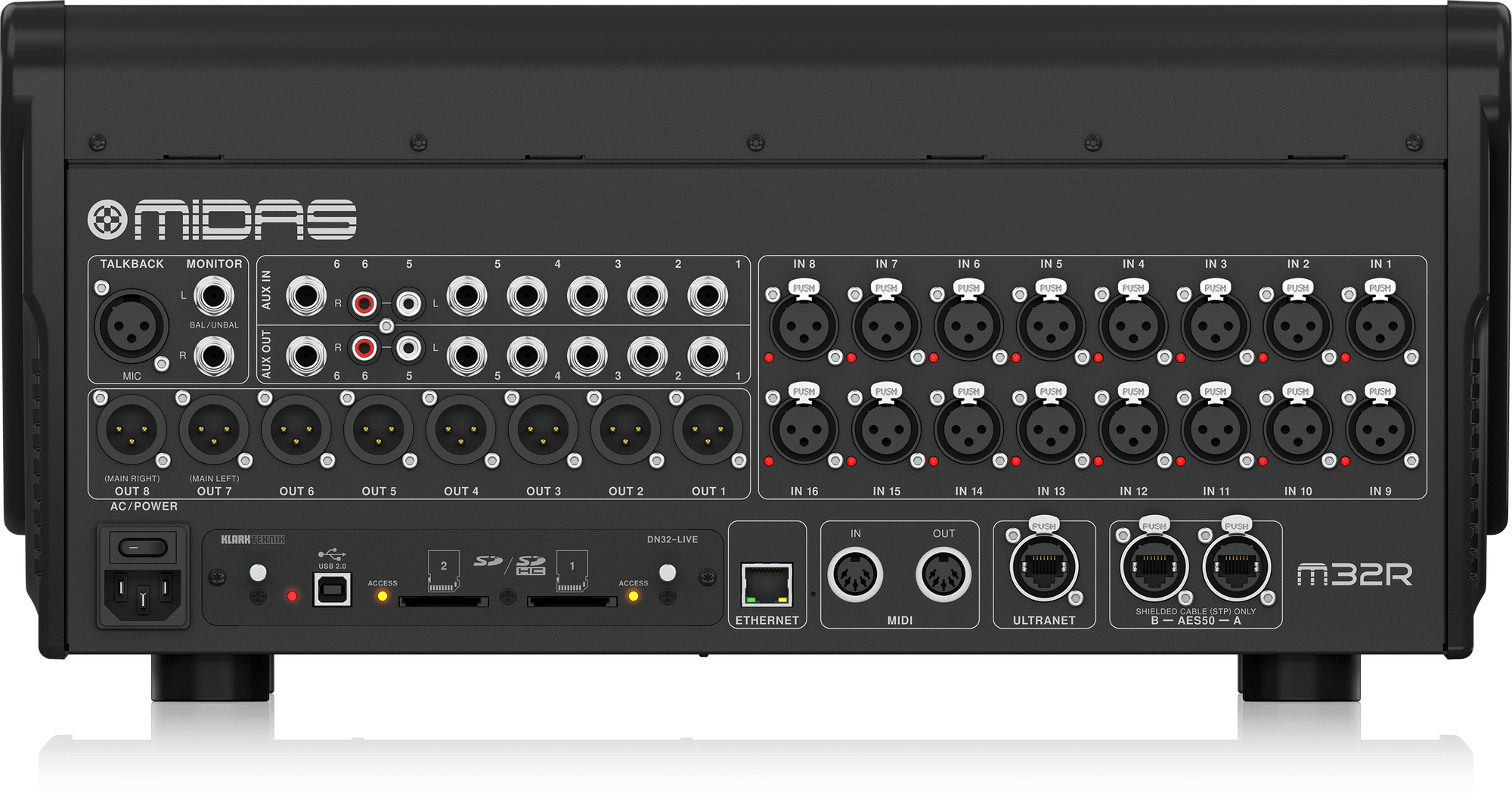
Multitracks Vs Stems: Unveiling the Ultimate Music Production Powerhouse


Credit: www.midasconsoles.com


Frequently Asked Questions For Multitracks Vs Stems


What Is The Difference Between Multitracks And Stems?


Multitracks are audio recordings separated into individual tracks, while stems are pre-mixed audio files grouped by instrument or vocal. Multitracks offer more control for mixing and editing, while stems provide flexibility for remixing or arranging.


Can I Use Multitracks And Stems For Professional Music Production?


Yes, multitracks and stems are commonly used in professional music production. They allow producers to have greater control over the mix and arrangements, resulting in a more customized and polished final product.


Where Can I Find Multitracks And Stems For My Music Projects?


There are various websites and online platforms where you can find multitracks and stems for your music projects. Some popular options include official artist websites, specialized online stores, and subscription-based services that offer a wide range of multitracks and stems for different genres.


How Can I Use Multitracks And Stems To Improve My Mixing Skills?


Using multitracks and stems in your mixing process allows you to isolate specific instruments or vocals, making it easier to identify and address any issues. By working with high-quality recordings and experimenting with different techniques, you can refine your mixing skills and achieve better results.


Conclusion


Both multitracks and stems have their own unique advantages for producers and musicians. Understanding the differences between the two can help you make informed decisions when working on your projects. Whether you choose multitracks or stems, it’s important to consider your specific needs and preferences to achieve the best results for your music production.


Categories
Archive

What Music Mastering How Different Mixing: Discover the Secrets

Music mastering and mixing are two distinct processes in audio production. Mastering focuses on the final touches and overall enhancement of a mixed track, optimizing it for distribution and consumption.


Mixing, on the other hand, involves blending individual tracks together to create a balanced and cohesive sound. The mastering process typically involves fine-tuning the overall tonal balance, dynamic range, and overall loudness of the final mix, while mixing involves adjusting the levels, panning, and effects on individual tracks to achieve a polished final product.


Both mastering and mixing are crucial stages in producing professional-sounding music, each serving a unique purpose in the audio production workflow.

What Music Mastering How Different Mixing: Discover the Secrets


Credit: www.goodreads.com


The Basics Of Music Mastering

Music mastering is a crucial final step in the music production process, ensuring that a track sounds polished and professional.

The Purpose Of Music Mastering

In music mastering, the primary goal is to enhance the overall sound quality of a track while maintaining consistency across an album.

The Process Of Music Mastering

During the mastering process, audio engineers work on fine-tuning elements like EQ, compression, and stereo enhancement to achieve a cohesive and balanced sound.


Credit: www.facebook.com


Characteristics Of Audio Mixing


Audio mixing involves blending and balancing various elements of a music track, such as vocals, instruments, and effects. Music mastering, on the other hand, focuses on the final touches to ensure the overall sound is cohesive, balanced, and ready for distribution.


Mixing shapes the individual elements, while mastering polishes the entire sound.

Balancing Levels And Panning

Balancing levels ensures all instruments can be heard clearly. Panning places them in the stereo field.

Adding Effects And Eq

Add effects like reverb to create depth. EQ adjusts frequencies for a balanced sound.

Distinguishing Between Mixing And Mastering

Understanding the difference between mixing and mastering is essential for anyone involved in the music production process. While these two terms may seem interchangeable to the untrained ear, they play distinct and crucial roles in the production of a high-quality track. Let’s dive into the unique functions of mixing and mastering to gain a clear understanding of their individual contributions.

Understanding The Role Of Mixing In The Production Process

In the music production cycle, mixing is the process of combining and balancing individual tracks to create a cohesive and harmonious sound. It involves adjusting levels, panning, and applying audio effects to enhance each element within the track. The primary goal of mixing is to ensure that all the individual elements of the song work together seamlessly.

The Unique Role Of Mastering

Once the individual tracks have been mixed, the next step is mastering. This involves preparing the final mixes for distribution by fine-tuning and enhancing the overall sound quality. Mastering focuses on optimizing the track for consistency, clarity, and cohesion across different playback systems. It involves maximizing the overall volume, balancing frequencies, and adding final touches to ensure the track meets industry standards.

Key Differences In Techniques

When it comes to music production, both mastering and mixing play crucial roles in enhancing the quality and impact of a song. While mixing focuses on achieving balance and cohesion among individual tracks, mastering is all about adding that final polish and sonic enhancement to the overall sound. Let’s take a closer look at the key differences in techniques between music mastering and mixing.

Focus On Sonic Enhancement In Mastering

In the process of music mastering, the primary goal is to enhance the sonic characteristics of the final mix. This involves adjusting the overall tonal balance, dynamics, stereo width, and depth of the song. Mastering engineers use various tools and techniques like EQ (equalization), compression, stereo imaging, and harmonic excitation to bring out the best in the mix and make it sound more professional and polished.

Unlike mixing, which deals with the individual tracks and elements of a song, mastering takes a holistic approach, focusing on the overall sound of the entire mix. This allows the mastering engineer to make global adjustments that tie everything together and improve the overall quality and impact of the song.

Attention To Cohesiveness And Balance In Mixing

Mixing, on the other hand, is concerned with the individual tracks and elements that make up a song. The mixing process involves adjusting the volume levels, panning, and EQ of each track to create a balanced and cohesive sound. Mixing engineers work with various tools and processors such as equalizers, compressors, and reverb to ensure that each instrument and vocal sits well in the mix and contributes to the overall musicality of the song.

This attention to detail in mixing allows for greater control over the individual elements of a song, ensuring that each instrument and vocal is heard clearly and in the right balance. The mix engineer strives to create a sense of depth and space within the mix, making sure that no single element dominates or gets lost in the sonic landscape.

While both music mastering and mixing are essential stages in the music production process, they differ in their techniques and objectives. Mastering focuses on the final touches and overall enhancement of the mix, while mixing involves meticulously balancing and blending the individual elements. Understanding these key differences can help you appreciate the distinct roles each process plays in creating a professional and impactful final product.

Unveiling The Secrets Of Mastering

In the world of music production, there are two key processes that play a vital role in delivering a polished and professional sound: mixing and mastering. While mixing focuses on blending individual elements of a track, mastering takes it a step further by fine-tuning the entire song to achieve a consistent and optimized sound across all playback systems. In this post, we’ll delve into the secrets of mastering, exploring how it enhances clarity and uniformity and how it optimizes for various playback systems.

Enhancing Clarity And Uniformity

One of the primary objectives of mastering is to enhance the clarity and uniformity of a mixed track. Through careful processing and refinement, the mastering engineer brings out the best qualities of each element, making sure they work harmoniously together. This includes adjusting levels, frequencies, and dynamics to create an even balance while preserving the intended artistic expression.

Furthermore, mastering involves improving the overall sonic characteristics of the music, resulting in a polished and professional sound. By utilizing tools such as equalization, compression, and stereo imaging, the engineer can bring out the subtleties and details that may have been overlooked during the mixing stage.

Optimizing For Various Playback Systems

A crucial aspect of mastering is the task of optimizing the final mix for various playback systems. This ensures that the music sounds consistent and translates well across different platforms, from speakers and headphones to car audio systems. The mastering engineer carefully examines the frequency response and tonal balance, making adjustments that cater to the strengths and limitations of each playback medium.

Another aspect of optimizing for playback systems is adjusting the overall loudness of the track for commercial release. By adhering to industry standards and using specialized tools like limiters, the mastering engineer ensures that the music stands out and competes competitively in today’s music market.

With the rise of streaming services and online platforms, the importance of properly optimizing a track for playback systems cannot be overstated. A well-mastered song allows the listener to experience the intended emotional impact, regardless of the device or medium they use to listen to music.

What Music Mastering How Different Mixing: Discover the Secrets


Credit: www.amazon.com


Frequently Asked Questions On What Music Mastering How Different Mixing


What Is Music Mastering?


Music mastering is the final step in the music production process where the audio is optimized and polished for commercial release. It involves adjusting the overall sound, enhancing the audio quality, and ensuring consistency across all tracks of an album.


How Is Music Mastering Different From Mixing?


While mixing involves balancing and adjusting individual tracks, music mastering focuses on the overall sound of the entire album. It includes fine-tuning the audio, optimizing the dynamic range, adding EQ and compression, and ensuring the tracks are cohesive and sonically pleasing.


Why Is Music Mastering Important?


Music mastering is crucial in giving your songs a professional and polished sound. It helps enhance the audio quality, improve the overall balance and clarity, ensure consistency across tracks, and make your music sound great on different playback systems and platforms.


Is Music Mastering Necessary For Every Song?


While music mastering is highly recommended for every song, it is not always mandatory. Simple recordings or demos might not require professional mastering, but if you want your music to sound its best and compete with commercial releases, mastering can make a significant difference.


Conclusion


To sum up, music mastering and mixing serve distinct purposes in the production process. While mixing focuses on balancing and blending individual tracks, mastering brings the final polish and coherence to the entire song or album. Understanding the differences between the two is essential for achieving professional-sounding music.


Embracing these techniques will elevate the quality of your musical creations.


Categories
Archive

Unlocking the Potential: How Much Can Mastering Improve Sound Quality

Mastering can significantly improve sound quality by enhancing clarity, depth, and overall balance of the audio. It refines the mix to achieve a professional and polished result.


For musicians, producers, and audio engineers seeking to elevate their music to a higher standard, mastering plays a crucial role in bringing out the full potential of a recording. By fine-tuning various aspects of the audio, such as dynamics, EQ, and stereo imaging, mastering can make a substantial difference in how the final product sounds to the listener.


The process involves intricate adjustments and meticulous attention to detail to ensure that the music translates well across different playback systems and platforms, ultimately enhancing the overall listening experience.


The Impact Of Mastering On Sound Quality

When it comes to music production, mastering plays a crucial role in enhancing the overall sound quality. Let’s delve into The Impact of Mastering on Sound Quality:

The Role Of Mastering In Sound Production

Mastering is the final step in the music production process where the audio is polished to achieve a consistent and professional sound.

How Mastering Can Improve Sound Quality

  • Balancing: Mastering ensures that the levels of different tracks are balanced harmoniously.
  • Clarity: It enhances the clarity of each element in the mix for a more defined sound.
  • Dynamics: Mastering optimizes the dynamics of the audio, making it sound more impactful.
  • Depth: It adds depth to the sound by creating a sense of space and dimension.

Key Elements Of Mastering For Sound Quality

Understanding Equalization And Compression

Equalization adjusts frequency characteristics while compression smoothens audio dynamics.

Balancing And Enhancing Audio Dynamics

Improves consistency in sound levels and enhances overall audio quality.

Challenges In Mastering For Sound Quality

The process of mastering plays a crucial role in achieving the highest possible sound quality for music productions. However, mastering for sound quality comes with its own set of challenges that must be carefully navigated to optimize the final outcome.

Maintaining Original Intent Of The Music Production

When mastering music, it is essential to maintain the original intent and artistic vision of the production. This means preserving the emotional impact and artistic integrity of the music while enhancing its overall sound quality. A keen understanding of the genre and the artist’s intention is needed to ensure that the mastered version stays true to the original composition.

Addressing Technical Limitations And Compatibility

Mastering professionals face the challenge of addressing technical limitations and compatibility issues in the mastering process. This involves ensuring the compatibility of the mastered audio across various playback systems and formats. Additionally, technical limitations such as frequency response, phase coherence, and dynamic range need to be carefully managed to achieve consistent and high-quality sound reproduction.

Unlocking the Potential: How Much Can Mastering Improve Sound Quality


Credit: www.amazon.com


Modern Tools And Techniques In Mastering


Mastering with modern tools and techniques can significantly enhance sound quality by refining audio elements such as dynamics, clarity, and depth. Utilizing advanced mastering processes can elevate the overall sonic experience, resulting in a more polished and professional sound for any audio production.

Innovative Software For Precision In Mastering

In today’s digital age, mastering engineers have access to a wide range of innovative software tools that allow them to achieve precise and professional sound quality. With the advent of advanced audio processing algorithms, mastering software has become an indispensable part of the mastering process. These tools enable engineers to fine-tune every element of a track, ensuring that it sounds its best on any playback system.

Integration Of Mastering Into The Digital Workflow

Thanks to technological advancements, the mastering process has seamlessly integrated into the digital workflow. Gone are the days when mastering required expensive and bulky hardware equipment. With digital audio workstations (DAWs) and plugins, mastering engineers can now perform their tasks directly within the computer environment, saving time and resources. The integration of mastering into the digital workflow has also made collaboration and revisions much more convenient. Artists and producers can easily share their work with mastering engineers, who can then make adjustments and provide real-time feedback, all within the digital realm. This streamlined process allows for efficient communication and ensures that the final product meets the artist’s vision. In addition, the digital workflow empowers mastering engineers with greater control and flexibility. With the ability to save and recall presets, engineers can easily apply their tried-and-tested processing chains to multiple tracks with just a few clicks. This consistency ensures a cohesive sound across an entire album or playlist, enhancing the overall listening experience.

In Conclusion

Innovative software tools and the integration of mastering into the digital workflow have revolutionized the way sound quality is improved. The precision and efficiency offered by these modern tools and techniques have expanded the creative possibilities for artists and opened new avenues for collaboration. Whether it’s achieving intricate details in the mix or ensuring consistency across an entire album, mastering has become an essential step in delivering high-quality sound to listeners around the world.

The Art And Science Of Mastering For Sound Quality

The art and science of mastering for sound quality is a crucial step in the production process of music and audio recordings. It involves bridging the gap between the recording and the final mix, enhancing the sonic characteristics of the tracks, and ultimately, delivering the best possible sound experience for the listener.

Balancing Technical Expertise With Creative Sensitivity

Mastering requires a delicate balance between technical expertise and creative sensitivity. It is not enough to simply possess technical skills; a mastering engineer must also have an innate understanding of the emotions and intentions behind the music. By carefully applying technical processing tools such as EQ, compression, and stereo enhancement, an expert mastering engineer can enhance the impact and clarity of the music while maintaining the integrity of the original artistic vision.

Furthermore, a knowledgeable mastering engineer knows how to navigate the intricacies of the dynamic range, ensuring that each element in the mix is balanced and optimized for both loud and soft passages. This attention to detail allows the listener to fully immerse themselves in the music, without any distractions or inconsistencies that may negatively impact the overall experience.

Achieving Consistency In Sound Quality Across Platforms And Formats

In today’s digital age, music is consumed across various platforms and formats, ranging from streaming services to vinyl records. One of the key roles of mastering is to achieve consistency in sound quality across these different mediums, ensuring that the music sounds equally impressive regardless of how it is being listened to.

By carefully calibrating the frequency response, stereo imaging, and overall tonal balance, a mastering engineer can optimize the music for different listening environments and playback systems. This means that whether the listeners are using high-end headphones, car speakers, or wireless earbuds, they will still be able to enjoy the full sonic potential of the music.

Additionally, mastering plays a crucial role in preparing the music for different formats, such as CD, digital downloads, or vinyl. Each format has its own unique characteristics and limitations, and mastering helps to ensure that the music translates well into these different formats, without compromising its quality or impact.

Unlocking the Potential: How Much Can Mastering Improve Sound Quality


Credit: www.amazon.com


Unlocking the Potential: How Much Can Mastering Improve Sound Quality


Credit: www.udemy.com


Frequently Asked Questions On How Much Can Mastering Improve Sound Quality


How Does Mastering Improve Sound Quality?


Mastering enhances sound quality by optimizing aspects like volume, dynamics, and frequency balance. It ensures consistency between tracks, corrects technical issues, and adds depth to the audio. By applying compression, equalization, and other techniques, mastering engineers maximize the potential of a recording, making it sound cohesive and professional.


Is Mastering Necessary For All Types Of Audio?


While not necessary for all types of audio, mastering is beneficial for most recordings. It ensures that the final mix translates well on different playback systems and enhances its overall quality. Whether it’s music, podcasts, or voice-overs, professional mastering can make a significant difference in the perceived quality and impact of the audio.


Can Mastering Fix A Poor Mix?


Mastering can improve a poor mix to some extent but cannot completely transform it. While it can correct minor issues, such as equalization adjustments and minor level adjustments, it cannot fix major mix problems like heavy distortion, excessive noise, or poorly recorded elements.


A well-mixed track provides a better foundation for the mastering process.


How Does Mastering Benefit Home Recordings?


Mastering enhances the overall sound quality of home recordings by addressing common issues like unbalanced frequencies, lack of depth, and inconsistencies between tracks. It can bring out the best in the recording, making it sound more professional and polished. Mastering also ensures that the final product is optimized for various listening environments.


Conclusion


In sum, mastering can significantly enhance sound quality, providing a polished and professional experience for listeners. With the right techniques and tools, mastering is vital for achieving optimal sonic results. Investing in mastering services can yield remarkable improvements in clarity, depth, and overall impact of audio recordings, making it a crucial step in the production process.