Categories
Archive

How to Determine If a Used Piano is Good: Essential Tips

To tell if a used piano is good, check for keys’ responsiveness and overall sound quality. Inspect for structural integrity and any signs of wear and tear to ensure it’s in good condition.


Investing in a quality used piano can be a wise decision for both beginners and experienced musicians. A good piano can enhance your playing experience and provide you with years of musical enjoyment. By carefully examining key factors such as sound quality, condition, and durability, you can make an informed decision when purchasing a used piano.


Whether you’re a student, professional musician, or simply an enthusiast, selecting a high-quality and well-maintained used piano can greatly impact your musical journey.

How to Determine If a Used Piano is Good: Essential Tips


Credit: pianomovingart.com


Researching The Brand

When purchasing a used piano, one crucial step is researching the brand to determine its quality and value. By focusing on the brand reputation and common issues associated with specific piano brands, you can make an informed decision.

Check The Brand Reputation

  • Look for well-known and reputable piano brands such as Yamaha, Steinway, or Kawai for assurance of quality.
  • Check customer reviews and ratings online to gauge the overall satisfaction and reliability of the brand.
  • Consider the longevity of the brand in the market as established brands often maintain higher standards of craftsmanship.

Research Common Issues

  1. Identify typical problems associated with the brand by consulting piano technicians or online forums.
  2. Check for common issues such as sticky keys, loose pedals, or tuning stability that may affect the performance of the piano.
  3. Compare common problems across different brands to make a well-informed decision when evaluating a used piano.

Inspecting The Exterior

When considering a used piano purchase, thorough inspection of the exterior is crucial. It gives insight into the instrument’s overall condition. Here’s how to go about inspecting the exterior:

Check For Physical Damage

  • Look for any scratches, cracks, or dents on the outer casing.
  • Check if the legs and pedals are securely attached and not wobbly.
  • Ensure the lid opens and closes smoothly without any issues.

Inspect The Keys And Hammers

  • Examine each key for consistent resistance and responsiveness.
  • Check for any chipped or broken keys that may affect the piano’s performance.
  • Inspect the hammers for signs of wear and tear, such as grooves or felt deterioration.

https://www.youtube.com/watch?v=QP3ArTVMDMU


Assessing The Sound Quality

Assessing the sound quality of a used piano is crucial when determining its overall condition and value. Sound quality can be subjective, but there are specific factors to consider when assessing it. By focusing on the tone, resonance, and the quality of the soundboard, you can effectively determine if a used piano is of good quality.

Test The Tone And Resonance

When evaluating a used piano, it’s essential to test the tone and resonance it produces. Start by playing each key in succession, listening for consistent tone and resonance across the entire keyboard. A good piano will have a balanced and rich tone, with each note resonating clearly and evenly. Listen attentively for any signs of dead or muffled notes, which could indicate internal issues with the instrument.

Evaluate The Soundboard

The soundboard plays a significant role in the overall sound production of a piano. Inspect the soundboard for cracks, warping, or other damages that could affect its ability to resonate effectively. When playing the piano, pay attention to the volume and quality of sound produced. A well-maintained soundboard will project a clear and robust sound, enhancing the overall tonal quality of the piano.
How to Determine If a Used Piano is Good: Essential Tips


Credit: www.hoffmanacademy.com


Checking Internal Components

When purchasing a used piano, it is essential to thoroughly check its internal components to determine its overall quality and condition. By examining the action mechanism, inspecting the strings and tuning pins, you can gain insights into the instrument’s playability and longevity. This article will guide you through the process of assessing these internal components of a used piano, helping you ensure that you make a worthwhile investment.

Examine The Action Mechanism:

The action mechanism of a piano refers to the intricate system of levers and hammers that translate the pressing of keys into the production of sound. To gauge the quality of this mechanism:

  1. Observe the responsiveness of the keys: Press a few keys gently and firmly to test how quickly the hammers return to their original position.
  2. Check for consistent key weight: Play different keys across the keyboard and ensure that the weight feels even throughout.
  3. Inspect the hammer alignment: Open the top lid of the piano and visually assess if the hammers are aligned parallel to the strings. Any misalignment may result in uneven sound production.

Inspect The Strings And Tuning Pins:

The condition of the strings and tuning pins greatly impacts the sound quality and playability of the piano. Here are some steps to assess these components:

  • Check for string corrosion and rust: Look closely at the strings for any signs of corrosion or rust. These can affect the tone and resonance of the piano.
  • Inspect tuning pin tightness: Gently try to turn a few tuning pins with a specialized tuning lever. If they feel loose or if they don’t hold pitch, it might indicate that the piano will require extensive tuning and maintenance.
  • Look for any broken or worn-out strings: Visually inspect the strings for any signs of damage or wear. Broken or worn-out strings should be replaced to ensure optimal sound quality.

By thoroughly examining the action mechanism, strings, and tuning pins of a used piano, you can make an informed decision regarding its quality. Remember, investing time in assessing the internal components will help you determine if the piano is in good condition and if it will provide you with years of musical enjoyment.

Consulting A Professional

When buying a used piano, it’s essential to consult with a professional to ensure you’re making a wise investment. Seeking expert evaluation and asking for the maintenance history are crucial steps that can help you determine if a used piano is good. Here’s what you need to know:

Seek Expert Evaluation

One of the most reliable ways to determine the quality and condition of a used piano is by having an expert evaluate it. A professional piano technician or a qualified piano dealer can assess various aspects, including the instrument’s overall condition, structural integrity, and tone quality. They have the knowledge and experience to spot any potential issues or repairs that the piano may need.

During an evaluation, the expert will carefully inspect the piano’s external features, such as the cabinet, keys, pedals, and strings. They will also test the piano’s functionality, checking for proper key action, pedal response, and sound quality. Based on their expertise, they can provide advice on whether the piano is worth purchasing and if any repairs or adjustments are necessary.

Ask For Maintenance History

When assessing a used piano, it’s crucial to ask for the instrument’s maintenance history. This information can give you valuable insights into how well the piano has been cared for over the years. It is advisable to request documentation or records of past tunings, services, and repairs.

A well-maintained piano typically suggests that it has received regular attention, which is indicative of a previous owner’s commitment to its upkeep. On the other hand, a piano with a vague or nonexistent maintenance history might pose a higher risk of hidden problems or neglect.

Additionally, the maintenance history can shed light on any major repairs or rebuilding work that the piano might have undergone. This knowledge can help you evaluate the piano’s long-term durability and overall value.

Remember, a reputable seller should be willing to provide you with detailed maintenance information, so don’t hesitate to ask. If they cannot provide any records or seem evasive about the piano’s history, it may be a red flag that further investigation is needed.

How to Determine If a Used Piano is Good: Essential Tips


Credit: m.facebook.com


Frequently Asked Questions Of How To Tell If A Used Piano Is Good


How Do I Know If My Second Hand Piano Is Good?


Check the piano’s condition, age, brand, and tuning. Look for any damage or wear. Play each key to check for consistent sound and responsiveness. Consider hiring a piano technician for a professional evaluation.


Is It A Good Idea To Buy A Second Hand Piano?


Buying a second-hand piano can be a good idea to save money while still getting a quality instrument. Make sure to inspect for any damage or wear before purchasing. It’s essential to have it tuned and maintained by a professional piano technician.


How Can You Tell The Quality Of A Piano?


Quality of a piano is determined by brand reputation, craftsmanship, materials used, sound clarity, and touch responsiveness.


What Should I Look For In A Good Piano?


When choosing a good piano, consider factors like sound quality, touch responsiveness, durability, and brand reputation. Look for a piano that suits your needs and offers a good balance of tone and playing feel. Evaluate the instrument in person and seek advice from piano professionals.


Conclusion


Purchasing a used piano requires thorough examination to ensure its quality. By paying attention to the sound, key responsiveness, and overall condition, you can make an informed decision. Additionally, seeking the expertise of a professional piano technician can provide valuable insight.


Choosing a good used piano will enhance your music journey and bring joy for years to come.
Categories
Archive

Which Piano Key Matches the Note on the Staff: Find the Perfect Harmony Now!

The note on the staff is matched by the corresponding piano key. Understanding this relationship is vital for music learners.


When reading sheet music, recognizing which piano key corresponds to each note on the staff helps musicians play accurately. This connection between notation and the keyboard is fundamental for developing proficiency in playing the piano. By grasping this concept, aspiring pianists can enhance their musical skills and fluency in performing various pieces.


Moreover, this understanding lays the groundwork for interpreting and playing music with precision and emotion. Mastering the association between piano keys and staff notes is a crucial step in a musician’s journey towards proficiency and artistry.

Which Piano Key Matches the Note on the Staff: Find the Perfect Harmony Now!


Credit: www.deezer.com


Anatomy Of A Piano


The piano keys are aligned with the notes on the staff, allowing you to match the specific key to the corresponding note. Each key represents a particular note in a sequence from low to high pitch, corresponding with the notes on the staff.


Learning the anatomy of a piano can help you accurately match keys to their corresponding notes on the staff.

88 Keys

A piano consists of 88 keys, spanning both white and black keys. Considered the heart of the piano, Middle C is located at the center of the keyboard.

Middle C Key Position

Middle C is positioned near the middle of the 88 keys on a piano. The location of Middle C helps pianists orient themselves on the keyboard easily. Its placement allows for a balanced distribution of notes across the piano. In summary, the keys on a piano are essential for producing a wide range of musical notes.

Which Piano Key Matches the Note on the Staff: Find the Perfect Harmony Now!


Credit: www.amazon.com


Understanding Musical Notation

The Staff

A musical staff is made up of five horizontal lines and four spaces between them, where each line and space represents a different musical pitch.

Treble Clef And Bass Clef

The treble clef is used for higher notes, while the bass clef is used for lower notes, helping musicians play the correct keys on the piano.

Correlating Piano Keys With Notes

When learning to play the piano, it is essential to understand how each piano key correlates to the notes on the staff. This knowledge forms the foundation for playing melodies, chords, and forming a deeper understanding of music theory. Let’s delve into how to correlate piano keys with notes on the staff, starting with the pivotal Middle C as the Starting Point.

Middle C As The Starting Point

Middle C acts as a reference point for identifying notes on the piano. Positioned near the middle of the keyboard, Middle C serves as a fundamental marker, separating the high and low pitch areas of the piano. This key is significantly denoted by its relation to the notes positioned above and below it on the grand staff.

Identifying Notes On The Piano

In the realm of piano playing, understanding the layout of notes on the keyboard is crucial. Identifying notes on the piano involves recognizing the pattern of white and black keys. The white keys represent the natural notes (A, B, C, D, E, F, G), whereas the black keys represent the sharps and flats. It’s important to become familiar with this pattern to accurately locate and play notes as intended by the sheet music.

To associate piano keys with notes, it is necessary to understand the concept of enharmonic equivalents, where a single note can be represented by multiple keys of the piano. This understanding is pivotal for maintaining accuracy in playing melodies and chords while reading music.

Playing In Perfect Harmony

Playing the piano is a beautiful art form that can captivate both the player and the audience. But in order to create that mesmerizing melody, one must know which piano key matches the note on the staff. It’s the perfect harmony between sight and sound that brings music to life. Let’s dive into the process of matching the piano keys with notes and explore some tips for learning and practice.

Matching The Piano Keys With Notes

When it comes to playing the piano, understanding how the notes on the staff correspond to the keys on the piano is essential. Each note on the staff represents a specific pitch, and finding the corresponding key on the piano is the key to playing in tune.

Tips For Learning And Practice

Learning to match piano keys with notes may seem daunting at first, but with consistent practice and the right techniques, it can become second nature. Here are some tips to help you on your journey:

  • Start by learning the basics of reading sheet music and understanding the symbols used for different notes.
  • Take it slow and focus on accuracy rather than speed. It’s better to play a few notes correctly than rush through a piece with mistakes.
  • Break down the music into smaller sections and practice each section separately before putting them together.
  • Use mnemonic devices to remember the relationships between the notes and the corresponding keys on the piano.
  • Practice sight-reading exercises regularly to improve your ability to quickly identify the notes on the staff and find the corresponding keys on the piano.
  • Record your practice sessions and listen back to identify areas for improvement.
  • Work with a piano teacher or use online resources and tutorials to get guidance and feedback on your progress.

Remember, learning to match piano keys with notes takes time and patience. Stay consistent, practice regularly, and enjoy the journey of creating beautiful music.

Exploring Octaves And Beyond

Understanding the relationship between the notes on the staff and the keys on a piano is essential for any aspiring pianist. To navigate the instrument effectively, it is crucial to delve deeper into the concept of octaves and how they relate to the piano keyboard. By grasping this fundamental musical principle, you will be able to identify which piano key matches the note on the staff with ease. Let’s explore octaves and beyond to unlock the full potential of your piano playing.

Understanding Octaves

An octave is a musical interval that spans a total of eight notes. It represents the distance between two pitches where the higher note has a frequency twice that of the lower note. This interval is the foundation of the musical scale and serves as a building block for melodies and harmonies. On a piano, octaves are visually represented by a sequence of twelve keys, encompassing both white and black keys. Each consecutive octave on the piano keyboard follows the same pattern, albeit with different pitches.

Using Piano Key Patterns

Mastering the patterns of piano keys is a crucial step in identifying the corresponding notes on the staff. By understanding these patterns, you can quickly locate any desired pitch. Let’s take a closer look at the layout of the keys:

Key Note
White Key C
Black Key C#/Db
White Key D
Black Key D#/Eb
White Key E
White Key F
Black Key F#/Gb
White Key G
Black Key G#/Ab
White Key A
Black Key A#/Bb
White Key B

Note that between the white keys C and D, and E and F, there are no black keys. This pattern repeats throughout the entire keyboard, providing a visual reference for matching notes on the staff to the corresponding piano keys. Additionally, the relationship between the black keys and their adjacent white keys is significant in navigating the instrument accurately.

By understanding octaves and recognizing the patterns of piano keys, you can confidently identify which piano key matches the note on the staff. Enrich your piano playing experience by delving into the vast world of octaves and unlocking the full range of musical possibilities that the instrument has to offer.

Which Piano Key Matches the Note on the Staff: Find the Perfect Harmony Now!


Credit: www.ubisoft.com


Frequently Asked Questions Of Which Piano Key Matches The Note On The Staff


Which Piano Key Matches The Notes On The Staff?


Each note on the staff corresponds to a specific piano key. Middle C aligns with the middle C key on the piano.


Which Piano Key Matches Middle C?


Middle C on the piano matches the key directly to the left of the two black keys within the central section.


What Is The C On The Staff?


The C on the staff represents the note C in the musical scale. It is the note that is located on the first ledger line below the staff.


Which Note On The Staff Matches The Piano Key When A Flat Names The Key?


When a flat names the key, the note on the staff that matches the piano key is one semitone lower.


Conclusion


In essence, understanding the correspondence between piano keys and notes on the staff is fundamental for a pianist. By grasping this connection, you’ll be equipped to read sheet music accurately and play with proficiency. With practice and patience, you can gradually master this essential skill and enhance your musical journey.


Keep exploring and honing your musical talents!


https://www.youtube.com/watch?v=eRkgK4jfi6M


Categories
Archive

How To Supercharge Your Twitter Account for Musicians

To set up a Twitter account for musicians, visit Twitter’s website and click Sign Up. Fill in required information like email, password, and username.


In today’s digital age, musicians need a strong online presence to connect with fans and promote their music effectively. One powerful tool for achieving this is Twitter, a popular social media platform that allows musicians to interact with their audience in real time.


By setting up a Twitter account, musicians can share updates, engage with followers, and build a loyal fan base. We will explore the steps to create a Twitter account for musicians and provide tips on how to optimize your profile for maximum impact. Let’s dive in!


Identifying Your Audience


When setting up a Twitter account for musicians, it’s crucial to identify your target audience. Understanding your fans’ demographics, interests, and preferences will help tailor your content, engage with them effectively, and grow a loyal following. This can be achieved by using analytics tools and insights from Twitter to understand your audience better.

Researching Audience Interests

  • Use analytics tools to assess demographics.
  • Engage with fans to understand preferences.
  • Monitor trends in the music industry.

Connecting With Fans

  1. Create polls to gauge interests.
  2. Personalize interactions on the platform.
  3. Collaborate with influencers in your genre.
How To Supercharge Your Twitter Account for Musicians


Credit: flypaper.soundfly.com


Optimizing Your Profile

Optimizing Your Profile:

Creating A Compelling Bio

Your bio is like your elevator pitch, concise and captivating.

  • Include your genre, achievements, and a unique personality touch.
  • Use keywords relevant to your music and brand.

Choosing The Right Profile Picture

Your profile picture is the first thing people see, make it count.

  1. Use a high-quality image that reflects your brand.
  2. Ensure your face is clear and the image is visually appealing.

Creating Engaging Content


Discover how to establish a vibrant Twitter presence for musicians by crafting compelling and interactive content that captivates your audience. Engage followers with updates, behind-the-scenes glimpses, and engaging conversations to build a loyal fan base. Strengthen your online presence and connect with fans through strategic content creation on your Twitter account.

Creating engaging content is key to building a strong presence on Twitter as a musician. By utilizing the power of visual media and crafting captivating tweets, you can effectively connect with your audience and stand out in the crowded social media landscape. Utilizing Visual Media Visuals can significantly enhance the impact of your tweets. Incorporate eye-catching images, videos, and GIFs to grab the attention of your followers. Share behind-the-scenes glimpses of your music-making process, snippets from live performances, or intriguing visuals related to your brand. Visual content has the potential to go viral and leave a lasting impression on your audience. Crafting Captivating Tweets Crafting compelling tweets is essential for engaging your audience. Keep your tweets concise and to the point, conveying your message effectively in 280 characters or less. Use a mix of informational, promotional, and interactive tweets to keep your content varied and interesting. Ask questions, run polls, and encourage retweets and replies to spark conversations and increase engagement. Remember to use relevant hashtags to increase your tweet’s visibility and reach a wider audience. Engaging with your followers by responding to their comments and retweeting their content can foster a sense of community and loyalty among your fan base. Incorporate multimedia elements such as audio snippets or lyric quotes to give your followers a taste of your music and keep them excited about what you have to offer. By implementing a well-rounded content strategy that blends visually appealing media with captivating tweets, you can create a thriving Twitter presence that resonates with your fans and helps you grow your following.


Credit: www.linkedin.com


Using Hashtags Effectively

Using hashtags effectively is crucial for musicians looking to gain visibility and engagement on Twitter. Hashtags allow you to reach a wider audience and connect with others interested in similar topics or events. By understanding hashtag relevance and strategically using them, you can maximize your exposure on the platform.

Understanding Hashtag Relevance

Hashtag relevance refers to using hashtags that are related to your music, genre, or industry. By utilizing relevant hashtags, you increase the chance of reaching your target audience and potential fans.

When choosing relevant hashtags, consider the following:

  1. Genre-specific hashtags: Use hashtags that are specific to your music genre. For example, if you’re a jazz musician, you can use hashtags like #jazzmusic or #jazzlover.
  2. Popular hashtags: Incorporate popular hashtags that are trending or frequently used by your target audience. This increases the likelihood of your tweets being discovered by a wider range of people.
  3. Event-related hashtags: Take advantage of hashtags associated with relevant events, such as music festivals or industry conferences. This allows you to connect with attendees and other musicians participating in the event.

Strategic Hashtag Usage

Strategic hashtag usage involves implementing hashtags in a way that optimizes your visibility and engagement on Twitter.

To use hashtags effectively, follow these strategic tips:

  • Targeted hashtags: Research and use hashtags with a moderate level of popularity that are relevant to your music. This helps you avoid getting lost in the sea of tweets using highly popular hashtags, increasing the chances of your content being seen.
  • Consistency: Use your chosen hashtags consistently across multiple tweets. This builds recognition and makes it easier for your followers to find your content.
  • Avoid hashtag overload: While hashtags are important, it’s crucial not to overuse them. Limit yourself to two or three relevant hashtags per tweet to maintain readability and avoid appearing spammy.
  • Create branded hashtags: Consider creating your own unique branded hashtag that reflects your music or band. Encourage your fans to use it when talking about your work, and periodically search for and engage with content using your branded hashtag.

In conclusion, mastering the art of using hashtags effectively can greatly benefit musicians on Twitter. By understanding hashtag relevance and strategically utilizing them, you can enhance your visibility, reach your target audience, and foster engagement with your content.

Building A Strong Network


To ensure success in the music industry, setting up a Twitter account is crucial for musicians. By engaging with fans, promoting new releases, and connecting with industry professionals, artists can build a strong network and establish their online presence effectively.


Regular updates and engaging content can help musicians grow their following and increase visibility in the competitive music landscape.

Engaging With Followers

One of the key elements of building a strong network on Twitter as a musician is to actively engage with your followers. By responding to their tweets, acknowledging their support, and initiating conversations, you can establish a genuine connection that goes beyond the screen. Communicating regularly and authentically helps create a loyal fan base that feels heard and valued. Remember, every interaction is an opportunity to enhance your online presence and deepen your relationship with your followers.

Connecting With Influencers

Connecting with influencers in the music industry is a strategic way to expand your network and increase your visibility. These are individuals who have established themselves as experts or trendsetters in the field and have a wide reach on Twitter. By engaging with them, such as retweeting their content, mentioning them in your tweets, or commenting on their posts, you can capture their attention and potentially gain exposure to their followers. Collaborations and shout-outs from influencers can help you gain credibility, attract a larger audience, and open doors to new opportunities.

How To Supercharge Your Twitter Account for Musicians


Credit: zubymusic.gumroad.com


Frequently Asked Questions Of How To Setup A Twitter Account For Musicians


Is Twitter Worth It For Musicians?


Yes, Twitter is worth it for musicians to connect with fans, share updates, and promote their music. It provides a platform for networking and reaching a wider audience.


How Do Musicians Use Twitter?


Musicians use Twitter by sharing updates, engaging fans, promoting music, and collaborating with other artists. They can also connect with industry professionals, build their brand, and gain exposure by using hashtags and participating in trending discussions. Twitter provides a platform for musicians to connect with their audience and grow their fan base.


How Do You Get A Verified Musician On Twitter?


To get verified as a musician on Twitter, follow these steps: 1. Build a strong online presence and engage with your audience. 2. Provide accurate information about your music and career on your Twitter profile. 3. Submit a verification request through the official Twitter verification form.


4. Await a response from Twitter regarding your verification status. 5. Continue creating great music and connecting with your fans while waiting for verification.


Should I Use Twitter As An Artist?


Yes, using Twitter as an artist can help you connect with fans, showcase your work, and reach a wider audience. It’s a great platform for sharing behind-the-scenes content, engaging with followers, and promoting your art. Additionally, Twitter can increase your visibility and opportunities in the art world.


Conclusion


Setting up a Twitter account for musicians is a pivotal step in building a strong online presence and connecting with fans. By optimizing your profile, engaging with your audience, and sharing valuable content, you can effectively promote your music and grow your fan base.


With consistent effort and strategic use of Twitter, you can expand your reach and enhance your music career.


https://www.youtube.com/watch?v=a5HlVHhfd-c


Categories
Archive

Sidechain Compression Guide: Master the Art of Dynamic Mixing

In sidechain compression, the signal of one track controls the compression of another to create dynamic mixes. It enhances clarity and impact in music production.


This guide will explain how to set up sidechain compression for effective audio processing. Sidechain compression is a powerful tool used in various genres to give space and balance in the mix, making instruments stand out while ensuring they work harmoniously together.


By learning how to properly implement sidechain compression, you can elevate your music production skills and achieve professional-sounding results. Understanding the fundamentals of sidechain compression will enable you to fine-tune your music and bring out the best in your tracks, leading to a more cohesive and polished final product.

Sidechain Compression Guide: Master the Art of Dynamic Mixing


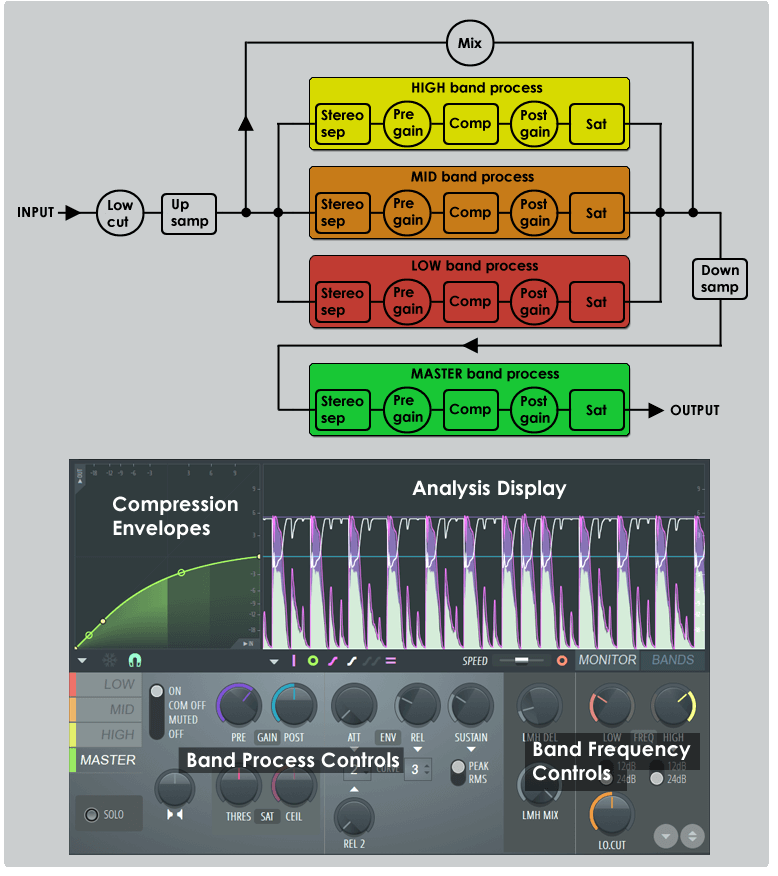
Credit: www.image-line.com


The Basics Of Sidechain Compression

Sidechain compression is a powerful tool used in audio production to create dynamic mixes by allowing one sound to control the intensity of another. Understanding the basics of sidechain compression is essential for enhancing the impact and clarity of your tracks.

What Is Sidechain Compression?

Sidechain compression is a technique where the level of one audio signal (the sidechain input) triggers the compression of another audio signal (the main input). This means that when the sidechain signal reaches a certain threshold, it activates the compressor on the main signal, reducing its volume.

Understanding The Parameters

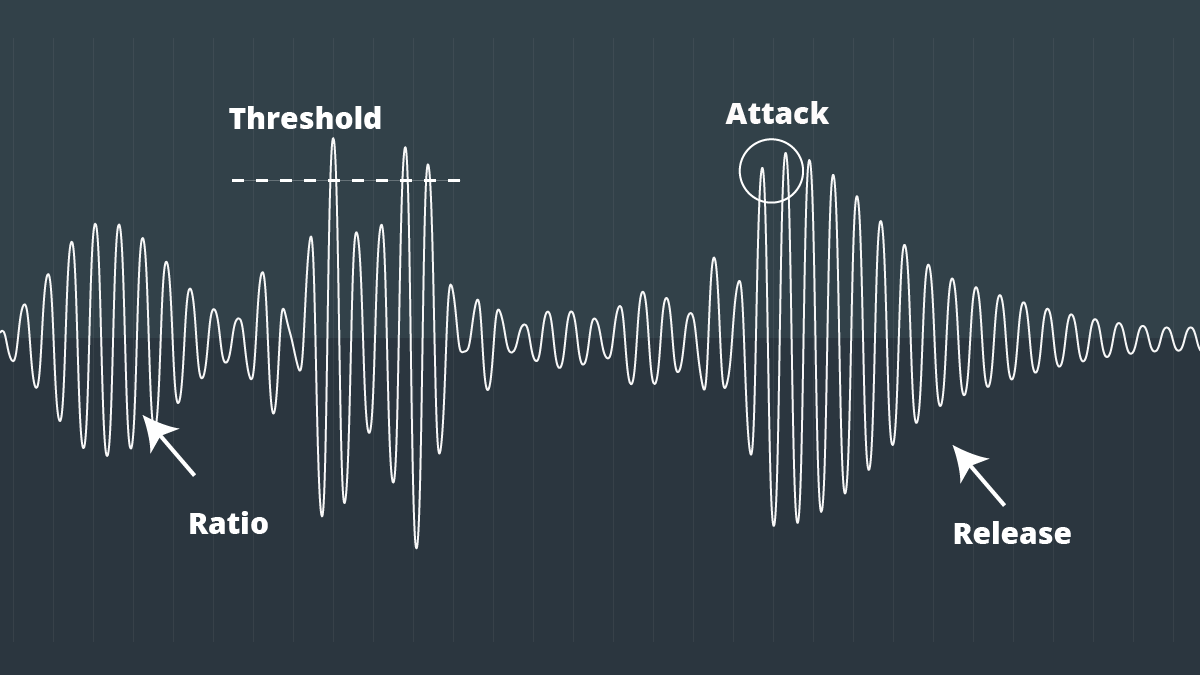
Threshold: The level at which the sidechain signal activates the compressor on the main input.

Ratio: Determines how much the main signal is compressed when the sidechain signal exceeds the threshold.

Attack: Controls how quickly the compressor reacts once the threshold is surpassed.

Release: Dictates how long it takes for the compressor to stop compressing once the signal falls below the threshold.

Selecting The Right Source And Destination

Selecting the right source and destination is crucial when using sidechain compression in your audio projects.

Identifying The Primary And Secondary Tracks

Identify your primary track for compression and secondary track for sidechain input.

Setting Up The Sidechain Input

Ensure the sidechain input is properly configured for each track in your audio project.

Advanced Techniques For Creative Mixing

Applying Rhythmic Pumping Effects

Rhythmic pumping effects can add dynamic energy to a mix, heightening impact and enhancing groove. Using sidechain compression, you can create this effect by creating a rhythmic link between the kick drum and bassline, where the bass subtly ducks out of the way of the kick, then bounces back into place, giving a pulsing sensation to the mix.

Exploring Frequency-specific Compression

Utilizing frequency-specific compression allows for precise control over individual frequency bands. By targeting specific problem areas, such as excessive low-end on a vocal track, you can sculpt the sound to achieve a more balanced and polished mix that retains warmth and clarity. This technique is particularly effective for instruments and vocals that require frequency-specific attention.

Sidechain Compression Guide: Master the Art of Dynamic Mixing


Credit: m.facebook.com


Optimizing Sidechain Compression For Various Instruments


Mastering sidechain compression for different instruments can elevate your audio production. Learn how to tailor this technique to optimize the sound of each instrument in your mix, achieving a balanced and professional-grade result. Discover the nuances of sidechain compression to enhance your musical creations with precision and artistry.

Sidechain compression is an essential technique used in audio production to create a dynamic and pumping effect. By using sidechain compression, you can achieve a balanced mix and prevent certain instruments from overpowering others. While sidechain compression is commonly used on the kick and bass, it can also be applied to vocals and other instruments to create space and clarity in your mix.

Sidechaining For Kick And Bass

When it comes to sidechain compression for the kick and bass, the objective is to ensure that the kick drum cuts through the mix without conflicting with the bassline. By sidechaining the bass to the kick drum, you can create a rhythmic pumping effect that allows the kick drum to punch through while still maintaining the low-end presence of the bass.

To optimize sidechain compression for the kick and bass, follow these steps:

  1. Insert a compressor plugin on the bass track.
  2. Route the kick drum’s audio signal to the sidechain input of the compressor.
  3. Set the attack time of the compressor relatively short, around 10-20 milliseconds, to allow the kick drum to transiently pass through.
  4. Adjust the release time according to the tempo of the song, ensuring the pumping effect is in sync and sounds natural.
  5. Tweak the threshold and ratio settings to achieve the desired balance between the kick and bass.

Sidechaining Vocals And Instruments

In addition to the kick and bass, sidechain compression can be used on vocals and other instruments to ensure they are not masked by competing elements in the mix. By sidechaining instruments or vocals with a dominant frequency range to another instrument, you can carve out space and enhance clarity.

To optimize sidechain compression for vocals and instruments, follow these steps:

  1. Insert a compressor plugin on the instrument or vocal track you want to sidechain.
  2. Route the audio signal from the dominant instrument or vocal to the sidechain input of the compressor on the track you want to enhance. For example, if the vocals are being masked by a loud guitar, route the guitar’s audio to the sidechain input of the compressor on the vocal track.
  3. Adjust the attack and release times based on the characteristics of the dominant instrument or vocal, allowing the desired elements to shine through.
  4. Experiment with the threshold and ratio settings to achieve a natural and transparent result.

By applying sidechain compression to various instruments in your mix, you can create a dynamic and well-balanced sound where each element has its own space to shine. Whether it’s the kick and bass or vocals and instruments, optimizing sidechain compression allows you to achieve a professional and polished mix.


Troubleshooting And Best Practices

Sidechain compression can greatly enhance the dynamics and clarity of your mix, but as with any audio processing technique, there are potential pitfalls to watch out for. In this section, we will explore some common troubleshooting issues and provide you with best practices to ensure optimal results.

Dealing With Pumping Artifacts

If you’ve ever encountered a pumping or breathing effect in your mix, it’s likely due to excessive sidechain compression. Pumping artifacts occur when the compression is overly aggressive, causing noticeable fluctuations in volume. To avoid this undesirable effect:

  1. Use a longer attack time: A shorter attack time accentuates transients, which can lead to pumping artifacts. Increasing the attack time will result in smoother compression.
  2. Adjust the release time: Experiment with the release time to find a setting that allows for natural decay without causing pumping artifacts. A release time that is too short can create an unnatural pumping effect.
  3. Consider sidechain EQ: Sometimes, pumping artifacts can be caused by specific frequencies triggering the compression. By using a sidechain EQ, you can shape the triggering frequencies, reducing the likelihood of pumping artifacts.

Avoiding Over-compression Pitfalls

While sidechain compression can be an effective tool, it’s important to exercise caution to avoid over-compression, which can result in a lifeless and overly controlled mix. To ensure you don’t fall into this trap:

  • Set the compression ratio appropriately: The ratio determines how much the input signal exceeds the threshold before compression kicks in. A ratio that is too high can lead to excessive compression, so find a balance that retains dynamics while controlling peaks.
  • Use a gentle touch when adjusting the threshold: It’s tempting to crank up the threshold to catch every transient, but doing so can lead to excessive compression. Start with a conservative threshold setting and make small adjustments to find the right balance.
  • Consider using parallel compression: Instead of relying solely on heavy compression, try blending in some parallel compression. This technique allows you to retain the natural dynamics of the original signal while adding some controlled compression to enhance the overall mix.

By following these troubleshooting tips and best practices, you can optimize your sidechain compression settings and achieve a more transparent and balanced mix. Remember, always trust your ears and let the music guide your decisions.

Sidechain Compression Guide: Master the Art of Dynamic Mixing


Credit: www.soundgym.co


Frequently Asked Questions On Sidechain Compression Guide


What Is The Best Compressor Setting For Sidechain?


For sidechain compression, set the compressor with a fast attack, medium release, and adjust threshold to suit.


How To Do Sidechain Compression?


To do sidechain compression, route a key audio signal to the compressor’s sidechain input. Adjust the threshold and ratio settings to control how the compressor impacts the main audio signal. Experiment with attack and release times to achieve desired results.


Adjust the output gain for balanced levels.


Should I Sidechain Or Eq First?


It’s generally best to EQ before sidechaining to shape the sound, then use sidechain compression to control dynamics. EQing first ensures a more polished sound before applying sidechain compression for better mix clarity and balance.


What Elements Should Be Sidechained?


Sidechaining is a technique commonly used in music production. Typically, elements such as kick drums, bass lines, and synths are sidechained. Sidechaining allows one sound to control the volume of another, creating a pulsating effect. This technique is often used to enhance the rhythm and dynamics of a track.


Conclusion


To sum up, sidechain compression is a powerful technique for enhancing the clarity and dynamics of your audio mix. By using sidechain compression effectively, you can create a more balanced and polished sound. Experiment with different settings and practice using it in various musical contexts to fully grasp its potential.


With time and practice, you can master this valuable tool and take your music production skills to new heights.

Categories
Archive

Unlock the Power: 6 Ways You Can Utilize Your Music Data

Utilize music data by analyzing streaming patterns, targeting marketing efforts, creating personalized playlists, enhancing fan engagement, improving tour planning, and collaborating with other artists. In today’s digital age, music data plays a crucial role in helping artists and music industry professionals make strategic decisions and connect with their audience on a deeper level.


Understanding how to leverage this wealth of information can lead to increased success, visibility, and opportunities in an increasingly competitive landscape. By harnessing the power of music data, artists can unlock valuable insights that drive their career forward and foster meaningful connections with their fans.


Let’s explore six effective ways you can utilize your music data to optimize your music career and reach new heights of success.


Understanding Your Music Data

Understanding Your Music Data is crucial for optimizing your music career. By delving into the nuances of your data, you can make informed decisions to enhance your reach and engagement.

The Potential Of Music Data

Unlock endless opportunities by harnessing the power of music data. It allows you to connect with your audience on a deeper level.

Why Music Data Is Valuable

Music data offers invaluable insights that drive your decision-making process. It empowers you to tailor your strategy for maximum impact.

Unlock the Power: 6 Ways You Can Utilize Your Music Data


Credit: www.pcmag.com


Utilizing Music Data For Insights

Identifying Popular Tracks

Discover the top-performing songs through data analysis.

Understanding Audience Preferences

Gain insights into what your audience enjoys the most.

Leveraging Music Data For Marketing

When it comes to leveraging music data for marketing, the potential for reaching and engaging with your audience is immense. By utilizing the wealth of insights obtainable from music data, businesses can fine-tune their marketing efforts to create more effective and personalized campaigns.

Targeted Marketing Strategies

Utilizing music data allows businesses to craft targeted marketing strategies that resonate with specific audience segments. By analyzing listening patterns, demographics, and preferences, companies can tailor their promotional content to match the interests and behaviors of different customer groups.

Personalized Recommendations

Personalized recommendations are a powerful way to engage customers and increase sales. By leveraging music data, businesses can curate personalized playlists, suggest relevant products, and offer tailored promotions, providing a more enriching and personalized experience for their customers.

Enhancing Content Creation With Music Data

Music data holds a treasure trove of insights that can revolutionize content creation strategies. By harnessing the power of this data, businesses can tailor their content to align with audience tastes, forge impactful collaborations and partnerships, and ultimately drive engagement and growth. In this article, we explore six ways you can utilize your music data to enhance your content creation efforts.

Tailoring Content To Audience Tastes

One of the most powerful ways to leverage music data is by tailoring your content to your audience’s unique tastes and preferences. Music data provides valuable insights into the genres, artists, and songs that resonate with your target audience. By analyzing this data, you can create content that aligns with their musical preferences, increasing the chances of capturing their attention and fostering a deeper connection.

Collaborations And Partnerships

Another valuable application of music data is in identifying potential collaborations and partnerships. By analyzing the data, you can uncover artists, influencers, or brands that have a similar music taste or appeal to your target audience. This information can help you forge mutually beneficial partnerships that expose your content to new audiences, expand your reach, and create opportunities for creative collaboration.

https://www.youtube.com/watch?v=ymGJTRNs3aE


Optimizing Performance And Revenue


Discover the six effective ways to leverage your music data to enhance performance and revenue. Utilize data insights to optimize marketing strategies, target audiences, and drive growth. Maximize revenue and audience engagement by harnessing the power of actionable data.

Data-driven Performance Optimization

Harnessing the power of music data can be an invaluable tool for optimizing your performance and revenue. By analyzing the data generated by your music, you can gain valuable insights into your audience, their preferences, and the effectiveness of your marketing strategies. Armed with this knowledge, you can make data-driven decisions to improve your performance and maximize your revenue streams. One way to optimize your performance using music data is to identify trends and patterns in listener behavior. By analyzing metrics such as streaming numbers, listener demographics, and listener engagement, you can uncover valuable insights about your audience. For example, you may discover that a particular genre or song resonates strongly with your target audience, allowing you to focus your efforts in that direction. This data-driven approach ensures that you are delivering the music your listeners love, resulting in higher engagement and better performance.

Maximizing Revenue Streams

Another powerful way to utilize music data is by maximizing your revenue streams. By understanding which platforms or channels are generating the most revenue for your music, you can focus your marketing efforts on those outlets. For instance, if you find that your music is performing exceptionally well on a certain streaming platform, you can invest more resources into promoting your music on that platform. This targeted approach helps you make the most of your marketing budget, ensuring that you are reaching your maximum potential audience and maximizing your revenue. In addition to platform-specific strategies, analyzing music data can also help you identify potential licensing and sync opportunities. By examining the data, you can uncover which songs or genres have high sync demand. This information can guide your songwriting and production, allowing you to create music that is more likely to resonate with music supervisors and increase your chances of landing lucrative licensing deals. By leveraging music data, you can open up new revenue streams and expand your reach in the music industry. Furthermore, tracking the performance of individual songs or albums can inform your pricing strategies. By analyzing data such as the number of streams, downloads, and purchases for each release, you can determine the optimal price point that balances profitability with audience demand. This data-driven approach ensures that you are pricing your music competitively while still maximizing your revenue potential. Overall, by harnessing the power of music data, you can optimize your performance and revenue in multiple ways. From identifying audience preferences to maximizing revenue streams, data-driven decision-making empowers you to fine-tune your strategies and achieve greater success in the music industry. So, start utilizing your music data today and unlock the full potential of your musical endeavors.

Unlock the Power: 6 Ways You Can Utilize Your Music Data


Credit: blog.google


Credit: confluence.valpo.edu


Frequently Asked Questions On 6 Ways You Can Utilize Your Music Data


What Are The Six Uses Of Music?


Music is used for entertainment, relaxation, emotional expression, communication, cultural preservation, and therapeutic purposes.


How Is Data Used In Music?


Data in music is used for analyzing listener preferences, creating personalized playlists, and recommending new music. Additionally, data helps in predicting trends, refining marketing strategies, and improving artist and fan interactions.


How Do We Use Music In Our Everyday Lives?


Music is used in daily life for relaxation, motivation, and entertainment. It can enhance mood and productivity, and create a sense of community. Incorporating music into routines and activities can bring joy and positive energy.


What Is Data Driven Music?


Data driven music is a process where music creation and decision-making are guided by analyzing and interpreting data. It involves using data to understand trends, audience preferences, and patterns, which helps in creating music that resonates with listeners and maximizing engagement.


Conclusion


Incorporating music data into your strategy is essential for artists and labels to thrive. By embracing analytics tools, understanding fan preferences, and leveraging streaming platforms, you can unlock new opportunities for growth. Utilizing data-driven insights allows you to make informed decisions and tailor your approach, ultimately maximizing your impact in the music industry.

Categories
Archive

How Long Does It Take to Get Good at Drums? Unveiling the Path to Mastery

It typically takes about 6 months to 1 year to get good at drums with regular practice. Developing drumming skills requires dedication and consistent effort.


As you progress, your rhythm and technique will improve, leading to proficiency in playing the drums. Learning to play the drums is both challenging and rewarding. By practicing regularly and focusing on developing your skills, you can see significant progress over time.


Whether you are a beginner or aspiring to become a professional drummer, the journey to mastering this instrument requires patience and perseverance. As you invest time and effort into honing your craft, you will find yourself improving and gaining confidence in your drumming abilities. By setting clear goals and staying committed to practice, you can accelerate your progress and reach a level of proficiency that you can be proud of.


Credit: www.politico.com


The Learning Curve Of Drumming

Learning the drums follows a unique path called the Learning Curve of Drumming. It encompasses phases that every aspiring drummer will encounter as they progress.

Initial Progress

When starting, progress on drums is rapid. Basics like rhythm and coordination are learned quickly.

Plateau Period

After initial growth, drummers often hit a plateau. This phase can feel stagnant but is natural.

Breakthroughs And Improvements

Breakthroughs mark significant milestones in drumming. They lead to improved skills and confidence.


Credit: en.wikipedia.org


Factors Influencing Skill Development

Practice Consistency

Consistent practice is key to progressing in drumming.

  • Regular, daily practice essential for skill improvement.
  • Avoid long gaps between practice sessions to maintain momentum.
  • Commit to a practice schedule to see tangible results.

Quality Of Practice Sessions

Quality over quantity in practice leads to skill refinement.

  1. Focussed practice on weak areas enhances overall proficiency.
  2. Incorporate diverse exercises to challenge and improve skills.
  3. Seek feedback from instructors for guidance on improvement areas.

Mental And Emotional Challenges


Learning to play the drums takes time and patience. Mental and emotional challenges can arise, but with dedication, consistent practice, and seeking support, progress can be made. It varies for each individual, but some may start to feel more comfortable and proficient after several months of regular practice.

Mental and Emotional Challenges Drumming isn’t just a physical skill; it also requires strong mental and emotional fortitude. As you embark on your journey to master the drums, you may encounter various mental and emotional challenges that can impact your progress and overall experience. Understanding and addressing these challenges is crucial for reaching proficiency. Maintaining Motivation Maintaining motivation is a key factor in your drumming journey. Set clear goals and celebrate small victories along the way. Remind yourself why you started playing the drums and visualize the satisfaction of achieving your musical aspirations. Additionally, surround yourself with supportive individuals who can provide encouragement during times of doubt. Frustration and Patience Learning any new skill, including drumming, can be frustrating at times. It’s important to acknowledge that frustration is a natural part of the learning process. Practice patience and remind yourself that progress takes time. Embrace the small improvements and be kind to yourself when facing challenges. Remember, every great drummer has encountered frustration at some point in their journey. In conclusion, the mental and emotional challenges associated with learning the drums are a significant aspect of the journey. By maintaining motivation, practicing patience, and acknowledging frustration, you can overcome these challenges and continue progressing towards mastery.

Seeking Guidance And Resources

The journey to becoming a skilled drummer is one that requires dedication, practice, and guidance. While self-teaching is an option, seeking guidance and utilizing resources can significantly speed up your progress. In this section, we will explore two key ways to seek guidance and resources in your drumming journey: mentorship and instruction, and utilizing learning materials.

Mentorship And Instruction

Having a mentor or taking drumming lessons from an instructor can make a world of difference in your drumming progress. A mentor or instructor can provide valuable feedback, correct techniques, and offer personalized guidance tailored to your specific needs.

Whether you choose to seek out a local drumming expert or take online lessons, having someone with expertise in drumming to guide you can help you avoid common pitfalls and accelerate your learning. Additionally, working with a mentor or instructor fosters accountability, as they will hold you responsible for your progress and help you identify areas in need of improvement.

Utilizing Learning Materials

In addition to mentorship and instruction, utilizing learning materials can enhance your drumming journey. Learning materials come in various forms, such as books, online tutorials, drumming software, and instructional videos.

Books dedicated to drumming can provide in-depth knowledge on technique, music theory, and drumming styles. Online tutorials and instructional videos offer visual demonstrations, allowing you to learn and practice specific drum patterns, fills, and rhythms. Drumming software can provide interactive learning experiences, allowing you to play along with backing tracks and test your skills in a virtual setting.

An effective approach is to combine mentorship or instruction with learning materials. This way, you can receive personalized guidance from a mentor or instructor while supplementing your learning with books, online tutorials, or drumming software to reinforce concepts and practice independently.

Pros of Mentorship and Instruction Pros of Utilizing Learning Materials
  • Personalized guidance
  • Accountability
  • Expert feedback
  • Technique correction
  • In-depth knowledge
  • Visual demonstrations
  • Interactive experiences
  • Independent practice

By seeking guidance through mentorship or instruction and utilizing learning materials, you can enhance your drumming skills and progress at a faster rate. Remember, consistency and practice are key, but with the right resources, you’ll be well on your way to becoming a proficient drummer.

https://www.youtube.com/watch?v=SkADAMq88ZQ


Measuring Success And Setting Goals

When learning any new skill, it’s important to have a way to measure your success and set clear goals for yourself. The same applies to playing the drums. By tracking your progress and establishing milestones, you can stay motivated and see tangible improvements over time.

Tracking Progress

Tracking your progress is an essential part of becoming a proficient drummer. It allows you to have a sense of your improvement and identify areas where you need more practice. Here are a few ways you can track your progress:

  • Create a practice log: Keep a record of the exercises and songs you’ve been practicing. Write down the date, duration, and specific areas you focused on. This log will enable you to see how much time you’ve dedicated to practicing and how far you’ve come.
  • Record yourself: Use a smartphone or recording device to record your drumming sessions. Listening back to these recordings can help you identify areas for improvement and track your progress over time.
  • Seek feedback: Play for others, such as friends or fellow musicians, and ask for their honest feedback. Their input can provide valuable insights into your strengths and areas that need more work.

Establishing Milestones

Setting milestones is crucial for measuring your progress and keeping yourself motivated. These milestones offer a sense of accomplishment and provide tangible targets to work towards. Below are a few tips for establishing milestones:

  • Start with small goals: Break down your long-term goals into smaller, achievable milestones. For example, learning a specific drum pattern or mastering a new technique can be an excellent starting point.
  • Be realistic: Set goals that are challenging but attainable. Trying to achieve too much too quickly may lead to frustration and burnout. Take into account your current skill level and gradually increase the difficulty as you progress.
  • Celebrate achievements: When you reach a milestone, take the time to celebrate your success. Treat yourself to something you enjoy or share your accomplishment with others. This will reinforce your commitment and keep you motivated to continue improving.


Credit: m.facebook.com


Frequently Asked Questions Of How Long Does It Take To Get Good At Drums


How Long Will It Take To Learn Drums?


Learning drums duration varies based on practice consistency, dedication, and natural rhythm sense. On average, it can take 6 months to a year to grasp basic skills. Continued practice and lessons lead to significant improvement over time.


How Hard Is It To Get Good At Drums?


Getting good at drums requires consistent practice and dedication. It’s achievable with effort and perseverance.


How Many Hours Does It Take To Become A Good Drummer?


Becoming a good drummer takes time, practice, and dedication, typically around 10,000 hours. Consistent daily practice can help improve drumming skills.


Is 25 Too Old To Learn Drums?


No, 25 is not too old to learn drums. Age doesn’t limit one’s ability to learn and enjoy playing drums. With dedication and practice, anyone can learn drums at any age. Start learning and embrace the joy of drumming!


Conclusion


So, how long does it take to become good at drums? While the journey varies for everyone, consistent practice, dedication, and patience are essential. Remember, progress takes time, so enjoy the process and stay motivated. Keep drumming and embracing the challenges, and you’ll surely see improvement over time.


Keep the beat alive!

Categories
Archive

Should You Create a Music Marketing Plan Guide? Ultimate Strategies Revealed!

Creating a music marketing plan guide is essential for effectively promoting your music career. It helps outline your goals and strategies.


As an independent artist, having a well-thought-out marketing plan can significantly impact your success in reaching a wider audience and increasing your fan base. This guide will provide you with actionable steps and tips to enhance your online presence, engage with your followers, and ultimately boost your music career.


By developing a comprehensive marketing plan tailored to your unique brand and music style, you can set yourself apart in the competitive music industry landscape. Let’s delve into the key aspects of crafting a successful music marketing plan that resonates with your target audience and drives tangible results.


The Importance Of A Music Marketing Plan

The Importance of a Music Marketing Plan cannot be overstated for aspiring musicians and bands. Having a well-thought-out and strategic marketing plan is crucial for achieving success in the highly competitive music industry.

Identifying Goals

Setting clear and measurable goals is the first step in crafting an effective music marketing plan. Define objectives that are specific, attainable, and relevant to your music career.

Understanding Your Audience

Knowing your audience is essential for creating targeted marketing campaigns. Understand their preferences and behaviors to tailor your promotions effectively.


Credit: www.amazon.com


Key Elements Of A Successful Music Marketing Plan

Key Elements of a Successful Music Marketing Plan

Creating a robust music marketing plan is essential for musicians to establish their brand and reach their target audience effectively.

Branding And Image

  • Develop a unique brand that resonates with your music style.
  • Ensure consistency in branding across all marketing materials.
  • Focus on creating a compelling visual identity that reflects your music.

Digital Presence

  • Build a strong online presence through a professional website and active social media profiles.
  • Optimize your digital platforms for search engine visibility.
  • Utilize email marketing to engage with your fan base.

Engagement Strategies

  • Interact with fans through engaging content such as behind-the-scenes videos and live Q&A sessions.
  • Collaborate with influencers and other music industry professionals to expand your reach.
  • Encourage user-generated content to foster a sense of community among your audience.

Understanding The Music Industry Landscape

Creating a music marketing plan requires a thorough understanding of the music industry landscape. This involves staying updated with the latest trends and opportunities as well as being aware of the challenges and competition in the industry.

Trends And Opportunities

As the music industry continues to evolve, technological advancements have opened up new avenues for artists to connect with their audience. Live streaming and virtual concerts have become popular, providing opportunities for musicians to engage with fans globally. Additionally, the rise of music streaming platforms has changed the way music is consumed, creating opportunities for independent artists to reach a wider audience.

Challenges And Competition

The music industry landscape also presents its fair share of challenges and competition. With the proliferation of digital platforms, it has become increasingly challenging for artists to stand out among the multitude of available content. Monetization remains a concern for many artists, and the competition for playlist placements on streaming platforms adds a new layer of challenge to the industry.


Credit: www.mayple.com


Creating A Comprehensive Music Marketing Plan

In order to effectively promote your music and reach your target audience, it is essential to have a comprehensive music marketing plan. This plan will serve as a roadmap for your promotional efforts, helping you to set clear objectives, allocate resources, and implement effective strategies. By creating a well-thought-out plan, you can maximize your chances of success in the competitive music industry.

Setting Clear Objectives

Setting clear objectives is the first step towards creating a successful music marketing plan. Your objectives should be specific, measurable, achievable, relevant, and time-bound (SMART). Start by identifying what you want to achieve with your music, whether it is increasing your fan base, generating more streaming or download sales, booking more live gigs or gaining media coverage.

Once you have identified your objectives, consider breaking them down into smaller, actionable goals. This will allow you to track your progress and make adjustments as needed. For example, if your objective is to increase your fan base, a specific goal could be to gain a certain number of new followers on social media or collect a specific number of email addresses for your mailing list.

Budgeting And Resource Allocation

Setting a budget and allocating resources is a crucial part of creating a comprehensive music marketing plan. Determine how much money you are willing to invest in your marketing efforts and how you will allocate those resources. Consider expenses such as advertising, merchandise production, hiring PR or marketing professionals, and attending industry events.

Additionally, think about the resources you have available, including your time, skills, and network. Analyze what tasks you can handle yourself, and which tasks may require external help. This will help you optimize your resources and ensure that you are getting the most out of your budget.

Promotional Strategies

Once you have set clear objectives and allocated your resources, it’s time to determine the promotional strategies that will help you achieve your goals. There are various strategies and tactics you can use to promote your music, including:

  1. Utilizing social media platforms to engage with your audience and build a community
  2. Creating high-quality content, such as music videos, blog posts, and behind-the-scenes footage, to attract and retain fans
  3. Collaborating with other artists or influencers in your genre to expand your reach
  4. Pitching your music to relevant media outlets, such as blogs, podcasts, and radio stations
  5. Performing live gigs and touring to connect with your audience in person

Consider which strategies align with your objectives and target audience, and develop a detailed plan for how you will execute each strategy. Be sure to monitor and measure the effectiveness of your promotional efforts regularly, making adjustments as necessary to stay on track.


Implementing Your Music Marketing Plan

Once you have created a comprehensive music marketing plan, it’s time to put it into action. Implementing your plan is crucial for reaching your target audience and achieving your music career goals. In this section, we will explore two important aspects of implementing your music marketing plan: monitoring and evaluation, and adapting to changes.

Monitoring And Evaluation

Monitoring and evaluation are essential to the success of your music marketing efforts. By closely monitoring the performance of your strategies and evaluating the results, you can make informed decisions and refine your approach as needed. Here are some key points to consider:

  1. Schedule regular check-ins to review the progress of your marketing activities. This will help you stay on track and identify any areas that require adjustments.
  2. Monitor your online presence, including your website, social media profiles, and streaming platforms. Track metrics such as website traffic, social media engagement, and streaming numbers to measure your digital reach.
  3. Use analytics tools to gain insights into your audience demographics, preferences, and behavior. This information can help you tailor your marketing efforts to effectively target your ideal fans.
  4. Seek feedback from your audience through surveys, comments, and direct messages. Listen to their opinions and take their suggestions into account when refining your marketing strategies.

Adapting To Changes

In today’s fast-paced digital landscape, change is inevitable. It’s crucial for musicians to be adaptable and willing to adjust their strategies when necessary. Here are some tips to help you stay flexible and adapt to changes:

  • Stay updated with industry trends, new platforms, and emerging marketing techniques. This will help you stay ahead of the curve and seize new opportunities.
  • Regularly assess the performance of your marketing strategies and be willing to switch gears if a particular approach is not yielding the desired results.
  • Keep an eye on your competitors and learn from their successes and failures. This can inspire fresh ideas and give you a competitive edge.
  • Remain open to feedback and constructive criticism. Embrace feedback as an opportunity for growth and use it to refine your marketing approach.
  • Experiment with new promotional tactics and innovative ways to engage with your fans. Be willing to take risks and explore uncharted territories in your music marketing endeavors.

Implementing your music marketing plan requires dedication, flexibility, and continuous monitoring. By regularly evaluating your strategies and adapting to changes, you can effectively reach your target audience, build a strong fan base, and advance your music career.

Should You Create a Music Marketing Plan Guide? Ultimate Strategies Revealed!


Credit: sproutsocial.com


Frequently Asked Questions For Should You Create A Music Marketing Plan Guide


Is It Necessary To Have A Marketing Plan?


Yes, a marketing plan is necessary as it outlines goals, strategies, and tactics for reaching target audiences, helping to maximize effectiveness and ROI.


How To Create A Music Marketing Plan That Works In 2023?


To create a music marketing plan that works in 2023, focus on social media promotion, engaging content, collaborations, data analysis, and consistent brand messaging.


Should I Create A Marketing Plan Or Strategy First?


Begin by creating a marketing strategy to outline goals and approaches. Then develop a detailed marketing plan to implement strategies effectively.


What Are The 4 Ps Of Music Marketing?


The 4 Ps of music marketing are product, price, place, and promotion. These elements help musicians strategically market their music to reach and engage with their target audience.


Conclusion


Creating a thorough music marketing plan is essential for building a successful career in the industry. By outlining specific goals, identifying target audiences, and utilizing various promotional strategies, artists can effectively showcase their talent and connect with their fans. Embracing a proactive approach to marketing can ultimately lead to increased visibility and opportunities for growth in the music industry.

Categories
Archive

How Artists Can Save Time With Social Media: A Productivity Guide

Artists can save time with social media by scheduling posts and using automation tools. This allows them to focus on creating art instead of constantly posting online.


In today’s digital age, social media is a powerful tool that artists can leverage to promote their work, connect with fans, and reach a broader audience. By implementing time-saving strategies and optimizing their social media presence, artists can effectively manage their online presence while dedicating more time to their craft.


We will explore practical tips and techniques that artists can use to streamline their social media efforts and maximize their impact in the digital landscape.


Maximizing Social Media Presence


Discover how artists can streamline their social media efforts to save time while maximizing their online presence. Learn effective strategies for efficient scheduling and automation, optimizing content, and engaging with followers to build a strong and impactful social media presence.

Curating Content

When sharing content, prioritize quality over quantity for better engagement.

  • Select relevant topics that resonate with your audience.
  • Engage with followers by seeking feedback and comments on posts.
  • Create a mix of your original work and curated content to maintain interest.

Scheduling Posts

Consistent posting can boost visibility, so plan ahead to stay active on social media.

  1. Use scheduling tools to plan posts in advance and save time.
  2. Analyze peak engagement times to schedule posts for better reach.
  3. Automate repetitive tasks to focus on creating content and engaging with your audience.
How Artists Can Save Time With Social Media: A Productivity Guide


Credit: reclaim.ai


Time-saving Tools For Artists


Discover time-saving tools for artists to streamline their social media tasks efficiently. Enhance productivity and engagement by utilizing scheduling, analytics, and automation tools. Stay organized and focused on creating art while maximizing your online presence.

Social Media Management Platforms

Artists can streamline their social media efforts through Social Media Management Platforms that allow them to schedule posts in advance and track analytics.

  • Platforms like Hootsuite and Buffer offer time-saving features such as post scheduling and content calendars.
  • Using these tools, artists can plan their posts ahead of time, saving them from the daily hassle of constantly creating new content.
  • With analytics provided by these platforms, artists can track the performance of their posts and engage with their audience more effectively.

Content Creation Apps

Artists can expedite their content creation process with Content Creation Apps that provide templates and design tools to create visually stunning posts.

  1. Apps like Canva and Adobe Spark offer easy-to-use templates and design features, enabling artists to quickly produce high-quality graphics.
  2. These apps simplify the design process for artists, allowing them to focus on their creativity rather than spending hours on technical aspects.
  3. By utilizing such apps, artists can maintain a consistent visual identity across their social media platforms without investing excessive time and effort.


Building An Efficient Workflow

Building an efficient workflow is crucial for artists who want to save time with social media. By streamlining the process of creating, scheduling, and engaging with content, artists can spend more time on their craft while still effectively reaching their audience.

Batching Content Creation

Batching content creation involves setting aside a specific block of time to create multiple pieces of content at once. This can include writing blog posts, designing graphics, or filming videos. By dedicating uninterrupted time to these tasks, artists can minimize distractions and maximize their creative output.

Outsourcing And Automation

Outsourcing and automation can significantly reduce the time artists spend on social media management. Hiring a virtual assistant or utilizing software tools can help with tasks such as scheduling posts, responding to messages, and analyzing performance metrics. By delegating these responsibilities, artists can focus on their artistic endeavors while still maintaining a strong online presence.

How Artists Can Save Time With Social Media: A Productivity Guide


Credit: www.simplilearn.com


Engagement Strategies

Engagement is a crucial aspect of social media for artists, as it helps them connect with their audience and build a loyal following. In order to save time and make the most out of their social media efforts, artists should focus on effective engagement strategies. Building relationships with followers and utilizing analytics for strategy refinement are two important tactics that can help artists optimize their social media presence.

Building Relationships With Followers

Building genuine connections with your social media followers is a valuable way to increase engagement and loyalty. Here’s how you can do it:

  • Reply promptly to comments and direct messages to show that you value your followers’ interactions.
  • Ask questions and encourage conversations to spark engagement and invite followers to share their thoughts.
  • Share behind-the-scenes content, such as work-in-progress images or videos, to make your followers feel involved and connected to your creative journey.

Utilizing Analytics For Strategy Refinement

Analytics provide valuable insights into your social media performance, allowing you to refine your strategy for better engagement. Here are some key tips:

  1. Regularly analyze your social media metrics, such as reach, impressions, and engagement rates, to identify trends and understand what content resonates most with your audience.
  2. Use the data to refine your content strategy by focusing on the types of posts that receive the highest engagement.
  3. Experiment with different posting schedules to determine the optimal times to connect with your audience.
  4. Monitor the performance of your social media campaigns and adjust them based on your analytics to maximize their impact.

Maintaining Balance And Wellness

When it comes to being a successful artist, social media can be a powerful tool for building your brand and connecting with your audience. However, it is important to maintain balance and wellness amidst the demands of managing your online presence. By setting boundaries and prioritizing self-care, you can avoid burnout and ensure that social media remains a positive and enjoyable part of your artistic journey.

Setting Boundaries

Setting clear boundaries for your social media usage is crucial for maintaining a healthy balance in your life. Here are some strategies to help you:

  • Create a schedule: Determine specific times each day or week to engage with social media, and stick to these designated times rather than constantly checking your accounts.
  • Limit screen time: Set a timer or use apps that track and restrict your social media usage to prevent mindless scrolling and excessive time spent online.
  • Define your purpose: Clearly identify your goals and intentions for using social media, and focus on activities that align with these objectives. Avoid getting caught up in comparison or seeking validation through likes and comments.

Prioritizing Self-care

As an artist, it is essential to prioritize your mental, emotional, and physical well-being. Here are some self-care practices to consider:

  1. Take breaks: Schedule regular breaks to recharge and engage in activities that rejuvenate your mind and body. This could include going for a walk, practicing mindfulness, or pursuing hobbies unrelated to your art.
  2. Set boundaries with work: Establish a dedicated workspace and separate it from your personal living area. This physical boundary will help you disconnect from work and maintain a healthy work-life balance.
  3. Practice self-compassion: Be kind to yourself and acknowledge that social media can create unrealistic expectations and pressures. Embrace imperfection and focus on personal growth rather than seeking constant validation from online platforms.


Credit: www.penguinrandomhouse.com


Frequently Asked Questions On How Artists Can Save Time With Social Media


How Does Social Media Help Artists?


Social media helps artists by increasing visibility, connecting with fans, showcasing work, and driving sales. It allows for global reach and engagement.


Why Social Media Is Important For Creatives?


Social media is vital for creatives because it offers a platform for showcasing work, connecting with a wider audience, and building a brand. It allows for networking, gaining exposure, and receiving feedback, ultimately helping creatives to grow their careers and reach potential clients.


How Can An Artist Grow Without Social Media?


Artists can grow without social media by focusing on their craft, attending local events and exhibitions, networking with other artists and industry professionals, showcasing their work in galleries or local businesses, and utilizing traditional marketing methods like word of mouth and collaborations with other businesses or organizations.


How Social Media Has Been Good For Musicians?


Social media has helped musicians by providing a platform for them to showcase their talent and connect with fans. It allows for easy promotion, reaching a wider audience, networking with industry professionals, and gaining valuable feedback. It has become an essential tool in building a successful music career.


Conclusion


Social media can be a time-saving tool for artists when used effectively. By planning and scheduling posts, utilizing automation tools, and engaging with followers, artists can streamline their social media efforts. Additionally, focusing on platforms that yield the best results and repurposing content can further save time while maximizing impact.

Categories
Archive

Unlocking Creativity: The Best Metaphors for an Inspirational Songwriting Process

During the songwriting process, metaphors are powerful tools to convey emotions and messages effectively. Some of the best metaphors to use include “Love is a battlefield” and “Life is a rollercoaster ride.”


These metaphors create vivid imagery and connect with the listener on a deeper level, enhancing the overall impact of the song. When crafting lyrics, metaphors can add layers of meaning and evoke strong emotions. Choosing the right metaphors can elevate your songwriting and make your music more engaging and relatable to your audience.


We will explore some of the best metaphors to use during the songwriting process, providing inspiration and guidance to help you create memorable and impactful songs.

Unlocking Creativity: The Best Metaphors for an Inspirational Songwriting Process


Credit: speedsongwriting.com


Exploring Metaphors In Songwriting

The Power Of Metaphors In Songwriting

Songwriting is a craft that draws strength from the beauty of metaphors, enhancing lyrical depth.

  • Metaphors paint vivid pictures in the listener’s mind, evoking emotions effortlessly.
  • They infuse songs with layers of meaning, making them relatable and memorable.

How Metaphors Contribute To Creativity

Metaphors spark imagination, pushing songwriters to explore new perspectives.

  1. They encourage unconventional word combinations, fostering creative expression.
  2. Metaphors give songs a poetic touch, elevating them to artful compositions.


Credit: appleworld.today


Harnessing Inspiration

In the dynamic process of songwriting, harnessing inspiration is vital to creating powerful and meaningful lyrics.

Finding Personal Inspiration

Inspiration can be derived from personal experiences, emotions, and memories.

Drawing From Everyday Life

Engaging with everyday situations, sights, and sounds can spark creative metaphors.

Crafting Memorable Lyrics

When it comes to songwriting, crafting memorable lyrics is essential for creating an impactful and moving song. Using vivid imagery and embracing symbolism are effective ways to infuse your songwriting with powerful metaphors that resonate with listeners.

Using Vivid Imagery

Vivid imagery allows you to paint a picture in the minds of your audience, creating a sensory experience that adds depth and emotion to your lyrics. By utilizing descriptive language and evocative metaphors, you can transport listeners to different places, evoke specific sensations, and convey profound emotions. When using vivid imagery, ensure that your metaphors are easily relatable and universally understood, enhancing the emotional impact of your lyrics.

Embracing Symbolism

Symbolism adds layers of meaning to your lyrics, allowing for deeper interpretation and connection with your audience. By incorporating symbols in your songwriting, you can convey complex ideas, emotions, and themes in a concise and impactful manner. Symbols have the power to evoke universal truths and tap into the collective unconscious, resonating with listeners on a profound level. Embrace symbolism to infuse your lyrics with depth and nuance, inviting listeners to engage with your music on a more profound level.

Unlocking Creativity: The Best Metaphors for an Inspirational Songwriting Process


Credit: www.linkedin.com


Staying Authentic And Unique

When it comes to songwriting, staying authentic and unique is crucial. You want your music to stand out and resonate with listeners on a deep level. One powerful tool that can help you achieve this is the use of metaphors. Metaphors allow you to express complex emotions and ideas in a simple and relatable way, and they can add depth and creativity to your lyrics.

Avoiding Clichés

Avoiding clichés is important if you want to create lyrics that feel fresh and original. While some clichés may be tempting to use because they are familiar and easy, they can make your songwriting appear generic and uninspired. Instead, strive to come up with metaphors that are unexpected and out of the ordinary. Think outside the box and challenge yourself to find unique comparisons that will captivate your audience.

Infusing Personal Perspective

Infusing personal perspective into your metaphors is a powerful way to make your songwriting more relatable and authentic. Draw from your own experiences, emotions, and observations to create metaphors that reflect your unique voice. By sharing your personal perspective, you allow your listeners to connect with your music on a deeper level and create a sense of intimacy and understanding.

Consider the following examples:

1. Instead of saying, “Love is like a battlefield”, consider infusing your personal perspective by saying, “Love is like a fragile glass heart, easily shattered but worth the risk.”

2. Instead of using the cliché, “Time flies”, consider infusing personal perspective by saying, “Time is an impatient river, always rushing ahead without a moment to spare.”

Key Takeaways

1. Avoid clichés and strive for unique metaphors that will make your songwriting stand out. 2. Infuse your personal perspective into your metaphors to create a deeper connection with your audience. 3. Challenge yourself to think outside the box and come up with unexpected comparisons.


Collaborating With Metaphors


Enhance your songwriting process by incorporating metaphors to express complex emotions and ideas. By collaborating with metaphors, you can evoke vivid imagery and create a deeper connection with your audience. Choose the best metaphors to infuse your lyrics with depth and meaning, elevating your songwriting to the next level.

Collaborating with Metaphors Metaphors can serve as powerful tools in the songwriting process, capturing complex emotions and experiences in a way that resonates deeply with listeners. When it comes to collaborative songwriting, incorporating metaphors can foster a dynamic and enriching creative environment. In this section, we will explore the impact of metaphors in collaborative songwriting and how they can help in exploring different perspectives. Metaphors in Collaborative Songwriting Collaborative songwriting allows multiple artists to pool their creative resources and contribute unique perspectives to a song. By incorporating metaphors into this process, songwriters can enrich the lyrical content and add layers of depth to the music. Metaphors act as a bridge between the concrete and the abstract, enabling songwriters to convey emotions that may be difficult to express directly. Exploring Different Perspectives Metaphors encourage songwriters to explore different perspectives and invite interpretation. When collaborators bring their own metaphoric language to the songwriting process, it opens up a world of possibilities. Each individual’s unique experiences and perceptions can contribute to a tapestry of metaphors that give depth and nuance to the song’s meaning. By embracing a variety of metaphoric interpretations, songwriters can create lyrics that resonate with a diverse audience. In collaborative songwriting, discussing and exploring different perspectives through metaphors can lead to fruitful discussions and spark creativity. It can be helpful to create a space where each collaborator can share their metaphoric ideas and thoughts, fostering an environment of open dialogue and mutual inspiration. Collaborators can then work together to refine and shape the metaphors, ensuring they align with the intended theme and emotions of the song. Collaborating with metaphors during the songwriting process not only facilitates a deeper understanding among artists but also enhances the overall creative output. Metaphors act as catalysts for new ideas, inspiring songwriters to see beyond the surface and dive into the rich realm of symbolism and imagery. By embracing metaphors in collaboration, songwriters can create music that captures the complexity of human emotions and experiences, leaving a lasting impact on listeners. In conclusion, incorporating metaphors in collaborative songwriting allows for a more nuanced and captivating lyrical experience. The power of metaphors lies in their ability to convey abstract concepts through tangible language, inviting listeners to connect on an emotional level. By exploring different perspectives and embracing metaphoric interpretations, songwriters can create music that resonates deeply with a diverse audience. So, let your metaphors take flight and watch as your collaborative songwriting process soars to new heights.

Frequently Asked Questions For Best Metaphors To Use During The Songwriting Process


What Is A Metaphor For The Writing Process?


A metaphor for the writing process is a journey, with words as your guide, leading you through uncharted territories of creativity.


What Are Metaphors Used For In Writing?


Metaphors in writing enhance imagery, deepen understanding, evoke emotions, and make concepts relatable to readers.


What Are 5 Example Of Metaphor?


A metaphor is a figure of speech where a word or phrase is applied to something to suggest a resemblance, like “He’s a shining star,” “She is a tiger in the courtroom,” “Time is a thief,” “His words are a sword,” and “The world is a stage.


“


How Can I Improve My Metaphors In Writing?


To improve your metaphors in writing, practice using vivid and imaginative language. Choose descriptive words and phrases that paint a clear picture in the reader’s mind. Experiment with different comparisons and analogies to create unique and engaging metaphors. Revise and edit your work to ensure clarity and effectiveness.


Keep practicing to sharpen your metaphorical skills.


Conclusion


Crafting metaphors can enhance the songwriting journey, adding depth and emotion to your lyrics. By using vivid imagery, you can captivate your audience and create a lasting impact. Experiment with different metaphors to convey your message effectively and connect with your listeners on a profound level.


Let your creativity flow and watch your songs come alive.

Categories
Archive

Find Piano Sheet Music near Me & Unleash Your Musical Passion Today!

You can find piano sheet music near you at music stores, bookstores, and online retailers. When searching locally, check music shops and bookstores in your area for sheet music to purchase.


Online platforms like Amazon, Sheet Music Plus, and MusicNotes provide a wide selection of piano sheet music for purchase and download, ideal for finding a specific piece or expanding your collection. Explore these options to find the sheet music you need conveniently and support your musical endeavors.


Whether you’re a beginner learning your favorite songs or an experienced player seeking new challenges, accessible sources of sheet music ensure you can keep playing and enjoying the beauty of music.


Benefits Of Playing Piano

Piano playing offers both physical and mental benefits that contribute to overall well-being and cognitive development. Whether you’re a beginner or an experienced pianist, engaging with piano music can have a significant positive impact on various aspects of your life.

Physical Benefits

  • Improves hand-eye coordination: Playing the piano requires precise coordination between your hands and eyes.
  • Strengthens hand muscles: Regular practice can enhance finger strength and dexterity.
  • Enhances posture: Sitting at the piano with proper posture can improve overall body alignment and back health.

Mental Benefits

  1. Boosts cognitive function: Engaging in music stimulates the brain and enhances cognitive abilities.
  2. Reduces stress: Playing the piano can be a therapeutic outlet for stress relief and relaxation.
  3. Enhances creativity: Improvising and composing music on the piano can nurture creativity and problem-solving skills.

Exploring the world of piano sheet music near you can open doors to a plethora of physical and mental advantages that go beyond just playing the keys.


Credit: m.facebook.com


Where To Find Piano Sheet Music


Looking for piano sheet music nearby? You can find a wide selection at local music stores, libraries, or online platforms like music sheet websites and forums. Many musicians also offer sheet music for sale or exchange in community groups and social media.

Local Music Stores

Visit local music stores in your area to browse through physical collections of piano sheet music.

Online Resources

Explore various online resources that offer digital downloads and printable versions of piano sheet music.

Tips For Choosing Sheet Music

Sure! Here’s the HTML-formatted content for the blog post section on “Where Can I Find Piano Sheet Music near Me” focusing on “Tips for Choosing Sheet Music”: “`html

Finding the right piano sheet music is essential for a fulfilling practice or performance experience. Whether you are a beginner, intermediate, or advanced pianist, using the right sheet music can enhance your skills and enjoyment. Here are some tips to consider when choosing piano sheet music.

Skill Level

When selecting sheet music, it’s crucial to consider your skill level.

  • Beginner: Look for simplified arrangements with clear notation and limited hand movements.
  • Intermediate: Choose pieces that offer moderate challenges, such as varied rhythms and hand coordination.
  • Advanced: Opt for complex compositions with intricate passages and technical demands.


Genre And Style

Determine the genre and style of music that resonates with you.

  • Classical: Explore timeless compositions by renowned composers like Beethoven and Chopin.
  • Pop: Enjoy playing contemporary hits by popular artists, with simplified arrangements for piano.
  • Jazz: Embrace the improvisational nature of jazz with sheet music featuring syncopated rhythms and chord progressions.


“` This HTML content is optimized for WordPress, and it provides valuable insights on selecting piano sheet music while emphasizing the importance of considering skill level, genre, and style.

Enhancing Your Music Experience


Discover a vast selection of piano sheet music near you to elevate your music experience. Access a range of genres and styles for all skill levels, enhancing your musical journey effortlessly. Explore local resources for instant access to the music you love.

Practice And Patience

Practicing regularly and having patience are essential elements for anyone looking to enhance their music experience. Learning to play the piano requires dedication, discipline, and a commitment to honing your skills. Set aside dedicated time each day to practice, even if it’s just for a few minutes. Consistency is key, and over time you will see marked improvement in your playing ability.

Seeking Professional Guidance

Sometimes, seeking professional guidance can make all the difference in your music journey. A skilled piano instructor can provide you with personalized lessons and guidance tailored to your specific needs. They can help you strengthen your technique, navigate complex musical compositions, and offer valuable insight and feedback to help you progress faster. Look for local music schools, community centers, or private instructors near you who specialize in piano lessons. Alternatively, you can also explore online platforms that offer virtual piano lessons for added convenience and flexibility.

Expanding Your Repertoire

One way to enhance your music experience is by expanding your repertoire. While it’s great to start with beginner-level sheet music, challenging yourself with more complex pieces can help you grow as a pianist. Consider exploring different genres and styles of music to broaden your musical horizons. Experiment with classical, jazz, pop, or even contemporary compositions. This not only exposes you to diverse musical techniques but also allows you to develop your own personal playing style.

Connecting With Other Musicians

Connecting with other musicians, whether through local music groups, workshops, or online communities, can greatly enrich your music experience. Collaborating with fellow pianists not only fosters a sense of camaraderie but also provides opportunities for learning, inspiration, and sharing of ideas. Join local piano groups, attend recitals, or participate in jam sessions to network with like-minded individuals who share your passion for music. Such connections can open doors to new musical collaborations, performance opportunities, and valuable feedback from experienced musicians.

Utilizing Technology And Digital Platforms

Embracing technology and digital platforms can further enhance your music experience. With the advent of digital sheet music and online platforms, finding piano sheet music has become easier than ever. Explore websites and apps that offer a vast library of piano sheet music, both free and paid options. These platforms often provide valuable features such as interactive sheet music, transposing capabilities, and audio playback, enabling you to practice and learn new pieces more effectively. Additionally, utilizing recording software can help you track your progress and identify areas for improvement. In conclusion, enhancing your music experience requires practice, patience, and a commitment to continual growth. Seek professional guidance, expand your repertoire, connect with other musicians, and utilize technology to further elevate your piano playing abilities. By incorporating these elements into your musical journey, you’ll find yourself unlocking new levels of skill and enjoying the beauty of playing the piano to the fullest.

Exploring New Music Repertoire

Are you excited about expanding your piano music collection? Exploring new music repertoire is a great way to enhance your skills and discover beautiful pieces to play. Whether you are an amateur pianist or a professional looking for fresh music to perform, there are plenty of options available. In this article, we will explore classical and contemporary piano sheet music, providing you with resources on where to find them near you.

Classical

Classical piano music offers a timeless appeal with its rich melodies and intricate compositions. If you are a fan of composers like Beethoven, Mozart, or Chopin, exploring classical repertoire will introduce you to a vast range of masterpieces. To find classical piano sheet music near you, consider the following:

  • Local music stores: Check out specialized music stores in your area that cater to pianists and musicians. They often provide a wide selection of classical sheet music for various levels of proficiency.
  • Libraries: Public libraries often have a music section where you can borrow or make copies of classical piano sheet music. Don’t forget to check the online catalogs of nearby libraries as well.
  • Music schools: Contact local music schools or universities with music programs. They may have resources available for students and enthusiasts to explore and access.

With these options, you can easily find classical piano sheet music near you and embark on a journey to play some of the greatest compositions in history.

Contemporary

Exploring contemporary piano sheet music allows you to delve into modern compositions that reflect the diverse styles and influences of today’s music. If you enjoy the works of contemporary composers such as Yiruma, Ludovico Einaudi, or Philip Glass, you’ll find a wealth of new music to play. Here are some ways to find contemporary piano sheet music:

  • Online platforms: Numerous websites offer a wide selection of contemporary piano sheet music that you can purchase and download instantly. Look for reputable platforms that provide high-quality arrangements.
  • Music festivals and events: Keep an eye out for local music festivals or events dedicated to contemporary piano music. These gatherings often feature performances and opportunities to acquire sheet music.
  • Artist websites and social media: Many contemporary composers have their own websites or social media pages, where they showcase their work and provide direct access to their sheet music.

By exploring these resources, you can find exciting contemporary piano sheet music near you and discover new compositions that suit your taste and style.

Find Piano Sheet Music near Me & Unleash Your Musical Passion Today!


Credit: www.amazon.com


Find Piano Sheet Music near Me & Unleash Your Musical Passion Today!


Credit: www.amazon.com


Frequently Asked Questions For Where Can I Find Piano Sheet Music Near Me


What Is The Best Place To Get Sheet Music For Piano?


The best place to get sheet music for piano is online music stores and websites. You can find a wide selection of piano sheet music for various genres and skill levels. Some popular sites include Musicnotes, Sheet Music Plus, and IMSLP.


Where Can I Get Piano Sheet Music For Free?


You can find free piano sheet music on websites like MuseScore, 8notes, and Virtual Sheet Music. Simply search the song you want to play and download the sheet music for free.


Can You Get Sheet Music At Barnes And Noble?


Yes, you can find sheet music at Barnes and Noble. They offer a wide selection of sheet music for various instruments and genres.


Where Do I Find Music Sheets?


You can find music sheets on various websites like Sheet Music Plus, Musicnotes, and Virtual Sheet Music. Simply search for the desired song or composer on these platforms to access and purchase the music sheets you need. Happy playing!


Conclusion


Finding piano sheet music near you can be convenient and enjoyable. Whether through local music stores, online retailers, or community events, there are numerous options to explore. By utilizing these resources, you can broaden your musical repertoire and enhance your piano playing experience.


Happy hunting for sheet music!


https://www.youtube.com/watch?v=Riij90X_DBc