Categories
Archive

Unleashing the Magic: Vocal Reverb and Vocal Delay Explained

Vocal reverb and delay enhance a vocal track by creating depth and ambiance. Reverb adds spaciousness, while delay adds echoes and repeats, enriching the overall sound experience.


Vocal reverb and delay are essential tools used in audio production to enhance the quality and depth of vocals. Reverb creates a sense of space and ambiance, making vocals sound richer and more immersive. On the other hand, vocal delay adds echoes and repeats at specific intervals, adding a unique texture and dimension to the vocals.


Incorporating these effects can elevate a vocal performance and make it more dynamic and engaging for the listeners. We will explore the differences between vocal reverb and delay, how they are used in music production, and tips for achieving the desired vocal effects.


Credit: www.amazon.com


The Power Of Vocal Reverb

Creating Depth And Space

Vocal reverb adds a sense of depth, creating a spacious environment for vocals to shine.

Different Types Of Reverb

There are various types of reverb, such as plate, hall, room, spring, each offering unique tonal characteristics.

Mastering Vocal Delay

Vocal delay can enhance a song by adding depth and interest to the vocals. Mastering vocal delay involves understanding how to use it effectively to emphasize and add texture to the sound.

Adding Emphasis And Texture

Vocal delay can create a sense of space and dimension, making the vocals stand out in a mix.

Understanding Delay Time And Feedback

Adjust delay time for the desired effect, longer delays create an atmospheric feel while shorter delays provide a more subtle touch.

Control the feedback to avoid creating cluttered or muddy vocal effects.

Using Vocal Reverb And Delay Together

Using vocal reverb and delay together can create a rich and immersive sound that enhances the overall vocal performance. When these effects are used in tandem, they can add depth, warmth, and dimension to the vocals, elevating the quality of the audio production.

Balancing The Effects

When incorporating vocal reverb and delay together, it’s essential to balance the two effects to avoid overwhelming the vocals. Adjust the levels of both effects to ensure they complement each other seamlessly, creating a cohesive and harmonious sound.

Enhancing Vocal Performance

Combining vocal reverb and delay can elevate the vocal performance by adding a sense of space and ambiance. The reverb creates a lush, enveloping environment, while the delay contributes to a sense of movement and depth, collectively enhancing the vocal delivery.

Unleashing the Magic: Vocal Reverb and Vocal Delay Explained


Credit: www.levelsmusicproduction.com


Tips For Effective Application

When it comes to adding depth and dimension to your vocal recordings, vocal reverb and vocal delay are essential tools. However, it’s important to use these effects effectively to prevent them from overpowering your vocals. In this section, we will discuss some tips for applying vocal reverb and vocal delay in a way that enhances your vocals without overwhelming them.

Choosing The Right Parameters

One of the first steps to applying vocal reverb and vocal delay is choosing the right parameters for your specific needs. The parameters you should focus on are:

Parameter Explanation
Reverb Time This determines how long the reverb tail lasts. A shorter reverb time creates a tighter sound, while a longer reverb time adds more spaciousness.
Delay Time The delay time determines the rhythm and timing of the echoes. Shorter delay times create a tighter sound, while longer delay times introduce more space between the echoes.
Wet/Dry Mix This controls the balance between the processed signal (wet) and the original dry vocal. Adjusting this parameter allows you to control the intensity of the effect.

By understanding and adjusting these parameters, you can tailor the vocal reverb and delay to fit the specific qualities of your vocal recording.

Avoiding Overwhelm

While vocal reverb and delay can add depth and character to your vocals, it’s important to avoid overwhelming the original vocal performance. Here are some tips to prevent overwhelm:

  • Start with subtle settings and gradually increase the effect until it enhances the vocals without overshadowing them.
  • Consider the genre and mood of the song. Different styles may require different levels of reverb and delay.
  • Be mindful of the mix. Ensure that the reverb and delay effects complement the other instruments and elements in the track.
  • Use automation to control the intensity of the effects throughout the song. This allows you to highlight certain parts without overwhelming the rest of the vocals.

By following these tips, you can effectively apply vocal reverb and vocal delay to enhance your vocals while maintaining a balanced and professional sound.

Exploring Creative Possibilities

The creative possibilities of vocal reverb and vocal delay are endless. By exploring different settings and pushing the boundaries of these effects, you can take your vocal recordings to a whole new level. Let’s dive deeper into the world of vocal effects and see how experimentation can lead to unique and captivating soundscapes.

Experimentation With Settings

When it comes to vocal reverb and vocal delay, experimenting with different settings is key. By adjusting parameters such as decay time, pre-delay, and wet/dry mix, you can completely transform the character and atmosphere of your vocals. Increasing the decay time, for example, will create a longer reverb tail, resulting in a more spacious and ethereal sound. On the other hand, reducing the pre-delay will make the reverb effect appear closer and more integrated with the vocals.

Playing around with the wet/dry mix is another powerful tool for experimentation. Increasing the wet signal will emphasize the reverb or delay effect, giving your vocals a more prominent and dreamy quality. On the contrary, decreasing the wet signal and increasing the dry signal will make the effect more subtle and transparent, allowing the original vocal performance to shine through. Keep in mind that the desired effect may vary depending on the genre and style of your music.

Pushing Boundaries

Don’t be afraid to push the boundaries when using vocal reverb and vocal delay. These effects can be used not just to recreate natural spaces but to create unique sonic textures and ambiences. By experimenting with unconventional settings and combining different reverb and delay types, you can add a touch of otherworldliness to your vocals.

Consider trying out different reverb algorithms such as plate, hall, chamber, or even experimental algorithms that emulate non-realistic spaces. Additionally, combining multiple instances of vocal delay with different delay times and feedback settings can result in intricate and mesmerizing rhythmic patterns. Remember, the key is to think outside the box and let your creativity flow.

Another way to push the boundaries is to experiment with automation. By automating the parameters of the vocal reverb and delay effects throughout your song, you can create dynamic and evolving soundscapes that keep the listener engaged. Automating parameters such as decay time, feedback, or wet/dry mix can add movement and interest to your vocals, elevating them to a whole new level.


Credit: m.facebook.com


Frequently Asked Questions On Vocal Reverb And Vocal Delay


Should You Use Delay Or Reverb For Vocals?


Use delay for vocal emphasis and rhythmic effect, while reverb adds depth and atmosphere. Experiment with both effects for desired vocal mood.


What Does Reverb Do To Vocals?


Reverb adds depth and spaciousness to vocals, creating an ambient effect. It can enhance vocals by making them sound more full and emotional.


What Goes First Reverb Or Delay On Vocal Chain?


In vocal chain, reverb typically goes before delay to create a more natural sound. Reverb adds depth and space, while delay enhances the vocal presence.


Can I Use Delay And Reverb Together?


Yes, you can use delay and reverb together to create a richer and more spacious sound. Combining them can add depth and dimension to your music or audio production. It’s important to experiment and find the right balance for each individual project.


Conclusion


Mastering vocal reverb and vocal delay can significantly enhance the depth and dimension of your vocal recordings. By understanding their differences and knowing when to apply each effect, you can bring a professional touch to your music. Experiment with different settings to find the perfect balance for your unique sound.


Keep refining your skills to take your vocal recordings to the next level.


Categories
Archive

How To Build A Fanbase For Your Music : Unleash Your Musical Success

To build a fanbase for your music, engage with your audience through social media and live performances. Create authentic connections to grow your following organically.


Are you a musician looking to expand your fanbase and reach a wider audience with your music? Building a dedicated following is essential for success in the music industry. In today’s digital age, musicians have access to powerful tools and platforms to connect with fans around the world.


By implementing strategic marketing tactics and nurturing your relationships with followers, you can effectively build a loyal and engaged fanbase. In this guide, we will explore actionable steps you can take to grow your music fanbase, increase your visibility, and ultimately, propel your music career to new heights.

How To Build A Fanbase For Your Music  : Unleash Your Musical Success


Credit: profitablemusician.com


Identifying Your Target Audience

Understanding your target audience is crucial in building a fanbase for your music. Identifying who will appreciate and resonate with your music allows you to tailor your promotional efforts effectively.

Understanding Music Genre Preferences

  • Determine which music genres align with your style.
  • Research popular genres in your niche.
  • Identify which genres your target audience prefers.

Analyzing Demographic And Psychographic Factors

  • Evaluate age groups that are drawn to your music.
  • Consider geographical regions where your music has traction.
  • Understand the lifestyle and values of your potential fans.
How To Build A Fanbase For Your Music  : Unleash Your Musical Success


Credit: blog.groover.co


Creating Compelling Content

Creating compelling content is key in building a strong fanbase for your music. Here are some essential strategies to help you engage your audience:

Crafting Authentic And Relatable Music

Make sure your music is genuine and resonates with your audience’s emotions. Authenticity and relatability are crucial for connecting with your fans on a deeper level.

Developing Engaging Visual And Storytelling Elements

Utilize visuals such as music videos and album artwork to enhance the storytelling aspect of your music. Visual elements can create a memorable and immersive experience for your fans.

Utilizing Social Media Platforms

Social media is an essential tool for musicians looking to build a dedicated fanbase. With the right strategies, utilizing these platforms can significantly enhance your online presence, reach new audiences, and engage with your fans on a deeper level.

Building A Strong Online Presence

Establishing a strong online presence is crucial for aspiring musicians. Create consistent branding across all your social media channels, including a cohesive profile picture, cover photo, and bio. Post engaging content regularly to keep your audience entertained and informed.

Leveraging Targeted Advertising And Influencer Collaborations

To expand your reach, consider leveraging targeted advertising on platforms like Facebook and Instagram. By displaying your content to users with specific interests and demographics, you can attract new followers who are genuinely interested in your music. Additionally, influencer collaborations can be powerful in reaching a wider audience. Partnering with influencers who resonate with your music can expose your content to their followers, potentially increasing your fanbase.

How To Build A Fanbase For Your Music  : Unleash Your Musical Success


Credit: m.facebook.com


Engaging With Fans

Engaging with your fans is crucial to building and growing a loyal fanbase for your music. By connecting with your audience, you can create a relationship that goes beyond just the music itself. Here are some effective strategies to engage with your fans:

Organizing Live Performances And Meet-ups

One of the best ways to engage with your fans is through live performances and meet-ups. These events give you the opportunity to connect with your audience on a personal level, allowing them to see your passion and talent up close. Consider organizing small, intimate performances where you can interact with your fans and make them feel special.

Table 1: Examples of live performances and meet-ups

Event Description
Acoustic Jam Session A relaxed gathering where you can engage with fans and take song requests.
Fan Appreciation Party A celebration of your fans’ support with exclusive performances and giveaways.

Responding To Fan Interactions And Feedback

Don’t underestimate the power of interacting with your fans. When they reach out to you on social media or through emails, take the time to respond. Acknowledge their support, answer their questions, and express gratitude for their feedback. This level of genuine engagement will make your fans feel valued and appreciated.

Remember, not all feedback will be positive. Embrace constructive criticism and use it as an opportunity to improve. Address any concerns your fans may have and let them know that their voice is heard.

Boldphrases: interacting with your fans, respond to fan interactions, constructive criticism, improve

Unordered list: Key points when responding to fan interactions:

  • Always reply to fans promptly, showing that you care about their support.
  • Personalize your responses to make your fans feel seen and appreciated.
  • Thank your fans for their support and encourage them to continue following your music.

Orderedlist: Ways to ensure fan feedback is heard and addressed:

  1. Regularly check your social media channels and emails for fan interactions.
  2. Develop a system for organizing and categorizing feedback to track trends and areas for improvement.
  3. Create an open dialogue with fans by hosting Q&A sessions or surveys to gather their opinions and ideas.
  4. Act on the feedback received by making changes to your music, performances, or marketing strategies.

Engaging with your fans is an ongoing process that requires time and effort, but the rewards are worth it. By building a dedicated fanbase, you create a supportive community that will follow and promote your music, increasing your reach and impact. Stay connected with your fans and watch your fanbase grow.

Building Collaborative Relationships

When it comes to building a successful music career, establishing collaborative relationships is essential. Connecting with other musicians and industry professionals as well as exploring partnerships with brands and music communities can greatly contribute to growing your fanbase. These relationships can open doors for exposure, opportunities, and new avenues for your music to reach a wider audience. Here’s how to harness the power of collaboration to build your fanbase:

Connecting With Other Musicians And Industry Professionals

Reaching out and connecting with other musicians and industry professionals not only expands your network but also creates opportunities for mutual growth and support. By collaborating with other artists, whether it’s through collaborations on songs, live performances, or joint marketing efforts, you can tap into their fanbase and expose your music to a wider audience.

Here’s how to effectively connect with other musicians and industry professionals:

  1. Attend music events and industry conferences: These gatherings are not only excellent for networking but also offer a chance to meet like-minded individuals who share your passion for music. Engage in conversations, exchange contact information, and establish connections that could potentially lead to fruitful collaborations.
  2. Utilize social media platforms: Platforms like Instagram, Twitter, and Facebook are great tools for connecting with other musicians and industry professionals. Follow and engage with artists whose music aligns with yours, comment on their posts, and share their work. Building genuine relationships online can lead to offline collaborations.
  3. Join online music forums and communities: Online communities focused on music creation and promotion provide an opportunity to connect with fellow musicians and industry professionals from around the world. Engage in discussions, offer advice, and be open to collaborations that may arise from these communities.

Exploring Partnerships With Brands And Music Communities

Partnering with brands and music communities can significantly boost your exposure and help you connect with a wider audience. Brands are always on the lookout for collaborations with talented musicians to enhance their brand image and reach new customers. Music communities, on the other hand, bring together passionate music lovers who actively seek out new and exciting artists to support.

Here are some tips for exploring partnerships with brands and music communities:

  1. Research brands that align with your music: Look for brands that share a similar target audience or values as your music. For example, if you create electronic music, reaching out to brands that specialize in technology or digital culture may be a good fit.
  2. Approach brands with a unique proposal: Instead of simply asking for sponsorship or endorsement, pitch a creative idea that aligns with the brand’s vision. This could involve creating exclusive content, designing merchandise, or organizing collaborative events.
  3. Join music communities and showcase your talent: Participate in music forums, online platforms, and local events that bring together music enthusiasts. This will not only help you connect with potential fans but also give you an opportunity to collaborate with other artists who share your passion.

Remember, building collaborative relationships takes time and effort. Be genuine, supportive, and open to new opportunities. By connecting with other musicians, industry professionals, brands, and music communities, you’ll create a strong foundation for growing your fanbase and taking your music career to new heights.

Frequently Asked Questions On How To Build A Fanbase For Your Music


How Do I Get A Fanbase For My Music?


To create a fanbase for your music, engage with your audience on social media. Share behind-the-scenes content and personal stories to connect with fans. Collaborate with other artists and perform at live events to expand your reach. Offer exclusive content and interact with your fans to build a loyal following.


How Do I Attract Fans To My Music?


Promote your music through social media, live performances, collaborations with other artists, and engaging with fans online.


How Do Musicians Get Fans?


Musicians get fans by promoting their music through social media, live performances, collaborations, and engaging with fans. Building a strong online presence and networking within the music industry are key strategies for gaining a loyal fan base.


How Can I Make My Music More Popular?


To make your music more popular, focus on creating quality content, engaging with your audience, using social media effectively, collaborating with other artists, and seeking coverage on music blogs and websites. Engage with your audience, use social media effectively, collaborate with other artists, and seek coverage on music blogs and websites.


Conclusion


Building a fanbase for your music requires dedication, consistency, and authenticity. By engaging with your audience, leveraging social media, and creating quality content, you can cultivate a loyal fanbase. Utilizing data and analytics to understand your audience preferences can help you tailor your approach for greater impact.


Ultimately, connecting with your fans on a personal level and consistently delivering meaningful content will contribute to the growth of your music fanbase.


https://www.youtube.com/watch?v=Iaj0fs6JkhU


Categories
Archive

The Ultimate Guide to Mastering Reverb: Dos and Donts

When mastering a track, do use reverb sparingly to enhance the sound without overpowering it. Avoid excessive reverb that can muddy the mix and diminish clarity in the final master.


Your reverb choices can greatly impact the overall feel and cohesiveness of the track, so it’s crucial to strike a balance between adding depth and maintaining a clean, dynamic sound. By understanding the dos and don’ts of reverb in mastering, you can elevate the quality of your final mix and create a polished and professional sound that captivates listeners.


Now, let’s delve into the key considerations for using reverb effectively in the mastering process.


Mastering The Basics Of Reverb

Understanding Reverb

Reverb is the persistence of sound after the original sound has stopped.

Types Of Reverb

Reverb can be Plate, Room, Hall, Chamber, Spring, or Convolution.

The Ultimate Guide to Mastering Reverb: Dos and Donts


Credit: www.facebook.com


Dos For Effective Reverb Usage


Effective reverb usage is essential in mastering. It’s important to adjust the reverb settings according to the track’s genre and vibe. A balanced mix with an appropriate reverb level enhances the sound, creating depth and cohesion.

Choosing The Right Reverb

For effective reverb usage, selecting the appropriate type of reverb is crucial. Different types such as room, hall, plate, or algorithmic reverb offer distinct characteristics and textures.

Setting Reverb Parameters

Adjust parameters like decay time, pre-delay, density, and mix level to control the reverb’s intensity. Balance these settings for a natural and cohesive sound.

Avoiding Common Reverb Mistakes

When it comes to mastering, using reverb effectively can elevate a track, adding depth and dimension. However, there are common mistakes that should be avoided in order to achieve a balanced and professional sound. By understanding the dos and don’ts of reverb in mastering, you can ensure that your audio productions maintain clarity and cohesion. In this section, we’ll discuss the most common reverb mistakes and how to avoid them.

Overusing Reverb

Overusing reverb can drown out the original sound, leading to a muddy and indistinct mix. It’s crucial to use reverb sparingly to enhance the sound without overpowering it.

Ignoring Pre-delay And Decay Time

Pre-delay and decay time are essential parameters of reverb that directly impact the spatial characteristics of the sound. Neglecting these settings can result in a lack of clarity and an unnatural reverberation effect.


Credit: ubiquedigitalsolutions.com


Creative Reverb Techniques


Explore the art of Creative Reverb Techniques for mastering with expert tips on Dos and Donts. Enhance your sound with effective strategies for leveraging reverb without common pitfalls. Master the balance for exceptional audio quality in your music productions.

Creating Depth And Space

One of the key benefits of using reverb in mastering is the ability to create depth and space in your audio mix. By strategically placing your reverb in the stereo field, you can make your sounds feel like they’re coming from different places, giving a sense of dimension to your tracks.

To achieve this, consider using different types of reverb to create different levels of depth. For example, a short plate reverb can be used to add a subtle sense of space to individual elements in your mix, while a long hall reverb can create a more immersive and atmospheric feel. By experimenting with different combinations and settings, you can find the perfect balance of reverb to enhance the spatial aspects of your sound.

Incorporating Reverb In Sound Design

Reverb is not just for adding depth in the mastering process; it can also be a powerful tool in sound design. By using reverb creatively, you can transform your sounds and give them a unique character.

For example, you can experiment with using unconventional reverbs, such as spring or convolution reverbs, to add texture and interest to your sounds. Additionally, you can automate the reverb parameters to create movement and dynamics, making your sounds evolve and change over time.

It’s important to remember that subtlety is key when incorporating reverb in sound design. Too much reverb can muddy up your mix and make it difficult to distinguish individual elements. Instead, use reverb sparingly and with purpose, focusing on enhancing the desired characteristics of your sound.

Quick Tips:

  • Experiment with different types of reverb to create varied levels of depth and space.
  • Consider using unconventional reverbs and automating parameters for unique sound design.
  • Use reverb sparingly and with purpose to avoid muddying up your mix.

In summary, creative reverb techniques can greatly enhance the depth, space, and character of your audio mix. By strategically placing and manipulating reverb, you can create a sense of dimension, transform your sounds in sound design, and add an extra level of immersion to your tracks.


Advanced Reverb Tips And Tricks

When it comes to mastering, having a solid understanding of reverb effects can take your tracks to the next level. In this section, we will explore some advanced tips and tricks to help you make the most out of your reverb in the mastering process. From modulating reverb effects to using reverb automation, let’s dive in and enhance the depth and space of your tracks.

Modulating Reverb Effects

Modulating reverb effects can add movement and interest to your audio. By changing parameters such as decay time or modulation depth, you can create a more dynamic and evolving reverb sound. This technique is particularly useful for instruments like pads or vocals, where a static reverb can sound dull and lifeless.

To start modulating your reverb effects, experiment with automating the decay time. Increasing the decay time gradually over time can give your sound a sense of space and expansion. On the other hand, decreasing the decay time can create a more focused and intimate sound.

Another parameter you can modulate is the modulation depth. Modulating the depth of the reverb effect adds subtle variations in pitch or frequency, simulating natural fluctuations. This can give your sound a more organic and realistic feel.

Using Reverb Automation

Reverb automation allows you to control the level and presence of the reverb effect at specific moments in your track. This technique is particularly effective when used sparingly and strategically, emphasizing certain sections or adding depth to specific elements.

For example, you can automate the reverb level to create a sense of depth during a specific vocal phrase or guitar solo. By gradually increasing the reverb level, you can make these sections stand out and provide a sense of grandeur.

Alternatively, you can use reverb automation to create spatial movement. By panning the reverb effect from left to right or vice versa, you can give the illusion of the sound moving within the stereo field. This technique is great for creating immersive and dynamic soundscapes.

Dos Don’ts
Experiment with different modulation parameters like decay time and modulation depth Overuse modulation effects, as it can make your mix sound unnatural
Automate reverb levels to accentuate specific sections or elements in your track Use excessive reverb throughout your entire mix, as it can make it sound muddy and unbalanced
Utilize panning automation to create spatial movement and enhance immersion Neglect to listen critically to your mix and make adjustments accordingly

By following these advanced reverb tips and tricks, you can take your mastering skills to the next level. Experiment, listen, and refine your techniques to achieve the perfect balance of depth and space in your tracks.

The Ultimate Guide to Mastering Reverb: Dos and Donts


Credit: www.amazon.com


Frequently Asked Questions Of The Dos And Donts Of Reverb In Mastering


Should You Ever Use Reverb When Mastering?


Avoid using reverb when mastering to maintain clarity and prevent muddiness in the mix. Subtle reverb on select elements may enhance depth, but use it sparingly for a professional result.


What Reverb To Use For Mastering?


For mastering, use a transparent reverb with subtle decay and minimal coloration to maintain clarity and coherence in the mix. Choose high-quality algorithmic or convolution reverbs and tailor the settings to enhance spatial depth without overpowering the original mix.


When Not To Use Reverb?


Reverb should not be used when the desired sound is dry and up-close, for example, in close-miked vocals or intimate acoustic guitar recordings. Also, avoid using reverb when aiming for a clear and precise sound, such as in fast-paced music genres like punk or metal.


Should You Put Reverb On Everything?


No, you should not put reverb on everything. Reverb is used to create a sense of space and depth in a sound. It should be applied selectively to enhance certain elements or create a desired effect. Applying reverb to every sound can result in a messy and muddled mix.


Use reverb sparingly and purposefully to achieve a balanced and cohesive sound.


Conclusion


In mastering, reverb can either enhance or detract from the overall quality of a track. By adhering to the dos and don’ts of reverb, you can create a balanced and polished sound. Understanding the appropriate use of reverb and avoiding common pitfalls will help you achieve professional-sounding results in your mastering process.


Master the art of reverb to elevate your music to the next level.

Categories
Archive

How Do People Master the Art of Playing Piano with Both Hands?

To play piano with both hands, musicians use each hand to play different melodies or chords simultaneously. This requires coordination and practice.


Playing with both hands enhances the depth and complexity of the music, allowing for a richer sound and increased expression. By mastering this skill, pianists can create harmonious and dynamic performances that captivate listeners. Beginners often start with simple exercises to improve hand independence and gradually progress to more challenging pieces.


With dedication and persistence, anyone can learn to play piano with both hands and unlock the full potential of this versatile instrument.


The Basics Of Piano Playing

Developing Hand Independence

Practicing different rhythms with each hand is key to developing hand independence.

Understanding Finger Dexterity

To enhance finger dexterity, focus on exercises that engage each finger individually.

How Do People Master the Art of Playing Piano with Both Hands?


Credit: medium.com


Mental And Physical Training

Playing the piano with both hands requires mental and physical training to master coordination and strengthen hand muscles. Let’s delve into the specific aspects of training needed to achieve proficiency in this skill.

Training The Brain For Coordination

Practice playing simple melodies with each hand separately.

Gradually start combining hands while focusing on synchronization.

Utilize exercises that involve playing different rhythms with each hand.

Exercises For Strengthening Hand Muscles

Try finger strengthening exercises like Hanon finger exercises.

Use hand grip strengtheners to improve overall hand strength.

Engage in scales and arpeggios to enhance agility and dexterity.

https://www.youtube.com/watch?v=gqj26YoHEjs


Strategies For Practicing

When it comes to playing the piano with both hands, it requires specific strategies and dedicated practice for mastering coordination and dexterity. By focusing on effective practicing methods, individuals can gradually build the skill and confidence needed to play complex pieces with both hands simultaneously.

Scales And Arpeggios Practice

One effective strategy for refining the ability to play piano with both hands is through dedicated scales and arpeggios practice. By focusing on these fundamental building blocks of music, individuals can enhance their finger strength and coordination. Incorporating consistent scales and arpeggios practice into the daily routine can significantly improve dexterity and overall accuracy when playing with both hands.

Utilizing Split Hands Technique

Another valuable technique is to utilize the split hands approach when practicing piano. This method involves dividing the piece into sections and focusing on mastering each hand’s part independently before gradually integrating them. By breaking down the piece into smaller segments, individuals can effectively improve their proficiency with each hand and ultimately combine them to create a seamless, cohesive performance.

How Do People Master the Art of Playing Piano with Both Hands?


Credit: www.ebay.com


Learning Hand-independence Exercises

When it comes to playing piano with both hands, hand independence is a crucial skill that every pianist must master. It allows the left and right hands to function autonomously, playing different melodies and rhythms simultaneously. The ability to play with both hands smoothly and accurately comes with practice and repetition. In this section, we will explore two essential hand-independence exercises that will help you become a more proficient pianist.

Playing Contrary Motion Scales

Contrary motion scales are a fantastic way to improve hand independence as they require each hand to play a different scale simultaneously. To play these scales, position your left hand to play a scale ascending from the lowest to the highest note, while your right hand plays the same scale descending from the highest to the lowest note. Repeat this exercise with different scales to challenge yourself and improve coordination between your hands. Here’s an example:

Left Hand Right Hand
C D E F G A B C C B A G F E D C

Mastering Hanon Exercises

Hanon exercises are a series of technical exercises designed specifically to develop hand independence, finger agility, and strength. These exercises consist of varied patterns that incorporate different finger combinations and hand movements. By practicing Hanon exercises regularly, you can train your hands to play independently and efficiently. Start with the basic exercises and gradually work your way up to more complex ones. Remember to maintain a relaxed posture and even finger pressure while playing. Consistency is key to mastering these exercises and achieving greater hand independence.

By incorporating these hand-independence exercises into your practice routine, you will gradually improve your ability to play piano with both hands proficiently. Remember to start slow and focus on accuracy and coordination before increasing your speed. With dedicated practice and patience, you will unlock the full potential of your hands and become a truly skilled pianist.

Common Challenges And Solutions

Playing the piano with both hands is a skill that requires coordination, practice, and stamina. However, many beginners and even experienced pianists face common challenges when attempting to play with both hands simultaneously. In this section, we will discuss two key challenges – synchronization issues and hand fatigue – and provide practical solutions to overcome them.

Overcoming Synchronization Issues

One common challenge faced by pianists is synchronizing the movements of both hands while playing. It can be frustrating when the left hand lags behind or the right hand plays too quickly, resulting in a disjointed and uneven sound.

To overcome synchronization issues, it is essential to practice each hand separately before attempting to play with both hands together. This allows you to focus on the specific movements and timing of each hand. Slow, deliberate practice is key to developing muscle memory and gradually increasing speed.

Additionally, using a metronome can greatly assist in achieving synchronization. Set the metronome to a comfortable tempo and practice playing a simple melody or chord progression with both hands. Gradually increase the tempo and challenge yourself to maintain precision and accuracy.

Addressing Hand Fatigue

Playing the piano requires repetitive motion and can lead to hand fatigue, especially when starting out. Fatigued hands can impact your ability to play with both hands and hinder overall progress.

To address hand fatigue, proper posture and hand positioning are crucial. Maintain a relaxed posture with shoulders down and arms positioned at the appropriate height. This helps distribute the weight of the hands evenly and reduces strain.

Regular breaks during practice sessions are also essential to prevent prolonged fatigue. Take short breaks every 20-30 minutes to relax your hands and stretch your fingers. Simple hand stretches, such as gently bending each finger backward, can help alleviate tension and improve flexibility.

It is also important to gradually build stamina by increasing practice time gradually over weeks and months. Pushing yourself too hard too quickly can lead to burnout and increased risk of injury.

Taking care of your hands outside of practice is equally important. Incorporate hand exercises and hand massages into your routine to improve blood circulation and maintain flexibility.

In conclusion, while playing the piano with both hands can present challenges, they can be overcome with consistent practice, patience, and the implementation of simple solutions. By addressing synchronization issues and hand fatigue, you can enhance your ability to play with both hands and enjoy a more seamless and enjoyable piano playing experience.

How Do People Master the Art of Playing Piano with Both Hands?


Credit: www.newyorker.com


Frequently Asked Questions Of How Do People Play Piano With Both Hands


How Long Does It Take To Be Able To Play Piano With Both Hands?


It can take a few months to a few years to play piano with both hands. The time varies based on practice consistency and individual learning abilities. Regular practice and patience are key to mastering this skill.


Are Most Pianists Ambidextrous?


Most pianists are not ambidextrous. They typically have more dexterity and strength in one hand.


How Do People Play Both Hands On Piano?


To play both hands on piano, use separate hands for different sections and practice coordination regularly.


Why Is It So Hard To Play The Piano With Both Hands?


Playing the piano with both hands is hard due to coordinating different movements. Each hand plays separate parts that require independent coordination. Practicing hand independence and developing muscle memory can help improve playing with both hands.


Conclusion


Mastering the art of playing piano with both hands takes practice and dedication. By focusing on hand independence and coordination, aspiring pianists can eventually achieve fluidity and grace in their performances. With consistent effort and the right techniques, anyone can learn to play with both hands and express their musical talents to the fullest.

Categories
Archive

How to Revive Unresponsive Piano Keys: Quick Fixes for Your Instrument

To fix piano keys that don’t work, gently remove the key cover and clean the key mechanism. Has your piano suddenly lost its melody, with certain keys refusing to produce any sound?


A dysfunctional key can disrupt your musical flow, causing frustration and hampering your performance. Fortunately, resolving this common issue can be manageable with some basic troubleshooting steps. By identifying the root cause of the problem and implementing simple solutions, you can restore harmony to your piano keys and regain your musical prowess.


Let’s explore the reasons behind unresponsive keys and learn effective techniques to troubleshoot and fix them, ensuring your piano plays harmoniously once again.

How to Revive Unresponsive Piano Keys: Quick Fixes for Your Instrument


Credit: www.amazon.com


Common Causes Of Unresponsive Piano Keys


Unresponsive piano keys can be due to several reasons such as dirt buildup, worn-out components, or misaligned parts. To fix non-working keys, start by cleaning underneath the key, checking for broken or disconnected parts, and readjusting the key alignment. If the issue persists, consider seeking professional help for a thorough assessment and repair.

  • Dust And Debris Buildup

    Piano keys may stop working due to accumulated dust and debris.

    Cleaning the keys regularly can prevent this issue.

  • Loose Or Broken Key Mechanisms

    Keys may not function properly if the mechanisms are loose or broken.

    Professional piano technicians can repair or replace damaged mechanisms.

Ensure your piano keys are responsive by addressing these common issues promptly.

Tools And Materials For Piano Key Revival

When it comes to fixing piano keys that don’t work, having the right tools and materials is essential for a successful revival. Here’s a rundown of the Tools and Materials for Piano Key Revival.

Soft Cloths

Soft cloths are necessary for gentle cleaning and wiping of the piano keys without scratching or damaging them.

Keyboard Cleaner Solution

Keyboard cleaner solution helps to remove dirt, dust, and grime from in between the keys to restore functionality.

Screwdriver Set

A screwdriver set is essential for opening up the piano casing to access the keys and make any necessary adjustments or repairs.

Step-by-step Fixes For Unresponsive Piano Keys

Is your piano not playing certain keys when you press them? This can be frustrating, but don’t worry, there are steps you can take to fix unresponsive piano keys. Below, we outline the crucial steps to help you get those keys back to working order.

Cleaning The Keys And Mechanisms

Cleaning the keys and mechanisms is an essential first step in resolving unresponsive piano keys. Over time, dust, dirt, and debris can build up between the keys and inside the piano, leading to issues with responsiveness. To clean the keys, gently use a soft, damp cloth to wipe away any dirt or grime. Be sure to avoid using harsh chemicals or excessive moisture, as this can damage the keys or mechanisms.

Adjusting Or Repairing Key Mechanisms

If cleaning the keys doesn’t solve the issue, you may need to adjust or repair the key mechanisms. This can involve checking for any obstructions or misalignments within the mechanisms, such as broken or worn-out parts. Using the piano’s manual as a guide, carefully inspect the mechanisms and make any necessary adjustments or repairs. If you’re unsure about performing these repairs yourself, it’s best to seek the assistance of a professional piano technician to ensure proper care and maintenance of your instrument.

Preventive Maintenance Tips For Piano Keys


To fix piano keys that do not work, follow these preventive maintenance tips: Clean dusty keys with a damp cloth, gently press and release stuck keys, and inspect for loose or broken parts. Regular maintenance ensures smooth piano performance and longevity.

Regular Cleaning And Maintenance

Regular cleaning and maintenance are essential for keeping your piano keys in good working condition. Dust, dirt, and debris can accumulate between the keys, causing them to stick or become unresponsive. To prevent this, it is recommended to clean your piano keys every few months.

Here are some easy steps to follow for cleaning your piano keys:

  1. Gently wipe the keys using a soft, damp cloth, making sure to remove any grime or residue.
  2. Avoid using harsh cleaners or solvents, as they can damage the keys’ finish.
  3. Dry the keys thoroughly using a clean, lint-free cloth.
  4. For stubborn stains or marks, you can use a mild soap solution and a soft brush to gently scrub the affected area.
  5. Once the keys are clean, ensure they are completely dry before playing the piano.

By following these simple cleaning steps, you can keep your piano keys looking and functioning their best.

Proper Hand Positioning And Playing Technique

Another important aspect of preventing piano keys from not working is maintaining proper hand positioning and playing technique. Incorrect hand posture and technique can exert unnecessary pressure on the keys, leading to stuck or unresponsive keys over time.

Here are some tips to help you maintain the correct hand position and playing technique:

  1. Keep your fingers rounded and gently curved, with your fingertips making contact with the keys.
  2. Avoid using excessive force or pressure. Instead, let the weight of your arms and fingers do the work.
  3. Ensure that you are striking the keys with the right amount of force, neither too soft nor too hard.
  4. Practice playing with a relaxed and flexible wrist, allowing for smooth and fluid movements across the keys.
  5. Regularly stretch and warm up your hands and fingers before playing to avoid strain and tension.

By following these hand positioning and playing technique tips, you can minimize the risk of piano keys not working and optimize your playing experience.

When To Seek Professional Help


For piano keys that don’t work, consulting a professional is recommended to repair the issue effectively. Seeking expert help ensures proper diagnosis and resolution of the problem, restoring the functionality of the keys and preserving the overall performance of the instrument.

Signs Of Serious Mechanical Issues

If you’ve attempted some DIY fixes for your malfunctioning piano keys but are still facing problems, it might be time to consider seeking professional help. Understanding the signs of serious mechanical issues is crucial in determining when it’s beyond your expertise to fix the problem. Here are some signs that indicate the need for professional intervention:

  • Keys that consistently fail to produce sound, even after cleaning or adjusting
  • Muffled or distorted sounds when certain keys are pressed
  • Keys that stick or don’t return to their original position after being pressed
  • Uneven or inconsistent key pressure required for producing sound
  • Keys that feel loose or wobbly
  • Unusual noises or vibrations when playing certain keys

If you come across any of these issues, it’s important not to continue with DIY fixes, as they may cause further damage to your piano. Instead, it’s wise to entrust the repair and restoration to a professional who possesses the necessary expertise and tools to assess and address the underlying mechanical problems.

Understanding The Limits Of Diy Fixes

While it can be tempting to try DIY fixes for piano keys that don’t work, it’s important to understand the limits of what you can achieve on your own. Attempting to fix complex mechanical issues without the right knowledge and experience can lead to irreparable damage. Additionally, self-repairs may void any warranties and compromise the future performance and value of your instrument. To maintain the longevity and quality of your piano, it’s essential to recognize when professional help is necessary. Remember, pianos are intricate instruments comprised of numerous delicate components that require meticulous attention. Professional technicians possess the expertise to disassemble, repair, and assemble your piano effectively, ensuring its optimal functioning for years to come. So, the moment you notice signs of serious mechanical issues as well as when your DIY efforts prove unsuccessful, it’s time to seek the assistance of a qualified technician. They have the necessary skills, knowledge, and resources to diagnose and resolve the underlying problems, restoring your piano’s performance in a safe and efficient manner.

How to Revive Unresponsive Piano Keys: Quick Fixes for Your Instrument


Credit: musicprofy.com


How to Revive Unresponsive Piano Keys: Quick Fixes for Your Instrument


Credit: m.youtube.com


Frequently Asked Questions For How To Fix Piano Keys That Don’t Work


How Do You Fix A Dead Piano Key?


To fix a dead piano key, open the piano and inspect for any debris. Gently clean the key and its surrounding area. If the issue persists, a piano technician can repair or replace the key mechanism.


Why Is A Key On My Piano Not Working?


A key on your piano may not be working due to various reasons like dirt or debris, a loose or broken key mechanism, or electrical issues. Consulting a piano technician can help identify the specific problem and provide the necessary repairs.


How Do You Fix A Dead Key On A Keyboard?


To fix a dead key on a keyboard, try cleaning the key and the surrounding area, making sure there is no debris or dust. If that doesn’t work, try reinstalling the keyboard driver or updating it. If the issue persists, you may need to replace the key or the entire keyboard.


How Do You Restore Piano Keys?


To restore piano keys, contact a professional piano technician for key replacement or repair. They will assess the damage and provide the necessary restoration, including cleaning, repairing or replacing the keys as needed. Regular maintenance and care can also prevent key damage.


Conclusion


Learning how to fix non-working piano keys can save you time and money. By following these simple steps, you can troubleshoot and resolve the issue on your own. Regular maintenance and proper care will ensure that your piano keys remain in good working condition, allowing you to enjoy playing beautiful music for years to come.


https://www.youtube.com/watch?v=xQ0r99lhX9o


Categories
Archive

How To Setup A Facebook Account For Musicians: A Step-by-Step Guide

To set up a Facebook account for musicians, simply go to Facebook and click on “Create Account.” Fill in your details accurately, including your band or artist name, a profile picture, and bio.


Facebook is a powerful tool for musicians to connect with fans, promote their music, and showcase their talent. Through targeted ads and engagement strategies, you can build a strong online presence and reach a wider audience. It’s essential to optimize your profile with high-quality images, relevant content, and regular updates to attract and engage your followers.


Engaging with your audience through comments, messages, and live streams can help you build a loyal fan base and grow your music career. By utilizing Facebook’s features effectively, you can boost your visibility and connect with music lovers worldwide.

How To Setup A Facebook Account For Musicians: A Step-by-Step Guide


Credit: www.cyberclick.net


Choosing A Profile Type

When setting up a Facebook account for musicians, choosing the right profile type is crucial for reaching your target audience effectively.

Personal Account

Musicians can start by creating a personal account on Facebook to connect with fans, friends, and other artists.

Creating A Page

Creating a Facebook page allows musicians to promote their music professionally and engage with fans on a larger scale.

How To Setup A Facebook Account For Musicians: A Step-by-Step Guide


Credit: blog.hubspot.com


Creating Your Profile


Setting up a Facebook account for musicians involves creating a compelling profile that highlights their unique voice and brand. This process includes adding captivating visuals, writing an engaging bio, and sharing relevant content to connect with fans and industry professionals.

Signing Up

1. Go to the Facebook website and click on “Sign Up.”

2. Enter your name, email, password, date of birth, and gender.

3. Click on “Sign Up” to complete your registration.

Completing Your Profile

1. Upload a high-quality profile picture.

2. Fill out your bio section with a brief description of you as a musician.

3. Add your music genre, location, and website if you have one.

https://www.youtube.com/watch?v=k3kjJDGBa_o


Setting Up Your Page


Discover how to set up a Facebook account tailored for musicians. From optimizing your profile to engaging with fans, learn essential steps to establish a strong online presence. Maximize your reach and connect with your audience effectively on the music platform.

Choosing A Page Name

When creating a Facebook page for your music, choose a page name that reflects your brand and is easy to remember. Consider using your band or artist name, making it easier for fans to find and connect with you.

Adding Information And Media

Ensure you add all relevant details about your musical journey, such as a brief bio, contact information, tour dates, and links to your music and social media profiles. Additionally, upload high-quality photos and videos that showcase your performances and personality, giving your audience a glimpse into your world.

Building Your Audience


Leverage Facebook to engage and grow your fanbase as a musician. Create a compelling profile, post authentic content, and interact with followers to build a loyal audience and boost your online presence. Optimize your Facebook account with relevant keywords and visuals to attract new fans and enhance your music career.

Networking

One of the most effective ways to build your audience as a musician on Facebook is through networking. By connecting with other musicians, industry professionals, and fans, you can expand your reach and attract more followers to your page.

To start networking on Facebook, there are a few key steps you can follow:

  1. Create a compelling and professional Facebook profile. Use a high-quality profile picture and write a bio that clearly mentions your musical genre and interests.
  2. Join music-related groups on Facebook. Look for groups that cater to your genre or local music community. In these groups, you can engage with fellow musicians, share your music, and participate in discussions.
  3. Attend virtual music events and live-streaming sessions. Many musicians and music organizations host online events on Facebook. Participating in these events not only allows you to showcase your talent but also provides an opportunity to connect with a wider audience.
  4. Collaborate with other artists. By collaborating with other musicians, you can tap into their existing fan base and introduce your music to new listeners. Reach out to artists who complement your style and propose a collaboration.

Promoting Your Page

While networking helps you connect with potential fans, promoting your Facebook page is essential to attract and retain your audience. Take advantage of the various promotional tools Facebook offers to musicians:

  • Share engaging content regularly. Post updates about your latest gigs, new releases, behind-the-scenes footage, and any other interesting information that your audience would enjoy. Consistency is key when it comes to engaging with your followers.
  • Use Facebook Ads. Facebook Ads allow you to reach a larger audience beyond your existing followers. Create targeted ads that focus on your ideal audience based on location, interests, and demographics.
  • Collaborate with influencers. Identify influencers in the music industry who align with your style and values. Partnering with influencers can expose your music to their dedicated following and help you gain new fans.
  • Run contests and giveaways. People love freebies! Organize contests or giveaways on your Facebook page to encourage engagement and attract new followers. Make sure the prize is something relevant and enticing to your target audience.

By networking with other musicians and promoting your page effectively, you can steadily build your audience and establish a strong presence on Facebook as a musician. Remember, building an audience takes time and effort, so stay consistent and keep engaging with your followers.

Engaging Your Fans


To engage your fans, set up a Facebook account for musicians to connect with your audience, share updates, and promote your music. Create a compelling profile, post engaging content, and interact with fans to build a loyal following. Utilize Facebook’s features like live streaming and events to enhance fan engagement.

Posting Regularly

One of the most important aspects of engaging your fans on Facebook is to post regularly. To keep your fans interested and coming back for more, you need to provide them with a steady stream of content. Regular posting not only keeps your fans updated but also helps you stay at the top of their newsfeed, increasing your visibility.

When it comes to posting regularly, consistency is key. Create a content calendar and schedule your posts in advance. This will ensure that you always have something to share and prevent you from getting overwhelmed. Aim to post at least a few times a week, but be careful not to overdo it. Quality over quantity is the name of the game here. Focus on posting engaging and relevant content that your fans will appreciate.

Remember, your Facebook page is your digital stage, and each post is an opportunity to connect with your fans. Use compelling visuals, such as high-quality photos and videos, to grab their attention and make your posts stand out. In addition, consider using descriptive captions and hashtags to increase your post’s reach and encourage discussions.

Using Facebook Live

Another fantastic way to engage your fans on Facebook is through the use of Facebook Live. This feature allows you to broadcast live videos, giving your fans an insight into your world and creating a sense of excitement and immediacy. Whether you’re performing a live acoustic set, hosting a Q&A session, or sharing a behind-the-scenes look at your creative process, using Facebook Live can help you connect with your fans in a more intimate way.

One of the great things about Facebook Live is that it allows real-time interaction with your fans. They can comment, ask questions, and react to your broadcast, creating a dynamic and interactive experience. Make the most of this feature by engaging with your fans during the live stream. Respond to their comments, answer their questions, and make them feel valued and included.

Promote your upcoming Facebook Live sessions in advance to generate anticipation and ensure that your fans don’t miss out. Consider announcing the date and time of your live stream on your Facebook page and other social media platforms to maximize your reach. Additionally, you can repurpose the video afterwards and share it on your Facebook page to keep the engagement going.

How To Setup A Facebook Account For Musicians: A Step-by-Step Guide


Credit: sproutsocial.com


Frequently Asked Questions On How To Setup A Facebook Account For Musicians


How Do I Create A Musician Facebook Account?


To create a Facebook account for yourself as a musician, follow these steps: 1. Visit the Facebook website. 2. Click on “Create New Account. ” 3. Fill in your personal information and choose a password. 4. Verify your account through the email or mobile number you provided.


5. Customize your profile with information about your music, photos, and links to your music pages.


How Do I Create A Facebook Account For An Artist?


To create a Facebook account for an artist, go to the Facebook website and click on “Create New Account. ” Enter your name, email or phone number, create a password, and enter your date of birth. Next, you can add profile details, such as your artist name and bio.


Finally, confirm your account through the verification process, and your Facebook account for the artist will be ready to use.


Is Facebook Good For Musicians?


Yes, Facebook is good for musicians as it provides a platform to connect with fans, share music, and promote events. It offers targeted advertising options to reach new audiences and has features like live streaming to engage with fans in real-time.


How Do I Change My Facebook Page To Musician?


To change your Facebook page to a musician category, go to “About” on your page, click “Edit Page Info,” select “Category,” choose “Musician/Band,” and save the changes.


Conclusion


In wrapping up, setting up a Facebook account for musicians is crucial for connecting with fans and promoting your music. By leveraging the platform’s features and engaging with your audience, you can build a strong online presence and increase your reach.


With a strategic approach and consistent efforts, your Facebook account can become a powerful tool for growing your musical career.

Categories
Archive

How To Build A Brand As A Musician: Unleash Your Musical Influence

To build a brand as a musician, focus on unique image, consistent content, engage audience. Establishing a strong personal brand is essential for musicians looking to stand out in the competitive music industry.


By creating a unique image and maintaining consistency across all platforms, musicians can build a loyal fan base and attract new listeners. Engaging with fans through social media, live performances, and collaborations can help increase visibility and credibility as an artist.


By staying true to their music and connecting authentically with their audience, musicians can create a memorable and impactful brand that sets them apart in the music world.


Establishing Your Musical Identity

To establish your musical identity as a musician, you need to craft your unique sound and develop your personal brand.

Crafting Your Unique Sound

Experiment with different music styles to find what resonates with you.

  • Collaborate with other musicians to broaden your influences.
  • Listen to a variety of genres for inspiration.
  • Create a signature sound that sets you apart.

Developing Your Personal Brand

Define what makes you unique as a musician and incorporate it into your brand.

  1. Identify your strengths and values.
  2. Showcase your personality through your music and social media.
  3. Create a consistent visual identity through your logo, colors, and imagery.
How To Build A Brand As A Musician: Unleash Your Musical Influence


Credit: musicotfuture.com


Engaging Your Audience

To effectively build your brand as a musician, engaging your audience is crucial. This involves creating a strong connection with your fans to establish loyalty and boost visibility.

Creat Ing Compell Ing Visuals

Showcase your unique personality through striking visuals to captivate your audience’s attention. Use professional photos, eye-catching graphics, and consistent branding to leave a memorable impression.

Interact Ing Through Social Media

Engage with your fans on platforms like Instagram, Facebook, and Twitter. Respond to comments and messages, share behind-the-scenes content, and run interactive campaigns to build a community around your music.

Collaborating And Networking

Collaborating and networking are essential components for building a successful brand as a musician. Creating meaningful connections within the industry can open doors to opportunities, help you grow your fan base, and elevate your music career. By focusing on building relationships with industry professionals and partnering with other artists, you can establish a strong presence in the music scene.

Building Relationships With Industry Professionals

Connecting with industry professionals such as managers, producers, and promoters can provide valuable insight and support for your music career. Building genuine relationships with these professionals can lead to opportunities for collaborations, performances, and exposure. Networking at events, reaching out through social media, and attending music conferences are effective ways to initiate and nurture these connections.

Partnering With Other Artists

Collaborating with other musicians not only expands your creative horizons but also exposes your music to a wider audience. Partnering with like-minded artists can lead to joint performances, co-writing sessions, and cross-promotional activities. It’s crucial to find artists whose style aligns with yours and whose fan base can complement yours, creating a mutually beneficial partnership that fosters growth and recognition for both parties.


Credit: www.facebook.com


Monetizing Your Brand

As a musician, building a brand goes beyond creating great music. You also need to find ways to monetize your brand and turn your passion into profit. By exploring different revenue streams, you can generate income while strengthening your brand presence. Two effective ways to achieve this are through merchandise and product line development and live performances and tours.

Merchandise And Product Line

Creating merchandise and developing a product line related to your music can be a lucrative way to monetize your brand. Fans love to support their favorite artists by purchasing merchandise, whether it’s t-shirts, posters, hats, or even custom-made items.

Here are a few key steps to consider when creating a merchandise and product line:

  1. Identify your target audience: Understanding the preferences and interests of your fanbase will help you create merchandise that resonates with them.
  2. Design creative and eye-catching merchandise: Invest in well-designed, high-quality merchandise that reflects your brand and appeals to your fans.
  3. Utilize online platforms: Set up an online store on your website or partner with established e-commerce platforms to reach a wider audience and simplify the ordering process.
  4. Offer limited edition items: Creating limited edition merchandise can create a sense of exclusivity and urgency among your fans, driving sales.
  5. Promote your merchandise: Leverage your social media platforms, music videos, and live performances to showcase and promote your merchandise.

Live Performances And Tours

Live performances and tours play a crucial role in monetizing your brand as a musician. These experiences not only allow you to connect with your audience on a personal level but also offer opportunities for revenue generation.

Consider the following strategies to maximize the monetization potential of your live performances and tours:

  1. Diversify your performance venues: Explore different types of venues, from small intimate settings to larger concert halls, to cater to a range of audience sizes and create diverse revenue streams.
  2. Partner with other artists: Collaborating with other musicians can broaden your fanbase and attract new audiences to your live shows.
  3. Create VIP experiences: Offer exclusive packages that provide fans with unique access, such as meet and greets, backstage tours, or special merchandise bundles.
  4. Secure sponsorship deals: Seek partnerships with brands or local businesses that align with your brand values to secure sponsorships for your tours, which can help offset costs and increase profitability.
  5. Promote your live performances: Utilize social media, email newsletters, and your website to build anticipation and drive ticket sales for your shows.

Maintaining Long-term Success


To establish a lasting presence as a musician, it’s crucial to focus on building a strong brand. This involves creating a unique image, consistent messaging, and engaging with fans through social media. By staying true to your style and connecting with your audience, you can maintain long-term success in the music industry.

Adapting To Industry Trends

Staying ahead of the game in the music industry requires musicians to adapt to ever-changing industry trends. Whether it’s the evolution of streaming platforms, the rise of social media influencers, or the emergence of new music genres, being aware of and embracing these trends is crucial for maintaining long-term success.

One way to adapt to industry trends is by staying current with the latest technologies and platforms. For example, understanding how to effectively utilize social media channels such as Instagram, TikTok, and YouTube can help you reach and engage with a larger audience. It’s important to identify where your target audience spends their time and create content that resonates with them.

Moreover, keeping an eye on the evolving demands and preferences of your audience is essential. By monitoring trends in music consumption and analyzing market data, you can adjust your artistic direction accordingly. This might include experimenting with new sounds or styles that align with current trends, without compromising your unique musical identity.

Growing And Evolving Your Brand

Building a lasting brand as a musician means continually growing and evolving. Your brand should reflect the changes and growth you experience as an artist, while remaining true to your core values and identity. To achieve this, consider these strategies:

  1. Expand your creative horizons: Engage in collaborative projects with other musicians and artists, explore different genres, and experiment with new sounds. These experiences can spark fresh ideas and help you evolve as an artist, making your brand more dynamic and appealing.
  2. Connect with your audience: Building a strong relationship with your fans is key to long-term success. Keep in mind that your fans are your brand ambassadors, so nurturing a genuine connection with them is crucial. This can be done through regular social media interaction, personalized messages, meet and greets, and exclusive content.
  3. Adopt a growth mindset: As you navigate through the ups and downs of the music industry, it’s essential to maintain a growth mindset. Embrace challenges, learn from setbacks, and keep pushing yourself to improve. By constantly seeking opportunities to grow and evolve, you’ll position yourself for long-term success.

Remember, maintaining long-term success as a musician isn’t just about talent and creativity—it requires adapting to industry trends and continuously growing your brand. By staying current, connecting with your audience, and embracing growth, you’ll be well on your way to building a sustainable and successful music career.


Credit: www.facebook.com


Frequently Asked Questions Of How To Build A Brand As A Musician


How Do You Create A Musician Brand?


To create a musician brand, focus on defining your unique sound, image, and message. Utilize social media to connect with fans, collaborate with other artists, and seek out performance opportunities. Consistent branding across platforms will help build recognition and loyalty among your audience.


How Does An Artist Develop A Brand?


To develop a brand as an artist, focus on defining your unique style, message, and values. Consistency in visuals, voice, and engagement helps build brand identity. Use social media, merchandise, and collaborations to showcase and strengthen your brand.


How Do I Brand Myself As A Music Producer?


To brand yourself as a music producer, showcase your unique style, engage with your audience on social media, collaborate with other artists, and create a strong visual identity. Utilize platforms like YouTube and SoundCloud to share your music and connect with fans.


What Is The Best Business Structure For A Musician?


The best business structure for a musician is typically a sole proprietorship or a limited liability company (LLC). These structures provide flexibility and protect personal assets from business liabilities. Consult with a legal or financial professional to determine the best fit for your specific circumstances.


Conclusion


Building a strong brand as a musician is crucial for success. By creating a unique and authentic image, engaging with your audience, and consistently providing high-quality content, you can elevate your brand. With the right strategy and dedication, you can establish a memorable and impactful brand that resonates with your audience and sets you apart in the music industry.


https://www.youtube.com/watch?v=pc2LYXl9Ib8


Categories
Archive

How To Sidechain In Ableton: Master Sidechain Compression in 5 Easy Steps!

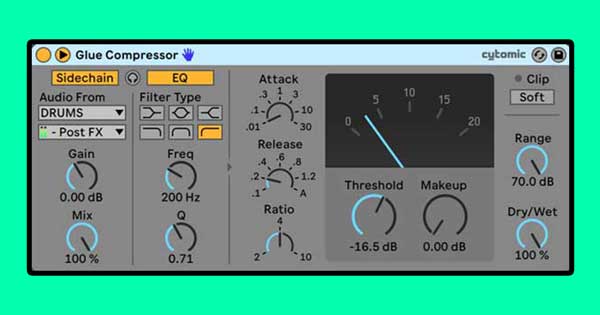
To sidechain in Ableton Live in 5 steps, insert a compressor on the track you want to sidechain. Next, click on the arrow on the top left of the compressor and select “audio from” to choose the sidechain source.


Adjust the threshold, ratio, attack, and release settings to achieve the desired sidechain effect. Finally, adjust the gain and makeup gain to fine-tune the compression. Sidechaining in Ableton Live can add depth and dynamics to your music production by allowing certain tracks to duck in volume when others are playing.

Related reading: How to sidechain in ableton and Sidechain compression. For background, see Live audio effect reference.


By following these 5 simple steps, you can master the art of sidechaining in Ableton Live and take your music production to the next level. Let’s explore how to sidechain like a pro in Ableton Live.


Setting Up Sidechain Compression

Setting up sidechain compression in Ableton involves a few key steps to achieve that signature pumping effect in your music. One crucial step in this process is configuring the sidechain compression settings correctly. Let’s dive into how to do this.

Selecting The Source Track

To begin, select the source track from which you want to trigger the sidechain compression. This is typically the track that you want to duck in volume whenever a specific signal is present.

Routing The Sidechain Input

Next, route the sidechain input of the compressor on the track you want to apply sidechain compression to. This tells the compressor which track to listen to for the sidechain signal.

How To Sidechain In Ableton: Master Sidechain Compression in 5 Easy Steps!


Credit: www.blackghostaudio.com


Adjusting Parameters

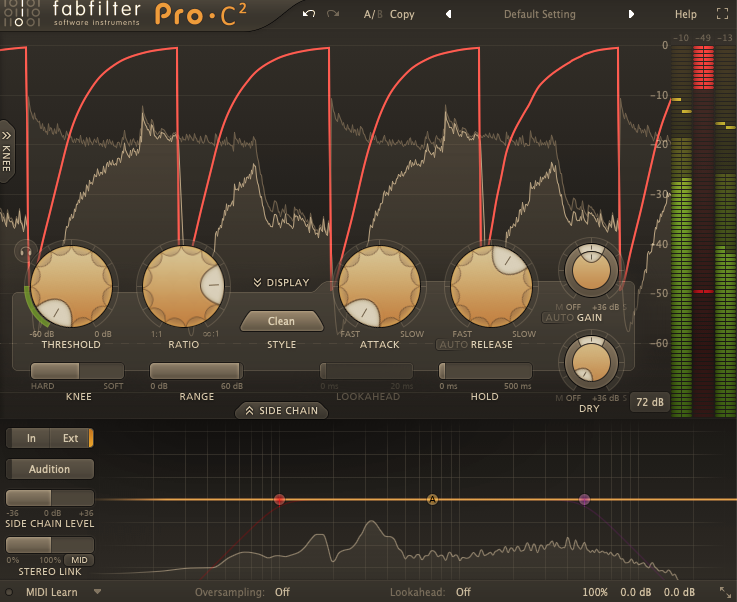
Adjusting Parameters is crucial when sidechaining in Ableton Live. Fine-tuning specific settings like Threshold and Ratio, as well as Attack and Release Time, can significantly impact the dynamics of your sidechain effect.

Threshold And Ratio

Set the Threshold level to determine when the compressor starts to apply gain reduction. Adjust the Ratio to control the amount of compression applied once the signal crosses the threshold.

Attack And Release Time

Attack Time dictates how quickly the compressor kicks in after the signal exceeds the threshold, while Release Time determines how long it takes for the compressor to stop compressing once the signal falls below the threshold.

Creative Sidechaining Techniques

When it comes to enhancing your music production, mastering creative sidechaining techniques can take your tracks to the next level. Using Ableton’s sidechain compression, you can achieve dynamic and rhythmic effects that add depth and energy to your music.

Pumping Effect

The pumping effect is a popular creative sidechaining technique that involves creating a rhythmic pulse in the music by using a sidechain compressor. With this technique, the volume of one track is modulated by the audio signal of another, creating a dynamic and pumping sound that adds excitement to the music.

Ducking Effect

The ducking effect is another innovative sidechaining technique that involves reducing the volume of one sound whenever another sound is playing. This technique is commonly used in electronic dance music to create a rhythmic and pulsating effect, allowing the kick drum to cut through the mix and create a powerful and energetic sound.

How To Sidechain In Ableton: Master Sidechain Compression in 5 Easy Steps!


Credit: mixedinkey.com


Automation And Fine-tuning


Discover how to achieve automation and fine-tuning in just 5 simple steps with Ableton. Learn the art of sidechaining effortlessly and enhance your music production skills. Achieve greater control and create dynamic effects with this easy-to-follow guide.

In the world of music production, sidechain compression is a powerful tool that can take your tracks to the next level. By using sidechain compression, you can create that signature “pumping” effect by controlling the volume of one track based on the input of another.

Automating Sidechain Parameters

One of the key elements of sidechain compression is the ability to automate the sidechain parameters in Ableton. This allows you to not only control the volume ducking effect. But also create dynamic movements and variations within your tracks.

To automate sidechain parameters in Ableton, follow these simple steps:

  1. Select the track you want to apply sidechain compression to.
  2. Open the track’s audio effects rack and add a compressor.
  3. Click on the small triangle next to the compressor to expand its parameters.
  4. Locate the sidechain section and enable it by clicking on the “sidechain” button.
  5. Once enabled, you can now control the sidechain parameters such as the source track, threshold, attack, release, and ratio.

By automating these sidechain parameters, you can create dynamic and intricate volume patterns that add movement and excitement to your tracks. Experiment with different settings and combinations to achieve the desired effect.

Fine-tuning Sidechain Compression

After setting up the basic sidechain compression, you can further fine-tune the effect to ensure it blends seamlessly with your mix. Here are some additional tips:

1. Threshold: Adjust the threshold to control the level at which the sidechain compression is triggered. Experiment with different threshold values to find the sweet spot for your track.

2. Attack and Release: The attack determines how quickly the compression kicks in, while the release defines how long it takes for the compression to release. Adjust these parameters to shape the envelope of the compression effect.

3. Ratio: The ratio determines the amount of compression applied. A higher ratio will result in a more noticeable effect, while a lower ratio will provide a subtler compression. Find the right balance that enhances your mix without overpowering it.

4. EQ Sidechain: Another way to fine-tune your sidechain compression is by using EQ to shape the sidechain input signal. By applying EQ to the source track, you can isolate specific frequencies, allowing the compression to react more selectively. This can help prevent unwanted pumping or ducking on certain elements.

5. Sidechain Ghost Kick: In some cases, you may want to create a sidechain effect without actually having a kick drum. This technique, often referred to as the “ghost kick,” involves using a muted track with a rhythmic pattern as the sidechain source. This allows you to create sidechain compression patterns that are not tied to a kick drum, opening up endless possibilities for creative sidechain effects.

By fine-tuning your sidechain compression parameters, you can achieve the perfect balance between groove and clarity in your mixes. Experiment with different settings and techniques to find the sound that suits your track best.

https://www.youtube.com/watch?v=KVQmFr2UUxI


How To Sidechain In Ableton: Master Sidechain Compression in 5 Easy Steps!


Credit: www.perfectcircuit.com


Frequently Asked Questions For How To Sidechain In Ableton 5 Easy Steps


How Do I Sidechain In Ableton?


To sidechain in Ableton, add a compressor to the track you want to affect. Click the downward arrow next to “Audio From” in the compressor and select the track you want to sidechain from. Adjust the threshold, ratio, and attack/release settings to achieve the desired effect.


How Do You Properly Sidechain?


To properly sidechain, select your source audio and target track, then activate sidechain compression on the target track. Adjust threshold, ratio, attack, and release settings for desired effect. Ensure both tracks are properly routed and levels are balanced for optimal results.


What Is Sidechain Compression For Dummies?


Sidechain compression is a technique used to control the volume of one audio signal based on another. It reduces the signal when the main signal exceeds a certain threshold, creating more dynamic mixes.


Do You Sidechain Kick To Bass Or Bass To Kick?


Sidechain the kick to the bass for a punchier sound and to achieve better mix clarity.


Conclusion


Incorporating sidechain compression in Ableton can elevate your music production. By following these 5 easy steps, you can achieve a professional and polished sound. With practice and experimentation, you can master this essential technique and enhance your music. Embrace the creative possibilities and let sidechaining take your tracks to the next level.

Categories
Archive

How Loud Should Vocals Be In A Mix: Achieving Perfect Harmony

In a mix, vocals should be loud enough to be clearly heard but not overpowering. Balancing is key.


When mixing music, achieving the right balance between the vocals and other elements is crucial for a professional result. Vocals play a central role in delivering the message and emotions of a song, so they need to be prominent enough to stand out.


However, vocals should not overshadow the instruments and other elements in the mix. Finding the right volume for vocals involves careful listening, adjusting levels, and ensuring they blend harmoniously with the rest of the music. A well-mixed track will have vocals that are clear, intelligible, and impactful, enhancing the overall listening experience for the audience.

How Loud Should Vocals Be In A Mix: Achieving Perfect Harmony


Credit: www.sweetwater.com


The Importance Of Vocal Levels In Music Mix

Vocal levels are crucial for a perfect music mix. Finding the right balance ensures a song’s clarity and emotional impact. Let’s delve into why vocal levels are pivotal in producing exceptional music.

Clarity And Intelligibility

Clear vocals dominate a music mix. Proper levels allow lyrics to be heard distinctly, enhancing the listener’s experience. Equilibrium in vocal levels avoids overshadowing other instruments.

Emotional Impact

Vocal levels evoke emotions in a song. The right balance intensifies the message and connects with the audience on a deeper level. Effective levels capture and convey the intended mood of the music.

How Loud Should Vocals Be In A Mix: Achieving Perfect Harmony


Credit: mixprodmasters.com


Factors Affecting Vocal Level

When determining how loud vocals should be in a mix, it’s crucial to consider several factors that can impact the overall sound and feel of a song.

Genre Of Music

The genre of music plays a vital role in determining the ideal vocal level. In genres like rock, pop, and hip-hop, vocals tend to be more prominent and upfront in the mix. On the other hand, in ambient, acoustic, and classical genres, vocals may be more subdued and blend with the music.

Role Of Vocals In The Song

  • The role of the vocals in a song, whether they are the main focus or a supporting element, influences their volume level.
  • If the vocals are intended to drive the melody and convey the song’s message, they should be more prominent in the mix.
  • However, if the vocals are meant to complement the instrumentation and create a cohesive sound, they may be mixed at a lower level.

Technical Guidelines For Setting Vocal Levels

Setting vocal levels in a mix is a crucial aspect of producing a professional-sounding track. Understanding the technical guidelines for setting vocal levels can elevate the overall quality of the mix and ensure that the vocals sit harmoniously with the rest of the instrumentation. In this article, we will explore essential technical considerations for achieving optimal vocal levels in a mix, focusing on using reference tracks and understanding dynamic range.

Using Reference Tracks

Referencing tracks from established artists within the same genre can provide valuable insights into how vocals should be balanced within a mix. Compare the volume levels of the reference track’s vocals to your own mix and adjust accordingly. This allows for a more objective assessment of the vocal levels, helping you achieve a balanced and professional sound.

Understanding Dynamic Range

Dynamic range refers to the variation between the quietest and loudest parts of a vocal performance. Adjust the vocal levels to ensure that the quieter phrases are audible without being overpowering, while the louder sections maintain clarity and impact. Maintaining an appropriate dynamic range within the vocals can enhance the emotional delivery of the performance and contribute to a polished mix.

Balancing Vocals With Instrumentation

When mixing a song, one of the most crucial aspects is finding the right balance between the vocals and the instrumentation. After all, the vocals are often at the forefront of a song, carrying the message and connecting with the listeners emotionally. However, at the same time, it is also important for the vocals to blend seamlessly with the rest of the music, allowing all the elements to work together harmoniously.

Eq And Frequency Masking

One of the key techniques in balancing vocals with instrumentation is through the strategic use of EQ and addressing the issue of frequency masking. Frequency masking occurs when different elements in a mix are competing for the same sonic space, resulting in certain frequencies being overshadowed or lost in the mix. To combat this, it is necessary to apply EQ to both the vocals and the accompanying instruments.

Creating Vocal Space

Creating a dedicated space for the vocals is essential in maintaining clarity and ensuring that they cut through the mix effectively. By carving out a specific frequency range for the vocals, they can be given prominence and shine through without being overshadowed by other instruments. This can be achieved through careful EQ adjustments and utilizing techniques such as sidechain compression to make room for the vocals without sacrificing the impact of the instruments.

Additionally, panning can also play a crucial role in creating space for the vocals. By positioning the vocals in the center of the stereo field, they can stand out more prominently, while instruments are placed in the left and right channels. This spatial separation allows for a more balanced and dynamic mix, where both vocals and instrumentation can coexist without clashing.

Achieving The Perfect Vocal Mix


Balancing vocals in a mix is crucial for achieving the perfect sound. The optimal loudness of vocals depends on the genre and the overall instrumentation. Focus on clarity and intelligibility while blending vocals with the music, aiming to keep them prominent without overpowering the other elements.

Experimentation And Iteration

When it comes to achieving the perfect vocal mix, experimentation and iteration play a crucial role. As an audio engineer, it’s important to understand that finding the right balance and level for vocals requires fine-tuning and trying out different approaches. Here are some strategies to consider:

  • Start by setting the vocal level at an average or moderate volume.
  • Listen attentively to how the vocals interact with the other instruments in the mix.
  • Experiment by gradually increasing or decreasing the vocal level to hear the impact on the overall sound.
  • Make subtle adjustments to the EQ and compression settings to enhance the clarity and presence of the vocals.
  • Take breaks and come back with fresh ears to assess the mix objectively.
  • Repeat the process until you achieve a vocal level that seamlessly integrates with the rest of the elements.

Seeking Feedback

Seeking feedback is another vital aspect of achieving the perfect vocal mix. Although it’s essential to trust your ears and instincts as an audio engineer, receiving input from others can provide valuable insights and help you refine your mix. Here are some ways to gather feedback:

  1. Share the mix with trusted colleagues or fellow audio engineers for their opinions.
  2. Observe how listeners respond to the vocal mix during playback at various listening environments.
  3. Consider seeking input from the vocalist or artist themselves to ensure their expectations are met.
  4. Take note of any suggestions or criticisms and use them as guidelines to improve the vocal mix.

By combining experimentation, iteration, and seeking feedback, you can achieve a vocal mix that captivates listeners and effectively communicates the intended message of the song.

How Loud Should Vocals Be In A Mix: Achieving Perfect Harmony


Credit: www.izotope.com


Frequently Asked Questions For How Loud Should Vocals Be In A Mix


How Many Decibels Should Vocals Be In A Mix?


Vocal levels in a mix typically range from -6 dB to -3 dB for a balanced sound.


How Loud Should Vocals Be On Beat?


Vocals on beat should be just loud enough to stand out without overpowering the music. Aim for clarity and balance.


What Db Should Beat Be In A Mix?


The beat in a mix should typically range from -6dB to -3dB to ensure clarity and impact. Adjust the levels based on the genre and the overall dynamics of the track for a balanced sound.


How Loud Should Volume Be When Mixing?


When mixing, the volume should be set at a moderate level to ensure accurate sound representation and prevent excessive distortion. It is recommended to keep the volume around 85dB, which is roughly equivalent to normal conversation level. Maintaining a consistent volume will help you make precise adjustments and achieve a well-balanced mix.


Conclusion


To wrap it up, finding the right vocal balance in a mix is crucial for creating a professional and engaging sound. By carefully adjusting levels, using effective compression, and considering the song’s genre, you can achieve the perfect vocal presence in your mix.


Keep experimenting, trusting your ears, and refining your skills to achieve the best results.


https://www.youtube.com/watch?v=q3EVvhlcCcE


Categories
Archive

How To Rock Your Music Career: Setup A TikTok Account For Musicians

To set up a TikTok account for musicians, download the app, sign up, and choose a username related to your music. Introduce yourself in your bio and start creating engaging content to connect with fans and grow your audience.


TikTok offers a unique platform for musicians to showcase their talent, reach a global audience, and collaborate with other artists. By leveraging TikTok’s features like short music videos, challenges, and duets, musicians can increase their visibility and engage with fans in a fun and interactive way.


Setting up a TikTok account as a musician opens up endless opportunities for creative expression, networking, and building a loyal fan base.

How To Rock Your Music Career: Setup A TikTok Account For Musicians


Credit: www.businessinsider.com


Crafting Your Tiktok Strategy

To effectively establish your presence on TikTok as a musician, you need to craft a well-thought-out TikTok strategy. This will involve identifying your target audience and choosing content themes that resonate with them. Let’s delve into each aspect to help you maximize your impact on the platform.

Identifying Your Target Audience

Understanding your audience is key to success on TikTok. Start by defining the demographics of your ideal listeners, such as age, location, and music preferences. Utilize TikTok’s analytics to gain insights into your followers’ behavior and interests to tailor your content effectively.

Choosing Your Content Themes

Consistency is crucial in content creation on TikTok. Determine the themes that align with your music genre and resonate with your target audience. Mix up your content with behind-the-scenes footage, performance snippets, challenges, and engaging storytelling to keep your audience entertained and engaged.

How To Rock Your Music Career: Setup A TikTok Account For Musicians


Credit: bandzoogle.com


Optimizing Your Tiktok Profile

Optimizing Your TikTok profile is essential for musicians to make a strong first impression on potential fans and collaborators. By creating an engaging bio and choosing the right profile picture, you can attract followers and showcase your musical talent effectively.

Creating An Engaging Bio

Your TikTok bio is the first thing users see when they visit your profile. Make it catchy and concise, highlighting your music genre, personal interests, and any achievements. Use emojis to add personality and draw attention to key points.

Choosing Your Profile Picture

Your profile picture should be eye-catching and relevant to your music. A clear and high-quality image of yourself or your band is ideal. It should be easily recognizable, even in a small thumbnail size, to make it memorable for viewers.

Creating Captivating Content

Creating captivating content is key to engaging your audience and standing out on TikTok as a musician. With the platform’s emphasis on creativity and entertainment, it’s crucial to understand how to effectively showcase your music and personality. The following strategies will help you create compelling content that resonates with your audience and boosts your visibility on the platform.

Leveraging Trending Challenges

Trending challenges offer an excellent opportunity for musicians to reach a wider audience and connect with fans. By participating in popular challenges, you can leverage the existing momentum and gain exposure to new followers. Whether it’s a dance challenge or a lip-sync trend, incorporating your music into these challenges can help increase your visibility and engagement on TikTok.

Showcasing Behind-the-scenes

Showing behind-the-scenes glimpses of your music creation process can foster a deeper connection with your audience. Whether it’s recording in the studio, songwriting sessions, or rehearsals, sharing these authentic moments humanizes your brand and creates intrigue among your followers. This approach allows your audience to feel a part of your journey, leading to increased fan loyalty and interest in your music.

Building A Dedicated Fanbase

To succeed as a musician on TikTok, building a dedicated fanbase is crucial. Your fans are the key to your success, as they will support and promote your music to their own networks. In this section, we will explore two strategies to help you foster engagement and collaboration on TikTok: engaging with your audience and collaborating with other TikTok creators.

Engaging With Your Audience

Engaging with your audience is vital to build a dedicated fanbase on TikTok. When your fans feel seen and heard, they are more likely to become loyal followers and spread the word about your music.

Here are some effective ways to engage with your audience:

  • Respond to comments: Take the time to respond to comments on your videos. This shows your fans that you value their feedback and encourages them to continue engaging with your content.
  • Host Q&A sessions: Use the “Question and Answer” feature on TikTok to interact with your fans directly. This gives them the opportunity to ask you questions and fosters a sense of connection and intimacy.
  • Run contests and challenges: Encourage your fans to participate in contests or challenges related to your music. This not only boosts engagement but also spreads awareness about your TikTok account to a wider audience.
  • Show appreciation: Take the time to acknowledge and appreciate your fans in your videos or through shout-outs. This makes your fans feel valued and encourages them to continue supporting your music.

Collaborating With Other Tiktok Creators

An effective way to expand your reach on TikTok and build a dedicated fanbase is by collaborating with other TikTok creators.

Here’s how you can collaborate with other TikTok creators:

  1. Identify relevant creators: Look for TikTok creators whose content aligns with your musical style or audience. Collaboration with creators from a similar niche can help you tap into their established fanbase.
  2. Reach out and pitch ideas: Once you’ve found potential collaborators, reach out to them with a genuine and well-thought-out pitch. Highlight how collaboration can benefit both parties and provide some specific ideas that you can work on together.
  3. Create engaging duets or challenges: Collaborate on duets or challenges to create engaging and interactive content. This not only helps you reach a wider audience but also allows you to showcase your unique talents and style alongside other creators.
  4. Cross-promote each other’s content: Support and promote each other’s TikTok content by mentioning and linking to each other in captions or through collaborations. This cross-promotion exposes both artists to new audiences and can lead to an increase in followers and engagement.

By engaging with your audience and collaborating with other TikTok creators, you can effectively build a dedicated fanbase on the platform. Remember to stay consistent with your content and continue to provide value to your audience. With dedication and perseverance, you’ll be well on your way to achieving success as a musician on TikTok.

Promoting Your Music

If you are a musician looking to gain exposure and connect with a wider audience, TikTok is a powerful platform that can help you achieve those goals. With its massive user base and innovative features, TikTok provides a unique opportunity for musicians to showcase their talent and promote their music. In this article, we will explore some effective strategies that you can use to promote your music on TikTok.

Teasing New Releases

One of the most effective ways to promote your music on TikTok is by teasing new releases to your followers. Before you launch a new song or album, create short video clips that give your audience a taste of what’s to come. Use catchy captions and engaging visuals to capture their attention and generate excitement. By providing sneak peeks and behind-the-scenes footage, you can build anticipation and create buzz around your upcoming release.

Using Tiktok’s Music Features

TikTok offers a variety of music features that you can take advantage of to promote your music. One of these features is the ability to add your songs to the app’s music library. By doing so, you make it easy for TikTok users to create videos using your music, which can help increase your exposure and reach. Additionally, you can collaborate with other TikTok users by participating in challenges and duets. This not only allows you to showcase your musical talent but also helps you connect with a wider audience.

How To Rock Your Music Career: Setup A TikTok Account For Musicians


Credit: variety.com


Frequently Asked Questions For How To Setup A Tiktok Account For Musicians


How Do I Start Tiktok As A Musician?


To start on TikTok as a musician, create engaging music content, use trending sounds, and engage with your audience consistently. Collaborate with other creators, participate in challenges, and leverage TikTok’s algorithm by posting at optimal times. Utilize hashtags and engage with the TikTok community to grow your following.


How Do I Make My Tiktok Account An Artist Account?


To convert your TikTok account to an artist account, go to settings and select “Switch to Pro Account. ” Choose the artist category and customize your profile.


Should I Use A Business Account On Tiktok As A Musician?


Yes, using a business account on TikTok as a musician can help you reach a wider audience and promote your music effectively.


How Do You Get Verified As A Musician On Tiktok?


To get verified as a musician on TikTok, build a strong presence with engaging content. Focus on creating high-quality music-related posts and grow your fan base. Interact with your audience, and use hashtags and trending songs. Apply for the verification badge once you meet the eligibility criteria.


Conclusion


Setting up a TikTok account for musicians can be a game changer for their career. By optimizing your profile, creating engaging content, and leveraging TikTok’s features, you can connect with your fans and grow your fanbase. Embracing the platform’s unique opportunities can lead to increased visibility and new opportunities for musicians.


https://www.youtube.com/watch?v=_tPBTz3vGiM