Categories
Archive

What Is An EP: Unveiling the Secrets of Music Releases

An EP, or Extended Play, is a musical recording that contains more music than a single but is too short to qualify as a full album. EPs are a popular format for artists to release new music without committing to a full-length album.


Typically ranging from three to five tracks in length, EPs offer a taste of an artist’s current style or a thematic collection of songs. They serve as an excellent opportunity for musicians to showcase their talents and keep fans engaged between album releases.


This format is particularly useful for emerging artists seeking to make an impression in the music industry or for established acts experimenting with new sounds. As an intermediate format, EPs carry significant value for marketing and artistic expression, allowing artists to explore and deliver fresh content with more substance than a standalone single.


The Evolution Of Eps In The Music Industry

The music industry has witnessed remarkable changes over the years. Extended Plays (EPs) have played a crucial role during this evolution. An EP is shorter than an album but longer than a single. It often contains three to five songs. These records allow artists to showcase their talent without the commitment of a full album. Let’s explore the journey of EPs from their vinyl origins to the digital age, and their impact on emerging artists.

From Vinyl To Digital

Once upon a time, EPs spun on turntables as vinyl records. They captivated listeners with a few chosen tracks. As technology advanced, the format shifted. Cassette tapes, CDs, and finally digital platforms emerged. Now, fans enjoy EPs with a simple click. This digital shift has expanded the reach of EPs, allowing them to become a staple on platforms like Spotify and Apple Music. Artists now release EPs online, sometimes with innovative multimedia elements to engage their audiences further.

The Role Of Eps In Artist Development

EPs serve as stepping stones for artists. These records allow fresh talent to introduce their style to the world. Before committing to an album, musicians often release an EP to gauge public interest. This strategy can lead to dedicated fanbases and solidify an artist’s presence in the industry. Furthermore, EPs provide a platform for experimentation. Artists can explore new sounds and collaborations in a low-risk, high-reward environment. Consequently, EPs have become an essential tool for artist growth, leading to full album releases and concert tours.


Defining The Ep Format

The term EP stands for Extended Play. It is a musical recording that falls between a single and a full-length album. EPs often showcase an artist’s new sound or offer a taste of an upcoming album. Understanding how this format fits into today’s music industry is essential for any music enthusiast.

Ep Vs. Lp Vs. Single

In the music world, different formats cater to various listening experiences. Let’s explore:

  • Single: One track, often for radio play or a teaser
  • EP: A collection of tracks, more than a single but fewer than an album
  • LP: “Long Play,” a full album with many tracks

Typical Length And Content

The EP format bridges the gap between a single and a full album. It has unique qualities:

Format Length Tracks
Single Up to 5 minutes 1 main track, possibly 1-2 additional versions
EP 15-30 minutes 3-5 tracks
LP Over 30 minutes Usually 10 or more tracks

While singles introduce a new hit, EPs can showcase a range of an artist’s work. LPs often represent the body of work known as an album. EPs are great for listeners who seek a deeper dive than a single without the commitment of an LP.


Strategic Reasons For Releasing An Ep

Artists often release an EP for smart, strategic reasons. An EP, or Extended Play record, serves as a powerful tool. It offers a taste of their music while not requiring the same commitment as a full album. Below, two critical strategies highlight the importance of EP releases for musicians.

Building Momentum

An EP builds excitement among fans. It keeps listeners engaged and interested. With fewer songs than an album, an EP can quickly showcase an artist’s best new sounds. It often leads to buzz on social media and word of mouth, ramping up interest in upcoming tours or a full-length album. Here’s why building momentum with an EP matters:

  • Frequent releases keep the audience’s attention.
  • Shorter format means listeners are more likely to play it on repeat.
  • Strategic timing can align with tours or notable events.

Testing The Musical Waters

An EP serves as a litmus test for an artist’s new direction. Without committing to a full album, artists get to experiment. They receive feedback on their experimental sounds. This results in sharpened artistic vision and fine-tuning based on listener response. Aspects that make an EP perfect for testing waters include:

Reason Benefit
Short tracklist Focus on new styles or themes
Lower production costs More freedom to experiment
Quicker feedback Adjust future music based on reactions

The Artistic Side Of Eps

Welcome to the mesmerizing realm of Extended Plays, commonly known as EPs. Often overshadowed by their lengthy cousins, the full-length albums, EPs shine with an artistic brilliance all their own. Let’s explore the innovative and creative possibilities that EPs offer to artists and audiences alike.

Creative Freedom

EPs serve as a canvas for musicians to paint their visions without constraint. They strike a unique balance between the brevity of a single and the depth of an album.

  • Less Pressure: Artists can experiment, free from the expectations tied to full-length records.
  • Unique Sounds: EPs provide space to explore new styles or sounds.
  • Immediate Impact: Concise tracklists mean every song has the chance to shine.

Conveying A Cohesive Theme

Thematic coherence often blooms in the fertile ground of an EP. Artists leverage the shorter format to offer listeners a fully-realized narrative or concept.

Aspect Benefit to the Theme
Length Encourages tight-knit themes, easier to follow.
Focus Allows for deeper digging into specific subjects.
Storytelling Enables concise yet powerful storytelling.

Whether an emotive narrative or a conceptual voyage, the EP format ensures every track contributes to the overall story. This creates an immersive experience for the listener, enticing them to listen from start to finish.

Eps And The Music Market

Imagine releasing music that reaches fans quickly and doesn’t cost much. An Extended Play (EP) does just this in the music market. An EP is shorter than an album but longer than a single. Artists use EPs to give listeners a taste of their music without the investment of a full album.

Targeting Niche Audiences

EPs serve specific listener groups with tailored sounds and themes. Artists often use them to:

  • Test new genres without altering their main style.
  • Connect with dedicated fans by offering exclusive content.
  • Fill the gap between album releases to keep fans engaged.

Cost-effective Production

Cutting costs without cutting quality is key in music. EPs lower production expenses by including fewer songs. This approach allows artists to:

  1. Allocate budget more effectively across projects.
  2. Release music faster, keeping up with industry pace.
  3. Invest in promotion, reaching more potential fans.

An EP can be a powerful tool in the hands of an artist. It balances impact with effort in today’s fast-paced music scene. Next, let us explore how EPs are shaping artist strategies and listener experiences.


Marketing And Promotion Strategies

An EP, or Extended Play, bridges the gap between a single and a full album. Effective marketing strategies are crucial for its success. A focused plan can make an EP stand out in the vast music market. Two key strategies include social media campaigns and live performances.

Leveraging Social Media

Social media is a powerful tool for artists. They use it to reach fans directly. Here are methods to maximize impact:

  • Eye-catching Visuals: Post engaging album art and behind-the-scenes content.
  • Hashtags: Use targeted hashtags to increase visibility.
  • Teasers: Share clips of songs to build excitement.

Platforms like Instagram, Twitter, and TikTok are perfect for these tactics. Artists can create a buzz, sparking conversations among listeners.

Touring And Live Performances

Nothing beats the excitement of live music. EP promotion often involves touring. Here’s how live shows play a crucial role:

  1. Connect with Fans: Live gigs provide a personal touch. They create unforgettable experiences.
  2. Merchandise Sales: Sell EPs and branded items at shows.
  3. Media Coverage: Local press can spotlight your events, drawing in new fans.

Tour schedules should align with EP release dates for maximum effect. This strategy can lead to a significant increase in EP sales and streaming numbers.

Notable Ep Releases And Their Impact

An Extended Play (EP) often serves as a critical stepping stone in an artist’s career. Beyond the single but shorter than an album, an EP showcases an artist’s talent and versatility. This intermediate format has led to landmark releases. In the music industry, certain EPs have not only garnered immense popularity but also reshaped the trajectories of aspiring stars.

Historic EP Success Stories

Historic Ep Success Stories

Groundbreaking EPs have a storied place in music history. They’ve often propelled artists to new heights.

  • Beatles’ ‘Twist and Shout’: Catapulted the band’s fame in America.
  • Nirvana’s ‘Blew’: Laid groundwork for grunge movement.
  • Eminem’s ‘Slim Shady EP’: Sparked major label interest. Led to a legendary career.

Shaping Artists’ Careers

Shaping Artists’ Careers

EPs often dictate the future of musical acts. A strong EP release can define artists’ styles and solidify their place in the music scene.

Artist EP Title Impact
Adele ‘Hometown Glory’ Signaled her powerhouse vocal talent to the world.
Arctic Monkeys ‘Five Minutes with Arctic Monkeys’ Spurred a rabid fanbase and successful albums.
Billie Eilish ‘Don’t Smile at Me’ Paved the way for her meteoric rise to stardom.

The Future Of Eps

Extended Plays (EPs) have been a staple in the music industry. They bridge the gap between a single and a full-length album. With the music landscape constantly evolving, EPs also face a dynamic future.

Adapting To Streaming Services

EPs are flourishing in the age of streaming. Artists release EPs more often to keep fans engaged. This trend aligns with how people consume music today. Shorter playlists and quick releases cater to the streaming audience.

  • Spotlight on new artists: EPs provide a platform for breakout artists.
  • Constant connection: Fans expect regular content from their favorite musicians.

Predictions And Trends

Trend Impact on EPs
Visual Components EPs might include music videos or visual storytelling elements.
Genre Blending Artists could explore multiple genres within a single EP.
Eco-conscious Production EP releases may focus on digital formats to reduce carbon footprints.

Interactive experiences could also emerge, where fans influence the content of EPs. Cross-platform storytelling may integrate EPs with social media, gaming, and virtual reality. These trends show that EPs will remain an essential part of the music industry’s future.

What Is An EP: Unveiling the Secrets of Music Releases


Credit: label.atomicfire-records.com


Frequently Asked Questions Of What Is An Ep


What Is An Ep Vs An Album?


An EP, or Extended Play, is a music release with more songs than a single but fewer than an album. It typically contains 3-5 tracks. They are often used to introduce new music without releasing a full-length album.


How Long Is An Ep Usually?


An EP’s length varies but generally lasts about 15-30 minutes. It strikes a balance between a single and a full album, offering a short collection of songs to the listener.


Why Do Artists Release Eps?


Artists release EPs for several reasons, such as showcasing a preview of an upcoming album, offering a thematic collection of songs, or releasing new music more quickly. EPs can generate buzz and gauge listener interest.


Can An Ep Become A Hit?


Yes, an EP can become a hit. Many artists have found success with EPs, as they allow for creative expression and can capture public attention. A hit single within an EP can propel its overall popularity.


Conclusion


Exploring the essence of an EP has been enlightening. This music format strikes a perfect balance, offering artists creative flexibility and fans a substantial listening experience. It’s clear—the EP remains a staple in the music industry, connecting with audiences in a powerful, concise way.


Keep spinning those mid-length gems!

Categories
Archive

Binaural Audio Essentials: Immerse Yourself

Binaural audio is a recording technique that simulates the natural human hearing process. It creates a 3D sound experience for listeners using headphones.


Binaural audio captures sound with two microphones positioned to represent human ears. This method strategically replicates the way individuals perceive sound in a real environment. The audio aspect considers the distance, direction, and the psychology of hearing to deliver a realistic soundscape.


Listeners experience a heightened sense of space and dimension in audio playback, making it highly effective for immersive content like virtual reality and guided meditations. It’s a powerful tool for creators who want to produce deep and lifelike experiences, providing audiences with a sense of being physically present within a scene or an environment. Binaural recordings are also being adopted in various fields, including music, film, and sound design, for their ability to deliver rich, immersive audio experiences to listeners.

Binaural Audio Essentials: Immerse Yourself in Sound!


Credit: www.dear-reality.com


Birth Of Binaural Audio

Binaural audio is a form of sound that mimics natural listening. This special type of audio gives listeners a 3D experience. It tricks the brain into thinking sounds come from different directions. The birth of this technology dates back over a century.

Early Experiments In Stereophonic Sound

The journey to binaural audio began with early experiments in stereo sound. Stereophonic sound is the direct ancestor of binaural audio. It uses two audio channels. Listeners hear these as coming from different places.

  • Clement Ader was among the first to play with stereo sound.
  • In 1881, his demonstration wowed audiences at the Paris Opera.
  • Ader’s work laid the groundwork for all future 3D audio innovation.

Advancements Through Technology

As technology advanced, so did the quality of binaural audio. New inventions made 3D sound better and more realistic.

  1. 1933 – Alan Blumlein invents stereo recording, a milestone for binaural audio.
  2. Headphones allowed private, immersive listening experiences.
  3. Digital audio and software brought binaural sound into homes and devices.

Every new discovery in audio tech pushed the boundaries of what binaural could do.

Understanding Binaural Recordings

Binaural audio simulates the natural hearing experience. Imagine sounds that make you feel like you’re in the heart of the action. This magic is not just any audio trick; it’s binaural recording, an immersive audio experience.

The Science Behind Two-ear Recording

Our ears pick up sound uniquely. They catch noises from all directions. Binaural recordings use this science. They record audio the way we naturally hear it.

  • Dummy heads with microphones in each ear capture sound.
  • These recordings copy our ear’s shape and position.
  • The result? A three-dimensional audio sensation.

Equipments Used For Capturing Binaural Sound

Creating this sound needs special gear. Let’s peek at the tools that craft binaural beats.

Equipment Type Function
Dummy Head Microphones Simulate human head and ears
In-Ear Binaural Mics Fit inside a recorder’s ears
Binaural Microphone Arrays Multiple mics for complex setups

Good recordings also rely on high-quality headphones. Speakers rarely do justice to binaural sounds. They need the closeness of headphones to work.


Experience The Difference

Imagine closing your eyes and feeling the world come alive with sound. With binaural audio, you don’t just hear the music; you experience it as if you are right there in the middle of the action. This immersive form of audio is a game-changer in how we consume sound. Get ready to dive into an audio revolution that transforms everyday listening into an extraordinary adventure.

Mono audio plays the same sound from all speakers. Stereo audio uses two channels, enabling distinct sounds from left and right sides. Binaural audio takes this further, delivering a 3D sound experience. Let’s explore the differences in more detail.

Audio Type Channels Experience
Mono 1 Same sound from all directions
Stereo 2 Left and right sound dimensions
Binaural 2+ with special recording Full 360-degree soundscape

While mono is simple and stereo adds depth, binaural brings a realistic touch to your audio experience. With binaural, sounds come from above, below, and all around you.

Binaural audio isn’t just a cool tech trick; it has practical uses in various fields. Here’s how it’s changing the game:

  • Virtual Reality (VR): Creates lifelike environments.
  • Gaming: Offers gamers an edge by improving sound cues.
  • Music: Delivers studio-quality experience at home.
  • Education: Enhances language learning with natural soundscapes.
  • Meditation Apps: Provides immersive relaxation sessions.

From enhancing entertainment to aiding education, binaural sound is rapidly becoming a vital technology.

Creating Your Own Binaural Sounds

Creating your own binaural sounds opens a world of audio experiences. Immerse into the realm of 3D soundscape creation. Learn to craft recordings that replicate human hearing. Start today with your DIY binaural microphone setup.

Diy Binaural Microphone Setups

Build a DIY binaural microphone. Begin by selecting two identical omnidirectional microphones. Place them at ear distance apart on a dummy head or a stand. This method captures sound as your ears do. Your creations will sound more real and alive.

  • Select quality microphones: The closer in specs, the better.
  • Correct placement: Mimic human ear spacing for authentic results.
  • Stabilize: Secure your setup to avoid unwanted noise.
  • Test: Record in various environments to learn and improve.

Software And Tools For Binaural Editing

Editing binaural audio needs specific tools. Choose software that supports binaural processing. Software like Audacity or Adobe Audition works well. Use plugins that simulate binaural effects to enhance recordings.

Software Key Feature
Audacity Free and open-source
Adobe Audition Advanced editing tools

Remember to wear headphones while editing. It ensures precision in your binaural projects. Happy sound crafting!

Immersive Entertainment

Immersive Entertainment has transformed the way we experience media. Through the magic of binaural audio, listeners can now dive deep into a world where sound moves around them, creating a 360-degree sonic landscape. This isn’t just listening; it’s an adventure for the ears.

Binaural In Music Production

Imagine sitting in a concert hall with the orchestra surrounding you. Binaural audio brings this live performance right into your headphones. Producers now craft music that is not only heard but felt in every direction. This method uses two microphones, positioned to represent ears, capturing sound exactly as we would hear it.

  • Recording artists use binaural methods to give songs depth.
  • Listeners enjoy a more dynamic and authentic experience.
  • Binaural tracks are best enjoyed with headphones for full immersion.

Revolutionizing Movie And Video Game Audio

Movies and video games are no longer just visual feats but auditory spectacles as well. Binaural audio takes you from your room straight into the action. You can sense the direction of footsteps, the whisper of the wind, or the roar of a monster behind you.

Entertainment Type Impact of Binaural Audio
Movies Viewers are at the center of the story, with sounds coming from every angle.
Video Games Players experience heightened realism and engagement, crucial for gameplay.

This profound audio technique brings immersive storytelling to a new level, offering an unparalleled experience for entertainment enthusiasts.


Therapeutic Uses Of Binaural Beats

Binaural beats are not just a listening experience. They serve as a form of sound therapy. Many find solace in these tones, using them for various therapeutic benefits. This type of audio engages the brain in a way that can help alleviate stress and improve concentration.

Stress Relief And Relaxation

One of the core benefits of binaural beats is stress reduction. This audio guides the brain into a more relaxed state. It can significantly aid in managing daily stressors.

  • Slows the heart rate
  • Lowers blood pressure
  • Reduces anxiety
  • Promotes deeper sleep

Listening to slow-tempo beats before bedtime can improve the quality of sleep. A harmonious balance between the ears and the brain brings a sense of peace.

Enhancing Focus And Meditation

Binaural beats also enhance concentration. They support tasks that require laser focus.

Task Benefit of Binaural Beats
Studying Improves information retention
Working Decreases distractions
Meditating Deepens mindfulness practices

With the right frequency, your mind enters a state of heightened awareness and focus. This makes it an excellent tool during meditation.

Regular use can sharpen your mind. It can improve your meditation technique. Enjoy the serenity that comes with a focused mind.

Challenges And Limitations

Binaural audio offers an immersive experience. Yet, it faces tough challenges. Here are a few.

Technical Hurdles In Playback

Playing binaural audio isn’t always easy.

  • Special headphones are needed.
  • Regular speakers don’t work well.
  • Good sound quality is a must.

Understanding Listener Variability

Every ear hears sound differently. This is listener variability.

  1. Ear shape changes sound.
  2. Age and health affect hearing.
  3. Audio must adapt to everyone.


Future Of Sound Immersion

Imagine sound that wraps around you like a blanket. Binaural audio is the magic that brings this feeling to life. This technology offers a step into worlds filled with sounds that move and breathe as you do. The future of sound immersion relies heavily on binaural audio, promising experiences that are more realistic than ever before.

Emerging Trends In 3d Audio

3D audio is soaring to new heights. Let’s explore the trends setting the stage:

  • Holographic sound: Sounds that feel tangible enough to touch.
  • Personalized audio: Sound tailored to your own hearing patterns.
  • Smart headphones: Devices that adapt to ambient noises and listening preferences.

These trends signal a future where soundscapes are not just heard, but truly felt.

The Role Of Virtual And Augmented Reality

Virtual (VR) and Augmented Reality (AR) are changing the game. These technologies require audio that can trick your brain into believing you’re somewhere else. Binaural audio fits this need perfectly.

VR and AR Importance of Binaural Audio
Gaming experiences Creates a lifelike environment
Education and training Simulates real-life scenarios
Social interactions Delivers conversations that sound like they’re happening right next to you

In VR and AR, binaural audio is not just an option, but a necessity for true immersion.

Frequently Asked Questions On Binaural Audio


What Is Binaural Audio?


Binaural audio refers to a recording technique that creates a 3D audio experience. It uses two microphones to mimic human ear spacing. This method captures sound as we perceive it naturally, providing immersive and realistic listening experience when using headphones.


How Does Binaural Sound Affect The Brain?


Binaural sound can affect the brain by enhancing relaxation and improving focus. It may also induce brainwave entrainment, which alters cognitive states. Listening to binaural recordings can trigger a sense of presence and spatial awareness, often used for meditation or concentration.


Can Binaural Beats Improve Sleep Quality?


Yes, binaural beats can potentially improve sleep quality. Certain frequencies, when listened to before sleeping, may help slow down brain activity. This can aid in relaxation and lead to a more restful night’s sleep.


Are Special Headphones Needed For Binaural Audio?


No special headphones are needed for binaural audio, but good quality, over-ear or in-ear headphones are recommended. They should accurately reproduce the spatial cues and low-end frequencies to ensure the full binaural effect is experienced.


Conclusion


Exploring binaural audio opens a new dimension in sound experience. It enhances immersion for listeners and creators alike. Embrace this audio innovation to elevate your sensory journey. Dive into the world of binaural sound and discover its potential in storytelling, music, and technology.


Soundscapes await your ears.

Categories
Archive

Microphone Placement Secrets: Capturing Perfect Audio!

Microphone placement is crucial for capturing optimal audio quality. Proper positioning depends on the sound source and environment.


Also, strating with microphone placement is a vital step in ensuring high-quality sound recordings, whether you’re capturing vocals, instruments, or ambiance. Also, achieving the perfect audio capture relies on understanding the unique characteristics of your microphone and the acoustics of your recording space.

Related reading: Ribbon Microphone and Dynamic Microphone. For background, see the Wikipedia article on Microphone practice.


Moreover, the distance from the sound source, the angle of the microphone, and the type of microphone all play key roles in this process. By paying close attention to these factors, you can greatly influence the clarity, depth, and overall fidelity of the recorded sound. It’s not just about where the microphone sits—it’s about harnessing the full potential of your audio equipment to produce the best possible results for your project. With a strategic approach to microphone placement, you can elevate your recordings from good to professional.


Introduction To Microphone Placement

In addition, understanding microphone placement is key to capturing clear sound. For example, the distance and angle of the microphone can change everything. Different types of microphones require different techniques. This guide shines a light on the art of placing your mic just right.

The Impact Of Mic Positioning for Microphone Placement

Furthermore, where you place your microphone makes a big difference. As a result, it affects the sound’s quality, tone, and clarity. A well-positioned mic can elevate your audio from amateur to professional. Let’s explore how to find that sweet spot for your recordings.

  • Additionally, distance: Close or far changes the sound.
  • Also, angle: The direction matters for capturing nuances.
  • Moreover, environment: Each space interacts uniquely with your mic.

Key Variables In Capturing Audio for Microphone Placement

In addition, several factors come together in the art of audio capture. When we understand these, we can record the best sound.

Mic Type Room Acoustics Source Sound
Dynamic or condenser Echo can boost or ruin your recording Voice or instrument characteristics

Types Of Microphones And Their Characteristics

Furthermore, understanding the types of microphones and their characteristics is key to capturing great audio. However, whether recording music, a podcast, or a film, choosing the right mic makes a big difference. Let’s explore the main types and what makes them unique.

Dynamic Vs. Condenser Mics

Additionally, dynamic microphones are known for their durability and ability to handle high volume levels. Then, they’re often the go-to for live performances. Key points about dynamic mics include:

  • Robust and reliable
  • Excellent for loud sources
  • Minimal need for external power

Condenser microphones, on the other hand, are more sensitive. In short, they pick up more detail and have a wider frequency response. Here’s why they stand out:

  • High-quality sound capture
  • Requires phantom power
  • Ideal for studio settings

Polar Patterns Explained

Polar patterns define how microphones pick up sound. Similarly, each pattern offers a unique way to capture audio.

Polar Pattern Characteristics
Cardioid Picks up sound from the front, less from the sides
Omni-directional Captures sound from all around the mic
Figure-8 Catches audio from front and back, rejects sides
Supercardioid Tighter front pickup than cardioid, some from the rear
Hypercardioid Even tighter front pickup, more rear pickup than supercardioid

Moreover, choosing the right polar pattern depends on the environment and the sound source. Cardioid patterns are great for keeping background noise to a minimum, while omni-directional works well when capturing ambient sounds.


Room Acoustics And Their Influence On Sound

In addition, great sound starts with room acoustics . Also, imagine a room as an instrument. The way it’s built affects the music or speech happening inside. Proper microphone placement can make a big difference. But, bad room acoustics can ruin even the best microphone setup. Let’s explore some keys to taming your space for the best sound.

Understanding Room Modes for Microphone Placement

Furthermore, Room modes are like invisible troublemakers for sound . In addition, they are caused by the dimensions of the room. They create points where sound either boosts or cancels out. Knowing where these spots are helps place mics correctly.

  • Additionally, low-frequency modes can make bass sound boomy or weak.
  • Also, place the mic away from room mode hot spots.
  • Moreover, use a room mode calculator to find problem areas.

Dealing With Reflective Surfaces for Microphone Placement

In addition, bouncing sound waves can be a nightmare . For example, hard surfaces like walls or windows reflect sound. This leads to echos and a harsh sound quality. Soft materials can help absorb these reflections. Here’s how to manage reflective surfaces:

Surface Treatment
Walls Use acoustic foam or hang curtains
Ceilings Install acoustic panels or clouds
Floors Lay down carpets or rugs
Windows Cover with heavy drapes

Furthermore, each step cuts down on unwanted noise . As a result, a clearer and more controlled sound is the prize for your efforts.

Microphone Placement Secrets: Capturing Perfect Audio!


Credit: abbeyroadinstitute.co.uk


Application-specific Placement Strategies

Additionally, Mic is key to capture sound. However, place it right, sound turns great. Knowing where to set the mic is a skill. Let’s explore how to place mics for different uses.

Studio Recording Techniques

Also, hit the perfect notes in the studio. Then, get to know these tricks:

  • Moreover, distance matters : Keep the mic close for a full, rich sound. Back it up for a natural echo.
  • In addition, angle it right : Aim the mic at the sound source. Change angles to find the sweet spot.
  • Furthermore, use pop filters : Block unwanted ‘p’ and ‘b’ sounds. Pop filters help keep recordings clean.
  • Additionally, isolate : Avoid background noise with isolation shields. They help focus on the main sound.

Experiment with these tips. In short, every voice and instrument shines!

Live Sound Reinforcement Tips

Also, live sound thrives with these strategies:

Tip Details
Directional mics Pick mics that capture sound from a specific direction. They reduce stage noise.
Monitor spill Place mics away from speakers. Prevent the loudspeaker sound from leaking into the mic.
Feedback control Use graphic equalizers. Stop feedback before it starts.
Weather-proofing Outdoor event? Protect mics from the elements.

Moreover, adapt these tips to suit your live event. Similarly, your audience will thank you!

Instrument Miking Techniques

In addition, Capturing the true essence of an instrument’s sound demands skill. Also, Microphone placement plays a pivotal role. Various techniques help to shape the final sound. Close miking offers detailed tones. Ambient miking captures the space’s acoustics. Grasp these concepts to enhance your recordings.

Close Miking Instruments

Furthermore, the close miking technique brings microphones within inches of an instrument. In addition, this isolates the sound and provides crisp clarity . It’s ideal for studios needing clean audio without much background noise.

  • Additionally, place the mic 1-3 inches away for loud instruments.
  • Also, angle the mic towards different parts to alter the sound.
  • Moreover, use a pop filter for vocal close miking to avoid plosives.

In addition, close miking suits electric guitars, snare drums, and vocals. For example, it captures nuances of the performance.

Ambient Miking Approaches

Furthermore, ambient miking technique is about capturing the environment’s acoustics . As a result, it’s placing the mic at a distance from the instrument . This method creates a natural reverberation and a sense of space in recordings.

  1. Additionally, Position microphones at least 3 feet away from the sound source.
  2. Also, use omnidirectional patterns to pick up room reflections.
  3. Moreover, blend close and ambient mics for a fuller sound .

In addition, ambient miking shines with acoustic instruments and ensembles, capturing the room’s character .

Microphone Placement Secrets: Capturing Perfect Audio!


Credit: www.amazon.com


Vocal Recording Best Practices

Furthermore, to capture the perfect vocal performance, microphone placement is crucial. However, the right placement ensures clarity and purity of sound. It also reduces unwanted background noise. Here are some best practices singers and sound engineers follow to get it right.

Mic Placement For Clarity

Additionally, getting a clear vocal track starts with precise mic placement.

  • Also, distance Matters : Keep the mic 6-12 inches from the source. This captures the fullness of the voice.
  • Moreover, pop Filter Usage : A pop filter eliminates plosives. It softens explosive sounds, pronunciation of ‘p’, ‘t’, ‘k’.
  • In addition, height Adjustments : Position the mic at mouth level. Tilt it slightly away from the mouth to reduce sibilance.

Experiment with angles and distances. Every voice is unique. What works for one might not for another.

Isolating Vocals From Background Noise for Microphone Placement

Isolation is key for a clean vocal take.

  • Use Directional Mics: Cardioid mics pick up sound from the front. They ignore most of the noise from sides and back.
  • Soundproof the Room: Minimize echo with sound-absorbing materials. These can be foam panels or even heavy curtains.
  • Shock Mounts: They prevent vibrations from reaching the mic. No more rumble from floor movements.

Remember, testing different setups can yield the best isolation. Then, a quiet environment contributes to a professional-grade recording.

Stereo And Surround Setups

Creating immersive sound is an art. In short, stereo and surround setups capture life-like audio . They place listeners right at the heart of the action. Whether you’re recording music or designing sound for film, knowing where to put microphones is key. Each setup brings a unique atmosphere to the final mix. Let’s explore how X-Y and ORTF configurations, as well as Decca Tree and binaural techniques, influence sound recording.

X-y And Ortf Configurations

The X-Y configuration is all about precision and simplicity. Similarly, two identical mics are placed at a 90-degree angle. This creates a sharp, focused soundstage. The ORTF setup is slightly more spread out, with mics at a 110-degree angle. This mimics human ear spacing, resulting in a natural stereo image. Both setups have their perks:

  • X-Y: Minimal phase issues
  • X-Y: Good center image
  • ORTF: Wider stereo image
  • ORTF: Greater sense of space

Decca Tree And Binaural Techniques

A Decca Tree spans beyond stereo into surround sound. Also, three mics form a triangle, capturing lush, roomy acoustics . Film scores often use this technique for its dynamic richness. Binaural recording, on the other hand, uses two mics in ear-like fixtures. The result is a 3D audio effect when heard through headphones. Highlights of these techniques include:

  • Decca Tree: Captures ambiance
  • Decca Tree: Good for orchestral recording
  • Binaural: Intimate listening experience
  • Binaural: Simulates human hearing

Advanced Mic Techniques And Tips

Mastering Advanced Mic Techniques and Tips empowers you to capture audio with precision and creativity. In addition, explore phase cancellation and polar pattern tips for next-level recording.

Phase Cancellation Issues

Phase issues can ruin your sound. For example, here’s how to tackle them:

  • Identify the Problem: Use headphones to detect phase cancellation.
  • Mic Positioning: Adjust microphones to prevent overlapping waveforms.
  • Test Recordings: Make quick tests to ensure clarity before the final take.

Remember, identical frequencies from different mics can cancel each other. Watch out for this while recording.

Creative Uses Of Polar Patterns

Every polar pattern serves a unique purpose:

Polar Pattern Use
Cardioid Ideal for isolating a single sound source.
Omni Great for capturing ambient noise.
Figure-8 Perfect for recording two sources facing each other.

Experiment with these patterns to enhance your recordings in unique ways.

Troubleshooting Common Audio Problems for Microphone Placement

Great sound starts with proper microphone placement. But sometimes, even with the best setup, audio problems can sneak up on you. Let’s tackle some common issues and turn that audio from mediocre to exceptional!

Reducing Feedback And Handling Noise for Microphone Placement

Feedback screeches and handling noise can ruin a good recording. However, here’s how to fix them:

  • Keep the mic away from speakers. This simple move reduces feedback.
  • Use a shock mount. It helps with vibrations when you touch the mic.
  • Point the mic correctly. Make sure it faces away from potential sound interference.
  • Check your cables. Faulty cables can introduce unwanted noise.
  • Try a noise gate. This tool helps cut out low-level noise when you’re not speaking.

Fixing Muddy Or Thin Mixes for Microphone Placement

When sound is muddy or thin, clarity is lost. Then, get it right with these tips:

  • Adjust mic placement. Distance from the source can enhance or reduce frequencies.
  • Use the right mic. Different mics capture sounds differently.
  • Check EQ settings. Tweak the equalizer to balance the sound.
  • Test different angles. Experiment by turning the mic around the sound source.
  • Seek out acoustics. Room characteristics affect sound richness and texture.

Wrap Up: The Art Of Microphone Placement

Mastering the art of microphone placement elevates audio quality. In short, every recording environment demands careful consideration. This wrap-up revisits key techniques.

Best Practices Recap

Let’s review the essentials of ideal mic positioning:

  • Distance matters: Close proximity boosts bass, distance captures ambiance.
  • Orientation: Point the mic to sound sources, away from unwanted noise.
  • Testing: The ear test guides. Make adjustments to find sweet spots.
  • Isolation: Use stands and shock mounts. They keep handling noise at bay.
  • Stereo techniques: Explore XY, ORTF, and Mid-Side setups for rich sounds.

Continuing To Hone Your Skills for Microphone Placement

Great mic technique comes with practice. Similarly, keep these pointers in mind:

  1. Experiment: Try new angles and placements.
  2. Learn: Study your results. Take notes.
  3. Listen: Critique what you hear. Make changes.
  4. Research: Watch masters at work. Imitate and adapt.
  5. Train your ears: Identify nuances. Grow your acoustic perception.

Stay passionate, keep exploring, and your skills will flourish.


Frequently Asked Questions Of Microphone Placement


What Is Optimal Microphone Placement For Recording?


The optimal placement is typically 6-12 inches away from the sound source. This distance helps capture a clear, detailed sound while minimizing background noise and room acoustics interference.


How Does Mic Placement Affect Sound Quality?


Mic placement significantly affects sound capture, tone, and clarity. Also, incorrect positioning can lead to phase issues, unwanted noise, and an unnatural representation of the audio source.


Can Mic Angle Impact Vocal Recording Quality?


Yes, mic angle influences tonal balance and rejection of unwanted sounds. In addition, angling the microphone correctly ensures that it captures the sound source directly, enhancing vocal clarity and reducing plosives.


What’s The Best Position For A Mic On An Amp?


Position the mic close to the speaker grille but slightly off-center for warmth, and point it towards the speaker cone for brighter sound. For example, experimentation is key, as even slight changes can affect the recorded tone.


Conclusion


Mastering the art of microphone placement transforms good recordings into great ones. As a result, optimal mic positioning captures the essence of your sound source. Embrace these techniques for clarity and depth in your audio projects. Remember, practice and experimentation are key. Elevate your recording skills with each session.

Categories
Archive

How To Avoid Microphone Feedback: Surefire Tips & Tricks

To avoid microphone feedback, keep the microphone behind the main speakers and reduce the gain. Avoid pointing the mic toward any speaker.


Microphone feedback, the shrill and unwanted sound often heard during public speaking or performances, can be a nuisance for both performers and audiences. It disrupts presentations, causes discomfort, and indicates poor sound setup. Dealing with it effectively is crucial for anyone involved in audio work or live performances.

Related reading: Samson 7kit microphone and Microphone types and uses. For background, see Audio feedback.


A combination of the right equipment and technique can significantly mitigate this issue. It’s all about understanding the way sound waves travel and how they interact with microphones and amplification systems. By mastering a few simple strategies and being mindful of equipment placement and settings, you can ensure clear, clean sound during any event that involves amplified voice or music.

How To Avoid Microphone Feedback: Surefire Tips & Tricks


Credit: forum.newsweek.com


The Ear-piercing Screech: What Is Microphone Feedback?

The stage is set, and the audience awaits. Suddenly, a sharp, high-pitched noise fills the room. This noise is microphone feedback, a sound familiar to anyone who’s used a PA system. But what causes this undesirable squeal, and how can you prevent it from ruining your event or recording?

The Science Behind The Squeal

Understanding the reason behind feedback helps in preventing it. At its core, feedback happens when a microphone picks up sound from a speaker, which it then amplifies. This loop repeats multiple times, resulting in a screeching sound.

  • Sound is emitted from the speaker.
  • The microphone captures this amplified sound.
  • The sound goes through the system and comes out of the speaker louder.
  • The cycle intensifies creating the high-pitched feedback.

Common Causes Of Audio Feedback

Several factors can lead to audio feedback, with some easier to tackle than others. Identify these to ensure a clear sound during your next event.

Mic Placement Too close to speakers can cause feedback.
Volume Levels Excessive volume makes feedback more likely.
Room Acoustics Hard surfaces cause sound to bounce, leading to feedback.
Equipment Quality Poor equipment can’t handle sound properly, creating feedback.

Proper mic placement is crucial. Keep your microphone away from speakers and point it in the opposite direction. Make sure to test your sound levels before the event starts.

Control volume carefully. Avoid cranking up the sound without proper checks. Sound checks are vital to get the balance right, ensuring clarity without feedback.

Be mindful of the room’s characteristics. Soft materials like curtains can absorb sound and reduce the risk of feedback.

Select quality audio equipment that matches the challenge. Cheaper equipment often lacks the necessary filters and isn’t built to handle high sound levels.

Choosing The Right Microphone

Choosing the right microphone is a critical step in preventing audio feedback. Whether you’re a musician on stage, a public speaker, or hosting an event, the correct microphone can make all the difference. Let’s dive into how specific types of microphones can help you avoid the screech of feedback and ensure clear, crisp sound.

Dynamic Vs. Condenser Mics

Selecting between a dynamic and a condenser microphone is essential. Dynamic microphones are robust, handle high volume levels, and are less sensitive to feedback. They’re ideal for loud environments. On the flip side, condenser microphones capture more detail and a wider frequency range but can be prone to feedback in loud settings.

  • Dynamic microphones: Good for high volume, less feedback.
  • Condenser microphones: Detailed sound, but careful with loud noise.

Polar Patterns And Their Impact On Feedback

Polar patterns describe how microphones pick up sound. Understanding this can greatly reduce the risk of feedback. Different patterns will pick up sound from various directions. For instance:

Polar Pattern Description Use Case
Cardioid Picks up sound mostly from the front Great for live vocals
Supercardioid Front and some rear pickup Suitable for on-stage instruments
Omni-directional Picks up sound from all around Best for quiet studios

Using a microphone with the appropriate polar pattern helps target your sound source and reduces unwanted noise, thus minimizing feedback. A cardioid microphone is a popular choice to avoid feedback in live performances because it focuses on sounds in front of the mic and rejects sounds from the sides and back.

Location, Location, Location: Microphone And Speaker Placement

Mastering the art of microphone and speaker placement can transform a good performance into a great one. It’s the secret to crisp, clear sound without the dreaded squeal of feedback. Let’s dive into the world of strategic positioning to ensure that every word and note hits the mark without interference.

Strategic Positioning For Optimal Sound

The battle against feedback begins with where you place your equipment. A microphone too close to a speaker invites a high-pitched howl. Meanwhile, one too far may lead to a faint output. It’s a fine balance to strike, but getting it right is key.

  • Keep microphones in front of speakers to prevent sound looping back.
  • Aim for a line of sight between the mic and the audience, without speakers in the path.
  • Use directional microphones to pick up sound from the front, reducing noise from elsewhere.

The Importance Of Distance And Angle

Distance and angle aren’t just afterthoughts; they’re crucial to audio clarity. Too close, and the risk of feedback escalates. Too far away, your sound weakens.

  1. Place microphones at least 6 feet away from speakers.
  2. Direct speakers away from reflective surfaces like walls and windows.
  3. Angle the microphone slightly off-axis from the speaker to reduce pickup of unwanted noise.
Equipment Minimum Distance Ideal Angle
Microphone 6 feet 20-30 degrees
Speaker 6 feet 0 degrees (forward facing)

Taming The Beast: Volume And Equalization Settings

Taming the Beast: Volume and Equalization Settings can make or break a live performance. Understanding how to adjust these can mean the difference between crystal clear sound or an uncomfortable screech from microphone feedback.

Finding The Sweet Spot For Volume

To keep feedback at bay, striking a balance with volume is key. Start with a lower volume and slowly increase it. This method prevents sudden feedback.

  • Check the mic’s distance from the speakers.
  • Aim for a volume level that fills the room without overpowering.
  • Use sound checks to calibrate the ideal volume before the event.

Using Eq To Minimize Feedback

Equalization (EQ) can be a powerful tool in reducing feedback. It works by altering specific frequency ranges. Here’s how to use it effectively:

  1. Identify the problematic frequencies: These are often the ones that cause feedback when volumes rise.
  2. Adjust the EQ settings: Lower the levels of these frequencies to mitigate the risk of feedback.
  3. Test different settings: Every venue has its unique acoustic profile, so what works in one place may not work in another.

Remember that less is often more with EQ. Make small adjustments to avoid undermining sound quality.

The Sound Check: Your First Defense Against Feedback

Imagine you’re at an event, and suddenly the microphone screeches loudly. This noise, called microphone feedback, can ruin a performance. But don’t worry, you can dodge this sound monster with a proper sound check. Let’s dive into how a thorough sound check can help prevent feedback issues and enhance your event’s audio experience.

Why A Proper Sound Check Matters

Before any event, a sound check is crucial. It fine-tunes the audio system settings for the specific venue. It also helps identify potential feedback problems. A good sound check picks up on any issues before they become embarrassing feedback monsters during your event.

Techniques For Effective Sound Checks

  • Start early: Give yourself plenty of time.
  • Check all equipment: Inspect cables, microphones, and speakers for faults.
  • Test different frequencies: Make sure to sweep through various frequencies to find potential feedback issues.
  • Adjust microphone positioning: Keep microphones away from speakers to reduce the chance of feedback.
  • Use an equalizer: Fine-tune your system by cutting specific frequencies that may cause feedback.
  • Monitor sound levels: Keep volume in check—too loud can trigger feedback.

Conducting thorough and effective sound checks is your first defense against the dreaded microphone feedback. With these techniques, you can ensure a smooth and clear audio performance for your audience.

Soundproofing And Acoustic Treatments

Are feedback noises ruining your recordings or live performances? The secret to clear sound may lie in your room’s acoustics. Proper soundproofing and acoustic treatments can make a world of difference. These steps reduce unwanted noise and echo. They help your microphone pick up only the sounds you want.

Benefits Of Investing In Room Acoustics

Good room acoustics are essential. They ensure clear sound during recordings and performances. Quality acoustics prevent feedback. They allow microphones to function at their best. Check out these benefits:

  • Improved Sound Quality: Reduces echoes and background noise.
  • Increase in Clarity: Lets your microphone capture the true sound.
  • Better Listening Experience: Audiences enjoy clear and crisp audio.
  • Protection for Equipment: Prolongs the life of microphones by reducing feedback strain.

Diy Soundproofing Solutions

You don’t need to spend a fortune to improve room acoustics. Try these do-it-yourself tips:

  1. Place thick carpets on the floor to absorb sound.
  2. Hang heavy drapes over windows to prevent noise leakage.
  3. Fill walls with bookcases, stocked with books, to dampen echoes.
  4. Use acoustic foam panels to treat specific problem areas.
  5. Arrange furniture strategically to break up sound waves.

These solutions are simple and effective. Take control of your audio space today.

Feedback Destroyers And Signal Processors

Microphone feedback plagues many live and recorded performances, creating that all-too-familiar high-pitched squeal. Combat this issue with feedback destroyers and signal processors. These devices hone your sound system, tackling feedback head-on. Understand how to apply these tools, and clear, squeal-free sound will be music to your ears — literally.

Technological Aids To Fight Feedback

Feedback destroyers and signal processors are the tech warriors in the battle against unwanted noise. With advanced audio-processing power, they detect frequencies that cause feedback. These tools then notch out offending frequencies, maintaining the integrity of your original sound.

  • Automatic Feedback Controllers (AFC): React to feedback quickly, tweaking the sound in real-time.
  • Parametric Equalizers: Allow for precise adjustments to specific frequencies.
  • Digital Signal Processors (DSP): Offer multifunctional audio improvements, feedback reduction being one of them.

How To Use A Feedback Destroyer Effectively

To harness the full potential of a feedback destroyer, follow these steps:

  1. Set up your sound equipment as you normally would for an event.
  2. Connect your feedback destroyer to the sound system.
  3. Perform a soundcheck to allow the device to analyze and adjust feedback-prone frequencies.
  4. Engage the feedback destroyer’s filters during the performance for dynamic adjustments.

Remember, proper placement and adjustment of microphones and speakers remain crucial. Pair these best practices with a feedback destroyer, and you’ll achieve a stellar audio experience.


Onstage Tips For Performers And Speakers

Dealing with microphone feedback can turn a great performance into a tough experience. To ensure your message or music shines through, mastering a few onstage techniques is critical. Let’s look at how performers and speakers can prevent that piercing squeal.

Microphone Technique And Handling

Good microphone technique is the first defense against feedback. Here are some effective methods:

  • Keep the mic steady – Sudden moves can cause feedback.
  • Stay close to the mic – This allows for a lower gain setting.
  • Do not block the mic – Keep your hands away from the mic head.
  • Avoid pointing the mic at speakers or monitors.

On-the-fly Adjustments During A Performance

Even with good technique, feedback can happen. Here’s what you can do in the moment:

  1. Move away from the speakers quickly.
  2. Signal the sound engineer – They can adjust the system.
  3. Change your angle – Face a different direction.
  4. Use hand gestures – Communicate non-verbally with your team.

Educating The Crew: Team Efforts In Preventing Feedback

Microphone feedback can disrupt any event. A well-trained crew is key to avoiding this. Proper sound management relies on teamwork. Every event benefits from a crew that works together to stop feedback before it starts. Let’s explore how training and defining roles can prevent unwanted noise.

Training Your Team On Sound Management

Effective training is crucial for a smooth-running event. Sound technicians need skills to prevent feedback. Here are steps to educate your team:

  • Explain the basics of sound and how feedback occurs.
  • Show how to position microphones correctly away from speakers.
  • Demonstrate the use of sound checks before the event.
  • Teach how to adjust gains and volumes correctly.
  • Practice with the team on identifying and correcting feedback quickly.

Roles And Responsibilities During An Event

Clear roles reduce the risk of feedback. Know who does what during an event. Here is a table of roles and responsibilities:

Role Responsibility
Sound Technician Manages sound board and monitors audio levels.
Mic Handlers Ensures correct mic usage and placement.
Stage Manager Coordinates on-stage movements to prevent feedback.
Event Coordinator Oversees overall event execution, including sound quality.

Everyone plays a part. Good communication and quick responses to issues are vital. With each crew member skilled in their role, feedback stands little chance!

How To Avoid Microphone Feedback: Surefire Tips & Tricks


Credit: www.sportsmansguide.com


Troubleshooting Feedback Issues

Troubleshooting microphone feedback issues feels daunting, but often, a few simple adjustments can turn a squeal into clear sound. Here we’ll pinpoint problems and offer straightforward solutions to bring peace to your audio.

Common Feedback Scenarios And Fixes

Feedback strikes at the worst moments. Recognize these common troubles and apply these quick fixes:

  • Too Close to Speakers: Move the mic further away or adjust the direction it’s facing.
  • Volume Too High: Lower the microphone’s volume. Begin at a low level and slowly increase to an optimal level.
  • Wrong Microphone Type: Ensure the microphone matches the event’s needs. Use a unidirectional mic to catch sound from one direction.
  • Overlapping Frequencies: Modify the EQ settings, reducing frequencies that cause the feedback.

When To Call In A Professional

Some feedback issues need an expert touch. If persistent feedback occurs despite trying all standard fixes, it’s time to call a pro. Experts handle complex audio environments, deliver custom solutions, and provide peace of mind for critical events.

Issue Action Call a Pro?
Consistent Feedback Check equipment and settings If issue persists
Humming Noises Inspect cables and connections For complex setups
High-pitched Squeal Adjust mic position and EQ If squeal remains

Frequently Asked Questions For How To Avoid Microphone Feedback


Why Does Microphone Feedback Occur?


Microphone feedback happens when the mic picks up sound from a speaker it’s projecting to, creating a sound loop. To avoid this, keep mics away from speakers.


How Can Microphone Positioning Reduce Feedback?


Proper microphone positioning prevents feedback by aiming the mic away from speakers. It avoids sound from speakers re-entering the mic and causing a loop.


What Is The Impact Of Room Acoustics On Feedback?


Room acoustics significantly affect feedback. Hard surfaces reflect sound, leading to loops. Absorbent materials and strategic furniture placement can dampen reflections.


Can Different Microphone Types Reduce Feedback Issues?


Yes, using directional microphones like cardioid or supercardioid can drastically reduce feedback. They are less sensitive to sounds coming from other directions.


Conclusion


Eliminating microphone feedback ensures uninterrupted, clear audio for your performances or recordings. Implement these tips, from optimal setup to strategic microphone selection, for feedback-free sound. Fine-tuning your technique becomes hassle-free, letting you focus on delivering your best quality audio. Remember, consistency and attention to detail make all the difference.


Categories
Archive

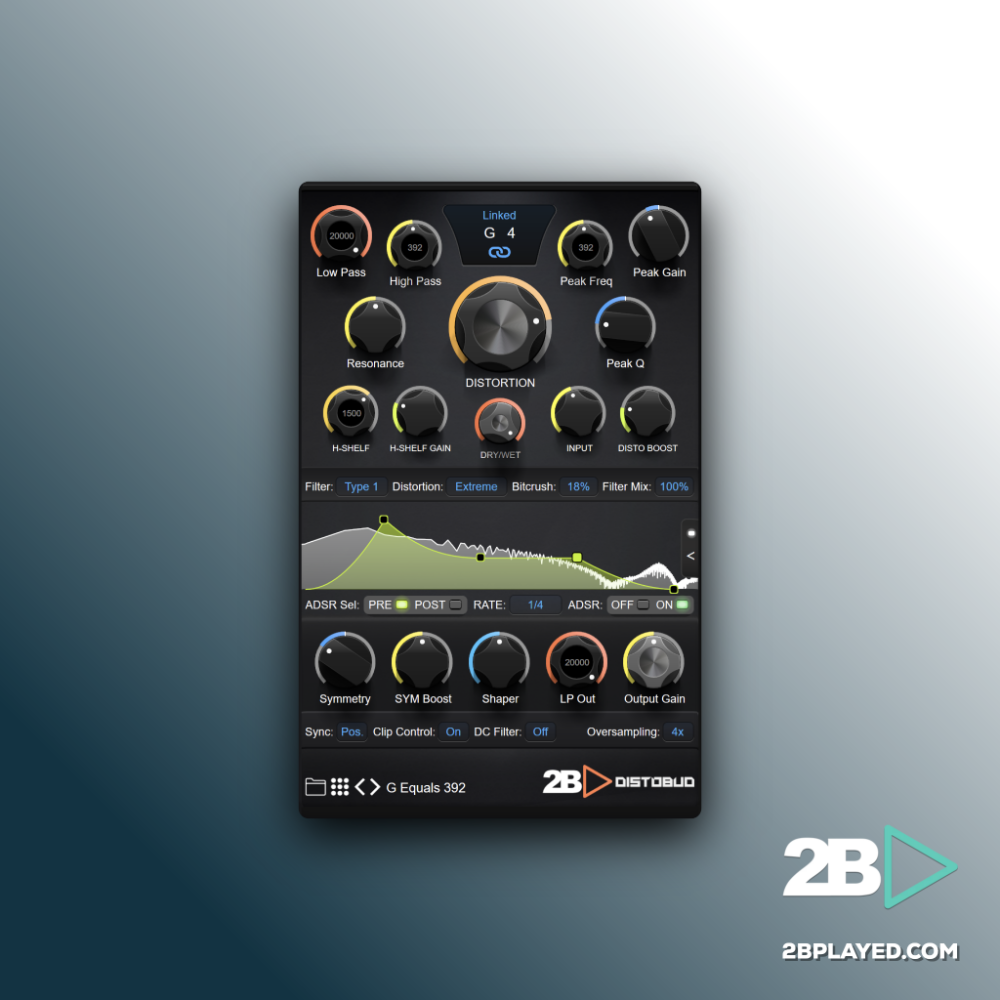
Bit Crusher Plugins: Elevate Your Audio Effects

Bit crusher plugins are software tools designed to reduce digital audio resolution. They add warmth and character by simulating vintage digital audio effects.


Bit crushers work by decimating and reducing the bit depth of audio signals, introducing quantization noise and creating a distinctive, gritty texture often associated with retro digital gear. Typically used in music production, these plugins contribute to the lo-fi, chiptune, or vintage effects sought after in various genres.


Musicians and producers leverage bit crushers to impart that old-school digital edge to their tracks, making them valuable tools in a digital audio workstation (DAW). With modern bit crusher plugins offering a range of control over bit depth, sample rate, and filtering, users can meticulously sculpt their sound for a desired level of digital distortion and edginess.

Bit Crusher Plugins: Elevate Your Audio Effects Game!


Credit: joeysturgistones.com


The Rise Of Bit Crushers In Music Production

In the world of music production, bit crushers have become a key tool for artists. These plugins simulate the lo-fi sound of vintage digital hardware. By reducing bit depth and sample rate, producers can add character to their tracks. Let’s explore this fascinating trend.

Origin And Evolution

Bit crushers take us back to the early days of digital audio. The charm of old-school games and early computer music caught producers’ ears. This plugin imitates those sounds found on classic consoles and computers.

Initially, their usage was niche, beloved by chiptune composers and experimental artists. Over time, they evolved. User-friendly interfaces and expanded features became common. Nowadays, these plugins are both powerful and versatile.

Feature Evolution Impact
User Interface Eased use for musicians
Sound Flexibility Widened creative potential
Integration Seamless use in digital workstations

Mainstream Acceptance

Bit crushers once stood on the fringes of music production. Now they have moved to the forefront. Pop, hip-hop, and electronic genres widely embrace these tools. They allow producers to stand out in a sea of digital perfection.

  • Pop music uses crushers for textural elements.
  • Hip-hop producers create gritty drum beats.
  • Electronic musicians craft signature sounds.

As they enter the mainstream, bit crushers gain endorsements from top producers. The quest for unique sounds drives their popularity. Memorable and distinctive audio stamps are now signatures for listeners worldwide.

What Is A Bit Crusher?

In the world of music production, bit crushers stand out with a unique sound. These plugins reduce digital audio quality on purpose. They take smooth, high-quality sounds and turn them into gritty, retro game-like tones. They’re perfect for musicians looking to add a vintage or experimental edge to their tracks. Let’s explore how they work and what they can do to your music.

Basic Functions And Parameters

Bit Crushers work by changing two main aspects of audio: bit depth and sample rate. The bit depth deals with the levels of detail in the sound, while the sample rate affects the frequency range. When you reduce these two, the result is a noticeably distorted and crunchy sound. It’s a desired effect in genres like lo-fi, chiptune, or glitch music.

  • Bit Depth Reduction: Lowers sound fidelity for a harsh texture.
  • Sample Rate Reduction: Clips the frequency, creating a vintage feel.
  • Output Gain: Adjusts the volume to account for changes in loudness.
  • Mix: Blends the effected signal with the original audio.

Analog Vs. Digital Bit Crushing

The battle between analog and digital form takes a twist with bit crushers. Analog bit crushers are physical hardware that mimic digital processing errors for a unique sound. Alternatively, digital bit crushers are software plugins that offer more precision and flexibility.

Analog Bit Crushers Digital Bit Crushers
Produce warmth and natural imperfections Offer precise control and repeatability
Hardware-based, less versatile in usage Software-based, more versatile and accessible
May add noise and character without a computer Consume less physical space, suited for mobile setups

Whether you choose an analog device or a digital plugin, a bit crusher can transform your sound. They add a layer of gritty texture that can take your music to a whole new level.

Popular Bit Crusher Plugins

Bit crusher plugins are essential for music producers. They create unique sounds by reducing audio quality. These plugins simulate old-school digital audio formats. Let’s explore some top bit crusher tools every producer should check out.

Tritik Krush

Tritik Krush combines the crispy taste of the digital realm and the warmth of its drive stage. Its rich feature set makes it ideal for adding texture to your tracks. With its easy-to-use interface and versatile modulation, it stands out.

Key Features:

  • Downsample and crush
  • Analog modeled resonant filters
  • Modulation options with LFO and envelope follower

D16 Group Decimort

D16 Group Decimort is known for its precision. It is a favorite among producers for its high-quality emulations of vintage samplers. This plugin replicates the grainy warmth you might seek in your digital soundscapes.

Key Features:

  • Emulates famous vintage samplers
  • Adjustable jitter feature for a “vintage” feel
  • Two optional anti-aliasing filters

Audiothing’s Vinyl Strip

AudioThing’s Vinyl Strip is a multi-effect plugin. It shapes sound with six different modules. Not just a bit crusher, it also has effects like distortion, reverb, and vintage vinyl noise.

Key Features:

  • Six distinct modules: Distortion, Compressor, Bit Crusher, Tilt EQ, Vintage Reverb, and Vinylizer
  • Each module can be rearranged by drag-and-drop
  • Includes presets for quick inspiration

Integrating Bit Crushers Into Your Workflow

Imagine having a secret weapon in your audio production toolkit that lets you shape sound in radical ways. Bit crushers are exactly that. This special effect can add grit, warmth, or even completely obliterate your sound. Let’s dive into how you can integrate bit crushers into your workflow, pushing creative boundaries and experimenting with new textures.

Finding The Sweet Spot

Working with bit crushers starts with finding the sweet spot. This means tweaking settings until your sound transforms in a pleasing way. Remember, a slight change can make a big difference.

  • Start Low: Begin with lower bit depths and increase gradually.
  • Sample Rate: Adjust the sample rate for different flavors of distortion.
  • Test Extremes: Push settings to the max and dial back to find unique textures.

Trust your ears more than the numbers. Experiment with different combinations for the perfect sound.

Automation Techniques

Automation takes bit crusher effects from static to dynamic. Keyframe automation helps in evolving sound over time.

Automation Parameter Effect on Sound
Bit Depth Adds intensity variation
Sample Rate Shifts the texture
Dry/Wet Mix Blends clean and effected signal

Automate parameters to sync with your song’s dynamics. Remember, subtlety can have a big impact. Test different automation patterns until you find what moves you.

Creative Uses Of Bit Crushing

The world of digital audio brings with it a myriad tools for musicians and producers to sculpt their sound. One such tool, a bit crusher plugin, serves as a creative powerhouse beyond its simple definition.

Lo-fi Soundscapes

For those enchanted by the warm, nostalgic tones of vintage recordings, bit crushing is a go-to solution. Transforming pristine audio into a retro-infused sonic realm, these plugins imitate the characteristics of old-school hardware. By intentionally degrading the audio quality, producers can craft soundscapes that feel both hauntingly familiar and refreshingly unique. The charm of lo-fi music lies in its imperfections, often adding emotional depth and ambience to a track.

Adding Grit To Basses And Drums

Bit crushers excel in breathing life into the lower spectrum of a mix. Basses attain a crunchier texture, standing out in electronic and hip-hop genres. Drums also benefit, as a touch of bit crushing adds a layer of raw energy and punchiness. For any producer aiming to infuse their rhythms with attitude, a bit crusher can quickly become an essential tool. Watch as your beats gain an edgy presence, capable of cutting through even the densest of mixes.

Comparing Bit Crushers With Other Effects

Bit crushers create unique sounds in the world of music production. They reduce audio quality to produce a distinctly digital sound. When producing music, it’s essential to understand how bit crushers differ from other effects. This makes choosing the right tool for the desired sound easier.

Distortion Vs. Bit Crushing

Distortion and bit crushing may seem similar, but they change sounds in different ways. Distortion adds gain to create a warm, fuzzy sound. In contrast, a bit crusher reduces the bit depth. This creates a gritty, lo-fi sound.

  • Distortion: Adds warmth and body to the sound.
  • Bit Crushing: Reduces sample rate for a retro, digital feel.

Harmonics And Texture

Harmonics add richness to music. Bit crushers and distortion units handle harmonics uniquely. Distortion adds harmonics in a smooth, controlled way. Bit crushers create unexpected harmonics. These harmonics give a sound more texture and complexity.

Effect Type Harmonic Addition Texture
Distortion Controlled and even Warm and smooth
Bit Crushing Random and harsh Retro and gritty

Tips On Choosing The Right Bit Crusher

Welcome to your ultimate guide on choosing the right bit crusher plugin. Bit crushers add grit and character to your tracks. They reduce audio quality on purpose! Sounds wild, right? But picking the perfect one can be tricky. Keep reading for essential tips to make a smart choice.

Evaluating Quality And Features

Good sound matters, even when it’s crunchy. High-quality plugins offer better control and should be user-friendly. Check for these features:

  • Bit depth control: Change sound clarity easily.
  • Sample rate reduction: For more ‘retro’ audio.
  • Filters: Modify your signal’s color and texture.
  • Modulation options: Add movement to the effect.
  • Presets: Start with built-in settings, then tweak.

Test several plugins. Listen to their sound. Are they smooth? Do the controls work well? Trust your ears.

Budget Considerations

Yes, cost is important. Yet, quality shouldn’t suffer. Follow these steps:

  1. Set a clear budget.
  2. Look for plugins within that range.
  3. Don’t forget free or demo versions. They may surprise you!
  4. Consider long-term use. Will you outgrow a cheap option?

Balance is key. Find a plugin that does what you need for a fair price. Ask yourself, “Will I use these features often?”

Bit Crusher Plugins: Elevate Your Audio Effects Game!


Credit: www.kvraudio.com


Enhancing Genres With Bit Crushers

Bit crushers are magical tools for music producers. They twist digital audio through down-sampling and bit reduction. This creates unique textures and raw sounds. Artists in various genres use them to stand out. Bit crushers can be especially exciting in electronic and retro-inspired music.

Electronica And Edm Adaptations

The electronic scene thrives on innovation. Bit crushers add freshness to beats and synths. This is how they do it:

  • Crushing Drums: They turn ordinary drum hits into glitchy percussions
  • Edgy Basslines: Bit reduction gives bass sounds a grungier edge
  • Atmospheric Effects: Down-sampling can create atmospheric textures

Top artists in EDM use bit crushers to make their tracks pop. They often blend crushed sounds with clean production. It gives listeners an unexpected audio journey.

Retro Vibes In Modern Tracks

Bit crushers are a bridge between old and new sounds. They inject nostalgic vibes into modern tracks. Here’s how crushers revitalize genres with retro feels:

Element Impact
Chiptune Leads Creates classic arcade-style melodies
Lo-fi Textures Makes tracks feel like old vinyl or tape recordings
Vintage Vocals Gives voices a warped, telephone-like effect

Producers mix these elements to give tracks a timeless feel. Bit crushers blend old-school cool with the clarity of modern production.

Future Developments In Bit Crushing

Bit crushers add lo-fi magic to digital sounds. They take clean audio and break it down, simulating the crunchy texture of retro digital gear. In the realms of electronic music and sound design, these plugins are essential. They give character to beats, basses, and leads. With technology racing forward, let’s explore what the future holds for bit crusher plugins.

Innovative Software Advancements

The evolution of bit crusher plugins will see cutting-edge features. Developers focus on creating even more nuanced control over sound degradation. High-definition algorithms may produce the warm, vintage sounds with remarkable precision. Customization features will enable users to craft their signature sound.

  • Intuitive interfaces make tweaking settings a breeze.
  • Expect real-time modulation capabilities for dynamic effects.
  • Machine learning techniques could evolve bit crushing, offering new levels of sound manipulation.

Integration With Hardware

Bit crushers will no longer live inside the box. Imagine seamless integration with hardware. Effects processors and synths may come equipped with built-in bit crushing technology.

Standalone bit crusher units could offer hands-on control. These would feature knobs and switches, making the process tactile and intuitive. Guitar pedals with bit crushing effects could grow in popularity among guitarists seeking a unique edge.

  • Hybrid setups combining the best of software and hardware offer more flexibility.
  • Synthesisers with these effects will create otherworldly textures.
  • Dedicated hardware controllers could emerge, designed specifically for plugin manipulation.
Bit Crusher Plugins: Elevate Your Audio Effects Game!


Credit: www.izotope.com


Frequently Asked Questions Of Bit Crusher Plugins


What Is A Bit Crusher Plugin?


A Bit Crusher plugin is a sound effect tool for audio production. It digitally degrades the quality of audio signals to mimic old-school, low-fidelity digital sounds. This adds unique texture and character to music.


How Do Bit Crusher Plugins Work?


Bit Crusher plugins reduce the bit depth and sample rate of digital audio. This results in audible quantization noise and a ‘crunchier’ sound that is often desired in electronic music and sound design.


Are Bit Crusher Plugins Suitable For All Music Genres?


Bit Crusher plugins are versatile and can be used across various genres. They’re particularly popular in lo-fi, electronic, chiptune, and any genre that benefits from a retro or gritty aesthetic.


Can Bit Crusher Effects Be Automated In A Daw?


Yes, Bit Crusher effects can typically be automated within a Digital Audio Workstation (DAW). This allows for dynamic changes to the bit-crushed sound during a track.


Conclusion


Exploring the realm of sound manipulation through bit crusher plugins opens up a new dimension of creativity for producers and musicians alike. Remember, choosing the right one can transform your tracks with that desired edge. Dare to experiment and find your unique sonic signature.


Elevate your music with the perfect bit crush effect today.


Categories
Archive

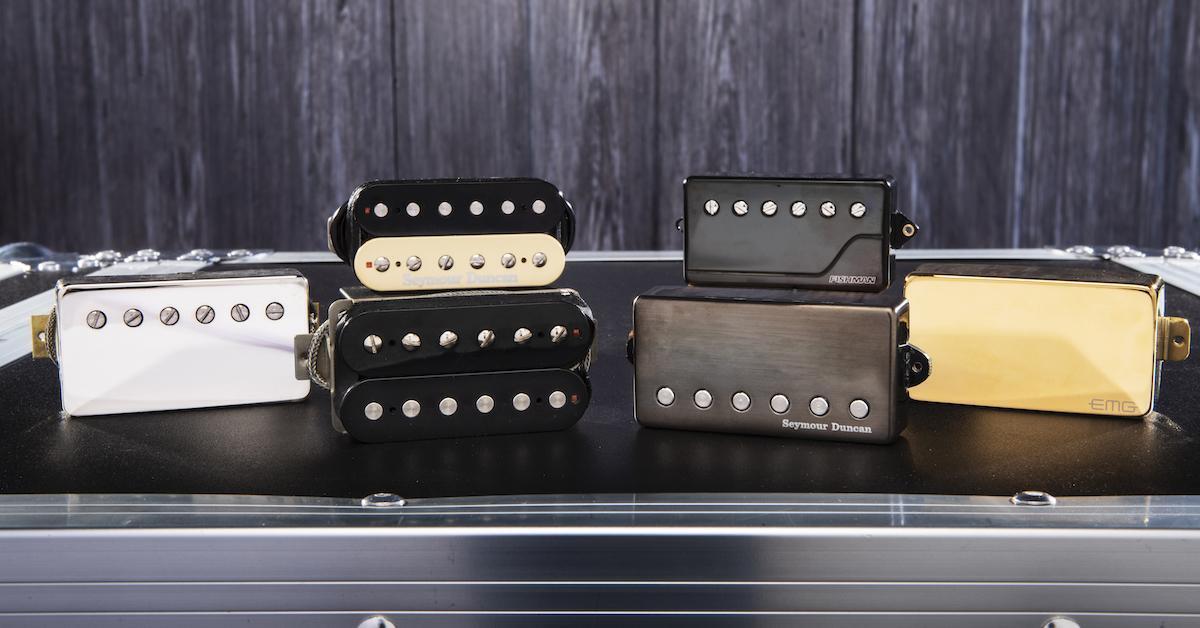
Active Vs Passive Pickups: The Difference

Active pickups use a battery-powered preamp to boost signal strength, whereas passive pickups rely on the guitar’s natural resonance. Active pickups offer consistency and high output, while passive pickups provide a warmer, more dynamic sound.


Guitar pickups profoundly impact the instrument’s tone, and the choice between active and passive models is crucial for musicians. Active pickups are renowned for their clear, powerful output that can drive amps harder and deliver a beefier sound. They are ideal for genres demanding clarity and precision, such as metal and hard rock.


On the other hand, passive pickups have been the traditional choice for decades with their nuanced tonal character. They excel in genres where a more organic and vintage tone is celebrated, such as blues, jazz, and classic rock. Understanding the differences can help guitar players achieve their desired sound, whether they’re in the studio or performing live.


Introduction To Guitar Pickups

Guitar pickups play a key role in shaping the sound that emanates from the instrument. They capture string vibrations and convert them into electrical signals. This process defines the tone that ultimately feeds into an amplifier. In the journey through guitar electronics, two distinct types stand out: active and passive pickups. Each has unique characteristics that impact a guitar’s tone and performance.

The Role Of Pickups In Guitar Tone

A guitar pickup significantly affects the instrument’s sound. Every note played is shaped by the type of pickup in use. Pickups can produce a wide range of tones, from warm and smooth to sharp and aggressive. The choice between active and passive pickups influences:

  • Volume level: How loud the guitar can get.
  • Tone versatility: The variety of tones available.
  • Sound clarity: How clear the notes are.
  • Frequency response: The range of high and low sounds.

Brief History Of Pickup Evolution

Development of guitar pickups started in the early 20th century. The quest was to make guitars audible with bands. Here is a timeline of significant events:

Year Event
1930s Electromagnetic pickups introduced.
1950s First mass-produced solid-body electric guitar.
1970s Active pickups emerged, offering more control.

This brief walk through history shows how inventive minds have upgraded guitar sounds. The evolving pickups contribute to the tonal colors available to guitarists today.

Active Vs Passive Pickups: Amplify Your Sound Game


Credit: www.amazon.com


Basics Of Active Pickups

Active pickups revolutionize how electric guitars and basses sound. Unlike their passive cousins, they require a power source to operate. This power boost gives them unique qualities. Their built-in preamp offers immense clarity and precision. Active pickups are hot choices for musicians wanting consistent tone and dynamic control.

What Makes Pickups Active

At the heart of active pickups lies the preamp. It is powered by a battery. This preamp boosts the signal before it reaches your amp. This results in a louder, clearer sound. Active pickups also tend to produce less noise and interference. They give you a more focused tone that’s perfect for precise musical styles.

Typical Components And Circuitry

Active pickups have several key components. The main components are:

  • Magnets: Detect string vibrations.
  • Coils: Transfer vibrations into electrical signals.
  • Preamp: Amplifies the signal with battery power.
  • Battery: Typically 9V, powers the preamp.

The circuitry of active pickups includes:

  1. Low-impedance coils for a cleaner output.
  2. An onboard equalizer to shape the tone.
  3. Volume and tone controls that are less prone to signal loss.

Perks Of Active Pickups

Active pickups revolutionize your guitar sound. They shine with steady output. They make every note sparkle. Guitar players love this magic. Let’s explore why these pickups excel.

Enhanced Signal Strength

Enhanced Signal Strength

Active pickups boost your guitar’s voice. They power up weak signals. This means your music reaches new heights. Plus, they need less gain from your amp. So, you get a clear, strong signal every time.

Consistency Across Frequency Range

Consistency Across Frequency Range

Your music will sound consistent with active pickups. Low notes and high notes stay balanced. This is perfect for all music styles. Listeners enjoy a harmonious experience. Below, see how the frequency stays uniform:

Frequency Output Level
Low Steady
Mid Steady
High Steady

Your tunes keep their true tone, from the deepest bass to the highest treble.


Drawbacks Of Active Pickups

Even though active pickups power some of the best electric guitars, they come with drawbacks. Musicians must consider these before choosing their sound setup. Let’s explore a couple of these downsides.

Battery Dependency

Active pickups need power to shine. This power comes from batteries.

  • Batteries run out, so players must stay prepared.
  • A dead battery means no sound, which can ruin live performances.
  • Constant battery swaps add to the maintenance cost and time.

Remember to always pack extra batteries. This will save the performance.

Potential For Unnatural Sound

Active pickups are great for clean, precise tones. But this can sometimes lead to a less organic sound. Tone purists often seek the warmth of passive pickups. The built-in preamp in active ones can make tones less natural.

  • They excel in precision but may lack the warmth of passives.
  • Some genres might need that raw, unfiltered sound passive pickups offer.

Understanding Passive Pickups

Guitar tones reach new heights with the magic of pickups. Passive pickups play a big role. They create pure sounds without extra power. Let’s dive into this classic technology.

Characteristics Of Passive Technology

Passive pickups harness the string’s vibrations. They turn them into electrical signals. This process uses magnets and coils. No battery means a more natural tone.

  • Dynamic range: Respond to playing intensity.
  • Warmth: Offer a rich, full sound.
  • Versatility: Suit many music styles.
  • Simple design: Fewer parts lead to reliability.

They give players ultimate control. Twisting the guitar knobs adjusts the sound. Players love this direct way to shape their tone.

Passive Pickups Without Batteries

Passive pickups don’t need batteries. This keeps your sound true and consistent. You won’t find interruptions or sudden power cuts here.

Feature Benefit
No Battery Required Lowers weight and maintenance.
Natural Sound Delivers tones close to the acoustic sound.
Easy to Use Just plug in and play without fuss.

Without batteries, passive pickups simplify your setup. Grab your guitar and get ready to play anytime, anywhere.

Strengths Of Passive Pickups

Passive pickups, beloved in the guitar world, boast significant advantages. These components sculpt the sound of many classic guitars. They provide a natural, unpowered pathway for tone. Unique qualities make them a top pick for many musicians.

Dynamic Sound Quality

Passive pickups offer a rich dynamic range. This means they respond well to how hard or soft a guitarist plays. Soft plucking will produce a gentle sound. A firm strum will unleash a robust tone. The nuanced sound output defines passive pickups. Dynamic sound quality allows for expressiveness. Guitarists can convey a rainbow of emotions through their instrument.

Vintage Tone Appeal

They carry the sound of an era. Countless classic records were made using these pickups. This fact alone makes them highly sought after. The warmth and depth of a passive pickup’s tone are its trademarks. Many players prize this vintage tone for its authenticity. It harks back to the roots of electric guitar music.

  • Responds to every strum with nuanced accuracy
  • Embody the sonic signature of legendary guitar heroes
  • Deliver a warm, resonant sound that modern pickups often miss

Limitations Of Passive Pickups

Passive pickups have shaped the sound of electric guitars for decades. These components are essential for translating string vibrations into an electrical signal. Yet, passive pickups come with certain limitations that might affect a guitarist’s tone and performance. Understanding these limitations can help in making an informed choice for your music.

Weaker Output Signal

One of the primary drawbacks of passive pickups is their weaker output signal compared to their active counterparts. While they can produce a rich, organic tone, they may require additional amplification to reach the same volume levels. This can lead to various challenges, including:

  • Need for external preamps or boost pedals
  • Insufficient drive for some amplifiers or pedals
  • Reduced presence in a band mix without adequate amplification

Sensitivity To Interference

Passive pickups are also more sensitive to interference than active pickups. This can be an issue in certain environments. Interference can come from many sources like:

Sources of Interference Effects on Sound
Lighting equipment Hums and buzzes
Other electronic devices Crackles and pops
Long cables Signal degradation

Comparing Active And Passive

When talking about electric guitars, pickups play a key role in their voice. The two main types are Active and Passive pickups. Each has unique qualities and uses. Let’s explore these in detail to see which might suit your playing style the best.

Tonal Differences

Active pickups and passive pickups are different in sound. Active ones offer a higher output. Their sound is crisp and clear. This is because of a battery that boosts their signal. Passive pickups have a warmer tone. Their sound is natural and traditional. Below are the tonal qualities of each:

  • Active: High output, consistent tone, less noise
  • Passive: Rich harmonics, vintage warmth, dynamic expression

Response And Dynamics

How pickups respond to your playing is important. Active pickups are less sensitive to touch. They compress the signal for a consistent sound. Passive pickups capture every nuance. They respond to how hard or soft you play the strings.

Pickup Type Response Dynamics
Active Less sensitive Compressed
Passive Highly sensitive Expressive

Choice For Different Music Genres

Different genres of music may benefit from different pickups. Active pickups are great for metal. Their high output cuts through loud mixes. Passive pickups shine in blues and rock. They allow for subtle playing techniques.

  1. Metal: Active pickups for their clarity at high gains
  2. Blues/Rock: Passive pickups for nuanced tones
  3. Jazz: Often prefers passive for smooth sound


Artists And Pickups

Imagine a painter without a brush, that’s a guitarist without their pickups. They shape the sound. Musicians swear by their choice between active and passive pickups. Let’s dive into the world of famous guitarists and their preferences. Their choice is a key to their signature sounds.

Famous Guitarists’ Preferences

The pickup battle isn’t new. Each musician’s pick reflects their musical journey. Some artists crave the dynamic sensitivity of passives. Others seek the consistency and power of actives. Let’s look at notable preferences.

  • James Hetfield – Active EMGs for crunch
  • David Gilmour – Custom-wound passives for soulful leads
  • Slash – Silky-sounding passives for bluesy riffs
  • Zakk Wylde – High-output actives for molten leads

Impact On Signature Sounds

Pickups influence what we hear. Each guitarist’s sound fingerprint comes from their pickup choice. Jimmy Page’s warm tones and Kirk Hammett’s aggressive solos tell this story. Pickup types shape these unique audio canvases.

Artist Pickup Type Notable Sound Characteristic
Eric Clapton Passive Expressive vibrato
Kirk Hammett Active Piercing leads
BB King Passive Smooth, singing sustain
Tom Morello Active High-gain riffs

Every note, every strum, they leave their mark. The interaction between the strings and pickups creates the magic. For guitarists, this isn’t just a technical choice. It’s emotional. From the blues to metal, pickups partly write history.

Making The Right Choice

Picking between active and passive pickups can shape your musical journey. Your style and the gear you already own matter here. The right pickups empower your play, whereas the wrong choice may frustrate your efforts.

Considering Play Style And Genre

The music you love to play often points to the right type of pickups. Active pickups are known for their clear, powerful output. They suit genres that demand precision and strength, like metal and hard rock.

  • Clean and consistent sounds are active pickups’ traits.
  • Passive pickups offer a warm, nuanced tone, perfect for jazz and blues.
  • Dynamics matter; passive pickups translate the subtleties of your touch.

Compatibility With Existing Gear

Your current setup can help decide between active or passive pickups. Check compatibility before making a switch.

Gear Active Pickups Passive Pickups
Amp Settings May require adjustment Often works well with current settings
Effects Pedals Can overdrive some pedals Better compatibility with a range of pedals
Battery Space Requires space for a battery No extra space needed

Upgrading Your Guitar Pickups

Upgrading Your Guitar Pickups presents a thrilling opportunity for musicians eager to refine their sound. Whether opting for the robust dynamics of active pickups or the traditional warmth of passive types, a change in pickups can drastically reinvent your instrument’s voice.

Installation Tips For Enthusiasts

For self-starters ready to venture into the world of DIY upgrades, here are some handy installation tips:

  • Gather the right tools: Soldering iron, wire cutters, screwdrivers, and a digital multimeter.
  • Stay safe: Unstring your guitar and work in a well-ventilated area.
  • Understand the wiring diagram: Follow instructions specific to your guitar model.
  • Be patient: Take your time with soldering wires to avoid mistakes.
  • Test before assembly: Connect the guitar to an amp to check the sound before reassembling.

Cost And Value Considerations

Making an informed decision on pickups involves balancing cost and value. Here’s a snapshot:

Type Cost Tonal Quality
Active Pickups $100-$250 Crisp, consistent output
Passive Pickups $50-$200 Warm, nuanced tones

Consider both the purchase price and the potential for your desired sound. A higher investment might yield a richer tonal palette.

Future Of Pickups

The evolution of guitar pickups shapes the sound of music. For decades, artists have harnessed the distinctive qualities of active and passive pickups to define genres and inspire creativity. As technology advances and musical styles evolve, the future of pickups promises fascinating developments that will broaden the horizons of sound.

Technological Innovations In Design

Guitar pickups are undergoing a renaissance, with technological breakthroughs driving new designs. Advances in materials and a deeper understanding of acoustics are leading to more responsive and versatile pickups. Experimentation with rare materials and a microprocessor integration could transform the traditional pickup design, leading to a new generation of sound possibilities.

  • Smarter circuitry: with built-in preamps for tone shaping
  • Customization: through computer software
  • Enhanced string sensitivity: for more expressive playability

Predictions For The Next Big Thing In Pickups

Expert predictions point to a future where pickups are more personalized. Imagine pickups with adjustable characteristics, easily tailored to the player’s style. There’s talk of potential hybrid models that merge active and passive traits, offering the best of both worlds. Furthermore, wireless technology may eliminate the need for traditional cable connections, making the guitar setup even more user-friendly.

Feature Active Pickups Passive Pickups Future Innovations
Sound Quality Consistent Natural Customizable
Power Source Battery None Wireless/Rechargeable
User Control High Moderate Software Integration

In anticipation of groundbreaking changes, guitarists around the world remain keenly watchful for the next big leap in pickup technology.

Active Vs Passive Pickups: Amplify Your Sound Game


Credit: www.sweetwater.com


Frequently Asked Questions On Active Vs Passive Pickups


What Are Active Pickups?


Active pickups use a battery-powered preamp to boost the signal. This gives a consistent, low-noise output. Their tone is precise and clear, ideal for genres needing clear articulation like metal or jazz.


How Do Passive Pickups Work?


Passive pickups generate their sound from the movement of the strings. They don’t require external power, producing a warmer, more organic tone. They’re widely used across musical genres for their dynamic and nuanced sound.


Can You Switch Between Active And Passive Pickups?


Switching between active and passive pickups is possible. However, it involves reworking the guitar’s electronics and sometimes physical modifications. This means it should typically be done by a professional or experienced DIYer.


Do Active Pickups Sound Better Than Passive?


Whether active pickups sound better than passive is subjective. Active pickups provide a consistent, clean signal, whereas passive pickups offer a warm, dynamic range. Preference depends on music style and personal taste.


Conclusion


Deciding between active and passive pickups is a journey of personal preference and playing style. Consider the tonal qualities, maintenance, and versatility you need. Whether you’re riffing in a garage or lighting up a stage, your choice defines your sound.


Embrace the nuance, and let your music speak for itself.

Categories
Archive

What Is Line Level Signal: Unveiling Audio Essentials

A line level signal refers to the standardized voltage output intended for processing by audio equipment. It is the main type of audio signal that components use to interact with each other.


Audio enthusiasts and professionals encounter line level signals when connecting devices such as mixers, amplifiers, and processors in a sound system. Characterized by its relatively high voltage compared to mic level signals, a line level typically ranges from 0. 316 to 2 volts.


Balancing power and fidelity, line level signals ensure minimal noise and loss over transmission, making them a cornerstone of both recording and playback processes. Grasping the concept of line level is crucial for setting up audio equipment properly, ensuring optimal sound quality, and preserving the integrity of audio signals throughout a system. Understanding this facet of audio engineering helps maintain a standardized approach during the interfacing of various electronic audio devices.


Introduction To Line Level Signal

Understanding line level signal is key in the world of audio. It spans from the music studios to your home theater systems. This signal is a standard for analog audio signals. Knowing about it ensures your equipment matches for the best sound quality.

The Concept Of Audio Signals

Audio signals carry sound through electronic devices. There are different types of audio signals. Each type has its use. Line level is one of the main types we encounter.

  • Mic level: This is the weakest, from microphones.
  • Instrument level: Stronger, from electric guitars.
  • Speaker level: The most powerful, for speakers.

Line Level Signal In The Audio Hierarchy

In the audio signal hierarchy, line level holds a special place. It is the reference point for audio quality. Devices need preconditioning to send or receive line level.

Signal Type Level
Mic Level Lowest
Instrument Level Medium
Line Level Standard Reference
Speaker Level Highest

Devices like mixers, processors, and recorders mostly use line level. It lets them interface with each other without noise or distortion issues. Always check to match the levels for perfect audio output.

Types Of Line Level Signals

Line level signals are crucial in audio production. They refer to the electrical signals coming from audio sources like keyboards, mixers, or media players. These signals are not strong enough to power speakers. Yet, they play a key role in audio clarity and quality.

Consumer Line Level

This type refers to devices like home theaters or CD players. Often called “-10dBV,” consumer line level signals have weaker voltage compared to professional gear. Here’s what you need to know:

  • Common in home audio equipment
  • Voltage level typically around 0.316 volts
  • Uses RCA connectors or 3.5mm jacks

Professional Line Level

In contrast to consumer line level, professional line level signals are more robust. Known as “+4dBu,” these signals maintain audio integrity over longer distances. Look at the key details:

Characteristic Detail
Standard +4dBu
Voltage Around 1.23 volts
Connectors XLR or 1/4-inch TRS

Comparing Line Level With Mic And Instrument Levels

When it comes to recording and sound systems, signals matter a lot. They determine the quality and clarity of the output. We often talk about ‘Line Level’ without knowing how it differs from ‘Mic Level’ or ‘Instrument Level’. Let’s explore these levels and uncover the distinctions.

Understanding Mic Level

Mic Level refers to the audio signal generated by microphones. It’s quite weak and needs amplification. Think of it as a tiny voice that needs a boost to be heard.

  • Lowest signal level
  • Requires preamplification
  • Measured in millivolts (mV)

Instrument Level Distinctions

Electric guitars and basses use Instrument Level signals. They’re stronger than Mic Level but still not as high as Line Level.

  • Higher than Mic Level
  • Needs some boosting
  • Measured in volts (V), but lower than Line Level

Conversion Between Levels

To use these signals together, convert levels with the right gear. Preamps boost Mic to Line Level. DI boxes often change Instrument to Line Level.

Original Level Device for Conversion Converted Level
Mic Level Preamp Line Level
Instrument Level DI Box Line Level

Remember, proper level matching is key to top-notch audio quality.

The Importance Of Line Level In Recording

Understanding line level is key in the world of recording. Line level refers to the standard signal strength used to transmit audio between various audio components. Without the correct line level, recordings can suffer in quality, and audio might not blend well.

Achieving Optimal Audio Quality

Optimal audio quality hinges on proper line level. It ensures signals are clear and strong. This avoids unwanted noise or distortion. Proper levels lead to crisp, professional-sounding audio.

  • Consistent volume: Keeps the audio smooth.
  • Lower noise: Reduces background hiss.
  • Better dynamic range: Captures soft and loud sounds effectively.

Integrating Different Audio Sources

The right line level allows for seamless audio source integration. Devices like microphones, keyboards, and mixers can connect without issue. Balanced sound across all inputs is vital.

Device Role Connection
Microphones Capture sound Preamps adjust level
Keyboards Add melody Direct line level input
Mixers Blend signals Match levels for output

Each device plays a role in the final sound. Coordinating their levels is essential for a harmonious mix. This can make or break a recording session’s success.

Connectors And Cables For Line Level

Connectors and Cables for Line Level are crucial elements in audio setups. They ensure that signals from audio devices transmit with high fidelity. For optimal sound quality, understanding the different types of connectors and how to maintain your cables is essential. Let’s delve into the specifics.

Common Connectors Used

  • RCA: Often found in home audio equipment.
  • TS (Tip-Sleeve): A common mono connector, usually for guitars.
  • TRS (Tip-Ring-Sleeve): Delivers stereo sound or balanced mono signals.
  • XLR: Professional-grade connector that provides balanced audio.

Cable Selection And Maintenance

Selecting the right cable involves considering length, durability, and quality. Shorter cables can reduce signal loss. Thicker cables might offer better shielding.

Maintenance tips ensure longevity:

  1. Regularly check connectors for rust or dirt.
  2. Untangle cables to prevent damage.
  3. Store properly to avoid kinks and breaks.

By choosing the proper connectors and maintaining your cables, you ensure clear, uninterrupted audio signals in your setup.

Amplifying And Attenuating Line Level Signals

Audio signals flow through our devices at different levels. A line level signal is common in audio production. It bridges sources like CD players and amplifiers. Yet, these signals often need tweaking. That’s where amplifying and attenuating come in.

Preamplifiers And Their Role

A preamplifier, or preamp, gets a signal ready for further amplification. It deals with weak signals. It boosts them without noise or loss. Most audio devices have built-in preamps. They handle tasks like:

  • Boosting microphone levels to line level
  • Equalizing audio signals for quality
  • Connecting multiple sources and managing inputs

The Need For Attenuation

Sometimes signals are too strong. That’s not good. It can cause distortion or damage equipment. Attenuation is the solution. It lowers the signal level. This process is key in:

  • Preventing signal clipping and distortion
  • Maintaining audio fidelity across devices
  • Matching levels for different equipment

Troubleshooting Line Level Issues

When your audio setup does not sound right, the issue may involve line level signals. “Troubleshooting Line Level Issues” is crucial for smooth audio performance. Know how to spot and fix problems fast.

Identifying Common Problems

Several signs point to line level issues.

  • Hiss or hum in the audio output
  • Unexpectedly low or high volume
  • Distorted sound quality
  • No sound output whatsoever

These symptoms often signal an incorrect line level setup.

Steps For Effective Troubleshooting

Follow these steps to troubleshoot line level issues:

  1. Check cable connections between devices
  2. Inspect cables for damage or wear
  3. Ensure the output device is at the correct level
  4. Test with alternative cables or devices
  5. Adjust settings on the sound source and receiver

Try these fixes one by one to locate the problem.

Remember the right tools. Use a multimeter to check signal strength. An oscilloscope can show signal quality too.

Maintain your gear. Clean connectors often. Dust and grime can cause issues.

Keep software updated. Outdated software leads to conflicts or malfunctions.

With patience and careful steps, fixing line level issues is straightforward.

What Is Line Level Signal: Unveiling Audio Essentials


Credit: www.waves.com


Advanced Applications Of Line Level

In the realm of audio engineering and sound production, the concept of a line level signal becomes more intriguing as we delve into its advanced applications. These signals are the backbone of audio interconnectivity. They travel between various audio equipment like mixers, signal processors, and amplifiers in both consumer and professional domains. With its vital role in achieving high-quality sound, understanding line level’s advanced applications is essential for any audio professional.

Line Level In Professional Settings

Professional audio environments demand pure sound quality and zero tolerance for noise. Line level signals are paramount in these settings. Studios, live venues, broadcasting houses, and concert halls rely on the standardized levels for seamless signal transmission. Professional gear typically operates with +4 dBu line level, offering a balance between strong signal quality and minimal noise interference.

  • Connecting multiple devices like microphones, mixers, and amplifiers.
  • Optimal signal routing ensures that audio paths are noise-free and clear.
  • Professional recording and mastering studios use specialized equipment.

Integrating Consumer And Professional Equipment

Combining home electronics with pro gear invites challenges. Different line level standards can cause signal mismatches. Consumer devices often operate at -10 dBV, while professional devices work at +4 dBu. To bridge the gap:

  1. Use a line level shifter or interface box to adjust signal levels.
  2. Check your equipment specifications to ensure compatible connectivity.
  3. Audio interfaces can help in converting these different signals.

Therefore, integrating gear effectively ensures optimal performance. This combination brings out the best in both worlds: the richness of professional audio with the versatility of consumer devices. Comprehending the dynamics of line level signals fortifies the foundation for any aspiring or professional audio engineer.


Frequently Asked Questions For What Is Line Level Signal


What Defines A Line Level Signal?


A line level signal refers to a specific strength of an audio signal used to transmit analog sound between audio components. It’s typically used in the outputs of audio sources like CD players and mixers.


How Does A Line Level Differ From Mic Level?


Line level signals are much stronger than mic level signals, which come directly from microphones. Mic level requires a preamp to reach line level for use in mixing boards or recording devices.


Can You Convert Speaker Level To Line Level?


Yes, you can convert speaker level to line level by using a speaker-to-line level converter. This device reduces the power of the signal, making it compatible with line level audio inputs on other equipment.


Are There Different Types Of Line Level Signals?


Yes, there are two types: consumer and professional. Consumer line level, also called -10dBV, is commonly used in home audio equipment. Professional line level, known as +4 dBu, is used in pro audio gear.


Conclusion


Understanding line level signal is crucial for optimal audio setup. It’s the standard for pro-audio gear interconnectivity. Remember, correct levels ensure clear sound without distortion. Mastering its use elevates recording and playback quality. Dive into your audio endeavors with confidence, armed with this knowledge!


Categories
Archive

Distortion Vs Overdrive: Unraveling the Truth

Distortion vs overdrive comes down to how two effects change the sound of an electric guitar. Distortion creates a ‘fuzzier’ sound, while overdrive boosts the signal for a warm, natural breakup.


Also, Guitarists and musicians often seek to color their sound with various effects, and among the most popular are distortion and overdrive. Distortion is the effect of choice when a gritty, aggressive tonal edge is desired. Also, Overdrive subtly increases the gain, pushing an amp just beyond its clean level, resulting in a smooth, clipped tone synonymous with blues and rock.

Related reading: Get Big Sounding Drums With Distortion and How To Reduce Distortion When Mastering. For background, see the Wikipedia article on Distortion.


Incorporating these effects not only enhances musical expression but also defines a player’s sound. In addition, by manipulating the intensity and mix of these effects, artists can traverse a vast landscape of aural textures, from the rough rebellion of punk to the soulful cries of blues. Moreover, choosing the right balance of distortion and overdrive can turn a simple riff into a signature hook that resonates with listeners.


Distortion And Overdrive: The Bedrock Of Electric Guitar Tone

When you think of rock and roll, the growl of distortion or the warm push of overdrive often come to mind. For example, these effects are not just accessories; they are the foundation that gives the electric guitar its character. In addition, musicians have long sought the perfect blend of grit and melody, using these tools to express emotions and craft sonic landscapes. Let’s dive into how these effects have shaped the sound of music and continue to influence guitarists in their quest for the ideal tone.

Iconic Tones Shaping Music History for Distortion vs Overdrive

Furthermore, the electric guitar’s voice is synonymous with some of the most memorable riffs and solos in history. As a result, Distortion and overdrive have fueled genres like rock, blues, and metal. Think of the unmistakable crunch in “Whole Lotta Love” or the piercing lead in “Sweet Child O’ Mine.” These tones are legendary.

  • Additionally, chuck Berry : Pioneered the use of overdrive in “Johnny B. Goode.”
  • Also, jimmy Page : Mastered distortion’s art in Led Zeppelin’s hits.
  • Moreover, kirk Hammett : Used a mix of both for Metallica’s heavy sound.

The Eternal Quest For The Perfect Guitar Sound

In addition, Guitarists are always searching for that unique tone that sets them apart. However, the journey involves experimenting with various guitar pedals, amps, and settings. Every twist of a knob or stomp on a pedal can open up a new spectrum of sounds. This pursuit is endless, as each player seeks to etch their sound in the annals of music history.

Furthermore, players often start with classic setups and tweak from there:

Amp Model Distortion Overdrive
Marshall Plexi High Low
Fender Bassman Medium High
Mesa Boogie Variable Variable

Additionally, it is the combination of distortion and overdrive that gives the electric guitar its voice. Then, one that speaks the language of legends and whispers the promise of undiscovered sonic territories.

Anatomy Of Guitar Tone: Getting Technical

Also, understanding the nuances of guitar tone requires a deep dive into the technical world of signal processing . In short, whether you’re aiming for the smooth, rich sound of overdrive or the aggressive crunch of distortion, the key lies in how you manipulate your guitar’s signal. Let’s unpack the complexities behind these iconic sounds.

How Signal Processing Affects Tone

Moreover, Signal processing is critical in shaping the personality of your guitar tone . Similarly, this encompasses everything from the effects you use to the way your amplifier interprets your guitar’s signals. Below, explore the aspects that mold your unique sound:

  • In addition, gain Staging : The levels set at different points in your signal chain.
  • Furthermore, effect Order : How the sequence of pedals alters the resulting tone.
  • Additionally, EQ Settings : Controlling the balance of frequencies.

Waveforms And Clipping: A Scientific Insight

Also, getting to the heart of distortion and overdrive, waveforms and clipping are vital concepts. Here’s a brief explanation:

Term Description
Waveforms The shape of the sound signal as it travels.
Clipping Occurs when the signal exceeds the amp’s capacity, creating distortion.

Moreover, soft clipping yields overdrive’s warm tones. Also, by contrast, hard clipping results in distortion’s edgier vibe. This manipulation of waveforms is a cornerstone in the art of guitar tone crafting.


Origin Tales: A Brief History

In addition, the soundscape of modern music pulses with the lifeblood of distortion and overdrive . In addition, to grasp the full picture, a dive into the past reveals the roots of these iconic effects.

Evolution Of Distortion In Rock Music

Furthermore, rumbling through time, distortion found its voice in the mid-20th century.

  • The first distorted guitar tones emerged not by design, but from amplifier malfunctions.
  • Additionally, artists like Link Wray pierced music with intentional distortion in the 1950s.
  • Also, giving rise to a bolder rock sound, the fuzz box became a staple.
  • Moreover, the 60s and 70s saw a surge in heavier music, cementing synthesisers’list-itemistrongteatroustrong on.

Overdrive: From Blues To Mainstream

In addition, starting in the heart of blues, overdrive completed the journey to mainstream music .

  1. Furthermore, a quest for volume in small venues led blues guitarists to push amps beyond their limits .
  2. Additionally, the sweet, warm tones seduced even the early rock ‘n’ rollers .
  3. Also, from Clapton to Hendrix , legends harnessed overdrive for its expressive power .
  4. Moreover, progressing through the decades, it became the backbone of classic rock .


Distortion Unveiled: Character And Use

In addition, in the electrifying world of guitar effects, distortion reigns supreme. For example, Distortion crafts the rich, harmonic-laden tones that define many music genres. Guitarists unleash this powerful effect to tailor their sound.

The Aggressive Edge: Traits Of Distortion

Furthermore, Distortion is synonymous with power and intensity. It amplifies the guitar signal until it clips, creating a thick, aggressive tone. As a result, the characters of distortion include:

  • Sustain boost for longer notes
  • Harmonic richness for fuller sound
  • Volume increase for standout solos

Genre Associations And Famous Pedals for Distortion vs Overdrive

Additionally, from rock to metal, distortion is vital. However, genres like punk and grunge thrive on its gritty texture.

Genre Famous Pedal
Rock ProCo Rat
Metal Boss Metal Zone MT-2
Punk Electro-Harmonix Big Muff

Overdrive Explored: Subtlety And Warmth

Also, Overdrive adds rich texture to guitar sound. It boosts signals, but with care. Then, this creates soft, warm tones. It doesn’t mask the guitar’s true voice. Instead, it enhances its expressiveness.

Smoothness And Dynamics In Overdrive

Want your guitar to sing? Overdrive is your partner. In short, let’s talk about its smoothness. Moreover, picture a gentle slope, not a steep hill. This is overdrive.

  • Touches every note softly.
  • In addition, lets gentle plucks and hard strums shine.

And dynamics? Similarly, this is the heart of music. Furthermore, with overdrive, pick softly for whispers. Strum harder for roars. Complete control stays in your hands.

Blues To Indie: Overdrive’s Versatility

  1. Blues players adore overdrive. Additionally, it breathes life into every bent note.
  2. Rock musicians rely on it. It creates anthems.
  3. Indie artists find it perfect. It underscores raw emotion.

Every style wins with overdrive. Also, it’s a chameleon on your pedalboard. Whether you aim for grit or whisper tones, overdrive adapts.

Details Matter

Genre Overdrive Setting Tone Result
Blues Low gain Smooth, expressive
Rock Medium gain Bold, powerful
Indie Variable gain Flexible, emotive


Setting The Stage: Live And Studio Applications

Distortion and overdrive are the cornerstones of guitar tone. In addition, both live performances and studio recordings use these effects. They shape the music’s mood and style. This section uncovers how to optimize distortion and overdrive for any stage or studio session.

Crafting Live Tones: Tips And Tricks

Live settings test a musician’s mastery of their gear. For example, Perfect balance between clarity and grit is key. Here are ways to achieve that:

  • Start with a clean slate by setting your amp to a neutral base tone.
  • Adjust overdrive and distortion knobs in small increments for precision.
  • Amp settings can make or break your live sound—experiment during soundchecks.
  • Use individual pedals for more control over each effect.

Recording Sessions: Capturing The Essence Of Overdrive And Distortion

Recording studios offer controlled environments to craft perfect tones. As a result, keep these points in mind:

      1. Layer tracks with varying levels of effects for depth.
      2. Mic placement can greatly alter the captured sound of your amp.
      3. Combine different types of overdrive and distortion for unique textures.
      4. Direct input recording is an option for clear and consistent tones.

Create separate tracks for clean and effect-laden takes. However, blending them post-recording gives freedom to adjust.

Pedalboard Dynamics: Combining Effects

For musicians looking to create distinctive and compelling soundscapes, understanding the interaction between different guitar pedals is key. Then, Distortion and overdrive sit at the heart of many iconic tones, and their combination can unlock a universe of aural textures. Crafting the perfect guitar tone involves not just selecting individual effects but also knowing how to blend them effectively.

Strategic Stacking: When Distortion Meets Overdrive

The order in which pedals are stacked on a pedalboard plays a pivotal role in the resulting sound. In short, Distortion into overdrive , or vice versa, yields different outcomes.

  • Distortion first: Pushes the overdrive pedal with a stronger signal, offering a more saturated and compressed tone.
  • Overdrive first: Drives the distortion with a smoother, more dynamic signal, leading to a richer and more complex sound.
Stacking Order Sound Characteristic
Distortion » Overdrive Saturated and Compressed
Overdrive » Distortion Rich and Complex

Creating Unique Tones With Pedal Combinations for Distortion vs Overdrive

Diversity in tone is the spice of music, and combining pedals can create unique sonic signatures. Similarly, experimentation is the key to finding the combination that resonates with your musical expression.

  1. Start with mild overdrive to add warmth.
  2. Stack with distortion for gain-heavy sections.
  3. Adjust the EQ settings on each pedal for refinement.
  4. Use the pedal’s volume controls to balance the effect levels.

The right combination of pedals can turn a good tone into a great one, making your music stand out. Also, by playing around with pedal order and settings , the sonic possibilities become nearly endless. Embrace the art of pedal stacking and define your unique style.

Artists And Their Signatures: A Legacy Of Tone

The sound of electric guitars has defined eras and shaped music history. In addition, artists and Their Signatures: A Legacy of Tone dives into the heart of this impact. Distortion and Overdrive make the signature sound of many legendary guitarists. It’s not just a way to play louder; it’s how they speak through their instruments. Their choice between distortion and overdrive has been as personal as their playing styles.

Famous Guitarists And Their Preferences for Distortion vs Overdrive

Bold, fiery, and often revolutionary, the tones that have carved their names into the annals of music continue to inspire. For example, each guitarist’s pick between distortion and overdrive has played a pivotal role in crafting their unique sound. Let’s look at some giants of the six-string and their personal favorites:

  • Jimmy Page (Led Zeppelin): Overdrive to harness the bluesy textures beneath the rock monoliths.
  • Jim Hendrix: A maestro of distortion for his otherworldly solos and transcendent sounds.
  • Angus Young (AC/DC): Overdrive, for a crisp crunch that cuts through the mix with a razor’s edge.
  • Eddie Van Halen: Distortion for powerful shreds that define hard rock.

How Iconic Tones Influenced Generations

The signature sounds of guitar heroes didn’t just shape their music—they ignited movements. As a result, Iconic tones have become the blueprint for countless musicians who followed the trails blazed by their forebearers:

Artist Influenced Genres Signature Tone
Kurt Cobain (Nirvana) Grunge, Alternative Rock Distortion
Stevie Ray Vaughan Blues, Rock Overdrive
John Frusciante (Red Hot Chili Peppers) Funk Rock, Alternative Overdrive and Distortion
Jack White (The White Stripes) Garage Rock, Blues Rock Distortion

Future Trends: The Evolving World Of Guitar Effects

The landscape of guitar effects continuously shapes the music industry. However, Distortion and overdrive, quintessential for creating unique sounds, are now at the brink of a transformative era. Artists and engineers seek innovative ways to refine and redefine the sonic signature of these beloved effects. Let’s explore cutting-edge developments that signal the future of guitar effects.

Innovations In Tone Technology for Distortion vs Overdrive

The quest for the perfect guitar tone has led to groundbreaking advancements. Then, current trends indicate a push towards hyper-realistic soundscapes and versatile performance . Here are key innovations:

  • Analog-mimicking circuits: Designers optimize these for a warm, rich sound.
  • Multi-effect integrated systems: These provide all-in-one solutions for diverse tonal needs.
  • Customizable pedalboards: Enhanced with downloadable presets and effect algorithms.

The Digital Frontier: Emulating The Classics

Digital technology now mirrors the charming nuances of classic analog tones. In short, the emulation of vintage distortion and overdrive has achieved striking levels of accuracy . Here’s what stands out:

  1. High-fidelity modeling: Software algorithms recreate legendary pedal and amp sounds.
  2. Plugin integration: Access to iconic effects in a simple, streamlined digital workspace.
  3. Smartphone apps: They transform mobile devices into portable effect processors.


Choosing Your Camp: Tips For Aspiring Guitarists

Jumping into the world of electric guitar effects can be exhilarating. Similarly, choosing the right effects for your style shapes your signature sound. Every guitarist must make a fundamental decision between two iconic effects: distortion and overdrive. This section helps you navigate this choice.

Identifying Your Sound: Distortion or Overdrive?

Identifying Your Sound: Distortion Or Overdrive?

Also, identifying your unique sound plays a crucial role in music. Also, Distortion packs a punch with its aggressive and heavy tones. It’s perfect for hard rock and metal grooves. Overdrive, on the other hand, offers a warmer, smoother boost. It mirrors the sound of a tube amp cranked up high. Choose distortion for raw power or overdrive for classic vibes.

  • Classic Rock & Blues – Overdrive is often better
  • Metal & Punk – Choose distortion
  • For versatility – Try both and mix

Essential Considerations For Buying Pedals for Distortion vs Overdrive

When buying pedals, certain considerations ensure you get the best fit for your sound and budget.

  • Analog vs. Digital: Analog pedals offer warmth while digital provides precision.
  • True Bypass: This feature maintains signal integrity when the pedal is off.
  • Features & Controls: More knobs mean more customization but can add complexity.
  • Build Quality: Durability is key for gigging musicians.
  • Budget: Define how much you can spend and compare options.
Type Sound Characteristic Best For
Distortion Aggressive, Saturated Metal, Hard Rock
Overdrive Warm, Smooth Classic Rock, Blues

Frequently Asked Questions Of Distortion Vs Overdrive


What’s The Difference Between Distortion And Overdrive?


Distortion and overdrive are effects used to alter the sound of electric guitars. In addition, Distortion renders a more intense, aggressive tone by heavily amplifying the signal. Overdrive subtly pushes your amp harder, producing a warm, natural-sounding drive similar to a slightly overdriven tube amp.


Can Overdrive Pedals Create Distortion?


Yes, overdrive pedals can create distortion when used at higher settings. For example, they push the amplifier harder, which naturally leads to a distorted sound. However, this distortion is usually softer and more subtle compared to dedicated distortion pedals.


Is Distortion Or Overdrive Better For Metal?


Distortion is generally preferred for metal due to its heavier, more saturated tone. As a result, it provides the aggressive sound that metal guitarists seek. Overdrive, while useful, typically doesn’t achieve the same level of intensity required for metal.


How Do I Choose Between Overdrive And Distortion?


Choosing between overdrive and distortion depends on your desired sound. However, if you want a gentle, bluesy drive, overdrive is ideal. For a hard-edged, rock or metal sound, go for distortion. Consider your genre and playing style before deciding.


Conclusion


Selecting between distortion and overdrive boils down to personal taste and musical needs. Then, these effects shape your sound’s character, crafting tones that resonate with audiences. Embrace experimentation to discover your signature style. Remember, the perfect pedal can elevate your music to new sonic heights.


Choose wisely, rock on!

Categories
Archive

What Is Midi: Unlocking the Secrets of Digital Music

MIDI is a technical standard for music devices to communicate. It stands for Musical Instrument Digital Interface.


Also, MIDI revolutionized music production and performance by enabling various electronic instruments, computers, and other devices to synchronize and share musical information. Also, this protocol encompasses messages that convey notes, rhythms, and controls, allowing for intricate composition and live performances with multiple interconnected devices.


Moreover, as a digital interface, MIDI efficiently translates musical actions into a language that electronics understand, without producing actual sound. Instead, it directs hardware or software instruments to generate audio. In addition, this process gives musicians immense creative control, fostering endless possibilities in arrangements and sound design. Adopting MIDI ensures compatibility and flexibility across a wide range of equipment, making it a staple in modern music creation and a critical tool for artists, producers, and hobbyists alike.


Origins Of Midi

In addition, the ‘Origins of MIDI’ tracks back to the need for a universal language. For example, this language connects electronic musical instruments and technology. Let’s dive into its roots.

Early Attempts At Electronic Music

Before MIDI, creating music with electronic devices was a challenging task. As a result, artists used various, often incompatible, systems. Furthermore, this fragmentation meant musicians struggled to integrate devices from different manufacturers. Innovators began experimenting to solve this issue.

  • Additionally, synthesizers and drum machines needed a way to communicate.
  • Also, companies produced unique control interfaces , limiting compatibility.
  • Moreover, Electronic music pioneers drove the push for a unified system.

The Birth Of A Standard

In addition, the breakthrough came in the early 1980s . However, leading companies of the day, including Roland and Yamaha , joined forces. Their goal: to create a universal protocol. This alliance marked the start of MIDI.

Year Event
1981 Discussions to create a standard begin.
1982 First demonstration of the MIDI protocol.
1983 Official release of the MIDI 1.0 specification.

Furthermore, the debut of MIDI revolutionized music production. Then, it allowed seamless integration between equipment, irrespective of the brand. This single invention transformed the electronic music landscape forever.

Demystifying Midi

Additionally, MIDI, or Musical Instrument Digital Interface, often puzzles music creators. In short, it’s a powerful tool in music production , yet its digital nature can be intimidating. Let’s unwrap the mystery of MIDI and understand why it’s a staple in the music industry.

Midi Versus Audio Files

Also, MIDI and audio files are not the same . People often confuse them, but they serve different purposes. Audio files, like WAV or MP3, contain actual sound data – the recorded sound of instruments or vocals. MIDI files, on the other hand, do not contain sound. Instead, they have digital instructions for music creation. Think of a MIDI file as a music sheet for computers and digital instruments.

  • Audio Files:
    • Contain recorded sounds.
    • In addition, ready to play on any audio player.
    • Larger file size.
  • MIDI Files:
    • Contain data with instructions.
    • Additionally, need a MIDI-compatible device to produce sound.
    • Also, smaller file size, easier to edit.

The Anatomy Of Midi Messages

Moreover, to fully grasp MIDI, understanding its messages is key. Also, a MIDI message consists of bits that tell digital instruments what to do. These bits of data include crucial information like note pitch, duration, and velocity (how hard a note is played).

Type of Message Description
Note On Triggers a note.
Note Off Releases a note.
Control Change Modifies parameters like volume.
Program Change Changes instrument sounds.
Pitch Bend Alters the pitch of a note.

In addition, these messages form the backbone of MIDI communication , transforming simple data into complex musical compositions. In addition, each message is crafted with precision to ensure the accurate rendition of digital music.


Midi In Modern Music Production

Furthermore, Musical Instrument Digital Interface, or MIDI , has revolutionized the way we create music. For example, this powerful tool enables musicians and producers to communicate with a range of musical hardware and software. This results in superior control and flexibility during the music production process. Thanks to MIDI, you can compose, edit, and record music with astonishing precision and creativity.

Sequencers And Daws

Additionally, sequencers and Digital Audio Workstations (DAWs) are the backbone of MIDI music production. Sequencers allow for detailed arranging of MIDI events, while DAWs provide a comprehensive platform for combining MIDI sequences with audio tracks. As a result, this duo forms a robust framework for crafting complex musical pieces. Many popular DAWs include:

  • Also, Ableton Live – Known for its intuitive interface and live performance capabilities.
  • Moreover, FL Studio – Offers a seamless workflow for beat making and loop-based compositions.
  • In addition, Logic Pro – Favored for its sophisticated MIDI editing and vast library of virtual instruments.

Virtual Instruments And Plugins

Furthermore, virtual instruments and plugins breathe life into MIDI compositions. However, these software synthesizers and samplers emulate a wide range of sounds, from classic piano to electronic beats. They respond to MIDI information to produce audio that can rival traditional instruments. Notable virtual instruments include:

  1. Additionally, native Instruments Kontakt – Offers a multitude of sampled instruments with incredible realism.
  2. Also, spectrasonics Omnisphere – Known for its vast array of synth sounds and versatility.
  3. Moreover, xfer Records Serum – Top choice for electronic music producers seeking rich and intricate wavetable synthesis.

Plugins, such as effects processors and sound modifiers, further enhance MIDI tracks. Then, they allow producers to mold and shape the sound, bringing the final touch to a music production masterpiece. In addition, with virtual instruments and plugins, the possibilities are endless.

What Is Midi: Unlocking the Secrets of Digital Music


Credit: www.levelsmusicproduction.com


Midi Controllers Explained

Furthermore, at the heart of modern music production, MIDI controllers are essential tools. In short, they translate physical actions into digital signals. This makes creating beats or melodies on a computer easy.

Types Of Midi Controllers

Additionally, diverse MIDI controllers cater to different needs. Similarly, let’s dive into the variety that pushes music creation boundaries:

  • Also, keyboard Controllers: Resemble traditional pianos with keys that send MIDI data.
  • Moreover, pad Controllers: Feature pads sensitive to touch for beat-making and sampling.
  • In addition, wind Controllers: Allow wind instrument players to connect with music software.
  • Stringed Controllers: Suit guitarists keen on MIDI compatibility.
  • Control Surfaces: Provide knobs and faders to tweak software parameters.
  • Drum Controllers: Mimic drum kits for natural rhythm programming.

How Controllers Enhance Creativity

MIDI controllers open new doors for artists. Also, below are the ways they fuel creative fires:

  • Offer hands-on control over virtual instruments.
  • Enable expressive performances with velocity and pressure-sensitive pads.
  • Allow for spontaneous tweaks with real-time controls.
  • Support endless possibilities with programmable actions.
  • Make complex tasks simpler with dedicated hardware.

The Role Of Midi In Live Performance

MIDI revolutionizes how musicians perform on stage. In addition, with MIDI, artists create rich, dynamic shows. Think of MIDI as the digital maestro, coordinating every sound and visual. Now, let’s dive into how MIDI brings live performances to life.

Midi For Live Triggering

Picture performers tapping a button and triggering an entire orchestra. For example, that’s MIDI for live triggering . It allows artists to play complex passages with a single action.

  • Instant sound effects: Artists hit pads to add drama.
  • Layering tracks: Performers layer sounds live.
  • Seamless transitions: Smooth changes between songs.

Synchronizing Instruments And Visuals

MIDI syncs beats and graphics in real-time. As a result, performers enjoy synced light shows and visuals, enchanting audiences.

Function Benefit
Timed light cues Visuals match the beat
Automated scene changes Seamless visual storytelling

As a result, musicians deliver unforgettable live experiences. However, the crowd sees and hears a show in perfect harmony, thanks to MIDI.

What Is Midi: Unlocking the Secrets of Digital Music


Credit: www.rpmusicstudios.com


Midi And Music Education

MIDI, or Musical Instrument Digital Interface, is a powerful tool in music education. Then, it connects musical instruments to computers. This technology allows for interactive learning experiences. It can make understanding music more accessible and fun for students of all ages. Let’s explore how MIDI can be used in teaching music theory and practical training.

Teaching Music Theory With Midi

MIDI technology can bring music theory to life. In short, it turns abstract concepts into something students can hear and manipulate. Through MIDI keyboards and software, music theory becomes a hands-on experience. Here are some of the benefits:

  • Visual Representation: Notes and chords appear on-screen, allowing students to see music theory in action.
  • Interactive Exercises: MIDI software can provide instant feedback, which helps students learn faster.
  • Composition: Students can compose and hear their own creations.

Practical Training And Midi

MIDI is also invaluable for practical music training. Similarly, with MIDI instruments and devices, students can practice anytime without needing physical instruments. Let’s see how MIDI enhances practical learning:

Benefit Description
Real-time Feedback Software can highlight mistakes and track progress.
Play Along Tracks Students can play with backing tracks, improving timing and performance.
Simulated Instruments Access a wide range of instrument sounds without physical limitations.

MIDI devices can be connected to computers or tablets. Also, they make practicing engaging and highly productive.

Troubleshooting Common Midi Issues

Musical Instrument Digital Interface (MIDI) connects electronic instruments. In addition, sometimes, you may face MIDI issues. Let’s fix them together! Below are ways to solve common MIDI problems.

Connectivity Problems

Connectivity issues can stop your music. For example, here are simple steps to solve them:

  • Check cables: Ensure all MIDI cables are fully inserted into the ports.
  • Restart devices: Turn off your equipment and turn it back on.
  • Update drivers: Make sure your device drivers are up to date.
  • Test with other cables: Sometimes, the problem is just a bad cable.

Midi Latency And How To Reduce It

MIDI latency can delay your music. Use these quick fixes:

Action Result
Lower buffer size Reduces the delay
Close background apps Improves computer speed
Optimize your DAW Makes software more efficient
Use a faster interface Increases data transfer speed

Note: Every computer is different. What works for one, might not work for another.

The Future Of Midi

The musical landscape continues to evolve with MIDI (Musical Instrument Digital Interface). As a result, this protocol bridges the gap between music and technology. As we look to the future, we can expect MIDI to enhance how musicians create and interact with music. New advancements bring exciting possibilities to composers, producers, and hobbyists.

Midi 2.0 And What It Brings

MIDI 2.0 is a significant update to the MIDI protocol. However, it marks a new era for digital music. This upgrade offers features such as enhanced expressiveness and improved compatibility among devices. Here’s what MIDI 2.0 introduces:

  • Increased Resolution: It allows for more detailed musical expression.
  • Two-Way Communication: Devices can talk back and forth, not just one way.
  • Profile Configuration: Simplifies the setup process for various instruments.
  • Property Exchange: Musicians can now fine-tune their instruments via software.

Emerging Trends In Digital Music

Digital music continues to shape the sounds we love. Then, new tools and technologies emerge, changing how we produce music. These trends include:

Trend Impact on Music Production
Artificial Intelligence AI helps create complex compositions with minimal input.
Virtual Reality VR transforms how we experience and create immersive musical performances.
Cloud Collaboration Musicians worldwide can work together in real time.

As MIDI technology advances, these trends are set to redefine the creative process in exciting ways.


Frequently Asked Questions On What Is Midi


What Is Midi In Music Production?


MIDI, short for Musical Instrument Digital Interface, is a technical standard. In short, it allows musical instruments and computers to communicate. MIDI conveys messages about pitch and intensity, enabling control over music production.


How Does Midi Enhance Music Creation?


MIDI enables precise control over various musical elements. Similarly, it allows editing notes, dynamics, and instrumentation post-recording, paving the way for complex compositions and arrangements in music creation.


Can Midi Be Used For Live Performances?


Yes, MIDI is widely used in live performances. Also, it allows musicians to trigger sounds from synthesizers and control lighting, enhancing the live music experience.


What Devices Are Compatible With Midi?


MIDI is versatile and compatible with many devices. In addition, this includes synthesizers, drum machines, computers, and even digital audio workstations (DAWs) for producing music.


Conclusion


Understanding MIDI is crucial for any music enthusiast or producer. For example, it’s the backbone of digital music creation, allowing for seamless communication between instruments and software. Embracing MIDI technology opens up a world of creative possibilities. Remember, MIDI isn’t just a tool—it’s the key to unlocking your musical potential.

For more background, see MIDI on Wikipedia. You may also like our guide: How to Make Music with a MIDI Keyboard: Master Tunes!.

Categories
Archive

What Is An 808: Unveiling the Beat Behind the Music

An 808 refers to the iconic Roland TR-808 Rhythm Composer drum machine. Popular in music production, it’s known for its distinctive bass drum sound.


The Roland TR-808 revolutionized music creation with its unique ability to synthesize deep, booming basslines and crisp snare hits. Originating in the early 1980s, this drum machine became an integral part of hip hop, dance, and electronic music genres. Producers cherish it for the warm analog beats that digital machines often struggle to replicate.


The 808’s influence extends well beyond its production years, cementing its legacy in modern music culture. Musicians and beatmakers continue to emulate the classic 808 sounds using software and updated hardware versions, proving the 808’s timeless appeal in music production.


The Beat That Defined A Generation

The Beat that Defined a Generation resonates through the deep, distinctive boom of the 808 drum machine. This iconic sound machine didn’t just play beats; it created a cultural tide that swept through music genres, fashion, and technology. It was the heartthrob of hip-hop, the pulse of pop, and the rhythm of electronic music that still echoes today.

Origins Of The 808 Drum Machine

The story of the 808 begins in the early 1980s. The Roland Corporation, a Japanese company, introduced the TR-808 Rhythm Composer. Musicians loved its affordability and unique sounds. The 808 was unlike anything else, due to its analog synthesis. It allowed users to create a vast array of beats. Yet, its commercial success did not come immediately. It was only after creative musicians took advantage of its distinctive sounds that the 808 gained fame.

The 808’s Influence On Music Culture

The 808 drum machine carved a niche in the music scene that would change the trajectory of modern music. Its deep, booming bass drum became the backbone of hip-hop. Artists like Afrika Bambaataa and Marvin Gaye fashioned hits that highlighted the 808’s unique sound profile. The 808’s influence didn’t stop there. It permeated pop, dance, and even rock music, cementing its status as a musical mainstay. The 808 was not just an instrument; it was a revolution.

  • Became essential in hip-hop production
  • Transformed pop music’s sound landscape
  • Inspired whole new genres like Miami bass and trap
  • Continues to influence music production today


Anatomy Of The 808 Drum Machine

If beats are the heart of modern music, the 808 drum machine is the pulse that set a revolution. Introduced by Roland in 1980, the TR-808 Rhythm Composer created a new beat-making anatomy. This iconic machine has shaped various music genres, from hip hop to electronic. Understanding its inner workings reveals why the 808 remains a production powerhouse even decades later.

Technical Specifications

At its core, the 808 featured impressive tech for its time. It was one of the first drum machines to allow users to program rhythms instead of preset patterns. Here’s a snapshot of what the 808 brought to the musical table:

  • Programmable Patterns: 32 user patterns, 256 rhythm patterns.
  • Connectivity: Individual outputs, DIN sync.
  • Sound Generation: Analog synthesis.
  • Memory: Volatile, it doesn’t save after power down.

Signature Sounds And Patterns

The 808’s sounds are unmistakable. Key to its appeal is the selection of deep bass kicks, sharp snares, and tinny hi-hats. Its signature sounds include:

Sound Component Description
Bass Drum Booming and deep, it packs a punch.
Snare Drum Sharp with a distinctive clap sound.
Hi-Hat (Open/Closed) Crisp and metallic, cutting through the mix.
Cowbell Woodblock-like, it’s a classic 808 feature.

The 808’s rhythms became the backbone for countless songs. Famous patterns include the classic “four on the floor” and syncopated beats that are essential in genres like trap and EDM. Let’s dive into some commonly used patterns:

  1. Four to the Floor: Steady kick drum on every beat.
  2. Trap Patterns: High-tempo, swiftly rolling hi-hats.
  3. Booming Basslines: Long, drawn-out bass kicks for impact.

Historic Tracks Driven By The 808

The iconic 808 drum machine has left a substantial mark on music. Crafting beats that can still be felt today, the 808’s bass-heavy thumps and robotic claps stand as a backbone of countless hits. Let’s delve into some of the historic tracks that were driven by the irresistible 808 sound.

Landmark Recordings

Key tracks define musical eras. The 808’s presence in these songs changed the landscape of rhythm and influenced genres deeply.

  • “Planet Rock” by Afrika Bambaataa & The Soulsonic Force
  • Marvin Gaye’s “Sexual Healing” layers soothing vocals over precise 808 beats.
  • “Paul Revere” by Beastie Boys boasts a backwards 808 pattern that’s unforgettable.

Artists Defined By The 808 Sound

Certain artists not only embraced the 808 but molded their musical identity around its distinct sound. These acts stand out:

Artist Notable 808-Driven Track
Kanye West His album “808s & Heartbreak” pays homage to the instrument.
Phil Collins “In the Air Tonight” showcases the 808’s versatility in pop rock.
Dr. Dre Tracks like “Still D.R.E.” fuse the 808 with West Coast hip-hop.
What Is An 808: Unveiling the Beat Behind the Music


Credit: en.wikipedia.org


The Resurgence Of The 808

The throbbing beats that once ruled the airwaves in the ’80s are thundering back into the limelight. The iconic 808 drum machine has staged an impressive comeback, resonating with a new generation of music aficionados and beat makers. This relentless resurgence has established the 808 as an enduring emblem of sonic innovation.

Rebirth In Modern Music

The 808 drum machine has soared back into modern music’s echelons, bringing its unmistakable boom to various genres. Artists and producers zealously weave its sounds into hip-hop, electronic, and even pop tracks. As a cornerstone of contemporary music production, the 808’s punchy kicks and crispy snares serve as the heartbeat for numerous chart-toppers. This era witnesses a seamless fusion of classic vibes with fresh urban beats.

  • Hip-hop: Dominant bass lines
  • Electronic: Synthesized rhythms
  • Pop: Dance-worthy tracks

Technological Advancements And Emulations

Technology has gifted the legendary 808 sounds with a new lease on life. Cutting-edge software and hardware emulations allow for authentic 808 experiences without the vintage hardware’s limitations. Producers have access to these sounds at the click of a mouse, ensuring the 808’s legacy persists.

Advancement Impact
Software Emulators Accessible and versatile 808 sounds
Hardware Replicas True-to-original feel and textures
Sample Packs Pre-crafted 808 sounds ready for use

As tech evolves, the 808’s impact only deepens. These advancements ensure producers of all levels can infuse their music with the legendary ‘boom and snap’ of the 808.


Manipulating The 808: From Pure To Processed

The iconic 808 drum machine has defined the heartbeat of countless hits. Yet, the magic lies not just in its original thud, but also in its evolution. Ingenious tweaking transforms the 808 from a classic sound into a modern masterpiece. Let’s explore the art of shaping the 808 thump.

Techniques For Tweaking 808 Sounds

Tweaking 808 sounds opens up a universe of sonic textures. Adjusting pitch, decay, and distortion breathes new life into the bass. Compressors reshape dynamic ranges, crafting the perfect thump. Equalization carefully sculpts frequencies, ensuring the 808 cuts through mixes. Reverb adds spatial depth, digital plugins warp tones unimaginably. Each tweak delivers a unique flavor.

  • Distortion: Adds grit, emphasizes harmonics.
  • Compression: Tightens dynamics, adds punch.
  • Envelope manipulation: Alters attack, sustain, release.
  • Layering: Enhances texture, reinforces the beat.
  • EQ: Balances frequencies, cuts mud.

The Art Of Layering Drums

Layering drums takes the 808 beyond its vintage realm. Stacking different drum samples builds depth. A sharp snare layered over an 808 kick adds snap. Hi-hats contribute sizzle. Experimenting with layers forges signature sounds. Think of layering as stacking different colors to paint a compelling rhythmic picture.

  1. Select complementary sounds; avoid muddiness.
  2. Adjust volume levels for balance.
  3. Apply EQ to each layer for clarity.
  4. Pan elements for a wide stereo image.
  5. Experiment with phase to avoid cancellations.

Remember, the goal is to enhance, not overpower. The right layering supports the 808’s soulful thump. Synergy between layers shapes beats that captivate and energize. Dive in and find your 808’s perfect partners in rhythm.

Genre Transcendence: The 808’s Eclectic Reach

The 808 drum machine beat its way into music history with a thunderous boom. This iconic sound machine didn’t just leave footprints across genres; it hopped, skipped, and jumped over boundaries. It reshaped our musical landscape. Let’s dive into how the 808 drum’s thunderous pulse became the heartbeat of diverse music genres.

From Hip-hop To Electronic Dance Music

The 808’s influence began in the bustling streets of hip-hop culture. But it didn’t stop there. Bold and booming, it made its way into the pulsating glow of Electronic Dance Music (EDM). Here’s how:

  • The euphoric rise of house and techno welcomed the 808’s hypnotic rhythms.
  • Its seismic bass became the foundation for many EDM tracks.
  • EDM producers lean on the 808 for its unmistakable presence.

Unexpected Genres Embracing The 808

Surprisingly, the 808 found a home beyond the realms one would expect. Genres such as country to classical have flirted with the 808’s charm:

Genre Example of 808 Use
Country Accentuating beats in modern country pop
Classical Orchestral arrangements with a twist of 808 kicks
Jazz Fusion pieces that blend electronic with acoustic

The 808 has also popped up in indie pop and rock. Its versatility knows no bounds, making it a go-to for artists wanting to experiment with sound.

Producing Beats With An 808

The pulsing heart of many hit records can be traced back to the iconic sounds of the 808 drum machine. This legendary piece of equipment has been instrumental in shaping the landscape of genres like hip-hop, trap, and EDM. Whether you’re a seasoned producer or just starting, understanding how to craft beats with an 808 can amplify your music’s impact and deliver that professional edge.

Programming And Sequencing Tips

Unlocking the power of the 808 begins with mastering its programming and sequencing. Here are some essential tips:

  • Start with the basics: Familiarize yourself with kick, snare, hi-hat, and other percussive sounds.
  • Maintain rhythm: Ensure your beat is tight and grooves well, using the sequencer as your guiding tool.
  • Vary patterns: Experiment with different note lengths and accents to add dynamics.
  • Use a metronome: This keeps your beats consistent and in time.

Integrating 808s With Other Instruments

Bringing an 808 into a mix with other instruments requires both technology know-how and creativity.

  1. Tune your 808s to match the key of your song for a cohesive sound.
  2. Play with textures by combining 808s with live drums or synth pads.
  3. Sidechain the 808 kick with the bassline to create space and balance in the mix.
  4. Focus on EQ: Cut or boost frequencies to ensure clarity and prevent muddiness.

The harmony between an 808 and other instruments can elevate your track to a professional soundscape.

The Iconic 808 In Popular Culture

The Iconic 808 drum machine has seeped into popular culture like few musical instruments ever do. Its distinctive deep bass and snappy percussion sounds define a generation of music. Beyond the beats, the 808 has left an indelible mark on film, television, merchandise, and fashion, making it much more than a device and more an emblem of an era.

The 808 In Film And Television

The 808’s influence extends into the visual realm, imparting its unique sonic footprint on film and television soundtracks. It often signals a retro or urban vibe, letting audiences tap their feet to familiar beats. Directors bank on this audio signature to establish mood and character in scenes destined to stick with viewers.

  • 808 cameos: Spot the device on-screen in studios or as part of a character’s instrument collection.
  • Soundtracks: Numerous shows and movies feature tracks driven by 808 beats.
  • Documentaries: The drum machine has been the subject of documentaries, exploring its history and impact.

Merchandise And Fashion

In the realm of fashion and merchandise, the 808 is more than an icon—it’s a statement. T-shirts, hats, and even sneakers bear the machine’s imagery or shape, embracing the 808’s cultural symbolism.

Designers and brands ride the 808 waves, launching collections that honor the drum machine:

Item Description Brand/Artist
Apparel Tees and hoodies with 808 graphics Multiple streetwear labels
Accessories 808-inspired hats, bags, and phone cases Specialty music shops
Sneakers Shoes with design cues from the 808 Collaborations with major sports brands

Collectibles: From figurines to art prints, the 808 inspires a range of collectible items.

Future Of The Beat: What’s Next For The 808?

The 808 drum machine shook the world with its deep, booming bass and crisp snares. Its sound runs through decades of music history. As we gaze into the future, we question: What will the 808 become next? Will it evolve with new technology or inspire fresh sounds in music production? Let’s dive into emerging artists and future trends to forecast the beat’s trajectory.

Emerging Artists And Future Trends

Bright new talents are already pushing the 808 into uncharted territories. They blend its classic tone with digital advancements, crafting innovative beats. Expect to hear the 808 twisted in ways never imagined, as artists like these take center stage:

  • Kai Whiston – Morphing 808s with daring soundscapes.
  • SOPHIE – Infusing pop with punchy 808 kicks.
  • Jlin – Reinventing footwork with the 808’s raw power.

The 808’s future also includes fresh genres born from experimental blends and global influences.

Genre Description Example
Hyperpop High-energy, glossy beats. Gupi & Fraxiom
Trap EDM Bass-heavy drops. RL Grime

The Lasting Legacy Of The 808 Drum Machine

The iconic 808 lives on, not just in the hits of yesterday but in the classrooms, studios, and laptops of tomorrow. Music technologists find new ways to honor its sound. They inject the 808 with modern twists:

  1. Software emulations for accessible beat-making.
  2. Cutting-edge hardware revamps with extended versatility.
  3. Educational tools for aspiring producers to learn the ropes.

Across countries and cultures, the 808 remains indispensable, shaping beats to come. It is certain to inspire generations of music, from chart-toppers to underground anthems.


Frequently Asked Questions For What Is An 808


What Is An 808 In Music Production?


An 808 refers to the iconic Roland TR-808 drum machine. It’s famous for its distinctive bass sounds. These sounds are a staple in hip-hop, EDM, and pop music.


Why Do Producers Use 808 Kicks?


Producers use 808 kicks for their deep, resonant bass that can be felt physically. They are ideal for creating a strong rhythmic foundation in a track. 808s help in driving modern music genres forward.


How Do 808s Affect Modern Music?


808s have shaped genres like trap, hip-hop, and EDM. They provide a weighty bass that’s essential for the musical styles. 808s have influenced the texture and beat structure in contemporary productions.


Can You Create 808 Sounds Without A Drum Machine?


Yes, 808 sounds can be replicated with digital audio workstations (DAWs). Software plugins can emulate the 808’s distinctive tones. Thus, producers can create similar sounds without original hardware.


Conclusion


Understanding the 808 is key for any music enthusiast or producer looking to delve into the sounds that shaped modern music. This iconic drum machine transcends genres, infusing tracks with a timeless beat that continues to resonate. Embrace its legacy and let the 808’s distinct rhythm inspire your next creative project.