Categories
Archive

History Of Vinyl Records: Discover The Truth

Vinyl records were first introduced in the 1940s, revolutionizing music consumption. They peaked in popularity by the 70s before declining with the rise of cassette tapes and CDs.


Vinyl records hold a special place in the chronicles of music history, emerging as a beloved medium for audiophiles and collectors alike. Originating in the 20th century, these grooved, analog discs provided a new way to listen to and appreciate music, with a tangible, visceral experience that digital formats have struggled to replicate.


Uniting art with sound, the cover artwork on vinyl records became as iconic as the tracks pressed into the vinyl. Despite a dip in usage in favor of newer technologies during the 80s and 90s, vinyl has experienced a resurgence in the 2000s. Music enthusiasts often praise vinyl for its warmer, richer sound quality and for the ritualistic experience of needle-to-groove playback, keeping the vinyl tradition spinning into the 21st century.

History Of Vinyl Records: Grooves to Revolution


Credit: www.amazon.com


Vinyl Records’ Inception

The story of vinyl records begins over a century ago. These musical discs have left a timeless mark in the world of audio. Starting from humble beginnings, they’ve evolved through the years. Let’s dive into the history and uncover the early days of vinyl records.

From Phonograph To Turntable

Thomas Edison invented the phonograph in 1877. It was the first device that could record and play sound. Musicians would record on cylinders made of tin foil. Still, these were difficult to mass-produce.

The invention of the gramophone by Emile Berliner changed everything. He introduced flat discs, making it easier to produce and distribute music. This was the first step to what we now know as the turntable. Over time, turntables became more sophisticated, with improved sound and functionality.

Material Evolution: Shellac To Pvc

Shellac was the chosen material for records in the early 1900s. But it had limitations. Shellac records were brittle and noisy.

War-time innovation led to a big change. Polyvinyl Chloride, or PVC, became the new standard. PVC made records more durable and offered better sound quality. Vinyl records using PVC hit the market, becoming a hit for music lovers everywhere.

In summary, vinyl records started with the phonograph and matured into modern turntables, transitioning through materials from shellac to PVC. This journey shaped the music industry, giving us the classic vinyl record experience we cherish today.

History Of Vinyl Records: Grooves to Revolution


Credit: www.quarto.com


Grooves And Sound

The journey of listening to music on vinyl records is magical. It begins with a simple groove. Let’s delve into the world where grooves turn to sound. Vinyl records hold music in lines that spiral. These lines have tiny bumps and dips. When a needle runs through them, it makes sounds. Sounds that carry tunes from decades ago or fresh beats from today. This unique audio journey makes vinyl a treasure for many music lovers.

Anatomy Of A Vinyl Record

The anatomy of a vinyl record is as fascinating as its sound. Records are flat discs made to store music. They have two main parts. These are labeled sides A and B. Each side has its grooves. At the center, there’s a hole. This hole fits on a turntable. The edge of the record is smooth. This is where the needle drops. The act starts. Then the needle moves to the middle by following grooves. The journey ends as the last song on the record plays.

  • Label: Middle part with the record’s details.
  • Grooves: Circular lines with the stored music.

How A Needle Reads Music

Now, how does a needle read these grooves? It’s a delicate dance. A needle, also known as a stylus, sits at the tonearm’s end. When placed on the vinyl, it fits into the grooves. As the record spins, the needle follows the pattern. This makes it vibrate. These vibrations turn into electrical signals. They then become the music we hear through speakers.

Part Function
Stylus Touches the grooves to read the music data
Tonearm Arm that holds the needle and moves over the record
Turntable Spins the record to play music

Heyday Of Vinyl

The ‘Heyday of Vinyl’ stands as a nostalgic nod to when music physically spun its magic into the hearts of listeners. It was an era defined by rich sound quality and tangible connection to the music. Through the grooves and artwork, vinyl albums told stories beyond the audio experience. This period witnessed an explosion of both record sales and cultural impact.

Golden Era Of Albums

In the Golden Era of Albums, typically recognized as the 1960s to the 1970s, vinyl records flourished. Music enthusiasts gathered to experience full-length albums in a way that today’s digital snippets rarely offer. The format’s popularity soared, turning vinyl into the favorite medium for album listening.

  • Album artwork grew into an art form itself.
  • Collectors prized first pressings and rare editions.
  • The warmth and depth of sound on vinyl records became a gold standard.

Iconic Artists And Vinyl Releases

Countless iconic artists left their mark on the vinyl era. Their releases became legendary, not just for the music, but for the cultural changes they inspired.

Artist Album Year
The Beatles Sgt. Pepper’s Lonely Hearts Club Band 1967
Michael Jackson Thriller 1982
Pink Floyd The Dark Side of the Moon 1973

Each release brought with it a unique sound and an album cover that often became as iconic as the music itself. Albums like these changed the way people listened to and thought about music.

Competition Arrives

The landscape of music was about to change forever. Vinyl records had enjoyed their time in the sun. But like all great eras, a challenge was on the horizon. New formats began to emerge, offering convenient alternatives to the beloved vinyl record. Let’s dive into the rise of these competitors and assess their impact on the vinyl industry.

The Rise Of The Cassette Tape

In the 1960s, a new contender stepped into the ring. Cassette tapes offered users portability, a concept vinyl couldn’t compete with. People now carried music in their pockets. Small and compact, these tapes made music personal and accessible.

  • Portability: Easy to carry and play on the go
  • Customization: Users could record mixtapes
  • Recording: Allowed recording over older audio

Cassette tapes quickly became a hit, thriving particularly among young audiences. Walkmans became the new symbol of music freedom. Vinyl records now had to share the stage with these lightweight champions.

Digital Technology And Cds

By the 1980s, another breakthrough was set to redefine music consumption. Digital technology led to the invention of the Compact Disc (CD). CDs offered a new level of sound clarity, unblemished by the pops and hisses of vinyl and cassettes.

Feature Description
Clarity: Crisp and clear sound quality
Durability: Less prone to wear and tear
Storage: Holds more music than vinyl and tapes

CDs became the new favorite, leaving vinyl records and cassettes in the dust. They were easier to produce, distribute, and store. Music lovers embraced the digital revolution. The sleek design of CD players and increasing album availability in CD format signaled a new era for the music industry.


The Decline Of Records

Vinyl records, once the pinnacle of music enjoyment, faced a stark decline. This era marked the end of what many considered the golden age of vinyl. Let’s explore what led to the retreat of this beloved format.

Shift In Consumer Behavior

Changes in how we enjoy music greatly influenced vinyl’s popularity.

  • Cassettes and CDs: Smaller, more portable music formats arrived.
  • User convenience: People sought more convenient ways to listen
  • Cost: New formats often cost less than vinyl records.

The Impact Of The Digital Revolution

Technology advancements forever altered our music experiences. Digital music introduced unparalleled accessibility and variety.

Event Effect on Vinyl
Introduction of MP3 Reduced demand for physical formats.
Online Music Stores Instant access diminished vinyl allure.
Streaming Services Users preferred subscription over ownership.

Vinyl’s Cultural Impact

The resurgence of vinyl records in the digital age speaks volumes about their cultural significance. Vinyl has woven its way into the fabric of music history, influencing how we appreciate and consume music. Its impact extends beyond just sound quality. It shapes our interactions with music as a tangible and immersive experience.

Album Art And Music Presentation

Album art transformed the experience of music listening into a visual journey. Artists like Pink Floyd and The Beatles turned LP covers into iconic art pieces. These visuals became cultural symbols, often recognized even beyond the music itself. Vivid colors, striking images, and innovative designs on record sleeves set the tone for the music before the first note played.

Gatefold sleeves and lyric inserts provided fans with a deeper connection to the music. Fans didn’t just listen—they engaged with the art, reading lyrics and pondering the imagery. This multisensory experience solidified vinyl’s role in music presentation.

The Record Store Experience

Stepping into a record store is like walking into a music lover’s paradise. The scent of vintage vinyl, the sound of a needle finding its groove, it’s an adventure. Record stores became cultural hubs where music aficionados met, discussed, and discovered new and old tunes alike.

  • Exclusive releases and in-store performances turned these shops into community landmarks.
  • Album signings and special editions gave fans memorable experiences and cherished collectibles.

Frequenters of record stores know the thrill of the hunt. There’s the quest for that rare or original pressing, and the joy of stumbling upon an unexpected gem. These experiences foster a sense of community and shared passion that digital platforms struggle to replicate.

Resurgence Of Vinyl

Despite the rise of digital music, vinyl records have made a remarkable comeback. This resurgence is more than nostalgia; it marks a shift in how listeners value music. The tactile experience and rich sound of vinyl are attracting both young and seasoned music lovers. Let’s dive into the reasons behind this vinyl revival.

Collectors And Audiophiles Spark Interest

Collectors and audiophiles are the cornerstone of the vinyl resurgence. They treasure records for their artistic covers and superior sound quality. A vinyl record offers a full sensory experience. The needle drop on a record produces a unique warmth in sound that digital formats can’t match. The large album covers and inserts also provide an artistic flair that enhances the listening experience. Enthusiasts flock to record stores, seeking rare editions and limited releases to add to their growing collections.

  • Superior sound quality
  • Artistic album covers
  • Physical connection to music
  • Limited edition releases

Vinyl In The Age Of Streaming

Even in an era where millions of songs are just a click away, vinyl offers something streaming cannot: tangibility and ownership. Music fans are rediscovering the joy of building a personal music library. Record sales thrive alongside digital streaming services, often seen as their analog counterpart. The ritual of flipping through a collection and selecting a record to play is an experience that music streamers find appealing.

Streaming Vinyl
Convenient Tangible
Instant Access Engaging Experience
Infinite Library Curated Collection

Record labels and artists recognize the trend towards vinyl. They often release new music on records. This strategy caters to the growing demand for vinyl’s physical form. Events like Record Store Day highlight the importance of vinyl culture. They draw crowds eager to find exclusive deals and limited releases. The vinyl resurgence seems to only grow stronger, proving it’s more than just a passing fad.

  1. Collectors value tangible music formats
  2. Artists release new music on vinyl
  3. Record Store Day boosts sales
  4. Growth in vinyl popularity persists


Future Of Vinyl Records

The future of vinyl records shines with innovation and sustainability. As music lovers cherish their tactile appeal, the industry evolves. Record enthusiasts have a lot to look forward to.

Sustainable Vinyl Production

Environmental awareness calls for change in every sector, including vinyl production. Sustainable practices now lead the way. A greener future for vinyl is on the horizon.

  • Recycled materials form the basis of newer records.
  • Manufacturers reduce waste with eco-friendly packaging.
  • Energy-efficient presses lower the carbon footprint.

Innovations In Vinyl Playback Technology

Playback technology flourishes with new designs and features. Listeners experience enhanced audio quality and convenience. Here are recent advances:

  • Turntables now include digital interfaces for easy integration.
  • Wireless connectivity brings vinyl sound to modern speakers.
  • Innovative systems provide clearer and richer audio.
Feature Benefit
USB outputs Digitize your records
Bluetooth® capability Stream to any device
Advanced stylus designs Better sound fidelity

Frequently Asked Questions Of History Of Vinyl Records


When Were Vinyl Records First Introduced?


Vinyl records debuted in the late 1940s, with Columbia Records releasing the first commercial LP in 1948.


What Caused The Decline Of Vinyl Popularity?


Vinyl records saw a decline in the late 1980s due to the rise of cassette tapes and CDs, offering greater convenience and portability.


How Have Vinyl Records Made A Comeback?


Vinyl has experienced a resurgence since the 2000s, with audiophiles and collectors valuing its tangible format, artistry of album covers, and warm sound quality.


What Is The Difference Between Lp And Ep?


LP stands for Long Play, typically containing an album’s worth of music, whereas EP, or Extended Play, is shorter, often featuring a few tracks or singles.


Conclusion


The journey of vinyl records is a testament to the resilience of physical media in a digital age. Embracing the past while spinning into the future, vinyl enthusiasts and collectors ensure these disc-shaped storytellers remain ever-present. Whether for nostalgia or audio purity, vinyl’s saga continues, echoing through the grooves of time.


Keep the record playing.

Categories
Archive

What Is LUFS? Learn More Now

The LUFS loudness standard is how modern music loudness is measured. LUFS stands for Loudness Units Full Scale, a standard measurement of audio loudness. It helps ensure consistent playback volume.


Understanding LUFS is essential for content creators, sound engineers, and broadcasters aiming to optimize audio levels. This measurement reflects the perceived loudness of audio content, which is crucial for delivering a uniform listening experience across various platforms. A key advantage of LUFS is its ability to match loudness levels, making it a preferred standard in music production, television, and podcasting.


By adhering to LUFS guidelines, producers can prevent sudden volume spikes and ensure compliance with broadcasting standards, thereby enhancing the audience’s auditory experience. Adopting LUFS metrics into audio workflows allows professionals to maintain competitive quality and accessibility in the world of digital media.


Intro To Lufs: LUFS loudness standard

Welcome to the world of LUFS, a key term in audio production and broadcasting. LUFS stands for Loudness Units relative to Full Scale. It measures audio signals to ensure consistent loudness. Understanding LUFS is essential for creators, engineers, and broadcasters. Let’s dive into the basics of LUFS and its importance in our digital audio landscape.

The Quest For Consistent Loudness

In the past, different platforms had different loudness levels. This inconsistency led to the need for a standard way to measure audio loudness. LUFS emerged as the solution. Designed to reflect perceived loudness, LUFS provide a consistent reference, making audio levels match across various listening environments.

Lufs In The Digital Audio Age

Today, the digital age demands uniform audio loudness. LUFS are vital in audio production. Streaming platforms use LUFS to normalize their audio content. This helps ensure users enjoy a seamless listening experience. By using LUFS, creators can avoid the pitfalls of overly loud or quiet content and produce audio that meets industry standards.

LUFS loudness standard - What Is LUFS?: Unveiling Audio's Loudness Standard


Credit: www.radioworld.com


Decoding Lufs

Understanding LUFS unlocks the secret to balanced audio. LUFS stands for Loudness Units Full Scale. It’s a standard that measures audio loudness. Movie makers, music producers, and podcasters use LUFS. It helps them make sure their sound is just right. Let’s explore what LUFS means for audio.

Measuring Loudness Units

Loudness units capture how we hear sound. Measuring these units lets us compare different sounds. It’s like using a ruler for volume. The unit for measuring loudness is LU, while LUFS relates to a digital scale.

  • One LU is one decibel change.
  • LUFS works with audio files on your computer
  • It balances your favorite songs and movies.

To understand LUFS, picture a seesaw. When sounds are too low or too high, LUFS helps level them out. Now, every sound plays at a similar volume. No more reaching for the volume knob!

Understanding Full-scale Levels

Full-scale levels relate to the maximum volume. Imagine a cup filled to the top with water. That’s your full-scale level in audio. Zero LUFS is the loudest sound without distortion. Most streaming services recommend -14 to -16 LUFS for the best listening experience. This ensures you enjoy clear and balanced sound.

Service Recommended LUFS
Spotify -14 LUFS
Apple Music -16 LUFS
YouTube -14 LUFS

Understanding LUFS is easy. Just think of it as a helpful guide that ensures sounds are friendly to our ears. With these insights, content creators deliver seamless audio experiences.

Lufs And Broadcasting

LUFS stands for Loudness Units relative to Full Scale. It is the standard for measuring audio levels. It helps keep the volume consistent. This is very important for radio and TV. With LUFS, your favorite shows sound just right.

Regulating Loudness In Tv And Radio

TV and radio have a big job. They need to make sure the volume is comfy for our ears. No one likes when a quiet movie suddenly gets too loud! That’s where LUFS comes in. It’s like a volume guard, setting the rules for how loud shows can be.

  • No sudden loud ads to startle you.
  • Even volume across different programs.
  • Peaceful watching and listening for everyone.

The Calm Act And Global Loudness Standards

The CALM Act keeps TV in the USA at a good volume. It says shows and ads can’t be too loud. Many countries follow similar rules. They all use LUFS to keep our ears happy. Check out these cool facts.

Region Standard LUFS Level
USA CALM Act -24 LUFS
Europe EBU R128 -23 LUFS
Australia OP-59 -24 LUFS

Now, no matter where you live, you can enjoy your shows without reaching for the remote!

Lufs In Music Production

Exploring the realm of music production, professionals rely on various standards to measure audio levels. LUFS, or Loudness Units Full Scale, plays a critical role. It gives a consistent reference for loudness in the creation of music. This ensures that the final product sounds its best across all platforms and devices.

Balancing The Mix

In the studio, balancing the mix is a pivotal step. LUFS helps mixing engineers achieve this balance. It measures the perceived loudness of a track. Engineers aim for a target LUFS value to maintain a consistent volume. This ensures that no instrument or vocal overpowers another. By doing so, every element in the song finds its rightful place in the mix. This leads to a sonically pleasing track that listeners enjoy.

  • Set a LUFS target for balance
  • Adjust track volumes to meet this target
  • Ensure vocals and instruments blend seamlessly

Mastering For Streaming Services

After the mix, mastering tailors a track for its final format. LUFS is essential here, especially for streaming services. Services like Spotify, Apple Music, and YouTube have loudness standards. Match your track to these standards to avoid unwanted volume changes. A track too loud or too soft can be penalized by these platforms.

Streaming Service Target LUFS Level
Spotify -14 LUFS
Apple Music -16 LUFS
YouTube -13 to -15 LUFS

By mastering to these targets, your music is ready for the world. It plays back at the right volume, giving listeners the best experience. Thus, LUFS empowers producers and musicians to maintain quality control. It ensures the music hits just the right note, no matter where it’s played.


The Impact Of Lufs On Streaming

In a world where music is increasingly consumed through streaming services, understanding LUFS (Loudness Units Full Scale) is crucial. This measurement ensures consistency in audio playback. Streaming services rely on LUFS to provide listeners with an enjoyable experience. Let’s explore how LUFS impacts what we hear online.

Normalization And Perceived Loudness

Normalization is a key concept in the streaming industry. It’s a process that levels out the volume of different tracks. This process uses LUFS to measure loudness. Normalization helps maintain a consistent volume for listeners. This means no sudden jumps or drops in loudness. Here’s how it affects the user experience:

  • Enhanced Listening Comfort: Users don’t have to adjust the volume for each song.
  • Better Sound Quality: Reduces the risk of distortion caused by excessive volume.
  • Improved Playlist Flow: Smooth transitions between tracks regardless of their original loudness.

How Streaming Services Use Lufs

Streaming platforms have their own LUFS standards. These standards ensure that all songs play at a similar volume. Here’s a closer look at the process:

Streaming Service Target LUFS Level
Spotify -14 LUFS
Apple Music -16 LUFS
YouTube -13 to -15 LUFS

These targets can change, so artists and producers must be aware. Mixing and mastering tracks to meet these standards is essential. It ensures that songs are not turned down or penalized for being too loud. This maintains clarity and dynamic range.

Understanding LUFS is not just technical. It’s about preserving artistic intent. It stands at the core of music distribution in the digital age. For artists and listeners alike, LUFS brings balance to the world of streaming music.

Lufs In Film And Gaming

LUFS (Loudness Units Full Scale) plays a pivotal role in film and gaming industries.

Understanding LUFS helps creators deliver the best sonic experience.

From explosive blockbusters to immersive games, LUFS ensures audio consistency and quality.

Creating Dynamic Audio Experiences

Engaging sound is essential for captivating audiences.

Dynamic audio creates depth and excitement.

Films use contrasting volumes to enhance storytelling.

Games adjust sound in real-time based on player actions.

LUFS helps balance quiet dialogue and loud action.

Loudness Standards In Interactive Media

Loudness standards ensure a uniform audio experience.

Interactive media such as games pose unique challenges.

The sound adapts to player inputs and environments.

LUFS levels keep the audio consistent and engaging.

  • Regulations vary across different platforms.
  • Audio teams aim for standardized LUFS targets.
  • Consistent loudness enhances the user experience.

Analyzing Loudness With Lufs

Analyzing the loudness of audio tracks is vital for quality sound production. LUFS, or Loudness Units Full Scale, serves as a standard for measuring the perceived loudness of audio files. This ensures a consistent listening experience across various platforms and devices.

Tools For Measuring Lufs

Diverse software and hardware tools offer reliable LUFS readings. Professionals and hobbyists alike use these specialized tools for accurate loudness measurement.

  • Youlean Loudness Meter: A plugin for detailed loudness reporting.
  • Waves WLM Plus Loudness Meter: An industry-standard tool for mixing and mastering.
  • Orban Loudness Meter: Free software for real-time loudness monitoring.

Reading And Interpreting The Meters

Understanding LUFS meters is key to achieving optimal loudness levels. Here’s a simple guide to help you:

  1. Integrated Loudness: Reflects overall track loudness.
  2. Short-term Loudness: Indicates momentary loudness over a short duration.
  3. True Peak: Identifies the highest signal peak to prevent distortion.

By tracking these metrics, you can maintain consistent audio quality, critical in music production, broadcast, and podcasts.

What Is LUFS?: Unveiling Audio's Loudness Standard


Credit: pluginfox.com


Best Practices For Lufs

Loudness units relative to full scale (LUFS) are essential in the audio world. They measure loudness levels to ensure consistency across various playback systems. Whether you’re mixing a podcast or mastering a music album, understanding and applying best practices for LUFS is crucial.

Optimizing Recordings For Lufs Targets

Setting the right LUFS target ensures your audio meets industry standards. Aim for a target suitable for your content type:

  • -19 LUFS for dynamic podcasts.
  • -16 LUFS for mobile and streaming platforms.
  • -14 LUFS for louder, competitive sounds.
  • -23 LUFS for broadcast standards in Europe.

Use a LUFS meter plugin during mixing and mastering to stay on target. Adjust the levels as needed to reach the desired LUFS without compromising quality.

Maintaining Dynamic Range

Dynamic range gives life to your audio. Avoid squeezing the life out of your tracks with these tips:

  1. Record at moderate levels to avoid clipping.
  2. Mix with headroom in mind, peaking around -6dB.
  3. Use compression wisely, keeping the original feel.
  4. Keep an eye on the LUFS meter and dynamic range indicator.
  5. Avoid over-normalizing which can squash dynamics.

The Future Of Lufs

Loudness Units Full Scale (LUFS) is the standard for measuring audio levels. Experts predict LUFS will become more important in balancing sound across platforms. The future brings sophisticated ways to assess audio to deliver consistent listening experiences.

Evolving Standards In Audio

Audio production constantly evolves. LUFS is key in these changes. Music streaming services, TV broadcasters, and podcasts all rely on LUFS. They do this to maintain level consistency. This means loudness standards will keep evolving. Professionals must stay updated on LUFS guidelines to meet industry demands.

  • New technologies improve LUFS measurement.
  • Global standards may emerge for better consistency.
  • Users will benefit from seamless audio experiences.

The Role Of Ai In Loudness Measurement

Artificial Intelligence (AI) is transforming loudness measurement. AI algorithms can analyze audio faster and more accurately than traditional methods. This ensures audio levels are consistent without manual interference.

Traditional Measurement AI-powered Measurement
Manual checking Automated analysis
Time-consuming Efficient
Subject to human error Precision with machine learning

Future AI could predict optimal LUFS levels before audio is finalized. Tailored adjustments for specific platforms could become effortless. This innovation signifies a major leap in audio production and distribution.


Frequently Asked Questions For What Is Lufs


What Is Lufs In Audio Processing?


LUFS stands for Loudness Units Full Scale. It measures audio signal’s perceived loudness. This unit is vital for maintaining consistent loudness in broadcasting and music production, ensuring comfortable listening experiences across different media platforms.


How Does Lufs Affect Music Mastering?


In music mastering, LUFS is used to achieve a target loudness level that matches industry standards. It ensures that music playback is consistent across various streaming services and can prevent audio from being turned down by automatic volume normalization algorithms.


Why Is Lufs Important In Broadcasting?


LUFS is important in broadcasting to comply with loudness regulations, like the CALM Act. It helps to avoid abrupt loudness changes between programs and commercials, ensuring a uniform audio experience for the audience.


Can Lufs Levels Impact Streaming Platforms?


Yes, streaming platforms often normalize audio based on LUFS levels to provide a consistent listening volume. Music tracks mastered with high LUFS might be turned down, potentially affecting the intended dynamism and impact of the audio.


Conclusion


Understanding LUFS is crucial for anyone working with audio production. It ensures your material meets industry standards, maintaining clarity and quality. Embrace this knowledge for better sound control. Remember, mastering LUFS means optimal listening experiences for your audience. Elevate your audio projects by applying what you’ve learned today.

For more background, see LKFS on Wikipedia. You may also like our guide: Lufs Loudness Unit Full Scale.

Categories
Archive

RMS in Audio: Understanding the Power of Sound Waves

RMS, or Root Mean Square, is a key metric in audio that quantifies the average power output of an amplifier or the power handling capability of a speaker. It indicates the continuous power level that audio equipment can handle or produce while maintaining quality sound.


Understanding RMS (Root Mean Square) is essential for anyone involved in audio production or sound systems. It serves as a reliable indicator of performance, helping users compare and select audio components based on their power output and quality. As RMS describes the average power an audio device can manage without distortion, it’s a critical factor in achieving optimal sound reproduction.


A speaker or an amplifier with a high RMS rating typically delivers more consistent performance at varying sound levels, ensuring a clearer audio experience. RMS values offer a more realistic understanding of audio equipment potential compared to peak power ratings, which can sometimes be misleading. By focusing on RMS, you are better equipped to make knowledgeable decisions about your audio system for sustained quality and durability.


Rms Audio Power: Why It Matters

RMS (Root Mean Square) audio power is crucial in the world of sound. It tells you how powerful an audio system is. Think of RMS as the muscle of your speakers or amplifier. It can help you pick the best audio system for your needs. An amplifier with a higher RMS rating will deliver more consistent power to your speakers. This means better and clearer sound over time. Let’s dive into why this matter.

Decibels And Perceptions

Understanding decibels, or dB, is key to knowing why RMS matters. Decibels measure the intensity of the sound. Here’s how RMS power and decibels link:

  • More RMS power means the potential for louder volumes.
  • Higher decibels mean a sound is louder to our ears.
  • A sound system’s RMS rating can help predict its maximum decibel output.

Steady State Vs. Peaks

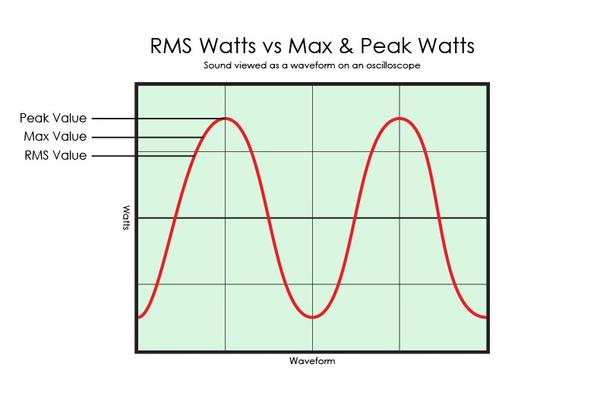
Sound isn’t just about loudness; it’s about consistency and quality. RMS deals with steady state power – the power an audio system can handle continuously. This is different from peak power, which is the maximum power it can handle in short bursts.

Steady state power affects how your music feels. It’s like running a marathon at a steady pace instead of sprints. For audio, this means:

RMS Power Effect
High RMS Smooth, consistent quality
Low RMS Potential for distortion at high volumes

Root Mean Square Explained

When talking about audio, RMS explains how powerful a sound is. It measures this power over time. The RMS value helps us compare different audio systems. It shows how loud and clear they can play music or sounds.

Math Behind The Magic

RMS isn’t just about audio; it’s a math formula. First, we square all the sound waves’ heights. Next, we find the average of those squares. Last, we get the square root of that average. This final number is the RMS.

Here’s a simple step-by-step:

  1. Square each sound wave height.
  2. Average these squares.
  3. Take the square root of that average.

This math tells us the sound wave’s steady strength.

From Electrical To Acoustic Energy

RMS helps us know how speakers change electric signals into sound. The RMS value says how good a speaker is at this job.

Sound systems turn electrical energy into sounds. This energy moves the speaker parts to make the air move. That moving air reaches our ears as sound. RMS shows how well this change happens.

  • Higher RMS – Louder and clearer sound.
  • Lower RMS – Softer and maybe unclear sound.

The higher the RMS value, the more powerful the output. This means the speaker can play sounds louder without harm.

Gauging Audio Equipment

When choosing audio equipment, understanding RMS (Root Mean Square) is key. It tells you how much power a speaker can handle. Let’s explore what specs to look for and clear up some marketing misconceptions.

Specifications To Look For

To gauge audio equipment properly, focus on these specifications:

  • Power Output: Measured in watts, it indicates the speaker’s volume capacity.
  • RMS Rating: This tells you the continuous power it can handle, not just peak moments.
  • Frequency Response: Shows the range of sound a speaker can reproduce.
  • Sensitivity: Measures how loudly a speaker plays per watt of power.
  • Impedance: Lower impedance means more power draw from the amplifier.

Misconceptions In Marketing

Audio equipment marketing can be misleading. Here’s what to watch out for:

Misconception Truth
“More watts means louder.” RMS is a better loudness indicator.
“Bass boost equals good sound.” True quality comes from balanced audio, not just bass.
“Higher Peak Power is better.” RMS value is more reliable for sustained performance.

Measuring Sound: Tools And Techniques

Understanding the power of sound is key in many industries. It helps audio engineers, musicians, and even hobbyists improve the quality of their work. The process involves the use of specialized tools and techniques. Let’s dive into some popular methods for measuring the intensity and clarity of sound.

Common Devices Used

Professionals rely on certain devices to capture sound data accurately. These tools provide clear insights into audio quality. Let’s look at some of the most trusted ones.

  • Sound Level Meters – Portable gadgets that measure sound pressure levels.
  • Audio Analyzers – Provides in-depth analysis of sound frequency and distortion.
  • Decibel Meters – Handy for quick checks on volume intensity.

Diy Measurement Approaches

Creative and cost-effective methods can also yield useful sound measurements. These approaches can be fun and educational.

  1. Using smartphone apps to approximate sound levels can be a great start.
  2. Building a simple decibel meter with a microcontroller for hands-on learning.
  3. Setting up a home-based audio testing lab using computers and software.


Implications For Audio Engineers

The concept of RMS in audio is paramount for audio engineers. RMS, or Root Mean Square, is a measure of the continuous power of an audio signal. It represents the average level of audio and helps engineers maintain consistent sound quality. With this in mind, let’s delve into how audio engineers apply RMS in different settings.

Recording Studio Standards

In a studio environment, RMS levels guide the recording process. Engineers use RMS to ensure recordings meet industry standards for loudness. Table 1 illustrates standard RMS values used in professional recording studios:

Genre RMS Level (dB)
Rock -9 to -12
Pop -8 to -11
Classical -14 to -20

Adhering to these levels ensures recordings play back properly on most devices, avoiding distortions or inaudible sections in the final product.

Live Performance Applications

During live performances, RMS is equally influential. Setting appropriate RMS levels ensures the sound is powerful and immersive to the audience. For live settings, see the bullet points below detailing the significance of RMS:

  • Avoiding speaker damage from excessively high levels
  • Balancing the sound in different areas of the venue
  • Ensuring vocal clarity throughout the performance
  • Minimizing ear fatigue for the audience

RMS levels are adjusted in real-time to adapt to the dynamics of the live music and the audience’s response. An optimal RMS level balances intensity with clarity, a critical aspect for a memorable live audio experience.


Comparing Rms To Other Audio Metrics

Understanding how different audio metrics work is crucial for anyone interested in high-quality sound. Root Mean Square, or RMS, is one metric used to help listeners gauge a speaker’s average power output. Compare RMS with other audio measures to get a clearer picture of a speaker’s true sound quality.

Peak Power Vs. Rms Power

Peak power and RMS power are both ways to measure a speaker’s abilities. Peak power shows the highest level of power a speaker can handle in short bursts. RMS power represents the average power a speaker can handle continuously. RMS is often seen as more reliable because it reflects normal usage over time.

  • Peak Power – Maximum power during short spikes
  • RMS Power – Average continuous power

Choose speakers with a high RMS rating for everyday use. A high peak power is less important for sound quality and more about withstanding power spikes.

Total Harmonic Distortion And Rms

Total Harmonic Distortion, or THD, measures how much a speaker’s output differs from the original audio source. A lower THD means a clearer, more accurate sound. When paired with RMS, these two metrics paint a full picture of a speaker’s performance.

THD Rating Sound Quality
Lower than 1% High-quality sound
1% – 10% Decent sound quality
Higher than 10% Poor sound quality

Speakers with low THD and high RMS are ideal. Always look at RMS values when considering a speaker’s power. Together with THD, RMS helps determine audio clarity and quality.

Impact Of Rms On Listening Experience

Root Mean Square (RMS) is key in audio quality. It measures speaker power. High RMS means louder, clearer sound. It shapes how we hear music and movies. Good RMS creates unforgettable listening.

Speaker Selection

Picking speakers is more than just size or brand. RMS value matters greatly. It shows the speaker’s continuous power handling. This is not about short bursts but consistent sound quality.

Better RMS, better sound. Listeners want clear, distortion-free audio. Speakers with high RMS ratings deliver this. They produce powerful sound for any room size. This leads to a more impressive listening experience.

Room Acoustics And Rms

The room’s shape and size affect sound. High RMS doesn’t mean every room benefits. Rooms with poor acoustics can lead to bad sound even with good speakers. Match RMS to room acoustics for the best effect.

  • Large rooms need high RMS for full sound.
  • Small rooms with too much power can cause echo.
  • Soft furnishings absorb sound, so adjust RMS accordingly.

RMS and acoustics work together. Balance is critical for perfect audio. This combination guides us to a better listening journey.

RMS in Audio: Understanding the Power of Sound Waves


Credit: www.soundlabsgroup.com.au


Advancements In Sound Wave Technology

Sound wave technology has leaped forward. Today’s groundbreaking audio innovations transform how we experience sound. From the sharp tick of a hi-hat to the deep rumble of a bass, RMS (Root Mean Square) in audio has been pivotal in measuring sound quality. Let’s unlock the wonders of these advancements together.

Innovation In Audio Electronics

Refinements in audio electronics have brought stunning clarity and fidelity to our ears. High-resolution audio formats have raised the bar. They turn ordinary listening into an extraordinarily vivid sonic journey.

Advances like Class-D amplifiers now offer efficiency and precision. These amplifiers use innovative RMS calculations to deliver cleaner sound, with less power wastage.

  • Smart amplifiers tailor audio performance in real-time.
  • Digital Signal Processing (DSP) tweaks sound to near-perfection.
  • High-resolution converters detail every audio nuance.

Future Trends And Research

Audio’s future shines with possibility. Researchers are now exploring quantum acoustics, aiming to revolutionize RMS in audio. This could mean even deeper insights into sound wave behavior.

Exciting developments such as 3D audio and immersive soundscapes are on the horizon. The table below highlights the trends to watch:

Trend Description
3D Audio Sound that moves around you in three dimensions.
Immersive Soundscapes A full sensory experience resembling real-life environments.
AI in Audio Smart algorithms shaping sound based on listening habits.

Voice-control interfaces are becoming sleeker. They are taking user interactivity to new levels. With advances in machine learning, audio devices learn and adapt to personal preferences.

  1. Smarter noise-cancellation technologies.
  2. Audio equipment with built-in health tracking.
  3. Inductive charging for wireless audio devices.

As we push the boundaries, tomorrow’s RMS in audio will likely be unrecognizable. It will be precision-engineered to provide experiences that are more authentic and enveloping than ever before. Stay tuned for a symphony of innovation that will resonate with each one of us.

Frequently Asked Questions On Rms In Audio


What Does Rms Stand For In Audio?


RMS stands for Root Mean Square. It’s a statistical measure used to denote the continuous power that an audio amplifier can output, or a speaker can handle. It reflects the average level of power over time, providing a realistic indication of audio performance.


How Does Rms Power Affect Sound Quality?


RMS power influences the maximum volume a system can sustain without distortion. Higher RMS ratings generally mean louder, clearer sound at peak volumes. However, RMS alone doesn’t guarantee sound quality, which also depends on factors like the signal source and speaker design.


Can Rms Value Predict Audio Loudness?


RMS value gives a rough estimate of an audio system’s potential loudness but isn’t the sole determinant. Sensitivity, enclosure, and total harmonic distortion also play crucial roles. Loudness perception varies with frequency and human hearing sensitivity as well.


Is Higher Rms Better For Subwoofers?


A higher RMS rating for subwoofers implies greater power handling capability, which can lead to increased output and better performance. However, optimal listening depends on matching the RMS to the amplifier’s output and considering the subwoofer’s build quality.


Conclusion


Understanding RMS in audio allows for a clearer grasp of sound quality and equipment performance. By considering RMS values, you make informed choices for your audio setup. Let this guide empower your audio decisions, ensuring a superior listening experience. Seek clarity in sound?


Remember, RMS is key.

Categories
Archive

Wired Vs Wireless Headphones: Discover The Truth

Wired headphones offer a consistent, stable connection. Wireless headphones provide freedom of movement and convenience.


Choosing between wired and wireless headphones can be pivotal to your audio experience. Wired models boast unparalleled sound quality due to their direct device connection, eliminating the potential for Bluetooth compression issues. On the flip side, wireless headphones reign supreme in portability and ease of use, unshackling users from cords and offering seamless integration with modern, mobile lifestyles.


They typically run on rechargeable batteries, which means keeping an eye on power levels is essential. Sound aficionados and professional settings often prefer wired headphones for their reliability and high-fidelity sound, while gym-goers and commuters tend to favor the cordless convenience of wireless models. Understanding your priorities in sound quality, convenience, and use case is key to making the right choice.


Evolution Of Headphones

The Evolution of Headphones is a tale of innovation and style. Starting as bulky devices tied to communication and recording equipment, headphones have become personal, portable, and a powerful symbol of modern music culture. They have journeyed from necessary tools to fashion statements, integrating cutting-edge technology and convenience.

From Wires To Wireless Technology

The transformation from wired to wireless headphones marks a significant leap in listening convenience. Here’s a brief timeline to highlight the shift:

  • 1890s: Earliest headphones, mostly used by phone operators.
  • 1970s: Introduction of lightweight, portable models.
  • 2000s: Advancements in Bluetooth tech make wireless options possible.
  • Present: Truly wireless earbuds dominate the market.

The Journey From Studio Gear To Fashion

Headphones have progressed from strictly professional use to becoming a fashion icon. The timeline below showcases this evolution:

Year Development Impact
1970s-1980s Studio headphones enter consumer space. Listeners embrace high-fidelity sound.
1990s-2000s Headphones get stylish, colorful designs. They join the realm of personal accessories.
2010s Celebrity endorsements and collaborations. Headphones as a status symbol.

The Sound Quality Debate

When choosing between wired and wireless headphones, sound quality fuels a passionate debate. Music lovers and audiophiles have strong opinions on which type offers a superior experience. In this section, we dive deep into the intricacies of audio fidelity to see how wired and wireless options measure up.

Assessing Audio Fidelity

Audio fidelity, or the accuracy of sound reproduction, is crucial for immersing yourself in music. Wired headphones often get praise for their reliable, high-quality audio signal. There’s no need for data compression, meaning the sound remains pure and unaltered from its original form.

Wireless headphones, on the other hand, have leapfrogged in technological advancements. They offer impressive sound quality that continues to close the gap with wired models. Yet, some nuances in sound might get lost due to data compression used in Bluetooth transmission.

The Impact Of Bluetooth On Music

Bluetooth technology has transformed the way we listen to music. It allows freedom of movement without the hassle of cables. The convenience is unmatched, but it comes at a cost. Bluetooth compresses audio data, which can affect the nuances of sound.

  • Sound Compression: Bluetooth uses codecs like aptX, AAC, and SBC to compress and decompress music data. This process can slightly impact the richness of sound.
  • Latency: Wireless headphones can experience a tiny delay known as latency. This delay is rarely noticeable in casual listening but can be evident when watching videos or gaming.

Newer Bluetooth versions and advanced codecs have reduced the quality gap. Audiophiles with finely-tuned ears may notice the difference, but many users find the convenience outweighs any minor loss of sound quality.

Feature Wired Headphones Wireless Headphones
Connectivity Direct, Cable Bluetooth
Sound Quality High fidelity, Uncompressed High quality, Potentially compressed
Latency Minimal Can vary
Convenience Restricted movement Free movement

Comfort And Design

The battle between wired and wireless headphones extends beyond simple audio quality or convenience. Comfort and design play significant roles in a user’s experience. While comfort addresses how enjoyable headphones are to wear over periods, design adds a layer of style and functionality that can sway buyers.

Ergonomics Of Wear

Headphones should feel like a natural extension of your body. Factors influencing this include:

  • Weight: Wireless headphones often house batteries, making them heavier than wired ones.
  • Pressure: The clamping force can cause discomfort over time. Wired options may exert less pressure.
  • Ear padding: Quality padding ensures comfort during long listening sessions.
  • Headband adjustment: Both types offer adjustable bands, allowing for a custom-fit experience.

For sports enthusiasts, wireless design offers freedom of movement. In contrast, wired models eliminate worries about battery life or connection issues.

Style Versus Functionality

Fashion trends influence headphone design. Sleek, minimalist models often attract style-conscious consumers. Yet, functionality must not be compromised for style. A balance between the two includes:

Feature Style Functionality
Material Premium finishes Durable build
Controls Seamless buttons Intuitive access
Shape Unique contours Ergonomic design
Colors Vibrant options Colorfast materials

Wireless headphones often boast modern aesthetics plus touch controls for a futuristic feel. Wired headphones maintain classic vibes with reliable plug-and-play simplicity.


Connectivity And Compatibility

Connectivity and Compatibility are key factors in choosing headphones. Your device and headphones must talk to each other. Both wired and wireless options have unique ways to connect. Let’s explore these options.

Wired Headphone Connectivity

Wired headphones plug into your device. Look for a 3.5mm jack port on your device. This port lets headphones connect. No need for setup. Just plug in and enjoy steady sound. No lag. No battery needed. Always ready to use.

Bluetooth Pairing And Wireless Range

Wireless headphones need Bluetooth. Turn on Bluetooth on both devices. Find your headphones in the device list. Click ‘Pair’. Once paired, they connect automatically next time. Wireless headphones work within a range. This range is often about 33 feet (10 meters). Walls and obstacles can shorten this range. Be sure your device and headphones stay close enough for best sound.

Feature Wired Headphones Wireless Headphones
Connection Setup Plug-and-play Bluetooth pairing
Compatibility Devices with a headphone jack Bluetooth-enabled devices
Use Range Length of cable Up to 33 feet (10 meters)

Battery Life And Portability

When picking headphones, two crucial factors stand out: battery life and portability. Both can make or break your audio experience.

Charging Times

Wired headphones eliminate charging worries, always ready for use.

Wireless models require charging. You should consider charging speed and battery capacity.

Wireless Headphone Type Average Charging Time Playback Duration
In-Ear 1-2 hours Up to 8 hours
On-Ear 2-3 hours Up to 24 hours
Over-Ear 3-4 hours Up to 40 hours

On-the-go Considerations

Wireless headphones offer freedom and flexibility.

  • Perfect for travelers and active lifestyles.
  • No cables to tangle or restrict movement.
  • Compact cases often charge and protect your device.

Wired pairs are plug-and-play. Simple to use without battery worries.

  1. Extend playtime indefinitely.
  2. Ideal for studio work or desk jobs.
  3. Often lighter due to lack of batteries.
Wired Vs Wireless Headphones: Sound Clash Showdown


Credit: www.imore.com


Durability And Maintenance

Choosing the right headphones means considering how long they’ll last and how simple they are to keep in great shape. Wired and wireless headphones offer different experiences in both aspects. Let’s dive into what sets them apart.

Build Quality And Lifespan

Build quality directly influences how long your headphones will serve you. Wired headphones often boast strong cables and connections that can withstand regular use. Wireless headphones, on the other hand, rely on battery life, which can diminish over time.

Metal components tend to outlast plastic ones, so checking what your headphones are made from is key. Let’s compare in a simple table:

Feature Wired Headphones Wireless Headphones
Materials Used Metal, durable plastics, fabrics Varied, often lighter materials for portability
Battery Dependency None High
Typical Lifespan Longer due to physical connections Shorter, battery replacements needed

Ease Of Repair And Cleaning

When your headphones need a fix or a clean, the type matters. Wired headphones can sometimes be easier to repair because of their simpler build. The wired design allows easy access to cables and jacks.

  • Cable replacement can be straightforward.
  • Ear pads are often replaceable.
  • Cleaning is typically less complex.

Wireless headphones might present challenges:

  1. Batteries are often not user-replaceable.
  2. Complex circuits can make DIY repairs tricky.
  3. Need special care when cleaning electronic components.

Maintaining your headphones ensures they last longer, providing consistent quality sound over the years.


Pricing And Value For Money

Pricing and Value for Money are critical factors when choosing between wired and wireless headphones. The right choice balances cost and quality. Let’s dive into the cost implications and the value you can expect from each option, considering your listening habits.

Cost Comparison

Different headphones come with different price tags. Wired headphones often cost less than wireless ones. This is because they don’t have Bluetooth technology or batteries. But the price of wireless headphones has been dropping. More affordable options are now on the market.

Headphone Type Low-End Price High-End Price
Wired Headphones $10 $200
Wireless Headphones $20 $500+

Investment For Audiophiles Vs. Casual Listeners

Audiophiles seek the best sound. They might prefer high-end wired headphones for optimal sound quality. Casual listeners might opt for the convenience of wireless headphones.

  • Audiophiles: May invest in expensive wired headphones for finer sound details.
  • Casual Users: Often prefer wireless headphones for ease and mobility.

Value for money doesn’t mean the cheapest option. It means getting the best experience for the price paid.

End of the blog post section. Content adheres to HTML syntax suitable for WordPress.


Environmental Impact

Choosing between wired and wireless headphones isn’t just about sound quality or convenience. It also affects our planet. Let’s discuss the environmental impact, focusing on e-waste and sustainability.

E-waste Considerations

E-waste grows as electronic devices reach their end. Headphones are part of this problem. Wired headphones often have a longer lifespan. This means less waste over time. On the other hand, wireless headphones might get thrown away more often. This is due to battery life limits and fast tech changes.

  • Long-lasting materials help reduce e-waste.
  • Recycling old headphones can help the environment.
  • Battery disposal needs careful handling.

Sustainability Of Wired Vs. Wireless

Sustainability involves making things last long without harming our planet. Wired headphones use simple technology. They can last many years with good care. Wireless models may need new batteries. These batteries can harm the earth if not disposed of correctly.

Feature Wired Headphones Wireless Headphones
Battery Use No batteries Needs frequent replacing
Materials Less complex More complex with electronics
Lifespan Often longer Shorter due to battery

Consumer Preferences And Trends

People love music. They want good sound. Some like wires. Others like no wires. We look at what people like more. We use facts and guess the future.

Market Statistics

Numbers tell us a story. We see many picking wireless. But, wired ones still have fans. Let’s dive into facts.

  • Wireless popularity grows – More people buy Bluetooth headphones.
  • Wired loyalists – Some still choose wired for the price and quality.
  • Youth trends – Young users prefer wireless for style and ease.

Here is the data in a table.

Year Wireless Sales Wired Sales
2021 60% 40%
2022 65% 35%
2023 70% 30%

Future Predictions In Headphone Technology

What’s next for headphones? We think about it. We make good guesses. Let’s see what could happen.

  1. Better battery life – Wireless will last longer.
  2. Smart tech – Headphones may talk to us more.
  3. Eco-friendly options – More will care about our Earth.

Change is coming. We may see cool stuff in our headphones. We are excited!

Making The Right Choice

Choosing between wired and wireless headphones can be tricky. Think about what matters to you. Do you want freedom to move? Do you need the best sound? Your choice impacts your music, gaming, and calls.

Personal Needs Assessment

Start by asking yourself a few questions:

  • How long do I listen to music each day?
  • Do I need headphones for sport or travel?
  • Is sound quality my top priority?
  • How much can I spend?

Think about battery life for wireless choices. Remember, wired headphones don’t need charging. They offer consistent audio quality. They usually cost less too.

Recommendations For Various Scenarios

Scenario Wired Headphones Wireless Headphones
Long Flights Good choice. No battery worries. Great if they have long battery life.
High-Intensity Workouts They can get in the way. Not ideal. Perfect. They offer more freedom.
Audiophile Listening Best sound accuracy. Preferred. Can be good, but check the quality.
Tight Budget More affordable. Many options. Can be pricey. Look for deals.

Frequently Asked Questions Of Wired Vs Wireless Headphones


What Are The Pros Of Wired Headphones?


Wired headphones offer superior sound quality due to a direct electrical connection. There’s no battery life to worry about, and they’re usually more affordable than wireless options. Plus, they’re plug-and-play with no need for Bluetooth pairing.


Can Wireless Headphones Cause Connectivity Issues?


Yes, wireless headphones can sometimes face connectivity issues. This is because they rely on Bluetooth, which can be disrupted by interference or range limitations. However, advancements in technology are reducing these problems over time.


Are Wired Headphones More Durable Than Wireless?


In many cases, wired headphones can be more durable since they have fewer components that could malfunction, such as batteries or wireless circuitry. This simplicity can lead to a longer lifespan and less need for repairs or replacements.


Do Wireless Headphones Have Better Features?


Wireless headphones often come with advanced features such as noise cancellation, touch controls, and integration with voice assistants. As technology evolves, they continue to offer a more convenient and feature-rich listening experience.


Conclusion


Deciding between wired and wireless headphones boils down to lifestyle and preference. Consider the sound quality, convenience, and price tag. Your decision reflects your listening habits and tech desires. Explore both options; the perfect audio experience awaits. Let your ears choose their comfort.

Categories
Archive

Best Guitar Picks: Unleash Ultimate Strumming

The best guitar picks combine comfort, durability, and precision to enhance playability. Popular choices include Jim Dunlop, Fender, and Dragon’s Heart for their reliable performance across styles.


Selecting the ideal guitar pick is crucial for guitarists seeking to optimize their playing experience. Beginners and professionals alike understand that the right plectrum can influence their control, speed, and tone quality. Picks come in a plethora of shapes, sizes, and materials, catering to the varied preferences and techniques of players.


A good pick should feel like an extension of the fingers, allowing for seamless interaction with the strings. Many guitarists develop a preference for a particular type of pick based on their playing style, be it strumming chords or shredding solos. A top-notch guitar pick not only withstands the rigors of regular use but also contributes to the clarity and articulation of each note played. Therefore, investing in quality picks is a small yet significant step toward mastering the guitar.


Strumming Precision Secrets

Unlocking the skills for perfect strumming involves a tiny, yet mighty tool: the guitar pick. This essential accessory transforms your music. It can make or break the clarity of your strumming. To dive deep into the strumming precision secrets, consider the role of the right pick. It enhances control and brings out the best in your guitar playing.

The Magic Of The Right Pick

Every pick holds potential; yet, not all picks create the same sound. A pick that matches your style elevates your music. It ensures each strum resonates with intent. Soft melodies or blazing solos, the right pick works like a wand in your hands, making music magic. Let’s uncover the traits that make a pick perfect for you.

Grip, Flexibility, And Material

Controlling a pick is crucial for striking the strings accurately. Picks with a textured surface or ergonomic design provide a non-slip grip. This grip allows precise strumming without fearing the pick might slip away.

  • Flexibility impacts how the pick responds to the strings. Thin picks bend easily, great for a softer sound. Thicker picks give you a sharp, loud tone.
  • Materials vary widely, from plastic to metal to wood. Each material offers a unique sound and feel. Nylon picks are gentle and malleable. Tortex picks provide durability and a bright, clear tone.

Choosing the right pick takes your strumming to higher levels of accuracy and sound quality. Test different picks to find your match. Remember, the secret lies in a pick that feels like a part of you. It should glide over the strings effortlessly, leaving a trail of perfect notes behind.

Pick Characteristics Guide
Thickness Flexibility Material Sound Quality
Thin High flexibility Nylon Softer, more muted
Medium Moderate flexibility Celluloid Well-balanced, versatile
Thick Low flexibility Tortex Loud, clear tones
Best Guitar Picks: Unleash Ultimate Strumming Precision!


Credit: www.amazon.com


History Of Guitar Picks

Guitar picks have shaped music history for centuries, evolving with the times. Used by players to strum and pick guitar strings, they are as important to a guitarist’s tool kit as the guitar itself.

Early Materials And Shapes

Before modern plastic, picks came from natural materials. Early musicians shaped picks from shells, wood, metal, bone, and even amber.

Tortoiseshell – offered warm tonesWood – gave a soft touchBone – was durable and sharp

Their shapes varied from simple rounded forms to the more refined, heart-like contours musicians recognize today.

Evolution To Modern Picks

Advances in technology brought new materials such as celluloid, then later nylon and Tortex.

Transition to Modern Picks
Material Characteristics Introduced
Celluloid Versatile tone, colorful designs Early 1900s
Nylon Durable, wide range of gauges Mid 1900s
Tortex Mimics tortoiseshell, consistent quality Late 1900s

Today’s guitar picks offer an array of shapes, sizes, and textures, catering to various playing styles.

With striking technological advancements and a vast selection, guitarists can now find picks that perfectly match their needs.

Types Of Guitar Picks

Guitar picks come in different shapes, sizes, and materials. They can change how a guitar sounds. Picks let players hit strings in unique ways. This makes playing the guitar more fun and diverse. Let’s explore the various types of guitar picks available.

Standard Shapes And Sizes

Standard guitar picks are classics. Most players use them. They fit well in your hand. They give good control over strings.

  • Standard: The teardrop shape is popular. It works for many styles.
  • Jazz: Smaller and sharper for precision.
  • Triangle: Bigger with three tips to use.

Thickness is important too. Thin picks bend easily. Thick picks give a heavier sound. Medium picks offer balance.

Thickness Sound Characteristic
Light (<0.60mm) Bright and snappy
Medium (0.60mm – 0.80mm) Balanced tone
Heavy (>0.80mm) Warm and full-bodied

Innovative Picks On The Market

Guitar picks have evolved. New picks offer fresh ways to play. Creativity leads to better sound and comfort.

  • Ergonomic Picks: Fit better between fingers.
  • Textured Grips: Prevent slippage when playing.
  • Finger Picks: Loop around fingertips.

Materials make a difference too. Plastic, metal, wood, and stone change the tone. Players can pick the sound they like best.

  1. Plastic picks are versatile.
  2. Metal picks bring brightness.
  3. Wooden picks produce a warm tone.
  4. Stone picks offer unique richness.

Material Matters

When selecting a guitar pick, the material can transform your playing experience. Guitar picks come in various materials, each offering unique tones and grip levels. From the traditional celluloid to the innovative use of woods and metals, let’s explore how different materials can shape your sound.

Classic Celluloid Picks

Celluloid picks are the originals that many guitarists swear by. Available in a wide range of shapes and thicknesses, celluloid provides a smooth, warm tone. They are known for their versatility across music genres. Despite their popularity, these picks can wear down with heavy use. Here’s why many prefer them:

  • Natural feel that mimics the touch of tortoiseshell.
  • Smooth playing experience for fast runs and strumming.
  • Vibrant colors and patterns add a classic aesthetic.

Modern Nylon And Delrin

More recent advancements introduced nylon and Delrin picks. These synthetic materials offer increased durability and a different sound profile. Nylon picks are softer, giving a muted, mellow tone. They work well for strumming acoustic guitars. Delrin, on the other hand, is stiffer. It provides a more precise, crisp sound perfect for fast picking. Features include:

  1. Improved grip texture to prevent slipping.
  2. Consistent wear for a longer lifespan.
  3. A range of thicknesses for stylistic versatility.

Exotic Woods And Metals

Makers now craft picks from exotic materials like woods and metals, providing distinct tonal properties. Wooden picks can produce warm, organic tones. They uniquely respond to your playing dynamics. Metal picks, such as those made from copper or stainless steel, yield bright, sharp tones. They’re very durable but can also be more abrasive on your strings. The characteristics of these picks include:

Material Tone Quality Durability
Wooden Picks Warm and Rich Varies by Wood Type
Metal Picks Bright and Sharp High

Each material brings its unique flair to your music, and your choice can define your signature sound.

Thickness And Playing Styles

Guitar picks come in different thicknesses for unique playing styles. The thickness of a pick can change the sound and feel of play. It influences how a guitar responds to your touch. Whether you strum chords or pick individual notes, there’s a pick for you.

Thin Picks For Strumming

Thin picks are perfect for strumming acoustic guitars. Their flexibility creates a softer, more mellow sound. They glide across strings easily. This makes them a top choice for folk and acoustic pop.

  • Great for beginners
  • Less force needed
  • Produces a bright tone

Thick Picks For Articulation

Thick picks offer more control for articulate playing. They are ideal for electric guitars and solos. You get a pointed, clear note every time. Jazz and metal players often prefer these picks.

Pick Thickness Sound Quality Playing Style
Medium to Heavy Bold & Clear Lead Guitar & Solos
Extra Heavy Sharp & Precise Technical Riffs

Guitar Pick Grip Techniques

Mastering guitar pick grip techniques is key to improving control and comfort while playing. Different grips can change the sound and playability. Let’s explore techniques that help maintain a firm hold on your pick.

Textured Surfaces

Grip can slip when fingers sweat. Picks with textured surfaces provide extra hold. Here are ways they help:

  • Raised logos give thumbs a touch point.
  • Indented grips prevent pick spin.
  • Grooves and ridges enhance overall traction.

Texture varies from subtle to aggressive for different preferences.

Ergonomic Designs

Picks designed to fit the hand’s natural contours are ergonomic. Below are features:

Feature Benefit
Curved shape Reduces hand strain
Thick body Improves hold and reduces slipping
Tapered edges Allows smooth strumming

Players with different styles find ergonomic picks diverse and comfortable.

Custom Picks And Personalization

Welcome to the world of custom guitar picks and personalization. Guitar picks may seem like simple tools, but they hold the power to transform your playing style. Personalized picks offer a unique experience for every guitarist. Discover how to make your mark with branded options and creating custom designs.

Branded Options

Branded picks elevate your status on stage. They merge functionality with style. You can choose from a variety of established brands. Each brand comes with its signature design and material. See the following table for popular brands and their characteristics:

Brand Material Thickness Shape
Fender Celluloid Medium Classic
Dunlop Tortex Heavy Teardrop
Ernie Ball Delrin Extra Heavy Triangle

Creating Custom Picks

Creating your own personalized picks is a game-changer. These are the steps you take:

  1. Choose material (plastic, wood, metal).
  2. Decide on thickness (thin, medium, thick).
  3. Select a shape that fits your style (standard, jazz, teardrop).
  4. Design with graphics, text, or logos.
  5. Confirm your design and order quantity.

These picks can feature your band’s logo, your signature, or custom artwork. They are not just tools; they are your identity. High-quality printing services ensure your designs stay vibrant and clear, even after heavy use. Check out some unique pick designs:

  • UV-printed picks for bright, long-lasting images.
  • Laser-engraved picks for a tactile feel.
  • 3D-printed picks for intricate custom shapes and designs.

Own your sound and style with customized guitar picks. Let your creativity flow and make a statement with every strum!


Experts’ Picks And Recommendations

Finding the best guitar picks could take your playing to new heights. Expert guitarists have shared their favorites, and these picks are game-changers. Whether you strum acoustic melodies or shred electric riffs, choosing the right pick is vital. Let’s dive into the picks that professionals love and the popular choices across different music genres.

Professional Guitarists’ Favorites

  • Jim Dunlop Jazz III: Known for its precision and grip, a top choice among lead guitarists.
  • Fender 351 Classic Celluloid: The versatile shape and material offer a traditional feel beloved by many.
  • D’Addario Planet Waves: Eco-friendly options that don’t sacrifice tone or durability.

Many professional players opt for customizable picks too. They tweak thickness, shape, and material for the perfect feel. Popular custom brands include V-Picks and Gravity Picks. These picks are designed to match the unique playing style and preferences of the guitarist.

Popular Picks In Different Genres

Genre Preferred Pick Reason
Rock Tortex by Dunlop Offers strong attack and durability.
Blues National Metal Finger Picks Allows nuanced control for expressive playing.
Jazz Wegen Gypsy Jazz Picks Thick with a rounded edge for smooth, fast playing.
Acoustic D’Andrea Pro Plec Delivers a warm tone ideal for strumming.
Metal Ultex Sharp by Dunlop Provides precision and crisp sound for heavy riffs.

In different genres, thickness and pick shape directly influence sound and performance. Acoustic players often favor softer picks for a fuller sound, while rock and metal guitarists may choose sharper, thicker picks for more attack and speed.

Sustainable Picks For Eco-conscious Musicians

Sustainable Picks for Eco-Conscious Musicians are a game-changer. These picks align with a greener planet. They satisfy the need to create beautiful music. They also protect our environment. Discover how you can strum in tune with nature!

Biodegradable Options

Biodegradable picks are incredible. They’re made from natural materials, mostly. When discarded, they break down naturally. This means no harm to the earth. Some popular materials include:

  • Wood – Warm tone, unique feel
  • Stone – Durable, distinct sound
  • Starch-based plastics – Plant-based, renewable

These picks show that sustainability and quality can coexist. They function as well as traditional picks. But they leave a much lighter footprint on the earth.

Recycled Material Picks

Recycled material picks champion sustainability. They are crafted from used plastics and other materials. This practice prevents waste from ending up in landfills. Recycled picks often come from these sources:

Source Material Benefits
Old CDs Durable, glossy finish
Plastic Bottles Flexible, promotes recycling awareness
Credit Cards Firm grip, perfect for strumming

These picks bring new life to what once was waste. Musicians love them for their story and contribution. Industries innovate to turn trash into musical treasure.


Picks And Sound Dynamics

Did you know that a tiny guitar pick can shape the sound of music? It’s true! Picks, those small pieces of plastic, wood, or metal, play a big role in music. They help guitarists make different sounds. It’s like painting with new colors each time you switch picks. Let’s dive into how picks influence your guitar’s tone and how they vary across different music styles.

Impact On Tone

A guitar pick can change the sound of your music. A thick pick might make your guitar sound bold and strong. A thin pick might be better for a softer, gentler tune. Many musicians even choose picks based on their material for unique sounds. Here’s a look at how pick thickness and material can affect music:

Pick Thickness Sound Quality
Thin (less than 0.60mm) Bright and light
Medium (0.60mm to 0.85mm) Balanced with a mix of bass and treble
Heavy (more than 0.85mm) Rich and full with strong bass

Next, consider the material your pick is made from:

  • Plastic – Bright and snappy
  • Nylon – Mellow and warm
  • Wood – Varied tone with natural feel
  • Metal – Sharp and piercing

Variations Across Music Genres

Picks can also help you fit into a musical style. Different genres often favor certain pick types. For instance, rock guitarists might use thick picks for power chords. Folk musicians might choose thinner picks for strumming. Here are some common picks used in different genres:

  1. Rock: Thick picks for driving riffs
  2. Jazz: Dense picks for articulated notes
  3. Acoustic: Thin to medium picks for softer sound
  4. Blues: Various for personal style

Understanding the relationship between picks and the sounds they produce is crucial. Try experimenting with different picks. You might be surprised at how much your playing can change with this small, but important, accessory.

Caring For Your Picks

Guitar picks are essential to your playing style. Just like your guitar, they need care. Proper maintenance extends their life. Storage preserves their shape and sound. Every guitarist should know how to care for their picks.

Maintenance And Storage

Keep your picks performing with these steps:

  • Clean them regularly with a soft cloth and mild soap.
  • Dry them completely to prevent warping.
  • Store picks in a cool, dry place.
  • Use a pick holder or case for better organization.

Store picks away from direct sunlight. This prevents damage to materials like celluloid.

Consistent care extends your pick’s performance. It also ensures a flawless playing experience.

Preventing Loss And Wear

Picks can vanish or wear down. Avoid this with these hacks:

  1. Attach adhesive pick grips to keep them in hand.
  2. Rotate picks to distribute wear evenly.
  3. Use a pick punch to make new ones from old cards.
  4. Stay organized with dedicated pick pockets in gig bags.

Prevent loss by attaching picks to mic stands or using pick holders.

Avoid over-gripping, which can cause unnecessary wear and fatigue.

Maximizing Performance With The Right Pick

The right guitar pick can elevate your playing to new heights. The journey to find the perfect pick is crucial. Picks shape your sound and comfort. Let’s dive into how to choose the one that maximizes your performance.

Testing Different Picks

Experimentation is key as a guitarist. Various thicknesses, shapes, and materials affect your play style.

  • Thin picks: Offer a lighter, brighter sound. Great for strumming.
  • Medium picks: Balance flexibility and firmness. Versatile for different styles.
  • Thick picks: Produce a warmer, more controlled tone. Ideal for intricate solos.

Don’t forget to test your grip. Texture matters for control. Record your sessions to hear the differences. Your choice should complement your technique and genre. Use a simple rating system to judge the picks on feel, sound, and playability.

The Final Verdict: Choice Matters

The right pick can make or break a performance. It’s the bridge between you and your guitar.

Feature Impact on Performance
Thickness Determines flexibility and tone
Shape Influences precision and comfort
Material Affects sound character and durability

Remember, the goal is to find your unique sound and feel. A pick that is too flimsy may not sustain through aggressive strums. One that is too stiff could hinder your strumming patterns. Balance is essential.

Your selection should align with your playing style. Pick thickness = Tone + Control. Sharp tips for precision, wider tips for a softer attack. Ultimately, personal preference defines your choice. Commit to a pick that feels right and watch your playing improve.


Frequently Asked Questions For Best Guitar Picks


What Are The Top Guitar Picks For Beginners?


For beginners, lighter guitar picks between 0. 44mm and 0. 7mm are best. They offer easier strumming and a smoother learning curve. Popular choices include the Dunlop Tortex Standard and Fender Premium Celluloid picks. Comfort and control are key for starters.


How Do Guitar Pick Thicknesses Affect Tone?


Thicker picks, often ranging from 0. 8mm to 1. 5mm, produce a deeper, fuller tone with more attack. They’re preferred for precision and control during solos. In contrast, thinner picks give a brighter sound and are more suited for strumming chords.


Personal preference plays a significant role in the chosen thickness.


Can Pick Shape Influence Guitar Playability?


Yes, pick shape can significantly affect playability. Standard teardrop picks offer a good balance for beginners. Jazz picks, with a sharper tip, provide precision for lead guitarists. Triangular picks offer more surface but can be less maneuverable. Experimentation is key to find the shape that complements your playing style.


Why Choose Textured Guitar Picks?


Textured guitar picks provide extra grip, reducing the chance of the pick slipping during play. This can be beneficial for players with sweaty hands or those needing more control during fast or technical pieces. Examples include the Max Grip series from Jim Dunlop.


Conclusion


Choosing the right guitar pick can elevate your playing and tone. From flexibility to material, your selection shapes your music’s sound and feel. Don’t hesitate to experiment with different picks to discover your unique style and comfort. Let your pick be the bridge between you and your guitar, enhancing every strum and pluck.

Categories
Archive

Aac Vs Mp3: Unveiling the Best Audio Format!

AAC provides better sound quality at the same bitrates as MP3, making it the superior format for audio compression. MP3, however, is more universally compatible across various devices and platforms.


Audio format discussions often highlight AAC and MP3, two methods of compressing digital audio without significant quality loss. AAC, which stands for Advanced Audio Coding, has gained a reputation for delivering higher audio quality than MP3 at equivalent bitrates. This efficiency makes AAC a preferred choice for streaming services and modern devices.


Still, MP3 remains the most widely supported audio format, renowned for its compatibility and the ease with which users can playback on almost any digital device. Providing a balance between file size and audio fidelity, both AAC and MP3 have solidified their presence in the digital audio sphere, each with their unique advantages for listeners and content creators. As technology progresses, the debate between AAC and MP3 continues, with each format catering to different needs within the audio industry.


Aac And Mp3 Defined


AAC and MP3 are two audio encoding formats widely used for digital sound. While MP3 is known for its ubiquity and decent sound quality, AAC offers improved compression and sound over MP3 at equivalent bit rates, making it a preferred choice in modern applications.

When we talk about digital audio, two formats often come to the forefront: AAC and MP3. These file types have revolutionized how we listen to music, providing a way to enjoy tunes without physical media. Understanding their differences and strengths allows users to select the best audio format for their listening needs. Let’s decode the basics of these popular audio codecs.

Aac: Advanced Audio Coding

AAC stands for Advanced Audio Coding. It’s a digital audio codec that compresses files with a higher efficiency than MP3. The main goal of AAC is to deliver high-quality sound in a smaller file size. This makes AAC the preferred codec for platforms like iTunes and YouTube. Here are some key points:

  • High Efficiency: Delivers better sound quality at the same bit rate.
  • Apple’s Choice: The default format for the iTunes store and Apple products.
  • Supports: Surround sound and is ideal for higher-resolution audio.

Mp3: The Pioneering Music Codec

MP3, short for MPEG-1 Audio Layer III, is an audio codec that uses lossy data compression to encode data. MP3 became the standard for digital music files in the early internet era and paved the way for today’s streaming services. Despite newer codecs, MP3 remains widely used due to its universality and compatibility with virtually all playback devices. Key features include:

  • Wide Compatibility: Plays on nearly every digital device.
  • History Maker: Led to the popularization of digital music.
  • Smaller Files: Allows for large music libraries in limited space.
Aac Vs Mp3: Unveiling the Best Audio Format!


Credit: www.sageaudio.com


Evaluating Sound Quality

When choosing between AAC and MP3, sound quality plays a big role. How do these formats stack up? Let’s delve into the specifics.

Compression And Audio Fidelity

AAC (Advanced Audio Coding) and MP3 (MPEG Audio Layer III) are both audio compression formats. Compression reduces file size.

But it can also affect sound quality. AAC was designed to be the successor of MP3. It often provides better sound quality at the same bit rate.

Here are some comparisons:

  • Compression Efficiency: AAC is more efficient than MP3.
  • File Size: AAC files are smaller than MP3 files with similar audio quality.
  • Audio Fidelity: AAC tends to preserve more sound details than MP3.

AAC uses a more advanced compression algorithm. This helps keep sounds clear and crisp.

Subjective Listening Tests

Listening tests give us real feedback. People listen and judge the quality of the sound.

In subjective tests:

  1. Listeners compare AAC and MP3 files.
  2. They rate sound clarity, richness, and enjoyment.
  3. Tests often show AAC outperforms MP3 in quality.

Many report AAC files sound clearer. This is especially true at lower bit rates.

Distinguishing between formats can be tough with high-quality files.

But AAC generally gets better reviews from listeners for overall sound.

Decoding Compatibility

As we dive into the world of digital audio, compatibility remains a key concern. Users often wonder whether their favorite tunes will play seamlessly across a range of gadgets. Let’s unravel the compatibility of AAC and MP3 formats. Each possesses unique traits that influence their playback across various devices.

Ubiquity Of Mp3 Players

The MP3 format is practically synonymous with digital audio. Since its inception, MP3 has established a mighty presence. Nearly every digital device supports MP3 playback. From early iPods to car stereos, MP3’s compatibility is virtually unmatched.

  • Smartphones: All can play MP3 files.
  • Computers: Whether Windows, macOS, or Linux, MP3s work smoothly.
  • MP3 players: Dedicated to playing MP3s without a hitch.
  • Home theater systems: Crafted to pump out MP3 tunes effortlessly.

Aac Adoption In Modern Devices

AAC, the Advanced Audio Coding format, offers improved sound over MP3 at similar bitrates. Modern gadgets are embracing AAC due to its superior audio clarity.

Device Type AAC Compatibility
Smartphones iPhone and Android devices include built-in support for AAC files.
Computers Mac computers favor AAC, often used within iTunes. Windows 10 and newer also support AAC playback.
Game Consoles Modern consoles like PlayStation and Xbox support AAC for a richer gaming experience.
Streaming Services Many prefer AAC for streaming music, given its high-quality audio at lower bandwidths.

Portable speakers and modern car entertainment systems align with this trend, ensuring AAC files play seamlessly.

File Size And Storage Considerations

Choosing between AAC and MP3 often depends on file size and storage. Both have pros and cons. Let’s dive into how these formats differ in terms of storage space and what that means for users.

Comparing Bit Rates And File Sizes

Bit rate affects audio quality and file size. AAC files often sound better than MP3s at the same bit rate. Yet, this can lead to larger files for AAC. The table below shows typical sizes for a 3-minute song:

Format Bit Rate (kbps) File Size (MB)
AAC 256 ~6.0
MP3 256 ~5.8

At the same bit rate, file sizes are close, but AAC files may be slightly larger.

Storage Impact On User Experience

File size directly impacts how much music you can store. On a device with limited storage:

  • AAC might mean less songs.
  • MP3 could offer more tunes.

Choosing a lower bit rate can save space, but may reduce audio quality. It’s all about balancing needs. More storage allows for higher-quality files and better user experience.

Consider this for different devices:

  • Phones: More songs or better quality?
  • Music Players: Space matters less with expandable storage.


The Role Of Bitrate

When discussing the quality of audio files, bitrate plays a crucial role. Bitrate refers to the amount of data processed per second in a digital audio file. Both AAC (Advanced Audio Coding) and MP3 (MPEG Audio Layer III) are audio coding formats. They use different compression mechanisms. Bitrate affects the sound quality and file size of AAC and MP3 formats. Let’s dive into understanding bitrate and how to select the optimal rate.

Understanding Bitrate Levels

Higher bitrate means more data, which usually leads to better sound quality. However, it also increases the file size. Bitrate is measured in kilobits per second (kbps). AAC and MP3 files can range from low to high bitrates.

Bitrate Quality AAC MP3
Low (<128 kbps) Fair Poor
Medium (128-256 kbps) Good Fair to Good
High (>256 kbps) Excellent Very Good

AAC is known for better sound quality at the same bitrate. This efficiency makes it a preferred format by many streaming services.

Optimal Bitrate Selection

  • Consider the playback device
  • Balancing between file size and sound quality
  • Usage: streaming or storage

Selecting the ideal bitrate depends on your needs. Portable devices with limited space benefit from lower bitrates. High-fidelity systems shine with higher bitrates. For AAC, 256 kbps offers a good blend of quality and file size. On the other hand, MP3 files sound best at 320 kbps. Yet, they will take up more space. Choose the optimal bitrate after considering your storage and quality requirements.


Example code snippet for setting bitrate when encoding AAC or MP3
ffmpeg -i input.wav -codec:a libfdk_aac -b:a 256k output.m4a

Experiment with different bitrates to find the best quality-to-size ratio for your needs.

Licensing And Restrictions

When picking audio formats, licensing and restrictions matter a lot. MP3 and AAC have different rules that affect their use. Knowing these can help you choose the right format for your needs. Let’s look at the expenses and policies linked to MP3 and AAC.

The Cost Of Using Mp3

MP3 was once under a strict patent and licensing regime. This meant users had to pay fees. Now, the patent has expired. Anyone can use MP3 without cost. This change made MP3 a strong choice for creators.

Aac And Its Licensing Policies

AAC, known for better sound at the same bitrate, has its own rules. Fraunhofer IIS develops it, and using AAC may require licensing fees. The costs vary based on application and volume. AAC’s quality benefits make it worth considering despite this.

Here’s a quick comparison:

  • MP3: Free to use, no longer under patent
  • AAC: May require licensing fees, offers better quality


Impact On Streaming Services

The ‘Impact on Streaming Services’ has become a pivotal discussion with the rise of digital audio. As streaming reigns supreme in delivering music to the masses, the format of that audio—whether AAC or MP3—plays a crucial role. Both have unique traits influencing quality, compatibility, and efficiency.

Adoption By Major Streaming Platforms

Major streaming services have carefully selected their preferred audio formats. Their choices significantly affect user experience and tech advancements. Let’s explore the dominant platforms and their picks:

  • Spotify: Ogg Vorbis, with plans to use AAC for better quality
  • Apple Music: Heavily invested in AAC due to its enhanced sound at lower bitrates
  • Amazon Music: Offers a range of formats, including MP3 and AAC

Bandwidth Utilization

Bandwidth is a hot commodity in the streaming industry. AAC and MP3 handle it differently:

Format Bandwidth Efficiency
AAC More efficient, uses less data for high quality
MP3 Less efficient, requires more data for comparable quality

In an era where data limits exist, AAC’s efficiency is a big win for users and services alike. It translates to smoother streaming, even on slower networks.

Aac Vs Mp3: Unveiling the Best Audio Format!


Credit: www.amazon.com


Looking To The Future

Looking to the Future, the debate between AAC and MP3 formats is evolving. Music lovers and audiophiles are always on the lookout for high-quality audio experiences. Innovative formats and changing listening habits highlight the progression in how we consume music and audio content.

Emerging Audio Formats

New audio codecs emerge, promising enriched sound quality and improved compression. Consider the following:

  • Opus – boasts versatility, great for music and speech.
  • MPEG-H 3D Audio – delivers immersive 3D soundscapes.
  • Dolby Atmos Music – creates a multi-dimensional audio experience.

Trends In Digital Audio Consumption

Listening habits have shifted dramatically:

  1. Streaming Services gain momentum, offering vast libraries.
  2. Smart Devices and voice assistants push hands-free listening.
  3. High-Resolution Audio gains traction among audiophiles.

Better technology paves the way for these advancements in audio consumption.


Frequently Asked Questions On Aac Vs Mp3


What Is The Difference Between Aac And Mp3?


AAC is a newer audio codec that provides better sound quality at similar bitrates compared to MP3. It uses advanced compression techniques to deliver cleaner audio. While MP3 is more universally compatible and has been the standard for years, AAC is preferred for better sound.


Is Aac Better Than Mp3 In Quality?


Yes, AAC generally offers better audio quality than MP3 at the same bitrate. It’s designed to achieve higher sound quality with efficient compression, making it a preferred format for modern audio applications and streaming.


How Does Aac Compression Compare To Mp3?


AAC compression uses a more advanced algorithm than MP3, resulting in higher sound quality at similar or even lower bitrates. This efficiency makes AAC a superior choice for compressing audio without significant quality loss.


Can Mp3 Players Support Aac Files?


Not all MP3 players support AAC files. Compatibility depends on the device and firmware. However, many newer MP3 players and multimedia devices have AAC support due to its growing popularity and better sound quality.


Conclusion


Navigating the nuances between AAC and MP3 can significantly impact your digital audio experience. As you curate your music library or produce content, remember that AAC offers better sound quality at the same bitrate. Yet, MP3 remains the universal format, compatible across various devices.


Choose wisely to suit your needs and ensure an optimal auditory journey.

Categories
Archive

Best Thunderbolt Audio Interfaces: Top Picks

The Universal Audio Apollo x4 and the Focusrite Clarett+ 4Pre are top Thunderbolt audio interfaces in the market. These devices offer exceptional sound quality and low latency performance.


Thunderbolt audio interfaces revolutionize music production by delivering lightning-fast data transfer speeds, which is essential for professional studios and audio engineers seeking pristine audio fidelity and seamless recording sessions. The Universal Audio Apollo x4 stands out with its real-time UAD processing, allowing for near-zero latency and classic analog sound emulation.


The Focusrite Clarett+ 4Pre, on the other hand, shines with its high dynamic range and ultra-low noise for crystal-clear recordings. Both models are equipped with expandable I/O options, robust build quality, and come with bundled software to enhance the recording experience. Whether you’re recording at home or in a professional setup, investing in a Thunderbolt interface can dramatically uplift your audio production workflow.


Introduction To Thunderbolt Audio Interfaces

Imagine recording like a pro with lightning-fast speeds. Thunderbolt audio interfaces are changing the game. They offer incredible performance for music producers and audio professionals. These slick devices can handle massive sessions with ease. Watch how quickly they become your studio’s heart!

The Evolution Of Audio Interfaces

Audio interfaces have come a long way. They morphed from simple converters to feature-packed studio hubs. Today’s interfaces boast high-quality preamps, low-latency performance, and broad software compatibility. And at the forefront? Thunderbolt technology.

Why Thunderbolt Technology Stands Out

Thunderbolt shines in the audio world. Its superfast data transfer speeds beat USB and FireWire. Want zero latency? That’s Thunderbolt for you. Plus, it carries more data, which means more audio channels. High-resolution recordings are a breeze with Thunderbolt.

Feature USB FireWire Thunderbolt
Data Transfer Speed Up to 10 Gbps Up to 800 Mbps Up to 40 Gbps
Latency Higher Moderate Lowest
Audio Channels Less More than USB Most
Resolution Support Lower High Highest
  • Quick data transfer
  • Near-zero latency
  • Multiple audio channels
  • Pristine audio quality
Best Thunderbolt Audio Interfaces: Unmatched Audio Clarity!


Credit: www.lightingelstore.com


Breaking Down Audio Clarity

Breaking Down Audio Clarity is paramount for musicians and sound engineers alike. High-quality audio interfaces enhance sonic experiences. Thunderbolt technology has revolutionized audio recording. It delivers outstanding clarity and precision.

Importance Of Bit Depth And Sample Rate

Bit depth and sample rate determine audio quality. They define sound accuracy and range. Producers rely on these specs for crisp, clear sound.

  • Bit Depth: More bits, more dynamic range. It’s the detail in each sample.
  • Sample Rate: Higher rates, higher sound fidelity. It means better frequency capture.
Bit Depth Dynamic Range
16-bit 96 dB
24-bit 144 dB

Professionals need 24-bit depth and at least 48kHz rate. This ensures studio-grade recordings.

Latency Issues And How Thunderbolt Solves Them

Latency frustrates musicians. It’s the delay between input and output. Thunderbolt minimizes this delay.

  • Direct Data Path: Thunderbolt provides quicker data transfer. This cuts down latency drastically.
  • Speed: Thunderbolt’s speed is unmatched. It allows real-time audio processing.

With Thunderbolt interfaces, latency is nearly invisible. Performers hear sound with no noticeable delay. This technology sets the standard for professional audio work.

Top Picks For Thunderbolt Audio Interfaces

Thunderbolt audio interfaces bring speed and high-quality sound to your fingertips. They make sure that every beat you record sounds crisp. Whether you are a professional music producer or a home studio enthusiast, there’s a perfect model for you. Below are the current standout choices to help guide your selection. Let’s dive in and discover the best tools for your audio creation journey.

Professional Grade Interfaces

For the audio experts who demand the best, professional-grade interfaces offer unmatchable quality. They come with top-notch preamps, vast I/O options, and robust design. These are ideal for studios looking to capture stellar sound without compromise.

  • Universal Audio Apollo X6: Six inputs, renowned converters, and real-time UAD processing.
  • Antelope Audio Orion Studio: With 12 mic preamps and impeccable clocking technology.
  • Focusrite Clarett 8PreX: A favorite for its dynamic range and extra-low latency.

Home Studio Essentials

Building or upgrading your home studio? Consider interfaces that offer fantastic sound, ease of use, and great value. These picks are perfect for smaller setups where space and budget are important.

  • Presonus Quantum 2626: Quick, clean, and user-friendly, this interface helps you make music easily.
  • Universal Audio Apollo Twin MKII: Two channels and desktop convenience for any home studio.
  • MOTU 828es: Versatile and reliable, with excellent metering for perfect levels.

Features That Matter

When diving into the sonic wonders of audio production, thunderbolt audio interfaces stand tall. Selecting the right one elevates your audio experience significantly. Exploring key features is vital. They define sound quality and versatility.

Preamp Quality And Quantity

Preamps act as the backbone of audio clarity. A top-quality preamp captures nuanced performance details. More preamps allow recording multiple sources. For solo artists or full bands, this factor is crucial.

  • Low noise levels ensure clear recordings.
  • High headroom prevents distortion even with loud sources.
  • Multiple preamps enable recording several instruments at once.

Expandability And Future-proofing Your Setup

Growing artists need room to expand. Thunderbolt technology provides this space. Future-proof interfaces offer additional ports and compatibility with new protocols. Upgrading won’t mean buying anew.

Feature Benefit
ADAT or S/PDIF Adds more channels without new preamps.
Daisy-chaining Connects multiple interfaces for more inputs and outputs.
Software Updates Keeps the interface up-to-date with new tech developments.

Real-world Performance

The true test of any audio interface lies in its ‘Real-world Performance’. We delve into the actual experiences of professionals using Thunderbolt audio interfaces. From studio to stage, these devices must prove themselves where it matters the most. Let’s explore how they stand up to the rigors of real-life applications.

Studio Recordings: Case Studies

Top-tier Thunderbolt audio interfaces shine in the studio setting. Their low-latency performance is a game-changer for artists and producers alike. Here are several case studies highlighting their impact:

  • Case Study 1: A Grammy-winning producer switched to a Thunderbolt interface and cut the recording time in half.
  • Case Study 2: An indie band recorded their album with zero latency issues, thanks to their new interface.
  • Case Study 3: A voice-over artist noted the pristine audio quality as a significant upgrade from their previous setup.

Live Performance Applications

It’s not just in the studio where Thunderbolt interfaces excel. They are also stalwarts on the live scene. Consider these real-world scenarios where performance matters:

  1. Scenario 1: During a live concert, a Thunderbolt interface handled dozens of inputs and outputs flawlessly.
  2. Scenario 2: A DJ set was transformed with the interface’s ability to manage high-resolution audio without glitches.
  3. Scenario 3: A touring band relied on their interface’s durability and consistent performance night after night.
Best Thunderbolt Audio Interfaces: Unmatched Audio Clarity!


Credit: www.amazon.com


Compatibility Concerns

Choosing the right Thunderbolt audio interface requires thorough compatibility checks. It’s more than just plug-and-play. Users need to ensure that their system fully supports these powerful devices. This means looking closely at operating system requirements and how well the interface integrates with their favored software and plugins. Let’s delve into these crucial compatibility factors.

Operating System Compatibility

Thunderbolt audio interfaces demand specific operating system conditions. Most are compatible with both macOS and Windows. Yet, always confirm this before purchase. Certain interfaces might require a specific version of an OS, like macOS Sierra or later, or Windows 10 and above. Others may need driver installations on Windows but operate natively on Macs. Check these details:

  • macOS version compatibility
  • Windows OS version requirements
  • Driver installation necessities for Windows
  • Firmware updates affecting compatibility

Software And Plugin Integration

The beauty of Thunderbolt audio interfaces lies in their seamless software and plugin integration. They work harmoniously with Digital Audio Workstations (DAWs) and an array of plugins. Yet, this harmony isn’t guaranteed without the right prep. Confirm the following for smooth operation:

  • DAW compatibility: Ensure your DAW supports Thunderbolt interfaces.
  • Plugin support: Some interfaces enhance plugin performance. Verify this fit.
  • Latency: Low latency is critical for seamless audio production. Verify interface specs.
  • Software updates: Regular updates can improve compatibility.

Remember, a perfect match in the digital audio realm makes all the difference. A compatible system and software environment ensure that your Thunderbolt audio interface performs at its peak. With these factors in check, harnessing the full power of your audio gear becomes a reality.


Setting Up Your Thunderbolt Audio Interface

Entering the world of professional audio requires a reliable setup. A crucial element for musicians and producers is the Thunderbolt audio interface. This device offers lightning-fast data transfer rates, making it essential for low-latency recording and playback. But before diving into the creative process, it’s important to properly set up your new gear.

Installation Best Practices

First steps in installation matter in avoiding potential hiccups. Start by using the correct cable; Thunderbolt interfaces must have a Thunderbolt cable, not a regular USB. Follow with a firm connection to ensure no data transfer issues occur. It’s also wise to update your computer’s operating system and interface drivers before connecting the hardware. This can streamline performance and compatibility.

  • Use the Thunderbolt cable that came with your interface.
  • Connect directly to your computer, not through a dock.
  • Check for and apply any driver or firmware updates.

Troubleshooting Common Issues

Even with careful setup, issues can arise. No signal or connectivity problems? Double-check your cable and ports. Unexpected noises or audio dropouts? This could hint at buffer size issues. Adjust your interface’s buffer size smaller for recording and larger for mixing.

Common Issue Potential Solution
No connectivity Check cable and port functionality
Audio dropouts Adjust buffer size settings
Software not recognizing interface Reinstall drivers and reboot

Should issues persist, consult the user manual or get support from the manufacturer. Sometimes, a firmware update is necessary. A reset of both the computer and the interface can also clear up unexpected problems.

Budget Considerations

Choosing the right Thunderbolt audio interface needs a balance between cost and quality. Smart budgeting means finding a device that meets professional audio needs without breaking the bank. Let’s explore how to find that sweet spot.

Finding Value For Money

The key is identifying essential features versus nice-to-haves.

  • Preamps Quality: Seek interfaces with clean, high-grade preamps.
  • Conversion Rate: Opt for high conversion rates for clearer sound.
  • Connectivity: Confirm the interface has enough inputs and outputs.
  • Software Bundles: Value-added software can be a huge plus.

Compare different brands and models. Reviews and forums offer real-world insights. Consider previous models for great deals.

Investing In Durability And Longevity

Lasting quality saves money over time. Look for:

  • Solid Build: Metal casings withstand wear better than plastic.
  • Reputation: Choose brands known for durability.
  • Warranty: Longer warranties offer peace of mind.
  • Future-proofing: Ensure the interface can handle upcoming technology changes.

Remember, a higher initial investment in a robust audio interface can prevent frequent upgrades.

The Future Of Audio Interfaces

Thunderbolt audio interfaces are revolutionizing music production. Faster data rates and reduced latency mean these devices are not just tools, but creative partners. With advancements in Thunderbolt technology, the potential for innovation is immense. Let’s delve into the exciting prospects for audio interfaces in the future.

Predicting Technological Advances

As tech evolves, so do audio interfaces. Users expect vast improvements in speed, versatility, and reliability. Upcoming features may include:

  • Higher Bandwidth: Supporting more channels at once.
  • Enhanced Integration: Seamless software and hardware blending.
  • AI Elements: Smart controls adapting to user needs.

These are just glimpses of the next-gen capabilities that we might witness.

How To Stay Updated

Keeping pace with the rapid advancements is vital. Here’s how to stay informed:

  1. Follow industry blogs and news sites.
  2. Join forums and online communities of audio professionals.
  3. Attend trade shows and technology expos.
  4. Subscribe to newsletters from leading audio brands.

Stay alert for updates and embrace new information quickly to remain at the forefront of the industry.

Best Thunderbolt Audio Interfaces: Unmatched Audio Clarity!


Credit: teds-list.com


Final Thoughts

Choosing the right Thunderbolt audio interface can elevate your music production to new heights. They offer low latency, high fidelity, and reliable performance. It’s essential to reflect on the standout features and draw a clear picture of what fits your studio needs.

Summarizing Key Points

  • High-speed connectivity: Thunderbolt interfaces ensure quick data transfer.
  • Professional audio quality: They deliver crystal-clear sound.
  • Versatility: Compatible with various recording setups.
  • Future-proof design: Thunderbolt technology continues to evolve.

Making An Informed Purchase Decision

Diving into the world of Thunderbolt audio interfaces is a choice that should match your needs. Look at your current gear, check compatibility, and think about what your projects demand. Don’t rush. Take the time to compare features and consider budget. Remember, the best choice is the one that aligns with your unique musical journey.

Frequently Asked Questions Of Best Thunderbolt Audio Interfaces


What Are Thunderbolt Audio Interfaces?


Thunderbolt audio interfaces provide high-speed connectivity and low-latency performance for professional audio recording and production. They use Thunderbolt technology to ensure rapid data transfer between the interface and your computer, enhancing audio fidelity and workflow efficiency.


How Do Thunderbolt Audio Interfaces Enhance Recordings?


Such interfaces allow crisp audio capture with minimal latency. They support higher sample rates and more audio channels, resulting in improved recording quality. Their fast data transfer speeds ensure smooth recording and playback, even with many tracks.


What Is The Best Thunderbolt Interface For Home Studios?


The best interface for a home studio balances quality, features, and price. Popular choices often include options from Universal Audio or Focusrite, known for exceptional preamps and reliable performance, suitable for smaller setups.


Can Thunderbolt Interfaces Connect To Usb Ports?


Thunderbolt interfaces generally require a Thunderbolt port for optimal performance. However, some models are cross-compatible with USB ports using adapters or built-in USB-C connections, though this may compromise some functionality or speed.


Conclusion


Navigating the sea of Thunderbolt audio interfaces can be daunting, yet the right choice transforms your audio experiences. This roundup offers a glimpse into top-tier options that prioritize performance and reliability. Embrace these insights, refine your setup, and let creativity soar with the perfect interface by your side.

Categories
Archive

Mp3 Vs Wav Format: Decoding the Best Audio Choice

MP3 is a compressed audio format with lower sound quality than WAV, which offers uncompressed, high-fidelity audio. WAV files typically have larger file sizes compared to MP3s.


The battle of audio formats often comes down to balancing sound quality against file size. Enter MP3 and WAV, two of the most common audio file formats that cater to different needs. The MP3 format shines in the realm of portability and storage efficiency, effortlessly facilitating music streaming and downloading by compressing audio without significantly tarnishing its quality for the average listener.


On the other hand, the WAV format is the go-to for professionals craving pristine audio reproduction. As a staple in studio recordings and audio editing, WAV boasts unparalleled sound fidelity, making it ideal for production and archival purposes. Selecting between MP3 and WAV hinges on how you prioritize convenience over audio quality or vice versa. This comparison serves not as a one-size-fits-all answer but as a guide to finding the audio format that aligns with your specific needs, whether you’re a casual listener or an audiophile.


Introduction To Audio Formats

Dive into the world of audio formats where sound gets a digital makeover. Understanding audio formats is key to enjoying our favorite tunes in the best quality. Digital audio files like MP3 and WAV each have their perks, shaping the way we listen and interact with music today.

From Vinyl To Digital

Once upon a time, music lived on large, grooved discs called vinyl. Over time, music has transformed into digital files. This switch changed how we store and play songs. Today, we have a variety of digital audio formats at our fingertips.

The Evolution Of Music Files

The journey of music files is fascinating! We’ve seen audio evolve from bulky records to unseen digital files. Each format comes with its own set of rules on how to handle sound. The most popular ones, MP3 and WAV, serve different needs.

  • MP3: A compact file that saves space.
  • WAV: A larger file offering high quality.
Format Pros Cons
MP3 Small size, widely supported Loss of quality
WAV High fidelity, no loss Large file size

Fundamentals Of Mp3

Understanding the Fundamentals of MP3 is essential in the digital audio era. MP3 remains a popular audio format, prized for its balance of quality and file size. Let’s delve into what MP3 really is and the science that makes it all work.

What Is Mp3?

MP3, or MPEG Audio Layer III, is a digital audio encoding format. It uses lossy compression to reduce file size, making music easy to store and share. This format thrives on the internet, in media players, and across countless devices globally.

The Science Behind Compression

The MP3 format employs a sophisticated algorithm. It trims audio data that the human ear struggles to hear. The process keeps sounds we easily notice. This method is called perceptual audio coding. It’s like magic, making files smaller with little audible difference!

MP3 features Benefits
Lossy compression Smaller file sizes
Perceptual audio coding Preserves key audio details
  • Portable music players love MP3 files.
  • Streaming services use MP3 for fast, easy downloads.
  • MP3 files save space on hard drives and cloud storage.

In a nutshell, MP3 transforms bulky audio files into nimble, convenient formats. It cleverly saves space without sacrificing your listening experience. Exploring MP3s sheds light on how this technology continues to shape our audio consumption habits.

Diving Into Wav

Let’s take a closer look at the WAV audio format. WAV stands out in the world of audio files. It delivers sound almost like the original recording. Both music lovers and professionals give WAV files a big thumbs up. Understanding why can help you make the best choice for your audio needs.

Wav Explained

The WAV format, short for Waveform Audio File Format, is a true digital audio heavyweight. It’s like having a studio recording in your pocket. The magic of WAV lies in its ability to hold audio in pure, uncompressed form. This means no details are lost from the original recording. Users experience crystal-clear sound. The format was developed by IBM and Microsoft. It’s a go-to for those in the music and broadcasting fields.

Uncompressed Audio Benefits

  • Top-Notch Sound: WAV files bring you sound that’s rich and full-bodied.
  • True to Source: Every beat and note stays true to the original recording.
  • Ideal for Editing: Sound engineers can work with WAV files with ease.
  • Widely Supported: Most devices and software play well with WAV.

Choosing WAV means choosing quality. Though files are bigger, the audio payoff is huge. WAV is the gold standard for pristine, uncompressed audio.

Mp3 Vs Wav Format: Decoding the Best Audio Choice


Credit: www.ebay.com


Quality And Sound Fidelity

When choosing between MP3 and WAV formats, sound quality plays a huge role. Sound fidelity is how accurately a system reproduiles sound. This makes a big difference to listeners and audio professionals alike. Let’s explore the details.

Analyzing Audio Clarity

Audio clarity is critical for any listener or audio professional. WAV files often deliver superior clarity. They capture all the nuances of sound without compromise. MP3 files, traditionally smaller in size, achieve this by trimming down the data.

  • WAV: Retains full audio range, offering top clarity.
  • MP3: Compresses audio data, sacrificing some clarity.

Lossy Versus Lossless

Differentiating between lossy and lossless is essential. MP3 is ‘lossy’, meaning it loses some audio information during compression. On the other hand, WAV is ‘lossless’. It keeps all the audio details intact.

Format Compression Type Quality
MP3 Lossy Lower
WAV Lossless Higher

File Size And Storage Considerations

When choosing between MP3 and WAV formats, files size matters a lot. Your favorite tunes can turn into a storage nightmare if not managed well. Let’s explore how you can balance quality with space and find suitable storage options for your expansive audio collection.

Balancing Quality And Space

WAV files boast top-notch sound quality. This comes at a cost: they’re huge! A three-minute song could take up 30 MB or more. MP3s, on the other hand, compress audio data. This shrinks file sizes drastically, making a 3-minute tune just about 3 MB.

Want to keep the beats banging without eating up disk space? MP3s are your friend. Need crystal-clear sound for professional tasks? WAV is the way. It’s about finding the right fit for your listening needs and storage limits.

Storage Solutions For Audio Files

Got a stockpile of high-fidelity WAVs? Or a mix of MP3s? Here are tips for storing your audio without worry:

  • External hard drives: A traditional choice for bulk storage, ideal for big WAV files.
  • Cloud storage: Access tunes anywhere, ideal for a mix of MP3s and WAVs.
  • Network-attached storage (NAS): A savvy option for audiophiles with vast libraries.
  • Optimize your files: Convert to MP3 for casual listening, keep WAV for the studio.

In the end, it’s about convenience, access, and quality. Whether you opt for physical drives or cloud options, the right storage lets you enjoy your music—on your terms.

Usage Scenarios For Mp3 And Wav

The digital age has offered us a myriad of formats to enjoy our music and audio content. Two prominent players in this space are MP3 and WAV. Each has distinct usage scenarios based on audio quality requirements, file size considerations, and playback compatibility. Understanding when to use MP3 versus WAV can enhance listening experiences and optimize audio work.

Best Practices For Casual Listening

MP3 files shine for casual listening scenarios. Their small file size makes them perfect for:

  • Storing thousands of songs on portable devices
  • Streaming online without buffering issues
  • Quick sharing via email or messaging apps

For the best MP3 experience, consider:

  1. Using a bitrate of at least 192 kbps for decent quality
  2. Implementing high-quality headphones or speakers to enhance the sound
  3. Organizing your MP3 library with metadata for easy navigation

Professional Audio Work

In professional audio, WAV format is the preferred choice due to its:

Attribute Benefit
Uncompressed Quality Preserves the original audio without any loss
Compatibility Works well with audio editing and processing software
Professional Use Ideal for mixing, mastering, and broadcasting

To utilize WAV effectively:

  • Ensure adequate storage space for larger files
  • Backup recordings regularly to prevent data loss
  • Use quality recording equipment to capture sound faithfully

Compatibility With Devices And Software

When choosing between MP3 and WAV formats, think about where you will play or use them. Different devices and programs work better with different formats. MP3 works with almost everything. But WAV has top sound quality which some devices and software prefer.

Cross-platform Playback

MP3 files shine in playing back on various devices. Phones, computers, and MP3 players handle them well. They are the go-to for listening on the go.

  • Windows and Mac OS: Seamless playback
  • Android and iOS devices: No issues
  • Car stereos and portable speakers: Usually compatible

On the other hand, WAV files are bigger and not always supported. High quality makes them tricky for some old MP3 players or low-end devices.

  • Windows: Native support
  • Mac OS: Generally playable
  • Some smartphones and devices: May need conversion

Editing And Production Tools

For music makers, WAV files offer the best for editing. Studios and sound engineers use WAV to keep sound crisp. Free and paid software most likely can handle WAV. This format keeps all the audio details. It works great for mixing, editing, and producing music.

Software MP3 Compatibility WAV Compatibility
Audacity Yes Yes
Pro Tools Yes Yes
Adobe Audition Yes Yes

MP3s are not the best for editing. When you change and save them, they lose quality. Yet, they are still used in editing tools for podcasting or when file size is important.

  • Great for drafts or simple edits
  • Easy to share because of smaller size
  • Widely accepted by editing apps

The Industry’s Move

The industry’s move from physical to digital has been a game-changer. As we swim through the vast ocean of digital audio, two formats stand out: MP3 and WAV. Each serves its purpose, but the industry’s tilt could change the way we listen to music forever.

Streaming Services’ Preferences

Digital music has redefined convenience. Streaming services now dictate the market. They favor formats that combine quality with efficiency. Let’s take a closer look:

  • MP3: Loved for small file size and compatibility.
  • WAV: Preferred for studio-quality sound.
Service Preferred Format
Spotify MP3-like (Ogg Vorbis)
Apple Music AAC (similar to MP3)
Tidal High-Fidelity WAV-like

The trend is clear: MP3 reigns supreme for its universal acceptance and WAV for high-resolution audio.

Future Trends In Audio Formats

What does the future hold for audio formats? The crystal ball shows two main trends:

  1. Increased support for high-resolution audio as broadband speeds rise.
  2. More efficient codecs to balance quality with streaming demands.

Emerging formats might challenge MP3 and WAV. Keep your eyes peeled for these!


Making Your Choice

When deciding between MP3 and WAV formats, you want the best sound for your needs. This section guides you through the key points to consider. Your perfect audio format depends on how you plan to use your files.

Considerations For The Average User

Quality and space are big factors for most users. Here’s a quick breakdown:

  • File size: WAV files are larger; they take more room.
  • Sound quality: WAV offers crystal clear audio. MP3 is a bit less clear.
  • Compatibility: MP3s work on all devices. WAVs may not.
  • Use: Listening on the go? MP3s are easier. Professional work? WAV might be better.

When To Choose Mp3 Over Wav

If space is tight and you’re listening casually, MP3 is the way to go. Here are specific times to pick MP3:

Reason Why MP3?
Storage MP3 files are smaller, saving space on your device.
Portability MP3 files are great for mobile phones and music players.
Internet use For sharing and streaming, MP3s load faster due to their size.
Battery life Smaller files mean less processing and longer battery life.


Mp3 Vs Wav Format: Decoding the Best Audio Choice


Credit: beatbrew.io


Frequently Asked Questions On Mp3 Vs Wav Format


What’s The Difference Between Mp3 And Wav?


MP3 is a compressed, lossy audio format that reduces file size significantly but at the cost of sound quality. WAV is an uncompressed, lossless format that maintains the original audio quality but results in larger file sizes.


Can Wav Files Be Converted To Mp3?


Yes, WAV files can be easily converted to MP3 using various audio conversion software or online services, allowing you to decrease the file size while sacrificing some audio quality.


Which Is Better For Music Production, Mp3 Or Wav?


For music production, WAV is the preferred format due to its uncompressed, high-quality audio which is crucial during editing and mixing. MP3s are not ideal for production as they lose quality during compression.


Does Wav Format Take More Storage Space?


Yes, WAV files are significantly larger than MP3 files, as they are uncompressed and contain more audio data, resulting in increased storage space requirements.


Conclusion


Deciding between MP3 and WAV formats hinges on your needs. MP3s shine for everyday listening, thanks to small file sizes. WAV files are ideal for producers prioritizing sound fidelity. Remember, your choice impacts storage and quality. Let your purpose guide your format decision for the best audio experience.

Categories
Archive

Best Multitrack Recorders: Top Picks for Pro Sound

The Zoom H8 and Tascam Model 24 are among the best multitrack recorders available. They offer versatility, exceptional audio quality, and user-friendly interfaces for musicians and podcasters.


Multitrack recorders have revolutionized the way artists capture sound and create music, offering the ability to record multiple instruments and vocals simultaneously. With these devices, users gain control over each individual track, enabling precise editing and mixing. Professionals and hobbyists alike rely on multitrack recorders for their portability and comprehensive functionality, which eliminates the need for a full recording studio.


Top models like the Zoom H8 excel with features such as interchangeable mic capsules and intuitive touch-screen interfaces. The Tascam Model 24, on the other hand, stands out with its combination of digital and analog capabilities, providing a tactile experience with the benefit of modern technology. Selecting the right recorder can elevate your production quality significantly, whether you’re recording a band’s live session or crafting the next hit podcast series.

Best Multitrack Recorders: Top Picks for Pro Sound


Credit: www.youtube.com


Introduction To Multitrack Recorders

Introduction to Multitrack Recorders

Multitrack recorders let you capture different sounds separately. Imagine recording a drum, a guitar, and a voice, all on unique tracks. This means you can adjust each sound on its own. It’s like having a personal studio!

Why Multitrack Recorders Are Essential for Pro Audio

Why Multitrack Recorders Are Essential For Pro Audio

  • Control: Mix sounds exactly how you want.
  • Flexibility: Change parts of the music without doing it all over.
  • Quality: Get studio-like sound at home or on-the-go.

Evolution of Recording Technology

Evolution Of Recording Technology

Recording has changed a lot. Once, we had big machines in studios. Now, you can record with devices small enough for a bag. Technology has made creating music easier and better.

Year Technology
1950s Tape Recorders
1980s Digital Multitrackers
2000s Software-based Recording
Today Portable Multitrack Recorders

Key Features Of Top-tier Multitrack Recorders

Diving into the realm of audio production, top-tier multitrack recorders stand as the backbone for high-quality sound recording. These devices offer a fusion of functionality and technology to cater to the demands of professionals and enthusiasts alike. In exploring key features, it’s clear why they’re critical for any serious project.

Track Count Capabilities

The heart of a multitrack recorder lies in its track count. More tracks mean more complexity and layering in sound production. Here’s what sets apart the best:

  • Expansive Track Numbers: Allows recording of multiple instruments and vocals simultaneously.
  • Flexibility: Track allocation can adapt to simple demos or full-band sessions.
  • Upgradability: Some models offer options to expand track count as needed.

Portability And Build Quality

Durability meets design in leading multitrack recorders. Attributes include:

Feature Description
Compact Design Smooth transport and setup anywhere.
Rugged Build Ensures longevity against wear and tear.
Accessibility User-friendly interfaces meet ergonomic controls.

Connectivity Options For Versatility

A multitude of connections turns a recorder into a central hub. Look for:

  • Multiple Inputs and Outputs: For versatile gear integration.
  • USB Interface: For easy computer connectivity.
  • MIDI Compatibility: To synchronize with various devices.
  • Wireless Options: For cable-free operation.

Industry-leading Audio Quality

Crystal-clear sound reproduction is non-negotiable. Characteristics of superior audio quality include:

  1. High-Resolution Recording: Captures intricate details.
  2. Low Noise Preamps: Ensures clarity and richness.
  3. Advanced AD/DA Converters: For accurate sound conversion.

Multitrack Recorders For Different Budgets

Exciting music projects call for the right tools. Multitrack recorders come in various shapes, sizes, and prices. Whether you are a budding musician or a seasoned producer, there is a recorder to match your budget. We will explore the best options from entry-level to high-end models.

Entry-level Models Worth Considering

Starting out doesn’t mean compromising on quality. Affordable multitrack recorders can still produce great sound. Let’s look at some entry-level models that punch above their weight.

  • TASCAM DP-006: A compact option with essential features.
  • Zoom R8: Portable and versatile, perfect for on-the-go musicians.
  • Fostex MR-8: Simple interface, suitable for beginners.

Mid-range Recorders: Balancing Cost And Quality

A little more investment can lead to superior sound and functionality.

Recorder Features
Zoom R16 16-track recording, built-in effects, and USB interface
BOSS BR-800 Easy-to-use interface with quality built-in effects
TASCAM DP-24SD 24 tracks and full-color LCD screen

High-end Recorders For Professional Needs

Top-tier recorders offer unparalleled sound quality and features for professionals.

  1. Zoom F8n: Advanced preamps and multichannel audio interface.
  2. Sound Devices MixPre-6 II: Exceptional audio performance with a robust build.
  3. Roland R-88: Integrates with professional systems, offering high-level output.

Best Multitrack Recorders: Top Picks for Pro Sound


Credit: riverside.fm


The Professionals’ Choice

Top-notch multitrack recorders are crucial for anyone in the music and film industry. These devices capture the rich layers of sound that professionals need. Let’s dive into the top picks among music producers and film industry experts.

What Music Producers And Engineers Use

Industry veterans seek robust features and impeccable audio fidelity. Reliability and versatility are non-negotiable. Favorite recorders offer multi-input options, advanced mixing capabilities, and high-resolution audio recording. Brands like Sound Devices and ZOOM top the list.

  • Sound Devices MixPre Series: A hit for its crystal-clear audio and rugged design.
  • ZOOM F8n: Appreciated for its portability and 32-bit float recording.
  • Tascam DR-680MKII: Known for reliable performance at a competitive price.

Film And Broadcast Industry Favorites

In film and broadcast, high-quality sound captures are critical. Recorders must handle diverse environments and complex audio scenes. Industry pros often turn to gear that guarantees top-level synchronization and efficient workflows. Brand choices include Aaton Digital and Zaxcom.

Brand Model Key Features
Aaton Digital CantarX3 Exceptional audio quality, ergonomic design
Zaxcom Deva 24 Multiple-track recording, intuitive interface

Filmmakers rely on recorders that are tough and reliable. These multitrack recorders withstand the test of time and competition. They deliver pristine sound on set and in post-production.

Digital Vs. Analog Multitrack Recorders

Choosing between a digital and analog multitrack recorder is a tough call for many artists. Each type offers a unique experience in recording. With technological evolution, digital recorders have become commonplace. Yet, analog still has a strong following. Let’s dive into the specifics that set them apart.

Understanding Digital Convenience

Digital multitrack recorders epitomize modern-day recording efficiency. They offer portability and versatility, making them favorites among musicians.

  • Easy Editing: Digital recorders streamline the editing process. Editing tracks is as simple as a few clicks.
  • Effects and Plugins: Access a variety of sound effects without external equipment.
  • Storage: Save countless recordings on small-sized memory devices.

The Warmth Of Analog Sound

Analog multitrack recorders are synonymous with natural sound quality. They’re known for the ‘warm’ audio they produce.

  • Incomparable Warmth: Analog recordings carry a distinct warmth, often described as rich and full.
  • Vintage Appeal: Get that classic sound that digital recorders can’t fully replicate.
  • Physical Medium: Analog recorders use tape, providing a hands-on experience in recording.

Best Multitrack Recorders: Top Picks for Pro Sound


Credit: www.amazon.com


Innovative Features In Modern Multitrack Recorders

Today’s multitrack recorders are not just about capturing audio. They now boast a range of features that transform them into complete portable studios. From slick touchscreens to wireless connectivity, modern recorders blend classic functionality with cutting-edge technology. These innovations elevate the recording experience, offering creators levels of flexibility and precision once confined to high-end studios.

Integrated Effects And Mixing Capabilities

Modern multitrack recorders come loaded with built-in effects and mixers. Users get studio-grade reverbs, compressors, and EQs at their fingertips. Bold new devices even feature virtual amps and elaborate signal chains. This versatility allows for in-depth sound shaping without external gear.

  • Real-time effects: Apply effects as you record.
  • Save presets: Keep your favorite settings for quick access.
  • Automated mixing: Recorders can now memorize fader and pan movements.

Advanced Routing And Control

Flexible routing is key in modern recorders. It allows users to direct audio signals creatively. Track layering becomes a breeze. These devices often pair with apps for remote control, adding convenience.

  1. Customizable inputs and outputs: Connect multiple sources and route them as you wish.
  2. Wireless control: Adjust levels and settings from your phone or tablet.
  3. MIDI integration: Sync with other gear and software for expanded control.
Feature Benefit
Multi-touch screens Intuitive navigation and control
Onboard synthesis Generate soundscapes without external synths
Bluetooth connectivity Wire-free operation and data transfer


User Experience: Ease Of Use And Workflow

The heart of any great song lies in its recording process. Multitrack recorders have evolved to offer unparalleled ease of use and efficient workflow. From budding musicians to seasoned professionals, the user experience can make or break the creative process.

Intuitive Interface And Controls

A clear interface means less time pushing buttons and more time creating. Top multitrack recorders come with straightforward controls and screens that offer quick access to the most used features.

  • Large, touch-sensitive screens make navigation a breeze.
  • Color-coded tracks and functions help to avoid confusion.
  • Essential buttons are ergonomically placed.

This focus on layout ensures that every level of user can operate with minimal fuss.

Software Integration And Editing

Flexibility in editing is a must for modern music-makers. Effective multitrack recorders offer integration with popular software, giving seamless transitions from device to computer.

  • Compatible with DAW software for advanced editing.
  • Plug-ins and effects are easily added.
  • USB or WiFi connectivity ensures quick file transfers.

Recorders with onboard editing capabilities allow users to make changes on the fly, enhancing productivity.

Together, an intuitive interface and robust software integration create a user-friendly experience. This allows artists to focus on what truly matters—their music.

How To Choose The Right Multitrack Recorder

Embarking on the quest to find the perfect multitrack recorder can feel daunting. The right recorder serves as the heart of your audio projects, capturing each layer with clarity. It is essential to make a choice that aligns with both your present and future audio endeavors. With careful consideration of your specific needs, you can find a device that not just meets but exceeds your recording expectations.

Assessing Your Recording Needs

Begin by evaluating the scope of your recording projects. Consider the number of instruments, the variety of sounds, and the environment you’ll record in. Answering these questions will narrow down your choices:

  • How many tracks do you need simultaneously?
  • Will you record live performances or individual instruments?
  • Do you require portability?

Define your must-haves to find a recorder that fits like a glove.

Comparing Brands And Models

Different brands offer unique features and quality levels. Research top brands like Tascam, Zoom, and Roland. Look for user reviews and ratings. Factor in:

Feature Benefit
Preamps quality Clear audio
Interface ease Efficient use
Durability Long-term reliability

Quality, usability, and reliability are pivotal in your decision.

Considering Future Expansion

Think about where your music journey is headed. Your recorder should grow with you. Seek features like:

  1. Expandable inputs for more tracks
  2. Connectivity options for external devices
  3. Software compatibility for in-depth editing

Select a recorder that not only meets today’s needs but also embraces tomorrow’s growth.

Frequently Asked Questions For Best Multitrack Recorders


What Are Multitrack Recorders Used For?


Multitrack recorders enable simultaneous recording of multiple audio channels. They’re essential for studio work, giving artists the ability to layer sounds. The flexibility in editing and mixing tracks separately enhances the overall production quality.


How To Choose A Multitrack Recorder?


When choosing a multitrack recorder, consider the number of tracks, portability, recording quality, and connectivity options. Ease of use and available storage are also key. It should align with your specific recording needs and budget.


What’s The Best Multitrack Recorder For Beginners?


For beginners, the best multitrack recorder is user-friendly with intuitive controls. Look for models offering built-in tutorials, simple interfaces, and quality preamps to start capturing clear sound with minimal setup.


Can Multitrack Recorders Interface With Computers?


Yes, many modern multitrack recorders feature USB or MIDI connectivity. This allows for easy transfer of audio files to computers for further editing, mixing, or sharing. Check compatibility with your operating system before purchasing.


Conclusion


Selecting the right multitrack recorder is crucial for making great music. We’ve covered some of the best options out there to help streamline your decision. Whether you’re a beginner or a seasoned pro, there’s a model for you. Dive into quality sound recording with confidence and let your creativity soar.

Categories
Archive

Best Drum Machines: Top Picks for Beat Makers

As an Amazon Associate I earn from qualifying purchases.

The Roland TR-8S and Akai Professional MPC X stand out as two of the best drum machines available. Both offer a blend of classic sounds and modern features, catering to a wide range of music production needs.


Drum machines have revolutionized the way musicians compose and perform, providing a versatile tool for beat-making and rhythmic accompaniment. Whether you’re a professional producer, a DJ, or an aspiring beatmaker, selecting the right drum machine can elevate your music to the next level.


The market offers options like the vintage-inspired Roland TR-8S, which combines iconic sounds with contemporary functionality, and the powerhouse Akai Professional MPC X, which serves as a standalone production studio. Aspiring artists and professionals alike seek machines that balance ease of use with depth of features, ensuring creative freedom and high-quality sound production. Sound design, live performance capabilities, and connectivity are crucial factors that guide consumers in finding their perfect beat-making companion.


Evolution Of The Beat: A Brief History

The heartbeat of modern music finds its pulse in a machine. Drum machines have crafted the rhythm of hit records for decades. They’re crucial to many genres, shaping the soundscapes from hip-hop to house, rock to reggae. Let’s march through the beats of time and uncover the pivotal moments that have established the drum machine as an iconic instrument.

From Analog To Digital

Beat-making began with bulky, analog machines that mirrored drum sounds. Early models were simplistic, providing basic rhythms for solo musicians. The transition to digital technology changed everything.

  • The ’80s marked the arrival of digital sampling, enabling richer, more complex sounds.
  • Advancements in programming allowed for greater control and creativity.
  • Modern machines offer unlimited sound libraries and seamless computer integration.

Influential Drum Machines In Music

Certain models have left an indelible mark on the music scene. Let’s spotlight some game changers:

Machine Name Introduced Impact
Wurlitzer Sideman 1959 One of the first commercial drum machines
Roland TR-808 1980 A hip-hop and electronic staple with deep bass
Roland TR-909 1983 Mixed analog with digital samples, defining house music
Akai MPC 1988 Integrated sampling, reshaping production processes

Digital technology has opened new vistas for artistic expression. Drum machines continue to evolve, syncing with software and apps. They remain at the heart of beat production, essential for any producer’s toolkit.

The Heartbeat Of Hip-hop And Electronic Music

The Heartbeat of Hip-Hop and Electronic Music lies in the relentless rhythm of drum machines. These indispensable tools have shaped the sounds of genres for decades. They are the architects of beats that make our hearts pulse and feet move. The impact of drum machines on music cannot be understated; they are as vital as the air in a live performance.

Drum Machines In Hip-hop Production

Hip-Hop producers revere drum machines. Their crisp beats and deep bass lines provide a signature sound. Artists find creative freedom with these machines. They mix classic sounds with new patterns. They constantly invent fresh beats.

  • Ability to layer sounds and create complex rhythms
  • User-friendly interfaces that simplify beat making
  • Durable hardware for live performances

Drum machines became the tools of choice in the 80s. They helped produce iconic tracks. These machines continue to influence modern Hip-Hop. They help artists stand out.

Impact On Edm And Pop

Electronic Dance Music (EDM) and Pop music thrive with drum machines. Their broad sound range transforms songs. They build energetic atmospheres that clubs love. Drum machines give rise to chart-topping hits.

Feature Benefit
Programmable Patterns Custom beats for diverse music styles
Sync with Digital Software Seamless integration with music production setups
Real-time Controls Live manipulation of sounds for dynamic performances

These machines are the backbone of modern EDM. They create pulsing beats that fuel dance floors. Pop artists blend electronic elements for mass appeal. Drum machines make this possible. They offer endless sonic possibilities.

Key Features To Consider

For music creators, picking a drum machine means sifting through a pile of features. Here, uncover the key characteristics that make a drum machine stand out. You’ll want to invest in a device that suits your creative needs perfectly.

Sound Quality And Versatility

The core of any drum machine is its sound. Better quality often means more inspiration. Look for machines with a diverse sound library. High-fidelity sounds bring your beats to life. Versatile machines offer various genres and time signatures. They let producers craft everything from classic hip-hop beats to experimental electronic music.

  • High-resolution audio output
  • Wide array of genres and kits
  • Custom sound creation capabilities

Hardware Interface And Design

User experience depends much on interface and design. Touch-sensitive pads, knobs, and sliders should feel responsive. A well-spaced layout prevents mishits. Durable machines fend off wear and tear. Look for clear, bright screens for ease in low-light studios.

Feature Benefit
Responsive Pads Accurate beat making
Intuitive Layout Smoother workflow
Rugged Design Long-lasting build

Connectivity And Compatibility

Modern music production demands seamless integration. A top-tier drum machine offers multiple ports and interfaces. USB, MIDI, and audio outputs are essential. Compatibility with various DAWs (Digital Audio Workstations) ensures a fluid production process. Pairing with other hardware expands creative possibilities.

  • Multiple connectivity options for versatility
  • Compatibility with popular DAWs
  • Easy integration with other studio gear
Best Drum Machines 2023: Top Picks for Beat Makers!


Credit: www.adsrsounds.com


Analog Vs. Digital Drum Machines

Choosing between analog and digital drum machines is key for music producers. Each type offers unique sound traits. Musicians often select drum machines based on these differences. Let’s dive into the realms of analog and digital drum machines. The decision shapes the beats and vibes of your music.

Warmth Of Analog

Analog drum machines provide a distinct sound. They have a warmth that digital units often lack. This warmth comes from their electronic circuitry. The tiny imperfections create a rich, full sound. Many artists seek this character:

  • Full-bodied tones: Analog machines generate sounds with depth.
  • Unique character: Each analog drum machine has its own signature.
  • Natural feel: Users value the organic fluctuations in analog sounds.

The nostalgic charm of analog resonates with listeners. It brings a sense of humanity to electronic music.

Precision And Flexibility Of Digital

Digital drum machines offer a different experience. Precision and control define their sound. Music creators benefit from a wide range of possibilities:

Feature Benefit
Edit Capabilities Refine beats to perfection
Sound Diversity Access an array of sounds and kits
Programming Ease Program complex patterns quickly

Digital drum machines fit versatile production needs. They change sounds instantly. A broad spectrum of effects becomes accessible. This flexibility is crucial in contemporary music production. It allows for creativity and precision.

Cutting-edge Tech In Modern Drum Machines

Modern drum machines are marvels of technology, packing powerful features into compact devices. They represent a blend of traditional rhythm-making with the limitless potential of digital sound manipulation. Set to transform how musicians create beats, these machines offer an array of tools for producing complex rhythms and sounds.

Integrated Sampling Capabilities

The heart of sonic creativity lies in sampling. Today’s drum machines come equipped with:

  • Extensive memory to store a vast library of samples
  • Intuitive interfaces for quick sample manipulation
  • On-the-fly recording, allowing artists to capture samples from external sources

The result is a seamless workflow for both live performance and studio production. Musicians enjoy the freedom to blend recorded sounds with synthesized beats, crafting unique drum tracks.

Midi And Cv/gate Functionality

Modern drum machines are not standalone devices; they are play nice with others. With MIDI and CV/Gate connectivity, these machines:

  • Sync effortlessly with other gear, maintaining tight rhythmic cohesion
  • Send and receive trigger signals, opening up a world of modular possibilities
  • Integrate with digital audio workstations for fluid production workflows

Whether you’re controlling a vintage synth or modern software, the interoperability of these drum machines ensures they fit perfectly into any musical setup.

Budget Beats: Top Affordable Options

So you want to make music that moves souls without breaking the bank? Great! “Budget Beats: Top Affordable Options” focuses on the pocket-friendly drum machines that let you unleash your creativity. With these picks, you won’t need to spend a fortune to get your groove on.

Entry-level Standouts

Finding a drum machine that manages to be both affordable and high-quality can be a challenge. But don’t worry, there are models that stand out from the rest. Let’s look at some of the most impressive options that won’t empty your wallet:

  • Korg Volca Beats – A compact solution with an unmistakable analog sounds
  • Akai Professional XR20 – Beats on the go with built-in effects
  • Arturia DrumBrute Impact – Offers raw power and unique drum sounds

Comparison Of Budget Models

Comparing budget options side by side shows you exactly what you’re getting for your money. Look at the table below to compare their features, sounds, and usability:

Model Price Range Sound Quality Features User-Friendly
Korg Volca Beats Low High Basic Yes
Akai Professional XR20 Medium High Advanced Moderate
Arturia DrumBrute Impact Medium Very High Basic Yes

Each model offers a unique set of features. Your choice should match your musical style and needs. The Korg Volca Beats is excellent for beginners. The Akai Professional XR20 suits beat-makers on the move. For powerful analog sounds, Arturia’s DrumBrute Impact shines.

Creating A Studio Centerpiece

Imagine your studio shining with the heart of all beats, a professional drum machine. This isn’t just any gadget; it’s the core of music creation. A perfect drum machine can take your sound to higher levels.

Professional-grade Machines

Top-of-the-line drum machines bring unbeatable quality to your fingertips. Artists deserve the best tools; these are not your everyday instruments. Craft beats with precision and clear sounds that stand out.

  • Exceptional sound libraries – rich and varied to fuel creativity
  • User-friendly interfaces – navigate with ease, make music seamlessly
  • Durable build – ready for the wear and tear of studio life

Investment Vs. Return In Sound Quality

Your drum machine is an investment. Think of the rich, dynamic sounds you’ll produce. This isn’t an expense; it’s a step towards professional tracks.

Investment Level Sound Quality Feature Set
Entry-Level Basic Limited
Mid-Range Advanced Expanded
Professional Elite Comprehensive

Quality drum machines provide lifelong value and inspiration. Investing more upfront will often lead to superior sound quality and artistic satisfaction.

Best Drum Machines 2023: Top Picks for Beat Makers!


Credit: www.amazon.com


Insider Reviews And Recommendations

Welcome to the pulsating heart of rhythm: drum machines. Here, experts share their secrets, and users pick their favorites.

Expert Opinions

Professional beatmakers and sound engineers weigh in on the best drum machines. With performance, versatility, and build quality as benchmarks, they spotlight top contenders.

  • Akai Professional MPC X: For a standalone powerhouse, experts rave about this one.
  • Elektron Analog Rytm MKII: This Swedish marvel earns high marks for its analog sound.
  • Teenage Engineering PO-32 Tonic: A portable and affordable choice that’s perfect for on-the-go music creatives.

Experts love the high-fidelity sounds and intuitive interfaces these machines offer. They emphasize the need for a device that strikes a balance between complexity and user-friendliness.

User-favorite Picks

Drum machines become user favorites based on their ease of use, durability, and the quality of their kits. Their choices include:

Model Why Users Love It Rating
Korg Volca Beats Compact, powerful with a retro vibe. 4.7/5
ROLI Beatmaker Kit For its innovative touch-sensitive pads. 4.5/5
Behringer RD-8 Classic TR-808 sounds with modern flair. 4.6/5

User reviews praise these models for their engaging features and reliable performance. They cater to both beginners and seasoned musicians.


Future Rhythms: Trends And Predictions

Drum machines shape music’s heartbeat. Tomorrow’s beats promise exciting changes. Producers and artists eagerly anticipate fresh trends. This section explores rising innovations and forecasts the next era of rhythm creation.

Innovations On The Horizon

Drum machine evolution doesn’t pause. Groundbreaking features emerge, changing music production’s landscape. Here’s what’s sparking interest:

  • Artificial Intelligence (AI) Integration: AI will craft complex, evolving patterns.
  • Enhanced Connectivity: Seamless integration with software and other devices.
  • Virtual Reality (VR) Capabilities: VR will bring tactile beat making to a new realm.

Hybrid Hardware: Expect combinations of analog warmth and digital flexibility.

The Next Generation Of Beat Making

The future drums up thrilling possibilities. Let’s peek at what’s shaping tomorrow’s beats:

  1. Ultra-portable devices will offer studio-grade features anywhere.
  2. Touch-sensitive interfaces will respond to nuanced input.
  3. Motion-controlled modulation is on the rise, adding a physical twist.

Collaborative cloud-based platforms will let artists craft beats together, in real time, no matter where they are. This promises unprecedented connectivity.

Incorporating Drum Machines Into Live Setups

Incorporating drum machines into live setups can revolutionize your performance dynamic and bring a refreshing predictability to your rhythm section. A well-integrated drum machine ensures seamless transition from the studio to the stage, providing consistent sound quality and complex beats that might be difficult for a live drummer to execute. Let’s delve into some key elements that make drum machines invaluable for live performances.

Performance Features

Diverse functionality is at the heart of a drum machine’s appeal for live performance. Consider these attributes:

  • Pattern Variation: Allows quick switching between pre-set or real-time programmed beats.
  • Live Looping: Create loops on-the-fly to add layers or extend sections.
  • MIDI Sync: Keep your drum machine in time with other digital instruments.
  • Real-Time Controls: Modify sounds with knobs and sliders while playing.
  • Portability: Compact designs make transportation easy.

Reliability On Stage

For a fail-safe performance, reliability is key. Ensure your drum machine has:

  • Durable Build: It should withstand regular transportation and stage use.
  • Stable Software: Look for machines with a track record of low bug and glitch reports.
  • Power Options: Possibility for battery operation can be a lifesaver during power outages.
  • Backup Data: Options to save and backup your sets protect against data loss.
  • Clear Interface: A visible display and intuitive controls reduce the risk of errors.

Maximizing Creativity With Your Drum Machine

Drum machines are no longer just rhythm accompaniments for musicians. They have become powerful tools for creators seeking to expand their musical horizons and add innovative textures to their compositions. With the right techniques, you can transform a simple beat into a signature sound that defines your music. Let’s dive into how to maximize your creative expression with the versatile drum machine.

Layering And Looping Techniques

Layering and looping are the cornerstones of building rich and intricate rhythms. Employing these methods enables musicians to craft complex beats that provide a solid backbone for any track.

  • Start with a foundational layer: Begin by programming a basic rhythm that will serve as the glue for additional layers.
  • Stack sounds: Add other drum sounds on top, adjusting elements like pitch, volume, and pan to keep the mix clean.
  • Use loops creatively: Layer looped bars with slight variations to keep the energy dynamic and evolving.

Remember to experiment with different patterns and samples to find what works best for your music style.

Exploring Genre-bending Sounds

Broaden your musical palette by exploring sounds from diverse genres. Introduce unconventional sounds to bring a distinctive edge to your tracks.

  1. Mix genres: Combine elements from various styles like hip-hop, techno, or even jazz to create a unique blend.
  2. Alter presets: Tweak factory presets to uncover new sonic territories.
  3. Create hybrids: Fuse acoustic drum samples with electronic beats for fresh, hybrid rhythms.

Keep an open mind and don’t be afraid to experiment—you may just stumble upon a groundbreaking new sound.

Best Drum Machines 2023: Top Picks for Beat Makers!


Credit: www.amazon.com


Selecting The Perfect Match For Your Style

Finding the right drum machine can be like discovering a new member of your musical family. It should match your unique sound and elevate your music. Your choice can change the playing field by adding depth and personality to your beats.

Personalizing Your Beat Production

Personalizing your beat production means more than just creating rhythms. It’s about imprinting your signature style onto every track. Begin by identifying what features are non-negotiable for your needs. Make a checklist that may include:

  • Sound variety: Do you want classic analog sounds or modern digital crispness?
  • Programmability: Is a step sequencer a must-have for your workflow?
  • Connectivity options: Will you integrate the machine with other hardware or software?

Analyze what fits your style and expand from there. Let your drum machine bring forth the beats that define you.

Matching Machine To Music Genre

The music genre you love should guide your drum machine selection. Different music styles require different sounds and functionalities.

Genre Drum Machine Features
Hip-Hop Thick bass, snappy snares, and vintage sounds.
EDM Broad sound palette, high BPM capabilities.
Rock Realistic drum sounds, rock-steady quantization.

Choose a drum machine that resonates with the core of your musical genre. Embrace the tech that brings out the best in your music.

Frequently Asked Questions On Best Drum Machines


What Are The Top Drum Machines In 2023?


The top drum machines in 2023 include the Roland TR-8S, Korg Volca Beats, and Elektron Analog Rytm MKII. These models offer a blend of classic sounds, modern features, and intuitive interfaces.


How To Choose A Drum Machine?


When choosing a drum machine, consider the sound variety, sequencing capabilities, ease of use, connectivity, and your budget. Look for models that match your workflow and musical genre.


Are Drum Machines Suitable For Beginners?


Yes, many drum machines are beginner-friendly, providing simple interfaces and preset patterns to help new users start creating rhythms immediately. Entry-level models often come with tutorials.


Can Drum Machines Replicate Live Drums?


Drum machines can closely replicate live drums, offering a wide range of realistic samples and dynamic articulation. However, they might lack the subtle nuances of a live performance.


Conclusion


Navigating the vast sea of drum machines can be overwhelming. This guide aimed to ease that journey, showcasing only the best. After diving into features, usability, and sound quality, your beat-making voyage is set for success. Remember, the right machine fuels your creativity and fits your workflow.


Happy beat crafting!