Categories
Archive Audio Production

Music Recording Tips: Unlock Your Potential with These Expert Techniques

For effective music recording, focus on soundproofing your space and using quality microphones. Set the right levels and ensure a clean recording environment.


Are you an aspiring musician or podcaster looking to enhance your music recording skills? Mastering the art of recording can make a significant difference in the quality of your productions. In this guide, we will explore some expert tips to help you elevate your music recording game.


From selecting the right equipment to optimizing your studio setup, these tips will ensure that you capture the best possible sound for your projects. Whether you are a beginner or a seasoned pro, implementing these techniques will take your recordings to the next level.


Choosing The Right Equipment

When setting up your music recording space, choosing the right equipment is crucial. This decision will directly impact the quality of your recordings. Here are some tips to help you select the best tools for the job.

Selecting The Best Microphone

Microphones are one of the most important components of a recording setup. Ensure you choose the right microphone for the type of sound you want to capture.

Optimizing Your Recording Space

Creating an optimal recording space is essential for high-quality audio. Consider acoustics, noise levels, and equipment placement for the best results.


Credit: www.practical-music-production.com


Mastering The Art Of Mixing

Mastering the art of mixing is a crucial skill for any music producer or recording artist. The way individual tracks are combined and balanced can make or break a song. Understanding EQ and Compression, Creating Depth with Reverb and Delay—these are essential components to achieving a professional sound.

Understanding Eq And Compression

EQ adjusts the frequency balance of a track, while compression controls the dynamics. Balancing these two can enhance clarity and impact.

Creating Depth With Reverb And Delay

Reverb adds spatial presence while delay creates dimension and movement. Utilize these effects subtly to enhance the overall mix.

Capturing The Perfect Take

When it comes to music recording, capturing the perfect take can make all the difference in the quality of your final product. Whether you’re recording vocals, instruments, or a combination of both, there are several tips and techniques that can help you achieve the best possible recording. From setting up the recording environment to utilizing specific recording techniques, every step in the process plays a crucial role in capturing that perfect take.

Setting Up For Success

Creating an optimal recording environment is essential for capturing the perfect take. Ensure that the recording space is acoustically treated to minimize unwanted reflections and external noise. Consider using soundproofing materials and acoustic panels to achieve a clean and controlled sound. Additionally, strategically place microphones to capture the best sound from the instruments or vocalists. Experiment with microphone positioning to find the sweet spot for capturing the desired sound.

Utilizing Techniques For Vocal Recording

When it comes to vocal recording, it’s crucial to utilize specific techniques for capturing a polished and professional sound. Encourage the vocalist to warm up properly before the recording session to ensure their voice is at its best. Experiment with different microphone types and placements to find the most flattering sound for the vocalist’s unique tone. Additionally, consider using pop filters and reflection filters to minimize unwanted breath and mouth noises.

Music Recording Tips: Unlock Your Potential with These Expert Techniques


Credit: m.facebook.com


Harnessing The Power Of Technology

When it comes to music recording, technology plays a crucial role in shaping the final outcome. The advancements in software tools and virtual instruments have made it easier than ever to produce professional-quality recordings in the comfort of your own home. In this article, we will explore some tips on how to harness the power of technology to take your music recordings to the next level.

Utilizing Software Tools

Software tools have revolutionized the music recording industry, making it accessible to anyone with a computer and a passion for music. These tools offer a wide range of features to enhance your recordings, from editing and mixing to mastering and effects processing.

Here are some software tools that you can utilize to improve your music recordings:

  1. Digital Audio Workstations (DAWs): These powerful software programs serve as the core of your music recording setup. With a DAW, you can record, edit, and mix multiple tracks, add effects, and create a professional sound.
  2. Plugins: Plugins are additional software components that can be integrated into your DAW to add extra functionality. There are plugins available for various purposes, such as virtual instruments, effects processing, and audio restoration.
  3. Virtual Amps and Pedals: If you’re recording electric guitar or bass, virtual amps and pedals can help you achieve a wide range of tones without the need for expensive hardware.

Incorporating Virtual Instruments

Virtual instruments have revolutionized the way musicians create music. These software instruments emulate the sounds of real instruments, offering an extensive library of sounds that you can incorporate into your recordings.

Here are some benefits of incorporating virtual instruments into your music recordings:

  • Versatility: Virtual instruments offer a vast range of sounds, allowing you to experiment with different instruments and genres without the need for physical instruments or hiring session musicians.
  • Customization: With virtual instruments, you have full control over the sound, including parameters like attack, release, and tone. This level of customization allows you to create unique sounds that fit your vision.
  • Cost-Effective: Virtual instruments are typically more affordable than their physical counterparts, making them a cost-effective choice for musicians on a budget.

By incorporating virtual instruments into your music recordings, you can expand your sonic palette and bring your creative vision to life.


Delivering Professional Quality

When it comes to music recording, delivering professional quality is essential for making a lasting impression. Whether you are a seasoned musician or just starting out, achieving that polished and high-quality sound is within reach. In this section, we will explore two crucial aspects of the music recording process – polishing your final mix and understanding the importance of mastering.

Polishing Your Final Mix

After hours of recording and meticulous editing, polishing your final mix is the next step towards achieving professional quality. This process involves fine-tuning the levels, dynamics, and overall balance of your tracks to ensure every sonic element shines through.

Here are a few tips to help you polish your final mix:

  • Pay attention to panning: Distribute the different instruments and elements across the stereo field to create a sense of depth and width in your mix.
  • Use equalization (EQ) effectively: Remove any unwanted frequencies and enhance the desired tonal characteristics of each instrument through careful EQ adjustments.
  • Apply compression: Control the dynamic range and balance the volume levels of each track by using compression techniques. This helps to ensure a consistent and cohesive sound.
  • Add tasteful effects: Enhance the overall ambiance and depth of your mix by incorporating reverb, delay, and other effects. However, it’s important to use them sparingly and tastefully, so as not to overpower the original recording.
  • Create a clean and punchy mix: Ensure that each instrument is clear and well-defined, while still allowing them to blend harmoniously with one another. This can be achieved by careful audio level adjustments and precise use of stereo imaging.

Understanding The Importance Of Mastering

Mastering is the final step in the music recording process and is essential for delivering a professional and commercially viable product. It involves fine-tuning your final mix and preparing it for distribution across different platforms.

Here’s why mastering is important:

  1. Optimizing playback across different systems: A mastered track ensures that it sounds consistent and translates well across various playback systems and devices, including radios, streaming platforms, and different audio systems.
  2. Enhancing sonic balance and clarity: Mastering helps to fine-tune the frequency response and dynamic range of your mix, making it sound clear, punchy, and well-balanced.
  3. Correcting any mix errors: If there are any issues or mistakes that went unnoticed during the mixing stage, mastering provides an opportunity to address them and improve the overall sound quality.
  4. Adding the final professional touch: Mastering adds that extra polish and sheen to your mix, making it sound competitive and ready for commercial release. It ensures that your music stands out and captivates listeners.

By understanding the importance of mastering and following the process of polishing your final mix, you can deliver professional quality music that will impress your audience and make a lasting impact.

Music Recording Tips: Unlock Your Potential with These Expert Techniques


Credit: grahamenglish.com


Frequently Asked Questions Of Music Recording Tips


Q: How Can I Improve The Quality Of My Music Recordings?


A: Improve your music recordings by using a soundproof room, high-quality microphones, proper placement of instruments, and adjusting levels during mixing.


Q: What Are Some Common Mistakes To Avoid When Recording Music?


A: Avoid common mistakes like having a noisy environment, using low-quality equipment, neglecting to warm up, and not checking for proper signal levels.


Q: How Do I Get A Professional Sound In My Music Recordings?


A: To achieve a professional sound, focus on techniques like proper mic placement, using effects sparingly, EQing each instrument, and balancing your mix.


Q: What Microphone Should I Use For Vocals?


A: Choose a condenser microphone for vocals as it provides a clear and detailed sound, capturing the nuances and richness of the singer’s voice.


Conclusion


Implementing these music recording tips can greatly improve the quality of your recordings. By paying attention to room acoustics, using quality microphones, and harnessing the power of technology, you can create professional-sounding tracks. Remember to experiment, trust your ears, and continue seeking knowledge to sharpen your skills in music recording.

Categories
Archive Audio Production

Music Licensing : The Ultimate Guide to Monetizing Your Music

Music licensing involves granting permission for the use of copyrighted music for various purposes. This typically involves obtaining the right to use music in films, commercials, video games, and other media.


It ensures that creators are compensated for their work while allowing others to use their music legally. Music licensing can be a complex process that involves navigating agreements and royalties. Understanding the ins and outs of music licensing is essential for both artists and businesses to avoid copyright infringement and legal issues.


By securing the necessary licenses, individuals and companies can use music in their projects without breaking the law.

Music Licensing  : The Ultimate Guide to Monetizing Your Music


Credit: blog.beatstars.com


The Basics Of Music Licensing

What Is Music Licensing?

Music licensing is the process of granting permission to use copyrighted music for various purposes.

Types Of Music Licenses:

  • Public Performance License: Allows music to be played in public spaces, like stores or restaurants.
  • Mechanical License: Required to reproduce and distribute music in physical or digital formats.
  • Synchronization License: Needed to use music in TV shows, movies, commercials, or other visual media.

The Process Of Music Licensing


Music licensing is the legal process of obtaining the rights to use copyrighted music. It involves securing permission from the music’s creators, including composers, recording artists, and publishers, to use their work in various commercial and creative projects. This ensures that artists receive fair compensation for their music while allowing businesses and individuals to use it legally.

Understanding Copyright And Royalties

Copyright: Protects creators’ rights to their music.

Royalties: Artists receive payments when their music is used.

Obtaining A Music License

Step 1: Identify the type of license needed.

Step 2: Contact the proper licensing agency.

Step 3: Review and agree to licensing terms.


Navigating The Music Licensing Industry

When it comes to music licensing, navigating the industry can be a complex task for independent artists and creators. Understanding the key players in the industry and being aware of the challenges they may face is crucial for those looking to license their music. In this post, we’ll delve into the world of music licensing, shedding light on the challenges faced by independent artists and highlighting the key players in the industry.

Challenges For Independent Artists

For independent artists, navigating the music licensing industry is fraught with challenges. From understanding the legal and financial aspects to finding the right opportunities, it can be overwhelming. Securing fair compensation and protecting their intellectual property rights are paramount concerns for independent artists. Additionally, competing with established musicians and navigating the complex licensing agreements can be daunting for emerging talents.

Key Players In The Industry

When it comes to the music licensing industry, there are several key players involved. From music publishers and record labels to performance rights organizations (PROs) and music supervisors, each entity plays a vital role in the licensing process. Understanding how these players operate and the impact they have on a musician’s career is essential for navigating the industry effectively.

Monetizing Your Music Through Licensing

Music licensing presents a fantastic opportunity for artists to monetize their work and generate revenue. When your music is licensed, it means that someone has obtained legal permission to use your songs in various forms of media, such as films, TV shows, advertisements, and video games.

Opportunities For Revenue Generation

By licensing your music, you open up a world of opportunities for revenue generation. Here are some key avenues through which you can monetize your music:

  1. Sync Licensing: This is when your music is synchronized with visual content, like a scene in a movie or a commercial. Sync licensing provides artists with substantial royalties and exposure.
  2. Performance Royalties: Whenever your music is publicly performed, such as on the radio, in live venues, or on streaming platforms, you earn performance royalties. This is an essential source of income for artists.
  3. Mechanical Royalties: When your music is reproduced, such as through CD sales, digital downloads, or streaming, mechanical royalties are generated. These royalties are particularly important in the digital age.
  4. YouTube Monetization: If you create content for YouTube, you can monetize your videos by joining the YouTube Partner Program. This allows you to earn revenue from ads displayed on your videos.
  5. Foreign Licensing: Licensing your music in foreign markets can lead to additional revenue streams. This involves working with international music publishers or licensing companies.

Tips For Successful Music Licensing

To maximize your chances of success in music licensing and generate significant revenue, consider the following tips:

  • Promote Your Music: Build a strong online presence and actively promote your music through various channels, such as social media, streaming platforms, and your own website. This increases your chances of being discovered by music supervisors and licensing opportunities.
  • Create Versatile Music: While your unique artistic style is essential, having a diverse catalog of music increases your opportunities for licensing. Different genres and moods can cater to a wide range of media projects.
  • Network and Collaborate: Engage with other musicians, producers, filmmakers, and industry professionals. Collaborations can lead to valuable connections and potential licensing opportunities.
  • Consider Music Libraries: Submit your music to reputable music libraries and licensing agencies. These platforms connect musicians with potential licensing opportunities and help facilitate the licensing process.
  • Know Your Rights: Understand the rights you hold as a songwriter and recording artist. This includes knowing the different copyrights associated with your music and how licensing agreements work.

The Future Of Music Licensing

As technology continues to shape the music industry, the future of music licensing is becoming increasingly fascinating. With advancements in technology enabling new ways of creating, distributing, and consuming music, it is crucial to understand the impact of these changes on the licensing landscape. In this article, we will explore the future of music licensing, focusing on the role of technology, emerging trends, and innovations.

Technology And Its Impact

Technology has revolutionized the music industry, transforming how artists, labels, and consumers interact with music. When it comes to music licensing, technology has played a significant role in streamlining processes and opening up new opportunities. One of the key impacts of technology on music licensing is the rise of digital platforms.

Through streaming services, artists can now reach a global audience without the need for traditional record deals. This has not only empowered independent artists but has also provided a new avenue for music licensing. Platforms like Spotify and Apple Music offer licensing options for businesses, allowing them to use music in their advertisements, videos, and other multimedia content.

Another technological advancement shaking up music licensing is blockchain. Blockchain technology can provide a transparent and secure system for tracking and monetizing music rights. By recording every transaction in a decentralized ledger, blockchain ensures fair compensation for artists and simplifies the complex licensing process.

In addition to digital platforms and blockchain, artificial intelligence (AI) is also making waves in music licensing. AI algorithms can analyze vast amounts of data to identify potential licensing opportunities, match songs with specific moods or themes, and even generate unique compositions. This automation not only saves time and effort but also brings efficiency to the licensing process.

Trends And Innovations

In the future of music licensing, there are several emerging trends and innovations that are reshaping the industry. These developments are not only impacting how music is licensed but are also transforming the overall music landscape.

One such trend is the rise of micro-licensing. Micro-licensing refers to the licensing of short musical snippets or sound effects for use in advertisements, social media posts, and other short-form content. This trend has gained traction due to the increasing demand for customizable and attention-grabbing multimedia content.

Furthermore, virtual reality (VR) and augmented reality (AR) are also driving changes in music licensing. As VR and AR experiences become more prevalent, music is becoming an integral part of these immersive environments. Licensing music for use in VR and AR applications opens up new revenue streams for artists and encourages collaboration between musicians and developers.

In the future, we can also expect innovations in licensing models. Subscription-based licensing, for example, allows businesses and individuals to access a vast catalog of licensed music for a monthly fee. This model provides a cost-effective solution for content creators and simplifies the licensing process.

Benefits of Subscription-based Licensing
Access to a wide variety of licensed music
Cost-effective solution for content creators
Simplified licensing process

Overall, the future of music licensing is filled with exciting possibilities. From advancements in technology to emerging trends and innovations, the licensing landscape continues to evolve. Keeping pace with these changes and leveraging new opportunities will be crucial for artists, businesses, and consumers alike.

Music Licensing  : The Ultimate Guide to Monetizing Your Music


Credit: www.udemy.com


Music Licensing  : The Ultimate Guide to Monetizing Your Music


Credit: musicmoneyguide.com


Frequently Asked Questions For Music Licensing


What Is Music Licensing?


Music licensing refers to the legal process of obtaining permission to use copyrighted music for various purposes, such as in films, TV shows, commercials, and online content. It ensures that creators and artists are properly compensated for their work.


How Does Music Licensing Work?


Music licensing involves the agreement between the copyright owner and the person seeking to use the music. Licensing can be done through music licensing companies or directly with the copyright owner. The terms and conditions, including fees and usage rights, are negotiated and documented in a licensing agreement.


Why Is Music Licensing Important?


Music licensing is important because it protects the rights of creators and artists while allowing others to legally use their music. It ensures that musicians are compensated for their work and encourages the creation of new music. Additionally, licensing helps avoid copyright infringement and potential legal issues.


Can I Use Any Music Without A License?


No, you cannot use copyrighted music without a license. Using copyrighted music without permission is illegal and can result in hefty fines and legal consequences. It’s essential to obtain the necessary licenses to use music in your projects to support the creators and avoid any legal issues.


Conclusion


Music licensing is essential for ensuring artists get fair compensation. By understanding the process and the various types of licenses available, musicians can protect their intellectual property rights. Proper licensing also provides businesses and creators with legal access to high-quality music for their projects.


With the right approach, music licensing can be beneficial for all involved parties.

Categories
Archive Audio Production

Why Does Fl Studio Sound Better Than Ableton: Unraveling the Sonic Superiority

FL Studio often sounds better than Ableton due to its robust sound design capabilities and versatile synthesizers. In the music production world, FL Studio is favored by many professionals for its rich sound quality and diverse range of plugins, giving users more control and options to create high-quality tracks.


While Ableton also has its strengths in terms of workflow and performance features, FL Studio’s audio quality and flexibility make it a top choice for producers looking to achieve a polished and professional sound in their music projects. Let’s delve deeper into the reasons behind FL Studio’s superior sound quality compared to Ableton.


Comparing Sound Quality

When discussing music production software like FL Studio and Ableton, one key aspect to consider is the sound quality they produce. Let’s delve into the technical differences and the impact of workflow on why FL Studio may sound better than Ableton in certain scenarios.

Technical Differences

FL Studio employs a unique audio engine that emphasizes real-time performance and processing.

Ableton’s audio engine is renowned for its stability and robustness.

The way each software handles signal flow and audio routing impacts the final sound quality.

Impact Of Workflow

The efficient workflow in FL Studio allows for fast and intuitive music creation.

Ableton’s innovative session view enables creative experimentation in a non-linear fashion.

FL Studio’s step sequencer and pattern-based workflow can lead to a more dynamic and varied sound.

Why Does Fl Studio Sound Better Than Ableton: Unraveling the Sonic Superiority


Credit: fastercapital.com


Audio Processing Capabilities


Fl Studio produces superior audio quality due to its advanced audio processing capabilities, resulting in a richer and more dynamic sound compared to Ableton. The robust processing features in Fl Studio contribute to its better sound output, making it a preferred choice for many music producers and enthusiasts.

Signal Chain Differences

FL Studio: Offers a straightforward signal chain, allowing for quick and precise audio processing.

Ableton: Boasts a versatile signal chain but can be more complex to set up for beginners.

Plugin Compatibility

FL Studio: Compatible with a wide range of third-party plugins, enhancing audio processing capabilities.

Ableton: Limited plugin compatibility compared to FL Studio, affecting audio processing flexibility.


Mixing And Mastering Tools

Mixing and mastering tools are essential for achieving professional sound quality in music production. They play a crucial role in refining the overall audio output, making it crucial for producers to choose software that offers advanced features in this area. In this blog post, we will delve into the unique features of FL Studio and the advantages of Ableton Live, particularly in the context of mixing and mastering tools.

Unique Features In Fl Studio

FL Studio stands out for its comprehensive set of mixing and mastering tools, which includes a range of unique features. The software offers an intuitive mixer layout with easy-to-access modules, enabling users to efficiently adjust levels, panning, and apply effects. Additionally, FL Studio’s real-time audio stretching and time-stretching functionality gives producers the flexibility to experiment with varying tempos and achieve seamless transitions in their tracks.

The inclusion of advanced audio editing and manipulation tools, such as the Edison audio editor and the NewTone pitch correction plugin, further contributes to FL Studio’s prowess in mixing and mastering. These features empower producers to fine-tune audio recordings and make intricate adjustments to achieve the desired tonal quality in their tracks.

Moreover, FL Studio’s mastering plugins, including Maximus and Fruity Limiter, offer precise control over dynamic range and audio compression, ensuring that the final mix is polished and ready for distribution.

Advantages Of Ableton

While FL Studio excels in various aspects of mixing and mastering, Ableton Live also offers several advantages in this domain. The software’s integrated audio effects and native devices, such as EQ Eight and Compressor, provide users with powerful tools for shaping sounds and achieving a professional mix.

Furthermore, Ableton Live’s parallel processing capabilities enable producers to experiment with different processing chains and quickly compare variations in their mixes. This feature facilitates efficient fine-tuning of audio elements and contributes to a streamlined mixing workflow.

Additionally, the software’s comprehensive set of mastering tools, including the Spectrum and Multiband Dynamics plugins, equips producers with the necessary resources to refine the tonal balance and dynamic range of their tracks, ensuring that the final product meets industry standards.

Why Does Fl Studio Sound Better Than Ableton: Unraveling the Sonic Superiority


Credit: bchillmusic.com


Uncovering Sound Design Potential

HTML Content:

When it comes to sound design, FL Studio and Ableton are two industry-leading music production software with their own unique set of features. In this article, we will explore the sound design potential of FL Studio, highlighting its superior capabilities over Ableton. Let’s dive in!

Synth Engines Comparison

When comparing the synth engines of FL Studio and Ableton, FL Studio emerges as the winner in terms of versatility and sonic possibilities. With its wide range of built-in synthesizers, such as Sytrus, Harmor, and Serum, FL Studio empowers musicians to create rich and complex sounds to elevate their music to new heights. These synths offer a myriad of modulation options, allowing producers to craft intricate soundscapes with ease.

Ableton, on the other hand, does provide its own set of impressive synths like Analog and Operator, but they fall short in terms of the sheer variety and depth of FL Studio’s offerings. FL Studio’s plugins allow users to experiment with different synthesis techniques, including frequency modulation (FM), subtractive synthesis, and wavetable synthesis, unlocking endless creative possibilities.

Sound Manipulation Tools

In addition to its robust selection of synth engines, FL Studio boasts an impressive arsenal of sound manipulation tools. The highly-acclaimed and beloved Gross Beat plugin, for instance, enables producers to manipulate audio in real-time, making it effortless to create distinctive time-based effects, stuttered patterns, and glitchy textures. This plugin alone revolutionizes the way artists shape sound in their tracks.

FL Studio also offers powerful audio effects plugins like Fruity Convolver and Maximus, allowing users to shape and mold sound with precision. These tools make it easy to apply creative EQ, compression, and spatial effects to individual tracks or the overall mix, making FL Studio a preferred choice for sound designers seeking total control over their sonic creations.

In comparison, Ableton does provide its own array of sound manipulation tools, including the well-regarded Ableton Live’s built-in effects like EQ Eight and Auto Filter. While these tools are highly competent, they lack the depth and versatility offered by FL Studio’s plugins, limiting the freedom and range of sound manipulation possibilities.

Overall, FL Studio is the champion when it comes to uncovering sound design potential. Its extensive collection of synth engines and powerful sound manipulation tools provide producers with unmatched possibilities to sculpt unique sounds and enhance their music. Whether you’re an aspiring producer or a seasoned veteran, exploring FL Studio’s vast sound design capabilities will undoubtedly elevate your production game.

Case Studies And User Experiences

When it comes to comparing digital audio workstations (DAWs), FL Studio and Ableton Live often find themselves at the forefront of the conversation. Both have their strengths and loyal user bases, but what sets FL Studio apart and makes it sound better than Ableton? One compelling aspect to consider is the wealth of case studies and user experiences that highlight FL Studio’s superior sound quality. Let’s take a deeper look at the feedback from producers and real-world examples that showcase why FL Studio comes out on top.

Feedback From Producers

One of the most convincing reasons why FL Studio is considered to sound better than Ableton is the overwhelmingly positive feedback from producers. Professionals across various music genres consistently praise the clarity, warmth, and overall sonic character that FL Studio offers. Many producers have reported that their compositions and mixes sound more polished, professional, and dynamic when crafted using FL Studio.

Real-world Examples

Real-world examples further illustrate the superiority of FL Studio’s sound quality. Countless hit tracks from different genres have been produced using FL Studio, and their success speaks for itself. Notable artists such as Avicii, Martin Garrix, and Afrojack have openly shared their preference for FL Studio, emphasizing the immersive soundscapes and pristine audio quality that can be achieved with the software.

For instance, Avicii’s chart-topping hit “Levels” was produced in FL Studio, and the catchy melody and punchy sounds undoubtedly contributed to its massive success. Martin Garrix, known for his iconic track “Animals,” has consistently used FL Studio throughout his career, leveraging its rich sound palette to create memorable moments in his music. Afrojack, another influential DJ and producer, has also been vocal about his love for FL Studio, citing its capability to deliver powerful and sonically impressive tracks.

These real-world examples highlight how FL Studio’s superior sound quality is not simply hearsay, but rather a result of successful and critically acclaimed music. Producers who consistently achieve commercial success and create compelling sonic experiences often turn to FL Studio due to its exceptional sound capabilities.

Why Does Fl Studio Sound Better Than Ableton: Unraveling the Sonic Superiority


Credit: fastercapital.com


Frequently Asked Questions On Why Does Fl Studio Sound Better Than Ableton


Does Ableton Have Better Sound Quality Than Fl Studio?


Ableton and FL Studio have similar sound quality; both are widely used in music production.


Why Is Fl Studio Better?


FL Studio excels due to its user-friendly interface, vast built-in features, robust plugin support, and frequent updates.


Why Do Most Producers Use Fl Studio?


Most producers use FL Studio due to its user-friendly interface, versatile features, and affordable price. It offers a wide range of plugins and sound libraries suitable for different music genres. Its continuous updates and extensive community support also contribute to its popularity in the music production industry.


Do Professionals Use Fl Studio?


Professionals do use FL Studio for music production with its diverse features and user-friendly interface. It is a popular choice for many due to its versatility and extensive plugin support.


Conclusion


After comparing FL Studio and Ableton, it’s evident that FL Studio offers better sound quality. Its advanced features and user-friendly interface make it a top choice for music production. While both DAWs have their strengths, FL Studio’s comprehensive tools and superior sound make it a preferred option for many music producers.

Categories
Archive Audio Production

What is the Difference between Mixing And Mastering Music : Unlock the Sonic Secrets

Mixing involves blending individual audio tracks, balancing levels, and adding effects, while mastering is the final step of refining the overall sound quality of a music track. It focuses on preparing the song for distribution and ensuring it sounds consistent across different playback systems.


Music mixing allows for adjusting individual elements like vocals and instruments, while mastering fine-tunes the entire mix for a polished, professional sound. These processes are crucial for achieving a well-balanced and cohesive final product that is ready for release to the audience.


Let’s explore the key differences between mixing and mastering music in more detail.


The Art Of Mixing Music

Music mixing is a crucial step in the production process that involves blending individual tracks to create a cohesive and balanced sound.

The Role Of A Mix Engineer

A mix engineer is responsible for adjusting levels, panning, and effects to enhance the overall quality of the music.

Key Elements Of Music Mixing

  • Balancing levels of different tracks
  • Equalizing frequencies for clarity
  • Panning to create spatial depth
  • Adding effects for texture
  • Dynamic processing for consistency
What is the Difference between Mixing And Mastering Music : Unlock the Sonic Secrets


Credit: www.amazon.com


The Science Of Mastering Music

Mastering is the final step in the music production process. It involves enhancing the overall sound quality of the song to ensure it is polished and ready for distribution.

The Role Of A Mastering Engineer

  • Mastering engineers are responsible for fine-tuning the audio elements, ensuring uniform levels, and optimizing the overall sonic characteristics of the music.
  • Their role is critical in achieving a professional and cohesive sound across an entire album or playlist.

Key Elements Of Music Mastering

  1. Equalization: Adjusting the frequency balance to enhance clarity and tonal balance.
  2. Compression: Controlling dynamics and ensuring consistency in volume levels.
  3. Stereo Enhancement: Widening the stereo image for a more immersive listening experience.
  4. Loudness: Optimizing the overall volume levels for a competitive and impactful sound.

Mastering is a blend of technical expertise and artistic sensibility, aimed at delivering a final product that meets industry standards and captivates listeners.

Distinguishing The Two Processes

Mixing and mastering are two crucial processes in music production, each serving a distinct purpose in enhancing the quality and impact of a song. Understanding the differences between these processes is essential for aspiring musicians and producers. Let’s delve into distinguishing the goals of mixing and mastering and recognizing the tools and techniques used in each phase.


Understanding The Goals Of Mixing And Mastering

Mixing focuses on blending individual tracks together to create a cohesive and balanced sound. It involves adjusting the levels, panning, and adding effects to each element within a song, such as vocals, drums, and instruments. The primary objective of mixing is to ensure that every element sits well within the overall sound spectrum, creating a pleasing and coherent sonic experience.

Recognizing The Tools And Techniques Used

Mastering, on the other hand, involves the optimization of the final mix. It aims to enhance the overall sonic characteristics of the track, ensuring that it is consistent and polished. This process may include adjusting the overall volume, equalization, compression, and adding final touches to maximize the clarity and impact of the music. Mastering also prepares the track for distribution across various formats, ensuring it translates well across different playback systems.

Impact On The Sonic Landscape


Mixing and mastering are two distinct stages in the music production process. Mixing involves adjusting individual tracks to create a balanced and cohesive sound, while mastering focuses on enhancing the overall audio quality through compression, equalization, and other techniques. The difference lies in the specific goals and techniques used at each stage to impact the sonic landscape.

How Mixing Impacts Sound

Mixing plays a crucial role in shaping the sound of a music track. It involves blending multiple audio elements, such as vocals, instruments, and effects, into a cohesive and balanced mix. The process allows for controlling the volume, panning, and equalization of individual tracks, emphasizing certain elements and de-emphasizing others.

With mixing, the sonic landscape of a song can be transformed, giving it depth, clarity, and a sense of space. By adjusting the levels of each instrument or vocal, the mix engineer brings out the desired characteristics, ensuring that no element overpowers the others. This creates a well-defined and harmonious sonic experience for the listeners.

Moreover, mixing involves the application of various audio effects like reverb, delay, compression, and EQ to shape and enhance the sound. These effects help in adding texture, dimension, and impact to the mix, making it more dynamic and engaging. The art of mixing ensures that every element in the track is distinct, yet interconnected, resulting in a polished and professional sound.

How Mastering Enhances Sound

While mixing focuses on the individual tracks, mastering takes a broader approach to optimize the final mix as a whole. It involves processing the stereo mixdown of a song, preparing it for distribution across different platforms and formats.

Mastering brings out the true potential of a mix, enhancing its overall sonic quality and ensuring it sounds consistent and balanced across various playback systems. By using audio processing tools and techniques, the mastering engineer modifies the tonal balance, stereo image, and dynamics of the mix.

During the mastering process, the audio is carefully examined and refined to address any imperfections or issues that may negatively impact the listener’s experience. This includes cleaning up any unwanted noise, adjusting the overall loudness, and ensuring the appropriate level of compression and limiting is applied.

A well-mastered track, therefore, stands out and competes effectively in the crowded music landscape, captivating listeners and translating the artist’s vision into a sonically satisfying experience.

The Collaborative Process

When it comes to the music production process, mixing and mastering play crucial roles in ensuring a high-quality sonic experience. While both processes involve manipulating audio, it is important to understand the key differences between them. In this blog post, we will dive deeper into the world of music production to explore the relationship between mixing and mastering engineers and how they collectively achieve the desired sonic quality.

The Relationship Between Mixing And Mastering Engineers:

Although mixing and mastering are two distinct stages in music production, they rely heavily on collaboration between mixing and mastering engineers. Mixing engineers are responsible for blending individual tracks together, fine-tuning their levels, and adding effects to create a cohesive sound. They focus on achieving balance, clarity, and cohesion in the mix.

Mixing Engineers Mastering Engineers
Create the initial mix by adjusting levels, panning, and adding effects. Focus on polishing the final mix, making it sound consistent across different playback systems.
Enhance the dynamics, clarity, and depth of each individual track. Ensure the overall loudness and tonal balance of the entire album or EP.
Work closely with the artist or producer to achieve their artistic vision. Prepare the final mix for distribution, making it commercially viable.

Achieving The Desired Sonic Quality:

Understanding the distinction between mixing and mastering is crucial as they serve different purposes in achieving the desired sonic quality. Mixing focuses on the individual elements of a track, whereas mastering addresses the overall sonic characteristics of an entire album or EP. While mixing engineers work meticulously to enhance each track’s dynamics, clarity, and depth, mastering engineers ensure the final mix is sonically balanced, polished, and ready for distribution.

  • Mixing involves adjusting levels, panning, and adding effects to create a cohesive sound.
  • Mastering concentrates on fine-tuning the final mix to make it consistent across various playback systems.
  • Mixing engineers collaborate with artists and producers to bring their artistic vision to life.
  • Mastering engineers prepare the final mix for commercial release, ensuring it meets industry standards and sounds great on any platform.

Both mixing and mastering engineers, though distinct in their roles, rely on open communication and a shared understanding of the sonic vision. Through this collaborative process, they contribute their unique expertise and skills, enhancing the music’s quality and bringing it to life in the most captivating way possible. By recognizing the importance of both stages, artists and producers can ensure their music reaches its full potential, delivering an exceptional sonic experience to the listeners.

What is the Difference between Mixing And Mastering Music : Unlock the Sonic Secrets


Credit: www.upwork.com


What is the Difference between Mixing And Mastering Music : Unlock the Sonic Secrets


Credit: www.sweetwater.com


Frequently Asked Questions For What Is The Difference Between Mixing And Mastering Music


Which Is Harder Mixing Or Mastering?


Mixing is generally considered harder than mastering as it involves balancing various tracks. Mastering focuses on final touches and enhancing overall sound quality.


Does Mixing And Mastering Make A Big Difference?


Mixing and mastering can significantly improve the overall quality of a music track. It enhances clarity, balances levels, and adds depth.


What Is Difference Between Mixing And Mastering A Song?


Mixing is the process of blending individual tracks together, adjusting levels and adding effects. Mastering is the final step, where the overall sound is polished and balanced for distribution. Both are essential for achieving professional sound quality in a song.


What Is The Purpose Of Mastering A Song?


Mastering a song enhances the overall sound quality, volume levels, and consistency of audio tracks. It ensures that the song sounds its best on different devices, platforms, and environments. Mastering also involves making technical adjustments to achieve a polished and professional sound.


Conclusion


While mixing and mastering are both vital in music production, they serve different purposes. Mixing focuses on blending individual tracks, while mastering ensures a polished, professional sound for the entire song. Understanding these distinctions can help musicians and producers achieve the best possible results in their work.


Categories
Archive Audio Production

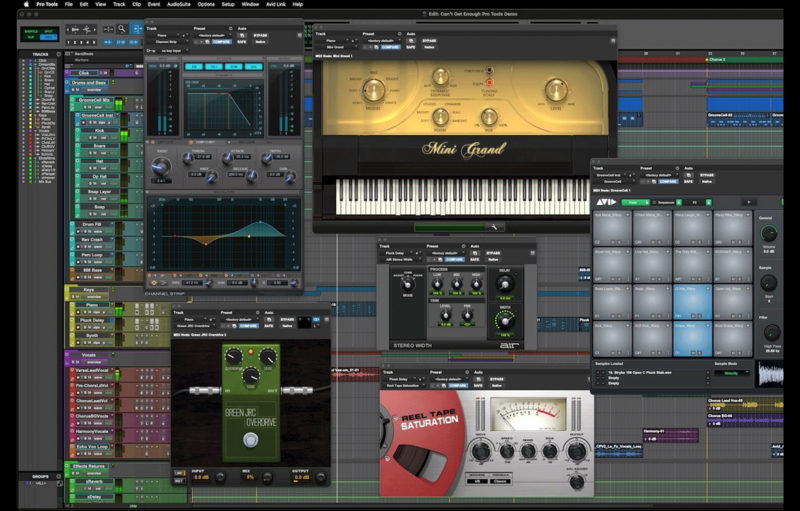
Which is Better: Fl Studio vs Pro Tools – Unveiling the Superior DAW

Pro Tools is better for professional audio recording while FL Studio is popular for music production. When choosing between FL Studio and Pro Tools, it’s essential to consider your specific needs and preferences as a music producer or audio engineer.


Both software offer unique features and capabilities that cater to different aspects of music creation. FL Studio, known for its intuitive interface and extensive library of virtual instruments, is favored by electronic music producers. On the other hand, Pro Tools is the industry standard for recording, editing, and mixing audio in professional studios worldwide.


Understanding the strengths and limitations of each software can help you make an informed decision based on your workflow and production goals.


Comparing Fl Studio And Pro Tools


FL Studio and Pro Tools both offer powerful tools for music production, but the choice between them ultimately depends on individual preferences and specific needs. FL Studio is favored for its user-friendly interface and extensive native plugins, while Pro Tools is renowned for its industry-standard recording and mixing capabilities.


Both have their strengths, so it’s essential to weigh the features that matter most to you.

User Interface And Workflow

FL Studio offers a user-friendly interface with a pattern-based sequencer, ideal for electronic music production. Pro Tools, on the other hand, has a more traditional layout that appeals to professional engineers.

Audio Editing Capabilities

FL Studio excels in MIDI functionality and loop-based music creation, while Pro Tools is renowned for its precise audio editing tools and industry-standard audio recording capabilities.

Which is Better: Fl Studio vs Pro Tools - Unveiling the Superior DAW


Credit: www.groove3.com


Instrument And Effect Plugins

In the realm of music production software, the debate between FL Studio and Pro Tools often comes down to their capabilities in utilizing instrument and effect plugins. Let’s delve into how these two giants fare when it comes to this crucial aspect.

Availability And Quality

FL Studio: Known for its vast library of plugins, offering a wide range of instrument and effect options.

Pro Tools: While Pro Tools has a solid selection of built-in plugins, its library may be more limited compared to FL Studio.

Integration With Third-party Plugins

FL Studio: Allows seamless integration with various third-party plugins, expanding the user’s sonic capabilities.

Pro Tools: Requires more effort to integrate third-party plugins, as compatibility can sometimes be an issue.


Recording And Mixing Features

FL Studio and Pro Tools are two popular digital audio workstations (DAWs) with distinctive features for recording and mixing music. Let’s delve into the recording and mixing capabilities of both platforms to determine the better fit for your audio production needs.

Track Recording And Management

When it comes to track recording and management, FL Studio offers a user-friendly interface, allowing for quick and efficient multi-track recording. Its pattern-based sequencing enables flexible arrangement and easy manipulation of musical elements.

Mixing Tools And Automation

Pro Tools stands out in the realm of mixing tools and automation. Its industry-standard mixing features, such as advanced automation capabilities and efficient audio editing, provide precise control over the mixing process, ensuring professional-grade results.

Compatibility And System Requirements


Compare Fl Studio and Pro Tools in terms of compatibility and system requirements to determine the best choice for your music production needs. Consider the software’s compatibility with your operating system and hardware to ensure optimal performance for your projects.

Operating System Compatibility

When it comes to choosing between FL Studio and Pro Tools, considering compatibility and system requirements is crucial. Both software offer support for popular operating systems, but there are some differences to note.

FL Studio: This powerful digital audio workstation (DAW) is compatible with Windows and macOS, making it suitable for a wide range of users. Whether you’re running Windows 7, 8, or 10, or macOS 10.11 or later, you can use FL Studio without any issues.

Pro Tools: On the other hand, Pro Tools is primarily designed for macOS users, although it does offer limited support for Windows. If you’re a Windows user, Pro Tools 2020.11 is compatible with Windows 10, but versions prior to that are not officially supported. macOS users can take advantage of the latest Pro Tools releases with ease.

Hardware And Performance Demands

When deciding between FL Studio and Pro Tools, it’s important to consider the hardware and system performance demands of each software. Here’s what you need to know:

FL Studio: Known for its efficient performance, FL Studio can run on modest hardware configurations. If you have a Windows computer with at least 2GB of free disk space and 4GB of RAM, you can run FL Studio smoothly. macOS users will need at least 10GB of free disk space and 4GB of RAM to enjoy a seamless experience.

Pro Tools: Pro Tools, being a professional-grade software, demands a bit more from your hardware. For Windows users, at least 16GB of RAM and an Intel Core i5 processor or better is recommended. Mac users, on the other hand, should have at least 16GB of RAM and an Intel Core i7 or better. Additionally, Pro Tools requires a significant amount of disk space, so make sure you have ample storage available.

In conclusion, both FL Studio and Pro Tools offer compatibility with various operating systems, but FL Studio may be a better choice for Windows users while Pro Tools is more suited to macOS users. When it comes to system requirements, FL Studio is less demanding than Pro Tools, making it a viable option for those with lower-spec hardware. However, if you’re a professional seeking advanced features and aren’t concerned about the hardware demands, Pro Tools is worth considering.

Cost And Support


When comparing the cost and support of Fl Studio versus Pro Tools, it is important to consider your specific needs and preferences. Fl Studio may be more budget-friendly with a strong user community, while Pro Tools offers robust customer support and industry-standard features.

Pricing Structure And Bundled Content

In terms of cost, both FL Studio and Pro Tools offer different pricing structures to cater to varying budgets and needs. FL Studio follows a straightforward pricing model, with different editions available, including Fruity Edition, Producer Edition, and Signature Bundle. Each edition offers different features and is priced accordingly. On the other hand, Pro Tools offers various subscription plans, including Pro Tools | First (a free version with limited features), Pro Tools (standard version), and Pro Tools | Ultimate (with advanced features and functionalities). Additionally, Pro Tools offers bundled content, such as virtual instruments, effects plugins, and sample libraries, which can be a valuable addition to your music production toolkit.

Customer Support And Community Resources

When it comes to customer support, both FL Studio and Pro Tools excel in providing assistance and resources to their users. FL Studio offers extensive documentation, tutorials, forums, and a knowledge base on their website. In addition, they have a dedicated customer support team that you can reach out to for any queries or technical issues. Pro Tools, too, offers a wealth of resources, including documentation, video tutorials, and a vibrant user community. Their support team is readily available to address any concerns or troubleshooting needs. Having access to reliable customer support and active community resources can make a significant difference in your music production journey, allowing you to overcome challenges and learn from experienced users. In conclusion, both FL Studio and Pro Tools have distinct pricing structures and provide excellent support to their users. Whether you prefer FL Studio’s straightforward pricing and bundled content or Pro Tools’ subscription plans and extensive resources, both DAWs offer the necessary tools and assistance for your music production needs. The choice ultimately depends on your workflow preference, budget, and the features that best align with your creative goals. Whichever option you choose, both FL Studio and Pro Tools possess the potential to elevate your music production game.

Which is Better: Fl Studio vs Pro Tools - Unveiling the Superior DAW


Credit: www.adsrsounds.com


Which is Better: Fl Studio vs Pro Tools - Unveiling the Superior DAW


Credit: www.producerspot.com


Frequently Asked Questions For Which Is Better Fl Studio Or Pro Tools


Should I Use Pro Tools Or Fl Studio?


Choose Pro Tools for professional recording, editing, and mixing. FL Studio is popular for electronic music production. Both are great for different uses.


Do Professionals Use Fl Studio?


Yes, professionals do use FL Studio. It is a popular digital audio workstation for music production.


What Daw Do Most Professionals Use?


Most professionals use Digital Audio Workstations or DAWs like Pro Tools, Logic Pro, Ableton Live, or Studio One.


Is Pro Tools Still The Best Daw?


Yes, Pro Tools is still considered one of the best DAWs due to its industry-standard features and professional-grade capabilities. Its advanced tools and seamless workflow make it a top choice for many music professionals and enthusiasts.


Conclusion


Ultimately, the choice between FL Studio and Pro Tools depends on your specific needs and preferences. FL Studio is great for electronic music production, while Pro Tools excels in professional recording and mixing. Consider your workflow, budget, and desired features to make the right decision for your music production journey.

Categories
Archive Audio Production

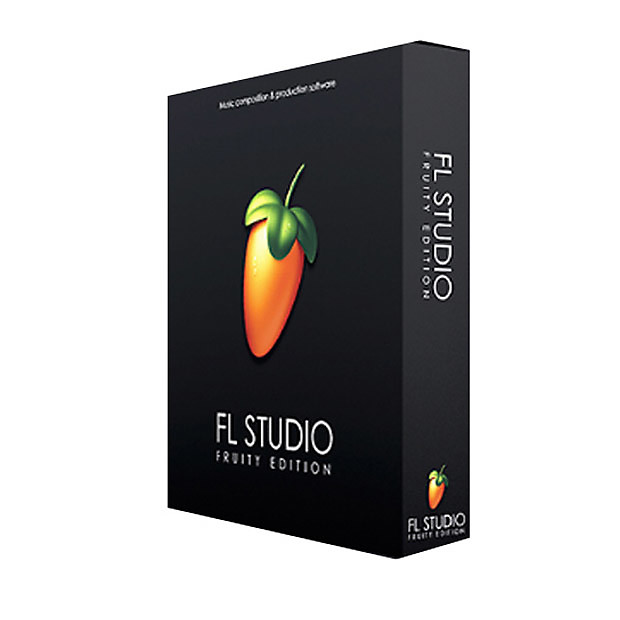
Is FL Studio Fruity Edition Worth It? Unveiling the Power Within

The FL Studio Fruity Edition is worth it for beginners or those with basic music production needs. If you are just starting out or require fundamental features, the Fruity Edition offers a cost-effective option with essential tools for creating music.


With its user-friendly interface and solid functionalities, this entry-level version provides a good foundation for learning music production. While it may lack some advanced features found in higher-tier editions, the FL Studio Fruity Edition can still be a valuable tool for aspiring music producers to hone their skills and unleash their creativity.


Whether you are a hobbyist or a beginner exploring music production, this edition can be a suitable starting point before considering an upgrade to a more comprehensive version of FL Studio.

Is FL Studio Fruity Edition Worth It? Unveiling the Power Within


Credit: reverb.com


Features

FL Studio Fruity Edition offers a range of unique features that cater to both beginners and intermediate music producers.

Unique Features

Innovative piano roll for precise note editing.

Step sequencer for easy rhythm creation.

Multi-touch support for intuitive control.

Automation clips for dynamic changes.

Plugin delay compensation for seamless mixing.

Limitations And Downsides

  • Limited to 125 audio tracks and 64 internal audio effects.
  • Does not include advanced plugins like Edison or Newtone.
  • Not suitable for complex orchestral compositions.
Is FL Studio Fruity Edition Worth It? Unveiling the Power Within


Credit: issuu.com


User Experience

Exploring the User Experience of FL Studio Fruity Edition sheds light on its usability and overall satisfaction among music producers.

Ease Of Use

  • Intuitive Interface: FL Studio Fruity Edition features a user-friendly layout.
  • Smooth Navigation: Users can easily access different functions and tools.

User Feedback

  1. Positive Responses: Many users appreciate the simplicity and functionality of the software.
  2. Enhanced Creativity: FL Studio Fruity Edition empowers users to express their musical ideas effortlessly.


Comparisons

When considering purchasing music production software, it’s essential to make informed decisions. Understanding the differences between FL Studio Fruity Edition and its alternatives can help you determine if it’s worth the investment. Let’s delve into the comparisons to see how FL Studio Fruity Edition stacks up against other versions and its competitors.

Fl Studio Fruity Edition Vs. Other Versions

FL Studio Fruity Edition is a streamlined version of the popular music production software. Compared to the Producer and Signature editions, Fruity Edition offers a more cost-effective entry point for beginners and those with basic production needs. Its limitations in terms of advanced features such as audio recording and plugin capabilities make it suitable for those focusing primarily on MIDI sequencing and beat creation.

Fl Studio Fruity Edition Vs. Competitors

Compared to its competitors, FL Studio Fruity Edition holds its ground as a formidable music production tool. Its intuitive user interface and versatile step sequencer provide a unique approach to music creation. While it may lack certain features found in more expensive DAWs, its affordability and ease of use make it an attractive option for aspiring producers and beatmakers.

Is FL Studio Fruity Edition Worth It? Unveiling the Power Within


Credit: www.thehypemagazine.com


Frequently Asked Questions For Is Fl Studio Fruity Edition Worth It


What Does Fl Studio Fruity Edition Do?


FL Studio Fruity Edition is a music production software that allows users to compose, arrange, and mix music. It offers a range of features including virtual instruments, effects, and a user-friendly interface. With FL Studio Fruity Edition, you can create professional-quality music tracks in a simple and intuitive way.


Is Fl Studio Fruity Edition Good For Beginners?


FL Studio Fruity Edition is ideal for beginners. It is user-friendly, making it easy to learn and navigate. With its intuitive interface and extensive tutorials, beginners can quickly create their own music. Additionally, it offers a wide range of features and tools, allowing beginners to explore and experiment with different sounds and styles.


What Edition Of Fl Studio Is The Best To Buy?


The best edition of FL Studio to buy depends on your needs and budget. The Fruity Edition is great for beginners, while the Producer and Signature Editions offer more advanced features. Evaluate your requirements and choose the edition that aligns with your music production goals and budget.


Can I Record With Fl Studio Fruity Edition?


Yes, you can record audio in FL Studio Fruity Edition using its built-in recording feature.


Conclusion


To wrap it up, Fl Studio Fruity Edition is a worthwhile investment for music producers. Its affordability and powerful features make it perfect for beginners and professionals alike. With its intuitive interface and wide range of tools, it can help users take their music production to the next level.


Grab it now and experience the magic.

Categories
Archive Audio Production

What is Music Mixing And Mastering: Unlock the Sonic Potential!

Music mixing involves blending individual tracks together to create a cohesive sound, while mastering refines the overall audio quality of the mixed tracks. Professional mixing and mastering are essential steps in the music production process to ensure the final product is polished and ready for distribution.


From adjusting volume levels to enhancing sound clarity, these techniques can make a significant difference in how a song is perceived by listeners. Mixing focuses on balance and the spatial placement of elements within a mix, while mastering involves fine-tuning the overall audio to achieve a consistent sound across different playback systems.


Both processes require skill and an understanding of audio engineering principles to achieve optimal results.

What is Music Mixing And Mastering: Unlock the Sonic Potential!


Credit: www.facebook.com


The Basics Of Music Mixing

The Role Of Mixing

Music mixing is pivotal in blending various audio elements to create a cohesive sound. The role of mixing entails adjusting volume levels, applying effects, and enhancing the overall balance of a track.

Elements Of A Mix

Key elements of a mix include vocals, instruments, drums, and effects. Each element is carefully layered and processed to achieve clarity and depth within the overall sound.

Understanding Mastering

Understanding Mastering: Mastering is a crucial step in music production that ensures the final audio is polished, consistent, and ready for distribution.

The Purpose Of Mastering

Mastering enhances the overall sound quality, ensuring that the music sounds its best on all playback systems, from headphones to speakers.

Key Mastering Processes

  1. Equalization: Balancing frequencies to optimize the tonal balance of the music.
  2. Compression: Smoothing out the dynamic range to make the music more cohesive.
  3. Stereo Enhancement: Creating a wider stereo image for a more immersive listening experience.
  4. Loudness Maximization: Making sure the volume level is consistent and competitive with other tracks.
  5. Sequencing: Arranging the songs in the correct order for the best flow and cohesion.


Importance Of Mixing And Mastering

When it comes to creating a professional and polished sound for your music, mixing and mastering play a crucial role in achieving that desired outcome. These two processes are essential for ensuring that your music sounds coherent, balanced, and of the highest quality.

Enhancing Sound Quality

Music mixing and mastering are vital for enhancing the overall sound quality of a recording. During the mixing phase, various elements such as vocals, instruments, and effects are combined and adjusted to create a harmonious blend. This process allows for the correction of any imperfections in the audio, resulting in a more polished and cohesive sound.

Ensuring Cohesiveness

Another crucial aspect of music mixing and mastering is ensuring cohesiveness throughout the entire track or album. This involves making sure that each individual part of the music, such as vocals, instruments, and effects, seamlessly fits together to create a unified and smooth listening experience for the audience. Proper mastering further ensures that the overall audio levels are balanced and consistent, making the music ready for distribution across various platforms.

What is Music Mixing And Mastering: Unlock the Sonic Potential!


Credit: www.facebook.com


Common Mixing And Mastering Techniques

In the world of music production, mixing and mastering are crucial steps that ensure your songs sound professional and polished. Mixing involves blending different audio tracks together and creating a balanced and cohesive sound. On the other hand, mastering takes the final mix and applies the necessary enhancements to achieve optimum quality for distribution.

Equalization

Equalization, commonly known as EQ, is an essential mixing and mastering technique. It involves adjusting the frequency content of audio signals to achieve the right balance and clarity. EQ can be used to boost or cut specific frequencies, controlling the overall tonal quality of instruments or vocals.

There are different types of EQs, such as parametric, graphic, and shelving EQs. Each type offers unique features and controls to cater to specific needs. For example, parametric EQs allow precise adjustments with parameters like frequency, bandwidth, and gain, while graphic EQs use sliders to alter frequency bands.

Compression

Compression is another vital technique used in both mixing and mastering processes. It helps control the dynamic range of audio signals by reducing the volume of louder parts and amplifying the quieter sections. By doing so, compression ensures a more consistent and balanced sound.

A compressor applies automatic gain control to audio signals by analyzing their levels and applying gain reduction when needed. This technique helps bring out details in quiet parts and prevent distortion or clipping in louder sections. Compressors also add warmth, punchiness, and character to the audio, making it more engaging and pleasing to the ear.

Reverb And Effects

Reverb and effects play a significant role in enhancing the spatial and textural qualities of audio during the mixing and mastering stages. Reverb simulates the natural acoustic environment, adding depth and dimension to the sound. It can create the illusion of the audio being recorded in different spaces, such as concert halls, churches, or smaller rooms.

Effects like delay, chorus, and modulation add richness and interest to the audio. Delay produces echoes by repeating the original sound at specific intervals. Chorus creates a swirling, thickened sound by duplicating the original signal and modulating its pitch slightly. Modulation effects like flanger or phaser produce unique, swirling, or sweeping sounds to add movement and uniqueness to the track.

By utilizing reverb and effects appropriately, you can transform your mix into a captivating and immersive sonic experience, enriching the overall listening experience for your audience.

Tools For Effective Mixing And Mastering


Music mixing and mastering involve blending and refining audio tracks for optimal sound quality. Effective tools aid in achieving balanced levels, clarity, and depth in the final output. These tools are crucial for producers and engineers to deliver professional-sounding music to their audience.

When it comes to music production, mixing and mastering play a crucial role in enhancing the overall quality of a song. These processes involve adjusting and balancing the individual elements of a track to create a polished and professional sound. To achieve this, music producers utilize various tools that help them in the mixing and mastering process.

Digital Audio Workstations (daws)

Digital audio workstations, commonly referred to as DAWs, are software applications that allow music producers to record, edit, and mix audio tracks. With the advancements in technology, there are several DAWs available in the market, each offering a range of features to suit different needs and preferences. Some popular DAWs include:

  • Ableton Live
  • Pro Tools
  • Logic Pro
  • FL Studio

These DAWs provide a user-friendly interface and a wide array of tools and effects to manipulate audio. They allow music producers to import various audio files, adjust different parameters such as volume, panning, and EQ, and apply various audio effects to create the desired sound. DAWs also provide a platform to arrange and sequence different elements of a song, helping producers to bring their creative vision to life.

Plugins And Processing Tools

In addition to DAWs, plugins and processing tools play a vital role in the mixing and mastering process. These tools are software-based and can be integrated within DAWs to expand their capabilities. Plugins enable music producers to access a wide range of effects, virtual instruments, and processors, enhancing the creative possibilities during mixing and mastering. Some commonly used plugins and processing tools include:

Plugin/Processing Tool Function
Equalizers (EQs) Adjust the frequency balance of audio
Compressors Control the dynamic range of audio
Reverbs Add ambiance and create spatial effects
Delays Create echoes and rhythmic effects
Limiters Prevent audio from exceeding a certain level

These plugins and processing tools provide music producers with precise control over the audio elements, allowing them to shape the sound according to their preferences. Additionally, they offer various presets and settings that can be applied to achieve specific tonal characteristics or effects. The combination of DAWs and plugins enables music producers to create professional and polished mixes and masters of their tracks. In summary, the tools used for effective mixing and mastering in music production include digital audio workstations (DAWs) and plugins/processing tools. DAWs provide a platform to record, edit, and mix audio, while plugins and processing tools offer a range of effects and processors to enhance the sound. By utilizing these tools, music producers can achieve the desired quality and clarity in their tracks, ensuring an engaging and enjoyable listening experience for the audience.

What is Music Mixing And Mastering: Unlock the Sonic Potential!


Credit: www.instagram.com


Frequently Asked Questions On What Is Music Mixing And Mastering


What Does Mixing And Mastering Mean In Music?


Mixing is balancing and adjusting individual tracks in a song. Mastering is the final step where all tracks are combined and polished for a cohesive sound.


Which Is Harder Mixing Or Mastering?


Mixing is generally considered harder than mastering due to its complexity and the need for a keen ear for detail in balancing tracks effectively. Mastering involves fine-tuning the overall sound but is seen as a more straightforward process.


Does Mixing And Mastering Make A Big Difference?


Yes, mixing and mastering can make a significant difference in the quality of audio tracks. Proper mixing ensures balanced sound elements, while mastering polishes the final mix for a professional, cohesive sound. Both processes are crucial for a polished and impactful audio production.


What Is The Purpose Of Mastering Music?


Mastering music enhances its sound quality, volume, and overall balance, resulting in a polished final product. It optimizes the tracks for different playback systems and formats, ensuring that the music is consistent and enjoyable across various platforms.


Conclusion


Music mixing and mastering are crucial processes for creating high-quality audio. Understanding the differences and importance of each can greatly improve the overall sound of a musical piece. With the right techniques and tools, musicians and producers can elevate their music to new heights and deliver an exceptional listening experience to their audience.

Categories
Archive Audio Production

Can You Upload Music to Spotify Without a Distributor? Learn How!

Yes, you can upload music to Spotify without a distributor using their new feature Spotify for Artists. This tool allows independent artists to directly upload their music to the platform.


In today’s digital age, independent musicians have more opportunities to share their music and reach a global audience. With platforms like Spotify for Artists, artists have the freedom to release music on their own terms, without the need for a third-party distributor.


This user-friendly tool empowers artists to take control of their music career and connect with fans worldwide. By utilizing these innovative tools, artists can navigate the music industry independently and showcase their talent to a broader audience.


Credit: aristake.com


Getting Your Music On Spotify

Consider using a digital music distributor for easy access to Spotify.

Popular options include DistroKid, TuneCore, and CD Baby.

Spotify also offers a direct upload option for artists without a distributor.

Create a Spotify for Artists account and follow the prompts to upload your music.

Ensure your music meets Spotify’s quality standards for compatibility.

Using A Digital Music Distributor

When uploading music to Spotify without a distributor, one efficient way is to utilize a digital music distributor.

Selecting The Right Distributor

A reliable digital music distributor can simplify the process of getting your music on Spotify.

  • Look for distributors with a user-friendly interface
  • Consider the pricing and features offered

Uploading Your Music

After selecting a suitable distributor, it’s time to start uploading your music to Spotify.

  1. Create an account with the chosen distributor
  2. Follow the platform’s guidelines for uploading music

Ensure your music meets Spotify’s requirements for quality and format before submission.

By utilizing a digital music distributor, you can easily upload your music to Spotify without the need for a third-party.

Understanding Spotify’s Direct Upload Option


Spotify’s direct upload option allows artists to upload music without using a distributor. This feature provides independent musicians with the opportunity to release their music directly on the platform, bypassing the need for a third-party distributor. By utilizing this service, artists can maintain control over their music and reach a global audience through Spotify.

Understanding Spotify’s Direct Upload Option Eligibility Criteria To utilize Spotify’s direct upload feature, artists need to meet specific eligibility criteria. The first requirement is that you must hold the rights to the music you intend to upload. This means that the music should be original and not infringe on any copyrights. Additionally, you need to have a verified Spotify for Artists account to be eligible for direct uploads. This verification ensures that you have control over your artist profile on the platform. Uploading Your Music Directly Once you meet the eligibility criteria, you can proceed to upload your music directly to Spotify. The process begins by logging into your Spotify for Artists account and selecting “Upload” from the dashboard. You will then be prompted to provide the necessary details about the release, such as the title, cover art, release date, and genre. After filling out the required information, you can upload the music files directly from your computer. It’s important to ensure that your music files adhere to Spotify’s formatting and quality guidelines to ensure a smooth upload process. Once the upload is complete, your music will undergo Spotify’s content review process before being made available to listeners on the platform.

Promoting Your Music On Spotify

Utilizing the power of Spotify for Artists and engaging your audience are essential steps to effectively promote your music on Spotify. In this section, we will discuss how you can take advantage of the features provided by Spotify for Artists to enhance your reach and drive more exposure to your music.

Utilizing Spotify For Artists

If you want to make the most out of your presence on Spotify, then you need to dive into the world of Spotify for Artists. This platform provides musicians with valuable insights, tools, and resources to manage their music and engage with their fans.

Here’s how you can utilize Spotify for Artists to promote your music:

  1. Create an Artist Profile: Your artist profile on Spotify acts as your digital hub. Make sure to create a compelling bio, upload high-quality images, and provide links to your social media accounts and website.
  2. Customize Your Profile: To stand out from the crowd, you can customize your profile by adding a header image and selecting a standout artist-picked track.
  3. Verify Your Profile: By verifying your profile, you gain access to additional features like artist playlists and the ability to submit upcoming releases to Spotify’s editorial team for consideration.
  4. Utilize the Insights: Spotify for Artists provides you with valuable insights about your listeners, such as where they are located and what playlists they are discovering your music on. Use this data to tailor your promotional efforts and target specific markets.
  5. Promote Your Playlists: Creating playlists is a fantastic way to showcase your musical taste and share your favorites with your fans. Be sure to promote these playlists across your social media channels to increase engagement and follower count.

Engaging Your Audience

Engaging with your audience is crucial to sustain and grow your fan base on Spotify. Here are a few strategies to foster meaningful connections and keep your listeners coming back for more:

  • Interact on Social Media: Stay active on social media platforms by responding to comments, sharing updates about your music, and showing appreciation to your fans. This engagement will help cultivate a loyal following and encourage fans to listen to your music on Spotify.
  • Collaborate with Other Artists: Collaborating with other artists can expose your music to new audiences and help you tap into their fan base. Consider reaching out to artists with a similar style or genre to work together on a song or playlist.
  • Run Contests and Giveaways: Everyone loves freebies! Running contests or giveaways on your social media channels can boost your Spotify plays and increase engagement. Encourage listeners to follow your Spotify profile and stream your music for a chance to win exclusive merchandise or concert tickets.
  • Promote Your Spotify Link: Add your Spotify link to your website, email signature, and any other promotional materials. Make it easy for fans to find and stream your music on Spotify.

By harnessing the power of Spotify for Artists and engaging your audience effectively, you can take significant strides in promoting your music and reaching new fans on Spotify. Start implementing these strategies today and watch your Spotify presence soar!


Maximizing Your Spotify Presence

When it comes to sharing your music with the world, having a strong presence on Spotify is crucial. With over 345 million monthly active users, it’s a platform that can significantly boost your reach and help you connect with fans. The good news is, you don’t necessarily need a distributor to upload your music to Spotify. In this blog post, we will explore the various ways you can maximize your Spotify presence without relying on a distributor.

Optimizing Your Profile

Your Spotify profile is the first impression you make on potential listeners, so it’s important to optimize it to grab their attention. Here are some key tips to ensure your profile stands out:

  • Create a compelling bio: Write a concise and engaging biography that highlights your unique story as an artist. Be sure to include relevant keywords that reflect your music style and genre.
  • Choose an eye-catching profile image: Select a visually appealing image that accurately represents your brand or identity as an artist. This will help you create a memorable visual presence on Spotify.
  • Curate your playlists: Showcase your musical taste by creating playlists that feature your own tracks along with songs from other artists in your genre. This not only adds depth to your profile but also helps you connect with other musicians.
  • Add detailed track information: Provide accurate and comprehensive information about each of your tracks, including titles, featured artists, and genres. This will make it easier for listeners to discover your music through search filters and recommendations.

Collaborating And Networking

Collaborating with other artists and networking within the music industry can have a significant impact on your Spotify presence. Here’s how you can leverage collaborations and networking to expand your reach:

  • Reach out to fellow artists: Identify artists who share a similar style or audience and reach out to them. Collaborating on a track or featuring on each other’s playlists can help you tap into their existing fan base and gain exposure.
  • Attend music events and conferences: Network with industry professionals, such as producers, record label representatives, and music bloggers, at events and conferences. Building relationships with these individuals can open doors to valuable opportunities and potential partnerships.
  • Engage with your audience: Actively respond to comments, messages, and interactions from your listeners. Show genuine interest in their feedback and build a loyal fan base by creating a connection with your audience.
  • Promote your music on social media: Leverage the power of social media platforms to share your Spotify tracks, engage with fans, and collaborate with other artists. Utilize hashtags relevant to your genre and regularly post content that showcases your music and personality.

Can You Upload Music to Spotify Without a Distributor? Learn How!


Credit: www.wikihow.com


Can You Upload Music to Spotify Without a Distributor? Learn How!


Credit: www.ac3filter.net


Frequently Asked Questions On Can You Upload Music To Spotify Without A Distributor


Can I Upload Music Without A Distributor?


Yes, you can upload music without a distributor on certain platforms like SoundCloud or Bandcamp.


Do You Need A Distributor To Upload Music To Spotify?


No, you can upload music directly to Spotify without the need for a distributor.


How Do I Add Music To Spotify Without A Distributor For Free?


You can upload your music to Spotify for free through an independent music distributor or aggregator. Some offer free distribution options for artists.


Can You Independently Upload Music To Spotify?


Yes, you can independently upload your music to Spotify without the need for a record label.


Conclusion


In today’s blog post, we’ve explored the process of uploading music to Spotify without a distributor. By understanding the steps involved and utilizing the right tools and resources, independent artists can successfully share their music with a global audience. With careful planning and perseverance, it’s possible to navigate the music industry without the need for a traditional distributor.

Categories
Archive Audio Production

How Much Does Spotify Charge to Upload Music? Discover the Cost-effective Option

Spotify charges nothing for artists to upload music. It’s free for all musicians.


For independent musicians, uploading music to Spotify is completely free, making it a cost-effective way to showcase their work to a global audience. By removing barriers like fees for uploads, Spotify empowers artists to share their talent with fans worldwide.


This democratization of the music industry allows for greater inclusivity and diversity in the music landscape. As streaming platforms like Spotify continue to shape the music industry, this approach benefits both artists and listeners alike.


Credit: cymatics.fm


Cost Of Uploading Music To Spotify

Cost of Uploading Music to Spotify: Understanding the expenses involved in getting your music on Spotify is crucial for musicians. Let’s explore the Spotify’s Distribution Fee and how Royalties and Revenue Sharing work.

Spotify’s Distribution Fee

When you upload your music to Spotify through a distributor, such as DistroKid or TuneCore, there is typically a distribution fee involved.

Royalties And Revenue Sharing

Spotify pays artists through royalties based on the number of streams their music receives. The revenue sharing model means that artists earn a percentage of the revenue generated by their streams.

Comparison With Other Platforms

When considering music distribution costs, it’s important to compare Spotify’s pricing with other platforms.

Alternative Music Distribution Costs

Let’s take a look at a simple comparison table of the costs associated with distributing music on different platforms:

Platform Cost to Upload Music
Spotify $0
Apple Music $19.99/year
Amazon Music $7.99/month

Benefits Of Choosing Spotify

  • No upfront cost: Uploading music to Spotify is free of charge.
  • Wide audience reach: Spotify has a large user base, increasing visibility for your music.
  • Analytical insights: Spotify provides data on listener analytics for better understanding.

Understanding Spotify’s Payment Model


Spotify’s payment model charges artists and labels a flat fee to upload their music. There are no additional fees for each release, but the platform takes a cut of the royalties from streams. This model allows artists to reach a wider audience without incurring high upfront costs.

Understanding Spotify’s Payment Model As an independent musician or band, navigating the world of music distribution and streaming platforms is essential for success in the digital age. Spotify is undoubtedly one of the most prominent players in this arena, offering artists the opportunity to have their music heard by millions of listeners. However, it’s crucial to understand the payment model employed by Spotify to determine how much it charges to upload music and how artists are compensated for their work. Insight into Spotify’s Payment Structure Spotify’s payment structure revolves around the concept of streaming royalties, which is the primary method through which artists earn revenue on the platform. Each time a user streams a song, a fraction of a cent is paid to the rights holders, which may include the artist, record label, and other parties involved. However, it’s important to note that this payment is not fixed and can vary based on several factors. Factors Affecting Earnings Several factors can influence an artist’s earnings on Spotify. These include the number of streams, the user’s subscription tier, and the artist’s royalty rate. The following table provides a concise overview of the main factors affecting an artist’s earnings on Spotify: | Factor | Description | |———————-|——————————————————-| | Number of Streams | The more a song is played, the more an artist earns. | | User’s Subscription | Premium subscribers may generate higher royalties. | | Artist’s Royalty | Artists with a higher royalty rate receive more income. | Understanding these factors is critical for artists looking to maximize their earnings on the platform. By strategizing and actively promoting their music, artists can increase their streams and, consequently, their revenue. In conclusion, grasping Spotify’s payment model is crucial for musicians seeking to take advantage of the platform’s immense potential as a distribution channel. By understanding the factors that influence earnings and actively promoting their music, artists can position themselves for success on Spotify.

How Much Does Spotify Charge to Upload Music? Discover the Cost-effective Option


Credit: www.wired.com


Tips For Cost-effective Music Distribution

Maximizing Revenue On Spotify

As an independent artist or small record label, it’s essential to maximize your revenue on Spotify. Here are a few strategies to boost your earnings:

  • Focus on creating high-quality, engaging music that resonates with your target audience.
  • Regularly release new tracks or albums to maintain a steady stream of content and keep your listeners engaged.
  • Collaborate with other artists or feature guest artists on your songs to widen your reach and attract new listeners.
  • Invest time in building your presence on social media platforms to increase your fan base and generate more streams.
  • Create unique marketing strategies that grab attention, such as organizing giveaways or exclusive content for your fans.
  • Consider utilizing Spotify’s playlist pitching tools to reach a larger audience and increase your chances of getting featured.

Utilizing Promotional Tools

Spotify offers various promotional tools that can help you get your music noticed:

  • Spotify for Artists: Sign up for a Spotify for Artists account to access valuable insights about your listeners and tailor your promotional efforts accordingly.
  • Spotify Ads: Consider running targeted ads on Spotify to reach potential listeners who might be interested in your music.
  • Playlist Placement: Submit your tracks to relevant playlists curated by Spotify or influential playlist curators to gain more exposure.
  • Collaborative Playlists: Create collaborative playlists that allow your fans and followers to add their favorite songs, increasing engagement and attracting new listeners.
  • Social Media Integration: Utilize Spotify’s sharing features to seamlessly promote your music on social media platforms like Instagram, Facebook, and Twitter.

Note: Remember, when utilizing promotional tools, it’s important to stay authentic and genuine. Focus on building meaningful connections with your audience rather than solely chasing numbers.

Conclusion And Recommendations

In conclusion, Spotify offers a variety of options when it comes to uploading music, each with its own pricing structure. It’s important to consider your budget and goals when selecting the right distribution option for your music. To summarize the cost considerations and provide guidance for choosing the right option, here are some key points to keep in mind:

Summary Of Cost Considerations

If you’re an independent artist or a band on a tight budget, Spotify’s free upload option may be appealing. You can distribute your music to Spotify and retain 100% of your rights, without incurring any upfront charges. However, keep in mind that there are certain limitations with this option, such as limited access to detailed analytics and the inability to pitch your music to Spotify’s editorial playlists.

For those looking for more comprehensive features and greater control over their music, Spotify’s paid upload options are worth exploring. Their most popular option, Spotify for Artists, allows you to deliver your music to Spotify and provides additional benefits such as access to detailed analytics, the ability to pitch your music to editorial playlists, and artist customization options. The cost for this option starts at $9.99 per month.

If you’re a label or distributor looking to upload music on behalf of multiple artists, Spotify offers a separate option called Spotify for Labels & Distributors. With this option, you can upload music for multiple artists under one account and access additional label-specific features. The pricing for this option is tailored based on your specific needs, so it’s best to contact Spotify directly for more information.

Guidance For Choosing The Right Distribution Option

When choosing the right distribution option for your music, consider the following recommendations:

  1. Assess your goals and budget: Determine your priorities and how much you’re willing to invest in distributing your music on Spotify.
  2. Evaluate the features: Consider the features and benefits offered by each option, such as analytics, playlist pitching, and customization options.
  3. Consider your level of control: Decide how much control you want over your music and whether you’re comfortable with any limitations that come with the free upload option.
  4. Explore label-specific needs: If you’re a label or distributor, reach out to Spotify for information on their label-specific option, which may better suit your needs.

By carefully considering these cost considerations and following the guidance provided, you can make an informed decision on how to upload your music to Spotify in a way that aligns with your goals as an artist or a label. Remember, the right distribution option can help you reach a wider audience and amplify your music’s presence on the platform.

How Much Does Spotify Charge to Upload Music? Discover the Cost-effective Option


Credit: houseoftracks.com


Frequently Asked Questions For How Much Does Spotify Charge To Upload Music


Does It Cost Money To Upload Music To Spotify?


Uploading music to Spotify is free; however, there are fees through digital distributors for distribution.


Does It Cost Money To Download Songs On Spotify?


Downloading songs on Spotify requires a premium subscription, which costs money. Free accounts do not allow downloads.


Can I Upload My Own Music To Spotify?


Yes, you can upload your own music to Spotify through a verified distributor or aggregator.


Is Uploading To Spotify As An Artist Free?


Uploading music to Spotify as an artist is free of charge.


Conclusion


Understanding the cost of uploading music on Spotify is vital for artists. By considering the different pricing options and their corresponding benefits, musicians can make informed decisions to maximize their exposure within the platform. As the music industry continues to evolve, staying abreast of services like Spotify will help artists navigate the digital landscape efficiently.


Categories
Archive Audio Production

Is FL Studio Worth It for Beginners? Unleash Your Music Production Potential!

For beginners, FL Studio is worth it due to its user-friendly interface and extensive features. As a popular digital audio workstation, FL Studio offers a multitude of tools and functions suitable for those starting out in music production.


From its intuitive layout to its wide range of plugins and instruments, FL Studio provides a solid foundation for beginners to learn and grow their skills. Additionally, its affordable price point makes it accessible to aspiring producers looking to kickstart their music production journey without breaking the bank.


With FL Studio, beginners can easily dive into the world of music production and start creating their own tracks with confidence.

Is FL Studio Worth It for Beginners? Unleash Your Music Production Potential!


Credit: ise.edu.al


Getting Started With Fl Studio

Before diving into FL Studio, beginners should consider the suitable version based on their needs.

Follow these steps to install and set up FL Studio:

  1. Download the FL Studio software from the official website.
  2. Run the installer and follow the on-screen instructions.
  3. Choose the desired installation location on your computer.
  4. Complete the installation process and launch FL Studio.
Is FL Studio Worth It for Beginners? Unleash Your Music Production Potential!


Credit: www.amazon.com


Understanding Fl Studio’s Interface

Navigating The Workspace

When you open FL Studio, the interface may seem overwhelming. But fear not, it’s designed for efficiency.

The interface is split into sections: Toolbar, Channel Rack, Piano Roll, Playlist, Mixer, and Browser.

  • Toolbar offers quick access to essential functions.
  • Channel Rack is where you add instruments and samples.
  • Piano Roll is used for composing melodies and chords.
  • Playlist is where you arrange your music.
  • Mixer controls volume, effects, and more.
  • Browser helps you navigate your files and plugins.

Key Features And Functions

FL Studio’s interface gives you power and flexibility as a beginner. Learn these key features:

  • Customizable workflow lets you arrange tools to suit your needs.
  • Intuitive drag-and-drop functionality simplifies music creation.
  • Powerful virtual instruments and effects for professional sound.
  • Automation features for dynamic changes in your tracks.
  • Support for third-party plugins expands your creative possibilities.

Learning The Basics Of Music Production

Learning the basics of music production is an exciting journey for beginners delving into FL Studio. This powerful software opens up a world of creativity, enabling aspiring producers to bring their musical visions to life. As a beginner, understanding the fundamentals of music production is key to creating professional-sounding tracks. Let’s explore the essential aspects of FL Studio and how it can benefit newcomers in their music production endeavors.

Creating Beats And Melodies

Creating beats and melodies is a fundamental part of music production. FL Studio offers a user-friendly interface that allows beginners to experiment with various drum patterns, synth sounds, and melody arrangements. Its intuitive piano roll and step sequencer provide a seamless workflow for arranging and layering beats and melodies. With FL Studio’s built-in instruments and sample libraries, beginners can easily explore different musical styles and genres.

Understanding Effects And Mixing

Understanding effects and mixing is crucial for shaping the overall sound of a track. FL Studio provides a wide range of audio effects, including reverb, delay, compression, and equalization, allowing beginners to enhance their productions. The mixer interface in FL Studio offers comprehensive control over individual track levels, panning, and effects routing. As beginners grasp the concept of effects and mixing, they can craft their music with clarity and depth, setting the stage for professional-sounding results.

Exploring Advanced Techniques


FL Studio offers a wide range of advanced techniques suitable for beginners, making it a valuable investment. The software provides an intuitive interface and a wealth of resources for learners to explore music production, making it a worthwhile choice for those starting out in the field.

Introduction: Exploring Advanced Techniques

Once you’ve mastered the basics of FL Studio as a beginner, it’s time to take your skills to the next level by diving into advanced techniques. These techniques will enable you to create unique and professional-sounding tracks, pushing the boundaries of your creativity. In this section, we will explore two key areas of advanced techniques in FL Studio: advanced sound design and utilizing automation and modulation.

Advanced Sound Design

Advanced sound design is all about pushing the limits of FL Studio’s vast library of sounds and plugins to create your own unique sonic palette. With an array of synthesizers, effects, and sample manipulation tools at your disposal, the possibilities are endless.

By combining different synthesis techniques, such as subtractive, FM, and wavetable synthesis, you can create complex and intricate sounds that will make your tracks stand out. Experimenting with various effects like reverb, delay, and distortion allows you to shape and sculpt your sounds to fit perfectly into your mix.

Another key aspect of advanced sound design is exploring different sampling techniques. By manipulating samples and applying various processing tools, you can transform ordinary sounds into extraordinary ones. Additionally, learning how to create your own sampled instruments opens up a whole new world of sonic possibilities.

Utilizing Automation And Modulation

Automation and modulation are powerful tools in FL Studio that allow you to add movement and dynamics to your tracks. Using automation, you can control various parameters over time, such as volume, panning, filter cutoff, and more. This enables you to create subtle or drastic changes that bring your tracks to life.

Modulation, on the other hand, involves using tools like LFOs (low-frequency oscillators) and envelopes to modulate different parameters. Whether it’s applying vibrato to a lead melody or adding rhythmic movement to a bassline, modulation can add depth and expression to your music.

FL Studio provides a range of ways to automate and modulate your tracks, from drawing in automation curves and envelopes to using powerful modulation plugins like Fruity Formula Controller and Peak Controller.

In conclusion, exploring advanced techniques in FL Studio opens up a world of possibilities for beginners. With advanced sound design techniques, you can create your own unique sounds and instruments, while utilizing automation and modulation allows you to add movement and dynamics to your tracks. So, don’t be afraid to experiment and push the boundaries of your creativity in FL Studio!


Optimizing Your Workflow And Output

When it comes to music production, having a smooth workflow and efficient output is crucial. Whether you are just starting out with FL Studio or have been using it for a while, there are various ways to optimize your workflow and improve the quality of your music. In this section, we will explore some valuable tips for efficient production and how to export and share your music seamlessly.

Tips For Efficient Production

1. Organize Your Project: Keeping your project organized is key to maintaining a streamlined workflow. Create dedicated folders for your samples, plugins, and project files. This will make it easier to find what you need quickly and avoid wasting precious time.

2. Utilize Keyboard Shortcuts: Learning and using keyboard shortcuts can significantly speed up your production process. FL Studio provides a wide range of keyboard shortcuts for various functions, such as copying, pasting, zooming, and more. Take the time to familiarize yourself with these shortcuts and make use of them in your workflow.

3. Create Templates: Templates are a fantastic way to save time and ensure consistency in your projects. Set up a template with the basic elements (drums, synths, effects) that you typically use in your tracks. This way, you can start a new project with everything already in place, allowing you to focus on creativity.

Exporting And Sharing Your Music

1. Choose the Right File Format: When exporting your music from FL Studio, it’s essential to choose the appropriate file format. While WAV files provide the highest audio quality, they can be large in size. If you want to share your music online, consider using compressed formats like MP3 or AAC to reduce file size without compromising too much on quality.

2. Set the Export Options: FL Studio offers various export options to fine-tune your exported audio. Take the time to explore these options, such as bit depth, sample rate, and dithering, to ensure your music sounds its best when played on different systems.

3. Don’t Forget Metadata: Adding metadata to your exported music is essential, especially if you plan to distribute it online. Include relevant information such as the track title, artist name, album, genre, and even artwork. This metadata helps with organization and improves the overall listening experience for your audience.

4. Share Your Music Online: FL Studio offers seamless integration with various online platforms, making it easy to share your music with the world. Take advantage of these features and upload your tracks to streaming platforms, social media, or your own website. Don’t forget to engage with your audience and promote your music across different channels.

Is FL Studio Worth It for Beginners? Unleash Your Music Production Potential!


Credit: www.toolify.ai


Frequently Asked Questions On Is Fl Studio Worth It For Beginners


Should I Get Fl Studio As A Beginner?


FL Studio is beginner-friendly, offering a user-friendly interface and vast tutorials. It’s a great choice for learning music production.


Is Fl Studio Worth It As A Hobby?


Yes, FL Studio is worth it as a hobby due to its user-friendly interface and vast capabilities for music production.


Is Fl A Good Beginners?


FL is a good choice for beginners because of its user-friendly interface and extensive features. It’s easy to learn and offers flexibility for creativity. The community support and vast resources also make FL a great starting point for beginners in music production.


Is It Worth It To Pay For Fl Studio?


Yes, it is worth paying for FL Studio. It is a powerful music production software favored by professionals, offering a wide range of features and plugins for creating high-quality music. It is user-friendly and versatile, making it suitable for both beginners and experienced producers.


Conclusion


FL Studio is a valuable tool for beginners due to its user-friendly interface and affordable price. Its extensive features and wide range of plugins make it a great choice for aspiring music producers. While the learning curve may be steep, the benefits and potential for growth make it a worthy investment for anyone serious about music production.