Categories
Archive Audio Production

Is It Hard to Become a Music Producer? Unlock the Secrets to Success Now!

Becoming a music producer can be challenging, requiring a blend of talent, hard work, and perseverance. However, with dedication and skill development, it is achievable.


In the music industry, producers are vital in creating hit songs and shaping artists’ careers. They oversee the entire music production process, from inception to the final product. This role demands technical proficiency in sound engineering, songwriting abilities, and a keen ear for melodies.


By networking, honing your craft, and staying up-to-date with industry trends, you can increase your chances of success as a music producer. So, while it may be difficult, with passion and determination, you can realize your dream of becoming a successful music producer.


The Skills And Knowledge You Need


Becoming a music producer requires a combination of skills and knowledge. Producers need a strong understanding of music theory, proficiency in digital audio workstations, and the ability to work with different musical genres. Additionally, networking and industry experience can also play a significant role in establishing a successful career in music production.

The Skills and Knowledge You Need Music Production Skills Creativity is crucial for music producers to innovate and create unique sounds. Attention to detail helps producers fine-tune compositions for optimum quality. Technical Knowledge Understanding digital audio workstations (DAWs) is essential for producing music. Knowledge of sound mixing and mastering techniques is vital in music production. In the world of music production, possessing the right skills and knowledge is essential. Creativity allows producers to generate fresh ideas and push boundaries, while attention to detail ensures that the final product meets high standards. When it comes to music production skills, having a creative mindset is key. Producers must be able to think outside the box and come up with innovative concepts for their tracks. Additionally, paying close attention to detail is crucial in the production process to ensure that every aspect of the music is refined. On the technical side, understanding digital audio workstations (DAWs) is fundamental. DAWs are software platforms that enable producers to record, edit, and mix music digitally. Proficiency in using DAWs is essential for producers to bring their creative visions to life effectively. Furthermore, having knowledge of sound mixing and mastering techniques is vital in music production. Mixing involves balancing the different elements of a track, such as volume levels and effects, to create a cohesive sound. Mastering focuses on the final polishing of a track to ensure it sounds professional and ready for release. In conclusion, mastering the necessary music production skills and technical knowledge is the key to becoming a successful music producer. With creativity, attention to detail, and a solid understanding of production tools, aspiring producers can navigate the complexities of the industry and create outstanding music.
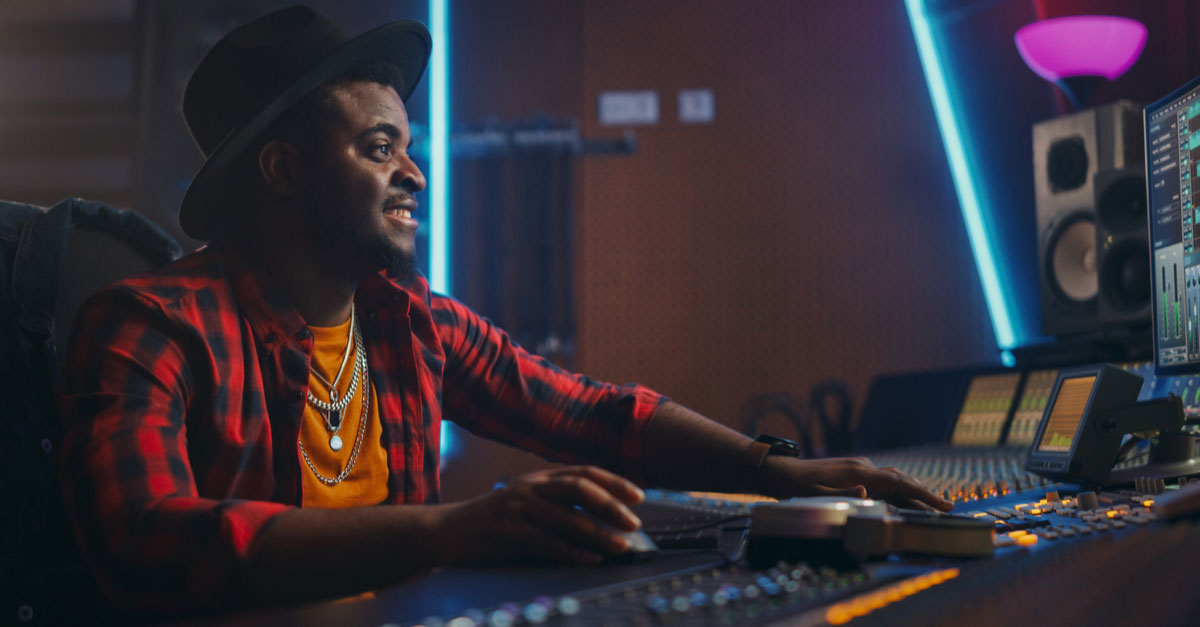
Is It Hard to Become a Music Producer? Unlock the Secrets to Success Now!


Credit: www.careersinmusic.com


Navigating The Music Industry


Becoming a music producer can be challenging due to the competitive nature of the industry. With dedication, skill development, and networking, aspiring producers can overcome obstacles and carve out a successful path in music production. It requires continuous learning and adaptability to thrive in the ever-evolving music scene.

Navigating the Music Industry Understanding the Landscape The music industry is vast and constantly evolving, understanding its dynamics is crucial. Different genres have different requirements, each with its unique challenges. Building Connections Networking is pivotal, establishing connections can open doors in the industry. Attending industry events and utilizing social media are effective ways to build a network. “`html

Understanding The Landscape

The music industry is vast and constantly evolving, understanding its dynamics is crucial.

Different genres have different requirements, each with its unique challenges.

Building Connections

Networking is pivotal, establishing connections can open doors in the industry.

Attending industry events and utilizing social media are effective ways to build a network.

Developing Your Unique Style

Developing your unique style as a music producer is crucial for standing out in the competitive music industry. Your style reflects your personality and vision, setting you apart from the crowd. Finding inspiration, experimenting with sound, and staying true to your artistic instincts are essential components of honing your distinct sound.

Finding Inspiration

Music producers often draw inspiration from various sources, including personal experiences, other artists, and the world around them. Whether it’s a captivating melody or a thought-provoking lyric, inspiration can strike at any moment. Embracing this creativity and harnessing it in your music contributes to the development of your unique style, making your productions resonate with your audience.

Experimenting With Sound

Exploring different soundscapes, experimenting with new instruments, and integrating diverse musical elements can help refine your signature sound. Boldly breaking away from conventional norms and incorporating unconventional sounds can lead to distinctive sonic textures that captivate listeners. This willingness to push boundaries and innovate is essential for crafting a style that is uniquely yours.

Overcoming Challenges


Embarking on a career as a music producer can indeed pose challenges, yet perseverance, dedication, and creativity are key in overcoming obstacles. Acquiring skills, networking, and staying adaptable are essential in navigating the competitive music industry landscape.

Dealing With Rejection

Rejection is an inevitable part of the music industry, especially for aspiring music producers. It can be disheartening and challenging to face rejection, but learning how to handle it is crucial for your growth as a producer. Here are a few tips to help you navigate through the rough waters of rejection:

  • 1. Embrace constructive criticism: Instead of taking rejection personally, view it as an opportunity to learn and improve. Take the feedback, analyze it, and identify areas where you can make adjustments.
  • 2. Stay determined and persistent: Understand that rejection is a normal occurrence in the music industry. Don’t allow setbacks to discourage you from pursuing your dreams. Stay committed, keep pushing forward, and believe in your talent.
  • 3. Build a strong support network: Surround yourself with like-minded individuals who can offer encouragement and guidance. Connecting with other producers, musicians, and mentors can help you gain valuable insights and keep you motivated.
  • 4. Learn from successful producers: Study the journeys of successful music producers who have faced rejection before achieving success. Their stories can provide inspiration and reassurance that success is possible.

Handling Creative Blocks

Creative blocks can be frustrating and can hinder your productivity as a music producer. However, there are several strategies you can employ to overcome these challenges:

  • 1. Take a break and recharge: Sometimes, stepping away from your work for a while can help clear your mind and alleviate creative blockages. Engage in activities that you enjoy outside of music production to regain inspiration.
  • 2. Experiment with new techniques and genres: Trying out new production techniques or exploring different genres can ignite creativity. Push yourself out of your comfort zone and challenge your skills to discover fresh approaches.
  • 3. Collaborate with others: Collaborating with fellow musicians or producers can provide new perspectives, spark creativity, and encourage the flow of ideas. Working with others can generate synergy and break through creative barriers.
  • 4. Set achievable goals: Breaking down your music production process into smaller, manageable tasks can make it easier to overcome creative blocks. Focus on completing specific goals, one step at a time, which can help you regain momentum and motivation.

Making It In The Music Business

The music industry is a competitive and ever-evolving field that requires talent, dedication, and perseverance. Making it in the music business takes more than just musicality and creativity; it also requires careful planning, smart marketing strategies, and staying persistent even in the face of challenges. In this blog post, we will explore the key factors to consider when it comes to making it in the music business, focusing on marketing yourself and the importance of staying persistent.

Marketing Yourself

Effective self-marketing is crucial for music producers looking to make it in the industry. With the rise of digital platforms and social media, promoting your music has become easier than ever. Here are some essential tips to help you effectively market yourself:

  • Build an online presence: Create a professional website and social media profiles to showcase your work and connect with your audience.
  • Create engaging content: Regularly release new music, share behind-the-scenes footage, and interact with your followers to keep them engaged and interested.
  • Collaborate with others: Collaborating with other musicians and artists can help expand your network and expose your music to new audiences.
  • Utilize music platforms and streaming services: Submit your music to online platforms and streaming services to increase your reach and gain exposure to potential industry professionals.
  • Network at events: Attend music conferences, industry events, and local gigs to connect with industry professionals, fellow musicians, and potential fans.

Staying Persistent

One of the most critical aspects of making it in the music business is staying persistent, even in the face of rejection and setbacks. Here are some strategies to help you stay persistent and overcome obstacles:

  1. Set clear goals: Define your long-term and short-term goals to stay focused and motivated on your musical journey.
  2. Develop a strong work ethic: Dedicate yourself to consistent practice, learning new skills, and improving your craft.
  3. Continuously build your knowledge: Stay updated with the latest industry trends, music production techniques, and marketing strategies.
  4. Seek feedback and learn from rejections: Embrace feedback from industry professionals and take rejection as an opportunity to grow and improve.
  5. Stay resilient: Understand that success in the music industry takes time and perseverance. Stay resilient and keep pushing forward, even in the face of challenges.
Is It Hard to Become a Music Producer? Unlock the Secrets to Success Now!


Credit: www.facebook.com


Is It Hard to Become a Music Producer? Unlock the Secrets to Success Now!


Credit: www.imdb.com


Frequently Asked Questions Of Is It Hard To Become A Music Producer


Is Music Production A Difficult Career To Pursue?


Becoming a music producer can be challenging, but it’s not impossible. Success in this field requires dedication, creativity, and technical skills. With the right training, practice, and passion for music, you can overcome the challenges and build a successful music production career.


What Skills Do I Need To Become A Music Producer?


To become a music producer, you need a combination of technical and creative skills. These include knowledge of music theory, proficiency in music production software, ear for detail, strong communication skills, ability to work with artists, and a deep understanding of different music genres.


Can I Become A Successful Music Producer Without Formal Education?


While formal education can provide a strong foundation, it’s not the only path to success as a music producer. Many successful producers have learned through hands-on experience, internships, self-study, and networking. What matters most is your dedication, passion, and ability to create high-quality music productions.


Conclusion


Becoming a music producer requires dedication and hard work. However, with passion and perseverance, it is attainable. Networking, education, and practical experience are vital in the journey to success. Embracing challenges and continuous learning are essential for growth in this competitive industry.


With determination, anyone can achieve their dreams of becoming a music producer.


Categories
Archive Audio Production

How To Skyrocket Your Music Career With Press Coverage

To effectively use press coverage as a musician, showcase your unique story and music to journalists and bloggers who cover your genre. Engage with media outlets and build lasting relationships to increase your visibility and reach a wider audience.


Press coverage can elevate your brand and credibility in the industry, leading to more opportunities and connections with fans and industry professionals. By harnessing the power of the media to promote your music, you can establish a strong presence and make a lasting impact on your career.

How To Skyrocket Your Music Career With Press Coverage


Credit: m.facebook.com


Crafting Your Brand Story

Crafting Your Brand Story as a musician is crucial for leveraging press coverage to your advantage.

Showcase Your Unique Persona

Highlight your individuality through personal anecdotes and authentic stories.

Define Your Music Genre

Clarify your musical style to appeal to the right audience.

How To Skyrocket Your Music Career With Press Coverage


Credit: m.facebook.com


Building Your Press Kit

Building Your Press Kit is crucial for a musician to garner effective press coverage. It includes crafting a Professional Bio and Photos and creating compelling Press Releases and Media Alerts.

Professional Bio And Photos

A Professional Bio should be concise, highlighting key achievements and musical style. Photos should be high-quality and showcase your personality.

Press Releases And Media Alerts

Press Releases must be well-written, containing newsworthy information. Media Alerts should be sent out to notify journalists of upcoming events.


Identifying Target Media Outlets

Before approaching press coverage as a musician, it’s crucial to identify your target media outlets.

Researching Relevant Publications

Start by researching relevant publications that align with your music genre and audience. Use search engines to discover music blogs, magazines, and newspapers that feature content similar to your musical style. Additionally, consider industry-specific databases to identify potential platforms for coverage.

Connecting With Music Journalists

Once you’ve identified your target media outlets, it’s time to connect with music journalists. Begin by creating a media list with contact information for relevant reporters and editors. Personalize your outreach emails to demonstrate your familiarity with their work and explain why your music would be a good fit for their publication.

How To Skyrocket Your Music Career With Press Coverage


Credit: www.audible.com


Mastering The Pitch Process

To effectively use press coverage as a musician, mastering the pitch process is essential. Crafting compelling pitches and customizing your angle for each media outlet are crucial steps in gaining the attention and interest of journalists and influencers. By following these strategies, you can increase your chances of getting your music featured in publications and reaching a wider audience.

Crafting Compelling Pitches

When it comes to pitching your music to journalists and influencers, it’s important to grab their attention right from the start. Craft a compelling pitch by highlighting the most unique and exciting aspects of your music and story. Be concise and specific, focusing on the key points that make you stand out from other musicians. Use bold phrasing to emphasize your strengths and captivate the recipient of your pitch.

Additionally, include links to your best work, such as music videos or recent releases, within your pitch. Make it easy for journalists and influencers to listen to your music and get a sense of your sound and style. Provide a brief artist bio that highlights noteworthy achievements or collaborations to further establish credibility. Remember, a well-crafted pitch is your first opportunity to make a lasting impression.

Customizing Your Angle For Each Media Outlet

When pitching your music, it’s crucial to customize your angle for each media outlet you target. Research the publications or platforms you are reaching out to and understand their audience and preferences. Tailor your pitch to align with their interests and values. Consider how your music fits into their coverage style, and highlight aspects that are relevant to their readership.

Create a personalized message for each contact, addressing them by name whenever possible. This demonstrates that you have taken the time to familiarize yourself with their work. By showing genuine interest in their platform and explaining why your music would resonate with their audience, you increase your chances of a positive response. Be authentic and genuine in your approach, and always follow any specific submission guidelines provided by the media outlet.

Key Points Takeaways
Craft concise and specific pitches highlighting your unique strengths. Grab attention and captivate the recipient.
Include links to your best work and a brief artist bio. Showcase your music and establish credibility.
Customize your pitch to align with each media outlet’s interests and values. Increase your chances of a positive response.
Personalize your message for each contact, addressing them by name. Show genuine interest in their platform.

Leveraging Press Coverage

As a musician, press coverage can be a powerful tool to boost your visibility and credibility in the industry. When you are featured in newspapers, magazines, blogs, or podcasts, it’s essential to leverage the exposure you receive. This article will guide you on effectively utilizing press coverage to reach a wider audience and grow your music career.

Sharing Features On Social Media

One of the best ways to make the most out of your press coverage is by sharing it on social media platforms. Social media provides an excellent opportunity to amplify your reach and engagement. When sharing your features:

  • Include a captivating caption that highlights the key points of the article.
  • Tag the publication or the journalist involved to give them credit and strengthen your connection.
  • Use relevant hashtags to increase the discoverability of your posts.

Show your gratitude to the media outlet and encourage your fans to check out the feature. A well-crafted social media strategy can significantly expand your reach and attract new fans.

Utilizing Press Mentions For Booking Gigs

Press coverage can also serve as a powerful tool for booking gigs. When reaching out to venues or event organizers, mention your press mentions to boost your credibility and showcase your popularity. Here’s how:

  1. Include links or screenshots of your press coverage in your press kit or electronic press kit (EPK).
  2. Mention the media outlets you’ve been featured in to emphasize your recognition.
  3. Highlight any positive reviews or testimonials from journalists or industry professionals.

By including these details, you can make a strong impression on potential bookers, making them more likely to consider you for upcoming gigs.

Remember, press coverage can have a lasting impact on your music career, so it’s crucial to leverage it effectively. Use social media to share your features and engage with your audience. Additionally, utilize press mentions when booking gigs to enhance your credibility. By implementing these strategies, you can maximize the benefits of press coverage and propel your music career to new heights.

Frequently Asked Questions On How To Effectively Use Press Coverage As A Musician


How Can Press Coverage Benefit A Musician?


Press coverage can significantly benefit musicians by increasing their visibility, reaching a wider audience, and building credibility. It helps in getting their music heard by new listeners, attracting industry professionals, and opening doors for new opportunities such as gigs and collaborations.


How Can I Get Press Coverage As A Musician?


To get press coverage as a musician, start by researching and creating a target list of media outlets that cover music similar to your genre. Craft a professional press release highlighting your unique story and music achievements. Personalize your pitch for each outlet and build relationships with journalists and bloggers through networking and engaging content.


Why Is Having An Online Presence Important For Press Coverage?


Having an online presence is crucial for press coverage because journalists and bloggers rely on online platforms to discover and research musicians. Maintain an up-to-date website or electronic press kit (EPK) with high-quality photos, music samples, bio, and contact information.


Utilize social media platforms to engage with fans, showcase your music, and connect with industry professionals.


How Can I Make The Most Of A Press Coverage Opportunity?


To make the most of a press coverage opportunity, promote the feature across your online platforms, such as sharing it on social media, embedding it on your website, and including it in your newsletter. Show appreciation to the journalist by thanking them publicly and privately.


Use the opportunity to build relationships with their audience by engaging with their comments and messages.


Conclusion


Leveraging press coverage can significantly boost a musician’s exposure and credibility. By understanding the media landscape, crafting compelling press releases, and building strong relationships with journalists, musicians can effectively utilize press coverage to elevate their careers. Embracing these strategies can pave the way for greater visibility and opportunities in the music industry.

Categories
Archive Audio Production

How To Skyrocket Your Music’s Presence On Radio: Proven Strategies

To effectively promote your music to radio, create a professional press kit and target relevant radio stations. Engage with DJs and build relationships for potential airplay.


Utilize social media to showcase your music and connect with industry professionals. Collaborate with promoters and attend music events for exposure opportunities. Remember to follow up consistently to stay on their radar. In the competitive music industry, getting airplay on radio stations can significantly boost your visibility and career.


As an independent artist, knowing how to effectively promote your music is crucial for success. By utilizing various strategies such as creating a strong press kit, engaging with DJs, leveraging social media, collaborating with promoters, and attending music events, you can increase your chances of getting your music played on the radio. This guide will provide you with valuable insights and actionable tips to help you navigate the world of radio promotion and showcase your music to a wider audience.

How To Skyrocket Your Music's Presence On Radio: Proven Strategies


Credit: blog.groover.co


Crafting An Irresistible Sound

Explore different genres to find your niche.

Experiment with various instrumentation and arrangements.

Capture your emotions and experiences through your music.

Invest in professional recording equipment.

Ensure clear vocals and balanced instrument levels.

Consider hiring a professional sound engineer for a polished final mix.

Building A Strong Online Presence

It’s crucial in promoting your music to radio stations.

Having an active online presence helps reach a wider audience.

Leveraging Social Media Platforms

Use Facebook, Instagram, Twitter, etc. to connect with fans.

Engage with followers through regular updates and interactions.

Share behind-the-scenes glimpses to build a connection.

Creating Engaging Content

Produce high-quality content that resonates with your audience.

Include visuals, videos, and music snippets to grab attention.

Develop a content calendar for consistency and planning.

Establishing Relationships With Radio Stations

Understanding The Radio Industry Landscape

Before approaching radio stations, it’s crucial to understand the radio industry landscape. Research the various types of radio stations, such as commercial, public, and college stations, to identify the ones that align with your music genre and target audience.

Networking With Radio Professionals

Networking with radio professionals can significantly boost your chances of getting your music played. Attend industry events, conferences, and local music gatherings to connect with DJs, program directors, and other radio staff. By building genuine relationships, you can gain insights into the industry and increase your visibility within radio circles.

Creating Compelling Press Materials

When it comes to promoting your music to radio, having compelling press materials is crucial. In order to catch the attention of radio stations and broadcasters, you need to present a professional image and showcase your music in the best possible light. This means designing a professional electronic press kit (EPK) and writing impactful bios and press releases.

Designing A Professional Electronic Press Kit (epk)

To showcase your music effectively, a well-designed electronic press kit (EPK) is essential. An EPK is a digital package that contains all the necessary information about your music in a professional and visually appealing format. Here are a few tips to help you design an impactful EPK:

  1. Include a high-quality press photo: A visually engaging press photo can grab attention and create a lasting impression. Make sure it is high-resolution and represents your brand accurately.
  2. Highlight your best tracks: Include several of your best songs so that radio stations and broadcasters can get a taste of your music. Ensure that these tracks are easily accessible and of high-quality audio.
  3. Provide a concise artist biography: Your EPK should feature a brief and compelling biography that tells your story and highlights your accomplishments. Focus on what makes you unique and why your music is worth listening to.
  4. Include press quotes and testimonials: If you have received positive feedback or reviews from industry professionals or fans, make sure to include them in your EPK. This helps build credibility and shows that your music has resonated with others.
  5. Add links to your social media and website: Include clickable links to your social media profiles, website, and any other relevant online platforms. This makes it easy for radio stations and broadcasters to explore more about you and your music.

Writing An Impactful Bio And Press Release

When promoting your music to radio, a well-written bio and press release can make a significant impact. Here’s how you can write these documents effectively:

Bio

A compelling artist biography can help radio stations and broadcasters understand who you are as an artist and what sets you apart. Here are some tips for writing an impactful bio:

  • Keep it concise: Craft a bio that can be easily scanned and captures the attention of the reader. Stick to the most relevant information and avoid lengthy paragraphs.
  • Show your unique personality: Let your personality shine through your bio, as it helps to create a connection with the reader. Use engaging language that reflects your music and style.
  • Highlight your achievements: Mention any notable achievements, awards, or collaborations that you have been a part of. This helps establish your credibility and showcases your experience in the music industry.

Press Release

A well-written press release can pique the interest of radio stations and broadcasters, encouraging them to listen to your music. Here are a few key points to consider when writing your press release:

  • Create a catchy headline: Your headline should be attention-grabbing, concise, and give a hint of what readers can expect from the press release.
  • Provide key details: Include information about your latest release, upcoming events, and any exciting news or anecdotes that could generate interest.
  • Keep the tone professional: Write your press release in a formal tone, while still keeping it engaging. Make sure to proofread it thoroughly for any grammar or spelling mistakes.
  • Add contact information: Make it easy for radio stations and broadcasters to get in touch with you by providing your contact details in the press release.

By designing an impressive EPK and crafting compelling bios and press releases, you can effectively promote your music to radio and increase your chances of getting noticed by industry professionals. Remember to keep them concise, engaging, and reflective of your unique style and talent!

Navigating The Radio Submission Process


Learn the ins and outs of navigating the music submission process to radio stations. Discover effective strategies for promoting your music to a wider audience and boosting your visibility in the industry. Gain valuable insights into the key steps and best practices for successful radio promotion.

Finding The Right Radio Stations To Submit To

In order to effectively promote your music to radio, it’s crucial to find the right radio stations to submit your music to. Researching and identifying radio stations that align with your genre and target audience is key to increasing your chances of getting airplay. Here are some steps to help you find the right radio stations:

  1. Start by doing a search for radio stations in your local area or region. Look for stations that specialize in playing your genre of music.
  2. Utilize online radio directories and platforms that provide information about various radio stations. These platforms allow you to filter the search results based on genre, location, and other relevant factors.
  3. Consider reaching out to indie radio promoters or consultants who have existing relationships with radio stations. They can help you navigate the submission process and connect you with the right stations.
  4. Pay attention to the stations that have featured similar artists or bands in the past. This shows that they are open to your style of music and may be more likely to consider your submission.

Remember, it’s important to target both mainstream and independent radio stations. While the competition may be greater for mainstream stations, independent stations often have more flexibility in their music selection and can provide valuable exposure.

Crafting An Effective Submission Strategy

Once you have identified the radio stations you want to submit your music to, it’s time to craft an effective submission strategy. Follow these tips to increase your chances of success:

  • Listen to the radio stations you plan to submit to. Get familiar with their programming style, DJ personalities, and audience preferences. This will help you tailor your submission to their specific tastes.
  • Write a compelling and concise bio that highlights your musical style, achievements, and any notable performances or reviews. Make sure to emphasize what sets you apart from other artists in your genre.
  • Prepare a professional-quality recording of your music. This is your chance to make a great first impression, so ensure that your recording is mixed and mastered to a high standard.
  • Include a well-written and engaging cover letter along with your submission. This letter should briefly introduce yourself and your music, express your interest in being considered for airplay, and thank the radio station for their time and consideration.
  • Provide all the necessary information requested by the radio station, including contact details, social media handles, and any press materials they may require.

Remember, the radio submission process can be competitive, but with the right approach and a little persistence, you can effectively promote your music to radio and increase your chances of getting airplay.

How To Skyrocket Your Music's Presence On Radio: Proven Strategies


Credit: m.facebook.com


How To Skyrocket Your Music's Presence On Radio: Proven Strategies


Credit: www.linkedin.com


Frequently Asked Questions For How To Effectively Promote Your Music To Radio


How Can I Promote My Music Effectively To Radio Stations?


To effectively promote your music to radio stations, create a professional press kit that includes your best tracks, a bio, and high-quality photos. Research radio stations that cater to your genre and reach out to their music directors. Follow up with personalized emails and promotion packages, showcasing your unique sound and the value you bring to their station.


What Are Some Strategies To Get Radio Airplay For My Music?


To get radio airplay for your music, focus on building strong relationships with radio DJs and station managers. Prepare a well-crafted pitch to grab their attention and highlight what makes your music stand out. Offer exclusive content, such as interviews or acoustic performances, to create buzz and increase your chances of getting airplay.


Is It Important To Target Local Radio Stations For Music Promotion?


Targeting local radio stations can be a great starting point for music promotion. Local stations often have a loyal audience and are more inclined to support local talent. Genuine connections with local DJs and radio hosts can lead to increased airplay, live interviews, and even performance opportunities within your community.


Don’t underestimate the power of building a strong local fan base.


Conclusion


Effectively promoting your music to radio is crucial for gaining exposure and expanding your fan base. By building relationships with radio stations, crafting a compelling press release, and leveraging online resources, you can increase your chances of getting airplay. Remember to stay persistent and patient in your promotional efforts to achieve success in the competitive music industry.


Categories
Archive Audio Production

Gain Staging Tutorial: Ultimate Techniques and Tips

Gain staging tutorial helps optimize audio levels for better sound quality and prevent distortion. Proper gain staging is crucial in audio production to ensure each element in the signal chain operates optimally.


It involves setting appropriate levels at each stage of the audio signal flow, from recording to mixing, to achieve clean and balanced audio output. In this tutorial, we will explore the importance of gain staging, practical tips for setting levels correctly, and common mistakes to avoid.


By mastering gain staging techniques, you can enhance the overall quality of your sound recordings and mixes, leading to a more professional and polished audio production.

Gain Staging Tutorial: Ultimate Techniques and Tips


Credit: www.amazon.com


The Importance Of Gain Staging

Gain staging is crucial for maintaining optimal audio quality in your recordings. By understanding gain staging and its impact on audio quality, you can achieve professional-sounding results.

Understanding Gain Staging

Gain staging involves setting the levels of your audio signals at each stage of the signal chain. This ensures that the signal remains clean and free from distortion.

Impact On Audio Quality

Improper gain staging can lead to signal clipping and noise, degrading the overall audio quality. Proper gain staging enhances clarity and dynamic range.

Basic Principles Of Gain Staging

Gain staging is a crucial aspect of audio engineering that involves managing the levels of audio signals to achieve optimal sound quality and prevent distortion. By adhering to the basic principles of gain staging, you can ensure that your audio signals are properly balanced throughout the signal chain, resulting in a clean and professional sound output.

Setting Proper Levels

Setting proper levels is the foundation of effective gain staging. It involves adjusting the gain or volume at each stage of the signal chain to prevent either signal from being too loud or too quiet, ensuring optimal sound quality without clipping or distortion.

Avoiding Signal Distortion

Avoiding signal distortion is another key principle of gain staging. Distortion occurs when the audio signal is overdriven, leading to a harsh and unpleasant sound quality. By maintaining appropriate levels throughout the signal path, you can minimize the risk of distortion and achieve a clean and natural audio output.


Advanced Gain Staging Techniques

Utilizing Faders And Trim Controls

In the world of audio engineering, the proper utilization of faders and trim controls is crucial for achieving optimal gain staging. Faders are often the primary tool for adjusting the level of individual tracks within a mix, while trim controls allow for precise adjustments to the input levels of an audio signal. When using faders, it’s essential to maintain a balanced level throughout the mix to prevent any one track from overpowering the others. This can be achieved by fine-tuning the fader position to ensure each individual track contributes to the overall mix without dominating the soundscape.

Balancing Multiple Gain Stages

When working with multiple gain stages, it’s important to carefully balance the levels at each stage to avoid noise distortion or unwanted coloration of the audio. Start by setting the input levels at an appropriate gain structure, ensuring that each stage in the signal path maintains a consistent level. Whether it’s the preamp, compressors, or EQ units, paying attention to the gain staging at every step of the signal chain can result in a cleaner, more transparent sound.

Gain Staging Tutorial: Ultimate Techniques and Tips


Credit: www.izotope.com


Gain Staging In Different Audio Equipment

Gain staging is a crucial aspect of audio production that ensures optimal signal levels, minimizing noise and distortion throughout the signal chain. It involves setting the appropriate gain levels at various stages of the audio equipment to achieve the desired sound quality. In this gain staging tutorial, we will explore how to effectively manage gain staging in different audio equipment to elevate your audio production game.

Microphones And Preamps

When it comes to gain staging in microphones and preamps, it is essential to strike the right balance between capturing sufficient audio input and avoiding signal overload. Proper gain staging in microphones ensures that you capture an adequate signal level without introducing unwanted noise.

In the initial stage, start by choosing the right microphone for your recording needs. Different microphones have varying sensitivity levels, and selecting the appropriate one is crucial for achieving optimal audio quality. Once you have selected the microphone, it’s time to set the gain level on your preamp.

The preamp is responsible for amplifying the microphone’s output signal before it goes into the audio interface or mixing console. Adjusting the preamp gain allows you to control the signal level efficiently while maintaining a healthy signal-to-noise ratio. It is essential to avoid clipping, which occurs when the signal exceeds the maximum level, resulting in distorted and unpleasant audio.

Here are a few tips when gain staging microphones and preamps:

  • Start with the preamp gain set to the lowest level and gradually increase it until you reach the desired signal level.
  • Carefully monitor the input meters on your audio interface or mixing console to ensure that you avoid clipping while still capturing a strong signal.
  • Keep in mind that different recording situations may require different gain settings. For example, recording a soft-spoken narrator might require more gain, while recording a loud instrument may require less.
  • Remember to adjust the input gain on your audio interface or mixing console as well, if applicable, to further optimize your signal level.

Mixing Consoles And Daws

Proper gain staging is equally important when working with mixing consoles and digital audio workstations (DAWs). It ensures that your audio levels are balanced throughout the mixing and recording process, ultimately leading to a cleaner and more professional mix. Let’s explore how to achieve optimal gain staging in both mixing consoles and DAWs.

When working with a mixing console, each channel strip has its own gain control. It is crucial to set the gain correctly to avoid overloading subsequent processing stages and maintain a balanced mix. Keep in mind that the gain control on the mixing console should not be confused with the fader control, as they serve different purposes.

To achieve proper gain staging in a mixing console:

  1. Start with all the faders set to their lowest position.
  2. Adjust the gain control on each channel strip to achieve a proper input level while avoiding clipping.
  3. Monitor the output meters of the mixing console to ensure that the signal level remains within the desired range.
  4. Add other processing effects and adjust their input levels accordingly to maintain a well-balanced mix.

Similarly, when working in a DAW, gain staging plays a crucial role in achieving an optimal sound quality. Each track in the DAW has its own gain control, allowing you to adjust the input levels during recording or the playback stage. By properly managing the gain at the track level, you can prevent any digital distortion and ensure that the audio signals are optimized for further processing.

Here are some tips to achieve proper gain staging in a DAW:

  • Ensure that the input levels of your tracks are set properly, avoiding any excessive clipping.
  • Monitor the output meters in your DAW to ensure that the final mix does not exceed the desired levels.
  • Utilize plugins and effects in a balanced manner to avoid introducing unnecessary gain changes.
  • Regularly refer to reference tracks to ensure that your mix matches professional standards regarding gain levels and overall sound.

Optimizing Gain Staging For Different Musical Styles

Gain staging plays a crucial role in achieving the perfect sound balance in your music. Whether you’re a live performer or working in the studio, understanding how to optimize gain staging for different musical styles can take your sound to the next level. In this tutorial, we’ll explore the importance of gain staging in both live performances and studio recordings, providing you with practical tips to achieve the best results in any musical genre.

Live Performances

When it comes to live performances, achieving the right gain staging is essential for delivering a captivating and well-balanced sound to your audience. Here are some key considerations:

  • Ensure that the gain levels of individual instruments and vocals are properly set to avoid distortion or muddiness.
  • Use suitable microphones and preamps that match the dynamics and tonal characteristics of the instruments or vocals being amplified.
  • Balance the gain of different channels on your mixing console to prevent any one instrument or vocal from overpowering the mix.
  • Avoid excessive gain at any stage of the signal chain to maintain clarity and prevent clipping.
  • Regularly monitor and adjust gain levels during soundchecks and performances to adapt to different venues and audience sizes.

Studio Recordings

In the studio, achieving optimal gain staging is crucial for capturing a clean and professional sound. Here are some tips to optimize your gain staging during studio recordings:

  • Choose the right microphones, preamps, and outboard gear that complement the desired sound of the musical style you’re recording.
  • Set appropriate initial gain levels during recording to capture a strong signal without unwanted noise or distortion.
  • Monitor and adjust gain levels throughout the recording process to maintain a consistent and balanced sound.
  • Experiment with different gain staging techniques, such as parallel compression or saturation, to enhance the character and dynamics of the recorded tracks.
  • Consider the intended genre and audience of your music when making gain staging decisions, as different styles may require different levels of aggression or subtlety.

By paying attention to gain staging and optimizing it for different musical styles, you can ensure that your live performances and studio recordings sound professional, polished, and tailored to the specific genre. Experiment, trust your ears, and always strive for the perfect balance in your audio signal chain.

Gain Staging Tutorial: Ultimate Techniques and Tips


Credit: www.amazon.com


Frequently Asked Questions On Gain Staging Tutorial


Q: What Is Gain Staging In Music Production?


A: Gain staging is the process of setting the levels of audio signals throughout the production chain to achieve optimal sound quality and balance. It involves correctly adjusting the input gain of each device to prevent unwanted distortion or clipping, resulting in a clearer and more professional mix.


Q: Why Is Gain Staging Important In Music Mixing?


A: Proper gain staging is crucial in music mixing to maintain a balanced and distortion-free audio signal. It ensures that each element of the mix sits in the right place, allowing for better control over the overall sound. By optimizing the gain levels, you can achieve a more dynamic and polished mix.


Q: How Do I Achieve Proper Gain Staging In My Mix?


A: To achieve proper gain staging, start by setting the levels of each track individually, adjusting the input gain to avoid clipping. Use tools like a gain plugin or a trim control to fine-tune the levels. Pay attention to the signal flow and avoid excessive gain boosts or unnecessary processing to maintain good headroom and clarity in your mix.


Q: What Are Common Problems Caused By Improper Gain Staging?


A: Improper gain staging can result in various problems, such as excessive noise, hiss, or distortion in your mix. It can also make it difficult to control the level and dynamics of individual tracks, leading to a muddy or unbalanced sound.


By paying attention to gain staging, you can avoid these issues and achieve a cleaner and more professional mix.


Conclusion


Mastering gain staging is essential for achieving optimal audio quality. By properly setting levels, you can avoid distortion and noise while ensuring a balanced mix. Remember to maintain consistency across all elements and regularly check levels throughout the production process.


Implementing these techniques will elevate the professionalism of your sound recordings.

Categories
Archive Audio Production

How To Take More Risks As A Songwriter: Unleash Your Creative Potential

To take more risks as a songwriter, experiment with new genres and lyrical themes. Collaborate with diverse artists to ignite creativity.


As a songwriter, pushing boundaries and stepping out of your comfort zone can lead to unique and captivating music. Embracing risks is essential for growth and innovation in the industry. By exploring uncharted territories in your songwriting process, you can uncover hidden talents and connect with audiences on a deeper level.


We will discuss practical tips and strategies to help you become a more adventurous and daring songwriter. Whether it’s trying unconventional melodies or exploring different storytelling techniques, taking risks allows you to break free from creative constraints and unleash your full potential as a musical artist.


Exploring New Songwriting Techniques

Songwriting is a creative endeavor that can flourish with a willingness to take risks and explore new approaches. In the quest to push boundaries and create truly unique music, songwriters can benefit immensely from trying out different songwriting techniques.

Experimenting With Different Song Structures

Song structures play a key role in determining the flow and impact of a song. Trying various structures can inject freshness and originality into your music.

Incorporating Unconventional Instruments

Unconventional instruments can add a whole new dimension to your songs. Experimenting with them opens up a world of possibilities.

How To Take More Risks As A Songwriter: Unleash Your Creative Potential


Credit: pitchfork.com


Embracing Lyrical Risks

Exploring Abstract And Symbolic Language

Songwriters can infuse their lyrics with deep symbolism and abstract imagery to captivate listeners.

Utilize metaphors, similes, and allegories to add layers of meaning to your songs.

Addressing Unconventional Topics

Step out of your comfort zone and tackle taboo subjects or unique perspectives in your songwriting.

Embrace controversial themes to evoke emotion and challenge societal norms.

Collaborating With Diverse Artists

Collaborating with diverse artists can open up a world of opportunities for songwriters looking to push their creative boundaries and take more risks with their music. Working with musicians from different backgrounds and genres can inject new energy and inspiration into your songwriting process, leading to fresh and innovative compositions that stand out in a crowded music industry.

Seeking Out Musicians From Different Genres

When looking to collaborate with diverse artists, don’t limit yourself to your own musical genre. Seek out musicians who specialize in genres that differ from your own. Whether it’s jazz, hip-hop, folk, or electronic music, the fusion of different musical styles can lead to exciting and unique compositions. By embracing diversity in musical genres, you can create a fusion of sounds that captivates and intrigues your audience.

Embracing Cross-cultural Collaborations

Embracing cross-cultural collaborations can provide a rich source of inspiration for songwriters. Explore the music of different cultures and seek out musicians from diverse ethnic backgrounds. Incorporating elements of world music into your compositions can add depth and texture to your songs, creating a truly unique sonic experience for your listeners. By embracing cross-cultural collaborations, you can break new ground in your songwriting and reach a wider audience with your music.

How To Take More Risks As A Songwriter: Unleash Your Creative Potential


Credit: vocal.media


Pushing Boundaries In Production

Pushing boundaries in production is a key component of taking risks as a songwriter. By breaking free from conventional soundscapes and experimenting with innovative recording techniques, you can elevate your music to new levels. In this article, we will explore two strategies to help you push the boundaries in production: exploring unique soundscapes and textures, and experimenting with innovative recording techniques. These methods will not only enhance your creativity but also set you apart from the crowd.

Exploring Unique Soundscapes And Textures

One way to push the boundaries in production is by exploring unique soundscapes and textures. By incorporating unexpected elements and unconventional instruments into your music, you can create a mesmerizing sonic experience for your listeners. Here are some tips to help you get started:

  1. Research and discover new and emerging genres that resonate with you.
  2. Experiment with blending different musical styles to create a distinctive sound.
  3. Introduce uncommon instruments or objects into your compositions to add texture and depth.
  4. Layer multiple sounds and samples to create a rich sonic landscape.
  5. Play with effects and processors to manipulate and transform sounds in unique ways.

By exploring unique soundscapes and textures, you can draw your audience into a captivating musical journey they won’t be able to resist.

Experimenting With Innovative Recording Techniques

Another effective way to push the boundaries in production is by experimenting with innovative recording techniques. By going beyond traditional recording methods, you can capture your music in fresh and exciting ways. Here are some ideas to inspire you:

  • Embrace unconventional microphone placements to capture unique perspectives and nuances.
  • Utilize ambient sounds from different locations to add depth and realism to your recordings.
  • Try recording multiple takes with variations in tempo, dynamics, and phrasing to create a dynamic and organic sound.
  • Experiment with unconventional recording spaces to capture natural reverb and room ambience.
  • Blend analog and digital recording techniques to achieve a unique sonic character.

By experimenting with innovative recording techniques, you can breathe life into your music and create a distinct sonic signature that resonates with your audience.


Overcoming Fear And Resistance

As songwriters, fear and resistance can be major roadblocks on our creative journey. The fear of failure, criticism, and rejection can hold us back from taking risks and exploring new possibilities. However, overcoming these obstacles is crucial for growth and innovation in our songwriting process. In this article, we will explore two essential strategies to help you overcome fear and resistance and unlock your full creative potential.

Cultivating A Growth Mindset

A growth mindset is a powerful tool that can help you overcome fear and resistance as a songwriter. Believing that your abilities and skills can be developed through dedication and hard work sets the foundation for embracing challenges and taking risks. Here are a few ways to cultivate a growth mindset:

  1. Embrace mistakes: View mistakes as opportunities for learning and growth. Use them as stepping stones towards improvement.
  2. Seek feedback: Be open to receiving constructive criticism from trusted sources. Use feedback to refine your skills and enhance your songwriting.
  3. Practice resilience: Develop resilience by bouncing back from setbacks and setbacks. Remember that failure is not the end, but a chance to learn and grow.

Embracing Vulnerability And Authenticity

Being vulnerable and authentic in your songwriting allows you to connect with your audience on a deeper level. It can be daunting to expose your innermost thoughts and emotions, but the rewards are immense. Here are some ways to embrace vulnerability and authenticity:

  • Write from the heart: Tap into your emotions and personal experiences when crafting lyrics. Let your truth and authenticity shine through in your songs.
  • Share your work: Don’t be afraid to let others listen to and appreciate your work. Sharing your songs allows for valuable feedback and opportunities for growth.
  • Embrace imperfections: Embrace the imperfections in your voice, melodies, and lyrics. They add character and uniqueness to your music.

By cultivating a growth mindset and embracing vulnerability and authenticity, you can overcome fear and resistance as a songwriter. Remember that taking risks and stepping out of your comfort zone is essential for growth and artistic development. So, go ahead, embrace the unknown, and let your creativity soar!

How To Take More Risks As A Songwriter: Unleash Your Creative Potential


Credit: killerinnovations.com


Frequently Asked Questions Of How To Take More Risks As A Songwriter


How Can Songwriters Take More Risks In Their Music?


To take more risks as a songwriter, step outside your comfort zone and experiment with new genres, writing styles, and instruments. Embrace vulnerability and express your authentic thoughts and emotions. Collaborate with other musicians and push boundaries to create unique and innovative compositions.


Why Is It Important For Songwriters To Take Risks?


Taking risks as a songwriter allows for personal growth and artistic development. It helps to break free from creative constraints and allows for exploration of new ideas and concepts. By pushing boundaries, songwriters can create music that is original, engaging, and resonates with their audience on a deeper level.


What Are The Benefits Of Taking Risks In Songwriting?


Taking risks as a songwriter opens doors to new possibilities, expands creativity, and fosters innovation. It helps to differentiate your music from others in the industry and attract a more diverse and engaged audience. By embracing risks, songwriters can develop their unique style and carve their own path to success.


Conclusion


Embracing risks as a songwriter can lead to growth, originality, and success. By stepping out of your comfort zone and experimenting with new songwriting techniques, you can uncover hidden potential and inspire others. Embrace the uncertainty, trust your instincts, and fearlessly pursue your creative vision.


The rewards are worth it.

Categories
Archive Audio Production

Run Vocals Through Guitar Amp: Amplify and Unleash Your Vocal Performance!

To run vocals through a guitar amp, use a microphone to capture the vocals and connect it to the amp. By doing this, you can achieve a gritty and unique sound that may be desired for certain music styles.


It is important to adjust the settings on both the microphone and the amp to get the desired sound quality. Make sure to experiment with different placements and settings to find the perfect mix for your vocals. This technique can add depth and character to your vocals, creating a distinctive and edgy effect that can enhance your overall sound.

Run Vocals Through Guitar Amp: Amplify and Unleash Your Vocal Performance!


Credit: www.amazon.com


Choosing The Right Guitar Amp For Vocals

When planning to run vocals through a guitar amp, selecting the right equipment is crucial. Understanding the Different Types of Guitar Amps

Different guitar amps cater to various vocal needs, from tube amps for warm tones to solid-state amps for clean and crisp vocals.

Factors To Consider When Selecting An Amp For Vocals

  • Power Output: Ensure the amp has sufficient wattage for vocal clarity.
  • Speakers: Choose an amp with quality speakers to accurately reproduce vocals.
  • Effects: Consider built-in effects like reverb and chorus for enhanced vocal sound.

Tube amps deliver rich overtones ideal for rock vocals, while solid-state amps offer versatility for various vocal styles.

Understanding The Different Types Of Guitar Amps

Amp Type Tone Best For
Tube Amps Warm, Classic Rock Music
Solid-State Amps Clean, Crisp Various Vocal Styles
Modeling Amps Versatile, Customizable Experimenting with Vocal Effects
Run Vocals Through Guitar Amp: Amplify and Unleash Your Vocal Performance!


Credit: woodandsteel.taylorguitars.com


Setting Up Your Guitar Amp For Vocals


Discover how to get the most out of your guitar amp by running vocals through it. Learn the steps to set up your amp for vocals and enhance your performance.

Adjusting The Eq And Gain For Vocal Clarity

For crystal-clear vocals, adjust the EQ settings on your guitar amp carefully. Keep treble moderate, bass low, and mid-range slightly boosted.

  • Tweak the gain control to prevent distortion and maintain vocal dynamics.
  • Experiment with different EQ configurations until you find the right balance.

Using Effects And Pedals With Your Guitar Amp

Enhance vocal performance by incorporating effects and pedals into your setup. Utilize reverb, delay, or chorus effects sparingly for a unique sound.

  1. Connect your microphone to the effects pedals before routing to the amp.
  2. Adjust the effect levels to complement your vocals without overpowering them.

Tips For Using A Guitar Amp With Vocals

When it comes to creating a unique sound for your vocals, using a guitar amp can add a new dimension to your performance. However, it’s important to know the right techniques to avoid feedback and distortion while harnessing the distinctive qualities of a guitar amp. Below, we provide tips for using a guitar amp with vocals to help you achieve the best results.

Avoiding Feedback And Distortion

Feedback and distortion can be common issues when using a guitar amp with vocals. To prevent these problems, consider the following:

  • Use a directional microphone to minimize feedback.
  • Position the microphone carefully to avoid picking up unwanted noise from the amp.
  • Adjust the amp settings to find the sweet spot that enhances your vocals without causing distortion.

Harnessing The Unique Sound Qualities

One of the advantages of using a guitar amp with vocals is the unique sound it can produce. To fully harness this quality, try the following tips:

  1. Experiment with different amp types to find the one that complements your vocal style.
  2. Adjust the EQ settings to enhance the character of your vocals and create a distinct sound.
  3. Utilize effects pedals to add depth and texture to your vocals when running them through a guitar amp.

Run Vocals Through Guitar Amp: Amplify and Unleash Your Vocal Performance!


Credit: en.wikipedia.org


Frequently Asked Questions For Run Vocals Through Guitar Amp


Can You Run Vocals Through A Guitar Amp?


Yes, you can run vocals through a guitar amp. However, it is important to consider the limitations of a guitar amp for vocals. Guitar amps are designed to enhance the frequencies of guitars, so vocals may not sound as clear or balanced.


It’s recommended to use a dedicated vocal amplifier or PA system for optimal sound quality.


What Happens If You Run Vocals Through A Guitar Amp?


Running vocals through a guitar amp can result in distorted or muddy sound. Guitar amps are designed to amplify specific frequencies found in guitars, so they may not accurately reproduce the full range of vocal frequencies. This can lead to issues with clarity, balance, and overall sound quality.


Can You Damage A Guitar Amp By Running Vocals Through It?


Running vocals through a guitar amp can potentially damage the amp if the volume levels are too high. Guitar amps are not typically built to handle the full range of frequencies present in vocals, so they may be strained when amplifying them.


It’s important to exercise caution and not push the amp beyond its capabilities to avoid potential damage.


Conclusion


To sum up, running vocals through a guitar amp can add a unique and vintage touch to your sound. It’s a versatile technique that allows for creativity and experimentation in music production. With the right setup and a bit of practice, the possibilities are endless.


So go ahead, try it out and see where it takes your music!


Categories
Archive Audio Production

Song Submission Radio Tips : Unlock the Secrets of Getting Your Music on the Airwaves

For successful song submission to radio stations, ensure your song is well-produced and radio-friendly. Submit professionally recorded music.


Choosing the right radio stations to submit your music is crucial. Make sure to research and target stations that match your music’s genre and audience demographics. Building relationships with radio DJs and presenters can also increase your chances of getting airplay.


Additionally, always follow submission guidelines provided by the station to make a positive impression. By taking these steps, you can enhance your chances of getting your music played on the radio and reaching a wider audience.

Song Submission Radio Tips  : Unlock the Secrets of Getting Your Music on the Airwaves


Credit: www.facebook.com


Crafting The Perfect Submission Package

When it comes to submitting your music to radio stations, crafting the perfect submission package is key to standing out in a sea of applicants. Here we provide tips on how to create an effective press kit and cover letter that will capture the attention of radio stations.

Creating An Attention-grabbing Press Kit

A press kit is a vital tool for showcasing your music to radio stations. Include a short bio, high-quality images, highlighted achievements, and endorsements in your press kit.

  • Write a concise bio that highlights your musical journey.
  • Include professional photos that reflect your brand.
  • Showcase any notable awards or accolades you have received.
  • Feature any positive reviews or endorsements from industry professionals.

Crafting A Compelling Cover Letter

Your cover letter is your chance to make a strong first impression on radio stations. Keep it concise, engaging, and tailored to each station you are submitting to.

  1. Address the station by name and show your familiarity with their programming.
  2. Introduce yourself and your music in a captivating way.
  3. Explain why your music would be a good fit for their audience.
  4. Provide links to your music and social media profiles for easy access.
Song Submission Radio Tips  : Unlock the Secrets of Getting Your Music on the Airwaves


Credit: www.theglobeandmail.com


Navigating The Radio Landscape

When submitting songs to radio stations, it’s vital to grasp the diverse types of stations available.

  • Commercial stations play mainstream hits and are ideal for popular music submissions.
  • College and independent stations cater to niche audiences, allowing for more experimental music submissions.
  • Internet radio offers global reach and a variety of genres, perfect for niche music submissions.

Research the specific submission preferences of each radio station before sending your songs.

  1. Some stations prefer digital submissions via online platforms or email.
  2. Others may require physical mailing of CDs or USB drives.
  3. Understanding these preferences increases your chances of successful song placements.

Building Relationships With Radio Personnel

When it comes to promoting your music through radio, building relationships with radio personnel is crucial. These relationships can open doors for airplay, interviews, and other promotional opportunities. Engaging with radio DJs and program directors, as well as networking at industry events, are effective ways to establish these connections.

Networking At Industry Events

Industry events provide valuable opportunities to connect with radio personnel. By attending conferences, music festivals, or industry mixers, you can engage with DJs, program directors, and other industry professionals. Utilize these events to introduce yourself, share your music, and establish meaningful connections that can lead to radio exposure.

Engaging With Radio Djs And Program Directors

Directly engaging with radio DJs and program directors can significantly impact your music’s radio potential. Send personalized emails introducing yourself and your music, expressing genuine interest in their station, and seeking feedback. Building a rapport with these individuals increases the likelihood of your music receiving airplay and additional promotion.

Optimizing Your Music For Airplay

When it comes to submitting your songs to radio stations, it’s essential to optimize your music for airplay to increase the chances of getting your music heard by a wider audience. By focusing on enhancing the production quality, ensuring radio-friendly length and content, you can make your songs more appealing to radio stations and increase your chances of getting airplay.

Enhancing The Production Quality

One of the key factors that radio stations consider when selecting songs for airplay is the production quality. The better the production quality, the more professional and polished your music will sound. Here are a few tips to enhance the production quality of your songs:

  • Invest in professional recording equipment.
  • Work with experienced producers and engineers.
  • Pay attention to the mixing and mastering process.
  • Ensure all instruments and vocals are well balanced.
  • Eliminate any background noise or unwanted artifacts.

Ensuring Radio-friendly Length And Content

Radio stations have limited time slots for playing songs, so it’s crucial to ensure your songs are of a suitable length and have radio-friendly content. Here are some tips to consider:

  1. Keep your songs between 2 and 4 minutes long, as this is the standard length for radio-friendly tracks.
  2. Write catchy hooks and choruses that grab listeners’ attention quickly.
  3. Avoid excessive intros or outros that might lose the listeners’ interest.
  4. Ensure your lyrics are clear, concise, and suitable for a wide audience.
  5. Avoid explicit or offensive content that may not align with a radio station’s guidelines.

By adhering to these tips, you’ll be able to optimize your music for airplay and increase your chances of getting noticed by radio stations. Remember, the music industry is highly competitive, and standing out requires attention to detail and a commitment to improving the quality and appeal of your songs.

Utilizing Digital Platforms For Promotion

The world of music is highly competitive, and while talent is crucial, it is equally important to ensure that your music reaches the right audience. In today’s digital age, there are ample opportunities to promote your songs through various online platforms. Utilizing digital platforms for promotion is an effective way to increase your chances of getting discovered by music enthusiasts and industry professionals alike.

Creating An Online Presence

In order to succeed in promoting your music online, it is essential to establish a strong online presence. This begins with creating a professional website that reflects your identity as an artist or band. Your website should showcase your music, provide information about your background, and offer a platform for fans to connect with you.

Additionally, optimizing your website for search engines will improve its visibility and increase the likelihood of attracting new listeners. Use relevant keywords throughout your website’s content, meta tags, and headers to make it easier for search engines to understand what your site is about.

Furthermore, consider including a biography on your website that highlights your musical journey and unique style. Through your bio, you can engage with your audience on a personal level and create an emotional connection.

Leveraging Social Media For Exposure

Social media platforms play a crucial role when it comes to promoting your songs effectively. Establishing a strong presence on platforms such as Facebook, Twitter, Instagram, and YouTube allows you to directly interact with your audience and gain exposure.

Here are some essential tips for leveraging social media:

  1. Consistency is key – Regularly update your social media accounts with fresh content, whether it is snippets of your songs, behind-the-scenes footage, or personal updates. This shows your commitment as an artist.
  2. Engage with your audience – Respond to comments and messages promptly, and show appreciation for their support. This interaction helps cultivate a loyal fan base.
  3. Collaborate with influencers – Cooperating with influencers in your genre can significantly expand your reach. Seek out influencers who align with your style and audience, and propose partnerships that mutually benefit both parties.
  4. Utilize hashtags – Hashtags are a powerful tool to increase the visibility of your posts. Research relevant hashtags that are popular among music enthusiasts and include them in your social media updates.

By implementing these strategies, you can harness the power of social media to gain exposure and grow your fan base.

Song Submission Radio Tips  : Unlock the Secrets of Getting Your Music on the Airwaves


Credit: iamghostproducer.com


Frequently Asked Questions For Song Submission Radio Tips


How Can I Submit My Song To Radio Stations?


You can submit your song to radio stations by sending them a properly formatted demo. Include a brief bio, contact information, and a high-quality recording of your song. It’s important to research the stations you’re interested in and find the right person to send your submission to.


What Should I Include In My Song Submission Package?


Your song submission package should include a professional bio, contact information, a high-quality recording of your song, and any press or reviews you have received. It’s also a good idea to include a brief explanation of why you think your song would be a good fit for the radio station you’re submitting to.


How Can I Improve My Chances Of Getting My Song Played On The Radio?


To improve your chances of getting your song played on the radio, make sure you’re submitting to stations that play your genre of music. Take the time to research the station and its target audience. Build relationships with DJs and radio station personnel and stay active in your local music scene.


Finally, make sure your song is of high quality and professionally produced.


Conclusion


After following these song submission radio tips, you are now equipped to navigate the music industry with confidence. By understanding the significance of quality over quantity, building relationships with radio stations, and effectively communicating your message, you can enhance your chances of getting your music on the airwaves.


With persistence and strategic planning, your music can reach a wider audience and gain the recognition it deserves.


Categories
Archive Audio Production

Hip Hop Audio Mastering : Elevate Your Sound

Hip hop audio mastering is the final stage of production, optimizing sound quality for distribution. It enhances clarity, depth, and overall balance of the track to meet industry standards.


Hip hop artists and producers rely on mastering engineers to fine-tune their music and ensure it sounds polished and professional. In the competitive music industry, having well-mastered tracks can set an artist apart from the rest. With the rise of digital streaming services, quality audio mastering is crucial for making a song stand out and sound its best across various platforms.


This process involves adjusting levels, equalization, dynamics, and other elements to achieve a cohesive and impactful final sound. By investing in hip hop audio mastering, artists can elevate their music and captivate listeners with a top-tier listening experience.


The Basics Of Audio Mastering

In the world of Hip Hop music production, mastering is a crucial step that can greatly impact the final quality of a track.

The Purpose Of Audio Mastering

Audio mastering aims to refine and polish the final mix of a track by enhancing its overall sound quality.

Key Elements Of Audio Mastering

  • Balancing Levels: Ensuring all elements of the track are in harmony with each other.
  • Equalization: Adjusting the frequency response to improve clarity and tonal balance.
  • Compression: Controlling dynamics to make the track more cohesive and consistent.
  • Stereo Widening: Enhancing the stereo image to create a more immersive listening experience.

Mastering engineers use specialized tools and techniques to achieve optimal audio quality in a track.

Hip Hop Audio Mastering  : Elevate Your Sound


Credit: blog.native-instruments.com


Understanding The Hip Hop Genre

The Hip Hop genre is known for its unique style and influence on music culture. To understand Hip Hop audio mastering, we must first delve into the history and characteristics of Hip Hop music.

History Of Hip Hop Music

Hip Hop originated in the Bronx, New York City, in the 1970s. It emerged as a cultural movement encompassing rap music, DJing, dance, and graffiti art.

Characteristics Of Hip Hop Audio Production

Hip Hop audio production is characterized by its use of strong beats, sampling, and lyrical storytelling. Mastering plays a crucial role in enhancing the overall sound quality and impact of Hip Hop tracks.


Challenges In Mastering Hip Hop Audio

When it comes to mastering hip hop audio, there are several unique challenges that audio engineers may encounter. Dealing with dynamic range, balancing bass and vocals, and refining the overall sound without compromising the raw energy are fundamental aspects to consider in the mastering process.

Dealing With Dynamic Range

In hip hop music, dynamic range plays a vital role. It’s essential to preserve the impact of the hard-hitting beats while ensuring that the quieter passages maintain clarity and presence. Careful compression and peak control are crucial in retaining the dynamics of the track without sacrificing the overall loudness. Utilizing multiband compression can help to maintain punchiness in the drums and bass while controlling the dynamics in the melodic elements.

Balancing Bass And Vocals

One of the significant challenges in mastering hip hop audio is finding the right balance between the powerful bass and the commanding vocals. Ensuring that the low-end frequencies are well-defined and impactful, yet not overpowering, is key. Subtractive EQ techniques can be employed to carve out space for the vocals, preventing muddiness and enhancing clarity. Additionally, parallel compression can help to reinforce the presence of the vocals without diminishing the energy of the bass.

Hip Hop Audio Mastering  : Elevate Your Sound


Credit: www.youtube.com


Techniques For Mastering Hip Hop Tracks

Mastering is a crucial step in the music production process that ensures your hip hop tracks sound polished and professional. With the right techniques, you can enhance the clarity, punch, and overall impact of your songs. In this article, we will explore two important techniques that are commonly used in hip hop audio mastering: applying compression and limiting, and enhancing clarity and punch.

Applying Compression And Limiting

Compression and limiting are powerful tools that help balance the dynamics and control the overall volume of your hip hop tracks. Compression works by reducing the dynamic range of a track, making softer sounds louder and louder sounds softer. This helps to create a more balanced and consistent sound, ensuring that no part of the track gets lost or becomes overpowering.

One effective way to apply compression is by using a technique called “parallel compression”. In parallel compression, a copy of the original track is heavily compressed and blended with the uncompressed track to bring out the details and bring the track to life. It adds richness, depth, and sustain to the sound, while still retaining the natural dynamics.

Limiting, on the other hand, is used to prevent the audio signal from exceeding a certain threshold, providing more control over the overall loudness of the track. It helps in achieving a competitive and impactful sound by pushing the levels closer to the desired maximum without distorting or clipping the audio.

Enhancing Clarity And Punch

Clarity and punch are two key elements that can make hip hop tracks stand out. Achieving clarity involves ensuring that each sound in the mix is distinct and well-defined. One way to enhance clarity is by using equalization (EQ) to boost or cut specific frequencies. For example, boosting the mid-range frequencies can add presence and definition to vocals, while cutting unnecessary low frequencies can clean up the mix.

Another technique to enhance clarity is stereo imaging, which widens the soundstage and brings out the details. By panning elements subtly and using stereo widening plugins, you can create a balanced and immersive listening experience.

Punch, on the other hand, refers to the impact and energy of the track. One way to enhance punch is by using transient shaping. Transient shaping tools allow you to control the attack and sustain of individual sounds, making them more pronounced and impactful. By emphasizing the initial attack of drums and other sounds, you can give your hip hop tracks that extra punch and intensity.

In conclusion, applying compression and limiting, as well as enhancing clarity and punch, are crucial techniques in mastering hip hop tracks. By understanding and utilizing these techniques, you can take your hip hop productions to the next level, ensuring they sound professional and impactful.

The Importance Of Professional Mastering


Professional mastering is crucial for hip hop audio to ensure a polished and balanced sound. It enhances the overall quality, making the music more impactful and ready for various platforms. This process is essential for creating a professional and competitive final product.

Professional mastering is a crucial step in the audio production process, especially in the realm of hip hop. It involves applying final touches to your music to ensure it sounds its best across different playback systems. In this blog post, we will explore the significance of professional mastering, focusing on its impacts on overall sound quality and the benefits it brings for distribution and streaming.

Impacts On Overall Sound Quality

Mastering plays a significant role in enhancing the overall sound quality of your hip hop tracks. It allows for the optimization of various elements such as the frequency balance, dynamics, stereo imaging, and overall tonal characteristics. By fine-tuning these components, professional mastering can help your music achieve a polished and balanced sound that stands out in the highly competitive world of hip hop.

When mastered by an experienced professional, your hip hop tracks can showcase improved clarity and definition, making each instrument and vocal element stand out in the mix. The mastering process also helps ensure that your music translates well across different playback systems, including speakers, headphones, and car audio systems, ensuring that your listeners have a consistent and immersive listening experience.

Benefits For Distribution And Streaming

In addition to improving sound quality, professional mastering offers numerous benefits when it comes to distributing and streaming your hip hop music. Platforms like Spotify, Apple Music, and SoundCloud have specific loudness requirements to provide a consistent playback experience for their users. By having your tracks professionally mastered, you can ensure that they meet these standards, avoiding any potential issues with volume levels or compression artifacts.

When your hip hop tracks are professionally mastered, they can also stand a better chance of catching the attention of playlist curators and industry professionals. A well-mastered song with enhanced sound quality is more likely to make a lasting impression, increasing the chances of gaining playlist placements, radio plays, and potential collaborations with other artists in the industry.

Moreover, professional mastering can help optimize your music for different listening environments. With the rise in mobile music consumption, it is crucial to ensure your hip hop tracks are optimized for streaming on smartphones and tablets. A professional mastering engineer can make adjustments to ensure your music sounds great even when played through small speakers or earbuds.

Key Benefits of Professional Mastering:
Improved sound clarity and definition
Consistent listening experience across different playback systems
Compliance with streaming platform loudness requirements
Increased chances of playlist placements and industry recognition
Optimization for mobile music consumption

In conclusion, professional mastering is vital for ensuring your hip hop tracks reach their maximum sonic potential. It not only improves the overall sound quality of your music but also enhances its chances of success in today’s competitive music industry. So, if you want your hip hop tracks to sound professional, impactful, and engaging, investing in professional mastering is definitely a wise move.

Hip Hop Audio Mastering  : Elevate Your Sound


Credit: m.facebook.com


Frequently Asked Questions On Hip Hop Audio Mastering


How Does Audio Mastering Affect The Quality Of Hip Hop Tracks?


Audio mastering plays a crucial role in enhancing the quality of hip hop tracks. It ensures a balanced sound, improves clarity and definition, optimizes the overall volume, and adds depth and warmth to the music, providing a professional and polished final product.


What Are The Key Benefits Of Professional Audio Mastering For Hip Hop Music?


Professional audio mastering brings various benefits to hip hop music, including improved sound quality, enhanced dynamics, consistency across tracks, enhanced stereo imaging, controlled frequency balance, and overall loudness optimization. It ensures your hip hop tracks sound their best on different platforms and playback systems.


Can I Master Hip Hop Tracks Myself Without Professional Assistance?


Mastering hip hop tracks yourself is possible, but it requires skills, experience, and access to specialized tools. Professional mastering engineers possess the expertise to address specific challenges in hip hop music, such as balancing heavy bass and maintaining clarity, ultimately delivering superior results.


Why Is It Important To Hire An Experienced Audio Mastering Engineer For Hip Hop Music?


Hiring an experienced audio mastering engineer for hip hop music is essential to achieve the best possible sound quality. They possess industry-specific knowledge, understand the unique characteristics of hip hop music, and can optimize the tracks accordingly, ensuring a professional and competitive final product.


Conclusion


Hip hop audio mastering is crucial for achieving a professional sound. With careful attention to detail and the right techniques, mastering can truly elevate the quality of your music. By outsourcing this task to experts, you can ensure that your hip hop tracks are fully optimized for a powerful, polished sound that stands out in the crowded music industry.

Categories
Archive Audio Production

Make It In The Music Industry: Unleash Your Musical Potential

To make it in the music industry, focus on honing your craft, building a strong brand, and networking effectively. Success often follows dedication and persistence.


Aspiring musicians must be prepared to work hard, constantly improve their skills, and take advantage of every opportunity that comes their way. By staying adaptable, building a loyal fan base, and staying true to your unique sound, you can navigate the competitive music industry and achieve your goals.


Collaboration, self-promotion, and a willingness to learn from setbacks are crucial elements in a successful music career. With the right mindset and a strategic approach, you can make a mark in the music industry and carve out a path to success.


The Path To Success

The Path to Success

Your sound is your musical fingerprint. Explore different genres, experiment with styles.

Create your signature blend that sets you apart from the crowd.

Your brand is how people perceive you. Define your image, logo, colors.

Show consistency in your online presence, from social media to website.

Make It In The Music Industry: Unleash Your Musical Potential


Credit: podcasters.spotify.com


Navigating The Industry


Looking to make a mark in the music industry? Navigating this competitive landscape requires strategic networking, honing your craft, and embracing digital marketing tools to stand out. Understanding industry trends and building a strong personal brand are crucial to success.

Understanding The Business Side

Networking And Collaboration

Creating Compelling Content

The key to success in the music industry lies in creating compelling content that captivates and resonates with your audience. As a musician, your ability to write and produce high-quality songs is crucial for building a loyal fan base and achieving long-term success. Let’s dive into the essential elements of creating compelling content in the music industry.

Songwriting And Composition

Songwriting and composition are the foundation of any great piece of music. Whether it’s crafting meaningful lyrics or coming up with catchy melodies, the ability to tell a story through your music is essential. Great songs have the power to evoke emotions and connect with people on a deep level, making songwriting a fundamental skill for success in the music industry.

Recording And Production

When it comes to recording and production, the quality of your final product can make or break your success as a musician. Investing in a professional recording setup and honing your production skills can elevate the overall sound of your music, making it more appealing to listeners. From choosing the right equipment to mastering the intricacies of audio engineering, recording and production play a crucial role in creating compelling content that stands out.

Connecting With Your Audience

In the competitive world of the music industry, connecting with your audience is crucial. It’s the key to building a loyal fan base, increasing your reach, and ultimately, achieving success. In this section, we will explore two essential aspects of connecting with your audience: live performance and touring, as well as utilizing social media effectively.

Live Performance And Touring

There’s nothing quite like the energy and connection that comes from performing live. It’s an opportunity to showcase your talent, engage with your audience, and leave a lasting impression. To make the most of your live performances, consider the following:

  1. Prepare a captivating setlist: Choose songs that resonate with your audience and show variety in style and tempo. This will keep them engaged and entertained throughout the performance.
  2. Create a memorable stage presence: Be confident, genuine, and create a connection with the audience. Your stage presence can leave a lasting impact on their overall experience.
  3. Interact with the crowd: Engage with your audience during breaks, encourage sing-alongs, and make them feel like a part of the show. This fosters a sense of community and connection.
  4. Consider touring: Take your music to different cities and venues, expanding your reach and connecting with new fans. Touring allows you to create personal connections with your audience in different locations.

Utilizing Social Media

In today’s digital age, social media platforms offer endless opportunities for connecting with your audience. Here are some effective strategies to make the most of social media:

  • Be consistent: Regularly post content that is relevant, engaging, and reflective of your music style. This consistency helps to establish your brand and keep your audience engaged.
  • Interact with your followers: Respond to comments, messages, and requests from your followers. Show genuine interest and appreciation for their support. This builds a sense of connection and loyalty.
  • Share behind-the-scenes content: Provide glimpses into your creative process, rehearsals, and daily life. This gives your fans an exclusive look into your world and fosters a deeper connection.
  • Collaborate with other artists: Partnering with other artists for collaborations or joint social media campaigns can help you tap into their fan base and expose your music to new audiences. It’s a win-win situation for both parties.

By focusing on live performance and touring, as well as utilizing social media effectively, you can establish a strong connection with your audience in the music industry. These strategies will help you cultivate a loyal fan base and pave the way to success.


Navigating Challenges

The journey towards success in the music industry is not a smooth path. It is riddled with challenges that can often feel overwhelming. However, by adopting the right strategies and mindset, you can overcome these obstacles and make your mark in the industry. In this article, we will explore two key challenges and offer practical advice on how to navigate them effectively.

Dealing With Rejection

Rejection is an inevitable part of any artistic pursuit, including the music industry. While it may feel disheartening, it is essential to view rejection as a stepping stone towards growth. Here are some tips to help you handle rejection:

  1. Stay persistent: Understand that rejection is not a reflection of your talent or worth. Keep honing your craft and pushing yourself forward.
  2. Learn from feedback: Take rejection as an opportunity to learn and improve. Analyze the feedback you receive, and use it to refine your skills and style.
  3. Develop resilience: Building a thick skin is crucial in the face of rejection. Remind yourself of your passion, purpose, and long-term goals. Surround yourself with a supportive community.

Maintaining Mental And Emotional Well-being

In such a competitive industry, it is vital to prioritize your mental and emotional well-being. Here are some strategies to help you stay grounded:

  • Practice self-care: Regularly engage in activities that relax and rejuvenate you. Whether it’s exercise, meditation, or spending time with loved ones, prioritize self-care to recharge your mind and body.
  • Seek support: Surround yourself with a network of friends, family, and fellow musicians who can provide emotional support and encouragement. Sharing your experiences and challenges with others can alleviate the burden.
  • Set realistic goals: While ambition is essential, it is crucial to set realistic goals to avoid overwhelming yourself. Break down your aspirations into manageable steps, allowing for small wins along the way.

Remember, navigating the challenges of the music industry requires a combination of determination, persistence, and a supportive mindset. Embrace the journey, learn from setbacks, and stay true to your passion and vision. By doing so, you increase your chances of success and fulfillment in this exciting industry.

Make It In The Music Industry: Unleash Your Musical Potential


Credit: insidetherecordingstudio.podbean.com


Frequently Asked Questions Of Make It In The Music Industry


How Can I Break Into The Music Industry?


To break into the music industry, focus on honing your skills, networking with industry professionals, and creating a strong online presence. Collaborate with other artists, perform at local venues, and utilize social media to promote your music and gain exposure.


What Qualifications Do I Need For A Music Career?


While formal qualifications are not necessary, a solid understanding of music theory and proficiency in playing an instrument or singing are valuable. Additionally, knowledge of music production software and experience in live performances can enhance your chances of success in the music industry.


How Can I Promote My Music Effectively?


To promote your music effectively, make use of online platforms such as social media, streaming services, and music blogs. Engage with your audience, collaborate with influencers, and seek out opportunities for live performances and interviews. It is important to consistently release high-quality content and build a strong personal brand.


What Are Some Common Challenges In The Music Industry?


Common challenges in the music industry include tough competition, limited opportunities, and dealing with rejection. Maintaining a dedicated work ethic, building resilience, and continuously learning and adapting to the evolving industry can help overcome these challenges and succeed in the music industry.


Conclusion


In a rapidly evolving music industry, pursuing your passion requires adaptability and resilience. Through networking, dedication, and willingness to embrace change, aspiring artists can carve out their path to success. Staying authentic, seizing opportunities, and cultivating a strong online presence are crucial to thriving in the digital era.


With determination and strategic navigation, the music industry becomes a realm of endless possibilities.

Categories
Archive Audio Production

Analog Vs Digital Mastering: Unlock the Full Potential

Analog mastering uses hardware, offering warmth and character, while digital mastering uses software, providing precision and flexibility. The choice between analog and digital mastering depends on the desired outcome for the music.


Both techniques have their own unique benefits and considerations, and understanding the differences can help in making an informed decision. Analog mastering involves using physical equipment such as vintage compressors and equalizers, resulting in a more organic sound with subtle coloration.


On the other hand, digital mastering relies on software plugins for processing, allowing for precise control over the audio signal with unlimited possibilities for adjustments. Each method has its strengths and weaknesses, and selecting the right approach depends on the specific requirements and preferences of the music producer or mastering engineer.


The Basics Of Analog And Digital Mastering

Key Differences

Analog mastering uses physical equipment, digital mastering relies on software.

Advantages Of Analog Mastering

  • Produces warmer tones and adds subtle harmonics.
  • Allows for hands-on, tactile manipulation for precise adjustments.

Advantages Of Digital Mastering

  1. Provides precise control over parameters and flexibility in editing.
  2. Easy to save and duplicate settings for efficient workflow.
Analog Vs Digital Mastering: Unlock the Full Potential


Credit: www.amazon.com


Tools And Equipment


In discussing analog vs digital mastering, the choice between tools and equipment is crucial. Analog tools offer warmth and character, while digital equipment provides precision and flexibility. Understanding the unique benefits of each can help achieve the desired sound for mastering audio.

Tools and Equipment Analog and digital mastering each rely on specific tools and equipment to achieve their unique sound characteristics. Analog Mastering Equipment Analog mastering equipment includes key components such as tube equalizers, compressors, and tape machines. Digital Mastering Tools Digital mastering utilizes software tools like DAWs, plugins, and audio interfaces for precision and flexibility. Analog equipment offers warmth and character while digital tools offer accuracy and convenience.

Quality And Sound Characteristics

Quality and Sound Characteristics play a crucial role in the mastering process, influencing how the final audio product will sound. When it comes to analog vs. digital mastering, each has its own distinct sound characteristics. This is a key aspect to consider when choosing between the two methods.

Analog Sound Characteristics

Analog mastering offers a warm, rich, and organic sound, characterized by its natural and smooth quality. The audio is processed in real-time through analog hardware, which can impart a certain depth and dimension to the music. This method often results in a more vibrant and lively sound, with a characteristic warmth that many artists and audio engineers value. Additionally, the subtle harmonic distortion introduced by analog equipment can add a certain color and musicality to the audio that is often sought after in the industry.

Digital Sound Characteristics

Digital mastering, on the other hand, is known for its precision and clarity. The sound produced tends to be clean, detailed, and transparent, allowing for precise control over the audio elements. Digital processing can offer a level of consistency and accuracy that may be difficult to achieve with analog methods. With digital mastering, the sound tends to be more “accurate” to the original recording, with minimal coloration and added warmth, making it a preferred choice for genres where clarity and precision are paramount.

Analog Vs Digital Mastering: Unlock the Full Potential


Credit: www.facebook.com


Cost And Accessibility

In the world of audio mastering, one crucial consideration for artists and producers is the cost and accessibility of the mastering process. Analog and digital mastering each have their own unique cost factors and levels of accessibility, making it essential to weigh the options carefully.

Cost Considerations

When it comes to cost, analog mastering typically involves higher expenses compared to digital mastering. Analog equipment, such as vintage compressors and equalizers, can be quite expensive to purchase and maintain. These hardware components require regular servicing and upkeep, which adds to the overall expenses.

On the other hand, digital mastering offers a more budget-friendly alternative. With a digital audio workstation (DAW) and a reliable plugin suite, artists and producers can achieve excellent results at a fraction of the cost. The affordability of digital tools allows for greater flexibility in terms of budget allocation.

Cost Comparison: Analog Vs Digital Mastering
Cost Factor Analog Mastering Digital Mastering
Equipment Expensive Affordable
Maintenance Costly Minimal
Studio Time Higher rates Flexible

Accessibility Of Analog And Digital Mastering

Accessibility refers to the ease with which individuals can access and utilize the mastering options available to them. Both analog and digital mastering offer distinct advantages and potential obstacles in terms of accessibility.

Analog mastering, with its reliance on specialized hardware and knowledgeable engineers, can sometimes pose accessibility challenges. Finding a professional analog mastering studio in close proximity may prove difficult for artists and producers in certain locations. Additionally, availability and scheduling conflicts could further hinder accessibility to analog mastering services.

On the other hand, digital mastering offers greater accessibility due to its wide availability and convenience. As long as artists have access to a computer and a digital audio workstation, they can conduct their mastering process from anywhere. Furthermore, the abundance of online mastering services further enhances the accessibility of digital mastering.

  • Analog mastering may have limited availability in certain locations.
  • Digital mastering can be done remotely from any location.
  • Online mastering services expand the accessibility of digital mastering options.

Making The Right Choice

When it comes to mastering music, choosing between analog and digital techniques can be a challenging decision. Both approaches have their own unique benefits and drawbacks, making it important to carefully consider a few key factors before making your choice.

Factors To Consider

There are several important factors to consider when deciding between analog and digital mastering:

  1. Sound Quality: Analog mastering is known for its warm, rich sound, while digital mastering offers pristine clarity and precision.
  2. Budget: Analog equipment can be expensive to purchase and maintain, while digital mastering can be more budget-friendly.
  3. Workflow: Digital mastering offers more flexibility and convenience in terms of editing, saving time in the process.
  4. Versatility: Digital mastering allows for easy experimentation and quick adjustments, while analog mastering provides a more hands-on, tactile experience.
  5. Personal Preference: Ultimately, the decision boils down to personal taste and the specific needs of your project.

Combining Analog And Digital Approaches

An optimal approach for many could be combining the best elements of analog and digital mastering. By harnessing the warmth and character of analog equipment while taking advantage of the precision and efficiency of digital tools, you can achieve the best of both worlds. This hybrid approach allows for creative exploration and customization.

Many mastering engineers use analog gear for coloration and shaping the overall sound, while utilizing digital tools for fine-tuning and final touches. This balance can result in a uniquely polished and sonically pleasing master.

Ultimately, the choice between analog and digital mastering depends on various factors such as personal preference, project requirements, and budget considerations. By carefully evaluating these elements and finding the right balance, you can make an informed decision that best serves your music and artistic vision.

Analog Vs Digital Mastering: Unlock the Full Potential


Credit: www.amazon.com


Frequently Asked Questions Of Analog Vs Digital Mastering


What Is The Difference Between Analog And Digital Mastering?


Analog mastering involves using physical equipment to process audio, while digital mastering uses software and digital tools. Analog mastering can add warmth and character, while digital mastering offers more precision and flexibility.


Does Analog Mastering Sound Better Than Digital?


Analog mastering is often favored for its warmth and natural sound, while digital mastering offers more control and accuracy. The choice between the two ultimately depends on the desired aesthetic and the specific needs of the music.


Why Do Some Prefer Digital Mastering Over Analog?


Digital mastering offers greater control and flexibility, allowing engineers to make precise adjustments to the audio. Additionally, digital mastering is often more cost-effective and accessible for many musicians.


Can Analog And Digital Mastering Be Combined?


Yes, it is possible to combine analog and digital mastering techniques to achieve the best of both worlds. Many engineers use analog equipment during the initial stages of mastering and then fine-tune the audio using digital tools.


Conclusion


Both analog and digital mastering have unique strengths and can achieve excellent results. Understanding the differences and knowing when to use each approach is crucial for delivering high-quality audio. Ultimately, the best choice depends on the specific project’s requirements and desired outcome.


By recognizing the benefits of both methods, audio professionals can confidently approach mastering with the most appropriate tools and techniques.