Categories
Archive

8 Tips For Creating Depth And Height In The Mix

To create depth and height in your mix, consider using panning, reverb, EQ, compression, contrast, automation, arrangements, and volume. Depth and height are essential elements to consider when creating a mix, as they add dimension and texture to the overall sound.

By using these tips, you can create a more dynamic and layered mix, highlighting different sounds and instruments in the process. As a music producer or sound engineer, your main goal is to create a dynamic and well-balanced mix that captures the listener’s attention.

However, achieving depth and height can be a bit tricky, especially if you’re not familiar with the correct techniques. We’ll explore some helpful tips that you can use to create depth and height in your mix, for a more professional and polished sound. So, let’s dive right in!

Pan Your Tracks

Pan Your Tracks provides 8 helpful tips for creating depth and height in your mix. These tips include using panning, volume, reverb, EQ, compression, and more to make your mix sound fuller and dynamic. Follow these tips to improve the overall quality of your music productions.

Panning tracks is a vital technique for creating depth and height in your mix. Panning gives you control over the stereo image of your mix, allowing you to place individual tracks in different positions across the stereo field. This technique helps to create a sense of space and movement in your mix.

Use Panning To Widen Stereo Image

Panning is a great way to add width to your mix. When you pan individual tracks slightly to the left and right, it creates the illusion of a wider stereo image. For example, panning the guitar slightly to the left and the keyboard slightly to the right will create a wider stereo image.

Leave Center Positions For Important Elements

It’s important to remember that some instruments or elements in your mix are more important than others. These elements should be panned to center position, so they stand out in the mix. For example, the lead vocal, kick drum, and snare should be panned to the center position to ensure they’re heard clearly.

Experiment With Panning Different Tracks

Don’t be afraid to experiment with panning various tracks to different positions in your stereo field. This technique can help you create an interesting and dynamic mix. For example, you might pan the guitar to the left, the bass to the center, and the keyboard to the right to achieve a unique and balanced sound.

Be Careful Not To Overdo It

It’s important to use panning sparingly and strategically. Too much panning can make your mix sound unbalanced and disorienting. Keep in mind that a stereo image that is too wide can cause issues with playback on certain systems, particularly in mono.

Use Automation To Create Movement

Automation is a powerful tool that can help you create movement in your mix. Use automation to gradually pan specific tracks from one side of the stereo field to the other, creating an interesting sense of movement.

Consider Using Stereo Wideners

Stereo wideners are plugins that can enhance the stereo image of your mix. They can add width and depth to individual tracks or your entire mix, and can help to create a more interesting and dynamic mix.

Get Feedback And Adjust Accordingly

Once you’ve panned your tracks, it’s important to get feedback from other listeners or producers. They may be able to hear issues that you missed, and can help you fine-tune your mix to perfection.

Remember that panning is just one of many techniques you can use to create depth and height in your mix. Experiment with different techniques and find the ones that work best for you.
8 Tips For Creating Depth And Height In The Mix

Credit: www.masteringthemix.com

Adjust Levels

Adjusting levels is a crucial step in creating depth and height in a mix. By adjusting the volume levels of different tracks, you can create a more dynamic and layered sound that adds depth to your music.

Adjusting levels can be a crucial step in creating depth and height in a mix. By manipulating the volume levels of different tracks, you can bring certain elements to the foreground or push others to the background. This can help create a sense of balance and dynamic movement in your mix. Below are some tips on how to effectively adjust levels in your mix to create depth and height. Balance Volume Levels Of Different Tracks: Ensure that all the tracks in your mix are balanced in terms of volume levels. This is important as it will prevent any one element from overpowering others. Balancing volume levels involves comparing the loudness of each track against each other and adjusting it up or down as needed. Use Volume Automation For Dynamic Control: Volume automation allows you to adjust the volume levels of individual tracks at different points in the mix. This can help create a sense of dynamics and movement in the mix. For example, you could fade a track in at certain parts of the song or gradually bring a track up or down to add emphasis. Try Panning Elements: Panning involves placing individual elements in a stereo field. By placing different elements to the left, right, or center of the stereo field, you can create a sense of depth and space in the mix. EQ The Tracks To Create Balance: Equalizing is an essential way to balance the different elements in your mix. This involves adjusting the frequency content of each track to ensure it’s clear and sits well in the mix. You can use EQ to carve out space for elements so that they don’t compete for sonic space. Cut Unnecessary Frequencies: Cutting unnecessary frequencies is important to maintain clarity in the mix. Low-pass and high-pass filters are commonly used techniques to cut frequencies that don’t belong to a sound. For instance, you can cut low frequencies from the vocal track to remove any hums or noise. Use Compression: Compression techniques help to even out the volume levels of a track. Compression ensures that all sounds are playing at comparable levels. It brings out the details from a mix, and helps glue everything together. Balance Stereo Field: Ensuring that the stereo field is balanced is also important in creating depth and height. You can use a stereo imaging plugin to either widen or narrow the stereo field to allow the elements in your mix to breathe. Check Mix On Different Systems: Finally, always check your mix on different sound systems, including headphones and different speakers, to make sure that the mix translates properly across all platforms. By adhering to these tips, you can effectively adjust levels in your mix to create depth and height, resulting in a professional and polished sounding mix.

Add Reverb

When it comes to creating a professional-sounding mix, adding depth and height is crucial. One of the most effective ways to achieve this is by adding reverb. Here are some tips for using reverb to create a more nuanced and dynamic mix:

Apply Reverb To Tracks To Create Depth

The most basic way to add reverb to a mix is by applying it to one or more individual tracks. This will create a sense of depth and space around each instrument or vocal. When applying reverb, be sure to adjust the settings to match the vibe you’re going for. A short decay time will create a tighter, more intimate sound, while a longer decay time will create a more atmospheric, ambient effect. Keep in mind that too much reverb can quickly muddy up a mix, so use it sparingly.

Use Multiple Reverbs To Create Different Depths

While adding reverb to individual tracks can help create a sense of space, using multiple reverbs can take your mix to the next level. By applying different reverb settings to different instrument groups or sections of the song, you can create a more dynamic and layered sound. For example, you might apply a shorter reverb to drums and percussion to create a tight, punchy sound, while using a longer reverb on the vocals to give them a more ethereal quality. Be creative and experiment with different combinations to find what works best for your mix.

In conclusion, reverb is an incredibly powerful tool for adding depth and height to your mixes. By applying it to individual tracks and using multiple reverbs to create different depths, you can create a more nuanced and dynamic sound that will stand out from the crowd.

Eq Your Tracks

Learn how to create depth and height in your music mix with these 8 essential EQ tips. From adjusting the low-end frequencies to adding reverb, these techniques will take your tracks to a new level.

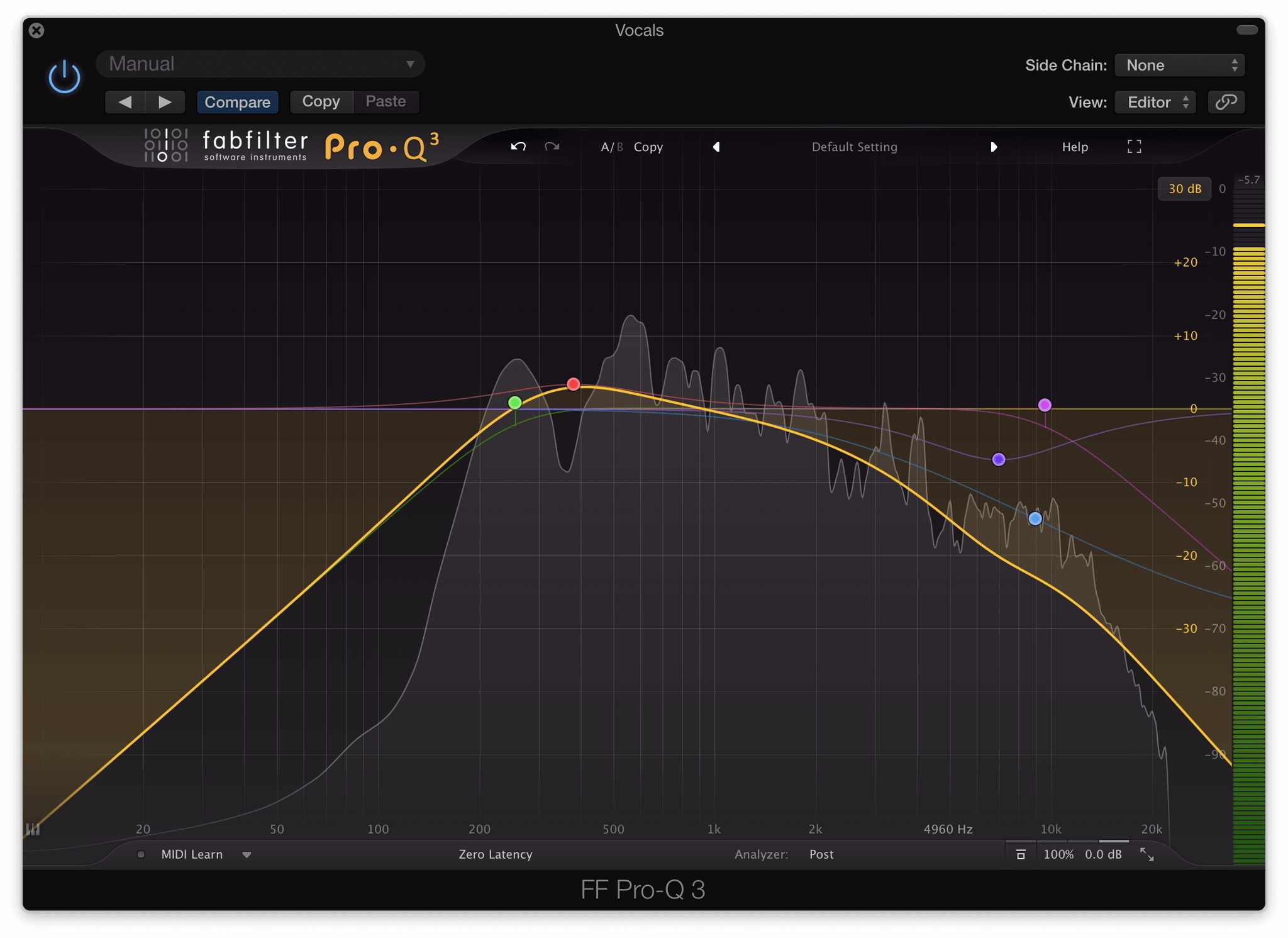
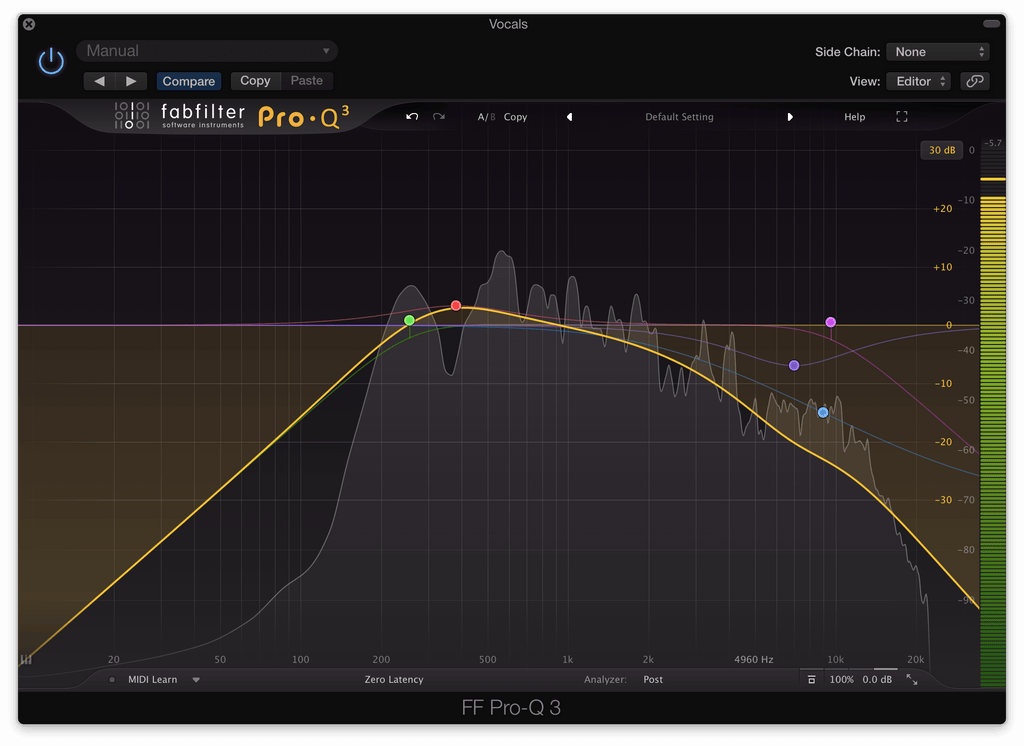
When it comes to mixing, equalization or EQ is one of the most crucial tools at your disposal. EQ can help you add depth and height to your mix, making it sound fuller and more professional. However, it’s important to use EQ judiciously, as overdoing it can lead to a thin or harsh sound. Here are some EQ tips to keep in mind:

Cut Unwanted Frequencies To Reduce Muddiness

One of the most common problems with a mix is muddiness, where different instruments or sounds occupy the same frequency range and clash with each other. To avoid this, you can use EQ to cut frequencies that are not essential to a particular track. For example, you can cut some lows from a guitar track to make room for the bass, or cut some high frequencies from a vocal track to prevent it from sounding harsh. This will create more space in the mix and make it sound clearer.

Boost Vital Frequencies For Clarity And Punch

On the flip side, you can also use EQ to boost frequencies that are essential to a track. For example, boosting the high-end frequencies of a cymbal track can make it sound more present and shimmering, while boosting the low-end frequencies of a kick drum track can make it sound more powerful and punchy. However, be careful not to overdo it, as too much boosting can lead to distortion or clipping.

Other Eq Tips To Keep In Mind

Here are some other EQ tips to keep in mind as you work on your mix:

  • Use high-pass filters to cut low frequencies that are not essential to a track.
  • Use low-pass filters to cut high frequencies that are not essential to a track.
  • Use a spectrum analyzer to visualize frequency ranges and identify problem areas.
  • Use shelving EQ to boost or cut a broad range of frequencies at once.
  • Use parametric EQ to target specific frequencies and adjust their Q or width.
  • Use EQ sparingly and make subtle adjustments, rather than drastic ones.
  • Listen to your mix on different speakers or headphones to ensure it sounds good across different systems.

By using EQ in smart and subtle ways, you can create a mix that has depth and height, and sounds professional and polished.

Use Delays

Using delays can add depth and height to your mix by creating a sense of space and distance between the instruments and vocals. Experiment with different delay times, feedback levels, and panning to achieve the desired effect.

Create Space And Depth With Delay Effects

Using delays can be a great way to add depth to a mix, giving the impression of space and a fuller sound. By delaying a track’s sound, you can create an impression of distance even when it’s placed up close to the listener. Delays can also create a sense of space within a mix, allowing the listener to distinguish between different elements and appreciate them better. There are different types of delays, such as mono delay, stereo delay, and ping-pong delay. Stereo delay is particularly useful when trying to widen your mix, while ping-pong delay can help place individual elements of your audio more effectively.

Apply Feedback And Mix Delays To Add Texture

When you use feedback delay, it’s possible to add texture to your mix. Feedback delay is where a delay sound is fed back into itself, allowing multiple repetitions to occur. Doing this creates a distinct effect, and the texture it produces can add depth to your mix. Mix delays, on the other hand, help to smooth out uneven or unbalanced audio signals. Mix delays require some careful adjustments to get the perfect balance and avoid overwhelming other elements of the mix. When using delays, it’s important to be cautious in the number you apply, making sure the balance is right. Too many delays can end up masking or even completely hiding certain elements. Using the right type of delay, for the right device and with an appropriate setting, can make a huge difference in creating depth and height in your mix. So, experiment with different delay types and try to use them to create rhythm and complementary color to your audio elements.

Layer Sounds

Music production is an art that requires creativity and technical knowledge. One of the essential aspects of producing a great mix is creating depth and height in the mix. Layering sounds is one of the most effective techniques to achieve this. In this blog post, we’ll explore some tips to help you create depth and height in your mix.

Stack And Layer Different Sounds

Layering sounds involves adding multiple sounds together to form a single sound. It can be done by stacking similar sounds on top of each other. For example, stacking multiple guitar tracks to create a thicker, richer sound. Alternatively, try layering sounds that complement each other, such as combining a synth with a drum sound. Layering can immensely enhance the texture and depth of the mix, making it sound more interesting and engaging.

Use Different Instrumentations To Add Interest

Using different instrumentations can add interest and variety to your mix. It helps to break the monotony of having similar sounds throughout your mix. For instance, using horns or strings in the chorus instead of just guitars can create a dynamic shift in the music. Alternatively, you can use less common instruments like mellotrons or kalimbas to add a unique element to the mix. Using such blends and diversity also helps to keep the listener engaged throughout the song.

Use Contrasting Sounds

Using contrasting sounds is another great way to add depth and height to the mix. Contrasting sounds usually refer to a mixture of sounds that don’t often go together, like a heavy guitar riff with soft violins playing in the background. The idea is to add an element of surprise and catch the listener’s ear in a different way. Contrast helps bring out the best of each sound and makes the mix sound more interesting.

Make Use Of Panning

Panning is a technique used to create a sense of space in the mix. Using this technique, you can ‘place’ individual sounds in different positions around the stereo field. For instance, you could pan a guitar to the left and a piano to the right, separating sounds to form a wider stereo image. Panning helps to bring out individual sounds in a more prominent way making the mix sound more balanced and spacious.

Use Different Reverbs And Delays

Reverbs and Delays are time-based effects that can add depth and height to the mix. Using different types of reverbs and delays can help achieve a sense of space and dimensionality. For example, you could use a short delay effect on a vocal track to create a sense of ambience. Alternatively, you could use a long reverb to create a sense of decay and sustain the sound. Reverbs and Delays also help to create a cohesive sound throughout the mix.

Add Background Vocals

Adding Background vocals is an effective way to add depth and height to the mix. They create an element of depth to the mix. Consider adding harmonies to the chorus of a song or using a call-and-response technique. Even a simple “uh-huh” or “ooh” can hugely enhance a track. Background vocals generate a sense of grandeur and depth, making the mix sound larger than it is.

Use Automation

Automation is the process of adjusting various parameters in a mix over time. It’s a powerful way to add depth and movement to your mix. For example, you can automate the volume of a guitar solo to rise through the chorus gradually. Automation on reverb and delay parameters can emulate how sounds change in a real room. Automation can add a whole new dimension to the mix by enhancing the transitions and changing its dynamic range.

Choose The Right Arrangement

The arrangement is what brings all the individual elements together into a cohesive whole. It’s crucial to get the arrangement right to create depth and height in the mix. Ensure that you have a good balance between the different parts of the song, and that the instrumentation is aligned with the mood of the song. Arrangement can serve as the backbone that gives every other element importance, creating depth and harmony.

Create Contrasting Sections

To create depth and height in your mix, consider using contrasting sections. By incorporating different elements and dynamics, you can create a more dynamic and interesting sound. Experiment with varying instrumentation, playing styles, and effects to create a unique and compelling mix.

Creating depth and height in a mix is a crucial aspect that enhances the overall sound quality and makes it stand out. One way to achieve this is to create contrasting sections by using different instruments and sounds that vary in their tonal and dynamic characteristics. This approach helps to add depth, dimension, and interest to the mix. Here are some tips on how to create contrasting sections effectively:

Build Tension By Switching Between Sections

Switching between contrasting sections is an effective way to build tension in the mix and keep the listener engaged. By using different rhythms, tones, and instrumentation, you can create moments of suspense and release that add intrigue to the song. For example, you can alternate between a sparse verse section with a solo instrument and a dense chorus with a full band. This approach builds tension by creating moments of contrast and release, making the listener excited to hear what comes next.

Use Variety To Keep The Listener Engaged

Variety is an essential element in creating contrasting sections that keep the listener engaged throughout the song. By using a mix of timbres, instrumentation, and dynamics, you can keep the listener intrigued and excited. For instance, introduce new instruments or sounds in the chorus while using fewer instruments in the verses. You can also create variations in the harmony, melody and rhythm to make the song more interesting.

Layer Sounds To Add Depth And Height

Layering sounds is another excellent technique to create depth in the mix. By adding multiple tracks of an instrument or sound with different tonal and dynamic characteristics, you can create a fuller, richer sound. For example, you can layer a clean guitar track with a distorted one to create a wider and more interesting tonal color. This technique also helps to add height to the mix, making the sound seem more expansive and immersive.

Use Panning And Automation To Enhance The Effects

Panning and automation are powerful techniques that can help to enhance the effects of creating contrasting sections. By panning the tracks to different stereo positions, you can create a sense of space and depth in the mix. Automation can also be used to add variation to the sections. For example, you can automate the volume of the tracks to create a subtle buildup in the mix leading up to the chorus.

Keep The Mix Balanced

It’s essential to keep the levels balanced across the different instruments and sounds in the mix. If a particular instrument or track is too loud or too soft, it can disrupt the balance and coherence of the mix. Use EQ and compression to ensure that all the tracks sit well in the mix. You can use the high-pass filter to clean up the mix and remove unwanted frequencies that can obscure the clarity.

Pay Attention To The Arrangement

The arrangement of a song plays a vital role in creating contrasting sections that blend seamlessly. It’s important to consider the song’s structure and ensure that the sections flow smoothly and cohere with each other. For example, if there’s a sudden tempo change in one section, it might disrupt the flow of the song. Ensure that the transition is smooth and proportional to the song structure.

Don’t Overcrowd The Mix

While it’s tempting to add many tracks and instruments to create a fuller sound, overcrowding the mix can lead to confusion and muddiness. Focus on using only necessary instruments and arranging them effectively to create a balanced sound.

Final Thoughts

Creating depth and height in a mix is an art that requires a combination of techniques and skills. By using the above tips, you can create contrasting sections that engage the listener and enhance the overall sound quality. Remember to keep the mix balanced and avoid overcrowding it with too many tracks. These tips can help you take a mediocre mix and transform it into an exceptional piece of art.
8 Tips For Creating Depth And Height In The Mix

Credit: www.masteringthemix.com

Master The Mix

Creating a mix with depth and height can take your audio production to the next level. But it can be challenging to balance all the elements of a mix without sacrificing one for the other. Here are 8 tips to help you create depth and height in your mix.

Trim Peaks And Boost Low-level Details

Mixing is about balancing the levels of all the elements in a track. Trimming peaks and boosting low-level details can help you to achieve this balance while also creating a sense of depth. Use EQ and compression to control the dynamic range of each element, and pay attention to the overall level of the mix.

Use Panning And Stereo Width To Create Space

Panning and stereo width are powerful tools for creating a sense of space in your mix. By placing elements in different positions in the stereo field, you can create a feeling of depth and width. Experiment with panning and stereo widening plugins to find the right balance for your mix.

Employ Reverb And Delay To Add Dimension

Reverb and delay are two essential effects for creating a sense of dimension in your mix. Use reverb to add space to individual elements, such as vocals or drums, and delay to create echoes and repeats. Be careful not to overuse these effects, as they can quickly muddy up your mix.

Layer Sounds To Build Texture

Layering sounds is a great way to build texture in your mix. By combining multiple sounds, you can create a more complex and interesting arrangement. Be creative with your layering and experiment with different combinations to find the right mix.

Focus On The Bass And Drum Relationship

The relationship between the bass and drums is crucial for creating a solid foundation for your mix. Make sure the bass and drums are in sync and complement each other. Use EQ and compression to control the levels and frequencies of each instrument and make sure they sit well in the mix.

Use Automation To Create Movement

Automation is a powerful tool for creating movement in your mix. Use it to make gradual changes to volume, panning, and other effects, to add interest and dynamics to your mix.

Add Final Touches To Create A Cohesive Mix

Once you have all the elements in place, it’s time to add the final touches to create a cohesive mix. Use EQ and compression to balance the overall sound, and pay attention to the levels and panning of each element. Finally, check your mix on different systems to make sure it sounds good across all platforms.

Take Breaks And Listen With Fresh Ears

When working on a mix, it’s easy to get lost in the details and lose perspective. That’s why it’s important to take breaks and listen with fresh ears. Step away from your mix for a while and come back later with a new perspective. You might be surprised by what you hear.

8 Tips For Creating Depth And Height In The Mix

Credit: www.masteringthemix.com

Frequently Asked Questions For 8 Tips For Creating Depth And Height In The Mix

How Do You Create Width Height And Depth In A Mix?

To create width, height, and depth in a mix, you need to use a combination of various audio processing techniques and effects. These include EQ to enhance the frequency ranges, reverb to create a sense of space and depth, and panning to place elements within the stereo field.

Using compression and automation can also add to the overall balance and dynamics of the mix.

How Do I Add Depth To My Mix?

To add depth to your mix, you may consider utilizing volume, panning, EQ, reverb, and delay effects. Balance the levels of different instruments, create space by panning them, use EQ to reduce frequency clashes, and add reverb and delay to create a sense of depth and space.

How Do You Get More High End In A Mix?

To get more high end in a mix, try boosting frequencies above 2 kHz on individual tracks or using a shelving EQ to boost frequencies in the entire mix. Tweak the balance of instruments and vocals, and add a touch of saturation or distortion to add clarity to the high end.

Remember to use EQ sparingly and ensure that the high frequencies don’t become harsh or piercing.

How Do You Create Depth And Space With Reverb?

To create depth and space with reverb, adjust the wet/dry mix to create a balance between the original sound and the reverb effect. Increase the decay time to make the reverb trail longer and enhance the sense of space. Adjust the pre-delay time to create a sense of distance and adjust the EQ to create contrast between the original sound and the reverb.

Use reverb sparingly to avoid a muddy sound.

Conclusion

In order to achieve a mix with depth and height, it is important to keep in mind the different elements that contribute to the overall sound. Utilizing techniques such as panning, reverb, and EQ can help create a sense of space and dimension within the mix.

However, it is equally important to trust your ears and not get caught up in technicalities. Remember to stay true to the creative vision and utilize these tips as tools to enhance the overall sound. With these tips in mind, you can create a mix that is dynamic and engaging for your listeners.

Categories
Archive

How The Right Arrangement Can Improve Your Mix

The right arrangement can greatly improve your mix. A balanced and well-organized arrangement will enhance the clarity, impact, and emotion of your mix.

In fact, proper arrangement is one of the most critical elements of a successful mix. Arrangement is the process of structuring your mix in a way that creates a clear and seamless flow of sound. The right arrangement can bring out the best in your tracks and create a cohesive and engaging listening experience.

Arrangement builds on song structure. Read more in how to arrange a song and arrangement structure in a song.

It involves organizing the different elements of your mix (including vocals, drums, bass, and instruments) in a way that complements each other. A good arrangement also ensures that every element has its own space and is given the opportunity to shine. Moreover, the arrangement plays a key role in establishing the emotional and dynamic range of your mix. A well-arranged mix will have a clear energy and progression that will captivate the listener from start to finish.

Why Arrangement Matters In Your Mix

Arranging a mix can be the difference between an average track and a great one. The right arrangement can improve the overall sound and flow of the mix. This makes it more engaging and captivating for the listener. A well-arranged mix can also help highlight the focal points of the track, creating anticipation and excitement.

When it comes to mixing a song, the arrangement of instruments and sounds is just as important as the levels and EQ. Proper mix arrangement can make a significant difference in the overall sound and impact of a track. In this post, we’ll discuss how mix arrangement affects the sound and why a well-organized mix is integral to a successful recording.

How Mix Arrangement Affects The Overall Sound

The arrangement of sounds in your mix can determine the overall clarity, depth, and impact of your recording. For instance, placing the bass too high in the mix can overpower the other instruments. This makes the overall sound muddy and unclear. Similarly, having all the elements play at the same time can cause the track to become cluttered and chaotic, losing its focus. On the other hand, organizing the elements based on their characteristics, frequency, and role can create a dynamic and balanced mix. Placing the main elements in the center with supporting sounds panned left and right can create width and depth. This allows each sound to be heard clearly.

Why A Well-organized Mix Makes A Difference

A well-organized mix not only sounds better but also enhances the listener’s experience. With a clear arrangement, the listener can follow the structure of the song, understand the dynamics, and appreciate the subtleties of each sound. Moreover, a well-organized mix makes it easier for the mastering engineer to work on the track. With clean and organized tracks, they can apply the appropriate processing and maintain the integrity of the mix. In conclusion, mix arrangement plays a significant role in the overall sound and impact of your recording. By organizing your elements based on their frequency, characteristics, and role, you can create a dynamic and balanced mix that enhances the listening experience.

Finding The Right Balance

Arrangement is a crucial step in the mixing process. It is what separates a mediocre mix from a great one. The right balance in arrangement is essential to achieving a perfect mix. The proper balance in frequency range, volume, panning, and using effects can bring clarity to each element of the mix and help them fit together seamlessly.

Balancing Frequency Range

The frequency range determines the overall sound of each instrument in the mix. Balancing the frequency range is a fundamental step in achieving a clear mix. When arranging, make sure that instruments in the same frequency range share the same space. This makes room for more prominent elements. If one element is taking up too much space, it can create clutter and make the mix sound muddy. Use EQ to reduce clashing frequencies and boost the essential frequencies to bring out the best in each element. Balancing frequency instruments is key to creating a well-arranged mix.

Volume And Panning

The volume and panning of each element in the mix must be appropriately placed. Elements that need to be prominent should be louder than the less important ones. When panning, arrange instruments in a way that creates space and separation, bringing balance to the overall mix. Sometimes, it’s better to place an instrument’s volume lower than you would think and give it space in the mix through panning. The balance of volume and panning allows every element to find its place in the mix.

Using Effects To Enhance The Mix

Effects can level up your mix in unimaginable ways. They are an excellent tool for adding depth and dimension. However, effects should not dominate the mix or drown out other important elements. Use effects sparingly and creatively, ensuring they enhance the mix rather than destroy it. Effects such as reverb, delay, and compression can create an immersive effect, bringing out the full potential of the mix. Properly utilized effects can turn a good mix into a great one; therefore, it is crucial to finding the right balance.

In Conclusion,

Arrangement is vital to achieving balance and clarity in a mix. Finding the right balance requires attention to detail and patience. Balancing the frequency range, volume, panning, and using effects to enhance the mix is essential to produce a professional-sounding finish. With the right arrangement, every element in the mix can shine, bringing out the best in the music.

Techniques For Effective Arrangement

Effective arrangement is crucial for improving the overall quality of a music mix. By paying attention to the placement of each element within the mix, you can create a more balanced and engaging sound. Experimenting with different arrangements and paying attention to the details can help you achieve a professional sounding mix.

Planning out the arrangement of your mix is crucial for achieving a well-balanced track. Taking the time to plan out the structure before diving into the mixing process can make all the difference. Here are some techniques for effective arrangement.

Planning Out The Arrangement

A well-organized arrangement can make the difference between a mediocre mix and a great one. Start by deciding on the structure of your track and the order of the different parts. This could include an intro, verses, choruses, bridge, and outro. Determine the length of each section and ensure they flow smoothly into each other. A useful tool for planning is to create a visual representation of the arrangement using a DAW (Digital Audio Workstation). Mapping out the various sections of the song allows you to see the flow of the track and make adjustments as needed.

Taking Breaks To Refresh Your Ears

Mixing for an extended period can cause ear fatigue, making it challenging to stay objective. It’s crucial to take regular breaks to rest your ears and maintain a fresh perspective. Stepping away from your mix for a while can be incredibly beneficial as it allows you to reset your ears, refocus your thoughts, and come back with renewed energy. On average, it’s recommended to take around ten minutes break every hour. Use this time to do something unrelated to mixing, such as taking a walk around the block or practicing some stretches. It can also be useful to listen to reference tracks during your break to help reset your ears and gain perspective.

Stepping Back And Listening To The Mix As A Whole

The process of mixing can be highly detailed and labor-intensive. But it’s essential to take a step back from time to time and listen to the mix as a whole. Listening to the entire track allows you to assess how each section fits together. This ensures there are no sonic clashes or inconsistencies. Pay attention to the levels, frequency balance, stereo image, and dynamics. A useful technique is to listen to the mix away from your studio environment.

This could be on a different set of speakers or headphones, or even on your phone or car stereo. This allows you to hear the song in different situations and identify any issues you may have missed in your studio. Implementing these techniques for effective arrangement can make a huge impact on the quality of your mixes. By taking the time to plan out the structure, taking regular breaks, and stepping back to listen to your mix as a whole, you can achieve a professional and well-balanced track.

arrangement — How The Right Arrangement Can Improve Your Mix

Credit: www.masteringthemix.com

Tools And Strategies For Improving Mix Arrangement

The right arrangement of music can significantly improve the quality of your mix. The use of tools such as EQ, compression, panning, and volume balance can help in achieving the desired arrangement. Additionally, incorporating strategies such as experimenting with different instrument combinations and considering the emotions and intensity of the track can take your mix arrangement to the next level.

Mix arrangement is a crucial aspect of getting a great sound. It involves organizing and arranging each sound element in a track so that they fit together seamlessly. Without proper arrangements, your mix can easily become cluttered, noisy and uninteresting to listeners. Fortunately, numerous tools and strategies can help you improve your mix arrangement. In this article, we will be discussing some of the most effective ways to take your mix to the next level.

Eq And Compression Techniques

Using EQ and Compression Techniques is one of the most effective ways to improve your mix arrangement. While EQ helps you alter the tonal balance of different sound elements, compression can help you control the dynamic range of different sounds. A good sound mix requires a careful balance between low, mid and high-frequency sounds. EQ can be used to remove any unwanted frequencies and smooth out the sound. Compression is used to help even out the dynamics of different sounds, making them more even and less erratic.

Using Automation To Create Interest

By using automation, you can create interest in your mix by having certain sounds come and go at specific times. This technique can help create dynamic build-ups, breakdowns, and transitions that can keep the listener engaged. Automation can be used to control various parameters like volume, panning, and effects. By automating different parameters, you can create interesting rhythmic patterns that can add groove and excitement to your mix.

Identifying And Addressing Common Arrangement Mistakes

Even with the best mixing tools, improper arrangement can easily derail your mix. Identifying and addressing common arrangement mistakes is an effective way of improving your mix. Some of the most common arrangement mistakes include having too many elements playing at once, not leaving enough space in between sounds, and cluttering the mix by using too many effects. Addressing these issues involves using your ears and taking a pragmatic approach to your mix. By being deliberate and mindful, you can create a mix that sounds balanced and polished. In conclusion, having the right mix arrangement can make or break your sound. The tools and strategies mentioned above can help you improve your mix by using EQ and Compression techniques, automation, and addressing common arrangement mistakes. Apply these techniques to your mix appropriately, and you’ll have a mix that sounds polished and professional.

Frequently Asked Questions Of How The Right Arrangement Can Improve Your Mix

Why Is Arrangement Important In Music?

Arrangement is important in music as it determines the overall feel and structure of a piece. It creates contrast, dynamics, and adds interest. A well-arranged piece can guide the listener’s emotions and convey the intended message more effectively.

How Can I Improve My Mixing?

To improve your mixing skills, practice regularly and experiment with different techniques and equipment. Listen to other successful mixes in your genre and try to mimic their sound. Keep your workspace organized and mix in a well-treated room. Test your mix on different speakers and get feedback from other experienced mixers.

How Do You Make A Perfect Mix?

To make a perfect mix, first identify the genre and mood you want to convey. Then, select the appropriate songs and adjust their levels to create a balanced sound. Utilize EQ and effects to fine-tune the mix, and listen to it on different devices to ensure consistency.

Finally, make necessary changes until you achieve the desired result.

What Is The Difference Between Mix And Arrangement?

Mixing is the process of combining multiple audio tracks into a single stereo track. Meanwhile, arrangement refers to the organization of these tracks into a complete song. Mixing involves adjusting the levels, panning, and EQ of each track. Meanwhile, arrangement involves deciding what order the tracks should play in and how they should interact with each other.

Conclusion

To sum it up, the right arrangement is crucial for improving your mix. By giving each element enough space to breathe and shine through, you can ensure a balanced and well-crafted sound. Whether you’re working with vocals, instruments or both, taking the time to arrange them correctly can make all the difference.

Think about the song as a whole, experiment with different techniques and trust your ears – the results will speak for themselves. Happy arranging!

Categories
Archive

Reasons Need Professional Audio Mastering

Professional audio mastering is necessary for a polished and cohesive sound. It enhances the overall quality and balance of the audio tracks, ensuring they sound great across different mediums and playback systems.

Audio mastering is one of the most crucial stages in the music production process. It involves refining and balancing the final mix to improve its overall quality and ensure a consistent sound across different platforms. The mastering process helps to enhance the clarity, depth, and dynamics of the audio tracks, making it sound polished and professional.

A professionally mastered audio track will also sound great on a variety of playback systems, including mobile devices, headphones, and home theater systems. In addition, mastering helps to normalize the audio levels, removing any unwanted noise or distortion. Overall, investing in professional audio mastering is essential for artists and producers who want to take their music to the next level and ensure their listeners have a high-quality experience.

Improved Sound Quality

Professional audio mastering can significantly improve the sound quality of your recordings. By using specialized equipment and techniques, master engineers can enhance your music’s clarity, balance and depth to create a professional-sounding mix that will impress your audience.

If you want to ensure that your music sounds crisp, clear, and at its best, then professional audio mastering is a must. One of the main reasons to choose professional audio mastering is to improve the sound quality. Professional audio engineers understand the intricacies of sound and have the tools and knowledge to make your music sound the best it can be. Let’s take a closer look at how professional audio mastering helps to improve the sound quality with the following H3 headings in HTML syntax.

Balancing Frequencies

One of the primary ways that professional audio mastering improves the sound quality is by balancing the frequencies in the mix. When mixing music, different frequencies can easily overpower each other, leading to an unbalanced sound. Professional audio engineers have the experience and tools to identify and fix these issues by equalizing each frequency band until the mix sounds well-balanced. They can identify which frequency bands to boost or cut to achieve the perfect balance, which in turn improves the overall sound quality.

Enhancing Dynamics

Another way professional audio mastering can improve sound quality is by enhancing dynamics. Dynamics refer to the difference in volume between the loudest and softest parts of the music. When mastering music, engineers use a variety of techniques to bring out the dynamics and make them more prominent. This process helps to improve the overall sound quality of the music as it creates a more interesting, engaging, and natural sound.

Improving Clarity

Professional audio engineers can also use a variety of tools and techniques to improve the clarity of your music. This process ensures that each instrument and vocal is clear and distinct in the mix. They can use de-essers to remove harsh S and T sounds, compressors to control the volume, and noise reduction to remove unwanted sounds. All of these techniques help to improve the overall clarity of the music, making it sound more polished, refined, and professional. In conclusion, professional audio mastering is essential for anyone looking to improve the sound quality of their music. Audio engineers use advanced techniques like balancing frequencies, enhancing dynamics, and improving clarity to create a crisp and professional sound that makes your music stand out. So if you want to create music that sounds as good as possible, investing in professional audio mastering is a must.

Reasons Need Professional Audio Mastering

Credit: m.youtube.com

Compatibility With Different Devices

Professional audio mastering is crucial to ensure compatibility with different devices. With an expert touch, the audio is refined to achieve balance, clarity, and loudness, delivering the best quality output to every listener.

With the increase in the usage of different devices for listening to music, audio mastering has become more critical than ever before. Audio mastering involves the process of balancing, equalizing, and compressing audio tracks to ensure that the final mix sounds consistent across all playback devices. This section focuses on why audio mastering is essential for ensuring compatibility with different devices.

Ensuring Consistent Sound

One of the main reasons for mastering audio tracks is to ensure that the sound remains consistent across various playback devices. Different playback devices, such as speakers, headphones, and earbuds, have varying frequency responses and dynamic ranges. Therefore, mastering engineers use specialized tools and techniques to balance the audio tracks, so they sound good on all devices.

Preparing For Different Formats

Another reason why audio mastering is essential for compatibility with different devices is to prepare audio tracks for different formats such as mp3, WAV, or FLAC. Each audio format has its unique set of specifications that requires different mastering techniques to optimize the sound quality. By mastering your audio tracks, you can optimize them for different formats and ensure that they sound great on all playback devices. Mastering audio tracks for compatibility with different devices is crucial if you want your music to be heard by as many people as possible. By using professional mastering services, you can ensure that your music sounds consistent across all playback devices and formats. If you’re serious about producing high-quality music, then investing in professional audio mastering is a must.

Industry-standard Loudness

Professional audio mastering is vital to achieve industry-standard loudness. It ensures your music or podcast is polished and balanced with consistent levels, making it sound professional and ready for any platform.

Optimizing the volume levels of an audio track is vital, as it ensures the listener’s experience is smooth, consistent, and enjoyable. Industry-standard loudness levels dictate that your track should have a certain loudness level to ensure it sounds good across different audio devices. Therefore, a professional audio mastering service can help you achieve the desired loudness level.

Conforming To Broadcast Standards

Conforming to broadcast standards is crucial if you want your audio track to be played on radio, TV, or any other platform. Different countries might have their own set of broadcast standards, and a professional audio mastering service can guide you on how to adhere to these broadcast standards to ensure your track is broadcast-ready.

Removing Unwanted Frequencies

Unwanted frequencies in an audio track can make it sound muddy and unclear. A professional audio mastering service can help remove unwanted frequencies and create a cleaner, smoother audio track. By using specialized tools and years of experience, professional audio mastering engineers can help make your audio track sound more polished and professional. Overall, the benefits of professional audio mastering are many. It can help take your audio track to the next level, whether you want it to be played on the radio, in a movie, or just to be heard by your friends and family.

Reasons Need Professional Audio Mastering

Credit: www.facebook.com

Brand Recognition

Professional audio mastering can significantly enhance your music and provide a competitive edge in brand recognition. With professionally mastered audio, your music will sound polished, balanced, and consistent across all platforms, leaving a lasting impression on your listeners.

Standing Out On Streaming Platforms

Mastering your audio tracks is crucial in today’s digital era where music is primarily consumed through streaming platforms. To compete against other artists in the music industry, your music needs to have a professional sound that can only be achieved through mastering. Professional mastering ensures that your music stands out amongst the sea of other tracks on streaming platforms. It helps your music to become memorable among the listeners and increases the chances of your brand recognition.

Creating A Cohesive Sound

Another advantage of professional audio mastering is that it ensures a cohesive sound throughout your album or EP. A cohesive sound can make sure that your listeners perceive your brand as a professional artist. Cohesive audio implies that every track is consistent in terms of volume, dynamics and tone which represent your identity as an artist. Professional mastering engineers use high-end software and hardware to ensure that your songs have a consistent sound quality throughout the entire project. Having a consistent and cohesive sound in your music is essential in establishing your brand recognition.

Improving Sound System Compatibility

Professional audio mastering engineers are equipped with the knowledge to optimize your music sound for different kinds of playback systems. They have the expertise to prepare your music in such a way that it can be played with the best possible quality on different platforms such as smartphones, radios, and sound systems. By having a sound that’s compatible with various systems, you are increasing the chances of building your brand recognition.

Conclusion

To make your mark in the music industry, you need to take your music production seriously. This includes professionally mastering your audio tracks. By doing so, you ensure that your music stands out on streaming platforms, creating a cohesive sound, and improving sound system compatibility which improves your chances of brand recognition. So make sure you invest in professional audio mastering to boost your music production.

Expert Advice

Expert audio mastering is essential for a professional sound quality. It can enhance the dynamics, clarity and tonal balance of your recording. Trusting a professional to master your audio can truly make a difference in the final product.

As with any creative endeavor, there are a lot of nuances and intricacies that go into producing a top-quality music track. Audio mastering, in particular, is a process that requires a lot of attention to detail and expertise. In this section, we’ll explore the importance of seeking expert advice from professional audio mastering engineers.

Consultation On Sound Goals

Before beginning the mastering process, it’s essential to have a clear idea of what your desired sound is. Working with a professional audio mastering engineer can help you define and refine your sound goals. They will ask you the right questions to get a sense of what you are trying to achieve and make expert recommendations on how to achieve the sound you want.

Professional Recommendations

Having access to a professional’s expertise is invaluable when it comes to audio mastering. Beyond technical prowess, professional mastering engineers have a wealth of industry experience and knowledge of the latest trends and best practices. They know how to apply their expertise to your specific needs. They can offer suggestions on everything from arrangement to effects processing, to achieve the best possible sound for your track.

Quality Assurance

Quality assurance is a crucial aspect of audio mastering. Professional mastering engineers have the skills and tools to audition your track in a range of listening environments, ensuring that the final product will sound consistent and polished, no matter where it’s played. They have the trained ear to spot potential problem areas and eliminate them before the finished product is delivered. In conclusion, seeking expert advice from professional audio mastering engineers is essential for anyone looking to achieve a high-quality, polished sound. From consultation on sound goals to professional recommendations and quality assurance, professional audio mastering can help take your music to the next level.

Reasons Need Professional Audio Mastering

Credit: www.amazon.com

Frequently Asked Questions For Reasons Need Professional Audio Mastering

Why Is Mastering Audio Important?

Mastering audio is crucial because it enhances the overall quality of a track and ensures its compatibility with various listening platforms. It involves adjusting the levels of different frequencies, balancing stereo images, and adding final touches to make the track sound polished.

A well-mastered track stands out from the crowd and impresses listeners.

How Important Is A Mastering Engineer?

A mastering engineer is highly important for music production because they are responsible for ensuring the final product sounds polished and coherent. A mastering engineer can help eliminate any flaws in the mixing or recording process and can provide a professional edge to the final product.

Overall, hiring a mastering engineer can improve the overall quality of the music and make it sound more professional.

Does Mastering Improve Sound Quality?

Mastering can have a significant impact on sound quality by enhancing clarity, loudness, and consistency. By balancing frequencies, limiting distortion, and adjusting levels, mastering can give your music a polished finish. A precisely mastered track can make it sound more professional and stand out from the crowd.

Why Is The Mastering Process Essential To The Commercial Success Of A Track?

Mastering is essential for commercial success of a track as it enhances the overall quality of the audio, balances the levels, optimizes tonal balance, adds depth, clarity, and dimension, ensuring that the sound translates well across different platforms and devices.

It also helps in making the music appealing to the audience and standing out in a highly competitive industry.

Conclusion

Professional audio mastering is a crucial step in ensuring that your music sounds its best and stands out in today’s competitive industry. It can enhance the overall quality, balance, and clarity of your tracks and make them sound more polished and professional.

By investing in professional audio mastering, you can achieve a better sound and take your music to the next level. Don’t hesitate to work with an experienced audio mastering engineer so that you can get the best possible results for your music.

Categories
Archive

How to Market Your Music Independently

Independent music marketers can use several tools, including social media, email lists, and live performances to promote their music. To increase their reach, they should also collaborate with other indie artists and influencers in the music industry.

The music industry can be a challenging landscape for indie artists, but with the rise of digital platforms, marketing one’s own music has become easier than ever. Emerging artists must learn how to promote their work independently to build their audience and generate income.

Social media platforms, email lists, and live performances provide a solid foundation for reaching new listeners, but independent artists need to go beyond these basics to gain traction in a crowded market. Collaboration with other indie artists, music bloggers, and influencers in the industry can expedite the growth process for independent musicians. This guide provides a comprehensive overview of the tools, tactics, and strategies indie artists can use to market their music independently.

Create An Online Presence

Creating an online presence is essential for independent musicians to market their music in today’s digital age. Establishing social media accounts, building a website, and creating engaging content are effective ways to grow a fan base, attract new listeners, and increase overall exposure.

In today’s digital age, creating an online presence is crucial for any musician who wants to market their music independently. By having a strong online presence, you can reach a wider audience and connect with your fans. Here are a few simple steps to help you create an online presence:

Build A Website

One of the first steps you can take to create an online presence is to build a website. Your website should be the hub of all your online activity, where fans can learn more about you, listen to your music, and buy your merchandise. Make sure your website is easy to navigate, visually appealing, and mobile-friendly. You can use website builders such as Wix, Squarespace, or WordPress to create your own website without any coding.

Create Social Media Accounts

The next step is to create social media accounts on popular platforms such as Facebook, Instagram, and Twitter. Social media is an excellent way to connect with fans, share your music and updates, and promote your gigs. Make sure you choose platforms that are most relevant to your audience and post regularly to keep your followers engaged. Use hashtags and tagging to increase your reach and drive traffic to your website. Once you have your online presence set up, the key to success is to engage with your fans regularly. Respond to comments and messages, create engaging content such as videos and photos, and collaborate with other musicians and influencers. By interacting with your fans, you will create a loyal and dedicated following who can help spread the word about your music.

Conclusion

By creating an online presence, you can promote your music independently and reach a wider audience. Building a website, creating social media accounts, and engaging with your fans are simple steps you can take to get started. By staying consistent and authentic, you can build a strong online presence that will help you succeed as an independent musician.

Utilize Streaming Platforms

Streaming platforms like Spotify, Soundcloud and Apple Music are great tools for independent musicians to market their music. By creating a strong presence and engaging with fans through playlists, promotions, and collaborations, artists can gain valuable exposure and grow their fan base.

Upload Music To Multiple Platforms

Utilizing streaming platforms plays a crucial role when it comes to marketing your music independently. With millions of users, popular platforms like Spotify, Apple Music, Tidal, and more provide a massive audience for your music to reach. But, uploading your music on just one platform isn’t enough, and the more platforms you’re on, the better your chances of getting your music discovered. Consider uploading your music on as many platforms as possible, including smaller ones like SoundCloud, Bandcamp, or Audiomack – it increases your music’s chance to get discovered and increases your reach. With each platform you sign up for, make sure to list all your social media links so that people can follow and engage with you outside of the streaming platforms.

Get Featured On Playlists

Getting featured on playlists is one of the most effective ways to market your music. Playlists curated by editors or other users can generate a massive audience if your music is featured on them. Make sure to research and find playlists that match your genre and sound. Once you’ve identified them, reach out to the playlist curators or owners and try to get your music featured on them. Additionally, you can create your playlists on multiple platforms and add your own music to them. This is a great way to engage with your fans and increase your streams. Encourage your followers to follow your playlists and share them with their friends and family, increasing your reach even further. Every small step counts when it comes to building a fanbase. Utilizing multiple streaming platforms and getting featured on playlists are two powerful ways to market your music independently. With these methods, you have the power to reach a broader audience, build your fanbase, and eventually monetize your music career. Remember, consistency, and patience are key when it comes to marketing your music independently.

Collaborate With Other Musicians

Collaborating with other musicians is a great way to broaden your fan base and market your music independently. By teaming up with other artists, you can cross-promote on social media, combine your audiences at live shows, and even collaborate on new music that attracts a wider audience.

Collaborating with other musicians is a crucial step in marketing your music independently. Whether it’s working with local artists or teaming up with musicians online, collaboration can open doors to new opportunities and expand your audience base. Here are two ways you can collaborate with other musicians.

1. Work With Local Artists

Working with local artists is a great way to establish your presence in your community. You can start by attending open mic nights and reaching out to other musicians in your area. You can also join local music groups and attend music events to connect with other musicians. Once you have found musicians with whom you’d like to collaborate, you could record a cover or even a new original composition. It could be a song that you all wrote together or even a solo track featuring a guest artist. You can film a music video and promote it on social media platforms like YouTube, Instagram, and TikTok. Co-writing songs with other musicians can be a game-changer. With fresh ideas and new perspectives, you could create something unique that could capture more attention. Collaborating with local musicians also helps you create a network of support around you, which is critical as you move forward in your music career.

2. Team Up With Musicians Online

In today’s digital age, you’re no longer confined to working with local artists. The internet has made it easier than ever to collaborate with musicians from anywhere in the world. You can find talented and like-minded musicians on social media platforms like Instagram, Twitter, and Facebook. Collaborate with another musician, producer, or songwriter who shares your vision for a particular track, genre or music style. You can co-produce a beat with a producer or even create a remix of a song with another artist. Keep in mind, communication and shared vision are crucial when working with musicians online. Always make sure you have a clear understanding of where the project is headed before investing too much time. In Conclusion, Collaborating with other musicians online or locally can help you expand your network and reach new audiences. Joining forces with musicians allows you to pool creative ideas, resources and create something unique. These are just two ways to collaborate with other musicians, but there are endless opportunities for independent artists who are willing to reach out.

How to Market Your Music Independently

Credit: dittomusic.com

Engage With Your Fans

Engaging with your fans is crucial when it comes to marketing your music independently. Utilize social media platforms and interact with your audience by regularly posting updates, behind-the-scenes content, and responding to their comments and messages. This will not only foster a loyal fanbase but also increase your visibility and reach online.

As an independent musician, it’s essential to engage with your fans to build a loyal following. In this digital age, social media has made it easier than ever to connect with your audience. By using these platforms to your advantage, you can build a dedicated fanbase and increase your song plays. Here are two ways to engage with your fans:

Communicate On Social Media

Social media is a powerful tool for musicians to communicate directly with their fans. By regularly posting updates on your music and interacting with your followers, you can broaden your reach and connect with a wider audience. Here are some ways to effectively use social media:

  • Create and maintain profiles on popular platforms like Facebook, Twitter, Instagram, and TikTok.
  • Post updates on your upcoming shows, new releases, and behind-the-scenes glimpses of your creative process.
  • Respond to your followers’ comments and messages. Make your fans feel valued and appreciated.
  • Collaborate with other musicians and influencers to reach new audiences.

Offer Exclusive Content

Exclusive content can be a powerful tool to incentivize your fans to stay engaged. By offering exclusive content, you can create a sense of exclusivity and build a loyal fanbase. Here are some ideas for exclusive content:

Content TypeDescription
Access to New SongsRelease your new tracks exclusively to your website or social media followers before it’s available on streaming platforms.
Behind-The-Scenes ContentShare your creative process with your fans by showing them behind-the-scenes photographs and videos.
MerchandiseCreate exclusive merchandise or limited edition items for your fans.
Live PerformancesLive stream performances or offer exclusive access to your concert recordings.

By engaging with your fans on social media and offering exclusive content, you can build a loyal following and increase your success as an independent musician. Don’t underestimate the power of connecting with your audience, no matter how small or large it may be.

Perform Live

Marketing your music independently can be challenging, but using social media, creating a website, reaching out to blogs, and performing live can help build your audience. By engaging with fans and promoting your brand, you can attract attention and expand your reach in the competitive music industry.

Performing live is an essential aspect of marketing your music independently. Live performances not only showcase your talent but also help you connect with your audience. In this article, we’ll discuss how you can book gigs and partner with venues to increase your chances of performing live.

Book Gigs

Booking gigs might seem like a daunting task, but it is an excellent way to network and build your fan base. Here are a few tips to help you book gigs independently:

  • Research local venues and determine which ones are suitable for your style of music.
  • Create a professional press kit that includes a biography, high-quality photos, and a demo recording or video of your performance.
  • Reach out to venue owners or event organizers with your press kit and a customized pitch that highlights why your music is a good fit for their audience.
  • Follow up with them after a few days to remind them of your interest in performing at their venue.

Partner With Venues

Partnering with a venue can be an effective way to establish yourself as a local musician and increase your exposure. Here’s are some ways you can partner with a venue:

  • Reach out to venues that regularly feature live music and offer them a revenue-sharing arrangement. This could mean you receive a percentage of the proceeds from ticket sales or food and drinks sold during your performance.
  • Collaborate with venue owners to host a regular live music night, where you perform along with other local musicians. This can be a mutually beneficial arrangement as it helps the venue attract more customers while giving you and other musicians a platform to showcase your talents.
  • Offer to perform for free in exchange for exposure and the opportunity to network with the venue’s regular patrons. This approach can be an excellent way to establish a relationship with the venue and eventually book paid gigs.

In conclusion, performing live is a crucial aspect of marketing your music independently. By booking gigs and partnering with venues, you can increase your exposure, build your fan base, and ultimately, establish yourself as a successful independent musician.

Invest In Promotion

To effectively market your music independently, investing in promotion is key. Utilize social media, email marketing, and collaborations with other artists, as well as offline marketing tactics like flyers and local shows. Consistency and creativity are vital for standing out in a crowded music industry.

Investing in promotion is crucial for independent musicians who want to build a career in the music industry. Without proper marketing, it’s nearly impossible to reach new fans and grow a loyal following. Luckily, there are several effective promotion strategies that musicians can try. One such strategy is to buy Ads on Social Media. Social media platforms like Facebook, Instagram, and Twitter are excellent places to promote your music and reach a wider audience.

Buy Ads On Social Media

Purchasing social media ads is an effective way to reach your target audience and achieve greater visibility. Social media platforms offer a variety of advertising options, including sponsored posts, targeted ads, and boosted content. The key is to identify your target audience and create ads that will appeal to them. You can also use ads to promote specific events such as album releases and live performances.

Reach Out To Music Blogs

Another effective promotion strategy is to reach out to music blogs. Music blogs are a great way to reach new fans and generate buzz around your music. Research blogs that cover your genre of music and send them a personalized email introducing yourself and your music. Offer to provide them with a sample of your music or an interview. Getting featured on a music blog can give your career a significant boost. Overall, investing in promotion is essential for independent musicians. Buying social media ads and reaching out to music blogs are just some of the effective marketing strategies. With the right promotion, independent musicians can build a loyal fan base and further their careers in the music industry.

Sell Merchandise

Learn how to market your music independently by selling merchandise. This is a great way to promote your brand, generate income and connect with fans. Use various social media platforms and create unique merchandise that stands out from the rest.

Selling merchandise is one of the best ways to earn extra revenue as an independent musician. Not only does it provide a source of income, but it also serves as a way for fans to support your music and show their love for your brand. Here are some tips on how to sell merchandise successfully:

Create Unique Designs

When designing merchandise for your brand, it’s important to create unique designs that represent your music and style. Consider hiring a graphic designer to create eye-catching designs, or use a website like Canva to create designs yourself. Make sure your designs incorporate your brand logo and are cohesive with your band’s overall aesthetic.

Sell Merchandise At Gigs And Online

Selling merchandise at your gigs is a great way to increase sales and promote your brand. Make sure to display your merchandise prominently on tables or racks so fans can easily see and purchase your products. Additionally, selling merchandise online through your website or social media accounts allows fans who couldn’t attend your gigs to purchase merchandise as well. Use platforms like Bandcamp, Shopify, or WooCommerce to set up an online store.

Offer Limited Edition Items

Creating limited edition merchandise items can create a sense of exclusivity for fans and drive sales. Consider creating limited edition t-shirts, vinyl records, or other items that are only available for a limited time or in limited quantities. Make sure to promote these items heavily on social media and at your gigs to generate buzz and increase demand.

Bundle Items For Better Value

Offering merchandise bundles allows fans to purchase multiple items at a discounted price, increasing sales for you and providing better value for your fans. Consider bundling items like t-shirts, CDs, or stickers together for a discounted price to encourage fans to purchase multiple items. In conclusion, selling merchandise can be a lucrative way to earn extra income and promote your brand as an independent musician. By creating unique designs, selling merchandise at gigs and online, offering limited edition items, and bundling items for better value, you can successfully market your music and create a loyal fan base.

How to Market Your Music Independently

Credit: blog.groover.co

Stay Dedicated And Consistent

Independent music marketing requires dedication and consistency. Without these two qualities, all other efforts will be futile. Creating a brand and building an audience takes time, effort, and patience. If you are an independent artist who wants to succeed in the music industry, you need to stay dedicated and consistent. In this post, we discuss how you can consistently market your music independently.

Set Realistic Goals

Setting realistic and achievable goals is the first step in marketing your music independently. Goals help you stay focused and motivated, allowing you to measure progress objectively. By defining a set of tangible, achievable, and time-bound goals, you can track your success and fine-tune your marketing strategy. Your goals should take into consideration the time, budget, and resources you have at your disposal. With realistic goals, you can minimize frustration and avoid burnout along the way.

Track Your Progress

Tracking your progress is essential when it comes to independent music marketing. Without tracking, you cannot determine what is working and what isn’t. There are many tools available that can help you track performance, including social media analytics, email marketing analytics, and website analytics. Choose the tools that are most suitable for your needs, and track your progress regularly. With this information, you can tweak your marketing strategy and optimize your efforts to achieve your goals.

Most importantly, staying dedicated and consistent is the key to success in independent music marketing. Create a schedule, and stick to it. Engage your fans on social media regularly. Release new music on a regular basis. Reach out to blogs, music websites, and influencers regularly. Consistency and dedication are essential to building momentum and growing your audience.

Follow these tips, and with dedication and persistence, you can successfully market your music independently.

How to Market Your Music Independently

Credit: www.linkfire.com

Frequently Asked Questions For How To Market Your Music Independently

How Can I Promote My Music By Myself?

To promote your music by yourself, you can create a website or social media accounts to showcase your music. Use email campaigns to share your music with your audience or collaborate with other musicians to gain more exposure. Additionally, you can offer free downloads or host a concert to attract new fans and generate buzz.

How Do I Sell My Music Independently?

To sell your music independently, you should first upload your songs to digital distribution platforms, such as Bandcamp or CD Baby. Create social media accounts to promote your music and build an audience. Consider creating a website and an email list to keep fans informed.

Collect royalties from streaming platforms such as Spotify. Collaborate with other artists to expand your reach and generate buzz.

How Do Music Artists Market Themselves?

Music artists can market themselves in various ways such as social media promotion, collaborations with other artists and brands, live performances, music videos, and releasing music on streaming platforms. It is also essential for artists to connect with their audience, engage with fans, and build a strong personal brand that reflects their music and message.

What Is The Right Way To Market Your Music?

The right way to market your music is by creating a strong online presence using social media, websites, and streaming platforms. Make sure to engage with your audience, collaborate with other artists, and promote your brand through merchandise and live events.

Utilize email marketing and targeted advertising to reach new fans and gain exposure. Remember to stay true to your unique sound and message to stand out in the competitive music industry.

Conclusion

After reading this post, you should have a better understanding of how to market your music independently. Starting with developing a strong online presence, utilizing social media platforms, and networking with fellow musicians and industry professionals can all contribute to your success.

Remember to prioritize authenticity and consistency in your branding, utilize available data to track your progress, and continuously innovate your marketing strategies. By taking the steps outlined in this post, you’re on your way to achieving your goals as an independent artist.

More in our Music marketing guide.

Categories
Archive

How To Get A Great Tonal Balance In Your Mix

To get a great tonal balance in your mix, pay close attention to your levels and use EQ effectively. Achieving the desired balance requires careful listening and making small adjustments as needed.

Also, balancing the tonal elements of a mix is crucial to create a polished and professional sound. A mix with too much low end can sound muddy and indistinct. Meanwhile, a mix with too much high end can be harsh and fatiguing.

Related reading: How To Balance My Mix and How To Balance Your Drums. For background, see the Wikipedia article on Audio mixing.

A balanced mix ensures that each instrument and element can be heard clearly and contributes to the overall sonic landscape. To achieve this ideal balance, you’ll need to focus on the levels of each element, as well as use EQ to cut or boost frequencies as needed. Effective use of panning and spatial effects can also help create a sense of depth and balance in your mix. Moreover, keep these techniques in mind as you work to achieve a great tonal balance in your mix.

How To Get A Great Tonal Balance In Your Mix

Credit: www.masteringthemix.com

Start With A Solid Foundation for Tonal Balance

In addition, getting a great tonal balance in your mixes is a fundamental aspect of producing quality music. However, this can be a challenging task for many producers and engineers. The tonal balance is the even distribution of frequencies across the audible spectrum, and if the balance is not right, it can impact the clarity and impact of your mix. One way to ensure a great tonal balance is to start with a solid foundation.

Choose Sounds That Complement Each Other

When selecting sounds for your mix, it is essential to choose sounds that complement each other. It is necessary to choose sounds that add value and contribute to the overall sound you want to achieve. Furthermore, using sounds that do not work well together can create conflicts in the frequency spectrum. This makes it harder to achieve a balanced mix.

DODON’T
Add sounds that work togetherAdd sounds that clash with each other
Use sounds that add valueUse sounds that don’t fit the mix
Choose sounds that contribute to the overall sound you want to achieveChoose sounds that don’t work with the rest of the arrangement
Set a foundation that allows every sound to shineOvercrowd the mix with too many sounds

Set Levels And Panning for Tonal Balance

Additionally, once you have chosen the right sounds, the next step to a solid foundation is to set levels and panning. Set levels so that each sound is audible, plays its part, and has the right amount of space in the mix. Panning can also help with creating space and width and adds more depth to the mix. This makes individual instruments easier to pick up.

  • Also, adjust the volume of individual sounds
  • Avoid clipping and distortion
  • Moreover, use panning to make each instrument sit nicely in the mix
  • Avoid panning everything hard left or hard right
  • Create a balance in the mix so every element sits correctly

Start with a solid foundation, complementary sounds and correct levels and panning. That puts your mix in a strong position from the start. With these fundamental steps done correctly, you will be on your way towards a great tonal balance in your mix.

Use Appropriate Eq

The appropriate use of EQ is crucial in achieving a great tonal balance in your mix. It helps you to shape the overall sound of your mix by cutting unwanted frequencies, boosting desired frequencies, and sculpting the sound. Let’s dive deeper into how you can use the different EQ techniques to get a well-balanced mix.

Cut Unwanted Frequencies

The first step towards achieving a great tonal balance in your mix is to identify and cut any unnecessary or unwanted frequencies. Use a high-pass filter to remove low-frequency rumble and a low-pass filter to cut off high-frequency noise. Notch filters can also be used to eliminate specific frequencies that are causing problems. Remember to cut only a few dBs at a time and use your ears to determine the optimal amount of cutting.

Boost Desired Frequencies

After cutting unwanted frequencies, your next step is to boost the frequencies you want to highlight. To do this, use a bell EQ curve to increase the gain of the desired frequency range. If you want to add some warmth to the mix, boost the low end. If you want to add some sparkle, boost the high end. You can also use a shelf EQ curve to boost or cut the frequencies above or below a certain point. Again, use your ears to determine the optimal amount of boosting.

Sculpt The Sound

The final step towards achieving a great tonal balance in your mix is to sculpt the sound. This involves using a combination of cutting and boosting to create a unique sound. For example, you can use a bell curve to boost the mid-range frequencies of a guitar to make it stand out in the mix. You can also use a combination of a high-pass and low-pass filter to make a vocal track sound clear and isolated. Remember, the key to successful sound sculpting is to rely on your ears to determine the optimal amount of cutting and boosting for each frequency range.

Utilize Dynamic Processing for Tonal Balance

To achieve a great tonal balance in your mix, it’s important to utilize dynamic processing. This involves using techniques such as compression, limiting. EQ to control the levels of different frequencies in your mix and bring them into balance.

By carefully applying these techniques, you can create a mix that sounds clear, balanced, and professional.

One of the key elements to getting a great tonal balance in your mix is to utilize dynamic processing. While a static mix might sound decent on its own, dynamic processing can help you refine the mix even further. This allows you to control the levels of individual tracks and achieve a smoother, more balanced sound.

Compress To Control Levels

One of the most effective dynamic processors for controlling levels is compression. By compressing a track, you can bring the quieter elements up to a more audible level while simultaneously reigning in any peaks that might be too loud. This allows you to balance out the levels of individual tracks and create a more cohesive mix overall.

Use Multiband Compression

If you’re looking to take your compression game to the next level, consider using a multiband compressor. Unlike a standard compressor, a multiband compressor allows you to control the levels of specific frequency ranges. This allows you to more precisely shape the sound of individual tracks. This can be especially useful when working with instruments that have a lot of harmonic content, such as vocals or guitars.

De-ess To Control Harshness

Finally, another useful dynamic processing tool you might consider is de-essing. As the name suggests, de-essing allows you to remove or reduce harsh “s” and “t” sounds in vocals. By controlling these harsh frequencies, you can create a more polished, professional-sounding mix that’s easy on the ears. Compression, multiband compression and de-essing take your tonal balance further. They help you create a polished mix that sounds great anywhere. Remember, the key is to experiment with different settings and find what works best for each individual track in your mix.

Apply Reverb And Delay for Tonal Balance

If you’re struggling to get a great tonal balance in your mix, applying reverb and delay can be the solution you’re looking for. Reverb and delay are two powerful tools you can use to add character, depth, and space to your mix. Here are some tips on how to use them effectively:

Create Space And Depth

Reverb can help you create space and depth in your mix by simulating the natural reflections that occur in a real environment. By adding a subtle amount of reverb on a track, you can make it sound like it’s in a bigger space than it actually is. This gives your mix a sense of depth and dimension. To achieve a natural-sounding reverb, adjust the reverb’s decay time, pre-delay, and wet/dry balance until it blends well with the other tracks in your mix.

Use Delays For Rhythm And Texture for Tonal Balance

Delays can be used to add rhythm and texture to your mix. By applying a short delay on a track, you can create a rhythmic pattern that complements the song’s tempo. You can also use delays to make a track sound more interesting by adding subtle variations in timing and feedback. To achieve a cohesive sound, make sure the delays are in sync with the other elements in your mix.

When using reverb and delay, it’s important to pay attention to their level and placement in the mix. Too much reverb can make your mix sound muddy and washed out, while too much delay can make it sound cluttered and messy. Always listen critically and make adjustments until you achieve the perfect balance. With practice, applying reverb and delay in your mix can become second nature. This helps you create tracks with a professional-sounding tonal balance.

Consider Automation

When it comes to mixing, achieving the right tonal balance is crucial to make sure that each instrument and sound will stand out and contribute to the overall sound of the track. One effective way to achieve a great tonal balance in your mix is to consider automation. Automation gives you the ability to control different parameters of the tracks, such as volume, panning, effects, and sends, among others, over time. Here are some tips on how to use automation to get a great tonal balance in your mix.

Automate Volume And Panning

The volume and panning of the tracks are two essential components that you can automate to get a perfect tonal balance. Automating volume can help you control the dynamics of the track. This makes sure that each instrument or sound has its rightful spot in the mix. By automating the panning, you can create a more interesting sonic landscape. This can add a lot of depth and dimension to your mix.

For example, you can automate the volume of the lead vocals to make them stand out during the chorus or automate the panning of the guitar to move it from left to right. This makes the track sound more dynamic.

Automate Effects And Sends

The effects and sends are two other parameters that you can automate to add more depth and interest to your mix. Effects such as delay, reverb, and chorus can make the track sound more spacious and lively. By automating these effects, you can make sure that they don’t overshadow the other parts of the track, especially during important parts of the song, like the chorus or bridge.

Sends are also an essential element in the mix. This allows you to add additional processing or effects to a particular track. By automating the sends, you can add more interest or change the feel of the track, like sending a drum track to a reverb bus to create a more atmospheric sound.

In conclusion, automation can be a powerful tool when it comes to mixing. This allows you to control different parameters over time and achieve a great tonal balance. By automating volume, panning, effects, and sends, you can make sure that each sound in the mix has its rightful place and will contribute to the overall sound of the track.

How To Get A Great Tonal Balance In Your Mix

Credit: bedroomproducersblog.com

Reference Your Mix

Mixing a song can be a daunting task. From fine-tuning each element to creating a cohesive whole, there are numerous factors to consider. One of the most essential aspects is getting a great tonal balance, which can make or break a mix. To achieve this, referencing your mix is crucial. Here’s how:

Use Reference Tracks for Tonal Balance

When mixing, it’s easy to get lost in the details and lose sight of the overall sound. This is where reference tracks come in. A reference track is a professionally mixed song in a similar genre or with a similar sound that you can use as a comparison to your mix. By listening to your mix alongside a reference track, you can better understand where your mix stands in terms of tonal balance, stereo width, and overall sound quality.

Reference tracks should be of high quality and chosen carefully, so they represent the sound you want to achieve. To use reference tracks, follow these simple steps:

StepAction
Step 1Choose a reference track that has a similar genre or style as your mix.
Step 2Compare your mix to the reference track by listening to them both alternately and noting the differences.
Step 3Adjust your mix accordingly to match or better the reference track.

Take Breaks And Listen With Fresh Ears

Another crucial factor to consider is how much time you spend in your mix. Listening to the same thing for hours on end can lead to ear fatigue and make it difficult to assess the tonal balance accurately. It’s essential to take regular breaks during your mixing process, so your ears can rest and reset before you resume.

When you come back to your mix, it’s essential to listen to it with fresh ears. To do this, consider the following tips:

  • Take a ten-minute break every hour to rest your ears.
  • Listen to your mix on different speakers or headphones, so you get varied perspectives on how it sounds.
  • Mute all the tracks except for the track you are working on. So you can focus on specific elements at a time.

By taking breaks and listening with fresh ears, you can ensure that your tonal balance is accurate and well-balanced.

Collaborate With Others

Collaborating with others is key to achieving a great tonal balance in your mix. Work with other professionals such as mastering engineers or musicians to achieve the sound you want. Communication and open-mindedness are key components of successful collaboration in music production.

Collaborating with others is key to getting a great tonal balance in your mix. Other engineers and artists bring fresh perspectives to your mix. They can help you reach a balance you might miss alone. Here are some ways to collaborate with others for a better tonal balance: ### Get Feedback From Other Engineers One way to collaborate with other engineers is to get feedback from them. This can be invaluable when it comes to achieving a great tonal balance in your mix.

Other engineers can offer fresh ears and different perspectives that can help you identify problem areas in your mix that you may have missed. Consider working with an engineer who has different specialties than you do. For example, if you specialize in mixing vocals, consider working with an engineer who specializes in mixing drums or guitars. This can provide a fresh perspective and bring out the best in all aspects of the mix. ### Collaborate With Artists Collaborating with artists is another way to achieve a great tonal balance in your mix.

Practical Tips for Tonal Balance

Artists often have a specific vision for their music, and their input can help you achieve the desired tonal balance. When collaborating with artists, start by having a conversation about their vision for the music and what they want to achieve. This can help you understand their goals and how to best achieve them through the mix. Consider asking for input on the mix from the artist throughout the process, rather than waiting until the end to get feedback. In conclusion, collaborating with others is a powerful tool for achieving a great tonal balance in your mix.

By working with other engineers and artists, you can gain fresh perspectives and insights that will help you achieve your goals. Whether you’re just starting out or a seasoned pro, collaborating with others is a great way to improve your skills and achieve better results.

Follow Your Instincts

Achieving a great tonal balance in your mix requires a combination of technical and artistic skills. Follow your instinct as you tweak levels, EQ, and compression to find that perfect sweet spot. Trust your ears and don’t be afraid to make bold choices in pursuit of a cohesive, balanced mix.

Trusting your instincts is key to achieving a great tonal balance in your mix. Remember that you are the final judge, and while you might not always be right, it’s important to rely on your ears and experience to guide you. When you’re mixing, it’s easy to get bogged down in details and start second-guessing yourself. However, if something sounds good, it probably is good. Trust your gut and go with it.

Trust Your Ears

Your ears are your most valuable tool when it comes to mixing. Be sure to take breaks often and give your ears a rest, so they don’t get fatigued. It’s also important to listen in a variety of environments to make sure your mix sounds good on different systems. Don’t rely too heavily on visual representations of sound, such as waveforms, as they can be misleading. Instead, close your eyes and focus on what you’re hearing.

Experiment With Different Techniques

Mixing is an environment that encourages experimentation. Keep an open mind and be willing to try new things, even if they feel counterintuitive. Every mix is different and requires different approaches. Here are a few techniques to try:

  • Use EQ sparingly. Instead of cutting frequencies, try boosting others to create more space.
  • Try using compression on individual tracks to create a more even mix.
  • Add reverb to create depth and space.
  • Pan individual tracks to create a sense of space and separation.
  • Use automation to create dynamic changes throughout the mix.

Remember, there’s no right or wrong way to mix. The most important thing is to trust your instincts and ears and to keep experimenting until you find what works for your mix.

How To Get A Great Tonal Balance In Your Mix

Credit: www.izotope.com

Frequently Asked Questions For How To Get A Great Tonal Balance In Your Mix

How Do You Fix Tonal Balance In A Mix?

To fix tonal balance in a mix, use EQ to boost or cut specific frequencies and adjust volume levels. Start by identifying problem areas and focus on specific instruments or vocals that need adjusting. Use a reference track to help guide your decisions and listen on multiple systems to ensure a balanced mix.

How Do You Get A Good Mix Balance?

To get a good mix balance, you need to adjust the levels of each instrument and sound in the mix. Start by setting the levels for the most important elements, such as the vocals or lead instrument. Then, use equalization and panning to create space and separation between the different sounds.

Finally, apply compression and other effects to make the mix sound cohesive and polished. Continuously listen to the mix and make adjustments until it sounds balanced and clear.

What Is The Tonal Balance Of A Mix?

The tonal balance of a mix refers to the distribution of frequency ranges in a musical composition. It’s important to ensure that the different elements of the mix are balanced in terms of their volume, EQ and panning to create a cohesive and pleasing sound.

A well-balanced mix should have a good balance of lows, mids and highs and should be free from any harsh or overpowering frequencies.

What Does Good Tonal Balance Look Like?

Good tonal balance means that all of the different frequencies in a sound are present in the right proportions. It results in a clear and natural-sounding mix with no parts dominating over others. A good tonal balance produces an accurate representation of the recorded sound and allows all of the elements to be heard clearly.

Conclusion

Achieving a great tonal balance in your mix can make a significant difference in how your music is perceived by your audience. It takes time, patience, and the right tools to get it right. By using techniques like panning, EQ, and compression, you can bring out the best in each instrument and create a cohesive and balanced sound.

Remember, every track is different, so keep experimenting until you get the desired result. With practice and persistence, you can improve your mixing skills and make your music stand out. Happy mixing!

Categories
Archive

The Nuances Of Mastering Different Genres

Mastering different genres requires an understanding of their unique elements and techniques. Becoming adept at various genres requires practice and familiarity.

As a writer, you may find yourself drawn to a particular genre, but to be a versatile writer, it is essential to have a solid grasp of multiple genres. From romance to horror, each genre has its own set of rules, expectations, and nuances that can make the difference between success and failure in your writing.

To master different genres, you must put in the effort and time to research and study them. Analyze the works of successful authors within each genre to see how they accomplish their writing goals. By learning about the conventions and techniques unique to each genre, you can develop the skills necessary to write compelling and engaging stories across a variety of fields.

Understanding Genres

Mastering different genres requires understanding the subtle differences between them. Writers need to be familiar with the unique characteristics of each genre in order to master it and create compelling content. By delving into the nuances of each genre, writers can hone their skills and become experts in crafting content that resonates with their audience.

Definition Of Genres

Genres are classifications of literature, music, art, or any form of entertainment that share distinctive characteristics. The word genre comes from the French language, loosely translating to “type.” Each genre has its own set of conventions, themes, and structures that differentiate it from other genres. Genres can be broad, like non-fiction or fiction, or very specific, like paranormal romance or heavy metal.

Importance Of Knowing Genres

Knowing genres is vital for any artist or content creator. Understanding the conventions of each genre will help you determine its target audience and create works that appeal to them. Additionally, genres help create a framework to follow, enabling creators to create cohesive works that maintain a consistent tone throughout. Moreover, mastering one genre and moving on to another expands an artist’s range of skills and creativity while improving their ability to approach different styles of storytelling.

Mastering Different Genres

Mastering different genres involves identifying genre conventions, such as setting, plot, and theme, and incorporating those conventions into your work. It requires you to study different authors, artists, and musicians who have mastered these genres and learn to apply their techniques to your work. Moreover, it requires you to experiment with different styles and techniques and allow yourself to make mistakes to learn and grow creatively. By understanding the nuances of different genres, you can create works that captivate and engage audiences while expanding your skills and range of content.

Immersing Yourself In A Genre

Mastering different genres requires immersing yourself in them, learning the nuances that make each one unique. From the language used to the pacing of the story, every genre has its own conventions that must be studied and understood for successful writing.

When it comes to mastering different genres, it’s important to invest time and effort in understanding the intricacies of each one. Immersing yourself in a genre can help you gain a better perspective of what works and what doesn’t. In this post, we’ll explore the nuances of mastering different genres, focusing on the importance of immersing yourself in a genre.

Choosing A Genre To Master

Before you can immerse yourself in a genre, you need to choose one to master. There’s no one-size-fits-all approach to choosing a genre. It’s best to choose a genre that you’re passionate about. When you’re passionate about a genre, it’s easier to immerse yourself in it. Plus, your passion for the genre will translate into your writing, making it more engaging for your readers.

Reading And Watching Within The Genre

To truly immerse yourself in a genre, you need to read and watch everything within it. Whether it’s books, movies, or TV shows, make sure you’re consuming as much as possible. This will give you an idea of the typical themes, tropes, and character archetypes within the genre. Make sure you take notes on the elements that make the best stories within the genre.

Breaking Down And Analyzing The Elements Of The Genre

Once you’ve consumed enough content within the genre, it’s time to break down and analyze the elements that make it tick. This includes the plot structure, characters, pacing, and themes. By breaking down these elements, you’ll gain a better understanding of how to craft stories that fit within the genre. Take note of what works and what doesn’t work within the genre. In conclusion, immersing yourself in a genre is crucial when it comes to mastering it. By choosing a genre you’re passionate about and consuming as much content as possible, you’ll gain a better perspective of what works within the genre. Breaking down and analyzing the elements of the genre will also help you craft stories that fit within the genre.

Mastering The Craft

When it comes to writing, mastering different genres can be a challenging task. It requires a high level of versatility and skill to excel in different writing styles. Each genre has its own unique conventions, rules, and expectations. Writers must be adept at identifying and following them. At the same time, they must also be able to avoid cliches and bring a unique perspective to the table. It’s a delicate balancing act that requires patience, practice, and perseverance.

Learning The Conventions And Rules

Each genre has its own conventions and rules that must be adhered to. These could be as basic as the length of the work, the tone, setting, narrative structure, and character development. The key is to read extensively and understand these conventions in depth. Once a writer has a clear understanding of these elements, it becomes easier to craft a story that adheres to the genre’s traditions while also incorporating their style.

Identifying And Avoiding Cliches

Cliches in writing can be tricky to avoid, especially when dealing with well-established genres. However, it’s essential to identify and steer clear of overused plotlines, character tropes, and themes if you wish to create work that is unique and impactful. The easiest way to do this is by reading extensively and studying how other authors have handled the same themes. In doing so, you can find creative ways to push the boundaries while still adhering to conventions.

Experimenting Within The Genre

Once a writer is comfortable with the conventions and rules of a genre, it’s essential to start experimenting. Genre-bending is a popular trend in modern literature. It involves combining elements of different genres into a single work. This experimentation can lead to new and exciting sub-genres, opening up new possibilities for writers. Experimenting within a genre allows a writer to explore new paths, character arcs, and narrative structures.

Developing Your Unique Voice

One of the most crucial aspects of mastering different genres is developing a unique voice. Even though writers may be writing within the same genre, the style should be theirs. A writer’s voice is what sets them apart from others, making them memorable to readers. A unique voice allows a writer to infuse their personality, experiences, and beliefs into their work. It also establishes a connection between the writer and the reader.

In conclusion, mastering different genres is a challenging but rewarding process. It requires a keen eye for detail, patience, and ample practice. By learning the conventions and rules of a genre, avoiding cliches, experimenting within the genre, and developing their voice, writers can excel in creating works that are memorable and impactful.

Challenges Faced

As a writer, it is imperative to be able to master different genres to increase your versatility and expand your readership. However, mastering different genres comes with certain challenges that need to be addressed to deliver quality content.

Avoiding Stereotyping

One of the primary challenges when mastering different genres is avoiding stereotyping. Stereotyping refers to developing content that exhibits the conventional attributes of a particular genre. When you stereotype, you risk being predictable and uninteresting. To avoid this, it is necessary to infuse your unique style and perspective into each genre you write for.

Balancing The Old And The New

Another challenge when mastering different genres is finding the balance between the old and the new. It involves using elements of the traditional format of the genre while also introducing contemporary elements. When writing for a traditional genre, such as romance, it is essential to balance the traditional elements such as the classic conflict between the two protagonists while also including elements of current trends such as online dating.

Catering To The Audience

Catering to the audience is another crucial challenge when mastering different genres. You must understand what your target audience wants and deliver it in a way that resonates with them. For instance, when writing for a younger audience, you must use a simple and straightforward language that is easy for them to comprehend.

Avoiding Repetition And Formulaic Writing

Another significant challenge when mastering different genres is avoiding repetition and formulaic writing. It involves developing fresh content ideas that do not repeat similar themes or patterns. Writing with a predictable formula gets boring. It is essential to experiment with different ideas and themes to sustain the interest of your readers.

Mastering different genres comes with its unique challenges. However, by avoiding stereotyping, balancing the old and new, catering to the target audience, and avoiding repetition and formulaic writing, you can overcome these challenges and deliver quality content that resonates with your audience.

Tips For Mastering Different Genres

Mastering different genres requires a combination of careful observation and intentional practice. To truly understand the nuances of different styles, it’s important to listen closely to the music, read up on the history and background of each genre, and experiment with different techniques and approaches.

With time and dedication, you can become a versatile musician capable of crafting compelling and authentic performances in any style.

Mastering different genres as a writer is a challenging yet fulfilling endeavor. It requires a great deal of patience, discipline, and dedication. Here are some tips that can help you in your journey:

Reading Different Genres

Reading different genres is one of the best ways to master them. If you want to become a great romance writer, for example, you need to read as many romance books as you can. This will help you understand the nuances, tropes, and conventions of the genre. Similarly, if you want to write a sci-fi novel, you need to immerse yourself in the world of science fiction. Make a list of the best books in different genres and start reading them one by one. Take notes, analyze the structure of the plot, the character development, and the writing style. This will give you a solid foundation to build upon.

Writing Outside Your Comfort Zone

Writing outside your comfort zone is another great way to master different genres. It can be intimidating to write in a genre you are not familiar with, but it can also be liberating. It pushes you out of your comfort zone and challenges you to explore new ideas, themes, and styles. If you are used to writing romance novels, try your hand at a horror story. If you are a non-fiction writer, try fiction. You may discover a new passion and talent that you never knew you had.

Creating And Sharing Your Work

Creating and sharing your work is an essential part of mastering different genres. The more you write, the better you become. Don’t be afraid to share your work with others, whether it’s through a writing group, online community, or a professional editor. Receiving feedback can help you identify areas of improvement and refine your skills. It can also boost your confidence and motivate you to keep writing.

Going Back To Basics

Finally, going back to basics is crucial for mastering different genres. No matter how advanced you are as a writer, you need to have a solid foundation in grammar, punctuation, and syntax. These basic elements are the building blocks of good writing. Don’t underestimate their importance. Take online courses or read books on writing basics and practice them consistently. This will help you avoid common mistakes and elevate your writing to the next level. In conclusion, mastering different genres is a gradual process that requires time, effort, and commitment. Whether you are a novice writer or a published author, these tips can help you improve your skills and expand your repertoire. Remember to read widely, write outside your comfort zone, share your work, and go back to basics. With persistence and perseverance, you can become a versatile and proficient writer.

Frequently Asked Questions For The Nuances Of Mastering Different Genres

What Are The Different Types Of Mastering?

There are three types of audio mastering – analog mastering, digital mastering, and hybrid mastering. Analog mastering uses analog equipment to manage the sound, digital mastering uses software and technology to enhance the sound, and hybrid mastering is a combination of both analog and digital technology.

What Are The Fundamentals Of Mastering Music?

The fundamentals of mastering music include: technical proficiency in editing and equalizing, proper use of dynamics, consistent balance of tonality and volume, attention to detail, and accurate referencing of other music tracks.

What Is Dynamic Mastering?

Dynamic mastering is a type of audio mastering that utilizes automated and interactive processes to adapt to the varying elements of a track. It aims to optimize the balance of the sound and bring out its full potential. The result is a more consistent, louder, and fuller sound that is suitable for various mediums and platforms.

Why Is Mastering Separate From Mixing?

Mastering is separate from mixing because each process focuses on different aspects of sound production. Mixing is the process of combining individual tracks into a final mix, whereas mastering is the final step in the production process, where the final mix is balanced, polished, and prepared for distribution.

It involves optimizing the sound quality, improving clarity, making tonal adjustments, and ensuring the overall consistency of the audio.

Conclusion

Mastering different genres can be a challenging but rewarding experience for any content creator. As emphasized throughout this post, understanding the nuances of each genre is crucial to producing high-quality content that resonates with the audience. By taking the time to study and practice different techniques, writers can expand their skill set and hone their craft.

With a commitment to continuous learning, experimentation, and growth, anyone can become proficient in writing for varying genres and mediums. So, don’t be afraid to push yourself out of your comfort zone and try something new – the possibilities are endless.

Categories
Archive

The Best Online Mixing And Mastering Service

“The best online mixing and mastering service is Landr. They offer a high-quality, affordable and user-friendly platform for music producers and artists.”

As more and more artists and producers turn to online services to help them perfect their sound, it’s important to find a platform that delivers the best results. Landr is one such service, offering industry-level mixing and mastering at an affordable price.

Their user-friendly platform also means that even novices can create a professional-sounding track with ease. We’ll explore some of the key features of Landr’s mixing and mastering services and why they stand out in a crowded market. Whether you’re an experienced producer or just starting out, Landr is definitely worth considering for your next project.

The Best Online Mixing And Mastering Service

Credit: mrmixandmaster.com

Why Online Mixing And Mastering Services Are Essential

Online mixing and mastering services are essential for any musician or producer looking to take their tracks to the next level. The best online mixing and mastering service provides high-quality sound engineering and expert mixing to ensure the final product sounds professional and polished.

With the ability to work with a remote team, this service is accessible and convenient for musicians worldwide.

In the world of music production, the quality of the final mix and master is crucial. It determines how the audience perceives the work of the artist. However, not every artist or producer is equipped with the technical expertise to achieve the desired result. This is where online mixing and mastering services come in, providing an easy and affordable way to get professional-level results without breaking the bank.

Pros Of Using Online Mixing And Mastering Services

Using online mixing and mastering services offers many advantages, such as:

Cost-effective:Online mixing and mastering services are often more affordable compared to hiring a professional audio engineer.
Easy accessibility:You can access these services from anywhere and at any time, without the need to visit a physical studio.
Diverse options:There is a wide range of online mixing and mastering services available, catering to different budgets and needs.
Expertise:Such services allow artists to work with highly skilled audio engineers who have years of experience.

How Online Mixing And Mastering Services Works

Online mixing and mastering services work through a simple process. Once chosen, you’ll be required to upload your track, and then the engineer assigned to you will begin to work on it. Here is how it works:

  1. Choose a service: Select an online mixing and mastering service that suits your requirement and budget.
  2. Upload your track: Upload the individual tracks of your song in a high-quality format to the service provider.
  3. Communicate with the engineer: Have a discussion with the assigned engineer about the desired result and approve the final product.
  4. Get the final product: Once the final master is approved, you’ll receive the final stereo mix of your song.

In summary, online mixing and mastering services are an essential tool for any artist or producer looking to achieve professional-level results while keeping costs low. These services allow anyone to access highly skilled audio engineers, making it easy for your music to stand out and reach a wider audience.

The Best Online Mixing And Mastering Service

Credit: www.calmfrogrecording.com

Factors To Consider Before Choosing An Online Mixing And Mastering Service

Choosing the right mixing and mastering service can be a daunting task, especially since there are so many to choose from. Whether you’re an up-and-coming artist or an established musician looking to enhance your music, it’s important to know what factors to consider before committing to a service. To help with your decision-making, we’ve compiled a list of the most important factors to keep in mind when choosing an online mixing and mastering service.

Quality Of Service Offered

The quality of the service offered by an online mixing and mastering service is perhaps the most important factor to consider. You want to work with a service that has a proven track record of delivering high-quality mixes and masters. Look for testimonials and reviews from previous customers to get an idea of the quality of service offered.

Pricing

Pricing is another important factor to consider when choosing an online mixing and mastering service. You want to find a service that offers competitive pricing without sacrificing quality. Keep in mind that the cheapest service may not necessarily be the best option, and you may end up spending more money in the long run to fix a low-quality mix or master.

Turnaround Time

Turnaround time is also an important consideration when choosing an online mixing and mastering service. You want to find a service that can deliver your mix or master within a reasonable timeframe. Look for a service that provides clear information on their turnaround time and can work within your schedule.

Compatibility With Your Daw

Make sure the online mixing and mastering service you choose is compatible with your Digital Audio Workstation (DAW). This will ensure that you can easily upload and download files without any compatibility issues. Look for a service that provides clear instructions and support for different DAWs.

Engineer’s Expertise

Finally, it’s essential to consider the expertise of the engineer working on your mix or master. Look for a service that employs experienced and qualified engineers who specialize in your specific genre. This will ensure that you get the best possible sound for your music.

By keeping these factors in mind, you can choose the best online mixing and mastering service for your needs. Remember to do your research and take your time, and you’ll be well on your way to creating top-quality music.

Top Online Mixing And Mastering Services

Looking for the best online mixing and mastering service? Look no further than our top picks for the best audio engineering services available online. From professional sound mixing to high-quality mastering, these top services offer top-notch quality and affordable prices for all your audio needs.

The demand for professional mixing and mastering services is on the rise due to the surge in music production. In the digital era, there are plenty of online platforms that cater to these needs. The quality of mixing and mastering significantly impacts the overall sound quality of a track. Hence, choosing only the best service provider is critical. In this article, we’ll outline the top three online mixing and mastering services that offer the optimal blend of quality and affordability.

Service #1: Landr

LANDR is a reliable service provider that offers AI-based mastering and mixing solutions to music producers. It is widely popular among independent artists for its affordable pricing and user-friendly interface. The platform allows users to upload their tracks and get them mastered and mixed in a matter of minutes. LANDR’s integration with SoundCloud and Dropbox makes it easier for users to export their final tracks. The platform has a 4.5/5 rating on Trustpilot and has worked with major record labels such as Atlantic Records.

Service #2: Emastered

eMastered is another AI-powered online mixing and mastering platform that is known for its outstanding audio quality. It offers users the flexibility to choose from various genre-specific mastering options to suit their preferences. eMastered also provides users with a real-time preview of their tracks and allows them to download the final mastered version in the preferred file format. The platform has a 4.1/5 rating on Trustpilot and boasts of collaborations with prominent entities such as Forbes.

Service #3: Sweetwater

Sweetwater is a slightly expensive yet trustable service provider for professional mixing and mastering needs. The platform has a vast network of experienced sound engineers who work closely with clients to ensure their tracks are mixed and mastered to their satisfaction. Sweetwater offers users access to its online studio, which is equipped with high-quality software and hardware. Users can track their projects’ progress in real-time and receive personalized feedback from their audio engineers. Sweetwater has a 4.9/5 rating on its website and accolades from well-known industry players such as Billboard. In conclusion, these top three online mixing and mastering services offer optimum quality and affordability. Music producers and independent artists can rely on them to boost their track’s sound quality and take their music to the next level.

The Best Online Mixing And Mastering Service

Credit: www.audiomixingmastering.com

How To Prepare Your Tracks For Mixing And Mastering

Prepare your tracks for mixing and mastering with the best online service to achieve a professional sound. Ensure all individual tracks are properly leveled and free from noise or distortion, and arrange them in a logical order for easy mixing and editing.

With the right preparation, your music can sound its best.

Preparing your tracks for online mixing and mastering is vital to achieve the best possible outcome for your music. You want your tracks to be the best they can be, so they need to be as clean as possible before sending them to a mixing and mastering service. In this section, we look at the essential steps you need to take to prepare your tracks for online mixing and mastering.

Clean Up Your Tracks And Organize Them Properly

The first step to prepare your tracks for online mixing and mastering is to ensure they are organized properly. It would be best to rename your files so that they are easy to understand and identify. Keep your files in order, and ensure everything is named correctly. All the audio files should be in WAV or AIFF format and start at the same point. Also, ensure to remove any unwanted noises, pops, or hiss that can be distracting or affect the overall quality of the recording.

Provide A Clear Brief

Providing a clear brief to the mixing and mastering service you choose is crucial. Ensure that you mention all the essential details like the genre, tone, and style you’d like the song to have. This information will help the mixing and mastering engineers to deliver the desired sound for your music. Outline your expectations in terms of effects and additional production elements you require, this will ensure that you get exactly what you are looking for.

Leave Headroom

It is fundamental to leave some headroom when submitting your tracks for mixing and mastering. Ensure that your tracks are not clipped and don’t go over 0 dB as it can affect the overall sound quality and lead to distortion. Give your mixing and mastering engineer a few decibels of headroom to work with to get the best results.

Don’t Add Plugins To Your Mix Bus

Do not add any plugins to your mix bus as it can affect the quality of your mix. Also, it can be challenging to make changes to your mix, and it can limit the mixing and mastering engineer’s ability to make the necessary adjustments for best sound quality.

Ensure The Tracks Are Free Of Distortion And Clipping

It is necessary to check and ensure your tracks are free of distortion and clipping. The mixing and mastering process can enhance these unwanted sounds as they amplify the signal. Pay attention to levels and ensure that levels are not too loud; it’s best, to be honest with yourself. Another tip is to check the waveform of each audio file to ensure nothing is clipping. In conclusion, preparing your tracks for online mixing and mastering is crucial for achieving the desired sound quality. Follow these tips, and you’ll be well on your way to providing your mixing and mastering engineer with the best tracks to work with.

Frequently Asked Questions On The Best Online Mixing And Mastering Service

What Is The Best Online Music Mastering Service?

“LANDR is considered the best online music mastering service by many industry professionals. With automated mastering technology, affordable pricing and quick turnaround times, it’s a popular choice for musicians and producers looking to perfect their tracks. “

Which Software Is Best For Mixing And Mastering?

The best software for mixing and mastering depends on personal preferences, skill level, and budget. Some top options include Ableton Live, Pro Tools, Logic Pro X, FL Studio, and Studio One. It’s important to research and try out different software to find the best fit for your needs.

Is Landr Mastering Any Good?

Yes, LANDR is a good option for mastering your tracks. It offers high-quality mastering services with AI technology, fast delivery times, and affordable prices. Many musicians and producers have had positive experiences with LANDR mastering.

How Much Does It Cost For Someone To Mix And Master A Song?

The cost to mix and master a song ranges from $50 to $500, depending on the experience and quality of the audio engineer. Prices may also vary based on factors such as the complexity of the song and the number of revisions required.

Conclusion

After researching and testing numerous online mixing and mastering services, it’s clear that everymusician. com is undoubtedly the best option available. Their expertise in sound engineering, affordable pricing, and timely delivery of quality work is unmatched. With their professional touch, your music can reach its full potential and stand out in the saturated music industry.

Don’t settle for less, trust everymusician. com for all your mixing and mastering needs. With their reliable and efficient service, your music is sure to gain the recognition it deserves.

Categories
Archive

Best Way to Promote Your Music As a Rapper

The best way to promote your music as a rapper is to utilize social media and connect with fans on a personal level. As a rapper, your music is your brand, and promoting it effectively is a crucial part of gaining exposure and building your fanbase.

While traditional methods like radio play and in-person performances are still valuable, social media has become an essential platform for self-promotion in the music industry. By creating a strong presence on platforms like Instagram, Twitter, and YouTube, you can connect with fans directly, share new music and updates, and cultivate a loyal following.

Implementing targeted ads, collaborating with other artists, and engaging in online communities are also effective strategies for promoting your music to a wider audience. With the right approach, social media can be a powerful tool for any rapper looking to break into the music industry.

Developing Your Brand Identity

As a rapper, developing your brand identity is crucial in promoting your music. Establishing a unique image through visual branding, consistent messaging, and engaging with your audience on social media can help elevate your career to the next level.

Developing your brand identity is crucial as a rapper trying to promote your music. Your brand identity includes your unique image and sound, which sets you apart from the competition. It’s the one thing that connects you with your fans and makes them loyal to your music. In this blog post, we’ll discuss how to craft your unique image and define your sound.

Crafting Your Unique Image

Your image as a rapper is just as important as your music. It’s the first thing people see, and it needs to represent who you are and what you stand for. Here are some tips to help you craft your unique image:

  • Know your target audience and what they’re interested in.
  • Choose a style that reflects your personality and sets you apart from others.
  • Create a consistent image across all your social media platforms.
  • Stay true to yourself and don’t try to be someone you’re not.

Defining Your Sound

Every rapper has a unique sound that sets them apart from others. It’s important to define your sound and make sure it’s consistent across all your music. Here are some tips to help you define your sound:

  • Listen to a variety of music genres to find inspiration for your sound.
  • Create a consistent sound across all your music.
  • Work with music producers who can help you develop your sound.
  • Experiment with different sounds and try to create something unique.

In conclusion, developing your brand identity is crucial as a rapper trying to promote your music. It includes your unique image and sound, which sets you apart from others. By crafting your unique image and defining your sound, you can create a brand that connects with your fans and makes them loyal to your music.

Building Your Online Presence

As a rapper, building your online presence is crucial. The best way to promote your music is through social media platforms like Instagram, Twitter, and YouTube. Consistently sharing content, interacting with fans, and engaging with other artists can help you gain visibility and grow your audience.

As a rapper, building an online presence is critical for growing your fan base and promoting your music. In today’s digital age, having a strong online presence will help you reach a wider audience and connect with fans in real-time. There are several ways to establish your online presence, including creating a website or blog and establishing a social media presence.

Creating A Website Or Blog

A website or blog is an essential tool when it comes to building your online presence. It not only serves as a platform to showcase your music but also gives you complete control over your message and branding. When creating your website or blog, ensure that it is visually appealing, easy to navigate, mobile-friendly, and contains all the essential information about you and your music. Important elements to include on your website or blog:

  • A bio about you and your music
  • Links to your social media profiles
  • Your latest music releases and videos
  • Your upcoming events and tour dates
  • Contact information for fans

Establishing A Social Media Presence

In addition to having a website or blog, establishing a strong social media presence is vital for promoting your music and engaging with fans. Social media gives you an opportunity to showcase your personality, share behind-the-scenes moments, and interact with fans in real-time. When establishing your social media presence, choose the platforms that align with your brand and target audience. Ensure that your social media profiles are visually appealing and informative. Consistency is key when it comes to social media, so ensure that you post regularly and engage with your followers. Tips for building a strong social media presence:

  • Post regularly and consistently
  • Create engaging content that resonates with your audience
  • Interact with your followers by responding to comments and messages
  • Cross-promote your social media profiles on your website and other platforms
  • Use relevant hashtags to increase your visibility

In conclusion, building your online presence is critical for promoting your music as a rapper. By creating a website or blog and establishing a social media presence, you can connect with fans, showcase your music, and build a brand that resonates with your audience.

Marketing Your Music On Social Media

Promoting your music on social media is crucial for up-and-coming rappers. The best way to do it is by creating engaging content, being active on platforms like Instagram and TikTok, collaborating with other artists, and utilizing paid advertising. With the right social media strategy, you can grow your fanbase and make a name for yourself in the industry.

Aspiring rappers often struggle with getting their music out to the masses. Thankfully, with the advent of social media, it has become easier than ever before to promote your music and build a fanbase. In this blog post, we’ll take a closer look at how to promote your music as a rapper by using social media marketing techniques.

Promoting Your Music On Instagram

Instagram is an excellent platform for promoting your music, given its visual nature. Here are some tips on how to get started with Instagram music marketing:

  • Get a Business account: First and foremost, if you’re serious about promoting your music, you should convert your personal Instagram account into a Business account.
  • Use Hashtags: Hashtags allow your posts to be more discoverable by people interested in your content.
  • Partner with Influencers: Consider partnering with Instagram influencers in your niche to promote your music and reach a wider audience.

Leveraging Twitter For Music Marketing

Twitter is an excellent platform for music marketing, given its real-time nature and concise messages format. Here are some tips on how to leverage Twitter to promote your music:

  • Tweet consistently: Twitter moves fast, and if you’re not tweeting consistently, your tweets will quickly get lost in the shuffle.
  • Engage with your Fans: Engage with your fans by responding to their tweets, asking questions, and running contests to keep them excited and engaged.
  • Use Twitter Ads: Twitter Ads is an excellent way to promote your music to the right people and build a fanbase quickly.

In conclusion, by leveraging the power of social media, you can successfully promote your music as a rapper. By using Instagram and Twitter marketing techniques, you will not only create a loyal fanbase but also get your music out to the masses.

Best Way to Promote Your Music As a Rapper

Credit: www.youtube.com

Collaborating With Other Artists

Collaborating with other artists can be the best way to promote your music as a rapper. Connect with other musicians, producers, and singers to create powerful music that can attract more listeners. By working together, you can reach a wider audience and gain more exposure in the music industry.

Collaborating with other artists is one of the best ways to promote your music as a rapper. It can help you reach a wider audience, gain new fans, and increase your visibility in the music industry. Here are some effective ways to collaborate with other artists:

Releasing Collaborative Tracks

One of the most effective ways to collaborate with other artists is by releasing collaborative tracks. This can be done through featuring on each other’s songs, creating a joint album, or simply recording a track together. By collaborating with other artists, you can showcase your talents to their fan base, and vice versa. Collaborative tracks can also help you to create a unique sound and bring a fresh perspective to your music.

Building Relationships With Local Artists

Building relationships with local artists is another effective way to collaborate and promote your music. Attend local shows, open mics, and events to meet other artists and build connections. Reach out to them on social media, offer to collaborate on a track, or even perform together. By building a network of local artists, you can tap into the local music scene and gain exposure to new audiences that you may not have reached otherwise.

Conclusion

Collaborating with other artists is a powerful way to promote your music as a rapper. By releasing collaborative tracks and building relationships with local artists, you can expand your fan base, gain new exposure, and establish yourself as a unique and versatile artist. So, reach out to other artists, create new connections, and let your creativity flow!

Utilizing Music Streaming Platforms

Utilizing music streaming platforms is an excellent way for rappers to promote their music. With millions of users on platforms like Spotify, Apple Music, and Tidal, it’s easier than ever for artists to get their music in front of a wider audience and gain new fans.

Implementing proper SEO techniques can help boost visibility on these platforms.

As a rapper, promoting your music can be a daunting task. With the ever-increasing competition, standing out from the crowd is crucial. Fortunately, music streaming platforms provide an amazing opportunity for rappers to reach their target audience. Here are a few ways to make the most out of them.

Uploading Your Music To Spotify

Spotify is one of the most popular music streaming platforms in the world, boasting over 356 million active users. As a rapper, uploading your music to Spotify can help it reach a wider audience. Plus, by utilizing the platform’s playlist features, you can increase exposure to your tracks. To upload your music to Spotify, you’ll need to use a digital music distributor such as DistroKid or TuneCore. These services will take care of the distribution process and ensure your music gets onto Spotify and other streaming platforms like Apple Music, Amazon Music, and more.

Engaging With Fans On Soundcloud

Soundcloud is a music streaming platform that focuses on fostering a community of musicians and listeners. As a rapper, connecting with your fans is critical, and Soundcloud can help you do that. On Soundcloud, you can comment on tracks, follow other artists and fans, and share tracks directly with your audience. Additionally, Soundcloud offers features like reposts, which can help your music get in front of more people. Whether you’re just starting out or are an established rapper, utilizing music streaming platforms like Spotify and Soundcloud can help you take your career to the next level. Try implementing these tips, and watch your music reach new heights.

Best Way to Promote Your Music As a Rapper

Credit: blog.groover.co

Networking And Performing Live Shows

As a rapper, networking and performing live shows are essential to promoting your music. Building relationships with other musicians and industry professionals can lead to opportunities to showcase your talent on stage and gain more exposure. Performing live shows allows you to connect with fans and create a buzz around your music, helping to generate interest and build your following.

As a rapper, promoting your music is crucial to get your name out there and to connect with your audience. Two effective ways to promote your music are through networking and performing live shows. These methods can be used to connect with fans and industry professionals, ultimately helping to grow your fan base and advance your career.

Connecting With Fans At Live Shows

Live shows allow you to interact with your audience and connect with them in a personal way. Use this opportunity to showcase your talent and to build a relationship with your fans. Keep your energy high and engage with the crowd through call and response chants. Encourage them to sing along with you throughout your performance. In between your sets, take the time to greet your fans and take pictures with them. This will create a lasting impression and help you build a strong fan base.

Networking With Industry Professionals

Networking with industry professionals allows you to gain exposure and potentially land new opportunities. Make an effort to attend music events and showcases where you can connect with professionals in the industry. Use this opportunity to introduce yourself, share your story and your music. Have business cards on hand with your contact information to leave a lasting impression. Consider reaching out to other artists who you admire or professionals on social media to form a connection. In conclusion, by networking and performing live shows, you can connect with fans and industry professionals. Make the most out of these opportunities by showcasing your talent, building a strong fan base and forming valuable connections. Promote your music regularly to get your name out there and advance your music career.

Releasing Engaging Music Videos

One of the best ways to promote your music as a rapper is by releasing engaging music videos. Creating visually appealing and entertaining videos can increase your reach and help you connect with your audience on a deeper level. Incorporating your own personal style and brand can also make your videos stand out from the rest.

Your music video is one of the best tools to promote yourself as a rapper. As the first impression is the last impression, your music video needs to be engaging and creative enough to retain your viewers’ attention. With YouTube having more than 2 billion active monthly users, it’s time to take advantage of this platform to get your music in front of a vast audience. In this blog post, we’ll discuss some of the best ways to create unique and engaging music videos to promote your music.

Creating Unique Music Video Concepts

As a rapper, your music video should be a visual representation of your music style, thoughts, and creativity. Creating a unique music video concept requires brainstorming ideas that reflect who you are as a rapper. Your music video is an opportunity to tell a story that will captivate your audience. A great way to engage your audience is to add unique elements like special effects, animation, and personalized props.

Using Youtube As A Promotional Tool

With an internet connection and a smartphone or a camera, you can create and upload your music videos on YouTube. It is essential to optimize your YouTube content to reach the most potential viewers. To do this, you can add accurate metadata to your content such as a descriptive title, tags, and a detailed description. Also, add a call-to-action (CTA) at the end of your video to encourage your viewers to share your content with their network. Creating an engaging music video is crucial to promoting your music as a rapper. You can leverage your music videos to showcase your creativity, define your brand, and build a relationship with your audience. By using YouTube as a promotional tool, you can reach a vast audience and increase your fan base. With these tips, you can create music videos that will get you noticed, and people will continue to sharing and watching.

Best Way to Promote Your Music As a Rapper

Credit: blog.groover.co

Investing In Promotional Materials

Investing in promotional materials, such as flyers, stickers, and posters, can be the best way to promote your music as a rapper. Utilizing these items at shows, on social media, and around your community can help create a buzz and attract new fans to your music.

Investing in Promotional Materials can be a game-changer for a rapper who wants to stand out in a tough industry. In addition to putting out great music, having promotional materials can create a loyal fan base and help spread the word about your brand. In this post, we’ll explore the importance of Investing in Promotional Materials and delve into designing merchandise for fans, as well as printing business cards and flyers.

Designing Merchandise For Fans

Merchandise is not just a bonus for fans; it’s an essential part of brand-building. Designing merchandise such as T-shirts, hats, and posters can create a unique identity for your music. People love showing off their support for their favorite artists, and merchandise allows them to do so. So, investing in designing unique merchandise can be a smart move for building a powerful brand. Besides, it’s an excellent way to increase your revenue as well.

PROSCONS
Merchandise creates a unique identity for musiciansIt requires upfront investment
It creates brand visibility and awarenessMerchandise might not be the best option for small-scale artists
It is an excellent source of revenueThe cost of production needs to be considered

Printing Business Cards And Flyers

Business cards and flyers may seem like outdated marketing materials, but they still play a crucial role in promoting your music. Flyers and business cards are inexpensive, making them an excellent option for local shows and events. So, investing in a professional-looking promotional printing can be a great move.

  • Business cards provide a convenient way of sharing information with potential fans, promoters, or managers that you meet in person.
  • Flyers act as advertisements that can grab people’s attention and give them quick information about your music or shows.

Bear in mind that you don’t have to break the bank to get professional-looking promotional materials. You can use online graphic design tools to create impressive promotional designs at affordable prices. In conclusion, Investing in Promotional Materials is a smart move for rappers who want to stand out. Designing merchandise for fans and printing business cards and flyers are just some of the ways to make a lasting impression in the music industry. It’s essential to carefully consider the advantages and disadvantages of each option and decide what best suits your brand and budget.

Frequently Asked Questions On Best Way To Promote Your Music As A Rapper

How Do Rappers Promote Their Music?

Rappers promote their music by utilizing various marketing techniques, such as social media promotion, music videos, collaborations with other artists, live performances, and engaging with their fans through their music. They also opt for endorsement deals with brands to gain wider publicity and exposure.

How Do I Promote Myself As A Rap Artist?

To promote yourself as a rap artist, you can start by building a strong online presence through social media platforms like Instagram and Twitter. Collaborate with other artists, create engaging content, and stay active. Attend local events and perform whenever possible to gain exposure.

Use music distribution services to release your music on streaming platforms. Lastly, continue to hone your craft by practicing and releasing new tracks regularly.

How Do I Get My Rap Music Noticed?

To get your rap music noticed, you should focus on building a strong online presence by networking and promoting your music on social media platforms such as Instagram, Twitter, and YouTube. Collaborate with other artists and producers to broaden your audience.

Utilize music streaming platforms like Spotify and SoundCloud, and submit your music to popular playlists. Lastly, perform at local shows and events to build a grassroots following and gain new fans.

How Do Rappers Get Noticed?

Rappers can get noticed by creating high-quality music and promoting it on social media platforms. Collaborating with other artists, performing at local shows, and reaching out to industry professionals can also help to gain exposure. Building a strong fan base and consistently releasing new content while staying true to their own unique style can ultimately lead to success in the industry.

Conclusion

Promoting your music as a rapper takes a combination of hard work, creativity, and consistency. It’s important to have a strong online presence through social media platforms and utilize digital marketing strategies such as email marketing and PPC advertising. Collaborating with other artists and networking with music industry professionals can also help expand your reach and build a loyal fanbase.

By implementing these tips, you can increase your chances of success in the competitive music industry. Happy promoting!

Categories
Archive

How To Use A Limiter Whilst Mastering Audio

To use a limiter in mastering audio, set the threshold to your desired level and adjust the ratio. Use makeup gain to compensate for any loss in volume.

Limiter settings should be adjusted to prevent distortion but still allow the audio to be perceived as loud. When mastering audio, a limiter can be a crucial tool to ensure the overall volume is consistent and avoid any clipping or distortion.

It allows you to control the loudest parts of your audio and prevent them from exceeding a certain threshold. With the right settings, a limiter can help maintain the dynamics of your mix while still allowing it to be perceived as loud. We will discuss how to properly use a limiter during the audio mastering process.

How To Use A Limiter Whilst Mastering Audio

Credit: m.youtube.com

Understanding Limiters

When mastering audio, using a limiter can help prevent distortion and balance the levels of different tracks. A limiter works by setting a maximum output level, ensuring that no sound goes beyond that point. Understanding limiters is essential for achieving a clean and professional sound in your audio recordings.

Understanding Limiters: Audio mastering is an essential step for any musician or sound engineer that wants to ensure their final product has the desired punch and level for an optimal listening experience. Limiter is a tool used to achieve that level of consistency in audio mastering. In this post, we will explore what a limiter does, the different types of limiters available, and how to use them correctly. H3: What a limiter does A limiter is a dynamic range compressor that sets a maximum limit on the output level of an audio signal. Its primary function is to ensure that the loudest parts of the audio track don’t exceed a defined threshold or clip. By limiting the amplitude of the waveform, a limiter can help even out the dynamic range of a track, giving it an overall more consistent sound. Some limiters are designed to primarily prevent distortion, while others are designed to maximize the perceived loudness of a track. They are used in conjunction with other mastering tools like EQs and compressors to produce a final mix that is both sonically pleasing and technically exceptional. H3: Different types of limiters There are several types of limiters available; each has its unique characteristics and uses. Here are the most common types: Peak Limiters – These operate by detecting and reacting to peaks in the audio signal. They are used to prevent clipping and distortion as well as to increase the loudness of a track. Transparent Limiters – As the name implies, these limiters do not alter the sound of the audio significantly, making them an excellent choice for tracks that require a minimalistic approach. Multi-band Limiters – These divide the audio signal into multiple frequency bands, each with its limiters. This type is useful for tracks with complex arrangements and allows for greater control over the overall level of each frequency range. It is essential to choose the right type of limiter for your audio track as the wrong type may result in unwanted artifacts or an unnatural sound. In conclusion, using a limiter whilst mastering audio is crucial for achieving the desired level and consistency. Understanding how limiters work and choosing the right type for your track will help you achieve professional-sounding audio.

How To Use A Limiter Whilst Mastering Audio

Credit: www.waves.com

Preparing Audio For Limiting

To prepare audio for limiting during mastering, it’s important to ensure the levels are consistent and avoid clipping. Use a limiter to control the peaks of the audio without sacrificing overall loudness or dynamics. Proper preparation will result in a polished and professional sounding final product.

Importance Of Gain Staging

When it comes to preparing audio for limiting, one of the most important steps is gain staging. This is the process of setting the levels of your tracks so that they are consistent and not clipping. Clipping occurs when the level of a track is too high and causes distortion in the signal. To avoid this, it’s essential to set the gain levels before applying any processing to the tracks. Some tips for gain staging include starting with the loudest track and setting its level first. Then, adjust the levels of the other tracks so that they balance with the loudest one. Use your ears to determine if the levels are too high or too low and adjust as needed.

Tips For Eq And Compression

After you’ve properly gain staged your tracks, it’s time to move on to EQ and compression. It’s important to note that these processes should be used sparingly and with intention. Too much EQ or compression can negatively affect the overall sound of the mix. When applying EQ, use it to remove any unwanted frequencies and enhance the good ones. Don’t boost the frequencies too much, as this can lead to an unnatural sound. Use your ears to determine what sounds good and what doesn’t. Compression should also be used judiciously. The goal of compression is to control the dynamics of the track and make the loud parts quieter and the quiet parts louder. This can help to achieve a more even overall sound. When setting the compression threshold, start with a low ratio and adjust as needed. Use a fast attack time for vocals and a slower attack time for instruments. By following these tips for preparing audio for limiting, you’ll be well on your way to achieving a professional-quality mix that is ready for mastering. Remember to take your time and use your ears to guide you in the process.

Setting Up The Limiter

Setting up the limiter is an essential part of mastering audio. The limiter helps you control the dynamic range of your audio, ensuring that it sounds polished and cohesive. Below, we’ll explore the key elements of setting up a limiter:

Threshold And Ratio

The threshold of the limiter determines at what point the limiter starts to compress your audio. The ratio, on the other hand, governs how much compression is applied. For example, a ratio of 2:1 means that for every 2dB that your audio goes over the threshold, the limiter will allow 1dB to pass through.

Generally, it’s best to set a low threshold so that the limiter will start compressing your audio earlier. A ratio of 1:1 is also a good starting point, as it will apply subtle compression without altering the overall character of your audio.

Attack And Release Time

The attack time of the limiter determines how quickly it will begin acting on your audio. A shorter attack time means that the limiter will react more quickly, which can be useful for limiting sudden peaks. However, using too short an attack time can result in a loss of transients and impact the overall clarity of your audio.

The release time governs how quickly the limiter will stop compressing your audio. A longer release time means that the limiter will let go of the compression gradually, which can be useful for preserving the natural decay of your sounds. On the other hand, a shorter release time means that the limiter will release compression more quickly, resulting in a tighter and more controlled sound.

Output Gain

The output gain of the limiter determines how much makeup gain is applied to your compressed audio. This is necessary because compression reduces the overall level of your audio. It’s important to apply just enough makeup gain to bring your audio back up to a suitable level without introducing any more distortion or noise.

In conclusion, setting up a limiter is a vital step in mastering audio. By adjusting the threshold, ratio, attack and release time, and output gain, you can ensure that your audio sounds polished, cohesive, and free from unwanted distortion or artifacts.

Using The Limiter In Context

The limiter is an important tool to use when mastering audio to help prevent distortion and control levels. Using it in context with other mastering tools can lead to a well-balanced and professional sounding final product.

When it comes to mastering audio, using a limiter can be an effective tool in achieving a polished and professional sound. A limiter, as the name suggests, limits the maximum level of a signal, preventing it from peaking and distorting. However, it’s important to use the limiter in context to ensure that it’s not overused and doesn’t negatively affect the mix. Here are some tips on how to use the limiter in context:

How To Compare With Reference Tracks

Compare your mix with a reference track in the same genre to get an idea of how it should sound. By doing this, you can determine if the levels are balanced and if the limiter is being used appropriately. A/B testing is also a great way to see how the limiter affects the sound. Start with the limiter off, then turn it on and adjust the settings until the desired effect is achieved.

Making Adjustments For Different Genres

Different genres have different requirements when it comes to mastering. For example, a dance track may require more compression and limiting to achieve a consistent and loud level, whereas a ballad may require less limiting to retain a dynamic range. It’s important to adjust the limiter settings accordingly and ensure that it’s not overused.

Summary

Using a limiter effectively requires a keen understanding of how it affects the mix. Compare your mix with reference tracks, make adjustments for different genres and always use the limiter in context to achieve a professional and polished sound. Remember, less is often more when it comes to limiting, and always trust your ears over the numbers on the meters.

Potential Pitfalls

While using a limiter whilst mastering audio can greatly enhance the quality of your music, there are certain potential pitfalls that you should be aware of. Without taking precautions, you may end up with audio that sounds distorted, or worse, completely ruined. Below are a few potential pitfalls and how you can avoid them.

Clipping And Distortion

One of the most common issues that arise when using a limiter is the possibility of clipping and distortion. Clipping occurs when the signal level is too high, and it gets cut off by the limiter. This can cause audible distortion and negatively affect the overall quality of your audio.

To avoid this, you should first ensure that the gain structure of your mix is optimized. This means that your levels must not exceed 0dB, and you should leave enough headroom for the limiter to operate without clipping. Secondly, set your limiter’s threshold and output gain levels appropriately. If the threshold is too low, the limiter will engage too often, causing unwanted distortion. The output gain level should also be set conservatively, as too much output gain can cause the limiter to clip the audio signal.

Overuse Of The Limiter

One of the most common mistakes that people make when using a limiter is overusing it. It can be tempting to crank the limiter up to make your audio as loud as possible, but this can potentially cause more harm than good. When a limiter is used too much, it can crush the dynamic range of your audio, making it sound flat and lifeless.

To avoid this, use the limiter sparingly, and balance it with other processing tools like EQ and compression. You should also consider reducing the overall level of your mix before using a limiter, as this will allow you to achieve a louder overall volume without overusing the limiter.

By following these simple steps, you can avoid the potential pitfalls of using a limiter whilst mastering audio. Remember, less is often more when it comes to processing audio, and a more conservative approach can often yield better results.

Advanced Techniques

When mastering audio, using a limiter can help to control levels and prevent distortion. However, it is important to use advanced techniques, such as multiband limiting and side-chain compression, to achieve a more professional sound. By carefully balancing the overall level and dynamics of the audio, you can achieve a full, clear and polished sound.

Multi-band Limiting

When it comes to advanced techniques for using a limiter while mastering audio, one of the most essential techniques is multi-band limiting. This technique involves breaking up the audio signal into different frequency bands, which allows for more precise control over each band’s dynamics. Multi-band limiting is particularly useful when working with complex, multi-layered audio tracks with different frequency ranges. To employ multi-band limiting, the first step is to use a spectrum analyzer to divide the audio signal into separate frequency bands. Each band can then be compressed and limited independently, allowing for better control over the overall sound of the audio. Be sure to set the threshold carefully for each frequency band, as too much compression can result in an unnatural sound.

Mid-side Processing

Another advanced technique to consider when using a limiter while mastering audio is mid-side processing. This technique allows for separate control over the center and side information of the audio signal. By using a separate limiter on each channel, you can add stereo width and depth to the audio, resulting in a more immersive listening experience. To employ mid-side processing, first, place a mid-side processor at the beginning of the mastering chain. Then, use a stereo limiter on the side channel, setting the threshold carefully to avoid overcompression. Finally, adjust the amount of stereo width by controlling the side volume.

Conclusion

Employing multi-band limiting and mid-side processing are advanced techniques to consider when using a limiter while mastering audio. With careful attention to each frequency band and channel, you can achieve a more polished and professional sound.

How To Use A Limiter Whilst Mastering Audio

Credit: m.youtube.com

Frequently Asked Questions Of How To Use A Limiter Whilst Mastering Audio

How Do You Use Limiter In Mastering?

A limiter is a type of dynamics processor used in mastering to control the peaks of a signal. It sets a maximum volume level that the signal can reach, preventing distortion or clipping. To use a limiter, adjust the threshold to the desired level and use the gain control to increase overall volume.

However, careful attention should be paid to avoid over limiting and losing dynamics in the mix.

Should I Put A Limiter On The Master Track?

Yes, adding a limiter on the master track can help control the overall volume and prevent distortion. However, it is important to use it judiciously and not depend solely on it to solve issues with mixing and mastering. The limiter should be used as a final tool in the mastering stage.

How Much Should You Limit Your Master?

Limiting the master in audio mixing depends on the type of project, genre of music, and personal preference of the engineer. However, it is generally recommended to keep the levels below 0 dB to prevent digital distortion and maintain dynamic range.

It is important to apply the right amount of limiting without sacrificing the overall sound quality of the mix.

Should Mastering Compressor Go Before Or After Limiter?

It depends on the type of sound you want to achieve. If you want your audio to sound more natural, use the compressor first before the limiter. But if you want to make sure that no peaks or overshoots occur, then use the limiter first before the compressor.

Ultimately, it’s a matter of preference and experimentation.

Conclusion

To sum up, using a limiter while mastering audio is a crucial part of the process, as it can help achieve a cohesive and consistent sound. By carefully setting the threshold and parameters, you can ensure that the track is not too loud or too quiet, and that it maintains its dynamic range.

It is important to remember that a limiter should be used sparingly and in conjunction with other mastering tools, as it can easily cause distortion and loss of quality. With practice and attention to detail, you can become an expert in using a limiter to enhance the overall sound of your mixes.

Categories
Archive

How To Make Synth Pad Sound More Interesting

To make synth pad sound more interesting, try adding effects and changing the rhythm. Experiment with delay, reverb, filters, and modulation to add depth and texture to the sound.

Synth pads are a staple in almost any electronic music genre. They provide a lush and atmospheric backdrop to your music, but sometimes they can feel a little bland and repetitive. If you want to make your synth pad sound more interesting, you need to get creative with your effects and rhythm.

One of the easiest ways to add interest to a synth pad is to experiment with delay and reverb. These effects can help create a sense of space and movement, making your pad feel more dynamic and engaging. You can also try adding a filter to your pad, which can help shape the tone and give you more control over the sound. Another way to make your synth pad more interesting is to change up the rhythm. Try adding a syncopated pattern or switching between different time signatures to keep things fresh. Modulation effects like chorus and phaser can also help add movement and interest to your pad sound. With a little experimentation and creativity, you can take your synth pad from bland to beautiful in no time.

How To Make Synth Pad Sound More Interesting

Credit: m.youtube.com

Add Layered Effects

Adding layered effects to your synth pad can make it sound more interesting. By experimenting with different textures, frequencies, and reverbs, you can create a unique sound that stands out in a mix.

If your synth pad is sounding a bit flat or dull, adding layered effects could be just what you need to make it more interesting. Layered effects can add depth and complexity to your sound, making it stand out in the mix and capturing the listener’s attention. In this section, we explore three types of layered effects that can take your synth pad to the next level.

Use Delay Or Reverb

One of the easiest ways to add depth to your synth pad is to use a delay or reverb effect. These effects simulate the sound of a space or room, making your synth pad sound bigger and more atmospheric. A delay effect works by repeating the sound at a set interval, while a reverb effect simulates the reflection of sound waves in a physical space. Try experimenting with different settings and variations to find the perfect balance of delay and reverb that suits your track.

Add Distortion Or Overdrive

If you’re looking for a more gritty or distorted sound, try adding a distortion or overdrive effect. These effects add harmonic distortion to your sound, making it more complex and interesting. Depending on the intensity of the effect, you can add anything from a subtle edge to full-blown fuzziness to your synth pad’s sound. However, be careful not to overdo it, as too much distortion can quickly become overwhelming and muddy the mix.

Experiment With Chorus

Chorus is another layered effect that can add depth and complexity to your synth pad. It works by splitting the sound into multiple copies and slightly delaying and detuning each copy. The result is a rich and shimmering sound that sounds like multiple instruments playing together. Be careful not to overuse the chorus effect, as it can quickly become overwhelming and disorienting. Start with a subtle effect and gradually increase the intensity until you find the right balance.

By adding layered effects like delay, reverb, distortion, overdrive, and chorus, you can make your synth pad sound more interesting and engaging, capturing the listener’s attention and adding depth and complexity to your track. Experiment with different settings and variations to find the perfect balance of effects that suits your sound and take it to the next level.

Play With The Envelope

To make synth pad sound more interesting, try playing with the envelope. Adjusting the attack, decay, sustain, and release settings can create a range of variations in sound, from sharp and percussive to soft and atmospheric. Experiment with different combinations to find the perfect texture for your desired effect.

If you’re a music producer or a synth enthusiast, you’re probably familiar with the term ‘envelope’. Envelopes are one of the essential components of a synthesizer, and they control how a sound behaves over time. By manipulating the envelope, you can turn a basic sound into something more complex and interesting. In this post, we will discuss how to make synth pad sound more exciting by playing with the envelope.

Adjust The Attack

The attack is the time it takes for a sound to reach its full volume. If you decrease the attack time, the sound will have a sharper attack, and if you increase it, the sound will have a softer attack. To make a synth pad more interesting, try experimenting with different attack settings. A shorter attack time can give your pad a more percussive feel, while a longer attack time can create a more gradual, evolving sound.

Adjust The Release

The release is the time it takes for a sound to fade away after you release the keys. By adjusting the release time, you can create a more natural, organic sound or a more abrupt, synthetic sound. A shorter release time can make your pad sound more staccato and choppy, while a longer release time can create a sense of sustain and decay.

Experiment With Sustain And Decay

The sustain and decay parameters control how a sound behaves after the initial attack and release phases. Sustain determines the level the sound will hold after the attack, while decay is the rate at which the sound fades away to silence. By adjusting the sustain and decay, you can create a range of different textures and timbres. A higher sustain level with a shorter decay time can give your pad a classic ‘plucked’ sound, while a lower sustain level with a longer decay time can create a more atmospheric, ambient sound. In conclusion, playing with the envelope is an excellent way to make your synth pad sound more interesting and dynamic. By adjusting the attack, release, sustain, and decay, you can customize your sound to fit your specific needs and preferences. Remember to experiment and don’t be afraid to try something new and different. With a little practice and creativity, you can create unique and exciting synth pads that stand out from the rest.

Experiment With Modulation

Experimenting with modulation is a great way to add interest and depth to synth pad sounds. By tweaking parameters such as LFO rate and depth, filter cutoff, and envelope settings, you can create dynamic changes in the sound that keep things fresh and engaging.

Experiment With Modulation:

Synth pads are a great way to fill out the sound of your tracks, but sometimes they can sound a little bit stale or one-dimensional. Fortunately, there are several ways you can make your synth pad sound more interesting. One such way is to experiment with modulation. Modulation involves altering a sound wave’s characteristics with various effects to achieve different results. In this section, we’ll explore three modulation effects you can use to enhance your synth pad sound.

Use A Vibrato Effect:

Vibrato is a modulation effect that creates a slight pitch variation by modulating the frequency of an audio signal. Using a vibrato effect on your synth pad can add a slight shimmering quality to the sound. To achieve this effect, use a low-frequency oscillator (LFO) to modulate the pitch of the synth pad up and down slowly. Adjust the rate and depth of the LFO until you achieve the desired effect.

Add A Phaser:

A phaser is another type of modulation effect that can make your synth pad sound more interesting. Like vibrato, it also uses an LFO to modulate the sound wave’s frequency. However, it adds phase-shifted copies of the audio signal to create a sweeping effect. This effect can be further enhanced by experimenting with the rate and depth of the LFO, along with the number of stages and feedback.

Try Flanger:

Finally, you can try using a flanger effect to add more interest to your synth pad. Flanger is similar to a phaser, but it creates a more pronounced sweeping effect by duplicating the audio signal and delaying it slightly. The delayed signal is then modulated with an LFO to create the flanging effect. Like the other modulation effects, the rate and depth of the LFO are important to achieve the desired sound. In conclusion, experimenting with modulation effects is an excellent way to make your synth pad sound more interesting and unique. Try different combinations of effects to achieve the perfect sound for your track.

Play With The Oscillator

When it comes to creating synth pads, playing with the oscillator is an essential step in making your sound more interesting. The oscillator generates the sound wave that the pad will produce, making it a crucial element to manipulate. Here, we’ll discuss ways to adjust the waveform, combine different oscillators, and add a sub-oscillator to add variety and depth to your synth pad.

Adjust The Waveform

One way to make your synth pad sound more interesting is to adjust the waveform of the oscillator. By default, most synths use a basic waveform such as a sawtooth or triangle. But tweaking the waveform can create a unique sound. For instance, try using a pulse wave, which can add a sharp, edgy quality to the pad. Alternatively, experiment with a sine wave, which can provide a smoother, softer texture to the sound.

Combine Different Oscillators

Combining different oscillators is another effective way to add depth to your synth pad. Many synths offer multiple oscillators, which can be combined to create a more complex sound. Try using two oscillators with different waveforms, such as a sawtooth and triangle, and adjust their volume to create a balanced, blended sound. You can also experiment with detuning the oscillators slightly to create a chorusing effect that can give your pad a more expansive quality.

Add Sub-oscillator

Add a sub-oscillator to your synth pad to give it more sub-bass depth. A sub-oscillator generates an octave or two below the main oscillator and can make your pad sound fuller. Most synths have a sub-oscillator option built-in, but if not, you can use a separate synth patch or plug-in to generate the sound and layer it with your main pad sound.

Conclusion

Playing with the oscillator is an excellent way to make your synth pad sound more interesting. Adjusting the waveform, combining different oscillators, and adding a sub-oscillator can help you create a more complex, layered, and unique sound. Experiment with these techniques to create your own signature synth pad sound.

Use Unconventional Samples

Adding synth pads to a track can elevate it to a whole new level. It can create a dreamy and atmospheric ambiance that can take the listener on a journey. However, just like any other element of a track, synth pads need to be interesting and engaging. To make your synth pads stand out and sound unique, you need to use unconventional samples. In this article, we will discuss three types of unconventional samples that you can use to make synth pad sound more interesting.

Try White Noise

White noise is a timeless classic that has been used in various genres of music for decades. It is a great way to add texture and depth to your synth pad and make it sound more interesting. Simply layer white noise with your synth pad to create a fuller and more atmospheric sound. You can adjust the volume, filter, and envelope of the white noise to create different variations of the sound.

Use Nature Samples

Nature samples are another type of unconventional sample that can add a unique touch to your synth pad. You can use samples of birds chirping, waves crashing, or rain falling to create an organic and atmospheric sound. Layering these samples with your synth pad can transform your track and create a truly immersive listening experience.

Use Vocal Samples

Vocal samples are a versatile and unique way to make your synth pad stand out. You can use spoken word samples or even record your own voice to create a custom vocal sample. Layer the vocal sample with your synth pad to create a dynamic and engaging sound. You can use effects like reverb and delay to create different variations of the vocal sample.

Using unconventional samples is a great way to make your synth pad sound more interesting and engaging. By adding layers of white noise, nature samples, or vocal samples to your synth pad, you can create a unique and immersive listening experience for your audience.

Try Different Playing Techniques

To make your synth pad sound more interesting, try using different playing techniques. Experiment with vibrato, pitch bends, and modulation effects such as chorus and flanger to add texture and depth. By incorporating these techniques, you can create a more unique and dynamic sound for your music.

Create Strumming Effect:

To make your synth pad sound more interesting, you can use different playing techniques. Creating a strumming effect can add variety to the sound. To achieve this, play chords in a rhythmic pattern, just like a guitar player would strum the strings. Vary the speed of the strumming by slowing down or speeding up. It adds a more natural, human touch to your synth pad.

Use Note Velocity To Add Dynamics:

Note velocity can also be used to add dynamics to the synth pad sound. By altering the note velocity, you can control the volume and intensity of each note. A softer touch will produce a quieter sound, while a harder touch will result in a louder, more pronounced note. You can experiment with changing the velocity of different notes in a chord to add depth and texture.

Add Glide Or Portamento:

Another way to make your synth pad sound more interesting is to add glide or portamento. Glide creates a sliding sound between two notes by pitching up or down, allowing for a smooth transition between notes. Portamento is similar to glide, but the effect is more pronounced. It smoothly glides between notes, and the pitch shift is more noticeable. It can be used to add a touch of elegance and sophistication to your synth pad sound. By trying out these different playing techniques, you can add variety and texture to your synth pad sound. By experimenting and playing around with different techniques, you can transform your synth pad into a more interesting and dynamic sound that will keep your listeners engaged and interested.

Combine With Other Instruments

One way to make synth pad sound more interesting is to combine it with other instruments. This will add variety to the sound and create a more complex, layered texture. Consider experimenting with different types of instruments, such as drums, guitar, or piano, to find the perfect combination.

To make your synth pad sound more interesting, you can try combining it with other instruments. By layering it with other sounds, you can create a fuller and more dynamic sound that will add depth and complexity to your music. Let’s take a look at some of the ways you can combine your synth pad with other instruments.

Layer With Piano

Layering your synth pad with a piano sound can produce a beautiful and expressive sound. The piano is an excellent choice due to its versatility and broad range of notes. When layering your synth pad with a piano, it is important to make sure that they are not competing for the same frequency range. You can achieve this by using EQ to cut certain frequencies on one or both instruments. Experiment with different sound combinations until you find the perfect balance.

Add Guitar Or Bass

Adding a guitar or bass to your synth pad can give it a more organic and natural feel. Both instruments have a warm and rich sound that can complement a synth pad nicely. By adding a guitar or bass, you can also create contrast, which will add interest to your music. Try playing around with different guitar or bass patterns until you find one that fits well with your synth pad.

Blend With Orchestra

Blending your synth pad with an orchestra can take your music to a whole new level. The combination of the electronic sound of the synth pad and the acoustic sound of an orchestra can be powerful and memorable. However, it is important to ensure that both instruments are not competing for the same sonic space. Consider using different sections of the orchestra to complement the synth pad and avoid overwhelming the sound. In conclusion, combining your synth pad with other instruments is an effective way to create a more interesting and dynamic sound. Whether you choose to layer it with a piano, add a guitar or bass, or blend it with an orchestra, experiment until you find the perfect sound and balance.

How To Make Synth Pad Sound More Interesting

Credit: www.productionmusiclive.com

Add Rhythmic Element

To make synth pads sound more interesting, try adding a rhythmic element to the track. This can be achieved by adding a simple drum pattern or using the LFO feature on the synthesizer to create a pulsing effect. Experiment with different rhythms and tempos to find the perfect combination for your track.

As a synth pad is a sustained chord or sound that often fades in and out slowly, it can become monotonous or dull over time. One way to add interest to your synth pad is by incorporating a rhythmic element. This can be done in several ways, including adding arpeggios, using LFO for rhythm, or creating a rhythmic pattern.

Add Arpeggio

One way to add rhythmic interest to your synth pad is to incorporate an arpeggio. An arpeggio is a musical technique where the notes of a chord are played in a sequence rather than simultaneously. This creates a rhythmic effect that can add depth and texture to your synth pad. To create an arpeggio, you can use a sequencer or arpeggiator built into your synth or use an external plugin.

Use Lfo For Rhythm

An LFO, or low-frequency oscillator, is a modulation source that is used to create a rhythmic effect by adding movement to your sound. You can use an LFO to modulate various parameters of your synth pad, such as pitch, filter cutoff, or amplitude. This creates subtle rhythmic variations that can add depth and interest to your sound.

Create Rhythmic Pattern

You can also create a rhythmic pattern by programming a sequence into your synth. This can be done using a step sequencer or piano roll editor built into your DAW. Experiment with different rhythms and patterns to create a unique and interesting sound. Additionally, you can layer multiple synth pads with different rhythmic patterns to create a more complex and dynamic sound. Incorporating a rhythmic element into your synth pad can take it from a dull background sound to a dynamic and interesting part of your mix. Whether you choose to add arpeggios, use LFOs for rhythm, or create a rhythmic pattern, be sure to experiment and have fun with it.

How To Make Synth Pad Sound More Interesting

Credit: www.ableton.com

Frequently Asked Questions Of How To Make Synth Pad Sound More Interesting

How Do You Make A Good Pad Synth?

To create a good pad synth, start with a basic waveform and layer multiple sounds to create depth. Adjust the attack and release of each layer to create a smooth, sustained sound. Use reverb and delay effects to add space and ambient texture.

Experiment with modulation effects like chorus and phaser to add movement to the sound.

What Does A Synth Pad Sound Like?

A synth pad produces a sustained, atmospheric sound used to add depth and warmth to music. It can be airy, lush, and ethereal, with a variety of tones and textures.

What Is A Lush Pad?

A lush pad refers to a luxurious and comfortable living space. It’s usually characterized by high-end amenities and lavish furnishings that make it a haven for relaxation.

What Effects Does A Synth Pad Have?

A synth pad can have various effects on a piece of music, depending on the context and usage. Generally, it provides a rich, sustained background texture by filling out the sonic space with harmonics. It can also add warmth, depth, and emotion to a melody or chord progression and create an atmospheric soundscape.

Conclusion

To sum up, making your synth pad sound more interesting is not rocket science. By using different modulation techniques, adding effects, layering sounds, and playing around with automation can transform it into something truly mesmerizing. As with any musical instrument, there are no limits to creativity.

Experimentation is the key to discovering new sounds and techniques that can help you stand out from the crowd. So, get creative and have fun! With these simple tips, you can easily elevate your synth pad sound and make it sound more captivating and engaging than ever before.

More in our Synth guides.