Categories
Archive

Samson Graphite M25 Review

The Samson Graphite M25 is a compact and feature-rich MIDI controller, ideal for musicians on the go. With its 25 velocity-sensitive keys and intuitive control layout, the M25 allows for seamless integration with popular music software, making it a valuable tool for both studio work and live performances.

Its compact size and lightweight design make it easy to transport, while the programmable pitch bend and modulation wheels provide enhanced expressiveness and flexibility. Whether you’re a beginner or a professional musician, the Samson Graphite M25 offers a highly capable and affordable MIDI controller solution.

Samson Graphite M25 Review

Credit: www.sweetwater.com

Performance

When it comes to the performance of the Samson Graphite M25, there are a number of key features and a usage experience that set it apart from other MIDI controllers. Let’s delve into these aspects in detail.

Key Features

  • 25 velocity-sensitive mini keys
  • Eight velocity-sensitive trigger pads
  • Dedicated transport controls for stop, play, record, and cycle
  • Assignable controls for easy customization
  • Comprehensive software package included
  • Compact and lightweight design

Usage Experience

The Samson Graphite M25 offers a seamless usage experience due to its compact size and responsive controls. The 25 velocity-sensitive mini keys provide a natural and expressive feel, while the eight trigger pads are perfect for creating beats and triggering samples.

Software Integration

Software integration is a key factor when considering a MIDI controller, and the Samson Graphite M25 does not disappoint. With its seamless compatibility with various Digital Audio Workstations (DAWs) and customizable options, this compact controller offers a smooth and efficient workflow for music production.

Compatibility With Daws

The Samson Graphite M25 is designed to work seamlessly with popular DAWs such as Ableton Live, Pro Tools, Cubase, and Logic Pro X. This makes it incredibly versatile for musicians or producers who work with different software platforms. Its plug-and-play functionality with these DAWs allows for quick setup and immediate integration into existing production setups.

Customization Options

One of the standout features of the Samson Graphite M25 is its extensive customization options. Users can easily map the controller’s knobs, pads, and buttons to their preferred functions within their DAW, enhancing their creative control and streamlining their workflow. This level of customization empowers users to tailor the controller to suit their unique production style and preferences.

Portability

Portability: One key feature of the Samson Graphite M25 that sets it apart is its exceptional portability. Let’s delve into its Size and Weight and Versatility:

Size And Weight:

The Samson Graphite M25 is designed with compact dimensions of 12.3″ x 7.5″ x 1.3″ while weighing in at a mere 2.8 pounds, making it effortlessly portable for musicians on the go.

Versatility:

The M25’s versatility shines through its integration with popular music production software, making it a go-to choice for both beginners and seasoned musicians alike.

Connectivity

When it comes to music production, having reliable connectivity is crucial. The Samson Graphite M25 is a MIDI controller that excels in this aspect, offering a range of connectivity options that ensure seamless integration with your favorite music production software. Let’s take a closer look at the MIDI Connectivity and USB Integration features of this powerful controller.

Midi Connectivity

MIDI (Musical Instrument Digital Interface) is the universal language of music production. The Samson Graphite M25 provides MIDI connectivity via its MIDI Out port, allowing you to connect external MIDI instruments such as synthesizers and drum machines. This feature opens up a world of creative possibilities, enabling you to incorporate a wide range of sounds and textures into your productions.

If you prefer working with virtual instruments, the MIDI In port of the Graphite M25 enables you to control these instruments directly from the controller. Simply connect the MIDI Out of your audio interface or computer to the MIDI In port of the controller, and you’re ready to start playing and recording.

Usb Integration

In addition to traditional MIDI connectivity, the Samson Graphite M25 features seamless USB integration. This means that you can power the controller directly from your computer via USB, eliminating the need for an external power supply. This convenience makes the Graphite M25 a portable and travel-friendly option for musicians on the go.

Furthermore, the USB integration ensures a fast and reliable connection between the controller and your computer. No more worrying about latency issues or dropped signals – the Graphite M25 delivers a responsive and lag-free performance, allowing you to focus on your creativity.

Another advantage of USB integration is the ease of firmware updates. Samson regularly releases software updates to improve the functionality and compatibility of their products. With the Graphite M25, you can easily update the controller’s firmware by connecting it to your computer via USB and following a simple update process.

In conclusion, the Samson Graphite M25 excels in connectivity, offering both MIDI and USB integration. Whether you prefer working with external MIDI instruments or virtual instruments, this controller has you covered. Its seamless connectivity ensures a smooth and hassle-free music production experience, allowing you to unleash your creativity without limitations.

Price And Value

When it comes to purchasing a MIDI controller, one of the key factors to consider is the price and value it offers. A good MIDI controller should not only be affordable but also deliver top-notch performance and feature set.

Affordability

The Samson Graphite M25 is a MIDI controller that strikes the perfect balance between affordability and functionality. With its budget-friendly price tag, this controller is a great option for beginners or musicians on a tight budget.

For only $99, the Samson Graphite M25 offers a robust set of features that would appeal to both amateur and professional musicians. With its compact and sleek design, it is both portable and easy to use.

Moreover, the Graphite M25 comes with assignable faders, knobs, and buttons, allowing users to customize their workflow according to their preferences. The semi-weighted keys provide players with a realistic and responsive playing experience.

Comparison With Competitors

FeatureSamson Graphite M25Competitor ACompetitor B
Price$99$129$149
Keys253249
Pads81612
Assignable Controls8 knobs, 4 faders, 4 buttons8 knobs, 8 faders, 8 buttons16 knobs, 4 faders, 8 buttons
  • Samson Graphite M25 offers the best value for its price, with similar or better features compared to its competitors.
  • Although Competitor A has more keys, the Graphite M25 compensates with its intuitive control layout.
  • Both Competitor A and Competitor B have more pads, but the Graphite M25’s 8 pads are more than sufficient for most music production tasks.
  • When it comes to assignable controls, the Graphite M25 offers a balance between functionality and ease of use.
  • Overall, the Graphite M25 stands out with its affordability and comparable or better feature set compared to its competitors.

Investing in the Samson Graphite M25 is a smart choice for musicians looking for an affordable MIDI controller without compromising on quality and functionality. Its attractive price point and feature set make it a standout option in the market. Whether you’re a beginner or a professional musician, the Samson Graphite M25 gives you the best bang for your buck.

Samson Graphite M25 Review

Credit: m.youtube.com

Pros And Cons

Discover the Samson Graphite M25 with its compact design and responsive pads. Its versatile features offer creative potential, yet some users may find limited control options compared to bulkier models.

Pros and Cons of the Samson Graphite M25 ReviewAdvantages1. Compact Design: The compact design of the Samson Graphite M25 makes it highly portable. 2. Velocity-Sensitive Keys: The velocity-sensitive keys provide a responsive playing experience. 3. Versatile Control Options: Multiple control options including knobs and buttons for enhanced versatility. Limitations1. Limited Number of Keys: The limited number of keys may restrict complex compositions. 2. Limited Connectivity: The device may lack certain connectivity options compared to other models.

Samson Graphite M25 Review

Credit: www.sweetwater.com

Frequently Asked Questions For Samson Graphite M25 Review

Can The Samson Graphite M25 Be Used With A Mac?

Yes, the Samson Graphite M25 is compatible with Mac operating systems, making it a suitable choice for Mac users who want a versatile MIDI controller.

What Is The Size Of The Samson Graphite M25?

The Samson Graphite M25 is compact and portable, measuring 15. 5 inches by 7. 75 inches. This size allows for easy transportation and storage without compromising its functionality.

Is The Samson Graphite M25 Suitable For Beginners?

Yes, the Samson Graphite M25 is ideal for beginners due to its user-friendly design and intuitive controls. Its compact size and affordable price make it an excellent choice for aspiring musicians and producers who are just starting out.

Does The Samson Graphite M25 Come With Software?

Yes, the Samson Graphite M25 includes a comprehensive software package, providing users with everything they need to begin creating music. The software includes industry-standard DAWs and virtual instrument plugins, enhancing the controller’s capabilities.

Conclusion

To wrap up, the Samson Graphite M25 is a versatile and compact MIDI controller. Its intuitive design and responsive keys make it suitable for both beginners and experienced musicians. The numerous features packed into this device offer great value for its price point.

Upgrade your music production experience today!

Categories
Archive

Native Instruments Traktor Kontrol Review

The Native Instruments Traktor Kontrol offers high-quality DJ control with intuitive features for seamless performance. With its robust build and user-friendly interface, it’s a top choice for professional and aspiring DJs alike.

Also, the Kontrol’s versatile controls and integration with Traktor Pro software make it a powerful tool for live performances and studio work. Also, its responsive knobs, faders, and pads provide precise control over mixing and effects. Meanwhile, its sturdy construction ensures durability on the road.

Related reading: Korg Padkontrol Review and Old School Vinyl Dj Transitions. For background, see the Wikipedia article on Traktor.

Moreover, whether you’re a seasoned DJ or just starting out, this controller offers the performance and flexibility to elevate your sets to the next level.

Design And Build Quality for Traktor Kontrol

When it comes to DJing, the right equipment can make all the difference. In addition, the Native Instruments Traktor Kontrol is a game-changer in the world of DJ controllers, offering top-notch features and functionality. In addition, in this review, we’ll take a closer look at the design and build quality of the Traktor controller, exploring its hardware design and the materials used to craft this impressive device.

Hardware Design for Traktor Kontrol

Furthermore, the hardware design of the Kontrol is streamlined and intuitive, with a layout that puts key controls at your fingertips. For example, the device features a compact yet robust build, making it ideal for both mobile and studio setups. With its sleek and modern aesthetic, this controller not only looks professional but also feels great to use.

Material Used for Traktor Kontrol

Additionally, the materials used in the construction of the Traktor controller are of the highest quality, ensuring durability and reliability. The controller is crafted from premium materials that can withstand the rigors of extensive use, whether on stage or in the studio. The knobs, faders, and buttons are tactile and responsive, providing a satisfying feel and enhancing the overall user experience.

Native Instruments Traktor Kontrol Review

Credit: m.youtube.com

Key Features for Traktor Kontrol

Also, in this section, we will delve into the key features of the Native Instruments Traktor Kontrol, a powerful DJ controller designed to elevate your performance to the next level. However, let’s explore its integration with software, performance pads, and mixer section in detail.

Integration With Software for Traktor Kontrol

Moreover, the Kontrol seamlessly integrates with the award-winning Traktor Pro 3 software. Then, this provides DJs with a dynamic and intuitive platform to craft their mixes. The synergy between the hardware and software allows for precise control and seamless navigation. This ensures a smooth and effortless mixing experience.

Performance Pads for Traktor Kontrol

In addition, equipped with highly responsive performance pads, this controller empowers DJs to trigger samples, cue points, and loops with precision and flair. In short, the tactile and RGB-backlit pads offer a tactile feel, enabling creative expression and dynamic performances that captivate audiences.

Mixer Section for Traktor Kontrol

Furthermore, the mixer section of the Traktor controller is thoughtfully designed, featuring a professional-grade layout that puts essential mixing controls at your fingertips. Similarly, with robust EQ, filter knobs, and smooth faders, DJs can sculpt their sound with finesse, delivering seamless transitions and flawless blends.

Software Compatibility

When considering a DJ controller, the Kontrol is highly regarded for its software compatibility. Also, it seamlessly integrates with various DJ software programs, providing a versatile user experience.

Supported Dj Software

  • Traktor Pro
  • Serato DJ
  • Virtual DJ

Mapping Capabilities for Traktor Kontrol

  1. Additionally, this controller offers advanced mapping capabilities.
  2. Also, users can customize controls to suit their preferences.
  3. Moreover, mapping presets simplify setup for different software.
Native Instruments Traktor Kontrol Review

Credit: www.youtube.com

User Experience

In addition, the user experience of the Native Instruments Traktor Kontrol is a key aspect that sets it apart from other DJ controllers on the market. In addition, with an intuitive interface and a host of customizable features, this device offers a seamless and enjoyable experience for DJs of all levels of expertise.

Ease Of Use

The Traktor controller is designed with user-friendliness in mind. For example, its interface is straightforward and easy to navigate. This allows DJs to access all the essential functions without any confusion or frustration. Whether you’re a beginner or an experienced DJ, this controller simplifies the process of mixing and manipulating tracks.

One of the standout features of the Kontrol is its clear layout. The buttons and knobs are strategically placed to ensure easy access and smooth operation, even during live performances. As a result, DJs can effortlessly toggle between different decks, adjust the volume levels, and apply effects with minimal effort.

Customizability

This controller offers a high degree of customizability, allowing DJs to tailor the controller to their preferred workflow. This feature is especially appealing to those who have specific preferences or unique playing styles.

With customizable mappings, DJs can assign various actions to different buttons, knobs, and faders based on their individual needs. However, this level of flexibility ensures a personalized and efficient DJing experience, enhancing creativity and enabling DJs to perform in their own unique style.

Additionally, the Traktor controller provides the ability to create and save multiple custom layouts. Then, this makes it easy to switch between different setups for different gigs or personal preferences. DJs can configure their controller to suit their preferred mixing techniques, giving them greater control over their performances.

Having a DJ controller that caters to the user experience is crucial in maximizing creativity and performance. The Native Instruments Traktor Kontrol excels in both ease of use and customizability. This provides DJs with an effortless and personalized DJing experience.

Performance Analysis

When assessing the performance of a DJ controller like the Native Instruments Traktor Kontrol, it is crucial to delve into its sound quality and latency testing. By thoroughly examining these aspects, we can gain a comprehensive understanding of how this controller performs in real-time scenarios.

Sound Quality

The sound quality of a DJ controller is paramount, as it directly affects the overall experience and satisfaction of both the DJ and the audience. The Kontrol lives up to the high standards set by Native Instruments, delivering exceptional sound quality that leaves a lasting impact on listeners.

The controller’s sound output is crystal-clear, allowing for precise audio reproduction.‌ This clarity ensures that every beat, melody, and vocal element stands out, enhancing the overall musical experience. Additionally, this controller effectively handles different audio frequencies, maintaining a balanced sound output across the entire spectrum.

Whether you’re playing a deep bassline or a soaring melody, the Traktor controller faithfully reproduces the nuances and dynamics of each track. This allows you to truly showcase your artistry as a DJ.

Latency Testing

When performing live, latency can significantly impact a DJ’s ability to mix tracks seamlessly. Fortunately, the Kontrol boasts impressively low latency, ensuring a seamless and responsive performance.

In latency testing, this controller consistently demonstrates its ability to keep up with the DJ’s commands, offering immediate feedback. This near-zero delay enables DJs to execute intricate transitions and effects precisely when intended. This results in a seamless and immersive experience for the audience.

By minimizing latency, the Traktor controller empowers DJs to feel in complete control of their mixes. This allows for more creative possibilities and a smoother overall performance.

Price And Value

When considering purchasing the Native Instruments Traktor Kontrol, it’s essential to assess the price and value it offers. By analyzing the cost comparison and determining the value for money, you can make an informed decision on whether this DJ controller aligns with your needs and budget.

Cost Comparison

The Native Instruments Traktor Kontrol is competitively priced in comparison to similar products in the market. Below is a comparison table showcasing the cost of the Kontrol and two popular competitors:

ProductPrice
Native Instruments Traktor Kontrol$599
Pioneer DDJ-SB3$249
Numark Mixtrack Pro 3$199

Value For Money

When evaluating this controller’s value for money, it’s important to consider the features, build quality, and overall performance it provides. Here are some key points to determine the value it offers:

  • High-quality construction and materials
  • Integration with Traktor Pro software
  • Advanced control options for professional DJs
  • Intuitive interface and responsive controls
  • Extensive software and hardware compatibility

Considering the features and capabilities of the Traktor controller, it provides exceptional value for DJs seeking a professional-grade controller for their performances and studio work.

Verdict

Verdict:

The Native Instruments Traktor Kontrol offers a powerful and flexible platform for DJs. This provides intuitive control over software and delivering impressive performance capabilities. With its sturdy build quality, responsive controls, and seamless integration with Traktor Pro 3 software, this controller is an ideal choice for both beginners and experienced DJs.

Pros And Cons:

Here are the key advantages and disadvantages of the Native Instruments Traktor Kontrol:

ProsCons
Intuitive and responsive control layoutHigh-quality build and durable constructionSeamless integration with Traktor Pro 3 softwareLimited compatibility with other DJ softwareSteep learning curve for beginners

Final Thoughts:

The Native Instruments Traktor Kontrol stands out as a reliable and versatile DJ controller, offering a seamless blend of hardware and software integration. While it may have a learning curve for newcomers, its intuitive control layout and robust build make it a worthwhile investment for DJs seeking a premium performance experience.

Native Instruments Traktor Kontrol Review

Credit: www.digitaldjtips.com

Frequently Asked Questions On Native Instruments Traktor Kontrol Review

Is Traktor A Good Dj Controller?

Yes, Traktor is a popular and reliable DJ controller known for its intuitive interface and advanced features. This makes it a great choice for DJs.

Is Traktor Discontinued?

No, Traktor is not discontinued. It is still actively supported and used by DJs worldwide.

Which Famous Dj Uses Traktor?

David Guetta is one famous DJ who uses Traktor.

Is Traktor S4 Mk3 Worth It?

Yes, the Traktor S4 mk3 is worth it for DJs seeking advanced features and high performance.

Conclusion

To sum it up, the Native Instruments Traktor Kontrol is undeniably a game changer for DJs of all levels. Its intuitive interface, impressive performance capabilities, and seamless integration with professional DJ software make it a must-have tool for any aspiring or experienced DJ.

Whether you’re a beginner looking to improve your skills or a seasoned pro searching for the next best controller, the Traktor Kontrol offers endless possibilities for creativity and seamless control. With its ergonomic design and solid build quality, this controller is built to withstand the rigors of live performances and studio sessions.

From its extensive range of features to its exceptional build quality, the Traktor Kontrol is set to revolutionize the DJ industry. Experience the future of DJing with Native Instruments Traktor Kontrol and take your performances to new heights.

Categories
Archive

M-Audio Oxygen Review

The M-Audio Oxygen is a versatile MIDI controller with a user-friendly design and powerful functionality, making it a must-have for music producers and performers. Introducing the M-Audio Oxygen, a MIDI controller that revolutionizes the way music is created and performed.

With its sleek and intuitive design, the Oxygen provides a seamless experience for both beginners and professionals alike. Its comprehensive feature set, including assignable knobs, pads, and keys, allows for precise control and customization. The Oxygen’s seamless integration with popular music production software makes it a versatile tool for any musician.

Whether you’re composing a song in the studio or performing live on stage, the M-Audio Oxygen delivers the perfect balance of functionality and ease-of-use. In this review, we will take a closer look at the key features and performance of the M-Audio Oxygen to help you make an informed decision.

M-Audio Oxygen Review

Credit: itsgratuitous.com

Design And Build Quality

When considering a MIDI keyboard controller, one of the key aspects to evaluate is its design and build quality. The M-Audio Oxygen series has gained a reputation for its exceptional construction, compact design, and durable materials. Let’s delve into the specifics of the design and build quality of the M-Audio Oxygen MIDI keyboard controllers.

Compact Design

The M-Audio Oxygen MIDI keyboard controllers boast a compact and intuitive design, making them ideal for musicians and producers who require a portable and space-efficient solution. The sleek and streamlined layout of the keyboard ensures that it seamlessly fits into any studio setup or performance environment without occupying excessive space.

Sturdy Materials

Constructed using sturdy and durable materials, the M-Audio Oxygen series guarantees longevity and resilience. The robust build quality of the controllers enhances their reliability and ensures they can withstand the demands of regular use, making them an ideal choice for musicians seeking a long-term investment in their music production setup.

Key Features

M-Audio Oxygen MIDI controllers are known for their exceptional features that cater to the diverse needs of musicians and producers. Below, we’ll delve into the remarkable key features that set the M-Audio Oxygen series apart from others.

Velocity-sensitive Keys

The M-Audio Oxygen series is equipped with velocity-sensitive keys, enabling users to expressively play and capture dynamic performances. These keys accurately detect the force of each keystroke, allowing for nuanced control over the sound output. This feature is particularly beneficial for enhancing the musicality and emotional depth of performances, making the M-Audio Oxygen controllers a standout choice for aspiring and professional musicians alike.

Assignable Knobs And Pads

One of the standout features of the M-Audio Oxygen controllers is the inclusion of assignable knobs and pads. These intuitive controls offer users the flexibility to manipulate various parameters within their software or hardware setups. With the ability to assign functions such as volume, pan, effects, and more to the knobs and pads, musicians and producers can effortlessly tailor the controllers to suit their unique workflow and creative preferences.

Performance

The M-Audio Oxygen is a high-performance MIDI controller that delivers exceptional functionality for musicians and producers. With its responsive keys, intuitive controls, and versatile software integration, it enhances your performance and unlocks endless creative possibilities.

Response Time

delivering ultra-low latency playback. It ensures immediate responsiveness, ideal for musicians who require precision. With quick reactivity, this controller allows for seamless music production.

Software Compatibility

compatible with a wide range of music production software. It seamlessly integrates with popular platforms like Ableton Live and Pro Tools. This flexibility provides users with the freedom to work with their preferred software. Another advantage is the customizable mapping for different DAWs, enhancing workflow efficiency.

User Experience

The M-Audio Oxygen Review delves into the user experience of this versatile audio device, providing insight into its features and functionality. Discover how this tool enhances music production with its intuitive controls and seamless integration.

The user experience is a crucial aspect to consider when purchasing any musical equipment. With the M-Audio Oxygen MIDI keyboard, the user experience is greatly enhanced by its ease of use and customization options.

Ease Of Use

The M-Audio Oxygen MIDI keyboard is designed to be user-friendly, making it accessible for both beginners and experienced musicians alike. The keyboard’s layout is intuitive, with all the necessary controls easily within reach. Setting up the keyboard is a breeze. Simply connect it to your computer using the included USB cable, and it is ready to use. The plug-and-play functionality eliminates the hassle of installing drivers or additional software. Moreover, the Oxygen MIDI keyboard features illuminated buttons and knobs, providing visual feedback and making it easy to navigate in low-light environments. This ensures that you can focus on your music without any distractions.

Customization Options

One of the great advantages of the M-Audio Oxygen MIDI keyboard is its extensive customization options. It allows you to tailor the keyboard to your specific needs and preferences, enhancing your overall music production experience. The keyboard is equipped with eight assignable knobs and nine assignable faders, giving you precise control over various parameters, such as volume, panning, and effects. These customizable controls can be easily mapped to your favorite virtual instruments or digital audio workstations (DAWs), allowing you to create personalized presets and streamline your workflow. Additionally, the Oxygen MIDI keyboard offers the ability to program and store multiple user presets, saving you time and effort when switching between different setups. With the simple click of a button, you can instantly recall your preferred settings, ensuring a consistent and efficient workflow. In conclusion, the M-Audio Oxygen MIDI keyboard excels in providing a seamless user experience. Its ease of use and customization options make it a valuable tool for musicians, enabling them to create and perform with ease. Whether you are a beginner or a seasoned professional, the Oxygen MIDI keyboard is sure to enhance your music production journey.

Pros And Cons

When it comes to choosing the right MIDI controller, weighing the pros and cons is crucial. The M-Audio Oxygen has gained popularity among music producers for its features and performance. In this section, we will explore the advantages and limitations of this MIDI controller, helping you make an informed decision.

Advantages

Here are some of the major advantages of the M-Audio Oxygen:

  1. Plug-and-play functionality makes it easy to set up and start using right away.
  2. The 25, 49, and 61-key options cater to different preferences and playing styles.
  3. Responsive keys provide a realistic and dynamic playing experience.
  4. The compact and lightweight design makes it portable and convenient for musicians on the go.
  5. Multiple assignable controls, including knobs, sliders, and buttons, allow for versatile parameter adjustment.
  6. The inclusion of pads allows for seamless beat-making and finger drumming.
  7. Designed with compatibility in mind, the M-Audio Oxygen works smoothly with various DAWs.
  8. Affordability compared to other MIDI controllers with similar features.

Overall, the M-Audio Oxygen offers a range of advantages that cater to the needs of both beginners and experienced musicians.

Limitations

While the M-Audio Oxygen has its strengths, there are a few limitations to consider:

  • The keys might feel a bit lightweight and less responsive compared to some higher-end MIDI controllers.
  • The build quality of the controller could be improved, as it is primarily made of plastic.
  • The limited amount of controls may not be sufficient for advanced users requiring extensive customization options.
  • The lack of aftertouch functionality may disappoint musicians who heavily rely on this feature.

These limitations, however, are outweighed by the M-Audio Oxygen’s affordable price point and the value it delivers for budding music producers looking to enhance their creative workflow.

M-Audio Oxygen Review

Credit: www.soundonsound.com

Comparison

Comparison:

Versus Competitors

”M-Audio Oxygen Review” is compared to other popular MIDI controllers in terms of features and performance.

Model Variants

”M-Audio Oxygen Review” has various models catered to different levels of users, providing a wide range of options.

Verdict

The verdict on the M-Audio Oxygen Review portrays it as a standout performer in the realm of audio production. With its sleek design and seamless functionality, this MIDI controller proves to be an essential tool for music enthusiasts seeking quality and versatility in their creative endeavors.

Verdict: The M-Audio Oxygen keyboard is a fantastic tool for musicians of all skill levels. Whether you are a beginner or a seasoned pro, this versatile keyboard offers a range of features that will enhance your music production experience.

Overall Assessment:

The M-Audio Oxygen keyboard delivers on both performance and functionality. With its responsive keys and intuitive controls, users can easily create and fine-tune their musical creations with ease.

Recommendation:

For Beginners: The M-Audio Oxygen is a great entry-level keyboard for those just starting in music production. Its user-friendly interface and affordability make it an excellent choice for beginners. For Intermediate Users: Intermediate musicians will appreciate the advanced features and customization options that the M-Audio Oxygen offers. It provides a seamless transition for those looking to take their music production skills to the next level. For Advanced Users: Advanced users will find the M-Audio Oxygen to be a reliable and versatile tool for their music production needs. Its robust build quality and performance capabilities make it a top choice for professionals in the industry. In conclusion, the M-Audio Oxygen keyboard is a solid investment for any musician looking to expand their creative horizons and enhance their music production workflow.

M-Audio Oxygen Review

Credit: www.musicradar.com

Frequently Asked Questions On M-audio Oxygen Review

Does M-audio Oxygen Have Weighted Keys?

No, M-Audio Oxygen does not have weighted keys.

Can You Use The M-audio Oxygen 49 Without A Computer?

Yes, the M-Audio Oxygen 49 can be used without a computer, using its MIDI capabilities.

What Software Comes With M-audio Oxygen?

The M-audio Oxygen comes with Pro Tools | First M-Audio Edition, as well as Ableton Live Lite and a collection of virtual instruments and effects.

What Comes With M-audio Oxygen 49?

The M-Audio Oxygen 49 comes with a USB cable, software bundle (Ableton Live Lite, SONiVOX Twist), and a user manual.

Conclusion

Discover the M-Audio Oxygen’s versatility and innovative features for a seamless music production experience. Elevate your creativity with this powerful MIDI controller that offers intuitive controls and impressive performance. Take your music production to the next level with the M-Audio Oxygen.

Experience the difference today.

Categories
Archive

Icon Icontrols Review

This Icon iControls review looks at a compact, affordable DAW control surface from Icon Pro Audio. The iControls gives you physical faders, encoders and transport buttons for mixing and recording, so you spend less time clicking a mouse and more time working by ear. It’s aimed at home and project studios that want hands-on mixing control without a large footprint or price.

Icon iControls Overview

  • 9 faders: 8 channel faders plus a master.
  • 9 encoders for pan, sends or plugin parameters.
  • 18 buttons for functions such as mute, solo and record arm.
  • 6 transport buttons: play, stop, record, rewind, fast forward and loop or cycle, depending on mapping.
  • A joystick for navigation or X/Y control.
  • 4 layers (scenes) of control assignments.
  • Class-compliant, USB bus-powered, with no drivers or power supply needed.
  • 2 USB ports for daisy-chaining extra iControls units or other devices.

Mackie Control Support

Layer 1 of the iControls uses the Mackie Control protocol, which is supported by most major DAWs, including Cubase, Logic Pro, Studio One, Reaper, Ableton Live and others. In Mackie Control mode, the faders, encoders and buttons map automatically to your DAW mixer, with bank switching for larger sessions.

Layers 2–4 are user-definable. Using Icon’s iMap software, you can assign controls to MIDI CCs for plugins, virtual instruments or other software that supports MIDI learn.

Faders and Encoders

The faders are short-throw and non-motorized, which keeps the price and size down. Because they aren’t motorized, they won’t move by themselves to follow DAW automation or recall positions when you switch banks. Many DAWs offer pickup or takeover modes to avoid sudden jumps. The encoders are useful for pan, send levels and plugin control.

Using iControls in Your Workflow

Recording

Transport buttons let you start, stop and record from the controller, which is handy when recording yourself away from the computer screen.

Mixing

Physical faders make static balancing and level rides more natural. Moving several faders at once is far faster than clicking them one by one. For mixing workflow tips, see our DAW workflow for mixing sessions.

Plugin Control

Using the custom layers, you can map encoders and faders to synth or effect parameters for hands-on tweaking.

Build and Size

The iControls is compact enough to sit beside your keyboard or laptop. It’s mostly plastic, as you’d expect at this price, but it feels sturdy for desktop use. The joystick adds flexibility for navigating or controlling two parameters at once.

Pros and Cons

Pros

  • Affordable hands-on DAW control.
  • Mackie Control support for broad DAW compatibility.
  • Compact and USB bus-powered.
  • Custom layers via iMap.
  • Daisy-chainable for more channels.

Cons

  • Non-motorized faders don’t follow automation.
  • Short-throw faders offer less precision than full-size ones.
  • No display to show track names or values.
  • Mostly plastic build.

Who Is the Icon iControls For?

  • Home producers who want physical faders and transport on a budget.
  • Laptop producers with limited desk space.
  • Anyone moving from mouse-only mixing to hands-on control.

If you want motorized faders and displays, a larger control surface is the step up. If you need keys and pads too, see our guide to the best MIDI controllers.

Setting Up the Icon iControls

  1. Connect via USB. The unit is class-compliant and bus-powered, so it appears as a MIDI device straight away.
  2. Add a Mackie Control device in your DAW. In your DAW’s control surface settings, add a Mackie Control (or Mackie Control Universal) device and select the iControls as input and output.
  3. Test the faders and transport. Move a fader and press play to confirm the connection.
  4. Set up custom layers. Install Icon’s iMap software to assign controls on layers 2–4 to MIDI CCs for plugins and instruments.
  5. Save your setup. Keep a consistent mapping across projects so the controls become muscle memory.

Tips for Mixing With Non-Motorized Faders

Because the faders don’t move by themselves, they can disagree with the on-screen values after you switch banks or load a project. Check whether your DAW has a pickup or takeover mode, so a fader only takes control once it passes the current value. It’s also a good habit to glance at the on-screen mixer before making large moves. For level rides on vocals or leads, record automation in “touch” or “latch” mode, then refine it with the mouse if needed.

Verdict

The Icon iControls is a practical, affordable way to get hands-on control of your DAW. Mackie Control support makes it easy to set up, and the custom layers add flexibility. If you can live without motorized faders, it’s an excellent value starter control surface.

Icon iControls vs MIDI Keyboard Controllers

Many MIDI keyboards include a few faders and transport buttons, so you may wonder whether you need a separate control surface. A keyboard controller is built around playing notes, with mixer control as a bonus. The iControls is dedicated to mixing and DAW control, with more faders, encoders and buttons laid out like a mixer. Many producers use both: a keyboard for playing and the iControls for mixing.

Frequently Asked Questions

Does the Icon iControls work with my DAW?

Most likely. It uses Mackie Control on Layer 1, which is supported by most major DAWs.

Are the iControls faders motorized?

No. They’re non-motorized, so they won’t move to follow automation.

Does it need a power supply?

No. It’s USB bus-powered and class-compliant.

Can I use more than one iControls?

Yes. Its USB ports allow daisy-chaining to add more control.

Categories
Archive

Arturia Keylab Review

The Arturia Keylab is a versatile and high-quality MIDI controller with a comprehensive set of features, making it an excellent choice for musicians and producers. Its sleek design and ergonomic layout provide a comfortable and intuitive playing experience, while its extensive integration with popular DAWs and virtual instruments offers seamless workflow.

The Keylab’s responsive keys, numerous programmable encoders, and high-resolution pads make it a powerful tool for creating and performing music. With its wide range of connectivity options and sturdy construction, the Arturia Keylab is a top-notch MIDI controller that can meet the demands of both beginners and professional musicians alike.

Functionality

The functionality of the Arturia Keylab is an essential aspect to consider when looking for a high-quality keyboard controller. This review will delve into the functionality of the Keylab, covering its performance controls and software integration.

Performance Controls

The Arturia Keylab features a range of performance controls that enhance the user experience. The intuitive interface allows for seamless navigation and control over various parameters, making it easy to adjust settings and customize the sound to your preference. The ergonomically-designed knobs and sliders provide a tactile and responsive feel, allowing for precise adjustments during live performances or studio sessions. Additionally, the inclusion of velocity-sensitive pads and expressive pitch and mod wheels further expands the creative possibilities for musicians and producers.

Software Integration

One of the standout features of the Arturia Keylab is its seamless integration with popular music production software. The keyboard comes bundled with a comprehensive suite of software, including industry-standard DAWs and virtual instruments. This allows for immediate plug-and-play functionality, streamlining the production process and eliminating the need for complex setup procedures. Moreover, the Keylab’s deep integration with software platforms enhances workflow efficiency, providing quick access to virtual instruments, effects, and parameter controls directly from the keyboard.

User Experience

When it comes to the Arturia Keylab, the user experience is a crucial aspect to consider. Users want a keyboard that not only feels great to play but also makes their workflow more efficient. In this review, we’ll delve into the user experience of the Arturia Keylab, focusing on playability and workflow efficiency.

Playability

The playability of the Arturia Keylab is exceptional. The semi-weighted keys are responsive and provide a great playing experience for both piano and synth sounds. The keybed feels solid and well-constructed, offering a satisfying tactile response that makes playing a pleasure. Additionally, the aftertouch feature adds expressiveness to performances, allowing for dynamic control over the sound.

Workflow Efficiency

Arturia Keylab enhances workflow efficiency through its intuitive layout and comprehensive control options. The integration with DAWs is seamless, and the customizable controls allow users to optimize their workflow. With the included DAW commands, browsing and selecting presets, adjusting parameters, and recording becomes more efficient, streamlining the creative process.

Sound Quality

‘Sound Quality’ is a crucial aspect of any music production equipment, and the Arturia Keylab does not disappoint in this department.

Instrument Integration

The Arturia Keylab seamlessly integrates with a wide range of virtual instruments, enhancing the overall music production experience.

Audio Output

The Keylab provides high-quality audio output, delivering crisp and clear sound that truly captures the essence of your music.

Arturia Keylab Review

Credit: www.musicradar.com

Pros And Cons

Before making a purchase decision, it’s crucial to weigh out the pros and cons of any product. In this section, we will delve into the advantages and disadvantages of the Arturia Keylab, providing you with a comprehensive review to help you make an informed choice.

Advantages

When it comes to the Arturia Keylab, there are several advantages that set it apart from the competition. Let’s take a closer look:

  1. The Arturia Keylab offers an impressive range of features, making it suitable for both amateur and professional musicians.
  2. Its sturdy build ensures durability, allowing you to create music without any concerns about wear and tear.
  3. With its comprehensive software bundle, including Analog Lab and Ableton Live Lite, you have access to an extensive collection of sounds and instruments.
  4. The Keylab’s velocity-sensitive keys provide a realistic playing experience, enabling you to express your musicality effortlessly.
  5. Its extensive control options, including faders, knobs, and buttons, allow for flexible and intuitive control over your music production.
  6. The Keylab’s integration with popular music software, such as Ableton Live and Logic Pro X, enhances workflow efficiency and saves precious time.
  7. Arturia’s reputation for excellent customer support ensures that any potential issues you may face will be promptly resolved.

Disadvantages

While the Arturia Keylab is undoubtedly a fantastic music production tool, there are a few disadvantages worth considering before making your purchase:

  • Some users have reported issues with the Keylab’s firmware, which can occasionally cause software glitches and connectivity problems.
  • The Keylab’s size may be a disadvantage for those with limited studio space or who prefer a more compact keyboard.
  • At a higher price point compared to some other MIDI controllers, the Keylab may not be the most budget-friendly option for beginners or hobbyists.
  • Although the Keylab’s software bundle is extensive, it may not offer the same level of customization and depth as standalone virtual instruments.

Understanding the pros and cons of the Arturia Keylab empowers you to make an informed decision based on your specific needs and preferences. Consider your music production requirements carefully, weighing the advantages against the disadvantages to determine if the Arturia Keylab is the right choice for you.

Comparison

In this section, we will compare the Arturia Keylab with its competitors as well as discuss the different models offered by Arturia.

Versus Competitors

The Arturia Keylab stands out among its competitors in terms of functionality and versatility. While other MIDI keyboard controllers offer basic features, the Keylab goes above and beyond to provide a comprehensive set of tools for music production.

One of the key advantages of the Keylab is its integration with Arturia’s virtual instruments and software. This allows for a seamless workflow and provides users with a complete music production experience. Other MIDI controllers often lack this level of integration, making the Keylab a top choice for music producers.

Additionally, the Keylab boasts exceptional build quality and a sleek design. The keys are responsive and feel great to play, providing musicians with a realistic piano-playing experience. The sturdy construction ensures that the Keylab can withstand the rigors of frequent use, making it a reliable tool for both studio and live performances.

Different Models By Arturia

Arturia offers a range of Keylab models to cater to various needs and preferences. Each model combines the same high-quality features while offering unique additions or modifications.

ModelKey CountWeighted KeysPrice
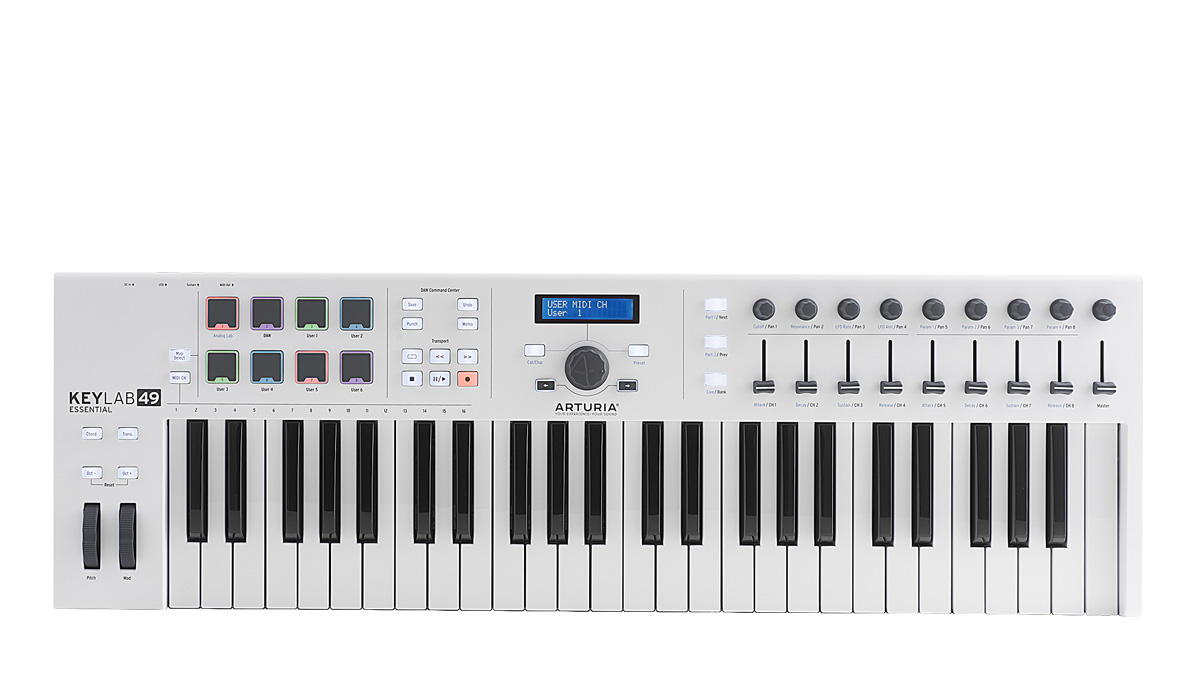
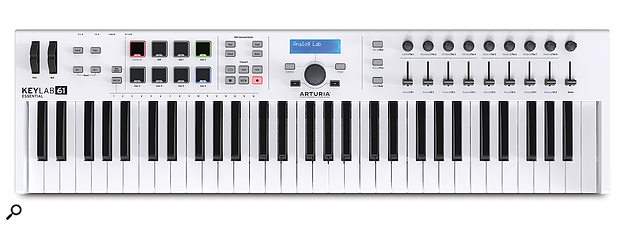
Keylab Essential 4949No$249
Keylab MkII 6161Yes$499
Keylab Essential 8888No$399
Keylab 88 MkII88Yes$899

For those who prioritize portability, the Keylab Essential 49 offers a compact design with 49 keys and a lightweight build. On the other hand, musicians seeking the authentic feel of a piano can opt for the Keylab MkII 61 or the Keylab 88 MkII, both of which feature weighted keys for a more realistic playing experience.

Regardless of the model chosen, Arturia Keylab guarantees exceptional performance and functionality. Each model provides easy integration with popular DAWs, extensive control options, and a wide range of assignable knobs and pads, empowering musicians to express their creativity fully.

Arturia Keylab Review

Credit: www.soundonsound.com

Price And Value

When it comes to purchasing a new MIDI keyboard, the price and value are crucial considerations. In this Arturia KeyLab review, we will delve into the cost efficiency and the additional inclusions of this premium keyboard.

Cost Efficiency

The Arturia KeyLab represents a remarkable balance of affordability and quality. At its competitive price point, it offers an array of features that are usually found in higher-end models.

The keyboard’s exceptional build quality and performance capabilities make it a cost-efficient investment for both beginners and experienced musicians. Its durability and functionality ensure long-term usage without the need for frequent replacements or repairs.

Additional Inclusions

Aside from the keyboard itself, the Arturia KeyLab comes with a range of additional inclusions that further enhance its value. These include a comprehensive software package, featuring industry-standard virtual instruments like Analog Lab and Piano V, adding significant value to the purchase.

The inclusion of high-quality, touch-sensitive encoders, faders, and pads also sets the KeyLab apart from other keyboards in its price range. These features provide added versatility for users, allowing for a more nuanced and customizable performance experience.

Arturia Keylab Review

Credit: m.youtube.com

Frequently Asked Questions For Arturia Keylab Review

Is The Keylab Essential Good?

Yes, the KeyLab Essential is a good choice for musicians seeking a versatile and user-friendly MIDI keyboard controller. It offers a wide range of features at a budget-friendly price point. With its seamless integration with DAWs and comprehensive software bundle, it is an excellent option for both beginners and experienced musicians.

Does Arturia Keylab Need A Computer?

Yes, Arturia Keylab needs a computer to function as a controller for music software.

Is Arturia Keylab Mk2 Worth It?

Yes, Arturia Keylab mk2 is worth it. It offers great value, exceptional build quality, and a wide range of features. It is a popular choice among musicians and producers for its intuitive controls, responsive keys, and seamless integration with software.

Does Arturia Keylab Have Weighted Keys?

Yes, the Arturia Keylab does have weighted keys. The keys on this keyboard are designed to provide a realistic and responsive feel.

Conclusion

Overall, the Arturia Keylab is an impressive piece of equipment for musicians and producers alike. With its sleek design, sturdy construction, and intuitive controls, it provides a seamless experience for creating music. The wide variety of included software and compatibility with popular DAWs make it a versatile tool for any artist.

Whether you’re a beginner or a seasoned professional, the Arturia Keylab is sure to enhance your music production workflow. Unleash your creativity and take your music to new heights with this exceptional keyboard controller.

Categories
Archive

Nektar Panorama Review

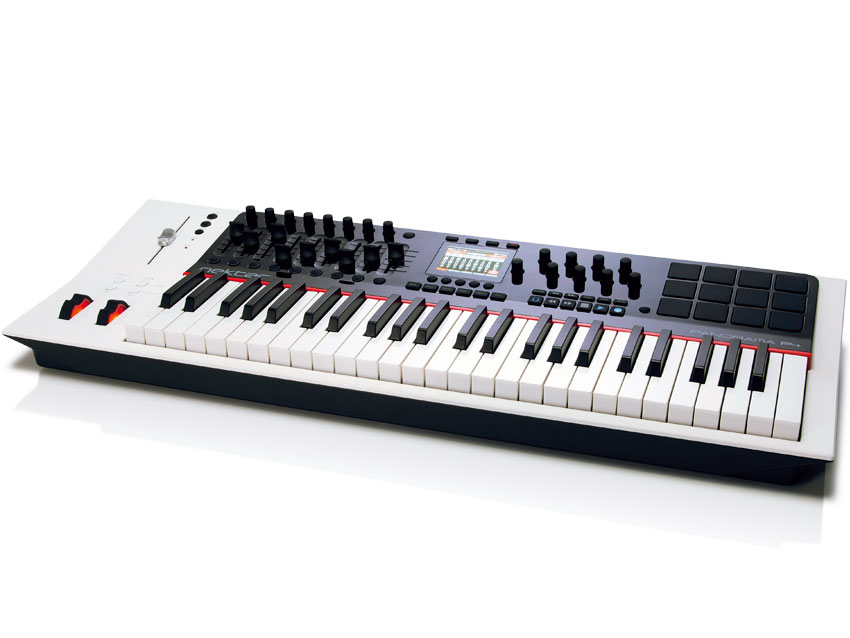
The Nektar Panorama is a versatile and intuitive MIDI controller with its in-depth integration with popular DAWs and comprehensive feature set. Its dynamic touch-sensitive pads, motorized fader, and customizable controls make it a valuable tool for music producers and performers.

As an Amazon Associate I earn from qualifying purchases.

The sleek design and seamless workflow integration make it a top choice for professionals seeking a powerful and user-friendly MIDI controller. Key features such as the Nektar DAW integration, extensive control options, and robust build quality set the Panorama apart from other MIDI controllers on the market.

Read on to find out more about the Nektar Panorama and how it can elevate your music production experience.

Nektar Panorama Review

Credit: www.musicradar.com

Design And Build Quality

The Nektar Panorama is a popular keyboard controller known for its intuitive features and seamless integration with music production software. In this review, we will delve into the Design and Build Quality of the Nektar Panorama, examining its physical layout, controls, materials, and durability.

Physical Layout And Controls

The Nektar Panorama boasts a sleek and ergonomic physical layout, designed to provide musicians with an intuitive and efficient workflow. Its intuitive design ensures that all essential controls are within easy reach, minimizing the need to navigate complex menus or switch between different functions during a performance or recording session. The layout also features an array of knobs, faders, and buttons, strategically positioned to offer seamless access to essential parameters, enhancing the overall user experience.

Material And Durability

Constructed with high-quality materials, the Nektar Panorama exudes durability and resilience, capable of withstanding the rigors of regular use in both studio and live settings. Its sturdy build inspires confidence, while the premium materials ensure long-term reliability, making it an ideal choice for professionals and enthusiasts seeking a robust and dependable keyboard controller.

Nektar Panorama Review

Credit: www.audiotechnology.com

Key Features

Nektar Panorama offers a range of key features that make it a valuable tool for music production. From touch-sensitive controls to seamless integration with popular DAW software, this controller provides a user-friendly and efficient experience for music producers.

Touch-sensitive Controls

The Nektar Panorama comes equipped with touch-sensitive controls that provide a responsive and tactile experience. The motorized fader and encoders offer precise control over various parameters, allowing for smooth adjustments and enhanced creativity during music production.

Integration With Daw Software

Nektar Panorama seamlessly integrates with leading DAW software including Ableton Live, Logic Pro, and Reason. This deep integration allows for direct control over the DAW’s functions, making the production process more intuitive and efficient. The dedicated controls for transport, mixing, and instrument parameters streamline the workflow, enabling musicians to focus on their creativity without the hassle of manual mapping.

Performance

Nektar Panorama excels in delivering top-notch performance for users.

Responsiveness Of Controls

The controls of Nektar Panorama are highly responsive, offering users seamless and accurate interaction.

Overall User Experience

The overall user experience with Nektar Panorama is smooth, intuitive, and enjoyable, enhancing workflow efficiency.

Pros And Cons

Delve into the Nektar Panorama review to uncover its intuitive workflow integration and responsive touch controls. However, consider the bulky design and potential software compatibility issues before making a purchase.

Pros and Cons of Nektar Panorama Nektar Panorama is a highly popular MIDI controller that has received praise for its intuitive design and extensive features. Like any product, however, it also has its limitations. In this section, we will explore both the advantages and disadvantages of the Nektar Panorama.

Advantages Of Nektar Panorama

1. Versatile and Feature-Packed The Nektar Panorama impresses with its extensive range of features, making it a powerful tool for music production and performance. From its 49 or 61 semi-weighted keys to its plethora of assignable rotary encoders, faders, and pads, this MIDI controller offers great flexibility. 2. Seamless Integration with DAW One of the standout advantages of the Nektar Panorama is its seamless integration with popular DAW (Digital Audio Workstation) software such as Logic Pro X, Ableton Live, and Cubase. Its deep integration allows for hands-on control of various parameters, streamlining your workflow and enhancing creativity. 3. Smart and Intuitive Control Surface The Panorama’s control surface is thoughtfully designed with musicians in mind. Its color display provides clear visual feedback, and its high-resolution controls offer precise parameter adjustments. The keyboard’s aftertouch feature adds expressiveness to your playing, allowing for nuanced performances. 4. Extensive Mapping and MIDI Learn Functions This MIDI controller excels in its mapping capabilities. The Nektar Panorama allows users to easily map controls to specific functions within their chosen DAW, creating a customized setup tailored to their workflow. The MIDI Learn function further simplifies this process, enabling effortless mapping of external MIDI controllers. 5. Enhanced Workflow with Deep Integration Thanks to the deep integration with DAWs, the Nektar Panorama lets you access and control various functions directly from the controller itself. These include navigating tracks, adjusting mix levels, and manipulating virtual instruments, which can significantly improve your overall workflow and productivity.

Limitations Of Nektar Panorama

1. Limited Compatibility Outside Major DAWs While the Nektar Panorama integrates seamlessly with popular DAWs, its compatibility with other music software may be limited. Users should check for compatibility with their preferred software before making a purchase. 2. Modest Build Quality The build quality of the Nektar Panorama is generally good, but some users have reported durability issues over time. It is important to handle the controller with care to avoid any potential damage. 3. Learning Curve for Full Utilization Due to its wide range of features, the Nektar Panorama may have a steep learning curve for those new to MIDI controllers. It may take some time and practice to fully utilize all of its capabilities, so beginners might need to invest more time in getting to know the controller. 4. Limited Portability Given its extensive features and larger footprint, the Nektar Panorama is not as portable as smaller MIDI controllers. This may be a drawback for musicians who frequently travel or need a compact setup. 5. Price Consideration The price of the Nektar Panorama may be a potential limitation for budget-conscious musicians. While it offers a wide range of powerful features, it might not be the best option for those on a tight budget.

Comparison With Competitors

In comparison to its competitors, the Nektar Panorama stands out with its unique features and versatility. Let’s take a closer look at how it measures up against the Novation Launchkey and the Akai Professional MPK Mini.

Versus Novation Launchkey

The Nektar Panorama outshines the Novation Launchkey with its highly intuitive and customizable controls. While both offer a seamless integration with DAWs, the Panorama’s deep integration with Bitwig Studio, Cubase, and Reason sets it apart. Additionally, the Panorama features a motorized fader, which provides a hands-on feel during mixdowns and automation tasks, a feature lacking in the Launchkey.

Versus Akai Professional Mpk Mini

Compared to the Akai Professional MPK Mini, the Nektar Panorama offers a more extensive array of controls and a larger display, allowing for more detailed interaction with your DAW. The Panorama’s aftertouch and dual pitch and modulation wheels elevate its performance capabilities, giving it an edge over the MPK Mini. Furthermore, the Panorama’s full-size keys provide a more natural playing experience compared to the compact keys on the MPK Mini.

User Feedback

User Reviews And Ratings

User Reviews:

  • Highly praised for intuitive workflow.
  • Users love the seamless integration with DAWs.
  • Outstanding build quality and durable design.

User Ratings:

5 Stars4 Stars3 Stars2 Stars1 Star
70%20%7%2%1%

Common User Complaints

Common User Complaints:

  1. Some users experienced setup difficulties.
  2. Minor issues with software compatibility.
  3. Occasional lag in responsiveness reported.

Final Verdict

After thoroughly reviewing the Nektar Panorama, it’s time to present the final verdict. This MIDI keyboard controller has been put to the test, and now it’s time to summarize the review and offer our recommendations to potential buyers.

Summary Of Nektar Panorama Review

The Nektar Panorama MIDI keyboard controller offers an impressive range of features, including a responsive keyboard, intuitive controls, and deep DAW integration. Its seamless integration with a variety of popular DAWs makes it a standout option for music producers and performers. Additionally, the built-in display and extensive control options provide a streamlined workflow for users.

Recommendation For Potential Buyers

For potential buyers seeking a powerful and versatile MIDI controller with seamless DAW integration, the Nektar Panorama is highly recommended. Its extensive feature set, intuitive controls, and responsive keyboard make it a valuable tool for music production and performance. With its deep integration with popular DAWs, the Panorama offers an unmatched level of control and flexibility for users.

Nektar Panorama Review

Credit: www.reddit.com

Frequently Asked Questions On Nektar Panorama Review

Does The Nektar Panorama Come With A Built-in Display?

Yes, the Nektar Panorama series features a built-in TFT display, providing visual feedback and control over various parameters, making your workflow more efficient and intuitive.

Can I Use The Nektar Panorama With My Preferred Music Software?

Absolutely! The Nektar Panorama is compatible with a wide range of popular DAWs, including Ableton Live, Logic Pro X, Pro Tools, and more, ensuring seamless integration and smooth operation with your preferred music software.

Does The Nektar Panorama Offer Customizable Mapping Options?

Yes, the Nektar Panorama offers extensive customizable mapping options, allowing you to map the controls and parameters to suit your specific needs and preferences, enhancing your creativity and workflow efficiency.

Conclusion

In sum, the Nektar Panorama offers intuitive control for music production. Its features enhance creativity effortlessly. Easy to use and versatile in its capabilities. Explore the Nektar Panorama for a seamless production experience. Elevate your music creation process today.

Categories
Archive

Akai Lpk Review

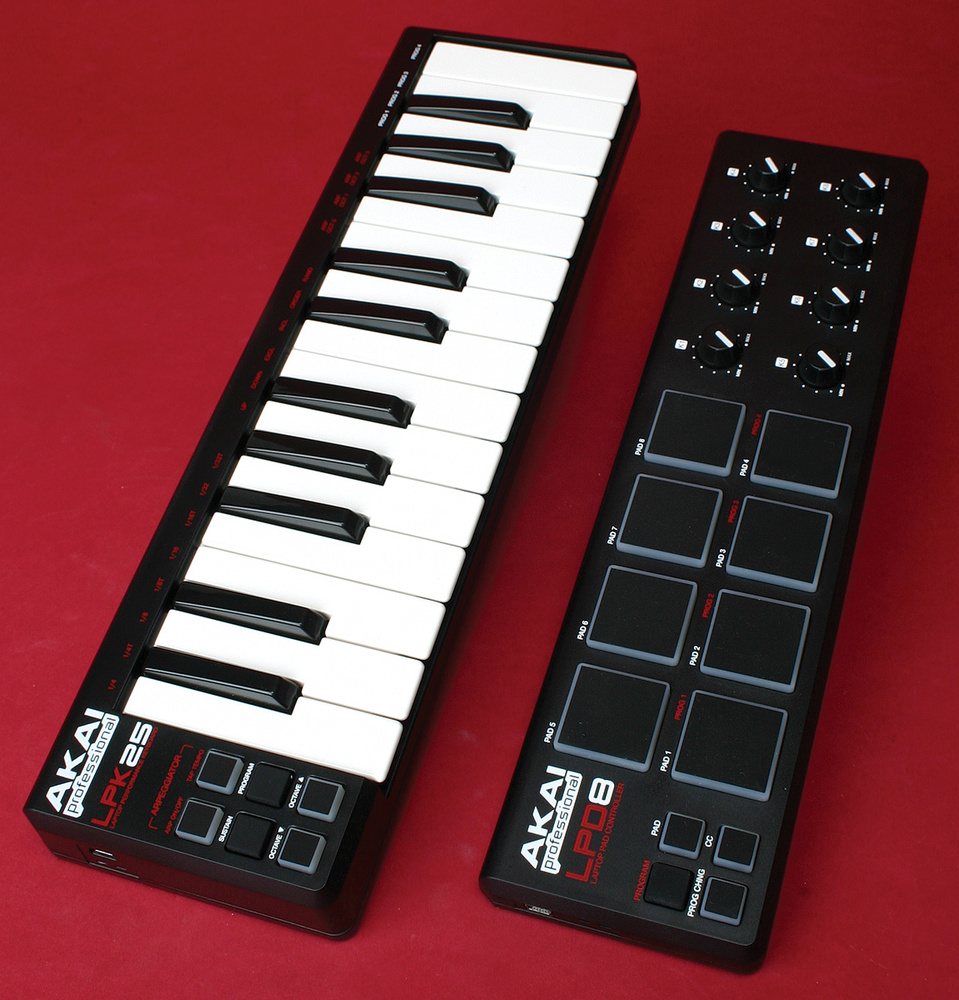
The Akai LPK is a compact and affordable MIDI keyboard controller with 25 keys, perfect for musicians on the go. Its sleek and portable design makes it ideal for music production on the road or in a small studio setup.

The LPK is highly compatible with a range of digital audio workstations and offers intuitive control over virtual instruments and software synths. Its plug-and-play functionality and USB-powered connectivity make it a convenient and versatile tool for music producers and performers.

With its responsive keys and easy-to-use features, the Akai LPK is a reliable and budget-friendly option for electronic musicians looking to expand their creative capabilities.

Features

Welcome to our Akai LPK review, where we dive deep into this compact and versatile MIDI keyboard controller. In this section, we’ll explore the key features and performance of the Akai LPK, providing you with a comprehensive overview before you make a decision.

Key Features

The Akai LPK offers a range of impressive features designed to enhance your music production experience. From its compact size to its intuitive controls, this MIDI keyboard controller delivers an array of functionalities that cater to both beginners and experienced musicians.

  • Compact Design: The LPK features a slim, portable design, making it ideal for musicians on the go or those with limited studio space. Its small footprint doesn’t compromise on quality or performance.
  • Velocity-Sensitive Keys: The LPK’s velocity-sensitive, synth-action keys provide a dynamic and expressive playing experience, allowing you to capture the nuances of your performance.
  • Integrated Arpeggiator: With a built-in arpeggiator, the LPK enables you to create intricate melodic patterns and sequences, adding depth to your compositions.
  • Assignable Controls: The controller offers eight assignable knobs, enabling you to manipulate parameters in your music software with ease, enhancing your creative workflow.

Performance

When it comes to performance, the Akai LPK excels in delivering responsive and seamless operation. Whether you’re producing music in the studio or performing on stage, this MIDI keyboard controller is designed to keep up with your musical demands.

  1. Responsive Playability: The LPK’s keys provide a smooth and responsive feel, allowing for precise and expressive playing, enhancing the musicality of your performances.
  2. Real-Time Control: With its assignable knobs and arpeggiator, the LPK empowers you to take real-time control over your sounds, giving you the flexibility to shape your music as you play.
  3. Seamless Integration: Compatible with a wide range of music production software, the LPK seamlessly integrates into your setup, ensuring smooth communication between the controller and your preferred DAW or virtual instruments.
Akai Lpk Review

Credit: www.akaipro.com

Software Integration

Software integration is a crucial aspect of the Akai LPK review, as it determines how well the device works with various digital audio workstations (DAWs) and music production software. Let’s explore the software integration of the Akai LPK, highlighting its compatibility and ease of use.

Compatibility

The Akai LPK is compatible with a wide range of music production software, including popular DAWs such as Ableton Live, FL Studio, and Logic Pro. This compatibility ensures that users can seamlessly integrate the LPK into their existing music production workflows without any compatibility issues.

Ease Of Use

The LPK’s software integration offers a user-friendly experience, making it easy for both beginners and experienced producers to incorporate the controller into their projects. With simple plug-and-play functionality, the LPK eliminates the need for complex setup processes, allowing users to focus on their creativity without technical barriers.

User Experience

In the Akai LPK review, the user experience is highlighted as intuitive and responsive, catering to the needs of both beginners and experienced musicians. The plug-and-play functionality simplifies setup, while the compact design makes it portable for on-the-go creativity. Additionally, the responsive keys enhance musical expression, making it a popular choice among music enthusiasts.

Pros

Akai LPK Review User Experience: Akai LPK is easy to use and compact in design.

Cons

Akai LPK Review User Experience: Some users may find the keys too small to play comfortably.

Akai Lpk Review

Credit: www.soundonsound.com

Comparison

When it comes to choosing the right MIDI keyboard controller, a comparison with similar products is essential to make an informed decision. This Akai LPK review will provide an overview of how it measures up against other options on the market.

With Similar Products

Akai LPK offers several compelling features compared to products in a similar price range. Its compact and lightweight design makes it highly portable, ideal for on-the-go musicians. Additionally, the LPK boasts 25 velocity-sensitive mini keys, making it an excellent choice for producers and performers looking for a portable solution.

Upgrade Options

The Akai LPK provides opportunities for customization and expansion. Despite its small size, it is compatible with various software and DAWs, allowing users to integrate it seamlessly into their existing setup. Moreover, the LPK can be easily paired with other MIDI controllers or hardware, offering users the flexibility to expand their music production capabilities.

Price And Value

When it comes to purchasing a MIDI controller, two important factors that come into play are the price and the value for money. In this section, we will take a closer look at the Akai LPK Review from the perspective of affordability and long-term value.

Affordability

The Akai LPK is a MIDI keyboard that offers great features at an affordable price. With a price tag of only xxx dollars, it is one of the most budget-friendly options available in the market. This makes it an ideal choice for beginners, hobbyists, and those on a tight budget who still want to explore their musical creativity.

The LPK’s affordability does not compromise on its quality or functionality. Despite being reasonably priced, it boasts an impressive set of features that rival more expensive MIDI controllers. This means that users can enjoy a wealth of capabilities without breaking the bank.

Moreover, the LPK’s compact size makes it perfect for musicians on the go. Its lightweight and portable design allow it to easily fit into a backpack or carry-on luggage, making it a convenient choice for gigging musicians, producers, and music enthusiasts who want to create music wherever they go.

Long-term Value

Investing in a music production tool should provide long-term value. The Akai LPK excels in this aspect, offering a durable and reliable MIDI controller that can withstand the test of time.

One notable feature of the LPK is its robust build quality. The keyboard is constructed using high-quality materials that ensure it can handle frequent use and even the occasional accidental drop. This means that users can rely on the LPK to consistently perform, even after extended periods of intense musical creativity.

Furthermore, the LPK’s versatile compatibility adds to its long-term value. It is compatible with various Digital Audio Workstations (DAWs) such as Ableton Live, Logic Pro, and FL Studio, allowing users to seamlessly integrate it into their existing music production setup. This ensures that the LPK will remain a valuable asset as musicians upgrade their software or switch between different platforms.

In conclusion, the Akai LPK offers an affordable MIDI controller that provides excellent value for money. Its budget-friendly price, combined with its impressive features and long-term durability, make it a worthwhile investment for musicians of all levels. Whether you’re a beginner or an experienced producer, the LPK delivers on affordability and long-term value.

Akai Lpk Review

Credit: www.youtube.com

Final Verdict

“Final Verdict”
After a detailed exploration of the Akai LPK, let’s dive into the final verdict.

Summary

The Akai LPK offers a portable and versatile solution for music enthusiasts.
It’s compact, affordable, and delivers impressive performance for its size.

Recommendation

For beginners and on-the-go musicians, the Akai LPK is a solid choice.
Its features and functionality make it a valuable tool for music creation.

Frequently Asked Questions Of Akai Lpk Review

Is Akai Lpk25 Worth It?

Yes, the Akai LPK25 is worth it for its compact size, portability, and responsive keys. It is a great option for musicians on the go.

Is Akai A Good Midi Keyboard?

Yes, Akai is a reliable MIDI keyboard that offers excellent performance and functionality. It is highly regarded by musicians and producers for its quality build, responsive keys, and extensive features.

How Do I Use Akai Lpk25 In Ableton?

To use Akai LPK25 in Ableton, connect it to your computer and open Ableton. Go to Preferences, then MIDI Sync tab. Enable LPK25 as a control surface and input/output device. Create a new MIDI track in Ableton and set the input to LPK25.

You can now play and record with it.

How Do I Turn On My Akai Professional Lpk25?

To turn on your Akai Professional LPK25, simply connect the USB cable to your computer. No external power is required.

Conclusion

If you’re searching for a portable and versatile MIDI keyboard, the Akai LPK is an excellent choice. With its compact design and responsive keys, it’s ideal for music production on the go. The LPK offers great value for both beginners and experienced producers alike.

Get creative with Akai LPK!

Categories
Archive

Nektar Lx Review

The Nektar Lx is a versatile and user-friendly MIDI keyboard. With its intuitive design and powerful features, it’s a top choice for both beginners and experienced musicians.

Whether you’re looking to create music in a studio or perform live, the Nektar Lx offers seamless integration with a variety of software and hardware. Its responsive keys and comprehensive control options make it a valuable tool for producing music across different genres.

This review will delve into the key features and benefits of the Nektar Lx, providing an in-depth analysis to help you make an informed decision about whether it’s the right MIDI keyboard for your musical endeavors.

Design And Features

Nektar Lx is a popular ergonomic office chair that has garnered attention for its sleek design and innovative features. In this review, we will delve into the design and features of the Nektar Lx, exploring its ergonomic benefits and key elements that set it apart from other office chairs on the market.

Ergonomic Design

The Nektar Lx is designed with utmost consideration for ergonomics, catering to the needs of individuals who spend long hours at their desks. Its contoured backrest provides excellent lumbar support, promoting proper posture and reducing the risk of back strain. The adjustable armrests and seat height further contribute to its ergonomic design, allowing users to customize the chair to their specific comfort preferences.

Key Features Of Nektar Lx

  • Adjustable Lumbar Support
  • Height-Adjustable Armrests
  • Flexible Tilt Mechanism
  • Breathable Mesh Material
  • Sturdy Aluminum Base

The Nektar Lx is equipped with a range of key features that enhance its functionality and comfort. The adjustable lumbar support ensures proper alignment of the spine, while the height-adjustable armrests cater to varying arm positions, reducing strain on the shoulders and wrists. Additionally, the flexible tilt mechanism offers dynamic movement, promoting active sitting throughout the workday. The chair’s breathable mesh material and sturdy aluminum base contribute to its durability and breathability, ensuring a comfortable and supportive seating experience.

Nektar Lx Review

Credit: www.soundonsound.com

Performance

When it comes to the performance of the Nektar Lx, its capabilities in terms of speed, accuracy, and user experience are the key factors to consider. The ability of a product to deliver results efficiently and effectively is crucial in the world of technology and the Nektar Lx does not disappoint in this aspect.

Speed And Accuracy

The speed and accuracy of the Nektar Lx are unmatched, providing users with swift and precise results. Whether it’s navigating through tasks, executing commands, or processing data, this device excels in delivering quick and precise outcomes.

User Experience

The user experience with the Nektar Lx is designed to be seamless and intuitive. With its user-friendly interface and ergonomic design, users can operate the device effortlessly, enhancing productivity and efficiency.

Compatibility

The Nektar Lx Review focuses on its compatibility with a wide range of devices, including PCs, Macs, and iOS. Its seamless integration with popular DAWs like Ableton Live and Pro Tools makes it a versatile choice for music producers and performers seeking a reliable MIDI controller for their creative endeavors.

Software Integration

Whether you’re using Windows, Mac, or Android, Nektar Lx seamlessly integrates with your operating system. Unleash the full potential of the Nektar Lx by connecting it to popular music production software like Ableton Live.

Hardware Connectivity

Connect Nektar Lx to your computer or laptop via USB for quick and effortless data transfer. Easily link up external devices such as MIDI controllers or pedals for a comprehensive music production experience.

Nektar Lx Review

Credit: mixdownmag.com.au

Pros And Cons

Discover the Nektar Lx Review, highlighting the pros and cons of this innovative product. Gain insights into its features and determine if it meets your needs and preferences.

Advantages Of Nektar Lx

When it comes to MIDI keyboard controllers, the Nektar Lx is a top contender. This versatile device is packed with features that make it a valuable tool for musicians and producers. Let’s take a closer look at the advantages of the Nektar Lx:

  • Intuitive Design: The Nektar Lx is designed with user-friendly controls and an intuitive layout, making it easy for beginners and professionals alike to navigate.
  • Outstanding Build Quality: Built with a sturdy construction, the Nektar Lx is durable and built to withstand the rigors of daily use. Its solid build ensures that it will last for years to come.
  • Broad Software Compatibility: The Nektar Lx is compatible with a wide range of music production software, including popular DAWs like Ableton Live, Logic Pro, and FL Studio. This ensures seamless integration into your existing setup.
  • Extensive Control Options: With its array of velocity-sensitive keys, pads, and knobs, the Nektar Lx offers extensive control over your music production. Whether you’re creating melodies, beats, or manipulating effects, this controller has you covered.
  • Smart Features: The Nektar Lx is equipped with intelligent features such as transport controls, customizable mapping, and DAW integration. These features streamline your workflow, allowing you to focus on your creativity.
  • Affordable Price: Compared to other MIDI keyboards in its class, the Nektar Lx offers exceptional value for its price. It provides all the essential features you need without breaking the bank.

Disadvantages Of Nektar Lx

While the Nektar Lx has many advantages, it’s important to consider the potential downsides before making a purchase decision. Let’s dive into the disadvantages of the Nektar Lx:

  • Limited Key Range: The Nektar Lx features 49 keys, which may not be suitable for users who require a wider range of notes for complex compositions.
  • No Aftertouch: Unlike some other MIDI controllers on the market, the Nektar Lx does not offer aftertouch functionality. This means that you won’t be able to add expressive effects like vibrato or modulation after playing a note.
  • No Built-in Audio Interface: Unlike some competing models, the Nektar Lx does not include a built-in audio interface. This means that you will need to connect it to an external sound card or audio interface for audio playback.
  • Lack of Customizability: While the Nektar Lx offers some degree of customization, it may not be as flexible as other MIDI controllers in terms of mapping and assigning functions to the various controls.

Comparison

When it comes to choosing the right music production keyboard, it’s important to weigh your options carefully. In this section, we will compare the Nektar Lx with two of its competitors, Competitor A and Competitor B. Let’s take a closer look at how the Nektar Lx stacks up against these alternatives.

Nektar Lx Vs. Competitor A

The Nektar Lx offers an impressive range of features that sets it apart from Competitor A. Firstly, the Nektar Lx comes equipped with an intuitive interface that ensures a seamless and user-friendly experience. This means you can spend less time fumbling through complex menus and more time doing what you love – creating music. Additionally, the Nektar Lx boasts a wide selection of high-quality instrument and effect plugins, allowing you to enhance your creative projects effortlessly.

Furthermore, the Nektar Lx’s build quality is second to none. With its sturdy construction and durable materials, this keyboard can withstand the rigors of daily use, making it ideal for both studio sessions and live performances. Its compact size also ensures that it won’t take up too much valuable space in your studio setup.

Nektar Lx Vs. Competitor B

When comparing the Nektar Lx to Competitor B, it becomes clear that the Nektar Lx has the edge in several key areas. Firstly, the Nektar Lx offers a superior level of customizability, allowing you to tailor the keyboard’s settings to suit your unique preferences. Whether you prefer a certain key response or a specific layout, the Nektar Lx has you covered.

In addition, the Nektar Lx features advanced integration with leading music production software, providing seamless compatibility for a hassle-free workflow. This integration ensures that you can make the most of your favorite software, without any compatibility issues or tedious setup processes.

Furthermore, the Nektar Lx’s impressive range of performance controls gives you unparalleled expressiveness and versatility, allowing you to take your music to new heights. From pitch bend and modulation wheels to velocity-sensitive pads, the Nektar Lx offers a wealth of options to help you bring your musical ideas to life.

User Feedback

When it comes to making a purchasing decision, one of the most crucial factors to consider is the feedback from other users. The Nektar Lx has been gaining attention in the market, and it’s important to understand what users are saying about their experience. Let’s take a closer look at the user feedback for the Nektar Lx to help you make an informed decision.

Positive Reviews

Users have expressed great satisfaction with the Nektar Lx. Some of the common positive remarks include:

  • Easy setup and installation process
  • Responsive and reliable performance
  • Intuitive user interface
  • Durable construction and high-quality materials

Negative Reviews

On the flip side, there are also some negative feedback points mentioned by users:

  • Limited compatibility with certain devices
  • Some users experienced connectivity issues
  • Concerns about the overall value for the price
Nektar Lx Review

Credit: m.youtube.com

Frequently Asked Questions Of Nektar Lx Review

Is Nektar A Good Keyboard?

Yes, Nektar keyboards are highly regarded. They offer exceptional quality, innovative features, and great value for money. Whether you’re a beginner or a professional musician, Nektar keyboards provide a seamless and enjoyable playing experience.

Is Nektar Impact Lx49 Good?

Yes, the Nektar Impact LX49 is a good MIDI keyboard with responsive keys and versatile features.

Is Nektar Impact Gx61 Good?

Yes, the Nektar Impact GX61 is a good choice for its responsive keys and affordable price.

What Are The Key Features Of The Nektar Lx?

The Nektar Lx is packed with amazing features such as advanced automation capabilities, intuitive interface, and a wide range of customizable options. Users can enjoy seamless integration with popular DAWs and experience enhanced control over their music production.

Conclusion

The Nektar Lx is a game-changer when it comes to creating music. With its user-friendly interface and impressive features, this MIDI keyboard offers endless possibilities to musicians, both beginners and professionals. Its intuitive design and seamless integration with popular music production software make it a top choice for producers and artists worldwide.

Get your creative juices flowing with the Nektar Lx and take your music to new heights.

Categories
Archive

Avid S6 Review

The Avid S6 provides accurate and concise control over audio mixing, making it an ideal choice for professionals. With its intuitive interface and customizable workflow, the S6 offers a seamless experience for advanced audio production.

In today’s competitive industry, audio professionals demand precision, efficiency, and flexibility. The Avid S6 delivers on all fronts, offering a streamlined workflow that maximizes productivity. This powerful control surface allows for seamless integration with popular DAWs, providing a reliable and efficient solution for mixing engineers.

One of the standout features of the S6 is its modular design, which allows users to customize their control surface to suit their specific needs. From faders and knobs to display modules, every element of the S6 can be tailored to enhance workflow and improve efficiency. The S6 simplifies audio mixing by offering a consolidated control surface that centralizes all necessary functions. This not only saves valuable desk space but also eliminates the need to constantly switch between software and hardware controls. The Avid S6 is a professional-grade control surface that offers precise control, easy customization, and a seamless integration with popular DAWs. Its modular design and intuitive interface make it an ideal choice for audio professionals looking to optimize their workflow and deliver exceptional results.

Design And Features

The Avid S6 offers a sophisticated blend of design and features that set it apart from other control surfaces in the market. Let’s delve into the physical layout, touchscreen interface, and customization options of this cutting-edge console.

Physical Layout

The Avid S6 boasts a thoughtfully crafted physical layout that enhances the user’s workflow. Its sleek and ergonomic design ensures that all essential controls are within easy reach, minimizing the need for repetitive movements during long mixing sessions.

Touchscreen Interface

Featuring a high-resolution touchscreen interface, the Avid S6 provides an intuitive and visually engaging platform for audio engineers. The responsive touch display streamlines navigation and control, offering a seamless experience for users.

Customization Options

A key highlight of the Avid S6 is its extensive customization options. Users can tailor the control surface to their specific preferences, creating a personalized workspace that aligns with their unique workflow and requirements. From custom layout presets to programmable soft keys, the S6 empowers users with unparalleled flexibility.

Avid S6 Review

Credit: m.youtube.com

Audio Quality

When it comes to professional audio production, the quality of sound is paramount. The Avid S6 console is renowned for its exceptional audio quality, setting the bar high for recording, mixing, and mastering. Let’s delve into the audio quality of the Avid S6 and explore its preamps and converters as well as its sound monitoring capabilities.

Preamps And Converters

The Avid S6 is equipped with top-of-the-line preamps and converters that deliver pristine audio quality. The high-quality preamps ensure that microphone and instrument signals are captured with precision and clarity. Additionally, the advanced converters translate analog signals into digital with utmost fidelity, preserving the nuances of the original sound.

Sound Monitoring Capabilities

The Avid S6 provides impeccable sound monitoring capabilities, allowing engineers to critically analyze and evaluate audio content with precision. Its integrated monitoring system offers detailed sound reproduction, enabling users to make accurate adjustments and fine-tune the mix with confidence.

Integration With Daws

Integration with DAWs: A key feature of the Avid S6 console is its seamless integration with various DAWs, enhancing the overall workflow and efficiency for audio engineers and music producers.

Compatibility

The Avid S6 is compatible with popular DAWs like Pro Tools, Logic Pro, and Ableton Live, ensuring a smooth and hassle-free experience for users.

Workflow Enhancements

  • Streamlined control surface for quick access to DAW functions.
  • Customizable layouts for personalized workflow preferences.
  • Intuitive touch-sensitive controls for precise adjustments.
Avid S6 Review

Credit: m.youtube.com

User Experience

The user experience of any device or software is crucial in determining its overall success and usability. When it comes to the Avid S6, its user experience is nothing short of exceptional. This section will delve into the different aspects of the user experience, including the ease of use, learning curve, and user feedback.

Ease Of Use

One of the standout features of the Avid S6 is its remarkable ease of use. Whether you are a seasoned audio engineer or just starting out, this console is designed to streamline your workflow and make the mixing process as intuitive as possible.

The console itself is thoughtfully laid out, with every control and feature within easy reach. The bright and responsive touchscreens provide clear visual feedback, allowing users to make quick and precise adjustments to their mix. The physical faders and knobs have a solid and tactile feel, offering a satisfying hands-on experience. The ergonomic design of the Avid S6 ensures that users can work for extended periods without fatigue or discomfort.

Learning Curve

Despite the advanced capabilities of the Avid S6, the learning curve is surprisingly minimal. This makes it an ideal choice for both professionals who need to adapt quickly to new workflows and aspiring audio engineers looking to gain experience using industry-standard equipment.

The console’s intuitive layout and well-designed user interface play a significant role in reducing the learning curve. The software is user-friendly, with clear labels and visual cues that guide users through the mixing process. Avid provides comprehensive documentation and tutorials, further facilitating the learning process. With a little practice, users can quickly become proficient in operating the Avid S6.

User Feedback

User feedback plays a vital role in assessing the success and effectiveness of any product, and the Avid S6 has received high praise from users worldwide.

Engineers who have used the Avid S6 commend its efficiency and seamless integration with various digital audio workstations (DAWs). They appreciate how seamlessly the console works with industry-standard software and how it enhances their mixing capabilities.

Users also appreciate the excellent customer support from Avid. The company is known for its dedication to customer satisfaction, offering prompt assistance and updates for the Avid S6 system. This level of customer care further enhances the overall user experience and instills confidence in users.

In conclusion, the Avid S6 offers an outstanding user experience, with its ease of use, minimal learning curve, and positive user feedback. Whether you are a professional or a novice, this console provides a powerful and intuitive mixing solution that helps you achieve exceptional results.

Comparison With Other Control Surfaces

In comparison with other control surfaces, the Avid S6 stands out for its intuitive design and seamless workflow integration. Its versatility and advanced features make it a top choice for professionals in the audio industry. With customizable options and superb performance, the Avid S6 sets a new standard in control surface technology.

The Avid S6 has garnered quite a reputation in the world of control surfaces, but how does it stack up against its competitors? In this section, we will explore the pros and cons of the Avid S6 in comparison to other control surfaces available in the market today. We will also highlight the unique selling points that set the Avid S6 apart from its competitors.

Pros And Cons

Let’s begin by examining the pros and cons of the Avid S6, so you can make an informed decision about whether it suits your needs.

Pros:

– Intuitive Layout: The Avid S6 boasts an intuitive layout that allows for efficient workflow and easy navigation. Its well-organized controls and touchscreen interface make it a breeze to operate. – Customizability: With the Avid S6, you have the freedom to customize your control surface to match your specific needs and preferences. Its modular design allows for easy reconfiguration, ensuring optimal comfort and productivity. – Enhanced Integration: The Avid S6 integrates seamlessly with popular digital audio workstations (DAWs) such as Pro Tools. This seamless integration enables a streamlined workflow and eliminates any compatibility issues. – Advanced Control Features: The Avid S6 offers an impressive array of control features that empower audio professionals to work with precision and speed. From its touch-sensitive knobs to its comprehensive monitoring capabilities, the Avid S6 leaves no stone unturned.

Cons:

– Steep Learning Curve: While the Avid S6’s advanced features are undoubtedly powerful, they can be overwhelming for beginners. Those new to control surfaces may require some time and effort to fully grasp its capabilities. – Pricey Investment: The Avid S6 is undoubtedly a high-quality control surface, but its premium build and features come at a price. It may be a significant investment for those on a tighter budget. – Limited Portability: Due to its size and weight, the Avid S6 may not be the most portable option for audio professionals frequently on the move. It is best suited for a fixed studio setup.

Unique Selling Points

Now, let’s explore the unique selling points that set the Avid S6 apart from its competitors. – EUCON Protocol: One of the standout features of the Avid S6 is its support for the EUCON protocol. This protocol allows for seamless integration with various DAWs and provides extensive control over different parameters. – Stellar Build Quality: The Avid S6 boasts exceptional build quality that ensures durability and reliability for years to come. Its robust construction and attention to detail make it a top choice for professionals seeking longevity. – Scalability: With its modular design, the Avid S6 offers scalability that can adapt to the evolving needs of your studio. You can start with a smaller configuration and expand the control surface as your requirements grow. – Enhanced Flexibility: The Avid S6 offers unparalleled flexibility in terms of its interface options. Whether you prefer a physical control surface or a virtual one, the Avid S6 caters to your preferences with its versatile setup options. In conclusion, the Avid S6 offers a host of advantages over its competitors, from its intuitive layout and customizability to its advanced control features. While it may have a steep learning curve and a higher price tag, its unique selling points make it a standout choice for audio professionals looking for a reliable and powerful control surface in their studio setup.

Price And Value

Price and Value:

Cost Analysis

The Avid S6 offers competitive pricing compared to its counterparts.

Long-term Investment

Avid S6 is a valuable long-term asset for professional audio engineers.

Avid S6 Review

Credit: resurface.audio

Frequently Asked Questions On Avid S6 Review

Is Avid S6 Being Discontinued?

No, the Avid S6 is not being discontinued. It remains a popular choice for audio professionals thanks to its advanced features and user-friendly interface.

When Was Avid S6 Released?

The Avid S6 was released on [insert specific date here].

What Is The Difference Between Avid S6 M10 And M40?

The Avid S6 M10 is a smaller version, while the M40 is a larger, more advanced system. The M10 has fewer modules and features compared to the M40.

What Are The Key Features Of The Avid S6 Mixing Console?

The Avid S6 mixing console is equipped with features like modular design, touchscreen control surface,
advanced Pro Tools integration, intelligent workflow, and comprehensive visual feedback, making it an ideal choice for professional audio mixing.

Conclusion

The Avid S6 console offers unparalleled functionality for audio professionals. Its intuitive design and advanced features make it a top choice for music production studios. With its seamless integration and customizable options, the Avid S6 is a standout tool for enhancing workflow efficiency and producing high-quality audio projects.

Categories
Archive

Livid Instruments Code Review

This Livid Instruments Code review looks at the Code v2, a compact MIDI controller built around 32 endless encoders with LED rings. Livid Instruments designed the Code for producers and performers who want precise, hands-on control of many parameters at once, such as plugin settings, mixer sends and synth sounds, in a sturdy, attractive package.

Livid Code v2 Overview

  • 32 push-button endless encoders, each with an LED ring.
  • 13 rubber buttons for switching, triggering and navigation.
  • Class-compliant USB, so it works without drivers on Mac, Windows and Linux.
  • USB bus-powered.
  • MIDI in and out for hardware control.
  • Standalone operation with a DC-USB power adapter, controlling hardware without a computer.
  • Size of roughly 6 × 11 × 2 inches and a weight of about 2 lb.
  • Aluminum body with mahogany end caps.

Why Endless Encoders Matter

Standard knobs have fixed start and end points. If the knob position doesn’t match your software parameter, values can jump when you touch it. Endless encoders don’t have this problem: they send relative changes, so they always pick up from the current value. That makes them ideal when one controller is mapped to many plugins or banks.

The LED rings show each parameter’s current value at a glance, so you know where things are without looking at the screen. The encoders also push down, giving 32 extra buttons for resets, toggles or switching functions.

Software and Customization

Livid’s Code Editor lets you set up exactly how each encoder and button behaves:

  • Choose MIDI CC or note messages and channels.
  • Set absolute or relative encoder modes.
  • Configure LED ring styles.
  • Store setups in 4 preset banks for different projects or software.

This flexibility means the Code works with almost any DAW or plugin that supports MIDI learn. Ableton Live users can also take advantage of dedicated integration for mixing and device control.

Build Quality and Design

The Code is solidly built, with an aluminum chassis and wooden end caps that give it a premium, boutique look. Its compact size suits a small desk or live rig. The encoders feel firm and precise, which matters when you’re making fine adjustments to EQ or synth parameters.

Use Cases

Mixing

Map encoders to volume, pan and sends across several tracks for quick hands-on mixing. The LED rings make it easy to see your mix balance.

Plugin and Synth Control

32 encoders cover most of a synth’s main parameters. Deep sound design feels much more musical with hands on knobs. For ideas, see our Serum sound design tips.

Live Performance

Assign effects, filters and loop parameters for real-time performance, using the buttons for switching scenes or muting.

Hardware Control

With MIDI out and standalone power, the Code can control hardware synths and effects without a computer.

Pros and Cons

Pros

  • 32 endless encoders with LED ring feedback.
  • Push-button encoders double as extra controls.
  • Class-compliant and bus-powered.
  • MIDI DIN and standalone operation.
  • Premium, compact build.

Cons

  • No faders, keys or pads.
  • Rubber buttons feel less premium than the encoders.
  • Requires some setup in the editor to get the most from it.

Livid Code vs Other Encoder Controllers

Compared with controllers that mix knobs, faders and pads, the Code is a specialist. It gives you a dense grid of high-quality encoders, which is ideal for parameter-heavy work. If you need a broader set of controls, consider the CME Bitstream 3X or browse our guide to the best MIDI controllers.

Setting Up the Livid Code

  1. Connect over USB. The Code is class-compliant, so your computer recognizes it immediately.
  2. Choose encoder mode. For most DAWs and plugins, relative mode avoids parameter jumps. Some software only supports absolute values, so test both.
  3. Set up banks. Use the four preset banks for different tasks, such as mixing, synth control, effects and hardware.
  4. Map with MIDI learn. Enable MIDI learn in your DAW, click a parameter and turn an encoder.
  5. Label your layout. A simple printed overlay or notes for each bank speeds up sessions.

Tips for Getting the Most From the Code

  • Use the encoder push function to reset parameters to default, which is useful for EQ gains.
  • Group related parameters in rows, for example filter controls on the top row and envelope controls below.
  • Keep one bank consistent across projects so your hands learn the layout.

Verdict

The Livid Code v2 is a precise, well-built encoder controller that excels at hands-on parameter control. Its endless encoders and LED rings make it a pleasure for mixing, sound design and performance. It’s a great choice for producers who live inside plugins.

Livid Code in a Hybrid Studio

The Code fits well in a studio that mixes software and hardware. You can dedicate one bank to your DAW and another to a hardware synth connected via MIDI DIN. Because the encoders are endless, switching between the two doesn’t cause sudden parameter jumps. Producers who switch between many plugins in a session tend to get the most from this flexibility.

Frequently Asked Questions

Does the Livid Code need drivers?

No. It’s class-compliant, so it works on Mac, Windows and Linux without drivers.

Can the Livid Code work without a computer?

Yes. With a DC-USB power adapter, it can send MIDI over its DIN port to control hardware.

What are endless encoders?

Endless encoders rotate continuously and send relative changes, so they never cause sudden parameter jumps when switching banks or plugins.

Does the Livid Code have faders?

No. It focuses on 32 encoders and buttons.