Looking for the best websites for musicians? This ultimate guide provides comprehensive insight into the top platforms for creating, promoting, and selling your music.
As a musician, having a professional and user-friendly website is crucial for establishing your online presence, connecting with fans, and monetizing your music. In this guide, we’ll explore the features and benefits of popular website builders and platforms such as Bandzoogle, Wix, WordPress, and more.
Whether you’re an independent artist or a band looking to showcase your music and merchandise, choosing the right website is essential for success in the digital age. Let’s dive into the details and find the perfect platform to elevate your music career.
Credit: rockcontent.com
The Importance Of A Website For Musicians
A website is essential for musicians as it serves as a hub for their music, showcases their talent, and connects them with their audience. This ultimate guide explores the importance of having a website and provides tips for creating an effective online presence.
Building A Professional Image
An artist’s website serves as their virtual storefront, conveying professionalism and credibility to potential fans and industry professionals.
With a well-designed website, musicians can establish a strong brand identity and showcase their unique style and personality, enhancing their appeal to audiences.
Increasing Visibility And Reach
A website allows musicians to reach a global audience at any time, empowering them to connect with fans and industry contacts from around the world.
Through search engine optimization (SEO) strategies, musicians can increase their online visibility, attracting new fans and industry opportunities.
Showcasing Music And Merchandise
Websites provide a platform for musicians to share their music, videos, and merchandise directly with their audience, creating a seamless experience for fans to explore and purchase.
By featuring an online store, artists can monetize their work and enhance their revenue streams, fostering a sustainable career in the music industry.
Key Features To Include On Your Music Website
When creating a music website, it’s essential to incorporate key features that will engage your audience and provide them with all the information they need. These features not only create a professional online presence but also help to establish a strong connection with fans and industry professionals. In this article, we’ll explore the must-have elements for your music website, including a Biography and Press Kit, Discography and Music Samples, Tour Dates and Event Calendar, Merchandise Store, and Contact Information and Social Media Links.
Biography And Press Kit
Engaging artist biography
Professional high-resolution photos
Press quotes and reviews
Downloadable press kit
Discography And Music Samples
Complete list of albums and singles
Audio previews or streaming links
Lyric sheets and songwriting credits
Tour Dates And Event Calendar
Upcoming tour dates and venues
Concert ticket purchase links
Integration with ticketing platforms
Merchandise Store
Online store for merchandise sales
Product images and descriptions
Secure payment options
Contact Information And Social Media Links
Contact form or email address
Social media icons leading to profiles
Booking and management contact details
Choosing The Right Website Platform
Are you a musician looking for the perfect website platform? Selecting a suitable website builder is crucial for showcasing your talent effectively. From seamless integration of multimedia to user-friendly design, finding the right platform can elevate your online presence and reach a wider audience.
When it comes to creating a professional and effective website for your music career, choosing the right website platform is crucial. The platform you choose will determine how easily you can showcase your music, connect with fans, and grow your online presence. In this section, we will explore some key factors to consider when selecting a website platform.
Content Management Systems (cms)
A Content Management System (CMS) is a software that allows you to create, edit, and manage the content on your website. With a CMS, you don’t need to have coding knowledge, making it beginner-friendly and efficient to update your website as needed. Popular CMS options for musicians include WordPress, Joomla, and Drupal. These platforms offer a wide range of themes and plugins specifically designed for musicians.
Website Builders Vs. Custom Web Development
Website builders provide an easy, drag-and-drop interface, allowing you to build your website without any coding skills. They are user-friendly and offer pre-designed templates suited for musicians. On the other hand, custom web development gives you full control over the design and functionality of your site but requires technical expertise or the assistance of a developer. Consider your budget, time, and desired level of customization when deciding between website builders and custom web development.
Mobile Responsiveness And User Experience
In today’s mobile-driven world, having a mobile-responsive website is essential. A mobile-responsive website adapts its layout and design to fit different screen sizes, ensuring a seamless user experience on smartphones and tablets. This is crucial for your fans who access your website on the go. When choosing a website platform, prioritize options that offer mobile responsiveness and allow you to optimize your site for mobile devices.
Integration With Third-party Services
To enhance your website’s functionality, consider platforms that seamlessly integrate with third-party services. This could include social media platforms, email marketing tools, music streaming services, and ecommerce platforms. By integrating these services, you can streamline your online presence and provide your fans with an engaging experience. Check if the platform you’re considering offers easy integration with the services you need.
In conclusion, when choosing the right website platform for your music career, consider factors such as the CMS, website builders vs. custom development, mobile responsiveness, and integration with third-party services. By making an informed decision, you can create a website that effectively showcases your music, connects with your fans, and helps you achieve your musical goals.
Credit: blog.hubspot.com
Designing An Engaging And User-friendly Music Website
Creating a compelling music website is crucial for musicians to connect with their audience effectively. Your website’s design plays a significant role in attracting and engaging visitors. By focusing on visual appeal, easy navigation, high-quality content, and mobile-friendliness, you can create a seamless user experience that keeps fans coming back for more.
Choosing A Visually Aesthetic Theme
Pick a theme that reflects your music’s style and personality.
Ensure the design is clean, modern, and visually appealing.
Use high-quality images and bold typography to captivate visitors.
Optimizing Site Navigation And Organization
Create intuitive menus and categories for easy browsing.
Streamline the website structure to guide users to important sections.
Include a search bar for quick access to specific content.
Utilizing High-quality Visual And Audio Content
Share professional photos, videos, and music samples to engage visitors.
Implementing Effective Call-to-actions
Use enticing buttons and links to encourage visitors to take action.
Making The Website Mobile-friendly
Ensure your website is responsive and optimized for mobile devices.
Driving Traffic And Promoting Your Music Website
Getting your music website seen and heard can be a challenging yet crucial task for musicians. Utilizing various strategies is essential to drive traffic and promote your content effectively.
Search Engine Optimization (seo) Strategies
Optimize your website with relevant keywords to improve search engine rankings.
Create engaging meta tags and descriptions for each page to attract visitors.
Regularly update your website with fresh content to keep it relevant in search results.
Social Media Marketing
Share your music and updates on popular social media platforms to reach a wider audience.
Engage with your fans and followers through interactive content such as live streams or Q&A sessions.
Collaborate with other artists for cross-promotion to expand your reach on social media.
Email Marketing And Newsletter
Build an email list of subscribers interested in your music to keep them updated regularly.
Send out personalized newsletters with exclusive content, updates, and promotions to engage your audience.
Include call-to-action buttons in your emails to drive traffic back to your website.
Collaborating With Influencers And Bloggers
Partner with influencers in the music industry to promote your music to their followers.
Reach out to music bloggers for features and reviews to increase visibility for your website.
Create collaborative content with influencers and bloggers to attract new audiences.
Paid Advertising And Remarketing
Invest in paid advertising on social media and search engines to target specific audiences.
Utilize remarketing campaigns to re-engage with visitors who have previously visited your website.
Set clear goals for your paid advertising campaigns to measure their effectiveness.
Credit: www.facebook.com
Frequently Asked Questions For Websites For Musicians The Ultimate Guide
What Are The Key Elements Of A Musician’s Website?
A musician’s website should include a bio, music samples, upcoming shows, merch store, and contact info to engage fans effectively.
How Can A Musician Optimize Their Website For Seo?
Musicians can optimize their website by including relevant keywords in content, metadata, using alt tags for images, and creating backlinks.
Why Is It Important For Musicians To Have A Professional Website?
A professional website helps musicians showcase their talent, connect with fans, promote their brand, increase visibility, and improve credibility in the industry.
Conclusion
So there you have it, the ultimate guide to creating a compelling website for musicians. With a myriad of options available, it’s crucial for artists to have a strong online presence to showcase their work and engage with fans. Remember to carefully consider your website’s design, content, and functionality, aligning them with your branding and target audience.
By implementing the strategies and utilizing the tools mentioned in this guide, you’ll be well on your way to creating an impressive website that leaves a lasting impression. Get ready to amplify your online presence and take your music career to new heights!
Is your track amateur? Signs include poor mixing, lack of dynamics, weak vocals, and amateur production quality.
Remember, amateur tracks can deter potential listeners and industry professionals. Creating a professional and polished track is crucial for gaining recognition in the music industry. Whether you’re a budding artist or a seasoned musician, ensuring your music sounds professional is essential.
Amateur-sounding tracks can discourage potential fans and industry professionals from taking your music seriously. By understanding the telltale signs of an amateur track and addressing them, you can elevate the quality of your music and stand out in the competitive music industry. We’ll explore ten common signs that indicate your track may sound amateur and offer tips on how to improve your music production.
Flat And Uninspiring Mix
An amateur track often suffers from a flat and uninspiring mix. This means the overall sound lacks depth, clarity, and energy, leaving the listener unengaged and unimpressed. In this section, we explore two key aspects – weak EQ balance and lack of stereo width – that contribute to a lackluster mix.
Weak Eq Balance
Weak EQ balance is a common issue in amateur tracks. It results in frequencies clashing and competing for attention, leading to a muddled and muddy sound. When the EQ balance is off, the track may lack warmth in the low end, presence in the mids, or clarity in the highs. This imbalance can detract from the overall impact and coherence of the mix, making it sound amateurish and unpolished.
Lack Of Stereo Width
Lack of stereo width can leave a track sounding narrow and closed in, failing to create a spacious and immersive listening experience. Amateur mixes often neglect the use of stereo panning and width-enhancing techniques, resulting in a flat and two-dimensional sound. Without proper attention to stereo imaging, the mix may lack depth and dimension, ultimately failing to captivate the listener.
Muddy And Muffled Sound
If your track has a muddy and muffled sound, it may be a sign that it lacks the professional-quality audio you’re aiming for. Muddiness in sound refers to a lack of clarity and definition, often causing the different elements of a track to blend together and result in a dull, indistinct sound. Similarly, a muffled sound can make the track seem distant and lacking in presence, affecting its overall impact and appeal. Recognizing these issues is crucial for enhancing the quality of your audio productions.
Overlapping Frequencies
Overlapping frequencies contribute to the muddy and muffled sound you might be hearing in your track. When different instruments or elements in a mix occupy the same frequency range, it can create a cluttered and unclear sonic landscape. This results in muddiness and can diminish the overall impact of the music. Resolving overlapping frequencies is essential in achieving a clear and professional sound.
Lack Of Clear Transients
Clear transients are vital for a crisp and defined audio. When transients, the initial attack of a sound, are not well-defined, it can lead to a muffled and dull sound. These transients contribute to the clarity and sharpness of each individual sound, and their lack of distinction can significantly impact the overall quality of the track.
Inconsistent Levels And Dynamics
Unstable audio levels and dynamics can indicate amateur production in your track. Inconsistent sound quality often leads to a lackluster listening experience and diminishes the overall impact of your music. Pay attention to these signs to elevate the professionalism of your work.
Inconsistent Levels and Dynamics One of the key signs that your track may sound amateurish is when it exhibits inconsistent levels and dynamics. This refers to the variation in volume throughout the song, resulting in an unbalanced and unpleasant listening experience for the audience. So, what are the specific indicators of inconsistent levels and dynamics? Let’s delve into two aspects that commonly contribute to this issue: clipping and distortion, and lack of dynamic range. Clipping and Distortion Firstly, clipping and distortion can significantly hinder the quality of your track. Clipping occurs when the audio signal exceeds the maximum level that can be accurately reproduced, resulting in a distorted, harsh sound. This may happen if you record at levels that are too high or if you apply excessive compression or limiting during the mixing and mastering process. To avoid this issue, pay close attention to the recording levels and ensure they remain within a reasonable range. Additionally, use compression and limiting techniques sparingly and with careful consideration. By doing so, you can preserve the integrity of the audio and prevent unwanted clipping and distortion. Lack of Dynamic Range Secondly, a lack of dynamic range can contribute to inconsistent levels and dynamics. Dynamic range refers to the difference between the quietest and loudest parts of a track. When a track has poor dynamic range, it means that there is little variation in volume between different parts, resulting in a monotonous sound. Maintaining a healthy dynamic range is vital for a professional-sounding track. It allows room for the music to breathe, capturing the subtle nuances and emotional impact of the performance. To achieve this, carefully consider the arrangement and instrumentation of your track, as well as the use of volume automation and dynamic processing techniques during mixing and mastering. By addressing these issues of clipping and distortion, as well as the lack of dynamic range, you can significantly improve the overall quality and professionalism of your track. Don’t underestimate the importance of consistent levels and dynamics; they play a crucial role in enhancing the listening experience and capturing the attention of your audience.
Poorly Crafted Arrangement
Intro: Poorly Crafted Arrangement is a key indicator of amateur music production. It refers to the lack of structure and organization in a track, leading to a disjointed and unprofessional sound.
Lack Of Variation
An amateur track often lacks variety in its arrangement, with repetitive sections that fail to hold the listener’s interest.
Awkward Transitions
Sudden shifts between sections without smooth transitions are common in amateur tracks, resulting in a jarring listening experience.
Weak Vocal Performance
One of the critical aspects to consider when determining the professionalism of a track is the vocal performance.
Pitch Issues
Off-key singing can be a clear indicator of an amateur vocal performance.
Consistent flat or sharp notes may signal a lack of vocal training.
Inconsistent pitch control can detract from the overall quality of the track.
Lack Of Emotion
Failure to convey emotion through vocals can make the performance feel dull.
A lack of emotional depth in the singing can leave listeners disconnected from the track.
Emotionally flat vocals may indicate a lack of engagement or connection to the lyrics.
Credit: www.amazon.com
Overuse Of Stock Sounds
A clear sign of amateur music production is the excessive use of generic stock sounds, which can make your track sound unoriginal and uninspired. To elevate the quality of your music, invest in unique and authentic sounds that set your track apart from the rest.
Lack Of Originality
Picture this: you’re listening to a new track, and within the first few seconds, you recognize the sound effects. They’re the same ones you’ve heard in countless other songs. The lack of originality is apparent, and it’s a sign that the track may be amateurish. When artists rely too heavily on stock sounds, they risk blending in with the crowd rather than standing out from it.
Generic Sound Choices
One of the most telling signs of an amateur track is the use of generic sounds. These are the sounds that have been used time and time again, often to the point of becoming cliché. When an artist chooses these sounds without adding their unique twist, it can leave the listener feeling unimpressed and uninspired. Instead of using the same old sounds, it’s essential for musicians to experiment and find their signature style. When it comes to using stock sounds in a track, there’s a fine line between tastefully incorporating them and overusing them. An overreliance on stock sounds can make a track feel formulaic and unimaginative. It’s essential for artists to remember that stock sounds should serve as a foundation for creativity, not as a crutch. By neglecting to add their unique elements to the track, musicians risk producing a cookie-cutter sound that fails to captivate listeners.
Lack Of Depth And Variation
A track that heavily relies on stock sounds tends to lack depth and variation. The same basic elements are repeated throughout the song, making it feel stagnant and predictable. Instead, a well-produced track should take listeners on a journey, incorporating different layers and textures that keep them engaged from start to finish.
Unmemorable Hooks
Using stock sounds can also lead to unmemorable hooks, which are essential for creating a track that stays in the listener’s mind long after it’s finished. Stock sounds often lack the distinctive qualities needed to create a catchy hook that resonates with the audience. Artists should strive to create unique melodies and hooks that set their music apart from the rest.
A Lack Of Personal Touch
Stock sounds are by nature generic and lack a personal touch. When artists rely heavily on these sounds, they miss an opportunity to inject their own personality into their music. Each artist has a unique style, and it’s crucial to let that shine through in their sound choices. By experimenting with different sounds and adding personal touches, musicians can create a track that truly reflects who they are as an artist.
Limiting Creativity
Overusing stock sounds can be limiting to an artist’s creativity. When musicians restrict themselves to the sounds readily available in stock libraries, they may find themselves confined by the limitations of those sounds. Instead, they should aim to push boundaries and explore new sonic territory to deliver a fresh and innovative sound that captivates listeners.
Ineffective Emotional Connection
Music has the power to evoke deep emotions within listeners. However, when stock sounds are overused, they may fail to establish an effective emotional connection. Stock sounds lack the unique character needed to convey specific emotions, making it difficult for listeners to connect with the track on a deeper level. Artists should strive to choose sounds that resonate with the intended emotional message of their music.
Failing To Stand Out
In a competitive music landscape, standing out from the crowd is crucial. However, if an artist relies too heavily on stock sounds, their music can easily blend in with the masses. By infusing their tracks with originality and avoiding overuse of stock sounds, artists can create a distinctive sound that catches the listener’s attention and leaves a lasting impression.
Missed Opportunities For Innovation
Overusing stock sounds can stifle an artist’s ability to innovate and push the boundaries of music. By limiting themselves to sounds that have been used time and time again, musicians miss out on the opportunity to create new and exciting sonic experiences. Embracing originality and exploring unconventional sound choices can lead to groundbreaking music that captivates audiences and propels the artist’s career forward.
Inadequate Use Of Effects
When it comes to creating high-quality tracks, the use of effects can make a significant difference. However, inadequate use of effects can easily make a track sound amateurish. Here are some signs to look out for:
Incorrect Or Excessive Reverb
Reverb is a powerful tool when used correctly, but when overdone or improperly applied, it can quickly degrade the quality of a track. Excessive reverb can drown out the mix, making it sound muddy and indistinct. On the other hand, incorrect reverb settings can result in an unnatural sound, detracting from the overall listening experience.
Poorly Applied Compression
Compression can help to balance the dynamics of a track, but if applied incorrectly, it can have the opposite effect. Over-compression can squash the life out of a track, making it sound flat and uninspiring. On the other hand, inadequate compression can result in a lack of cohesion and dynamics within the mix.
Credit: www.independent.co.uk
Lack Of Attention To Detail
An amateur track often lacks the meticulous attention to detail that sets professional music apart. This is reflected in the unpolished edits and inaccurate timing, among other factors.
Unpolished Edits
Amateur tracks frequently display unpolished edits, evident through rough transitions, abrupt changes in volume or tone, or unresolved audio artifacts. These unrefined elements detract from the overall cohesiveness and quality of the music.
Inaccurate Timing
Another sign of amateur production is inaccurate timing. Improper alignment of beats, off-grid rhythm patterns, or inconsistent tempo shifts can undermine the structure and flow of a track, leading to a less professional sound.
https://www.youtube.com/watch?v=qmgqodHJVsY
Weak Overall Mix And Master
A weak overall mix and master can be a clear indication that a track is amateur. The mix and master process is crucial in achieving a professional-sounding final product. It involves balancing different elements of the track, enhancing its clarity, and ensuring all the elements work cohesively together for an optimal listening experience.
Lack Of Punch And Clarity
Lack of Punch: One of the signs that your track has an amateur mix and master is a lack of punch. When listeners experience a track, they expect a certain level of impact and energy that a well-mastered track can provide. However, if your track lacks that punchy and impactful sound, it can fail to capture your audience’s attention.
Lack of Clarity: Another sign of an amateur mix and master is a lack of clarity. A professionally mastered track should have clear and distinct audio elements. If your track sounds muddy, cluttered, or lacks definition, it can make it difficult for listeners to fully appreciate the individual elements within the mix. Clarity is essential for creating an engaging and enjoyable listening experience.
Inadequate Volume Level
Inadequate Volume Level: In addition to punch and clarity, the volume level of your track can also be a telltale sign of an amateur mix and master. If your track is too quiet or too loud compared to other tracks in a playlist, it can hinder its chances of standing out or fitting seamlessly within a curated collection of songs. Achieving an appropriate volume level is crucial for maintaining consistency and ensuring your track is ready for various playback scenarios.
To determine if your track suffers from an inadequate volume level, try comparing it to professionally mixed and mastered tracks in a similar genre. If you find that your track consistently falls short in terms of volume, it might be worth revisiting your mix and master process to ensure optimal results.
Credit: www.amazon.com
Frequently Asked Questions For 10 Signs Your Track Is Amateur
What Are Common Mistakes In Amateur Track Production?
Amateur track production often lacks professional mastering, uses low-quality samples, and neglects proper EQing techniques.
Why Is It Essential To Prioritize Sound Quality?
High-quality sound enhances listener experience, increases credibility, and improves chances of success in the music industry.
How Can Amateurs Improve Their Mixing Skills?
Amateurs can enhance mixing skills through online tutorials, practice, seeking feedback, and experimenting with different techniques.
Conclusion
To wrap it up, identifying amateurish traits in your track is crucial for advancing your music career. By paying attention to these 10 signs, such as poor production quality, lack of originality, and weak mixing, you can address these issues and elevate your music to a professional level.
Remember, investing time and effort in improving these aspects will help you stand out in a competitive industry and capture the attention of music enthusiasts and industry professionals alike. Take action now and bring your music to new heights!
Youtube pays artists an average of $0.003 to $0.005 per stream, varying depending on factors like location and ad revenue. Generating revenue through music streaming platforms has become one of the primary sources of income for artists in the digital age.
With Youtube Music being a popular platform, it’s essential for artists to understand how pay-per-stream works. The amount an artist receives per stream on Youtube Music can vary depending on various factors, including the location of the listener and the ad revenue generated.
Understanding the intricacies of this payment model is crucial for artists to evaluate the potential earnings from their music on this platform. We will delve into the details of Youtube Music’s pay-per-stream model and explore its impact on artists’ revenue streams.
Understanding Music Streaming
Music streaming has become an integral part of our daily lives, offering convenient access to an endless array of songs and artists. In this section, we will delve into the concept of music streaming, its popularity, and the impact it has on the music industry.
What Is Music Streaming?
Music streaming refers to the online distribution of audio content in real-time. This allows users to listen to music without the need for downloading files, leveraging the power of the internet to deliver an uninterrupted and immersive listening experience. Platforms such as YouTube Music, Spotify, and Apple Music have revolutionized the way we consume and access music, making it easier than ever to explore new tunes and revisit old favorites.
Why Is Music Streaming Popular?
Music streaming has witnessed a surge in popularity due to its convenience and accessibility. With a vast library of songs at your fingertips, users can create personalized playlists, discover new artists, and enjoy uninterrupted streaming across various devices. Additionally, the ability to stream music on the go eliminates the need for physical copies, offering a space-saving and eco-friendly alternative to traditional music consumption.
Credit: sproutsocial.com
Youtube Music Streaming
Discover the power of Youtube Music Streaming with its innovative Pay Per Stream model, offering artists fair compensation for their music. Enjoy a seamless music experience while supporting your favorite musicians on this popular platform.
“`html Creating compelling content on YouTube Music Streaming is essential for maximizing the potential of the platform. When it comes to understanding YouTube Music, it’s crucial to delve into the overview, features, and pay per stream structure to make the most of this influential platform. “` “`html
Overview Of Youtube Music
In a nutshell, YouTube Music is a robust online music streaming service that caters to a diverse range of musical tastes. With a vast library of songs, albums, and playlists, users can easily access their favorite tracks and discover new music at their fingertips. The platform offers a seamless integration with YouTube, allowing users to switch effortlessly between music and video content. Additionally, it provides personalized recommendations and curated playlists tailored to individual preferences. This is a significant advantage for music enthusiasts seeking a tailored listening experience.
Features Of Youtube Music
YouTube Music presents an array of features that elevate the music streaming experience. One notable feature is the ability to download music for offline listening, granting users the freedom to enjoy their favorite songs without an internet connection. Moreover, YouTube Music boasts a smart search function, enabling users to discover songs by simply entering a few lyrics or describing the track. The platform’s ad-free subscription option allows uninterrupted music playback, enhancing the overall user experience.
Pay Per Stream Model
When it comes to the world of music streaming, the Pay Per Stream model has become increasingly popular. This model entails paying artists and rights holders a specific amount for each individual stream of their music. In this blog post, we will delve into the explanation and advantages of this payment model.
Explanation Of Pay Per Stream
Under the Pay Per Stream model, artists and rights holders receive payment for each individual stream of their music on platforms like YouTube Music. This means that every time a user listens to a song, the artist earns a certain amount. The payment is usually determined by the revenue generated from advertisements, subscriptions, or both.
In simple terms, the more times a song is streamed, the more money the artist stands to make. This model eliminates the need for album sales or downloads and focuses on the popularity and demand for a particular song among listeners.
Advantages Of Pay Per Stream
Implementing the Pay Per Stream model offers several benefits, both for artists and listeners. Let’s explore some of these advantages:
1. Fair compensation: The Pay Per Stream model ensures that artists receive a fair and proportionate amount for the popularity of their music. Rather than relying solely on album sales or concert tickets, this model rewards artists based on the actual consumption of their songs.
2. Financial opportunities for emerging artists: For up-and-coming artists, this model provides a chance to monetize their music without the need for a major record label or extensive marketing efforts. As long as their music resonates with listeners, they have an opportunity to earn income through streaming.
3. Increased accessibility for listeners: With the Pay Per Stream model, listeners can access a vast library of music without the need for physical copies or paid downloads. This makes it easier for music enthusiasts to discover new artists and enjoy a diverse range of genres, all at their fingertips.
4. Real-time analytics: Artists and rights holders can gain valuable insights into the popularity of their music through real-time analytics provided by streaming platforms. They can track the number of streams, geographic locations of listeners, and other metrics, enabling them to make informed decisions for their music careers.
5. Flexibility for listeners: Listeners no longer need to commit to purchasing entire albums or specific songs. Instead, they have the freedom to explore various genres and artists, creating personalized playlists that suit their preferences. This flexibility enhances the overall music streaming experience.
All in all, the Pay Per Stream model revolutionizes the way artists are compensated and the way listeners access and consume music. It provides a fair and accessible platform for both parties, ensuring that artists are rewarded for their creations while offering an immersive and diverse musical experience for listeners.
Credit: www.songme.com
Maximizing Revenue Opportunities
When it comes to maximizing revenue opportunities on Youtube Music, implementing effective monetization strategies is crucial.
Monetization Strategies For Youtube Music
Utilize ads, subscriptions, and sponsorships to increase revenue per stream.
Collaborations And Partnerships
Join forces with popular artists for cross-promotion and exposure.
Marketing And Promotion
Engage in targeted marketing campaigns to reach a wider audience.
Targeting Niche Audiences
Identify and cater to specific niche markets to build a dedicated fan base.
Credit: eightify.app
Frequently Asked Questions Of Youtube Music Pay Per Stream
How Does Youtube Music Calculate Pay Per Stream?
Youtube Music calculates pay per stream based on the total revenue generated from streams divided by the number of streams.
Why Is Pay Per Stream Important For Musicians?
Pay per stream is crucial for musicians as it determines their earnings and financial success from their music on Youtube.
What Factors Influence The Pay Per Stream Rate?
The pay per stream rate on Youtube is influenced by factors such as subscriber count, geographic location, and advertising revenue.
Conclusion
The concept of pay per stream on YouTube Music has revolutionized the music industry. Artists now have a transparent and equitable way of earning revenue from their music. With the constant increase in online music streaming, this payment model ensures that artists are fairly compensated for their work.
Whether you’re a music enthusiast or an aspiring artist, this progressive approach is a win-win situation that promotes creativity and supports the livelihood of talented musicians. Dive into the world of YouTube Music, where every stream counts.
Music publishing, licensing, and copyright are vital concepts in the music industry. Understanding these aspects is crucial for creators and businesses alike.
In this introduction to music publishing, we will delve into the significance of licensing, copyright protection, and the various elements of music publishing. We will explore how these factors affect musicians, songwriters, and music companies in the digital age. Additionally, we will discuss the complexities of licensing and the importance of protecting intellectual property in the ever-evolving music business landscape.
Whether you’re an artist seeking to protect your creative rights or a business looking to utilize music content, grasping these fundamental concepts is essential for navigating the modern music industry.
What Is Music Publishing?
What is Music Publishing?
Importance Of Music Publishing
Music publishing is an essential aspect of the music industry that deals with the ownership and management of musical compositions. It plays a crucial role in ensuring that songwriters and composers are rightfully compensated for their creations. Through music publishing, artists can protect their intellectual property and receive royalties from various uses of their music.
Role Of A Music Publisher
A music publisher serves as a mediator between songwriters and those interested in using their music. They handle the licensing of compositions, manage royalties, and actively seek opportunities for song placements in various media such as films, TV shows, and advertisements. Additionally, music publishers play a significant role in promoting the work of songwriters and composers, ultimately contributing to the success of their musical creations.
Credit: www.royaltyexchange.com
Understanding Music Licensing
Understanding Music Licensing Music licensing is a crucial aspect of the music industry that governs the legal use of copyrighted music. It offers a structured framework for artists and creators to protect their work while allowing others to use it with proper permissions. In this section, we will delve into the fundamentals of music licensing, covering the types of licenses and the licensing process. Understanding these concepts is essential for anyone involved in the creation, distribution, or performance of music.
Types Of Music Licensing
When it comes to music licensing, several types of licenses exist to regulate the various ways in which music can be utilized. These include:
Performance License: Addresses the public performance of music, typically in venues, on the radio, or via digital streaming.
Mechanical License: Concerned with reproducing and distributing copyrighted music through mediums such as CDs, digital downloads, and vinyl records.
Synchronization License: Enables the use of music in conjunction with visual content, such as in films, TV shows, advertisements, and video games.
Licensing Process
The licensing process involves several stages to ensure that the appropriate permissions and fees are obtained for the use of copyrighted music. It typically comprises the following steps:
Identification: The licensee identifies the rights holder or the entity authorized to grant the license.
Negotiation: The terms of the license, including fees, usage, and duration, are negotiated between the licensee and the rights holder.
Documentation: Once the terms are agreed upon, the details are documented in a licensing agreement, outlining the rights and obligations of both parties.
Payment: The licensee compensates the rights holder according to the agreed terms. This may involve one-time fees, royalties, or other forms of compensation.
Compliance: The licensee adheres to the conditions of the license, ensuring that the music is used as authorized and that the rights holder is rightfully acknowledged.
Understanding the nuances of music licensing is crucial for both music creators and businesses that wish to utilize copyrighted music. By comprehending the types of licenses available and the licensing process, individuals can navigate the legal intricacies of music usage effectively. “`
Copyright In The Music Industry
Understanding copyright in the music industry is crucial for music publishers and creators. It plays a significant role in licensing and protecting their work, ensuring fair compensation and preventing unauthorized use.
What Is Copyright?
Copyright is the legal mechanism that protects various forms of creative expression, including music, from unauthorized use. In the music industry, copyright is essential for musicians, composers, and songwriters as it helps to secure their intellectual property rights and ensures that they receive fair compensation for their work.
Copyright Protection For Musical Works
When it comes to music, copyright protection applies to both the composition and the sound recording. Let’s explore each of these aspects:
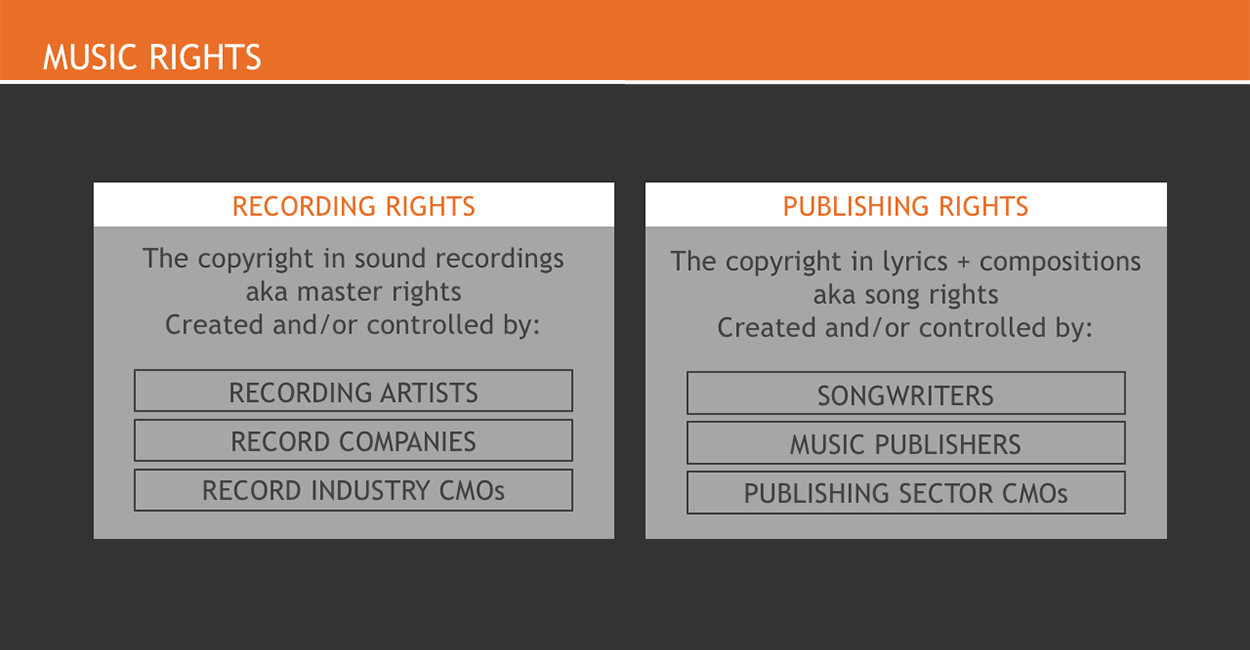
Composition: The composition refers to the musical notes, lyrics, chord progressions, and melodies that make up a song. It is protected as soon as it is written down or recorded. To safeguard their compositions, musicians often register their works with copyright authorities.
Sound Recording: The sound recording is the specific version of a composition that has been captured onto a medium, such as a CD, vinyl record, or digital file. It is a separate copyright and is typically owned by the person or entity that financed the recording. Artists and labels often enter into licensing agreements to distribute and use sound recordings.
In the music industry, copyright protection grants the original creator of a musical work exclusive rights. This means that only the copyright owner has the authority to reproduce, distribute, publicly perform, display, or make derivative works based on the composition or sound recording.
Licensing Copyright In The Music Industry
As music licensing plays a crucial role in the industry, artists, publishers, and producers often enter into licensing agreements to grant permission for others to use their copyrighted music. These licensing agreements outline the terms and conditions for the use of the music and specify the royalties or fees that must be paid to the copyright owner.
In the music publishing context, there are various types of licensing agreements, such as performance licenses, mechanical licenses, synchronization licenses, and print licenses. Each type of license grants permission for specific uses of the copyrighted music, such as public performances, reproduction for distribution, synchronization with visual media, or printing of sheet music.
By licensing their music, artists can benefit from wider exposure, generate revenue streams, and ensure that their work is being used legally. On the other hand, individuals or businesses seeking to use copyrighted music must obtain appropriate licenses to avoid infringement.
In conclusion, copyright is the cornerstone of protection and fair compensation for creators in the music industry. Understanding the basics of copyright and the various licensing agreements is crucial for all parties involved to ensure the legal and ethical use of musical works.
Mastering Music Rights
Introductory paragraph for ‘Mastering Music Rights’
Mastering Music Rights: Understanding the intricacies of music rights is crucial for artists and professionals in the music industry.
Performance Rights Organizations
Performance rights organizations play a vital role in collecting and distributing royalties to songwriters and musicians.
Mechanical And Synchronization Rights
Mastering music rights involves grasping the significance of mechanical and synchronization rights in the music publishing world.
Challenges In Music Publishing
Music publishing licensing and copyright come with their own set of challenges that industry professionals must navigate. From the rise of digital music to ensuring proper royalty collection and distribution, the world of music publishing is constantly evolving and presenting new hurdles to overcome.
Digital Music And Streaming Services
The advent of digital music and streaming services has transformed the way music is consumed, creating new challenges for music publishers. With the shift towards online platforms, securing proper licenses and monitoring copyright infringement has become increasingly complex.
Royalty Collection And Distribution
Ensuring accurate royalty collection and distribution is a fundamental challenge in music publishing. With the multitude of platforms and channels through which music is distributed, tracking and collecting royalties can be a daunting task for publishers and artists alike.
Credit: cmulibrary.com
Credit: www.royaltyexchange.com
Frequently Asked Questions Of Intro To Music Publishing Licensing Copyright
What Is Music Publishing In The Music Industry?
Music publishing involves licensing songs for use, collecting royalties, and protecting rights. It’s an essential part of the music business for songwriters and publishers. Music publishers help promote and monetize musical compositions.
How Does Music Licensing Work In The Industry?
Music licensing grants permission to use copyrighted music for various purposes. It can be for public performance, synchronization in films, TV, ads, or digital streaming. Licensing agreements determine how music creators get compensated for their work.
Why Is Copyright Important In Music Publishing?
Copyright protection grants exclusive rights to music creators to control the use of their work. It ensures they receive credit and compensation when their music is used commercially. Copyright also safeguards against unauthorized use and protects the value of music intellectual property.
Conclusion
Understanding music publishing licensing and copyright is crucial for artists and composers to protect their work and receive fair compensation for their creative efforts. By familiarizing themselves with the basics of these concepts, musicians can navigate the complex world of music industry and ensure their rights are respected.
Remember, educating oneself on this topic is the key to success in the ever-evolving landscape of music publishing.
Serum is good for hip hop music production due to its versatility and high-quality sound. As a digital audio workstation (DAW) plugin, Serum offers a wide range of features and functionalities that cater to the unique requirements of hip hop producers.
Its ability to create diverse and innovative sounds makes it a valuable tool for crafting authentic hip hop beats and melodies. With its intuitive interface and customizable options, Serum empowers hip hop artists to unleash their creativity and develop distinctive soundscapes that define the genre.
Whether it’s designing intricate drum patterns or experimenting with cutting-edge effects, Serum provides the essential resources to elevate hip hop production to new heights.
Credit: ghost-samples.com
History Of Serum In Hip Hop
Emergence of Serum as a Hip Hop Sound
In the world of hip hop, creative ways of producing beats and music are constantly evolving. Serum, a powerful synthesizer, has made its mark on the hip hop music scene with its unique sound and versatility. Emerging as a popular tool among hip hop producers, Serum has brought about a new wave of innovation and creativity in the genre.
Since its introduction, Serum has had a profound impact on hip hop production. Its diverse range of sound design capabilities has allowed producers to craft unique and captivating beats, giving rise to a fresh and dynamic sound within the genre. Producers have been able to experiment with different textures, tones, and melodies, leading to the creation of distinct and memorable tracks that resonate with audiences.
Benefits Of Serum In Hip Hop
Versatility And Range Of Sounds
Serum offers unparalleled versatility in creating sounds for hip hop music. Its extensive library of oscillators, wavetables, and filters allows producers to experiment with a wide range of textures, tones, and timbres. From lush, atmospheric pads to gritty, punchy basslines, Serum empowers artists to craft unique sonic landscapes that elevate the production value of hip hop tracks.
Ease Of Use And User-friendly Interface
The intuitive interface of Serum makes it a go-to tool for hip hop producers of all levels. With its straightforward layout and visual feedback, creating and manipulating sounds becomes a seamless and enjoyable experience. Whether shaping envelopes, modulating parameters, or designing complex waveforms, Serum’s user-friendly design streamlines the music-making process, allowing artists to focus on expressing their creativity.
Ability To Create Unique And Experimental Beats
Serum’s powerful synthesis capabilities enable hip hop artists to push boundaries and explore experimental sonic territories. The software’s extensive modulation options, advanced effects, and customizable wavetables empower producers to craft genre-defying beats, adding a distinctive edge to their music. By leveraging Serum’s creative potential, hip hop creators can sculpt groundbreaking sounds that set them apart in a competitive industry.
Notable Hip Hop Artists Who Use Serum
When exploring the impact of Serum on the hip hop genre, it’s impossible to ignore the impressive lineup of notable hip hop artists who have embraced this powerful software synthesizer. Serum’s versatility, vast sound library, and advanced functionality have earned it a special place in the arsenal of many hip hop producers and artists. Let’s take a closer look at some of the pioneers and trendsetters who have leveraged Serum to create groundbreaking hip hop tracks.
Exploring Serum’s Influence On Popular Hip Hop
The rise of Serum as a go-to tool for hip hop production can be attributed to its ability to create unique and distinct sounds that perfectly complement the genre’s rhythmic and melodic elements. The rich timbres and textures that Serum offers make it possible for hip hop artists to craft catchy hooks, captivating melodies, and signature basslines that elevate their tracks to new heights.
Case Studies: Successful Serum-driven Hip Hop Songs
Several hip hop bangers have been propelled to success with the help of Serum. Let’s examine a few notable examples:
“Sicko Mode” by Travis Scott ft. Drake: This chart-topping collaboration showcased Serum’s power in its dynamic bassline and unique synth textures, contributing to the song’s infectious energy.
“Humble” by Kendrick Lamar: The iconic lead synth in “Humble” demonstrates Serum’s ability to create memorable melodies that become instantly recognizable.
“Goosebumps” by Travis Scott ft. Kendrick Lamar: Sleek and haunting, the atmospheric sounds infused in this track, courtesy of Serum, add an ethereal quality that perfectly complements the song’s mood.
Table: Serum-Driven Hits
Song
Artist
Serum Contribution
Sicko Mode
Travis Scott ft. Drake
Dynamic bassline and unique synth textures
Humble
Kendrick Lamar
Memorable lead synth
Goosebumps
Travis Scott ft. Kendrick Lamar
Atmospheric and haunting sounds
These case studies exemplify the impact of Serum on hip hop, showcasing how the software has become an integral part of the genre’s sonic landscape. The flexibility of Serum’s sound design capabilities allows artists to push creative boundaries and experiment with innovative soundscapes, resulting in the captivating hip hop tracks we know and love.
Tips And Techniques For Using Serum In Hip Hop Production
When it comes to creating beats that resonate in the world of hip hop, having the right tools is essential. Serum, a versatile synthesizer plugin, has gained popularity among producers for its robust sound design capabilities and flexibility in shaping unique sounds to elevate hip hop tracks.
Exploring Serum’s Sound Design Capabilities
Create custom waveforms for distinct sound textures
Utilize extensive modulation options for dynamic sound manipulations
Experiment with filter types and effects to craft signature hip hop sounds
Creating Fat Basslines And Punchy Drum Sounds
Layer multiple oscillators to achieve deep, rich bass tones
Adjust envelope settings for tight and impactful drum hits
Use distortion and compression to enhance the overall presence of bass and drums
Using Serum To Incorporate Modern And Old-school Hip Hop Elements
Modern Hip Hop Elements
Old-School Hip Hop Elements
Experiment with trap hi-hats and 808 bass
Incorporate vinyl crackle and classic drum breaks
Integrate vocal chops and stutter effects
Add sample-based instruments for a nostalgic vibe
By leveraging Serum’s innovative features and functionalities, producers can elevate their hip hop production game by infusing a blend of modern and old-school elements into their tracks.
Future Of Serum In Hip Hop
Serum has become a popular tool in the hip hop industry, offering a wide range of sounds and textures for producers. Its versatility allows artists to experiment and create unique beats, making it a good fit for the genre. With its rich sound design capabilities, Serum is poised to shape the future of hip hop production.
The Future of Serum in Hip Hop Hip hop music has always been at the forefront of innovation and pushing boundaries. Serum, a versatile synthesizer plugin, has become a staple in the production of hip hop beats. Let’s delve into the anticipated innovations and updates along with the evolution and adaptation of Serum in hip hop.
Anticipated Innovations And Updates
Innovations in Serum are eagerly anticipated by producers in the hip hop scene. New sound libraries, advanced modulation features, and enhanced compatibility with other software are on the horizon.
The Evolution And Adaptation Of Serum In Hip Hop
Serum has evolved alongside the changing landscape of hip hop production. From classic trap beats to experimental lo-fi sounds, Serum has proven its versatility and adaptability in meeting the evolving needs of hip hop producers.
Credit: www.ghosthack.de
Credit: m.facebook.com
Frequently Asked Questions For Is Serum Good For Hip Hop
Is Serum A Good Choice For Hip Hop Artists?
Yes, serum is a popular choice among Hip Hop artists due to its versatile sound manipulation capabilities. Its wide range of presets and customizable features make it a go-to tool for creating unique beats and melodies.
How Can Serum Enhance Hip Hop Production?
Serum offers advanced wavetable synthesis and extensive modulation options, allowing producers to create complex and dynamic sounds. Its intuitive interface and real-time editing capabilities make it ideal for crafting intricate Hip Hop tracks.
What Makes Serum Stand Out In The Hip Hop Scene?
Serum’s high-quality sound output, flexible modulation routing, and user-friendly design set it apart in the Hip Hop music production world. It provides artists with endless possibilities for sound design and experimentation, making it a valuable tool for creating modern and innovative music.
Conclusion
Serum proves to be a powerful tool in the hip hop industry, enhancing the creativity and sound quality of artists. With its user-friendly interface and extensive range of presets, producers and musicians can effortlessly experiment and craft unique beats and melodies.
By incorporating Serum into their workflow, hip hop artists can elevate their music to new heights and captivate audiences with their innovative and distinctive sound.
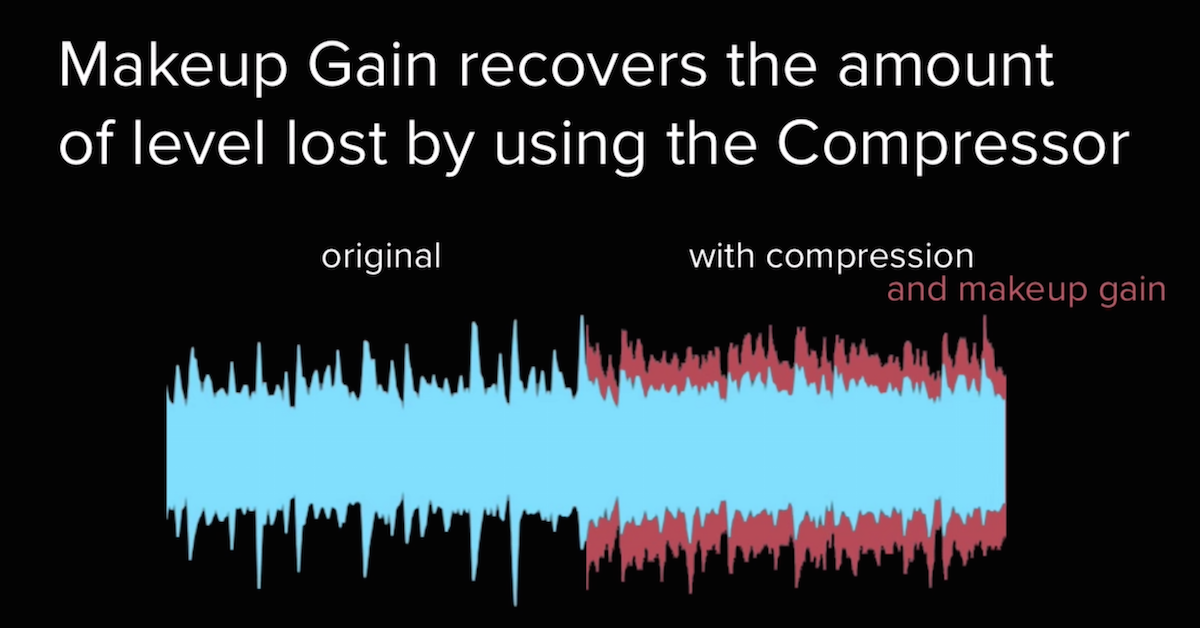
Compressor makeup gain is a parameter on compressors that allows you to increase the signal level after it has been compressed, bringing it back to its original level. This helps to restore the dynamics of the audio signal and compensate for the volume reduction caused by compression.
Compressor makeup gain is an essential tool in audio processing, particularly in recording, mixing, and mastering. By carefully adjusting the makeup gain, you can ensure that the compressed signal retains its original impact and energy. Understanding how to use makeup gain effectively can greatly improve the overall quality and clarity of your audio productions.
Whether you are a professional audio engineer or an aspiring musician, mastering the concept of compressor makeup gain is crucial for achieving professional-sounding results in your recordings.
Credit: theproaudiofiles.com
Introduction To Compressor Makeup Gain
When it comes to understanding audio compression, one of the essential concepts to grasp is compressor makeup gain. This feature plays a crucial role in shaping the sound and ensuring the desired balance in audio dynamics. In this section, we will explore the significance and function of compressor makeup gain to gain a deep understanding of its role in audio processing.
What Is Compressor Makeup Gain?
Compressor makeup gain is the level control within a compressor that is used to boost the overall signal after it has been compressed. Essentially, it compensates for the reduction in volume that occurs when a compressor effectively limits the dynamic range of an audio signal. This process helps to restore the original signal’s amplitude, bringing it back to a desired level of loudness and ensuring consistency in the audio’s dynamics.
Importance Of Makeup Gain In Audio Compression
Makeup gain is a critical component in audio compression as it enables the user to correct the level reduction caused by the compressor’s action. By applying appropriate makeup gain, the original signal’s dynamics can be preserved, allowing for a more controlled and balanced audio output. Without makeup gain, the compressed signal may sound quieter or lack the desired impact, affecting the overall quality of the audio production.
Understanding Audio Compression
How Does Audio Compression Work?
Audio compression is a key element in the recording, mixing, and mastering process. It involves reducing the dynamic range of an audio signal, effectively controlling the volume and making the overall sound more consistent. This is achieved by attenuating the loudest parts of the signal while boosting the quieter elements, allowing for a more balanced and controlled sound. Compressor makeup gain comes into play as it restores the volume lost during the compression process.
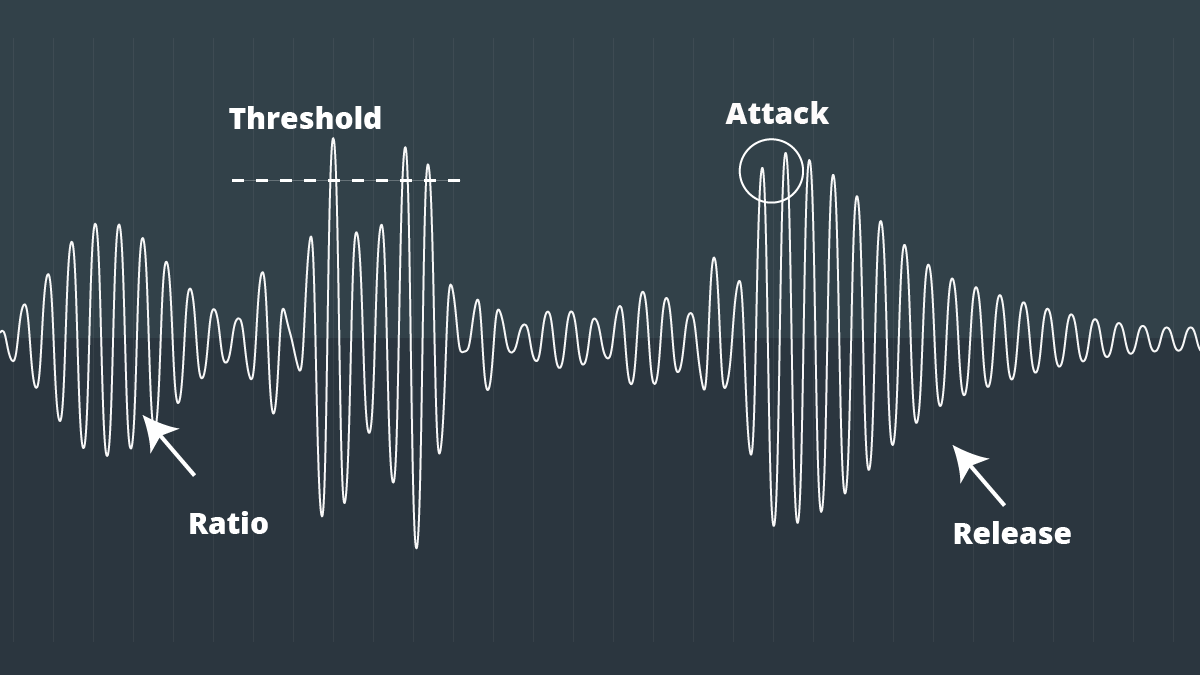
Key Terms In Audio Compression
Limiter
Threshold
Ratio
Attack
Release
These are some of the key terms associated with audio compression. Understanding these terms is crucial for effectively using compressor makeup gain and other compression tools in audio production.
Role Of Makeup Gain
The makeup gain in a compressor plays a crucial role in adjusting the overall volume of a sound signal, allowing for improved dynamic control and balanced audio output. It is a vital tool for achieving desired sound levels in various audio applications.
What Is Makeup Gain And Why Is It Necessary?
Makeup gain, in the context of audio compression, refers to the process of increasing the level of a signal after it has been compressed. It is an essential step in the dynamics processing chain and plays a crucial role in maintaining a balanced and even sound.
When a signal is compressed, its dynamic range is reduced, meaning that the difference between the loudest and softest parts of the signal is reduced. While compression is often used to control the peaks and make the audio more consistent, it can also result in a loss of volume and overall level. This is where makeup gain comes in.
Makeup gain is used to compensate for the reduction in level caused by compression, bringing the compressed signal back to its original or desired level. By boosting the level of the compressed signal, makeup gain helps to restore the lost volume and ensure that the audio remains audible and balanced.
Balancing Dynamics With Makeup Gain, Ensuring Each Heading Adheres To Html Syntax.
One of the primary functions of makeup gain is to balance the dynamics of a signal. When compressing audio, the dynamic range is reduced, which can result in certain elements of the sound becoming too soft or too loud in the mix. By applying makeup gain, the dynamics can be adjusted, bringing the quieter elements up and reducing the gain of the louder sections.
With the use of makeup gain, the dynamics of a composition can be controlled and shaped to ensure that all elements are heard clearly and that nothing gets lost in the mix. It allows for a more polished and professional sound by providing a consistent and even level throughout the track.
Furthermore, makeup gain is not only important for balancing dynamics within a mix but also for maintaining a consistent level across various tracks and recordings. When multiple recordings or tracks are combined, there may be differences in levels due to varying recording conditions or equipment. Makeup gain helps to unify the levels and ensure a smooth and cohesive listening experience.
Credit: soundoracle.net
Techniques For Applying Makeup Gain
When it comes to mastering audio, understanding how to apply makeup gain correctly is crucial for achieving optimal sound quality.
Setting The Makeup Gain Correctly
Balance levels without distortion; adjust makeup gain to restore original dynamics.
Using Makeup Gain Creatively
Enhance soft passages by slightly increasing makeup gain.
Experiment with makeup gain to bring out hidden nuances in the mix.
Don’t overdo makeup gain; keep it subtle for a natural sound.
Tips For Transforming Your Sound With Makeup Gain
Tips for Transforming Your Sound with Makeup Gain
Using Makeup Gain To Shape The Character Of Your Audio
Adjust makeup gain to enhance audio dynamics and clarity.
Experiment with varying levels for different sound effects.
Increase makeup gain to bring out softer details.
Reduce makeup gain to maintain natural sound balance.
Avoiding Common Mistakes In Makeup Gain Adjustment
Monitor distortion levels when applying makeup gain.
Ensure makeup gain doesn’t overpower the original audio.
Start with small adjustments and listen carefully.
Use metering tools to avoid clipping or distortion.
Credit: www.soundgym.co
Frequently Asked Questions Of Compressor Makeup Gain
What Is Compressor Makeup Gain?
Compressor makeup gain is the process of boosting the quieter parts of audio signals after compression to maintain overall balance and clarity. It helps in bringing up the level of the compressed audio without introducing distortion or unwanted artifacts.
Why Is Makeup Gain Important In Compression?
Makeup gain is crucial in compression as it allows for proper level matching and ensures that the compressed audio signal retains its original dynamics and perceived loudness. It helps in achieving a consistent and professional sound output.
How Does Makeup Gain Affect Audio Quality?
Makeup gain impacts audio quality by restoring the signal level post-compression, enhancing the overall clarity and balance of the audio. Properly set makeup gain can prevent the compressed audio from sounding too soft or uneven, resulting in a cleaner and more polished sound.
When Should Makeup Gain Be Adjusted?
Makeup gain should be adjusted after applying compression to ensure that the output signal reaches the desired level without clipping or distortion. It is typically adjusted based on the amount of compression applied and the desired loudness of the audio.
Conclusion
Compressor makeup gain is a crucial tool in audio production, allowing for precise control over dynamics and ensuring a well-balanced mix. By understanding the purpose and function of makeup gain, you can optimize the performance of your compressor and elevate your audio projects to new heights.
Remember to experiment with different settings and techniques to find your desired sound. With practice and a keen ear, you’ll be able to achieve professional-level results. Happy mixing!
If FL Studio won’t play through headphones, ensure the correct audio output is selected in the software settings and that the headphones are properly connected to the audio interface or computer. Additionally, check the headphone jack for any damage or obstruction, and try using different headphones to rule out any hardware issues.
It’s also important to update the audio drivers and FL Studio software to the latest version to ensure compatibility and resolve any potential software bugs that may be causing the issue. FL Studio users may encounter a situation where the software fails to play audio through headphones despite all the settings being in place.
This can be frustrating, especially for music producers and creators who rely on FL Studio for their projects. However, by troubleshooting the software settings, checking the hardware connections, and updating the necessary drivers and software, users can often resolve this issue and get back to creating music without interruption.
Check Audio Settings
If you are experiencing issues with FL Studio not playing through your headphones, you may need to check your audio settings. This simple troubleshooting step could solve the problem and get you back to creating music in no time. Below, we’ll cover a few important checks to ensure that your headphones are set up correctly in FL Studio.
Check Headphone Connection
First, ensure that your headphones are properly connected to your computer or audio interface. Make sure the headphone jack is securely plugged in, and there are no loose connections. Sometimes, a faulty connection can cause sound to not play through the headphones.
Set Headphones As Default Audio Output
It’s essential to set your headphones as the default audio output device in your computer’s settings. To do this, go to your computer’s sound settings and ensure that your headphones are selected as the default playback device. This ensures that FL Studio will send audio output to the correct device.
Credit: www.amazon.com
Verify Fl Studio Settings
In order to resolve the issue of FL Studio not playing through headphones, one of the first steps is to verify the settings within the application itself. FL Studio settings need to be checked and adjusted to ensure that the audio is properly routed through the headphones. Follow the steps outlined below to verify FL Studio settings.
Check Audio Device Settings
To begin, check the audio device settings within FL Studio. Go to the ‘Options’ menu, select ‘Audio Settings’ and ensure that the correct audio device is selected for output. Look for the ‘Output’ section and choose the specific audio device that corresponds to your headphones. Make sure to select the headphones as the default device to ensure the audio is played through them.
Ensure Correct Audio Driver Is Selected
It’s also crucial to ensure that the correct audio driver is selected within FL Studio. Navigate to the ‘Audio Settings’ and locate the ‘Device’ dropdown menu. Select the appropriate audio driver for your headphones. Choosing the correct driver is essential for the proper transmission of audio through the headphones.
Update Audio Drivers
If your FL Studio software is not playing sound through your headphones, it could be due to outdated or incompatible audio drivers. By updating your audio drivers, you can ensure that your headphones are recognized and properly functioning with FL Studio. In this section, we will guide you on how to update your audio drivers in a few simple steps.
Identify Audio Device Model
The first step is to identify the model of your audio device. This information will help you find the appropriate drivers for your specific hardware. To find the model of your audio device, you can follow these steps:
Right-click on the Windows Start button and select “Device Manager”.
In the Device Manager window, expand the “Sound, video and game controllers” section.
Look for your audio device in the list. It is usually named with the brand or model name.
Download And Install Latest Drivers
Once you have identified the model of your audio device, you can proceed to download and install the latest drivers. Follow these steps to update your audio drivers:
Visit the website of your audio device manufacturer. You can usually find the drivers section on their website.
Search for your audio device model and locate the latest drivers available for download.
Download the drivers compatible with your operating system. Make sure to choose the correct version.
After the download is complete, locate the driver file and double-click on it to start the installation process.
Follow the instructions provided by the installation wizard to complete the driver installation.
Once the installation is finished, restart your computer to apply the changes. After the restart, FL Studio should recognize your headphones and you can enjoy your music production without any audio playback issues.
Test With Different Headphones
Test with different headphones: If FL Studio won’t play through headphones, it could be due to compatibility issues. Try using a different pair of headphones to see if the problem persists.
Try Headphones On Another Device:
Connect the headphones to another device to determine if they are functioning properly. This will help pinpoint whether the issue lies with the headphones or the FL Studio software.
Check For Headphone Compatibility:
Ensure that the headphones are compatible with FL Studio by checking the specifications and requirements of the software. Not all headphones may be suitable for use with FL Studio.
Troubleshoot Hardware Issues
Having trouble playing FL Studio through your headphones? Don’t worry – troubleshoot hardware issues with simple steps to fix the problem and enjoy your music without any interruptions.
Check Headphone Jack For Debris
Inspect the headphone jack for any dirt or debris that may be obstructing the connection.
Inspect Soundcard Or Audio Interface
Ensure that the soundcard or audio interface is properly connected and functioning. Check for any loose cables or faulty connections.
Credit: www.image-line.com
Credit: www.sweetwater.com
Frequently Asked Questions For Fl Studio Won’t Play Through Headphones
Why Is Fl Studio Not Playing Sound Through Headphones?
FL Studio might not play through headphones due to incorrect sound settings or a faulty audio driver. Check your audio output settings and update your drivers to resolve the issue.
How Can I Fix Fl Studio When It Won’t Play Audio?
To fix FL Studio audio issues, ensure headphones are connected properly, check volume settings, verify audio driver status, and restart FL Studio application. Updating audio drivers can also help resolve the problem.
What Should I Do If Fl Studio Doesn’t Recognize Headphones?
If FL Studio doesn’t recognize headphones, try unplugging and re-plugging them, restarting the software, checking audio settings, and updating audio drivers. Sometimes, changing the audio output device settings within the FL Studio preferences can also solve the issue.
Conclusion
To conclude, facing issues with FL Studio not playing through headphones can be frustrating. By following the troubleshooting steps discussed in this blog post, you can resolve this problem effectively. Remember to check your audio settings, update drivers, and ensure proper connections.
By doing so, you will be able to enjoy uninterrupted music production and have a seamless experience within FL Studio.
Using Effects in Audio Mixing: Reverb Delay and Beyond
In audio mixing, the use of effects can add depth, dimension, and ambiance to your recordings. Effects such as reverb and delay play a crucial role in creating a professional and immersive sound. Understanding the fundamentals of these effects is essential for any audio engineer or music producer.
Reverb is a widely used effect that simulates the natural acoustic environment of a physical space. It adds a sense of space and depth to audio recordings, making them sound more natural and immersive. Reverb works by creating multiple reflections of the sound wave, mimicking the way sound travels and bounces off different surfaces in a room. There are various types of reverb effects, including plate reverb, spring reverb, and convolution reverb.
Similarly, delay is another commonly used effect in audio mixing. Delay creates an echo-like effect by repeating the original sound with a time delay. This effect adds depth and creates a sense of space in the audio. It can be used to add rhythmic patterns, create a sense of movement, or enhance certain elements of a mix. Different types of delay effects include tape delay, analog delay, and digital delay.
Beyond reverb and delay, there are several other effects commonly used in audio mixing. These include modulation effects like chorus, flanger, and phaser, which add movement and texture to the sound. There are dynamic effects like compression and EQ, which help control the balance and tone of the audio.
When using effects in audio mixing, it's important to understand how to employ each effect effectively. In the case of reverb, it's crucial to consider factors such as reverb time, pre-delay, and diffusion to achieve the desired sound. Similarly, with delay, parameters like delay time, feedback, and filtering need to be adjusted to achieve the desired effect.
Combining effects in audio mixing can create a unique and immersive sonic experience. By using reverb and delay together, you can create depth and space within your mix, placing different elements in various sonic locations. This combination can make your mix sound more professional and expansive.
Understanding Audio Mixing Effects
Understanding audio mixing effects is crucial for creating professional and polished music production. Here are some key points to consider when incorporating these effects:
- Reverb: Reverb is a crucial effect that adds depth and ambience to audio. By simulating the natural acoustic environment, it can make vocals or instruments sound like they are in a large hall or even a small room, depending on the settings.
- Delay: Another important effect is delay, which creates echoes and repeats of audio. This effect adds space and rhythm to your tracks. It can be used creatively to create unique textures, enhance melodies, or give vocals a spacious and atmospheric feel.
- Chorus: Chorus is an effect that adds a lush and rich sound to your audio. By duplicating the audio slightly and adding modulation and detuning effects, it can make instruments or vocals sound wider and thicker.
- Flanger: Flanger is a fantastic effect that creates a swirling and sweeping effect by delaying and modulating the audio signal. When used on guitars, synths, or drums, it adds movement and excitement to your tracks.
Pro-tip: To create a unique sound, don't be afraid to experiment with different combinations and settings of these effects. Trust your ears and use your creativity to enhance your music with these audio mixing effects.
What is Reverb?
Reverb is an audio mixing effect that adds depth and ambience to sound. What is Reverb? It is created by sound wave reflections in an environment. Unlike delay, reverb produces a continuous decay of sound that imitates natural reverberation in spaces like concert halls or caves.
There are different types of reverb effects: plate reverb, spring reverb, and hall reverb. Plate reverb simulates sound reflecting off a large metal plate, while spring reverb uses a coiled spring for reverberation. Hall reverb mimics the spaciousness of a concert hall or auditorium.
Reverb can create a sense of space and realism in audio mixing. It enhances depth and immerses the sound. By adjusting reverb size and decay time, you have control over the amount of reverberation for the desired effect.
How Does Reverb Work?
How Does Reverb Work?
Reverb is an audio mixing effect that adds depth and space to a sound. It simulates the natural sound reflections in different environments, like rooms, halls, or stadiums. There are different types of reverb effects, such as plate, hall, room, and spring reverb, each with unique characteristics. Parameters like decay time, pre-delay, and diffusion can be adjusted to control the reverb effect. Understanding how reverb works is important in audio mixing to create depth and spaciousness in the mix. Proper adjustment of reverb parameters and selecting the right type of reverb can enhance sound quality and create an immersive listening experience.
Types of Reverb Effects
-When it comes to choosing a reverb effect, there are various types available. One popular option is the Plate Reverb, which replicates the sound of a large metal plate vibrating to create reverberation. This effect is commonly used on vocals and drums.
Another type is the Spring Reverb, which emulates the sound of a vibrating metal spring. This effect is often used in guitar amplifiers to add a vintage touch.
If you're looking for a more grand and spacious sound, consider using Hall Reverb. It simulates the acoustic characteristics of a large concert hall, making it ideal for orchestral recordings.
On the other hand, if you prefer a more intimate and cozy feel, the Room Reverb is a great choice. This effect imitates the sound of a small to medium-sized room, providing a sense of intimacy.
The Chamber Reverb is known for its balanced sound. It replicates the sound of a reverberation chamber, giving your recordings a professional and polished feel.
When deciding on the right reverb effect, it's important to consider the sound you want to achieve, the context in which it will be used, and the specific instrument or vocals. Don't be afraid to experiment with different types of reverb effects to find the perfect sound for your needs.
What is Delay?
Delay is a fundamental audio mixing effect that adds depth and texture to a sound. It creates repetitions of the original sound, giving the perception of an echo or reflection. By adjusting the delay time, feedback, and other parameters, you can achieve various delay effects like slapback, ping pong, or rhythmic patterns.
To understand what is delay, imagine shouting in a canyon and hearing your voice bounce off the walls. The time it takes for the sound to bounce back is the delay time. The number of times the sound bounces off the walls before fading away is the feedback. By adjusting these parameters, you have control over the intensity and character of the delay effect.
There are different types of delay effects, each with unique characteristics. Analog delay produces a warm and vintage sound, while digital delay offers more precise and clean repetitions. Tape delay emulates old tape machines, adding warmth and saturation. Modulated delay takes it a step further by incorporating modulation effects such as chorus or flanger to the delayed sound.
Let me share a true story as an example of the creative use of delay. During a live concert, the lead singer's microphone stopped working. The skilled sound engineer quickly applied a short delay effect to a backup microphone, resulting in a natural doubling effect. This enhanced the overall sound, providing the audience with a sense of fullness and depth in the singer's voice, without them being aware of the technical issue. This showcases how delay can creatively enhance the overall sound in unexpected situations.
How Does Delay Work?
Delay is a sound effect that enhances the sound by producing repetitions of the original audio played back after a specific period of time. This is achieved by storing the audio signal in a temporary memory known as the delay line and then blending it with the original signal. Different types of delay effects exist, including tape delay, analog delay, digital delay, and ping-pong delay. Each type possesses distinct characteristics, allowing audio engineers to choose the most suitable one for the desired effect.
To control the characteristics and intensity of the delay effect, various parameters, such as feedback, time, and mix, can be adjusted. The feedback parameter determines the number of repetitions, the time parameter controls the delay time, and the mix parameter regulates the balance between the original sound and the delayed sound.
The delay effect can be utilized creatively in audio mixing to add depth to vocals, create rhythmic patterns, or enhance the overall sound of a mix. By understanding the workings of delay and experimenting with different parameters, audio engineers can achieve exceptional and captivating effects in their mixes.
Types of Delay Effects
Types of Delay Effects
Analog Delay: This type of delay effect uses analog circuitry to create a warm and vintage sound. It produces rich and lush repeats that gradually decay over time. Popular analog delay pedals include the MXR Carbon Copy and the Boss DM-2.
Digital Delay: Digital delay effects utilize digital processing to accurately and precisely generate delay times. They offer longer delay times and can replicate various delay effects, from clean repeats to modulated and tape-like tones. Popular digital delay pedals include the TC Electronic Flashback and the Strymon Timeline.
Tape Delay: Tape delay emulates old tape machines, adding warmth, modulation, and imperfections to the delayed signal. This gives it a vintage and organic character. Examples of tape delay pedals are the Catalinbread Belle Epoch and the Fulltone Tube Tape Echo.
Modulated Delay: Modulated delay combines modulation effects (such as chorus or vibrato) with the delayed signal. This creates a swirling and shifting sound that adds depth and dimension to the repeats. Well-known modulated delay pedals are the Boss DD-500 and the Eventide TimeFactor.
Reverse Delay: Reverse delay plays the delayed signal in reverse, creating a surreal and otherworldly effect. It adds a unique texture and atmosphere to your music. The Electro-Harmonix Deluxe Memory Man with Hazarai and the Line 6 DL4 offer reverse delay capabilities.
Delay effects have been widely used in popular music genres such as rock, pop, and electronic music to create spacious and atmospheric sounds.
Beyond Reverb and Delay
Step into the world of audio mixing and discover the sonic possibilities that lie beyond reverb and delay. Delve deeper into the realm of other common audio mixing effects as we unveil the captivating techniques that will elevate your mixes to new heights. Unleash your creativity and explore the diverse palette of sounds, from modulation effects to dynamic processors, as we unlock the secrets to achieving professional-grade audio productions. Get ready to unearth the true power of audio mixing and take your tracks to the next level.
Other Common Audio Mixing Effects
Equalization (EQ) - This effect adjusts the frequency balance of a sound to enhance clarity, warmth, or presence. It can boost or cut specific frequencies.
Compression - This effect controls the dynamic range of a sound, reducing the difference between the loudest and softest parts for consistency and control.
Gating - This technique controls unwanted background noise by muting sounds below a set threshold. It's useful for eliminating unwanted ambient or background noise.
Saturation - This popular effect adds warmth and depth to audio recordings by simulating the distortion and harmonics of analog audio equipment, giving a vintage and analog feel.
Chorus - This modulation effect creates a thicker and fuller sound by duplicating the original signal and slightly altering the pitch and time of the duplicates. It adds depth and width to vocals or instruments.
Mixing engineers often combine these effects to achieve a balanced and polished sound in their mixes.
How to Use Reverb Effect in Audio Mixing?
Looking to add some depth and dimension to your audio mixes? Let's dive into the world of reverb effects! In this section, we'll explore how to use the reverb effect in audio mixing to create a sense of space and ambience. From tips on dialing in the perfect reverb settings to techniques for achieving different sonic landscapes, we'll unlock the secrets of using reverb like a pro. Get ready to infuse your mixes with the desired atmosphere and take your sound to new heights!
Tips and Techniques for Using Reverb
Edit: Tips and Techniques for Using Reverb
Use reverb subtly to create depth and space in your mix. Experiment with different levels to find the right balance for your desired sound.
Consider the size and sustain of the reverb. Larger rooms or longer decay times can create a more atmospheric and spacious sound, while shorter decay times can provide more clarity.
Use pre-delay to separate the dry and wet signal. This can help maintain the clarity of the original sound while still adding space with the reverb.
Experiment with different types of reverb, such as plate, hall, or chamber, to achieve the desired tonal characteristics and ambiance for your mix.
Placement of reverb in the stereo field can also contribute to the overall sound. Try panning the reverb to one side or using stereo reverb effects to create a wider and more immersive soundstage.
Avoid overusing reverb, as it can muddy a mix. Use it purposefully and sparingly to enhance certain elements or create specific effects.
Incorporating these tips and techniques for using reverb can help achieve a more professional and polished sound in audio mixing. Experimentation and careful listening are key to finding the right balance and achieving the desired sonic result.
How to Use Delay Effect in Audio Mixing?
Looking to add depth and texture to your audio mixes? Wondering how to utilize the delay effect like a pro? In this section, we'll unveil the secrets behind using delay to elevate your audio mixing game. Discover expert tips and techniques that will help you master this powerful tool. From creating spacious and atmospheric sounds to adding rhythmic patterns and modulation, we'll explore the limitless possibilities of the delay effect in audio mixing. Get ready to take your tracks to the next level!
Tips and Techniques for Using Delay
Here are some tips for using delay in audio mixing:
Experiment with different delay times for rhythmic effects. Shorter delay times add urgency or excitement, while longer delay times create space or depth.
Use feedback or repeat settings to control the number of delay repetitions. Higher feedback settings create a pronounced echo effect, while lower settings result in a subtle repetition.
Consider using stereo delay to create a wider and more immersive sound. Panning the delayed signal to different positions enhances the sense of space in your mix.
Try using tape delay emulation plugins for a vintage and warm sound. These plugins add subtle saturation and modulation, giving the delayed signal a more organic and analog feel.
Use delay with other effects, such as reverb or modulation, to create unique and interesting textures. Experiment with signal routing and processing chains to achieve desired results.
Incorporating these tips and techniques boosts the effectiveness of the delay effect in audio mixing, adding depth, texture, and creativity to your mix.
Combining Effects in Audio Mixing
When it comes to audio mixing, the magic truly happens when we combine various effects. In this section, we'll dive into the art of combining effects, focusing on how to create depth and space with the powerful tools of reverb and delay. Get ready to discover the secrets behind mind-blowing audio experiences as we delve into three ways to use reverb effectively. So, grab your headphones and let's explore the limitless possibilities that await beyond the surface of audio mixing.
Creating Depth and Space with Reverb and Delay
When it comes to audio mixing, creating depth and space with reverb and delay is crucial. These effects can add dimension and ambiance to your mix.
Reverb simulates sound reflections off surfaces to create the illusion of physical space. It adds depth and immersion to your mix. Adjust parameters like decay time and early reflections to control the virtual space's size and texture.
Delay repeats the audio signal after a set amount of time. It can create distance by placing sounds further back in the mix. Adjust delay time and feedback to control the intensity of the effect.
To create depth and space, start with a subtle amount of reverb on your tracks to blend the elements and create cohesion. Then, use delay to give a sense of distance and placement within the mix. Adjust the delay time and feedback to position sounds and add a three-dimensional feel.
Use these effects sparingly and purposefully. Excessive reverb or delay can clutter the mix and make it muddy. Experiment with different settings and listen critically to find the right balance. Effective use of reverb and delay enhances the spatial characteristics of your mix, creating depth and space that improves the overall listening experience.
Three Ways to Use Reverb
Adding Depth and Space: Reverb is an essential tool that can be utilized in three ways to add depth and space to audio mixes. By applying reverb to vocals or instruments, you can effectively create a sense of distance and place them in a larger acoustic environment.
Creating a Sense of Realism: When it comes to creating a realistic and immersive listening experience, reverb comes into play. It has the ability to accurately simulate natural reverberation found in real-life spaces such as concert halls or recording studios. By incorporating reverb into your mixes, you can achieve a sense of authenticity and realism.
Enhancing Emotional Impact: One of the remarkable aspects of reverb is its capability to enhance the emotional impact of a song or sound. By carefully adjusting the decay time and other parameters of the reverb effect, you can create an atmospheric ambiance that perfectly aligns with the mood or tone of the music, thus intensifying its emotional impact.
In a true story, music producer Sarah explored the various possibilities of using reverb in three distinct ways to shape a unique sound for a song. First and foremost, she delicately added subtle reverb to the vocals, resulting in an increased sense of depth and space, ultimately giving them a professional studio quality. Moving on, Sarah utilized a longer decay time on the reverb for the guitar solo, effectively achieving a dreamy and atmospheric sound that truly stood out and added emotional impact to the entire mix. She applied short and bright reverb to the drums, resulting in a punchier and more energetic sound, ultimately creating excitement and drive in the song. Through her creative and thoughtful use of reverb, Sarah undoubtedly enhanced the overall sound and musicality of the song.
Three Ways to Use Reverb is a powerful technique that all music producers should explore and incorporate into their mixes. By skillfully leveraging reverb, you can bring your music to life by adding depth, creating a sense of realism, and enhancing emotional impact.
Mixing Techniques and Considerations
Discover the art of audio mixing in this section where we explore various techniques and considerations. From achieving the perfect mix balance and volume changes to harnessing the power of editing parameters and effects like delays and reverbs, we'll take your audio creations to new heights. Get ready to immerse yourself in the world of sonic reflections and embrace the magic of acoustic realism. Let's dive in and elevate your mixing skills like never before!
Mix Balance and Volume Changes
When it comes to audio mixing, achieving the right mix balance and volume changes is crucial for a polished and professional sound. One must consider the following elements for a successful mix:
- Level adjustments: Maintaining the balance between different elements in the mix is essential for clarity and cohesion.
- Panning: By utilizing panning, sounds can be positioned within the stereo field to create a sense of depth and width.
- Dynamic range control: To ensure consistent volume levels, compression and limiting are used to control the dynamic range of the mix.
- Automation: By incorporating automation, specific volume changes can be made to highlight certain elements or create dynamic effects.
- Equalization: By shaping the frequency balance of individual tracks and the overall mix with EQ, the separation of instruments can be achieved, resulting in a balanced sound.
By giving attention to mix balance and volume changes, a well-balanced and professional audio mix can be achieved. This will allow individual elements to shine while maintaining a cohesive sound.
For more tips and techniques on audio mixing, it is recommended to explore sub-topics such as creating depth and space with reverb and delay, as well as utilizing other common audio mixing effects. Don't hesitate to experiment with different techniques to find what works best for your specific project and aesthetic goals.
Editing Parameters and Use of Delays and Reverbs
When it comes to audio mixing, editing parameters and the use of delays and reverbs are crucial. Here is an overview of the different aspects:
- Edit Parameters: Adjusting the editing parameters such as delays and reverbs allows you to fine-tune the effect. This includes fine-tuning the decay time, pre-delay, and wet/dry mix.
- Use of Delays: Delays play a significant role in adding depth, dimension, and rhythm to your audio mix. By adjusting the delay time and feedback, you can create unique echoes and repetitions.
- Use of Reverbs: Reverbs are essential in simulating different acoustic spaces. By adjusting parameters like room size, damping, and diffusion, you can create a sense of space and realism in your mix.
When utilizing delays and reverbs, it is important to consider the overall balance and coherence of the mix. Avoid overusing effects and ensure that they enhance the sound. Experimenting with different settings is key to achieving the desired effect.
In addition, it is crucial to critically listen to how the effects interact with the other elements in the mix. Make any necessary adjustments to maintain clarity and cohesion. Ultimately, the goal is to enhance the listening experience and create a polished, professional final product.
Sonic Reflections and Acoustic Realism
Sonic reflections and acoustic realism play a vital role in audio mixing, as they greatly amplify sound quality and create a sense of immersion. Through the manipulation of reflections and reverberations, engineers are able to establish depth and space, allowing the listener to feel as though they are present in a specific environment.
To achieve sonic reflections, engineers utilize reverb effects that emulate the natural reverberations caused by sound bouncing off surfaces. By adjusting key parameters such as decay time, pre-delay, and diffusion, engineers exert control over the length and character of the reflections, leading to the creation of a realistic and immersive sonic environment.
Acoustic realism, on the other hand, involves accurately reproducing the sounds of real-life instruments and spaces within an audio mix. This is accomplished by selecting appropriate reverb settings that align with the acoustic properties of the recorded or simulated instruments. Through careful selection of reverb types and adjustment of settings, engineers are able to replicate the desired acoustic space, resulting in an audio mix that exudes authenticity and realism.
The combination of sonic reflections and acoustic realism contributes to the overall coherence and persuasiveness of an audio mix. It enables the listener to feel fully engaged and connected to the music or audio content. Through the manipulation of reflections and the utilization of appropriate reverberation techniques, engineers enhance the depth, space, and overall sonic experience of the mix, culminating in a more immersive and enjoyable listening experience.
Practical Questions and Aesthetic Choices
Exploring the world of audio mixing is an adventure filled with practical questions and aesthetic choices. We dive into the depths of sound manipulation, uncovering secrets about the size and sustain of reverb, unraveling the mysteries of stereo imaging and sound localization, and taming the power of low and high cut filters. Get ready to explore the realms of audio effects and discover the magic they bring to music production.
Size and Sustain of Reverb
Size and sustain of reverb are crucial in audio mixing for creating desired sounds. The table below provides an overview of reverb options:
Reverb Type
Size
Sustain
Small Room
Short
Moderate
Medium Room
Medium
Moderate
Large Room
Long
Long
Ambience
Varies
Varies
The right size and sustain of reverb depend on the desired effect. A small room with short sustain creates intimacy, ideal for vocals and acoustic instruments. A medium room with moderate sustain adds depth and texture to various instruments. A large room with long sustain offers a spacious and immersive sound. Ambience reverb allows flexibility in adjusting size and sustain based on specific needs.
Experimenting with different reverb sizes and sustain settings enhances audio mix. Pay attention to how reverb interacts with different elements and make adjustments accordingly. Size and sustain of reverb significantly impact the overall sound and atmosphere of a mix.
Stereo Imaging and Sound Localization
Stereo imaging and sound localization are fundamental aspects in audio mixing as they play a crucial role in creating a sense of space and depth in the sound.
1. Sound localization: Audio engineers have the ability to position instruments and sounds within the stereo field by manipulating the stereo image. This manipulation allows listeners to perceive the direction from which the sound is coming. For instance, by panning an instrument to the left or right, an illusion of a specific location can be created.
2. Stereo imaging: The objective of stereo imaging is to place and distribute sound sources across the stereo field. This technique aims to achieve a well-balanced and cohesive soundstage where each instrument or sound occupies its own unique space. This can be accomplished through various methods such as panning techniques, adjusting the width and position of the stereo image, and employing stereo enhancement effects.
3. Enhancing depth: Both stereo imaging and sound localization techniques contribute to adding depth to the mix. By strategically placing sounds at different distances from the listener, the mix becomes more immersive and three-dimensional. Techniques such as reverb and delay can be used to simulate natural reflections and echoes in diverse acoustic spaces.
4. Ensuring clarity: Proper implementation of stereo imaging and sound localization enhances the clarity and separation of individual elements in the mix. By effectively positioning sounds within the stereo field, each instrument or sound can be easily distinguished, resulting in a cleaner and more defined mix.
Low and High Cut Filters
When it comes to audio mixing, incorporating low and high cut filters is crucial for achieving a clean and balanced sound. These filters play a vital role in controlling frequencies, effectively eliminating unwanted noise and enhancing audio clarity.
Low cut filters, which are also referred to as high-pass filters, allow high frequencies to pass through while cutting off low frequencies. They prove to be extremely useful in eliminating issues caused by rumble, wind noise, and other low-frequency disturbances.
Similarly, high cut filters, also known as low-pass filters, enable low frequencies to pass while attenuating high frequencies. They are commonly utilized to minimize hiss, hum, or sibilance present in audio recordings.
Applying a low cut filter involves selecting an appropriate cutoff frequency to maintain the desired low-frequency content while removing unwanted rumble or noise. Typically, this frequency is set below the range of human speech, often around 80 Hz or lower.
On the other hand, for a high cut filter, it is important to choose a cutoff frequency that preserves the desired high-frequency detail while reducing unwanted noise or harshness. This frequency is typically set above the range of human speech, usually around 10 kHz or higher.
Low cut filters are widely employed in cleaning up recordings, particularly when working with vocals, guitars, or drums. They prove to be instrumental in removing low-frequency rumble or unwanted low-end buildup.
Similarly, high cut filters can effectively reduce excessive high-frequency content in recordings, such as cymbal overtones or vocal sibilance. They also aid in taming harsh or shrill sounds.
By comprehending and effectively utilizing low and high cut filters, you can significantly enhance the clarity, balance, and overall quality of your audio mix.
Examples and Case Studies
In this section, we dive into real-life examples and case studies that vividly demonstrate the power of using effects in audio mixing. Get ready to be blown away as we explore the audio examples of using reverb and delay, and discover the dramatic results that can be achieved through their skillful application. Prepare to be amazed by the transformative potential of these effects in creating captivating and immersive soundscapes. Let's jump right in and explore the sonic wonders that await us!
Audio Examples of Using Reverb and Delay
Audio examples of using reverb and delay are incorporated to enhance the mix, adding depth and dimension to the sound. By strategically using these effects, a sense of space and atmosphere is created.
For a rock song, the vocals are given presence and a bigger sound by applying reverb. Adding a moderate amount of reverb gives the vocals the sensation of coming from a spacious room. This effect works particularly well during the chorus or at important moments in the song.
On the other hand, delay can produce a rhythmic or echoing effect. When used in a guitar solo, a short delay emulates playing in a large hall, contributing to the depth and ambience. Adjusting the delay time and feedback produces different rhythmic patterns or cascading echoes.
To achieve the desired effect with reverb and delay, it is important to consider the tempo and style of the music. The provided audio examples of using reverb and delay serve as inspiration and a reference for mixing projects. By listening to how these effects are applied in various genres and songs, one can gain a better understanding of their creative possibilities and how to effectively use them in their own mixes.
Dramatic Results with Reverb and Delay
Dramatic results can be achieved by utilizing the power of reverb and delay effects in audio mixing. These effects have the ability to enhance the sound by creating depth and space. Reverb, in particular, is capable of adding a sense of spaciousness and ambience by simulating sound reflections in various spaces. By adjusting the size and sustain of the reverb, one can attain remarkable effects. For example, by increasing the size of the reverb, vocals can be made to resonate as if they are performing in a magnificent concert hall, thereby adding a touch of grandeur to the track.
On the other hand, delay introduces echoes and repetitions of the original sound, thereby presenting a new dimension and depth to the audio. By manipulating key parameters of the delay, such as feedback and time settings, one can produce astonishing effects. Amplifying the feedback creates a cascading effect, while prolonging the delay time generates a sense of distance and spaciousness.
The true magic lies in the marriage of reverb and delay effects, creating an even more profound impact. For instance, when a short delay is combined with a large reverb, it results in a luxurious and vast sound. The real excitement lies in the experimentation with different combinations and settings, leading to unique and impactful outcomes in audio mixing.
Frequently Asked Questions
What are some tips for using reverb and delay presets effectively in audio mixing?
When using reverb and delay presets, it is recommended to ignore the preset names and instead focus on the kind of space you want the mix to inhabit. Avoid metallic resonances and reverb with prominent frequency extremes, as they can make the effect too audible and color the mix. Instead, choose presets that create a comfortable sound and make adjustments as needed to better match the mix.
What is the main purpose of reverb and delay in audio mixing?
The main purpose of reverb and delay is to add acoustic characteristics to tracks and create a sense of space in a mix. They help connect separate tracks and make them sound cohesive. These effects are essential for creating depth and width, as they recreate the experience of a live performance and establish a three-dimensional element in recorded music.
What is a general approach for using reverb and delay in audio mixing?
A general approach for using reverb and delay is to set up send effects or effect loops. This involves feeding the output of the effects processor to a spare stereo mixer channel, creating a separate mix for the effects processor, and adjusting the levels of different tracks to determine how much of the effect is added to each track. It is recommended to start with presets, not delve too deep into editing parameters, and make adjustments based on the desired effect.
How can reverb and delay contribute to creating depth and width in a mix?
Reverb and delay play crucial roles in creating depth and width in a mix. Artificial reverberation recreates the sound of a room, giving the listener a sense of the instrument being played within a space. Parameters like reverb time, reflections, and pre-delay greatly affect the perceived depth of the processed signal. Longer reverb times and a higher wet/dry ratio create a greater sense of depth. Delay, on the other hand, can be used to spread the image in the stereo field by altering the time it takes for signals to play, creating phase cancellation and widening the mix.
What should beginners keep in mind when using reverb and delay effects in audio mixing?
Beginners should start with presets and not get overwhelmed with editing parameters. The main challenge for beginners is deciding how many effects to use, which effects to apply to each instrument, and determining suitable levels. It is recommended to follow the general purpose approach mentioned earlier, where presets are used as a starting point and adjustments are made to better match the mix. Beginners should also be cautious of using too many effects, as it can result in a muddy mess. Remember, less is often more when it comes to using reverb and delay.
How can I configure reverb and delay effects to create a sense of space in my mix?
To configure reverb and delay effects, it is important to set up send effects or effect loops. This involves routing the output of the effects processor to a separate mix, adjusting the levels of different tracks to control how much of the effect is added to each track. In the case of reverb, controls like decay time, pre-delay, and EQ settings can be adjusted to tweak the reverb sound and better match the mix. Experimentation with different configurations and settings will help create the desired sense of space in the mix.
The Psychology of Audio Mixing How Perception Influences the Mix
The art of audio mixing is an intricate and essential component of music production. It involves blending individual elements, such as instruments and vocals, into a cohesive and balanced final mix. Beyond technicalities, the psychology of audio mixing plays a crucial role in shaping the perception and experience of the listeners. Understanding how perception influences the mix can lead to more effective and impactful sound production.
Audio mixing is the process of combining and manipulating individual audio tracks to create a unified and pleasing final sound. It involves adjusting various parameters, such as volume, EQ, dynamics, and spatial effects, to achieve a desired sonic outcome. The audio mixer, often an experienced sound engineer or producer, takes on the responsibility of shaping and crafting the mix.
The psychology behind audio mixing delves into how human perception influences the way we hear and interpret sound. The way we perceive audio can vary based on factors such as psychoacoustics, frequency range, dynamics, spatial placement, and effects. These elements interact with our auditory system and cognitive processes, shaping our experience of the music.
Perception has a significant influence on audio mixing. The frequency range and EQ settings of individual tracks can affect how they are heard in relation to other elements in the mix. The way dynamics and volume are handled can shape the emotional impact and intensity of the music. The placement of instruments in the stereo field contributes to the spatial perception and depth of the mix. effects such as reverb and spatial processing can create a sense of ambiance and immersion.
Perception also presents challenges in audio mixing. Biases and preconceptions can affect the decision-making process, leading to imbalanced mixes. Cognitive limitations, such as the limited attention span and the inability to focus on multiple elements simultaneously, can impact the overall mix quality. differences in personal listening environments introduce inconsistencies in how the mix is perceived by different listeners.
To optimize audio mixing based on perception, strategies can be implemented. Using reference tracks allows for comparison and helps achieve a desired sonic balance. A/B testing and critical listening enable a focused evaluation of the mix, identifying areas for improvement. Collaborating with others and seeking feedback can offer fresh perspectives and insights. Adjusting the mix for different listening environments ensures compatibility across various playback devices and settings.
By acknowledging and understanding the psychology of audio mixing, audio engineers and producers can create mixes that resonate with listeners, taking into account the intricate relationship between perception and sound.
The Importance of Audio Mixing
The Importance of Audio Mixing
Audio mixing is essential for music production and significantly affects sound quality. It enhances the listening experience by achieving balance, clarity, depth, and emotional impact. Here are four reasons why audio mixing is important:
1. Balance: Audio mixing blends vocals, instruments, and effects to achieve a harmonious balance. This ensures a pleasant and cohesive sound without any element overpowering others.
2. Clarity: Audio mixing clarifies individual elements within a mix. By adjusting volume, panning, and EQ settings, the engineer ensures that each instrument and vocal is heard clearly, allowing listeners to appreciate the nuances.
3. Depth and Dimension: Good audio mixing creates a sense of depth and dimension. By using spatial techniques like reverb and delay, the engineer positions sounds within a virtual sonic space, providing an immersive and realistic feel.
4. Emotional Impact: Effective audio mixing evokes emotional responses. By crafting the dynamics and texture of the mix, the engineer enhances the emotional content of the music, creating tension, excitement, or tranquility.
Understanding the importance of audio mixing is crucial for achieving a professional and compelling sound. It allows for balance, clarity, depth, and emotional impact, contributing to a rich and enjoyable listening experience.
What is Audio Mixing?
Audio mixing, a captivating and intricate process in the realm of music production. In this section, we'll dive into what audio mixing truly entails. Discover the essence of this art as we explore the definition of audio mixing and unravel the crucial role of an audio mixer. Get ready to take a sonic journey where perception meets the delicate balance of sounds, leaving us with a truly mesmerizing auditory experience.
Definition of Audio Mixing
Audio mixing is the process of combining and manipulating audio tracks to create a balanced final product. It involves adjusting various elements of the sound, such as volume levels, frequency content, stereo placement, and effects, to achieve the desired result. The goal of audio mixing is to create a polished mix that enhances the quality and impact of the music or audio content.
In audio mixing, tracks are blended together to form a cohesive sound. This involves adjusting volume levels to create a balanced mix, ensuring no element dominates. Equalization (EQ) shapes the frequency response of each track, enhancing or reducing specific frequencies for clarity and balance. Dynamics processing, such as compression and limiting, controls the dynamic range and maintains a consistent volume level throughout the mix.
The placement of instruments in the stereo field is important in audio mixing. Panning instruments, vocals, and other elements to different positions creates a sense of space and depth. Reverb and spatial effects enhance the spatial perception of the mix, creating ambience and immersion.
Fact: A well-executed audio mix enhances the listener's experience, making the music or audio content more engaging and enjoyable.
Role of an Audio Mixer
The role of an audio mixer is crucial in the process of audio mixing. An audio mixer performs the important task of blending and adjusting audio tracks to create a cohesive sound, incorporating the role of an audio mixer. They control volume levels, panning, and apply effects to different elements of the audio. The audio mixer ensures that vocals, instruments, and effects combine skillfully to enhance sound quality, highlighting the role of an audio mixer. They skillfully balance each element of the mix so no component overpowers the others, underscoring the importance of the role of an audio mixer.
In addition to artistic considerations, the audio mixer attends to technical aspects like frequency distribution, dynamics, and stereo placement, further emphasizing the role of an audio mixer. They skillfully make necessary adjustments for an immersive listening experience, showcasing the technical knowledge and expertise associated with the role of an audio mixer.
For example, a skilled audio mixer worked on a music album, carefully balancing vocal tracks, instruments, and effects, exemplifying the importance of the role of an audio mixer. Their meticulous attention to detail resulted in a polished and professional sounding album, highlighting the impact of the role of an audio mixer.
The role of an audio mixer is vital in the final product, reinforcing the significance of the role of an audio mixer. Their technical knowledge, creativity, and ability to shape sound make them indispensable in audio production, further emphasizing the importance of the role of an audio mixer.
The Psychology behind Audio Mixing
When it comes to audio mixing, there's more than just technical skills at play - it's all about the psychology behind it. In this section, we'll dive into the fascinating way perception influences the mix, and how our minds can shape and manipulate the sound. From the impact of psychoacoustics to the way certain frequencies can affect our emotions, get ready to uncover the hidden secrets behind creating captivating audio experiences.
How Perception Influences the Mix
Perception plays a crucial role in audio mixing. How perception influences the mix is essential to understand. Our perception of sound greatly impacts how we mix it. It affects our perception of frequency and EQ, which in turn helps us determine the balance and tonal characteristics of different elements in the mix. The dynamics and volume of the mix also depend on perception because different volume levels can create different emotional responses. The placement of instruments in the stereo field has a significant impact on the perception of depth and width. It influences the spatial perception and allows us to create a sense of space and separation between instruments through panning. Reverb and other spatial effects contribute to the perception of the mix's environment, adding depth and dimension. Overcoming personal biases and preconceptions is crucial when it comes to mixing. It is important to consider cognitive limitations, such as limited short-term memory, as they can affect how we perceive and mix audio. Differences in personal listening environments can influence the way the mix is perceived. To optimize the mix based on perception, it can be helpful to use reference tracks. They assist in achieving the desired tonal and spatial characteristics. A/B testing and critical listening are effective methods to objectively evaluate the effects of our mixing decisions. Collaborating with others for feedback is also valuable as it provides different perspectives and helps improve the overall mix. Adjusting the mix for different listening environments ensures that it translates well across different playback systems. Understanding and utilizing perception in audio mixing allows us to create a well-balanced and engaging mix that truly resonates with listeners.
The Impact of Psychoacoustics
Psychoacoustics is crucial in the field of audio mixing as it allows mixers to understand how listeners perceive sound. The Impact of Psychoacoustics can be observed in several key ways that affect the mix.
1. Human perception of sound: The study of Psychoacoustics delves into how humans interpret sound. This valuable knowledge enables mixers to better understand the experience of listeners.
2. Masking: Certain sounds have the ability to conceal or mask others. By utilizing insights from Psychoacoustics, mixers can prioritize different elements in the mix and reduce the masking effects caused by other sounds.
3. Spatial perception:Psychoacoustics serves as a guide for mixers in creating a sense of space and depth within the mix. Techniques such as panning, reverb, and spatial effects are employed to enhance the listener's perception of where each instrument is located.
4. Frequency perception: It is important to note that our ears do not equally perceive all frequencies. Through the application of Psychoacoustic principles, mixers are able to shape the frequency response in the mix, resulting in improved clarity and balance.
5. Loudness perception:Psychoacoustics plays a crucial role in helping mixers optimize dynamics and volume within the mix. It takes into consideration how our perception of loudness varies with different frequencies and sound levels, allowing for the achievement of the desired impact and detail in the final mix.
How Perception Influences Audio Mixing
When it comes to audio mixing, perception plays a crucial role in shaping the final product. In this section, we'll dive into how perception influences audio mixing and explore various aspects that come into play. From the influence of frequency and EQ to the role of dynamics and volume, as well as the importance of panning and the impact of reverb and spatial effects, we'll uncover how our perception shapes the way we mix and create immersive sonic experiences.
The Influence of Frequency and EQ
To comprehend the impact of frequency and EQ in audio mixing, one must analyze the elements and techniques involved. Frequency, which pertains to the pitch or tone of a sound, and EQ (equalization), which modifies the tonal balance using frequency controls, are both crucial factors.
In the realm of audio mixing, frequency and EQ play a significant role in shaping the overall sound and achieving a well-balanced mix. When the frequency content of instruments or tracks is adjusted, it creates space and clarity within the mix.
The influence of frequency and EQ in audio mixing can be summarized as follows:
Balancing the frequency spectrum: EQ allows for specific frequencies to be boosted or reduced in order to balance the tonal elements of instruments or tracks. For example, by reducing the low frequencies in a bass guitar, it can prevent overpowering the mix.
Separating instruments: By emphasizing certain frequency ranges, EQ can help separate instruments in the stereo field. This ensures that each instrument occupies its own space in the mix and avoids any clashing or muddiness.
Enhancing desired characteristics: EQ can bring out the desired characteristics of an instrument or track by boosting certain frequencies. This can highlight the warmth of a vocal or the brightness of a guitar, enhancing their presence within the mix.
Correcting frequency imbalances: EQ is effective in correcting any frequency imbalances that may occur during the recording process. For instance, if a vocal sounds too nasal, EQ can be used to reduce problematic frequencies and achieve a more natural sound.
Pro-tip: When utilizing EQ, it is important to make small adjustments and critically listen to how each change impacts the overall mix. Comparing and fine-tuning EQ settings with reference tracks will help achieve a balanced and professional sound.
The Role of Dynamics and Volume
The role of dynamics and volume is vital in audio mixing. Adjusting dynamics and volume levels play a significant role in shaping the sound and creating a well-balanced mix. Controlling the levels of tracks and instruments is essential to ensure they complement each other, which is where dynamics come into play. The volume determines the overall level of the mix. It is crucial to give careful attention to avoid distortion or clipping while achieving the desired intensity and energy. By adjusting the volume, it is possible to create depth and space within the mix.
Dynamics and volume greatly enhance the musicality, emotional impact, and sound clarity of a mix. By achieving a proper balance in levels and dynamics, it becomes possible to create a cohesive and enjoyable listening experience.
To optimize dynamics and volume in audio mixing, consider the following suggestions:
Utilize automation to adjust levels throughout the song.
Apply compression and limiting techniques to control dynamics effectively.
Use equalization to shape the frequency balance.
Reference similar tracks and seek feedback from others to refine the mix.
By giving due attention to dynamics and volume, audio mixers can achieve professional-quality mixes that are polished and captivating to the listeners.
The Placement of Instruments in the Stereo Field
The placement of instruments in the stereo field is of utmost importance when it comes to audio mixing. It involves skillfully positioning the sound of each instrument within the stereo image to create a well-balanced and captivating listening experience.
One effective technique is to pan instruments to the left or right, which allows for precise placement within the stereo field. By doing so, separation and depth are achieved, contributing to the overall mix.
To create a sense of space, stereo panning techniques can be employed to simulate the placement of instruments on a stage or in a room. For instance, placing a guitar on the left and a keyboard on the right can effectively recreate the ambiance of a live performance.
Utilizing stereo imaging tools, such as stereo wideners or enhancers, is highly beneficial as well. These tools expand the stereo field, making the mix sound wider. This is particularly useful for genres like orchestral or electronic music, where a spacious and immersive sound is desired.
Layering instruments in the stereo field is another technique to consider. When instruments occupy similar frequency ranges, they can be layered or stacked to create a fuller and more dynamic sound. By blending their tones together, a cohesive and harmonious sonic experience is achieved.
It is crucial to process each instrument individually to enhance its placement in the stereo field. Adding effects and processing to individual instruments can greatly improve their depth and spatial presence. For example, applying subtle stereo reverb to a vocal can create a sense of depth and space, enhancing its placement.
Extensive research has demonstrated that the placement of instruments in the stereo field has a significant impact on the listener's perception of a mix. By properly placing instruments, clarity, separation, and overall enjoyment of the music are greatly improved.
The Importance of Panning
Panning plays a crucial role in audio mixing, highlighting the significance of establishing a wide and balanced stereo image. By adjusting the position of each instrument or sound source in the stereo field, panning enhances the clarity and depth of the mix.
1. Panning greatly enhances spatial separation: strategically placing different instruments or sounds in specific positions within the stereo field creates ample space and separation. This not only prevents clutter but also allows each element to be distinctly heard.
2. Panning introduces movement: gradually moving a sound source from one side of the stereo field to the other adds depth and dynamics to the mix. It creates the illusion of the sound shifting from left to right or vice versa.
3. Panning expands the stereo width: by dispersing instruments or sounds throughout the stereo field, panning generates a more immersive listening experience. It wraps around the listener, creating a sense of spaciousness.
4. Panning enhances balance: implementing proper panning ensures a clear and cohesive mix. By placing each element in its appropriate position, panning achieves a well-balanced arrangement where every instrument or sound occupies its designated space within the stereo field.
The Impact of Reverb and Spatial Effects
Reverb and spatial effects have a significant impact on audio mixing. The addition of reverb creates depth and dimension in the mix by reflecting sound in a space. It allows an audio mixer to place instruments in virtual environments, enhancing the listening experience and giving the mix a natural and spacious sound.
Spatial effects, such as stereo width and panning, also play a crucial role in audio mixing. Manipulating these effects allows an audio mixer to position instruments or sounds in the stereo field, creating a sense of direction and movement. This separation and definition of different elements give them their own sonic space within the mix.
The impact of reverb and spatial effects can vary depending on the genre and musical style being mixed. In orchestral or ambient music, reverb is often used to create a sense of grandeur or vastness. On the other hand, rock or pop genres utilize spatial effects to create width and separation between instruments.
Audio mixers must carefully balance and control the impact of reverb and spatial effects to achieve the desired sonic result. Excessive use of reverb or spatial effects can make the mix sound muddy or cluttered, while not using enough can result in a dry and two-dimensional sound.
Having a thorough understanding of the impact of reverb and spatial effects allows audio mixers to create immersive and engaging mixes that enhance the listener's experience.
Common Challenges in Audio Mixing due to Perception
Overcoming bias, dealing with cognitive limitations, and tackling differences in personal listening environments - these are the common challenges in audio mixing due to perception. In this section, we'll explore how our biases and preconceptions can affect the way we mix audio. We'll also dive into the cognitive limitations that can hinder our ability to perceive and create balanced mixes. We'll address the challenges posed by the diverse listening environments in which our mixes are ultimately consumed. Let's unravel the complexities of audio mixing through the lens of perception.
Overcoming Bias and Preconceptions
Overcoming Bias and Preconceptions is crucial for audio mixing. When working on a mix, approach it with an open mind and without preconceived notions.
1. Listen objectively: Overcome bias by listening with fresh ears and without preconceived ideas about how it should sound. Make decisions based on what actually sounds good, rather than what you think should sound good.
2. Take breaks: Bias can arise from listening to the mix for too long. Regular breaks during the mixing process can help refresh your ears and prevent bias.
3. Seek feedback: Overcome bias by getting input from experienced audio professionals or trusted friends. This provides a fresh perspective and helps identify biases that may cloud your judgment.
4. Use reference tracks: Compare your mix to professional mixes in the same genre. Gain insight into how your mix holds up and make adjustments accordingly.
5. Trust your instincts: While it's important to overcome bias, also trust your instincts as a mixer. Finding a balance between objectivity and trusting your instincts results in a well-balanced mix.
By actively overcoming bias and preconceptions, ensure that your audio mix is based on objective decisions. This results in a high-quality final product that is true to the artist's vision.
Dealing with Cognitive Limitations
Dealing with cognitive limitations is vital when it comes to audio mixing. Our cognitive abilities significantly impact how we perceive and process sound, which in turn affects our decision-making during the mixing process. To effectively address cognitive limitations, audio mixers can utilize a range of strategies.
1. Limiting distractions: It is crucial to minimize distractions in the mixing environment in order to reduce cognitive load and enhance focus. Creating a dedicated and peaceful space for mixing helps prevent cognitive overload.
2. Breaking tasks into smaller segments: Breaking down the mixing process into smaller tasks enables better concentration and attention to detail.
3. Taking breaks: Taking regular breaks is essential as it prevents cognitive exhaustion and provides a fresh perspective when returning to the mix.
4. Utilizing visual cues: Using visual representations such as waveforms and spectrograms complements auditory perception, compensating for cognitive limitations and enhancing the overall mixing process.
5. Seeking feedback: Involving others and seeking feedback from them provides valuable perspectives, assisting in overcoming cognitive biases and limitations.
By being mindful of our cognitive limitations and implementing these strategies, audio mixers can optimize their workflow and achieve high-quality results. It is important to adapt these strategies to one's personal workflow and individual needs to ensure the best possible outcomes.
Tackling Differences in Personal Listening Environments
Personal listening environments greatly impact how we perceive audio mixes. Here are steps to tackle these differences:
Use quality headphones or speakers: Invest in high-quality audio equipment to minimize variations in personal listening environments.
Consider room acoustics: Take into account the size, shape, and materials used in the room where you listen to audio. Adjustments such as adding sound absorption panels or diffusers can improve the listening experience.
Optimize speaker placement: Correctly position speakers to enhance the accuracy of the audio mix. Follow guidelines or consult professionals for optimal placement.
Use equalization adjustments: Tailor settings on your playback device or audio equipment to compensate for any frequency imbalances caused by the listening environment.
Adjust volume levels: Find a suitable volume level to hear all elements of the mix clearly without distortion or discomfort.
Consider headphone selection: Experiment with different models to find headphones that provide the desired level of isolation and sound reproduction.
In the past, differences in personal listening environments posed challenges to audio enthusiasts. Advancements in technology and understanding of psychoacoustics have allowed for better strategies to tackle these issues. By following these steps, you can optimize your listening experience regardless of your personal listening environment.
In the early days of audio mixing, individuals had limited options to personalize their listening experiences. They had to rely on available speakers or headphones, resulting in subpar audio quality. Advancements in technology and the audio industry have given individuals more control over their personal listening environments. Through various techniques and equipment, people can now enjoy high-quality audio anywhere. These developments have revolutionized the way we consume and appreciate music, allowing us to fully immerse ourselves in the sonic experience.
Strategies for Optimizing Audio Mixing based on Perception
Optimizing audio mixing based on perception is all about using clever strategies to achieve the most compelling sound. In this section, we'll explore key techniques that can elevate your mixes to new heights. From using reference tracks to A/B testing and critical listening, we'll uncover effective methods for honing your craft. We'll discuss the value of collaborating with others for valuable feedback and adjusting your mix to suit various listening environments. Get ready to take your audio mixing skills to the next level!
Using Reference Tracks
Using reference tracks is a valuable technique in audio mixing for achieving desired results and ensuring sonic consistency. Here are steps to effectively incorporate reference tracks:
1. Start by carefully selecting a high-quality reference track that represents the desired sound and mix characteristics you are aiming for.
2. Import the chosen reference track into your digital audio workstation (DAW) project.
3. Create a separate track specifically for the reference track and adjust its volume to match your mix.
4. Listen critically to the reference track, paying close attention to balance, dynamics, EQ, and tonal characteristics.
5. Compare your mix to the reference track and take note of any differences or areas that can be improved.
6. Identify specific elements or qualities in the reference track that you want to replicate in your mix.
7. Based on your observations from the reference track, make necessary adjustments to your mix. This can include tweaking EQ, levels, panning, or applying effects.
8. To get closer to your desired sound, regularly switch between your mix and the reference track.
9. Continuously evaluate and refine your mix to achieve a similar tonal balance, depth, and overall sonic quality as the reference track.
Using reference tracks helps you gain a deeper understanding of your desired sound and make informed decisions during the mixing process. It ensures consistency, enhances the quality of your mix, and allows you to improve your audio mixing skills through practice and attention to detail.
A/B Testing and Critical Listening
A/B testing and critical listening are essential techniques used in audio mixing to compare different versions of a mix and determine the best one. Engineers engage in critical listening to carefully analyze elements such as EQ, balance, dynamics, and spatial effects to identify any differences between the versions. This process helps them make informed decisions about the most effective and pleasing mix.
Critical listening involves a meticulous examination of aspects like frequency balance, clarity of instruments, and overall tonal balance. Engineers pay close attention to stereo imaging, reverb settings, and level relationships during this process.
To optimize audio mixing using A/B testing and critical listening, it is crucial to use high-quality headphones or studio monitors for accurate playback. It is also important to take breaks to avoid ear fatigue and maintain a fresh perspective. Comparing mixes in various listening environments is necessary to ensure they translate well across different settings. Listening to the mix on different playback systems such as car speakers, consumer headphones, and portable devices allows engineers to evaluate how the mix sounds across different mediums. It is also beneficial to obtain feedback from colleagues or industry professionals to gain different perspectives.
Always remember that A/B testing and critical listening are indispensable for audio engineers as they enable them to objectively evaluate mixes and make improvements based on perception.
Collaborating with Others for Feedback
When optimizing audio mixing, collaborating with others for feedback is essential. This allows for multiple perspectives and insights, resulting in a more effective mix.
To optimize your mix:
Seek input from experienced audio engineers or producers. Their expertise can provide valuable insights and suggestions for improvement.
Collaborate with musicians or artists involved in the project. They can offer feedback on how they want their instruments or vocals to sound, ensuring their creative vision is realized.
Share the mix with trusted friends or colleagues who have a good ear for music. Their unbiased opinions can help identify areas that may need adjustment or improvement.
Consider seeking feedback from target audience members who represent the intended demographic. Their input can provide valuable insights into how the mix is perceived.
Use online communities or forums dedicated to audio engineering to collaborate with fellow professionals and engage in discussions.
Collaborating with others for feedback enhances the mix's quality and fosters a collaborative and inclusive environment, leading to a more successful final product.
Adjusting the Mix for Different Listening Environments
When adjusting the mix for different listening environments, consider the acoustics of the space. Take into account factors such as room size, shape, and reflective surfaces, as they can greatly impact how the mix is perceived.
To ensure the mix translates well, test it on various speakers, headphones, and car stereo systems when adjusting for different listening environments. This will help identify any inconsistencies or imbalances that need to be addressed.
When adjusting the mix for different listening environments, seek feedback from other audio professionals or trusted listeners. Their input can uncover issues or areas for improvement that may have been missed.
The adjustments to the mix will depend on the intended audience when considering different listening environments. Tailor the mix to match the acoustics of the venue and the expectations of the audience.
True story:
Once I had to adjust the mix for a live performance in a large venue. After fine-tuning the mix in the rehearsal space, I thought it sounded great. On the performance day, the mix didn't sound good in the big venue. It was muffled and lacked clarity. I quickly changed the EQ and reverb settings to adjust for the venue's acoustics when adjusting for different listening environments. The result was a clearer and more dynamic mix that resonated with the audience. This experience taught me the importance of considering the listening environment and making necessary adjustments for the best sound quality.
Frequently Asked Questions
1. How does the high mid-range in audio mixing affect the perception of sound?
The high mid-range frequencies are the ones our ears are most sensitive to, and they play a crucial role in shaping the perception of sound. Balancing these frequencies can help create a pleasing mix by ensuring clarity and presence in the audio.
2. How does spatial location contribute to audio mixing?
Spatial location is important in audio mixing as it helps to achieve a sense of width and depth in the mix. Techniques like panning and the Haas effect can create the illusion of width, while adjusting the frequency response can mimic the way sound waves naturally travel, creating a sense of depth.
3. What is the role of tonal balance control in music production?
Tonal Balance Control is a tool that analyzes and visualizes audio against a custom target. It helps achieve a balanced mix by identifying any frequency imbalances and guiding adjustments to create an even distribution of frequencies across the spectrum.
4. How does audio skeuomorphism contribute to sound perception?
Audio skeuomorphism replicates familiar real-world sounds digitally. By incorporating familiar sounds, such as the crack of a baseball bat, into digital interfaces, it helps users perceive and interact with audio in a way that is easily recognizable and relatable.
5. How do ambient soundscapes impact the perception of audio in video games and films?
Ambient soundscapes, like background textures and ambient noise, play a crucial role in bringing visual environments to life and evoking emotional responses. Sound designers and composers use these elements to establish a sense of location and create a dreamlike state for the audience.
6. How does psychoacoustics influence the mix in audio production?
Psychoacoustics, the study of how human perception influences music production, provides insights into how frequencies and sound stimulus are perceived by the human hearing system. Understanding psychoacoustic principles can help shape music and audio effects to provoke specific responses and enhance the overall listening experience.
Mixing for Emotional Impact Conveying Mood and Intention in the Mix
Mixing for emotional impact is a crucial aspect of music production that allows artists and engineers to convey specific moods and intentions through their mix. Understanding this importance sets the foundation for creating powerful and evocative music experiences. Music has a profound influence on our emotions, capable of eliciting joy, sadness, excitement, or nostalgia. By utilizing mixing techniques effectively, we can enhance these emotional responses and create a deeper connection with the listener.
The mix acts as a canvas where we can balance instrumentation, utilize dynamics and volume control, explore tempo and rhythm, harness spatial effects, and apply EQ and frequency balance to shape the emotional character of a song. These techniques, when applied intentionally, can be tailored to different genres and styles, from pop and rock to electronic and classical.
Enhancing emotional impact in the mix requires a combination of technical skills, creative experimentation, and collaboration with artists and fellow industry professionals. By continuously learning and improving our mixing abilities, we can refine our techniques and bring out the intended emotions and intentions in our music.
Understanding the Importance of Conveying Mood and Intention in the Mix
Understanding the importance of conveying mood and intention in the mix is crucial for creating a powerful audio experience. The mix is not just about balancing elements, but also about evoking emotions and communicating the intended message to listeners.
By manipulating elements such as volume, panning, and effects, the engineer can guide the listener's emotional journey. For example, boosting the bass and adding reverb can create depth and intensity, enhancing the impact of a powerful chorus. Conversely, reducing instrument volumes can create a more intimate atmosphere during a quiet verse.
The intention behind the mix is equally important. Whether it's to create excitement, evoke nostalgia, or convey a specific story, the mix should reflect the desired outcome. Warm and analog-sounding effects can cultivate a sense of warmth and familiarity, while crisp and modern textures can enhance the perception of professionalism and contemporary sound.
To achieve a successful mix that effectively conveys mood and intention, it's crucial to understand the importance of conveying mood and intention in the mix. Follow these suggestions:
Carefully listen to the raw tracks to understand the intended emotion and message.
Experiment with levels, panning, and effects to enhance the desired mood.
Pay attention to subtleties in the arrangement and performances to bring out emotional nuances.
Continuously reference the mix against the intended emotional goal for alignment.
Seek feedback from trusted listeners to gauge the emotional impact of the mix.
Remember, understanding the importance of conveying mood and intention in the mix is essential for creating an immersive audio experience.
How Does Music Influence Emotions?
Music profoundly influences emotions. It evokes strong feelings and creates emotional experiences. Research shows that music stimulates dopamine release, a pleasure-associated neurotransmitter. Music also activates emotion-processing brain regions like the amygdala and prefrontal cortex. It affects heart rate, blood pressure, and respiratory rate. Different musical elements like tempo, rhythm, melody, and harmony evoke specific emotions. Fast-paced, upbeat music can bring excitement and happiness, while slow, melancholic melodies can evoke sadness or nostalgia. Lyrics and personal connections to songs intensify and personalize emotional experiences. Understanding music's effect on emotions is crucial for impactful mixes. Audio engineers can enhance emotional impact by manipulating dynamics, frequency balance, and spatial effects. Experimenting with different sounds enriches the emotional experience. Collaborating with artists, producers, and engineers and ongoing learning allows audio professionals to create mixes that deeply resonate with listeners and evoke powerful emotional responses.
Why is Conveying Mood and Intention Essential in Mixing?
Conveying mood and intention in mixing is crucial because it adds depth and emotional impact to the music. Mixing goes beyond simply adjusting levels and applying effects; it is about capturing the essence of the song and translating it into sound. Understanding the mood and intention of the music allows the mix engineer to make creative choices that enhance the listener's emotional experience.
Effectively conveying the mood and intention in the mix allows the listener to connect with the music on a deeper level. It helps evoke specific emotions, such as excitement, melancholy, or joy. This emotional connection makes the song memorable and impactful.
To achieve this, the mix engineer must carefully balance instrumentation and arrangement, utilize dynamics and volume control to emphasize certain elements, explore tempo and rhythm to drive the energy of the song, employ panning and stereo field to create a sense of space, and apply EQ and frequency balance to highlight the desired tonal qualities.
By incorporating these techniques and employing creative sound design elements, the mix engineer can enhance the emotional impact of the music. This leads to a more immersive and engaging listening experience, allowing the song to resonate with the audience on a deeper level.
Techniques for Conveying Different Moods in the Mix
When it comes to mixing music, one of the key aspects is conveying the right mood and intention in the mix. In this section, we'll dive into various techniques that can help you achieve different moods in your mix. From balancing instrumentation and arrangement to harnessing the power of panning and stereo field, we'll explore how dynamics, tempo, and even the application of EQ and spatial effects can play a vital role in shaping the emotional impact of your mix. Get ready to take your music to a whole new level!
Balancing Instrumentation and Arrangement
Balancing instrumentation and arrangement is paramount when it comes to mixing a song. It is crucial to ensure that each element of the composition is represented in a way that effectively conveys the desired mood and emotion. The instruments and vocal tracks should harmonize with each other and create a unified sound.
To accomplish this, it is important to consider the frequency and dynamic range of each instrument. By adjusting the levels, panning, and EQ, a balanced mix can be achieved. For instance, if the vocals are meant to be the focal point, they should be brought forward in the mix.
The arrangement of the song also plays a significant role in achieving balance. Each instrument should have its own moment to shine and contribute to the emotional impact. This can be achieved by arranging parts in a way that creates contrast and dynamics, such as building up to a climax or incorporating moments of tension and release.
I once had an experience working on a song where the vocals were initially overshadowed by the instrumentation and arrangement. By making adjustments to the levels and EQ, we were able to create a balanced mix that allowed the vocals to shine through and effectively convey the intended emotion. The result was a powerful and emotionally resonant recording that deeply connected with listeners.
Utilizing Dynamics and Volume Control
To effectively utilize dynamics and volume control in the mix, employ the following techniques:
Understand the dynamics of the song. Identify sections that require pronounced or subtle dynamics.
Use automation to adjust volume levels of individual tracks for control and energy.
Add contrast with quiet and loud sections to create tension and depth.
Experiment with fades and swells for smooth transitions between sections.
Balance different elements by adjusting instrument and vocal volume levels.
Consider overall dynamics of the mix. Use compression and limiting techniques for a balanced and impactful sound.
When utilizing dynamics and volume control, trust your ears and adjust based on the desired emotional impact. Experiment and consider the song's intention to create an effective mix that conveys the desired mood and emotion.
Exploring Tempo and Rhythm
When it comes to music, tempo and rhythm play a crucial role in evoking emotions.
The tempo choice sets the pace and energy of the music. Whether it's a fast tempo like 180 beats per minute (BPM) that creates excitement and urgency, or a slow tempo like 60 BPM that instills calmness and introspection.
Varying rhythm patterns have a significant impact on the emotional aspect of the music. Syncopated rhythms, which emphasize strong beats off the main pulse, can create tension and anticipation. On the other hand, steady and consistent rhythms provide stability and grounding.
Rhythmic patterns and accents can communicate different moods. A driving and energetic beat with prominent bass accents can amplify feelings of power and exhilaration, particularly in EDM or rock genres.
Experimenting with tempo changes within a song can add dynamic shifts, intensifying the emotional impact. Sudden increases in tempo generate excitement, while gradual decreases evoke relaxation or melancholy.
Collaborating with musicians and incorporating live instrumentation can introduce organic variations in tempo and rhythm, contributing to the depth and emotional complexity of the music.
When exploring tempo and rhythm, it's vital to consider the genre and style of the music. Each genre has its own conventions and expectations regarding tempo and rhythmic patterns. Understanding and utilizing these conventions is essential for enhancing the emotional impact of the music within the specific genre.
Harnessing the Power of Panning and Stereo Field
When harnessing the power of panning and the stereo field, you can enhance a song's emotional impact. Here are some steps to effectively use this technique:
1. Separate instruments in the stereo field: Place instruments at different positions in the stereo field to create depth and space. For example, pan guitars slightly to the left and right for a wider sound.
2. Create movement: Utilize automation or modulation effects to dynamically pan certain elements throughout the song. This adds excitement and engagement to the mix.
3. Balance mono and stereo elements: Ensure a balanced mix by centering mono sounds and spreading out stereo sounds.
4. Consider the emotional impact: Pan instruments to emphasize certain elements and create a more immersive listening experience that aligns with the overall emotion of the song.
5. Experiment and trust your ears: Try different panning techniques and trust your intuition. Don't be afraid to break conventional rules if it serves the emotional intent of the music.
By harnessing the power of panning and the stereo field, you can create an engaging and emotionally resonant mix that enhances the overall listening experience.
Applying EQ and Frequency Balance
Applying EQ and Frequency Balance
When applying EQ and frequency balance in a mix, follow these steps:
1. Identify frequency imbalances in individual tracks using a spectrum analyzer or your ears.
2. Cut or boost specific frequencies using EQ to create a balanced and cohesive sound. For example, cut excessive low-end rumble or boost vocals.
3. Pay attention to the overall frequency balance of the mix to prevent muddiness or masking.
4. Use EQ sparingly and subtly. Small adjustments are better than drastic changes, as excessive EQ can result in an unnatural sound.
5. Continuously reference your mix on different playback systems to ensure EQ adjustments translate well across platforms.
Proper EQ and frequency balance can enhance the clarity, definition, and quality of your mix, allowing each element to contribute to the intended emotional impact.
Fact: EQ and frequency balance can significantly improve the tonal quality of a mix. Small adjustments can eliminate muddiness and ensure all instruments sit well in the mix.
Using Reverb, Delay, and Spatial Effects
The use of reverb, delay, and spatial effects is essential in mixing music. These effects, including spatial effects, create depth, dimension, and a sense of space in the audio. They enhance the emotional impact of the music and contribute to the desired mood and intention.
Reverb: Adding reverb simulates natural sound reflections in different environments, like a large hall or a small room. This creates a sense of space and immerses the listener in the audio.
Delay: Delay adds repetitions of the audio signal, creating echoes that give depth and space. It can add interest to specific sounds or create a rhythmic effect.
Spatial Effects: Panning and stereo widening enhance the width and positioning of sounds in the stereo field. By manipulating sound placement, a more immersive and dynamic listening experience is created.
A personal experience: While mixing a song for a local band, I aimed to create an atmospheric and dreamy vibe. To achieve this, I used a combination of reverb, delay, and spatial effects on the vocals. Careful adjustments of the parameters and experimentation with different settings allowed me to capture the emotion and intention of the song, creating a haunting quality and a sense of space.
Incorporating Creative Sound Design Elements
Incorporating creative sound design elements in a mix enhances the mood and intention, adding depth and intrigue to the music. Unique and imaginative elements, such as atmospheric textures and unconventional instrument choices, bring a sense of realism and immersion. Experimental processing techniques, like granular synthesis or convolution reverb, create interesting and otherworldly sounds that capture the audience's attention. Foley sounds and field recordings further enhance the mix, providing a sense of realism. Studies demonstrate that incorporating creative sound design elements in films and video games significantly enhances the emotional impact on viewers and players.
Intentional Mixing Techniques for Various Genres and Styles
In the world of music production, the mixing process plays a vital role in conveying the intended mood and impact of a song. In this section, we'll explore intentional mixing techniques for a range of genres and styles. From the catchy hooks of pop and mainstream music to the raw power of rock and alternative tunes, we'll delve into the intricacies of electronic and EDM beats and the eloquent beauty of classical and orchestral arrangements. And let's not forget the soulful expressions of jazz and blues. Get ready to uncover the secrets behind creating the perfect mix for every genre and style. Let's dive in!
Pop and Mainstream
Pop and mainstream music prioritizes powerful and expressive vocal performances. The mix should emphasize clear and prominent vocals to cater to the audience's taste.
Catchy melodies are essential in pop and mainstream songs. To enhance the listener's experience, the mix should ensure that the melodies are balanced and easily distinguishable.
The rhythm and energy of pop and mainstream genres heavily rely on crisp and punchy drums. The mix should accentuate the impact of drums by emphasizing clarity, punchiness, and presence.
Lush and layered instrumentation is a prominent feature in pop and mainstream music, with guitars, synths, and electronic elements adding depth. The mix should carefully arrange each instrument in the stereo field, creating a cohesive and immersive sound.
To achieve a polished and professional sound, pop and mainstream songs require crisp and polished production. Techniques like compression, EQ, and reverb should be used in the mix to create a balanced and cohesive sound suitable for radio airplay.
Rock and Alternative
-
Rock and alternative music genres naturally convey raw emotions and rebellious energy.
-
These genres utilize powerful guitar tones and heavy drums to create intensity and drive.
-
Maintaining a balance between instruments is important in order to create a cohesive and dynamic sound.
-
Experimenting with dynamics and volume control adds impactful moments to the music.
-
Exploring different tempo and rhythm variations helps create groove and energy.
-
Panning and utilizing the stereo field can create a wide and immersive soundstage.
-
Applying EQ and frequency balance enhances tonal characteristics.
-
Depth and atmosphere can be added using reverb, delay, and spatial effects.
-
To add texture and personality, it's important to experiment with unconventional guitar effects, unique vocal processing, and distortion.
Electronic and EDM
When it comes to creating an emotional impact in electronic and EDM music, the following techniques and strategies are essential:
1. Build tension and release: Incorporate risers, sweeps, and snare rolls to create anticipation and tension. Release the tension with a drop or breakdown for a powerful emotional impact.
2. Create dynamic contrasts: Vary levels of volume, intensity, and energy to create excitement and engage the listener. Experiment with sudden changes in dynamics to surprise.
3. Use melodic hooks: Catchy hooks evoke strong emotions. Incorporate memorable and emotionally powerful melodies.
4. Experiment with sound design: Explore different synthesizers, effects, and processing techniques for unique and unconventional sound design.
5. Utilize atmospheric elements: Introduce atmospheric textures, pads, and ambient sounds for depth and mood in the track. Enhance the emotional impact and add an ethereal quality to the music.
6. Pay attention to arrangement: Experiment with the placement and progression of sections, breaks, drops, and transitions to create an emotional journey for the listener.
7. Master the mix: Balance and polish the mix to amplify the emotional impact. Ensure clarity and presence of each element for effective conveyance of emotions to the listener.
Classical and Orchestral
Classical and orchestral music rely on effective techniques to convey mood and intention in the mix. These techniques, specific to classical and orchestral music, include:
Instrumentation and arrangement: Proper choices in instrumentation and arrangement set the desired mood and atmosphere.
Dynamics and volume control: Balancing dynamics and volume control ensures that each section of the orchestra is heard correctly, adding depth and emotion.
Tempo and rhythm manipulation: Adjusting tempo and rhythm creates tension or tranquility.
Panning and stereo field utilization: Panning and utilizing the stereo field creates a sense of space.
EQ and frequency balance adjustment: EQ and frequency balance adjustments allow for clarity and tonal control.
Reverb, delay, and spatial effects application: Reverb, delay, and spatial effects enhance depth and immersion.
Creative sound design incorporation: Incorporating creative sound design elements helps create unique textures and atmospheres, enhancing emotional impact.
Renowned conductor Ludwig van Beethoven was known for his meticulous attention to detail when mixing his orchestral compositions. He spent hours working with sound engineers to achieve proper balance and finely tuned dynamics. Beethoven's dedication to conveying mood and emotion was so strong that he would redo entire recording sessions if he felt that the mix didn't capture the essence of his music. His commitment to achieving emotional impact in his mixes is still celebrated today.
Jazz and Blues
Jazz and blues music utilize a range of techniques to convey emotion and create an authentic and captivating experience for listeners. Instruments, improvisation, and specific chords and scales all contribute to the emotional impact of jazz and blues music.
1. Jazz and blues musicians rely on techniques like bending notes on the guitar and playing with a sassy and soulful tone on the saxophone to evoke emotions in listeners.
2. Syncopated rhythms, unexpected chord progressions, and dynamic contrasts create tension and release, enhancing the emotional journey of the music.
3. Call and response patterns frequently found in jazz and blues music allow for a dialogue between instruments, adding to the emotional depth of the composition.
4. Improvisation is a cornerstone of jazz and blues music, enabling musicians to express their individual feelings and emotions in real time. This spontaneous approach further enhances the emotional impact of the music.
One night at a dimly lit jazz club, the pianist played a melancholic blues tune. With each note, he transferred his sadness, love, and longing to the audience. The saxophonist joined in, engaging in a soulful conversation with their instruments. As the music swelled, the room was filled with both joy and sorrow, bringing tears to some listeners' eyes. In that moment, the power of jazz and blues was undeniable, connecting strangers through a shared emotional experience.
Tips for Enhancing Emotional Impact in the Mix
Enhancing emotional impact in your mix can take your music to a whole new level. Get ready to dive into valuable tips that will amplify the mood and intention behind your creations. We'll discuss the power of using reference tracks, tapping into your intuition, experimenting with unconventional approaches, and the benefits of collaborating with fellow artists, producers, and engineers. Brace yourself for a mix that will resonate deeply with your audience. Let's unlock the true emotional potential of your music!
Use Reference Tracks
Utilize reference tracks while mixing to enhance the emotional impact of your mix. Here are some reasons why it is important to use reference tracks:
1. Comparison: Incorporating reference tracks in your mixing process provides a benchmark for the desired sound and emotional impact. By comparing your mix to professionally mixed reference tracks, you can easily identify areas that need improvement.
2. Contextualization: Reference tracks aid in understanding how different elements, such as instrumentation, dynamics, and spatial effects, contribute to the emotional impact of a mix. They serve as a point of reference for achieving the desired mood or intention.
3. Technical guidance: Using reference tracks helps you assess the overall sound quality and balance of your mix. By referencing the frequency balance, stereo width, and other technical aspects of well-mixed tracks, you can make well-informed decisions during your own mixing process.
4. Ear training: Regularly listening to various reference tracks helps in training your ears to recognize and analyze specific sonic elements and emotional nuances. This improves your ability to translate creative ideas into a mix that effectively conveys the intended mood and intention.
5. Market relevance: Incorporating reference tracks from popular and successful songs within your genre ensures that your mix aligns with current industry standards and meets listener expectations.
Trust Your Intuition
Trusting your intuition is crucial for creating music with emotional impact. Your intuition acts as a compass in the creative process, guiding you towards decisions that align with your artistic vision.
Trusting your intuition means making choices based on your instincts and feelings, rather than relying solely on technical guidelines. This can lead to unique and innovative outcomes that resonate deeply with listeners.
Listening to your intuition helps you tap into your own emotional response to the music. It allows you to capture the essence of what you want to convey and translate it into the mix. By staying attuned to your emotions, you can make deliberate decisions that align with the desired mood and intention of the music.
Trusting your intuition doesn't mean disregarding technical knowledge and expertise. It's about finding a balance between technical skills and personal intuition. By combining your technical understanding of mixing with your intuitive insights, you can create a mix that not only sounds great but also evokes the intended emotional response.
To trust your intuition in the mixing process, take the time to connect with the music on a personal level. Listen to it without distraction, pay attention to your emotional reactions, and let those reactions guide your creative choices. Embrace the uniqueness of your intuition and let it shape your mix.
Experiment and Embrace Unconventional Approaches
Experimenting and embracing unconventional approaches in mixing can lead to innovative and unique results.
By experiment with and embracing unconventional approaches instead of following a predetermined formula, one can achieve a fresh and distinctive sound that captivates listeners.
These experiments can involve using unconventional instruments or sounds, trying unconventional effects, or breaking conventional rules of mixing.
By thinking outside the box and pushing boundaries, one can discover new sonic landscapes and create a truly original sound.
Taking risks and trying new ideas is essential when it comes to embracing unconventional approaches.
This can involve trying new techniques, using unconventional recording methods, or incorporating unconventional samples.
The possibilities are endless when it comes to embracing unconventional approaches.
It turns the mixing process into an exciting adventure, allowing for the development of one's unique style and sound.
Embracing unconventional approaches encourages artists and engineers to push their boundaries and explore uncharted territories, leading to even more exciting and groundbreaking music.
Collaborate with Artists, Producers, and Engineers
Collaborating with artists, producers, and engineers is crucial for achieving a successful mix that conveys the intended mood and emotion. Working closely with the artists, producers, and engineers allows for an accurate translation of their creative vision into the mix. Understanding the artists' musical style, preferences, and goals is essential for effective collaboration and capturing the desired emotional impact.
Collaborating with the producers gives insight into the overall direction and concept of the project. Their input and guidance can contribute to conveying the intended mood by suggesting arrangements, instrumentation, or specific sound design elements. Working with engineers brings technical expertise to the mix. Their knowledge of recording techniques, signal processing, and mixing tools can enhance the emotional impact by effectively manipulating sound elements to achieve the desired emotional response.
Suggestions for successful collaboration include holding regular meetings or discussions to ensure that everyone understands the emotional goals of the mix. Encouraging open and honest communication fosters a collaborative and creative environment. It is also important to experiment with different ideas and techniques, taking input and feedback from artists, producers, and engineers to refine the mix and enhance its emotional impact. Embracing different perspectives and approaches can inspire new ideas and possibilities. By incorporating all of these suggestions and collaborating effectively with artists, producers, and engineers, a successful mix with the intended mood and emotion can be achieved.
Continuously Learn and Improve Your Mixing Skills
Continuously learn and improve your mixing skills by experimenting with different techniques. Use EQ, compression, reverb, and other effects to enhance the sound of your mix.
Learn from others: Study experienced mix engineers' work and listen to their mixes to gain valuable insights and guidance on different techniques and approaches to continuously improve your mixing skills and achieve the desired impact.
Take advantage of mixing workshops or classes to continuously learn and improve your mixing skills. These workshops and classes can provide valuable insights and guidance on different techniques and approaches.
Share your mixes with experienced engineers or musicians and ask for feedback. Constructive criticism can help you identify areas for improvement and continuously refine your mixing skills.
Stay informed about the latest advancements in mixing technology and software to continuously learn and improve your mixing skills. Keep updating your knowledge and adapt to new tools for expanding your creative possibilities.
Dedicate regular practice time to continuously learn and improve your mixing skills. The more you practice, the more you will refine your techniques and develop a distinctive mixing style.
Embrace mistakes as learning opportunities and continuously learn from them. Analyze what went wrong in a mix and understand how to avoid similar errors in the future. Reflecting on your mistakes will continuously help you grow as a mix engineer.
Frequently Asked Questions
How can mixing contribute to the emotional impact of a song?
Mixing can greatly enhance the emotional impact of a song by utilizing various techniques. For example, subtle adjustments such as mixing a sad sounding instrument low can provide a haunting undertone, while effects like reverb can create a forlorn atmosphere. The emotional presence of the vocal is also crucial, as it should align with the mood of the song. By understanding the artist's intention and incorporating these elements into the mix, the emotional depth and impact can be heightened.
Can a bad mix bury the emotion and momentum of a song?
Yes, a bad mix can indeed bury the emotion and momentum of a song. When the sonic quality doesn't align with the intended emotional intention, the impact and authenticity of the music can be lost. It is important for mixing engineers to ensure that the mix accurately represents the emotion and mood intended by the artist, as a poorly mixed track can distract listeners from fully connecting with the song's message.
Is emotion already present in the material or can mixing add it to a track?
The emotion can be present in the material, but the art of mixing can also add another layer of emotion to a track. While the song and performance bring inherent emotion, the mixing phase allows for creative decision making that can enhance or even evoke new emotional responses. By manipulating elements such as tone, dynamics, and spatial effects, mixing engineers have the power to intensify the emotional impact and shape the overall mood of the song.
What role does problem solving play in mixing for emotional impact?
Problem solving plays a crucial role in mixing for emotional impact. Mixing engineers must constantly hone in on the emotional intention of the song and make quick decisions to achieve the desired emotional outcome. Whether it's addressing sonic inconsistencies, balancing elements, or resolving any technical issues, problem solving enables the engineer to optimize the mix for emotional resonance.
How does the subtractive process contribute to conveying mood and intention in the mix?
The subtractive process is an essential technique in conveying mood and intention in the mix. Similar to a sculptor chipping away at a sculpture to reveal something beautiful, mixing engineers often remove unnecessary elements or aspects that do not contribute to the intended emotional impact. By selectively subtracting and refining elements, the mix can achieve greater clarity, focus, and emotional depth, allowing the intended mood and intention to shine through.
What does research say about mixed emotions and their impact on music?
Research suggests that mixed emotions, defined as experiencing two opposite valenced emotions simultaneously, can have a significant impact on music. A meta-analysis of experimental studies found that the elicitation of mixed emotions had a moderate to high effect size, regardless of the underlying affect model or specific combination of mixed emotions studied. These findings highlight the complexity and richness of emotional experiences in music, emphasizing the importance of considering and harnessing mixed emotions in the mixing process.