Categories
Archive

Studio Monitors Music Listening: Elevate Your Audio Experience

Studio monitors are essential for precise music listening, providing accurate sound reproduction for audio professionals. They are designed to deliver a flat frequency response for accurate mixing and mastering tasks.


When choosing studio monitors, consider factors like frequency range, driver size, and room acoustics to ensure optimal performance. Studio monitors are integral for accurate sound reproduction in music listening and are vital tools for audio professionals. By offering a flat frequency response, they enable precise mixing and mastering tasks.


It is crucial to take into account aspects such as frequency range, driver size, and room acoustics when selecting studio monitors to ensure they perform optimally and provide high-quality audio output.


The Importance Of Studio Monitors

Choosing The Right Studio Monitors

When diving into the world of studio monitors for music listening, selecting the right ones is crucial for a top-notch audio experience. Understanding your needs and key features to consider will guide you in making the ideal choice.

Understanding Your Needs

  • Identify your primary purpose for the studio monitors.
  • Consider your room size and acoustic environment.
  • Think about the genres or types of music you listen to most frequently.

Key Features To Consider

  • Frequency Response: Range of audible frequencies the monitor can reproduce accurately.
  • Driver Size: Larger drivers provide better bass response.
  • Amplifier Power: Sufficient power to drive the monitors effectively.
  • Portability: Consider if you need the monitors to be portable or stationary.
  • Connectivity Options: Ensure it has the necessary inputs for your audio sources.

Setting Up Your Studio Monitors

Setting up your studio monitors is crucial to ensure optimal sound quality and an accurate representation of your music. Whether you’re a professional music producer or an avid music listener, proper placement and calibration of your studio monitors can significantly impact your listening experience. To make the most of your equipment, follow these essential tips for setting up your studio monitors.

Optimal Placement

When setting up your studio monitors, proper placement is key to achieving a balanced and accurate sound. Positioning them correctly can minimize acoustic issues and provide an optimal listening experience. Consider the following guidelines for optimal placement:

  • Place your studio monitors at ear level to ensure a direct and clear sound.
  • Position them in an equilateral triangle with your listening position to create a balanced stereo image.
  • Avoid placing studio monitors too close to room corners or walls to prevent bass buildup and distortion.

Calibration Tips

Calibrating your studio monitors ensures that they accurately reproduce sound, providing a reliable reference for your music. Follow these calibration tips to optimize your listening environment:

  1. Use a calibration microphone and software to measure the frequency response of your room and adjust your studio monitors accordingly.
  2. Ensure that the volume level of your studio monitors is suitable for the size of your listening space, avoiding excessive loudness or distortion.
  3. Consider implementing acoustic treatment in your studio to minimize reflections and improve the overall sound quality.
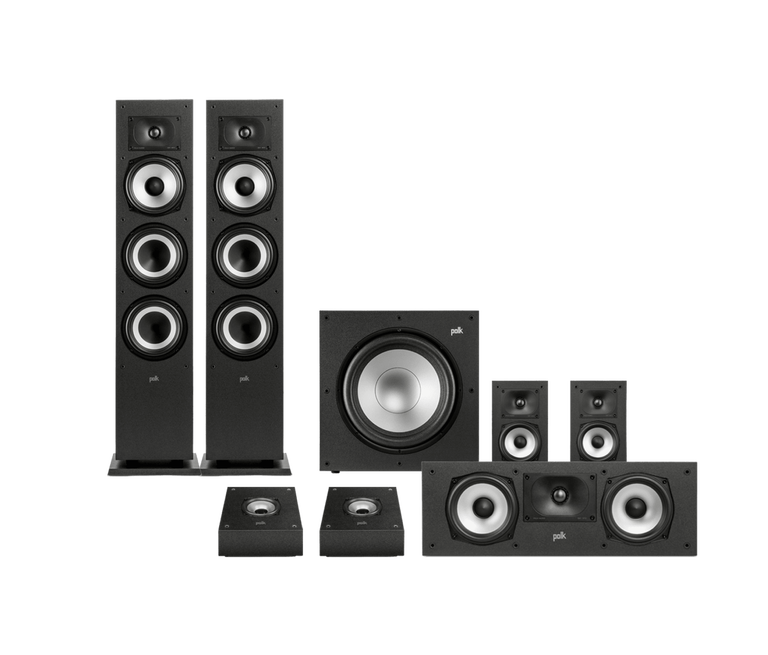
Studio Monitors Music Listening: Elevate Your Audio Experience


Credit: www.polkaudio.com

Optimizing Your Listening Environment

When it comes to music listening, having a well-optimized listening environment is crucial to get the best out of your studio monitors. By making a few tweaks and adjustments, you can significantly enhance your listening experience and ensure that the music sounds as it should.

One of the key factors in optimizing your listening environment is to consider acoustic treatment. Without proper treatment, the sound waves bouncing off the walls, floor, and ceiling can create unwanted reflections and distortions, ultimately affecting the accuracy of what you hear. To tackle this issue, you can:

  • Install bass traps in the corners, which absorb low-end frequencies and minimize bass build-up.
  • Place acoustic panels strategically on the walls to reduce mid-range reflections and echoes.
  • Use diffusers to scatter sound waves and create a more balanced sound environment.

Reflections are one of the major obstacles when it comes to maintaining an optimal listening environment. They can cause phase cancellation and result in a less precise sound image. Here are a few tips to manage reflections:

  1. Position your studio monitors away from walls and corners to minimize early reflections.
  2. Consider angling your monitors towards the listening position to reduce further reflections.
  3. Use a reflection filter or portable vocal booth to minimize reflections from the desk or other surfaces.

By managing these reflections effectively, you can achieve a more accurate and detailed sound representation.

Improving Your Audio Experience

When it comes to music listening, studio monitors play a crucial role in delivering a high-quality sound experience. By using the right equipment and techniques, you can enhance your audio clarity and take your music enjoyment to the next level. In this section, we will discuss two effective methods for improving your audio experience: utilizing room correction software and enhancing audio clarity.

Utilizing Room Correction Software

Room acoustics can greatly impact the sound quality you perceive when using studio monitors. Uneven reflections and resonances can introduce distortions and colorations to the audio, affecting your listening experience. Fortunately, technologies like room correction software can help mitigate these issues.

Room correction software, such as Sonarworks Reference 4 or IK Multimedia ARC System, uses advanced algorithms to analyze your room’s acoustics and correct for any imperfections. By measuring the frequency response at various listening positions, these tools generate an equalization curve that compensates for the room’s resonances and reflections. This results in a more accurate representation of the audio, enhancing your listening experience.

By applying room correction software to your studio monitors, you can eliminate unwanted acoustic distortions and achieve a more balanced and precise sound reproduction. Whether you are a professional music producer or an avid music enthusiast, this technique can significantly improve your audio quality.

Enhancing Audio Clarity

In addition to room correction software, there are various other methods you can implement to enhance the audio clarity of your studio monitors. These techniques focus on reducing background noise, minimizing audio reflections, and optimizing speaker positioning.

  1. Reduce Background Noise:
  2. Background noise can negatively impact the clarity of your music. Ensure that your studio is as quiet as possible by minimizing external noises and vibrations.

  3. Minimize Audio Reflections:
  4. Audio reflections can cause echo and muddiness in the sound. To minimize these reflections, consider using acoustic panels or diffusers strategically placed around your listening area. These treatments help absorb or scatter sound waves, resulting in a cleaner audio experience.

  5. Position Studio Monitors Correctly:
  6. The placement of your studio monitors can greatly affect the audio clarity. Optimize their positioning by following the manufacturer’s recommendations or experimenting with different angles and distances. Avoid placing them too close to walls or corners to prevent bass buildup and phase cancellation.

By implementing these techniques, you can enhance the clarity and precision of your audio, allowing you to enjoy your favorite music with greater detail and realism.

Studio Monitors Music Listening: Elevate Your Audio Experience


Credit: www.amazon.com

Frequently Asked Questions Of Studio Monitors Music Listening

What Are Studio Monitors Used For?

Studio monitors are essential tools for musicians, producers, and audio engineers to accurately monitor and mix music. They provide a true representation of the sound, allowing for precise adjustments and ensuring the music will sound good on various playback systems.

Why Are Studio Monitors Important For Music Listening?

Studio monitors are designed to provide a flat and neutral frequency response, unlike consumer speakers. This enables musicians and audio professionals to hear the subtle details and flaws in their music, allowing for accurate mixing and mastering decisions.

What Should I Consider When Buying Studio Monitors?

When purchasing studio monitors, it’s important to consider factors like frequency response, power output, connectivity options, room size, and budget. Additionally, listening to different models before buying can help you choose the ones that sound the best to your ears in your specific environment.

Can I Use Studio Monitors For Casual Music Listening?

While studio monitors are designed for professional use, they can also be great for casual music listening. However, keep in mind that they provide a neutral sound, which may initially sound different from consumer speakers. It may take some time to adjust and appreciate the true representation of the music.

Conclusion

Studio monitors are essential for accurate music listening. They provide precise sound reproduction, allowing musicians and producers to hear their work as intended. With their flat frequency response and detailed sound, studio monitors enhance the listening experience and enable better sonic decisions.


Invest in quality studio monitors for a true and immersive music listening experience.
Categories
Archive

How to Record Vocals From Home: Expert Tips and Tricks

To record vocals from home, set up a quiet space, choose a good mic, and use software like Audacity to record and edit. Creating a makeshift recording booth can enhance sound quality without the need for expensive equipment.

As an Amazon Associate I earn from qualifying purchases.

Selecting a high-quality microphone tailored to your voice is crucial for capturing clear vocals. Additionally, using audio editing software allows for refining the recorded vocals and adding effects to enhance the overall sound. With these steps, you can achieve professional-quality vocal recordings from the comfort of your home studio.

Remember, practice and experimentation are key to finding the optimal setup for your unique vocal style.

Setting Up Your Home Studio

Choosing The Right Space

For your home studio, select a quiet and well-insulated room to minimize external noise.

  • Look for a room with minimal echoes to enhance sound quality.
  • Consider adding soundproofing materials like foam panels to reduce reverberations.

Essential Equipment

Invest in quality equipment to ensure professional sound recording results.

  1. Acquire a good microphone suitable for vocals and a pop filter to reduce plosive sounds.
  2. Use a microphone stand to position the mic properly for optimum recording.
How to Record Vocals From Home: Expert Tips and Tricks

Credit: www.groovyspin.com

Preparing Your Voice And Body

When preparing to record vocals from home, it’s vital to focus on preparing your voice and body for the best performance. This involves specific steps and practices that can enhance the quality of your recordings.

Vocal Warm-ups

Warm up your voice with simple exercises like lip trills, humming, and sirens. Engage in vocal scales to improve flexibility and range. Avoid straining your voice beforehand.

Hydration And Nutrition

Stay hydrated by drinking plenty of water. Avoid caffeine and dairy products before recording to maintain clear vocals. Eat nutritious foods for vocal strength.


Mastering Microphone Techniques

Mastering microphone techniques is crucial for achieving professional-quality vocals when recording at home. Proper microphone positioning, controlling plosives and sibilance are essential elements to ensure clear and pristine vocal recordings.

Positioning The Microphone

Proper microphone positioning plays a key role in capturing the best vocal performance. Position the microphone at a 45-degree angle, slightly below the singer’s mouth to minimize plosives and sibilance. Experiment with different distances to find the optimal position for capturing the richness and clarity of the vocals.

Controlling Plosives And Sibilance

To control plosives and sibilance, use a pop filter to reduce the impact of plosive sounds created by words starting with letters like “P” or “B”. Additionally, a de-esser can be employed to minimize harsh sibilant sounds like “S” and “SH”, ensuring a smooth and balanced vocal track.

Optimizing Recording Software

When it comes to recording vocals from home, optimizing your recording software is a crucial step to ensure you end up with professional-quality tracks. By understanding and utilizing the features of your recording software, you can enhance the sound of your vocals and take your recordings to the next level. In this section, we will explore two essential aspects of optimizing recording software: setting levels and gain structure and utilizing effects and processing.


Setting Levels And Gain Structure

Setting the levels and gain structure correctly is vital for capturing clear and distortion-free vocal recordings. Follow these steps to optimize your recording software for this purpose:

  1. Check input levels: Before starting your recording session, make sure to check the input levels on your software. Adjust the input gain so that when you sing at your loudest, the levels reach near the maximum without clipping or distortion.
  2. Avoid clipping: Clipping occurs when the input levels are too high, resulting in distorted audio. Keep an eye on the input meters and ensure they do not reach the red zone. If clipping occurs, reduce the input gain until the levels are within the acceptable range.
  3. Use compression: Compression is an effective tool for controlling the dynamic range of vocals. Apply gentle compression to even out the volume peaks and improve the overall consistency of your vocal recordings.

Utilizing Effects And Processing

Adding effects and processing to your vocal recordings can add depth and character to your sound. Here are some techniques to consider:

  • EQ: Use an equalizer to shape the tonal balance of your vocals. Boost the frequencies that enhance the clarity and presence of your voice while reducing any unwanted frequencies.
  • Reverb and delay: Apply reverb and delay effects to create a sense of space and provide a natural ambience to your vocal recordings. Experiment with different settings to find the perfect amount and type of reverb and delay that suits your style.
  • Dynamics processing: Utilize techniques like compression, de-essing, and gating to refine the dynamics of your vocals. These tools help control the volume, reduce sibilance, and eliminate unwanted background noise.

Taking advantage of the features offered by your recording software allows you to optimize your vocal recordings. Remember to set appropriate levels and gain structure to avoid distortion and clipping, and utilize effects and processing to enhance the quality and depth of your vocals. With these techniques, you’ll be able to achieve professional-sounding recordings right from the comfort of your home.

Post-recording Tips For Professional Results

Recording vocals from the comfort of your own home can be a convenient and cost-effective way to produce high-quality music. But the recording process is just the first step towards achieving professional-sounding results. In this section, we will explore two crucial post-recording tips that will take your vocals to the next level: Editing and Comping Takes, and Mixing and Mastering at Home.

Editing And Comping Takes

When it comes to recording vocals at home, capturing the perfect take is not always easy. Even the most experienced vocalists can make mistakes or encounter technical issues during the recording process. To overcome these challenges and ensure a flawless vocal performance, editing and comping takes is essential.

Editing is the process of fine-tuning individual vocal sections by removing unwanted breaths, pops, or other imperfections. By carefully listening to each recorded take, you can identify and correct any problematic areas. Moreover, it’s crucial to pay attention to timing and pitch, ensuring that the vocals are in tune and aligned with the rest of the instruments.

Comping takes refers to the process of selecting the best parts from multiple recorded takes to create a seamless and exceptional vocal performance. By listening to each take and choosing the strongest sections, you can create a composite take that showcases the vocalist’s best moments. This technique allows you to piece together a perfect vocal track that showcases the best parts of each take.

Mixing And Mastering At Home

Once you have edited and comped the vocal takes, the next step is mixing and mastering. As an aspiring home recording engineer, you might think that achieving professional-sounding results in this stage is impossible without access to expensive studio equipment. However, with the right techniques and tools, it is possible to achieve outstanding results from the comfort of your own home.

Mixing involves blending the recorded vocals with the rest of the instruments in your track. By adjusting the levels, panning, and applying appropriate effects, you can create a balanced and cohesive sonic experience. Pay attention to the EQ to ensure that the vocal sits well in the mix and doesn’t clash with other elements.

Mastering, on the other hand, is the final step in the production process. It involves fine-tuning the overall sound of the track to achieve clarity, loudness, and appropriate dynamics. Utilize mastering plugins or software to ensure that the vocals are polished, and the final mix is ready for distribution.

By following these post-recording tips, you can elevate your home-recorded vocals to a professional level. Don’t underestimate the power of editing and comping takes, as well as the potential of mixing and mastering at home. With practice and attention to detail, you can achieve outstanding results that will impress even the most discerning ears.

How to Record Vocals From Home: Expert Tips and Tricks

Credit: www.forbes.com

How to Record Vocals From Home: Expert Tips and Tricks

Credit: www.levelsmusicproduction.com

Frequently Asked Questions Of How To Record Vocals From Home

How Can I Record Vocals From Home If I Don’t Have Professional Equipment?

You don’t need expensive gear to record vocals from home. Start with a quiet room, use a microphone (even a USB one), and a free recording software like Audacity. Experiment with placement, distance, and pop filters to get the best sound.

What Are Some Tips For Creating A Good Vocal Recording Environment At Home?

To create a good vocal recording environment at home, find a quiet room, use acoustic treatments like blankets or foam panels to reduce echo, and minimize background noise. Close windows and doors, switch off fans, and try recording late at night when it’s quieter.

How Can I Improve The Sound Quality Of My Vocal Recordings At Home?

You can improve the sound quality of your vocal recordings by using a pop filter to minimize plosives, experimenting with microphone placement to find the sweet spot, and using EQ and compression during the mixing stage to enhance the vocals.

What Microphone Should I Use For Recording Vocals From Home?

For recording vocals from home, a condenser microphone like the Audio-Technica AT2020 or the Rode NT1 is a popular choice. These microphones are affordable and provide excellent sound quality for vocals.

Conclusion

To conclude, recording vocals from home is achievable with the right setup and knowledge. By creating a conducive environment, choosing the right equipment, and practicing proper techniques, you can produce professional-quality vocal recordings from the comfort of your own space.

With dedication and patience, you can refine your skills and create captivating music right from home.

Categories
Archive

Finding Your Musical Niche With Sound Alike Artists: Expand Your Unique Sound

Finding your musical niche with sound alike artists is crucial for developing your unique style. By studying artists who share similar qualities, you can pinpoint your own strengths and preferences, ultimately shaping your distinct sound.

This process allows you to draw inspiration from established musicians while also carving out a space for yourself in the music industry. Embracing your influences and incorporating them into your music can help you stand out and connect with your audience on a deeper level.

As you explore different sound alike artists, you will uncover hidden gems that will guide you in defining your artistic identity and setting yourself apart in the crowded music landscape.

Exploring Sound Alike Artists

When it comes to finding your musical niche, exploring sound alike artists is key. Discovering similar artists and analyzing their techniques can help you carve out your unique style.

Discovering Similar Artists

Start by listening to artists who have a similar sound to what you envision for your music. Look for patterns in their melodies, instrumentation, and lyrical themes.

Consider artists from the past and present who have influenced your favorite musicians. Dive deep into their discography to understand their musical evolution and style.

Analyzing Their Techniques

Pay attention to the production techniques, song structures, and arrangements that make these artists stand out. Take notes on how they use different instruments and vocal harmonies to create their signature sound.

Experiment with incorporating these techniques into your own music while adding your personal touch to make it unique.

Diversifying Your Musical Influences

Your musical niche is like your creative fingerprint, unique to you. Diversifying your musical influences can help you carve out that distinctive sound. Embracing a wide range of genres and studying cross-genre techniques can enhance your musical palette.

Exploring Different Genres

Exploring different genres can spark fresh inspiration and help you discover unique elements to incorporate into your music.

By listening to diverse genres, you can expand your musical horizon and develop a more versatile and original style.

Studying Cross-genre Techniques

Studying cross-genre techniques allows you to blend different musical elements to create a distinctive and innovative sound.

By analyzing techniques across genres, you can adapt and combine them to craft your own signature style.

Developing Your Unique Sound

Developing your unique sound as a musician is crucial in standing out in the competitive music industry. By defining and refining your sound, you can carve out a niche that resonates with your target audience. Finding inspiration from sound-alike artists can help you in this process.

Incorporating Influences

When developing your unique sound, it’s essential to understand that incorporating influences can be a powerful tool. By studying and analyzing your favorite sound-alike artists, you can identify the elements that resonate with you the most. This understanding can then be integrated into your own music, allowing you to create a hybrid style that combines your influences with your originality.

Experimenting With Hybrid Styles

Experimentation is key to developing your unique sound. By blending different musical styles and genres, you can create a hybrid sound that sets you apart from sound-alike artists. This process allows you to push boundaries and explore new sonic landscapes, giving birth to a sound that is distinctly yours.

Finding Your Musical Niche With Sound Alike Artists: Expand Your Unique Sound

Credit: www.synthesia.io

Marketing Your Unique Niche

Discovering your musical niche is key to marketing your unique sound. Identifying sound alike artists can help you carve out your niche and target the right audience for your music. Embrace your unique style and connect with like-minded fans through strategic marketing.

Identifying Your Target Audience

Before you can effectively market your unique musical niche, it’s crucial to first identify your target audience. Understanding who your potential fans are and what they’re looking for in music will help you tailor your marketing efforts to reach them more effectively.

  • Start by analyzing your sound alike artists and the fanbase they attract. Look at the demographics, interests, and behaviors of their listeners.
  • Consider conducting surveys or interviews with your existing fans or music enthusiasts to gain insights into their preferences and motivations.
  • Use social media listening tools to monitor conversations and gather information about your target audience’s interests and opinions.
  • Once you have a clear idea of who your target audience is, create buyer personas to represent different segments of your fan base. This will allow you to craft targeted marketing messages.
  • Crafting A Distinct Image

    Now that you know who your target audience is, the next step is to craft a distinct image that sets you apart from other sound alike artists. Your image encompasses not only your music but also your overall brand and visual presentation.

  • Define your unique selling proposition (USP). What makes your music stand out? Is it your lyrics, your vocal style, or the way you blend different genres?
  • Develop a consistent visual identity, including your logo, album covers, and website design. Your visuals should align with your music and resonate with your target audience.
  • Curate a strong online presence through your social media profiles and website. Regularly share content that reflects your brand and engages your audience.
  • Collaborate with visual artists, photographers, and videographers to create visually compelling content that captures the essence of your music and appeals to your target audience.
  • Connecting With Your Audience

    Discover a musical niche by connecting with your audience through sound-alike artists. Engaging with fans and exploring similar musicians can help you cultivate a unique presence in the music industry. Experimenting with these connections can lead to meaningful relationships and opportunities.

    Engaging With Fans

    When it comes to building a successful music career, one of the most crucial factors is connecting with your audience. Your fans are the ones who will support you, attend your shows, and spread the word about your music. Engaging with your fans is essential to build a loyal following and create a strong connection that will keep them coming back for more.

    Luckily, in today’s digital age, there are numerous ways to engage with your fans and make them feel valued. Here are a few strategies that can help you nurture relationships with your audience:

    1. Respond to comments and messages: Take the time to respond to comments on your social media posts or direct messages from your fans. This simple act of acknowledgement can go a long way in making your fans feel seen and appreciated.
    2. Offer exclusive content: Provide your fans with exclusive content that is not available to the general public. This could include behind-the-scenes footage, acoustic versions of your songs, or personal updates. By giving your fans something special, you create a sense of exclusivity and make them feel like they have a deeper connection with you.
    3. Interact at live shows: When performing live, make an effort to interact with your audience. This could be as simple as talking to them between songs, taking requests, or even inviting fans on stage. This personal interaction will make the experience memorable for your fans and solidify their loyalty to you.

    Leveraging Social Media

    Social media platforms have become powerful tools for musicians to connect directly with their fans and promote their music. Here are a few tips on how you can leverage social media to maximize your engagement:

    • Create engaging content: Post content that captures your fans’ attention and sparks conversation. This could include sharing snippets of new music, personal stories, or even funny anecdotes. The more engaging your content is, the more likely your fans will interact with it.
    • Run contests and giveaways: Everyone loves a chance to win something. Organize contests or giveaways that require your fans to engage with your social media posts, such as liking, sharing, or commenting. This not only helps increase your reach but also encourages your fans to actively participate and interact with your content.
    • Collaborate with influencers: Partnering with influencers or other musicians who have a strong online presence can help you reach a wider audience. By leveraging their influence, you can tap into their followers and gain more exposure for your music.
    Overall, connecting with your audience is an ongoing process that requires consistent effort and genuine interaction. By engaging with your fans and leveraging the power of social media, you can cultivate a dedicated following that will support you throughout your musical journey. So, get creative, be authentic, and most importantly, have fun building connections with your fans!
    Finding Your Musical Niche With Sound Alike Artists: Expand Your Unique Sound

    Credit: splice.com

    Finding Your Musical Niche With Sound Alike Artists: Expand Your Unique Sound

    Credit: www.ghosthack.de

    Frequently Asked Questions For Finding Your Musical Niche With Sound Alike Artists

    What Are Sound Alike Artists?

    Sound alike artists are musicians or bands who have a similar musical style or sound to another well-known artist. They may draw inspiration from the original artist and incorporate similar elements into their own music, providing a familiar sound for fans of the original artist.

    Why Should I Explore Sound Alike Artists?

    Exploring sound alike artists can help you discover new music that closely aligns with your musical taste. If you enjoy a particular artist’s style, finding sound alike artists can provide a fresh and exciting experience, introducing you to new songs and musicians who share similar qualities.

    How Can I Find Sound Alike Artists?

    To find sound alike artists, you can use online music platforms, streaming services, or recommendation tools. Look for features like “Similar Artists” or “Related Artists” to find musicians who have a similar sound or style to the artist you enjoy.

    You can also seek recommendations from friends or explore music communities online.

    Are Sound Alike Artists Just Copycats?

    No, sound alike artists are not simply copycats. While they may have a similar musical style or sound, they bring their unique creativity and interpretation to their music. Sound alike artists often incorporate their own experiences, influences, and personal touch, resulting in a blend of familiarity and originality in their music.

    Conclusion

    Discovering your musical niche through sound alike artists is a powerful way to express your unique style. By studying the artists who inspire you, you can find your own voice and connect with your audience on a deeper level. Embrace the influence of these artists and let it shape your artistic journey.

    With dedication and authenticity, you can carve out your own place in the music industry while staying true to your musical roots.


    Categories
    Archive

    How To Mix Acoustic Guitars: Master the Art of Perfect Sound

    To mix acoustic guitars, adjust EQ to reduce muddiness and enhance clarity. Use reverb and panning for depth.

    Acoustic guitars are beautiful instruments that can add warmth and richness to any music production. When properly mixed, acoustic guitars can bring a certain authenticity and organic feel to the overall sound. Mixing acoustic guitars involves balancing the various frequencies, controlling dynamics, and creating a sense of space.

    By following some key techniques such as EQ adjustments, compression, and adding effects like reverb and delay, you can achieve a well-rounded and professional sound. In this guide, we will explore some effective strategies for mixing acoustic guitars to help you achieve a polished and balanced mix.

    Mastering Acoustic Guitar Mixing

    Learn the art of mastering acoustic guitar mixing with tips on how to achieve the perfect blend for professional sound. Discover the techniques for balancing, EQ, and reverb to enhance the natural tones of acoustic guitars in your mix.

    Choosing The Right Microphones

    In acoustic guitar mixing, use condenser mics for clarity.

    Setting Up The Recording Environment

    Ensure a quiet room for clean acoustic guitar recordings. Consider acoustic treatment to minimize echoes. Adjust microphone positioning for optimal sound capture. Eliminate background noise for a pristine recording. Utilize pop filters to reduce unwanted sounds. Strategically place microphones for balanced tone. Experiment with mic distances for diverse sounds.

    Understanding Equalization Techniques

    In the mixing process, focus on boosting essential frequencies for clear guitar tones.

    Isolate problem areas, cut frequencies that muddy the sound, prioritize the guitar’s natural characteristics.

    Use EQ to balance the guitar’s frequencies, enhance mid-range for warmth, adjust lows for depth.

    Experiment with shelving filters to maintain a balanced tonal spectrum, avoid excessive boosting.


    Utilizing Compression For Impactful Mixes

    Utilizing Compression for Impactful Mixes

    When it comes to achieving a balanced and professional acoustic guitar mix, the use of compression can play a crucial role. By effectively controlling the dynamic range, enhancing sustain, and adding body to the sound, compression can elevate the overall impact of the mix.

    Controlling Dynamic Range

    Dynamic range refers to the difference between the quietest and loudest parts of the guitar performance. By applying compression, you can reduce this gap, ensuring that softer passages are brought up in volume while preventing excessively loud peaks. A well-controlled dynamic range can maintain a consistent level of presence throughout the mix, making the acoustic guitar sound more cohesive and polished.

    Enhancing Sustain And Body

    Compression enhances the sustain of the acoustic guitar, allowing the notes to ring out more prominently. This not only adds a sense of lushness and continuity to the performance but also contributes to a fuller and more robust sound. By carefully adjusting the attack and release settings, you can shape the transient response and sustain of the guitar, bringing forth a more sonorous and captivating presence within the mix.

    How To Mix Acoustic Guitars: Master the Art of Perfect Sound

    Credit: www.amazon.com

    Applying Reverb And Delay For Depth

    Enhance the richness of acoustic guitars by skillfully applying reverb and delay effects, which create depth and spaciousness in the mix. These effects can add a sense of ambiance and dimension to the guitar sound, making it more immersive and engaging for listeners.

    Experiment with different settings to achieve the desired sonic impact.

    Creating Spatial Ambiance

    One essential aspect of mixing acoustic guitars is creating spatial ambiance, which adds depth and dimension to the sound. Applying reverb and delay effects can contribute to this, creating a more immersive experience for the listener.

    Reverb is a popular effect used in mixing to simulate the natural reflections of sound in different spaces, such as rooms, halls, or arenas. It adds a sense of space and can make a dry guitar sound fuller and more pleasing to the ear.

    Using Effects To Enhance Texture

    In addition to reverb, another effect that can enhance the texture of acoustic guitars is delay. By repeating the guitar’s sound after a short period, delay adds a sense of thickness and richness to the overall sound.

    When applying delay, it’s important to find the right balance. Too much delay can make the mix sound muddy, while too little can make it sound thin. Experiment with different delay times to find the sweet spot that enhances the guitar’s texture.

    Another technique to consider is using stereo widening effects. By panning the delayed sound slightly left and right, you can create a spacious and immersive experience for the listener.

    It’s worth noting that the choice and settings of reverb and delay effects will vary depending on the genre and style of music. For example, a large hall reverb might work well for a ballad, while a shorter and more natural room reverb might be suitable for a folk or country song.

    Additionally, when applying effects to acoustic guitars, it’s important to consider how they interact with other elements in the mix. A blend of different reverbs and delays on different instruments can contribute to a cohesive and balanced mix.

    To summarize, applying reverb and delay effects can add depth, dimension, and texture to acoustic guitars in the mix. By judiciously selecting and adjusting these effects, you can create a more immersive and engaging listening experience for your audience.

    Finalizing The Mix With Panning And Stereo Imaging

    When it comes to mixing acoustic guitars, panning and stereo imaging play a crucial role in creating a well-balanced and immersive soundstage. With the right placement in the stereo field and effective width enhancement techniques, you can take your acoustic guitar mix to the next level. In this section, we’ll explore the importance of placing instruments in the stereo field and how to enhance the width for a full and captivating sound.

    Placing Instruments In The Stereo Field

    Placing instruments in the stereo field refers to positioning them in the left-to-right spectrum, giving each element its own space within the mix. To achieve a natural and realistic sound, it’s important to consider the position of each acoustic guitar track. Here’s a breakdown of commonly used placements:

    • Hard-panning: Assigning an acoustic guitar track to the extreme left or right can provide a wider stereo image, creating a sense of separation between the two guitars.
    • Mid-panning: Placing the acoustic guitars slightly off-center, around 30-40% to the left and right, can contribute to a balanced mix with a focused center.
    • Mid-side panning: For more control over the stereo width, using mid-side processing allows you to adjust the level of the center (mid) and the sides of the stereo field separately.

    Enhancing Width For A Full Sound

    To achieve a full and expansive sound with your acoustic guitars, there are several techniques you can use to enhance the stereo width:

    1. Double-tracking: Record the same acoustic guitar part twice and pan one track to the left and the other to the right. This adds thickness and width to the sound.
    2. Stereo reverb: Apply a stereo reverb effect to your acoustic guitar tracks, experimenting with different room sizes and decay times. This can create a sense of depth and enhance the overall width of the mix.
    3. Delay and modulation: Utilize delay and modulation effects, such as chorus or flanger, to create movement and spatial interest in the stereo field. This can make the acoustic guitars feel wider and more immersive.
    4. Mid-side EQ: Shape the frequency response of your acoustic guitar tracks using mid-side EQ techniques. Boosting the highs in the side channel can make the guitars feel wider, while keeping the center (mid) focused and balanced.

    By carefully placing your acoustic guitars in the stereo field and employing width enhancement techniques, you can finalize your mix with a captivating and professional sound. Take the time to experiment and trust your ears to achieve the desired result.

    How To Mix Acoustic Guitars: Master the Art of Perfect Sound

    Credit: lindoguitars.com

    How To Mix Acoustic Guitars: Master the Art of Perfect Sound

    Credit: www.amazon.com

    Frequently Asked Questions On How To Mix Acoustic Guitars

    How Do I Mix Acoustic Guitars?

    Mixing acoustic guitars involves balancing the different frequencies and panning them in the stereo field. Use EQ to remove unwanted frequencies, add compression to control dynamics, and add reverb to create depth. Experiment with different placements and mic techniques to capture the best sound.

    Remember to listen critically and make adjustments as needed.

    What Are Some Tips For Mixing Acoustic Guitars?

    To get a great mix with acoustic guitars, start by carving out space for the guitars in the mix using EQ. Use gentle compression to control dynamics and add warmth. Consider adding subtle stereo wideners or double-tracking for a fuller sound.

    Finally, make sure the guitars sit well with the rest of the instruments in the mix.

    How Can I Make Acoustic Guitars Sound Fuller?

    To make acoustic guitars sound fuller, try using double-tracking or layering multiple guitar takes. This helps to create a thicker sound. Experiment with different microphone placements and techniques to capture a full range of frequencies. Use EQ and compression to enhance the body and character of the guitars, and consider adding a touch of reverb for dimension.

    Conclusion

    Mastering the art of mixing acoustic guitars requires attention to detail and an ear for balance. By following the steps outlined in this blog post, you can achieve a professional and compelling sound for your acoustic guitar recordings. Remember to experiment and trust your instincts, as every mix is unique.

    Embrace the creative process and enjoy the journey of creating captivating acoustic guitar mixes.

    Categories
    Archive

    Tips For Launching Your Solo Music Career: Unleash Your Potential!

    To jumpstart your solo music career, focus on networking, building an online presence, creating quality content, and engaging with your audience consistently. With dedication and strategic planning, you can boost your visibility and gain traction as an independent artist.

    Getting your music out there through social media, music platforms, and live performances can help you reach a wider audience and make connections in the industry. By staying true to your unique sound and brand, while also being open to feedback and collaboration, you can set yourself up for success in the competitive music landscape.

    With persistence and a clear vision, you can navigate the challenges of starting a solo music career and carve out your own path in the industry.

    Tips For Launching Your Solo Music Career: Unleash Your Potential!

    Credit: soundcamps.com

    Building Your Brand

    Building Your Brand is an essential aspect of launching your solo music career. Your brand encompasses your image, sound, and overall identity as a musician. Crafting a strong brand will help you stand out in a competitive industry.

    Crafting Your Image

    Your image is how the world perceives you. Consistent visuals through photos, album art, and social media profiles help establish your brand. Choose a unique style that resonates with your music.

    Defining Your Sound

    Your sound is your musical identity. Experiment with genres and influences to find your unique style. Stay true to yourself while exploring different sounds to define your music.

    Tips For Launching Your Solo Music Career: Unleash Your Potential!

    Credit: www.amazon.com

    Creating Your Music

    Embarking on your solo music career means diving headfirst into the world of creativity and self-expression. Crafting your unique sound and style is key to standing out in the saturated music industry. From penning heartfelt lyrics to producing polished tracks, each element plays a vital role in shaping your musical journey.

    Songwriting Tips

    • Focus on authentic emotions to connect with your audience.
    • Experiment with different song structures to keep your music fresh.
    • Capture inspiration on-the-go with a portable notebook or voice recorder.

    Recording Quality Tracks

    1. Invest in decent recording equipment for professional-sounding results.
    2. Opt for a quiet recording space to minimize background noise.
    3. Learn basic mixing and mastering techniques to enhance the quality of your tracks.

    Promoting Yourself

    Promoting Yourself is vital to kick-start your solo music career. It involves leveraging various strategies to create awareness and generate interest in your music. Effective self-promotion can help you reach a wider audience and establish your presence in the industry. Below are some essential strategies to promote your solo music career successfully.

    Social Media Strategies

    Utilize social media platforms to showcase your talent and connect with fans. Post engaging content regularly, including live performances, behind-the-scenes footage, and interactive Q&A sessions. Engage with your audience by responding to comments and messages promptly. Collaborate with influencers and music-related pages to expand your reach. Create targeted ad campaigns to reach potential fans and promote your music releases.

    Networking And Collaboration

    Build a strong network within the music industry by attending local open mics, showcases, and industry events. Connect with fellow musicians to explore collaboration opportunities and gain exposure to their fan base. Join music communities and forums both online and offline to engage with peers and exchange promotional support. Network with music journalists, bloggers, and influencers to secure media coverage and interview opportunities.

    Navigating The Industry

    Being a solo musician is an exciting journey, but navigating the music industry can be challenging. From understanding contracts to seeking performance opportunities, there are important steps you need to take to get your solo music career started. In this blog post, we will provide you with valuable tips and insights to help you successfully navigate the industry.

    Understanding Contracts

    When starting your solo music career, it is crucial to have a solid understanding of contracts. Music contracts are legal agreements that outline the terms and conditions between you and others involved in your music career, such as record labels, managers, and promoters. Here are a few tips to consider:

    1. Read Contracts Thoroughly: Take the time to read contracts carefully and understand all the terms and conditions before signing anything. If you are unsure about any aspect, consult with a legal professional who specializes in music contracts to ensure you are making informed decisions.
    2. Pay Attention to Royalties and Rights: Contracts often deal with the distribution of royalties and rights to your music. Make sure you fully understand how these are divided and ensure that you are receiving a fair share for your work.
    3. Seek Professional Advice: Getting legal advice from a music lawyer can be a wise investment. They can provide you with guidance and ensure that your best interests are protected in any contractual agreement you enter into.

    Seeking Performance Opportunities

    To establish yourself as a solo musician, it is essential to seek out performance opportunities. Not only do live performances allow you to showcase your talent, but they also provide valuable networking opportunities. Here are some tips to help you find performance opportunities:

    • Local Open Mic Nights: Start small by participating in open mic nights at local venues. These events are a great way to gain experience, build confidence, and connect with other musicians and industry professionals.
    • Online Platforms: Utilize online platforms, such as social media and music streaming sites, to promote your music and connect with potential booking agents and event organizers. Create engaging content and regularly engage with your audience to grow your fan base.
    • Collaborate with Other Artists: Collaborating with other artists can open doors to new performance opportunities. Reach out to musicians or bands that have a similar style or audience, and explore the possibility of performing together or opening for them in a live show.

    Remember, building a successful music career takes time and perseverance. By understanding contracts and actively seeking performance opportunities, you are taking important steps towards establishing yourself as a solo musician. Stay focused, keep honing your craft, and never underestimate the power of networking. Best of luck on your journey!

    Managing Your Finances

    Embarking on a solo music career demands smart financial management. Start by creating a budget, setting clear goals for expenses, and seeking out cost-effective promotional platforms. Additionally, invest in expert financial advice to ensure long-term sustainability and success in the industry.

    Managing Your Finances is a critical aspect of getting your solo music career off the ground. By effectively budgeting for success and monetizing your music, you can improve your financial stability and increase your chances of long-term success. In this section, we will explore some practical tips and strategies to help you manage your finances in a way that supports your music career.

    Budgeting For Success

    Creating a budget is the foundation of smart financial planning. It allows you to track your income, expenses, and savings, giving you a clear overview of your financial health. To develop a budget that works for your solo music career, follow these actionable steps:
    • Step 1: Determine your monthly income, including revenue from gigs, merchandise sales, and royalties.
    • Step 2: Identify your regular monthly expenses such as rent, utilities, and transportation.
    • Step 3: Set aside a portion of your income for savings, emergencies, and future investments.
    • Step 4: Allocate a budget for studio time, equipment, marketing, and promotion.
    By creating a detailed and realistic budget, you can effectively manage your finances and make informed decisions about your music career.

    Monetizing Your Music

    To thrive as a solo musician, it’s crucial to explore various avenues for monetizing your music. Here are some strategies you can implement:
    1. Streaming Platforms: Distribute your music on popular streaming platforms like Spotify, Apple Music, and Amazon Music to reach a wider audience and generate revenue through royalties.
    2. Merchandise Sales: Create branded merchandise such as t-shirts, posters, or even unique collectibles that resonate with your fans and provide an additional source of income.
    3. Live Performances: Utilize your talent and stage presence by performing live at gigs, concerts, and music festivals. Charging a reasonable fee for your performances can help you generate income and gain exposure.
    4. Licensing and Sync Deals: Explore opportunities to license your music for films, TV shows, commercials, and video games. These deals can offer significant financial rewards and increase your visibility.
    Remember, monetizing your music requires strategic planning and consistent effort. It’s essential to actively seek out opportunities and build a strong brand presence to maximize your income potential. As you navigate the world of managing your finances as a solo musician, keep in mind that finding the right balance between creative pursuits and financial stability is crucial. By budgeting effectively and exploring various monetization strategies, you can take significant steps toward building a successful solo music career. Stay focused, adaptable, and always keep your financial goals in sight.
    Tips For Launching Your Solo Music Career: Unleash Your Potential!

    Credit: blog.groover.co

    Frequently Asked Questions For Tips For Getting Your Solo Music Career Started

    What Are The Essential Steps To Kickstart A Solo Music Career?

    To get started on your solo music career, you need to define your sound, build a strong online presence, network with fellow musicians, create captivating content, and start performing live shows. By taking these essential steps, you’ll be on your way to success as a solo artist.

    How Can I Promote My Solo Music Online?

    To promote your solo music online, you can utilize social media platforms like Instagram, Facebook, and Twitter to share your music and engage with fans. Collaborating with influencers and music bloggers can also help generate buzz and reach a wider audience.

    Creating a website and uploading your music to streaming platforms will further boost your online presence.

    Is It Necessary To Hire A Music Manager For A Solo Music Career?

    Hiring a music manager for your solo music career is not mandatory, but it can be highly beneficial. A manager can assist you in booking gigs, negotiating contracts, and handling the business side of your career, allowing you to focus more on creating and performing your music.

    However, if you choose to go without a manager, proper time management and organization are essential.

    Conclusion

    Starting a solo music career can be a challenging yet rewarding journey. By staying focused, building a strong online presence, networking with other musicians, and continuously honing your craft, you can set yourself up for success. With determination and perseverance, you can turn your passion for music into a thriving career.

    Keep pushing forward and never give up on your dream.


    Categories
    Archive

    Social Media Networking For Songwriters: Boost Your Music Career

    Social media networking is crucial for songwriters to connect, promote, and engage with their audience successfully. Utilizing platforms like Instagram, Twitter, and Facebook can help songwriters build a strong online presence, share their work, and collaborate with other industry professionals.

    With the right strategies, social media can be a powerful tool for songwriters to grow their fan base and showcase their talents to a wider audience. By understanding how to leverage social media effectively, songwriters can enhance their visibility and increase their opportunities for success in the music industry.

    Strengthening their online presence through social media networking can lead to more exposure, recognition, and potential partnerships within the music community.

    The Impact Of Social Media On The Music Industry

    Social media’s impact on the music industry has been profound, revolutionizing how songwriters connect with their audience and promote their music.

    The Rise Of Social Media In Music

    Social media platforms are now essential tools for musicians, providing a direct channel to fans worldwide.

    How Social Media Networking Can Benefit Songwriters

    Networking through social media helps songwriters collaborate with other artists and industry professionals.

    Build a loyal fan base and create engagement through regular updates, behind-the-scenes content, and live streams.

    Increase visibility and reach a wider audience by using targeted advertising and hashtag campaigns.

    Monitor trends and feedback to tailor content and stay relevant in a constantly evolving music landscape.

    Social Media Networking For Songwriters: Boost Your Music Career

    Credit: www.mixonline.com

    Building Your Brand And Fanbase On Social Media

    Social media has become a powerful tool for songwriters to build their brand and expand their fanbase. With the right strategies, you can connect with your audience on a deeper level and develop a loyal following.

    Creating an Authentic Online Presence

    Establish your brand voice and style authentically to attract followers who resonate with your music.

    Engaging With Your Audience

    Interact with your fans through live streams, Q&A sessions, polls, and behind-the-scenes content to build a strong connection.


    Utilizing Different Social Media Platforms

    For songwriters, leveraging diverse social media platforms is crucial for networking and gaining exposure. From showcasing lyrical snippets on Instagram to engaging with professionals through LinkedIn, each platform offers unique opportunities for connecting with fellow musicians, potential collaborators, and industry insiders.

    Utilizing Different Social Media Platforms When it comes to promoting your music and connecting with fans, leveraging various social media platforms is crucial for songwriters. Each platform offers unique features and benefits that can help you expand your audience. From visual storytelling to real-time engagement, here’s how you can utilize different social media platforms to maximize your online presence.

    Instagram For Visual Storytelling

    Create a visually captivating story about your songwriting journey on Instagram. Share behind-the-scenes glimpses of your creative process, snippets of your latest tunes, and visually stimulating content to engage with your audience. Utilize Instagram Stories, Reels, and IGTV to showcase your personality and build a loyal fan base.

    Twitter For Real-time Engagement

    Interact with your followers in real-time via Twitter. Engage in conversations, share updates about your music, and participate in trending topics to boost your visibility. Utilize hashtags to connect with a broader audience and keep your followers informed about your latest projects, upcoming shows, and music releases.

    Facebook For Building Communities

    Leverage the community-building aspect of Facebook to foster meaningful connections with your fans. Create a dedicated page for your music, share engaging content, host live sessions, and encourage discussions among your followers. Utilize Facebook groups to build a vibrant community around your music and collaborate with other musicians and songwriters.

    Youtube For Video Content

    Share compelling videos, music performances, lyric videos, and vlogs on YouTube to showcase your talent and connect with music enthusiasts. Utilize YouTube’s powerful search engine to reach a global audience, collaborate with other artists, and build a strong visual presence for your music. By utilizing the diverse capabilities of these social media platforms, songwriters can effectively promote their music, engage with fans, and build a robust online presence.
    Social Media Networking For Songwriters: Boost Your Music Career

    Credit: bandzoogle.com

    Collaborating And Networking With Industry Professionals

    As a songwriter, one of the key aspects of achieving success in the music industry is collaborating and networking with industry professionals. By connecting with other songwriters and musicians, as well as engaging with music industry professionals, you can create valuable relationships that can open doors to opportunities and propel your career to new heights.

    Connecting With Other Songwriters And Musicians

    When it comes to songwriting, collaboration can be a game-changer. By connecting with other talented songwriters and musicians, you can tap into a wealth of creativity and knowledge, combining different skills and perspectives to create something truly unique. Collaborating with others also allows you to expand your network and reach a larger audience, as each collaborator brings their own fan base to the table.

    Engaging With Music Industry Professionals

    Getting your foot in the door of the music industry can be a challenge, but by engaging with music industry professionals, you can increase your chances of success. These professionals include record label executives, music producers, A&R representatives, and music supervisors. Building relationships with these industry insiders can lead to invaluable opportunities, such as record deals, placements in films or commercials, and exposure to a wider audience.

    Connecting and engaging with music industry professionals may seem daunting at first, but with the right approach, it can be achievable. Here are some tips:

    1. Attend Music Conferences and Events: Music conferences and events provide an ideal opportunity to network with industry professionals. Research industry-specific events and make an effort to attend them, prepared with business cards and a clear idea of what you have to offer.
    2. Utilize Social Media: Social media platforms such as Twitter, Instagram, and LinkedIn make it easier than ever to connect with music industry professionals. Follow and engage with their content, share your work, and don’t be afraid to reach out and introduce yourself.
    3. Join Online Communities: There are numerous online communities and forums dedicated to songwriters and musicians. Active participation in these communities can help you establish connections with like-minded individuals and industry professionals.
    4. Seek Opportunities for Collaboration: Actively seek out opportunities to collaborate with other songwriters and musicians. Attend open mic nights, join songwriter associations, and reach out to artists whose work you admire.

    No matter the approach you choose, it’s important to remember that building relationships takes time and effort. Be genuine, professional, and respectful in your interactions, and above all, let your talent and passion shine through.

    Monetizing Your Music Through Social Media

    As a songwriter, social media platforms can be powerful tools to monetize your music and reach a wider audience. By utilizing these platforms effectively, you can promote and sell your music, as well as explore opportunities for paid advertising and sponsorships.

    Promoting And Selling Your Music

    One of the key benefits of social media for songwriters is the ability to promote and sell your music directly to your audience. Here are some strategies to maximize your success:

    • Regularly share your music on platforms such as Facebook, Instagram, and Twitter to keep your fans engaged and interested.
    • Create captivating posts by including eye-catching images, videos, or behind-the-scenes glimpses into your songwriting process.
    • Offer exclusive content to your followers, such as sneak peeks of upcoming releases or access to limited edition merchandise.
    • Collaborate with other artists or influencers in your genre to expand your reach and attract new fans.
    • Drive traffic to your website or online store where fans can purchase your music or merchandise directly.

    Utilizing Paid Advertising And Sponsorships

    While organic reach on social media can be valuable, sometimes it’s important to invest in paid advertising and sponsorships to amplify your message. Consider these tactics:

    • Use targeted advertising on platforms like Facebook Ads or Instagram Ads to reach specific demographics or locations.
    • Experiment with different ad formats such as video ads, carousel ads, or sponsored posts to see what resonates best with your audience.
    • Partner with relevant brands or companies that align with your music’s image or values to create sponsored content or collaborations.
    • Explore influencer marketing by working with social media influencers who can share your music with their engaged followers.
    • Track the success of your paid efforts through analytics and adjust your strategies accordingly to optimize your return on investment.
    Social Media Networking For Songwriters: Boost Your Music Career

    Credit: bandzoogle.com

    Frequently Asked Questions On Social Media Networking For Songwriters

    Faq 1: What Are The Benefits Of Using Social Media For Songwriters?

    Using social media as a songwriter can help you connect with a wider audience, share your music instantly, receive feedback and collaboration opportunities, and promote your work to industry professionals.

    Faq 2: How Can Social Media Networking Help Songwriters Build A Fanbase?

    Social media networking allows songwriters to engage with fans directly, showcase their talent through videos and live performances, promote upcoming releases and events, and create a loyal fanbase that supports their music.

    Faq 3: Which Social Media Platforms Are Best For Songwriters To Promote Their Music?

    Popular social media platforms like Instagram, YouTube, Facebook, and Twitter provide great opportunities for songwriters to reach their target audience, share their music, interact with fans, and collaborate with other musicians.

    Faq 4: How Should Songwriters Optimize Their Social Media Profiles?

    To optimize social media profiles, songwriters should use relevant keywords in their bio, share high-quality content regularly, engage with their audience through comments and messages, collaborate with influencers, and utilize hashtags to reach a wider audience.

    Conclusion

    Incorporating social media into your songwriting journey can greatly benefit your career. By connecting with fellow musicians, sharing your work, and engaging with fans, you can expand your reach and build a loyal following. Utilize the various platforms available to showcase your talent and connect with a wider audience.

    Embrace the power of social media and watch your songwriting career thrive.

    Categories
    Archive

    Mixing Mastering Tips: Power Up Your Sound

    When mixing and mastering, pay attention to levels, EQ, and compression for a polished sound. Effective techniques include using reference tracks, monitoring on multiple devices, and taking breaks to avoid ear fatigue.

    By following these tips, you can enhance the clarity, balance, and overall quality of your music production. Consistency in levels and frequencies, as well as experimenting with different effects and settings, can also contribute to a professional and well-rounded sound.

    In the competitive music industry, a well-mixed and mastered track can make all the difference in standing out. Professionals and aspiring producers alike can benefit from implementing these strategies to elevate their sound and engage listeners on a deeper level. Let’s delve into some key tips and techniques for achieving stellar mixing and mastering results that will set your music apart from the rest.

    Mixing Mastering Tips: Power Up Your Sound

    Credit: www.youtube.com

    Maximizing Your Mix

    Mixing Mastering Tips: Maximizing Your Mix

    Create a well-balanced mix by focusing on individual elements. This ensures every aspect of your music has its place.

    Balancing Your Elements

    Avoid overcrowding your mix with too many elements. Each instrument should complement one another.

    Allocate space for vocals, drums, bass, and other key elements. Adjust volumes to bring out the best in each component.

    Utilizing Panning Techniques

    Enhance the stereo image by strategically panning different elements. Distribute sounds across the stereo field for a more immersive experience.

    • Pan instruments to the left or right to create depth and width.
    • Experiment with panning to find the perfect placement for each sound.
    • Balance the panning to keep the mix centered and cohesive.
    Mixing Mastering Tips: Power Up Your Sound

    Credit: www.sweetwater.com

    Harnessing The Power Of Eq

    Understanding Frequency Ranges

    Low frequencies are found in the range of 20-250 Hz, shaping the foundation of your mix.

    Mid frequencies (250 Hz – 4 kHz) provide warmth and presence to instruments and vocals.

    High frequencies (4 kHz – 20 kHz) add clarity and sparkle to your tracks.

    Sculpting Your Sound With Eq

    Identify problem frequencies and cut them to create a cleaner mix.

    Boosting specific frequencies can enhance the character of individual instruments.

    Use a spectrum analyzer to visualize your EQ adjustments and make informed decisions.


    Mastering Dynamics

    Mastering dynamics plays a crucial role in achieving a balanced and polished sound for your audio tracks. Understanding and effectively manipulating dynamics utilizing compression and limiting techniques can elevate the quality of your final mix. Let’s delve into the essential mastering dynamics techniques that can help you achieve professional-sounding results.

    Using Compression Effectively

    Compression is a key tool in controlling the dynamics of audio, reducing the dynamic range, and ensuring that the loudest and quietest parts of the track are balanced. When using compression during mastering, apply gentle and transparent settings to maintain the natural dynamics of the music, enhancing the overall clarity and cohesion of the mix.

    Applying Limiting Techniques

    Limiting is a critical process in mastering that helps prevent audio levels from exceeding a certain point, ensuring that the track doesn’t clip and maintains a consistent volume. Utilize a transparent limiter with a careful approach to avoid over-compression, while still providing sufficient control over the peaks and transients of the audio.

    Mixing Mastering Tips: Power Up Your Sound

    Credit: www.facebook.com

    Achieving Clarity With Reverb And Delay

    To achieve clarity in your mix, consider using reverb and delay sparingly. Overusing these effects can muddy the sound, making it harder for listeners to discern individual elements. Apply them judiciously to add depth and ambiance without overwhelming the overall sound.

    Mastering this technique can elevate your mix to the next level.

    Achieving Clarity with Reverb and Delay When it comes to mixing and mastering, achieving clarity is essential to create a professional sound. One way to achieve clarity is by using reverb and delay in a strategic manner. These two effects can help create a sense of space, depth, and dimension in your mix, making it sound more polished and professional. Creating Space and Depth with Reverb Using reverb can help create an illusion of space within your mix. It adds a sense of depth and dimension, making your audio sound like it’s coming from a specific environment. Whether you want your vocals to sound like they’re in a small room or a large concert hall, reverb can help achieve that desired sonic aesthetic. To create space and depth with reverb, follow these tips: 1. Start by choosing the right reverb plugin or hardware unit that suits the style of your mix. There are various types of reverbs available, such as plate, hall, room, and spring, each with its own unique characteristics. Experiment with different reverbs to find the one that complements your mix the best. 2. Use reverb sparingly. Adding too much reverb can muddy up your mix and make it sound washed out. Find the right balance by adjusting the reverb’s wet/dry mix and decay time settings. Aim for a natural-sounding reverb that enhances the individual elements in your mix without overpowering them. 3. Consider using different reverb settings for different elements in your mix. For example, you might use a shorter reverb with less decay for vocals to keep them upfront and clear, while using a longer reverb with more decay for instruments such as guitars or pianos to give them a sense of space and depth. Enhancing Your Mix with Delay Delay is another powerful effect that can enhance your mix by adding rhythmic texture and depth. It is often used to create echoes or repeat certain elements of a mix, adding a sense of movement and interest. To enhance your mix with delay, keep the following tips in mind: 1. Choose the right delay type for your mix. There are various types of delays, such as analog, digital, tape, and ping-pong. Each type has its own unique character and sound. Experiment with different types of delays to find the one that complements your mix the best. 2. Adjust the delay time to create rhythmic patterns that fit well with the tempo of your mix. Shorter delay times can add a sense of urgency and excitement, while longer delay times can create a more relaxed and ambient atmosphere. Use your ears and trust your instincts to find the right balance. 3. Consider using delay as a creative effect. In addition to adding depth and space, delay can also be used to create interesting rhythmic patterns or to emphasize certain elements in your mix. Try automating the delay parameters to create movement and variation throughout your mix. By using reverb and delay effectively, you can achieve clarity in your mix while adding depth, space, and dimension. Experiment with different settings, be creative, and trust your ears to create a polished and professional sound that grabs the listener’s attention.

    Polishing Your Master

    Mastering is the final step in the music production process where your tracks are refined and polished to achieve the best possible sound. In this section, we will discuss some essential tips to polish your master, including enhancing loudness with limiting and balancing the final mix.

    Enhancing Loudness With Limiting

    In order to make your music stand out and compete with other tracks in the market, it is important to ensure that your master is loud enough without sacrificing the dynamics and clarity of the mix. One technique for achieving loudness is by using a limiter.

    A limiter is a tool that controls the peak levels of your audio, allowing you to increase the overall loudness without causing distortion or unwanted artifacts. By carefully adjusting the threshold and ratio settings of the limiter, you can effectively boost the perceived loudness of your master.

    However, it is crucial to use limiting sparingly and with caution. Excessive use of limiting can result in a loss of dynamics and a squashed sound. It is recommended to set the limiter to a maximum gain reduction of around 1-2 dB to maintain a balanced and dynamic master.

    Balancing The Final Mix

    An important aspect of polishing your master is achieving a balanced mix. This involves ensuring that all the elements in your track are well-balanced in terms of volume and frequency distribution. Here are some tips to help you achieve a balanced final mix:

    1. Use reference tracks:
    2. Listen to well-mixed and mastered tracks in a similar genre to get a reference for the overall balance. Pay attention to how different instruments and elements are positioned in the mix.

    3. EQ adjustments:
    4. Use EQ to fine-tune individual elements in your mix. Cut frequencies that are clashing and boost frequencies that need more presence or clarity.

    5. Panning:
    6. Experiment with panning to create a sense of space and separation between different elements. This will help maintain clarity and prevent the mix from sounding cluttered.

    7. Level adjustments:
    8. Make sure that no element in your mix is overpowering or getting lost. Adjust the volume levels of individual tracks to create a well-balanced sound.

    9. Compression:
    10. Use compression to control the dynamic range of different elements in your mix. This will help to even out the volume levels and create a more cohesive sound.

    By carefully applying these techniques, you can achieve a polished and professional-sounding master that stands out in the competitive music industry.

    Frequently Asked Questions For Mixing Mastering Tips

    What Are Some Essential Mixing And Mastering Tips?

    Some essential mixing and mastering tips include properly balancing audio levels, using effects sparingly and strategically, and referencing your mix on different devices to ensure it sounds good on all platforms. Additionally, using EQ to carve out space for different elements and ensuring a clean and loud master are important aspects to consider.

    How Can I Improve My Mixing Skills?

    To improve your mixing skills, practice regularly, study and analyze other professional mixes, and experiment with different techniques and plugins. Additionally, using reference tracks, taking breaks during the mixing process, and using quality monitoring equipment can help you develop a critical ear and make more informed decisions during mixing.

    What Is The Difference Between Mixing And Mastering?

    Mixing is the process of combining multiple audio tracks into a stereo file, adjusting the levels, panning, EQ, and adding effects to create a balanced and cohesive sound. Mastering, on the other hand, is the final step in the production process where the mixed tracks are processed and optimized for distribution, ensuring they sound their best across different playback systems.

    Conclusion

    In closing, mastering and mixing are crucial steps in music production. By focusing on proper levels, dynamics, and spatial effects, you can enhance the overall quality of your music. Utilizing the right tools, techniques, and a keen ear will ensure a professional and polished sound for your tracks.

    Keep practicing and experimenting to find your unique sound!

    Categories
    Archive

    Mixing And Mastering Difference : Unveiling the Art of Audio Optimization

    Mixing and mastering are post-production processes that enhance audio quality and balance levels. Mixing involves combining individual tracks into a cohesive sound, while mastering focuses on finalizing and polishing the overall audio.

    In the music production industry, these two elements play a crucial role in the final product’s quality. Mixing involves adjusting levels, panning, and adding effects to create a balanced and harmonious mix. On the other hand, mastering fine-tunes the mix by optimizing it for various playback systems and ensuring consistency across different devices.

    Both mixing and mastering are essential steps in achieving a professional sound that meets industry standards and captivates listeners. Understanding the differences between mixing and mastering is key to producing high-quality audio content.

    Understanding The Basics

    Mixing Vs Mastering

    Mixing combines individual tracks into a cohesive song with proper balance.

    Mastering polishes the final mix, ensuring consistency and optimization for all playback systems.

    Importance Of Audio Optimization

    • Optimizing audio enhances the overall sound quality of a track.
    • Balancing levels ensures each element can be heard clearly.
    • Correcting frequencies eliminates any sound inconsistencies.
    • Applying dynamics processing evens out the volume levels for a more professional sound.

    The Mixing Process

    The mixing process involves blending multiple audio tracks to create a cohesive and balanced sound. This differs from mastering, which focuses on polishing the overall mix to ensure optimal sound quality. Both processes are essential in producing professional-sounding music or audio recordings.

    The Mixing Process Balancing Tracks In the mixing process, balance the volume levels of all tracks to create a cohesive sound. Adding Effects and Equalization Utilize effects like reverb and delay to enhance the sonic quality. Apply equalization to adjust frequencies for clarity.

    The Mastering Process

    The mastering process is a crucial step in the production of music and ensures that the final product is polished and ready for distribution. This stage involves finalizing the mix and optimizing it for various playback systems.

    Finalizing The Mix

    During the mastering process, the audio engineer carefully fine-tunes the mix to ensure that each element is well-balanced and that the overall sound is cohesive. This involves making adjustments to the levels, stereo imaging, and EQ to enhance the clarity and impact of the music.

    Optimizing For Various Playback Systems

    Another important aspect of mastering is optimizing the music to sound good on a variety of playback systems, from high-end studio monitors to earbuds and car stereos. This is achieved through careful compression, limiting, and equalization to ensure that the music translates well across different devices and environments.

    Mixing And Mastering Difference  : Unveiling the Art of Audio Optimization

    Credit: mixingmonster.com

    Tools Of The Trade

    When it comes to mixing and mastering, having the right tools is essential. Whether you are a beginner or a seasoned professional, understanding the different tools that are available can help take your audio production to the next level. In this section, we will explore the key tools used in the mixing and mastering process: Digital Audio Workstations (DAWs) and Mastering Software and Hardware.

    Digital Audio Workstations

    Digital Audio Workstations, commonly referred to as DAWs, are the backbone of any audio production. They provide a platform for recording, editing, and mixing audio tracks. DAWs come equipped with a range of features such as virtual instruments, effects plugins, and automation capabilities. Some popular DAWs used by professionals include:

    1. Ableton Live
    2. Logic Pro X
    3. Pro Tools
    4. FL Studio
    5. Steinberg Cubase

    Each DAW has its own unique interface and workflow, so it’s important to choose one that aligns with your preferences and requirements. Additionally, DAWs offer various levels of flexibility and compatibility with different operating systems, so it is worth considering which platform you will be working on.

    Mastering Software And Hardware

    While DAWs handle the core mixing and editing tasks, mastering software and hardware are specifically designed for the final polishing and fine-tuning of the audio tracks. Here are some commonly used mastering tools:

    • EQ (Equalization): This tool helps shape the individual frequency bands of the audio to achieve balance.
    • Compressors: Compressors control the dynamic range of the audio, ensuring consistent volume levels.
    • Limiters: Limiters prevent the audio from exceeding a set peak level, providing loudness without distortion.
    • Stereo Imaging: Stereo imaging tools enhance the width and depth of the audio’s stereo field.
    • Multiband Compressors: Multiband compressors allow for more precise control over different frequency ranges.

    In addition to software plugins, some mastering engineers may also use hardware processors such as equalizers, compressors, and analog tape machines to achieve a specific sound character. Each mastering tool has its own unique features and settings, allowing engineers to finely sculpt the audio to achieve the desired result.


    Mastering In The Digital Age

    Mastering in the Digital Age has revolutionized the way audio is optimized and enhanced. With the advancement of technology, mastering engineers now have access to a plethora of tools and techniques that were previously unavailable.

    Challenges And Opportunities

    Mastering in the Digital Age brings its fair share of challenges and opportunities for audio engineers. One of the major challenges faced is the need for constant adaptation to new software and techniques. Digital audio workstations (DAWs) and plugins are constantly being updated and improved, requiring engineers to stay up-to-date with the latest trends and developments.

    However, these challenges also present numerous opportunities. The accessibility of affordable recording equipment and software has empowered musicians and producers to take control of their own music. This means that mastering engineers have an ever-expanding client base and are constantly presented with new and diverse projects to work on.

    Trends In Audio Optimization

    The digital age has brought about a myriad of trends in audio optimization. One such trend is the increasing emphasis on loudness. In an era where music is consumed through various streaming platforms, artists and engineers strive to make their tracks stand out by maximizing loudness while maintaining dynamic range.

    Another trend is the use of spectral shaping plugins. These plugins allow engineers to target specific frequencies and make precise adjustments, resulting in a more polished and balanced final mix.

    Furthermore, the rise of virtual mastering services has democratized the mastering process. Artists can now upload their tracks to online platforms and have them mastered remotely by experienced professionals, eliminating the need for in-person sessions and potentially reducing costs.

    Lastly, the increasing demand for high-resolution audio has prompted mastering engineers to cater to audiophiles who seek the highest level of fidelity. This has led to the use of specialized techniques and tools to ensure that the final master is true to the original recording.

    In conclusion, the digital age has brought both challenges and opportunities for mastering in the audio industry. With advancements in technology and the evolving demands of musicians and listeners, mastering engineers have embraced new tools and techniques to deliver high-quality, optimized audio that suits the digital landscape.

    Mixing And Mastering Difference  : Unveiling the Art of Audio Optimization

    Credit: www.linkedin.com

    Mixing And Mastering Difference  : Unveiling the Art of Audio Optimization

    Credit: issuu.com

    Frequently Asked Questions Of Mixing And Mastering Difference

    What Is The Difference Between Mixing And Mastering In Music Production?

    Mixing is the process of blending individual tracks of a song together, adjusting levels, adding effects, and creating a balanced stereo mix. Mastering is the final step where the mixed song is polished, enhancing its overall sound quality, volume, and cohesiveness.

    Why Is It Important To Separate Mixing And Mastering?

    Separating mixing and mastering allows for a fresh perspective and unbiased ears during each stage. It ensures that any flaws or issues in the mix are addressed before the final mastering process, resulting in a more professional and balanced sound.

    Who Is Responsible For Mixing And Mastering A Song?

    Typically, a music producer or engineer is responsible for mixing, as they have a deep understanding of the technical aspects and creative choices involved. Mastering is often done by a specialized mastering engineer who focuses solely on optimizing and finalizing the audio for distribution.

    Conclusion

    To sum up, understanding the differences between mixing and mastering is crucial for producing high-quality music. Each stage plays a pivotal role in the overall sound and should not be overlooked. With the right knowledge and techniques, one can elevate their music to professional levels.

    Mastering the art of mixing and mastering will undoubtedly set any musician or producer on the path to success.

    Categories
    Archive

    Record Professionally At Home: Unlock Studio-Quality Sound

    To record professionally at home, invest in quality equipment and create a well-treated recording space. Achieving high-quality recordings at home requires proper setup and equipment.

    As an Amazon Associate I earn from qualifying purchases.


    Creating a conducive environment with good acoustics and investing in a reliable microphone and interface are essential steps. By following these guidelines, you can produce professional-sounding recordings from the comfort of your home studio. Whether you’re a musician, podcaster, or voice-over artist, having a dedicated recording space with the right tools can elevate the quality of your work.


    With a bit of effort and the right equipment, you can achieve impressive results without the need for a traditional recording studio.


    Setting Up Your Home Studio

    Set up your home studio to record professional-quality music or podcasts. With the right equipment and acoustic treatment, transform your space into a productive and creative environment. Embrace the convenience of recording at home to unleash your full potential.


    Setting Up Your Home Studio

    Choosing The Right Space

    Select a room with minimal noise distractions, ideally one without windows facing a busy street. Consider natural lighting for a pleasant recording environment.

    Soundproofing And Acoustics

    Soundproof your space with heavy curtains, carpets, or wall panels. Enhance acoustics by adding diffusers and absorbers strategically.

    Selecting Essential Equipment

    To get started with professional home recording, it’s essential to carefully select the right equipment. This ensures that your recordings are of high quality and sound professional.

    Microphones And Accessories

    Microphones play a crucial role in capturing clear and crisp audio. Consider a condenser microphone for vocals and dynamic microphones for instruments. Accessories like pop filters and mic stands are also important for optimal recording quality.

    Digital Audio Workstation (daw) Software

    Choosing the right DAW software is key to editing and mixing your recordings. Popular options include Pro Tools, Logic Pro, and Ableton Live. Make sure to also invest in plugins for additional functionality.

    Mastering The Art Of Recording

    Mastering the Art of Recording is paramount for achieving professional-quality audio recordings at home. Whether you’re a musician, podcaster, or voice-over artist, understanding the basics of recording is essential. With the right techniques and equipment, you can elevate your recordings to the next level. In this guide, we’ll delve into the fundamental aspects of recording professionally at home, focusing on the crucial elements that contribute to exceptional audio production.

    Understanding Mic Placement

    Proper mic placement is fundamental to capturing clear and balanced sound. Whether using a condenser, dynamic, or ribbon microphone, the position relative to the sound source significantly affects the recording quality. Experimenting with different placements can help you identify the sweet spot that optimizes sound capture. Ensuring the mic is positioned correctly also helps minimize background noise and unwanted reverberations, resulting in a cleaner recording.

    Setting Input Levels

    Setting input levels correctly is crucial for preventing audio distortion and maintaining an optimal signal-to-noise ratio. When recording, it’s essential to monitor and adjust the input levels to ensure the audio signal is neither too low, risking noise contamination, nor too high, risking clipping. Properly setting input levels not only preserves the integrity of the recording but also facilitates a smoother post-production process, saving time and effort in correcting audio imperfections.

    Record Professionally At Home: Unlock Studio-Quality Sound


    Credit: m.facebook.com

    Achieving Studio-quality Sound

    Recording professionally at home is no longer a distant dream for musicians and content creators. With the right equipment and techniques, you can achieve studio-quality sound from the comfort of your own space. One of the key aspects to consider is signal processing tools. These tools play a vital role in enhancing and optimizing your recordings. Additionally, mixing and mastering techniques are essential for polishing the final product. In this article, we’ll delve into these two areas and explore how you can take your home recordings to the next level.

    Utilizing Signal Processing Tools

    Signal processing tools are powerful assets when it comes to creating professional-sounding recordings. These tools allow you to shape and mold the audio, correcting any imperfections and enhancing the overall quality. There are various types of signal processing tools that can be used, including:

    1. Equalizers (EQ): EQs enable you to adjust the frequency balance of your recordings. This helps in eliminating unwanted resonances and fine-tuning the sound to your liking.
    2. Compressors: Compressors even out discrepancies in volume levels, ensuring a consistent and balanced audio performance. They are especially useful for vocals and instruments with dynamic range variations.
    3. Reverbs: Reverbs add depth and ambience to your recordings, making them sound more spacious and immersive. Experimenting with different reverbs can help achieve the desired sonic texture.
    4. Dynamics Processors: Dynamics processors, including expanders and limiters, help control the dynamic range of your recordings. This ensures that loud sounds are not clipping or distorting, while softer sounds are still audible.

    Mixing And Mastering Techniques

    Mixing and mastering are vital stages in the production process, where individual tracks are combined and fine-tuned to create a cohesive and balanced final mix. Here are some techniques to consider:

    • Volume Balancing: Ensuring that all the individual tracks blend well together by adjusting their respective volume levels. This prevents certain elements from overpowering others.
    • Panning: Distributing the sound across the stereo field to create a sense of space and width. This technique helps in achieving a more immersive and natural sound.
    • EQ and Frequency Carving: Using EQ to sculpt the frequency response of individual tracks, carving out space for each instrument to shine and reducing any conflicting frequencies.
    • Compression and Dynamic Processing: Applying compression and other dynamic processing techniques to even out volume variations and enhance the overall balance of the mix.
    • Spatial Effects: Utilizing spatial effects, such as reverb and delay, to add depth and dimensionality to the mix, placing elements in a virtual space.

    By employing these signal processing tools and implementing effective mixing and mastering techniques, you can elevate your home recordings to professional levels of sound quality. Remember, practice and experimentation are key to finding the perfect combination of tools that suit your style and genre. With dedication and a bit of knowledge, your home studio can become a haven for producing remarkable audio.

    Building Your Sound Engineer Skills

    Aspiring sound engineers, are you ready to take your home recording to the next level? In this article, we will dive into two crucial areas that will help you build your sound engineer skills. Understanding EQ and Compression and Creating a Professional Workflow are essential components in achieving professional-sounding recordings from the comfort of your own home. Let’s get started!

    Understanding Eq And Compression

    EQ (Equalization) and Compression are two fundamental tools that sound engineers use to shape and enhance audio recordings. By grasping the principles behind EQ and Compression, you can significantly improve the quality of your home recordings.

    Equalization (EQ) allows you to adjust and balance different frequencies within an audio signal, enhancing the clarity and tonal characteristics. By utilizing techniques such as boosting or cutting specific frequency ranges, you can sculpt the sound to achieve the desired result.

    Compression, on the other hand, is used to even out the dynamic range of an audio signal. It helps control the highs and lows, making quieter parts louder and louder parts softer. Compressors play a crucial role in bringing balance and control to your recordings, ensuring a more polished and professional sound.

    When working with EQ and Compression, it’s important to listen attentively and make subtle adjustments. Experiment with different settings to understand how they affect your audio. Remember, practice makes perfect, so keep refining your skills!

    Creating A Professional Workflow

    Having a well-defined and efficient workflow is essential for any sound engineer, whether working in a professional studio or a home setup. It ensures you can seamlessly navigate through your recording process and produce high-quality results consistently.

    Here are some key steps to follow in order to create a professional workflow:

    1. Preparation: Before you start recording, ensure your equipment is in proper working condition and make any necessary adjustments. Set up your recording space with attention to acoustic treatment and microphone placement.
    2. Signal Flow: Understand how audio signals flow through your equipment and make sure everything is connected correctly. Avoid any potential signal loss or interference.
    3. Session Organization: Keep your recording sessions well-organized by naming tracks, using color coding, and creating folders or playlists for easy access and navigation.
    4. Recording and Editing: Pay attention to detail during the recording process to capture the best performance possible. Afterward, edit your recordings, removing any unwanted noises or mistakes.
    5. Mixing: Utilize your EQ and Compression skills to balance and enhance each element of your mix. Experiment with panning, reverb, and other effects to achieve a cohesive and dynamic mix.
    6. Mastering: Apply the final touches to your recordings, making them ready for distribution. Focus on achieving a balanced overall sound, ensuring your music translates well across different playback systems.

    By following these steps and practicing regularly, you’ll streamline your workflow and develop the skills necessary to record professionally at home. Don’t be afraid to experiment and push your creative boundaries – the more you practice, the better you’ll become!

    Record Professionally At Home: Unlock Studio-Quality Sound


    Credit: create.routenote.com

    Frequently Asked Questions For Record Professionally At Home

    How Can I Record Professional-quality Audio At Home?

    To record professional-quality audio at home, invest in a good microphone, position it correctly, minimize background noise, and use acoustic treatment. Additionally, using software like Audacity or Adobe Audition can help you edit and enhance the audio.

    What Are Some Affordable Microphones For Home Recording?

    Some affordable microphones for home recording include the Audio-Technica AT2020, Shure SM58, and Rode NT1. These microphones offer excellent sound quality without breaking the bank, making them perfect for aspiring home recording enthusiasts.

    Is It Necessary To Have A Soundproof Room For Home Recording?

    Having a soundproof room is not necessary for home recording, but it is beneficial. It helps to minimize unwanted external noises and reflections, resulting in cleaner audio. If a soundproof room is not possible, consider using portable vocal booths or sound-absorption panels to improve the recording environment.

    Conclusion

    You can now comfortably record professional-grade audio at home. With the right equipment and knowledge, you can achieve high-quality results. Remember to experiment and be open to feedback to improve your skills. Embrace the convenience of home recording and elevate your music or podcasting journey.

    Categories
    Archive

    How Musicians Find Gigs : Insider Tips for Landing Your Next Gig

    Musicians find gigs through networking and promotion efforts, including playing at local venues and using online platforms like social media and gig booking websites. Establishing relationships with music industry professionals and regularly reaching out to potential clients can also lead to gig opportunities.

    Putting on engaging performances and consistently demonstrating talent and professionalism are key factors in securing future gigs. Musicians can leverage their existing contacts and audience base to expand their reach and increase their chances of getting booked for events. By proactively seeking out performance opportunities and staying active in the music community, musicians can continue to find new gigs and grow their careers.

    The Gig-hunting Mindset

    Musicians adopt a proactive mindset to secure gigs, leveraging their network, online platforms, and outreach strategies. They continuously seek new opportunities, approach venues and event organizers, and utilize social media and music communities to expand their performance opportunities. This determined approach allows them to consistently find new gigs and grow their presence in the music industry.

    Understanding The Gig Economy

    Musicians navigating the modern music landscape must grasp the intricacies of the gig economy. This involves embracing a flexible mindset to secure regular performance opportunities.

    Setting Clear Goals

    Establishing concrete objectives is paramount for musicians seeking gigs. Setting specific targets aligns their efforts towards successful gig acquisition.

    How Musicians Find Gigs  : Insider Tips for Landing Your Next Gig

    Credit: www.independent.co.uk

    Creating An Impressive Press Kit

    Creating an Impressive Press Kit for Musicians

    An impressive press kit can make all the difference in getting gigs as a musician. Crafting a compelling bio and showcasing your work effectively can elevate your chances of landing opportunities.

    Crafting Your Bio And Story

    • Keep your bio concise, highlighting your musical journey and accomplishments.
    • Include personal anecdotes to connect with readers on a deeper level.
    • Emphasize your unique selling points and what sets you apart from other musicians.

    Showcasing Your Work With Videos And Recordings

    1. Create high-quality videos showcasing your performances or music videos.
    2. Include audio recordings that best represent your musical style and talent.
    3. Make sure your videos and recordings are easily accessible and shareable.

    Networking And Outreach

    Networking and outreach are crucial aspects of finding gigs for musicians. Building relationships in the music community and approaching venues and event planners are essential strategies for securing performance opportunities.

    Building Relationships In The Music Community

    Building relationships within the music community involves connecting with other musicians, industry professionals, and potential collaborators. Attending local music events and open mic nights can provide valuable networking opportunities. Engaging with fellow musicians through social media platforms and joining local music groups can also facilitate connections.

    Approaching Venues And Event Planners

    Reaching out to venues and event planners is a proactive approach to securing gigs. Researching and identifying suitable venues based on the type of music and target audience is crucial. Crafting a compelling pitch and professional electronic press kit (EPK) to present to the venues can significantly increase the chances of securing a gig.

    How Musicians Find Gigs  : Insider Tips for Landing Your Next Gig

    Credit: takelessons.com

    Utilizing Online Platforms And Tools

    In today’s digital age, musicians have countless opportunities to find gigs by utilizing online platforms and tools. This method allows them to reach a wider audience and connect with potential venues and event organizers easily. In this section, we will explore two of the most effective ways musicians can use online platforms and tools to find gigs: optimizing their social media presence and exploring gig-finding websites.

    Optimizing Your Social Media Presence

    Your social media presence plays a crucial role in finding gigs as a musician. By optimizing your social media profiles, you can showcase your talent and attract the attention of event organizers and venues. Here are a few important steps to follow:

    1. Create a professional and engaging profile: Use a high-quality profile picture and write a concise and compelling bio that highlights your musical style and achievements.
    2. Share your music regularly: Use social media platforms like Facebook, Instagram, and Twitter to share your music, live performances, and updates with your followers. This helps to build an engaged audience and attract potential gig opportunities.
    3. Engage with your audience: Respond to comments and messages promptly. Show appreciation for their support and create a strong bond with your followers.
    4. Collaborate with other musicians: Connecting with other musicians on social media can lead to collaboration opportunities and event recommendations.

    Exploring Gig-finding Websites

    Gig-finding websites are dedicated platforms designed to connect musicians with event organizers and potential gig opportunities. These websites provide a centralized hub for both local and international gigs. Here are a few popular gig-finding websites that musicians can explore:

    Website Description
    GigSalad A platform that allows musicians to create an online profile, showcase their work, and connect with event planners and party hosts.
    Gigmit An online platform that connects musicians with booking agents and event organizers worldwide. It offers a range of gig opportunities, from small venues to festivals.
    ReverbNation A platform that helps musicians promote their music, connect with fans, and discover new gig opportunities. It also offers marketing tools and insights.

    By utilizing these gig-finding websites, musicians can expand their network, increase their visibility, and discover new opportunities to showcase their talent. It is essential to create a compelling profile on these platforms, including samples of your music and a concise description of your style and experience.

    Nailing The Audition Or Submission

    When it comes to finding gigs as a musician, nailing the audition or submission is crucial. Whether you’re preparing for a live audition or submitting an application online, this is your chance to showcase your talent and convince the organizers that you’re the perfect fit for their event. In this section, we’ll explore the key strategies for success in both scenarios.

    Preparing For Live Auditions

    Live auditions can be nerve-wracking, but with proper preparation, you can confidently showcase your skills. Here are some tips to help you make a strong impression:

    1. Research the gig: Understand the style and requirements of the gig. Is it a jazz ensemble or a classical chamber music performance? Tailor your audition to match the gig’s specific needs.
    2. Choose appropriate repertoire: Select pieces that highlight your abilities and are relevant to the gig. Look for pieces that showcase your range, versatility, and emotional expression.
    3. Practice smartly: Don’t just focus on perfecting your chosen pieces. Warm up properly and spend time working on technical skills, such as scales and sight-reading.
    4. Dress professionally: Make a positive first impression by dressing appropriately for the gig. Dressing professionally shows respect for the opportunity and demonstrates your commitment to the craft.
    5. Be punctual: Arrive early to the audition venue. This shows professionalism and gives you time to settle your nerves before your performance.
    6. Perform with confidence: Project confidence and passion during your audition. Maintain eye contact, engage with the panel if present, and focus on delivering a memorable performance.

    Submitting A Standout Application

    If you’re applying for gigs online, your application needs to stand out from the rest. Follow these steps to increase your chances of getting noticed:

    1. Read the application guidelines carefully: Be sure to understand the requirements and follow them precisely. Failing to do so may result in your application being overlooked.
    2. Craft a compelling cover letter: Your cover letter should highlight your experience, skills, and why you’re the best choice for the gig. Tailor it to match the gig’s specific needs and demonstrate your enthusiasm.
    3. Share a professional portfolio: Create a well-organized portfolio that showcases your work. Include recordings, videos, and any notable performances or collaborations you’ve been a part of.
    4. Choose relevant samples: Select samples that align with the gig’s style and genre. Show versatility by including examples from different projects or genres.
    5. Keep it concise: Write a concise and to-the-point application. Organize your information in a clear and straightforward manner, making it easy for organizers to find what they need.
    6. Proofread your application: Double-check your application for any grammatical or spelling errors. A polished and error-free application reflects your attention to detail and professionalism.

    By following these strategies for live auditions and online applications, you can greatly increase your chances of securing more gigs as a musician. Remember, the key is to showcase your talent, professionalism, and compatibility with the gig’s requirements.

    How Musicians Find Gigs  : Insider Tips for Landing Your Next Gig

    Credit: www.facebook.com

    Frequently Asked Questions Of How Musicians Find Gigs

    How Do Musicians Find Gigs?

    Musicians find gigs by networking, promoting themselves online, contacting venues, joining musician communities, and working with booking agents.

    How Can I Get More Gigs As A Musician?

    To get more gigs as a musician, you can create an online presence, regularly update your social media profiles, reach out to local venues, collaborate with other musicians, and showcase your talent through live performances.

    What Are The Best Ways To Promote My Music For Gigs?

    Promote your music for gigs by creating a press kit, submitting your music to online platforms and local radio stations, utilizing social media, creating professional-looking promotional materials, and engaging with your fans through email newsletters and live streams.

    How Important Is Networking For Musicians To Find Gigs?

    Networking is crucial for musicians to find gigs as it helps them connect with other industry professionals, discover new opportunities, and build relationships with venues, booking agents, and fellow musicians.

    Conclusion

    Finding gigs as a musician is a multi-faceted process that requires dedication and networking. By utilizing social media, networking events, and online platforms, musicians can increase their chances of landing gigs. It’s important to stay persistent, professional, and adaptable to the ever-changing music industry.

    With these strategies, musicians can enhance their gig opportunities and advance their careers.