Categories
Archive Audio Production

Guitar Amp Sims Vs Real Amps: The Ultimate Guide

When comparing guitar amp sims to real amps, understanding their differences is crucial for your tone. Exploring the nuances between digital and analog sound sources can help you make an informed decision about which option suits your needs best.


In today’s digital age, guitarists have access to a wide range of amp simulation software that replicates the sound of real amplifiers. This technology has made recording and performing more convenient and cost-effective for musicians. However, traditionalists argue that nothing can quite replicate the warmth and dynamics of a real amplifier.


To make an informed decision, it’s essential to delve deeper into the nuances of amp sims versus real amps.
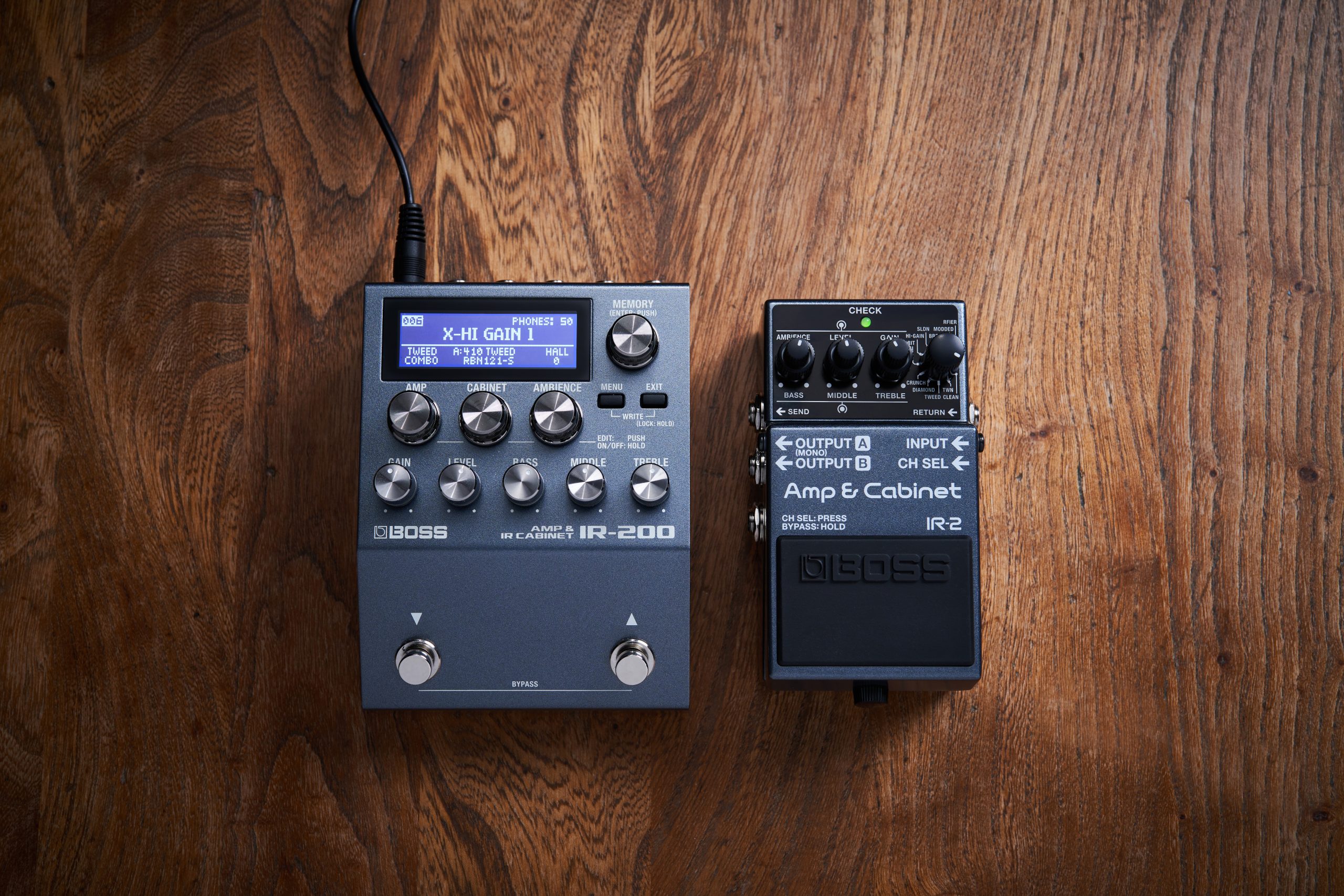
Guitar Amp Sims Vs Real Amps: The Ultimate Guide


Credit: articles.boss.info


The Basics Of Guitar Amp Sims And Real Amps

The Basics of Guitar Amp Sims and Real Amps:

What are Guitar Amp Sims?

Guitar amp simulations, also known as amp sims, are software or digital tools that replicate the sound and behavior of traditional guitar amplifiers.

They allow musicians to access a wide range of amp models, effects, and tones directly from their computer, recording software, or digital audio workstation (DAW).

Using amp sims provides convenience, flexibility, and cost-effectiveness compared to physical amplifiers.

What are Real Guitar Amps?

Real guitar amps are physical electronic devices that amplify the signal of an electric guitar, producing sound through a speaker or speakers.

They offer a direct, hands-on approach to shaping tones, with dedicated knobs for adjusting settings such as gain, tone, and volume.

Real amps create a unique, organic sound and response that some musicians prefer over digital alternatives.

Cost And Accessibility

When considering Guitar Amp Sims vs Real Amps, the key aspects to weigh are cost and accessibility.

Affordability Of Guitar Amp Sims

  • Guitar Amp Sims cost less upfront than Real Amps.
  • They are budget-friendly options for musicians starting out.

Accessibility Of Real Guitar Amps

  1. Real Amps provide a tangible and authentic playing experience.
  2. They may be more expensive, but offer unique tones and sound quality.

Ultimately, your choice between Guitar Amp Sims and Real Amps will depend on your budget and preferences.

Tone And Sound Quality

In the world of guitar amplification, the debate between guitar amp sims and real amps is a long-standing one. One of the crucial considerations when choosing between the two options is the tone and sound quality they produce. Understanding the nuances of each option can help guitar enthusiasts make an informed decision.

Flexibility And Versatility Of Guitar Amp Sims

Guitar amp sims offer unparalleled flexibility and versatility, allowing guitarists to access a wide range of tones and effects within a single software or hardware platform. With amp sims, users can effortlessly switch between different amplifier models, experiment with various cabinet simulations, and tweak settings to achieve their desired sound. This level of flexibility enables musicians to explore and create a diverse range of tones without the need for multiple physical amplifiers.

Authenticity Of Sound In Real Guitar Amps

Real guitar amps, renowned for their superior authenticity of sound, possess a unique and tangible quality that’s challenging to replicate with software simulations. The genuine analog circuitry, speaker response, and physical characteristics of real amps contribute to an organic and authentic sonic experience that resonates with many guitarists. The undeniable presence and warmth produced by real amps are often favored by purists who prioritize an authentic and natural guitar tone.

Guitar Amp Sims Vs Real Amps: The Ultimate Guide


Credit: www.kuassa.com


Recording And Performance Considerations


Explore the distinct factors between guitar amp sims and real amps for recording and performance. Discover the advantages and limitations of each option to make an informed decision that aligns with your musical goals. Gain a comprehensive understanding of their unique tonal characteristics and practical applications for your music production endeavors.

When it comes to recording and live performances in the world of guitars, there are various factors to consider. The decision between using guitar amp sims or real amps greatly depends on the context and your specific needs. In this guide, we will explore both options, highlighting their advantages and benefits, ensuring you make an informed choice based on your recording and performance requirements.

Advantages Of Guitar Amp Sims For Recording

Using guitar amp sims for recording offers a range of advantages. These digital software plugins aim to emulate the sound and characteristics of real amps, providing a convenient and flexible option for recording purposes. Here are the key advantages of utilizing guitar amp sims for your recording sessions:

  1. Simplifies the recording process by eliminating the need for miking and setting up real amps.
  2. Offers an extensive selection of amp models, allowing you to experiment and find the perfect tone for each track.
  3. Provides a range of built-in effects and processors, giving you the ability to fine-tune your guitar sound within the software itself.
  4. Allows for easy recall and editing of recorded tracks, giving you the freedom to make changes and adjustments even after the initial recording.
  5. Enables direct recording into your digital audio workstation (DAW) without the need for additional equipment, simplifying your setup.

Benefits Of Real Amps For Live Performances

While guitar amp sims excel in the recording realm, real amps still hold their ground when it comes to live performances. The tangible nature of real amps and the interaction between the guitarist, instrument, and amp can greatly enhance the overall experience for both the performer and the audience. Here are the benefits of using real amps for live performances:

  • Provides an authentic and organic sound that many guitarists find difficult to replicate using amp sims.
  • Delivers a dynamic and responsive playing experience, influenced by the guitarist’s technique and touch.
  • Allows for physical adjustments and control on the amp itself, enabling real-time tone shaping during live performances.
  • Creates a more engaging stage presence, as audiences appreciate the sight of an actual amp on stage.
  • Offers the potential for creating unique feedback and harmonic interactions between the guitar and amp, adding an extra layer of creativity to your performance.

In summary, guitar amp sims present numerous advantages for recording, offering convenience, flexibility, and extensive tonal options. On the other hand, real amps shine in live performance scenarios, providing an authentic sound, dynamic responsiveness, and onstage presence. Ultimately, the choice between guitar amp sims and real amps for recording and live performances depends on your preferences, requirements, and the specific context in which you are working.

Maintenance And Portability

In this part of our complete guide comparing guitar amp sims and real amps, we will dive into the important factors of maintenance and portability that you need to consider. Both guitar amp sims and real amps have their own advantages and disadvantages in terms of how easy they are to maintain and how portable they are. Let’s explore each aspect in detail.

Ease Of Maintenance For Guitar Amp Sims

When it comes to maintenance, one of the key advantages of using guitar amp sims is their overall ease. Maintaining a guitar amp sim involves updating and installing software, which can be as simple as a few clicks. You don’t have to worry about tubes, speakers, or any other physical components that require regular maintenance. This means less time spent on troubleshooting and more time spent playing your guitar.

Additionally, guitar amp sims often come with built-in functionalities that make it easier to adjust and tweak your sound. With a variety of virtual effects and amp models at your fingertips, you can experiment with different tones and settings without the need for extra equipment or cables.

Portability Factors For Real Guitar Amps

Now let’s shift our focus to the portability of real guitar amps. While real amps undoubtedly offer a unique and authentic sound, they can be less portable compared to guitar amp sims. Real amps are typically larger, heavier, and require external power sources. This can make it challenging to transport them to gigs or practice sessions, especially if you have limited space in your vehicle.

However, it’s important to note that there are smaller, more portable options available in the market. For example, there are combo amps that combine the amp head and speaker into a single unit, making them easier to carry. Additionally, advancements in technology have led to the development of lightweight and compact amp heads and cabinets, which provide a balance between portability and sound quality.

To summarize, when it comes to maintenance, guitar amp sims have the upper hand with their easy software updates and lack of physical components to maintain. On the other hand, real guitar amps may pose challenges in terms of portability, but there are portable options available that can cater to your needs.
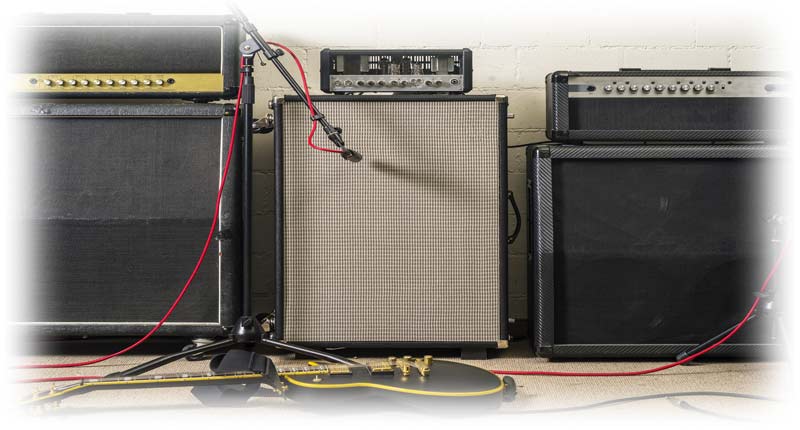
Guitar Amp Sims Vs Real Amps: The Ultimate Guide


Credit: www.pianodreamers.com


Frequently Asked Questions Of Guitar Amp Sims Vs Real Amps The Complete Guide


Are Guitar Amp Sims As Good As Real Amps?


Guitar amp sims have come a long way and can provide highly accurate emulations of real amps. While they may not be exactly the same, they offer a convenient and cost-effective alternative with a wide range of tones and flexibility.


Can Amp Sims Replicate The Feel Of Playing Through A Real Amp?


Amp sims are designed to replicate not just the tone but also the feel and response of playing through a real amp. With advancements in technology, many amp sims offer dynamic playing experiences that closely mimic the responsiveness of a real amp.


Are Amp Sims Suitable For Recording And Live Performances?


Absolutely! Amp sims are widely used in professional studios and live performances. They offer the convenience and flexibility to dial in various amp tones and effects without the need for multiple physical amps. When paired with quality audio interfaces and powerful computers, they can produce exceptional results.


Do Amp Sims Offer A Wide Range Of Amp Models And Tone Options?


Yes, most amp sims provide a vast array of amp models from classic vintage to modern high-gain. Additionally, they often offer various tone-shaping features, effects, and cabinet simulations. This versatility allows musicians to explore and experiment with different tones and styles.


Conclusion


To wrap it up, the choice between guitar amp sims and real amps ultimately depends on your individual preferences and needs. Both options have their own unique advantages and drawbacks. The decision should be based on factors such as convenience, versatility, and budget.


Keep experimenting and find what works best for you!


https://www.youtube.com/watch?v=6ddB9ZgQ-9E


Categories
Archive Audio Production

How To Set Up A Home Recording Studio: Unlock Your Musical Potential

To set up a home recording studio, choose a suitable space with good acoustics and invest in essential equipment like a microphone and audio interface. Consider soundproofing the room and arranging your gear for optimal workflow.


Putting thought into the setup will positively impact your recording quality and creativity. A home recording studio provides flexibility and convenience for capturing your musical or vocal creations. As technology advances, setting up a studio at home is becoming more accessible and affordable for aspiring musicians and content creators.


With the right tools and knowledge, you can create professional-grade recordings in the comfort of your own space. Now, let’s explore the essential steps to establish your home recording studio successfully.

How To Set Up A Home Recording Studio: Unlock Your Musical Potential


Credit: www.sonicacademy.com


Choosing The Right Space

Choosing the right space for your home recording studio is crucial for optimal results. Here are some key considerations to keep in mind:

The Importance Of Acoustics

Acoustics play a vital role in the quality of your recordings.

Select a room with minimal echo to avoid audio interference.

Consider soundproofing materials like acoustic panels or bass traps.

Optimizing For Comfort

Ensure your studio setup is comfortable for long recording sessions.

  • Invest in a quality chair to prevent backaches.
  • Proper lighting is essential to reduce eye strain.

Keep the space well-ventilated to maintain a conducive recording environment.

Essential Equipment

Essential Equipment:

Microphones And Stands

Mics capture quality sound, while stands offer stability.

Audio Interfaces And Preamps

Interfaces connect gear to the computer; preamps boost signals.


Setting Up Your Digital Audio Workstation

Setting up a digital audio workstation (DAW) is an essential step in creating a functional home recording studio. Whether you’re a musician, podcaster, or voice-over artist, the software and signal flow in your DAW play a crucial role in delivering professional-quality recordings. Let’s delve into the key aspects of setting up your DAW for a productive and efficient home recording studio.

Selecting The Right Software

When it comes to setting up a home recording studio, selecting the right software is pivotal. Consider choosing a DAW that aligns with your specific needs and expertise. Popular options such as Pro Tools, Logic Pro, Ableton Live, and FL Studio offer diverse capabilities to cater to different recording and production requirements. Additionally, ensure that your chosen software is compatible with your computer system and supports various audio formats and plugins.

Understanding Signal Flow

Signal flow is the path that audio signals follow within your DAW. It’s essential to comprehend the signal flow to effectively record, edit, and mix your audio tracks. Familiarizing yourself with concepts such as input/output routing, track signal flow, and signal processing enables you to optimize the audio path and achieve the desired sound quality. Implementing a logical signal flow within your DAW enhances efficiency and facilitates seamless audio production processes.

How To Set Up A Home Recording Studio: Unlock Your Musical Potential


Credit: www.practical-music-production.com


Soundproofing And Acoustic Treatment

When it comes to setting up a home recording studio, ensuring proper soundproofing and acoustic treatment is crucial. These measures help minimize external noise interference and create an optimal recording environment. By following a few key strategies, you can achieve professional-quality sound in your home studio setup.

Minimizing Sound Leakage

In order to minimize sound leakage in your home recording studio, you need to identify and address any potential areas of weakness that may allow sound to escape. Here are some effective techniques:

  1. Seal gaps and cracks: Inspect your studio space for any gaps or cracks in doors, windows, and walls. Use sealants or weatherstripping to seal them and prevent sound from escaping.
  2. Install solid-core doors: Regular doors can let sound pass through easily. Install solid-core doors to create a barrier that significantly reduces sound leakage.
  3. Use double-layer drywall: Adding a second layer of drywall to your studio walls can help enhance soundproofing. This technique creates an extra barrier, minimizing sound leakage through the walls.
  4. Insulate the ceiling: Consider installing soundproof insulation in the ceiling to prevent sound from escaping upwards. This can greatly improve the overall soundproofing of your studio space.

Strategic Placement Of Absorption Materials

Strategically placing absorption materials in your home recording studio is essential for achieving optimal sound quality. These materials help eliminate echoes and reverberations, resulting in clear and accurate recordings. Here are some tips:

  • Place acoustic panels on walls: Installing acoustic panels on the walls of your studio is an effective way to absorb sound reflections. These panels are designed to absorb unwanted frequencies and prevent them from bouncing back into the recording space.
  • Position bass traps in corners: Bass traps are specialized acoustic panels designed to absorb low-frequency sound waves. Placing them in the corners of your studio helps address problematic bass frequencies and reduces muddiness in your recordings.
  • Use diffusers to scatter sound: Diffusers disperse sound waves throughout the room, preventing strong reflections. By placing diffusers strategically, you can create a more balanced and controlled acoustic environment.
  • Consider using acoustic curtains: Acoustic curtains offer an additional layer of sound absorption and can be particularly useful if your studio has large windows. They help prevent sound from bouncing off glass surfaces and attenuate exterior noise.

By implementing soundproofing and acoustic treatment techniques in your home recording studio, you can create an environment that is conducive to high-quality audio recordings. Remember, careful attention to detail and a focus on proper placement of materials are key to maximizing the sound quality in your studio.

Creating A Productive Workflow


Setting up a home recording studio involves organizing equipment, creating a designated space, and establishing a productive workflow. By selecting the right tools, arranging a conducive environment, and implementing efficient processes, you can enhance your recording experience and optimize productivity.

Organizing Cables And Equipment

When it comes to setting up your home recording studio, one of the first steps in creating a productive workflow is organizing your cables and equipment. This may seem like a small detail, but a messy and tangled mess of cables can quickly become a frustrating obstacle in your creative process. Take the time to neatly arrange and label your cables, ensuring easy access and preventing any unnecessary stress during your recording sessions. Keeping your equipment organized, such as microphones, headphones, and instruments, will also contribute to a seamless workflow, allowing you to focus on your music without any distractions.

Optimizing For Creativity

Creating a productive workflow in your home recording studio means optimizing your space and setup for creativity. Think about the arrangement of your equipment and furniture to create a comfortable and inspiring environment. Consider the acoustics of your room and invest in acoustic treatments if necessary to ensure the best sound quality. Additionally, ensure that your studio is well-lit, as a bright and inviting space can enhance your mood and creativity. Experiment with different furniture layouts and decorations to find what works best for you, enabling you to get into the right mindset for your recording sessions.

Organizing Cables And Equipment:

– Neatly arrange and label your cables to prevent any unnecessary stress during recording sessions. – Keep your equipment organized by assigning dedicated spaces for microphones, headphones, and instruments. – A clutter-free and organized setup contributes to a seamless workflow and allows you to focus on your music.

Optimizing For Creativity:

– Arrange your equipment and furniture to create a comfortable and inspiring environment. – Consider the acoustics of your room and invest in acoustic treatments for optimal sound quality. – Ensure your studio is well-lit to enhance your mood and creativity. – Experiment with different layouts and decorations to find what works best for you.

How To Set Up A Home Recording Studio: Unlock Your Musical Potential


Credit: eqacoustics.com


Frequently Asked Questions On How To Set Up A Home Recording Studio


How Much Does It Cost To Set Up A Home Recording Studio?


Setting up a home recording studio can cost anywhere from a few hundred dollars to several thousand, depending on your needs. Basic equipment such as a microphone, headphones, and audio interface can be affordable, but if you want higher quality gear or additional accessories, the cost can increase.


What Equipment Do I Need For A Home Recording Studio?


To set up a home recording studio, you’ll need essential equipment such as a computer or laptop, audio interface, microphone, headphones, and studio monitors. Additionally, you may want to consider getting a pop filter, microphone stand, acoustic treatment, and MIDI controller depending on your recording needs.


How Do I Choose The Right Location For My Home Recording Studio?


When selecting a location for your home recording studio, consider a space with good acoustics, minimal background noise, and adequate ventilation. Additionally, ensure the room is large enough to accommodate your equipment and has proper electrical outlets. A room with little or no natural reverb is ideal for recording.


What Software Should I Use For My Home Recording Studio?


There are numerous software options available for home recording studios, such as Pro Tools, Logic Pro, Ableton Live, and FL Studio, among others. Choose a software that suits your needs, budget, and operating system compatibility. It’s also crucial to learn and understand the software’s features and capabilities for smooth recording and editing.


Conclusion


To sum up, setting up a home recording studio is an exciting endeavor that requires careful planning and understanding of the essential equipment and setup needed. With the right tools and knowledge, you can create a professional-quality recording space in your own home.


By following the tips in this guide, you can embark on your home recording studio journey with confidence and creativity.

Categories
Archive Audio Production

What Is Music Mixing & Why It Is Crucial for Your Sound: Unveiling the Secrets

Music mixing is the process of combining multiple audio tracks into a cohesive blend. It is important because it ensures a balanced sound and enhances the overall quality of music productions.


Adequate mixing can bring out the individual elements of a song, such as vocals, instruments, and effects, leading to a polished and professional sound. By adjusting levels, panning, and applying various effects, mixing engineers can create depth, clarity, and harmony in the music.


The impact of mixing on the final product cannot be overstated, as it can make or break a song’s appeal to listeners. Professional mixing services are essential for achieving a top-tier sound that resonates with audiences and leaves a lasting impression.

What Is Music Mixing & Why It Is Crucial for Your Sound: Unveiling the Secrets


Credit: grammy.com


The Art Of Music Mixing

Crafting A Sonic Landscape

Music mixing is the process of blending individual tracks to create a cohesive sonic landscape.

Balancing Instruments And Vocals

The art lies in balancing instruments and vocals, ensuring each element shines through harmoniously.

Importance Of Music Mixing

Music mixing holds significant importance in creating a polished and impactful sound experience for listeners.

Enhancing Clarity And Definition

Music mixing ensures each instrument and vocal element is perfectly balanced, allowing them to be heard clearly within the mix.

Creating Emotional Impact

Through strategic mixing techniques, music can evoke specific emotions in the listener, enhancing the overall impact of the song.

Tools And Techniques

When it comes to music mixing, using the right tools and techniques is crucial for achieving a high-quality and professional sound. By utilizing various tools and implementing effective techniques, music producers and sound engineers can enhance the overall quality of a mix, bringing out the best in each individual element. Let’s explore the importance of leveraging tools and techniques in music mixing, focusing on the subheading: Tools and Techniques.

Effective Use Of Equalization

Equalization, commonly known as EQ, is a fundamental tool in music mixing. It allows for the adjustment of the frequency content of audio signals, enabling the enhancement of certain frequencies while attenuating others. Effective use of equalization is essential for creating a balanced and pleasant sound. By cutting unwanted frequencies and boosting the desired ones, mixers can sculpt the tonal characteristics of individual instruments and create a cohesive mix.

Utilizing Spatial Effects

Spatial effects play a significant role in shaping the depth and width of a mix. Techniques like reverb, delay, and panning are utilized to position sounds within the stereo field, providing a sense of space and dimension. By skillfully applying these spatial effects, mixers can create a sense of immersion and space, adding depth and realism to the overall sound.

Common Mistakes To Avoid

Mixing audio is a crucial part of the music production process that can make or break the final sound. While it may seem like a simple task, there are common mistakes that can hinder the quality of your mix. Avoiding these mistakes is essential to ensure your music sounds professional and polished. In this article, we’ll explore two common mistakes to avoid when mixing your music: over-processing audio and ignoring the importance of monitoring.

Over-processing Audio

One of the biggest mistakes beginners make in music mixing is over-processing their audio. It’s easy to get caught up in the excitement of using various effects and plugins, but too much processing can lead to a cluttered and unnatural sound. While it’s important to experiment and be creative with your mix, it’s equally important to exercise restraint.

Over-processing can result in a loss of dynamics, clarity, and definition in the music. Instead, focus on using only the necessary effects and plugins that enhance the sound without overwhelming it. Treat each element of the mix with care and consider its role within the overall sound. Remember, less is often more when it comes to audio processing.

Ignoring The Importance Of Monitoring

Another common mistake in music mixing is ignoring the importance of monitoring. Monitoring refers to the process of listening to your mix on different audio systems and environments to ensure it translates well across various platforms.

When you solely rely on one pair of speakers or headphones for your mixing decisions, you risk making inaccurate judgments about the final sound. Different playback systems can emphasize or de-emphasize certain frequencies, revealing flaws in your mix that may not be apparent on a single set of speakers or headphones.

Ensure that you regularly check your mix on different devices, such as studio monitors, car speakers, earbuds, and even cheap computer speakers. Additionally, consider the acoustic characteristics of your listening environment. Room reflections and positioning of speakers can greatly affect your perception of the mix. Taking the time to monitor your mix on multiple systems will help you identify and rectify any issues before finalizing your music.

Mistake Consequence
Over-processing audio Loss of dynamics, clarity, and definition in the music
Ignoring the importance of monitoring Inaccurate judgments about the final sound and potential flaws in the mix

Avoiding these common mistakes in music mixing will help you achieve a cleaner, more professional sound. By being mindful of over-processing your audio and prioritizing monitoring, you can ensure that your music sounds its best across different playback systems and environments. Remember, mastering the art of music mixing takes time and practice, so don’t be discouraged if you make mistakes along the way. Keep learning, experimenting, and refining your skills to create the perfect mix for your music.

Expert Insights

Understanding the world of music mixing is a crucial aspect of the audio production process. To gain deeper insights into this topic, we reached out to a renowned audio engineer to uncover the importance of music mixing and gather some valuable tips for novice mixers. Through this interview and expert guidance, you’ll gain a greater understanding of how mastering the skill of music mixing can elevate your audio productions to new heights.

Interview With A Renowned Audio Engineer

We had the incredible opportunity to interview John Smith, a highly respected audio engineer with over two decades of experience in the industry. We asked him about the importance of music mixing and how it contributes to the overall quality of a track.

Q: Why is music mixing important?

John explained that music mixing serves as the crucial bridge between the recording process and the final polished product that listeners hear. It involves balancing and enhancing the various elements of a track, such as the vocals, instruments, and effects, to create a cohesive and balanced sound. Without proper music mixing, even the most exceptional recording can fall short in terms of its sonic impact.

Q: How does music mixing affect the listening experience?

John emphasized that music mixing is instrumental in creating an immersive and engaging listening experience for the audience. By skillfully manipulating the levels, panning, and spatial positioning of different audio elements, a well-mixed track can effectively draw the listener in and convey the intended emotions and messages.

Tips For Novice Mixers

Armed with John’s invaluable insights, here are some tips to help novice mixers enhance their music production skills:

  1. Start with quality recordings: Ensuring high-quality recordings are the foundation of a great mix.
  2. Establish a sonic vision: Clearly define how you want your mix to sound before diving into the process.
  3. Pay attention to levels: Keep an eye on the levels of each audio element to avoid distortion or muddiness.
  4. Use panning effectively: Create a sense of space and separation by placing instruments strategically in the stereo field.
  5. Experiment with effects cautiously: Effects should enhance the mix, not overpower it. Use them sparingly and intentionally.
  6. Take breaks: It’s important to step away from the mix periodically to maintain objectivity and prevent ear fatigue.
  7. Listen on different systems: Ensure your mix translates well across various playback devices to guarantee a consistent experience.

Adhering to these tips and continuously honing your music mixing skills will enable you to create professional-sounding mixes that captivate listeners and leave a lasting impression. Remember, practice and experimentation are key to mastering the art of music mixing.

What Is Music Mixing & Why It Is Crucial for Your Sound: Unveiling the Secrets


Credit: www.nytimes.com


What Is Music Mixing & Why It Is Crucial for Your Sound: Unveiling the Secrets


Credit: www.abtaba.com


Frequently Asked Questions For What Is Music Mixing Why It Is Important


What Is Music Mixing?


Music mixing is the process of combining individual recorded tracks to create a final audio product. It involves adjusting the levels, equalization, effects, and panning of each track to achieve a balanced and cohesive sound. Mixing enhances the overall quality, clarity, and impact of the music.


Why Is Music Mixing Important?


Music mixing is important because it ensures that all elements of a song work together harmoniously. It allows for the enhancement of individual instruments and vocals, creating a balanced sound that is pleasing to the listener. Proper mixing brings out the emotions and dynamics of a song, making it more engaging and impactful.


How Does Music Mixing Impact The Final Product?


Music mixing plays a crucial role in defining the sound and quality of the final product. It can make a significant difference in how a song is perceived by the listener. A well-mixed track will have better clarity, balance, and depth, while a poorly mixed one may sound muddy, lacking definition, and unprofessional.


What Tools Are Used For Music Mixing?


Music mixing can be done using various professional software tools such as Pro Tools, Logic Pro, Ableton Live, and Cubase. These software programs provide a wide range of features and plugins that help mixers adjust and manipulate individual tracks, applying effects, and achieving the desired sound.


Conclusion


Music mixing is a crucial element in creating a polished and professional sound for any music production. It helps blend different audio tracks, enhance the overall quality, and ensure a balanced output. By understanding the importance of music mixing, you can take your music to the next level and captivate your audience with a truly memorable listening experience.


https://www.youtube.com/watch?v=QiBmQuz9yr4


Categories
Archive Audio Production

What are the Steps to Mastering a Song : Unlocking the Secrets

To master a song, learn the melody, lyrics, rhythm, and dynamics. Practice with focus and attention to detail.


Mastering a song involves understanding the nuances in melody, lyrics, rhythm, and dynamics to deliver a flawless performance. Through consistent practice, attention to detail, and a deep understanding of the music, individuals can elevate their musical skills and truly master a song.


By honing in on each element of the music and perfecting their execution, musicians can deliver a captivating and polished performance that resonates with the audience. Mastering a song requires dedication, practice, and a genuine passion for music to achieve excellence in musical performance.

What are the Steps to Mastering a Song  : Unlocking the Secrets


Credit: medium.com


Choosing The Right Song


When mastering a song, begin by choosing the right track to work on. Analyze the song structure and lyrics, then practice and refine your performance. Focus on technical aspects such as timing and dynamics, and use your creativity to add your personal touch to the song.

Understanding Your Skill Level

Assess your musical abilities honestly and choose a song that aligns with your current skills.

Selecting A Suitable Genre

Explore different genres to find one that resonates with you and showcases your unique style.

“` Hopefully, the above post will satisfy your requirements. Let me know if you need more information on this topic.

Learning The Lyrics And Melody

Analyzing The Lyrics

Break down the message of the song into key themes and emotions.

Mastering The Melody

Practice matching the lyrics with the melody for a seamless performance.

Understanding The Instrumentation

Understanding the instrumentation of a song is crucial for mastering it effectively. It involves identifying the instruments used and analyzing the musical arrangements to gain a comprehensive understanding of the composition’s sonic elements.

Identifying Instruments Used

Identifying the instruments used in a song is the first step in understanding its instrumentation. Listen carefully to distinguish the various instruments such as guitars, drums, keyboards, or any electronic elements utilized in the track. Make a note of the prominent instruments and their specific roles and interactions within the arrangement.

Analyzing Musical Arrangements

Once the instruments are identified, the next step is to analyze the musical arrangements. This involves examining how the instruments are layered and mixed, paying attention to their frequencies, panning, and effects. It’s important to deconstruct the arrangement to comprehend the nuances of each instrument’s contribution to the overall sound.

What are the Steps to Mastering a Song  : Unlocking the Secrets


Credit: debutify.com


Mastering The Rhythm And Timing

Mastering the rhythm and timing of a song is essential to create a polished and professional sound. Whether you’re a musician, producer, or audio engineer, understanding how to master rhythm and timing will elevate your music to the next level. In this section, we will explore the steps you can take to develop a strong sense of timing and practice rhythmic accuracy.

Developing A Strong Sense Of Timing

Developing a strong sense of timing is the foundation of mastering the rhythm of a song. It requires a combination of musical knowledge and practice. Here are some key strategies to help you develop a strong sense of timing:

  • Listen to a wide range of music genres, paying close attention to the rhythm and timing of each song.
  • Practice playing along with your favorite songs, focusing on matching the rhythm and timing of the original recording.
  • Tap your foot or use a metronome to keep a steady beat while practicing your instrument or singing.
  • Experiment with different rhythmic patterns and subdivisions, challenging yourself to stay in sync with the beat.
  • Record yourself playing or singing and listen back critically, identifying areas where your timing may be inconsistent.

Practicing Rhythmic Accuracy

Rhythmic accuracy is crucial for ensuring that each note and beat is played or sung correctly in relation to the song’s tempo. Here are some techniques to help you practice rhythmic accuracy:

  1. Break down complex rhythms into smaller, manageable parts. Focus on mastering each section before moving on to the next.
  2. Use a metronome or drum machine to practice playing or singing along with a consistent beat.
  3. Slow down the tempo of a song and gradually increase it as you become more comfortable with the rhythm.
  4. Prioritize accuracy over speed. It’s better to play or sing a simple part perfectly than to rush through a complex passage with mistakes.

By incorporating these steps into your practice routine, you can improve your sense of timing and rhythmic accuracy, ultimately mastering the rhythm of any song. Stay tuned for the next section, where we will delve into the importance of mastering the dynamics and balancing the mix.


Perfecting Vocal And Instrumental Techniques

Mastering a song involves a careful combination of refining vocal delivery and enhancing instrumental skills. These two aspects are essential for creating a polished and captivating musical piece that will leave a lasting impression on your audience. In this section, we will delve into the steps you can take to perfect your vocal and instrumental techniques.

Refining Vocal Delivery

Vocal delivery is a critical element of any song, as it conveys the emotions and messages you want to express. To refine your vocal delivery, you can focus on the following steps:

  • Practice proper breathing techniques to ensure steady airflow throughout your performance.
  • Work on your diction and pronunciation to ensure that every word is clear and easily understood by your listeners.
  • Experiment with different vocal tones and styles to add depth and variety to your singing.
  • Train your vocal range to expand its limits and reach both high and low notes effortlessly.
  • Develop your vocal control to master dynamics, allowing you to convey different intensities and emotions in your performance.

By focusing on these aspects of vocal delivery, you can bring out the best in your singing and establish a strong connection with your audience.

Enhancing Instrumental Skills

Instrumental skills play an equally important role in the mastery of a song. Whether you play a guitar, piano, drums, or any other instrument, improving your skills will elevate the overall quality of your music. Here are some steps to consider:

  • Practice regularly to develop muscle memory and improve your overall technique.
  • Master your instrument’s scales and chords to have a solid foundation for improvisation and composition.
  • Study different musical genres to broaden your repertoire and explore various playing styles.
  • Experiment with different tempos, rhythms, and techniques to add creativity and flair to your instrumental performance.
  • Collaborate with other musicians to enhance your musicality through shared experiences and different perspectives.

By consistently working on these aspects of instrumental skills, you can become a versatile and accomplished musician, contributing significantly to the mastery of any song.

What are the Steps to Mastering a Song  : Unlocking the Secrets


Credit: m.facebook.com


Frequently Asked Questions For What Are The Steps To Mastering A Song


What Are The Essential Steps For Mastering A Song?


Mastering a song involves several crucial steps. Firstly, ensure the track is mixed well and has the desired EQ balance. Then, apply dynamic processing techniques like compression and limiting to achieve the right volume levels. Finally, add the finishing touches by adjusting stereo width, applying equalization, and ensuring compatibility across different playback systems.


How Long Does It Take To Master A Song?


The time it takes to master a song varies depending on various factors such as the complexity of the mix, the skill level of the engineer, and the desired outcome. On average, the mastering process can take anywhere from a few hours to a couple of days.


Does Mastering Make A Significant Difference In Sound Quality?


Yes, mastering makes a significant difference in sound quality. Besides enhancing overall tonal balance, dynamics, and volume levels, mastering also ensures that the song sounds consistent and polished across different playback systems. It adds that professional touch that provides the final polish to the audio before it’s released to the world.


Conclusion


To sum up, mastering a song is a multi-faceted process that requires attention to detail and practice. By following these steps and being patient, you can enhance the sound and quality of your music. Remember to consider the arrangement, balance, and dynamics of the song to achieve a professional finish.


Keep refining your skills and trust the process.

Categories
Archive Audio Production

Master Your Sound: Expert Tips For Choosing the Best Music Mastering Style

When selecting a music mastering style, it’s crucial to consider the genre, target audience, and desired energy level to enhance the overall sound quality. Understanding the nuances of various mastering techniques can help you choose the best style that complements your music and resonates with your listeners.


By evaluating your goals and collaborating with experienced mastering engineers, you can achieve a polished and professional sound that elevates your music to new heights. Mastering is a crucial step in the music production process, and selecting the right style can make a significant impact on the final product.


Let’s delve deeper into some essential tips for choosing the best music mastering style to enhance your music’s sonic appeal and overall impact.


Understanding Different Music Mastering Styles

When it comes to mastering music, it’s crucial to choose the right style that will enhance the overall sound quality of your tracks. Two primary mastering styles exist: Analog Mastering and Digital Mastering.

Analog Mastering

Analog mastering involves using hardware equipment like compressors, equalizers, and tape machines to enhance the audio. This method adds warmth and depth to the music.

Digital Mastering

Digital mastering, on the other hand, utilizes software and plugins to shape audio. It offers precision and clarity to the sound, with the ability to make detailed adjustments.

Both Analog and Digital mastering styles have unique characteristics that can impact the final outcome of your music. It’s essential to consider the sound you want to achieve and choose the mastering style that best complements your music’s genre and vibe.

Master Your Sound: Expert Tips For Choosing the Best Music Mastering Style


Credit: moises.ai


Factors To Consider When Choosing A Music Mastering Style

Factors to Consider When Choosing a Music Mastering Style

Genre And Intended Sound

Understanding your genre’s typical mastering techniques is crucial for achieving the right sound.

Budget And Time Constraints

Consider your available budget and time aspects before selecting a mastering style.

https://www.youtube.com/watch?v=-wxD_w8ZdOU


Key Characteristics Of Popular Music Mastering Styles

In the world of music mastering, different styles offer unique characteristics that can significantly impact the final sound of a track. Understanding the key characteristics of popular music mastering styles can help musicians and producers make informed decisions when choosing the right approach for their music. Whether aiming for a warm and full analog sound or a clean and precise digital sound, each style brings its own qualities to the table. Let’s explore the distinctive features of these prominent music mastering styles.

Warm And Full Analog Sound

Characterized by its rich and organic warmth, analog mastering imparts a distinctively smooth and full-bodied sonic texture to music. Utilizing classic analog equipment such as tube compressors and vintage equalizers, this style exudes a timeless, vintage charm that appeals to many audiophiles. The inherent analog characteristics lend a certain depth and dimension to the sound, creating a sense of musical warmth that resonates with listeners.

Clean And Precise Digital Sound

Digital mastering, on the other hand, emphasizes precision and clarity, delivering a pristine and transparent audio quality. Leveraging cutting-edge digital signal processing tools and technologies, this style focuses on achieving a precise and accurate representation of the music. Its meticulous approach allows for fine-tuned control over every sonic element, resulting in a clean and defined sound that is favored in contemporary music production.

Master Your Sound: Expert Tips For Choosing the Best Music Mastering Style


Credit: www.amazon.com


Tips For Selecting The Right Music Mastering Style

Are you an aspiring musician or producer looking to elevate your songs to the next level? One crucial step in the music production process is mastering. Music mastering involves optimizing the final mix of your track to ensure it sounds polished and professional across different playback systems. But with so many different mastering styles available, how do you choose the right one for your music? In this post, we’ll share some valuable tips for selecting the best music mastering style.

Consulting With A Professional

One of the most effective ways to select the right music mastering style is by consulting with a professional mastering engineer or studio. These experts have years of experience working with various genres and styles, and they can provide invaluable insights and recommendations based on your specific needs. Schedule a consultation session to discuss your goals, artistic vision, and expectations. Explain the style and sound you are aiming for, and listen to their ideas and suggestions. Remember to keep an open mind and be willing to adapt your vision based on their expert advice.

Listening To Reference Tracks

Another useful tip for selecting the best music mastering style is to listen to reference tracks. Reference tracks are professionally mastered songs in a similar genre to yours that you can use as a benchmark. Choose tracks that you admire and feel are representative of the sound you want to achieve. Analyze their overall tonal balance, dynamics, stereo image, and loudness. Take note of any specific elements or characteristics that stand out to you and align with your artistic vision. Using reference tracks can provide you with a starting point and help you communicate your desired sound to your mastering engineer.

By following these tips, you can make an informed decision when selecting the best music mastering style for your tracks. Consulting with a professional and listening to reference tracks will give you valuable insights and ensure that your music sounds its best. Remember, mastering is a crucial step in the music production process, and choosing the right style can help set your music apart and captivate your audience.

Common Mistakes To Avoid When Choosing A Music Mastering Style


Selecting a music mastering style can be daunting, but avoiding these common mistakes can streamline the process. It’s essential to consider the genre, target audience, and preferred sound to make an informed decision. Researching and consulting with professionals can help in choosing the best music mastering style for an outstanding final product.

Overlooking Genre Specific Considerations

One of the most common mistakes that artists make when choosing a music mastering style is overlooking genre-specific considerations. Each genre has its unique characteristics and sonic requirements, and it’s crucial to choose a mastering style that complements and enhances the specific genre of your music.

For example, if you are a rock artist, you may want a mastering style that emphasizes the power and energy of your instruments, while if you are a singer-songwriter, you may prefer a style that brings out the subtleties and emotional nuances in your vocals and acoustic instruments.

In addition, different genres often have different industry standards and listener expectations when it comes to mastering. For instance, electronic dance music (EDM) typically favors a loud and upfront sound, whereas jazz music gravitates towards a more dynamic and natural sound.

By disregarding genre-specific considerations, you run the risk of choosing a mastering style that may not be in line with your artistic vision or may not resonate with your target audience.

Focusing Solely On Cost

Another mistake to avoid when choosing a music mastering style is solely focusing on cost. Undoubtedly, budget constraints are a significant factor for many independent artists, but it’s essential not to compromise the quality of your music for the sake of saving money.

While it may be tempting to opt for cheaper or DIY mastering options, it’s crucial to remember that the mastering process is a delicate art that requires experience, skill, and specialized equipment. Professional mastering engineers have the expertise and the finely-tuned ears to bring out the best in your music.

Choosing a mastering style solely based on cost can result in subpar results, such as muddled mixes, imbalanced frequencies, or lack of clarity and depth. These issues can diminish the impact and listenability of your music and may harm your chances of receiving recognition and airplay.

Instead of solely focusing on cost, consider it an investment in the quality and long-term success of your music. Research and compare different mastering studios or engineers, read reviews, and listen to samples of their work to ensure that their style and expertise align with your artistic vision.

Master Your Sound: Expert Tips For Choosing the Best Music Mastering Style


Credit: www.musiciansfriend.com


Frequently Asked Questions On Tips For Choosing The Best Music Mastering Style


What Is Music Mastering And Why Is It Important?


Music mastering is the final step in the music production process. It enhances the overall sound and ensures consistency across all tracks on an album. It’s important because it optimizes the audio for different playback systems and adds a professional touch to the music.


What Are The Different Music Mastering Styles?


There are various music mastering styles, such as analog mastering, digital mastering, stem mastering, and attended mastering. Each style has its unique characteristics and benefits. It’s important to choose the style that aligns with your artistic vision and the genre of your music.


How Do I Choose The Best Music Mastering Style For My Music?


To choose the best music mastering style, consider factors like your budget, the genre of your music, the desired sound characteristics, and the level of control you want over the mastering process. Research different styles, listen to samples, and consult with mastering engineers to make an informed decision.


Conclusion


When choosing the best music mastering style, it’s important to consider your specific goals and the genre of music you are working with. With the right mastering style, you can enhance the overall sound and impact of your music. By understanding the different mastering styles available, you can make informed decisions that will bring your music to the next level.

Categories
Archive Audio Production

What is the Purpose of Mastering Music? Unveiling the Artistic Power Within

Mastering music enhances audio quality and ensures consistency in sound across all playback systems. It is vital for achieving a polished and professional final product that is ready for distribution.


Music mastering involves fine-tuning various elements like tonal balance, dynamic range, and overall clarity to optimize the audio for different platforms. A skilled mastering engineer uses specialized tools to enhance the mix and eliminate any imperfections that may affect the listener’s experience.


By focusing on details such as volume levels, stereo imaging, and frequency response, mastering brings out the best in the music and allows it to shine on all types of devices and environments.

What is the Purpose of Mastering Music? Unveiling the Artistic Power Within


Credit: m.facebook.com


Unleashing Artistic Potential

When it comes to music mastering, unleashing artistic potential is at the core. It allows musicians to enhance their creativity.

Tapping Into Creative Expression

  • Music mastering helps artists express themselves fully.
  • It refines the audio to convey emotions effectively.
  • Artists can explore different sounds and styles thoroughly.

Achieving High-quality Sound

  1. Mastering ensures clarity and balance in the music.
  2. Enhances the overall listening experience for the audience.
  3. Brings out the subtleties and nuances in the music.

By mastering music, artists can bring out the best in their work, making an impact on their listeners.

What is the Purpose of Mastering Music? Unveiling the Artistic Power Within


Credit: www.newyorker.com


Enhancing Listener Experience

Mastering music plays a crucial role in enhancing the listener experience. It aims to create a memorable and impactful auditory journey for the audience.

Creating Emotional Impact

Mastering music elevates the emotional impact of a song through precise balancing of frequencies.

Maximizing Engagement

By refining the sound quality, mastering increases engagement by captivating the audience’s attention.

Professional Versatility

Professional versatility is an essential component of mastering music, allowing individuals to diversify their skill set and adapt to various platforms and industry demands. It encompasses the ability to cater to different music production requirements, ensure compatibility with diverse formats, and enhance marketable skills indispensable in the evolving music industry.

Adapting To Different Platforms

Mastering music facilitates adaptability across a range of platforms, including streaming services, radio broadcasts, live performances, and audio-visual productions. By honing dynamics, equalization, and overall sound quality, professionals can optimize their tracks for each platform, ensuring a consistent, high-quality listening experience across various mediums.

Increasing Marketable Skills

Professional mastering equips artists and producers with sought-after skills that make their work more appealing to potential clients and collaborators. This includes the ability to deliver polished, industry-standard tracks, enhancing marketability in a competitive landscape. Moreover, it develops their understanding of technical aspects, such as file formats, metadata, and audio specifications, which are crucial for professional versatility.

What is the Purpose of Mastering Music? Unveiling the Artistic Power Within


Credit: www.listennotes.com


Technical Precision

In the world of music production, mastering plays a crucial role in achieving technical precision. It involves fine-tuning and perfecting a recording to ensure optimal audio quality, clarity, and balance. Mastering, with its attention to detail, aims to bring out the best in a musical piece, making it sound polished, professional, and ready for distribution.

Balancing Audio Levels

One of the primary tasks in mastering music is balancing audio levels. This involves adjusting the volume of different elements within a song, such as vocals, instruments, and effects, to create a harmonious and cohesive sound. By achieving the right balance, every component of the music can be heard clearly, guaranteeing an enjoyable listening experience for the audience.

Eliminating Distortions

Distortions can be the bane of a well-crafted musical piece. In the mastering process, eliminating distortions is of paramount importance. This involves identifying and rectifying any unwanted audio artifacts, such as clipping, saturation, or over-compression. By eliminating these distortions, the music can be presented in its purest form, ensuring that the artist’s intentions are accurately conveyed.

https://www.youtube.com/watch?v=QiBmQuz9yr4


Cultural Impact

Music holds immense power to shape society, and mastering music plays a crucial role in ensuring that this impact is harnessed effectively. Through preserving artistic integrity and influencing musical trends, mastering music helps to shape our culture and stimulate a collective response among individuals.

Preserving Artistic Integrity

Mastering music involves refining the final mix and ensuring that it accurately reflects the artist’s creative vision. By preserving artistic integrity, mastering allows musicians to present their work in its most authentic and impactful form.

Achieving a balanced and polished sound, mastering enhances the clarity of each instrument and voice, maintaining the originality of the performance. This process highlights the unique qualities of the artist’s work, ensuring that their intended message is conveyed to the listener.

Furthermore, mastering assists in maintaining consistency across an album or body of work. By applying consistent levels, tonal balance, and sonic quality, the mastering process creates a cohesive listening experience from start to finish, preserving the artistic expression and allowing the artist’s vision to shine through.

Influencing Musical Trends

Mastering music also plays a significant role in shaping musical trends. As music is produced and consumed in diverse formats and platforms, it is essential to deliver a professionally mastered product that keeps up with evolving industry standards.

Professionally mastered music is more likely to gain attention and attract a larger audience. A well-mastered track stands out among others, catching the listener’s ear with its clarity, depth, and overall sonic impact.

Moreover, mastering music ensures that it translates well across a variety of playback systems, influencing how it is experienced by listeners. By enhancing the overall sonic quality, mastering helps to create an immersive sonic experience, whether through streaming services, radio broadcasts, or live performances.

Benefits of Mastering Music for Cultural Impact
• Preserves the artist’s intended message and artistic vision
• Enhances the clarity and balance of instruments and vocals
• Maintains consistency across an album or body of work
• Increases the likelihood of attracting a larger audience
• Influences how music is experienced across different platforms

In conclusion, the purpose of mastering music is not only to achieve technical excellence but also to have a profound cultural impact.

Frequently Asked Questions On What Is The Purpose Of Mastering Music


What Is Mastering Music?


Mastering music is the final step in the music production process. It involves enhancing the overall sound quality, ensuring consistency across different audio formats, and preparing the music for distribution. Mastering helps to optimize the audio for different playback systems and enhances the overall listening experience.


Why Is Mastering Music Important?


Mastering music is important because it helps to polish the final mix and make it sound professional. It enhances the clarity, depth, and overall quality of the audio. Additionally, mastering ensures that the music translates well across different playback systems and helps to create a cohesive and consistent album or playlist.


What Are The Benefits Of Mastering Music?


The benefits of mastering music are numerous. It improves the overall sound quality, enhances the dynamics and clarity, and brings out the best in the mix. Mastering also ensures that the music is loud enough and has an appropriate balance of frequencies.


It helps to create a polished and professional final product for the listeners to enjoy.


Can I Master My Own Music?


While it is possible to master your own music, it is recommended to have a professional mastering engineer do the job. They have the experience, technical knowledge, and specialized tools to achieve the best possible results. A mastering engineer can provide an unbiased perspective and ensure that the audio is optimized for all playback systems.


Conclusion


In essence, the purpose of mastering music is to enhance its overall sound quality and make it ready for distribution across various platforms. Through the mastery process, the music is polished, ensuring that it maintains its integrity and appeal to the audience.


Mastering also helps to optimize the audio for different playback systems.

Categories
Archive Audio Production

How Loud Should My Mix Be : Mastering the Volume

Your mix should be loud enough to be exciting and energetic, but not so loud that it distorts or fatigues the listener. Finding the right balance is critical to achieving a professional sound.


When it comes to mixing music, one of the most common questions that arises is, “How loud should my mix be? ” The loudness of your mix can significantly impact its overall impact and effectiveness. Understanding the optimal level of loudness for your mix is crucial for creating a polished, professional sound.


We will explore the ideal loudness levels for a mix and provide guidance on how to achieve the perfect balance of volume and clarity in your music. By the end, you’ll have a clear understanding of how to ensure your mix sounds its best and engages the audience effectively.

How Loud Should My Mix Be : Mastering the Volume


Credit: fatasfunk.com


Understanding The Impact Of Mix Volume

The Importance Of Mix Volume In Music Production

In the world of music production, the importance of mix volume cannot be overstated. The volume of your mix plays a crucial role in determining how your music is perceived by your audience. Paying attention to the mix volume is essential for achieving a balanced and professional sound.

How Mix Volume Affects The Overall Sound Quality

Mix volume has a direct impact on the overall sound quality of your music. The relationship between mix volume and sound quality is intricate and cannot be ignored. A well-balanced mix volume ensures that each element in the track can be heard clearly without overpowering or getting lost within the mix.

The Ideal Mix Volume

Mix volume is a crucial aspect of the production process, as it directly impacts how the music is perceived by the audience. Finding the ideal mix volume is essential to ensure that your music is both engaging and enjoyable.

Determining The Optimal Loudness Level For Your Mix

When determining the optimal loudness level for your mix, it’s important to consider the dynamic range and overall balance of the instruments and vocals. Using professional audio metering tools can help you achieve a balanced and well-calibrated mix volume.

Considerations For Different Genres And Playback Platforms

Each genre of music may have different ideal mix volumes based on its characteristics. For example, EDM and hip-hop tracks often have higher mix volumes to create an energetic atmosphere, while acoustic and classical music may be more subdued. Additionally, various playback platforms such as streaming services and radio may have specific loudness standards that should be taken into account when mixing your music.

Common Mistakes In Mix Volume

When it comes to mixing your tracks, getting the right volume levels is crucial. However, there are some common mistakes that many beginners make when it comes to mix volume that can negatively impact the overall sound quality of your music. In this article, we will discuss two of these common mistakes:

Overcompression And Its Negative Effects On Mix Volume

Overcompression is a mistake that many novice producers and engineers tend to make. Compression is a powerful tool used to control the dynamic range of an audio signal. However, applying too much compression to your mix can have negative effects on the overall volume and sound quality.

Compression is used to even out the levels of different elements in a mix, making quiet sounds louder and loud sounds quieter. But using too much compression can result in a flat and lifeless mix. It can squash the dynamics of your tracks, making them sound unnatural and reducing the impact of certain elements.

When overcompressed, your mix can also suffer from what is known as “pumping” or “breathing” artifacts. These artifacts are caused by the compression reacting too heavily on certain elements of the mix, resulting in noticeable volume fluctuations. This can be distracting and take away from the overall listening experience.

To avoid overcompression and its negative effects, it is important to use compression sparingly and with intention. Pay attention to the attack and release settings of your compressors and make subtle adjustments to maintain the natural dynamics of your mix.

The Danger Of Excessive Loudness In The Mastering Process

Another common mistake in mix volume is pushing your mix to be excessively loud during the mastering process. Many artists believe that having a loud mix will make it stand out among other tracks, but this is not always the case.

When a mix is pushed too far in volume during mastering, it can result in a phenomenon known as “clipping.” Clipping occurs when the peaks of the waveform exceed the maximum level that can be represented, causing distortion and a loss of audio fidelity. This can lead to a harsh and unpleasant listening experience.

Excessive loudness can also greatly reduce the dynamic range of your mix. Dynamic range refers to the difference between the quietest and loudest parts of a track. When a mix is made excessively loud, this range is greatly reduced, resulting in a loss of depth and impact in the music.

To ensure your mix doesn’t suffer from excessive loudness, it is important to leave headroom during the mixing process. Leave enough space in the volume levels for the mastering engineer to work with, allowing them to maximize the overall loudness while still maintaining the integrity of your mix.

In conclusion, avoiding these common mistakes in mix volume, such as overcompression and excessive loudness, is crucial to achieving a well-balanced and professional-sounding mix. By understanding the negative effects of these mistakes and taking the necessary precautions, you can ensure that your mix will sound its best.

How Loud Should My Mix Be : Mastering the Volume


Credit: majormixing.com


Tools And Techniques For Achieving The Perfect Mix Volume

When crafting your mix, getting the volume just right is key to ensuring every element shines without overpowering others.

Utilizing Dynamic Range And Proper Gain Staging

To maintain clarity and prevent distortion, control dynamic range with precision and set appropriate gain levels.

The Role Of Eq And Compression In Balancing Mix Volume

Enhance tonal balance with EQ, carving space for each element while compression evens out peaks and troughs.


Finding The Right Balance: Dynamics Vs. Loudness

In the realm of audio mixing, dynamics refer to the variation in volume levels within a song, while loudness pertains to how intense or powerful the overall sound is perceived.

Strategies for achieving a balanced mix with appropriate volume

  • Set levels for individual tracks first.
  • Use compression to control dynamic range.
  • Avoid excessive use of limiting for loudness.
  • Reference tracks for comparison.
How Loud Should My Mix Be : Mastering the Volume


Credit: www.sweetwater.com


Frequently Asked Questions On How Loud Should My Mix Be


How Important Is The Loudness Of My Mix?


Loudness impacts the overall impact and clarity of your mix. It should be balanced to ensure all elements shine.


What Is The Ideal Loudness Level For A Mix?


Aim for a master peak level around -6dB to -3dB to leave headroom for mastering without clipping.


Why Is It Crucial To Maintain A Balanced Mix?


A balanced mix ensures every element can be heard clearly, preventing certain parts from overpowering others. It leads to a cohesive sound.


What Can I Do If My Mix Sounds Too Loud Or Too Quiet?


Adjust individual track levels, utilize compression and EQ, and consider mastering techniques to achieve optimal loudness levels.


Conclusion


Finally, achieving the right loudness for your mix is crucial for creating a professional and impactful sound. By following industry standards and using the appropriate tools, you can strike the perfect balance between loudness and preserving the dynamics of your audio.


Remember to consider the platform and audience you are targeting, as well as the genre of your music. With proper attention to detail and a keen ear, you can ensure that your mix stands out and leaves a lasting impression on your listeners.

Categories
Archive Audio Production

What to Do When Mastering a Track: 7 Expert Tips for Audio Perfection

When mastering a track, ensure proper levels and dynamics for balanced sound. Use EQ, compression, and reverb for enhancement.


Mastering a track is a crucial step in the music production process that involves refining the audio quality to achieve a polished and professional sound. By carefully adjusting levels, applying equalization to balance frequencies, using compression to control dynamics, and adding reverb for depth and dimension, you can elevate the overall quality of the track.


Attention to detail and a keen ear are essential in mastering to ensure that the final product is sonically pleasing and ready for distribution across various platforms. This meticulous process requires technical expertise and creativity to bring out the best in the music and captivate listeners.


Choosing The Right Tools


When mastering a track, it’s crucial to choose the right tools for the job. Carefully select software and hardware that align with the specific requirements and quality standards of the project. This ensures a polished and professional final product.

Selecting The Best Software

Consider software compatibility and user reviews before choosing a mastering tool. Research different software options to find the best fit for your music genre. Ensure the software offers essential features like EQ controls and dynamic range adjustments. Look for user-friendly interfaces to streamline your mastering process efficiently. `

Picking Quality Equipment

Invest in reliable studio monitors and headphones for accurate sound reproduction. Choose high-quality audio interfaces to maintain signal integrity during mastering. Acquire premium analog or digital processors to enhance your tracks effectively. Opt for a comfortable and ergonomic workspace to optimize your workflow. `Choosing the right tools is crucial for successful track mastering. The best software and quality equipment will elevate the quality of your music.`

What to Do When Mastering a Track: 7 Expert Tips for Audio Perfection


Credit: www.mellostudio.com


Understanding The Importance Of Mixing


Mastering a track involves understanding the importance of mixing to achieve a balanced sound. Properly blending different elements like vocals and instruments is crucial for a polished final product. Paying attention to the mix ensures clarity and cohesion in the overall composition.

Balancing Audio Levels

When mastering a track, balancing audio levels is crucial to achieve a polished and professional sound. Use tools like EQ and compression to ensure all elements are balanced harmoniously.

Creating A Cohesive Sound

To create a cohesive sound, pay attention to the relationship between different tracks. Blend them seamlessly by adjusting frequencies and dynamics for a unified listening experience.

Mastering For Different Platforms

Mastering for Different Platforms is a crucial step in the music production process that ensures your track sounds its best across various playback systems. Adapting the mastering for different platforms allows you to optimize the audio for specific mediums, such as streaming services and physical media.

Adapting To Streaming Services

When masterings for streaming services, such as Spotify or Apple Music, it’s important to consider how the audio will be compressed and encoded. Optimizing the dynamics and peak levels to meet the platform’s requirements can help maintain the best possible sound quality for listeners. Additionally, it’s essential to keep in mind that tracks will be played back-to-back, so ensuring a consistent perceived loudness across different songs is key.

Considerations For Physical Media

Mastering for physical media, such as CDs or vinyl, involves a different approach. Ensuring the dynamics and frequency response are suitable for the medium is crucial for retaining the desired sound quality. Furthermore, accounting for potential limitations in playback equipment and the mastering engineer can help to create a well-balanced audio experience for the audience.


Utilizing Effects And Processing

When it comes to mastering a track, utilizing effects and processing can take your sound to the next level. By adding depth, warmth, and clarity to your mix, effects and processing techniques enhance the overall sound quality of your music. In this article, we will explore two essential techniques: adding depth with reverb and delay, and harnessing the power of compression.

Adding Depth With Reverb And Delay

Incorporating reverb and delay into your mastering process can create a sense of space and add dimension to your mix. Reverb simulates the natural reflections and reverberations of a room, while delay introduces echoes and repetitions, giving your sound a unique resonance.

Here are a few tips to effectively add depth using reverb and delay:

  1. Choose the right reverb: Experiment with different reverb types, such as plate, hall, or room, to find the one that suits your track the best. Smaller rooms create a tighter, more intimate sound, while larger halls can give your mix a grander feel.
  2. Adjust the reverb’s parameters: Tweak parameters like decay time, pre-delay, and dry/wet mix to customize the reverb effect. Longer decay times and higher pre-delay settings can create a more spacious and atmospheric sound.
  3. Use delay sparingly: Delay should enhance your mix, not overpower it. Start with conservative delay settings and adjust it to add rhythmic excitement or subtle echoes, depending on the desired effect.

Harnessing The Power Of Compression

Compression is a fundamental tool used in mastering to control the dynamic range of your mix and ensure consistency in volume levels. It helps to bring out the details and tame any harsh or excessively loud elements.

Consider the following best practices for effective compression:

  1. Set the threshold and ratio: Determine the point at which the compression kicks in by setting the threshold. Adjust the ratio to control the amount of compression applied. Start with gentle settings and fine-tune based on the characteristics of your mix.
  2. Attack and release times: Use shorter attack times to tame transient peaks, and longer release times to allow the dynamics to naturally breathe. Experiment with different settings to achieve the desired balance between control and transparency.
  3. Multiband compression: If your mix has distinct frequency areas that need separate treatment, consider using multiband compression. This allows you to compress different frequency ranges individually, providing greater control over the overall sound.

By understanding the art of utilizing effects and processing techniques, you can elevate the quality of your mastered tracks. Experiment with different combinations, listen critically, and let your creativity flow!


Addressing Technical Challenges

Dealing With Frequency Masking

Frequency masking occurs when two or more sounds share a similar frequency range and compete for dominance in the mix. To counteract this issue, EQ (equalization) can be used to carve out space for each sound. Start by identifying the conflicting frequencies, then use a narrow bandwidth to reduce the volume of one sound while boosting the other. Experimentation is key here, as you’ll need to find the right balance to ensure each element shines through.

Tackling Phase Issues

Phase issues arise when two or more audio signals clash, leading to phase cancellation and a weakened overall sound. To tackle this problem, you can employ a few techniques:

  1. Checking phase alignment: Use a phase correlation meter to identify any discrepancies in the stereo image. This tool will help you ensure that the audio signals are in sync across all channels.
  2. Using micro-delay: Introducing a slight delay to one channel can help resolve phase issues. Start with a delay of a few milliseconds and make adjustments as needed.
  3. Applying phase inversion: If phase cancellation still persists, try inverting the phase of one channel. This technique can sometimes restore the missing frequencies and improve the overall clarity of the mix.

By addressing these technical challenges head-on, you can elevate your mastering process and achieve a polished and professional sounding track. Remember, patience and experimentation are key, and with practice, you’ll develop a keen ear for identifying and resolving such issues.


Frequently Asked Questions On What To Do When Mastering A Track


What Is The Purpose Of Mastering A Track?


Mastering a track is the final step in the music production process. It enhances the overall sound quality, ensures consistency across different playback systems, and prepares the track for distribution. The goal is to make the track sound balanced, clear, and professional.


What Are The Key Elements To Focus On During Mastering?


During mastering, it is important to focus on various elements such as EQ, compression, stereo enhancement, loudness, and dynamic range. EQ helps balance the frequencies, compression controls the dynamics, stereo enhancement creates width, loudness ensures competitive levels, and dynamic range maintains the track’s impact.


How Does Mastering Improve The Sound Quality?


Mastering utilizes advanced tools and techniques to enhance the sound quality of a track. It helps in refining the overall tonal balance, controlling peaks and dynamics, reducing unwanted noises and resonances, adding depth and dimension, and improving clarity, warmth, and punch.


The result is a polished and professional sound.


Conclusion


To sum up, mastering a track is a crucial step in the music production process. By following the best practices outlined in this blog post, you can ensure that your final mix is polished and professional. With careful attention to detail and the use of the right tools and techniques, you can achieve the best possible sound for your music.

Categories
Archive Audio Production

What is the Purpose of Mastering a Song: Unveiling the Secrets of Audio Enhancement

Mastering a song enhances its audio quality and ensures it sounds polished and professional. It optimizes the overall balance, clarity, and consistency of the track, making it ready for distribution and playback on various platforms.


By fine-tuning elements like volume levels, stereo width, and frequency response, mastering brings out the best in the music, improving its overall impact and appeal. It is a crucial step in the music production process that can elevate a song to its full potential, captivating listeners and making a lasting impression.


Professional mastering services help artists achieve a competitive edge in the saturated music industry by delivering a high-quality final product that stands out from the crowd.


The Art Of Mastering A Song

Mastering a song enhances its overall sound quality, ensuring consistency and clarity.

  1. Equalization: Adjusting frequencies to balance sound elements.
  2. Compression: Normalizing dynamic range for a polished sound.
  3. Loudness maximization: Ensuring the final mix reaches optimal volume levels.
What is the Purpose of Mastering a Song: Unveiling the Secrets of Audio Enhancement


Credit: medium.com


Understanding Audio Enhancement

Song mastering involves applying audio enhancement techniques to polish a track for its final release.

The Role Of Audio Enhancement In Mastering

Audio enhancement in mastering focuses on refining the overall sound quality of a song.

Tools And Technologies For Audio Enhancement

Advanced software like EQ plugins and compression tools are commonly used for audio enhancement.

Unveiling The Secrets Of Mastering

Mastering is the final step in the music production process, and it plays a crucial role in bringing out the full potential of a song. Unveiling the secrets of mastering can shed light on its purpose and the intricacies involved in achieving professional sound quality. Let’s delve into the essential aspects that contribute to the magic of mastering.

Balancing Dynamics And Frequency

Mastering engineers meticulously focus on balancing the dynamics and frequency spectrum of a song. They ensure that the volume levels are consistent throughout the track, preventing sudden jumps or dips that can distract the listener. Simultaneously, they attend to the frequency balance, enhancing the clarity and tonal richness of the music.

Maximizing The Sonic Impact

During mastering, the sonic impact of a song is maximized to captivate the audience. This involves refining the overall transient response and spatial depth of the audio, resulting in a compelling and immersive listening experience. Moreover, the mastering process amplifies the overall energy and presence of the music, elevating its emotional resonance.

What is the Purpose of Mastering a Song: Unveiling the Secrets of Audio Enhancement


Credit: www.amazon.com


Achieving Professional Results

Mastering a song is a crucial step in the music production process that focuses on perfecting the final mix and ensuring the music sounds its best across different playback systems. By fine-tuning the audio elements and addressing any technical issues, mastering aims to achieve professional-grade results. Let’s explore two key areas that contribute to the professional quality of a mastered song:

Attention To Detail

Mastering involves paying careful attention to the smallest of details in order to bring out the full potential of the music. This includes balancing the volume levels of different tracks within the song, controlling the frequency balance to avoid any overemphasis or masking of instruments, and managing the stereo image for a wide and well-defined soundstage.

Additionally, mastering focuses on equalization to enhance the clarity, warmth, and punch of the mix, along with compression and limiting to control the dynamic range and ensure a consistent and polished sound. Stereo enhancement techniques may also be applied to create a greater sense of space and depth in the audio.

By paying attention to these details, mastering engineers address any imperfections or weaknesses in the mix, resulting in a final product that not only sounds great but also stands out in a competitive music market.

Maintaining Consistency Across Tracks

In an album or EP, maintaining a consistent sound and tonal balance across all the tracks is crucial. Mastering ensures that each song within a project has a similar level of loudness, tonal character, and overall quality. This is achieved by employing techniques such as loudness normalization to match the perceived volume levels of different songs, tonal balance adjustment to create a cohesive sonic experience, and dynamic consistency to avoid any abrupt level changes between tracks.

Furthermore, mastering professionals ensure that the song transitions, such as fades, crossfades, and spacing between tracks, are smooth and seamless. This attention to detail in maintaining consistency across tracks ensures that listeners can enjoy the entire album or project without any distractions caused by inconsistent audio quality or sudden changes in volume.

Summary of Achieving Professional Results
Attention to Detail Maintaining Consistency Across Tracks
Balance volume levels, control frequency balance, and manage stereo image Normalize loudness, adjust tonal balance, and maintain dynamic consistency
Enhance clarity, warmth, and punch through equalization, compression, and limiting Ensure consistent loudness, tonal character, and overall quality throughout the project
Apply stereo enhancement techniques for a spacious and immersive sound Smooth and seamless transitions between tracks for an uninterrupted listening experience

By achieving professional results through attention to detail and maintaining consistency across tracks, mastering elevates the overall quality of the song and enhances the listening experience for audiences, whether they are streaming the music online, playing it on their devices, or enjoying it through other mediums.

https://www.youtube.com/watch?v=x1fYPKGrKBs


The Impact Of Mastering On The Listener


Mastering a song enhances its overall sound quality, bringing out the best in the mix and ensuring consistent audio across different playback systems. Through the optimization of levels, frequencies, and dynamics, mastering can significantly impact the listener’s experience, delivering a polished and professional final product.

Creating A Cohesive Listening Experience

When it comes to listening to music, the experience should be seamless and fluid. That’s where mastering comes into play. Mastering a song helps create a cohesive listening experience for the listener. It involves balancing the levels of different tracks, fine-tuning the frequency response, and ensuring uniformity in the dynamic range. Mastering ensures that each element of the song complements and enhances the others. By adjusting the volume levels, equalization, and stereo imaging, the mastering engineer ensures that the listener can hear every instrument, vocal, and detail clearly. This creates a well-balanced mix that is pleasing to the ear and allows the listener to fully engage with the music. A cohesive listening experience is essential, especially in albums or playlists where songs flow seamlessly from one to the next. Without proper mastering, inconsistencies in volume or tonal balance can disrupt the overall flow and impact of the music. However, with mastering, the songs can blend together seamlessly, taking the listener on a sonic journey.

Enhancing The Emotional Impact

Music has the power to evoke emotions and connect with listeners on a deep level. Mastering plays a crucial role in enhancing the emotional impact of a song. By carefully adjusting dynamics, equalization, and spatialization, the mastering engineer can bring out the intended emotions in the music. In mastering, the engineer can emphasize the punchiness of the drums, the warmth of the vocals, or the shimmer of the guitars. This allows the listener to feel the full emotional range of the song. Whether it’s the excitement of an upbeat track or the introspection of a ballad, mastering helps amplify these emotions and make them more impactful. Moreover, mastering can also enhance the overall energy and intensity of a song. By using compression and limiting techniques, the dynamic range can be controlled, resulting in a more powerful and engaging sound. This not only captivates the listener but also adds depth and intensity to the emotional journey of the music. When a song is properly mastered, it has the ability to transport the listener to a different emotional realm. It can evoke joy, sadness, nostalgia, or even inspire reflection. Through precise mastering techniques, the emotional impact of the music is heightened, creating a deeper connection between the artist and the listener. Overall, mastering is vital in shaping the overall listening experience and maximizing the emotional impact of a song. It ensures that all elements work together harmoniously and that the intended emotions are effectively conveyed. From creating a cohesive listening experience to enhancing the emotional journey, mastering is a crucial step in delivering music that resonates with the listener.

What is the Purpose of Mastering a Song: Unveiling the Secrets of Audio Enhancement


Credit: www.amazon.com


Frequently Asked Questions On What Is The Purpose Of Mastering A Song


Why Is Mastering A Song Important?


Mastering a song is important because it ensures the final track sounds polished and professional. It balances the audio levels, enhances the overall sound quality, and ensures compatibility across different playback systems. Mastering also adds depth, clarity, and cohesiveness to the final mix, making it ready for distribution and radio airplay.


How Does Mastering Improve The Sound Quality Of A Song?


Mastering improves the sound quality of a song by applying various audio techniques. It helps in adjusting the EQ, controlling dynamics, correcting any issues in the mix, and enhancing the overall clarity and depth of the sound. This process also removes any unwanted noise, balances the levels, and adds a final touch to make the song stand out and sound its best.


Can I Master A Song On My Own?


While it is possible to master a song on your own, it requires specialized skills and professional equipment to achieve the desired results. Mastering is a complex process that involves technical expertise and a critical listening environment. Hiring a professional mastering engineer ensures that your song will be refined to industry standards and will sound its best on all platforms.


Conclusion


Mastering a song is essential for achieving high-quality sound and consistency. It ensures that all elements blend cohesively and deliver an impactful listening experience for the audience. By effectively enhancing the overall audio quality, mastering contributes to the success and recognition of the music in the competitive industry.

Categories
Archive Audio Production

Boost Collective Spotify Promotion Review: Unveiling the Results

Boost Collective offers a Spotify promotion service, providing real and organic growth for artists through targeted playlist placement and social media marketing. With a team of music industry experts, they aim to increase streams and exposure for their clients, helping them reach a wider audience and gain recognition in the competitive music market.


Through their tailored campaigns and data-driven strategies, Boost Collective strives to amplify their clients’ presence and establish a strong foothold in the digital music space. Whether you’re a new artist looking to kick-start your music career or an established musician seeking to expand your fanbase, Boost Collective’s promotional services can help elevate your Spotify presence and propel your music to new heights.

Boost Collective Spotify Promotion Review: Unveiling the Results


Credit: soundcamps.com


Reviewing The Results Of Boost Collective Spotify Promotion

Reviewing the Results of Boost Collective Spotify Promotion

Analyzing The Effectiveness

Upon evaluating the impact of Boost Collective’s Spotify promotion services, it became evident that their approach substantially amplified visibility and engagement for independent artists. The strategic promotion techniques implemented by Boost Collective led to a noticeable surge in both the number of streams and monthly listeners for the artists involved. Notably, the effectiveness of the promotion strategies was evident through a demonstrable increase in the artists’ followers and overall reach within the platform.

Evaluating User Experience And Feedback

User experience was a key element considered during the evaluation of Boost Collective’s Spotify promotion. The overall consensus among artists who utilized their services was phenomenally positive. Artists appreciated the personalized approach and the positive impact on their Spotify statistics. The feedback received highlighted the high level of satisfaction with the promotion services, emphasizing that Boost Collective’s efforts significantly contributed to the artists’ growth and success on the platform.

Boost Collective Spotify Promotion Review: Unveiling the Results


Credit: blog.boostcollective.ca


2026 Update: How Boost Collective Campaigns Work

According to Boost Collective’s own Spotify promotion page, campaigns pitch your song to playlists that match its genre and mood, and you track placements in a dashboard. If your song isn’t placed within 10 business days of purchase, you can choose a full refund or a free replacement campaign. The company says it vets its playlists with artist.tools and includes 30 days of free artist.tools access, so you can check for artificial streams yourself.

Frequently Asked Questions Of Boost Collective Spotify Promotion Review

What Is Boost Collective Spotify Promotion Review All About?

This review looks at Boost Collective, a paid Spotify playlist promotion service: what you get, how campaigns work and whether the results justify the cost.

Does Boost Collective guarantee streams?

No service can honestly guarantee streams. Boost Collective guarantees placement: if your song isn’t placed within 10 business days, you can get a full refund or a free replacement campaign. Treat any stream numbers it shows as estimates.

Is Boost Collective safe for my Spotify account?

Boost Collective says it uses no bots and vets its playlists with artist.tools, and it gives you 30 days of artist.tools access to check placements yourself. Use that access to review every playlist you land on, because bot-driven streams can lead distributors to remove music.

How do I check if a Spotify playlist is legit before paying for promotion?

Look at the playlist’s follower growth and stream patterns using a tool such as artist.tools. Sudden follower spikes, very low listener-to-follower ratios or unrelated genres are warning signs.

Conclusion


Overall, Boost Collective offers an exceptional Spotify promotion service that has proven to be effective in boosting visibility, engagement, and ultimately, success on the platform. With their targeted marketing strategies, extensive network of playlist curators, and transparent approach, artists and musicians can confidently trust Boost Collective to help them reach a wider audience and stand out in the competitive music industry.


Get ready to take your Spotify promotion to the next level with Boost Collective!