Categories
Archive

Why Serious Musicians Still Need To Be Making Albums

Serious musicians still need to make albums to showcase their artistic evolution and grow their fan base. In today’s digital age, albums provide a cohesive body of work that highlights the musician’s unique style and creativity.


Through albums, musicians can engage with listeners on a deeper level, leaving a lasting impression that cannot be achieved through singles alone. Working on a full-length album allows musicians to experiment with different sounds, themes, and storytelling techniques, resulting in a more immersive and meaningful listening experience for their audience.


Despite the rise of streaming services and singles-dominated music industry, albums remain a crucial tool for serious musicians to establish their identity, express their musical vision, and connect with fans in a more profound way.


The Rise Of Singles Culture

How The Music Industry Has Shifted Towards Single Releases

In recent years, music consumption habits have evolved towards a preference for individual songs rather than full albums.

This shift is evident in the way musicians are prioritizing the release of standalone tracks over complete album projects.

The Impact Of Streaming Platforms On The Rise Of Singles Culture

Streaming platforms such as Spotify and Apple Music have played a significant role in promoting the popularity of singles over albums.

These platforms encourage a ‘hit single’ mentality, where artists focus on creating standout tracks that can attract listeners quickly.


Credit: www.seattletimes.com


The Artistry In Album-making

Creating A Cohesive And Immersive Listening Experience

Albums offer a complete musical journey for listeners.

Each song contributes to a unified theme and feel.

Exploring Musical Diversity And Storytelling Through Albums

Albums allow for a range of musical styles and genres.

They tell a story and evoke emotions through music.

Connecting With Fans

Fostering A Deeper Connection Through Full-length Album Releases

Creating a full-length album allows musicians to delve deeply into their music, connecting with fans on a more profound level. Each track becomes a cohesive part of a larger storytelling experience, resonating with listeners and fostering a more meaningful connection.

The Role Of Albums In Building Loyal Fanbases

Albums play a crucial role in building a devoted fanbase as they give fans a complete body of work to immerse themselves in. By releasing albums, musicians provide their followers with a comprehensive musical journey, solidifying their place in the hearts of their audience and contributing to long-lasting loyalty.

Career Longevity

For serious musicians, the journey doesn’t end with releasing a hit single or gaining popularity through streaming platforms. In fact, creating albums is still a crucial element of a musician’s career. Albums not only provide a curated collection of songs but also offer a sense of career longevity. Let’s explore how albums can contribute to establishing a lasting legacy and how they possess the potential to transcend time and resonate with future generations.

Establishing A Lasting Legacy Through Album Discography

Creating a series of albums throughout a musician’s career enables them to leave behind a lasting legacy. Albums are a showcase of the artist’s talent, creativity, and growth over time. They serve as a documentation of their artistic journey and allow fans and future generations to experience their music in a comprehensive and immersive manner.

Musicians who consistently release albums demonstrate dedication to their craft, showing that they are committed to creating cohesive bodies of work rather than just producing individual songs. This commitment resonates with fans, and it also contributes to the musician’s reputation as a serious artist.

In addition, albums allow musicians to experiment with different styles, themes, and concepts. They create an opportunity for artists to showcase their versatility and evolve, while also catering to different moods and preferences of their audience. By diversifying their discography, musicians can attract a wider range of listeners and foster a loyal fan base that appreciates their artistic growth.

Moreover, albums often contain conceptual threads that tie the songs together, offering a deeper listening experience. This enables musicians to tell a story through their music, whether it’s a thematic exploration, a personal journey, or an overarching narrative. The ability to convey a cohesive message through an album elevates the overall impact of the artist’s work and connects with listeners on a profound level.

The Potential For Albums To Transcend Time And Resonate With Future Generations

Unlike a single song that may fade into obscurity over time, albums have the potential to become timeless masterpieces. Many iconic albums from previous decades continue to captivate new audiences and influence musicians today. These albums remain relevant because they touch on universal themes, evoke emotions, and address social issues that transcend generations.

Creating albums allows musicians to craft a cohesive body of work that stands the test of time. When an album resonates with listeners, it becomes a pivotal part of their lives, accompanying them through various stages and leaving a lasting impression. This emotional connection ensures that the album will be valued and shared with future generations, extending the musician’s influence and impact.

Furthermore, albums can serve as a cultural time capsule, preserving the sounds, styles, and sentiments of a particular era. They provide insight into the musical landscape and the prevailing social and cultural influences of the time. Through albums, musicians contribute to the rich tapestry of musical history, ensuring that future generations can appreciate and learn from the artistic expressions of the past.

It is important for serious musicians to recognize the significance of albums and continue to embrace this format as a means of establishing a lasting career. By creating a diverse and impactful album discography, musicians secure their place in the musical landscape, leave behind a legacy, and ensure their influence endures for generations to come.

Evolving Music Consumption Habits


In the era of evolving music consumption habits, serious musicians still need to prioritize making albums. Despite the rise of single tracks and streaming services, albums allow artists to showcase their creative depth and connect with fans on a more immersive level.


This format also offers a cohesive storytelling experience that resonates with dedicated music enthusiasts.

Adapting To Changing Listener Preferences And Behaviors

In today’s rapidly evolving world of music consumption, serious musicians must stay ahead of the game by adapting to changing listener preferences and behaviors. With the rise of streaming services and the convenience of digital downloads, the way people consume music has significantly shifted.

  • Listeners now have the ability to create their own personalized playlists,
  • and their attention spans have shortened as they skip through songs to find what resonates with them
  • While this presents a challenge for musicians,
  • it also opens up new opportunities to engage with their audience in unique and creative ways.

Instead of viewing this change as a threat, musicians can use it as a catalyst for innovation and exploration. By embracing these new habits and preferences, musicians can find ways to connect with listeners on a deeper level.

The Enduring Appeal Of Albums In The Digital Age

Despite the shift towards singles and playlists, albums still hold an enduring appeal in the digital age. While listeners may not consume albums in the same way they used to, albums have the power to tell a cohesive story and provide a more immersive listening experience.

  1. Albums allow musicians to take their audience on a journey,
  2. with carefully curated tracklists that flow seamlessly from one song to the next.
  3. They provide an opportunity for musicians to showcase their versatility and artistic vision, going beyond individual songs.

In a world where attention spans are short, albums can capture listeners’ focus and create an emotional connection that extends beyond a single hit song.

Moreover, releasing an album allows musicians to showcase their dedication and craftsmanship. It shows that they have put thought and effort into creating a cohesive body of work, rather than just focusing on isolated singles.

While singles and streaming dominate the music landscape, there is still a place for albums in the hearts of serious music lovers. An album provides an opportunity for a musician to leave a lasting impression and make a statement that goes beyond a mere collection of songs.
Why Serious Musicians Still Need To Be Making Albums: Unleashing Their Artistry


Credit: www.ebay.com


Why Serious Musicians Still Need To Be Making Albums: Unleashing Their Artistry


Credit: www.facebook.com


Frequently Asked Questions Of Why Serious Musicians Still Need To Be Making Albums


Why Do Serious Musicians Still Need To Be Making Albums?


While the music industry has evolved with the rise of streaming and digital platforms, making albums remains crucial for serious musicians. Albums provide a cohesive body of work that showcases their artistry and creativity. They allow musicians to tell a story, connect with their audience on a deeper level, and maintain artistic control over their music.


How Do Albums Contribute To A Musician’s Career?


Albums play a vital role in establishing a musician’s career. They serve as a milestone that showcases their growth as an artist, allowing them to build a devoted fan base. Albums generate streams and sales, attract media attention, and provide content for marketing campaigns, tours, and collaborations, ultimately contributing to a musician’s overall success and longevity in the industry.


Can’t Musicians Just Release Singles Instead Of Albums?


While singles can be effective for immediate impact and reaching a broader audience, albums offer a more immersive and cohesive listening experience. They allow musicians to showcase their versatility, explore different genres and themes, and demonstrate the depth of their musical talent.


Albums also provide an opportunity for musicians to experiment and push boundaries, fostering artistic growth and development.


Conclusion


In the ever-evolving music industry, albums continue to be essential for serious musicians. They provide a cohesive collection of work that showcases a musician’s talent and creativity. Furthermore, albums offer a deeper connection with fans and serve as a critical piece of a musician’s legacy.


Embracing the power of albums is vital for sustained success in the music world.


Categories
Archive

How To Get Your Music Featured On Spotify Playlists: 7 Proven Strategies

To get your music featured on Spotify playlists, focus on engaging your audience and building a following. Submit your unreleased music to Spotify’s editorial team for consideration.


Are you looking to get your music featured on popular Spotify playlists? The key to success lies in engaging your audience and building a loyal following. Spotify’s editorial team frequently scouts for new talent and upcoming releases to feature on their curated playlists.


By submitting your unreleased music directly to the Spotify editorial team, you can increase your chances of getting noticed. In this guide, we’ll explore the strategies and tips to potentially secure placement on Spotify’s coveted playlists, ultimately boosting your music’s visibility and reaching a wider audience. Whether you’re an independent artist or part of a band, these techniques can help elevate your music career.

How To Get Your Music Featured On Spotify Playlists: 7 Proven Strategies


Credit: imusician.pro


Crafting Standout Tracks

Compelling Songwriting

Write meaningful lyrics and melodies that resonate with listeners.

Professional Production

Invest in high-quality recording, mixing, and mastering for a polished sound.

Building Your Audience

Building Your Audience is a crucial aspect of getting your music featured on Spotify playlists. Without a strong fan base and engaged followers, it can be challenging to capture the attention of playlist curators and increase your chances of playlist placements.

Social Media Engagement

Utilize social media platforms to connect with your fans and potential listeners. Engage with your audience by replying to comments, hosting Q&A sessions, and sharing behind-the-scenes glimpses of your music creation process. Consistent and authentic engagement can help to build a loyal fan base and increase the likelihood of your music being discovered and shared.

Live Performances

Stage live performances and gigs to connect directly with your audience. Whether it’s at local venues, festivals, or even online live streams, these opportunities allow you to build a more personal connection with your fans. Through live performances, you can showcase your talent, interact with your audience, and gain new followers who resonate with your music.

Networking With Curators

If you want to get your music featured on Spotify playlists, networking with playlist curators is key. These are the people who have the power to include your tracks on their curated playlists, exposing your music to thousands, or even millions, of listeners. Building relationships with playlist curators can significantly boost your chances of getting featured and increasing your fanbase. In this section, we will explore two crucial aspects of networking with playlist curators: researching playlist curators and personalized outreach.

Researching Playlist Curators

The first step in networking with playlist curators is to research and identify the curators who specialize in your genre or style of music. This will help you target the right curators who are more likely to appreciate and support your music. Here’s how you can effectively research playlist curators:

  1. Start by searching for popular playlists in your genre on Spotify.
  2. Take note of the curators’ names associated with those playlists.
  3. Read the descriptions and guidelines provided by the curators to understand their preferences and submission requirements.
  4. Explore other platforms like social media, music blogs, and forums to discover curators who have a strong following and are actively promoting music in your niche.

Once you have identified potential curators, create a comprehensive list with their names, contact information, and any specific information you gathered during your research. This will help you stay organized and personalized in your approach.

Personalized Outreach

Once you have a curated list of potential playlist curators, the next step is to reach out to them with a personalized message. Generic emails or DMs won’t cut it. To make your outreach effective, follow these guidelines:

  • Address the curator by their name to show that you’ve done your research and are genuinely interested in their playlists.
  • Mention specific playlists they curate that align with your music genre.
  • Express your admiration for their work and explain how your music could be a valuable addition to their playlists.
  • Include a link to your well-crafted press kit or EPK (Electronic Press Kit) where they can easily access your music, including a brief bio, high-quality photos, and any positive press or reviews you have received.
  • Keep your message concise and to the point, but also friendly and professional.

Remember, personalized outreach shows your dedication and respect for the curator’s taste and curation process. It increases the chances of getting noticed and starting a meaningful dialogue that can lead to playlist features and valuable connections in the music industry.

How To Get Your Music Featured On Spotify Playlists: 7 Proven Strategies


Credit: thechrisvossshow.com


Utilizing Spotify For Artists

Utilizing Spotify for Artists is crucial in getting your music featured on Spotify playlists. With over 300 million active users, Spotify offers a tremendous opportunity for musicians to gain exposure and reach a wider audience. By optimizing your profile and utilizing analytics, you can increase your chances of getting your music featured and attracting more listeners.

Optimizing Your Profile

One of the key strategies in getting your music featured on Spotify playlists is to optimize your artist profile. A well-optimized profile not only attracts more followers, but also improves your chances of getting noticed by Spotify’s editorial team. Here are some tips to optimize your profile:

  1. Choose a great profile picture and cover image that visually represents your brand or style.
  2. Write a compelling and concise biography that captures the essence of your music.
  3. Add social media links and contact information to make it easy for fans and industry professionals to connect with you.
  4. Regularly update your Spotify profile with new releases, tour dates, and other important information to keep your followers engaged.

Utilizing Analytics

Analyzing your Spotify data can provide valuable insights into your audience and help you make informed decisions to increase your chances of getting featured on playlists. Here are some ways to utilize analytics effectively:

  • Study your top streaming cities and countries to identify potential markets and plan future tours or promotional campaigns.
  • Identify your most popular songs and genres to understand what resonates most with your audience and focus on creating similar content.
  • Monitor your followers’ growth to gauge the effectiveness of your marketing efforts and identify trends or patterns.
  • Use the data on listener demographics to tailor your promotional strategies and target specific audience segments.

By optimizing your profile and utilizing analytics, you can maximize your chances of getting your music featured on Spotify playlists, increasing your visibility and attracting more listeners. Keep experimenting, analyzing your data, and engaging with your audience to continuously improve your chances of success on Spotify.

Collaborating With Other Artists

Collaborating with other artists can be a powerful strategy to get your music featured on Spotify playlists. By working together, you can tap into each other’s fan base and gain exposure to new listeners. Here are some effective ways to leverage collaborations for playlist placement:

Cross-promotion Opportunities

Cross-promotion with other artists is a mutually beneficial way to expand your reach. By sharing each other’s music on social media, mailing lists, and websites, you can introduce your work to a broader audience. This can lead to more followers and increased visibility on Spotify, potentially catching the attention of playlist curators.

Playlist Exchanges

Playlist exchanges are another fruitful method for collaboration. By adding each other’s tracks to your own playlists and sharing them with your followers, you can boost the streaming numbers for both artists. This increased engagement can signal to Spotify’s algorithms that your music is resonating with listeners, making it more likely to be considered for playlist placements.

How To Get Your Music Featured On Spotify Playlists: 7 Proven Strategies


Credit: ifttt.com


Frequently Asked Questions For How To Get Your Music Featured On Spotify Playlists


How Can I Increase My Chances Of Getting My Music Featured On Spotify Playlists?


To increase your chances of getting your music featured on Spotify playlists, focus on creating high-quality, professionally produced tracks. Build relationships with playlist curators and influencers in the music industry. Promote your music on social media and engage with your audience.


Submit your music to Spotify’s playlist submission feature and consider hiring a reputable music promotion company.


Is It Difficult For Independent Artists To Get Their Music Featured On Spotify Playlists?


While it can be challenging for independent artists to get their music featured on Spotify playlists, it is not impossible. By following the right strategies such as creating great music, promoting it effectively, networking with industry professionals, and using Spotify’s playlist submission feature, independent artists have a chance to get their music noticed and featured on playlists.


How Long Does It Take For Spotify Playlist Curators To Consider Adding A Song?


The time it takes for Spotify playlist curators to consider adding a song can vary. Some curators may listen to the song within a few days, while others may take weeks or even months. It is important to be patient and not expect immediate results.


Building relationships with curators and promoting your music consistently can increase your chances of getting noticed.


Conclusion


Getting your music featured on Spotify playlists requires strategy and persistence. By understanding the playlist submission process, cultivating relationships with curators, and engaging with your audience, you can increase your chances of success. Stay consistent in your efforts and focus on creating high-quality music and promoting it effectively to gain more playlist placements.


With dedication and the right approach, you can effectively boost the visibility of your music on Spotify.


Categories
Archive

How to Master Your Music Production Skills: Insider Tips!

To improve your music production skills, practice regularly and seek feedback from experienced professionals in the industry. Engage in networking events and workshops to learn new techniques and stay updated on the latest trends.


Don’t be afraid to experiment and push your boundaries to enhance your creativity and technical abilities. Remember, consistent practice and a willingness to learn are key to honing your music production skills and standing out in the competitive music industry.


Keep pushing yourself, and you’ll see improvement over time in your music production craft.


The Basics Of Music Production


Boost your music production skills by mastering the basics. Understand sound design, mixing, and mastering techniques. Implementing these fundamental principles will improve the quality of your music productions.

The Basics of Music Production Understand the fundamental aspects of music production to enhance your skills.

Understanding Sound Theory

Explore the importance of sound theory in music production.

Introduction To Digital Audio Workstations (daws)

Familiarize yourself with DAWs for efficient music editing and creation.


Credit: m.facebook.com


Essential Skills For Music Producers

Music Theory And Composition

Grasp the fundamentals of arrangement and song structure

Audio Recording And Editing Techniques

Learn to use software tools like equalizers and compressors proficiently

Advanced Techniques And Tools

When it comes to music production, mastering advanced techniques and utilizing the right tools can significantly elevate the quality of your productions. By delving into advanced MIDI programming and automation, as well as refining your mixing and mastering strategies, you can take your music production skills to the next level. These advanced techniques and tools are essential for creating professional-level music that stands out in today’s competitive industry.

Midi Programming And Automation

Utilizing advanced MIDI programming and automation can add depth and complexity to your music productions. Mastering MIDI programming enables you to create intricate melodies, harmonies, and rhythms with precise timing and articulation. By leveraging automation, you can dynamically control various parameters such as volume, panning, and effects throughout the track, adding a compelling sense of movement and expression.

Mixing And Mastering Strategies

Refining your mixing and mastering strategies is crucial for achieving a polished and professional sound. Implementing advanced mixing techniques allows you to create a balanced and cohesive sonic landscape, ensuring that each element of the mix complements and enhances the overall sound. When it comes to mastering, utilizing advanced tools such as multiband compression and mid-side processing can help you achieve optimal clarity, depth, and loudness for your final mixes.

Developing Your Unique Style


Enhancing your music production skills involves developing a distinct style that sets you apart. Experiment with different techniques, instruments, and sounds to find your unique voice in the industry. Continuous learning and practice are key to refining your craft and creating music that resonates with your audience.

Developing Your Unique Style: Experimenting with Sound Design One of the most exciting aspects of improving your music production skills is developing your unique style. Sound design is a fundamental part of this process, as it allows you to create distinctive and memorable sounds that will make your music stand out from the crowd. To experiment with sound design, start by exploring different plugins, synthesizers, and sound libraries. This will give you a wide range of options to play with and help you find the right sounds for your music. Remember to think outside the box and don’t be afraid to try unconventional combinations or tweak parameters until you achieve a sound that resonates with your vision. Understanding Arrangement and Structure Arrangement and structure are crucial elements that contribute to the overall impact of your music. Having a solid understanding of how to effectively arrange and structure your tracks can take your music production skills to the next level. When it comes to arrangement, pay attention to the energy flow and progression of your song. By carefully arranging the different sections, such as verses, choruses, and bridges, you can create a dynamic and captivating musical journey for your listeners. Take the time to fine-tune transitions and breaks to keep the audience engaged and eager to hear more. In addition to arranging, structure plays a vital role in ensuring coherence and clarity in your music. Understanding the typical song structures, such as AABA or verse-chorus-verse, will give you a solid foundation to build upon. However, don’t be afraid to break the rules and experiment with unconventional structures to add a unique touch to your music. By focusing on experimenting with sound design and understanding arrangement and structure, you will be well on your way to developing your own unique style in music production. Remember, it takes time and practice, but with dedication and creativity, you can create music that truly speaks to your individuality and resonates with your audience.


Building Your Music Production Career

Reaching success in the music production industry is more than just creating great music. It also requires proactive efforts to build your career. By focusing on networking and collaboration as well as marketing and promoting your music, you can establish a solid foundation and make your mark in the industry.

Networking And Collaboration

Developing strong connections with fellow musicians and industry professionals is vital for building your music production career. Networking allows you to expand your opportunities and open doors to potential collaborations that can enhance your skills and widen your exposure. Here are a few effective ways to build your network:

  • Attend industry events, such as music conferences and workshops, where you can meet like-minded individuals and industry veterans.
  • Engage in online music communities and forums to connect with other producers, songwriters, and artists.
  • Collaborate on projects with other musicians, both within and outside your genre, to broaden your creative horizons and gain new insights.
  • Join professional associations and organizations related to your music production niche to access valuable resources and establish connections.

Marketing And Promoting Your Music

In today’s digital age, social media and online platforms play a crucial role in promoting your music and gaining recognition. Effective marketing strategies can help you reach a wider audience and increase your chances of success. Consider the following tips to enhance your music promotion efforts:

  1. Create a compelling online presence by building a professional website and maintaining active social media profiles.
  2. Utilize platforms such as SoundCloud, Bandcamp, and YouTube to showcase your work and engage with your audience.
  3. Collaborate with popular influencers or bloggers in your genre to expand your reach and attract new listeners.
  4. Engage with your fans through live streaming sessions, Q&A sessions, or behind-the-scenes content to build a loyal following.

Remember, consistency and authenticity are key when it comes to marketing and promoting your music. Harness the power of online resources and establish a strong brand presence to maximize your career opportunities.

How to Master Your Music Production Skills: Insider Tips!


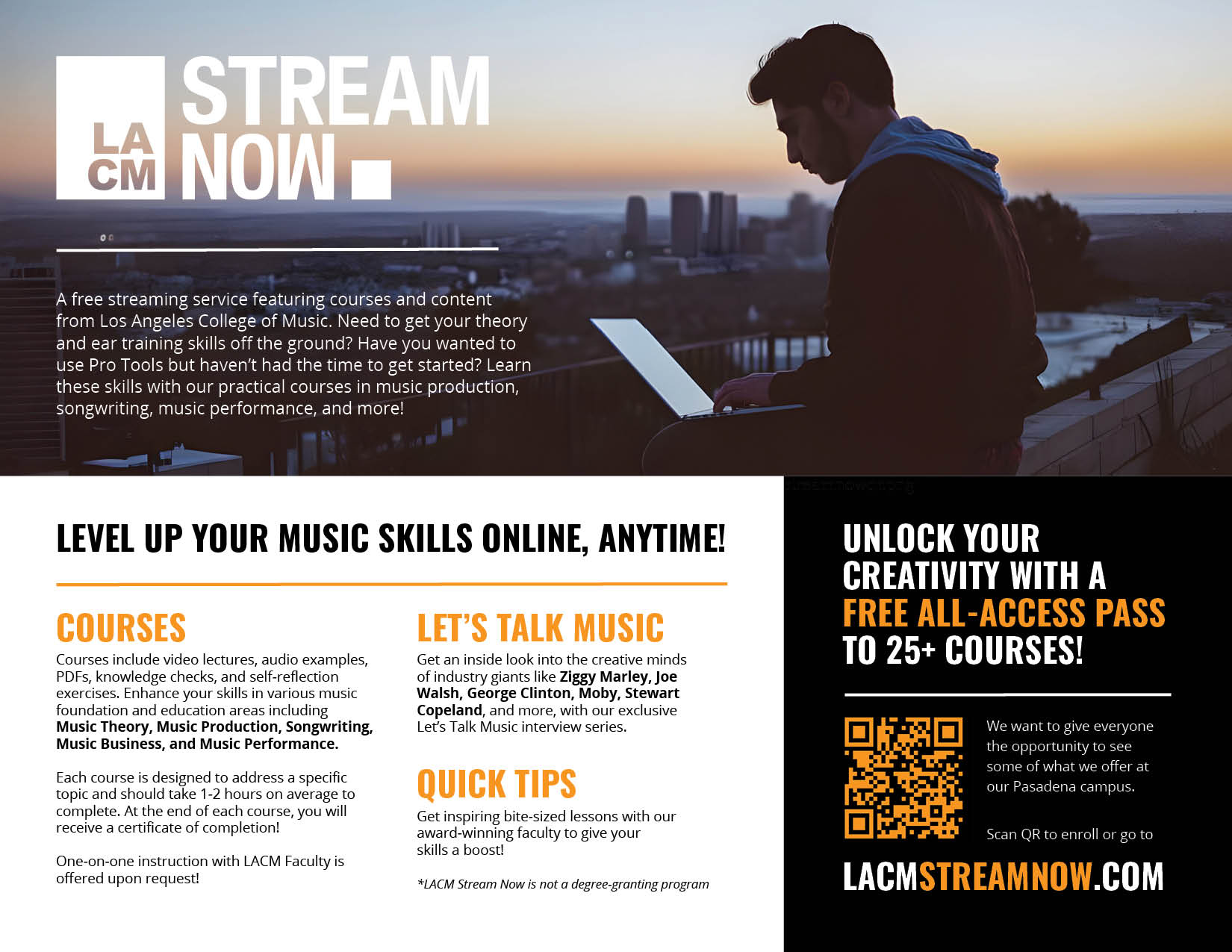
Credit: lacm.edu


How to Master Your Music Production Skills: Insider Tips!


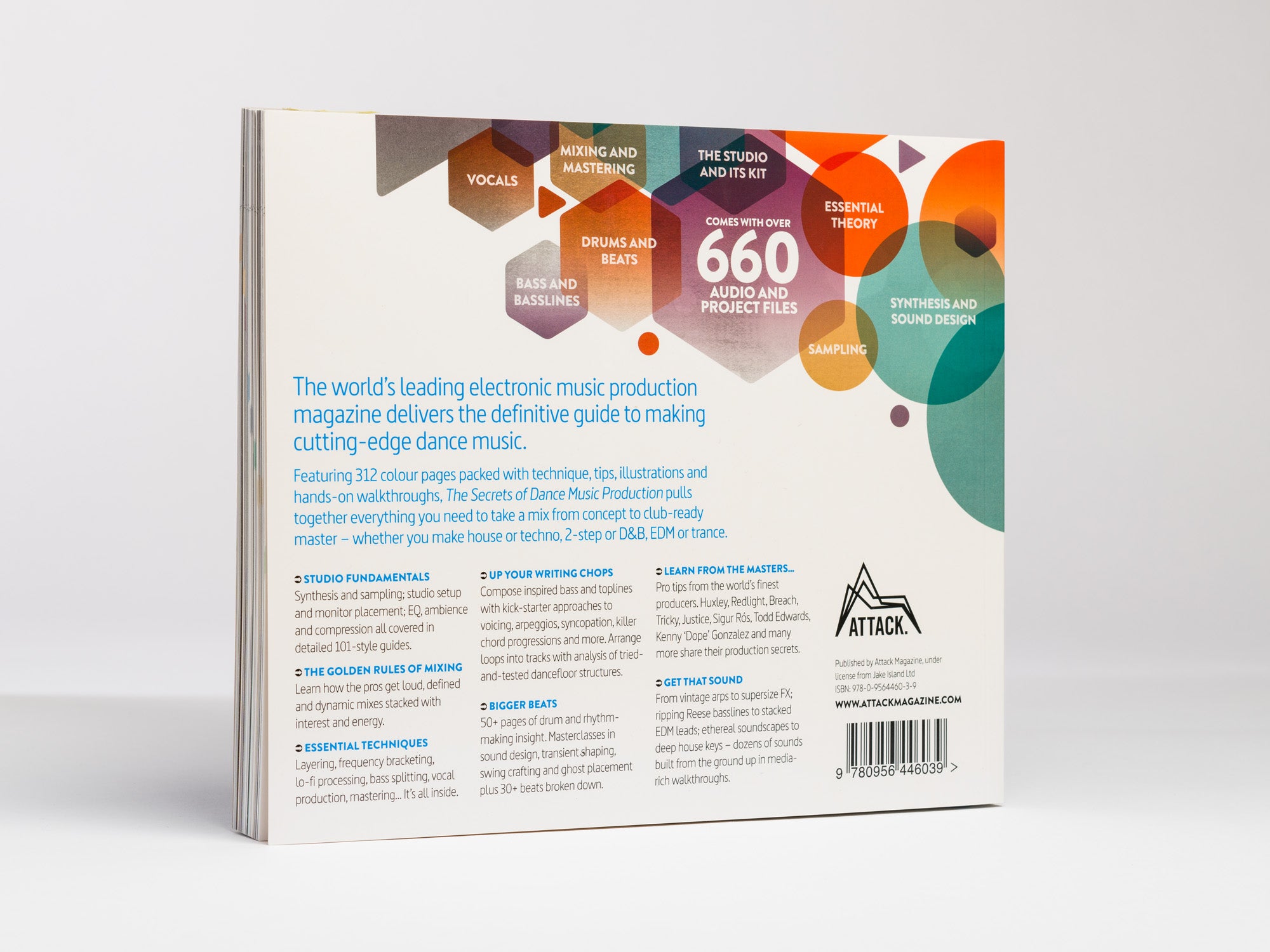
Credit: store.attackmagazine.com


Frequently Asked Questions Of How To Improve Your Music Production Skills


How Can I Improve My Music Production Skills?


To improve your music production skills, you can start by practicing regularly, experimenting with different techniques, and learning from experienced producers. Additionally, staying updated with the latest music production software and equipment, attending workshops or online courses, and seeking feedback from others in the industry can also help you enhance your skills.


What Are Some Effective Music Production Techniques?


Some effective music production techniques include using EQ and compression to shape and enhance the sound, layering different instruments or samples for a richer texture, and utilizing automation to add movement and dynamics to your tracks. Additionally, understanding music theory, working with reference tracks, and paying attention to detail during the mixing and mastering process can also greatly improve your productions.


What Software Do Professional Music Producers Use?


Professional music producers often use a variety of software depending on their preferences and the genre they are working on. Some popular software used by professionals include Ableton Live, Logic Pro, Pro Tools, FL Studio, and Cubase. It’s important to find a software that suits your needs and workflow, as each has its own unique features and capabilities.


Conclusion


To sum up, improving your music production skills takes dedication and practice. By mastering the technical aspects and staying current with industry trends, you can elevate your music to new heights. Don’t forget to seek inspiration from others, experiment with different techniques, and always keep learning.


With these tips, your music production skills are sure to soar.

Categories
Archive

Edm Mixing And Mastering Service: Take Your Tracks to the Next Level

For high-quality EDM mixing and mastering services, choose a specialist who can enhance your tracks professionally. Delve into the world of expert sound engineering for your EDM projects.


When it comes to creating music, the mixing and mastering process is crucial in achieving a polished and professional sound. Working with a skilled EDM mixing and mastering service can elevate your tracks to the next level. With the right expertise and tools, your music can stand out in the competitive EDM industry and captivate your audience.


Let’s explore the essential aspects of EDM mixing and mastering services and how they can benefit your music production journey.

Edm Mixing And Mastering Service: Take Your Tracks to the Next Level


Credit: www.upwork.com


The Importance Of Professional Mixing And Mastering

Introductory Paragraph:

When it comes to creating high-quality music, professional mixing and mastering services play a crucial role. The expertise and precision provided by professionals can greatly enhance the overall audio quality of a music track. Let’s delve into the significance of investing in professional mixing and mastering services.

Enhancing Audio Quality

Professional mixing and mastering improve the clarity and balance of audio elements.

  • Eliminates background noise
  • Ensures seamless transitions between different parts of the track

Achieving Professional Sound

Professional mixing and mastering services help artists achieve a polished and professional sound.

  1. Enhances the depth and dimension of the music
  2. Ensures consistency in volume levels

Choosing professional mixing and mastering services is essential for artists looking to make their music stand out in a crowded industry.

Edm Mixing And Mastering Service: Take Your Tracks to the Next Level


Credit: www.fiverr.com


Key Steps In The Mixing Process

Understanding the key steps in the mixing process is crucial for achieving professional-quality music. Let’s dive into the important stages that take place during EDM mixing and mastering services.

Balancing Levels And Panning

  • Set appropriate volume levels for each track.
  • Ensure instruments are balanced for clarity.
  • Utilize panning to create a spacious sound.

Adding Eq, Compression, And Effects

  • Apply EQ to enhance frequencies in each track.
  • Use compression for dynamic control and consistency.
  • Experiment with effects to add depth and texture.


Mastering Essentials For A Polished Result

When it comes to creating a professional-grade EDM track, the crucial step of mastering can’t be overlooked. Achieving a polished and cohesive result requires a deep understanding of mastering essentials. Let’s delve into some crucial aspects that contribute to a polished result.

Optimizing Overall Sound

Mastering is all about enhancing the overall sound quality of your EDM tracks. By optimizing the overall sound, the mastering process aims to bring out the best in each element of the mix, ensuring a balanced and powerful sonic experience.

Ensuring Cohesiveness Across Tracks

Ensuring cohesiveness across tracks is vital for delivering a seamless listening experience, especially in EDM albums or playlists. Mastering helps in maintaining a consistent sonic character and tonal balance, unifying the individual tracks into a cohesive and compelling collection.

Edm Mixing And Mastering Service: Take Your Tracks to the Next Level


Credit: www.upwork.com


Benefits Of Outsourcing Mixing And Mastering

Outsourcing mixing and mastering services for your EDM tracks can have several valuable benefits. It allows you to access specialized expertise, save time and effort, and ensure professional-quality sound. By partnering with a reputable service provider, you can optimize your music and take it to the next level.

Access To Specialized Expertise

When you outsource your EDM mixing and mastering, you gain access to a team of experienced professionals who specialize in audio engineering. These experts understand the intricacies of mixing and mastering EDM tracks, including the right EQ, compression, and effects settings to achieve a well-balanced and dynamic sound.

By leveraging their specialized knowledge, you can ensure that every element of your track, from the drums to the synths, is treated with precision. Their expertise extends to understanding the unique requirements of different EDM sub-genres, ensuring that your music sounds authentic and reflects the specific style you are aiming for.

Saving Time And Effort

Mixing and mastering an EDM track requires technical skills, patience, and a keen ear. It can be a time-consuming and detail-oriented process that demands meticulous attention to every aspect of the sound. By outsourcing this task, you can free up your valuable time and focus on other essential aspects of your music production, such as composing new tracks or marketing your music.

Delegating the mixing and mastering to professionals who devote their time to perfecting sound engineering allows you to be more productive, efficient, and increases the probability of delivering new tracks regularly to your audience.

Additionally, outsourcing this process ensures that your tracks are mixed and mastered by experts who have state-of-the-art equipment and studio settings. These professionals have access to high-quality plugins, plugins, and monitoring equipment to achieve the best possible sound quality.

Summary

  • Outsourcing mixing and mastering services provides access to specialized expertise in EDM audio engineering.
  • It saves valuable time and effort, allowing you to focus on other aspects of music production.
  • Professional sound quality can be achieved with state-of-the-art equipment and studio settings.

By outsourcing the mixing and mastering process, you can ensure that your EDM tracks reach their sonic potential. Partnering with professionals in the industry means that you can have peace of mind, knowing that your music will be enhanced and polished to captivate your listeners.

Choosing The Right Mixing And Mastering Service

When it comes to creating high-quality EDM tracks, professional mixing and mastering can make all the difference. Utilizing the right mixing and mastering service can enhance and polish your music, ensuring that it sounds its absolute best. With so many options available, it can be overwhelming to find the perfect fit for your needs. In this blog post, we will discuss two crucial factors to consider when choosing a mixing and mastering service: evaluating experience and portfolio, and understanding pricing and turnaround.

Evaluating Experience And Portfolio

Experience is key when it comes to finding a mixing and mastering service that can deliver the results you desire. You want to entrust your music to seasoned professionals who know the ins and outs of the genre and have a proven track record of success. When evaluating potential services, take a close look at their experience and portfolio.

Consider the following:


  1. How long has the service been in operation? Look for established providers with a history of delivering outstanding results.
  2. Have they worked on similar projects before? Look for a service that specializes in EDM mixing and mastering to ensure they have the necessary expertise to handle your specific genre.
  3. What do their previous clients say? Check for testimonials or reviews that highlight their ability to meet client expectations.
  4. Are samples of their work available? Listening to their past projects can give you a better sense of their quality and style.

By thoroughly evaluating their experience and portfolio, you can find a mixing and mastering service that aligns with your needs and goals.

Understanding Pricing And Turnaround

Pricing and turnaround time are also crucial factors to consider when selecting a mixing and mastering service. You want to ensure that the service fits within your budget and aligns with your project timeline. Here are some key points to consider:


  1. What are their pricing packages? Look for transparent pricing that clearly outlines what services are included for each package.
  2. Do they offer any additional services? Some providers may offer extras like vocal tuning, stem mixing, or mastering revisions.
  3. What is their turnaround time? Ensure that the service can deliver within your desired timeframe without compromising the quality of the final product.
  4. Do they provide any guarantees? Look for services that offer satisfaction guarantees or revisions if you are not completely satisfied with the result.

Understanding the pricing and turnaround options of different services will help you make an informed choice that meets your budget and project requirements.


Frequently Asked Questions On Edm Mixing And Mastering Service


What Is Edm Mixing And Mastering?


EDM mixing and mastering is the process of fine-tuning and enhancing electronic dance music tracks to achieve optimum sound quality. It involves adjusting the levels, adding effects, and ensuring that the overall mix is balanced and polished.


Why Is Edm Mixing And Mastering Important?


EDM mixing and mastering is important because it can make or break the final product. A well-mixed and mastered track will have clarity, punch, and depth, making it more appealing to listeners. It helps to bring out the nuances in the music and ensures that it sounds professional and competitive in the industry.


How Does Edm Mixing And Mastering Improve The Sound Quality?


EDM mixing and mastering improve the sound quality by enhancing the overall balance, clarity, and depth of the track. The process involves adjusting volume levels, EQing, compressing, adding effects, and making sure that each element of the mix sits well in the frequency spectrum.


This results in a more polished and professional sound.


Can I Mix And Master My Own Edm Tracks?


Yes, you can mix and master your own EDM tracks, but it requires skill, knowledge, and experience to achieve professional results. It is recommended to work with a professional EDM mixing and mastering service provider who has the expertise and specialized tools to deliver the best possible outcome.


Conclusion


Choosing the right EDM mixing and mastering service is crucial for achieving professional sound quality. With the help of experienced professionals and the latest technology, your music can reach its full potential. Remember to consider factors such as expertise, customer reviews, and affordability when making your decision.


Your music deserves the best, so make an informed choice.

Categories
Archive

How To Master the Art of Mixing Hip Hop Snare: Proven Techniques Revealed!

To mix a hip hop snare, adjust EQ for punch and clarity, enhance with reverb for depth. Hip hop music relies heavily on the snare sound to drive the rhythm and energy of the track.


Mixing a hip hop snare requires careful attention to detail to ensure it cuts through the mix and adds impact to the overall sound. By adjusting the EQ to enhance the punch and clarity of the snare, you can make it stand out in the mix.


Adding reverb can also help create depth and space around the snare, enhancing its presence in the track. In this guide, we will explore some techniques for mixing hip hop snares to help you achieve a professional and polished sound.

How To Master the Art of Mixing Hip Hop Snare: Proven Techniques Revealed!


Credit: grammy.com


The Importance Of The Hip Hop Snare

The hip hop snare serves as the backbone of the rhythmic structure, providing impact and groove.

  • Punchiness: The snare should cut through the mix with a sharp and dynamic sound.
  • Saturation: Adding saturation can give the snare warmth and presence.
  • Snap: A crisp and defined attack is crucial for a strong hip hop snare.
  • Sustain: The snare’s sustain should be controlled to avoid muddying the mix.

Tips For Selecting The Right Snare Sample

When mixing hip hop snare, selecting the right snare sample is crucial for achieving a polished and professional sound. Here are some tips to help you choose the perfect snare:

Choosing Samples With The Right Tone And Texture

Look for snare samples that complement your track’s overall tone and texture. Consider the genre of the song and the mood you want to convey.

  • Match snare tone to song vibe
  • Consider genre for texture

Considering The Impact Of Layering Snares

Layering snares can add depth and character to your mix. Experiment with combining different snare samples to create a unique sound.

  1. Experiment with layering
  2. Blend samples for depth

Techniques For Processing Hip Hop Snares

When it comes to creating a hard-hitting and dynamic hip hop track, the snare is an essential element that can make or break the overall sound. Techniques for processing hip hop snares involve using various tools and effects to shape, enhance, and give character to the sound. In this post, we’ll explore some effective methods for processing hip hop snares, focusing on using EQ, compression, reverb, and delay to achieve the desired results.

Using Eq To Shape The Sound

In hip hop production, EQ is a crucial tool for shaping the character of the snare. By boosting and cutting specific frequencies, you can bring out the desired elements of the snare to make it stand out in the mix. Boost the upper midrange frequencies to add presence and clarity to the snare, while cutting the low frequencies can help remove muddiness and make the snare sound more focused. Additionally, boosting the high frequencies can enhance the snap and brightness of the snare, giving it a more aggressive and punchy sound.

Utilizing Compression For Punch And Clarity

Compression is an essential tool for achieving the punch and clarity that hip hop snares are known for. Apply moderate compression to control the transient peaks and sustain of the snare, ensuring it sits well in the mix without getting lost. You can also use parallel compression to emphasize the attack and body of the snare, creating a more impactful sound that cuts through the mix. Experiment with different compression settings to find the perfect balance between punch and clarity for your hip hop snares.

Creative Use Of Reverb And Delay

In hip hop production, reverb and delay can be used creatively to add space, depth, and character to the snare. Experiment with short, tight reverb to give the snare a sense of space and ambience without washing it out. Additionally, subtle delay can be applied to create a sense of movement and excitement, adding a unique flavor to the snare sound. By using reverb and delay tastefully, you can elevate the hip hop snare and make it more dynamic and engaging.

Creating Depth And Dimension In The Mix

Mixing hip hop snares is an important aspect of creating a dynamic and engaging track. To make your snare sound stand out and come to life, it is essential to create depth and dimension in the mix. This can be achieved through various techniques such as panning, stereo imaging, and the use of effects for spatial enhancement. In this article, we will explore how to apply these techniques to bring your hip hop snare to the next level.

Applying Panning And Stereo Imaging Techniques

Panning and stereo imaging techniques play a crucial role in creating a sense of space and width in your hip hop mix. By adjusting the placement of the snare sound between the left and right speakers, you can enhance the perceived depth of the mix.

Here’s how you can effectively use panning and stereo imaging techniques:

  1. Pan the snare sound slightly off-center to either the left or right side. This can help to widen the stereo image and create a more immersive listening experience.
  2. Experiment with the positioning of other elements in the mix, such as hi-hats or percussion, by panning them in different directions. This will help to create a balanced and spacious soundstage.
  3. Utilize stereo imaging plugins to further enhance the width and depth of your snare sound. These plugins allow you to control the stereo spread, enabling you to achieve precise positioning and separation.

Utilizing Effects For Spatial Enhancement

Effects can be a powerful tool when it comes to spatial enhancement in the mix. By strategically using effects, you can add depth and dimension to your snare sound, making it more interesting and captivating.

Consider these methods to utilize effects for spatial enhancement:

  • Reverb: Apply a touch of reverb to your snare sound to create a sense of space. Experiment with different reverb types and settings to find the right balance between a natural ambience and a tighter, more focused sound.
  • Delay: Introduce a subtle delay effect to your snare sound to widen the stereo image and create a sense of depth. Adjust the delay time and feedback to achieve the desired effect.
  • Stereo Widening: Use stereo widening plugins to expand the stereo image of your snare sound. This can add width and dimension, making the snare seem larger and more present in the mix.

By applying panning and stereo imaging techniques and utilizing effects for spatial enhancement, you can create depth and dimension in your hip hop snare mix. These techniques will help your snare sound stand out and contribute to an immersive and captivating listening experience.

Refining The Hip Hop Snare In The Mix

Here’s an introduction to refining the hip hop snare in the mix:

Balancing The Snare With Other Elements

When mixing hip hop tracks, achieving the perfect balance between the snare and other elements is crucial for creating a punchy and cohesive sound. The snare serves as the backbone of the rhythm and can greatly impact the overall feel of the track. It is important to ensure that the snare interacts harmoniously with the kick drum, bassline, and other instruments, while still retaining its distinctive character.

Fine-tuning The Overall Snare Sound

Fine-tuning the overall snare sound is the key to achieving a professional mix. There are several elements to consider when refining the snare:

  • Start by examining the snare’s frequency spectrum and adjust the equalization accordingly. Boosting or cutting specific frequencies can help accentuate the desired characteristics of the snare and make it stand out in the mix.
  • Experiment with different reverb or delay settings to add depth and ambience to the snare. Carefully adjusting the decay time and pre-delay parameters can create a sense of space and enhance the overall drum sound.
  • Consider adding parallel compression to bring out the snap and impact of the snare. This technique involves duplicating the snare track, heavily compressing the duplicate, and blending it back with the original track. It can add a controlled and punchy character to the snare, making it cut through the mix.

By carefully refining these elements and paying attention to the smallest details, you can take your hip hop snare from sounding average to standing out as a centerpiece in your mix. Keep experimenting, trusting your ears, and refining your technique to create dynamic and impactful snare sounds that captivate listeners.

How To Master the Art of Mixing Hip Hop Snare: Proven Techniques Revealed!


Credit: grammy.com


How To Master the Art of Mixing Hip Hop Snare: Proven Techniques Revealed!


Credit: www.rollingstone.com


Frequently Asked Questions For How To Mix Hip Hop Snare


How Do I Choose The Right Snare Drum For Hip Hop Music?


To choose the right snare drum for hip hop music, consider its material, size, and tuning. Opt for a drum made of wood or metal, select a medium or deep size, and experiment with different tunings to achieve the desired punch and depth.


What Techniques Can I Use To Make My Hip Hop Snare Stand Out?


To make your hip hop snare stand out, try layering it with other sounds, such as claps or snaps, to add texture and depth. You can also experiment with different compression and EQ settings to emphasize the attack and body of the snare.


How Can I Make My Hip Hop Snare Sound Punchier?


To make your hip hop snare sound punchier, focus on enhancing its attack and presence. Use transient shaping plugins to emphasize the initial hit of the snare, and apply compression to control the dynamic range. Additionally, layering a short and crisp clap or snare sample can help add punch and clarity.


Conclusion


To sum up, mastering the art of mixing hip hop snares can greatly enhance the overall quality of your music production. By experimenting with various techniques and effects, you can achieve a unique and impactful sound that sets your tracks apart.


Remember to stay open to new ideas and always trust your ears when fine-tuning your mix. Happy mixing!


Categories
Archive

Revamp Your Sound: Best Online Mixing And Mastering Services

For the best online mixing and mastering services, consider reputable platforms with experienced professionals. These services enhance the audio quality of your tracks to industry standards, providing a polished final product that stands out.


With the rise of online music production, finding a reliable mixing and mastering service is crucial for musicians and producers looking to elevate their sound. High-quality mixing and mastering can make a significant difference in the overall impact and appeal of your music, helping you reach a wider audience and establish a professional image.


Whether you are a seasoned artist or just starting out, investing in top-notch online mixing and mastering services can take your music to the next level.


Credit: www.facebook.com


The Importance Of Professional Mixing And Mastering

Enhancing Audio Quality

Professional mixing and mastering improves sound clarity and overall quality of audio tracks.

Correcting imperfections, noise reduction, and enhanced dynamics enhance the listening experience.

Quality audio processing highlights the details and emotions in music compositions.

Achieving Consistency And Balance

Consistent levels, balance, and cohesiveness create a polished and professional sound.

Proper mastering ensures uniformity across various tracks on an album or playlist.

Professional mixing and mastering services help maintain a consistent sound profile.

Factors To Consider When Choosing Online Mixing And Mastering Services


When selecting online mixing and mastering services, it’s crucial to consider the provider’s experience, portfolio, pricing, turnaround time, and customer reviews. These factors can ensure high-quality audio production and customer satisfaction.

Qualifications And Experience

When selecting online mixing and mastering services, ensure you evaluate the qualifications and experience of the professionals involved.

Turnaround Time And Pricing

Looking for services that offer a fast turnaround time and transparent pricing is essential.


Top Online Mixing And Mastering Services

When it comes to ensuring the highest quality sound for your music, finding the best online mixing and mastering services is critical. Whether you are an independent artist, a band, or a record label, choosing a reliable and professional service is essential to elevate your music to the next level. Here, we’ve rounded up the top online mixing and mastering services that deliver exceptional results.

Service A

Service A is renowned for its expertise in enhancing the sound quality of diverse music genres. Their team of skilled engineers 🏗️ ensures that each track is meticulously mixed and mastered to achieve a polished and professional sound. With a commitment to understanding the unique needs of every client, Service A is dedicated to providing top-notch audio production that exceeds expectations.

Service B

Service B offers a seamless and efficient online platform for artists and producers to access high-quality mixing and mastering services. Their intuitive process allows clients to easily upload their tracks, communicate preferences, and receive expertly crafted audio enhancements promptly. The team at Service B is known for its attention to detail and ability to bring out the best in each composition.

Service C

For those who prioritize a personalized approach to audio production, Service C stands out as a leading choice. Their tailored services cater to the specific creative vision of each client, ensuring that the final mix and master reflects the intended artistic expression. The skilled professionals at Service C are committed to delivering exceptional results that capture the essence of every musical piece.

Revamp Your Sound: Best Online Mixing And Mastering Services


Credit: www.omarimc.com


Comparing Service Features And Benefits

Welcome to our comprehensive guide on the best online mixing and mastering services! When it comes to achieving professional-level audio quality for your music tracks, these services can be a game-changer. In this section, we will compare the different features and benefits offered by these services, allowing you to make an informed choice. Let’s dive in!

Quality Of Results

The quality of the results provided by online mixing and mastering services is crucial. After all, you want your music to sound its best. When comparing different services, pay attention to the quality of their previous work. Some services might offer samples or demos allowing you to assess the level of expertise and whether it matches your desired sound.

Beyond the samples, consider the technological tools and techniques they use. Look for services that utilize state-of-the-art software, plugins, and hardware to ensure optimal audio quality. Additionally, find out if they offer any guarantees or revisions to ensure you are satisfied with the final results. Don’t forget to read customer reviews and testimonials to get a better understanding of their track record when it comes to delivering high-quality results.

Customer Support And Communication

Good customer support and seamless communication throughout the mixing and mastering process are essential. You want to work with a service that is responsive, attentive, and easy to reach. Look for services that provide clear contact information and have multiple channels of communication available, such as email, phone, or live chat.

Keep an eye out for services that offer dedicated project managers or an assigned team member who will assist you during the entire process. This ensures smooth communication and allows you to convey your creative vision effectively. Also, check if they have a well-defined feedback system in place to facilitate collaboration and revisions.

Additional Services Offered

While the primary focus might be on mixing and mastering, many online services offer additional services that can add value to your music production process. These additional services might include stem mastering, vocal tuning, editing, noise reduction, or even music production consultation.

Consider the scope of your project and whether you require any of these complementary services. Having them available in one place can save you time and effort. Furthermore, the expertise and experience of the service provider in these areas can indirectly influence the quality of the final mix and master.

Take your time to evaluate the features and benefits of different online mixing and mastering services. Prioritize high-quality results, effective customer support, and additional services that align with your needs. By comparing these factors, you can choose the service that will help elevate your music to the next level!

Making The Right Choice For Your Sound


Discover top-tier online mixing and mastering services to elevate your sound quality. Make a wise choice and enhance your music with professional expertise and cutting-edge technology. Elevate your music with precision and care for optimal results.

Weighing Your Priorities

When it comes to finding the best online mixing and mastering service for your sound, it’s important to consider your priorities. Whether you are a musician, producer, or podcaster, looking for the perfect service to enhance the quality of your audio, there are a few key factors to keep in mind.

First and foremost, it’s essential to determine what aspects of your sound are most important to you. Are you seeking professional mixing and mastering to improve the overall balance and clarity of your tracks? Or are you more focused on adding that extra touch of polish to take your sound to the next level?

By clarifying your priorities, you can narrow down your options and find a service that aligns with your specific needs.

Considering Client Feedback

One of the most valuable sources of information when choosing an online mixing and mastering service is client feedback. Reading reviews and testimonials can give you a real insight into the experiences of others who have used the service.

Start by doing thorough research and gathering feedback from various sources. Look for specific comments about the quality of the service, the professionalism of the team, and the overall satisfaction of clients. This will help you make an informed decision.

Additionally, consider reaching out to previous clients directly. Ask for their honest opinion and any recommendations they may have. Remember, client feedback is a powerful tool that can guide you towards the ideal service for your sound.

Revamp Your Sound: Best Online Mixing And Mastering Services


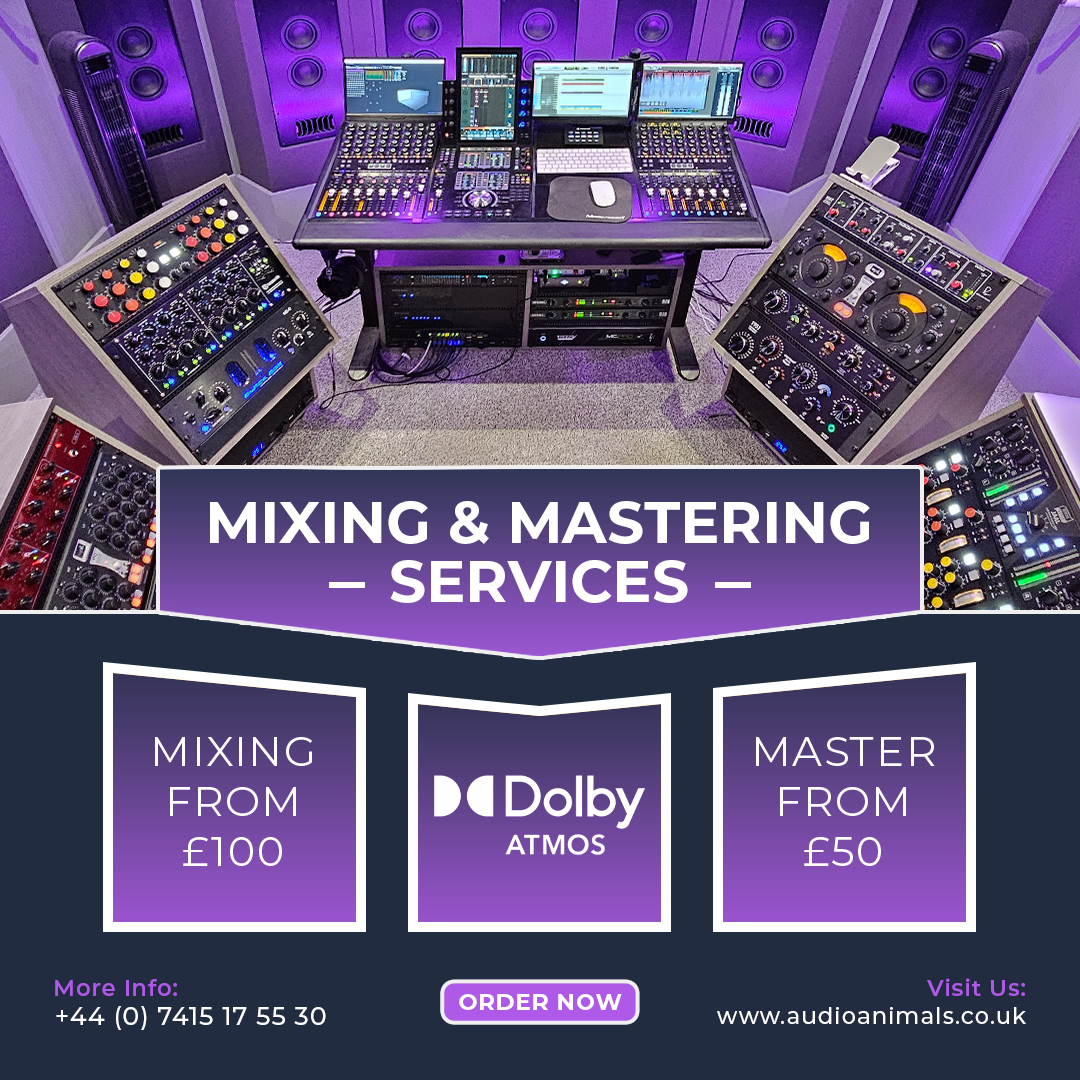
Credit: www.audioanimals.co.uk


Frequently Asked Questions For Best Online Mixing And Mastering Services


What Are The Benefits Of Using Online Mixing And Mastering Services?


Online mixing and mastering services offer convenience, professional expertise, and affordability. They allow you to access top-quality audio production without traveling or hiring an expensive studio. These services can enhance your tracks with advanced equipment, experienced engineers, and quick turnaround times, making your music sound polished and professional.


How Do Online Mixing And Mastering Services Work?


Online mixing and mastering services typically work by allowing you to upload your audio tracks to a secure platform. Professional audio engineers then use their expertise and specialized software to enhance the sound quality, balance the mix, and make any necessary adjustments.


Once the process is complete, you will receive the finished tracks digitally, ready for distribution or further production.


Can Online Mixing And Mastering Services Improve The Sound Quality Of My Recordings?


Yes, online mixing and mastering services can significantly improve the sound quality of your recordings. Professional engineers utilize their expertise, advanced software, and high-quality equipment to enhance the overall clarity, balance, and dynamics of your tracks. They can also correct minor imperfections, adjust levels, and apply effects to make your recordings sound more polished and professional.


Conclusion


In the competitive music industry, finding the right mixing and mastering services is crucial. With the best online services, you can take your music to the next level. This ensures a professional sound that will stand out in the crowded market.


Invest in quality mixing and mastering and make your music shine.

Categories
Archive

Mastering Music : Unleash Your Inner Maestro

To master music, practice consistently and diversify skills by learning music theory and different instruments. Mastering Music involves dedication, practice, and a willingness to learn and grow as a musician.


Learning music theory provides a strong foundation, while exploring various instruments expands versatility and creativity. By immersing oneself in different styles and techniques, a musician can deepen their understanding and appreciation of music. Dedication to consistent practice and continuous learning are key elements in mastering music.


Whether through formal lessons or self-study, the journey to mastering music is a rewarding and lifelong pursuit. Mastering Music requires passion, perseverance, and a commitment to ongoing improvement in musical abilities.


The Power Of Music

Unlocking the emotional impact and universal language of music reveals its transformative power.

Music’s Emotional Impact

Music has the ability to stir emotions and evoke memories in a profound way.

Music As A Universal Language

Music transcends cultural barriers and allows for unspoken connections among individuals worldwide.

Mastering Music  : Unleash Your Inner Maestro


Credit: www.linkedin.com


Benefits Of Musical Mastery

When it comes to music, mastering this art form goes beyond simply playing an instrument or singing well. The Benefits of Musical Mastery extend to various aspects of our lives, promoting cognitive development, emotional well-being, and fostering social connections.

Enhanced Cognitive Abilities

Through musical mastery, individuals develop enhanced cognitive skills such as improved memory, attention to detail, and problem-solving abilities.

Emotional Well-being

Mastering music can significantly impact emotional well-being by providing a creative outlet for self-expression and promoting stress relief and a sense of accomplishment.

Social And Cultural Connections

Engagement in musical mastery fosters social and cultural connections by creating opportunities to collaborate with others, share experiences, and appreciate diverse forms of artistic expression.

Understanding Musical Theory


Gain mastery in music through a comprehensive understanding of musical theory. Learn the principles behind music composition and performance, enabling you to enhance your musical skills and creativity. With a strong grasp of musical theory, you can unlock your full potential as a musician.

Understanding Musical Theory is essential for every musician. It forms the foundation of music creation and performance. By mastering musical theory, musicians can enhance their skills, creativity, and ability to express themselves through music.

Notes And Scales

Notes are the building blocks of music. They represent specific pitches and can be combined to create melodies and harmonies. Scales, on the other hand, are patterns of notes that form the basis of melodies and harmonies in a piece of music. Mastering notes and scales is crucial for understanding the structure and composition of music.

Rhythm And Timing

Rhythm and timing are fundamental elements of music that give it its characteristic flow and groove. Understanding rhythm involves grasping the patterns of beats and measures, while timing refers to the precise execution of musical passages. Mastery of rhythm and timing is crucial for creating music that is engaging and captivating.

Melody And Harmony

Melody and harmony are the essence of music. Melody is the sequence of notes that form the main theme of a piece of music, while harmony involves the combination of different notes played simultaneously to create a fuller sound. Understanding melody and harmony is essential for composing and arranging music effectively. By delving into the intricacies of musical theory, musicians can unlock their full potential and elevate their musical prowess. Whether it’s through understanding notes and scales, mastering rhythm and timing, or grasping melody and harmony, a solid foundation in musical theory is crucial for any aspiring musician.

Mastering Music  : Unleash Your Inner Maestro


Credit: appadvice.com


Practical Techniques For Mastery

Mastering music requires a combination of talent, practice, and practical techniques. In this blog post, we will explore some essential techniques that can help you elevate your musical skills. Whether you are an aspiring instrumentalist, a vocalist, or a composer, these techniques will provide a solid foundation for your journey towards mastery.

Instrument Proficiency

Instrument proficiency is fundamental for every musician. Whether you play the guitar, piano, drums, or any other instrument, investing time in honing your technical skills is crucial. Here are some practical techniques that can enhance your instrument proficiency:

  • Regular Practice: Create a consistent practice schedule and stick to it. Set specific goals for each practice session to focus on different aspects of your playing. This will help you improve your technique and build muscle memory.
  • Technique Exercises: Incorporate technique exercises into your practice routine. Practice scales, arpeggios, and other exercises that target specific technical challenges. Gradually increase the difficulty and speed to challenge yourself and improve your dexterity.
  • Study Theory: Understanding music theory is essential for mastering an instrument. Learn about scales, chords, and harmonies that are prominent in your musical genre. This knowledge will expand your musical vocabulary and improve your improvisation skills.

Vocal Training

Vocal training is essential for singers who aim to deliver exceptional performances. Here are some practical techniques that can help you develop your vocal skills:

  1. Breathing Techniques: Learn proper breathing techniques to support your vocal performance. Practice diaphragmatic breathing and control your breath flow to enhance your vocal stability and endurance.
  2. Warm-up Exercises: Prior to singing, warm up your vocal cords with exercises like lip trills, sirens, and vocal scales. This will help loosen up your vocal muscles and prevent strain during performances.
  3. Pitch Training: Train your ears to recognize pitch and practice singing in tune. Use vocal exercises that focus on pitch accuracy and singing intervals to improve your overall intonation.

Composition And Arrangement

In addition to instrumental and vocal skills, composition and arrangement are vital aspects of music mastery. Here are some practical techniques that can enhance your composition and arrangement skills:

  • Study Music Theory: Deepen your understanding of music theory to effectively compose and arrange music. Learn about chord progressions, song structures, and harmonic concepts that can elevate your compositions.
  • Experimentation: Don’t be afraid to experiment with different musical ideas, genres, and instruments. Allow yourself to be creative and explore new sounds, harmonies, and rhythms to create unique compositions.
  • Arrangement Techniques: Study arrangements of songs from various genres and analyze how different instruments and voices interact. Focus on techniques such as dynamics, orchestration, and layering to create impactful and well-balanced arrangements.


The Journey To Mastery

Mastering music is a lifelong pursuit, a journey that requires dedication, passion, and a relentless pursuit of improvement. Achieving mastery is not an overnight process but rather a continuous effort to refine skills, deepen understanding, and push boundaries. In this blog post, we will explore three key aspects of the journey to mastery: patience and persistence, seeking inspiration, and learning from legends.

Patience And Persistence

With any creative endeavor, patience and persistence are essential virtues. Mastering music is no exception. It is natural to desire instant progress and flawless performances, but the reality is that learning an instrument or refining your vocal skills takes time, effort, and plenty of practice. It requires embracing the journey with all its ups and downs, setbacks, and breakthroughs.

To achieve mastery, it is important to set realistic goals and break them down into smaller achievable milestones. Celebrate your progress along the way, no matter how small. Music is a lifelong learning process, and every step forward is a step closer to mastery.

Seeking Inspiration

Inspiration is the fuel that keeps the fire of musical creativity burning. Seeking out new sources of inspiration constantly stimulates growth and sparks fresh ideas. Whether it’s attending live performances, exploring different genres, or immersing yourself in the works of great composers, exposing yourself to diverse musical experiences broadens your horizons and helps you develop your own unique sound.

Remember, inspiration can strike at any moment. Keep a notebook or use a note-taking app to jot down sudden bursts of creativity. Harnessing these sparks of inspiration ensures that you hold onto them and transform them into compelling musical compositions.

Learning From Legends

One of the most effective ways to accelerate your musical growth is by studying the masters of the craft. Through studying the techniques and styles of music legends, you can gain valuable insights and expand your musical toolkit.

Make it a habit to listen to a wide range of music from different eras and cultures. Analyze the works of legendary musicians, deconstruct their melodies, harmonies, and rhythms. Study their performances, live recordings, and interviews to uncover the secrets that made them iconic.

Emulate their approaches, experiment with their techniques, and adapt them to fit your own musical voice. By learning from legends, you can nurture your own style and accelerate your progression towards mastery.

Mastering Music  : Unleash Your Inner Maestro


Credit: m.facebook.com


Frequently Asked Questions For Mastering Music


How Can I Improve My Music Skills?


Practice regularly, listen to a variety of genres, learn from experienced musicians, take lessons or workshops, and experiment with different instruments or techniques.


What Are The Benefits Of Learning Music?


Learning music enhances cognitive skills, improves memory and concentration, boosts creativity, reduces stress, improves coordination, and promotes self-expression and self-confidence.


What Is The Best Instrument To Learn For Beginners?


The best instrument for beginners depends on personal preference and musical goals. Popular choices include guitar, piano, violin, and drums. Consider factors like ease of learning, affordability, and the type of music you enjoy.


How Long Does It Take To Master A Musical Instrument?


The time it takes to master a musical instrument varies depending on factors like dedication, practice frequency, and natural talent. On average, it takes several years of consistent practice to reach an advanced level of proficiency.


Conclusion


In mastering music, attention to detail is key. Utilize technology and skills to create professional and compelling tracks that resonate with your audience. Remember, communication with your audience through music is essential. So, keep honing your craft, and stay open to learning and growing as a musician.


The journey to mastery is ongoing.

Categories
Archive

What Skills Do You Need to Be a Music Producer? Master the Art of Producing Music with These Essential Skills

To be a music producer, you need skills in music theory, production software, sound engineering, and creativity. These skills are essential for creating high-quality music and bringing artistic visions to life.


As a music producer, you must have a deep understanding of musical elements, technical proficiency in recording and mixing, and the ability to think outside the box when producing tracks. Developing these skills will help you succeed in the competitive music industry and establish your reputation as a talented and innovative producer who can elevate artists and their music to new heights.


Mastering these key skills will set you apart and open doors to various opportunities and collaborations within the music production world.


Understanding The Role Of A Music Producer


To excel as a music producer, proficiency in music theory, sound engineering, and digital audio workstations is essential. Strong communication skills and the ability to understand and interpret the vision of artists are also crucial. Moreover, staying updated with the latest trends in music production and having a creative mindset can significantly enhance a music producer’s success.

Defining The Role

A music producer oversees the creation and recording of songs, guiding artists in achieving their desired sound.

Importance In The Music Industry

Music producers play a pivotal role in shaping the final product, translating artistic vision into high-quality recordings.

What Skills Do You Need to Be a Music Producer? Master the Art of Producing Music with These Essential Skills


Credit: www.avid.com


Technical Proficiency

Having strong technical skills is crucial for success as a music producer.

Knowledge Of Daws

Understanding Digital Audio Workstations (DAWs) is essential for music production.

  • Ability to navigate various functions within DAWs.
  • Proficiency in using plugins and effects.
  • Skills to manipulate sounds to achieve desired results.

Understanding Sound Engineering

Comprehending sound engineering principles enhances your production quality significantly.

  1. Knowledge of acoustics and sound waves.
  2. Settings for optimal audio quality in recordings.
  3. Experience in mixing and mastering techniques.

Musical Knowledge And Creativity

Music production requires a combination of technical skills and artistic intuition. A solid foundation in music theory and a high level of creativity are paramount for success in this field.

Understanding Music Theory

Understanding music theory is essential for music producers. It involves grasping the fundamentals of rhythm, harmony, melody, and structure. Knowledge of scales, key signatures, chord progressions, and time signatures is crucial for creating cohesive and compelling musical compositions. With a strong grasp of music theory, producers can make informed decisions when composing, arranging, and mixing music.

Creative Arrangement Skills

Creative arrangement skills are a key aspect of music production. Producers need to have the ability to organize and structure musical elements in a way that captivates the listener. This involves crafting engaging introductions, building dynamic transitions, and creating impactful climaxes. A deep understanding of how different musical elements interact and complement each other allows for the creation of arrangements that are both technically proficient and emotionally resonant.

Interpersonal And Management Skills

Interpersonal and management skills are crucial for a music producer to effectively communicate and manage projects. These skills enable them to collaborate with artists, engineers, and other professionals in the industry, ensuring smooth operations and successful productions. Let’s explore some of the key skills a music producer should possess in these areas.

Effective Communication

Effective communication is essential for a music producer to convey their ideas, give feedback, and discuss project goals with the artists and other team members. Through clear and concise communication, a producer can ensure that everyone involved understands the direction and vision of the project. Strong communication skills also allow the producer to build trust and maintain professional relationships with artists and industry professionals.

Project Management

A music producer needs to have strong project management abilities to oversee the entire production process and ensure everything stays on track. This involves creating schedules, setting deadlines, coordinating resources, and keeping everyone involved accountable. Effective project management ensures that all aspects of the production, from recording sessions to post-production, are organized and executed flawlessly.

  • Creating schedules and setting deadlines
  • Coordinating resources
  • Maintaining organization throughout the production process
  • Keeping everyone involved accountable for their tasks

Interpersonal and management skills are vital for a music producer to thrive in the industry. By possessing effective communication skills, producers can effectively convey their ideas and collaborate with artists and other professionals. Additionally, strong project management skills allow producers to ensure that all aspects of the production run smoothly and stay on schedule. By honing these skills, aspiring music producers can increase their chances of success in the competitive world of music production.


Adaptability And Industry Awareness

Adaptability and industry awareness are vital skills that every music producer should possess. These skills allow a music producer to stay ahead of the game and deliver high-quality work in today’s rapidly evolving music industry. In this section, we will explore two key aspects of adaptability and industry awareness: staying updated with trends and flexibility in working with different genres.

Staying Updated With Trends

One of the essential skills for a music producer is staying updated with the latest trends in the industry. The music landscape is constantly changing, and new genres, styles, and techniques emerge all the time. To stay relevant and produce music that resonates with the current audience, a music producer must be aware of these trends and incorporate them into their work.

A music producer can stay updated with trends by:

  • Regularly listening to new music releases across various genres and analyzing their production elements.
  • Following industry blogs, podcasts, and social media accounts of renowned music producers and industry experts.
  • Attending music conferences, workshops, and seminars to learn about the latest technologies and techniques.

By embracing the latest trends, a music producer can bring a fresh and modern approach to their productions, setting themselves apart in a highly competitive industry.

Flexibility In Working With Different Genres

A music producer should have the ability to work across different genres seamlessly. A versatile producer can adapt their production styles and techniques to suit the unique characteristics of each genre they work on. This flexibility enables them to cater to a broader range of clients and opportunities.

Here are some important aspects of flexibility in working with different genres:

  1. Understanding the distinguishing features of various genres, such as instrumentation, song structure, and production aesthetics.
  2. Being open to experimenting with different musical elements and techniques specific to each genre.
  3. Collaborating with a diverse range of artists to gain exposure to various musical styles and genres.

By being adaptable and open to exploring different genres, a music producer can broaden their horizons and deliver exceptional productions across diverse musical landscapes.

What Skills Do You Need to Be a Music Producer? Master the Art of Producing Music with These Essential Skills


Credit: www.levelsmusicproduction.com


What Skills Do You Need to Be a Music Producer? Master the Art of Producing Music with These Essential Skills


Credit: musictech.com


Frequently Asked Questions On What Skills Do You Need To Be A Music Producer


What Skills Are Required To Be A Music Producer?


To be a music producer, you need skills in music theory, sound engineering, creativity, knowledge of various musical genres, and the ability to use digital audio workstations (DAWs). Additionally, having excellent communication and collaboration skills, being detail-oriented, and having a good ear for music are also essential for success in this field.


How Important Is Knowledge Of Music Theory?


Knowledge of music theory is crucial for a music producer. It helps in understanding the fundamentals of music, such as scales, chords, and harmony, which are essential for creating melodies and harmonies that work well together. A strong foundation in music theory allows producers to communicate effectively with musicians and bring their creative vision to life.


Is Sound Engineering Knowledge Necessary For Music Production?


Yes, sound engineering knowledge is vital for music production. It involves understanding audio recording techniques, mixing, mastering, and the technical aspects of manipulating sound. Sound engineering skills enable music producers to ensure that recordings are of high quality, with balanced levels, clarity, and appropriate effects, resulting in a polished and professional sound.


Conclusion


To sum up, a successful music producer needs a combination of technical expertise, creative vision, and strong communication skills. The ability to adapt to new technologies and trends, as well as a passion for music, is essential for thriving in this competitive industry.


By honing these skills, aspiring music producers can make their mark in the music world.

Categories
Archive

Edm Mastering Service : Boost Your Tracks with Elite Mastering

For high-quality EDM mastering services, consider a reputable provider with a track record of excellence. Top-tier EDM mastering services ensure your tracks sound professional and polished, enhancing their overall quality and impact.


Elevate your music with expert mastering tailored specifically for EDM genres, guaranteeing an exceptional listening experience for your audience. Trust a skilled mastering engineer to fine-tune your tracks, bringing out the full potential of your music and taking it to the next level.


With the right EDM mastering service, your tracks will stand out in the competitive music industry landscape and leave a lasting impression on listeners.

Edm Mastering Service  : Boost Your Tracks with Elite Mastering


Credit: www.fiverr.com


What Is Edm Mastering?

EDM mastering is a crucial final step in the production process of electronic dance music (EDM) tracks. It involves enhancing the overall sound quality of a song to make it polished and ready for release.

The Importance Of Mastering

Mastering ensures cohesive, consistent, and professional sound across all tracks in an album. It boosts clarity and loudness to make the music stand out.

Elements Of Edm Mastering

  • Equalization: Balancing frequencies for a harmonious sound.
  • Compression: Ensuring consistent volume and dynamics.
  • Stereo Widening: Expanding the stereo field for depth.
  • Limiting: Preventing distortion and managing peaks.

Choosing The Right Mastering Service

When it comes to choosing the right mastering service for your EDM tracks, it’s essential to consider a few key factors. By selecting a reputable and experienced mastering service, you can ensure that your music reaches its full potential and stands out in the competitive music industry.

Quality Of Work

The first aspect to evaluate is the quality of work offered by the mastering service. Look for samples of previous work or testimonials to gauge the level of expertise and precision in their mastering process.

Experience And Expertise

Experience and expertise are crucial when selecting a mastering service. A service with a proven track record in handling EDM tracks will possess the necessary knowledge and skills to enhance your music effectively.

Benefits Of Elite Mastering

When it comes to achieving the best possible sound quality for your EDM tracks, utilizing an elite mastering service can make all the difference. Elite mastering offers a range of benefits that can elevate your music to the next level, giving you a competitive edge in the crowded EDM industry. Let’s explore the key advantages of opting for an elite mastering service.

Enhanced Sound Quality

Elite mastering can significantly enhance the overall sound quality of your EDM tracks. By utilizing advanced mastering techniques and high-quality equipment, professional engineers can bring out the full potential of your music, ensuring that every element, from the deepest bass to the highest frequencies, is finely tuned and optimized for maximum impact.

Competitive Edge

With the proliferation of EDM music in the industry, standing out from the competition is crucial. Elite mastering gives your tracks a competitive edge by ensuring they sound exceptional and polished, helping them to cut through the noise and capture the attention of listeners and industry professionals alike. This edge can be the difference between your tracks being just another option and being the standout choice.

Edm Mastering Service  : Boost Your Tracks with Elite Mastering


Credit: pyramind.com


The Process Of Elite Mastering

When it comes to making your EDM tracks stand out from the crowd, mastering is an essential step in the production process. Mastering takes your music to the next level, polishing and refining the overall sound to make it ready for commercial release. At [Edm Mastering Service], we offer an elite mastering service that ensures your tracks are given the professional treatment they deserve. Our process ensures that your music reaches its full sonic potential, allowing it to compete in the highly competitive electronic music industry.

Technical Analysis

Our elite mastering service begins with a thorough technical analysis of your EDM tracks. This involves assessing the quality and clarity of the audio recordings, identifying any issues that could impact the overall sound. We meticulously analyze the frequency balance, stereo imaging, dynamics, and overall tonal quality of each element in your mix. By identifying any technical shortcomings and addressing them in the mastering stage, we can ensure that your tracks sound polished, professional, and radio-ready.

Customization For Edm Tracks

Every EDM track is unique, with its own distinct sound and style. At [Edm Mastering Service], we understand the importance of customization in the mastering process. We take the time to understand and appreciate the individuality of each track, tailoring our approach to best enhance its strengths and bring out its true essence. Whether your EDM track is high-energy and bass-heavy or melodic and atmospheric, our mastering engineers use their expertise to optimize the sound for maximum impact. By customizing the mastering process specifically for your EDM tracks, we ensure that each element shines through, creating a powerful listening experience for your audience.


Conclusion: Elevating Your Edm Tracks

When it comes to producing professional-sounding EDM tracks, investing in quality mastering makes all the difference. By entrusting your music to a reputable EDM mastering service like ours, you can rest assured that your tracks will receive the expert attention they deserve.

Why should you invest in quality mastering for your EDM tracks? Let us show you:

  1. Enhanced sonic clarity: Quality mastering brings out the true potential of your music, ensuring that each element shines through with precision and clarity. From the punchy kick drums to the soaring synths, every sound in your track will be carefully balanced and optimized for maximum impact.
  2. Improved dynamic range: Our EDM mastering service utilizes advanced techniques to ensure that your tracks have a balanced and controlled dynamic range. By carefully managing the volume levels of different elements in your mix, we help you achieve that sought-after professional sound.
  3. Polished and cohesive sound: Our experienced mastering engineers have an impeccable ear for detail. They meticulously fine-tune each component of your EDM tracks, ensuring a seamless and cohesive listening experience. Your music will sound like a perfectly crafted and unified piece of art.

When it comes to EDM tracks, achieving a professional sound is paramount. After spending countless hours in the studio, crafting your beats and melodies, it’s only fitting that your tracks receive the treatment they deserve to shine amongst the competition.

How can our EDM mastering service help you achieve that professional sound? Here are some key ways:

  • Expert audio processing: Our skilled mastering engineers harness a powerful combination of industry-leading software and their extensive expertise to refine your tracks. From EQ adjustments to multiband compression and stereo enhancement, we use a range of techniques that bring out the best in your music.
  • Corrective measures: If your mix has any minor flaws or inconsistencies, fret not. Our mastering process includes careful analysis and corrective measures to address any issues that may hinder the professional sound you’re aiming for. We refine your mix, ironing out any imperfections, and ensuring a pristine final result.
  • Optimized for different platforms: Ever wondered why some tracks sound amazing on headphones but lack that same impact when played on a big sound system? Our EDM mastering service takes into account different playback systems, ensuring your tracks are optimized for various platforms and deliver the intended impact regardless of the listening environment.

So, if you’re serious about taking your EDM tracks to the next level, it’s time to explore the world of professional mastering. Elevate your music with our EDM mastering service and unlock its true potential.

Edm Mastering Service  : Boost Your Tracks with Elite Mastering


Credit: www.amazon.com


Frequently Asked Questions On Edm Mastering Service


What Is Edm Mastering Service And Why Is It Important For Musicians?


Edm Mastering Service is a professional audio mastering process that focuses specifically on enhancing electronic dance music tracks. It is important for musicians because it ensures that their music sounds polished, balanced, and optimized for various playback systems, helping them stand out in the competitive EDM industry.


How Does Edm Mastering Service Improve The Sound Quality Of Electronic Dance Music?


Edm Mastering Service improves the sound quality of electronic dance music by applying various techniques such as equalization, compression, stereo imaging, and loudness maximization. These techniques help to enhance the clarity, depth, and impact of the music, resulting in a professional and cohesive sound that resonates with the audience.


What Can I Expect From A Professional Edm Mastering Service?


A professional Edm Mastering Service will provide you with a final mix that is balanced, clear, and optimized for different playback systems. The service will address any audio issues, enhance the overall sound quality, improve the dynamics, and ensure that your music meets industry standards.


It will give your tracks the professional polish they need to shine in the EDM scene.


How Long Does It Take To Get My Edm Tracks Mastered?


The turnaround time for Edm Mastering Service can vary depending on the service provider and the complexity of your tracks. Generally, it can take anywhere from a few days to a week. It is important to communicate your deadline and any specific requirements to the mastering engineer to ensure a smooth and timely delivery.


Conclusion


Choosing a professional EDM mastering service can make a significant impact on the quality of your music. With the right mastering techniques, your tracks can stand out in the competitive world of electronic music. Trusting a skilled mastering engineer can bring the extra polish and professional touch needed to elevate your sound to the next level.

Categories
Archive

Edm Audio Mastering: Unlock the Power of Your Sound

Edm audio mastering enhances the quality and clarity of electronic dance music tracks for optimal sound balance and consistency. By adjusting the frequencies and dynamics, mastering ensures that the music translates well across various playback systems, creating a professional and polished final product.


Electronic dance music, commonly known as EDM, has become a popular genre with its infectious beats and dynamic rhythms. To ensure that EDM tracks sound their best, artists need to consider the crucial step of mastering. Edm audio mastering, a specialized process in music production, involves fine-tuning the overall sound of a track to achieve optimal balance, clarity, and consistency.


This step is essential in ensuring that the music sounds great across different playback systems and environments. We will explore the importance of Edm audio mastering and how it can elevate the quality of your electronic dance music tracks.

Edm Audio Mastering: Unlock the Power of Your Sound


Credit: www.izotope.com


The Importance Of Audio Mastering

The Importance of Audio Mastering

Audio mastering is crucial for enhancing sound quality, balancing, and polishing the final product to ensure it meets professional standards.

Enhancing Sound Quality

Mastering helps to enhance sound quality by fine-tuning the audio elements such as dynamics, stereo imaging, and overall tonal balance.

Balancing And Polishing

  • Mastering balances the audio levels to ensure consistency across tracks.
  • It polishes the sound by applying subtle effects to make it sound cohesive and professional.
  • This process is essential for a cohesive and polished final product.
Edm Audio Mastering: Unlock the Power of Your Sound


Credit: www.udemy.com


Key Components Of Audio Mastering

Understanding the key components of audio mastering is essential for achieving a professional and polished sound quality in EDM tracks. The process involves several crucial elements that work together seamlessly to enhance the overall audio output.

Equalization

Equalization is the process of adjusting the balance of frequencies within a track to ensure clarity and uniformity. It involves boosting or cutting specific frequencies to achieve a more balanced and pleasing sound.

Compression

Compression plays a vital role in controlling the dynamic range of a track, ensuring that quieter sounds are brought up and louder sounds are kept in check. This helps to maintain a consistent volume level throughout the song.

Limiting

Limiting is a technique used in audio mastering to prevent the audio signal from exceeding a certain level, known as the “ceiling.” It helps to protect against clipping and distortion while maximizing the overall volume and impact of the track.

Tools And Techniques

When it comes to the art of EDM audio mastering, the tools and techniques used can make a significant impact on the final product. Whether it’s the choice between analog and digital mastering, or the use of reference tracks, understanding the various methods and equipment involved is crucial to achieving exceptional sound quality.

Analogue Vs Digital Mastering

Analogue mastering involves using traditional hardware equipment such as compressors, equalizers, and limiters to process the audio signals. This method is praised for its warm and rich sound, as well as its ability to add subtle harmonic distortion that can be pleasing to the ear. In contrast, digital mastering uses software-based tools for signal processing, offering precision and flexibility in manipulating the audio. The choice between the two largely depends on the desired sonic character and the specific requirements of the music being mastered.

Use Of Reference Tracks

Utilizing reference tracks is a common practice in EDM audio mastering. By referencing professionally mastered tracks within the same genre, engineers can gauge the tonal balance, loudness, and overall sonic quality that are industry standards. This aids in ensuring that the mastered audio achieves a competitive and cohesive sound, while also allowing for adjustments to be made based on the reference material. It serves as a valuable guide for enhancing the overall quality of the mastered track.

Common Mistakes To Avoid

When it comes to EDM (Electronic Dance Music) audio mastering, there are several common mistakes that many producers make. These mistakes can significantly impact the quality and impact of the final track. In this article, we will explore three of the most common mistakes to avoid: over-compression, inadequate headroom, and excessive equalization.

Over-compression

One of the most prevalent mistakes in EDM audio mastering is over-compression. Compression is a powerful tool that can be used to control dynamics and make the track sound more polished and professional. However, when it is applied too heavily, it can squash the dynamics and rob the music of its energy and excitement.

Over-compression can make the track sound flat and lifeless, removing the natural dynamics that give it depth and impact. It is important to use compression sparingly and only when necessary. Use your ears as a guide and aim for a balanced and natural-sounding mix.

Inadequate Headroom

Another mistake that producers often make is not leaving enough headroom in their mixes. Headroom refers to the space between the loudest part of the mix and 0 dB, which is the maximum level that digital audio can handle without distorting.

When the mix is pushed too close to the 0 dB ceiling, there is no room for mastering engineers to work their magic and make the track sound its best. Inadequate headroom can result in a final product that sounds harsh, distorted, and fatiguing to listen to.

It is recommended to leave at least 3-6 dB of headroom in your mixes to allow for mastering. This will give the engineer enough room to apply the necessary processing without introducing unwanted artifacts or distortion.

Excessive Equalization

Equalization, or EQ, is a tool used to shape the frequency response of a track. It can be used to enhance certain frequencies and reduce others, helping to achieve a more balanced and polished sound. However, excessive equalization can lead to a muddy or unnatural sound.

Many producers fall into the trap of boosting or cutting frequencies too aggressively, resulting in a mix that lacks clarity and definition. It is important to use EQ judiciously and make subtle adjustments to achieve a more transparent and natural sound.

Mistake Consequence
Over-Compression Flat and lifeless sound with no dynamics
Inadequate Headroom Harsh, distorted, and fatiguing sound
Excessive Equalization Muddy or unnatural sound with a lack of clarity
  • Avoid over-compression to maintain dynamics and energy in the track.
  • Leave sufficient headroom in your mixes to allow for mastering.
  • Use EQ judiciously and make subtle adjustments for a transparent sound.

By avoiding these common mistakes in EDM audio mastering, you can ensure that your tracks sound professional, polished, and ready to make an impact on the dancefloor.

The Role Of Mastering Engineer


A mastering engineer plays a crucial role in fine-tuning EDM tracks, ensuring they are ready for release. By applying their technical expertise, they enhance the audio quality, balance the elements, and optimize the overall sound for a polished final product.


This process involves intricate adjustments to achieve the desired impact and sonic clarity.

Understanding The Vision

The role of a mastering engineer in the world of EDM audio is crucial. They serve as the final puzzle piece in the music production process, ensuring that every track reaches its full potential and can captivate listeners. Understanding the vision of the artist is the first step for a mastering engineer. By carefully listening to the artist’s ideas and intentions, they can tailor the audio mastering process to bring out the desired emotions, energy, and atmosphere in the music.

Collaboration With Artists, Ensuring

In the collaboration with artists, the mastering engineer acts as a partner and bridge between the artist’s initial vision and the final polished sound. They work closely with the artist to understand their goals, preferences, and creative direction. Through this collaboration, the mastering engineer can provide valuable insights and suggestions to enhance the overall sound of the track. By combining their technical expertise with the artist’s unique perspective, they create a synergistic relationship that ensures the final product is a true representation of the artist’s vision.

Edm Audio Mastering: Unlock the Power of Your Sound


Credit: www.ghosthack.de


Frequently Asked Questions On Edm Audio Mastering


What Is Audio Mastering And Why Is It Important?


Audio mastering is the final step in the music production process. It involves fine-tuning and enhancing the audio to ensure it sounds polished and professional. Mastering ensures consistency across tracks and optimizes audio for different formats, delivering a high-quality listening experience.


How Does Audio Mastering Improve The Overall Sound Quality?


Audio mastering uses various techniques to improve the overall sound quality of a track. These techniques include adjusting the EQ, compression, and stereo enhancement, as well as correcting any imbalances or inconsistencies in the audio. By doing so, mastering helps to bring out the best in the music and make it sound more balanced and vibrant.


What Are The Benefits Of Hiring A Professional Audio Mastering Engineer?


Hiring a professional audio mastering engineer not only saves you time and effort but also ensures that your music sounds its best. Professional mastering engineers have the expertise and specialized tools to analyze, enhance, and optimize your audio, resulting in a final product that stands out amongst the competition and meets industry standards.


Is Audio Mastering Necessary For All Types Of Music?


Yes, audio mastering is crucial for all types of music, regardless of the genre or format. Whether you’re producing pop, rock, hip-hop, or classical music, mastering helps to bring out the full potential of your tracks and ensures they sound their best on various playback systems and platforms.


Conclusion


To sum up, EDM audio mastering is essential for creating professional-sounding tracks. By refining the sound quality and ensuring consistent levels, mastering elevates the overall listener experience. With the right mastering techniques, your music can stand out and compete in the competitive music industry.


Trust in EDM audio mastering to bring your tracks to the next level.