Categories
Archive

Crack the Code of Audio Mastering For Beginners: Expert Tips & Tricks

Audio mastering for beginners involves enhancing the overall sound quality and preparing music for distribution. It is a crucial step in the music production process.


Mastering helps ensure that your music sounds polished and consistent across different playback systems. By applying various tools and techniques, a mastering engineer can adjust the volume, equalization, and dynamics of a track to achieve a professional and cohesive sound.


Understanding the basics of audio mastering can help beginners improve the quality of their music and make it stand out in a competitive industry. In this guide, we will explore key concepts and tips to help beginners navigate the world of audio mastering and elevate their music production skills.

Crack the Code of Audio Mastering For Beginners: Expert Tips & Tricks


Credit: www.linkedin.com


The Basics Of Audio Mastering


New to audio mastering? Learn the essential techniques for beginners. Discover the basics of audio mastering and how to enhance the quality of your sound recordings. Mastering is crucial in achieving professional-sounding tracks, making it a valuable skill for any aspiring music producer or engineer.

What Is Audio Mastering?

Audio mastering is the final step in the music production process where an engineer prepares and optimizes the music for distribution. It involves balancing and enhancing the sonic elements of a track.

The Importance Of Audio Mastering

Audio mastering is crucial to ensure that the final product sounds professional and consistent across different playback systems. It improves the clarity, depth, and overall quality of the music.

During mastering, the engineer employs techniques such as equalization, compression, and limiting to fine-tune the sound. This process ensures that the music is ready for radio, streaming platforms, CDs, and vinyl.

Tools And Equipment

When diving into the world of audio mastering, having the right tools and equipment is crucial. Here, we will explore the essential elements you need to get started. Let’s look at the key components under the following headings:

Digital Audio Workstation (daw)

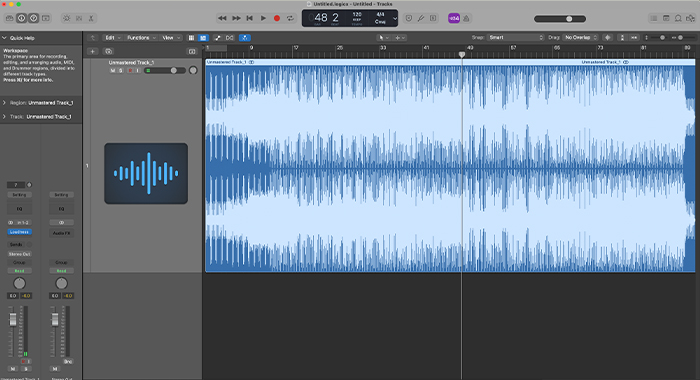
A DAW is the central hub for your mastering process. Choose a reliable DAW like Pro Tools or Logic Pro for seamless editing and processing.

Monitoring And Playback Systems

Quality monitoring is vital in mastering to ensure accurate sound reproduction. Invest in studio monitors such as KRK Rokit or Yamaha HS Series for a clear, unbiased listening experience.

Key Techniques And Tips

Mastering audio is a crucial step in the music production process, ensuring that the final mix sounds polished and professional. For beginners, understanding the key techniques and tips in mastering is essential to achieve a high-quality sound. In this guide, we will explore important techniques such as Equalization (EQ), Compression, and Limiting to help you grasp the fundamentals of audio mastering.

Equalization (eq)

Equalization (EQ) is a vital tool in audio mastering that allows you to adjust the frequency balance of a mix. When using EQ, it’s important to:

  • Identify and cut frequencies that muddy the mix.
  • Enhance clarity by boosting the presence of key instruments or vocals.
  • Avoid excessive boosting or cutting to maintain a natural sound.

Compression And Limiting

Compression and Limiting are key techniques to control the dynamic range of audio, ensuring a consistent and balanced sound. Here are some tips for using compression and limiting effectively:

  1. Utilize compression to smooth out peaks and make the mix more uniform.
  2. Set appropriate attack and release times to preserve the natural transients of the audio.
  3. Apply limiting to prevent clipping and ensure the audio doesn’t exceed a certain level.
Crack the Code of Audio Mastering For Beginners: Expert Tips & Tricks


Credit: www.thinkific.com


The Art Of Fine-tuning

In the art of audio mastering, fine-tuning is a crucial step that can make all the difference in achieving a high-quality sound. It involves skillfully refining the audio tracks to enhance their clarity, depth, and overall impact. The process of fine-tuning involves various techniques, and in this article, we will explore two important aspects: stereo enhancement and balancing and adjusting levels.

Stereo Enhancement

The stereo image of a track plays a significant role in creating an immersive listening experience. By widening the stereo field, you can make the music sound more spacious and captivating. One effective technique for stereo enhancement is the use of panning.

By strategically placing different instruments and elements within the stereo spectrum, you can create a sense of depth and dimension. For example, you may pan a guitar riff to the left, while a keyboard melody is panned to the right. This separation allows each element to occupy its own space and contribute to a well-balanced mix.

Another technique to enhance the stereo image is the application of stereo widening effects. These effects subtly expand the soundstage and can make the mix feel more expansive. However, it’s important to use these effects judiciously to prevent the mix from becoming unnaturally wide and losing its cohesiveness.

Balancing And Adjusting Levels

Proper balance and level adjustment are vital in audio mastering to ensure that each element in the mix is heard clearly and that no single element dominates the entire sound. Balancing involves setting the relative volume levels of different tracks and instruments, while level adjustment focuses on refining the individual levels within each track.

A helpful tool for achieving balance is EQ (Equalization). By using EQ, you can emphasize or de-emphasize certain frequencies to bring out specific parts of the mix. For example, boosting the bass frequencies can add warmth and depth to the overall sound, while reducing the high frequencies can mitigate harshness and sibilance.

Additionally, compressors and limiters can be employed to control the dynamic range of the mix. These tools help ensure that no parts of the track are too loud or too soft, resulting in a more consistent and controlled sound. They can also provide a sense of cohesiveness and prevent individual elements from overpowering others. By carefully adjusting the settings of these tools, you can level out any irregularities and create a polished and professional sound.

With an understanding of stereo enhancement and balancing and adjusting levels, you are now equipped with essential techniques for fine-tuning your audio mastering. Implementing these practices can bring your tracks to life, elevating them to a higher standard of quality and captivating your listeners.

Mastering For Different Platforms

When it comes to audio mastering, one important aspect to consider is tailoring your final mix for different platforms. Each platform has its own audio specifications and requirements, and it’s crucial to optimize your audio to ensure your listeners get the best experience possible.

Streaming Services

In today’s digital age, streaming services have become the go-to platform for music consumption. Platforms like Spotify, Apple Music, and Amazon Music have their own unique audio guidelines, which you must follow to make your music sound great on these platforms. Here are a few key points to keep in mind:

  • Ensure your audio is loud enough to compete with other songs, but not overly compressed, as streaming services apply their own loudness normalization algorithms.
  • Pay attention to the streaming services’ recommended audio file formats, such as FLAC or WAV, and sample rates, typically 44.1kHz or 48kHz.
  • Make sure to check the streaming services’ loudness target levels to achieve the best playback experience across different devices and platforms.
  • Consider providing alternate versions like instrumental or acapella to increase your chances of getting featured on playlists or gaining more exposure.

Cd And Vinyl

While streaming services dominate the music industry, physical formats like CDs and vinyl records still hold a special place in the hearts of many music enthusiasts. Mastering for these formats requires a different approach to ensure optimal playback quality. Here are a few points to consider:

  • When mastering for CDs, make sure to follow the Red Book standard, which specifies audio file formats, sample rates (typically 44.1kHz), and bit depths (usually 16-bit).
  • Take into account the limitations of vinyl records, such as the dynamic range and frequency response. Vinyl mastering involves optimizing the audio for the physical medium and adjusting the overall tonal balance to compensate for the inherent limitations of vinyl playback.
  • Consider creating separate master versions specifically tailored for CD and vinyl, as the mastering process for each format may differ to achieve the best results.

By understanding the specific requirements and considerations for different platforms, you can ensure that your mastered audio sounds its best, no matter how it is consumed.

Crack the Code of Audio Mastering For Beginners: Expert Tips & Tricks


Credit: medium.com


Frequently Asked Questions On Audio Mastering For Beginners


What Is Audio Mastering And Why Is It Important?


Audio mastering is the final step in the music production process that ensures the songs sound polished and professional. It balances the audio levels, enhances clarity, and optimizes the track for different playback systems. Mastering is crucial as it adds richness, depth, and ensures consistency across the entire album.


How Long Does Audio Mastering Take?


The time required for audio mastering depends on multiple factors, including the number of tracks, complexity of the music, and the specific requirements. On average, mastering a single song can take anywhere from 30 minutes to a few hours. For an entire album, it usually takes a day or two to complete the process.


What Is The Difference Between Mixing And Mastering?


Mixing and mastering are two different steps in the music production process. While mixing involves adjusting individual track levels, EQ, and effects to achieve a well-balanced sound, mastering focuses on enhancing the overall audio quality. Mastering ensures the songs sound cohesive and consistent, ready for distribution on different platforms.


Conclusion


Audio mastering is an essential step in the music production process. By implementing the right techniques and tools, beginners can effectively enhance the quality and impact of their music. Understanding the fundamentals of mastering and its impact on the overall sound can greatly improve the final product.


Keep practicing and refining your skills to achieve professional-level results.


Categories
Archive

De Essing Vocals: Unlock the Power of Crisp and Clear Audio

De-essing vocals is the process of reducing harsh “s” sounds in vocal recordings using a de-esser plugin. It helps create a smoother, more balanced sound for vocals.


De-essing is an essential technique in audio production to enhance the clarity and overall quality of vocal tracks. By effectively managing sibilance, de-essing ensures that vocals sound polished and professional. We will explore the importance of de-essing vocals and provide tips on how to achieve optimal results in your music production projects.


Let’s delve deeper into the world of de-essing vocals and learn how this technique can elevate the quality of your audio recordings.


The Basics Of De Essing

De Essing is a crucial process in audio production where sibilant sounds, usually caused by the letters S, T, and Z, are reduced or removed. This technique helps in achieving a smoother and more pleasant vocal tone. Let’s delve into the fundamentals of de essing to understand its significance in producing high-quality vocals.

What Are Sibilant Sounds?

Sibilant sounds are the sharp, high-frequency noises produced by certain consonants such as S, F, X, and SH. These sounds can be harsh to the ears and can distract listeners from the overall vocal performance. De essing targets these specific frequencies to control and minimize their impact on the audio quality.

Importance Of De Essing

De Essing plays a vital role in enhancing the clarity and intelligibility of vocals. By reducing excessive sibilance, the vocal track becomes more balanced and pleasing to the listener’s ears. It helps to maintain a consistent level of brightness in the vocals without causing any harshness or fatigue. Effective de essing ensures a professional and polished sound in audio productions.

De Essing Vocals: Unlock the Power of Crisp and Clear Audio


Credit: www.amazon.com


De Essing Techniques

Frequency Band Compression

Frequency Band Compression targets specific frequency ranges of sibilance for efficient reduction.

Dynamic Equalization

Dynamic Equalization adjusts frequencies depending on input signal levels for precise de-essing.

Choosing The Right Tools

When it comes to de-essing vocals, choosing the right tools is crucial for achieving a clean and balanced sound. Whether you opt for software or hardware options, selecting the appropriate tools can significantly impact the quality of your vocal recordings. To help you make an informed decision, let’s explore the software and hardware options available for de-essing vocals.

Software Options

Software de-essers are popular among music producers and audio engineers for their flexibility and ease of use. They offer a wide range of customizable settings to effectively control sibilance in vocal recordings. Some well-known software options for de-essing vocals include:

  • Waves Renaissance DeEsser
  • FabFilter Pro-DS
  • iZotope RX 8 De-ess

Hardware Options

While software de-essers have gained popularity, hardware options continue to be favored by many professionals for their tactile control and analog warmth. Hardware de-essers are often integrated into channel strips, preamps, or outboard rack units. Some notable hardware options for de-essing vocals are:

  • dbx 520 De-Esser
  • Empirical Labs EL8 Distressor
  • SPL Transient Designer

De Essing Vocals: Unlock the Power of Crisp and Clear Audio


Credit: www.imore.com


Advanced De Essing Tips

When it comes to achieving professional-sounding vocals, de essing plays a crucial role in reducing or eliminating harsh sibilance sounds, allowing the vocals to shine through. In this section, we will explore some advanced de essing tips to take your vocal production to the next level.

Multiband Processing

Multiband processing is a powerful technique that allows you to target specific frequency bands when de essing. By splitting the vocal signal into multiple frequency ranges, you gain more control over the de essing process.

Here’s how you can use multiband processing for de essing:

  1. Identify the problem frequency range: Listen closely to your vocal track and determine the frequency range where the sibilance is most pronounced.
  2. Apply a multiband compressor: Use a multiband compressor or dynamic EQ to isolate the problematic frequency range and compress only those frequencies when they exceed a certain threshold. This helps to reduce sibilance without affecting the overall vocal tone.
  3. Tweak the settings: Experiment with the threshold, ratio, attack, and release settings of the multiband processor to find the right balance between reducing sibilance and preserving the natural vocal sound.

Sidechain Filtering

Sidechain filtering is another valuable technique to address sibilance issues in vocals. This method involves using a sidechain signal to control the amount of frequency reduction applied to the vocal track.

Follow these steps to apply sidechain filtering for de essing:

  1. Set up a sidechain signal: Create a separate track or utilize an existing instrument or sound with a similar frequency range that will act as the sidechain signal.
  2. Insert a dynamic EQ or de esser on the vocal track: Route the sidechain signal to the dynamic EQ or de esser’s sidechain input.
  3. Configure the processor: Set the dynamic EQ or de esser to reduce the problematic frequencies whenever the sidechain signal exceeds a certain threshold. This way, the vocal’s sibilant frequencies will be dynamically reduced based on the presence of the sidechain signal.

By using sidechain filtering, you can precisely control the reduction of sibilance in vocals while maintaining the natural timbre and transparency of the overall mix.

Mastering De Essing

De-essing is an essential technique in audio production that focuses on reducing or eliminating harsh sibilant sounds, particularly on vocal tracks. These sibilant sounds, commonly caused by the letters S, T, and Z, can be distracting and take away from an otherwise pristine vocal performance. Mastering the art of de-essing is crucial for achieving a balanced and professional sounding mix.

Balancing Effectiveness And Transparency

When de-essing vocals, it is crucial to strike a balance between effectiveness and transparency. The goal is to reduce the sibilance without compromising the natural timbre and clarity of the singer’s voice. Too much de-essing can make the vocals sound unnatural, thin, or even distorted, while too little de-essing can leave those harsh frequencies untouched and still noticeable.

Here are some tips for finding the right balance:

  1. Start by using a de-esser plugin with adjustable threshold and ratio settings.
  2. Listen carefully to the vocal track and identify the specific moments when the sibilance becomes distracting.
  3. Gradually lower the threshold until the de-esser starts attenuating those harsh frequencies.
  4. Keep an eye on the gain reduction meter to ensure it doesn’t exceed a moderate level.
  5. Regularly switch the de-esser on and off to compare the difference and make sure the effect is transparent.

Automating De Essing

To save time and maintain consistency, de-essing can be automated in certain sections of a vocal track. This technique allows you to apply the de-esser only when needed, minimizing the risk of over-de-essing. Here’s how you can automate the de-esser:

  1. Identify the sections of the vocal track that contain excessive sibilant sounds.
  2. Use automation tools within your digital audio workstation (DAW) to create control points.
  3. Gradually adjust the de-esser settings for each specific section to reduce the sibilance effectively.
  4. Smooth out any noticeable transitions between automated and non-automated sections.
  5. Regularly listen and make necessary adjustments to ensure consistency throughout the track.

By mastering the art of de-essing and striking the right balance between effectiveness and transparency, your vocal tracks will sound professional, polished, and free from distracting sibilance. Whether you manually adjust the settings or automate the process, the goal is to preserve the natural beauty of the vocals while eliminating any harshness that may detract from the overall listening experience.

De Essing Vocals: Unlock the Power of Crisp and Clear Audio


Credit: www.amazon.com


Frequently Asked Questions On De Essing Vocals


How Can I Reduce Sibilance In Vocal Recordings?


To reduce sibilance in vocal recordings, you can use a de-esser plugin or EQ to specifically target and tame the harsh “s” sounds. Adjust the frequency range of the de-esser and set the intensity to reduce the sibilance without affecting the overall vocal quality.


Why Do Vocals Sound Harsh?


Vocals can sound harsh due to excessive sibilance, which is the exaggerated “s” sound. This can be caused by microphone placement, recording techniques, or the natural characteristics of the singer’s voice. Controlling sibilance during the mixing process helps in achieving a smooth, balanced vocal sound.


What Is A De-esser And How Does It Work?


A de-esser is a specialized audio processor used to reduce excessive sibilance in vocal tracks. It works by detecting the frequencies where sibilance occurs and then attenuating those frequencies. De-essers use various techniques like frequency-dependent compression or dynamic equalization to tame harsh “s” and “shh” sounds in vocals.


Conclusion


De-essing vocals is a crucial tool for enhancing the overall quality of audio productions. By minimizing sibilance, the clarity and intelligibility of vocals are greatly improved. Incorporating de-essing techniques into your workflow can elevate the professionalism and appeal of your music or voice recordings.


Embracing these methods will undoubtedly contribute to a more polished and captivating result.


Categories
Archive

Discover the Untapped Revenue Potential: Musicians, Are You Leaving Money on the Table?

Are musicians missing out on potential earnings? Learn how to maximize your income opportunities.


In today’s music industry landscape, earning a living as a musician is not just about creating great music but also knowing how to monetize your talent effectively. Many musicians are unaware of the various income streams available to them, leaving them with untapped potential for financial success.


By understanding the different ways to make money as a musician, you can ensure that you are not leaving any valuable opportunities on the table. We will explore the common income sources for musicians and provide tips on how to capitalize on them to maximize your earnings.


The Changing Music Industry Landscape


The music industry is evolving rapidly, leaving many musicians unaware of potential revenue streams. With the shift towards digital platforms, understanding rights and royalties is crucial for artists to maximize their earnings. It’s important for musicians to stay informed and explore new avenues to ensure they’re not missing out on potential income.

Streaming Services Revolution

The rise of streaming services has drastically changed the way musicians distribute their music.

Artists now have the opportunity to reach a global audience with just a few clicks.

Impact Of Digital Transformation

Digital transformation has shifted the focus from physical album sales to online streaming platforms.

Musicians must adapt to this new landscape to maximize their revenue streams.

Discover the Untapped Revenue Potential: Musicians, Are You Leaving Money on the Table?


Credit: www.modern-musician.com


Diversifying Revenue Streams

Musicians have various opportunities to diversify revenue streams beyond music sales. By exploring different avenues to earn money, artists can maximize their income potential and reach new audiences.

Live Performances And Merchandise

Live performances are a lucrative revenue stream for musicians. Concerts, music festivals, and gigs allow artists to connect with fans and earn income through ticket sales and merchandise. Selling branded merchandise like t-shirts, hats, and posters can also generate additional revenue.

Licensing And Sync Opportunities

Licensing music for commercials, TV shows, movies, and video games can provide musicians with passive income. Sync opportunities, where music is paired with visual media, are valuable for exposure and financial gain for the artist.

Maximizing Online Presence

Maximizing online presence is crucial for musicians to ensure they are not leaving money on the table. In today’s digital age, having a strong online presence can significantly impact a musician’s career and revenue stream. Through effective social media strategies and the use of e-commerce platforms, musicians can maximize their online presence to reach a wider audience and capitalize on new revenue streams.

Social Media Strategies

Utilizing social media platforms effectively can be a game-changer for musicians seeking to expand their reach and engage with fans. Engaging posts that include visually appealing content, such as photos, videos, and behind-the-scenes glimpses, can capture the attention of followers. Consistent updates keep fans informed and excited about upcoming releases and events. Interaction with followers through comments and direct messages can build a loyal and dedicated fan base.

Effective E-commerce Platforms

Setting up an effective e-commerce platform allows musicians to capitalize on their online presence by offering merchandise, music, and exclusive experiences for their fans. User-friendly interfaces and secure payment gateways are essential for a seamless shopping experience. Personalized offerings such as limited edition merchandise or exclusive access to live streams can entice fans to make purchases and support their favorite artists.

Navigating The World Of Royalties

Are you a musician looking to maximize your earnings? When it comes to making money in the music industry, it’s essential to navigate the world of royalties effectively. Understanding the various types of royalties and optimizing their collection can help you ensure that you are not leaving any money on the table. Let’s delve into the details and explore how you can make the most out of your royalty earnings.

Understanding Different Types Of Royalties

One crucial type of royalty is the performance royalty. Performance royalties are generated whenever your music is played on the radio, at live performances, on streaming platforms, or even in TV shows and movies. These royalties are collected by performance rights organizations (PROs) like ASCAP, BMI, and SESAC. Remember, the more your music is played, the higher your performance royalties will be.

Another important type of royalty is the mechanical royalty. Mechanical royalties are generated from the sale or reproduction of your music. These royalties are typically collected by agencies such as the Harry Fox Agency in the United States. It’s crucial to understand that mechanical royalties are separate from your earnings from live performances or digital streaming.

Optimizing Royalty Collection

The first step towards optimizing your royalty collection is ensuring that all your works are properly registered. Whether it’s with a PRO, a mechanical rights agency, or a digital distribution platform, registering your music helps you establish your ownership rights and enables these organizations to track and collect your royalties accurately.

If you find navigating the world of royalties overwhelming, consider collaborating with experts. Music publishing companies or royalty management services can assist you in maximizing your earnings. These professionals have the necessary experience and expertise to handle complex licensing agreements, monitor royalty distributions, and ensure that you receive your fair share of earnings.

Monitoring your royalty streams is essential to optimize your earnings. Keeping track of where your music is being played, streamed, or sold enables you to identify any discrepancies or missed royalties. Utilize analytics and reporting tools provided by platforms like Spotify for Artists and YouTube Analytics to gain insights into your audience and track your revenue streams accurately.

Regular auditing of your royalty earnings and statements is critical to ensure that you are receiving your entitled amount. By reviewing your statements, cross-referencing with your own records, and seeking clarification when necessary, you can identify any errors or discrepancies that may have occurred during the royalty collection process.

Collaborating with other musicians is not only a creative opportunity but can also open doors to additional royalty income. By co-writing songs or featuring on other artists’ tracks, you can tap into their fan bases and generate more revenue through shared royalty earnings. Remember, collaboration is a powerful tool for expanding your reach and maximizing your earning potential.

To maximize your earnings as a musician, understanding the different types of royalties and optimizing their collection is crucial. By registering your works, collaborating with experts, monitoring your royalty streams, and regularly auditing your earnings, you can ensure that you are leaving no money on the table. So, take control of your royalties and make the most out of your musical talent!

Building Sustainable Financial Planning


Discover the crucial strategy of sustainable financial planning for musicians to maximize earnings and avoid missed opportunities. Unlock hidden revenue streams and secure financial stability through strategic money management practices.

Budgeting And Financial Management

When it comes to building sustainable financial planning as a musician, budgeting and financial management play a crucial role in maximizing your earnings and ensuring long-term stability. By carefully planning and managing your finances, you can avoid leaving money on the table and make the most out of your income.

One of the key aspects in budgeting is creating a detailed plan of your expenses and income. This involves breaking down all your sources of revenue, such as album sales, streaming royalties, merchandising, and live performances, and comparing them against your expenses, including production costs, marketing expenses, and everyday living costs.

By closely monitoring your income and expenses, you can identify areas where you might be overspending or failing to allocate enough resources. This awareness allows you to make informed decisions and find ways to optimize your finances. For example, you might discover that investing more in digital marketing campaigns yields a higher return on investment, resulting in increased album sales or higher ticket sales for your shows.

Keeping track of your finances through budgeting also enables you to respond to unexpected financial challenges. It provides you with a safety net for emergencies or periods of low income. By setting aside a portion of your earnings for savings and creating an emergency fund, you ensure that you have the financial resilience to weather any storm that might come your way.

Investment In Long-term Assets

Another important aspect of building sustainable financial planning as a musician is considering the investment in long-term assets. While it may be tempting to spend your earnings on luxurious purchases or short-term pleasures, taking a long-term view and investing in assets can greatly enhance your financial position.

Investing in long-term assets can take various forms, such as purchasing real estate, acquiring shares in companies related to the music industry, or even starting your own business. These investments can provide you with additional sources of revenue and assets that grow in value over time.

For example, owning a property that you can rent out or use as a studio can generate rental income and potentially appreciate in value, creating long-term wealth. Similarly, investing in shares of music streaming platforms or record labels can allow you to benefit from their growth and success, serving as passive income streams.

Of course, it is important to conduct thorough research and seek professional advice before making any investments. Consider the potential risks, returns, and your own financial goals to make informed decisions that align with your long-term vision.

Discover the Untapped Revenue Potential: Musicians, Are You Leaving Money on the Table?


Credit: www.powerreviews.com


Discover the Untapped Revenue Potential: Musicians, Are You Leaving Money on the Table?


Credit: lsvp.com


Frequently Asked Questions Of Musicians Are You Leaving Money On The Table


How Can Musicians Maximize Their Earnings From Their Music?


Musicians can maximize their earnings by diversifying their revenue streams. They can focus on licensing their music for commercials, movies, and TV shows, as well as performing at live events and selling merchandise. Additionally, they should leverage digital platforms to distribute and monetize their music globally.


What Are Some Overlooked Ways Musicians Can Make Money?


Musicians often overlook the potential earnings from sync licensing, where their music is used in advertisements, films, or video games. Another overlooked way is through brand partnerships, where musicians can endorse products and earn royalties. Additionally, creating and selling online courses and providing music production services can generate extra income.


How Can Musicians Increase Their Fan Base And Monetize It?


Musicians can increase their fan base by engaging with their audience through social media, live streaming performances, and collaborating with other artists. They can also offer exclusive content or merchandise to their loyal fans. To monetize their fan base, musicians can offer premium memberships, crowdfunding campaigns, and encourage direct support through platforms like Patreon.


Conclusion


Musicians can enhance their earnings by leveraging multiple revenue streams. Diversifying income sources through merchandising, live performances, and digital platforms is vital. Furthermore, collaborating with brands and creating exclusive content can yield lucrative opportunities. Therefore, adapting to the evolving landscape of the music industry is crucial for financial success.


Categories
Archive

How to Make a Song Louder in Logic Pro X: Boost Your Track’s Volume

To make a song louder in Logic Pro X, use the Gain or Output Level controls on the desired track. Need to enhance the overall volume of your music in Logic Pro X?


Making your song louder can give it that extra punch and impact needed to stand out. By adjusting the Gain or Output Level controls on the track you want to boost, you can achieve a louder sound without compromising the quality of your mix.


In this guide, we’ll explore the steps to effectively increase the volume of your song in Logic Pro X while maintaining a balanced and professional sound. Whether you’re a beginner or a seasoned producer, these techniques will help you elevate the loudness of your music and make it shine.


Credit: whylogicprorules.com


Selecting The Right Tracks

In the process of making a song louder in Logic Pro X, selecting the right tracks is crucial to achieving the desired sound quality and balance. By choosing the main elements and identifying the key components, you can ensure that each track contributes effectively to the overall volume and impact of the song.

Choosing The Main Elements

  • Start by determining the primary elements of your song such as vocals, drums, bass, and melody.
  • Consider the role of each track in the composition and prioritize the essential elements that should stand out.
  • Ensure that the main elements are well balanced and distinct to create a powerful and coherent sound.

Identifying The Key Components

  1. Inspect each track to identify the key components that contribute to the overall dynamics and intensity of the song.
  2. Focus on elements like transients, harmonics, and frequencies that play a significant role in defining the sound quality.
  3. Adjust the levels and effects of each component to enhance the clarity and impact of the song while maintaining a cohesive mix.
How to Make a Song Louder in Logic Pro X: Boost Your Track's Volume


Credit: crumplepop.com


Utilizing Compression

Understanding The Basics Of Compression

Compression reduces the dynamic range of audio signals.

Applying Compression Effectively

Adjust threshold and ratio settings to control compression intensity.

  1. Threshold: Sets the level at which compression begins.
  2. Ratio: Determines how much the audio is compressed.

Utilize attack and release controls for precise timing of compression.

  • Attack: Adjusts how quickly compression engages.
  • Release: Controls how long compression continues after peak reduction.

Experiment with knee settings for smooth transitions into compression.


Maximizing Eq Techniques

Maximizing EQ techniques in Logic Pro X can greatly enhance the overall volume and impact of your song. By effectively balancing frequencies and using EQ for volume enhancement, you can achieve a louder and more powerful sound without sacrificing clarity or balance.

Balancing Frequencies

When working with EQ in Logic Pro X, it’s crucial to balance the frequencies within your mix. Identify frequency ranges where certain elements of the mix may be competing with each other. By adjusting the levels of these frequencies, you can create a more balanced and spacious mix, ultimately leading to a louder and clearer sound.

Utilizing Eq For Volume Enhancement

EQ can be a powerful tool for increasing the perceived volume of a specific element within a mix. By applying strategic EQ boosts to the fundamental frequencies of instruments and vocals, you can achieve a more pronounced and impactful sound without simply raising the volume fader. This allows for a more controlled and focused approach to increasing the overall loudness of your mix.

How to Make a Song Louder in Logic Pro X: Boost Your Track's Volume


Credit: m.youtube.com


Exploring Limiting And Clipping

When it comes to producing music using Logic Pro X, one of the essential skills is understanding how to make your songs louder. Two techniques that can help you achieve this are limiting and clipping. These methods allow you to control the overall volume and make your tracks stand out in the mix. In this article, we will explore the utilization of limiters for peak control and the use of clipping in Logic Pro X.

Utilizing Limiters For Peak Control

If you want to ensure that your song’s volume remains consistent without any sudden peaks, employing a limiter is the way to go. This powerful tool helps you maintain control over the highest points in the audio signal—the peaks—by setting a threshold beyond which the volume cannot exceed.

By utilizing a limiter, you can prevent distortion and clipping from occurring when the signal surpasses the threshold. A well-configured limiter will gently reduce the volume of the peaks, allowing you to achieve a louder and more polished sound. To use a limiter effectively in Logic Pro X:

  1. Open your mixer window and locate the channel strip of the track you want to make louder.
  2. Insert a limiter plugin onto the track.
  3. Adjust the threshold setting just below the highest point of the audio signal.
  4. Gradually increase the output gain to boost the overall loudness.

Understanding The Use Of Clipping

While limiting focuses on controlling peaks, clipping gives you the ability to intentionally introduce distortion into your audio signal. This technique can add excitement and character to your tracks, particularly in genres like rock, EDM, and hip-hop.

Clipping occurs when the peak levels of the audio signal exceed the maximum available headroom. This results in a “clipped” waveform that can sound edgy and energetic. However, it’s important to use clipping sparingly and with the utmost care.

To utilize clipping in Logic Pro X:

  1. Insert a distortion plugin or use the built-in Clip Distortion effect.
  2. Adjust the input gain or drive control to push the signal into clipping territory.
  3. Tweak the output gain to achieve the desired loudness.
  4. Experiment with different clipping settings and levels to find the right balance between distortion and clarity.

By mastering the utilization of limiters for peak control and exploring the use of clipping, you can take your songs to the next level of loudness in Logic Pro X. Remember to always trust your ears and make adjustments based on the unique characteristics of each track.

Applying Volume Automation

The process of applying volume automation in Logic Pro X is crucial for making your song louder and creating dynamic volume changes. By utilizing automation, you can ensure consistent levels throughout your track, resulting in a polished and professional sound.

Creating Dynamic Volume Changes

To make your song louder, it’s essential to create dynamic volume changes that add depth and intensity to certain parts of your track. With Logic Pro X, you can easily achieve this by using volume automation. Here’s how:

  1. Select the track you want to apply volume automation to by clicking on it.
  2. In the track header, click on the “Automation” button to reveal the automation lane.
  3. Click on the drop-down menu within the automation lane and choose “Volume”.
  4. Use the pencil tool to add points to the automation line where you want volume changes to occur.
  5. Drag the points up or down to increase or decrease the volume level.
  6. For a gradual volume change, create a slope by dragging points in a diagonal line.
  7. Repeat this process for different sections of your song to create dynamic volume changes.

Utilizing Automation For Consistent Levels

In addition to creating dynamic volume changes, automation can also be used to ensure consistent levels in your track. This prevents certain elements from being too loud or too quiet and helps maintain balance throughout the song. Here’s how to utilize automation for consistent levels:

  • Go to the section of the track where you want to set the consistent level.
  • Add a point to the automation line at this location.
  • Drag the point up or down to set the desired volume level.
  • Repeat this process for other sections of the song as needed.

By applying volume automation in Logic Pro X, you can make your song louder and achieve a professional sound. Creating dynamic volume changes adds depth and intensity, while utilizing automation for consistent levels ensures a balanced mix. Experiment with these techniques to enhance your music production and make your tracks stand out.

Frequently Asked Questions On How To Make A Song Louder In Logic Pro X


Q: How Can I Make A Song Louder In Logic Pro X?


A: To make a song louder in Logic Pro X, use the Gain plugin to increase the overall volume. You can also use compression to control the dynamic range and maximize the loudness. Additionally, try using EQ to enhance specific frequencies and make the song sound more balanced and impactful.


Q: What Is The Role Of Mastering In Making A Song Louder?


A: Mastering plays a crucial role in making a song louder. It involves applying various techniques like compression, limiting, and equalization to enhance the overall sound and increase the perceived loudness. Mastering gives your song the final polish and ensures that it sounds great across different playback systems.


Q: Can I Make A Song Louder Without Sacrificing Its Quality?


A: Yes, it is possible to make a song louder without sacrificing its quality. By using proper gain staging, dynamic range control, and careful equalization, you can increase the loudness while maintaining the integrity of the original mix. It’s important to strike a balance between loudness and the overall sound quality.


Q: What Are Some Common Mistakes To Avoid When Making A Song Louder In Logic Pro X?


A: When making a song louder in Logic Pro X, avoid overcompressing or clipping the audio, as this can introduce distortion and reduce the dynamic range. Also, be cautious of excessive equalization, as it can create an unnatural and harsh sound.


Always listen critically and make adjustments in moderation to ensure a balanced and professional result.


Conclusion


Incorporating these tips will help you significantly increase the loudness of your songs in Logic Pro X. Remember to use compression, EQ, and limiting to enhance the overall sound without sacrificing quality. Experiment with the different techniques and find the right balance for your tracks.


Keep practicing and refining your skills, and you’ll soon master the art of making your songs louder in Logic Pro X.

Categories
Archive

Master the Art of Networking: Weaving a Web of Relationships for Musicians

Build a strong network by engaging with other musicians and industry professionals. Networking is crucial in advancing your music career and opening up opportunities for collaboration and growth.


Engaging with your peers, attending events, and utilizing social media platforms can help you weave a web of valuable relationships that can benefit your career in the long run. By fostering meaningful connections with like-minded individuals, you can expand your reach, gain valuable insights, and create a supportive community that can propel your music career forward.


In the competitive music industry, establishing a strong network can be the key to unlocking new opportunities and achieving success.

Master the Art of Networking: Weaving a Web of Relationships for Musicians


Credit: www.ableton.com


Building Connections In The Music Industry

Creating a strong network is vital for musicians seeking success in the competitive music industry. Connecting with industry professionals can open doors to new opportunities and collaborations.

Navigating Networking Events

  • Attend industry conferences to meet like-minded individuals.
  • Prepare an elevator pitch to introduce yourself concisely.
  • Exchange contact information for future follow-ups.

Leveraging Social Media

  1. Utilize platforms like Instagram and Twitter to showcase your work.
  2. Engage with industry influencers through comments and shares.
  3. Share your upcoming projects and connect with fans.
Master the Art of Networking: Weaving a Web of Relationships for Musicians


Credit: blog.hubspot.com


Crafting A Memorable Elevator Pitch

An elevator pitch is a concise and compelling introduction that showcases who you are as a musician in a limited timeframe. Whether you’re at a music event, industry conference, or even just meeting someone new, a well-crafted elevator pitch can leave a lasting impression. Here are some essential tips on how to create a memorable elevator pitch that will help you effectively network and build valuable connections.

Identifying Your Unique Selling Points

  • Highlight your unique music style and genre.
  • Showcase your notable achievements or performances.
  • Emphasize your passion for music and what sets you apart.

Tailoring Your Pitch For Different Audiences

  1. Understand the interests and preferences of the person you are pitching to.
  2. Adapt your pitch to reflect their needs or potential collaborations.
  3. Keep it concise and engaging to maintain their interest.

Nurturing And Maintaining Relationships

Building and nurturing relationships is a crucial aspect of success as a musician. The music industry thrives on connections and trust, so it’s essential to focus on nurturing and maintaining these relationships once you’ve made them. Let’s explore some effective strategies to ensure that your connections stay strong and continue to benefit both you and your fellow musicians.

Following Up After Initial Meetings

After the initial contact with a fellow musician or industry professional, following up is key. Send a personalized email expressing your gratitude for the meeting and reiterating any points of discussion you found particularly compelling. Keep the conversation going by suggesting a follow-up meeting or collaboration opportunity. Show genuine interest in their work and express your willingness to contribute to the relationship.

Contributing To The Music Community

Contributing to the music community not only enhances your visibility but also strengthens your relationships. Attend industry events and networking functions to stay in touch with peers and establish new connections. Offering your support and expertise to fellow musicians can lead to reciprocal interactions that benefit all parties. Engage in collaborations within your community, whether it’s through joint performances, workshops, or social media shoutouts.

Utilizing Networking For Career Advancement

As a musician, building a strong network of industry connections is essential for career advancement. By actively engaging in networking opportunities, you can create a web of relationships that can open doors to mentorship, collaborations, and various business opportunities. In this post, we’ll delve deeper into how you can maximize the potential of networking to take your music career to new heights.

Seeking Mentorship And Collaborations

One of the key benefits of networking in the music industry is the opportunity to seek mentorship and collaborations. Connecting with experienced professionals and fellow musicians can provide you with invaluable guidance, knowledge, and support. To make the most of these relationships, follow these tips:

  • Attend music conferences and events where you can meet industry veterans and potential mentors.
  • Reach out to musicians whose work you admire and express your interest in collaborating. Remember to provide examples of your own work.
  • Consider joining online communities and forums dedicated to musicians, where you can connect with like-minded individuals and share ideas.
  • Stay active on social media platforms, engaging with other musicians and industry influencers by commenting on their posts and sharing relevant content.

Exploring Business Opportunities

Networking can also open doors to various business opportunities that can accelerate your music career. Here’s how you can leverage your network to explore these opportunities:

  1. Get to know music industry professionals such as talent managers, booking agents, and music producers, who can help you advance in your career.
  2. Consider joining organizations or associations focused on music business, as they often provide networking events and resources.
  3. Attend trade shows and music industry exhibitions, where you can showcase your talents and connect with potential collaborators or investors.
  4. Collaborate with local businesses, such as venues and music retailers, to increase your exposure and create mutually beneficial partnerships.

Remember, networking is not just about making contacts – it’s about nurturing relationships. Take the time to build genuine connections, support others in their endeavors, and offer value whenever possible. By weaving your web of relationships strategically, you can create a strong foundation for your music career to thrive.

Overcoming Networking Challenges


For musicians, building a strong network can be challenging. By prioritizing authentic connections and engaging with fellow artists, talents, and industry professionals, one can effectively expand their web of relationships. Remember to focus on quality over quantity and to remain consistent in your networking efforts.

Dealing With Rejection

Rejection is an inevitable part of the networking journey for musicians, but it doesn’t have to dampen your spirits or hold you back. Instead, embrace rejection as an opportunity for growth and learning. Remember, even the most successful musicians have faced rejection at some point in their careers before achieving their breakthroughs.

Here are some ways to deal with rejection:

  1. Reframe your mindset: Instead of viewing rejection as a personal failure, see it as a chance to refine your skills and approach. Keep pushing forward and learn from each experience.
  2. Seek constructive feedback: Request feedback from those who rejected you. Their insights can provide valuable guidance for improvement and help you understand their expectations better.
  3. Stay persistent: Use rejection as a motivational tool to fuel your determination. Keep refining your craft, networking, and seeking opportunities. Don’t let rejection discourage you from pursuing your passion.

Building Confidence And Authentic Connections

Building confidence is crucial for networking success in the music industry. When you radiate confidence, others are naturally drawn to you and your music. Here’s how to build confidence and foster authentic connections:

  1. Showcase your strengths: Focus on what makes you unique as a musician and highlight those qualities when networking. Embrace your individuality and use it as a powerful tool to connect with like-minded individuals.
  2. Step out of your comfort zone: Expand your network by attending events, joining music communities, and collaborating with other musicians. Engaging in new experiences builds your confidence and exposes you to potential connections and opportunities.
  3. Be genuine: Authenticity is key in building lasting connections. Be yourself and let your true personality shine through when interacting with fellow musicians, industry professionals, and fans. People are more likely to gravitate towards genuine individuals.
  4. Be an active listener: When networking, listen attentively to others and show genuine interest in their stories and music. This fosters stronger connections and encourages reciprocity, which can lead to valuable collaborations or referrals.

Master the Art of Networking: Weaving a Web of Relationships for Musicians


Credit: hbr.org


Frequently Asked Questions On Networking Tips For Musicians Weaving Your Web Of Relationships


What Are The Benefits Of Networking For Musicians?


Networking can open doors to new collaboration opportunities, increase your visibility in the industry, and help you gain valuable insights and knowledge from other musicians. It can also lead to gigs, referrals, and potential partnerships that can boost your career.


How Can Musicians Effectively Network In The Digital Age?


In the digital age, musicians can utilize social media platforms, online communities, and music networking websites to connect with other artists, industry professionals, and fans. It’s important to actively engage with others, share your work, and participate in online discussions to build meaningful connections.


What Are Some Networking Mistakes Musicians Should Avoid?


Musicians should avoid being overly pushy or self-centered when networking. It’s important to approach networking with a genuine interest in others and their work. Additionally, avoid spamming or bombarding people with unsolicited requests or demos. Building relationships takes time and effort, so patience is key.


How Can Musicians Make The Most Out Of Networking Events?


When attending networking events, musicians should come prepared with business cards, a reliable elevator pitch, and an open mindset. Be approachable, listen actively, and show genuine interest in others. Following up with new connections after the event is crucial to reinforce the relationship and possibly collaborate further.


Conclusion


In closing, building a strong network of connections is essential for musicians to succeed in the industry. By implementing the networking tips discussed, musicians can effectively weave a web of relationships that will open doors to new opportunities. From attending events to leveraging social media, the power of networking cannot be overstated in the music world.


Keep building those connections and let your music reach new heights!


Categories
Archive

Laptop Vs Desktop For Music: Unleash your Musical Potential!

Laptops offer portability and flexibility for music production, while desktops provide better performance and customization options. When choosing between the two for music production, consider your mobility needs and the level of processing power required.


For many music producers, having the convenience of working on the go with a laptop is essential, allowing them to create music anywhere. On the other hand, desktops typically offer more power and storage options, making them ideal for heavy-duty music production tasks.


Both options have their pros and cons, so it’s essential to evaluate your specific requirements and preferences. We will explore the differences between laptops and desktops for music production to help you make an informed decision.

Laptop Vs Desktop For Music: Unleash your Musical Potential!


Credit: koalaaudio.com.au


Portability And Space

Laptops and desktops cater to different needs in music creation – let’s explore how they differ.

Music Creation On-the-go

Laptops offer music creation flexibility, allowing artists to work from anywhere.

Space Efficiency

Desktops excel in processing power and storage, sacrificing space efficiency compared to laptops.

Performance And Power

Laptops and desktops differ in their performance and power, especially when it comes to music production. Let’s explore how each device impacts processing power and audio quality for music enthusiasts.

Processing Power

Laptops offer portability but may compromise on processing power compared to desktops, hindering real-time editing and rendering for music production.

Audio Quality

Desktops typically provide better audio quality due to their larger size and ability to accommodate high-end sound cards, enhancing the overall music production experience.


Flexibility And Customization

When it comes to creating music, the choice between a laptop and a desktop can greatly impact your workflow and overall experience. One of the key factors to consider is the flexibility and customization options each device provides for musicians and music producers.

Upgrade Options

Laptops offer limited upgrade options compared to desktops. With a desktop, it’s easier to upgrade components such as the processor, graphics card, and storage, allowing for better performance and future-proofing. On the other hand, laptops often have limited upgradeability, mainly limited to RAM and storage.

Connectivity And Peripherals

Whichever option you choose, connectivity and peripheral options play a crucial role in the music production process. Desktops generally offer more ports and expansion slots, accommodating a wide range of audio interfaces, MIDI controllers, and other external devices essential for music production. Laptops, although more compact, may require additional port expansion hubs for the same level of connectivity.

Laptop Vs Desktop For Music: Unleash your Musical Potential!


Credit: www.sweetwater.com


Ergonomics And Comfort


Enhance your music production experience by understanding the ergonomic benefits of using a laptop or desktop. Consider the comfort and convenience each option offers in terms of posture, screen positioning, and keyboard accessibility. Tailoring your setup to prioritize comfort can positively impact your productivity and creativity.

Ideal Setups

Posture And Well-being

When it comes to music production, having an ergonomic and comfortable workstation is essential for long hours of creative work. Whether you choose a laptop or a desktop, your setup should prioritize your well-being and overall posture. Having the ideal setup not only enhances productivity but also reduces the risk of musculoskeletal disorders associated with prolonged computer use.

Ideal Setups

Laptop Desktop
  • Portable and space-saving
  • Flexibility for on-the-go music production
  • Allows for customizations and upgrades
  • More power for complex music production tasks
  • Convenient for live performances or collaborations
  • Easier integration with MIDI controllers and other gear
  • Offers a larger screen size for better visibility
  • Potential for dual monitor setup

Regardless of your choice, there are a few key factors to consider when it comes to ergonomics and comfort:

Posture And Well-being

  1. Avoid slouching or hunching over the computer. Maintain a neutral spine position by sitting up straight.
  2. Position your screen at eye level to avoid straining your neck and eyes. Use a laptop stand or an adjustable monitor arm if necessary.
  3. Keep your keyboard and mouse at a comfortable height to prevent wrist strain. Consider using a wrist rest or an ergonomic keyboard and mouse.
  4. Invest in a well-designed chair that supports your lower back and promotes good posture. Make sure your feet are resting flat on the ground or use a footrest if needed.
  5. Take regular breaks and stretch your muscles to avoid stiffness and fatigue. Incorporate exercises specifically targeted for musicians and computer users.

By prioritizing ergonomics and comfort, you can create a workspace that not only enhances your music production experience but also takes care of your physical well-being. Remember, a healthy and comfortable workstation is an investment in your long-term productivity and creativity.

Cost And Investment

Choosing between a laptop and a desktop for music production involves considering various factors, one of the most important being cost and investment. Whether you are a professional musician or a hobbyist, understanding the financial aspects of these devices is crucial in making an informed decision.

Initial Investment

When it comes to the initial investment, desktop computers typically have an advantage over laptops. This is because desktops generally offer better performance and more powerful hardware for the same price as a laptop. With a desktop, you can get a high-performance processor, ample amount of RAM, and a spacious hard drive without breaking the bank. On the other hand, laptops often come with a higher price tag for similar specifications due to their portability and compact design.

Here are some key points to consider:

  • Desktop:
    • Lower initial investment compared to laptops.
    • Potential for higher performance and better hardware.
  • Laptop:
    • Higher initial investment due to portability and compact design.
    • Convenience of mobility for on-the-go music production.

Maintenance And Upgrades

Maintenance and upgrades are essential considerations when investing in a device for music production. Both laptops and desktops require regular maintenance to keep them running smoothly. However, it’s important to note that upgrades are generally easier and more cost-effective for desktop computers.

Here’s a breakdown of the maintenance and upgrade aspects:

  • Desktop:
    • Easier to clean and maintain due to accessible parts and larger case.
    • More flexibility in upgrading individual components such as the processor, RAM, or storage.
    • Potential for longer lifespan with regular upgrades.
  • Laptop:
    • Compact design makes cleaning and maintenance more challenging.
    • Limited upgrade options, as many laptop components are integrated or difficult to replace.
    • Generally shorter lifespan due to limited upgrade potential.

When considering maintenance and upgrades, budgeting for these costs is important to ensure your device can keep up with your music production needs in the long run.

Laptop Vs Desktop For Music: Unleash your Musical Potential!


Credit: www.amazon.com


Frequently Asked Questions For Laptop Vs Desktop For Music


Can I Produce Professional Music On A Laptop?


Yes, you can produce professional music on a laptop with the right software and hardware. Laptops now have powerful processors and sufficient memory to handle music production software and plugins. Just make sure to choose a laptop with a fast processor, ample RAM, and enough storage space.


Is A Desktop Better For Music Production?


Desktop computers are generally more powerful than laptops and offer greater customization options. If you require maximum processing power, multiple monitors, and extensive storage, a desktop may be a better choice for music production. However, laptops provide the advantage of portability and versatility.


What Are The Advantages Of Using A Laptop For Music Production?


Laptops offer the convenience of portability, allowing you to work on music projects wherever you go. They also require less physical space and provide a clutter-free workspace. Additionally, modern laptops are equipped with high-quality audio interfaces, making them suitable for professional music production.


Can Laptops Handle Resource-intensive Music Software?


Yes, modern laptops are equipped with powerful processors and ample RAM, which can handle resource-intensive music software with ease. However, it’s important to choose a laptop with sufficient processing power and RAM to ensure smooth performance when running multiple plugins and intensive virtual instruments.


Conclusion


Ultimately, both laptops and desktops have their merits in the music production world. While laptops offer flexibility and portability, desktops provide power and customization options. It really comes down to personal preferences and specific needs. Consider the features that are most important to you and make your decision based on that.

Categories
Archive

Boost Your Band Website’s SEO Performance with These Expert Tips

Optimizing your band website for SEO involves using keywords strategically and optimizing meta tags. This helps boost your site’s visibility on search engines and attract more organic traffic.


By implementing these SEO tactics effectively, you can improve your website’s ranking and reach a larger audience of potential fans and supporters. In this competitive digital landscape, having a well-optimized website is crucial for standing out and establishing a strong online presence for your band.


In this guide, we will explore some key strategies and tips for optimizing your band’s website for SEO to enhance your visibility and attract more visitors. By following these best practices, you can increase your website’s search engine ranking and ultimately grow your fan base.


Optimizing Website Content

Optimizing your band website for SEO involves fine-tuning various elements, with website content playing a pivotal role in attracting organic traffic. Crafting high-quality content and strategically incorporating relevant keywords are key strategies that can significantly impact your website’s visibility and ranking in search engine results.

Crafting High-quality Content

High-quality content engages visitors and encourages them to explore your site further. Ensure that your content is well-written, informative, and relevant to your band and target audience.

Using Relevant Keywords

Utilize relevant keywords throughout your content to enhance its visibility to search engines. Conduct keyword research to identify terms that are commonly searched for in your niche and incorporate them naturally into your text.

Improving Website Structure

Incorporate relevant keywords in the URLs to enhance visibility.

Keep URLs short, descriptive, and easy to read for users and search engines.

Ensure URLs are structured logically for better indexing by search engines.

Link relevant pages within your website to improve user navigation.

Use anchor text with targeted keywords to enhance SEO value.

Create a hierarchical linking structure to prioritize important pages.

Ensure each internal link adds value to the user experience.


Enhancing User Experience

Enhancing user experience is crucial for not only engaging visitors but also for optimizing your band website for SEO. The better the user experience, the higher the chances of visitors staying longer on your site, leading to improved search engine rankings. Here are some essential strategies for enhancing user experience on your band website.

Optimizing Site Speed

One of the key elements in providing a positive user experience is ensuring that your band website loads quickly. Visitors are more likely to navigate away from a site that takes too long to load, negatively impacting both user experience and search engine rankings. Use tools like Google PageSpeed Insights to identify and address any factors affecting your site’s speed.

Creating Mobile-friendly Design

With an increasing number of users accessing the internet via mobile devices, it’s essential to ensure that your band website is optimized for mobile. Responsive design that adapts to different screen sizes and resolutions is crucial for delivering a seamless user experience on all devices. Google’s mobile-friendly test can help you evaluate and improve your website’s mobile responsiveness.

Boost Your Band Website's SEO Performance with These Expert Tips


Credit: www.linkedin.com


Utilizing Local Seo Strategies

When it comes to optimizing your band website for SEO, it’s important to not only focus on general search engine optimization techniques but also on local SEO strategies. By leveraging the power of local SEO, you can increase your band’s online visibility to potential fans in your local area.

Claiming Google My Business Listing

One of the key steps in optimizing your band website for local SEO is to claim your Google My Business listing. Google My Business is a free tool provided by Google that allows you to manage your band’s online presence on Google, including search results and Google Maps. By claiming your listing, you can ensure that accurate and up-to-date information about your band is displayed to potential fans when they search for your band name or related keywords.

Obtaining Local Citations

Another important local SEO strategy is to obtain local citations for your band website. A local citation is any online mention of your band’s name, address, and phone number (NAP) on a website or directory. These citations help search engines determine the credibility and relevance of your band to a specific location. To obtain local citations, you can submit your band’s information to local business directories, music websites, and review platforms. It’s critical to ensure that your NAP information is consistent across all citations to avoid confusion or discrepancies.

Implementing Technical Seo

When it comes to optimizing your band website for SEO, implementing technical SEO strategies is crucial. These strategies focus on optimizing the behind-the-scenes elements of your website to improve its visibility and performance in search engine rankings. By paying attention to technical SEO, you can ensure that search engines can easily crawl, understand, and index your website, ultimately helping you reach a wider audience of music enthusiasts. In this article, we will explore two essential elements of technical SEO: optimizing meta tags and fixing crawl errors.

Optimizing Meta Tags

Meta tags are snippets of code that provide information about a webpage to search engines. Optimizing meta tags can significantly impact your website’s visibility in search results. Here are some tips to optimize your meta tags:

  • Include relevant keywords in your title tag, which appears as the clickable headline in search engine results.
  • Write compelling and concise meta descriptions that accurately summarize the content of each webpage.
  • Avoid keyword stuffing and ensure that your meta tags align with the content on the respective page.
  • Use unique meta tags for each page on your website, highlighting the specific content or purpose of each page.

Fixing Crawl Errors

Crawl errors can negatively impact your website’s visibility in search results. These errors occur when search engine bots encounter issues while crawling and indexing your site. By identifying and fixing crawl errors, you can enhance your website’s performance. Here’s how to fix crawl errors:

  1. Regularly check your website for crawl errors using tools like Google Search Console.
  2. Identify and fix broken links, as they can lead to crawl errors and a poor user experience.
  3. Ensure that important pages on your website are not blocked by robots.txt files, allowing search engines to access and index them.
  4. Optimize your website’s internal linking structure to help search engines discover and navigate your content more efficiently.
  5. Monitor your website’s sitemap and ensure that it is up to date, accurately reflecting the structure and pages of your site.
Boost Your Band Website's SEO Performance with These Expert Tips


Credit: www.hostinger.com


Boost Your Band Website's SEO Performance with These Expert Tips


Credit: kinsta.com


Frequently Asked Questions Of Optimizing Your Band Website For Seo


What Are The Benefits Of Optimizing Your Band Website For Seo?


Optimizing your band website for SEO helps increase visibility in search engines, drive more organic traffic, improve online presence, and ultimately attract more fans and potential gigs for your band.


How Can I Optimize My Band Website For Seo?


To optimize your band website for SEO, you can focus on keyword research, create high-quality and relevant content, optimize meta tags and headings, improve website speed and performance, build quality backlinks, and ensure mobile-friendliness.


Why Is Keyword Research Important For Seo Optimization?


Keyword research is important for SEO optimization because it helps you understand what search terms your target audience is using, allowing you to optimize your website content accordingly. It helps increase visibility, drive targeted traffic, and ensure that your band website ranks higher in search engine results.


What Role Does Content Play In Seo Optimization For Band Websites?


Content plays a crucial role in SEO optimization for band websites, as it provides valuable information, engages the target audience, and helps with keyword targeting. By creating high-quality and relevant content, you can improve search engine rankings, generate organic traffic, and build a strong online presence for your band.


Conclusion


Optimizing your band website for SEO is crucial for improving your online visibility and reaching a larger audience. By implementing relevant keywords, creating high-quality content, and improving website performance, you can enhance your search engine rankings and attract more visitors.


Keep refining your SEO strategy to stay ahead in the competitive music industry.

Categories
Archive

Music Business : The Ultimate Guide to Success

The music business involves managing artists, promoting music, and generating revenue from music-related activities. It is a dynamic industry that requires a strong understanding of marketing and branding to succeed.


With the rise of digital streaming platforms, artists and record labels must adapt to changing trends and technologies to maximize their impact and reach their target audience. In addition, navigating contracts, royalties, and licensing agreements is essential for protecting intellectual property and securing fair compensation.


Understanding the interconnected aspects of the music business is crucial for aspiring professionals to thrive in this competitive landscape. By developing a strategic approach and leveraging digital tools effectively, individuals can carve out a successful career in the music industry.


The Evolution Of The Music Business


The music business has undergone significant changes over the years due to advancements in technology and the rise of digital platforms. Artists now have more control and direct access to their audience, leading to a shift in revenue streams and business models within the industry.


These changes have paved the way for innovation and creativity, offering new opportunities for both emerging and established musicians.

The Early Days

In the early days, the music business was primarily dominated by record labels.

Musicians relied on physical sales of records and CDs to generate revenue.

Live performances and tours were crucial for building a fan base and revenue stream.

Artist development was a key role of record labels in nurturing talent and promoting artists.

The Digital Revolution

The emergence of digital technology revolutionized the music industry.

Online music stores and streaming platforms changed how music was consumed.

Social media platforms provided artists with direct access to their fans.

Independent artists gained more control over their music distribution through digital platforms.

Music Business  : The Ultimate Guide to Success


Credit: www.amazon.com


Building Your Brand As An Artist

As an artist in the competitive music industry, building your brand is crucial for standing out. Your brand is more than just your music; it encompasses your image, values, and how you connect with your audience.

Crafting Your Image

Your image as an artist is the first impression you make on fans and industry professionals. Consistency in your look and style helps establish a memorable brand. Consider your wardrobe, logo, and overall aesthetic to reflect your music and personality.

Marketing Strategies

  • Utilize social media platforms to engage with your audience and share your story.
  • Collaborate with influencers or other artists to expand your reach.
  • Live performances and concerts are excellent opportunities to showcase your brand.
  • Merchandise like t-shirts or accessories can also help promote your brand.

Navigating The Legal Aspects

Welcome to the world of music business, where talent meets opportunity and creativity meets commerce. Navigating the legal aspects of the music industry is crucial for artists, managers, and everyone involved in the business. Understanding contracts, copyright, and royalties is essential to protect the intellectual property and ensure fair compensation for your work.

Understanding Contracts

Contracts are the foundation of any business relationship in the music industry. They define the terms of engagement between artists, record labels, managers, and other stakeholders. Clear and detailed contracts can help avoid disputes and ensure all parties understand their rights and obligations. When negotiating contracts, it’s essential to seek legal advice to ensure that the terms are fair and protect your interests.

Copyright And Royalties

Copyright is the bedrock of the music industry, protecting the original works of artists from unauthorized use and reproduction. Understanding copyright laws and how they apply to your music is crucial for safeguarding your creations. Royalties, on the other hand, are the financial rewards for the use of your music. They come from various sources such as streaming, radio airplay, live performances, and sync licensing. Having a strong grasp of copyright and royalties can help you maximize your earnings and protect your artistic integrity.

Music Business  : The Ultimate Guide to Success


Credit: www.ebay.com


Monetizing Your Music

Monetizing your music is key to building a successful music career. It involves leveraging various revenue streams to generate income from your creative work. When it comes to making money in the music business, there are several avenues you can explore. In this post, we will discuss two popular ways to monetize your music: Concerts and Tours and Merchandising and Licensing.

Concerts And Tours

Concerts and tours are one of the most effective ways for musicians to connect with their fans while also making money. Live performances not only allow artists to showcase their talent and engage with their audience but also serve as a significant revenue source. Here are a few steps to maximize the financial potential of concerts and tours:

  1. Plan a Tour Schedule: Choose strategic venues and plan a tour schedule that covers multiple cities or countries to reach a wider audience base. Ensure to research the popularity of each location to attract a sufficient crowd.
  2. Offer VIP Experiences: Create exclusive VIP packages that provide fans with unique experiences such as meet and greets, backstage access, and exclusive merchandise. This adds value for fans and helps increase revenue.
  3. Collaborate with Sponsors: Collaborate with brands or sponsors who align with your image and music. By partnering with sponsors, you can secure financial support for your tours and gain exposure to their audiences.
  4. Utilize Digital Marketing: Leverage the power of social media and digital marketing to promote your concerts and tours. Use targeted advertising campaigns to expand your reach and attract potential attendees.

Merchandising And Licensing

Merchandising and licensing are excellent additional income streams for musicians. These revenue sources allow you to monetize your brand and content beyond your music itself. Here are some key considerations for effective merchandising and licensing:

  • Create Unique Merchandise: Design merchandise that resonates with your fans and showcases your brand. From t-shirts and hoodies to posters and accessories, offer a variety of products that fans can purchase to support you.
  • Partner with Merchandising Companies: Collaborate with merchandising companies that specialize in music-related merchandise. They can handle the production, distribution, and sales, allowing you to focus on creating music.
  • Explore Licensing Opportunities: Licensing your music for use in various media platforms, such as films, commercials, and television shows, can generate substantial revenue. Work with licensing agencies or directly with filmmakers and ad agencies to secure licensing deals.
  • Online Stores and E-commerce: Set up an online store or integrate an e-commerce platform on your website to sell your merchandise directly to your fans. This gives you more control over the sales process and enables you to build a direct relationship with your audience.

By capitalizing on the revenue streams of concerts and tours, as well as merchandising and licensing opportunities, you can monetize your music and establish a sustainable career in the music industry.


Adapting To The Changing Industry

Adapting to the changing music industry is crucial for artists and professionals to stay relevant in today’s digital age. With the rise of technology and the internet, the way music is consumed, promoted, and shared has undergone a massive transformation. In this blog post, we will explore two key aspects that have significantly impacted the music business: streaming services and social media and online presence.

Streaming Services

Streaming services have revolutionized the way people listen to music, making CDs and physical copies almost obsolete. With platforms like Spotify, Apple Music, and Amazon Music taking center stage, artists and record labels have had to adapt their strategies to maximize their reach and revenue.

Here are a few ways streaming services have transformed the music industry:

  1. Global Reach: Artists now have the ability to reach a global audience, breaking down geographical barriers and opening up doors for international collaborations.
  2. Discoverability: Streaming platforms have powerful algorithms that recommend music to users based on their listening habits. This has created new opportunities for lesser-known artists to be discovered by a wider audience.
  3. Monetization: While streaming services have been criticized for low royalty rates, they offer the potential for long-term revenue through consistent streaming income and the potential for playlist placements and sponsorships.
  4. Data Insights: Artists and record labels can now access valuable listener data, allowing them to understand their audience better and tailor their marketing and promotional activities accordingly.

Social Media And Online Presence

In today’s digital age, having a strong social media presence is crucial for artists and professionals in the music business. Platforms like Facebook, Instagram, Twitter, and TikTok provide powerful tools for building a fanbase, engaging with followers, and promoting music.

Here are some key reasons why social media and online presence matter:

  • Direct Fan Engagement: Social media allows artists to directly connect with their fans, share updates, and receive instant feedback, creating a deeper bond and fostering a loyal following.
  • Music Promotion: Artists can share their music, music videos, live performances, and behind-the-scenes content on social media, reaching a wider audience and generating buzz.
  • Collaborations and Partnerships: Social media provides a platform for artists to collaborate with other musicians, influencers, and brands, expanding their reach and exploring new creative opportunities.
  • Brand Building: Through social media, artists can create a unique brand identity, showcase their personality, and build a strong online presence that resonates with their target audience.

Adapting to the changing music industry is not an option but a necessity for success. By embracing streaming services and leveraging social media and online presence, artists and professionals can navigate the evolving landscape, reach wider audiences, and thrive in today’s music business.

Music Business  : The Ultimate Guide to Success


Credit: omnibuspress.com


Frequently Asked Questions Of Music Business


What Is The Role Of A Music Manager?


A music manager plays a vital role in an artist’s career, managing their business affairs, bookings, contracts, and promoting their work. They provide guidance, support, and help artists make important decisions, ensuring their success in the competitive music industry.


How Do Record Labels Make Money?


Record labels make money through various avenues, including record sales, streaming platforms, licensing deals, merchandise sales, and concert ticket sales. They invest in artists’ careers, taking a percentage of their earnings in exchange for funding, marketing, and distribution.


Why Is Copyright Important In The Music Industry?


Copyright is crucial in the music industry as it protects artists’ rights, ensuring they are credited and compensated for their creative work. It allows artists to control the use, reproduction, and distribution of their music, preventing unauthorized use and piracy.


What Are The Different Revenue Streams For Musicians?


Musicians can generate income through various revenue streams, including concert performances, album sales, streaming royalties, licensing their music for commercials or films, merchandise sales, sponsorships, and collaborations. Diversifying income sources is essential for sustained financial success in the music industry.


Conclusion


In a competitive music industry, understanding the business aspect is crucial. By recognizing the significance of marketing, networking, and financial management, artists can pave the way for success. Embracing digital innovation, building a solid fanbase, and establishing a strong brand are all essential for thriving in the music business.

Categories
Archive

How Long Does It Take to Become a Music Producer: Unlocking Your Journey to Success

Becoming a music producer can take about 2-4 years depending on individual skills and dedication. In the music industry, music producers are the creative minds behind the making of songs and albums.


It involves working with artists to create music, mixing tracks, and mastering sound. Developing the technical skills to produce high-quality music often requires formal education or training. However, some successful music producers have gained expertise through hands-on experience and self-teaching.


To become a competent music producer, one must also understand music theory, audio engineering, and industry trends. Building a solid network within the music industry can also help aspiring producers gain recognition and opportunities.

How Long Does It Take to Become a Music Producer: Unlocking Your Journey to Success


Credit: www.facebook.com


The Role Of A Music Producer

A music producer is responsible for overseeing the creation and production of music tracks, ensuring they meet the desired artistic vision.

  • Setting the overall direction and sound of a song
  • Coordinating with artists, engineers, and other professionals
  • Managing recording sessions and studio time efficiently

Music producers play a crucial role in shaping the final product that audiences hear.

  1. Enhances the quality and marketability of music
  2. Brings out the best performances from artists
  3. Contributes to creating unique and memorable tracks
How Long Does It Take to Become a Music Producer: Unlocking Your Journey to Success


Credit: phrase.com


Educational Paths For Aspiring Music Producers


Aspiring music producers can embark on educational paths through music schools or online courses to learn the skills needed for the role. These programs typically take around 2-4 years to complete, but the time to become a music producer can vary based on individual dedication and practice.

Formal Music Education

Enrolling in formal music education institutions like universities or music conservatories can provide a structured foundation.

  • These programs offer courses in music theory, production techniques, and software training.
  • Formal education can take around 2-4 years, depending on the level of degree pursued.
  • Internships during formal education can provide hands-on experience in the field.

Self-taught Routes

Self-taught routes involve online courses, tutorials, and hands-on practice to learn music production skills.

  • Self-taught producers can progress at their own pace, without the constraints of a formal curriculum.
  • Many successful music producers have honed their skills through self-teaching methods.
  • This path can vary in time taken, depending on the individual’s dedication and practice.

Gaining Practical Experience

Gaining practical experience is crucial in the journey to becoming a successful music producer. Hands-on learning opportunities are invaluable in honing skills, building a network, and gaining real-world knowledge of the industry.

Internships And Apprenticeships

Internships and apprenticeships provide aspiring music producers with the chance to work alongside experienced professionals in real studio environments. Through structured programs, individuals receive direct mentorship, exposure to industry practices, and opportunities to contribute to real projects.

Networking And Collaboration

Building a strong professional network is essential for aspiring music producers to gain valuable experience. Engaging in networking events, attending industry gatherings, and seeking collaborative projects with other musicians and producers can provide firsthand insights into the production process and foster vital connections within the industry.

Navigating The Industry Challenges

When pursuing a career as a music producer, aspiring individuals are faced with various challenges that make the journey of becoming successful in the industry a demanding one. Navigating these challenges is crucial for anyone who wishes to make a mark in the competitive world of music production. Here, we will explore two key hurdles that prospective music producers often encounter: overcoming rejections and adapting to technological advancements.

Overcoming Rejections

Rejections are almost inevitable in the music industry, as it is highly subjective and preferences may differ significantly. It’s essential for aspiring music producers to develop a resilient mindset and not let rejections discourage them. One effective way to handle rejections is to view them as opportunities for growth rather than failures. Each rejection can serve as a learning experience, enabling producers to refine their skills and style.

Moreover, networking plays a pivotal role in overcoming rejections. Building a strong network of industry professionals and fellow musicians creates opportunities for collaboration and increases the chances of getting noticed. Producers should attend music conferences, join online communities, and reach out to potential mentors or partnerships. Such connections not only offer guidance but also open doors to exciting projects and exposure.

Adapting To Technological Advancements

The rapid pace of technological advancements in music production demands constant adaptation. Producers must stay up-to-date with the latest audio software, plugins, and production techniques to remain competitive in the industry. Keeping abreast of emerging trends allows producers to explore new sounds, experiment with innovative approaches, and bring a fresh perspective to their work.

In addition to software and tools, familiarity with various digital platforms and streaming services is essential. As the music industry evolves, the internet has become a significant platform for artists to showcase their talents. Producers should leverage social media, music streaming platforms, and online marketplaces to connect with potential clients and reach a wider audience.

In conclusion, becoming a music producer involves navigating through the challenges that the industry presents. By overcoming rejections with resilience and building a strong network, aspiring producers can increase their chances of success. Additionally, adapting to technological advancements allows producers to stay relevant in an ever-changing landscape. Embracing these challenges ultimately leads to growth and the realization of one’s potential as a music producer.


Building Your Brand And Portfolio


Embarking on a journey as a music producer requires dedication and persistence. It typically takes several years to build a strong brand and portfolio in the music industry. Patience and consistent effort are key to establishing oneself as a successful music producer.

Establishing a Unique Sound Having a unique sound is essential for music producers as it sets them apart from others in the industry. Your sound should be recognizable and distinctive, making it easier for artists and labels to identify your work. To establish a unique sound, start by experimenting with different genres and styles. Take inspiration from various music producers and artists, but always strive to add your own personal touch to each track. Refine your sound through trial and error, constantly pushing the boundaries of creativity. Showcasing Versatility Versatility is a valuable trait for any music producer. Being able to produce a wide range of genres and styles allows you to cater to a diverse clientele. It also demonstrates your adaptability and creativity in the music industry. Showcase your versatility by working with artists from different genres, collaborating with musicians and vocalists, and experimenting with different production techniques. This will not only enhance your skills but also broaden your portfolio, making you more attractive to potential clients and opportunities. To build your brand and portfolio as a music producer, consider the following strategies: – Network with artists, industry professionals, and fellow producers to expand your connections and opportunities. Attend events, conferences, and workshops to meet like-minded individuals and showcase your talents. – Collaborate with artists, musicians, vocalists, and songwriters to diversify your portfolio. This allows you to work on different projects and genres, showcasing your versatility. – Develop a strong online presence by creating a professional website or portfolio showcasing your work. Utilize social media platforms to engage with your audience, share your latest projects, and connect with potential clients. – Seek feedback and constructive criticism from trusted industry professionals or mentors. This will help you identify areas for improvement and grow as a music producer. – Invest in high-quality equipment and software to refine your production skills. Stay updated with the latest trends and technologies in music production to ensure your sound is current and competitive. Remember, building your brand and portfolio takes time and dedication. Consistency in producing high-quality music, networking effectively, and showcasing your unique sound and versatility will eventually lead to increased recognition, success, and opportunities in the music industry.

How Long Does It Take to Become a Music Producer: Unlocking Your Journey to Success


Credit: www.sonicacademy.com


Frequently Asked Questions Of How Long Does It Take To Become A Music Producer


How Long Does It Take To Become A Music Producer?


Becoming a music producer is a journey that varies for each individual. It typically takes several years of dedicated practice and learning to develop the necessary skills. Factors such as prior musical experience, resources, and commitment level all play a role in determining the length of time it takes to become a music producer.


Ultimately, it’s a lifelong process of growth and improvement.


What Qualifications Do You Need To Become A Music Producer?


While formal qualifications are not mandatory, they can certainly enhance your chances of success as a music producer. Many professionals in the industry have a degree or diploma in music production, audio engineering, or a related field. However, practical experience, a strong portfolio, and networking skills are equally important in establishing yourself as a music producer.


How Can I Become A Music Producer Without Going To School?


Although formal education can provide valuable knowledge and connections, it is possible to become a successful music producer without attending school. Here are some steps you can take: 1) Experiment with different production software and equipment. 2) Learn from online tutorials and courses.


3) Collaborate with other musicians and producers. 4) Build a portfolio of your work. 5) Network and promote your music. With dedication and perseverance, you can develop the skills necessary to thrive in the music production industry.


Conclusion


Becoming a music producer takes time, dedication, and hard work. There’s no fixed timeline, but with determination and perseverance, you can achieve success in this field. By honing your skills, building a network, and staying updated with industry trends, you can carve a rewarding career as a music producer.


Your journey to becoming a music producer may have its twists and turns, but with passion and persistence, you can reach your goals. Keep pushing forward and never stop learning!

Categories
Archive

Ep Meaning Music: Unlocking the Hidden Power Behind EPs

EP in music stands for Extended Play, a medium-length recording longer than a single but shorter than an album. EPs typically contain 4-6 tracks and are often used to showcase an artist’s versatility and experimentation within a shorter format.


They are a popular choice for emerging artists looking to release new music more frequently without the time and cost associated with a full-length album. EPs can help artists build their fan base, generate buzz, and attract industry attention. With the rise of digital music platforms, EPs have become an essential tool for artists to connect with their audience and make a mark in the industry.


The Evolution Of Eps

The Evolution of EPs: The development of EPs in music has been a fascinating journey marked by significant changes over the years. Let’s delve into the historical roots and modern relevance of EPs in the music industry.

a Historical Overview

EPs, or Extended Plays, have a rich history dating back to the early days of the music industry. They originated as an extension of the traditional single or album format, providing artists with a platform to release a small collection of tracks that were longer than a single but shorter than a full-length album.

the Modern Relevance

In today’s music landscape, EPs play a vital role in showcasing an artist’s versatility and creativity. With the rise of digital platforms and streaming services, EPs have become a popular medium for artists to connect with their audience in a more concise and impactful way.

Ep Meaning Music: Unlocking the Hidden Power Behind EPs


Credit: podcasters.spotify.com


Eps Vs. Albums

An EP, which stands for extended play, and an album are two common formats for releasing music. Let’s explore the differences between the two formats.

Differences In Purpose

An EP typically contains a smaller number of tracks compared to an album. It serves as a teaser for fans or a way for artists to showcase a different side of their music.

Impact On Artists And Audience

EPs allow artists to release music more frequently, keeping fans engaged. They also provide a more cost-effective way for artists to experiment with new sounds. On the other hand, albums often represent a more cohesive body of work, showcasing a more in-depth artistic expression.


Unleashing Creativity

Unleashing creativity through music can be one of the most liberating and expressive forms of art. EPs, abbreviated from extended play, allow artists to step outside the constraints of traditional album formats and delve into a world of experimentation. From unique compositions to unconventional song structures, EPs provide a platform for musicians to share their raw, unfiltered creativity with the world.

Freedom In Musical Expression

EPs offer artists the freedom to explore diverse musical landscapes and express themselves without the boundaries of mainstream formulas. This often results in a more authentic and innovative sonic experience that can captivate listeners in unexpected ways. Embracing this freedom allows musicians to challenge conventions, push boundaries, and ultimately connect with their audience on a deeper, more personal level.

Eps As Artistic Statements

EPs serve as powerful artistic statements, enabling musicians to convey their emotions, thoughts, and experiences in a condensed yet impactful format. By distilling their creative vision into a short collection of songs, artists can deliver a cohesive narrative or theme that resonates with their audience. This focused approach often leads to a more intense and immersive musical journey, elevating the EP to a powerful platform for artistic expression.

Ep Meaning Music: Unlocking the Hidden Power Behind EPs


Credit: artsintegration.com


Marketing And Promotion

Strategies For Ep Releases

When it comes to marketing and promoting your EP, having effective strategies in place is crucial. These strategies can help maximize your reach, engage your target audience, and ultimately increase your chances of success.

Reaching Target Audiences

Reaching your target audience is essential in order to ensure that your EP gains visibility and attracts the right listeners. Here are a few strategies you can implement:

  1. Identify your target audience: Start by understanding who your music is appealing to. Analyze the demographics, interests, and preferences of your potential listeners.
  2. Create compelling content: Craft engaging content that resonates with your target audience. This can include behind-the-scenes videos, personal stories, or interactive experiences that connect them to your EP.
  3. Utilize social media: Leverage the power of social media platforms by sharing regular updates, teasers, and snippets from your EP. Engage with your audience through comments and discussions to build a strong community around your music.
  4. Collaborate with influencers: Identify influencers or music bloggers who share the same target audience as you. Collaborating with them can help amplify your EP’s reach and credibility.
  5. Engage with online communities: Actively participate in relevant online communities, such as music forums or Facebook groups, where your target audience is likely to be present. Share valuable insights, answer questions, and promote your EP when appropriate.

By implementing these strategies, you can effectively reach and engage with your target audience, creating a buzz around your EP and increasing its chances of success.

Maximizing Impact


Maximizing impact in EP music involves blending emotive lyrics with captivating melodies, creating a lasting impression on listeners. By focusing on meaningful storytelling and powerful soundscapes, EP music has the potential to leave a profound and long-lasting impact on its audience.

Utilizing Streaming Platforms

Streaming platforms have revolutionized the music industry, providing an incredible opportunity for artists to showcase their talent to a global audience. By leveraging streaming platforms, such as Spotify, Apple Music, and YouTube Music, artists can reach millions of potential listeners who may have otherwise never discovered their music.

Enhancing Listener Engagement

In today’s digital age, engaging with listeners is essential for sustained success in the music industry. Ep meaning music can maximize impact by actively involving and connecting with their audience in various ways. Through social media platforms like Instagram and Twitter, artists can share behind-the-scenes moments, interact with fans, and cultivate a sense of community. Additionally, gathering feedback from listeners can provide valuable insights into what resonates with them and what they are looking for in the music. Creating opportunities for fans to share their thoughts and experiences can deepen the connection between artists and the audience. Moreover, holding live virtual performances or Q&A sessions allows artists to interact with their fans in real-time, promoting a sense of exclusivity and access. These interactions help create a loyal fan base that is dedicated to supporting their favorite artists. Overall, maximizing impact in the world of Ep meaning music involves utilizing streaming platforms to reach a wider audience and enhancing listener engagement through active involvement and communication. By adopting these strategies, artists can establish a strong presence in the industry and cultivate a devoted fan base that will support them on their musical journey.

Ep Meaning Music: Unlocking the Hidden Power Behind EPs


Credit: podcasters.spotify.com


Frequently Asked Questions Of Ep Meaning Music


What Does “ep” Stand For In Music?


“EP” stands for “Extended Play. ” It is a musical recording that contains more tracks than a single, but fewer tracks than a full-length album. EPs are often used by artists to showcase their talent and build anticipation for an upcoming album.


How Many Songs Are Typically On An Ep?


The number of songs on an EP can vary, but it usually contains around 4 to 6 songs. This allows artists to showcase a range of their music while still maintaining the shorter length of an EP.


Why Do Artists Release Eps?


Artists release EPs for various reasons. It allows them to experiment with different sounds and styles without committing to a full album. It also helps them stay relevant and engaged with their audience between album releases. EPs are also a great way for new artists to introduce themselves and build a fan base.


Conclusion


In the world of music, understanding the meaning of EP can open doors to new opportunities. As a truncated album, an EP offers artists a chance to showcase their versatility in a compact format. By grasping the significance of EP, you’re equipped to appreciate the depth and artistry behind this unique musical endeavor.


Explore the EP landscape, and enrich your musical journey.