Categories
Archive

Dealing With Rejection In Music: Overcoming the Roadblocks

Dealing with rejection in music requires resilience and a positive mindset to overcome setbacks. By staying focused on your goals and continuously improving, rejection can be a stepping stone to success.

Rejection is a common experience in the music industry, but with the right attitude, it can propel you forward. Understanding that rejection is not a reflection of your worth as an artist is crucial. Embrace feedback as an opportunity to grow and evolve creatively.

Remember that many successful musicians faced rejection before achieving their dreams. Stay persistent, adapt, and continue pursuing your passion despite setbacks. Developing a strong support system of fellow musicians and industry professionals can also provide encouragement during challenging times. By staying committed and resilient, you can navigate rejection in music with grace and determination.

Dealing With Rejection In Music: Overcoming the Roadblocks

Credit: www.boomplay.com

Recognizing Rejection

Struggling with rejection in music? Dealing with rejection is part of the musician’s journey. It’s essential to recognize rejection as a learning experience and a chance for growth in the competitive music industry. Embracing rejection can help in honing skills and resilience.

The Nature Of Rejection

Rejection in music is a common experience that many musicians face, and learning to recognize it is the first step towards overcoming it. Understanding the nature of rejection can help you navigate challenges with resilience and determination.

Types Of Rejection In Music

There are various types of rejection musicians may encounter, such as being turned down for a gig, rejected by a record label, or facing criticism from peers. Each type of rejection presents its unique challenges, but acknowledging them can help you grow as an artist.

Dealing With Rejection In Music: Overcoming the Roadblocks

Credit: www.planetarygroup.com

Impact On Artists

Rejection in music can have a profound impact on artists, affecting them both psychologically and in terms of their career. These effects can be overwhelming and challenging to navigate.

Psychological Effects

  • Self-doubt: Artists may begin to doubt their abilities and worth as a musician.
  • Emotional distress: Rejection can lead to feelings of sadness, anger, and frustration.
  • Lack of confidence: Confidence may take a hit, impacting future creative endeavors.

Career Implications

  • Opportunity loss: Rejection can mean missing out on valuable career opportunities.
  • Stagnation: Artists may feel stuck or unmotivated to progress in their musical journey.
  • Public perception: Repeated rejections can affect how artists are perceived in the industry.

Coping Strategies

When facing rejection in the music industry, coping strategies are essential for maintaining mental and emotional well-being. Building resilience and finding support are crucial aspects of dealing with rejection and moving forward in a positive direction.

Building Resilience

Developing resilience is key to overcoming rejection in the music industry. To build resilience, musicians should focus on their strengths and accomplishments rather than dwelling on setbacks. Setting realistic goals and maintaining a positive mindset can help them navigate through rejection. Additionally, learning from past experiences and using them as motivation to improve can contribute to building resilience.

Finding Support

Seeking support from peers, mentors, and mental health professionals is important for coping with rejection. Connecting with others who have experienced similar challenges can provide empathetic understanding and valuable advice. Moreover, maintaining a strong support network can help musicians stay encouraged and motivated to pursue their passion for music, despite setbacks.

Dealing With Rejection In Music: Overcoming the Roadblocks

Credit: fastercapital.com

Turning Rejection Into Growth

Learn to leverage rejection in your music journey for personal growth. Embrace setbacks as stepping stones towards honing your craft and achieving success in the industry. Use rejection as motivation to push yourself to new heights and embrace challenges head-on.

Learning From Feedback

Receiving feedback can be tough, especially when it involves rejection. However, it’s important to remember that constructive criticism can be a valuable tool for growth. Instead of dismissing negative feedback, it’s essential to listen and learn from it. By taking the time to analyze the feedback received, musicians can identify areas for improvement and make adjustments to enhance their craft. In the journey to success, learning from feedback is crucial.

Embracing Perseverance

Perseverance is key when dealing with rejection in the music industry. It’s easy to feel discouraged and give up, but aspiring musicians need to remember that rejection is a common part of the process. Embracing perseverance means staying committed to their goals and not letting rejection define their worth as an artist. Each rejection can serve as a driving force to work harder and better oneself. By maintaining a positive mindset and continuously pushing forward, musicians can turn rejection into motivation for growth. To do this, musicians need to focus on building their mental resilience. They should remind themselves of their passion and purpose in music, and use rejection as an opportunity to grow stronger and more determined. This can be achieved by setting realistic goals, staying organized, and surrounding themselves with a supportive network of fellow musicians and mentors.

Summary

In summary, turning rejection into growth requires learning from feedback and embracing perseverance. By analyzing feedback, musicians can identify areas of improvement and make necessary adjustments to enhance their craft. Embracing perseverance means staying committed to their goals and using rejection as a driving force to work harder. Remember, rejection is a part of the journey, and by persisting and learning from it, musicians can grow and ultimately succeed in the music industry.

Success Stories

Explore inspiring success stories in music on overcoming rejection. Discover how artists conquered setbacks to reach their goals. Witness their resilience, determination, and ultimate triumph.

Triumph Over Adversity

When it comes to pursuing a career in music, rejection can feel like a constant companion. Whether it’s receiving a rejection letter from a record label or facing disapproval from critics, rejection can be a tough pill to swallow. However, it’s important to remember that even the most successful musicians have faced rejection at some point in their careers. In fact, many of them have triumphed over adversity and used rejection as a stepping stone to success.

One such success story is that of Michael Jordan, widely regarded as one of the greatest basketball players of all time. In his early years, Jordan faced rejection when he was cut from his high school basketball team. However, he didn’t let that setback define him. Instead, he used it as motivation to work even harder, eventually becoming a six-time NBA champion and winning numerous MVP awards.

Another inspiring success story is that of The Beatles, one of the most influential bands in music history. Before achieving worldwide fame and success, The Beatles faced rejection from multiple record labels. They were told that “guitar groups are on the way out” and that they had no future in the music industry. However, they persevered and went on to become one of the best-selling bands of all time, forever changing the landscape of popular music.

Rising Above Rejection

Rather than letting rejection define them, these success stories show us that it’s possible to rise above it and achieve greatness. The key lies in how we respond to rejection. Instead of dwelling on the negative, these musicians used rejection as a fuel to prove their worth and showcase their talent.

One way to rise above rejection is to stay true to yourself and your art. In the face of criticism and rejection, it can be tempting to change who you are or compromise your artistic vision. However, by staying authentic to your unique voice and style, you can attract the right audience who appreciates your work for what it is.

Moreover, surrounding yourself with a supportive network of fellow musicians and mentors can make a world of difference. Having people who believe in you and your potential can help you stay motivated and navigate the ups and downs of the music industry. They can provide valuable advice, guidance, and support during times of rejection.

Lastly, perseverance is key. Rejection is a natural part of any creative journey, but it’s important to keep pushing forward. Use rejection as an opportunity to learn and grow. Take feedback constructively and use it to improve your skills. Remember, success is often a result of resilience and the ability to keep going despite setbacks.

Frequently Asked Questions On Dealing With Rejection In Music

How Do I Stop Feeling Hurt When Rejected?

To stop feeling hurt when rejected, focus on self-care, positive affirmations, and personal growth. Surround yourself with supportive people and engage in activities that bring you joy. Remember that rejection is a part of life and doesn’t define your worth.

How Do You Desensitize Yourself To Rejection?

To desensitize yourself to rejection, continually expose yourself to rejection to build resilience. Embrace failure as a learning opportunity, focusing on personal growth. Celebrate small successes to boost confidence and maintain a positive mindset. Seek support from friends, family, or a mentor to stay motivated and persevere.

Stay determined and never give up.

How Do You Handle Rejections?

To handle rejections, stay positive, view it as a learning opportunity, and seek feedback. Take time to process your emotions and practice self-care. Use the experience to improve yourself and your future endeavors. Keep in mind that rejection is a normal part of life and can lead to better opportunities.

How Do You Deal With Rejection In A Singing Audition?

Dealing with rejection in a singing audition requires resilience and staying positive. Focus on improving and learning from the experience to grow as a singer. Seek feedback, practice, and keep pursuing opportunities to showcase your talent. Remember, every rejection is a step towards success.

Conclusion

Dealing with rejection in music can be challenging, but it’s essential to remember that it’s a part of the journey. Embracing rejection as a learning opportunity can lead to growth and resilience. By staying focused on your passion and continuously honing your craft, you can overcome rejection and achieve success in the music industry.

Categories
Archive

Where is Vst Plugins Folder? Discover the Hidden Location for Maximum Performance

The VST plugins folder is typically located in the “Program Files” directory of your DAW software. It is where you store and access virtual instruments and effects for music production.

When setting up your digital audio workstation (DAW) for music production, it’s crucial to know the location of the VST plugins folder. This folder holds a collection of virtual instruments and effects that enhance your audio projects. By understanding where the VST plugins folder is located, you can easily manage and organize your plugins for efficient workflow.

Whether you are a professional music producer or a hobbyist, having easy access to your VST plugins is essential for creating high-quality music tracks. In this guide, we will explore the importance of the VST plugins folder and how to set it up effectively within your DAW. Let’s dive in and optimize your music production process by utilizing your VST plugins efficiently.

Where is Vst Plugins Folder? Discover the Hidden Location for Maximum Performance

Credit: www.productionmusiclive.com

Uncovering The Hidden Vst Plugins Folder

Locating The Default Vst Plugins Folder

To find the default VST plugins folder, navigate through your DAW’s settings.

Look for a tab labeled “Plugins” or “Paths” where the default folder location is listed.

Understanding The Importance Of Hidden Locations

Hidden locations are crucial for organizing and managing VST plugins efficiently.

They safeguard your plugins from accidental deletions or unwanted modifications.

Where is Vst Plugins Folder? Discover the Hidden Location for Maximum Performance

Credit: www.amazon.com

Optimizing Performance

To optimize performance and enhance your workflow, it’s essential to know the location of the VST plugins folder. By identifying and organizing your VST plugins within the designated folder, you can efficiently manage your audio production environment. Accessing the VST plugins folder is crucial for maximizing the potential of your digital audio workstation and streamlining your creative process.

Optimizing Performance of VST Plugins Folder

Maximizing Daw Efficiency

Organizing VST plugins in a systematic manner can significantly enhance Digital Audio Workstation (DAW) performance.

Group similar plugins together for smoother workflow.

  • Keep essential plugins readily accessible.
  • Disable unnecessary plugins to reduce DAW load.
  • Regularly update plugins for compatibility and performance enhancements.

Improving Loading Times And Workflow

Efficient folder structures can optimize loading times and streamline workflow in your DAW.

Use subfolders to categorize plugins based on type or function.

  1. Ensure plugins are stored in the default VST folder of your DAW.
  2. Avoid overcrowding the plugins folder to prevent lag during startup.
  3. Periodically clean out unused or outdated plugins for improved efficiency.

Managing Vst Plugins

Managing VST Plugins

When it comes to enhancing your digital audio workstation (DAW) with powerful virtual instruments and effects, VST plugins play a crucial role. Managing these plugins efficiently can significantly impact your music production workflow. This post will guide you through organizing VST plugins for accessibility and utilizing multiple VST locations.

Organizing Plugins For Accessibility

Keeping your VST plugins organized ensures quick access and seamless integration within your DAW. Utilize the following tips to maintain an efficient plugin library:

  • Create specific folders for different plugin types, such as instruments, effects, and utilities.
  • Label each plugin with its developer’s name to streamline identification.
  • Regularly update your plugins to the latest versions for improved compatibility and performance.

Utilizing Multiple Vst Locations

In addition to the default VST folder, some DAWs allow you to configure multiple plugin locations. This flexibility provides increased control over your plugin management. Consider the following advantages of utilizing multiple VST locations:

  • Separate plugins based on their usage frequency, sorting essential ones into the primary location for quick access.
  • Isolate third-party plugins from factory-installed ones, preventing clutter and potential conflicts.
  • Allocate resource-intensive plugins to a dedicated location to optimize system performance.

Troubleshooting And Support

When it comes to using VST plugins, one common issue that users often encounter is locating the VST plugins folder. This folder is where your digital audio workstation (DAW) reads and stores all the VST plugins you have installed. Without knowing the file path of this folder, it can be challenging to properly install and use your plugins.

Resolving Common Vst Folder Issues

If you are having trouble finding your VST plugins folder, don’t worry! The good news is that resolving this issue is usually straightforward. Here are a few steps you can follow:

  1. First, check the default installation location for your DAW software. In most cases, the VST plugins folder should be located within the program files directory.
  2. If the folder is not found in the default location, try doing a quick search on your computer. Use the search bar and type in “VST plugins folder” or a similar keyword to see if it can be located.
  3. In case you have a custom installation of your DAW or have changed the default installation location, refer to the software’s documentation or support website for instructions on finding the VST plugins folder.

By following these steps, you should be able to locate your VST plugins folder and access all the plugins you have installed.

Seeking Assistance From Support Communities

If you have exhausted all your options and still couldn’t find the VST plugins folder, it might be time to seek help from support communities. These communities consist of experienced users and professionals who can offer guidance and solutions to your problem.

Here are a few support communities you can turn to:

  • Official DAW Forums: Most DAW software comes with an official forum where users can ask questions and receive support from the community as well as the developers themselves.
  • Online Music Production Communities: Websites and forums dedicated to music production are great places to connect with fellow musicians and producers who may have faced similar issues before.
  • Online User Groups: Social media platforms like Facebook and Reddit have user groups specific to different DAW software. Joining these groups can provide you with a pool of knowledge and expertise.

Remember to clearly explain your issue, provide any relevant details, and be respectful when seeking assistance from these communities. Helping others is the main focus of these platforms, and you are likely to receive valuable advice and support.

The Future Of Vst Plugin Management

In the ever-evolving world of music production, VST plugins have become an essential tool for musicians, producers, and engineers alike. These plugins offer a wide range of features and effects that can enhance the creative process and transform the sound of a track. As technology progresses, so does the need for efficient and streamlined plugin management. In this blog post, we will explore the future of VST plugin management, discussing new solutions and how the industry is adapting to these changes.

Exploring New Plugin Management Solutions

As the number of available VST plugins continues to grow, finding and organizing them can become a daunting task. Luckily, developers and software companies are constantly working to provide innovative solutions to simplify plugin management. One such solution is the integration of cloud-based storage and syncing into digital audio workstations (DAWs). This allows musicians and producers to access their plugins from any device and ensures that the latest versions are always available. Another advancement is the development of centralized plugin management systems, where users can install, update, and organize their plugins in a user-friendly interface. These solutions aim to improve productivity and reduce the time spent searching for and managing plugins.

Adapting To Industry Changes

As the music production landscape evolves, VST plugin developers must stay ahead of industry changes to remain relevant. One major shift is the increasing demand for cross-platform compatibility. Musicians and engineers now often work on multiple devices and operating systems, and expect their plugins to seamlessly function across all platforms. To meet this demand, developers are enhancing their plugins to support different operating systems and optimizing their performance to ensure a seamless experience for users. Additionally, with the rise of subscription-based services and cloud-reliant workflows, plugin developers are embracing new licensing models to provide flexibility and convenience to their users. These adaptations serve to future-proof the plugins and keep up with the ever-changing needs of music creators.

Where is Vst Plugins Folder? Discover the Hidden Location for Maximum Performance

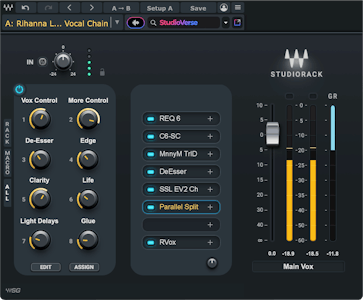
Credit: www.waves.com

Frequently Asked Questions For Where Is Vst Plugins Folder

Where Is The Default Vst Plugin Folder?

The default VST plugin folder location varies per software, usually found in the “VSTPlugins” or “VST” directory within the main installation folder.

Why Do I Not Have A Vst Plugins Folder?

Your computer may not have a VST plugins folder due to incorrect installation or software compatibility issues.

Where Is Plugins Located?

Plugins are located in the “Plugins” section of your WordPress dashboard. Simply go to your dashboard, then click on “Plugins” in the left-hand menu to access and manage your installed plugins.

Where Should I Store My Vst Plugins?

Store your VST plugins in a dedicated folder on your computer. Organize them for easy access and installation, ensuring compatibility with your digital audio workstation. Avoid cluttering your system with unnecessary files to optimize performance. Keep your plugins updated to benefit from the latest features and improvements.

Conclusion

Locating your VST plugins folder is essential for efficient music production. By understanding the different locations and ways to access this folder, you can streamline your workflow and unleash the full potential of your plugins. Take the time to organize and optimize your plugin library for a smoother creative process.


Categories
Archive

How Much Does Distrokid Cost Per Month? Unveiling Affordable Pricing Plans

DistroKid costs $19.99 per year per musician or band to distribute unlimited music on streaming platforms. For a month, it averages around $1.67.

DistroKid simplifies music distribution by offering a cost-effective platform for independent artists to share their music with a global audience. With features like fast uploads, instant music delivery, and revenue splits, DistroKid provides an efficient solution for musicians to get their music out into the world.

Whether you’re a budding artist or an established band, DistroKid’s affordable pricing and user-friendly interface make it a popular choice among musicians seeking to reach a wider audience.

How Much Does Distrokid Cost Per Month? Unveiling Affordable Pricing Plans

Credit: www.femnoise.com

Distrokid Pricing Plans

Distrokid offers different pricing plans to suit the needs of musicians and labels. Each plan comes with various features and benefits to help artists distribute their music effectively.

Standard Plan

The Standard Plan is perfect for independent musicians who are looking for basic distribution services. With this plan, artists can upload unlimited tracks to all major music platforms for a flat fee per year.

  • Costs a yearly fee
  • Unlimited uploads
  • Keep 100% of royalties
  • Get paid monthly

Musician Plus Plan

The Musician Plus Plan is ideal for artists who want additional features like customizable label names, pre-save campaigns, and priority support. This plan offers musicians more control over their releases for a slightly higher cost.

  1. Includes all Standard Plan features
  2. Customizable label names
  3. Pre-save campaigns
  4. Priority customer support

Label Plan

The Label Plan caters to record labels and music businesses that need to manage multiple artists and releases. This plan provides advanced tools for labels to distribute, promote, and control their catalog efficiently.

Features Label Plan
Unlimited uploads ✓
Label customization ✓
Team accounts ✓
Advanced stats ✓
“` Hope this helps you to structure the content in an appealing way for your readers.
How Much Does Distrokid Cost Per Month? Unveiling Affordable Pricing Plans

Credit: theexpertinsider.medium.com

Standard Plan Features

DistroKid’s Standard plan offers unlimited music uploads for $19. 99 per year, making it an affordable choice for independent musicians. In addition, creators get to keep 100% of their earnings with no hidden fees. This feature-rich plan includes distribution to all major platforms, cover song licensing, and more.

How Much Does Distrokid Cost Per Month | Standard Plan Features

Basic Distribution

With Distrokid’s Standard Plan, you get basic distribution to major music platforms like Spotify, Apple Music, and more.

Unlimited Songs And Albums

You can upload unlimited songs and albums without any additional fees on the Standard Plan.

Instant Spotify Verification

Gain instant Spotify verification to claim your artist profile and start earning royalties right away.

Musician Plus Plan Benefits

When upgrading to the Musician Plus Plan on DistroKid, musicians gain access to a host of powerful features that can elevate their music careers to the next level. This plan boasts a range of benefits that cater to the diverse needs of artists looking to expand their online presence and boost their music promotion efforts.

Additional Artist Pages

With the Musician Plus Plan, musicians can create unlimited artist pages, allowing them to showcase various aspects of their musical journey. Whether highlighting different genres, projects, or collaborations, artists can maintain separate identities for their diverse content. This versatile feature enables them to reach a wider audience and target specific listener segments effectively.

Customizable Label Name

The Musician Plus Plan offers the flexibility for musicians to customize their label name, granting them the liberty to express their artistic identity. This unique feature empowers artists to curate a brand that resonates with their audience and aligns with their creative vision. By personalizing their label name, musicians can establish a distinct and memorable presence in the competitive music industry.

Youtube Official Artist Channel

By upgrading to the Musician Plus Plan, artists gain the opportunity to create an official artist channel on YouTube. This exclusive benefit helps musicians enhance their visibility on the platform, reaching a broader audience and maximizing their exposure. Having an official presence on YouTube elevates a musician’s credibility and professionalism, providing a dedicated space to connect with fans and share engaging content.

Label Plan Advantages

If you’re a music label looking for a platform to easily manage your artists and releases, DistroKid’s Label Plan is the perfect solution. With a range of advantages tailored specifically to labels, you’ll be able to handle all your distribution needs in one convenient place. Let’s take a closer look at some of the key benefits of the Label Plan:

Unlimited Artists

One of the standout advantages of the Label Plan is the ability to manage an unlimited number of artists. Whether you have a small roster or a large portfolio of talent, DistroKid allows you to easily distribute and monetize the music of all your artists, ensuring that no one is left behind. This means you can focus on growing your label without limitations.

Team Accounts

With the Label Plan, you can create and manage team accounts for your label. This means you can grant access to different members of your team, such as A&R managers or marketing specialists, allowing them to handle specific tasks without having to share login credentials. Each team member can have their own unique login, enhancing security and streamlining workflow.

Priority Support

As a label, you need a reliable support system to address any issues or concerns you may have. With the Label Plan, you’ll receive priority support, ensuring that your queries are handled in a timely manner. DistroKid understands the importance of keeping your label running smoothly, and their dedicated support team is there to assist you every step of the way.

Overall, the Label Plan from DistroKid offers a range of advantages specifically tailored to labels, giving you the tools and support you need to successfully manage your artists and releases. With unlimited artists, team accounts, and priority support, DistroKid empowers labels to focus on what they do best: nurturing and promoting exceptional musical talent.


Comparing Cost And Value

When it comes to choosing a music distribution service, it’s important to consider both the cost and the value that you will be getting in return. In this article, we will compare the cost and value of Distrokid’s different subscription plans: Standard, Musician Plus, and Label Plan.

Standard Vs. Musician Plus

If you’re an independent musician looking to distribute your music, the Standard plan might be the perfect fit for you. Priced at $19.99 per year, it allows you to upload unlimited songs and albums to over 150 streaming platforms and stores.

On the other hand, if you’re looking for some additional features and benefits, the Musician Plus plan offers great value. Priced at $35.99 per year, this plan not only includes all the features of the Standard plan but also offers faster audio and video uploads, Spotify Canvas support, and the ability to customize your release date.

In addition to these benefits, the Musician Plus plan also allows you to keep 100% of your earnings from your music releases and provides detailed streaming and sales reports to help you track the performance of your music.

Musician Plus Vs. Label Plan

If you’re a record label or manage multiple artists, you might find the Label plan to be the best option for you. Priced at $79.99 per year, this plan includes all the features of the Musician Plus plan, but with the added ability to distribute music for unlimited artists under a single account.

The Label plan also offers advanced audio and video distribution options, priority customer support, and the option to add custom label and artist profiles on streaming platforms.

Standard Vs. Label Plan

If you’re an independent musician who aspires to start your own record label in the future, it might be worth considering the Label plan from the get-go. Despite the higher price, this plan offers the most comprehensive features and benefits, providing a platform for growth and expansion. However, if you’re just starting out and want to test the waters, the Standard plan is a cost-effective option to get your music out there.

In conclusion, when it comes to choosing the right Distrokid plan for you, it’s important to consider your individual needs and goals. Whether you’re an independent musician or a record label, Distrokid offers a range of plans at different price points to cater to your specific requirements. So go ahead, compare the cost and value, and make the right choice for your music career.

How Much Does Distrokid Cost Per Month? Unveiling Affordable Pricing Plans

Credit: www.bloomberg.com

Frequently Asked Questions For How Much Does Distrokid Cost Per Month

How Much Is A Distrokid Subscription?

A DistroKid subscription starts at $19. 99 per year for unlimited music uploads and distribution.

Does Distrokid Do Monthly Payments?

Yes, DistroKid offers monthly payments for their users. This means you can receive payments every month.

How Much Does Distrokid Pay For 1,000 Streams?

DistroKid pays about $5-6 for 1,000 streams, depending on the streaming platform. The exact amount varies.

Is It Worth Using Distrokid?

Yes, DistroKid is worth using. It is a popular and reliable platform for musicians to distribute their music to various streaming platforms and online stores. With affordable pricing, easy-to-use features, and fast distribution, DistroKid offers great value for musicians wanting to reach a wider audience.

Conclusion

DistroKid offers affordable monthly pricing for their music distribution services. With multiple plans to choose from, it’s easy to find one that suits your needs and budget. The platform’s user-friendly interface and array of features make it a top choice for independent musicians looking to get their music out into the world.

DistroKid’s cost per month is an investment in your music career that can yield long-term benefits.

Categories
Archive

What Happens When I Delete My Distrokid Account: Unveiling The Aftermath

Deleting your DistroKid account will permanently remove all your music releases and associated data. Deleting your DistroKid account will result in the permanent removal of your music releases and personal data.

Before taking this step, it’s crucial to understand the consequences and implications. Your music won’t be available on streaming platforms, and you’ll lose access to any royalties or information tied to your account. Make sure to back up any crucial data or transfer your releases elsewhere before proceeding with the account deletion process.

It’s always wise to consider all options and potential outcomes before taking such a significant step in managing your music distribution.

What Happens When I Delete My Distrokid Account: Unveiling The Aftermath

Credit: podcasters.spotify.com

The Impact Of Deleting Distrokid Account

Loss Of Distribution Services

Deleting your DistroKid account stops distribution of your music to online platforms.

  • All releases are removed from stores
  • No new music can be uploaded
  • Loss of visibility and potential revenue

Effect On Royalties

Your royalties may be impacted by deleting your DistroKid account.

  1. No new royalty payments for removed tracks
  2. Existing royalties may still be paid out

Data And Content Removal

When you delete your Distrokid account, your data and content will be permanently removed from the platform. This includes all music releases, associated metadata, and account information, ensuring the complete deletion of your presence on the platform.

Music And Profile Deletion

Deleting your DistroKid account removes all uploaded music and associated profile information.

Impact On Playlists And Links

Your music will no longer be available on playlists or shared links after deletion.

Financial Considerations

Deleting your Distrokid account can have financial implications, impacting your distribution and royalties. It is essential to consider any outstanding payments and subscriptions before taking this step. Review your financial commitments to avoid any unforeseen consequences post-deletion.

Financial Considerations When you delete your DistroKid account, there are several financial factors to keep in mind. From subscription and renewal fees to royalty payments and withdrawals, it’s essential to understand the impact on your finances. Let’s take a closer look at these financial considerations.

Subscription And Renewal

Upon deleting your DistroKid account, any active subscription will be canceled, and no further renewal fees will be charged. It’s vital to ensure there are no pending renewal charges linked to your account, especially if you have opted for an annual subscription plan.

Royalty Payments And Withdrawals

After deleting your DistroKid account, any pending royalty payments will still be processed based on the regular payment schedule. Ensure that you have claimed and withdrawn all due royalties before closing your account. Furthermore, it’s crucial to provide accurate withdrawal details to avoid any payment delays. In conclusion, when deleting your DistroKid account, financial considerations such as subscription and royalty payments play a significant role in the process. It’s essential to manage these aspects diligently to avoid any potential financial implications.
What Happens When I Delete My Distrokid Account: Unveiling The Aftermath

Credit: downbeat.com

Artist Communication And Networking

When it comes to being an artist in today’s digital age, communication and networking are key. These aspects play a vital role in fostering connections with fans and collaborating with fellow artists. However, what happens to artist communication and networking when you decide to delete your DistroKid account?

Connectivity With Fans

Deleting your DistroKid account can have an impact on your connectivity with fans. The platform provides various tools and features that allow artists to engage with their audience and build a loyal fan base. From sharing new releases and updates to directly interacting with fans, DistroKid offers an avenue for artists to establish and nurture meaningful connections.

When you delete your DistroKid account, you may lose direct access to these tools and features. This means that your ability to communicate with fans through the platform will be significantly limited. However, it is important to remember that there are alternative methods to stay connected with your audience outside of DistroKid.

To maintain connectivity with your fans after deleting your DistroKid account, consider the following:

  1. Utilize social media: Leverage popular platforms like Facebook, Twitter, Instagram, and YouTube to engage with your fans.
  2. Create an artist website: Develop a personal website where fans can find out more about you, subscribe to your newsletter, and stay updated.
  3. Join artist communities: Participate in forums or online communities dedicated to your music genre, connecting with like-minded fans and potential collaborators.
  4. Offer free downloads or exclusive content: Provide incentives for fans to stay connected, such as free downloads, exclusive behind-the-scenes content, or early access to new releases.

Impact On Collaborations

If you frequently collaborate with other artists, deleting your DistroKid account can have an impact on these partnerships. DistroKid offers streamlined features that make it easy to work together, allowing artists to share and distribute their collaborative projects effortlessly.

Once your DistroKid account is deleted, your ability to collaborate through the platform will be lost. However, this doesn’t mean that all collaborations are off the table. There are alternative methods to continue working with other artists, even without DistroKid.

To continue collaborations after deleting your DistroKid account, consider the following:

  1. Use other music distribution platforms: Explore alternative platforms that offer collaboration features, allowing you to share and distribute projects with ease.
  2. Establish direct communication: Connect with fellow artists directly through social media or email, discussing collaboration opportunities and exchanging files.
  3. Attend networking events: Make an effort to attend music industry events, conferences, or local gigs where you can meet and network with other artists interested in collaborating.
  4. Join online communities: Engage in artist communities or forums where collaborations are encouraged, connecting with potential partners in your music genre.

Reactivation And Account Retrieval

In case of account deletion on Distrokid, reactivating and account retrieval is not possible. Once deleted, access and data are permanently removed from the system. It’s important to consider the consequences before taking this irreversible action.

Recovery Process

Though deleting your DistroKid account may seem like a permanent decision, rest assured that reactivation and account retrieval is possible. The recovery process is fairly straightforward, ensuring that you can regain access to your account and all associated services.

If you wish to reactivate your DistroKid account after deletion, you can simply follow these steps:

  1. Visit the DistroKid website and click on the “Contact” tab located at the top of the page.
  2. Fill out the contact form, providing details about your request for account reactivation. Make sure to include your username and any relevant information that could assist the support team in assisting you quickly.
  3. Submit the form and wait for a response from the DistroKid support team. They typically reply within a reasonable timeframe.
  4. Once your case is assessed and successfully verified, DistroKid will guide you through the process of reactivating your account, ensuring you can resume using their services.

It’s important to note that the recovery process primarily depends on the circumstances surrounding the account deletion. The DistroKid support team is known for their promptness and professionalism, and they will do their best to assist you throughout the reactivation process.

Renewal Of Services

When you successfully reactivate your DistroKid account, you can expect to have access to all the services and features you had before deletion. This means you can once again distribute your music to various digital platforms, update your artist profile, and manage your releases effortlessly.

However, it’s worth mentioning that any associated data or statistics from the period of account deletion may not be recoverable. It’s essential to consider this before proceeding with the account deletion, as you might lose valuable information related to your musical releases.

Nevertheless, by following the reactivation process, you can restore your access to DistroKid’s platform and continue benefiting from their wide range of services.

What Happens When I Delete My Distrokid Account: Unveiling The Aftermath

Credit: www.billboard.com

Frequently Asked Questions On What Happens When I Delete My Distrokid Account

What Happens When I Delete My Distrokid?

When you delete your DistroKid account, your music will no longer be available for distribution or access. All associated data will be permanently removed.

Can You Restore Your Distrokid Account?

Yes, you can restore your DistroKid account. Simply contact DistroKid’s support team for assistance.

How Do I Cancel My Distrokid Account?

To cancel your DistroKid account, follow these steps. Log in to your account, go to the settings page, and scroll down to find the cancellation option. Click on it, confirm your decision, and your account will be canceled.

Will Distrokid Delete My Spotify Account?

No, DistroKid will not delete your Spotify account. DistroKid is a music distribution service that helps artists get their music onto platforms like Spotify. Your Spotify account is safe with DistroKid.

Conclusion

Deleting your DistroKid account can have long-term effects on your music distribution. Consider all options before making a decision. Remember to take note of any recurring payments. Be sure to back up your music and consider alternative platforms if needed.

Always make informed decisions.

Categories
Archive

Myths About Copyrighting Your Music: Debunking Common Misconceptions

Many myths surround copyrighting music, clearing misconceptions is crucial for artists and their protection. Understanding the process can save time and effort for any musician or composer.

It’s important to separate fact from fiction in the realm of music copyrighting, making informed decisions about protecting your creative work.

Myths About Copyrighting Your Music: Debunking Common Misconceptions

Credit: www.billboard.com

Myths About Copyrighting Your Music

Copyrighting Doesn’t Protect Your Music Forever

Copyrighting your music doesn’t grant eternal protection.

You Can’t Copyright A Song Without A Record Deal

You do not need a record deal to copyright your music.

Myths About Copyrighting Your Music: Debunking Common Misconceptions

Credit: www.thenaturalhomeschool.com

Understanding Fair Use

When it comes to protecting your music, Understanding Fair Use is crucial.

What Constitutes Fair Use?

Fair use allows limited use of copyrighted material without permission.

How Fair Use Affects Your Copyright

Fair use impacts your rights as a music creator and copyright owner.

In simple terms, fair use permits others to use your music for certain purposes. However, understanding the limitations of fair use is essential to safeguard your copyright.

The Importance Of Proper Documentation

Proper documentation is crucial when it comes to copyrighting your music. From registering your copyright to keeping detailed records of your creations, the significance of proper documentation cannot be overstated. Let’s delve into these essential aspects to underscore why they are vital for safeguarding your creative work.

Registering Your Copyright

One of the fundamental steps in protecting your musical compositions is registering your copyright with the U.S. Copyright Office. This provides you with legal evidence of your ownership and serves as a powerful tool in case of infringement. It’s a straightforward process that offers substantial benefits in asserting your rights in any legal disputes.

Keeping Detailed Records Of Your Creations

Keeping meticulous records of your creative process, including drafts, recordings, and amendments, is paramount. These detailed records act as tangible proof of your authorship and can be invaluable if there are any challenges to your work’s originality. These records include dates, versions, and any collaborative efforts – all helping to demonstrate the evolution and ownership of your creations.

Myths About Copyrighting Your Music: Debunking Common Misconceptions

Credit: issuu.com

Myths Vs. Reality

Discover the truth behind common misconceptions about copyrighting your music. Gain clarity on real copyrighting facts and protect your work effectively.

Protecting your music is crucial in today’s digital era. However, there are several myths floating around about copyrighting your music that can lead to misunderstandings and potential legal issues. In this section, we will debunk these myths and shed light on the reality of copyrighting your music.

Myth: Poor Man’s Copyright Is Sufficient

Many artists believe that mailing themselves a copy of their song or posting it online is enough to establish copyright protection. This technique, popularly known as “Poor Man’s Copyright,” involves sending a copy of your music to yourself via certified mail and keeping the unopened package as evidence of ownership.

While the idea of Poor Man’s Copyright may seem appealing due to its simplicity and cost-effectiveness, it does not hold up well in the legal realm. In reality, official copyright registration with the appropriate government authorities is essential to provide strong legal protection for your music.

  • Benefits of Official Registration:

  • Establishes a legally recognized public record of ownership

  • Provides evidence of ownership in case of disputes or infringement

  • Allows you to seek statutory damages and attorney fees in an infringement lawsuit

  • Opens doors for potential licensing and royalty opportunities

By officially registering your music, you gain numerous advantages that are critical for protecting your intellectual property. Relying solely on Poor Man’s Copyright leaves you vulnerable and may not hold up in legal proceedings.


Frequently Asked Questions Of Myths About Copyrighting Your Music

Should You Copyright Your Music?

Yes, copyrighting your music gives you legal protection and control over its use. It is essential for safeguarding your work and ensuring you are compensated for its use.

What Happens If You Don’t Copyright Your Music?

Not copyrighting your music can result in others using it without permission, leading to financial loss and legal issues.

What Are 5 Facts About Copyright?

Copyright protects original works, giving creators exclusive rights. It applies automatically upon creation. Copyright duration varies. Registration isn’t required but offers legal advantages. Fair use exceptions allow limited use without permission.

What Is The 3 Month Rule For Copyright?

The 3 month rule for copyright states that after creating your work, you have 3 months to register it with the U. S. Copyright Office to receive maximum protection and potential statutory damages in case of infringement. Registering early allows for legal recourse and protection of your intellectual property.

Conclusion

Understanding the complexities of copyrighting your music is essential for all musicians. Dispelling myths and educating oneself about the process will empower individuals to protect their work and receive the recognition and compensation they deserve. By taking the necessary steps to properly copyright their music, artists can safeguard their creative endeavors and enjoy peace of mind in their careers.

Categories
Archive

Unleash Your Creativity with the Best VST Plugins for Fl Studio

Some of the best VST plugins for FL Studio include Serum, Kontakt, and Omnisphere. These plugins offer a wide range of high-quality sounds and advanced features, enhancing your music production experience.

FL Studio users often rely on these plugins to create professional-sounding tracks with unique textures and dynamics. Incorporating these VST plugins into your workflow can take your music production to the next level, offering versatility and creative possibilities. Whether you are a beginner or an experienced producer, investing in top-notch VST plugins can significantly enhance the quality and depth of your music compositions.

Explore the world of VST plugins in FL Studio and unlock endless creative potential for your music projects.

Exploring Vst Plugins

Exploring VST Plugins opens up a world of possibilities in music production. These plugins play a vital role in enhancing the sounds created in FL Studio, allowing producers to elevate their tracks to new heights.

What Are Vst Plugins?

VST Plugins are virtual instruments or effects that can be added to a digital audio workstation (DAW) like FL Studio. They mimic real hardware gear, offering a wide range of sounds and effects to enhance music production.

The Role Of Vst Plugins In Music Production

VST Plugins serve as creative tools for music producers, providing them with endless options for manipulating and sculpting sounds. From synths to EQs to reverbs, these plugins empower artists to craft unique and professional-grade music within FL Studio.

Unleash Your Creativity with the Best VST Plugins for Fl Studio

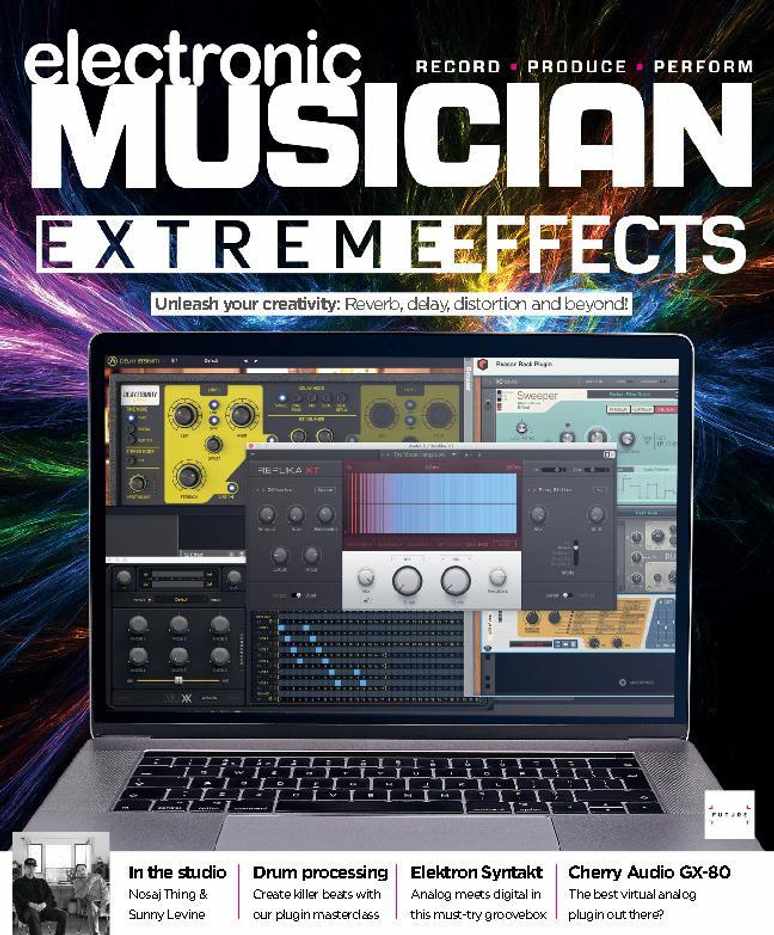
Credit: www.discountmags.com

Getting Started With Fl Studio

FL Studio is a popular digital audio workstation known for its versatility with VST plugins. Let’s dive into how you can begin your journey with FL Studio and integrate VST plugins seamlessly.

Introduction To Fl Studio

FL Studio, developed by Image-Line, is a powerful software for music production. With its intuitive interface and vast array of features, FL Studio is a favorite among both beginners and seasoned professionals.

Setting Up Fl Studio For Vst Integration

To start using VST plugins in FL Studio, you need to set up the software for seamless integration. Follow these simple steps to get your VST plugins up and running in no time:

  1. Open FL Studio on your computer.
  2. Navigate to the ‘Options’ menu and select ‘Manage Plugins’.
  3. Click on ‘Add path’ and locate the folder where your VST plugins are installed.
  4. FL Studio will scan the folder for VST plugins and add them to your plugin database.

By following these steps, you can ensure that FL Studio is set up to recognize and use your favorite VST plugins effortlessly.

Top Vst Plugins For Fl Studio

Are you a music producer or enthusiast looking to elevate your FL Studio experience? The right VST plugins can take your music production to the next level, allowing you to create professional-sounding tracks with ease. In this post, we’ll explore the top VST plugins for FL Studio across three categories: Synth VST plugins, Effect VST plugins, and Sample-based VST plugins. Whether you’re creating electronic dance music, hip-hop beats, or cinematic soundscapes, these plugins can provide the sonic flexibility and creative potential you need.

Synth Vst Plugins

Enhance your sonic palette with powerful Synth VST plugins that offer a wide range of sounds and textures. Whether you’re in need of rich analog emulations or cutting-edge digital synthesis, these plugins can inspire new creative directions:

  • Massive by Native Instruments: A staple in electronic music production, offering versatile wavetable synthesis and expressive modulation capabilities.
  • Serum by Xfer Records: Known for its high-quality sound and intuitive workflow, Serum is a go-to choice for modern bass, leads, and evolving textures.
  • Sylenth1 by LennarDigital: With its warm, analog-style sound, Sylenth1 is ideal for creating lush pads, classic leads, and vibrant arpeggios.

Effect Vst Plugins

Elevate your mix with powerful effect plugins that add depth, dimension, and character to your sounds. From dynamic processors to creative sound design tools, these plugins can help you achieve professional-grade productions:

  1. FabFilter Pro-Q 3: A top-tier equalizer with unparalleled transparency, flexibility, and precise control over your mix’s frequency content.
  2. Soundtoys 5 Effect Rack: Offering a collection of classic analog emulation effects, Soundtoys 5 provides vintage character and modern sonic manipulation.
  3. Valhalla VintageVerb: Embrace the lush, spacious reverb sounds of classic hardware units with the VintageVerb’s authentic algorithmic reverb emulation.

Sample-based Vst Plugins

When it comes to adding realistic instruments and organic textures to your tracks, sample-based VST plugins offer a vast array of sounds and articulations. Check out these top picks for expanding your sonic arsenal:

  • Kontakt by Native Instruments: A comprehensive sample-based instrument platform, enabling you to access a wide range of meticulously sampled instruments and sound libraries.
  • OmniSphere by Spectrasonics: With its expansive sound library and advanced synthesis capabilities, OmniSphere delivers lush pads, evolving textures, and cinematic soundscapes.
  • Spitfire Audio LABS: Explore a diverse collection of free virtual instruments crafted by renowned composers and sound designers, ranging from orchestral strings to experimental textures.

Optimizing Your Workflow

When it comes to music production, optimizing your workflow is key to achieving efficient and seamless output. Engaging with the right VST plugins can greatly enhance your experience with FL Studio. In this article, we will explore two essential ways to optimize your workflow using VST plugins: Utilizing VST Automation and Customizing VST Plugin Chains.

Utilizing Vst Automation

Streamlining your workflow starts with harnessing the power of VST automation. This feature allows you to automate various parameters of your VST plugins, such as volume, panning, and effects, over time. By incorporating automation, you can create dynamic and expressive tracks without the hassle of manual adjustments.

Here are some ways you can utilize VST automation in FL Studio:

  1. Create smooth transitions by automating volume and panning for individual tracks or elements within your composition.
  2. Experiment with different plugin parameters, such as cutoff frequency or resonance, and automate them to add movement and interest to your sound.
  3. Control effects parameters, like wet/dry mix or feedback, to add depth and texture to your tracks.

Customizing Vst Plugin Chains

In addition to automation, customizing VST plugin chains can significantly enhance your workflow in FL Studio. A plugin chain refers to a series of VST plugins connected in a specific order to achieve a desired sound or effect. By creating and saving customized plugin chains, you can access your favorite settings and presets with a single click, saving you valuable time and effort.

Here are some steps to help you customize your VST plugin chains:

  • Identify the plugins you frequently use to achieve specific sounds or effects.
  • Set up the desired order of the plugins within the chain.
  • Adjust the parameters of each plugin to your liking.
  • Save the customized plugin chain as a preset for quick and easy future access.

In conclusion, optimizing your workflow in FL Studio involves utilizing VST automation and customizing VST plugin chains. By leveraging these features, you can streamline your creative process, save time, and achieve the desired sounds and effects more efficiently. Experiment with different automation techniques and create personalized plugin chains to enhance your music production experience.


Advanced Tips And Techniques

Fl Studio is already a powerful DAW, but if you’re looking to take your productions to the next level, utilizing advanced tips and techniques with VST plugins can make all the difference. In this article, we’ll explore two key areas: Layering VST Sounds for Depth and Creating Custom VST Presets. Let’s dive in!

Layering Vst Sounds For Depth

Layering VST sounds is a fantastic way to add depth and complexity to your music. By combining multiple VST plugins and blending their unique characteristics, you can create sounds that are truly one-of-a-kind.

Here are some steps to follow when layering VST sounds:

1. Start by choosing VST plugins that complement each other: Select plugins that have different sonic qualities to ensure a rich and varied sound palette.

2. Experiment with different combinations: Mix and match different VST sounds to find the perfect blend. Remember, the possibilities are endless!

3. Use EQ to carve out space for each layer: To avoid muddiness, apply EQ to each layer, ensuring that they occupy separate frequency ranges.

4. Add effects for additional texture: Experiment with reverb, delay, or other effects to enhance each layer and create a unique sonic atmosphere.

With these layering techniques, you can add a new dimension to your music and create a captivating listening experience.

Creating Custom Vst Presets

While the vast range of presets available in VST plugins is impressive, creating your own custom presets can elevate your sound even further. With custom presets, you can tailor the sound to perfectly fit your musical vision.

Here’s a step-by-step guide to creating custom VST presets:

  1. Start with a blank preset and tweak the parameters: Begin by selecting a VST plugin and start with a blank preset. Experiment with the parameters until you achieve the desired sound.
  2. Save your modified preset: Once you’ve crafted the perfect sound, save it as a custom preset within the VST plugin. This allows you to recall the sound later and use it across different projects.
  3. Organize your custom presets: To stay organized, create folders or categories within the VST plugin’s preset menu. Group similar sounds together for easy access.
  4. Refine and fine-tune your custom presets: As you gain experience, revisit your custom presets and make further adjustments. Continuously refining your presets will help you develop a unique sound signature.

By creating custom VST presets, you can save time in future projects and maintain a consistent sound across your music.

Unleash Your Creativity with the Best VST Plugins for Fl Studio

Credit: www.eventideaudio.com

Unleash Your Creativity with the Best VST Plugins for Fl Studio

Credit: m.facebook.com

Frequently Asked Questions For Best Vst Plugins For Fl Studio

What Is The Best Plugin For Fl Studio?

The best plugin for FL Studio is subjective, but popular choices include Massive, Serum, and Omnisphere. These plugins offer a wide range of sounds, instruments, and effects that can enhance your music production in FL Studio.

What Vst Do Most Producers Use?

Producers commonly use VST plugins such as Serum, Omnisphere, and Kontakt for music production.

Does Fl Studio Have Good Stock Plugins?

Yes, FL Studio offers a wide range of high-quality stock plugins. They are versatile and well-suited for music production needs.

Can Fl Studio Use Vst Plugins?

Yes, FL Studio can use VST plugins to enhance its functionality and add new features.

Conclusion

To sum up, choosing the best VST plugins for FL Studio is crucial for enhancing your music production. These plugins offer a wide range of effects and instruments that can take your tracks to the next level. By investing in high-quality VST plugins, you can unlock new creative possibilities and elevate the quality of your music.

Experiment with different plugins to find the ones that best suit your unique style and sound. With the right VST plugins, you can create professional-sounding music that stands out in today’s competitive industry. So, make sure to explore the options available and incorporate these powerful tools into your music production workflow.

Categories
Archive

What Vst Plugins Do Professionals Use: Unveiling the Secret Weapons

Professionals use popular VST plugins like Serum, Omnisphere, and FabFilter Pro-Q3 for music production. These tools offer advanced features and high-quality sound for professional-grade results.

For professionals in the music industry, having access to top-notch VST plugins is essential for creating unique sounds and high-quality productions. Plugins like Serum, Omnisphere, and FabFilter Pro-Q3 have become industry standards due to their innovative features and exceptional sound quality.

Whether it’s designing intricate synthesizer sounds, crafting immersive soundscapes, or mastering tracks with precision, these plugins offer the tools needed to take music production to the next level. In this competitive field, using the right VST plugins can make a significant difference in the final output, making them indispensable tools for professionals.

The Power Of Vst Plugins

Professionals in the music industry rely on a variety of VST plugins to enhance their productions. From EQs and compressors to synthesizers and virtual instruments, these tools contribute to creating professional-level music and achieving desired soundscapes. The right combination of VST plugins can significantly elevate the quality of a music production, making them an essential asset for professionals.

The Role Of Vst Plugins In Professional Music Production

In professional music production, VST plugins play a crucial role. These virtual instruments and effects enhance sounds. They help musicians and producers create unique and high-quality music. VST plugins enable professionals to experiment and innovate.

Advantages Of Using Vst Plugins

1. Versatility: VST plugins offer a wide range of sounds and effects at your fingertips. 2. Cost-Effective: Compared to hardware equipment, VST plugins are more affordable. 3. Convenience: Easily accessible within your digital audio workstation, VST plugins streamline the music-making process. 4. Customization: With VST plugins, professionals can tailor their sounds to their specific preferences. 5. Innovation: Constant updates and new releases keep professionals on the cutting edge of technology.
What Vst Plugins Do Professionals Use: Unveiling the Secret Weapons

Credit: www.modernproducers.com

Top Vst Plugins For Professional Use

Exploring the realm of VST plugins reveals a world of endless possibilities for music professionals. From refining audio mixes to sculpting unique soundscapes, choosing the right plugins can elevate a production to the next level. Let’s dive into the top VST plugins preferred by professionals across the industry.

Essential Vst Plugins For Mixing And Mastering

  • 1. Waves SSL G-Master Buss Compressor: Enhances the overall mix cohesion.
  • 2. FabFilter Pro-Q3: Precision EQ tool for fine-tuning frequencies.
  • 3. iZotope Ozone 9: Comprehensive mastering suite for polish.

Innovative Vst Plugins For Sound Design And Synthesis

  • 1. Serum by Xfer Records: Versatile wavetable synthesizer for dynamic sound creation.
  • 2. Native Instruments Massive: Iconic synth renowned for its powerful bass and leads.
  • 3. Spectrasonics Omnisphere: Cutting-edge virtual instrument for cinematic textures.

Choosing The Right Vst Plugins

Choosing the right VST plugins is essential for professionals in the music industry. These plugins can greatly impact the sound and quality of your music productions. Here’s a look at the important factors to consider when selecting VST plugins and how to match them to specific music genres.

Factors To Consider When Selecting Vst Plugins

When choosing VST plugins, it’s crucial to consider factors such as compatibility with your DAW (Digital Audio Workstation), quality of sound, reliability of the plugin, and customer support from the developer. These factors ensure that the VST plugins align with your technical needs and provide the desired sound quality for your music productions.

Matching Vst Plugins To Specific Music Genres

Each music genre has its unique characteristics and sound requirements. When selecting VST plugins, consider the specific instrumentation and production techniques commonly used in the genre. For electronic dance music, focus on VST plugins for synthesizers, drum machines, and effects. In contrast, rock music may require VST plugins for guitar amp simulations and classic analog gear. By matching VST plugins to specific music genres, you can optimize your production toolkit for the desired sonic characteristics.

What Vst Plugins Do Professionals Use: Unveiling the Secret Weapons

Credit: www.modernproducers.com

Tips And Tricks For Vst Plugin Mastery

Discover top VST plugins favored by industry pros and elevate your music production with expert tips and tricks for mastering them seamlessly. From essential EQs to dynamic compressors, unlock the full potential of your sound with these essential tools.

Optimizing Workflow With Vst Plugins

When it comes to using VST plugins like a pro, optimizing your workflow is essential. These handy tips and tricks will help you maximize efficiency and get the most out of your production process.

1. Organize your plugins: Start by categorizing your plugins based on their functionality and purpose. Create separate folders or groups within your plugin library to easily locate and access the plugins you need for specific tasks.

2. Use favorites and presets: Most VST plugins allow you to save your favorite settings or create presets. Take advantage of this feature to quickly recall your preferred settings and streamline your workflow.

3. Customize your workspace: Many digital audio workstations (DAWs) allow you to customize your workspace layout. Arrange your plugin windows in a way that suits your workflow, making it easy to navigate and access different plugins when needed.

4. Keyboard shortcuts: Familiarize yourself with keyboard shortcuts specific to your DAW and favorite plugins. These shortcuts can save you valuable time by eliminating the need to manually navigate menus and adjust settings.

5. Template creation: Create templates with your most commonly used plugins and settings. Having a pre-configured template ready to go will speed up your workflow and ensure consistency across projects.

Creative Use Of Vst Plugins In Professional Productions

VST plugins offer endless creative possibilities for professionals looking to push boundaries in their productions. Here are some innovative ways to use VST plugins to add depth and uniqueness to your tracks:

1. Experimental effects: Don’t be afraid to experiment with different effects plugins to create unique and unconventional sounds. Use distortion, modulation, delay, and reverb plugins creatively to add textures and atmospheric elements to your tracks.

2. Virtual instruments: VST plugins are not just limited to effects – they also include a wide range of virtual instruments. Explore different synthesizers, samplers, and drum machines to create original melodies, rhythms, and sounds.

3. Layering and blending: Take advantage of VST plugins’ ability to layer and blend sounds. Combine multiple plugins and tweak their parameters to create complex, evolving textures that add depth and richness to your tracks.

4. Automate plugin parameters: Automation is a powerful tool for adding movement and excitement to your productions. Experiment with automating different plugin parameters, such as filters, LFOs, and envelope controls, to create dynamic and evolving soundscapes.

5. Create your own presets: Instead of solely relying on factory presets, take the time to create your own unique presets with various VST plugins. Having a collection of personalized presets will give your productions a distinct identity and save you time in future projects.

Exploring New Frontiers In Vst Plugin Technology

When it comes to professional music production, using high-quality virtual instruments and effects is essential. Virtual Studio Technology (VST) plugins have long been a game-changer in this field, providing musicians and producers with a vast range of sonic possibilities. Today, we’re diving into the world of VST plugins and exploring the new frontiers in VST plugin technology.

Emerging Trends In Vst Plugin Development

1. Realistic Emulation of Analog Hardware:

VST plugins have made significant strides in emulating the warmth and character of classic analog hardware. With advancements in technology, developers are now able to recreate the unique sound and feel of vintage synthesizers, compressors, and EQs. By using these plugins, professionals can harness the power of iconic analog gear without the hefty price tag.

2. Integration of Artificial Intelligence:

The rise of artificial intelligence has influenced the development of VST plugins, leading to exciting new possibilities. AI-powered plugins can learn from existing audio data and make intelligent suggestions for sound design, arrangement, and mixing. This opens up a whole new world of creativity and productivity for professionals in the music industry.

The Future Of Vst Plugins In Professional Music Production

1. Improved Usability:

In the future, VST plugin developers will likely focus on improving the user experience. This means creating intuitive interfaces that streamline workflows and make complex processes more accessible. By providing a user-friendly environment, professionals can spend less time learning the intricacies of plugins and more time focused on their creative vision.

2. Enhanced Integration with DAWs:

As technology advances, tighter integration between VST plugins and digital audio workstations (DAWs) will become commonplace. This integration will allow for seamless communication between different plugins and DAWs, enabling professionals to work more efficiently and fluidly. Collaboration and compatibility will be key drivers in the evolution of VST plugin technology.

3. Exploration of New Soundscapes:

The future of VST plugins will see developers pushing the boundaries of sound design possibilities. With advanced algorithms and processing power, these plugins will unlock new sonic landscapes, making it easier for professionals to experiment with innovative audio concepts.

4. Emphasis on Performance and Reliability:

Professionals rely on VST plugins for live performances and studio recordings. Thus, the future will witness a strong emphasis on performance and reliability. Plugins will be optimized for minimal CPU usage, ensuring smooth operation even in resource-intensive production scenarios.

5. Customizability and Personalization:

Future VST plugins will likely offer more customization options, allowing professionals to tailor the plugins to their specific needs and preferences. This level of personalization will empower musicians to craft their own unique sound and style.

As technology continues to evolve, the future of VST plugins looks promising. With improved emulation, AI integration, enhanced usability, and a focus on performance and customization, professionals can expect an exciting era of innovation in music production.

What Vst Plugins Do Professionals Use: Unveiling the Secret Weapons

Credit: www.youtube.com

Frequently Asked Questions On What Vst Plugins Do Professionals Use

What Vst Do Most Producers Use?

Most producers use popular VST plugins like Serum, Massive, Omnisphere, Kontakt, and Sylenth for music production.

What Plugins Do Pros Use?

Pros use a variety of plugins for different purposes such as SEO, performance optimization, security, and marketing. Popular choices include Yoast SEO, WP Rocket, Sucuri Security, and MonsterInsights. These plugins help professionals streamline their website management and enhance overall user experience.

Which Is The Best Vst Plugin?

The best VST plugin is subjective and depends on individual preferences and needs. Some popular options are Serum, Omnisphere, and Native Instruments Kontakt. Experiment and choose the one that suits your music production style and desired sound.

What Type Of Plugins Does Pro Tools Use?

Pro Tools uses a wide range of plugins, including EQ, compression, reverb, delay, and virtual instruments. These plugins enhance the audio quality and provide creative options for music production and mixing.

Conclusion

VST plugins are essential for professional music production. With the vast array of options available, professionals commonly rely on popular plugins like Serum, Omnisphere, and FabFilter. These plugins offer diverse features and high-quality sound, meeting the demands of professional music production.

By incorporating these plugins into their workflow, professionals can enhance their creativity and produce top-notch music.

Categories
Archive

Unlock the Potential: How to Get Plugins into Fl Studio

To get plugins into FL Studio, download the plugin file and install it in the designated folder. Then open FL Studio and scan for the newly installed plugin.

FL Studio allows you to enhance your music production by incorporating a variety of plugins. These plugins can add unique effects, instruments, and functionalities to your tracks, allowing for a more dynamic and professional sound. By following a few simple steps, you can easily integrate plugins into FL Studio and take your music production to the next level.

Plugins offer endless possibilities for creative expression and customization in your music projects, making them an essential tool for any producer or musician using FL Studio.

Unlock the Potential: How to Get Plugins into Fl Studio

Credit: support.image-line.com

Choosing The Right Plugins

When it comes to enhancing your music production in FL Studio, selecting the appropriate plugins is crucial. Here’s a guide on making the right choices for your projects.

Understanding Different Plugin Types

Plugins in FL Studio come in various types, such as virtual instruments, effect plugins, and synthesizers. Each type serves a unique purpose in shaping your sound.

Researching And Evaluating Plugins

Before adding a plugin, research its features and compatibility with FL Studio. Evaluate user reviews and demos to ensure it meets your needs.

Installing Plugins In Fl Studio

Installing Plugins in FL Studio can greatly enhance your music production experience.

Locating And Organizing Plugin Files

1. Ensure plugin files are saved in a designated folder for easy access.

2. Create subfolders to categorize plugins based on type or manufacturer.

3. Keep plugin files organized to streamline the integration process.

Integrating Plugins Into Fl Studio

1. Open FL Studio and navigate to the ‘Plugin Manager’.

2. Click ‘Add path’ to locate the folder where your plugins are stored.

3. Scan the folder to let FL Studio recognize the new plugins.

4. Locate the newly imported plugins in the ‘Plugin Database’.

Optimizing Plugin Performance

When using plugins in FL Studio, optimizing their performance is crucial to ensure seamless music production. From managing plugin resources and CPU usage to configuring latency settings, making the most of your plugins will enhance your overall workflow. Let’s delve into these key aspects of optimizing plugin performance.

Managing Plugin Resources And Cpu Usage

Plugins can consume a significant amount of CPU resources, affecting the overall performance of FL Studio. To optimize plugin performance, it’s essential to manage their resources efficiently. You can accomplish this by:

  • Using Only Essential Plugins: Limit the number of active plugins to only those that are critical for your project. This reduces CPU strain and enhances performance.
  • Freezing Tracks: Consider freezing tracks that are not currently being worked on. This temporarily renders the track to audio, relieving CPU load until further adjustments are needed.
  • Updating Plugins: Ensure that your plugins are up to date, as newer versions often include performance optimizations and bug fixes.

Configuring Latency Settings

Latency settings play a vital role in plugin performance. Here are some optimization techniques:

  1. Adjusting Buffer Size: Lower buffer size reduces latency but increases CPU load. Finding an optimal balance is crucial for smooth plugin performance.
  2. Utilizing ASIO Drivers: ASIO drivers are known for their low latency performance. Configuring FL Studio to use ASIO drivers can significantly enhance plugin responsiveness.
Unlock the Potential: How to Get Plugins into Fl Studio

Credit: support.image-line.com

Exploring Creative Uses Of Plugins

When it comes to producing music in FL Studio, plugins play a crucial role in enhancing creativity and taking your tracks to new heights. Exploring the creative uses of plugins allows you to unleash endless possibilities, transforming your sound in unique ways. Two key aspects of harnessing the full potential of plugins in FL Studio are layering and mixing plugins as well as experimenting with effects and automation. In this post, we will dive deeper into these techniques, giving you the tools to truly innovate within your music production.

Layering And Mixing Plugins

One effective way to elevate your sound in FL Studio is by layering and mixing plugins. Layering involves combining multiple sounds or instruments to create a rich and textured sonic landscape. By using different plugins for each layer, you can achieve a complex and unique sound that captures attention. For example, you can layer a warm analog synth with a digital plugin for an interesting blend of old and new.

Mixing plugins are also essential for achieving a balanced and polished sound. They allow you to adjust the individual elements in your mix, such as volume, EQ, and compression. By using different types of mixing plugins, you can enhance certain aspects of your sound or create interesting effects. For instance, a transient shaper plugin can add punch and impact to your drums, while a stereo widening plugin can give your mix a wider and more immersive soundstage.

Experimenting With Effects And Automation

Effects plugins are another powerful tool for adding depth and atmosphere to your tracks. From reverb and delay to distortion and modulation, the options are endless. Experimenting with different effects can help you create unique sounds and textures that define your style as a producer. For instance, you can apply a subtle delay effect to a vocal track to create a sense of space and dimension.

Automation is a technique that allows you to control plugin parameters over time. By automating various parameters, such as volume, panning, or filter cutoff, you can add movement and dynamics to your track. This can be done manually by drawing in automation curves or using real-time automation recording. For example, you can automate the cutoff frequency of a filter plugin to create dramatic filter sweeps in your synth line.


Expanding Your Plugin Collection

Once you’ve familiarized yourself with the basics of FL Studio and created some amazing tunes, you’ll likely want to explore new sounds and expand your musical potential. This is where plugins come into play! Plugins add a whole new dimension to your music production, offering a wide range of instruments, effects, and tools to enhance your creativity. In this article, we’ll explore how you can discover new plugins and utilize both free and paid options to build an impressive collection in FL Studio.

Discovering New Plugins

When it comes to discovering new plugins, the possibilities are virtually endless. Whether you’re searching for specific types of instruments, innovative effects, or unique sound libraries, there are several reliable sources you can turn to. Here are some ways to find exciting new plugins to experiment with:

  • Explore the FL Studio Plugin Manager: FL Studio comes with a built-in Plugin Manager that allows you to easily browse, search, and install plugins. With a vast selection of plugins available, you can conveniently discover new ones without leaving your music production environment.
  • Check out Online Communities and Forums: Engaging with fellow FL Studio users in online communities and forums is a fantastic way to learn about hidden gems. From recommendations to discussions and reviews, you can tap into the collective knowledge of the community and discover plugins that align with your musical style.
  • Follow Plugin Developers and Publications: Stay updated with the latest releases by following plugin developers and publications that specialize in music production. Many developers offer newsletters, social media accounts, and blogs where they announce new plugins and provide insights into their features and functionalities.

Utilizing Free And Paid Options

When it comes to building your plugin collection, you have the flexibility to choose between free and paid options. Let’s explore the advantages and considerations of each:

Free Plugins Paid Plugins
  • Cost-effective: Free plugins are an excellent option for those on a tight budget, as they allow you to expand your collection without spending a dime.
  • Experimentation: Free plugins offer a great opportunity to experiment with different sounds and effects, helping you discover new audio possibilities.
  • Support and Updates: While free plugins may not always come with extensive support and regular updates, many developers actively maintain their creations, ensuring crucial bug fixes and occasional feature enhancements.
  • Professional Quality: Paid plugins often provide a higher level of quality, offering more advanced features, realistic sounds, and greater overall versatility.
  • Customization and Control: Paid plugins often come with extensive controls and customization options that allow you to fine-tune your sound to perfection.
  • Customer Support: Purchasing plugins typically grants access to dedicated customer support channels, ensuring any issues you encounter are promptly addressed.

Ultimately, the choice between free and paid plugins depends on your specific needs, budget, and musical aspirations. Combining both options can provide a well-rounded collection that caters to a wide range of creative scenarios.

Unlock the Potential: How to Get Plugins into Fl Studio

Credit: www.image-line.com

Frequently Asked Questions On How To Get Plugins Into Fl Studio

How Do I Import Plugins Into Fl Studio?

To import plugins into FL Studio, simply follow these steps: 1. Open FL Studio and go to the “Options” menu. 2. Select “Manage plugins. ” 3. Click on “Add path” and browse for the folder containing your plugins. 4. Once selected, click “Start scan.

” 5. Your plugins will now be imported and available for use in FL Studio. That’s it!

Why Are My Plugins Not Showing Up In Fl Studio?

To show plugins in FL Studio, check plugin installation paths and rescan plugins in settings.

How Do I Add Plugins To Fl Studio Plugin Picker?

To add plugins to FL Studio plugin picker, go to “Manage plugins” in settings and click “Find plugins. ” Scan and select plugins in the window that appears.

How To Install Plug-ins?

To install plug-ins, log in to your website’s dashboard, navigate to the “Plugins” section, click “Add New,” search for the desired plug-in, click “Install Now,” and then activate it.

Conclusion

In the world of music production, having the right plugins can take your creativity to new heights. With the tips and techniques outlined in this blog post, you now have the knowledge to easily integrate plugins into FL Studio. By following these steps, you can enhance your music production experience and create professional-sounding tracks with ease.

Categories
Archive

Is Playing the Drums Good for You : Health Benefits Unveiled!

Playing the drums can benefit mental health and improve coordination. It is a great way to release stress and enhance cognitive skills through rhythmic patterns and coordination.

Playing the drums is not just a recreational activity; it also offers numerous health benefits. Whether you’re a seasoned musician or a beginner, drumming can have a positive impact on both your physical and mental well-being. Drumming helps improve coordination, timing, and concentration while engaging multiple areas of the brain.

The rhythmic patterns involved in drumming can also promote stress relief and emotional expression. Additionally, playing the drums can increase energy levels, boost mood, and provide a sense of accomplishment. This versatile instrument offers a fun and effective way to stay active and engaged while reaping the many health advantages that drumming has to offer.

Is Playing the Drums Good for You  : Health Benefits Unveiled!

Credit: hamptons.com

Physical Benefits

Improved Coordination

Playing the drums enhances coordination skills by synchronizing hands and feet movements.

Increased Strength And Stamina

Regular drumming builds muscle strength and improves endurance for prolonged performance.

Mental Benefits

Enhanced Cognitive Skills

Playing the drums helps improve focus, concentration, and memory.

  • Enhancement of mental agility
  • Increased coordination and multitasking abilities
  • Engages both left and right brain hemispheres

Stress Relief

Drumming serves as a powerful stress reliever due to its rhythmic nature.

  1. Release of endorphins for a mood boost
  2. Reduction of cortisol levels for stress reduction
  3. Promotes relaxation and mindfulness

Emotional Benefits

Playing the drums can have numerous emotional benefits, such as reducing stress, boosting confidence, and improving mood. Additionally, it can serve as a creative outlet and help in expressing emotions effectively.

Playing the drums offers a range of emotional benefits that can positively impact your overall well-being. The rhythmic beats and powerful sounds produced by this instrument have the capability to tap into your emotions and create a cathartic experience. In this section, we will explore two key emotional benefits associated with playing the drums: boosted self-expression and increased self-confidence.

Boosted Self-expression

Playing the drums provides a powerful outlet for self-expression. Through the rhythmic beats and patterns, drummers can express their emotions and feelings in a way that may not be possible through words alone. The drum kit offers a vast array of different sounds and tones, allowing drummers to create their unique signature style.

Moreover, drumming helps individuals connect with their feelings on a deeper level. It allows them to release any pent-up emotions, frustrations, or stress they may be experiencing. The physical act of hitting the drums can provide a sense of release, helping to alleviate negative emotions and bring about a sense of mental clarity.

Increased Self-confidence

Playing the drums can significantly improve self-confidence. As individuals become more proficient in playing this instrument, they develop a sense of accomplishment and pride in their abilities. The constant practice and dedication required to improve drumming skills contribute to a sense of personal growth and achievement.

When drummers play in front of an audience, they experience a boost in confidence. The positive feedback and admiration received from listeners can be immensely rewarding, instilling a belief in their own abilities. This newfound confidence often extends beyond the realm of drumming, positively impacting various aspects of their lives.

Furthermore, playing the drums in a band or group setting fosters collaboration and teamwork, enhancing interpersonal skills and strengthening self-assurance. The sense of belonging and camaraderie that comes from playing together with other musicians further contributes to an individual’s self-confidence and overall well-being.

Is Playing the Drums Good for You  : Health Benefits Unveiled!

Credit: www.facebook.com

Social Benefits

Playing the drums offers numerous social benefits that contribute to overall well-being. Engaging in musical collaboration, the opportunity to build meaningful relationships, and share experiences with others are just a few of the valuable social aspects that drumming can provide.

Opportunities For Collaboration

Playing the drums provides an excellent opportunity for individuals to collaborate with other musicians. Working in a group setting enables drummers to develop teamwork skills and learn how to synchronize their rhythm with others. The collaborative nature of drumming fosters a sense of unity and camaraderie among musicians, ultimately leading to a more enriching musical experience.

Building Relationships

Drumming can act as a catalyst for building relationships with fellow musicians and audience members. Engaging in musical performances creates a platform for individuals to connect and form strong bonds with others who share a passion for music. Through the power of rhythm, drummers can connect with others on a deeper level and establish lasting friendships.

Overall Well-being

Overall well-being is a crucial aspect of our daily lives. Playing the drums can significantly impact our overall well-being, contributing to various aspects of our mental and emotional health.

Release Of Endorphins

Playing the drums stimulates the release of endorphins, which are natural chemicals in the body that act as pain relievers and mood enhancers

This release can lead to a sense of euphoria and an overall feeling of well-being.

Sense Of Achievement

Mastering the rhythm and techniques of drumming can provide a strong sense of accomplishment and pride.

Consistently improving and learning new patterns can boost self-esteem and contribute to a positive state of mind.

Is Playing the Drums Good for You  : Health Benefits Unveiled!

Credit: www.thedrum.com

Frequently Asked Questions Of Is Playing The Drums Good For You

What Does Drumming Do To The Body?

Drumming boosts brain function, reduces stress, improves coordination, enhances mood, and strengthens the immune system.

What Are The Negative Health Effects Of Drumming?

Drumming can cause hearing loss, repetitive strain injuries, and muscle fatigue if done excessively or improperly.

Is Playing Drums A Good Workout?

Playing drums is indeed a good workout. It helps burn calories, improve coordination, and strengthen muscles. Drumming engages both the upper and lower body, providing a full-body workout. It also enhances cardiovascular health and releases stress. So, drummers get fit while enjoying their music!

What Are The Disadvantages Of Drumming?

Drumming can lead to hearing damage and repetitive strain injuries. It may also disturb others.

Conclusion

To sum up, playing the drums offers a myriad of benefits for both your physical and mental health. It helps improve coordination, boosts cognitive function, relieves stress, enhances self-expression, and even stimulates creativity. Whether you’re a beginner or an experienced musician, drumming is an enjoyable and fulfilling activity that can greatly contribute to your overall well-being.

So go ahead, grab those drumsticks, and start reaping the countless rewards of playing the drums!


Categories
Archive

Mixing With Mastering In Mind: Secrets Unleashed

When mixing with mastering in mind, it’s essential to consider how the two processes work together. Properly balancing the mix and leaving headroom for mastering can lead to a better final product.

Understanding how the mix affects the mastering process is crucial for achieving professional-sounding results. By keeping mastering in mind during the mixing phase, engineers can make informed decisions that enhance the overall sound quality. This approach allows for a cohesive and balanced audio product that’s ready for mastering, minimizing the need for extensive processing during the mastering stage.

Applying this strategy can improve the final product’s clarity, dynamics, and overall impact on the listener.

Mixing With Mastering In Mind: Secrets Unleashed

Credit: www.listennotes.com

Understanding The Basics Of Mixing

Get a solid grasp on mixing techniques with a focus on optimizing the final mastering process. Enhance your skills by considering mastering aspects while mixing to achieve a polished and professional sound. Understanding the dynamics between mixing and mastering can elevate your music production game.

Understanding the Basics of Mixing Mixing is a crucial phase in the music production process where individual tracks are combined to create a polished and cohesive sound. By mastering the basics of mixing, you can achieve audio clarity, depth, and balance in your music compositions.

Balancing The Levels

Balancing the levels of different tracks is fundamental to achieving a well-mixed sound. Adjust the volume levels of each track to ensure that no single element overpowers the others, creating a harmonious blend of sounds.

Controlling Dynamics

Controlling dynamics involves managing the variations in the audio signal’s amplitude. Use compression and dynamic processing to even out the levels and bring out subtle nuances in the performance.

Enhancing Stereo Image

Enhancing the stereo image adds depth and dimension to your mix. Utilize panning, stereo wideners, and spatial effects to create a wide, immersive soundstage that captivates the listener. By mastering these basic mixing principles, you can lay a strong foundation for the subsequent mastering phase and ensure that your music is well-prepared for its final polish.
Mixing With Mastering In Mind: Secrets Unleashed

Credit: www.productionmusiclive.com

Unlocking The Secrets Of Mastering

Unlocking the secrets of mastering can be an intricate process, but one that delivers unmatched results for your music. A crucial aspect of this process involves considering the mastering phase from the beginning of your mixing. By keeping the end goal in mind, you can tailor your mix to make it easier to enhance and optimize through mastering. Let’s delve into some key strategies for mixing with mastering in mind.

Preparing Your Mix For Mastering

Before diving into the mastering process, it’s essential to prepare your mix thoughtfully. Start by ensuring that each track is well-balanced and that there is no excessive clipping or distortion. Address any frequency conflicts and make sure that there is enough headroom for the mastering engineer to work with.Proper organization and labeling of tracks will help streamline the mastering process and enable the engineer to focus on enhancing the sound rather than untangling a messy mix.

Enhancing The Overall Sound

When it comes to achieving a polished and professional sound, mastering is about refining and enhancing the overall mix. This involves fine-tuning the dynamics, stereo field, and overall tonal balance. Utilizing tools such as multiband compression, harmonic exciters, and stereo wideners can help add depth and dimension to the mix. Consider the sonic character of individual tracks and how they interact with one another in the context of the whole mix.

Using Eq And Compression

Precision EQ and dynamic control are vital components of the mastering process. Utilize EQ to balance tonal elements and ensure that each frequency range has its place in the mix. Compression helps to even out dynamic inconsistencies and brings cohesiveness to the overall sound. Use compression judiciously to avoid squashing the life out of the mix while still achieving a balanced and controlled sound.

Achieving Loudness Without Sacrificing Quality

While loudness is important in certain genres, it should not come at the expense of sonic integrity. Careful use of limiting and saturation can help achieve the desired loudness without sacrificing the quality of the mix. Pay attention to the interplay of dynamics and loudness and aim for a balanced and impactful final product.


The Role Of Technology In Mixing And Mastering

Mixing and mastering are pivotal processes that can elevate the quality of a music production to new heights. In today’s digital age, technology plays a crucial role in enhancing and refining these processes. With the advent of advanced digital audio workstations (DAWs), plug-ins and software tools, as well as automation and other advanced techniques, musicians, producers, and engineers now have a wide array of tools at their disposal to achieve professional-level mixes and masters. Let’s explore the role of technology in mixing and mastering in greater detail.

Digital Audio Workstations (daws)

Digital audio workstations, often referred to as DAWs, are software applications that allow music producers and engineers to compose, record, edit, mix, and master audio. With intuitive user interfaces and powerful editing capabilities, DAWs such as Pro Tools, Logic Pro, Ableton Live, and FL Studio have revolutionized the music production process. These platforms provide a versatile and flexible environment where tracks can be arranged, edited, and processed with precision.

Key features of DAWs include:

  • Multi-track recording: DAWs enable the simultaneous recording of multiple audio sources, allowing for greater control over individual elements in the mix.
  • Virtual instruments: DAWs offer a vast library of virtual instruments, ranging from drum kits and synthesizers to orchestral sounds and exotic instruments, allowing musicians to experiment with limitless sonic possibilities.
  • Real-time effects processing: DAWs facilitate the application of various effects like reverb, delay, compression, and EQ to audio tracks in real-time, allowing engineers to sculpt the desired sound.

Plug-ins And Software Tools

Plug-ins and software tools are essential components of modern mixing and mastering processes. These add-ons provide additional functionalities and processing capabilities that shape and enhance the audio. Whether it’s emulating analog gear, EQing and compressing individual tracks, or adding creative effects, plug-ins bring a world of possibilities to the table.

Some commonly used plug-ins and software tools include:

Type of Tool Examples
Equalization (EQ) Waves SSL E-Channel, FabFilter Pro-Q
Compression Universal Audio LA-2A, Waves SSL G-Master Buss Compressor
Reverb ValhallaRoom, Lexicon PCM Native Reverb
Delay Soundtoys Echoboy, FabFilter Timeless
Saturation/Distortion Soundtoys Decapitator, Softube Saturation Knob

Automation And Advanced Techniques

Automation is a powerful feature that allows specific parameters, such as volume, panning, and plugin settings, to change dynamically over time. This technique enables precise control and enhances the mix by adding movement and variation.

Advanced techniques, such as sidechain compression, parallel processing, and vocal tuning, further contribute to the overall quality and clarity of a mix. By utilizing these techniques alongside technology, engineers can achieve professional-level results and create mixes that are captivating and polished.

Tips And Tricks From The Masters

Discover invaluable tips and tricks for achieving professional-level mixing and mastering results. Learn how to create a cohesive sound that captures the essence of your music while enhancing its overall quality. Master the art of mixing with mastering in mind from the industry experts.

Start HTML section

Creating A Clear And Defined Mix

To create a clear mix, ensure each instrument has its space in the frequency spectrum.

  • Use EQ to carve out space for each element.
  • Pan instruments to create width and separation.

Utilizing Depth And Space

Add depth to your mix by using reverb and delay effects.

  1. Experiment with different reverb types to create a sense of space.
  2. Adjust the decay time for each element to control the perceived distance.

Mastering For Different Playback Systems

Master your tracks with various playback systems in mind.

  • Check your mix on different speakers and headphones for clarity and balance.
  • Use reference tracks to ensure your master translates well across different systems.
End HTML section
Mixing With Mastering In Mind: Secrets Unleashed

Credit: insidetherecordingstudio.podbean.com

Frequently Asked Questions On Mixing With Mastering In Mind

Can You Be A Mixing And Mastering Engineer?

Yes, you can be a mixing and mastering engineer with the right skills and training. These professionals ensure the audio is balanced and polished for a high-quality sound.

What Is The Truth About Mixing And Mastering?

Mixing and mastering are crucial for audio quality. Mixing combines individual tracks into a cohesive song, adjusting levels and effects. Mastering ensures uniform sound and prepares tracks for distribution. Both processes are essential for professional-sounding music.

Can You Mix And Master Yourself?

Yes, you can mix and master your own music. With the right tools and knowledge, it’s possible to achieve a professional sound. However, it takes time and practice to develop the necessary skills. Consider learning from online tutorials or taking courses to improve your abilities.

Do You Master While Mixing?

No, mastering and mixing are separate processes in music production. Mastering focuses on overall polishing and enhancing, while mixing involves balancing individual elements.

Conclusion

Considering the crucial relationship between mixing and mastering is key to achieving a high-quality final product. By understanding the distinct roles and techniques involved in both stages, music producers can effectively optimize the sound and overall performance of their tracks.

Adopting this approach not only enhances the listening experience for audiences, but also ensures that artists’ creative vision is accurately represented. With careful attention to detail and a mindful approach, the marriage of mixing and mastering can truly elevate musical compositions to new heights.