Categories
Archive

Top Ten Mastering Engineers: Unleashing the Power of Expert Sound Pioneers

Top Ten Mastering Engineers include Bob Ludwig, Ted Jensen, and Emily Lazar. These engineers have mastered iconic albums.

With their expertise, they enhance the sound quality and ensure the tracks are balanced for a premium listening experience. They use cutting-edge technology and techniques to optimize the audio for commercial release. Mastering engineers play a crucial role in the music production process, bringing out the full potential of a recording.

Their attention to detail and ear for perfection make them sought-after professionals in the industry. Let’s explore the top ten mastering engineers who have made a significant impact on the music world.

The Art Of Mastering Engineers

Mastering Defined

Mastering is the final and crucial step in the music production process.

Importance Of Mastering

Mastering enhances the overall sound, ensuring songs are polished and cohesive.

The Role Of Mastering Engineers

Mastering engineers play a crucial role in the final stage of music production, ensuring the audio quality is optimized for listening across various devices and platforms.

Enhancing Audio Quality

Mastering engineers utilize specialized tools and techniques to refine the audio, enhancing the clarity and overall sound of the tracks.

Maintaining Cohesiveness

Ensuring a consistent sound throughout the album, mastering engineers balance the levels and tonal qualities of each track for a seamless listening experience.

Traits Of Top Mastering Engineers

Mastering engineers play a crucial role in the music production process. Their expertise is essential for achieving the perfect sound and ensuring that a recording is optimized for various formats and playback systems. The top mastering engineers possess a unique set of traits that set them apart in the industry. Let’s explore some of these defining characteristics.

Attention To Detail

Mastering engineers have an unparalleled attention to detail. They meticulously scrutinize every aspect of a recording, focusing on nuances such as dynamic range, tonal balance, and overall clarity. Their keen eye and ear for detail ensure that every element of a track is optimized to its fullest potential.

Technical Proficiency

Top mastering engineers demonstrate exceptional technical proficiency. They possess deep knowledge of audio processing tools and equipment, allowing them to make precise adjustments to equalization, compression, and other mastering processes. Their expertise in using specialized software and hardware enables them to achieve the desired sonic characteristics while preserving the integrity of the original recording.

Pioneers In The Field

Elevating the music industry, the top ten mastering engineers have carved out their place as pioneers in the field. Pushing the boundaries of sound and creativity, they are revered for their technical prowess and ability to bring out the best in every track.

Their expertise has left an indelible mark on the world of music.

When it comes to the art of mastering music, there is a select group of individuals who have paved the way for the industry as we know it today. These legendary mastering engineers have not only shaped the sound of some of the biggest hits of all time but have also introduced innovative techniques that have revolutionized the field. In this article, we will take a closer look at the top ten mastering engineers who can be considered true pioneers in the industry.

Legendary Mastering Engineers

In the world of mastering, there are a few names that stand out as true legends. These individuals have not only mastered some of the most iconic albums but have also set the standard for excellence in their craft. Let’s take a look at some of these legendary mastering engineers.

  1. Bob Ludwig: With a career spanning decades, Bob Ludwig has mastered albums for artists like Led Zeppelin, Daft Punk, and Nirvana. His attention to detail and meticulous approach have earned him numerous awards and accolades.
  2. Ted Jensen: Ted Jensen is known for his work with artists such as Madonna, Maroon 5, and Green Day. His ability to bring out the best in a recording and enhance its sonic qualities has made him one of the most sought-after mastering engineers.
  3. Emily Lazar: As the first female mastering engineer to win a Grammy award, Emily Lazar has made significant strides in the industry. Her work with artists like David Bowie, Beck, and Vampire Weekend showcases her versatility and talent.
  4. Sterling Sound: Sterling Sound, founded by Tom Coyne, has been a powerhouse in the mastering world. Their team of engineers, including Chris Gehringer and Ryan Smith, have worked on countless hit albums and have played a vital role in shaping the sound of modern music.

Innovative Techniques

These pioneering mastering engineers have not only mastered albums but have also introduced innovative techniques that have forever changed the industry. Let’s explore some of the techniques that have made these engineers true trailblazers.

  • Mastering for Streaming: With the rise of music streaming services, mastering engineers have had to adapt their techniques to ensure the best possible sound on digital platforms. These pioneers have been at the forefront of this evolution, understanding the intricacies of various streaming formats and adapting their mastering processes accordingly.
  • Mastering for Vinyl: Vinyl records have experienced a resurgence in popularity in recent years, and mastering engineers have had to master albums specifically for this medium. These pioneers have explored new techniques to achieve the warm and dynamic sound that vinyl enthusiasts crave.
  • Dynamic Range Compression: The use of dynamic range compression in mastering has been a controversial topic. However, these engineers have embraced this technique and pushed its boundaries, creating impactful and punchy soundscapes while maintaining the integrity of the original recordings.
  • Mastering in Surround Sound: With the advancement of technology, mastering engineers have been able to work with surround sound formats, adding a new dimension to the listening experience. These pioneers have harnessed this capability and created immersive soundscapes that captivate the listener.

In conclusion, these legendary mastering engineers have not only left an indelible mark on the music industry, but they have also introduced innovative techniques that continue to shape the field of mastering. Their dedication to their craft and their ability to push the boundaries of what is possible have solidified their place as true pioneers in the industry.

Future Of Mastering Engineering

Discover the top ten mastering engineers shaping the future of the industry with impeccable skills and innovative techniques. These experts are revolutionizing sound production, setting new benchmarks for audio quality and mastering standards. Explore their work for a glimpse into the cutting-edge world of professional audio mastering.

The Future of Mastering Engineering is a topic that continues to generate excitement and curiosity within the music industry. With advancements in technology and the emergence of new trends, mastering engineers are poised to take their craft to a whole new level. In this blog post, we will explore the future of mastering engineering, focusing on two key areas: Advancements in Technology and New Trends.

Advancements In Technology

Harnessing the power of technology has always been a driving force behind the evolution of the music industry. When it comes to mastering engineering, advancements in technology have revolutionized the way audio is processed, enhanced, and optimized.

Advancement Description
Digital Audio Workstations (DAWs) DAWs have become the backbone of mastering engineering, allowing professionals to manipulate audio with precision and flexibility.
Artificial Intelligence (AI) Tools AI-powered tools can analyze audio tracks and suggest enhancements, speeding up the mastering process and optimizing results.
Cloud-based Collaboration Mastering engineers can now collaborate seamlessly with artists and producers from different locations, making workflow more efficient and convenient.

These technological advancements not only make mastering engineering more accessible but also facilitate a higher level of creativity and experimentation.

New Trends

As the music industry continues to evolve, new trends emerge that shape the future of mastering engineering. These trends not only reflect the changing tastes of listeners but also influence the techniques and approaches used by mastering engineers to deliver exceptional sound quality.

  • Immersive Audio: With the rise of virtual reality and spatial audio, mastering engineers are exploring new techniques to create immersive sonic experiences.
  • Vintage Analog Revival: Despite technological advancements, there is a growing demand for the warm, organic sound of vintage analog equipment, leading mastering engineers to incorporate these tools into their workflow.
  • Personalized Listening: With the advent of streaming services and personalized playlists, mastering engineers are mastering tracks to sound their best on various platforms and devices.
  • Mastering for Social Media: With social media platforms becoming a prominent medium for music consumption, mastering engineers are adapting their techniques to optimize sound for social media platforms.

These new trends reflect the ever-changing landscape of the music industry and present exciting opportunities for mastering engineers to push the boundaries of their craft.

In conclusion, the future of mastering engineering is filled with endless possibilities. With advancements in technology and the emergence of new trends, mastering engineers will continue to play a pivotal role in shaping the sound of music. Whether it’s exploring the latest tools or embracing innovative techniques, mastering engineers are poised to thrive in this rapidly evolving industry.

Top Ten Mastering Engineers: Unleashing the Power of Expert Sound Pioneers

Credit: m.facebook.com

Frequently Asked Questions On Top Ten Mastering Engineers

Who Are Some Of The Top Mastering Engineers In The Industry?

Some of the top mastering engineers in the industry include Bob Ludwig, Emily Lazar, and Bernie Grundman. They are known for their exceptional skills in enhancing audio quality, balancing frequencies, and maximizing the impact of the final audio product.

What Qualifications Should A Mastering Engineer Have?

A mastering engineer should have a deep understanding of audio and music production, as well as technical knowledge of mastering software and tools. Strong communication and listening skills are crucial to understand clients’ needs and deliver their vision. It is also beneficial to have experience working with different genres of music.

How Does A Mastering Engineer Enhance Audio Quality?

A mastering engineer enhances audio quality through various techniques such as adjusting levels, equalization, compression, and stereo imaging. They also ensure that the audio is consistent across different playback systems, making it sound balanced and professional. Their expertise lies in making the final product sound cohesive, clear, and refined.

Conclusion

These top ten mastering engineers have proven their expertise and talent in elevating the quality of music. Their contribution to the industry is invaluable, and their innovative techniques continue to shape the sound of music. Working with these masterful engineers can undoubtedly enhance the overall quality of any musical production.
Categories
Archive Audio Production

Using the Step Sequencer in FL Studio: Mastering the Beat Essentials

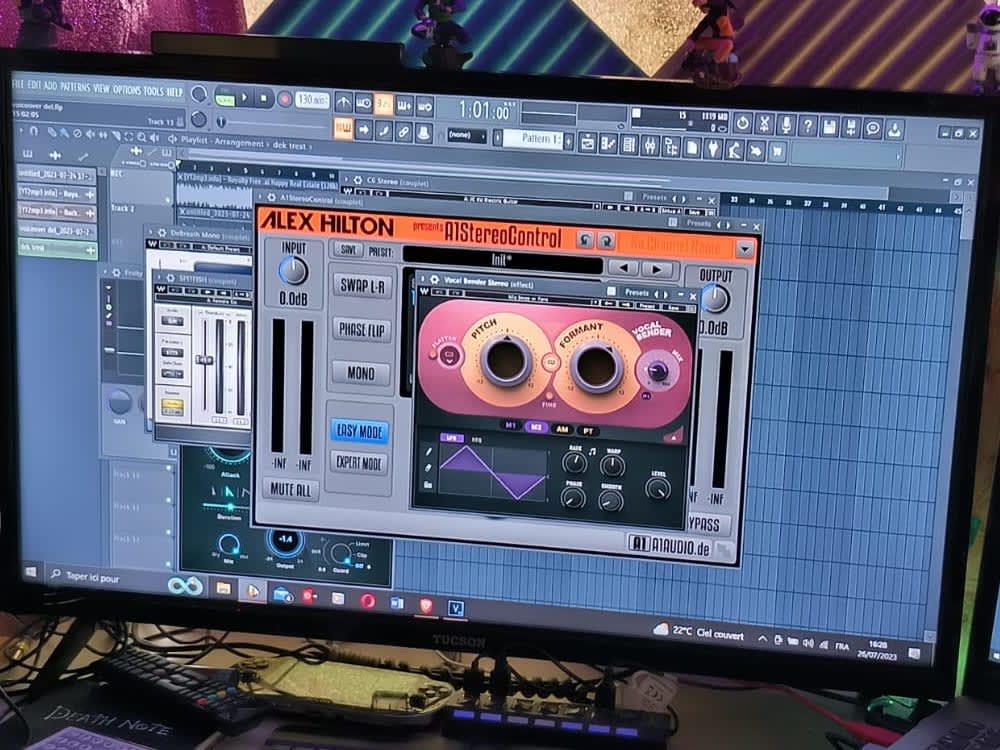
FL Studio is a powerful digital audio workstation used by music producers around the world. One of its notable features is the Step Sequencer, which allows users to easily create drum patterns, melodies, and basslines. In this article, we will explore the fundamentals of using the Step Sequencer in FL Studio.

Credit: www.productionmusiclive.com

Understanding the Step Sequencer

The Step Sequencer is a grid-based interface where you can create and arrange musical patterns. It consists of multiple channels, each representing a different instrument or sound. To access the Step Sequencer, simply click on the Step Sequencer icon in FL Studio’s toolbar.

Once you have the Step Sequencer open, you can start building your patterns. Each channel in the Step Sequencer represents a different sound or instrument, such as drums, synths, or bass. By default, the Step Sequencer contains 16 steps, representing a single bar of music.

Adding and Editing Patterns

To add a pattern to a channel, simply click on an empty slot in the Step Sequencer grid. This will create a blank pattern for that channel. You can then use your mouse to draw notes or steps on the grid, representing the rhythm and melody of your pattern.

Clicking on a step in the grid will activate it, while right-clicking will deactivate it. You can also adjust the velocity of each step by adjusting the corresponding knob in the Step Sequencer. Velocity determines the volume or intensity of a sound.

If you want to edit an existing pattern, simply click on the channel in the Step Sequencer. This will open the Piano Roll, where you can make detailed adjustments to the notes and arrangement of your pattern.

Using the Step Sequencer in FL Studio: Mastering the Beat Essentials

Credit: macprovideo.com

Arranging Patterns in the Playlist

Once you have created multiple patterns in the Step Sequencer, you can arrange them in the Playlist. The Playlist is where you can sequence the patterns and create a full song structure.

To add a pattern to the Playlist, simply drag and drop it from the Step Sequencer to an empty track. You can then arrange the patterns by dragging them horizontally in the Playlist, creating a unique arrangement for your track.

Additional Features and Tips

FL Studio’s Step Sequencer offers several additional features to enhance your music production workflow:

  • Copy and paste: You can easily duplicate patterns by selecting them and using the copy and paste commands.
  • Automation: FL Studio allows you to automate various parameters in the Step Sequencer, such as filter cutoff or effect parameters, to add movement and variation to your patterns.
  • Pattern length: You can change the length of individual patterns in the Step Sequencer to create complex rhythms and polyrhythms.

As you continue to use the Step Sequencer in FL Studio, remember to experiment, try different patterns, and explore the various features and possibilities. With practice and creativity, you’ll be able to create unique and captivating music using this powerful tool.

Frequently Asked Questions On Using The Step Sequencer In Fl Studio: Mastering The Beat Essentials


How Do I Access The Step Sequencer In Fl Studio?


To access the Step Sequencer in FL Studio, simply click on the Step Sequencer icon at the top of the interface.


What Is The Purpose Of The Step Sequencer In Fl Studio?


The Step Sequencer in FL Studio is used to create and arrange patterns of musical notes and rhythms for various instruments.


Can I Use The Step Sequencer For Different Instruments?


Yes, the Step Sequencer allows you to create and program patterns for a wide range of instruments and sounds within FL Studio.


Is It Possible To Adjust The Tempo In The Step Sequencer?


Absolutely, you can easily adjust the tempo within the Step Sequencer to achieve the desired speed for your music composition.

Categories
Archive Audio Production

Using Eq in Fl Studio : Mastering Audio Quality

Equalization, commonly referred to as EQ, is a fundamental tool used in music production to shape and balance the frequency content of audio signals. In FL Studio, a popular digital audio workstation (DAW), the EQ capabilities are powerful and versatile, allowing users to enhance and refine their sounds with precision.

Credit: www.native-instruments.com

Understanding EQ

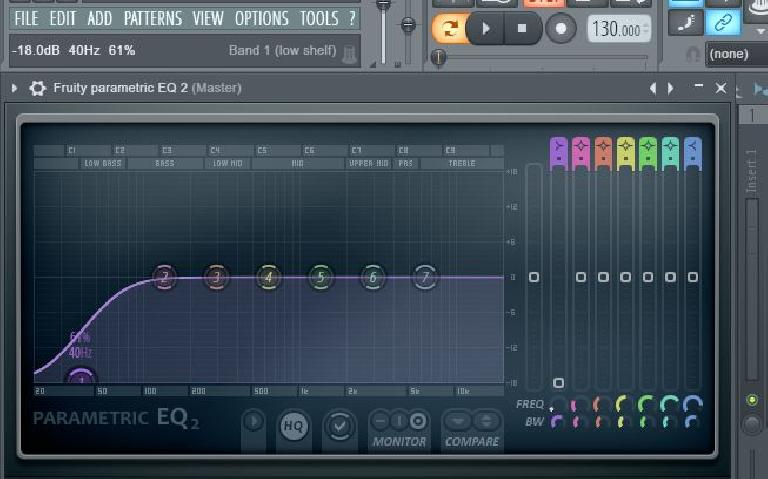
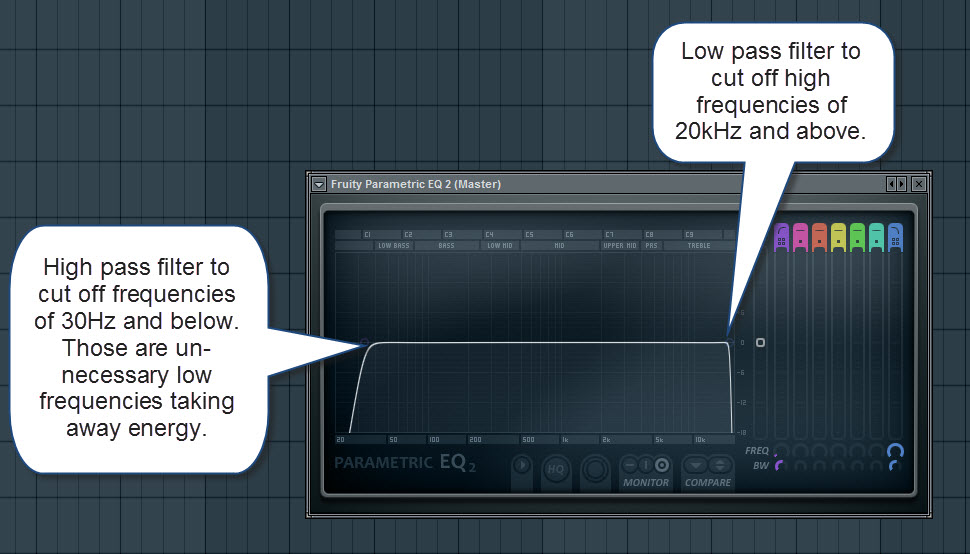
EQ works by selectively boosting or cutting specific frequencies in an audio signal. By manipulating the frequency spectrum, you can emphasize certain elements of a sound, reduce unwanted frequencies, or create an overall sense of balance. With FL Studio’s built-in EQ plugins, you have full control over these adjustments.

The EQ Effects in FL Studio

In FL Studio, there are several EQ plugins to choose from, each with its own unique features and interface. The most commonly used ones include:

  • Fruity Parametric EQ 2: A versatile graphic equalizer with parametric controls for precise adjustments.
  • Fruity EQ 2: A simpler version of the Parametric EQ 2, perfect for quick adjustments.
  • Fruity Love Philter: An advanced filter plugin that includes EQ capabilities.
Using Eq in Fl Studio  : Mastering Audio Quality

Credit: howtomakeelectronicmusic.com

Using EQ in FL Studio

When working with EQ in FL Studio, consider the following essential techniques:

  • Identify the problem frequencies: Listen carefully to your audio and identify any frequencies that are causing imbalance or issues in the mix.
  • Use spectrum analyzers: FL Studio offers real-time spectrum analyzers to visualize the frequency content of your audio, making it easier to identify problem areas.
  • Apply cuts and boosts: Using the EQ plugin of your choice, selectively cut or boost the identified frequencies to compensate for any imbalances.
  • Use Q and bandwidth controls: Adjusting the Q or bandwidth controls allows you to fine-tune the width of the frequency band being affected, giving you more precise control over the EQ adjustments.
  • Focus on subtle adjustments: Small, subtle EQ adjustments often yield better results than drastic changes. Keep your changes minimal to avoid negatively impacting the overall sound.
  • Experiment with different EQ plugins: FL Studio provides various EQ options, so don’t be afraid to try different plugins to find the one that best suits your needs and workflow.

Common EQ Applications

EQ can be used in various applications to enhance and shape your audio:

Application Explanation
Mixing EQ allows you to balance the different elements in a mix and ensure they sit well together.
Mastering Mastering EQ helps enhance the overall tonal balance and clarity of a finished track.
Sound Design EQ can be used creatively to shape and sculpt individual sounds or create special effects.

Frequently Asked Questions Of Using Eq In Fl Studio : Mastering Audio Quality


What Is Eq In Fl Studio?


Equalization (EQ) is a tool used to adjust the balance of frequencies within audio tracks.


How To Use Eq In Fl Studio?


Open the Mixer, select the track, insert a parametric EQ, and adjust the frequency bands.


Why Is Eq Important In Music Production?


EQ helps to remove unwanted frequencies, enhance clarity, and create a balanced mix.


What Are The Types Of Eq Available In Fl Studio?


FL Studio offers parametric EQ, graphic EQ, and linear phase EQ for precise audio shaping.

Conclusion

EQ is a powerful tool in FL Studio that allows you to shape and balance the frequency content of your audio. By understanding how to use EQ effectively and experimenting with different plugins, you can take your music production to the next level. Remember to keep your adjustments subtle and focus on achieving a balanced sound. Happy EQing!

Categories
Archive

A Complete Guide For Mixing Music: Master the Art of Sound

Learn the essential steps for mixing music effectively. Start with understanding levels, panning, and EQ.

Mixing music is a crucial process in creating professional-quality audio tracks. As a music producer or enthusiast, mastering the art of mixing can significantly enhance the overall quality of your recordings. From balancing levels and adjusting panning to fine-tuning EQ settings and applying effects, each step plays a vital role in achieving a well-rounded mix.

By following the right techniques and utilizing the appropriate tools, you can effectively blend different elements of your music to create a cohesive and impactful sound. In this comprehensive guide, we will explore the key principles and strategies for mixing music like a pro, helping you take your music production skills to the next level.

Understanding The Basics Of Music Mixing

Fundamentals Of Mixing

Mixing music involves blending different audio tracks together to create a harmonious and balanced sound.

It includes adjusting levels, panning, adding effects, and more to enhance the overall quality of the music.

The Importance Of Equalization

Equalization is a vital aspect of music mixing, allowing you to adjust the frequency balance of individual tracks.

It enhances clarity, helps prevent frequencies from clashing, and ensures each instrument or vocal stands out.

“`

Do you need help with anything else?

Essential Tools For Music Mixing

Mixing music requires the right tools to achieve professional-quality results. Understanding the Essential Tools for Music Mixing is crucial to the success of any mix. In this guide, we will explore the key tools that every music mixer should have in their arsenal.

Digital Audio Workstation (daw)

A Digital Audio Workstation (DAW) is the central hub where all mixing takes place. It is a software program that allows you to record, edit, and mix audio tracks. Popular DAWs include Pro Tools, Logic Pro, and Ableton Live.

Plugins And Effects

Plugins and Effects are essential tools that enhance the sound of your tracks. Plugins are additional software components that can be added to your DAW to add effects such as reverb, delay, EQ, and compression. Effects, on the other hand, are built-in tools within the DAW that alter the audio signal.

Mastering Techniques For Polishing Your Mix

Dynamic Range And Compression

Enhancing your mix’s dynamic range is crucial for creating a balanced and impactful sound. Utilize compression to control the dynamic range of individual tracks and overall mix. Adjust the threshold, ratio, and attack/release settings to sculpt the dynamics and ensure every element sits well within the mix.

Adding Depth With Reverb And Delay

Reverb and delay are essential tools for adding space and depth to your mix. Experiment with different types of reverbs and delays to create a sense of spaciousness and ambiance in your mix. Adjust the decay time, pre-delay, and wet/dry mix to tailor the reverb and delay effects to each track.

A Complete Guide For Mixing Music: Master the Art of Sound

Credit: training.npr.org

Understanding The Role Of Eq In Mixing

Unravel the significance of EQ in the art of music mixing with a comprehensive guide. Understand the pivotal role of EQ in balancing frequencies and shaping the overall sonic character of your mix. Mastering the intricacies of EQ empowers you to achieve professional-grade sound quality in your music productions.

Understanding the Role of EQ in Mixing

In the process of mixing music, equalization (EQ) plays a crucial role in shaping and transforming the sound of each individual instrument or element within a mix. EQ allows audio engineers to adjust the balance of frequencies, ensuring that each element sits well within the overall mix. This comprehensive guide will provide you with an in-depth understanding of the role of EQ in mixing, along with techniques for balancing frequencies and utilizing corrective and creative EQ.

Balancing Frequencies

When it comes to balancing frequencies in a mix, it’s important to ensure that each instrument or element has its own space within the frequency spectrum. This prevents certain elements from overpowering others, resulting in a well-balanced and pleasant mix. Here are some techniques to achieve frequency balance:

  • Identify the dominant frequencies: Use your ears and a spectrum analyzer to identify the prominent frequencies of each element. This will help you determine which frequencies need to be adjusted.
  • Address frequency clashes: If two or more elements are fighting for the same frequency range, use EQ to make subtle cuts or boosts to create separation.
  • Low-end management: The bass and kick drum are fundamental elements in most music genres. Use EQ to ensure they have their own space and don’t interfere with each other.
  • Notch filtering: If there are specific problem frequencies causing issues in the mix, notch filtering can be an effective technique. It involves making narrow cuts using a notch filter to eliminate unwanted resonances or harsh frequencies.
  • High-frequency clarity: Enhance the clarity and presence of vocal tracks, cymbals, and other high-frequency elements by adding a gentle boost to the higher frequencies.

Techniques For Corrective And Creative Eq

Corrective EQ involves addressing problematic frequencies or tonal imbalances in a mix, while creative EQ allows you to shape the overall sound and add character to individual elements. Here are some techniques for both:

  • Corrective EQ:
  • Remove muddiness: Use cuts in the lower midrange frequencies to reduce muddiness and improve clarity.
  • Reduce harshness: If a certain element sounds harsh or piercing, use EQ to make slight cuts around the offending frequencies.
  • Surgical EQ: For specific issues like resonances or unwanted noises, use surgical EQ techniques to make precise and narrow cuts to remove or reduce these problems.
  • Creative EQ:
  • Add warmth: Boosting the low midrange frequencies can add warmth and depth to instruments like guitars and vocals.
  • Brighten up: A gentle boost in the high-frequency range can add brightness and sparkle to elements like hi-hats and acoustic guitars.
  • Create unique sounds: Experiment with EQ to sculpt and shape the sound of individual elements, allowing you to create unique and interesting sonic textures.

Advanced Tips For Achieving Professional Sound

Discover professional sound mixing techniques that will elevate your music to the next level. Gain advanced insights on achieving a polished audio quality through expert tips and strategies. Elevate your music production with this comprehensive guide for achieving a professional sound.

When it comes to mixing music, understanding the advanced techniques can make all the difference in achieving a professional sound. In this section, we will explore two essential aspects of the mixing process that can help elevate your tracks to the next level: stereo imaging and automation.

Understanding Stereo Imaging

Stereo imaging refers to the spatial placement and distribution of sound within the stereo field. It determines how wide, narrow, or centered each instrument or element in your mix sounds. By mastering stereo imaging, you can create a sense of depth, space, and separation, enhancing the overall clarity and impact of your music.

Here are a few key strategies to optimize your stereo imaging:

  • Use panning: Place instruments or elements at varying positions between the left and right speakers to create a wide stereo image. This technique allows for better separation and prevents any muddiness in the mix.
  • Employ stereo wideners: Utilize plugins or effects that enhance the perceived width of certain elements. However, exercise caution to avoid excessive widening, which can lead to an unnatural and unfocused sound.
  • Consider center-channel focus: Keep important elements, such as lead vocals or center-focused instruments, prominent in the mix to maintain focus and prevent them from getting lost in the stereo field.

Utilizing Automation For Precision

Automation involves controlling the movement of various parameters throughout the mix to add dynamic changes and fine-tune individual elements. By strategically using automation, you can achieve precision and enhance the overall impact of your music.

Here are some ways to leverage automation effectively:

  • Volume automation: Adjust the volume levels of specific tracks, sections, or even individual notes to emphasize certain parts and maintain a cohesive balance throughout the song.
  • EQ automation: Modulate the equalization settings to sculpt the frequency balance of different instruments or vocals, ensuring they blend seamlessly and stand out at the right moments.
  • Effects automation: Create movement and transitions by automating parameters such as reverb, delay, or modulation effects. This adds depth and interest to your mix, keeping the listener engaged.

In conclusion, a solid understanding of stereo imaging and expert utilization of automation can take your music mixes to a whole new level of professionalism and sonic quality. By implementing these advanced techniques, you can achieve clarity, depth, and precision that will captivate your audience and make your tracks stand out among the rest.

A Complete Guide For Mixing Music: Master the Art of Sound

Credit: www.avid.com

Frequently Asked Questions Of A Complete Guide For Mixing Music

What Is Music Mixing And Why Is It Important?

Music mixing is the process of blending different audio elements to create a balanced and polished final mix. It is important because it enhances the overall sound quality, improves clarity, and ensures that all elements can be heard clearly.

How Can I Improve My Music Mixing Skills?

To improve your music mixing skills, practice regularly, study the works of experienced mixers, experiment with different techniques and plugins, and seek feedback from others. It’s also important to trust your ears and develop a good understanding of EQ, compression, and other mixing tools.

What Are Some Common Issues In Music Mixing?

Some common issues in music mixing include improper balance between instruments, muddiness or lack of clarity, excessive or uneven volume levels, harshness in high frequencies, and a lack of overall cohesion. Identifying and addressing these issues can greatly improve the quality of your mixes.

Should I Mix My Own Music Or Hire A Professional?

Whether to mix your own music or hire a professional depends on your goals, budget, and skill level. If you have the time, patience, and desire to learn, mixing your own music can be a great way to develop your skills.

However, if you want a polished and industry-standard sound, hiring a professional mixer may be a better option.

Conclusion

So there you have it—a comprehensive guide to mixing music. With these tips and techniques, you can take your music production skills to the next level. Remember to trust your ears, experiment, and continue learning. By staying open-minded and dedicated, you’ll be able to create professional-sounding mixes that stand out.

Keep practicing and enjoy the journey!

Categories
Archive Audio Production

Optimal Number Of Songs For Your First Project : 10 Sound Strategies

For your first project, aim for around 5-7 songs to keep it cohesive and engaging. Having a modest number of songs allows you to focus on quality over quantity, capturing listeners’ attention effectively.


Planning your debut project with the optimal number of songs sets the tone for your artistic vision and helps you create a memorable music experience. It’s crucial to strike a balance between showcasing your talent and keeping your audience interested from start to finish.


By selecting the right number of songs, you can make a strong impact in the competitive music industry and leave a lasting impression on your listeners.


The Significance Of Song Quantity


When embarking on your first music project, the number of songs you release holds great significance. It’s vital to strike a balance between quality and quantity. By carefully selecting the optimal number of songs, you can make a substantial impact and leave a lasting impression on your audience.

The Significance of Song Quantity Setting the Tone In creating your first project, the number of songs sets the initial impression. Creating a Cohesive Experience Ensuring each track complements the others is crucial for audience engagement. Start with a Well-rounded Collection Consider 5-7 songs to showcase your range and talent effectively. Avoid Overwhelming Your Audience Too many songs can dilute the impact of your music. Quality Over Quantity Focus on creating a few exceptional tracks rather than quantity. Strive for a Balanced Mix Aim for a diverse selection that keeps listeners intrigued. Consider Your Audience’s Attention Span Shorter projects tend to resonate better with today’s listeners. Craft a Memorable Listening Journey Each song should flow seamlessly into the next for a satisfying experience.

Optimal Number Of Songs For Your First Project : 10 Sound Strategies


Credit: en.wikipedia.org


Quality Over Quantity


Focus on creating a solid debut with fewer tracks that showcase quality over quantity. Aim for an optimal number of songs for your first project to make a lasting impact and engage listeners effectively. Prioritize excellence in each track to stand out in a crowded musical landscape.

Crafting Memorable Tracks

Embracing Artistic Freedom

Quality Over Quantity: Focus on creating a few exceptional songs rather than churning out many average ones.

When crafting your music project, it’s crucial to focus on quality over quantity.

By putting time and effort into each track, you can ensure that your music resonates with your audience.

Remember, empathizing with your listeners will help you create a more engaging and memorable experience for them.

Crafting Memorable Tracks: Each song should be a standout piece that showcases your unique style and creativity.

Embracing Artistic Freedom: Allow yourself the space to experiment and innovate without constraints.

Impacts On Project Length

When considering the optimal number of songs for your first music project, it’s crucial to understand the impacts on project length. The number of songs you include can directly affect the overall duration of your project, influencing various aspects such as production time, marketing efforts, and audience engagement.

Balancing Duration

One of the key aspects to consider when deciding on the number of songs for your first project is the balancing of duration. A shorter project with a limited number of songs can be more manageable in terms of production and promotion. On the other hand, a longer project with a larger song count may require more time and resources to bring to fruition. Balancing these aspects is crucial to ensure a realistic timeline and effective utilization of resources.

Consideration Of Audience

Another crucial factor to evaluate is the consideration of your audience. The length of your project can directly impact the attention span and interest of your listeners. Too many songs can overwhelm or exhaust the audience, while too few may leave them wanting more. Understanding your target audience is vital in determining the optimal number of songs that will resonate with them and keep them engaged throughout the project.

Variety In Musical Content


Explore the optimal number of songs for your first project, focusing on variety in musical content. Diversifying your tracks can engage listeners and showcase your range as an artist. Aim for a balanced mix of styles and genres to create a compelling debut album or EP.

Exploring Different Styles

When it comes to creating your first music project, experimenting with different styles can be key to capturing your audience’s attention. By exploring various musical genres, you can showcase your versatility as an artist and appeal to a wider range of listeners.

By incorporating different styles like pop, rock, hip-hop, or electronic into your project, you can create a truly unique and diverse listening experience for your audience. This not only keeps your music fresh and exciting but also allows you to tap into different demographics and reach new fans.

Imagine your first project as a canvas where you can paint with a rich palette of musical colors, each style adding a unique flavor to your overall sound. Diversifying your musical palette allows you to dig deeper into your artistic expression and push the boundaries of your creativity.

Experimenting With Diversity

Not only does experimenting with diversity give you the opportunity to explore different musical styles, but it also opens doors for collaboration and innovation. Mixing genres and blending sounds can lead to unexpected and powerful combinations that set your music apart from the rest.

By stepping out of your comfort zone and embracing diversity, you can broaden the horizons of your musical journey. Collaborating with artists from different genres, exploring new instruments, or incorporating unconventional sounds can add depth and excitement to your project.

Think about how artists like David Bowie, Prince, or Kendrick Lamar continuously pushed boundaries and experimented with diverse musical elements. It’s this willingness to take risks and explore uncharted territories that often leads to groundbreaking music that resonates with audiences on a profound level.

Remember, embracing diversity is about celebrating the melting pot of influences that have shaped you as an artist. It’s about letting your authenticity shine through and creating something that is uniquely yours.


Post-release Considerations


After releasing your first music project, consider the optimal number of songs carefully. Too few tracks may leave your audience wanting more, while too many can overwhelm. Finding the right balance will ensure a successful and satisfying debut.

Marketing And Promotion

After releasing your first project, it is crucial to shift your focus towards marketing and promotion. This is the time to create buzz and get your music out there to reach a wider audience. Utilize various marketing strategies to maximize the exposure of your songs. Consider the following:

  • Share your music on social media platforms such as Facebook, Instagram, and Twitter. Engage with your followers and encourage them to share your content.
  • Create eye-catching graphics and videos to promote your songs. Visual content can grab attention and increase the chances of your music being noticed.
  • Collaborate with other artists or influencers in your genre. This can help you tap into their existing fan base and gain new listeners.
  • Submit your music to online playlists and streaming platforms. Many platforms offer opportunities for independent artists to showcase their work.
  • Consider investing in paid advertising to reach a larger audience. Facebook Ads and Google AdWords are popular options that allow you to target specific demographics.

Feedback And Evaluation

Obtaining feedback and evaluating your first project is essential for growth and improvement. Feedback helps you understand how your music is resonating with listeners and what areas you can work on. Here are some ways you can gather feedback and evaluate your project:

  • Encourage your listeners to leave comments and reviews on your social media platforms, music streaming services, and website.
  • Reach out to industry professionals, such as music bloggers or reviewers, to get their honest opinions on your work.
  • Participate in online music communities and forums to connect with fellow musicians and receive constructive criticism.
  • Track your streaming and download numbers to gauge the popularity of your songs. This data can help you identify which tracks are resonating the most with your audience.
  • Analyze your social media engagement and website traffic to see if your promotion efforts are generating interest.

Remember, marketing and promotion, as well as receiving feedback, are ongoing processes. Continuously adapt your strategies and seek opportunities to connect with your audience. This will help you build a loyal fan base and pave the way for future projects.

Optimal Number Of Songs For Your First Project : 10 Sound Strategies


Credit: www.synthesia.io


Optimal Number Of Songs For Your First Project : 10 Sound Strategies


Credit: blog.groover.co


Frequently Asked Questions Of Optimal Number Of Songs For Your First Project


Q: How Many Songs Should Be In My First Music Project?


A: The optimal number of songs for your first music project depends on various factors, such as genre, length, and your target audience. Generally, it is recommended to have around 4 to 6 songs to showcase your talent and versatility without overwhelming listeners.


Q: Can I Have Too Many Songs In My First Project?


A: While it’s important to have enough songs to demonstrate your skills and style, having too many songs in your first project can be overwhelming for listeners. Stick to a manageable number of tracks that highlight your best work and leave listeners wanting more.


Q: Is It Better To Have A Shorter Or Longer Project For A Debut Release?


A: When it comes to the length of your debut release, quality often trumps quantity. It’s better to focus on creating a shorter project with high-quality songs that leave a lasting impression on listeners. A concise and impactful debut can help you make a strong impression in a competitive music industry.


Q: What Factors Should I Consider When Deciding The Number Of Songs For My Project?


A: When deciding the number of songs for your project, consider factors such as your genre, target audience’s preferences, attention span, and the time and resources available to you. Ensure that the final number of songs allows you to showcase your talent effectively without compromising quality.


Conclusion


The optimal number of songs for your first project depends on various factors such as your goals, resources, and target audience. It’s essential to strike a balance between quantity and quality to make a lasting impression. Consider the dynamics of the music industry and focus on creating a cohesive and impactful collection to leave a memorable mark.


Embrace creativity and strategic planning to maximize your project’s potential.

Categories
Archive

Mastering Jazz Music: Unleash Your Inner Maestro

Mastering jazz music involves understanding chord progressions and improvisation techniques. Practice, theory, and experimentation are key elements.

Jazz music, with its rich history and diverse styles, has captivated audiences for generations. From the swing era to modern fusion, mastering this genre requires dedication and skill. In this guide, we will explore the fundamentals of jazz music, including scales, modes, and rhythmic patterns.

By delving into the techniques of jazz legends and applying them to your own playing, you can elevate your musicianship and unlock the true essence of this dynamic art form. Join us on a journey through the world of jazz music and discover how to master its complexities and create your unique sound.

The Evolution Of Jazz Music

Jazz emerged in the late 19th century in the United States, blending African and European musical traditions.

Rooted in blues and ragtime, jazz music emphasized improvisation and syncopated rhythms.

Early jazz pioneers like Louis Armstrong and Duke Ellington shaped the genre’s foundations.

Jazz grew in the 20th century, absorbing influences from Latin, soul, and funk music.

Miles Davis and John Coltrane revolutionized jazz with their avant-garde approaches.

Innovations in technologies like electric instruments and recordings further shaped jazz’s evolution.

Contemporary jazz artists combine traditional styles with electronic elements for a fresh sound.

Genres like fusion and smooth jazz continue to push the boundaries of jazz music.

Jazz festivals and online platforms provide platforms for modern-day jazz expression.

Key Elements Of Jazz

Jazz music is an intricate and captivating genre that thrives on improvisation, swing rhythm, and complex harmonic progressions. These key elements are fundamental to understanding and mastering the art of Jazz.

Improvisation

Improvisation is at the core of Jazz music, allowing musicians to spontaneously create melodies and solos. It encourages creative freedom and personal expression in every performance.

Swing Rhythm

Swing rhythm is a distinctive element of Jazz, characterized by its offbeat feel and syncopated patterns. It adds a dynamic energy and groove that is essential to the genre.

Harmonic Progressions

Harmonic progressions in Jazz are complex and sophisticated, often incorporating extended chords and altered tones. They provide a rich harmonic foundation for musicians to explore and expand upon.

Influential Jazz Musicians

Explore the influence of iconic jazz musicians and their mastery of the music genre. Discover the innovative techniques and unique styles that have shaped the evolution of jazz music. Gain insight into the creative genius and lasting impact of these legendary musicians.

Influential Jazz Musicians

Jazz music is a rich and diverse genre that has been shaped and revolutionized by numerous influential musicians. These artists have not only contributed to the growth and popularity of jazz music but have also left a lasting impact on music culture as a whole. Let’s take a closer look at a few of these iconic figures: Louis Armstrong, Miles Davis, and Ella Fitzgerald.

Louis Armstrong

Louis Armstrong, also known as Satchmo, was a pioneering jazz trumpeter and vocalist. His vibrant personality and distinctive voice set him apart as a significant force in the development of jazz. Armstrong’s improvisational skills and charisma on stage made him an enduring icon in the world of music.

Miles Davis

Miles Davis, a visionary trumpeter and composer, redefined the boundaries of jazz music. His innovative approach to improvisation and experimentation with different musical styles earned him a prominent place in the history of jazz. Davis’ groundbreaking albums continue to inspire and captivate audiences across the globe.

Ella Fitzgerald

Ella Fitzgerald, often referred to as the “First Lady of Song,” possessed an unmatched vocal talent and an impeccable sense of phrasing. Her contributions to jazz, particularly in the realm of scat singing, solidified her status as one of the most influential jazz vocalists of all time. Fitzgerald’s timeless recordings and live performances continue to serve as a source of inspiration for aspiring musicians.

These jazz icons have undoubtedly shaped the landscape of music and continue to influence countless artists in the modern era. Their contributions serve as a testament to the enduring power of jazz music and its ability to transcend generations.

Styles And Subgenres

Explore various styles and subgenres to master jazz music, encompassing swing, bebop, and fusion. Dive into the intricate complexities of each, honing your skills and understanding the rich tapestry of jazz.

Mastering jazz music involves understanding and appreciating the various styles and subgenres that make up this rich and vibrant genre. From the lively sounds of Dixieland Jazz to the complex melodies of Bebop and the fusion of different musical genres in Fusion Jazz, each style brings its own unique flavor to the world of jazz.

Dixieland Jazz

Dixieland Jazz, also known as Traditional Jazz, emerged in the early 20th century in New Orleans. With its lively and energetic rhythms, Dixieland Jazz became a popular style that captured the essence of the roaring twenties. The core instruments of a Dixieland Jazz band typically include the trumpet, trombone, clarinet, piano, banjo, drums, and double bass. The ensemble engages in improvisation, with each instrument taking turns to showcase their skills. Popular tunes like “When the Saints Go Marching In” and “Tiger Rag” are often associated with this style.

Bebop

Bebop, a style that gained popularity in the 1940s, is characterized by its fast tempo, complex melodies, and intricate improvisation. Often played in small ensembles, Bebop challenged the conventional norms of jazz by introducing innovative harmonies and unpredictable rhythms. This style allowed musicians to showcase their technical prowess and creativity through their solos. Notable figures like Charlie Parker, Dizzy Gillespie, and Thelonious Monk pushed the boundaries of jazz with their Bebop compositions and improvisational skills, leaving a lasting impact on the genre as a whole.

Fusion Jazz

Fusion Jazz, which emerged in the late 1960s and continued to evolve through the 1970s, is a genre that blends jazz with elements of rock, funk, and even electronic music. This fusion creates a unique and dynamic sound that appeals to a wider audience. Fusion Jazz often incorporates electric instruments such as guitars and synthesizers, while still maintaining the improvisatory nature of jazz. Notable fusion jazz musicians include Miles Davis, Herbie Hancock, and Chick Corea, who have played a significant role in shaping this genre and pushing the boundaries of jazz music.

Mastering Jazz Techniques

Jazz music is known for its improvisational nature, complex harmonies, and rich textures. To truly master the art of jazz, one must delve into various techniques that define this genre. In this blog post, we will explore three essential elements of mastering jazz techniques: developing phrasing, understanding modes, and exploring complex rhythms.

Developing Phrasing

Phrasing is the key to expressing the emotional depth and narrative in jazz music. It involves creating melodic phrases that flow seamlessly, allowing the musician to convey their unique musical personality. To develop phrasing skills, focus on the following:

  • Rhythm: Experiment with syncopated rhythms, accents, and off-beat notes to add complexity and interest to your melodies. Vary the lengths of your phrases to keep the listener engaged.
  • Dynamics: Utilize a range of dynamics, from soft whispers to powerful crescendos, to evoke different emotions and create tension and release within your phrases.
  • Articulation: Pay attention to the way you articulate each note to add nuances and shape your phrases. Experiment with legato, staccato, and various tonguing techniques.

Understanding Modes

Modes are a fundamental part of jazz improvisation. They provide a framework for exploring different harmonic and melodic possibilities. Here are some essential modes to understand:

Mode Tonal Center Characteristics
Ionian Major scale Bright and uplifting
Dorian Minor scale with raised 6th Cool and sophisticated
Mixolydian Major scale with flat 7th Bluesy and groovy
Lydian Major scale with raised 4th Dreamy and ethereal

By familiarizing yourself with these modes and their unique characteristics, you can effortlessly navigate through chord changes and infuse your improvisations with color and flavor.

Exploring Complex Rhythms

In jazz, rhythm is a driving force that adds excitement and unpredictability to the music. Aspiring jazz musicians should embrace complex rhythms and challenge themselves to incorporate them into their playing. Here are some ways to explore complex rhythms:

  1. Polyrhythms: Experiment with layering different rhythmic patterns to create intricate and sophisticated rhythms. Develop independence between your hands and feet to add complexity to your playing.
  2. Metric Modulations: Explore shifting rhythmic subdivisions within a piece to create a dynamic and evolving rhythmic landscape. This technique adds a sense of surprise and forward motion to your performance.
  3. Syncopation: Embrace syncopated rhythms by accenting off-beat notes or emphasizing unexpected beats. This adds syncopation and groove to your playing, pushing the boundaries of traditional rhythmic patterns.

Mastering complex rhythms will unlock a world of rhythmic possibilities, enabling you to create captivating and engaging jazz performances.

Frequently Asked Questions On Mastering Jazz Music

What Are The Different Styles In Jazz Music?

Jazz music encompasses various styles such as swing, bebop, fusion, and cool jazz. Each style has its own distinct characteristics and influences, offering a rich and diverse listening experience for jazz enthusiasts.

How Can I Improve My Jazz Improvisation Skills?

To enhance your jazz improvisation skills, practice with backing tracks, transcribe solos of jazz legends, study music theory, and experiment with different scales and modes. Additionally, listening to and analyzing jazz recordings will help develop your improvisational vocabulary.

Who Are Some Influential Jazz Musicians?

Jazz has been shaped by countless influential musicians. Some notable figures include Louis Armstrong, Duke Ellington, Charlie Parker, Miles Davis, John Coltrane, and Ella Fitzgerald. Their contributions to jazz have had a lasting impact and continue to inspire aspiring musicians today.

Conclusion

In closing, jazz music is a diverse and captivating genre that offers endless opportunities for creativity and expression. Whether you’re a seasoned musician or a novice enthusiast, mastering jazz can be an enriching and fulfilling journey. By delving into its history and immersing yourself in its distinct rhythms and melodies, you can truly appreciate the artistry and innovation that jazz has to offer.

Embrace the challenges, nourish your passion, and let the soulful sounds of jazz inspire and invigorate you on your musical path.

Categories
Archive

Mastering And Mixing : Unleash Your Sonic Potential

Mastering and mixing are crucial steps in audio production for creating a polished and professional sound. By carefully adjusting levels, EQ, and effects, you can enhance the overall quality of your music and ensure it sounds great on all types of audio systems.

Mastering involves fine-tuning the final mix and preparing it for distribution, while mixing involves blending individual tracks to create a cohesive and balanced sound. Understanding these processes and developing your skills in mastering and mixing can greatly improve the quality of your music production.

Whether you’re a beginner or an experienced producer, learning how to master and mix effectively is essential for creating high-quality music that stands out.

The Basics Of Mastering And Mixing

Mastering and mixing are essential processes in the music production world. Understanding these basics is key for producing high-quality audio tracks.

Understanding Mastering And Mixing

Mastering involves enhancing the overall sound quality and ensuring consistency across all tracks in an album. Mixing, on the other hand, involves balancing the individual elements within a track.

Key Elements Of Mastering And Mixing

  • Equalization (EQ): Balancing frequencies to achieve clarity.
  • Compression: Controlling the dynamic range for a more polished sound.
  • Reverb and Delay: Adding space and depth to the audio.
  • Stereo Panning: Placing instruments in the stereo field for a balanced mix.

Setting Up Your Workspace

Optimizing Your Listening Environment

In a how-to on mastering and mixing, setting up your workspace is crucial.

Essential Equipment For Mastering And Mixing

Having the right gear is key to quality sound production. See the essential equipment below:

  • Studio monitors
  • High-quality headphones
  • Audio interface
  • Equalizer and compressor

Fundamentals Of Mastering

Mastering and mixing are essential components of music production that can greatly impact the final quality of a track. When it comes to mastering, it’s crucial to understand the fundamentals of this intricate process in order to achieve the best results. The fundamentals of mastering encompass crucial aspects such as balancing levels and dynamics, equalization, and stereo imaging.

Balancing Levels And Dynamics

The process of balancing levels and dynamics in mastering involves ensuring that the various elements of a track, such as vocals, instruments, and percussion, are at the appropriate volumes and maintain a cohesive dynamic range. Balancing levels allows for a harmonious blend of all the elements, preventing any individual component from overpowering the others, thereby achieving a balanced mix.

Equalization And Stereo Imaging

Equalization and stereo imaging play significant roles in the mastering process. Equalization enables the adjustment of the frequency spectrum, enhancing the tonal balance and addressing any discrepancies within the mix. Stereo imaging focuses on the spatial placement of audio elements, ensuring a wide and immersive soundstage.

Mastering And Mixing  : Unleash Your Sonic Potential

Credit: www.upwork.com

Advanced Mixing Techniques

Advanced Mixing Techniques play a crucial role in taking your music production to the next level. By implementing these techniques, you can enhance the overall quality and impact of your mixes, making them sound professional and polished. In this blog post, we will explore two essential aspects of advanced mixing: the Creative Use of Effects and Automation, and Achieving Clarity and Depth in Mixes.

Creative Use Of Effects And Automation

The creative use of effects and automation allows you to add depth, texture, and movement to your mixes. When properly utilized, effects and automation can transform a mundane mix into a captivating auditory experience. Here are some practical tips to harness the power of effects and automation:

  1. Experiment with different types of effects, such as reverb, delay, chorus, and distortion, to add character and personality to individual tracks.
  2. Use automation to control the parameters of effects in real-time, creating dynamic changes throughout the mix. This technique can be especially effective in highlighting certain elements or creating dynamic build-ups and transitions.
  3. Apply effects selectively, focusing on elements that require enhancement or emphasis. By using effects sparingly and purposefully, you can avoid overwhelming your mix and maintain clarity.
  4. Consider unconventional uses of effects to push the boundaries of creativity. For example, try using a subtle amount of distortion on a vocal track to add grit and attitude, or apply reverse reverb to create an ethereal atmosphere.

Achieving Clarity And Depth In Mixes

Clarity and depth are essential elements for a well-balanced and engaging mix. To achieve these qualities, it is important to pay attention to the arrangement, sonic placement, and processing of individual tracks. Here are some techniques to help you achieve clarity and depth in your mixes:

  • Start by organizing your tracks and removing any unnecessary elements to ensure a clean and focused mix.
  • Use EQ to carve out space for each instrument in the frequency spectrum, ensuring they don’t clash or compete for attention.
  • Utilize panning to create width and separation between instruments. This technique can provide a sense of space and enhance the stereo image.
  • Experiment with different reverbs and delays to add depth and natural ambiance to your mix. Adjust the parameters to create a sense of distance and space, making your mix feel more immersive.
  • Consider using parallel processing techniques, such as parallel compression, to add punch and energy to individual tracks or the entire mix.

By mastering these advanced mixing techniques, you can elevate your mixes to a professional standard. Whether you’re aiming for a crisp and transparent sound or an immersive and textured experience, the creative use of effects and automation and achieving clarity and depth can be powerful tools in your arsenal.

Mastering Your Final Mix

Once you have completed the mixing process, it’s time to take your final mix to the next level through the mastering process. Mastering involves adding the final touches to your mix to ensure it sounds polished, professional, and ready for distribution and release.

Applying Limiting And Compression

When it comes to mastering, applying limiting and compression is crucial for achieving a well-balanced and cohesive final mix. Limiting helps control the dynamic range of your mix by preventing any peaks from exceeding a certain threshold. This ensures that your mix has a consistent volume level throughout. On the other hand, compression helps to even out the overall dynamics of your mix by reducing the volume of louder sounds and boosting the volume of softer sounds.

Preparing For Distribution And Release

Preparing your final mix for distribution and release involves a few essential steps to ensure that your music reaches your audience in the best possible quality. Firstly, it’s important to normalize your mix, which sets a specific target level to prevent it from being too quiet or too loud. Next, you may want to add some fade-ins and fade-outs to your mix, which provide a smooth transition between tracks or sections. Additionally, applying dithering to your mix helps reduce any unwanted artifacts or noise that may occur during the conversion process from a higher bit depth to a lower one. Lastly, it’s crucial to carefully check for any clicks, pops, or unwanted noises and remove them manually if necessary.

In conclusion, mastering your final mix is a crucial step in the music production process. It helps elevate the quality and cohesiveness of your mix, making it ready for distribution and release. By applying techniques like limiting, compression, and other essential steps, you can ensure that your music is presented in the best possible light, capturing the essence of your artistic vision.

Mastering And Mixing  : Unleash Your Sonic Potential

Credit: www.facebook.com

Mastering And Mixing  : Unleash Your Sonic Potential

Credit: mixingandmastering.com

Frequently Asked Questions On Mastering And Mixing

What Is The Difference Between Mastering And Mixing?

Mastering is the final stage in music production, where the individual tracks are optimized and balanced for overall sound quality and consistency. Mixing, on the other hand, involves blending the individual tracks together, adjusting levels, panning, and adding effects to create the desired sonic result.

Why Is Mastering Important In Music Production?

Mastering is important because it polishes the final mix, enhancing its overall loudness, clarity, and depth. It ensures that the music sounds great on various playback systems and is ready for distribution. Mastering also helps achieve a cohesive sound across different songs in an album or playlist.

Do I Need To Hire A Professional For Mastering And Mixing?

While it’s possible to learn and do basic mastering and mixing yourself, hiring a professional is recommended if you want a polished and industry-standard sound. Professionals have the expertise, specialized tools, and listening environment to achieve the best possible results and make your music stand out.

Can I Master And Mix My Music On My Own?

Yes, you can master and mix your own music if you have the necessary skills and equipment. However, it’s important to have a good understanding of music production principles, audio processing, and critical listening. It’s also crucial to invest in quality monitors or headphones, as accurate monitoring is key to achieving professional results.

Conclusion

Mastering and mixing are essential skills for creating high-quality music. By utilizing the right techniques and tools, you can elevate your audio production to the next level. Understanding the importance of balance, dynamics, and tonal accuracy will help you achieve professional-sounding results.

So, keep practicing, experimenting, and refining your skills to become a master of mastering and mixing.

Categories
Archive

Songwriting Formula : 5 Proven Strategies for Creating Amazing Songs

Looking to craft a catchy song? Follow the songwriting formula for successful composition and engagement.

Understanding the structure of a song is key to creating a memorable melody that resonates with your audience. By breaking down elements like verses, choruses, and bridges, you can effectively organize your lyrics and music to captivate listeners. Utilizing this formula can help you convey your message clearly and evoke emotions through your music.

By mastering the songwriting formula, you can enhance the impact of your songs and connect with your audience on a deeper level. Whether you’re a seasoned songwriter or just starting out, this formula can serve as a valuable tool in your musical repertoire.

Songwriting Formula : 5 Proven Strategies for Creating Amazing Songs

Credit: www.nytimes.com

Crafting Memorable Lyrics

Crafting memorable lyrics is essential in songwriting to captivate listeners. When crafting memorable lyrics, using vivid imagery and telling compelling stories elevates the emotional impact.

Using Vivid Imagery

Vivid imagery paints a picture in the listener’s mind, enhancing the emotional connection.

  • Utilize descriptive language to create vivid mental images.
  • Engage the senses through words that evoke sight, sound, taste, touch, and smell.

Telling Compelling Stories

Compelling stories in lyrics resonate with the audience, sparking a deep emotional response.

  1. Weave narratives that draw listeners in and make them feel a part of the story.
  2. Create characters and settings that listeners can relate to or empathize with.

Melody And Chord Progressions

Songwriting Formula is an essential aspect of creating memorable and impactful music. One key component of this formula is the interplay between Melody and Chord Progressions.

Creating Catchy Melodies

Catchy melodies are crucial for engaging listeners and leaving a lasting impression.

Exploring Unique Chord Progressions

Unique chord progressions can elevate a song and make it stand out from the crowd.

Hooks And Choruses

Songwriting is an art form that requires the perfect blend of creativity and structure. When it comes to crafting a memorable and powerful song, hooks and choruses play a crucial role. These elements are what make a song stick in the minds of listeners and create a lasting impact. Let’s dive deeper into the art of crafting memorable hooks and building powerful choruses.

Crafting Memorable Hooks

A hook is the catchy, memorable part of a song that draws listeners in and keeps them engaged. It’s often the most memorable part of the song and the phrase that sticks in the listener’s mind. Crafting a powerful hook requires a deep understanding of the emotions and messages you want to convey in your song. Whether it’s a catchy melody, a clever lyric, or a unique rhythm, a well-crafted hook can elevate a song from good to great.

Building Powerful Choruses

The chorus is the heart of a song, the part that listeners anticipate and sing along with. It needs to be impactful, emotionally resonant, and easy to remember. Building a powerful chorus involves creating a strong, catchy melody, writing relatable lyrics, and ensuring it stands out from the verses. A well-crafted chorus has the potential to elevate a song to new heights and leave a lasting impression on the audience.

Song Structure And Arrangement

Song structure and arrangement play a crucial role in creating a memorable and engaging piece of music. In this blog post, we will explore the importance of song structure and arrangement, with a particular focus on the verse-chorus structure and arranging dynamic song sections.

Understanding Verse-chorus Structure

The verse-chorus structure is one of the most common and popular song structures used in various genres of music. It consists of alternating sections: verses and choruses. The verse sets up the narrative or story of the song, often with a different melody and lyrics each time it repeats. On the other hand, the chorus serves as the catchy and memorable part of the song, with consistent lyrics and melody throughout.

The verse-chorus structure follows a logical flow, where the verse builds tension and leads into the chorus, which provides release and emotional impact. This structure allows listeners to connect with the song both intellectually and emotionally. It also helps in creating familiarity, making the song easy to remember and sing along to.

When writing a song using the verse-chorus structure, it’s important to craft compelling verses that build interest and lead to a strong and impactful chorus. The verses should provide context and set the stage for the chorus to shine. Additionally, the lyrics in the verses should complement the theme of the song and connect with the listener on a personal level.

Arranging Dynamic Song Sections

Arranging dynamic song sections is essential in keeping the listener engaged throughout the song. It involves creating variation and contrast between different sections of the song, such as the verse, chorus, bridge, and pre-chorus. A well-arranged song will have a natural progression and flow, capturing the listener’s attention from start to finish.

One effective way to arrange dynamic song sections is to consider the dynamics and energy level of each section. For example, a song might start with a soft and intimate verse, followed by a powerful and energetic chorus. This contrast in dynamics creates a sense of anticipation and excitement, keeping the listener hooked.

In addition to dynamics, the arrangement of instruments and vocals also play a significant role in shaping the overall sound and impact of the song. Finding the right balance and layering of different elements can enhance the emotional depth and create a memorable listening experience.

When arranging a song, it’s essential to consider transitions between sections. Smooth and seamless transitions help maintain the flow of the song, avoiding any jarring or abrupt changes. This can be achieved by using techniques such as fills, instrumental hooks, or vocal harmonies that guide the listener from one section to another.

To summarize, song structure and arrangement are crucial elements in creating a compelling and memorable piece of music. Understanding the verse-chorus structure and arranging dynamic song sections can elevate your songwriting and captivate your audience. Take the time to craft engaging verses, powerful choruses, and consider the dynamics and transitions to create a song that resonates with your listeners.

Emotional Impact And Authenticity

Crafting a memorable song involves infusing emotional impact and authenticity. By following a songwriting formula that allows for genuine expression and raw emotion, artists can create music that resonates deeply with listeners and leaves a lasting impression. This approach not only connects with the audience but also establishes a stronger bond through the power of music.

Conveying Emotion Through Music

Music has the remarkable ability to evoke powerful emotions within us. It can make us feel joy, sadness, anger, love, and a variety of other intense feelings. When it comes to songwriting, conveying emotion effectively is crucial in order to create a lasting impact on listeners.

Songwriters often use a variety of techniques to convey emotion through music. One technique is through the use of melody and harmony. Certain melodies and chord progressions can elicit specific emotions. For example, a major key and an uplifting melody might make us feel happy, while a minor key and a melancholic melody might evoke sadness.

Another way to convey emotion is through the use of lyrics. Authentic and honest lyrics that come from the songwriter’s own personal experiences are often the most impactful. When a songwriter shares their deepest emotions and vulnerabilities through their lyrics, it allows listeners to connect on a deeper level.

The rhythm and tempo of a song also play a role in conveying emotion. A fast and energetic rhythm might create a feeling of excitement or happiness, while a slow tempo can evoke a sense of calmness or sadness.

Additionally, the use of dynamics in music can contribute to conveying emotion. Gradual changes in volume, from soft to loud or vice versa, can create a sense of tension and release, heightening the emotional impact of a song.

Overall, conveying emotion through music requires a combination of melody, harmony, lyrics, rhythm, tempo, and dynamics. It is the songwriter’s responsibility to carefully craft these elements in a way that connects with the listener’s emotions and leaves a lasting impression.

Maintaining Authenticity In Songwriting

Authenticity is a crucial aspect of effective songwriting. Songwriters must strive to maintain their own unique voice and style, rather than trying to imitate others or conform to trends. When a song is authentic, it resonates with listeners on a deeper level and creates a sense of connection.

One way to maintain authenticity in songwriting is by staying true to your own experiences and emotions. Write about what you know and what you feel passionately about. By drawing from your own life, you can create songs that are genuine and heartfelt.

In addition, it is important to resist the temptation to write songs solely for commercial success. While it may be tempting to chase after current trends or write songs that are more likely to be radio hits, this can often result in sacrificing authenticity. Instead, focus on writing songs that are true to yourself and your artistic vision.

Collaboration can also help maintain authenticity in songwriting. Working with other musicians and songwriters who share your artistic vision and values can lead to the creation of songs that are truly authentic and meaningful.

Lastly, constantly honing your craft and experimenting with different styles and techniques can help you discover your own unique voice as a songwriter. Finding what resonates with you and allows you to express yourself most authentically is key to creating impactful and emotionally powerful songs.

Songwriting Formula : 5 Proven Strategies for Creating Amazing Songs

Credit: emastered.com

Songwriting Formula : 5 Proven Strategies for Creating Amazing Songs

Credit: en.wikipedia.org

Frequently Asked Questions On Songwriting Formula

What Is A Songwriting Formula?

A songwriting formula is a structured approach to creating songs. It helps musicians organize their ideas and create cohesive compositions by following a set of rules or guidelines.

Why Is Having A Songwriting Formula Important?

Having a songwriting formula is important because it provides a framework for creativity. It helps musicians avoid writer’s block, stay focused, and create songs that are balanced and engaging to listeners.

Can A Songwriting Formula Limit Creativity?

No, a songwriting formula does not limit creativity. While it provides structure, it also allows room for artistic expression and individuality. It serves as a tool to refine ideas and enhance the overall songwriting process.

What Are Some Common Songwriting Formulas?

Some common songwriting formulas include the verse-chorus-verse-chorus-bridge-chorus structure, or the AABA structure. These formulas provide a blueprint for organizing lyrics, melodies, and chord progressions in a way that is pleasing to the ear.

Conclusion

Compose catchy hooks, compelling verses and memorable choruses to captivate your audience. By using the songwriting formula, you can confidently navigate the creative process and craft impactful music. Embrace your unique style, pour your heart into your lyrics, and experiment with different structures to unleash your creativity.

Elevate your songwriting game with these valuable tips.


Categories
Archive

Best Way to Promote Yourself As a Music Producer: Unleash Your Sound

The best way to promote yourself as a music producer is through social media marketing and networking. Utilize platforms like Instagram, SoundCloud, and LinkedIn to showcase your work and connect with potential clients and collaborators.

Engage with your audience regularly and participate in online music communities to increase your visibility and credibility. As a music producer, establishing a strong online presence is crucial in today’s digital age. By leveraging social media platforms such as Instagram, SoundCloud, and LinkedIn, you can effectively showcase your talent and reach a wider audience.

Engaging with your followers and actively networking within the music industry will help you build a solid reputation and attract new opportunities. In this competitive field, promoting yourself effectively can make all the difference in advancing your music production career.

Best Way to Promote Yourself As a Music Producer: Unleash Your Sound

Credit: blog.groover.co

Building A Strong Online Presence

In today’s digital age, establishing a solid online presence is essential for music producers to gain visibility and reach a wider audience. Building an effective online presence can lead to increased recognition, opportunities, and connections within the music industry. Let’s explore key strategies to enhance your visibility as a music producer.

Creating A Professional Website

Having a professional website is crucial for showcasing your work, services, and unique style as a music producer. A well-designed website provides a centralized platform for fans, clients, and industry professionals to learn more about your work and easily contact you.

Utilizing Social Media Platforms

Utilizing social media platforms effectively can significantly boost your online presence. Platforms like Instagram, Facebook, and Twitter allow you to engage with your audience, share your music, and connect with other musicians and industry influencers.

Networking In The Music Industry

Networking is crucial for music producers to expand their reach and opportunities in the industry.

Building Relationships With Artists

To build strong connections with artists, attend music events and showcases to meet them in person.

  • Show genuine interest in their work and offer to collaborate on projects.
  • Provide value to artists by helping them achieve their musical goals.

Connecting With Music Industry Professionals

Engage with industry professionals through social media platforms and online forums.

  1. Participate in music industry conferences to network with professionals.
  2. Seek mentorship from established producers and executives in the industry.

Showcasing Your Unique Sound

Producing High-quality Demos

When promoting yourself as a music producer, producing high-quality demos is crucial. Ensure that your demos are professional, polished, and truly represent your unique sound. High-quality demos can serve as a robust portfolio and demonstrate your capabilities to potential clients and collaborators.

Participating In Music Contests And Festivals

Another effective way to promote yourself as a music producer is to participate in music contests and festivals. This presents an excellent opportunity to get your music in front of a wider audience, network with industry professionals, and gain recognition for your unique sound. By participating in such events, you can gain exposure and potentially attract new opportunities for your music production career.

Utilizing Audio And Video Platforms

Discover the best way to promote yourself as a music producer by utilizing audio and video platforms. Showcase your talents through engaging content on platforms like YouTube, SoundCloud, and Instagram to build your online presence and attract a wider audience.

Showcasing your work through multimedia channels can help you reach new fans and create an impactful online identity.

Publishing On Streaming Platforms

When it comes to promoting yourself as a music producer, utilizing audio and video platforms can be immensely beneficial. One of the most effective ways to do this is by publishing your music on popular streaming platforms. Streaming platforms like Spotify, Apple Music, and SoundCloud have a massive user base, offering you the opportunity to reach a wider audience and gain more exposure for your work.

Creating Engaging Visual Content

In addition to publishing your music, creating engaging visual content is another great way to promote yourself as a music producer. Visual content not only captures the attention of your audience but also helps to enhance their overall experience. Here are a few creative ways to create engaging visual content:

  • Create visually appealing album covers or artwork for your tracks.
  • Produce music videos that complement your songs and showcase your creativity.
  • Live stream your music production process and provide insights for your fans.

Visual content not only adds an extra dimension to your music but also makes it more shareable on platforms like YouTube and social media. By combining your audio and visual elements, you can create a cohesive brand image that resonates with your target audience.

Promoting Your Work Effectively

Publishing on streaming platforms and creating engaging visual content are just the first steps in effectively promoting yourself as a music producer. Here are a few additional strategies to maximize your reach and exposure:

  1. Collaborate with other artists, both in and outside your genre, to expand your network and reach new audiences.
  2. Share your music and visual content on social media platforms like Instagram, Facebook, and Twitter.
  3. Submit your music to online music publications, blogs, and playlists that cater to your genre.
  4. Participate in music competitions or showcase events to gain more visibility within the industry.

Remember, consistency is key in promoting your work. Stay active, engage with your audience, and continually seek out new opportunities to showcase your talent. With time and dedication, you can effectively promote yourself as a music producer and increase your chances of success in the industry.

Collaborating And Partnering

To elevate yourself as a music producer, consider collaborating and partnering with other artists, influencers, and music platforms. By working together, you can tap into new audiences, gain exposure, and build a strong network in the music industry. Embrace teamwork to amplify your reach and establish yourself as a reputable music producer.

Collaborating and partnering with other artists, brands, and labels is a powerful way to promote yourself as a music producer. It not only allows you to expand your network and reach new audiences but also provides opportunities for growth and creativity. In this section, we will explore two essential aspects of collaborating and partnering as a music producer: seeking collaboration opportunities and building partnerships with brands and labels.

Seeking Collaboration Opportunities

When it comes to seeking collaboration opportunities, it’s crucial to be proactive and open-minded. Here are a few effective strategies to consider:

  • Reach out to other musicians and artists in your genre: Connecting with like-minded individuals can lead to exciting collaborations and mutual support.
  • Utilize social media platforms: Engage with fellow musicians through platforms like Instagram, Facebook, and Twitter. Commenting, liking, and sharing their work can spark conversations and potential collaborations.
  • Attend industry events and music festivals: Networking at music industry events can help you meet talented artists and industry professionals who might be interested in collaborating.
  • Join online communities and forums: Participating in online music communities and forums can expose you to a wide range of artists and producers, making it easier to find potential collaboration partners.
  • Collaborate on remixes and covers: Remixing or covering popular songs can catch the attention of established artists or producers and pave the way for exciting collaborations.

Building Partnerships With Brands And Labels

Building partnerships with brands and labels can elevate your presence as a music producer and open doors to new opportunities. Here’s how you can establish strong partnerships:

  1. Research and target relevant brands and labels: Identify brands and labels that align with your style and values. Research their current projects and initiatives to understand how you can contribute and add value.
  2. Create a professional portfolio: Showcase your best work, including tracks, production credits, and accolades. A well-presented portfolio can impress potential partners and give them a glimpse of your talent and potential.
  3. Send personalized pitches: Craft tailored emails to brands and labels, highlighting how a partnership can benefit both parties. Demonstrate your unique selling points and explain how your music can enhance their brand image or complement their existing roster.
  4. Collaborate on branded content: Partner with brands to create branded content, such as music for commercials, videos, or social media campaigns. This type of collaboration can increase your visibility and introduce your music to a broader audience.
  5. Attend industry showcases and conferences: By participating in industry showcases and conferences, you can connect directly with representatives from brands and labels. Building face-to-face relationships can help establish trust and potentially lead to partnership opportunities.

Remember, successful collaboration and partnership require mutual respect and shared goals. It’s essential to communicate effectively, be open to new ideas, and maintain professionalism throughout the process. By actively seeking collaboration opportunities and nurturing partnerships with brands and labels, you can propel your music producer career to new heights.

Best Way to Promote Yourself As a Music Producer: Unleash Your Sound

Credit: www.instagram.com

Frequently Asked Questions For Best Way To Promote Yourself As A Music Producer

How Can I Promote Myself As A Music Producer?

To promote yourself as a music producer, start by creating an online presence through social media platforms and a website. Collaborate with other artists and leverage their fanbase. Submit your music to blogs, playlists, and music industry professionals. Attend networking events and showcase your talent whenever possible.

What Are The Best Marketing Strategies For Music Producers?

Some effective marketing strategies for music producers include building an email list to connect with fans, releasing music regularly to keep your audience engaged, leveraging social media platforms for promotion and interaction, collaborating with other artists to expand your reach, and reaching out to music influencers and bloggers to feature your work.

How Do I Attract More Clients As A Music Producer?

To attract more clients as a music producer, showcase your portfolio and highlight your best work. Offer competitive pricing packages and provide excellent customer service. Network with industry professionals and attend events to meet potential clients. Create a strong online presence and engage with your target audience through social media and other platforms.

Conclusion

To sum up, as a music producer, the best way to promote yourself is through a multi-faceted strategy. Utilize social media, networking, and consistent branding to increase visibility. Engage with your audience, collaborate with other artists, and leverage digital tools to expand your reach.

Stay focused, persistent, and innovative in your promotional efforts to achieve success.

Categories
Archive

Can Mastering Fix A Bad Mix? Discover the Transformative Power!

Mastering can improve a bad mix by enhancing clarity and balance in the final track. Expert mastering can salvage an initial subpar mix by fine-tuning the different elements for a polished and professional sound.


Mastering engineers utilize specialized tools and techniques to address issues such as inconsistencies in volume levels, frequency balance, and overall dynamics. Through skillful mastering, even a poorly mixed track can be transformed into a high-quality and cohesive piece of music that captivates listeners and stands out in the crowded music industry.


Mastering plays a crucial role in refining the sonic characteristics of a mix and ensuring that the final product meets the highest standards of quality and excellence.


The Impact Of Mastering On A Mix

The Impact of Mastering on a Mix

When mastering a bad mix, it can work wonders to enhance the overall sound quality. Skilled mastering engineers can address issues such as imbalances in frequency, poor dynamic range, and uneven levels to bring out the best in a mix.

What Is Mastering?

Mastering is the final stage in the audio production process where a mix is polished and optimized for distribution across various platforms. It involves fine-tuning the overall sound through adjustments in EQ, compression, and limiting.

The Role Of Mastering In Audio Production

Mastering plays a crucial role in ensuring that a mix translates well across different playback systems. It helps to achieve a cohesive and professional sound by enhancing clarity, depth, and overall balance in the audio.


Credit: www.blinkist.com

How Mastering Can Improve A Bad Mix

Mastering plays a crucial role in salvaging a bad mix, turning it into a polished and professional-sounding track. By utilizing advanced audio processing techniques, mastering engineers can enhance the clarity and definition of individual elements, balance and polish the overall sound, and address various imperfections to deliver a high-quality final product.

Enhancement Of Clarity And Definition

Mastering improves the clarity and definition of instruments and vocals through precise equalization and dynamic processing. It can bring out subtle details, making each element stand out clearly.

Balancing And Polishing The Overall Sound

By adjusting the levels of different tracks, mastering ensures a balanced and cohesive soundscape. A skilled mastering engineer can enhance the overall tone and dynamics, address frequency imbalances, and provide a final polish.

Limitations Of Mastering In Fixing A Bad Mix

When it comes to audio production, mastering is a crucial final step in the process, but its ability to fix a bad mix is often overestimated. While mastering can certainly enhance and polish a well-mixed track, it has its limitations when it comes to salvaging a fundamentally flawed mix. Understanding these limitations is essential for both audio engineers and music producers seeking to achieve the best possible sound.

Challenges With Irreversible Issues

Even with advanced mastering techniques, certain issues within a mix may be irreversible. For instance, if the original recording lacks clarity or balance, even the most skilled mastering engineer may struggle to rectify these fundamental problems. Additionally, if there are significant technical errors, such as clipping or distortion in the mix, mastering can only do so much to repair these issues without negatively impacting the overall sound quality.

Compromises In Dynamics And Depth

Mastering can only do minimal corrections to the dynamic range and depth of a poorly mixed track. While compression and equalization can help to some extent, attempting to drastically alter the dynamics and depth of a mix during mastering often leads to compromised results. Mastering engineers may be able to add some polish and balance, but they are unlikely to completely reshape the dynamics and depth of a flawed mix without introducing unintended artifacts or tonal imbalances.

Can Mastering Fix A Bad Mix? Discover the Transformative Power!


Credit: www.amazon.com

The Art Of Collaboration: Mixing And Mastering Engineers

The Art of Collaboration: Mixing and Mastering Engineers

In the world of music production, the collaboration between mixing and mastering engineers is crucial in delivering a high-quality final product. While mixing involves balancing and sculpting individual tracks to create a cohesive sound, mastering takes it a step further by optimizing the overall audio quality and ensuring compatibility across various platforms and playback systems. Can mastering fix a bad mix? Let’s explore the role of collaboration between these two professionals to understand how they can work together to overcome mix shortcomings and deliver an exceptional listening experience.

Understanding The Relationship

Before diving into how mixing and mastering engineers can collaborate to fix a bad mix, it is essential to understand the nature of their relationship. Mixing engineers are responsible for creatively combining and fine-tuning individual instrument and vocal tracks to create a balanced and captivating mix. Their focus is on achieving the artist’s vision and giving each element its rightful place within the sonic landscape.

On the other hand, mastering engineers specialize in the final step of the production process. They analyze the mixed track as a whole, applying subtle enhancements and corrective measures to ensure clarity, depth, and overall sonic integrity. Their objective is to optimize the track’s volume levels, frequency balance, stereo image, and dynamics, making it sound polished and professional across different playback systems.

Effective Communication For Desired Results

A successful collaboration between mixing and mastering engineers relies on effective communication to achieve the desired results. Clear and concise communication is crucial throughout the entire process, from the initial discussions about the artist’s vision to sharing notes and feedback during the mixing and mastering stages.

During the mixing stage, it is essential for the mixing engineer to communicate their intentions, ideas, and any challenges they may be facing to the mastering engineer. This helps the mastering engineer gain a deeper understanding of the mix and provide targeted solutions during the mastering process.

The mastering engineer should also communicate any necessary adjustments made during the mastering phase back to the mixing engineer, to ensure a seamless integration of both processes. This open line of communication allows for collaboration and iteration, continuously refining the mix until the desired sonic outcome is achieved.

In addition to verbal communication, thorough documentation and reference material can also aid in effective collaboration. Detailed notes, references to songs with desired sonic characteristics, and clear instructions provide a solid foundation for both engineers to work from, reducing ambiguity and improving the overall efficiency of the process.

Mastering As A Transformative Process

Mastering is more than just a technical step in the audio production process. It is a transformative process that can elevate the emotional impact of a song and create cohesiveness and consistency within a mix. When done properly, mastering has the power to take a bad mix and turn it into something remarkably polished and professional.

Elevating The Emotional Impact

One of the key benefits of mastering is its ability to enhance the emotional impact of a song. Through careful manipulation of audio elements such as dynamics, equalization, and stereo imaging, a skilled mastering engineer can bring out the intended emotions and intensify the overall listening experience. Whether it’s adding warmth and depth to a delicate ballad or boosting the energy and excitement of an upbeat track, mastering plays a crucial role in evoking the desired emotional response from the listener.

Creating Cohesiveness And Consistency

A poorly mixed track can often lack cohesion and consistency, resulting in a disjointed listening experience. However, mastering can help address these issues by ensuring that each element of the mix works together harmoniously. By carefully adjusting levels, frequencies, and spatial characteristics, a mastering engineer can balance out any inconsistencies and create a cohesive sound that ties the entire mix together.

  • Mastering helps to equalize volume levels between different tracks on an album, ensuring a smooth and seamless transition from one song to the next.
  • It can also address any frequency imbalances, making sure that the low end is tight and controlled while the highs are clear and detailed.
  • Additionally, mastering can enhance the stereo imaging, giving the mix a wider and more expansive soundstage.

Furthermore, mastering can play a vital role in maintaining consistency across various playback systems. By carefully considering how the mix will sound on different platforms, such as headphones, car stereos, or club sound systems, the mastering engineer can make adjustments to ensure that the intended sonic qualities are preserved, regardless of the listening environment.

In conclusion, mastering is not just a technical step, but a transformative process that can elevate the emotional impact of a song and create cohesiveness and consistency within a mix. It enables the song to reach its full potential, capturing the intended emotions and ensuring a professional and polished final product.

Can Mastering Fix A Bad Mix? Discover the Transformative Power!


Credit: medium.com

Frequently Asked Questions Of Can Mastering Fix A Bad Mix

Can Mastering Fix A Bad Mix?

Mastering can enhance the overall sound of a mix, but it cannot fix a bad mix completely. It can improve the balance, dynamics, and clarity, but it cannot fix major issues like poor recording, improper EQing, or wrong arrangement. It is crucial to focus on getting a good mix before sending it for mastering.

Conclusion

Mastering can greatly improve a bad mix by enhancing clarity, balance, and overall sound quality. With the right tools and expertise, mastering can bring out the best in any recording, making it suitable for different platforms and audiences. It’s an essential final step in the music production process.