Categories
Archive

Flanger Vs Phaser: Uncover the Ultimate Sonic Battle

A flanger modulates the signal delay, creating a swirling effect, while a phaser alters the frequency spectrum. Both effects add depth and movement to audio signals, commonly used in music production to create unique textures and spatial effects.


Flangers offer a more pronounced swooshing sound, resembling a jet plane taking off, while phasers provide a subtle, sweeping effect that can mimic a rotating speaker or shimmering sound. Understanding the differences between flanger and phaser effects can help musicians and audio engineers choose the right tool to enhance their sound design and production techniques.


Let’s delve deeper into the nuances of flanger and phaser effects and explore their applications in music and sound production.

Flanger Vs Phaser: Uncover the Ultimate Sonic Battle


Credit: staytunedguitar.com


The Battle Begins: Flanger Vs Phaser

In the world of audio effects, two titans stand out: the Flanger and the Phaser. Let the battle begin as we delve into the distinctive characteristics and origins of these legendary effects.

Origins Of Flanger And Phaser

The Flanger effect dates back to the 1960s, pioneered by engineers who manipulated tape recordings to create a distinct whooshing sound. On the other hand, the Phaser effect emerged around the same time, inspired by the idea of altering phase relationships in audio signals.

Key Characteristics

  • Flanger: Creates a sweeping, jet-like sound by delaying the audio signal and modulating it with the original signal.
  • Phaser: Produces a swirling, ethereal effect by splitting the audio signal, altering its phase, and mixing it back with the original.

Flanger: The Sonic Maverick

How Flanger Works

Flanger creates sweeping, jet-like sounds by delaying and modulating a duplicated audio signal.

It adds depth and dimension to the original sound, creating a distinctive swirling effect.

Famous Flanger Examples

Artists like Eddie Van Halen and Pink Floyd have used flanger to craft iconic sounds.

Van Halen’s “Unchained” and Pink Floyd’s “Astronomy Domine” showcase the versatility of flanger effects.

Phaser: The Cosmic Modulator

Understanding Phaser Operation

Phaser modulation is achieved through the use of a series of all-pass filters, mixed with the original signal, creating a shifting phase effect. As the filters interact, it results in peaks and notches in the frequency spectrum, producing the characteristic sweeping sound associated with phaser effects.

Iconic Phaser Usage

Phaser effects have been prominently featured in iconic musical compositions, creating a futuristic and otherworldly ambiance in genres ranging from rock to electronic music. Notable artists such as Eddie Van Halen have utilized phaser to infuse their guitar solos with an ethereal quality.

Face-off: Flanger Vs Phaser

Tone modulation is an essential aspect of music production, allowing musicians to add depth, dimension, and unique effects to their sound. Two popular modulation effects often used in music production are flanger and phaser. While they may sound similar at first, they each have distinct characteristics that can significantly impact the overall tone of a song.

Comparing Tone Modulation

Flanger: Flanger produces a sweeping, jet-like sound effect by creating a slight delay and blending it with the original signal. This effect is achieved by duplicating the original audio signal, delaying it slightly, and then modulating the delay time. The result is a distinct whooshing sound with a notable metallic edge, reminiscent of a jet engine or an underwater effect.

Phaser: Phaser, on the other hand, produces a swirling, sweeping effect by splitting the audio signal into two paths. One path remains unaltered, while the other goes through a series of filters which modulate the signal’s phase. The modulated signal is then mixed back with the original signal, creating peaks and troughs that give the classic phaser sound. The effect is often described as a sweeping, “wooshy” sound, similar to that produced by a rotation speaker.

Both flanger and phaser offer unique sonic characteristics, and choosing between the two ultimately depends on the desired effect and the specific musical context.

Impact On Music Production

Flanger: Flanger is commonly used to add motion and depth to electric guitar solos, creating a sense of movement and space. It can also be applied to various elements in a mix, such as vocals, synths, or drums, to add an otherworldly texture. Flanger can be particularly effective in genres like rock, metal, and electronic music where a distinctive swirling or jet-like effect is desired.

Phaser: Phaser, on the other hand, is known for its versatility and can be utilized in various musical genres. It is often used to create rhythmic patterns in funk, disco, and reggae music, adding a dynamic and groovy texture. Phaser can also be applied to guitars, keys, and synths, providing a psychedelic touch or unique spatial movement. Additionally, it is frequently employed in creating swirling and pulsating effects that blend nicely with ambient or spacey soundscapes.

In conclusion, both flanger and phaser offer unique tonal characteristics and can greatly enhance a piece of music. Understanding their individual sound qualities and considering the desired effect and musical context are key to making an informed choice between the two.


Unlocking Sonic Artistry

If you’re a music enthusiast or a sound engineer, you’re probably familiar with the terms Flanger and Phaser. These sonic effects can add a whole new dimension to your music, allowing you to create unique and captivating sounds. In this blog post, we’re going to dive into the world of Flanger vs Phaser and explore how these effects can unlock sonic artistry like never before.

Exploring Combined Applications

When it comes to sonic experimentation, combining Flanger and Phaser effects can take your sound to the next level. Both effects have distinct characteristics and can be used together to create a truly mesmerizing sound experience.

With Flanger, you can achieve a dynamic sweeping effect by modulating a delayed version of the audio signal. This creates a swirling sound that adds depth and motion to your music. Meanwhile, Phaser works by creating a series of notch filters that sweep through the frequency spectrum. This results in a “whooshing” sound that can add an ethereal quality to your tracks.

By combining Flanger and Phaser effects, you can create complex and evolving textures that will captivate your listeners. For example, you can use the Flanger effect to add movement and depth to a guitar riff, while applying the Phaser effect to a vocal track can give it a dreamy and otherworldly vibe. The possibilities are endless when you experiment with the combined applications of Flanger and Phaser effects.

Experimenting With Soundscapes

One of the most exciting aspects of using Flanger and Phaser effects is the ability to create immersive soundscapes. Whether you’re producing ambient music or looking to add a unique touch to a cinematic soundtrack, these effects can help you create a sonic world that transports your listeners to another realm.

When experimenting with soundscapes, consider using the Flanger effect to create a sense of movement and space, while the Phaser effect can be employed to add depth and dimension. For instance, using the Flanger effect on a pad or synth can make the sound feel like it’s swirling around the listener, while applying the Phaser effect to a percussion track can create an otherworldly atmosphere.

Unleash your creativity and dive into the realm of sound design by experimenting with the vast possibilities that Flanger and Phaser effects have to offer. Your sonic artistry knows no bounds when you harness the power of these effects.
Flanger Vs Phaser: Uncover the Ultimate Sonic Battle


Credit: www.kuassa.com


Flanger Vs Phaser: Uncover the Ultimate Sonic Battle


Credit: www.amazon.com


Frequently Asked Questions For Flanger Vs Phaser


Which Is Better Phaser Or Flanger?


Both phaser and flanger offer unique sound effects, but the better choice depends on your preference and the song. Experiment with both to find what suits your music best.


Did Van Halen Use Phaser Or Flanger?


Van Halen used a phaser effect rather than a flanger in their music.


What Is Flanger Used For?


A flanger is used to create a unique whooshing sound by modulating the delay of an audio signal.


Should I Get Chorus Or Flanger?


It depends on the sound you want. Chorus adds depth and richness while flanger creates a more dramatic effect. Consider your musical style and preferences when choosing between the two.


Conclusion


In the end, both the flanger and phaser offer unique and versatile sound effects for guitarists and music enthusiasts. Understanding their differences and applications can help you make the right choice for your music. Experimenting with different settings and listening to examples can further guide your decision in incorporating these effects into your music.

Categories
Archive

How To Promote Your Music On Instagram: Unlock Your True Potential

To promote your music on Instagram, create visually engaging content and use relevant hashtags strategically. Engage with your followers consistently by responding to comments and messages, and collaborate with other musicians or influencers for wider reach.


Utilize Instagram Stories, IGTV, and Reels to showcase your music in different formats and interact with your audience in real-time. Share behind-the-scenes glimpses and updates to connect with your fans on a more personal level. Stay consistent with your posting schedule and use analytics to track your progress and adjust your strategy accordingly.


Promoting your music on Instagram can help you grow your fanbase and increase visibility in the competitive music industry.


Credit: www.instagram.com


Creating An Engaging Profile


To promote your music on Instagram, crafting an engaging profile is crucial. Use high-quality visuals and compelling captions to capture your audience’s attention. Utilize Instagram Stories, reels, and live features to interact with your followers and showcase your music in an engaging way.

Optimizing Your Bio

Your bio should be concise and highlight key information about your music. Use relevant keywords to attract your target audience.

Include a call-to-action to encourage interaction. Keep it updated with latest releases, events, or news related to your music.

Choosing The Right Profile Picture

Your profile picture should be distinctive and easily recognizable. Use a high-quality image that represents your brand.

Opt for a clear and professional photo that will stand out in a crowded feed.

Content Strategy

Utilizing Instagram Stories:

Instagram Stories provide a perfect platform for real-time engagement with your audience.

  • Share snippets of your music or upcoming releases to keep fans excited.
  • Use interactive features like polls and questions to boost engagement.
  • Highlight fan content by reposting user-generated Stories.

Showcasing Behind-the-scenes Content:

Give fans a peek behind the curtain with engaging behind-the-scenes content.

  • Share studio sessions, rehearsals, or the creative process to build anticipation.
  • Showcase your journey as an artist to create a personal connection with your audience.
  • Offer exclusive access by sharing content that fans won’t see anywhere else.

Building A Community

In the digital age, promoting your music on Instagram goes beyond just sharing your tracks – it’s about building a community of engaged fans and fellow musicians. By fostering a sense of belonging and interaction, you can create a strong following and boost your music career. Let’s delve into some effective strategies for cultivating a vibrant community on Instagram.

Engaging With Your Followers

Interacting with your Instagram followers is crucial for nurturing a loyal community. Reply to comments promptly, ask for their input, and create polls to encourage active participation. Upload engaging stories and posts that prompt discussions and draw followers into your world. By making your audience feel valued and involved, you’ll foster a sense of community around your music.

Collaborating With Other Musicians

Teaming up with fellow musicians for performances, songwriting, or collaborative posts can help you tap into each other’s fan bases and extend your reach. By cross-promoting each other’s content, you’ll expose your music to a new audience, thereby strengthening your community. Additionally, hosting joint live sessions or events can further solidify your bond with other artists and their fans.


Credit: www.instagram.com


Utilizing Hashtags And Tags

When it comes to promoting your music on Instagram, hashtags and tags play a crucial role in increasing your reach and visibility. By using relevant hashtags and tagging influencers and music brands, you can effectively expand your audience and attract more followers. In this section, we will explore the strategies of researching relevant hashtags and tagging influencers and music brands.

Researching Relevant Hashtags

Researching and using relevant hashtags is essential to ensure that your music reaches the right audience on Instagram. Here are some tips to help you find the most effective hashtags:

  1. Start by making a list of keywords related to your music. These can include genre, instrument, emotions, or themes.
  2. Use Instagram’s search feature to explore hashtags related to your keywords. Look for hashtags that have a significant number of posts, but not too many that your content will get lost.
  3. Analyze the top posts for each hashtag to see if they are relevant to your music style and audience. This will give you an idea of the type of content that performs well under each hashtag.
  4. Create a mix of popular and niche hashtags to increase your chances of getting discovered. Popular hashtags may have more competition, but they also have a larger audience. Niche hashtags, on the other hand, can help you target a specific group of users who are more likely to engage with your music.
  5. Keep an eye on trending hashtags and incorporate them into your posts when appropriate. This can help you ride the wave of popularity and increase your chances of being seen by a wider audience.

By implementing these strategies, you can research and use the most relevant hashtags that will attract the right audience to your music on Instagram.

Tagging Influencers And Music Brands

In addition to using hashtags, tagging influencers and music brands can be a powerful way to get your music noticed. Here’s how you can effectively utilize this strategy:

  • Identify relevant influencers and music brands in your niche that have a significant following on Instagram.
  • Ensure that the influencers and brands you tag align with your style and target audience. This will increase the likelihood of them engaging with your content.
  • When tagging influencers or brands, make sure to mention them in your caption or tag them directly in your post. This will notify them and increase the chances of them seeing and potentially sharing your music with their followers.
  • Collaborate with influencers and brands by reaching out to them directly. This can include featuring their content in your posts, creating joint projects, or simply engaging and supporting their posts. Building genuine relationships with influencers and brands can lead to more exposure for your music.

By utilizing hashtags and tags effectively, you can maximize your reach and promote your music to a wider audience on Instagram. Research relevant hashtags and tag influencers and music brands that resonate with your style and target audience, and you’ll be well on your way to gaining more exposure and attracting new fans.

https://www.youtube.com/watch?v=JvFP8Sq-yZs


Promotions And Ads


Discover effective ways to showcase your music on Instagram through targeted promotions and ads. Elevate your online presence and reach a wider audience by utilizing Instagram’s powerful advertising tools. Boost engagement and grow your fan base by leveraging promotional strategies tailored for the music industry.

Instagram is not just a platform to showcase your music; it’s also a place where you can promote your music to a wider audience and increase your reach. In this section, we will discuss two effective strategies for promoting your music on Instagram: boosting posts for wider reach and creating compelling ad campaigns.

Boosting Posts For Wider Reach

One way to get your music in front of more people is by boosting your Instagram posts. When you boost a post, you can select a target audience based on various demographics such as age, location, and interests. This ensures that your music reaches the right people who are more likely to engage with it. To boost a post, follow these simple steps:

  1. Select the post you want to boost
  2. Click on the “Promote” button below the post
  3. Choose your target audience by selecting the age range, location, and interests
  4. Set your budget and duration for the promotion
  5. Review your promotion and click on “Create Promotion”

By boosting your posts, you can increase their visibility and reach a larger audience, which can potentially lead to more followers, likes, and comments on your music.

Creating Compelling Ad Campaigns

Another effective way to promote your music on Instagram is by creating compelling ad campaigns. Instagram ads allow you to reach a highly-targeted audience and deliver your music directly to their feed. With eye-catching visuals and captivating captions, you can create ads that grab the attention of users and compel them to explore your music further. To create an Instagram ad campaign, consider the following steps:

  1. Create a business account on Instagram
  2. Link your Instagram account to your Facebook page
  3. Access the Facebook Ads Manager
  4. Select your marketing objective, such as increasing website visits or driving app installs
  5. Define your target audience based on demographics, interests, and behaviors
  6. Choose the ad format and create engaging visuals and compelling captions
  7. Set your budget and schedule for the ad campaign
  8. Monitor the performance of your ads and make necessary adjustments

By creating compelling ad campaigns, you can not only promote your music but also drive traffic to your website or other platforms where users can listen to your music. In conclusion, promoting your music on Instagram through boosting posts and creating compelling ad campaigns can significantly increase your reach and expose your music to a wider audience. With a well-planned strategy and engaging content, you can effectively promote your music on Instagram and connect with music lovers around the world.


Credit: theothrs.com


Frequently Asked Questions On How To Promote Your Music On Instagram


Can I Promote My Music On Instagram?


Yes, you can promote your music on Instagram. Utilize posts, stories, reels, and IGTV for maximum exposure. Engage with followers through music teasers, behind-the-scenes content, and collaborations. Use relevant hashtags to reach a wider audience. Additionally, consider running Instagram ads to boost visibility.


How Do You Make A Song Go Viral On Instagram?


To make a song go viral on Instagram, create engaging content that resonates with your audience. Use relevant hashtags, collaborate with influencers, and encourage user-generated content. Engage with your followers and utilize Instagram’s features like reels and stories to promote your music.


Consistently and actively engage with your followers.


How Do I Promote My Music On Reels?


To promote your music on reels, use popular hashtags related to music and your genre, create visually appealing and engaging content, collaborate with other artists and influencers, engage with your audience by responding to comments and messages, and regularly post new and exciting content.


How Do I Grow My Instagram Music Page?


To grow your Instagram music page, try these tips: 1. Create high-quality content that is engaging and unique. 2. Use relevant hashtags to increase visibility and reach a wider audience. 3. Collaborate with other musicians or influencers to cross-promote each other’s content.


4. Engage with your audience by responding to comments and messages promptly. 5. Promote your page on other social media platforms and engage with the music community to build connections.


Conclusion


Leveraging Instagram for music promotion can be a game-changer for artists. By utilizing strategic content and engaging with followers, you can effectively build a strong presence on the platform. Consistency and creativity are key, and using relevant hashtags and engaging with other users can help expand your reach.


With these strategies, you can effectively promote your music on Instagram and connect with a wider audience.

Categories
Archive

Bass Compression Trick: Unlock the Power of Your Bass Sound

One useful bass compression trick is using a slow attack and fast release for a punchy sound. This technique helps emphasize the initial attack of each bass note, enhancing its presence in the mix.


Bass compression is essential for tightening and controlling the low-end frequencies in your music production. By employing specific compressor settings, such as a slow attack and fast release, you can achieve a more balanced and defined bass sound. This trick works by allowing the initial attack of each bass note to come through before the compressor kicks in, ensuring that the transients remain intact while keeping the overall bass level consistent.


Experimenting with different attack and release settings can help you find the perfect balance for your mix, resulting in a more professional and polished sound.

Bass Compression Trick: Unlock the Power of Your Bass Sound


Credit: www.masteringthemix.com


The Power Of Bass Compression

Unlock the potential of your bass guitar with the ingenious bass compression trick. Discover how this technique can transform your sound and take your music to the next level.

Balancing Dynamics

When applied correctly, bass compression is a powerful tool for balancing the dynamics of your bassline.

Enhancing Sustain

Experience the magic of extended sustain as bass compression enhances each note’s resonance.

Choosing The Right Compressor

Choosing the Right Compressor: When it comes to implementing the bass compression trick, selecting the appropriate compressor is crucial. Understanding Different Types, Setting the Threshold and Ratio are key aspects in achieving optimal results.

Understanding Different Types:

A compressor can vary in its specific features and functionality, which can significantly impact the outcome of your bass compression technique.

Setting The Threshold And Ratio:

  • Threshold: Determines the level at which compression kicks in, affecting how much the compressor reduces the signal. Adjust carefully.
  • Ratio: Dictates the extent of compression applied once the signal surpasses the threshold. Higher ratios result in more aggressive compression.

Techniques For Effective Bass Compression

When it comes to mixing music, bass compression is a critical technique for achieving a well-balanced and consistent bass sound. Effective bass compression can help control the dynamics, tighten the low-end, and ensure that the bass sits well in the mix. In this post, we will explore two essential techniques for effective bass compression: parallel compression and sidechain compression.

Parallel Compression

Parallel compression, also known as New York compression, is a popular technique that involves blending a heavily compressed signal with the original uncompressed signal. It helps to retain the natural dynamics while adding weight and impact to the bass. Here’s how to apply parallel compression to your bass:

  • Route the bass track to a bus or auxiliary channel.
  • Apply heavy compression to the bus channel, using a low threshold and high ratio.
  • Blend the compressed signal with the original bass track using the bus fader.

Sidechain Compression

Sidechain compression is a powerful tool for creating space and clarity in a mix by allowing the bass to cut through without overpowering other elements. Here’s how to use sidechain compression on your bass:

  1. Insert a compressor on the bass track.
  2. Route the kick drum or other key elements to trigger the sidechain input of the compressor.
  3. Set the threshold and ratio to create a pumping effect that ducks the bass whenever the kick drum hits.

Bass Compression Trick: Unlock the Power of Your Bass Sound


Credit: www.gearnews.com


Avoiding Common Pitfalls


Discover an effective Bass Compression Trick to enhance your music production. Learn how to avoid common pitfalls and achieve a professional sound with this essential technique. Improve your mixes and bring out the best in your bass lines for a standout result.

Over-compressing

When it comes to bass compression, it’s important to find a balance. Over-compressing can result in a loss of dynamics, making your bass sound flat and lifeless. Instead of squashing the sound beyond recognition, aim for a more subtle compression that enhances the natural dynamics while keeping things under control.

To avoid over-compressing, start by setting a moderate compression ratio. A ratio between 2:1 and 4:1 is a good starting point. This means that for every 2-4 decibels the input level exceeds the threshold, the output level will only be increased by 1 decibel. This way, you can still maintain some dynamic range in your bass sound.

Another important parameter to consider is the threshold. The threshold determines at what level the compressor starts compressing the sound. If you set the threshold too low, the compressor will be constantly on and squash the sound too much. Find the sweet spot where the compression kicks in just enough to even out the dynamics without going overboard.

Ignoring Attack And Release Settings

Ignoring the attack and release settings can have a significant impact on the effectiveness of your bass compression. The attack time determines how quickly the compressor responds to a sudden increase in volume, while the release time determines how quickly it lets go once the volume decreases.

If the attack time is too fast, the compressor may unintentionally squash the initial transient of the bass sound, resulting in a loss of impact and punch. On the other hand, if the attack time is too slow, the compressor may not catch the peaks effectively, allowing them to pass through without being compressed. Experiment with different attack times to find the optimal setting that preserves the transient while still controlling the overall dynamics.

Similarly, the release time is crucial for maintaining a natural and smooth decay of each bass note. A release time that is too short can make the compression sound noticeable and unnatural, causing an unwanted pumping effect. Conversely, a release time that is too long may result in uneven compression, leaving some parts of the bass sound uncompressed. Adjust the release time to ensure a seamless and transparent compression that enhances the overall musicality.


Creative Applications

When it comes to the creative applications of bass compression, the possibilities are endless. This technique can take your bass guitar playing to a whole new level, allowing you to shape your tone and experiment with unique sounds. In this post, we will explore two creative applications of bass compression: using compression for tone shaping and experimenting with unconventional settings.

Using Compression For Tone Shaping

Bass compression can be a powerful tool for shaping your tone and adding character to your sound. By adjusting the attack, ratio, and release settings on your compressor, you can achieve a wide range of tonal effects.

If you’re looking to add sustain and warmth to your bass lines, try using a slower attack time and a higher ratio. This will effectively reduce the initial transient of your notes, resulting in a smoother and more even sound. On the other hand, if you want your bass to cut through the mix with more punch and definition, a faster attack time and a lower ratio would be more appropriate.

Another technique for tone shaping using compression is parallel compression. By blending a heavily compressed signal with the original uncompressed signal, you can achieve a unique and powerful sound that retains the dynamics of your playing while adding extra weight and sustain to your tone.

Experimenting With Unconventional Settings

While there are tried and true settings for bass compression, don’t be afraid to venture into unconventional territory and experiment with different parameters. You may stumble upon some unexpected and exciting sounds that can set your bass playing apart.

One unconventional setting to try is extreme compression. Push the threshold, ratio, and makeup gain to their limits to squash your bass guitar’s dynamics completely. While this may not be suitable for every musical context, it can be a creative tool for certain genres or specific sections of a song, such as heavy rock breakdowns or electronic music drops.

Another unconventional approach is to use compression as an effect rather than a transparent tool. By cranking up the attack time and allowing the compression to create a pumping effect, you can add rhythmic interest and groove to your bass lines.

Remember that experimentation is the key to discovering new and exciting sounds. Don’t be afraid to push boundaries and think outside the box when it comes to bass compression. With some creativity and a willingness to explore, you can unlock a whole new world of possibilities for your bass guitar playing.

Bass Compression Trick: Unlock the Power of Your Bass Sound


Credit: www.soundonsound.com


Frequently Asked Questions On Bass Compression Trick


How Do You Do Bass Compression?


To do bass compression, set threshold, ratio, attack, release, and makeup gain on compressor. Adjust parameters for desired effect.


Should You Compress Bass Fast Or Slow?


For bass compression, apply fast attack for punch and slow release for smoothness. Adjust to suit the track.


What Is The Best Compression Setting For A Bass Guitar?


The best compression setting for a bass guitar depends on the playing style and sound preference. A moderate compression with a ratio of 4:1 and a quick attack can help control the dynamics while maintaining a natural tone. Adjust the threshold and release to suit individual playing dynamics.


Should Bass Players Use Compression?


Yes, bass players should use compression as it helps even out the dynamics and sustain of their bass guitar sound, resulting in a more consistent and polished sound. Compression can also enhance the overall presence and punch of the bass, making it stand out in the mix.


Conclusion


To sum up, using the bass compression trick can significantly enhance the dynamics and presence of your bass tracks. By applying the right amount of compression, you can create a smoother and more powerful sound, ultimately elevating the overall quality of your mix.


Experiment with different settings to find the perfect balance for your specific mix. Mastering this technique will undoubtedly take your music production skills to the next level.

Categories
Archive

State Of The Traditional Music Industry : Unveiling the Evolution

The traditional music industry is constantly evolving due to digitalization and streaming services. Earning revenue has become more challenging.


As technology advances, the industry must adapt to new trends to stay relevant and profitable. The rise of social media and online platforms has changed how music is consumed and marketed, creating both opportunities and challenges for artists and record labels.


Despite these changes, traditional music remains a vital part of culture and entertainment, with live performances and physical sales playing an important role in sustaining the industry’s growth. To navigate the shifting landscape, stakeholders must leverage digital tools and develop innovative strategies to connect with audiences and drive revenue streams.


Credit: www.rmcad.edu


The Rise Of Digital Platforms


The traditional music industry is undergoing a significant transformation due to the rise of digital platforms. These platforms have changed the way music is produced, distributed, and consumed, leading to new opportunities and challenges for artists and the industry as a whole.


As digital platforms continue to expand, the traditional music industry must adapt to this new landscape to remain relevant and competitive.

The traditional music industry has experienced a profound transformation with the rise of digital platforms.

Shift In Consumption Patterns

– Music consumption shifting towards streaming platforms. – Increased access to diverse music genres globally.

Impact On Sales And Distribution

– Sales model evolving from physical to digital downloads. – Direct distribution channels empowering independent artists. The digital revolution has redefined how music is consumed, bought, and shared.

Changing Artist-label Dynamics


Explore the evolving dynamics between artists and labels in the changing music industry landscape, reflecting a shift away from traditional models. As the industry adapts to new digital platforms, artists are gaining more autonomy and control over their music careers.


This transformation signifies a significant departure from past practices, allowing for greater innovation and creativity in the industry.

Changing Artist-Label Dynamics In the evolving landscape of the traditional music industry, one of the most significant shifts is observed in the dynamics between artists and record labels. This change is reshaping the way music is created, promoted, and distributed.

Independence And Empowerment

Artists are increasingly seeking avenues to maintain independence while collaborating with record labels. This trend allows musicians to have greater control over their creative process, branding, and decision-making.

New Partnership Models

Collaborative partnerships are emerging, where artists and labels work together as equals, leveraging each other’s strengths. These new models focus on mutual benefit and shared success, leading to more transparency and fairness in deals.

Challenges And Opportunities

In the state of the traditional music industry, there are distinctive challenges and opportunities that are shaping the way artists, labels, and music industry professionals operate. Understanding these dynamics is crucial for navigating this evolving landscape.

Adapting To Digital Trends

Given the ever-expanding digital landscape, the traditional music industry has faced the challenge of adapting to rapid technological advancements. The shift from physical to digital media consumption has opened up new avenues for reaching audiences but has also presented hurdles in terms of monetizing music content.

  • Utilizing streaming platforms
  • Investing in online marketing strategies
  • Exploring digital distribution models

Monetizing Live Performances

Live performances remain a vital revenue stream for artists amidst the changing industry climate. The challenge lies in maximizing the monetization of live events while delivering memorable experiences to audiences.

  1. Implementing tiered ticket pricing
  2. Offering exclusive merchandise at shows
  3. Exploring virtual concert opportunities

Revival Of Vinyl And Live Music

As technology continues to advance at an unprecedented rate, it is no surprise that the music industry has undergone a significant transformation. While digital streaming platforms have dominated the landscape for the past decade or so, there has been a noticeable trend in recent years – a revival of vinyl records and live music experiences.

Resurgence Of Analog Listening

Amidst the sea of digital music options, the old-fashioned charm of vinyl has made a resounding comeback. Music aficionados and casual listeners alike are rediscovering the warmth and authenticity that analog listening brings. Vinyl records provide a tangible connection to the music in a way that cannot be replicated by the sterile convenience of digital formats.

This resurgence in vinyl can be attributed to several factors:

  • Quality and Sound: Vinyl enthusiasts argue that the format provides a richer, warmer sound compared to digital counterparts.
  • Collectibility: Owning and collecting vinyl records has become a popular hobby, with fans appreciating the album artwork, liner notes, and the tangible nature of the format.
  • Nostalgia: Vinyl evokes a sense of nostalgia, allowing listeners to transport themselves back to a time when physical albums were cherished possessions.

The resurgence of vinyl has not only captured the attention of music lovers but has also revitalized the physical music market. Record stores are experiencing a resurgence, and artists are recognizing the importance of releasing their music on vinyl to cater to this growing demand.

Live Music Experiences

While digital platforms offer the convenience of accessing music anytime and anywhere, they cannot replicate the electrifying energy and connection that live music experiences provide. In recent years, there has been a renewed focus on live performances, with artists and fans alike craving the tangible connection that can only be found in a concert setting.

Live music experiences offer a range of benefits:

  • Intimacy and Connection: Attending a live concert allows fans to connect with their favorite artists on a deeper level, witnessing their passion and talent firsthand.
  • One-of-a-Kind Performances: No two live performances are exactly the same, making each show a unique experience filled with surprises and improvisation.
  • Community and Camaraderie: Live concerts provide an opportunity for like-minded music enthusiasts to come together, forging connections and shared memories.

With the revival of vinyl and the increasing demand for live music experiences, the traditional music industry is entering a new era. Artists are finding innovative ways to engage their fans, emphasizing the importance of physical formats and the exhilaration of live performances. As technology continues to evolve, it is reassuring to see the enduring appeal of analog listening and the indescribable magic created in the presence of talented musicians.

https://www.youtube.com/watch?v=_PoyMZbvHGM


Innovation In Marketing And Promotion


The traditional music industry is witnessing a transformative shift with innovative marketing and promotion strategies driving growth. Embracing new digital platforms and creative campaigns are essential to staying relevant and engaging audiences in today’s ever-evolving landscape. This dynamic approach is reshaping the industry and amplifying the reach of traditional music in exciting ways.

Social Media Strategies

The rise of social media has revolutionized the way businesses interact with their audience, and the music industry is no exception. Social media platforms like Facebook, Instagram, Twitter, and YouTube provide artists and record labels with powerful tools to engage with fans and promote their music. Table: Benefits of Social Media Strategies | Benefits of Social Media Strategies | |——————————————-| | 1. Increased brand awareness | | 2. Direct communication with fans | | 3. Cost-effective promotion | | 4. Access to global audience |

Personalized Fan Engagement

One of the key challenges for artists in the traditional music industry is building a loyal and engaged fan base. Personalized fan engagement has emerged as a powerful strategy to overcome this challenge. By using data analytics and customer segmentation, artists can understand their fans’ preferences and tailor their marketing efforts accordingly.

  • Send personalized emails with exclusive content and offers
  • Use fan feedback to inform creative decisions
  • Organize intimate fan events or meet-and-greets
  • Create personalized merchandise or limited edition releases

Conclusion

Innovation in marketing and promotion has breathed new life into the traditional music industry. By leveraging social media strategies and implementing personalized fan engagement techniques, artists and record labels can reach a wider audience and establish meaningful connections with fans. These innovations not only benefit the music industry but also provide fans with a more immersive and personalized experience.


Credit: www.amazon.com


State Of The Traditional Music Industry : Unveiling the Evolution


Credit: grammy.com


Frequently Asked Questions Of State Of The Traditional Music Industry


What Is The Current State Of The Music Industry?


The music industry is evolving rapidly with the rise of digital streaming platforms. Independent artists have more opportunities to reach audiences. Live performances and merchandise sales are significant revenue streams. Overall, the industry is adapting to the digital age.


What Are The Problems In The Music Industry 2023?


The music industry in 2023 is facing various challenges. These include piracy, streaming royalties, lack of transparency, and the decline of physical album sales. Musicians also struggle with getting their music discovered and earning a living from their creative work.


How Is The Music Industry Changing?


The music industry is experiencing significant changes, driven by advancements in technology and digital platforms. Artists now have more control over their careers, with online streaming dominating music consumption. Social media and influencer marketing have reshaped promotion and fan engagement strategies.


Collaboration and diversity are also on the rise, transforming the industry’s landscape.


What Is The Future Of The Music Industry In 2023?


In 2023, the music industry is expected to continue evolving with the rise of digital streaming platforms, AI-generated music, and virtual concerts, providing new opportunities for artists to connect with their audiences. The focus will be on leveraging technology to enhance the fan experience and create innovative revenue streams.


Conclusion


The traditional music industry is adapting to digital advancements, offering new opportunities for artists. Despite facing challenges, such as declining physical sales, the industry continues to evolve. With streaming platforms and social media, musicians can reach global audiences. Embracing innovation is crucial for sustained growth in the industry.

Categories
Archive

Unlocking Your Music Mindset: From Hobbyist to Successful Artist

Transform your music hobby into an artist career with the Music Mindset Formula. Elevate your skills, mindset, and opportunities.


Are you dreaming of taking your music hobby to the next level and becoming a successful artist? The Music Mindset Formula is here to help you turn your passion into a thriving career in the music industry. By enhancing your skills and cultivating the right mindset, you can unlock new opportunities and reach your full potential as a musician.


Whether you’re a beginner looking to break into the industry or an experienced artist seeking growth, this formula provides a roadmap to success. With dedication and the right guidance, you can transition from a hobbyist to a professional artist and make your mark in the music world.

Unlocking Your Music Mindset: From Hobbyist to Successful Artist


Credit: www.facebook.com


Defining Your Music Mindset

Identifying Your Goals

Setting specific goals helps you stay focused and motivated in your music journey.

  • Write down your short-term and long-term objectives.
  • Make your goals measurable and achievable.
  • Regularly review and adjust your goals as you progress.

Exploring Your Music Identity

Your music identity is what sets you apart as an artist and shapes your unique sound.

  1. Reflect on the type of music that resonates with you most.
  2. Experiment with different genres to discover your musical identity.
  3. Stay true to your authentic self when creating music.
Unlocking Your Music Mindset: From Hobbyist to Successful Artist


Credit: www.amazon.com


Building A Strong Foundation

Practice consistently to hone your skills and excel in your craft.

Set achievable goals to progress steadily in your musical journey.

Invest time in learning new techniques and experimenting with your sound.

Research the current trends to stay relevant and adapt to the industry changes.

Network with other artists and professionals to gain insights and opportunities.

Navigating The Path To Success

Navigating the path to success in the music industry, especially transitioning from a hobbyist to an established artist, can be an exciting yet daunting journey. It requires a strategic approach and a clear vision of how to create a brand image, build a network, and embrace collaboration. By following a music mindset formula, individuals can pave their way towards success in the competitive world of music.

Creating A Brand Image

Establishing a strong brand image is crucial for aspiring artists. This involves defining unique and memorable elements that set them apart from the crowd. Artists must focus on their visual identity including logos, color schemes, and artwork that reflect their style and message. Crafting a compelling narrative and building a consistent online presence across various platforms can further reinforce their brand image and attract a loyal following.

Networking And Collaboration

Building a solid network within the music industry is essential for growth. Engagement with other artists, producers, and industry professionals can open doors to new opportunities. Collaborations can lead to creative expansion, exposure to different fan bases, and unexpected breakthroughs in the industry. Establishing mutually beneficial relationships will provide ongoing support and mentoring, crucial to navigating the complexities of the music business.

Monetizing Your Music Career


Transform your music hobby into a successful career with the Music Mindset Formula. Learn how to monetize your music as an artist and gain valuable insights on navigating the industry. Take your passion to the next level and achieve financial success while doing what you love.

Diversifying Income Streams

One key element in monetizing your music career is diversifying your income streams. Relying solely on album sales or live performances might not bring in enough revenue to sustain your music career. Instead, consider exploring various avenues to generate income.

Here’s how you can diversify your income streams:

  1. Merchandise sales: Create unique and appealing merchandise like t-shirts, posters, and accessories that showcase your music brand. Sell them through your website, social media, or at live shows.
  2. Streaming platforms: Take advantage of popular streaming platforms like Spotify, Apple Music, and YouTube to earn royalties based on the number of listens or views your music receives.
  3. Sync licensing: Explore opportunities to license your music for use in commercials, TV shows, movies, and video games. This can provide a steady income stream and exposure to a wider audience.
  4. Collaborations and features: Collaborate with other artists, both within and outside your genre, to expand your fan base and increase your revenue potential. Features on other artists’ songs can also generate additional income.
  5. Music lessons and workshops: If you have the expertise, offer music lessons or workshops to aspiring musicians. This allows you to share your knowledge while earning extra income.

Strategic Marketing And Promotion

Another crucial aspect of monetizing your music career is strategic marketing and promotion. Simply releasing music without promoting it effectively often leads to limited exposure and little financial return. To maximize your earnings, you need to devise a comprehensive marketing strategy.

Consider the following strategies for effective music marketing:

  • Build a strong online presence: Create a professional website and maintain active social media profiles to connect with your audience and promote your music.
  • Engage in content marketing: Produce high-quality content such as music videos, behind-the-scenes footage, and vlogs to engage your fans and attract new listeners.
  • Collaborate with influencers: Partner with influencers in the music industry or related niches to reach a wider audience. Their endorsements can significantly boost your exposure and revenue.
  • Utilize email marketing: Build an email list of fans and engage with them regularly through newsletters, exclusive offers, and updates. This helps you maintain a direct connection with your audience and drive sales.
  • Live performances and tours: Organize live performances and tours to not only showcase your talent but also generate income through ticket sales, merchandise, and sponsored partnerships.

By diversifying your income streams and employing strategic marketing and promotion techniques, you can effectively monetize your music career, turning your passion into a sustainable and profitable artistic journey.

Maintaining Your Artist Mindset


To transition from music hobbyist to professional artist, it’s vital to cultivate and maintain the right mindset. The Music Mindset Formula From Hobby to Artist provides a valuable framework for developing the necessary mindset for a successful music career. This formula encompasses dedication, resilience, and a relentless pursuit of creativity.

Self-care And Wellness

When it comes to maintaining your artist mindset, self-care and wellness play a crucial role. As an artist, it’s essential to prioritize your physical and mental well-being to stay focused and avoid burnout. Here are some tips to help you take care of yourself:

  • Take regular breaks to rest and recharge your energy levels.
  • Engage in activities that bring you joy and relaxation, such as yoga or meditation.
  • Eat nourishing foods that fuel your creativity and provide the necessary nutrients.
  • Ensure you get enough sleep to support your overall well-being.
  • Stay hydrated throughout the day to keep your mind and body functioning optimally.

By incorporating self-care practices into your daily routine, you’re not only enhancing your artist mindset but also fostering a healthy lifestyle.

Staying Inspired And Motivated

To maintain an artist mindset, it’s important to stay inspired and motivated. Here are some strategies to help you keep your creative juices flowing:

  1. Expose yourself to various forms of art and music to broaden your artistic horizons.
  2. Attend live performances, exhibitions, or concerts to experience the work of other artists.
  3. Make a habit of exploring new genres or styles of music to expand your artistic palette.
  4. Engage in regular artistic exercises and challenges to keep your skills sharp and motivate yourself.
  5. Surround yourself with like-minded individuals who share your passion for music. Collaborating and exchanging ideas can inspire fresh perspectives.

By continuously seeking inspiration and motivation, you’ll stay in a creative mindset that drives you forward on your artistic journey.

Unlocking Your Music Mindset: From Hobbyist to Successful Artist


Credit: creativekind.podbean.com


Frequently Asked Questions On Music Mindset Formula From Hobby To Artist


What Is The Mindset Of An Artist?


An artist’s mindset is creative, introspective, and inspired by emotions and experiences. They constantly seek new perspectives and express themselves through their unique vision and interpretation of the world.


How Can I Become A Better Music Artist?


To become a better music artist, practice consistently, study music theory, seek feedback, collaborate with others, and stay true to your unique style. Engage with your audience and continuously learn and adapt to the industry. Keep honing your craft and never stop perfecting your skills.


Is Making Music A Hobby?


Yes, making music can be considered a hobby for many people.


What Is The Music Artist Process?


The music artist process involves creating, recording, and performing music to connect with listeners. Artists write lyrics, compose melodies, record in studios, and release their music on platforms. They promote their work through concerts, social media, and collaborations to grow their fanbase and gain recognition in the industry.


Conclusion


Transforming your music hobby into a sustainable career requires a strong mindset and strategic approach. By leveraging the Music Mindset Formula, you can navigate the challenges of the industry and position yourself as a successful artist. Embrace the power of passion, perseverance, and purpose to elevate your music career to new heights.


https://www.youtube.com/watch?v=jap9M-usmZk


Categories
Archive

Record Guitar On Pc : Master the Art of Digital Guitar Recording

To record guitar on a PC, you need an audio interface and software like Audacity. Set up your equipment, connect your guitar to the interface, open the recording software, set input levels, and press record.


Recording guitar on your PC allows you to capture your creative ideas, practice sessions, or create professional-quality tracks easily. With the right setup and tools, you can experiment with different sounds, layer tracks, and produce music without the need for expensive studio time.


Whether you’re a beginner guitarist or a seasoned player, recording on your PC offers flexibility and convenience for honing your skills and sharing your music with the world.


Credit: m.facebook.com


Setting Up Your Home Studio

Setting up your home studio is crucial for recording guitar on PC in the most effective way. To ensure a smooth recording process, follow these steps to create a conducive environment.

Choosing The Right Equipment

Select equipment that suits your needs and budget. Prioritize a quality microphone, audio interface, and headphones for optimal sound recording.

Optimizing Your Recording Space

Position your equipment in a quiet, well-lit room. Reduce background noise by using acoustic panels or blankets. Ensure the room is well-ventilated for comfort.

Record Guitar On Pc  : Master the Art of Digital Guitar Recording


Credit: online.berklee.edu


Selecting Your Recording Software

Selecting your recording software is a crucial step in setting up your home recording studio. Your digital audio workstation (DAW) will be the hub of your recording process, providing you with the tools needed to create professional-quality guitar recordings.

Exploring Different Daw Options

When choosing a DAW, consider factors such as ease of use, compatibility with your computer system, and available features. Some popular options for recording guitar on PC include:

  • Ableton Live
  • Pro Tools
  • Logic Pro X
  • Reaper

Understanding Plugins And Effects

Plugins and effects play a significant role in enhancing your guitar recordings. Look for DAWs that offer a wide variety of plugins and effects to experiment with, including:

  1. Amplifier simulators
  2. Delay and reverb effects
  3. EQ and compression plugins
  4. Guitar pedal emulations


Preparing Your Guitar For Recording

Before starting to record your guitar on your PC, it’s essential to ensure that your instrument is properly prepared. This can significantly impact the quality of your recordings. Here are some crucial steps to take in preparing your guitar for recording:

Ensuring Proper Tuning

Proper tuning is the fundamental step in preparing your guitar for recording. Tuning your guitar not only ensures accurate pitch but also contributes to the overall sound quality of your recordings. Use a reliable electronic tuner to achieve precise tuning for each string.

Adjusting Tone And Volume Settings

Before recording, it’s essential to adjust the tone and volume settings on your guitar. Experiment with different settings to find the optimal balance that complements the specific sound you want to achieve in your recordings. Be sure to test different combinations before settling on the ideal settings.

Record Guitar On Pc  : Master the Art of Digital Guitar Recording


Credit: www.amazon.com


Recording Techniques And Best Practices


Capture the rich sounds of your guitar by recording directly onto your PC. Implementing the right recording techniques and best practices can enhance the quality of your recordings, allowing you to achieve professional-sounding results. With the right set-up and attention to detail, you can create impressive guitar tracks from the comfort of your own home.

Mic Placement

When it comes to recording guitar on a PC, mic placement plays a crucial role in capturing the perfect sound. The position of the microphone relative to the guitar amp will determine the tonal quality and overall balance of the recorded sound. Finding the sweet spot can greatly enhance the final result. To achieve the desired sound, experiment with different mic placements. Generally, placing the microphone close to the guitar amp’s speaker cone will yield a more focused and direct sound, while moving it further back will capture more of the room ambiance.

Amp Simulation

If you don’t have access to a guitar amp or prefer a more convenient option, utilizing amp simulation software is a popular alternative. These programs recreate the sound of various guitar amplifiers and cabinets, allowing you to achieve a wide range of tones and effects directly from your PC. With amp simulation software, you can experiment with different virtual amplifiers and cabinets, adjust settings such as gain, tone, and reverb, and even simulate microphone positions for added realism. The flexibility and convenience of amp simulation make it a versatile tool for recording guitar on a PC.

Utilizing Layering And Overdubbing

Layering and overdubbing can take your guitar recordings to the next level. By recording multiple guitar parts and layering them together, you can create a rich and full-bodied sound. When layering, it’s important to ensure each part is played with precision and tight timing. This will prevent any unwanted phasing issues and maintain clarity in the mix. Additionally, experimenting with different guitar tones and effects for each layer can add depth and texture to your recordings. Overdubbing is another technique that involves adding additional guitar parts to an existing recording. This allows you to enhance certain sections, create harmonies, or introduce solos. Use headphones to monitor the existing recording while playing along to maintain accuracy and coherence.

Table: Quick Tips For Recording Guitar On Pc

Tip 1 Experiment with mic placement to capture the desired sound.
Tip 2 Consider using amp simulation software for convenience and versatility.
Tip 3 Utilize layering and overdubbing techniques for a fuller sound.
Tip 4 Ensure tight timing and precision when layering or overdubbing for optimal results.
Tip 5 Monitor existing recordings with headphones while overdubbing for accuracy.

By following these recording techniques and best practices, you can achieve professional-quality guitar recordings right from the comfort of your PC. Whether you prefer mic placement or amp simulation, layering or overdubbing, exploring different techniques will help you find your unique sound. Experiment, have fun, and let your creativity shine through your guitar recordings.

Mixing And Mastering Your Recordings

When it comes to recording guitar on your PC, the process doesn’t end with simply capturing the sound. Mixing and mastering your recordings is vital to bring out the best in your guitar playing and create a professional-sounding final product. In this section, we’ll explore two important aspects of the mixing and mastering process: balancing levels and EQ, and applying compression and reverb.

Balancing Levels And Eq

One of the first steps in mixing your recorded guitar tracks is to balance the levels of each individual track. This ensures that no single track overpowers the others, creating a harmonious and well-blended sound. By adjusting the volume faders for each track, you can achieve the perfect balance.

Additionally, using EQ (or equalization) can further refine the sound of your guitar tracks. EQ allows you to emphasize or reduce specific frequency ranges, helping to remove any unwanted frequencies or bring out the desired characteristics of your guitar tone. For example, you can boost the high frequencies for a brighter sound or cut the low frequencies to reduce muddiness.

Applying Compression And Reverb

Compression plays a crucial role in the mixing process, especially when it comes to recording guitar. By applying compression to your guitar tracks, you can achieve a more consistent and polished sound. Compression helps to control the dynamic range of your guitar recordings, reducing the volume of the louder parts and increasing the volume of the quieter parts.

Reverb, on the other hand, adds depth and spaciousness to your guitar recordings. It simulates the acoustics of different environments, such as a concert hall or a small room, giving your guitar tracks a more immersive and natural sound. By adjusting the reverb settings, you can create a sense of space and ambiance that enhances the overall listening experience.

Frequently Asked Questions For Record Guitar On Pc


Can I Record My Guitar On My Computer?


Yes, you can record your guitar on your computer using audio interfaces and recording software.


How Can I Record My Guitar On My Computer Without An Interface?


To record your guitar on your computer without an interface, use a microphone and connect it directly for sound capture.


How Do I Record Myself Playing Guitar?


To record yourself playing guitar, use a quality microphone and audio interface. Connect them to your computer, open recording software, and press record. Adjust levels, play, and monitor the recording. Edit as necessary and save the file in a high-quality format.


Can You Connect Guitar Directly To Pc?


Yes, you can connect your guitar directly to your PC for recording or playing through software.


Conclusion


Recording guitar on your PC offers unlimited creative possibilities. With the right tools and software, you can easily produce studio-quality tracks from the comfort of your home. Embrace the freedom to experiment and refine your sound, and turn your PC into a powerful music production hub.


Start exploring and crafting your unique musical journey today.

Categories
Archive

Streaming Royalties Pay Outs For Every Platform: Boost Your Earnings Now!

Streaming royalties are paid out based on agreements with platforms, varying in rates and processes. Each platform pays out royalties differently.


Streaming platforms like Spotify, Apple Music, and YouTube have their own royalty payout structures. Artists receive royalties based on streams, downloads, and ad revenue. Royalty calculation can be complex and royalty rates vary widely among platforms. Understanding the specific royalty payout structure for each platform is crucial for artists to maximize their earnings.


It’s essential for artists to know the payment processes and how royalties are calculated to ensure they are fairly compensated for their music streams.

Streaming Royalties Pay Outs For Every Platform: Boost Your Earnings Now!


Credit: www.bankrate.com


Understanding Streaming Royalties

Streaming royalties are the payments that artists and rights holders receive for their music being played on streaming platforms.

What Are Streaming Royalties?

Streaming royalties are how musicians and music creators get paid when their songs are streamed online.

How Streaming Royalties Are Calculated

Streaming royalties are calculated based on a complex formula that takes into account plays, subscription fees, and more.

Major Streaming Platforms

Major Streaming Platforms play a crucial role in determining artist royalties in the music industry. Understanding the payout structure of different platforms can help artists make informed decisions about where to distribute their music.

Overview Of Spotify

Spotify is one of the largest music streaming platforms globally, offering a vast library of songs to millions of users. Artists earn royalties based on the number of streams their music receives on Spotify.

Earnings Potential On Apple Music

Apple Music is another popular streaming platform where artists can earn royalties by having their music streamed by subscribers. The payout structure on Apple Music varies based on factors like listener location and type of subscription.

Maximizing Royalties

Maximizing Royalties from streaming platforms is crucial for musicians and content creators to ensure that they receive fair compensation for their work. By understanding how to optimize their presence, utilize playlisting and promotion strategies, artists can effectively increase their pay-outs from every platform.

Optimizing Your Presence On Streaming Platforms

Having a strong presence on streaming platforms is essential for maximizing royalties. Ensure that your profile is complete and optimized with high-quality images, an engaging artist bio, and relevant keywords. Provide updated information about upcoming releases, events, and merchandise to keep your audience engaged.

Utilizing Playlisting And Promotion

Playlisting and promotion are powerful tools for boosting visibility and increasing streaming royalties. Collaborate with curators to get your music featured on popular playlists that align with your genre and target audience. Additionally, leverage social media and online advertising to promote your music and reach a wider audience.


Credit: www.ft.com


Non-traditional Revenue Streams

As an artist, musician, or content creator, diversifying your revenue streams is key to sustaining a successful career in the fast-paced world of streaming platforms. While royalties from streaming services like Spotify and Apple Music are important, there are other avenues that can help boost your income. In this blog post, we’ll explore two non-traditional revenue streams that can help you maximize your earnings: merchandise and brand collaborations, as well as sync licensing opportunities.

Merchandise And Brand Collaborations

One lucrative non-traditional revenue stream for musicians and content creators is merchandise sales and brand collaborations. By developing and selling your own merchandise, you can not only monetize your brand, but also create a stronger connection with your fans. From t-shirts and hoodies to posters and limited edition collectibles, the possibilities are endless. Make sure to design merchandise that aligns with your brand and resonates with your audience.

Collaborating with brands is another fantastic way to generate income. This can involve endorsing products, promoting events, or even launching exclusive product lines. By partnering with the right brands, you can gain exposure to new audiences and increase your revenue potential. However, it’s important to be selective and choose brands that align with your values and have a genuine interest in your work.

Sync Licensing Opportunities

Sync licensing is another non-traditional revenue stream that allows you to earn money by placing your music in various forms of media. This can include movies, TV shows, advertisements, video games, and more. When your music is used in these contexts, you receive royalties for the synchronization rights. Sync licensing not only helps you earn additional income, but also exposes your music to a wider audience.

Getting started with sync licensing can be daunting, but there are platforms and services that can help you navigate the process. These platforms connect artists with potential licensing opportunities and handle the administrative work, making it easier for you to focus on creating great music.

Key Takeaways:

  • Diversify your revenue streams to maximize your earning potential as a musician or content creator.
  • Merchandise sales and brand collaborations offer opportunities for artists to monetize their brand and strengthen their connection with fans.
  • Sync licensing allows artists to earn royalties by placing their music in various forms of media.
  • Consider partnering with brands that align with your values and have a genuine interest in your work.
  • Explore platforms and services that can help you navigate the sync licensing process.

https://www.youtube.com/watch?v=N3O7Z0FfE4E


Legal And Financial Considerations


Streaming royalties pay outs for every platform involve complex legal and financial considerations that artists and content creators need to understand. Managing the royalties across various platforms requires careful navigation of contracts and financial documentation to ensure fair compensation. It’s essential for creators to stay informed and seek professional advice to maximize their earnings.

Understanding Rights And Royalties

When it comes to streaming royalties, legal and financial considerations play a crucial role. To ensure artists and content creators are fairly compensated for their work, it is important to understand the rights and royalties associated with streaming platforms.

Streaming platforms obtain licenses from rights holders to legally distribute music content. These rights may include performance rights, mechanical rights, and synchronization rights. Understanding these rights is essential for artists to protect their intellectual property and receive proper compensation.

Royalties, the financial aspect of streaming, are the payments made to rights holders for the usage of their content. Each platform has its own royalty structure, which can vary based on factors such as the number of streams, geography, and subscription model.

Accounting And Reporting Practices

Accounting and reporting practices are critical for both streaming platforms and rights holders. These practices ensure accurate financial transactions and transparency in royalty payments.

Streaming platforms implement comprehensive accounting systems to calculate royalties based on streaming data and applicable royalty rates. They also have reporting mechanisms that provide detailed information on the usage and earnings of content.

Rights holders, on the other hand, rely on these accounting and reporting practices to verify the accuracy of royalty payments. Regular auditing and monitoring of statements from streaming platforms help rights holders ensure their income is properly accounted for.

It is worth mentioning that some platforms may have complex accounting systems and reporting practices, creating challenges for independent artists or smaller rights holders. Therefore, it is advisable to educate oneself or seek professional guidance in navigating these complexities.

Common Legal and Financial Considerations for Streaming Platforms
Consideration Description
Performance Rights Organizations (PROs) PROs protect the rights of songwriters, composers, and music publishers, and ensure they receive appropriate royalties.
Third-Party Aggregators Artists or content creators can opt to work with third-party aggregators who handle licensing, distribution, and royalty collection on their behalf.
Metadata Accuracy Ensuring accurate metadata, such as songwriters, publishers, and copyright details, is crucial to track and distribute royalties correctly.
Old Royalty Agreements Artists should review and update old royalty agreements to adapt to the changing streaming landscape and optimize their earnings.

By understanding the rights and royalties associated with streaming platforms, and being aware of the accounting and reporting practices involved, artists and rights holders can better navigate the legal and financial complexities of the digital music industry. This knowledge empowers them to protect their rights, maximize their earnings, and thrive in the streaming era.


Credit: www.instagram.com


Frequently Asked Questions For Streaming Royalties Pay Outs For Every Platform


How Much Does Each Platform Pay Per Stream?


Spotify pays between $0. 003 and $0. 005 per stream. Apple Music pays around $0. 007 per stream. Amazon Music pays roughly $0. 004 per stream. Tidal pays the most at around $0. 0125 per stream. Each platform varies in its payment structure per stream.


Which Platform Pays The Most Royalties?


The platform that pays the most royalties varies based on factors like genre, popularity, and licensing agreements.


How Do Royalties Work With Streaming Services?


Streaming services pay royalties to artists based on the number of streams their music receives. The royalty rate varies and is calculated per stream. The streaming platform collects the revenue and distributes it to the rights holders, including the artists, songwriters, and record labels.


What Percent Of Revenues Do Streaming Platforms Pay For All Rights To Music?


Streaming platforms typically pay a percentage of their revenues to secure all rights to music. However, the exact percentage can vary depending on the platform and the terms negotiated with the rights holders.


Conclusion


Understanding streaming royalties payouts across different platforms is crucial for music artists. By knowing the details of how royalties are calculated and distributed on each platform, artists can make informed decisions about where to focus their efforts and how to maximize their earnings.


It is important for artists to stay updated on changes in streaming platforms to ensure they are receiving fair compensation for their work.

Categories
Archive

Diy Acoustic Panels: Boost Your Sound Quality with These Easy-to-Make Panels

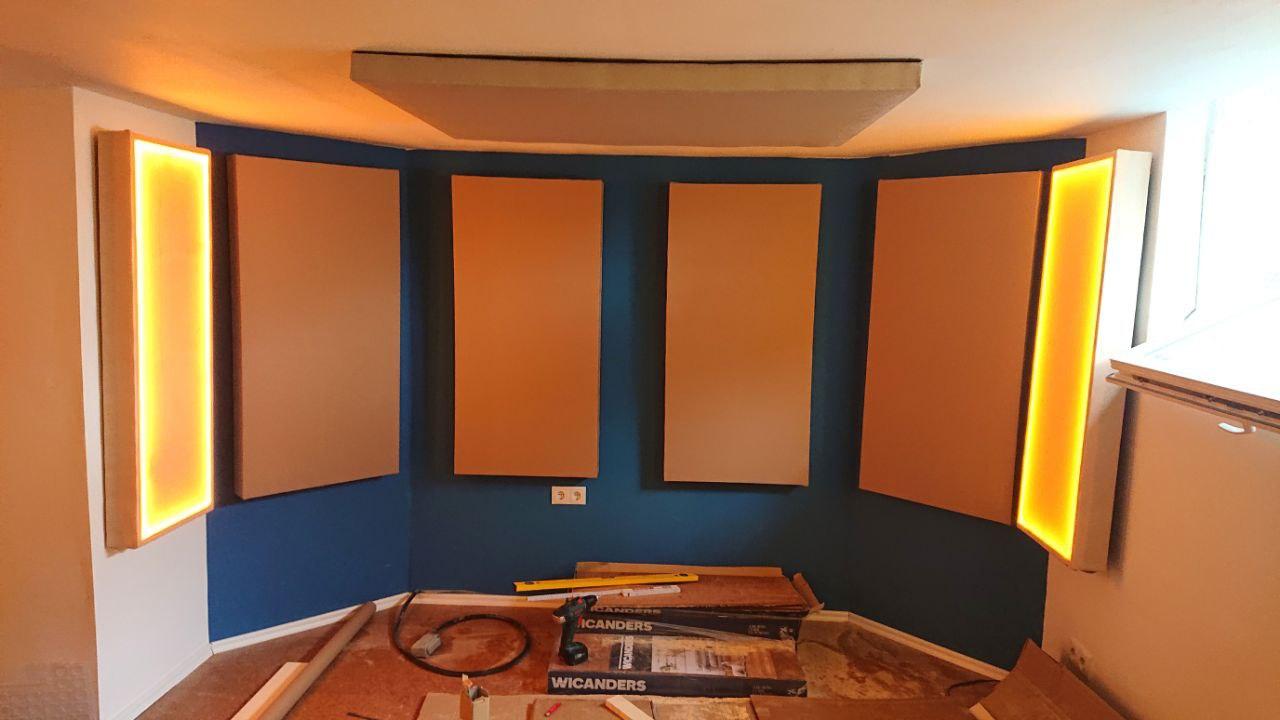
For DIY acoustic panels, measure, cut, and assemble frame; insert sound-absorbing material; cover with fabric. Creating your own DIY acoustic panels can be a cost-effective way to improve sound quality in your space.


With just a few simple materials and some basic crafting skills, you can reduce echoes and unwanted noise, making your room more acoustically pleasing. Whether you’re a musician, podcaster, or simply looking to enhance the sound quality of your home theater, DIY acoustic panels are a great solution.


In this guide, we’ll walk you through the step-by-step process of building your own acoustic panels, helping you achieve professional sound treatment without breaking the bank. Let’s get started!


Choosing The Right Materials

When assembling DIY acoustic panels, selecting the right materials is crucial for optimal sound absorption. Below, we’ll delve into the key components to consider in creating effective acoustic panels.

Acoustic Panel Frame

A sturdy frame is essential for the structural integrity of your acoustic panel.

  • Consider using lightweight yet durable materials like wood or aluminum.
  • Ensure the frame is securely assembled to support the weight of the sound-absorbing material.
  • The frame should be sized to fit the desired dimensions of your panel.

Sound-absorbing Material

The material you choose for the core of your acoustic panel determines its sound absorption capabilities.

  1. Opt for high-density materials such as rockwool or acoustic foam.
  2. Ensure the material is thick enough to effectively absorb sound frequencies.
  3. Consider covering the sound-absorbing material with a breathable fabric to maintain airflow.
Diy Acoustic Panels: Boost Your Sound Quality with These Easy-to-Make Panels


Credit: www.amazon.com


Design And Construction

Panel Size And Shape

When designing DIY acoustic panels, consider the ideal size and shape. Common panel dimensions are 2 feet by 4 feet for standard wall applications.

Assembly Techniques

Various assembly techniques can be used for acoustic panels, such as professional stapling or DIY methods with adhesive. Choose what works best for you.

Placement And Installation

When it comes to DIY acoustic panels, proper placement and installation are crucial for achieving the best sound absorption and minimizing unwanted reflections. Strategic placement and suitable mounting options play a significant role in maximizing the effectiveness of your acoustic treatment. In this section, we’ll delve into the key considerations for placement and installation of DIY acoustic panels.

Strategic Placement

Proper placement of DIY acoustic panels is essential to ensure optimal sound absorption and improved acoustics within a room. Consider placing the panels in areas where sound reflections and reverberations are prominent, such as the corners of the room, ceiling/wall junctions, and behind the primary listening area. By strategically positioning the panels, you can effectively minimize unwanted sound reflections and enhance the overall sound quality in the room.

Mounting Options

When it comes to mounting DIY acoustic panels, there are several options to consider based on your specific requirements and the nature of the surface where the panels will be installed. Some common mounting options include using impaling clips, adhesive Velcro strips, or mounting the panels on wooden frames for a more secure installation. It’s important to choose the mounting method that best suits your space and provides a secure attachment for the panels.

Benefits Of Diy Acoustic Panels

DIY acoustic panels are a cost-effective and easy way to improve sound clarity in your home or studio. With their simple construction and customizable design, these panels offer a range of benefits that make them a popular choice among music enthusiasts, podcasters, and home theater owners. In this article, we will explore the top three advantages of DIY acoustic panels: improved sound clarity, cost-effectiveness, and ease of installation.

Improved Sound Clarity

One of the primary benefits of DIY acoustic panels is their ability to improve sound clarity. These panels are designed to absorb unwanted echoes and reverberations, reducing the impact of room acoustics on the overall sound quality. By installing these panels strategically on walls, ceilings, and corners, you can create a more balanced and precisely tuned audio environment.

The porous materials used in DIY acoustic panels, such as foam or rock wool, effectively trap sound waves, preventing them from bouncing back and interfering with the original sound source. As a result, you will experience a cleaner and more defined audio output, whether you are recording music, conducting a podcast, or enjoying your favorite movie in a home theater setting.

Cost-effectiveness

Another notable advantage of DIY acoustic panels is their cost-effectiveness. Compared to professionally manufactured panels, which can be quite expensive, DIY panels offer a budget-friendly option without compromising on quality. By sourcing the materials yourself and following step-by-step instructions, you can save significant money while achieving the same level of effectiveness.

Moreover, DIY acoustic panels allow for customization based on your specific needs and preferences. You can choose from various sizes, shapes, and colors to match your room decor while still achieving excellent sound absorption. This flexibility not only saves you money but also ensures that your acoustic treatment aligns perfectly with your aesthetic vision.

Ease Of Installation

Installing DIY acoustic panels is a straightforward process that requires minimal technical expertise. With clear instructions and basic tools, anyone can successfully mount these panels on their walls or ceilings. Unlike complex soundproofing materials or construction projects, DIY acoustic panels offer a user-friendly solution that can be completed within a short span of time.

Additionally, DIY acoustic panels are typically lightweight and easy to handle, making them convenient for temporary or portable setups. Whether you are a musician constantly traveling or a renter who cannot make permanent modifications to your space, these panels provide a versatile and non-intrusive option for improving sound quality.


Maintenance And Upkeep

Proper maintenance and regular upkeep are key to ensuring the longevity and effectiveness of your DIY acoustic panels. By taking a few simple steps, you can not only keep them looking their best but also maintain their performance over time. In this section, we will explore two important aspects of maintenance: cleaning and dusting, as well as replacement considerations.

Cleaning And Dusting

Keeping your DIY acoustic panels clean and free from dust is essential for optimal performance. Regular dusting helps to preserve the sound-absorbing properties and prevent any build-up that could affect the panel’s effectiveness. Follow these simple steps to effectively clean and dust your acoustic panels:

  1. Gently remove surface dust using a soft bristle brush or a microfiber cloth. This will help to prevent any scratches or damage to the panel’s surface.
  2. If necessary, use a mild detergent diluted in water to clean any stains or stubborn dirt. Avoid using harsh chemicals or abrasive cleaners as they can damage the panel’s finish.
  3. After cleaning, make sure to thoroughly rinse the panel with clean water and then pat it dry with a clean cloth or allow it to air dry naturally.

It is recommended to clean your acoustic panels at least once every few months or whenever they appear visibly dirty.

Replacement Considerations

While DIY acoustic panels are designed to be durable, there may come a time when they need to be replaced. Here are some factors to consider when determining whether it’s time to replace your acoustic panels:

  • Visible signs of wear and tear, such as cracks, sagging, or discoloration, may indicate that the panels have reached the end of their lifespan.
  • If you notice a significant decrease in the panel’s sound-absorbing capabilities, it may be a sign of deterioration and a replacement should be considered.
  • Changes in environment or usage may warrant the need for new panels. For example, if you’ve moved to a larger space or altered the layout of your room, you may need different-sized or additional panels.

Regularly inspect your DIY acoustic panels to assess their condition and effectiveness. By replacing them as needed, you can ensure that you continue to enjoy the benefits of improved sound quality and reduced echo in your space.

Diy Acoustic Panels: Boost Your Sound Quality with These Easy-to-Make Panels


Credit: upayasound.com


Diy Acoustic Panels: Boost Your Sound Quality with These Easy-to-Make Panels


Credit: www.blackghostaudio.com


Frequently Asked Questions Of Diy Acoustic Panels


What Material For Diy Acoustic Panels?


The best material for DIY acoustic panels is rigid fiberglass or mineral wool. These materials effectively absorb sound and are easy to work with for home projects. Additionally, they offer good acoustic performance and are readily available at hardware stores.


How Much Does It Cost To Make Your Own Acoustic Panels?


To make your own acoustic panels, costs vary but typically range from $50 to $150 per panel.


How Do You Make Sound-absorbing Panels?


To make sound-absorbing panels, choose acoustic fabric, frame, and soundproofing material. Attach fabric to the frame, then insert the soundproofing material. Finish by hanging or mounting the panel on a wall.


How Thick Should Diy Acoustic Panels Be?


DIY acoustic panels should be at least 2 inches thick to effectively absorb sound. Thicker panels, around 4-6 inches, offer better low-frequency absorption. Consider the specific needs of your space when deciding on panel thickness.


Conclusion


To sum up, DIY acoustic panels offer an affordable and effective solution for sound control in any space. By following the step-by-step instructions in this guide, you can create customized acoustic panels that enhance the sound quality of your room.


Embrace the satisfaction of a successful DIY project while enjoying the improved acoustics.

Categories
Archive

Speaker Placement 101: Master the Art of Perfect Sound

Proper speaker placement ensures optimal sound quality and balance in a room. Placing speakers correctly enhances your audio experience.


When setting up your speakers, consider factors like room size, layout, and acoustics to achieve the best sound output. Proper speaker placement involves finding the right balance between the speakers and creating an immersive listening environment. By following some basic principles, you can position your speakers effectively to enjoy high-quality sound reproduction.


Experimenting with different speaker placements can help you find the sweet spot for optimal audio performance.

Speaker Placement 101: Master the Art of Perfect Sound


Credit: www.sweetwater.com


The Importance Of Speaker Placement


For optimal audio quality, proper speaker placement is crucial. Placing speakers at ear level and away from walls can provide a more balanced sound. Positioning speakers strategically can greatly enhance the listening experience, creating a clear, immersive soundstage.

Room Acoustics

Optimal Listening Experience

The Importance of Speaker Placement Speaker placement is crucial for optimizing sound quality and overall listening experience. Correct placement can greatly enhance the audio output, while improper placement may lead to distorted sound and reduced enjoyment.

Room Acoustics

Room acoustics play a pivotal role in how sound waves interact with the space. Factors like room size, shape, and material can impact sound quality. To optimize speaker placement, consider the acoustics of the room to reduce echoes and unwanted sound reflections.

Optimal Listening Experience

Placing speakers at the right height and distance ensures a balanced sound projection. Proper speaker placement can create an immersive audio experience, enhancing the overall quality of music, movies, and any other content being played.

  • Consider the listener’s position for the best audio experience.
  • Avoid placing speakers too close to walls or corners to prevent sound distortion.

Remember, the goal of speaker placement is to achieve optimal sound balance and clarity for an enjoyable listening experience.

Speaker Placement 101: Master the Art of Perfect Sound


Credit: elevenlabs.io


Key Considerations

Key Considerations:

Room Size And Shape

Consider the dimensions and layout of your space to determine the most suitable placement for your speakers.

Speaker Type And Features

Select speakers that match your audio preferences and room acoustics for optimal sound performance.


Optimizing Speaker Placement

When it comes to creating the best sound experience, optimizing speaker placement is crucial. The way you position your speakers can greatly impact the quality of sound and overall enjoyment of the listening experience. Here’s a look at two key factors to consider when optimizing speaker placement:

Distance From Walls

Placing your speakers the right distance from walls is essential to achieve optimal sound quality. Here are some guidelines to consider:

  • Keep the speakers at least 2 feet away from the back wall to prevent sound reflections.
  • For optimal bass response, consider placing the speakers at least 2 feet away from side walls.
  • Experiment with speaker positioning to find the sweet spot that minimizes reflections and enhances sound clarity.

Height And Angle

The height and angle at which your speakers are positioned can significantly impact the sound dispersion and overall listening experience. Consider the following tips:

  1. Position the tweeters at ear level to ensure the best sound projection.
  2. Angle the speakers slightly inward toward the listening area to create a more immersive soundstage.
  3. Experiment with different angles and heights to find the optimal positioning for your specific listening space.

Common Mistakes To Avoid


Discover how to optimize speaker placement to enhance your listening experience and avoid common mistakes that can negatively impact sound quality. Proper positioning can make a significant difference in the way you enjoy music, movies, and more.

Common Mistakes To Avoid:

Proper speaker placement is crucial for achieving optimal sound quality and creating an immersive audio experience. However, many people make common mistakes that can hinder their audio setup. By understanding these mistakes and learning how to avoid them, you can enhance your listening experience and make the most out of your speakers.

Placing Speakers In Corners:

One of the most prevalent mistakes in speaker placement is positioning them in corners. While it may seem like a convenient option, placing speakers in corners can negatively impact the sound quality. This setup can result in excessive bass due to the reinforcement caused by the reflections off the walls. The bass will overpower other frequencies, creating an unbalanced and boomy sound. To avoid this, position your speakers away from the corners and ensure they have sufficient space around them.

Ignoring Reflection Points:

Another common mistake is ignoring reflection points. Reflections occur when sound waves bounce off surfaces such as walls, ceilings, and floors, interfering with the direct sound from the speakers. Failure to consider reflection points can lead to sound distortion and a loss of clarity. To mitigate this issue, identify the reflection points in your room and place acoustic panels or furniture in those areas to absorb or diffuse the sound waves. By addressing reflection points, you can improve the overall sound quality and enhance your listening experience.

In conclusion, avoiding these common mistakes will ensure you achieve the best possible sound quality and audio experience from your speakers. Take the time to position your speakers correctly, away from corners, and address reflection points in your room. By doing so, you’ll create an audio setup that truly brings your music and movies to life.

Fine-tuning For Audio Excellence

When it comes to achieving audio excellence, fine-tuning the placement of your speakers plays a crucial role. The right positioning can greatly enhance your listening experience, delivering crisp and immersive sound throughout your room. In this section, we will explore two key aspects of fine-tuning: experimenting with positions and utilizing room treatments.

Experimenting With Positions

1. Start by placing your speakers at ear level, ensuring that they are positioned symmetrically in relation to your listening area. This allows for an optimal stereo image and balanced sound.

2. Consider the distance between your speakers and the listening area. A general rule of thumb is to form an equilateral triangle, with the listener sitting at the center and the speakers at an equal distance. This helps create a cohesive soundstage and prevents any imbalances.

3. Try adjusting the toe-in angle of your speakers. Slightly angling them inward towards the listening area can improve imaging and clarity. Experiment with different angles until you find the sweet spot that suits your preferences.

4. Take into account the placement of your speakers in relation to the room boundaries. Avoid placing them too close to walls or corners, as this can result in muddiness and boomy bass. Allow some space between the speakers and the walls to achieve a more balanced and accurate sound.

Utilizing Room Treatments

1. Consider incorporating acoustic panels or diffusers into your listening space. These room treatments help control echoes and unwanted reflections, allowing the sound to be more focused and precise. Place them strategically on the walls and ceiling to achieve the best results.

2. Bass traps are particularly useful for reducing low-frequency resonances and standing waves in your room. These can be placed in corners or near walls where bass buildup tends to occur. By optimizing your room’s acoustics, you can achieve a cleaner and more natural sound reproduction.

3. Experiment with adding rugs or curtains to your room, as fabrics have the ability to absorb and diffuse sound reflections. This can help reduce excessive reverberation, making your audio experience more detailed and enjoyable.

4. Consider the overall layout and furnishings of your room. Large, reflective surfaces such as glass tables or hardwood floors can introduce unwanted reflections and affect the sound quality. By making small adjustments to your room’s design, you can create a more conducive environment for optimal audio performance.

Speaker Placement 101: Master the Art of Perfect Sound


Credit: www.reddit.com


Frequently Asked Questions On Speaker Placement 101


What Is The 38% Rule For Speaker Placement?


The 38% rule suggests placing speakers at 38% of the room’s length for optimal sound distribution.


What Is The 1 3 Rule For Speaker Placement?


The 1-3 rule for speaker placement is a guideline that recommends placing the speakers one-third of the room’s length from the front wall, and one-third of the room’s width from the side walls for optimum sound distribution.


What Is The 1 5 Rule For Speaker Placement?


The 1 5 rule for speaker placement is a guideline for positioning speakers in a room. It suggests that speakers should be placed one speaker width apart from each other and five speaker widths away from the listener. This helps create an optimal listening experience by ensuring balanced sound distribution and preventing sound distortion.


What Is The Speaker 1 5 Rule?


The speaker 1 5 rule refers to a set of guidelines to follow when writing content. It includes keeping sentences short (maximum 20 words), using SEO friendly language that is original and easy to understand, avoiding certain words and phrases, writing in active voice, and ensuring the content passes AI writing detection.


Conclusion


Proper speaker placement is essential for optimizing sound quality in any space. By following these guidelines, you can achieve balanced audio coverage and enhance the overall listening experience. We’ve learned the importance of positioning speakers for optimal performance, considering factors like room acoustics and placement angles.


With these tips in mind, you can create a more immersive and enjoyable audio environment.

Categories
Archive

Make Electronic Music: Unleash Your Creative Potential with Pro Tips

To make electronic music, use computer software and audio hardware to create digital sounds and rhythms. Experiment with different sounds and techniques to develop your unique style and sound.


Electronic music production allows for endless creativity and innovation. You can blend various genres and explore new sonic landscapes. With practice and dedication, you can craft music that resonates with listeners worldwide. By mastering the tools at your disposal, you can produce high-quality tracks and establish yourself as a successful electronic music artist.


Let your creativity flow and bring your musical vision to life through electronic music production. Explore and push the boundaries of sound to create captivating and original pieces that reflect your artistic expression.


Gear Essentials For Electronic Music Production

Creating electronic music requires the right gear essentials to bring your musical vision to life. From software to hardware, each component plays a crucial role in the production process. Let’s delve into the key elements you need to kickstart your electronic music journey.

Choosing The Right Software

Software is the heart of electronic music production. Select a digital audio workstation (DAW) that suits your workflow and creativity. Look for features like intuitive interfaces, versatile plugins, and robust MIDI capabilities. Popular DAWs include Ableton Live, FL Studio, and Logic Pro.

Selecting The Best Hardware

Hardware complements your software to enhance your production capabilities. Invest in a powerful computer with ample RAM and CPU performance. Quality monitors and headphones are essential for accurate sound reproduction. Controller keyboards and MIDI interfaces provide tactile control and connectivity.

Make Electronic Music: Unleash Your Creative Potential with Pro Tips


Credit: www.udemy.com


Understanding Sound Design Techniques

Understanding Sound Design Techniques involves mastering the art of shaping and manipulating sounds to create unique musical compositions.

Exploring Synthesis Methods

Synthesis methods are fundamental for crafting original sounds in electronic music production.

  • Experiment with subtractive synthesis, manipulating waveforms to adjust sound characteristics.
  • Dive into FM synthesis, altering frequency modulations for complex and dynamic tones.
  • Explore wavetable synthesis to blend various waveforms and create evolving sounds.

Manipulating Audio Effects

Audio effects play a crucial role in enhancing and transforming raw sound elements.

  1. Utilize reverb to add depth and space to your tracks.
  2. Experiment with delay to introduce rhythmic patterns and echoes.
  3. Harness compression to control dynamics and ensure a balanced mix.

Mastering Composition And Arrangement

Mastering composition and arrangement is a crucial skill for creating captivating electronic music. Crafting catchy melodies and structuring tracks effectively are essential components of this art. In this blog post, we will dive into the details of honing your composition and arrangement skills, helping you elevate your electronic music to new heights.

Crafting Catchy Melodies

Creating captivating melodies is the cornerstone of a memorable electronic music composition. Start by experimenting with different musical scales and chord progressions to find the right combination that resonates with your audience. Utilize synthesizers and sound design techniques to sculpt the tone and character of your melodies, making them stand out in the mix.

Structuring Tracks Effectively

Effective track structuring is key to holding the listener’s attention and guiding them through the sonic journey. Begin by outlining the arrangement of your track, considering the build-up, climax, and resolution. Utilize variation in rhythm, instrumentation, and dynamics to keep the track engaging. Pay attention to transitions between sections, ensuring a seamless flow throughout the composition.

Mixing And Post-production Secrets

When it comes to electronic music production, the importance of mixing and post-production cannot be overstated. These crucial stages give your tracks that professional polish and bring them to life. In this section, we will explore some of the most effective secrets for achieving a well-balanced mix and adding creative effects to enhance your electronic music creations. Let’s delve into the world of mixing and post-production and unlock the secrets that allow your tracks to shine.

Balancing Levels And Equalization

To create a professional-sounding mix, it is essential to focus on balancing levels and equalization. Balancing levels involves adjusting the volume of each individual track in relation to the others to ensure that all elements of the song can be heard clearly. Equalization, on the other hand, involves adjusting the frequency content of each track to create a balanced and cohesive sound.

Here are some tips to help you achieve a well-balanced mix:

  1. Start by setting the overall volume level of your mix. This will allow you to bring all the elements together without any clipping or distortion.
  2. Use panning to place different elements of the track in the stereo field. This will create a sense of depth and separation, making the mix more engaging.
  3. Apply equalization to each track to ensure that conflicting frequencies are properly balanced. This will prevent certain elements from overpowering others and create a more pleasant listening experience.
  4. Utilize compression to control the dynamic range of individual tracks. This helps to even out volume levels and make each element of the mix more cohesive.
  5. Regularly refer to reference tracks that have a similar sound and style to yours. This can provide valuable insights into the overall balance and EQ choices you should make in your mix.

Applying Creative Effects

Once you have achieved a balanced mix, it’s time to unleash your creativity by applying various effects to enhance the overall sound of your electronic music. Creative effects can add depth, texture, and excitement to your tracks, making them stand out and captivate listeners.

Consider the following creative effects for your mix:

  • Reverb: Add a sense of space and depth by applying reverb to certain elements of your mix. Experiment with different types and settings to achieve the desired effect.
  • Delay: Create interesting rhythmic patterns and echoes by using delay effects on specific elements of your track. This can add a unique character and energy to your music.
  • Modulation: Modulation effects such as chorus, flanger, and phaser can bring movement and vibrancy to your mix. Apply them sparingly and tastefully for the best results.
  • Filters: Manipulate the frequency content of your tracks by using filters. High-pass filters can remove unwanted low-end rumble, while low-pass filters can create a more mellow and intimate sound.
  • Automation: Take full control of your mix by automating various parameters such as volume, panning, and effects settings. This enables you to add dynamic changes and create a more engaging listening experience.

Remember, the key to applying creative effects is to use them purposefully and in moderation. Each effect should serve a specific purpose and enhance the overall aesthetic of your music without overpowering the mix.


Promoting And Sharing Your Music

Once you have successfully created your electronic music tracks, the next crucial step is to promote and share your music with the world. With the advent of the internet and social media, musicians today have numerous opportunities to connect with their audience and build a strong online presence. In this section, we will explore effective strategies to promote and share your music, focusing on building your online presence and connecting with your audience.

Building Your Online Presence

Building a strong online presence is essential for any musician aspiring to make an impact in the electronic music industry. To create a compelling online presence:

  • Create a dedicated website or blog that showcases your music, provides a platform for your fans to connect with you, and offers valuable content such as music tutorials or behind-the-scenes videos.
  • Optimize your website for search engines by using relevant keywords in your content, meta tags, and headings. This will help your website rank higher in search engine results and attract more visitors.
  • Utilize social media platforms such as Facebook, Twitter, and Instagram to engage with your fans, promote your music, and share updates about your latest releases or upcoming gigs.
  • Collaborate with other musicians or influencers in the electronic music community to expand your reach and tap into their existing fan base.
  • Consider creating a newsletter or email list where you can regularly update your fans about new music releases, upcoming shows, and other exciting news.

Connecting With Your Audience

Connecting with your audience is crucial to building a loyal fan base and developing a strong presence in the electronic music scene. Some effective ways to connect with your audience include:

  • Interact with your fans on social media platforms by responding to comments, messages, and mentions. Show appreciation for their support and engage in meaningful conversations.
  • Organize live streams or online Q&A sessions where you can interact with your fans in real-time, answer their questions, and showcase your music.
  • Consider organizing meetups or fan events where your fans can meet you in person, listen to your music, and share their experiences.
  • Regularly update your fans on your creative process, such as sharing snippets of new tracks or giving them a glimpse into your studio setup. This helps them feel involved in your journey and builds excitement for your upcoming releases.
  • Encourage your fans to share your music with their friends and networks. Word-of-mouth promotion is a powerful tool in the music industry and can greatly expand your reach.

Make Electronic Music: Unleash Your Creative Potential with Pro Tips


Credit: www.amazon.com


Make Electronic Music: Unleash Your Creative Potential with Pro Tips


Credit: www.positivegrid.com


Frequently Asked Questions Of Make Electronic Music


How Can I Make My Own Electronic Music?


To make electronic music, you need a computer, digital audio workstation software, and MIDI controller. Create melodies using virtual instruments and drum patterns. Experiment with sound effects and mix tracks. Share your music on platforms like SoundCloud and Spotify to reach a wider audience.


How Do I Make My Own Digital Music?


To make your own digital music, get a DAW software, choose your instruments, create melodies, add effects, mix, and export your track.


Is It Hard To Make Electronic Music?


Creating electronic music can be challenging due to the learning curve of software and production techniques. Practice and dedication are key.


What Is The Best Software To Make Electronic Music?


The best software for electronic music production is subjective, but popular choices include Ableton Live, FL Studio, and Logic Pro. Each has unique features and capabilities suited to different preferences and styles. Ultimately, the best software will depend on individual needs and workflow.


Conclusion


Electronic music offers endless creative possibilities for aspiring musicians. With the right tools and knowledge, anyone can explore this exciting genre. By understanding the key aspects of electronic music production and staying open to experimentation, you can unlock your potential and find your unique sound.


Start your journey into electronic music today and let your creativity soar.