Categories
Archive

Hiring A Mastering Engineer

Hiring a mastering engineer is essential for ensuring your music sounds professional and polished. With the right mastering engineer, your music will have the clarity, balance, and volume needed to stand out in an oversaturated market.

As an artist, you’ve invested countless hours into your music. You’ve carefully selected the right instruments, lyrics, and melodies to convey your message. After all that hard work, you want your music to stand out and be heard. Hiring a mastering engineer is an important step toward achieving that goal.

In the simplest terms, a mastering engineer takes your final mixes and prepares them for distribution. They use a series of tools and techniques to ensure your music is balanced and polished, with the perfect levels of volume, clarity, and depth. Whether you’re a seasoned musician or new to the industry, hiring a mastering engineer can help you achieve a professional sound that sets you apart from the competition.

Benefits Of Hiring A Mastering Engineer

Hiring a mastering engineer can enhance and improve the overall sound quality of audio recordings. They have the expertise to provide professional mastering services that can bring out the best in your music and make it sound polished and refined.

With their skills and experience, a mastering engineer can help you achieve a clear and balanced sound that is ready for distribution or broadcast.

What Is A Mastering Engineer?

A Mastering Engineer is a professional who has expertise in the art of perfecting the final sound of a recording. They are responsible for applying the final touches, including enhancing the overall audio quality, making adjustments to the levels, and equalizing the track. Their primary objective is to ensure that the final product sounds consistent, balanced, and polished across different mediums.

Why Do You Need A Mastering Engineer?

Hiring a Mastering Engineer has numerous benefits, including:

  • Improved Sound Quality: A Mastering Engineer can make your recordings sound more professional by using their technical expertise and advanced software to improve the overall quality of the sound.
  • Better Consistency: By making sure that your recordings have been mastered, a Mastering Engineer ensures that every track sounds the same across all mediums, including streaming platforms, CDs, and vinyl records.
  • Volume Normalization: By adjusting the levels, a Mastering Engineer can ensure that your track is neither too quiet nor too loud, making it more likely to grab the attention of potential listeners.
  • Optimized for Different Environments: A Mastering Engineer can optimize your recording for different environments, such as car speakers, headphones, or larger speakers, ensuring that it sounds just as good no matter where it’s played back.
  • Expert Feedback: A Mastering Engineer can provide valuable insight, feedback, and advice about your recordings, helping you to improve your production skills and making future recording sessions more successful.

In conclusion, a Mastering Engineer is an invaluable asset if you want your recordings to have that professional sound that will make them stand out from the crowd. They can apply the final touches that will take your recording to the next level, and ensure that you have a polished product that will sound great on any medium. If you’re serious about your music, then you need to consider hiring a Mastering Engineer for your next project.
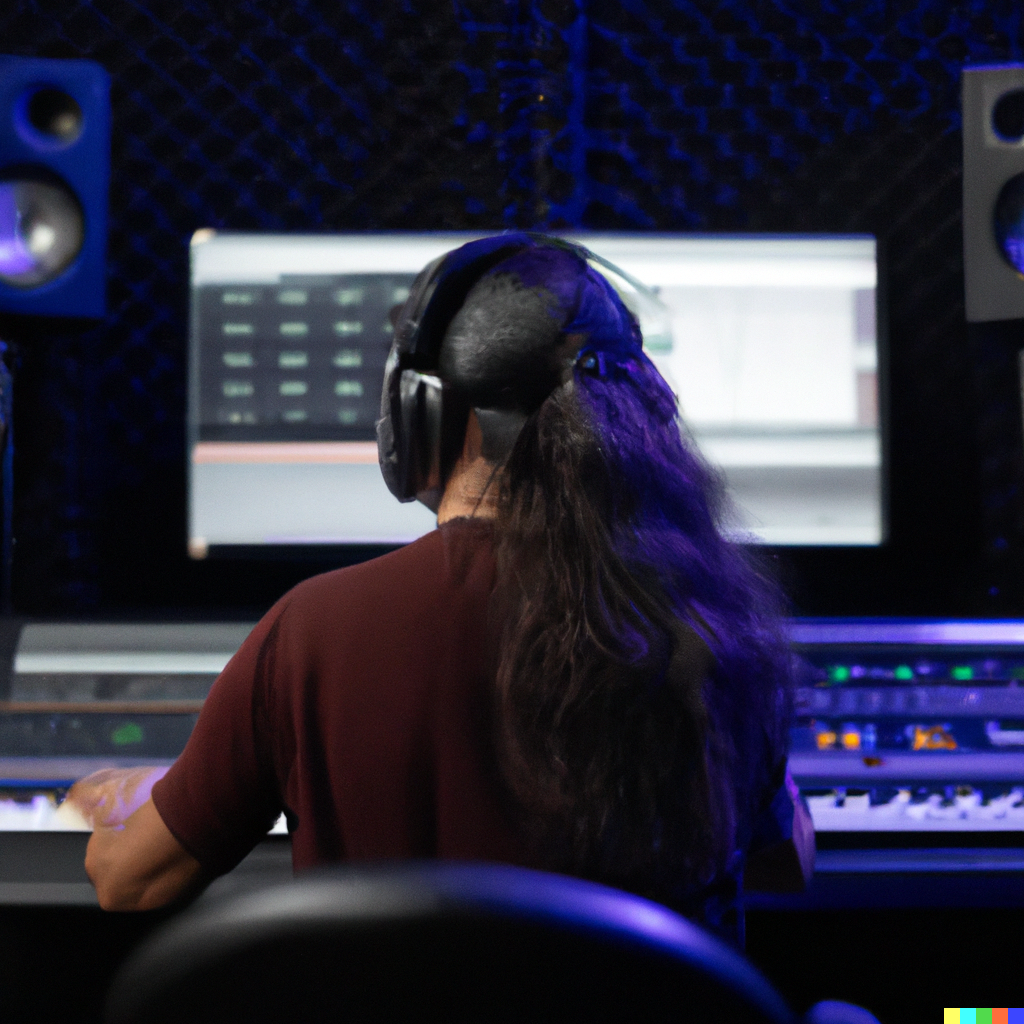
Hiring A Mastering Engineer

Credit: www.digitalmusicnews.com

How To Find A Professional Mastering Engineer

When it comes to producing music, mastering is an essential step that fine-tunes and perfects the sound quality. A mastering engineer is responsible for adjusting various elements such as equalization, dynamics, and frequency to enhance the overall production quality. If you’re planning to hire a professional mastering engineer, then here are some efficient ways to find one.

Search Online

There’s no denying that the internet has simplified our lives, and finding a mastering engineer is no exception. Merely typing “mastering engineer near me” or “professional mastering services” in the search bar can give you a list of options to consider. Make sure to look for credible sources by checking their portfolios, reviews, and ratings.

Ask For Recommendations

Another effective way to find a professional mastering engineer is to ask for recommendations from fellow musicians, friends, or acquaintances. Personal recommendations can give you insight into the quality of work, the engineer’s interpersonal skills, and optimization processes. Consider asking people who have recording studios or have previously recorded music.

Check Their Portfolio

Checking the mastering engineer’s portfolio is crucial in determining if they’re the right fit for you. Ensure you review their previous work to understand their style, quality, technical skills, and genre variations. If you like their portfolio, then you can reach out to them for a trial mastering session to see if they meet your expectations.

Factors To Consider When Hiring A Mastering Engineer

When hiring a mastering engineer, it is important to consider their experience in the industry, their portfolio and samples of their work, their mastering process, their communication skills, and their pricing. A good mastering engineer can make a huge difference in the final sound of a recording, so it is important to choose carefully.

When it comes to releasing your music, having it professionally mastered is crucial for ensuring that it sounds its best across all platforms. However, finding the right mastering engineer to work with requires careful consideration. Here are some factors to consider when hiring a mastering engineer.

Experience In Your Genre

The first factor to consider when hiring a mastering engineer is their experience in your specific genre. While a good mastering engineer should be able to work with any type of music, having someone who knows the ins and outs of your genre can ensure that your music sounds its best. Look for examples of their previous work in your genre and listen for any similarities in sound or style.

Technical Proficiency

Technical proficiency is another important factor to consider. A good mastering engineer should have a deep understanding of the technical aspects of audio production and be able to use their tools and software expertly. Look for someone who has experience with a variety of software and hardware tools and knows how to use them to get the best results.

Budget

Budget is also an important consideration when hiring a mastering engineer. While you don’t want to skimp on quality, you also don’t want to spend more than you can afford. Look for someone who offers transparent pricing and can clearly outline their services and what you can expect from them. Keep in mind that mastering can vary in cost depending on the project’s complexity and length.

Communication Skills

Finally, communication skills are a crucial factor to consider when hiring a mastering engineer. You want someone who can clearly understand your vision for your music and communicate effectively about their process and techniques. Look for someone who is responsive, easy to work with, and can effectively communicate their ideas in plain language. In conclusion, hiring a mastering engineer is an important decision that can greatly impact the sound of your music. By considering factors such as experience, technical proficiency, budget, and communication skills, you can find the right mastering engineer to help your music sound its best.

Hiring A Mastering Engineer

Credit: www.modernmetalsongwriter.com

Mastering Engineer’s Role In The Music Production Process

When it comes to music production, there are many professionals involved in the process. From the songwriters to the producers, to the recording engineers and mixers, all the way to the mastering engineer. In this post, we will delve deeper into the role of a mastering engineer in the music production process.

What Is Mastering?

Mastering is the final stage of the music production process where the final mixdown of the tracks is further refined and prepared for distribution. At this stage, the tracks are balanced, equalized, and optimized in order to sound their best on all playback systems.

What Does A Mastering Engineer Do?

A mastering engineer is a skilled professional who knows how to enhance the sound of a track and take it to the next level. Their job is to make sure the music sounds consistent, clear, and balanced across all playback systems. A mastering engineer will use their trained ear and specialized equipment to adjust the following:

  • Volume levels of each part of the song
  • Equalization of the frequency range of the song
  • Compression of dynamic range for a consistent volume level
  • Stereo width and depth for a more immersive sound
  • Overall tonal balance of the whole album or song list

Collaboration With Other Professionals

Although a mastering engineer may work independently, they collaborate with other professionals in the music production process. They ensure that the final product will meet the artist’s vision and intentions while adhering to the industry standard for sound quality. They may work closely with producers, mix engineers, and even the artists themselves.

Mastering is an important step that ensures that the final product will sound polished and professional. A mastering engineer plays a crucial role in achieving this goal.

The Mastering Process Explained

Hiring a mastering engineer is essential for producing high-quality audio tracks. It involves a process of fine-tuning and enhancing the sound of a recording to make it sound more balanced and polished. With the help of a professional mastering engineer, you can achieve a professional-sounding final product that will make you stand out in the crowded music industry.

When it comes to music production, mastering is a crucial step that every song must go through. It is the process of finalizing and polishing a mix, making it ready for distribution. Mastering engineers are professionals who apply the latest techniques to enhance the sound quality of a track. In this post, we will explain the mastering process in detail, including preparation, the actual process, and final adjustments.

Preparation For Mastering

Before mastering a track, preparation is crucial in ensuring that the final product is of high quality. This stage involves the following:

  • Collecting all the necessary files that comprise the mix, including audio files, session files, and reference tracks.
  • Communicating with the producer or artist to understand their expectations.
  • Matching levels to ensure that the mix is consistent across all tracks

The Actual Mastering Process

The actual mastering process involves several stages, which are used to enhance the mix significantly. Here are the various steps involved:

  1. Equalization (EQ): This step involves adjusting the frequency balance of each track to achieve a cohesive sound across all tracks. The EQ process helps to remove unwanted frequencies and emphasize the desired ones.
  2. Compression: This step involves reducing the dynamic range of a track. This ensures that the loud parts are not too loud and the quiet parts are not too quiet.
  3. Stereo enhancement: In this stage, the stereo width is optimized to produce a balanced mix.
  4. Loudness maximization: This step involves ensuring that the mix has a consistent volume level and is compliant with industry standards.
  5. Limiting: This step involves adding a limiter to prevent clipping and ensure that the mix does not exceed a predetermined loudness level.

Final Adjustments And Quality Control

The final stage of the mastering process involves making any necessary adjustments to ensure that the mix meets the required quality standards. Quality control typically involves several stages, including listening to the mix, comparing it with reference tracks, and ensuring that it is free from any errors or issues. In conclusion, hiring a professional mastering engineer is essential in ensuring that a track sounds its best. The mastering process involves several stages, including preparation, the actual process, and final adjustments, and each stage plays a crucial role in delivering a high-quality track.

Common Myths About Mastering Engineers

Commonly, hiring a mastering engineer may seem like another one of the things that can be done on your own, but in reality, it is an expert’s job. Mastering Engineers deal with the final stages of music production, which is crucial to make the track sound as polished as possible. With that being said, there are several common myths about mastering engineers that need to be addressed.

Mastering Is Just Loudness Maximization

Often, people think that the only job of a mastering engineer is to make the track louder. However, it is not accurate. Yes, they work on making the track louder, but it is not their only goal. The mastering engineer’s job is to enhance the overall listening experience of the track by adjusting the EQ, dynamics, stereo width, and more to ensure the track sounds cohesive and consistent when listened to as a whole.

Mastering Can Fix Bad Mixes

Another common myth is that mastering engineers can fix bad mixes. It is not the mastering engineer’s job to fix a poorly mixed track. The mastering engineer can only work with what they are given, which is the final mix. If the mix has serious flaws or errors, it can be challenging to fix them in the mastering process, leading to the mastering engineer’s inability to repair the mix entirely.

Mastering Is Only For Major Labels

It is a prevalent myth that mastering is only for major labels and established artists. But it is not true. Mastering is for anyone who wants their music to sound professional and polished. It is especially essential for independent artists who do not have the backing of a major label. A mastering engineer can help in the final stages of the album or track, making it sound as good as those from big labels.

The Importance Of A Well-mastered Track

Hiring a professional mastering engineer is essential for producing a well-mastered track. With their technical expertise and critical ear, they can apply the right processing techniques to enhance the overall sound quality and ensure that the final mix is polished and ready for distribution.

When it comes to producing a professional-sounding music track, mastering is a crucial aspect that should never be overlooked. Mastering is the final step in the music production process where an experienced professional engineer puts all the tracks together to produce a balanced, cohesive, and polished finished product. In this blog post, we’re going to look at the importance of a well-mastered track, including better sound quality, compatibility with various playback systems, professional sound, and a competitive edge in the market.

Better Sound Quality

Mastering can significantly improve the overall sound quality of your music track. The mastering engineer will use their expertise and specialized equipment to enhance the tonal balance, adjust levels, and reduce distortion and noise. With proper mastering, your music tracks will be clearer, well-rounded, and more impactful, making them more appealing to the listener.

Compatibility With Various Playback Systems

Music tracks are played on different playback systems ranging from smartphones, mp3 players, car stereos, and home theaters. Each playback system has unique sound qualities, and a well-mastered track ensures that it sounds great on all playback systems. A skilled mastering engineer will use specialized tools and techniques to analyze and optimize sound playback for different formats and systems.

Professional Sound And Competitive Edge

With the increased popularity of digital music, the music industry has become more competitive than ever before. Professional mastering gives your music track a competitive edge by making it sound polished, refined, and high-quality. Professional mastering can help your music stand out in a crowded market and increase your chances of getting noticed by music labels, radio stations, and music supervisors. In conclusion, a well-mastered track is essential for producing high-quality, impactful, and professional-sounding music. Choosing a skilled mastering engineer who can deliver the best final product is critical. By investing in high-quality mastering, you can rest assured that your music will sound great on all playback systems, stand out in a crowded market, and have a competitive edge.

Hiring A Mastering Engineer

Credit: www.airgigs.com

Choosing The Right Mastering Engineer For Your Project

Selecting the perfect mastering engineer is crucial for achieving your desired sound and enhancing the overall audio quality of your music. By considering factors such as experience, reviews, equipment, and communication, you can find the right professional to elevate your project to its full potential.

When it comes to mastering, choosing the right engineer is crucial. Your mastering engineer is the final step in the creative process, responsible for polishing and fine-tuning your tracks until they sound their best. But with so many options available, how do you choose the right mastering engineer for your project? Here are some things to consider.

Trust Your Ears

The most important factor in choosing a mastering engineer is how they sound. Before hiring an engineer, listen to examples of their work to make sure they have the sound you’re looking for. Do their previous projects sound clean, polished, and professional? Do they have experience in your genre of music? Trust your ears, and don’t be swayed by a flashy website or impressive client list.

Communicate Your Goals

When you’ve found a mastering engineer who seems like a good fit, it’s important to communicate your goals clearly. Let them know what you’re looking for in terms of sound, and what changes you’d like to hear. Be specific, and provide reference tracks if possible. A good mastering engineer will work with you to achieve the best possible sound for your project, and clear communication is key.

Consider Multiple Options

Finally, when choosing a mastering engineer, it’s always a good idea to consider multiple options. Don’t just go with the first engineer you come across – shop around and compare different engineers to find the best fit for your project and budget. Look for someone who has experience in your genre, good communication skills, and a portfolio of work that you’re impressed with. In conclusion, hiring a mastering engineer is an important decision, and one that should be made carefully. Take the time to listen to examples of their work, communicate your goals clearly, and consider multiple options before making your final decision. By doing so, you’ll ensure that your project sounds its best and is ready to be heard by the world.

Frequently Asked Questions Of Hiring A Mastering Engineer

How Much Do Mastering Engineers Charge?

The cost of a mastering engineer varies widely depending on factors like experience, studio location, and project complexity. On average, mastering can cost anywhere from $50-$150 per track for an independent engineer, or even higher for larger projects or well-known engineers.

Should I Hire A Mastering Engineer?

Yes, hiring a mastering engineer is recommended if you want your music to have a professional and polished sound with balanced levels, proper EQ, and dynamic range. A mastering engineer can ensure that your music sounds great on all types of audio systems and can also provide valuable feedback for future recordings.

How Do I Find A Mastering Engineer?

To find a mastering engineer, you can start by searching for online directories or professional associations, asking for referrals from musicians or producers, or reaching out to mastering studios directly. It’s important to research and compare different options, check their credentials and portfolio, and communicate your goals and expectations before hiring a mastering engineer.

Can I Pay Someone To Master My Song?

Yes, you can pay someone to master your song. Professional audio mastering studios or individual mastering engineers offer this service. However, it’s important to do your research before choosing a mastering service to ensure quality results.

Conclusion

Mastering is the final step in the music production process, and it can make a vast difference in the quality of your sound. It is worth hiring a professional mastering engineer to ensure that your music is polished, balanced, and ready for release.

Choose an engineer that you trust, has a good reputation, and whose previous work aligns with your style. By investing in a mastering engineer and taking the time to choose the right one, you can give your music the attention it deserves and stand out in the competitive music industry.
Categories
Archive

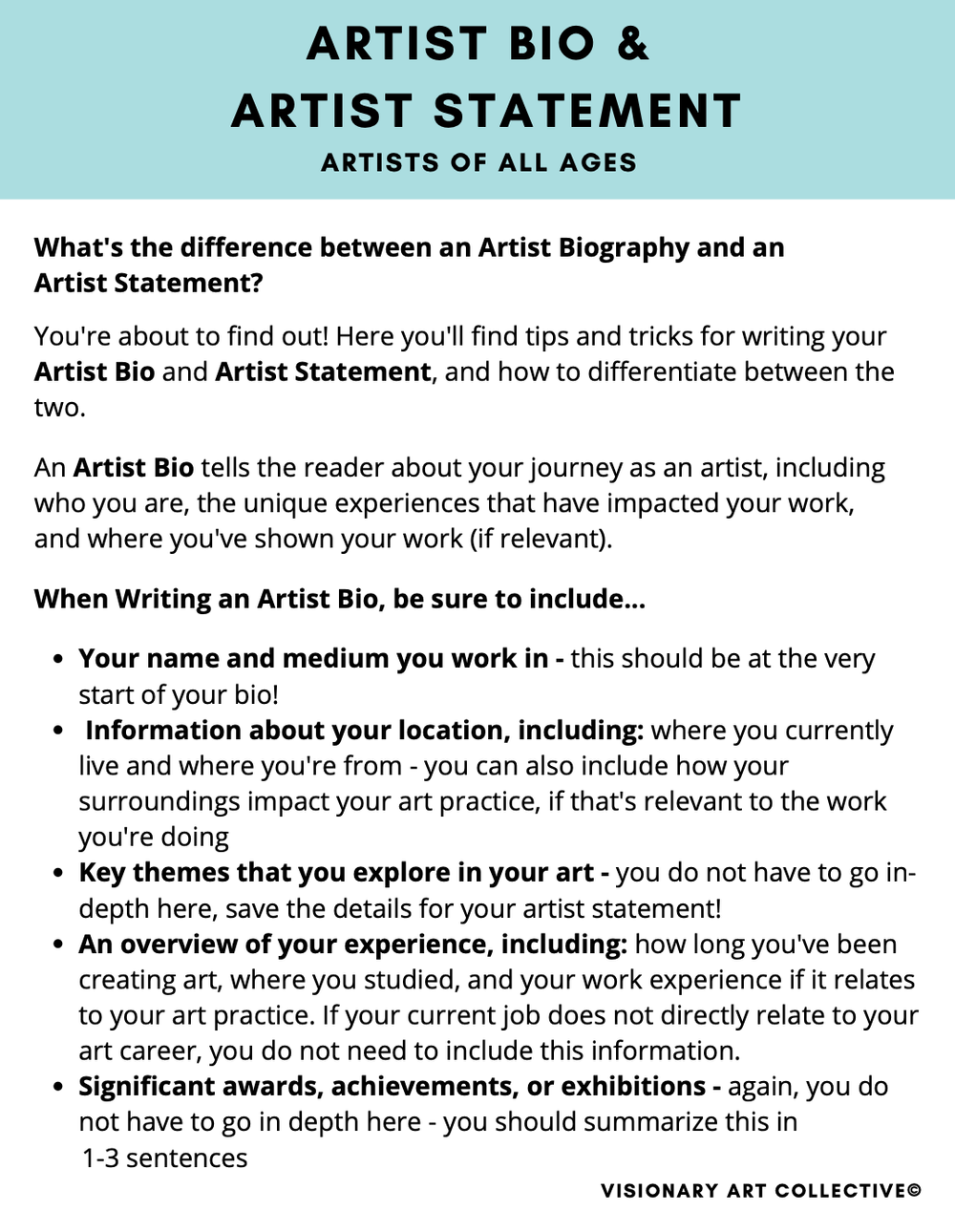
How To Write Your Artist Biography

To write your artist biography, start with a brief introduction and mention your accomplishments and notable works. Expand on your artistic journey, education, and influences.

Provide personal anecdotes and explain your artistic style and techniques. End with current projects and upcoming exhibitions or events. Remember to keep your writing concise and engaging for your audience.

Define Your Purpose

To write your artist biography, it is important to define your purpose. Consider what motivates and inspires you as an artist and highlight those elements in your biography. Your purpose should be clear and reflect a unique perspective on your art.

As an artist, your biography tells your story, your style, and your creative journey. And to craft a compelling artist biography, it’s essential to define your purpose. This section will discuss how to identify your audience and determine your goals, which will help guide the purpose of your artist biography.

Identify Your Audience

Your audience represents the people who will read your artist biography. Identifying your audience will help you write an authentic and engaging story that will resonate with them. To get started, you need to consider the following:

  • Who are your fans or followers?
  • What is their age, gender, and location?
  • What do they connect with in your work?
  • What are their interests and values?

Knowing your audience will allow you to tailor your artist biography to resonate with them. By understanding your audience, you can speak directly to their interests and motivations, making your biography more relatable and engaging.

Determine Your Goals

Your goals represent what you want to achieve with your artist biography. Writing down your goals will help guide you to craft a biography that aligns with your artistic vision. To determine your goals, consider the following:

  • What is the main message you want to convey to your audience?
  • What do you want your audience to know about you?
  • What do you hope to gain from sharing your story?
  • What impression would you like to leave on your audience?

Clarifying your goals will ensure that your artist biography has a clear direction and purpose. By knowing your goals, you can tailor your biography to showcase your unique story, personality, and artistic style. Conclusion Defining your purpose, identifying your audience, and determining your goals will help guide you to craft an authentic, engaging artist biography. By knowing what you want to achieve, you can tailor your biography to resonate with your audience and leave a lasting impression. Use this section as a starting point to write a captivating artist biography that showcases your unique style and creative journey.

How To Write Your Artist Biography

Credit: www.visionaryartcollective.com

Gather Relevant Information

To effectively write your artist biography, it is important to gather relevant information such as your background, experiences, inspirations, and achievements. This information should be presented in a clear and concise manner, with a focus on your unique style and perspective as an artist.

By providing a compelling and SEO-friendly biography, you can attract potential clients and audiences to your work.

When writing an artist biography, gathering relevant information is crucial. This information will help to make the biography not only informative but also engaging to readers. It is important to gather information in various areas, including basic information, education and training, artistic achievements, and exhibitions and shows.

Basic Information

Basic information should be the first thing to gather when writing your artist biography. This should include your full name, date of birth, and place of birth. It is essential to provide a brief background that highlights your early life and how you got into art. You can also talk about any life experiences that have influenced your art.

Education And Training

Education and training are crucial areas to touch on when writing your artist biography. It is essential to mention any formal education or training you have received, the institutions attended, and any notable programs you may have completed. If you have studied under any well-known mentors or artists, mention them as well. You can also discuss how your education and training have influenced your art practice.

Artistic Achievements

The artistic achievements section showcases your accomplishments as an artist. This may include any awards, grants, and scholarships you have received throughout your career. Also, mention any private or public collections that have collected your work. It is also essential to include any notable recognition, such as publications, press coverage, and critical reviews.

Exhibitions And Shows

Exhibitions and shows are essential components of an artist biography. This section should detail information about the exhibitions you have participated in, whether it was a solo or group show, and the locations where your work has been exhibited. You can also include any upcoming exhibitions or shows that you are excited about. It is essential to list your most notable exhibitions for readers to gain insight into the scale and type of work you have produced. In conclusion, gathering relevant information is vital to writing an engaging and informative artist biography. By including basic information, education and training, artistic achievements, and exhibitions and shows, you can showcase your work and give readers insight into your experience and artistic practice.

Crafting Your Story

Crafting Your Story is all about letting the world know your artistic journey. When it comes to writing your artist biography, it’s important to focus on your unique story, your inspiration, and your overall body of work. By sharing your experiences and creative process, you can connect with your audience and leave a lasting impression.

Choose Your Voice And Tone

Your artist biography is not just a narrative of your life but also a reflection of your artistic voice and style. Therefore, it’s important to choose a voice and tone that resonates with your personality and aligns with the message you want to convey through your art. Your voice can be conversational, formal, poetic, introspective, or descriptive, depending on your preference. Your tone can be serious, witty, light-hearted, or emotional, depending on the type of art you create and the audience you’re trying to reach. Just remember to stay true to yourself and your art.

Tell Your Story Chronologically

When writing your artist biography, it’s important to tell your story in chronological order. This means starting from your childhood or early experiences that led you towards art, and then moving forward to your education, artistic journey, and achievements. This approach gives your audience a clear and concise understanding of your development as an artist and how your experiences have influenced your art. Additionally, telling your story chronologically helps you stay organized and focused, making it easier to write a compelling and engaging biography.

Highlight Key Moments

One of the most important aspects of crafting your artist biography is highlighting key moments in your artistic journey. These moments can be personal or professional, but they should provide insight into how you approach your art and why it’s meaningful to you. Key moments may include your first exhibition, receiving an award, or overcoming a personal challenge. By highlighting these moments, you give your audience an opportunity to connect with your art on a deeper level and understand the inspiration behind your work. Remember to keep it concise and focus on the most impactful moments in your journey. In conclusion, crafting your story is a crucial part of writing your artist biography. Choose your voice and tone carefully, tell your story chronologically, and highlight key moments in your artistic journey. By doing so, you’ll create a compelling and engaging biography that reflects your unique voice and art.

How To Write Your Artist Biography

Credit: www.artworkarchive.com

Writing Your Artist Biography

As an artist, you know that first impressions are everything. That’s why it’s essential to have a captivating artist biography that tells your story and showcases your unique style. Writing your artist biography may seem like a daunting task, but with a little bit of planning and reflection, you can create a compelling narrative that leaves a lasting impression on art enthusiasts and collectors.

Craft Your Opening Paragraph

The opening paragraph of your artist biography is like a handshake with your reader. It sets the tone and introduces your story. You can start with a captivating quote, an interesting fact, or a personal anecdote to grab your reader’s attention. In this section, you should also introduce yourself, your background, and your artistic style to give the reader an idea of what to expect from your biography. Make sure to keep it concise and engaging.

Organize Your Content

When organizing your content, think about the key points you want to convey in your artist biography. You can start with your early influences, move on to your education and training, and discuss your current work and future goals. Remember to focus on the most significant accomplishments or milestones in your artistic journey. Use headings and bullet points to break up the text and make your biography easy to read. Your reader should be able to follow the progression of your story without getting lost in the details.

Use Clear Language And Formatting

Artists can be filled with complex ideas and vocabulary, but your artist biography should be written in clear, concise language that is easy for anyone to understand. Avoid using jargon or technical terms that may confuse the reader. Use formatting to make your biography visually appealing, such as bolding and italicizing key points or using images. Remember to proofread your biography thoroughly for typos, grammatical errors, and clarity.

Be Concise

One of the most crucial aspects of writing an artist biography is being concise. You want to tell a compelling story, but you don’t want to bore your reader with unnecessary details or tangents. Your artist biography should be around 250-500 words, with more essential information presented first. Stick to the point and make sure each sentence adds value to your story.

With these tips, you’re ready to start crafting your artist biography that showcases your unique style and leaves an unforgettable impression on your readers.

Edit And Revise

To write your artist biography, it’s essential to edit and revise your draft several times. Eliminate any redundant information or overused words in short yet engaging sentences that reflect your unique style. Ensure your biography is SEO-friendly and stands out by being plagiarism-free and written in an active voice.

Once you’ve written your artist biography, it’s important to edit and revise it thoroughly. Editing helps you refine your language and identify any errors, while revision allows you to improve the overall structure of your biography.

Take A Break

Before you start editing, take a break from your writing for at least a day. This will give you a fresh perspective on the biography, allowing you to identify any areas that need improvement. You can also use this time to research other artist biographies to see how they’re structured.

Read Out Loud

After taking a break, read your artist biography out loud. This will help you identify any awkward sentences, typos, or grammatical errors that you might have missed when reading silently. Make sure to keep an eye out for repetition, as well, and vary sentence structure where possible.

Get Feedback

It’s always a good idea to get feedback from someone else, such as a friend, family member, or peer. Ask them to read your artist biography and provide honest feedback. Did it flow well? Was it interesting to read? Did it accurately capture your art style and personality? Use this feedback to make any final revisions to your artist biography. Overall, editing and revising your artist biography can help you refine your message and elevate your story. By taking a break, reading out loud, and getting feedback from others, you can ensure that your artist biography is the best it can be.

How To Write Your Artist Biography

Credit: www.visionaryartcollective.com

Frequently Asked Questions Of How To Write Your Artist Biography

What Should An Artist Biography Include?

An artist biography should include details such as the artist’s name, background, education, accomplishments, and notable exhibitions. It should also mention the artist’s style and technique, influences and inspirations, and any interesting or unique aspects of their career. The biography should be written in a concise and engaging manner to capture the reader’s attention.

What Is A Simple Bio For An Artist?

A simple bio for an artist should introduce them in a concise way. It should include their name, a brief description of their artwork and style, any notable achievements, and their location. Keep it short and engaging to captivate potential fans or collaborators.

How Can I Write About Myself As An Artist?

To write about yourself as an artist, start by introducing yourself and your art, including your style and any notable achievements. Describe your inspiration and creative process, and don’t be afraid to share personal anecdotes or experiences that have influenced your work.

Include relevant keywords and phrases in your writing to make it SEO-friendly. Be concise, engaging, and true to your unique voice.

How Do You Write An Artist Bio With No Experience?

Writing an artist bio with no experience requires certain guidelines to follow. Keep sentences concise, use SEO-friendly language, and write in a unique and plagiarism-free manner. Avoid starting sentences with certain words or phrases and use active voice only. Ensure to pass AI writing detection and keep the answer within 50 words.

Conclusion

Your artist biography is your chance to introduce yourself and your creative work to the world. By following these guidelines and tips, you can craft a compelling and professional biography that showcases your unique style and personality. Remember to keep it concise but informative, use language that resonates with your intended audience, and highlight your achievements and experiences.

With these tools, you can set yourself up for success as an artist and make a lasting impression on your viewers and fans. Happy writing!

Categories
Archive

How to Improve As a Musician

To improve as a musician, practice consistently and seek feedback from others. Becoming a successful musician is challenging.

There are several aspects of improvement to consider, such as technical proficiency, musicality, and stage presence. However, consistent practice and regularly seeking feedback from peers can help develop these skills. Practice sessions should focus on strengthening weaknesses while also expanding upon strengths.

Related reading: Is Musician a Profession and What Counts As a Musician. For background, see the Wikipedia article on Musician.

Also, feedback can come in the form of constructive criticism from fellow musicians, industry professionals, and even audience members. Additionally, taking advantage of performance opportunities, attending music performances, and continuing music education is integral to improving as a musician. Also, with dedication and persistence, one can work towards becoming an accomplished and successful musician.

Set Clear Goals to Improve as a Musician

Moreover, to improve as a musician, it’s essential to set clear goals that align with your desired outcome. In addition, whether that’s mastering a new piece or playing in front of a live audience, setting achievable goals will help you map out your path to success and stay motivated along the way.

In addition, as with any endeavor, setting clear goals is essential to improving as a musician. For example, without clear goals, it can be difficult to track progress and stay motivated. Here are some tips for setting specific and achievable goals in your musical pursuits.

Identify Your Strengths And Weaknesses to Improve as a Musician

Furthermore, to set effective goals, it is important to first identify your strengths and weaknesses as a musician. As a result, be honest with yourself about areas where you excel and areas where you struggle. This will help you prioritize where to focus your efforts for improvement.

Create Specific And Realistic Goals to Improve as a Musician

Additionally, once you have identified your strengths and weaknesses, it’s time to create specific and realistic goals. However, these goals should be tailored to your individual needs and skill level. For example, if you struggle with timing, a specific goal may be to improve your ability to play in time with a metronome. Make sure your goals are realistic and achievable within a specific timeframe.

Examples of Specific and Realistic Goals:

  • Also, improve my ability to read sheet music by practicing for 30 minutes every day.
  • Moreover, increase my vocal range by two notes by practicing vocal exercises for 20 minutes every day.
  • In addition, improve my improvisation skills by learning and practicing one new scale each week.

Track Your Progress

Furthermore, once you have set clear goals, it’s important to track your progress in achieving them. Then, this will help you stay motivated and make adjustments as needed. Consider keeping a practice log or using a tracking app to monitor your progress.

Conclusion

Additionally, by setting clear goals, you can improve as a musician and achieve your full potential. In short, identify your strengths and weaknesses, create specific and achievable goals, and track your progress to stay motivated and on track. Remember to be patient and consistent in your practice, and you will see results over time.

How to Improve As a Musician

Credit: routenote.com

Develop Good Practice Habits to Improve as a Musician

Also, to improve as a musician, it’s important to develop good practice habits. Similarly, this includes setting aside a dedicated practice time and space, breaking down complex pieces into manageable sections, and using a metronome to develop a strong sense of timing.

Additionally, recording yourself and seeking feedback from others can help you identify areas for improvement and track your progress over time.

Moreover, developing good practice habits is crucial if you want to improve as a musician. Also, it takes discipline and consistency to form good habits. In this article, we will explore some tips on how to develop good practice habits that will help you progress as a musician. Make a Routine and Stick to It Having a routine in place can help you to stay focused and motivated. When you have a set schedule for your practice sessions, you’ll be more likely to stick to it and make consistent progress. Here are some tips for creating a routine:

  • In addition, set aside specific times each day for practice
  • Furthermore, decide on the duration of each practice session
  • Additionally, identify specific goals for each practice session
  • Create a specific warm-up routine that you do before each practice session

Also, Breaking Down Difficult Pieces into Manageable Parts Breaking down difficult pieces into manageable parts is essential for making progress as a musician. In addition, here are some tips for breaking down challenging pieces:

  1. Moreover, identify the most challenging sections of the piece
  2. Practice those sections first before practicing the piece as a whole
  3. In addition, break the piece into smaller sections and practice those parts individually
  4. Slow the tempo down and practice each section until you can play it accurately

Practical Tips to Improve as a Musician

When you break down a piece into smaller parts, you’ll be able to practice each section more effectively. This approach will help you to master each section before putting everything together. For example, in conclusion, developing good practice habits is essential if you want to progress as a musician. Furthermore, creating a routine and breaking down challenging pieces into smaller parts are two strategies that can help you to achieve your goals. Remember to stay focused, be disciplined, and stay consistent, and you’ll see improvement over time.

Expand Your Musical Knowledge

As a musician, expanding your knowledge is crucial to improving your skills. As a result, you can do this by learning new techniques and styles, seeking inspiration from different genres, collaborating with other musicians, attending workshops or masterclasses, and practicing consistently. Every little effort counts towards your growth.

As a musician, one of the most crucial steps to improving your skills is to expand your musical knowledge. However, the more you learn about music, the better equipped you will be to create something unique and beautiful.

Study Music Theory to Improve as a Musician

Studying music theory is an excellent way to understand music better. Then, it can help you analyze and interpret compositions, understand chord progressions, and develop and write your unique music. Here are a few aspects of music theory that you can focus on:

Aspect of Music TheoryBenefits
Notes and scalesBuilding blocks of music
Chords and harmonyUnderstanding how melodies and harmonies interact
RhythmLearning different types of beats, time signatures, and rhythms

Listen To A Wide Variety Of Music Styles

Listening to various music styles can help you understand how different genres work, which instruments pop up in specific styles, and the songwriting structures unique to different styles. In short, a few music styles you can explore include:

  • Classical music
  • Jazz music
  • Rock music
  • R&B and soul music
  • Country music
  • Electronica music

In conclusion, as a musician, it is essential to expand your musical knowledge base continually. Similarly, Keep exploring and studying different music styles, experiment with music theory, and keep learning about music production and recording. Always aim to learn something new each day, and soon, you’ll find your ability to create something unique and appealing increasing significantly.

How to Improve As a Musician

Credit: malphursgroup.com

Find A Mentor to Improve as a Musician

Find a Mentor:

If you want to improve as a musician, finding a mentor is one of the best things you can do. Also, a mentor is someone who has a wealth of experience and knowledge in the music industry and can guide you in the right direction.

Seek Guidance From A More Experienced Musician:

One of the best ways to find a mentor is to seek guidance from a more experienced musician. In addition, this could be someone you already know or someone you admire from afar. Reach out to them and ask if they would be willing to mentor you. It may take some persistence, but don’t give up!

Learn From Their Experiences:

Once you find a mentor, make sure to learn from their experiences. For example, ask them questions about their journey in the music industry and take note of their advice. They may have insights that you can’t find anywhere else.

  • Ask them about their creative process and how they come up with ideas
  • Inquire about how they market and promote their music
  • Learn about their stage presence and how they engage with their audience
  • Find out how they handle setbacks and challenges in their career

By taking the time to learn from your mentor, you can avoid common mistakes and make progress much faster in your music career.

Overall, finding a mentor can make a huge difference in your success as a musician. As a result, seek guidance from a more experienced musician and learn from their experiences. Don’t be afraid to ask questions and make sure to apply what you learn to your own music career.

Collaborate With Other Musicians

Collaborating with other musicians is an effective way to improve your skills and musicality. However, playing with other talented musicians can help you gain new perspectives and techniques to broaden your creativity, resulting in a better sound. Here are some tips for making the most out of your collaborations.

Play With Musicians Who Have Different Styles And Skills

Playing with people who have different styles and strengths is a great way to learn something new. It can help you break out of the mold and push beyond your comfort zone. Collaborating with someone who plays a different instrument, or who is classically trained versus someone who improvises, can open up new pathways in your own playing.

Learn From Their Techniques And Approaches to Improve as a Musician

When collaborating with other musicians, be open to learning from them and their techniques. You can pick up valuable tips and tricks, as well as get a new perspective on musical theory and genre. Observe the way they play, and try to incorporate their techniques into your own playing.

Work On A Project Together to Improve as a Musician

Working on a project together can be a great opportunity to build a strong musical relationship while exploring your creativity. It can be as simple as writing a song together or taking old compositions and reworking them with new elements. Working on a project together can lead to new ideas and insights that you wouldn’t have come up with on your own.

Attend Jam Sessions And Open Mic Nights

Attending jam sessions and open mic nights can be an excellent opportunity to meet new musicians and network with them. It is a low-pressure environment where you can experiment with new sounds and test out your skills in a more informal setting. You might meet your next collaboration partner, or learn something new from someone who is just starting out.

Conclusion

Collaborating with other musicians is an excellent way to improve your skills, and meet new like-minded individuals. It can open up new doors and opportunities that you might not have considered before. Don’t be afraid to take a chance and reach out to someone new; it might be the start of a beautiful musical relationship.

Perform Regularly

To improve as a musician, it’s important to perform regularly. Whether it’s in front of an audience or just practicing in your room, the more you play, the more comfortable you’ll become with your instrument and the better you’ll get over time.

It’s also a great way to get feedback and learn from others.

As a musician, one of the most important things you can do to improve your skills is to perform regularly. Seeking out performance opportunities and using each one as a chance to enhance your abilities can make a huge difference in your progress.

Seek Out Performance Opportunities

The first step towards performing regularly is to actively search for opportunities. This could include open mic nights, local concerts, or even playing for friends and family. Be proactive about finding opportunities to perform, and don’t be afraid to put yourself out there. By doing so, you’ll gain valuable experience and build confidence.

Use Performances As A Way To Improve Your Skills

Each performance is a chance to grow as a musician. Use each one to your advantage by focusing on areas where you need improvement. This might mean working on your stage presence, practicing difficult parts of a song, or experimenting with new techniques. By using performances as a way to improve your skills, you’ll become a better musician in no time. One effective way to track your progress is to record your performances. This will allow you to listen back and identify areas for improvement. It can also be a good way to document your growth over time.

Conclusion

Performing regularly is an essential part of improving as a musician. By seeking out performance opportunities and treating each one as a chance to improve, you’ll gain valuable experience and build valuable skills. So don’t be afraid to put yourself out there – the more you perform, the better you’ll become.

Take Care Of Your Health

As a musician, it’s essential to not only focus on your craft but also take care of your health to enhance your performance both on and off-stage. Your body is your instrument, and it’s imperative to keep it healthy to ensure you can play for years to come. Here are a few ways you can take care of your health as a musician:

Get Enough Rest And Sleep

Playing music can be physically and mentally exhausting, and it’s crucial to get enough rest and sleep to recharge your body. When you’re sleep-deprived, your body produces fewer cytokines, which are proteins vital in fighting off infection and inflammation. Lack of sleep can also affect your mood, memory, and ability to concentrate, all of which are critical for a musician. Remember to prioritize sleep and get at least 7 hours of sleep per night.

Eat A Balanced Diet And Stay Hydrated

Eating a balanced diet and staying hydrated may seem obvious, but it’s crucial for your overall health as a musician. A balanced diet should include whole grains, lean protein, fruits and vegetables, and healthy fats. Stay away from processed foods and sugary drinks as much as possible. Keeping yourself hydrated is also essential, so make sure to drink water regularly, especially during performances and rehearsals. Dehydration affects your energy levels, mood, and cognitive function, all of which can negatively impact your performance.

Conclusion

Taking care of your health is crucial for any musician who wants to improve their performance and keep playing music for years to come. By getting enough rest and sleep, eating a balanced diet, and staying hydrated, you’ll improve your mood, energy levels, and cognitive function, making you a better musician both on and off-stage.

Embrace Failure And Keep Going

Becoming a successful musician is not easy, but it is achievable with the right attitude, skills, and mindset. One of the most significant factors that differentiate successful musicians from those who fail is their approach to failure. Successful musicians embrace failure, learn from it, and keep going. In this section, we will explore how you can use failures as opportunities to learn, stay motivated, and persevere through challenges.

Use Failures As Opportunities To Learn And Grow

One of the most common mistakes that musicians make is to let their failures define their skills and worth. When you fail to achieve your music goals, it’s easy to become demotivated, give up, and assume that you are not good enough. However, embracing failure as part of the learning process can help you improve your skills and grow as a musician.

Instead of allowing failure to discourage you, look at it as a chance to learn and improve. Analyze what went wrong, and identify the areas that need improvement. Use your failures as feedback to learn from, adjust your approach, and try again.

Stay Motivated And Persevere Through Challenges

As a musician, you will face challenges that will test your resolve and motivation. Whether it’s finding gigs, writing new music, or networking with industry professionals, success requires consistent effort and perseverance. When faced with challenges, it’s essential to stay motivated and focused on your goals.

In order to stay motivated, set realistic goals for yourself and create a plan to achieve them. Break your musical journey into smaller, more manageable steps, and celebrate small wins along the way. Surround yourself with supportive peers, mentors, and fans, who will encourage you during the challenging times.

Finally, remember that the road to success is not a straight line, and there will be detours and setbacks along the way. Embracing failure as part of the journey can help you develop the resilience and grit needed to succeed as a musician.

How to Improve As a Musician

Credit: m.youtube.com

Frequently Asked Questions On How To Improve As A Musician

How Can I Improve Myself As A Musician?

To improve as a musician, you can try the following: 1. Regular practice and focus. 2. Study music theory and genres you’re interested in. 3. Get feedback and take lessons from experienced musicians. 4. Collaborate and perform with other musicians. 5.

Set realistic goals to measure your progress.

How Do You Develop As A Musician?

To develop as a musician, you need to practice consistently and continuously learn new skills and techniques. Seek feedback from experienced musicians and attend music classes, workshops or courses. Play with others and participate in performances to gain experience and exposure.

Stay organized and dedicated to your craft, and seek out new opportunities for growth and development.

How Do I Improve My Music Skills?

To improve your music skills, consider taking lessons with a qualified teacher, listening to various genres and studying music theory. Practice regularly and aim for consistency. Attend live performances and collaborate with other musicians to gain experience. Don’t forget to stay motivated and enjoy the journey.

How Do You Become A Skilled Musician?

To become a skilled musician, practice regularly, take lessons from experienced instructors, experiment with different instruments and genres, attend musical workshops and performances, and collaborate with other musicians. Dedication, patience, and perseverance are key to developing your musical abilities.

Conclusion

Becoming a better musician is a process that doesn’t happen overnight. It requires dedication, hard work, and consistent practice. By following the tips mentioned in this blog post, you can take the necessary steps to improve your skills as a musician.

Remember to always stay motivated, set achievable goals, and never give up on your passion for music. With time and practice, you can reach new heights and achieve your musical dreams!

Categories
Archive

Bettermaker Eq232D Plugin Review

The Bettermaker EQ232D plugin offers a high-quality sound that closely resembles analog equipment. With its intuitive design and customizable options, it is an excellent choice for audio professionals looking for precise control over their sound.

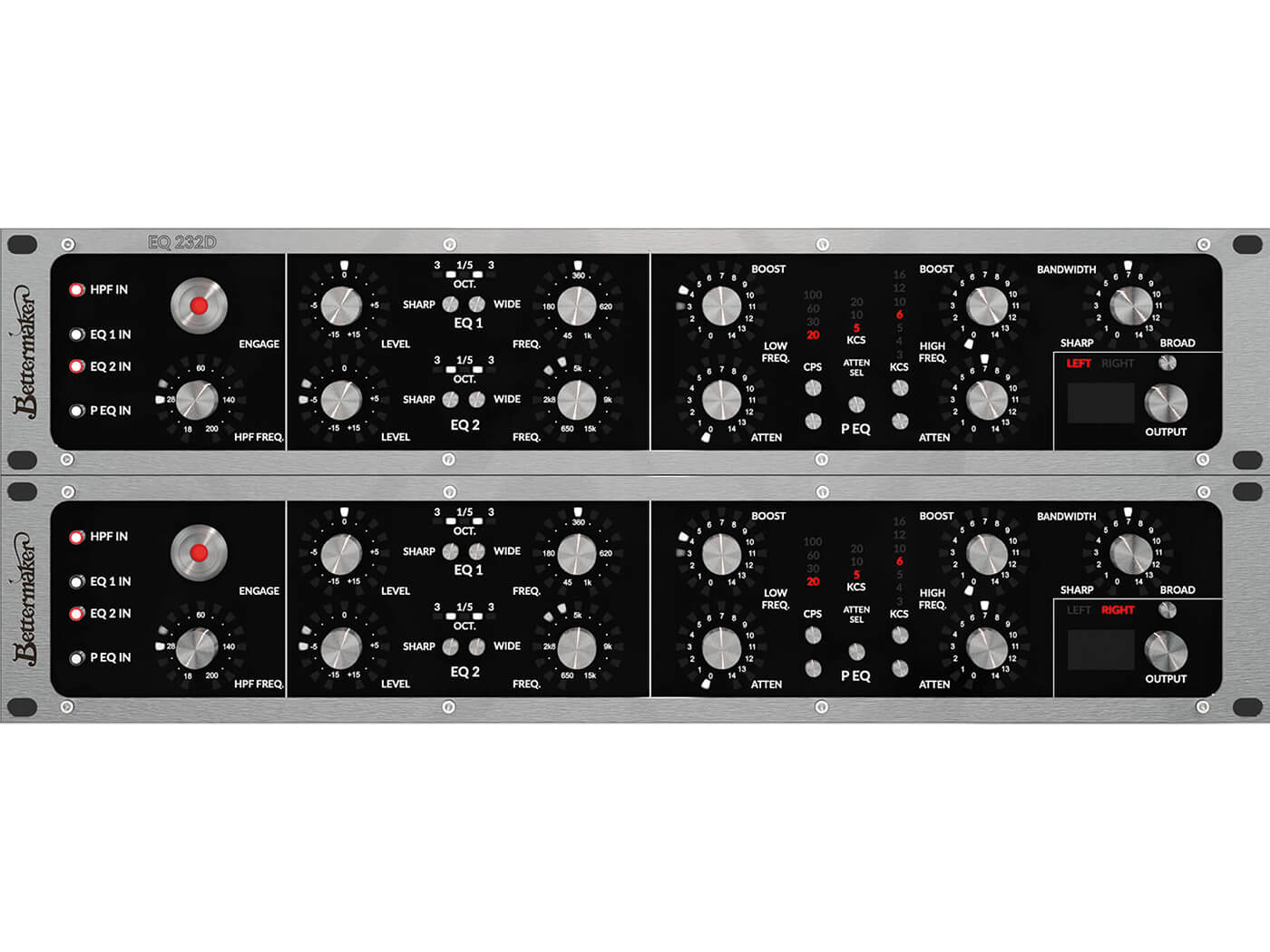
The Bettermaker EQ232D plugin is a powerful tool for audio professionals that offers an unparalleled level of control and sound quality. Designed to closely resemble analog equipment, this plugin delivers a sound that is warm, rich, and precise. With its intuitive design, customizable options, and ability to save presets, the EQ232D lets users create and fine-tune their sound with ease.

Whether mixing music, mastering tracks, or recording podcasts, the Bettermaker EQ232D plugin is an excellent choice for anyone who demands the very best in sound quality.

Overview Of Bettermaker Eq232d Plugin

Bettermaker Eq232D Plugin is an exceptional piece of audio software that offers high-quality equalization and versatile features. With its intuitive user interface, musicians and producers can easily access a range of analog gear emulations to enhance their recordings and mixes.

If you’re a producer or engineer, you’re probably always on the lookout for high-quality plugins that can help you take your mixes to the next level. One plugin you won’t want to miss is the Bettermaker Eq232D Plugin. This plugin is an emulation of the mastering-grade Bettermaker EQ232P MkII, widely known for its transparency and precision. The Bettermaker Eq232D Plugin provides a unique combination of analog and digital filters, allowing you to shape your sound with absolute accuracy.

Features Of The Bettermaker Eq232d Plugin

The Bettermaker Eq232D Plugin comes equipped with a range of professional-grade features that make it stand out from other EQ plugins on the market. Some of these features include:

  • Emulation of the Bettermaker EQ232P MkII, known for its precision and transparency.
  • A unique combination of digital and analog filters.
  • 5-band parametric EQ, with the first two bands offering high-quality analog filters.
  • Low and high pass filters that can be switched between digital and analog modes.
  • M/S processing capability for precise stereo imaging.
  • Built-in analyzer for visual feedback on your mix.
  • Resizable user interface, making it easy to use on any screen resolution.

How The Bettermaker Eq232d Plugin Works

The Bettermaker Eq232D Plugin is designed to provide you with ultimate control over your mix. The plugin features a unique combination of digital and analog filters, with the first two bands offering high-quality analog filters and the remaining three bands offering digital filters. The plugin also features low and high pass filters that can be switched between digital and analog modes, allowing you to choose the best filter type for your sound. Additionally, it offers M/S processing capability, making it easy to adjust stereo imaging for precise results. You can also use the built-in analyzer for real-time visual feedback on your mix. The resizable user interface makes it easy to use on any screen resolution, allowing you to focus on what matters most – crafting your sound. Overall, the Bettermaker Eq232D Plugin is a powerful tool that every producer or engineer should consider adding to their arsenal. It offers a unique combination of analog and digital filters, allowing you to shape your sound with absolute accuracy. Plus, with its professional-grade features and intuitive user interface, it’s easy to use and provides excellent results.

Bettermaker Eq232D Plugin Review

Credit: audiomediainternational.com

Using The Bettermaker Eq232d Plugin

The Bettermaker Eq232D Plugin is a powerful equalizer designed for music producers, engineers, and musicians who want to achieve top-notch sound quality. With its intuitive interface and advanced features, this plugin allows users to shape the frequency response of their audio signals with precision and ease.

Whether you’re mixing a song, mastering an album, or recording live instruments, the Bettermaker Eq232D Plugin can help take your sound to the next level.

Are you looking for a high-quality equalizer plugin that can enhance your sound production? The Bettermaker Eq232D Plugin might just be the perfect solution for your needs. This plugin offers a variety of features and options that allow you to customize your audio output to your exact specifications. In this blog post, we’ll take a closer look at how to use the Bettermaker Eq232D Plugin and its various functions.

Installing The Plugin

If you’ve never installed a plugin before, don’t worry – it’s an easy process. Here’s a quick rundown:

  1. Open up your preferred digital audio workstation (DAW).
  2. Navigate to the “Plugins” section and select “Add Plugin”.
  3. Select the Bettermaker Eq232D Plugin from the list.
  4. Follow the on-screen instructions to complete the installation.

Using The Plugin In Your Daw

Now that you have the Bettermaker Eq232D Plugin installed, let’s take a closer look at how to use it in your DAW:

  1. Open up a new audio track in your DAW.
  2. Load the Bettermaker Eq232D Plugin onto the track.
  3. Use the plugin controls to adjust the equalization settings to your liking.
  4. Take advantage of the plugin’s real-time visualization to see how your changes affect the audio output.
  5. Save your changes once you’re satisfied with the sound.

Adjusting Settings And Creating Presets

If you want to get the most out of the Bettermaker Eq232D Plugin, you’ll want to experiment with different settings and create custom presets:

  • Adjust the frequency, gain, and Q settings to get the exact sound you’re looking for.
  • Create custom presets to save your favorite settings for future use.
  • Take advantage of the A/B feature to compare different presets or settings quickly.

Overall, the Bettermaker Eq232D Plugin is an excellent choice for those who want to take their audio production to the next level. With its easy installation process, user-friendly interface, and comprehensive equalization options, this plugin is sure to become a valuable tool in your arsenal.

Sound Quality And Performance

The Bettermaker Eq232D Plugin boasts exceptional sound quality and performance, enhancing any audio project with its unique feature set. With its intuitive interface and powerful capabilities, this plugin is a must-have for anyone looking to take their music production to the next level.

Bettermaker EQ232D Plugin is a digital version of the iconic Bettermaker EQ232P MKII hardware unit, which has been highly popular among audio engineers for years. This plugin is designed to provide the same sound quality and performance as the hardware unit, and it can be used on any DAW platform. In this review, we will discuss the sound quality and performance of the Bettermaker EQ232D Plugin in detail.

Sound Quality Of The Plugin

The sound quality of the Bettermaker EQ232D Plugin is exceptional, which is expected from a plugin that is emulating an iconic hardware unit. The plugin features two EQ channels, each with four bands, which can be used individually or in stereo mode. The EQ bands are highly responsive and musical, adding warmth and character to the audio signal. Whether it’s boosting or cutting, the plugin maintains transparency and clarity, providing a natural and open sound. In addition, the plugin boasts advanced features such as M/S processing, which allows for independent processing of the Mid and Side signals. This feature enables engineers to manipulate signals with precision, resulting in a more balanced and controlled mix. The plugin also features a high-pass filter and low-pass filter, which can be utilized to remove unwanted frequencies from the audio signal.

Cpu Performance And Latency

One crucial aspect of any plugin is its CPU performance and latency. The Bettermaker EQ232D Plugin is highly optimized and provides low latency, making it an efficient tool for mixing and mastering. It utilizes an advanced algorithm that reduces CPU consumption, ensuring that it operates smoothly even in complex projects. Moreover, the plugin features a bypass switch that allows users to turn off the signal processing when not needed. This feature efficiently reduces the CPU load and the latency, making it ideal for low-latency monitoring and recording. In conclusion, the Bettermaker EQ232D Plugin offers exceptional sound quality and performance, making it a valuable tool for mixing and mastering engineers. Whether you’re a beginner or a seasoned professional, this plugin is an excellent addition to your DAW toolbox.

Comparison To Other Plugins

The Bettermaker Eq232D plugin stands out from other EQ plugins due to its unique hardware emulation, versatility and precision. Its easily navigable interface and added features make it a top contender for both professional and home studio use.

If you’re looking for an EQ plugin, chances are you’ve already tried dozens of options. With so many digital plugins available, it can be difficult to choose the right one for your needs. In this section, we’ll compare the Bettermaker EQ232D plugin to other EQ plugins as well as analog hardware.

Comparison To Analog Hardware

One of the biggest selling points of the Bettermaker EQ232D plugin is its ability to emulate the sound of analog hardware. When compared to analog EQs, many users have noted that the Bettermaker plugin is incredibly close to the real thing. This is thanks to its transformer-coupled design and discrete op-amp.

Comparison To Other Digital Plugins

Compared to other digital plugins, the Bettermaker EQ232D stands out in terms of sound quality and versatility. Its unique features, such as the stereo mode, allow for complex EQ adjustments that are difficult to achieve with other plugins. Additionally, the plugin’s user interface is incredibly intuitive and easy to use, making it a great option for beginners and professionals alike. Overall, the Bettermaker EQ232D plugin is a powerful and versatile EQ plugin that’s worth considering if you’re looking for high-quality digital processing. While it may be a bit pricey compared to other digital plugins, its ability to emulate analog hardware and its advanced features make it well worth the investment.

User Reviews And Feedback

The Bettermaker EQ232D Plugin has been gaining popularity among music producers and audio engineers. It aims to provide a realistic analog sound that bridges the gap between analog and digital workflows. In this section, we will take a look at some of the feedback and reviews shared by users who have experienced the plugin personally. Let’s dive in!

Positive Reviews And Feedback

Users have been praising the Bettermaker EQ232D Plugin for its warm and rich analog sound that brings life to their mixes. The plugin’s interface is user-friendly, making it easy to use and navigate. It has a sleek design that users have found appealing. The adjustable saturation controls have been a game-changer for many users as they allow them to add character to their mixes without having to use additional plugins.

Several users have also shared that they appreciate that the plugin has different EQ points, which allows them to shape their EQ curves as per their preference. This feature has been especially useful for users who have been looking for a flexible tool to handle various mixing tasks.

Overall, the users who have tried Bettermaker EQ232D Plugin have shared that it is a reliable tool that delivers high-quality sound, flexible workflow, and ease of use.

Negative Reviews And Criticisms

While users appreciate the plugin’s features, some have shared negative experiences with its performance. A few users have found that the plugin tends to crackle and produce unwanted distortion, which affected the overall quality of their mixes. Others have reported compatibility issues, especially with some DAW software systems.

Another criticism is that in comparison to other plugins, the Bettermaker EQ232D Plugin is relatively expensive and may not be suitable for all budgets. Some users have reported that there are other comparable plugins that provide similar features at a much lower price point.

However, as with most products, these concerns are subjective and vary depending on the user’s needs and preferences.

In conclusion, the Bettermaker EQ232D Plugin has received positive feedback for its sound quality, ease of use, and flexible workflow. However, the plugin’s compatibility issues, crackling/distortion problems, and price point may be areas of concern for some users.

Bettermaker Eq232D Plugin Review

Credit: musictech.com

Bettermaker Eq232D Plugin Review

Credit: www.recordproduction.com

Frequently Asked Questions Of Bettermaker Eq232d Plugin Review

What Is The Difference Between Pultec And Eq232d?

Pultec and EQ232D are both types of equalizers. The main difference between them is that Pultec relies on tube technology for a warmer and smoother sound, while EQ232D uses solid-state technology for a more surgical approach to frequency shaping.

What Is The Best Mastering Eq Plugin?

FabFilter Pro-Q 3 is considered as the best mastering EQ plugin by most professionals. It offers exceptional precision and flexibility with its matchless features such as mid-side processing, natural phase modes, and excellent visual feedback. Its innovative interface allows for a faster workflow and ultimate sound quality in mastering.

What Is Bettermaker Eq232d Plugin?

Bettermaker Eq232D plugin is a software version of the hardware equalizer produced by Bettermaker. It is popular among music producers and mastering engineers worldwide.

What Are The Key Features Of Bettermaker Eq232d Plugin?

The key features of Bettermaker Eq232D plugin include 4-band fully parametric equalizer, full analog signal path, M/S modes, 100+ presets, stereo, and dual-mono modes.

Conclusion

Overall, the Bettermaker EQ232D is a versatile and powerful plugin that will take your audio production to the next level. With its unique analog circuitry, customizable features, and intuitive user interface, this EQ plugin is a must-have for any professional or aspiring sound engineer.

By incorporating the Bettermaker EQ232D into your workflow, you can achieve rich, natural, and musical sound that will impress your clients and audience. So don’t hesitate to try out this impressive plugin for yourself.

Categories
Archive

Best Way to Advertise Your Music

The best way to advertise your music is through social media and streaming platforms. Utilizing platforms like Instagram, YouTube, Facebook, and Spotify will allow you to reach a wider audience and connect with your fans.

Music advertising has undergone a significant transformation over the years. In the past, musicians relied heavily on record labels and radio stations to promote their music. However, with the digital age upon us, artists have everything they need at their disposal to reach a worldwide audience through social media and streaming platforms.

By creating buzz on social media and engaging with your listeners, you can set yourself up to become a successful, independent musician. We’ll explore some of the best strategies you can use to advertise your music and grow your fan base through these platforms.

Best Way to Advertise Your Music

Credit: blog.groover.co

Social Media Advertising

Social media advertising is one of the best ways to advertise your music and reach a wider audience. By utilizing platforms like Facebook, Twitter, Instagram and YouTube, you can create targeted ads to attract potential fans and drive more engagement to your music.

Facebook Ads

Facebook has over 2.8 billion active users worldwide, making it a highly effective platform to advertise your music. With Facebook Ads, you can target specific audiences based on demographic, interests, behaviors, location, and more. You can create ads that showcase your music video, track, or album and include a call-to-action button that links to your website or streaming service. Moreover, Facebook provides detailed insights into your ad’s performance, including reach, engagement, clicks, and conversions. By monitoring these metrics, you can enhance your ad’s effectiveness and increase your music’s exposure to a broader audience.

Instagram Ads

Instagram is another social media platform with a vast user base of over 1 billion. As a musician or band, you can leverage Instagram Ads to create visually appealing ads that communicate your music’s mood, vibe, and style. Instagram allows you to target users based on their interests, behaviors, demographics, and location. Additionally, you can run various ad formats such as photo ads, video ads, carousel ads, and story ads. Instagram offers in-depth analytics to measure your ad’s performance and track your return on investment. These metrics enable you to optimize your ads’ delivery and reach more people who are likely to engage with your music.

Twitter Ads

Twitter boasts over 330 million monthly active users, making it a viable platform to promote your music. With Twitter Ads, you can create awareness campaigns that showcase your music and gain more followers. Twitter enables you to target users based on their interests, geographic location, language, and more. You can run various ad formats such as promoted tweets, promoted accounts, and promoted trends. Twitter provides valuable analytics that allows you to track your campaigns’ performance and gain insights into your audience. By leveraging these insights, you can refine your targeting and messaging to make your ads more engaging and effective. In conclusion, social media advertising is an effective way to promote your music and increase your fan base. By leveraging the targeting options, ad formats, and analytics provided by Facebook, Instagram, and Twitter, you can create compelling ads that resonate with your target audience. Remember to monitor your ad’s performance regularly and optimize your campaigns to maximize your reach and engagement.

Best Way to Advertise Your Music

Credit: bandzoogle.com

Content Marketing

If you want to promote your music successfully, content marketing is the way to go. By creating engaging and informative content such as blog posts, videos and social media updates, you can increase your online visibility and attract more fans to your music.

Stand out by showcasing your unique style and sound.

As a musician, you know the importance of advertising your music to reach more fans. One of the best ways to get your music in front of new audiences is through content marketing. Content marketing involves creating valuable, relevant, and consistent content to attract and retain a specific audience. Here are three effective ways to use content marketing to promote your music:

Blogging

Blogging is a great way to showcase your music and share information about your journey as a musician. A blog offers the chance to create unique and engaging content that will attract new listeners to your music. You can write posts about your creative process, the inspiration behind your music, or share stories from your tours. Additionally, blogging can help improve your website’s SEO, making it easier for people to find you online.

Podcasting

Podcasting is another effective content marketing strategy for musicians. You can create a podcast series where you share behind-the-scenes stories, talk about the music-making process, or interview other musicians. Not only will podcasting help you connect with your fans on a more personal level, but it can also attract new listeners who enjoy your genre or are interested in the music industry as a whole.

Youtube

YouTube is the most popular video-sharing platform and can be an excellent way to promote your music. You can create music videos for your songs, share footage from your live shows, or even create tutorials on how to play your music. YouTube videos are easily shareable, making it an effective way to spread the word about your music to a wider audience. In conclusion, content marketing is an effective way to promote your music, and incorporating blogging, podcasting, and YouTube into your marketing strategy can take your music career to the next level. By consistently creating valuable and engaging content, you can attract new fans and promote your music to the masses.

Email Marketing

Email marketing can be an effective way to advertise your music. Through email marketing, you can reach out to your fans and keep them updated with the latest news about your music. Moreover, you can also promote your upcoming shows and new releases via email marketing. In this blog post, we will discuss how you can use email marketing to advertise your music.

Building Your Email List

First and foremost, you need to build a strong email list. You can do this by adding a sign-up form to your website or social media pages. The sign-up form should be easy to fill out and should only ask for essential information such as name and email address. You can also offer a free song or exclusive content as an incentive for people to sign up to your email list. It is important to note that you should only send emails to people who have given their explicit consent to receive them.

Email Sequences

Once you have built your email list, you can start sending email sequences. The first email sequence should be a welcome message that introduces yourself and your music. You can also include links to your social media pages and website in your welcome email. After the welcome email, you can send regular updates about your music, upcoming shows, and new releases. You can also use email sequences to promote merchandise, fan contests, and exclusive fan events. Make sure your email sequences are engaging, informative, and valuable to your fans.

Personalization

Personalization is the key to successful email marketing. Make sure to address your fans by their name and use a conversational tone in your emails. You should also segment your email list based on fan preferences and interests. This will allow you to send targeted email sequences that resonate with your fans.

Conclusion

Email marketing can be an effective way to advertise your music. By building a strong email list, sending engaging email sequences, and personalizing your emails, you can keep your fans connected and updated with your music. Remember to always provide value to your fans and only send emails to people who have given their explicit consent to receive them.

Collaborations

Collaborations can be an effective way to advertise your music. Partnering with other artists or brands can expand your audience and increase visibility. This can lead to new fans and opportunities for growth in your music career.

Collaborating with other artists and influencers is a great way to get your music heard by a wider audience. Featuring other artists on your tracks is a popular way to collaborate, as it can help introduce each other’s audiences to new music. Additionally, partnerships with influencers can be highly impactful, as they often have a dedicated following that trust their recommendations. Let’s dive deeper into how collaborations can work towards promoting and advertising your music. ### Featuring other Artists Collaborating with other artists is a great way to elevate your music, grow your audience, and establish connections within the industry. Featuring another artist on your track can help cross-promote your music and extend the reach of your content. Moreover, collaborating with an artist whose style is similar but not identical can bring a new and exciting dimension to your music. It is important to choose the right artist whose image aligns with your brand and whose fanbase matches your target audience. ### Partnerships with Influencers Influencer partnerships can be a powerful tool when it comes to promoting your music and reaching new listeners. Partnering up with influencers who are relevant to your genre or vibe can help target the right audience. For instance, working with a TikTok influencer to create a dance challenge around your song can help increase its visibility and virality. Similarly, partnering with a YouTube influencer to create a music video for your single can also open up a new audience. The key is to find influencers whose content aligns with your brand and whose audience resonates with your message. In conclusion, collaborations can be a highly effective way to advertise your music and grow your fanbase. Whether it is featuring other artists on your tracks or partnering up with influencers, choose the right collaborators, and build long-lasting relationships to create authentic, impactful content.

Live Performances

One of the best ways to advertise your music is through live performances. Not only do they allow you to showcase your talent and connect with your audience, but they also create hype and buzz around your brand. Take advantage of social media and word-of-mouth to promote your performances and attract a larger crowd.

Live performances are an essential part of promoting your music, with many opportunities to gain valuable exposure and connect with your audience. In this post, we’re going to explore some of the best ways to advertise your music through live performances. Let’s dive in!

Local Gigs

Playing at local gigs is an excellent way to promote your music to a wider audience. It gives you the opportunity to showcase your talent, gain experience performing live, and build a fan base. Here are some ways to make the most of your local gigs:

  • Make sure your band’s name is prominently displayed on all promotional materials, including flyers and posters.
  • Use social media to promote your gigs, including the venue, time, and date.
  • Offer your fans an incentive to attend your gigs, such as merchandise giveaways or a special performance.

Festivals And Touring

Festivals and touring provide a fantastic opportunity for exposure to new audiences, both locally and nationally. These events require a significant amount of planning and often come with costs, but the rewards can be significant. Here are some tips to make the most of your festival and touring performances:

TipDescription
ResearchResearch festivals and touring options that are a good fit for your music genre and style.
NetworkConnect with other artists and industry professionals to expand your network, which can lead to new opportunities.
PromoteUse social media and other promotional materials to promote your festival and touring performances to your fans and audience.
MerchandiseOffer unique and high-quality merchandise options to sell at your festivals and touring performances, which can help to offset costs.

In conclusion, live performances are an essential tool for promoting your music. By following these tips for local gigs, festivals, and touring, you can gain exposure, connect with your audience, and increase your fan base. Keep rocking on!

Radio Promotion

Radio promotion remains one of the best ways for musicians to advertise their music. With the right strategy, radio airplay can increase exposure and gain new fans in different locations.

Radio promotions are one of the oldest and most effective ways to advertise music. Reaching a large audience with varied tastes, radio promotion can be the key to taking your music career to the next level. In this article, we will look at the two most important aspects of radio promotion – local radio stations and online radio.

Local Radio Stations

One of the best ways to promote your music locally is by getting it played on your local radio station. Local radio stations not only play the latest hits but are also keen on promoting the music of local artists. To get your music played, start by identifying the radio station that caters to your genre of music. Then, research the music directors and DJs at that station, and try to connect with them. Send them a demo of your music, along with a press release about your music and any upcoming performances. If the DJ likes your music, they might play it on their show, giving you valuable exposure. It’s crucial to follow up on your submission, either by emailing or calling them after a few days. If they didn’t listen to your demo, keep following up at regular intervals until they do.

Online Radio

Online radio stations, or internet radio, have seen a rise in popularity in recent years. With access to a wider audience, these stations provide the perfect platform for artists looking to promote their music outside of their local area. Online radio works similar to traditional radio; however, you can access it from anywhere in the world. To promote your music on these stations, you’ll need to find the ones that cater to your genre of music. Next, research the station’s show hosts and music directors and reach out to them. The advantage of online radio stations is that they often accept digital music submissions, which can save time and effort. Ensure to follow their submission guidelines while submitting your music. Keep following up on your submission to make sure your music is getting the attention it deserves.

In Conclusion

Radio promotion can help get your music in front of new listeners, and these two methods are the best way to do so. Regardless of which method you choose, ensure that your demo is top-notch, and you follow up on your submission. Good luck!

Music Video Promotion

HTML format:

If you’re an aspiring artiste looking to make it in the music industry, then promoting your music through music videos is one of the best ways to go. Music videos not only give your fans a chance to see you in action but also help you reach a wider audience. Here are some ways you can engage in music video promotion:

Youtube Advertising

With over two billion monthly active users, YouTube is one of the best platforms to promote your music video. One of the ways you can do this is by advertising on the platform. YouTube advertising gives you the chance to reach millions of users worldwide and can be done in various ways, such as through in-stream ads, discovery ads and bumper ads. While promotional ads on YouTube might cost you some money, they’re a highly effective way to get views and are definitely worth the investment!

Vevo

Vevo is a video hosting service owned by two of the world’s biggest music labels, Sony and Universal Music Group. It features some of the world’s most popular music videos and offers users the opportunity to watch and share their favorite music content across various platforms, including YouTube and Vevo itself. As an artiste, getting your music video featured on Vevo can go a long way in promoting your music and exposing you to millions of users worldwide. While getting your video on Vevo might not be the easiest thing, it’s definitely an option worth considering.

Press Coverage

Press Coverage: Getting featured in music blogs, magazines, and publications can help you boost your music’s reach and credibility in the industry. Press coverage is a great way to create buzz around your music, gain exposure, and attract new fans.

Music Blogs

Music blogs are a great way to get your music reviewed and featured in front of a wider audience. With the rise of music blogs, it’s easier than ever to get your music out there and in front of people who are passionate about discovering new artists and sounds.

  • Start by researching music blogs that align with your music genre and style.
  • Make a list of the ones you think would be a great fit for your music.
  • Reach out to the bloggers with a personalized email introducing yourself and your music.
  • Provide them with a link to your music and any relevant information they need to know about you.
  • Be sure to follow up with them after a few days to see if they had a chance to listen to your music and if they have any feedback for you.

Magazines And Publications

Magazines and publications are another great way to get your music in front of a larger audience and gain credibility in the music industry. Getting featured in a magazine or publication can help you reach new listeners and build your fanbase.

TipDescription
Pitch your musicReach out to the editors of music publications with a pitch about your music.
Be uniqueHighlight what makes your music unique and why it would be a great fit for their publication.
Provide valueOffer to write a guest post or provide an exclusive interview for their publication.
Follow upBe sure to follow up with the editor after a few days to see if they are interested in featuring your music.

Getting press coverage for your music can be a long process, but it’s worth it in the end. Keep in mind that not every blog, magazine, or publication will be the right fit for your music. Don’t be discouraged, keep pitching and eventually, you’ll find the right people who love your sound.

Best Way to Advertise Your Music

Credit: www.youtube.com

Frequently Asked Questions On Best Way To Advertise Your Music

How Can I Promote My Own Music?

To promote your music, you can start by building a strong online presence through social media and music platforms. Utilize email marketing and word-of-mouth to spread the word. Collaborate with other artists and gigs, and consider hiring a PR agent to help expand your reach.

Finally, stay consistent, network, and always put out quality content.

Where Is The Best Place To Promote My Music?

The best place to promote your music can vary depending on your genre and target audience. However, some popular options include social media platforms like Instagram and YouTube, music sharing websites like SoundCloud and Bandcamp, and performing at local venues.

It’s important to consistently engage with your fans and industry professionals to increase your visibility and grow your audience.

How Do I Get My Music Into Advertising?

To get your music into advertising, you need to pitch your music to music supervisors or licensing agencies who work with brands and ad agencies. Build relationships with these professionals and ensure your music is available on popular music libraries such as Audio Jungle or Pond5.

You can also attend music conferences or workshops to network with professionals in the advertising industry.

How Do I Get My Music Noticed?

To get your music noticed: 1. Utilize social media platforms such as Instagram, Twitter, and Facebook to promote your music 2. Reach out to music bloggers and publications for music reviews and features 3. Collaborate with other artists to expand your fanbase 4. Perform live shows and gigs to gain exposure 5.

Use music distribution services like Spotify, Soundcloud, and Apple Music to get your music heard by more people.

Conclusion

To sum up, promoting your music can be challenging, but with a strategic approach, you can make the most of your promotion efforts. Social media platforms like Facebook, Instagram, and YouTube are excellent for promoting your music online. Creating a website for your music and investing in branding can also help you stand out from the crowd.

Finally, collaboration and networking with other artists can help you reach a broader audience. Use these tips to advertise your music successfully and grow your fan base.

Categories
Archive

Benefits Of Using Reference Tracks

Reference tracks offer numerous benefits, including enhancing the quality and consistency of your recording. Reference tracks are an essential tool for musicians and producers who are looking to improve their final product.

By using reference tracks, you’ll ensure that your recording meets a high standard of quality and consistency. They serve as a sonic blueprint for your mix, providing a benchmark to aim for in terms of tone, dynamics, and overall balance.

Reference tracks can also help you make more informed decisions during the mixing process, as you’ll have a clearer understanding of what works and what doesn’t. We’ll explore some of the key benefits of using reference tracks and how they can improve your recordings.

Benefits Of Using Reference Tracks

Credit: joeysturgistones.com

Benefits Of Using Reference Tracks

Credit: www.izotope.com

Frequently Asked Questions For Benefits Of Using Reference Tracks

How Do You Use Reference Tracks When Producing?

Reference tracks are used when producing music to provide a point of comparison and inspiration for the final mix. They help to ensure that your tracks sound professional, balanced and match the intended genre and style. You can use them to guide your EQ and compression settings, stereo image, and overall loudness.

What Are Reference Tracks In Hip Hop?

Reference tracks in hip hop are existing songs that are used as a guide or inspiration for creating a new track. They provide a template for the artist, and they can help with the production process, including the beat, flow, and overall song structure.

How Do You Level Match Reference Tracks?

To level match reference tracks, make sure they are all set to the same volume level. Use a loudness meter plugin to measure and adjust each track to match a reference track’s volume. Check the levels against multiple reference tracks to ensure the best results.

How Do You Use A Mix Reference?

To use a mix reference, play back a professionally mixed track and compare it to your own mix. Listen for differences in balance, tonality, and dynamics. Use the reference to guide adjustments to your own mix until it achieves a similar sound and quality.

Conclusion

Reference tracks are a vital tool for music producers, mix engineers, and composers. It’s a highly effective way to fine-tune one’s work and enhance one’s creative process. By using reference tracks, you can compare your mix to professional and well-mixed tracks, strengthen your tracks, and set a standard for your mix.

It’s a simple yet powerful take to ensure your music stands out from the crowd. So, make sure to use reference tracks and experience the difference it can make to your music career.

Categories
Archive

Top Mixing And Mastering Blogs

Get the latest tips and tricks for mixing and mastering from the top blogs in the industry at your fingertips. If you’re an aspiring sound engineer, seasoned music producer, or simply curious about how the pros mix and master their tracks, you’re in luck.

The web is overflowing with valuable resources, from firsthand accounts of successful audio engineers to detailed how-tos and even specialized software tools. With so much information out there, it can be hard to know where to start. That’s why we’ve compiled a list of the top mixing and mastering blogs on the internet today.

Whether you’re looking to refine your skills or simply stay up-to-date with the latest industry trends, these blogs will have you covered.

Top Mixing And Mastering Blogs

Credit: routenote.com

Intro To Mixing And Mastering

Discover the top mixing and mastering blogs to follow for valuable advice, tips, and tricks. These blogs cater to both beginners and professionals alike and cover a range of topics from EQ and compression to reverb and delay. Stay updated with the latest trends and techniques in the world of mixing and mastering.

Mixing and mastering are two critical stages in music production that can make or break the quality of a track. Many beginners find it hard to understand the difference between these two processes. This blog post will help you have a better understanding of mixing and mastering as well as provide information on the top mixing and mastering blogs that can help you improve your skills.

What Is Mixing?

Mixing is the process of combining multiple audio tracks together to create a cohesive and balanced sound. This involves adjusting the levels of each track to ensure they are audible and balanced with the other tracks. It also involves cleaning up the audio by removing unwanted sounds, adjusting the tone, and applying effects such as reverb, delay, and EQ. The goal of mixing is to create a dynamic and clear sound that can be enjoyed by listeners.

What Is Mastering?

Mastering is the final step in music production that prepares the track for distribution. It involves taking the final mix and applying subtle adjustments to ensure it sounds good on all playback systems. This includes adjusting the overall volume, equalization, compression, and limiting. The goal of mastering is to make sure the track sounds consistent and polished across different devices and platforms. In conclusion, mixing and mastering are two essential steps in music production. Understanding the difference between these two processes can help you improve the quality of your tracks. By following the top mixing and mastering blogs, you can learn new techniques, tips, and tricks that can help you take your skills to the next level.

The Importance Of Mixing And Mastering

Get insights on how to enhance your music production skills by following the top mixing and mastering blogs. Fine-tuning your sound quality is key to success in the music industry, so learn from the experts and perfect your craft today.

Why Is It Important?

Mixing and mastering are two of the most critical parts of the music production process. They can make or break the quality of a track. Mixing refers to adjusting the levels, panning, and frequency of each individual track to create a uniform sound, while mastering involves making final adjustments to the mix, such as compression, limiting, and equalization. In short, they ensure that the audio is balanced and sounds good on all playback systems.

What Happens If You Don’t Mix And Master?

If you skip mixing and mastering, you risk releasing music that sounds amateurish and unprofessional. A poorly mixed and mastered track can have a lot of issues, including muddiness, distortion, and frequency imbalances. When you don’t have those critical processes, you will not achieve a cohesive sound, and your music will not stand out among other artists.

Top Mixing And Mastering Blogs

Here are some of the best blogs where you can learn more about the art of mixing and mastering:

Blog NameDescription
Pro Sound WebA blog that covers everything related to audio and music technology, from live sound to recording and mixing techniques.
The Pro Audio FilesOffers tutorials, courses, and articles about mixing, mastering, music production, and engineering.
Recording RevolutionA blog that helps musicians and producers create high-quality recordings by providing mixing and mastering tips, as well as reviews of music gear and software.
Sonic ScoopCovers the latest news, trends, and techniques in the music and audio industry.
Pensado’s PlaceAn online resource for mixing and mastering tips and tricks, featuring interviews with successful producers and engineers.

In conclusion, mixing and mastering are essential components of music production. With the help of these blogs and their valuable resources, you can learn how to improve your music production skills and create more polished and professional-sounding tracks.

Top Mixing Blogs

If you are a music producer looking to upgrade your skills or just someone interested in the world of sound, it is essential to keep up to date with the latest trends and techniques in mixing and mastering. Fortunately, there are many reliable sources of information out there from experts in the field, consistently bringing fresh and insightful content to improve your craft. In this article, we shall highlight the Top Mixing Blogs to follow in 2021.

Blog 1 – [name]

Blog 1 is a must-follow for anyone wanting to stay updated with the latest mixing techniques and trends. The blog provides in-depth guides and tutorials covering various aspects of mixing, such as EQing, compression, and panning. It also features interviews with industry professionals who share their experience and insights into the world of mixing music.

Blog 2 – [name]

Blog 2 is a great resource for anyone looking to improve their mixing skills. The blog covers a broad range of topics, from basic mixing concepts to advanced techniques. Additionally, Blog 2 provides a wealth of information on music production, including gear reviews, software reviews, and general music technology information.

Blog 3 – [name]

Blog 3 is an excellent source of information for aspiring sound engineers and music producers. The blog features tutorials, tips, and tricks on mixing and mastering various genres of music, such as EDM, hip-hop, and rock. Additionally, Blog 3 features guest posts from engineers and producers who share their experiences, insights, and techniques.

With the constant evolution of music production, it is crucial to keep up with the latest techniques and trends to stay ahead of the game. Following these Top Mixing Blogs will help enhance your skills and bring your music production to the next level.

Top Mixing And Mastering Blogs

Credit: mixingmonster.com

Mixing And Mastering Techniques

Discover the latest techniques and trends in mixing and mastering through these top blogs. Stay up-to-date with industry experts and gain valuable insights into the world of audio production. Improve your skills and take your music to the next level.

Mixing and mastering are the final crucial steps towards creating a professional and polished sound for your tracks. Mixing involves adjusting individual tracks’ levels, panning and adding effects to create a cohesive mix while mastering deals with preparing the final mix for distribution. Here are some essential mixing and mastering techniques that you can leverage for your tracks.

Eq Tips And Tricks

EQ is short for Equalizer, which is used to balance the different frequency ranges in a mix. EQ can help isolate and enhance specific elements in a track or reduce and tame the problematic ones. Here are some EQ tips and tricks to consider:

  • Use high-pass filter to cut unwanted low-frequency energy from tracks like vocals or drums to declutter low-end frequencies from tracks that do not need them
  • Use low-pass and high-pass filters to separate vocals and instruments in the mix, allowing space for each track to be heard clearly
  • When boosting a frequency range, cut the frequency range below it to maintain a balanced mix
  • Use EQ sparingly and make small adjustments to avoid over-processing or ruining the natural sound of the mix

Compression Techniques

Compression is used to level out the volume of a track by reducing the dynamic range between the loudest and quietest parts. This technique can add sustain, increase clarity, and help tracks sit better in a mix. Here are some compression tips and techniques to consider:

  • Use a slow attack time to preserve transients and a fast release time to prevent distortion
  • Use side-chain compression to create space for elements like kicks and bass to cut through the mix without overpowering other tracks
  • When mixing vocals, compress the vocal track with a medium ratio to make the vocal sound more present and punchy
  • Use parallel compression to create a more dynamic and fuller sound without squashing the track too much

Reverb And Delay Techniques

Reverb and delay are essential effects that can add ambiance, depth, and dimension to a track. Reverb is used to simulate the acoustic environment of a particular performance space, while delay is used to repeat a sound after a certain time interval. Here are some reverb and delay tips and techniques to consider:

  • Choose reverb and delay preset that fits the vibe and style of the track
  • Use EQ on reverbs and delays to cut unwanted frequencies and make them fit better in the mix
  • Place reverbs and delays on a dedicated auxiliary track to apply the effect to individual tracks instead of the entire mix
  • Use a combination of short and long delays to create a more complex and interesting soundscape

Mixing and mastering techniques need to be executed with precision to get the best results, and understanding these essential techniques is a great place to start. Experiment and practice these techniques to develop your mixing and mastering skills for your tracks.

Top Mixing And Mastering Blogs

Credit: mixandmastermysong.com

Mixing And Mastering Tools

Discover the top mixing and mastering blogs to improve your tools and techniques. Stay up-to-date with the latest trends and tips to create the best possible sound for your music production.

Mixing and mastering are essential steps in the music production process. They can make or break the quality of a track, which is why having the right mixing and mastering tools is crucial. In this post, we’ll take a closer look at some of the top plugins and software available for mixing and mastering music, making it easier for you to choose which tools to include in your workflow. So, without further ado, let’s dive into the world of mixing and mastering tools and explore the top plugins and software!

Top Plugins For Mixing

When it comes to mixing plugins, there are various options available in the market. However, some stand out above others. One such plugin is SSL Native Channel Strip. It is well known for its excellent EQ and compression capabilities that give life to the track. Similarly, FabFilter Pro-Q3 comes with a spectrum analyzer that can help you pinpoint the problem areas in the mix. It also has an intuitive interface that makes it easy to use. Waves SSL G-Master Buss Compressor is another plugin that is highly recommended for mixing. Its analog emulation helps you to achieve a professional sound with ease.

Top Plugins For Mastering

Mastering plugins are designed to add the finishing touches to a mix and make it sound more cohesive. iZotope Ozone 9 is the perfect example of this. It has an intelligent mastering assistant that analyzes your mix and comes up with an appropriate master setting. It also comes with a ton of presets that can be used as a starting point. Another excellent plugin for mastering is FabFilter Pro-L 2. It is known for its transparent limiting and peak limiting capabilities that help to add clarity and punch to the track. Waves L3 Multimaximizer is another highly recommended plugin for mastering, especially for those who need to squeeze every last bit of volume out of their tracks.

Best Mixing And Mastering Software

When it comes to software for mixing and mastering, there are two leading options: Pro Tools and Ableton Live. Pro Tools is widely used in the music industry due to its powerful features and intuitive interface. It also provides a wide range of effects and plugins that can enhance the mixing and mastering process. On the other hand, Ableton Live is renowned for its live performance capabilities, but it is also an excellent software for mixing and mastering. Its creative effects and intuitive workflow make it a popular choice for electronic music producers. In conclusion, mixing and mastering are essential steps in the music production process. With the help of the right tools and software, it becomes easier to achieve professional-grade sound quality. Whether you’re a beginner or an experienced producer, the plugins and software mentioned in this post will help you to achieve excellent results. Happy mixing and mastering!

Mixing And Mastering Tutorials

Discover the top mixing and mastering blogs for audio engineers and music producers! Gain insight from expert tutorials and learn crucial techniques that can take your music production to the next level. Stay updated with the latest trends and industry news from reliable sources.

Mixing and mastering are two vital aspects of music production that every artist, producer, and sound engineer should know. It’s a process that helps achieve the perfect balance of the different elements in a track. In today’s digital era, there is an abundance of resources available to learn about mixing and mastering. One of the most popular ways to learn is through tutorials. In the following sections, we’ll explore various online video tutorials, step-by-step guides, and tips for self-taught mixing and mastering.

Online Video Tutorials

Online video tutorials have become increasingly popular over the years. They are a great way to learn how to mix and master because you can see the process in action. YouTube is an excellent resource for these types of tutorials. Some of the popular channels that offer mixing and mastering tutorials include:

  • Pensado’s Place
  • Produce Like A Pro
  • ADSR Music Production Tutorials
  • FaderPro

Step By Step Guides

Step by step guides are another great way to learn about mixing and mastering. They are instructional articles or blog posts that provide detailed instructions on how to achieve a specific result. Some of the popular websites that offer step-by-step guides include:

  • Sound On Sound
  • MusicTech
  • The Pro Audio Files
  • Ask Audio

Tips For Self-taught Mixing And Mastering

Mixing and mastering can seem like daunting tasks, but there is no need to worry. With a little practice and some helpful tips, you can improve your mixing and mastering skills. Here are some tips for self-taught mixing and mastering:

  • Practice, practice, practice.
  • Get to know your equipment and software.
  • Use reference tracks to compare your mixes and masters.
  • Don’t be afraid to experiment.
  • Trust your ears.

In conclusion, learning how to mix and master is a crucial step in becoming a successful music producer or sound engineer. Online video tutorials, step-by-step guides, and tips for self-taught mixing and mastering are all excellent resources to help you improve your skills. Keep practicing, experimenting, and never stop learning.

Frequently Asked Questions Of Top Mixing And Mastering Blogs

What Is The Average Mixing And Mastering Rate?

The average mixing and mastering rate varies depending on several factors such as the experience level of the audio engineer, studio location, quality of equipment, etc. Generally, the rate ranges from $50 to $500 per hour or a flat rate of $500 to $5,000 per song.

However, it’s essential to find an audio engineer that suits your budget.

How Many Hours Does It Take To Mix And Master A Song?

The amount of time it takes to mix and master a song varies depending on the complexity of the track. A simple song with basic instrumentation could take as little as a few hours to mix and master, while a more intricate and elaborate song could take several days or even weeks to achieve a professional sound.

Which Is Harder Mixing Or Mastering?

Mixing and mastering are equally difficult processes in music production. Both require technical skills, experience, and a good ear to achieve a high-quality final product. Mixing involves balancing individual tracks and adjusting their levels, while mastering involves finalizing the overall sound of the mix.

Ultimately, both processes are vital and should be taken seriously for a polished finished product.

Should I Get My Song Professionally Mixed And Mastered?

Yes, getting your song professionally mixed and mastered is highly recommended. This ensures that your music sounds polished, balanced and radio-ready. Professional mixing and mastering enhances the overall quality, loudness and clarity of your music and makes it competitive in the industry.

Investing in this process can result in a better listening experience for your audience and elevate your career as an artist.

Conclusion

After exploring some of the top mixing and mastering blogs, it’s clear that there is no shortage of valuable information and resources out there for aspiring audio engineers. Whether you’re just starting out or you’re looking to refine your skills, these blogs offer a wealth of tips, tricks, and insights to help you take your productions to the next level.

By regularly reading and engaging with these online communities, you can stay up-to-date on the latest industry trends and techniques, and connect with like-minded professionals from around the world. Happy mixing and mastering!

https://www.youtube.com/watch?v=KoHEJLIsp80
Categories
Archive

Pro Ableton Audio Effect Tips

Ableton provides a variety of audio effects for music production. Here are some tips to enhance your Ableton productions.

Ableton is a popular digital audio workstation used for music production and live performance. With its powerful features and array of audio effects, it can be overwhelming for new users. However, with the right tips and techniques, you can take your productions to the next level.

We’ll explore some audio effect tips that will help you create dynamic and unique sounds. From EQ and compression to delay and reverb, we’ll cover essential techniques to enhance your Ableton productions. By the end of this article, you’ll have a solid understanding of how to use Ableton’s audio effects to create professional-level productions.

Pro Ableton Audio Effect Tips

Credit: indietips.com

Creating Unique Sounds With Audio Effects

Ableton Live is one of the most popular Digital Audio Workstations (DAW) used by today’s producers, DJs, and musicians. One of the many things that make Ableton Live unique is its audio effect rack, which offers users a wide range of creative possibilities to experiment with and make their music sound distinct.

Filtering With Autofilter

Autofilter is a powerful audio effect tool that makes it possible to shape your sound through filtering. With this tool, you can create a filter sweep effect, change the tone of your sound, and even automate the filter parameters for a unique and dynamic audio experience.

  • Use the low pass filter to remove high frequency sounds and give your track a warm and mellow feeling.
  • Use the high pass filter to remove low-end frequencies and create a sharp and edgy sound.
  • Add some resonance to your filter to give your sound a more prominent and distinctive character.

Modulating Effects With Lfo

LFO stands for Low-Frequency Oscillation, and it’s another exciting audio effect feature in Ableton Live. LFO helps you to create modulated sounds, which gives you more control over your sound effects.

  • Use LFO to modulate the filter cutoff and create a pulsing effect that adds rhythm to your track.
  • Modulate the volume of a track to create a sidechain effect that makes your track seem like it’s “pumping.”
  • Use LFO to modulate the reverb time and create a more spacious and atmospheric sound.

Spectral Processing With Eq8

EQ8 is a powerful and versatile audio effect tool that allows you to equalize your track’s frequencies for a cleaner and more balanced sound. With this tool, you can also achieve spectral processing, which enhances the harmonic content of your sound.

Frequency RangePerceptionEQ Action
20Hz – 60HzSub-BassBoost or cut low-frequency ranges, depending on your track’s requirements.
60Hz – 250HzBassEnhance the bass frequencies by using EQ to boost or cut specific areas depending on the desired effect.
250Hz – 4kHzMidsUse EQ to shape the midrange frequencies for a clearer and more distinct sound.
4kHz – 20kHzHighsBoost or cut high frequencies depending on your mixing needs.

By manipulating the above frequency ranges, you can hone your track’s tonal qualities and accentuate unique sound features to craft a distinctive sound.

Pro Ableton Audio Effect Tips

Credit: www.productionmusiclive.com

Maximizing Reverb And Delay

Maximizing reverb and delay can take your Ableton audio effects to the next level. Experiment with different settings and use automation to create dynamic and unique soundscapes. Keep in mind that less can sometimes be more, so use these effects strategically to enhance your production.

Creating A Spacious Mix With Reverb

Looking for a way to make your tracks sound bigger and airier? Reverb can help with that. But, how do we use reverb effectively to create a spacious and natural-sounding mix? A good starting point is to consider the size of the space you want to simulate and the amount of diffusion or “smoothing” of the sound required. Longer decay times will increase the sense of space, while shorter decay times will retain more clarity and definition. You can also use different types of reverb to create different spaces and add depth. For example, a plate reverb can give a bright, metallic shimmer, while a spring reverb can create a vintage sound.

Using Reverb And Delay In Creative Ways

Reverb and delay are incredibly versatile effects and can be used in a variety of creative ways to enhance your music. For example, try using a reverse reverb on a snare drum hit for a unique sound. Alternatively, try adding a ping-pong delay to a synth lead to create a bouncing effect that moves from left to right. Another technique is to use reverb and delay to create a sense of movement and space. By placing a delay or reverb on a sound and then automating the parameters, you can create the impression of the sound moving around the listener.

Sculpting Sounds With Convolution Reverb

Convolution reverb is a powerful tool that allows you to create realistic natural spaces. It works by capturing the sonic profile of a physical space, which can then be applied to any sound you like. One creative use of convolution reverb is to sculpt the sound of a track. By loading a sound into the convolution reverb and then applying EQ to the reverb, you can shape the tone of the sound in interesting ways. For example, adding a high-pass filter to the reverb can create a sense of distance, while adding a low-pass filter can create a muffled or distant sound. In conclusion, reverb and delay are incredibly powerful tools that can be used in a variety of creative ways. From creating a spacious mix to sculpting individual sounds, the possibilities are endless. By experimenting with different types of reverb and delay, and exploring creative techniques like convolution reverb, you can take your music to the next level.

Manipulating Audio With Granular Synthesis

Discover new Pro Ableton Audio Effect Tips with granular synthesis, the innovative technique of manipulating audio by breaking it down into tiny grains. Explore endless creative possibilities with this powerful tool.

Understanding Granular Synthesis

Granular synthesis is a technique used to manipulate audio by breaking it down into tiny grains and then reassembling them. This process enables users to create entirely new sounds by changing the pitch, timing, and other parameters of the individual grains. The result is a unique texture that can be used to add depth and complexity to a track.

Creating Unique Textures With Granulator Ii

Granulator II is an audio effect plug-in that allows users to apply granular synthesis to a sound source. By adjusting the settings, users can create a wide range of textures that are suitable for a variety of genres. The plug-in allows users to control the grain size, pitch shift, and other parameters to create textures that are completely unique.

Experimenting With Pitch And Time

One of the most exciting aspects of using granular synthesis is the ability to experiment with pitch and time. By adjusting the pitch shift parameter, users can change the pitch of individual grains, creating a range of effects from subtle harmonies to extreme dissonance. Similarly, by manipulating time parameters, users can elongate or shorten the duration of grains to create new and exciting rhythms.

In Summary

Manipulating audio with granular synthesis can be a powerful tool for sound designers and producers alike. By using tools like Granulator II and experimenting with pitch and time parameters, users can create entirely new textures that are truly unique. Whether you’re looking to add depth to a track or create entirely new sounds altogether, granular synthesis is a technique worth exploring.

Pro Ableton Audio Effect Tips

Credit: www.reddit.com

Creative Distortion Techniques

HTML Response:

Distortion is an essential element in music production. It adds grit, intensity, and character to sounds. Ableton audio effects have a wealth of creative distortion techniques that can take your music production game to the next level. Here are some of the must-know Ableton audio effect tips for creative distortion techniques.

Using Saturator To Add Harmonics

Saturator is one of the most versatile distortion plugins in Ableton. Besides traditional distortion, it can add harmonics to sounds and vocals. It works by simulating saturation in analog gear, which creates a warm analog sound. You can use Saturator to add subtle harmonics to your sounds or go all-out to create distorted, gritty sounds.

Here’s how to use Saturator for harmonic distortion:

  1. Open the Saturator plugin in the audio effects chain.
  2. Set the Drive knob to a level that suits your sound.
  3. Activate the Softclip option if it’s not already enabled.
  4. Adjust the Base and Frequency knobs to add or reduce harmonics.

Adding Warmth To Sounds With Vinyl Distortion

If you’re a fan of vinyl sound, Ableton’s Vinyl Distortion effect is your best bet. It emulates the warm, crackly vinyl sounds that we all love. You can use the Vinyl Distortion effect to add warmth to your sounds and make them sound more organic. Vinyl Distortion adds a pleasant hum to your sounds, simulating the warmth and noise of vinyl records.

Here’s how to use Vinyl Distortion:

  1. Open the Vinyl Distortion plugin in the audio effects chain.
  2. Adjust the Spin and Warp knobs to control the vinyl sound’s intensity and pitch.
  3. Use the Drive and Output knobs to set the volume and level of the effect.
  4. Experiment with different settings to find the right sound for your mix.

Using Overdrive For Crunchy Tones

If you want to add biting, crunchy distortion to your sounds, you can’t go wrong with Overdrive. It simulates the sound of classic guitar amplifiers and can produce a wide variety of crunchy tones. You can use Overdrive on basslines, drum loops, and vocals to add grit and intensity.

Here’s how to use Overdrive:

  1. Open the Overdrive plugin in the audio effects chain.
  2. Adjust the Drive knob to set the level of distortion
  3. Tweak the Tone and Color knobs to add character to your sound.
  4. Use the Dry/Wet knob to adjust the intensity of the effect.

With these Ableton audio effect tips, you can create distortion that will add character, warmth, and power to your sounds.

Automation And Effect Chains

Learn how to streamline your Ableton audio effects workflow by exploring the power of automation and effect chains. With careful implementation, you can boost your productivity as well as the quality of your mixes.

Automating Effects For Dynamic Changes

Automation is a powerful tool that can take any audio production to the next level. By automating effects, you can create dynamic changes and make your music more interesting. For instance, you can automate the volume, panning, or any other parameter of a plugin during a track to create a sense of movement and excitement. This can be achieved easily by using Ableton’s automation feature, which allows you to edit and refine your automations until you get the desired result.

Creating Complex Effect Chains

Effect chains are an essential part of creating a unique and professional sound. With Ableton’s impressive range of audio plugins, you can craft complex effect chains and apply them to your tracks. By adding effects such as reverb, delay, and EQ in series, you can transform the sound of your tracks. However, it’s important to remember that less is sometimes more. Don’t be afraid to experiment with different effects and see what works best for your tracks.

Adding Movement With Racks And Macros

Ableton Live’s Rack and Macro features allow you to add movement and variation to your tracks. By assigning knobs to different parameters of plugins, you can create intricate and evolving effects. For instance, you can assign a macro knob to change multiple parameters at once, such as a filter and reverb, to produce a sweeping effect that gives the impression of space. Additionally, you can create racks of plugins and effects to apply to different parts of your tracks, allowing you to create variation and interest in your arrangements. In conclusion, automation and effect chains are powerful tools for enhancing your audio productions. By incorporating these tips into your workflow, you can add movement, variation, and a professional sound to your music. Remember to experiment with different effects and techniques until you find the perfect combination for your tracks.

Frequently Asked Questions For Pro Ableton Audio Effect Tips

How Do I Make My Voice Sound Better In Ableton?

To make your voice sound better in Ableton, you can use EQ to boost certain frequencies, compress the vocals to even out the levels, add reverb or delay for depth, and use automation to create movement and interest. Experiment with different plugins and effects to find the best sound for your voice.

How Do I Use Sound Effects In Ableton?

To use sound effects in Ableton, first, import the audio files into the session. Then, drag and drop them onto a track. Adjust the clip settings to apply effects, automation and modulation. Finally, use the audio effects plugins to manipulate the sound.

Does Ableton Have Voice Effects?

Yes, Ableton has voice effects. Ableton Live provides various voice effects such as Echo, Reverb, Chorus, Flanger, and Vocal Morphing. These effects can be used in real-time, making them perfect for live performances and studio productions alike.

What Is Redux In Ableton?

Redux in Ableton is a real-time effect plugin that is used to add character and warmth to digital audio. It works by emulating analog gear and by adding subtle distortion, noise and saturation to the signal. Redux is ideal for adding grit to drums and bass sounds in electronic music.

Conclusion

To sum it up, these Ableton Audio Effect Tips can take your sound production to the next level. Play around with the different effects and find the ones that work best for your specific tune. Remember to always save your sessions frequently, and keep your plugins organized for easy access.

With some practice and experimentation, you can produce professional quality tracks with Ableton Audio Effects.

Categories
Archive

How to Mix Guitar And Vocals

To mix guitar and vocals, adjust their levels and panning while EQing to remove any frequency clashing. Use a compressor on both tracks to balance out the dynamics.

Mixing guitar and vocals can be a daunting task, especially if you’re not a seasoned audio engineer. However, with a bit of practice and knowledge of some basic tools and techniques, you can create a balanced mix that highlights both the guitar and vocals.

We’ll guide you through some tips and tricks to help you mix guitar and vocals like a pro. We’ll cover how to adjust levels and panning, EQ to remove any frequency clashing, and how to use a compressor on both tracks to balance out the dynamics. So, let’s get started!

How to Mix Guitar And Vocals

Credit: www.practical-music-production.com

Understanding The Importance Of Guitar And Vocals Mix

Having a good mix between guitar and vocals is crucial in producing high-quality music. Balancing the levels and frequencies of each instrument can create a dynamic and powerful sound that captures the essence of the song. Understanding the importance of guitar and vocal mix can help you achieve a professional and polished sound in your recordings.

Mixing guitar and vocals is an essential aspect of music production that can make or break a song. As a music producer or sound engineer, understanding the importance of achieving a proper balance between these elements is key to producing a quality song.

Impact Of Improper Mixing On Overall Sound

Improper mixing of guitar and vocals can lead to a poor quality listening experience. The sound may be muddy, with one element overpowering the other, leading to a disjointed musical creation. The listener may have a hard time discerning the lyrics or finding the guitar’s melody, leading to a negative impression affecting how they perceive the song overall.

How Well-mixed Vocals And Guitar Enhance The Listening Experience

A well-mixed guitar and vocal arrangement, on the other hand, creates a sound that is inviting, and the listener can easily recognize each element’s importance. The guitar’s plucks and strums are pleasant to listen to, and the vocals have clarity and are easy to understand. A well-blended mix will generate an emotional connection, thereby enhancing the listener’s experience and creating a long-lasting impression. In conclusion, achieving an unblemished guitar and vocal blend takes skill and practice. Without the correct mix, even the most beautiful melody or powerful lyrics may go unnoticed, leading to a song getting ignored by the listener. By understanding the importance of balancing these elements, and the impact they have on overall sound quality, overlooking the guitar and vocal mix can no longer be an option for musicians or sound engineers alike. By following this advice, you can create a masterpiece that delights the ears of the listener with every strum of the guitar and every sung syllable.

How to Mix Guitar And Vocals

Credit: m.youtube.com

Preparing Your Tools

To mix guitar and vocals, prepare your tools beforehand. Make sure your microphone, audio interface, recording software, and instruments are set up and ready to use. Use headphones to monitor your recordings and adjust levels to achieve balance between the guitar and vocals.

Essential Gear And Software

Before you begin the task of mixing guitar and vocals, you will need to ensure you have the right equipment and software to facilitate the process. Ensuring that you have all the necessary gear and tools for the job will help you to mix the two elements flawlessly and achieve a perfectly blended track. When it comes to gear, you will need a computer or laptop, a set of studio monitors or headphones, a digital audio workstation (DAW), and an audio interface. For software, you will require a DAW like Pro Tools, Logic Pro, or Ableton. Additionally, you will need an equalizer, reverb and delay plugins, a compressor, and limiter plugins.

Setting Up Your Workstation

With the right gear and software in place, the next step involves setting up your workstation. Ensure that your DAW is properly installed and all the plugins that you need are available. You should also have a clear workspace that is devoid of distractions. Connect your audio interface to your computer or laptop and plug in your studio monitors or headphones. Test the audio output to make sure everything works perfectly. Before you start recording, you need to ensure that the input levels of your audio interface are optimal. You can use an audio level meter to check and adjust the levels accordingly. Now that you have your gear in place and your workstation setup, you are ready to start mixing guitar and vocals. With the right gear and setup, the task should be a lot easier. Make sure you spend some time to get comfortable with the software and perfect the gear setup to produce exceptional results.

Setting The Levels Together

Mixing guitar and vocals requires setting the levels together so that they complement each other perfectly. Start by adjusting the volume level of both the guitar and vocals, then work on balancing the EQ to ensure each instrument occupies its own space in the mix.

Setting Initial Levels For Guitar And Vocal Tracks

When it comes to mixing guitar and vocals, setting the levels together is a crucial step in achieving a balanced and clear sound. To start mixing, you need to set the initial levels for both guitar and vocal tracks. This involves adjusting the volume of each track so that they sit at the appropriate level in the mix. The key is to ensure that neither the guitar nor the vocals overpower the other, resulting in a harmonious blend of both elements. Generally, you want to set the guitar volume slightly lower than the vocals to prevent it from clashing with the lead vocal line. However, it will depend on your genre and personal preference.

Balancing The Levels Using A Reference Mix

After setting the initial levels for the guitar and vocals, you will need to balance them with a reference mix. A reference mix is a song that you are intimately familiar with, which has a similar vibe to the song you are mixing. It can be helpful to listen to the reference mix on different playback systems to ensure that it sounds optimal on every device. By comparing your mix to the reference mix, you can adjust the levels of the guitar and vocals accordingly, until you feel that your mix is soundly balanced. Keep in mind that the reference mix is a reference, not a rule; it is simply a way to gauge the overall sound and quality of your mix.

Fine-tuning The Levels For Optimal Sound

Finally, after setting the initial levels and balancing with a reference mix, you can fine-tune the levels of both guitar and vocals for optimal sound. This involves paying close attention to each instrument’s frequency range and ensuring they don’t clash, making necessary adjustments to improve clarity, and making sure the overall mix sounds cohesive. An essential aspect of fine-tuning the levels is to ensure that the vocals remain the centerpiece of the mix, while the guitar adds depth and texture. Make sure to listen to the mix on various devices to make sure it translates well across the board. When you’re confident that both guitar and vocals sound great together, it’s time to add other elements to your mix and continue to perfect your masterpiece. In conclusion, setting the levels together is a crucial step in ensuring that your guitar and vocal mix is balanced and sounds great. By setting the initial levels, balancing with a reference mix, and fine-tuning for optimal sound quality, your mix can achieve a professional and polished sound.

Eq For Vocals And Guitar

To mix guitar and vocals, using EQ is crucial. For vocals, use a high-pass filter to reduce low-end rumble and harshness. For guitar, use EQ to reduce muddiness and boost the mid and high frequencies. Adjust settings until both elements blend seamlessly.

Understanding Eq Basics

EQ or equalization is the process of adjusting the balance between frequency components within an audio signal. The main goal of EQ is to enhance or reduce frequencies that can affect the overall tone of your mix. Understanding EQ basics is essential to mixing guitars and vocals effectively. The EQ controls consist of gain, frequency, and Q-factor. Gain controls the level of the selected frequency. Frequency controls which frequency band you want to adjust. Finally, Q-factor controls how broad or narrow the selected frequency band is.

Using Eq To Tweak Vocals And Guitar

EQ can be used to tweak vocals and guitar to produce a balanced mix. In most cases, vocals are the most important part of the mix, and EQ can help make sure they stand out. Using an EQ on vocals to boost between 2kHz and 6kHz can help make them more present in the mix. On guitar tracks, you can use EQ to emphasize or eliminate certain frequencies. For example, if you want the guitar to sit nicely with the vocals, cutting some of the lower frequencies can help. This will avoid the guitar and vocals clashing in the mix and creating a muddy sound.

Removing Unwanted Frequencies

When mixing guitars and vocals, removing unwanted frequencies is just as important as boosting desired ones. Unwanted frequencies can be anything from background noise to hums in recordings. A high-pass filter is a great tool to remove low-end rumble or any other unnecessary low-end noise. You can also use a low-pass filter to remove high-frequency noise. This filter can be used to make sure that the high-end of the guitar and the vocal tracks don’t clash with each other.

Enhancing Desired Frequencies

EQ is also a great tool for enhancing desired frequencies in your mix. For example, some vocalists have naturally thin-sounding voices. Boosting the high frequencies of the vocal track can help make the vocals cut through the mix. Similarly, some guitar tracks may lack presence in the high-end, and boosting certain frequencies can help the guitar sit nicely in the mix. It is important to remember to use a light touch with EQ and avoid over-processing any track. In conclusion, by understanding EQ basics, you can tweak vocals and guitar tracks to enhance the desired frequencies while removing unwanted noises from the mix. Boosting or cutting frequencies enhances and balances the mix, while filters help remove undesirable sounds. EQ has the power to significantly improve the overall quality of your mix when used effectively.

Panning

To achieve a well-balanced mix of guitar and vocals, proper panning technique is crucial. A good rule of thumb is to place the guitar on one side and the vocals on the other side, both in the center of their respective channels.

This allows room for other instruments to be panned in between for a fuller sound.

Panning is the process of assigning sounds to different positions in the stereo field. It is a technique that can add depth, clarity, and balance to your mix. Panning helps to create a more immersive experience for the listener, making them feel as if they are surrounded by the music. In this blog post, we’ll explore why panning is important when mixing guitar and vocals and provide tips on how to pan them effectively to create a balanced and immersive mix.

Why Panning Is Important

Panning is essential when mixing guitar and vocals because it helps to separate the two sounds and create a space for each. By panning the guitar to one side of the stereo field and the vocals to the opposite side, you avoid frequency masking and achieve a clearer, more defined sound. This separation also helps to prevent the two sounds from competing for the same space, allowing you to make each one more prominent in the mix when necessary.

How To Pan Guitar And Vocals

When panning guitar and vocals, it is important to consider how each track contributes to the overall sound of the mix. For instance, if the guitar is playing a lead part, you may want to pan it to one side to give it more prominence. On the other hand, if the guitar is playing a rhythm part, you may want to pan it closer to the center to anchor the sound. Similarly, vocals are usually panned to the center, but you may want to pan them slightly to one side or the other if there are multiple vocal parts that need to be separated. Here are some tips for panning guitar and vocals:

  • Pan instruments with similar frequency ranges to opposite sides of the stereo field
  • Pan lead instruments to one side and supporting instruments to the other
  • Pan background vocals slightly to one side to create space for the lead vocal in the center

Creating A Balanced And Immersive Mix

When panning guitar and vocals, it is important to keep in mind the overall balance of the mix. You want to create a soundscape that is immersive and engaging, without any instruments or elements overpowering others. To achieve this, you need to approach panning with a sense of balance and proportion. Here are some tips for creating a balanced and immersive mix:

  1. Start with the drums and bass, panning them to the center
  2. Pan other instruments around the drums and bass, creating a space for each
  3. Pan guitar and vocals to opposite sides of the stereo field, maintaining a balance between the two
  4. Use automation to adjust the panning throughout the song to create contrast and interest

Remember, panning is just one aspect of mixing guitar and vocals. It is important to consider all elements of the mix, including EQ, compression, and reverb, to create a balanced and immersive sound. By following these tips and experimenting with different approaches, you can achieve a professional-sounding mix that highlights the best attributes of your guitar and vocal tracks.

Adding Effects

Mixing guitar and vocals is a crucial step in producing high-quality music. Adding effects such as reverb, delay and compression can enhance the sound and create a more polished finished product. Experimenting with different combinations of effects is key to finding the perfect mix.

Types Of Effects That Work Well For Guitar And Vocals

When it comes to adding effects to a mix that involves both guitar and vocals, it’s important to choose the right types of effects to avoid creating a cluttered or muddy sound. Some of the most effective effects that work well for both guitar and vocals include compression, EQ, chorus, and distortion. These effects can help to add warmth, depth, and texture to a mix, while also helping the guitar and vocals to blend together seamlessly.

Using Reverb And Delay For Added Depth

Reverb and delay are two of the most popular effects used in mixing guitar and vocals. By adding reverb to the vocals, you can create a sense of space and depth, making the vocals sound like they are being sung in a larger room. For guitar, adding a touch of reverb or delay can help to create a sense of depth and space, making the guitar sound more lush and full. When using these effects, it’s important to be subtle, as too much reverb or delay can actually muddy up the mix and make it sound less clear.

Applying Subtle Effects For A More Natural Mix

When mixing guitar and vocals, it’s important to remember that less is often more. Applying subtle effects can help to create a more natural-sounding mix that emphasizes the unique characteristics of both the guitar and vocals. Some effective subtle effects include EQ adjustments for tonal balance, compression to even out levels, and slight delays to create a sense of space. By being careful with your effects and choosing the right ones, you can create a mix that sounds natural and balanced, without sacrificing the unique qualities of each individual track.

Finalizing The Mix

Once you have finished the mixing process for your guitar and vocals, the final step is to ensure the mix is suitable for all playback devices. Checking the mix on different speakers is an essential component in finalizing the mix as it allows you to hear how the music sounds on various devices. After this, you can make minor adjustments as needed before saving and exporting the final mix.

Checking The Mix On Different Speakers

When checking the mix on different speakers, it is essential to listen to how each instrument sounds individually and together. The vocals should not be overpowering, and the guitar should still be perceptible. Consider listening to the mix through headphones, car speaker systems, and other audio devices to ensure it sounds the same on each one. This process helps to ensure that people who have various devices to play music on can still hear the song and its components clearly.

Making Minor Adjustments As Needed

If you notice any issues with the mix as you check it on various speakers, you can make minor adjustments as needed. For example, you could reduce the gain on the vocals or increase the reverb on the guitar. It’s essential not to make too many adjustments, and only make changes where necessary. Always remember to listen to the mix again after making any adjustments to confirm the changes have improved the mix.

Saving And Exporting The Final Mix

Once you are satisfied with the mix and have checked it through various playback devices, you can save and export the final mix. Exporting the mix will convert it to a playable format that can be shared and listened to on different devices. Ensure that you name the file adequately and save it in a lossless format like WAV or FLAC. It is essential to ensure the mix is in the highest quality possible, so people can listen to it as intended.

In Conclusion

Finalizing the mix of guitar and vocals can seem complicated, but by following these steps and taking the time to hear the mix on different devices, you can ensure that the quality of the mix meets your desired level. Saving and exporting the mix at the highest quality possible can enhance the listening experience and ensure that people can hear the song as intended.

How to Mix Guitar And Vocals

Credit: www.youtube.com

Frequently Asked Questions Of How To Mix Guitar And Vocals

How Do You Mix Vocals And Instruments?

To mix vocals and instruments, you need to balance the levels of each element, EQ each track to give them space in the mix, and create panning to spread everything out. Use center channels for vocals, bass, and drums, and use side channels for guitars, synths, and effects.

Send everything to a reverb or delay bus to create depth and time-based effects. Finally, use compression to glue the mix together.

How Do You Record Guitar And Sing At The Same Time?

To record guitar and sing simultaneously, it is best to use a microphone positioned in front of the guitar and your face. You can also use a multi-track recorder or software to separately record your vocals and guitar and then mix them together.

It’s important to experiment and find the method that works best for you.

What Order Should You Mix Vocals?

To mix vocals, follow these steps: 1. Set the levels of the lead vocal first, followed by the harmonies and ad-libs. 2. Apply EQ to make each vocal stand out and sound clear. 3. Use compression to smooth out any inconsistencies in the vocal performance.

4. Add reverb and delay to create depth and space. 5. Finally, automate the levels to ensure each word is heard clearly.

How Do You Mix Acoustic Performance?

To mix acoustic performance, you need to focus on several factors such as the acoustics of the room, microphone placement, and the use of dynamics. Consider using EQ and compression to enhance the performance and create a balanced mix. It’s important to have good quality equipment and to listen critically while mixing.

Conclusion

In closing, mixing guitar and vocals can be a challenging but rewarding task. The key to success lies in finding the right balance between the two elements and ensuring they complement each other rather than compete for the listener’s attention.

By following the tips and techniques outlined you can become skilled in this craft and create professional-quality mixes that showcase your talents as a musician. Remember, practice makes perfect, so get started and see how your mixes improve over time!

Categories
Archive

Dealing With Criticism As a Musician

Dealing with criticism as a musician can be challenging. It’s important to approach feedback with an open mind and learn from it.

As a musician, you pour your heart and soul into your art, and putting it out there for others to judge can be terrifying. Criticism is inevitable, but it doesn’t have to be devastating. Learning how to handle constructive feedback in a healthy way can help you grow as an artist and improve your craft.

We’ll explore some tips for dealing with criticism as a musician. Whether it’s feedback from fellow musicians, industry professionals, or fans, these tips will help you handle it in a way that’s positive and productive.

Dealing With Criticism As a Musician

Credit: www.musical-u.com

Why Criticism Is Important

Criticism can be tough to hear but is crucial for growth as a musician. Listening to constructive feedback and using it to improve can only make you a better artist and help you succeed in the competitive industry.

As a musician, receiving criticism can be challenging and intimidating, but it’s an essential part of growing as an artist. Criticism enables you to see your work from a different perspective and identify areas for improvement. Honest feedback is crucial to your growth and success as a musician. In this article, we will explore why criticism is important and how it can benefit you as a musician.

Honest Feedback Is Crucial To Growth

One of the essential aspects of criticism is that it provides honest feedback. The opinions of others can be critical in helping us recognize our strengths and weaknesses. Constructive criticism is feedback that provides honest, but not hurtful, observations about your music. By receiving feedback, you’ll learn to view your work objectively and become more self-aware. Knowing that others have viewed your work impartially helps you understand what to improve.

Critique Helps You Refine Your Work

Another significant benefit of criticism is that it helps you refine your work. A robust critique provides key insights that help you improve each aspect of your music, from lyrics to the melody. By knowing the flaws in your work, you can rework your music to become a better artist. Critique leads to refinement, which will help you raise your standards for your future work.

Conclusion

In conclusion, criticism is valuable to your growth as an artist. It can be challenging to accept feedback when it is tough to hear negative comments, but it’s essential to remember that criticism helps you grow and become a better artist. By accepting constructive criticism, you prioritize growth and improvements, which will lead to your long-term success.

Different Types Of Criticism

As a musician, receiving criticism is an inevitable part of your journey to success. There are different types of criticism, including constructive, destructive, and objective, which can affect you differently. Dealing with criticism requires you to approach it with an open mindset and use it to improve your skills and music.

As a musician, receiving criticism can be a double-edged sword. On the one hand, constructive criticism can be a valuable tool for improving your skills and taking your music to the next level. On the other hand, destructive and ineffective criticism can be demoralizing and discouraging. In this article, we will explore the different types of criticism musicians may encounter and how to deal with each of them effectively.

Constructive Criticism

Constructive criticism is the type of criticism that aims to give feedback that will help you improve your music. This type of criticism is often given by fellow musicians, music teachers or industry professionals who have experience and expertise in the field. Constructive criticism is typically given in a respectful and professional manner with the aim of helping the musician develop their skills. As a musician, it’s important to be open to constructive criticism, as it can provide valuable insight into areas to improve. However, it’s also important to approach criticism with a critical eye to ensure that the feedback is indeed constructive and not just a personal attack or expression of preference.

Destructive Criticism

Destructive criticism is the type of criticism that attacks your work personally, rather than giving constructive feedback. This type of criticism often comes from people who are not skilled in music or who do not have your best interests in mind. Destructive criticism can be demoralizing and hurtful, and it’s important to learn how to deal with it constructively. One way to deal with destructive criticism is to remember that it’s not about you personally, but rather about the person giving the feedback. It’s also important to assess the criticism and determine whether it has any merit. If there is no merit, it may be best to simply ignore the feedback and move on.

Ineffective Criticism

Ineffective criticism is the type of criticism that is not helpful in any way, either because it’s too vague or because it doesn’t provide any concrete suggestions for improvement. This type of criticism is often given by well-meaning friends or family members who may not have the expertise or experience to provide helpful feedback. When dealing with ineffective criticism, it’s important to ask for specific feedback and suggestions for improvement. It’s also important to take the feedback with a grain of salt and to remember that not all criticism is useful or relevant to your musical journey. In conclusion, dealing with criticism is an important skill for musicians to develop. By learning how to distinguish between constructive and destructive criticism, and how to deal with ineffective criticism, musicians can use feedback to improve their skills and grow as artists.

How To Handle Criticism

As a musician, receiving criticism can be difficult. However, it is important to learn how to handle it in a constructive way. One way to do this is to keep an open mind and remember that criticism is not a personal attack, but rather an opportunity for growth.

Additionally, seeking feedback from trusted sources can provide valuable insights for improving your craft.

As a musician, criticism comes with the territory. It can be tough to hear negative feedback on something you’ve put your heart and soul into, but it’s essential to learn how to handle it constructively. Here’s how:

Stay Calm And Take A Breath

Criticism can be hard to swallow, and it’s normal to have an emotional response. However, it’s crucial to remain calm and take a deep breath before responding. Reacting impulsively and defensively can lead to further misunderstandings and unnecessary tension.

Listen Actively Without Interrupting

It’s essential to listen actively when receiving criticism. Listening to understand rather than to respond is critical. Let the critic express their viewpoint without interrupting or judging what they have to say. Active listening ensures that you get the most out of the feedback.

Consider The Source And Their Intentions

Not all criticism is equal, and some sources are more trustworthy than others. It’s essential to consider the source of your criticism and their intentions before giving their opinion more weight. Some individuals may have ulterior motives, while others are genuinely trying to offer constructive feedback.

Ask Clarifying Questions To Get More Information

If the criticism is vague or unclear, ask clarifying questions to get more information. This will help you understand the critic’s perspective and determine if the feedback is actionable. Asking questions also demonstrates that you are taking the criticism seriously and are willing to work to improve.

Ignore Haters And Trolls

Unfortunately, as a musician, you will encounter haters and trolls who offer negative feedback without any constructive criticism. These individuals are not worth engaging with and only seek to bring you down. It’s best to ignore them and focus on the constructive feedback that can help you improve. In summary, criticism is an inevitable aspect of being a musician, but it is also an opportunity for growth and improvement. Staying calm, actively listening, considering the source, asking clarifying questions, and ignoring haters and trolls are all effective ways to handle criticism constructively.

Dealing With Criticism As a Musician

Credit: www.youtube.com

Learning From Criticism

As a musician, receiving criticism is inevitable. However, it can be difficult to handle, especially when it’s about your music. Learning from criticism can be a valuable tool to help you grow and improve as an artist. Embrace feedback, listen objectively, and use it as a learning experience to take your music to the next level.

As a musician, it’s inevitable that you’ll receive feedback and criticism about your work. While it can be tough to hear negative feedback, it’s important to remember that critique can be a valuable opportunity for growth. In this section, we’ll discuss how you can learn from criticism and use it to improve your craft.

Identify Potential Areas For Improvement

When receiving criticism, it’s important to approach it with an open mind. Instead of becoming defensive or dismissive, take a moment to consider the feedback you’ve received. Try to identify any potential areas for improvement in your work. This might involve recognizing problem areas in your playing, songwriting, or production process. Once you’ve identified potential areas for improvement, take action. Seek out resources that can help you address these issues. This might involve taking music lessons, collaborating with other musicians, or simply practicing more.

Use Critique To Develop Your Craft

While criticism can be tough to hear, it can also be an incredibly powerful tool for developing your skills as a musician. By listening to feedback and taking action to address your weaknesses, you’ll be able to improve your craft and take your music to the next level. In addition to actively seeking out feedback, be sure to use critique in your own creative process. For example, you might take a critical eye to your own lyrics, chord progressions, or melodies. By approaching your own work with a critical mindset, you’ll be able to spot potential issues early on and address them before they become major problems.

Accept Criticism As Part Of The Process

Finally, it’s important to accept criticism as a natural part of the creative process. Every musician, no matter how talented, has room for improvement. By embracing feedback with an open mind and a willingness to learn, you’ll be able to grow and develop as a musician over time. When receiving criticism, try not to take it personally. Remember that critique is about your work, not about you as a person. Keep the focus on your craft, and use feedback as an opportunity to develop your skills, rather than becoming discouraged or defensive. In conclusion, learning from criticism is an essential part of developing your skills as a musician. By identifying areas for improvement, using critique to develop your craft, and accepting feedback as a natural part of the creative process, you’ll be well on your way to success in the music industry.

Growing Stronger From Criticism

As a musician, dealing with criticism can be tough. However, it is important to remember that it can also be an opportunity for growth. By analyzing and learning from the feedback, you can strengthen your skills and become a better artist.

Embrace criticism and use it to grow stronger in your craft.

As a musician, dealing with criticism and negative feedback can be challenging. However, it is important to grow and learn from these experiences. By looking at criticism as an opportunity for growth rather than a personal attack, you can become a better musician and person. Here are some strategies you can use to grow stronger from criticism.

Use Criticism As A Learning Opportunity

Rather than getting defensive or discouraged, view criticism as a chance to learn and improve. Take the feedback you receive and see if there are any actionable steps you can take to better your craft. Consider seeking out a mentor or taking a workshop to gain more knowledge and skills. Remember, no one is perfect, and there is always room for growth.

Find And Build A Support Network

Having a support network can make dealing with criticism easier. Surround yourself with people who will encourage and uplift you, but also challenge you to be better. Seek out other musicians who have gone through similar experiences and can provide advice and guidance. By having a strong support system, you can handle criticism more confidently.

Develop A Growth Mindset

A growth mindset is the belief that one can always learn and improve. By adopting this mindset, you can view criticism as an opportunity for growth, rather than a negative experience. Focus on the progress you have made and the potential for future growth. Embrace challenges and use them as opportunities to push yourself further. In conclusion, criticism can be difficult to handle, but it can also be an opportunity for growth and development. By using criticism as a learning opportunity, building a support network, and adopting a growth mindset, you can become a stronger musician and person. Remember, no one is perfect, and we all have areas where we can improve. Embrace the feedback you receive and use it to become the best version of yourself.

Dealing With Criticism As a Musician

Credit: www.youtube.com

Avoiding Self-criticism

As a musician, dealing with criticism can be difficult, but it’s important to avoid self-criticism. Instead, focus on feedback as a tool for growth and improvement. Remember that not everyone will like your music and that’s okay. Stay confident in your own unique sound and keep pushing forward.

Avoiding Self-Criticism: As a musician, it’s crucial to understand how to deal with criticism. While criticism from others is inevitable, it’s essential to avoid self-criticism whenever possible. Being too hard on yourself can cause a lot of stress and prevent you from progressing as a musician. In this section, we will discuss how you can avoid being overly critical of yourself. H3: Don’t Be Overly Harsh on Yourself It’s effortless to be overly critical of yourself, particularly when you’re trying to improve as a musician. But, being too harsh on yourself can be counterproductive as it can cause a lot of anxiety and make it difficult to enjoy playing music. It’s crucial to be kind to yourself, appreciate your progress, and take note of your accomplishments. You must give yourself credit for everything that you have accomplished and take constructive criticism positively. H3: Accept Your Imperfections and Flaws No one is perfect, and everyone makes mistakes. When it comes to music, imperfections and flaws are natural. It’s crucial to accept that you’re not perfect and embrace your flaws. Embracing your imperfections makes you real and relatable, making it easy for your audience to connect with you. It’s also essential to understand that the mistakes you make along the way are part of the learning process and are necessary for growth. H3: Understand That Everyone Makes Mistakes Dealing with criticism as a musician can be tough. One way to avoid being too hard on yourself is to remind yourself that everyone makes mistakes, even the most accomplished musicians. You can always learn from your mistakes and improve your skills. Remember that no matter where you are in your musical journey, you have room for growth and improvement. H3: Focus on Your Progress and Achievements Lastly, it’s crucial to focus on your progress and achievements. Take note of the milestones you’ve reached on your musical journey, no matter how small they may seem. Celebrating your accomplishments can be a huge boost to your confidence and self-esteem, making it easier to deal with criticism. Remember, progress takes time, and every small step counts. In conclusion, as a musician, it’s easy to be overly critical of yourself. However, by following these simple tips, you can become more self-aware and gradually learn to be less hard on yourself. Remember to embrace your imperfections, accept constructive criticism, and take note of your progress and accomplishments. This way, you’ll be well-equipped to deal with criticism and thrive as a musician.

Dealing With Trolls And Bullies

As a musician, you may face criticism from trolls or bullies online. It’s important to deal with it in a constructive manner by not taking it personally and responding with kindness. Take the opportunity to learn from the feedback and continue to improve your craft.

Dealing with trolls and bullies is a harsh reality of the internet and social media age we live in today. As a musician, you put yourself out there for the world to see and listen to, which can leave you vulnerable to negative comments. However, don’t let these people ruin your passion for music. In this article, we will discuss different ways to deal with trolls and bullies. Let’s start by looking at the H3 heading, “Ignore Them and Rise Above the Negativity.”

Ignore Them And Rise Above The Negativity

As easy as it may sound, ignoring negative comments and criticism can be challenging. However, it is essential to understand that trolls and bullies are looking for a reaction and want to get under your skin. The best course of action is to ignore them and not let their negativity impact your emotions. Keep creating and don’t let anyone hold you back.

Use Humor To Deflect Negative Comments

Another way to deal with negative comments is by using humor to diffuse tension and deflect their impact. This method allows you to show your wit and creativity while using humor to brush off negative comments. However, use caution and ensure that your response does not come across as defensive or aggressive. Keep it lighthearted and entertaining.

Don’t Feed The Trolls

Responding to trolls can often escalate the situation and lead to more negative comments. Therefore, it is essential to resist the urge to respond and engage with these individuals. Feeding trolls will only encourage their behavior and give them the attention they crave. Instead, focus on your goals and keep moving forward with your music.

Report Harassment If Necessary

In extreme cases, you may encounter individuals who harass or repeatedly leave hurtful comments. If you experience such behavior, do not hesitate to report it to the appropriate authorities or platform. This step is essential to protect yourself and other users from further harassment. Remember that you have the right to feel safe and respected online. In conclusion, dealing with trolls and bullies can be challenging, but it is crucial to remember that their negativity does not define you or your music. Use these tactics to deal with negative comments and continue to create. Stay focused on your goals and don’t let anyone hold you back from achieving your dreams.

Frequently Asked Questions Of Dealing With Criticism As A Musician

How Do You Handle Criticism In Music?

To handle criticism in music, it is important to stay open-minded and take constructive feedback. Don’t take it personally and try to learn from it. Stay confident in your abilities and keep working hard. Remember that everyone has different tastes and opinions, so don’t let negative comments discourage you.

How Do Artists Deal With Criticism?

Artists deal with criticism by taking constructive feedback, learning from it, and using it to improve their skills. Some may choose to ignore the criticism if they feel it is not helpful, while others may use it as motivation to create even better art.

It’s important to remain confident in one’s own abilities while still being open to criticism from others.

How Do You Deal With Toxic Criticism?

To deal with toxic criticism, it’s important to stay calm and avoid engaging with the person. Don’t take their comments personally, but instead try to find any constructive feedback that can be used to improve. Surround yourself with positive support, and focus on your accomplishments and strengths to build confidence.

Remember that you can always choose to walk away from toxic situations.

How Do Leaders Handle Criticism?

Leaders handle criticism by listening attentively to feedback, acknowledging its validity, refraining from getting defensive, thanking the critic for their input, and using this feedback to improve. Great leaders see criticism as a chance to grow and better themselves, rather than a personal attack.

Conclusion

Criticism is an inevitable part of being a musician. But, it’s how you handle it that will determine your level of success. By embracing constructive criticism and using it as an opportunity to grow and improve, you can take your music to new heights.

Remember to stay true to yourself and your art, and never compromise your creative integrity. At the end of the day, it’s your passion for music that brought you here, and that’s all that matters. Keep creating, keep pushing, and never let anyone dim your light.