Categories
Archive

Rules For Crushing Spotify

To have success on Spotify, focus on curating quality playlists, engaging with your audience, consistently releasing new content, and promoting your music through various channels. In today’s digital age, music streaming platforms have become the backbone of the music industry.

Also, among these platforms, Spotify is one of the most prominent and widely used platforms by music artists and listeners alike. However, with millions of songs uploaded on the platform and countless artists vying for attention, it can be challenging to stand out and gain a loyal audience.

Related reading: Being a Spotify Artist in Today’s Digital World and Spotify Payout per Stream. For background, see artists.spotify.com on Wikipedia.

To make an impact on Spotify, it is crucial to follow some guidelines – curate quality playlists, interact with fans, regularly release new music, and promote your work through different channels. We’ll dive into each of these crucial elements that can help you crush it on Spotify.

Spotify Playlists: Create Killer Playlists

In addition, learn the rules for crushing Spotify by creating killer playlists. Follow these six guidelines for your playlist descriptions to stand out and attract more listeners. Optimize your titles and descriptions to be SEO friendly, unique, and easy to understand.

Furthermore, as a music enthusiast, you may be familiar with the popularity of Spotify. With over 356 million active users, Spotify is the go-to platform for streaming music. With that being said, it is important to stand out from the competition, and creating killer playlists can help you achieve that goal. Here are some essential rules for crushing Spotify.

Research Your Audience

Additionally, to create a fantastic playlist, you must first understand your audience. Analysing their listening patterns and musical preferences can assist you in selecting the appropriate songs to include in your playlist. Keep in mind that the majority of Spotify users listen to music while working out and traveling, so you should tailor the playlist to their specific needs. Utilize Spotify’s analytics tools to track listener behavior and engagement, allowing you to create a more targeted and engaging playlist.

Pick The Perfect Theme

Also, the theme you choose for your playlist may be based on a specific genre, a mood, or a certain era. It’s important to stick to a coherent theme that flows smoothly, whether it’s a party playlist or a relaxing acoustic playlist. To make your playlist stand out in the crowded music scene, strive to be unique. Pick songs that aren’t played regularly on Spotify, and stay away from popular hits unless they truly fit your playlist’s theme. This will keep your playlist fresh, unique, and exciting, leading to more engagement from your audience.

Spotify Playlists: Utilize Collaborative Playlists

Moreover, collaborative playlists are an excellent way to engage with your audience on Spotify. With a collaborative playlist, your audience can contribute to the playlist by adding their favorite tracks. This encourages audience participation, and it can also notify their followers when they add a new song, resulting in more exposure for your playlist. Collaborative playlists also provide valuable insights into your audience’s preferences, allowing you to create more relevant playlists in the future. In conclusion, creating killer playlists is all about understanding your audience, selecting a relevant and coherent theme, and utilizing Spotify’s collaborative playlists. You will be crushing Spotify and captivating music lovers in no time with these essential tips.

Spotify playlists – Rules For Crushing Spotify

Credit: www.reddit.com

Experiment With Thumbnails

In addition, experimenting with different thumbnails is an effective way to improve your Spotify presence and attract more listeners. By testing different designs, colors, and images, you can find the optimal thumbnail that reflects your brand and resonates with your target audience.

Furthermore, implement this tactic to take your Spotify game to the next level.

Additionally, are you looking to increase your streams and subscribers on Spotify? One effective strategy is experimenting with thumbnails. The thumbnail is the first visual representation of your music that listeners will see, so it’s essential to get it right. In this section, we’ll explore two crucial factors to consider when creating thumbnails: choosing high-quality images and testing different designs.

Choose High-quality Images

Also, your thumbnail is the first element of your music that listeners will see. Therefore, it’s essential to choose high-quality images that are consistent with your brand. You can select a photo that represents the essence of your music or create a graphical design that conveys your message. To create a high-quality image, here are a few tips to keep in mind:

Tips
Use high-resolution images to maintain clarity even when viewed in small sizes.
Consider using simple images with bright colors and minimal text so that it grabs the listener’s attention quickly.
Ensure that the image is consistent with your brand’s style and message.

Spotify Playlists: Test Different Designs

Moreover, design is crucial for your thumbnail to stand out and capture the listener’s interest. Therefore, it is essential to test different designs and see what works best. You can try varying your font size, font style, and color schemes. Here are some tips to help you test different designs:

  1. In addition, experiment with different fonts and colors to see what stands out the most.
  2. Furthermore, create variations of your thumbnail and test each design to find out what resonates with the listeners.
  3. Additionally, use simple designs that easily convey the intended message to the listener.

In conclusion, creating an effective thumbnail is essential for increasing your streams and subscribers on Spotify. By choosing high-quality images and testing different designs, your music can also stand out in a listener’s feed. Finally, remember to keep in mind the essence of your brand and the primary message you want your listeners to see.

Promote Your Playlists

Also, to succeed on Spotify, always keep in mind the rules to crush the competition. Avoid overused words and keep sentences brief to maintain reader interest. Your content should be unique, easy to read, in the active voice and plagiarism-free. Remember: no conclusion paragraph and strive to pass AI writing detection.

Moreover, as the world’s largest music streaming platform, Spotify currently has over 350 million active users, offering exposure to both established and emerging artists. Promoting your playlists on this platform is key to crushing your Spotify growth strategy. This article explores three effective ways to promote your playlists: leveraging social media, collaborating with influencers, and using paid promotion.

Leverage Social Media

Social media is a powerful tool for promoting your Spotify playlists and growing your following. In addition, it provides a direct and cost-effective way of reaching a larger audience. Promote your playlist by sharing it on your social media accounts like Facebook, Twitter, Instagram, and others. Share it with your followers, influencers within your niche, and relevant communities. You can also use paid promotion on social media platforms to reach a larger audience that will help build your followers.

Spotify Playlists: Collaborate With Influencers

Collaborating with influencers is an effective way to promote your Spotify playlist. Find influencers in your niche and collaborate with them to promote your playlist on their social media channels or blogs. This approach will help your playlist reach a larger and more engaged audience that will help grow your following and improve engagement with your content. Collaborating with influencers is a surefire way to attract many new followers and increase your overall reach on Spotify.

Use Paid Promotion

Paid promotion is an effective way to get your playlist in front of a larger audience and gain more followers. Several advertising options are available on Spotify, either in the form of sponsored playlists or audio and visual ads. By targeting users who share similar interests, you introduce your playlist to a large group of people who are most likely to enjoy it. The platform also offers advanced targeting options, which enable you to reach a more specific and engaged audience. In conclusion, promoting your playlists on Spotify should be a key strategy for crushing it on the platform. By leveraging social media, collaborating with influencers, and using paid promotion, you can effectively grow your following and increase your engagement metrics.

Engage With Your Listeners

To increase engagement with your listeners on Spotify, it’s crucial to provide fresh and exciting content regularly. The key to crushing it on the platform is to avoid overused phrases, keep sentences brief, and write in an active voice.

Spotify Playlists: Respond To Comments

Engaging with your listeners is not just about creating great content for them. It is about creating a relationship with them, fostering trust and respect. When you respond to comments on your Spotify profile or playlist, you show your listeners that you value their opinion and feedback. This feedback loop helps increase your engagement rate, and ultimately, your followers. The goal is to maintain a two-way conversation with your audience to build an engaged community. So, make sure you reply to comments promptly, thank your followers, and address any concerns or questions they have. It also helps to ask open-ended questions to encourage more conversations with your listeners.

Create Personalized Recommendations

One of the best ways to engage with your followers on Spotify is to personalize your recommendations. The algorithm is sophisticated enough to help you get to know your listeners – their favorite genres, artists or songs. You can use this knowledge to create Spotify playlists that would appeal to them. For example, you can create mood-based playlists for the listeners or introduce them to new artists by including their songs on your playlists. These approaches help keep your listeners engaged and coming back for more.

Additionally, you can use Spotify analytics like the “Listener Feedback report” to learn what your followers listen to or skip. This information helps you fine-tune your content and recommendations according to their preferences. In conclusion, engaging with your listeners is crucial to crushing Spotify. Responding to comments and creating personalized recommendations can help you amplify your presence on the platform and boost your engagement rate. So, start building relationships with your listeners, one conversation, and one recommendation at a time.

Optimize Your Metadata

Optimizing your metadata is crucial when it comes to succeeding on Spotify. Follow these 6 rules, including keeping sentences brief, using a variety of phrases, and avoiding overused words, to crush it on the platform.

Optimize Your Metadata: Choose Relevant Titles and Descriptions, Include Popular Keywords Optimizing your metadata is crucial if you want your music to appear on Spotify’s radar and get maximum exposure. Metadata is the additional information about your music tracks, including the title, artist name, album, and description. By optimizing this metadata, you can increase your chances of getting discovered on Spotify and gain more streams and followers. Choose Relevant Titles and Descriptions The first step in optimizing your metadata is to choose relevant titles and descriptions.

Your title should always be related to the content of your music and should be short and catchy. Spotify restricts the title to 80 characters, so make sure you choose a title that’s concise yet descriptive. Similarly, your description should also be concise and descriptive while highlighting the unique features of your music. Use simple language and avoid unnecessary words so that your description is easy to read and understand. Include Popular Keywords The next step in optimizing your metadata is to include popular keywords. These are words or phrases that people frequently use to search for music on Spotify.

Spotify Playlists: Tips

By including these keywords in your titles and descriptions, you can increase your chances of being discovered by potential listeners. You can use online tools or Spotify’s search bar to find popular keywords related to your music genre. For example, if you are a hip-hop artist, you can use keywords like “rap,” “trap,” “hip-hop,” “beats,” etc. in your metadata. Properly optimizing your metadata is essential for improving the visibility and discoverability of your music on Spotify. By following these simple yet effective tips, you can increase your chances of crushing it on Spotify.

So, make sure you choose relevant titles and descriptions while including popular keywords to get the most out of your Spotify presence.

Spotify Playlists: Utilize Premium Features

Utilizing Premium Features on Spotify is essential in making the most of your music. It includes releasing exclusive content, running ads to reach new audiences, and more. Let’s explore the different ways you can make use of these features and take your music to the next level.

Release Exclusive Content

By releasing exclusive content on Spotify, you can offer something unique and special to your fans. This can include live recordings, acoustic versions of your songs, behind-the-scenes footage, and so on. These exclusive releases can also help to drive engagement and increase your listenership, as fans are more likely to share and promote content that is not available anywhere else.

Here are some steps to follow when releasing exclusive content:

  • Identify the type of content you want to release exclusively.
  • Set a release date and time that is appropriate for your audience.
  • Create buzz around the exclusive release through social media and other marketing channels.
  • Monitor the response to your exclusive release and adjust your strategy as necessary.

Run Ads To Reach New Audiences

Running ads on Spotify is an excellent way to reach new audiences and promote your music to potential fans. Spotify offers various ad formats, including audio and video ads, that can help you target specific demographics, locations, and interests. You can also track your ad performance and make adjustments as needed to improve your ROI.

Here are some tips to maximize your ad performance:

  1. Set a clear objective for your ad campaign and create a strong call-to-action.
  2. Create high-quality, attention-grabbing content for your ads.
  3. Use targeting options to advertise to the audience most likely to engage with your music.
  4. Track your ad performance and make adjustments as needed to optimize for your goals.

By utilizing Premium Features on Spotify, you can attract and engage new listeners, expand your reach, and ultimately take your music career to the next level. With a little creativity and strategic planning, you can make the most of these features and crush it on Spotify.

Spotify Playlists: Stay Consistent

Consistency is key when it comes to making it big on Spotify. You can’t just release one amazing song and expect to have a million followers overnight. You need to keep your audience engaged, and the best way to do that is to stay consistent in your approach.

Stick To A Schedule

When it comes to releasing new music on Spotify, it’s important to have a consistent schedule. Whether you decide to release new songs every two weeks or once a month, make sure you stick to your schedule. This will help your audience get excited about your new content and keep them coming back for more.

Maintain Your Branding

One of the most important aspects of staying consistent on Spotify is maintaining your branding. This means everything from your album artwork to your social media presence should have a consistent look and feel. This helps your audience easily identify your brand and what you stand for.

Additionally, your bio should be clear and concise. Use keywords that describe your music and show off your personality. This will help your audience understand who you are as an artist and why they should follow you on Spotify.

Spotify Playlists: Promote Your Releases

Once you have a consistent schedule and branding, it’s important to promote your releases. This can be done through social media, email lists, or even paid advertising. Make sure to target your audience to get the most out of your promotion efforts.

You can also collaborate with other artists to promote your releases. This can be a great way to tap into new audiences and gain more followers.

Maintain Engagement

Finally, it’s important to maintain engagement with your audience. Respond to comments and messages, run contests or giveaways, and share behind-the-scenes content. This will help your audience feel connected to you and keep them coming back for more.

In conclusion, staying consistent on Spotify is crucial for success. Stick to a schedule, maintain your branding, promote your releases, and maintain engagement with your audience for long term success.

Rules For Crushing Spotify

Credit: www.reddit.com

Measure Your Success

If you want to be a successful musician on Spotify, it’s crucial to track your analytics and adjust your strategy accordingly. Measuring your success on Spotify can help you identify what’s working and what’s not, so you can make informed decisions about your music and marketing efforts.

Spotify Playlists: Track Your Analytics

Spotify provides a wealth of data for musicians, including streaming numbers, demographic information about your listeners, and more. By tracking your analytics, you can see which songs are performing well, which playlists are driving the most streams, and how your music is resonating with different groups of listeners.

To access your analytics, log in to your Spotify for Artists account and click on the “Stats” tab. Here, you’ll find a variety of data visualizations that can help you understand your streaming numbers, playlist placements, and more. You can also track your progress over time and see how your music’s performance is changing.

Adjust Your Strategy Accordingly

Once you’ve gathered data about your performance on Spotify, it’s time to start adjusting your strategy. For example, if you notice that one of your songs is getting significantly more streams than the others, consider promoting that song more heavily on social media or collaborating with curators to get it featured on more playlists.

Similarly, if you notice that certain demographic groups are more interested in your music than others, you can tailor your marketing efforts to reach those groups more effectively. For example, you might create social media ads targeting those listeners or collaborate with influencers who have large followings among those demographics.

Overall, measuring your success on Spotify and tweaking your strategy accordingly can help you reach more listeners and grow your fanbase on the platform. By staying attuned to your analytics and experimenting with different marketing tactics, you can find success as a musician on Spotify.

Spotify playlists – Rules For Crushing Spotify

Credit: www.reddit.com

Frequently Asked Questions Of Rules For Crushing Spotify

How Do You Know If Spotify Accepts Your Pitch?

Spotify will let you know if they’ve accepted your pitch. To increase your chances, follow their submission guidelines. Once you’ve submitted your pitch, wait for their response.

Can I Pitch A Released Song On Spotify?

Yes, you can pitch a released song on Spotify. However, you need to follow the rules set by Spotify. You cannot pitch any songs that include explicit content, copyrighted material, or are not original. You can submit your song through a distributor or aggregator or directly through Spotify for Artists.

How Do I Submit A Song To A Spotify Playlist?

To submit a song to a Spotify playlist, you must first create a Spotify for Artists account. Once you have an account, go to the “Music” tab and select the song you want to submit. Click “Submit a Song” and follow the instructions to complete the submission process.

How Can I Improve My Spotify Algorithm?

To improve your Spotify algorithm, create playlists with different themes and genres. Listen to songs in their entirety and use the like/dislike feature. Follow artists and other users with similar music tastes.

Conclusion

Mastering the art of Spotify promotion requires more than just creating great music. To make it in the streaming world, you must abide by the rules of the game. Employ tactics that pass AI detection tests and write naturally like a human.

Remember, the key is to produce SEO-friendly, unique, and easy-to-understand content, while sticking to short sentences. By following these guidelines, you can crush it on Spotify and make your music stand out above the rest!

Categories
Archive

Best Free Mixing Plugins

The best free mixing plugins include EQ, Compressor, and Reverb. These plugins help enhance the sound quality of your tracks without costing a dime.

Mixing plugins are essential tools for audio producers to enhance the quality of their music. However, finding the best free plugins can be challenging due to the vast options available in the market. Fortunately, EQ, Compressor, and Reverb plugins are some of the best free mixing plugins available.

They help you manipulate the frequencies, dynamic range, and space of your tracks. EQ helps balance the highs, mids, and lows, while the Compressor plugin regulates the dynamic range of your audio. Lastly, Reverb enhances the sound’s depth and ambience. Whether you are a beginner or professional producer, using these plugins guarantees superb sound quality.

Best Free Mixing Plugins

Credit: www.youtube.com

Equalizers

One of the best free mixing plugins to enhance audio quality is an equalizer. With its various frequency bands, an equalizer can balance and shape the sound to achieve a well-rounded mix for your music production needs.

Equalizers are an essential tool used in music mixing. They help in shaping the sound and finding the perfect balance in any mix. Luckily, there are many free equalizer plugins available for download that can provide high-quality results. In this article, we will discuss the top three free equalizer plugins, which are TDR Nova, MEqualizer, and SPAN.

Tdr Nova

TDR Nova is a parallel dynamic equalizer that offers a transparent sound and has a great user interface. This plugin has six bands and provides great precision when it comes to frequency adjustments. TDR Nova is an excellent tool for controlling harsh frequencies and can be used to shape the sound of any instrument or vocal.

Mequalizer

MEqualizer is a 6-band equalizer that provides various filter types, such as high-pass, low-pass, band-pass, and notch filters, making it a versatile plugin to work with. It also provides linear-phase processing, which ensures that there are no phase issues. MEqualizer is easy to use, and its filters can sound very musical and natural.

Span

SPAN is a real-time spectrum analyzer that offers an array of visual representations of audio content. It can provide precise measurements of a frequency response and can be very useful when trying to eliminate unwanted frequencies in a mix. Additionally, SPAN has adjustable parameters such as smoothing, resolution, and averaging which aim to provide more flexibility to the user. In conclusion, the above plugins are some of the best free equalizer plugins available in the market. They can help achieve professional-sounding mixes without breaking the bank. Using these free plugins, producers, mix engineers, and musicians can get a boost in their music-making process and achieve a professional sound.

Best Free Mixing Plugins

Credit: seandivine.com

Compressors

Get the best free mixing plugins for compressors designed to help you get better audio quality. These plugins efficiently compress audio signals, allowing you to control a wide range of dynamics in your mix. Improve the quality of your audio production without breaking the bank.

Compressors are essential tools for any audio mixing process. They help in leveling out the dynamic range of audio signals, providing a more consistent sound throughout the track. Compressors come in different types, including optical, tube, and solid-state. However, it’s important to note that compressors can introduce artifacts that can negatively impact the final sound.

Ott

OTT is a free compressor plugin developed by Xfer Records. It’s modeled after the sound of the popular Ableton Live multiband compressor, which is known for its aggressive and punchy sound. OTT stands for “Over The Top,” and it lives up to its name by adding a considerable amount of compression to the signal. It’s best used on synths, pads, and vocals.

Klanghelm Dc1a

The Klanghelm DC1A is a compressor plugin developed by the German developer, Tony Frenzal. As a free plugin, the DC1A offers a simple interface that makes it easy to use for both beginners and professionals. It’s modeled after the sound of a classic LA-2A compressor, and it’s known for adding a warm and analog sound to the tracks. The DC1A is best used on basses, drums, and vocals.

Molot

Molot is a free compressor plugin developed by Vladislav Goncharov. This plugin is modeled after the classic Soviet-era variable-mu tube compressors. It features a unique auto-release function that adjusts the release time of the compressor based on the input signal. Molot is highly versatile, and it gives users the ability to control various parameters like knee, ratio, attack, and release. It’s best suited for use on drums, acoustic guitars, and vocals. In conclusion, compressors are essential tools for any audio producer or engineer. The variety of free compressor plugins available provides an opportunity for anyone to experiment and improve their mixing skills. By taking advantage of the available plugins like OTT, Klanghelm DC1A, and Molot, you can achieve a more polished and professional sound.

Reverbs

Achieving the best mixing sound is vital for any music producer. Reverbs give depth to a track making it sound professional and polished. Here are the best free mixing plugins to enhance your audio mixing game.

Reverbs are essential tools in mixing. They can add depth, space, and texture to your audio recordings. While there are several paid options available, there are also a lot of free mixing plugins that can give you similar results. In this article, we’ll be looking at three of the best free reverbs that you can use to elevate your mixing game.

Ambience

Ambience is a free reverb plugin developed by Smartelectronix. It’s a versatile tool that can be used for a wide range of applications, from giving drums more punch to adding warmth to vocals. One of its best features is its ability to simulate various spaces, from small rooms to large halls. If you’re looking to create a sense of depth and space in your mixes, Ambience is a great option.

Oldskoolverb

As the name suggests, OldSkoolVerb is a plugin that emulates the sound of vintage reverbs. Developed by Voxengo, this free plugin is perfect if you’re looking for a retro sound. It has a simple interface that allows you to tweak the decay time, pre-delay, and other parameters to get the desired effect. OldSkoolVerb is also lightweight and won’t take up too much processing power, making it a great option for those working with older computers.

Freeverb

Freeverb is a classic reverb plugin that has been around for decades. It’s a favorite among many mixing engineers because of its ability to create a natural sound. Freeverb is open-source, which means that it can be customized to your liking. You can adjust the dampening, stereo width, and other parameters to get the desired effect. If you’re looking for a basic reverb plugin that gets the job done, Freeverb is a solid choice. Overall, these three free reverb plugins are great options for those who want to elevate their mixing game without breaking the bank. Whether you’re looking to create a sense of space or add a vintage vibe to your recordings, these plugins have got you covered.

Limiters

Enhance your mixing abilities by using limiters with the best free mixing plugins available. These plugins can help you achieve a professional sound by controlling the level of your audio signals and preventing distortion. Give your tracks the final polish they need with these powerful tools.

Limiters are an essential tool in the music mixing process for preventing audio tracks from exceeding a certain loudness level. They help to ensure there is no distortion or clipping in the final mix. Fortunately, there are many free limiter plugins available that can be used in music production. In this article, we will discuss some of the best free limiter plugins, including Limiter No6, LOUDMAX, and GClip.

Limiter No6

Limiter No6 is a popular free limiter plugin used for mastering and mixing. It offers a transparent limiter algorithm with multiple limit types, including peak and RMS. The plugin also includes six modules that can be used to enhance the sound quality, making it a versatile limiter worth considering.

Loudmax

LOUDMAX is a loudness maximizer and limiter plugin used for enhancing audio levels. It can be used to increase the loudness of any audio mix without causing distortion. It is easy to use and offers a clean output with no added harmonics to the sound. LOUDMAX has become popular among music producers and DJs looking for a simple yet effective loudness maximizer.

Gclip

GClip is another free limiter plugin designed for limiting the audio signals that exceed a specified threshold level. It is simple to use and offers a straightforward interface. GClip is known for its high-quality sound and low CPU usage, making it an excellent choice for music producers looking for an efficient solution. In conclusion, limiters are an essential tool in music mixing for regulating the loudness of tracks without causing distortion. Limiter No6, LOUDMAX, and GClip are some of the best free limiter plugins available for music producers and DJs. These plugins offer excellent sound quality, easy-to-use interfaces, and efficient performance. If you’re looking for a reliable limiter plugin, these three are definitely worth considering.

Saturation

Discover the best free mixing plugins to enhance your audio production and avoid saturation. With the right plugins, you can achieve a balance and clarity in your mix that will take your music to the next level.

If you’re looking for a way to give your mixes that extra warmth and fullness, then using a saturation plugin is one of the best options. Saturation plugins work by adding harmonic content to your audio, which can give it a more vintage and analog sound. In this blog post, we’re going to take a look at some of the best free saturation plugins that you can use to enhance your mixes.

Softube Saturation Knob

The Softube Saturation Knob is a free plugin that provides a simple and easy-to-use way to add saturation to your tracks. It features a big knob, which you can use to adjust the amount of saturation that you add to your audio. The plugin also includes a switch that lets you choose between three different modes of saturation – keep it simple, keep it warm, and punish.

Toneboosters Saturator

If you’re looking for a saturation plugin that gives you more control over the harmonic content of your audio, then the ToneBoosters Saturator is a great choice. This free plugin includes parameters for adjusting the frequency response, saturation amount, and mix of your audio. It also includes a number of different saturation modes, each of which has its own unique sound.

Ferrictds

FerricTDS is a free tape dynamics simulator plugin that includes a saturation section. This plugin is designed to emulate the sound of vintage tape recording equipment, and it can also provide a warm and full saturation effect. The saturation section includes controls for adjusting the amount of saturation, as well as the bias and color of the saturation. Overall, Saturation plugins are a great way to add warmth and character to your mixes, and these free plugins provide a great starting point. Whether you’re looking for something simple and easy-to-use or something with more advanced features, there’s something here for everyone.

Best Free Mixing Plugins

Credit: transverseaudio.com

Frequently Asked Questions Of Best Free Mixing Plugins

What Are The Best Free Mixing Plugins Available?

There are plenty of high-quality mixing plugins available for free online, such as Bark of Dog, MJUC Jr. , and TDR Nova.

Can Free Mixing Plugins Match Up To Paid Ones In Terms Of Quality?

Yes, free mixing plugins can match the quality of paid ones. However, paid plugins may offer additional features and overall better performance.

Are Free Mixing Plugins Recommended For Professional Music Production?

Free mixing plugins can certainly be a valuable addition to a professional’s toolkit. However, it is always recommended to invest in premium plugins for top-quality results.

Conclusion

To sum it up, selecting the best free mixing plugin for your music production needs is not an easy job. The available options in the market can be overwhelming, but with our researched list of plugins, you should be able to find one that suits your style.

Always keep in mind that the mixing plugin you choose should provide you with the tools that enhance your creativity and take your music production skills to the next level. So, go ahead and experiment with these plugins to find the one that adds value to your music.

Happy mixing!

Categories
Archive

Building Stabs in a Song

Building stabs in a song involves creating short, sharp sounds by combining quick note transitions and dynamic changes in volume. These stabs can add intensity and excitement to a song, and are commonly used in genres such as EDM, hip-hop, and pop.

With the right timing and placement, stabs can become a signature element of a song, instantly recognized and anticipated by listeners. Skilled producers use software plugins and MIDI controllers to fine-tune the timing and pitch of each stab, ensuring they fit seamlessly with the song’s overall flow and energy.

Types Of Stabs

Building stabs in a song can enhance its overall impact on the listener. Types of stabs, such as short and sustained, can be utilized to create a varied and dynamic sound. The placement and frequency of stabs can also impact the energy and feel of a song.

Types of Stabs Building stabs is an essential element in creating a captivating and enthralling song. A stab is a quick burst of sound or notes in a song, which adds depth to the track, keeping the listeners’ attention, and creating excitement. There are different types of stabs that you can use in your music production, including short stabs, long stabs, and chord stabs. In this article, we’ll take a closer look at each of these stab types, their characteristics, and how to use them effectively. H3: Short Stabs Short stabs are quick and snappy sounds that last for a short time. They are usually used to create anticipation or add energy to a song. Short stabs can be anything from a single note to a short melodic phrase that’s only repeated a few times throughout the song. These stabs are often used in electronic dance music (EDM) genres, such as techno, house, and trance. H3: Long Stabs Long stabs, on the other hand, are sustained sounds that last for a longer time. They are often used to create tension or add excitement to a song. These stabs can be chords, pads, or even vocals, and are commonly found in genres such as hip hop, R&B, and pop music. Long stabs can be used to introduce a new section of a song, or to add depth to a particular element of a track. H3: Chord Stabs Chord stabs are similar to short stabs, but with the added complexity of multiple notes played together. A chord stab can be made up of two or more notes that are held for a short duration. Chord stabs are often used in electronic dance music genres to add energy and movement to a song. They can be created using various instruments such as synthesizers, pianos, or guitars. In conclusion, building stabs is an essential part of creating a great song. Understanding the different types of stabs and how to use them effectively can take your music production to the next level. By using short stabs to create anticipation, long stabs to add tension, and chord stabs to add complexity, you can create a dynamic and engaging track that will keep your listeners coming back for more.

Creating Stabs

Stabs are essential parts of any song, used to enhance the melody and provide distinction. Building stabs requires careful consideration of the tempo and rhythm, the musical key, and the intended mood or emotion. Properly built stabs can elevate a song from average to memorable.

Creating stabs in your song is a great way to add interest and dynamics to your music. Stabs are short, punctuated sounds that can be used to create catchy riffs or to emphasize a particular part of a song. In this post, we’ll take a look at some tips and techniques for creating stabs in your music. Choose the Right Synth: The first step to creating stabs is to choose the right synth. Stabs work best with synthesizers that have a sharp, cutting sound. A classic example of this is the Roland TB-303, which was used to create the iconic stabs in many early house and techno tracks. However, there are many other synths that can be used to great effect, such as the Korg MS-20, the Moog Minimoog, or the Arturia MiniBrute. Experiment with Envelopes: The envelope is a crucial part of the synthesizer that determines how a sound evolves over time. For stabs, you’ll want to experiment with the attack, decay, sustain, and release parameters of the envelope. By tweaking these parameters, you can create stabs that are short and punchy or long and sustained, depending on what works best for your song. Play with Effects: Once you’ve created your stabs, you can add extra interest by playing with effects. A classic effect for stabs is reverb, which can create a sense of space and depth. Delay is also a popular effect, which can create a sense of rhythm and movement. You can also experiment with distortion, chorus, and other effects to create unique and interesting sounds. Layer Your Sounds: Finally, to create really interesting stabs, you can layer multiple sounds on top of each other. This can create a rich, complex sound that is both catchy and memorable. You can layer different synths, or you can use different sounds from the same synth to create a layered effect. In conclusion, creating stabs is a great way to add interest and dynamics to your music. By choosing the right synth, experimenting with envelopes, playing with effects, and layering your sounds, you can create stabs that are catchy, memorable, and unique to your music.

Using Stabs In A Song

If you’re a music producer or a DJ, you must be familiar with stabs. It is a musical term, which is used to define a sound that is short in duration and is mostly used for chords. A stab creates an impact on the listener and can be used in different sections of a song such as the intro, hook, breakdown, and outro. Using stabs in a song can take your music to a whole new level.

In The Intro

The intro is the beginning of a song, and it is essential to capture the listener’s attention. Using stabs in the intro can make it more engaging and exciting. You can use a simple but effective stab at the start of the intro to create a catchy riff that will set the tone for the rest of the song. This will keep the listener hooked and make them want to hear more.

In The Hook

The hook is the main part of a song that is repeated several times throughout the track. Using stabs in the hook can make it more memorable and give it an edge. You can use a choppy or rhythmic stab to create a distinctive sound that the listener will remember. This will make the hook more effective and easier to remember.

In The Breakdown

The breakdown is a section of the song where the tempo slows down, and the melody is stripped down. Using stabs in the breakdown can add depth and texture to the music. You can use a long and drawn-out stab to create a surreal and dreamy atmosphere. This will make the breakdown more emotional and engaging.

In The Outro

The outro is the ending of a song, and it is essential to create a satisfying conclusion. Using stabs in the outro can create a sense of closure and give the listeners a lasting impression. You can use a simple and melodic stab to create a smooth ending that will leave the listener feeling fulfilled. This will make the song more memorable, and the listeners will want to hear it again.

Examples Of Songs With Great Stabs

Songs with great stabs can add an element of excitement and anticipation to a track. From the classic “Superstition” by Stevie Wonder to the contemporary “Uptown Funk” by Mark Ronson ft. Bruno Mars, building stabs has become an essential part of modern music production.

When talking about song production, one element that cannot be overlooked is building stabs. Stabs perform a vital role in a song by providing impact and energy to the listener. From rap to pop, rock to EDM, great stabs can be found in all genres of music. Below are some examples of songs with great stabs that showcase how these elements can take a production to the next level.

Example 1: “bad Guy” By Billie Eilish

Billie Eilish’s “Bad Guy” opens with a menacing but catchy bassline, and as the chorus hits, the stabbing synth sound kicks in with full force. The stab is minimalist but packs a punch, elevating the production and pushing the chorus to the forefront of the song. It’s a perfect example of how a simple stab can have a massive impact on a track.

Example 2: “lose Control” By Missy Elliott Ft. Ciara & Fatman Scoop

“Lose Control” is one of the most iconic party tracks of the 2000s, thanks in large part to its infectious stabs. The song’s intro features quick blasts of horns, which lead into the adrenaline-fueled chorus. The stabs drive the track’s energy and keep the party vibe going throughout the song. The stabs in “Lose Control” actually function as a hook, keeping the listener engaged from beginning to end.

Example 3: “praise You” By Fatboy Slim

Fatboy Slim’s “Praise You” is a funky track that makes great use of stabs for its infectious groove. Throughout the track, punctuating stabs come in that change in pitch and tonality, creating the perfect funky rhythm. When the chorus hits, the stabs take on a more melodic quality that elevates the track’s emotional impact. In this song, the stabs function like a call-and-response element with the vocals, adding to the overall hookiness of the track. In conclusion, building stabs is a critical production element that can make or break a song. When used effectively, the stabs can drive the energy of the song, serve as a hook, and keep the listener engaged from beginning to end. The above examples showcase how stabs can be utilized creatively to create some unforgettable tracks.

Tips For Using Stabs

To create a catchy and effective stab in your music track, try experimenting with different sound sources, filters and effects. Stabs can be used to create tension, add accents and drive energy in your song. It’s important to keep the stab sound simple, concise and fitting with the overall feeling of the track.

Building stabs is an important aspect of creating music. In simple terms, stabs refer to short and rhythmic bursts of sound that add interest and energy to a song. However, they need to be used mindfully to make the most of their potential. Here are some tips for using stabs effectively in your music:

Less Is More

When building stabs, it is important to remember that less is more. Overusing your stabs can make your music sound cluttered and overwhelming, ultimately detracting from the overall impact of the song. Instead, focus on creating a few high-quality stabs that complement your music perfectly. A well-placed stab can elevate a song to new heights, so choose them carefully.

Be Creative

Stab usage can get monotonous if you stick to the same old sounds every time. Therefore, you need to get creative with your stabs. Experiment with different sounds and melodies, and try layering different stabs together. You can even try modulating your stabs in real-time to create a more dynamic sound.

Don’t Overuse Stabs

While stabs can add a lot to a song, it’s important to remember that they are just one element among many. So, before rushing in to add more stabs, make sure they are necessary to achieve the desired effect. Use stabs sparingly, as they can have a big impact even when used sparingly. Make sure you establish the right balance between your stabs and other elements in your song to create an enjoyable listening experience. In conclusion, stabs can add excitement to your music, but they need to be used smartly. Utilize these tips and experiment with your sound to make the most of your stabs. Remember, the goal is to create a unique and engaging sound that captivates your listeners from start to finish.

Building Stabs in a Song

Credit: www.today.com

Frequently Asked Questions Of Building Stabs In A Song

What Does Stab Stand For In Music?

In music, the term ‘stab’ is short for ‘staccato abnormal’, which refers to a short and detached style of playing a musical note. Stab is mainly used for percussion and electronic music to create a brief and rhythmic sound.

What Are Stabs In Rap?

Stabs in rap refer to short and repetitive musical patterns or notes that are used to add emphasis and create a signature sound to the beat of a rap song. They can be created using various instruments or synths and are an essential part of modern rap music.

How Do You Choose The Right Key For Your Song?

Choosing the right key for your song depends on a few factors, such as your vocal range, the instrumentation of the song, and the mood you want to convey. Start by determining your vocal range and then experiment with different keys on your instrument to find the one that suits your voice and the song best.

What Are The Different Types Of Chord Progressions To Use In A Song?

There are many types of chord progressions you can use in a song, including the I-IV-V progression, the ii-V-I progression, and the circle progression. Each type of progression has a distinct sound and feel, so it’s important to experiment with different progressions to find the one that works best for your song.

Conclusion

To sum up, building stabs is an essential part of creating a solid musical composition. By understanding the fundamental elements needed to craft these sounds and following the proper techniques, you can effectively hone your skills and improve the overall sound of your music.

Remember to experiment with different sounds, rhythms and melodic structures to create unique and memorable music. With a little practice and patience, creating impactful stabs will be a breeze. Keep creating and have fun!

Categories
Archive

Test Your Speakers

To test your speakers, play a sound on your computer and see if you can hear it. Adjust the volume if necessary.

Now, let’s dive into how to troubleshoot speaker issues on different devices. Whether you’re using a computer, laptop, or mobile device, testing your speakers is an essential task. However, sometimes speakers may not work as intended. It could be due to various reasons such as outdated drivers, improper connections, or physical damage.

Therefore, it’s crucial to understand how to troubleshoot and fix speaker issues. We’ll guide you through the steps to test and resolve speaker problems on different devices. So, let’s get started and make sure you can enjoy your music, movies, and calls without any interruptions.

Why Testing Your Speakers Is Important

Testing your speakers before any event or presentation is crucial. It ensures that your audience can hear your message loud and clear, and it also prevents any unnecessary equipment damage.

Avoids Poor Sound Quality

Testing your speakers will help you avoid poor sound quality during your event. Imagine having a fantastic presentation, but your voice keeps cutting out, or the sound is muffled, leaving your audience struggling to hear you. It can be frustrating for both you and your audience, and it may negatively impact your presentation or event.

Prevents Equipment Damage

Testing your speakers before your event can also prevent damage to your equipment. If you plug in your audio equipment and turn it on without first checking for any potential issues or problems, you may encounter equipment damage. This damage can cause you to have a poor-quality sound or even no sound at all. It can be expensive to replace or repair the equipment, and it can also cause significant delays in your event while you diagnose and fix the issues.

Saves Time And Money

Finally, testing your speakers before your event can save you time and money. If you encounter unexpected sound issues during your event, it can cause significant delays. This delay will not only frustrate your audience but may also end up costing you money if you need to pay the venue for extra time. By testing your equipment ahead of time, you can identify any issues and address them quickly. This will ensure that your event runs smoothly, and you stay within your budget.

In summary, testing your speakers is an essential part of ensuring that your event or presentation is a success. By avoiding poor sound quality, preventing equipment damage, and saving time and money, you can deliver your message confidently and effectively to your audience.

Test Your Speakers

Credit: www.qobuz.com

How To Test Your Speakers

To test your speakers, play a balanced sound and see if all speakers are producing equal volume and clarity. You can also use a sound meter app, or compare your speakers to a reference speaker, for a more detailed analysis.

If you want to experience high-quality sound from your audio system, testing your speakers is essential. By doing so, you can determine whether your speakers are capable of producing the required level of sound for your audio setup. Below are some steps on how to test your speakers.

Choose The Right Test Tone

The first step in testing your speakers is choosing the right test tone. A test tone is a sound signal that is used to check frequency response, range and to test out your sound system. When selecting your test tone, choose a signal that reflects the type of music that you usually listen to. Most test tones are available as downloadable audio files that can be played through your system.

Set Up Your Equipment Properly

Once you have chosen your test tone, set up your equipment properly. Ensure that all connections are appropriately made. Use good quality cables and connectors and make sure they’re connected firmly. Check that the speakers are placed correctly and that they’re aimed at the listening position. If you have a subwoofer, ensure it’s placed in the right position and that its crossover is set correctly.

Adjust Volume And Crossover Settings

Next, adjust the volume and crossover settings. Start by setting the volume to a low level and gradually increase it, while listening to the sound. Check that each speaker produces sound in unison and no distortion is heard. It’s also crucial to adjust the crossover settings for your speakers. The crossover helps divide the audio signals between the speakers and the subwoofer.

Listen For Distortion

Lastly, listen for distortion. While testing your speakers, listen for any crackling, popping noises or hiss. It’s especially crucial to check if every speaker in your system is performing optimally, including surround speakers, center speakers, and subwoofers. When adjusting the volume up and down, ensure that there is no audible distortion. By following the above steps, you can test your speakers to ensure they are working correctly. A high-quality sound system will transform your listening experience, immersing you in a dynamic and vibrant audio environment.

Different Types Of Test Tones You Can Use

Test tones are essential to ensure that speakers are working correctly. Some of the different types of test tones you can use include pink noise, white noise, sine waves, and square waves. By using these different test tones, you can identify any issues with your speakers and ensure optimal sound quality.

Different Types of Test Tones You Can Use: Now that you have set up and positioned your speakers correctly, it’s time to run a test. But, how do you test your speakers? You need test tones. In the world of audio and sound, test tones refer to a steady sound signal with a specific frequency, amplitude, and other characteristics. These test tones help determine the frequency response, dynamic range, distortion, and polarity of your speakers. There are different types of test tones that you can use. Here are some of them! H3: Sine Wave A sine wave is the most basic test tone you can use to test your speakers. It is a pure tone that consists of a single frequency, without any harmonics or overtones. Sine waves are useful for testing the frequency response of your speakers, as they allow you to identify any peaks or dips in the speaker’s output at specific frequencies. Sine waves can also help you determine the levels at which the speaker begins to distort. H3: Pink Noise Pink noise is a signal that has equal power in each octave or 1/3 octave band. It sounds like static noise, but with a more pleasing and balanced quality. Pink noise is useful for testing the overall response of your speakers, as it contains many frequencies at different amplitudes and can reveal any deficiencies in the frequency response over a wide range of frequencies. H3: White Noise White noise, unlike pink noise, has equal power across all frequencies. This type of noise is useful for testing the dynamic range and signal to noise ratio of your speakers. It also helps you determine the level of hiss or noise your speakers generate when not playing any audio. H3: Frequency Sweeps Frequency sweeps are signals that sweep through a range of frequencies over time. You can use frequency sweeps to test the entire frequency range of your speakers, from the lowest bass to the highest treble. A frequency sweep can help you pinpoint any resonances or other frequency response problems, such as phase cancellation. In conclusion, testing your speakers is an important step in setting up your audio system. Using different types of test tones such as sine waves, pink noise, white noise, and frequency sweeps can help you identify any issues with your speaker’s frequency response, dynamic range, or other characteristics. So, choose the right test tone for your speaker and enjoy your audio experience!

Equipment You Need For Testing Speakers

Whether you are a professional sound engineer or an audio enthusiast, testing your speakers is crucial to ensure you are getting the most out of your audio set-up. To achieve accurate speaker testing, you need to have the right equipment at your disposal. In this post, we will take a closer look at the essential equipment you need for testing speakers.

Test Tones

Test tones are an essential tool for speaker testing as they allow you to check the speakers’ frequency response. Test tones produce sound waves at specific frequencies, allowing you to test your speakers’ sensitivity, distortion, and resonance. You can find test tones in various formats, including CDs, MP3s, and smartphone apps.

Decibel Meter

A decibel meter is another crucial tool you need for testing speakers. It measures the sound pressure level outputted by the speakers and allows you to check if they are performing as intended. This tool is crucial as it helps you ensure that your speakers are not overloading or distorting, which can cause damage to your audio equipment.

Crossover

A crossover is an electronic device that splits the audio signal into different frequency ranges and sends them to the relevant speaker drivers. It is essential to have a crossover to ensure the speakers are receiving the correct audio signal. Without a crossover, the speakers’ drivers may receive signals that they cannot handle, leading to distortion and damage.

Amplifier

An amplifier is a device that increases the power of the audio signal and helps to drive the speakers. It is essential to have an amplifier that matches your speakers’ impedance and power rating to achieve the best results and prevent equipment damage.

Common Speaker Problems To Look For

Test your speakers regularly to avoid common problems such as distorted sound, buzzing or crackling noises, low volume, or no sound at all. Check the wiring connections, speaker placement, and ensure the volume levels are not too high as they can cause damage to the speakers.

If you are an audiophile or work with audio, then you know how important it is to have high-quality speakers. However, even the best speakers can have problems that affect the sound quality. Here are some common speaker problems you should look for when evaluating your speakers.

Distortion

Distortion is one of the most common speaker problems, and it occurs when the sound produced is not clear or clean. This problem is often caused by pushing the speaker beyond its limit. If you hear distortion, then you need to adjust the volume or use an amplifier to prevent this issue in the future.

Crackling Or Popping Sounds

Another common speaker problem is crackling or popping sounds. This issue occurs when the speaker is damaged or has a loose connection. As a result, you may experience annoying crackling, popping, or static sounds while playing audio. To avoid this problem, you need to check your speaker’s connection and repair or replace the damaged parts.

Lack Of Bass Or Treble

A lack of bass or treble is a significant speaker problem that affects the overall sound quality. This issue may occur due to the configuration of your audio source, faulty cables, or EQ settings. Consequently, you may experience muffled or tinny sounds that lack depth. To fix this issue, you need to adjust your EQ settings, try using different cables or a different audio source and see if the problem persists.

Inconsistent Volume Levels

Inconsistent volume levels are another common problem with speakers, especially when using multiple speakers in different locations. This problem may occur due to the distance between the speakers or the room’s acoustic properties. To correct this issue, you can use an amplifier to boost the volume or install sound-absorbing materials in the room. In conclusion, understanding and addressing these common speaker problems can help you enjoy high-quality audio from your speakers. Always be mindful of how you use your speakers and regularly check for these issues to avoid future problems.

Benefits Of Regularly Testing Your Speakers

Regularly testing your speakers can help ensure that they are functioning properly and delivering the best sound quality possible. It can also prevent potential damage or malfunction that could occur without regular maintenance. Don’t overlook the importance of testing your speakers to ensure they perform optimally.

Regularly testing your speakers is crucial for ensuring that you get the most out of your audio equipment. Whether you use your speakers for listening to music, watching movies, or playing games, testing them can provide numerous benefits. Here are four major reasons why you should make it a habit to test your speakers:

Longer Lifespan Of Your Equipment

By testing your speakers regularly, you can identify any problems and address them promptly, preventing them from becoming bigger issues that could potentially damage your equipment. Catching problems early can help extend the lifespan of your speakers, saving you money in the long run.

Consistent Sound Quality

Regularly testing your speakers can also help ensure that they produce consistent sound quality across different frequencies. This is especially important for audiophiles who want to experience the music or sound effects the way they were intended to be heard.

Better Listening Experience

When your speakers are working well and producing consistent sound quality, you’ll have a better listening experience. The music, movies, and games that you enjoy will sound clearer, crisper, and more enjoyable.

Detect Problems Before They Become Major Issues

Regularly testing your speakers can help you identify problems before they become significant problems. For example, if you notice a crackling sound, you can investigate the cause and take action to fix it before it becomes a more serious issue. By regularly testing your speakers, you can ensure that they are working correctly, producing high-quality sound, and are less likely to experience serious problems. As a result, you can enjoy your audio equipment for longer, without needing costly repairs or replacements.

When To Test Your Speakers

Speakers are an essential component of any sound setup, and like any other piece of equipment, they too require maintenance. Regularly testing your speakers can help identify any issues that might be hampering sound quality, allowing you to resolve the problem before it gets worse. Here are three situations in which you should test your speakers.

After Moving Or Changing Equipment

Moving or changing equipment can often lead to unforeseen issues with your sound setup. Even a minor shift in placement can cause your speakers to produce altered or muffled sounds. Therefore, it’s crucial to test your speakers after every installation or equipment change. By doing so, you can guarantee your sound system’s optimal performance while identifying potential faults.

Before Important Events Or Performances

If you’re using speakers at an important event or performance, you need to ensure that they function correctly. Testing your speakers before the performance can help identify any problems with the system, allowing you to address them beforehand. Moreover, It will give you peace of mind and confidence to deliver a stellar sound experience.

Regularly As Part Of A Maintenance Routine

Regular testing of your speakers should be an essential part of your maintenance routine. This allows you to catch any issues early, which helps extend the life of the equipment. Consistent and regular testing can also ensure that audio quality remains transparent and helps avoid situations where you have to abruptly stop a performance mid-way.

Testing your speakers at regular intervals can help you avoid future issues and ensure that your sound system performs optimally for years to come. Maintaining and keeping your sound equipment checked saves you money and guarantees a high-quality audio experience.

Test Your Speakers

Credit: m.youtube.com

Frequently Asked Questions For Test Your Speakers

How Can I Test My Speakers?

To test your speakers, first check that they’re properly connected to your device. Next, play a known audio source and gradually increase the volume. Listen for any distortion or crackling sounds. Also check that the sound is balanced between left and right speakers.

You can use online speaker test tools to further evaluate your speaker quality.

Can You Test Car Speakers?

Yes, car speakers can be tested. There are various ways to test car speakers, such as using a sound meter or listening to sound quality. It’s important to ensure that the speakers are functioning properly before making any changes or upgrades to your car audio system.

How Can I Test My Own Audio?

To test your own audio, you can use a variety of methods, including using online audio test websites, recording your own voice and playing it back, using a microphone or headphones to check for clarity and quality, or testing your audio with a friend or colleague on a video call.

It’s important to ensure that your audio is clear and free of any background noise or static, which can detract from the overall quality of your recordings or calls.

How Do You Check If A Speaker Is Blown?

To check if a speaker is blown, turn off the power and disconnect it from the amp. Check for physical damage or visible wear and tear. Gently push the cone in and out, and listen for any crackling or popping sounds.

If your speaker makes strange noises or no sound at all, it may be blown.

Conclusion

It’s important to test your speakers to ensure they are functioning correctly and providing optimal sound quality. By following the simple steps outlined in this post, you can easily test your speakers and troubleshoot any issues. Remember to regularly check your speakers to prevent any long-term damage.

So, go ahead and test your speakers today and enjoy the best sound experience possible!

Categories
Archive

Hip Hop Vocal Mixing

Hip hop vocal mixing involves aligning the vocals with the beat and creating a polished sound. To achieve peak performance, here are a few tips to get you started.

Hip hop music has been a mainstream genre since the 1980s in the US, with its roots dating back to the late 1970s in New York’s Bronx. From then, it spread globally, providing a platform for artists to showcase their talent, share their stories, and connect with other hip hop lovers worldwide.

However, for a sound to grab and hold on to a listener’s attention in this flooded market, it takes more than a great beat and a creative artist; it requires an excellent mixing process. Mixing vocals is an essential part of perfecting a track and getting it ready for release. We’ll explore the process of hip hop vocal mixing and how to achieve a polished sound that stands out.

The Importance Of Vocal Mixing In Hip Hop

Hip hop music has become a global sensation over the years, and its popularity only continues to rise. One of the elements that make hip hop so distinct is its vocal mixing. Vocal mixing is one of the essential parts of hip hop production, and it plays a crucial role in creating a polished and professional sound. In this article, we’ll discuss the importance of vocal mixing in hip hop music and why it’s vital for creating a distinctive sound and making lyrics clear and audible.

Creating A Distinctive Sound

Hip hop is one of the most competitive music genres out there, and many artists are vying for the top spot. To stand out in such a crowded space, having a unique sound is crucial. Vocal mixing can help achieve that by adding texture and depth to a track. Hip hop producers use various effects such as EQ, compression, and reverb to create a distinct sound for the artist.

For instance, high-pass filtering can be used to remove the low frequencies to add clarity, while compression can be used to even out the levels of the vocal track. On the other hand, reverb can be added to create a sense of space and depth to the vocals, making it sound fuller and richer. All these effects help create a unique vocal sound that can make an artist stand out from the crowd.

Making Lyrics Clear And Audible

In hip hop, lyrics are the king, and they need to be heard and understood clearly. Vocal mixing plays a crucial role in making sure that happens. By using EQ and compression techniques, producers can bring out the clarity and intensity of the vocals. This is especially important because many times, hip hop tracks have other elements, such as beats and instrumentals, that can overpower the vocals.

Vocal mixing can also help enhance certain parts of the lyrics, such as punchlines or ad-libs. When an artist delivers a punchline or a witty one-liner, it needs to be highlighted to make an impact. Vocal mixing can help bring out the emphasis and energy in those parts of the track, making it stand out more.

Conclusion

Vocal mixing is an essential part of hip hop production, and it plays a vital role in creating a professional and polished sound. By using various techniques such as EQ, compression, and reverb, producers can create a unique and distinctive sound for an artist. Vocal mixing can also help make lyrics clear and audible, ensuring that they are heard and understood by the audience. With all these benefits, it’s no wonder that vocal mixing is considered an art form in hip hop music production.

Hip Hop Vocal Mixing

Credit: m.youtube.com

Getting Set Up For Hip Hop Vocal Mixing

Achieving a well-mixed hip hop vocal requires proper set up. Before getting started, consider room acoustics, microphone selection, preamp choice, and EQ settings. These factors play a crucial role in crafting the perfect hip hop vocal mix.

Selecting The Right Microphone

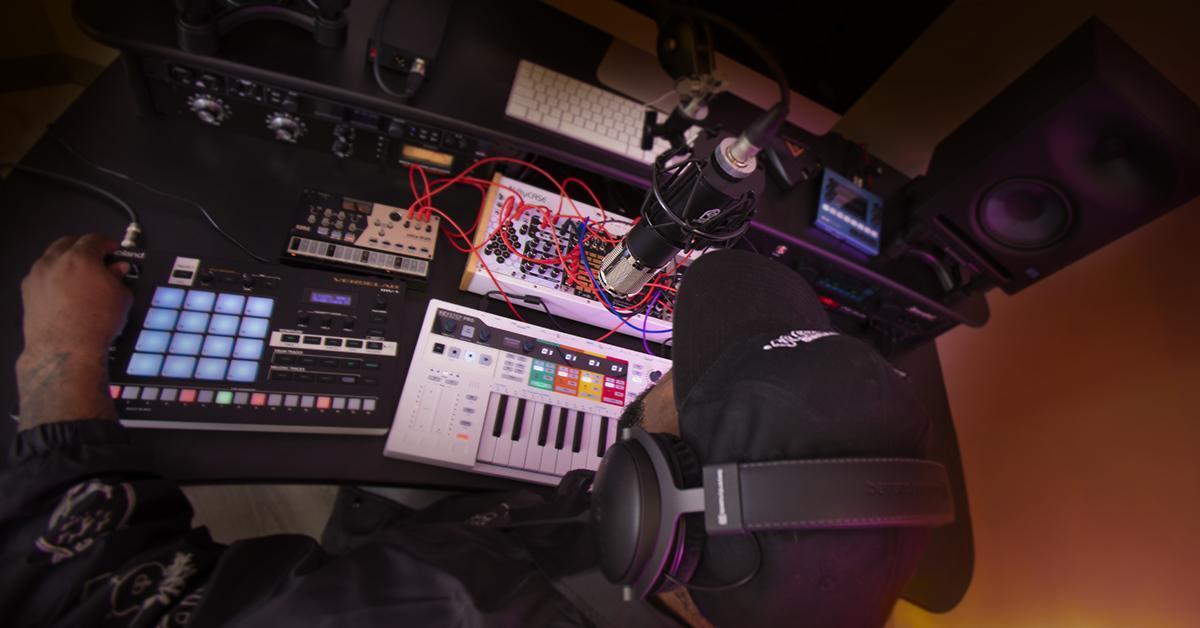
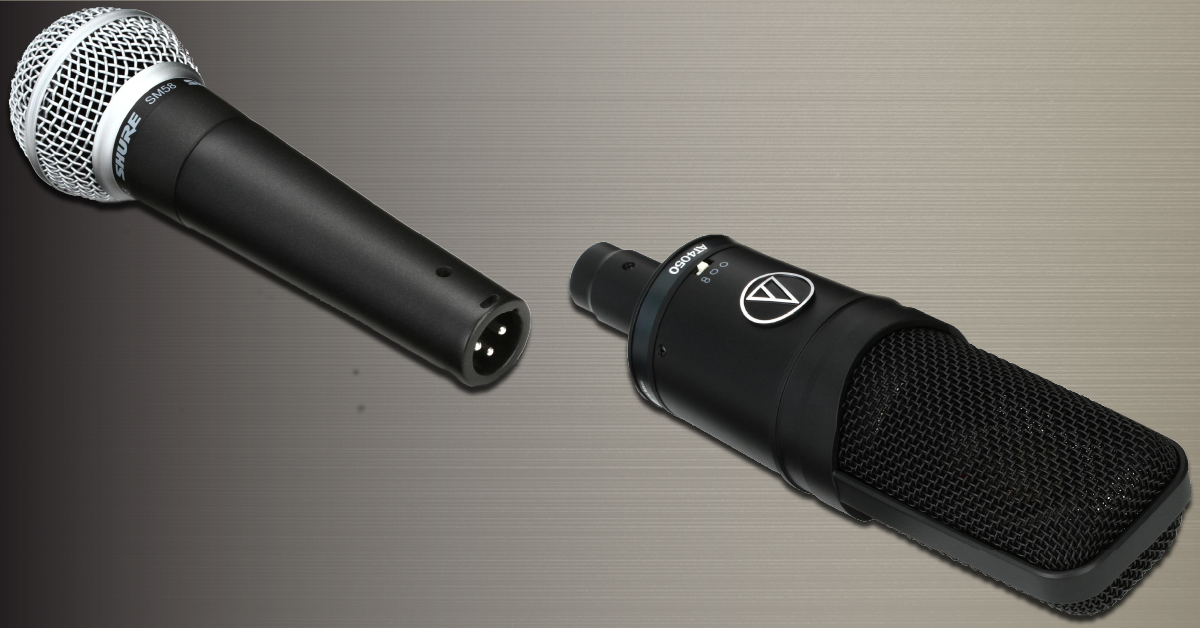
The microphone you use for recording is one of the most crucial components that can make or break your hip hop vocal mixing. To capture the right sound, you need to choose the perfect microphone that can pick up your voice clearly and accurately. A condenser microphone is ideal for capturing hip hop vocals because of its high sensitivity and clarity. It is also essential to keep the microphone away from the computer, speakers, or any possible source of interference.

Choosing A Recording Space

After selecting the microphone, you need to choose a suitable recording space. The recording room’s size and shape determine the overall sound of your recordings. Ideally, you want a room with minimal ambient noise, diffused lighting, and enough space to accommodate your recording equipment. You can also add acoustic panels or foam to the walls and ceiling to prevent unwanted reflections while vocalizing.

Setting Up Your Recording Equipment

Once your microphone and recording space are sorted, it’s time to set up your recording equipment. You need a set up that is sturdy, adjustable, and comfortable. It’s best to invest in a quality condenser microphone, microphone stand, and pop filter. You’ll also need a computer, recording software, audio interface, and headphones. You’ll need to connect all the components to enjoy optimal mixing before you start recording. Make sure to check the audio levels in your headphones and adjust the input gain on your audio interface for the best recordings.

Conclusion

Getting Started with Hip Hop Vocal Mixing might seem overwhelming, but it’s crucial to get it right. Follow the above steps for selecting the right microphone, choosing a recording space, and setting up your equipment to get started!. Once you have everything set up right, your voice will sound better than ever!

Tips For Hip Hop Vocal Mixing

For expert-sounding hip hop vocals in your mix, try using dynamic EQ to keep them from sounding too harsh or too muddy. Use compression and saturation to add warmth and grit, and don’t be afraid to experiment with reverb and delay to create depth and space in the mix.

Hip hop vocal mixing is a crucial aspect of producing great sounding hip hop tracks. It involves a blend of creativity and technical skill to achieve the desired final product. Whether you are a beginner or an experienced engineer, there are always tips and tricks to fine-tune your craft. In this article, we’ll explore some of the essential tips for hip hop vocal mixing that can take your production to the next level.

Adjusting Levels For Clarity

One of the first things to consider when mixing hip hop vocals is ensuring the levels are balanced. A well-balanced mix enables listeners to hear each element clearly and achieve optimal clarity. However, balancing levels can be tricky, especially if the vocal recordings have varying levels. To overcome this challenge, start by adjusting the faders to get a sense of the levels. Then, use automation to harmonize levels in problematic areas. It is also essential to ensure that the lead vocal stands out by reducing the levels of backing vocals, ad-libs, and other elements that may compete for attention.

Using Compression To Control Dynamics

Compression is a powerful tool that can transform the quality of your vocals in hip hop mixing. It adds punch and clarity to the vocals while helping to control dynamics. In hip hop vocal mixing, fast attack and release times are ideal for getting the desired results. However, always avoid over-compressing the vocals, as this can lead to pumping or a lack of dynamic range. Instead, use compression levels that complement the speed of the vocal performance.

Eq Techniques For Enhancing Vocal Quality

EQ is another essential tool for hip hop vocal mixing. It allows you to enhance vocal quality by altering frequencies and controlling tonality. However, it is essential to apply EQ subtly, as excessive use can result in an unbalanced or unappealing sound. The most critical frequencies to focus on when mixing hip hop vocals are the low-mids, midrange, and high-end frequencies. Careful adjustment of these frequency ranges can achieve a warm and clear sound with a defined presence. In conclusion, achieving a great sounding hip hop vocal mix requires consistent practice and attention to detail. By applying the tips highlighted above, you can take steps towards producing a polished and professional-sounding hip hop track. So, start experimenting with these tips, and you may be surprised at the results you can achieve.

Hip Hop Vocal Mixing

Credit: www.sweetwater.com

Hip Hop Vocal Mixing Techniques

Learn the essential hip hop vocal mixing techniques to create a professional-grade mix. Use techniques like EQ, compression, and reverb to achieve the perfect balance between the vocals and the beat, making the vocals clear and pronounced.

When it comes to creating a high-quality Hip Hop track, vocal mixing is key. Your vocal mixing skills can be the difference between a mediocre song and a hit record. In Hip Hop, vocals should be prominent and clear without overpowering the other elements of the track. Here are some essential Hip Hop vocal mixing techniques that will ensure your vocals fit perfectly into your mix.

Doubling Vocals For Emphasis

Doubling vocals is one of the most common techniques used to create a fuller and more impactful sound. This technique involves duplicating the original vocal recording and then layering it on top of the original. It works by thickening the vocals and creating a sense of presence that can be useful in emphasizing certain words or phrases. To achieve the best results, the timing and pitch of the duplicated audio should be slightly altered from the original.

Adding Delay For A More Spatial Sound

Delay is an effect that can be used to create a spatial sound and add texture to your vocals. This technique involves creating echoes of the original sound. The delayed sound is played back after a set amount of time, creating a sense of space and depth. This technique can help your vocals sound like they are in a larger room or space. The amount of delay and feedback should be adjusted to create a natural-sounding effect.

Implementing Reverb For Depth

Reverb is an essential technique that can be used to add depth to your Hip Hop vocals. This effect can be used subtly or heavily depending on the desired sound. Reverb works by simulating the reflections of sound waves in a space. It can help to create a sense of depth and space, making vocals sound like they are in a larger room. The decay time, pre-delay, and room size settings should be adjusted to achieve a natural-sounding effect.

In Conclusion

There you have it – three essential Hip Hop vocal mixing techniques. Doubling vocals for emphasis, adding delay for a spatial sound, and implementing reverb for depth are techniques that every Hip Hop producer should have in their mixing toolkit. By using these techniques, you can create a professional-sounding mix that will help your Hip Hop track stand out from the competition.

Common Problems And How To Fix Them

Hip hop vocal mixing can be a challenge for music producers; some common issues include muddiness and lack of clarity. To fix these problems, it’s important to address EQ balance, compression, and vocal effects like reverb and delay.

Common Problems and How to Fix Them in Hip Hop Vocal Mixing When it comes to mixing Hip hop vocals, there are common problems that sound engineers frequently face. These issues include plosives, background noise, and harsh sibilance. However, with the right techniques and tools, these problems can be fixed to produce a clean, professional sound. In this article, we will discuss each of these issues in detail and provide you with tips on how to overcome them. Dealing with Vocal Plosives Vocal plosives are those explosive sounds that occur when a singer pronounces certain letters such as P, B, and T. These sounds can be unpleasant and distracting to the listener. To overcome this issue, a pop filter can be used. It is a simple tool that is placed between the singer and the mic. It helps to diffuse the air that comes out of the singer’s mouth and reduces the impact of the plosives. Another way to fix this problem is by EQing the vocals. Boost the frequencies around 100 Hz and cut the frequencies around 200-300 Hz. This will help to reduce the impact of plosives in the mix. Eliminating Background Noise Background noise is an issue that can ruin the overall quality of a Hip hop track. To prevent this problem, it is important to record in a quiet environment. However, when recording outside of a studio environment, noise can be a concern. In such cases, a noise gate plugin can be used. This will help in reducing the background noise during silent parts of the vocal track. Another technique to remove background noise is by using a noise reduction or a spectral denoise plugin. These tools work by analyzing the frequencies of the track and removing any unwanted noise. Reducing Harsh Sibilance Sibilance is a hissing or sharp sound that occurs when a singer pronounces certain letters such as S, Z, and SH. These sounds can be harsh and distracting to the listener. To overcome this issue, a de-esser plugin can be used. It helps to reduce the harshness of the sibilance by targeting the specific frequency range. Another way of reducing sibilance is by using EQ. Cut the frequencies around 5-6 kHz to reduce the harshness of the sibilance. In conclusion, vocal plosives, background noise, and harsh sibilance are common problems in Hip hop vocal mixing. However, with the right techniques and tools, these issues can be fixed to produce a clean, professional sound. By using a pop filter, noise gate plugin, noise reduction or spectral denoise plugin, de-esser plugin, and EQ, these issues can be overcome. Keep in mind that the key is to use these tools subtly to avoid making the sound unnatural.

Mastering Your Hip Hop Mix

Mastering your hip hop mix requires a skilled approach to vocal mixing. Focus on balancing the vocals with the instrumental track, compression, EQ, and adding reverb and delay effects. With thoughtful consideration, you can achieve professional-sounding results that make your hip hop tracks stand out.

Hip hop vocal mixing is an essential aspect of producing a professional-sounding track. Once your vocals are recorded and edited, the next step is to combine them with other elements of the mix. Achieving a well-balanced and cohesive mix can be challenging, but with some tips and techniques, you can master your hip hop mix. In this section, we will discuss three crucial aspects of mastering your hip hop mix: balancing all elements of the mix, adding final processing for professional results, and exporting and sharing the finished mix.

Balancing All Elements Of The Mix

Balancing all elements of the mix is crucial to achieving a professional-sounding hip hop mix. To achieve proper balance, you need to ensure that no element of the mix is overpowering or masking other elements. Here are some tips to achieve balance:

  • Start by adjusting the gain of each track to set the correct levels
  • Use panning to add depth and width to the mix
  • Add EQ to each track to carve out space for individual elements of the mix.
  • Use compression to control dynamics and add sustain to the mix

Adding Final Processing For Professional Results

Once you have achieved the right balance, the next step is to add final processing to your mix to enhance its overall sound. Here are some crucial final processing tips:

  1. Use reverb to add a sense of space and depth to the mix
  2. Add delay or echo to create a sense of energy and movement in the mix
  3. Add saturation or distortion to add warmth and character to the mix
  4. Use a limiter to ensure that the mix’s overall volume level is consistent without clipping.

Exporting And Sharing Your Finished Mix

The final step is to export and share your hip hop mix. Before exporting, you should make sure that the mix is adequately leveled and that there are no clipping or distortion issues. You should also check that the file format and resolution are appropriate for the intended distribution platform. Once you have exported the mix, you can share it with your followers and fans on various streaming and social media platforms.

In conclusion,

Mastering your hip hop mix involves balancing all elements of the mix, adding final processing, and sharing the finished mix. With these tips and techniques, you can produce a professional-sounding hip hop track and impress your audience.

Hip Hop Vocal Mixing

Credit: www.youtube.com

Frequently Asked Questions For Hip Hop Vocal Mixing

How Do You Mix Hip-hop Vocals?

To mix hip-hop vocals, start with proper mic placement and recording technique. Then, use EQ and compression to enhance clarity and control dynamics. Add effects like reverb and delay to create depth and space. Finally, balance levels with the instrumental mix and add automation to create movement and interest.

What Vocal Techniques Are Used In Hip-hop?

Hip-hop vocal techniques commonly include rhythmic speaking, storytelling, wordplay, and improvisation. Rappers often vary their flow, pitch, and delivery to create unique styles and express emotions. Some techniques such as vocal fry and stuttering are also used for aesthetic purposes.

What Is A Good Ratio For Hip-hop Vocals?

A good ratio for hip-hop vocals is subjective and varies based on personal preference and the overall sound of the song. However, generally, the vocals should be loud and clear enough to be heard over the instrumental, while still allowing room for the music to shine.

It’s important to find the right balance to create a cohesive and engaging track.

What Is The Eq For Rap Vocals?

The EQ for rap vocals is about accentuating the innate tonal quality of the rapper’s voice, while also removing any unwanted noise or distortion in the mix. EQ settings vary depending on the style and tone of the rap, but generally, it involves adding some brightness and presence to the vocal track, while also cutting out any low-end rumble or hiss.

Conclusion

Hip Hop vocal mixing is a crucial aspect of producing high-quality and professional tracks. It requires a deep understanding of the music genre, technical skills, and patience to experiment with various techniques until you achieve the desired sound. With the guidelines discussed in this post, you can take your vocal mixing skills to the next level and create exceptional Hip Hop tracks that stand out in the industry.

Remember that practice makes perfect, so keep honing your craft!

Categories
Archive

Dynamic Microphone

A dynamic microphone is a type of microphone that uses a moving coil to capture sound and convert it into an electrical signal. Dynamic microphones are typically used for live performances and recording situations where high volume levels are present.

As an Amazon Associate I earn from qualifying purchases.

Dynamic microphones are a popular choice in the music industry due to their durability, affordability and ability to handle high sound pressure levels (SPLs). They are commonly used by vocalists, drummers and guitarists on stage as they can withstand the wear and tear of touring.

Dynamic microphones are also used in recording studios for capturing loud instruments such as guitar amps and drums. They work by utilizing a diaphragm attached to a coil that moves within a magnetic field, generating an electrical signal that represents the original sound wave. When compared to other microphone types, dynamic microphones are less sensitive and have a narrower frequency response, but they are highly effective at rejecting ambient noise.

How Does A Dynamic Microphone Work?

Dynamic microphones are some of the most commonly used microphones in the music industry. They are rugged, durable, and can accommodate high sound pressure levels. Dynamic microphones are often preferred in live sound reinforcement because they can withstand rough handling, shock, and moisture which makes them more durable than other microphones. But have you ever wondered how a dynamic microphone works?

Key Components Of A Dynamic Microphone

Dynamic microphones are simple devices that contain three essential parts: the diaphragm, the coil, and the magnet. The diaphragm is a thin, flexible material that moves in response to sound waves. The coil is a length of wire wrapped around the diaphragm. The magnet is a permanent magnet placed near the coil.

Understanding The Electromagnetic Principle Behind It

The operation of a dynamic microphone is based on the principle of electromagnetic induction. When sound waves hit the diaphragm, it vibrates, and the coil moves along with it. The movement of the coil in the magnetic field generates an electric current that corresponds to the sound wave. The electric current produced is amplified to produce an audio signal.

Dynamic microphones have several advantages over other types of microphones. They are rugged, durable, and can handle high sound pressure levels. Understanding the basics of how they work can help you choose the right microphone for your needs and make better use of the microphones you already own.

Advantages And Disadvantages Of Dynamic Microphones

Dynamic microphones are affordable, durable and have a high dynamic range making them suitable for live performances and recording loud sound sources. However, they may not be suitable for recording quieter sounds or picking up subtle nuances in the voice or instrument due to their low sensitivity.

Dynamic microphones are a popular choice among professionals for their versatility and resilience. However, they also come with a few drawbacks that users should be aware of. Let’s take a deeper look at the advantages and disadvantages of dynamic microphones to help you decide if they’re the right fit for your needs.

Durability And Sturdiness

One of the strongest advantages of dynamic microphones is their durability. They are built to withstand rugged use and harsh environmental conditions, making them the ideal choice for outdoor and live performances. Dynamic microphones are also less delicate than other types of microphones like condenser mics which are easily damaged even by slight handling. You can count on dynamic mics for the most rugged and intense recording situations, such as recording vocals or instruments on stage.

Noise Rejection And Wind Insensitivity

Dynamic microphones are designed to reject ambient noise thanks to their unidirectional pickup pattern, which makes them suitable for recording in noisy environments. They are less sensitive to wind noise and background sounds, making them a great choice for outdoor recording. Dynamic microphones are ideal for vocalists who want to avoid picking up audience noise or wind noise, while still capturing their voice with clarity.

Limited Frequency Response And Output

One of the main disadvantages of dynamic microphones is that they have a limited frequency response and output compared to other types of microphones. The low output level of dynamic microphones can result in lower volume levels, which might require more amplification. Additionally, their limited frequency response means that they may not capture the nuances of sound waves as well as other mics, which could result in a flatter sound. While dynamic microphones work great for recording vocals, they are not ideal for recording the entire range of instruments such as an acoustic guitar or drum overheads. In conclusion, dynamic microphones are a popular choice for their durability, noise rejection, and wind insensitivity. However, they may not deliver the frequency response and output of other mics. Whether you’re a professional recording artist or just starting, understanding the advantages and disadvantages of dynamic microphones can help you make informed decisions for your recording needs.

Applications Of Dynamic Microphones

Dynamic microphones are widely used in the music industry for recording live instruments and vocals due to their ruggedness and durability. They are also commonly used in public address systems, broadcasting, and in industrial settings for noise measurements and control.

Dynamic microphones are versatile tools used in various applications, ranging from live performances to speech and vocal recordings. These microphones have a dynamic diaphragm that vibrates when sound waves hit it, generating an electrical signal that is then amplified to produce the final output. In this blog post, we will discuss some of the most common applications of dynamic microphones and how they are used in different settings.

Live Performances And Stage Applications

Dynamic microphones are commonly used for live performances and stage applications due to its durability and sturdy construction. They are capable of handling high sound pressures produced by instruments and vocals, making them ideal for amplifying sound on stage. Dynamic microphones are also resistant to feedback, making them suitable for use in loud environments. Some popular dynamic microphones used for live performances include Shure SM58 and Sennheiser e935.

Studio Recording And Broadcasting

Dynamic microphones are also used for studio recording and broadcasting applications, such as radio and podcasting. They are excellent for capturing a natural sound and are often preferred over condenser microphones in certain recording situations. Dynamic microphones are particularly useful for recording loud instruments, such as drums or guitar amplifiers, as they can handle high sound pressure levels without distorting the sound. Some popular dynamic microphones used for studio recording and broadcasting include Electro-Voice RE20 and Shure SM7B.

Speech And Vocal Recordings

Dynamic microphones are ideal for speech and vocal recordings, such as public speaking, lectures, and podcasts. They can capture natural and clear sound without picking up unwanted background noise, such as the rustling of papers or the sound of footsteps. Dynamic microphones are also less sensitive to high-frequency sound and can produce a warm sound that is pleasing to the ear. Some popular dynamic microphones used for speech and vocal recordings include Electro-Voice RE50B and Shure SM58.

Instrument And Amplifier Recordings

Dynamic microphones are also used for instrument and amplifier recordings, especially for instruments known for producing high sound pressure levels, such as drums and electric guitars. Dynamic microphones can handle these high sound pressure levels without distorting the sound, making them perfect for capturing the true sound of the instrument. Some popular dynamic microphones used for instrument and amplifier recordings include Shure SM57 and Sennheiser e609. In summary, dynamic microphones are versatile tools used in various applications, including live performances, studio recording, speech and vocal recordings, and instrument and amplifier recordings. They are durable, reliable, and capable of reproducing natural and clear sound even in high sound pressure environments. Whether you’re a musician, a podcaster, or a public speaker, dynamic microphones are an essential tool to have in your arsenal.

Dynamic Microphone

Credit: sea.audio-technica.com

Choosing The Right Dynamic Microphone For Your Needs

Dynamic microphones are an excellent choice for a wide range of applications. They are rugged, durable, and capable of handling high sound pressure levels. When it comes to selecting the right dynamic microphone for your needs, there are several factors you should consider. In this post, we will guide you through the process of choosing the right dynamic microphone, and the key factors that you should keep in mind.

Matching The Microphone To The Source

One of the crucial factors to consider when choosing a dynamic microphone is to match the microphone to the source. You need to know what you are going to use the microphone for and what type of sound the source produces. For instance, if you are going to use the microphone for recording vocals, you need to select a microphone that is designed for vocals. Similarly, if you are going to use the microphone for drums, you need to select a microphone that is designed for drums.

Considering The Polar Pattern

The polar pattern is another essential factor to consider when selecting a dynamic microphone. The polar pattern of a microphone refers to the microphone’s sensitivity to sound from different directions. There are three types of polar patterns: cardioid, omnidirectional, and bidirectional. Cardioid microphones are best suited for recording vocals, instruments, and live performances. Omnidirectional microphones are ideal for capturing ambient sounds and natural environments. Bidirectional microphones are best suited for recording in a stereo configuration.

Evaluating Frequency Response And Sensitivity

The frequency response and sensitivity of a microphone are also crucial factors to consider when selecting a dynamic microphone. The frequency response of a microphone refers to the range of frequencies that the microphone can capture. Sensitivity refers to the microphone’s ability to capture sounds at low volumes. Generally, dynamic microphones have a limited frequency response and sensitivity compared to condenser microphones. However, they are ideal for capturing louder sounds and are more durable.

Comparing Different Brands And Models

Finally, when selecting a dynamic microphone, you should compare different brands and models. Some of the popular microphone brands include Shure, Sennheiser, AKG, and Beyerdynamic. Each brand offers a range of dynamic microphones, and you need to select a microphone that meets your needs and budget. You can compare the features, sound quality, and price of different microphones before making a decision.

In conclusion, choosing the right dynamic microphone requires careful consideration of several factors, including the source, polar pattern, frequency response, sensitivity, and brand. By keeping these factors in mind, you can select a microphone that meets your specific needs and delivers high-quality sound.

Maintaining And Caring For Your Dynamic Microphone

To keep your dynamic microphone in its best condition, keep it clean and dry, avoid exposing it to extreme temperatures, and store it in a safe place. Regularly inspect the cables and connectors, and avoid rough handling or dropping the mic.

Following these simple steps will ensure that your dynamic microphone performs at its best for years to come.

Dynamic microphones are a popular choice for recording vocals and instruments due to their durability and affordability. Proper maintenance and care are critical in ensuring your dynamic microphone continues to produce quality sound over time. In this section, we will discuss some essential tips for maintaining and caring for your dynamic microphone to extend its lifespan.

Cleaning The Grill And Pop Filter

The grill and pop filter of your dynamic microphone can easily accumulate dirt, moisture, and other debris, affecting the quality of your recordings. It is crucial to keep these components clean by gently brushing them with a soft-bristled brush or wiping them with a clean, damp cloth. Avoid using harsh chemicals as they can damage the microphone’s finish.

Preventing Damage And Wear

Like any other equipment, dynamic microphones are also prone to damage with prolonged use. You can prevent damage by handling your microphone with care, avoiding dropping, hitting, or exposing it to extreme temperatures. Additionally, avoid putting pressure on the microphone cable or stretching it too much. These actions may cause damage to the internal wiring and affect the microphone’s overall performance.

Storing And Transporting The Microphone Safely

Proper storage and transportation of the dynamic microphone are crucial in keeping it safe from damage and wear. Invest in a protective case to safeguard your microphone from external elements while in transportation. Always store your microphone in a dry, cool place to prevent moisture accumulation. In conclusion, maintaining and caring for your dynamic microphone is critical in ensuring its optimal performance, prolonging its lifespan, and producing quality recordings. Remember to always keep your microphone clean, handle and store it with care, and invest in a protective case for transport.

Quick Tips for Maintaining Your Dynamic Microphone
TipsDescription
Clean RegularlyUse a soft-bristled brush or clean, damp cloth to remove dirt and debris from the grill and pop filter.
Handle with CareAvoid dropping, hitting, or exposing your microphone to extreme temperatures.
Store ProperlyInvest in a protective case and store your microphone in a dry, cool place to prevent moisture accumulation.
Dynamic Microphone

Credit: riverside.fm

Dynamic Microphone

Credit: www.sweetwater.com

Frequently Asked Questions For Dynamic Microphone

What Is A Dynamic Microphone?

A dynamic microphone converts sound waves into an electrical signal through the movement of a wire coil within a magnetic field. These mics are often used for live performances and recording applications due to their durability and ability to handle loud sound sources.

Which Mic Is Better Condenser Or Dynamic?

Condenser mics are better for capturing acoustic instruments, vocals, and nuanced sounds. Dynamic mics are better for loud, high-energy sounds like drums and electric guitars. It ultimately depends on the specific use case and the sound you want to capture.

Do Dynamic Mics Sound Better?

Dynamic microphones can sound better depending on the situation. They are great for loud live performances and recording high sound pressure levels. They also have a warm, natural sound that works well with many instruments. However, they may not be as detailed as condenser mics in quiet environments.

What Is The Best Use Of Dynamic Microphone?

Dynamic microphones are widely used for live performances, broadcasting, and recording instruments with high sound volume levels such as drums and guitar amps. They are sturdy and can handle a lot of sound pressure without distortion. They are also less expensive than condenser microphones and do not require external power.

Conclusion

The dynamic microphone has become a staple in the world of music and audio production for its durability and flexibility. Its rugged construction and ability to handle loud sound sources make it a favorite among musicians and audio engineers alike.

Additionally, the dynamic mic’s affordable price point and ease of use make it accessible for beginners and professionals alike. Whether you’re just starting out in the world of audio or are a seasoned pro, the dynamic microphone is a must-have tool for creating high-quality recordings.

Categories
Archive

Is Musician a Profession

Yes, being a musician can be considered a profession. Musicians can earn a living from their artistic skills and performances.

As a musician, one can evoke emotions, memories, and experiences through their music. It is an art form that has been around since the beginning of time, and it continues to evolve and shape culture. While some may argue that music is merely a hobby, the truth is that it can be a full-time career for many.

From songwriting and composing to performing and teaching, there are various avenues for musicians to make a living. However, it can be a challenging industry to break into, and success may require a mix of talent, hard work, and luck. This article explores the profession of being a musician, the potential career paths, and the challenges and rewards of pursuing this artistic career.

Is Musician a Profession

Credit: tomhess.net

Music Industry

The music industry is a vast and complex world that comprises various roles and job opportunities. Musicians are a significant part of the industry, contributing to the creation and production of music that enriches our lives. But is musician a profession? Let’s explore this question and learn about the different types of music industry, revenue, and job opportunities available.

Different Types Of Music Industry

The music industry encompasses a wide range of sectors, including:

Industry TypeDescription
Record LabelsCompanies that scout for talent and offer recording contracts to musicians, ensuring the distribution and promotion of their music.
Music PublishersPublishing companies that represent songwriters and copyright owners. Music publishers are responsible for the protection of intellectual property and the licensing of music for commercial use.
Live Music IndustryConcert promoters, booking agents, and venues that organize live performances and events.
Music EducationSchools, universities, and music institutions that provide music education and training.

Revenue And Job Opportunities

The global music industry generates a significant amount of revenue through various channels such as streaming services, live events, merchandise, and sponsorships. Musicians have the opportunity to earn income through album sales, royalties, and performance fees. Other music-related job opportunities include:

  • Music producers and engineers
  • Music teachers and instructors
  • Music therapists
  • Music journalists and critics
  • Music marketers and publicists

In conclusion, being a musician is a legitimate profession and a vital part of the music industry. Whether you want to pursue a career in performance, production, or education, there are various job opportunities available in the thriving world of music.

Is Musician a Profession

Credit: www.medpagetoday.com

Is Musician a Profession

Credit: www.thomann.de

Frequently Asked Questions For Is Musician A Profession

Is Being A Musician A Profession?

Yes, being a musician can be a profession. Many musicians make a living through music gigs, concerts, recordings, teaching, and selling merchandise. However, it can be a difficult industry to break into and sustain a successful career in.

Does Musician Count As A Job?

Yes, being a musician can count as a job. Musicians can earn income through performances, royalties, teaching, and other music-related activities.

Is Singer A Profession?

Yes, Singer is a profession that involves using your voice to perform professionally. Singers often work in a variety of settings, including music studios, venues, concerts, television, and radio. They can be solo performers or work as part of a group or band.

It is a profession that requires skill, talent, and dedication to succeed.

What Is Considered A Professional Musician?

A professional musician is someone who earns a living by performing, teaching, or composing music. They have established their skills in their chosen genre and have a high level of musical proficiency. Additionally, professional musicians are often recognized by their peer group and have a reputation for reliability, punctuality, and excellence.

Conclusion

To conclude, being a musician can be considered as a profession. It requires dedication and talent, coupled with hard work and persistence. Although the industry is highly competitive, the advantages of being a musician are numerous, including creative freedom, the opportunity to connect with audiences, and the potential for financial success.

Ultimately, a successful career as a musician depends on finding a balance between artistic expression and business acumen, as well as continuous self-improvement and adaptability.

Categories
Archive

Recording Bass At Home

To record bass at home, invest in a good audio interface and microphone. With these tools, you can capture the sound of your bass guitar and record it directly onto your computer.

If you are a bass player, you know the importance of recording your bass lines accurately, whether it’s for your own personal use or for a studio recording. But investing in a professional recording studio can be expensive. Fortunately, with some essential equipment and a little bit of know-how, you can record bass at home and achieve professional-quality recordings.

We will walk you through the steps needed to get started, including selecting the right audio interface and microphone, setting up your recording space, and capturing the best sound possible from your bass guitar. By the end of this article, you will be well-equipped to record your own bass tracks at home.

Understanding Bass Recording

Recording bass at home can seem like a daunting task, but with the right approach, it can be a great way to achieve a professional sound without breaking the bank. A few key tips for recording bass at home include investing in a high-quality DI box, finding the right mic placement, and experimenting with different amp settings.

Recording bass at home can be a challenging task, but with the right techniques and tools, you can achieve professional-sounding results. One of the most critical factors in recording bass is understanding the different types of bass guitars and how to use them effectively.

Types Of Bass Guitars

There are several types of bass guitars, each with its unique characteristics. The most common ones are:

  • Electric Bass: This is the most popular type of bass guitar used in modern music production. It is versatile, produces a wide range of sounds, and can be easily amplified.
  • Acoustic Bass: This type of bass guitar is larger than the electric bass and has a hollow body, which gives it a warmer and softer sound.
  • Fretless Bass: Unlike the electric and acoustic bass, the fretless bass does not have frets. This allows the player to produce more fluid and expressive notes.
  • Upright Bass: Also known as the double bass, the upright bass is the largest of all the bass guitars, and it produces a deep and rich sound commonly found in jazz or classical music.

Bass Recording Techniques

To capture the best sound possible when recording bass at home, consider using the following techniques:

  1. Direct Input: This method involves plugging the bass guitar directly into an audio interface. This technique is best suited for electric bass and allows for more control during post-production.
  2. Mic Placement: This technique involves using a microphone to capture the sound of the bass guitar. The placement of the microphone is crucial in achieving the desired sound. The closer the mic is to the bass, the more low frequencies will be captured, while moving it farther away will result in a more balanced tone.
  3. Room Mic: This technique involves placing a microphone away from the bass guitar to capture the acoustic qualities of the room. This method is best suited for acoustic bass guitars and can add depth and warmth to the sound.
  4. Layering: This technique involves recording multiple tracks of the same bass guitar part and adding them together to create a fuller and thicker sound. This method is best suited for electric bass and can add character to the sound.
  5. Compression: This technique involves using a compressor to even out the dynamics of the bass guitar sound. Compression is best used during post-production to balance out the sound and to prevent it from getting lost in the mix.

In conclusion, understanding the different types of bass guitars and applying the right bass recording techniques can go a long way in recording bass at home. With practice and patience, you can achieve professional-sounding results without having to leave your house.

Setting Up Your Home Recording Studio

To record bass at home, setting up your recording studio should include a proper sound interface, microphone, and a recording software. Find a suitable room where sound quality is optimal to avoid any unwanted noise. Practice with different recording position and microphone placement to perfect your sound.

Choosing The Right Room

Selecting the perfect location to set up your home recording studio is critical. Avoid setting up your recording space in a noisy area or near a busy road. Choose a room that is available, spacious, and with minimal noise distractions. A basement, an extra room, or a garage could be an ideal location for your home recording studio. Ensure that the room is not exposed to high humidity levels and has proper ventilation.

Acoustics

Acoustics also plays a vital role in home recording studios. A poorly treated room can ruin a great recording, but luckily you can solve this problem by installing acoustic treatment. Acoustic treatment is a process of using sound-absorbing products such as foam panels, bass traps, and diffusers to reduce unwanted sound reflections that may occur in the room. If you want to create a great-sounding recording space, you should invest in acoustic treatment.

Equipment Needed

To record bass at home, you need to have the following equipment:

  • A quality bass guitar
  • A bass amplifier or a direct injection box (DI)
  • An audio interface, mixer, or digital audio workstation (DAW) to capture the sound from your bass guitar
  • Studio monitors or decent headphones for playback and mixing
  • Microphone (optional) to capture the sound of your bass cabinet or amp if you choose to record with a microphone

In conclusion, by setting up your home recording studio, you give yourself the freedom to create and build your own sound without the need to rent a professional studio. With proper room selection, acoustic treatment, equipment, and expertise in recording techniques, you can achieve a quality bass sound that sounds just like in a professional studio. Good luck in your quest for the perfect recording space!

Preparing For The Recording Session

To prepare for a recording session when recording bass at home, ensure your equipment is set up properly, practice your parts thoroughly, and have a clear idea of what the final product should sound like. Test and adjust your tone beforehand and eliminate any potential background noise to get a clean recording.

Preparing for a recording session is vital to ensure that you produce a high-quality bass track. There are several things you can do before you start recording to make sure things go smoothly. In this article, we will discuss how to prepare for a recording session when recording bass at home, including tuning the bass guitar, preparing the DAW, and creating a click track.

Tuning The Bass Guitar

Tuning your bass guitar is an essential part of preparing for a recording session. You want your bass to be perfectly in tune to ensure that it sounds great in the mix. Before recording, use a tuner to check each string’s tuning and make any necessary adjustments. Take the time to play each string individually and identify any notes that sound off so you can quickly tune them.

Preparing The Daw

When you record bass at home, you need to have everything set up properly in your digital audio workstation (DAW). Before starting the recording session, open your DAW and create a new recording session. Make sure your audio interface is connected, and check your audio settings to ensure everything is set correctly. Set your recording level, and make sure your tracks are set up the way you want them to be.

Creating A Click Track

Creating a click track is essential to keep things in time and ensure that your bass playing is steady. A click track is a metronome-like sound that plays in your headphones while recording. It helps keep you on beat and ensures that your playing stays consistent. To create a click track, open a new track in your DAW and select the click track option. Adjust the tempo to match the song’s beat and adjust the volume to your preference. In conclusion, preparing for a recording session is a critical step before recording bass at home. By tuning your bass, preparing your DAW, and creating a click track, you can ensure that your recording session will go smoothly. Take the time to set everything up correctly, and you will get the best possible results from your bass recording.

Microphone Placement Techniques

To capture the best sound possible when recording bass at home, microphone placement is crucial. Experiment with different positions, such as close to the amplifier or in front of the speaker, to achieve the desired tone. The distance from the speaker can also affect the sound, so play around until you find the ideal placement for your setup.

Recording bass at home can be an exciting experience for every bass player. However, getting the right sound can be challenging. One of the essential elements that can determine the quality of your recording is microphone placement. It’s crucial to understand different microphone placement techniques to achieve the sound you desire. Here are some microphone placement techniques to consider:

Di Recording

DI recording is the easiest method of recording a bass guitar. The technique involves plugging the bass guitar into a DI box and recording it directly into your audio interface. DI recording is an excellent technique if you want a clean, reliable, and consistent sound. It’s essential to place the DI box between the bass and the amplifier.

Amplifier Recording

Amplifier recording involves recording the sound of your bass guitar through an amplifier and miking the amplifier with a microphone. This technique produces a more natural and warmer sound than DI recording. If you choose this technique, it’s essential to choose the right amplifier and microphone.

Mic Placement For Amplifier Recording

Mic placement is crucial in amplifier recording. Here are some points to consider:

  • Position the microphone close to the speaker cone for a brighter and detailed sound.
  • For a warmer and less detailed sound, position the microphone in front of the amplifier.
  • For a more robust and less boomy sound, position the microphone on the side of the amplifier.

In conclusion, choosing the right microphone placement technique is essential to achieve the desired sound when recording bass at home. Whether you choose DI recording or amplifier recording, mic placement plays a significant role in the outcome of your recording.

Mixing Your Bass Tracks

Recording bass at home can be a cost-effective solution for musicians. Mixing your bass tracks is essential in producing a polished final product. With proper techniques and equipment, capturing a clean and consistent bass sound in a home studio is achievable.

Recording bass at home can be challenging, but mixing your bass tracks can be even more difficult. Whether you’re new to mixing or a seasoned pro, there are a few things to keep in mind when you’re working with bass tracks. In this section, we’ll go over some essential tips and techniques to take your bass tracks to the next level.

Balancing The Levels

One of the first things you’ll want to do when mixing your bass tracks is to balance the levels. That means making sure the bass isn’t too loud or too soft compared to the other instruments in the mix. You want the bass to complement the other instruments, not overpower them. To balance the levels, start by soloing the bass track and playing it back at the loudest part of the song. Then, gradually add in the other instruments one at a time, adjusting the level of the bass as you go. Keep tweaking until you find the right balance.

Eq And Compression Techniques

Next up, it’s time to work on the EQ and compression of your bass tracks. EQ is essential for shaping the tone of your bass, while compression can help even out the volume and add sustain. Start by using a high-pass filter to remove any unwanted low-end rumble from the bass. You can also boost the midrange frequencies to add some warmth and definition to the sound. Then, use a compressor to tame any peaks and add sustain.

Adding Effects

Finally, you can add some effects to your bass tracks to give them a little extra something. Consider adding some reverb or delay to create a sense of space and depth. You can also experiment with distortion, overdrive, or saturation plugins to add some grit and character to the sound. Remember, when adding effects, a little bit goes a long way. You don’t want to overwhelm the mix with too much processing on the bass. Keep it subtle and tasteful. In conclusion, mixing your bass tracks can be tricky, but it’s an essential part of creating a great mix. By balancing the levels, using EQ and compression techniques, and adding some effects, you can take your bass tracks to the next level and create a cohesive, professional sounding mix.

Recording Bass At Home

Credit: www.joecrowtheaudiopro.com

Editing Your Bass Tracks

Editing your bass tracks is an important process that can make a significant difference to the quality of your music. With the right editing techniques, you can transform raw bass tracks into polished, professional-sounding recordings. In this blog post, we’ll discuss some key editing techniques for bass tracks and explore how you can identify and fix mistakes, utilize punch-ins and outs, and edit for timing to create high-quality bass tracks.

Identifying And Fixing Mistakes

The first step in editing your bass tracks is to identify any mistakes that need to be corrected. When listening back to your recordings, be sure to pay attention to things like timing, pitch, and overall tone. If you notice any errors, take note of them and prepare to make corrections. With bass tracks, some common mistakes include buzzes and unwanted noise, incorrect notes, and inconsistencies in timing or tone. To fix these issues, you may need to use editing software like Audacity or GarageBand and apply techniques such as EQ, compression, and noise reduction.

Utilizing Punch-ins And Outs

Another useful editing technique for bass tracks is utilizing punch-ins and outs. This technique involves isolating a small section of your recording and re-recording that particular section to correct any mistakes. With punch-ins and outs, you can fix errors without having to re-record the entire track. To use this technique effectively, make sure to listen carefully to the section you want to fix and make note of the specific points where you need to punch in or out. Then, use your editing software to create the necessary cuts and make your corrections before stitching the sections back together.

Editing For Timing

Finally, when editing your bass tracks, it is crucial to pay close attention to the timing of your recordings. Bass is an instrument that is often responsible for providing the foundation and rhythm of a song, so it’s important that your timing is spot-on. To edit for timing, listen to your recordings carefully and use a metronome to identify any portions that are out of sync. Once you’ve identified the problematic areas, use your editing software to adjust the timing as needed until everything aligns perfectly.

Exporting Your Bass Tracks

After recording your bass tracks at home, the next step is to export them. Exporting your bass tracks is an important task because it allows you to use them in your mix. In this section, we will discuss how to prepare your tracks for export, the export settings, and how to use your bass tracks in a mix.

Preparing Your Tracks For Export

Before exporting your bass tracks, it’s important to make sure they are properly named, labeled, and organized. This will make it easier to find and use them in your mix. Here are some tips on how to prepare your tracks for export:

  • Make sure the track names are descriptive and easy to understand.
  • Label each track with the instrument name and the number of takes.
  • Keep your tracks organized by grouping them into folders.
  • Trim the beginning and end of each track to remove any unnecessary noise.

Export Settings

When it comes to exporting your bass tracks, there are a few settings you need to pay attention to. Here are some export settings you should consider:

SettingDescription
File FormatYou can choose between different file formats such as WAV, MP3, or AIFF. WAV files are recommended for high-quality audio.
Sample RateThe sample rate determines the quality and size of the audio file. For most recording projects, a sample rate of 44.1 kHz is sufficient.
Bit DepthThe bit depth determines the dynamic range and resolution of the audio file. For most recording projects, a bit depth of 24 bits is recommended.

Using Your Bass Tracks In A Mix

Now that you have exported your bass tracks, it’s time to use them in your mix. Here are some tips on how to use your bass tracks in a mix:

  1. Import your bass tracks into your digital audio workstation (DAW).
  2. Adjust the volume, panning, and EQ of your bass tracks to fit in with the rest of the mix.
  3. Use compression to even out the dynamics of your bass tracks.
  4. Apply effects such as reverb or delay to add depth and character to your bass tracks.
  5. Remember to save your mix as you go, and take breaks to rest your ears.
Recording Bass At Home

Credit: www.soundonsound.com

Frequently Asked Questions On Recording Bass At Home

How Can I Record Bass At Home?

Record bass at home by investing in a USB audio interface, a microphone, a DAW, and quality instrument cables. You can also experiment with microphone placement, room acoustics, and using different amplifiers and pedals to achieve the desired sound. Practice and proper technique can also improve the quality of your recordings.

What Do You Need To Record Bass?

To record bass, you will need equipment such as a bass guitar, a bass amp, and a microphone. You’ll also need an audio interface and a recording software to capture the sound. It’s important to experiment with microphone placement and settings to achieve the desired sound.

How Do I Record Bass On My Computer?

To record bass on your computer, you’ll need a DAW software like GarageBand, a bass guitar with a direct input or microphone, and an audio interface. Connect your bass to your computer using the audio interface, open your DAW software, create a new project, and select the input source as your audio interface.

Arm the track, hit record, and start playing.

Do You Need A Preamp For Recording Bass?

Yes, you will need a preamp for recording bass as the output of a bass guitar is not strong enough to be directly recorded. A preamp boosts the signal level, making it louder and clearer. It also enables mixing and EQ adjustments during the recording process.

Conclusion

Recording bass at home is not a hard nut to crack. With the right setup and techniques, you can achieve a professional sounding track that will make you proud. Remember to keep experimenting with different setups and plugins until you find the perfect match for your tone.

Don’t forget to also learn from other bassists and keep improving your skills. Happy recording!

Categories
Archive

How To Market Your Music

To market your music effectively, utilize social media and targeted advertising. In today’s digital age, musicians can no longer rely solely on traditional methods of promotion, hence promoting music on social media platforms and running targeted ads can significantly increase your visibility and engagement among the target audience.

Artists, bands, and musicians must wear many hats in today’s music industry in order to build a career. In addition to writing, recording, and performing music, you also need to market yourself or your band in ways that will help you gain exposure and connect with fans.

While touring, playing live shows, and word-of-mouth marketing are still valuable tactics, the majority of your marketing efforts should focus on digital promotion. In this technological age, the explosion of social media has made it easier than ever to connect with your audience and promote your music. That’s why you need an effective marketing plan to reach your target audience, stand out from the crowd, and grow your fan base. Here are some useful marketing tactics to help you promote your music effectively in this digital landscape:

How To Market Your Music

Credit: screechhouse.com

Identifying Your Target Audience

Identifying your target audience is crucial when it comes to marketing your music. Understanding who your music appeals to will help you tailor your promotional efforts and increase your chances of success. Conduct research on your target demographic’s music preferences, social media habits, and online behavior to effectively reach and engage with them.

Identifying Your Target Audience is the first step in successfully marketing your music. Without knowing who your audience is, it is impossible to effectively promote your music and gain a following. In this section, we will discuss the different types of audiences you need to identify in order to market your music successfully.

Genre Specific Audiences

One of the first things you need to consider when identifying your target audience is the genre of your music. Different genres appeal to different groups of people, and you need to know who those people are in order to effectively promote your music. For example, if you are a country artist, your target audience will likely be middle-aged individuals who enjoy traditional country music. On the other hand, if you are a hip hop artist, your target audience will likely be younger adults who enjoy rap music.

Demographic-based Audiences

Another important aspect of identifying your target audience is demographic information. This includes factors such as age, gender, and location. Knowing this information is crucial for creating targeted marketing campaigns and reaching your intended audience. For example, if you are a pop artist targeting teenage girls, you may want to focus your marketing efforts on social media platforms like TikTok and Instagram. When it comes to marketing your music, the more you know about your target audience, the better. Identifying your target audience is just the first step in creating successful marketing campaigns, but it is an essential one. By understanding the different types of audiences you need to identify, you can tailor your marketing efforts to reach the people who are most likely to enjoy and support your music.

Developing Your Brand Image

Developing your brand image is vital if you want to market your music successfully. You need to understand your audience, create a unique style, and stand out from the crowd to gain recognition and loyal fans. With the right branding, your music can reach new heights and be noticed by the right people.

Your brand image is critical in distinguishing your music from other artists. Proper development of your brand image ensures that your audience will recognize you and your music with just a glance. The brand image comprises many elements, including your logo design, cover artwork, personal style, and public image. Here are some tips to help you develop your brand image and make your music stand out.

Logo Design And Cover Artwork

Your logo design should reflect your music and your style. A logo represents your brand and should be simple, unique, and memorable. It should be incorporated on your website, social media pages, merchandise, album covers, and wherever your music is promoted. Your cover artwork should also reflect your style and attract the audience’s attention.

Personal Style And Public Image

Your personal style and public image play a crucial role in developing your brand image. It would help if you considered your outfit, hairstyle, and stage presence. Your personal style should be authentic, comfortable, and consistent. It is best to maintain brand consistency, even when you make changes to your style. It will help build a relationship with your audience, and they will be more likely to feel connected to you. Your public image and behavior will also affect your brand image. Be respectful, humble, and kind to your fans, media, and other musicians. Your online presence should be clean and professional, and you should avoid causing any controversy or negative attention.

In Summary

Developing your brand image is crucial in marketing your music successfully. A strong brand image can help attract new fans, build your online presence, and increase overall exposure. Make sure your logo design, cover artwork, personal style, and public image align with your music and brand. Your audience will recognize and appreciate a consistent and authentic brand image.

Social Media Marketing Strategies

A successful social media marketing strategy for music requires choosing the right platforms to promote your content, creating engaging posts with high-quality visuals, and interacting with your audience to build trust and loyalty. Consistency is key in order to establish a strong online presence and grow your fan base.

Social media is an essential tool for musicians to market their music and reach a wider audience. With its massive user base, musicians can leverage social media platforms to promote their music, engage with fans, and build a strong online presence. In this section, we’ll discuss the social media marketing strategies that will help musicians succeed in the competitive music industry.

Platforms Of Interest For Musicians

There are several social media platforms that musicians can use to market their music. Each platform has its own unique features that can be leveraged to build a strong online presence. Here are some platforms that are of interest to musicians:

Social Media PlatformDescription
FacebookThe largest social media platform with over 2 billion users. Musicians can use Facebook to connect with fans, share updates, and promote events and new releases.
InstagramInstagram is a visually-focused platform that is ideal for musicians to showcase their creative work. Musicians can use Instagram to share photos, videos, and behind-the-scenes content with their fans.
TwitterTwitter is a platform for short-form content, making it perfect for musicians to share quick updates, interact with fans, and promote new music.
YouTubeYouTube is the world’s largest video-sharing platform, and it’s a great place for musicians to showcase their music videos, live performances, and create engaging content for fans.

Creating Engaging Content

Creating engaging content is crucial for musicians to attract and retain fans on social media. Here are some ways musicians can create compelling content:

  • Share behind-the-scenes glimpses into the creative process.
  • Provide sneak peeks into upcoming music releases and events.
  • Collaborate with other musicians and artists to create exciting content.
  • Create engaging multimedia content like videos, photos, and livestreams.
  • Interact with fans by responding to comments and messages.

By using these social media marketing strategies, musicians can effectively promote their music and connect with fans on a deeper level.

How To Market Your Music

Credit: www.harmonyroadmusic.com

Promoting Your Music On Streaming Platforms

As a musician, marketing your music on streaming platforms is essential to gain exposure and increase your fan base. Ensure that your profile and metadata are accurate and engaging, and use social media to drive traffic to your platform pages.

Collaborating with influencers, creating playlists, and utilizing targeted ads are also effective strategies to promote your music.

As a musician, you can take advantage of the growing popularity of streaming platforms to market your music to a larger audience. However, with millions of tracks available on these platforms, it can be challenging to stand out and be noticed.

Creating A Strong Profile And Playlist

The first step in promoting your music on streaming platforms is to create a strong profile and playlist. Your profile should be complete with a compelling biography, high-quality profile picture, and album art. Choose a memorable and easy-to-read display name and include links to your social media channels or website. Also, create a playlist on the streaming platform and add your own music and other songs that complement your style. Curate regularly to keep it fresh and engaging to your audience. Optimize your playlist’s title and description using relevant keywords that your audience is likely to use while searching for music. Link your playlist in your bio, social media channels, and website to drive more traffic to your profile and create more visibility for your music.

Engaging With Your Fans

Another critical aspect of promoting your music on streaming platforms is engaging with your fans. Responding to comments and messages helps you build a loyal fan base and develops a strong connection with your listeners. Take advantage of the platform’s features, such as sharing behind-the-scenes photos and videos, to give your fans a glimpse into your world and personality. Run exclusive promotions and giveaways to your fans and offer them early access to your new releases as an incentive for them to stay engaged. Collaborating with other artists on the platform can also help you increase your reach and gain more fans. Engaging with your fans is an ongoing process, but it can pay off in the long run by creating a strong and supportive community that loves and supports your music. In conclusion, promoting your music on streaming platforms requires a combination of smart strategies and consistent effort. To increase your visibility and reach a wider audience, focus on creating a complete and engaging profile, curate playlists with relevant keywords, and engage with your fans. With these tips, you can make the most out of streaming platforms to promote your music and grow your fan base.

Building A Fanbase Through Live Performances

Live performances are a great way to build a fanbase for your music. Getting out and performing in front of people allows you to connect with your audience on a personal level and boost your visibility. Make sure to promote your shows on social media and interact with fans afterwards to keep the relationship going.

Booking Shows And Festivals

One of the most important aspects of building a fanbase as a musician is performing live. The more shows you play, the more exposure you gain and the more fans you attract. But how do you book shows and festivals? The first step is research. Look for venues and festivals that align with your genre and style. Then, research the booking process for each venue or festival and submit a press kit or demo to catch their attention. In addition, network with other musicians and industry professionals to get more leads on potential gigs.

Merchandising And Networking

Live performances are not only an opportunity to showcase your musical talent but also to market your brand. Merchandising is a great way to increase your revenue and visibility. Make sure to have merchandise available for purchase at all shows, including t-shirts, stickers, and CDs. This not only provides fans with memorabilia but also helps to promote your brand. In addition, networking with other industry professionals, including producers, promoters, and record label executives, can help to open more doors and increase opportunities for future gigs and collaborations. Take advantage of every opportunity to connect with others in the industry through social media, networking events, and workshops. In summary, booking shows and festivals and merchandising and networking are two crucial ways to build a fanbase through live performances as a musician. Make sure to research and network in order to find and secure gigs, while also promoting your brand through merchandising and networking. By utilizing these strategies, you will be well on your way to building a dedicated fanbase and ultimately succeeding in the music industry.

How To Market Your Music

Credit: blog.bandlab.com

Collaborating With Other Musicians And Influencers

Collaborating with other musicians and influencers is a great way to market your music. By working with others in the industry, you can expand your audience and reach new fans. This can lead to increased visibility and opportunities for growth.

Collaborating with other musicians and influencers is one of the most effective ways to market your music. It can help you reach new audiences, establish new connections, and take your music to the next level. In this article, we will explore how you can identify potential collaborations, the benefits of cross-promotion, and how you can make the most out of your collaborations.

Identifying Potential Collaborations

To identify potential collaborations, start by thinking about artists who complement your style of music. You can also consider artists who have a similar fan base or are in the same genre. Social media and music-related forums are great places to discover artists and build relationships with them. Another way to identify potential collaborations is by working with influencers. Influencers are individuals with large followings on social media, who can help promote your music to their audience. When identifying influencers, make sure to focus on those who have a similar target audience as yours.

Benefits Of Cross Promotion

Cross-promotion is a great way to expose your music to new fans. The idea behind cross-promotion is simple; you promote someone else’s music, and they promote yours. By cross-promoting your music, you can reach new audiences and grow your fan base. Cross-promotion not only helps you reach new audiences; it can also establish meaningful relationships with other musicians. As you build relationships with other artists, you may find more opportunities to collaborate on future projects.

Making The Most Out Of Your Collaborations

To make the most out of your collaborations, focus on building relationships with other musicians. Take time to get to know them, understand their style of music, and what they are trying to accomplish. By building strong relationships, you can establish trust and work together more effectively. Don’t forget to promote your collaborations on social media. Share the collaborations on your social media channels, and encourage your fans to share them. This will help create buzz around your collaborations and increase visibility. In conclusion, collaborating with other musicians and influencers is an excellent way to market your music. By identifying potential collaborations, utilizing cross-promotion, and focusing on building relationships, you can take your music to the next level and grow your fan base.

Utilizing Email Marketing And Newsletters

One effective way to market your music is by utilizing email marketing and newsletters. By building a mailing list of fans and followers, you can keep them updated on your latest releases, performances, and news. Send personalized and relevant content to engage with your audience and keep them connected with your music.

Utilizing Email Marketing and Newsletters In today’s digital age, effective music marketing can make all the difference between a successful and unsuccessful career. With social media platforms and streaming services, marketing your music has become easier than ever before. However, amidst all of these technological advancements, email marketing remains a very powerful and impactful way of marketing your music. Creating Compelling Email Content Email marketing can be an excellent tool for music marketing, but only if it is done properly. When it comes to email marketing, the first step is to create compelling and creative content. Your emails should be visually appealing, attention-grabbing, and informative. When drafting your email content, you should aim to strike a balance between promoting your music and providing value to your audience. You should also make sure that your email content is personalized and targeted to your audience’s interests. One way to create compelling email content is by using eye-catching subject lines. Your subject line should be concise, creative, and should pique the interest of your email recipient. Avoid using generic titles that do not set you apart from the competition, or that could be perceived as spammy. Monitoring and Analyzing Metrics Email marketing is only effective if it yields positive results. Therefore, it is essential to monitor and analyze your metrics regularly. This includes tracking your open rates, click-through rates, conversion rates, and subscriber growth. Monitoring these metrics will enable you to gauge the impact of your email marketing campaigns and to make adjustments where necessary. There are various email marketing tools available that provide features for monitoring and analyzing metrics. These tools can help you track your email campaigns’ success, identify areas of improvement, and gain insights into your audience’s behavior. With these insights, you can improve your email marketing campaigns and enhance your chances of growing your fanbase. In conclusion, email marketing and newsletters can serve as valuable tools for promoting your music and building a loyal fanbase. By crafting compelling email content and analyzing key metrics, you can enhance your email campaigns’ effectiveness and achieve your music marketing goals.

Experimenting With Paid Advertising

Experimenting with paid advertising is a powerful way to promote your music to a larger audience. While organic promotion through social media and word-of-mouth is essential, it can only reach so far. Paid advertising opens up new opportunities for your music to be discovered by potential fans and listeners.

Understanding Ppc And Influencer Ads

When it comes to paid advertising, there are two main types that musicians should be aware of: Pay-Per-Click (PPC) ads and influencer ads. PPC ads are a type of advertising where you only pay when someone clicks on your ad. This can be an effective way to get your music in front of potential fans who are actively searching for music similar to yours. Influencer ads, on the other hand, involve partnering with social media influencers or bloggers who have a large following. These influencers will promote your music on their platform, giving you exposure to their followers.

Testing And Refining Your Ad Strategy

Once you have decided on the type of ad you want to run, it is important to continually test and refine your ad strategy. This involves experimenting with different ad copy, images, and targeting options to see what works best. One technique is to run a split test where you create two different versions of an ad and compare which one performs better. By constantly refining your strategy, you can ensure that your ads are as effective as possible in reaching your target audience.

Pro tip: When creating your ad, make sure to use engaging visuals and compelling copy that accurately reflects your music and brand. You should also define your target audience clearly, including factors such as age, location, and musical interests. This will help ensure that your ad is reaching the right people.

Frequently Asked Questions Of How To Market Your Music

How Do I Start Marketing My Music?

To start marketing your music, it’s important to have a good understanding of your target audience and create a strong online presence. Utilize social media platforms, create a website, and showcase your music on streaming services. Network with other musicians, collaborate with influencers and bloggers, and perform at live events.

Finally, consider hiring a music promoter or PR agency to help spread the word about your music.

How Do I Attract Listeners To My Music?

To attract listeners to your music, focus on creating quality content and promoting it through social media channels. Engage with your audience by responding to comments and feedback, collaborating with other artists, and performing live shows. Utilize organic and paid marketing tactics to reach a wider audience, and make it easy for fans to find and share your music by distributing it on all major platforms.

How Do I Get My Music Noticed?

To get your music noticed, you should focus on building a strong online presence through social media, music streaming services, and a professional website. Networking with other musicians and industry professionals can also help. Create high-quality music and promote it through collaborations, live performances, and various marketing strategies.

Don’t shy away from utilizing an effective SEO strategy to improve your visibility online.

How Do I Market My Single Music?

To market your single music, you can leverage social media platforms such as Instagram, Twitter and Facebook for free promotion. Create a professional website, optimize your website for search engines, and engage with your fans by hosting virtual events, interviews, and live performances.

Collaborate with other artists and influencers, offer your music on digital music distribution platforms, and use targeted advertising campaigns to reach a wider audience.

Conclusion

Marketing your music can be challenging, but with the right mindset, strategy, and effort it can become easier. Ultimately, it is important to focus on building relationships with your audience, creating engaging content, and promoting your music through multiple platforms.

By implementing these tips and staying consistent, you can boost your chances of success as a musician. Remember, success rarely comes overnight, but with hard work and perseverance, you can reach your goals and make your mark in the music industry.

More in our Music marketing guide.

Categories
Archive

Make More Music

To make more music, set aside dedicated time and prioritize your craft. Making music involves creativity, technical skills, and a lot of effort.

Also, whether you’re a beginner or an experienced musician, finding the time to consistently make music can be challenging. However, dedicating time to practice and create can help improve your skills and increase your productivity. Setting achievable goals and creating a space for yourself to make music can also help with motivation.

Related reading: What Makes Music Sound Louder and Do Subs Make Your Music Louder. For background, see Music production on Wikipedia.

In addition, exploring different genres and collaborating with others can help to expand your musical abilities and inspire new ideas. Making more music requires dedication and effort, but it can lead to a fulfilling and rewarding creative experience.

Make More Music

Credit: musictech.com

How to Make More Music: The Importance Of Consistency

Moreover, the key to becoming a successful musician is consistency. Also, as with any other skill, you need to put in the time and effort to hone your craft. This means setting aside time to practice, learn new techniques, and create new music. In this blog post, we’ll discuss the importance of consistency in making more music, and how to create a routine that works for you.

How to Make More Music: Create A Daily Or Weekly Routine

In addition, creating a routine is one of the most effective ways to ensure consistency in your music-making habits. In addition, by allocating specific times for practice and composition, you create a structure that helps you stay focused and motivated. One way to do this is to create a daily or weekly schedule that outlines specific tasks you need to accomplish. This can include:

  • Practice scales for 15 minutes
  • Learn a new chord progression
  • Furthermore, write a new melody for 30 minutes
  • Record a new song idea

Additionally, by breaking down your larger goals into smaller, manageable tasks, you can create a routine that is both realistic and achievable.

Stick To The Routine No Matter What

Also, once you’ve created a routine, the most important thing is to stick to it. For example, this means making a commitment to your music-making goals and prioritizing them above other distractions or obligations. It can be easy to get sidetracked by other activities or responsibilities, but by staying consistent with your routine, you’ll be able to make progress towards your musical aspirations.

Moreover, if you find yourself struggling to stick to your routine, there are a few things you can do:

  • In addition, identify what is causing you to deviate from your schedule
  • Furthermore, make adjustments to your routine that better suit your needs
  • Additionally, stay accountable by sharing your goals with others
  • Also, reward yourself for accomplishing your goals

Moreover, by staying consistent and committed to your music-making routine, you can make significant progress towards achieving your musical goals and becoming a successful musician.

How to Make More Music: Collaborating With Others

In addition, collaborating with others is key to making more music. As a result, working with other musicians and producers can bring fresh ideas and perspective to your creative process and help you create music that surpasses your individual capabilities. Explore collaborative opportunities with others in the industry to take your music to the next level.

Finding The Right People To Collaborate With

Furthermore, collaborating with others in music can be a great way to create something truly unique and special. However, finding the right people to collaborate with is key. However, you want to work with individuals who share the same vision and passion as you. It’s important to network and connect with other musicians in your community. Attend local shows and open mics or join online music forums to meet potential collaborators. Look for musicians who have skills that complement your own, but also bring something new to the table.

How to Make More Music: Being Open To New Ideas

One of the benefits of collaborating is the ability to receive new and fresh ideas. Then, it’s important to remain open to these ideas, even if they may initially seem outside of your comfort zone. The beauty of collaboration is the opportunity to create something that you never would have thought of on your own. Remember that you’re working as a team, so there needs to be give and take. Be willing to compromise and be flexible in order to create the best possible outcome.

How to Make More Music: Communicating Effectively

Communication is key in any collaboration, and this is especially true in music. In short, clear and effective communication will ensure that the project runs smoothly. Make sure that everyone is on the same page by discussing the expectations from the very beginning. It’s important to establish a timeline, assign responsibilities, and outline the goals and objectives. Regular check-ins throughout the process can help to identify and resolve any issues quickly. Make sure that everyone’s ideas and contributions are taken seriously and that feedback is provided in a constructive and respectful manner.

In conclusion, collaborating with others can be a fantastic way to take your music to the next level. Similarly, by finding the right people, being open to new ideas, and communicating effectively, you can create something truly special and unique. Make sure to take the time to connect with other musicians, listen to their ideas, and work together to create something amazing.

How to Make More Music: Utilizing Technology To Your Advantage

Technology has advanced in the music industry, giving artists the ability to create, record, and produce music with ease. Also, by utilizing software and digital tools, musicians can develop their sound, collaborate with others, and distribute their music to a global audience.

With the help of technology, artists can make more music and reach new heights in their careers.

Utilizing Technology to Your Advantage: Making music has always been a challenging task, but with the advent of technology, it has become much simpler and less expensive. In addition, musicians can now produce studio-quality music without having to pay for expensive recording studios. One of the most significant advantages of technology for music creators is the ability to market their music on a global scale. In this blog post, we will explore how to make more music by utilizing technology to your advantage.

Exploring Music Production Software and Tools: There are numerous music production software and tools available in the market that can help music creators with their craft. For example, these software and tools can range from free to expensive, depending on the level of functionality you require. One such tool is Ableton Live, which is widely used by musicians and producers for its comprehensive functionalities. Another useful software is Pro Tools, which is industry standard software used for professional music production. Regardless of what software or tool you choose, it is important to learn how to utilize it to maximize its potential.

How to Make More Music: Tips

Learning to Use Social Media to Promote Your Music: Social media platforms such as Facebook, Instagram, and YouTube have made it easier for music creators to showcase and share their music. As a result, these social media platforms have millions of active users, and they can offer a ton of organic reach that can help music creators reach their target audience. By keeping your social media accounts updated frequently with fresh and exciting content, you can attract more followers, which can lead to more fans for your music.

Networking Online with Other Musicians and Industry Professionals: Networking is essential in any industry, and music is no exception. However, as a music creator, it is crucial to build relationships with other musicians and industry professionals. This can help you get more exposure, collaborations, and even deals. With the help of the internet, you can connect with many other music creators and industry professionals around the world. Platforms such as LinkedIn and professional music forums can be a great way to connect with music creators and industry professionals in your niche.

Make sure to approach these individuals politely and professionally for the best results. Then, in conclusion, by utilizing technology to your advantage, you can make more music, promote it globally, and network with other music creators and industry professionals. By exploring music production software and tools, learning to use social media, and networking online, you can take your music career to the next level.

Taking Care Of Your Mental And Physical Health

As a musician, it’s easy to get lost in the creative process and lose track of time. However, neglecting your mental and physical health can have a significant impact on your ability to make music. In short, in this blog post, we will explore some effective ways to take care of your mental and physical health to help you make more music and achieve your goals.

How to Make More Music: Finding A Work-life Balance

One of the most essential aspects of taking care of your mental and physical health as a musician is finding a work-life balance. Similarly, many musicians are prone to working long hours, losing sleep and sacrificing personal time to pursue their passion. While this can be beneficial in the short term, it can lead to burnout over time. Try setting boundaries, scheduling regular breaks and making time for activities unrelated to music to help you achieve a healthy balance between work and life.

Incorporating Exercise And Meditation Into Your Routine

Making time to exercise and meditate can be incredibly beneficial for your mental and physical health. Also, exercise releases endorphins, which can boost your mood and improve your focus. Meditation can help reduce stress and anxiety, and improve your mental clarity. Try to incorporate regular exercise and meditation into your routine, even if it’s just for a few minutes each day, to help you stay grounded and focused.

How to Make More Music: Prioritizing Self-care

Self-care is often neglected or considered a luxury, but it’s essential for maintaining good health and well-being. In addition, prioritize self-care by paying attention to your physical needs such as proper sleep, hydration and nutrition. Additionally, it’s crucial to take care of your mental and emotional health by doing things that bring you joy and relaxation, such as spending time in nature, reading a book, or spending time with loved ones.

By following these tips, you can take care of your mental and physical health, allowing you to make more music and achieve your goals. Remember, taking care of yourself is not selfish; it’s necessary for your overall well-being and success.

How to Make More Music: Experimenting With Different Styles And Techniques

Experimenting with different styles and techniques is a creative way to make more music. For example, it allows you to discover new sounds and expand your skills. By trying out different approaches, you may find a unique style that sets you apart in the music industry.

As a musician, it’s important to constantly push yourself creatively. As a result, one way to do this is by experimenting with different styles and techniques. By stepping outside of your comfort zone, you can discover new sounds and develop your own unique style. In this post, we’ll look at three ways you can experiment with different styles and techniques to make more music.

Making A List Of Genres Or Techniques To Explore

One way to start experimenting with different styles and techniques is by making a list of genres or techniques you want to explore. This can include anything from learning a new instrument or genre, to experimenting with different production techniques or vocal styles. By having a concrete list of goals, you can create a roadmap for your experimentation, and ensure that you’re making progress towards your musical aspirations.

Challenging Yourself To Learn Something New

Another way to experiment with different styles and techniques is by challenging yourself to learn something new. This could be as simple as learning a new chord progression or as complex as mastering a new instrument. By setting yourself a challenge, you’re forced to stretch yourself creatively and learn new things. This can be a powerful way to develop your musical skills and discover new sounds.

Combining Elements From Different Styles To Create Something Unique

The final way to experiment with different styles and techniques is by combining elements from different genres or techniques to create something entirely new. For example, you could experiment with blending hip-hop beats with jazz chords, or adding electronic elements to a classical composition. By combining different elements, you can create something truly unique and original. This is an excellent way to develop your own musical style and stand out from other artists. In conclusion, experimenting with different styles and techniques is a critical part of making more music. By making a list of genres or techniques to explore, challenging yourself to learn something new, and combining elements from different styles, you can push yourself creatively and develop your own unique musical voice. So go forth and experiment – you never know what new sounds you might discover!

Investing In Your Craft

Investing in your craft is essential to make more music, as it allows you to continuously improve your skills, knowledge, and techniques. Whether it’s taking classes, collaborating with other musicians, or simply practicing daily, dedicating time and resources to your craft is a worthwhile investment towards achieving your goals.

Investing in Your Craft: Upgrading Your Equipment When it comes to making music, using quality equipment makes a huge difference in the final product. Upgrading your equipment is investing in your craft. There are different levels of investment you can make, depending on your budget and needs. First, think about the essentials of your set up. A quality microphone, headphones, and interface are important for capturing your sound accurately. If you’re a producer, you’ll want to invest in software and hardware that will give you the tools you need to create your desired sound.

If you’re on a budget, start with upgrading one item at a time. Prioritize the item that has the biggest impact on your sound quality. Investing in Your Craft: Taking Music Lessons or Workshops Music is a lifelong learning experience, and it’s important to stay current and learn new skills. Taking music lessons or workshops is another way to invest in your craft. For beginners, there are numerous online platforms to learn from home. These classes help you learn the basics of your instrument or the software you’re using.

How to Make More Music: In Practice

For those who are more experienced, private lessons from a professional musician will help you refine your skills. Workshops are also a great way to learn from experts. These events can range from day-long sessions to week-long retreats. Attending one can give you the opportunity to learn from experienced musicians and connect with other like-minded individuals. Investing in Your Craft: Attending Music Conferences and Networking Events Attending music conferences and networking events is a great way to meet other musicians and industry professionals. It’s also an opportunity to stay up to date on the latest trends in music.

These events can range from local to international. Some events focus on specific genres, while others cover all aspects of the music industry. Attendees can expect to hear from panelists, attend workshops, and even perform in front of a live audience. To get the most out of these events, make sure to research and plan ahead. Look into the schedule and plan out which events and workshops you want to attend. Bring business cards and be ready to meet new people and make connections.

Staying Inspired And Motivated

Staying inspired and motivated is crucial for musicians to produce more music. Setting clear goals, taking breaks, exploring new genres, collaborating with other artists, and pushing through creative blocks can all help to maintain motivation.

Creating music can be a fulfilling experience, but staying inspired and motivated is a challenge that every musician faces. Whether you’re a seasoned pro or a beginner, it’s important to keep yourself motivated to achieve your goals and to create music that you’re proud of. In this article, we’ll share some tips on how to stay inspired and motivated when making music.

Setting Realistic Goals For Yourself

To stay motivated, you need to have tangible targets that you can work towards. Setting realistic and achievable goals for yourself is key to maintaining your motivation. Start by identifying what you want to accomplish with your music. Is it to record a new album or to perform at a big event? Whatever it is, break it down into smaller, more manageable steps, and work towards achieving them one by one. This way, you’ll be able to track your progress and celebrate your accomplishments along the way.

Celebrating Small Successes Along The Way

When you achieve your goals, no matter how small they may seem, it’s crucial to celebrate them. Celebrating your accomplishments will boost your motivation and help you stay on track. It can be as simple as treating yourself to a nice meal or taking a day off to relax. By acknowledging and celebrating your small successes, you’ll be more likely to keep pushing yourself towards your bigger goals.

Finding Inspiration In Everyday Life

Inspiration can strike at any moment, but it’s important to actively seek it out, especially when you need to stay motivated. Look for inspiration in everyday life, whether it’s through nature, art, or the people around you. You can also try new experiences or push yourself out of your comfort zone to find new sources of inspiration. Don’t be afraid to experiment and try new things, as every experience can lead to a new source of inspiration for your music. In conclusion, staying inspired and motivated when making music is a continuous journey that requires focus and dedication. Setting realistic goals, celebrating small successes, and seeking inspiration in everyday life are just a few ways to keep yourself motivated. With perseverance and determination, you can create music that you’re proud of and achieve the success you desire.

Sharing Your Music With The World

Create a buzz for your music by sharing it with the world. The more music you make, the more chances you have of getting noticed. Get your tracks in front of the right audience and watch your fan base grow.

Creating music is an art form that comes from the soul. However, what good is an art form if it is kept to oneself? Music is better appreciated when it is shared with others. Sharing your music with the world is an essential step towards becoming a successful musician. In today’s digital age, the internet is undoubtedly the most effective way to show the world what you have created. With many platforms available, you can get your music out, attract new listeners, and grow your fanbase. Below are three effective ways to showcase your music to the world, gain recognition, and attract new listeners.

Creating A Website Or Online Portfolio To Showcase Your Work

Creating a website or an online portfolio is a fantastic way to showcase your music online. It allows your potential audience to access your music and know more about you as a musician. A website can include your biography, music videos, upcoming events, and contact information, all of which are essential components of your brand. Your website can be used to attract bookings, collaborations or sell merchandise. Moreover, you can get feedback from your audience through a feedback form or live chat. Consider hiring a web developer or a digital marketing expert to create a professional-looking website that appeals to your target audience.

Collaborating With Other Artists To Reach New Audiences

Collaborating with other artists is another way to showcase your music to new audiences. Collaborations allow you to leverage the existing fan base and audience of your partner, which can help you promote your music and attract new listeners. You can collaborate on a single project, a concert or even a joint tour. Consider partnering with musicians from different genres of music or countries. This will not only expose you to new audiences but also introduce you to new music styles.

Being Active In The Music Community And Building A Fanbase

Being active in the music community is essential to showcase your music to the world. Attend music events, join online music communities, and participate in relevant forums and discussions. Get to know other musicians, exchange ideas, and learn new techniques. Participating in music contests and submitting your music to music publications can also help you gain recognition and attract new listeners. As you build your fanbase, engage with them through social media, newsletters, and feedback forms. By staying active and engaging with your fanbase, you can not only showcase your music but also cultivate a loyal following.

In conclusion, sharing your music with the world is critical for success as a musician. By creating a website or online portfolio, collaborating with other artists, and being active in the music community, you can showcase your music to new audiences and start growing your fanbase. These tips are just a starting point, and there are many other ways to promote your music online. The key is to stay up to date with technology, be creative, and stay true to your passion for music.

Frequently Asked Questions On Make More Music

How Can I Make Music?

To make music, you can start by learning how to play an instrument or using a digital audio workstation (DAW). Experiment with creating melodies, rhythms, and chord progressions. Collaborate with other musicians or producers, and listen to feedback to improve your skills.

Stay updated with music trends and technology, and practice consistently to develop your own unique sound.

How Can I Practice Making Music?

To practice making music, set aside regular time for it, start with simple exercises, learn from others through tutorials or lessons, focus on improving specific skills, and experiment with new techniques and styles. Incorporate practice into your daily routine and stay motivated by setting achievable goals.

How To Make Music Without Instruments?

Create music without instruments by using a Digital Audio Workstation (DAW) software that allows you to compose and mix music using samples, loops, and virtual instruments. You can also record and manipulate sounds from your environment or voice using a microphone and audio editing software.

How Do Artists Make Music?

Artists make music by composing lyrics, creating melodies, and arranging instruments to produce a unique sound that reflects their creativity and emotions. They use various techniques, such as recording, mixing, and mastering, to produce a professional final product that can be distributed to listeners around the world.

Conclusion

All in all, making more music is a journey worth taking. Whether you’re a seasoned musician or a beginner, learning to play or write music is a fulfilling and rewarding experience. By using the tips and tricks outlined in this post, you can take your music to the next level and achieve your creative goals.

Whether you’re looking to play for fun, professionally or simply as a hobby, making music is a fantastic way of expressing yourself and spreading joy to those around you. So what are you waiting for? Start making more music today!