Categories
Archive

Double Tracking Vocals: Master the Art and Elevate Your Music

Double tracking vocals involves recording a vocal part twice and layering the two recordings together for a fuller sound. This technique enhances the richness and depth of vocals, creating a more impactful and professional final product.


When double tracking vocals, it’s essential to ensure the singer delivers a consistent performance each time to avoid discrepancies in timing and pitch. By carefully aligning the two vocal tracks, you can achieve a cohesive and harmonious blend that elevates the overall quality of the song.


This method adds depth and texture to the vocals, making them stand out in the mix and captivating listeners. Double tracking vocals is a common practice in music production across various genres, offering a simple yet effective way to enhance the vocal sound and create a more dynamic listening experience.
Double Tracking Vocals: Master the Art and Elevate Your Music


Credit: www.modern-musician.com


Mastering Double Tracking Vocals


Double tracking vocals adds depth and richness to your sound. By layering multiple vocal takes, you can create a fuller and more dynamic sound. Mastering this technique involves careful attention to timing, pitch, and panning to achieve a seamless and professional result.

The Benefits Of Double Tracking

Enhances vocal depth and richness.

Creates a fuller sound in the mix.

Increases overall vocal presence.

Choosing The Right Sections To Double Track

Focus on choruses and key phrases.

Avoid doubling verses or intricate melodies.

Experiment with different vocal combinations.

Creating Depth And Fullness

Utilizing Different Takes

Double tracking vocals involves recording the same vocal performance multiple times.

  • This technique is used to create a thicker, more lush sound.

Recording various takes allows for subtle differences in phrasing and tone.

  1. Combining these takes enhances the overall depth of the vocal track.

Experimenting With Panning

Panning refers to the placement of audio signals in the stereo field.

  • By panning different vocal tracks to the left and right channels,
  • A sense of width and spaciousness is achieved,

Through careful panning adjustments, vocals can be positioned to complement each other.

This creates a balanced and immersive listening experience for the audience.

Technical Considerations

When double tracking vocals, technical considerations are crucial for achieving a professional and polished sound. These considerations include mic choice and placement, as well as editing and synchronization methods. Paying attention to these technical details can elevate your vocal recordings and contribute to a cohesive, sonically pleasing result.

Mic Choice And Placement

When double tracking vocals, mic choice and placement play a pivotal role in capturing the best possible sound. Select a condenser microphone known for its sensitivity and clarity, as it can effectively capture the nuances of the vocal performance. Position the microphone slightly off-center from the vocalist’s mouth to minimize plosives and sibilance while maintaining a balanced sound.

Editing And Synchronization

After capturing the vocal performances, precise editing and synchronization are essential for combining the double-tracked vocals seamlessly. Utilize a digital audio workstation (DAW) such as Pro Tools or Logic Pro for detailed editing. Align the waveforms of each vocal take to ensure tight synchronization and mitigate any timing discrepancies. Pay attention to the phase relationship between the tracks to prevent any potential cancellation or comb-filtering issues.

Double Tracking Vocals: Master the Art and Elevate Your Music


Credit: m.facebook.com


Avoiding Common Pitfalls

Double tracking vocals is a popular technique in the music production industry for creating a fuller and more impactful sound. However, it is essential to navigate potential pitfalls to achieve the desired results. In this section, we will explore two crucial aspects to consider when double tracking vocals: maintaining consistency and preventing phase issues.

Maintaining Consistency

Consistency is key when it comes to double tracking vocals. By ensuring that both vocal tracks are recorded and performed in a consistent manner, you can prevent any jarring differences that might arise between the two tracks. Here are some effective strategies to maintain consistency:

  1. Use the same microphone: Using the same microphone for both vocal recordings helps maintain a consistent tone and timbre throughout the tracks.
  2. Match the recording environment: Pay attention to the recording environment to ensure it remains consistent for both vocal takes. This includes factors such as room acoustics, background noise, and microphone placement.
  3. Adopt similar vocal techniques: Encourage the singer to perform both vocal tracks with a similar style, dynamics, and delivery. This helps in achieving a cohesive and unified sound.

Preventing Phase Issues

Phase issues can occur when combining the two double-tracked vocal recordings. If left unaddressed, these problems can result in a thin or canceled-out sound. To prevent phase issues, consider the following techniques:

  • Adjust track alignment: Aligning the two vocal tracks using editing software can help ensure that their waveforms are in phase. This can be done by slightly shifting one track earlier or later in time.
  • Monitor in mono: Listen to the combined vocal tracks in mono to identify any phase cancellation. If the sound becomes significantly weaker, it indicates a phase issue that needs correction.
  • Apply corrective EQ: Use equalization to identify and fix any frequency clashes or imbalances between the double-tracked vocals. This will help preserve clarity and ensure each vocal stands out.

By maintaining consistency and preventing phase issues, double tracking vocals can elevate your music production to new heights. Remember, experimentation and careful listening are essential to achieving the desired results. Implement these techniques and unleash the full potential of double tracking vocals in your recordings.


Exploring Creative Applications


Discover the art of double tracking vocals, a technique that adds depth and richness to your music productions. Experiment with creative applications to enhance your sound and create a unique listening experience. Experiment and enjoy the new dimensions your vocals can achieve through this innovative method.

Double tracking vocals is a technique that has been used in the music industry for decades. It involves recording multiple takes of the same vocal part and layering them together to create a fuller and richer sound. While double tracking is commonly used to create a sense of depth and thickness in vocals, its creative applications go beyond simply making the vocals sound bigger.

Harmonizing With Double Track

One of the most powerful ways to utilize double tracking vocals is by using it to create harmonies. By recording a second vocal take and slightly altering the melody or pitch, you can instantly create a beautiful harmony that adds depth and emotion to the song. Whether you want to create a simple two-part harmony or experiment with complex vocal arrangements, double tracking is a versatile tool for exploring new harmonic possibilities.

Doubling For Emphasis

Another creative application of double tracking vocals is using it to emphasize certain words or phrases in a song. By doubling specific sections of the vocal performance and panning them to different positions in the stereo field, you can draw the listener’s attention to key moments in the lyrics. This technique adds impact and emphasis to the vocals, making them stand out and leaving a lasting impression on the listener.

Double Tracking Vocals: Master the Art and Elevate Your Music


Credit: www.practical-music-production.com


Frequently Asked Questions For Double Tracking Vocals


Can Double Tracking Vocals Improve The Overall Sound Quality?


Double tracking vocals can greatly enhance the sound quality of a recording. It adds depth, richness, and a fuller sound to the vocals, making them more impactful and professional.


How Does Double Tracking Vocals Work?


Double tracking vocals involves recording multiple takes of the same vocal part and layering them together. This creates a thicker and more textured sound by filling in gaps and adding subtle variations to the performance.


What Are The Benefits Of Double Tracking Vocals?


Double tracking vocals can help to create a more polished and professional sound. It adds depth and richness to the vocals, making them stand out in the mix and creating a more impactful and engaging listening experience for the audience.


Conclusion


As you can see, double tracking vocals can significantly enhance the depth and richness of your recordings. By following these techniques, you can achieve a professional and captivating sound that will undoubtedly captivate your audience. Experiment with different settings to find the perfect balance for your unique style and enjoy the enhanced vocal presence in your music.

Categories
Archive

How Much Do Beats Sell For : Unveiling the Pricing Secrets

Beats by Dre headphones retail for $100 to $600. The price varies based on the model and features.


Listening to music has become an essential part of many people’s daily routines. Whether you’re working out at the gym, commuting to work, or simply relaxing at home, having a good pair of headphones can enhance the listening experience. Beats by Dre headphones have gained popularity for their stylish design and high-quality sound.


With prices ranging from $100 to $600, these headphones cater to a wide range of budgets and preferences. We will explore the different models of Beats headphones and discuss their features and prices to help you choose the perfect pair for your needs. Let’s dive in and discover which Beats headphones are the right fit for you.


Credit: www.ebay.com


The Beats Brand

Beats by Dr. Dre, commonly known as Beats, is a premium audio brand that has garnered immense popularity worldwide. Recognizable for their sleek design and superior sound quality, Beats headphones and speakers have become a status symbol for music enthusiasts.

History And Background

Founded in 2006 by hip-hop artist Dr. Dre and music producer Jimmy Iovine, Beats revolutionized the audio industry by combining style and performance. Apple acquired the brand in 2014, further solidifying its position in the market.

Market Positioning

  • Premium Pricing: Beats products are positioned as high-end audio equipment, commanding premium prices in the market.
  • Celebrity Endorsements: The brand’s association with celebrities and influencers contributes to its allure and premium image.
  • Targeted Marketing: Beats strategically targets a younger, fashion-conscious demographic through savvy marketing campaigns.

“` Note: This HTML content is optimized for WordPress and includes SEO-friendly strategies in the description of ‘The Beats Brand’.


Credit: www.facebook.com


Factors Affecting Pricing

Selling prices of Beats headphones are influenced by various factors:

Brand Image And Perception

Beats earn premium prices due to strong brand perception and celebrity endorsements.

Cost Of Production

Quality components contribute to higher prices.

Competition

Competing brands may offer similar features at lower prices.


Pricing Strategies


Beats pricing strategies vary based on factors like product features, target market, and positioning. Prices typically range from $99 for entry-level models to $349 for premium options. The company employs premium pricing to reflect its brand image and product quality while staying competitive in the market.

Premium Pricing

` Beats by Dre has mastered the art of premium pricing, positioning their headphones as a status symbol. The exclusive feel and high-quality sound justify their higher price point. This strategy appeals to customers who associate higher prices with superior quality. The premium pricing approach allows Beats to maintain a strong brand image and cater to a more affluent target market. `

Promotional Pricing

` To create excitement and drive sales, Beats frequently employs promotional pricing tactics. This includes limited-time discounts, bundle deals, and seasonal sales. By offering special promotions, Beats can attract budget-conscious consumers while encouraging impulse purchases. These strategies help increase brand visibility and stimulate demand for their products, ultimately amplifying their market presence and sales numbers. `

Psychological Pricing

` Beats also utilizes psychological pricing techniques, such as setting prices just below a round number (e.g., $199.99 instead of $200). This subtle adjustment can create the perception of a lower price, influencing consumer purchasing behavior. Additionally, using odd pricing numbers can convey a sense of value and affordability. Through psychological pricing, Beats taps into the subconscious drivers that influence buying decisions, effectively maximizing their sales potential. Overall, each pricing strategy employed by Beats plays a crucial role in attracting and retaining customers while maximizing profitability. By leveraging premium, promotional, and psychological pricing methods, Beats ensures a diverse appeal to different consumer segments, contributing to their reputation as a market leader in the audio industry.

Beats Product Range

Beats by Dre is a reputable brand known for its high-quality audio products. The Beats product range consists of headphones, speakers, and accessories, each offering unique features and a premium audio experience.

Headphones

When it comes to headphones, Beats offers a wide variety of options to cater to different needs and preferences. From the popular Beats Solo series to the elite Beats Studio line, there is a headphone for everyone. The Beats Solo headphones are perfect for on-the-go music enthusiasts, while the Beats Studio headphones provide exceptional noise-cancellation capabilities, allowing you to immerse yourself in your favorite tunes.

Speakers

If you’re looking to enhance your audio experience at home or during social gatherings, Beats speakers are a great choice. The Beats Pill speaker is a compact and portable option with powerful sound quality. It’s perfect for taking your music anywhere you go. For those seeking a more robust audio solution, the Beats Pill XL delivers big, bold sound that fills any room with immersive music.

Accessories

Beats also offers a range of stylish and functional accessories to complement their audio products. Whether you’re looking for wireless adapters, charging cables, or carrying cases, Beats has you covered. Their accessories are designed to seamlessly integrate with their headphones and speakers, ensuring a hassle-free experience.

In conclusion, the Beats product range offers headphones, speakers, and accessories that cater to different audio needs. With their commitment to delivering premium sound quality and sleek designs, Beats continues to be a popular choice among music lovers.

Impact Of Pricing On Sales

When it comes to selling Beats headphones, pricing plays a vital role in driving sales. The price of a product directly influences consumer behavior and impacts the overall performance of a brand in the global market. In this section, we will discuss the relationship between pricing and sales, examining consumer behavior and global market trends.

Consumer Behavior

Consumer behavior is greatly influenced by the price of a product. When considering the purchase of Beats headphones, consumers tend to evaluate the quality and features alongside the price tag. Priced too high, and the product may be perceived as unaffordable or overpriced, resulting in potential buyers opting for alternative options. Conversely, a lower price point may lead consumers to question the quality and performance of the headphones. Therefore, finding the right balance in pricing is crucial to attracting and retaining customers.

Moreover, pricing can also create a sense of exclusivity or luxury. By positioning Beats headphones at a higher price range, the brand appeals to consumers who associate higher prices with superior quality and status. This pricing strategy may create a perception that Beats headphones are a premium product, further driving sales among the target market segment seeking a high-end audio experience.

Global Market Trends

Understanding global market trends is essential to determining the pricing strategy for Beats headphones. Different regions and countries have diverse economic conditions, purchasing power, and preferences. Market research plays a crucial role in identifying the optimum price point for each market segment.

For instance, in emerging markets where price sensitivity is high, setting a competitive price can enable Beats to penetrate these markets and gain market share. On the other hand, in developed markets with high disposable income, setting a slightly higher price may reinforce the perception of exclusivity and luxury.

Furthermore, it is important to analyze the pricing strategies of competitors in the global market. By studying the pricing patterns of rival brands, Beats can identify opportunities for differentiation based on pricing and product quality. This knowledge allows the brand to position itself effectively and influence consumer buying decisions.

In conclusion, the impact of pricing on sales for Beats headphones is significant. Consumer behavior is influenced by pricing, with consumers evaluating the quality and value provided before making a purchase decision. Global market trends also play a critical role in determining the optimum price point for each market segment. By carefully considering pricing strategies and analyzing the competition, Beats can maximize sales and maintain its position as a leading brand in the audio industry.

How Much Do Beats Sell For  : Unveiling the Pricing Secrets


Credit: eightify.app


Frequently Asked Questions On How Much Do Beats Sell For


How Much Do Beats Sell For?


Beats headphones range in price depending on the model and features. The prices can vary from around $100 to over $500. The cost is influenced by factors such as the type of headphones, wireless capabilities, noise-canceling technology, and brand recognition.


It’s important to consider your budget and desired features when purchasing Beats headphones.


Are Beats Headphones Worth The Price?


Beats headphones are known for their stylish design and powerful sound quality. While they may be more expensive compared to other headphone brands, many users find that the superior audio experience and durability make them worth the investment. Ultimately, the worth of Beats headphones depends on your personal preferences and priorities.


What Makes Beats Headphones Different?


Beats headphones are distinguished by their emphasis on bass-heavy sound, sleek design, and brand recognition. They are popular among music enthusiasts who enjoy genres such as hip-hop and electronic music. Beats also offer various models with features like wireless connectivity, active noise cancellation, and comfortable over-ear or in-ear designs.


Do Beats Headphones Come With A Warranty?


Yes, Beats headphones typically come with a warranty. The warranty duration may vary depending on the model and region. It is recommended to check the specific warranty details provided by the manufacturer or retailer when purchasing Beats headphones. Registering your product may also extend the warranty coverage.


Conclusion


In the dynamic music industry, Beats by Dre headphones have carved a niche for themselves. The exclusivity and high-quality audio output of Beats are reflected in their premium pricing. By understanding the intricacies of the market, consumers can make informed decisions when it comes to purchasing Beats products.


With the insights provided, individuals are equipped to explore the world of Beats and find the perfect product that aligns with their preferences and budget.

Categories
Archive

Home Recording Tips For First Timers: Unleashing Your Studio Potential

For first-time home recording, invest in good quality microphone and headphones. Choose a quiet recording space.


Are you a beginner looking to set up your home recording studio but feeling overwhelmed? Not to worry, as we are here to guide you through some essential tips and tricks to get you started on the right track. Setting up a home recording space can be both exciting and challenging, especially if you’re new to the world of audio recording.


But fear not, with the right tools and knowledge, you’ll be well on your way to producing professional-quality recordings from the comfort of your home. Let’s explore some valuable tips to help you kickstart your home recording journey with confidence.

Home Recording Tips For First Timers: Unleashing Your Studio Potential


Credit: www.studiodesk.net


Setting Up Your Home Studio

Setting Up Your Home Studio:

Choosing The Right Space

When starting your home recording journey, select a quiet room with minimal external noise.

Essential Equipment

  • Invest in a quality microphone for crisp audio.
  • Acquire a digital audio workstation (DAW) software for recording.
  • Consider purchasing studio headphones for accurate monitoring.
Home Recording Tips For First Timers: Unleashing Your Studio Potential


Credit: bookauthority.org


Understanding Audio Recording Basics

When starting with home recording, it’s essential to grasp the audio recording basics to achieve high-quality results. Understanding fundamental concepts like microphones and recording techniques is crucial.

Micrphones And Their Uses

Microphones are vital tools for capturing sound. Dynamic mics are ideal for loud instruments, while condenser mics are sensitive and great for vocals.

Recording Techniques

Position your microphone correctly to capture the best sound. Use close miking for individual instruments and ambient miking for room sound.


Mastering The Art Of Mixing And Editing

Mastering the art of mixing and editing is a vital skill for home recording enthusiasts. Achieving professional-sounding audio relies on effectively balancing levels, applying appropriate EQ, and using editing software to refine the final product. In this section, we will delve into valuable tips and techniques for honing your mixing and editing abilities, ensuring your recordings reach their full potential.

Balancing Levels And Eq

Adjusting the levels and equalization of audio tracks is fundamental to creating a polished and cohesive sound. Begin by balancing the individual levels of each track, ensuring they harmonize seamlessly. Utilize the EQ settings to fine-tune the frequency content of each track, eliminating any unwanted frequencies and enhancing the desired sonic characteristics. Mastering the art of balancing levels and EQ will result in a more professional and balanced mix.

Utilizing Editing Software

Editing software plays a crucial role in refining and perfecting recorded audio. Learn to utilize the various tools and features offered by your chosen editing software, such as cutting, trimming, and applying effects. Take advantage of the software’s capabilities to remove any imperfections, correct timing issues, and enhance the overall audio quality. By utilizing editing software effectively, you can elevate your recordings to a higher standard.

Incorporating Creative Sound Effects

When it comes to home recording, one of the most exciting aspects is incorporating creative sound effects. By adding unique and engaging sound effects to your recordings, you can take your projects to a whole new level. In this article, we will explore different ways you can incorporate sound effects into your home recordings, from exploring virtual instruments to adding depth with effects.

Exploring Virtual Instruments

Virtual instruments are a fantastic way to incorporate creative sound effects into your home recordings. These software-based instruments offer a wide range of sounds and are easily accessible. By exploring different virtual instruments, you can add unique textures and melodies to your recordings. Whether you’re looking for a realistic piano sound or an otherworldly synth, virtual instruments have got you covered. Here are a few popular virtual instruments you can explore:

  • Native Instruments Kontakt
  • Xfer Serum
  • Spectrasonics Omnisphere
  • Arturia V Collection

Adding Depth With Effects

Effects play a crucial role in adding depth and dimension to your sound effects. There are various effects you can experiment with, each offering a unique sonic enhancement. By applying effects to your recordings, you can create a rich and immersive experience for your listeners. Here are some effects you can try:

  • Reverb: Adds spaciousness and simulates different acoustical environments.
  • Delay: Creates repetition of sound, adding a sense of space and depth.
  • Chorus: Produces a thicker sound by creating multiple, slightly detuned and time-delayed copies of the original signal.
  • Flanger: Adds a swirling, “whooshing” effect by combining two identical signals and shifting the phase of one.

By experimenting with different effects, you can truly elevate your sound effects and make them stand out. Remember, the key is to strike a balance between using effects to enhance your recordings and ensuring they don’t overpower the main elements of your track.

Perfecting Your Final Product

When it comes to home recording, perfecting your final product is the ultimate goal. After spending hours capturing and editing your audio, it’s time to take your project to the next level. In this section, we will discuss two crucial steps – Understanding Mastering and Seeking Feedback and Revisions – that will help you refine your recording and ensure a professional-sounding outcome.

Understanding Mastering

Mastering is the final step in the audio production process. This is where your individual tracks are balanced, polished, and prepared for distribution. It involves techniques such as equalization, compression, and stereo enhancement to enhance the overall clarity, loudness, and dynamics of your music.

Here are a few key tips to keep in mind when mastering your home recordings:

  1. Ensure proper gain staging to prevent distortion and clipping.
  2. Apply equalization to fix any tonal imbalances and make your tracks sound cohesive.
  3. Use compression to control the dynamic range and ensure consistency in volume.
  4. Add reverb or other effects to create depth and space within your mix.
  5. Experiment with stereo widening techniques to give your recordings a wider soundstage.
  6. Consider using a mastering plugin or hiring a professional mastering engineer for optimal results.

Seeking Feedback And Revisions

One of the most important aspects of perfecting your final product is getting feedback and making revisions based on constructive criticism. It’s easy to become attached to your own work and overlook areas that could be improved. Seeking input from others who have a fresh perspective can provide valuable insights and help you refine your recording.

Here are a few strategies to seek feedback and implement revisions effectively:

  • Share your recording with fellow musicians, producers, or audio enthusiasts and ask for their honest opinions.
  • Consider joining online communities or forums dedicated to home recording, where you can submit your recordings for critique.
  • Take note of specific areas for improvement mentioned by your reviewers and experiment with different techniques to address them.
  • Don’t be afraid to make revisions and try new approaches based on the feedback you receive.
  • Test your revised recording on different playback systems to ensure it translates well across various devices and environments.

Remember, perfecting your final product is an ongoing process. Be open to feedback, continue learning, and don’t be afraid to experiment with different techniques. With time and practice, your home recordings will reach a professional level that you can be proud of.

Home Recording Tips For First Timers: Unleashing Your Studio Potential


Credit: insidetherecordingstudio.podbean.com


Frequently Asked Questions For Home Recording Tips For First Timers


What Equipment Do I Need To Start Recording At Home?


To start recording at home, you’ll need a computer, audio interface, microphone, headphones, and recording software. Make sure to choose equipment that suits your needs and budget.


How Can I Soundproof My Home Recording Studio On A Budget?


To soundproof your home studio on a budget, you can use thick curtains, carpeting, acoustic panels, and foam insulation. These materials help reduce outside noise and echoes, resulting in cleaner recordings.


What Are Some Tips For Getting The Best Vocal Recordings At Home?


To get the best vocal recordings at home, choose a quiet room, use a pop filter, position your microphone correctly, and experiment with different mic placements. Also, practice good vocal techniques and warm up before recording to achieve optimal results.


Conclusion


Home recording can be an exciting and fulfilling experience for first-timers. By following these tips, you can create professional-quality recordings from the comfort of your own space. With a focus on room acoustics, equipment selection, and soundproofing, you can optimize your home studio for a successful recording journey.


Embrace the process and enjoy the creative freedom that home recording offers.

Categories
Archive

How To Effortlessly Zip Up Multiple Wav Files: The Ultimate Guide

To zip up multiple WAV files, simply select all files, right-click, and choose “Compress” or “Add to ZIP.” Zipping files reduces file size for easier sharing and storage.


Zipping WAV files is a convenient way to compress multiple audio files into a single, more manageable file for transportation or storage. This process is especially useful for sending large audio files via email or uploading to cloud storage platforms.


By creating a ZIP archive of WAV files, you can save disk space and make it easier to organize and transfer your audio recordings. Follow the steps below to quickly zip up multiple WAV files on your computer.

How To Effortlessly Zip Up Multiple Wav Files: The Ultimate Guide


Credit: riverside.fm


Choosing The Right Software

When it comes to zipping up multiple WAV files, choosing the right software is crucial for a smooth and efficient process.

Comparing Popular Software

Before making a choice, it’s essential to compare popular software options available for zipping WAV files.

Features To Look For

  • User-friendly interface: Ensures easy navigation and operation.
  • Batch processing: Ability to zip multiple files simultaneously.
  • Compression options: Choose compression levels for file size reduction.
  • File format support: Ensure compatibility with WAV files.
  • Speed and efficiency: Quick processing to save time.

When selecting software, consider key features to look for to meet your specific needs.

How To Effortlessly Zip Up Multiple Wav Files: The Ultimate Guide


Credit: restream.io


Preparing Your Wav Files

Organizing Files Properly

Before zipping up multiple WAV files, ensure they are organized in a dedicated folder.

  • Create a new folder on your computer for the WAV files you want to zip up
  • Rename each WAV file to easily identify its content
  • Arrange the files in the order you want them to appear after unzipping

Checking For Compatibility

Make sure all your WAV files are in the correct format and quality for compatibility.

  1. Verify that all WAV files are in the standard format
  2. Check the audio quality to ensure no distortions
  3. Confirm the file size to ensure it can be zipped efficiently

Effortless Zipping Process

Zipping up multiple WAV files can be an effortless process when you know the right tools and techniques. With the right approach, you can streamline the process and save time while ensuring the integrity of your audio files. One way to achieve this is by utilizing batch processing and customizing compression settings. Let’s delve into these methods to discover how you can effortlessly zip up multiple WAV files.

Utilizing Batch Processing

Batch processing is a powerful method to zip up multiple WAV files with ease. By leveraging this approach, you can select all the WAV files you want to zip, and with a few clicks, the zipping process can be initiated for all the selected files simultaneously. This not only saves time but also eliminates the need to zip each file individually, streamlining your workflow.

Customizing Compression Settings

When zipping up multiple WAV files, customizing compression settings allows you to optimize the file size while maintaining the desired audio quality. Whether you need to reduce file size for storage or optimize for transmission, adjusting compression settings enables you to achieve the perfect balance between file size and audio quality. By customizing these settings, you can tailor the zipping process to meet your specific requirements.

Ensuring Quality And Integrity


To efficiently zip up multiple WAV files, you can use file compression tools such as WinZip, 7-Zip, or WinRAR. Simply select the files, right-click, and choose the “Add to ZIP” option. This process maintains the quality and integrity of the original files while reducing their overall size for easy storage and sharing.

Testing The Zipped Wav Files

Before sharing or archiving multiple Wav files, it is crucial to test the zipped files to ensure their integrity and quality. Testing the zipped Wav files involves verifying that the files have correctly compressed and retained their audio data without any loss of quality. By following the steps outlined below, you can easily test the zipped Wav files and ensure they are error-free.

  1. Extract the zipped Wav files to a designated folder on your computer.
  2. Select a representative Wav file from the extracted folder and play it back using an audio player.
  3. Listen carefully to the audio playback to ensure there are no skipped or distorted parts of the audio files.
  4. If you detect any issues with the audio playback, it may indicate a problem with the compression process or the original Wav files.
  5. Compare the audio quality of the zipped Wav file to the original uncompressed Wav files to ensure there is no noticeable loss of sound fidelity.

Addressing Potential Issues

During the zipping process, certain issues may arise that can affect the quality and integrity of the Wav files. By being aware of these potential issues and taking appropriate measures, you can overcome them and maintain the desired audio quality.

Potential Issues Solution
Corrupted or missing Wav files after extraction. Double-check the zipped file for completeness and try extracting it again. If the issue persists, consider using a different compression program.
Incompatibility with audio players. Use a widely supported audio format, such as Wav, to ensure compatibility across different players and systems.
Loss of audio quality during compression. Ensure the compression settings are properly configured to retain the original audio quality. Experiment with different compression ratios if necessary.

By diligently testing the zipped Wav files and addressing potential issues, you can guarantee the quality and integrity of your audio files. This ensures that your recipients or future reference will be able to enjoy the sound as intended, without any drawbacks caused by the compression process.


Additional Tips And Resources

In this section, we will explore some additional tips and resources to help you optimize the process of zipping up multiple WAV files efficiently. From file naming conventions to support communities, we’ve got you covered.


Optimizing File Naming Conventions

When working with multiple WAV files, creating an organized file naming convention is vital. Here are a few tips to optimize your file naming conventions:

  • Use descriptive names: Ensure that your file names clearly indicate the content or purpose of each WAV file. This will make it easier for you to locate specific files later on.
  • Include relevant information: Consider including additional details such as the date, the project name, or a version number in your file names.
  • Use consistent formatting: Establish a standard format for your file names and stick to it throughout your projects. Consistency will help streamline your workflow and avoid confusion.


Exploring Support Communities

When you encounter challenges or have questions while zipping up multiple WAV files, support communities can be a valuable resource. Here are a few popular support communities you can turn to:

Support Community Description
Stack Overflow An online community of developers where you can post questions and receive help from experts in the field.
Reddit Subreddits dedicated to audio editing or file management can provide valuable insights and solutions to specific issues.
Online Forums Websites like Gearslutz or AVSForum have active communities where you can seek advice, share experiences, and find solutions to common problems.

Remember to utilize these support communities wisely and appreciate the knowledge and expertise shared by fellow community members. By engaging with these communities, you can gain new insights, resolve challenges, and enhance your skills when it comes to zipping up multiple WAV files.

How To Effortlessly Zip Up Multiple Wav Files: The Ultimate Guide


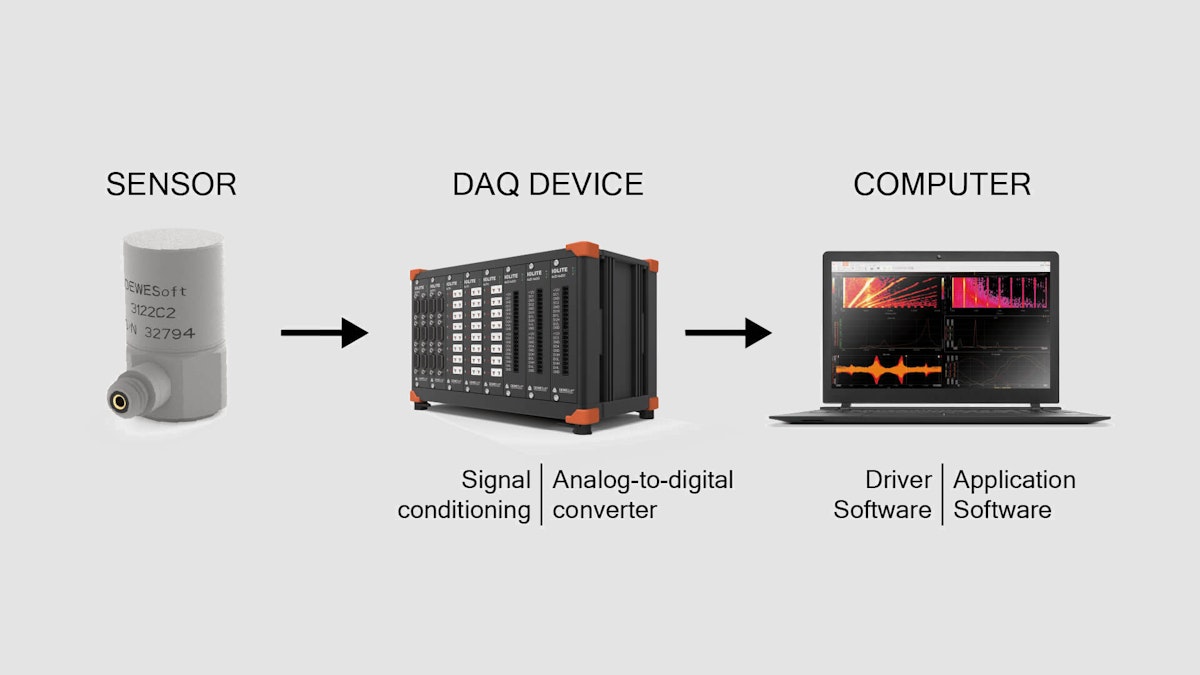
Credit: dewesoft.com


Frequently Asked Questions On How To Zip Up Multiple Wav Files


How Can I Zip Up Multiple Wav Files?


To zip up multiple WAV files, you can use file compression software like WinZip or 7-Zip. Simply select all the WAV files you want to zip, right-click, and choose the option to compress them into a ZIP file. This will make it easier to share or store multiple files together in a single compressed file.


Why Should I Zip Wav Files?


Zipping WAV files can help to reduce file size, making it quicker and more efficient to transfer or store multiple files. By compressing the files into a single ZIP file, you can save disk space and ensure that all related WAV files are kept together, making it easier to organize and manage your files.


What Is The Advantage Of Using Wav Files?


WAV files are an uncompressed audio format that offers high-quality sound reproduction. They are widely supported and compatible with various audio editing programs and devices. By using WAV files, you can preserve the original audio fidelity without any loss of quality, making them ideal for professional audio production and recording purposes.


Conclusion


Zipping up multiple WAV files can greatly simplify the process of file sharing and storage. By following the simple steps outlined in this post, you can efficiently compress and organize your audio files for easier management. With the right tools and knowledge, you can save time and effort in handling multiple WAV files.

Categories
Archive

The Future Of Radio : Exploring the Next Wave of Audio Innovation

The future of radio lies in digital streaming and personalized content to cater to evolving listener preferences. With advancements in technology, radio is shifting towards online platforms offering tailored experiences.


This shift is reshaping how audiences engage with radio content, leading to a more interactive and immersive listening experience. Additionally, the use of data analytics is helping radio stations understand their audiences better, allowing for targeted content creation and improved listener engagement.


As technology continues to evolve, the future of radio looks bright with endless opportunities for innovation and growth.

The Future Of Radio  : Exploring the Next Wave of Audio Innovation


Credit: www.routledge.com


New Streaming Technologies

As the landscape of radio continues to evolve, the rise of new streaming technologies is reshaping the way we consume audio content. These advancements are opening up new possibilities for listeners, offering greater flexibility and interactivity than ever before.

Podcasting Revolution

The podcasting revolution has transformed the radio industry, allowing individuals and organizations to create and distribute audio content on a global scale. Podcasts offer on-demand access to a wide range of topics, catering to diverse interests and preferences.

Interactive And Personalized Content

With interactive and personalized content, listeners can engage with radio programs in a more immersive way, providing feedback, participating in discussions, and customizing their listening experience. This level of interactivity enhances listener engagement and loyalty.


Credit: www.wbur.org


Integration Of Ai And Radio

The Future Of Radio: The integration of AI and Radio is revolutionizing the way we consume audio content. One of the key aspects of this transformation is the Integration of AI and Radio.

Ai-driven Content Curation

Incorporating AI technology into radio broadcasting allows for personalized content curation based on user preferences.

Enhanced User Experience

By leveraging AI algorithms, radio stations can offer listeners a more seamless and tailored experience.


Emergence Of Smart Speakers

With the rapid technological advancements, the emergence of smart speakers has reshaped the landscape of radio broadcasting. The integration of voice-activated assistants and seamless access to content has revolutionized the way consumers interact with radio, marking a significant shift towards a more intuitive and personalized listening experience.

Voice-activated Radio

Voice-activated radio represents a pivotal advancement in the medium, allowing users to control and navigate through radio channels or podcasts using voice commands. This hands-free functionality not only enhances convenience but also opens up new possibilities for accessibility, especially for individuals with disabilities.

Seamless Content Access

Seamless content access further amplifies the appeal of smart speakers, enabling users to instantly tune into their favorite stations or podcasts with a simple voice request. This streamlined accessibility eliminates the need for manual browsing and empowers users to effortlessly discover new content based on their preferences and interests.

Monetizing Digital Audio


The future of radio lies in monetizing digital audio, presenting opportunities for revenue growth. Digital platforms enable targeted advertising and subscription models to drive profitability and better audience engagement. Adapting to the digital landscape is essential for radio stations to thrive in the evolving media industry.

Monetizing digital audio has become a crucial aspect of the radio industry in recent years. As traditional radio continues to transition into the digital space, finding effective ways to generate revenue through digital audio content has become vital for broadcasters. This article explores two key methods of monetization: targeted advertisements and subscription models.

Targeted Advertisements

Targeted advertisements have revolutionized the way advertisers connect with their intended audiences. Unlike traditional radio, where ads are broadcast to a wide and varied listener base, digital audio platforms allow for precise targeting based on user demographics and listening habits. Advertisers can now ensure their messages reach the right people at the right time, enhancing the effectiveness of their campaigns. One of the significant advantages of targeted advertisements is their ability to offer personalized messages to individual listeners. By analyzing user data such as listening history and location, advertisers can tailor their ads to resonate with specific interests or local preferences. This level of personalization not only improves the user experience but also increases advertisement relevancy, making it more likely for listeners to engage with the content. In addition to personalization, targeted advertisements also provide valuable metrics and insights for advertisers. By tracking impressions, click-through rates, and conversions, advertisers can measure the success of their campaigns and make data-driven optimizations. This level of transparency and accountability helps advertisers maximize their return on investment and refine their ad strategies over time.

Subscription Models

Subscription models offer another avenue for monetizing digital audio content. With a subscription-based approach, radio broadcasters can generate revenue directly from their listeners. This model removes the reliance on traditional advertising and opens up new opportunities for the industry. By providing exclusive content or additional features to subscribers, broadcasters can incentivize users to upgrade their listening experience. This could include access to ad-free streams, exclusive interviews, early access to new episodes, or even interactive elements such as live chats with hosts. Subscriptions allow broadcasters to create a sense of exclusivity and value for their most dedicated listeners. Moreover, subscription models provide a steady and predictable source of income for broadcasters. Rather than relying solely on fluctuations in advertising revenue, subscriptions offer a more stable financial base. This stability enables broadcasters to invest in content production, improve infrastructure, and further enhance the overall user experience. With advancements in technology and changing consumer behaviors, the future of radio lies in effectively monetizing digital audio. By utilizing targeted advertisements and subscription models, broadcasters can create sustainable revenue streams while delivering tailored content to their listeners. As the digital audio landscape continues to evolve, these monetization strategies will play a crucial role in ensuring the growth and profitability of the radio industry.

Challenges And Opportunities

Radio has come a long way since its inception and continues to be a powerful medium for communication and entertainment. However, like any other industry, the radio industry also faces its fair share of challenges and opportunities in the digital age. Let’s explore the key challenges and opportunities that lie ahead for radio broadcasters.

Adapting To Changing Consumer Behavior

As technology evolves, consumer behavior and preferences are constantly changing. In order to stay relevant, radio broadcasters need to adapt their strategies and offerings to meet the demands of the modern listener. This requires embracing digital platforms and expanding their presence beyond traditional FM or AM frequencies.

Furthermore, with the rise of streaming services and on-demand audio content, radio broadcasters need to find ways to engage with audiences who have become accustomed to personalized and convenient experiences. Utilizing podcasting, creating exclusive content, and developing interactive applications are just a few ways radio can adapt to changing consumer behavior.

Maintaining Audio Quality

One of the key strengths of radio is its ability to deliver high-quality audio content. However, in an increasingly digital landscape, maintaining audio quality presents a challenge. With the proliferation of low-quality audio content on various platforms, it is crucial for radio broadcasters to prioritize the delivery of crisp, clear, and captivating sound.

To achieve this, broadcasters should invest in high-quality recording and transmission equipment, pay attention to audio compression standards, and ensure reliable signal reception. Additionally, radio stations can capitalize on emerging technologies like HD Radio to enhance audio quality and provide an immersive listening experience to their audience.

Maximizing Digital Marketing Opportunities

With the rise of digital platforms, radio broadcasters have access to a wider range of marketing opportunities. Online advertising and social media platforms provide avenues for reaching new audiences and connecting with existing ones in a more targeted and engaging way.

Broadcasters can leverage digital marketing strategies such as search engine optimization (SEO), social media advertising, and content marketing to promote their shows, engage with listeners, and increase brand awareness. By embracing these opportunities, radio broadcasters can expand their reach and attract a larger audience in the digital landscape.

Embracing Interactive And Locally-relevant Content

In today’s media landscape, audience engagement is crucial, and radio broadcasters have the unique ability to foster meaningful connections with their listeners. By embracing interactive content formats and incorporating interactive elements in their shows, radio broadcasters can provide a more immersive and personalized experience for their audience.

Furthermore, radio’s advantage lies in its local connection. By creating content that is locally relevant and resonates with the community, broadcasters can cultivate a loyal and dedicated listener base. This can be done through featuring local artists, highlighting community events, and inviting listener participation through contests and call-ins.

In conclusion, radio broadcasters face challenges in adapting to changing consumer behavior, maintaining audio quality, and maximizing digital marketing opportunities. However, by embracing these challenges as opportunities, radio can continue to evolve and thrive in the ever-changing media landscape.

The Future Of Radio  : Exploring the Next Wave of Audio Innovation


Credit: www.itspmagazine.com


Frequently Asked Questions Of The Future Of Radio


What Is The Future Of Radio Broadcasting?


The future of radio broadcasting is increasingly digital, with advancements in streaming technology and podcasting. This allows for more personalized and on-demand content, as well as convenient listening across devices. Traditional radio will likely continue to coexist with digital platforms, appealing to different audience preferences.


How Will Radio Adapt To Changing Technology?


Radio will adapt to changing technology by embracing digital platforms, such as live streaming and podcasting. This allows for greater interactivity, personalized content, and convenient access across devices. Additionally, advancements in smart speakers and voice assistants will further integrate radio into smart homes and cars.


Will Traditional Radio Become Obsolete?


While traditional radio faces competition from digital platforms, it is unlikely to become completely obsolete. Traditional radio still holds appeal for listeners who enjoy curated playlists, local news, and live broadcasts. Additionally, radio broadcasters have adapted by integrating digital platforms to reach a wider audience and stay relevant in the evolving media landscape.


Conclusion


In the rapidly evolving digital landscape, radio continues to adapt and thrive as a powerful medium for communication and entertainment. With technological innovations shaping its future, radio is set to become more interactive and personalized, connecting with audiences in new and exciting ways.


As we embrace these changes, it’s clear that radio will remain a vital part of our lives, providing unique and engaging content for years to come.

Categories
Archive

Unlock Superior Sound: Best Audio Mastering Tools for Producers

For best audio mastering tools, consider using Izotope Ozone and FabFilter Pro-L 2. These tools offer advanced features for professional mastering.


Audio mastering is a crucial final step in the music production process that ensures your tracks sound polished and balanced across all devices and platforms. Using the right mastering tools can greatly enhance the overall quality of your music by fine-tuning the dynamics, EQ, and stereo imaging.


Izotope Ozone and FabFilter Pro-L 2 are widely recognized in the industry for their precision and versatility, making them popular choices among music producers and engineers. With their comprehensive set of tools and intuitive interfaces, these software can help you achieve professional-sounding masters for your music productions.

Unlock Superior Sound: Best Audio Mastering Tools for Producers


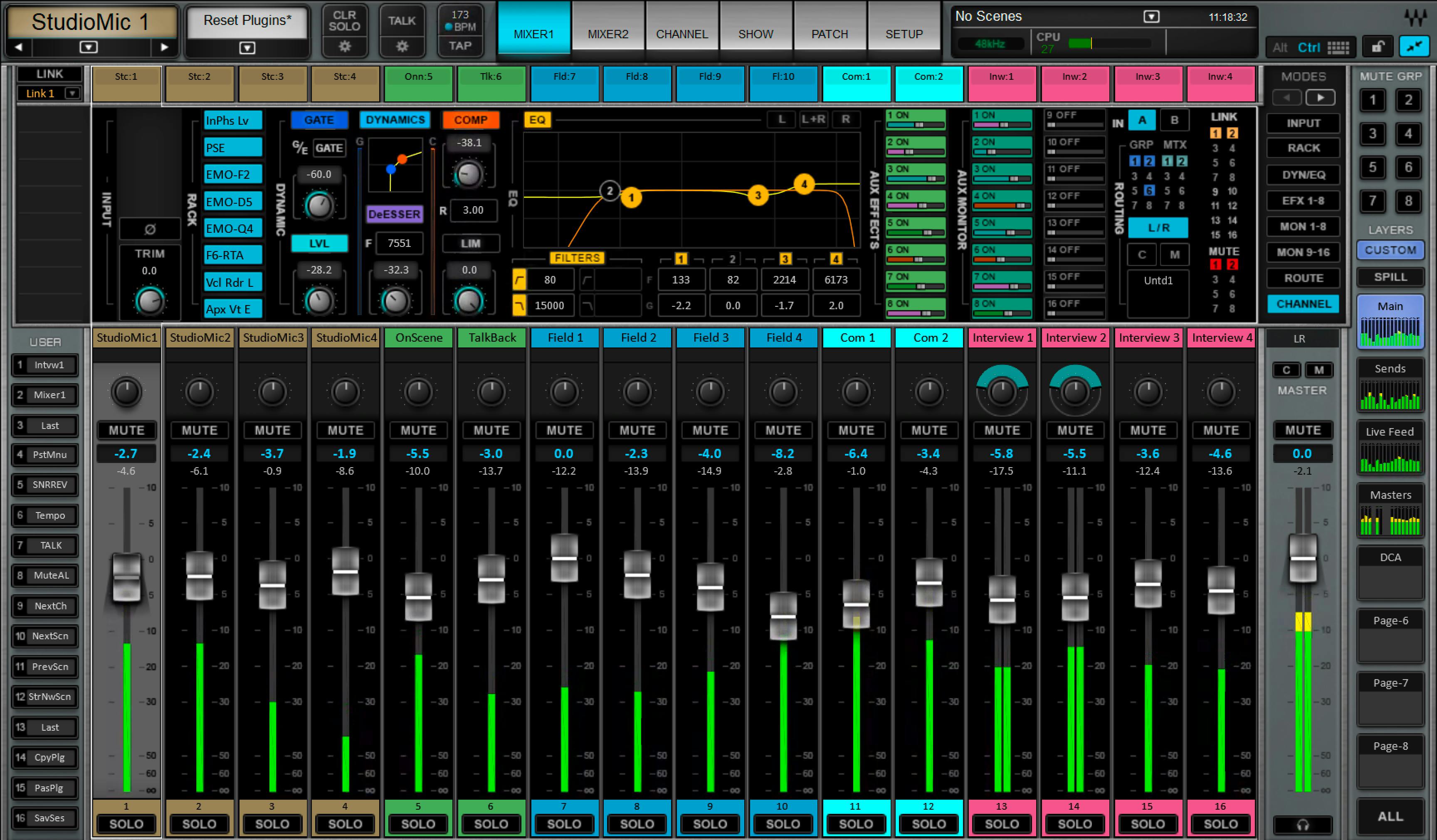
Credit: www.waves.com


Mastering Tools For Producers

Mastering tools play a crucial role in fine-tuning audio tracks to achieve professional-quality sound. For producers, having the right mastering tools is essential to ensure that their music stands out in a competitive industry. Let’s explore the different types of mastering tools that are ideal for producers.

Types Of Audio Mastering Tools

  • Equalizers: Adjust frequencies to enhance clarity and balance.
  • Compressors: Control dynamics for a more polished sound.
  • Limiters: Prevent clipping and set the overall volume limit.

Importance Of High-quality Mastering

  1. Enhanced Sound: Achieve a professional and polished audio output.
  2. Consistency: Ensure all tracks maintain a uniform quality and tone.
  3. Stand Out: Make your music competitive and captivating to listeners.

Key Features To Consider

Choosing the right audio mastering tool is crucial for achieving professional-quality sound. When exploring the best options, it’s essential to focus on the key features that will have the most impact on your final audio output. Below, we delve into the key features to consider when selecting an audio mastering tool.

Audio Quality Enhancement

Enhancing audio quality is paramount when selecting an audio mastering tool. Look for features such as multiband compression and equalization to fine-tune your sound and bring out the best in your audio tracks.

Compatibility And Integration

Ensure that the audio mastering tool is compatible with your DAW (Digital Audio Workstation) and integrates seamlessly into your workflow. Compatibility with various file formats and third-party plugins is also essential for a smooth mastering process.


Top Audio Mastering Software

Audio mastering software plays a crucial role in refining and enhancing the quality of music tracks. With an array of options available, it can be daunting to choose the right one. Here are three top-notch audio mastering tools that are highly regarded in the industry:

Pro Tools

Pro Tools, developed by Avid Technology, is a renowned digital audio editing software used in professional studios worldwide. This software offers a comprehensive suite of mastering tools, making it a favorite among sound engineers and music producers.

Izotope Ozone

iZotope Ozone is a powerful all-in-one mastering software that combines numerous features such as EQ, dynamics, and harmonic exciter, providing users with a complete solution for audio mastering.

Waves Abbey Road Tg Mastering Chain

Waves Abbey Road TG Mastering Chain is an esteemed audio mastering plugin developed in collaboration with Abbey Road Studios. It emulates the vintage EMI TG12410 transfer console, offering a unique and authentic analog sound.

Unlock Superior Sound: Best Audio Mastering Tools for Producers


Credit: www.waves.com


Hardware Vs. Software

When it comes to audio mastering, choosing the right tools is crucial for achieving professional-quality sound. One decision most engineers and producers face is whether to utilize hardware or software for their mastering process. Understanding the advantages of each option can help you make an informed choice that suits your specific needs and preferences.

Advantages Of Hardware Mastering Tools

Hardware mastering tools have long been valued by audio professionals for their exceptional sound quality and tactile benefits. Here are some key advantages of using hardware tools for your audio mastering:

  1. Unparalleled Sound Quality: Hardware tools are renowned for delivering pristine audio results, characterized by warmth, depth, and clarity that software often struggles to replicate.
  2. Tactile Control: With hardware tools, you have physical knobs, buttons, and faders at your fingertips. This hands-on approach enables precise adjustments and real-time manipulation, offering a more intuitive and gratifying mastering experience.
  3. Signal Path Options: Hardware processors often provide a range of signal path options, allowing you to customize the audio signal flow to suit specific mastering goals. This flexibility enables experimentation and ensures tailored outcomes.
  4. Sonic Character: Many hardware mastering tools possess their own unique sonic character, imparting a distinct flavor to the audio. This can add a desirable analog warmth or coloration, lending a touch of vintage charm to your master.

Benefits Of Software Mastering Tools

Software mastering tools have made remarkable advancements, earning their place as indispensable resources for many audio professionals. Here are some key benefits that software tools offer in the realm of audio mastering:

  • Vast Range of Options: Software tools provide an extensive selection of plugins and processors that cater to virtually every element of the mastering process. This versatility allows you to experiment with different techniques, analyze audio in-depth, and implement precise adjustments with ease.
  • Cost-Effectiveness: Compared to investing in individual hardware mastering units, software mastering tools present a more affordable alternative. Software options can be significantly less expensive while still delivering exceptional audio quality.
  • Convenience and Portability: With software tools, you have the convenience of compatibility with your existing computer setup. This portability facilitates easy travel, collaborative work, and quick access to your favorite mastering plugins wherever you are.
  • Ease of Automation: Software mastering tools often provide advanced automation functions, granting you greater control over the mastering process. This feature allows for precise and repeatable adjustments, saving time during repetitive tasks and ensuring consistency across multiple tracks.

Whichever option you choose for your audio mastering needs, hardware or software, it’s important to consider your specific requirements, workflow, and sonic goals. Many professionals opt for a hybrid approach, leveraging the unique advantages of both hardware and software tools to achieve the best possible mastering results. Ultimately, the right audio mastering tools are those that enable you to express your creativity, enhance the sonic qualities of your music, and bring your artistic vision to life.

Mastering Best Practices

Mastering is a crucial step in the audio production process that enhances the overall quality and ensures your music is optimized for various listening environments. To achieve the best results, it is essential to follow certain best practices. In this section, we will explore two key aspects of audio mastering: loudness and dynamic range, as well as maintaining compatibility across different devices.

Understanding Loudness And Dynamic Range

Loudness and dynamic range are fundamental elements to consider during the audio mastering process. Loudness refers to the perceived volume level of your music, while dynamic range defines the difference between the softest and loudest parts of a track. Let’s take a closer look at each:

Loudness:

  • Aim for a moderate level of loudness that is pleasing to the listener without sacrificing audio quality.
  • Avoid excessive loudness, as it can lead to distortion and listener fatigue.
  • Use a trusted loudness meter to ensure your tracks adhere to industry-standard loudness levels.

Dynamic Range:

  • Preserve the natural dynamics of your music by maintaining an appropriate dynamic range.
  • Avoid over-compression, which can result in a loss of depth and musicality.
  • Consider using multi-band compression to fine-tune the dynamic range of different frequency bands.

Ensuring Compatibility Across Devices

With the ever-increasing number of devices available for music consumption, it’s crucial to ensure that your mastered audio sounds consistent and translates well across various platforms. Here are some key tips for achieving compatibility:

  • Test your mastered tracks on different speakers, headphones, and playback systems to identify any potential issues.
  • Listen to your music in different environments to understand how it translates in different acoustic settings.
  • Utilize reference tracks that are well-mastered and representative of the genre you’re working in, to compare and benchmark your own music.
  • Regularly update your monitoring system to ensure accuracy and reliability.

By being mindful of loudness, dynamic range, and device compatibility, you’ll be able to master your audio in a way that captures its full potential and provides an enjoyable listening experience for your audience.

Unlock Superior Sound: Best Audio Mastering Tools for Producers


Credit: www.avid.com


Frequently Asked Questions For Best Audio Mastering Tools


What Are The Benefits Of Using Audio Mastering Tools?


Audio mastering tools help enhance the overall sound quality, balance frequencies, and ensure consistency across different platforms. They also add depth, improve clarity, and optimize the audio for different playback systems, making it sound professional and polished.


Which Audio Mastering Tools Are Recommended By Experts?


Some popular audio mastering tools recommended by experts include iZotope Ozone, WaveLab, FabFilter Pro-L, and T-RackS. These tools offer a wide range of features like EQ, compression, stereo imaging, and mastering-specific processors, allowing professionals to achieve superior audio quality.


Are There Free Audio Mastering Tools Available?


Yes, there are free audio mastering tools available, such as Audacity, Ozone Imager, and TDR Nova. While they may not have all the advanced features of paid tools, they still offer basic mastering capabilities and are a good starting point for beginners or those on a limited budget.


Conclusion


The best audio mastering tools can significantly elevate the quality of your sound production. By utilizing these advanced software and hardware, you can achieve professional-level results and enhance the overall impact of your music. Investing in the right mastering tools is crucial for any serious audio engineer or musician.


These tools provide the necessary resources to fine-tune and perfect your audio recordings, ensuring they stand out in today’s competitive industry.

Categories
Archive

Band Merch Ideas: Boost Your Sales with These Eye-Catching Creations

For band merch ideas, consider unique designs, limited editions, and collaborations with artists for exclusivity. When creating merchandise, remember to align with your band’s brand and appeal to your target audience.


A well-thought-out merch strategy can boost fan engagement and generate additional revenue for your band. By offering high-quality, visually appealing merchandise, you can create a strong connection with your fans and increase brand loyalty. In this competitive market, innovative merch ideas can set your band apart and drive success in the music industry.

Band Merch Ideas: Boost Your Sales with These Eye-Catching Creations


Credit: bandzoogle.com


Creative Band Merch Ideas

Unleash your band’s creativity through unique merchandise that fans will love! From limited edition items to interactive goodies, here are some innovative band merch ideas to set you apart.

Limited Edition Items

Offer limited edition band merchandise to create a sense of exclusivity among fans.

  • Custom-designed T-shirts in limited quantities
  • Exclusive vinyl records with personalized packaging
  • Handcrafted collectible pins featuring band logos

Interactive Merchandise

Engage fans with interactive band merchandise that goes beyond the ordinary.

  1. Augmented reality posters that come to life with a mobile app
  2. Custom band playlists on USB drives for an immersive fan experience
  3. Interactive band-themed puzzles and games for fans to enjoy

Elevate your band merch game with these creative ideas to connect with your fans like never before!

Designs And Branding

When creating band merch, focusing on Artistic and Unique Designs can make a significant impact in attracting fans.

Artistic And Unique Designs

Bring creativity to life by designing artistic and unique band merch that stands out from the crowd.

Branding Integration

Ensure Branding Integration acquires a cohesive look across all your merch items for brand recognition.

Marketing Strategies

When it comes to marketing your band merchandise, it’s essential to have a well-thought-out strategy in place. Effective marketing can significantly impact the success of your band merch, increasing sales and brand visibility. Implementing the right marketing strategies can help you reach a wider audience and build a loyal fan base. Below are some key marketing strategies that can be utilized to promote your band merchandise.

Social Media Promotion

Social media platforms are powerful tools for promoting band merchandise. Utilize platforms like Instagram, Facebook, and Twitter to showcase your merchandise, engage with fans, and drive sales. Create visually appealing posts and stories showcasing your merchandise, including behind-the-scenes content and fan-generated photos. Use relevant hashtags and encourage user-generated content to increase visibility.

Collaborations And Giveaways

Collaborating with other artists, influencers, or brands can expand your reach and appeal to a wider audience. Consider partnering with artists who share a similar fan base or collaborating with popular influencers to promote your merchandise. Hosting giveaways on social media can also generate buzz and excitement, encouraging fans to participate and share your merchandise with their followers.

Band Merch Ideas: Boost Your Sales with These Eye-Catching Creations


Credit: www.dishafashioninstitute.com


Innovative Product Offerings

When it comes to band merch ideas, it’s crucial to think outside the box and offer innovative products that not only resonate with fans but also provide additional value. By offering functional merchandise and customized packaging, bands can create a unique and memorable experience for their supporters. Let’s explore these ideas in more detail:

Functional Merchandise

One way to stand out in the competitive world of band merchandise is by offering functional items that fans can use in their daily lives. Gone are the days when t-shirts and posters were the only options available. Now, bands can get creative and offer a range of products that cater to different needs and preferences.

Consider offering items like:

  • Phone cases
  • Reusable water bottles
  • Beanies or caps
  • Backpacks
  • Enamel pins

These functional merchandise options not only provide value to fans but also serve as a constant reminder of their favorite band.

Customized Packaging

Packaging plays a significant role in creating a memorable unboxing experience for fans. By offering customized packaging, bands can make their merchandise feel even more special. It’s an opportunity to showcase their brand identity and create a lasting impression.

Some ideas for customized packaging include:

  • Personalized boxes with the band’s logo and artwork
  • Thank you cards or handwritten notes
  • Stickers or decals
  • Exclusive band-related content, such as a digital download or access to behind-the-scenes footage

By paying attention to the smaller details like packaging, bands can create a more immersive and engaging experience for their fans.

Customer Engagement

Engaging with your customers is crucial for any business, and band merch offers the perfect opportunity to create a strong connection with your fans. By offering exclusive fan experiences and merchandise bundles, you can take your customer engagement to a whole new level.

Exclusive Fan Experiences

One of the most effective ways to engage with your fans is by offering exclusive experiences that make them feel special and connected to your band. This could include backstage meet-and-greets, VIP passes to concerts, or even personalized messages from band members. By offering these unique experiences, you not only give your fans something to be excited about but also make them feel valued and appreciated.

Merchandise Bundles

Merchandise bundles are another great way to engage with your customers. By offering a bundle of your band merchandise, you can create a sense of exclusivity and encourage fans to make a purchase. These bundles can include a combination of items such as t-shirts, posters, stickers, or even limited edition items. Not only do merchandise bundles entice fans to buy more, but they also provide an opportunity for you to showcase different products and increase brand visibility.

Band Merch Ideas: Boost Your Sales with These Eye-Catching Creations


Credit: www.lalal.ai


Frequently Asked Questions On Band Merch Ideas


What Are Some Popular Band Merch Ideas?


Band merch ideas can include t-shirts, hoodies, hats, posters, and stickers featuring the band’s logo or album artwork. Other popular ideas can be custom pins, keychains, and even limited edition vinyl records. The key is to offer unique and high-quality merchandise that fans will be proud to wear or display.


How Can Band Merch Help Promote A Music Brand?


Band merch serves as walking advertisements for a music brand, helping to spread awareness and attract new fans. When fans wear or use band merchandise, they are essentially endorsing the brand and creating valuable word-of-mouth promotion. Additionally, selling band merch can also provide a source of revenue for musicians.


Where Can I Find Inspiration For Band Merch Designs?


Inspiration for band merch designs can be found in various places. Start by researching popular band merchandise from other successful artists in the same genre. Attend live shows and observe what kind of merchandise fans are drawn to. Additionally, involve fans in the design process by conducting surveys or asking for input on social media platforms.


Conclusion


To sum up, band merch is a great way to connect with fans and promote your music. Whether it’s creating custom t-shirts, unique accessories, or limited edition vinyl, the possibilities are endless. By offering innovative and memorable merchandise, you can enhance the fan experience and generate additional revenue for your band.


Don’t miss out on this valuable opportunity!


Categories
Archive

How Online Recording Works: Unveiling the Magic of Virtual Sound Capture

Online recording works by capturing audio or video content through a digital device and saving it on a remote server for easy access and sharing. This process allows users to store, organize, and distribute their recordings over the internet.


In today’s digital age, online recording has revolutionized the way we create and consume audio and video content. Whether it’s recording a podcast, a virtual meeting, or a music track, the convenience and accessibility of online recording have made it a popular choice for individuals and businesses alike.


With just a few clicks, users can capture high-quality recordings that can be easily stored in the cloud and accessed from anywhere with an internet connection. This technology has opened up a world of possibilities for content creators and collaborators, enabling seamless communication and creativity across the globe.

How Online Recording Works: Unveiling the Magic of Virtual Sound Capture


Credit: www.nytimes.com


The Basics Of Online Recording

Setting Up Virtual Sound Capture

Virtual sound capture involves configuring software to record audio from your device’s sound card.

Choosing The Right Software And Hardware

Invest in quality audio recording software and hardware to ensure high-quality output.

How Online Recording Works: Unveiling the Magic of Virtual Sound Capture


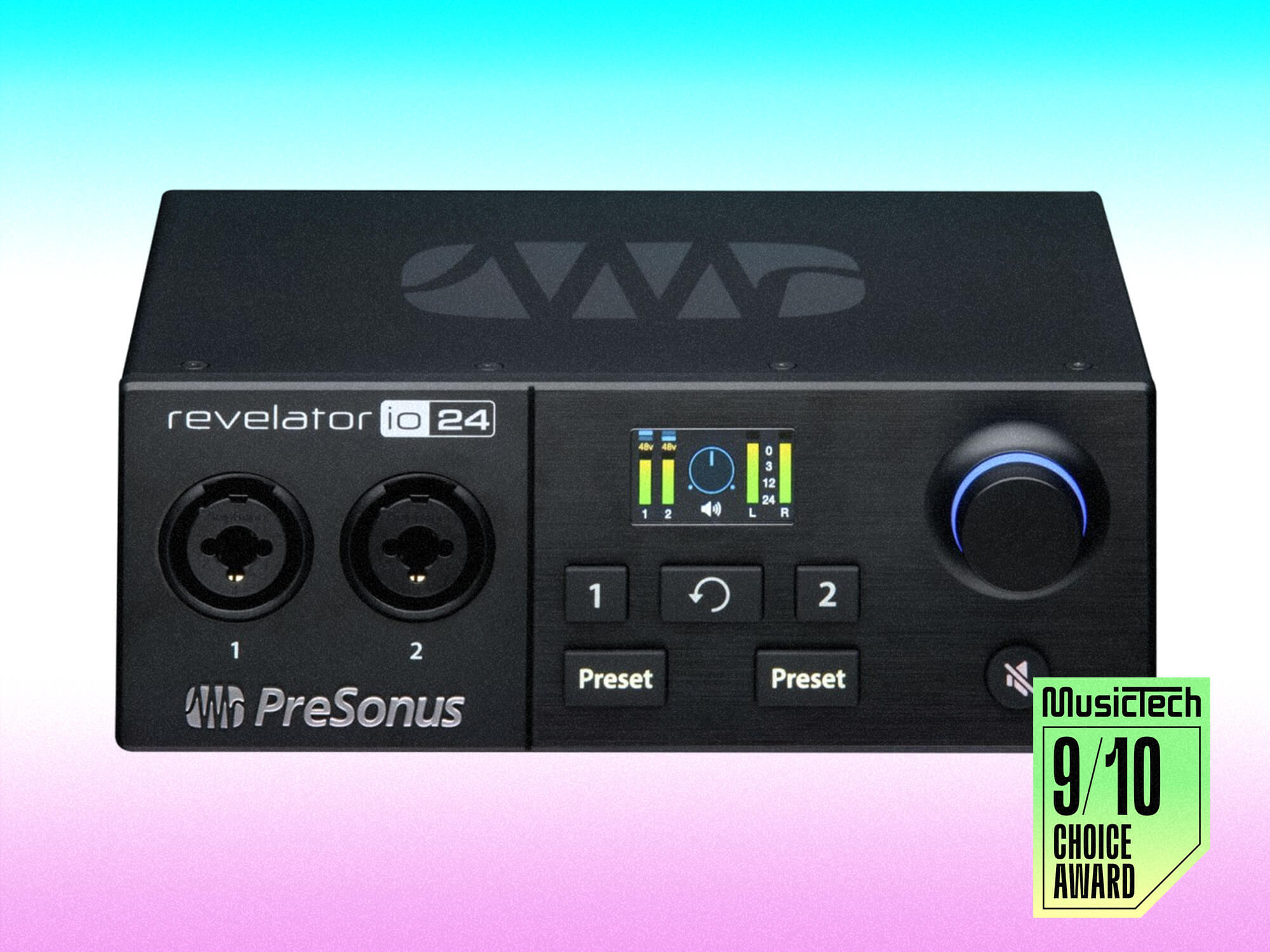
Credit: musictech.com


Navigating Virtual Studio Environments

Exploring the world of online recording involves navigating virtual studio environments where creativity and technology merge seamlessly.

Understanding Virtual Interfaces

Virtual interfaces in online recording mimic traditional studio setups in a digital space, offering artists familiar tools and controls.

Utilizing Digital Signal Processing

Digital Signal Processing (DSP) enhances audio quality through real-time adjustments to sound elements like pitch and tone.

Collaborative Online Recording

Collaborative online recording allows musicians and audio professionals to work together in real-time from different locations. This innovative approach has revolutionized the music production process, enabling seamless collaboration and creativity regardless of geographical barriers. With the advent of advanced online recording tools, collaborating on music projects has become more accessible and efficient than ever before.

Real-time Remote Sessions

Real-time remote sessions in online recording enable artists to simultaneously contribute to a project while being physically apart. Through specialized software and cloud-based platforms, multiple individuals can record their parts in sync, fostering a cohesive musical experience. This real-time collaboration empowers musicians to craft complex compositions as if they were in the same studio, sparking dynamic creativity and seamless synergy.

Overcoming Latency Challenges

Despite the inherent challenges of latency, modern online recording solutions have made significant strides in overcoming this obstacle. By employing advanced synchronization algorithms and optimizing network performance, platforms can mitigate latency issues, ensuring that contributors experience minimal delay during recording sessions. As a result, musicians can maintain a natural, uninterrupted flow while interacting and performing remotely, preserving the integrity of their musical expression.

Security And Privacy Considerations


When it comes to online recording, it’s crucial to consider security and privacy. Understanding how online recording works involves being aware of potential risks and safeguarding sensitive information. Implementing strong encryption and access controls can help mitigate security and privacy concerns in online recording processes.

Protecting Data And Intellectual Property

When it comes to online recording, security and privacy considerations are paramount. Protecting your data and intellectual property should be a top priority. With the rise of remote work and digital collaboration, it is crucial to ensure that your recordings are safeguarded from unauthorized access. To protect your data and intellectual property, follow these best practices: 1. Use strong encryption: Encrypting your recordings using strong encryption algorithms adds an extra layer of security. It ensures that only authorized individuals can access and decipher the recorded content. 2. Implement user authentication: User authentication protocols allow only authorized individuals to access the recordings. Implementing usernames, passwords, and multi-factor authentication adds an extra level of security and prevents unauthorized access. 3. Control access permissions: Limiting access to your recordings based on user roles and permissions ensures that only the necessary personnel can view or modify the recorded content. This helps protect sensitive data and ensures that intellectual property remains secure. 4. Regularly update security measures: Keep your recording software and any associated applications up to date. Regular updates often include security patches that address newly discovered vulnerabilities, helping to keep your recordings secure. 5. Monitor and audit activity: Regularly monitor and review the activity logs of your recording system. This allows you to detect any suspicious or unauthorized access attempts. By auditing the activity, you can identify potential security breaches and take appropriate actions to mitigate any risks.

Ensuring Secure Communication Channels

The transmission of your recordings over the internet requires secure communication channels to protect the content from interception and unauthorized access. To ensure secure communication channels: 1. Use secure protocols: Utilize secure communication protocols such as Secure Sockets Layer (SSL) or Transport Layer Security (TLS). These protocols encrypt the data being transmitted, making it difficult for unauthorized individuals to intercept or tamper with the recordings. 2. Employ firewalls and VPNs: Firewalls act as a barrier between your network and the internet, monitoring and blocking any malicious traffic that could compromise your recordings. Virtual Private Networks (VPNs) provide an encrypted connection from your device to the recording server, adding an extra layer of security. 3. Secure cloud storage: If you choose to store your recordings in the cloud, ensure that the cloud storage provider offers robust security measures. Look for providers that offer encryption, access controls, and regular security audits to protect your recorded content. 4. Train employees on secure practices: Educate your employees on secure communication practices, emphasizing the importance of not sharing sensitive information or credentials over insecure channels. Regularly remind them to use secure communication channels when accessing or transmitting recorded data. 5. Regularly test vulnerabilities: Conduct regular vulnerability assessments and penetration testing to identify any potential weaknesses in your recording system’s security. Regular testing helps uncover vulnerabilities before they can be exploited by malicious actors. By following these security and privacy considerations, you can ensure that your online recordings remain protected, safeguarding your data and intellectual property from unauthorized access.


The Future Of Online Recording

As technology continues to advance, the world of music production is witnessing a significant shift towards the online realm. With the emergence of cutting-edge virtual sound capture technology, the future of online recording looks promising. This article will delve into the advancements in virtual sound capture technology and its impact on the music industry.

Advancements In Virtual Sound Capture Technology

The advancements in virtual sound capture technology have revolutionized the way recordings are made. With the advent of virtual microphones and digital audio workstations, musicians and producers now have access to a wide range of versatile tools that were previously only available in a traditional studio setting.

Virtual microphones, powered by AI algorithms, can emulate the characteristics of different microphone models with remarkable accuracy. This allows artists to experiment with various microphone placements and tailor their sound to achieve the desired tonal quality – all within the convenience of their own space.

Additionally, virtual sound capture technology has enabled real-time collaboration between musicians located in different parts of the world. Through high-speed internet connections and cloud-based platforms, artists can now connect and record together effortlessly, adding a new dimension to the creative process.

Impact On The Music Industry

The introduction of online recording has had a profound impact on the music industry. It has democratized the recording process, eliminating geographical constraints and leveling the playing field for aspiring musicians worldwide.

Online recording has made it possible for artists to work with top-tier producers and engineers, regardless of their physical location. This has opened up new opportunities for collaboration, enabling artists to access a global talent pool and create music that transcends boundaries.

Moreover, online recording offers significant cost savings compared to traditional studio sessions. Artists no longer need to bear the expenses of travel, accommodation, and studio rental. Instead, they can invest in high-quality recording equipment for their home setup and achieve professional-level results.

The convenience and accessibility of online recording have also accelerated the pace of music production. Artists can now release content more frequently, catering to the growing demand for fresh and diverse music. This has fostered a vibrant online music scene, where independent musicians can thrive and connect directly with their audience.

In conclusion, the future of online recording holds immense potential for musicians and the music industry as a whole. Advancements in virtual sound capture technology continue to push the boundaries of creativity and collaboration. As more artists embrace this digital revolution, we can expect a dynamic and evolving landscape that sets the stage for innovative music production.

How Online Recording Works: Unveiling the Magic of Virtual Sound Capture


Credit: www.synthesia.io


Frequently Asked Questions Of How Online Recording Works


How Does Online Recording Work?


Online recording works by capturing audio or video content using recording software or tools. These tools allow users to record their voice or visuals and save them as digital files. The recorded content can then be stored, shared, or edited as needed.


Online recording enables remote collaboration, podcasting, video conferencing, and more.


What Are The Benefits Of Online Recording?


There are several benefits to online recording. It allows for easy and convenient creation of audio or video content from anywhere with an internet connection. It eliminates the need for expensive studio equipment and can be done using simple tools and software.


Online recording also enables remote collaboration, saves time and cost, and provides flexibility for content creators.


How Can I Record Audio Online?


To record audio online, you can use various tools and platforms such as online audio recorders, voice recording apps, or specialized recording software. These tools typically require a microphone and an internet connection. You can simply open the tool, choose the audio input source, and start recording.


After recording, you can save the file and edit it if needed.


Can I Record Videos Online?


Yes, you can record videos online using video recording software or online platforms. These tools allow you to capture video using your device’s camera or webcam. You can adjust settings such as resolution, frame rate, and audio input. Once the recording is complete, you can save the video file and edit it as per your requirements.


Online video recording is widely used for video blogs, tutorials, and presentations.


Conclusion


To sum up, online recording has revolutionized the music industry by providing accessible and efficient tools for artists to create high-quality music. With the advent of technology, musicians can produce and distribute their work worldwide, bridging the gap between creativity and audience.


Advancements in online recording have granted unparalleled convenience and democratized the music-making process.

Categories
Archive

Vocal Mixing : Master the Art of Flawless Sound

Vocal mixing is the process of adjusting and balancing different elements of a vocal track. It involves enhancing the clarity, volume, and presence of vocals in a mix to achieve a polished sound.


Vocal mixing plays a crucial role in the overall quality of a music production, as vocals are often the focal point of a song. By using techniques such as EQ, compression, reverb, and panning, engineers can achieve a professional and cohesive vocal sound that seamlessly blends with the music.


Understanding the nuances of vocal mixing and having a keen ear for detail are essential skills for any audio engineer or music producer. We will delve deeper into the art of vocal mixing and explore some tips and tricks to help you achieve outstanding vocal tracks.

Vocal Mixing  : Master the Art of Flawless Sound


Credit: www.marklemaire.com


The Importance Of Vocal Mixing

Vocal mixing plays a crucial role in the overall quality of a music track. It enhances the clarity and tone of the vocals, making them stand out in the mix. Proper vocal mixing can elevate a song to new heights, captivating listeners and creating a memorable auditory experience.

Enhancing Clarity

Clear vocals are essential for effective communication of the lyrics. Proper vocal mixing can remove unwanted background noises and excessive reverberation, ensuring that the vocals are crisp and distinct in the mix.

Balancing Tone

Balanced tone in vocals is crucial for a harmonious listening experience. Through vocal mixing, the tone of the vocals can be adjusted to complement the instrumental elements of the track, achieving a sonically cohesive sound.

Vocal Mixing  : Master the Art of Flawless Sound


Credit: www.amazon.com


Key Elements Of Vocal Mixing


Vocal mixing is crucial for creating a professional sound in music production. It involves various components that contribute to achieving a balanced and polished vocal track.

Eq And Frequency Adjustments

EQ helps enhance the clarity and tonal balance of vocals. Frequent adjustments are necessary to eliminate unwanted frequencies and emphasize the vocal’s strengths.

Dynamic Range Compression

Compression aids in maintaining consistent vocal levels. It controls peaks and smoothens out dynamics for a more even performance.


Strategies For Perfect Vocal Mixing

Vocal mixing is a crucial aspect of music production, as it can make or break a song. To achieve the perfect vocal mix, you need to employ effective strategies that enhance the clarity, presence, and depth of the vocals within the overall mix.

Using Sends And Returns Effectively

Utilizing sends and returns effectively allows you to apply various effects to the vocal track without altering the original signal. By sending a portion of the vocal signal to a designated effects channel, such as reverb or delay, you can blend the processed signal back into the mix. This approach maintains the integrity of the dry vocal while adding the desired effects.

Applying Reverb And Delay

Reverb and delay are essential tools for creating depth and atmosphere in vocal mixes. When applying reverb, consider the room size, decay time, and pre-delay to tailor the ambience to the track. Similarly, with delay, adjust the feedback, timing, and stereo placement to enhance the vocal without overpowering it. Finding the right balance is key to achieving a natural and cohesive vocal sound.

Common Mistakes To Avoid

When it comes to vocal mixing, there are a few common mistakes that many beginners make. These mistakes can significantly impact the quality and clarity of the vocals in your mix. By being aware of these mistakes and avoiding them, you can ensure that your vocal tracks shine in your final mix.

Over-processing Vocals

One of the most common mistakes that producers make when mixing vocals is over-processing them. It’s easy to get carried away with plugins and effects, thinking that more is better. However, this can actually result in vocals that sound unnatural and strained.

Some common signs of over-processing vocals include excessive reverb or delay, heavy compression that squashes the dynamics of the vocal, and excessive use of pitch correction. While these tools can be used to enhance vocals, it’s important to use them subtly and in moderation.

Instead of piling on a bunch of plugins, focus on using a few well-selected effects that enhance the natural qualities of the vocal. Experiment with different settings and listen carefully to how each effect affects the overall sound. Sometimes, less is more when it comes to vocal processing.

Ignoring Phase And Stereo Imaging

Phase cancellation and stereo imaging are two crucial aspects of vocal mixing that are often overlooked. Ignoring these elements can result in a mix where the vocals don’t sit well in the stereo field and lack depth and clarity.

Phase cancellation occurs when two or more audio signals are out of phase with each other, causing certain frequencies to cancel each other out. This can result in a thin and weak vocal sound. To avoid phase cancellation issues, make sure that all vocal tracks are in phase with each other and with the rest of the mix.

Stereo imaging is another important factor to consider when mixing vocals. By panning different vocal tracks and using stereo widening techniques, you can create a more spacious and immersive vocal sound. Experiment with the placement of vocal tracks in the stereo field to achieve a balanced and wide sound.

Additionally, be mindful of the overall balance between the lead vocals and any backing vocals or harmonies. It’s important to ensure that each element is audible and sits well together in the mix without overpowering or getting buried.

Advanced Techniques For Professional Results

If you want to take your vocal mixing skills to the next level, mastering advanced techniques is crucial for achieving professional results. In this blog post, we will explore two key methods: Parallel Processing and Vocal Automation.

Parallel Processing

One of the most powerful techniques in vocal mixing is parallel processing, which involves blending multiple instances of the same vocal track to create a fuller and more dynamic sound. To implement this technique, follow these steps:

  1. Create a duplicate of your original vocal track.
  2. Apply different processing chains to each duplicate, such as compression, EQ, and saturation.
  3. Adjust the volume of the duplicate tracks to blend them seamlessly with the original vocal track.
  4. Group all the vocal tracks together and experiment with different balance settings to find the perfect blend of the processed and unprocessed vocals.

Parallel processing allows you to enhance specific frequency ranges, add warmth, and bring out the nuances in the vocal performance. Remember to frequently listen to your mix in mono to ensure the processing remains intact and doesn’t create phase cancellation issues.

Vocal Automation

Vocal automation is another advanced technique that can greatly enhance the clarity and expressiveness of your vocals. By automating various parameters throughout the song, you can achieve a more dynamic and captivating vocal performance. Here are some key steps to follow:

  1. Identify sections of the song where you want to emphasize certain lyrics or phrases.
  2. Use automation envelopes to control the volume, panning, EQ, and effects of the vocal track within those sections.
  3. Experiment with gradual volume increases or decreases to create tension or highlight emotional moments.
  4. Apply automation to create stereo width by automating the panning of harmonized background vocals.

Vocal automation adds a professional touch to your mix by allowing you to guide the listener’s attention and create a sense of movement throughout the song. Take your time to fine-tune the automation curves and transitions for seamless and natural-sounding changes.

Vocal Mixing  : Master the Art of Flawless Sound


Credit: www.facebook.com


Frequently Asked Questions Of Vocal Mixing


Q: What Is Vocal Mixing?


A: Vocal mixing is the process of balancing and enhancing the vocals in a music production. It involves adjusting levels, applying effects, and addressing any issues with the vocal recordings to achieve a polished and professional sound.


Q: Why Is Vocal Mixing Important?


A: Vocal mixing is crucial because vocals are often the focal point of a song. Proper mixing ensures that the vocals are clear, well-balanced with the other elements, and convey the intended emotions. It brings clarity, depth, and impact to the vocals, enhancing the overall listening experience.


Q: What Are Some Common Vocal Mixing Techniques?


A: Some common vocal mixing techniques include adjusting the levels, panning, EQing to enhance or cut certain frequencies, adding compression to control dynamics, applying reverb and delay for space, and using automation to create movement and impact in the vocals.


Q: How Can I Make The Vocals Stand Out In A Mix?


A: To make the vocals stand out in a mix, you can try techniques like boosting the midrange frequencies, reducing masking elements in the mix, applying light compression, using effects like saturation or harmonizers, and using automation to bring attention to important lyrics or phrases.


Conclusion


Vocal mixing is crucial for creating a professional and captivating sound. By applying the techniques and tips discussed in this blog post, you can enhance the quality and clarity of vocals in your music productions. Mastering the art of vocal mixing will undoubtedly add a competitive edge to your sound and help you stand out in the music industry.

Categories
Archive

Why You Need Pop Filters: The Secret to Clear, Professional Audio

Pop filters are essential to reduce popping sounds in recordings for clearer audio quality. They prevent plosives from distorting sound.


Pop filters are a must-have tool for anyone looking to improve the quality of their audio recordings. By effectively reducing unwanted popping sounds caused by the forceful expulsion of air when pronouncing certain consonants, pop filters enhance the clarity and overall professionalism of the audio.


Whether you are a podcaster, musician, voice-over artist, or content creator, using pop filters can significantly elevate the standard of your recordings. We will explore the importance of pop filters in various scenarios and how they contribute to producing top-notch audio content.

Why You Need Pop Filters: The Secret to Clear, Professional Audio


Credit: www.amazon.com


The Importance Of Pop Filters

When recording audio, pop filters are essential tools that can make a significant difference in the overall quality of your sound. Pop filters help eliminate unwanted plosive sounds, improve vocal clarity, and enhance the overall listening experience.

Preventing Plosive Sounds

Plosive sounds, such as the “p” and “b” sounds, can cause distortion and affect the clarity of your recordings. A pop filter acts as a barrier, dispersing the air and preventing these sounds from reaching the microphone directly.

Improving Vocal Clarity

Pop filters help in maintaining a consistent distance between the microphone and the vocalist, reducing any sudden spikes in volume. This leads to improved vocal clarity and a more balanced sound output.

Types Of Pop Filters

There are two main types of pop filters commonly used in audio recording: Nylon Mesh Filters and Foam Filters.

Nylon Mesh Filters

Nylon mesh filters, also known as fabric pop filters, are made of a fine nylon mesh stretched over a circular frame. They effectively diffuse strong bursts of air from vocal plosives.

Foam Filters

Foam filters, on the other hand, consist of a thick layer of foam encased in a frame. They are excellent at reducing plosives and high-frequency sounds without overly affecting the overall sound quality.

How To Choose The Right Pop Filter

When it comes to choosing the right pop filter, there are a few key factors to consider to ensure that you make the best choice for your recording setup. From the type of microphone you use to your budget and the durability of the pop filter, each consideration plays a significant role in your decision-making process.

Consideration Of Microphone Type

The type of microphone you use can influence the pop filter you choose. For condenser microphones, a double-layered nylon pop filter can effectively reduce plosive sounds while maintaining the natural tone of the vocals. On the other hand, dynamic microphones may benefit from a metal mesh pop filter that offers durable protection against strong airflow and pops.

Factor In Budget And Durability

Your budget plays a crucial role in determining the pop filter that is right for you. While there are affordable options available, investing in a durable pop filter can ensure longevity and consistent performance, ultimately saving you money in the long run. By factoring in the durability of the pop filter, you can avoid frequent replacements and maintain high-quality recordings.

Why You Need Pop Filters: The Secret to Clear, Professional Audio


Credit: www.guitarcenter.com


Using Pop Filters Effectively

A pop filter is an essential tool for any recording setup, whether you are a professional musician or a podcast enthusiast. These handy accessories can significantly improve the quality of your audio recordings by reducing plosive sounds caused by hard consonants like “p” and “b”. However, to maximize the benefits of a pop filter, it is crucial to use it effectively. In this article, we will explore proper placement techniques and share tips for maintenance.

Proper Placement Techniques

Placing your pop filter correctly is key to achieve the best results. The primary purpose of a pop filter is to act as a physical barrier between your microphone and your mouth, minimizing the impact of plosives on the microphone’s diaphragm. Follow these proper placement techniques to obtain optimal performance:

  • Position the pop filter approximately two to six inches away from the microphone, ensuring it covers the entire diameter of the microphone.
  • Angle the pop filter slightly downward, pointing it towards the center of the microphone.
  • Make sure the pop filter is secure and tightly fastened to a stand or boom arm.

By adhering to these placement techniques, you can effectively reduce plosives and prevent unwanted distortion, resulting in crystal-clear recordings.

Tips For Maintenance

To ensure that your pop filter continues to serve you well, it is essential to maintain and clean it regularly. Here are some simple tips for proper pop filter maintenance:

  1. Wipe the pop filter with a soft, lint-free cloth after each use to remove any saliva, dust, or debris.
  2. Avoid using harsh cleaners or solvents that may damage the filter material.
  3. If your pop filter has a removable screen or filter, consider washing it with mild soap and water, allowing it to air dry.
  4. Inspect the pop filter regularly for any signs of wear or tear, such as loose threads or holes. If you notice any damage, it may be time to replace the filter.

By following these maintenance tips, you can extend the lifespan of your pop filter and ensure it continues to provide optimal performance in your recordings.

Pop Filters In Different Settings


Pop filters are essential in various settings to minimize popping and unwanted noises in recordings. These filters effectively enhance vocal quality for podcasting, singing, or voiceover work. Whether in a studio or home environment, pop filters ensure clear and professional audio output.

Pop filters are essential tools for achieving clean and professional audio recordings. While their primary purpose is to minimize the harsh plosive sounds caused by the pronunciation of certain letters, such as “p” and “b”, pop filters have a significant impact on the overall recording quality. Moreover, pop filters are invaluable in various audio settings, such as recording studios and live performances. By understanding their role in different environments, you can optimize your audio setup for the best results.

Recording Studios

Recording studios are the birthplace of many great songs and podcasts. These controlled environments are specifically designed to capture sound with utmost clarity and precision. When it comes to recording vocals, pop filters play a vital role in ensuring clean and distortion-free recordings. By strategically positioning a pop filter between the microphone and the performer, unwanted plosive bursts are effectively diffused, resulting in a more natural and pleasing sound.

In recording studios, every detail is meticulously addressed to produce professional-grade audio. With a pop filter in place, audio engineers can focus on capturing the nuances of the performance, rather than spending precious time on post-production editing to remove unwanted pops and low-frequency rumble. Moreover, the use of pop filters in recording studios helps maintain consistency in vocal recordings, as the integration of these filters becomes part of the standardized equipment setup.

Live Performances

Live performances, such as concerts and speaking engagements, pose unique challenges when it comes to audio quality. While stage performers rely on powerful sound systems to project their voices to a large audience, the presence of plosive bursts can hinder the clarity and intelligibility of their vocals. This is where pop filters come to the rescue.

In live performances, pop filters provide a practical solution to the challenges posed by plosive bursts. By incorporating pop filters into live sound setups, performers can deliver their messages with crisp and clear vocals, free from distracting pops and puffs of air. This is particularly important when addressing large crowds, where every word matters and capturing the attention of listeners is crucial. Pop filters ensure that the impact of a live performance is enhanced, allowing the audience to fully engage with the content.

Furthermore, the use of pop filters in live performances helps prevent feedback issues, often caused by the exaggerated bass response resulting from plosive sounds. By eliminating these unwanted bursts of low-frequency energy, pop filters contribute to a more controlled sound, ultimately enhancing the overall listening experience for the audience.

Why You Need Pop Filters: The Secret to Clear, Professional Audio


Credit: www.walmart.com


Frequently Asked Questions For Why You Need Pop Filters


Why Are Pop Filters Important For Recording Vocals?


Pop filters are essential for recording vocals as they help reduce plosive sounds caused by certain consonant sounds like ‘p’ and ‘b’. They prevent these explosive noises from distorting the microphone and result in a cleaner and more professional sound quality.


How Do Pop Filters Work?


Pop filters work by creating a physical barrier between the vocalist and the microphone. They are made of a fine mesh or nylon material that acts as a filter for plosive sounds. As the vocalist speaks or sings, the bursts of air are diffused by the pop filter, reducing the impact on the microphone and minimizing unwanted noise.


Are Pop Filters Necessary For Podcasting?


Yes, pop filters are highly recommended for podcasting. Podcasters speak closely to the microphone, increasing the likelihood of plosive sounds. Pop filters help in preventing these sounds from being recorded, resulting in clearer audio quality and a more pleasant listening experience for your audience.


Can Pop Filters Be Used With Usb Microphones?


Yes, pop filters can be used with USB microphones. They are designed to fit easily onto the microphone stand or mount, and can be adjusted according to your needs. Using a pop filter with a USB microphone helps eliminate plosive sounds and ensures better audio quality for your recordings.


Conclusion


To sum up, pop filters are essential tools for enhancing the quality of your audio recordings. By reducing unwanted noises and distortions, pop filters allow for clearer and more professional sound output. With the potential to elevate the overall production value of your content, investing in pop filters is a prudent choice for any aspiring or seasoned content creator.