Categories
Archive

What Is Compression In Music? Unveiling the Power Behind Perfect Sound

Compression in music is the process of reducing dynamic range for a balanced sound. It controls volume fluctuations.

Music compression balances sound levels, making softer parts louder and reducing loudness to create a smooth audio experience. This technique helps maintain consistency. By compressing audio signals, the quiet parts become more audible while the loud parts are controlled. This results in a more polished sound quality and ensures all elements of the music are heard clearly.

Compression is commonly used in music production, mixing, and mastering to enhance the overall listening experience. Its main purpose is to improve the clarity and impact of audio recordings, allowing for a more enjoyable and cohesive sound for listeners.

The Science Of Compression

Compression in music refers to the process of reducing the dynamic range of a sound. It helps to balance out the volume levels, enhancing the overall sound quality and ensuring a consistent listening experience. Compression is a crucial tool in music production, allowing artists to achieve a polished and professional sound.

The Science of Compression:

Understanding Compression in Music
Compression in music is a crucial technique utilized in the audio production process to manage the dynamic range of a track.

The Role of Compression in Audio Production
Audio compression is employed to reduce the dynamic range of the audio signal, ensuring that the quieter parts are brought up in volume, resulting in a more consistent sound.

In the context of music production, compression serves multiple purposes, including controlling the balance between the various elements of a mix, enhancing the sustain of instruments, and ensuring clarity in the vocals.

By employing compression, audio engineers can create a more polished and cohesive sound, delivering an audio experience that is pleasant to the listener.

Understanding the science behind compression is essential for any aspiring audio engineer or music producer, as it forms the foundation of modern audio processing techniques.

Benefits Of Compression

Compression in music offers several benefits that contribute to the overall quality and impact of the sound produced. By understanding these benefits, you can effectively utilize compression as a powerful tool in your music production process.

Creating A Balanced Sound

Compression helps in creating a balanced sound by evening out the variations in volume levels, ensuring consistency across the audio track.

Enhancing Dynamics

Compression enhances dynamics by boosting the softer sounds and restraining the loud peaks, resulting in a more dynamic range.

Controlling Peaks And Taming Transients

Compression is effective in controlling peaks and taming transients, which helps in smoothing out any sudden spikes in volume, creating a more polished and professional sound.

Different Types Of Audio Compression

Audio compression in music refers to the various techniques used to reduce the file size of audio data. Different types of audio compression methods include lossy and lossless compression, each with its own advantages and disadvantages. These compression methods are crucial for optimizing storage and bandwidth while maintaining audio quality.

Analog Compression

Digital Compression

Software-based Compression

What Is Compression In Music? Unveiling the Power Behind Perfect Sound

Credit: news.harman.com

Compression Techniques And Settings

In the world of audio production, compression techniques and settings play a crucial role in shaping the sound of a track. By effectively controlling the dynamic range, compression ensures that the audio remains consistent and level, resulting in a more polished and professional-sounding mix. Understanding the various compression techniques and settings is essential for any producer or sound engineer looking to enhance the quality of their music.

Threshold And Ratio

Threshold and ratio are fundamental parameters when it comes to compression. The threshold, measured in decibels (dB), determines the point at which the compressor kicks in to reduce the level of the signal. Meanwhile, the ratio controls the amount of gain reduction applied once the signal surpasses the threshold. By adjusting these settings, producers can effectively manage the dynamics of the audio, ensuring a more balanced and consistent output.

Attack And Release

Attack and release settings are integral to shaping the compressor’s response to the audio signal. The attack determines how quickly the compressor engages after the signal exceeds the threshold, impacting the initial transient of the sound. The release setting, on the other hand, governs how long it takes for the compressor to disengage after the signal falls below the threshold, thus affecting the sustain and tail end of the audio. Fine-tuning these parameters allows for precise control over the compression and can significantly impact the character of the music.

Makeup Gain

After applying compression, it is common for the overall signal level to decrease. This is where the makeup gain comes into play. By boosting the compressed signal, producers can restore the overall volume to match the original level, effectively compensating for the reduction caused by the compression process. Properly adjusting the makeup gain ensures that the audio maintains its desired loudness and intensity following compression.

Common Compression Mistakes And How To Avoid Them

Compression is a powerful tool that can add depth and punch to your music. However, it’s important to use it correctly to avoid common mistakes that can negatively impact your mix. In this section, we’ll discuss three common compression mistakes and provide tips on how to avoid them. Let’s dive in!

Overcompression

Overcompression is a common mistake that can squish the life out of your music. When you apply too much compression, you end up reducing the dynamic range of the audio, resulting in a flat and lifeless sound. To avoid overcompression, follow these tips:

  • Aim for a gentle and transparent compression that enhances the natural dynamics of the music, rather than completely squashing it.
  • Use your ears as your guide. If a track sounds overly compressed or unnatural, back off on the compression settings.
  • Experiment with different attack and release times to find the right balance between controlling the dynamics and preserving the musicality.

Neglecting Dynamic Range

Another common mistake is neglecting the dynamic range in your mix. Dynamic range refers to the difference between the loudest and softest parts of the music. When you compress too heavily, you reduce this range and the music loses its natural ebb and flow. To avoid neglecting dynamic range, keep these points in mind:

  1. Start by setting an appropriate threshold level that captures the desired dynamic range without causing excessive compression.
  2. Use automation to manually adjust the volume levels of individual tracks instead of relying solely on compression.
  3. Consider using multiband compression to selectively compress specific frequency ranges while maintaining the overall dynamics of the mix.

Using Compression As A Fix-all

Using compression as a fix-all is a common mistake that can lead to a cluttered and unbalanced mix. While compression can help control dynamics and improve the overall sound, it’s not a magical solution for every audio issue. Here’s how to avoid using compression as a fix-all:

  • Address any glaring issues in the mix before reaching for the compressor. Compression should be used to enhance the music, not to cover up fundamental flaws.
  • Experiment with other mixing techniques, such as EQ, panning, and reverb, to achieve a balanced and cohesive mix.
  • Train your ears to identify when compression is truly needed and when it’s better to leave the audio untouched.

Credit: m.facebook.com

Frequently Asked Questions For What Is Compression In Music

What Is The Purpose Of Compression In Music?

Compression in music is used to even out the dynamics, making the louder and softer parts more consistent. It helps maintain a balanced sound throughout the track.

What Is An Example Of Audio Compression?

An example of audio compression is the MP3 format, reducing file size while maintaining sound quality.

Is Compressed Music Better?

Compressed music sacrifices some audio quality for smaller file sizes. It may be more convenient, but uncompressed music generally offers superior sound.

What Does Compression Do To Vocals?

Compression enhances vocal recordings by reducing the dynamic range, making the quieter parts louder and controlling the peaks. It smooths out inconsistencies in volume, resulting in a more balanced and polished sound.

Conclusion

Understanding compression in music can enhance your listening experience and improve mixing skills. The right amount of compression can add depth and clarity to your sound. Experiment with different settings to find what works best for your tracks. Mastering this technique can take your music production to the next level.

Categories
Archive

Content Ideas For Musicians: Unlocking Your Creative Potential!

To boost their online presence, musicians can create engaging content such as behind-the-scenes videos, live performances, music tutorials, and Q&A sessions. By diversifying their content, musicians can connect with fans on a personal level and grow their fan base organically.


In today’s digital age, musicians need to focus on creating compelling content to stand out in a crowded industry. By sharing unique and authentic content, musicians can engage their audience, showcase their personality, and build a loyal following. Leveraging various content formats like videos, blogs, and social media posts can help musicians connect with fans and promote their music effectively.


Implementing a content strategy tailored to their target audience’s preferences can lead to increased visibility, engagement, and ultimately, success in the music industry.


Exploring Musical Influences

Exploring musical influences is crucial for musicians to grow and evolve creatively. Discovering various genres and studying iconic musicians can provide valuable insights and inspiration for creating original music. Let’s delve into some content ideas for musicians under the theme of Exploring Musical Influences.

Discovering Diverse Genres

Exploring diverse genres helps musicians expand their musical horizons. By listening to a wide range of music styles, artists can gain new perspectives and ideas. Experimenting with different genres can lead to innovative fusions and unique sounds in their own compositions.

Studying Iconic Musicians

Studying iconic musicians offers valuable lessons and insights. Analyzing the techniques and contributions of legendary artists can help musicians refine their own skills and artistic vision. By studying the masters, aspiring musicians can learn from the best and incorporate elements of greatness into their work.

Content Ideas For Musicians: Unlocking Your Creative Potential!


Credit: killerinnovations.com

Harnessing Creative Techniques

Harnessing Creative Techniques: Musicians can explore innovative methods to enhance their artistry and captivate audiences.

Experiments With Song Structures

Breaking traditional norms, artists can experiment with various song structures to create unique and compelling melodies.

Utilizing Lyric Writing Prompts

Harnessing prompts can spark creativity and aid in crafting engaging lyrics that resonate with listeners.

Maximizing Productivity And Inspiration

As a musician, maximizing productivity and finding inspiration are crucial for creating quality content. By implementing effective time management techniques and creating an inspiring workspace, musicians can harness their creativity and improve their overall output.

Effective Time Management

Time is a precious resource for musicians, and managing it effectively is essential. Here are some strategies to help musicians make the most of their time:

  • Prioritize tasks by importance and deadline
  • Utilize time blocking to allocate dedicated time for practice, songwriting, and promotion
  • Set realistic goals and deadlines to maintain focus and motivation
  • Use productivity tools and apps to track time and manage tasks efficiently

Creating An Inspiring Workspace

An inspiring workspace can significantly impact a musician’s creativity and motivation. Consider the following tips to cultivate an environment conducive to inspiration:

  • Curate a space with meaningful artwork, instruments, and personal mementos
  • Ensure proper lighting and comfortable seating to enhance mood and focus
  • Organize and declutter the workspace to reduce distractions and promote clarity of mind
  • Incorporate plants or natural elements to bring a sense of tranquility and freshness to the space


Navigating Challenges In Music Composition

Making music is a creative journey that often comes with its own set of challenges. As a musician, you may find yourself facing obstacles like creative block and self-criticism. However, by adopting the right strategies and mindset, you can overcome these challenges and find your way to musical success.

Overcoming Creative Block

At some point in your musical journey, you may experience creative block, where ideas and inspiration seem to slip away. The good news is that there are several ways to overcome this hurdle:

  1. Take a break: Step away from your music for a while. Engage in other activities or simply relax. Often, a change of scenery can do wonders for refreshing your creative mind.
  2. Experiment with new techniques: Try new musical techniques, instruments, or genres that you haven’t explored before. This can help spark fresh ideas and get your creative juices flowing.
  3. Collaborate with others: Working with fellow musicians or songwriters can open up new perspectives and ideas. Collaborative efforts can reignite your creativity and lead to unique musical compositions.
  4. Seek inspiration from other sources: Take a walk in nature, listen to different genres of music, read a book, or watch a movie. Inspiration can come from unexpected places, so expose yourself to various art forms.

Dealing With Self-criticism

As a musician, it’s natural to be self-critical of your work. However, excessive self-criticism can hinder your progress and creativity. Here are some tips for dealing with self-criticism:

  • Focus on progress, not perfection: Remember that music composition is a journey. Instead of aiming for perfection, focus on continuous improvement and growth. Celebrate small victories along the way.
  • Use constructive feedback: Seek feedback from trusted sources such as fellow musicians, teachers, or mentors. Constructive criticism can provide valuable insights and help you identify areas for improvement.
  • Practice self-compassion: Be kind to yourself and acknowledge that making music is a challenging endeavor. Treat yourself with the same compassion and understanding you would offer to a friend.
  • Embrace mistakes: Mistakes are a natural part of the creative process. Instead of dwelling on them, view them as opportunities for growth and learning. Embrace the imperfections and allow them to shape your unique musical style.

Showcasing Your Unique Sound

As a musician, one of the most important aspects of your career is showcasing your unique sound. With so many talented artists in the industry, it’s crucial to find ways to stand out and captivate your audience. This can be achieved through strategic branding and image development, as well as engaging with your audience.

Branding And Image Development

Your brand is what sets you apart from other musicians, and it is essential to establish a strong and consistent brand identity. To showcase your unique sound effectively, consider the following strategies:

  • Create a compelling logo that reflects your musical style and persona.
  • Select a color palette that aligns with the emotions and feelings your music conveys.
  • Design visually appealing album covers and merchandise that reflect your brand’s aesthetics.
  • Develop a distinctive tone of voice in your bio and social media captions that encapsulates your musical identity.

By investing in creating a memorable branding and image, you can attract your target audience and leave a lasting impression.

Engaging With Your Audience

To showcase your unique sound effectively, it’s crucial to engage with your audience consistently. Here are some powerful strategies to help you connect with your fans:

  • Engage with your audience on social media platforms. Respond to comments, ask for feedback, and create a sense of community.
  • Regularly upload behind-the-scenes content, such as rehearsal footage or sneak peeks of your upcoming projects, to give your fans exclusive access to your creative process.
  • Organize live streaming sessions on platforms like Instagram or YouTube, where you can interact with your audience in real-time and perform new songs.
  • Consider hosting Q&A sessions or contests to encourage active participation from your fans. This not only strengthens your bond with them but also helps you understand their preferences better.

By actively engaging with your audience, you can create a dedicated fan base that will not only support your music but also help spread the word about your unique sound.


Frequently Asked Questions On Content Ideas For Musicians

What Content Should I Post As A Musician?

As a musician, post diverse content including music clips, behind-the-scenes footage, event promotions, and personal storytelling. Share engaging visuals, collaborate with others, and offer insights into your creative process to connect with your audience. Keep your content authentic and relevant to your brand and audience interests.

How Do Musicians Create Social Media Content?

Musicians create social media content by sharing updates, behind-the-scenes footage, live performances, and engaging with fans. They also utilize visuals like photos and videos to connect with their audience effectively.

What Is A Content In Music?

Content in music refers to the substance and material of a song or musical piece. It includes lyrics, melody, harmony, rhythm, and instrumentation.

What Social Media Should Musicians Be On?

Musicians should be on social media platforms like Instagram, Facebook, Twitter, and YouTube for promoting their music. These platforms help in engaging with fans, showcasing their work, and reaching a wider audience. It’s essential to choose platforms that align with their target audience and music style.

Conclusion

Incorporating diverse content ideas into your music marketing strategy can enhance your fan engagement and reach. By leveraging platforms like social media, blogs, and videos, you can create a compelling narrative around your music. Embrace creativity, share behind-the-scenes content, and collaborate with other artists to captivate your audience and build a loyal fan base.

Categories
Archive

Compelling Music Branding Tips : Unlock the Power of Your Brand

To create compelling music branding, prioritize visual identity, consistent messaging, engaging content, and audience interaction. Strengthening these elements will help build a strong and memorable brand for your music.


In the competitive music industry, establishing a distinct brand is crucial for standing out and connecting with your audience on a deeper level. By focusing on a cohesive visual identity, maintaining consistent messaging across all platforms, creating engaging content that resonates with your target audience, and actively interacting with your fans, you can cultivate a strong and recognizable brand that sets you apart from the competition.


These music branding tips will not only help you attract new fans but also establish a long-lasting relationship with your existing audience.

Compelling Music Branding Tips  : Unlock the Power of Your Brand


Credit: sproutsocial.com

Creating A Brand Identity

Looking to craft a compelling brand identity for your music? Incorporate visual elements, like a memorable logo and consistent color scheme, to establish a strong brand presence. Connect with your audience by sharing authentic stories through your music and leveraging social media platforms to engage with fans.

Target Audience Analysis

To appeal to your audience, understand their preferences through demographics and behavior.

Defining Brand Values

Clarify core principles that reflect your brand’s essence for consistency and authenticity.

Crafting A Memorable Visual Identity

Crafting a memorable visual identity is crucial for compelling music branding. Utilize vibrant colors, unique fonts, and striking imagery to create a distinct and unforgettable brand image. Consistency across all platforms helps to reinforce brand recognition and establish a strong visual presence in the competitive music industry.

Crafting a Memorable Visual Identity

In branding, visual identity is key to recognition and recall.

Logo Design

Design a logo that mirrors your brand ethos and tells your story.

Color Palette and Typography

Select colors and fonts that convey your brand personality effectively.

Create a unique color palette aligned with your brand’s values.

Choose legible typography that enhances readability and consistency.

Emotional Branding Through Music

Emotional branding through music is a powerful tool used by brands to evoke specific feelings and connections with their audience. The right music can convey a brand’s personality, mission, and values, helping to create a strong emotional bond with consumers. When selected and utilized effectively, music can be a driving force in developing a meaningful brand identity.

Choosing The Right Sound

When selecting music for your brand, it’s crucial to align the sound with your brand’s identity and the emotions you want to evoke. Consider the genre, tempo, and tone of the music in relation to your brand’s personality and the emotional response you want to elicit. The chosen sound should resonate with your target audience, reflecting their preferences and cultural background.

Eliciting Emotions

The emotional impact of music is undeniable, and it can significantly influence consumers’ perceptions of a brand. To elicit the desired emotions, consider the psychological and physiological effects of different musical elements. Whether it’s uplifting, peaceful, or energetic, the emotional response to music can shape how consumers connect with your brand, making it essential to select music that aligns with the intended emotional impact.


Building A Consistent Brand Experience

Building a consistent brand experience is crucial for the success of your music branding efforts. A consistent brand experience ensures that your audience perceives a unified and cohesive image of your music brand across various touchpoints.

Across Platforms

One of the key aspects of building a consistent brand experience is maintaining uniformity across platforms. Your music brand should have a strong visual identity that is consistent across your website, social media profiles, streaming platforms, and any other online presence you have.

Here are a few tips to achieve consistency across platforms:

  • Create a recognizable logo and use it consistently across all platforms.
  • Choose a color palette and typography that represents your brand and use them consistently.
  • Design visually appealing and consistent cover art for your tracks and albums.
  • Use consistent branding elements such as graphics, icons, and imagery.
  • Ensure that your brand voice and messaging are consistent across all platforms.
  • Optimize your profiles with relevant keywords to improve discoverability.

Through Content

Another way to build a consistent brand experience is through your content. The content you create and share should align with your music brand’s values, style, and target audience.

Consider these tips to ensure consistency through content:

  • Develop a content strategy that reflects your brand’s image and purpose.
  • Create engaging and relevant blog posts, articles, and social media captions.
  • Use consistent tone and language in your written content.
  • Share behind-the-scenes stories, inspirations, and personal anecdotes that resonate with your audience.
  • Use multimedia content such as videos, podcasts, and visual art that align with your brand.
  • Collaborate with influencers or other artists who share similar brand values.

Remember, consistency is key when it comes to building a strong and recognizable music brand. By maintaining a consistent brand experience across platforms and through your content, you’ll create a powerful and memorable impression on your audience.

Measuring Brand Impact

Measuring the impact of your music branding efforts is crucial to gauging the effectiveness of your strategy. Without proper measurement, it becomes difficult to determine if your branding efforts are resonating with your target audience and driving the desired outcomes. By tracking key metrics and gauging customer perception, you can gain valuable insights into the success of your music branding strategy.

Tracking Metrics

To accurately measure brand impact, it is essential to track relevant metrics that indicate the effectiveness of your music branding efforts.

Here are some key metrics to consider when tracking the impact of your music branding:

  1. Website Traffic: Monitoring the number of visitors to your website can provide insights into the reach and appeal of your music brand.
  2. Social Media Engagement: Track metrics such as likes, shares, comments, and follower growth on social media platforms to gauge the level of engagement your music brand is generating.
  3. Streaming Plays: Keeping an eye on the number of plays your music receives on streaming platforms can indicate the popularity and impact of your brand on the target audience.
  4. Conversion Rate: Measure the percentage of website visitors who take a desired action, such as signing up for a newsletter or purchasing merchandise. A high conversion rate indicates a strong brand impact.

Gauging Customer Perception

Understanding how your target audience perceives your music brand is crucial in determining the success of your branding efforts. While tracking metrics provides quantitative data, gauging customer perception adds a qualitative aspect to the measurement.

Here are some effective ways to gauge customer perception:

  • Surveys and Feedback: Conducting surveys or gathering feedback through focus groups can provide valuable insights into how your music brand is perceived by your target audience.
  • Monitoring Online Reviews: Keep an eye on online review platforms to see how customers are talking about your music brand. Positive reviews reflect a favorable perception of your brand.
  • Brand Mentions: Tracking brand mentions on social media and other online platforms can give you an idea of the level of awareness and sentiment surrounding your music brand.

By regularly tracking these metrics and gauging customer perception, you can gain a comprehensive understanding of the impact your music branding efforts are making. This information will enable you to make data-driven decisions to optimize your branding strategy and enhance the overall success of your music brand.


Frequently Asked Questions For Compelling Music Branding Tips

How Do You Make A Strong Music Brand?

To create a strong music brand, focus on consistent visual identity, engaging content, authentic storytelling, building a loyal fan base, and networking with industry professionals.

How Do You Stand Out In The Music Industry?

To stand out in the music industry, focus on developing a unique style. Engage with your audience through social media. Collaborate with other artists and network within the industry. Create high-quality music and maintain a strong online presence. Constantly seek opportunities for exposure and growth.

How Do You Promote A Music Brand?

To promote a music brand, utilize social media platforms, engage with fans through contests and giveaways, collaborate with influencers and other artists, optimize your website for search engines, and advertise through targeted online and offline channels.

How Do You Create A Strong Artist Brand?

To create a strong artist brand, follow these guidelines:
1. Define your unique style and stick to it. 2. Create a consistent visual identity across platforms. 3. Build an online presence through a website and social media. 4. Engage with followers and network with other artists and industry professionals.


5. Take advantage of opportunities to showcase your work and gain exposure. Remember, creating a strong artist brand requires consistent effort and authenticity.

Conclusion

In the crowded music market, a strong brand sets you apart. By understanding your audience, crafting a unique identity, and leveraging social media, you can build a compelling music brand. Consistency, authenticity, and creativity are key. By applying these tips, you can create a powerful brand that resonates with your fans and drives success.

Categories
Archive

Unlock the Power: Benefits Of Music Copyright

Music copyright offers protection for artists’ work and ensures they receive royalties for their creations. It also prevents unauthorized use and distribution of their music.


Music copyright serves as a crucial tool for musicians and composers to safeguard their intellectual property rights and monetize their work effectively. By securing copyright for their music, artists can enjoy financial benefits through licensing agreements and usage fees. Additionally, copyright protection provides legal recourse against anyone who infringes upon their rights, ultimately helping to maintain a fair and competitive music industry.


Not only does music copyright protect artists’ interests, but it also encourages creativity and innovation within the music community. Music copyright plays a vital role in fostering a sustainable environment for musicians to thrive and continue producing new and exciting music for audiences worldwide.


Music Copyright And Its Importance

Music copyright protection is crucial for safeguarding the creative rights of musicians and composers. It allows them to control the use and distribution of their work, ensuring they are fairly compensated.

The Basics Of Music Copyright

Music copyright gives creators the exclusive right to produce, distribute, and profit from their original works. It covers various aspects like melodies, lyrics, and arrangements, providing legal ownership to artists.

The Legal Protection Of Music Copyright

Music copyright protects against unauthorized use, reproduction, or distribution of musical compositions. It empowers artists to take legal action against those infringing on their intellectual property rights.

Monetizing Music Copyright

Music copyright provides creators with exclusive rights to their work, allowing them to earn royalties from their compositions. This means that musicians and songwriters can profit from their talent and hard work, ensuring they receive fair compensation for their creativity.


With music copyright, artists can protect their intellectual property and generate income through various licensing opportunities.

Royalties And Revenue Streams

Music copyright enables artists to earn revenue through royalties from their creations.

Licensing And Permissions

Through licensing, artists can grant permission for their music to be used in various ways.

Protecting Creative Work

Protecting creative work through music copyright provides numerous benefits for artists and creators. It helps safeguard their intellectual property and ensures that they are fairly compensated for their efforts. In this section, we will explore the importance of protecting creative work and the various ways music copyright can achieve this.

Preventing Unauthorized Use

By obtaining copyright protection for their musical compositions, artists can prevent unauthorized use of their work. This safeguards their rights and ensures that no one can use their music without permission. It also allows them to control how their music is used, protecting its integrity and ensuring that it is not exploited without their consent.

Enforcing Copyright Ownership

Music copyright enables creators to enforce their ownership over their work. It provides legal recourse in the event that someone infringes upon their copyright, allowing them to take legal action against infringers. This can include seeking damages for unauthorized use or obtaining injunctions to stop further infringement.

Unlock the Power: Benefits Of Music Copyright


Credit: variety.com

Global Impact Of Music Copyright

Music copyright plays a crucial role worldwide as it safeguards artists’ work and ensures fair compensation. By protecting intellectual property, music copyright fosters creativity, innovation, and economic growth within the music industry. It empowers artists to retain control over their creations and receive deserved recognition and financial rewards.

In today’s digital age, music has become a universal language that transcends borders and connects people from all corners of the world. With the rise of streaming platforms and online music distribution, the global impact of music copyright has never been more significant. In this section, we will explore the importance of international copyright laws and the role they play in ensuring fair compensation through cross-border royalties.

International Copyright Laws

International copyright laws serve as the backbone of the music industry, providing artists, songwriters, and composers with the legal framework to protect their creative works. These laws outline the exclusive rights granted to copyright owners, allowing them to control the reproduction, distribution, and public performance of their music.

Through international treaties and agreements such as the Berne Convention and the World Intellectual Property Organization (WIPO) Copyright Treaty, countries pledge to uphold these rights and provide a level playing field for creators worldwide. By harmonizing and enforcing copyright laws across borders, these international regulations nurture innovation and creativity, ensuring that artists are duly rewarded for their work.

Cross-border Royalties

One of the key benefits of music copyright on a global scale is the access to cross-border royalties. With the expansion of digital music platforms, artists can now reach a global audience and generate income from listeners around the world. These platforms collect and distribute royalties to rights holders based on the usage of their music, ensuring a fair and equitable compensation system.

The implementation of international copyright laws enables the efficient collection and distribution of royalties from streaming, downloads, and performance rights. Performance rights organizations (PROs) play a pivotal role in this process, monitoring the usage of music and collecting royalties on behalf of songwriters and publishers. This ensures that artists receive their fair share of income, regardless of where their music is enjoyed.

Challenges And Solutions

Explore the benefits of music copyright, ensuring artists’ protection and fair compensation for their creative work. Overcoming challenges in copyright infringement through proper legal frameworks supports the sustainability and innovation in the music industry.

Piracy And Digital Distribution

With the advent of digital technology, piracy has become a major challenge for musicians and artists around the world. Piracy refers to the unauthorized copying, reproduction, and distribution of copyrighted material, including music. This not only deprives creators of their rightful profits but also undermines the music industry as a whole. In the digital era, where music can be easily shared and downloaded online, combating piracy has become more crucial than ever.

Tech Innovations And Copyright Management

Fortunately, technology has also provided solutions to the challenges faced by musicians when it comes to copyright management. Innovations such as digital rights management (DRM) have been developed to protect intellectual property. DRM technologies prevent unauthorized duplication and distribution of copyrighted music, ensuring that artists have control over their work and are able to monetize it effectively.

Moreover, content identification technologies have emerged as powerful tools for copyright management. These technologies use advanced algorithms to detect and flag instances of copyright infringement. By scanning online platforms and websites, these systems can identify unauthorized copies of music and help artists take appropriate legal actions to protect their rights.

Promoting Music Licensing And Collaboration

To tackle the challenges of piracy and unauthorized distribution, promoting music licensing and collaboration can be a significant solution. Music licensing allows artists to earn royalties from their work by granting permission to others for its use. This not only ensures fair compensation for musicians but also encourages legitimate distribution channels.

Furthermore, collaboration between artists, music labels, and content platforms can improve copyright management. By working together, stakeholders can develop systems and agreements that protect musicians’ rights and ensure that their work is distributed in a controlled and authorized manner. This collaborative approach promotes a healthy music ecosystem where artists can thrive and audiences can enjoy high-quality music.

In conclusion, while piracy and unauthorized distribution pose significant challenges to the music industry, there are solutions available to address these issues. Technology innovations, such as digital rights management and content identification systems, provide effective tools for copyright management. Additionally, promoting music licensing and collaboration can create a fair and sustainable environment for artists. By implementing these solutions, musicians and the industry as a whole can protect their rights and continue producing great music.


Frequently Asked Questions For Benefits Of Music Copyright

What Benefits Does A Copyright Provide?

Copyright provides exclusive rights to reproduce, distribute, display, and perform the work. It also allows the creator to create derivative works and license or sell their work for financial gain. This protection encourages creativity and rewards creators for their original work.

What Are The Pros And Cons Of Copyright?

Pros of copyright include protecting original work, giving creators control, and encouraging creativity. Cons involve limits on sharing and altering copyrighted material, potential for abuse or infringement claims, and hindering access to information.

How Does Copyright Benefit Artists?

Copyright benefits artists by protecting their original artistic creations, allowing them to have exclusive rights to reproduce, distribute, and display their work. With copyright, artists have legal control over their creations, giving them the ability to earn income from their work and prevent others from using it without their permission.

How Does Copyright Help You?

Copyright helps you by protecting your original work from being used or reproduced without your permission. It ensures that you have the exclusive right to your creations, allowing you to benefit financially and control how they are used. Copyright also discourages others from profiting from your work without your consent.

Conclusion

In sum, music copyright offers artists protection and financial benefits for their creations. It allows creators to control the use of their music and earn royalties. Copyright also fosters a thriving music industry, encouraging innovation and creativity. By understanding and respecting music copyright, we can support artists and contribute to a vibrant cultural landscape.

Categories
Archive

Is Omnisphere Worth It? Discover the Untapped Power

Omnisphere is worth it for versatile sound design and high-quality presets. It offers unparalleled creative potential.


For music producers and composers seeking top-notch sounds and extensive customization options, Omnisphere stands out as a highly valuable software. Its vast library of highly unique and inspiring sounds, along with its advanced synthesis capabilities, make it a favorite among professionals in the industry.


With its intuitive interface and constant updates, Omnisphere continues to provide a cutting-edge tool for musicians looking to push the boundaries of their creativity. Whether you are working on film scores, electronic music, or any other genre, investing in Omnisphere can elevate your productions to new heights.


The Power Of Omnisphere

Limitless Sound Possibilities

Omnisphere offers endless ways to create unique sounds.

Integration With Existing Setup

Omnisphere seamlessly integrates with your current music production setup.


Exploring The Features

Sound Design Capabilities

Omnisphere delivers vast sound design possibilities with its extensive library of unique sounds.

  • Access thousands of high-quality sound presets for versatile music creation.
  • Utilize advanced synthesis techniques for creating custom sounds from scratch.
  • Experience rich textures, evolving atmospheres, and dynamic rhythms.

Live Performance Enhancements

Enhance your live performances with Omnisphere’s intuitive features and performance-focused tools.

  1. Effortlessly switch between sounds using the Live Mode for seamless transitions.
  2. Engage the Orb for real-time sound manipulation and expressive control.
  3. Integrate hardware controllers for a hands-on approach to sound sculpting.

Cost Vs. Value

When considering the acquisition of a comprehensive music production software, the cost versus value can be a crucial factor in the decision-making process. For many musicians and producers, the performance and capabilities of Omnisphere often spark the question, “Is Omnisphere worth it?”

Long-term Investment

Omnisphere is renowned for its wide range of sound libraries, innovative synthesis capabilities, and the consistent flow of updates and enhancements. Investing in Omnisphere can be viewed as a long-term investment in your creative arsenal. The continuous support and development provided by Spectrasonics ensure that the software remains relevant and adaptable, offering enduring value over time.

Comparative Analysis

Compared to other music production software options, the robust features and expansive sound collection of Omnisphere set it apart as a leading choice for artists and producers. With its expansive library of sounds, Omnisphere stands as a considerable contender in the realm of music software, offering unparalleled value relative to its initial cost.


Real User Experiences

Considering real user experiences, many find Omnisphere worth it for its extensive sound library, powerful synthesis capabilities, and versatile features. Users appreciate its ability to create unique and professional sounds, making it a valuable investment for musicians and producers seeking high-quality sound design options.

Producer Testimonials

Real user experiences are important when considering whether Omnisphere is worth it. One way to gauge its value is through the testimonials of producers who have used this software. Here are some quotes from producers who have shared their experiences with Omnisphere:

1. “Omnisphere has completely revolutionized my production process. The vast library of sounds and the ability to manipulate them to fit my unique vision is unmatched.” – John D.

2. “I’ve used many virtual instruments in my career, but Omnisphere takes the cake. The level of detail and realism in the sounds is mind-blowing. It has become an essential tool in my music production.” – Sarah M.

3. “I was skeptical at first, but after trying Omnisphere, I was blown away. The quality of the sounds and the endless possibilities for sound design make this software a must-have for any producer.” – David R.

Artist Endorsements

In addition to producer testimonials, many renowned artists have also endorsed the use of Omnisphere in their music. Here are a few examples of artist endorsements:

1. “Omnisphere is a game-changer. The wide range of sounds allows me to explore new creative avenues and elevate my music to another level.” – DJ Aoki

2. “As a songwriter, having access to Omnisphere’s extensive sound library has been a game-changer for me. It’s like having a full orchestra at your fingertips.” – Taylor Swift

3. “Omnisphere is an essential tool in my studio. Its versatility and ease of use make it an indispensable part of my creative process.” – Pharrell Williams

With such positive reviews from both producers and artists, it’s clear that Omnisphere is highly regarded in the music industry. Its extensive sound library, innovative features, and ability to inspire creativity have made it a favorite among users. Whether you are a seasoned producer or an aspiring musician, considering the real user experiences with Omnisphere is vital when deciding if it is worth investing in.

So, if you want to take your music production to the next level, don’t just take our word for it – listen to the praise from producers and artists who have experienced the power and versatility of Omnisphere firsthand.

Making The Decision

Making the Decision:

Is Omnisphere worth it? This is a question that many music producers and composers have been asking themselves. With its extensive library of sounds and powerful features, Omnisphere has gained a reputation as one of the top virtual instruments in the industry. However, investing in such software is not a decision to be taken lightly. There are several factors to consider, including the potential impact on creativity. In this article, we will explore these factors and help you make an informed decision.

Factors To Consider:

Before deciding whether Omnisphere is worth it for you, it’s important to evaluate a few key factors:

  1. Cost: Omnisphere is not a cheap investment. The software comes with a significant price tag, so it’s essential to assess your budget and weigh it against the potential benefits.
  2. Compatibility: Ensure that the software is compatible with your current setup. Check the system requirements to ensure smooth integration without any technical glitches.
  3. Workflow: Consider whether Omnisphere aligns with your workflow. Some musicians thrive with its interface and workflow, while others may find it challenging to navigate. Experiment with demos or trial versions to get a feel for its usability.

Potential Impact On Creativity:

The impact that Omnisphere can have on your creativity is another crucial aspect to consider when deciding if it’s worth it. Here are a few points to ponder:

  • Sound Variety: Omnisphere boasts an extensive library of sounds, covering a wide range of genres and styles. Its vast collection can inspire new ideas and elevate your compositions to new heights.
  • Sound Manipulation: One of Omnisphere’s standout features is its ability to manipulate sounds in unique and creative ways. With its robust sound design capabilities, you can tweak and transform presets to suit your specific needs and give your music a distinct character.
  • Exploration and Experimentation: Omnisphere encourages exploration and experimentation. Its user-friendly interface and intuitive controls encourage users to try new combinations, push boundaries, and discover fresh sonic possibilities. This freedom can spark newfound creativity and help you break through creative blocks.

Considering these factors and the potential impact on your creativity, you can make an informed decision about whether Omnisphere is worth the investment. Remember, every musician’s needs and preferences vary, so what works for others may not work for you. Take the time to weigh the pros and cons, and choose a software that aligns with your musical goals and artistic vision.

Is Omnisphere Worth It? Discover the Untapped Power


Credit: starrackerman.com

Frequently Asked Questions For Is Omnisphere Worth It

Is Omnisphere Still Worth It In 2023?

Yes, Omnisphere remains a valuable tool for music production in 2023 due to its expansive sound library and advanced features.

Why Is Omnisphere So Expensive?

Omnisphere is expensive due to its advanced features, extensive sound library, regular updates, and high demand in the music industry.

Is Omnisphere The Best Plugin?

Yes, Omnisphere is considered one of the best plugins due to its extensive sound library and versatile features. Many musicians and producers find it to be a top choice for creating unique and high-quality sounds.

Is Omnisphere A One Time Purchase?

No, Omnisphere is not a one-time purchase. It is a subscription-based software, billed annually or monthly.

Conclusion

Omnisphere is an exceptional investment for musicians and producers The extensive range of sounds, intuitive interface, and powerful features make it a valuable tool for music creation. With its versatility and high-quality sound, Omnisphere is definitely worth the investment for any serious music professional or enthusiast.

Categories
Archive

Oeksound Soothe 2 Review : Unleashing the Power of Advanced Audio Processing

Oeksound Soothe 2 offers advanced dynamic resonance suppression in a user-friendly format. The plugin quickly identifies and reduces problematic frequencies, resulting in a more polished and balanced audio output.


Enhanced with a sleek interface and customizable features, Soothe 2 is a valuable tool for producers and engineers seeking efficient spectral processing capabilities. Whether used for subtle tonal adjustments or aggressive sound shaping, this plugin provides an innovative solution for refining audio content with precision and ease.


With its intuitive controls and impressive performance, Oeksound Soothe 2 remains a popular choice among professionals looking to enhance their mixing and mastering workflows.


Features And Functionalities

When it comes to the Features and Functionalities of Oeksound Soothe 2, it offers a range of innovative tools that elevate audio production quality.

Dynamic Resonance Suppression

  • Adaptive algorithm targets problematic frequencies while preserving audio integrity.
  • Automatically identifies and suppresses harsh resonances for a smoother sound.

Intuitive User Interface

  • Effortlessly navigate through various features with a user-friendly design.
  • Visual indicators provide real-time feedback for precise adjustments.

Improve audio clarity with the advanced Dynamic Resonance Suppression feature that intelligently targets unwanted frequencies. The Intuitive User Interface allows users to interact seamlessly with different functions, ensuring a streamlined experience.


Real-world Applications

Real-World Applications:

Music Production

Use Oeksound Soothe 2 in music production to dynamically suppress harsh frequencies in vocals and instruments.

It automatically detects problematic frequencies, making the mixing process smoother and more precise.

Post-production In Film And Tv

Perfect for post-production in film and TV, Oeksound Soothe 2 can clean up dialogue tracks, reducing background noise.

It enhances the clarity of dialogue and sound effects, ensuring a professional and polished final product.

“`

Hope this helps. Let me know if you need more help.

User Experience

When it comes to Oeksound Soothe 2, the user experience is something that truly stands out. The plugin’s intuitive interface and advanced features make it a favorite among both beginners and experienced audio engineers. Here, we’ll delve into the ease of use and notable success stories associated with this powerful tool.

Ease Of Use

The Oeksound Soothe 2 plugin boasts a user-friendly design that minimizes the learning curve. With straightforward controls and a visually appealing layout, users can easily navigate through its various features. Its real-time processing capabilities also make it extremely efficient, enabling users to achieve the desired results with minimal effort.

Notable Success Stories

The success stories linked to Oeksound Soothe 2 are nothing short of impressive. From renowned mixing engineers to up-and-coming producers, many have shared their positive experiences with the plugin. Not only does it streamline the workflow, but it also enhances the overall quality of the audio production. Oeksound Soothe 2 has quickly gained a reputation for solving complex audio issues with precision and effectiveness, earning praise from the industry at large.

Final Verdict

Oeksound Soothe 2 proves to be an essential tool for audio engineers and producers, effortlessly removing unwanted resonances and improving the overall sound quality. Its intuitive interface and innovative algorithms make it a must-have plugin in any professional music production setup.

Pros:

1. Soothe 2 is incredibly efficient in reducing harshness and sibilance in audio recordings.

2. The real-time processing feature allows you to quickly hear the results and make adjustments on the go.

3. Soothe 2’s versatility makes it suitable for a wide range of audio applications, including vocals, instruments, and even entire mixes.

4. The intuitive user interface ensures a hassle-free user experience, making it easy to navigate and understand.

5. With improved processing algorithms, Soothe 2 delivers even more precise and transparent sound shaping capabilities.

Cons:

1. The high price tag may be a deterrent for some users, especially for those who are just getting started in audio production.

2. Soothe 2 can be resource-intensive, requiring a relatively powerful computer setup to run smoothly.

3. Although the software provides a wide range of presets, they may not always be a perfect fit for every audio source, requiring additional manual tweaking.

4. There can be a slight learning curve for beginners, as understanding how each parameter affects the sound may take some time to grasp.

5. Soothe 2 might not be necessary for every audio project, especially for those who do not frequently encounter issues related to harshness and sibilance.

The final question remains: is Soothe 2 worth the investment? Considering its remarkable ability to eliminate unwanted harshness and sibilance, its versatility, and the improved algorithms, Soothe 2 is undoubtedly a valuable tool for professionals in the audio industry. Its efficiency, real-time processing, and user-friendly interface provide a seamless experience in enhancing the quality of vocal recordings, instruments, and mixes. However, the high price tag and resource-intensive nature may make it less accessible for entry-level users who are on a limited budget or have less powerful computer systems. Additionally, the learning curve and the need for manual tweaking might require some patience and experience. Ultimately, the decision to invest in Soothe 2 should be based on individual needs and budget constraints.

Oeksound Soothe 2 Review  : Unleashing the Power of Advanced Audio Processing


Credit: www.sweetwater.com

Frequently Asked Questions On Oeksound Soothe 2 Review

Is Soothe 2 Worth Buying?

Yes, Soothe 2 is worth buying for its effective and reliable features. It offers excellent results and value.

What Does Soothe 2 Do?

Soothe 2 is a skincare product that helps to calm and alleviate skin irritation and redness.

What Is The Alternative To Soothe 2?

The alternative to Soothe 2 is using natural remedies like aromatherapy, essential oils, or relaxation techniques.

Can You Use Soothe 2 On Multiple Computers?

Yes, Soothe 2 can be used on multiple computers simultaneously without any issues.

Conclusion

Oeksound Soothe 2 is a game-changer for audio engineers. Its intelligent processing and intuitive interface make it a must-have tool for any music production project. With its ability to dynamically suppress harsh frequencies, Soothe 2 provides a seamless and effective solution for achieving clean and balanced mixes.


Enhance your audio production with Oeksound Soothe 2.

Categories
Archive

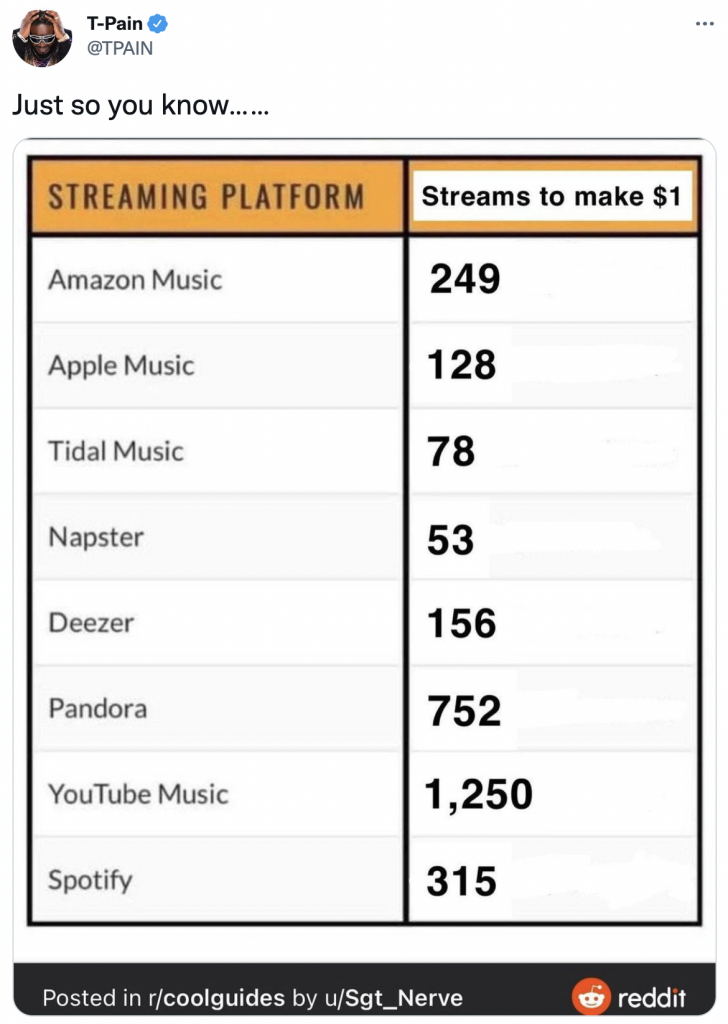
Pandora Pay Per Stream: Unlocking Effortless Earnings

For Pandora, pay per stream is how artists earn royalties based on their music plays. This method ensures fair compensation for artists.


Pandora’s pay per stream model is a key component in ensuring that artists receive proper compensation for their music. By tracking the number of streams their music receives, artists can accurately gauge their earnings. This system provides a transparent and effective way for musicians to monetize their work on the platform.


With pay per stream, Pandora is able to support artists while also providing listeners with a wide range of music options. This approach helps create a sustainable ecosystem where artists are incentivized to continue creating high-quality content for their audience.


The Rise Of Streaming Platforms

The rise of streaming platforms has revolutionized the music industry, with Pandora’s pay per stream model offering a new way for artists to monetize their music. This innovative approach provides a fair compensation system for musicians, making it a viable option in today’s digital landscape.

Changing Music Consumption Habits

In recent years, streaming services like Pandora have revolutionized how we listen to music.

They offer convenience and a vast library at our fingertips 24/7.

Users can now access millions of songs with just a few taps on their devices.

Impact On Artist Earnings

Streaming platforms have altered the way artists earn revenue from their music.

Artists earn based on the number of streams their songs receive.

This model has led to mixed feelings among musicians regarding their earnings.


Introduction To Pandora Pay Per Stream

Pandora Pay Per Stream revolutionizes the way artists are compensated for their music
by offering a transparent and efficient payment system based on the number of streams.
This innovative technology is reshaping the music industry and providing a fairer and
more sustainable model for artists and listeners alike.

What Is Pandora Pay Per Stream?

Pandora Pay Per Stream is a groundbreaking payment model that compensates music
artists based on the number of times their songs are streamed online. This approach ensures
that artists receive direct compensation for their work, promoting fairness and transparency
in the music industry.

Key Features And Benefits

  • Direct compensation for artists based on streaming frequency
  • Transparent payment system ensuring fair compensation
  • Promotes sustainability in the music industry

Maximizing Earnings With Pandora Pay Per Stream

As an artist or content creator, maximizing earnings through streaming platforms has become an essential aspect of career growth. With Pandora’s innovative Pay Per Stream model, creators can now optimize their content to generate higher revenue. Understanding the payment mechanism and optimizing content for higher earnings are crucial steps in maximizing earning potential on Pandora.

Optimizing Content For Higher Earnings

Crafting engaging and high-quality content is the cornerstone of maximizing earnings with Pandora’s Pay Per Stream model. Ensure your music or audio content is unique, well-produced, and resonates with your target audience. Utilize compelling album artwork and metadata to enhance discoverability and engagement. Additionally, exploring collaborations and promotional opportunities within Pandora’s platform can further elevate your content’s visibility, leading to increased streams and earnings.

Understanding Payment Mechanism

Understanding the intricacies of Pandora’s Pay Per Stream payment mechanism is vital for creators aiming to capitalize on their content. Familiarize yourself with the royalty calculation process and how Pandora compensates based on stream counts. Leveraging Pandora’s analytics tools to gain insights into listener demographics and engagement can assist in tailoring your content strategy for optimal performance and earnings. Being knowledgeable about the payment structure enables you to make informed decisions to boost your earning potential.

Pandora Pay Per Stream: Unlocking Effortless Earnings


Credit: www.digitalmusicnews.com

Navigating The Pandora Pay Per Stream Platform

Welcome to Pandora Pay Per Stream! In this section, we will explore how to navigate the platform and make the most of its features. Whether you’re a musician, podcaster, or artist, understanding how to navigate the platform is crucial for your success. Let’s dive in!

Registration And Setup Process

Getting started with Pandora Pay Per Stream is a breeze. The first step is to register and set up your account. Here’s a breakdown of the process:

  1. Create an account: Visit the Pandora Pay Per Stream website and sign up for an account using your email address.
  2. Complete your profile: After signing up, take a few minutes to complete your profile. Provide relevant information, such as your stage name, genre, and a profile picture. This will help listeners connect with you better.
  3. Upload your content: Once your profile is complete, it’s time to start uploading your content. Whether it’s a new song, podcast episode, or artwork, simply follow the platform’s guidelines to upload and publish your content.
  4. Set your pricing: Pandora Pay Per Stream allows you to set your own pricing for your content. Consider factors like your audience reach, content quality, and market trends when deciding on your pricing model. Don’t forget to regularly review and adjust your pricing to stay competitive.
  5. Promote your content: As an artist, it’s crucial to promote your content to reach a wider audience. Utilize social media platforms, collaborate with other artists, and engage with your fans to ensure maximum exposure for your work.

Utilizing Analytics For Decision Making

Pandora Pay Per Stream provides valuable analytics that can help you make data-driven decisions. Here’s how you can utilize these analytics:

  • Track audience engagement: Analyze metrics like the number of streams, likes, and comments to gauge your audience’s response to your content. This will help you understand what resonates with your listeners and inform your future creative decisions.
  • Identify popular content: Pay attention to the content that performs well and attracts the most streams. Identify patterns and themes to create similar content that appeals to your target audience.
  • Discover listener demographics: Delve into the analytics to understand your listener demographics better. This can include factors such as age, location, and listening habits. Use this information to tailor your content and marketing strategies to cater to your target audience.
  • Spot trends and opportunities: By keeping an eye on the analytics, you can identify emerging trends and opportunities within your genre. Stay ahead of the curve by adjusting your content strategy to align with these trends, ensuring you’re always relevant.

By navigating the Pandora Pay Per Stream platform effectively and utilizing the available analytics, you can propel your career forward in the digital music or podcasting industry. Take advantage of the platform’s features, engage with your audience, and continue refining your content to achieve optimal results. Happy streaming!

Future Trends And Opportunities

The future of the music industry relies heavily on the evolution of Pay Per Stream models, such as Pandora Pay Per Stream. As the digital landscape continues to transform, there are several emerging trends and opportunities that could significantly impact how artists, platforms, and listeners engage with and monetize music.

The Evolution Of Pay Per Stream Models

Pay Per Stream models have come a long way since their inception. Initially, streaming platforms offered a fixed rate per stream, which often left artists with minimal compensation for their work. However, the landscape has shifted, and the focus is now shifting towards providing a fairer compensation structure.

Today, Pandora Pay Per Stream is leading the charge by introducing innovative strategies that benefit both artists and listeners. With this model, artists not only receive compensation based on the number of streams but also take into account other factors such as engagement and listener feedback. This progressive approach ensures that artists are rewarded for their talent and dedication, while also promoting a thriving music community.

Potential Impact On The Music Industry

The potential impact of Pandora Pay Per Stream and similar models on the music industry is enormous. By shifting away from fixed-rate models, artists have the opportunity to earn fairer compensation for their music. This, in turn, can incentivize artists to focus on creating quality content and investing in their craft.

Furthermore, Pay Per Stream models open up new avenues for emerging artists to gain recognition and financial support. The accessibility and outreach of streaming platforms provide an equal playing field for musicians from all backgrounds, giving them a chance to compete with established artists on an equal footing.

With fair compensation and increased visibility, artists can expand their reach and build stronger connections with their fanbase. This creates a mutually beneficial relationship, as listeners gain access to a diverse range of music while supporting artists they love.

As the music industry continues to adapt to the digital era, Pay Per Stream models like Pandora Pay Per Stream could drive a positive revolution in the way music is produced, shared, and consumed. By empowering artists, providing fair compensation, and fostering a vibrant music community, these models unlock vast potential for growth and innovation.

Frequently Asked Questions Of Pandora Pay Per Stream

Do Artists Get Paid For Pandora Streams?

Artists earn royalties from Pandora streams based on the number of plays. Music creators receive compensation for each stream.

Can You Make Money Off Of Pandora?

Yes, you can make money off Pandora by signing up for Pandora’s AMP program and monetizing your music through ads.

Does Pandora Pay More Than Spotify?

Pandora generally pays more than Spotify per stream. Factors such as user engagement and geography affect the exact payouts.

What Is The Highest Paying Music Streaming Platform?

Spotify is currently the highest paying music streaming platform, offering competitive royalty rates to artists and content creators.

Conclusion

The Pandora pay per stream model has advantages for both artists and listeners. By providing fair compensation for artists and offering a diverse range of music choices for users, Pandora’s pay per stream system contributes to a sustainable and enjoyable music industry.


With innovative technologies, Pandora continues to adapt and enhance the streaming experience for all parties involved.

Categories
Archive

Ditto Music Distribution Review: Unveiling the Power of Reliable Music Promotion

Ditto Music Distribution offers a user-friendly platform for independent musicians to distribute their music globally. Their services include digital distribution to major streaming platforms.


With Ditto Music, artists can retain 100% of their royalties and have access to helpful analytics. Additionally, they provide marketing support and assist in promoting music releases. Their straightforward pricing model makes it easy for musicians to get their music out to a wide audience.


Overall, Ditto Music is a valuable resource for independent artists looking to increase their visibility in the music industry.


The Story Of Ditto Music

From Humble Beginnings

Ditto Music started as a small independent record label in 2005.

Revolutionizing The Music Industry

They quickly transitioned into digital distribution, empowering artists worldwide.

Ditto Music Distribution Services

Ditto Music Distribution Services offer a range of tools to promote artists and distribute their music effectively.

Digital Distribution

Ditto Music enables artists to distribute their music widely across major online platforms like Spotify, Apple Music, and Amazon Music.

Artist Promotion Tools

  • Ditto Music provides artists with resources to increase their online presence through social media promotion and music marketing strategies.
  • Artists can access real-time data analytics to track their performance and engagement levels across different platforms.

Benefits Of Using Ditto Music

Ditto Music is a leading music distribution service that offers independent artists and labels the opportunity to share their music with a global audience. Utilizing Ditto Music provides several benefits for musicians, including expanded global reach and revenue transparency.

Global Reach

By partnering with Ditto Music, artists gain access to a vast global network of digital music platforms, allowing their music to reach audiences around the world. Ditto Music’s extensive distribution channels ensure that artists can connect with listeners in various regions and markets.

Revenue Transparency

One of the key benefits of using Ditto Music is the transparency it offers in tracking and reporting revenue. Artists can easily monitor their earnings and understand the financial impact of their music distribution efforts. This transparency instills confidence and trust in the distribution process, empowering artists with critical financial insights.

Success Stories With Ditto Music

When it comes to music distribution, Ditto Music has established itself as a trusted platform for independent artists and label partnerships. With its easy-to-use features and comprehensive services, Ditto Music has helped numerous musicians and labels achieve success in the ever-evolving music industry. In this section, we will delve into some success stories of independent artists and label partnerships who have benefited from using Ditto Music.

Independent Artists

Ditto Music has provided countless independent artists with the tools and resources to distribute their music worldwide. One such success story is the rise of The Indie Duo. As aspiring singer-songwriters, they initially struggled to get their music heard. However, after signing up with Ditto Music, they saw a significant increase in their music sales and streaming numbers. With Ditto Music’s global distribution network, their music reached audiences they never thought possible. Today, they continue to reach new heights in their music career, capturing the attention of both fans and industry professionals alike.

Another inspiring success story is that of The Rising Star. This talented artist had been working tirelessly to make a name for himself in the competitive music industry. However, it wasn’t until he partnered with Ditto Music that things truly took off. Through Ditto Music’s promotional tools and industry connections, his music gained widespread recognition. His songs were featured on popular playlists and radio stations, catapulting him into the spotlight. With Ditto Music’s guidance, he continues to amass a dedicated fanbase and achieve new milestones.

Label Partnerships

Ditto Music also boasts successful label partnerships, supporting established and emerging record labels in their journey. One such partnership is with The Independent Record Label. With Ditto Music’s distribution services, this label was able to maintain complete control over their releases, while reaching a larger audience. Through Ditto Music’s comprehensive analytics, they gained valuable insights into their audience demographics and listening habits, enhancing their marketing strategies. Today, this independent record label thrives, with a roster of talented artists and a loyal fanbase.

Furthermore, Ditto Music played a pivotal role in the growth of The Rising Indie Label. As a new label, they faced numerous challenges in establishing themselves in a highly competitive industry. However, by partnering with Ditto Music, they received expert guidance on music distribution, marketing, and copyright management. Ditto Music’s personalized support enabled them to navigate the complexities of the music industry successfully. As a result, this rising indie label has flourished, signing promising artists and securing lucrative opportunities.

In conclusion, Ditto Music has been instrumental in the success of both independent artists and label partnerships. With its user-friendly platform and comprehensive services, it continues to empower musicians and labels, giving them the tools they need to thrive in the music industry.

Comparing Ditto Music To Competitors

When it comes to music distribution, choosing the right platform is crucial for independent artists seeking to get their music out there. While there are several options available, Ditto Music has emerged as a popular choice among musicians. In this article, we will compare Ditto Music to its competitors in terms of cost-effectiveness and customer support, helping you make an informed decision.

Cost-effectiveness

One of the primary factors to consider when choosing a music distribution platform is cost-effectiveness. After all, as an independent artist, you want to maximize your earnings from your music. In terms of pricing, Ditto Music offers a competitive and transparent pricing structure that won’t break the bank. Their pricing plans are straightforward, allowing you to choose the one that best aligns with your needs and budget.

Ditto Music provides great value for money, offering unlimited distribution for a flat fee. This means you can distribute as much music as you want without worrying about any additional costs. With Ditto Music, you retain 100% of your royalties, ensuring that your hard work pays off.

Customer Support

Another crucial aspect to consider when comparing Ditto Music to its competitors is the level of customer support provided. As an artist, you want a platform that is responsive and helpful when you encounter any issues or have questions.

Ditto Music excels in this area, providing excellent customer support to its users. Their knowledgeable and friendly support team is always ready to assist you with any queries or concerns you may have. Whether it’s a technical issue or help with understanding the distribution process, Ditto Music’s support team is known for their prompt and helpful responses.

Moreover, Ditto Music offers an extensive knowledge base and resources on their website, giving you access to valuable information and step-by-step guides. This empowers independent artists by providing them with the tools and knowledge they need to navigate the music industry successfully.

In Conclusion

When comparing Ditto Music to its competitors, it’s clear that this platform stands out for its cost-effectiveness and exceptional customer support. With Ditto Music, you can distribute your music without breaking the bank while receiving top-notch assistance along the way. So, if you’re an independent artist looking for a reliable and affordable music distribution platform, Ditto Music might just be the perfect fit for you.


Ditto Music Distribution Review: Unveiling the Power of Reliable Music Promotion


Credit: breakbeatsamplepacks.com

Frequently Asked Questions Of Ditto Music Distribution Review

Is Ditto Music Publishing Legit?

Yes, Ditto Music publishing is a legit platform for artists to publish their music. It offers distribution and promotion services.

Is Ditto Music Better Than Distrokid?

DistroKid is preferred by many for its ease of use and affordability, while Ditto Music offers more personalized support and a wider range of services. Both are popular choices depending on individual needs.

How Much Does Ditto Music Pay?

Ditto Music pays artists by distributing royalties earned from their music sales and streams. The amount paid varies based on the artist’s sales and streaming revenue.

Does Ditto Music Have Hidden Fees?

No, Ditto Music does not have hidden fees. All costs are transparent and clearly stated.

Conclusion

Ditto Music Distribution offers a user-friendly and cost-effective platform for independent artists to distribute their music. With its straightforward process and global reach, it empowers musicians to take their careers into their own hands. Its comprehensive features and supportive community make it a valuable choice for any aspiring artist.


Start your musical journey with Ditto today!

Categories
Archive

After Your Music Release: Boost Your Success with These Powerful Strategies

After your music release, it is crucial to promote it actively to reach your target audience effectively. Utilize social media, collaborations, and online platforms to boost visibility and engagement.


Generating buzz around your music will help maximize its impact and reach potential fans worldwide. Releasing music is just the beginning of your journey as an artist. Promoting and marketing your work is essential to attract listeners and grow your fan base.


Leveraging social media platforms, connecting with influencers, and seeking playlist placements can elevate your music reach and cultivate a loyal following. In this saturated music market, strategic promotion is key to standing out and making a lasting impression on your audience.


Build Anticipation

Building anticipation for your music release is crucial to engage your audience and generate excitement.

Tease Your Audience

Give your fans a sneak peek into your upcoming music through teasers.

Create Engaging Content

Utilize social media platforms to share behind-the-scenes footage and interactive polls.

After Your Music Release: Boost Your Success with These Powerful Strategies


Credit: www.mayple.com

Expand Your Reach

Expand Your Reach:

Collaborate With Influencers

Partner with influencers in your music genre to reach their dedicated fanbase.

Look for influencers who align with your music style to ensure a relevant audience.

Share snippets of your music on their platforms to maximize exposure.

Utilize Social Media Channels

Take advantage of various social media platforms to promote your music release.

Engage with your followers by posting regularly about your music journey.

Utilize features like Instagram Stories and Facebook Live to connect with your audience.

Maximize Exposure

After your music release, it’s crucial to maximize exposure to reach a wider audience. Here are essential strategies to boost visibility and engagement for your music.

Submit To Playlists And Radio Stations

To amplify your music’s reach, submitting it to popular playlists and radio stations is essential. Utilize platforms like Spotify for Artists and Apple Music for Artists to pitch your music to influential playlists. Additionally, research radio stations that align with your music genre and submit your tracks for potential airplay.

Seek Press Coverage

Securing press coverage can significantly elevate your music’s visibility. Reach out to music blogs, magazines, and online publications to pitch your story and music. Craft compelling press releases detailing your latest release, aiming to capture the attention of journalists and bloggers in the industry.

Maintain Momentum

After your music release, it’s crucial to maintain momentum. Engage with your audience through social media, share behind-the-scenes content, and plan for future releases to keep the excitement alive. Continuing to connect with fans and promoting your music will help sustain interest and grow your following.

The release of your music is just the start of your journey as an artist. To build a successful career, it’s crucial to maintain momentum and engage with your fans. By keeping the excitement alive and planning for the future, you can continue to grow as an artist and maximize the impact of your music.

Engage With Your Fans

One of the most important aspects of maintaining momentum is engaging with your fans. These are the people who support and appreciate your music, and it’s essential to nurture those relationships. Here are some strategies to consider:

  • Use social media platforms
  • Post regular updates about your music, upcoming shows, and behind-the-scenes content.
  • Respond to comments and messages promptly to show your appreciation and build a connection with your audience.
  • Hold contests or giveaways to encourage interaction and reward your most avid supporters.
  • Create a mailing list
  • Collect email addresses to send personalized updates, exclusive content, and special offers.

Plan Follow-up Releases

An effective way to maintain momentum is to plan for follow-up releases. By keeping a steady stream of new music, you can keep your fans engaged and attract new listeners. Here’s how you can go about it:

  1. Set realistic release schedules
  2. Plan ahead and create a timeline for your future releases.
  3. Consider working on multiple songs simultaneously to ensure a consistent output.
  4. Collaborate with other artists
  5. By collaborating with other musicians, you can tap into their fan base and introduce your music to new audiences.
  6. Plan strategically
  7. Plan your releases around important events, holidays, or trending topics to garner additional attention and boost your reach.

To Sum It Up

Maintaining momentum after a music release is crucial for building a successful career. By engaging with your fans and planning for follow-up releases, you can keep the excitement alive and continue to grow as an artist. Remember to stay connected, plan strategically, and most importantly, keep creating great music to captivate your audience.

Evaluate And Adjust

After the release of your music, the work doesn’t stop there. To ensure the success of your release, you need to evaluate its performance and make necessary adjustments to your strategy. This step is crucial in understanding what worked well and what needs improvement, allowing you to fine-tune your approach for future releases. In this section, we will discuss how to analyze performance metrics and refine your strategy for optimal results.

Analyze Performance Metrics

When it comes to evaluating your music release, analyzing performance metrics is essential. These metrics provide valuable insights into how your release is performing and identify areas that need attention. By monitoring these metrics, you can gauge the effectiveness of your promotional efforts and make data-driven decisions.

Here are some key performance metrics to consider:

  • Streaming and Downloads: Look at the number of streams and downloads your release has received. This metric helps you understand the popularity and reach of your music.
  • Social Media Engagement: Monitor the engagement on your social media platforms. This includes likes, comments, shares, and overall interactions. It gives you an idea of how your audience is responding to your music.
  • Website Traffic: Analyze the traffic to your website and see how it has changed since the release. If you have a blog or a dedicated page for your release, track the number of visits and time spent on the page.
  • Playlist Placements: Take note of any playlist placements your music has received. Being featured on curated playlists can greatly increase your exposure and popularity.

Refine Your Strategy

Once you have analyzed the performance metrics, it’s time to refine your strategy. Use the insights gained from the data to make informed decisions on how to improve your release and optimize future campaigns. Here are some tips to help you refine your strategy:

  1. Identify Successful Promotional Channels: Determine which promotional channels have yielded the best results. Focus on those channels and allocate more resources to maximize their impact.
  2. Engage with Your Audience: Look for patterns in the social media engagement and identify the content or posts that resonated most with your audience. Use this information to create more engaging content in the future.
  3. Collaborate with Influencers: If you noticed that certain influencers or music blogs have helped boost your music’s visibility, consider reaching out for potential collaborations in future releases.
  4. Adjust Your Release Schedule: Evaluate the timing of your release and determine if there are better times to reach your audience. Experiment with different release dates and times to find the optimal schedule.

By continuously evaluating and adjusting your strategy based on performance metrics, you can enhance the impact of your music releases. Remember, adapting and improving is key to achieving long-term success in the ever-evolving music industry.


Frequently Asked Questions On After Your Music Release

What To Do After You Release Music?

Promote on social media, engage with fans, pitch to playlists, collaborate with influencers, and plan for upcoming releases.

How Long Should You Promote A Single After Release?

Promote a single for at least 4-6 weeks after release to maximize visibility and engagement. Regularly share content on social media and collaborate with influencers to extend reach. Utilize email marketing and press releases to maintain momentum. Monitor analytics to adjust strategy as needed.

What Is It Called When A Song Is Released?

When a song is released, it is called a music release or a single release.

How Do You Promote An Album After Its Released?

Promote an album after release by utilizing social media, creating engaging content, reaching out to influencers, booking live performances, and collaborating with other artists.

Conclusion

As you navigate through the post-release phase, remember to engage with your audience and capitalize on promotional opportunities. Harness the power of social media and collaboration to build momentum. Stay committed to honing your craft and learning from each release.


Embrace the journey and keep pushing forward. Your music deserves to be heard.

Categories
Archive

How To Write Melodies: Unleash Your Creative Musical Genius!

To write melodies, start by creating a catchy and memorable sequence of notes that evoke emotions. Structure the melody with a clear beginning, middle, and end to engage listeners.


Crafting a unique melody involves experimenting with rhythm, harmony, and phrasing to capture the essence of your music. Melody writing is a fundamental skill for any songwriter or composer. A strong melody can make or break a song, setting it apart and resonating with audiences.


By understanding the basic principles and techniques of melody writing, you can elevate your music to new heights. Whether you are a seasoned musician or a beginner, mastering the art of writing melodies is essential for creating impactful and memorable music. With practice and creativity, you can develop your own signature sound that leaves a lasting impression on listeners.


The Importance Of Melodies

Emotional Impact

Melodies have a profound emotional impact on listeners, evoking feelings of joy, sadness, or excitement in a short span.

Memorability

Memorable melodies stay with us, engaging our minds and creating long-lasting impressions.

How To Write Melodies: Unleash Your Creative Musical Genius!


Understanding Musical Scales

Musical scales are the fundamental building blocks of melodies and understanding them is crucial for any aspiring songwriter or composer.

Major And Minor Scales

Major scales are bright and uplifting, while minor scales tend to have a more melancholic or darker feel.

Pentatonic Scales

Pentatonic scales are versatile and commonly used in various musical genres due to their simple and pleasant sound.

Crafting Catchy Melodies

Crafting catchy melodies is an essential skill for any songwriter or composer. A well-crafted melody has the power to captivate listeners and leave a lasting impact. When it comes to writing melodies, there are several key techniques that can help you craft catchy and memorable tunes.

Repetition And Variation

Repetition is a powerful tool for creating a catchy melody. By repeating certain musical phrases or motifs, you can create a sense of familiarity and make the melody more memorable. However, it’s important to balance repetition with variation. Adding subtle differences to each repetition can add depth and interest to the melody, keeping it engaging for the listener.

Rhythmic Interest

Crafting a catchy melody also involves paying attention to rhythmic interest. Varying the rhythm within the melody can create a sense of movement and energy. Incorporating syncopated rhythms or unexpected pauses can add a unique and memorable quality to the melody.


Exploring Melodic Techniques

When it comes to writing melodies, exploring various melodic techniques is essential. These techniques help to create catchy and memorable tunes that resonate with listeners. By understanding the principles of melody, you can effectively convey emotions, ideas, and stories through your music. In this post, we will delve into the different melodic techniques that you can incorporate into your songwriting process to compose captivating melodies.

Stepwise Motion

Stepwise motion is a fundamental melodic technique that involves moving from one note to the next in a sequential and linear manner. This technique creates a smooth and flowing melody, emphasizing a sense of cohesion. Utilizing stepwise motion allows you to establish a strong melodic foundation for your composition.

Here are some tips to enhance stepwise motion in your melodies:

  1. Start by outlining the scale of the key that you are composing in. This will give you a roadmap for creating stepwise melodies.
  2. Experiment with different rhythm patterns and note durations to add variation and interest to your stepwise motion.
  3. Consider incorporating small intervals, such as seconds and thirds, to add subtle melodic twists and turns.

Leaps And Jumps

Unlike stepwise motion, leaps and jumps involve larger intervals between notes, creating a more dynamic and expressive melodic movement. This technique adds excitement and unpredictability to your melodies, capturing the listener’s attention.

Here are some techniques to incorporate leaps and jumps effectively:

  • Identify specific moments in your song where you want to create impact or contrast. These are perfect opportunities to incorporate larger intervals.
  • Experiment with different intervals, such as fourths, fifths, and octaves, to create a range of melodic leaps.
  • Use leaps strategically to emphasize certain lyrics or convey specific emotions.

By combining stepwise motion and leaps and jumps, you can create melodies that are both fluid and captivating. Don’t be afraid to experiment with these melodic techniques to find what works best for your style and message. Remember, the goal is to create melodies that resonate with your audience and leave a lasting impression.

Harmonizing Melodies

When it comes to writing melodies, harmonization plays a vital role in enhancing the overall musical experience. Harmonizing melodies involves adding chords and additional notes to complement the melody and create a rich, multi-dimensional sound. In this section, we will explore chord progressions and counterpoint as two essential techniques for harmonizing melodies.

Chord Progressions

A chord progression is a sequence of chords that are played in a specific order to support the melody. It helps establish the tonality and mood of a piece, adding depth and complexity to the overall composition. Choosing the right chord progression can significantly impact the emotional impact of a melody. Here are a few guidelines to keep in mind when harmonizing melodies:

  • Start by identifying the key of the melody. This will determine the set of chords that are harmonically compatible with the melody.
  • Experiment with different chord progressions that fit within the key. Common chord progressions include the I-IV-V, ii-V-I, and vi-IV-V.
  • Consider the rhythmic and melodic elements of the melody when selecting chords. Aim for a harmonization that enhances the natural flow and phrasing of the melody.
  • Explore inversions and voicings to create interesting and unique harmonic textures.

Counterpoint

Counterpoint is the technique of combining two or more melodic lines that are independent yet harmonically pleasing. It adds a layer of complexity and musical interest to a melody. When harmonizing melodies through counterpoint, keep the following tips in mind:

  1. Ensure that each melodic line is distinct and has its own unique character.
  2. Avoid parallel fifths and octaves, as they create a sense of monotony or lack of movement.
  3. Experiment with different intervals and melodic motifs to create melodic interactions that are both harmonically pleasing and engaging to the listener.
  4. Strive for balance and symmetry in the overall composition.

By combining chord progressions and counterpoint techniques, you can create harmonizations that elevate the melodies to new heights. Remember to trust your musical intuition and experiment with different possibilities to find the harmonization that best complements your melody. Happy composing!


Frequently Asked Questions Of How To Write Melodies

How Can I Write A Melody?

To write a melody, start by choosing a key and creating a simple chord progression. Then, hum or play different melodies until you find one that resonates. Consider the rhythm, intervals, and emotions you want to convey. Lastly, refine and develop the melody until it feels right.

What Makes A Melody Catchy?

A catchy melody is typically simple, repetitive, and easy to remember. Strong hooks, rhythm, and emotional appeal also play a key role.

What Is A Good Example Of Melody?

A good example of a melody is the tune of “Twinkle, Twinkle, Little Star” – simple, catchy, and easily recognizable.

What Notes To Use For Melody?

For creating a melody, use notes from the corresponding scale. Experiment with different combinations for unique melodies. Consider the feeling and emotion you want to convey when choosing notes. Incorporating variety and patterns in your melody can make it more engaging.

Conclusion

In wrapping it up, mastering the art of writing melodies takes time and practice. By understanding the principles of melody writing and experimenting with different techniques, you can create captivating and memorable tunes. Stay open to inspiration from various sources and always trust your instincts.


With dedication and perseverance, you can craft melodies that resonate with your audience and leave a lasting impact. Keep honing your skills, and soon you’ll be composing melodies that stand out in the music world.