Categories
Archive

Mixing Mastering Tips: Power Up Your Sound

When mixing and mastering, pay attention to levels, EQ, and compression for a polished sound. Effective techniques include using reference tracks, monitoring on multiple devices, and taking breaks to avoid ear fatigue.

By following these tips, you can enhance the clarity, balance, and overall quality of your music production. Consistency in levels and frequencies, as well as experimenting with different effects and settings, can also contribute to a professional and well-rounded sound.

In the competitive music industry, a well-mixed and mastered track can make all the difference in standing out. Professionals and aspiring producers alike can benefit from implementing these strategies to elevate their sound and engage listeners on a deeper level. Let’s delve into some key tips and techniques for achieving stellar mixing and mastering results that will set your music apart from the rest.
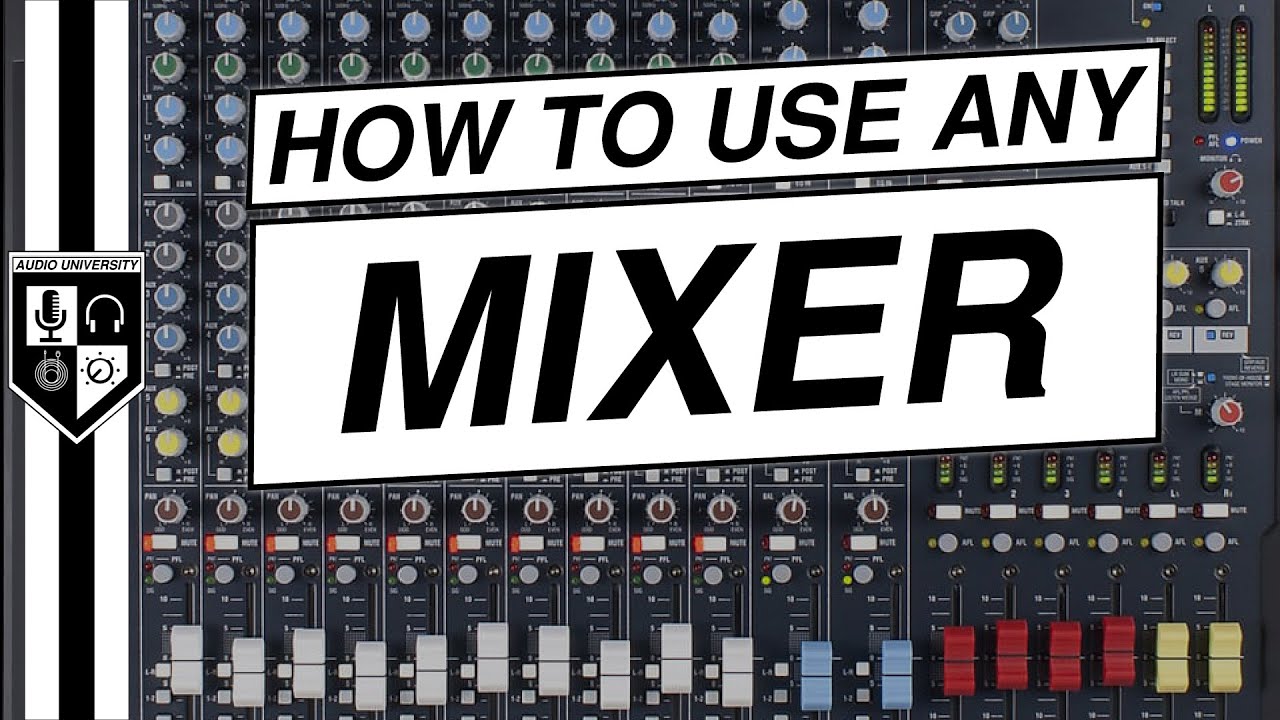
Mixing Mastering Tips: Power Up Your Sound

Credit: www.youtube.com

Maximizing Your Mix

Mixing Mastering Tips: Maximizing Your Mix

Create a well-balanced mix by focusing on individual elements. This ensures every aspect of your music has its place.

Balancing Your Elements

Avoid overcrowding your mix with too many elements. Each instrument should complement one another.

Allocate space for vocals, drums, bass, and other key elements. Adjust volumes to bring out the best in each component.

Utilizing Panning Techniques

Enhance the stereo image by strategically panning different elements. Distribute sounds across the stereo field for a more immersive experience.

  • Pan instruments to the left or right to create depth and width.
  • Experiment with panning to find the perfect placement for each sound.
  • Balance the panning to keep the mix centered and cohesive.

Mixing Mastering Tips: Power Up Your Sound

Credit: www.sweetwater.com

Harnessing The Power Of Eq

Understanding Frequency Ranges

Low frequencies are found in the range of 20-250 Hz, shaping the foundation of your mix.

Mid frequencies (250 Hz – 4 kHz) provide warmth and presence to instruments and vocals.

High frequencies (4 kHz – 20 kHz) add clarity and sparkle to your tracks.

Sculpting Your Sound With Eq

Identify problem frequencies and cut them to create a cleaner mix.

Boosting specific frequencies can enhance the character of individual instruments.

Use a spectrum analyzer to visualize your EQ adjustments and make informed decisions.


Mastering Dynamics

Mastering dynamics plays a crucial role in achieving a balanced and polished sound for your audio tracks. Understanding and effectively manipulating dynamics utilizing compression and limiting techniques can elevate the quality of your final mix. Let’s delve into the essential mastering dynamics techniques that can help you achieve professional-sounding results.

Using Compression Effectively

Compression is a key tool in controlling the dynamics of audio, reducing the dynamic range, and ensuring that the loudest and quietest parts of the track are balanced. When using compression during mastering, apply gentle and transparent settings to maintain the natural dynamics of the music, enhancing the overall clarity and cohesion of the mix.

Applying Limiting Techniques

Limiting is a critical process in mastering that helps prevent audio levels from exceeding a certain point, ensuring that the track doesn’t clip and maintains a consistent volume. Utilize a transparent limiter with a careful approach to avoid over-compression, while still providing sufficient control over the peaks and transients of the audio.

Mixing Mastering Tips: Power Up Your Sound

Credit: www.facebook.com

Achieving Clarity With Reverb And Delay

To achieve clarity in your mix, consider using reverb and delay sparingly. Overusing these effects can muddy the sound, making it harder for listeners to discern individual elements. Apply them judiciously to add depth and ambiance without overwhelming the overall sound.

Mastering this technique can elevate your mix to the next level.

Achieving Clarity with Reverb and Delay When it comes to mixing and mastering, achieving clarity is essential to create a professional sound. One way to achieve clarity is by using reverb and delay in a strategic manner. These two effects can help create a sense of space, depth, and dimension in your mix, making it sound more polished and professional. Creating Space and Depth with Reverb Using reverb can help create an illusion of space within your mix. It adds a sense of depth and dimension, making your audio sound like it’s coming from a specific environment. Whether you want your vocals to sound like they’re in a small room or a large concert hall, reverb can help achieve that desired sonic aesthetic. To create space and depth with reverb, follow these tips: 1. Start by choosing the right reverb plugin or hardware unit that suits the style of your mix. There are various types of reverbs available, such as plate, hall, room, and spring, each with its own unique characteristics. Experiment with different reverbs to find the one that complements your mix the best. 2. Use reverb sparingly. Adding too much reverb can muddy up your mix and make it sound washed out. Find the right balance by adjusting the reverb’s wet/dry mix and decay time settings. Aim for a natural-sounding reverb that enhances the individual elements in your mix without overpowering them. 3. Consider using different reverb settings for different elements in your mix. For example, you might use a shorter reverb with less decay for vocals to keep them upfront and clear, while using a longer reverb with more decay for instruments such as guitars or pianos to give them a sense of space and depth. Enhancing Your Mix with Delay Delay is another powerful effect that can enhance your mix by adding rhythmic texture and depth. It is often used to create echoes or repeat certain elements of a mix, adding a sense of movement and interest. To enhance your mix with delay, keep the following tips in mind: 1. Choose the right delay type for your mix. There are various types of delays, such as analog, digital, tape, and ping-pong. Each type has its own unique character and sound. Experiment with different types of delays to find the one that complements your mix the best. 2. Adjust the delay time to create rhythmic patterns that fit well with the tempo of your mix. Shorter delay times can add a sense of urgency and excitement, while longer delay times can create a more relaxed and ambient atmosphere. Use your ears and trust your instincts to find the right balance. 3. Consider using delay as a creative effect. In addition to adding depth and space, delay can also be used to create interesting rhythmic patterns or to emphasize certain elements in your mix. Try automating the delay parameters to create movement and variation throughout your mix. By using reverb and delay effectively, you can achieve clarity in your mix while adding depth, space, and dimension. Experiment with different settings, be creative, and trust your ears to create a polished and professional sound that grabs the listener’s attention.

Polishing Your Master

Mastering is the final step in the music production process where your tracks are refined and polished to achieve the best possible sound. In this section, we will discuss some essential tips to polish your master, including enhancing loudness with limiting and balancing the final mix.

Enhancing Loudness With Limiting

In order to make your music stand out and compete with other tracks in the market, it is important to ensure that your master is loud enough without sacrificing the dynamics and clarity of the mix. One technique for achieving loudness is by using a limiter.

A limiter is a tool that controls the peak levels of your audio, allowing you to increase the overall loudness without causing distortion or unwanted artifacts. By carefully adjusting the threshold and ratio settings of the limiter, you can effectively boost the perceived loudness of your master.

However, it is crucial to use limiting sparingly and with caution. Excessive use of limiting can result in a loss of dynamics and a squashed sound. It is recommended to set the limiter to a maximum gain reduction of around 1-2 dB to maintain a balanced and dynamic master.

Balancing The Final Mix

An important aspect of polishing your master is achieving a balanced mix. This involves ensuring that all the elements in your track are well-balanced in terms of volume and frequency distribution. Here are some tips to help you achieve a balanced final mix:

  1. Use reference tracks:
  2. Listen to well-mixed and mastered tracks in a similar genre to get a reference for the overall balance. Pay attention to how different instruments and elements are positioned in the mix.

  3. EQ adjustments:
  4. Use EQ to fine-tune individual elements in your mix. Cut frequencies that are clashing and boost frequencies that need more presence or clarity.

  5. Panning:
  6. Experiment with panning to create a sense of space and separation between different elements. This will help maintain clarity and prevent the mix from sounding cluttered.

  7. Level adjustments:
  8. Make sure that no element in your mix is overpowering or getting lost. Adjust the volume levels of individual tracks to create a well-balanced sound.

  9. Compression:
  10. Use compression to control the dynamic range of different elements in your mix. This will help to even out the volume levels and create a more cohesive sound.

By carefully applying these techniques, you can achieve a polished and professional-sounding master that stands out in the competitive music industry.

Frequently Asked Questions For Mixing Mastering Tips

What Are Some Essential Mixing And Mastering Tips?

Some essential mixing and mastering tips include properly balancing audio levels, using effects sparingly and strategically, and referencing your mix on different devices to ensure it sounds good on all platforms. Additionally, using EQ to carve out space for different elements and ensuring a clean and loud master are important aspects to consider.

How Can I Improve My Mixing Skills?

To improve your mixing skills, practice regularly, study and analyze other professional mixes, and experiment with different techniques and plugins. Additionally, using reference tracks, taking breaks during the mixing process, and using quality monitoring equipment can help you develop a critical ear and make more informed decisions during mixing.

What Is The Difference Between Mixing And Mastering?

Mixing is the process of combining multiple audio tracks into a stereo file, adjusting the levels, panning, EQ, and adding effects to create a balanced and cohesive sound. Mastering, on the other hand, is the final step in the production process where the mixed tracks are processed and optimized for distribution, ensuring they sound their best across different playback systems.

Conclusion

In closing, mastering and mixing are crucial steps in music production. By focusing on proper levels, dynamics, and spatial effects, you can enhance the overall quality of your music. Utilizing the right tools, techniques, and a keen ear will ensure a professional and polished sound for your tracks.

Keep practicing and experimenting to find your unique sound!
Categories
Archive

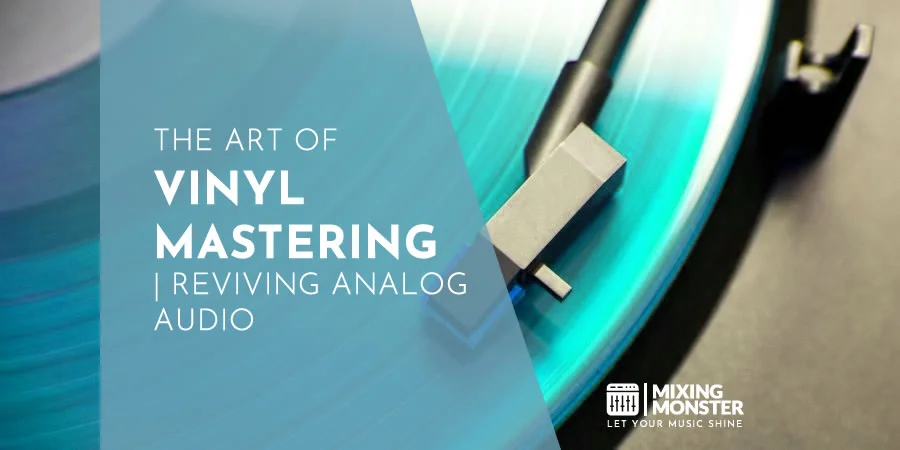
Mixing And Mastering Difference : Unveiling the Art of Audio Optimization

Mixing and mastering are post-production processes that enhance audio quality and balance levels. Mixing involves combining individual tracks into a cohesive sound, while mastering focuses on finalizing and polishing the overall audio.

In the music production industry, these two elements play a crucial role in the final product’s quality. Mixing involves adjusting levels, panning, and adding effects to create a balanced and harmonious mix. On the other hand, mastering fine-tunes the mix by optimizing it for various playback systems and ensuring consistency across different devices.

Both mixing and mastering are essential steps in achieving a professional sound that meets industry standards and captivates listeners. Understanding the differences between mixing and mastering is key to producing high-quality audio content.

Understanding The Basics

Mixing Vs Mastering

Mixing combines individual tracks into a cohesive song with proper balance.

Mastering polishes the final mix, ensuring consistency and optimization for all playback systems.

Importance Of Audio Optimization

  • Optimizing audio enhances the overall sound quality of a track.
  • Balancing levels ensures each element can be heard clearly.
  • Correcting frequencies eliminates any sound inconsistencies.
  • Applying dynamics processing evens out the volume levels for a more professional sound.

The Mixing Process

The mixing process involves blending multiple audio tracks to create a cohesive and balanced sound. This differs from mastering, which focuses on polishing the overall mix to ensure optimal sound quality. Both processes are essential in producing professional-sounding music or audio recordings.

The Mixing Process Balancing Tracks In the mixing process, balance the volume levels of all tracks to create a cohesive sound. Adding Effects and Equalization Utilize effects like reverb and delay to enhance the sonic quality. Apply equalization to adjust frequencies for clarity.

The Mastering Process

The mastering process is a crucial step in the production of music and ensures that the final product is polished and ready for distribution. This stage involves finalizing the mix and optimizing it for various playback systems.

Finalizing The Mix

During the mastering process, the audio engineer carefully fine-tunes the mix to ensure that each element is well-balanced and that the overall sound is cohesive. This involves making adjustments to the levels, stereo imaging, and EQ to enhance the clarity and impact of the music.

Optimizing For Various Playback Systems

Another important aspect of mastering is optimizing the music to sound good on a variety of playback systems, from high-end studio monitors to earbuds and car stereos. This is achieved through careful compression, limiting, and equalization to ensure that the music translates well across different devices and environments.

Mixing And Mastering Difference  : Unveiling the Art of Audio Optimization

Credit: mixingmonster.com

Tools Of The Trade

When it comes to mixing and mastering, having the right tools is essential. Whether you are a beginner or a seasoned professional, understanding the different tools that are available can help take your audio production to the next level. In this section, we will explore the key tools used in the mixing and mastering process: Digital Audio Workstations (DAWs) and Mastering Software and Hardware.

Digital Audio Workstations

Digital Audio Workstations, commonly referred to as DAWs, are the backbone of any audio production. They provide a platform for recording, editing, and mixing audio tracks. DAWs come equipped with a range of features such as virtual instruments, effects plugins, and automation capabilities. Some popular DAWs used by professionals include:

  1. Ableton Live
  2. Logic Pro X
  3. Pro Tools
  4. FL Studio
  5. Steinberg Cubase

Each DAW has its own unique interface and workflow, so it’s important to choose one that aligns with your preferences and requirements. Additionally, DAWs offer various levels of flexibility and compatibility with different operating systems, so it is worth considering which platform you will be working on.

Mastering Software And Hardware

While DAWs handle the core mixing and editing tasks, mastering software and hardware are specifically designed for the final polishing and fine-tuning of the audio tracks. Here are some commonly used mastering tools:

  • EQ (Equalization): This tool helps shape the individual frequency bands of the audio to achieve balance.
  • Compressors: Compressors control the dynamic range of the audio, ensuring consistent volume levels.
  • Limiters: Limiters prevent the audio from exceeding a set peak level, providing loudness without distortion.
  • Stereo Imaging: Stereo imaging tools enhance the width and depth of the audio’s stereo field.
  • Multiband Compressors: Multiband compressors allow for more precise control over different frequency ranges.

In addition to software plugins, some mastering engineers may also use hardware processors such as equalizers, compressors, and analog tape machines to achieve a specific sound character. Each mastering tool has its own unique features and settings, allowing engineers to finely sculpt the audio to achieve the desired result.


Mastering In The Digital Age

Mastering in the Digital Age has revolutionized the way audio is optimized and enhanced. With the advancement of technology, mastering engineers now have access to a plethora of tools and techniques that were previously unavailable.

Challenges And Opportunities

Mastering in the Digital Age brings its fair share of challenges and opportunities for audio engineers. One of the major challenges faced is the need for constant adaptation to new software and techniques. Digital audio workstations (DAWs) and plugins are constantly being updated and improved, requiring engineers to stay up-to-date with the latest trends and developments.

However, these challenges also present numerous opportunities. The accessibility of affordable recording equipment and software has empowered musicians and producers to take control of their own music. This means that mastering engineers have an ever-expanding client base and are constantly presented with new and diverse projects to work on.

Trends In Audio Optimization

The digital age has brought about a myriad of trends in audio optimization. One such trend is the increasing emphasis on loudness. In an era where music is consumed through various streaming platforms, artists and engineers strive to make their tracks stand out by maximizing loudness while maintaining dynamic range.

Another trend is the use of spectral shaping plugins. These plugins allow engineers to target specific frequencies and make precise adjustments, resulting in a more polished and balanced final mix.

Furthermore, the rise of virtual mastering services has democratized the mastering process. Artists can now upload their tracks to online platforms and have them mastered remotely by experienced professionals, eliminating the need for in-person sessions and potentially reducing costs.

Lastly, the increasing demand for high-resolution audio has prompted mastering engineers to cater to audiophiles who seek the highest level of fidelity. This has led to the use of specialized techniques and tools to ensure that the final master is true to the original recording.

In conclusion, the digital age has brought both challenges and opportunities for mastering in the audio industry. With advancements in technology and the evolving demands of musicians and listeners, mastering engineers have embraced new tools and techniques to deliver high-quality, optimized audio that suits the digital landscape.

Mixing And Mastering Difference  : Unveiling the Art of Audio Optimization

Credit: www.linkedin.com

Mixing And Mastering Difference  : Unveiling the Art of Audio Optimization

Credit: issuu.com

Frequently Asked Questions Of Mixing And Mastering Difference

What Is The Difference Between Mixing And Mastering In Music Production?

Mixing is the process of blending individual tracks of a song together, adjusting levels, adding effects, and creating a balanced stereo mix. Mastering is the final step where the mixed song is polished, enhancing its overall sound quality, volume, and cohesiveness.

Why Is It Important To Separate Mixing And Mastering?

Separating mixing and mastering allows for a fresh perspective and unbiased ears during each stage. It ensures that any flaws or issues in the mix are addressed before the final mastering process, resulting in a more professional and balanced sound.

Who Is Responsible For Mixing And Mastering A Song?

Typically, a music producer or engineer is responsible for mixing, as they have a deep understanding of the technical aspects and creative choices involved. Mastering is often done by a specialized mastering engineer who focuses solely on optimizing and finalizing the audio for distribution.

Conclusion

To sum up, understanding the differences between mixing and mastering is crucial for producing high-quality music. Each stage plays a pivotal role in the overall sound and should not be overlooked. With the right knowledge and techniques, one can elevate their music to professional levels.

Mastering the art of mixing and mastering will undoubtedly set any musician or producer on the path to success.

Categories
Archive

Record Professionally At Home: Unlock Studio-Quality Sound

To record professionally at home, invest in quality equipment and create a well-treated recording space. Achieving high-quality recordings at home requires proper setup and equipment.

As an Amazon Associate I earn from qualifying purchases.


Creating a conducive environment with good acoustics and investing in a reliable microphone and interface are essential steps. By following these guidelines, you can produce professional-sounding recordings from the comfort of your home studio. Whether you’re a musician, podcaster, or voice-over artist, having a dedicated recording space with the right tools can elevate the quality of your work.


With a bit of effort and the right equipment, you can achieve impressive results without the need for a traditional recording studio.


Setting Up Your Home Studio

Set up your home studio to record professional-quality music or podcasts. With the right equipment and acoustic treatment, transform your space into a productive and creative environment. Embrace the convenience of recording at home to unleash your full potential.


Setting Up Your Home Studio

Choosing The Right Space

Select a room with minimal noise distractions, ideally one without windows facing a busy street. Consider natural lighting for a pleasant recording environment.

Soundproofing And Acoustics

Soundproof your space with heavy curtains, carpets, or wall panels. Enhance acoustics by adding diffusers and absorbers strategically.

Selecting Essential Equipment

To get started with professional home recording, it’s essential to carefully select the right equipment. This ensures that your recordings are of high quality and sound professional.

Microphones And Accessories

Microphones play a crucial role in capturing clear and crisp audio. Consider a condenser microphone for vocals and dynamic microphones for instruments. Accessories like pop filters and mic stands are also important for optimal recording quality.

Digital Audio Workstation (daw) Software

Choosing the right DAW software is key to editing and mixing your recordings. Popular options include Pro Tools, Logic Pro, and Ableton Live. Make sure to also invest in plugins for additional functionality.

Mastering The Art Of Recording

Mastering the Art of Recording is paramount for achieving professional-quality audio recordings at home. Whether you’re a musician, podcaster, or voice-over artist, understanding the basics of recording is essential. With the right techniques and equipment, you can elevate your recordings to the next level. In this guide, we’ll delve into the fundamental aspects of recording professionally at home, focusing on the crucial elements that contribute to exceptional audio production.

Understanding Mic Placement

Proper mic placement is fundamental to capturing clear and balanced sound. Whether using a condenser, dynamic, or ribbon microphone, the position relative to the sound source significantly affects the recording quality. Experimenting with different placements can help you identify the sweet spot that optimizes sound capture. Ensuring the mic is positioned correctly also helps minimize background noise and unwanted reverberations, resulting in a cleaner recording.

Setting Input Levels

Setting input levels correctly is crucial for preventing audio distortion and maintaining an optimal signal-to-noise ratio. When recording, it’s essential to monitor and adjust the input levels to ensure the audio signal is neither too low, risking noise contamination, nor too high, risking clipping. Properly setting input levels not only preserves the integrity of the recording but also facilitates a smoother post-production process, saving time and effort in correcting audio imperfections.

Record Professionally At Home: Unlock Studio-Quality Sound


Credit: m.facebook.com

Achieving Studio-quality Sound

Recording professionally at home is no longer a distant dream for musicians and content creators. With the right equipment and techniques, you can achieve studio-quality sound from the comfort of your own space. One of the key aspects to consider is signal processing tools. These tools play a vital role in enhancing and optimizing your recordings. Additionally, mixing and mastering techniques are essential for polishing the final product. In this article, we’ll delve into these two areas and explore how you can take your home recordings to the next level.

Utilizing Signal Processing Tools

Signal processing tools are powerful assets when it comes to creating professional-sounding recordings. These tools allow you to shape and mold the audio, correcting any imperfections and enhancing the overall quality. There are various types of signal processing tools that can be used, including:

  1. Equalizers (EQ): EQs enable you to adjust the frequency balance of your recordings. This helps in eliminating unwanted resonances and fine-tuning the sound to your liking.
  2. Compressors: Compressors even out discrepancies in volume levels, ensuring a consistent and balanced audio performance. They are especially useful for vocals and instruments with dynamic range variations.
  3. Reverbs: Reverbs add depth and ambience to your recordings, making them sound more spacious and immersive. Experimenting with different reverbs can help achieve the desired sonic texture.
  4. Dynamics Processors: Dynamics processors, including expanders and limiters, help control the dynamic range of your recordings. This ensures that loud sounds are not clipping or distorting, while softer sounds are still audible.

Mixing And Mastering Techniques

Mixing and mastering are vital stages in the production process, where individual tracks are combined and fine-tuned to create a cohesive and balanced final mix. Here are some techniques to consider:

  • Volume Balancing: Ensuring that all the individual tracks blend well together by adjusting their respective volume levels. This prevents certain elements from overpowering others.
  • Panning: Distributing the sound across the stereo field to create a sense of space and width. This technique helps in achieving a more immersive and natural sound.
  • EQ and Frequency Carving: Using EQ to sculpt the frequency response of individual tracks, carving out space for each instrument to shine and reducing any conflicting frequencies.
  • Compression and Dynamic Processing: Applying compression and other dynamic processing techniques to even out volume variations and enhance the overall balance of the mix.
  • Spatial Effects: Utilizing spatial effects, such as reverb and delay, to add depth and dimensionality to the mix, placing elements in a virtual space.

By employing these signal processing tools and implementing effective mixing and mastering techniques, you can elevate your home recordings to professional levels of sound quality. Remember, practice and experimentation are key to finding the perfect combination of tools that suit your style and genre. With dedication and a bit of knowledge, your home studio can become a haven for producing remarkable audio.

Building Your Sound Engineer Skills

Aspiring sound engineers, are you ready to take your home recording to the next level? In this article, we will dive into two crucial areas that will help you build your sound engineer skills. Understanding EQ and Compression and Creating a Professional Workflow are essential components in achieving professional-sounding recordings from the comfort of your own home. Let’s get started!

Understanding Eq And Compression

EQ (Equalization) and Compression are two fundamental tools that sound engineers use to shape and enhance audio recordings. By grasping the principles behind EQ and Compression, you can significantly improve the quality of your home recordings.

Equalization (EQ) allows you to adjust and balance different frequencies within an audio signal, enhancing the clarity and tonal characteristics. By utilizing techniques such as boosting or cutting specific frequency ranges, you can sculpt the sound to achieve the desired result.

Compression, on the other hand, is used to even out the dynamic range of an audio signal. It helps control the highs and lows, making quieter parts louder and louder parts softer. Compressors play a crucial role in bringing balance and control to your recordings, ensuring a more polished and professional sound.

When working with EQ and Compression, it’s important to listen attentively and make subtle adjustments. Experiment with different settings to understand how they affect your audio. Remember, practice makes perfect, so keep refining your skills!

Creating A Professional Workflow

Having a well-defined and efficient workflow is essential for any sound engineer, whether working in a professional studio or a home setup. It ensures you can seamlessly navigate through your recording process and produce high-quality results consistently.

Here are some key steps to follow in order to create a professional workflow:

  1. Preparation: Before you start recording, ensure your equipment is in proper working condition and make any necessary adjustments. Set up your recording space with attention to acoustic treatment and microphone placement.
  2. Signal Flow: Understand how audio signals flow through your equipment and make sure everything is connected correctly. Avoid any potential signal loss or interference.
  3. Session Organization: Keep your recording sessions well-organized by naming tracks, using color coding, and creating folders or playlists for easy access and navigation.
  4. Recording and Editing: Pay attention to detail during the recording process to capture the best performance possible. Afterward, edit your recordings, removing any unwanted noises or mistakes.
  5. Mixing: Utilize your EQ and Compression skills to balance and enhance each element of your mix. Experiment with panning, reverb, and other effects to achieve a cohesive and dynamic mix.
  6. Mastering: Apply the final touches to your recordings, making them ready for distribution. Focus on achieving a balanced overall sound, ensuring your music translates well across different playback systems.

By following these steps and practicing regularly, you’ll streamline your workflow and develop the skills necessary to record professionally at home. Don’t be afraid to experiment and push your creative boundaries – the more you practice, the better you’ll become!

Record Professionally At Home: Unlock Studio-Quality Sound


Credit: create.routenote.com

Frequently Asked Questions For Record Professionally At Home

How Can I Record Professional-quality Audio At Home?

To record professional-quality audio at home, invest in a good microphone, position it correctly, minimize background noise, and use acoustic treatment. Additionally, using software like Audacity or Adobe Audition can help you edit and enhance the audio.

What Are Some Affordable Microphones For Home Recording?

Some affordable microphones for home recording include the Audio-Technica AT2020, Shure SM58, and Rode NT1. These microphones offer excellent sound quality without breaking the bank, making them perfect for aspiring home recording enthusiasts.

Is It Necessary To Have A Soundproof Room For Home Recording?

Having a soundproof room is not necessary for home recording, but it is beneficial. It helps to minimize unwanted external noises and reflections, resulting in cleaner audio. If a soundproof room is not possible, consider using portable vocal booths or sound-absorption panels to improve the recording environment.

Conclusion

You can now comfortably record professional-grade audio at home. With the right equipment and knowledge, you can achieve high-quality results. Remember to experiment and be open to feedback to improve your skills. Embrace the convenience of home recording and elevate your music or podcasting journey.

Categories
Archive

The Ultimate Email Marketing Guide for Musicians: Maximize Your Reach

The complete guide to email marketing for musicians includes tips on building lists and engaging fans effectively. By leveraging email campaigns that are personalized and timely, musicians can boost their fan engagement and grow their audience organically.

In the competitive music industry, having a strong online presence is crucial for musicians to reach their target audience. Email marketing is a powerful tool that can help musicians connect with fans, promote new releases, and drive ticket sales for upcoming shows.

By focusing on creating engaging content, segmenting their email lists, and utilizing automation tools, musicians can maximize the impact of their email marketing efforts. This guide will provide valuable insights and practical strategies for musicians looking to make the most out of their email marketing campaigns.

The Ultimate Email Marketing Guide for Musicians: Maximize Your Reach

Credit: neilpatel.com

Building Your Email List

Building an email list is crucial for musicians to connect with their fans, promote their music, and grow their brand. In this digital age, having a robust email list is a valuable asset that can drive engagement and increase visibility.

Creat

Creating compelling signup incentives is essential to attract fans to join your email list. Offer exclusive content, such as behind-the-scenes footage, unreleased tracks, or special discounts on merchandise, to incentivize fans to subscribe.

Utiliz

Utilizing social media for list growth can significantly expand your reach. Promote your email list on platforms like Instagram, Facebook, and Twitter to capture a broader audience. Encourage followers to sign up by teasing exclusive content or running contests.

The Ultimate Email Marketing Guide for Musicians: Maximize Your Reach

Credit: buzzsonic.com

Crafting Engaging Email Content

Learn how to create compelling email content for effective music marketing. This comprehensive guide provides valuable tips and insights to craft engaging emails that resonate with your audience, helping to boost your outreach and engagement as a musician.

Understanding Your Audience’s Preferences

Identify what music genre resonates with your audience. Utilize data analytics tools to understand their listening habits.

Designing Eye-catching Email Templates

Create visually appealing templates that reflect your brand identity. Incorporate vibrant colors and engaging visuals.


Effective Email Campaign Strategies

Email marketing is a powerful tool for musicians to connect with their fans and promote their work. Implementing effective email campaign strategies can help musicians build a loyal fan base, increase ticket and merchandise sales, and promote their music effectively. In this guide, we’ll explore two essential strategies for successful email campaigns: Personalization and Segmentation and Automation for Time-Saving Outreach.

Personalization And Segmentation

Personalization and segmentation are key components of a successful email marketing strategy for musicians. By personalizing emails, artists can create a more intimate connection with their fans and increase engagement. Segmentation allows musicians to divide their email list into specific groups based on demographic data, purchasing behavior, or engagement level. This enables targeted communication that resonates with different segments of the audience, leading to higher open rates and click-through rates.

Automation For Time-saving Outreach

With the demands of a music career, time is of the essence. Automation tools can help musicians streamline their email marketing efforts, allowing them to schedule and send emails at optimal times for maximum impact. Additionally, automation can be used to trigger personalized email sequences based on specific fan actions, such as signing up for a mailing list or making a purchase. By automating repetitive tasks, musicians can save time and focus on creating music and engaging with their fans.

Optimizing Email Deliverability

As a musician, email marketing can be a highly effective tool for reaching out to your audience and keeping them engaged. However, no matter how amazing your email content may be, it all comes down to one crucial factor: deliverability. Ensuring that your emails actually reach your fans’ inboxes is the key to a successful email marketing campaign.

Maintaining A Healthy Sender Reputation

One of the most important factors that influence email deliverability is your sender reputation. Internet Service Providers (ISPs) and email providers use sender reputation scores to determine whether or not to deliver your emails to recipients’ inboxes. Maintaining a healthy sender reputation is therefore vital to maximize deliverability.

To keep your sender reputation intact, here are some best practices you should follow:

  • Send emails only to those who have willingly subscribed to your mailing list.
  • Encourage engagement by regularly sending valuable and relevant content to your subscribers.
  • Monitor and remove inactive or unengaged subscribers from your list.
  • Authenticate your emails using Sender Policy Framework (SPF) and DomainKeys Identified Mail (DKIM) to prove your identity and build trust with ISPs.
  • Regularly check your sender reputation using email deliverability monitoring tools.

Avoiding Spam Traps And Filters

Spam traps and filters are designed to catch and prevent spam emails from reaching recipients’ inboxes. Unfortunately, legitimate emails can sometimes get caught in these traps or flagged by filters, leading to poor deliverability. To avoid this, here are some strategies you should implement:

  1. Avoid using spam trigger words and phrases in your email subject lines and content.
  2. Ensure that your email lists are clean and up-to-date by promptly removing bounced or invalid email addresses.
  3. Personalize your emails to make them appear more authentic and relevant to recipients.
  4. Regularly test your emails using spam checkers to identify and fix any potential deliverability issues.
  5. Segment your email list to send targeted and tailored content to specific groups of subscribers.

By following these practices, you can greatly improve your email deliverability and increase the chances of your messages reaching your fans’ inboxes. Remember, deliverability is the foundation of successful email marketing campaigns, so make it a priority in your strategy.

Measuring Email Marketing Success

As a musician, email marketing can be a powerful tool to engage with your audience and promote your music. But how do you know if your email marketing efforts are actually paying off? Measuring email marketing success is crucial to understand what’s working and what’s not, so you can make informed decisions and improve your marketing strategy. In this section, we will discuss the key metrics you should track and how implementing A/B testing can bring constant improvement to your email campaigns.

Key Metrics To Track

When it comes to measuring the success of your email marketing campaigns, there are several key metrics that provide valuable insights into the performance of your emails. By tracking these metrics, you can gauge the effectiveness of your strategy and make data-driven decisions to optimize your campaigns for better results.

Metric Description
Open Rate The percentage of people who open your email. A higher open rate indicates a compelling subject line and engaging content.
Click-Through Rate (CTR) The percentage of recipients who click on a link within your email. A higher CTR indicates a strong call-to-action and engaging content.
Conversion Rate The percentage of recipients who take a desired action after clicking on a link within your email. This could be purchasing a ticket, streaming your music, or signing up for your newsletter.
Bounce Rate The percentage of emails that were not delivered successfully. High bounce rates can indicate issues with email list quality or sender reputation.
Unsubscribe Rate The percentage of recipients who opt-out of receiving future emails. Monitoring your unsubscribe rate helps you evaluate the relevance and value of your content.

By regularly monitoring and analyzing these metrics, you can gain insights into how well your emails are performing and identify areas for improvement.

Implementing A/b Testing For Constant Improvement

A/B testing, also known as split testing, is a powerful technique that allows you to compare different versions of your emails to determine which one performs better. By testing elements such as subject lines, email content, call-to-action buttons, or sender names, you can optimize your campaigns and achieve better results.

Here’s how you can implement A/B testing for constant improvement:

  1. Identify the element you want to test, such as subject lines or call-to-action buttons.
  2. Create two different versions of your email, with only one variable changed between them.
  3. Split your email list into two groups, ensuring they are similar in size and represent your target audience.
  4. Send each version of the email to one group and track the performance metrics.
  5. Analyze the results to determine which version resulted in better open rates, click-through rates, conversions, or other metrics you are tracking.
  6. Implement the winning version as the default in your future campaigns, and continue testing and optimizing other elements to further improve your email marketing strategy.

By consistently testing and refining your email marketing campaigns through A/B testing, you can ensure that you are always improving and maximizing the impact of your emails.

The Ultimate Email Marketing Guide for Musicians: Maximize Your Reach

Credit: buzzsonic.com

Frequently Asked Questions Of The Complete Guide To Email Marketing For Musicians

How Can Musicians Use Email Marketing To Promote Their Music?

Email marketing is a powerful tool for musicians to connect with their fans. By sending regular updates about new music releases, concert dates, and exclusive content, musicians can engage their audience and build a loyal fan base. It is an effective way to stay in touch and promote their music to a wider audience.

What Are The Benefits Of Using Email Marketing For Musicians?

Email marketing offers several benefits for musicians. It allows them to communicate directly with their fans, build a community, and increase their reach. Musicians can share exclusive content, promote upcoming shows, and sell merchandise through email campaigns. It also helps in generating buzz and creating a strong brand presence.

How Can Musicians Grow Their Email List For Marketing Purposes?

To grow their email list, musicians can leverage various strategies. They can include sign-up forms on their website and social media profiles, offer exclusive content in exchange for email addresses, and run contests and giveaways. Collaborating with other musicians and cross-promoting each other’s email lists is also an effective way to expand their reach.

Should Musicians Personalize Their Email Marketing Campaigns?

Yes, personalization is key in email marketing for musicians. Personalizing emails by addressing recipients by their names and tailoring the content to their preferences and interests can significantly improve engagement. Adding a personal touch makes fans feel special and increases the likelihood of them staying subscribed and engaged with the musician’s emails.

Conclusion

Mastering email marketing is essential for musicians to reach and engage with their fans effectively. By following the strategies and best practices outlined in this guide, you can harness the power of email to grow your fan base, promote your music, and increase your revenue.

Start implementing these email marketing tips today and watch your music career soar to new heights.

Categories
Archive

How Musicians Find Gigs : Insider Tips for Landing Your Next Gig

Musicians find gigs through networking and promotion efforts, including playing at local venues and using online platforms like social media and gig booking websites. Establishing relationships with music industry professionals and regularly reaching out to potential clients can also lead to gig opportunities.

Putting on engaging performances and consistently demonstrating talent and professionalism are key factors in securing future gigs. Musicians can leverage their existing contacts and audience base to expand their reach and increase their chances of getting booked for events. By proactively seeking out performance opportunities and staying active in the music community, musicians can continue to find new gigs and grow their careers.

The Gig-hunting Mindset

Musicians adopt a proactive mindset to secure gigs, leveraging their network, online platforms, and outreach strategies. They continuously seek new opportunities, approach venues and event organizers, and utilize social media and music communities to expand their performance opportunities. This determined approach allows them to consistently find new gigs and grow their presence in the music industry.

Understanding The Gig Economy

Musicians navigating the modern music landscape must grasp the intricacies of the gig economy. This involves embracing a flexible mindset to secure regular performance opportunities.

Setting Clear Goals

Establishing concrete objectives is paramount for musicians seeking gigs. Setting specific targets aligns their efforts towards successful gig acquisition.

How Musicians Find Gigs  : Insider Tips for Landing Your Next Gig

Credit: www.independent.co.uk

Creating An Impressive Press Kit

Creating an Impressive Press Kit for Musicians

An impressive press kit can make all the difference in getting gigs as a musician. Crafting a compelling bio and showcasing your work effectively can elevate your chances of landing opportunities.

Crafting Your Bio And Story

  • Keep your bio concise, highlighting your musical journey and accomplishments.
  • Include personal anecdotes to connect with readers on a deeper level.
  • Emphasize your unique selling points and what sets you apart from other musicians.

Showcasing Your Work With Videos And Recordings

  1. Create high-quality videos showcasing your performances or music videos.
  2. Include audio recordings that best represent your musical style and talent.
  3. Make sure your videos and recordings are easily accessible and shareable.

Networking And Outreach

Networking and outreach are crucial aspects of finding gigs for musicians. Building relationships in the music community and approaching venues and event planners are essential strategies for securing performance opportunities.

Building Relationships In The Music Community

Building relationships within the music community involves connecting with other musicians, industry professionals, and potential collaborators. Attending local music events and open mic nights can provide valuable networking opportunities. Engaging with fellow musicians through social media platforms and joining local music groups can also facilitate connections.

Approaching Venues And Event Planners

Reaching out to venues and event planners is a proactive approach to securing gigs. Researching and identifying suitable venues based on the type of music and target audience is crucial. Crafting a compelling pitch and professional electronic press kit (EPK) to present to the venues can significantly increase the chances of securing a gig.

How Musicians Find Gigs  : Insider Tips for Landing Your Next Gig

Credit: takelessons.com

Utilizing Online Platforms And Tools

In today’s digital age, musicians have countless opportunities to find gigs by utilizing online platforms and tools. This method allows them to reach a wider audience and connect with potential venues and event organizers easily. In this section, we will explore two of the most effective ways musicians can use online platforms and tools to find gigs: optimizing their social media presence and exploring gig-finding websites.

Optimizing Your Social Media Presence

Your social media presence plays a crucial role in finding gigs as a musician. By optimizing your social media profiles, you can showcase your talent and attract the attention of event organizers and venues. Here are a few important steps to follow:

  1. Create a professional and engaging profile: Use a high-quality profile picture and write a concise and compelling bio that highlights your musical style and achievements.
  2. Share your music regularly: Use social media platforms like Facebook, Instagram, and Twitter to share your music, live performances, and updates with your followers. This helps to build an engaged audience and attract potential gig opportunities.
  3. Engage with your audience: Respond to comments and messages promptly. Show appreciation for their support and create a strong bond with your followers.
  4. Collaborate with other musicians: Connecting with other musicians on social media can lead to collaboration opportunities and event recommendations.

Exploring Gig-finding Websites

Gig-finding websites are dedicated platforms designed to connect musicians with event organizers and potential gig opportunities. These websites provide a centralized hub for both local and international gigs. Here are a few popular gig-finding websites that musicians can explore:

Website Description
GigSalad A platform that allows musicians to create an online profile, showcase their work, and connect with event planners and party hosts.
Gigmit An online platform that connects musicians with booking agents and event organizers worldwide. It offers a range of gig opportunities, from small venues to festivals.
ReverbNation A platform that helps musicians promote their music, connect with fans, and discover new gig opportunities. It also offers marketing tools and insights.

By utilizing these gig-finding websites, musicians can expand their network, increase their visibility, and discover new opportunities to showcase their talent. It is essential to create a compelling profile on these platforms, including samples of your music and a concise description of your style and experience.

Nailing The Audition Or Submission

When it comes to finding gigs as a musician, nailing the audition or submission is crucial. Whether you’re preparing for a live audition or submitting an application online, this is your chance to showcase your talent and convince the organizers that you’re the perfect fit for their event. In this section, we’ll explore the key strategies for success in both scenarios.

Preparing For Live Auditions

Live auditions can be nerve-wracking, but with proper preparation, you can confidently showcase your skills. Here are some tips to help you make a strong impression:

  1. Research the gig: Understand the style and requirements of the gig. Is it a jazz ensemble or a classical chamber music performance? Tailor your audition to match the gig’s specific needs.
  2. Choose appropriate repertoire: Select pieces that highlight your abilities and are relevant to the gig. Look for pieces that showcase your range, versatility, and emotional expression.
  3. Practice smartly: Don’t just focus on perfecting your chosen pieces. Warm up properly and spend time working on technical skills, such as scales and sight-reading.
  4. Dress professionally: Make a positive first impression by dressing appropriately for the gig. Dressing professionally shows respect for the opportunity and demonstrates your commitment to the craft.
  5. Be punctual: Arrive early to the audition venue. This shows professionalism and gives you time to settle your nerves before your performance.
  6. Perform with confidence: Project confidence and passion during your audition. Maintain eye contact, engage with the panel if present, and focus on delivering a memorable performance.

Submitting A Standout Application

If you’re applying for gigs online, your application needs to stand out from the rest. Follow these steps to increase your chances of getting noticed:

  1. Read the application guidelines carefully: Be sure to understand the requirements and follow them precisely. Failing to do so may result in your application being overlooked.
  2. Craft a compelling cover letter: Your cover letter should highlight your experience, skills, and why you’re the best choice for the gig. Tailor it to match the gig’s specific needs and demonstrate your enthusiasm.
  3. Share a professional portfolio: Create a well-organized portfolio that showcases your work. Include recordings, videos, and any notable performances or collaborations you’ve been a part of.
  4. Choose relevant samples: Select samples that align with the gig’s style and genre. Show versatility by including examples from different projects or genres.
  5. Keep it concise: Write a concise and to-the-point application. Organize your information in a clear and straightforward manner, making it easy for organizers to find what they need.
  6. Proofread your application: Double-check your application for any grammatical or spelling errors. A polished and error-free application reflects your attention to detail and professionalism.

By following these strategies for live auditions and online applications, you can greatly increase your chances of securing more gigs as a musician. Remember, the key is to showcase your talent, professionalism, and compatibility with the gig’s requirements.

How Musicians Find Gigs  : Insider Tips for Landing Your Next Gig

Credit: www.facebook.com

Frequently Asked Questions Of How Musicians Find Gigs

How Do Musicians Find Gigs?

Musicians find gigs by networking, promoting themselves online, contacting venues, joining musician communities, and working with booking agents.

How Can I Get More Gigs As A Musician?

To get more gigs as a musician, you can create an online presence, regularly update your social media profiles, reach out to local venues, collaborate with other musicians, and showcase your talent through live performances.

What Are The Best Ways To Promote My Music For Gigs?

Promote your music for gigs by creating a press kit, submitting your music to online platforms and local radio stations, utilizing social media, creating professional-looking promotional materials, and engaging with your fans through email newsletters and live streams.

How Important Is Networking For Musicians To Find Gigs?

Networking is crucial for musicians to find gigs as it helps them connect with other industry professionals, discover new opportunities, and build relationships with venues, booking agents, and fellow musicians.

Conclusion

Finding gigs as a musician is a multi-faceted process that requires dedication and networking. By utilizing social media, networking events, and online platforms, musicians can increase their chances of landing gigs. It’s important to stay persistent, professional, and adaptable to the ever-changing music industry.

With these strategies, musicians can enhance their gig opportunities and advance their careers.


Categories
Archive

Artist Development: Unleashing Your Creative Potential with Proven Strategies

Artist development is the process of honing skills and building a professional career in the music industry. It involves training, mentoring, and strategic planning to help artists reach their full potential.

In today’s competitive music landscape, artist development plays a crucial role in standing out and succeeding in the industry. Effective artist development involves a combination of artistic growth, branding, marketing, and networking. It requires a deep understanding of the industry, creativity, and perseverance.

By investing time and resources into artist development, musicians can enhance their talent and increase their chances of achieving long-term success. This process often includes working with industry professionals, attending workshops, and constantly evolving as an artist. Artist development is essential for aspiring musicians to navigate the complexities of the music business and establish a solid foundation for their careers.

Artist Development: Unleashing Your Creative Potential with Proven Strategies

Credit: yourstory.com

Unlocking Creativity

Identifying Inspiration

Discovering stimuli sparks fresh ideas for artistic projects.

Overcoming Creative Block

Breaking through mental barriers to reignite artistic flow.

Crafting Your Artistic Identity

Exploring Different Mediums

Try out various materials to express your creativity.

Experiment with paints, pencils, digital tools, and more.

Developing A Unique Style

Focus on honing your distinct artistic voice and vision.

Embrace your individuality to stand out in the art world.

Building Technical Skills

Mastering technical skills is an essential aspect of artist development, as it enables artists to create their best work and effectively communicate their vision. Building technical skills encompasses honing expertise in various tools and techniques, as well as learning from critique and feedback to continually improve. The process involves dedication, practice, and a willingness to refine one’s craft. Let’s delve into the significance of building technical skills within artist development.

Mastering Tools And Techniques

Mastering tools and techniques is a pivotal part of artist development. It involves familiarizing oneself with a range of artistic mediums, such as traditional painting, digital illustration, sculpting, or photography. Through consistent practice and experimentation, artists can expand their skill set and discover new ways to express their creativity. Utilizing various tools and techniques facilitates the development of a unique artistic style and enhances the ability to convey ideas effectively.

Learning From Critique And Feedback

Artists must embrace critique and feedback as valuable opportunities for growth. Constructive criticism provides insights into areas that require improvement, allowing artists to refine their technical skills. By actively seeking feedback from peers, mentors, and art communities, artists gain a deeper understanding of their strengths and weaknesses. Incorporating feedback into their practice enables continual advancement and fosters a spirit of constant evolution in their artistic journey.

Navigating The Art Industry

When it comes to pursuing a career in the arts, navigating the art industry can be a challenging task. With its ever-changing landscape and evolving market trends, artists need to have a clear understanding of how to position themselves and their work for success. In this article, we will explore two essential aspects of navigating the art industry: understanding market trends and networking and collaboration.

Understanding Market Trends

For artists, staying current with market trends is crucial for success. By keeping a finger on the pulse of the industry, artists can anticipate the demands of collectors, galleries, and buyers.

  • Artists must be aware of emerging themes, styles, and mediums that are gaining popularity in the art world.
  • Regularly attending art exhibitions, galleries, and art fairs allows artists to observe and analyze current trends.
  • Engaging with art publications, online platforms, and social media can provide valuable insights into what is gaining traction in the market.

By understanding market trends, artists can align their artistic vision with the demands of the industry and increase their chances of success.

Networking And Collaboration

In the art industry, networking and collaboration can open doors to opportunities and help artists forge meaningful connections. Building a strong network of like-minded individuals can lead to exhibitions, collaborations, and exposure.

  • Attending art events and exhibitions allows artists to meet fellow creatives, gallery owners, and curators.
  • Online platforms and social media offer valuable networking opportunities, allowing artists to connect with fellow artists, industry professionals, and potential buyers.
  • Collaborating with other artists or creative professionals can lead to innovative projects and widen an artist’s audience.

Networking and collaboration provide artists with a support system and the chance to learn from others in the industry. By actively engaging in these activities, artists can expand their visibility and create more opportunities for artistic growth.

Sustaining Creativity

In the ever-evolving world of artistry, sustaining creativity is crucial for artists to constantly produce new and innovative work. However, this can often be challenging. Artists may face burnout, lack of motivation or find it difficult to overcome obstacles. In this blog post, we will explore effective ways to manage burnout and find motivation in challenges, to ultimately sustain creativity.

Managing Burnout

Burnout happens when artists feel exhausted and depleted, both physically and mentally. It can hinder creativity and cause a loss of passion. To manage burnout effectively, artists should:

  1. Schedule Breaks: Taking regular breaks throughout the creative process helps recharge the mind and rejuvenate the body.
  2. Practice Self-Care: Engaging in activities that promote self-care, such as exercise, meditation, and getting enough sleep, can prevent burnout and enhance creativity.
  3. Set Realistic Goals: Setting achievable goals allows artists to stay focused, motivated, and avoid overwhelming themselves.
  4. Seek Support: Talking to fellow artists, mentors, or joining artist communities can provide emotional support and practical advice for managing burnout.

Finding Motivation In Challenges

Challenges are an inevitable part of an artist’s journey. These can include creative blocks, rejection, or the pressure to constantly innovate. Here are some effective strategies for finding motivation:

  • Embrace Failure: Seeing failure as an opportunity for growth encourages artists to keep pushing their boundaries and seek inspiration.
  • Explore New Techniques: Learning new techniques or experimenting with different mediums can ignite fresh ideas and reignite motivation.
  • Collaborate: Collaborating with other artists or professionals from different disciplines can foster new perspectives and inspire creativity.
  • Celebrate Small Wins: Acknowledging and celebrating small accomplishments keeps motivation high and boosts confidence.
  • Find Inspiration Everywhere: Engaging in activities outside of art, such as reading, traveling, or attending exhibitions, can spark new ideas and motivate artists.

By effectively managing burnout and embracing challenges as opportunities, artists can sustain their creativity and continue producing remarkable work. Incorporating these strategies into their practice can lead to a more fulfilling and successful artistic journey.

Artist Development: Unleashing Your Creative Potential with Proven Strategies

Credit: www.amazon.com

Artist Development: Unleashing Your Creative Potential with Proven Strategies

Credit: neelraman.com

Frequently Asked Questions For Artist Development

What Is Artist Development?

Artist development is the process of nurturing and guiding aspiring artists to enhance their skills, build their brand, and succeed in the music industry. It includes various aspects such as vocal training, songwriting, image creation, performance skills, and marketing strategies.

How Important Is Artist Development?

Artist development is crucial for emerging artists as it helps them discover their unique sound, improve their craft, and establish a strong foundation for their career. It equips them with the necessary tools and knowledge to navigate the industry, gain a following, and ultimately achieve long-term success.

What Does Artist Development Entail?

Artist development involves a comprehensive approach that encompasses vocal and instrumental training, songwriting workshops, performance coaching, brand development, marketing tactics, and networking opportunities. It aims to hone an artist’s skills, enhance their creativity, and equip them with the tools needed to thrive in the competitive music industry.

Why Should Artists Invest In Artist Development?

Investing in artist development allows artists to gain the necessary skills, knowledge, and connections to stand out in a crowded industry. It helps them build a strong foundation, increase their chances of success, and maximize their potential. By honing their craft and developing their brand, artists can attract a larger audience and secure valuable opportunities.

Conclusion

Artist development requires dedication, passion, and continuous growth. Engaging in consistent practice, seeking feedback, and embracing new opportunities are essential for artistic advancement. By cultivating a strong work ethic and a willingness to evolve, artists can enhance their skills and pave the way for long-term success in the industry.


Categories
Archive

Is Your Band Record Deal Ready? Get Noticed with These Power Tips!

Yes, your band is record deal ready when you have a loyal fan base and polished sound. Having an engaging social media presence and strong live performances can also attract label interest.


Creating music that resonates with your target audience and having a professional online presence are key elements in catching the attention of record labels. Establishing a solid brand identity, engaging with fans on social media, and honing your live performance skills can help you stand out in a crowded music industry.


By showcasing your unique sound and style, you can increase your chances of securing a record deal and taking your musical career to the next level. Remember, record labels are looking for artists who not only have talent but also show potential for growth and commercial success. It’s essential to be well-prepared and ready for the opportunities that may come your way in the competitive music industry.

The Music Industry Landscape

The Evolution Of The Music Industry

In the past, the music industry revolved around record labels controlling distribution. However, with technological advancements, artists now have more independence.

Current Trends And Challenges

The rise of streaming services has transformed how music is consumed. Artists must navigate digital marketing and social media to reach wider audiences.

Understanding Record Deals

Types Of Record Deals

An artist can sign various types of record deals based on their needs and goals.

  • Major Label Deals: Signed with major record labels like Sony Music or Universal Music.
  • Indie Label Deals: Collaborate with independent record labels for more creative control.
  • Distribution Deals: Focus on music distribution without the extensive resources of a record label.

Key Components Of A Record Deal

When signing a record deal, several essential components must be considered:

  1. Royalties: Percentage of sales an artist earns from their music.
  2. Advances: Upfront payment from the record label against future earnings.
  3. Ownership: Who owns the rights to the music produced under the deal.

Preparing Your Band For A Record Deal

Preparing Your Band for a Record Deal requires attention to detail, hard work, and a clear understanding of what record labels are looking for. Building the right foundation is essential to stand out in the music industry. Here are the crucial steps to get your band record deal ready.

Building A Strong Brand Identity

A cohesive and recognizable brand identity is vital for your band to capture the attention of record labels. Craft a unique band name, design a compelling and consistent logo, and develop a visual aesthetic that reflects your music and message. Your brand should be memorable and visually appealing to leave a lasting impression.

Perfecting Your Live Performance

Your live performances are a direct reflection of your band’s talent and potential. Focus on delivering high-energy, captivating performances that engage the audience. Polish your stage presence, harness the power of your music, and create a seamless and memorable live experience. Remember, a strong live performance can make a significant impact on record label executives.

Creating A Strong Online Presence

An online presence is crucial in today’s digital age. Leverage social media platforms to connect with fans and showcase your music. Maintain a professional website that highlights your music, shows, and merchandise. Engage with your audience through regular updates and interactive content. A robust online presence demonstrates your band’s marketability and potential for success.

Getting Noticed By Record Labels

If you’re a band looking to take your music career to the next level, getting noticed by record labels is crucial. A record deal can provide the resources and support you need to reach a wider audience and achieve your musical goals. In this blog post, we will explore two effective strategies for getting noticed by record labels: networking and building relationships, and submitting a demo package.

Networking And Building Relationships

When it comes to getting noticed by record labels, networking and building relationships can play a significant role. By making connections in the music industry, you have the opportunity to showcase your talent and increase your chances of catching the attention of influential individuals. Here are some steps you can take to enhance your networking efforts:

  • Attend industry events: Show up at concerts, music festivals, and conferences to meet professionals in the music business. This is a chance to introduce yourself, exchange contact information, and establish connections that could potentially lead to record label opportunities.
  • Join online communities: Participate in music forums, social media groups, and online communities where industry professionals and fellow musicians gather. Contribute to discussions, share your work, and engage with others to expand your network.
  • Collaborate with other musicians: Partnering with other bands or artists can provide exposure to new audiences and help you gain credibility in the industry. By working together, you can leverage each other’s networks and increase your chances of getting noticed by record labels.

Submitting A Demo Package

Submitting a demo package is another essential step in getting noticed by record labels. Your demo package should consist of high-quality recordings that showcase your band’s talent and potential. Here’s what you need to include in your demo package:

  1. Recordings: Choose your best songs and record them professionally. Make sure the audio quality is excellent and accurately represents your band’s sound. Include a variety of tracks to demonstrate your versatility.
  2. Biography and press kit: Provide a concise yet engaging biography of your band, highlighting your musical journey, achievements, and unique aspects. Include a professional press kit with high-resolution band photos and any notable press coverage you have received.
  3. Contact information: Clearly include your band’s contact information, including email address, phone number, and social media handles. Make it easy for record labels to get in touch with you if they are interested.
  4. Personalized message: Take the time to write a personalized message to the record label, expressing your interest and explaining why you believe your band would be a good fit for their roster. Keep it concise, yet compelling.

Remember, the competition is fierce in the music industry, so it’s important to make your demo package stand out. Pay attention to the details, and consider seeking professional guidance to ensure your submission is polished and captivating.

Negotiating And Understanding Contracts

Prepare your band to navigate and comprehend record contracts with crucial negotiation skills. Ensuring that your band is deal-ready involves a thorough understanding of the intricate details of record deals, rights, and obligations. Equip yourself with the necessary knowledge to make informed decisions and secure a fair deal for your band.

Nogotiating And Understanding Contracts

When it comes to pursuing a record deal, negotiating and understanding contracts is a crucial aspect that every aspiring band should be familiar with. This is the stage where seeking legal representation becomes essential to protect your band’s interests and ensure you are getting a fair deal. It’s important to have a clear understanding of the contract terms and be able to negotiate effectively to secure the best possible outcome for your band.

Seeking Legal Representation

Seeking legal representation is a crucial step in navigating the complex world of record deals. An experienced entertainment lawyer specializes in the music industry and can help you understand the intricacies of contracts, offer valuable advice, and protect your band’s rights throughout the negotiation process. Make sure to find a lawyer who has a proven track record in dealing with record label contracts and understands the specific needs of musicians.

Here are a few reasons why seeking legal representation is important:

  1. An entertainment lawyer can review the contract thoroughly, ensuring you fully grasp the terms, conditions, and potential pitfalls buried in the fine print.
  2. They can negotiate on your behalf to secure favorable terms, such as higher royalties, creative control, and ownership of your music rights.
  3. They can protect your band from any unfair clauses or hidden fees that could potentially harm your future career.
  4. They can guide you through the legal jargon, ensuring you make informed decisions throughout the contract negotiation process.

Understanding And Negotiating Contract Terms

Understanding the ins and outs of contract terms is vital in protecting your band’s interests and ensuring a fair deal. Here are some key points to keep in mind:

  • Ensure that the contract clearly defines the responsibilities and obligations of both the band and the record label. This includes details about album delivery, promotional activities, and tour commitments.
  • Pay attention to the length of the contract and any options for renewal or termination. Having flexibility in case the partnership isn’t working out can be crucial.
  • Understand the financial aspects of the deal, including advances, royalties, and recoupment. It’s important to have a clear understanding of how and when you’ll be compensated for your music.
  • Retain as much creative control as possible. Maintain ownership of your masters, copyrights, and publishing rights.

Remember, negotiation is a give-and-take process, and being prepared with a clear understanding of your needs and priorities will help you negotiate more effectively. Always consult with your legal representation before signing any contracts or making binding agreements.

Is Your Band Record Deal Ready? Get Noticed with These Power Tips!


Credit: www.amazon.com


Is Your Band Record Deal Ready? Get Noticed with These Power Tips!


Credit: www.facebook.com

Frequently Asked Questions Of Is Your Band Record Deal Ready

Is Signing A Record Deal Necessary For A Band’s Success?

Not necessarily. Many successful bands have achieved success without a record deal. Today, independent artists have more opportunities to distribute and promote their music online, allowing them to reach a wide audience without the help of a record label.

What Are The Advantages Of Signing A Record Deal?

Signing a record deal can provide financial support, professional guidance, and access to a wider audience. Record labels have the resources and connections to promote and distribute music to a larger scale, which can help an artist reach greater heights in their career.

Are There Any Downsides To Signing A Record Deal?

Yes, there can be downsides to signing a record deal. Artists may have to give up creative control and ownership of their music. They may also face pressure from the label to conform to a certain image or style. It’s important for artists to carefully consider the terms of the deal before signing.

How Can A Band Know If They’re Ready For A Record Deal?

A band is ready for a record deal when they have a unique sound, a dedicated fan base, and a solid body of work. They should also have the right attitude and willingness to work hard. A record deal should be seen as a partnership that can help elevate an artist’s career.

Conclusion

In a competitive industry, getting a record deal for your band can be a game-changer. By understanding the essential elements of record deal readiness, you can prepare your band for success. Take stock of your strengths, build a strong team, and leverage your online presence to showcase your talent.


With dedication and strategic planning, your band can become a sought-after prospect for record labels.

Categories
Archive

Music Industry Success: Uncovering the Secrets to Achieving Your Dreams

To succeed in the music industry, artists need a combination of talent, hard work, branding, and networking. Music industry success depends on a mix of talent, hard work, branding, and connections.

Talent is crucial, but equally important is building a strong personal brand and establishing valuable connections within the industry. A proactive approach to networking and consistent dedication to honing one’s craft can significantly boost an artist’s chances of success. In the competitive music landscape, artists must focus on creating quality music, engaging with their audience, and seizing opportunities to collaborate and grow their fan base.

By remaining dedicated and adaptable, artists can navigate the complexities of the industry and strive for long-term success.

Music Industry Success: Uncovering the Secrets to Achieving Your Dreams

Credit: press.princeton.edu

The Evolution Of The Music Industry

Music industry success has evolved significantly over the years, influenced by advancements in technology and changes in consumer behavior.

From Vinyl To Digital

Music distribution has shifted from vinyl records to digital formats, offering greater accessibility and convenience to listeners.

  • Vinyl records were once the primary medium for music consumption , providing listeners with a tangible and immersive experience.
  • The transition to CDs and digital downloads marked a shift towards more portable and versatile music formats.

The Impact Of Streaming Services

Streaming services have revolutionized the way music is consumed, providing on-demand access to vast libraries of songs.

  1. Services like Spotify and Apple Music have transformed the music industry landscape, allowing artists to reach global audiences effortlessly.
  2. Streaming services have also led to changes in revenue streams for artists, with a focus on digital royalties and streaming metrics.

Navigating The Modern Music Landscape

In today’s music industry, artists need to successfully navigate the complex digital world to achieve success. By understanding digital marketing strategies and leveraging social media platforms effectively, musicians can thrive in this ever-evolving landscape.

Understanding Digital Marketing

Digital marketing is crucial for musicians to reach a wider audience and promote their music online. It involves utilizing tools like search engine optimization (SEO) and email marketing to increase visibility and engagement with fans.

Utilizing Social Media

Social media platforms such as Facebook, Instagram, and TikTok are powerful tools for artists to connect with fans and build a loyal following. By sharing engaging content regularly, musicians can boost their online presence and attract new listeners.

Building Your Brand As An Artist

Building your brand as an artist is crucial in the highly competitive music industry. It’s not just about creating great music—you also need to establish a strong and authentic identity that resonates with your audience. Crafting an authentic image and establishing a unique sound are key elements in developing a successful artist brand.

Crafting An Authentic Image

An authentic image is the foundation of your brand as an artist. It encompasses everything from your personal style and visual identity to your online presence and public persona. Your image should accurately reflect your personality, values, and the music you create.

Key steps to craft an authentic image include:

  • Defining your unique style and aesthetic
  • Creating a visual identity through imagery, logos, and artwork
  • Maintaining consistency across all platforms and promotional materials

Establishing A Unique Sound

Developing a unique sound is essential for standing out in the music industry. It’s important to explore different musical styles and incorporate diverse influences while staying true to your artistic vision. Your sound should be recognizable and distinct, setting you apart from other artists in the industry.

Key strategies for establishing a unique sound:

  1. Experimenting with various musical elements and genres
  2. Collaborating with other musicians to add new dimensions to your music
  3. Embracing your individuality and artistic expression

The Business Side Of Music

Behind the glitz and glamour of the music industry lies a complex and intricate web of business operations, contracts, and agreements. Understanding the business side of music is crucial for artists, producers, and everyone involved in the industry. In this article, we will delve into two key aspects: Understanding Contracts and Agreements, and Navigating Royalties and Revenue Streams.

Understanding Contracts And Agreements

Contracts and agreements serve as the foundation of the music industry. They establish clear terms and conditions between the different parties involved, ensuring a fair and mutually beneficial business relationship. For aspiring artists, it is essential to comprehend the provisions of these contracts before signing on the dotted line. Here are a few key points to keep in mind:

  • Read the fine print: It’s vital to thoroughly read and understand every clause and stipulation of a contract. Seek legal advice if needed.
  • Define ownership: Clarify who owns what – be it the master recordings, publishing rights, or intellectual property. This will avoid disputes in the long run.
  • Specify royalties: Contracts should clearly outline how royalties are calculated, distributed, and what percentage the artist will receive.

Navigating Royalties And Revenue Streams

Royalties and revenue streams are the lifeblood of the music industry. It is vital for artists and producers to have a solid understanding of these income sources. Here’s what you need to know:

  1. Streaming royalties: With the rise of streaming platforms, artists must grasp how royalties are calculated for their music and how to optimize their revenue from this channel.
  2. Performance royalties: When your music is performed live or broadcasted on the radio, performance royalties come into play. Registering your songs with performance rights organizations (PROs) ensures you receive your rightful compensation.
  3. Synchronization licenses: Licensing your music for use in films, commercials, or other media can be a lucrative source of income. Understanding the licensing process and negotiating favorable terms is key.

By having a strong grasp of music industry contracts and agreements, as well as understanding different revenue streams and royalties, artists and professionals can navigate the business side of music more confidently. These factors can contribute to long-term success in an industry that requires both creativity and business acumen.


Mastering The Art Of Performance

When it comes to achieving success in the music industry, mastering the art of performance is crucial. A well-executed live show has the power to captivate audiences, create loyal fans, and open doors to new opportunities. In this section, we will discuss two essential aspects of performance that can take your music career to new heights.

Perfecting Live Shows

Perfecting your live shows is an essential step towards gaining recognition as a musician. Whether you’re playing in small venues or on big stages, ensuring that your performance is engaging, energetic, and flawlessly executed can leave a lasting impact on the audience.

Here are some strategies to perfect your live shows:

  1. Prepare meticulously: Rehearse your songs, stage presence, and transitions to create a seamless and professional performance.
  2. Connect with your audience: Engage with the crowd, make eye contact, and create a genuine connection that will leave a lasting impression.
  3. Create a captivating setlist: Choose a mix of your best songs, considering the flow, energy, and emotional impact to keep the audience hooked throughout the show.
  4. Incorporate visual elements: Utilize lighting, props, and stage design to enhance the visual appeal of your performance and make it a memorable experience.

Utilizing Technology In Performance

In today’s digital era, technology plays a crucial role in enhancing the live performance experience. Utilizing technology effectively can elevate your performance and differentiate you from your competitors. Here are some ways to incorporate technology into your performances:

  • Backtracks and click tracks: Use pre-recorded backtracks to enhance your sound and provide a fuller musical experience. Click tracks can help you stay in sync with the tempo, ensuring a tighter performance.
  • Live looping and sampling: Experiment with live looping techniques and sample triggering to add layers and textures to your music, creating a unique and dynamic performance.
  • Visual projections and multimedia: Integrate visual projections, videos, and multimedia elements to create a multisensory experience that complements your music.
  • Interactive audience participation: Utilize interactive technology like live polls, social media interactions, or mobile apps to involve the audience actively in your performance, making it an immersive and unforgettable event.

Mastering the art of performance is an ongoing process that requires dedication, practice, and a constant willingness to innovate. By perfecting your live shows and utilizing technology effectively, you can ensure that your performances stand out and leave a lasting impact on your audience. So, step on that stage with confidence, embrace the spotlight, and showcase your musical talent like never before.

Music Industry Success: Uncovering the Secrets to Achieving Your Dreams

Credit: advisorycloud.com

Music Industry Success: Uncovering the Secrets to Achieving Your Dreams

Credit: press.princeton.edu

Frequently Asked Questions On Music Industry Success

Q: How Can I Succeed In The Music Industry?

A: To succeed in the music industry, you need to focus on building a strong network, creating high-quality music, and promoting yourself through various channels such as social media and music platforms. Additionally, it’s important to continuously improve your skills, collaborate with other artists, and stay persistent in pursuing your goals.

Q: What Skills Do I Need To Succeed In The Music Industry?

A: In addition to musical talent, strong communication and networking skills are crucial for success in the music industry. You should also have a good understanding of marketing and self-promotion to effectively showcase your music. Additionally, being adaptable, having a strong work ethic, and being able to handle rejection and criticism are important qualities to develop.

Q: Is Education Important For Success In The Music Industry?

A: While formal education is not a prerequisite for success in the music industry, it can provide valuable knowledge and skills that can enhance your career. Music-related degrees or courses can offer training in music theory, composition, performance, production, and business aspects, giving you an edge in a competitive industry.

However, practical experience, talent, and networking are equally important factors in achieving success.

Conclusion

The music industry is a dynamic and ever-evolving landscape. Aspiring artists should focus on building a strong online presence, engaging with their audience, and staying true to their unique sound. By staying informed and adaptable, upcoming talents can carve out their path to success in this competitive industry.

Categories
Archive

What is the Difference between a Music Producer And Engineer? Find Out Here!

A music producer is responsible for the creative aspects of a song, while an engineer focuses on technical aspects like recording and mixing. Music producers oversee the entire production process, from choosing the right sounds to guiding the artist’s performance.


On the other hand, engineers handle the technical aspects of recording, mixing, and mastering to ensure the final product sounds polished and professional. Both roles are crucial in the music production process, working together to bring a musical vision to life.


This article will explore the key differences between music producers and engineers and how they collaborate to create high-quality music. Let’s delve deeper into the distinctions and unique contributions each role brings to the table.


Key Roles In Music Production

In music production, the producer is responsible for the overall creative vision and direction, while the engineer focuses on technical aspects such as recording, mixing, and mastering. The producer shapes the artistic vision and guides the recording process, while the engineer handles the technical aspects of capturing and refining the sound.


This distinction is crucial in creating high-quality music.

Music Producer

A music producer is responsible for overseeing the entire creative process of a song. They work closely with artists to develop the overall sound and vision for a project.

  • Works with artists to create and refine musical ideas.
  • Coordinates and directs studio sessions.
  • Responsible for arranging and composing music.

Music Engineer

A music engineer is focused on the technical aspects of recording and mixing music. They work with equipment to capture and enhance the sound quality of a recording.

  1. Operates recording equipment during studio sessions.
  2. Manages sound levels and effects during mixing.
  3. Ensures the final recording meets quality standards.

Responsibilities

Music producers oversee the artistic direction of a song, managing the creative process and guiding the overall sound. Engineers focus on technical aspects like recording and mixing, ensuring the quality of the final product. Both roles are crucial in bringing music to life.

Music Producer

A music producer is responsible for overseeing the creative process of producing a song or an album.

Music Engineer

A music engineer focuses on the technical aspects, such as recording, mixing, and mastering the sound.

Music producers are involved in song arrangement, artist development, and managing creative decisions.

Music engineers handle sound recording equipment, adjusting levels, and finding the best sound quality.

Skills Required

When it comes to the music industry, the roles of a music producer and a music engineer are often misunderstood. Both roles are essential in the production of music, but they require different skill sets and expertise. Understanding the differences between a music producer and engineer can help aspiring music professionals pursue the right career path.

Music Producer

A music producer is responsible for overseeing the creative aspects of music production. They work closely with recording artists and bands to help them achieve their desired sound and vision for their music. In addition to providing artistic input, music producers often handle the technical and logistical aspects of recording sessions, such as scheduling, budgeting, and hiring musicians or session players.

Music Engineer

On the other hand, a music engineer is primarily focused on the technical aspects of the recording process. Their expertise lies in operating recording equipment, setting up microphones, and manipulating sound using audio software. Music engineers work closely with the producer and musicians to capture high-quality recordings and ensure that the technical aspects of the production are executed efficiently.

Collaboration In The Studio

Discover the nuances between a music producer and engineer in the studio collaboration. While producers shape the artistic vision and overall sound, engineers focus on technical aspects like recording and mixing, blending creativity and technical expertise. Understanding the distinct roles elevates the music-making process.

When it comes to creating music, the collaboration between a music producer and engineer is crucial. While they both play important roles in the studio, their responsibilities and expertise differ. Understanding the distinctions between a music producer and engineer can help artists make the most of their studio sessions and achieve the desired sound for their music. Let’s take a closer look at the roles of a music producer and engineer.

Music Producer

A music producer is like the captain of the ship, overseeing the entire music production process. They work closely with the artist or band to bring their vision to life. A music producer is responsible for the overall sound and vibe of a track, ensuring that all the elements work harmoniously together.

The main role of a music producer is to guide and inspire the creative direction of a project. They provide valuable feedback to the artist, helping them refine their songs and performances. This can include suggesting changes to melodies, chord progressions, or song structures. The producer also assists in selecting which instruments and sounds to use, as well as deciding on the arrangement and sonic atmosphere.

During the recording process, the music producer works closely with the engineer to capture the best performances from the artists. This collaboration ensures that the emotions and energy in the music are effectively portrayed. The producer also has the final say when it comes to making decisions about the final mix and master.

Music Engineer

While the music producer oversees the creative aspects, the music engineer focuses on the technical elements of the recording process. They are responsible for operating and setting up the recording equipment, including microphones, amplifiers, and mixing consoles.

The music engineer’s main role is to capture and balance the sound of each instrument and vocal in the studio. They work with the artist and producer to achieve the desired sonic qualities, making sure that every sound is clear, well-balanced, and properly recorded. This involves adjusting the levels and placements of microphones, setting up effects processors, and creating optimal signal flow.

During the mixing process, the music engineer takes the recorded tracks and combines them to create the final stereo mix. They manipulate various audio elements, such as adjusting the volume, panning, and adding effects to create the desired sonic image. The engineer also ensures that the mix is optimized for different listening platforms, such as headphones, speakers, and car audio systems.

In conclusion, collaboration between a music producer and engineer is essential for a successful studio session. While the producer shapes the creative direction and overall sound of the music, the engineer handles the technical aspects of recording and mixing. Together, they bring out the best in the artists and ensure that the final product is a true representation of their vision.

Career Paths And Opportunities

A music producer focuses on the creative aspects of music production, such as songwriting and arranging, while an engineer specializes in the technical aspects, such as recording and mixing. Both career paths offer unique opportunities for those passionate about music, with producers often taking on a more artistic role and engineers honing their technical skills.

Music Producer

A music producer is the creative mastermind behind the recording process. Their role is to guide, shape, and enhance the artist’s vision from start to finish. Producing involves various tasks, such as selecting songs, arranging, recording, and mixing, to bring out the best in the music. Producers work closely with artists to capture their unique sound and translate it into a polished, professional product.

Being a music producer offers exciting career prospects. Producers can work with established artists, up-and-coming talents, or even pursue their own artistic projects. The industry offers diverse opportunities, including working on albums, film scores, commercials, and live performances. A successful producer may become highly sought after, leading to collaborations with renowned musicians and lucrative royalties.

Music Engineer

A music engineer, on the other hand, focuses more on the technical aspects of the recording process. They are responsible for capturing the best possible sound quality and ensuring the technical elements of a recording are executed flawlessly. This includes setting up and operating recording equipment, microphone placement, adjusting sound levels, and managing various audio effects.

The career path for a music engineer is equally promising. With the rapid advancement of technology, engineers have become crucial in shaping the sonic landscape of modern music. They can specialize in specific genres, such as rock, pop, or hip-hop, and work in recording studios, live events, film, television, and radio. Skilled engineers are always in demand, as they play a vital role in creating the ultimate listening experience for audiences.

Career Paths and Opportunities Music Producer Music Engineer
Work with established artists ✓
Collaborate on film scores ✓ ✓
Create commercials ✓
Produce live performances ✓
Specialize in specific genres ✓ ✓

Both music producers and engineers hold essential roles in the music industry, but their focus and expertise differ. While producers oversee the creative process, engineers ensure technical excellence. Nevertheless, they often work closely together, utilizing their unique skills to create unforgettable musical experiences.

Whether you aspire to become a music producer or engineer, the opportunities are plentiful. The key is to develop your skills, build a strong network, and stay up to date with the latest industry trends. With dedication and passion, you can carve out a rewarding career path in the captivating world of music production and engineering.

What is the Difference between a Music Producer And Engineer? Find Out Here!


Credit: www.airgigs.com


What is the Difference between a Music Producer And Engineer? Find Out Here!


Credit: www.ac3filter.net

Frequently Asked Questions On What Is The Difference Between A Music Producer And Engineer

What Is The Role Of A Music Producer?

A music producer is responsible for overseeing and guiding the entire process of creating a song or album. They work creatively with artists, manage the production budget, select and arrange songs, and collaborate with engineers, musicians, and songwriters to ensure the final product meets the artistic vision.

What Does A Music Engineer Do?

A music engineer specializes in the technical aspects of recording and mixing music. They operate equipment, set up microphones, adjust sound levels, and edit audio tracks. Their main goal is to capture the best possible sound quality and bring out the desired aesthetics of the music being recorded.

What Is The Main Difference Between A Music Producer And An Engineer?

While both roles play a crucial part in the music production process, the main difference lies in their responsibilities. A music producer focuses on the creative aspects, guiding the artistic vision and managing the overall production. On the other hand, an engineer is primarily concerned with the technical aspects, ensuring the quality of sound recording and mixing.

Conclusion

In essence, while music producers handle the creative aspects of music creation, engineers focus on technical aspects like sound recording and mixing. Both roles are crucial in the music industry, each contributing unique skills. Understanding the difference between a music producer and engineer is essential for aspiring professionals and music enthusiasts alike.

Categories
Archive

Make Your Radio Submission Count With This Strategy: Amplify Your Success

Maximize your radio submission by following a strategic approach to enhance your chances of success. Implementing this proven strategy can significantly boost your chances of getting your music played on the airwaves.


Catch the attention of radio stations and increase your exposure by utilizing these effective tips. Radio submissions are a crucial step in getting your music heard by a wider audience. By understanding how to optimize your submissions, you can stand out from the competition and increase your chances of getting airplay.


This guide is designed to help you navigate the process and make the most of your radio submissions. Whether you’re a seasoned musician or just starting out, these strategies can help you harness the power of radio to promote your music effectively.


Understanding The Radio Submission Process

Understanding the Radio Submission Process is crucial for any artist or band aiming to get their music heard. It involves preparing your submission materials and researching target radio stations to maximize your chances of success.

Preparing Your Submission Materials

  • Include a professionally recorded song: Ensure your music is of high quality.
  • Write a compelling bio: Tell your story in a concise and engaging manner.
  • Provide high-resolution images: Visuals can enhance your submission.
  • Include contact information: Make it easy for radio stations to reach out.

Researching Target Radio Stations

  1. Identify stations that align with your genre: Targeting the right stations increases your chances of airplay.
  2. Check submission guidelines: Each station may have specific requirements.
  3. Personalize your pitch: Show that you have done your research and genuinely want to be featured.

Crafting A Compelling Submission

When crafting a compelling radio submission, your goal is to make a lasting impression and stand out from the competition. Follow these strategies to ensure that your submission grabs the attention of decision-makers.

Creating An Attention-grabbing Introduction

Your introduction is the first thing decision-makers will see, so make it captivating. Start with a strong hook or intriguing question to draw them in immediately.

  • Use engaging language
  • Be concise and to the point
  • Show enthusiasm for your submission

Highlighting Your Unique Selling Points

Clearly outline what sets your submission apart from others. Highlight your unique selling points to showcase your value to decision-makers.

  1. Emphasize what makes you different
  2. Show how you can benefit the radio station
  3. Provide specific examples of your success

Building Relationships With Radio Stations

When it comes to submitting your music to radio stations, one of the most effective strategies is to focus on building strong and genuine relationships with the decision-makers behind the scenes. Networking with station managers and DJs, as well as offering exclusives and promotional opportunities, are key tactics for maximizing the impact of your radio submissions.

Networking With Station Managers And Djs

Connecting with station managers and DJs on a personal level can significantly enhance your chances of getting airplay. Attend industry events, such as music festivals or conferences, where you can meet and greet these influential individuals. Show genuine interest in their work, and don’t immediately pitch your music. Initiate conversations about their preferences and the current state of the industry.

Offering Exclusives And Promotional Opportunities

Providing radio stations with exclusive content, such as acoustic versions of your tracks or unreleased material, can make your submissions more attractive. Additionally, be willing to collaborate on promotional activities, like ticket giveaways or on-air interviews, which can benefit both parties. Demonstrate your commitment to the success of the radio station and its audience.

Make Your Radio Submission Count With This Strategy: Amplify Your Success


Credit: www.gobrandverge.com

Optimizing Your Radio Performance

When it comes to radio submissions, it’s not just about getting your music played – it’s about making a lasting impression. To truly optimize your radio performance, you need a well-rounded strategy. In this post, we’ll explore two key areas that can make all the difference: preparing for live interviews and performances, and leveraging social media and online platforms.

Preparing For Live Interviews And Performances

Live interviews and performances on the radio offer a unique opportunity to connect with your audience in a personal and impactful way. To make the most of these moments, it’s essential to be prepared. Here are a few tips:

  • Know your audience: Research the radio station’s demographic to tailor your interview and performance accordingly.
  • Practice makes perfect: Rehearse your interview responses and live performances to ensure they are polished and engaging.
  • Be authentic: Let your true personality shine through during your interview – listeners appreciate genuine connections.
  • Stay on message: Have key points and talking points prepared to ensure you convey your message effectively.
  • Engage with the host: Listen actively, respond thoughtfully, and build a rapport with the radio host to create a memorable experience for both the host and the audience.

Leveraging Social Media And Online Platforms

In today’s digital age, social media and online platforms are essential tools for artists to gain exposure and connect with their fans. When it comes to optimizing your radio performance, these channels can be a game-changer. Here’s how you can leverage them:

  • Promote your radio appearance: Share the details of your upcoming interview or performance on your social media platforms to generate excitement and encourage your fans to tune in.
  • Create engaging content: Use your social media accounts to provide behind-the-scenes glimpses of your radio experience, share snippets of your interview or performance, or even host live Q&A sessions. This will keep your fans engaged and interested.
  • Encourage interaction: Encourage your fans to interact with your radio appearance by using hashtags related to the interview or performance. This will create a sense of community and generate buzz around your music.
  • Collaborate with influencers: Partnering with influencers or other artists who have a strong online presence can amplify your reach and expose your radio appearance to a wider audience.
  • Monitor and respond: Keep an eye on social media mentions and comments related to your radio appearance. Responding promptly and engaging with your fans will show that you value their support.

By optimizing your radio performance with these strategies, you can make your submission count and create a lasting impact on your audience. Good luck!

Measuring Your Impact And Adapting

When it comes to radio submissions, it’s crucial to track your airplay and audience engagement to assess the effectiveness of your strategy. By measuring your impact and adapting accordingly, you can maximize the success of your radio campaign. In this section, we’ll explore two key elements for measuring your impact and adapting: tracking airplay and audience engagement, and evaluating and adjusting your strategy.

Tracking Airplay And Audience Engagement

Monitoring your airplay and audience engagement is integral to understanding the reach and impact of your radio submissions. By keeping tabs on how often your songs are played and the reactions they generate, you can make informed decisions to refine your approach. Here are a few ways to effectively track airplay and audience engagement:

  1. Utilize radio monitoring services: Take advantage of radio monitoring services that provide detailed reports on when and how frequently your songs are played. These reports can offer valuable insights into your airplay and help you gauge audience response.
  2. Track social media mentions: Keep an eye on social media platforms for mentions and discussions about your songs. Pay attention to the sentiment expressed by listeners and use this feedback to measure audience engagement.
  3. Collect listener feedback: Encourage your audience to provide feedback through surveys, comments, or direct messages. This direct input can provide valuable information on the impact of your music and help you gauge the level of engagement.

Evaluating And Adjusting Your Strategy

Once you have gathered data on airplay and audience engagement, it’s time to evaluate and adjust your strategy accordingly. This step is crucial for ensuring continued growth and success. Here are some key points to consider when evaluating and adjusting your strategy:

  • Analyze airplay patterns: Look for trends in airplay to identify which songs are resonating with audiences and which ones may need adjustments. Use this analysis to inform future submission choices and prioritize the songs that generate the most engagement.
  • Consider listener feedback: Take note of the feedback received from your audience and use it to refine your approach. If certain elements of your music or production are consistently praised or criticized, make adjustments accordingly to better suit your target audience.
  • Experiment with timing and promotion: Explore different release dates and promotional strategies to see if they impact airplay and audience engagement. Timing can play a crucial role in capturing listeners’ attention, so don’t be afraid to experiment and adjust accordingly.

By regularly measuring your impact and adapting your strategy based on the insights gained, you can continually improve your radio submissions and increase your chances of success. Stay attentive to the feedback and data you collect, and use it as a compass to guide your future submissions. Remember, the key is to be proactive and open to change, ensuring your radio submissions always have the maximum impact.

Make Your Radio Submission Count With This Strategy: Amplify Your Success


Credit: www.occupop.com

Frequently Asked Questions Of Make Your Radio Submission Count With This Strategy

How Can I Make My Radio Submission Count?

To make your radio submission count, ensure that your track is well-mixed and mastered, fits the genre of the radio station, and has a catchy hook or memorable melody. It’s also important to research the station’s submission guidelines and follow them closely.


Building relationships with DJs and radio hosts can also increase your chances of success.

What Are The Benefits Of Radio Promotion?

Radio promotion can provide several benefits for your music career. It helps you reach a wide audience, increases your visibility and credibility, and can lead to more opportunities such as interviews and live performances. Radio airplay also helps you attract the attention of record labels and industry professionals.

How Do I Find The Right Radio Stations For My Music?

Finding the right radio stations for your music requires some research. Start by identifying the genre or target audience of your music. Look for radio stations that cater to that genre or audience. You can use online directories, streaming platforms, and social media to find stations that are a good fit.


Make sure to listen to the stations and check their submission guidelines before sending your music.

Conclusion

Using a strategic approach for radio submissions can greatly improve your chances of success. By carefully researching and targeting the right stations, understanding their preferences, and crafting a compelling pitch, you can make your submissions count. This approach can lead to increased airplay and greater exposure for your music.