Categories
Archive

Unlock the Secrets: Learn the Important Elements of Music Production

The important elements of music production include sound design, arrangement, mixing, and mastering. These elements work together to create a cohesive and polished music track.


Music production is a complex process that involves various elements coming together to create a harmonious and impactful piece of music. Each element plays a crucial role in shaping the overall sound and feel of the final product. Sound design focuses on creating unique and interesting sounds using various tools and techniques.


Arrangement involves organizing the different elements of the music track in a logical and engaging way. Mixing is the process of balancing the levels of different tracks and adding effects to enhance the sound quality. Finally, mastering is the final step where the music is fine-tuned to achieve a professional and polished sound. We will delve deeper into each of these elements of music production and discuss their significance in creating high-quality music tracks.


Exploring Music Production

The Art Of Music Production

Music production involves blending various elements to create a harmonious piece.

Producers use creativity and technical skills to refine sounds into a unified composition.

Evolution Of Music Production

Historically, music production transitioned from analog to digital formats.

Digital tools have revolutionized the way music is produced and distributed.


Credit: www.imdb.com


Key Components Of Music Production


Key components of music production include sound design, arrangement, recording, editing, mixing, and mastering. These elements contribute to the creation of high-quality music, ensuring a seamless and professional final product. Each component plays a crucial role in the overall music production process, helping to produce engaging and impactful musical works.

Understanding Sound And Acoustics

Key Components of Music Production involve Understanding Sound and Acoustics. Sound waves travel through air and can be manipulated by different materials. Acoustics refer to how sound behaves in a space.

Role Of Technology In Music Production

Technology plays a vital Role in Music Production. Advanced software, hardware, and digital tools enhance the quality of music produced. Technology allows for precise editing and mixing of tracks.

Music Production Process

Music production process involves several crucial elements that work together to create a polished and professional music track. Each stage of the process requires attention to detail and skill to ensure the final product meets the high standards expected in the music industry.

Composition And Arrangement

Composition is the initial step in the music production process where the creative vision for the song takes shape. This involves crafting the melody, harmonies, and rhythm that form the foundation of the track. Once the composition is established, the arrangement phase focuses on structuring and organizing the different sections of the song to create a cohesive and engaging piece of music.

Recording And Editing

Recording and editing are essential components of music production where high-quality sound recordings are captured and refined. The recording phase involves capturing performances of vocals and instruments, aiming to achieve the best possible sound quality. Editing focuses on fine-tuning and correcting any imperfections in the recordings to ensure a polished final product.

Mixing And Mastering

Once the individual tracks have been recorded and edited, they are mixed together to balance the levels and frequencies, creating a cohesive and impactful sound. Mastering is the final stage of the music production process, where the entire track is enhanced and optimized for distribution by ensuring consistency and clarity across different playback systems.


Credit: www.imdb.com


Essential Skills For Music Producers


Mastering music production requires a blend of technical proficiency, creativity, and attention to detail. Key elements encompass sound design, arrangement skills, mixing techniques, and an understanding of music theory. Successful producers excel at capturing emotions and translating them into captivating soundscapes.

Musical Knowledge And Creativity

Being a music producer requires a strong foundation in musical knowledge and a spark of creativity.

With a deep understanding of music theory, composition techniques, and various genres, a producer can effectively communicate with artists and help bring their vision to life.

By blending technical expertise with artistic flair, they create unique soundscapes and arrangements that resonate with listeners.

Technical Proficiency In Recording And Editing

Technical proficiency in recording and editing is another vital skill for music producers.

In order to capture high-quality audio, producers must have a solid grasp of recording techniques, microphone placement, and signal processing.

They should be able to operate professional recording equipment, such as audio interfaces, mixers, and digital audio workstations (DAWs).

Additionally, a good music producer possesses excellent editing skills, allowing them to trim, arrange, and polish recorded tracks to perfection.

Table: Comparison Of Musical Knowledge And Technical Proficiency

Musical Knowledge and Creativity Technical Proficiency in Recording and Editing
Deep understanding of music theory and composition Excellent knowledge of recording techniques
Ability to communicate effectively with artists Familiarity with microphone placement
Capable of creating unique soundscapes Proficiency in operating audio equipment
Knowledge of different music genres Skills in using digital audio workstations

By combining these essential skills, music producers have the power to shape and enhance the overall sonic experience.

Whether they are working in a studio or collaborating remotely, their expertise ensures that every element of a music production is meticulously crafted and polished for maximum impact.

Career Opportunities In Music Production


Music production encompasses crucial elements like sound engineering, mixing, mastering, and creative arrangement, forming the foundation for lucrative career advancements in the industry. Understanding these key components opens up diverse opportunities within the realm of music production, shaping successful paths for aspiring professionals.

Music Producer Roles And Responsibilities

Music production is a dynamic and exciting field that offers a range of career opportunities for individuals with a passion for music and a knack for creativity. One of the key roles in this industry is that of a music producer. A music producer is responsible for overseeing the entire process of creating a song or an album, from start to finish. They work closely with artists, engineers, and other music professionals to ensure that the final product is of the highest quality and meets the artist’s vision. The responsibilities of a music producer are diverse and include tasks such as selecting songs, arranging tracks, managing budgets, and providing creative direction. They also oversee the recording process, ensure that the sound quality is excellent, and handle the mixing and mastering of the final product. Music producers play a critical role in the success of a song or an album, and their expertise is highly sought after in the music industry.

Trends In The Music Production Industry

The music production industry is constantly evolving, driven by advancements in technology and changing consumer preferences. Staying up to date with the latest trends is crucial for anyone looking to build a successful career in music production. One major trend that has emerged in recent years is the increasing use of digital audio workstations (DAWs) and virtual instruments. These tools have revolutionized the way music is produced, allowing for greater flexibility, creativity, and cost-effectiveness. Additionally, live streaming and online platforms have become vital for artists to promote and distribute their music, creating new avenues for music producers to showcase their work. Collaboration has also become increasingly important, with producers partnering with artists from different genres and backgrounds to create unique and diverse soundscapes. As the music industry continues to evolve, music producers must adapt to these trends to remain relevant and successful.

List of Music Producer Roles and Responsibilities:
Selecting songs – Choosing the right tracks for an album or project.
Arranging tracks – Structuring the order and flow of songs on an album.
Managing budgets – Controlling the financial aspects of a project, including studio costs and hiring musicians.
Providing creative direction – Guiding artists and musicians to achieve the desired sound and atmosphere.
Overseeing the recording process – Ensuring that the recording sessions run smoothly and capturing high-quality sound.
Mixing and mastering – Balancing and enhancing the different elements of a song to create a polished and professional sound.
  • Use of digital audio workstations (DAWs) and virtual instruments – Harnessing the power of technology to produce music with greater flexibility and creativity.
  • Live streaming and online platforms – Leveraging the internet to promote and distribute music to a global audience.
  • Collaboration – Working with artists from diverse backgrounds to create unique and innovative music.

With a deep understanding of the roles and responsibilities of a music producer, as well as the latest trends in the industry, aspiring music producers can position themselves for success and make a significant impact in the dynamic world of music production.

Unlock the Secrets: Learn the Important Elements of Music Production


Credit: juliajooya.com


Frequently Asked Questions On What Are The Important Elements Of Music Production


What Are The Different Types Of Software Used In Music Production?


There are various types of software used in music production, including digital audio workstations (DAWs), virtual instruments, and audio effects plugins. DAWs provide a platform for recording, editing, and mixing music, while virtual instruments simulate real instruments. Audio effects plugins are used to enhance and manipulate the sound.


How Does Music Production Affect The Overall Quality Of A Song?


Music production plays a significant role in determining the overall quality of a song. It involves various processes, such as recording, mixing, and mastering, which help in achieving a polished and professional sound. Through careful selection of instruments, arrangement, and sound engineering techniques, music production can greatly enhance the impact and appeal of a song.


What Skills Does One Need To Become A Successful Music Producer?


To become a successful music producer, a combination of technical skills and creativity is essential. Technical skills include knowledge of music theory, proficiency in using music production software, and understanding of audio engineering principles. Creativity is crucial for developing unique sounds and having a good ear for arranging and mixing music.


Conclusion


Music production involves a combination of technical skill, creativity, and meticulous attention to detail. The use of technology, understanding of musical theory, and the ability to collaborate effectively are all crucial elements. With these components in place, a music producer is empowered to create compelling and impactful music that resonates with audiences.
 

Categories
Archive

Vocal Plugins : The Ultimate Game-Changers

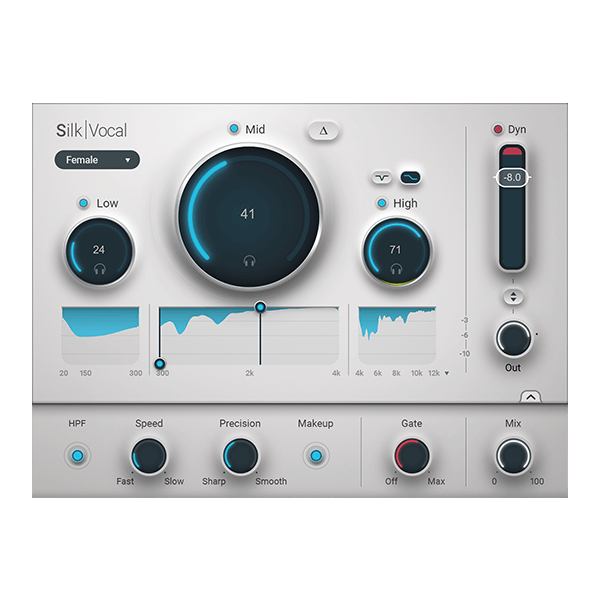
Vocal plugins enhance the quality of vocals in music production by adding effects and improving sound clarity. They are essential tools for optimizing vocal tracks in recording and mixing processes.


Vocal plugins play a vital role in shaping the vocals of a song, offering a range of effects and adjustments to enhance the overall sound quality. These plugins can transform a raw vocal recording into a professionally polished track by adding effects such as reverb, compression, EQ, and more.


With advancements in technology, there are now numerous vocal plugins available in the market, tailored to suit various genres and styles of music production. Understanding the capabilities of different vocal plugins and knowing how to use them effectively can greatly enhance the quality and impact of vocal performances in music productions.

Vocal Plugins  : The Ultimate Game-Changers


Credit: www.waves.com


Enhancing Vocal Performance

Vocal plugins are powerful tools that can enhance vocal performance by refining and optimizing various aspects of a singer’s voice to achieve a polished and professional sound.

Real-time Pitch Correction

With real-time pitch correction, vocal plugins can instantly adjust pitch inaccuracies in a singer’s performance to ensure flawless intonation throughout a recording or live performance.

Dynamic Range Compression

Dynamic range compression within vocal plugins helps maintain a consistent volume level by controlling peaks and dips in a vocalist’s dynamics, resulting in a smooth and balanced sound.

Creating Unique Vocal Effects

Creating Unique Vocal Effects through the use of vocal plugins allows musicians and producers to enhance their sound with a plethora of creative possibilities.

Harmonization And Doubling

Harmonization tools in vocal plugins help singers add depth to their vocals. The feature generates harmonies that complement the main vocal track.

Doubling is another valuable tool for creating a fuller vocal sound. It helps in making vocals sound richer and more impactful.

Both harmonization and doubling are essential in producing unique vocal effects that stand out in a mix.

Specialized Vocal Effects

Vocal plugins offer a range of specialized effects such as pitch correction, distortion, and reverb that can transform vocals into something truly unique.

With specialized vocal effects, artists can experiment with different sounds and styles to craft their signature vocal sound.

By utilizing these features, musicians can push the boundaries of creativity and bring their vision to life through innovative vocal effects.

Boosting Vocal Clarity And Presence

Vocal plugins are essential tools for enhancing the quality of vocal recordings, especially when it comes to boosting vocal clarity and presence. These plugins offer a variety of features that can significantly improve the overall sound and impact of vocals in a mix. From de-essing and equalization to ambience and reverb effects, vocal plugins provide the necessary tools to make vocals stand out and shine in any production.

De-essing And Equalization

De-essing is a crucial process for reducing sibilance and harsh high-frequency sounds in vocal recordings. Using a de-esser plugin, it’s possible to precisely target and control these problematic frequencies, resulting in a smoother and more pleasant vocal tone. Additionally, equalization plays a vital role in shaping the overall frequency response of vocals. With the help of a vocal EQ plugin, you can tailor the tonal balance, cut unwanted frequencies, and enhance the clarity and definition of vocals.

Ambience And Reverb

Ambience and reverb effects are essential for creating a sense of space and depth around vocals. By applying ambience and reverb plugins, you can place vocals within a convincing acoustic environment, adding natural spaciousness and dimension to the sound. These effects contribute to the overall presence and impact of vocals, making them more immersive and engaging for the listeners.

Vocal Plugins  : The Ultimate Game-Changers


Credit: www.raytownproductions.com


Streamlining Vocal Editing Process

Streamlining the vocal editing process is essential for any professional audio engineer or music producer. With the help of advanced vocal plugins, the tedious and time-consuming tasks of tuning, aligning, reducing noise, and restoring vocals become effortless. These powerful tools not only save significant editing time but also ensure top-notch vocal quality. Let’s explore two crucial vocal plugins that contribute to streamlining the vocal editing process.

Automated Tuning And Alignment

Achieving pitch perfection is no longer a daunting task with automated tuning and alignment plugins. These innovative tools simplify the process of correcting off-key vocals and aligning multiple vocal tracks effortlessly. By analyzing vocal recordings, these plugins detect inaccuracies and provide precise pitch correction, making even the most challenging vocal edits sound seamless.

  • Automated tuning and alignment plugins identify and correct pitch inaccuracies intelligently.
  • With just a few clicks, you can effortlessly adjust pitch and achieve professional-sounding vocals.
  • These plugins provide a range of customization options to fine-tune the pitch correction to your desired level.
  • They also allow for automatic alignment of vocal tracks, ensuring a cohesive sound throughout the entire project.

Noise Reduction And Restoration

Noise, such as background hum, hiss, and clicks, can significantly affect the quality of vocal recordings. Noise reduction and restoration plugins come to the rescue by eliminating unwanted sounds and restoring clarity to the vocals. These plugins employ sophisticated algorithms that analyze the audio and selectively remove or reduce noise without compromising the vocal performance.

  1. Noise reduction and restoration plugins efficiently remove background hum, hiss, and other unwanted noises from vocal recordings.
  2. They restore the natural dynamics of the vocals, ensuring a clean and professional sound.
  3. Advanced algorithms help preserve the clarity and detail of the vocals while removing artifacts and disturbances.
  4. These plugins offer a range of parameters and controls to fine-tune the noise reduction process for optimal results.

With automated tuning and alignment plugins, you can effortlessly achieve pitch perfection and perfect vocal synchronization. Additionally, noise reduction and restoration plugins ensure clean and professional-sounding vocals. By incorporating these powerful vocal plugins into your editing process, you can streamline your workflow, saving time and elevating the overall quality of your vocal productions.


Integration With Digital Audio Workstations


Vocal plugins can be seamlessly integrated with digital audio workstations (DAWs), simplifying the process of enhancing vocal recordings. By allowing users to access a range of powerful tools and effects directly within their DAW, these plugins streamline the production workflow, offering a versatile and efficient solution for achieving professional-quality vocal tracks.

Integration with Digital Audio Workstations When it comes to vocal production in a digital audio workstation (DAW), the right vocal plugins can make a world of difference. These plugins seamlessly integrate with your DAW, allowing you to enhance your vocal tracks and streamline your workflow. Compatibility and Workflow Integration One of the key factors to consider when choosing vocal plugins is their compatibility with your DAW. Fortunately, many popular vocal plugins are designed to be compatible with a wide range of DAWs, including industry favorites such as Pro Tools, Logic Pro, and Ableton Live. To ensure a seamless integration, these vocal plugins often come in formats such as VST, AU, and AAX, making them compatible with various DAW platforms. This compatibility ensures that the plugins can be easily installed and used within your preferred DAW, without any additional setup or configuration required. Enhanced User Experience Integrating vocal plugins with your DAW not only enhances your workflow but also provides an enhanced user experience. These plugins are specifically designed to work in harmony with your DAW’s interface, providing intuitive controls and visual feedback. With easy-to-use interfaces, you can quickly access a wide array of vocal processing features and effects, right at your fingertips. From EQ and compression to reverb and pitch correction, these plugins offer a comprehensive suite of tools to shape and enhance your vocal recordings. Furthermore, many vocal plugins also offer presets that are specifically tailored for different genres and vocal styles. These presets serve as a starting point, allowing you to quickly achieve professional-sounding vocal tones without diving into complex settings. Whether you’re working on a pop ballad or a heavy metal track, these plugins have got you covered. In addition, vocal plugins often include real-time visualizations, such as waveform displays and spectral analyzers, allowing you to visualize your vocal signals and make precise adjustments. This visual feedback greatly simplifies the process of fine-tuning your vocal recordings, ensuring that you can achieve the perfect sound with ease. The seamless integration with your DAW and the enhanced user experience offered by vocal plugins truly revolutionize the way you approach vocal production. With their compatibility, workflow integration, and user-friendly interfaces, these plugins empower you to unlock your creativity and take your vocal tracks to new heights. So, whether you’re a professional producer or an aspiring artist, investing in the right vocal plugins is a decision that can make a significant difference in your music production journey.

Vocal Plugins  : The Ultimate Game-Changers


Credit: m.youtube.com


Frequently Asked Questions On Vocal Plugins


What Are Vocal Plugins?


Vocal plugins are software tools that enhance and manipulate vocal recordings. They offer a range of effects and tools to improve the quality and sound of vocals, such as pitch correction, reverb, compression, and EQ.


Why Should I Use Vocal Plugins?


Using vocal plugins can greatly improve the overall quality and professional sound of your vocal recordings. They allow you to correct pitch issues, add depth and space with reverb, control dynamics with compression, and enhance vocal clarity with EQ, giving you more control over your vocal sound.


What Are Some Popular Vocal Plugins?


Some popular vocal plugins include Antares Auto-Tune, Waves Tune, iZotope Nectar, FabFilter Pro-Q, and Soundtoys Little AlterBoy. These plugins offer a wide range of features and effects to help you achieve the desired vocal sound for your recordings.


How Do I Choose The Right Vocal Plugin?


When choosing a vocal plugin, consider factors such as your budget, desired features, compatibility with your DAW, and user reviews. Look for plugins that offer the specific effects and tools you need, as well as a user-friendly interface that suits your workflow.


Conclusion


To sum up, vocal plugins are vital for enhancing your sound. With a multitude of options available, finding the right one can be overwhelming. However, by understanding your needs and experimenting with different plugins, you can elevate your vocals and stand out in the competitive music industry.


Embrace the power of vocal plugins to take your music to the next level.

Categories
Archive

How To Use Melodyne : Master the Art

To use Melodyne, open the software and import your audio file for pitch and time correction. Melodyne offers intuitive tools for precise editing of individual notes and phrases to enhance your recordings.


Melodyne is a powerful tool for fine-tuning vocals and instruments in music production. With its advanced pitch and time manipulation capabilities, Melodyne allows you to correct off-key notes, adjust timing discrepancies, and shape the overall sound of your tracks with precision.


By following a few simple steps, you can utilize Melodyne to its full potential and achieve professional-sounding results in your music projects. Let’s explore how to effectively harness the power of Melodyne for optimal audio editing and enhancement.

How To Use Melodyne  : Master the Art


Credit: splice.com


Getting Started

Melodyne is a powerful tool for editing and manipulating audio recordings. When getting started with Melodyne, there are a few key steps to follow to ensure a successful experience.

Installing Melodyne

  • Download the Melodyne software from the official website.
  • Follow the installation instructions provided for your operating system.
  • Launch the software once the installation is complete.

Setting Up Your Project

  1. Open your digital audio workstation (DAW) and create a new project.
  2. Import the audio track you want to edit into your project.
  3. Load Melodyne as a plugin on the track you wish to edit.

With these initial steps completed, you are now ready to start exploring the features and capabilities of Melodyne to enhance your audio recordings.

How To Use Melodyne  : Master the Art


Credit: www.airgigs.com


Basic Editing

Basic Editing in Melodyne involves crucial tasks like Pitch Correction and Timing Adjustment. Here’s how to utilize these features effectively:

Pitch Correction

  • Access the Pitch tool in Melodyne
  • Identify off-key notes visually for correction
  • Drag the errant note up or down to adjust pitch

Timing Adjustment

  1. Select the Timing tool on the interface
  2. Slide notes left or right to align with the beat
  3. Refine the timing further by adjusting individual notes

These fundamental editing techniques form the foundation of utilizing Melodyne effectively. Mastering these skills opens up a world of possibilities for enhancing your music production.

Advanced Techniques


Discover advanced techniques on how to use Melodyne to enhance your music production. Unleash the power of this innovative tool to manipulate, correct, and harmonize your audio with precision and creativity. Explore the possibilities and take your musical compositions to new heights.

Harmony Editing

Formant Shifting

When it comes to Advanced Techniques in using Melodyne, the software opens up a world of possibilities for audio manipulation beyond the basics. Harmonies and formants are essential elements in music, and Melodyne provides powerful tools to fine-tune these aspects of audio recordings.

Harmony Editing

Melodyne’s harmony editing feature is a game-changer for music producers and engineers. It allows you to manipulate individual notes within chords, adjust the pitch and timing of each note in a chord, and create unique harmonies. This advanced technique enables you to achieve complex vocal arrangements and seamless harmonic enhancements with precision. Here are some key points for effective harmony editing in Melodyne: – Use the pitch modulation tool to experiment with modulation depths and timing variations. – Utilize the scale snap function to ensure that harmony notes adhere to specific musical scales. – Apply the amplitude tool to balance the volume levels of individual harmonies for a cohesive sound. Advanced harmony editing in Melodyne empowers you to create intricate vocal harmonies and enrich the musical texture of your recordings with unparalleled control.

Formant Shifting

Formants play a crucial role in shaping the timbre and character of vocal recordings. Melodyne’s formant shifting capabilities allow you to modify the spectral characteristics of a voice without affecting the pitch. This advanced technique is invaluable for correcting tonal imbalances, achieving natural-sounding vocal adjustments, and enhancing vocal performances. Here are some tips for effectively using formant shifting in Melodyne: – Experiment with subtle formant adjustments to refine the vocal timbre while preserving the natural characteristics of the original recording. – Utilize formant shifting to harmonize vocals with different timbres, creating a unified vocal blend in multi-tracked recordings. – Combine formant shifting with pitch correction to achieve seamless vocal transformations while maintaining the authentic expressiveness of the original performance. By leveraging Melodyne’s advanced formant shifting capabilities, you can elevate the sonic quality of vocal recordings and unleash a new level of creativity in audio production. Mastering these advanced techniques in Melodyne opens up a world of sonic possibilities, allowing you to sculpt harmonies and shape vocal timbres with precision and creativity. Whether you’re working on vocal arrangements, vocal tuning, or sound design, Melodyne’s advanced features empower you to achieve professional-grade results in audio production.

Integration With Daws

When it comes to using Melodyne, seamless integration with digital audio workstations (DAWs) is essential for a smooth and efficient workflow. Melodyne offers comprehensive compatibility with popular DAWs, allowing you to effortlessly incorporate its powerful pitch correction and vocal editing features into your production process.

Using Melodyne In Your Workflow

If you’re wondering how to integrate Melodyne into your existing workflow, the process is remarkably straightforward. Once you have installed Melodyne on your computer, you can launch it directly from within your preferred DAW as a plugin. This means that you can easily access Melodyne’s features and functions while working on your audio tracks, without the need for any additional external applications.

Once Melodyne is loaded as a plugin in your DAW, you can simply select the audio track you wish to edit and open it in Melodyne. From there, you can access Melodyne’s powerful tools to fine-tune and manipulate the pitch, timing, and phrasing of the vocals or instruments in your recording. With Melodyne’s intuitive interface, you can easily visualize and edit your audio with precision and control.

Tips For Seamless Integration

To ensure a seamless integration of Melodyne into your DAW workflow, consider the following tips to optimize your experience:

  1. Stay updated: Regularly check for software updates for both Melodyne and your DAW to ensure compatibility and access to the latest features and improvements.
  2. Learn keyboard shortcuts: Familiarize yourself with the keyboard shortcuts specific to Melodyne and your DAW. This will help speed up your editing process and enhance your overall productivity.
  3. Utilize routing options: Take advantage of your DAW’s routing capabilities to easily send and receive audio between Melodyne and other plugins or tracks. This allows for seamless integration and collaboration within your DAW environment.
  4. Experiment with different workflows: Explore different approaches to incorporating Melodyne into your workflow. Whether you prefer to edit audio on individual tracks or employ Melodyne in a group or bus context, experimenting with various workflows can help you find the most efficient and creative techniques for your specific projects.

By following these tips, you can maximize your use of Melodyne and seamlessly integrate it into your DAW workflow. Harness the power of Melodyne’s advanced pitch editing capabilities to achieve professional-grade results in your music production.

How To Use Melodyne  : Master the Art


Credit: tommydecibel.com


Frequently Asked Questions Of How To Use Melodyne


How Does Melodyne Work?


Melodyne is a software that analyzes audio files and allows you to edit individual notes and pitches. It uses advanced algorithms to detect and manipulate pitch and timing, giving you unprecedented control over your music production.


Can I Use Melodyne With Any Daw?


Yes, Melodyne is compatible with most major DAWs, including Ableton Live, Logic Pro, Pro Tools, and Studio One. Simply install the Melodyne plugin or standalone application and you’ll be able to seamlessly integrate it into your workflow.


Is Melodyne Only For Vocals?


While Melodyne is widely used for vocal pitch correction, it can be used on virtually any audio source. Whether you want to fine-tune a guitar performance, correct the timing of drum hits, or even manipulate the pitch of a synth, Melodyne has you covered.


How Accurate Is Melodyne?


Melodyne is highly accurate, allowing you to make subtle adjustments to individual notes with ease. Its advanced algorithms ensure that the edited audio retains its natural sound and avoids artifacts often associated with pitch correction software.


Conclusion


Melodyne is a powerful tool for editing and manipulating audio files with precision. Its intuitive interface and advanced features make it a valuable asset for musicians and producers. By understanding the basics of Melodyne, you can enhance your music production and take your creativity to new heights.


Embrace the possibilities with Melodyne and unlock new potential in your audio projects.


Categories
Archive

How to Boost Song Volume: Louder Without Clipping Tricks

To make your songs louder without clipping, use a limiter and equalization techniques. Enhance volume through compression and adjust frequencies for a balanced sound.


Achieve optimal loudness without sacrificing audio quality. Additionally, use gain staging to prevent distortion and maintain clarity in your music productions. By implementing these strategies, you can elevate the loudness of your songs effectively while avoiding clipping issues.


Understanding Loudness Wars

The Loudness Wars refer to the practice of pushing audio recordings to be increasingly louder.

Introduction To Loudness Wars

Key Point: Loudness Wars pertain to the escalation of audio levels in music production.

Effects Of Loudness Wars

  • Reduced dynamic range in music
  • Loss of details and nuances
  • Potential distortion and clipping
How to Boost Song Volume: Louder Without Clipping Tricks


Credit: m.youtube.com


Understanding Compression

Understanding Compression is crucial in the process of making your songs louder without clipping. Compression helps control the dynamic range of your audio, allowing you to boost the volume without causing distortion.

What Is Compression?

Compression is an audio signal processing technique that reduces the difference between the loudest and quietest parts of a track. It works by automatically lowering the volume of the peaks in the audio signal, making it more consistent and easier to increase overall volume.

Using Compression For Volume Boost

Compression is a powerful tool for increasing the perceived volume of your songs without introducing clipping. By setting the compression ratio and threshold correctly, you can smooth out the dynamics of your audio and make it sound louder and more polished.

Utilizing Limiters

Utilizing limiters is a crucial technique for making your songs louder without causing clipping. Limiters are powerful tools that can effectively control the dynamics of your music, providing more volume while preventing distortion. In this article, we will delve into the use of limiters and how you can utilize them to achieve a louder sound without sacrificing quality.

Introduction To Limiters

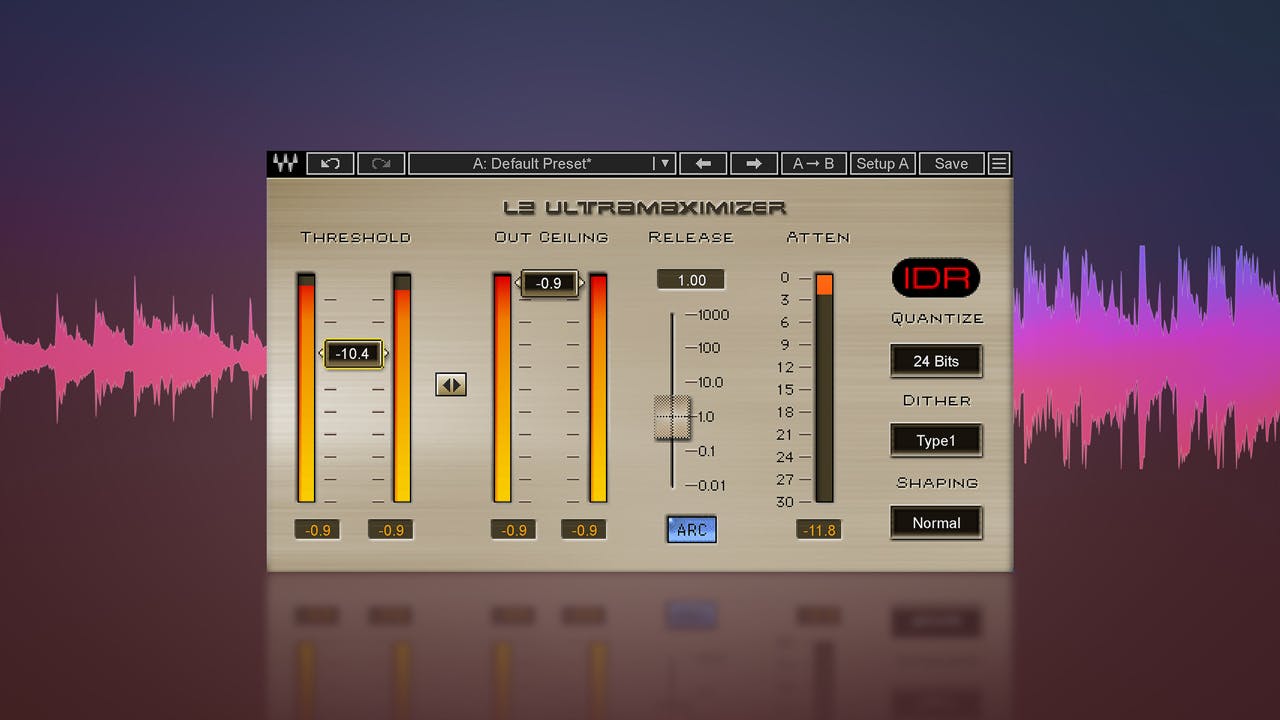
Limiters are dynamic processing tools that act as a safeguard for your audio signals, preventing them from exceeding a certain level, also known as the “threshold.” When a signal surpasses this threshold, the limiter automatically reduces its gain to keep it within the desired level, maintaining a consistent volume without allowing it to clip or distort. A limiter provides a hard ceiling for the audio signal, ensuring it does not exceed a specific amplitude.

Setting Limiters For Volume Boost

When setting up limiters for volume boost, it’s essential to carefully adjust the threshold and ratio parameters. The threshold determines at which point the limiter begins to act, while the ratio controls the amount of gain reduction applied once the threshold is breached. By finely tuning these settings, you can effectively increase the volume of your music without introducing unwanted distortion or artifacts.

How to Boost Song Volume: Louder Without Clipping Tricks


Credit: www.visionguitar.com


Maximizing Eq Techniques

When it comes to making your songs louder without clipping, maximizing EQ techniques is an essential step in the mixing process. EQ, or equalization, allows you to fine-tune the frequency balance of your tracks and enhance their overall volume. By strategically adjusting different EQ parameters, you can achieve a more impactful and dynamic sound.

Using Eq To Enhance Volume

One effective way to make your songs louder using EQ is by boosting the appropriate frequencies. Identify the frequency bands that add clarity and presence to your mix, such as the upper midrange or presence range. Carefully apply a moderate boost to these frequencies, but be cautious not to overdo it, as excessive boosting can introduce distortion or harshness into the mix. Experimentation and critical listening are key here.

Additionally, you can also use EQ to reduce or attenuate frequencies that may be masking others in your mix. By cutting unnecessary frequencies, you create more space for the important elements to shine through, ultimately allowing you to increase the overall volume. Keep in mind that surgical EQ cuts can be more effective than broad strokes.

Balancing Eq For Maximum Impact

Imagine your mix as a whole spectrum of frequencies, each instrument occupying a unique range. Balancing EQ across these ranges is crucial for achieving maximum impact and loudness without compromising the integrity of the individual elements. Start by focusing on the low end, ensuring that your bass and kick drum have enough presence without being overpowering. Gradually move up the frequency spectrum, paying attention to each instrument’s role and defining their sonic space.

Using EQ in conjunction with other mixing techniques, like compression and saturation, can further enhance the perceived loudness of your songs. For instance, when combined with proper gain staging and strategic use of compression, EQ can help you achieve a more controlled and balanced sound, ultimately allowing you to push the overall volume while keeping the mix intact.

Remember, the goal is not just to make your songs louder; it’s to make them louder without compromising the quality and clarity of your mix. By understanding and utilizing the power of EQ, you can take your tracks to the next level and make them stand out in the crowded music landscape.

Mastering For Volume

Making your songs louder without clipping is a common concern for musicians and audio engineers. Clipping, which occurs when the audio signal exceeds the maximum level allowed, can result in distorted and unpleasant sound quality. However, with the right mastering techniques, you can achieve a louder sound while maintaining clarity and preserving the dynamics of your music. In this blog post, we will explore the importance of mastering for volume and discuss effective techniques to achieve the desired loudness.

Importance Of Mastering For Volume

Mastering for volume is crucial to ensure that your songs sound professional and impactful in various playback environments. When your music lacks volume, it may get lost among other tracks or fail to grab the listener’s attention. On the contrary, excessively loud songs can be fatiguing to the listener and may result in a loss of dynamic range, causing all elements to sound compressed and lifeless.

By mastering your songs for volume, you strike the right balance between loudness and dynamic range, ensuring that your music sounds powerful, clear, and consistent across different playback systems. This not only enhances the overall listening experience but also helps your songs stand out in today’s competitive music industry.

Effective Mastering Techniques

Here are some effective techniques to make your songs louder without clipping during the mastering process:

  1. 1. Optimize the mix: Before diving into the mastering process, ensure that your mix is well-balanced and free from any major issues. Addressing potential mix problems beforehand can save you from unnecessary headaches during mastering. Pay attention to the overall frequency balance, stereo width, and the placement of different elements in the mix.
  2. 2. Utilize compression: Compression is a powerful tool in mastering that helps control the dynamic range and improve overall loudness. Apply gentle compression to bring out the quieter parts of your mix and prevent sudden jumps in volume. Be careful not to over-compress and squash the life out of your music; aim for a natural-sounding result.
  3. 3. Utilize multi-band compression: Multi-band compression allows you to selectively compress different frequency ranges in your mix. This technique helps bring out specific elements without affecting the overall balance. Use it to control any frequency-specific dynamics that may be causing your mix to lack perceived loudness.
  4. 4. Use EQ to enhance clarity: Proper equalization can greatly improve the perceived loudness of your songs. Use EQ to remove any unnecessary frequencies that may muddy up the mix and make your music sound less defined. Boosting the right frequencies can also add presence and impact to your tracks.
  5. 5. Apply limiting: Limiting is a crucial step in mastering for achieving loudness without clipping. It allows you to set a maximum level for your music while controlling peak transients. Use a limiter to carefully increase the overall loudness of your songs without introducing distortion or unwanted artifacts.

Remember, the goal of mastering for volume is not simply to make your songs as loud as possible, but to find the perfect balance where they sound powerful, dynamic, and consistent across different listening environments. Experiment with these techniques and always trust your ears to determine the best outcome for your music.

How to Boost Song Volume: Louder Without Clipping Tricks


Credit: www.waves.com


Frequently Asked Questions Of How Do I Make My Songs Louder Without Clipping


How Can I Make My Songs Louder Without Clipping?


To make your songs louder without clipping, you can use dynamic range compression techniques. This involves reducing the volume of the loudest parts of your song and increasing the volume of the quieter parts. By balancing the levels, you can achieve a louder overall sound without distorting or clipping the audio.


What Is Clipping In Music Production?


Clipping in music production occurs when the volume level of an audio signal exceeds the maximum limit that can be accurately reproduced. It results in distortion and harsh, unpleasant sounds. To avoid clipping, it is important to monitor the audio levels and use techniques like gain staging and limiting to keep the levels in check.


Can Mastering Make My Songs Louder Without Clipping?


Yes, mastering can make your songs louder without clipping. Professional mastering engineers use specialized tools like compressors and limiters to carefully control the dynamics of your music and achieve a loud, punchy sound. Through careful processing and balancing, they enhance the overall volume while maintaining audio quality and preventing clipping.


Conclusion


Mastering the art of making your songs louder without causing clipping is crucial for an impactful sound. By utilizing proper gain staging, compression, and limiting techniques, you can achieve the desired loudness without sacrificing quality. Remember to always monitor your levels and avoid excessive processing.


Incorporating these techniques will help you achieve professional-sounding and impactful music.


Categories
Archive

Mastering Engineer Secrets: Unleash the Power

A Mastering Engineer enhances the audio quality of music tracks for commercial release. They optimize sound dynamics and clarity.


Mastering Engineers play a crucial role in delivering a polished and professional sound to music recordings. Utilizing specialized equipment and expertise, they meticulously fine-tune elements such as volume levels, stereo imaging, and overall tonal balance. By applying their technical skills and artistic sensibilities, Mastering Engineers ensure that the final mix meets industry standards and sounds consistent across different playback systems.


Their contribution can elevate the listening experience for audiences and enhance the impact and marketability of a music project. Mastering Engineers collaborate closely with artists and producers to achieve the desired sonic outcome, showcasing the importance of their role in the music production process.


Credit: www.linkedin.com


The Art Of Mastering Engineering


Mastering engineering is an art that requires precision and expertise. A mastering engineer is skilled in balancing and enhancing the audio quality of a project to achieve the best sound possible. Mastering engineers work meticulously to ensure the final product meets the highest standard of excellence in the music industry.

Crafting The Perfect Sound

Mastering engineers meticulously shape the final sound by enhancing clarity and cohesiveness.

Balancing Dynamics And Eq

Precise adjustments in dynamics and EQ are crucial for achieving optimal tonal balance in the final mix.


Credit: www.linkedin.com


Advanced Techniques And Tools

In the realm of mastering engineering, utilizing advanced techniques and tools is crucial to achieving top-quality results. Let’s delve into two key elements that play a significant role in the mastering process: Utilizing Multiband Compression and understanding The Role of Limiters.

Utilizing Multiband Compression

  • Divides the audio spectrum
  • Allows for targeted compression
  • Enhances clarity and balance

The Role Of Limiters

  1. Controls peaks and loudness levels
  2. Prevents clipping and distortion
  3. Finalizes the overall sound

Achieving Clarity And Depth

Mastering engineers play a crucial role in creating a polished and professional sound for audio recordings. Achieving clarity and depth is one of the key objectives of mastering, helping to elevate the overall quality of a piece of music. In this post, we will explore the techniques and considerations that mastering engineers employ to achieve clarity and depth in their work.

Understanding Stereo Imaging

Stereo imaging is a vital aspect of achieving clarity and depth in audio mastering. It involves the precise placement and distribution of audio signals across the stereo spectrum, allowing for a balanced and immersive listening experience. Mastering engineers utilize various tools and techniques to manipulate stereo imaging, ensuring that each element of the mix occupies its rightful place within the stereo field.

Enhancing Spatial Effects

Enhancing spatial effects is a fundamental aspect of creating depth in audio masterings. By carefully sculpting the spatial characteristics of a mix, mastering engineers can expand the perceived dimensions of the soundstage, providing a sense of depth and envelopment to the listener. Implementing spatial effects such as reverb, delay, and modulation can add richness and complexity to the audio, contributing to an enhanced sense of depth.


Credit: www.amazon.com


Optimizing For Different Formats


Enhance your mastering engineer skills by optimizing for different formats. Tailoring your work to various platforms ensures maximum impact and reach for your music productions. Stay ahead in the industry by mastering the art of adapting to diverse formats.

Mastering engineers play a crucial role in ensuring that a recording sounds its absolute best across various formats. You may have noticed that audio sounds different when listening to it on different platforms, such as streaming services or vinyl records. This is because each format has its own unique characteristics and requirements. In this blog post, we will explore how mastering engineers optimize audio for different formats, focusing on two key areas: mastering for streaming platforms and preparing for vinyl mastering.

Mastering For Streaming Platforms

With the growing popularity of streaming platforms like Spotify and Apple Music, it’s important for mastering engineers to understand the specific challenges and considerations involved in this format. Streaming services use codecs and compression algorithms that can affect the dynamics and overall tonal balance of an audio file. To optimize audio for streaming, mastering engineers employ various techniques:

  1. Firstly, it’s crucial to ensure that the mix translates well in a compressed format. This involves carefully balancing the levels of different elements in the mix, so that no important details get lost in the compression process.
  2. One common technique used by mastering engineers is dynamic range compression. This helps to control the peaks and valleys of the audio, ensuring that it sounds consistent and balanced across different listening platforms.
  3. Another important consideration is loudness normalization. Streaming platforms often normalize the loudness of tracks to create a consistent listening experience. Mastering engineers need to ensure that the overall loudness of the track is optimized for this normalization process.

Preparing For Vinyl Mastering

Vinyl records have experienced a resurgence in recent years, thanks to their warm and nostalgic sound. However, mastering audio for vinyl presents its own unique set of challenges. Here’s what mastering engineers do to prepare audio for vinyl:

  1. First and foremost, mastering engineers need to be mindful of the limitations of vinyl. For example, vinyl records have physical limitations when it comes to handling low frequencies. Mastering engineers may need to make adjustments in the low end to prevent playback issues like skipping or distortion.
  2. Additionally, vinyl records have a limited dynamic range compared to digital formats. Mastering engineers need to ensure that the audio is optimized for the limitations of vinyl, so that it doesn’t exceed the physical constraints of the medium.
  3. Furthermore, the stereo image and phase compatibility need to be carefully considered. Vinyl records are prone to playback issues caused by excessive stereo width or out-of-phase audio. Mastering engineers use techniques like M/S processing and phase correction to ensure optimal playback on vinyl.

Staying Ahead In The Industry

As a mastering engineer, staying ahead in the industry is crucial to ensure your success and maintain a competitive edge. In this rapidly evolving field, it is essential to constantly adapt and embrace emerging technologies, as well as build strong networks and collaborations with fellow professionals. Let’s explore two key factors that can greatly contribute to your ongoing growth and thriving career in mastering engineering.

Networking And Collaboration

Networking and collaboration are vital aspects of thriving as a mastering engineer. Building connections with other professionals in the industry allows you to stay updated on the latest trends and techniques, as well as gain valuable insights from experienced individuals. Remember, the music industry is built on relationships, and establishing strong connections opens doors to exciting career opportunities. Here are a few strategies to enhance your networking and collaboration:

  • Attend industry events, conferences, and workshops to meet like-minded professionals and establish new contacts.
  • Join online communities and forums where you can actively participate in discussions, exchange ideas, and learn from experts.
  • Collaborate with other mastering engineers or artists to broaden your experience and expand your portfolio.
  • Seek mentorship opportunities with established mastering engineers who can guide you and provide valuable advice.

Adapting To Emerging Technologies

Emerging technologies play a pivotal role in shaping the future of the music industry. As a mastering engineer, it is essential to embrace these advancements and adapt your skills accordingly. This not only allows you to stay relevant but also opens up new avenues for creativity and innovation. Here are some key aspects to focus on when adapting to emerging technologies:

  1. Stay updated on the latest software and plugins available for mastering purposes.
  2. Invest in high-quality audio equipment and stay informed about cutting-edge hardware innovations.
  3. Develop an understanding of Artificial Intelligence (AI) and Machine Learning (ML) applications in the field of audio mastering.
  4. Experiment with new techniques and workflows enabled by emerging technologies, such as cloud-based collaboration or automated mastering processes.
  5. Continuously educate yourself through online courses, tutorials, and industry publications to stay at the forefront of technological advancements.

By actively engaging in networking and collaboration while embracing emerging technologies, you can position yourself as a forward-thinking mastering engineer. Remember, in this ever-changing industry, staying ahead requires continuous learning, adaptability, and a passion for innovation.

Frequently Asked Questions For Mastering Engineer


What Is A Mastering Engineer And What Do They Do?


A mastering engineer is a professional who puts the final touches on a recorded piece of music. They ensure that the audio is optimized for different playback systems and formats, making sure it sounds great on radios, streaming platforms, and other mediums.


Why Is A Mastering Engineer Important For My Music?


A mastering engineer can greatly enhance the overall sound quality of your music by adjusting the levels, dynamics, and tonal balance. They can also ensure consistency between tracks on an album, making it sound polished and professional.


How Does A Mastering Engineer Improve The Loudness Of My Music?


A mastering engineer can apply techniques like compression and limiting to increase the perceived loudness of your music without sacrificing its quality. They carefully balance the loudness levels to make your music stand out and compete in today’s competitive market.


Conclusion


In the competitive music industry, the role of a mastering engineer is crucial. Their expertise in audio enhancement and balancing allows for the creation of high-quality, polished tracks that stand out. By understanding the intricacies of mastering, musicians can ensure their music is presented in the best possible light, maximizing its impact and appeal to listeners.


Categories
Archive

Unleash Your Creativity: 6 Advantages of Producing Music on a Phone Or Laptop

Producing music on a phone or laptop offers convenience, portability, flexibility, and cost-effectiveness. With numerous music production apps and software available, you can create music anytime, anywhere.


The ability to record, edit, and mix tracks on-the-go allows for seamless workflow, creative spontaneity, and enhanced collaboration with other artists. The compact nature of mobile devices provides accessibility and ease of sharing your music with a global audience through various online platforms.


Integrating the use of smartphones or laptops for music production embodies the modern era of digital creativity, empowering musicians to unleash their full artistic potential and reach a wider fanbase.

Unleash Your Creativity: 6 Advantages of Producing Music on a Phone Or Laptop


Credit: moises.ai


Advantages Of Producing Music On A Phone Or Laptop

Creating music using a phone or laptop offers numerous benefits that cater to modern music producers. Let’s explore the advantages of leveraging these portable and affordable devices for music production.

Portability

  • Producers can work from anywhere
  • Easily create music on the go

Affordability

  • Cost-effective music production option
  • No need for expensive equipment

Accessibility

  • Accessible music production tools
  • User-friendly software available

Versatility

  • Ability to experiment with various sounds
  • Multiple tools and software options

Collaboration

  • Easy sharing of projects with collaborators
  • Real-time collaboration features available

Learning And Growth

  • Opportunity to enhance music production skills
  • Continuous learning through practice
Unleash Your Creativity: 6 Advantages of Producing Music on a Phone Or Laptop


Credit: www.walmart.com


Unleash Your Creativity: 6 Advantages of Producing Music on a Phone Or Laptop


Credit: edynamiclearning.com


Frequently Asked Questions On What Are The Advantages To Producing Music On A Phone Or Laptop


Can You Produce Professional Music On A Phone Or Laptop?


Yes, with advances in technology, producing professional music on a phone or laptop is not only possible but also increasingly common. Powerful software, plugins, and hardware options make it easier than ever to achieve high-quality results without the need for a traditional recording studio setup.


Conclusion


Producing music on a phone or laptop offers convenience and accessibility to creative individuals. The ability to work on the go and utilize a variety of software and applications allows for flexibility and innovation in the music production process. Plus, the cost-effectiveness and minimal equipment requirements make it an attractive option for aspiring musicians.


Categories
Archive

Is Pop Filter Necessary? Unveiling the Truth Behind Perfect Audio Quality

A pop filter is necessary to reduce plosive sounds in vocal recordings for better quality. Pop filters prevent air blasts from hitting the microphone, resulting in clearer audio.


Are you looking to improve the quality of your vocal recordings? One essential tool that can make a significant difference is a pop filter. This small but mighty accessory helps reduce plosive sounds caused by air blasts when pronouncing certain syllables, such as ‘p’ and ‘b’.


By effectively filtering out these unwanted noises, pop filters ensure a smoother and more professional sound quality in your recordings. Let’s delve deeper into the importance of using a pop filter and how it can elevate the overall clarity of your audio projects.

Is Pop Filter Necessary? Unveiling the Truth Behind Perfect Audio Quality


Credit: www.pcworld.com


The Role Of A Pop Filter

Pop filters play a crucial role in professional recording studios. They are small yet powerful tools that help in improving audio quality by reducing unwanted noises caused by plosive sounds and excess air pressure.

Preventing Plosive Sounds

Plosive sounds occur when vocalists or speakers pronounce certain sounds like ‘p’ or ‘b’ that produce bursts of air. Pop filters act as barriers that diffuse these air bursts before they reach the microphone, preventing disruptions in audio quality.

Minimizing Air Pressure

Excess air pressure from breaths and enunciations can distort audio recordings. Pop filters help by dispersing this pressure evenly, ensuring a consistent recording quality without any sudden spikes in volume levels.

Is Pop Filter Necessary? Unveiling the Truth Behind Perfect Audio Quality


Credit: petapixel.com


Impact On Audio Quality

Pop filters play a crucial role in the quality of audio recordings by effectively managing unwanted sounds. Let’s delve into how pop filters impact audio quality:

Reduction Of Distortions

Pop filters minimize pops and plosive sounds, resulting in clearer audio recordings.

Enhancement Of Clarity

By reducing unwanted noise, pop filters help enhance the clarity of vocals and instruments.

Alternative Solutions

When it comes to recording audio, a pop filter is considered necessary for minimizing plosive sounds and improving the overall quality of sound. However, there are alternative solutions that can be employed to achieve similar results. Let’s explore these alternative solutions and how they can enhance recording experiences.

Mic Techniques

Placing the microphone at an angle or slightly off-axis from the source can help mitigate the impact of plosive sounds. By positioning the microphone correctly and adjusting the angle, you can minimize the need for a pop filter.

Digital Signal Processing

Utilizing digital signal processing techniques, such as employing a de-esser or equalization, can aid in reducing plosive sounds during post-production. You can apply filters and adjustments to the recording to achieve a cleaner and crisper sound without the need for a physical pop filter.

Pop Filter Selection


Selecting the right pop filter is essential for reducing plosive sounds in vocal recordings. A pop filter can be beneficial in improving the overall sound quality and clarity of your recordings, making it a valuable tool for professional audio production.

When it comes to improving your audio quality, using a pop filter is essential. But how do you choose the right one? In this section, we will discuss the types of pop filters available and provide tips on selecting the perfect one for your needs.

Types Of Pop Filters

There are several types of pop filters to choose from, each with its own advantages. Let’s take a closer look at the most common ones:

  1. Nylon mesh pop filters: These filters feature a fine nylon mesh stretched over a circular frame. They effectively reduce plosive sounds, such as ‘p’ and ‘b’ sounds, without affecting the overall audio quality. Nylon mesh pop filters are budget-friendly and widely used by podcasters, YouTubers, and vocalists.
  2. Metal mesh pop filters: Similar to nylon mesh filters, metal mesh pop filters use a metal screen to prevent plosives. These filters offer enhanced durability and are highly resistant to moisture. Metal mesh pop filters are a great choice for professional recording studios and outdoor environments.
  3. Foam pop filters: Instead of mesh, foam pop filters use a dense foam layer to diffuse plosives. They are more effective in minimizing air blasts while maintaining the clarity of vocals. Foam pop filters are commonly used in radio stations and voice-over studios where sound quality is paramount.
  4. Microphone clamps with built-in pop filters: These innovative pop filters eliminate the need for a separate filter by integrating a pop filter into the microphone clamp itself. They securely hold the microphone and reduce plosives simultaneously, saving space and providing convenience.

Choosing The Right One

Now that you understand the types of pop filters available, it’s time to select the one that best suits your requirements. Keep the following factors in mind:

  • Compatibility: Ensure that the pop filter is compatible with your microphone. Consider the microphone size, shape, and mounting mechanism before making a purchase.
  • Usage: Determine how you will be using the pop filter. If you are a podcaster or vocalist, a nylon or metal mesh filter may be sufficient. However, if you are a professional voice-over artist or working in a radio station, a foam pop filter might be a better choice.
  • Budget: Set a budget for your pop filter and explore options within that range. Remember, a good-quality pop filter doesn’t have to break the bank.
  • Reviews: Read reviews and testimonials from other users to gain insights into the performance and durability of a particular pop filter. This can help you make an informed decision.

By considering these factors and understanding the different types of pop filters available, you can confidently choose the perfect filter for your audio setup. So, what are you waiting for? Take your recordings to the next level with a high-quality pop filter!


Professional Insights

Experts’ Recommendations

Pop filters are an essential tool that professionals in the audio industry highly recommend. These experts, who specialize in recording vocals and podcasts, understand the impact that unwanted popping sounds can have on the overall quality of a recording.

Using a pop filter helps prevent these plosive sounds, such as the sharp “p” and “b” sounds, from being picked up by the microphone. By placing a pop filter between the vocalist and the microphone, it acts as a barrier that diffuses the airflow and minimizes the impact of these sounds.

Experts suggest that every recording studio, whether commercial or home-based, should invest in a pop filter to ensure clean and professional audio recordings. It’s a small investment that has a significant impact on the quality of the final product.

Case Studies

Case studies have consistently shown the positive effects of using pop filters in various recording scenarios. Let’s explore two real-life examples:

  1. The Podcaster’s Dilemma

    John, a passionate podcaster, noticed that his recordings were often marred by unwanted popping sounds. Frustrated with this issue, he decided to invest in a high-quality pop filter. The difference was remarkable – his recordings sounded more polished and professional. The pop filter effectively eliminated the plosive sounds and significantly enhanced the overall audio quality.

  2. The Studio’s Success Story

    A recording studio that caters to professional musicians realized the importance of pop filters early on. By equipping each recording booth with pop filters, they not only improved the audio quality but also established a reputation for providing exceptional recordings. Artists noticed the attention to detail and the studio’s commitment to delivering top-notch results. This led to an increase in clientele and positive word-of-mouth recommendations.

In conclusion, the insights from professionals and the evidence from case studies demonstrate the necessity of using pop filters in the audio recording industry. Whether you’re a podcaster, musician, or voice-over artist, incorporating a pop filter into your setup can greatly enhance the clarity and professionalism of your audio recordings.

Is Pop Filter Necessary? Unveiling the Truth Behind Perfect Audio Quality


Credit: www.amazon.com


Frequently Asked Questions Of Is Pop Filter Necessary


Is A Pop Filter Necessary For Recording Vocals?


Yes, a pop filter is necessary for recording vocals as it helps to eliminate plosive sounds (such as “p” and “b” sounds), resulting in a cleaner and clearer recording. It acts as a barrier between the microphone and vocalist, reducing unwanted sound distortions.


How Does A Pop Filter Work?


A pop filter works by dispersing the airflow from plosive sounds before they reach the microphone. The mesh or foam material of the filter helps to diffuse the air pressure created by words with strong plosive sounds, resulting in a smooth and even recording without any unwanted pops or booms.


Can I Diy A Pop Filter?


Yes, you can create a DIY pop filter using household materials such as pantyhose or a wire hanger and a nylon stocking. However, the effectiveness of DIY pop filters may vary compared to professionally-made ones, so it’s recommended to invest in a high-quality pop filter for optimal results.


Conclusion


In the end, whether you need a pop filter may depend on your specific recording setup and the quality of sound you’re aiming for. Considering its affordable cost and potential benefits, however, using a pop filter is a good investment to enhance the quality of your recordings and improve the overall experience for both you and your listeners.

Categories
Archive

Does Touring Matter Anymore? Discover the Era of Authentic Connections

Touring still matters for connecting with fans and creating memorable experiences in the digital age. With the rise of virtual concerts and livestream events, touring has evolved to include new hybrid formats to engage wider audiences.


In today’s competitive music industry, touring remains a crucial component for artists to build a dedicated fan base and increase visibility. Despite advancements in technology, the unique interactions and emotional resonance that come from live performances cannot be replicated. Touring offers a way for artists to showcase their authenticity, connect with fans on a personal level, and generate revenue beyond traditional music sales.


In essence, touring continues to hold significance in the contemporary music landscape, serving as a cornerstone for artist development and success.


Touring In The Digital Age

In today’s digital age, the concept of touring has undergone significant transformations, with the rise of online platforms changing how we experience and engage with travel and exploration.

Social Media Presence

Social media has become a powerful tool for artists and influencers to connect with their fans and promote their tours, allowing for real-time updates and engagement.

Virtual Tours And Experiences

Virtual tours and experiences offer a unique way for individuals to explore destinations from the comfort of their own homes, providing immersive and interactive experiences without physical travel.

Does Touring Matter Anymore? Discover the Era of Authentic Connections


Credit: www.elle.com


Authentic Connections Vs. Digital Interactions

Impact of Authentic Experiences: Meaningful connections fostered through real-life interactions.

Challenges of Digital Interactions: Balancing the convenience of technology with genuine human interactions.

Impact Of Authentic Experiences

Face-to-face interactions cultivate trust, empathy, and lasting relationships.

Being present in the moment creates more profound emotional connections than digital interactions.

Challenges Of Digital Interactions

Virtual interactions may lack depth and personalization compared to authentic experiences.

Over-reliance on digital communication can diminish the quality of relationships.

Striking a balance between digital convenience and authentic connections is crucial in today’s interconnected world.

Reviving The Significance Of Touring

Reviving the significance of touring has become a topic of considerable debate in recent times. With the rise of virtual experiences and digital connectivity, the role of physical travel has been questioned. However, there is a compelling argument to be made about the enduring value of touring and its ability to foster real-life connections and emotional attachments.

Fostering Real-life Connections

Touring presents a unique opportunity to build genuine connections with people and places. Meeting and interacting with new individuals and experiencing diverse cultures can cultivate a sense of community and global understanding. Face-to-face engagement enables the formation of authentic relationships, strengthening bonds and laying the foundation for meaningful connections that can last a lifetime.

Building Emotional Attachments

Touring allows for the creation of deep emotional attachments to destinations. Physical presence in a place enables a sensory experience that engages all the senses, leaving a lasting impression on an individual’s memory and feelings. Exploring new environments and engaging with their unique features can spark a sense of emotional attachment, fostering a profound sense of belonging and yearning to revisit these destinations.

Does Touring Matter Anymore? Discover the Era of Authentic Connections


Credit: www.facebook.com


The Nostalgia Of Physical Tours


Is touring even relevant in today’s digital age? Despite the convenience of virtual experiences, the nostalgia of physical tours continues to hold significance for many. Whether for the immersive cultural experience, tangible connections, or sensory pleasures, physical tours still matter and provide a unique form of engagement in the modern world.

In today’s digital age, where technology allows us to connect with people and places from the comfort of our own homes, the question arises: does touring still matter? While virtual tours and online experiences have undoubtedly expanded opportunities for exploration, there is still something irreplaceable about the nostalgia of physical tours. The tangible memories and sentiments, as well as the firsthand experience of culture, continue to hold a special place in our hearts.

Memories And Sentiments

Physical tours create lasting memories that stay with us long after the journey ends. From meeting new people to exploring unfamiliar landscapes, every moment becomes a part of our personal narrative. We remember the laughter shared with fellow travelers and the awe-inspiring sights that took our breath away. These memories, imprinted in our minds, evoke a sense of nostalgia that virtual experiences simply cannot replicate.

The sentimental value of physical tours is also deeply woven into the fabric of our lives. We may stumble upon a photograph from a past adventure and instantly be transported back in time, reminiscing about the emotions we felt in that exact moment. These memories serve as reminders of our capacity for growth, openness to new experiences, and the joy that comes with stepping out of our comfort zones.

Experiencing Culture Firsthand

While virtual tours can provide us with a glimpse into different cultures, nothing can compare to the richness of experiencing it firsthand. Physical tours offer the opportunity to immerse ourselves in the sights, sounds, and tastes of a new place. We can interact with the locals, taste authentic cuisine, and witness cultural traditions up close. This firsthand experience allows us to understand and appreciate cultural diversity in a way that no amount of online content can fully capture.

Beyond the surface level, physical tours also provide us with a deeper understanding and connection to history. Walking the same paths as those who came before us and standing in historical landmarks allows us to truly grasp the weight of the past and the significance of our shared human story.

Future Of Touring In The Modern World


Touring remains relevant in the digital age due to its unique experiences and cultural insights. Despite technological advances, the human desire for exploration and connection ensures touring will always hold importance. The future of touring lies in immersive and sustainable travel experiences that cater to evolving consumer preferences.

Touring has long been a popular way for people to explore the world, immerse themselves in different cultures, and create unforgettable memories. However, with the rise of technology and changing travel preferences, many are wondering: Does touring matter anymore? In this blog post, we will delve into this question and explore the future of touring in the modern world.

Adapting To Changing Preferences

As the world evolves, so do people’s preferences and priorities when it comes to travel. It’s essential for tour operators to adapt to these changing preferences to stay relevant in the industry. One of the key factors driving this change is the growing demand for personalized experiences. Travelers now seek unique and tailored itineraries that cater to their specific interests and passions. Tour operators can meet this demand by offering customizable packages and niche tours that cater to different age groups, interests, and travel styles.

In addition to personalization, sustainability and responsible tourism have become major considerations for modern travelers. The awareness of the environmental impacts of travel has led to a rise in eco-friendly and socially conscious tours. Tour operators can play their part by designing sustainable itineraries that focus on minimizing the carbon footprint, supporting local communities, and preserving cultural heritage.

Innovations In Touring

The advancement of technology has opened up a world of possibilities for the future of touring. Virtual reality (VR) and augmented reality (AR) are transforming the way people experience destinations without physically being there. Tour operators can leverage these technologies to provide virtual tours, allowing travelers to preview destinations and attractions before making a booking decision.

Another exciting innovation in touring is the integration of artificial intelligence (AI) and machine learning. AI-powered chatbots and virtual assistants can enhance the customer experience by providing real-time assistance, personalized recommendations, and instant responses to queries. This technology simplifies the booking process, making it more convenient for travelers to plan their trips.

Furthermore, the use of data analytics can help tour operators gain valuable insights into customer preferences and trends. By analyzing data on booking patterns, popular destinations, and customer feedback, tour operators can optimize their offerings, improve customer satisfaction, and stay ahead of the competition.

Conclusion

While the preferences of travelers may be evolving, touring still holds its place in the modern world. By adapting to changing preferences and embracing technological innovations, tour operators can continue to provide unique and fulfilling experiences for travelers. Whether it’s the allure of personalized itineraries or the immersion into virtual destinations, the future of touring is bright and promising.

Does Touring Matter Anymore? Discover the Era of Authentic Connections


Credit: www.linkedin.com


Frequently Asked Questions On Does Touring Matter Anymore


Does Touring Still Have An Impact On A Musician’s Career?


Yes, touring continues to be a crucial aspect of a musician’s career. It allows artists to connect with fans, spread their music to new audiences, and generate income through ticket sales and merchandise. Furthermore, performing live enhances the artist’s reputation and can lead to opportunities for record deals, endorsements, and collaborations.


What Are The Benefits Of Touring For Musicians?


Touring provides several benefits for musicians. It helps build a loyal fanbase, creates opportunities for networking with industry professionals, and increases exposure to new markets. Additionally, live performances allow artists to refine their craft, gain valuable stage experience, and receive instant feedback from audiences.


Overall, touring has a significant impact on a musician’s growth and success.


How Does Touring Contribute To A Musician’s Income?


Touring plays a crucial role in a musician’s income. Artists earn revenue from ticket sales, merchandise, and VIP packages. Additionally, touring can lead to sponsorships, brand partnerships, and increased album and streaming sales. Moreover, successful tours create demand for future shows and generate income through global touring opportunities.


Is Touring Essential For New And Emerging Artists?


Absolutely. For new and emerging artists, touring is essential for building a fanbase and gaining exposure. It allows them to connect with fans on a personal level, showcase their talent in different cities and countries, and attract the attention of industry professionals.


Touring provides a platform for artists to prove themselves and grow their career.


Conclusion


The relevance of touring might have changed, but it still matters. The personal connections and unforgettable experiences make touring irreplaceable. With the digital age, artists have more tools for exposure, but live performances remain crucial for connection. Embracing technology alongside traditional touring helps artists reach a wider audience while maintaining the authenticity of live performances.


Categories
Archive

Audio Interfaces With Laptops: Boost Your Sound Experience!

Audio interfaces are vital for connecting laptops to external audio devices for enhanced sound quality. They serve as a bridge between the laptop and speakers, microphones, or other audio equipment.


In today’s digital age, many content creators, musicians, and podcasters rely on audio interfaces to achieve professional-grade audio recordings with their laptops. By using an audio interface, users can significantly improve the audio input and output capabilities of their laptops, resulting in clearer sound reproduction and better overall quality.


Additionally, audio interfaces provide various connectivity options, such as XLR, TRS, and MIDI ports, making them versatile tools for a wide range of audio production tasks. We will explore the importance of audio interfaces when working with laptops and discuss how they can elevate your audio recording experience.

Audio Interfaces With Laptops: Boost Your Sound Experience!


Credit: www.temu.com


The Basics Of Audio Interfaces

When it comes to setting up a recording studio with a laptop, one essential piece of equipment you’ll need is an audio interface. Audio interfaces play a crucial role in capturing, processing, and delivering high-quality sound from microphones, instruments, and other external sources to your computer. In this post, we will delve into the basics of audio interfaces and explore the different types available.

What Are Audio Interfaces?

An audio interface is a device that acts as a bridge between your computer and the outside world of audio equipment. Its primary function is to convert analog audio signals into digital data that your computer can process and to convert digital audio signals back into analog form for output to speakers or headphones.

Types Of Audio Interfaces

Audio interfaces come in various forms, catering to different recording needs and setups. Here are the main types of audio interfaces:

  • USB Audio Interfaces
  • Thunderbolt Audio Interfaces
  • Firewire Audio Interfaces
  • PCIe Audio Interfaces
  • IOS Audio Interfaces

Each type has its own advantages and is compatible with different systems, so it’s important to choose the one that best suits your requirements.

Choosing The Right Audio Interface For Your Laptop

Choosing the Right Audio Interface for Your Laptop

Considerations For Compatibility

When selecting an audio interface for your laptop, make sure it is compatible with your operating system.

Ensure the audio interface you choose has driver support for your specific laptop model.

Check for compatibility with your recording software to avoid any technical issues.

Key Features To Look For

  • Quality Preamps: Ensure the audio interface has high-quality preamps for clear sound.
  • Low Latency: Look for low latency features to minimize delays in audio playback.
  • Multiple Inputs: Consider the number of inputs you need for your recording setup.

Compact Size: Choose a portable audio interface that is easy to carry and use on the go.

Phantom Power: Verify if the interface provides phantom power for condenser microphones.

Price: Determine your budget and find an audio interface that offers the best value for your money.

Setting Up Your Audio Interface With Your Laptop

Setting up your audio interface with your laptop is crucial for achieving optimal audio quality and seamless performance. Whether you are a musician, podcaster, or content creator, the right configuration ensures that your audio interface works harmoniously with your laptop, allowing you to capture and produce high-quality sound. In this guide, we will walk you through the essential steps to connect and configure your audio interface with your laptop for a seamless audio experience.

Connecting The Audio Interface To Your Laptop

When setting up your audio interface with your laptop, the first step is to physically connect the two devices. To do this:

  1. Select an available USB port on your laptop to connect the audio interface.
  2. Use the provided USB cable to connect the audio interface to the chosen port.
  3. Ensure that the connection is secure and that the audio interface is powered on.

Configuring Settings For Optimal Performance

Once the physical connection is established, configuring the settings of your audio interface is essential for optimal performance. Follow these steps to ensure your setup is optimized:

  • Access the audio settings on your laptop by navigating to the control panel or system preferences.
  • Select the audio interface as the default input and output device.
  • Adjust the sample rate and buffer size to achieve the desired audio quality and minimize latency.
  • Install any necessary drivers or software provided by the audio interface manufacturer for full functionality.
  • Test the configuration by playing and recording audio to ensure the setup is working as intended.

Audio Interfaces With Laptops: Boost Your Sound Experience!


Credit: www.amazon.com


Utilizing Audio Interfaces For Professional Sound Production


Unleash the full potential of your laptop for top-notch sound production by integrating high-quality audio interfaces. Elevate your audio recording and editing capabilities seamlessly with the perfect pairing of laptops and audio interfaces. Experience professional-grade sound production on-the-go with this dynamic duo.

Enhancing Recording And Mixing Capabilities

Audio interfaces are essential tools for anyone looking to elevate their sound production. By connecting an audio interface to your laptop, you can significantly enhance your recording and mixing capabilities. These devices allow for a more professional and precise audio capture, resulting in high-quality sound production for various purposes including music recording, podcasting, voice-over projects, and more.

One of the key advantages of using audio interfaces with laptops is the ability to connect professional-grade microphones. These interfaces are equipped with high-quality preamps that provide clean and transparent amplification, ensuring that the subtle nuances of your recordings are accurately captured. Whether you’re a singer-songwriter or a podcaster, recording vocals with an audio interface can make a world of difference in the final product. Additionally, audio interfaces offer multiple inputs, allowing you to record multiple sources simultaneously, ideal for bands or podcast panels.

Not only do audio interfaces improve the quality of your recordings, but they also enhance the mixing process. These devices offer low-latency monitoring, which means you can hear yourself in real-time while recording, without any noticeable delay. This feature allows for a more precise and natural performance, as you can react to the sound immediately. Moreover, audio interfaces come with dedicated headphone outputs, allowing you to listen to your mix with exceptional clarity, ensuring that every detail is accurately represented.

Utilizing Specialized Software And Plugins

When it comes to sound production, utilizing specialized software and plugins is crucial for achieving a professional result. Connecting an audio interface to your laptop opens up a world of possibilities when it comes to software and plugins. These tools offer a wide range of effects, virtual instruments, and processing capabilities that can take your sound production to the next level.

With an audio interface, you can easily integrate industry-standard digital audio workstations (DAWs) into your workflow. DAWs such as Ableton Live, Logic Pro, or Pro Tools offer extensive features for recording, editing, and mixing audio. The combination of a powerful DAW and an audio interface allows for seamless integration and optimal performance.

Additionally, audio interfaces provide a platform for utilizing specialized plugins. These plugins can emulate vintage analog gear, simulate different acoustic spaces, or add unique effects to your recordings. By utilizing plugins with your audio interface, you can enhance your sound production and tailor it to your desired artistic vision.

In conclusion, audio interfaces are indispensable tools for professional sound production with laptops. They not only enhance recording and mixing capabilities but also enable the utilization of specialized software and plugins. By incorporating an audio interface into your setup, you can achieve a higher level of audio quality and have greater control over your sound production process.


Troubleshooting Common Audio Interface Issues


Discover solutions to common issues when connecting audio interfaces with laptops. Ensure software compatibility and driver updates for seamless functionality. Address connectivity issues for optimal audio performance on your devices.

Dealing With Latency And Playback Problems

One of the most common audio interface issues that laptop users encounter is latency or delay in audio playback. This can be frustrating, especially when you’re in the middle of a recording or a live performance. Fortunately, there are a few troubleshooting steps you can take to minimize latency and ensure smooth playback on your laptop.

1. Buffer Size Adjustment: One of the first things you can do to address latency is to adjust the buffer size on your audio interface. Increasing the buffer size can reduce the strain on your laptop’s CPU, resulting in improved performance and reduced latency. However, keep in mind that increasing the buffer size may increase the overall latency slightly.

2. Optimized Settings: Ensure that your laptop and audio interface settings are optimized for low-latency performance. Check your audio interface’s control panel or software for any latency settings or options to reduce latency. Additionally, make sure that your laptop’s power settings are set to performance mode, as this can help reduce latency issues.

3. Software and Plugin Management: Latency can also be caused by resource-intensive software or plugins running on your laptop. If you’re using digital audio workstation (DAW) software, consider disabling unnecessary plugins or freezing tracks to free up CPU resources. Additionally, closing any other software or applications running in the background can further reduce latency.

Addressing Connectivity And Driver Issues

Connectivity and driver issues can also hinder the performance of your audio interface when used with a laptop. It’s important to tackle these problems to ensure a seamless audio recording or playback experience. Here are a few steps you can take:

1. Cable Check: Ensure that all cables connecting your audio interface to your laptop are securely plugged in. Sometimes, loose connections can lead to connectivity issues or distorted audio.

2. Driver Updates: Check if there are any available driver updates for your audio interface. Manufacturers often release new drivers with bug fixes and performance improvements, so keeping your drivers up to date can help resolve connectivity issues.

3. USB Port Selection: If you’re using a USB audio interface, try plugging it into different USB ports on your laptop. Some USB ports may have lower power output or bandwidth, which can affect the performance of your audio interface.

4. USB Power Management: To prevent potential power-related issues, disable USB power-saving settings on your laptop. These settings can sometimes interfere with the stable operation of audio interfaces, causing dropouts or connection problems.

Remember, troubleshooting audio interface issues can be a trial-and-error process. Start with the steps mentioned above and gradually proceed to more advanced troubleshooting if needed. Consulting the user manual or contacting the manufacturer’s support team can also provide valuable guidance specific to your audio interface model.

Audio Interfaces With Laptops: Boost Your Sound Experience!


Credit: www.amazon.com


Frequently Asked Questions Of Audio Interfaces With Laptops


What Is An Audio Interface And What Does It Do?


An audio interface is a device that connects external audio sources (such as microphones or instruments) to a computer. It converts analog audio signals into digital data that can be recorded or processed by the computer’s software.


Do I Really Need An Audio Interface For My Laptop?


While it is possible to use the built-in audio inputs and outputs on a laptop for basic recording or listening purposes, an audio interface offers higher quality audio and additional features. If you are serious about recording or producing music, an audio interface is highly recommended.


Can I Use Any Audio Interface With My Laptop?


Most audio interfaces are compatible with laptops, but it is important to check the system requirements and compatibility before making a purchase. Ensure that the audio interface is compatible with your operating system and has the necessary connections (such as USB or Thunderbolt) to connect to your laptop.


How Do I Connect An Audio Interface To My Laptop?


Connecting an audio interface to your laptop is usually a simple process. Most interfaces connect via USB or Thunderbolt, requiring you to plug one end into your laptop and the other into the interface. You may need to install drivers or software provided by the manufacturer to ensure proper functionality.


Conclusion


Audio interfaces offer an essential connection between laptops and professional recording equipment. Their ability to provide high-quality sound and input/output options makes them crucial for musicians, podcasters, and audio professionals. With a wide range of options available, it’s important to choose the right interface to suit your specific needs and optimize your recording experience.

Categories
Archive

Musicians When Are You Ready To Tour: Unleash Your Stage Power!

When musicians have a strong fan base, financial stability, and professional team support, they are ready to tour. Touring requires careful planning, budgeting, and logistical coordination to ensure a successful and profitable experience for the artist and their team.


Musicians need to consider factors such as audience demand, venue availability, travel arrangements, and promotion strategies before embarking on a tour. Building a strong online presence and engaging with fans through social media can help establish a loyal fan base that will support the artist on tour.


Additionally, collaborating with experienced tour managers and booking agents can provide valuable guidance and resources to make the touring experience smooth and efficient. Overall, being well-prepared and strategic is essential for musicians to embark on a successful tour.


Building A Strong Foundation

Building a Strong Foundation
Before embarking on a tour, musicians must establish a solid groundwork to ensure a successful venture.

Identifying Your Touring Goals

Clearly define your objectives for touring to align performances with your overall career aspirations.

Creating A Touring Budget

Develop a detailed financial plan to manage expenses and make informed decisions during the tour.

Preparing Your Performance

`Preparing your performance for a tour is crucial to leave a lasting impression on your audience. `
` `

Perfecting Your Setlist

` Plan and organize a balanced setlist that showcases your best songs. `
` `

Rehearsing And Tightening Your Sound

` Dedicate time to tighten your sound with regular rehearsals to ensure flawless performances.`


Promoting Your Tour

Promoting Your Tour is crucial for ensuring a successful and well-attended series of concerts. Utilizing Social Media and Online Platforms as well as Engaging with Local Media and Communities are essential for creating buzz and excitement around your upcoming shows.

Utilizing Social Media And Online Platforms

Social media is a powerful tool for promoting your tour. Start by creating engaging posts that highlight your upcoming tour dates, behind-the-scenes glimpses, and interactions with fans. Use platforms such as Facebook, Twitter, Instagram, and TikTok to reach a wider audience. Utilize targeted ads to reach potential concert-goers in specific locations and demographics.

Engaging With Local Media And Communities

Connecting with local media outlets, such as newspapers, radio stations, and online publications, can help spread the word about your tour. Offer exclusive interviews, acoustic performances, or ticket giveaways to generate interest. Engage with local communities by participating in events, collaborating with local businesses, and supporting charitable causes to build a strong local following.

Musicians When Are You Ready To Tour: Unleash Your Stage Power!


Credit: www.facebook.com


Logistics And Planning

When it comes to embarking on a tour as a musician, meticulous planning and organization are the keys to success. This is where logistics and planning play a vital role. Booking venues and securing permits, as well as arranging travel and accommodation, are two crucial aspects that require careful consideration.

Booking Venues And Securing Permits

Booking suitable venues for your tour is a critical step in ensuring the success of your performances. Research local venues in the cities or towns you plan to visit, taking into account their capacity, reputation, and target audience. Once you have identified potential venues, reach out to them and initiate the booking process. Ensure you have a clear understanding of the venue’s requirements, such as equipment, sound technicians, and available time slots.

Additionally, you must secure the necessary permits to perform in each location. Check local regulations and ensure you comply with any permit requirements. This will help you avoid any unexpected legal trouble and ensure that your performances run smoothly.

Travel And Accommodation Arrangements

Travel and accommodation arrangements are essential components of any successful tour. Once your venues are confirmed, plan your travel route accordingly. Consider factors such as proximity between venues, transportation options, and potential traffic congestion that may affect your schedule. Research the most cost-effective and efficient modes of transport, be it flights, trains, or rental vehicles, to keep your expenses in check.

When it comes to accommodation, carefully select hotels or other lodging options based on factors like proximity to venues, budget constraints, and availability of necessary amenities. Prioritize comfort and security, as it is essential to have a restful and safe environment during your tour.

In addition to booking venues and arranging travel and accommodation, you should stay organized by creating a detailed itinerary for your tour. This should include information such as dates, venue addresses, contact details, and performance timings. Sharing this itinerary with your band members and crew will help ensure everyone is on the same page and can contribute to the smooth execution of your tour.

Staying Energized And Healthy On The Road


Boost your touring energy with these healthy tips for musicians on the road. Stay nourished and hydrated, pack healthy snacks, and prioritize rest to maintain a balanced and energized lifestyle while on tour.

Maintaining Mental And Physical Wellness

As a musician, touring can be both exciting and physically demanding. It’s important to prioritize your mental and physical well-being to stay energized and perform at your best on the road. Here are some tips to help you maintain your wellness throughout your tour.

Balancing Work And Rest

When you’re on tour, finding a balance between work and rest is crucial. It’s easy to get caught up in the excitement and push yourself too hard, but it’s important to listen to your body and allow yourself time to recharge. Here are some strategies to help you maintain this balance:

  • Stick to a consistent sleep schedule to ensure you get enough rest each night.
  • Take regular breaks during the day to give yourself time to relax and recharge.
  • Engage in stress-reducing activities, such as meditation or yoga, to help manage the demands of touring.

By prioritizing rest and relaxation, you’ll be able to maintain your energy levels and stay healthy throughout your tour.

Musicians When Are You Ready To Tour: Unleash Your Stage Power!


Credit: grammy.com


Musicians When Are You Ready To Tour: Unleash Your Stage Power!


Credit: www.businessinsider.com


Frequently Asked Questions For Musicians When Are You Ready To Tour


When Should Musicians Start Considering Touring?


Musicians should start considering touring once they have a solid fan base and a repertoire of original songs. It’s important to have a strong online presence and a cohesive brand before hitting the road.


What Factors Should Musicians Consider Before Going On Tour?


Before going on tour, musicians should consider factors such as financial resources, availability of a reliable tour manager or booking agent, the size of their fan base, and the demand for their music in different cities or regions.


How Can Musicians Prepare Themselves For Touring?


Musicians can prepare for touring by rehearsing their live set extensively, organizing their logistics such as transportation and accommodations, promoting their tour through social media and local press, and ensuring they have all the necessary equipment and merchandise for their shows.


Conclusion


In the end, knowing when to tour is crucial for musicians. By considering factors like experience, fan base, and financial stability, artists can make informed decisions. Ultimately, being prepared and having a clear understanding of the industry is key to a successful tour.


By following these steps, musicians can confidently take on the road and reach new audiences.