Categories
Archive

How To Use Playlists To Market Your Music: The Ultimate Guide

To market your music using playlists, curate playlists that align with your genre and target audience. Regularly update and promote them on social media and streaming platforms to increase visibility and engagement.


By strategically leveraging playlists, you can reach a wider audience and attract new fans to your music effortlessly. Music playlists are powerful tools for musicians to showcase their tracks and grow their fan base. As an artist, creating playlists that resonate with your style and appeal to your target listeners can significantly boost your music’s discoverability and engagement.


In this guide, we will explore the importance of playlists in music marketing and provide actionable tips on how to effectively use them to promote your music and connect with your audience. Let’s dive in!


Why Playlists Matter

Playlists are essential for music marketing because they can help artists

reach a wider audience and increase discoverability, ultimately leading to

more exposure and potential fans. Let’s explore the significance of playlists:

Reaching A Wider Audience

Utilizing playlists allows musicians to showcase their tracks to diverse

listener bases, spanning across different genres and preferences.

This exposure can lead to new followers and fan engagement.

Increasing Discoverability

By getting featured on curated playlists or creating your own, artists can

boost their visibility on streaming platforms and attract attention from

users who might not have otherwise come across their music.


Credit: neilpatel.com


Creating Your Own Playlists


Discover the power of creating your own playlists to effectively market your music. Curate personalized collections that showcase your range and style, capturing the attention of new listeners and boosting your online presence. With strategic playlist curation, you can widen your reach and connect with a diverse audience, propelling your music career forward.

Curating Unique Themes

Create playlists with distinctive themes to captivate listeners’ interest.

Ensure each playlist has a cohesive theme for a memorable listening experience.

Optimizing Playlist For Engagement

Organize songs strategically to maintain engagement throughout the playlist.

Consider flow of music and transitions for a seamless listening journey.

Getting Featured On Popular Playlists

When it comes to marketing your music, getting featured on popular playlists can greatly enhance your visibility and reach. With millions of users listening to playlists on streaming platforms every day, getting your music included can lead to significant exposure and opportunities. Here’s how you can increase your chances of being featured.

Understanding Playlist Submission Process

To get your music featured on popular playlists, understanding the submission process is crucial. Each streaming platform has its own guidelines for playlist submissions. It’s essential to carefully review and follow these guidelines to ensure your music is considered for inclusion. Whether it’s submitting through a web portal, a designated email, or a third-party service, be diligent in adhering to the submission rules to maximize your chances of success.

Building Relationships With Curators

Building relationships with playlist curators can significantly increase your chances of getting featured. Consider reaching out to curators through social media, networking events, or industry conferences. Personalized, respectful, and non-intrusive communication can help you establish a rapport with curators, making them more likely to consider your music for their playlists. Remember, it’s about nurturing genuine connections, not just promoting your music.

How To Use Playlists To Market Your Music: The Ultimate Guide


Credit: verseone.net


Promoting Your Music Through Playlists

Promoting your music through playlists is a powerful way to gain exposure and connect with your target audience. By utilizing social media platforms and collaborating with influencers, you can effectively market your music and increase your fan base. Let’s explore these strategies in more detail:

Utilizing Social Media Platforms

Social media platforms are essential tools for promoting your music and reaching a wider audience. You can leverage these platforms to share your playlists and engage with your fans directly. Here are some effective techniques to maximize your social media presence:

  • Create visually appealing graphics: Use eye-catching visuals and compelling captions to attract attention to your playlists. This will entice users to click, listen, and share your music.
  • Optimize your profiles: Ensure that your social media profiles are fully optimized with accurate and up-to-date information. Use keywords related to your music genre and include links to your playlists and music.
  • Engage with your followers: Respond to comments, messages, and mentions from your followers. By actively engaging with your audience, you build stronger connections and show them that you value their support.
  • Share behind-the-scenes content: Give your fans a glimpse into your creative process by sharing behind-the-scenes photos or videos. This not only humanizes your brand but also generates excitement and anticipation for your music.

Collaborating With Influencers

Collaborating with influencers in your music genre can significantly amplify your reach and introduce your music to new audiences. Here’s how you can effectively collaborate with influencers:

  1. Research and identify relevant influencers: Look for influencers who align with your music genre and have an engaged following. Analyze their content, engagement rates, and audience demographics to ensure a good fit.
  2. Reach out and propose collaboration: Craft a personalized pitch explaining the benefits of collaborating with you. Offer to create curated playlists featuring their music alongside yours or suggest a joint live-streamed performance.
  3. Provide value: Offer something of value to the influencer in exchange for their collaboration, such as exposure to your audience or cross-promotion on your social media platforms.
  4. Promote the collaboration: Once the collaboration is finalized, promote it across your social media platforms. Encourage your fans to listen to the playlist or watch the joint performance, and ask them to share it with their friends.

By utilizing social media platforms and collaborating with influencers, you can effectively market your music through playlists. These strategies will not only help you gain exposure but also build a strong and dedicated fan base. Start implementing these techniques today and watch your music soar to new heights!

Analyzing Playlist Performance


Explore how to leverage playlists for music marketing by analyzing their performance metrics. Use insights to optimize playlist strategies for increased visibility and engagement. Elevate your music promotion efforts by understanding the impact of playlists on audience reach and engagement.

Tracking Metrics And Insights

Analyzing playlist performance is a crucial step in effectively marketing your music. By tracking metrics and gaining insights into how your playlists are performing, you can make data-driven decisions to optimize your strategies. Tracking metrics allows you to measure the success of your playlists and identifies areas for improvement.

Adjusting Strategies For Optimal Results

Once you have collected data on your playlist performance, it’s time to adjust your strategies for optimal results. By analyzing the metrics and insights, you can identify the playlists that are generating the most engagement and reaching your target audience effectively. Here are a few key steps you can take to adjust your strategies:

  1. Identify high-performing playlists: Look for playlists that consistently drive high engagement and reach a significant number of listeners. These playlists can serve as a valuable platform for promoting your music.
  2. Study listener preferences: Analyze the demographics and listening habits of your playlist audience. This information can provide valuable insights into the type of music and themes that resonate with your target audience.
  3. Optimize playlist descriptions and titles: Use the insights gathered to enhance your playlist descriptions and titles. Make sure they are compelling, relevant, and optimized with keywords that align with your target audience’s interests.
  4. Curate fresh content: Regularly update your playlists with fresh and exciting music. Pay attention to trends and incorporate new releases or popular tracks to keep your audience engaged and coming back for more.
  5. Collaborate with influencers: Consider partnering with influencers or popular curators who have a significant following in your genre. Their endorsement and inclusion of your music in their playlists can help you expand your reach and gain new listeners.

By continually tracking metrics and adjusting your playlist strategies, you can maximize the impact of your music marketing efforts. Use data-driven insights to make informed decisions and fine-tune your playlists for optimal results.
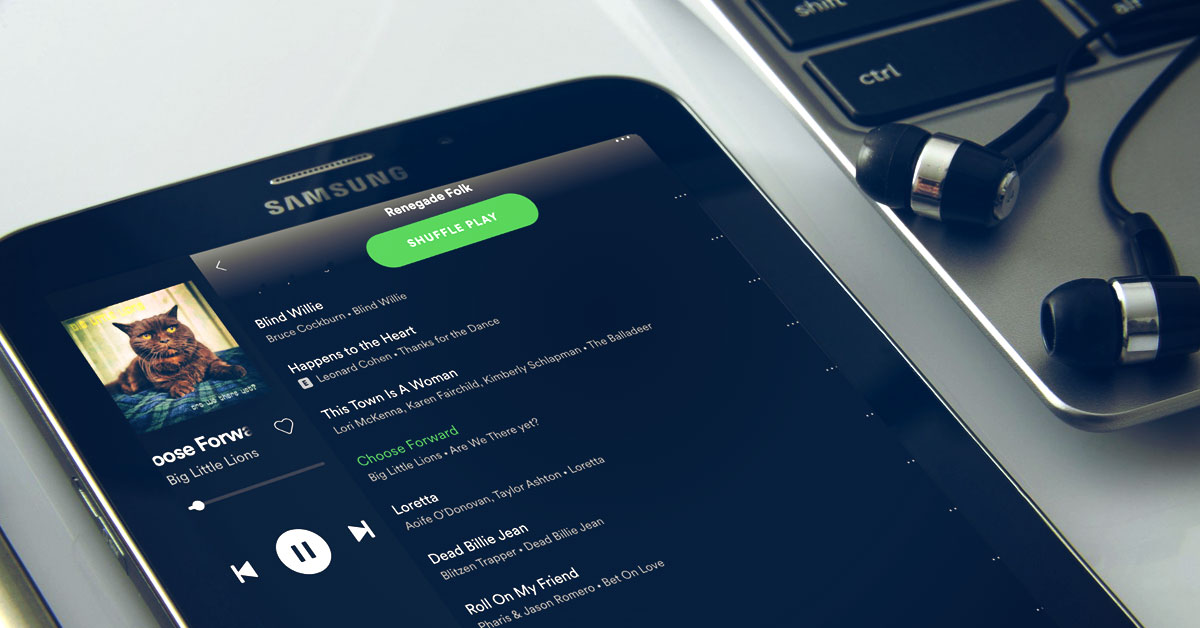
How To Use Playlists To Market Your Music: The Ultimate Guide


Credit: bandzoogle.com


Frequently Asked Questions For How To Use Playlists To Market Your Music


How Can Playlists Help Promote Your Music?


Playlists can be a powerful tool to promote your music as they increase discoverability, reach a wider audience, and boost your chances of getting noticed by industry professionals and influencers.


How Do You Create A Successful Music Playlist?


To create a successful music playlist, curate a mix of popular songs and lesser-known tracks, organize them in a cohesive way, and consider the mood and theme of the playlist. Promote the playlist through social media, collaborations, and reaching out to influencers and music bloggers.


How Do You Approach Playlist Curators?


When approaching playlist curators, personalize your message, keep it concise, and highlight why your music is a good fit for their playlist. Provide a short bio, a link to your music, and express your appreciation for their work. Building relationships with curators can increase your chances of getting included in their playlists.


Conclusion


Incorporating playlists into your music marketing strategy has the potential to significantly elevate your reach and engagement. As we’ve seen, creating and curating playlists on platforms like Spotify can help you connect with new audiences and build a loyal fan base.


By optimizing your playlists with descriptive titles, compelling artwork, and strategic placement, you can effectively promote your music and grow your brand. So, take advantage of this powerful tool and watch your music reach new heights.


Categories
Archive

Making Money With Music: Unlock Your Earning Potential Today!

To make money with music, artists can sell merchandise and music, perform live shows, offer lessons. Making Money with Music can be a rewarding and lucrative endeavor for musicians.


By diversifying revenue streams through merchandise sales, live performances, and teaching opportunities, musicians can generate income while pursuing their passion for music. In today’s digital age, leveraging social media, streaming platforms, and online music marketplaces can further enhance a musician’s earning potential.


With dedication and creativity, musicians can turn their love for music into a successful career that not only fulfills their artistic aspirations but also provides a sustainable income.


Finding Your Niche

When it comes to Making Money With Music, a crucial step is Finding Your Niche.

Identifying Your Strengths

Explore what makes you unique in the music industry.

Exploring Different Revenue Streams

Diversify income through various music-related avenues.


Credit: m.facebook.com


Building Your Brand

Creating a recognizable brand is essential for musicians to stand out in a competitive industry.

Creating A Unique Image

Develop a distinct visual style that reflects your music and personality.

Choose a memorable logo and color scheme to use consistently across all marketing materials.

  • Showcase your uniqueness through your outfit choices and stage presence.
  • Invest in professional photoshoots to create high-quality promotional images.

Utilizing Social Media Effectively

Engage with your fans and grow your audience by leveraging social media platforms.

Regularly post updates, behind-the-scenes content, and interact with followers.

  1. Use hashtags to increase visibility and reach a broader audience.
  2. Collaborate with influencers or other artists to expand your reach.


Monetizing Your Music

Earning money through your music is a prime goal for many musicians. Monetizing your music involves various methods, such as selling merchandise and licensing your music. Let’s delve into these strategies for revenue generation.

Selling Merchandise

Selling merchandise is a lucrative avenue for musicians. Create branded items like t-shirts, hoodies, hats, and posters that resonate with your audience. Make use of online platforms and social media to promote and sell these products. Offer limited edition items to entice your fans and drive sales.

  • Design visually appealing merchandise
  • Utilize online platforms for sales
  • Promote through social media
  • Offer limited edition items

Licensing Your Music

Licensing your music for use in various media such as TV shows, movies, commercials, and video games can be a substantial source of income. Register your songs with performance rights organizations and music libraries to reach a wider audience. Network with industry professionals and consider hiring a music licensing agency to enhance your opportunities for placements.

  1. Register with performance rights organizations
  2. Explore music libraries
  3. Network with industry professionals
  4. Consider hiring a music licensing agency

Making Money With Music: Unlock Your Earning Potential Today!


Credit: m.facebook.com


Maximizing Performance Income


Boost your music income by implementing strategies to maximize performance earnings. Learn how to leverage live shows, royalties, and licensing opportunities to generate revenue and grow your music career. Discover proven methods to make money with music and turn your passion into a sustainable source of income.

Booking Gigs And Tours

One of the most effective ways to maximize your performance income as a musician is by booking gigs and tours. Live performances not only allow you to connect with your audience on a deeper level, but they also provide substantial earning opportunities. To ensure you get the most out of your bookings, follow these strategies:

  1. Research and Approach Venues: Start by researching venues that are a good fit for your genre and style. Look for local bars, clubs, concert halls, and music festivals that regularly host live music. Once you have a list of potential venues, approach them with a professional pitch highlighting your unique value as an artist.
  2. Develop a Strong Press Kit: A well-crafted press kit is essential for showcasing your talent to potential bookers. Include a concise bio, high-quality photos, samples of your music, and any press coverage or accolades you have received. Use your press kit as a marketing tool to differentiate yourself from other artists.
  3. Network and Collaborate: Networking with other musicians, promoters, and venue owners can open doors to exciting opportunities. Attend local music events, join online communities, and engage with industry professionals on social media. Collaborating with other artists can also help expand your fan base and increase your chances of getting booked for gigs and tours.
  4. Market Your Shows: Once you secure a gig or tour, make sure to market the event effectively. Utilize social media platforms, your website, and email newsletters to spread the word. Engage with your fans, offer special promotions, and create a buzz around your upcoming performances. The more people you attract to your shows, the higher your potential earnings.

Getting Paid Royalties

Aside from live performances, earning royalties is another crucial aspect of maximizing your performance income in the music industry. Royalties can come from various sources, including streaming platforms, radio play, and licensing deals. To ensure you receive your fair share of royalties, keep the following tips in mind:

  • Register with Performance Rights Organizations (PROs): PROs are responsible for collecting and distributing royalties on behalf of songwriters, composers, and publishers. Registering with a PRO ensures that you are eligible to receive royalties whenever your music is performed in public or broadcasted. Examples of well-known PROs include ASCAP, BMI, and SESAC.
  • Submit Accurate Metadata: When uploading your music to streaming platforms or providing it for licensing opportunities, ensure that you include accurate and detailed metadata. This includes the song title, writer credits, publisher information, and ISRC codes. Correct metadata is essential for tracking and reporting performances correctly, leading to accurate royalty payments.
  • Monitor and Audit Your Royalties: Stay vigilant when it comes to monitoring your royalty earnings. Regularly check your statements from PROs, streaming services, and licensing agencies to ensure accurate reporting and payment of royalties. If you suspect any discrepancies or unpaid royalties, consider hiring a royalty audit specialist to investigate and recover any missing income.

Investing In Your Future

In today’s competitive music industry, investing in your future is crucial for survival and success. Financial planning and building long-term success are key factors that can help musicians monetize their talents and turn their passion into a profitable career. By implementing effective strategies and making smart financial decisions, musicians can create a stable income stream and ensure a sustainable livelihood.

Financial Planning

Financial planning plays a critical role in the journey to monetizing your music. It involves assessing your current financial situation, determining your short and long-term goals, and developing a realistic budget. By tracking your expenses and income, you can identify areas where you can cut costs and allocate more resources towards your music career. Setting aside a portion of your earnings for savings and investments can provide a financial safety net and allow you to grow your wealth over time.

Moreover, seeking professional advice from a financial planner can help you make informed decisions about your finances. They can guide you in creating a tax-efficient structure for your income and advise you on investment opportunities that align with your goals. A comprehensive financial plan can enable you to navigate the music industry with confidence and increase your chances of long-term success.

Building Long-term Success

Building long-term success requires a strategic approach that goes beyond just creating and performing music. Diversifying your income streams is essential to mitigate risks and ensure you have consistent revenue sources. By exploring multiple avenues such as live performances, streaming platforms, merchandise sales, and endorsements, you can generate revenue from various sources and increase your chances of sustainable success.

Additionally, investing in your skills and knowledge is crucial for staying relevant in an ever-evolving industry. Constantly honing your musical abilities and staying up-to-date with industry trends and advancements can give you a competitive edge. It can also open doors to new opportunities such as collaborations, licensing deals, and royalty payments.

Remember that building a successful music career takes time and persistence. Stay focused, continue refining your craft, and leverage the power of networking and building relationships within the industry. Surround yourself with mentors and like-minded individuals who can provide guidance and support.

Investing in your future is not only about making financial decisions, but also about investing in yourself and your career. By prioritizing financial planning and adopting a long-term mindset, you can turn your musical talent into a sustainable and profitable venture.

Summary:

  • Financial planning is crucial for musicians to create stability and growth in their careers.
  • Professional financial advice can help musicians make informed decisions and optimize their income.
  • Diversifying income streams and investing in skills are key to long-term success.
  • Building relationships within the industry can provide valuable support and opportunities.

Making Money With Music: Unlock Your Earning Potential Today!


Credit: support.google.com


Frequently Asked Questions For Making Money With Music


Can You Make Money From Music?


Yes, you can make money from music through streams, downloads, gigs, merchandise sales, royalties, and licensing deals.


Can I Earn Money By Listening To Music?


Yes, you can earn money by listening to music through platforms that offer rewards for streaming.


How Do I Monetize My Music?


To monetize your music, you can sell digital downloads, stream on platforms like Spotify, Apple Music, and YouTube, perform live shows, license your music for commercials and movies, and sell merchandise. You can also consider crowdfunding campaigns and connecting with music publishers and sync licensing companies.


Can I Stream My Own Music And Get Paid?


Yes, you can stream your own music and get paid. By uploading your music to streaming platforms like Spotify or Apple Music, you can earn money through royalties based on the number of streams your music receives. Make sure to register your music and properly promote it to increase your chances of earning more.


Conclusion


In the end, making money with music requires dedication and a strategic approach. By leveraging digital platforms, networking, and diversifying income streams, musicians can increase their earning potential. Embracing new opportunities and staying informed about industry trends are crucial for sustained success in the ever-evolving music business landscape.

Categories
Archive

Fl Studio Free: Unleash Your Musical Creativity with this Powerful Software

FL Studio offers a free trial with limited features but requires a purchase for full access. As a renowned digital audio workstation, FL Studio is widely used by music producers worldwide for its versatility and ease of use.


With a range of tools and features for composing, arranging, recording, editing, and mixing music, FL Studio caters to beginners and professionals alike. Its intuitive interface and extensive plugin support make it a popular choice for creating high-quality music productions in various genres.


For those looking to explore the world of music production, FL Studio provides a comprehensive platform to unleash creativity and bring musical ideas to life.

Fl Studio Free: Unleash Your Musical Creativity with this Powerful Software


Credit: ntrack.com


Introducing Fl Studio Free

Introducing FL Studio Free: Are you looking for a high-quality music production software? Then, FL Studio Free is the perfect choice for you. With its user-friendly interface and powerful features, FL Studio Free allows you to create professional-sounding music easily. In this article, we will explore what FL Studio is and the features of FL Studio Free.

What Is Fl Studio?

FL Studio is a popular digital audio workstation that has been used by both beginners and experienced music producers. It offers a wide range of tools and effects that enable users to compose, arrange, record, edit, mix, and master music tracks. FL Studio Free is the free version of this software, providing a comprehensive set of features for music production.

Features Of Fl Studio Free

  • Intuitive user interface
  • Support for various audio formats
  • Sequencing tools for creating beats and melodies
  • Virtual instruments and synthesizers
  • Audio recording and editing capabilities
  • Efficient mixer for precise control over sound
Fl Studio Free: Unleash Your Musical Creativity with this Powerful Software


Credit: ise.edu.al


Getting Started With Fl Studio Free

FL Studio Free is a powerful music production software that allows you to create beats, melodies, and full songs right on your computer. To begin your journey with FL Studio Free, you need to understand the basics of using the software. Below, we will guide you through the essential steps of downloading, installing, and navigating the interface of FL Studio Free.

Downloading And Installing Fl Studio

To get started, download the FL Studio Free version from the official website. Follow the on-screen instructions to install the software on your computer.

Navigating The Interface

Once FL Studio is installed, familiarize yourself with the interface. Explore the different sections such as the Channel Rack, Piano Roll, Playlist, Mixer, and Browser. Use the toolbar at the top to access various tools and functions.


Exploring Fl Studio Free Tools

When it comes to music production, FL Studio Free provides a range of powerful tools perfect for both beginners and experienced musicians. In this post, we’ll delve into the world of FL Studio Free tools and explore how they can enhance your music creation process.

Midi Functionality

Creating melodies and harmonies in FL Studio Free is made effortless with its intuitive MIDI functionality. The built-in piano roll allows users to craft intricate musical arrangements with ease, whether you’re inputting notes using a MIDI keyboard or drawing them in manually.

Audio Recording And Editing

FL Studio Free offers a robust set of audio recording and editing features for capturing and refining your sound. From recording live instruments and vocals to fine-tuning audio clips, FL Studio provides the necessary tools to achieve professional-grade results.

Fl Studio Free: Unleash Your Musical Creativity with this Powerful Software


Credit: www.linkedin.com


Enhancing Your Music With Fl Studio Free

FL Studio Free is a powerful and versatile music production software that allows you to create, edit, and enhance your music with ease. Whether you are a beginner or a professional, FL Studio Free offers a range of features and tools that can take your music to the next level. In this blog post, we will explore two essential aspects of enhancing your music with FL Studio Free: Using Virtual Instruments and Applying Effects and Mixing Tracks.

Using Virtual Instruments

FL Studio Free provides a vast library of virtual instruments, allowing you to access a wide variety of sounds and create unique melodies and harmonies. With its intuitive interface, you can easily navigate through the different instrument categories and choose the perfect sound to complement your music. Whether you want to add a realistic piano, a soaring synth, or a funky bassline, FL Studio Free has got you covered.

Moreover, FL Studio Free offers a range of customization options for virtual instruments. You can adjust parameters such as attack, decay, sustain, and release to shape the sound exactly as you envision it. Additionally, you can apply effects like reverb, delay, and modulation to further enhance the sound and add depth to your compositions. With FL Studio Free, you have the freedom to experiment and create truly unique sounds that set your music apart.

Applying Effects And Mixing Tracks

FL Studio Free provides a vast array of audio effects that can take your music to new heights. From EQ and compression to distortion and modulation, you have the tools at your disposal to shape and mold the sound to your liking. Whether you want to make your drums punchier, your vocals warmer, or your guitars more atmospheric, FL Studio Free offers a wide range of effects to achieve the desired result.

Furthermore, FL Studio Free allows you to mix your tracks effortlessly. Its mixer interface enables you to adjust the volume, pan, and EQ of each individual track, ensuring that every element of your music fits perfectly together. You can also use techniques such as sidechain compression and automation to create dynamic and engaging mixes. With FL Studio Free, you have complete control over the final sound of your music.

Sharing And Publishing Your Music

If you’re an aspiring musician or a seasoned producer, FL Studio Free provides you with the perfect platform to create, share, and publish your music. In this section, we will explore the various ways you can express your creativity and get your music out there for the world to enjoy.

Exporting Your Tracks

Once you’ve finished composing and mixing your masterpiece in FL Studio Free, it’s time to export your tracks in a format that is compatible with different devices and platforms. Exporting your tracks gives you the flexibility to share your music across a wide range of channels, including online streaming platforms, social media, or even burning it onto a CD.

FL Studio Free offers a straightforward exporting process that allows you to customize various aspects of your exported tracks. You can choose the file format, such as MP3 or WAV, and adjust the quality to ensure optimal sound. Whether you’re aiming for a high-quality studio release or a compressed file for quick online sharing, FL Studio Free has you covered.

Collaborating And Showcasing Your Work

FL Studio Free not only allows you to create music but also facilitates collaboration with other musicians and producers. Collaboration opens up endless possibilities, helping you learn from others, gain new perspectives, and create something truly unique. Utilize FL Studio Free’s collaboration features to work together, no matter where you or your collaborators are located.

Once you’ve collaborated on a project or completed a track, FL Studio Free provides you with numerous ways to showcase your work to the world. Whether you want to share it with your friends and family, upload it to a music-sharing platform, or submit it to a record label for consideration, FL Studio Free makes the process seamless. Additionally, you can create a professional-looking album cover and add metadata to your tracks to ensure they stand out.

Frequently Asked Questions On Fl Studio Free


Can You Get Fl Studio For Free?


No, FL Studio is not available for free. It can only be accessed through a paid license.


How To Unlock Full Fl Studio For Free?


To unlock full FL Studio for free, download the trial version and purchase a license key. Avoid illegal methods.


How Long Can I Use Fl Studio For Free?


You can use FL Studio for free with some limitations. The trial version has no time limit, but saving is disabled.


What Is The Difference Between Fl Studio Free And Full?


FL Studio free has limited features, while the full version offers all features unlocked for use.


Conclusion


FL Studio Free offers a powerful platform for music creation without breaking the bank. With its intuitive interface and a wide range of features, it’s a great choice for beginners and seasoned producers alike. Whether you’re looking to explore your musical talents or enhance your production skills, FL Studio Free provides an excellent starting point.


Download it now and unleash your creativity!

Categories
Archive

Get Your Music Heard: The Ultimate Guide to Amplifying Your Sound

To get your music heard, utilize social media platforms and engage with your audience consistently. Networking with industry professionals can also boost visibility.


In today’s digital age, getting your music heard by the right audience is crucial for success as an artist. With the abundance of online platforms and tools available, artists have more opportunities than ever to showcase their talent to a global audience.


Leveraging social media channels such as Instagram, TikTok, and YouTube can help to increase visibility and engage directly with fans. Additionally, collaborating with influencers, music bloggers, and industry insiders can provide valuable exposure. By strategically using these platforms and building a strong online presence, musicians can effectively get their music heard and make a lasting impact in the competitive music industry.


Crafting Your Sound

When creating music, it’s crucial to carve out a unique style that sets you apart. Define your style by incorporating elements that resonate with your personality and creativity.

Experiment with different genres and sounds to discover what feels most authentic to you. Embrace your individuality and let it shine through in your music.

Mastering your technical skills is essential for creating music that captivates your audience. Dedicate time to refining your instrument or vocal abilities to elevate the quality of your sound.

Practice regularly and seek feedback from trusted sources to continually improve your technique. Pay attention to detail and strive for excellence in every aspect of your music.

Get Your Music Heard: The Ultimate Guide to Amplifying Your Sound


Credit: blog.groover.co


Building Your Brand

Define your unique image and style through a memorable logo, font, and color palette.

Consider how you want your audience to perceive you and tailor your branding accordingly.

Engage with your audience on platforms like Instagram, Facebook, and Twitter to build a community.

Share behind-the-scenes content and interact with fans to create a strong connection.

Recording Your Music

Recording your music is an essential step in getting your sound heard. Whether you are a solo artist or part of a band, the recording process is crucial for showcasing your talent and reaching your audience. This section will cover everything you need to know about recording your music, from setting up a home studio to working with producers.

Setting Up A Home Studio

Setting up a home studio is an accessible and cost-effective way to record your music. All you need are some basic equipment such as a computer, audio interface, microphone, and headphones. Additionally, investing in recording software like Pro Tools or Logic Pro can elevate the quality of your recordings. Ensure your space is acoustically treated and consider adding soundproofing materials to minimize external noise interference.

Working With Producers

Collaborating with a producer can take your recordings to the next level. A producer can offer creative input, technical expertise, and guidance throughout the recording process. When choosing a producer, look for someone who shares your artistic vision and has experience in your genre. Clearly communicate your expectations and establish a comfortable working dynamic to ensure a productive partnership.

Get Your Music Heard: The Ultimate Guide to Amplifying Your Sound


Credit: soundcamps.com


Marketing And Promotion

Marketing and promotion are essential for musicians looking to get their music heard by a wider audience. With so much competition in the industry, it’s crucial to have a solid strategy in place to stand out from the crowd. In this section, we’ll explore two key aspects of marketing and promotion for musicians: creating a press kit and engaging with audiences.

Creating A Press Kit

A press kit is a valuable tool that provides important information about you and your music to journalists, venues, and industry professionals. It helps establish your brand and makes it easier for others to promote your music. When creating a press kit, keep the following in mind:

  • Bio: Craft a concise and compelling bio that highlights your musical journey, influences, and achievements.
  • Photos: Include high-quality, professional photos that capture your image and personality.
  • Music Samples: Provide a selection of your best tracks or a link to your online music portfolio.
  • Press Quotes: Showcase any positive reviews or press coverage you’ve received.
  • Contact information: Make it easy for people to get in touch with you.

Engaging With Audiences

Engaging with your target audience is crucial for building a loyal fan base and gaining exposure. Here are some effective ways to engage with your audiences:

  • Utilize social media: Be active on platforms like Instagram, Facebook, and Twitter, sharing updates, behind-the-scenes moments, and interacting with your followers.
  • Live performances: Play live shows regularly to connect with fans in person and create memorable experiences.
  • Email newsletters: Stay connected with your fans by sending regular newsletters with exclusive content, updates on upcoming releases, and show dates.
  • Collaborate with influencers: Consider partnering with influencers in your genre or niche to reach new audiences and gain credibility.
  • Offer merchandise and exclusives: Create merchandise that resonates with your brand and offer exclusive content or experiences to reward your loyal fans.

Earning From Your Music


Looking to earn from your music? Getting your music heard is essential for generating income. Utilize platforms like streaming services, social media, and live performances to reach wider audiences and increase your music’s visibility.

Monetizing Your Work

Now that you have poured your heart and soul into creating incredible music, it’s time to start reaping the rewards. Monetizing your work allows you to generate income from your music, helping you turn your passion into a sustainable career. Here are some effective strategies to help you make money from your musical creations: 1. Streaming Services: Embrace the power of popular streaming platforms, such as Spotify and Apple Music, to reach a global audience. Submit your tracks to these platforms and earn money through royalties when your songs are streamed. 2. Sync Licensing: Explore opportunities to license your music for television shows, movies, commercials, and other media projects. This allows you to earn royalties and gain exposure to wider audiences. 3. Live Performances: The energy and connection of live performances can open doors to various revenue streams. Plan gigs, concerts, or tours and benefit from ticket sales, merchandise, and sponsorships. 4. YouTube and Social Media: Create a strong online presence by sharing your music on platforms like YouTube, Instagram, and TikTok. As your fan base grows, you can generate income through advertising, brand collaborations, and fan engagement.

Navigating The Industry

Navigating the music industry can be overwhelming, but with a strategic approach, you can find success. Here are some tips to help you navigate the industry effectively: 1. Networking: Building connections with industry professionals, influencers, and fellow musicians is crucial. Attend industry events, join online communities, and collaborate with other artists to expand your network. 2. Marketing and Promotion: Develop a strong online presence and engage with your fans through social media. Utilize email marketing campaigns and create eye-catching visuals to promote your music releases and upcoming gigs. 3. Music Distribution: Choose a trusted music distribution service to make your music available on various platforms and streaming services worldwide. This ensures that your music reaches a wider audience and increases your earning potential. 4. Stay Informed: Keep up to date with industry trends, changes in music consumption, and emerging technologies. By staying informed, you can adapt your strategies to maximize your opportunities for success. Remember, making money from your music is a journey that requires dedication, perseverance, and adaptability. Explore different revenue streams, build a strong network, and stay true to your unique sound. With the right strategies and a resilient mindset, you can turn your passion into a sustainable career in the music industry.

Get Your Music Heard: The Ultimate Guide to Amplifying Your Sound


Credit: www.facebook.com


Frequently Asked Questions Of Get Your Music Heard


How Can You Get Your Music Heard?


To get your music heard, utilize social media, build a strong online presence, collaborate with other artists, submit music to playlists, and perform live shows.


How Do I Get My Music Noticed?


To get your music noticed, engage with your audience on social media, submit your music to blogs and playlists, collaborate with other artists, perform live shows, and invest in professional music promotion services.


How Do I Get People To Hear My Song?


To get people to hear your song, promote it on social media and music platforms. Collaborate with influencers and bloggers for exposure. Build a strong online presence and engage with your audience. Submit your music to playlists and radio stations for wider reach.


How Can I Get My Song Heard On The Radio?


To get your song heard on the radio, follow these steps: 1. Create a professional recording that stands out. 2. Research radio stations that play your genre of music. 3. Submit your song to those stations through their preferred methods, like email or online forms.


4. Follow up with stations to build relationships and increase your chances of getting airplay. 5. Promote your song through other channels like social media, live performances, and online platforms to attract radio station attention.


Conclusion


In the competitive music industry, getting your music heard is essential. By implementing the strategies discussed in this blog, such as creating engaging content, networking with industry professionals, and utilizing social media platforms effectively, you can significantly increase your chances of reaching a wider audience.


Remember, perseverance and passion are key to getting your music heard.


Categories
Archive

Mixing And Mastering Questions: Unleash the Power of Audio Transformations

For mixing and mastering questions, ensure the levels are balanced and EQ’ed correctly. Utilize compression to control dynamics.


Mixing and mastering are critical stages in music production, ensuring the audio sounds polished and professional. A well-mixed track will have balanced levels between instruments and vocals, with each element occupying its own space in the mix. Mastering involves enhancing the overall sound of the mix through processes like equalization, compression, and limiting to achieve a consistent and competitive volume level.


Both mixing and mastering require technical skills and a good ear for detail to bring out the best in a music production. It’s essential to understand the difference between the two processes and how they contribute to creating a high-quality final product.


Credit: www.upwork.com


The Art Of Mixing And Mastering

When it comes to music production, the art of mixing and mastering plays a crucial role in creating a professional and polished sound. Understanding the dynamics of audio mixing and mastering is essential for achieving a well-balanced final product that captivates listeners.

Understanding The Role Of Mixing

Mixing is the process of blending individual tracks together to create a cohesive and harmonious sound. It involves adjusting levels, panning, equalization, and effects to ensure each element of the song complements one another.

  • Balance tracks
  • Enhance clarity
  • Equalize frequencies

Exploring The Importance Of Mastering

Mastering is the final step in the music production process where the overall sound is fine-tuned for consistency and readiness for distribution. It involves optimizing the audio for various playback systems and formats.

  1. Optimize sound quality
  2. Ensure consistency
  3. Prepare for distribution

Essential Tools For Audio Transformation

Essential Tools for Audio Transformation:

Harnessing The Potential Of Eq And Compression

EQ shapes the sound by boosting or cutting specific frequencies while Compression evens out the dynamic range.

Utilizing Reverb And Delay For Depth And Space

Reverb adds ambiance & depth, while Delay creates a sense of space & movement in the mix.

Common Challenges And Solutions

Managing the intricacies of mixing and mastering music can present various challenges. However, with the right knowledge and techniques, these issues can be effectively addressed. Here are some common challenges musicians and audio engineers encounter when mixing and mastering, along with their respective solutions:

Managing Clashing Frequencies

When mixing audio tracks, conflicting frequencies can often result in a muddied or unclear sound. This can be particularly challenging when dealing with multiple instruments and vocals. To address this issue, consider using EQ to carve out space for each element in the mix. By identifying and reducing frequencies that clash, a clearer and more defined sound can be achieved.

Addressing Dynamics And Loudness Issues

Controlling the dynamics and loudness of a mix is essential for achieving a professional sound. To tackle this, utilize dynamic range compression to manage fluctuations in volume and ensure a consistent and balanced mix. Additionally, employing gain staging techniques can help optimize the overall loudness while maintaining clarity and impact.

Mixing And Mastering Questions: Unleash the Power of Audio Transformations


Credit: alpinemastering.com


Achieving Professional Results

Achieving professional results in mixing and mastering is a crucial step in creating high-quality music productions. Whether you are a beginner or an experienced music producer, understanding the strategies for creating cohesive mixes and mastering techniques for a polished, dynamic sound can take your music to the next level. In this section, we will explore these strategies and techniques to help you achieve professional results in your mixes and masters.

Strategies For Creating Cohesive Mixes

Creating a cohesive mix is essential for ensuring that all the elements in your music work together seamlessly. Here are some strategies to help you achieve this:

  1. Organization: Start by organizing your session, including grouping similar tracks, labeling them clearly, and color-coding if necessary. This will make it easier to navigate and make adjustments during the mixing process.
  2. Balance: Pay attention to the balance between different elements in your mix, such as the vocals, instruments, and drums. Use volume automation and panning techniques to create a space for each element and avoid clashes.
  3. EQ and Compression: Properly use EQ to clean up unwanted frequencies and make each element sit well in the mix. Utilize compression to control dynamics and add energy to the mix.
  4. Effects and Automation: Enhance your mix with effects like reverb, delay, and modulation. Automation can be used to add movement and interest to different parts of the mix.
  5. Reference Tracks: Compare your mix to commercial tracks in your genre to ensure it matches the quality and sound you are aiming for. Use reference tracks as a guide for achieving a professional mix.

Mastering Techniques For Polished, Dynamic Sound

Mastering is the final step in the production process that prepares the mix for distribution. It involves fine-tuning the mix to achieve a polished, dynamic sound. Here are some mastering techniques you can apply:

  • EQ and Compression: Use EQ and compression to shape the overall tonal balance and control the dynamics of the master. Be careful not to overdo it, as excessive processing can result in an unnatural sound.
  • Stereo Widening: Add width and space to your master by applying stereo widening techniques. This can make the mix sound more immersive and spacious.
  • Loudness: Ensure your master is appropriately loud without sacrificing dynamics. Use careful gain staging and limiting to optimize the overall loudness level.
  • Sequencing: Arrange the tracks in the correct order, considering the flow and continuity of the overall project. Make sure transitions between tracks are smooth and seamless.
  • Quality Control: Before finalizing your master, meticulously listen for any issues like clicks, pops, or unwanted artifacts. Make any necessary corrections to ensure a flawless final product.

By implementing these strategies for creating cohesive mixes and mastering techniques for a polished, dynamic sound, you can achieve professional results in your music productions. Experiment, trust your ears, and strive for continuous improvement to elevate your audio productions to the next level.


Mastering In The Digital Age

In today’s digital age, the process of mixing and mastering has undergone a significant transformation. With the advancement of technology, audio engineers now have access to powerful tools and software that enable them to achieve enhanced audio quality in the mastering process. This article will delve into the importance of leveraging technology for enhanced audio quality in mastering and the need to adapt to the demands of various platforms.

Leveraging Technology For Enhanced Audio Quality

Technology has revolutionized the way audio is mastered in today’s digital age. With the help of cutting-edge software and plugins, audio engineers can precisely manipulate sound elements to enhance the overall audio quality. These tools allow for precise control over dynamics, stereo imaging, equalization, and other aspects of the audio mix, resulting in a polished and professional final product.

Additionally, advancements in technology have reduced the reliance on analog hardware, making mastering more accessible and cost-effective. Audio engineers can now achieve remarkable results using software-based mastering solutions, saving both time and resources. This increased efficiency benefits both professionals and independent artists alike, allowing them to focus more on the creative aspects of their projects.

Adapting To The Demands Of Various Platforms

In the digital age, music is consumed on various platforms such as streaming services, broadcast television, radio, and online platforms. Each platform has its unique specifications and requirements when it comes to audio. To ensure the optimal listening experience across all platforms, it is crucial to adapt the mastering process accordingly.

For example, streaming services often have specific loudness normalization algorithms in place. Therefore, audio engineers must be aware of these requirements and adjust the final master to meet the platform’s loudness standards. Failure to do so may result in audio that sounds either too quiet or overly compressed when played back through the platform.

Furthermore, different streaming platforms may have different codec requirements, affecting the bit rate and audio quality. By considering these factors during the mastering process, audio engineers can ensure that the final product sounds its best across all platforms.

Key Aspects of Mastering in the Digital Age
Leveraging technology for enhanced audio quality
Adapting to the demands of various platforms

Mastering in the digital age presents exciting opportunities for audio engineers to achieve exceptional audio quality while catering to the demands of modern platforms. By leveraging the latest technology and staying up-to-date with platform requirements, audio professionals can ensure that their final masters sound captivating and engaging, captivating listeners across various platforms.

Mixing And Mastering Questions: Unleash the Power of Audio Transformations


Credit: medium.com


Frequently Asked Questions Of Mixing And Mastering Questions


What To Ask For In Mastering?


In mastering, ask for a balanced EQ, dynamic range control, stereo imaging, and loudness optimization. Ensure the final product matches your vision.


What Are The Steps To Mixing And Mastering?


Mixing involves adjusting levels and effects on individual tracks. Mastering is the final step, enhancing the overall mix for a polished sound. Steps include EQ, compression, and adding reverb and other effects for a balanced and professional finish.


What Should My Mix Be Before Mastering?


Ensure your mix has balanced levels, proper panning, EQ adjustments, and no clipping or distortion for mastering.


What Makes A Good Mix And Master?


A good mix and master should have balanced levels, clear separation of instruments, impactful low end, and enhanced clarity and depth. It also requires cohesive and consistent sound across different playback systems. Professional expertise and attention to detail are essential for achieving this.


Conclusion


In wrapping up, it’s clear that mixing and mastering are crucial elements in creating high-quality music. By understanding the differences and the importance of each stage, you can enhance the overall production process. With the right knowledge and skills, you can achieve professional-sounding results that capture the essence of your music.

Categories
Archive

Streaming For Musicians: Unlocking the Power of Digital Platforms

Streaming for musicians involves uploading music to platforms like Spotify, Apple Music, and Amazon Music for listeners to access and enjoy freely or through subscription services. Musicians earn royalties based on streams and popularity.


This process allows for widespread distribution and audience reach, making it an essential tool for artists to showcase their talent and connect with fans globally. Streaming services use algorithms to recommend music to users based on their listening preferences, providing exposure to new artists and increasing discoverability.


As a musician, understanding how streaming works can help you navigate the digital landscape and leverage these platforms to grow your audience and earn revenue consistently.


The Rise Of Digital Platforms

The Evolution Of Music Consumption

With the advent of digital platforms, music consumption has shifted drastically. Online streaming services like Spotify and Apple Music allow listeners to access vast libraries of music conveniently.

Impact On The Music Industry

Streaming has transformed the way the music industry operates. Artists can now reach global audiences directly through streaming platforms, leading to new avenues for discovery and promotion.


Credit: www.facebook.com


Harnessing The Potential Of Streaming

Streaming platforms have revolutionized the way musicians share their music with the world. Let’s delve into how artists can make the most of this digital landscape.

Maximizing Exposure Through Streaming

Utilize popular streaming platforms like Spotify, Apple Music, and Amazon Music to reach a broader audience.

  • Create engaging playlists to attract new listeners.
  • Collaborate with influencers or other artists for cross-promotion.
  • Optimize your metadata with relevant keywords for better search visibility.

Strategies For Monetizing Music

Unlock the earning potential of your music through strategic monetization techniques.

  1. Leverage subscription-based platforms for recurring revenue.
  2. Participate in streaming royalty programs to earn royalties from your music plays.
  3. Offer exclusive content or merch bundles to incentivize fan support.

Navigating The Streaming Landscape

When it comes to the world of music streaming, understanding how it all works is essential for musicians aiming to reach a wider audience and maximize their earning potential. Navigating the streaming landscape involves making informed decisions on which platforms to focus on, and how to optimize artist profiles to stand out amidst the competition.

Understanding Different Streaming Platforms

There are various streaming platforms available to artists, each with its unique features and audience demographics. From well-known services like Spotify and Apple Music to niche platforms like SoundCloud and Bandcamp, it’s important for musicians to understand the strengths and weaknesses of each platform in order to make strategic decisions about where to focus their efforts.

Optimizing Artist Profiles

Optimizing artist profiles on streaming platforms is key to maximizing visibility and attracting new listeners. This involves showcasing high-quality images, crafting compelling biographies, and curating playlists to provide an engaging experience for fans. Additionally, utilizing features such as ‘verified artist’ badges and leveraging data insights provided by the platforms can further enhance an artist’s presence and reach.


Credit: www.ticketsource.us


Engaging With Your Audience

Welcome to our blog post on streaming for musicians! In this section, we’ll explore the importance of engaging with your audience in order to build a strong fan base and promote your music effectively.

Building A Strong Social Media Presence

One of the key ways to engage with your audience is by building a strong presence on social media. Platforms like Facebook, Instagram, and Twitter provide an opportunity for you to connect directly with your fans and share updates about your music.

Here are some tips for building a strong social media presence:

  1. Consistently post engaging content, such as behind-the-scenes footage, music previews, and personal updates. This helps to keep your audience interested and involved in your journey.
  2. Interact with your followers by responding to comments, messages, and mentions. This shows that you value their support and encourages them to continue engaging with you.
  3. Collaborate with other musicians or influencers in your genre. This can help you reach a wider audience and gain credibility within the music industry.

Remember, building a strong social media presence takes time and effort, so be consistent and authentic in your interactions.

Utilizing Live Streaming For Performances

Live streaming is another powerful tool for engaging with your audience. It allows you to connect with your fans in real-time, no matter where they are in the world. Whether you’re performing a live concert or hosting a Q&A session, live streaming allows for direct interaction and creates a sense of excitement among your followers.

Consider these tips when utilizing live streaming for performances:

  • Promote your live stream in advance to generate anticipation and increase viewership.
  • Engage with your audience during the live stream by reading and responding to their comments and requests.
  • Offer exclusive content or special perks to viewers who tune in to your live stream. This encourages participation and loyalty.

By utilizing live streaming for performances, you can foster a stronger connection with your audience and create a memorable experience for your fans.

Adapting To The Future Of Music Distribution

With the advent of streaming platforms, the music industry has undergone a revolution in how music is distributed and consumed. This has opened up new opportunities for musicians to reach a wider audience and gain recognition. However, with the constantly evolving landscape of music streaming, it is essential for musicians to keep up with the emerging trends and employ innovative marketing and distribution strategies to stay ahead of the game.

Emerging Trends In Music Streaming

The world of music streaming is constantly evolving, and to remain successful, musicians need to stay in the loop. Understanding the emerging trends in music streaming can help them adapt their strategies and reach a larger audience.

  • Personalized Recommendations: Streaming platforms are now utilizing algorithms to personalize music recommendations for users. This means that musicians should focus on creating music that stands out and resonates with their target audience to increase the chances of being recommended to potential fans.
  • Artist Playlists: Collaborating with streaming platforms to curate playlists can greatly enhance a musician’s visibility. By creating playlists that feature their own music alongside other artists’ work, musicians can attract new listeners and gain exposure to a broader fan base.
  • Podcasts and Live Streaming: The rise of podcasts and live streaming platforms offers musicians an opportunity to connect with their fans on a more intimate level. By sharing behind-the-scenes stories, hosting live performances, or engaging in Q&A sessions, musicians can build a loyal fan base and develop a stronger connection with their audience.

Innovative Marketing And Distribution Strategies

While reaching a global audience has become easier with music streaming, musicians need to implement innovative marketing and distribution strategies to stand out and achieve success in this competitive landscape.

  1. Collaborations and Cross-Promotion: Partnering with other artists for collaborations or cross-promotion can expose musicians to new audiences and create mutually beneficial opportunities for growth.
  2. Social Media Presence: Building a strong online presence through platforms like Instagram, Facebook, Twitter, and TikTok can help musicians grow their fan base, engage with their audience, and promote new releases.
  3. Data-Driven Strategies: Analytics and data are powerful tools that musicians can harness to make informed decisions. By analyzing listener demographics, streaming patterns, and engagement metrics, musicians can tailor their marketing campaigns and refine their distribution strategies to maximize their reach and impact.
  4. Exclusive Content: Offering exclusive content, such as bonus tracks, limited editions, or early access to new releases, can incentivize fans to support their favorite musicians and strengthen the artist-listener relationship.
  5. Live Performances: While streaming platforms have made music accessible anytime and anywhere, live performances still hold immense value. Musicians should aim to combine the digital and physical worlds by leveraging streaming platforms to promote their live shows and vice versa.

By understanding and adapting to the future of music distribution, musicians can seize the opportunities presented by streaming platforms and take their music careers to new heights. Embracing emerging trends and implementing innovative marketing and distribution strategies will not only help them stand out in the crowded music streaming market but also enable them to connect with their audience on a deeper level and establish a long-lasting presence.

Streaming For Musicians: Unlocking the Power of Digital Platforms


Credit: www.worldbank.org


Frequently Asked Questions On Streaming For Musicians How Does It All Work


How Can Musicians Stream Their Music Online?


Musicians can stream their music online by using platforms such as Spotify, Apple Music, or YouTube. They need to upload their tracks to these platforms and make them available for streaming to their fans and listeners.


Is It Possible For Musicians To Make Money From Streaming?


Yes, musicians can earn money from streaming. They receive royalties based on the number of times their music is streamed. The amount of money earned depends on factors such as the streaming platform, the popularity of the artist, and the number of streams.


Are There Any Costs Involved In Streaming Music As A Musician?


There are no direct costs for musicians to stream their music on platforms like Spotify or Apple Music. However, some platforms may offer additional features or promotional tools that require payment. Musicians can also choose to invest in marketing and promotion to increase their streaming revenue.


What Are The Benefits Of Streaming For Musicians?


Streaming offers several benefits for musicians. It provides a convenient and accessible way for fans to listen to their music. It also allows musicians to reach a global audience, gain exposure, and potentially increase their fan base. Additionally, streaming platforms provide analytics and data insights to help musicians understand their audience better.


Conclusion


Having a strong understanding of streaming as a musician is essential in today’s music industry. With the right knowledge, commitment, and strategy, musicians can leverage streaming platforms to grow their fanbase and generate income. By navigating the complexities of streaming, musicians can take full advantage of this digital landscape to advance their careers.


Categories
Archive

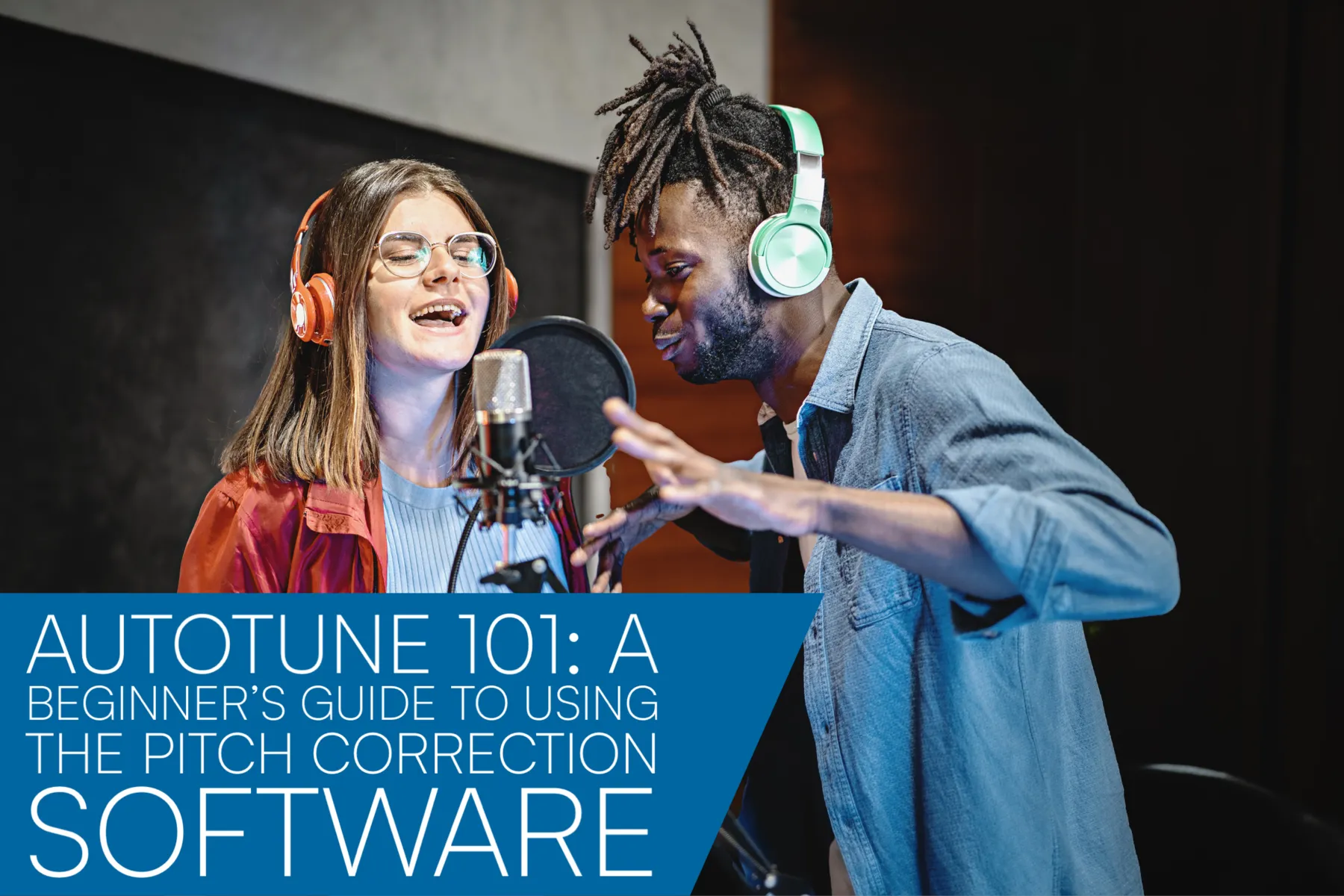
How To Use Auto Tune : Master the Art of Pitch Correction

To use Auto-Tune: install the software, open your audio project, select the track, and apply the desired pitch correction. Auto-Tune is a widely-used pitch correction software in the music industry, allowing artists to achieve the desired pitch and tone in their recordings.


With its easy-to-use interface, Auto-Tune provides a range of corrective features to enhance vocal performances. Whether for subtle corrections or dramatic effects, Auto-Tune offers a seamless solution for achieving professional-quality audio production. By following a few simple steps, users can harness the power of Auto-Tune to enhance their recordings and create polished and pitch-perfect tracks.

How To Use Auto Tune  : Master the Art of Pitch Correction


Credit: tommydecibel.com


Choosing The Right Auto-tune Software

Choosing the Right Auto-Tune Software:

Determine Your Needs

Understand your specific requirements before selecting an Auto-Tune software.

Research Available Options

Explore various Auto-Tune software options to find the best fit for your needs.

Understanding The Basics Of Auto-tune

Pitch Correction Mechanism

Auto-Tune corrects off-key notes in vocal recordings automatically.

  • It detects the pitch of the input and realigns it to the nearest correct pitch.
  • Helps achieve that polished, pitch-perfect sound in your vocals.

Adjusting Parameters

Parameters like Retune Speed and Humanize are pivotal in Auto-Tune.

  1. Retune Speed controls how quickly pitch corrections are applied.
  2. Humanize adds a touch of imperfection for a more natural sound.

Preparing Your Audio For Auto-tuning

Before diving into the world of auto-tuning, it’s essential to prepare your audio to ensure the best results. Properly cleaning up imperfections and setting the right input levels are crucial steps in this process.

Cleaning Up Imperfections

Clean up any unwanted noise or inconsistencies in your audio before applying auto-tuning. This can be done by removing background noise, pops, and clicks, and ensuring a consistent volume throughout the recording.

Setting The Right Input Levels

Ensure that your audio levels are optimized for auto-tuning. Adjust the input levels to avoid any clipping or distortion, and strive for a balanced signal to achieve the best tuning results.

How To Use Auto Tune  : Master the Art of Pitch Correction


Credit: tommydecibel.com


Applying Auto-tune Effectively

Auto-Tune is a powerful tool that has revolutionized the music industry, allowing artists to achieve pitch-perfect vocals effortlessly. However, using Auto-Tune effectively requires a comprehensive understanding of its various features and settings. In this article, we will explore how to apply Auto-Tune effectively, focusing on selecting the desired correction style and utilizing real-time mode.

Selecting The Desired Correction Style

Before diving into the specifics of Auto-Tune, it is crucial to understand the different correction styles and how they can enhance your vocal performance. Auto-Tune offers several correction modes, including Natural, Classic, and Creative.

Correction Style Description
Natural This style provides subtle corrections, preserving the original character of your voice while smoothing out minor pitch imperfections.
Classic Classic mode delivers the iconic Auto-Tune sound, popularized by countless hit songs. It provides a more noticeable correction effect for a polished and radio-ready sound.
Creative If you’re looking to experiment and push the boundaries of your vocal performance, the Creative mode offers unique and unconventional pitch correction options.

Choosing the right correction style depends on the genre and artistic vision of your music. The Natural mode is often favored for genres like folk or acoustic, where a more organic and authentic sound is desired. On the other hand, the Classic mode shines in pop, R&B, and electronic music, where a polished, slick vocal is the goal. The Creative mode allows you to explore new horizons and create distinct vocal effects.

Utilizing Real-time Mode

Auto-Tune’s real-time mode is a game-changer, enabling you to monitor and correct your vocals in real-time while recording or performing live. This feature ensures that you maintain pitch accuracy, even while engaging with the music dynamically.

To utilize real-time mode effectively, follow these simple steps:

  1. Open your Auto-Tune plugin or software on your recording software’s master track.
  2. Select the desired correction style based on your artistic preferences.
  3. Adjust the key and scale settings according to the song’s tonality.
  4. Set the retune speed to achieve a natural or more transparent correction effect.
  5. Engage global retune speed to smoothen out pitch inconsistencies across your vocal performance.
  6. Enable the real-time mode to monitor and correct your vocals as you sing.
  7. Experiment with the other available settings to fine-tune the correction to your liking.

By utilizing Auto-Tune’s real-time mode effectively, you can ensure pitch-perfect performances and eliminate the need for time-consuming post-recording correction. Remember to practice and become comfortable with using real-time mode to make the most out of this valuable feature.

Applying Auto-Tune effectively involves selecting the appropriate correction style that aligns with your artistic vision and genre. Additionally, utilizing real-time mode empowers you to monitor and correct your vocals seamlessly as you sing or record. With these tips in mind, you can harness the power of Auto-Tune to enhance your vocal performances and create remarkable music.


Mastering Advanced Techniques

Mastering advanced techniques in auto-tune can elevate your music production to a whole new level. With these techniques, you can create natural pitch corrections, use vibrato and formant controls, and enhance the overall quality of your tracks. In this section, we will explore each of these advanced techniques in detail.

Creating Natural Pitch Corrections

One of the key goals of using auto-tune is to achieve seamless and natural pitch corrections in your vocals. By focusing on maintaining the natural characteristics of the original performance, you can enhance the overall sound without sacrificing authenticity.

Here are some essential tips to create natural pitch corrections using auto-tune:

  1. Ensure that the key and scale settings in your auto-tune plugin match the track you are working on. This will help the software identify the correct pitches and make accurate corrections.
  2. Use the pitch correction display to identify the areas that require adjustment. This visual representation allows you to pinpoint specific notes that are slightly off-pitch and correct them.
  3. Adjust the speed and retune speed settings to achieve a balance between rapid corrections and maintaining the natural timbre of the vocals. Slow down the corrections for a more subtle and natural effect.
  4. Manually correct any excessive pitch variations by dragging the pitch line to the desired position. This gives you full control over the degree of correction applied to each note.
  5. Be cautious not to overcorrect the vocals. It’s important to retain some degree of imperfections to preserve the human element and avoid an artificial sound.

Using Vibrato And Formant Controls

Vibrato and formant controls are powerful features in auto-tune that allow you to add expressive nuances to your vocals and shape the overall tone of the performance.

Here’s how you can effectively use vibrato and formant controls:

  1. Activate the vibrato control to add subtle or pronounced pitch variations to the vocals, replicating the natural vibrato that occurs in human singing. Adjust the depth and speed settings to achieve the desired effect.
  2. Experiment with formant controls to modify the vocal timbre and create unique textures. Lowering the formant value can produce a deeper, more masculine sound, while raising it can result in a brighter, higher-pitched tone.
  3. Combine vibrato and formant controls to add depth and character to your vocals. Carefully fine-tune these settings to ensure they complement the style and mood of the song.

By mastering these advanced auto-tune techniques, you can take your music production skills to the next level. Remember to strike a balance between perfection and maintaining the natural qualities of the original performance. With practice and experimentation, you’ll be able to achieve professional-sounding results that enhance your music.

How To Use Auto Tune  : Master the Art of Pitch Correction


Credit: www.audiomixingmastering.com


Frequently Asked Questions For How To Use Auto Tune


What Is Auto Tune Software?


Auto Tune software is a powerful audio plugin used to correct and manipulate pitch in vocal recordings. It allows artists to achieve perfect pitch and create unique vocal effects by automatically adjusting the pitch to match a desired key or melody.


How Does Auto Tune Work?


Auto Tune works by analyzing the pitch of a vocal recording and detecting any deviations from the desired pitch. It then corrects these deviations by adjusting the pitch in real-time. This process can be done subtly for pitch correction or more exaggerated for creative effects, depending on the desired outcome.


Can Auto Tune Make Anyone Sing Perfectly?


While Auto Tune can correct pitch inaccuracies, it cannot make someone sing perfectly if they lack the necessary vocal skills. It is a tool designed to enhance and refine a singer’s performance, but proper technique and skill are still crucial for achieving a polished and professional vocal sound.


Is Auto Tune Only Used For Pitch Correction?


No, Auto Tune is not solely used for pitch correction. It has become popular for its creative applications as well. Artists often use Auto Tune to create unique vocal effects, such as robotic or synthesized sounds, exaggerating pitch shifts for stylistic purposes, or adding harmonies to a vocal recording.


Conclusion


Learning how to use Auto-Tune can greatly enhance your music production. By utilizing the tips and techniques mentioned in this guide, you can take your sound to the next level and achieve professional-quality results. With practice and experimentation, Auto-Tune can become a valuable tool in your creative arsenal.


Embrace the possibilities and let your creativity shine through.

Categories
Archive

How to Make a Spotify Artist Account: A Step-by-Step Guide

To create a Spotify artist account, visit Spotify for Artists website and complete the sign-up process. Once verified, upload your music.


Music artists can easily establish their presence on Spotify by setting up a dedicated artist account. This allows musicians to showcase their music, connect with fans, and access valuable analytics to monitor their performance. By creating a Spotify artist account, musicians can take advantage of the platform’s extensive reach and growing user base to promote and share their music with a global audience.


Furthermore, artists can use the account to manage their profile, track their streams and followers, and gain insights to better understand their audience and optimize their music promotion strategies. Overall, a Spotify artist account is a powerful tool for musicians to grow their fan base and build a successful music career in the digital age.

How to Make a Spotify Artist Account: A Step-by-Step Guide


Credit: www.wix.com


Getting Started


Learn how to create a Spotify artist account with this easy-to-follow guide. Start promoting your music today and reach a wider audience on one of the most popular streaming platforms.

Getting started with creating your Spotify artist account is a simple process. Sign up for Spotify to claim your artist profile and connect with your fans. Make sure to follow the steps below to get started on your musical journey online.

Sign Up For Spotify

To create your Spotify artist account, visit the Spotify for Artists website. Fill in the required details accurately.

Claiming Your Artist Profile

After signing up, claim your artist profile by verifying your identity. This step ensures you have control over your music and branding. Have your music ready in digital format to upload to your artist account. Engage with your fans by updating your profile regularly with new releases and updates.

Managing Your Profile

Customizing Your Profile

Start by selecting an eye-catching profile picture that represents your brand.

Write a compelling bio that highlights your music style and influences.

Add links to your social media accounts to connect with your fans.

Uploading Music And Content

Click on the “Music” tab and then “Upload” to add your tracks.

Ensure your music files meet Spotify’s formatting and quality standards.

Create engaging playlists to showcase your music and reach a wider audience.

Engaging With Fans

Engaging with your fans is a crucial aspect of building your music career. Spotify for Artists provides amazing features that allow you to connect with your audience in a more meaningful way. Let’s explore how you can make the most of these tools to strengthen your bond with your fans.

Utilizing Spotify For Artists Features

Spotify for Artists offers a variety of features designed to help artists engage with their fanbase. One of the key tools available is the ability to track listener demographics and behaviors, allowing you to gain valuable insights into your audience. You can use this data to tailor your music and marketing efforts to better resonate with your fans. Additionally, the platform provides real-time analytics, so you can see how your releases are performing and adjust your strategy accordingly.

Promoting Your Music

Spotify for Artists equips you with the tools to effectively promote your music to your fanbase. With the ability to share your newest releases directly to your Spotify followers, you can ensure that your music reaches the ears of those who matter most. Furthermore, the platform allows you to create and manage your artist profile, ensuring that your brand is accurately represented to your audience.

How to Make a Spotify Artist Account: A Step-by-Step Guide


Credit: playlistpush.com


Analyzing Performance

Now that you’ve set up your Spotify artist account, it’s time to dive into analyzing performance. Understanding how your music is resonating with your audience is crucial for continued growth and success as an artist. In this section, we will explore the various tools and features Spotify provides to help you assess and make the most out of your performance data.

Accessing Analytics

Spotify offers a comprehensive analytics dashboard that provides valuable insights into how your music is performing. To access your analytics, simply follow these steps:

  1. Log in to your Spotify for Artists account.
  2. On the main dashboard, click on the “Analytics” tab located in the top navigation bar.
  3. Here, you will find an array of data and metrics that give you an in-depth understanding of your music’s performance on Spotify.

Understanding Your Audience

One of the most valuable aspects of Spotify’s analytics is the ability to gain insights into your audience. By understanding who your listeners are, you can tailor your music and promotional efforts to better meet their preferences. Here are some key audience metrics to examine:

  • Demographics: Discover the age, gender, and location of your listeners to better understand your target audience.
  • Playlist Adds: Determine which playlists your music has been added to and identify potential opportunities for collaboration or promotional campaigns.
  • Top Cities: Find out which cities have the highest concentration of your listeners and consider targeting these areas for live performances or local marketing strategies.
  • Listener Behavior: Track how your music is being discovered, whether it’s through direct searches, algorithmic recommendations, or user-generated playlists.

By analyzing these data points, you can gain a deeper understanding of your audience and make informed decisions when it comes to marketing and distributing your music.

Remember, analyzing your performance on Spotify is an ongoing process. Regularly reviewing your analytics will help you identify trends, spot opportunities for growth, and refine your strategies to reach a wider audience. So dive into your analytics, harness the power of the data at your disposal, and continue to connect with your fans through the music you create.

How to Make a Spotify Artist Account: A Step-by-Step Guide


Credit: songlifty.com


Frequently Asked Questions On How To Make A Spotify Artist Account


How Do I Create A Spotify Artist Account?


To create a Spotify artist account, go to the Spotify for Artists website and click “Sign up. ” Fill out the required information, verify your identity, and then you’ll be all set to start managing and promoting your music on the platform.


Is A Spotify Artist Account Free?


Yes, a Spotify artist account is free. You can sign up and upload your music without any cost.


How Do I Claim Myself As An Artist On Spotify?


To claim yourself as an artist on Spotify, visit Spotify for Artists website and follow the verification process.


How Do I Claim My Artist Profile On Spotify?


To claim your artist profile on Spotify, visit the Spotify for Artists website and follow the steps to verify your identity. Once verified, you can manage your profile, track performance, and connect with fans. Keep your Spotify artist account up-to-date to make the most of the platform.


Conclusion


Creating a Spotify artist account is a straightforward process that can help you showcase your original music to a global audience. By following the steps outlined in this guide, you can take advantage of the platform’s tools and resources to promote your music and engage with fans.


Start your musical journey on Spotify today!


Categories
Archive

Cello Mic Placement: Mastering the Art of Perfect Sound

For optimal cello mic placement, position the microphone 12-18 inches from the instrument’s f-hole. Proper placement of the microphone is crucial in capturing the rich and resonant sound of a cello during live performances or recording sessions.


When placed too close to the instrument, the mic may pick up unwanted vibrations or distortions. Conversely, positioning the microphone too far away can result in a loss of detail and clarity in the sound. By following some simple guidelines and experimenting with placement options, musicians and sound engineers can achieve the best possible sound quality and balance when miking a cello.

Cello Mic Placement: Mastering the Art of Perfect Sound


Credit: www.sweetwater.com


Choosing The Right Microphone

Mic placement is crucial for capturing the full range and depth of a cello’s sound. Selecting the right microphone is the first step towards achieving high-quality recordings or performances.

Consideration Of Mic Types

Microphones come in various types, such as dynamic, condenser, and ribbon. Each type offers different characteristics suitable for different recording environments and styles.

Factors For Mic Selection

  • Polar Pattern: Choose a microphone with a polar pattern that matches the sound projection of the cello.
  • Sensitivity: Consider the microphone’s sensitivity to capture the nuances of the cello’s sound.
  • Frequency Response: Look for a microphone with a flat frequency response to accurately reproduce the cello’s tones.
  • Mounting Options: Ensure the microphone has the necessary mounting options for easy attachment to the cello.
  • Directionality: Select a microphone with the appropriate directionality to capture the desired sound from the cello.

By taking these factors into consideration, you can choose the right microphone that complements the unique sound of your cello and enhances your recordings or performances.

Cello Mic Placement: Mastering the Art of Perfect Sound


Credit: www.sweetwater.com


Placement Techniques

When setting up a microphone for your cello, the placement plays a crucial role in capturing the rich and nuanced sounds of this beautiful instrument.

Optimal Distance From Cello

The optimal distance between the microphone and the cello should be around 12-18 inches to capture a well-balanced sound.

Angle And Direction Of Mic

Position the mic at an angle pointed towards the f-hole of the cello to capture the full resonance and warmth of the instrument.


Addressing Common Challenges

Proper mic placement is crucial for capturing the rich, resonant tones of a cello. However, musicians often encounter challenges when positioning the microphone to achieve optimal sound quality. Addressing these common issues is essential in ensuring a seamless recording or performance experience.

Dealing With Feedback Issues

Feedback can be a significant problem when miking a cello. To mitigate feedback, consider using a directional microphone and positioning it at an angle that minimizes the pickup of monitor speakers. Additionally, using a feedback suppressor or notch filter can help control any unwanted resonance.

Minimizing Background Noise

Minimizing background noise is essential for capturing the pure sound of the cello. Start by selecting a quiet recording environment. To further minimize extraneous noise, use a cardioid or hypercardioid microphone with a close-miking technique. Placing the microphone strategically close to the cello can effectively reduce ambient noise.

Tips For Recording And Live Performance

When it comes to recording or performing live with a cello, getting the microphone placement right is crucial for achieving the best sound. In this article, we will provide you with some valuable tips on how to properly place a microphone for recording and live performances on the cello.

Adjusting Levels And Eq

To ensure optimal sound quality, it is important to adjust the levels and EQ settings of your cello microphone. By adjusting the levels, you can control the volume and prevent any distortion or overpowering of the sound. Using an equalizer (EQ) helps in fine-tuning the tonal balance by boosting or cutting specific frequencies.

For recording, start by positioning the microphone about 12 to 18 inches away from the cello, angled slightly towards the lower part of the instrument. This placement allows the microphone to capture both the rich low-end and the detailed highs of the cello. Experiment with different microphone positions and angles to find the sweet spot that suits your recording environment and desired sound.

Utilizing Room Acoustics

Taking advantage of the room acoustics can greatly enhance the sound of your cello during both recording sessions and live performances. The room you are in contributes to the overall sound by adding natural reverberation and spatial depth. Positioning the microphone strategically can help capture the best characteristics of the room.

For recording, consider placing the microphone closer to the sound source to capture more of the direct sound of the cello and less of the room reflections. For live performances, experiment with microphone placement to ensure the audience can enjoy a well-balanced and natural sound, taking into account the specific acoustics of each venue.

Remember to listen to the recordings or test the sound during soundchecks and make any necessary adjustments to levels, EQ, and microphone placement accordingly. Each environment and scenario may require slight modifications to achieve the best sound possible.

Advanced Mic Placement Strategies

When it comes to getting the best sound out of your cello, mic placement plays a crucial role. A well-placed microphone can capture the rich tones and nuances of your instrument, bringing your performance to life. In this section, we’ll explore some advanced mic placement strategies that can take your cello recordings to the next level.

Utilizing Multiple Microphones

By using multiple microphones, you can capture different aspects of your cello’s sound and create a more comprehensive recording. Here are a few ways to effectively utilize multiple microphones:

  • Close and Distant: Position one microphone close to the cello to capture the intimate details of the instrument’s sound, and another microphone placed further away to capture the overall ambiance of the room.
  • Stereo Pair: Position two microphones in an XY or AB configuration to create a wider, more immersive soundstage. This technique can add depth to your recordings, making the listener feel like they’re sitting in the room with you.
  • Spot Miking: Use additional microphones to specifically capture certain aspects of the cello’s sound, such as the bridge or the F-holes. This allows for precise control over different tonal characteristics during the mixing process.

Exploring Stereo Mic Techniques

Stereo mic techniques are often used to capture the natural stereo image of the cello and create a more realistic listening experience. Here are some popular stereo mic techniques:

  • XY Stereo: Place two microphones in an X and Y configuration at a 90-degree angle. This method ensures a precise stereo image and excellent mono compatibility, making it a popular choice for recording cello.
  • Mid-Side (M/S) Recording: Use one directional microphone (the mid mic) pointed towards the center of the cello, and one bidirectional microphone (the side mic) positioned perpendicular to the mid mic. This technique allows for precise control over the stereo width during the mixing process.
  • Blumlein Pair: Position two bidirectional microphones at a 90-degree angle, capturing the cello’s sound from all directions. This technique creates an immersive stereo image but requires careful placement to avoid phase cancellation.

Experimenting with different stereo mic techniques can help you find the one that best suits the unique sound of your cello and the desired recording environment. Keep in mind that each technique may require slight adjustments and experimentation to achieve optimal results.

Cello Mic Placement: Mastering the Art of Perfect Sound


Credit: www.amazon.com


Frequently Asked Questions Of Cello Mic Placement


Where Should I Place The Microphone On A Cello?


For optimal sound capture, place the microphone near the bridge on the lower bout of the cello. This placement ensures balanced tonal representation and captures the rich resonance of the instrument.


How Far Should The Microphone Be From The Cello?


Position the microphone around 12 to 18 inches away from the cello to strike a balance between capturing the full tonal range and minimizing unwanted noise. Experiment with different distances to find the sweet spot for your specific setup.


Should I Use A Condenser Or Dynamic Microphone For Cello Recording?


While both can produce excellent results, condenser microphones are generally preferred for cello recording due to their wider frequency response and higher sensitivity. They capture more detail and nuances, ensuring a more accurate representation of the cello’s sound.


What Are Some Common Microphone Placement Techniques For Cello Recording?


Two popular techniques are the close-miking method, where the microphone is placed near the bridge for direct sound capture, and the room-miking method, where the microphone is positioned further away to capture the cello’s natural ambience. Experiment with different techniques to achieve the desired sound.


Conclusion


The placement of the cello mic greatly impacts sound quality. Experimenting with different positions can help find the ideal balance of resonance and clarity. Take the time to test and adjust to achieve the best results for your recording or performance.


Keep in mind the importance of mic distance and angle for optimal sound capture.

Categories
Archive

Drum Recording Tips: Master the Art of Captivating Beats

For drum recording, ensure proper mic placement and invest in quality microphones for optimal sound quality. Good drum tuning is essential for a great recording as well.


Drums are one of the most crucial elements in a music production, and getting a good drum recording is essential for achieving a professional sound. Whether you are recording drums in a studio or at home, there are several tips and techniques that can help you get the best results.


From mic placement to drum tuning, every step in the recording process plays a significant role in capturing the perfect sound. We will explore some valuable drum recording tips that can help you achieve excellent results in your recordings.

Drum Recording Tips: Master the Art of Captivating Beats


Credit: unison.audio


Choosing The Right Drums

When it comes to drum recording, selecting the right drums is crucial for achieving the desired sound.

Acoustic Vs. Electronic

Acoustic drums provide a classic, authentic sound with varying tones and dynamics.

Electronic drums offer versatility, consistency in sound, and easy integration with recording software.

Types Of Drums

  • Snare Drums: Known for their sharp, crisp sound and are essential for providing rhythm and accents.
  • Bass Drums: Provide the foundation of the beat with a deep, low-end sound.
  • Tom-Toms: Enhance fills and transitions with a melodic tone.

Ensuring the drums match the style and genre of the music being recorded is key for a cohesive sound.

Setting Up Your Recording Space

If you want to achieve optimal sound quality, setting up your recording space is crucial.

Room Acoustics

  • Choose a space with minimal reverb and background noise.
  • Add acoustic panels or foam to absorb unwanted reflections.
  • Position your drum kit away from hard surfaces to prevent sound bouncing.

Microphone Placement

  1. Experiment with different microphone positions to find the best sound.
  2. Place microphones closer to the drum for a more focused sound.
  3. Use overhead mics to capture the overall drum kit sound.
  4. Avoid placing microphones too close to cymbals to prevent distortion.

Selecting The Right Microphones

When it comes to drum recording, selecting the right microphones is crucial for capturing the desired sound accurately. The right choice of microphones can make a significant difference in the quality of the recorded drum tracks. To ensure optimal results, consider factors such as microphone type, placement techniques, and the overall sound you want to achieve. Let’s delve into the world of drum recording and explore the essential tips for selecting the right microphones.

Dynamic Vs. Condenser

Dynamic microphones are rugged and versatile, making them well-suited for capturing the loud and dynamic sounds of drums. Their robust construction allows them to handle high sound pressure levels, making them ideal for close-miking drums. On the other hand, condenser microphones are known for their sensitivity and nuanced sound reproduction. They excel at capturing the subtle details and nuances of drum performances, making them a great choice for overhead miking and capturing the overall ambiance of the drum kit.

Best Mic Placement Techniques

When it comes to mic placement for drum recording, the overhead, kick drum, and snare drum mics play a crucial role in capturing the full spectrum of the drum sound. Placing the overhead mics in a spaced pair or coincident technique can provide a balanced stereo image of the drum kit. For kick drum miking, placing a dynamic microphone inside the drum near the beater can capture the punch and low-end frequencies effectively. As for the snare drum, a dynamic or condenser mic placed above or below the drum can capture the sharp attack and sizzle of the snare wires.

Tips For Achieving The Perfect Sound

Properly tuning your drums is crucial for achieving a perfect sound during recording. A well-tuned drum kit ensures that each drumhead resonates at the right pitch, allowing your drums to sound in harmony with one another. Here are a few tips to help you tune your drums:

  • Start by loosening all the tension rods on your drumheads.
  • Evenly tighten each tension rod in a star pattern to maintain even tension across the drumhead.
  • Use a drum key or a tuning app to achieve desired pitch.
  • Tap near the tension rod while turning it to hear the pitch change and find the desired tone.

Remember, tuning your drums is a continuous process that may take some trial and error, but it’s well worth the effort to achieve the perfect sound.

Room ambience plays a vital role in drum recordings, adding depth and character to the overall sound. Here are a few tips to help you use room ambience effectively:

  • Experiment with microphone placement to capture the natural reverb of the room.
  • Place microphones at different distances from the drum kit to capture varying levels of ambience.
  • Consider using a stereo microphone setup to capture a more immersive sound.
  • If your recording space lacks natural ambience, you can simulate it by using reverb plugins or recording in a different location.

By utilizing room ambience in your drum recordings, you can create a more spacious and lively sound that enhances the overall listening experience.

Recording Techniques To Enhance Dynamics

When it comes to recording drums, one of the most important aspects to consider is the dynamics. A well-recorded drum kit with enhanced dynamics can make all the difference in your final mix. In this section, we will explore two popular recording techniques – close miking and room miking – and discuss how drum compression can further enhance the dynamics of your drum recordings.

Close Miking Vs. Room Miking

Close miking and room miking are two common approaches to capturing the sound of a drum kit. Close miking involves placing microphones close to each individual drum and cymbal, allowing for precise control and isolation of each sound source. On the other hand, room miking focuses on capturing the overall ambient sound of the drum kit by placing microphones at a distance from the kit.

Both techniques have their advantages and can be used in combination to achieve the desired sound. Close miking provides greater control over the individual drum sounds and allows for easier mixing in post-production. It helps capture the individual characteristics of each drum and cymbal, resulting in a more detailed and defined sound.

Room miking, on the other hand, adds depth and natural ambiance to the drum sound. By capturing the reflections and resonances in the room, it creates a sense of space and enhances the overall sound of the drum kit. Room mics can be placed strategically to capture the desired balance between the direct sound of the drums and the room ambience.

Utilizing Drum Compression

Drum compression is a powerful tool that can enhance the dynamics of your drum recordings. Compression helps control the dynamic range by attenuating the loudest peaks and boosting the quieter parts, resulting in a more balanced and polished sound. It adds consistency to the drum sound and ensures that no drum hit gets lost in the mix due to excessive dynamics.

When using compression on drums, it is important to strike the right balance. Too much compression can squeeze the life out of the drum sound, making it sound unnatural and flat. On the other hand, too little compression may not effectively control the dynamics, resulting in an inconsistent and overpowering drum sound.

To use drum compression effectively, start by setting a moderate attack time to allow the initial transients of the drum hits to come through. Adjust the release time to ensure that the compression is released in time for the next drum hit. Set the compression ratio to achieve the desired amount of control over the dynamics.

In conclusion, close miking and room miking are two popular techniques for recording drums, each offering its unique advantages. By utilizing drum compression, you can further enhance the dynamics of your drum recordings, creating a more cohesive and impactful sound. Experiment with these techniques and find what works best for your drum sound and mixing style.

Drum Recording Tips: Master the Art of Captivating Beats


Credit: www.facebook.com


Drum Recording Tips: Master the Art of Captivating Beats


Credit: blog.native-instruments.com


Frequently Asked Questions Of Drum Recording Tips


How Do I Set Up My Drums For Recording?


To set up your drums for recording, start by tuning them properly and positioning them in a suitable acoustically-treated space. Use good quality microphones and experiment with placement to capture the desired sound. Make sure to set appropriate levels and record in a room with minimal background noise.


What Are Some Common Drum Recording Techniques?


Some common drum recording techniques include close miking, overhead miking, and room miking. Close miking involves placing microphones close to each individual drum and cymbal to capture their specific sound. Overhead miking captures the overall kit sound, while room miking captures the natural reverb and ambience of the room.


How Can I Reduce Cymbal Bleed In Drum Recordings?


To reduce cymbal bleed in drum recordings, try using tighter drum heads and positioning the cymbals further away from the microphones. You can also experiment with different microphones that have better off-axis rejection. Additionally, using noise gates and careful EQ can help minimize unwanted cymbal bleed in the mix.


Conclusion


Mastering these drum recording tips will undoubtedly elevate the quality of your music productions. By implementing these techniques, you can capture the essence and energy of your drumming, resulting in a richer and more impactful sound. Whether you’re a seasoned professional or a novice in the recording studio, these tips will help you achieve the perfect drum recording.