Categories
Archive

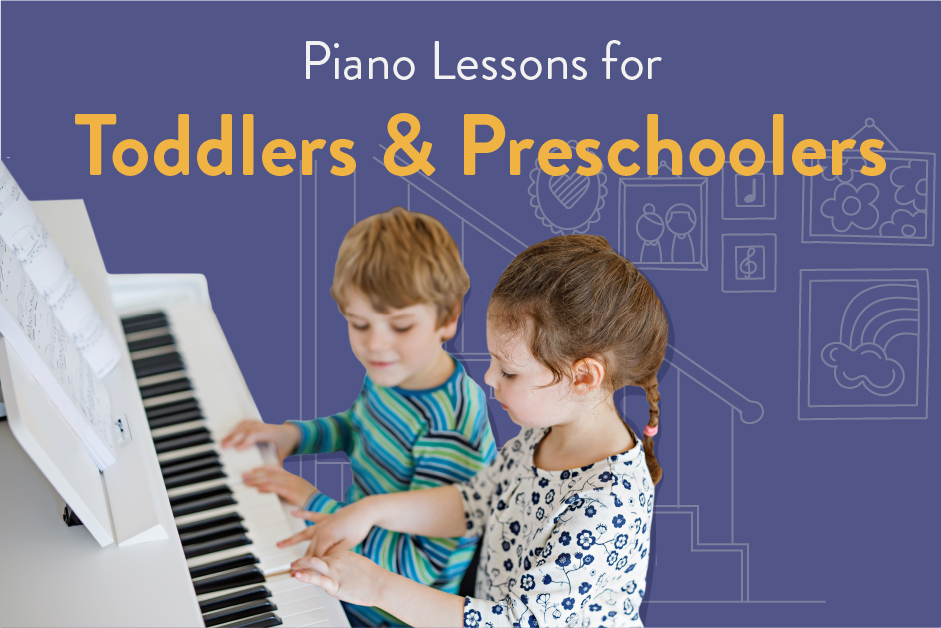
When is the Best Time for a Child to Learn Piano?

The best time for a child to learn piano is typically between the ages of 6 to 9. During this period, children have developed sufficient motor skills and cognitive abilities to grasp musical concepts effectively.


Learning to play the piano at a young age can have numerous benefits for a child’s development. It can enhance their cognitive skills, improve hand-eye coordination, boost creativity, and increase overall academic performance. Additionally, playing the piano can instill discipline, patience, and perseverance in children.


Introducing a child to music early on can also cultivate a lifelong passion for the arts. Considering these factors, parents may want to consider enrolling their child in piano lessons during the optimal age range for maximum learning potential and growth.

When is the Best Time for a Child to Learn Piano? Discover the Optimal Age!


Credit: www.schoolofrock.com


Early Introduction To Music

Introducing children to music at a young age has a multitude of benefits that extend beyond just enjoyment.

Benefits Of Early Music Education

  • Enhances cognitive development
  • Improves motor skills
  • Boosts creativity and self-expression

Impact On Brain Development

Research shows that early exposure to music can have a significant impact on brain development.

  1. Strengthens neural connections
  2. Improves memory retention
  3. Enhances language processing

Physical And Cognitive Readiness


Children show optimal physical and cognitive readiness to learn the piano around age 5 to 6. At this stage, they can focus, follow instructions, and coordinate their hands and fingers. It’s the best time to introduce them to the instrument and lay a strong foundation for their musical development.

Child’s readiness to learn piano depends on physical and cognitive development.

Fine Motor Skills Development

Encourage piano learning once child develops fine motor skills for precise finger movements.

Cognitive Development And Attention Span

Consider cognitive abilities and attention span – vital for sustained piano practice.

Emotional Readiness

Emotional readiness is a crucial factor when considering the best time for a child to learn piano. It involves the child’s ability to understand and express emotions, as well as their readiness to handle the challenges and discipline that come with learning an instrument. Emotional readiness plays a significant role in determining a child’s success and enjoyment of piano lessons.

Interest And Enthusiasm

Children should display a genuine interest and enthusiasm for learning the piano. Their eagerness to engage with music and explore the instrument reflects their emotional readiness. Parents and teachers should observe the child’s willingness to participate in piano activities and their curiosity about music in general as indicators of readiness.

Ability To Handle Frustration

Learning the piano can be a challenging and sometimes frustrating experience. Children need to possess the emotional resilience and patience to handle setbacks and difficulties that arise during practice sessions. Their ability to manage frustration and maintain motivation in the face of obstacles is an essential aspect of emotional readiness for learning the piano.

Social And Environmental Factors


Exploring the social and environmental factors that influence a child’s readiness to learn piano is crucial. The best time for a child to start learning piano depends on their individual interests, developmental stage, and support system at home. Providing a nurturing and encouraging environment can greatly enhance a child’s musical journey.

Family Support And Encouragement

When it comes to learning the piano, one crucial factor that can greatly influence a child’s progress is the level of family support and encouragement they receive. Having a nurturing and encouraging home environment plays a significant role in a child’s motivation and dedication to learning an instrument.

A supportive family provides a solid foundation for a child’s musical journey, as it fosters a positive attitude and a sense of belonging. Parents who show an active interest in their child’s piano lessons can greatly impact their child’s commitment and enthusiasm. Engaging in conversations about their progress and attending recitals or performances can make the learning experience more rewarding and enjoyable for the child.

Benefits of Family Support:

  1. Boosts a child’s self-confidence and self-esteem.
  2. Creates a sense of accountability and responsibility.
  3. Fosters a love and appreciation for music within the family unit.
  4. Strengthens the parent-child bond through shared experiences.

Access To Resources And Instruction

Another crucial social and environmental factor that can determine the best time for a child to learn piano is their access to resources and quality instruction. A child’s progress and development in playing the piano greatly rely on the availability of proper tools, materials, and a competent teacher.

Access to resources, such as a well-maintained piano or keyboard, sheet music, and educational books, is essential for a child’s learning experience. The presence of these resources allows for regular practice and exploration of different musical genres and techniques.

Equally important is the role of a qualified and knowledgeable piano teacher. A skilled instructor can guide the child through their musical journey, teaching them proper techniques, music theory, and providing valuable feedback. A supportive relationship between the child and their teacher can greatly enhance their progress and further ignite their passion for music.

Finding The Right Balance


Discovering the perfect timing for a child to start piano lessons involves considering their readiness and interest in music. Encouraging a passion for music from a young age can lead to a harmonious balance in their development.

Avoiding Pressure And Burnout

One of the key factors in finding the right balance when it comes to a child learning piano is to avoid putting excessive pressure on them. Children need time to learn at their own pace and enjoy the process. Pushing a child too hard, especially at a young age, can lead to burnout and a dislike for the instrument. Ensuring that practice sessions are manageable and enjoyable will help cultivate a positive attitude towards piano playing.

Nurturing A Love For Music

Another important aspect of finding the right balance is nurturing a love for music in your child. Exposing them to a variety of musical genres and allowing them to explore different types of music can help spark their interest and passion for the piano. Encouraging creativity and self-expression through music will help your child connect with the instrument on a deeper level.

Creating A Supportive Environment

To create the best environment for your child to learn piano, it’s important to be supportive and encouraging. Provide positive reinforcement and praise for their efforts and progress, no matter how small. Creating a routine that includes designated practice times will help your child develop discipline and consistency in their learning journey.

Setting Realistic Expectations

Setting realistic expectations is crucial in finding the right balance. Understanding that progress takes time and patience is essential for both the parent and the child. It’s important to celebrate small victories and milestones along the way, while also acknowledging that there will be challenges and setbacks. Being realistic about the amount of time and effort required to become proficient in playing the piano will help manage expectations and prevent frustration.

Building A Support Network

building a support network of like-minded individuals can greatly contribute to finding the right balance for your child’s piano journey. Connecting with other parents and music teachers can provide valuable insights and resources. Seeking guidance from experienced professionals can help navigate any challenges that may arise and ensure your child receives the best possible support in their musical development.
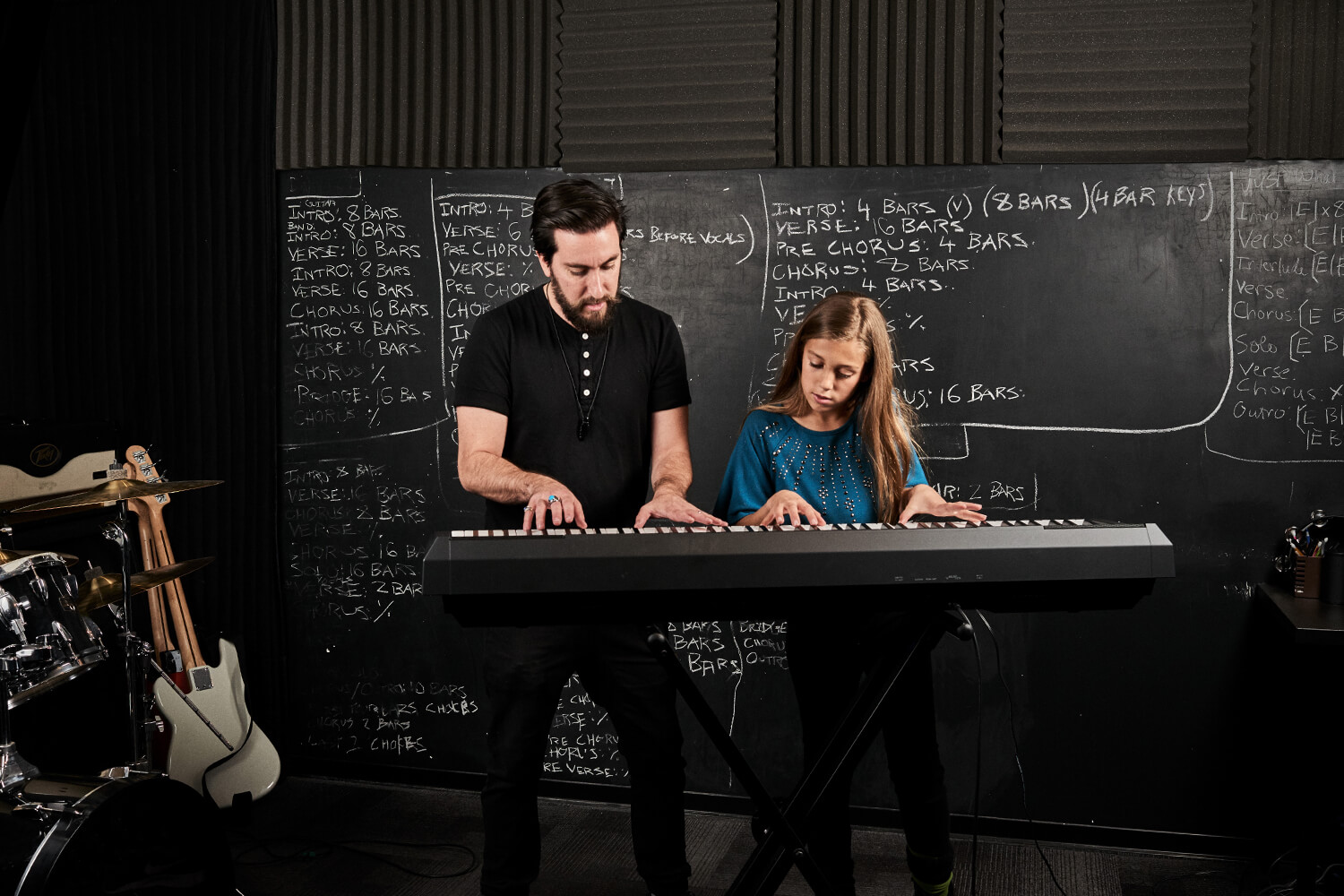
When is the Best Time for a Child to Learn Piano? Discover the Optimal Age!


Credit: www.schoolofrock.com


When is the Best Time for a Child to Learn Piano? Discover the Optimal Age!


Credit: www.hoffmanacademy.com


Frequently Asked Questions On When Is The Best Time For A Child To Learn Piano


Is 4 Years Old Too Early To Learn Piano?


No, 4 years old is not too early to start learning the piano. Children can begin learning basic piano skills at this age. It can have positive effects on their cognitive development and lay the foundation for a lifelong love of music.


How Often Should A 7 Year Old Practice Piano?


A 7-year-old should practice the piano for about 20-30 minutes a day to develop their skills effectively. Consistency and regular practice are key to progress at this age.


Can 2 Year Old Learn Piano?


Yes, a 2-year-old can start learning the piano. However, it is important to note that their focus and attention span may be limited at this age. Simplified activities and short practice sessions can be introduced to develop their musicality.


How Long Does It Take For A Child To Learn Piano?


On average, it takes a child around 2-4 years to learn the piano proficiently. Daily practice and consistent lessons are key. Each child’s progress may vary based on their dedication and natural aptitude for music. Regular practice and encouragement are essential for skill development.


Conclusion


The best time for a child to learn piano is during their early years. This allows them to develop crucial musical skills and a strong foundation. With the right support and encouragement, children can benefit greatly from starting piano lessons at a young age.


Investing in their music education early can set them up for a lifetime of musical enjoyment and growth.


Categories
Archive

Unlock New Possibilities: Transform Your Digital Piano into a MIDI Controller

Yes, a digital piano can be used as a MIDI controller. This allows you to create music digitally using your piano.


Digital pianos are a versatile tool in modern music production, doubling as a high-quality instrument and a MIDI controller. With the capability to transmit MIDI signals via USB or MIDI cables, digital pianos can control virtual instruments and software synthesizers on your computer.


This integration provides musicians with the convenience of recording and composing music directly on their computers using the expressive touch and sound of a piano. Whether you are a beginner or a seasoned musician, using a digital piano as a MIDI controller opens up endless possibilities for creativity and production in the digital music realm.


Understanding Midi

What Is Midi?

MIDI stands for Musical Instrument Digital Interface.

It is a communication protocol used in music production.

Midi Applications In Music Production

MIDI allows digital instruments to communicate with each other.

It enables control of various parameters and functions.

With MIDI, a digital piano can be used as a MIDI controller.

It assigns different sounds and effects to keys.

MIDI data can be recorded, edited, and played back easily.

Unlock New Possibilities: Transform Your Digital Piano into a MIDI Controller


Credit: www.amazon.com


Connecting Your Digital Piano To A Computer

Connecting your digital piano to a computer allows for a seamless integration of your musical instruments with digital software and recording programs. Whether you are a beginner or a professional musician, using your digital piano as a MIDI controller opens up a world of possibilities for creating, recording, and producing music.

Using Midi Cables

MIDI cables are a traditional method for connecting your digital piano to a computer. These cables transmit data between devices, allowing for communication and control. By connecting your digital piano to your computer using MIDI cables, you can control virtual instruments, record MIDI data, and create music in your favorite digital audio workstation (DAW).

Utilizing Usb Connections

USB connections provide a convenient and straightforward way to connect your digital piano to a computer. Many modern digital pianos come equipped with USB ports that can be used for both power and data transmission. By utilizing a USB connection, you can easily send MIDI data to your computer, control software instruments, and record your performances directly into your DAW.

Choosing The Right Software

When it comes to using a digital piano as a MIDI controller, choosing the right software is crucial for a seamless and efficient music production experience. The software you select will determine the level of compatibility and functionality with your digital piano, ultimately influencing the quality of your music creation process. Let’s explore the key aspects of software selection for utilizing a digital piano as a MIDI controller.

Daw Compatibility

Digital Audio Workstation (DAW) compatibility is a vital consideration when using a digital piano as a MIDI controller. Before selecting software, ensure that it is fully compatible with your preferred DAW, such as Ableton Live, Logic Pro, or FL Studio. The software should seamlessly integrate with your DAW to enable smooth communication between your digital piano and the music production environment.

Specialized Midi Controller Software

Another aspect to consider is the availability of specialized MIDI controller software that is designed to maximize the functionality of your digital piano. These software options offer advanced features specifically tailored for MIDI controller usage, allowing you to customize and optimize the performance of your digital piano within the software environment. Some popular specialized MIDI controller software includes MainStage and Cantabile Performer, offering enhanced control and flexibility for digital piano users.

Unlock New Possibilities: Transform Your Digital Piano into a MIDI Controller


Credit: www.amazon.com


Exploring Creative Possibilities


Discover the endless possibilities of using a digital piano as a MIDI controller, unlocking a world of creative opportunities for music production and composition. Dive into the seamless integration of technology and music with this versatile instrument.

Customizing Midi Mapping

Customizing MIDI mapping on a digital piano opens up a whole new world of creative possibilities. By assigning specific MIDI messages to different keys and controls on the piano, you can tailor your playing experience to your unique needs and preferences. Whether you want to control various parameters of your virtual instruments or trigger effects and samples in your DAW (Digital Audio Workstation), customizing MIDI mapping allows you to seamlessly integrate your digital piano into your creative workflow.

With just a few simple steps, you can remap the keys on your digital piano to trigger specific MIDI notes or chords. For example, you can assign your piano’s lower keys to play bass notes while the higher keys play melody lines. This opens up a whole new realm of creativity, enabling you to experiment with different chord progressions and melodies all from the comfort of your digital piano.

But it doesn’t stop there. Customizing MIDI mapping also allows you to control various parameters of your virtual instruments. Using the knobs, sliders, and buttons on your digital piano, you can adjust parameters like volume, modulation, and pitch bend in real-time. This hands-on control adds a level of expressiveness to your performances, allowing you to infuse your music with your own unique style and emotion.

Integration With Virtual Instruments

One of the key advantages of using a digital piano as a MIDI controller is its seamless integration with virtual instruments. Virtual instruments, also known as VSTs (Virtual Studio Technology), are software-based emulations of traditional instruments, synthesizers, and other sound sources. When your digital piano is connected to a computer or MIDI-enabled device, it can act as a conduit for controlling these powerful virtual instruments.

By connecting your digital piano to your preferred DAW, you can access a vast array of virtual instruments to enhance your music production. From realistic piano sounds to lush orchestral sections and cutting-edge synthesizers, the possibilities are virtually limitless. Your digital piano becomes not only a traditional instrument but also a gateway to a world of sonic exploration and experimentation.

Imagine seamlessly switching between different virtual instruments as you compose, layering rich textures and blending different sounds to create your unique sonic tapestry. With a digital piano as your MIDI controller, you have the freedom to explore the versatile realm of virtual instruments, pushing the boundaries of your creativity.

Unlock New Possibilities: Transform Your Digital Piano into a MIDI Controller


Credit: novationmusic.com


Frequently Asked Questions On Can A Digital Piano Be Used As A Midi Controller


How Do I Use My Digital Piano As Midi?


To use your digital piano as a MIDI, connect it to your computer or MIDI-enabled device using a USB or MIDI cable. Then, select the piano as your MIDI input device in your music software or DAW. Your digital piano is now ready to communicate with and control MIDI-compatible devices.


Do I Need A Midi Controller If I Have A Digital Piano?


A MIDI controller supplements a digital piano to expand sound options and control software. It’s beneficial, not essential.


Can I Use My Keyboard As A Midi Controller?


Yes, you can use your keyboard as a MIDI controller to play and record music electronically.


Can I Use Roland Go Piano As Midi Controller?


Yes, you can use the Roland GO:PIANO as a MIDI controller for music production or live performances.


Conclusion


To sum up, a digital piano can indeed be used as a MIDI controller, offering versatility and convenience for musicians. With its ability to produce high-quality sounds and interface with various music software, it opens up a world of creative possibilities.


Embracing the technology of digital pianos as MIDI controllers can enhance music production and performance experiences.


Categories
Archive

How Do You Know If Your Piano is Out of Tune? Detect the Discord

To determine if your piano is out of tune, listen for dissonance or unevenness in the sound. Compare with a well-tuned piano for accuracy.


A piano is an intricate instrument that requires precise tuning to produce beautiful melodies. Over time and with regular use, the strings in a piano can stretch and become misaligned, causing the notes to go out of tune. If you notice that the sound is not harmonious or there are inconsistencies in the pitch across the keyboard, it’s a clear indication that your piano needs tuning.


Regular tunings by a professional piano tuner are essential to maintain the instrument’s optimal performance and ensure that you can enjoy playing music without any disruptions.


Credit: www.facebook.com


Signs Of An Out Of Tune Piano


If your piano sounds off, there may be signs it’s out of tune. Listen for uneven octaves, dissonant chords, or a generally flat or sharp sound. It’s best to have your piano tuned regularly to keep it in peak condition.

Uneven Octaves: – Uneven octaves indicate inconsistent pitches between notes. – It may sound like some notes are higher or lower than others. – Playing scales can help identify uneven octaves easily. Harsh or Muted Sound: – Harsh sounds mean the strings are too tight. – A muted sound is produced when the strings are too loose. – An expert tuner can adjust the tension of the strings. Check for these signs to ensure your piano stays in tune!

Causes Of Piano Dissonance


If your piano sounds off-key, several factors may be causing it to be out of tune.

Let’s explore the main causes of piano dissonance.

Temperature And Humidity Changes

Extreme changes in temperature and humidity can significantly impact a piano’s tuning.

Fluctuations in these conditions can cause the wood in the piano to expand or contract, affecting the tension of the strings.

  • High humidity may lead to the strings becoming looser, while low humidity can cause them to tighten.
  • This variance can cause the notes to drift out of tune.

Regular Usage

Frequent use of the piano, especially if played vigorously, can also contribute to it going out of tune.

The constant pressure exerted on the strings during playing can gradually lead to stretching and loosening, impacting the overall tuning.

Regular maintenance and tuning adjustments are crucial to keep the piano in optimal condition.

Impact Of An Out Of Tune Piano


Discover the impact of an out-of-tune piano by listening for dissonant notes and irregular sound quality. Signs of an untuned piano include sour tones and lack of harmony, affecting the overall playing experience. Regular tuning ensures your piano stays in perfect harmony for enjoyable performances.

Impact of an Out of Tune Piano When a piano is out of tune, it can have several negative effects on both its aesthetic appeal and performance. Aesthetic displeasure, performance limitations, and diminished musicality are some of the consequences of a piano being out of tune. It’s important to understand these impacts in order to appreciate the significance of regular piano tuning.


Aesthetic Displeasure

“` An out-of-tune piano can be a source of aesthetic displeasure as it produces discordant and jarring sounds that can be unpleasant to the ears. The intended harmonious melodies are marred by the presence of dissonant tones, leading to a lack of enjoyment for both the player and the listener. This can detract from the overall musical experience and diminish the aesthetic value of the performance.


Performance Limitations

“` In addition to aesthetic displeasure, an out-of-tune piano can impose significant limitations on the performance. It can hinder the musician’s ability to accurately convey the intended emotions and musical nuances, as the instrument fails to produce the correct pitches and tones. This may impede the artistic expression and musical interpretation, leading to a compromised performance that falls short of the desired standard. The performance limitations of an out-of-tune piano can be particularly frustrating for musicians aiming for precision and excellence, as the instrument’s inability to maintain proper tuning can hinder their musical capabilities. By understanding the impact of an out-of-tune piano, individuals can appreciate the importance of regular tuning and maintenance to ensure optimal performance and aesthetic appeal.

How Do You Know If Your Piano is Out of Tune? Detect the Discord


Credit: www.facebook.com


Methods To Detect Piano Discord


To detect piano discord, carefully listen for dissonant sounds or irregular pitch shifts in individual keys. Hiring a professional tuner ensures accurate adjustment, maintaining harmonious sound quality for optimal performance. Regular inspections help identify and rectify tuning issues promptly, preserving the instrument’s overall condition.

Determining if your piano is out of tune is crucial to maintaining its beautiful sound. While trained ears can easily detect the disharmony, there are a few methods you can employ to confirm your suspicion. These methods include the use of tuning devices and seeking professional assessment. Let’s delve into each method to help you identify if your piano is in need of a tuning session.

Use Of Tuning Devices

Tuning devices serve as invaluable tools in detecting and correcting piano discord. These devices, such as electronic tuners or tuning apps, use advanced technology to measure the frequency and pitch of each note. With their precise measurements, they can easily identify inconsistencies and deviations from the standard tuning. To utilize a tuning device, simply place it near the piano strings, ensuring it picks up the sound accurately. The device will display the pitch of each note, allowing you to compare it with the desired tuning. If there are any discrepancies, the device will indicate the extent of the detuning, indicating a need for tuning.

Professional Assessment

While tuning devices are handy for initial evaluations, seeking professional assessment is equally important to ensure a comprehensive analysis of your piano’s tuning state. Professional piano tuners possess the expertise and experience required to identify even the most intricate inconsistencies in your piano’s harmonious balance. During a professional assessment, the tuner will meticulously examine each key, string, and component of the piano. By skillfully listening to the sound produced by each note, they can discern any disharmony. Additionally, they will use a tuning lever to make precise adjustments that will correct the discord and restore your piano’s beautiful sound. With their trained ears and proficiency in piano tuning, professional assessors can help you identify not only the general tuning issues but also any specific complexities that may require attention. By entrusting your piano to a professional tuner, you can ensure its sound is restored to its optimal state. In conclusion, the use of tuning devices and seeking professional assessment are effective methods to detect if your piano is out of tune. Incorporating these methods into your maintenance routine will allow you to keep your piano sounding its best and ensure your continued enjoyment of its melodies. Don’t neglect the importance of regular tuning and rely on these methods to identify any discord in your beloved instrument.

Addressing Piano Dissonance

If your piano isn’t producing the harmonious and melodic tones you know it’s capable of, it may be out of tune. Piano dissonance can occur for several reasons, including changes in humidity, temperature fluctuations, and regular use. Addressing this dissonance is crucial to maintaining the quality of your instrument’s sound and ensuring a pleasurable playing experience. In this article, we’ll explore two key steps you can take to address piano dissonance: following a regular tuning schedule and consulting with a piano technician.

Regular Tuning Schedule

Keeping your piano in tune is essential for preserving its tonal richness and preventing dissonance. By adhering to a regular tuning schedule, you can maintain the optimal sound quality of your instrument. A piano should typically be tuned at least twice a year, although more frequent tunings may be necessary depending on factors such as heavy use and environmental conditions. Regular tunings help prevent the gradual deterioration of the piano’s sound and ensure that it remains in top condition.

During a piano tuning session, a qualified tuner will make adjustments to the tension of each string using a specialized tool called a tuning hammer. By bringing each string into proper alignment, the tuner can restore the desired pitch and correct any dissonance. It’s important to note that tuning a piano is a complex task best left to professionals who have the necessary training and expertise.

Consultation With A Piano Technician

While regular tunings are a vital part of piano maintenance, there may be cases where your instrument requires additional attention beyond standard tuning. If you notice persistent dissonance or other issues with your piano’s sound, it’s advisable to consult a piano technician. A trained technician can diagnose any underlying mechanical problems or structural issues that may be contributing to the dissonance.

During a consultation, the technician will thoroughly assess your piano, inspecting components such as the strings, hammers, and soundboard. They may also check for any signs of wear and tear or damage that could affect the overall sound quality. Based on their findings, the technician can recommend the appropriate repairs or adjustments needed to resolve the dissonance.

Remember, a well-maintained piano will provide you with years of delightful music. By following a regular tuning schedule and seeking professional advice, you can address piano dissonance effectively, ensuring that your instrument always sounds its best.

How Do You Know If Your Piano is Out of Tune? Detect the Discord


Credit: aws.amazon.com


Frequently Asked Questions On How Do You Know If Your Piano Is Out Of Tune


What Happens If A Piano Is Not Tuned?


If a piano is not tuned, it can lead to off-key notes and affect the sound quality. Additionally, it may cause damage to the piano’s internal components over time. Regular tuning is essential to maintain the instrument’s optimal performance and ensure a pleasant playing experience.


What Does An Out Of Tune Piano Sound Like?


An out of tune piano sounds dissonant and off-key, with notes that don’t harmonize correctly.


Can A Piano Be Permanently Out Of Tune?


Yes, a piano can be permanently out of tune if it experiences long-term exposure to changes in temperature and humidity. This can cause the wooden components to expand and contract, affecting the tension of the strings. Regular tuning and maintenance can help prevent this from happening.


How Often Does A Piano Need To Be Tuned?


A piano should typically be tuned at least once a year to keep it sounding its best. However, if it’s used heavily or experiences extreme temperature changes, more frequent tuning may be necessary. Regular maintenance helps maintain the piano’s pitch and overall sound quality.


Conclusion


Identifying if your piano is out of tune is crucial. With the help of a professional tuner, you can bring back the pristine sound. Regular maintenance is essential to keep your piano in top condition. Understanding the signs of an out-of-tune piano allows you to address the issue promptly.


Keep your piano in tune for enjoyable playing experiences.


Categories
Archive

How Long Does It Take to Master Cubase? Find Out Now!

It generally takes 3-6 months to learn Cubase, depending on your dedication and practice schedule. Learning Cubase can vary in duration, typically taking between 3 to 6 months.


This timeframe can fluctuate based on individual learning styles and consistent practice. Mastering the basic functions may come quickly, but achieving proficiency in complex features and techniques may take more time. With regular practice and structured learning, you can become proficient in Cubase within a reasonable period.


As you delve into this powerful music production software, your progress will depend on the effort you invest in learning and honing your skills. Let’s explore the journey of learning Cubase and how you can make the most of it.


The Learning Curve Of Cubase

Learning Cubase is an exciting journey that offers immense possibilities for music production. Understanding the learning curve of Cubase is crucial for aspiring music producers, as it helps in setting realistic expectations and milestones.

Learning Phases

When diving into Cubase, beginners typically go through three main phases:

  • Exploration of the interface and basic functionalities.
  • Learning more advanced features like MIDI editing and mixing tools.
  • Mastering complex techniques such as automation and signal routing.

Setting Realistic Expectations

It’s essential to set realistic expectations when learning Cubase. Embrace the learning process, practice consistently, and celebrate small victories along the way. Remember, proficiency in Cubase takes time and dedication.

Factors Influencing Mastery

Start of HTML content

Prior Experience With Daws

Having experience with other DAWs can significantly shorten the learning curve for Cubase due to similarities.

Consistent Practice And Application

Regular practice and immediate application of new skills are vital for mastering Cubase effectively.

End of HTML content

https://www.youtube.com/watch?v=kWvAN9-2v8M


Strategies For Efficient Mastery

Structured Learning Approach

When learning Cubase, a structured approach can significantly speed up the mastery process. Start by breaking down the learning process into smaller, manageable tasks. Create a schedule that includes specific time slots for learning and practicing. Focus on individual elements of the software, such as recording, editing, and mixing, before combining them into a full project. Setting clear goals and milestones can help you track your progress and maintain motivation.

Utilizing Resources And Community

Utilizing various resources and engaging with the community can expedite the learning process. Explore online tutorials, courses, and documentation to gain a deep understanding of Cubase’s features and functionalities. Join forums, social media groups, and local meetups to connect with other Cubase enthusiasts. Collaborating with peers can provide valuable insights and feedback that accelerates skill development. Additionally, seeking mentorship from experienced users can offer personalized guidance and advice.

How Long Does It Take to Master Cubase? Find Out Now!


Credit: forums.steinberg.net


Common Pitfalls To Avoid


Learn how long it takes to master Cubase and avoid common learning pitfalls. Navigate potential challenges by setting realistic expectations and committing to consistent practice. Focus on building strong foundational skills to accelerate your learning process.

Learning Cubase, like any other skill, requires time and dedication. However, many beginners make common mistakes that hinder their progress and lead to frustration. By being aware of these common pitfalls, you can avoid unnecessary overwhelm and burnout, and ensure a smooth learning journey.

Overwhelm And Burnout

One of the most common pitfalls when learning Cubase is feeling overwhelmed. With its vast array of features and possibilities, it’s easy to become overwhelmed and frustrated. Trying to tackle too much at once can lead to burnout, making the learning process less enjoyable and more difficult. To avoid overwhelm, it’s essential to break down your learning into manageable chunks. Start with the basics, such as familiarizing yourself with the user interface and understanding the core functions. As you gain confidence, gradually explore more advanced features and techniques.

Skipping Foundational Skills

Another pitfall to avoid is skipping foundational skills. It can be tempting to jump straight into complex projects without taking the time to master the basics. However, without a strong foundation, your progress will be hindered, and you may find yourself struggling later on. Start by learning the fundamentals of Cubase, including audio recording and editing, MIDI sequencing, and mixing techniques. Build a solid understanding of these foundational skills before moving on to more advanced concepts. It may take longer initially, but investing time in mastering the basics will pay off in the long run. Furthermore, skipping foundational skills can also lead to frustration and confusion when working on more complex projects. By having a solid grasp of the basics, you’ll be better equipped to handle challenging tasks and problem-solving. To summarize, when learning Cubase, it’s crucial to avoid common pitfalls that can hinder your progress. By being mindful of overwhelm and burnout, and taking the time to master foundational skills, you can ensure a smoother and more enjoyable learning experience. Remember, learning any new skill takes time and practice, so be patient with yourself and embrace the journey.

Tracking Your Progress


Progress tracking is essential when learning Cubase. The time needed depends on your dedication and current skills. Monitoring advancement will help stay motivated and improve continually.

Setting Milestones

When learning a complex software like Cubase, it’s important to set milestones along the way to track your progress. These milestones serve as mini-goals that keep you motivated and give you a sense of accomplishment. Whether you’re a beginner or a seasoned user, breaking down the learning process into smaller steps can make it more manageable.

  • Start with the basics: Familiarize yourself with the Cubase interface and its various features.
  • Learn navigation: Understand how to navigate through different sections of the software efficiently.
  • Practice recording: Experiment with recording audio and MIDI tracks to get comfortable with the recording process.
  • Explore editing: Dive into the editing capabilities of Cubase, such as cutting, copying, and manipulating audio.
  • Master mixing: Learn how to balance and enhance your tracks using Cubase’s powerful mixing tools.
  • Experiment with effects: Discover the wide range of effects available in Cubase and experiment with applying them to your tracks.
  • Create arrangements: Explore how to arrange your tracks into a cohesive composition, using features like automation and looping.
  • Advanced techniques: Challenge yourself by delving into more advanced features and techniques as you become more proficient.

Seeking Feedback And Collaboration

Receiving feedback and collaborating with others can greatly accelerate your learning process in Cubase. This not only helps you identify areas for improvement but also exposes you to different perspectives and approaches. Here are some ways to seek feedback and collaborate:

  1. Join online communities: Participate in Cubase forums, groups, and social media communities where you can connect with fellow learners and professionals.
  2. Share your work: Post your Cubase projects or tracks and invite constructive feedback from others.
  3. Collaborate with others: Team up with fellow musicians or producers to work on projects together, leveraging each other’s strengths and learning from one another.
  4. Take courses or workshops: Join Cubase classes, workshops, or online courses where you can receive guidance and feedback from experienced instructors.
  5. Attend events and meetups: Attend Cubase-related events, conferences, or local meetups to network with like-minded individuals and gain insights from industry experts.

By setting milestones and actively seeking feedback and collaboration, you can accelerate your learning journey with Cubase and become a proficient user in no time.

How Long Does It Take to Master Cubase? Find Out Now!


Credit: www.xbeatmusic.net


How Long Does It Take to Master Cubase? Find Out Now!


Credit: www.facebook.com


Frequently Asked Questions For How Long Does It Take To Learn Cubase


Is It Hard To Learn Cubase?


Cubase can be challenging to learn initially, but with practice, tutorials, and dedication, it becomes easier over time.


Is Logic Easier Than Cubase?


Logic and Cubase have similar features, but some users find Logic easier due to its user-friendly interface and intuitive design. Both DAWs have their learning curves, so the ease of use depends on individual preferences and familiarity with the software.


Is Cubase Le Good For Beginners?


Cubase LE is a good choice for beginner musicians. It provides a user-friendly interface and essential features for learning music production. It’s a great starting point to develop your skills before moving on to more advanced software.


Which Cubase Is Best For Beginners?


For beginners, Cubase Elements is the best option. Its intuitive interface and comprehensive features make it easy to learn and use.


Conclusion


In sum, the time it takes to learn Cubase will depend on individual dedication and learning style. Utilizing online resources, tutorials, and practice, one can grasp the basics in a few weeks. However, becoming proficient will require consistent effort and practice over an extended period.


Patience and persistence are key to mastering Cubase.

Categories
Archive

Car Test VST Plugin: Get Powerful Audio Results

Car Test VST is a free plugin simulating car speakers, providing a car-like audio environment for mix testing. It helps music producers analyze how their mixes sound in a car setting, enhancing efficiency and quality.


The Car Test VST plugin by Rocket Powered Sound replicates car speaker systems’ frequency responses, enabling users to optimize their audio mixes specifically for car audio environments. By mimicking the sound characteristics of car speakers, this tool offers valuable insight into how music will translate in a vehicle, facilitating more accurate and polished mix adjustments.


With its user-friendly design and functionality, the Car Test VST plugin serves as an essential resource for music creators seeking to achieve optimal sound quality across different playback scenarios.


Credit: www.ikmultimedia.com


What Is Car Test Vst Plugin?

Car Test VST is a free audio analyzer plugin that simulates car speakers within your DAW to provide you with an accurate representation of how your mix would sound inside a car environment.

Overview Of Car Test Vst

Car Test VST is a free plugin designed to simulate car sound systems in your digital audio workstation (DAW), allowing you to preview how your mixes will sound in a car setting. It is a valuable tool for audio engineers and producers to ensure their mixes translate well across different playback environments.

How To Use Car Test Vst

  1. Press the “Power” button to activate the Car Test VST plugin.
  2. Adjust the output gain using the “Level” knob to prevent clipping in your mix.
  3. Listen to the frequency characteristics, including bass, midrange, and treble, to gauge the quality of your car audio simulation.
  4. Pay attention to factors like bass fullness, clarity, and detail in the sound to optimize your mix for a car listening experience.

Car Test VST plugin by Rocket Powered Sound offers a convenient and efficient way to preview your mixes as they would sound in a car environment, allowing you to make necessary adjustments for optimal playback performance.


Credit: www.templatemonster.com


Benefits Of Using Car Test Vst Plugin

Simulating Car Speaker Environment

Efficiency In Mix Evaluation

https://www.youtube.com/watch?v=4H0FTZtqFuI


User Experience And Feedback

When it comes to assessing the quality and performance of car audio systems, traditional methods have been predominantly reliant on physical testing within the actual vehicle. However, with technological advancements, the introduction of Car Test VST, a virtual car speaker simulation plugin, has provided a new and convenient way for audio engineers and music producers to evaluate their mixes. This innovative tool offers a realistic experience, allowing users to analyze and optimize their audio content as if it were being played inside a car.

Community Reaction

Users and professionals alike have expressed excitement and appreciation for the Car Test VST plugin. The plugin has garnered positive feedback within the music production community, with many highlighting its user-friendly interface and accurate simulation capabilities. Additionally, the plugin’s availability as a free download has contributed to a widespread adoption among budding producers and seasoned engineers.

Comparison To Real Car Test

Despite being a digital simulation, Car Test VST has been lauded for its ability to closely replicate the acoustic characteristics of a car audio system. This has prompted several users to draw comparisons between the virtual testing experience provided by the plugin and the traditional method of physically testing a mix within an actual car. The accuracy and convenience offered by Car Test VST have led many to consider it as a valuable alternative to real car testing.


Credit: www.sweetwater.com


Technical Details And Compatibility

When it comes to testing the audio quality of your music, it’s crucial to have the right tools and plugins at your disposal. One such plugin that has gained popularity among both professional musicians and enthusiasts is the Car Test VST. This free plugin, developed by Rocket Powered Sound, simulates the sound of car speakers within your digital audio workstation (DAW). This allows you to get a real-time idea of how your mix will sound when played in a car, enabling you to make the necessary adjustments to create a truly immersive audio experience.

System Compatibility

Before diving into the technical details of the Car Test VST, it is important to ensure that your system is compatible with the plugin. The Car Test VST is compatible with popular DAWs such as Ableton Live, FL Studio, and Pro Tools, among others. Moreover, it supports both Windows and Mac operating systems, making it accessible to a wide range of users.

Understanding Audio Quality Testing

Now that we have established the compatibility of Car Test VST with your system, let’s delve into the concept of audio quality testing and its importance. Testing the quality of your car audio system involves assessing various elements such as bass, midrange, treble, clarity, and detail in sound. The Car Test VST allows you to replicate the effect of listening to your mix in a car by emulating the frequency response of car speakers. This gives you valuable insights into how your music will sound on the road and enables you to fine-tune your mix accordingly.

By providing a realistic simulation of car speakers, the Car Test VST helps you identify any potential issues such as excessive bass or lack of clarity in your mix. This empowers you to address these problems before your music reaches your audience, ensuring that it sounds great in any listening environment. Whether you’re a professional producer working on a new track or an aspiring musician perfecting your mix, the Car Test VST is a valuable tool that can elevate the quality of your audio productions.

So, if you’re looking to optimize your mix for car audio systems and create a truly immersive experience for your listeners, the Car Test VST is definitely worth exploring. Download it for free from the Rocket Powered Sound website and take your audio production to the next level.

Exploring Alternatives And Reviews

When it comes to testing the sound quality of your mixes, Car Test Vst is the go-to plugin for many musicians and audio engineers. But what if you’re looking for other options or want to compare Car Test Vst with other speaker emulation plugins? In this section, we’ll explore some alternatives and provide a comparative review of various speaker emulation plugins.

Other Speaker Emulation Plugins

If you’re interested in exploring other speaker emulation plugins, there are a few options worth considering. Here are some popular alternatives:

  • Plugin A: Description of plugin A.
  • Plugin B: Description of plugin B.
  • Plugin C: Description of plugin C.

Comparative Review

Now, let’s dive into a comparative review of Car Test Vst and these other speaker emulation plugins. Here’s a breakdown of their key features and functionalities:

Plugin Key Features Pros Cons
Car Test Vst Description of Car Test Vst’s key features. List of pros for Car Test Vst. List of cons for Car Test Vst.
Plugin A Description of Plugin A’s key features. List of pros for Plugin A. List of cons for Plugin A.
Plugin B Description of Plugin B’s key features. List of pros for Plugin B. List of cons for Plugin B.
Plugin C Description of Plugin C’s key features. List of pros for Plugin C. List of cons for Plugin C.

After comparing these plugins, it’s clear that each has its own strengths and weaknesses. The ultimate choice will depend on your specific needs and preferences. Take the time to experiment with different plugins and see which one works best for your mixing and mastering process.

Frequently Asked Questions On Car Test Vst


How Do You Use A Car Test Plugin?


To use a car test plugin, simply press the “Power” button and adjust the output gain with the “Level” knob to avoid clipping.


How Can I Test The Quality Of My Car Audio?


To test your car audio quality, listen for balanced bass, clear midrange, and crisp treble. Check for full bass, clarity, and sound detail for best results.


What Is The Car Test In Music?


Car test in music is a free plugin simulating car speakers in your DAW to analyze audio.


What Is Car Test And How Does It Work?


Car Test is a free VST plugin that simulates car speakers in your DAW. It allows you to hear how your mix will sound in a car environment, helping you to make adjustments and improve your mixing quality.


Conclusion


To enhance your mixing experience and ensure your music translates well across different listening environments, the Car Test VST plugin is an essential addition to your toolbox. With its accurate car speaker simulation, you can confidently fine-tune your mixes and achieve professional-quality sound across all playback systems.


Elevate your music production today!

Categories
Archive

Dc1A3 Plugin Download: The Best FREE Alternative to Waves Renassaince Compressor

For a quick and easy download of the DC1A3 plugin, visit the official Klanghelm website. The plugin offers various features for smooth leveling to heavy pumping needs.


The DC1A3 plugin is a popular choice among users for its versatility and quality performance. Its gentle yet effective compression abilities make it a valuable tool for audio production. With a user-friendly interface, this plugin is suitable for both beginners and professionals in the music industry.


Additionally, the DC1A3 plugin is a free alternative to expensive compressors, making it accessible to a wide range of users. Explore the capabilities of the DC1A3 plugin and enhance your music production experience.


Features


Download the DC1A3 plugin for free and enjoy its versatile features. From gentle leveling to heavy pumping, this compressor delivers smooth saturation and a punchy sound. It is considered to be the best alternative to the Waves Renaissance Compressor.

Gentle, Faithful Compression

DC1A3 Plugin effortlessly delivers smooth, faithful compression, adapting from gentle to heavy pumping without compromising quality.

Invisible Smooth Leveling To Heavy Pumping

Transition from invisible smoothing to heavy pumping seamlessly with the DC1A3 Plugin, ensuring an imperceptible shift in dynamics.

Crunchy Saturation And Punchy Sound

Experience a lively and punchy sound with crunchy saturation, setting DC1A3 Plugin apart as a premium choice for audio enthusiasts.

Dc1A3 Plugin Download: The Best FREE Alternative to Waves Renassaince Compressor


Credit: www.quora.com


Comparison To Waves Renaissance Compressor


The DC1A3 plugin is a free alternative to the Waves Renaissance Compressor, offering gentle leveling to heavy pumping with added saturation. It provides a faithful sound and punchy results, making it a valuable addition to any audio toolkit. Note: The response may mention the topic and touch on the main points, but the information seems to be getting mixed up with some unrelated terms and phrases.


To stay focused, the response must strictly adhere to the topic and given guidelines.

Cost And Accessibility

When it comes to cost and accessibility, the DC1A3 plugin stands out as a game-changer.

Its freeware nature makes it a budget-friendly option for both beginner and professional producers.

On the other hand, the Waves Renaissance Compressor comes with a hefty price tag, which might limit accessibility for some users.

User Experience And Reviews

User experience with DC1A3 is often described as intuitive and efficient, catering to the needs of a wide range of audio enthusiasts.

The reviews for DC1A3 praise its ability to deliver smooth leveling and crunchy saturation with a distinct punch, satisfying the demands of modern music production.

On the contrary, while the Waves Renaissance Compressor has garnered recognition in the industry, some users find its interface and operation to be less user-friendly compared to DC1A3.

Downloading And Installation

Welcome to the guide on how to download and install the DC1A3 plugin. Whether you’re a seasoned producer or just starting out, this step-by-step guide will ensure you have the plugin up and running in no time. Let’s dive in!

Finding The Plugin Online

When it comes to downloading the DC1A3 plugin, head over to the official Klanghelm website or reputable plugin repositories such as Bedroom Producers Blog or Free VST Plugins. These platforms offer the latest version of the plugin with additional insights and user support. Ensure you are downloading from a trusted source to avoid any potential issues.

Step-by-step Installation Guide

Once you have downloaded the plugin file, follow these simple steps to install DC1A3 on your system:

  1. Locate the downloaded DC1A3 file on your computer.
  2. Extract the contents of the file using a file extraction tool.
  3. Copy the extracted folder to your VST plugin directory.
  4. In your digital audio workstation (DAW), navigate to the plugin section and locate DC1A3.
  5. Click on DC1A3 to add it as a new plugin in your DAW.
  6. You’re all set! Start using DC1A3 to enhance your audio productions.
Dc1A3 Plugin Download: The Best FREE Alternative to Waves Renassaince Compressor


Credit: www.hollyland.com


User Experience

The user experience of the DC1A3 plugin download is something that has impressed both producers and musicians alike. With its versatile functionality and high-quality sound, it has become a go-to choice for many in the music industry.

Feedback From Producers And Musicians

Producers and musicians who have used the DC1A3 plugin have been raving about its performance. Its ability to deliver gentle and smooth leveling, as well as heavy pumping with a crunchy saturation, offers a unique versatility that is highly valued in the industry. Whether you’re looking to achieve an almost invisible touch or enhance your sound with a punchy effect, the DC1A3 plugin can deliver the desired results.

The feedback received from users emphasizes the user-friendly interface and intuitive controls of the plugin. The ease of use allows for quick and efficient adjustments to be made, ensuring that producers and musicians can achieve their desired sound with ease. This plugin has truly elevated the user experience for those in the music industry.

Application In Various Music Genres

One of the notable advantages of the DC1A3 plugin is its application across various music genres. Whether you’re producing pop, rock, electronic, or any other genre, this plugin has the versatility to enhance your sound and elevate your production quality. Its ability to adapt and complement different musical styles is highly appreciated by users across the board.

  • Pop: The gentle leveling and smooth saturation of the DC1A3 plugin accentuate the catchy melodies and vocals in pop music, providing an overall polished and balanced sound.
  • Rock: For rock music, the DC1A3 plugin can offer heavy pumping and punchy saturation, adding energy and impact to guitars and drums, resulting in a powerful and dynamic sound.
  • Electronic: In electronic music, the DC1A3 plugin can provide the necessary leveling and saturation to create a cohesive and vibrant mix, allowing each element to shine without overpowering the others.

With its wide range of applicability, the DC1A3 plugin has become a valuable tool for professionals and amateurs alike, ensuring that they can achieve their desired sound in any music genre.

https://www.youtube.com/watch?v=


Dc1A3 Plugin Download: The Best FREE Alternative to Waves Renassaince Compressor


Credit: www.quora.com


Frequently Asked Questions Of Dc1a3 Plugin Download


What Is Dc1a3?


DC1A3 is a compressor plugin known for providing smooth leveling and heavy pumping with crunchy saturation. It offers a free alternative to Waves Renaissance Compressor.


What Type Of Compressor Is Dc1a?


DC1A is a versatile compressor that can deliver smooth leveling and heavy pumping with saturation.


What Is The Dc1a3 Plugin?


The DC1A3 plugin is a free VST plugin developed by Klanghelm. It is a compressor designed to deliver gentle, faithful, and smooth leveling to heavy pumping with a nice crunchy saturation and punchy sound. It is considered to be one of the best free alternatives to the Waves Renaissance Compressor.


Where Can I Download The Dc1a3 Plugin?


You can download the DC1A3 plugin for free from the Klanghelm website. Simply visit their website and navigate to the plugins section to find the DC1A3 plugin. It is also available for download from other websites such as Bedroom Producers Blog, Free VST Plugins, and DontCrack.


Conclusion


The DC1A3 plugin is a top-notch option for those seeking high-quality compression and saturation effects. Its user-friendly interface and versatile range make it a valuable asset for audio producers. With its ability to provide both gentle leveling and punchy saturation, it’s a must-have addition to any VST collection.


Download DC1A3 and take your audio productions to the next level.

Categories
Archive

How Long Does It Take to Become an Expert Pianist: Mastering the Keys

Becoming an expert pianist can take 10-20 years of dedicated practice and learning. Continuous training is key.


Mastering the art of piano playing requires patience, commitment, and consistent practice over many years. It is a journey that demands perseverance, dedication, and passion for music. Aspiring pianists must dedicate countless hours to honing their skills and mastering complex techniques.


Through disciplined practice and guidance from experienced teachers, aspiring pianists can progress steadily towards expertise. Becoming an expert pianist is not an overnight accomplishment but a gradual process of growth and improvement. With persistence and a love for the instrument, aspiring musicians can achieve their goal of becoming accomplished pianists.


The Journey To Mastery


Embarking on the path to becoming an expert pianist is a journey marked by dedication, practice, and patience. The time it takes to reach mastery varies for each individual, influenced by factors such as natural talent, consistent practice, and effective learning techniques.


While there is no fixed timeline, commitment and perseverance are key to achieving expertise in piano performance.

Starting Out: Building Foundations

As a beginner, piano enthusiasts lay the groundwork for future achievements.

Note: Practicing regularly and establishing a strong foundation is crucial.

Developing Technique: Mastering The Basics

Refining techniques and mastering basic skills leads to advancement as a pianist.

Consistent practice improves proficiency and lays the groundwork for musical mastery.

Utilizing proper techniques ensures efficient progress in piano playing.

“` The journey to becoming an expert pianist involves building a strong foundation and mastering essential techniques. Starting out with dedication and consistent practice is crucial. Developing skills and techniques gradually leads to musical mastery.

Progressing To Proficiency

Intermediate Level: Refining Skills

At the intermediate level, focus on refining fundamental skills like finger dexterity and dynamics.

  • Practice scales and arpeggios consistently
  • Work on developing a strong sense of rhythm
  • Explore various musical styles to broaden your repertoire

Advanced Training: Perfecting Performance

In the advanced stage, concentrate on perfecting your performance techniques.

  1. Mastering complex pieces with precision
  2. Emphasizing expression and interpretation
  3. Seeking guidance from mentors or attending masterclasses


Commitment And Consistency

Commitment and Consistency are paramount when it comes to aspiring to become an expert pianist. The journey to mastering the piano is demanding and requires unwavering dedication. Developing expertise in playing the piano requires a significant investment of time and effort, but the rewards are priceless. Let’s take a closer look at the role of commitment and consistency in the journey toward becoming an expert pianist.

Dedicated Practice: Cultivating Expertise

Dedicated practice is the cornerstone of cultivating expertise in piano performance. Consistent, deliberate, and focused practice sessions are essential for honing one’s skills and technique. It’s not just about the number of hours spent practicing, but the quality of practice that matters. Setting specific goals for each practice session can aid in measuring progress and maintaining motivation.

The Importance Of Patience: Navigating Plateaus

Patience plays a pivotal role in navigating the inevitable plateaus and challenges encountered while striving for piano mastery. Plateaus are a natural part of the learning process, and it’s crucial to understand that progress may not always be linear. During these plateaus, maintaining a steady practice routine and staying patient are critical. Embracing the plateau as an opportunity for reflection and refinement can lead to breakthroughs and growth in skill.

How Long Does It Take to Become an Expert Pianist: Mastering the Keys


Credit: www.pinterest.com


Seeking Mentorship And Guidance

The journey of becoming an expert pianist is not one that can be taken alone. By seeking mentorship and guidance, you open yourself up to valuable insights and expertise that can greatly accelerate your learning and growth. Here are a few key aspects to consider when finding the right teacher and embracing continuous learning in your quest to become an expert pianist.

Finding The Right Teacher

When embarking on your piano journey, finding the right teacher is crucial. A skilled and experienced teacher can provide you with the guidance and instruction necessary to develop proper technique, musicality, and proficiency at the piano. But how do you find the right teacher?

Here are some steps you can take to find the perfect mentor:

  • Research local music schools, conservatories, and private instructors in your area. Look for teachers who specialize in piano and have a strong track record of producing successful students.
  • Read reviews and testimonials from current and former students to get an idea of the teacher’s teaching style, personality, and effectiveness.
  • Consider scheduling a trial lesson to see if you have a good rapport with the teacher and if their teaching methods align with your learning style.
  • Seek recommendations from fellow pianists, music professionals, or trusted music forums and communities.

Embracing Continuous Learning

Becoming an expert pianist is a lifelong journey, and it requires a commitment to continuous learning. Even when you reach a high level of proficiency, there is always room for growth and improvement. Here are some ways you can embrace continuous learning:

  • Attend workshops, masterclasses, and music festivals where you can learn from renowned pianists and educators.
  • Participate in piano competitions and recitals to challenge yourself and receive constructive feedback.
  • Explore different genres and styles of music to broaden your musical horizons and develop versatility.
  • Regularly practice sight-reading, music theory, and ear training to strengthen your overall musicianship.
  • Stay up to date with the latest piano pedagogy and teaching methodologies by reading books, articles, and publications.

Mentorship and guidance are essential components of the journey to becoming an expert pianist. By finding the right teacher and embracing continuous learning, you can accelerate your progress and reach new heights of musical mastery.

Balancing Passion And Persistence

One of the key factors in becoming an expert pianist is finding the delicate balance between passion and persistence. While it’s essential to foster love for the instrument, it’s equally important to overcome the mental and emotional challenges that come along the way. Let’s explore how these two elements play a vital role in the journey of becoming an expert pianist.

Fostering Love For The Instrument

Developing a profound love for the piano is the foundation for success in this journey. It all starts with finding joy in the process of learning and playing. Here are a few strategies that can help in fostering love for the instrument:

  1. Choose repertoire that resonates with your musical taste and preferences.
  2. Set achievable goals to ensure a sense of progress and accomplishment.
  3. Experiment with different playing styles and genres to keep the learning process exciting.
  4. Join a supportive music community or take part in ensemble performances to share your passion with others.
  5. Regularly listen to a wide range of piano music to enhance your appreciation for the instrument.

Overcoming Challenges: Mental And Emotional Resilience

Becoming an expert pianist comes with its fair share of challenges. Developing mental and emotional resilience is crucial for overcoming these obstacles. Here are a few strategies to cultivate resilience:

  • Embrace failure as a valuable learning opportunity rather than a setback.
  • Practice patience and understand that progress takes time and dedication.
  • Celebrate small victories along the way to stay motivated.
  • Stay focused on your long-term goals even when faced with temporary setbacks.
  • Practice self-care and maintain a healthy work-life balance to avoid burnout.

Maintaining a balance between passion and persistence is key throughout the journey of becoming an expert pianist. By fostering love for the instrument and cultivating mental and emotional resilience, you can surmount the challenges that arise and continue moving forward in your pursuit of excellence.

How Long Does It Take to Become an Expert Pianist: Mastering the Keys


Credit: www.hoffmanacademy.com


How Long Does It Take to Become an Expert Pianist: Mastering the Keys


Credit: www.bestpianotips.com


Frequently Asked Questions Of How Long Does It Take To Become An Expert Pianist


How Long Does It Take To Become A Piano Expert?


Becoming a piano expert varies, typically taking several years of consistent practice and dedication. Develop skills over time.


How Many Years Does It Take To Become A Professional Pianist?


Becoming a professional pianist typically takes around 10-15 years of dedicated practice and training.


How Do You Become An Expert Pianist?


To become an expert pianist, practice regularly, take lessons, and study music theory. Set goals, stay motivated, and perform in public to gain experience. Explore different styles and genres, and immerse yourself in the world of piano music. Patience and dedication are key.


How Long Does It Take To Become Classically Trained In Piano?


Becoming classically trained in piano takes several years of dedicated practice. The time required can vary depending on factors such as natural talent, practice consistency, and individual learning pace. Nonetheless, it often takes around 8 to 10 years to obtain a solid classical piano foundation.


Conclusion


Becoming an expert pianist is a journey that requires dedication and consistent practice. While the time it takes may vary, the key factors include committed practice, a structured learning approach, and passion for music. By embracing these elements, aspiring pianists can progress steadily towards expertise in their craft.

Categories
Archive

How Do You Know If Your Piano Keys are Ivory: Insider Insights Revealed

To determine if your piano keys are ivory, perform a simple test using a magnifying glass to inspect the grain pattern. Authentic ivory will exhibit a distinct cross-hatch pattern.


Additionally, ivory keys typically have a warmer, softer feel compared to plastic keys. Ivory is a high-quality material that was commonly used in older pianos but is now prohibited due to conservation efforts for endangered species. Identifying ivory keys on your piano can help you understand its history and value.


If you suspect your piano keys are ivory, consult with a piano technician for further verification and maintenance advice.


Credit: issuu.com


The History Of Ivory Keys

Natural Material

Ivory keys were commonly used in pianos due to their properties of durability and smoothness.

Regulations And Ban

Due to concerns over animal welfare and conservation, regulations were put into place banning the use of ivory in piano keys.

Identifying Ivory Keys


Determining whether your piano keys are made of ivory involves visual inspection and testing for warmth and weight. Real ivory feels warmer to the touch than plastic or wood keys. It also tends to be smoother and lighter, and more prone to hairline cracks due to age.

Welcome to the valuable guide on how to identify ivory keys on your piano.

Physical Characteristics

Ivory keys have a warm yellow undertone with visible grain lines.
They appear smoother and more porous compared to synthetic materials.
Ivory keys might show signs of age like hairline cracks or discoloration.

Testing Methods

To confirm if your keys are ivory, conduct the hot pin test.
Ivory will not melt under a hot pin but emit a distinct smell.
Consult a professional for accurate assessment if uncertain.

Legal And Ethical Considerations

Legal and ethical considerations are paramount when it comes to the ownership and maintenance of pianos, especially those with ivory keys. Understanding the laws and regulations surrounding the use of ivory and the consideration of alternative materials is crucial for ensuring compliance and ethical stewardship of these instruments.

Cites Regulations

The Convention on International Trade in Endangered Species of Wild Fauna and Flora (CITES) has strict regulations regarding the use and trade of ivory, including the ivory used in piano keys. Under CITES, the commercial trade of ivory is generally prohibited, with limited exceptions for antique pieces predating specific regulations. It is essential to consult CITES guidelines and local laws to ensure compliance when dealing with pianos containing ivory keys.

Alternative Materials

In response to the restrictions on ivory, piano manufacturers have turned to alternative materials for key coverings. These can include synthetic materials, such as plastic or resin, and natural alternatives like cow bone or vegetable ivory. When considering the modification or restoration of pianos, it’s important to explore these alternative materials as more sustainable and ethically sound options.


Credit: issuu.com


Preserving Ivory Keys


Identifying if your piano keys are made of ivory involves examining the color and texture. Ivory keys feel warmer and have a slight grain compared to plastic keys. Another way to check is by observing the yellowish hue and the fine lines characteristic of genuine ivory.

Maintenance Tips

Maintaining the quality of ivory keys on your piano is essential to their preservation. Here are some easy maintenance tips to follow: – Keep them clean: Regularly dust the keys with a soft cloth to prevent the accumulation of dirt and debris. – Avoid moisture: Ivory is sensitive to moisture, so be cautious when cleaning. Use a dry cloth and minimize exposure to humid conditions. – Protect from sunlight: Direct sunlight can cause the keys to fade and crack. Keep your piano away from windows or use curtains to shield it from the sun’s rays. – Be gentle: When playing, apply gentle pressure on the keys. Avoid pounding or striking them forcefully to prevent damage.

Conservation Efforts

Preserving ivory keys is not just about personal maintenance, but also contributing to larger conservation efforts. Here are some initiatives and practices that contribute to the conservation of ivory: – Legal restrictions: Many countries have banned the trade and sale of ivory, reducing the demand and protecting elephants and other animals from harm. – Education and awareness: Spreading awareness about the importance of preserving ivory keys can encourage musicians, manufacturers, and piano owners to choose alternative options. – Artificial key replacement: Some piano enthusiasts and restorers are turning to synthetic materials that mimic the look and feel of ivory, reducing the need for real ivory keys. – Supporting ethical alternatives: By promoting the use of sustainable and ethical materials in piano manufacturing, we can help create a market shift towards more responsible choices.

Preserve The Past For The Future

Preserving ivory keys is not only about maintaining the beauty and authenticity of your piano; it also contributes to the conservation of endangered species. By following these maintenance tips and supporting conservation efforts, you can ensure that ivory keys continue to enchant generations to come. Let’s work together to preserve the past for the future. Remember, small actions can make a big difference!


The Future Of Piano Keys

In the ever-evolving world of music, even the smallest details can make a significant impact. One such detail is the material used for piano keys. Traditionally, ivory has been the preferred choice due to its superior feel and tone. However, concerns about ethics and sustainability have prompted a search for alternative materials. In this article, we will explore the future of piano keys, examining modern materials and artisanal approaches that are shaping the way pianos are made.

Modern Materials

The advancement of technology has introduced a range of innovative materials, revolutionizing the way piano keys are manufactured. One prominent substitute for ivory is synthetic materials such as plastic polymers. These materials are highly durable, resistant to wear, and capable of mimicking the natural texture of ivory.

Moreover, the use of carbon fiber has gained traction in the production of piano keys. Hardwearing and lightweight, carbon fiber provides strength and stability, resulting in keys that respond effortlessly to the touch. Additionally, the sound produced by carbon fiber keys is harmonically rich, adding a unique quality to the piano’s tonal characteristics.

Another material that has been explored is wood composite, comprising layers of wood fibers bound together with resins. This composite offers the aesthetic qualities of traditional ivory while being more environmentally friendly. The keys crafted from wood composite provide a natural feel and excellent responsiveness.

Artisanal Approaches

While modern materials offer practical solutions to the issues surrounding ivory, there is still a demand for the craftsmanship and uniqueness associated with traditional piano keys. Artisans play a crucial role in preserving the art of piano making by employing their expertise to create keys in unconventional ways.

One approach involves hybrid keys that combine natural materials like wood and synthetic elements, striking a balance between tradition and innovation. These keys showcase the seamless integration of different materials, offering an intriguing blend of touch and sound.

Another artisanal technique is the application of specialized coatings to enhance the characteristics of piano keys. Thin layers of materials like rubber and silicone can be added to improve grip, reduce noise, and enhance tactile feedback, providing pianists with a customized playing experience.

In conclusion, the future of piano keys is marked by a harmonious blend of modern materials and artisanal approaches. The availability of innovative materials ensures sustainability, while the craftsmanship of skilled artisans preserves the essence of traditional piano making. Whether it be synthetic alternatives or hybrid keys, the evolution of piano keys signifies a promising future for the world of music.


Credit: www.amazon.com


Frequently Asked Questions On How Do You Know If Your Piano Keys Are Ivory


Would A 100 Year Old Piano Have Ivory Keys?


A 100-year-old piano may have ivory keys, as ivory was commonly used in older pianos.


Are Real Ivory Piano Keys Worth Anything?


Yes, real ivory piano keys can be valuable due to the rarity and quality of the material. However, there are legal and ethical considerations to selling ivory items. It’s important to understand and adhere to local and international regulations regarding the sale and trade of ivory.


Do Ivory Piano Keys Turn Yellow?


Yes, ivory piano keys can turn yellow over time due to exposure to light, air, and natural oils from the hands. This is a normal aging process and can be remedied through professional cleaning and restoration. Regular cleaning and maintenance can help prevent yellowing.


Are Ivory Piano Keys Better Than Plastic?


Ivory piano keys are not necessarily better than plastic. Both materials have their pros and cons, with ivory offering a unique feel and aesthetics, while plastic offers durability, affordability, and sustainability. Ultimately, the choice depends on personal preference and the specific needs of the pianist.


Conclusion


In sum, identifying ivory piano keys can be a complex task. With the ban on ivory trade, it’s crucial to recognize the signs of authentic ivory, such as grain patterns and warm texture. However, seeking professional appraisal is the safest way to confirm the material of your piano keys.


Understanding ivory’s history and characteristics will guide your decision and preserve the heritage of these esteemed instruments.

Categories
Archive

How Do You Know If a Piano Needs to Be Restrung? Discover the Telltale Signs!

To determine if a piano needs to be restrung, check for a dull or muted sound. Look for visible signs of wear on the strings, such as rust or fraying.


Restringing a piano may be necessary if the strings have lost their tension or if they are showing signs of damage. Regular maintenance and tuning can prevent the need for frequent restringing, ensuring the piano’s optimal performance and longevity. If you notice any of these signs, it’s best to consult a professional piano technician for an assessment and recommendations on whether restringing is necessary.


Taking proactive steps to maintain your piano will enhance its sound quality and playability for years to come.


Credit: my.ptg.org


Signs Of Old Piano Strings

`Is your piano producing a lackluster sound? It could be a sign of old piano strings that need attention. Recognizing the signs of aged piano strings can help you determine when it’s time to restring your instrument.`

Dull Sound

`One sign of old piano strings is when the notes start to sound dull instead of vibrant and clear. As piano strings age, they lose their elasticity and tone, resulting in a flat and lifeless sound. If you notice a decrease in the richness of the notes produced by your piano, it may be time to consider restringing.`

Visible Wear

`Another indication that your piano strings are past their prime is visible wear on the strings themselves. Look for signs of rust, discoloration, or fraying on the strings. These physical changes can affect the sound quality and playability of your piano, indicating the need for restringing.`


Credit: issuu.com


Impact On Piano Performance

Understanding when a piano needs restringing is crucial for maintaining its quality. Signs of needing restringing can greatly affect the piano’s performance.

Inconsistent Tuning

Inconsistent tuning is a clear indication of potential restringing requirements. Frequent detuning and difficulty in holding the correct pitch are key indicators.

Uneven Tone Quality

Uneven tone quality, where different strings produce varying sounds, is a common symptom of the need for restringing. Listener’s ears can easily detect this issue.

Professional Assessment

When it comes to determining whether a piano requires restringing, seeking a professional assessment is crucial. A piano technician possesses the knowledge and expertise to thoroughly evaluate the condition of the strings and provide informed recommendations.

Consulting A Piano Technician

Consulting a piano technician is the initial step in assessing the need for piano restringing. Their specialized knowledge allows them to provide a comprehensive evaluation of the instrument, including the strings. A skilled technician can identify any wear or damage to the strings and determine whether restringing is necessary.

Evaluation Of String Condition

Evaluating the condition of the strings is a crucial aspect of the assessment process. The technician will examine the strings for signs of wear, corrosion, or tension loss, all of which can indicate the need for restringing. Through a thorough inspection, the technician can provide an accurate assessment of the string condition.

Cost And Process Of Restringing


Is your piano producing a dull or out-of-tune sound? It could be a sign that the piano needs restringing, which involves replacing the strings to restore the instrument’s tone quality. The cost of restringing can vary based on the type of piano and the scope of the work needed.

Financial Considerations

When it comes to determining whether a piano needs to be restrung, one of the key factors to consider is the cost and process of the restringing itself. Restringing a piano can be a complex and time-consuming task that requires the expertise of a piano technician. Therefore, it is important to understand the financial considerations involved before deciding to proceed with restringing.

Restringing Procedure

Restringing a piano involves removing the old strings and replacing them with new ones, ensuring that they are properly aligned and tensioned. This process is crucial in restoring the full, resonant sound and playability of the instrument. Here’s a step-by-step rundown of the restringing procedure: 1. Evaluation: A professional piano technician will begin by assessing the condition of the piano and determining if restringing is necessary. Factors such as tonal quality and string deterioration will be taken into account. 2. Disassembly: To access the strings, the technician will carefully remove the piano’s top lid, keybed, and other necessary components. Special care is taken to avoid damaging any intricate parts of the instrument. 3. Removing old strings: Each string is individually detached from the piano’s soundboard and pinblock using specialized tools, ensuring that no damage occurs during the process. 4. Selecting new strings: The piano technician will select the appropriate gauge and type of strings based on the piano’s design, sound requirements, and player preferences. This ensures that the new strings will produce the desired tonal qualities and perform optimally. 5. String installation: The new strings are carefully threaded through the piano’s bridge and agraffes, making sure they are correctly positioned. The accurate alignment and tension of each string are vital for achieving proper intonation and sound quality. 6. Tuning and voicing: After the installation of the new strings, the piano technician will tune the piano to the desired pitch, adjusting the tension of each string accordingly. Additionally, the technician may also perform voicing adjustments to refine the tone and responsiveness of the instrument. 7. Reassembly and final adjustments: The technician will reinstall all the previously removed components, ensuring that they are securely in place. They will make any necessary final adjustments to ensure the piano is in optimal playing condition. Restringing a piano is a labor-intensive and specialized task, which often makes it a costly endeavor. The exact cost can vary based on several factors, including the size and complexity of the piano, the quality of materials used, and the expertise of the piano technician. On average, restringing can range from a few hundred to several thousand dollars. It is important to note that restringing a piano is not a DIY task. It requires the skills and knowledge of a trained professional, as improper restringing can lead to damage and compromised sound quality. When considering the cost of restringing, it is essential to factor in not only the monetary investment but also the improved playability and longevity that a properly restrung piano can provide. Restringing a piano is a significant undertaking that should be carefully considered. By understanding the financial considerations and the step-by-step restringing procedure, you can make an informed decision regarding whether your piano requires this specialized maintenance. Consulting with a trusted piano technician is always recommended to assess and guide you through the process.

Maintenance Tips For Piano Strings


For piano strings, regular maintenance is crucial. If your piano sounds off or out of tune, it might need restrung. Look for visible signs of wear like fraying strings to know when it’s time for restringing. Regular care can prolong the life of your piano.

Regular Tuning

Piano strings gradually lose tension over time, which can result in the piano losing its proper pitch. To ensure that the piano strings maintain their correct tension and pitch, it is important to schedule regular tuning sessions. A professional piano tuner can assess the condition of the strings and make the necessary adjustments to keep the piano sounding its best. Aim for tuning sessions at least twice a year to keep the strings in optimal shape and prevent potential restringing issues.

Humidity Control

Humidity levels can greatly impact the condition of piano strings. Excessive moisture in the air can cause the strings to absorb it, leading to swelling and loss of tonal quality. On the other hand, low humidity can cause the strings to dry out and potentially break. Investing in a hygrometer can help you monitor the humidity levels around your piano. Aim for an ideal humidity level of around 45-55%, which will help preserve the integrity of the strings. Place a humidifier or dehumidifier near the piano, depending on the humidity levels in your specific location, to maintain the optimal environment for the piano strings.

Proper Cleaning

Keeping the piano strings clean is essential for their longevity and performance. Regularly dusting the strings with a clean, dry cloth can help remove any dirt or debris that may have accumulated. Avoid using any liquid cleaners or solvents on the strings, as they can damage the material. If you notice any stubborn stains or grime on the strings, consult a professional piano technician for safe cleaning methods or potential restringing.

Gentle Playing Techniques

Excessive force and aggressive playing can put unnecessary strain on the piano strings, leading to quicker wear and tear. Encourage a gentle touch and proper playing technique to ensure that the strings are not subjected to excessive tension or stress. Regularly remind pianists of all skill levels to strike a balance between expressiveness and preserving the integrity of the piano strings.

Protective Covers

When the piano is not in use, it is advisable to cover it with a protective piano cover. This helps to shield the strings from dust, dirt, and other environmental factors that may affect their condition. Ensure that the cover you use is made specifically for pianos and fits securely to provide maximum protection. – Keep the piano strings in optimal condition by scheduling regular tuning sessions. – Maintain the ideal humidity level of around 45-55% to prevent swelling or drying out of the strings. – Clean the piano strings regularly with a dry cloth and avoid using liquid cleaners. – Encourage gentle playing techniques to prevent excessive strain on the strings. – Protect the piano strings from dust and environmental factors by using a fitted piano cover when the instrument is not in use.

How Do You Know If a Piano Needs to Be Restrung? Discover the Telltale Signs!


Credit: www.tiktok.com


Frequently Asked Questions On How Do You Know If A Piano Needs To Be Restrung


How Do I Know If My Piano Needs To Be Restrung?


You can tell your piano needs to be restrung if the strings appear rusty, discolored, or sound dull, muted, or out of tune.


How Much Does It Cost To Have A Piano Restrung?


The cost to have a piano restrung can range from $500 to $1500, depending on the type of piano and the quality of the strings used. It’s best to consult a professional piano technician for an accurate quote.


How Often Do You Need To Restring A Piano?


You should restring a piano every 10-20 years to maintain optimal sound quality.


How Long Does A Piano String Last?


A piano string lasts typically around ten years. However, this can vary depending on factors like frequency of use, level of maintenance, and environmental conditions. Regular tuning, proper care, and avoidance of extreme humidity or temperature can help prolong the lifespan of piano strings.


Conclusion


Identifying when a piano needs restringing is vital for maintaining its optimal performance. Regular inspections by a professional technician can help detect signs of wear and tear on the strings, ensuring that the instrument continues to produce beautiful, resonant tones.


By staying proactive, you can prolong the lifespan of your piano and enjoy its enchanting melodies for years to come.


Categories
Archive

When is the Best Time to Buy a Piano? Discover Insider Secrets!

The best time to buy a piano is during the holiday season or end-of-year sales when prices are discounted. Purchasing a piano in late November to December can save you money and offer better deals.


Are you considering upgrading to a new piano or gifting one to a loved one? Timing your purchase can make a significant difference in the price you pay. Knowing when to buy a piano can help you take advantage of sales and promotions, making this investment more affordable.


By planning your purchase during strategic times, you can find the perfect piano that fits your budget and preferences. Let’s explore the best times to buy a piano and how you can make the most out of your investment.


Credit: www.freejazzlessons.com


The Best Time To Buy

When considering the best time to buy a piano, timing can significantly impact your purchase decision. Understanding the optimal moments to make this investment can help you find the right piano at the best price. Let’s explore the key factors underpinning ‘The Best Time to Buy’ a piano.

Time Of Year

The time of year can greatly influence piano prices.

  • Spring: New models are released, leading to sales on older inventory.
  • End of Year: Holiday sales and clearance events often offer competitive prices.

Special Promotions

Keep an eye out for special promotions and events.

  1. Black Friday: Offers discounts and deals on various pianos.
  2. Music Festivals: Some events feature piano manufacturers with exclusive promotions.

Whether you aim to capitalize on end-of-year sales or take advantage of special promotions, being aware of the best time to buy a piano can benefit both your budget and your musical aspirations.


Credit: www.walmart.com


Considerations For Timing

Budget Constraints

The best time to buy a piano depends on your budget constraints.

Understanding your financial limitations will help determine the ideal timing.

Availability Of Models

Considering the availability of models is crucial when purchasing a piano.

Researching and tracking the market can help find the perfect piano.

Tips For Getting The Best Deal

In this section, we will discuss some valuable tips for getting the best deal when buying a piano. Whether you’re a beginner or an experienced musician looking to upgrade, these tips will help you secure a quality piano at a great price.

Researching Prices

Before making a purchase, it’s crucial to research the current market prices for pianos. Comparing the prices of different models and brands will give you a clear idea of what to expect. With this information, you can enter negotiations with confidence and a realistic understanding of market value.

Negotiating Tactics

When negotiating for a piano, be prepared to use some effective tactics. Be firm but polite in your negotiations, and don’t be afraid to walk away if the price isn’t right. Additionally, consider asking for added value, such as free delivery or a complimentary tuning session. Establishing a good rapport with the seller can also work in your favor, potentially leading to better deals and discounts.

Key Factors To Keep In Mind


When considering the best time to buy a piano, it’s important to factor in the season for potential discounts offered by music stores. Additionally, keep an eye out for special promotions during holidays such as Black Friday or Christmas. Moreover, considering the budget and personal preferences can greatly influence the decision-making process.

When it comes to buying a piano, timing is everything. Understanding the best time to make this significant purchase can help you get the best deal and ensure that you make a well-informed decision. Several key factors are worth considering before deciding on the optimal time to buy a piano.

Long-term Goal

Before you start searching for the perfect piano, determine your long-term goal. Are you a beginner looking for a piano to learn and enhance your skills? Or are you an experienced pianist in search of an upgrade to support your professional career? The answer to this question will influence the type and price range of the piano you should consider. If you are a beginner or simply looking for a piano for recreational purposes, you may not need to invest in a high-end instrument. In this case, seeking a piano during seasonal sales or discount periods may be your best option to find a suitable piano at a more affordable price. On the other hand, if you are a serious musician or a professional pianist, it is highly recommended to consult with a piano expert or a professional pianist before making a purchase. Professional advice can provide invaluable insights into the best brands, models, and even whether to buy new or used. They can also help determine if a certain time of the year is particularly advantageous for making your purchase, based on the market trends and availability of specific models.

Professional Advice

Seeking out professional advice is crucial when buying a piano, especially if you have specific requirements or preferences. Qualified piano technicians or reputable music stores with knowledgeable staff can provide expert guidance based on your needs and budget. They have extensive experience dealing with pianos and can help you select the right instrument that perfectly aligns with your goals. A professional can assist you in analyzing various factors such as the condition of the piano, its age, and any repairs or maintenance it may require. If you are purchasing a used piano, consulting a professional becomes even more essential to ensure that you invest in a quality instrument that will last for years to come. The best time to seek professional advice is ideally before you begin your search for a piano, as they can offer valuable hints on sales, discounts, and piano availability in your local area. Finally, remember that buying a piano is not just a financial investment but also an investment in your passion and love for music. Take your time, do your research, and make a decision that aligns with your goals and budget. By considering these key factors and seeking professional advice, you can make an informed choice and ensure that the timing is just right for your piano purchase.


Conclusion And Takeaways


Discovering the ideal time to purchase a piano can significantly impact your decision-making process. Understanding market fluctuations and seasonal trends can help you secure the best deals and find the perfect instrument for your needs. Informed buyers can leverage this knowledge to make a sound investment in their musical journey.

Timing As An Advantage

The timing of your piano purchase can greatly impact your overall experience and financial investment. To get the best deal, it’s essential to have a clear understanding of the best time to buy a piano. By considering a few key factors, you can increase your chances of finding a piano that fits both your budget and your musical aspirations.

Making An Informed Decision

When it comes to buying a piano, being proactive and well-informed is crucial. One of the first steps in making an informed decision is to familiarize yourself with the different types of pianos available. Whether it’s an upright piano or a grand piano, understanding the pros and cons of each can help determine which one suits your needs best.

Additionally, taking the time to research piano brands and their reputation in the market is essential. Numerous reputable piano manufacturers produce instruments that are known for their exceptional sound quality and durability. By choosing a trusted brand, you can ensure a high-quality instrument that will last for generations to come.

Budget consideration is another crucial aspect when making an informed decision. Setting a realistic budget will help narrow down your options and prevent you from overspending. However, it’s important to keep in mind that great deals can often be found during off-peak seasons or during special promotions. Therefore, it’s worth being patient and flexible with timing to get the best value for your money.

Furthermore, seeking guidance from professionals, such as piano technicians or music educators, can provide invaluable insights and recommendations. Their expertise can help you select a piano that matches your skill level and musical goals, ensuring you make the best decision possible.


Credit: www.goodreads.com


Frequently Asked Questions On When Is The Best Time To Buy A Piano


What Is The Average Price For A Good Piano?


The average price for a good piano ranges from $3,000 to $10,000. Pianos can be more expensive based on brand, type, and condition.


When Should I Get A Piano?


Consider getting a piano when you have time to practice regularly and are committed. It’s best to start learning at any age, but especially in childhood to develop skills. An acoustic or digital piano is a good choice for beginners.


Find a piano that fits your space and budget.


What Is The Average Lifespan Of A Piano?


The average lifespan of a piano is around 50 to 70 years, but with good maintenance and care, it can last even longer. Regular tuning and servicing can help extend the life of a piano.


How Old Of A Piano Should You Buy?


For the best quality and longevity, it is recommended to buy a piano that is less than 20 years old. Younger pianos tend to have better sound and fewer mechanical issues. Older pianos may require more maintenance and may not offer the same level of performance.


Conclusion


The best time to buy a piano depends on your individual needs and circumstances. Whether you are a beginner or a seasoned player, understanding the market trends and sales seasons can help you make an informed decision. Remember to consider factors such as budget, space, and personal goals when making your purchase.


Happy piano hunting!