Categories
Archive

Sennheiser MD421: Unveiling the Iconic Microphone’s Legacy

As an Amazon Associate I earn from qualifying purchases.

The Sennheiser MD421 is a versatile, cardioid dynamic microphone renowned for its full-bodied sound and durability. It excels in capturing guitars, drums, and vocals across various recording and live environments.


The MD421’s enduring popularity stems from its exceptional sound quality and robust design, which has made it a staple in studios and on stages for decades. This microphone features a five-position bass roll-off switch, allowing users to tailor its sound to their needs.


Its effective feedback rejection and ability to handle high sound pressure levels make it an excellent choice for a wide range of applications. The MD421’s easily recognizable design and reputation for reliability ensure that it remains a go-to option for audio professionals seeking a dependable mic with a rich history of performance.


The Birth Of A Legend


Discover the Sennheiser MD421, a microphone that changed the audio game with its unrivaled clarity and durability. Crafted with precision, the MD421 transformed live sound and recording, cementing its legacy as an audio icon.

The Sennheiser MD421 marks a milestone in the world of audio recording. Introduced in the 1960s, it quickly rose to fame. Professionals and enthusiasts alike celebrated its arrival. It’s not just a microphone. It’s a testament to enduring excellence in sound capture. The MD421 became a legend in studios and stages across the globe.

Design Breakthroughs Of The Md421

  • Large-diaphragm dynamics: The MD421 featured a large-diaphragm, which was unusual at the time for dynamic microphones. This allowed for a fuller, richer sound.
  • Five-position bass roll-off switch: Users could tailor the microphone to various recording situations. The switch controls low-frequency response, making the MD421 highly versatile.
  • Rugged construction: Built to withstand the rigors of touring and frequent use, its durability became legendary. The MD421 could survive drops and bumps with ease.
  • Effective feedback rejection: This microphone was designed to minimize stage feedback. Performers could rely on it for clear sound without unwanted noise.

Early Adoption And Industry Impact

Upon its release, the Sennheiser MD421 quickly found its place. Both radio stations and recording artists adopted it. The microphone gained a reputation for its performance with vocals and a range of instruments. Notably, it became a favorite for capturing the warmth of toms and guitar amps.

  • Broadcast standard: For its clarity and durability, the broadcasting industry adopted it. The MD421 was everywhere, from radio studios to TV sets.
  • Studio favorite: Recording professionals praised its versatility and sound quality. It appeared on countless albums and recordings, shaping the sound of a generation.
  • Live performance workhorse: Bands and event managers loved its resilient build. It proved ideal for touring and large events.
Sennheiser MD421: Unveiling the Iconic Microphone's Legacy


Credit: www.sweetwater.com


Engineering Marvel

The Sennheiser MD421: An Engineering Marvel stands out as a testament to audio perfection. Its robust design and stellar performance make it a go-to microphone for industry professionals. With precision German engineering, the MD421 continues to impress sound engineers and music enthusiasts alike decades after its introduction. Let’s delve into the technical brilliance that sets this microphone apart.

Key Technical Specifications

  • Frequency Response: 30 Hz – 17 kHz
  • Polar Pattern: Cardioid
  • Sensitivity: 2 mV/Pa
  • Impedance: 200 ohms
  • Connector: XLR-3
  • Dimensions: 215 x 46 x 49 mm
  • Weight: Approximately 385 g

The MD421’s specifications reveal a microphone crafted for clear, accurate sound capture. It thrives across a wide frequency range, handling high sound pressure levels with ease. Its directionality is precise, minimizing background noise and feedback.

The Md421’s Unique Features

  • Five-position bass roll-off switch tailors low-frequency response.
  • Acoustic components shielded against RF interference.
  • Durable glass composite housing and hardened stainless steel basket.
  • Shock-mounted capsule offers excellent rejection of handling noise.

Each feature on the MD421 underscores its exceptional adaptability across different recording situations. Whether it’s vocals, guitars, or drums, the MD421 captures sound with its distinct sonic signature. Unique features like the bass roll-off switch allow users to customize recordings in real-time, ensuring the MD421 remains a versatile and enduring piece of audio equipment.

https://www.youtube.com/watch?v=


Versatility Across Genres

The Sennheiser MD421 stands out in a crowded marketplace. Bold in its design and unmatched in diversity, this microphone has become a steadfast tool across multiple genres. Musicians, broadcasters, and professionals all sing its praises. Its ability to adapt and deliver high-quality sound is unparalleled. Let’s explore how the MD421’s versatility sets it apart.

The Go-to Mic For Musicians

The Sennheiser MD421 is renowned for its adaptability in music. Regardless of genre, it captures sound with precision. Below are key reasons musicians favor the MD421:

  • Dynamic Range: It handles soft whispers and powerful drums.
  • Sound Quality: It offers clear mids and punchy lows.
  • Versatile Applications: Ideal for vocals, guitars, and drums.

Across rock, jazz, or classical, the MD421 excels. It captures the essence of each instrument with clarity. Its rugged design also withstands rigorous stage use. Musicians trust it for both live performances and studio recordings.

Broadcasting And Beyond: Md421 In Media

Beyond the music scene, the MD421 shines in media production. Its ability to deliver crisp, intelligible audio makes it a favorite for various applications:

Usage Field Benefits
Interviews Broadcast Clear voice reproduction
Voice-Overs Production Warm, detailed audio
Field Recording Journalism Durability and reliability

Talk shows, newsrooms, and documentaries benefit from the MD421. Producers trust it for its directional pick-up pattern that reduces background noise. The MD421 ensures voices stand out clearly, whether on a bustling street or a quiet studio.


Credit: www.celestionplus.com


Iconic Moments In Sound History

The Sennheiser MD421 microphone has etched its name into the annals of sound recording history. Renowned for its versatility and quality, the MD421 has captured everything from rock vocals to kick drums, leaving a transformative mark on the music industry. Its presence in notable recordings and performances has made it a stalwart in professional audio for over half a century.

Legends in the music industry have embraced the MD421’s exceptional sound quality. Its durability and reliable performance continue to make it a staple in studios and on stages around the world.

Legendary Performances With The Md421

  • Live Concerts: The MD421 consistently delivers in capturing the raw energy of live performances.
  • Renowned Artists: Numerous artists have performed with the MD421, relying on its clear sound reproduction.
  • Distinctive Design: Its iconic shape has become synonymous with high-quality audio during legendary performances.

Studio Recordings And The Md421

The MD421’s role in studio recordings is unparalleled. It’s especially known for recording:

  1. Powerful Guitar Amps
  2. Punchy Snare Drums
  3. Deep Kick Drums
  4. Dynamic Vocals

Its ability to handle high sound pressure levels makes it ideal for capturing the nuanced performances of artists across genres.

The Md421 Today

The Sennheiser MD421 microphone remains a legendary fixture in the audio world. Its consistent performance and durability ensure its presence in studios and live settings alike.

Continued Use In Professional Setups

Top recording studios and live sound engineers still swear by the MD421. It brings clarity and punch to vocals and instruments. Here’s why professionals choose it:

  • Robust design withstands daily use.
  • Full-bodied sound captures a wide range of frequencies.
  • Five-position bass rolloff adjusts to room acoustics.

The MD421’s versatility allows for recording everything from snare drums to guitar cabinets, proving its staying power.

The Vintage Appeal: A Collector’s Favorite

Collectors and audio enthusiasts treasure the original MD421. Its vintage charm pairs with a reputation for reliability.

The mic’s nostalgic factor makes it highly sought after. Here are aspects that highlight its collector value:

  1. Time-tested quality ensures lasting value.
  2. Distinctive iconic design is instantly recognizable.
  3. Each vintage MD421 carries a piece of music history.

The vintage models often come with stories, making them prized possessions beyond their audio capabilities.

Preserving The Legacy

For decades, the Sennheiser MD421 has shaped the sound of music and broadcast. This iconic microphone, with its signature clarity and durability, remains a steadfast tool in pro audio. Keeping this legacy alive requires care for existing models and an eye on future innovations.

Maintaining Your Md421

Regular upkeep is key to the MD421’s longevity. Here are some easy steps to follow:

  • Handle with care: Avoid drops or strong impacts.
  • Clean regularly: Use a soft, dry cloth for the body and grille.
  • Proper storage: Keep in a dry, dust-free environment.
  • Check connections: Ensure cables and plugs remain in good shape.

By following these tips, your MD421 will continue capturing sounds just like the first day.

The Future Of The Md421 In Audio Technology

The MD421’s future is bright, with its timeless design continuing to meet modern demands. As audio technology evolves, so does the application of this classic microphone:

Advancement Impact on MD421
Digital Recording Compatible with contemporary interfaces and software.
Material Science Potential for even more durable components.
Wireless Connectivity Wireless adapters can transform the MD421 for cable-free use.

Embracing change, the MD421 will remain a go-to device in studios and on stages worldwide.

Sennheiser MD421: Unveiling the Iconic Microphone's Legacy


Credit: vintageking.com


Frequently Asked Questions For Sennheiser Md421


What Is Sennheiser Md 421 Used For?


The Sennheiser MD 421 is a versatile dynamic microphone popular for recording instruments and vocals, as well as broadcasting applications.


Does Sennheiser Md 421 Need Phantom Power?


The Sennheiser MD 421 does not require phantom power; it is a dynamic microphone.


When Did The Sennheiser 421 Come Out?


The Sennheiser 421 microphone was first introduced in 1960.


What Are The Different Versions Of Md 421?


The Sennheiser MD 421 has several versions, including the original MD 421, MD 421-II, and various special editions tailored for specific applications, such as broadcasting and music recording.


Conclusion


The Sennheiser MD421 stands the test of time, blending classic design with versatile performance. Ideal for musicians and sound engineers alike, this microphone delivers unparalleled sound quality. Its durability and clarity are unmatched, making it a sound investment for any audio enthusiast.


Embrace the tonal excellence of the MD421 and enhance your audio experience.

Categories
Archive

Tips For Music Creators: Unlock Your Musical Potential!

To maximize your success as a music creator, focus on networking, utilizing social media, and consistently creating quality content. Being a music creator requires dedication, passion, and strategic planning to stand out in the competitive industry.


By connecting with fellow artists, engaging with your audience, and showcasing your unique talent through various platforms, you can expand your reach and build a loyal fan base. Additionally, prioritize quality over quantity when creating music, as authenticity and creativity are key factors that resonate with listeners.


Remember to stay persistent, open to constructive feedback, and continually refine your craft to achieve long-term success in the music industry.


Discovering Your Unique Sound

Creating your unique sound as a music creator is essential for standing out in the crowded music industry.

Exploring Musical Influences

Listening to a wide range of music genres can help shape your individual style.

  • Study the music of diverse artists and genres
  • Take note of specific elements that resonate with you
  • Blend various influences to craft your own distinct sound

Experimenting With Different Styles

Don’t be afraid to step out of your comfort zone and try out new musical styles.

  1. Challenge yourself by exploring genres you haven’t delved into before
  2. Collaborate with other musicians to infuse fresh ideas into your music
  3. Push the boundaries of your creativity through experimentation
Tips For Music Creators: Unlock Your Musical Potential!


Credit: www.soundgym.co


Embracing Technology In Music

Embracing Technology in Music has revolutionized the way musicians create and produce music. With advancements in technology, music creators have a plethora of tools at their disposal to enhance their craft.

Utilizing Digital Audio Workstations (daws)

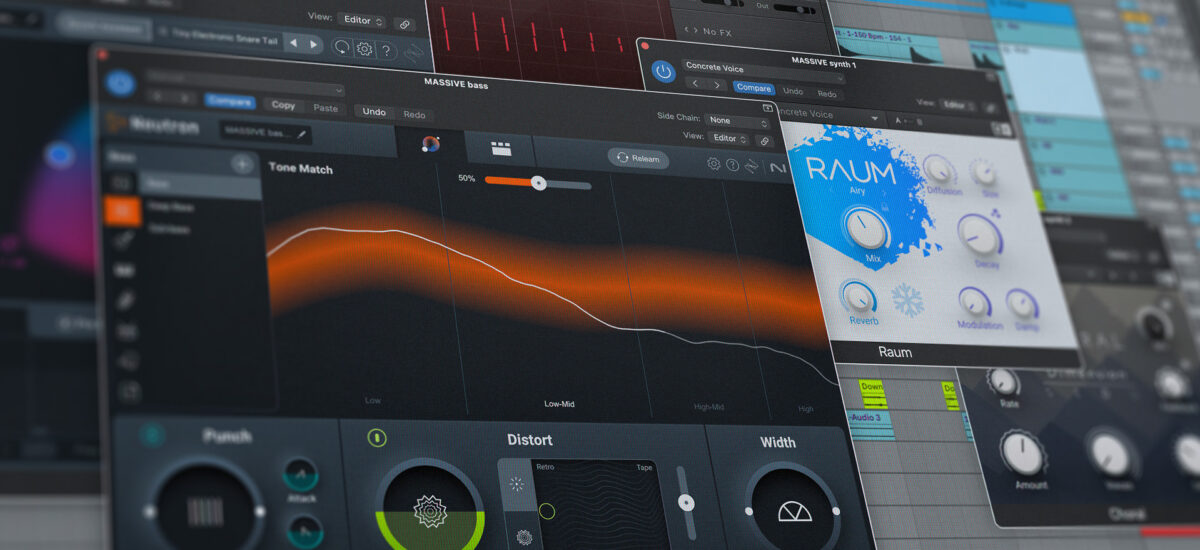
Digital Audio Workstations (DAWs) are essential tools for music creators, allowing them to record, edit, and arrange musical ideas in a digital environment.

  • DAWs provide a user-friendly interface for musicians to manipulate audio tracks.
  • They offer a wide range of effects and tools to enhance the sound quality of music productions.
  • Collaboration becomes seamless with the ability to share projects online.

Incorporating Virtual Instruments And Plugins

Virtual instruments and plugins expand the sonic possibilities for music creators, enabling them to access a vast library of sounds and effects.

  1. Virtual instruments mimic traditional instruments with high-fidelity sound.
  2. Plugins enhance the creative process by adding unique effects to tracks.
  3. Integration of virtual instruments and plugins in DAWs allows for seamless workflow.

Building A Strong Online Presence

As a music creator, establishing a strong online presence is essential for reaching a wider audience and building a loyal fan base. With the evolution of digital platforms, artists have a plethora of opportunities to showcase their music and connect with fans. Here are a few strategies to enhance your online presence in the highly competitive music industry.

Creating Engaging Social Media Content

Utilize social media platforms to engagingly interact with your audience. Leverage the power of visual content such as behind-the-scenes footage, teasers, and captivating images. Encourage audience interaction by posing questions, creating polls, and organizing contests. Consistently share updates about your music journey, events, and achievements to retain audience interest.

Effective Use Of Music Streaming Platforms

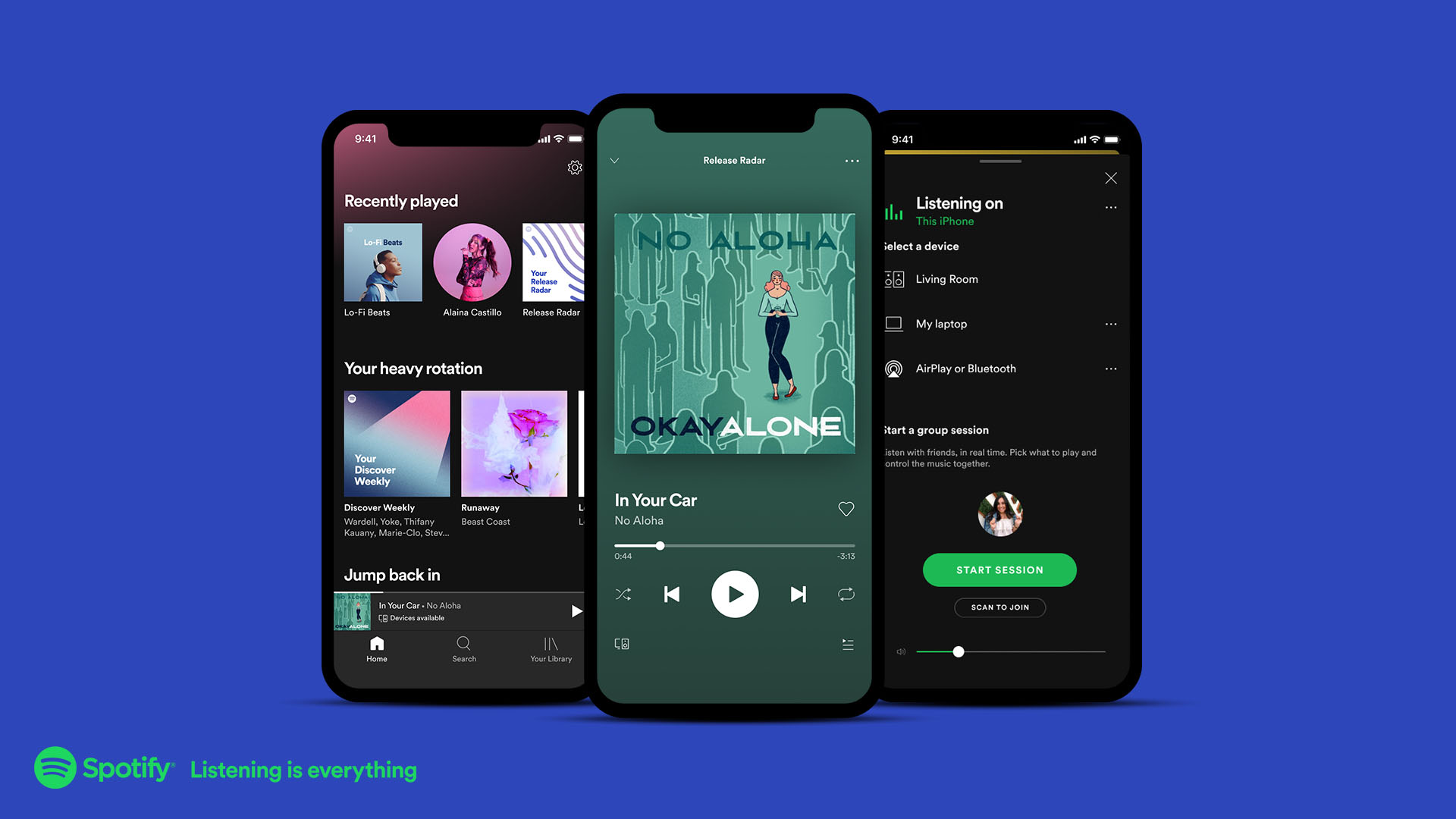
Optimize your presence on music streaming platforms like Spotify, Apple Music, and SoundCloud. Create a visually appealing profile, regularly upload new releases, and curate playlists to showcase your music. Harness the potential of features like artist insights and analytics to understand your audience preferences and behavior, enabling you to tailor your music strategy effectively.

Collaboration And Networking

Collaborating with other music creators and building strong connections in the industry is a vital aspect for music creators to grow and succeed in their careers. Whether you are a budding musician or an established artist, collaboration and networking offer countless opportunities to learn, inspire, and expand your reach. In this article, we will explore two essential aspects of collaboration and networking in the music industry: Connecting with Other Music Creators and Building Relationships with Industry Professionals.

Connecting With Other Music Creators

Collaborating with fellow music creators can be a game-changer and open doors to new ideas, inspiration, and even potential collaborations. Here are some tips to help you establish meaningful connections:

  1. Attend Music Events and Workshops: Immerse yourself in the music community by attending local gigs, workshops, and conferences. These events provide opportunities to meet like-minded artists, exchange knowledge, and forge partnerships.
  2. Join Online Communities: The internet has made it easier than ever to connect with fellow musicians from all over the world. Join online communities and forums, such as music-related Facebook groups or industry-specific forums, where you can engage with peers, share experiences, and collaborate on projects.
  3. Collaborate on Social Media Platforms: Social media platforms like SoundCloud, YouTube, and Instagram offer excellent opportunities to collaborate with other artists. Reach out to musicians whose work resonates with you and explore the possibilities of working together on a song or project.
  4. Organize Jam Sessions: Organizing jam sessions with local musicians is a fantastic way to connect and fuse different musical styles and talents. These sessions often lead to unexpected creative collaborations and pave the way for future projects.
  5. Support and Promote Fellow Artists: Show genuine support and appreciation for other music creators. Share their music on your social media platforms, attend their performances, and get involved in their projects. Building a strong network is a reciprocal process, and supporting others will eventually lead to support for your own endeavors.

Building Relationships With Industry Professionals

Establishing relationships with industry professionals can help music creators gain exposure, access valuable resources, and take their careers to the next level. Here are some strategies to connect with industry professionals:

  • Research and Identify Key Players: Take time to research and identify industry professionals, such as record label executives, music managers, producers, or A&R representatives, relevant to your genre. Find out what they are looking for and how your music can align with their interests.
  • Attend Music Industry Events: Music industry conferences, showcases, and networking events provide direct access to industry professionals. Attend these events, approach them genuinely, and share your music with them. Remember to have your elevator pitch ready.
  • Networking on LinkedIn: LinkedIn offers a professional platform to connect with industry professionals. Customize your LinkedIn profile to highlight your music career and network with professionals who can potentially support your work.
  • Get Your Music Professionally Reviewed: Submit your music to music blogs, publications, and influencers for review. Positive reviews can help you gain recognition and capture the attention of industry professionals who follow these platforms.
  • Work with a PR Agency or Music Publicist: Hiring a PR agency or music publicist can boost your chances of getting noticed by industry professionals. These professionals have connections and the expertise to present your work to the right people in the industry.

https://www.youtube.com/watch?v=QARdc2hpZs4


Cultivating Productivity And Inspiration

When it comes to creating music, cultivating productivity and inspiration is essential for music creators to produce their best work. Establishing a creative routine and finding inspiration outside of music are key practices in maintaining a steady flow of fresh ideas and staying motivated. Below, we’ll delve into practical tips for music creators to cultivate productivity and find inspiration in their creative journey.

Establishing A Creative Routine

Maintaining a consistent creative routine can help music creators stay disciplined and focused. Setting aside dedicated time for music creation each day or week can yield a significant boost in productivity. Devote specific time slots for activities such as brainstorming, composing, and experimenting, fostering a structured environment for creativity to thrive. Additionally, incorporating regular breaks into the routine can prevent burnout and allow for mental rejuvenation.

Finding Inspiration Outside Of Music

Seeking inspiration beyond the realm of music can significantly enrich a creator’s artistry. Exploring various art forms such as visual arts, literature, or nature can spark fresh ideas and novel perspectives, influencing the creative process. Engaging in diverse experiences and activities, whether it’s traveling, attending cultural events, or simply engaging in new hobbies, can fuel creativity and infuse originality into musical compositions.

Tips For Music Creators: Unlock Your Musical Potential!


Credit: unison.audio


Tips For Music Creators: Unlock Your Musical Potential!


Credit: grahamenglish.com


Frequently Asked Questions On Tips For Music Creators


How To Create Good Music?


To create good music, focus on melody, lyrics, and rhythm. Experiment with different instruments and sounds. Collaborate with other musicians for diverse perspectives. Practice consistently and trust your creativity. Experimentation and authenticity are key to crafting memorable music.


How Can I Be A Good Music Producer?


To be a good music producer, learn music theory, practice using production software, study successful producers, collaborate with other musicians, and stay open to new ideas.


How Much Does A Music Creator Make?


A music creator’s income varies depending on factors like popularity, royalties, and live performances. Some earn millions, while others struggle.


How Can I Be More Creative In Music Production?


To enhance your creativity in music production, experiment with different genres and styles, collaborate with other musicians, constantly explore new techniques and technology, maintain a consistent practice schedule, and take inspiration from diverse sources. Stay open-minded and embrace continuous learning to fuel your creative growth.


Conclusion


Implementing these tips can take your music creation to the next level. By staying organized, harnessing inspiration, embracing collaboration, mastering your technology, and staying true to your unique sound, you can channel your creativity into impactful music. Keep pushing your boundaries, stay open to new ideas, and remember, the process is as important as the final product.

Categories
Archive

Producing Beats For Rappers: A Masterclass in Sonic Creation

Producing beats for rappers involves creating instrumentals tailored to the artist’s style and lyrics. Collaboration is key.


Producing beats for rappers is a crucial element in the music-making process, setting the tone for the overall track. By crafting unique and engaging instrumentals, producers can enhance and complement the rapper’s lyrics and flow, elevating the final song to new heights.


Understanding the artist’s vision and musical preferences is essential in creating beats that resonate with their artistry. Collaboration between the producer and rapper fosters a creative synergy that results in a cohesive and impactful music production. In this dynamic relationship, the producer’s skills in music production and sound engineering play a vital role in shaping the final product, showcasing the importance of beat-making in the rap industry.

Producing Beats For Rappers: A Masterclass in Sonic Creation


Credit: www.grammy.com


The Art Of Beat Production

Producing beats for rappers is an intricate art form that requires a keen understanding of rhythms, melodies, and the ability to create sonic landscapes that complement the lyrical flow of the artist. The soul of a rap song lies within its beat, setting the mood and tempo for the entire track. As a beat producer, mastering the art of beat production is crucial to elevating the overall quality of the final musical piece.

Choosing The Right Software

When selecting software for beat production, consider the features that best suit your workflow and style. Popular digital audio workstations (DAWs) like FL Studio, Ableton Live, and Logic Pro X offer a wide range of tools for creating and manipulating beats. Each software has its unique interface and capabilities, so take the time to experiment and find the one that fits your needs.

Understanding Rhythms And Grooves

Mastering rhythms and grooves is essential for creating dynamic and engaging beats. Experiment with different drum patterns, syncopations, and accents to enhance the rhythm of your beats. Develop a deep understanding of musical phrasing and timing to create beats that flow seamlessly with the rapper’s vocals.

Producing Beats For Rappers: A Masterclass in Sonic Creation


Credit: www.rollingstone.com


Essential Elements Of A Great Beat

Creating top-notch beats for rappers involves mastering the essential elements that make a beat stand out. A great beat is a combination of melodic and rhythmic components that captivate listeners and complement the rapper’s flow seamlessly.

Melodic Components

  • Memorable melodies that catch the ear instantly.
  • Use of chords that evoke emotion and enhance the song’s mood.
  • Incorporating counter-melodies to add depth and interest.

Rhythmic Components

  1. Dynamic rhythms that drive the song forward and keep the listener engaged.
  2. Precise drum patterns that provide a solid foundation for the beat.
  3. Well-placed percussion elements to add texture and groove to the beat.
https://www.youtube.com/watch?v=2CdMK3r5Fcs


The Role Of Sound Design

Sound design plays a crucial role in producing beats for rappers. It is the process of creating and manipulating audio elements to achieve a desired sonic result. By focusing on creating unique sounds, layering and texturing, producers can craft captivating beats that complement and enhance the rapper’s performance.

Creating Unique Sounds

When producing beats for rappers, creating unique sounds is essential to set their music apart. By experimenting with different synthesizers, effects, and recording techniques, producers can develop one-of-a-kind sounds that give the beats a distinctive character. Whether it’s crafting a signature bass line or adding unconventional percussive elements, unique sounds add depth and personality to the beats, making them memorable and impactful.

Layering And Texturing

Layering and texturing are fundamental aspects of sound design in the beat production process. By layering multiple sounds together, producers can build rich, complex textures that fill out the sonic landscape. This might involve blending various drum samples to create a punchy rhythm or combining melodic elements to establish a harmonious backdrop for the rapper’s vocals. Through careful layering and texturing, producers can ensure that the beats have depth and intricacy, capturing the audience’s attention and creating an immersive listening experience.

Collaborating With Rappers

Collaborating with rappers is an exciting and essential part of producing beats. Understanding their style and customizing beats to fit the artists’ vision is crucial for a successful collaboration. In this section, we will explore the importance of understanding the rapper’s style and how to customize beats to create a unique and memorable experience.

Understanding Their Style

When collaborating with rappers, it is essential to have a deep understanding of their style. Not all rappers have the same flow, lyrical themes, or musical preferences. By taking the time to analyze their previous work and familiarize yourself with their style, you can create beats that truly resonate with their artistic expression.

One way to understand their style is by listening to their music and studying their lyrics. Pay attention to their vocal delivery, rhythm, and the overall vibe they create. Take note of the tempo, key, and instrumentation used in their songs, as these elements play a significant role in defining their style.

Customizing Beats For Artists

Once you have a good understanding of the rapper’s style, it’s time to start customizing beats to fit their unique artistic vision. This involves tailoring the beat’s tempo, rhythm, melody, and instrumentation to suit the rapper’s flow and lyrical content.

When customizing beats, consider the rapper’s lyrical style and the themes they often explore. If they are known for delivering rapid-fire verses, you may want to create a beat with a faster tempo and more intricate drum patterns. On the other hand, if their lyrics focus on introspection and storytelling, you might opt for a slower tempo and more melodic elements.

You can also customize beats by adding or removing certain elements to enhance the rapper’s vocal performance. For example, if the rapper has a strong voice, you may want to minimize the instrumentation during their verses to allow their vocals to shine. Conversely, if the rapper’s voice is softer or more melodic, you can add layers of harmonies or vocal effects to complement their style.

Remember, the key to successfully customizing beats for rappers is to maintain a balance between showcasing their unique style and adding your own creative touch. Collaborating with the rapper throughout the process and considering their feedback is crucial to ensure the final product aligns with their artistic vision.

Marketing And Selling Your Beats

When it comes to producing beats for rappers, not only is the quality of your music important, but so is your ability to market and sell your work. Building an online presence and effectively monetizing your beats are essential steps in establishing yourself as a successful beat producer. In this section, we will explore these strategies in detail.

Building An Online Presence

Establishing a strong online presence is crucial in today’s digital landscape. It allows you to reach a wider audience, connect with potential buyers, and showcase your talent. Here are some effective strategies to build your online presence:

  1. Create a professional website: Having a dedicated website gives you a centralized platform to showcase your beats, provide information about yourself, and interact with fans and potential clients. Make sure your website design is visually appealing and user-friendly.
  2. Utilize social media platforms: Social media platforms like Instagram, YouTube, and SoundCloud are powerful tools for promoting your beats. Regularly post engaging content such as beat snippets, behind-the-scenes footage, and collaborations to attract and engage your target audience.
  3. Collaborate with rappers and other artists: Collaborations can help expose your music to new audiences and give you credibility in the industry. Working with talented rappers or singers can lead to valuable connections and opportunities for growth.
  4. Optimize your website for search engines: SEO (Search Engine Optimization) techniques can help improve your website’s visibility in search engine rankings. Conduct keyword research and optimize your website’s content, meta tags, and headings to increase your chances of being discovered by potential buyers.

Monetizing Your Work

  1. Set up an online store: Having an online store allows you to sell your beats directly to customers. Choose a reliable e-commerce platform that offers secure payment options and user-friendly features for both you and your customers.
  2. Offer different licensing options: Providing different licensing options for your beats allows you to cater to various needs and budgets. Consider offering exclusive rights, leases, or trackouts, giving your buyers the flexibility to choose the licensing option that suits them best.
  3. Build a loyal customer base: Customer retention is just as important as acquiring new customers. Provide exceptional customer service, offer discounts to returning customers, and keep them engaged with regular updates and new releases.
  4. Collaborate with content creators: Partnering with content creators, such as YouTubers or podcasters, can expose your beats to new audiences. Offer them free beats or negotiate a revenue-sharing agreement to mutually benefit from the collaboration.

Remember, marketing and selling your beats requires consistency, patience, and continuous improvement. Stay engaged with your audience, adapt to industry trends, and seize opportunities for growth. With the right strategies, your beats can reach new heights of success!

Producing Beats For Rappers: A Masterclass in Sonic Creation


Credit: 1-more-thing.co.uk


Frequently Asked Questions Of Producing Beats For Rappers


How Do Rappers Make Their Beats?


Rappers make their beats using digital audio workstations (DAWs) to create and arrange instrumental tracks. They use drum machines, synthesizers, and samples to craft unique sounds and rhythms. Many also collaborate with producers or purchase pre-made beats to bring their music to life.


What Program Do Rappers Use To Make Beats?


Rappers commonly use programs like FL Studio, Ableton Live, and Logic Pro to make beats.


What Is The Person Who Creates Beats For A Rapper Called?


The person who creates beats for a rapper is called a “producer. ” They are responsible for crafting the instrumental music for the artist.


How Much Do Rappers Pay For Beats?


Rappers pay varying prices for beats, ranging from $100 to $10,000 or more, depending on the producer’s experience and the rapper’s budget and popularity. The price can also be influenced by the exclusivity of the beat and any royalties involved.


Conclusion


Producing beats for rappers is an art that requires creativity and skill. By understanding the needs of the rapper and staying updated with the latest trends, beat producers can create music that resonates with the audience. It’s important to keep experimenting and refining the craft to achieve success in this competitive industry.


Building relationships and maintaining professionalism are key factors for success in the music industry.

Categories
Archive

Guitar Vs Bass Amps: Unleashing the Sonic Battle

Guitar amps are designed for high frequencies, while bass amps are optimized for low frequencies. Choosing the right amp is essential for achieving the desired sound in your music production.


When comparing guitar and bass amps, it’s important to understand their unique characteristics and how they impact the overall tone and performance of your instruments. While guitar amps emphasize clarity and articulation in the treble range, bass amps focus on delivering powerful low-end frequencies with deep resonance.


The choice between the two depends on the type of music you play and the specific sound you want to achieve. We will delve deeper into the differences between guitar and bass amps, helping you make an informed decision based on your musical preferences and requirements.


Credit: www.facebook.com


Tonal Differences

Understanding the tonal differences between a guitar and bass amp is crucial for musicians looking to achieve their desired sound. Each type of amp offers unique characteristics that significantly impact the overall tone produced, contributing to the distinct sound of the respective instruments.

Frequency Range

Bass amps typically have a lower frequency range than guitar amps, emphasizing the deep, rich tones of the bass guitar. On the other hand, guitar amps cover a wider frequency spectrum, allowing for more versatility and tonal options.

Tone Shaping Controls

Guitar amps are often equipped with a variety of tone shaping controls, including equalization settings and gain knobs, enabling players to fine-tune their sound with precision. In contrast, bass amps focus more on enhancing the low-end frequencies with controls such as bass boost and low-end compression.


Credit: www.facebook.com


Playing Style Impact

Playing Style Impact: Different playing styles have a notable impact on how guitar and bass amps are utilized.

Fingerstyle Vs. Pick Playing

Fingerstyle technique on bass requires lower-frequency response for clarity. In contrast, guitar amps cater to intricate pick playing with emphasis on mid-range tones.

Slap Bass Vs. Guitar Techniques

Slap bass entails sharp attack and extended low-end response, necessitating specific amp characteristics. Guitar techniques like bending and vibrato benefit from responsive mid-range amplification.

Amplification Needs

When it comes to amplification needs, both guitars and basses fulfill different roles in a band or music setting. Understanding the specific needs of guitar and bass amps is crucial in achieving optimal sound quality and performance.

Low-end Reinforcement

Bass amps play a critical role in providing low-end reinforcement. Bass guitars produce frequencies in the lower range, and a bass amp needs to effectively reproduce and amplify these frequencies to ensure a solid foundation for the music.

Clarity In Mid And High Frequencies

Guitar amps are designed to deliver clarity in mid and high frequencies. These amps are engineered to bring out the intricate details and nuances of the guitar’s tone, providing a crisp and well-defined sound that complements the overall mix.

Guitar Vs Bass Amps: Unleashing the Sonic Battle


Credit: reverb.com


Effects And Pedals

When it comes to the world of guitar and bass amps, effects and pedals play a crucial role in shaping the tone and enhancing the overall sound. Whether you are a guitarist or a bassist, having the right effects and pedals can take your playing to the next level. In this section, we will explore the distinct effects for guitar and bass, as well as the compatibility of these effects and pedals with different amps.

Distinct Effects For Guitar And Bass

Guitarists and bassists may use similar effects and pedals, but there are some distinct differences between the two. Let’s take a closer look at the effects commonly used for each instrument:

  1. Distortion: Distortion is a popular effect for both guitar and bass. However, the type and intensity of distortion often differ for each instrument. Guitarists often prefer a more aggressive and overdriven distortion, while bassists typically opt for a smoother, low-end-focused distortion.
  2. Chorus: Chorus is another effect that is commonly used by guitarists and bassists. Guitarists often use chorus to create a shimmering, spacious sound, while bassists utilize it to add depth and dimension to their tone without overpowering the low end.
  3. Octave: Octave effects are more commonly used by bassists to add sub-octave and/or octave-up tones to their playing, giving their sound a thicker and more powerful feel. While guitarists may use octave effects as well, it is not as prevalent as in bass playing.

Compatibility With Amps

When it comes to effects and pedals, compatibility with amps is an important consideration. Not all effects and pedals are suitable for every amp, and it’s essential to ensure that the combination you choose works harmoniously. Here are some factors to keep in mind:

  • Input/Output Levels: Different effects and pedals have varying input/output levels, and it’s crucial to match these levels with your amp’s specifications. Mismatched levels can result in distorted or muddy tones.
  • Impedance: Impedance matching is another important factor to consider. It’s essential to match the impedance of your effects and pedals with that of your amp to avoid signal loss or degradation.
  • Power: Some effects and pedals require their own power supply, while others can be powered directly from the amp. Ensure that you have the necessary power source or connections to power your effects and pedals.
  • Effects Loop: Some amps have an effects loop, which allows you to connect your effects and pedals between the preamp and power amp sections. Utilizing the effects loop can provide better integration and control over your effects.

By considering these factors, you can ensure that your effects and pedals work seamlessly with your amp, allowing you to achieve the desired tone and sound.

Live Performance Considerations

Introductory Paragraph

In live performances, choosing the right amplifier for your guitar or bass is crucial. It not only affects the overall sound quality but also plays a significant role in ensuring your instrument is heard clearly and cuts through the mix. When it comes to live performance considerations, two key factors to keep in mind are power and projection and sound mixing challenges.

Power and Projection

Power And Projection

When selecting an amplifier for live performances, power and projection are of utmost importance. The amp must be powerful enough to produce enough volume to fill the venue and project the sound effectively. The power of the amp is generally measured in watts, and the higher the wattage, the louder the amp can go.

For guitarists, the amp should have enough power to compete with the other instruments on stage, particularly drums. A higher wattage ensures the guitar cuts through the mix, allowing solos and intricate playing to be heard clearly. On the other hand, bass amps require even more power to handle the low frequencies and provide the necessary bass response. This ensures the bass notes feel substantial and make an impact on the audience.

Sound Mixing Challenges

Sound Mixing Challenges

Choosing between guitar and bass amps for live performances also involves considering sound mixing challenges. During a live show, the sound engineer must balance the levels of each instrument to create a cohesive and enjoyable listening experience. However, guitars and basses differ in their frequency ranges, and this poses a challenge to the sound engineer.

  • Guitars tend to occupy the mid to high-frequency range, making it easier to differentiate from other instruments like vocals and keyboards. The sound engineer can easily carve out space for the guitar in the mix without clashing with other elements.
  • On the other hand, bass guitars cover the low end and require careful attention to avoid overpowering the mix. The bass amp should offer enough control over the low frequencies to ensure the bass blends well without overwhelming the other instruments.

It is essential for the sound engineer to work closely with the guitarists and bassists to find the right balance between their instruments and the overall mix. Communication and experimentation become key in achieving a well-balanced sound where both the guitar and bass complement each other without one dominating over the other.

Frequently Asked Questions For Guitar Vs Bass Amps


Is It Ok To Play Bass Through Guitar Amp?


Yes, it’s generally safe to play bass through a guitar amp, but be mindful of volume levels and potential damage to the amp’s speakers. While a bass amp is designed for lower frequencies, a guitar amp may not handle them as well.


Consider getting a bass amp for optimal sound quality.


Can I Use The Same Amp For Guitar And Bass?


Yes, you can use the same amp for guitar and bass, but be aware that the tone may vary.


Is A Bass Amp Louder Than A Guitar Amp?


A bass amp is typically louder than a guitar amp due to the lower frequencies produced by the bass.


Why Are Bass Amps Higher Wattage Than Guitar Amps?


Bass amps need higher wattage for low-frequency response and to power larger speakers. This ensures clear and powerful bass sound reproduction.


Conclusion


The choice between a guitar and bass amp comes down to personal preference and the specific needs of the musician. Both types of amps offer unique characteristics that cater to different playing styles. Ultimately, it’s essential to consider the sound, size, and versatility when making a decision.


Experimenting with different amps can help determine which one best suits your specific needs and enhances your musical journey.


https://www.youtube.com/watch?v=M-Qqa4Brr4A


Categories
Archive

Chorus Flanger And Phaser : Unleash Sonic Power with these Effects

A Chorus flanger adds modulation to sound, while a Phaser alters the phase of audio signals. These effects enhance audio quality and add depth and dimension to music recordings.


A Chorus Flanger and Phaser are two popular audio effects used in music production to create unique sounds. By manipulating the frequency and time delay of audio signals, these effects can add movement, depth, and texture to the music. Chorus flangers create a lush, swirling effect, while phasers produce a sweeping, futuristic sound.


Musicians and producers use these effects to add character and interest to their tracks, giving them a professional and polished finish. Understanding the differences between chorus flangers and phasers can help artists choose the right effect to achieve their desired sound.

Chorus Flanger And Phaser  : Unleash Sonic Power with these Effects


Credit: www.amazon.com


The Basics Of Chorus, Flanger, And Phaser

Chorus, Flanger, and Phaser are popular audio effects that add depth and movement to sound signals. Understanding the basics of these effects can help enhance your music production skills.

What Are Chorus, Flanger, And Phaser?

Chorus creates a lush, shimmering effect by layering multiple copies of the original signal with a slight delay and modulation.

Flanger produces a swooshing, jet-like sound by mixing the original signal with a delayed copy that changes over time.

Phaser generates a sweeping, swirling effect by combining the original signal with a phase-shifted copy, creating dynamic frequency cancellations and reinforcements.

How Do Chorus, Flanger, And Phaser Differ?

  • Chorus enhances the sound by adding richness and depth.
  • Flanger creates a more pronounced, sweeping effect.
  • Phaser produces a unique, swirling sound with phase cancellations.

Each effect has its distinct characteristics and can be used to create various textures and atmospheres in music production.

Exploring Chorus Effect

The beauty of music lies in its ability to evoke emotions and transport us to different realms. One essential element that shapes the sound of music is the chorus effect. Let’s delve into the enchanting world of the chorus effect and discover its unique characteristics.

What Is The Chorus Effect?

The Chorus effect is a modulation effect that creates a richer, thicker sound by doubling the original signal with a slight delay and pitch modulation.

Characteristics Of The Chorus Effect

  • Creates Depth: Adds depth and dimension to the sound.
  • Richer Tone: Makes the sound fuller and more vibrant.
  • Slight Delay: Introduces a slight delay to simulate multiple instruments.
  • Pitch Modulation: Modifies the pitch to create a shimmering effect.

Delving Into Flanger Effect

Understanding The Flanger Effect

Flanger is a modulation effect that alters the sound of an audio signal by creating a unique, sweeping sound. It achieves this by mixing the original signal with a delayed signal that varies in time. The delayed signal is modulated through an LFO, resulting in the classic “whooshing” sound that is characteristic of the flanger effect.

Distinctive Features Of The Flanger Effect

  • Time modulation creates sweeping effect
  • Characterized by a dynamic, jet-like sound
  • Commonly used in electric guitar solos and vocals


Credit: www.aliexpress.com


Unveiling The Phaser Effect

The world of music production is filled with an array of incredible effects that can transform an ordinary sound into something truly extraordinary. One such effect is the Phaser, which has been widely used by musicians and sound engineers alike to add depth and movement to their compositions. In this article, we will delve into the world of the Phaser effect, exploring its unique traits and how it can elevate your music to new heights.

Overview Of The Phaser Effect

At its core, the Phaser effect is a modulation effect that creates a swirling, sweeping sound by introducing phase shifts to the audio signal. It achieves this by splitting the audio input into two signals, one of which is slightly delayed and then modulated against the original signal. The modulated signal is then mixed back with the original, resulting in a shifting spectral effect that is often described as “whooshing” or “bending.”

Unlike other modulation effects such as chorus or flanger, the Phaser effect works by manipulating the phase relationship between the two signals rather than altering the delay time. This unique characteristic gives the Phaser effect its distinct and captivating sound.

Unique Traits Of The Phaser Effect

The Phaser effect offers musicians and producers an array of unique traits that make it a versatile tool for creative expression. Here are some notable characteristics:

  1. Notch Filtering: One of the defining features of the Phaser effect is its ability to create notches or dips in the frequency response of the signal. These notches can be shifted throughout the frequency spectrum, resulting in a mesmerizing and dynamic sound.
  2. Sweeping Phases: The Phaser effect creates a sense of movement by gradually shifting the phases of the modulated signal. This movement can be adjusted to give a subtle, undulating texture or a bold, sweeping effect.
  3. Variable Speed: Most Phaser effects provide control over the modulation speed, allowing users to adjust the rate at which the phase shifts occur. By altering the speed, you can create anything from slow, dreamy atmospheres to fast and rhythmic pulsations.
  4. Feedback and Resonance: Some Phaser effects offer controls for feedback and resonance, enabling users to enhance certain frequencies and create self-oscillating sounds. This can add a touch of unpredictability and experimentation to your music.

By harnessing these unique traits, the Phaser effect enables musicians and producers to create a wide range of sonic textures and atmospheres that can enhance their compositions in exciting and unexpected ways.

https://www.youtube.com/watch?v=0ITXWxgE-Mw


Harnessing Sonic Power

When it comes to spicing up your music production, the effects of chorus, flanger, and phaser are like secret weapons in your sonic arsenal. These effects can add depth, movement, and texture to your tracks, taking your sound to the next level. Let’s explore how you can utilize chorus, flanger, and phaser in your music production and maximize their impact.

Utilizing Chorus, Flanger, And Phaser In Music Production

Chorus, flanger, and phaser are three distinct audio effects that serve different purposes in music production.

Chorus

Chorus effect creates a rich, spacious sound by duplicating the original audio signal and slightly altering its pitch and timing. By blending the original signal with these replicas, chorus adds depth and movement, making your audio feel wider and more vibrant.

  • Enhance vocals and guitars with a lush, airy quality.
  • Give life to synths and keyboards by adding a shimmering quality.
  • Add a dreamy, ethereal touch to your tracks.

Flanger

Flanger effect creates a unique sweeping sound by duplicating the original audio signal and delaying it. This delay is modulated and gradually adjusted, creating a “whoosh” effect that moves up and down the frequency spectrum. Flanger adds a sense of motion and displacement, ideal for creating impactful intros or transitions.

  • Create dramatic jet-like sounds and psychedelic flares.
  • Add movement to drums and percussions.
  • Generate swirling, sweeping effects for guitars.

Phaser

Phaser effect works by splitting the audio signal into multiple parts, altering their phase relationships, and then mixing them back together. This creates a series of peaks and valleys in the frequency spectrum, resulting in a sweeping, swirling effect. Phaser adds a touch of cosmic richness and intrigue to your audio.

  • Infuse your guitars with a classic “swooshing” sound.
  • Create funky, rhythmic effects for keyboards and synths.
  • Add depth and movement to vocal tracks and percussions.

Tips For Maximizing The Impact Of These Effects

Now that you have a basic understanding of chorus, flanger, and phaser, let’s explore some tips to help you maximize their impact in your music production.

  1. Experiment with the effect parameters: Adjusting the rate, depth, feedback, and delay time can drastically change the character of these effects, so don’t be afraid to explore different settings.
  2. Automate the effect parameters: By automating the effect settings over time, you can create dynamic and evolving sounds that capture the attention of your listeners.
  3. Combine multiple effects: Try combining chorus, flanger, and phaser together or with other effects to create complex and unique sonic textures.
  4. Use them subtly or go all-out: From subtle enhancements to mind-bending transformations, these effects offer versatility. Experiment and find what works best for your tracks.
  5. Apply effects to specific elements: Instead of using these effects on the entire mix, consider applying them selectively to specific elements to create interesting contrasts and sonic separation.

By harnessing the sonic power of chorus, flanger, and phaser, you can elevate your music production and captivate your audience with immersive and captivating soundscapes.

Chorus Flanger And Phaser  : Unleash Sonic Power with these Effects


Credit: www.amazon.com


Frequently Asked Questions For Chorus Flanger And Phaser


What Is The Difference Between Chorus And Flanger And Phaser?


Chorus adds texture and depth to the sound. Flanger creates a swirling effect. Phaser brings a sweeping, spacey sound.


Should Chorus Go Before Or After Phaser?


Place chorus before phaser for a richer sound, enhancing the modulation effect before adding spatial depth.


Does Phaser Go Before Or After Distortion Pedal?


Phaser typically goes before distortion to achieve a smooth, swirling effect with clarity and definition.


Does Flanger Pedal Go Before Or After Distortion?


The flanger pedal typically goes before the distortion pedal in a guitar effects chain.


Conclusion


The chorus, flanger, and phaser are essential effects for adding depth and dynamics to your music. By understanding their distinct characteristics, you can elevate your sound and create unique textures. Experimenting with these effects will enhance your creativity and musical expression, making your compositions stand out.


Embrace these powerful tools to elevate your music to new heights.

Categories
Archive

Best Music Streaming Services: Discover the Ultimate Sound Experience

Spotify, Apple Music, and Amazon Music are among the best music streaming services with extensive catalogs and user-friendly interfaces. These platforms offer diverse music genres, personalized playlists, and high-quality audio streaming for an immersive listening experience.


Whether you enjoy discovering new artists or creating custom playlists, these services cater to individual preferences. With features like offline listening and exclusive content, music streaming services have revolutionized the way we enjoy music anytime, anywhere. Join millions of subscribers worldwide in accessing a vast library of songs, podcasts, and live performances at your fingertips.


Discover the perfect music streaming service that suits your preferences and enjoy endless hours of entertainment on the go.


The Rise Of Music Streaming Services

Music streaming services have revolutionized the way we listen to music, offering a wide range of songs at our fingertips. Let’s explore the journey of music streaming services and how they have transformed the music industry.

From Radio To On-demand

Music streaming started with online radio stations and evolved into on-demand streaming services like Spotify and Apple Music.

Changing Landscape Of Music Consumption

Listeners now have unlimited access to millions of songs, shifting from owning physical copies to streaming music online.

Best Music Streaming Services: Discover the Ultimate Sound Experience


Credit: www.livemint.com


Key Features To Look For

When choosing a music streaming service, it’s essential to consider the key features that will enhance your listening experience. Pay attention to the following aspects to make an informed decision:

Audio Quality

  • High audio quality ensures crystal-clear sound.
  • Look for services that offer lossless and high-resolution audio options.
  • Consider the bitrate of the streamed music for optimal listening.

Music Library And Content Curation

  1. Extensive music library with a wide range of genres and artists.
  2. Personalized content curation based on your listening preferences.
  3. Curated playlists and recommendations to discover new music.

Top Contenders In The Market

When it comes to music streaming services, there are several top contenders in the market, each offering unique features and benefits. Let’s take a closer look at some of the leading platforms.

Spotify

Spotify is a popular music streaming service that offers a vast library of songs, playlists, and podcasts. With its user-friendly interface and personalized recommendations, Spotify has gained a large and devoted user base. The platform also provides a free tier supported by ads, making it accessible to a wide audience.

Apple Music

Apple Music is known for its seamless integration with Apple devices and the extensive music library. It offers exclusive content, curated playlists, and a radio station hosted by renowned artists. Additionally, users can access their entire iTunes library and enjoy high-quality sound with Apple’s AAC format.

Amazon Music

Amazon Music caters to Amazon Prime members with a vast library of songs and albums. It also offers a premium tier with access to additional features, including HD and Ultra HD audio quality. With voice command capabilities through Alexa, Amazon Music delivers a convenient and hands-free listening experience.

Tidal

Tidal is known for its high-fidelity audio quality and exclusive content, making it a preferred choice for audiophiles and music enthusiasts. The platform also supports features such as offline listening and curated editorial content, providing a comprehensive music streaming experience.

Deezer

Deezer boasts a diverse music catalog and personalized recommendations, making it a compelling choice for music lovers. The platform offers a flow feature that adapts to a user’s music preferences over time, as well as a high-definition audio option for audiophiles seeking superior sound quality.

Comparative Analysis Of Services

Choosing the right music streaming service can be a daunting task with so many options available. To help you make an informed decision, let’s delve into the comparative analysis of the top music streaming services. We’ll focus on three key aspects: subscription tiers and pricing, offline listening and device compatibility, and personalized recommendations and user experience.

Subscription Tiers And Pricing

When it comes to subscription tiers and pricing, each music streaming service offers various options to cater to different budgets and preferences. Here’s an overview of the subscription tiers offered by some leading providers:

Service Free Tier Basic Tier Premium Tier Family Plan
Service A ✅ ✅ ✅ ✅
Service B ✅ ✅ ✅ ✅
Service C ✅ ✅ ✅ ✅

With a wide range of options, you can choose a subscription plan that best aligns with your needs. Whether you prefer a free tier, a basic plan with limited features, or a premium subscription with added benefits, these services have you covered.

Offline Listening And Device Compatibility

Enjoying your favorite music without an internet connection is crucial for many users. Here’s a quick comparison of the offline listening capability and device compatibility of the top music streaming services:

  • Service A: Offers offline listening and is compatible with various devices, including smartphones, tablets, and smart speakers.
  • Service B: Allows offline listening on mobile devices and supports a wide range of compatible devices.
  • Service C: Provides offline listening options and can be accessed on multiple devices, ensuring a seamless experience.

With these services, you can download your favorite songs and playlists to enjoy them anytime, anywhere, even when you’re offline.

Personalized Recommendations And User Experience

One of the key factors that sets music streaming services apart is their ability to provide personalized recommendations and a user-friendly experience. Take a look at how these services excel in this aspect:

  1. Service A: Utilizes advanced algorithms to offer personalized playlists, curated recommendations, and an intuitive user interface for seamless navigation.
  2. Service B: Employs machine learning to deliver personalized music suggestions, an easy-to-navigate interface, and tailored playlists to suit your mood.
  3. Service C: Leverages artificial intelligence to provide customized recommendations based on your listening habits, ensuring a delightful user experience.

By analyzing your music preferences and listening history, these services aim to enhance your music discovery journey and make every session enjoyable and engaging.

In conclusion, when choosing the best music streaming service for you, consider factors such as subscription tiers and pricing, offline listening and device compatibility, as well as personalized recommendations and user experience. Understanding these comparative aspects will help you find the service that suits your musical preferences and enhances your overall listening experience.

https://www.youtube.com/watch?v=GyUVF5Lcz-0


Maximizing Your Music Streaming Experience


Enhance your music streaming journey with the top music services available. Discover and compare the best platforms to ensure an optimized listening experience with exceptional sound quality, offline access, and extensive libraries. Stream your favorite tunes effortlessly and elevate your music experience to new heights.

Creating Customized Playlists

One of the most exciting features offered by music streaming services is the ability to create customized playlists. With just a few clicks, you can curate your own personal collection of songs that perfectly suits your mood or the occasion. Whether you are hosting a party, hitting the gym, or simply relaxing at home, having a playlist tailored to your preferences can make all the difference. Plus, it allows you to discover new songs and artists that you may not have come across otherwise.

Exploring Podcasts And Exclusive Content

In addition to music, many streaming services offer an extensive range of podcasts and exclusive content. Podcasts have gained immense popularity in recent years, covering a wide array of topics such as true crime, comedy, news, and self-improvement. These audio shows provide a unique and engaging form of entertainment, allowing you to dive deep into your favorite subjects or explore new interests. Moreover, some music streaming services even offer exclusive content, including live performances, interviews, and behind-the-scenes footage, giving you a unique insight into the world of your favorite artists.

Utilizing Integration With Smart Devices

Another aspect that enhances your music streaming experience is the seamless integration with smart devices. Many streaming services are compatible with popular devices like smartphones, tablets, smart TVs, and smart speakers. This integration allows you to effortlessly stream your favorite songs through the device of your choice, whether you’re cooking in the kitchen, lounging in the living room, or working in your home office. By taking advantage of this feature, you can easily enjoy your music without any interruptions or limitations.

Best Music Streaming Services: Discover the Ultimate Sound Experience


Credit: www.techhive.com


Best Music Streaming Services: Discover the Ultimate Sound Experience


Credit: www.techradar.com


Frequently Asked Questions Of Best Music Streaming Services


What Is Considered The Best Music Streaming Service?


Spotify is widely considered the best music streaming service due to its vast library, user-friendly interface, and personalized recommendations.


Is Spotify Better Than Amazon Music?


Spotify offers a larger music library and personalized playlists, while Amazon Music provides an extensive selection of songs. Ultimately, the choice depends on individual preferences.


Is There A Better Music App Than Spotify?


Yes, there are music apps like Apple Music, Amazon Music, and Tidal that offer similar features to Spotify.


What’s Better Apple Music Or Spotify?


In terms of music streaming, both Apple Music and Spotify are great options. However, it ultimately depends on personal preferences. Some may prefer Apple Music for its seamless integration with Apple devices, while others may prefer Spotify for its extensive music library and personalized playlists.


Conclusion


The best music streaming service for you depends on your individual preferences. Whether you prioritize a vast music library, personalized playlists, or high-quality audio, the top contenders have something to offer. Consider your needs and priorities to select the perfect platform for your listening pleasure.

Categories
Archive

Mixing Wide Using Stereo Field: Elevate Your Sound with Powerful Stereo Techniques

To mix wide using stereo field, pan instruments left and right for spaciousness. Adjust levels for balance.


When it comes to creating a dynamic and engaging mix, utilizing the stereo field can greatly enhance the overall sound quality of a production. By strategically placing instruments across the stereo spectrum, you can achieve a wider and more immersive sound stage.


Mixing wide using the stereo field allows for separation of elements, clarity, and depth in the mix. Understanding how to manipulate the stereo field effectively can take your mixes to the next level, providing a professional and polished finish to your audio projects. Let’s explore the key techniques and strategies for utilizing the stereo field in mixing to optimize your sonic creations.

Mixing Wide Using Stereo Field: Elevate Your Sound with Powerful Stereo Techniques


Credit: blog.native-instruments.com


The Importance Of Stereo Field In Mixing

Understanding the importance of stereo field in mixing is crucial for achieving a professional sound. Manipulating the stereo field can elevate your mix by creating depth and width, enhancing spatial imaging, and ultimately captivating your audience.

Creating Depth And Width

By panning instruments strategically across the stereo spectrum, you can create a sense of depth in your mix. Wider placement in the stereo field can enhance the perceived width of the soundstage, making your mix more engaging and immersive.

Enhancing Spatial Imaging

Spatial imaging is vital in creating a three-dimensional sound experience for the listener. Utilize reverbs and delays to place sounds in specific positions within the stereo field for a more dynamic mix.

Techniques For Widening The Stereo Field

For a captivating soundstage, mastering the art of widening the stereo field is paramount. Let’s delve into effective techniques for achieving this sonic brilliance.

Panning Strategies

Pan instruments opposite to balance the mix.

  1. Use hard left/right panning for impact.
  2. Experiment with mid-range positioning.

Use Of Stereo Widening Tools

Enhance depth and width through innovative stereo widening tools.

  • Employ plugins like wideners, chorus, or delay.
  • Adjust parameters for subtle or dramatic effects.
https://www.youtube.com/watch?v=y8NFpMlhJOo


Avoiding Phase Issues In Wide Stereo Mixing

When it comes to mixing wide using a stereo field, it’s crucial to avoid phase issues for a clean and balanced sound. Understanding phase cancellation and ensuring phase coherence are essential aspects of achieving a wide stereo mix without encountering unwanted artifacts.

Understanding Phase Cancellation

Phase cancellation occurs when identical audio signals, with one being inverted, combine and negate each other. This can lead to a loss of clarity and definition in the mix, particularly when working with stereo widening techniques. Careful consideration of phase relationships is necessary to prevent this phenomenon.

Phase Coherence Checking

Checking phase coherence involves verifying that the stereo content remains coherent and consistent across different playback systems. It ensures that the widened stereo image maintains its integrity without causing phasing issues or inconsistencies in translation. Utilizing specialized tools can aid in detecting and rectifying any potential phase coherence problems.

Mixing Wide Using Stereo Field: Elevate Your Sound with Powerful Stereo Techniques


Credit: www.avid.com


Utilizing Stereo Field To Enhance Different Instruments

Utilizing the stereo field is a powerful technique that can greatly enhance the overall sound of a mix. By strategically placing elements in the stereo field, we can create a sense of space and dimension, making the mix more immersive and engaging. This technique becomes particularly important when working with different instruments, as each instrument has its own unique characteristics and benefits from specific stereo processing techniques. In this article, we will explore how to use the stereo field to enhance various instruments, focusing on drums, guitar, and keyboards.

Stereo Processing For Drums

Drums are the foundation of any song, and by applying stereo processing techniques, we can make them sound bigger and more impactful. One common approach is panning individual drum elements to create separation and a sense of width. For example, panning the hi-hat slightly to the left and the ride cymbal slightly to the right can help distinguish between the two and provide a wider stereo image. Additionally, utilizing stereo reverb or delay on the drum bus can add depth and a sense of space to the overall drum sound.

Guitar And Keyboard Stereo Techniques

Guitars and keyboards are often featured prominently in a mix, and using the stereo field effectively can help them stand out and contribute to the overall sonic landscape. One popular technique is the double-tracking method, where the guitarist or keyboardist records the same part twice and pans each recording to opposite sides of the stereo field. This creates a wide and immersive sound that fills the space. Another approach is using stereo modulation effects, such as chorus or phaser, to add movement and depth to the instrument. These effects can be applied subtly to widen the stereo image without overwhelming the mix.

Mastering For Optimal Stereo Impact


Gain control over your sound’s width by mastering the art of mixing wide using the stereo field, allowing for optimal stereo impact. Experiment with panning and spatial effects to create a rich, immersive listening experience that captivates your audience. Mastering stereo impact can elevate your music to the next level.

Stereo Imaging In Mastering

When it comes to mastering your audio tracks, one crucial aspect that often gets overlooked is stereo imaging. This process involves manipulating the stereo field to create a sense of width and depth in your music. By applying the right techniques, you can achieve a polished and professional-sounding track that captivates and engages your listeners.

However, stereo imaging is not just about widening the mix; it also involves maintaining mono compatibility to ensure your music translates well across different playback systems. Let’s explore some essential tips for mastering your tracks with optimal stereo impact.

Maintaining Mono Compatibility

Mono compatibility refers to the ability of a stereo mix to sound balanced and cohesive when played back in mono. It is crucial because many platforms and devices, such as radios and clubs, still rely on mono sound reproduction. If your track loses its impact or sounds imbalanced in mono, it may result in an inferior listening experience for a significant portion of your audience.

To maintain mono compatibility, consider the following techniques:

  • Center the important elements: Keep fundamental elements like kick drums, basslines, and vocals centered in the stereo field. This ensures they remain prominent and well-balanced in both stereo and mono playback environments.
  • Avoid excessive panning: While panning can add depth and interest to a mix, be cautious with extreme panning, especially with essential elements. Some panning beyond the center can contribute to the stereo width, but be mindful not to overdo it and risk creating phase and phase cancellation issues when collapsed to mono.
  • Regularly check mono compatibility: Throughout the mastering process, periodically listen to your mix in mono to ensure all elements stay intact and well-balanced. Making adjustments as you go can help you catch any potential issues before they become problematic.

By implementing these strategies, you can ensure that your music maintains its impact and cohesiveness regardless of the playback system.

Now that we’ve covered the importance of maintaining mono compatibility let’s focus on the techniques for achieving an optimal stereo impact when mastering your tracks.

Mixing Wide Using Stereo Field: Elevate Your Sound with Powerful Stereo Techniques


Credit: fastercapital.com


Frequently Asked Questions For Mixing Wide Using Stereo Field


How Do I Make My Stereo Mix Wider?


To make your stereo mix wider, use panning techniques to place different instruments at varying positions. Experiment with stereo widening plugins to enhance the spatial dimension of your mix.


What Does Stereo Widening Do?


Stereo widening enhances the perceived width of audio, making it sound more spacious and immersive. It separates the left and right channels, creating a fuller sound.


What Is The Stereo Spread Effect?


The stereo spread effect widens the audio image by adding depth to the sound. It makes the music or sound appear wider and more spacious, enhancing the listening experience.


Can A Mix Be Too Wide?


Yes, a mix can be too wide. When a mix is too wide, it means that the stereo image is spread too far apart, causing elements to become disconnected and lose focus. It can result in a lack of clarity and cohesion in the overall sound.


It’s important to find a balance and ensure that the mix is wide enough to create a sense of space, but not so wide that it compromises the unity of the elements.


Conclusion


Incorporating stereo mixing techniques into your music production can add depth and dimension to your sound. By experimenting with wideness in the stereo field, you can create a captivating listening experience for your audience. Harness the power of panning and spatial effects to push your music to new horizons.


Embrace the possibilities of stereo mixing and elevate your music to the next level.

Categories
Archive

Shure SM7B Review: Unveil Its Studio Magic!

As an Amazon Associate I earn from qualifying purchases.

The Shure SM7B is a professional-grade dynamic microphone known for its smooth, flat, wide-range frequency response. Its popularity spans radio to recording studios, podcasting to streaming.


Boasting legendary quality, the Shure SM7B has become a staple in the audio industry, cherished by broadcasters and musicians alike for its reliability and versatility. The microphone’s cardioid pattern ensures excellent isolation from background noise, while the built-in pop filter and internal shock mount keep unwanted sounds to a minimum.


With its rugged construction and ability to capture clear, natural sound, the SM7B excels in both spoken word and music applications, making it a top choice for production environments demanding top-notch audio performance.


Shure Sm7b: The Legacy And Evolution

Deep within the halls of audio legend, the Shure SM7B stands tall. Born to capture sound with precision, this microphone has evolved. From its advent to revolutionizing modern studios, it tells a story of durability and quality. Its journey from broadcasting staple to recording star is nothing short of remarkable. Let’s delve into the path it treaded and the enhancements that keep it at the forefront.

From Broadcasting Roots To Studio Stardom

The Shure SM7B began its life in the world of radio. Its clear sound made it the perfect choice for the airwaves. Newsrooms and broadcast studios alike sought after this rugged microphone. Yet, talent behind the mixing desks noticed its potential beyond broadcasting.

The microphone’s ability to isolate vocals placed it in the spotlight. Recording artists adopted the SM7B, capturing the intricacies of their voice. From Michael Jackson to podcasters, the SM7B transitioned to a studio icon. This leap is central to its enduring legacy.

Key Upgrades Over The Years

Upgrade Impact
Improved Shielding Less interference, purer sound.
Advanced Cartridge Enhanced audio capture, greater detail.
Aesthetic Design Sleek look, durable build.
Mounting Options Increased versatility for users.
Pop Filter Addition Cleaner vocals, fewer plosives.

Each upgrade expanded the Shure SM7B’s capabilities. These enhancements made it a staple in diverse audio environments. With every tweak and improvement, the microphone not only preserved its legendary status—it built upon it, making giant leaps in the audio industry.


Credit: www.peerspace.com


Design That Speaks Volumes

Let’s delve into what sets the Shure SM7B apart, starting with its design. Shure combined function and form to create a true masterpiece. It’s no surprise that this microphone has become a staple in studios worldwide.

The Iconic Look And Solid Build

The SM7B’s classic silhouette is instantly recognizable. Its dark, charcoal finish gives it a professional vibe. But it’s not just about looks. The build quality is equally striking. Its rugged construction handles daily use easily. Here’s why the SM7B’s design is both iconic and durable:

  • All-metal design ensures durability.
  • Advanced electromagnetic shielding blocks hum.
  • Cartridge protection from physical damage.

Ergonomics And Setup Ease

Effortless to handle, the SM7B is designed for ease of use. You’ll spend less time setting it up and more on recording. Whether you’re a pro or just starting, its usability won’t disappoint. Check out the ergonomic features:

  • Captive stand nut for easy mounting.
  • Detachable windscreen for quick adjustments.
  • Yoke mounting for precise positioning.

Get ready to turn your creative visions into reality with the Shure SM7B. Its design speaks louder than words in both aesthetics and functionality.

https://www.youtube.com/watch?v=J9bniJsyb1E


Performance Under The Microscope

The Shure SM7B stands as a legend among microphones. Its reputation in studios and podcasts is hard to match. Let’s take a closer look at how it holds up when we scrutinize both its sound and silencing prowess. We’ll dissect the quality and depth of audio it reproduces and explore the clever engineering behind its noise filtering capabilities.

Sound Quality Evaluation

Pristine audio is the hallmark of the Shure SM7B. To understand its excellence:

  • Dynamic range: Captures soft whispers and booming voices alike.
  • Cardioid pattern: Focuses on sounds in front, reducing unwanted sides and back noise.
  • Flat, wide-range frequency response: For natural audio reproduction.
Frequency Response Benefit
50 Hz – 20 kHz Ensures clarity across all pitches

A comparison to others reveals the superior sound of SM7B. Every tone is as intended, a true replication of the source.

Addressing The Noise: Filter Features

Background noise can ruin recordings. SM7B has solutions:

  1. Internal ‘air suspension’: Drastically reduces mechanical noise.
  2. Pop filter: Eliminates breathing and wind sounds.
  3. Detachable A7WS windscreen: Provides extra warmth for close-talk vocals.

These features work together to ensure a clean, professional sound. Whether in a loud environment or a quiet studio, the SM7B’s ability to preserve vocal purity is unmatched.


Credit: www.gearnews.com


The Professionals’ Verdict

Studio legends often share their secrets behind the sound that defines genres. The Shure SM7B emerges as a recurring mention. The real test of any studio equipment is its reception by professionals. Let’s explore why the SM7B holds a special place among industry experts.

Endorsements And Famous Use Cases

Musicians and podcasters alike rave about the Shure SM7B. Its dynamic range and durability earn it stellar endorsements. Here are some highlights:

  • Recognized in the Music World: Artists like Michael Jackson used the SM7B to record his hit album ‘Thriller’.
  • Podcasters’ Choice: Top podcasts, including ‘The Joe Rogan Experience’, rely on the SM7B for clear sound.

Comparisons With Other Industry Standards

The SM7B often gets compared to other mics, such as the Neumann U87:

Shure SM7B Neumann U87
Broadcast-quality sound Studio recording staple
Lower price point Higher-end price
Robust build for longevity Delicate, requires care

Professionals often prefer the SM7B for its quality and affordability. Its reputation stands tall against industry giants.

Unboxing The Value

Excitement builds as a new Shure SM7B enters your space. This microphone has made waves in recording studios around the world. Now, we dive into the moment of truth: Unboxing the Value. What treasures lie within? Does the cost reflect its worth? Let’s find out.

What’s In The Box?

The Shure SM7B package presents:

  • Shure SM7B Microphone: The star of the show.
  • Windscreen: Two styles to tame plosives.
  • Mounting Bracket: For secure attachment.
  • Velcro Straps: To keep cables tidy.
  • User Guide: Tips for optimal use.

Price Point And Value For Money

The Shure SM7B claims a premium price tag. But its rich legacy commands respect. Look within the box and you find quality that speaks volumes:

Feature Benefits
Flat, Wide-Range Frequency Captures your voice naturally.
Internal ‘Air Suspension’ Diminishes mechanical noise.
Pop Filter Built-in Eliminates the need for external pop filters.
Classic Cardioid Pattern Isolates from unwanted background noise.

The SM7B is an investment. It brings studio-grade recording to your home or professional space. Your voice deserves this level of excellence. The value? Undeniable. The outcome? Professional audio that’s worth every cent.

Final Thoughts: Is The Sm7b Right For You?

As we wrap up our deep dive into the Shure SM7B, a legendary microphone, it’s time to decide if it’s the right fit for your sonic arsenal. This final section will guide you through the decision-making process, tailored to your needs and preferences.

Making The Decision: Suitability Across Genres

The SM7B’s versatility shines across various audio landscapes. Let’s explore its fit for different genres:

  • Podcasting: Delivers clear, professional vocals.
  • Music Recording: Excels in rock, pop, and rap.
  • Broadcasting: A favorite for its rich, broadcast-quality sound.
  • Gaming and Streaming: Captures voice with detail, perfect for engaging an audience.

Weighing Pros And Cons

Evaluating the SM7B’s strengths and weaknesses is crucial. Below is a concise breakdown:

Pros Cons
  • Exceptional sound quality
  • Versatile for many genres
  • Durable and well-built
  • Effective pop filter
  • Requires good preamp
  • Higher price point
  • May pick up background noise
  • Heavier mount needs a sturdy stand

In sum, the Shure SM7B stands out for its impeccable sound and build quality. Assess your specific needs, consider the genre you’re targeting, and weigh the pros against the cons. Is clarity your priority? Does your studio setup support a high-end mic? Your answers will lead you to the right decision.

Shure SM7B Review: Unveil Its Studio Magic!


Credit: www.soundonsound.com


Frequently Asked Questions For Shure Sm7b


Is Shure Sm7b Overkill?


Whether the Shure SM7B is overkill depends on your needs. For professional studios and advanced setups, it’s a solid choice. Casual users might find it more than necessary.


Why Is The Shure Sm7b So Popular?


The Shure SM7B is popular for its superior sound quality, durable construction, and ability to reduce background noise. It’s favored by podcasters, musicians, and broadcasters for its flat, wide-range frequency response and versatility.


Does Joe Rogan Use Shure Sm7b?


Yes, Joe Rogan uses the Shure SM7B microphone for his podcast, “The Joe Rogan Experience. ” This high-quality dynamic mic is well-known for its vocal clarity.


What Is The Shure Sm7b Best For?


The Shure SM7B excels at capturing smooth, warm vocals for podcasting, broadcasting, and music recording, making it a popular choice among professionals. It effectively reduces background noise, ensuring clear audio quality.


Conclusion


The Shure SM7B stands tall in the realm of microphones, a testament to quality and performance. Its versatility and durability make it a wise choice for audio professionals and enthusiasts alike. Whether for podcasting, recording, or broadcasting, this microphone delivers with clarity and precision.


Embrace the SM7B and elevate your sound to new heights.

Categories
Archive

Aston Spirit Review: Unveiling the Studio’s Secret

The Aston Spirit is a high-performance, multi-pattern condenser microphone. It excels in capturing studio-grade vocals and instruments.


The microphone boasts a sleek design with a signature wave-form mesh head and a built-in pop filter. Its versatility is evident with selectable polar patterns—omnidirectional, cardioid, or figure-eight—that allow for accommodating various recording scenarios. Whether for professional recording studios, home setups, or podcasting stations, the Aston Spirit offers a blend of clarity, richness, and flexibility, ideal for producers and artists who demand pristine audio quality.


With a robust stainless-steel chassis, it is not only sonically outstanding but also durably constructed. The Aston Spirit bridges the gap between affordability and professional-grade recording, making it a sought-after microphone in its class.

Aston Spirit Review: Unveiling the Studio's Secret


Credit: www.soundonsound.com


Aston Spirit Microphone Unmasked

Aston Spirit Microphone Unmasked: Step into the world of professional recording with the Aston Spirit Microphone. Talented artists and producers recognize this microphone for its excellence and versatility. Let’s uncover what makes the Spirit a studio darling.

The Birth Of A Studio Icon

The Aston Spirit sprang to life with one purpose: to capture sound flawlessly. Its origin story is not just about technology, but passion. British engineers crafted the Spirit with care for each detail. They used top materials and innovative design to ensure every recording shines.

Key Specifications At A Glance

  • Type: Condenser
  • Polar Patterns: Cardioid, Figure-Of-Eight, Omnidirectional
  • Frequency Response: 20Hz – 20kHz (+/-3dB)
  • Sensitivity: 23.7mV/Pa
  • Max SPL for THD 0.5%: 138dB
  • Power: 48V Phantom power required

Every nuance of sound is the Spirit’s domain. From gentle acoustic strums to the power of a rock band, it captures it all.

Specification Detail
Diaphragm Gold-sputtered
Pad Switches -20dB/-10dB/0dB
Filter 80Hz

The Spirit’s key specs make it a true asset in any studio setup. Its versatility ensures it can handle a wide range of recording applications with ease.

Design And Durability

The Aston Spirit is not only a marvel in sound capture. Its design and durability are core features that stand out. Crafted with precision, the Aston Spirit combines elegance and resilience. This makes it a favorite for both studio and rugged environments.

Crafting The Aston Look

The Aston Spirit’s aesthetic is no accident. Designers took great care to ensure it stands out. Its unique wave-form mesh head isn’t just for looks. It provides a hardened shield for the capsule inside. The signature chassis design brings a modern, yet timeless appeal to any setup.

Built To Last: Materials And Construction

Durability in audio gear is key. The Aston Spirit is built with that in mind. Here’s how:

  • Stainless steel body: Tough and resistant to corrosion.
  • Wave-form spring head: Absorbs shocks and protects the heart of the mic.
  • PCB circuitry: Well-shielded against electrical interference.

Every part is assembled with the utmost care. This ensures a robust microphone that lasts countless sessions.


Capturing The Sound

Capturing the sound with the Aston Spirit brings recording to another level. For musicians and podcasters, the microphone acts like a painter’s brush. It highlights the hues and contours of the sound. This microphone turns the whispers of creativity into loud revelations. Now, let’s dive into its sound capturing capabilities.

Sound Versatility

The Aston Spirit is a beacon for versatility. Crafted for studio use, it champions multiple sound sources with ease. Whether recording a guitar riff, a soulful voice, or a dynamic drum beat, this microphone adapts. Users describe the Spirit as a chameleon, blending with any audio environment.

  • Vocals: Delivers a rich, warm tone
  • Instruments: Captures the subtle nuances
  • Multiple genres: From rock to classical, it excels

Polar Patterns And Performance

The Aston Spirit is not just a microphone, it’s a precision tool. It offers three polar patterns: cardioid, figure-8, and omnidirectional. This flexibility allows for a tailored recording experience. Whether in isolation or a more ambient setting, the Spirit adapts.

Polar Pattern Best for
Cardioid Focused sound, minimal room noise
Figure-8 Duets, two-source recordings
Omnidirectional Full room capture, atmospheric sounds

Each setting serves a specific purpose. The cardioid pattern isolates the source. It stands in the face of ambient sound. The figure-8 pattern captures the essence of a live session. It’s perfect for face-to-face recording scenarios. The omnidirectional pattern surrounds your ears with the feel of space. Sound magic happens, no compromises.


Credit: www.timeout.com


In The Studio

Entering the realm of sound recording studios, the Aston Spirit takes center stage as a beacon for vocal and instrument precision. Its ability to capture sound with clarity and warmth breathes life into every track. A tool of choice for the discerning audio professional, let’s explore why it shines in the studio setting.

The Professional’s Choice

For producers and sound engineers, quality is king. The Aston Spirit makes no compromises. Known for its versatile pickup patterns, it enables artists to experiment with sound. Whether recording a solo vocalist or an ensemble, the Spirit adapts seamlessly.

  • Multi-pattern functionality (Cardioid, Figure-of-Eight, Omni)
  • High-end transformer-balanced circuitry
  • Built to withstand regular use
  • Exceptional frequency response

With its sleek design and robust build, it stands as a reliable partner during intense recording sessions. The custom shock mount and pop filter ensure pure, unblemished recordings.

Comparing With Industry Standards

The Aston Spirit holds its own against industry giants. Its performance is often compared to microphones that are double the price. See how the Spirit stands tall next to its competitors:

Feature Aston Spirit Industry Standard
Pickup Patterns 3 1-2
Frequency Response 20Hz – 20kHz Varies
Max SPL 138dB 120-130dB
Build Quality Steel and aluminum Mixed materials

The table above highlights the Spirit’s forward-leaning specs. Its ability to handle high pressure levels without distortion sets it apart. This makes it ideal for capturing everything from subtle whispers to powerful guitar amps.

Unwavering consistency in recording quality is what makes the Aston Spirit a stalwart in the studio. Artists and engineers seeking top-tier sound reproduction find the Spirit to be the perfect blend of performance and affordability.

User Experiences

The Aston Spirit is not just a piece of equipment; it’s an asset for many audio professionals and enthusiasts. Genuine user experiences reveal the real-world performance of this versatile microphone. Let’s delve into what users have to say about it, examining both praise and critique.

Testimonials And Critical Acclaim

Valued for its exceptional sound quality, the Aston Spirit garners acclaim from various corners of the audio world:

  • Studio engineers highlight its crisp and clear audio.
  • Vocalists love the warm tones it captures.
  • Podcasters praise its noise reduction capabilities.

Rewards and industry recognition further cement its status:

  1. Won the ‘MusicTech Gear of the Year’ award.
  2. Nominated for the ‘NAMM TEC Awards’.
  3. Featured in major production studios worldwide.

Common Critiques

Despite the praises, some users point out areas for improvement:

Issue User Segment
Heavyweight Design Mobile Recordists
Sensitivity to Plosives Vocalists without proper pop filters
Cost on the Higher Side Home Studio Owners

Understanding these critiques allows users to make informed decisions. It also showcases the need for a quality pop filter and sturdy stand when using the Aston Spirit.

The Verdict

After diving deep into the Aston Spirit’s performance, features, and user feedback, it’s time to weigh in. Unwrapping the final assessment of this versatile microphone requires clarity. Here’s how the Aston Spirit might fare in the demanding world of studio recording.

Final Thoughts On The Aston Spirit

The Aston Spirit is a true asset to any studio. Stunning audio quality meets robust design in this mic. Its multi-pattern versatility makes it a star for vocals and instruments alike. With a vintage-modern charm, it not only sounds good but looks the part too.

  • Cardioid, omnidirectional, and figure-eight pickup patterns
  • Sound handles high pressures with grace
  • Built-in pop filter and shock absorption

Is It The Right Mic For Your Studio?

Choosing a studio mic is personal. The Aston Spirit fits a studio looking for a workhorse. It’s flexible and durable.

Consider the Aston Spirit if you value:

Qualities Benefits
Crystal-clear sound Professional recordings
Versatility Suits various applications
Durability Long-lasting use

A studio ready to invest in quality will find a match with the Aston Spirit. Test it out to truly understand its capacity to elevate your recordings.


Credit: www.luxurylifestylemag.co.uk


Frequently Asked Questions On Aston Spirit


What Artists Use Aston Spirit?


Notable artists such as Radiohead and Amy Winehouse have used the Aston Spirit microphone for its versatility and sound quality.


Does Aston Spirit Need Phantom Power?


Yes, the Aston Spirit microphone requires 48V phantom power to operate. Ensure your audio interface or mixer can provide this before use.


What Is The Difference Between Aston Origin And Spirit?


The Aston Origin is a cardioid condenser microphone, while the Aston Spirit is a multi-pattern condenser mic, offering omni, figure-8, and cardioid settings.


Does Aston Spirit Need Pop Filter?


Yes, using a pop filter with the Aston Spirit microphone can help reduce plosive sounds for clearer audio recordings.


Conclusion


Embarking on an audio journey with the Aston Spirit microphone guarantees a transformative experience. Its versatility and rich quality cater to professionals and enthusiasts alike. Whether for music, podcasts, or voice-overs, the Spirit’s exceptional performance remains undisputed. Unlock your true potential with this remarkable piece of sound engineering – your audience awaits.

Categories
Archive

Electro-Voice Re20: Pro Audio’s Best Kept Secret

As an Amazon Associate I earn from qualifying purchases.

The Electro-Voice RE20 is a dynamic cardioid microphone, renowned for its broadcast and recording versatility. It’s favored for its ability to handle a variety of audio applications with ease.


The Electro-Voice RE20 microphone stands out in the professional audio industry for its flat, wide-range frequency response and its patented Variable-D design that minimizes proximity effect. This feature-rich mic is a go-to choice for broadcasters, podcasters, and sound engineers thanks to its exceptional sound quality and reliable performance.


With its internal pop filter and shock mount, the RE20 reduces undesirable noise, delivering clear and crisp sound. Its durable build and ability to capture sound accurately even at high sound pressure levels make it ideal for voice work, instruments, and studio settings. This versatility and enduring popularity ensure that the RE20 remains a staple in audio equipment arsenals worldwide.


Credit: www.yumpu.com


The Legacy Of The Electro-voice Re20

The Electro-Voice RE20 stands as an icon in the world of sound engineering. Revered for its rich quality and enduring performance, this microphone has captured the essence of countless recordings. Built to last and engineered to perform, the RE20’s legacy echoes in studios and radio stations worldwide.

Origins in Broadcast and Recording

Origins In Broadcast And Recording

The journey of the Electro-Voice RE20 began in the broadcast industry. It quickly became a staple for radio stations. With its debut, the RE20 revolutionized the way voices were captured. Professionals in both radio and recording studios turned to this microphone for its unmatched clarity and consistency.

  • Introduced in the 1960s, pioneering the broadcasting standards
  • Adapted by musicians to bring studio-quality sound to listeners

Key Features That Shaped an Industry

Key Features That Shaped An Industry

The RE20 brought distinct innovations to the audio industry. Its features stood at the forefront, setting standards others would follow. Let’s examine what makes the RE20 a timeless piece of technology.

Feature Description Impact
Variable-D Minimizes proximity effect Ensures clear, consistent sound
Internal Pop Filter Reduces plosive noises Delivers clean audio
Cardioid Pattern Focuses on sound source Rejects unwanted noise
Steel Case Robust construction Survives in tough environments

Each feature contributes to the RE20’s stature as a versatile, reliable tool. Broadcasters rely on its consistency, recording artists love its detailed sound capture, and sound engineers respect its durability. This is how the Electro-Voice RE20 carved its name into the history books of audio excellence.

Design And Build: A Closer Look

Design and Build: A Closer Look at the Electro-Voice Re20 not only reveals an iconic piece of audio equipment but showcases a legacy of precision engineering and durability. This microphone is a beloved staple in studios and broadcasting booths around the world. Let’s delve into the aspects that make it visually striking and robust.

Timeless Aesthetics With Modern Engineering

The Electro-Voice Re20 combines a classic design with advanced technology. Its sleek, cylindrical body presents a minimalist look that remains as stylish today as it was at launch. This timeless charm pairs with modern features to ensure the Re20 stands out in both appearance and performance.

Materials And Construction: Built To Last

The Re20’s durability is no accident. Only high-quality materials find their way into every piece. The outer shell, made from robust steel, can withstand the rigors of frequent use. Inside, precision components lay the groundwork for its famed sound quality.

  • Steel Case: Guards against physical impact and RF interference.
  • Aluminum Voice Coil: Offers superior response and durability.
  • Magnet Structure: Ensures consistent performance.

The Re20’s construction is a testament to Electro-Voice’s commitment to quality and longevity. It is a microphone built to last, no matter the environment.


Technical Brilliance Behind The Re20

The Electro-Voice RE20 stands as a testament to technical ingenuity in the world of audio equipment. Renowned in both broadcast and recording studios, this microphone’s brilliance lies in its innovative engineering. With features like Variable-D technology and tailored frequency response, the RE20 promises exceptional sound quality. Let’s dive into the technical mastery that makes this microphone a legend.

Variable-d Technology Explained

Variable-D technology sets the RE20 apart, minimizing proximity effect. Proximity effect can distort sound when a source is too close to a microphone. The RE20 overcomes this with its ingenious design. Here’s how it works:

  • Consistent sound even when moving closer or further from the mic.
  • Internal elements help to baffle the sound, keeping the tone natural.
  • This feature makes the RE20 perfect for dynamic recordings, from booming vocals to soft whispers.

Frequency Response And Polar Patterns

The RE20 captures sound with precision and honesty. Its frequency response and polar patterns work in harmony to ensure every detail is recorded:

Feature Description
Flat Frequency Response Captures a pure and natural sound across a wide spectrum.
Cardioid Polar Pattern Rejects off-axis noise, focusing on sound directly in front of the microphone.

Together, these characteristics allow the RE20 to provide a smooth performance for various audio applications. Whether it’s for music, podcasting, or broadcast, the RE20’s attention to detail is unmatched.


Credit: issuu.com


Re20 In Action: Unmatched Versatility

The Electro-Voice RE20 microphone shines in a diverse range of audio environments. This dynamic mic captures sound with precision and warmth. Its versatility makes it an industry favorite. Professionals praise the RE20 for its ability to adapt to different settings and applications.

From Radio Stations To Recording Studios

Radio broadcasters swear by the RE20. Its presence in radio stations is hard to miss. Through Variable-D technology, voices project clearly. This reduces the proximity effect. Sound engineers often choose the RE20. Recording studios benefit from its consistency. Music or speech, the RE20 delivers unmatched clarity.

A Staple For Vocal And Instrument Miking

The RE20’s reputation extends beyond the broadcast world. Vocalists admire the natural sound reproduction. It excels in capturing the human voice. Equally, musicians rely on it to mic instruments. Drums, guitar amps, and horns sound great with the RE20.

  • Drum kits: Kick drums get a punchy low-end boost.
  • Guitar cabs: It handles high SPLs with ease.
  • Brass instruments: Brass sounds vibrant and defined.

Its cardioid pickup pattern isolates sound sources. It rejects off-axis noise effectively. Various records feature the RE20 on multiple tracks. Its reliability keeps it in high demand.

Setting Use Case
Radio Voice broadcasting
Studio Vocals and instrument recording
Live Amplification of instruments

Comparing The Classics: Re20 Vs. Its Contemporaries

The Electro-Voice RE20 microphone stands tall among audio legends. Renowned for its rich sound and versatility, this classic has faced many rivals in its time. Let’s dive deep into how it compares with other heavyweights in the industry.

How It Stacks Up Against Other Industry Mic Giants

The RE20 battles with other famous microphones for the top spot in studios and broadcasting stations worldwide. It shines with a unique combination of features that separate it from the pack.

  • Cardioid Polar Pattern: The RE20 keeps background noise at bay, focusing only on the sound in front.
  • Variable-D Design: This minimizes proximity effect, making it perfect for up-close vocals without added bass.
  • Internal Pop Filter: It reduces plosive sounds that can distort the audio during recording.
  • Frequency Response: The RE20 delivers a smooth, flat response, ensuring natural sound reproduction.

The popular Shure SM7B stands out for its smooth, flat, wide-range frequency response. Yet, RE20’s tailored response curve gives a warm, polished tone. AKG’s C414 offers multiple polar patterns, but the RE20’s dedicated cardioid pattern excels in rejecting off-axis sounds.

User Testimonials And Professional Endorsements

User feedback and professional nods play a huge part in the RE20’s legacy.

Feedback Type Testimonial Source
Podcaster Commentary “The RE20 brings consistent clarity to my shows.” Audio Forums
Music Producer Praise It captures every nuance in a vocalist’s performance. Music Production Blogs
Radio Broadcaster Review No background noise ever intrudes with this mic. Broacasting Magazines

Noting an increase in recording quality is common among users who switch to the RE20. From seasoned radio broadcasters to aspiring podcasters, the love for this microphone is universal. Its performance is often highlighted in reviews across various audio-centric platforms.

Accessorizing The Re20

The Electro-Voice RE20 is a studio staple, revered for its rich sound and versatility. As powerful as the RE20 is on its own, its full potential shines with the right accessories. Whether you’re a podcaster, musician, or broadcaster, accessorizing your RE20 can elevate your audio experience significantly.

Essential Accessories For Optimal Performance

Achieving pristine audio quality involves more than just the microphone. Essential accessories are crucial for the RE20. Here’s what you need:

  • Shock Mount: Reduces vibrations and handling noise.
  • Pop Filter: Eliminates popping sounds from ‘plosive’ consonants.
  • XLR Cable: Ensures a clean, noise-free signal.
  • Boom Arm or Stand: Offers flexible positioning options.
  • Windscreen: Protects from saliva and dust, and reduces wind noise.

Customizing The Re20 For Various Audio Needs

The RE20 adapts to various audio environments with ease. Tailor its setup to your needs:

Scenario Accessories
Studio Recording Shock mount, Acoustic treatment, Pop filter
Live Broadcasting Boom arm, Windscreen, Long XLR cable
Podcasting Portable stand, Pop filter, Windscreen

Securing An Re20: Investment And Availability

Are you thinking of enhancing your audio game with an Electro-Voice RE20 microphone? The RE20 is like a pro sound wizard, turning any voice into smooth, rich audio. Before diving into this sound adventure, let’s explore the purchase journey – from understanding why it’s priced the way it is to uncovering shopping tips. Quality sound is just an investment away!

Understanding The Price Point

The RE20 doesn’t come cheap, and there’s a good reason for that. This microphone is a staple in radio stations and studios worldwide. Built to last and engineered for crystal clear sound, it’s a top-choice for pros. Let’s decode the factors that make the RE20 a premium pick:

  • Build Quality: Tough as nails, made for daily use.
  • Sound Excellence: Records voices like a dream, minus the noise.
  • Brand Reputation: Electro-Voice stands for trust and top-tier audio gear.

Finding The Hidden Gem: Purchase Options And Tips

So, you’re set to bring an RE20 home. Where to start? Here’s a guide for finding your microphone match:

Option Advantages Tips
Authorized Dealers New, warranty, reliable. Check for deals and bundles.
Online Marketplaces Compare prices, read reviews. Ensure genuine sellers, check return policy.
Used Gear Shops Affordable, test before buying. Inspect for damage, verify functionality.

Don’t forget to sign up for price alerts and newsletters from your favorite tech shops. Stay updated on discounts and special sales. Sometimes, the best deals pop up when determined shoppers stay on their toes!


Credit: www.yumpu.com


Frequently Asked Questions For Electro-voice Re20


What Is The Electro-voice Re20 Good For?


The Electro-Voice RE20 microphone excels in broadcasting, podcasting, and recording instruments, offering smooth, flat response and excellent detail capture.


Is The Re20 Better Than The Shure Sm7b?


The RE20 and Shure SM7B excel in different scenarios. Preference varies by use and personal taste; neither is definitively better. Choose based on your specific audio needs.


Does The Electro-voice Re20 Need Phantom Power?


No, the Electro-Voice RE20 dynamic microphone does not require phantom power to operate.


Is The Re20 A Condenser Mic?


No, the RE20 is not a condenser mic; it is a dynamic microphone renowned for its use in broadcasting and recording.


Conclusion


The Electro-Voice RE20 stands as a titan in the realm of audio excellence. Ideal for broadcasters, podcasters, and musicians, its time-tested quality endures. This microphone is a testament to sound precision and reliability. Let it elevate your audio projects to professional heights and witness the clarity it brings.


Embrace the RE20; it’s a sound investment.