Categories
Archive

Can You Remove Reverb from a Recording? Definitive Tips

Yes, you can remove reverb from a recording, though the process can be complex. The effectiveness of the reverb removal depends on the tools and techniques used.


Removing reverb from audio recordings is a task often sought after by audio engineers and enthusiasts alike. Reverb, the acoustic phenomenon that occurs when sounds reflect off surfaces and blend with the original sound, can sometimes muddle recordings, especially when the effect is unintentional.


While no tool can eliminate reverb completely without affecting the audio quality, modern software offers algorithms designed to reduce reverb to cleaner levels. Advanced audio editing programs use various digital signal processing techniques that can diminish reflected sound waves and tighten the clarity of the audio. This process is appreciated in fields like podcasting, music production, and video editing, where clear sound is paramount. Success in eliminating undesired reverb largely relies on the skills of the operator and the quality of the recording.


The Challenge Of Reverb In Recordings

The Challenge of Reverb in Recordings can be a significant hurdle for audio professionals. Reverb, or the echo that you hear when sound bounces off surfaces, can muddy your recording. This can make the clarity and crispness of the original sound difficult to capture. Removing unwanted reverb requires specific tools and techniques. The goal is to achieve the high-quality audio that listeners expect.

Why Reverb Affects Sound Quality

Reverb distorts the original sound by adding extra noise. It impacts how we perceive clarity and tone. When sound waves reflect off surfaces, they create a complex set of echoes. These echoes reach the microphone at different times. This can cause recordings to lose their clean edges. As a result, voices may seem distant or music less sharp.

Common Sources Of Unwanted Reverb

Reverb might enter your recordings through various pathways. Here are some common sources:

  • Room Size and Shape: Large, empty spaces often cause more echo.
  • Hard Surfaces: Walls, ceilings, and floors can reflect sound.
  • Minimal Furnishings: Furnished rooms tend to absorb sound, reducing reverb.

Identifying and understanding reverb sources is the first step to managing them. With this knowledge, you can take steps to reduce or remove reverb. This ensures a clearer, more professional sound in your recordings.

Is Reverb Removal Truly Possible?

Wondering if reverb can be completely removed from a recording? Many say it’s difficult, but is it impossible? Let’s dive into the world of sound editing and discover the truths about reverb removal. Understanding what can and cannot be done might just change your approach to recording and mixing forever.

Myths Vs. Reality Of Sound Editing

A common misconception is that one can simply strip away reverb. Reverb is not a separate entity; it’s an integral component of the sound that reaches the microphone. Therefore, it’s tricky to eliminate without affecting other aspects of the recording.

  • Myth: Reverb can be removed like deleting a track.
  • Reality: Reverb intertwines with original sound.

Software tools can suppress reverb, but they require skillful hands. They don’t ‘delete’ but rather ‘reduce’ reverb to make the original sound clearer. Perfect removal is a myth; a talented sound engineer aims for clarity and balance.

Limitations Of Current Technology

Reverb removal technology has limitations. Identifying and isolating reverb within a recording can be complex. Technology excels at reducing mild to moderate reverb.

Technology Capabilities Limitations
Software plugins Reducing light reverb Struggle with dense reverb
AI-based tools Learning from data May alter original sound
Acoustic treatment Preventing reverb Not a removal method

Some tools boast advanced algorithms to target reverb. Yet, each recording is unique, making universal solutions ineffective. Not all reverb is the same and neither are the ways to handle it. A clear understanding of these limitations helps set realistic expectations for sound editing outcomes.

Basic Strategies For Minimizing Reverb

Stripping unwanted reverb from a recording can be a daunting task. But prevention is key. Here are effective strategies to tackle reverb before it takes hold of your audio.

Proper Room Acoustics

Room acoustics play a crucial role in audio quality. Sound reflection off walls and furniture adds reverb.

  • Use absorbent materials – Carpets, curtains, and foam panels soak up sound waves.
  • Arrange furniture wisely – Bookshelves and couches can disrupt sound paths.
  • Seal gaps – Ensure windows and doors are closed to prevent audio leakage.

Microphone Positioning And Selection

Microphone choice and positioning influence reverb levels. Choose the right mic and placement to capture crisp audio.

Mic Type Use Case Placement Tip
Dynamic Loud sources Close to the sound source
Condenser Detailed recording Avoid room corners and walls
Shotgun Isolate from ambient noise Aim directly at source
Can You Remove Reverb from a Recording? Definitive Tips


Credit: www.youtube.com


Advanced Software Solutions

Removing reverb from audio recordings can stump even seasoned audio engineers. Modern software solutions, however, now make it possible to clean up recordings with the click of a button. These advanced tools tap into cutting-edge technology, offering both accuracy and ease-of-use for professionals and hobbyists alike.

Popular Audio Editing Programs

There’s a diverse range of audio editing programs that promise reverb removal with varying degrees of effectiveness:

  • Audacity – A free, open-source option that includes basic de-reverb effects.
  • Adobe Audition – Offers professional tools known for their precision.
  • Pro Tools – Industry-standard software with advanced editing capabilities.
  • Logic Pro X – Favoured by music producers for its suite of effects and plugins.

Plug-ins And Digital Tools For Reverb Reduction

Tackling unwanted reverb can be simplified with the right plug-ins and digital tools. These specialized solutions target reverb directly:

Plug-in Description
iZotope RX Includes Dialogue De-reverb module to reduce unwanted reverb.
Waves Audio DeReverb Utilizes advanced algorithms for reverb reduction.
Accusonus ERA Bundle Offers a simple interface for quick reverb removal.
Altiverb Known for its vast library of reverb spaces and ability to reduce them.


Tips From Audio Professionals

Audio professionals possess the magic touch to make recordings shine. They hold the key to reducing unwanted reverb. Here lie secrets from sound experts to enhance your audio tracks.

Recording Techniques To Prevent Reverb

Stopping reverb starts with sound capture. Experts recommend specific strategies:

  • Choose the right space: Small rooms with soft surfaces work best.
  • Placement matters: Keep the microphone away from reflective surfaces.
  • Use absorbent materials: Install foam or blankets to soak up sound.
  • Direct the mic correctly: Aim it away from potential echo sources.

Selecting the right mic also plays a critical role. Cardioid mics are ideal as they focus on sound from the front.

Expert Post-production Advice

Banishing reverb doesn’t end with the recording. Here’s expert post-production advice:

  1. Edit with care: Use digital workstations to slice out reverb.
  2. Apply the right effects: EQ adjustments can suppress echo frequencies.
  3. Noise gates are handy: They close off when reverb seeps into silence.
  4. Reverb removal tools: Plug-ins specifically design to remove reverb are available.

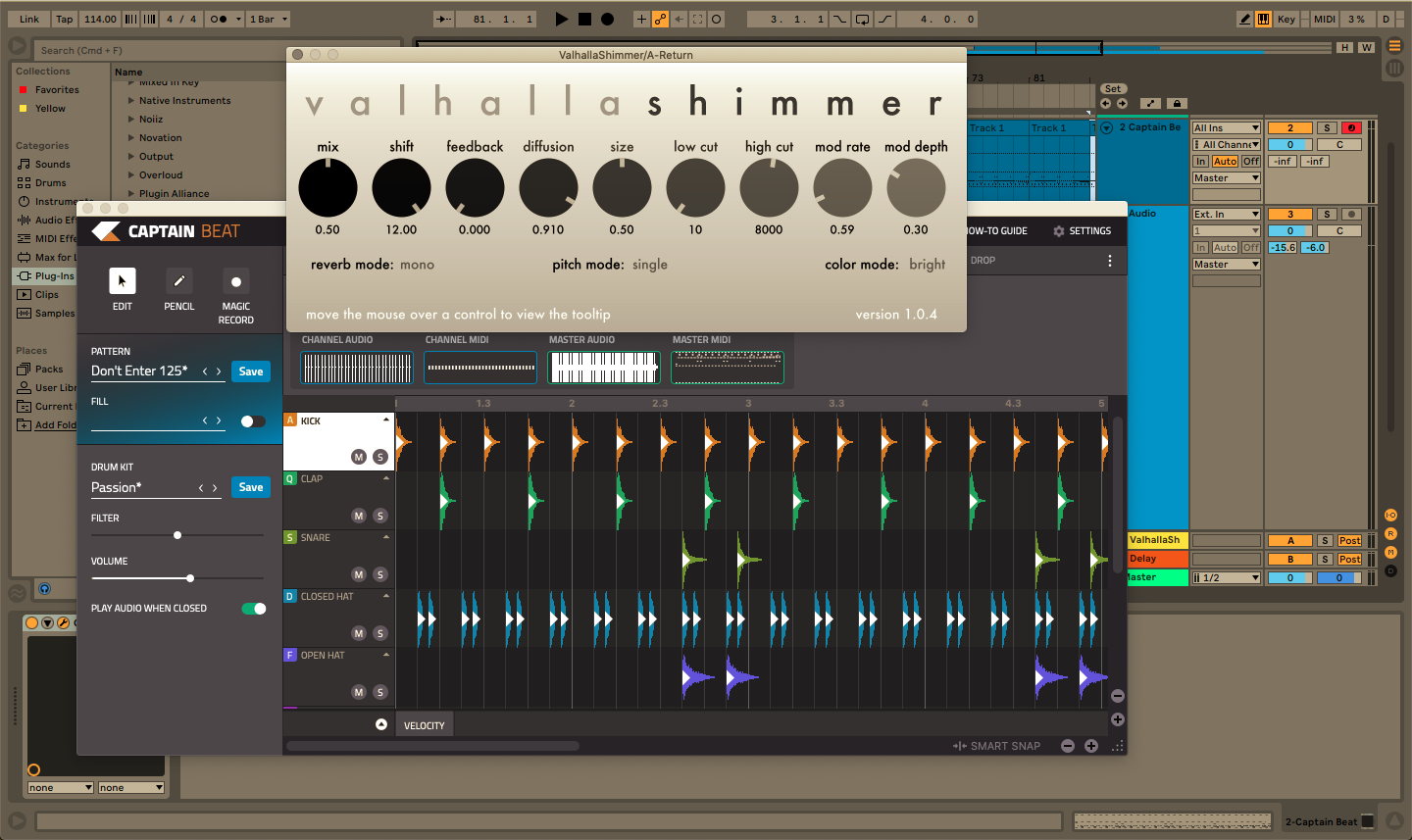
Understand software features to manipulate tracks for a clearer sound.
Can You Remove Reverb from a Recording? Definitive Tips


Credit: mixedinkey.com


Step-by-step Guide To Reducing Reverb

Welcome to our Step-by-Step Guide to Reducing Reverb in your audio recordings! Reverb, while sometimes a desired effect, can often muddy your sound. This guide aims to clear the haze and bring forth crisp, clean audio.

Initial Assessment Of The Audio File

Start by listening to the recording. Identify the reverb type and intensity. This step dictates the tools you’ll need. Tools can include software plugins or audio editing programs. Take note of timestamps where reverb peaks.

Applying Eq And Noise Gates

EQ, or equalization, cuts frequencies that reverb often amplifies. Remove low-frequency rumble with a high-pass filter. Apply a notch filter to reduce specific problem frequencies.

Use a noise gate to silence parts without intentional audio. Set the threshold level just below the volume of your main sound. The gate will close on quieter, reverberant sounds, leaving the main audio intact.

  1. Import the audio file into your chosen software.
  2. Analyze for reverb-heavy sections with the initial assessment.
  3. Apply EQ to remove unwanted frequencies.
  4. Adjust the noise gate for a clean cutoff.
  5. Listen back and adjust settings if needed.

Success Stories: Before And After

Imagine a recording clear as a bell, free from the murky echo of reverb. Achieving pristine audio often feels like a quest for the Holy Grail for audio enthusiasts and producers alike. Yet, nestled within this challenge lies a trove of success stories—tales of soundscapes transformed from muffled echoes into crisp, clear audio. Let’s reveal the magic behind these auditory makeovers, from hopelessly reverberated to flawlessly articulated.

Case Studies Of Reverb Removal

Transformations in the audio realm work wonders. Let’s examine cases where tech lends us its power.

  • Podcast Pinnacle: A podcaster struggled with poor sound due to room echoes. A de-reverb plugin saved the show. Results: more subscribers!
  • Music Mastery: A home-recorded track drowned in reverb. Post-processing magic cut through the muddle, unveiling a hit song.
  • Interview Insights: A journalist’s interview was riddled with reverb, diminishing its impact. Clever software clarified the words, delivering a powerful story.

Real-life Examples And Testimonials

Source Issue Solution Outcome
Audio Engineer Live concert recording had too much echo. Advanced de-reverb software. Crisp audio ready for broadcast.
Videographer Wedding video marred by hall reverb. Digital audio correction. Heartfelt speeches preserved perfectly.
Voice Actor Home studio recordings weren’t passing auditions. Acoustic treatments and de-reverb tools. Lands leading roles with crystal-clear audio.

Testimonials speak volumes. Joe, a veteran podcaster, says: “I thought my show was doomed. Then I found a de-reverb tool. My podcast never sounded better!” Mary, an indie musician, tells a similar tale: “That reverb was ruining my songs. Post-editing, it’s like night and day. Total game-changer.”

Maintaining Naturalness In Sound

Maintaining Naturalness in Sound is crucial for any audio recording. Whether you’re a musician, podcaster, or filmmaker, you strive for clarity without losing the audio’s true essence. Reverb, while sometimes an artistic choice, can often be an unintended byproduct. Undesirable reverb can cloud the purity of sound, but caution is necessary. Removing too much reverb may leave sound flat and lifeless. It’s a delicate balance to strike.

Balancing Reverb Reduction With Authenticity

To preserve sound integrity, a balanced approach to reverb removal is essential. Audio professionals aim for a sound that feels both clean and genuine. The process involves:

  • Sophisticated software that can identify and isolate reverb.
  • Adjusting settings precisely to minimize loss of natural acoustics.
  • Preserving audio dynamics while dampening excessive ambient sound.

Audio restoration is a nuanced art. It requires a keen ear and a subtle hand. Vigilance ensures the essence of the original recording remains intact.

Listening Tests And Final Touches

Before finalizing any audio cleanup, thorough listening tests are imperative. These tests typically follow these steps:

  1. Listen to the audio on various devices and environments to gauge consistency.
  2. Make minor tweaks to ensure the sound is natural across platforms.
  3. Ensure all changes are subtle and complement the original recording.

This iterative process helps preserve audio textures and details that make sound authentic. With attentive ears, the final product resonates with its true character, ensuring quality and satisfaction.

Future Directions In Audio Restoration

Audio restoration continues to amaze with its rapid evolution. In tackling challenges like reverb removal, experts are eagerly turning toward future tech innovations. These innovations promise to refine restoration processes even further, offering clarity that was once believed unattainable. Emerging technologies and AI are at the forefront of this audio revolution, ensuring every note and word is crystal clear.

Emerging Technologies And Techniques

Bold strides in audio tech herald a new era in sound editing. Cutting-edge software and hardware come loaded with features for minimizing unwanted acoustic artifacts. Let’s explore what’s on the horizon:

  • Advanced Algorithms: New algorithms can detect and isolate reverb, making precise removal possible.
  • High-resolution Sound Processing: This ensures a more detailed audit of audio files for improved reverb correction.
  • Immersive Audio Enhancements: With virtual reality, audio restoration can extend to 3D environments.

The Role Of Artificial Intelligence In Sound Editing

Artificial Intelligence (AI) is changing the game in sound editing. It brings in machine learning capabilities that can adapt and improve over time. Here are some ways AI is advancing audio restoration:

AI Algorithms:

    They learn from vast amounts of data to identify patterns in noise and reverb.

Automated Sound Separation:

    AI accurately separates speech from background noise, including reverb.

Real-time Processing:

    AI tools offer instant reverb removal for live broadcasts and streaming.

By embracing these evolutions, the future of clean audio in recordings is not just a possibility—it’s inevitable.

Frequently Asked Questions Of Can You Remove Reverb From A Recording


Is It Possible To Completely Remove Reverb From Audio?


Yes, removing reverb from audio is possible using specialized software tools that utilize de-reverberation processes. However, the process may not be perfect and often depends on the quality and complexity of the recording.


What Tools Can Reduce Reverb In Recordings Effectively?


Tools like Izotope RX, Audacity’s noise reduction feature, and Acon Digital’s DeVerberate are effective for reducing reverb in audio recordings. They provide various settings to target and diminish unwanted reverb.


How Does Reverb Removal Software Typically Work?


Reverb removal software works by analyzing the audio for reverb characteristics then subtracting or reducing these elements. Advanced algorithms differentiate between direct sound and reflections, attenuating the latter.


Does Reverb Reduction Affect Audio Quality?


Reverb reduction can affect audio quality, potentially leading to a less natural sound or introducing artifacts. It’s a balance between removing reverb and maintaining audio fidelity.


Conclusion


Removing reverb from recordings is indeed possible, albeit challenging. Modern tools and techniques offer various solutions to achieve clearer audio. Precision and patience are key—as is the right software. Remember, practice enhances your audio editing skills to perfection. Embrace the learning curve, and your recordings will sound better than ever.

Categories
Archive

Free Transient Shapers : Enhance Your Sound with Powerful Plugins

Free transient shapers enhance audio transient response, accentuating attack and sustain in sound dynamics. These tools manipulate the envelope of a sound to reshape its character.


Transient shaping plugins are widely utilized in music production to sharpen or soften percussive elements, vocals, and other instruments. They can add punch and clarity, tame excessive transient peaks, and creatively sculpt sounds with precision. With a user-friendly interface and customizable parameters, free transient shapers offer a cost-effective solution for producers and sound engineers seeking dynamic control in their mixes.


Whether refining drum tracks or adding presence to synth leads, these plugins provide versatile shaping tools for achieving professional-quality audio results.


The Basics Of Transient Shaping

The Basics of Transient Shaping

Transients in audio refer to the initial spike of sound that occurs at the onset of a waveform.

What Are Transients?

Transients give sounds their character and impact, such as the attack of a drum hit or the pluck of a guitar string.

The Role Of Transient Shapers In Audio Processing

Transient shapers are tools used to modify the characteristics of these initial sound transients.

Free Transient Shapers  : Enhance Your Sound with Powerful Plugins


Credit: slatedigital.com

Benefits Of Using Free Transient Shaper Plugins

The use of Free Transient Shaper Plugins offers numerous advantages for enhancing audio dynamics and shaping sounds with precision. Below, we delve into the key benefits of utilizing these tools.

Enhanced Control Over Audio Dynamics

Free transient shaper plugins provide users with the ability to adjust audio dynamics more effectively, allowing for greater flexibility in achieving the desired sound.

Ability To Shape Sound With Precision

With free transient shaper plugins, users can fine-tune audio elements to perfection, ensuring each sound is precisely tailored to the desired outcome.

Top Free Transient Shaper Plugins In The Market

Are you in search of free transient shaper plugins to enhance your music production? Look no further, as we’ve curated a list of the top free transient shaper plugins available in the market. These plugins are designed to help you shape the transients of your audio signals, allowing you to achieve greater control and precision in your sound manipulation.

Plugin A: Features And Functions

Plugin A is a powerful free transient shaper that offers a wide range of features and functions to cater to your audio shaping needs. With its intuitive interface and robust capabilities, Plugin A allows you to enhance the attack and sustain of your audio signals, giving them a more dynamic and impactful sound. The plugin also provides precise control over transient shaping, enabling you to achieve the desired impact and punch in your audio mixes.

Plugin B: User Interface And Capabilities

When it comes to user interface and capabilities, Plugin B stands out as a top-notch free transient shaper plugin. Its user-friendly interface makes it easy to manipulate transients, providing you with the tools to adjust attack and sustain with precision. Plugin B also comes equipped with advanced capabilities, allowing you to shape transients in a way that complements your creative vision and elevates your audio production.

Tips For Effective Use Of Free Transient Shaper Plugins

Free transient shaper plugins can be powerful tools for enhancing the dynamics of your audio recordings. These plugins allow you to manipulate the attack and sustain parameters of a sound, giving you greater control over its transient response. By understanding how to effectively use these plugins, you can bring out the desired elements in your audio and create more impactful and polished recordings. In this blog post, we will explore some tips for getting the most out of free transient shaper plugins.

Understanding Attack And Sustain Parameters

When using a transient shaper plugin, it’s essential to have a good grasp of the attack and sustain parameters. The attack parameter determines the initial onset of a sound, while the sustain parameter controls the length of the sound’s tail or decay. Here are some key points to consider:

  • Increasing the attack parameter can make a sound more punchy and pronounced.
  • Decreasing the attack parameter can soften the attack, giving the sound a smoother and more rounded quality.
  • Adjusting the sustain parameter allows you to control the duration and decay of the sound. Increasing the sustain can make a sound longer and more sustained, while decreasing it can give the sound a quicker release.

By experimenting with these parameters, you can shape the transients of your audio recordings to achieve the desired effects.

Creative Applications And Techniques

Free transient shaper plugins offer endless creative possibilities for sound design and mixing. Here are some innovative applications and techniques to explore:

  1. Enhancing drum sounds: Use the transient shaper to emphasize the attack of drums, making them punchier and more defined. Conversely, you can reduce the attack to create a more subdued and ambient drum sound.
  2. Fixing uneven performances: If you have a recording where certain notes or phrases stand out too much, a transient shaper can help by reducing the attack of those specific elements to achieve a more balanced sound.
  3. Adding sustain to plucked sounds: Transient shapers can be used creatively to extend the sustain of plucked instruments such as guitars or harps, giving them a more sustained and resonant quality.
  4. Shaping vocals: By adjusting the attack and sustain parameters, you can bring out or soften certain elements in vocal recordings. For example, increasing the attack can make consonants more prominent, while reducing it can smooth out harsh sibilance.

These are just a few examples of the many ways you can creatively use transient shaper plugins to enhance your audio recordings and add your own unique touch.

Conclusion: Elevating Your Audio Productions With Free Transient Shapers

Enhance your audio productions with free transient shapers for added punch and presence. Craft dynamic and impactful sounds by leveraging these tools to refine your audio elements, resulting in a professional and polished production. Elevate your music and audio projects with the transformative capabilities of free transient shapers.

Maximizing The Potential Of Transient Shaping

Transient shaping is a powerful tool that can take your audio productions to new heights. By controlling the attack and sustain of a sound, you can enhance its punch, make it cut through the mix, or even make it more subtle and smooth. Free transient shapers offer a cost-effective way to experiment with this technique and elevate your productions without breaking the bank. With these versatile plugins, you can shape the transients of individual tracks or the entire mix, giving you precise control over the dynamics of your audio. Let’s explore how you can maximize the potential of transient shaping with these free tools.

Exploring Boundless Sound Design Possibilities

Free transient shapers open up boundless sound design possibilities. Whether you’re working on music, podcasts, or any other audio project, these plugins provide you with the ability to sculpt the sounds to your liking. Whether you want to emphasize the attack of a drum hit, tighten up a bass line, or add more sustain to a vocal, transient shapers can help you achieve the desired effect. By manipulating the transients, you can create unique textures, shape the character of your sounds, and add a professional touch to your audio productions. The best part is that you can accomplish all of this using free plugins that are readily available online.

Not only do free transient shapers offer great sound design possibilities, but they also save you money. Instead of investing in expensive plugins, you can achieve similar results with these free alternatives. This provides a cost-effective solution for beginners, hobbyists, or those on a tight budget who still want to enhance their audio productions. So why not take advantage of these free tools and elevate your sound without having to spend a fortune?

In conclusion, free transient shapers hold immense potential for elevating your audio productions. From maximizing the potential of transient shaping to exploring endless sound design possibilities, these plugins offer a creative edge without putting a strain on your wallet. So go ahead, download these free tools, and start taking your audio productions to new heights today.

Free Transient Shapers  : Enhance Your Sound with Powerful Plugins


Credit: www.producerloops.com


Frequently Asked Questions Of Free Transient Shapers

Is Transient Shaper Free?

No, transient shaper is not free. It is a paid audio plugin used for shaping transients in sound.

Does Pro Tools Have A Transient Shaper?

Yes, Pro Tools does have a transient shaper to adjust the attack and release of audio signals.

What Is The Difference Between Transient Designer And Transient Shaper?

Transient designer and transient shaper are both audio tools used to manipulate transients in music. The primary difference lies in the level of control they offer. Transient designer typically provides more detailed control over individual transient elements, while transient shaper allows for broader shaping of the entire transient signal.

What Is The Difference Between Compressor And Transient Shaper?

A compressor reduces the dynamic range of a sound while a transient shaper emphasizes or softens the attack and sustain of a sound.

Conclusion

Incorporating transient shapers can enhance your audio production with unparalleled control and creativity. With the accessibility of free transient shaper plugins, sound shaping has never been easier. Experimenting with different transient shapers can unlock endless possibilities for your music. Take advantage of these tools to elevate your sound and stand out in the music industry.

Categories
Archive

Best Vocal Compressors: Unleash Your Voice with Power

When choosing the best vocal compressors, consider popular models like Universal Audio LA-2A and Waves CLA-2A. These compressors are renowned for their transparency and clarity, making them ideal for vocal processing.


The right vocal compressor can enhance the dynamics and tone of a singer’s performance, adding depth and richness to their sound. By utilizing advanced compression techniques, these compressors can control peaks, balance dynamics, and create a more polished vocal mix.


Whether you’re a professional audio engineer or a home studio enthusiast, investing in a high-quality vocal compressor can take your vocal recordings to the next level.

Best Vocal Compressors: Unleash Your Voice with Power


Credit: www.amazon.com

Choosing The Right Vocal Compressor

When selecting the best vocal compressors, it’s essential to consider factors such as the compression ratio, attack and release times, and overall sound quality. Look for compressors with transparent and smooth performance that can effectively control vocal dynamics without sacrificing natural tone.


Paying attention to these details will help you choose the right vocal compressor for professional and high-quality vocal recordings.

An Introduction To Vocal Compressors

Vocal compressors are essential tools for achieving that polished and professional sound in your recordings.

Key Features To Look For In A Vocal Compressor

1. Threshold and Ratio: Adjustable threshold levels for controlling when compression kicks in and ratio for the amount of compression applied.

2. Attack and Release: Adjustable attack time to determine how quickly the compressor reacts and release time for how long the compression continues.

3. Gain Reduction Meter: Visual representation of how much compression is being applied to the vocals.

4. Sidechain Capability: Allows you to route other audio signals to control the compression of vocals.

5. Warmth and Character: Some vocal compressors offer unique analog warmth and sonic character to enhance vocals.

6. Versatility: Look for a compressor that is versatile and can be used on various vocal styles and genres.

Top Vocal Compressors On The Market

Looking for the perfect vocal compressor to enhance your recordings? Let’s explore the top vocal compressors available in the market today.

Classic Analog Vocal Compressors

Classic analog vocal compressors offer warm and rich tones prized by many audio professionals.

  • Universal Audio 1176: Known for its fast attack and release times, ideal for capturing dynamic vocals.
  • Teletronix LA-2A: Renowned for its smooth and transparent sound, perfect for smoothing out vocal dynamics.
  • SSL G-Series Bus Compressor: Provides a punchy and solid sound, highly effective for shaping vocal tracks.

Modern Digital Vocal Compressors

Modern digital vocal compressors offer advanced features and pristine audio quality.

  1. Waves RCompressor: Versatile compressor with intuitive controls, great for both subtle and aggressive vocal shaping.
  2. FabFilter Pro-C 2: Offers precise control over compression parameters, allowing for fine-tuning vocal dynamics.
  3. CLA-76 Bluey: Modeled after the iconic hardware compressor, delivers a classic sound with modern flexibility.

Setting Up Your Vocal Compressor

When it comes to setting up your vocal compressor, understanding the key parameters and applying the correct settings can make a significant difference in achieving the desired vocal sound. Let’s delve into the essential aspects of setting up your vocal compressor, including understanding threshold and ratio, as well as applying attack and release settings.

Understanding Threshold And Ratio

The threshold determines the level at which the compressor starts to act. Setting a lower threshold means the compressor will engage with lower level signals, while a higher threshold will only kick in when the signal surpasses a certain level.

In terms of the ratio, it signifies how much compression is applied once the signal exceeds the threshold. A lower ratio such as 2:1 implies subtle compression, while a higher ratio like 8:1 indicates more aggressive compression. Adjust the ratio based on the vocal’s dynamic range and the desired level of control.

Applying Attack And Release Settings

The attack controls how fast the compressor responds to the signal once it exceeds the threshold. A quicker attack is suitable for taming sharp transients, while a slower attack can preserve the initial punch and impact of the vocals.

On the other hand, the release setting determines how long the compression continues after the signal drops below the threshold. A shorter release time can work well for maintaining a consistent level, whereas a longer release time is effective in preserving the natural dynamics of the vocals.

Techniques For Vocal Compression

Vocal compression is an essential tool for enhancing the quality and impact of vocal recordings. By controlling the dynamic range of a vocal track, compression helps to even out the volume levels and add that professional polish. In this article, we will explore two effective techniques for vocal compression: parallel compression for vocal depth and multiband compression for vocal clarity.

Parallel Compression For Vocal Depth

Parallel compression, also known as New York compression, is a powerful technique that can give your vocals incredible depth and presence. It involves blending a heavily compressed signal with the original unprocessed vocal track. By doing so, parallel compression helps to emphasize the subtleties and nuances of the vocals, while still maintaining their natural dynamics.

To apply parallel compression, follow these steps:

  1. Create a duplicate of the original vocal track.
  2. Apply heavy compression settings, such as a high ratio and a fast attack and release time, to the duplicated track.
  3. Blend the compressed track with the original track, adjusting the volume of the compressed track to achieve the desired level of vocal depth.

This technique works wonders for bringing out the details in a vocal performance and can make your vocals shine in the mix. Just remember to use your ears and find the right balance between the compressed and uncompressed signals.

Multiband Compression For Vocal Clarity

Multiband compression is another powerful tool that allows for precise control over the dynamics of a vocal track. Unlike traditional compression, which affects the entire frequency range, multiband compression enables you to compress different frequency bands independently.

When it comes to vocal clarity, multiband compression can be a game-changer. Here’s how to use it effectively:

  1. Identify the frequency ranges that need compression. For vocals, this is often in the low-mid and high-mid frequencies.
  2. Insert a multiband compressor plugin on the vocal track.
  3. Set up the compressor to target the specific frequency bands that require compression. Adjust the threshold and ratio settings to achieve the desired level of clarity.
  4. Experiment with the attack and release times to find the perfect balance between controlling excessive dynamics and preserving the natural performance of the vocals.

By applying multiband compression to the vocal track, you can effectively address frequency-specific issues and ensure that every word and syllable is clear and intelligible in the mix.

Common Mistakes To Avoid

In the world of audio production, vocal compressors play a crucial role in achieving that perfect and polished vocal sound. They help in controlling the dynamics of a vocal performance, making it sound more balanced and professional. However, just like any other audio tool, there are common mistakes that can occur when using vocal compressors. In this section, we will discuss some of these mistakes and how to avoid them.

Over-compressing The Vocal

Vocal compression is a delicate process that requires precision and subtlety. Over-compressing the vocal can lead to a loss of dynamics and a sterile-sounding performance. It’s important to strike a balance between controlling the dynamic range and maintaining the natural expressiveness of the vocals. Here are some tips to avoid over-compression:

  • Start by setting a low compression ratio, such as 2:1 or 3:1, and gradually increase it until the desired effect is achieved.
  • Pay attention to the attack and release settings of the compressor. Adjusting these can help preserve the transients and make the compression more transparent.
  • Use your ears as a guide. If the vocals sound lifeless and flat, it may be a sign of over-compression. Trust your instincts and make subtle adjustments until the vocals regain their natural character.

Ignoring Gain Staging

Gain staging is often an overlooked aspect of vocal compression, yet it can have a significant impact on the overall sound quality. Ignoring proper gain staging can result in a distorted or noisy vocal mix. Here are some tips to ensure your gain staging is optimal:

  1. Ensure a healthy signal level from the recording stage. Avoid recording vocals too softly, as this can introduce more noise when boosting the gain during mixing.
  2. Set the input gain of your compressor correctly. It’s important to find the sweet spot where the compressor reacts effectively without introducing unwanted artifacts or distortion.
  3. Pay attention to the output gain of the compressor. Adjust it to match the overall level of your mix, ensuring the vocals sit well in the context of the entire song.

By avoiding these common mistakes of over-compressing the vocal and ignoring proper gain staging, you can achieve clearer, more natural-sounding vocals that enhance your overall mix. Remember, subtlety and attention to detail are key when working with vocal compressors.


Frequently Asked Questions Of Best Vocal Compressors

What Is The Best Compressor For Vocals?

The best compressor for vocals is the Warm Audio WA-2A. It offers smooth compression and vintage sound, enhancing vocals.

What Type Of Compression Is Best For Vocals?

Opt for gentle compression to enhance vocal clarity while maintaining natural dynamics and emotion. Avoid over-compression for a more organic sound.

What Is The Best Compression Setting For Vocals?

For vocals, start with a moderate compression setting around 3:1 ratio and adjust to taste. Aim to smooth out dynamics without squashing the natural tone. Experiment with attack and release times for best results. Remember, every vocal is unique, so use your ears to guide you.

Does Compression Make Vocals Sound Better?

Compression can improve the sound of vocals by evening out the volume levels and adding clarity. It reduces loud peaks and enhances quieter parts, resulting in a smoother and more polished vocal sound. However, it’s important to use compression wisely and adjust the settings carefully to achieve the desired effect.

Conclusion

To sum up, finding the best vocal compressor can greatly improve the quality of your recordings. With the right tool and techniques, you can enhance your vocals and achieve a professional sound. Take your time to experiment and find the right compressor that suits your needs and style.


Happy compressing!

Categories
Archive

Exotic Piano Scales: Unlock the Power of Unique Melodies

Exotic piano scales add unique flavors and colors to music, creating a captivating and diverse sound palette. These scales are rich in culture and tradition, offering a creative way for musicians to express themselves and experiment with new sounds.


Whether you are looking to add a touch of intrigue to your compositions or expand your musical knowledge, exploring exotic piano scales can be a rewarding experience. We will delve into the world of exotic piano scales, discussing their origins, characteristics, and practical applications.


Join us on a journey to discover the beauty and complexity of these captivating musical elements.


Exploring Exotic Scales

Delve into the mystical world of Exotic Piano Scales and uncover the magic they bring to your musical compositions.

The Influence Of Exotic Scales

Exotic scales from different cultures add diversity and richness to your music, giving it a unique flair.

Benefits Of Using Exotic Scales

  • Enhances creativity in your compositions
  • Offers fresh sounds that captivate audiences
  • Expands your musical vocabulary and versatility

Dive into the enchanting world of exotic scales and elevate your musical journey!

Popular Exotic Scales


Pentatonic Scales

Perfect for beginners, pentatonic scales are simple and melodious, consisting of five notes.

Widely used in various genres, pentatonic scales create a captivating sound that resonates with listeners.

Hindustani Scales

Hindustani scales, rooted in Indian classical music, offer an intricate and rich tonal palette.

Featuring microtonal intervals, Hindustani scales provide a unique sound that enriches musical compositions.

Bebop Scales

Popular in jazz music, Bebop scales add complexity and flair to piano improvisations.

With their distinctive chromatic passing tones,Bebop scales enhance musical expressions.


Techniques For Implementing Exotic Scales

Implementing exotic scales in piano playing can add a unique and captivating aspect to your music. Here are some techniques for effectively using and incorporating exotic scales in your compositions and improvisations.

Incorporating Exotic Scales In Composition

When composing music, incorporating exotic scales can greatly enhance the depth and richness of your compositions. One effective technique is to start by familiarizing yourself with the specific intervals and unique tones of the exotic scale you want to use. Experiment with incorporating these different intervals and tones into your melody lines, harmonies, and chord progressions to create a distinct and captivating composition.

Improvisation With Exotic Scales

For improvisation, utilizing exotic scales can provide an exciting opportunity to explore new sounds and push creative boundaries. Begin by gaining a strong understanding of the scale’s structure and how it differs from traditional scales. When improvising with exotic scales, allow yourself the freedom to explore and experiment with the unique tonal qualities, using them to evoke different moods and emotions in your playing.


Challenging The Traditional Approaches

Explore the world of exotic piano scales and challenge traditional approaches to music. Discover unique melodies and harmonies that redefine the boundaries of traditional music theory. Embrace the richness of these scales to add depth and creativity to your musical compositions.

Breaking Away From Conventional Scales

Exotic piano scales are revolutionizing the world of music by challenging the traditional approaches to playing the instrument. These scales offer a fresh perspective, allowing musicians to explore uncharted territories and break free from the constraints of the familiar.

Piano learners often start with the basic major and minor scales, which provide a solid foundation for playing various genres of music. However, as they progress, many crave something different, something extraordinary that can set their playing apart from the rest.

That’s where exotic piano scales come into play. These unconventional scales introduce new patterns of tonality and intervals, igniting the imagination and pushing musicians to embrace the unexplored potential of their instrument.

By learning and incorporating exotic piano scales, musicians can add a touch of uniqueness to their compositions, performances, and improvisations. These scales challenge pianists to think outside the box, encouraging them to experiment with unfamiliar melodies and harmonies that evoke a sense of intrigue and fascination.

With exotic scales, the possibilities are endless. From the hauntingly beautiful sounds of the Hungarian minor scale to the mystical aura of the Persian scale, these musical treasures offer a world of inspiration waiting to be tapped into. They open up doors to new musical landscapes, where creativity knows no bounds.

Encouraging Creativity And Innovation

Exotic piano scales are not just about breaking away from traditional approaches; they also foster creativity and innovation. When pianists venture into these uncharted territories, they encounter new possibilities and perspectives that can breathe new life into their musical expression.

Playing with exotic scales nurtures creativity by pushing musicians to think beyond the conventional expectations of their instrument. As they explore the unique intervals and tonalities, new melodies and harmonies emerge, creating a fresh palette of musical colors.

Moreover, incorporating exotic scales can inspire pianists to approach their compositions and arrangements in innovative ways. By infusing their music with the flavors of these unconventional scales, musicians can captivate audiences with unexpected twists and turns, taking them on a sonic journey like no other.

Through experimentation with exotic piano scales, musicians are empowered to find their unique voice and stand out in an overcrowded musical landscape. It’s a chance to break free from the confines of conformity and embrace their individuality as artists.

So, dare to venture into exotic piano scales, and unlock the doors to a world of musical enchantment where tradition is challenged, creativity is nurtured, and innovation flourishes. Embrace the opportunity to explore the unexplored and create musical experiences that will captivate and inspire.

Utilizing Exotic Scales In Performance

When it comes to piano playing, there is no denying the significance of scales. They provide the building blocks for melody, harmony, and improvisation. While most pianists are familiar with major and minor scales, there exists a whole world of exotic scales waiting to be explored. Incorporating these unique scales into your performances not only enhances musical expressiveness but also creates truly unique soundscapes.

Enhancing Musical Expressiveness

Exotic scales add a new layer of emotion and depth to your musical performance. These scales, often derived from different ethnic traditions and cultures, possess a distinctive flavor that evokes a range of emotions. By incorporating these scales into your playing, you can captivate your audience with the richness and uniqueness of your musical expression.

Creating Unique Soundscapes

Utilizing exotic scales opens up a world of possibilities for creating unparalleled soundscapes on the piano. Each exotic scale carries its own set of intervals and tonal characteristics, allowing you to venture into uncharted musical territories. Whether it’s the haunting beauty of the Phrygian dominant scale or the enigmatic allure of the altered scale, these unique scales enable you to create musical landscapes that will fascinate and engage your listeners.

Moreover, by combining different exotic scales or blending them with more conventional scales, you can create complex and intricate musical textures. The juxtaposition of familiar and unfamiliar scales adds an element of surprise and intrigue to your performance, ensuring that each note resonates with a sense of curiosity and exploration.


Frequently Asked Questions Of Exotic Piano Scales

What Is The Most Beautiful Piano Scale?

The most beautiful piano scale is often considered to be the C major scale due to its simplicity and harmonic qualities.

What Are Exotic Scales?

Exotic scales are scales with unique intervals, adding distinct flavor and character to music.

What Is The Rarest Musical Scale?

The rarest musical scale is the Bohlen-Pierce scale, with non-traditional intervals and a unique harmonic structure. It is used in avant-garde and experimental music.

What Are The Mysterious Sounding Piano Scales?

Mysterious sounding piano scales include the Hungarian minor, diminished, and whole-tone scales. These scales create a distinct and intriguing atmosphere in music.

Conclusion

To sum up, exploring exotic piano scales can be a gratifying experience for musicians seeking to diversify their sound and enhance their creativity. By incorporating these unique scales into your music, you can add an intriguing dimension to your compositions and performances.


Embrace the richness of these unconventional scales and elevate your musical journey.

Categories
Archive

Best Vst Plugins : Boost Your Music Production with These Power Tools

Looking for the best VST plugins? Check out top-rated options like Serum, FabFilter, and Omnisphere for professional music production.


These plugins offer a wide range of features and versatility, making them popular choices among musicians and producers. With quality sound design capabilities and user-friendly interfaces, these VST plugins can enhance your productions and take your music to the next level.


Whether you’re a beginner or a seasoned pro, having access to quality VST plugins can help you create unique and professional-sounding tracks. We’ll explore the benefits of using these top VST plugins in your music production workflow.


The Power Of Vst Plugins

What Are Vst Plugins?

VST Plugins are digital tools used in music production for enhancing sound quality and creating unique effects.

How Vst Plugins Boost Music Production

VST Plugins offer a wide range of virtual instruments and effects to improve creativity and streamline workflows.

“`

Enhance sound quality and create unique effects with VST Plugins, digital tools in music production.

– VST Plugins: digital tools for enhancing sound quality and creating unique effects.
– Offer a wide range of virtual instruments and effects to improve creativity.

Streamline workflows and boost efficiency using VST Plugins, a must-have in modern music production.

Best Vst Plugins : Boost Your Music Production with These Power Tools


Credit: www.kuassa.com

Top Vst Plugins For Music Production

Virtual Instruments

Virtual instruments are essential for creating melodies and harmonies in your music production.

  • Xfer Serum: Widely acclaimed for its versatile sound design capabilities.
  • Kontakt by Native Instruments: Offers an extensive library of high-quality instrument samples.
  • Spectrasonics Omnisphere: Known for its lush pads and evolving textures.

Audio Effects

Audio effects can elevate your tracks by adding depth and richness to the sound.

  1. FabFilter Pro-Q 3: A top-notch equalizer for precise frequency shaping.
  2. Soundtoys Decapitator: Adds warmth and character to your audio with its saturation effects.
  3. ValhallaRoom reverb: Delivers lush and spacious reverb for a bigger sound.

Choosing The Right Vst Plugins

When it comes to music production, choosing the right VST (Virtual Studio Technology) plugins is crucial for achieving the desired sound and quality. With a plethora of options available in the market, it can be overwhelming to select the best VST plugins that cater to your specific production needs. In this section, we will outline the key considerations for choosing the right VST plugins to enhance your music production process.

Understanding Your Production Needs

Before delving into the world of VST plugins, it is essential to have a clear understanding of your production requirements. Whether you are looking to enhance your mix with high-quality effects, incorporate realistic instrument sounds, or streamline your workflow with versatile tools, identifying your specific production needs will guide your selection process.

Compatibility And Integration

Another crucial factor to consider when choosing VST plugins is their compatibility and integration with your digital audio workstation (DAW) or music production software. Ensure that the VST plugins you select are compatible with your existing setup and seamlessly integrate into your workflow to avoid any technical hiccups during production.

Optimizing Vst Plugin Workflow


Optimizing VST Plugin Workflow

When it comes to creating music digitally, having a reliable and efficient workflow is essential for any producer or musician. Optimizing your VST plugin workflow can help you save time, improve productivity, and unleash your creativity. In this article, we will explore some effective strategies to enhance your VST plugin workflow.

Organizing Your Plugin Library

One of the key aspects of optimizing your VST plugin workflow is organizing your plugin library. When you have a large collection of plugins, finding the right one for a specific task can become a time-consuming process. By organizing your plugin library, you can quickly locate the required tools and streamline your creative process.

To effectively organize your plugin library:

  • Group similar plugins together based on their functionality or category.
  • Create custom folders or subfolders to organize plugins based on your personal preferences.
  • Consider using plugin manager software that allows you to tag, categorize, and search for plugins easily.

Maximizing Efficiency In Mixing And Mastering

Efficiency is crucial when it comes to mixing and mastering your tracks. By maximizing efficiency in these stages, you can save time and achieve professional sound quality. Here are some techniques to optimize your VST plugin workflow in mixing and mastering:

  1. Utilize Templates: Create customizable templates with your preferred plugin chains, routing, and settings for different types of tracks. This allows you to start with a solid foundation and focus on the creative aspects rather than tedious setup every time.
  2. Batch Processing: When applying similar effects or adjustments to multiple tracks, consider using batch processing tools provided by some VST plugins. This allows you to save time by applying changes to multiple tracks simultaneously.
  3. Favor Quality over Quantity: Rather than having an excessive number of plugins loaded in your session, focus on selecting a few high-quality VST plugins that cater to your specific needs. This avoids unnecessary clutter and reduces processing load on your computer.

The Future Of Vst Plugins

The world of music production is ever-evolving, and VST plugins have played a significant role in shaping its landscape. As technology continues to advance at an unprecedented pace, it is only natural to wonder what the future holds for these powerful tools. In this blog post, we will explore the potential impact of emerging technologies on VST plugins and how they can revolutionize music production.

Emerging Technologies

With the rapid development of artificial intelligence (AI) and machine learning, the future of VST plugins looks promising. These technologies are making it possible to create plugins that can intelligently analyze audio and generate sounds in real-time. This means that musicians and producers can expect more advanced synthesizers, samplers, and effects that can mimic real instruments and push the boundaries of creativity.

Potential Impact On Music Production

The potential impact of these emerging technologies on music production is immense. Here are some key aspects to consider:

  1. Improved Sound Quality: AI-powered plugins can help eliminate audio artifacts and enhance the overall sound quality of recordings and mixes. This can result in more polished and professional-sounding music.
  2. Streamlined Workflow: With intelligent algorithms, plugins can automate repetitive tasks, allowing musicians to focus on their creativity. Time-consuming processes like tuning vocals or aligning drum tracks can be done effortlessly, saving valuable studio time.
  3. Creative Possibilities: With AI-generated sounds and effects, musicians can explore new sonic territories and experiment with unconventional techniques. This opens up a world of possibilities for creating unique and innovative compositions.
  4. Accessibility: As technology becomes more advanced, it becomes more accessible to a wider audience. This means that budding musicians and producers can benefit from the power of VST plugins, leveling the playing field and democratizing music production.

In conclusion, the future of VST plugins is bright and exciting. Emerging technologies like AI and machine learning are revolutionizing the music production landscape, offering improved sound quality, streamlined workflows, and endless creative possibilities. As these technologies continue to develop, musicians and producers can expect an even more immersive and innovative music production experience.

Best Vst Plugins : Boost Your Music Production with These Power Tools


Credit: www.production-expert.com


Frequently Asked Questions On Best Vst Plugins

Which Is The Best Vst Plugin?

The best VST plugin depends on your specific needs and preferences. Some popular options include Serum, Omnisphere, and Kontakt. It’s important to consider factors such as sound quality, ease of use, and compatibility with your music production software. Research and try different plugins to find the best fit for you.

What Vst Do Most Producers Use?

Most producers commonly use VST plugins like Serum, Omnisphere, Kontakt, and Sylenth for music production.

What Plugins Do Pros Use?

Professionals often use plugins like Yoast SEO, Elementor, and WP Rocket for website optimization and performance.

What Is Better Vst Or Vst3?

VST3 offers improved efficiency and stability compared to VST. It supports MIDI and sample-accurate automation.

Conclusion

With the vast selection of VST plugins available, you now have the tools to take your music production to the next level. By utilizing these top-quality plugins, you can enhance your creativity and achieve professional sounds with ease. Invest in the best VST plugins and elevate your music production game.

Categories
Archive

Analog Synth Plugins: Unlocking Limitless Sonic Power

Analog synth plugins are virtual tools that replicate the sound of vintage analog synthesizers accurately. These plugins provide a convenient and cost-effective way for musicians and producers to access classic analog synth sounds without needing the physical hardware.


With advancements in technology, analog synth plugins offer a wide range of customization options, effects, and features to enhance creativity and production efficiency. Whether you’re a beginner looking to experiment with analog synth sounds or a seasoned professional seeking high-quality virtual instruments, these plugins can elevate your music production experience to new heights.


We will explore the benefits and versatility of analog synth plugins in modern music production.


The History Of Analog Synths

Before diving into the world of analog synth plugins, let’s explore the intriguing history behind these iconic instruments.

Early Beginnings

Analog synths first emerged in the 1960s, revolutionizing music creation with their innovative technology.

  • The invention of the Moog synthesizer in 1964 paved the way for analog synths to shape the sound of popular music.
  • Artists like Kraftwerk and Pink Floyd embraced analog synths, defining the electronic music genre.
  • Analog synths gained popularity in the 1970s and 1980s, becoming integral to various music genres.

Influence On Music

Analog synths have had a profound impact on the music industry, pushing boundaries and inspiring creativity.

  1. They gave artists the freedom to experiment with sounds, leading to groundbreaking compositions.
  2. Analog synths influenced the development of techno, house, and other electronic music genres.
  3. Their warm, organic tones continue to be favored by musicians seeking unique sonic textures.

Analog Synth Plugins: Unlocking Limitless Sonic Power


Credit: www.amazon.com

The Evolution Of Analog Synth Plugins


The Evolution of Analog Synth Plugins

Analog synth plugins have undergone significant transformations over the years, mirroring the advancements in technology. Let’s delve into the evolution of analog synth plugins and explore how digital replication and technological advancements have shaped their development.

Digital Replication

Digital replication has revolutionized the world of analog synth plugins, allowing for authentic sounds to be recreated digitally with precision and accuracy.

Advancements In Technology

Advancements in technology have propelled analog synth plugins to new heights, enabling developers to simulate analog circuitry and capture the essence of classic hardware synths.

Benefits Of Analog Synth Plugins

Analog synth plugins have revolutionized the music industry, providing a wide range of sound possibilities for modern music production. The benefits of these plugins are numerous, offering music producers and creators various advantages when it comes to sound quality and versatility in sound design.

Authentic Sound Reproduction

Analog synth plugins are known for their ability to faithfully replicate the warm and organic sound of traditional analog synthesizers. With advancements in technology, these plugins can accurately emulate the nuances of voltage-controlled oscillators and analog filters, resulting in rich, textured sounds that are indistinguishable from their hardware counterparts.

Versatility In Sound Design

One of the key benefits of analog synth plugins is their flexibility in sound manipulation. These plugins offer a wide range of parameters and controls, allowing users to craft unique and customized sounds. From classic leads and basslines to intricate soundscapes and atmospheric textures, the versatility of these plugins empowers music creators to explore new sonic territories.

Tips For Using Analog Synth Plugins

Achieving the rich and warm sounds of analog synthesizers has become easier than ever with the advent of analog synth plugins. These powerful software instruments allow musicians and producers to recreate the vintage tones and textures of classic synthesizers, all within the convenience of their digital audio workstations. However, to fully harness the potential of analog synth plugins, it is crucial to understand some tips and techniques. In this article, we will dive into the world of analog synth plugins by exploring the key concepts of signal flow and modulation. Let’s get started!

Understanding Signal Flow

Signal flow is an essential concept in the world of analog synthesizers. It refers to the pathway that the audio signal takes from the oscillator (sound source) to the final output. Understanding signal flow is crucial in order to shape and manipulate your sound effectively.

When using analog synth plugins, it is important to grasp how the audio signal flows through different modules within the plugin. This includes the oscillators, filters, envelopes, and amplifiers. Familiarizing yourself with the layout and signal path of your chosen plugin will enable you to create more complex and dynamic sounds.

Visualizing the signal flow can help you make deliberate decisions on how to route the audio signal to achieve your desired sound. For example, applying modulation (which we will explore next) to different stages of the signal flow can result in unique and interesting sonic textures. Keep experimenting and experimenting for ultimate creativity!

Exploring Modulation

Modulation is a powerful tool that allows you to add movement, dynamics, and complexity to your sounds when using analog synth plugins. Understanding how to effectively use modulation will take your sonic creations to the next level.

Within analog synth plugins, you will typically find modulation sources such as LFOs (low-frequency oscillators) and envelopes. These modulation sources can be assigned to various parameters within the plugin, including oscillator pitch, filter cutoff, and amplifier level.

Increase the depth of your knowledge with the usage of modulation sources and assigned them to appropriate parameters.

Experimenting with different modulation settings and combinations will yield fascinating results. For instance, applying an LFO to the filter cutoff can create a pulsating and rhythmic effect, adding movement and interest to your sound. Be sure to explore the modulation options offered by your chosen plugin and let your creativity flow!

The Future Of Analog Synth Plugins

The future of analog synth plugins looks promising as technology continues to advance. These plugins now offer a high level of authenticity and sound quality, making them indispensable for both newcomers and seasoned musicians. With a growing demand for vintage sounds, analog synth plugins are set to play a crucial role in the future of music production.

Integration With Ai Technology

Analog synth plugins have come a long way, constantly pushing the boundaries of music production. The future of these plugins is even more exciting, with the integration of artificial intelligence (AI) technology.

AI technology is revolutionizing the music industry by enhancing the capabilities of analog synth plugins to create unique and innovative soundscapes. With AI algorithms analyzing and understanding patterns from vast amounts of musical data, these plugins are able to generate complex and organic sounds that were once only possible with physical analog synthesizers.

One of the remarkable features of AI-integrated analog synth plugins is their ability to learn from user input. As you experiment with different settings and tweak parameters, the plugin’s AI adapts to your preferences, generating customized sounds that complement your style. This level of personalization opens up a world of creative possibilities, allowing musicians to effortlessly sculpt their own sonic landscapes.

Expanding Creative Possibilities

The future of analog synth plugins goes beyond mere replication of classic analog hardware. These plugins are expanding creative possibilities, providing musicians with an extensive palette of sounds to experiment with.

By leveraging the power of advanced algorithms, designers can create virtual instruments that transcend the limitations of traditional synthesizers. From emulating vintage gear to crafting entirely new and unique sounds, analog synth plugins are versatile tools for musical exploration.

With their user-friendly interfaces, these plugins empower musicians of all skill levels to dive into the world of synthesis and indulge in sonic experimentation. Whether you are an experienced producer or just starting your musical journey, these plugins offer a gateway to uncharted musical territories.

Enhancing Workflow Efficiency

Analog synth plugins not only offer a vast array of creative possibilities but also enhance workflow efficiency for modern music producers. With their seamless integration into digital audio workstations (DAWs), these plugins streamline the production process.

Gone are the days of physically patching cables and tweaking knobs, as everything can now be manipulated digitally within the familiar environment of your DAW. This integration not only saves time but also offers greater flexibility, as parameters can be automated and recalled instantly.

Furthermore, analog synth plugins often come with extensive preset libraries, providing a wealth of sounds to kickstart your creative process. These presets, coupled with the ability to customize and tweak every aspect of the sound, allow you to quickly find your desired tone while still allowing room for experimentation and personalization.

In conclusion, the future of analog synth plugins is a promising one. With the integration of AI technology, these plugins are pushing the boundaries of creativity and empowering musicians to explore new sonic territories. By expanding creative possibilities and enhancing workflow efficiency, these plugins are revolutionizing the way music is produced and opening up a world of endless sonic exploration.


Frequently Asked Questions For Analog Synth Plugins

How Do You Get Analog Synth Sound?

To get analog synth sound, adjust oscillators, filters, and envelopes for warm, rich tones. Experiment with modulation and effects.

Does Deadmau5 Use Analog Synths?

Yes, Deadmau5 uses analog synths in his music production, adding warmth and character to his sound.

Are Analog Synths Still Used?

Yes, analog synths are still widely used in music production for their distinctive sound and tactile control. Many musicians and producers appreciate their warm, organic tones and the hands-on experience they provide. Additionally, analog synths continue to inspire creativity and experimentation in the studio.

Why Do Analog Synths Sound Better Than Digital?

Analog synths sound better than digital because they produce a warm and organic sound that is highly valued. The analog circuitry allows for subtle variations and rich harmonics that are hard to replicate digitally. This results in a more authentic and pleasing sound experience.

Conclusion

To sum up, analog synth plugins offer unique and authentic sound, making them a valuable addition to any music production setup. With their versatility and ability to recreate classic analog tones, these plugins provide endless creative possibilities for musicians and producers.


Explore the world of analog synthesis and enhance your musical creations with these powerful tools.

Categories
Archive

How Much Should a Producer Charge for Music

Music producers typically charge anywhere from $200 to $50,000 for a track. The rate depends on experience, reputation, and project complexity.


Also, determining the right rate for a music producer requires balancing various factors. Also, as an essential player in the music production process, a producer’s fees vary widely based on their role in creating a track or an album. Beginner producers may offer competitive rates to break into the industry, whereas veteran producers with hit tracks under their belts command premium prices.

Related reading: Bedroom Producers Handbook and What Do Music Producers Do. For background, see the Wikipedia article on Record producer.


The music genre, project length, and additional services like mixing and mastering also influence the final charge. In addition, Producers must consider their costs, the value they add, and market rates to set a fair price. Moreover, offering clear, transparent pricing helps maintain a trustworthy relationship with artists and contributes to a sustainable career in music production.


Setting The Stage: Music Production Landscape

In addition, navigating the world of music production can feel like a mystery. For example, Producers play a vital role in shaping sound. Their charges reflect their expertise, equipment, and the market demand. This post unveils key considerations for producers setting their fees.

Evolving Role Of Music Producers

Furthermore, the role of music producers has transformed drastically. As a result, once behind-the-scenes technicians, they now take center stage. They craft the song’s essence, guide artists, and often wear multiple hats. Let’s peek into their dynamic world.

Current Trends In Music Production Pricing for Producer Charge

Additionally, setting your price as a music producer is tricky. However, numerous factors sway the figures. Experience, fame, and the project’s complexity are in play. Below we’ll explore recent pricing patterns, giving you a clearer picture of current rates.

  • Also, beginner producers may offer lower rates to build their portfolio.
  • Moreover, mid-level producers balance experience with competitive pricing.
  • In addition, top-tier talent charges premium rates for their sought-after skills.

Furthermore, understanding these elements helps in navigating the pricing labyrinth. Then, stay tuned for deeper insights on each aspect, aiding you in mastering the art of music production pricing.

Assess Your Experience And Portfolio for Producer Charge

Assessing your experience and portfolio is crucial when setting your rates as a music producer. In short, Producers must understand the value they bring to each project. Additionally, this understanding stems from a thorough self-evaluation of skills, credentials, past work, and client testimonials. It informs a pricing strategy that reflects your professional worth. Dive into these areas to tailor your price to the unique offerings you deliver to every track, album, or client.

Self-evaluation: Skills And Credentials

Also, start with a candid look at your abilities and qualifications . Answer these questions:

  • Moreover, what genres do I excel in?
  • In addition, do I have formal training or self-taught prowess?
  • Furthermore, what software and equipment can I use proficiently?
  • Additionally, how many successful projects have I completed?

Also, this reflection will help you gauge your expertise and justify your fees.

Leveraging Past Work And Testimonials for Producer Charge

Moreover, your previous work is a goldmine. Similarly, it shows potential clients what you’re capable of. Create a portfolio that showcases:

  • Variety and quality of projects
  • Client feedback and satisfaction levels
  • Notable achievements or awards

In addition, use testimonials and references to build trust and exhibit your competence. Also, your past successes position you as a valuable asset, allowing you to charge rates that reflect your proven track record .

Understanding Market Rates for Producer Charge

Furthermore, Producers often wonder what to charge for their music. In addition, setting the right price is key. It mirrors their skills and the market they serve. In this section, we’ll dive into market rates. We’ll learn how much producers should charge for music. We’ll explore industry standards, as well as geographic and genre factors. Every producer needs this knowledge. It helps them set fair prices. It ensures they stay competitive.

Surveying Industry Standards for Producer Charge

Additionally, research is essential to understand producer fees. For example, Producers can look into various sources. These include industry blogs, forums, and professional groups. They should also check the rates of peers. This gives insight into the current market.

  • Professional associations publish annual reports. These might include average rates.
  • Also, Music production software companies might offer pricing guides. They base these on user data.
  • Moreover, online forums are where producers discuss rates.
Experience Level Hourly Rate Project Rate
Beginner $15 – $30 $200 – $500
Intermediate $35 – $75 $600 – $1,500
Expert $80+ $2,000+

Geographic And Genre Variations for Producer Charge

Location and music type also influence rates. As a result, in big cities, cost of living is higher. Rates usually reflect this. In addition, genres like pop or hip hop might pay more. They often have bigger budgets. Producers should consider these factors:

  1. Furthermore, location: Bigger cities often mean higher rates.
  2. Additionally, Genre: Some genres have more funds available.
  3. Also, Demand: Popular music styles can allow for higher charging rates.

Calculating Your Costs for Producer Charge

Moreover, figuring out how much to charge as a music producer means calculating your costs. However, knowing these costs is key to setting fair prices. We’ll look at two main cost types: studio time plus equipment expenses, and the value of your time and creative skills.

Studio Time And Equipment Expenses for Producer Charge

In addition, Studio time and equipment can be pricey. Then, as a producer, it’s vital to track these expenses:

  • Furthermore, rent: How much do you pay for your studio space?
  • Additionally, utilities: Consider electricity, water, and internet costs.
  • Gear: The price of your instruments, mics, stands, and so on.
  • Also, maintenance: Regular upkeep or repairs for your equipment.
  • Moreover, upgrades: Investing in new tech or software to stay current.

In addition, creating a table helps you visualize your monthly expenses:

Expense Monthly Cost
Rent $XXX
Utilities $XXX
Gear $XXX
Maintenance $XXX
Upgrades $XXX

Valuing Time And Creative Input for Producer Charge

Furthermore, your time and talent have value. Consider these factors:

  1. Additionally, Experience: More experience can mean higher rates.
  2. Also, reputation: A strong portfolio commands more money.
  3. Moreover, project Role: Are you just mixing, or producing from scratch?
  4. In addition, project Size: A single song versus a full album differs in time.
  5. Furthermore, deadlines: Tight turnaround times can up your fees.

Additionally, analyze how many hours a project will take. Then decide on an hourly or project-based rate. Here’s an example:

Project Component Hours Hourly Rate Total
Pre-Production 10 $XX $XXX
Recording Sessions 20 $XX $XXX
Mixing 15 $XX $XXX
Mastering 5 $XX $XXX

Setting Your Rate: Factors To Consider

Setting Your Rate: Factors to Consider when charging for music production involves various elements. In short, each project is unique, and pricing structures vary widely. Also, make informed decisions by understanding the key factors that influence rates. Consider experience, demand, project complexity, and duration before setting your price to ensure fairness and competitiveness.

Experience Level Vs. Demand

Your experience level shapes your rate significantly. Similarly, beginners often charge less to build portfolios. Seasoned producers command higher fees. Demand also affects pricing. Moreover, high demand may allow for increased rates. Balance is key to maintaining a steady client flow.

Experience Level Average Rate Range
Beginner $200 – $500
Intermediate $500 – $1,500
Expert $1,500+

Project Complexity And Duration

In addition, the complexity and duration of a project are critical. Also, simple tasks may take less time and resources, resulting in lower rates. Complex projects need more hours and expertise. Long-term projects may justify reduced rates per hour but ensure compensation for extended commitments.

  • Furthermore, simple Edits : 2-5 hours, less equipment
  • Additionally, full Production : 20+ hours, various instruments
  • Also, album Work : Weeks to months, consistent effort


Communicating Your Value for Producer Charge

Deciding on your fees as a music producer involves more than just setting a price. In addition, it’s about communicating the worth of your skills, experience, and the unique flair you bring to the table. Moreover, let’s dive deeper into how you can effectively convey your value in the music industry.

Articulating Your Unique Proposition for Producer Charge

In addition, a strong unique proposition makes you stand out. Outline your strengths clearly. For example, highlight past successes and unique skills. Convince clients why you’re the best fit for their projects. Show examples of your work to back up your claims. Confidence in your abilities is key. Use evidence like awards, testimonials, and a solid portfolio. Assert your unique offering with pride.

Negotiation Strategies For Producers

Furthermore, negotiating fees requires tact and understanding. As a result, research industry rates to set a fair benchmark. Align your fees with your expertise level. Begin negotiations with a higher quote, leaving room for adjustments. Listen to your client’s budget constraints. Aim for a win-win situation. Provide options, such as different packages, to accommodate various needs. Keep communications open and professional.

  • Understand the market. Know the going rates.
  • Be prepared to discuss. Have reasons for your rates.
  • Offer value, not just music. Explain your full contribution.
  • Stay flexible. Consider each project’s unique aspects.

Additionally, your approach to negotiating should be as personalized as your music. Stay firm but flexible. Build long-term relationships. However, remember, your price reflects your brand, ability, and the quality you deliver.

Adapting To Client Budgets for Producer Charge

Also, Music producers juggle artistic quality with business savvy. Then, adapting to client budgets is key. Clients come with different funds. Successful producers tailor their charges. This keeps them competitive and inclusive.

Flexible Pricing Models

Moreover, Producers should offer variable pricing options. Here’s how:

  • In addition, tiered pricing : Offer packages at varied price points.
  • Furthermore, per project rate : Set fees based on song or album production.
  • Additionally, hourly rates : Charge based on time spent in the studio.
  • Royalty share: Take a percentage of music earnings instead of upfront payment.

Maintaining Profitability While Accommodating for Producer Charge

Maintaining a balance is crucial. Stay profitable while adaptable with these steps:

  1. Also, analyze costs : Know your minimum charge to cover expenses.
  2. Moreover, value your time : Set a minimum hourly rate that reflects your skills.
  3. Offer add-ons: Propose extra services for a fee, like mixing or mastering.
  4. Be transparent: Discuss your fees upfront to avoid misunderstandings.


Building Long-term Relationships for Producer Charge

When pricing music production services, remember, making strong connections is key. In short, dependable, lasting bonds with clients can set the stage for future success. Here’s how to nurture these valuable relationships.

The Art Of Client Retention

Keep clients coming back with these tips:

  • Provide excellent service: Exceed expectations with your skills and professionalism.
  • Be reliable: Deliver on time, every time. Trust builds repeat business.
  • Stay flexible: Tailor your services to clients’ unique needs for a personal touch.
  • Communicate often: Frequent updates make clients feel valued and informed.

Growth Through Referrals And Network Expansion

Expanding your network can lead to more business. Here’s how:

  • Encourage sharing: Happy clients tell their friends. Ask for referrals politely.
  • Connect with industry: Attend events, join forums, and participate to meet new clients.
  • Offer referral incentives: Give clients reasons to refer, like discounts or bonuses.
  • Build an online presence: Active social profiles can attract clients and collaborators.

Future-proofing Your Rate

In the fast-paced world of music production, setting the right rate for your services is crucial. Future-proofing your rate not only secures your current position but also ensures your growth in the industry. Similarly, as market trends change, your pricing strategy should evolve. Implement dynamic pricing strategies to maintain a competitive edge.

Staying Competitive In A Changing Industry for Producer Charge

Know the market. Also, stay updated with industry standards. Research what others charge and why. Offer services that stand out. Focus on building a unique value proposition. Keep improving your skills. Attend workshops or take online courses. Invest in new gear or software regularly to stay ahead of the curve.

  • Monitor market trends
  • Adjust services offered
  • Invest in continuous education

When And How To Raise Your Rates

Adjusting your rates is a necessary step for ongoing success. Decide on the right time—after a successful project or at the start of a new year. Communicate increases to your clients with clear reasoning. Highlight the additional value they receive. Maintain transparency to build trust.

  1. Evaluate your pricing annually
  2. Notify clients in advance
  3. Reassure clients with added value

Create a schedule for rate reviews. For example, determine triggers for a price change. These could be new skills acquired, investment in equipment, or increased demand.

Trigger for Price Change Example
New Skills Certified in advanced mixing
Investment in Tech Purchased high-end synthesizer
Higher Demand Booked for the next six months

Navigating Legal Considerations for Producer Charge

As a music producer, understanding how to navigate legal aspects is crucial. As a result, this includes crafting clear contracts, managing royalties, and protecting intellectual property rights. Failing to address these could lead to disputes, lost income, or even lawsuits. Producers should familiarize themselves with the essentials of music law to determine fair pricing for their services.

Contract Essentials For Music Producers

When deciding to work with artists and record labels, producers need a solid contract. However, this defines the scope of work, payment terms, and rights. Contracts should always include:

  • Clear services description: Detail what you will do.
  • Payment structure: Include fees, royalties, and advances
  • Deadlines: State timelines for project delivery.
  • Revision terms: Clarify revision number and process.
  • Credit specifications: How will you be credited in the final work?
  • Termination clause: Terms for ending the contract early.

Royalty Agreements And Rights Management

Royalties are the producer’s ongoing payment for contributions to a track. Then, they can be complex to handle. Common royalty types include:

Royalty Type Description Payment Terms
Mechanical Royalties Earnings from copies sold Set by legal statute or contract.
Performance Royalties Income from played music Collected by rights organizations.
Synchronization Royalties Fees for music in media Negotiated with content producers.

A producer should always secure rights through a clear royalty agreement. In short, this agreement outlines your percentage for every revenue stream. Remember, rights management is key. Register your work with performance rights organizations. This ensures you collect all due royalties.

Leveraging Digital Platforms for Producer Charge

Today, the power of digital platforms is instrumental for music producers to set and get the right price for their work. Similarly, navigating this online landscape can turn potential into profit. Understanding the value of online presence and utilizing social media effectively are keys to reaching clients and setting competitive rates as a producer.

Online Presence And Marketing

A well-crafted online presence is a non-negotiable asset for every music producer. Also, a professional website showcases your portfolio, services, and client testimonials. Visibility on industry-specific platforms like SoundCloud or Bandcamp can boost credibility. Regular updates and SEO-optimized blog posts can attract more traffic to your site. A mix of these strategies will establish a solid online presence, making it easier to charge appropriately for your music production services.

Using Social Media To Reach Potential Clients

Social media platforms open doors to a vast audience. In addition, curate your content to engage and inform your followers. Use eye-catching graphics, behind-the-scenes videos, and clips of your music. Collaboration with influencers can expand your reach. Strategically timed posts align with peak user times. Consistency is key. Track engagement to understand what captures your audience. This targeted approach on social media can turn followers into clients, allowing you to charge a price for your music that reflects your growing influence.

Case Studies: Pricing In Action

Understanding the right price to charge for music production can be tricky. For example, looking at real-world examples helps. Below, we explore case studies that showcase pricing in the music production industry. Learn from the success stories of renowned producers. Discover the tough lessons from pricing mistakes.

Success Stories Of Music Producers

Chart-topping producers often share their journeys. As a result, Their pricing strategies vary widely. Here are a few highlights:

  • Producer A started charging $200 per track. After winning a Grammy, their rate soared to $50,000.
  • Producer B opted for royalties over upfront fees. This choice earned them over $1 million from a single hit.
  • Producer C built a package deal, offering recording, mixing, and mastering for $5,000. It led to long-term client relationships.

Success in music production is not just talent. However, it’s knowing your worth and finding creative ways to price your work.

Lessons Learned From Pricing Mistakes

Pricing too low or too high can be damaging. Mistakes teach valuable lessons:

  1. Underpricing leads to burnout and undervaluing your services.
  2. Overpricing without a portfolio can scare away potential clients.
  3. Not adjusting prices to reflect growing experience or market changes can result in lost income.

Learning from peers is crucial. Then, adapt your pricing as you grow. Balance value with realistic market expectations.


Frequently Asked Questions On How Much Should A Producer Charge For Music


What Factors Determine Music Production Pricing?


Music production pricing varies based on factors like the producer’s experience, track length, and complexity. In short, additional considerations include the artist’s budget, production quality, and whether the music is for commercial use. Understanding these factors helps set fair pricing.


How Does A Producer’s Experience Influence Their Rates?


Experienced producers generally charge more due to their proven track record and expertise. Similarly, they bring valuable industry connections and knowledge, justifying higher rates. Less experienced producers might offer competitive pricing as they build their portfolios.


Should Music Producers Have A Fixed Or Variable Rate?


Producers can opt for fixed or variable rates depending on the project scope. Fixed rates work well for clear-cut projects, while variable rates may apply to more complex productions that require additional time and resources.


Do Production Rates Differ By Genre?


Yes, production rates can differ by genre due to varying complexity and production requirements. For example, orchestral arrangements might cost more than simple electronic music due to the number of instruments and arrangement intricacies.


Conclusion


Deciding on rates for music production blends art and commerce. Also, factor in experience, project complexity, and market standards. Your unique sound and skills justify fair compensation. Ultimately, balancing affordability with your artistic worth is key. Aim for transparent pricing that reflects the value of your musical expertise.

Categories
Archive

Distrokid Wait Times: Get Your Music Distributed Faster!

DistroKid typically processes releases within 1-3 business days, but times can vary. Users should be aware of potential delays.

DistroKid’s wait times for music release distribution can range from 1 to 3 business days, but this is subject to change based on demand and other factors. Artists and musicians should stay informed about any potential delays to better plan their release strategies and timelines.

Distrokid Wait Times: Get Your Music Distributed Faster!

Credit: www.youtube.com

How Distrokid Works

DistroKid processes music uploads swiftly, ensuring quick distribution to major streaming platforms. Wait times vary based on the platform, with Spotify usually taking one to three days, while Apple Music may take up to a week. DistroKid’s efficient system expedites music releases, minimizing wait times for artists and musicians.

DistroKid Wait Times | How DistroKid Works

Fast Submission Process

DistroKid simplifies music distribution for artists through a quick and easy submission process.

Quick Digital Stores Distribution

Once submitted, DistroKid rapidly distributes music to various digital stores, ensuring rapid availability to listeners.

Understanding Distrokid Wait Times

DistroKid is a popular choice for musicians looking to distribute their music online quickly and efficiently. It allows artists to upload their tracks to major music platforms like Spotify and Apple Music with ease. However, one key aspect to consider is the wait times involved in getting music live on these platforms.

Factors Affecting Wait Times

  • Metadata accuracy
  • Store review process
  • Volume of submissions

Typical Turnaround Time:

  1. 1-3 days for basic distribution
  2. 3-7 days for Spotify, Apple Music, etc.

Maximizing Music Distribution Speed

Optimizing Release Planning

When considering music distribution, timing is crucial. Careful planning can help reduce wait times. Utilize tools and calendars to research peak release times and avoid congested periods. This can help ensure your music gets processed promptly without unnecessary delays.

Utilizing Distrokid Features

Utilizing DistroKid features can also help expedite the distribution process. From synchronized releases to pre-scheduling content, DistroKid offers tools to streamline the release process. Leverage these features to maximize distribution speed and minimize wait times.

Distrokid Wait Times: Get Your Music Distributed Faster!

Credit: www.youtube.com

Dealing With Potential Delays

Submitting your music to online streaming platforms is an exciting step in releasing your work. However, it’s important to be aware that there may be potential delays along the way. In this section, we will explore some common issues you may face and provide tips on how to troubleshoot them. Additionally, we will discuss the importance of effectively communicating with support to ensure a smooth and timely process.

Troubleshooting Submission Issues

If you encounter any issues during the submission process, don’t worry! Here are some troubleshooting tips to help you navigate through potential roadblocks:

  • Double-check your submission: Before hitting that submit button, make sure you have filled out all the required fields correctly. Missing information or typos can cause unnecessary delays.
  • Verify your audio files: Ensure that your audio files meet the platform’s specifications. This includes file format, sample rate, and bit-depth. Converting your files to the required format before submission can save you valuable time.
  • Resolve metadata errors: Incorrect metadata can lead to rejection or delays. Take a few moments to review your track titles, artist name, album art, and other relevant details to make sure everything is accurate and consistent.
  • Check for copyright issues: If your music contains samples or copyrighted material, it may be flagged for review. To avoid this, consider obtaining the necessary licenses or ensuring your content falls under fair use guidelines.
  • Optimize your audio: While it’s crucial to maintain the integrity of your artistic vision, optimizing your audio for streaming can help prevent potential delays. Ensure that your tracks are properly mixed and mastered to meet industry standards.

Communicating With Support

In the event that you encounter a delay or have questions regarding your submission, reaching out to support can be highly beneficial. Here are a few strategies for effectively communicating with them:

  1. Be proactive: If you notice a delay or have concerns, don’t hesitate to reach out to support. They are there to assist you and provide updates on your submission’s progress.
  2. Provide detailed information: When contacting support, be sure to provide clear and concise information about your issue. Include relevant details such as your submission ID, platform account information, and a brief description of the problem you are facing.
  3. Be patient: While it can be frustrating to experience delays, it’s essential to remain patient when communicating with support. Remember that they are working diligently to resolve your issue and provide the best possible solution.
  4. Follow up: If you haven’t received a response within a reasonable timeframe, don’t hesitate to follow up with support. Politely inquire about the status of your inquiry and request an update.
  5. Explore self-help resources: Before contacting support, consider exploring the platform’s self-help resources. Frequently asked questions, knowledge bases, and community forums can often provide quick answers to common issues, saving you both time and effort.

By following these troubleshooting tips and effectively communicating with support, you can minimize potential delays and ensure a smooth release process. Remember, patience and attention to detail are key when it comes to navigating any submission-related challenges.


Final Thoughts On Distrokid Wait Times


Timely distribution is crucial for artists seeking to make a splash in the competitive world of music. DistroKid, a popular music distribution service, understands this and aims to provide efficient and reliable distribution for its users. In this blog post, we have explored the importance of timely distribution and discussed future developments and expectations with regards to DistroKid wait times.


Importance Of Timely Distribution


Timely distribution plays a significant role in the success of an artist’s music career. When your new track is ready to be shared with the world, you want it to reach your audience as quickly as possible. Waiting for weeks or even months for your music to appear on popular streaming platforms can be frustrating and potentially detrimental to your career.


With DistroKid’s fast and reliable distribution system, artists can avoid unnecessary delays and ensure that their music reaches fans in a timely manner. By minimizing the wait time, DistroKid allows artists to capitalize on the momentum generated by their new release and gain maximum exposure while the excitement is still fresh. This can have a significant impact on the overall success of a music release.


Future Developments And Expectations


DistroKid is constantly working on improving its services and minimizing wait times for artists. While their current distribution process is already quite efficient, DistroKid is committed to finding innovative ways to speed up the distribution process even further.


As the music industry continues to evolve, DistroKid understands the importance of adapting to meet the changing needs of artists. They are actively exploring new technologies and partnerships to ensure that artists can distribute their music quickly and efficiently in the future.


By staying ahead of the curve and leveraging the latest industry developments, DistroKid aims to set new standards for music distribution, offering artists the best possible experience. As a musician, you can expect DistroKid to continue prioritizing fast and reliable distribution, ensuring that your music reaches listeners without unnecessary delay.

Distrokid Wait Times: Get Your Music Distributed Faster!

Credit: dontsleepgfx.ca

Frequently Asked Questions On Distrokid Wait Times

How Long Does Distrokid Usually Take?

DistroKid usually takes 1-3 days to get music on streaming platforms.

How Much Does Distrokid Pay For 1,000 Streams?

DistroKid pays around $4 to $6 for 1,000 streams.

How Long Does It Take For Distrokid To Update Streams?

DistroKid typically updates streams within 24 to 48 hours. This process can vary based on the platform.

Is Distrokid Fast?

DistroKid is known for its fast process of distributing music to various platforms. With quick uploads and releases, it saves time and allows artists to get their music out there efficiently.

Conclusion

In sum, navigating the DistroKid wait times can be challenging. Patience is key for artists awaiting releases. Choosing the right distribution platform is critical. Understanding the process and managing expectations is crucial. With insights and strategies, artists can maximize their release potential.

Categories
Archive

Marketing in the Music Business: Amplify Your Success

Marketing in the music business is crucial for artist promotion, audience engagement, and revenue generation. It involves strategic planning and implementation of campaigns to reach the target audience effectively, increase visibility, and drive sales.


The music industry is highly competitive, with numerous artists vying for attention. Effective marketing strategies can make a significant difference in an artist’s success. By leveraging social media, streaming platforms, collaborations, live performances, and brand partnerships, artists can create a strong brand image, connect with fans, and expand their reach globally.


In today’s digital age, understanding and implementing innovative marketing techniques is essential for musicians to stand out and thrive in the music business.


The Role Of Marketing In The Music Business

Marketing plays a crucial role in the music business, serving as a powerful tool to build the artist’s brand, connect with fans, and drive sales. From social media campaigns to strategic partnerships, marketing helps to create buzz, generate interest, and ultimately, propel music careers to new heights.

Targeting The Right Audience

In the music industry, identifying the right audience is crucial.

Building A Strong Brand

Creating a distinctive brand in the music business is essential for long-term success.

Marketing in the Music Business is essential for reaching the right audience and establishing a strong brand in a competitive industry. Identifying the target demographic ensures that promotional efforts are effective. By understanding the preferences of the audience, artists can tailor their content.

Targeting The Right Audience

Effective marketing enables musicians to connect with their ideal listeners.

  • Identify the target demographic
  • Understand audience preferences
  • Tailor content to appeal to the target audience

Building A Strong Brand

Establishing a strong brand helps musicians stand out in the crowded music landscape.

  1. Create a distinctive identity
  2. Consistent branding across all platforms
  3. Craft a compelling story behind the music

Marketing in the Music Business: Amplify Your Success


Credit: blog.harmonicreach.com

Utilizing Social Media For Promotion

`Social media plays a pivotal role in marketing within the music industry. Utilizing platforms like Facebook, Instagram, Twitter, and TikTok allows artists and labels to reach a vast audience quickly and `effectively`. Here’s how you can leverage the power of social media for promotion:

Title: Engaging Content Creation

`Create `compelling` content that resonates with your audience, including behind-the-scenes footage, sneak peeks of new music, and interactive polls. `Engagement` is key to attracting followers and keeping them `interested`.

Title: Influencer Partnerships

`Collaborating with influencers in the music industry can extend your `reach` and credibility. Find influencers whose `brand` aligns with yours and establish `mutually` beneficial partnerships for promotion.

Strategies For Effective Music Promotion

In the competitive music industry, effective promotion strategies can make the difference between an artist’s success and obscurity. With the rise of digital platforms and social media, optimizing music promotion has become crucial for standing out in the crowd. In this article, we’ll explore key strategies for effective music promotion, including creating buzz with pre-release campaigns and leveraging music streaming platforms.

Creating Buzz With Pre-release Campaigns

Before a music release, creating anticipation and excitement among fans is essential. Pre-release campaigns are an impactful way to generate buzz and build momentum for an upcoming music launch. By executing strategic promotions, artists can generate curiosity and excitement around their work, leading to increased engagement and anticipation.

Leveraging Music Streaming Platforms

With the pervasive influence of music streaming platforms, artists can reach a vast audience by strategically utilizing these digital channels. Leveraging platforms like Spotify, Apple Music, and Pandora enables artists to connect with listeners on a global scale, allowing for increased visibility and discoverability. By tailoring promotional efforts to these platforms, artists can effectively expand their fan base and elevate their presence in the streaming sphere.

Live Events And Tours: Marketing Opportunities

Explore marketing opportunities in music through live events and tours to engage with fans directly, build brand loyalty, and drive revenue. Leveraging these events can create memorable experiences and establish a strong presence in the competitive music industry landscape.

In the music business, live events and tours provide a significant marketing opportunity for musicians and bands. Concert promotion techniques and enhancing fan experience play a crucial role in ensuring a successful live event. Let’s explore these marketing opportunities in more detail.

Concert Promotion Techniques

Effective concert promotion techniques are essential for attracting a large audience to your live event. Here are some strategies you can use to market your concert:

  • Collaborating with local venues and booking agents to secure the best performance opportunities.
  • Creating eye-catching and informative flyers to distribute in the local community.
  • Utilizing social media platforms to promote the concert and engage with fans.
  • Partnering with local radio stations and influencers to increase visibility and reach.
  • Offering special promotions or discounts on ticket sales to create buzz and encourage early bookings.

Enhancing Fan Experience

Ensuring your fans have an unforgettable experience at your live event not only increases their satisfaction but also contributes to positive word-of-mouth marketing. Here are some techniques to enhance the fan experience:

  • Providing VIP packages that include exclusive access or merchandise.
  • Creating interactive and engaging stage designs and visuals.
  • Offering meet-and-greet opportunities with the artist or band.
  • Organizing pre-concert parties or after-parties for fans to mingle.
  • Using mobile apps or wearable technology to enhance the concert experience, such as interactive lighting or synchronized visuals.

Measuring Marketing Success In The Music Industry

Marketing success in the music industry is often measured by engagement metrics, such as social media interactions and streaming numbers. Analyzing data insights and audience demographics helps music businesses tailor their marketing strategies for maximum impact. Understanding consumer behavior is key to achieving growth and success in this competitive industry.

Tracking Metrics And Analytics

Evaluating Return On Investment

In the fast-paced and competitive world of the music industry, measuring marketing success is essential for artists, record labels, and music marketers. By tracking and analyzing metrics and evaluating return on investment (ROI), professionals can make informed decisions and optimize their marketing strategies for maximum impact. Implementing a data-driven approach allows stakeholders to understand what works and what doesn’t, ensuring that resources are allocated effectively. In this article, we will explore two key aspects of measuring marketing success in the music industry: tracking metrics and analytics, and evaluating return on investment.

Tracking Metrics And Analytics

Tracking metrics and analytics is crucial for measuring marketing success in the music industry. By monitoring key performance indicators (KPIs) and analyzing data, stakeholders can gain valuable insights into the effectiveness of their marketing campaigns. Some essential metrics to track include website traffic, social media engagement, email open rates, streaming and download numbers, ticket sales, and merchandise purchases. These metrics help gauge the reach and impact of marketing efforts and provide actionable data for making improvements. Additionally, using analytics tools such as Google Analytics or social media insights can provide valuable demographic information about the target audience, helping to refine marketing strategies and tailor content to the right audience.

Evaluating Return On Investment

Evaluating return on investment (ROI) is another critical aspect of measuring marketing success in the music industry. ROI allows stakeholders to assess the efficiency and profitability of their marketing campaigns. To evaluate ROI, it is essential to track the costs associated with marketing activities, including advertising, PR campaigns, social media promotions, and content creation. Simultaneously, revenue generated from album sales, concert tickets, merchandise, and licensing deals must be accurately measured. This data allows stakeholders to calculate the ROI and identify which marketing initiatives are driving revenue and which ones may need adjustment or elimination. By understanding the ROI of each marketing channel, music professionals can allocate resources strategically to maximize profitability and improve overall marketing success.

To measure marketing success in the music industry, it is crucial to continually track metrics and analyze data while evaluating ROI. By doing so, stakeholders can stay ahead of the rapidly changing landscape and make data-driven decisions that fuel success in the highly competitive music business.


Frequently Asked Questions On Marketing In The Music Business

What Are The 4 P’s Of Music Marketing?

The 4 P’s of music marketing are Product, Price, Promotion, and Place. It’s crucial to consider each element to create a successful marketing strategy.

How To Start A Music Marketing Business?

To start a music marketing business, follow these steps:

1. Research the music industry and target audience. 2. Develop a strong brand identity and unique selling proposition. 3. Create a solid marketing strategy with clear goals and objectives. 4. Build a network of contacts within the industry.


5. Offer valuable services like social media management, digital advertising, and event promotion.

Can You Work In The Music Industry With A Marketing Degree?

Yes, a marketing degree can provide opportunities to work in the music industry. It can be applied to roles such as marketing and promotions, brand management, event planning, and public relations.

What Is Promotion In The Music Industry?

Promotion in the music industry involves marketing and advertising to increase the visibility and popularity of artists. It includes strategies like radio airplay, social media campaigns, live performances, and collaborations to attract a wider audience and boost sales.

Conclusion

In the competitive music industry, effective marketing is crucial for success. By understanding the target audience and utilizing digital platforms, artists can enhance their visibility and engagement. With a strategic marketing plan, musicians can build their brand and connect with fans on a deeper level.


Embracing innovation and creativity in marketing strategies will be key in achieving long-term success in the music business.

Categories
Archive

Budgeting Tips For Musicians: Mastering Financial Success

Want to manage your music budget effectively? Set clear financial goals and track expenses regularly for successful budgeting.


As a musician, financial planning is crucial to support your music career. By implementing budgeting tips, you can maximize your resources and reach your artistic goals. Planning ahead and creating a detailed budget can help you allocate funds for recording, equipment, marketing, and other essential expenses.


Additionally, consider setting aside savings for future projects or emergencies. Embrace the power of budgeting as a tool to enhance your musical journey and set yourself up for success in the industry.


Creating A Financial Plan

Crafting a solid financial plan is crucial for musicians, especially when it comes to effectively managing their budget. By implementing smart budgeting tips, musicians can take control of their finances, allocate funds for equipment, marketing, and gigs, and ensure a stable financial future in the music industry.

Creating a financial plan is crucial for musicians to manage their money effectively.

Setting Financial Goals

Setting clear financial goals helps musicians prioritize spending and saving.

Tracking Expenses

Tracking expenses allows musicians to identify where their money is going.


Maximizing Revenue Streams

Maximizing Revenue Streams:

Diversifying Income Sources

As a musician, revenue diversification is crucial for financial stability.

By exploring multiple income streams, you can safeguard your earnings.

Monetizing Your Music

Generating income from your music involves smart strategies.

Utilize platforms like streaming services and online sales to monetize your music.

Effective Cost Management

For musicians, effective cost management involves setting a clear budget, tracking expenses, and seeking affordable resources. By prioritizing spending and researching cost-effective options, musicians can optimize their finances and sustain a successful career.

Effective Cost Management is essential for musicians aiming to maintain financial stability while pursuing their passion. Minimizing Overhead Costs is vital for maximizing profits and financial sustainability. Successful negotiation skills play a crucial role in Negotiating Better Deals with suppliers and clients. Here are practical strategies for managing costs effectively.

Minimizing Overhead Costs

When it comes to Minimizing Overhead Costs, prioritizing essential expenses is paramount. Use a spreadsheet to track all spending and identify non-essential costs. Shared rehearsal spaces among musicians can significantly reduce rental expenses. Additionally, consider bulk purchasing of instrument accessories or office supplies to benefit from volume discounts.

Negotiating Better Deals

Successful negotiation requires research and persuasion. When Negotiating Better Deals, it’s crucial to emphasize the value you bring to the table. Always seek competitive quotes and leverage them to negotiate lower prices. Moreover, consider forming cooperative arrangements with other musicians or bands to collectively negotiate better performance fees or shared equipment costs.

By implementing these cost management strategies, musicians can enhance their financial stability and allocate more resources to advance their musical careers.

Building A Safety Net

As a musician, it’s crucial to have a safety net in place to protect yourself financially. Whether you’re just starting out or have been in the industry for years, unexpected circumstances can arise at any time. By building a safety net, you can have peace of mind knowing that you’re prepared for the unexpected. In this article, we’ll explore two important aspects of building a safety net as a musician: establishing an emergency fund and investing for the future.

Establishing An Emergency Fund

An emergency fund is a financial cushion that can help you stay afloat during challenging times. It’s recommended to have at least three to six months’ worth of living expenses saved in your emergency fund. This fund should be easily accessible, so consider keeping it in a separate savings account.

Building an emergency fund requires discipline and consistency. Start by analyzing your monthly expenses and determining how much you need to cover your basic needs. This includes rent or mortgage payments, utilities, food, and any other essential expenses. Aim to save a portion of your income each month until you reach your desired emergency fund goal.

To maximize your savings, consider automating your deposits into your emergency fund. Set up an automatic transfer from your checking account to your savings account each time you receive a paycheck. By removing the temptation to spend the extra money, you’ll be on your way to building a robust emergency fund faster than you think.

Investing For The Future

Once you have established your emergency fund, it’s time to think about investing for the future. Investing can help grow your wealth and provide financial stability in the long run. Start by researching different investment options and determining which ones align with your risk tolerance and financial goals.

Consider consulting with a financial advisor who specializes in working with musicians. They can provide guidance on investment strategies tailored to your specific needs. Whether it’s investing in stocks, real estate, or retirement funds, an advisor can help you make informed decisions and develop a diversified portfolio.

Remember that investing is a long-term commitment, and it’s essential to monitor your investments regularly. Keep track of your portfolio’s performance and make adjustments as necessary. Developing good investing habits early on can set you up for financial success in the future.

Navigating Taxes And Financial Regulations

For musicians, understanding taxes and financial regulations is crucial for managing their finances effectively. By familiarizing themselves with tax deductions and ensuring compliance with financial laws, musicians can navigate these aspects confidently. Let’s explore these topics in more detail:

Understanding Tax Deductions

When it comes to taxes, knowing which expenses can be deducted is essential for musicians. By taking advantage of tax deductions, they can minimize their taxable income and ultimately save money. Here are some common tax deductions that musicians should be aware of:

  • Instrument and equipment expenses
  • Music lessons and education costs
  • Travel and transportation expenses for gigs
  • Studio and rehearsal space rental fees
  • Marketing and promotional expenses
  • Professional fees, including legal and accounting services
  • Insurance premiums

By keeping detailed records and receipts for these expenses, musicians can ensure they have the necessary documentation to claim these deductions during tax season. Consulting a tax professional specializing in the music industry can also provide valuable insights.

Complying With Financial Laws

In addition to understanding tax deductions, musicians must also comply with financial laws and regulations to avoid any legal repercussions. Here are some key aspects to consider:

Financial Law Description
Licensing and permits Ensure you have the necessary licenses and permits to perform in venues legally.
Copyright and royalty payments Understand your rights as a musician and ensure you receive proper compensation for your work.
Income reporting Accurately report your income from performances, album sales, and other revenue streams.
Contract agreements Review and understand contracts before signing, ensuring that your rights and interests are protected.
Employment regulations If you hire musicians or crew members, adhere to employment laws and provide appropriate documentation.

By complying with these financial laws, musicians can establish a solid foundation for their careers and protect themselves from any legal disputes. Seeking legal advice when necessary can provide valuable guidance in navigating these regulations.

Budgeting Tips For Musicians: Mastering Financial Success


Credit: www.amazon.com


Frequently Asked Questions On Budgeting Tips For Musicians

How Do Musicians Budget?

Musicians budget by creating a list of expenses, setting financial goals, tracking income, and managing spending. By prioritizing expenses and being mindful of cash flow, musicians can successfully budget for their career.

What Is The 70% Rule Budget?

The 70% rule budget in real estate means that an investor should not pay more than 70% of a property’s ARV (after repair value) minus the repair costs. It’s a guideline to help investors estimate the maximum purchase price for fix-and-flip properties.

What Is The 50 30 20 Rule Of Budgeting Examples?

The 50 30 20 rule of budgeting is a guideline that suggests allocating 50% of your income to necessities, 30% to wants, and 20% to savings and debt repayment. Examples include spending 50% on rent or mortgage, 30% on dining out or entertainment, and saving 20% for emergencies or paying off loans.


This rule helps prioritize expenses and achieve financial stability.

What Are The 4 General Tips For Budgeting?

The 4 general tips for budgeting include setting financial goals, creating a budget plan, tracking your expenses, and adjusting your budget as needed. By following these tips, you can effectively manage your money and improve your financial well-being.

Conclusion

Incorporating these budgeting tips into your music career can help you manage your finances more effectively. By setting clear goals, tracking your expenses, and exploring different income streams, you can achieve financial stability while pursuing your passion for music. With discipline and strategic planning, you can cultivate a sustainable and successful musical career.